Looking at the weather prospects for the week Monday 16th seemed the only day of decent weather hence a decision to have another look for the Eastern Black Redstart in the sun. On arrival it seemed to be absent but thankfully so were any other humans - shortly after a Sparrowhawk drifted over the the Eastern Black Redstart began calling from its favoured sycamore. The call carried on for about a minute then the bird started feeding in and around the small bridge and adjacent trees even venturing into the garage of the farm under the door. Seemingly settled in the area and with insects stil available around the large garden it may well stay lomnger - a missing clump of feathers on the right flank may hint at an injury of skirmish?
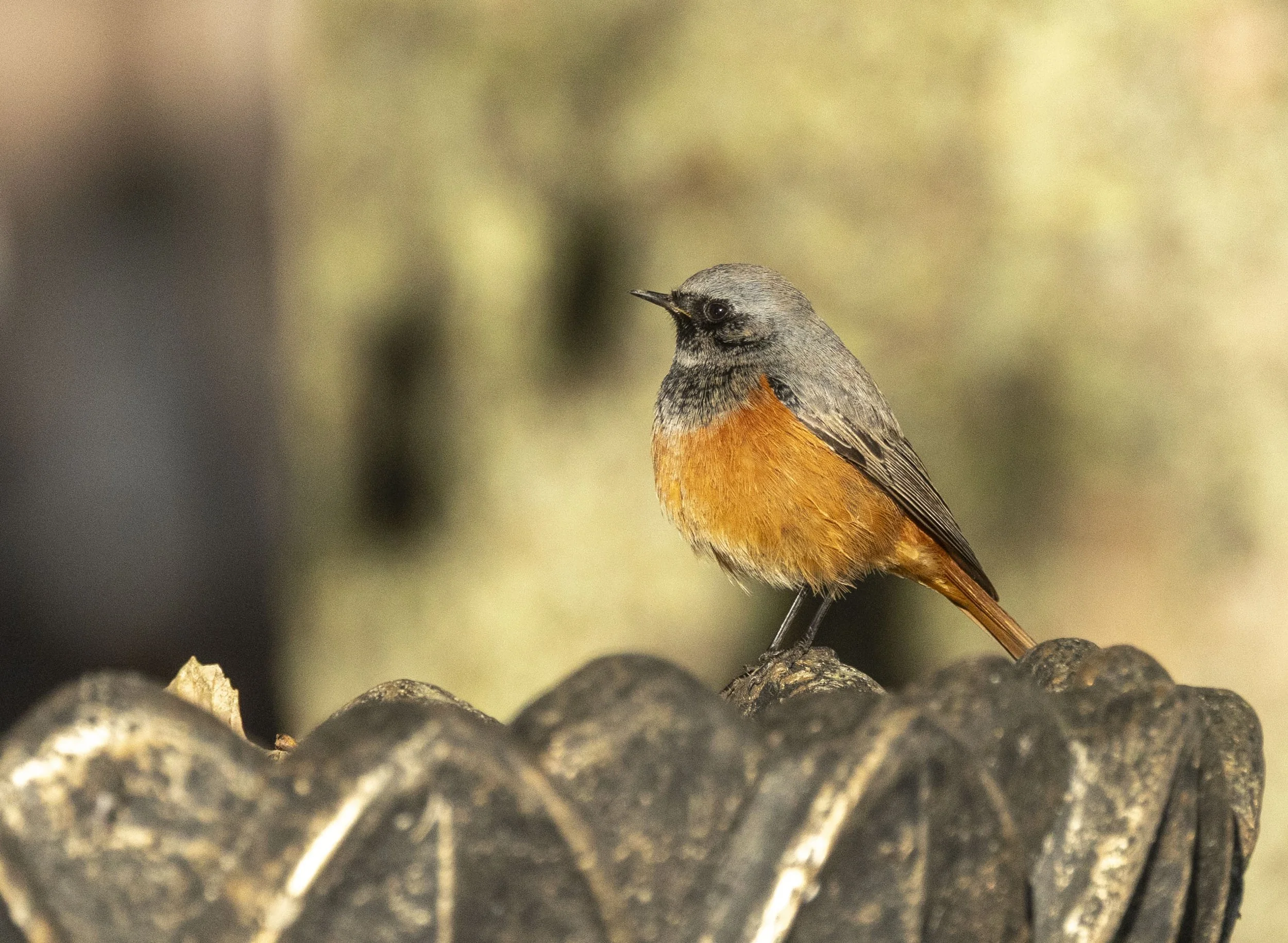
1cy male Eastern Black Redstart November 16th — I have a blog on Eastern Black Redstarts linked here https://www.grahamcatley.com/blog-1/msuaxblqlk8udyg3obugjhmkz8f6hg
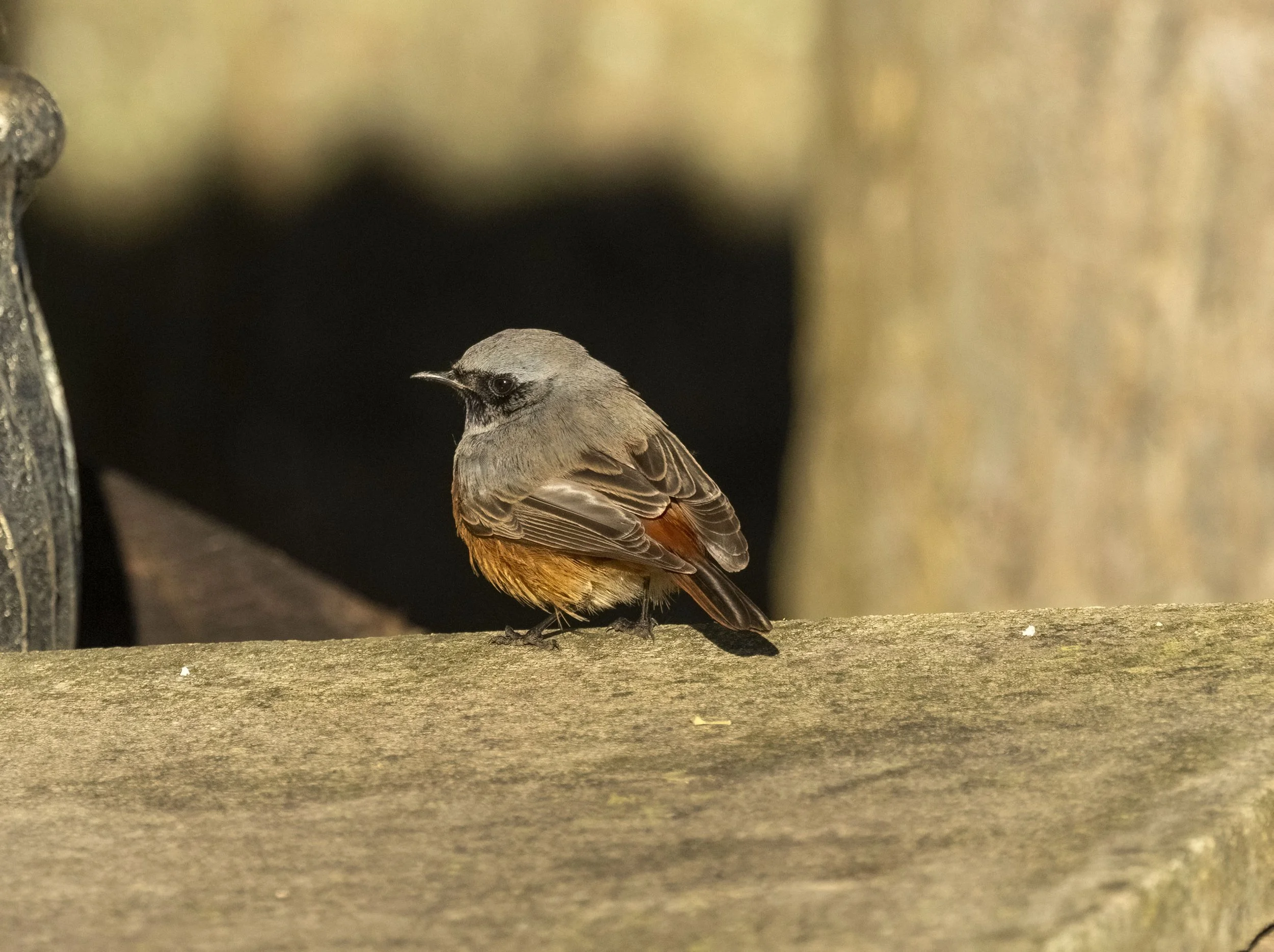
Some lovely subtle hues on the upperparts in the low winter sun
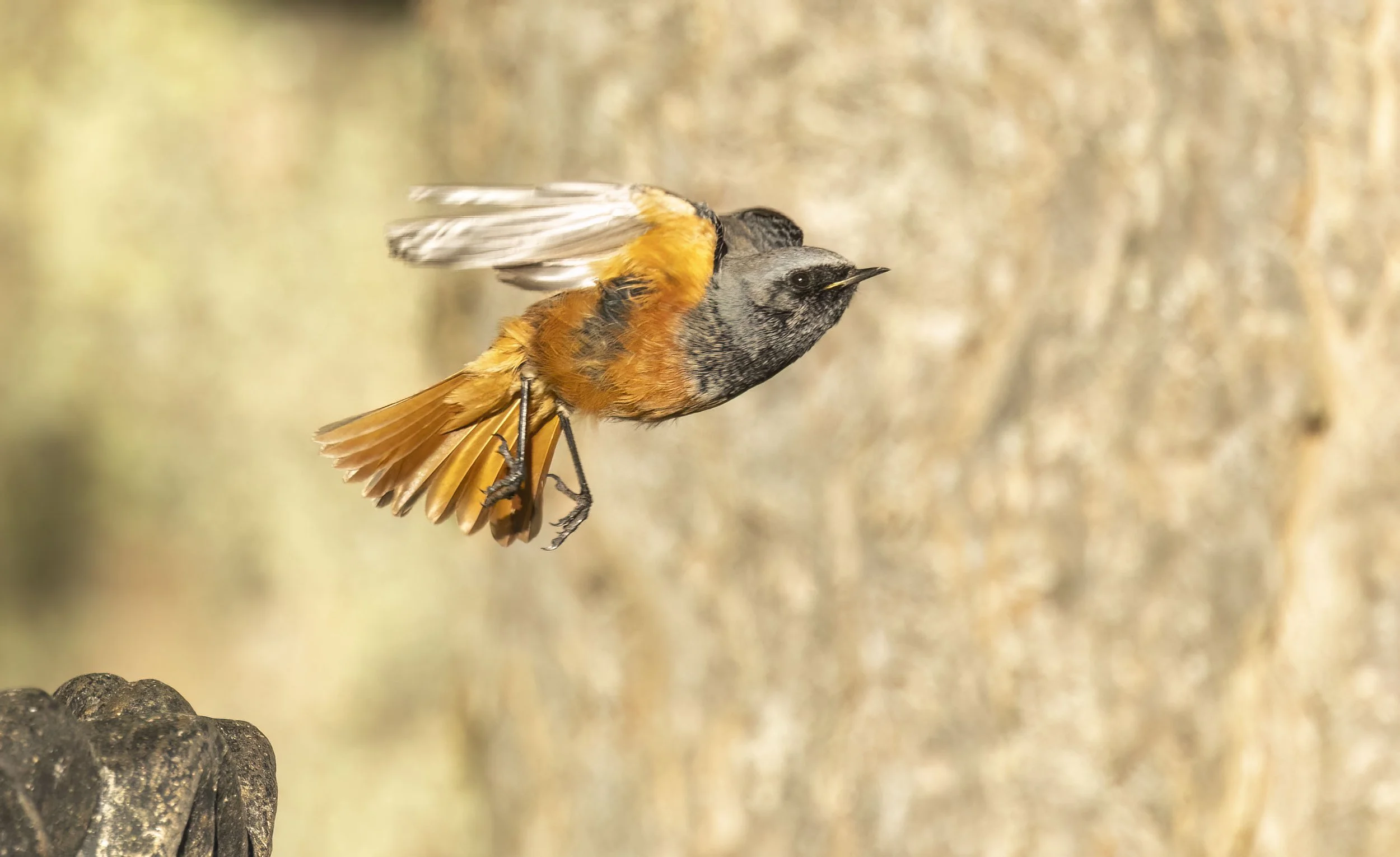
Better shot of the orange underwing coverts as it shot after a fly
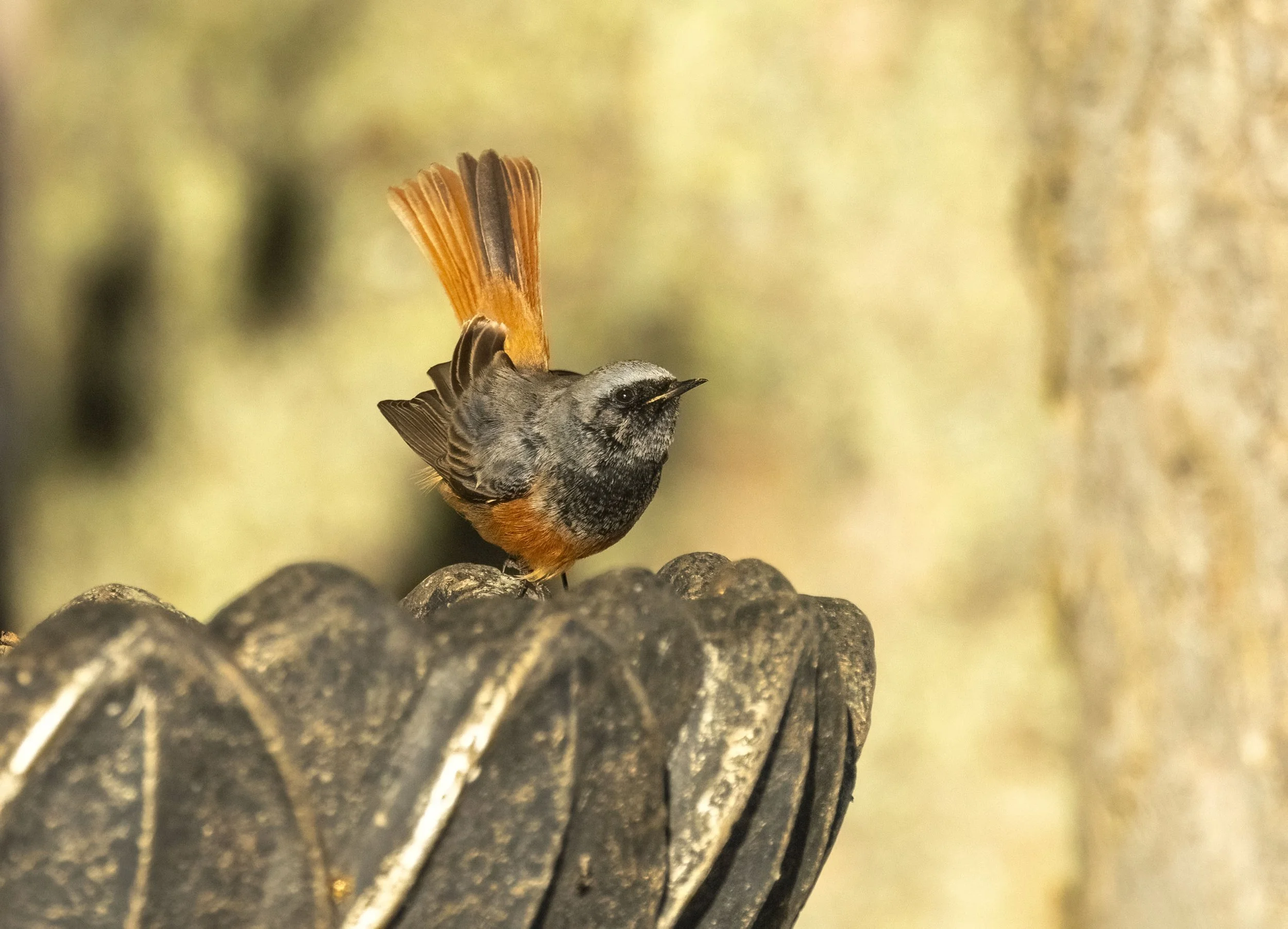
Quirky shot as it prepared to fly - pre-continuous shooting again
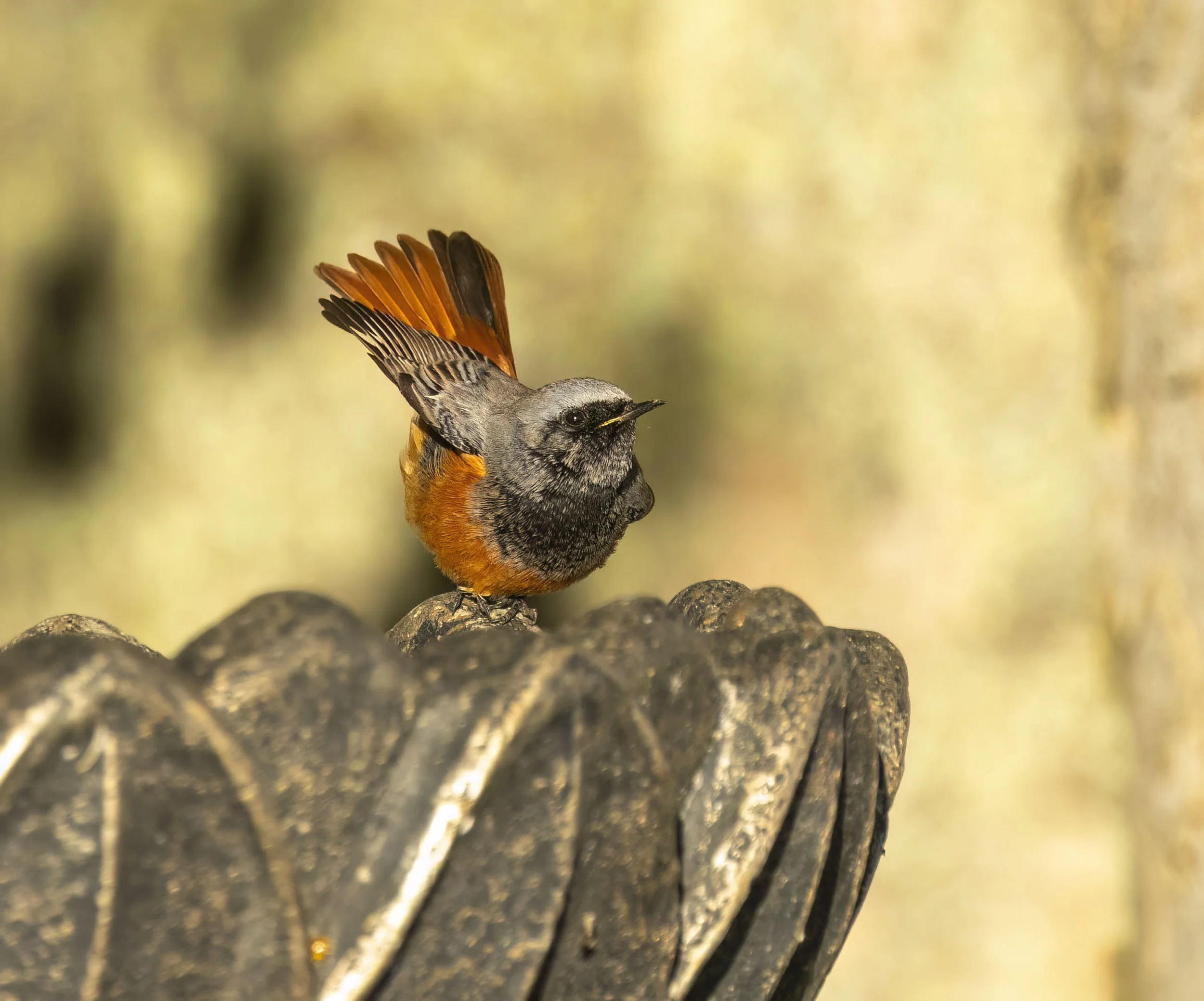
Harder to get images in the tree where it was often in shadow or behind branches
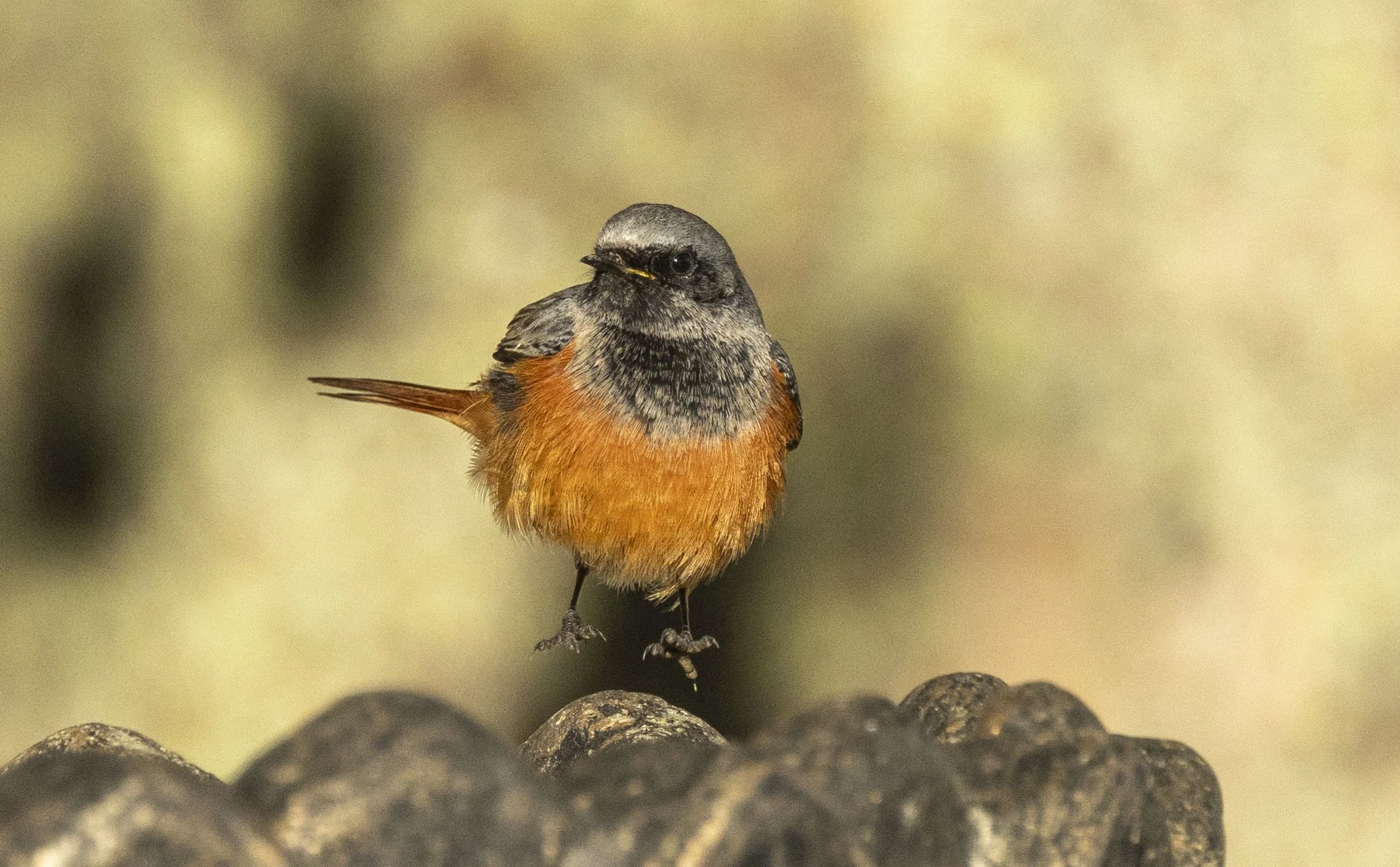
short hop
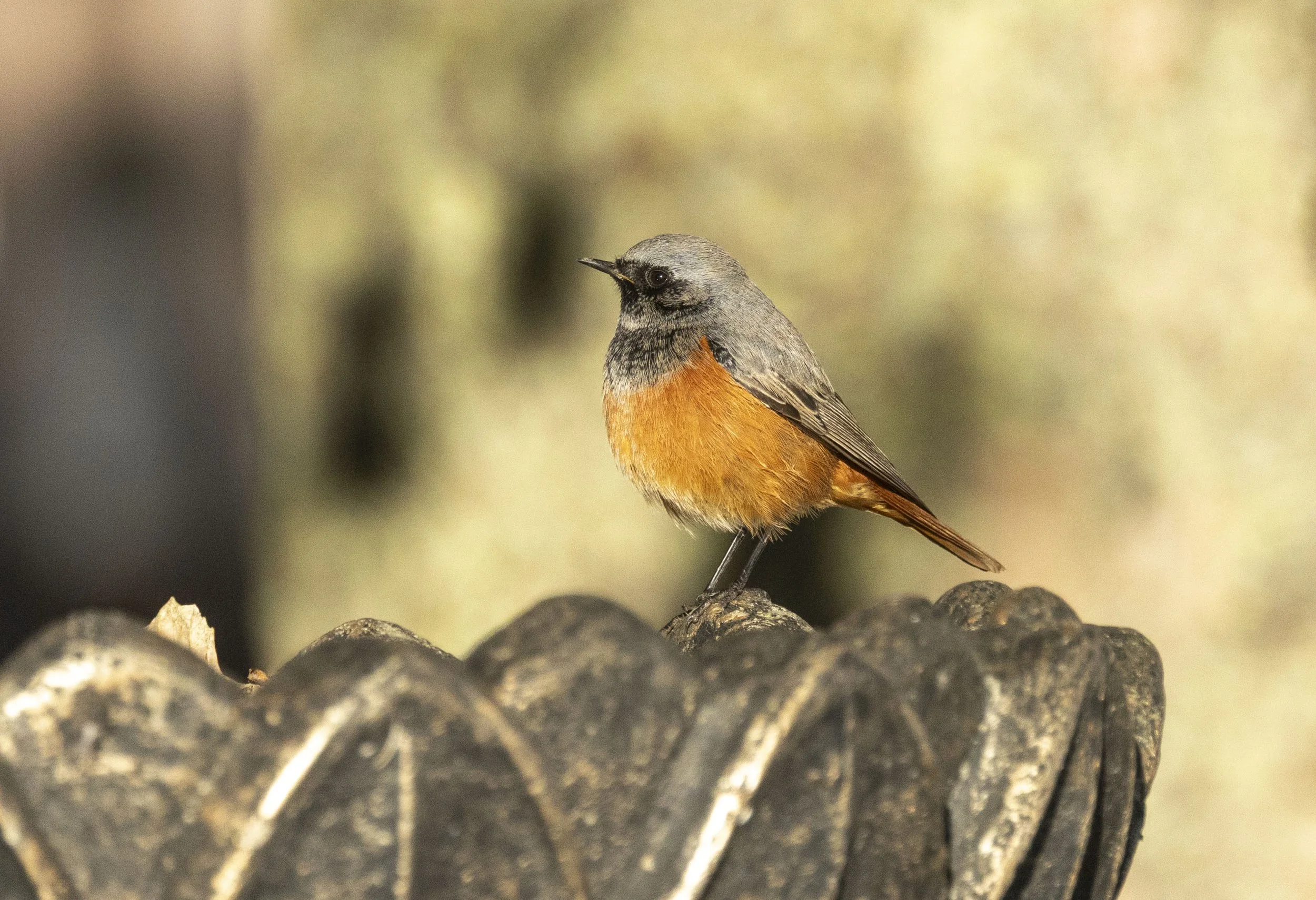
A first-winter male
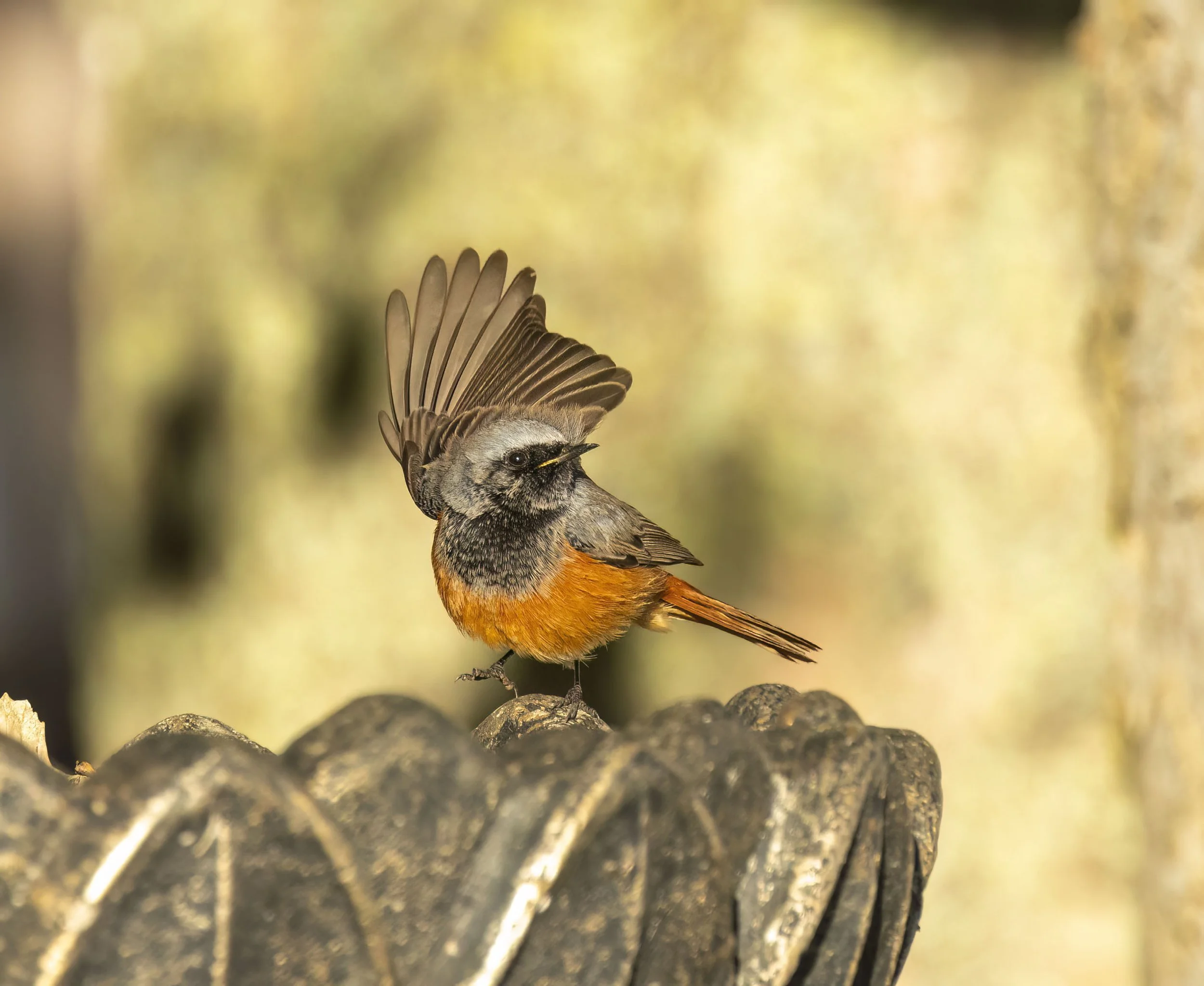
High speed images reveal wing structure and the brown coloured 1cy primaries
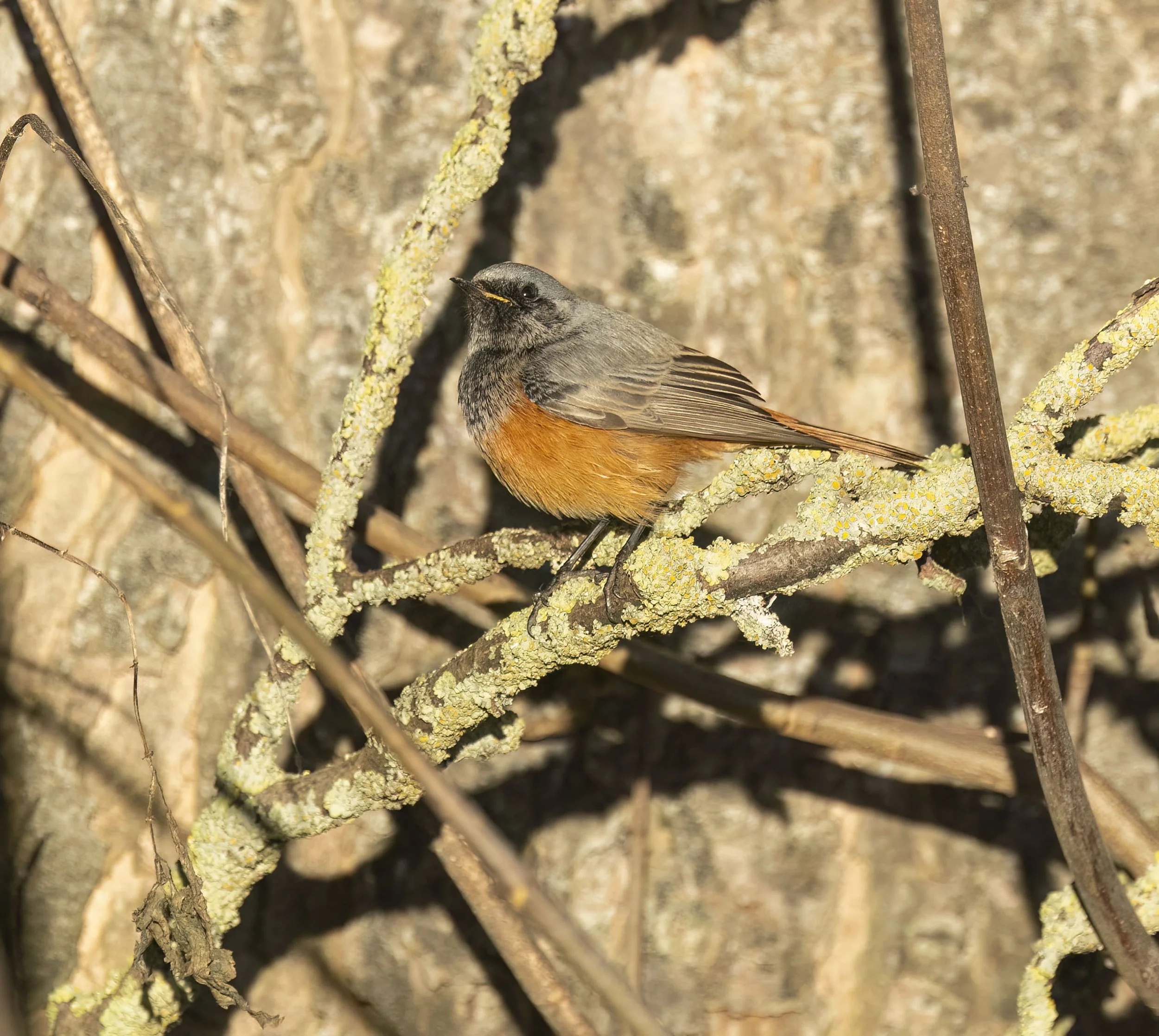
Amongst the lichens
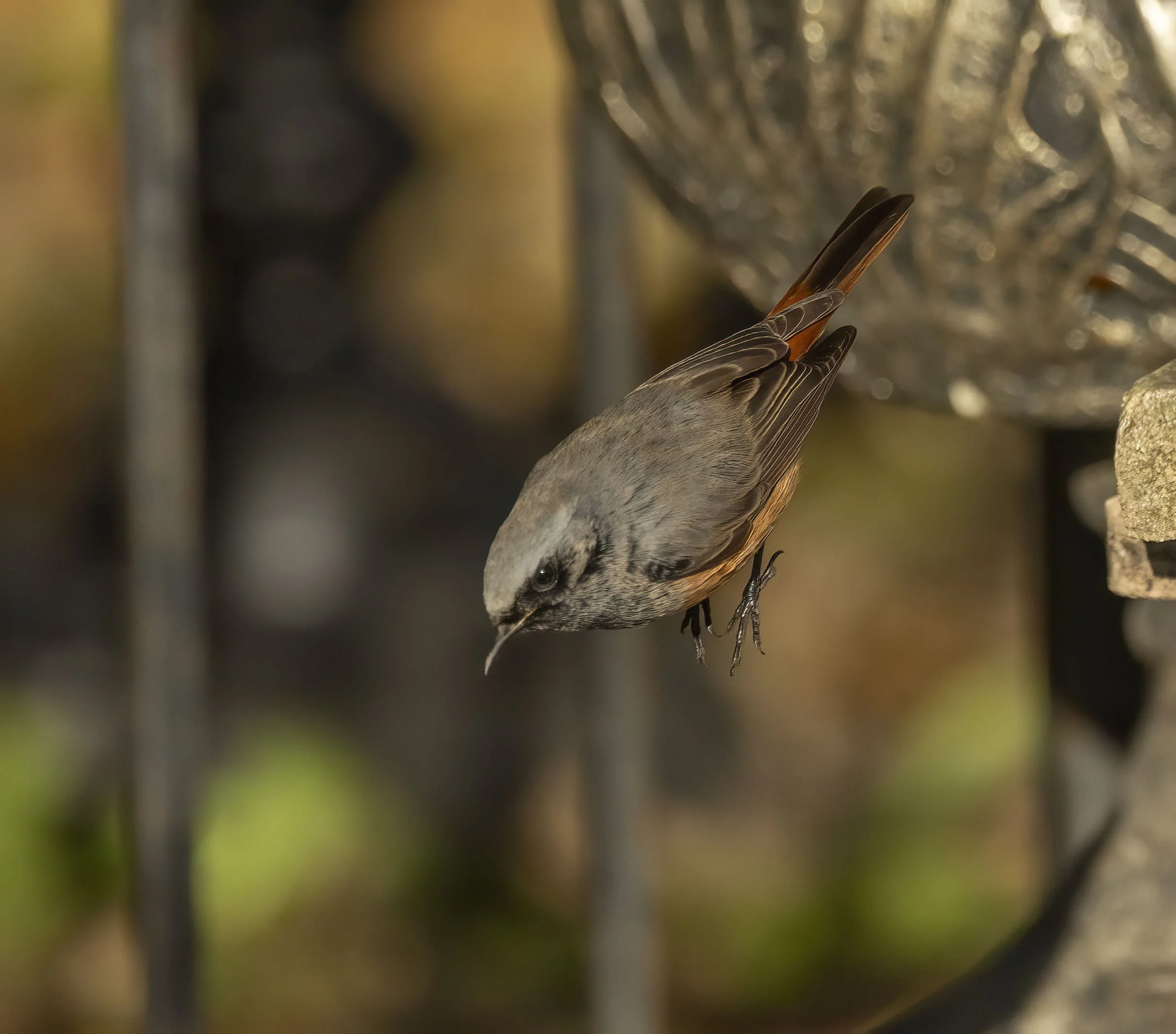
In a dive after prey
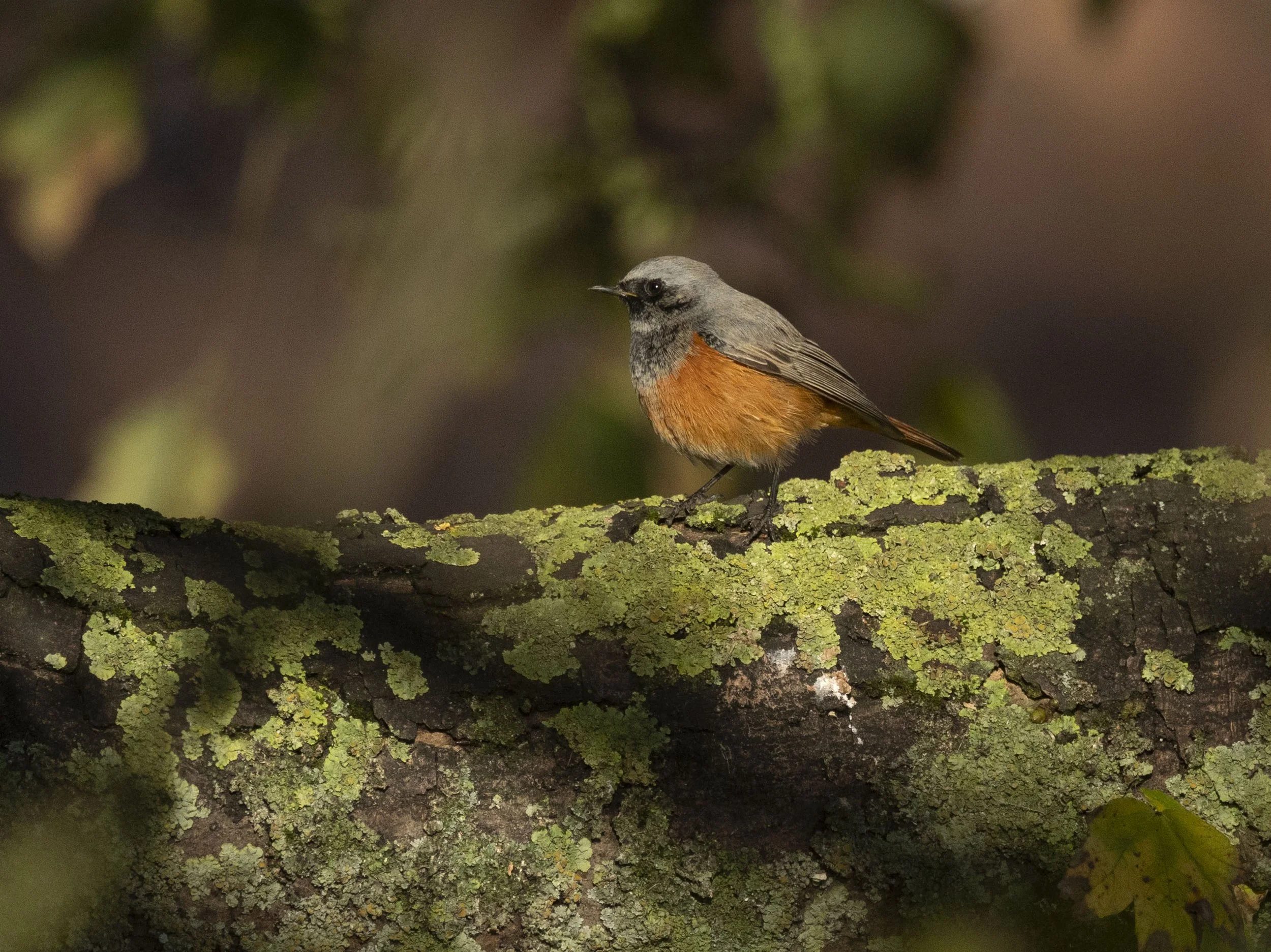
Picking food items around the trunks and thicker tree branches it could be hard to locate under what remained of the canopy
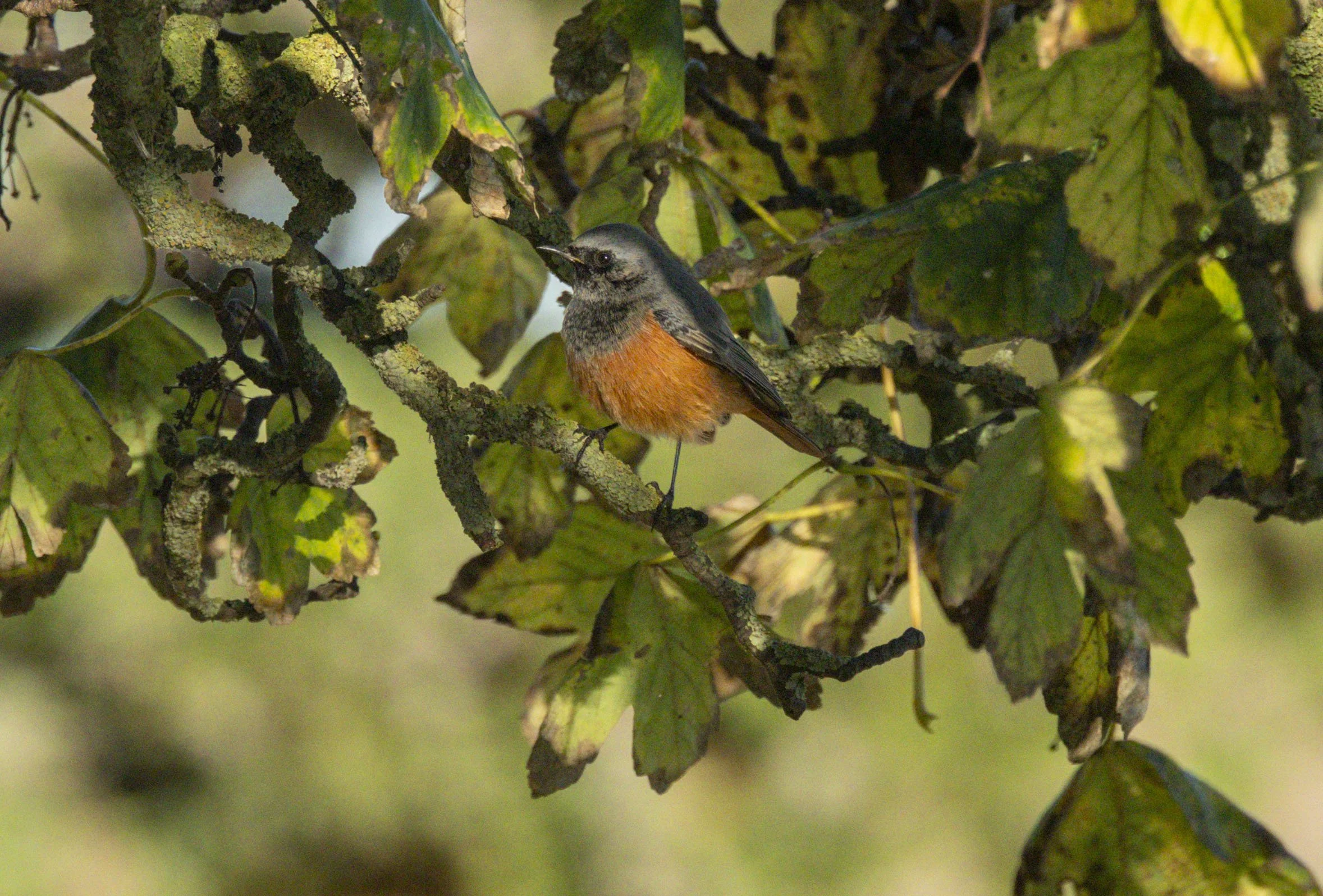
Still a number of leaves on this much maligned sycamore providing insect food
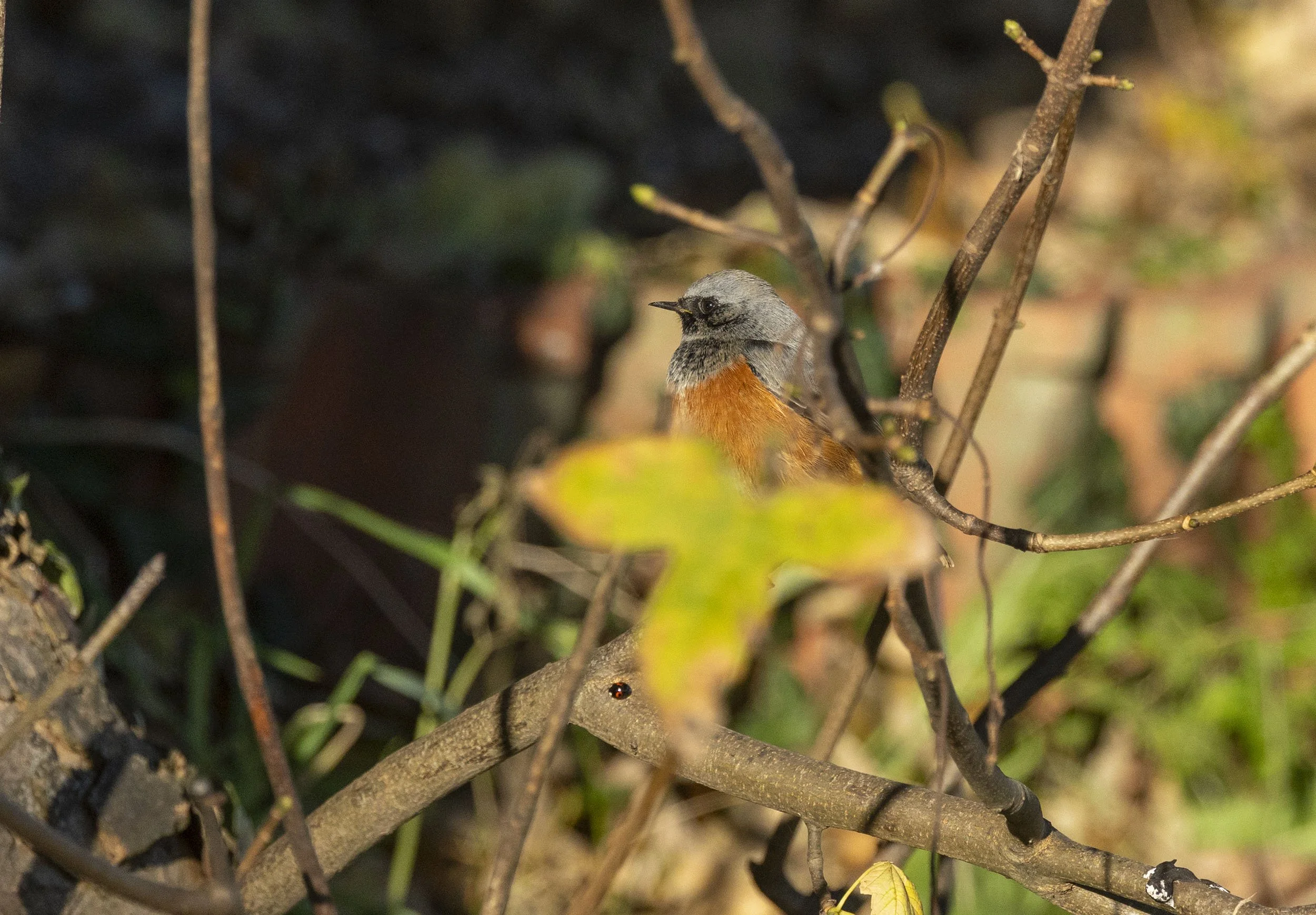
With a Harlequin Ladybird
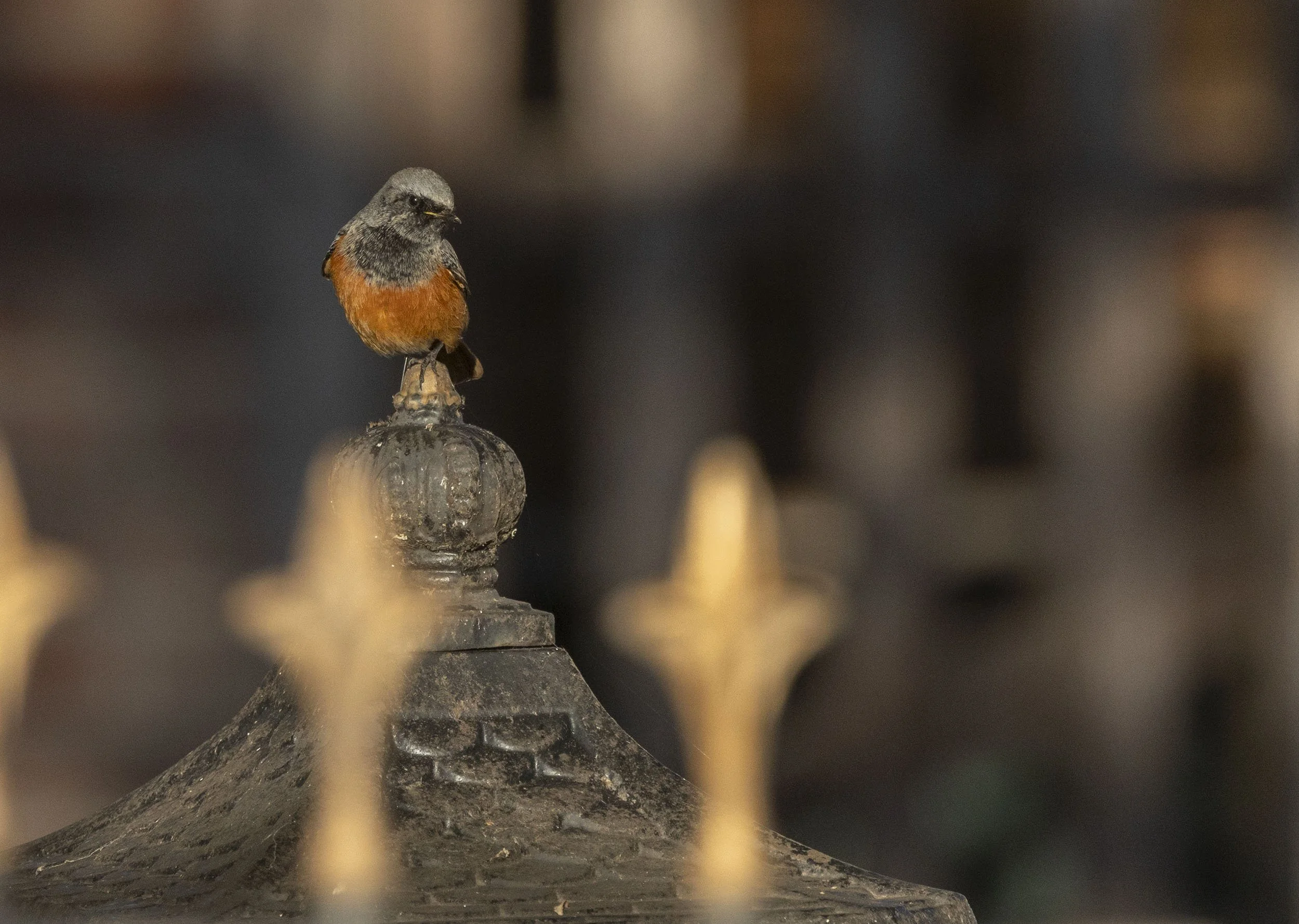
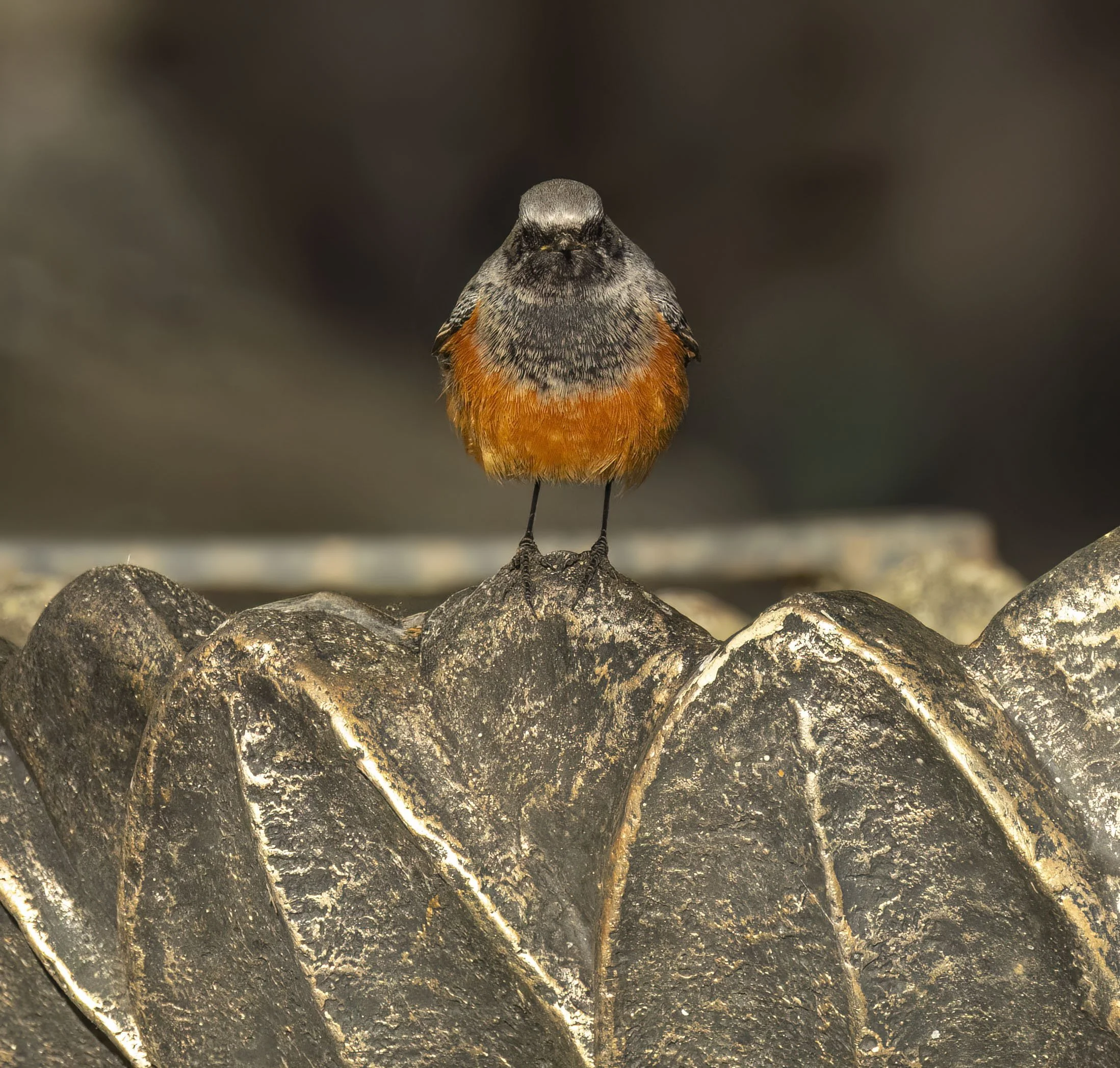
time to move on but the bushes and trees at Saltfleet Haven failed to produce anything notable so onto Theddlethorpe beach
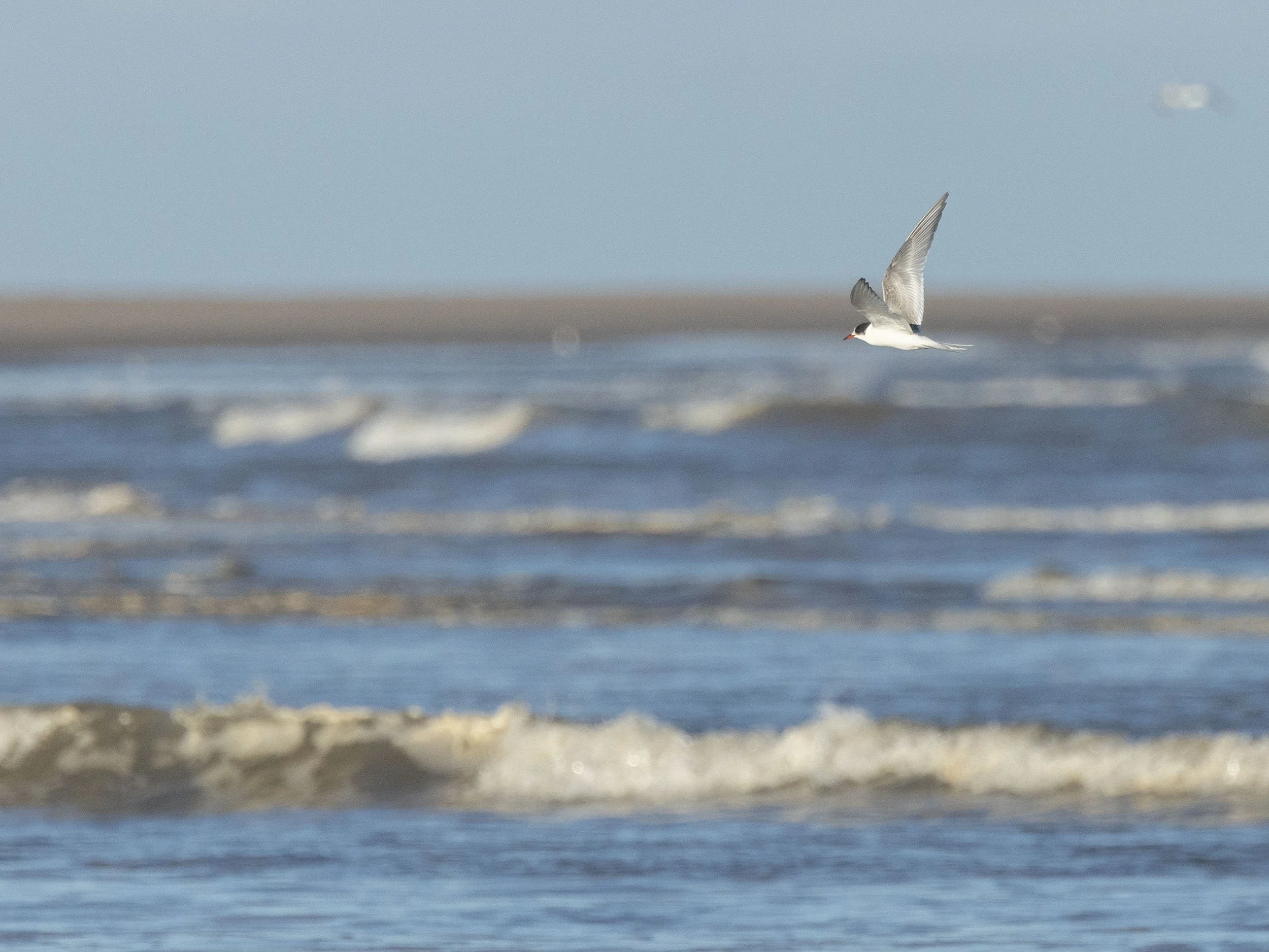
Not what I expected to see over a choppy and cold North Sea beach on November 16th a juvenile Arctic Tern
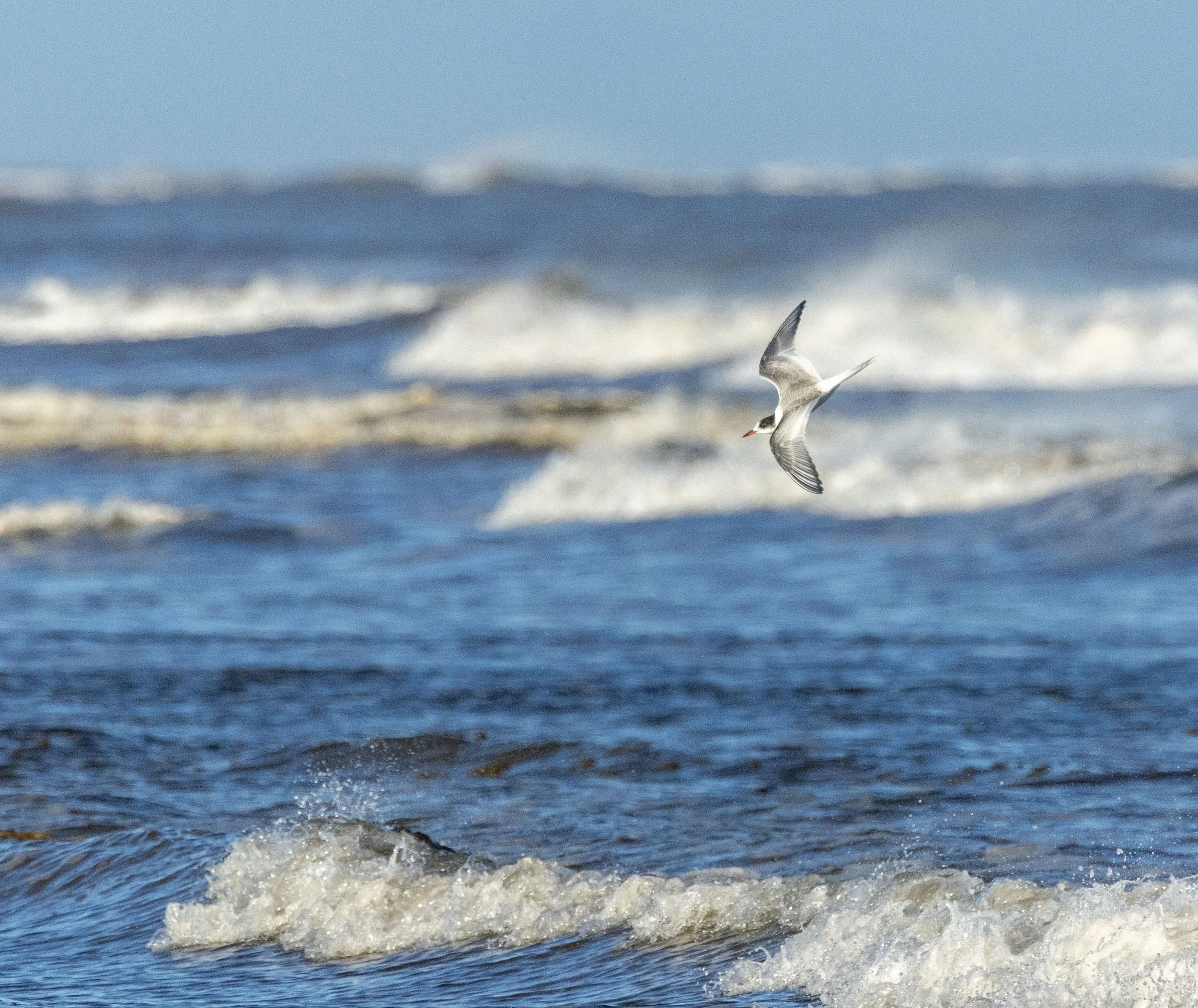
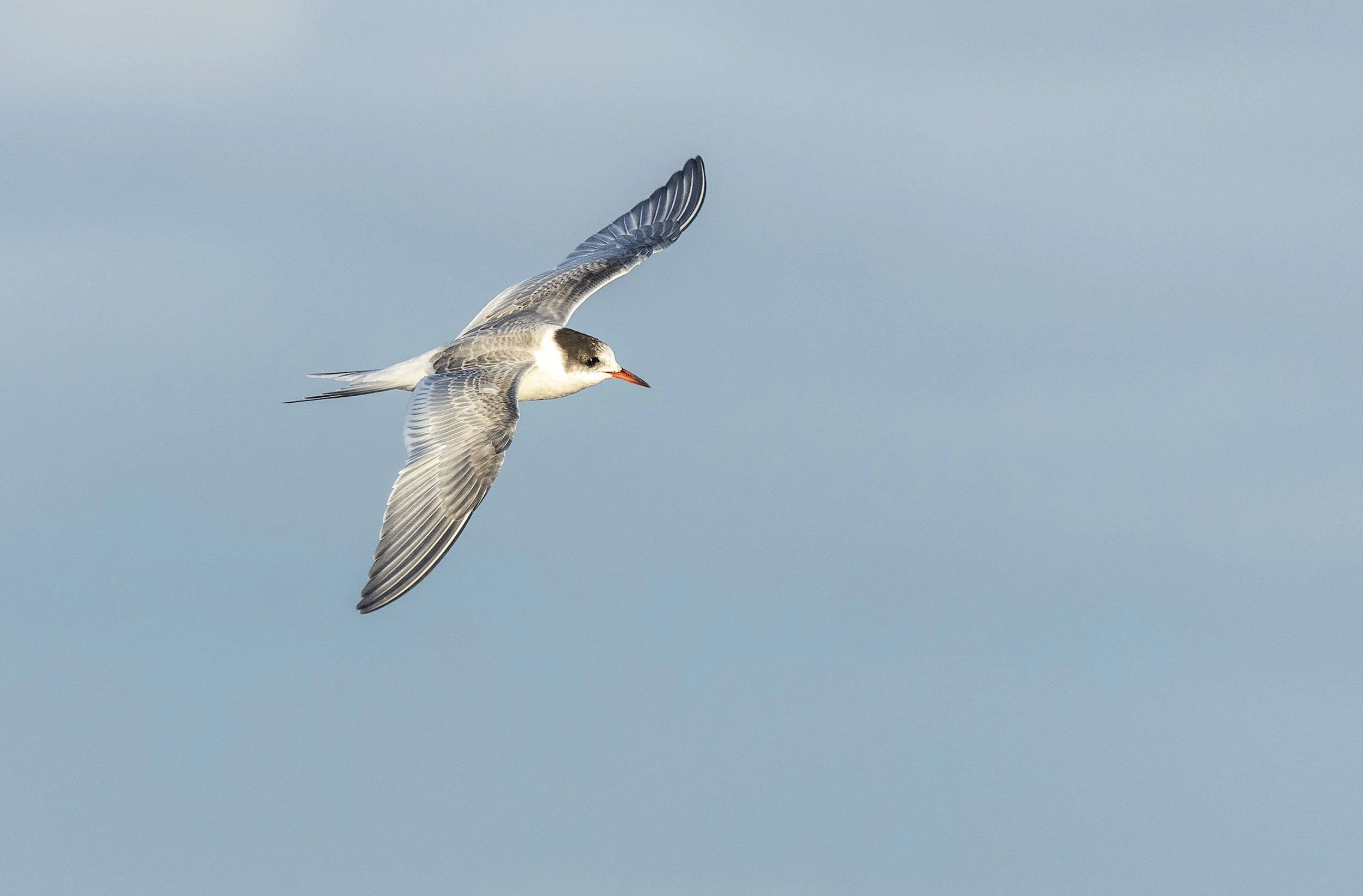
According to the Terns guide the red base to the bill is lost soon after fledging but maybe this bird fledged late in the far north?
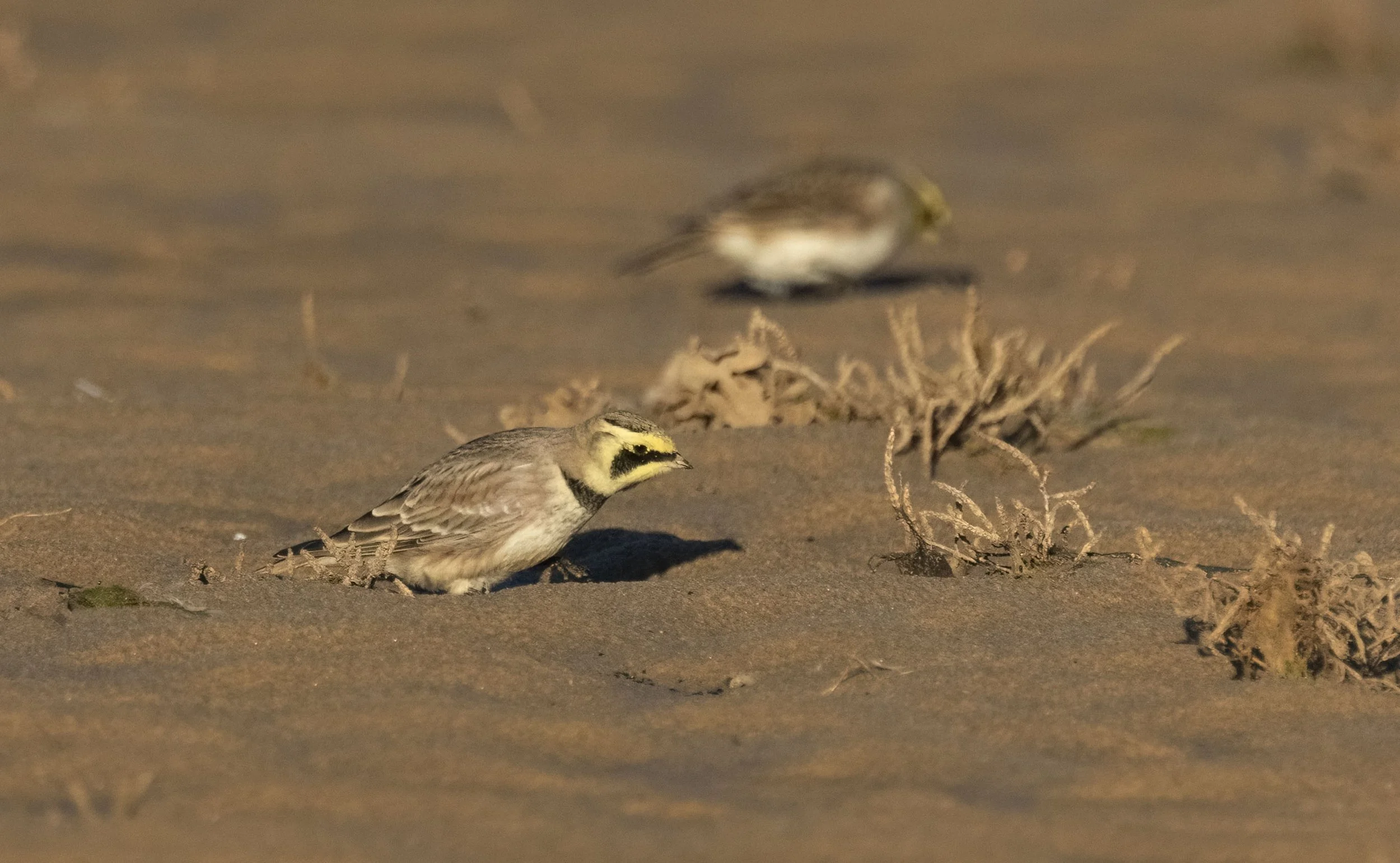
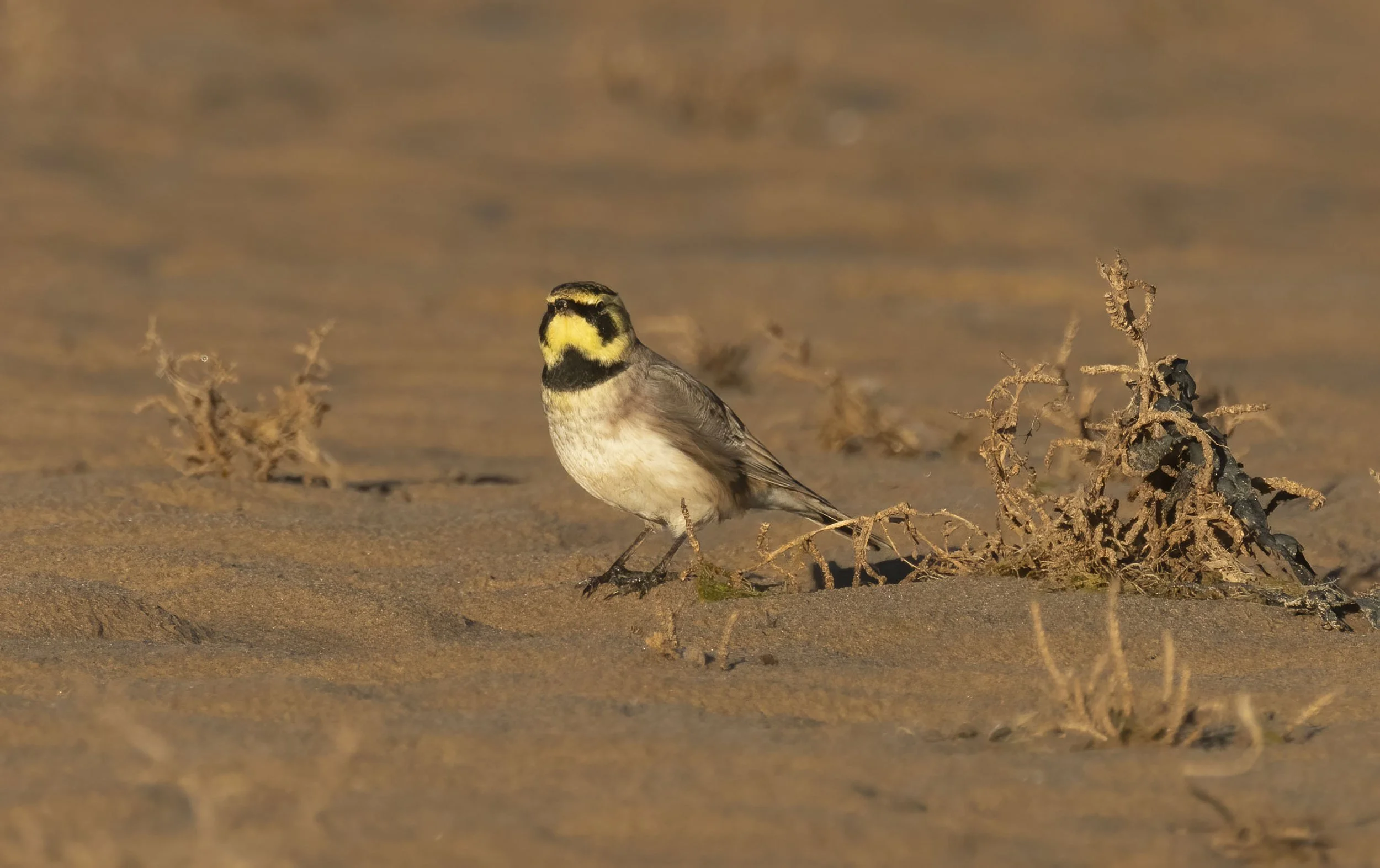
Four Shorelarks is considered a good Lincs total now - shifting base lines the winters with over 200 birds are seemingly a thing of distant history but less than 50 years ago
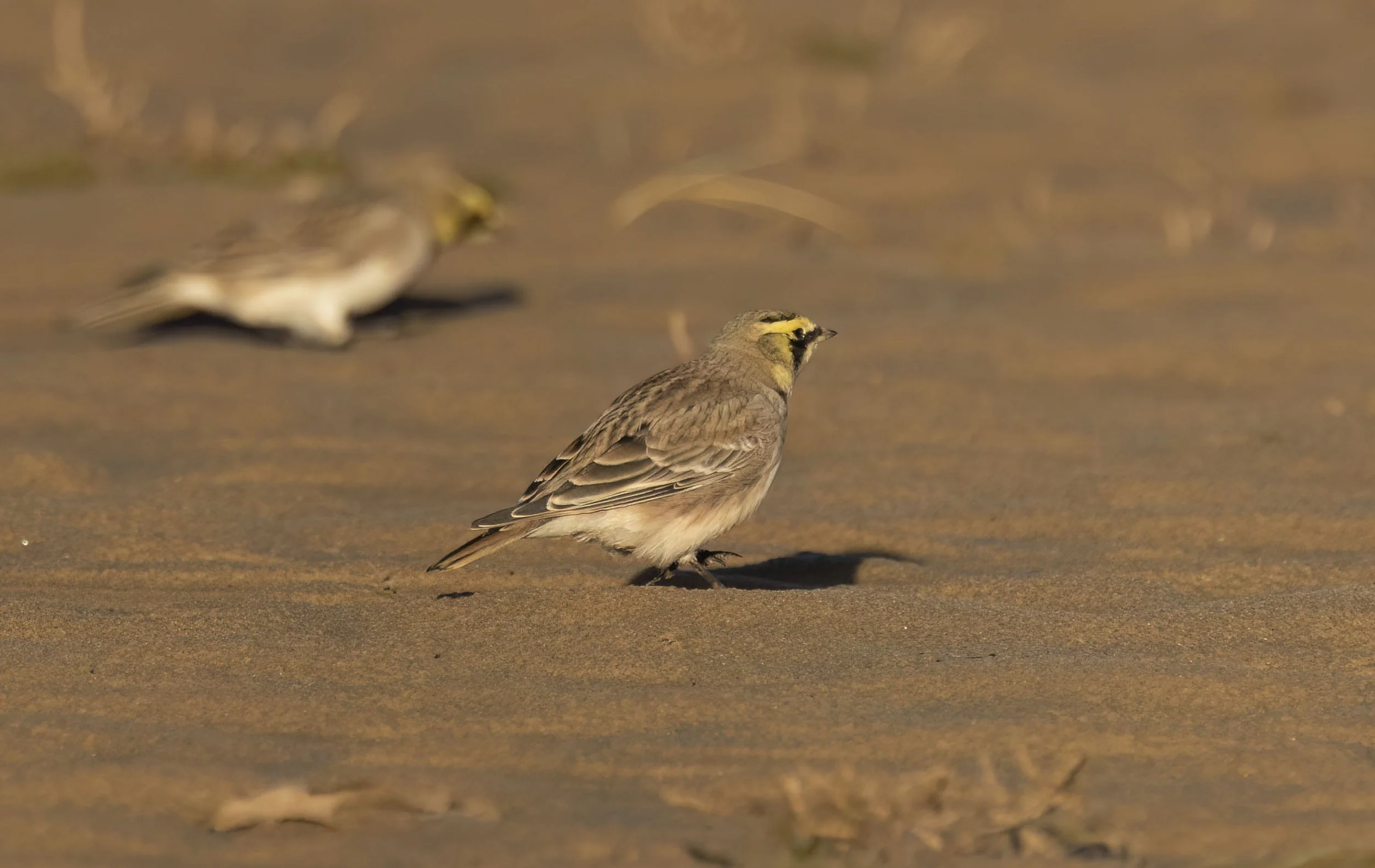
Always super birds to see and hear - one flew past me calling the previous week - a call you can never forget
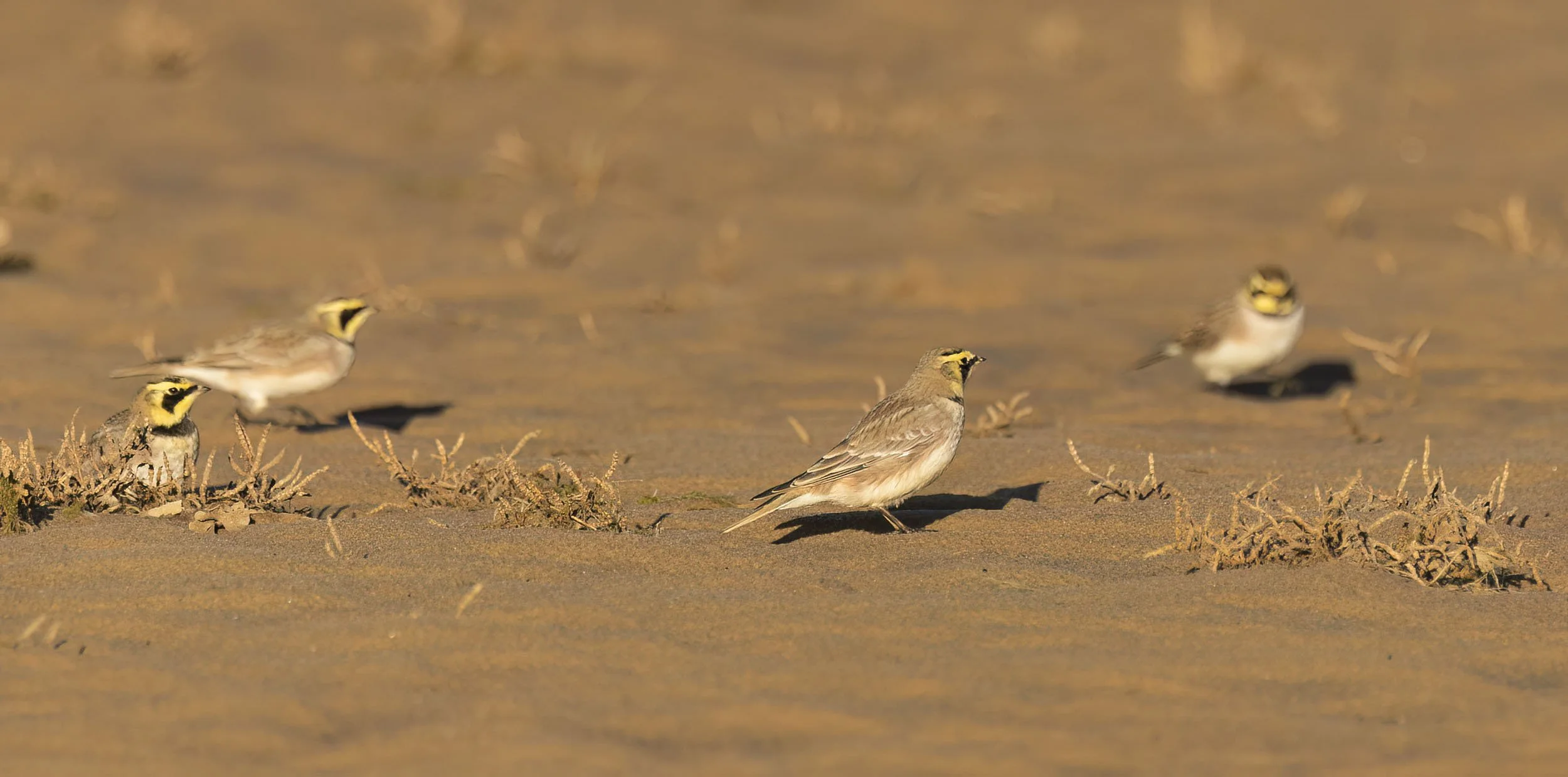
All images big crops from a 30MP file - don’t try and get too close to them they need to feed and space on the beach - dog walkers are enough of a problem
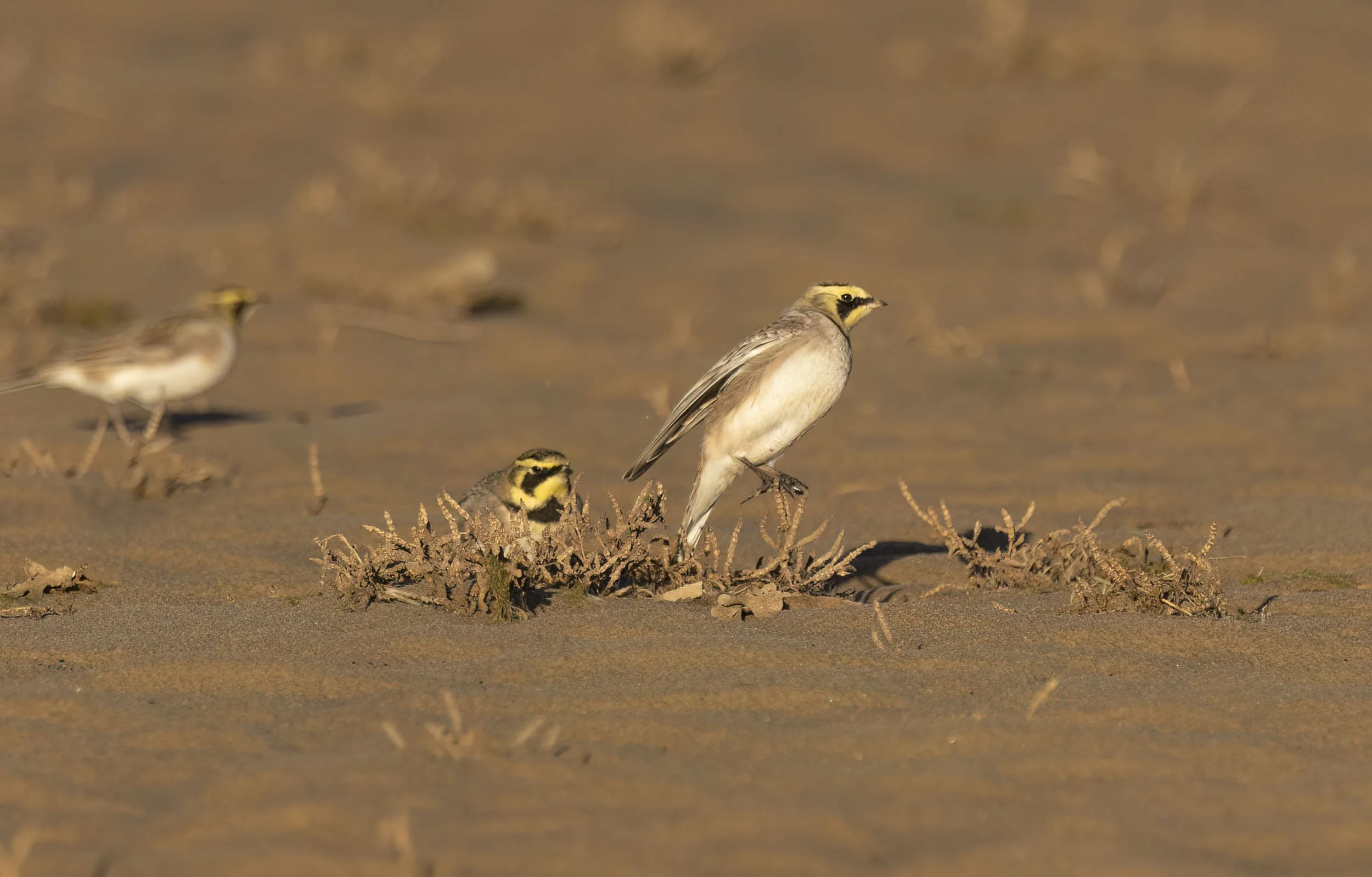
A bit of argy bargy over the best food spots
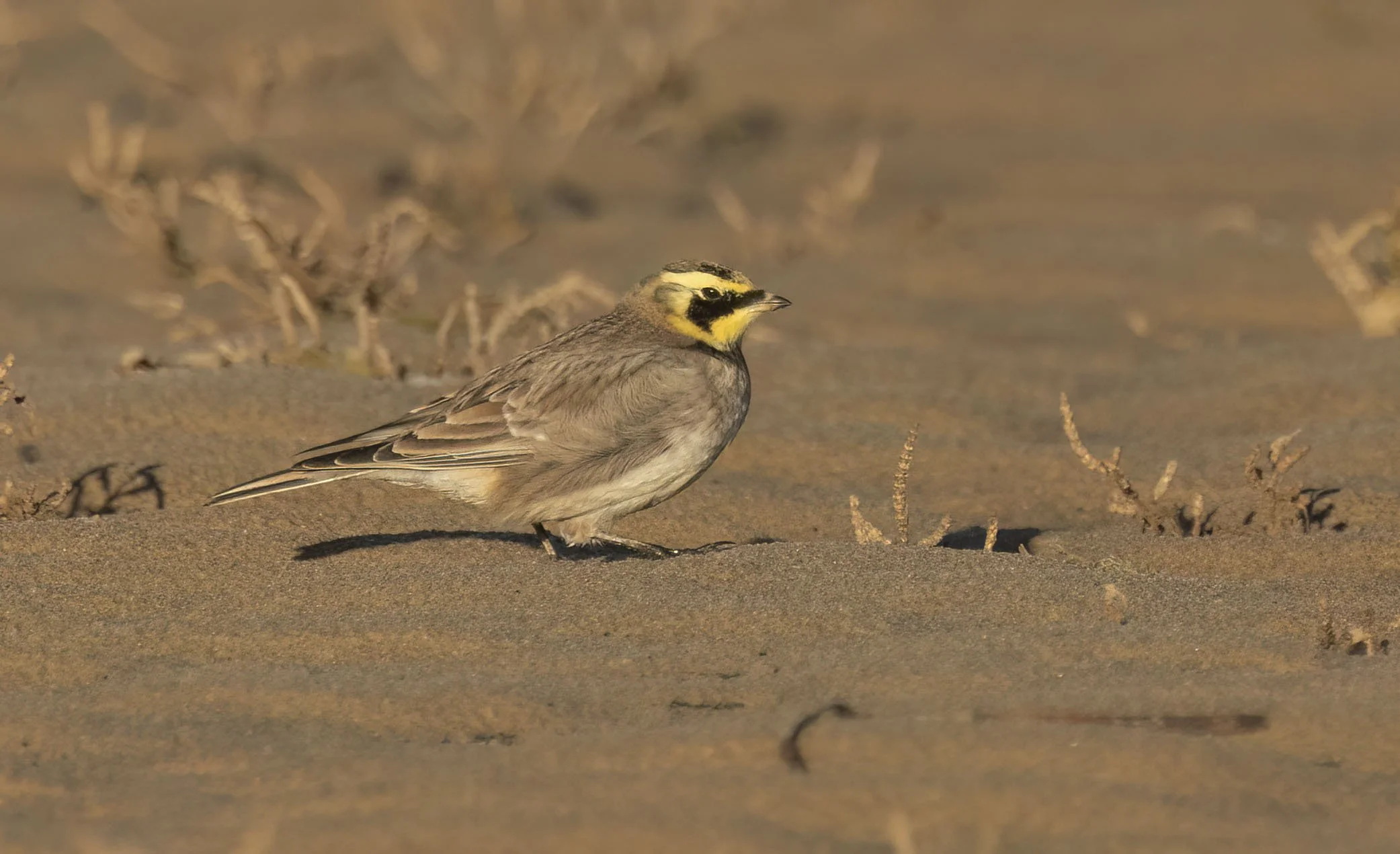
salicornia specialist
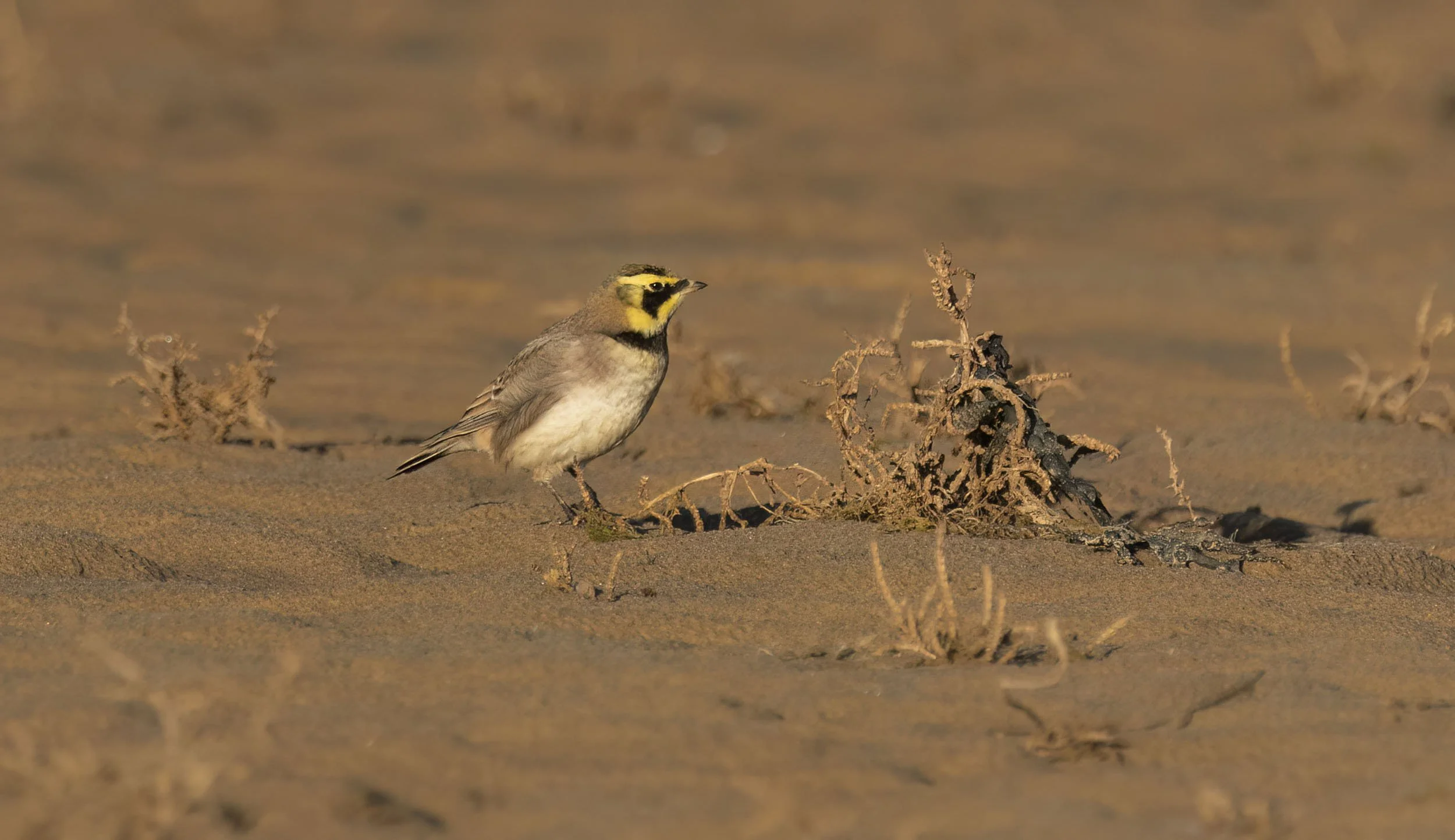
low winter sun
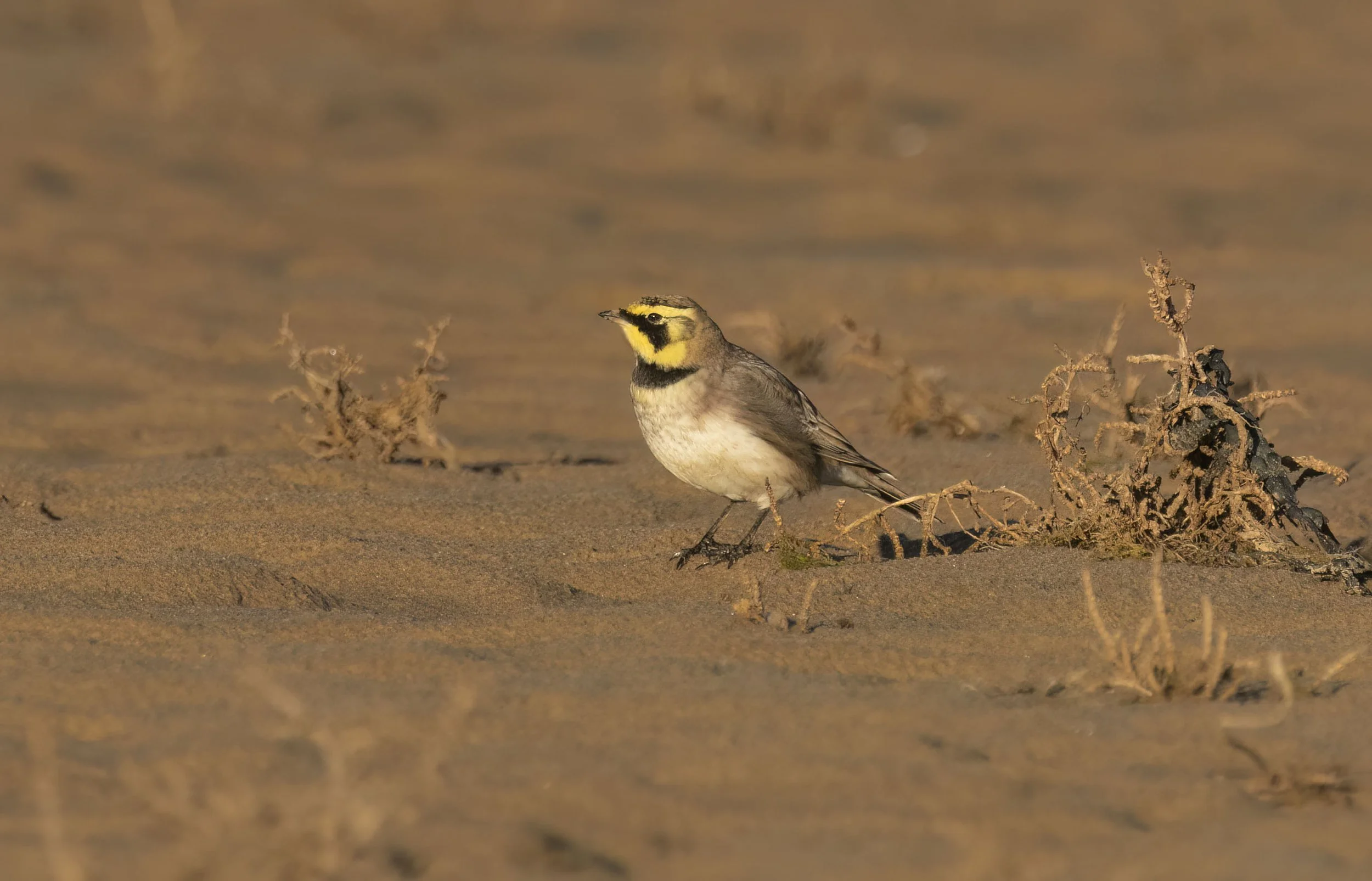
with patience and preferably sitting down Shorelarks will sometimes walk towards you but a flock of people standing over them with scopes is clearly intimidating
Canon R6III and RF 100-500 with 1.4x
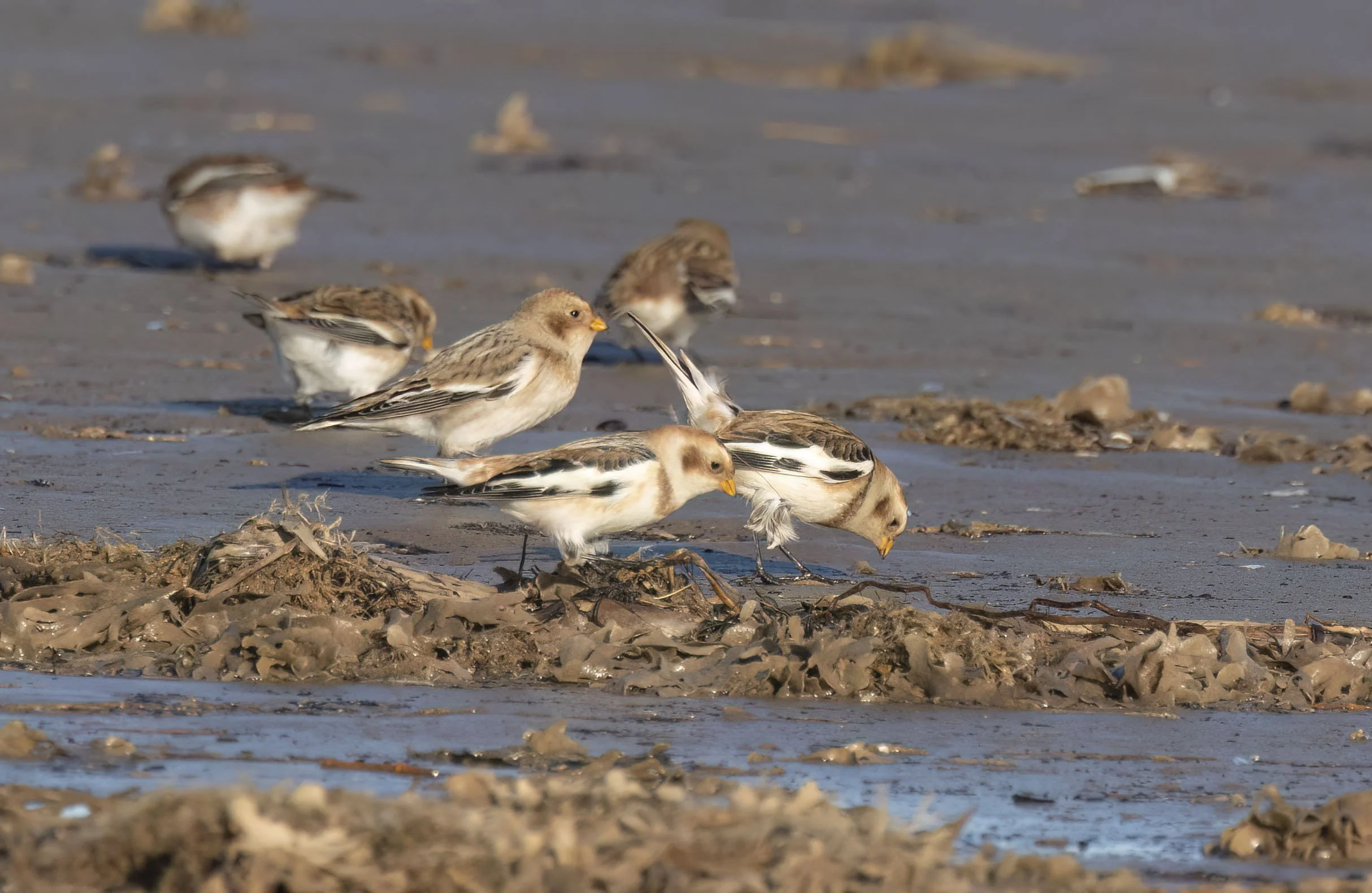
At least 37 Snow Buntings on the beach but possibly a second small flock additional
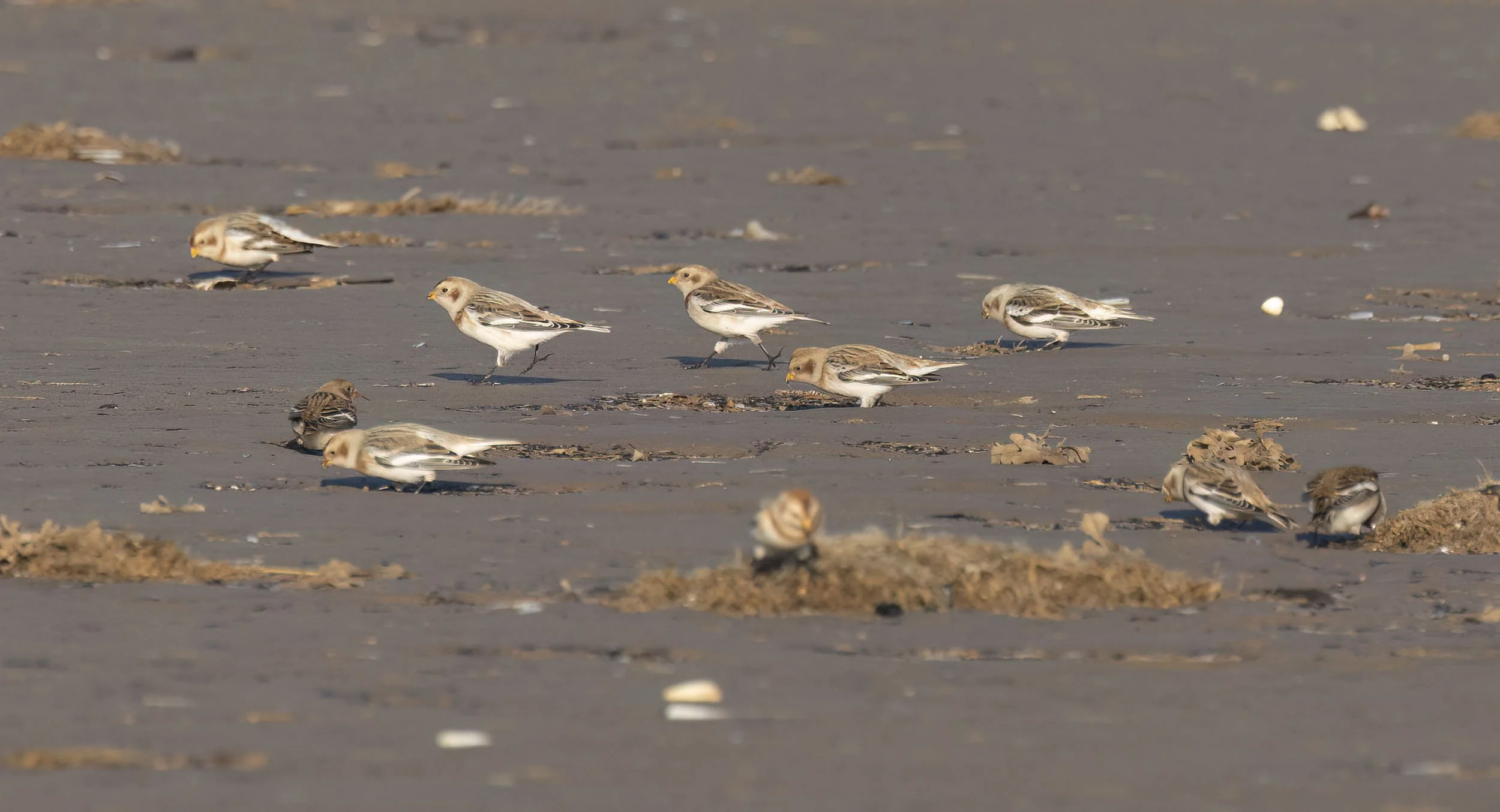
A predominantly pale flock
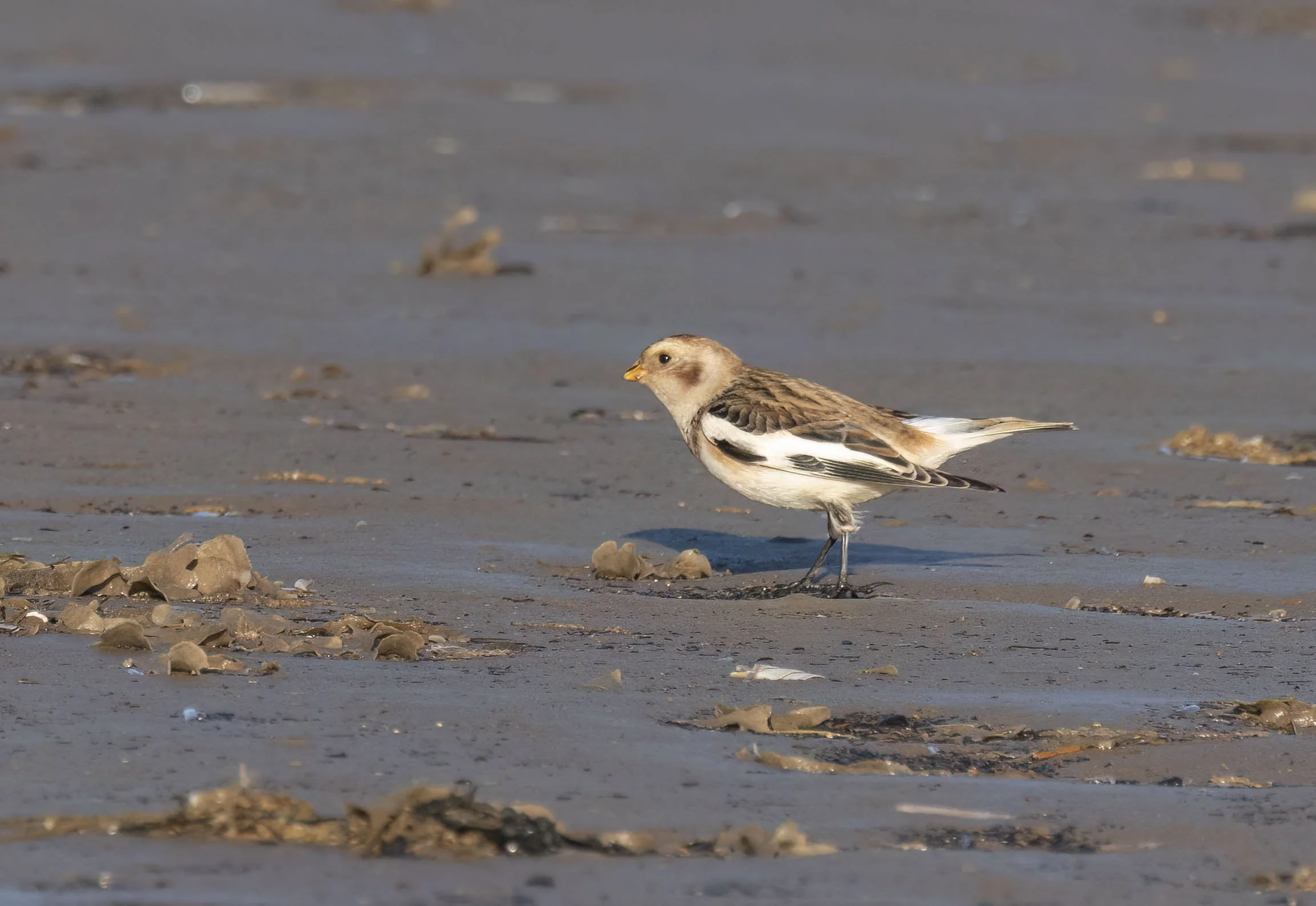
The majority were pale adults? this is a male and appears to be insulae according to Martin Garner’s Challenge Series Winter but I could have got it wrong
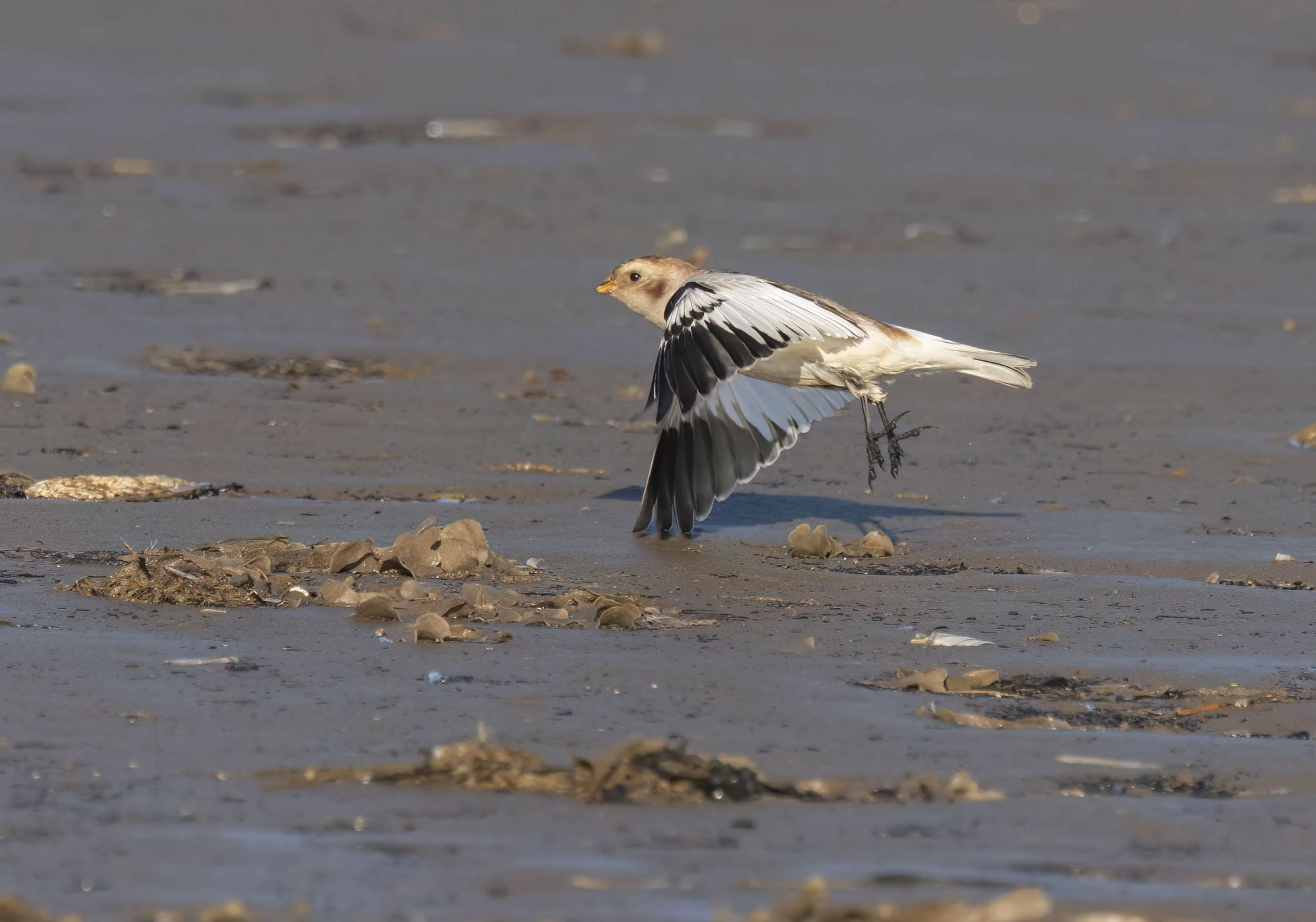
Open wing patterns easiest seen in a still image
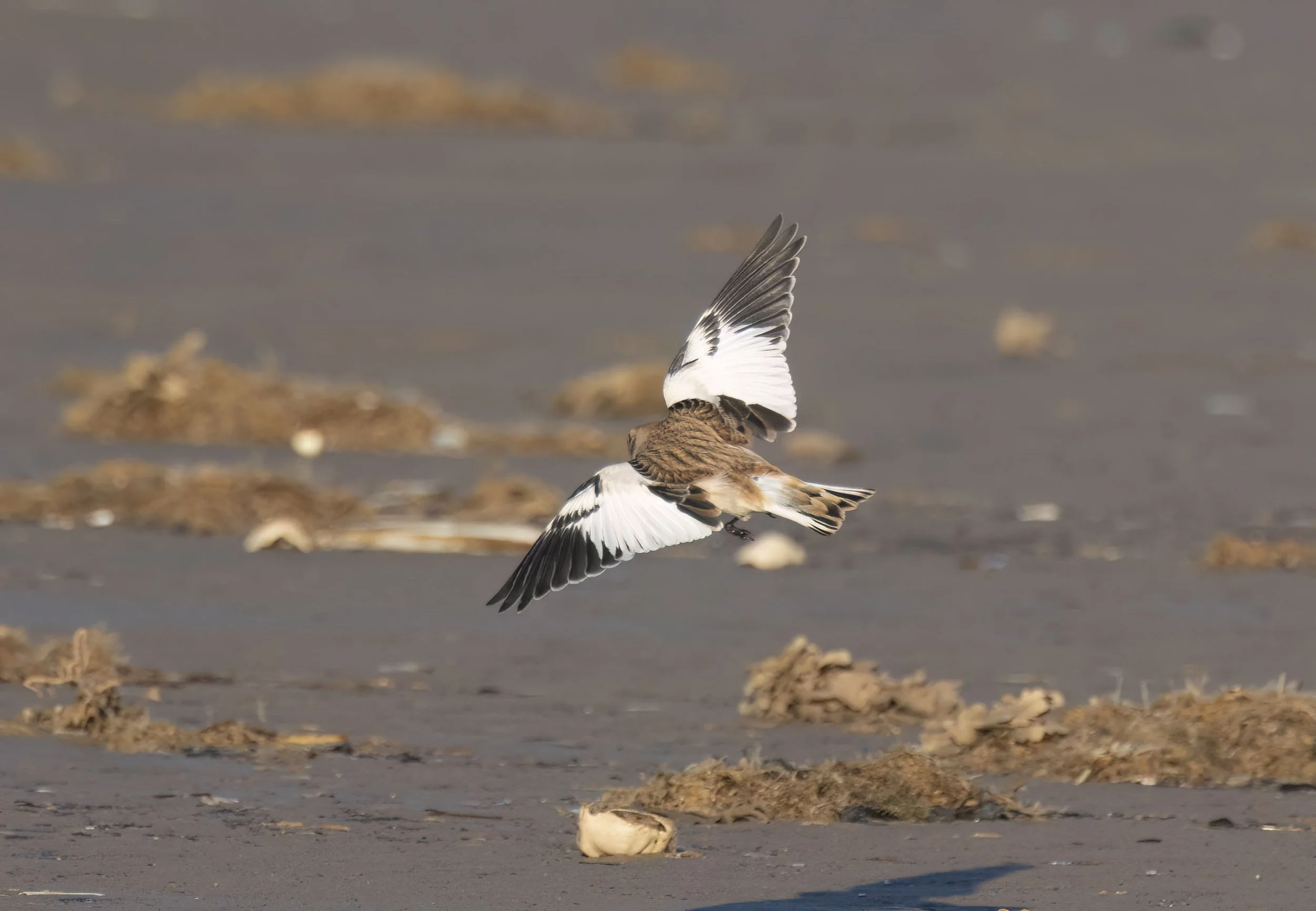
Same bird as above two images - rounded tail feather tips equals adult? lack of contrsast between mantle and scapulars equals insulae Icelandic Snow Bunting?
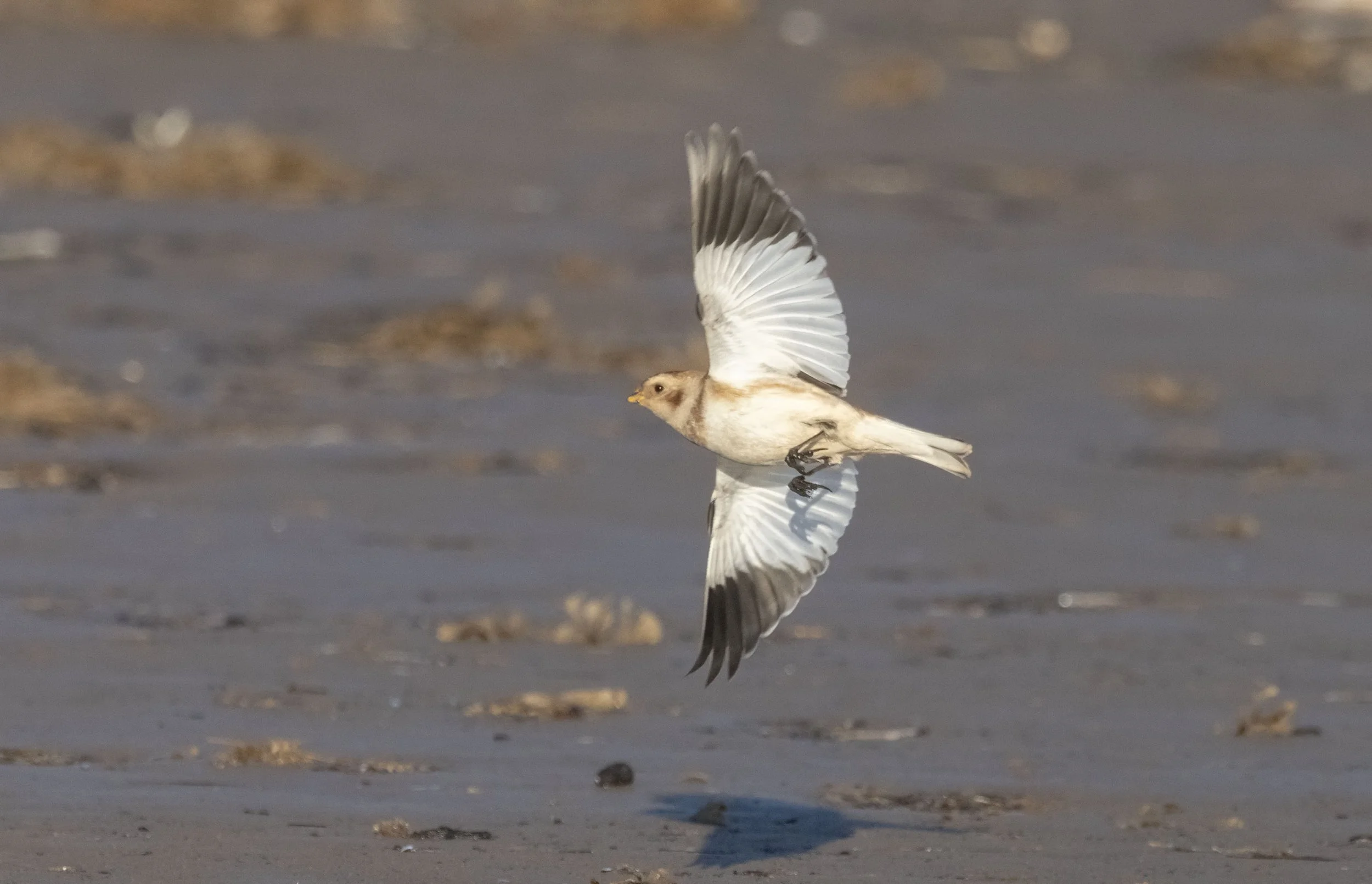
Underwing though seems to show greyer under primaries ?
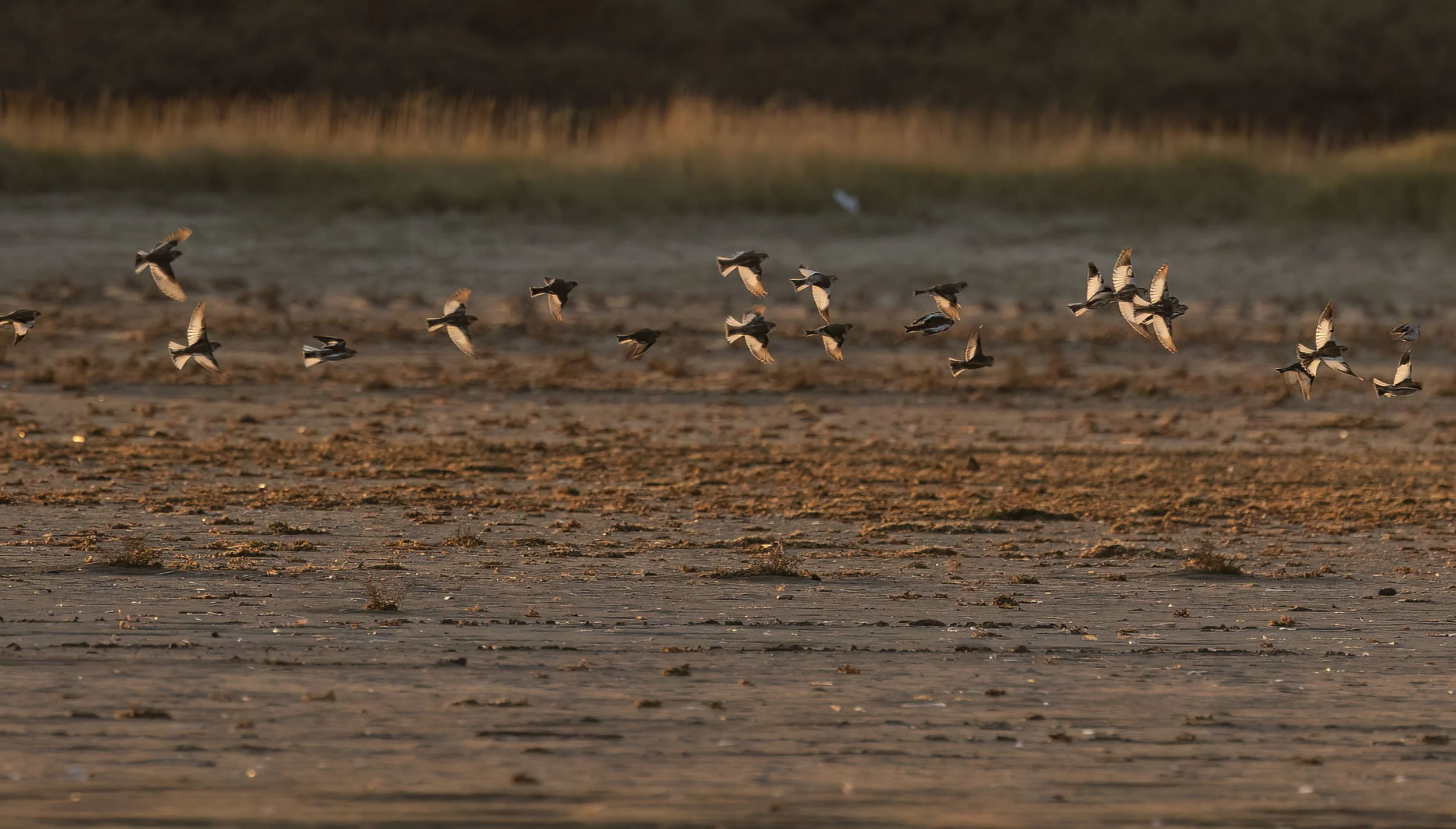
Backlit shot of the flock as I walked back from the sea just before sunset
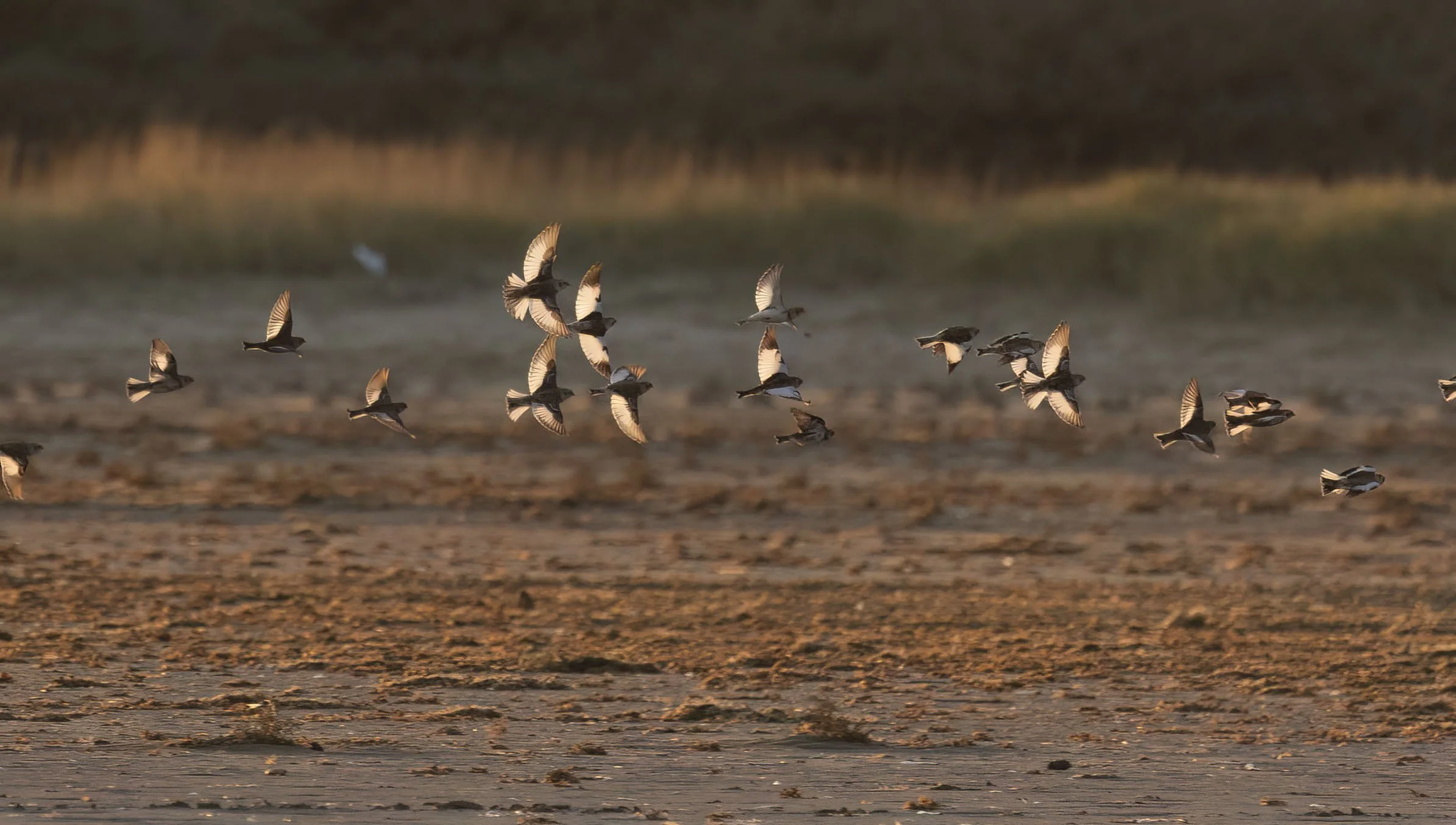
Always an iconic but decreasing sight on the Lincolnshire beaches