After a dire October the winds finally swung into an eastern quadrant and with high pressure stretching to Central Asia there was high anticipation that eventually brought a wave of eastern vagrants but sadly as has become the norm hardly any common migrants bto back up the rarer fare a sad reflection on the way we have wrecked the planet - but back to the here and now and a few images from forays out east
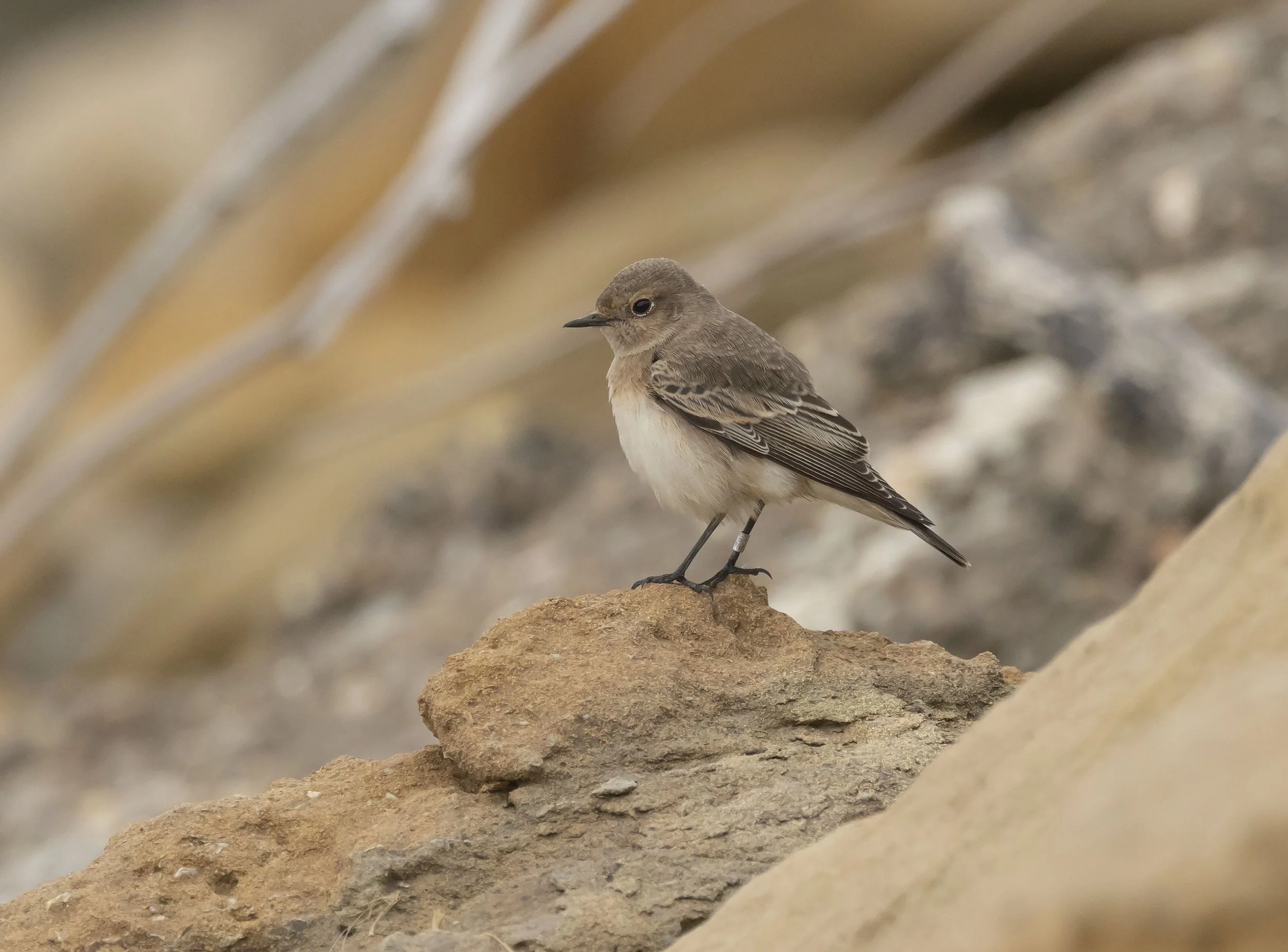
1cy female Pied Wheatear Sammy’s Point Kilnsea November 6th 2026: I was resisting the temptation to go across the Humber, too many people, rubbish roads and inevitable queues on the Bridge but early morning on 6th the Bridge traffic was oddly flowing freely so decided to go and have a look at the Pied Wheatear as I hadn’t seen one since the extraordinary record inland at Collingham Notts in November 2013. Needless to say it was being pursued by a small army of people but with patience it would come close if you sat still.
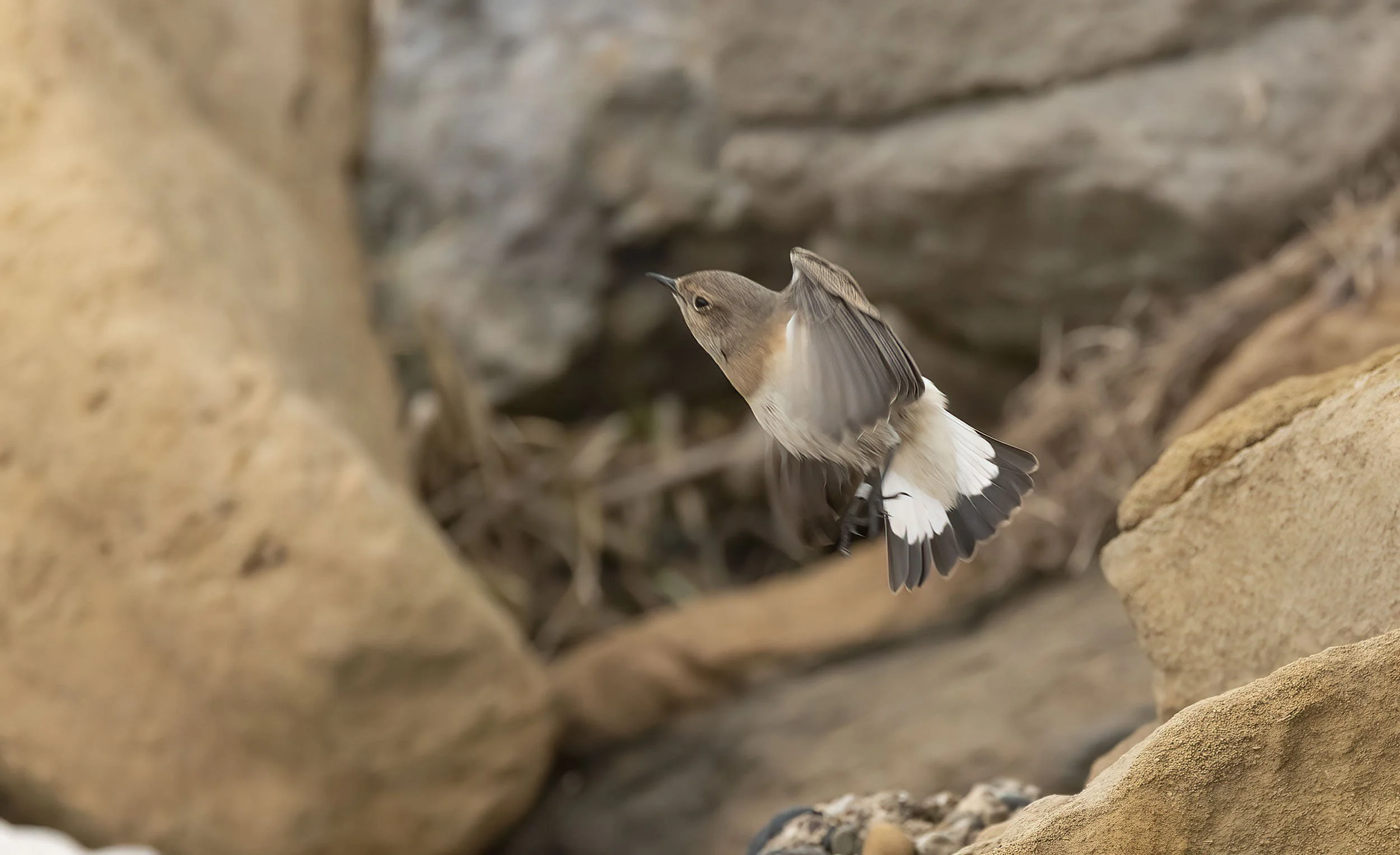
Trying the pre-continuous shooting on the Canon R6III produced some decent flight shots albeit in pretty dull light hence high ISO
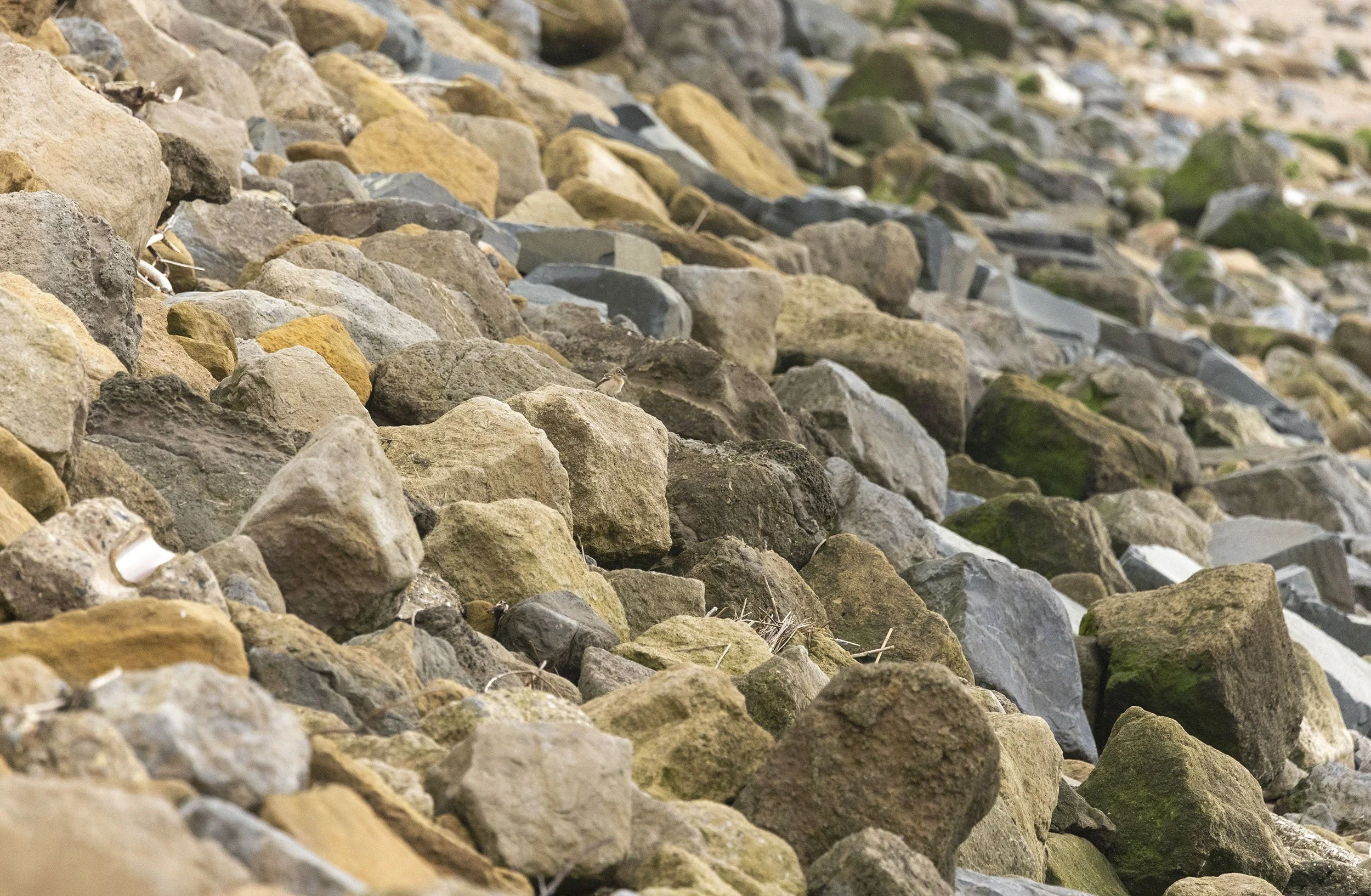
East to overlook until it moved
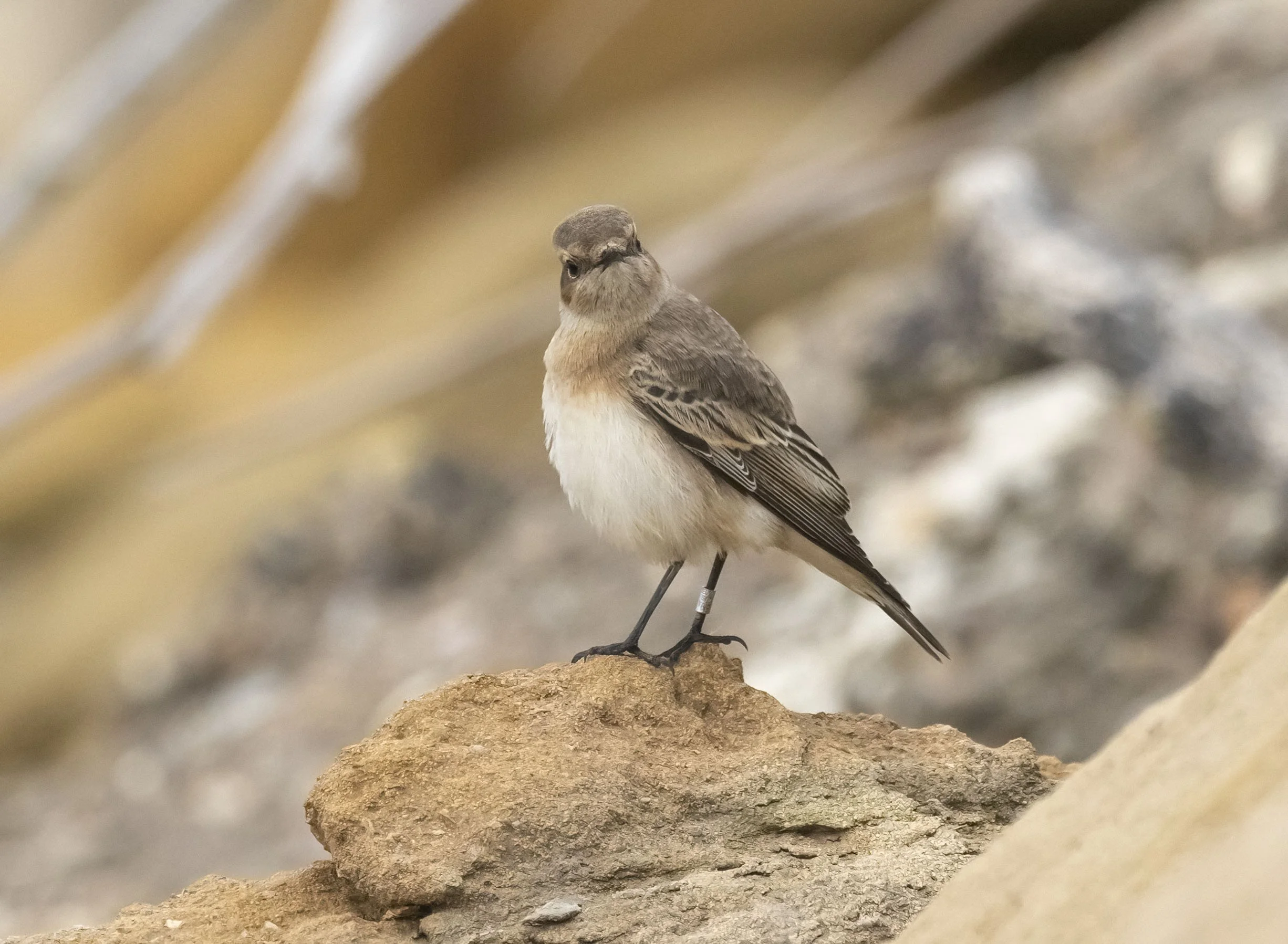
Most of these shots are just with the RF100-500 lens
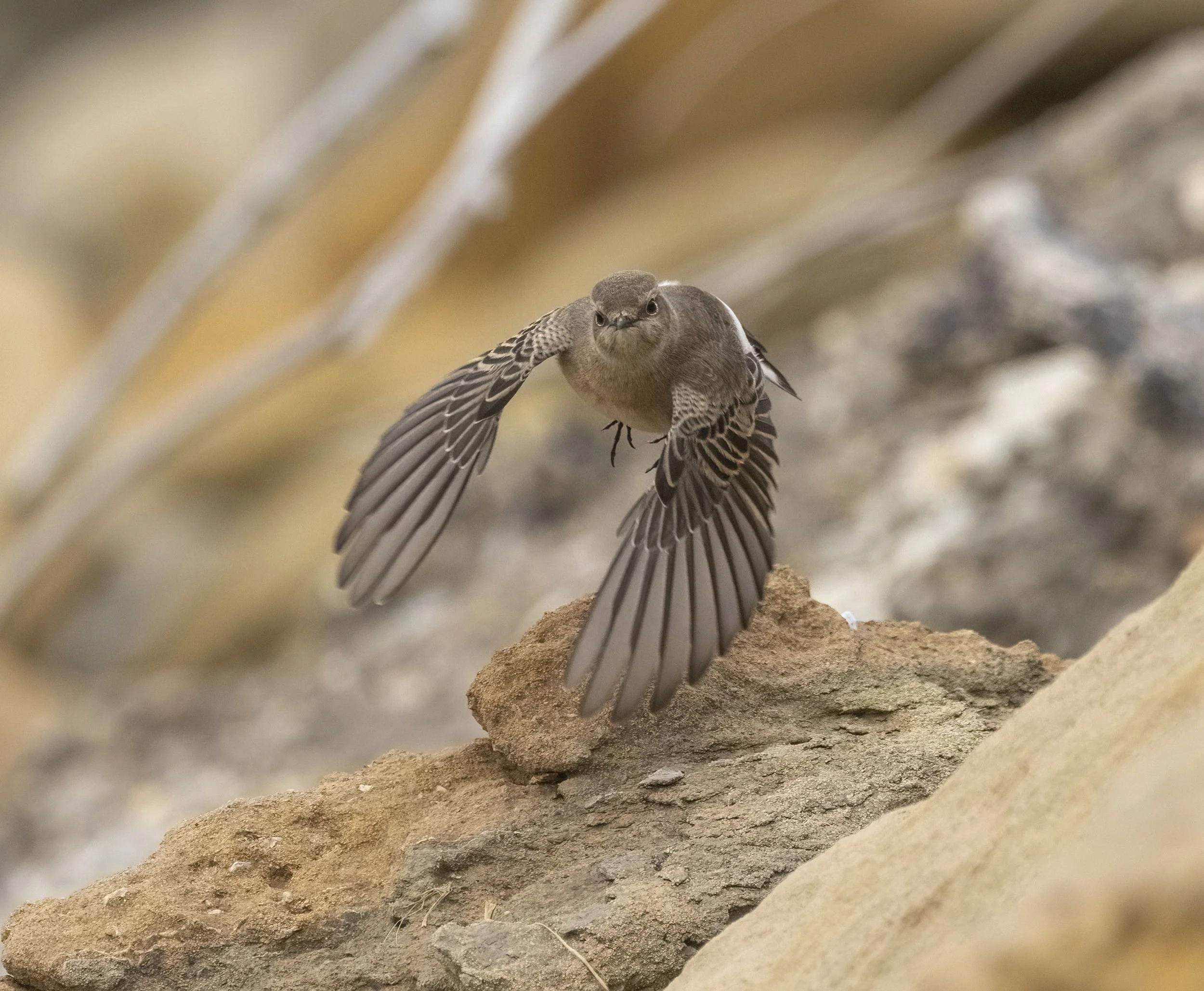
After an insect close to where I was sat
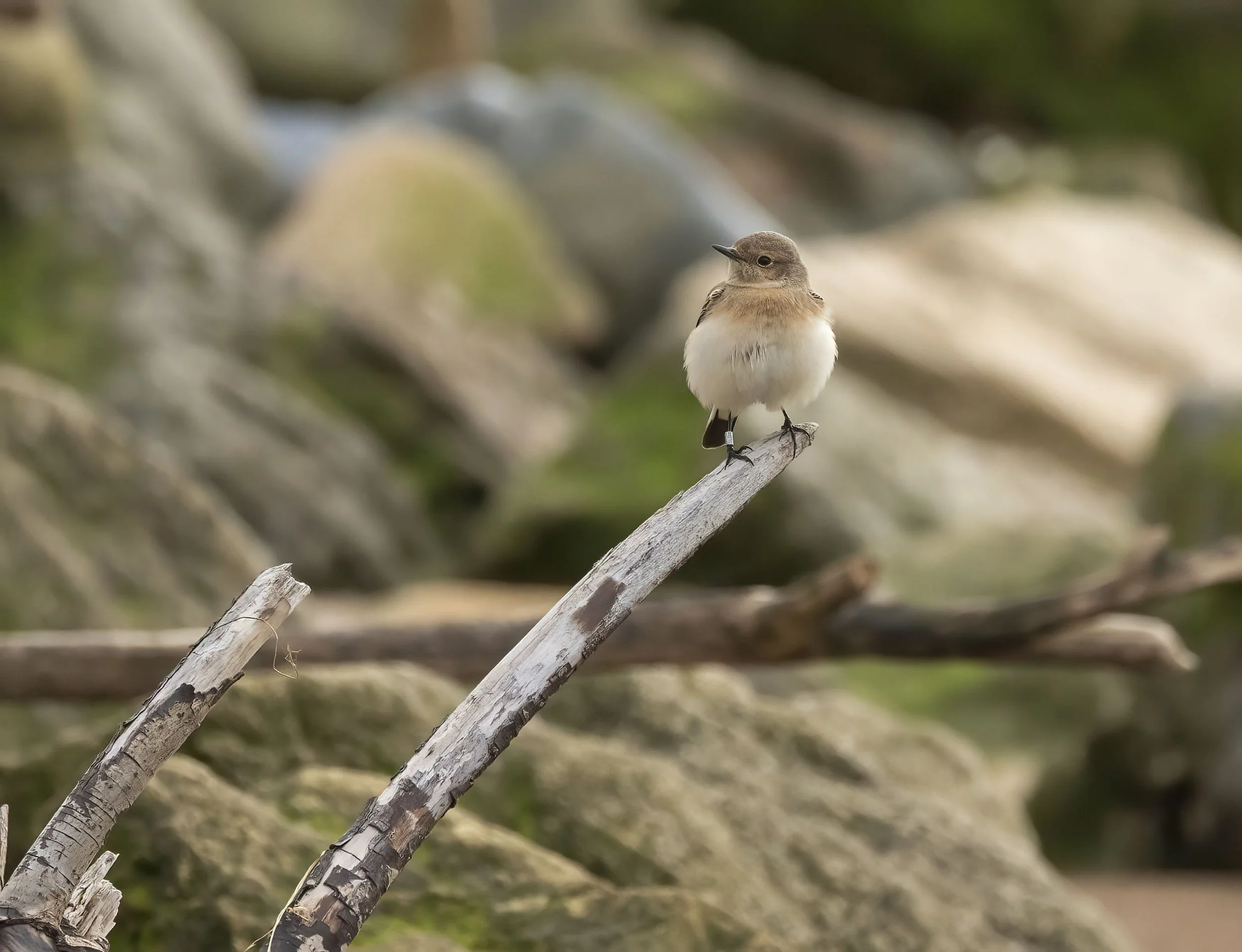
Adopted a variety of perches lodged in the sea wall rocks
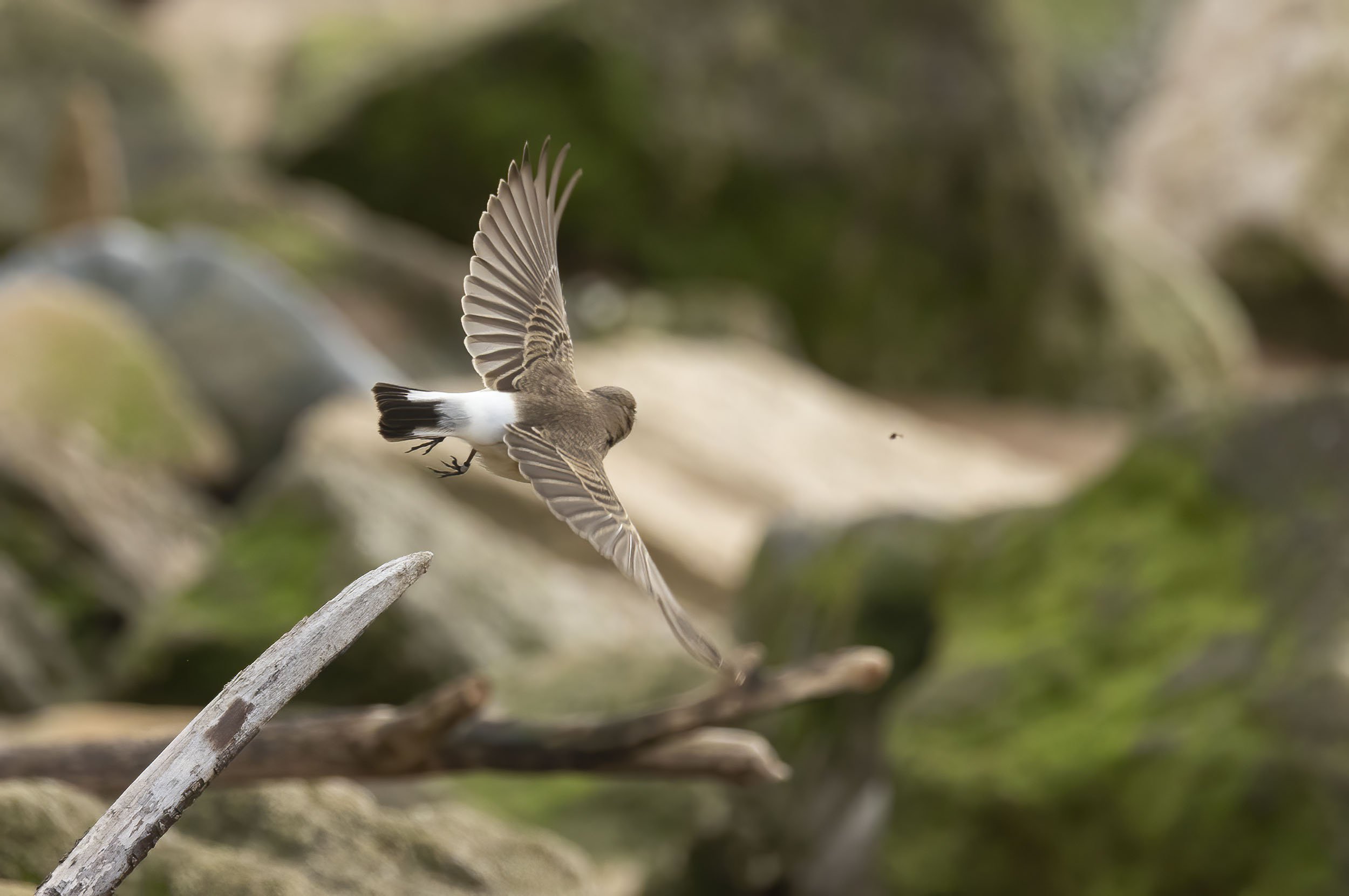
It was finding plenty of insects often caught after short sallies
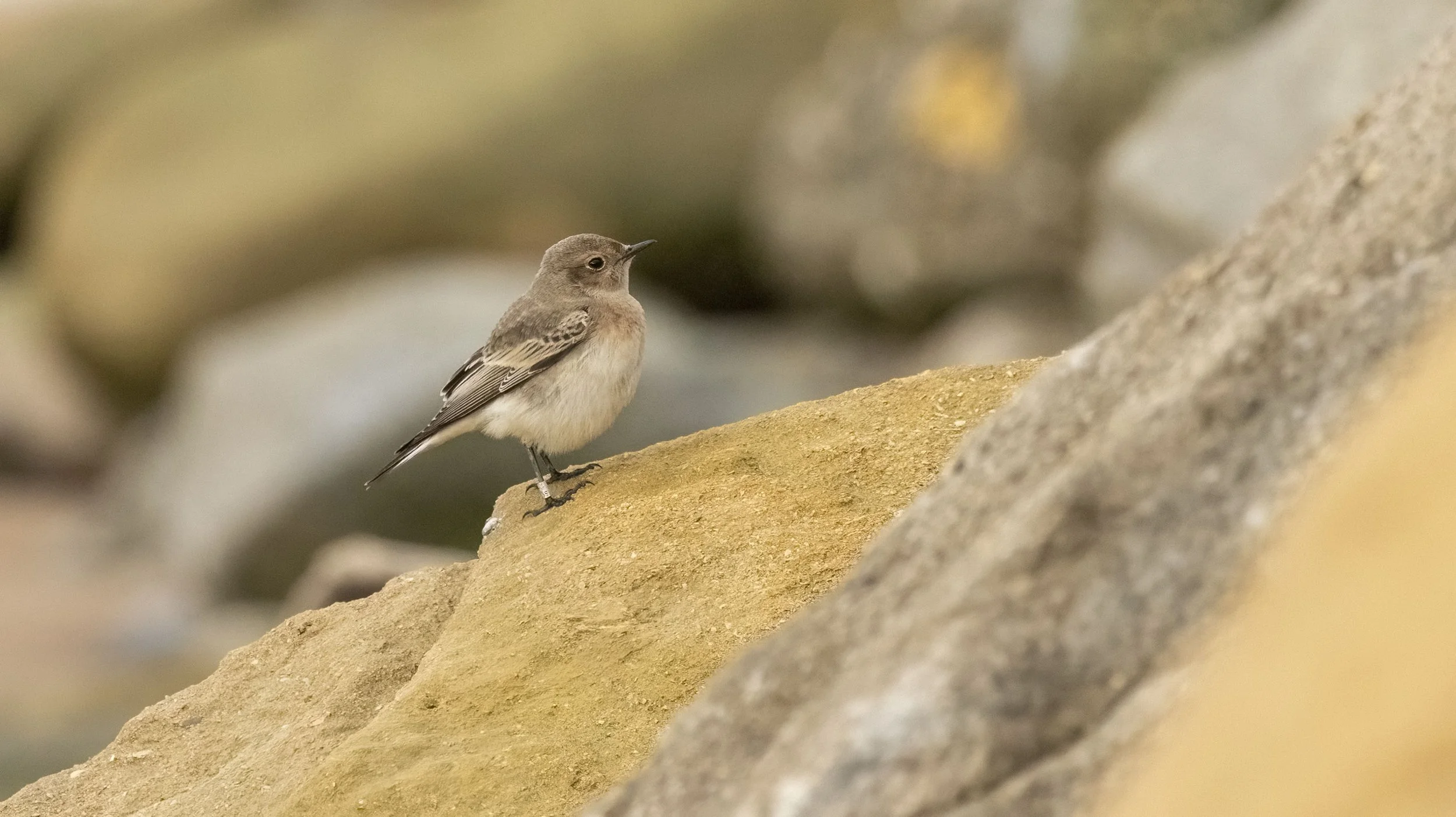
A subtle but detailed plumage
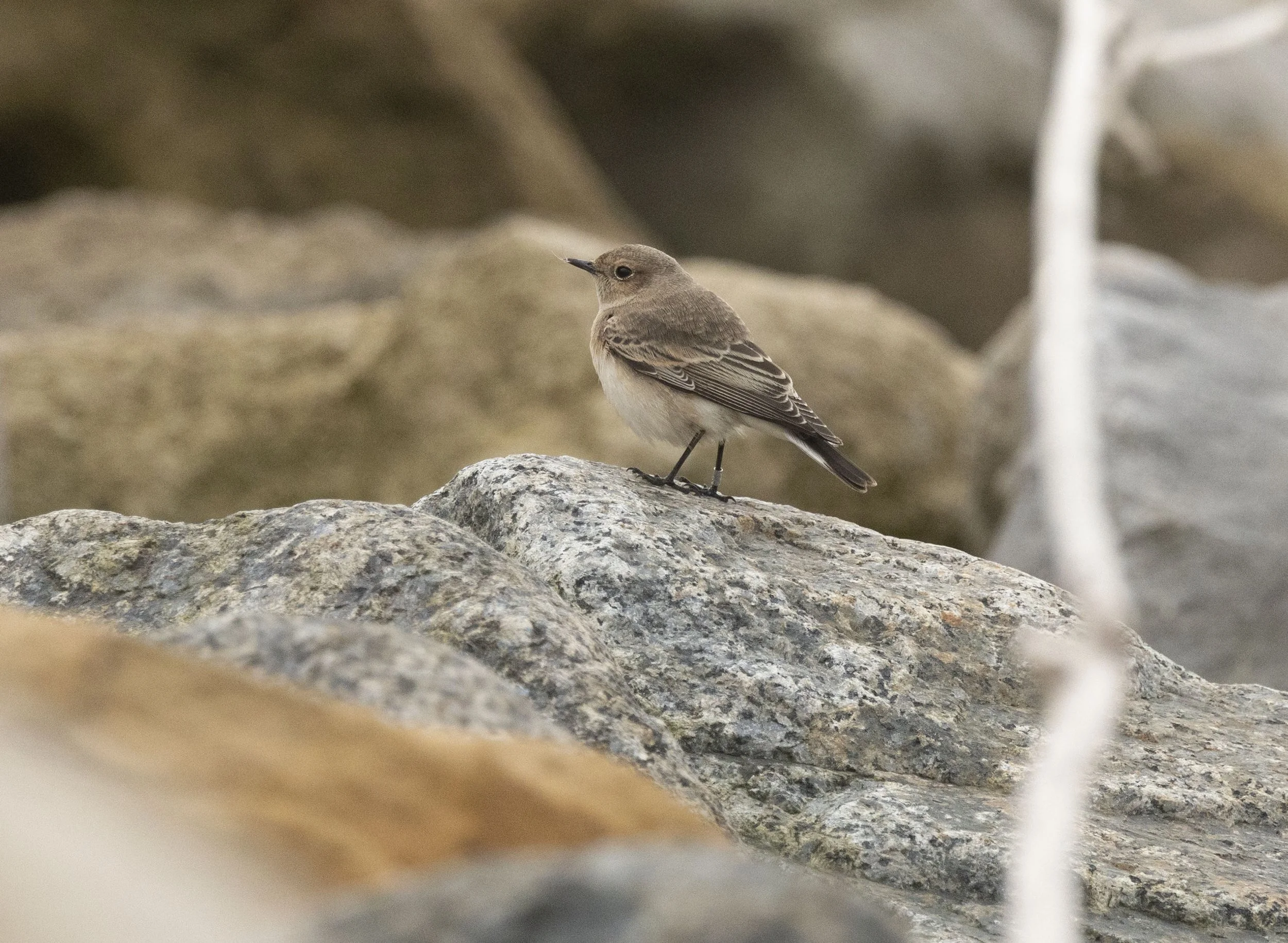
Some times you just get the feeling you are never destined to find a rare wheatear after so many miles of beach and tide wrack tramping over 55 years!
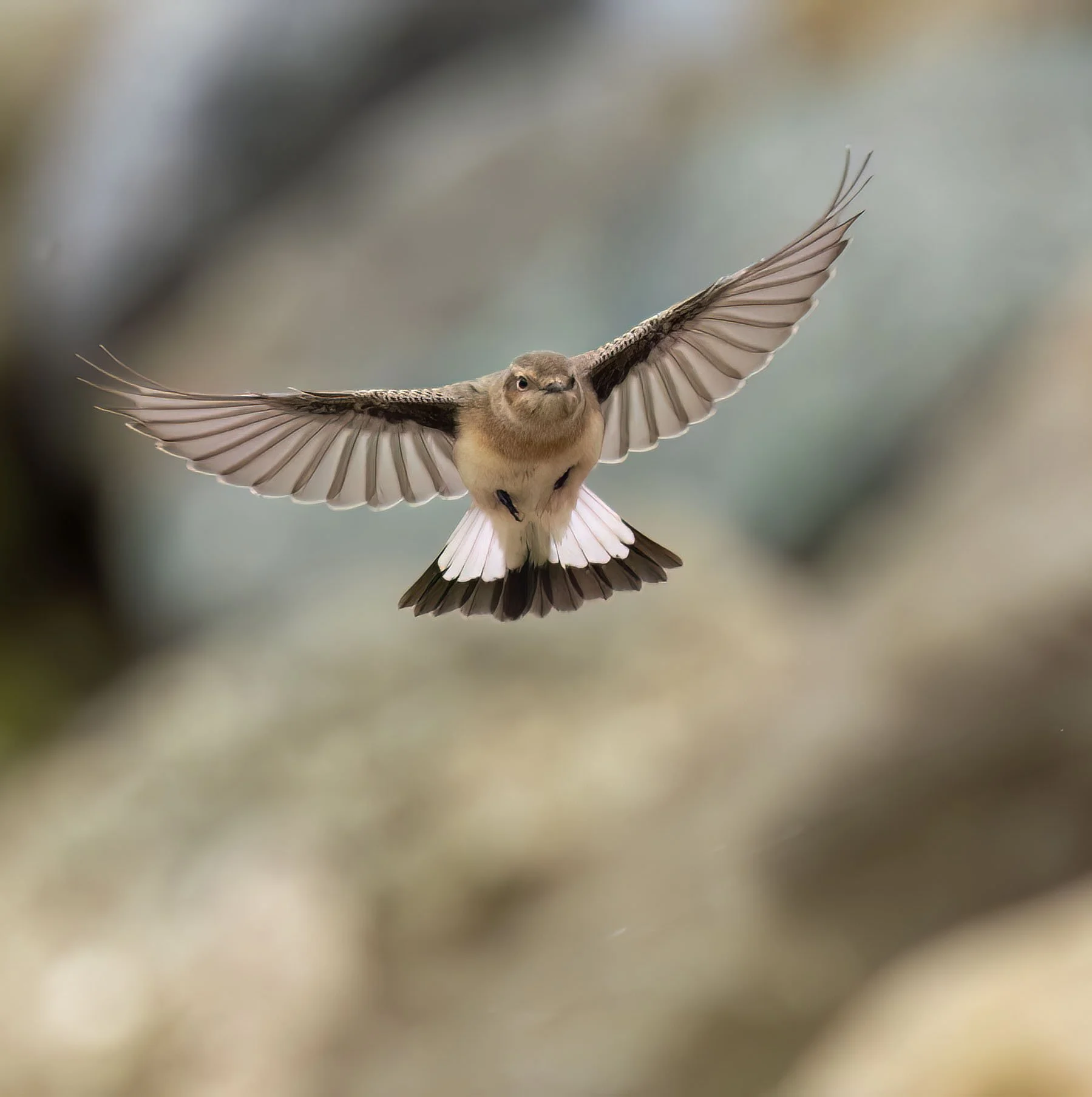
Loving the new camera such a massive improvement over the R6II in contrast to most reviews
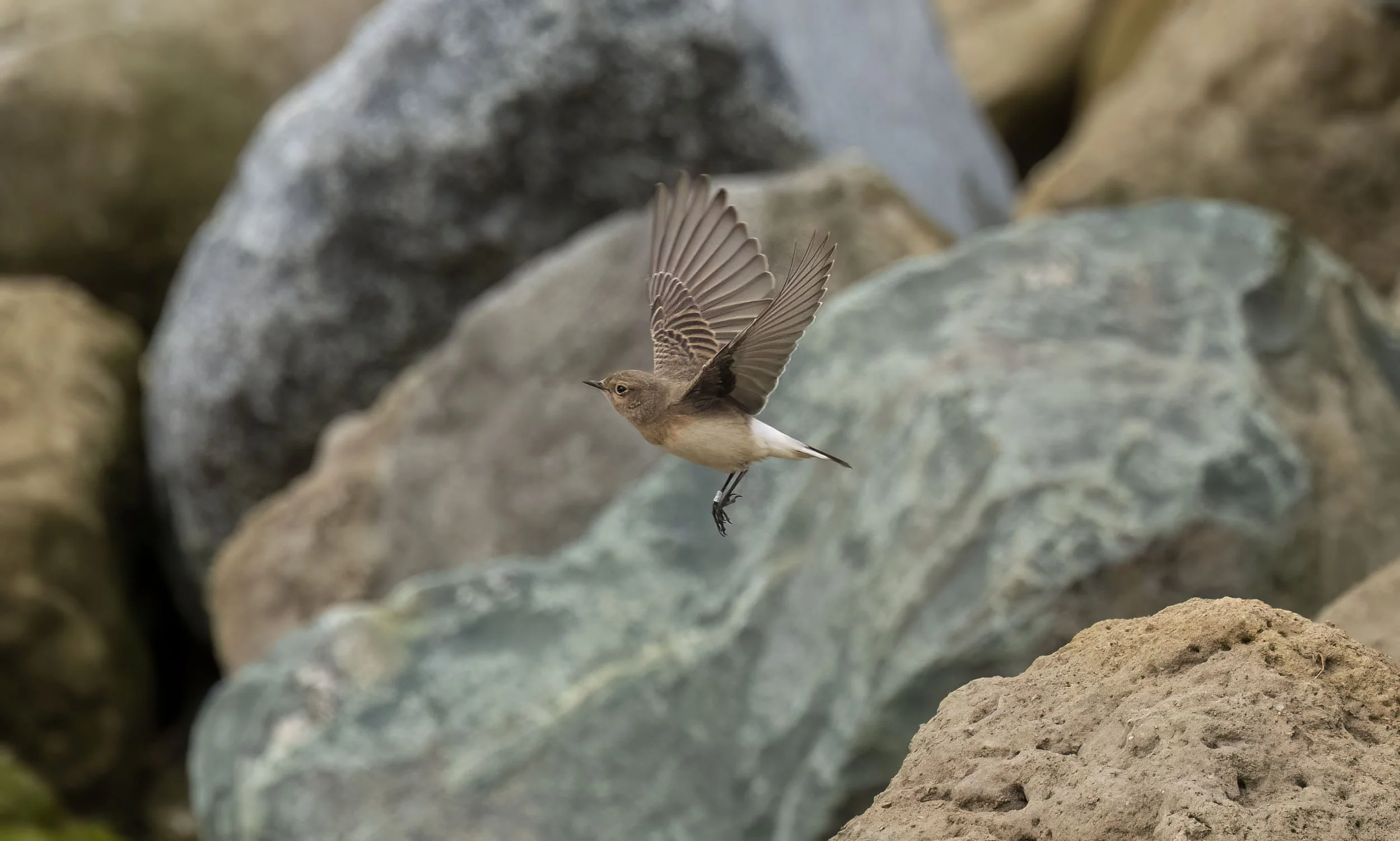
Not so long ago that flight shots like these would have been either very lucky or impossible
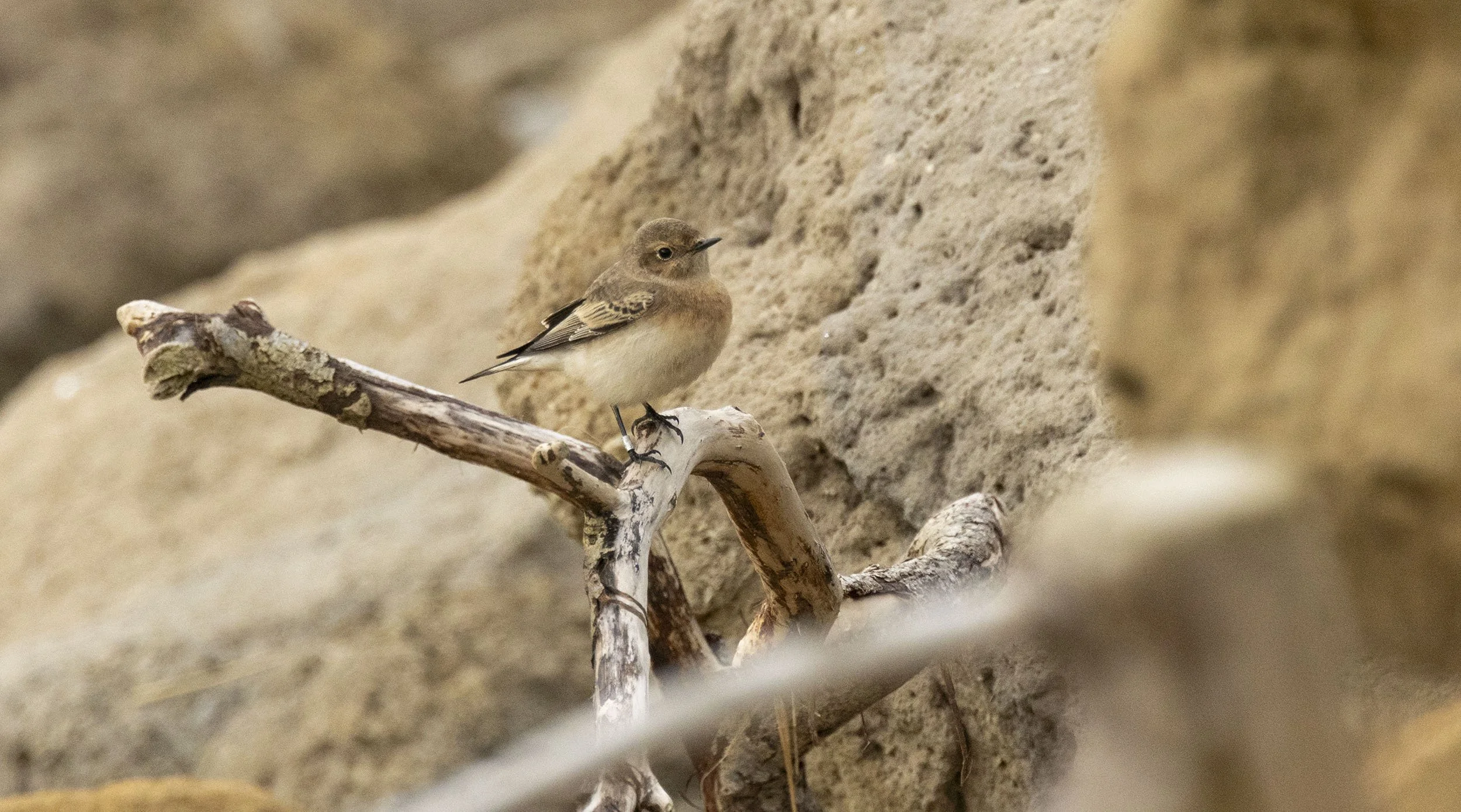
Always amazing how birds locate to habitats that obvioulsy provide food but also replicate their breeding habitat and mirror their plumage tones
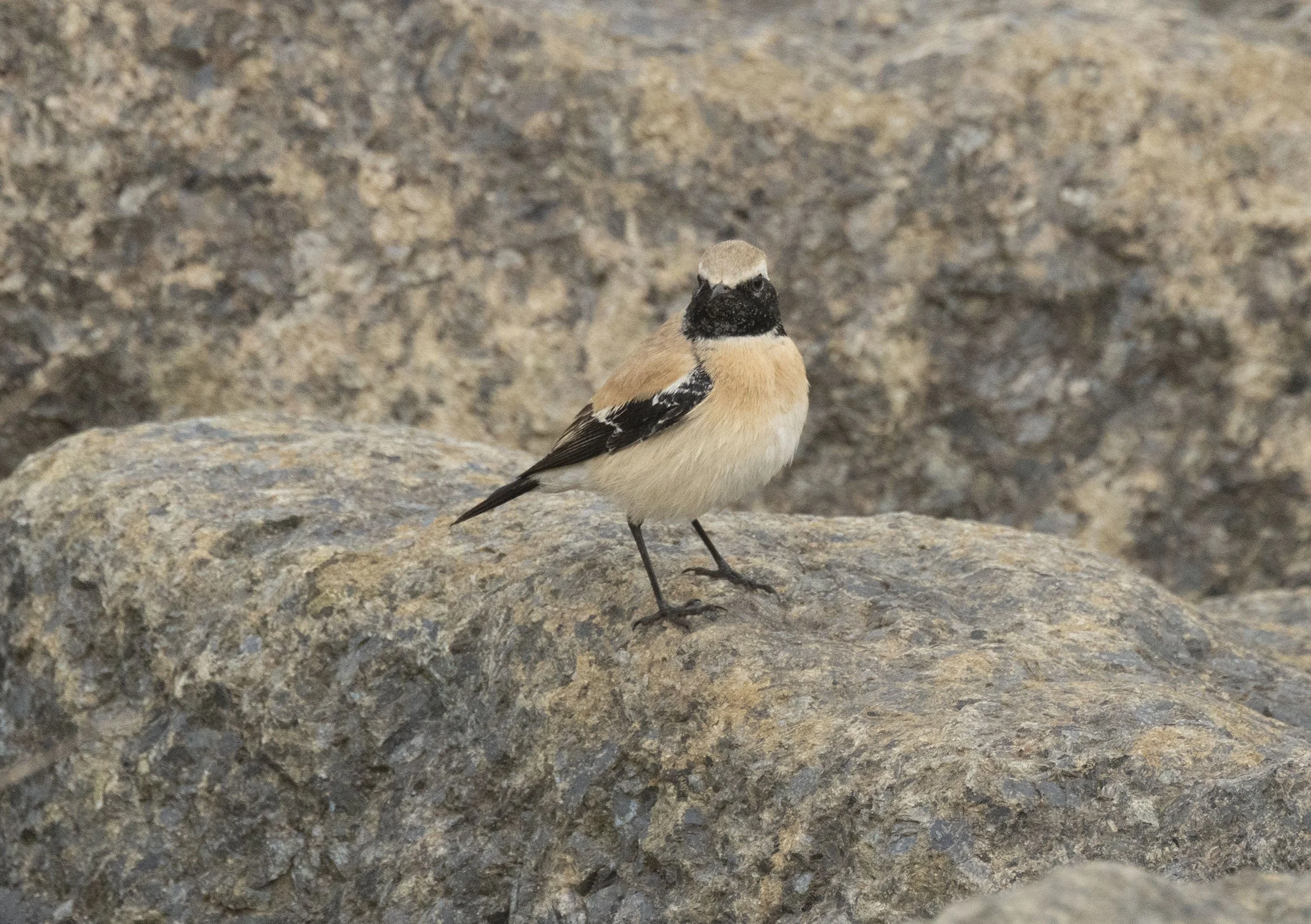
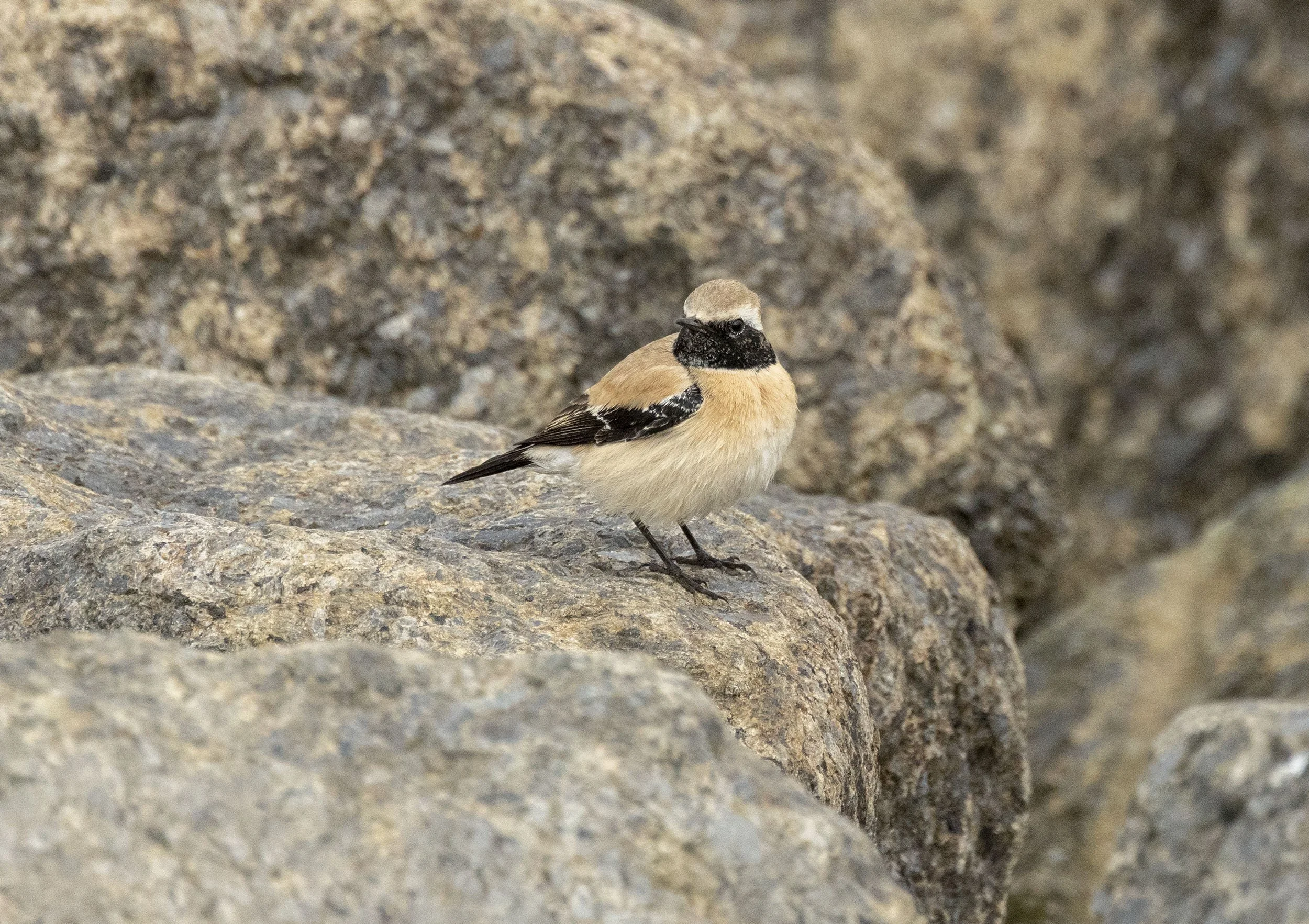
There had been a female Desert Wheatear down Spurn Point but I knew it would be a tough day to tramp down there with so little daylight available but again I had not seen one since January 2012 at Bempton then a bit or real luck as a male was found on the rocks by Easington Gas Terminal a short drive and fairly quick walk away - and it was a real stunner feeding below observers and fly catching like the Pied - about 2000 photos later I had to walk away
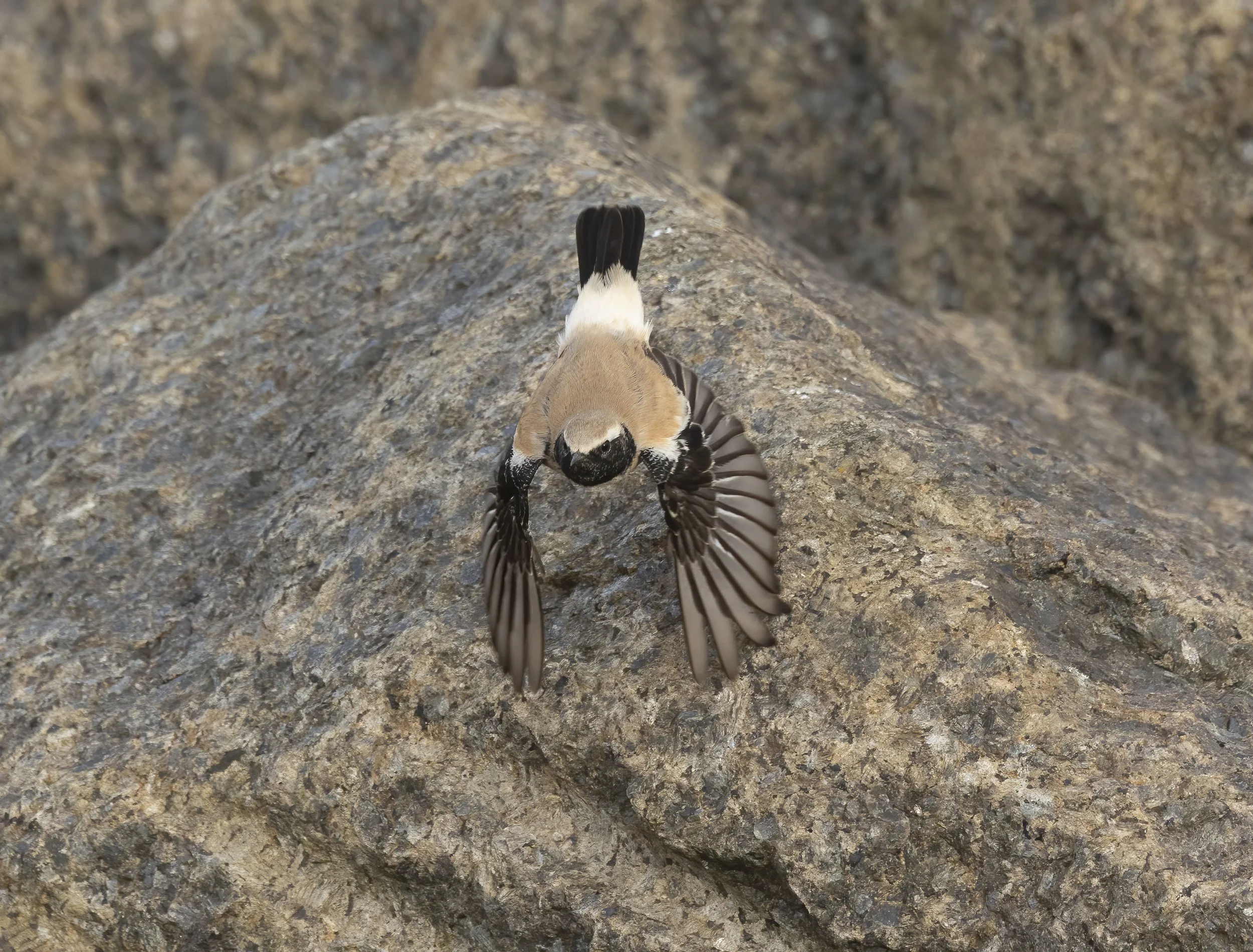
A fairly unique opportunity and as it turned out to be a one day bird a real piece of luck being there when news broke
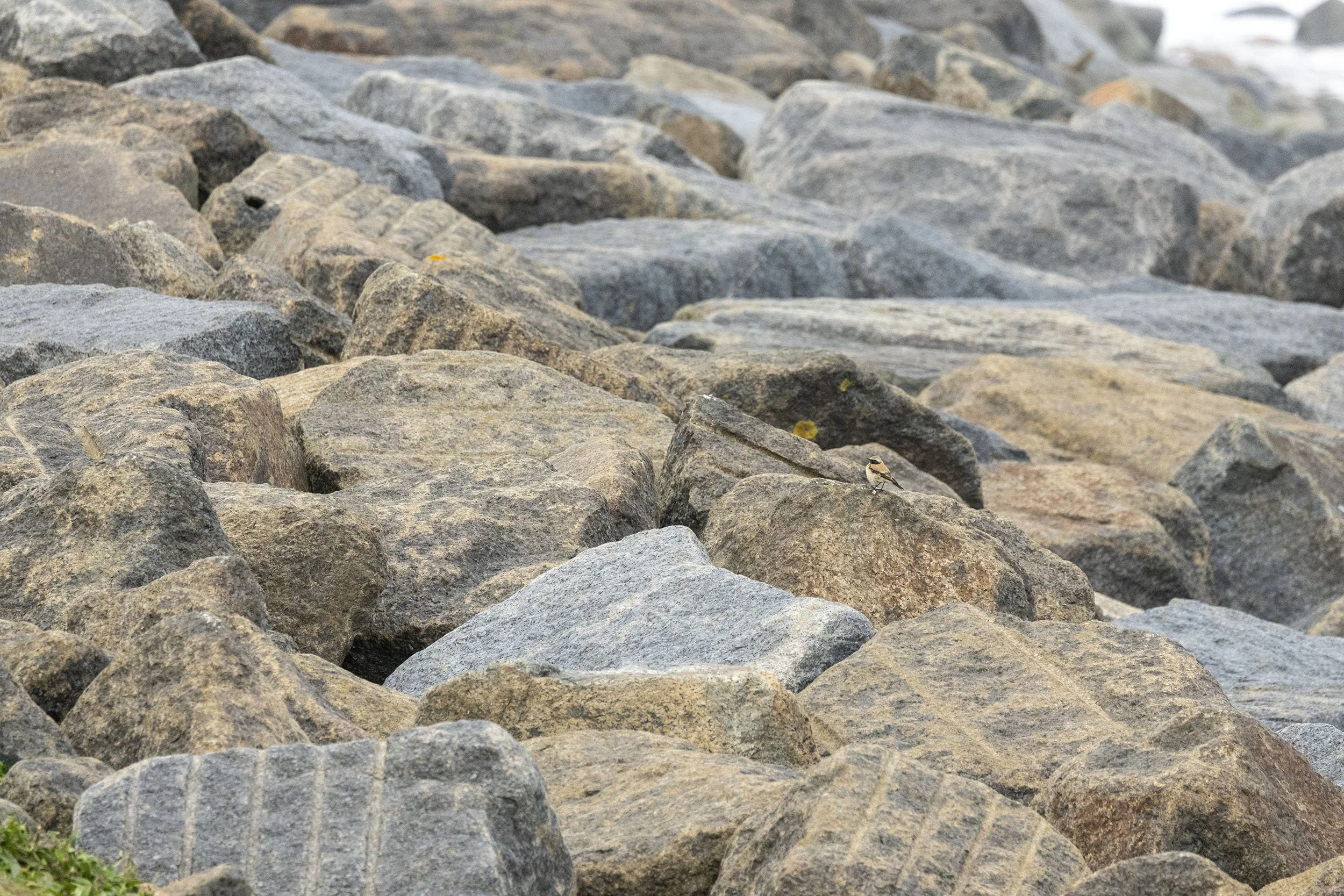
A small bird on some big rocks -
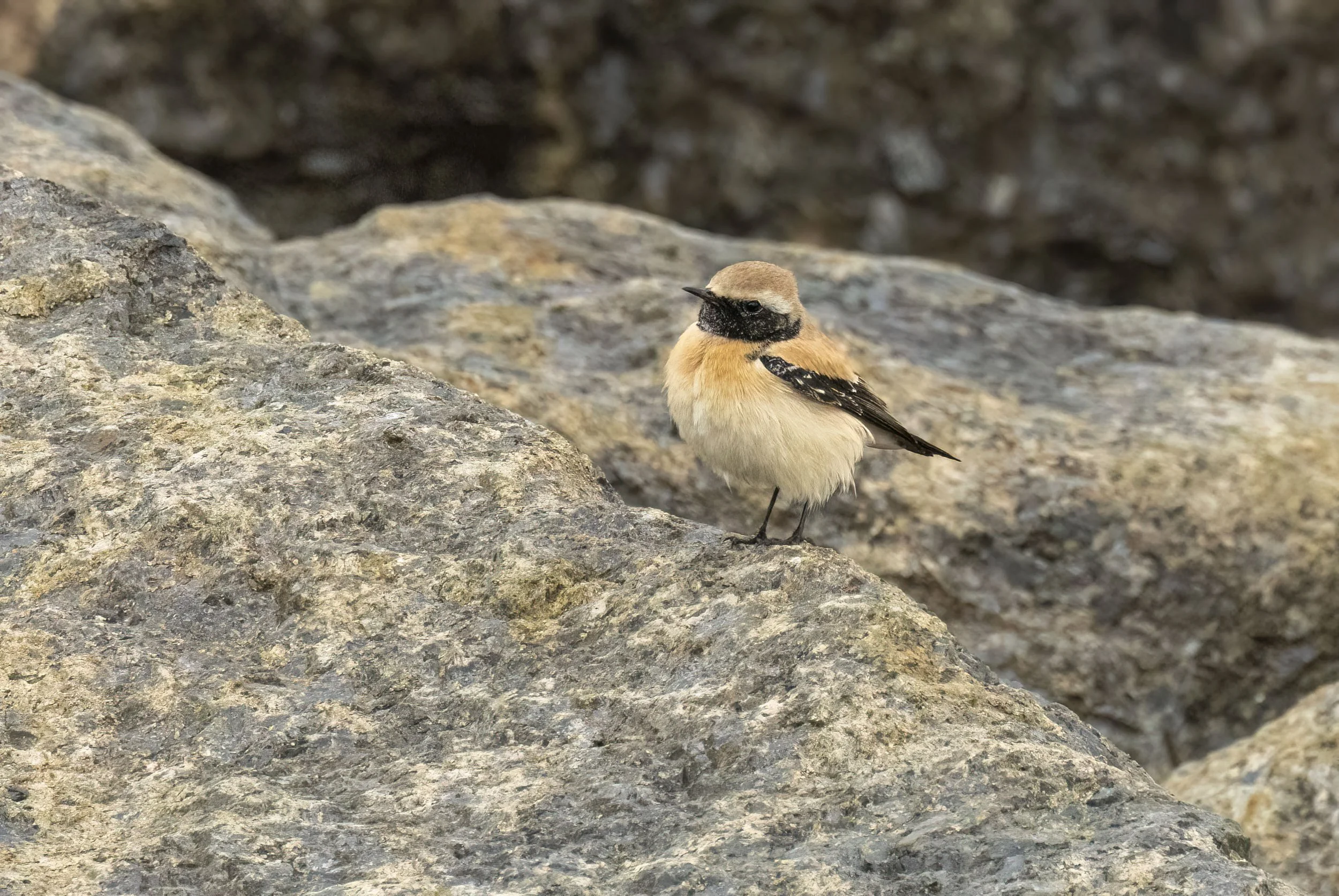
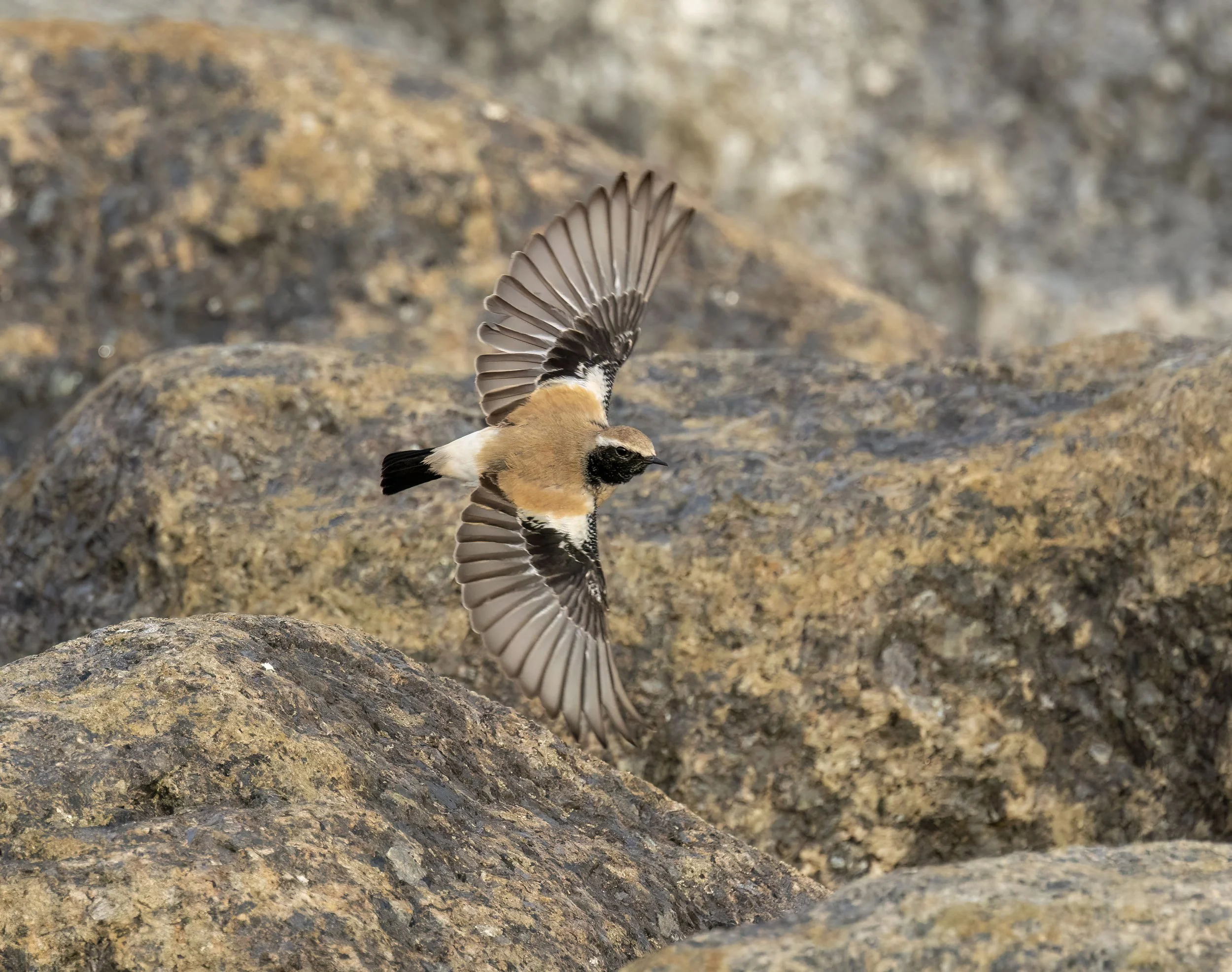
Made up for missing a male in Lincs two days later!
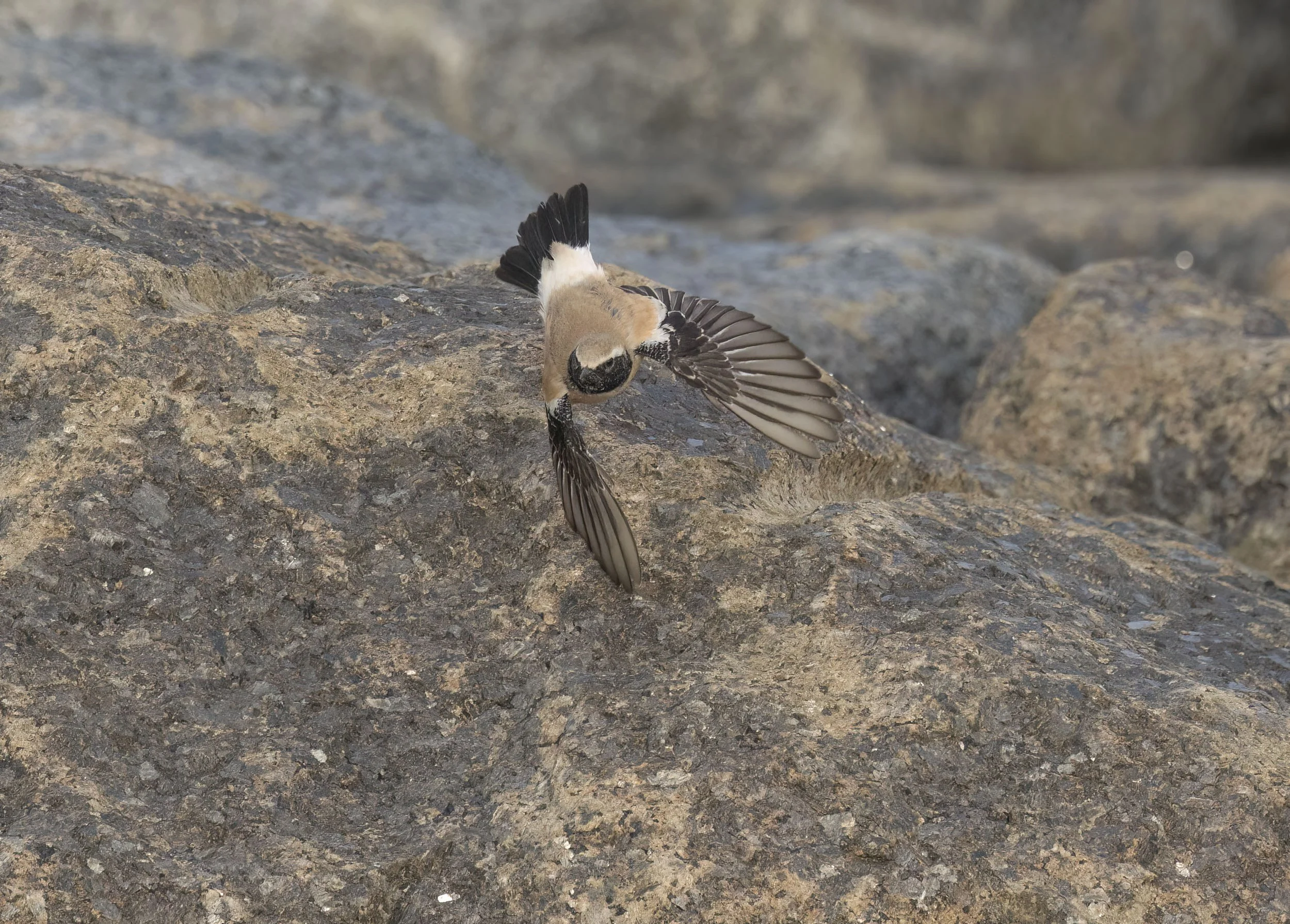
Pre continuous in action again
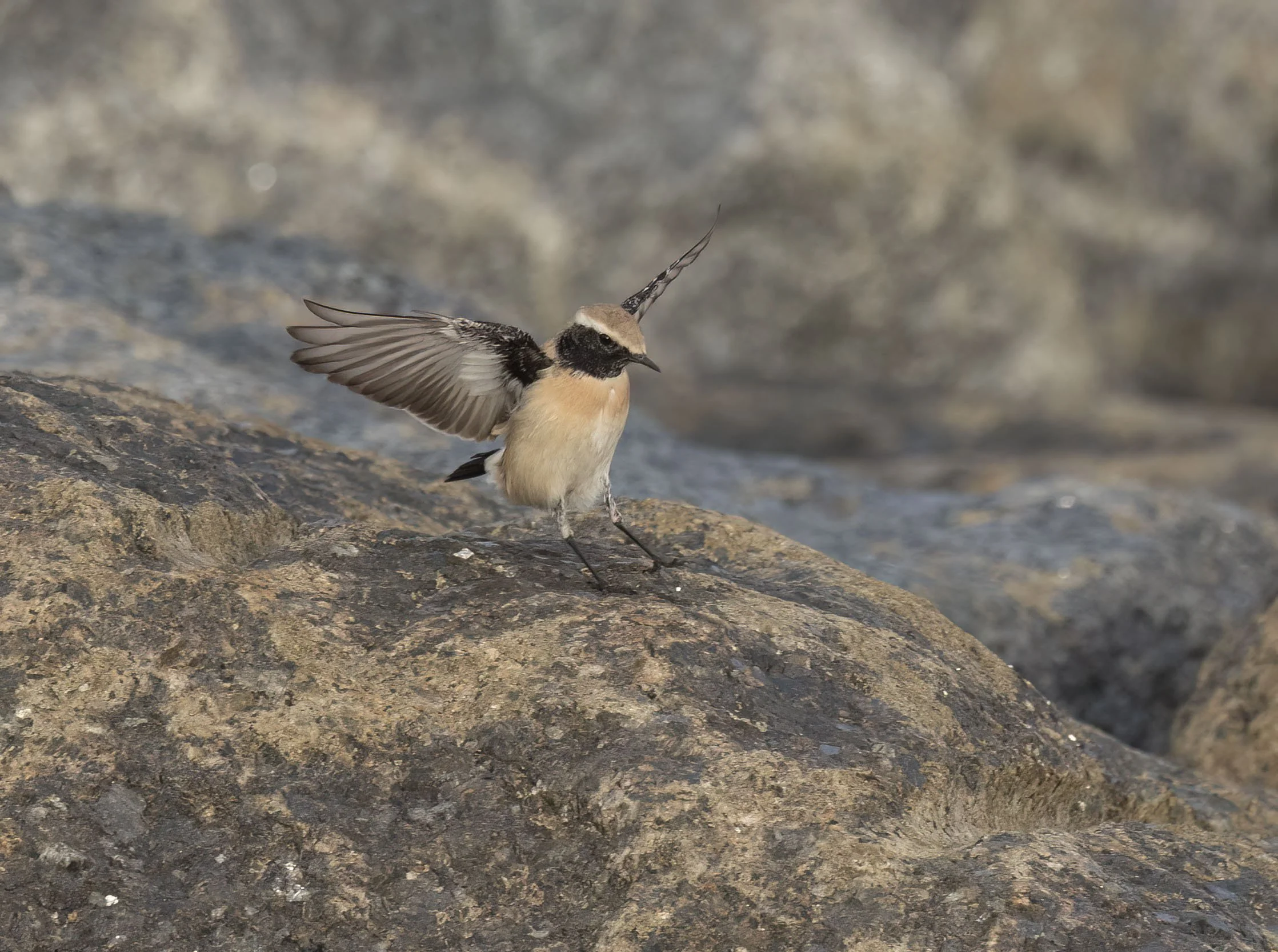
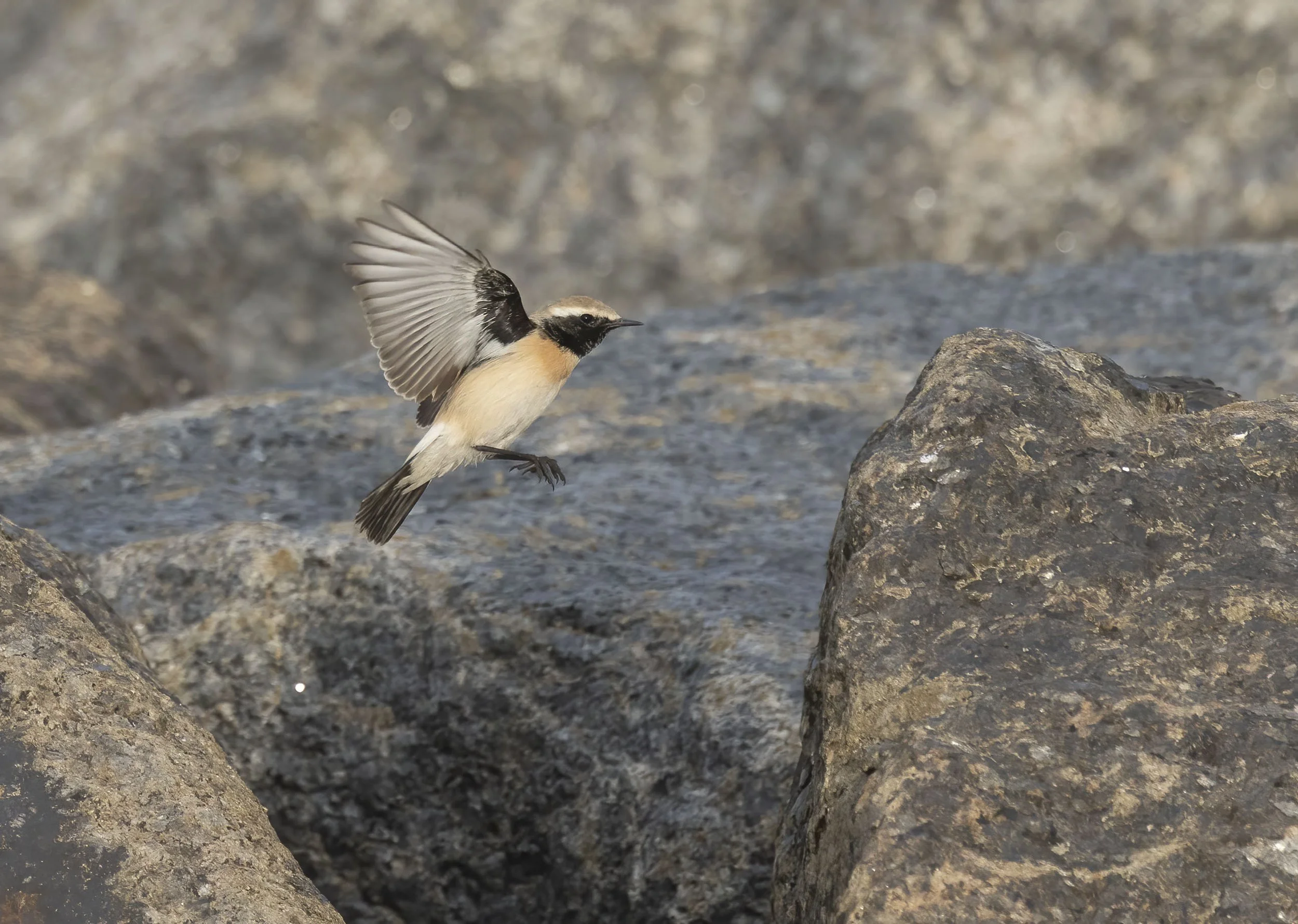
Because it was a little bit further away I used the 1.4x converter a lot of the time but preferred the straight lens images taken later
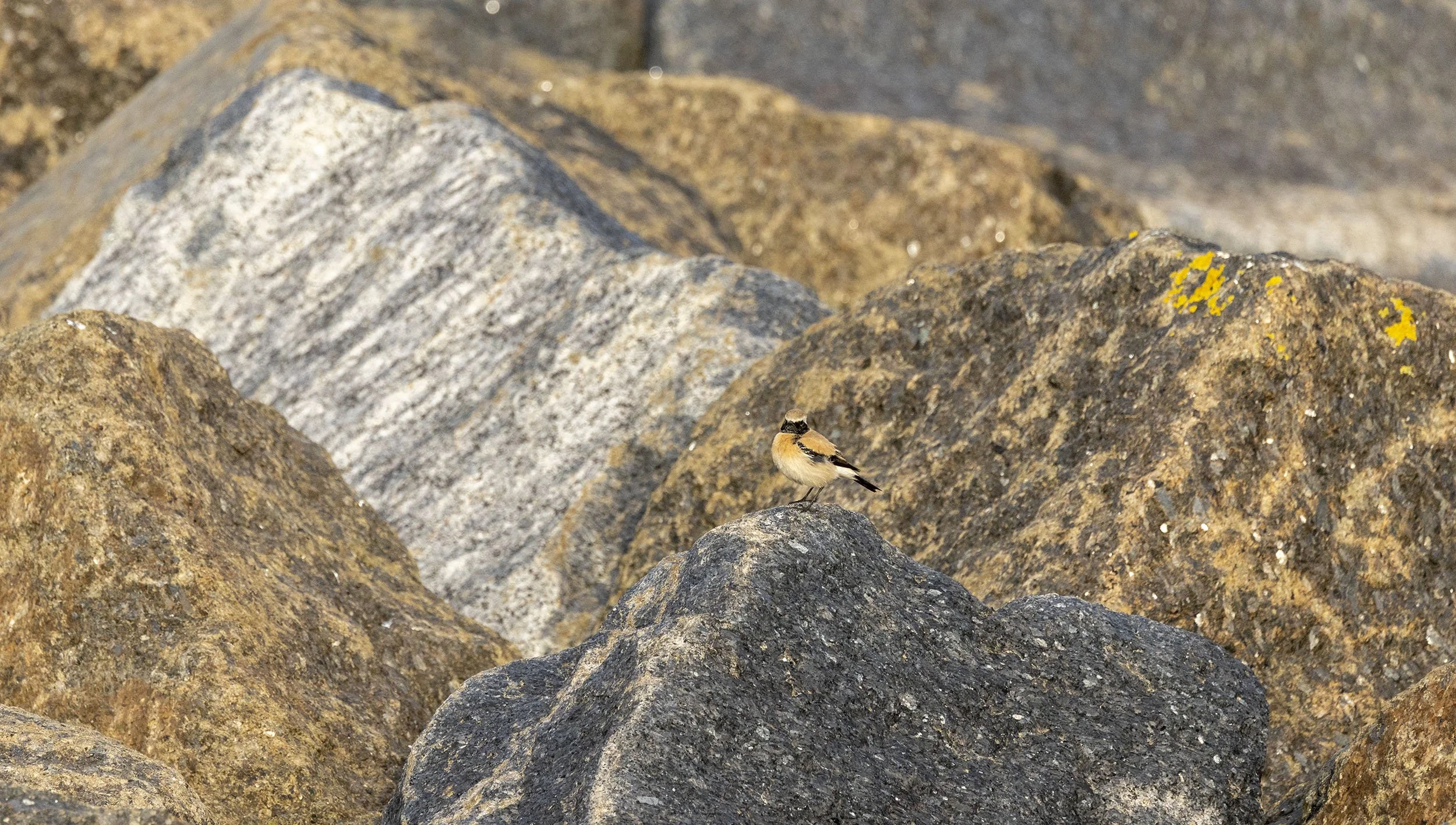
Habitat shot
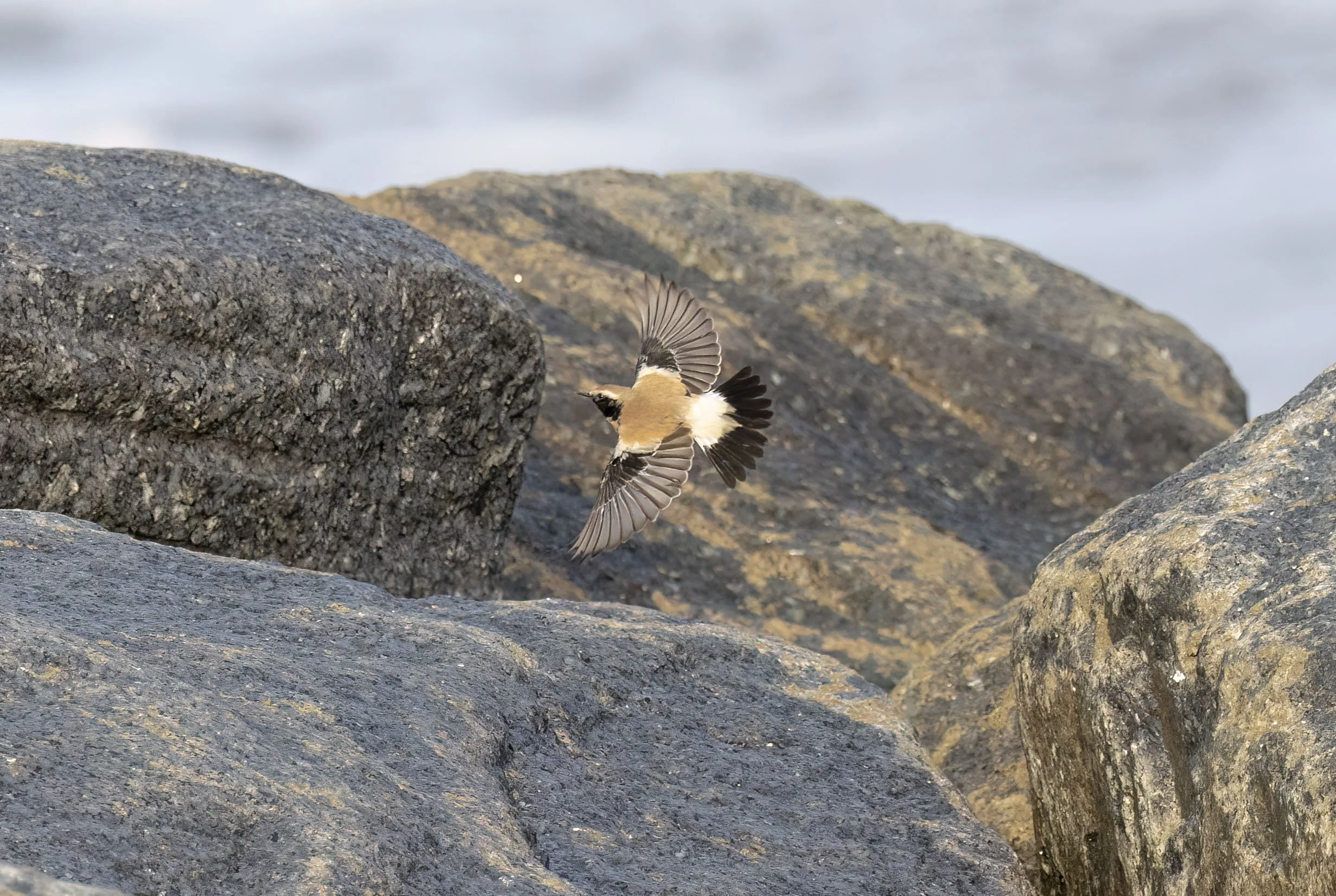
Shots with more background do not work well on social media ie phone based platforms but are more pleasing
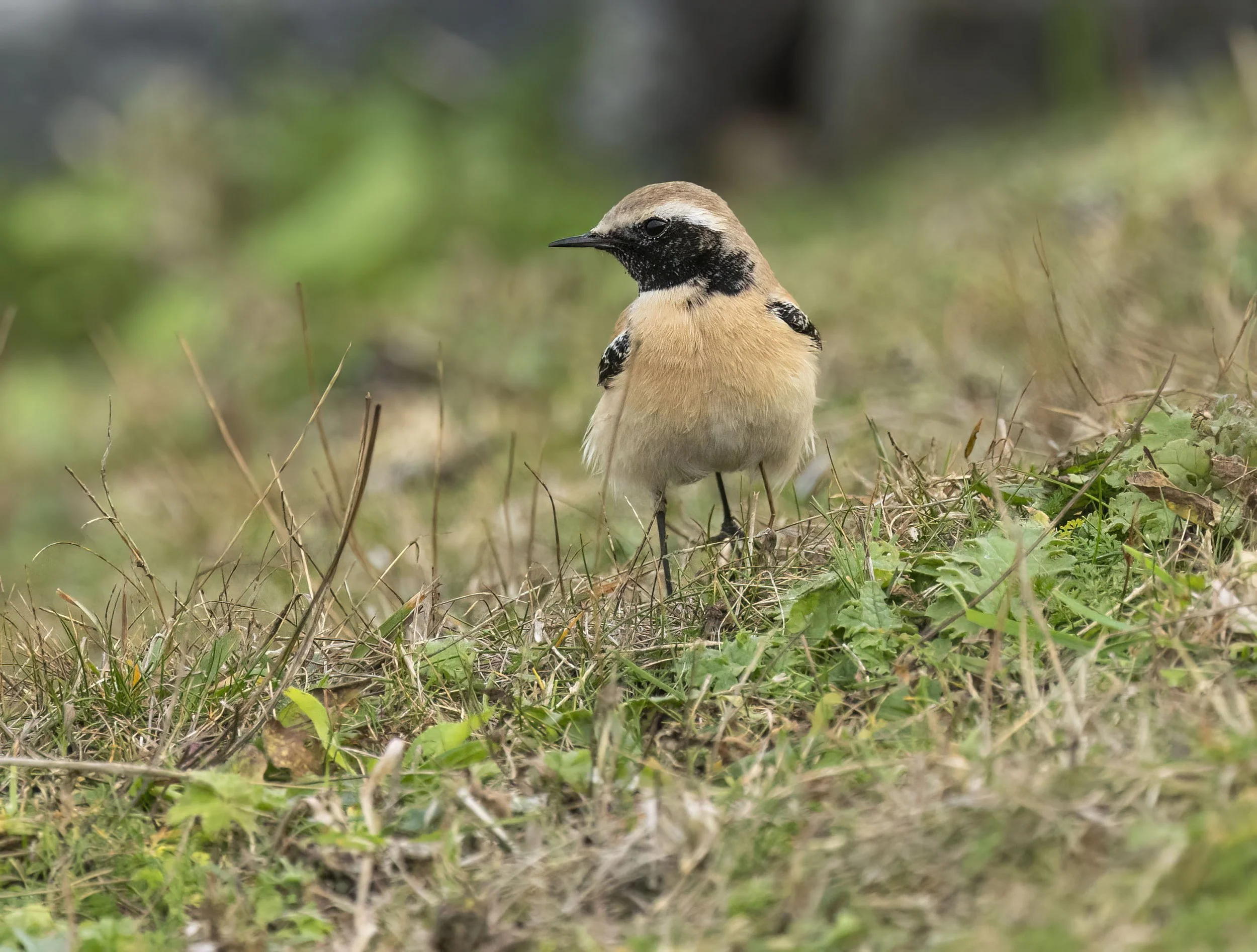
Somehow not as good looking on green grass - it is a desert species after all
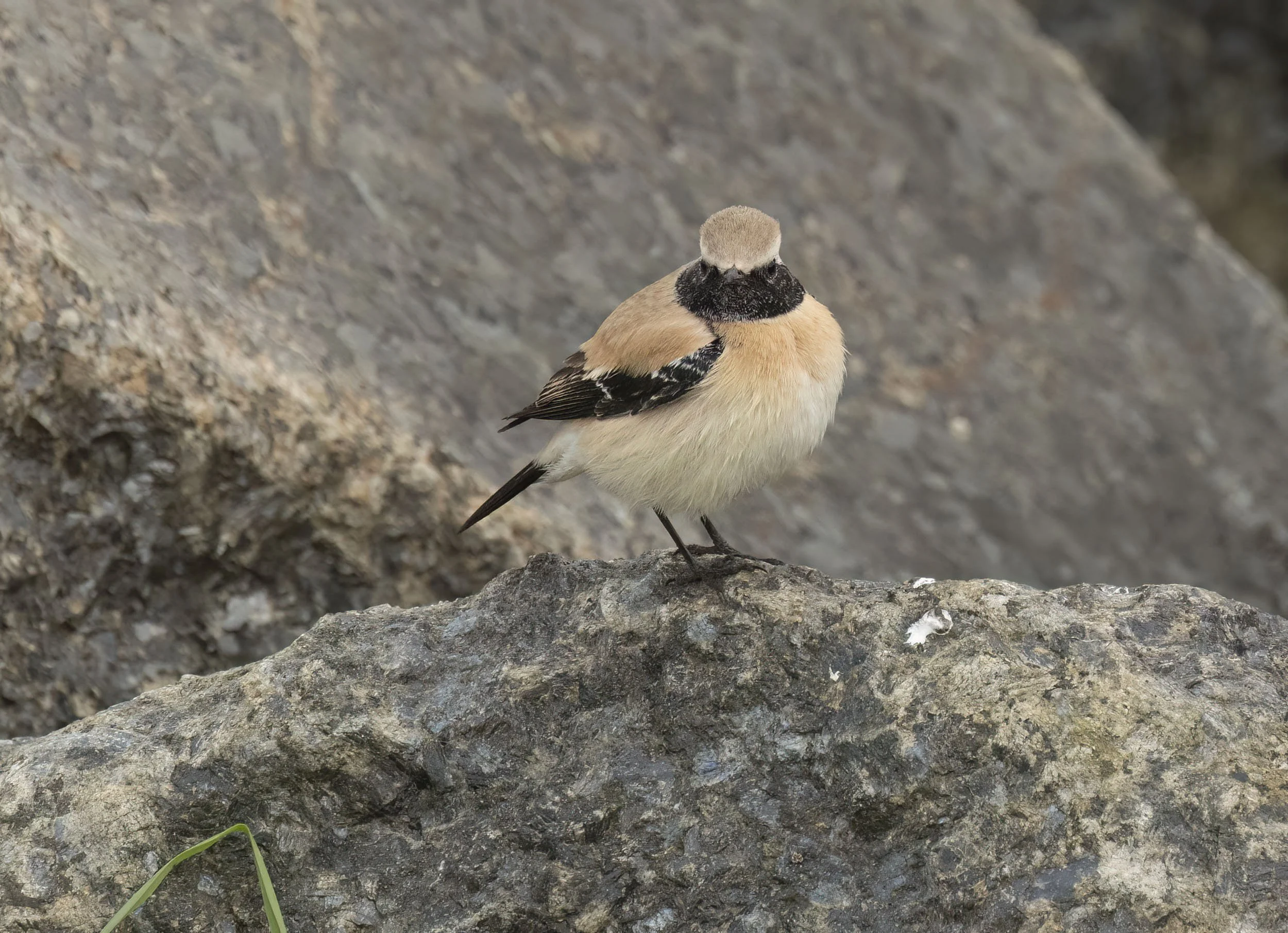
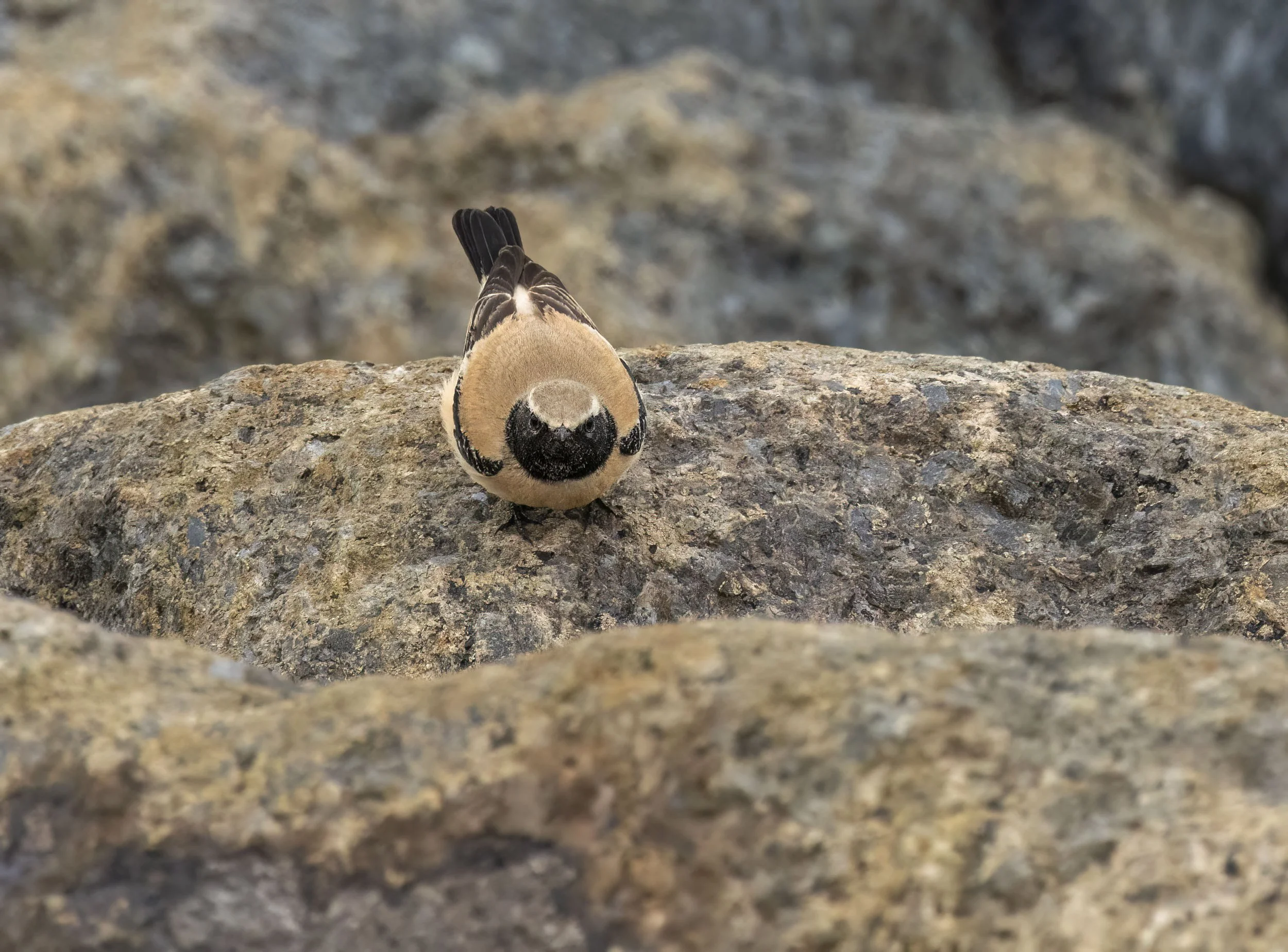
Posing before making a dart after an insect
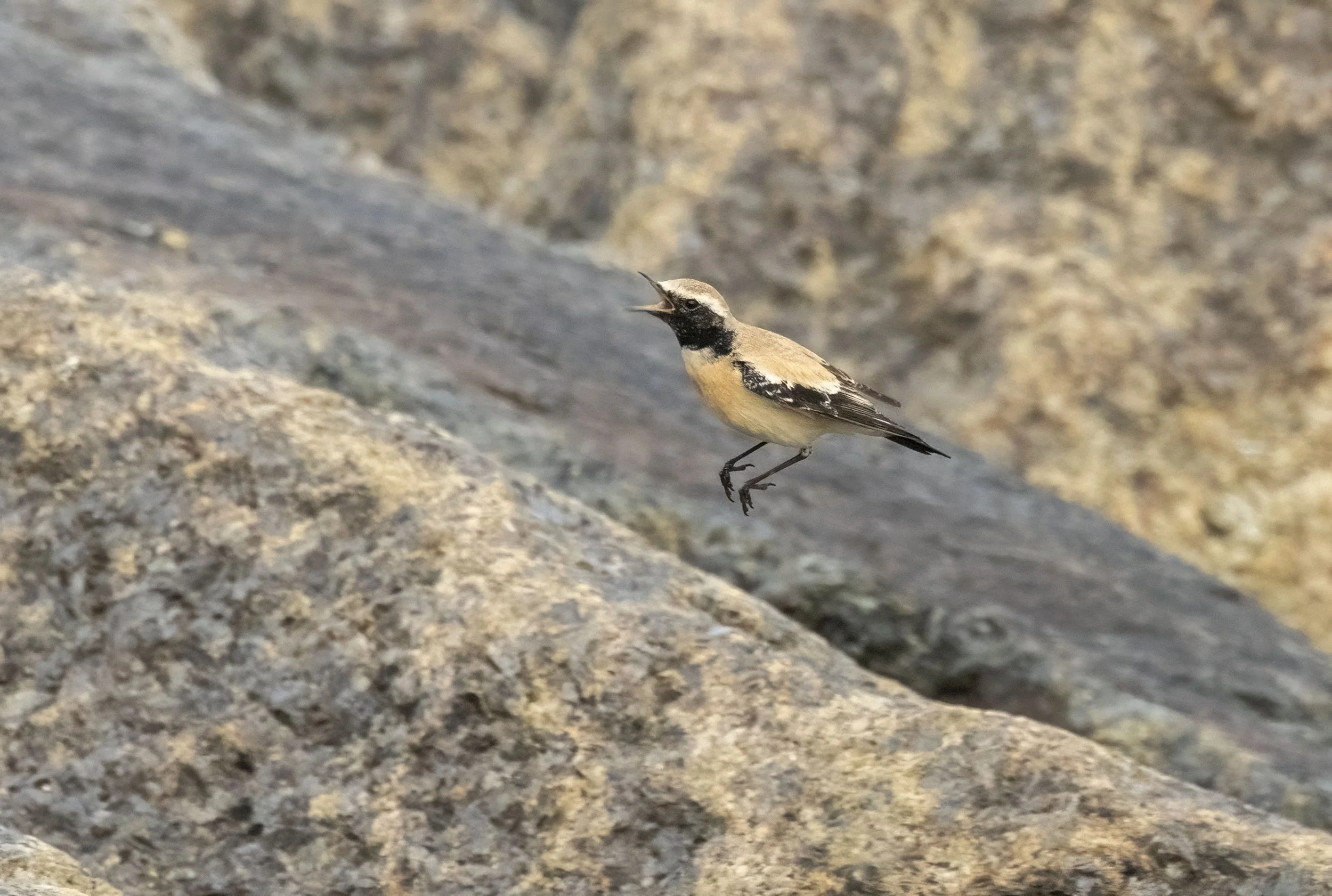
I got a couple where it was just about to snap an insect but this was second best
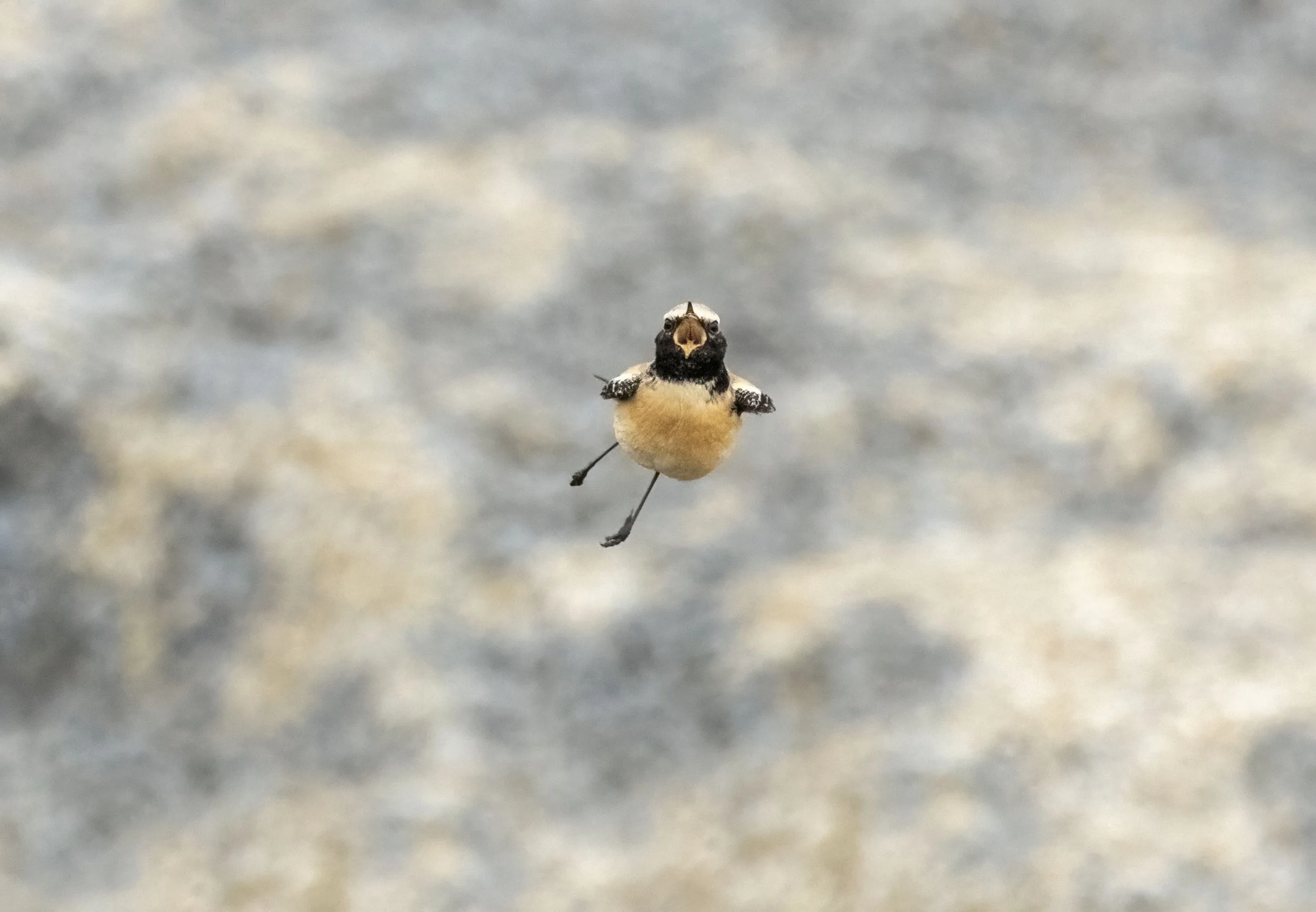
Just one of those images with real appeal
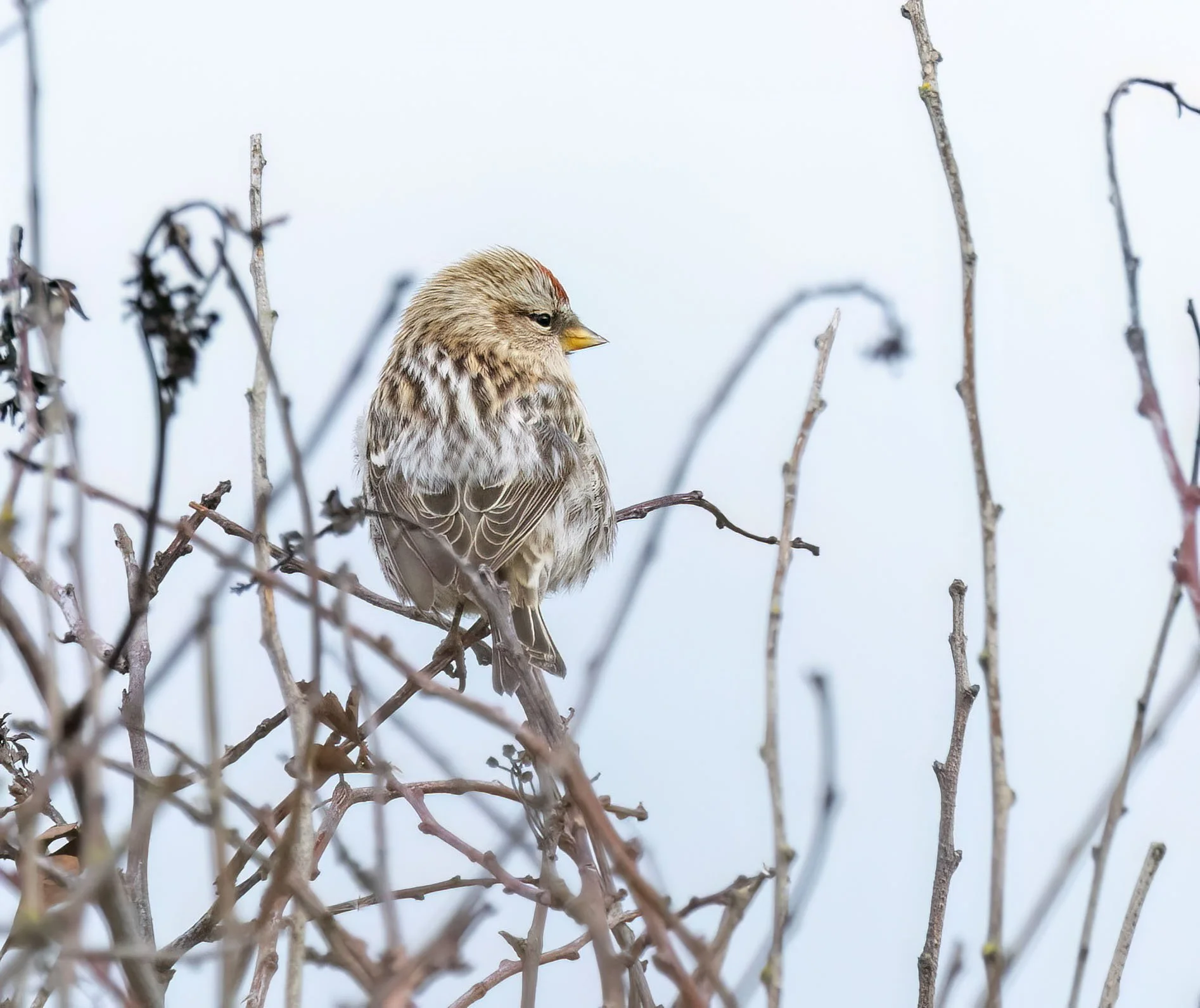
Spurn also had a few Mealy Redpolls which were very tame and a nice Pallas’s Warbler that failed to co-operate for the camera
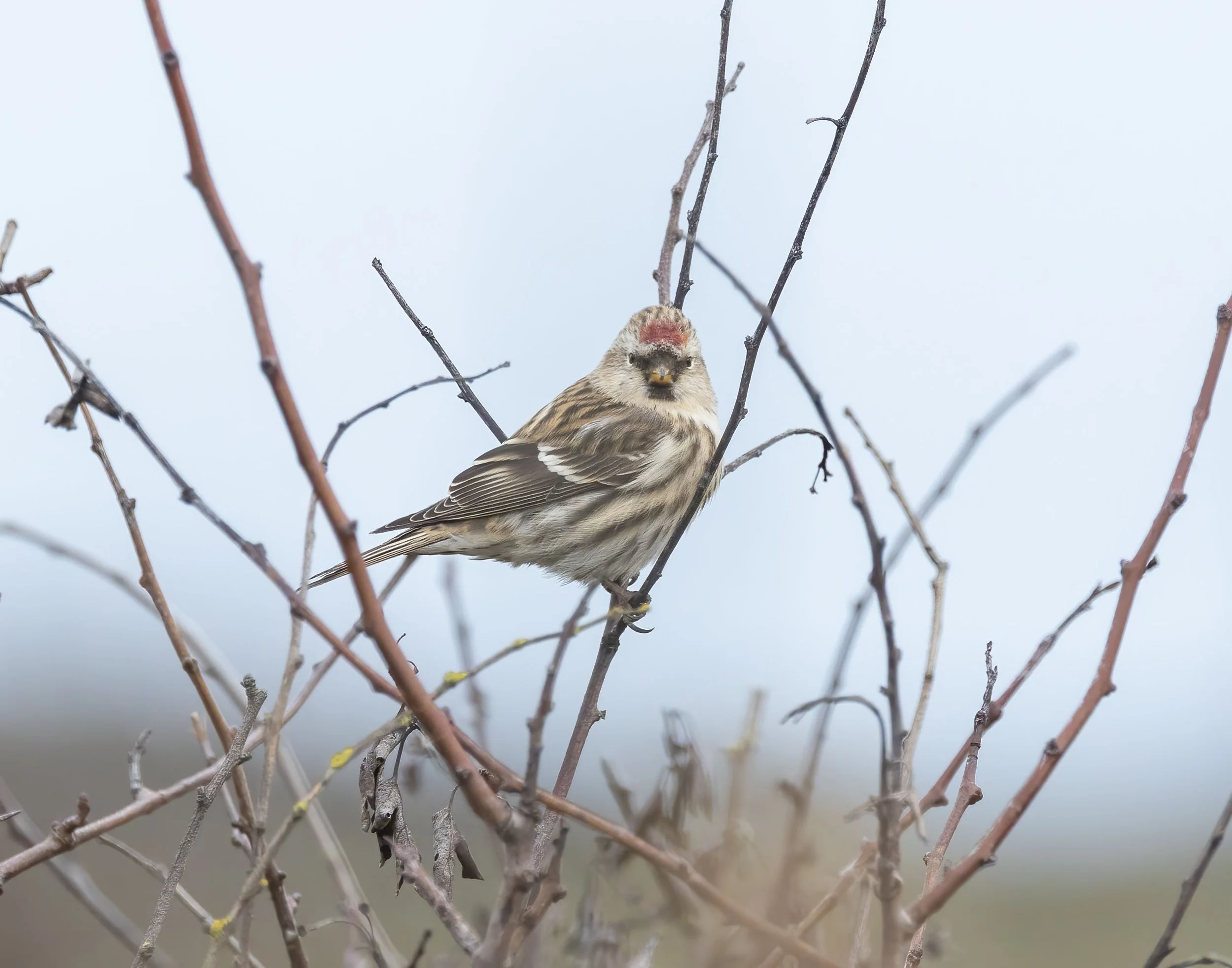
Taxonomists say all redpolls are the same now - I beg to differ
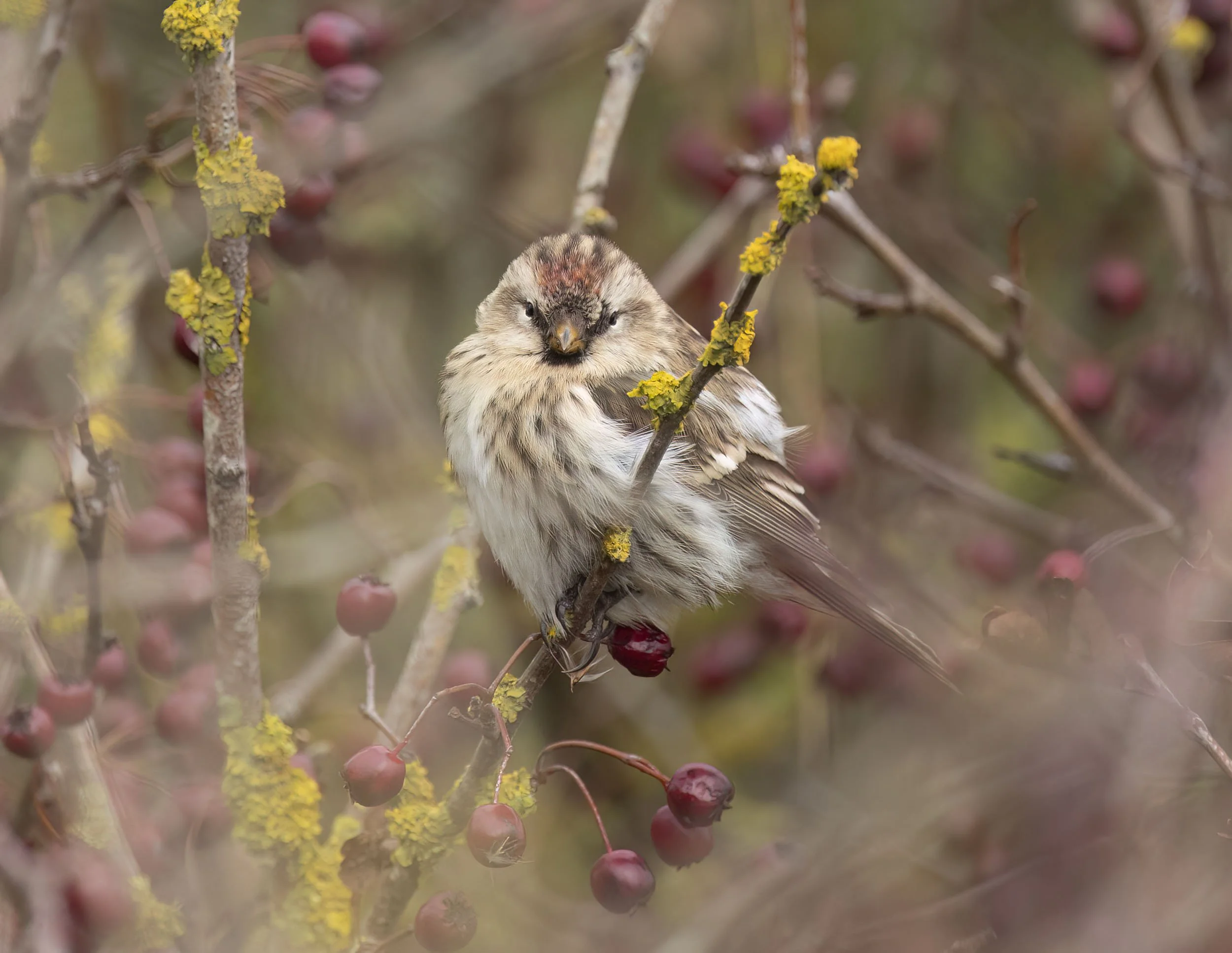
This one seemed rather fatigued
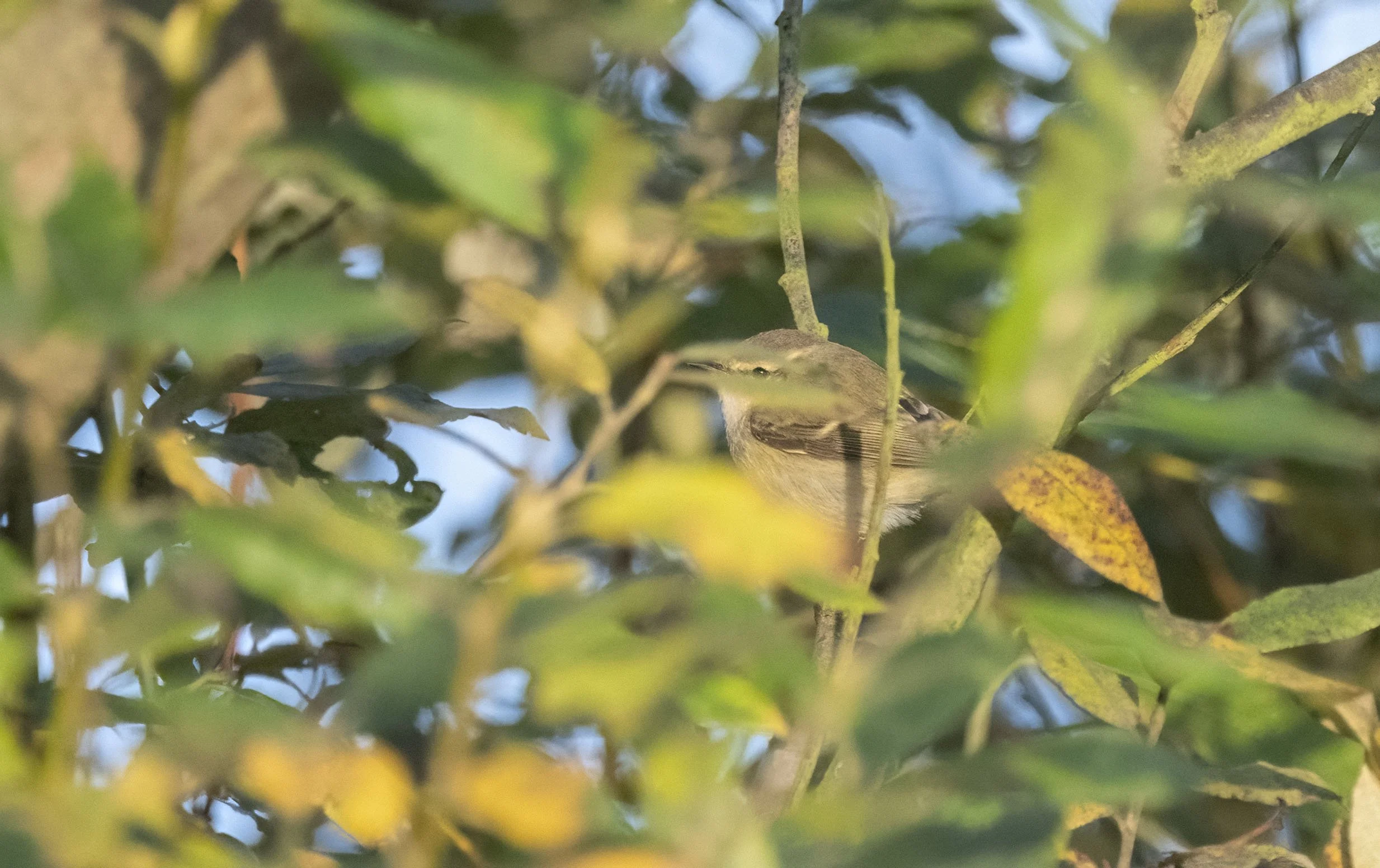
After a day best forgotten at Donna Nook on 7th - seal circus and rain and no birds meant an early departure hence missing the male Desert Wheatear nearby at Rimac - so a Sunday return but no wheatear and the two Hume’s Leaf Warblers were not very operative hence some very mediocre images
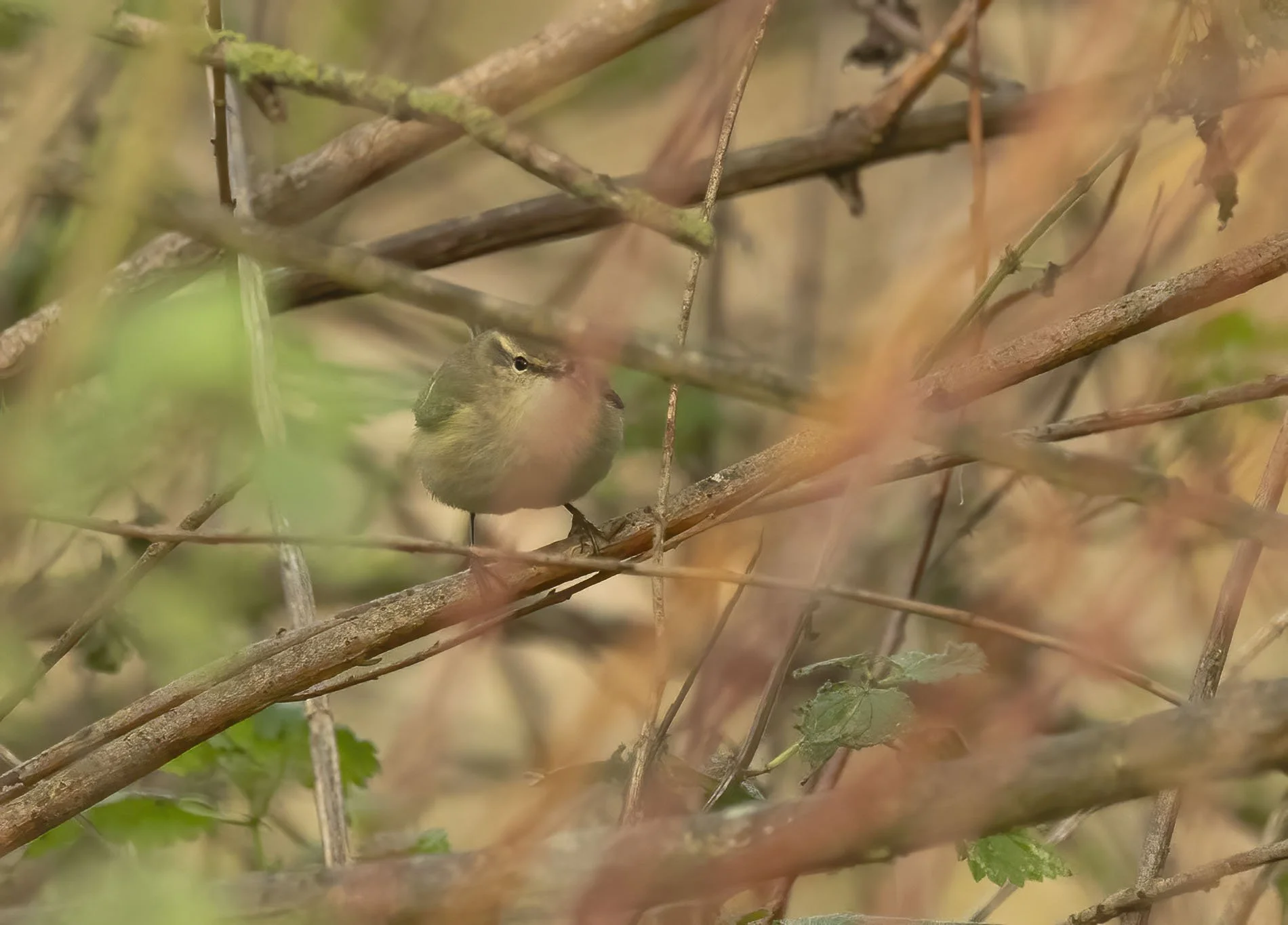
Always too many branches
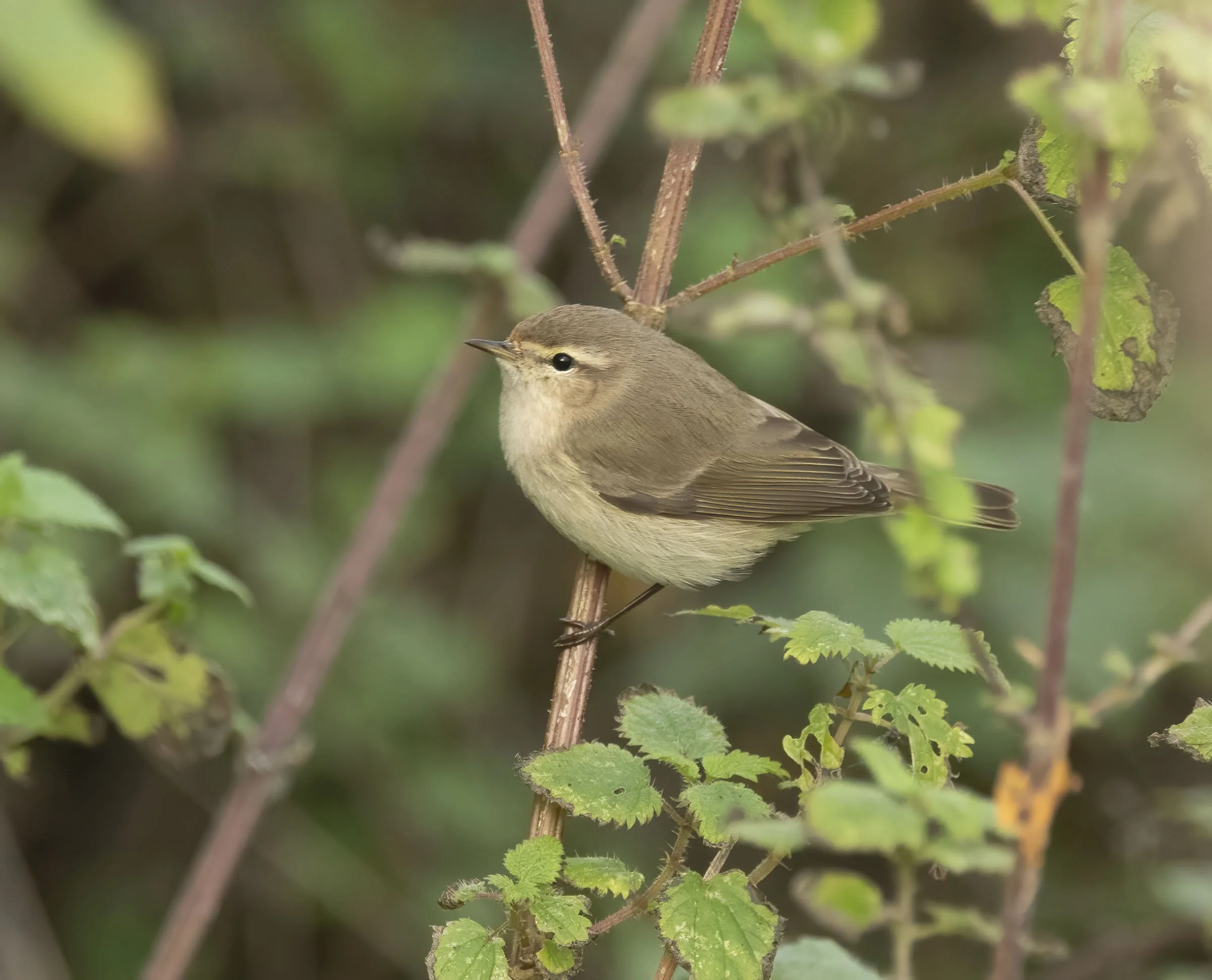
A Siberian Chiffchaff in the same willow clump at Churchill Lane though was slower and mor photogenic
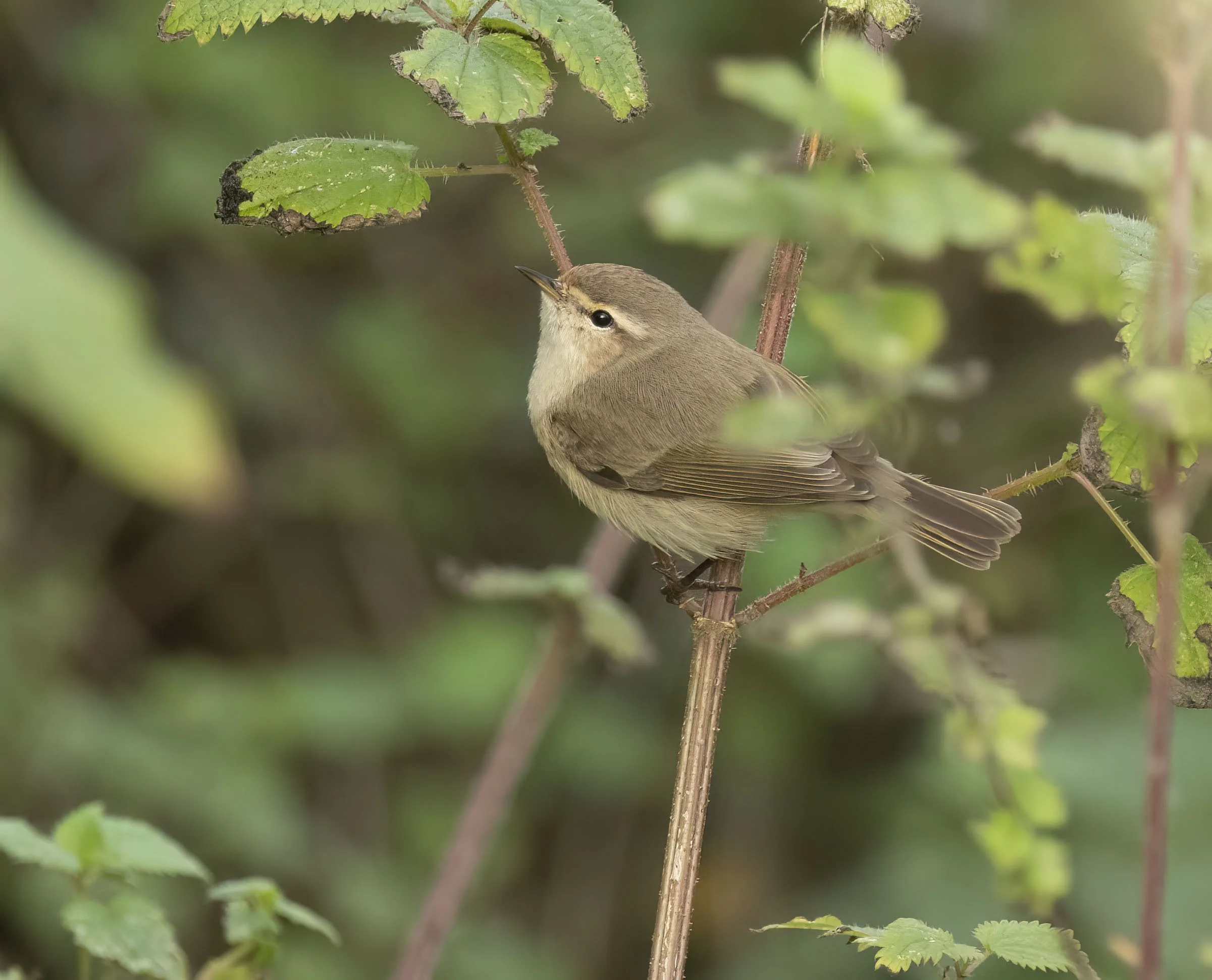
subtle differences in plumage tones were apparent in different lights as it moved about under the canopy but often fed close to the ground
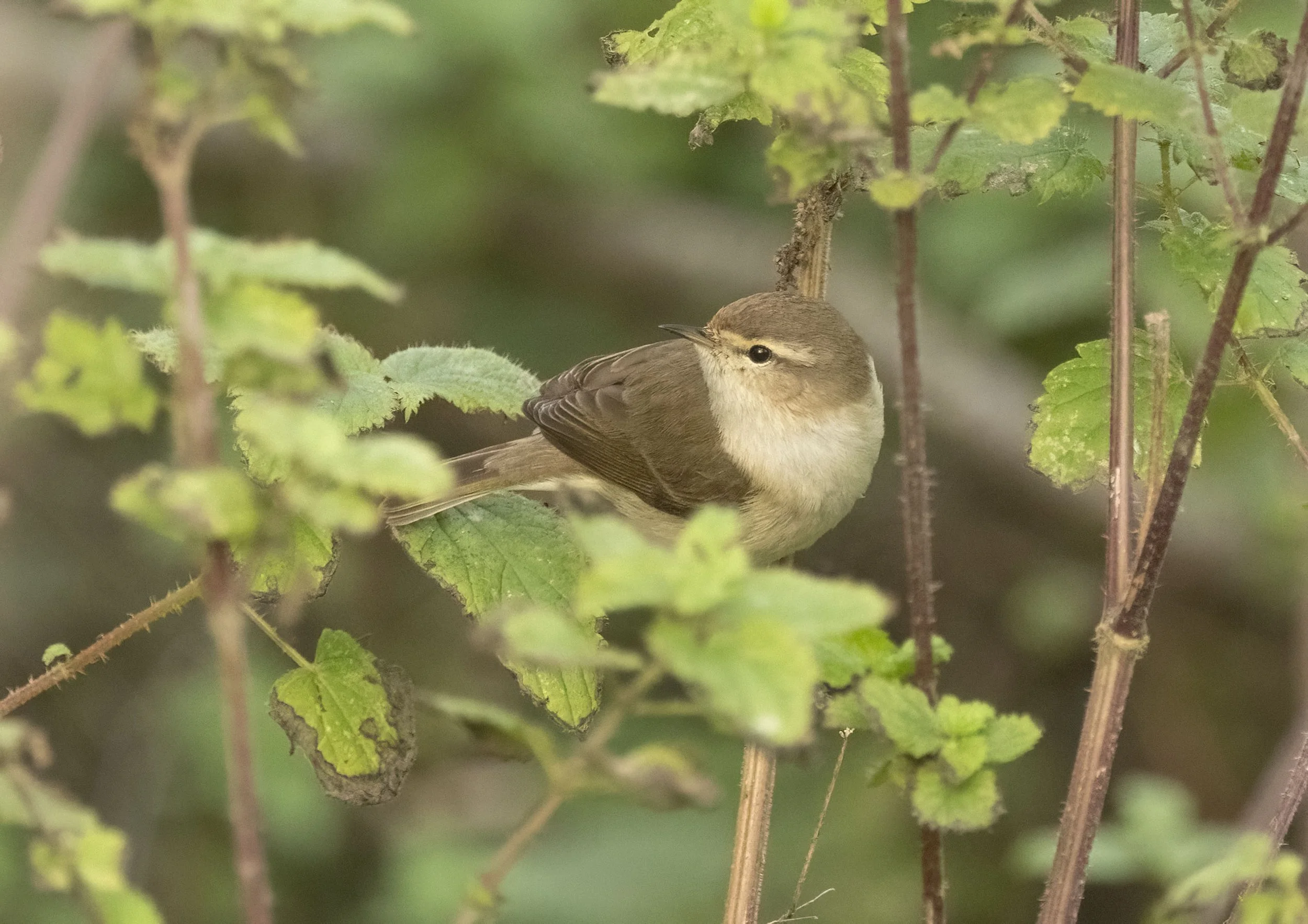
In limited light these were taken at 1/200th second
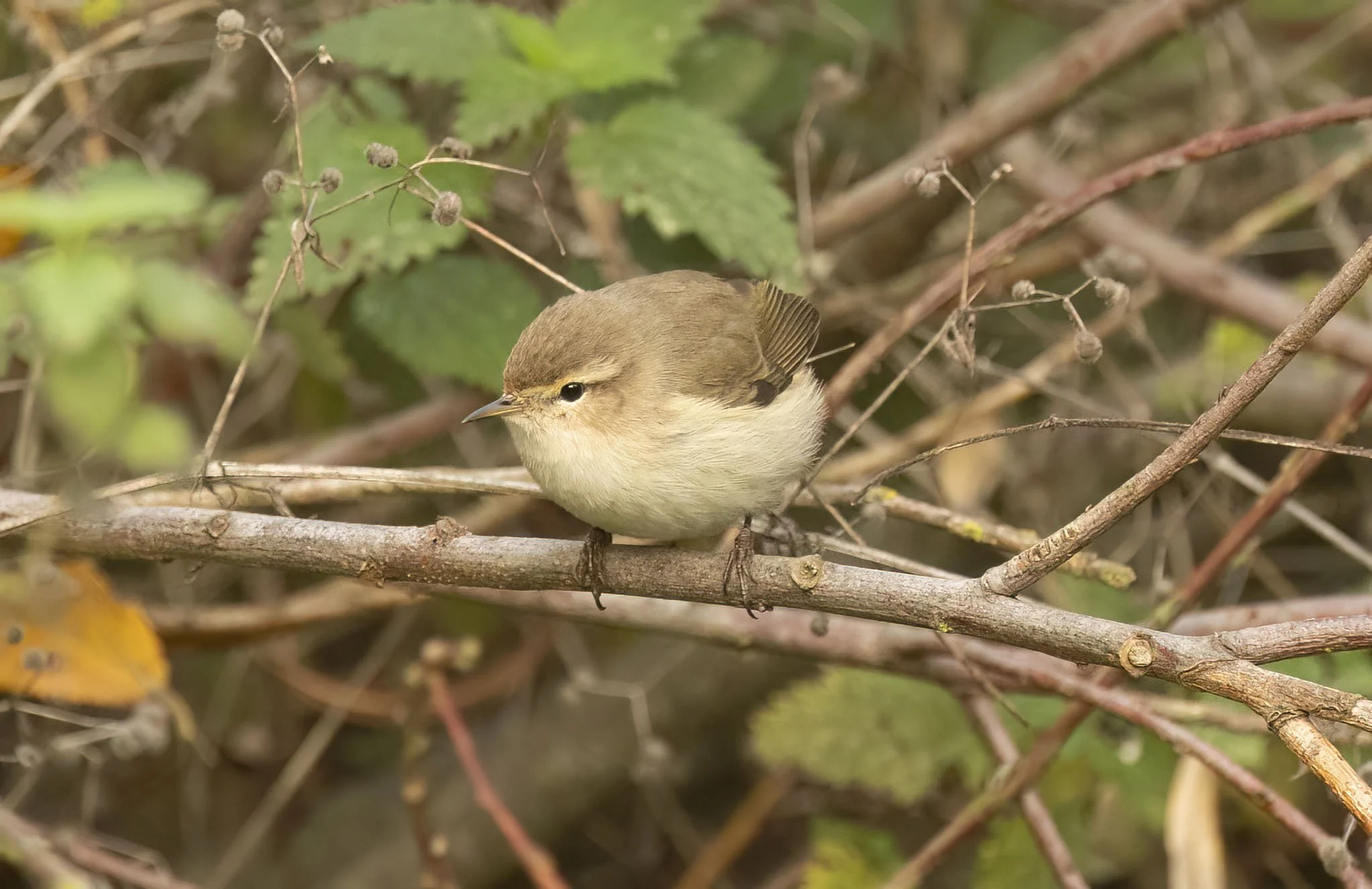
Out in the open the upperpart colours took on more of the usual milky tea tones and the underparts were strkingly creamy-white - it also called which is important