February 2026
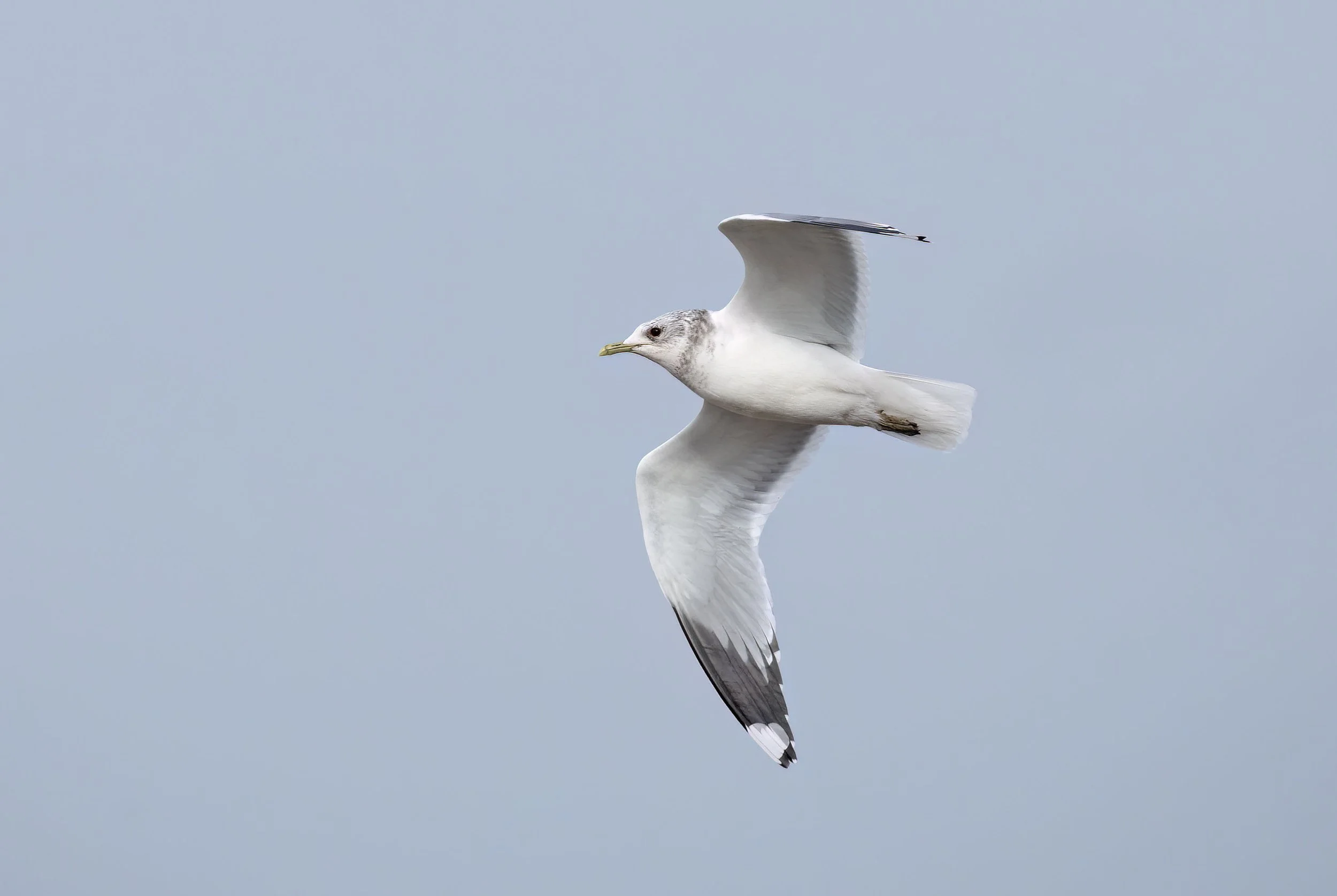
The month has begun where January left off, dull, duller than dull and even more dismal and on 3rd seriously cold in the constant easterly wind but it is producing no birds for some reason so in spite of 24 miles hiked in the first three days only one species added to the patch year list Barnacle Goose but at least I got some better image sof the Mediterranean Gull on 1st
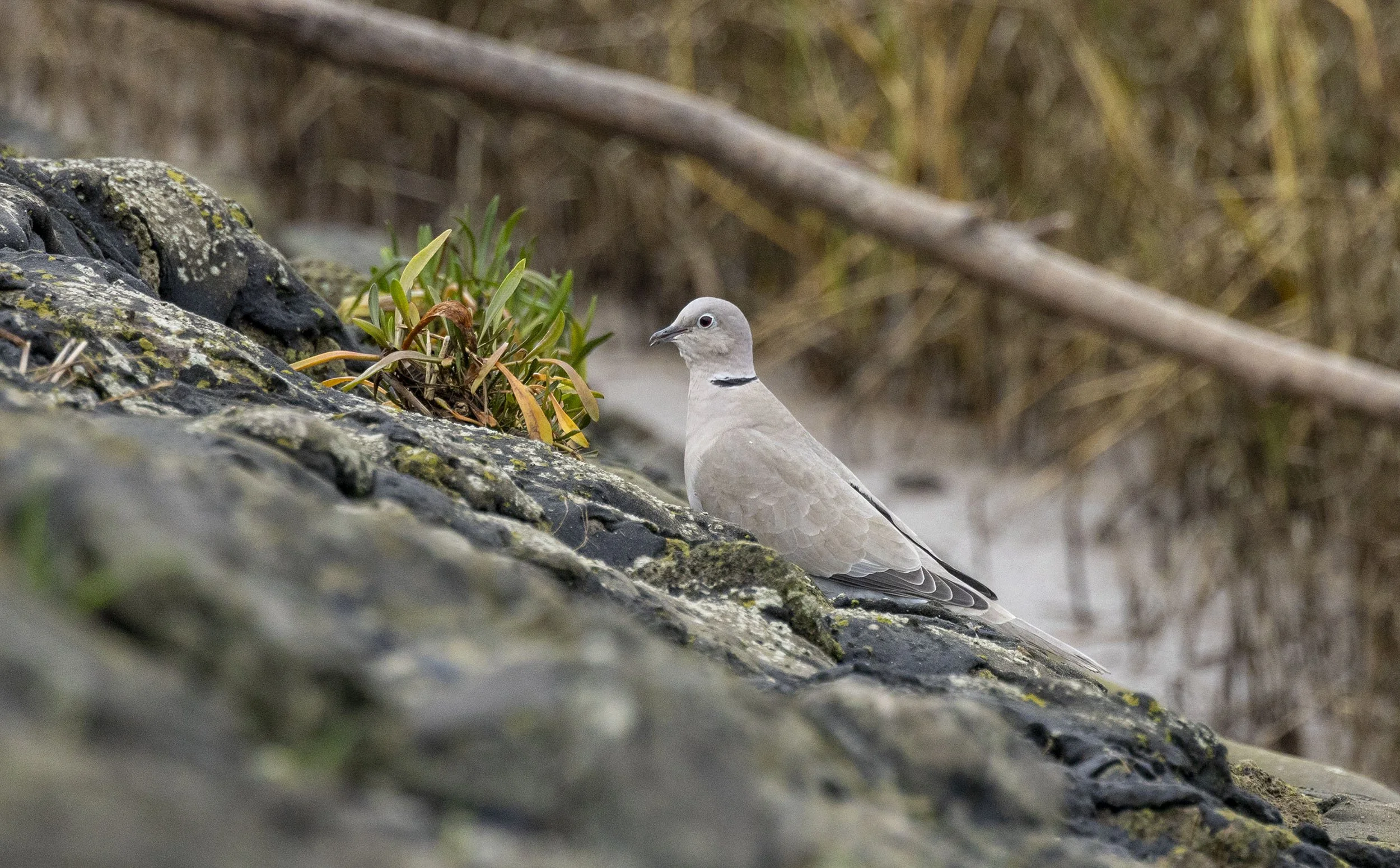
Kicking off the month with a Collared Dove eating sea aster on the foreshore. a seemingly regular food item maybe due to salt content? — 50 on the LBY photo quest
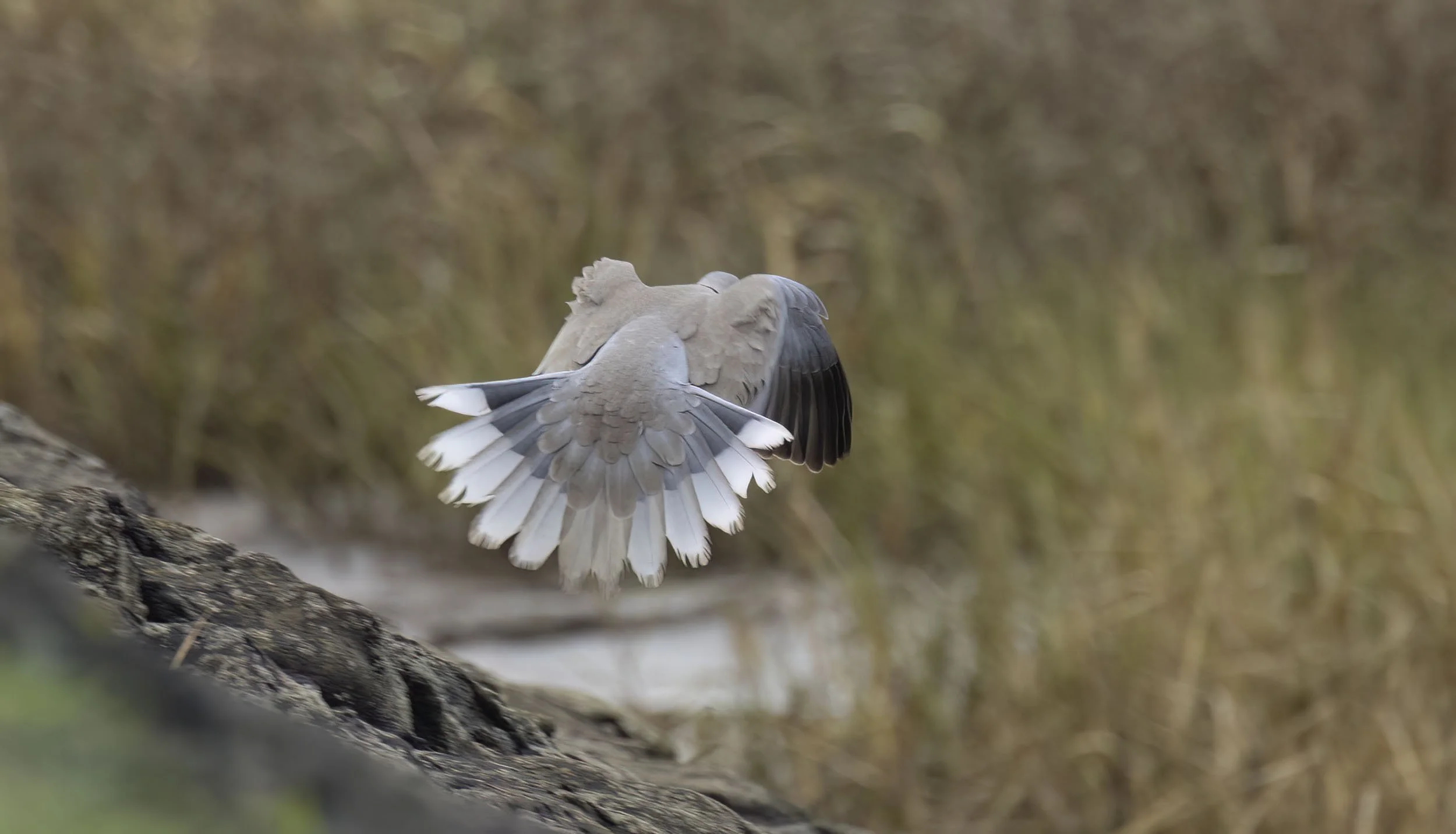
A Collared Dover tail - rump etc
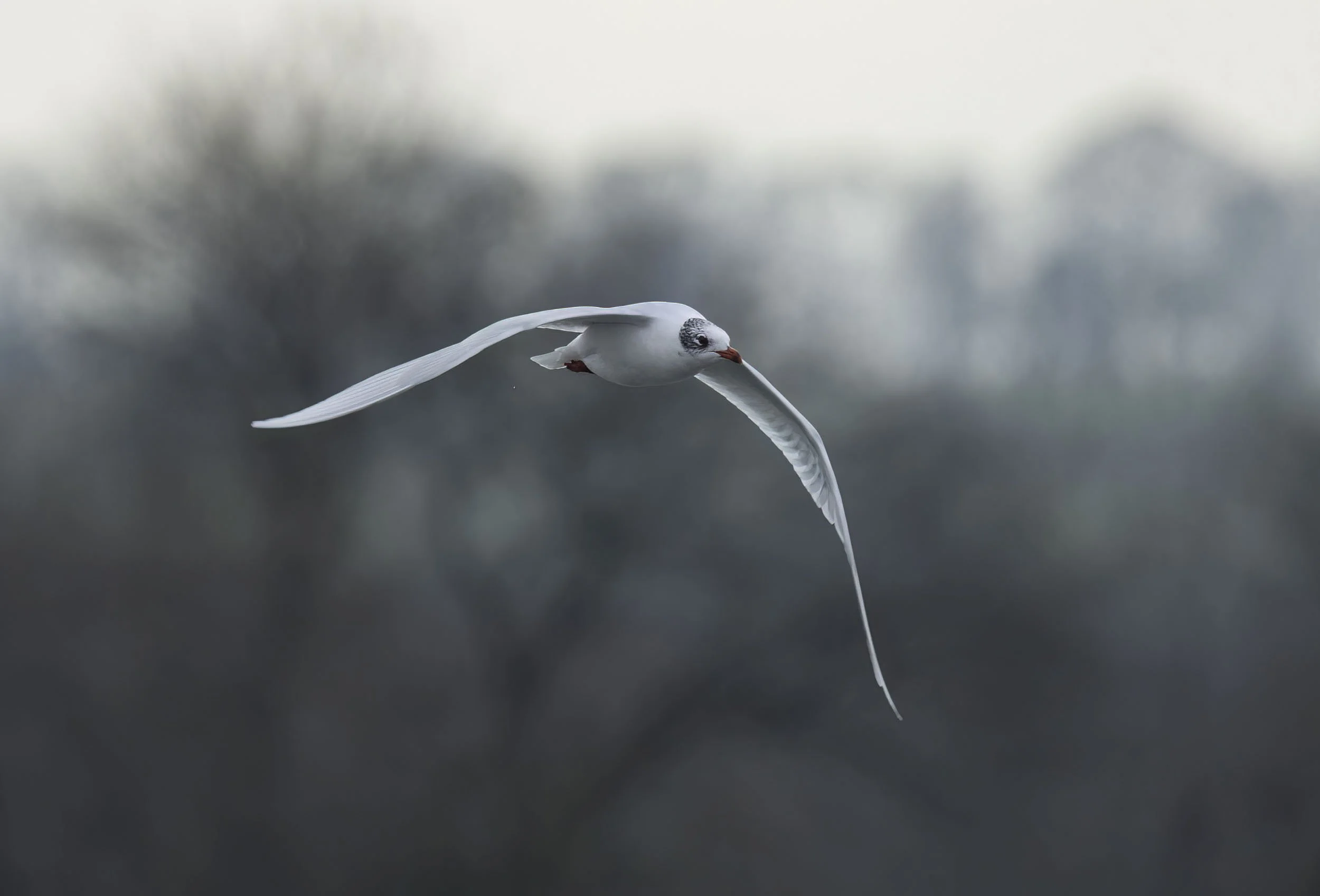
The adult Mediterranean Gull did a close fly by on 1st albeit in terrible light again
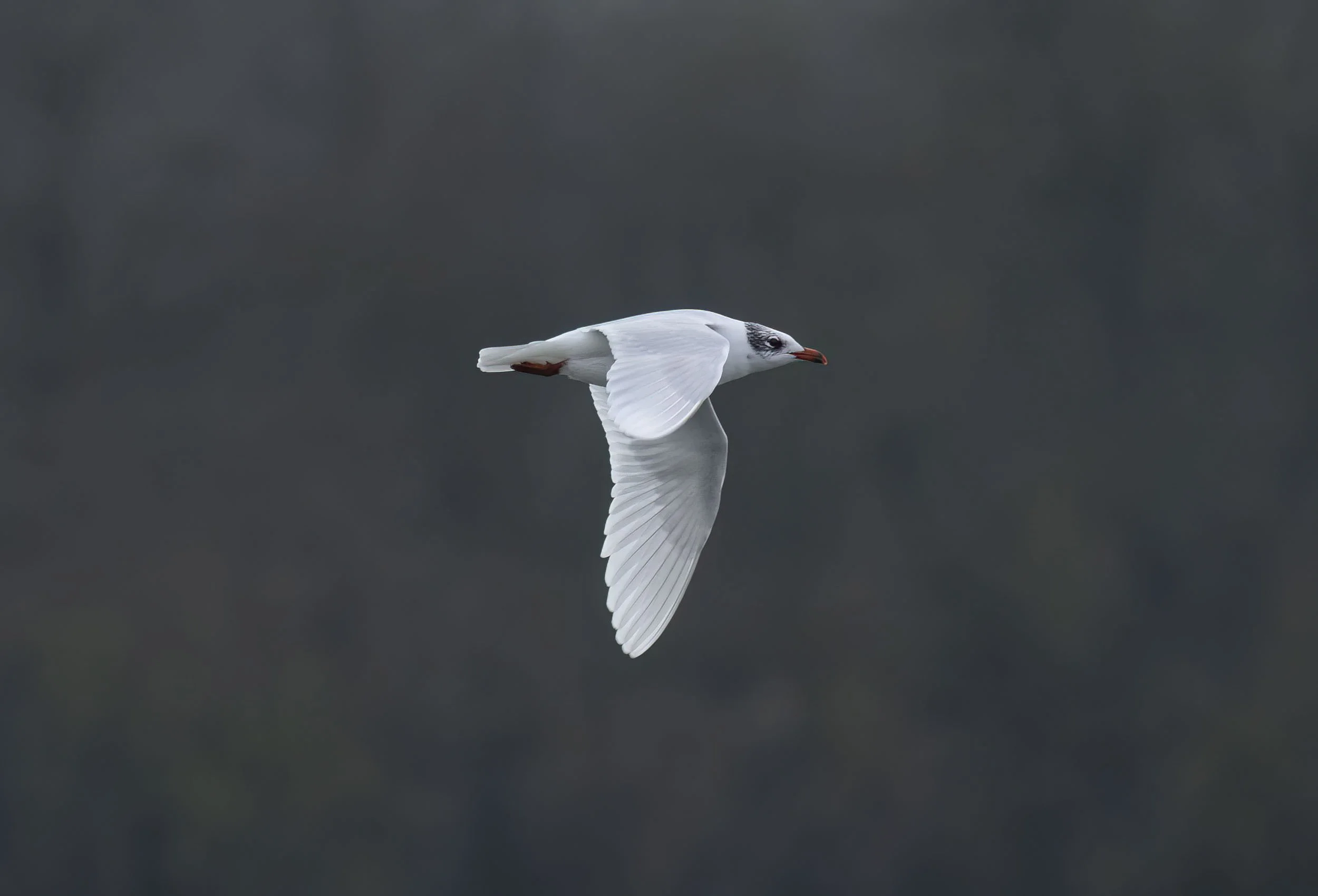
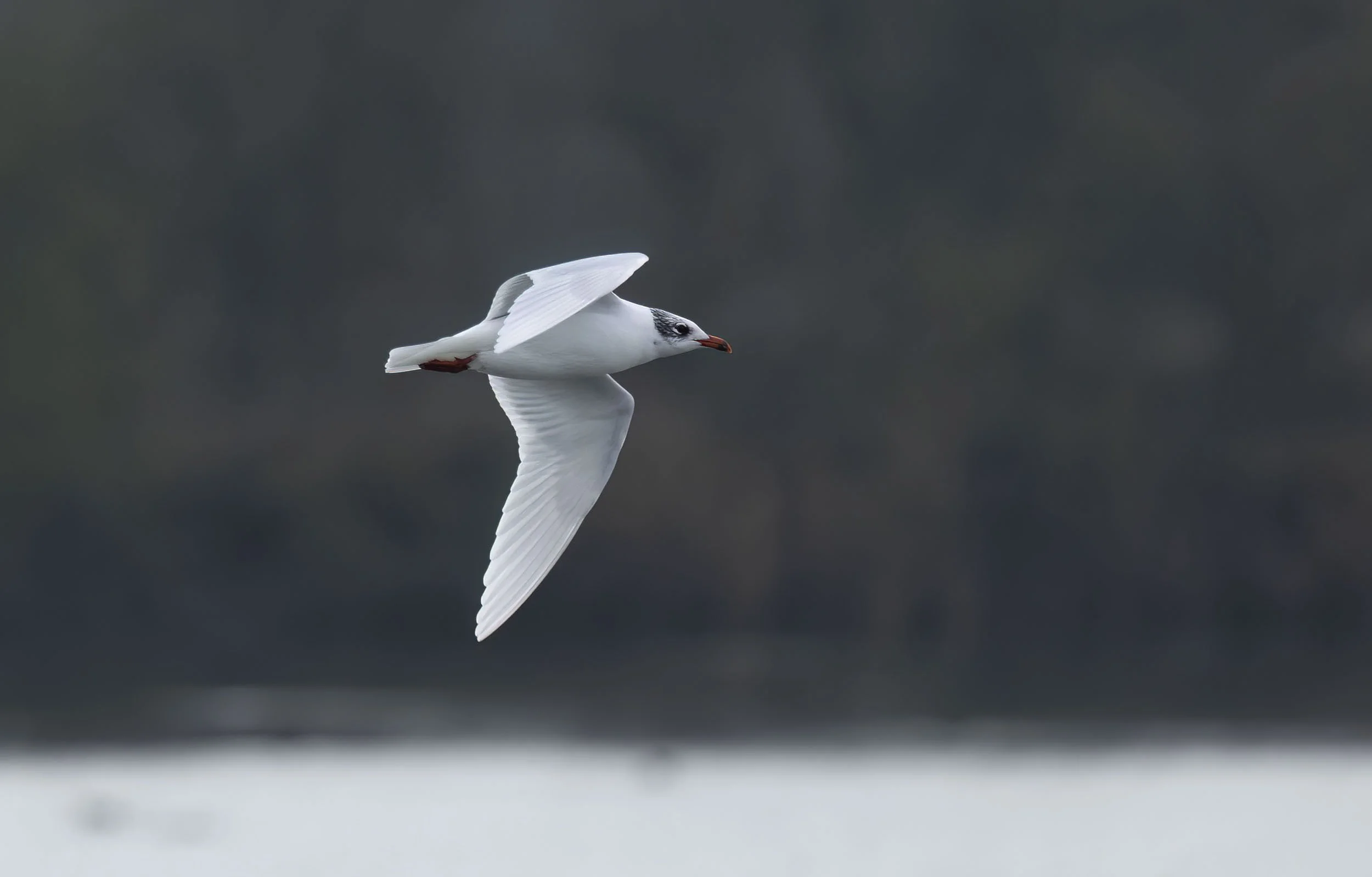
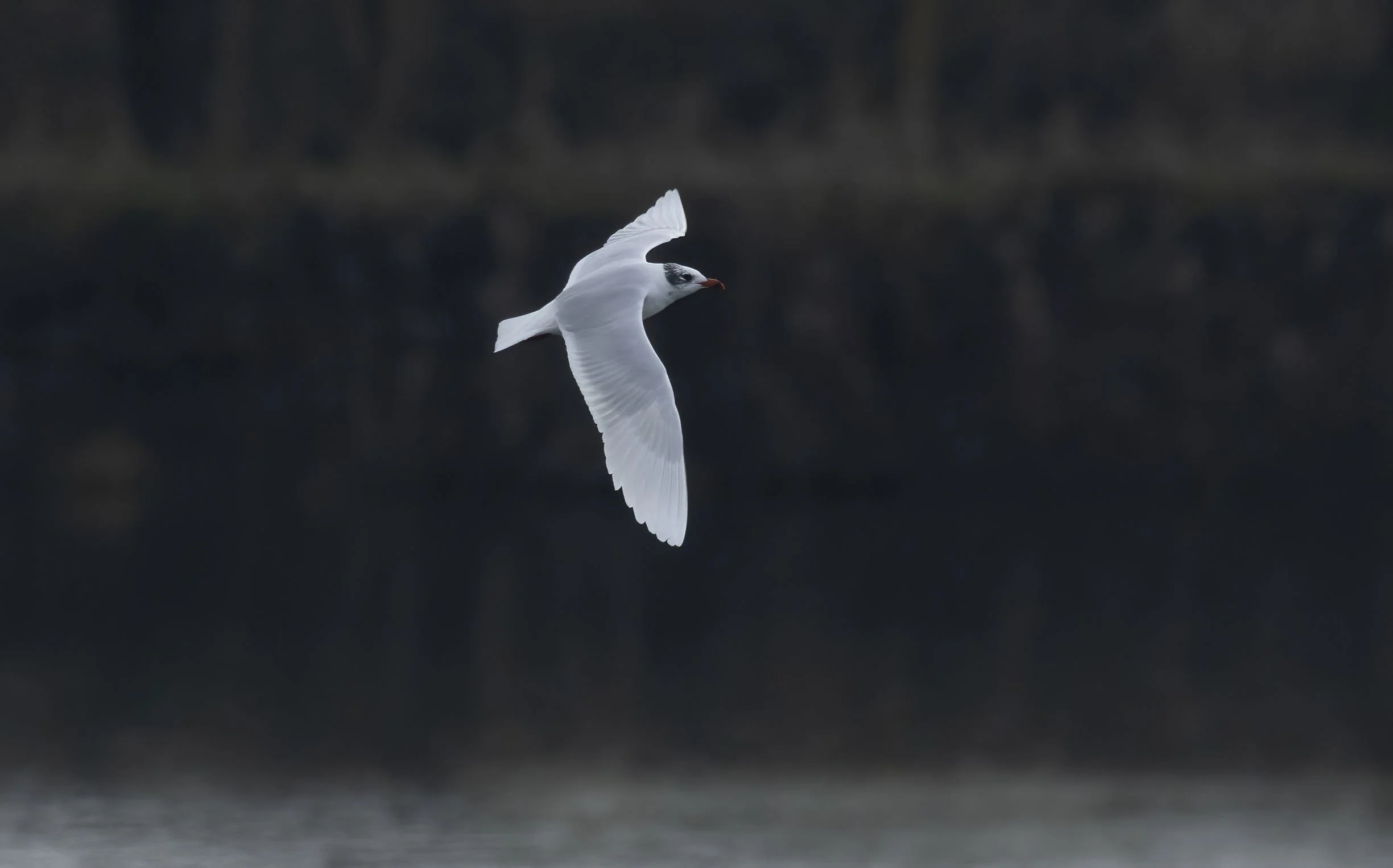
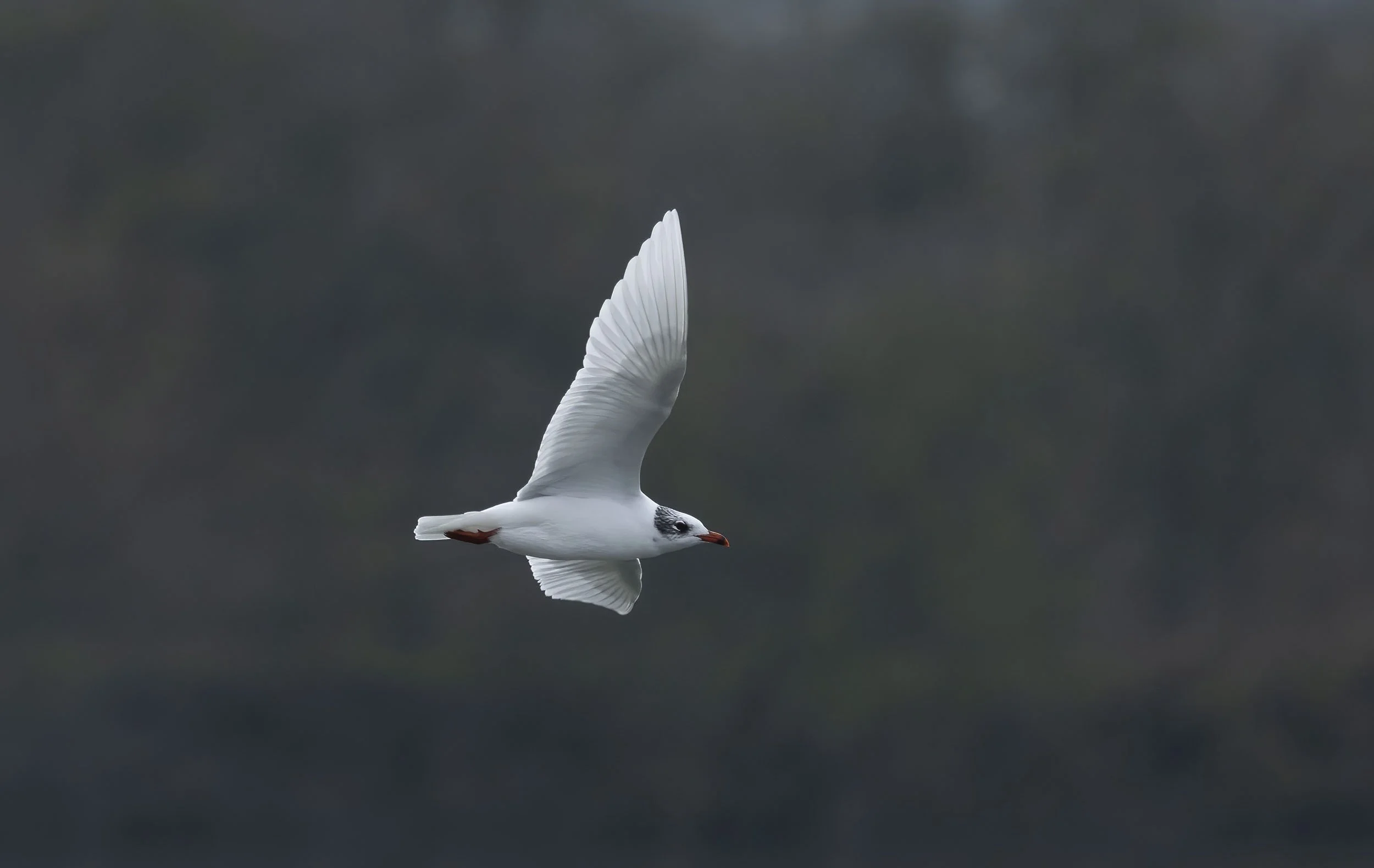
Brightens up a dull day
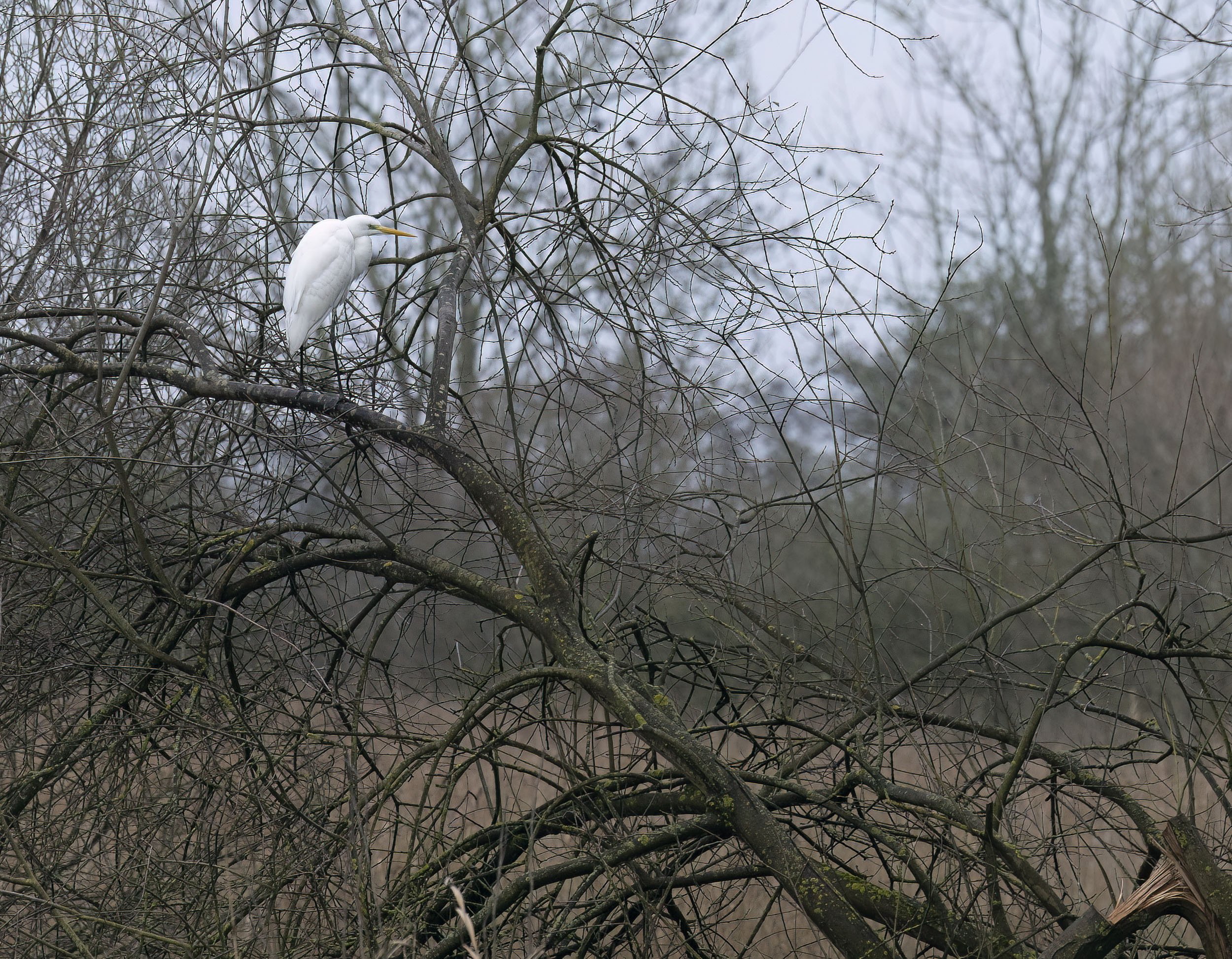
51 Great White Egret - a few years back I would have been more than happy with a shot like this as Great Whites were tricky birds locally but this individual has been in the same small pond for a few weeks now and is silly tame - see shot below - the otehr day I was doing it with a phone camera
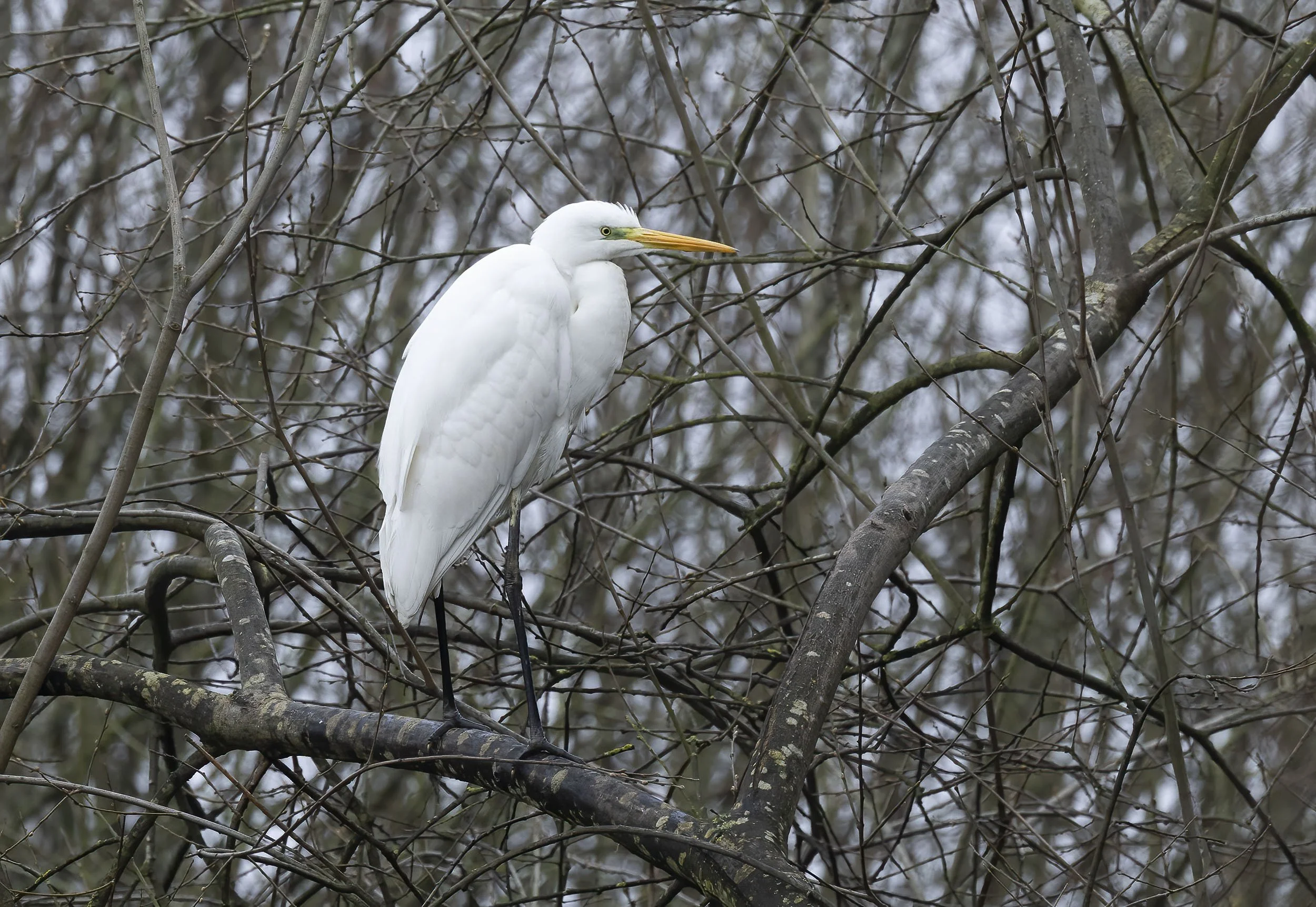
Just stood on the track next to it with the 100-500 lens - not in the least concerned
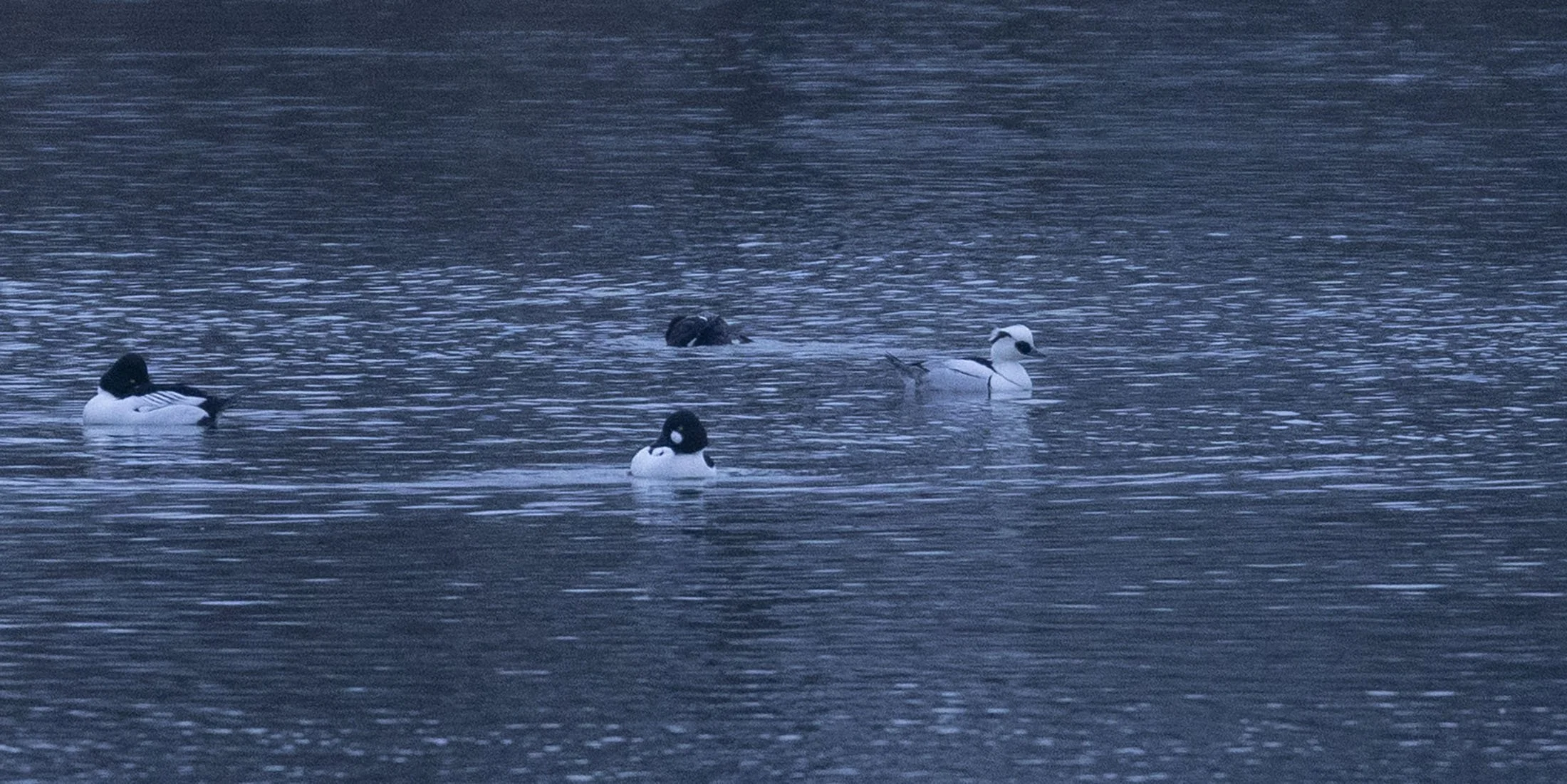
Disrant in fading light to say the least but one of those birds that is unmistaklable - will have to count as 52 and as an increasingly irregular visitor a good one for the year - the white nun
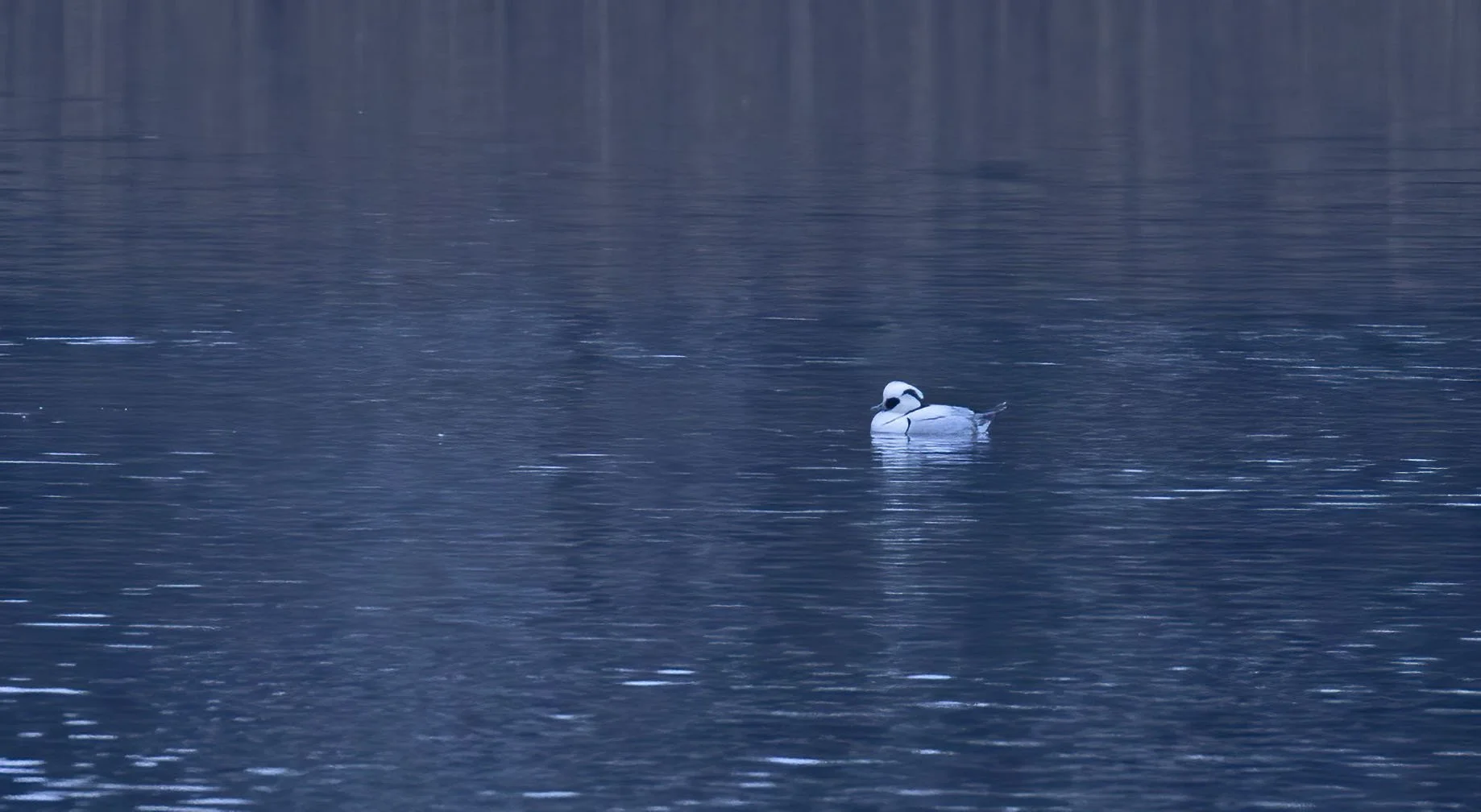
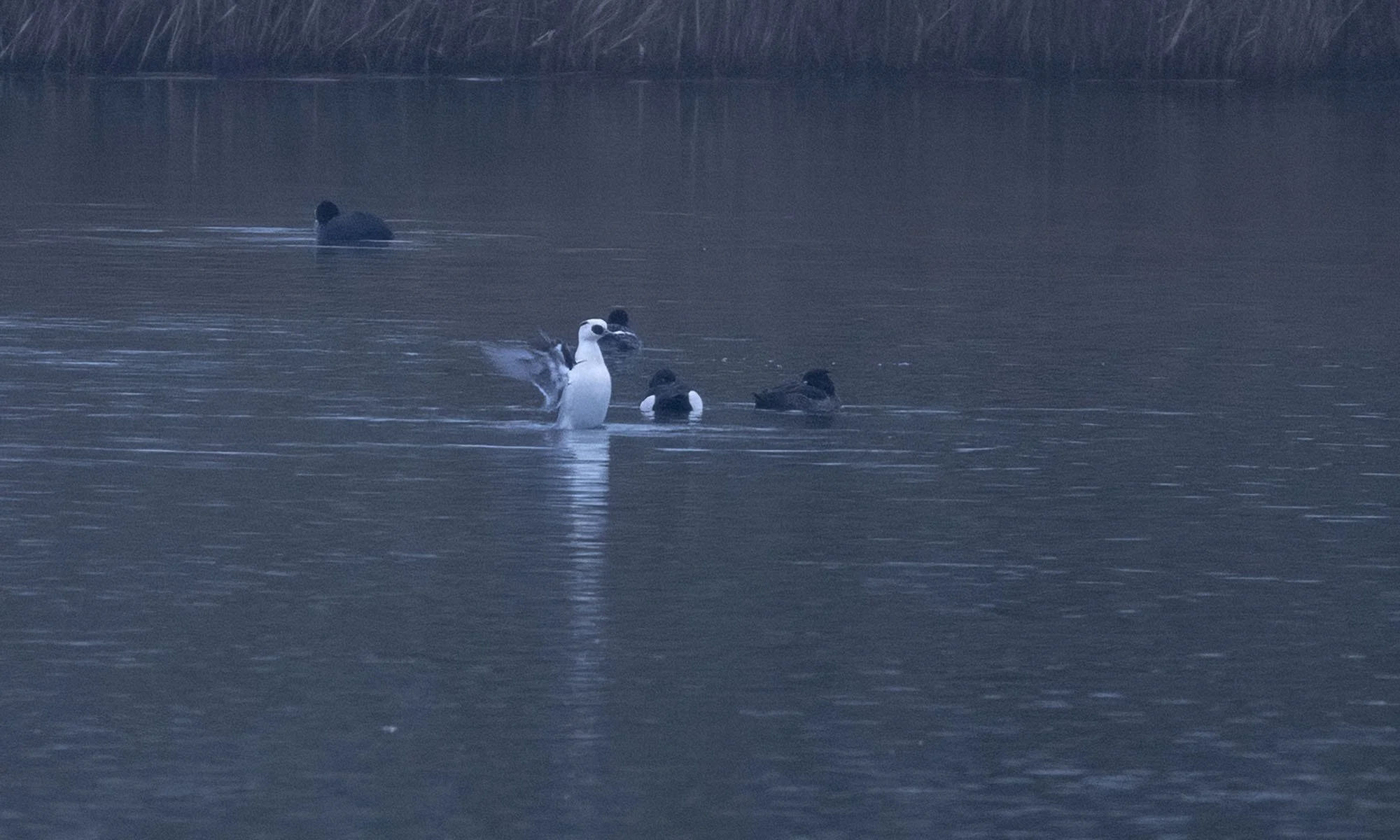
Present from 16:00 to dark on 4th but no sign this morning - maybe it will pop up somewhere in the coming days
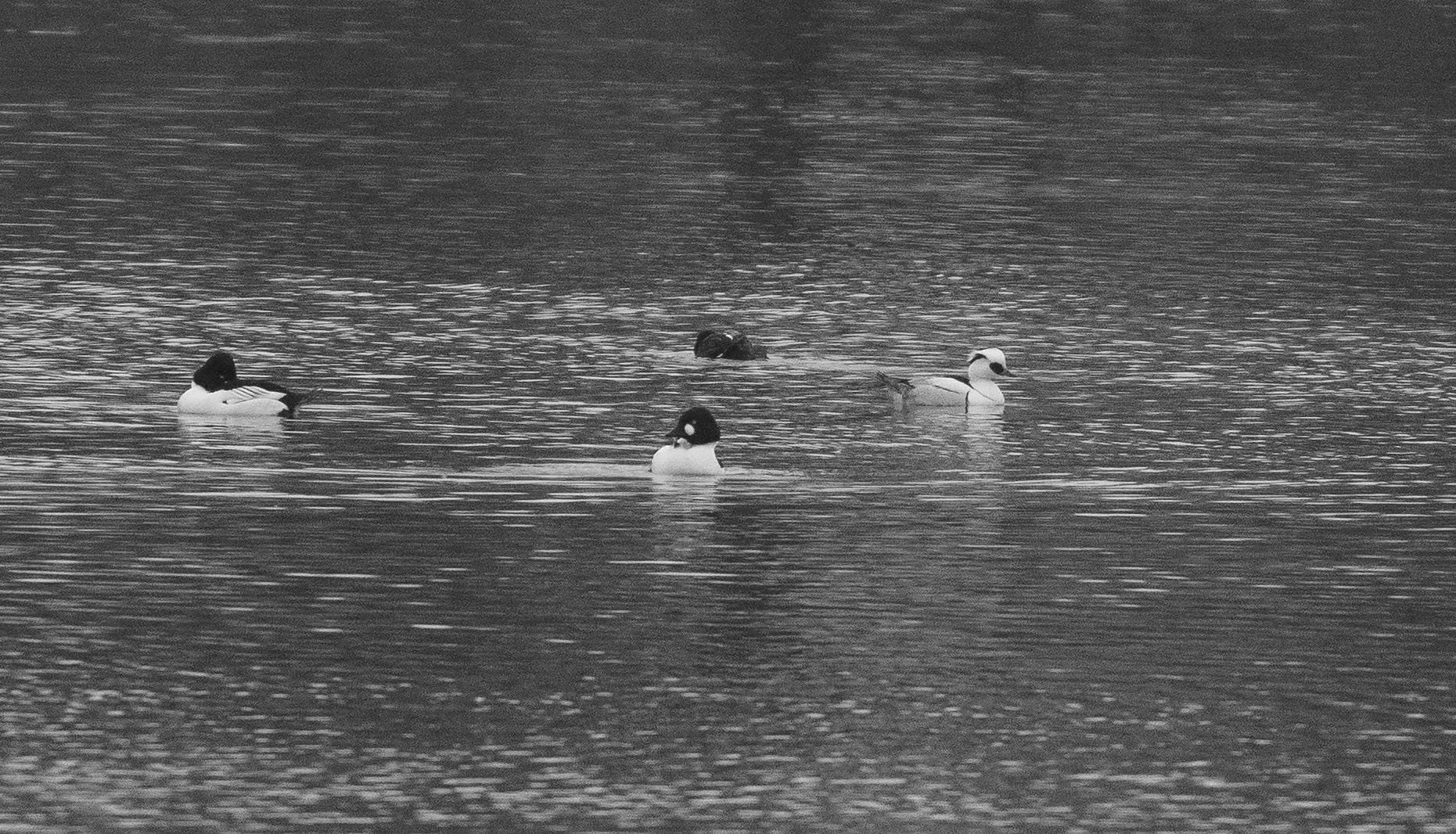
Better or worse in BW? still as distant
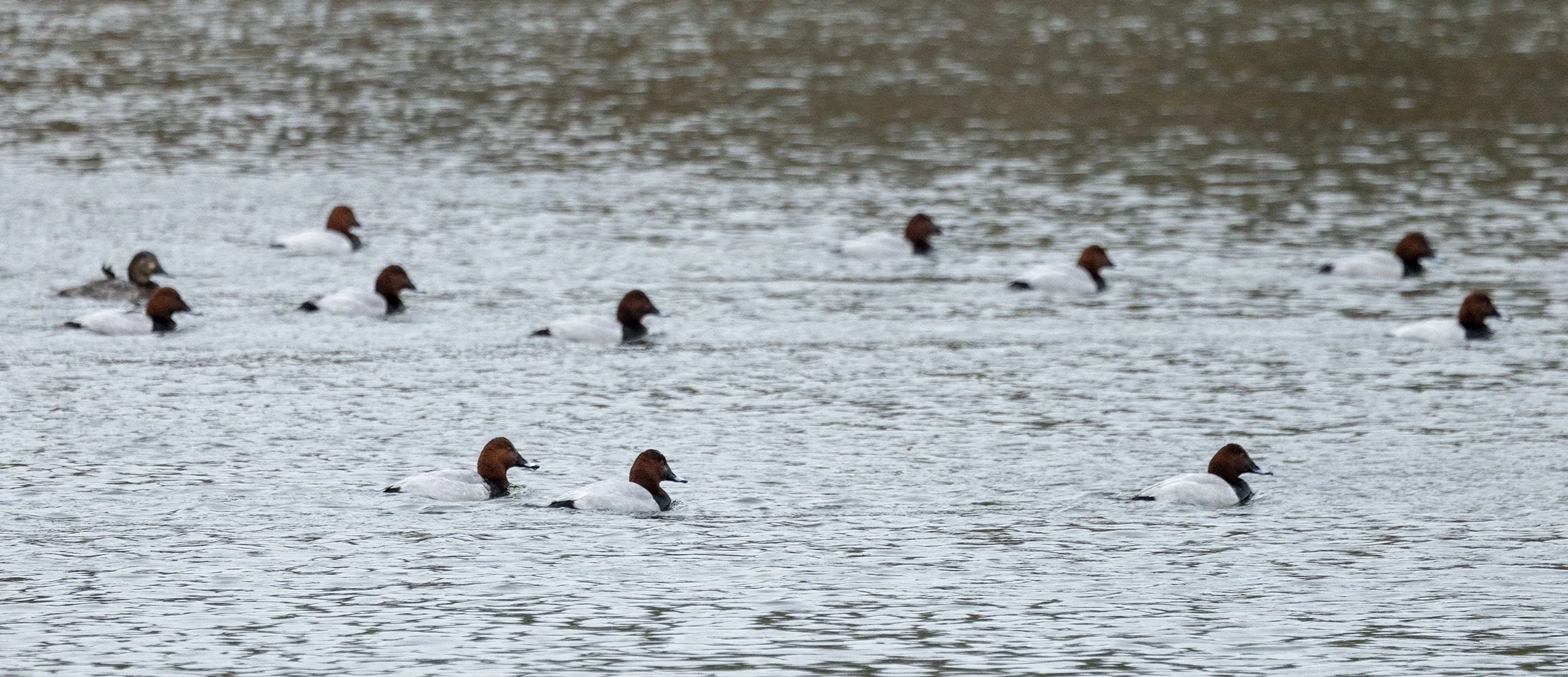
53 Pochard - even this is a decent flock locally now but there has been up to 50 this week which is major improvement on the winter high - travel back to the mid 1980’s and 2000 - 2500 was not an unuasual count and 500 - 1000 were regular on the local pits and at New Holland
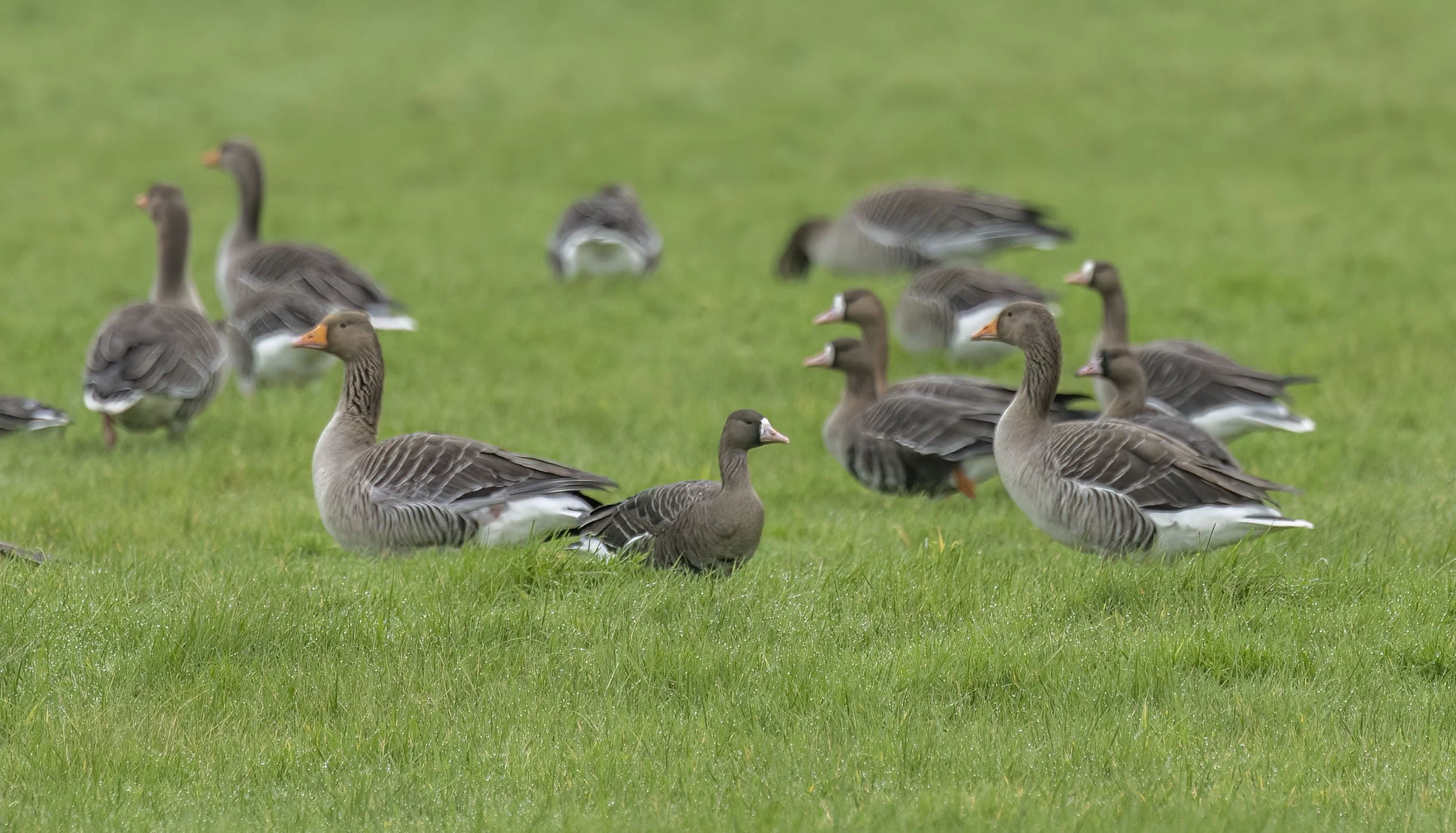
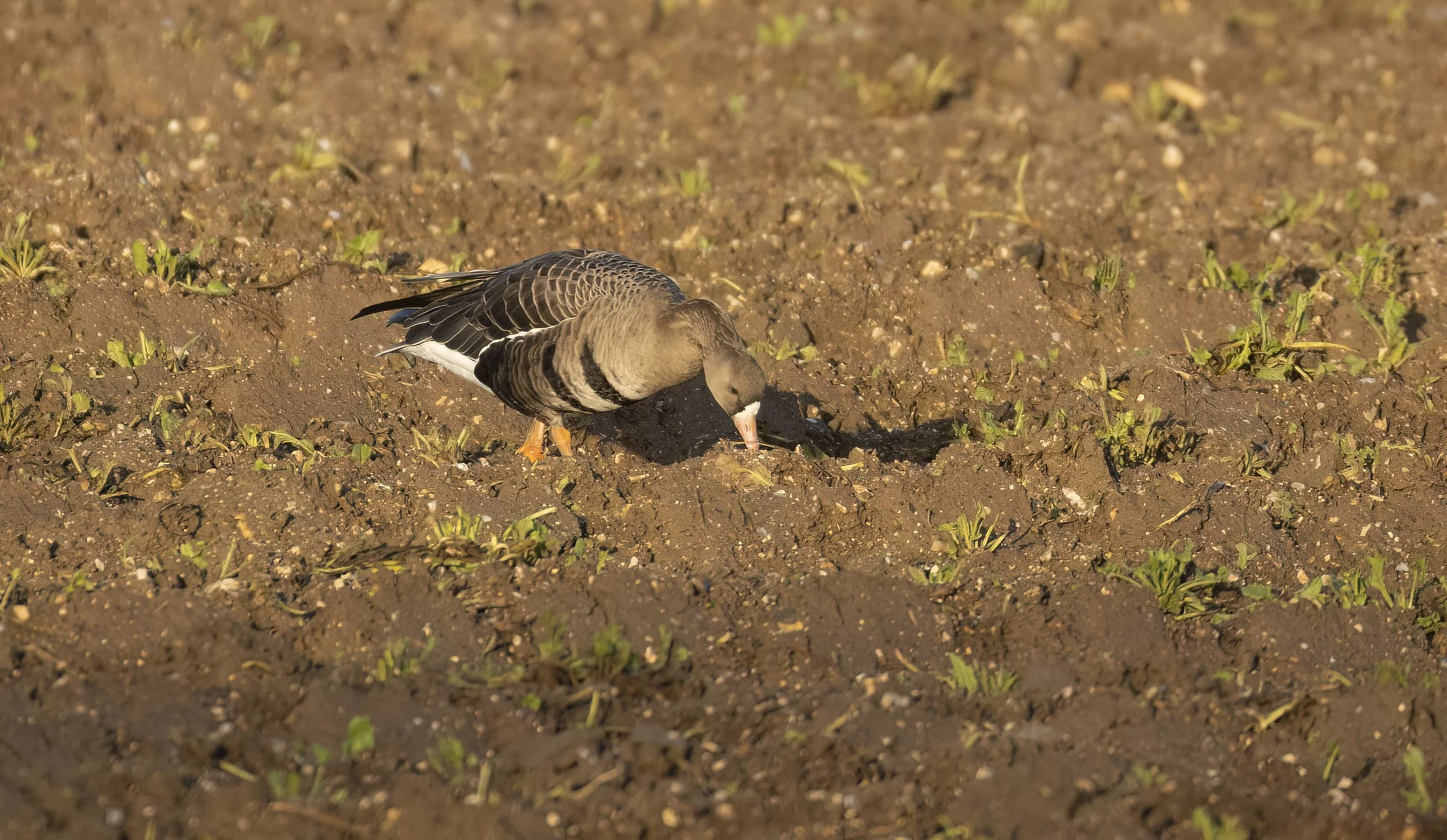
With ever increasing numbers of White-fronted Geese turning up within 10 miles of the patch I had been looking through the local Greylags and canadas and checking all the wet grass fields for days - yesterday in the dismallity of the rain and wind found a flock of 34 not far away at South Ferriby but this morning’s 5 mile amble round the patch revealed that the Greylags were still alone - then as I walked through the trees on Waters’ Edfge I heard a flock of fronts fly over but couldn’t see them - checked all the nearby fields but nothing then last ditch attempt went back to the Greylag gathering and 14 White-fronts had dropped in between my last cjheck - just shows never give up — 54 for the photo patch challenge
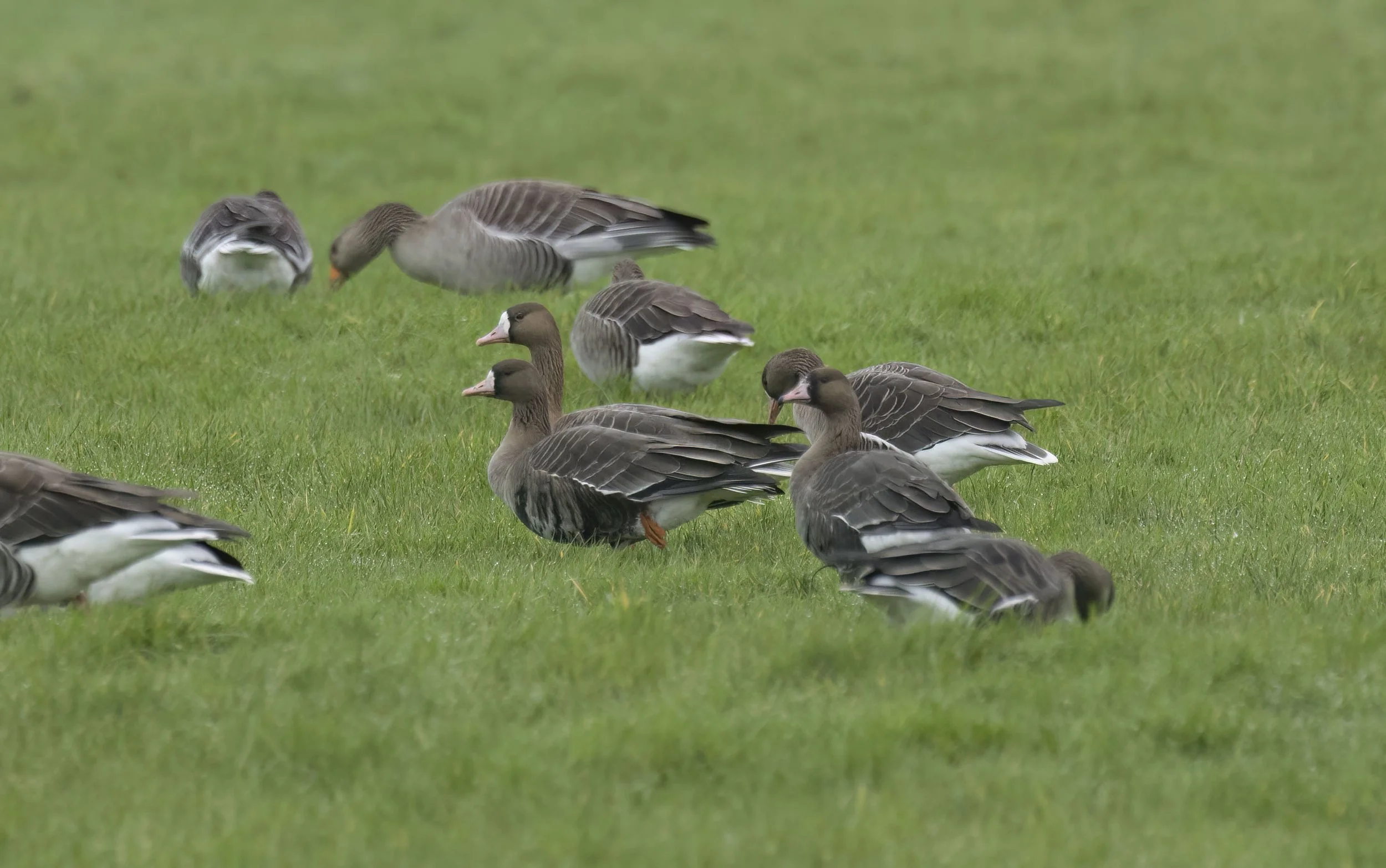
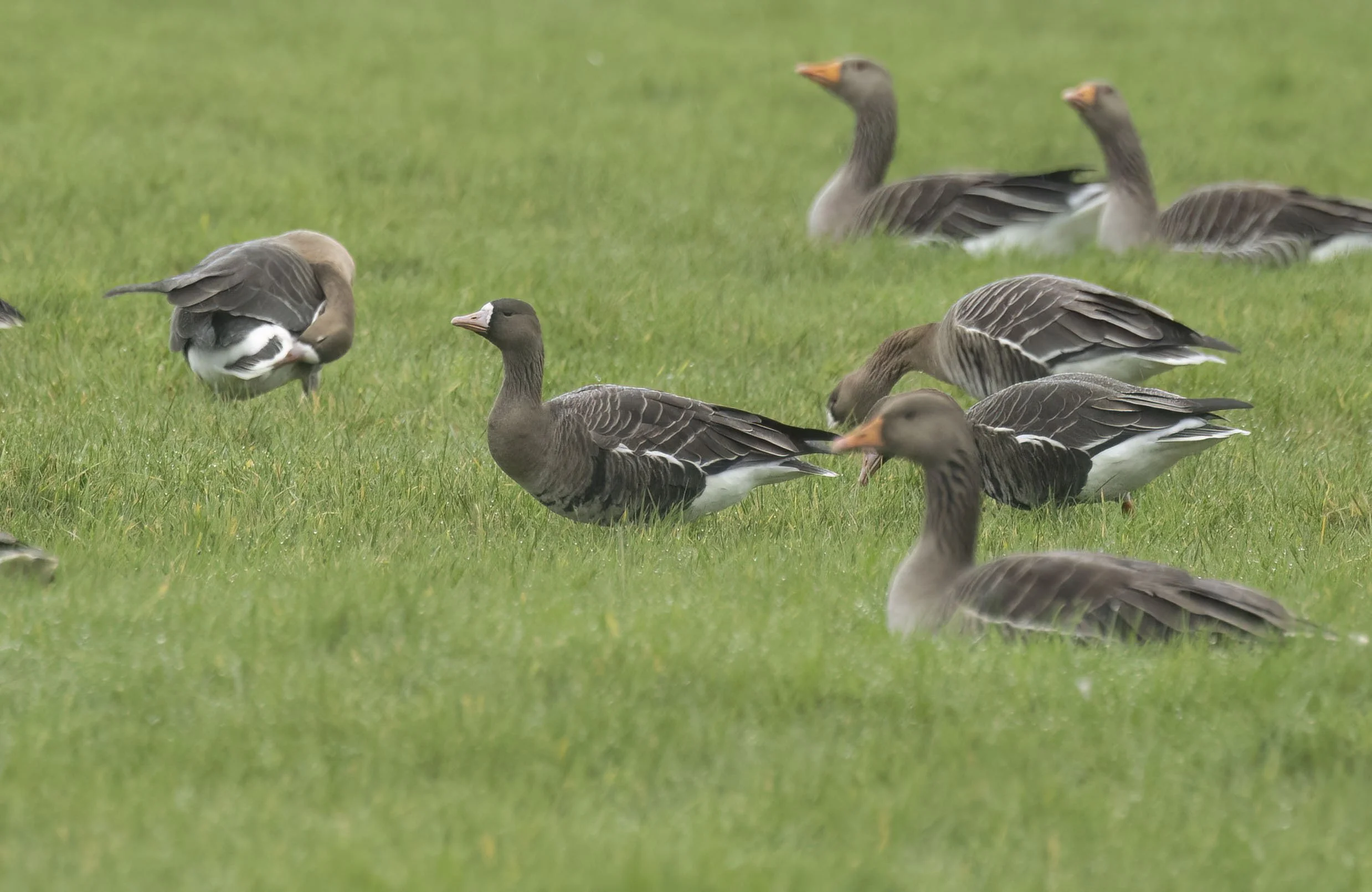
Greylags do have their uses - wild birds feel more settled with the lags and are more approachable albeit from the car
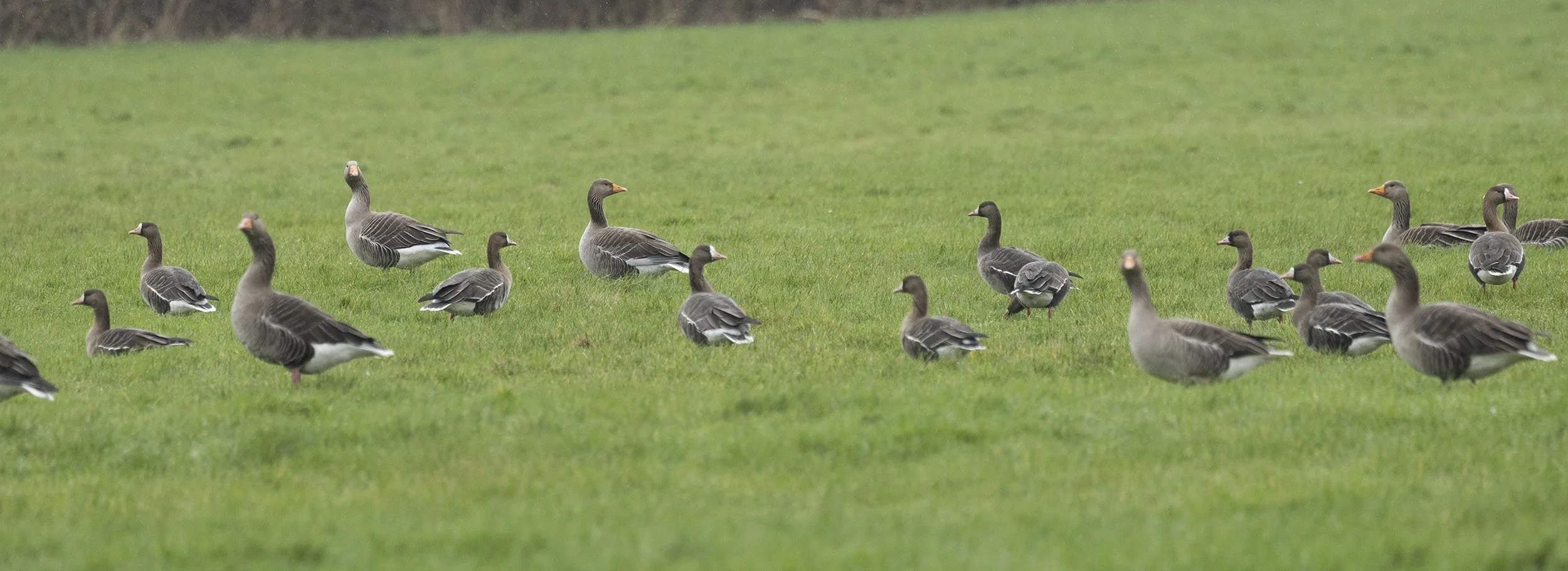
With birds still on the move more may drop in yet
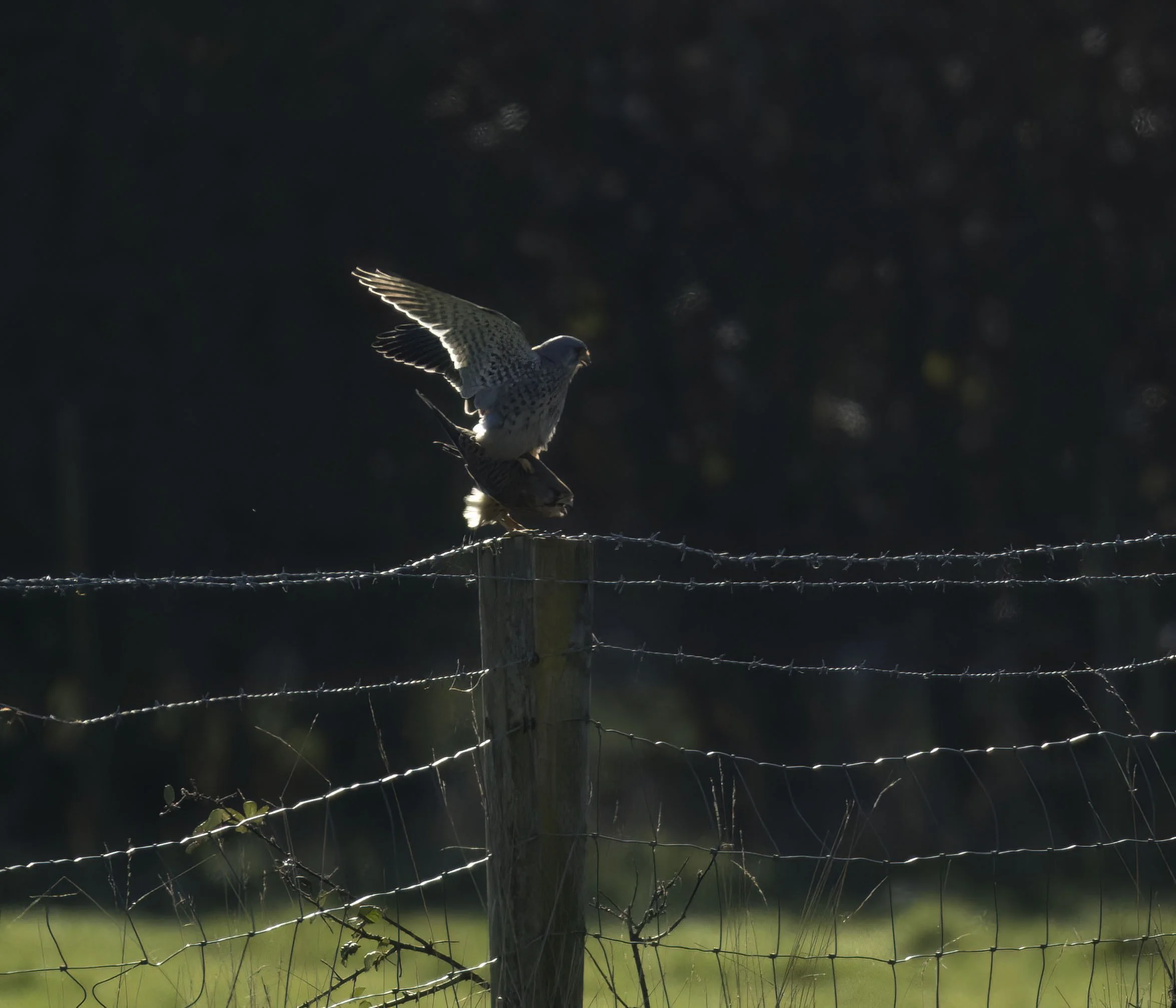
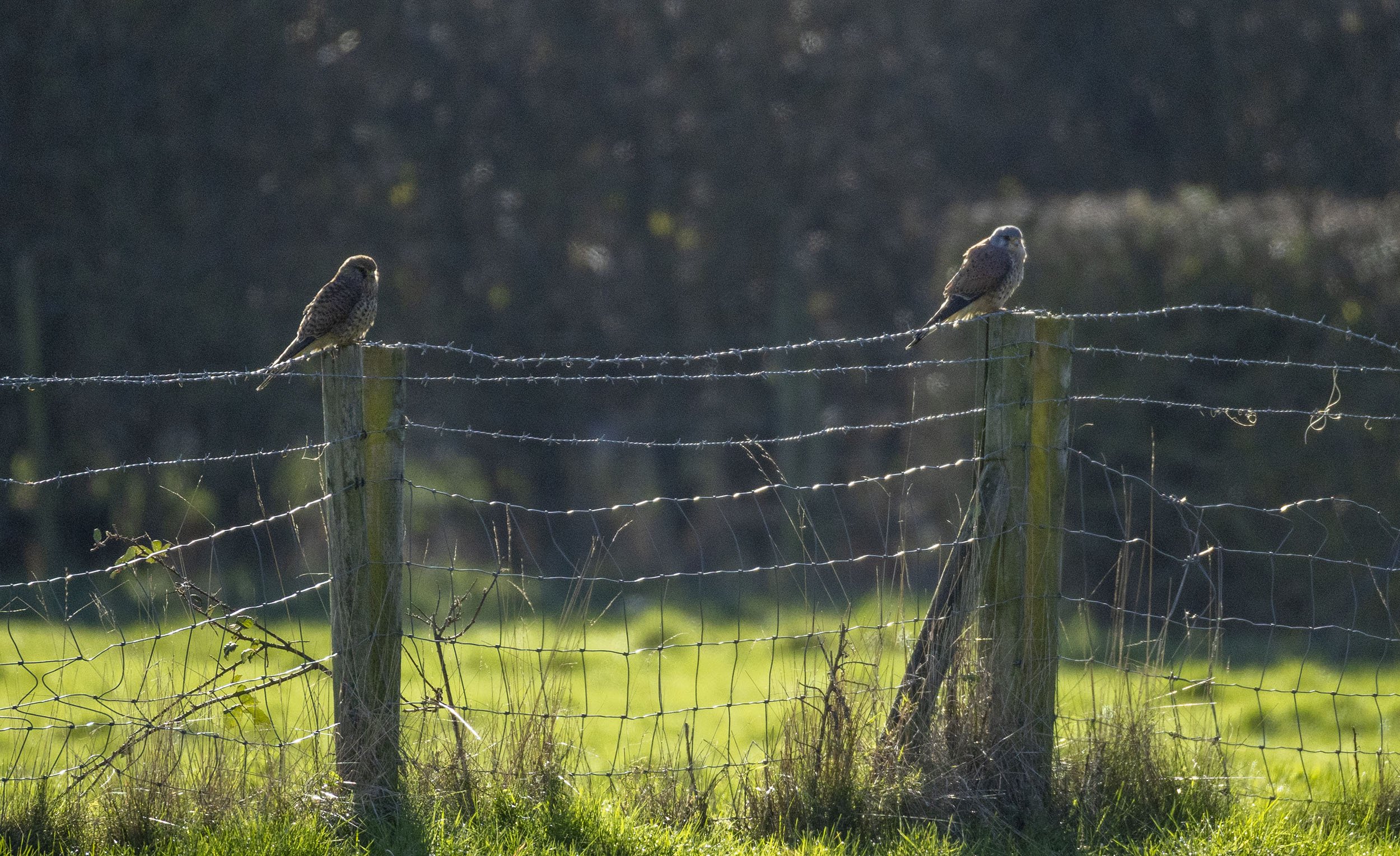
55 one of the local breeding pairs of Kestrels mating near their nest box
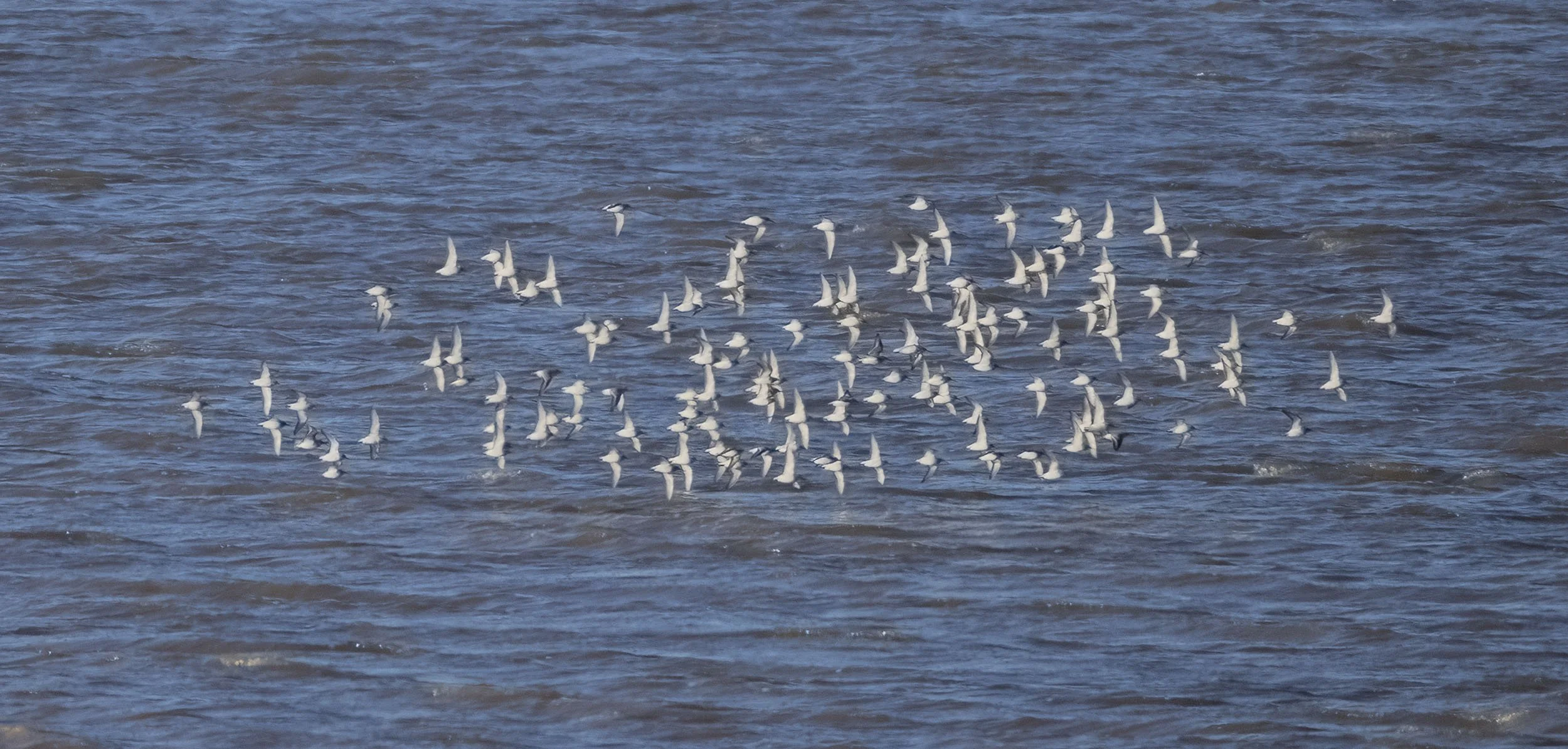
56 a flock of Dunlin off Chowder Ness
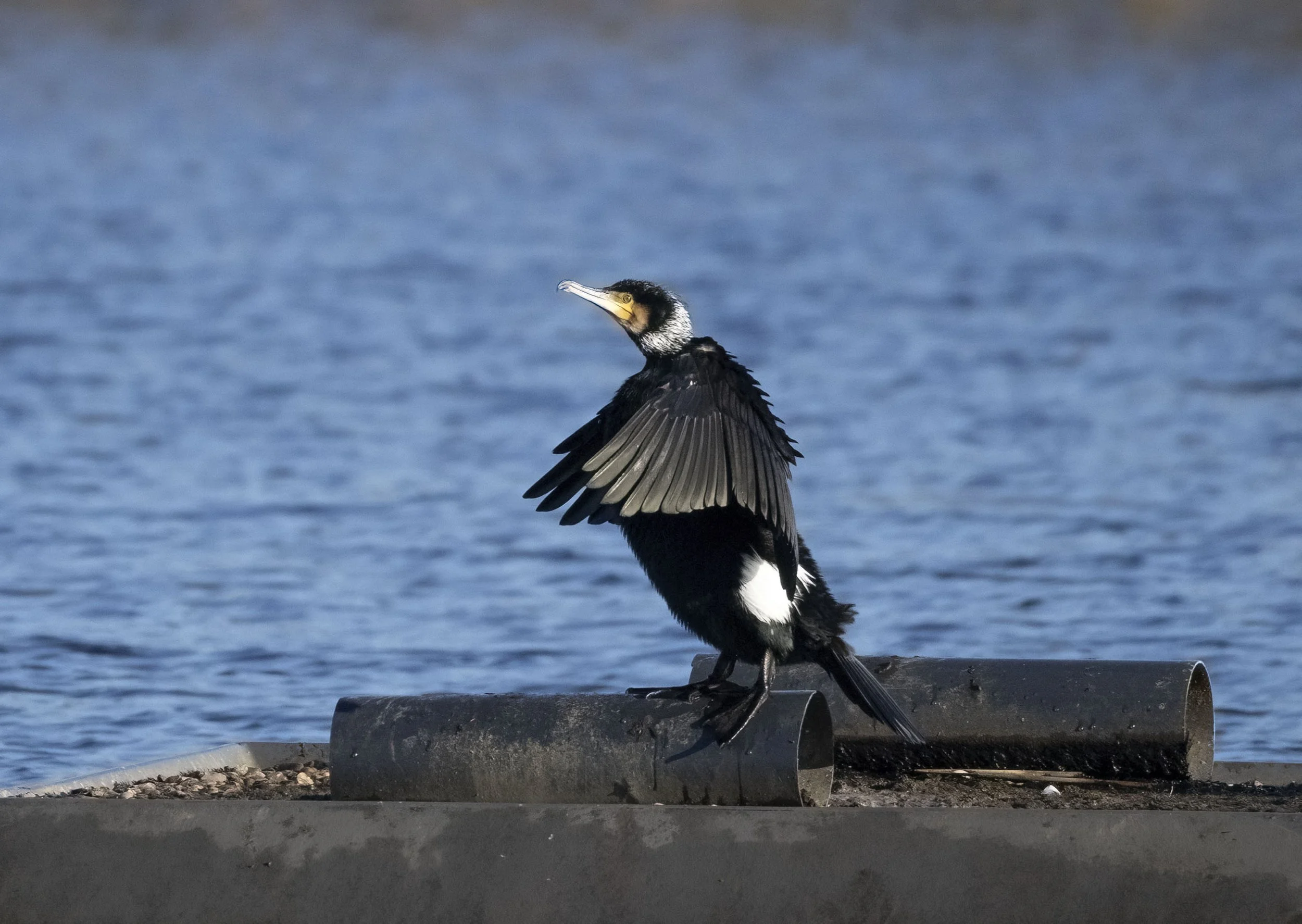
Cormorant — 57
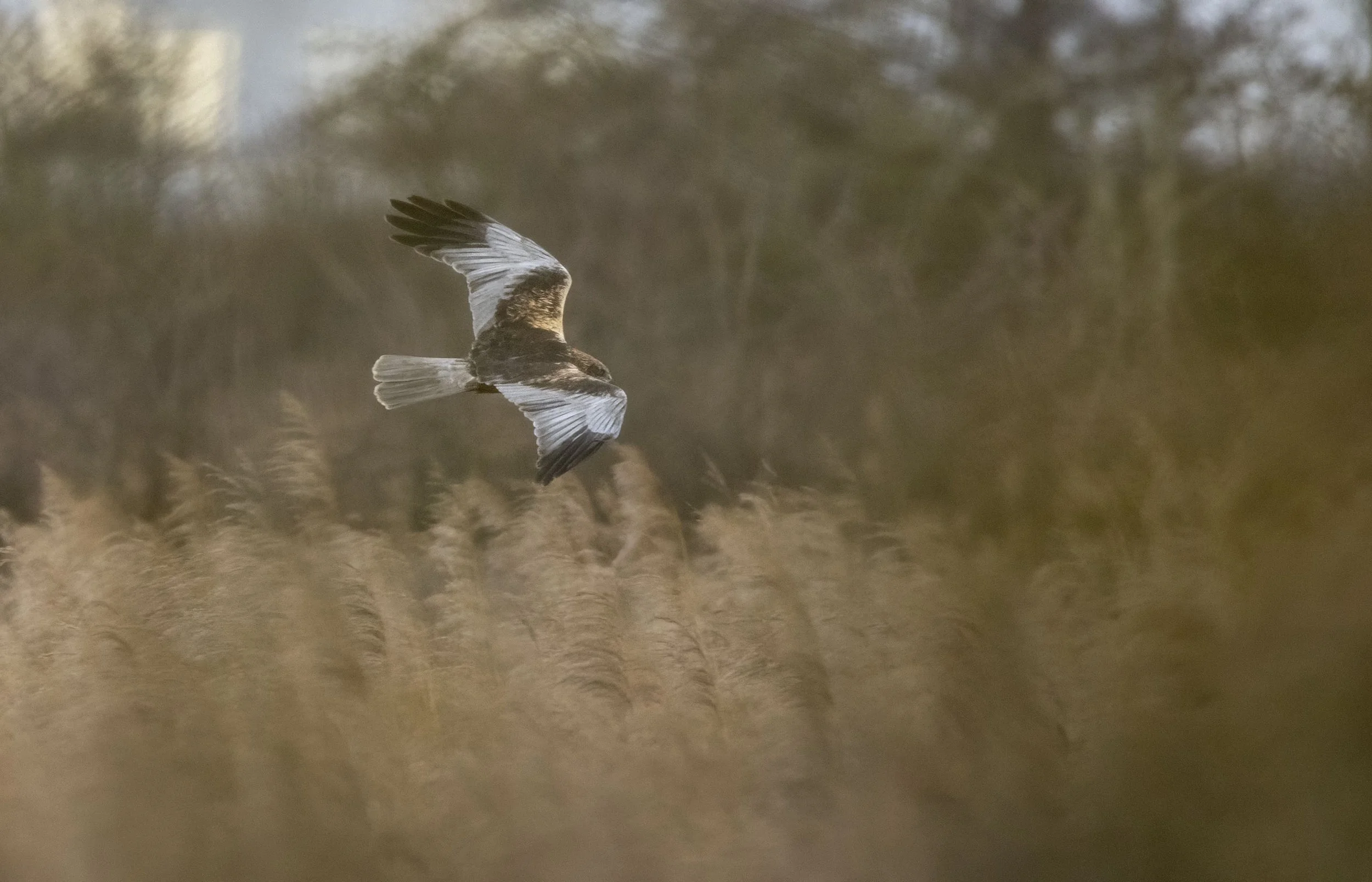
adult male Marsh Harrier through the bushes
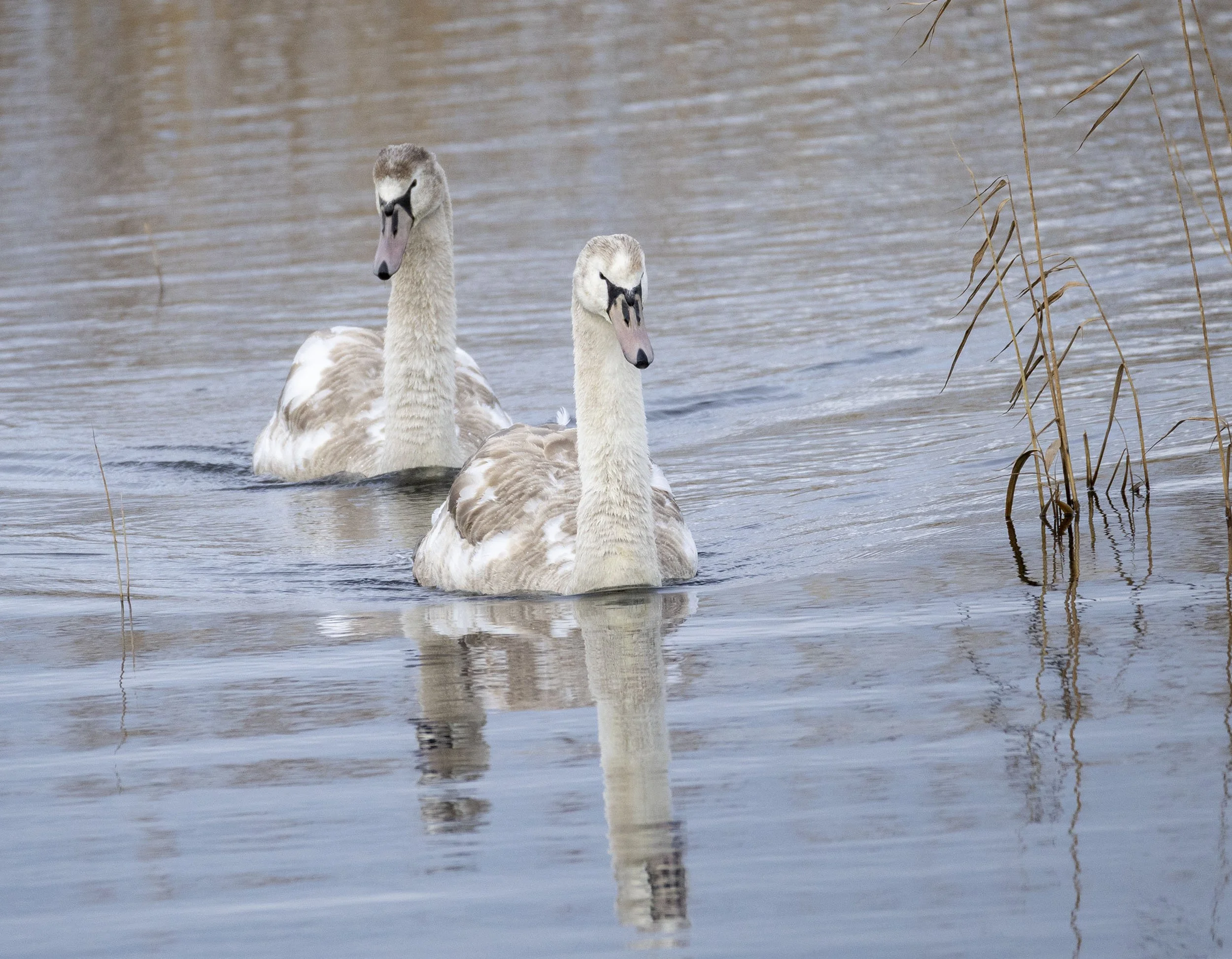
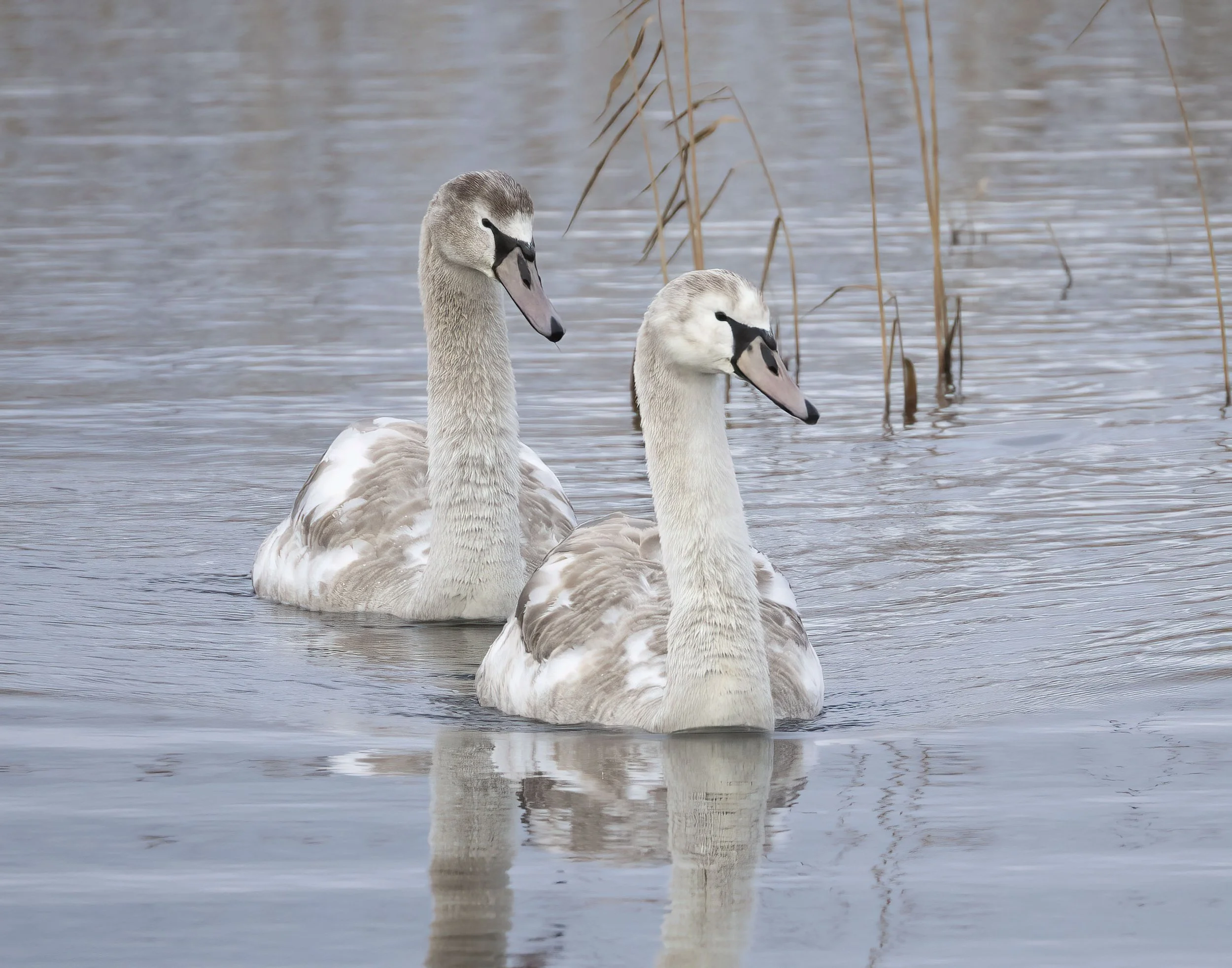
teenage Mutes
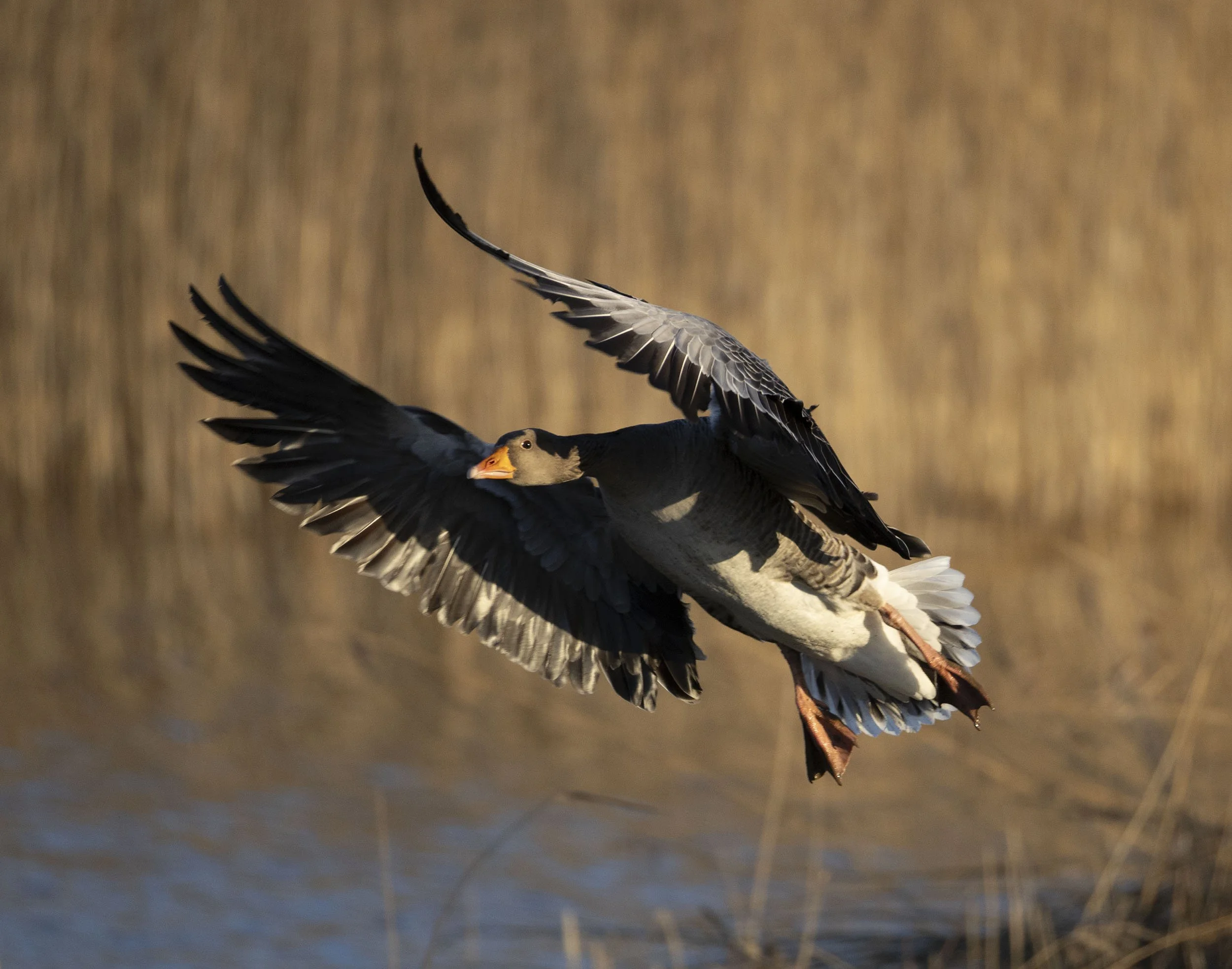
Making use of the sun when subjects were limited - landing Greylag
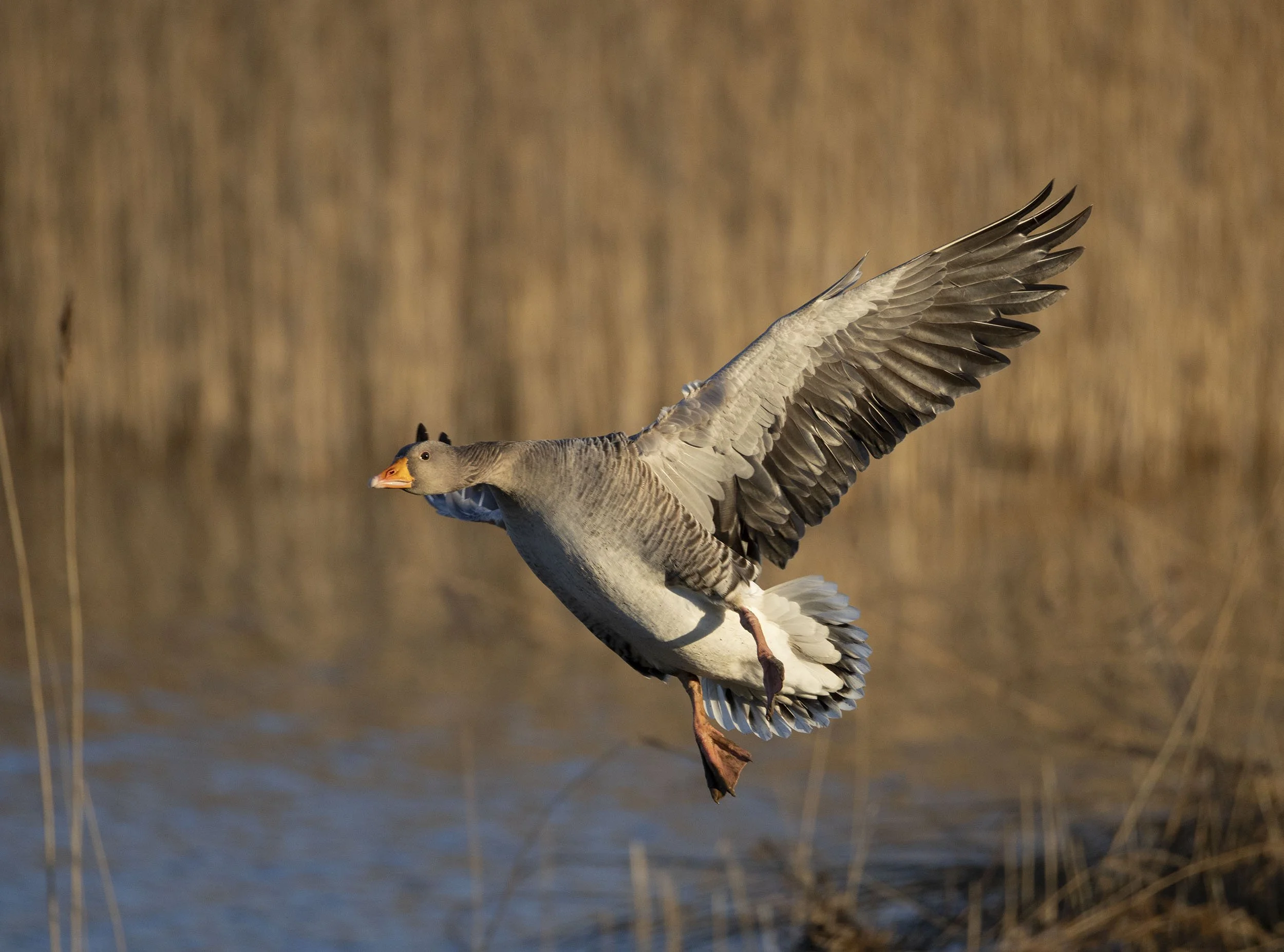
with shadows or without
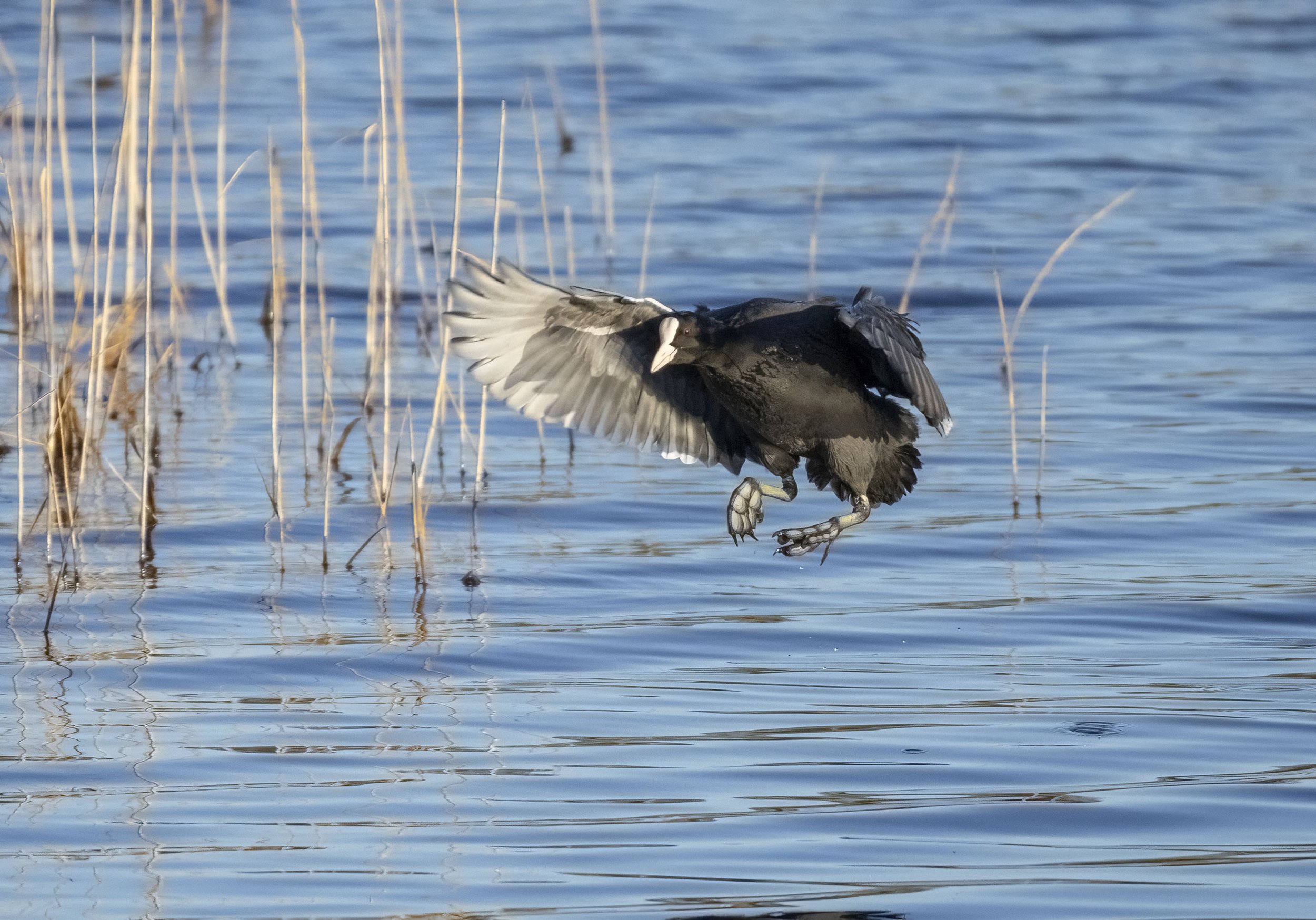
A flying Coot plus feet
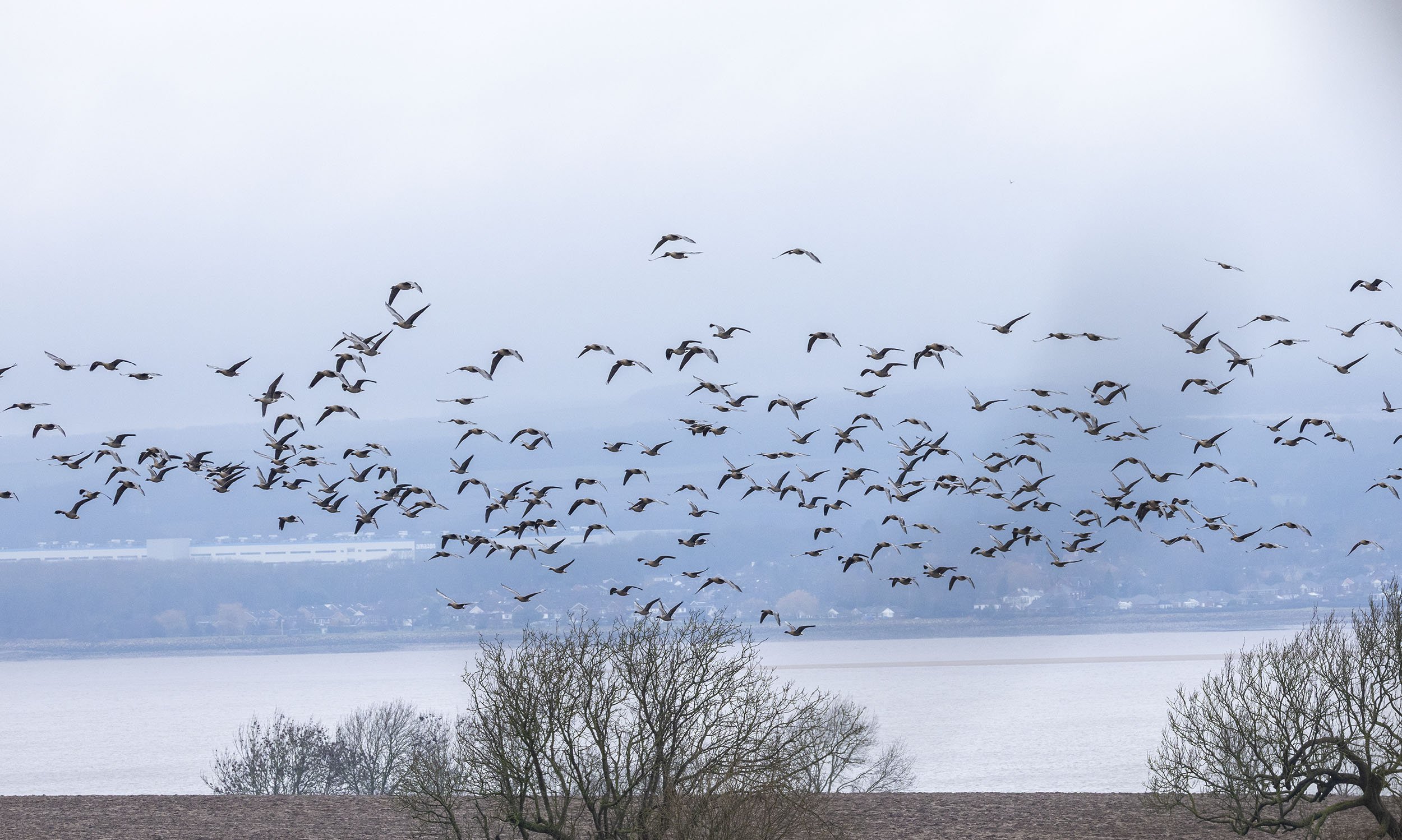
58 Pink-footed Geese - first decent group on the deck this year c500 but no Tundras
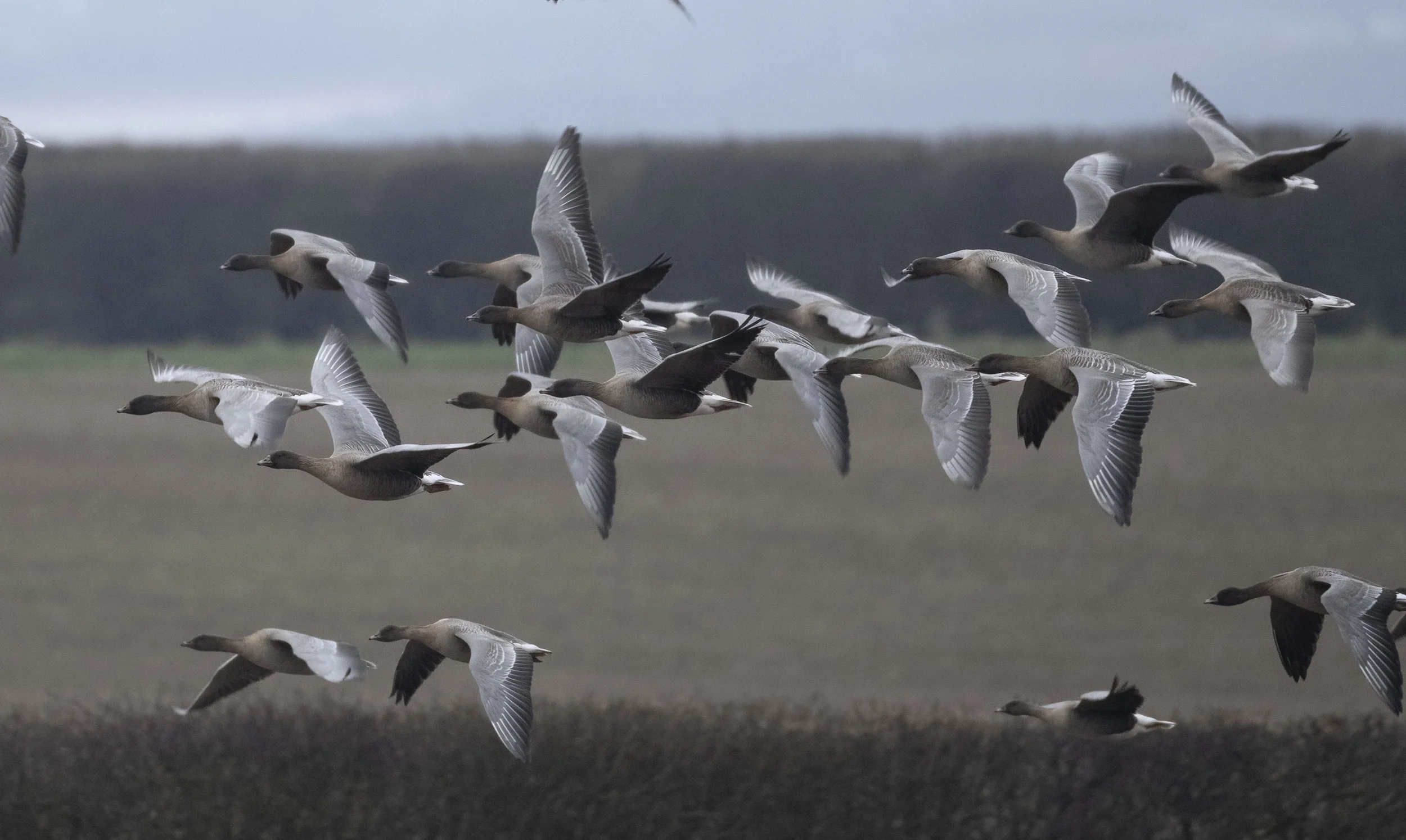
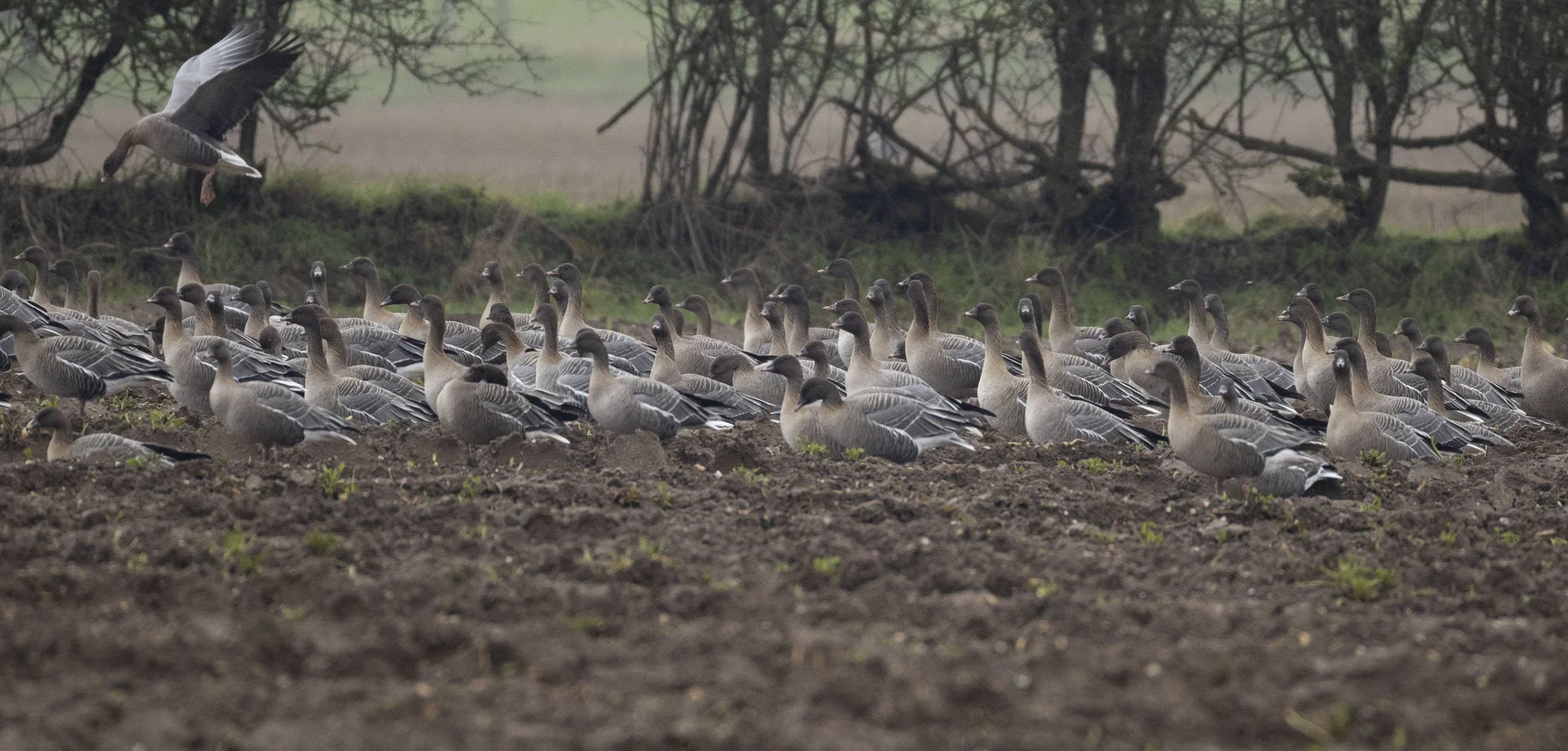
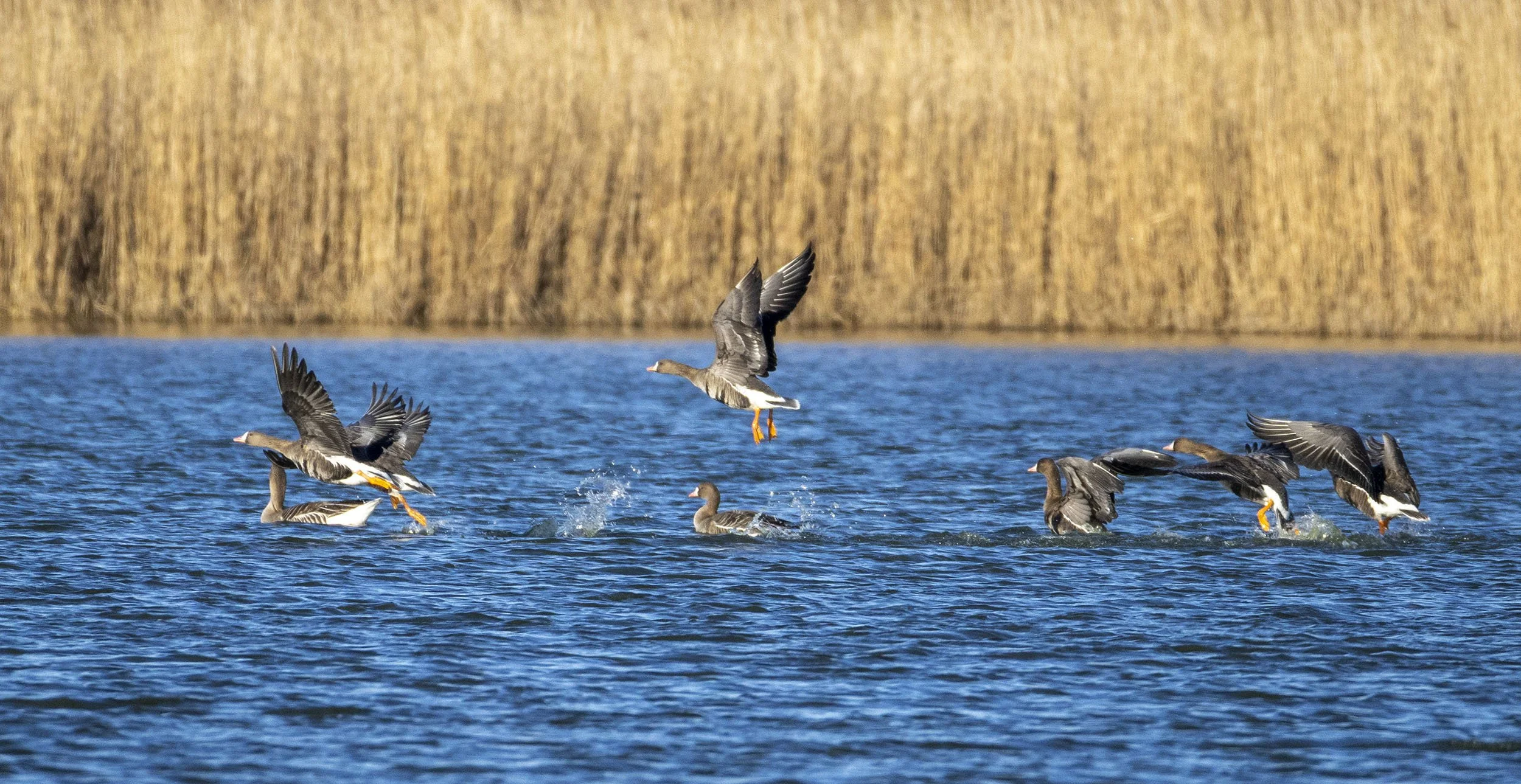
Coninuing with a trickle of White-fronted Geese through Barton with 36 moving north two days ago then seven yesterday that also went north and at least 16 today with the Pinks etc
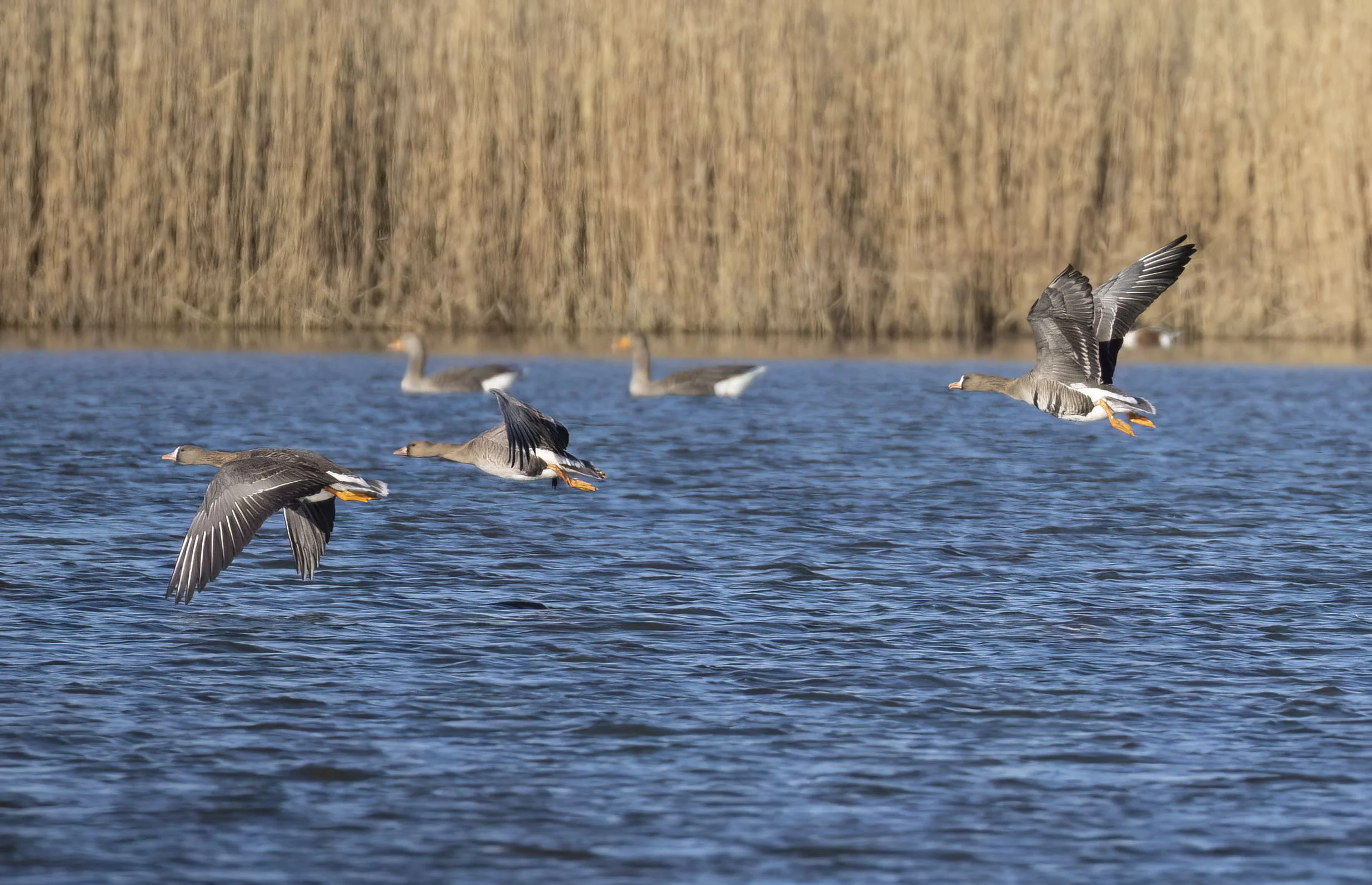
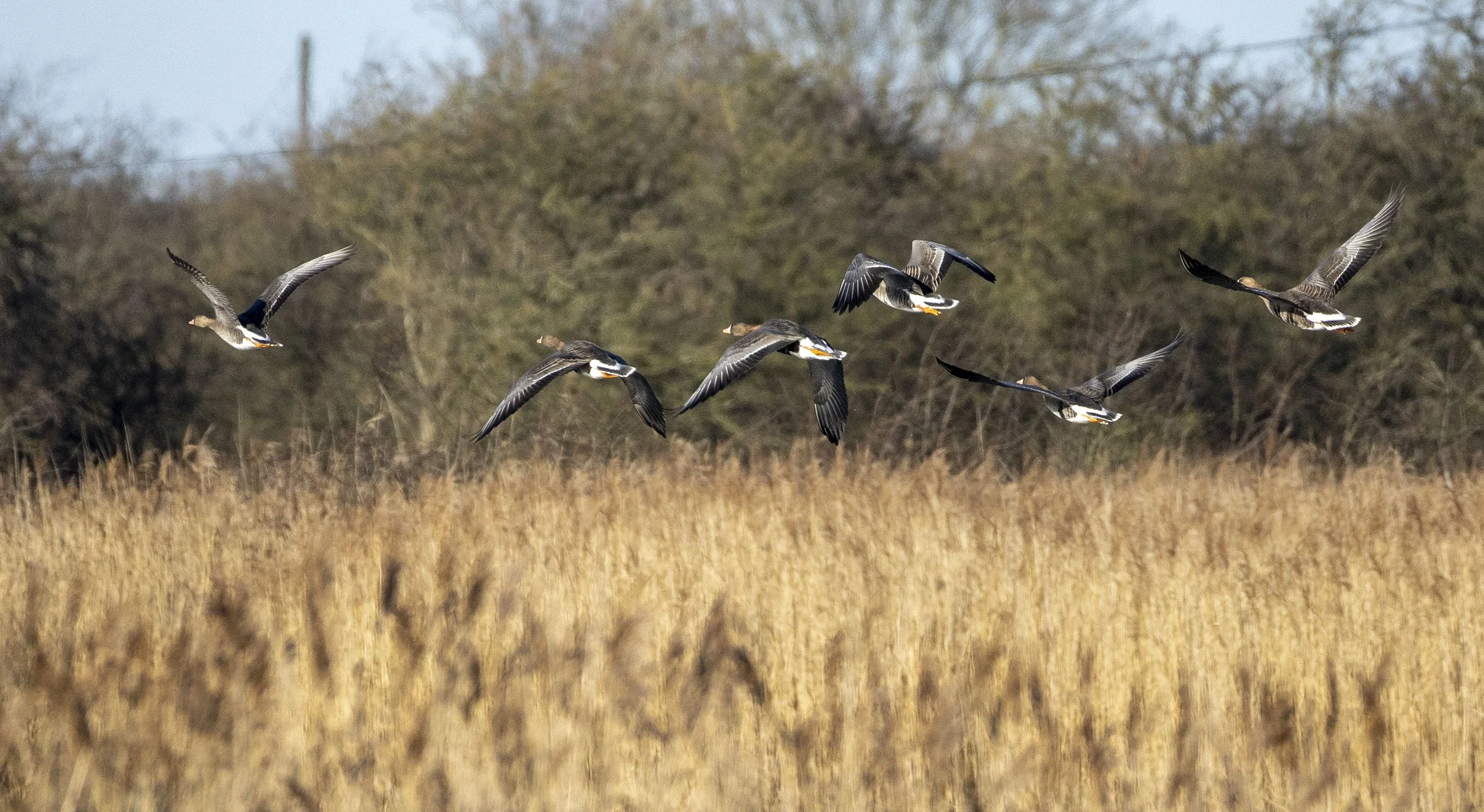
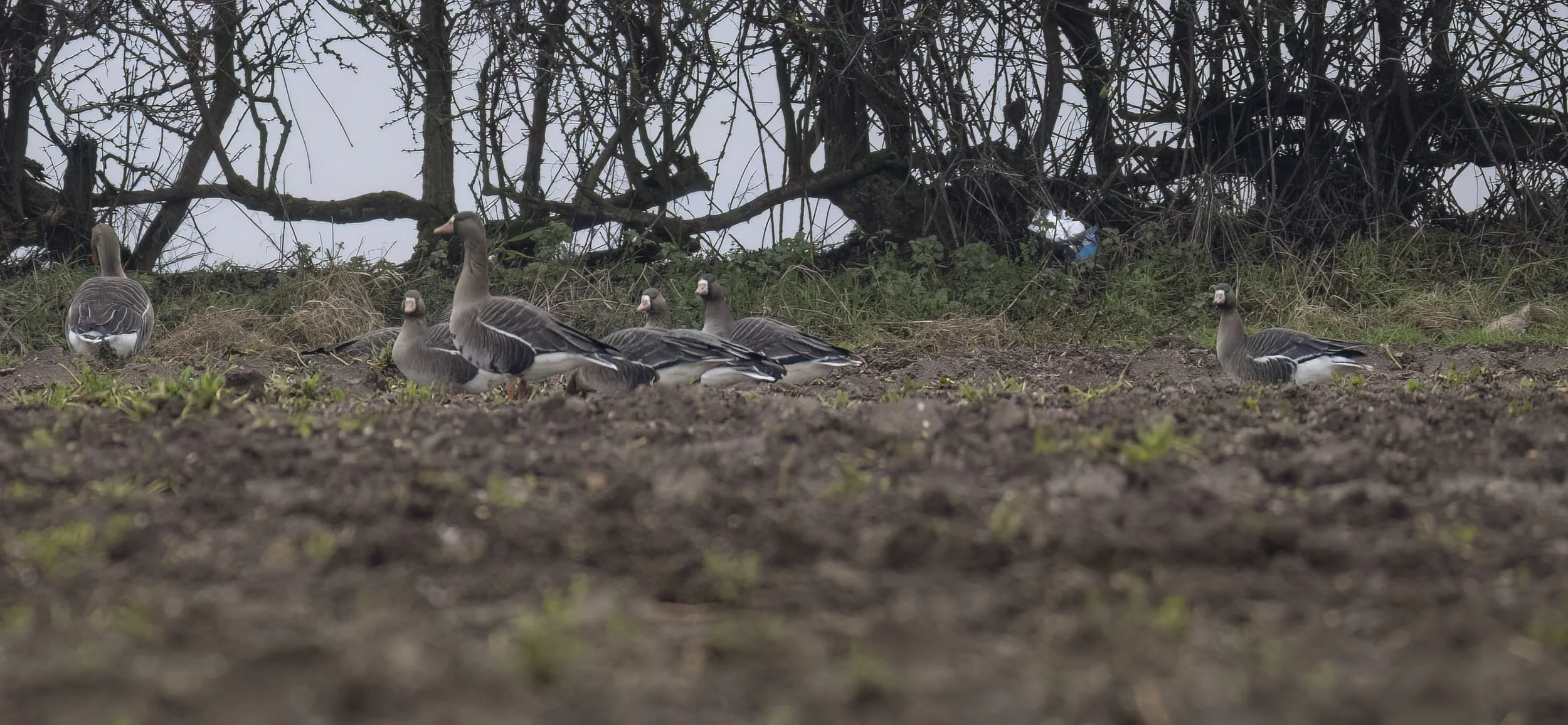
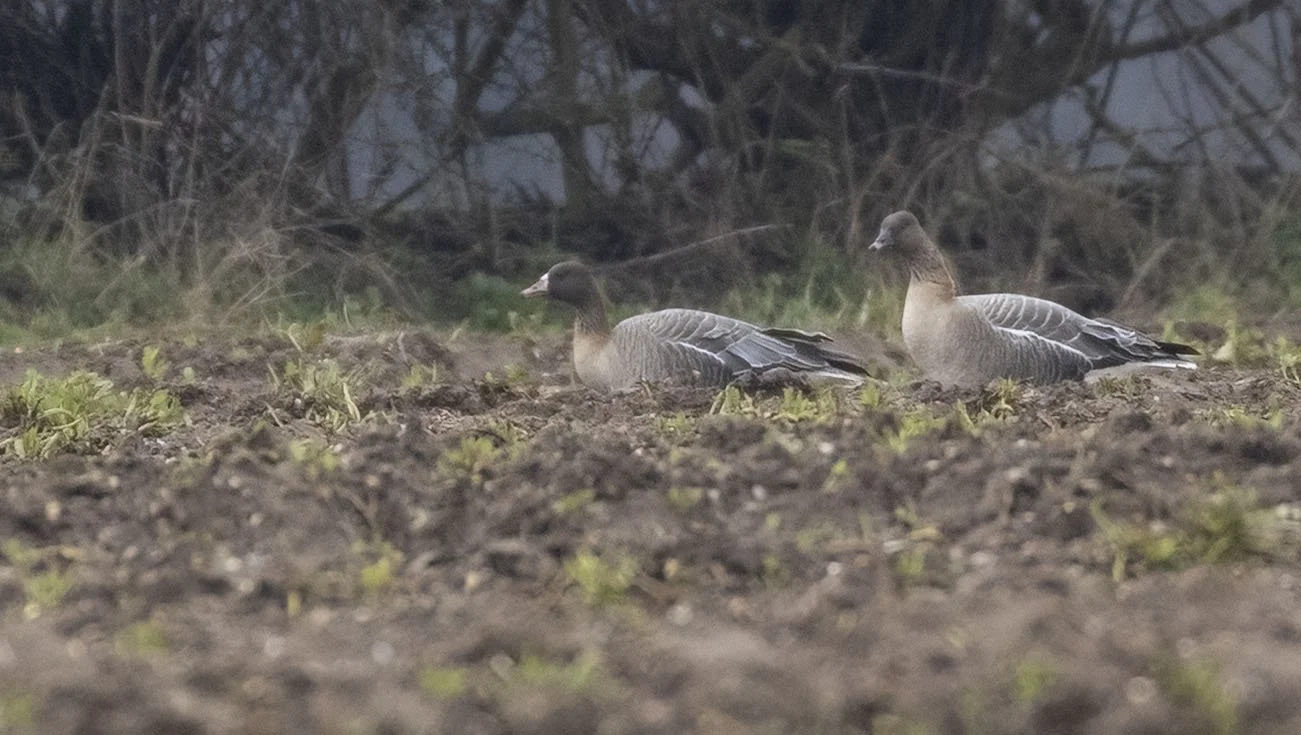
A white-fronted Pink-foot
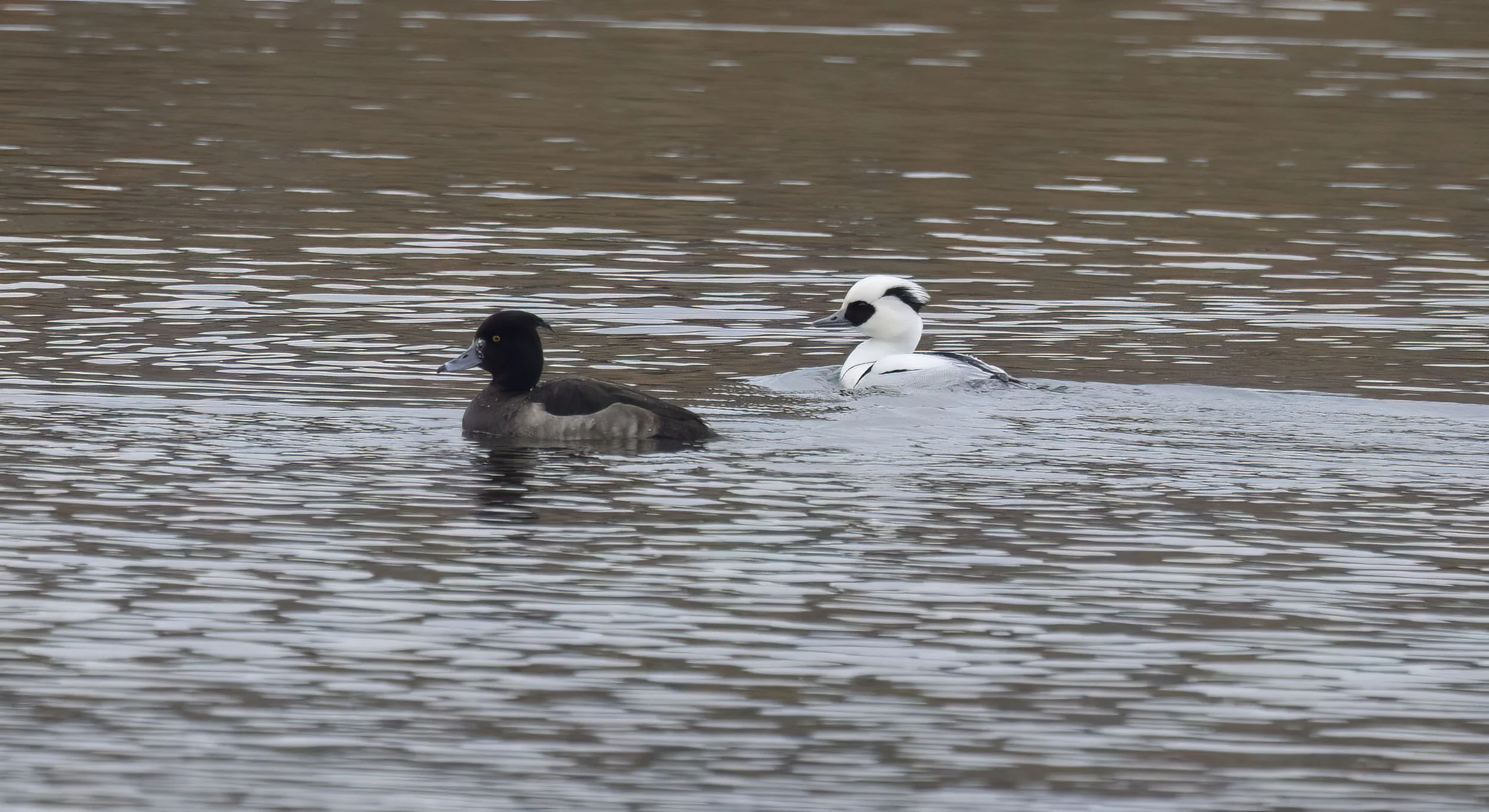
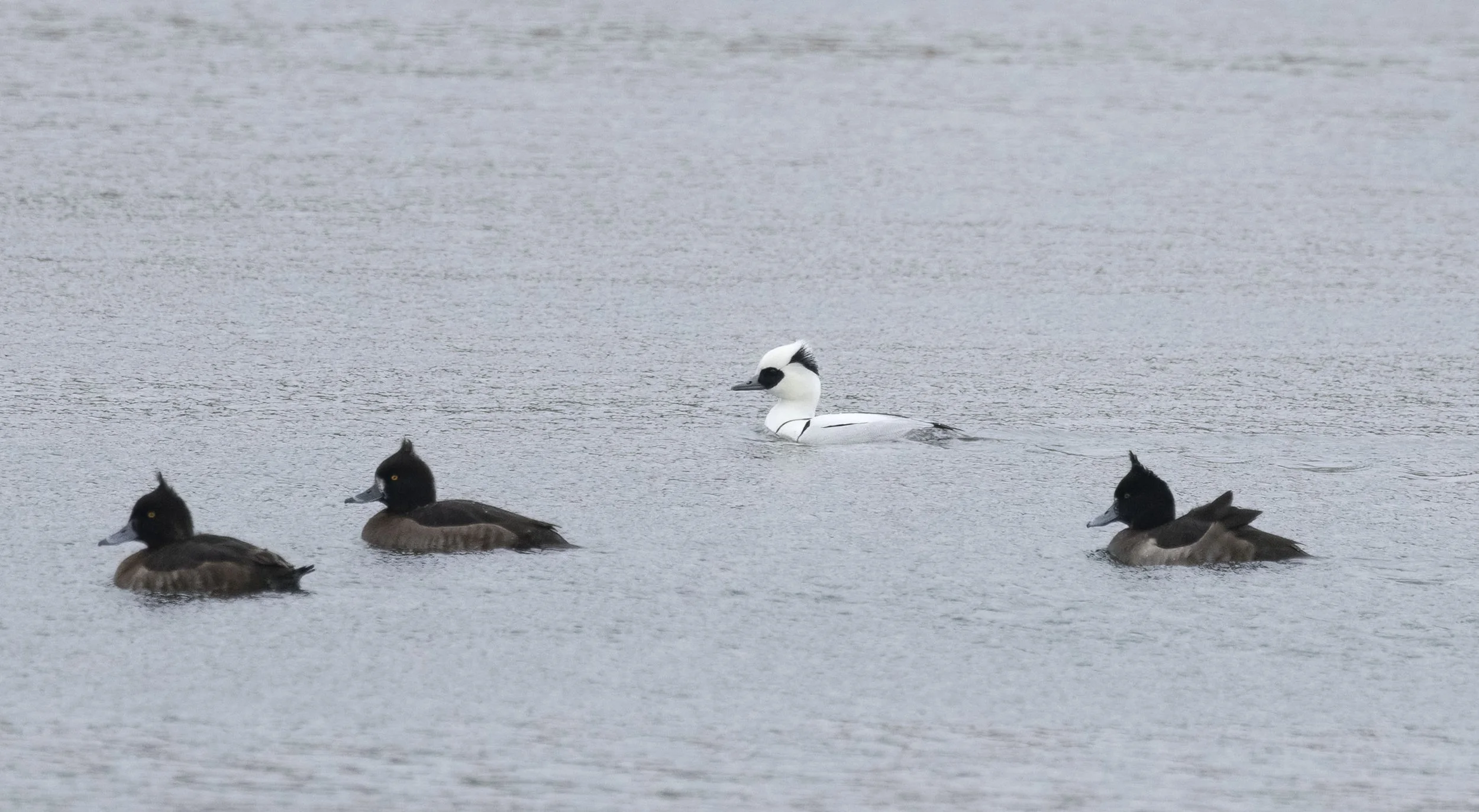
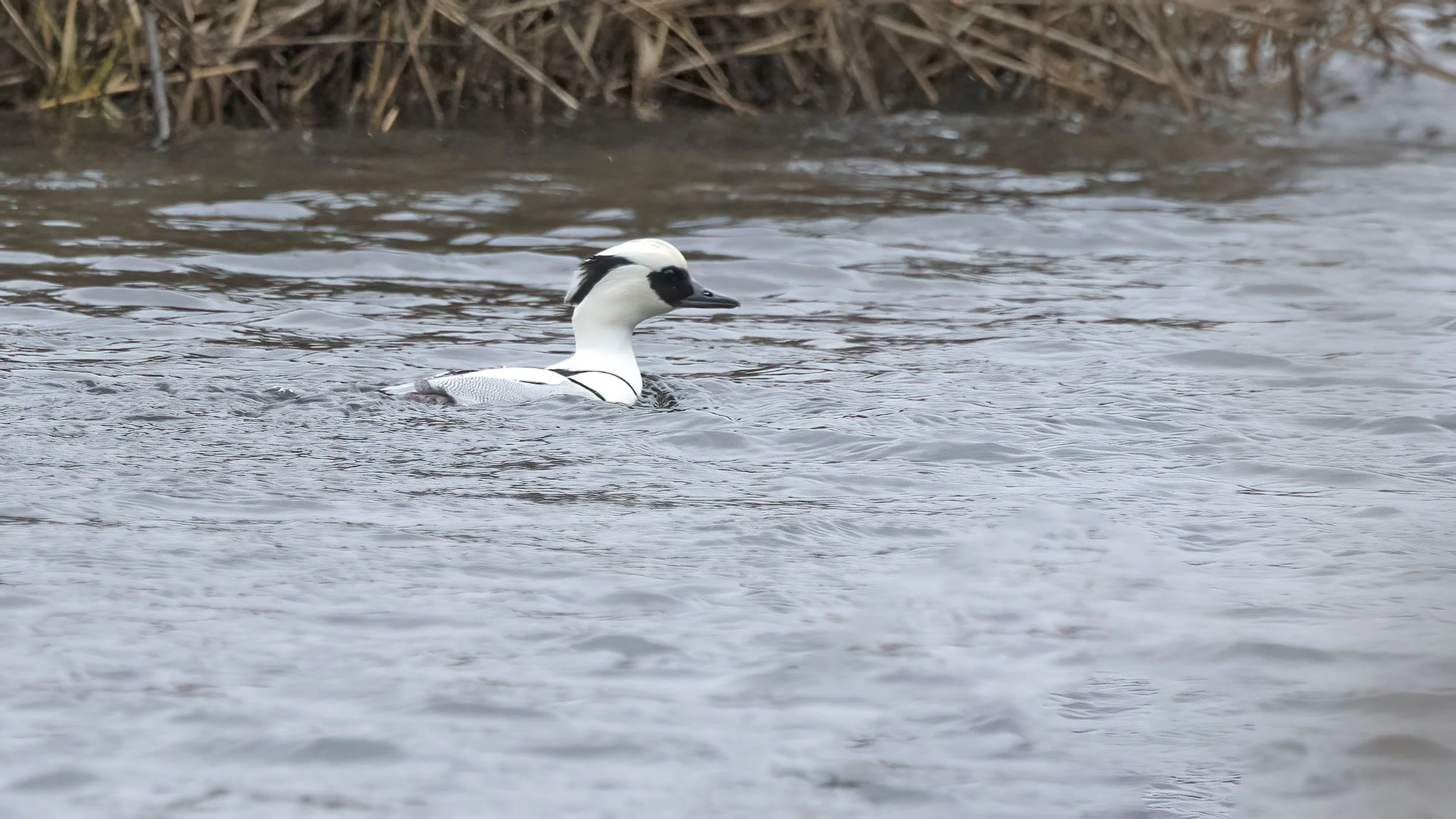
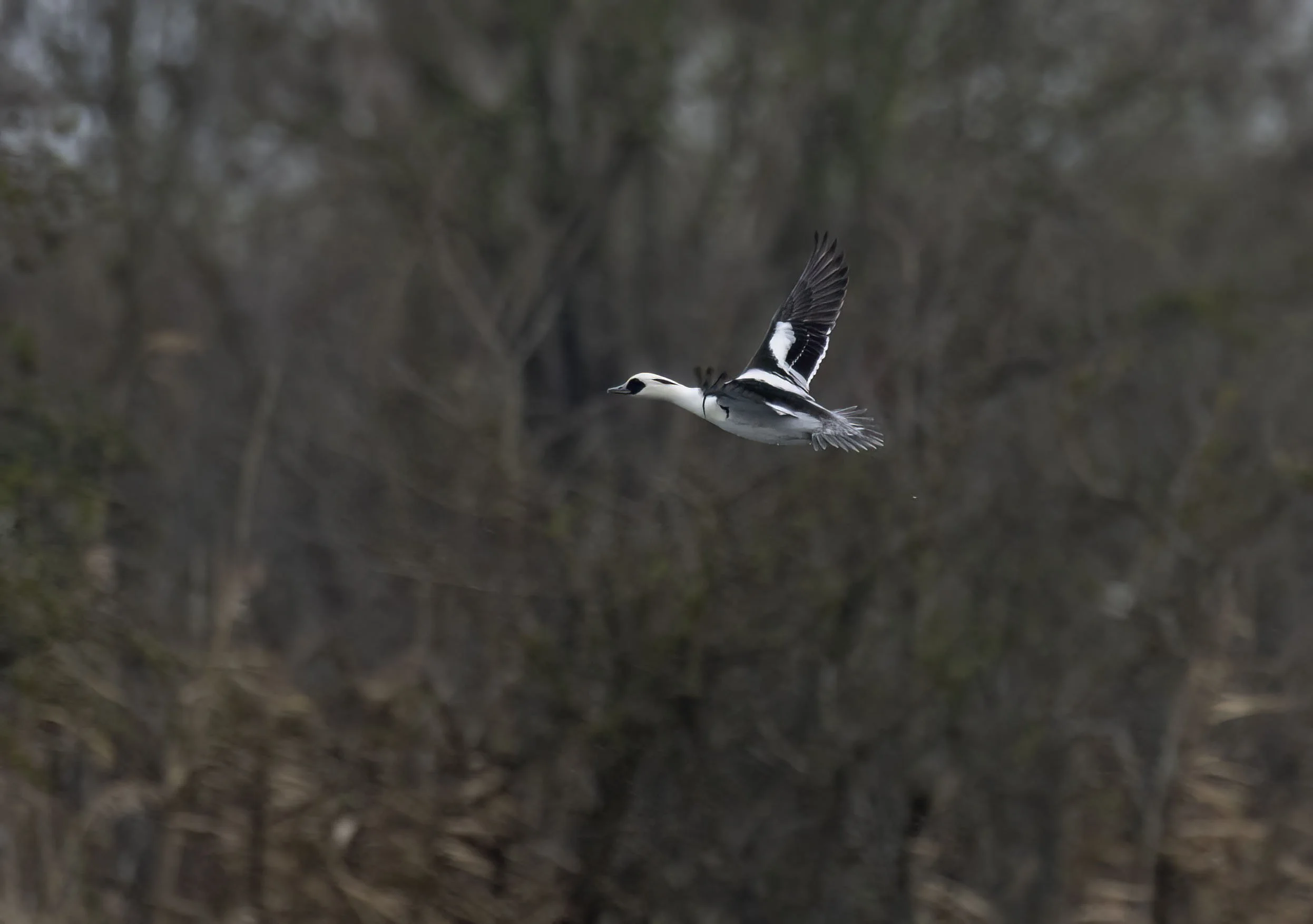
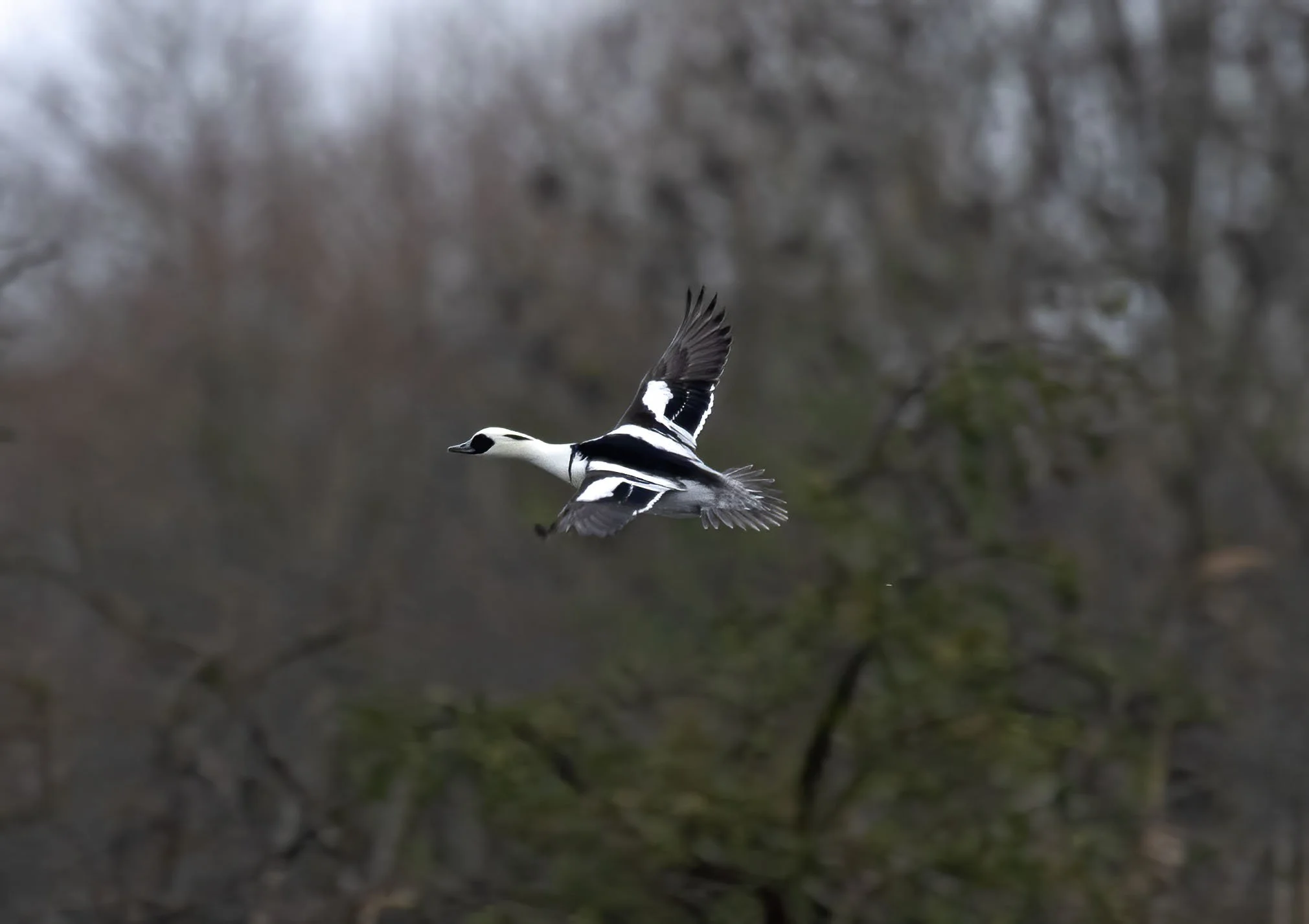
relocated the drake Smew but it was still not close and very jumpy
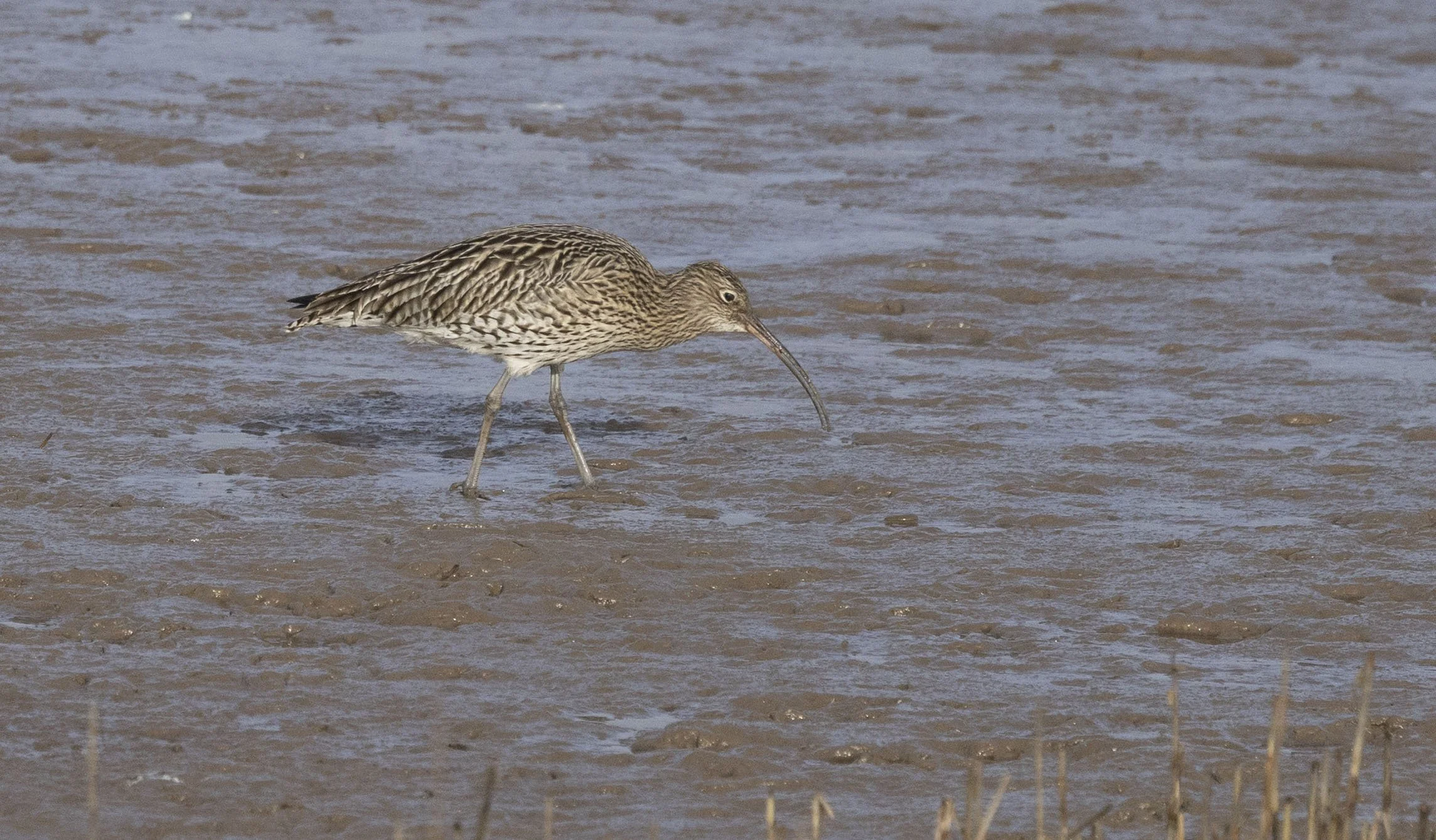
A token shot of a local Curlew for 59 on the local bird photo challenge - this bird is well known as it feeds in the same area of inter-tidal mud by the Waters Edge VC every day and defends it against other Curlew - presumably the same bird that has used this area of mud for several winters
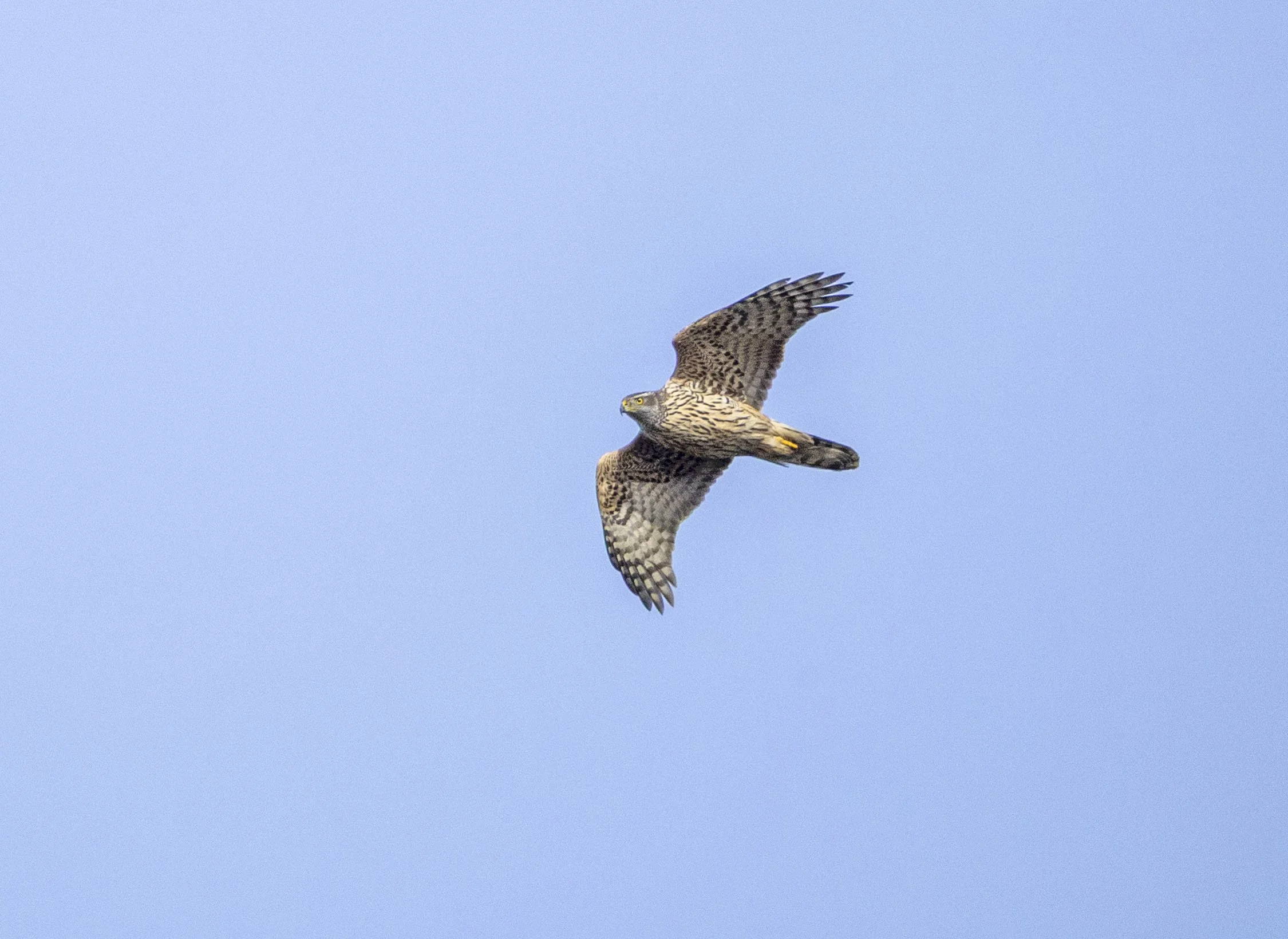
second calendar year female Goshawk from a very cold session this week - she was disputing a territory with a 3rd / 4th calendar year male
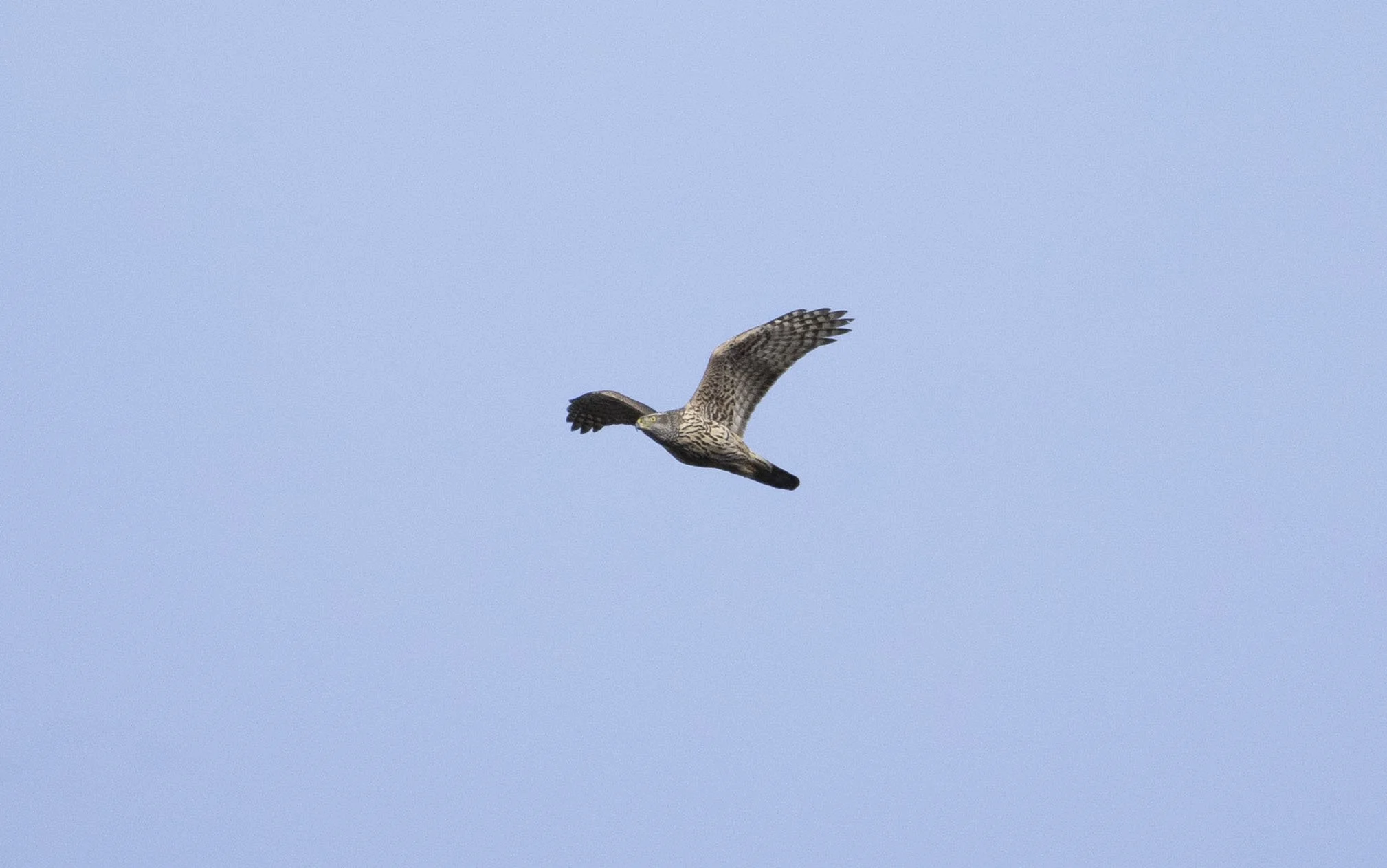
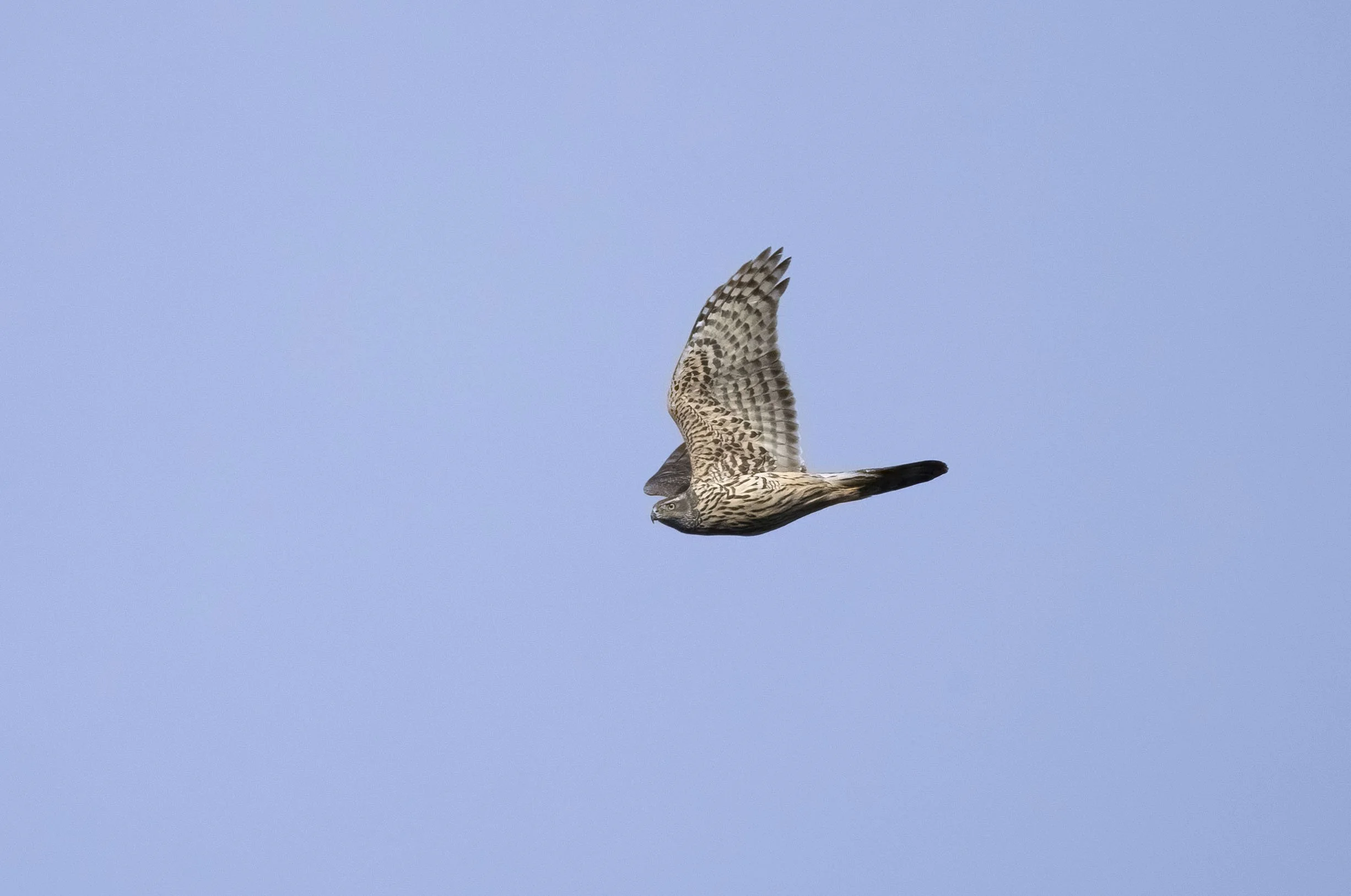
after a seemingly endless period of low cloud and rain it was good to get a bit of sunshine
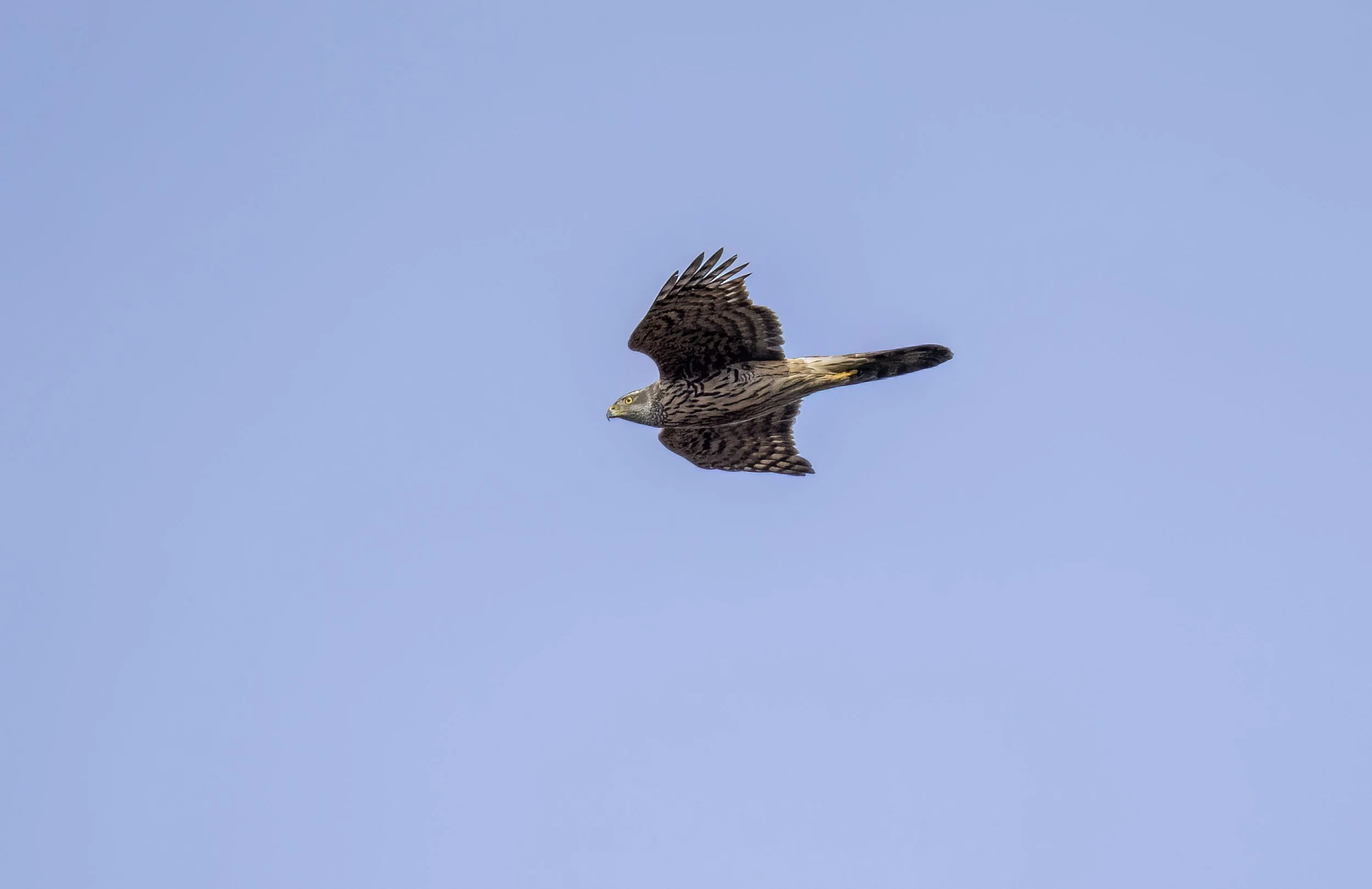
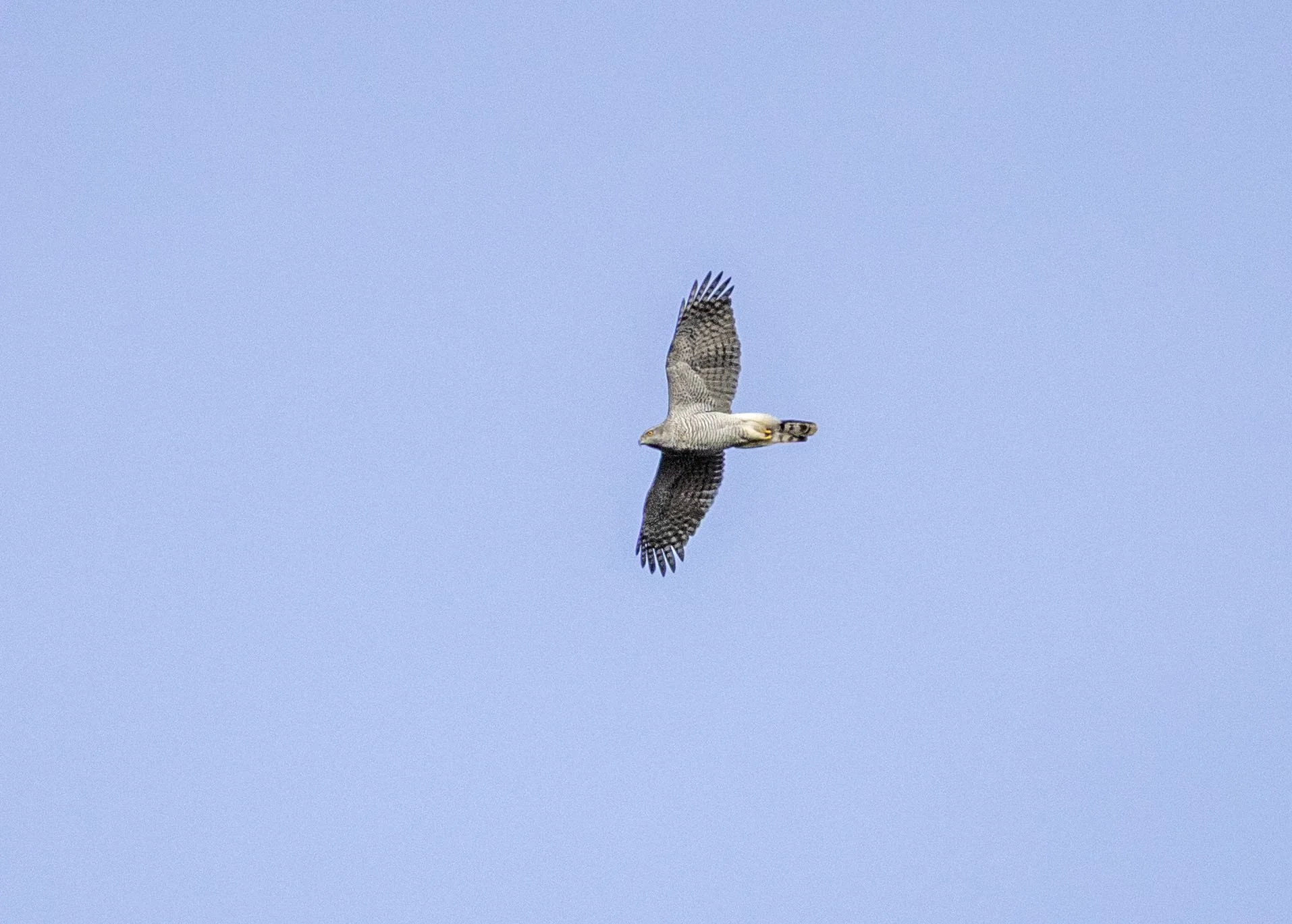
3rd / 4th cal yr male displaying
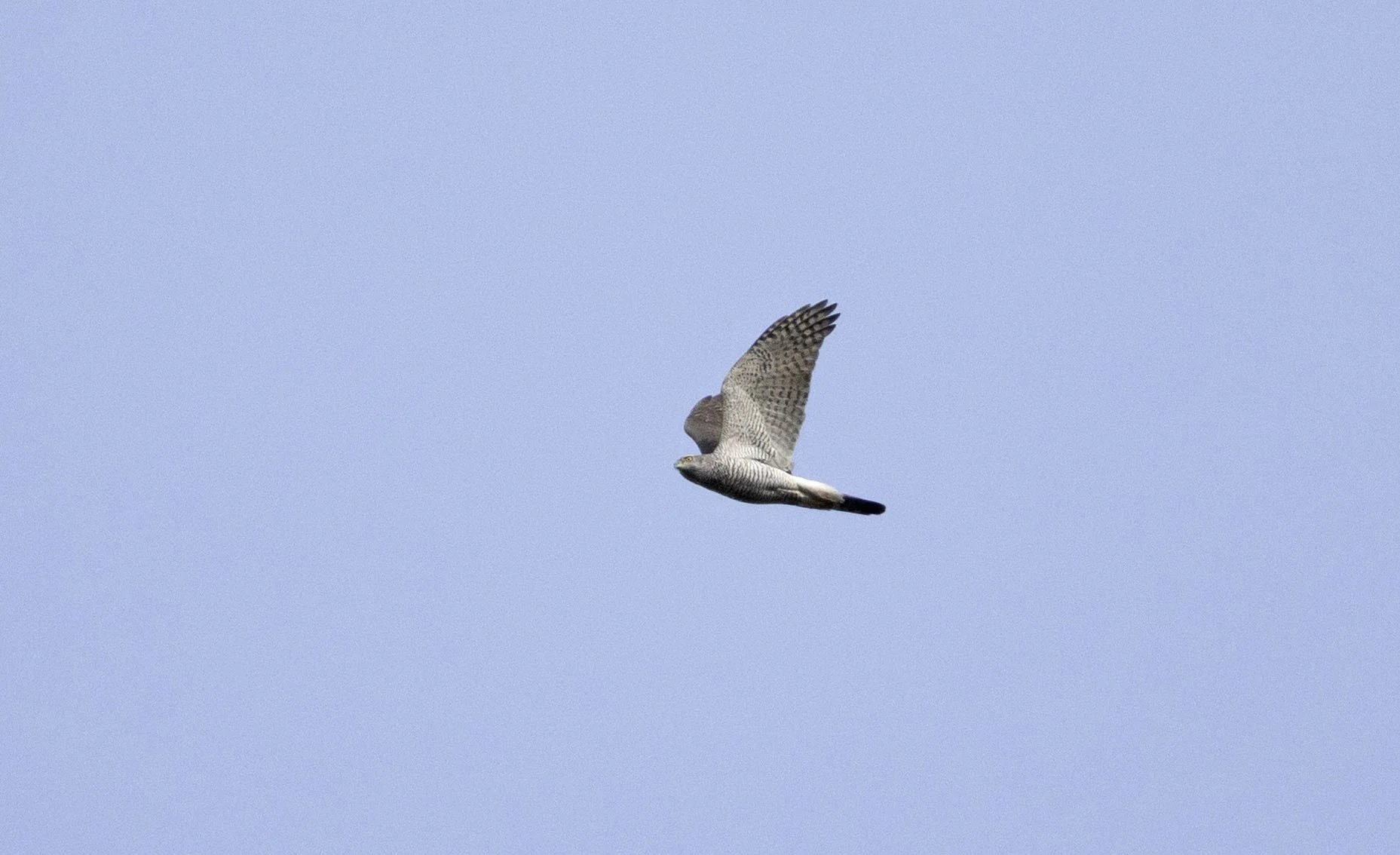
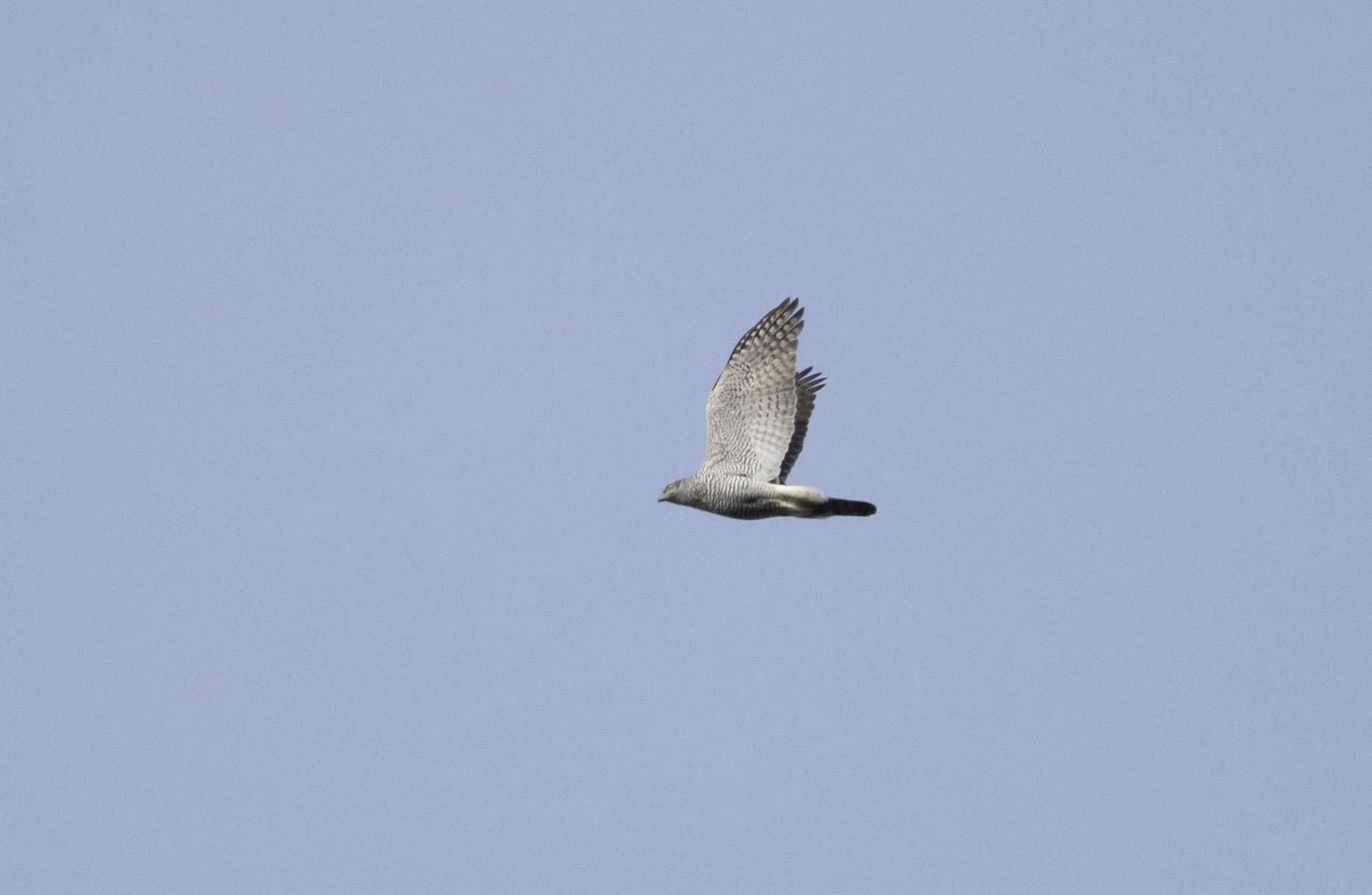
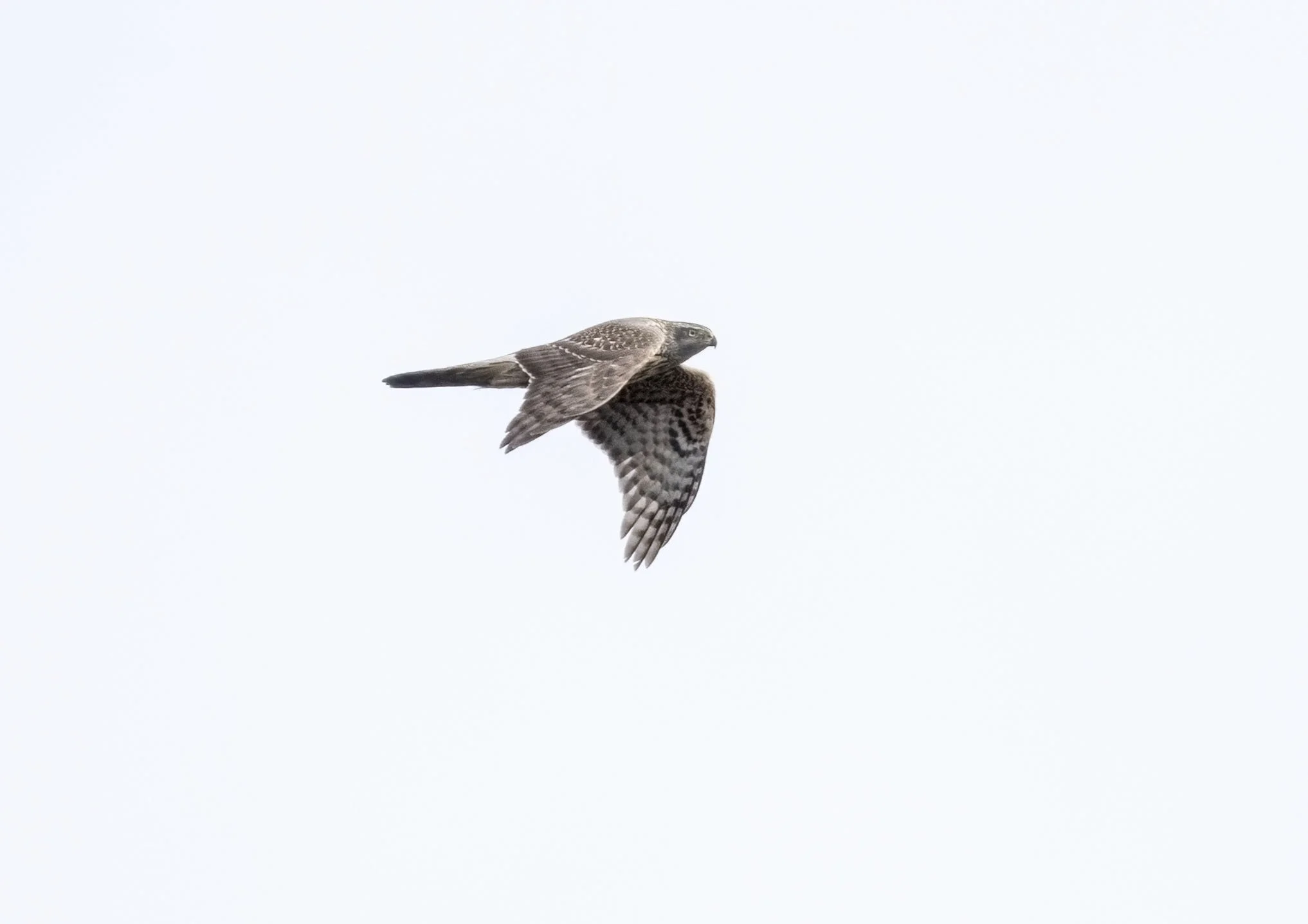
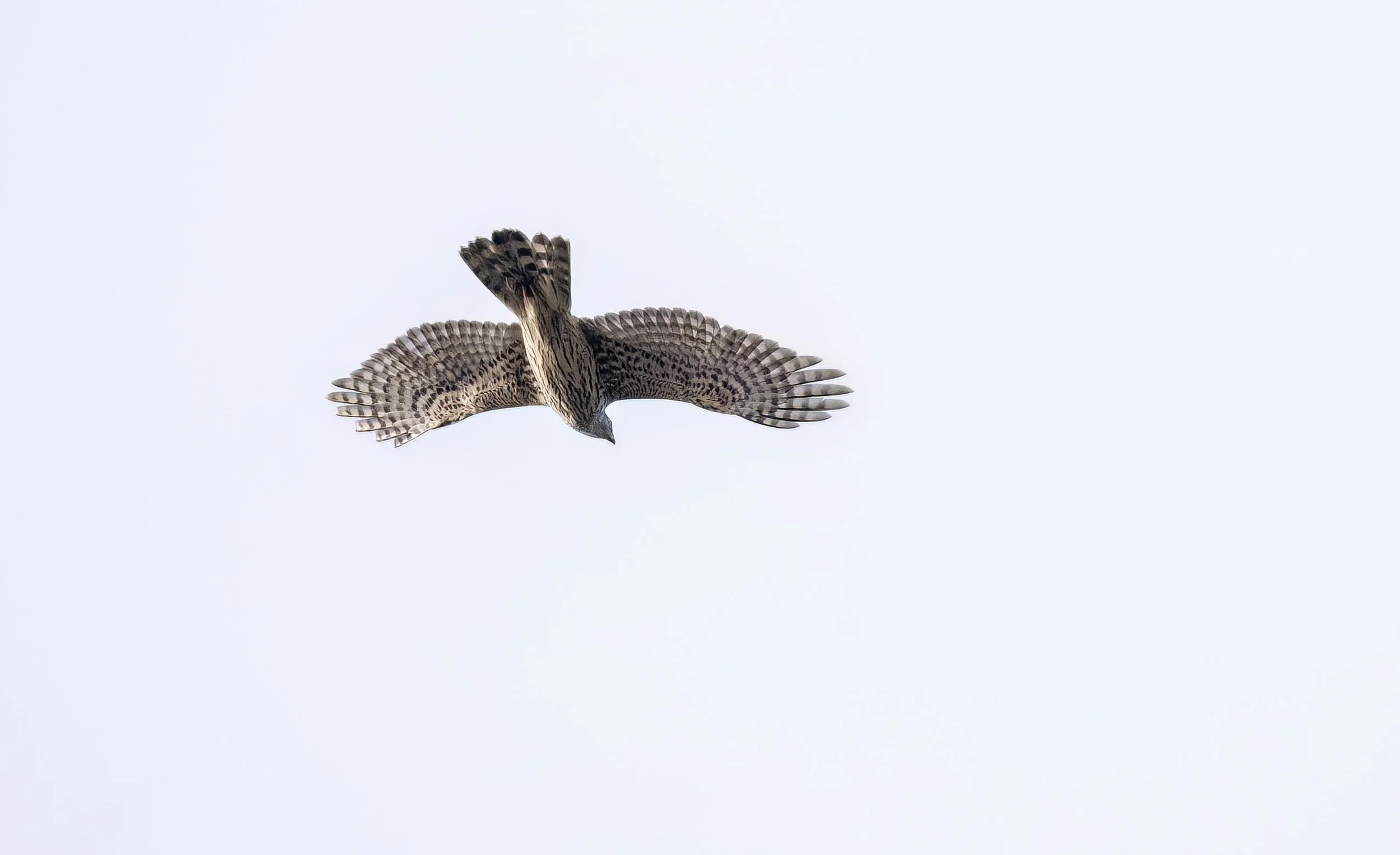
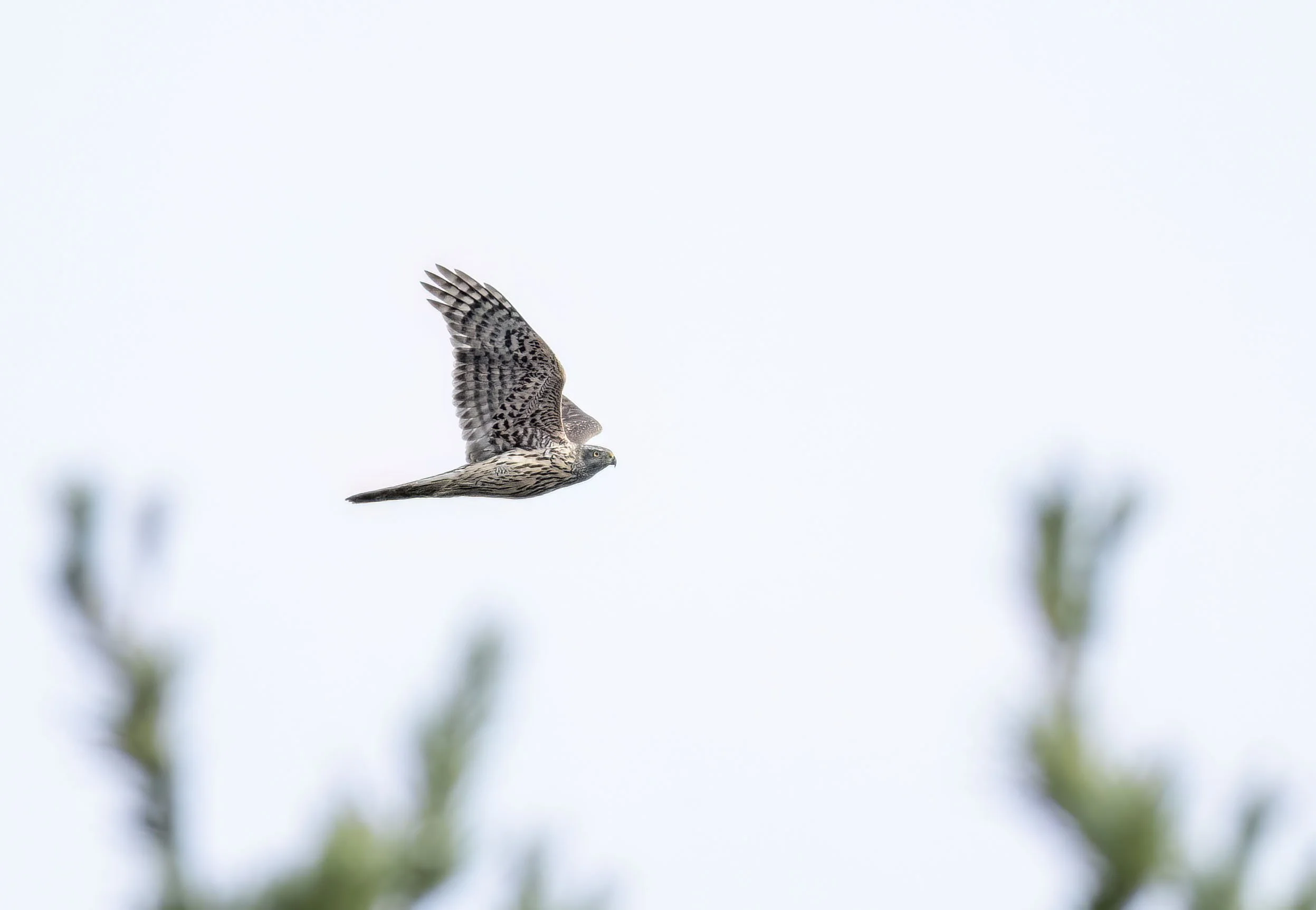
I like a few tree tops in the picture
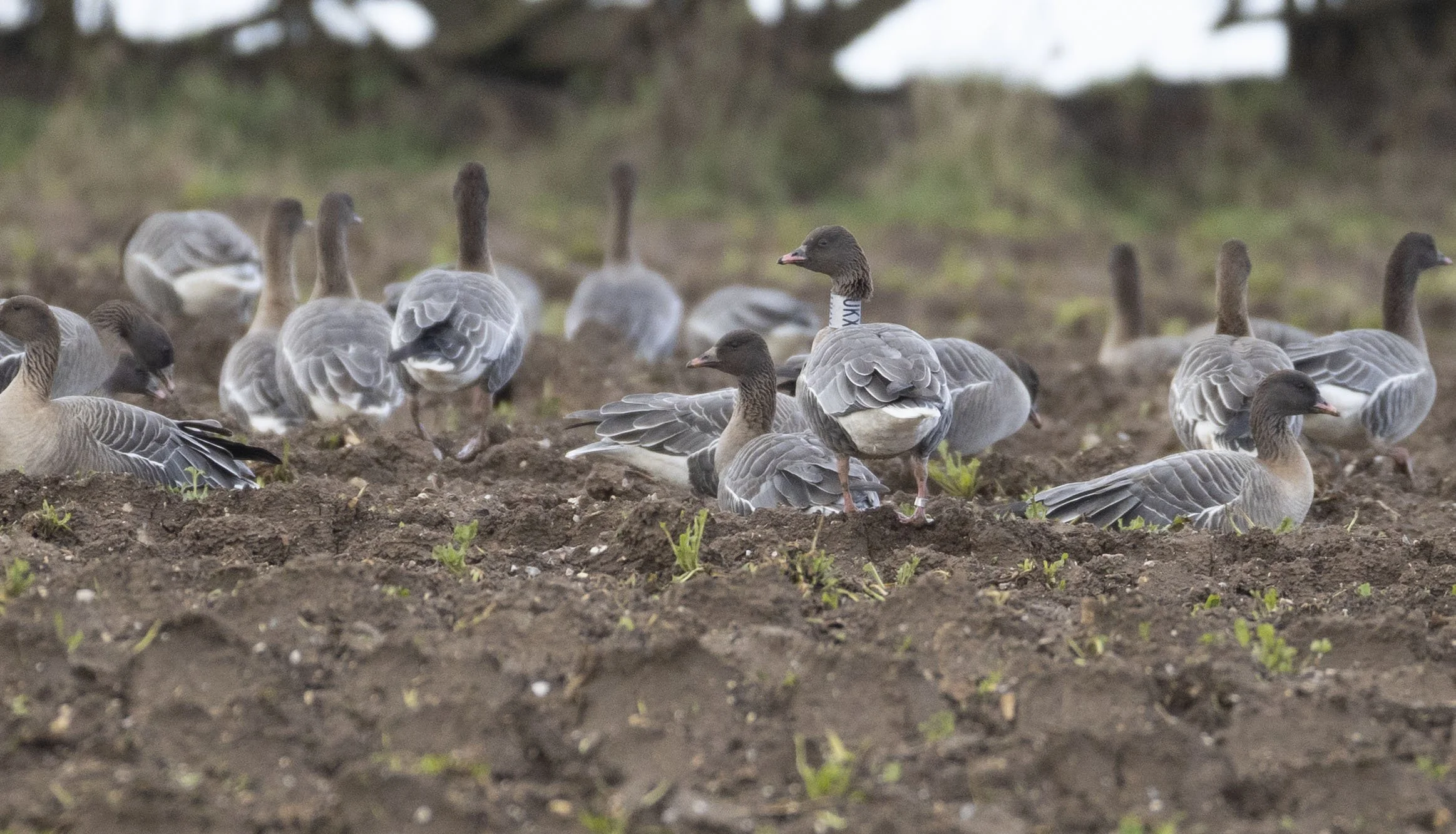
UKX neck collared Pink-foot in the patch flock this week - awaiting details
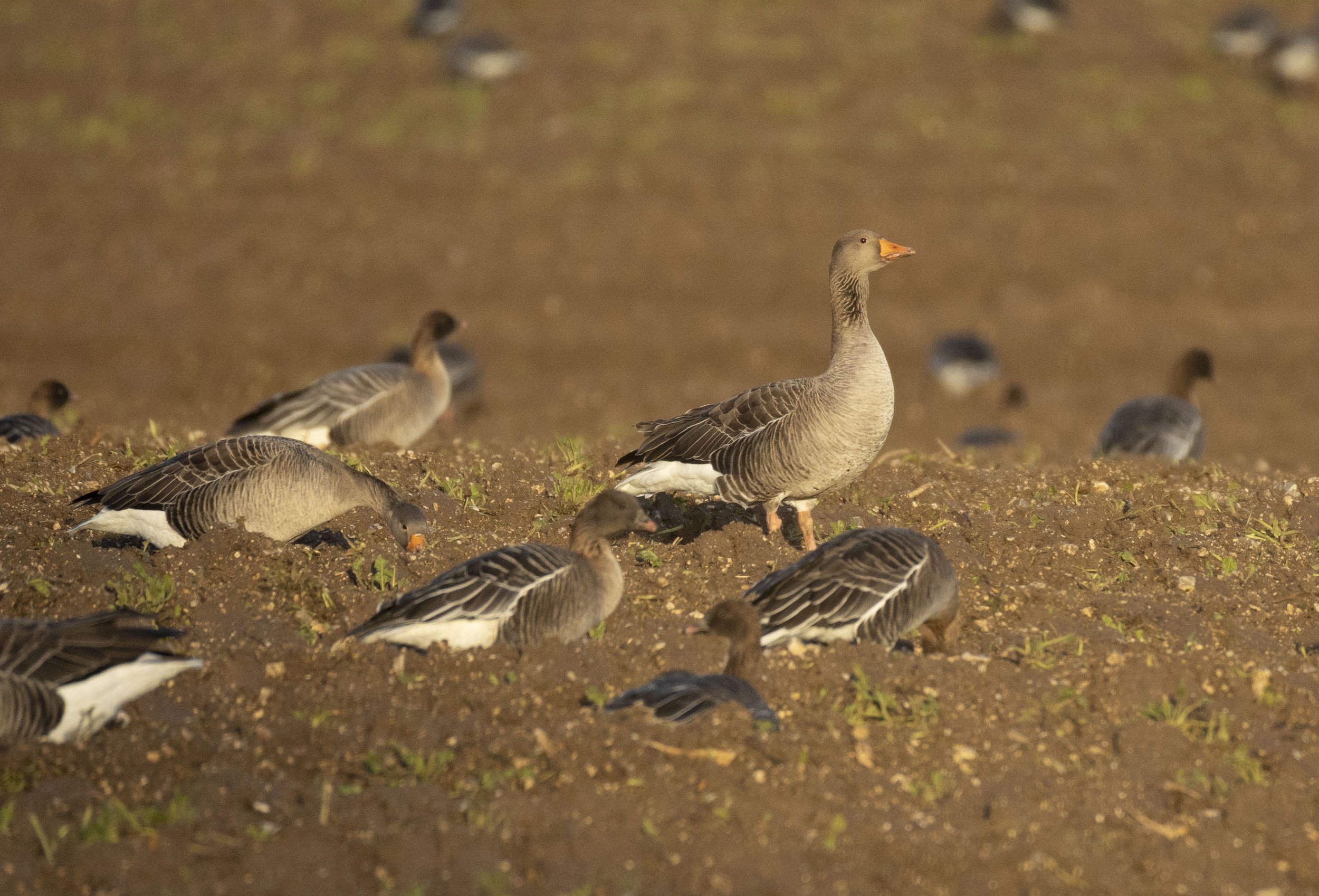
Lovely light yesterday morning on the goose flock - Greylag looking better than usual
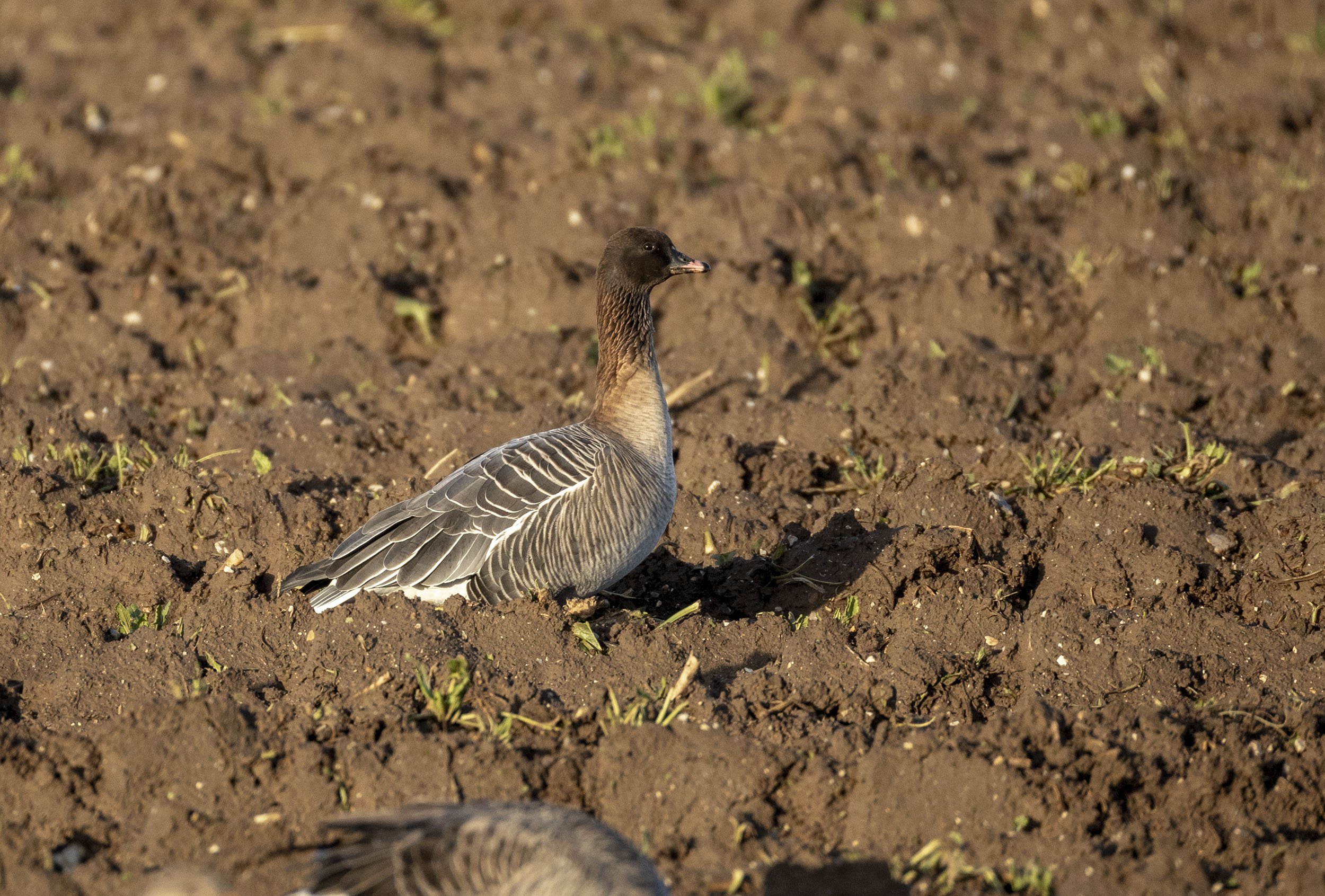
a singled out Pink-foot
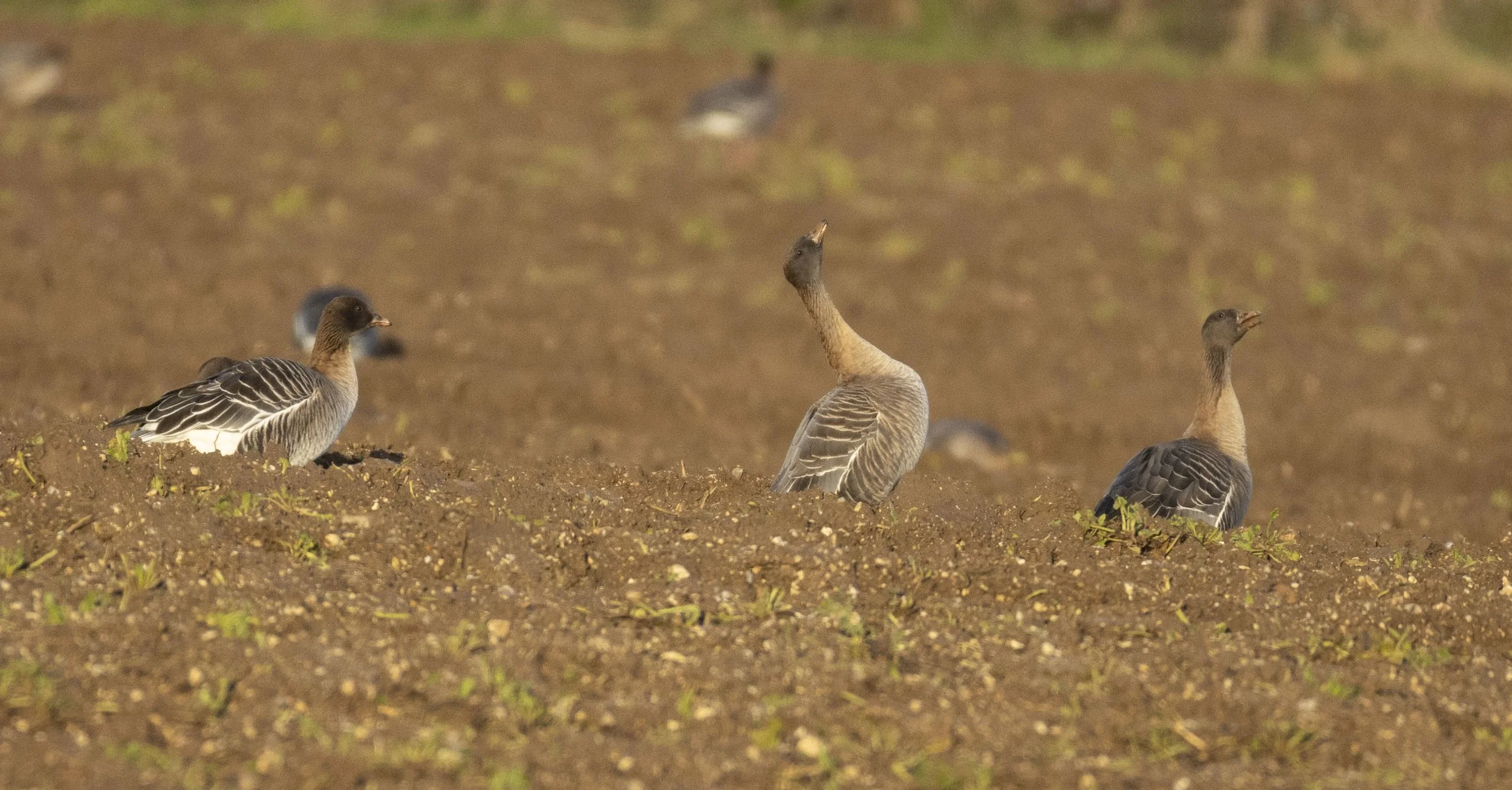
A bit of Pinky excitement
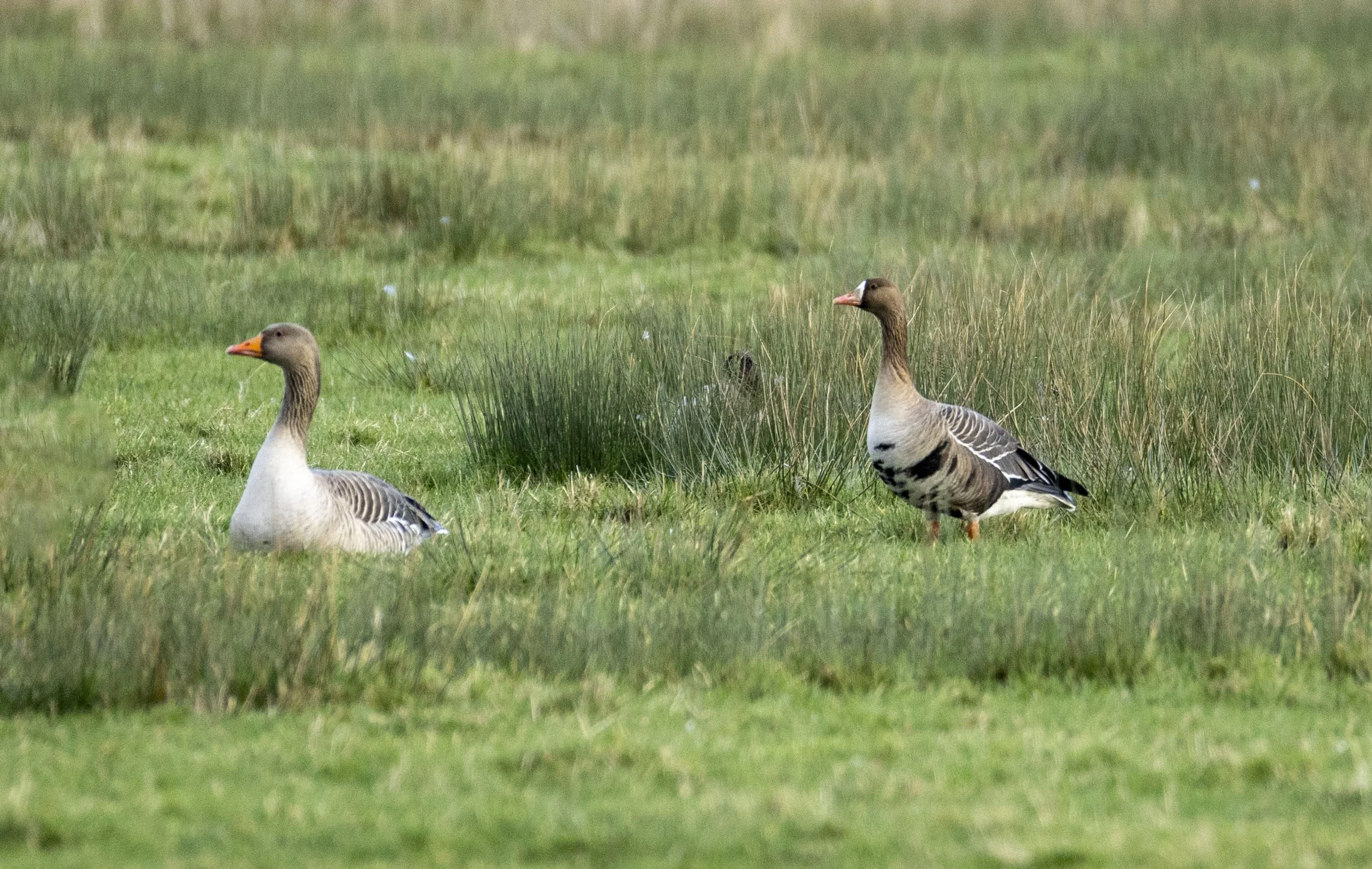
White-front with Greylag
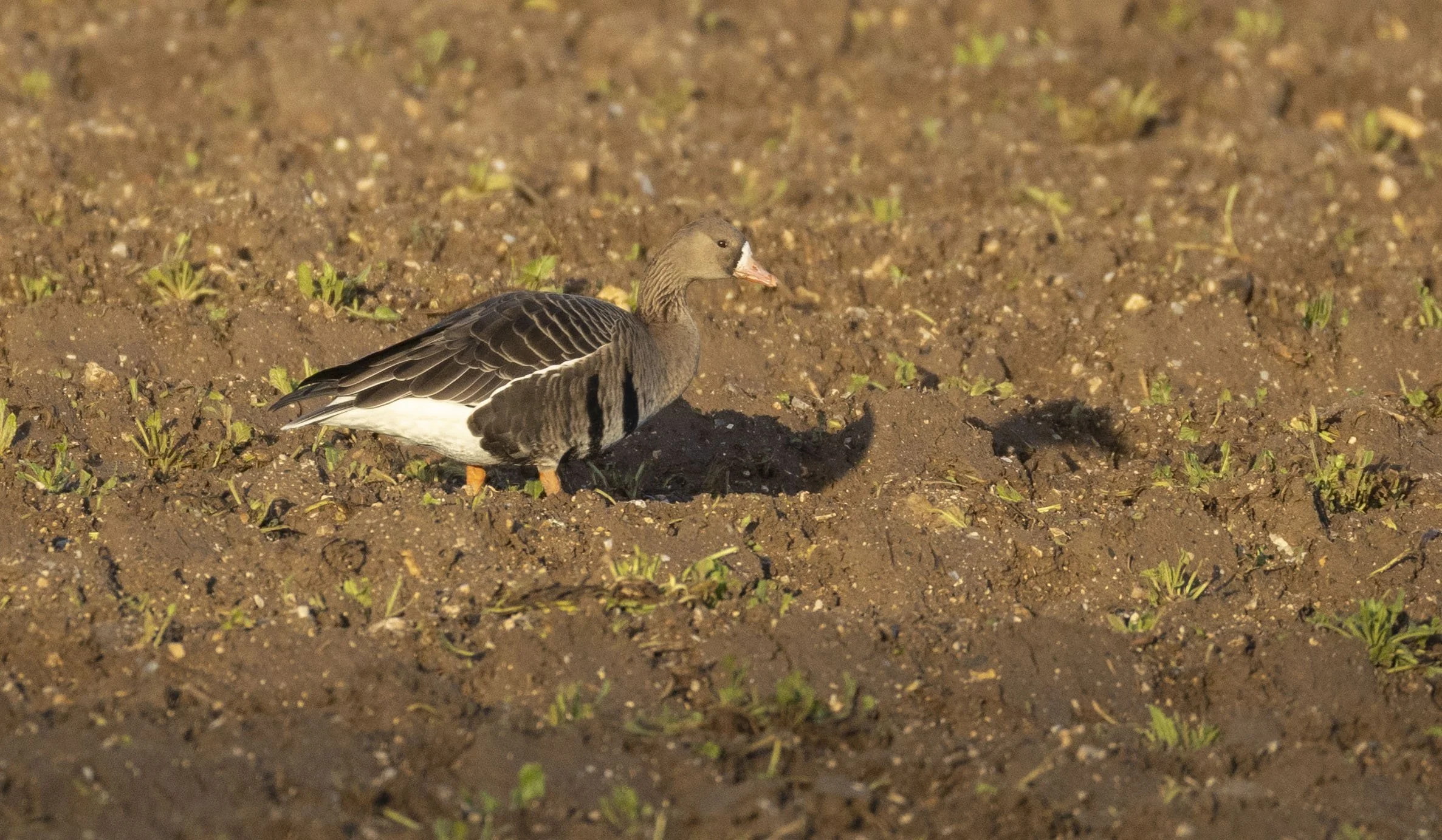
adult White-fronted Goose in the beet field - a mega local White front day with 46 on the deck and a flock of 84 flying over the best count ever by a very long way
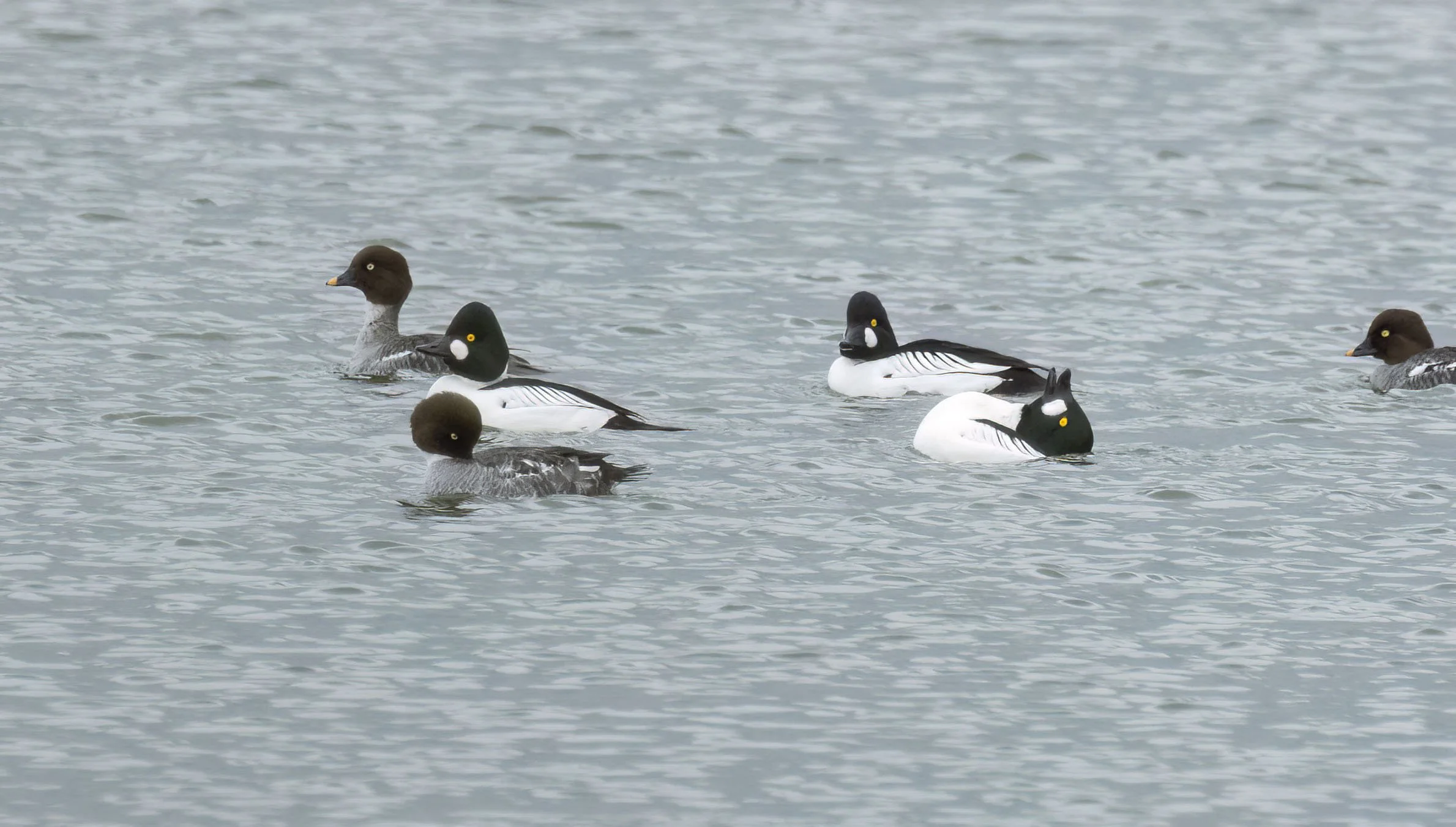
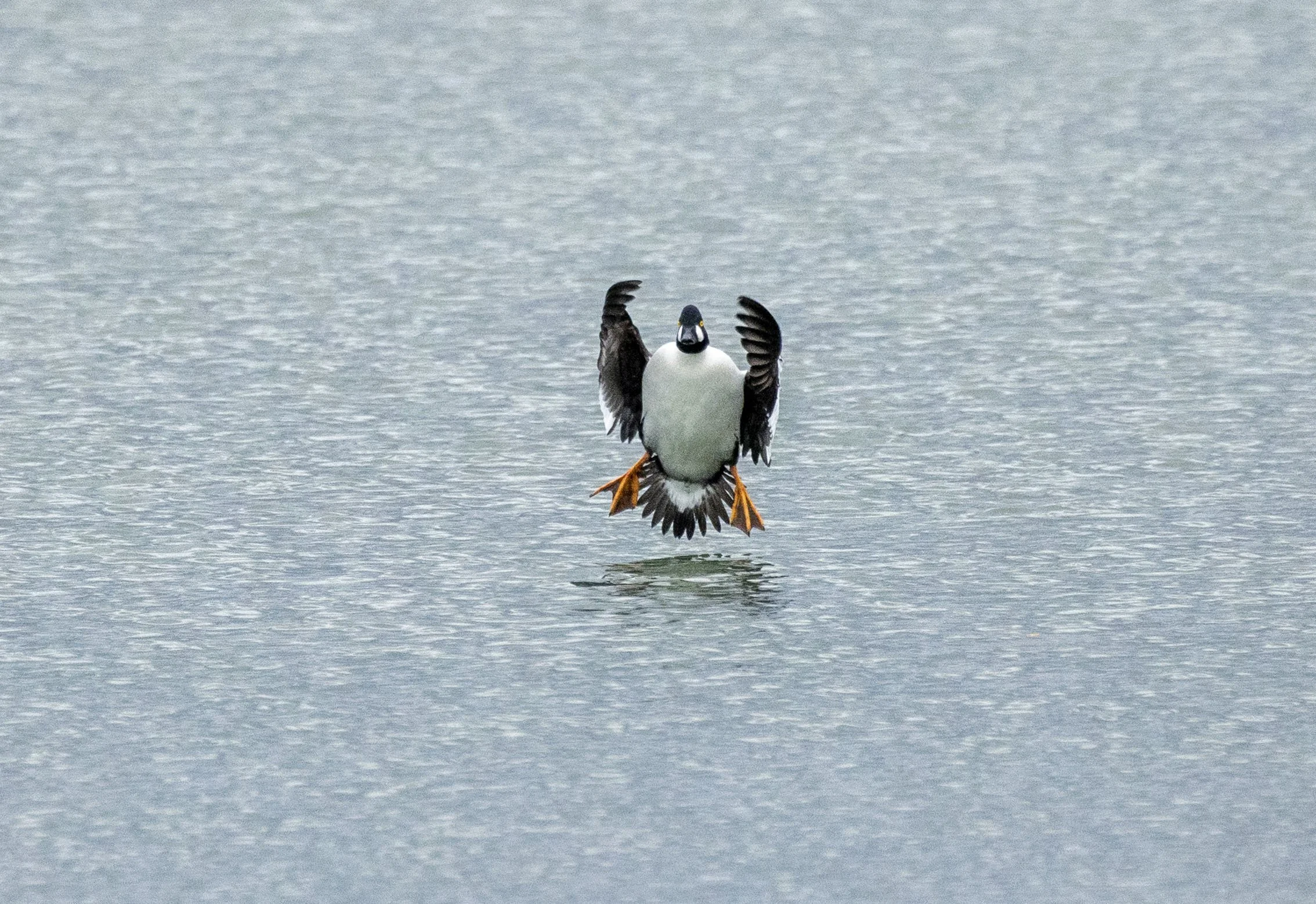
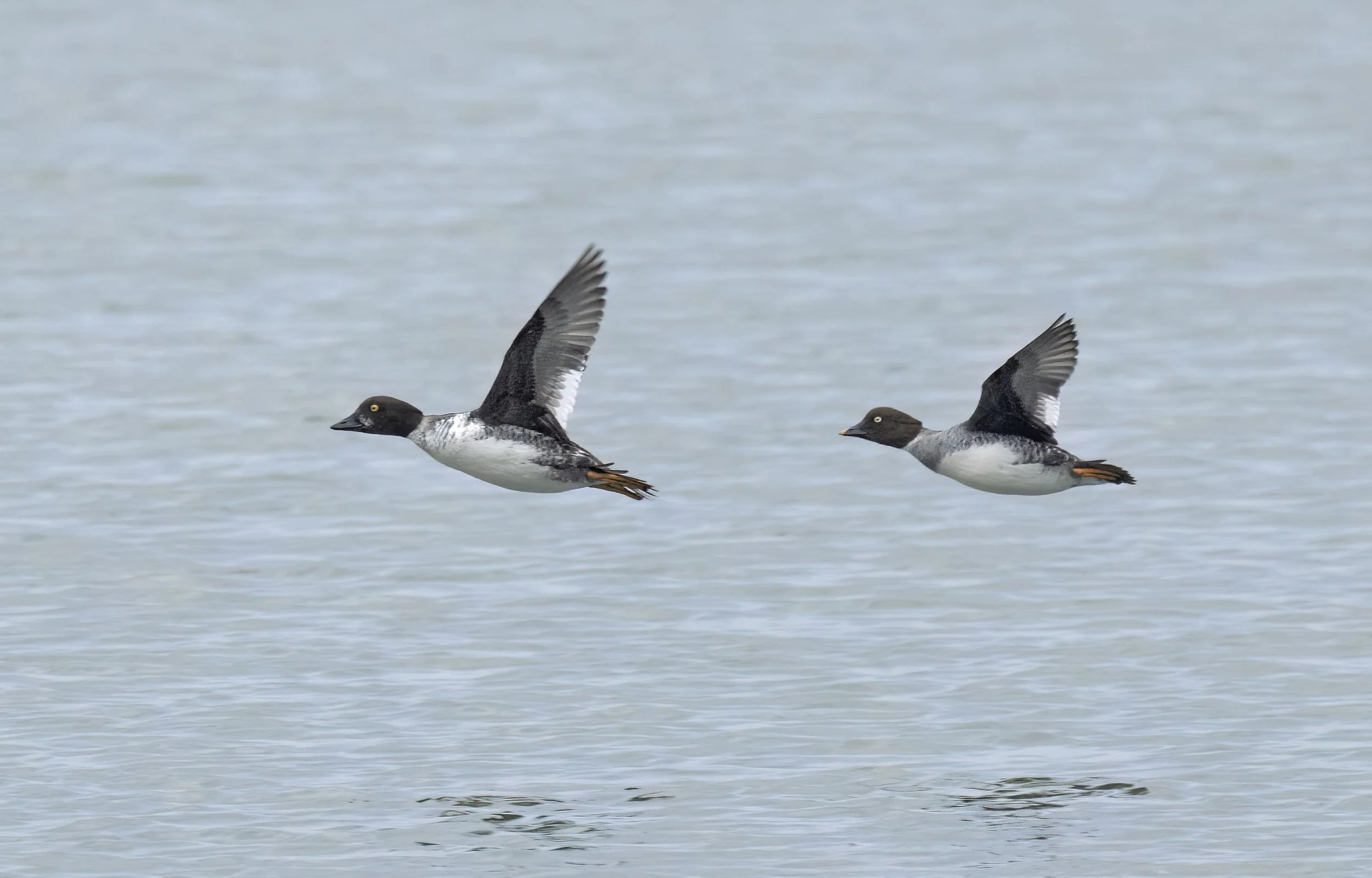
Goldeneye numbers had built up to 110 yesterday with a fair bit of displaying taking place - numbers usually peak in early March as the Humber flock move to fresh water prior to departures
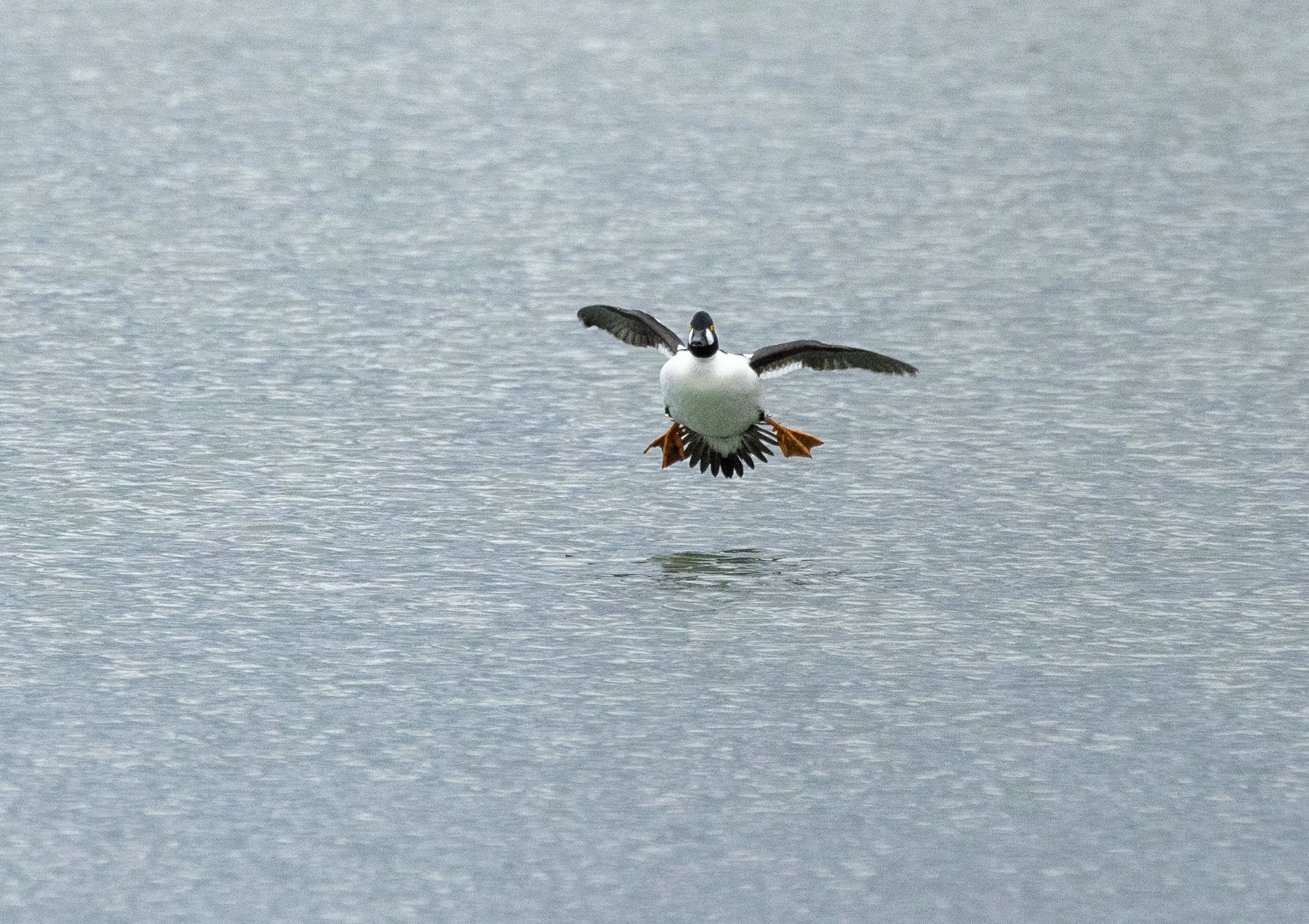
I have seldom used the R6II on 40 frames per second as it fills the buffer quickly on my slowigh SD cards but I have now got four faster cards and using 40fps does produce some better wing positions on flying birds - drake Goldeneye incoming light was prettyy dire as usual
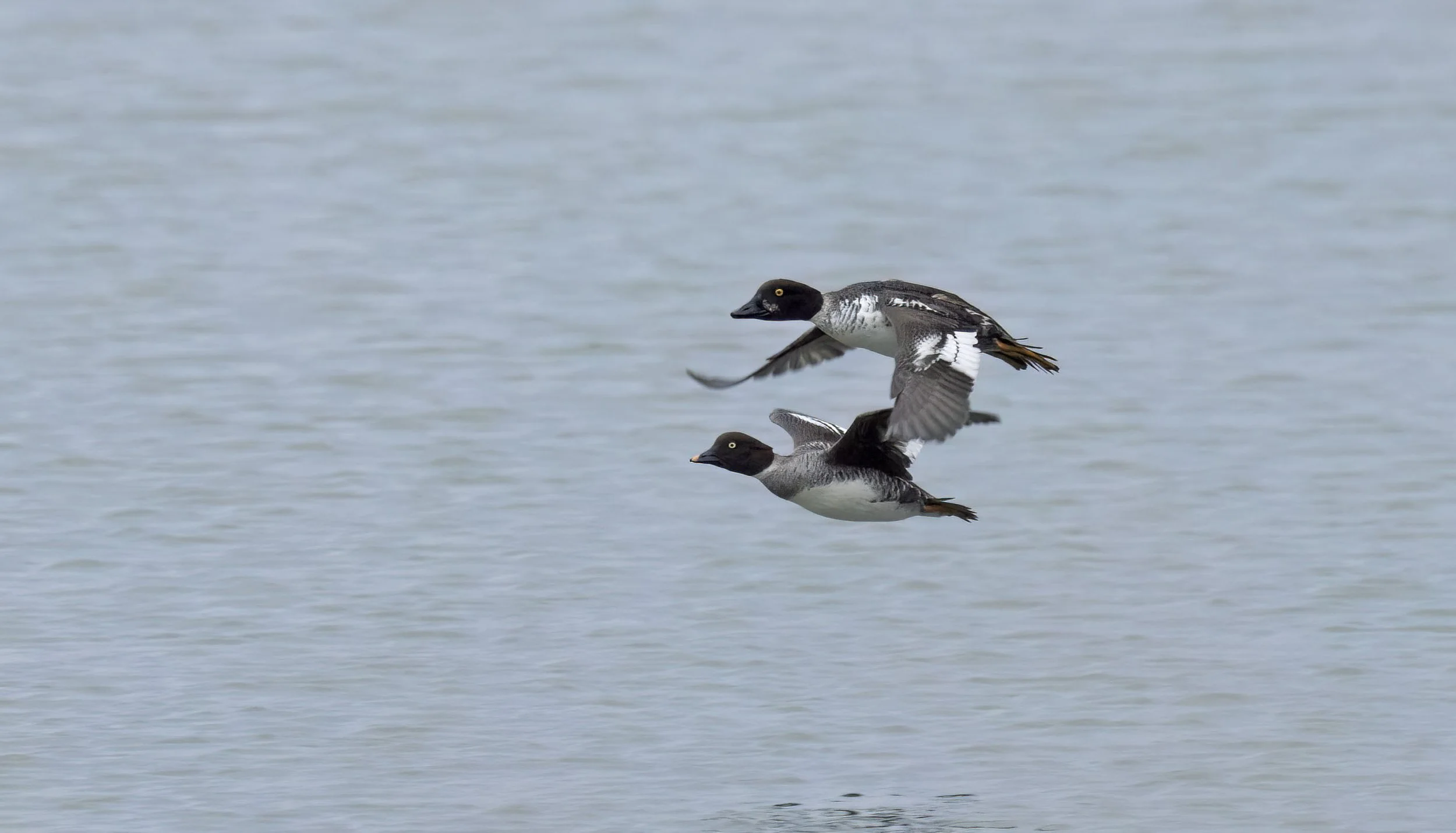
First winter drake Goldeneye and female - I do sometimes wonder whether I look hard enough at young drakes to rule out the Barrow but I think they would stand out?
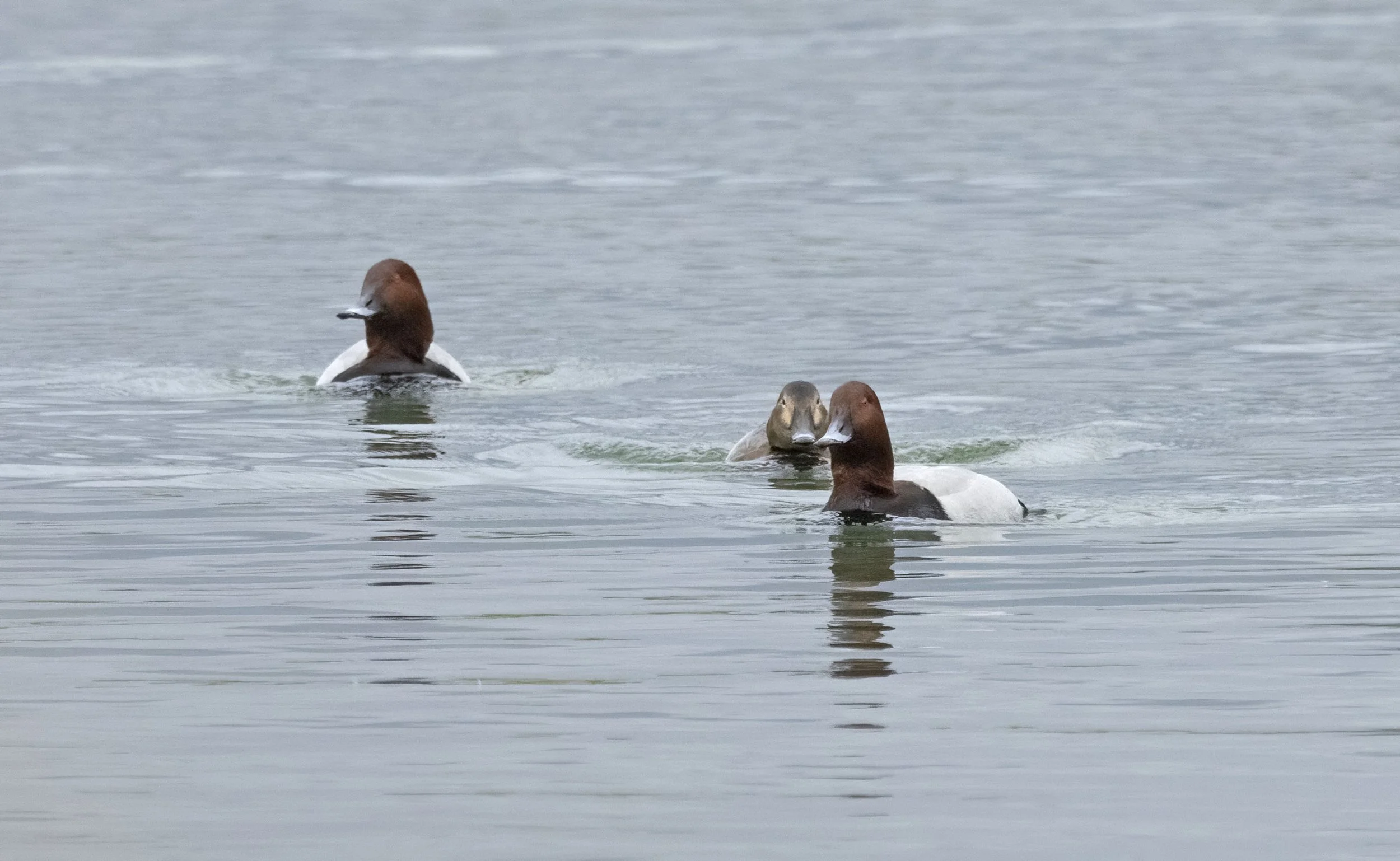
Pochard had increased to c55 yesterday still a far cry from the numbers of old but a welcome sight though only 8 females in the total not a good sign for the decreasing local breeding population
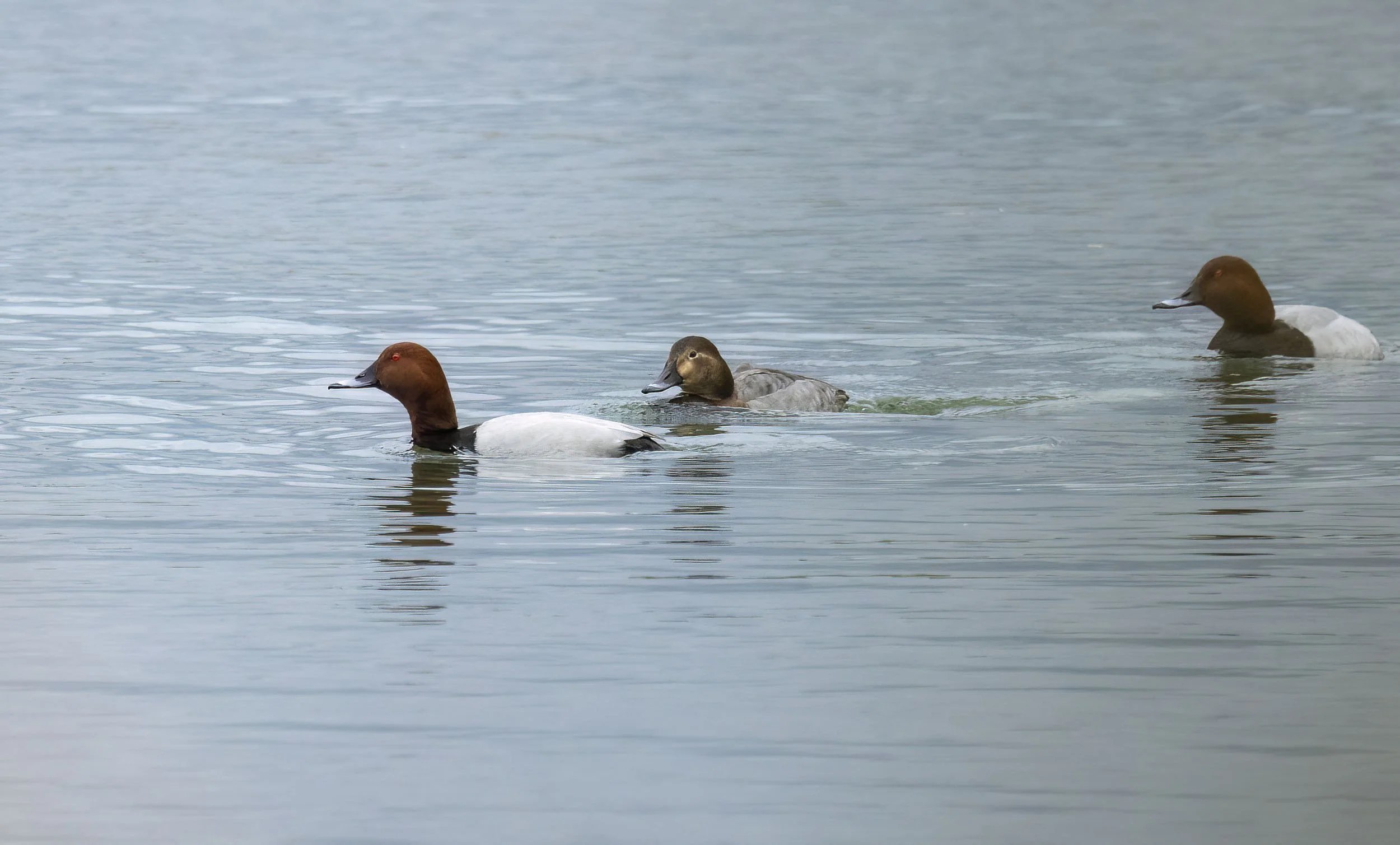
Like the Goldeneye some early display and half hearted courtship
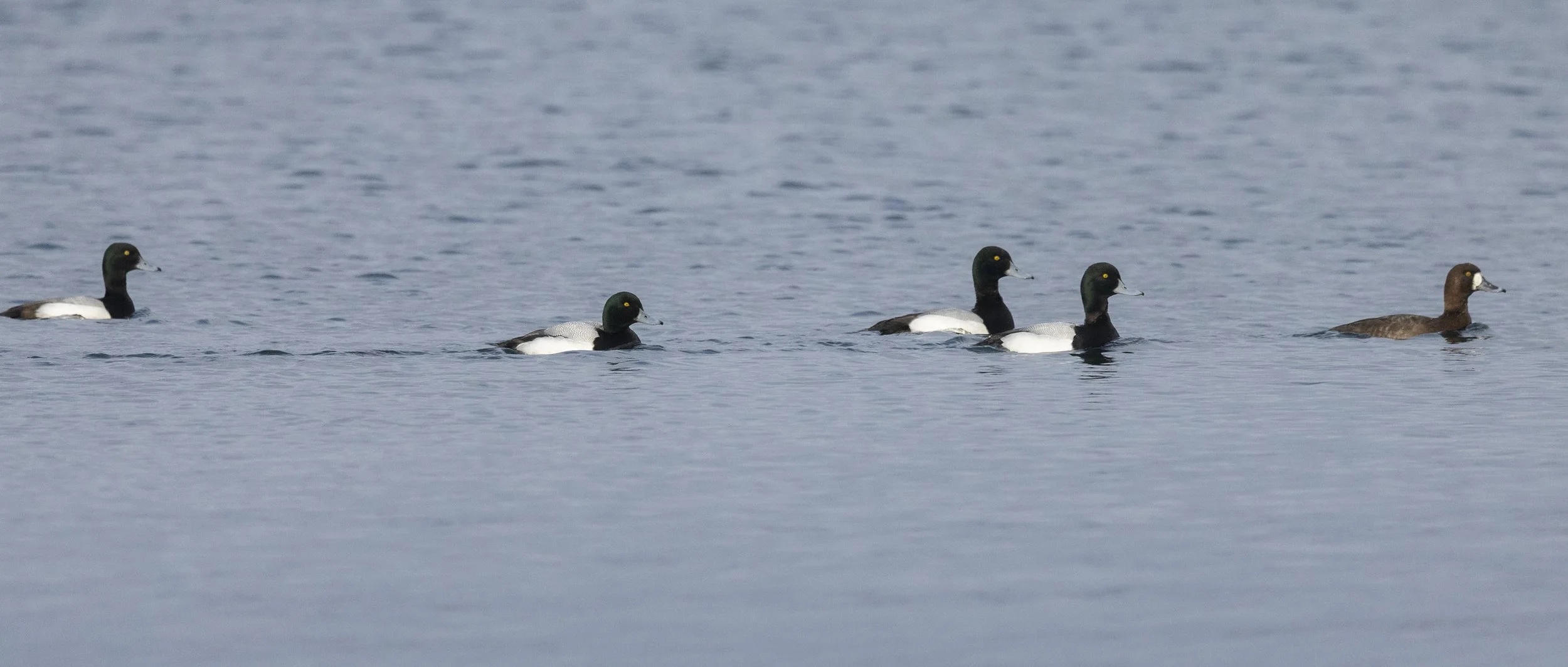
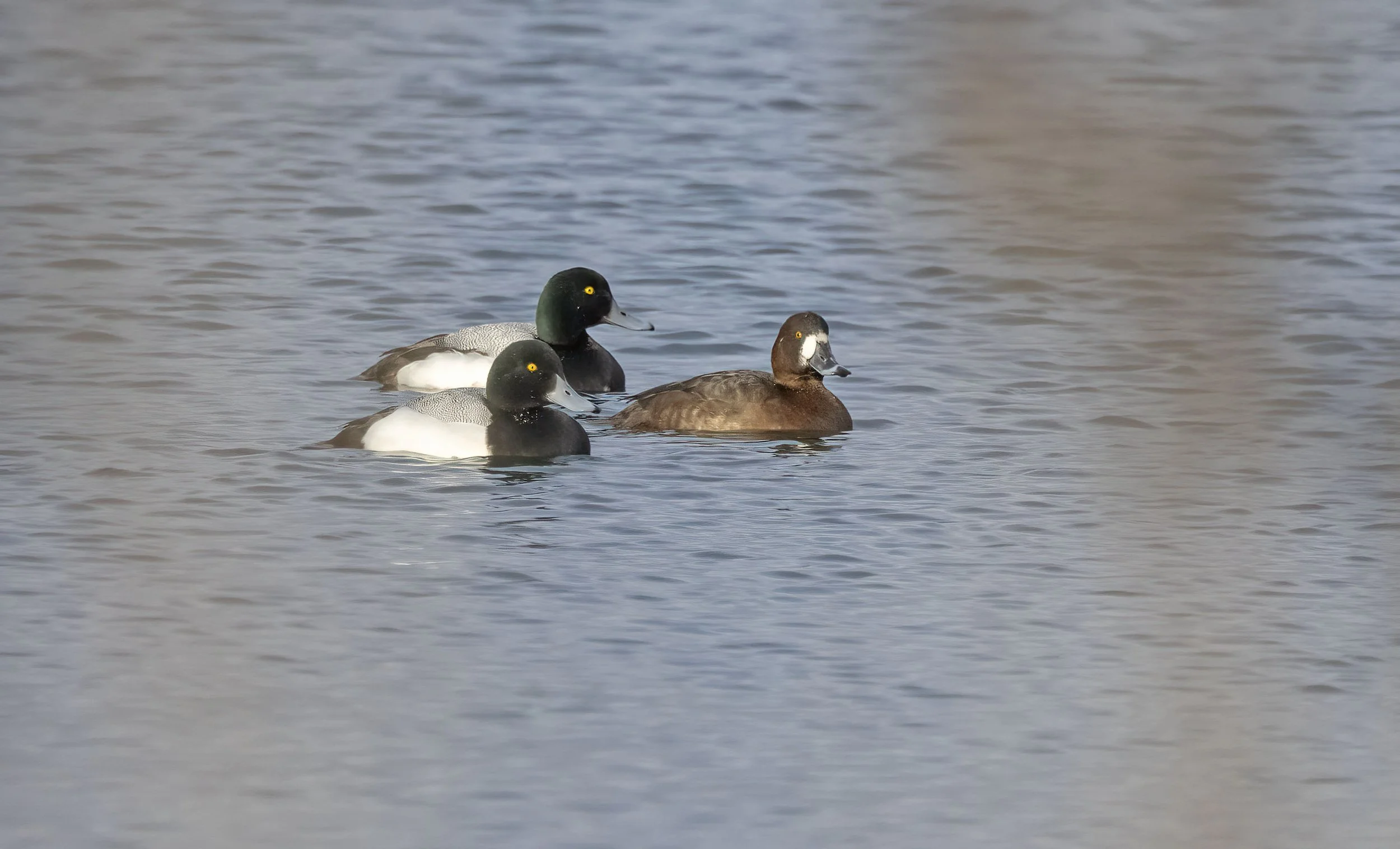
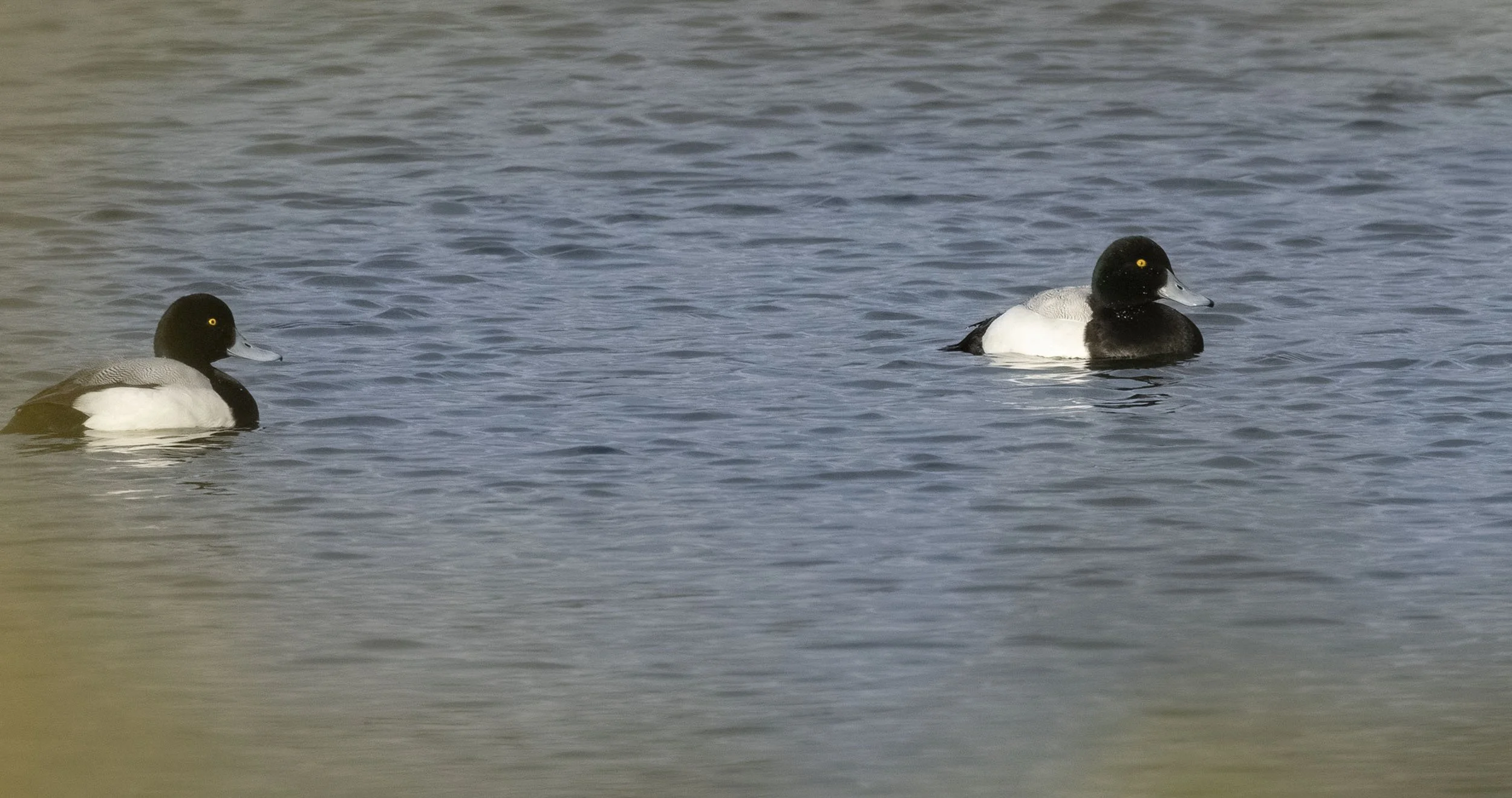
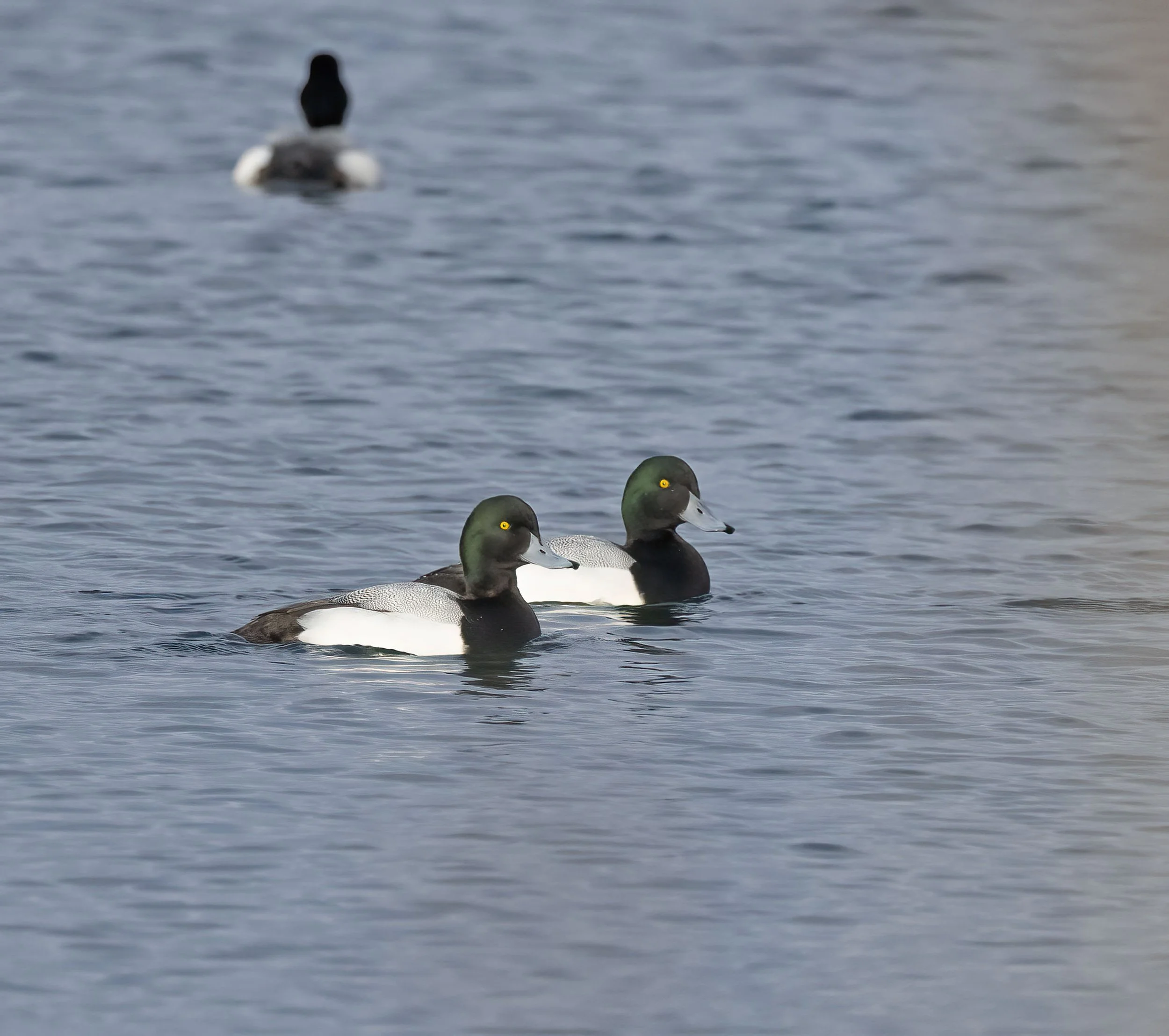
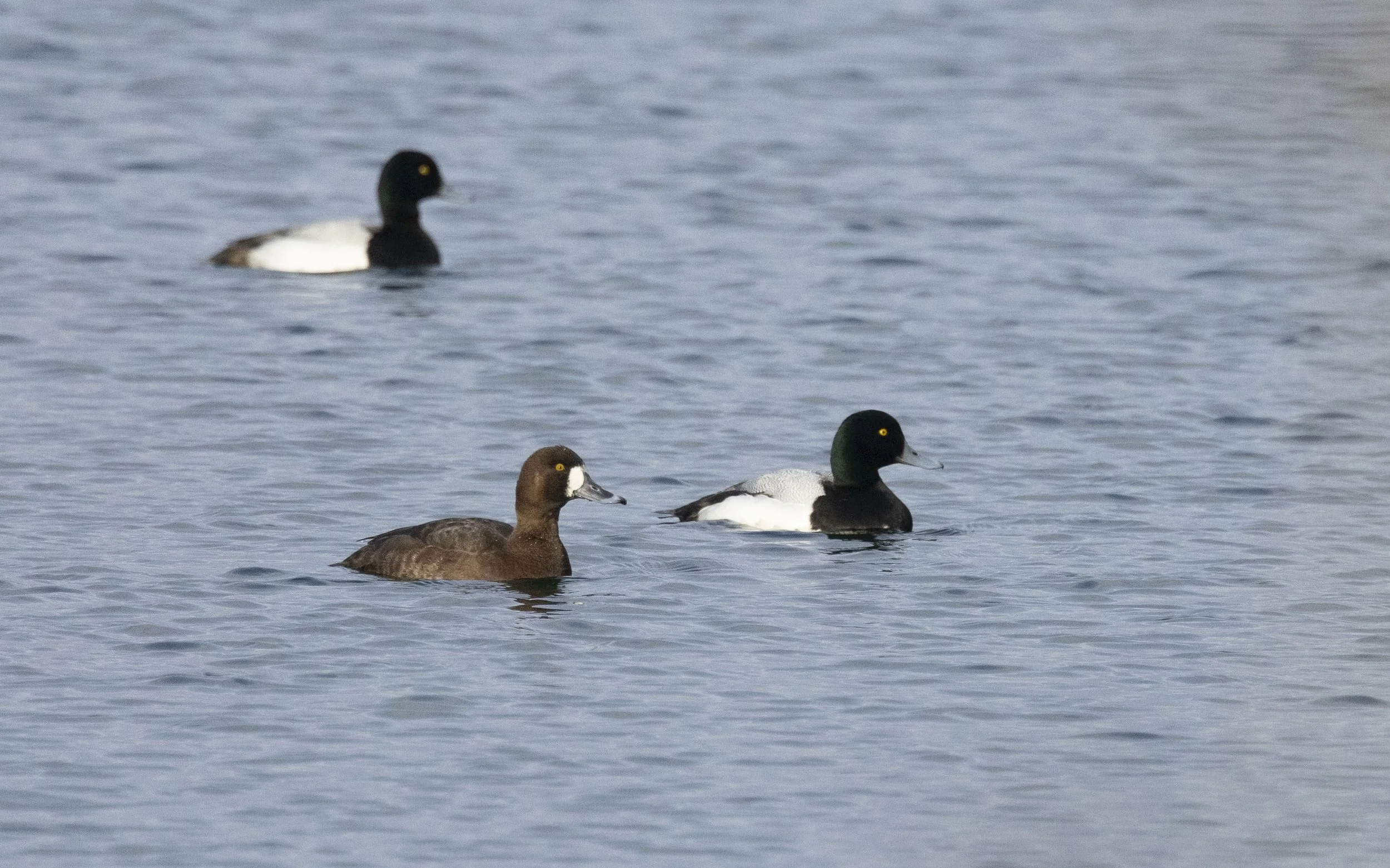
Somewhat better images of the Scaup today with four drakes and two ducks present - the first time I have been relatively close and in decent light
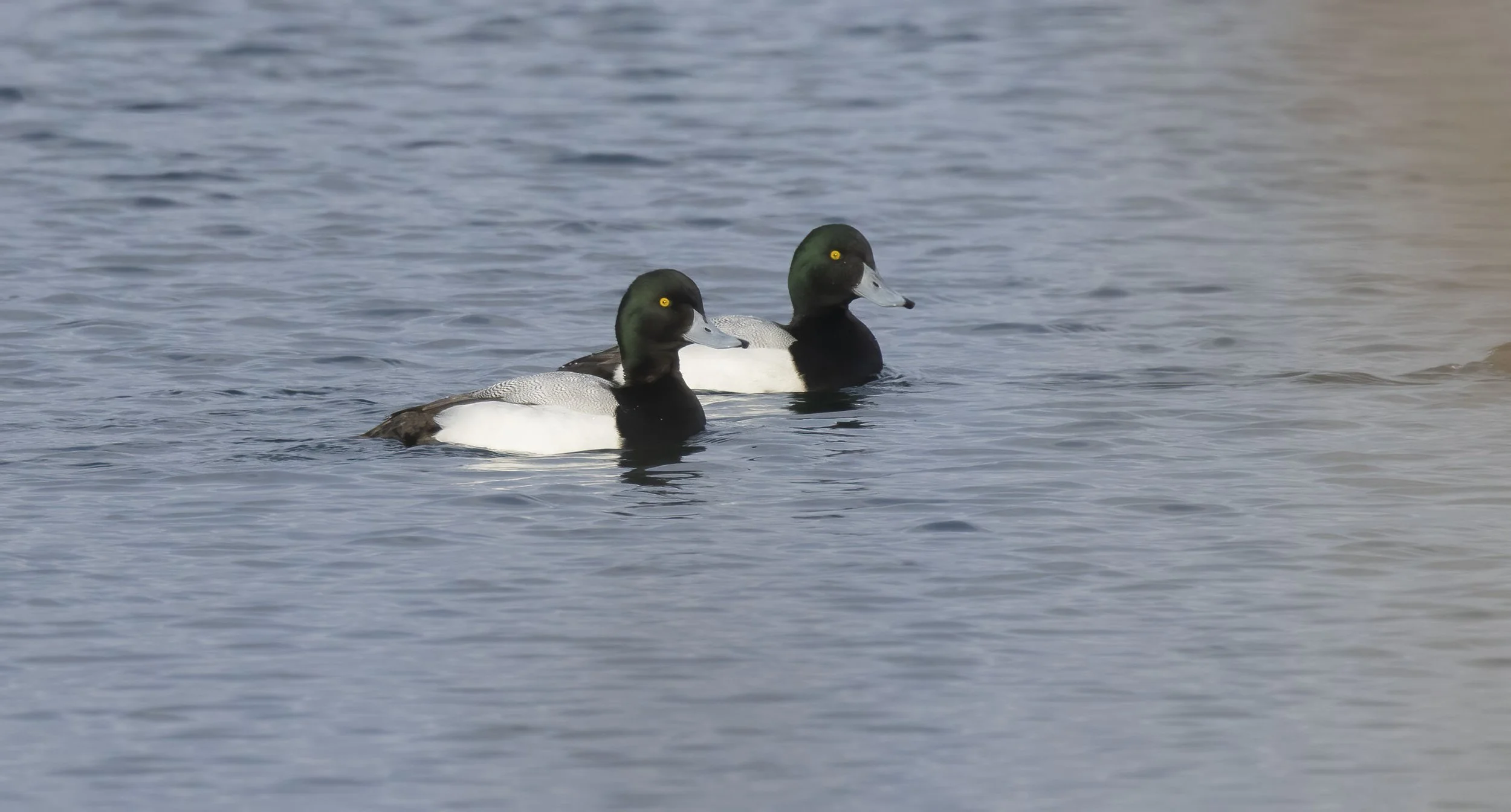
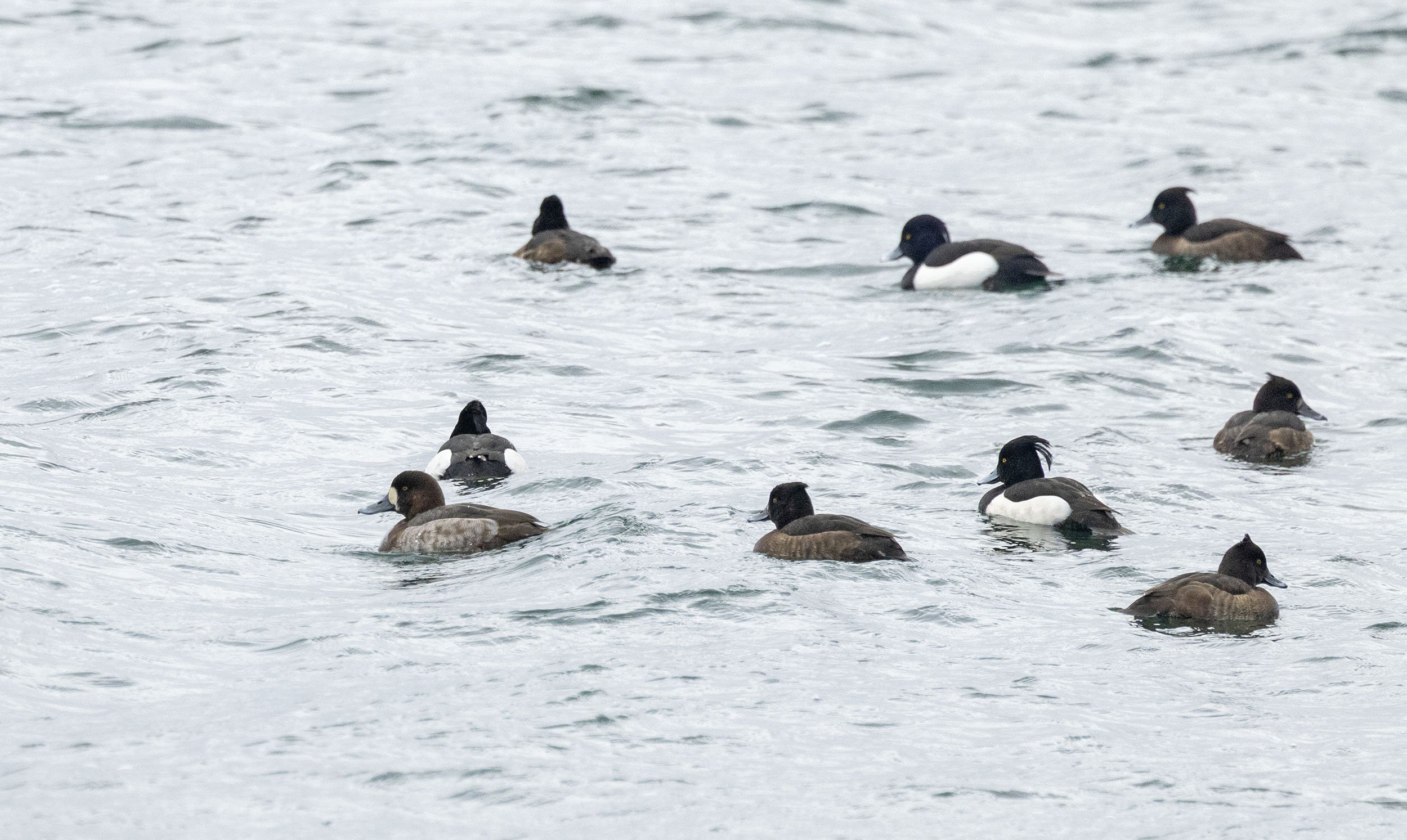
This female had abandoned here congeners and was hanging out with Tufted Ducks only 300m away on the same water

60 Coal Tit - tricky to photo on the local patch as highly restricted so this one from the garden will have to do for now - its very irregular in the garden so not just a case of sitting and waiting
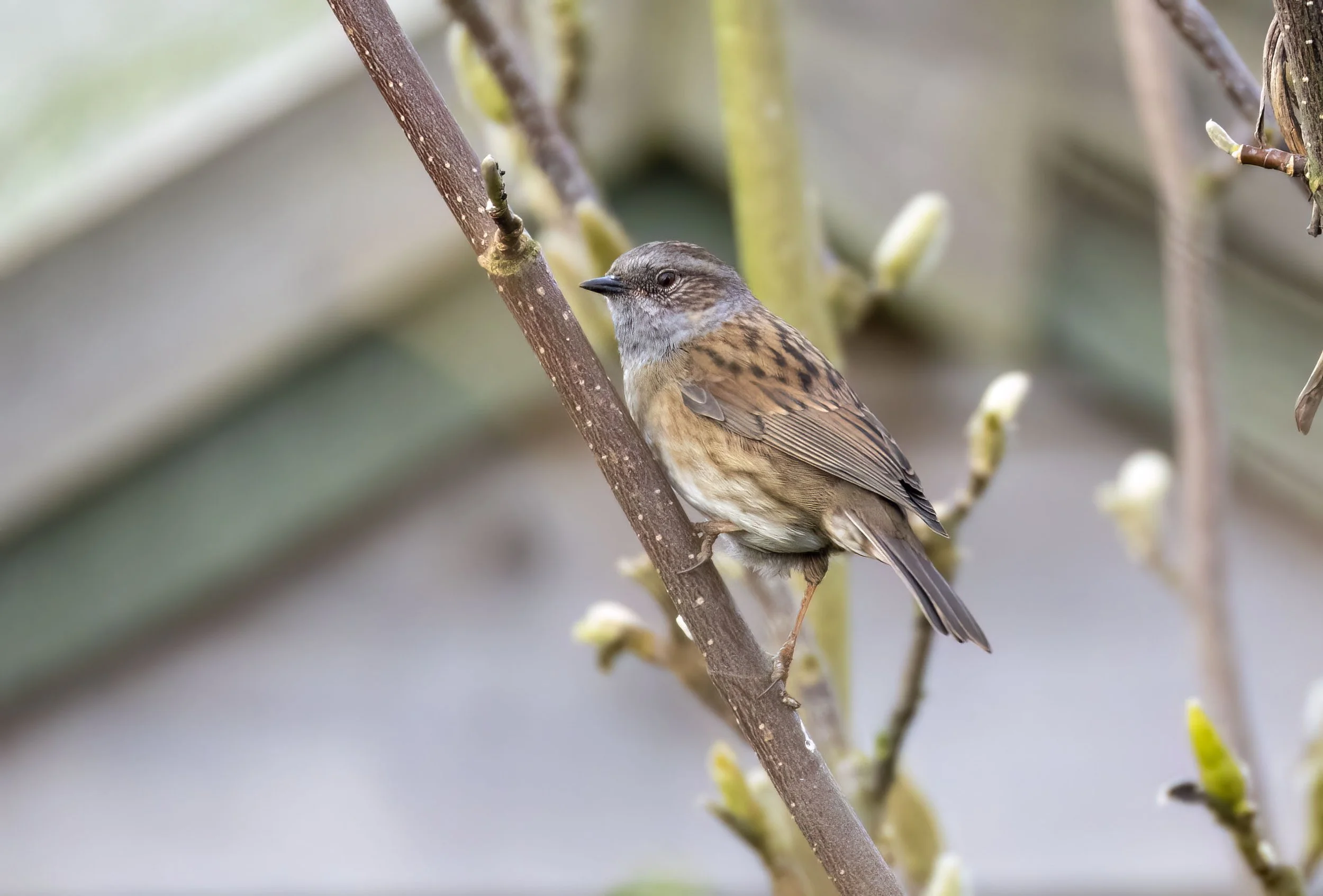
61 one of our more regular garden visitors occasionally nests and does a constant sub song for hours in spring - summer
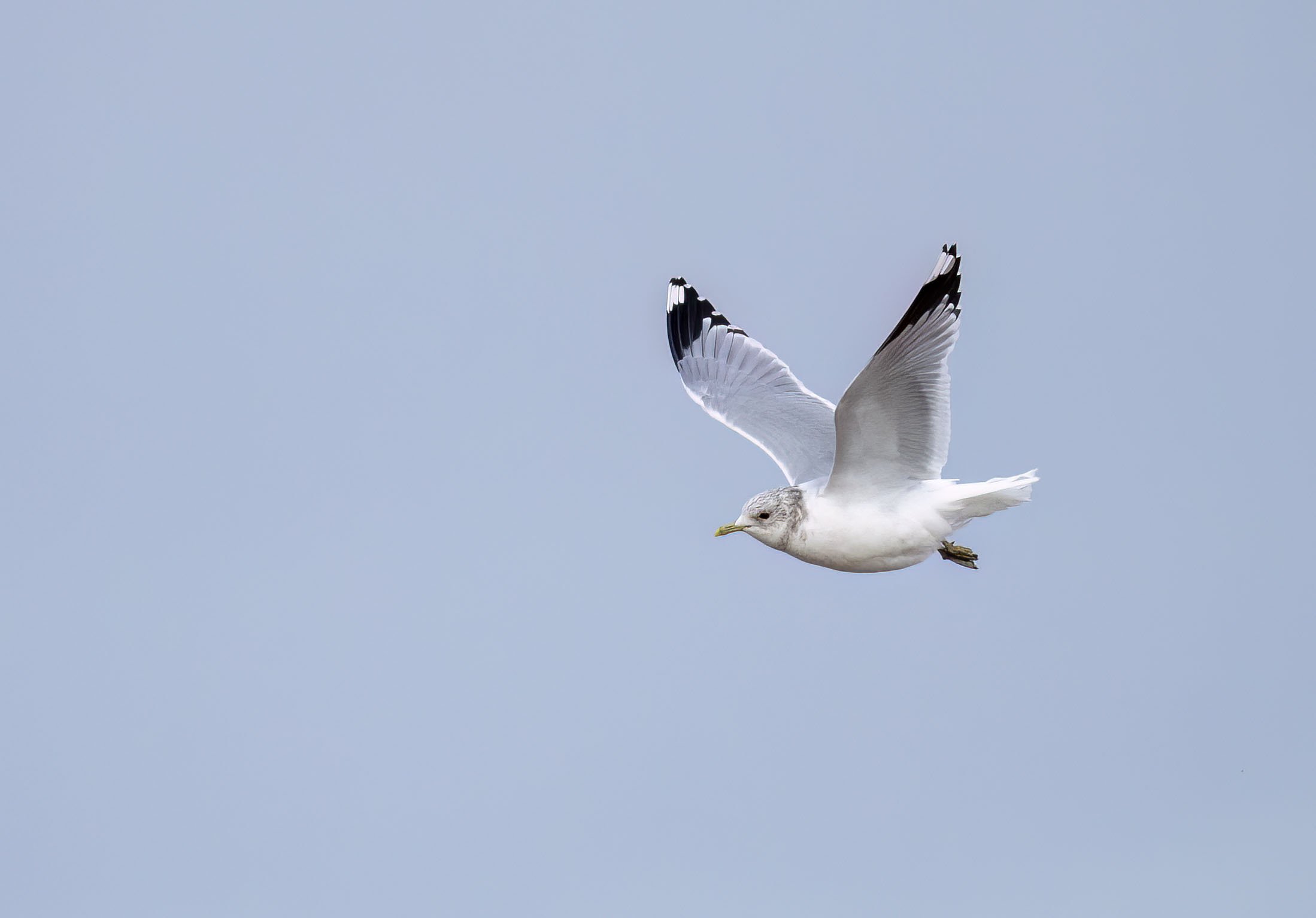
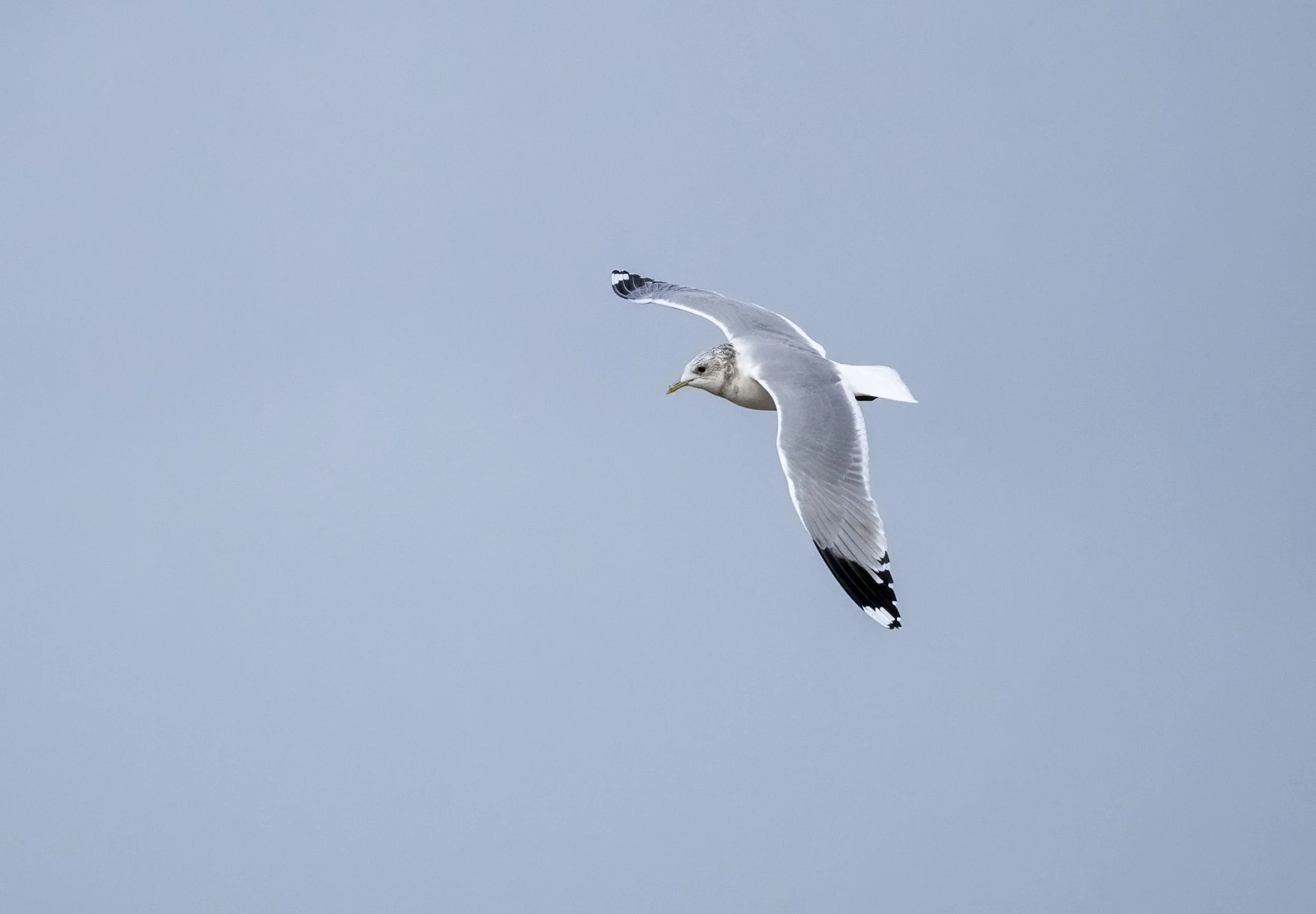
62 Common Gull - spring passage of adults is under way locally
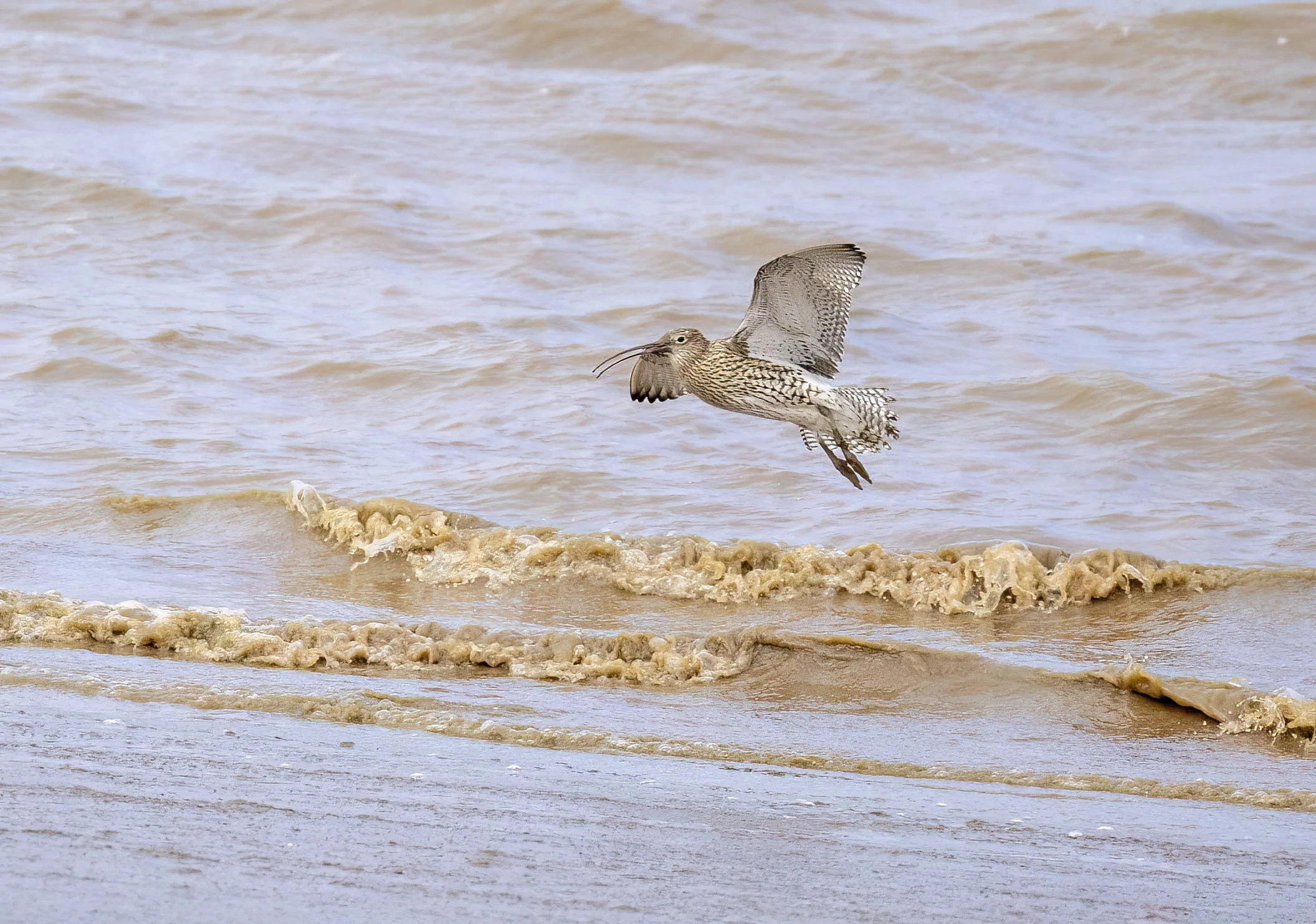
Curlew incoming with this is my patch get out vocalisations
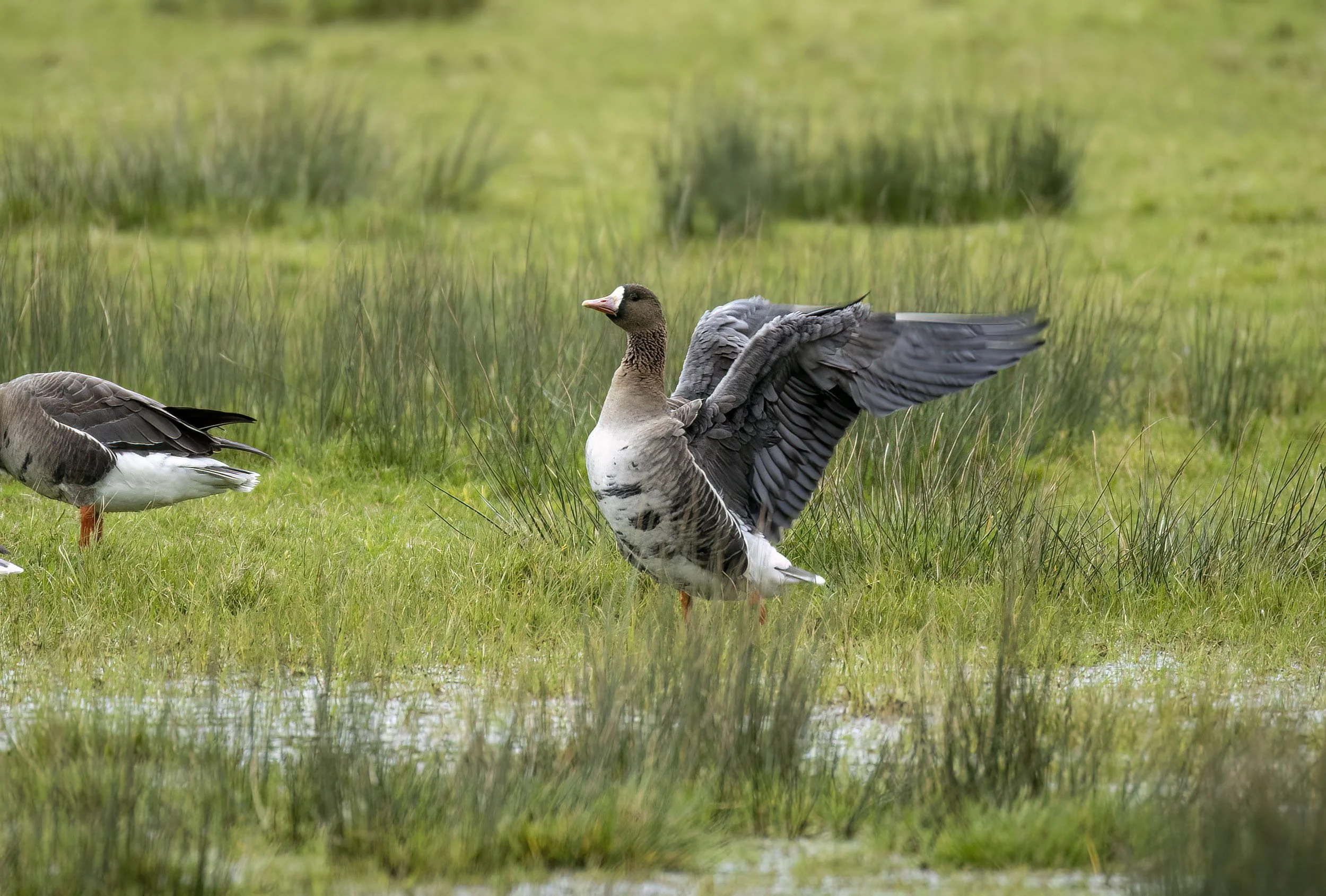
Still up to 24 White-fronts on the local patch
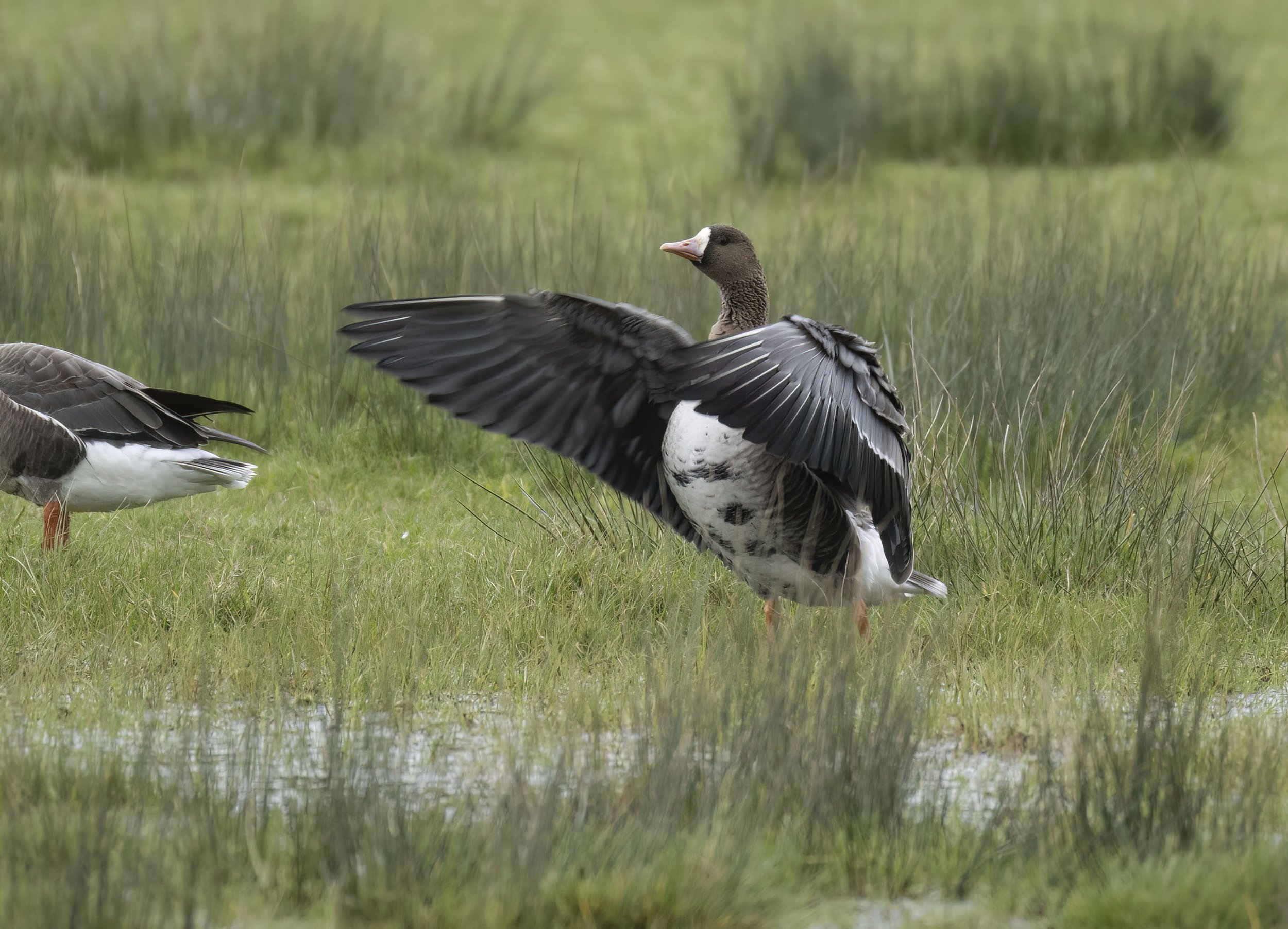
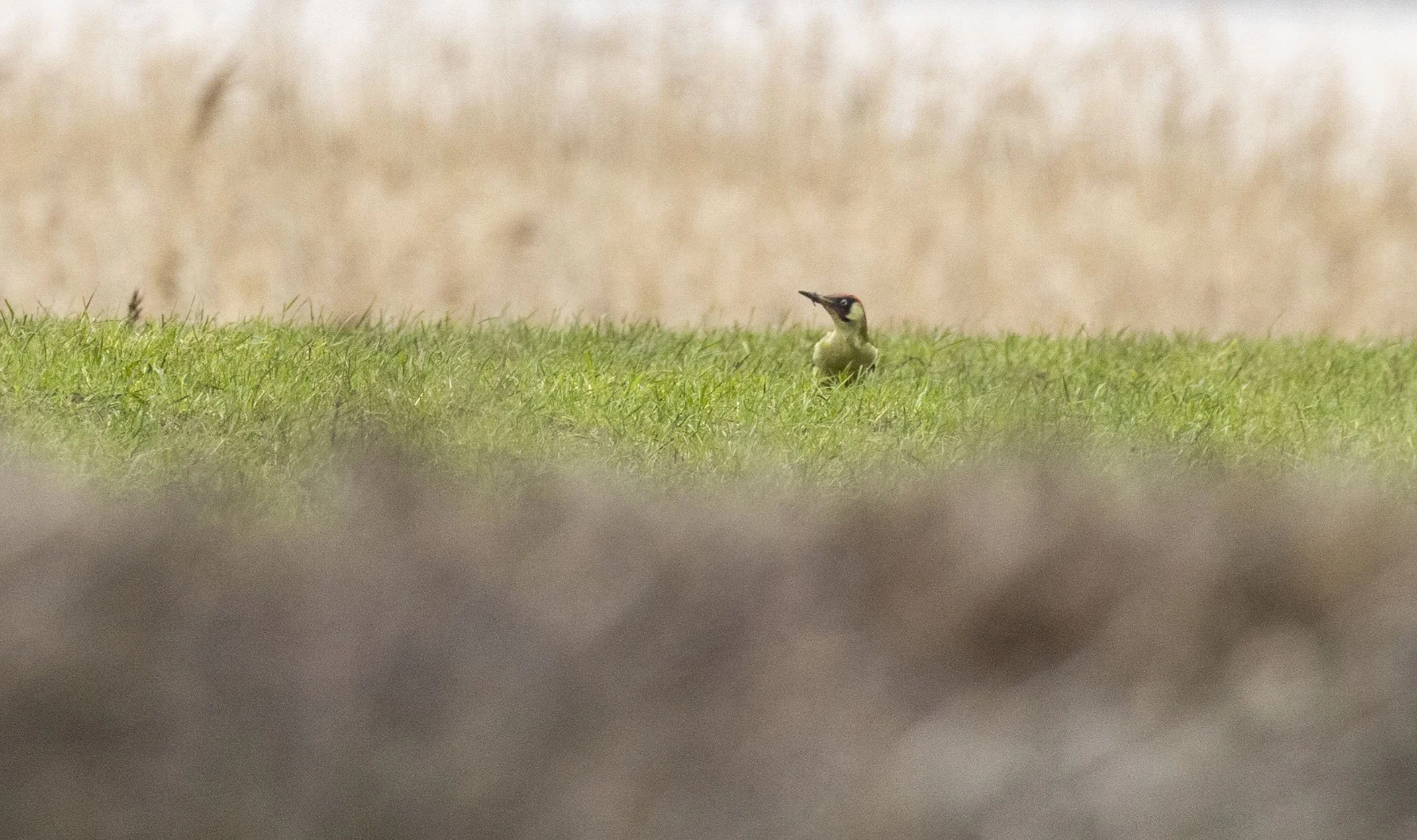
63 patch photo Green Woodpecker - this species is not even annual but what is presumably this male has been around now for over a year though it is very flighty and never been remotely close to it so this will have to do unless I get lucky
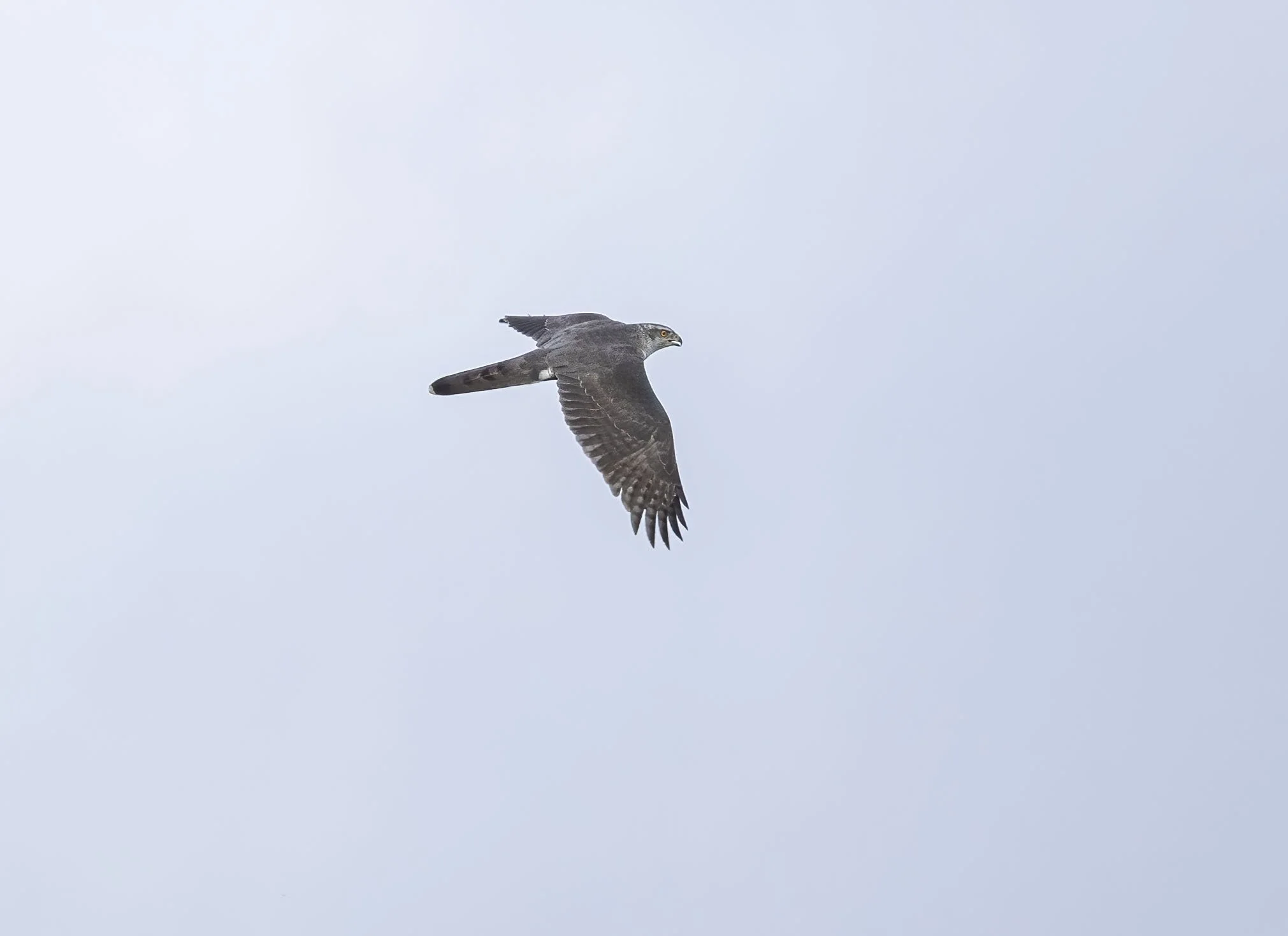
The 4cy male Goshawk showed a bit better this week but when the light was drab
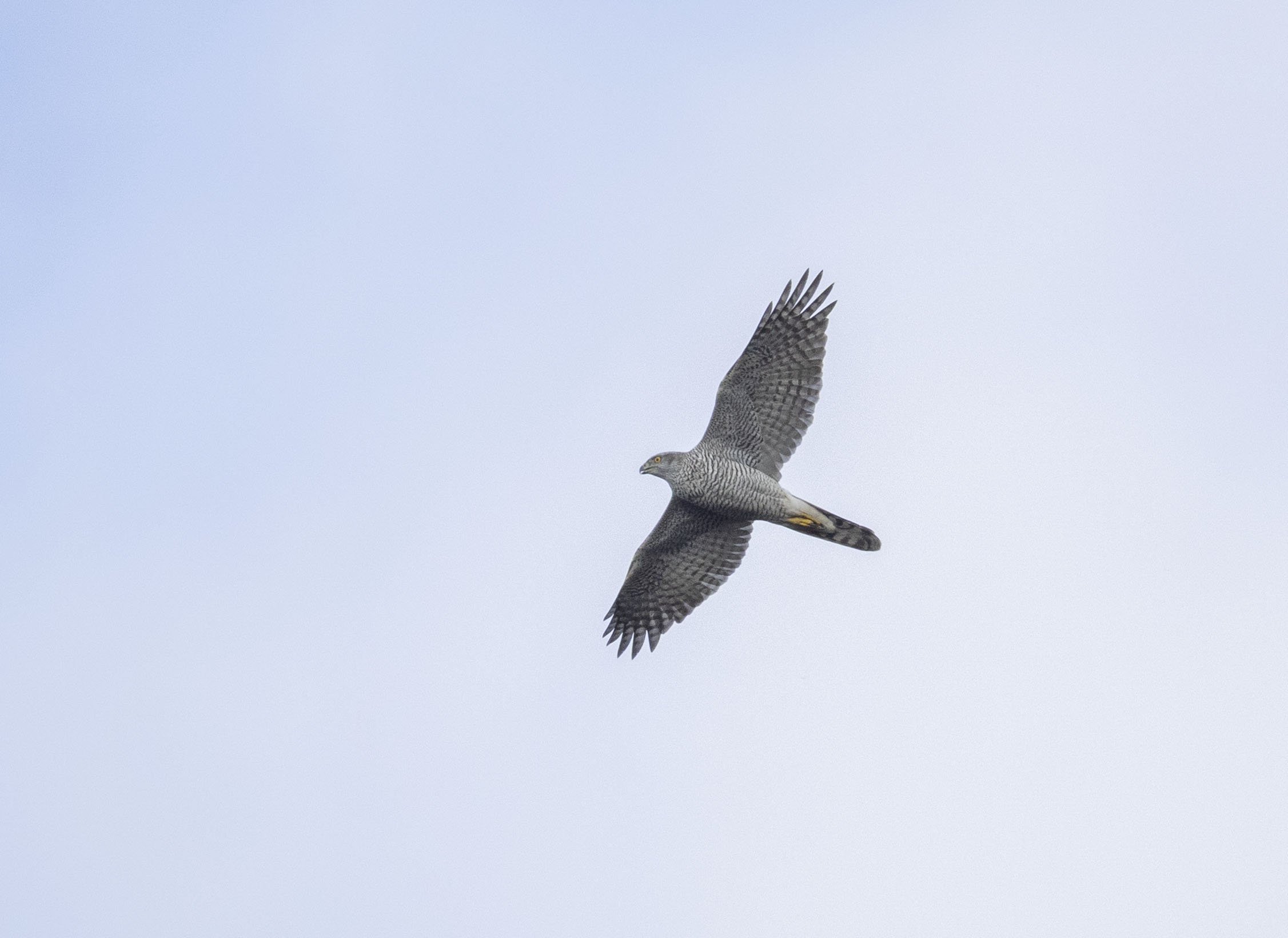
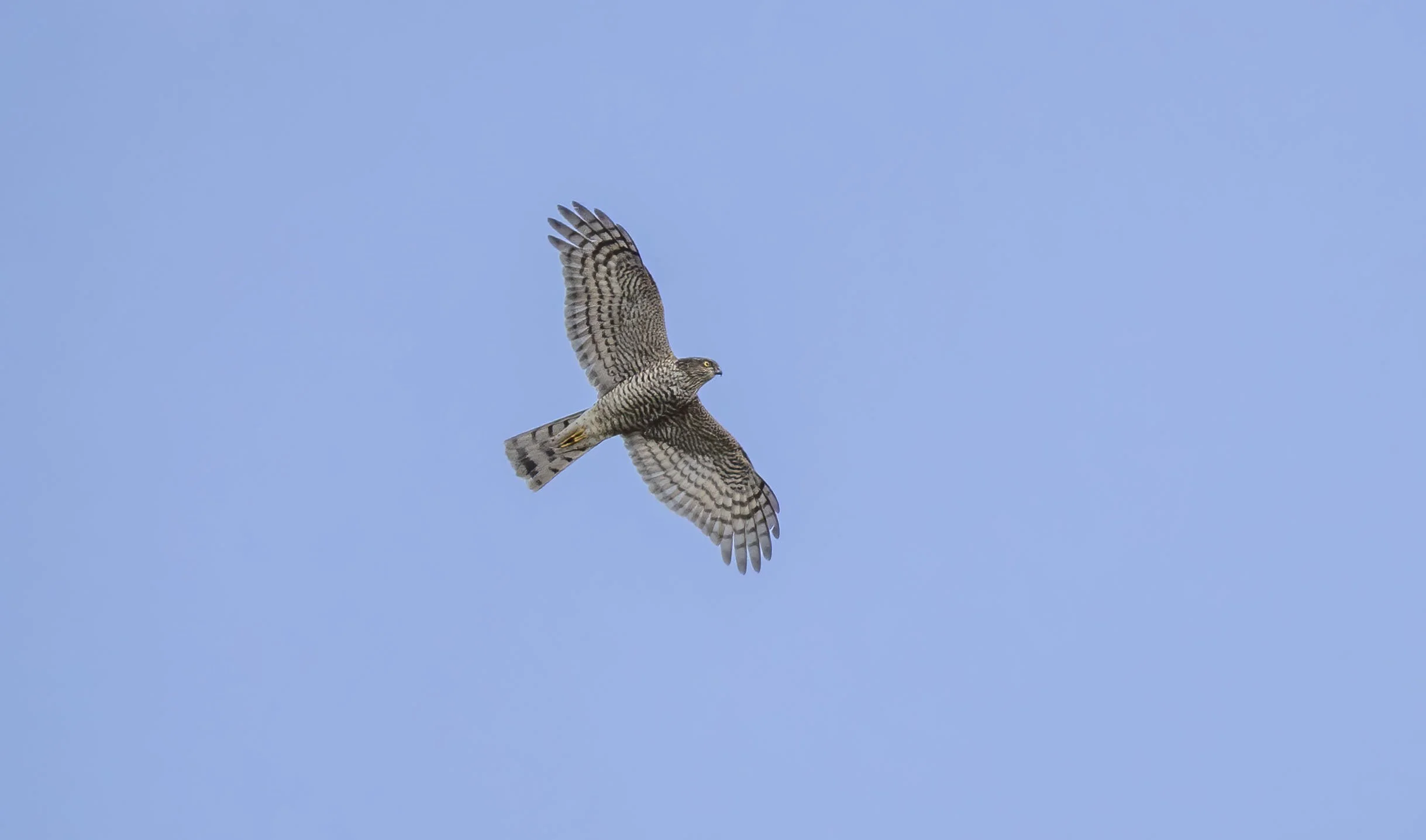
Sparowhawk on the same day for comparison - there really is no problem identifying Goshawks but we were clearly hung up with lack of experience for so, many years in Lincs
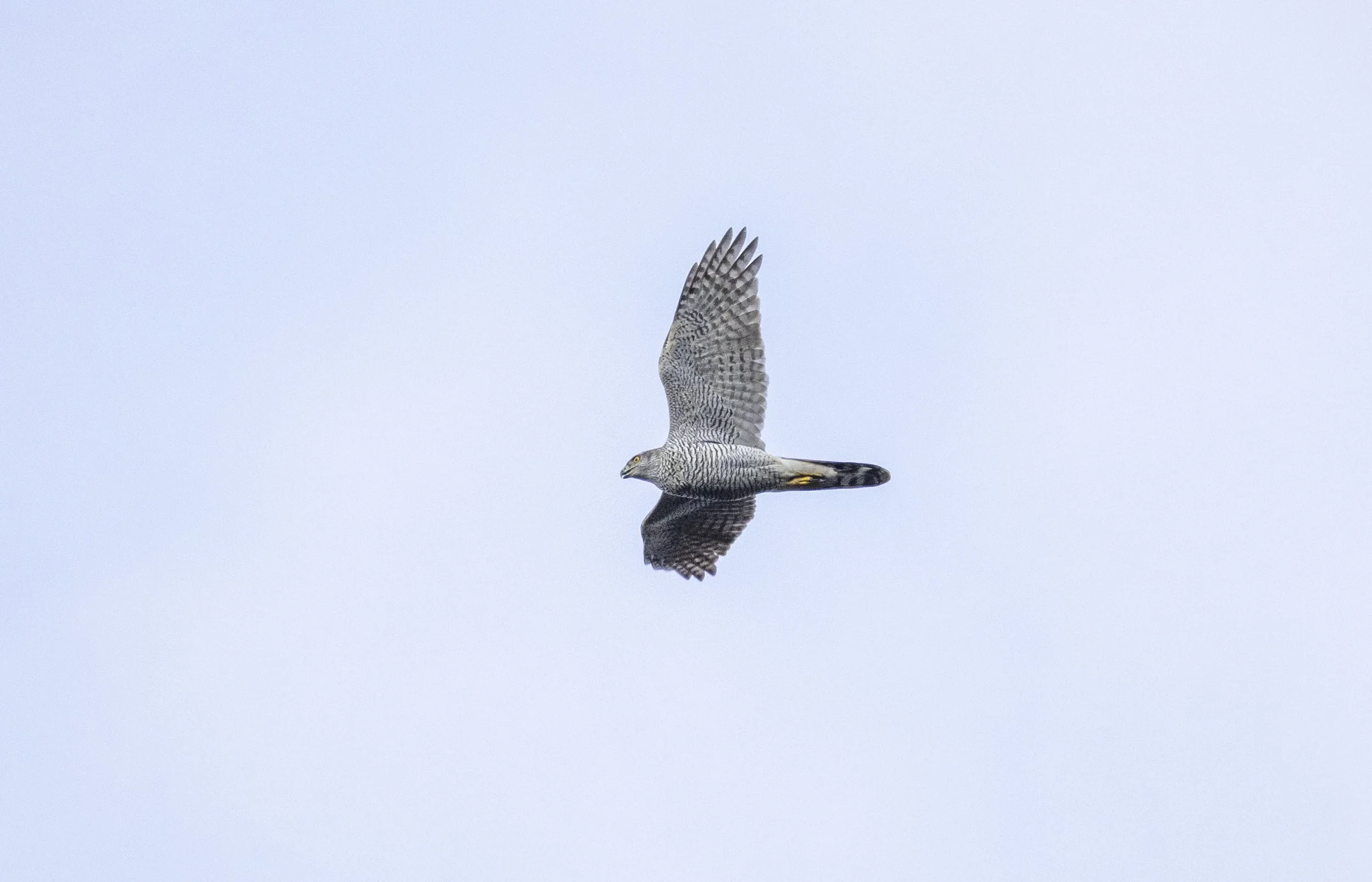
Why do Goshawks so often have their bills open in flight?
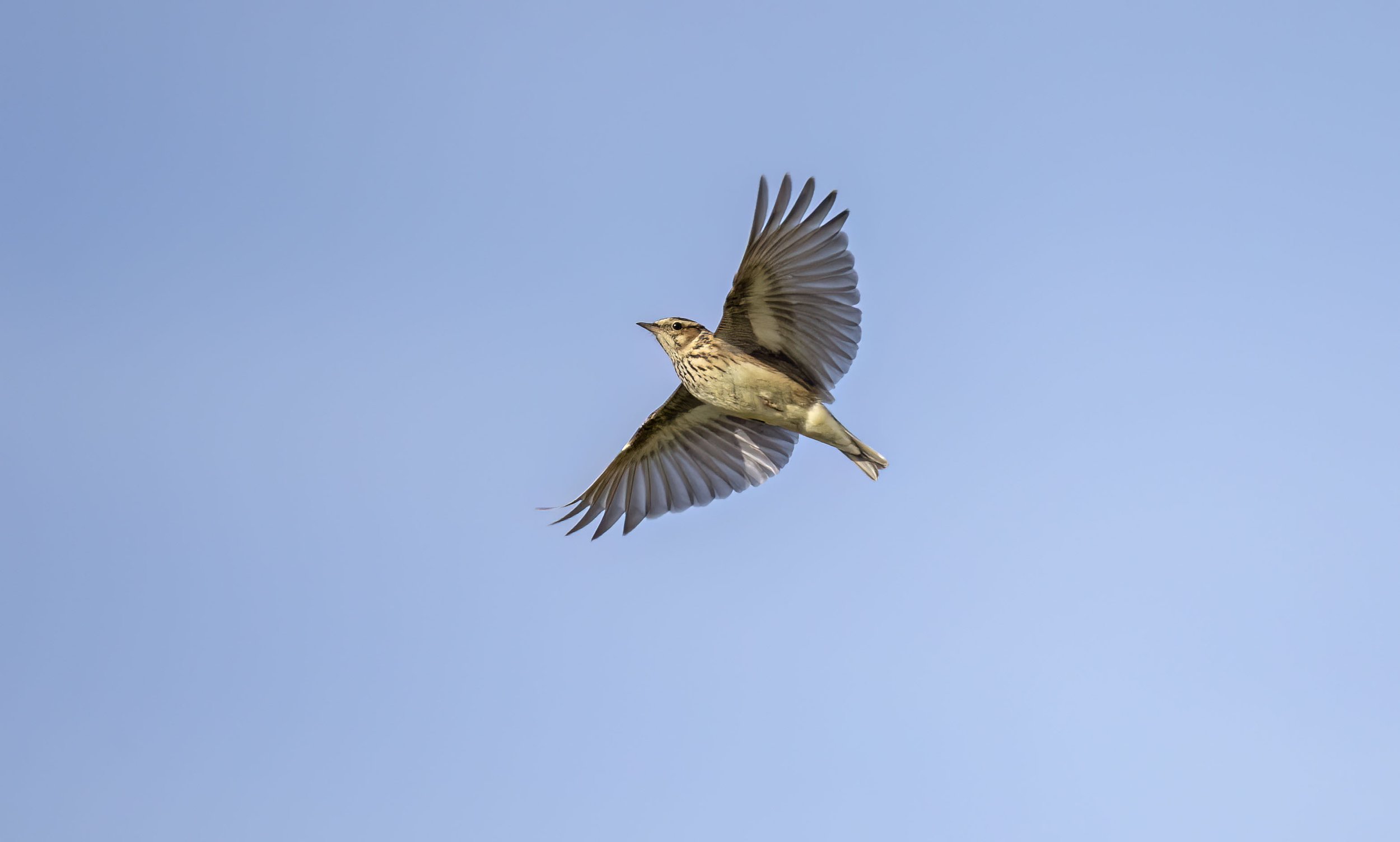
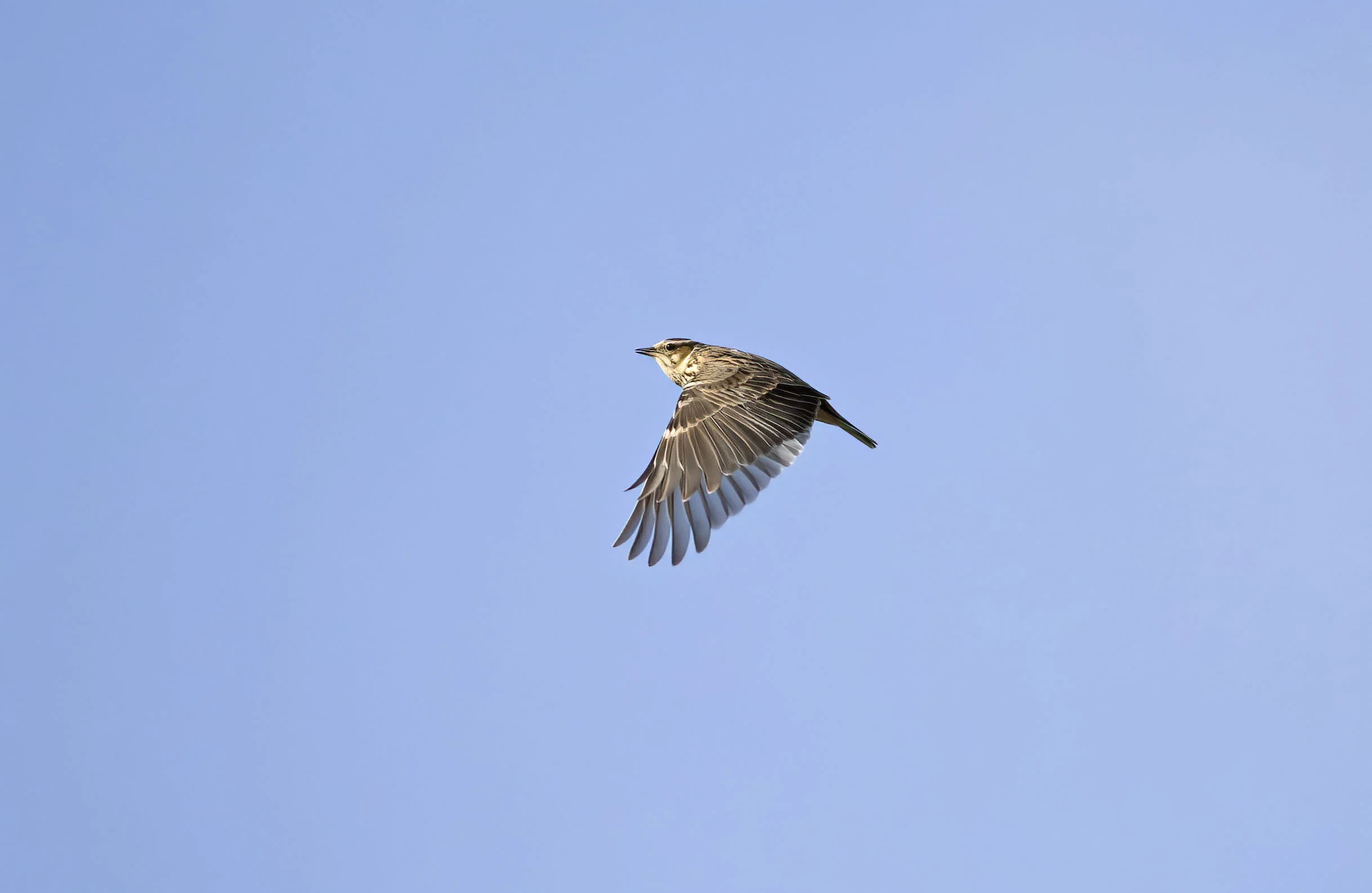
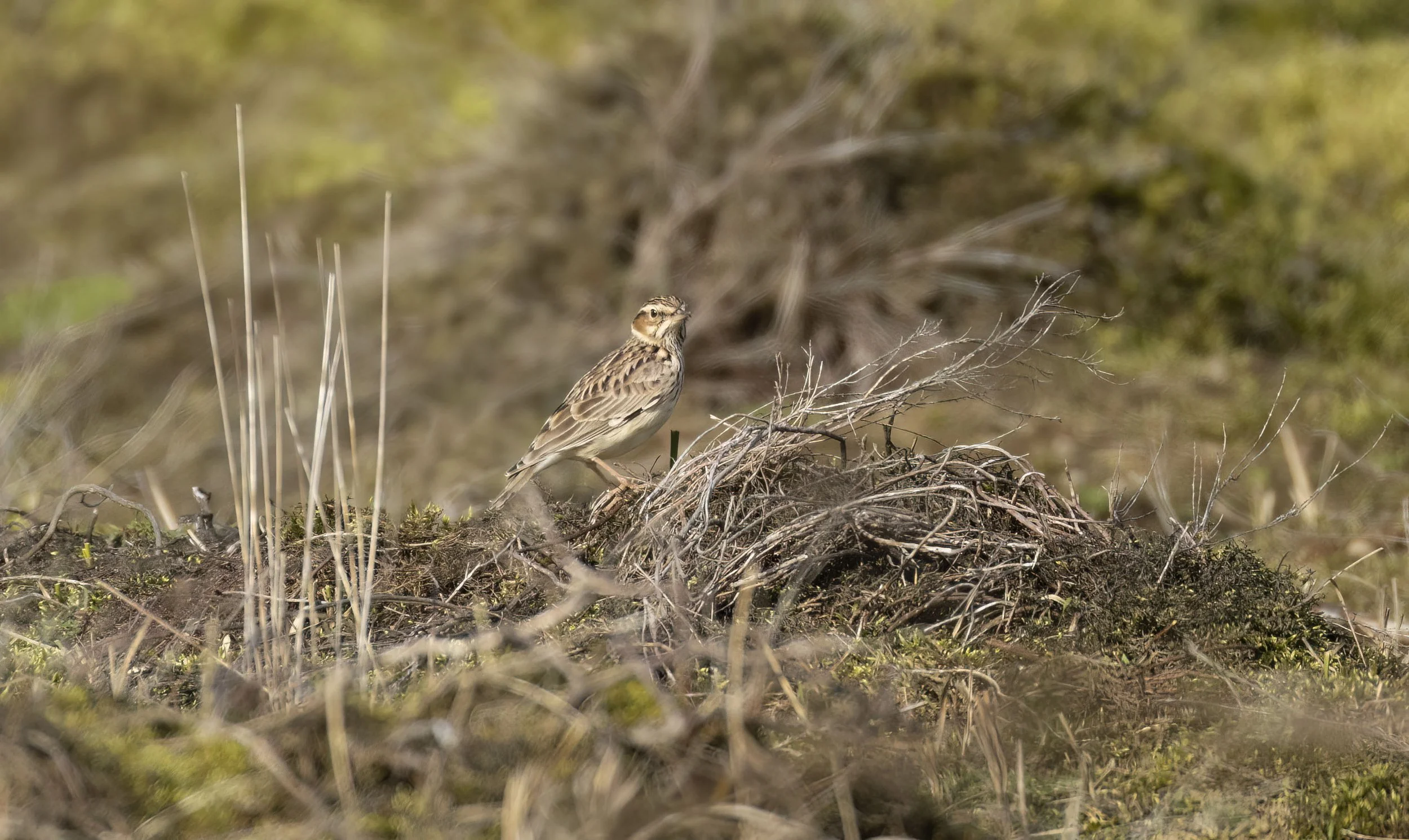
First decent views of Woodlark for the spring this week
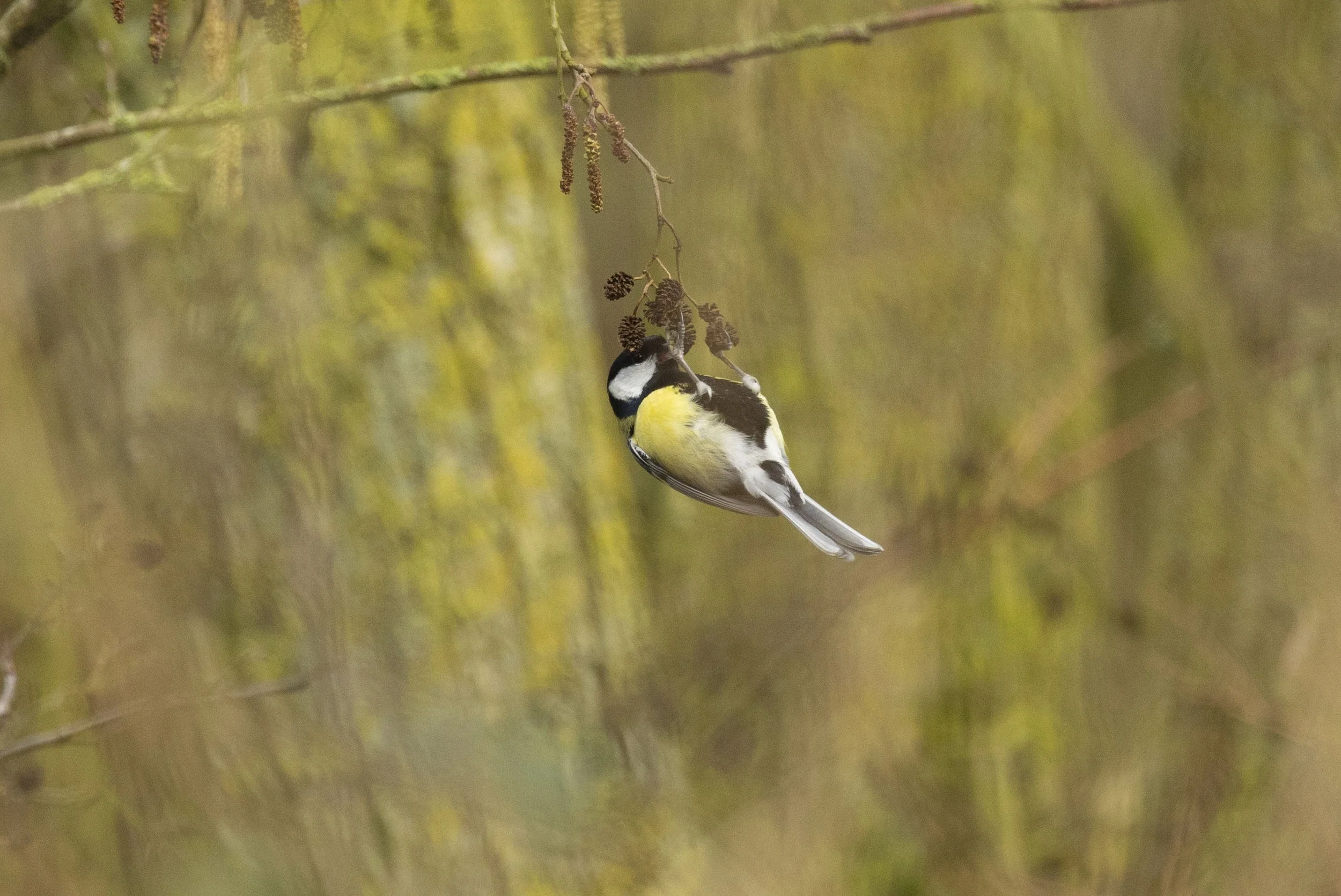
winding up February with a few missing common additions on the patch year photo challenge - 64 Great Tit
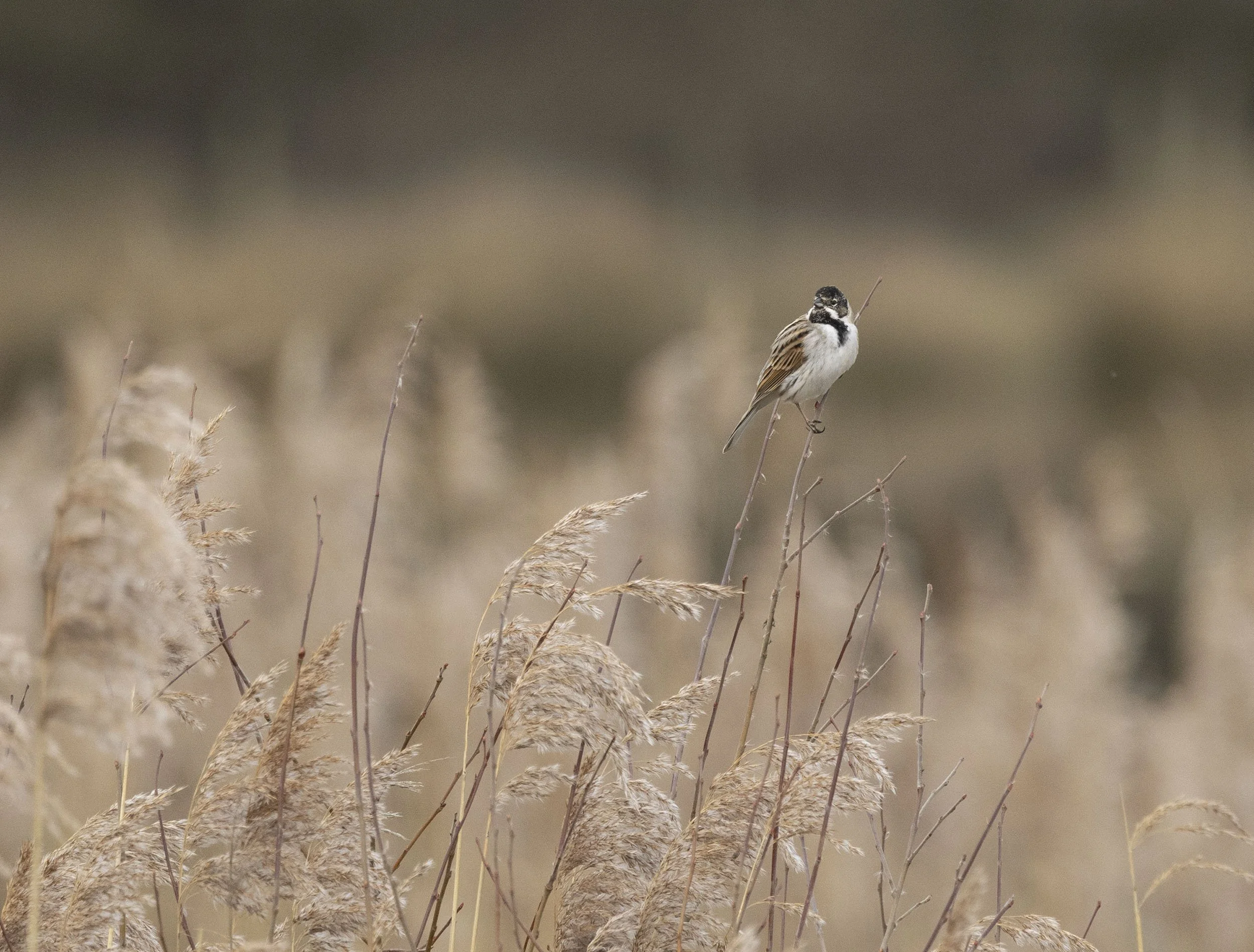
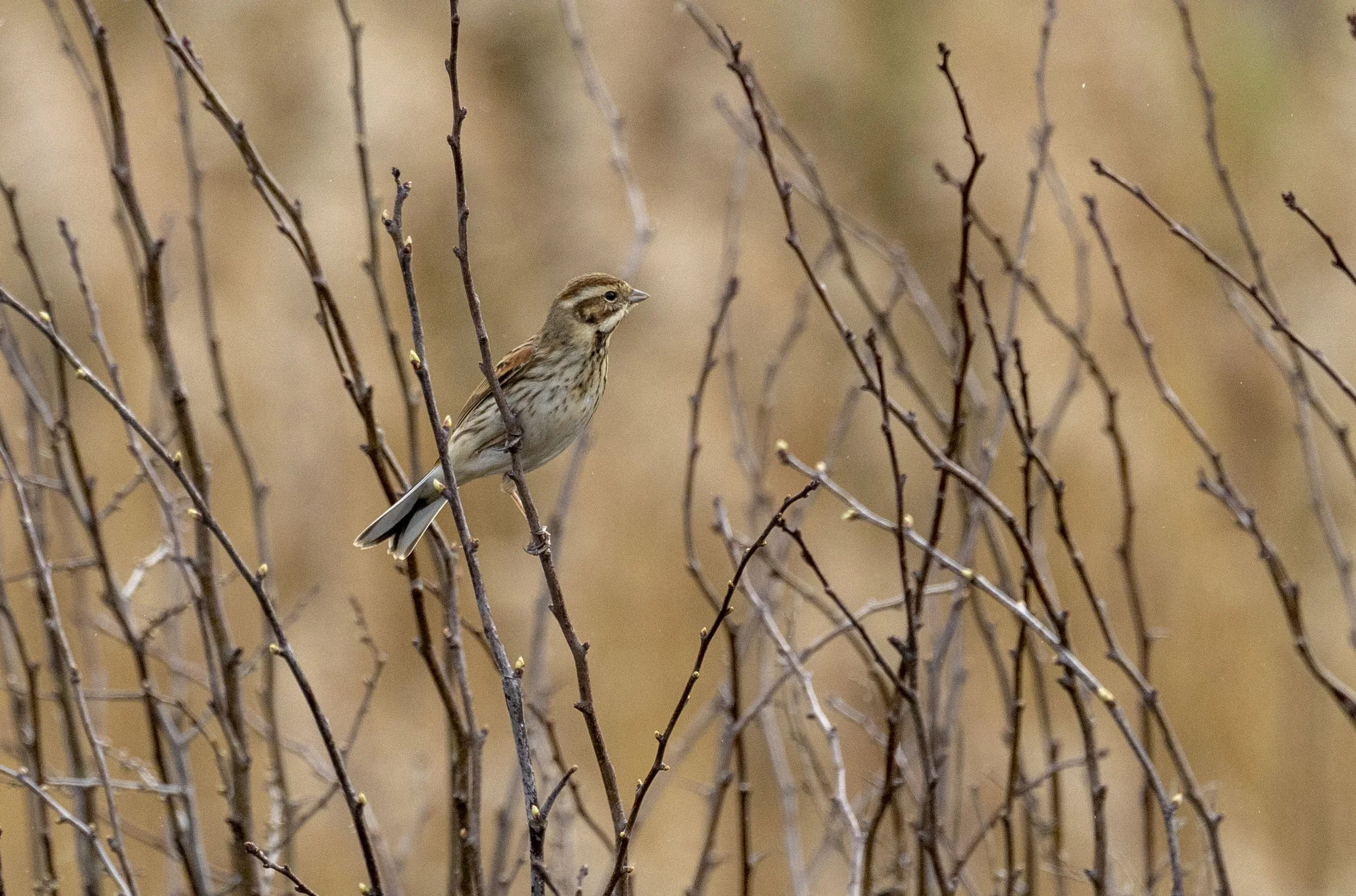
65 Reed Bunting - a lot of activity this morning in the relative warmth before the rain with birds flycatching and disputing territories
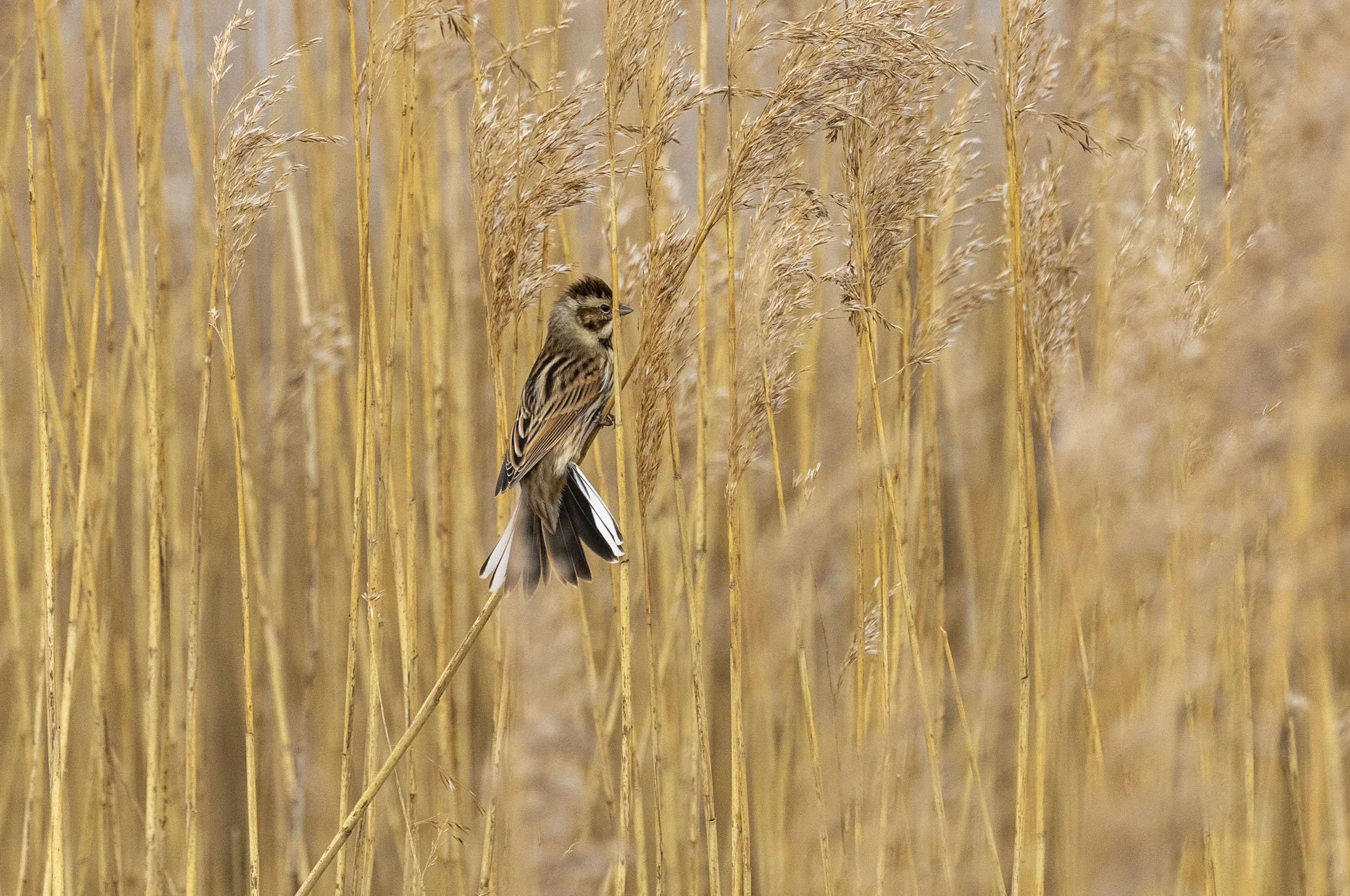
Some neat tail patterns
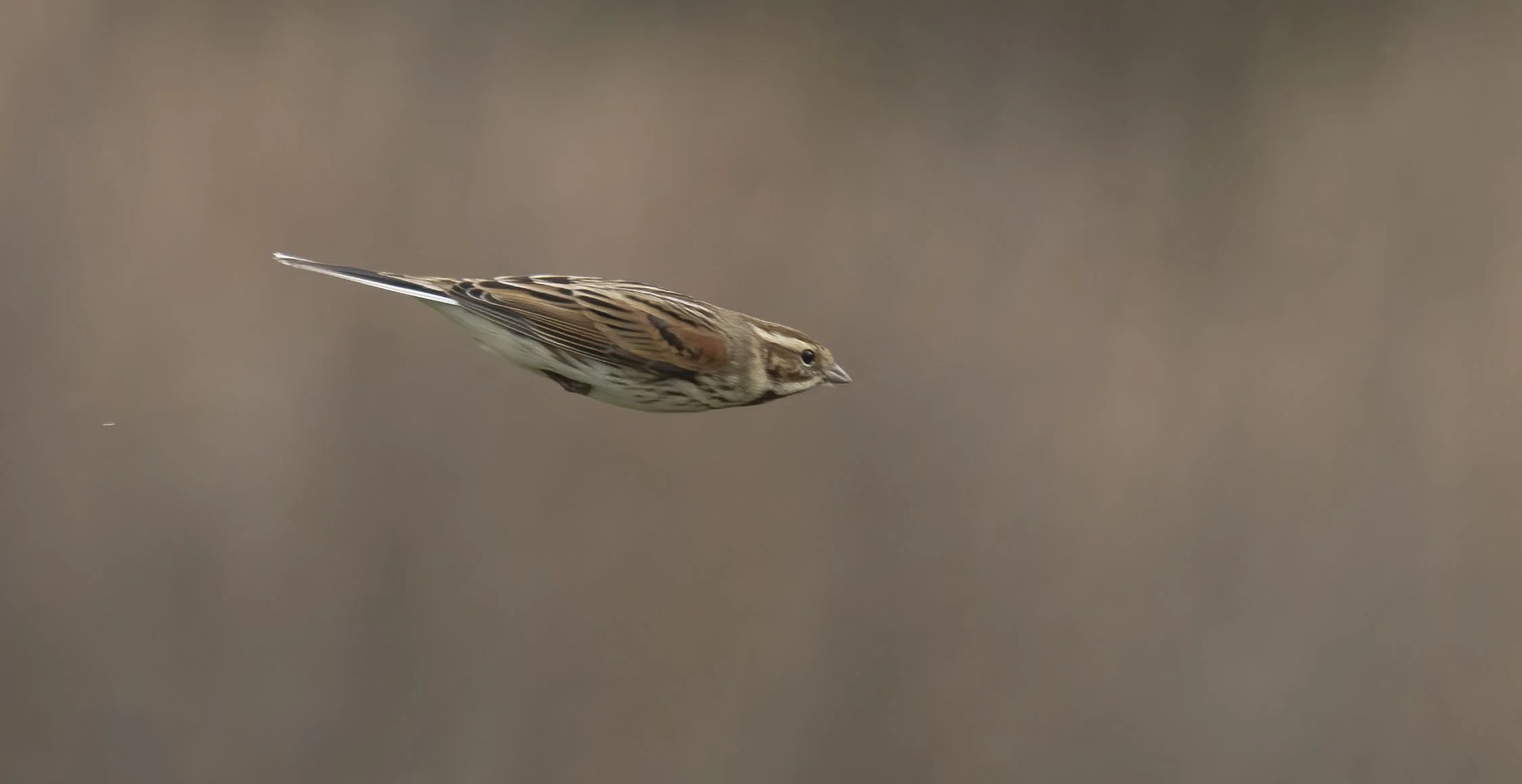
and lesser coverts
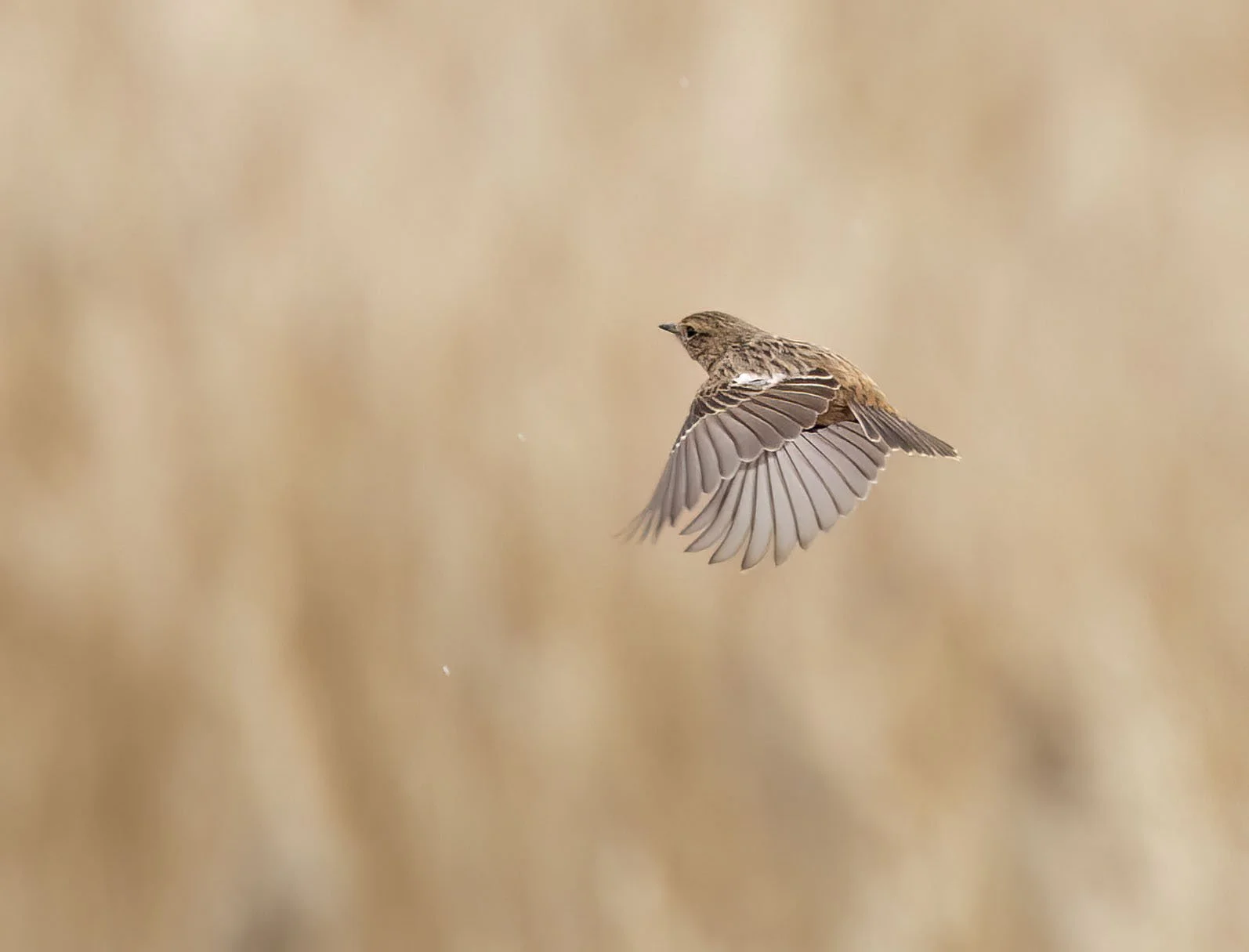
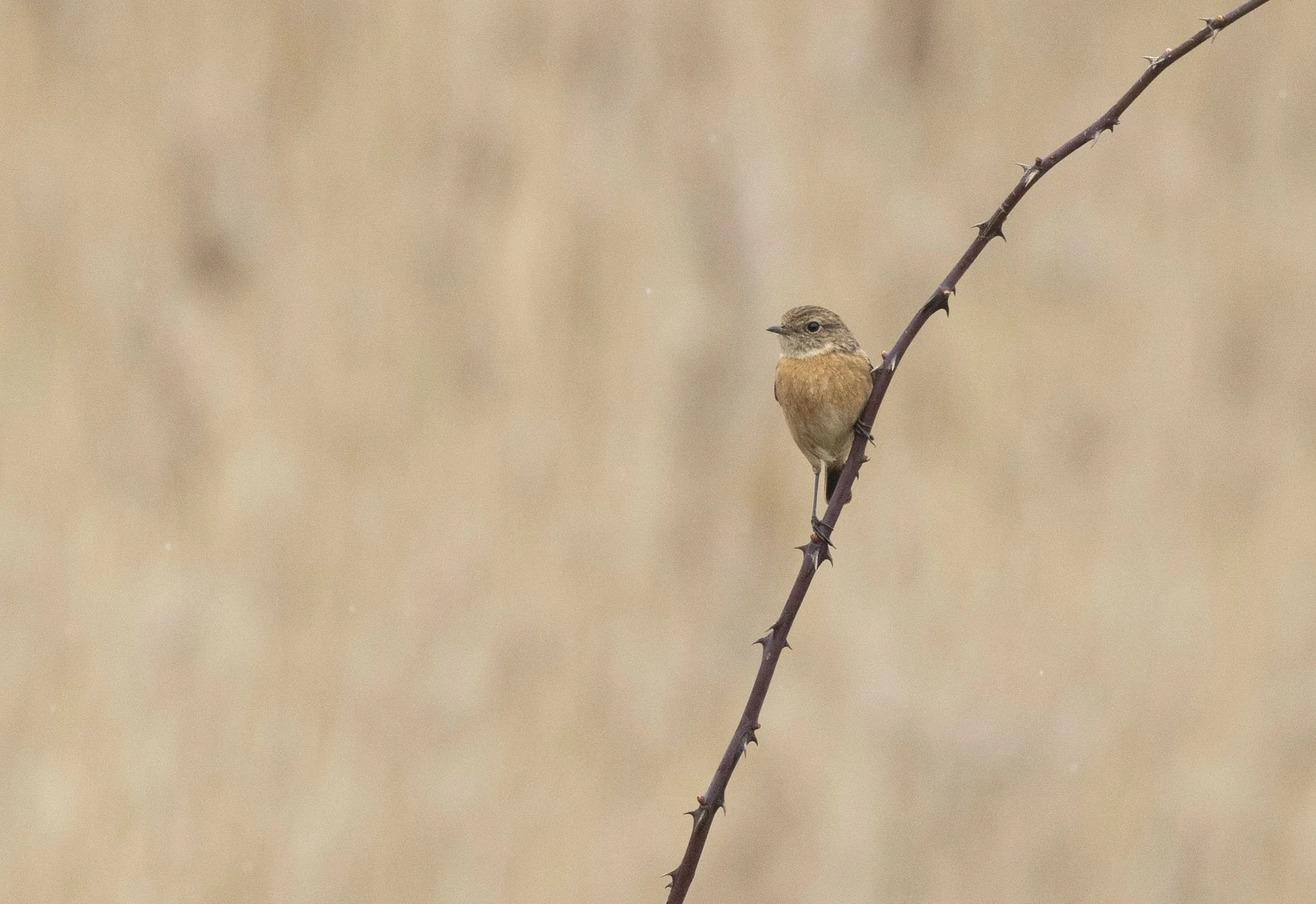
66 Stonechat - passage started earlier in the week with one to three females but there were at least 11 with four males in one limited area of Chowder today with lots of flycatching over the reedbeds
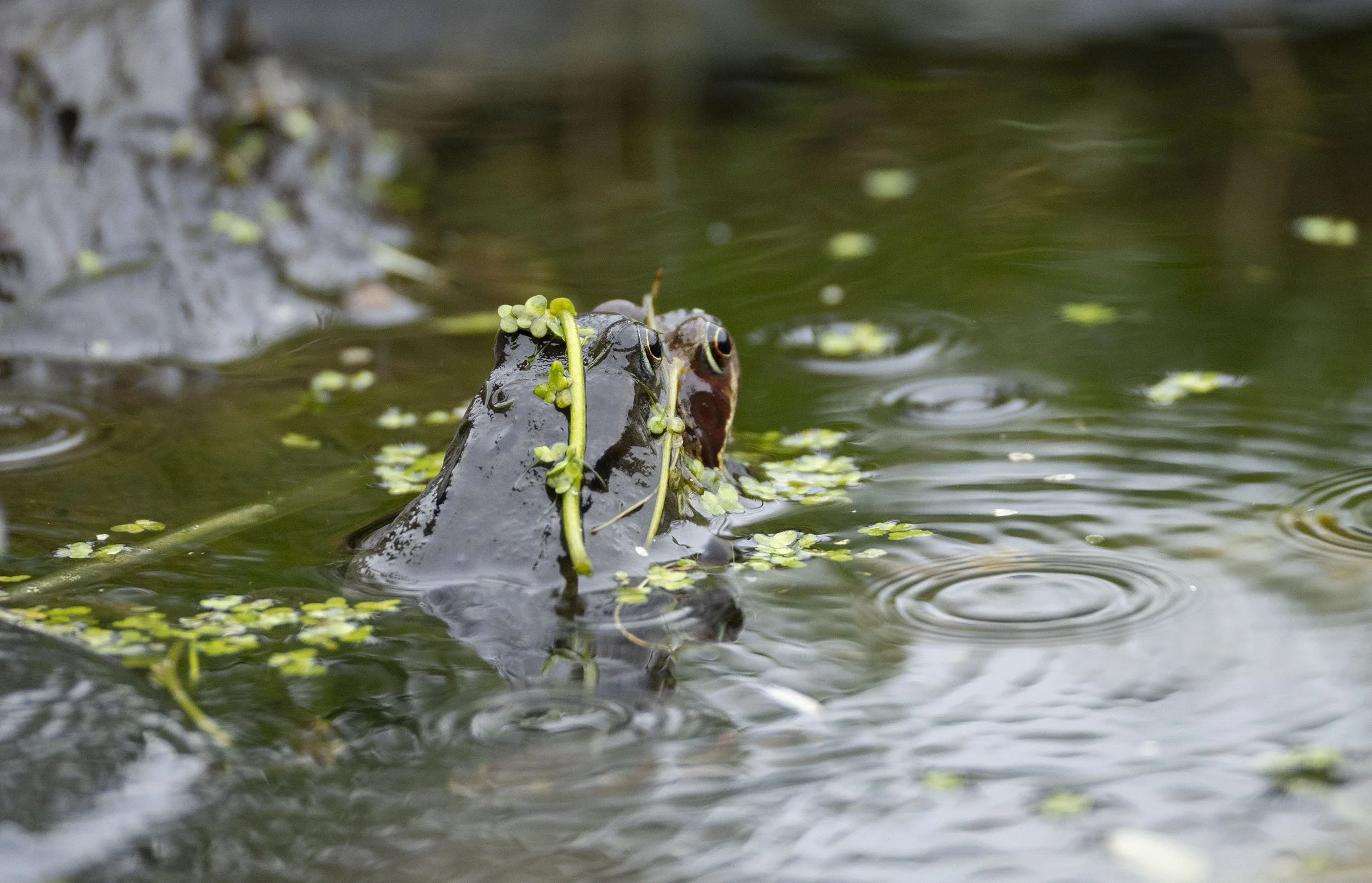
After moving the garden pond last autumn it was good to see the Frogs back in there with audible volumes rising rapidly