Fuerteventura March 2026
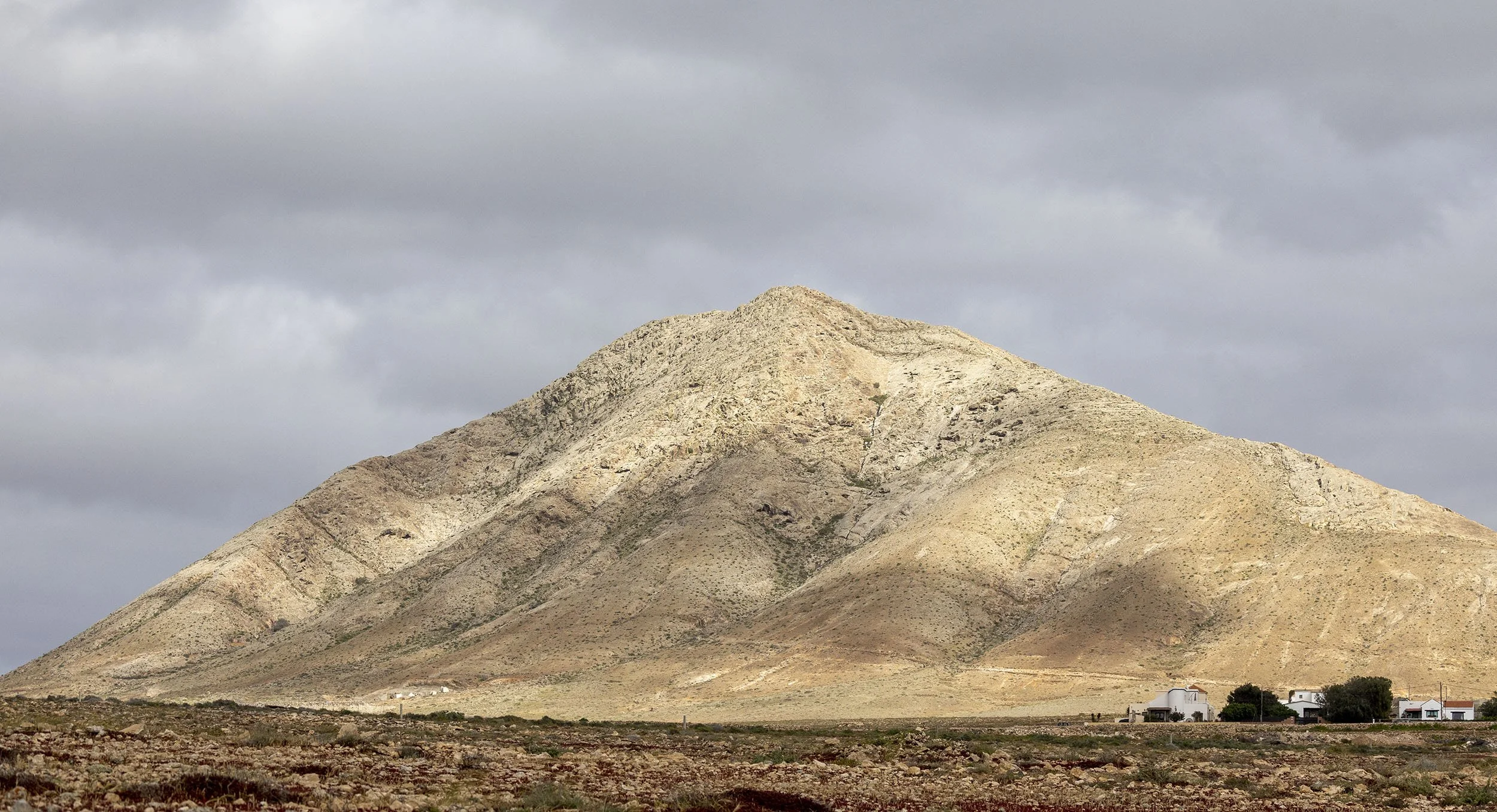
The 400m high Mount Tindaya backs the plain where we searched daily for Houbaras and Cream-coloured Coursers as well as other desert birds - the village also has an excellent little cafe that relieves the strain of bumpy tracks and looking at 1000’s of bird shaped rocks
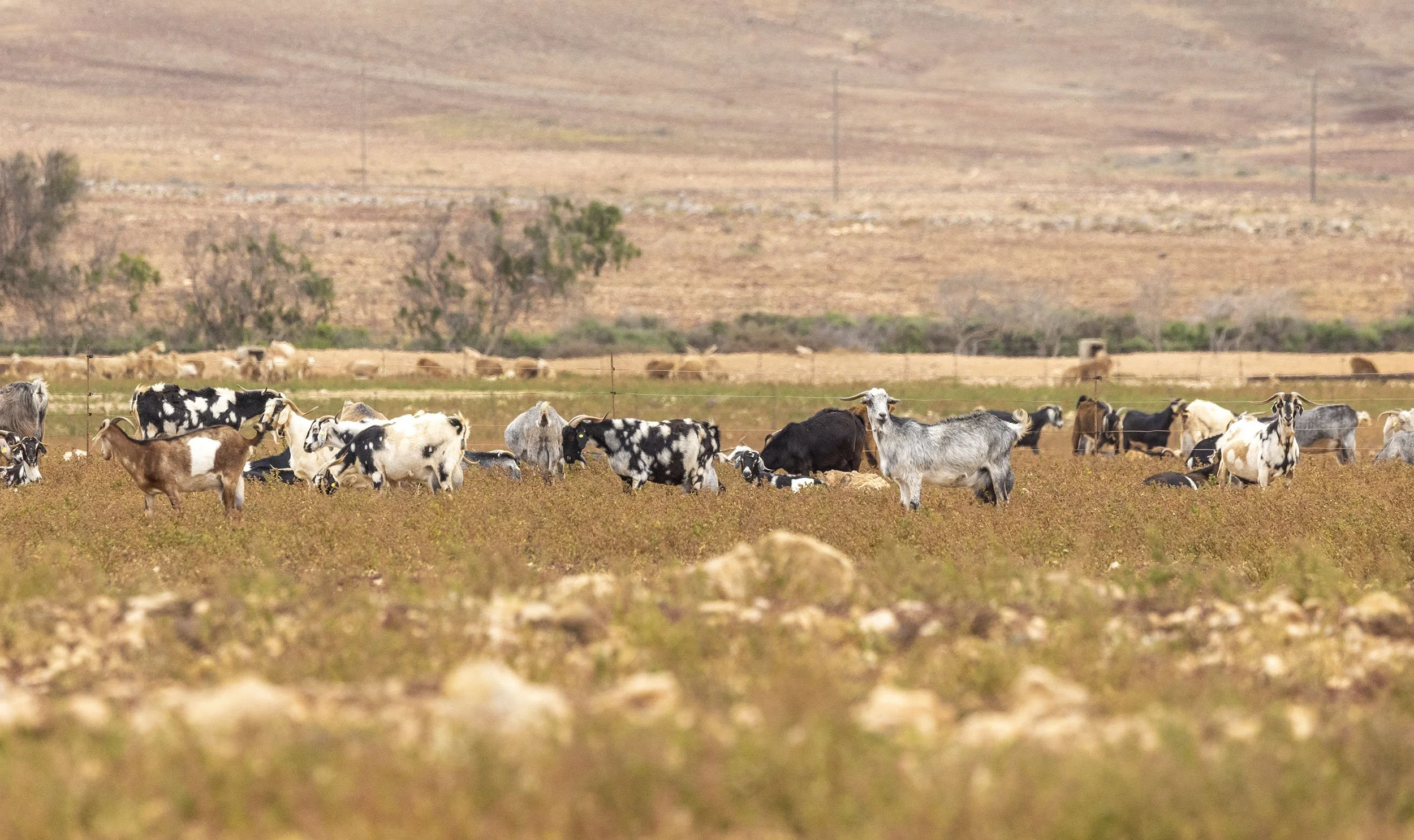
Goat farm - large areas of the island are totally denuded of vegetation due to overgrazing by goats
Suffering from the seemingly interminable rain and cloud of the British winter we decided to head back to Fuerteventura for a week not having been since a family trip in March 1999. Holiday booked through Jet2 from Leeds Bradford February 28th to March 7th cost £1295 for two B&B at Cotillo Beach Hotel El Cotillo. Car park at Leeds Bradford with sentinel through APH £72. Car hire booked through Autoreisen a Canary based firm. I had researched reviews of all the usual companies used by Rental Cars.com and Holiday Autos and all got terrible reviews. Autoreisen got good reviews and you don’t pay anything until you pick up the car which is a big plus if you need to cancel. On arrival pick up was easy we payed €2 a day for additional insurance and the whole week for a Dacia stepway automatic cost £174 and there was no huge deposit for damage. On returning the car no one even looked at it you just drop off the key in the terminal. It proved adequate on the tracks of eg Tindaya plain which are very rough in places but can be done without a 4x4 . A well recommended company. Some other companies had big queues at the airport terminal with CiCar in particular having at least 60!! people waiting for car pick up. Our hotel was very good and we ate there every night as the all you could eat buffet with vast choice of four courses was only €20 per person plus drinks that averaged about £8 a night. We bought a few snacks for midday from the supermarket next to the hotel and had a coffee and chocolate croissant most afternoons at the coffee shop mini market in Tindaya that cost €5 for two! Well recommended and they do beer and hot sandwiches as well. Other costs were mainly fuel that went up 20 cents a litre while we were there and cost us about £65 as we did quite a few miles and lots of crawling on off road tracks. We did Tindaya plain every day driving slowly down the best tracks and also paid several visits to Los Molinos Reservoir and the area around Betancuria.
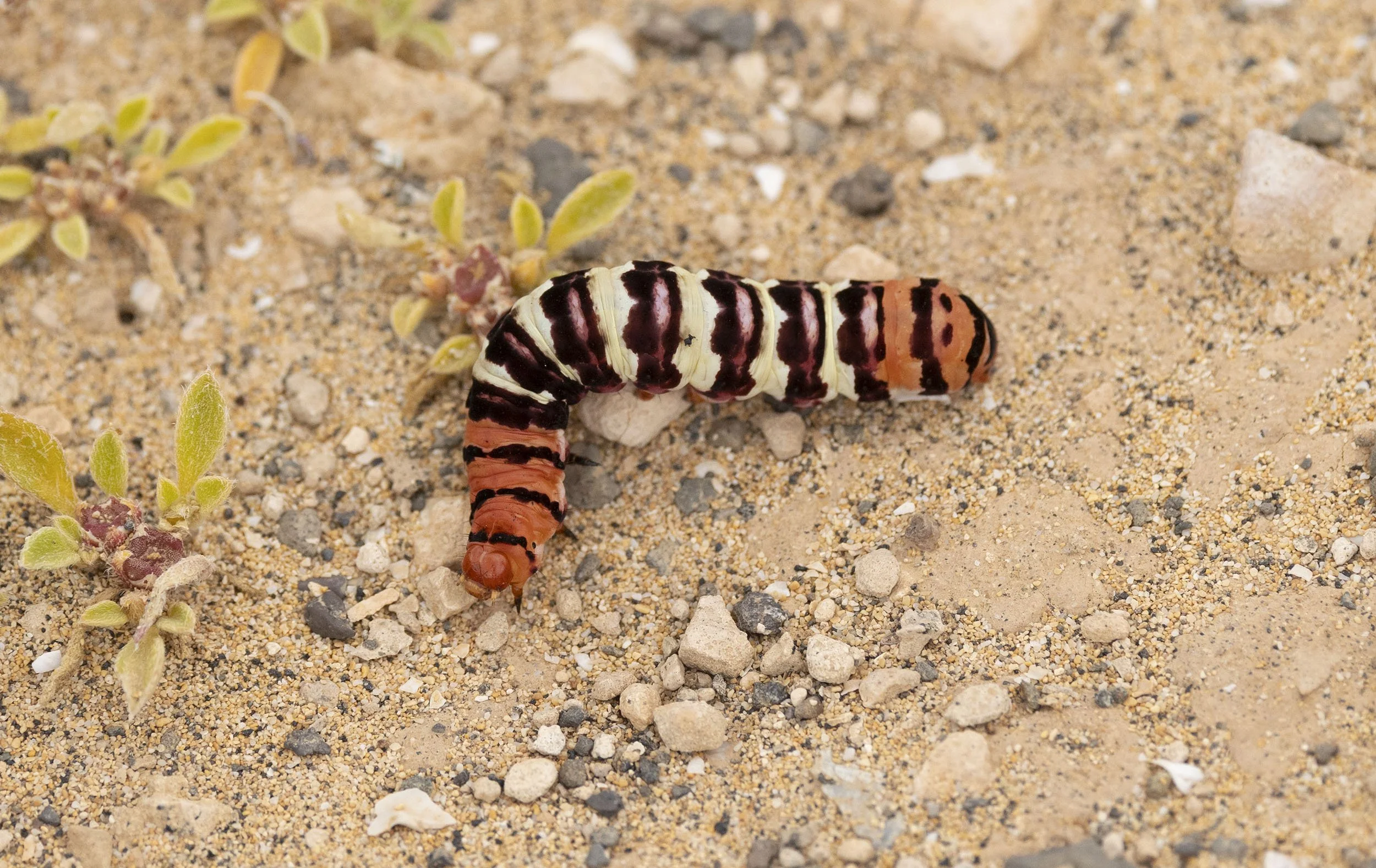
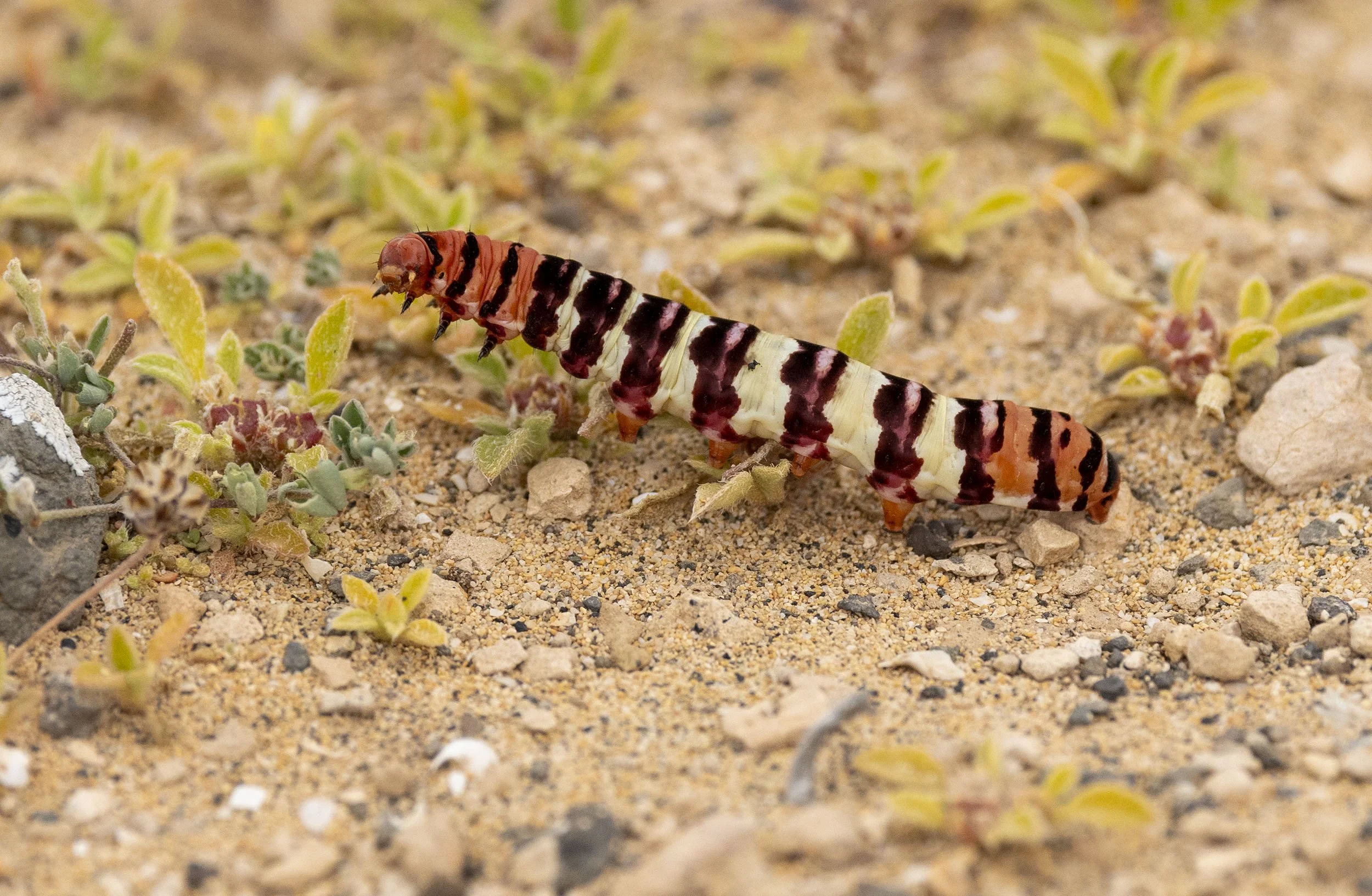
The striking caterpillar of Polytela cliens, a moth, that we found in several places often crossing dry ground in search of food plants
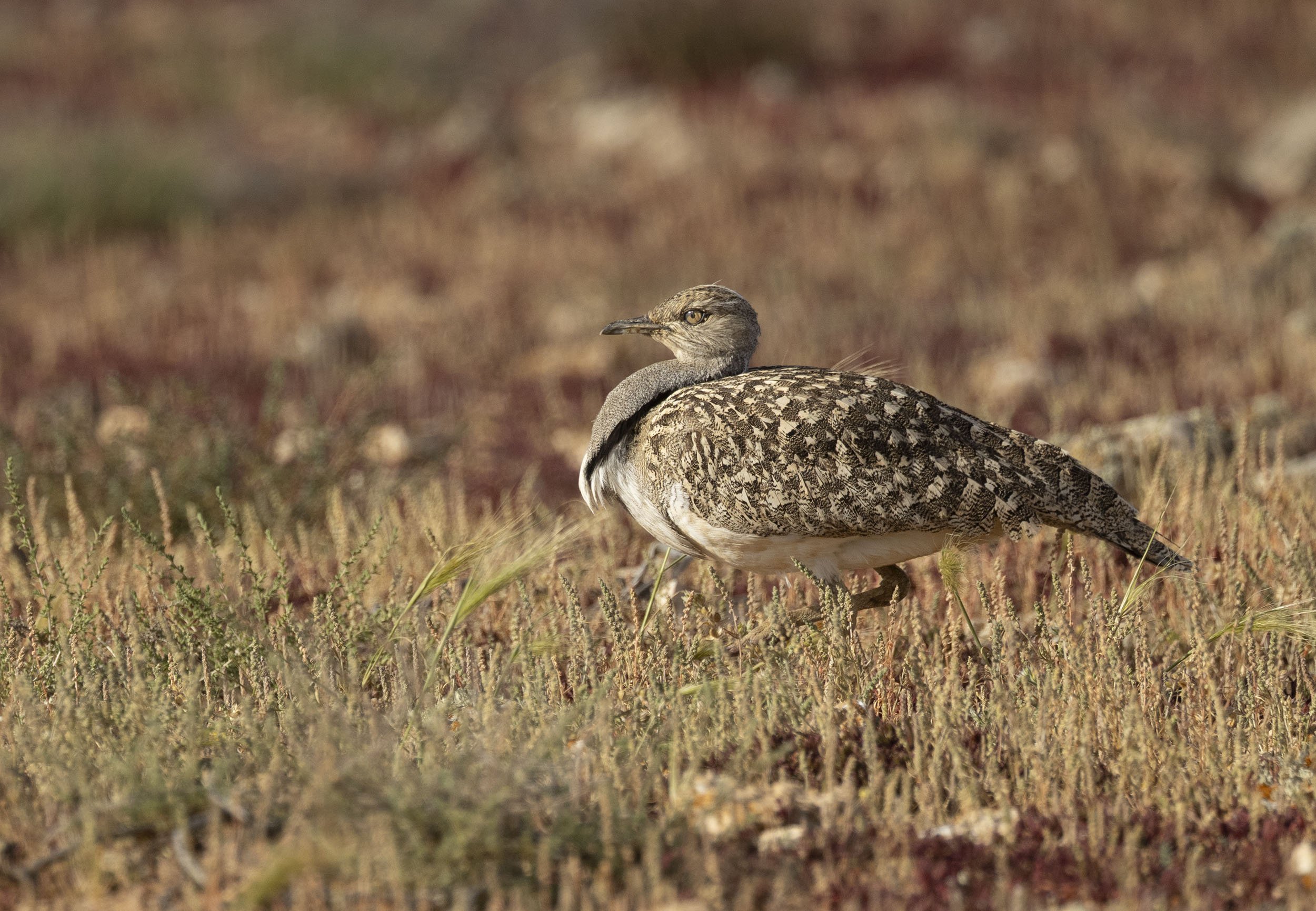
Houbara Bustard Tindaya Plain one of Julia’s finds! Seen on only two days in spite of daily searches when we did see them the views were exceptional with images taken from the car - birds seemed to be totally unperturbed by vehicles
Weather was a bit disappointing with a lot of wind but also cloud and even a few showers and two nights of heavy rain; on only one day did it get warm up to 24C and most days were 17C to 19C with a strong northerly wind making it feel more like 12C but this did cut down heat shimmer on the plains.
Sunrise was about 07:20 and sunset 19:15. In general birds are very thin on the ground and good birds concentrated in a few areas. Even in early March there were lots of tourists and big numbers driving hire cars ! Tourist spots like Betancuria get extremely busy but we found by driving not too far away there were areas for the butterflies and birds of the mountains away from people.
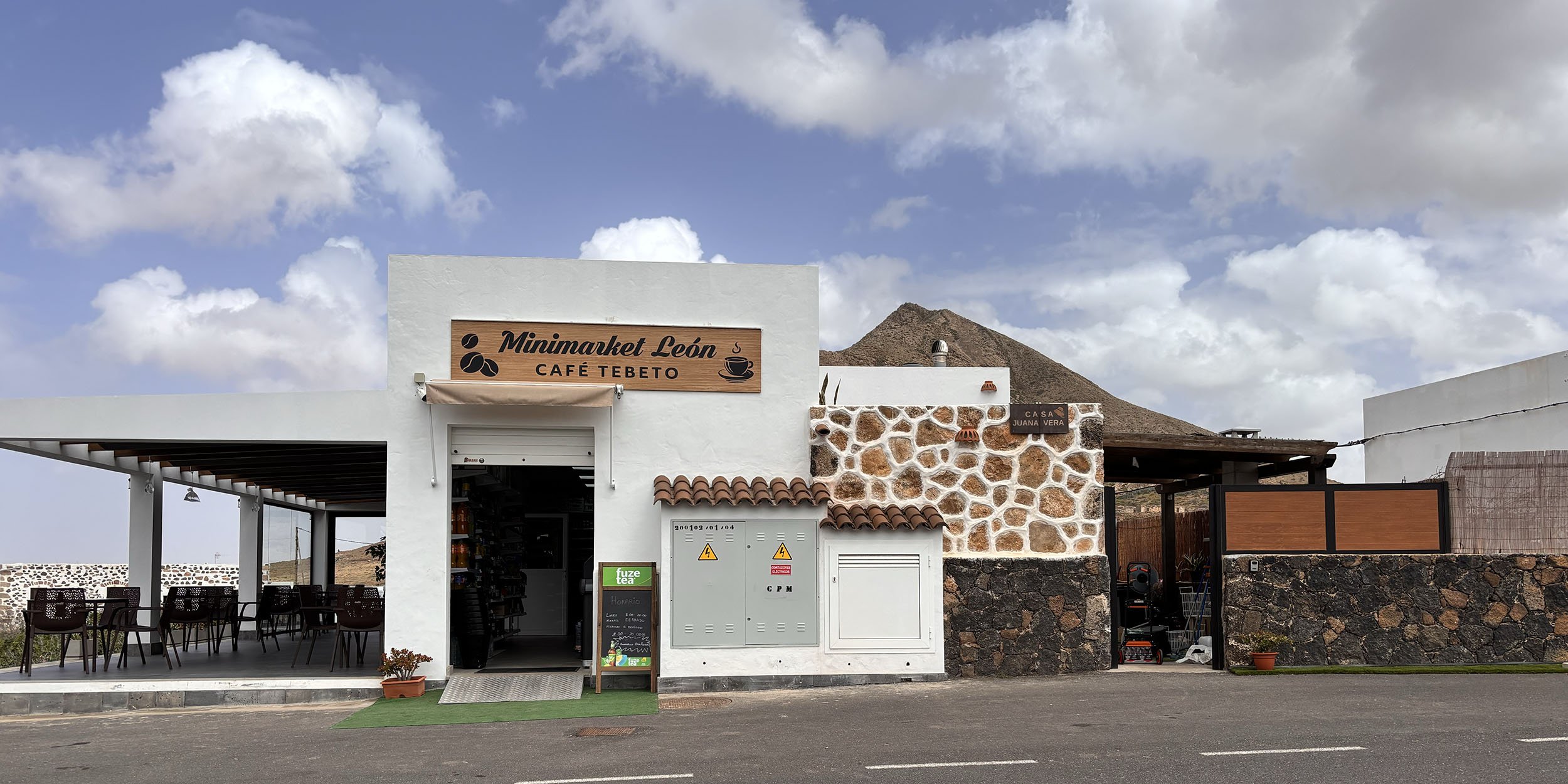
An essential stop off in Tindaya village, now we have reached that age, with excellent coffee and pastries before searching Tindaya Plain
The bird species list is small but includes some special species and we saw most of them very well but some like the Houbaras were tricky and we only say them on two days out of seven but on both occasions they were very close with two displaying for over 30 minutes on the second occasion. Cream coloured Coursers could also disappear with ease but we say a pair with two young on two days at close range and nine birds on one day. Barbary Partridge was much easier than my only previous family trip in 1999 but we failed to see Plain Swift and only saw c30 Pallid Swifts one morning at the reservoir. Black bellied Sandgrouse were also tricky but we had a couple of close encounters. The local Egyptian Vultures and Common Buzzards were easy but we only saw two Barbary Falcons though a female Montagu’s Harrier was an unexpected migrant.
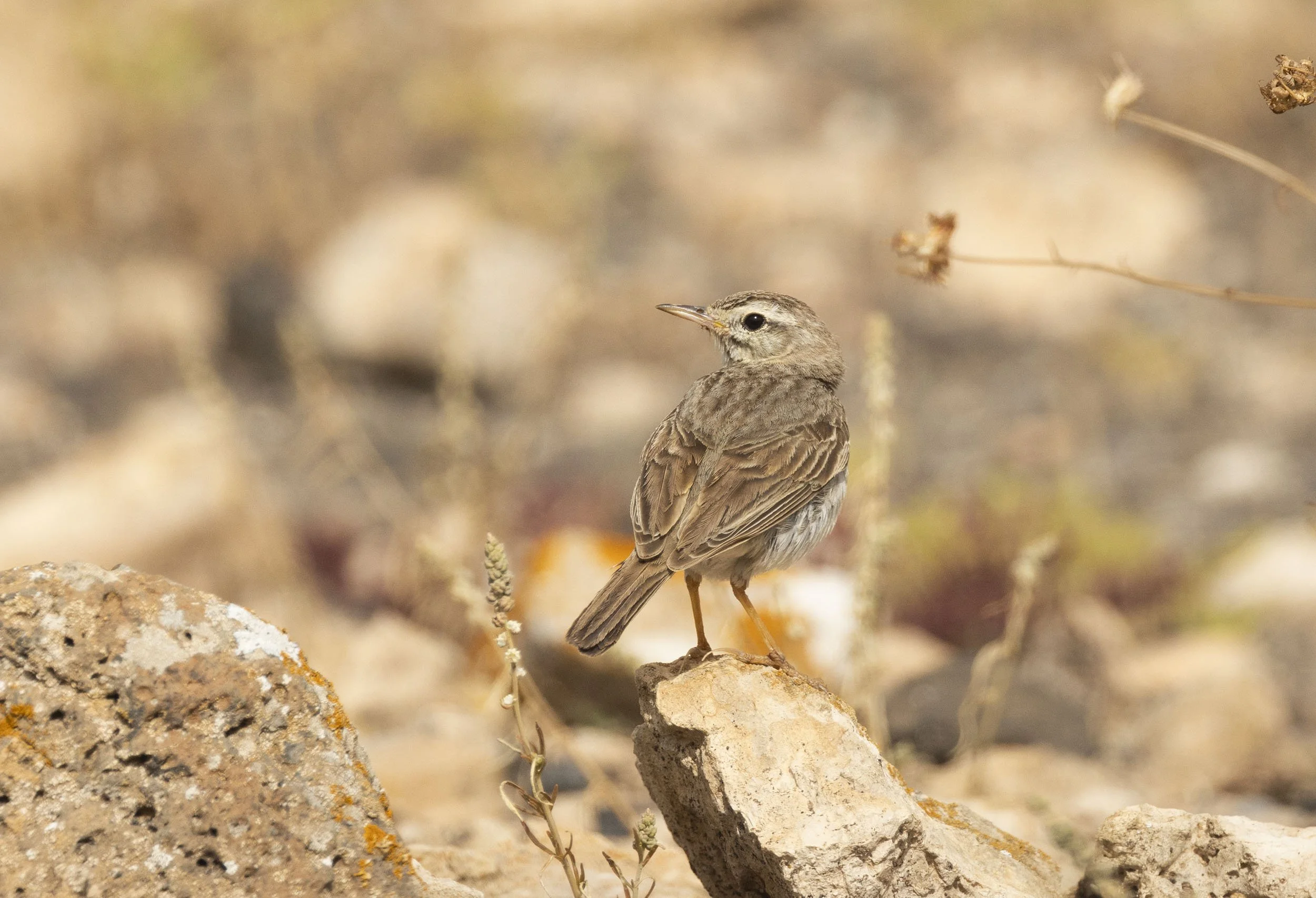
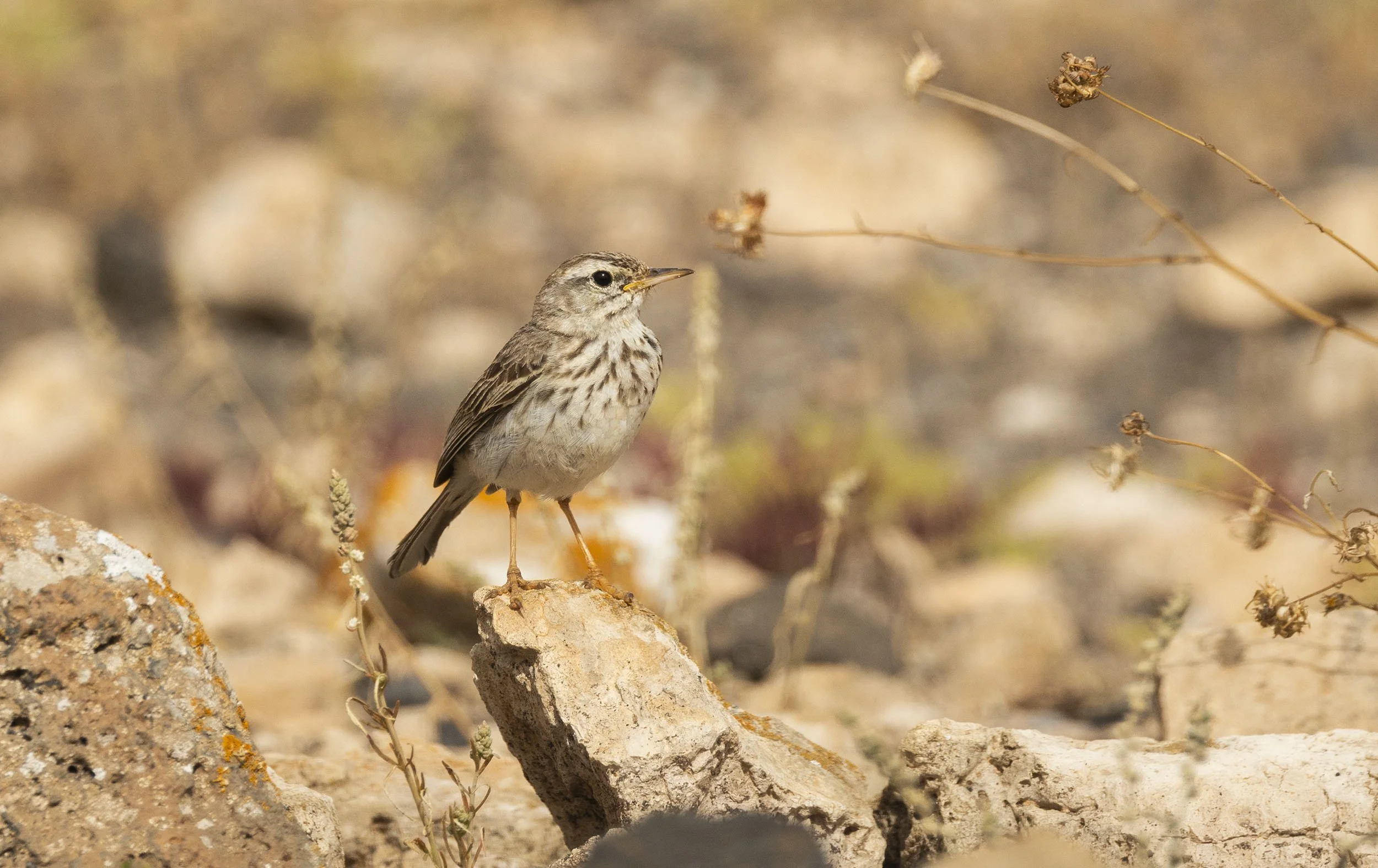
Berthelot’s Pipit a widespread species but not as numerous as some texts state though most were in moult and there was not a lot of song so maybe at the end of the breeding season?
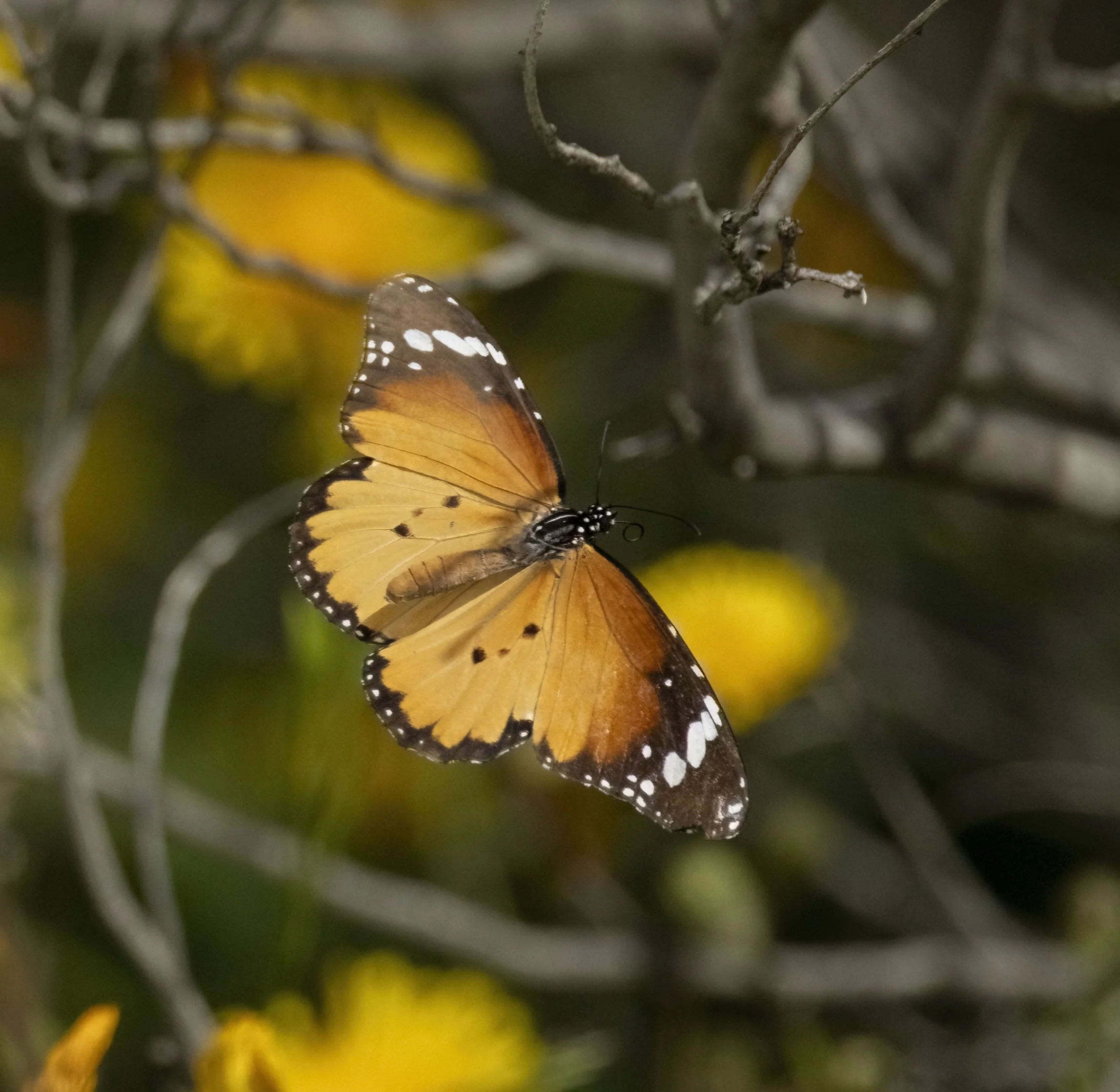
The endemic butterflies Greenish Black tip and Fuerteventura Green striped White were quite common and we also managed to get on a Canary Red Admiral and a Plain Tiger plus a few Blues including Lang’s Short tailed Blue and African Grass Blue plus Geranium Bronze: Painted Ladies were common with Small Whites and odd Red Admirals plus a couple of pale looking Clouded Yellows not seen closely.
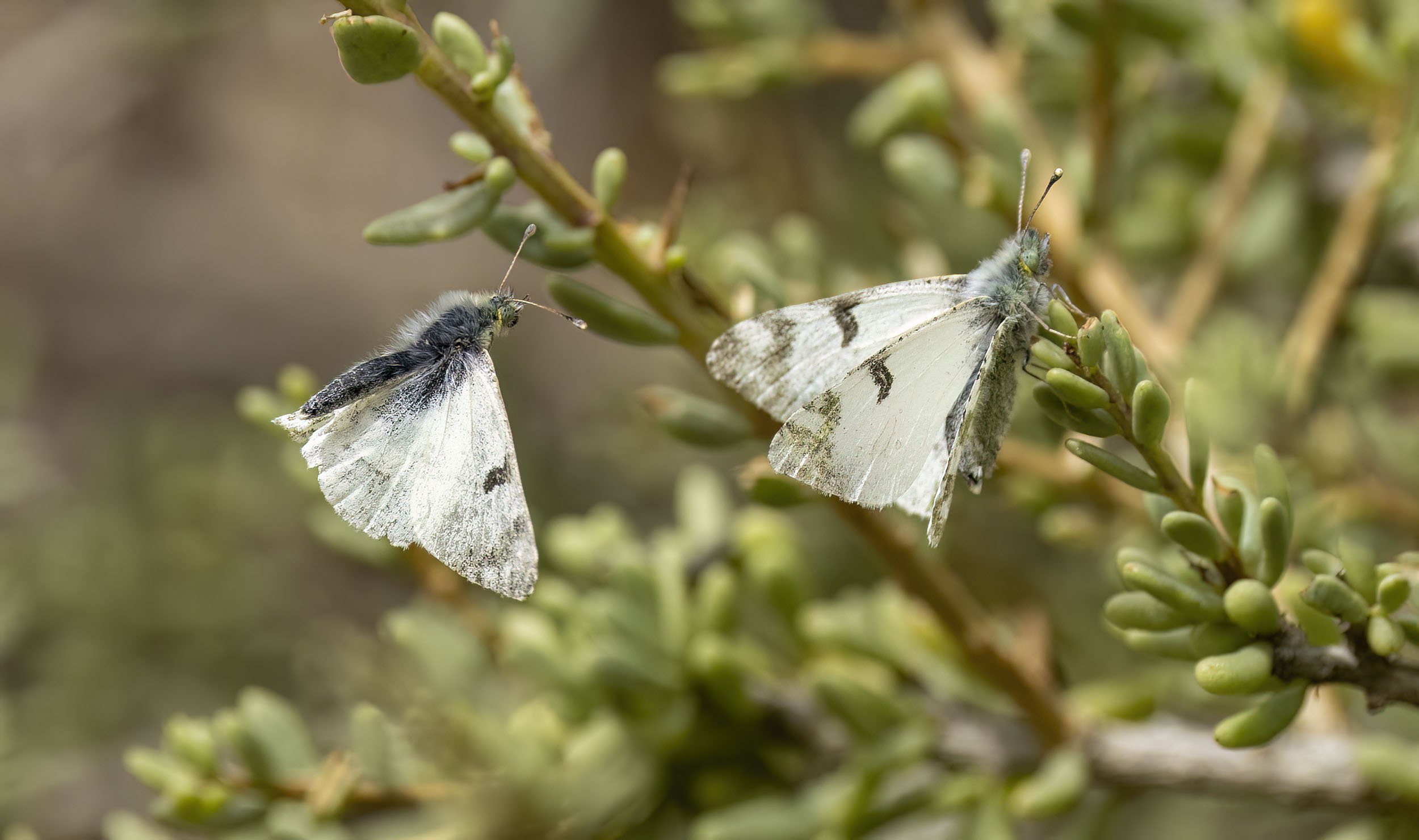
Fuerteventura Green-striped White - quite common around Betancuria and the valleys to the south
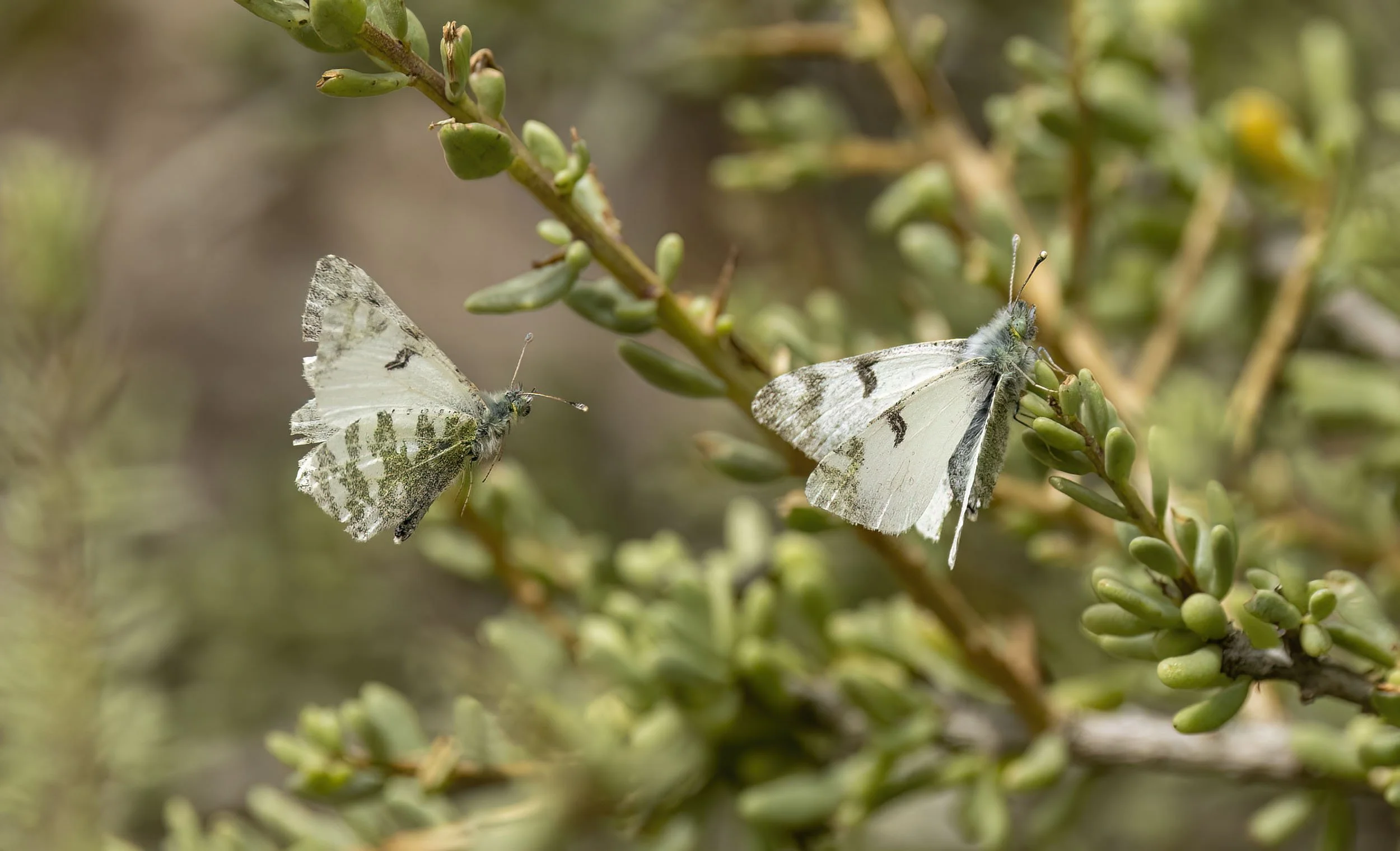
I was annoyed at these aerial encounters apparently messing up my perched images but with the 40fps of the Canon R6II I realised that I had actually got some decent flight shots
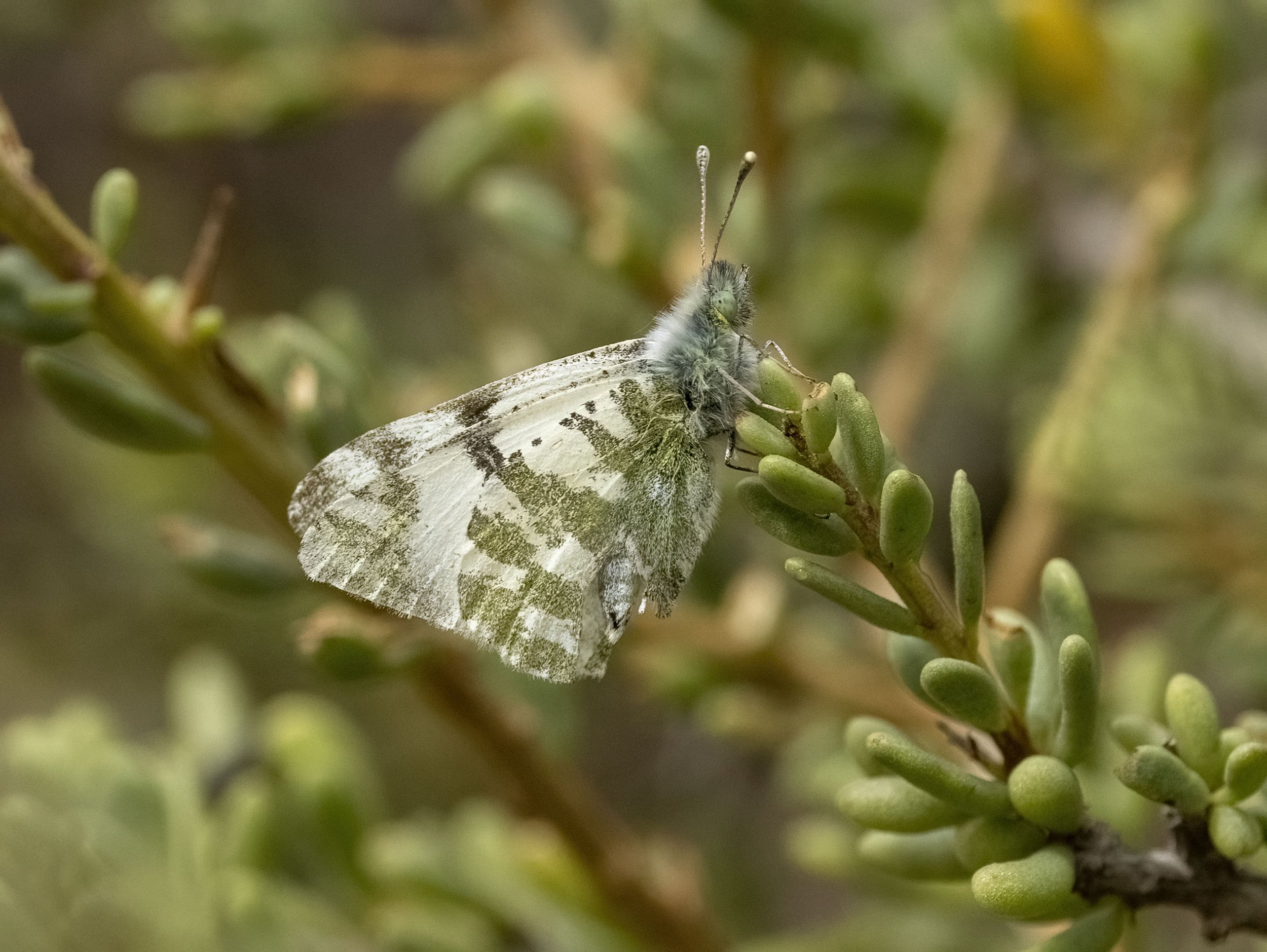
Although the weather was not that warm most of the time I think this helped with the butterflies perching more frequently and bursts of brightness made photography easier
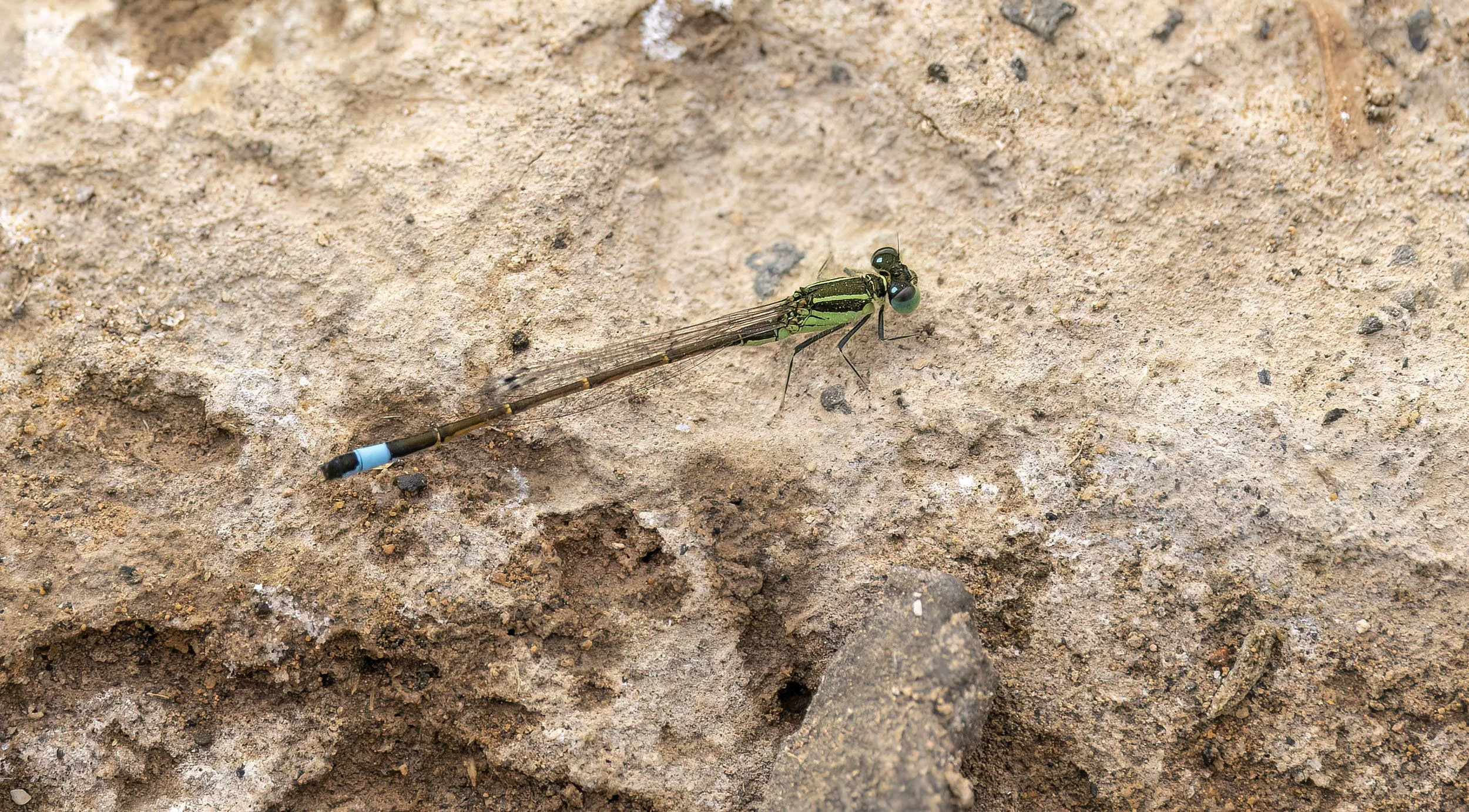
Odes were limited but we saw several Sahara Bluetails mainly at Los Molinos and also a few Broad Scarlets and Red veined Darters and Emperors with a male Vagrant Emperor above the dam at Los Molinos Reservoir.
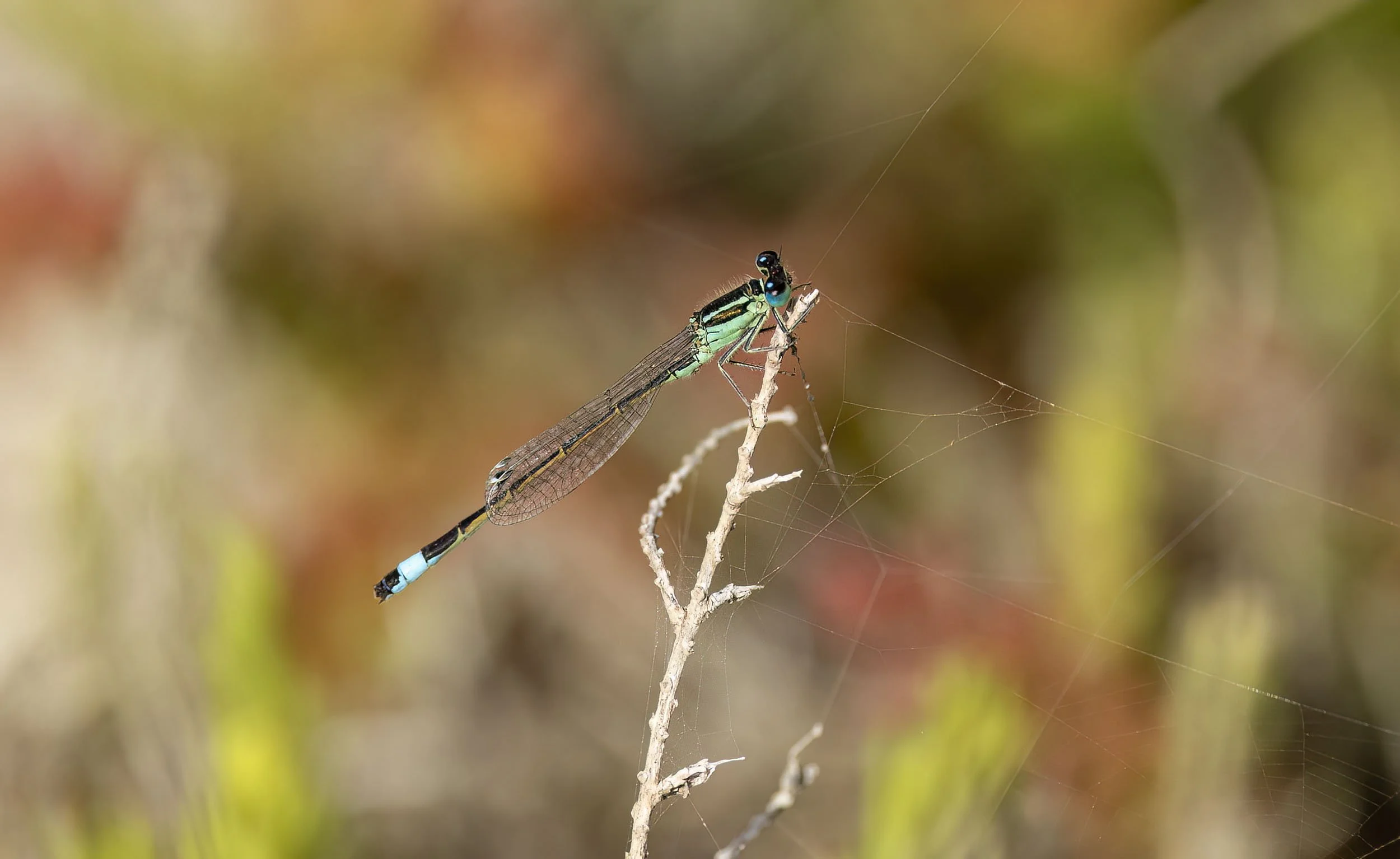
Sahara Bluetail a striking damsel
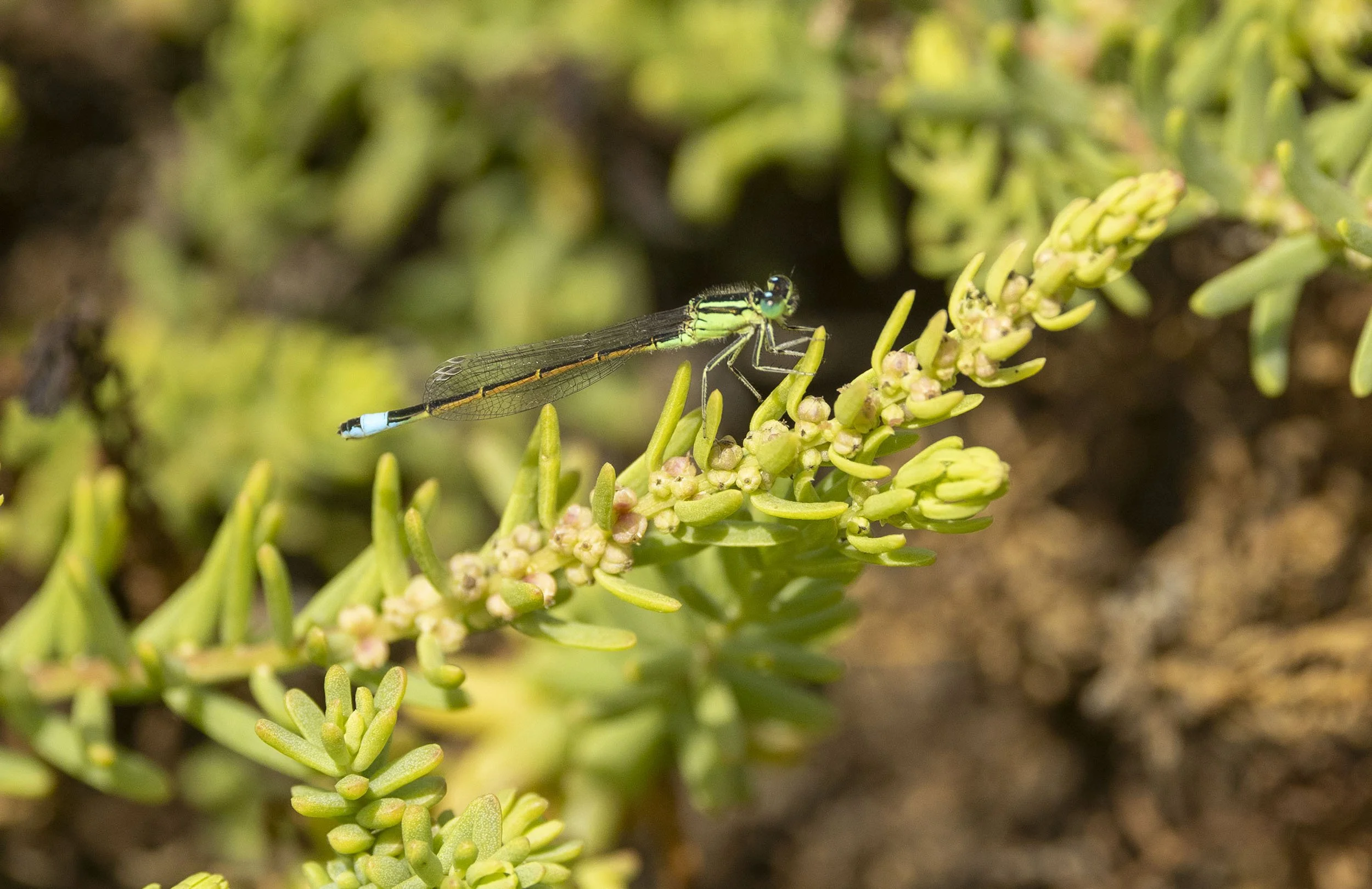
Barbary Ground Squirrels were everywhere and there appeared to have been a large arrival of African Locusts in the north which was what the Monty was catching
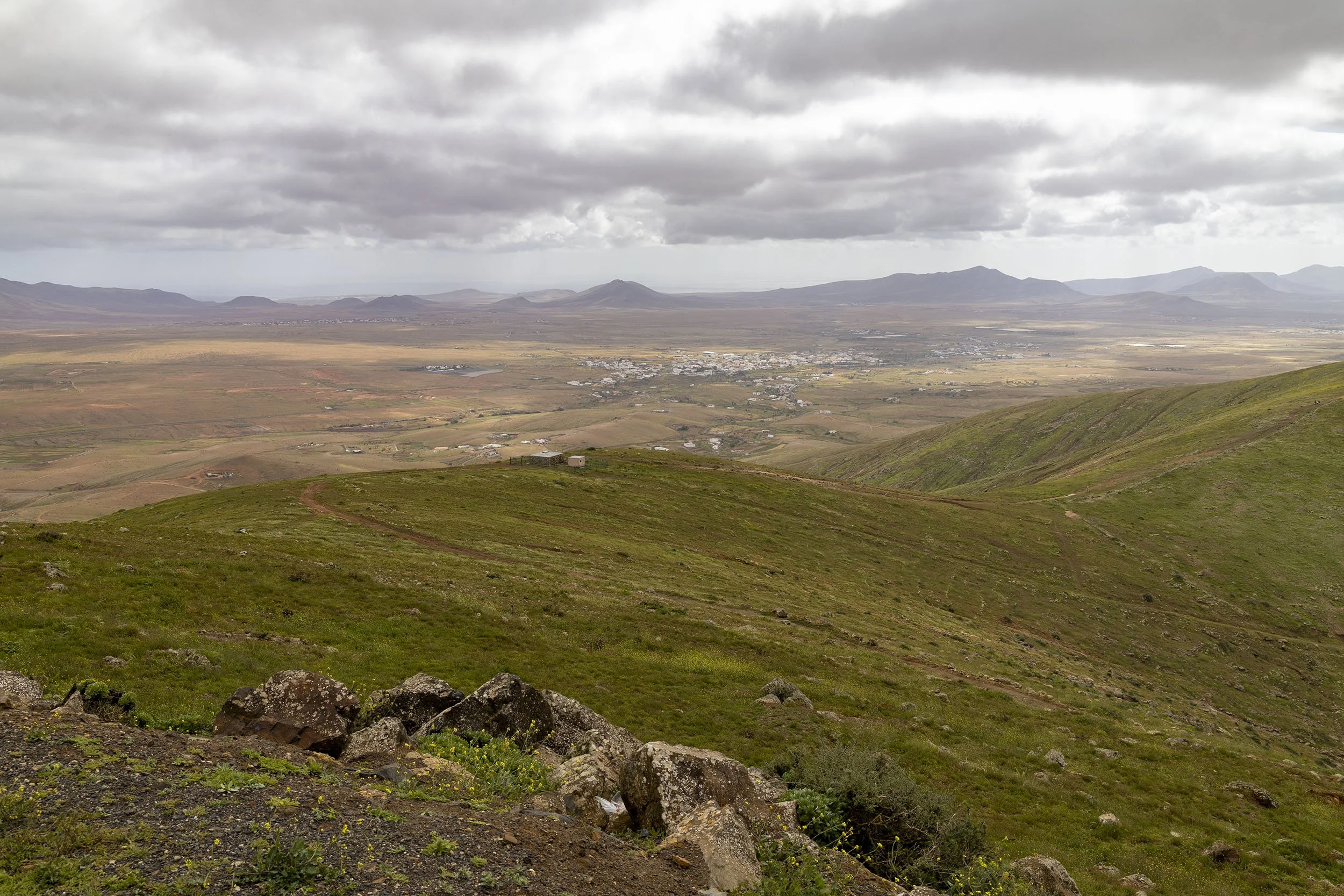
Cloud and northerly winds were a constant feature of our week but the island was relatively green for March
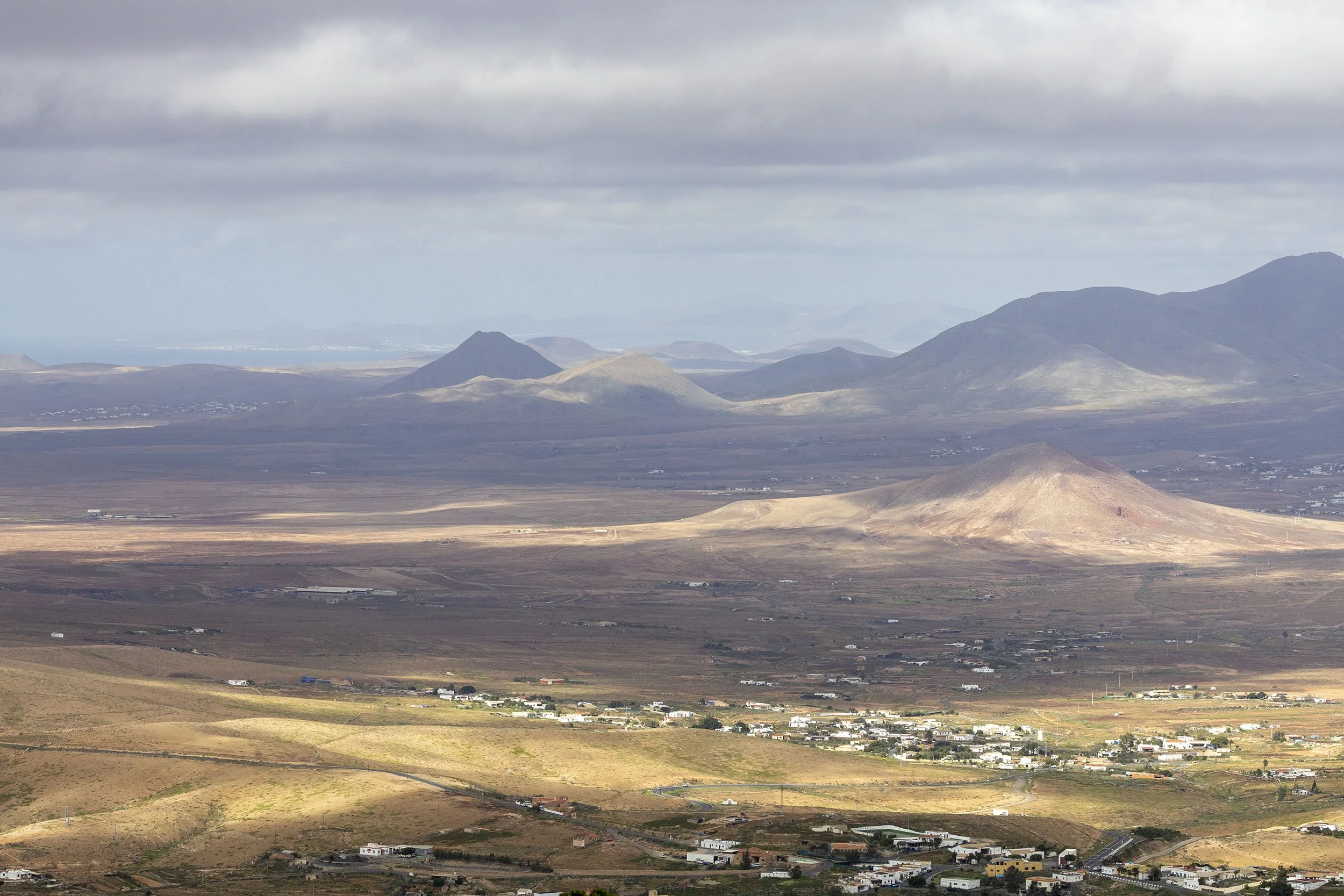
View north from the upland view point on route to Betancuria
Feb 28th we arrived at El Cotillo early enough for a drive onto the plains south of the town but it was very windy and birds were very few and the tracks were also rather rough. Mediterranean Short-toed Lark 10+ in song, Atlantic Yellow-legged Gulls, Collared Doves everywhere even on the breakfast tables in the hotel!, Spanish Sparrows around anywhere with palm trees and African ravens that proved to be common.
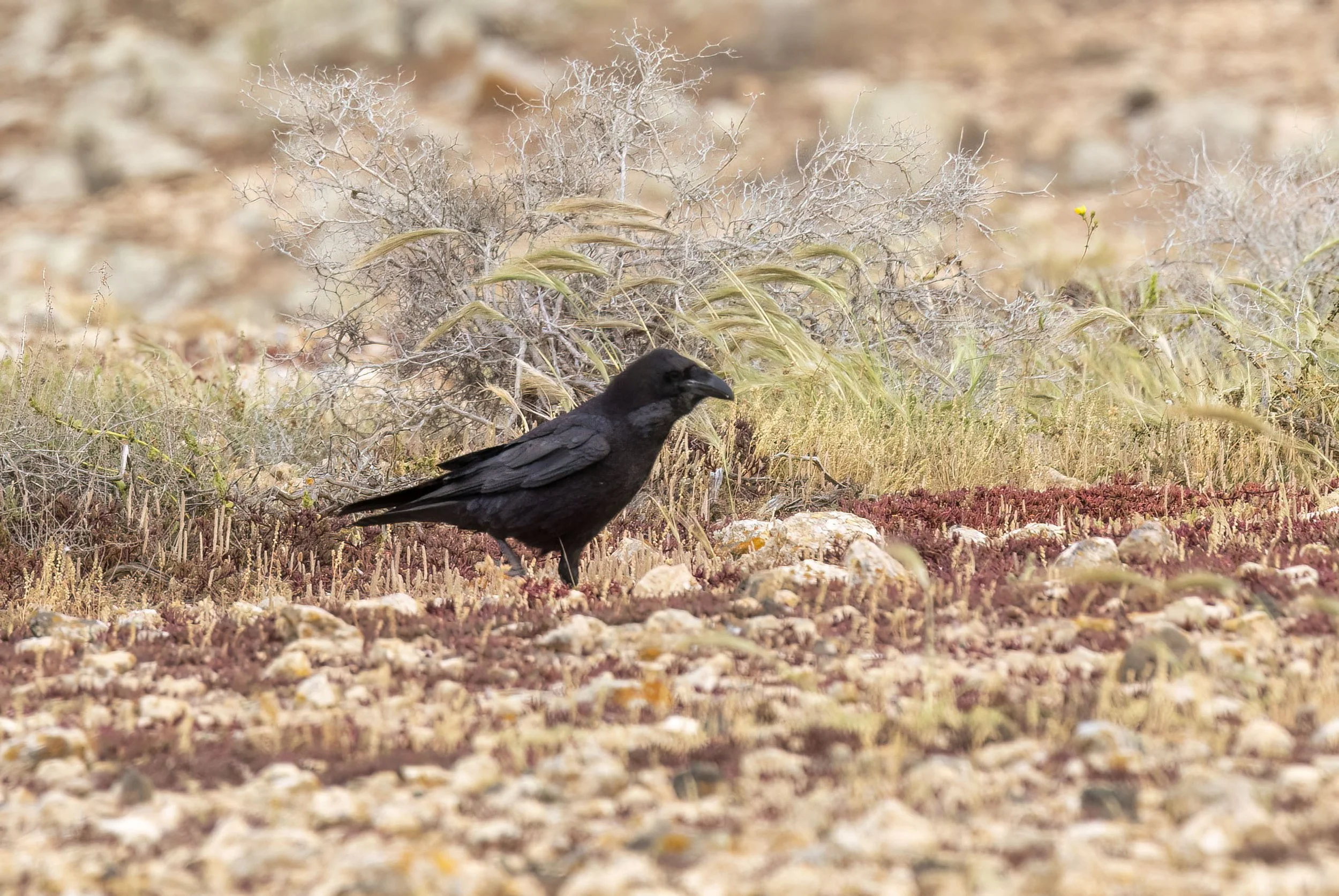
African Raven Corvus corax tingitanus / canariensis widespread and fairly common
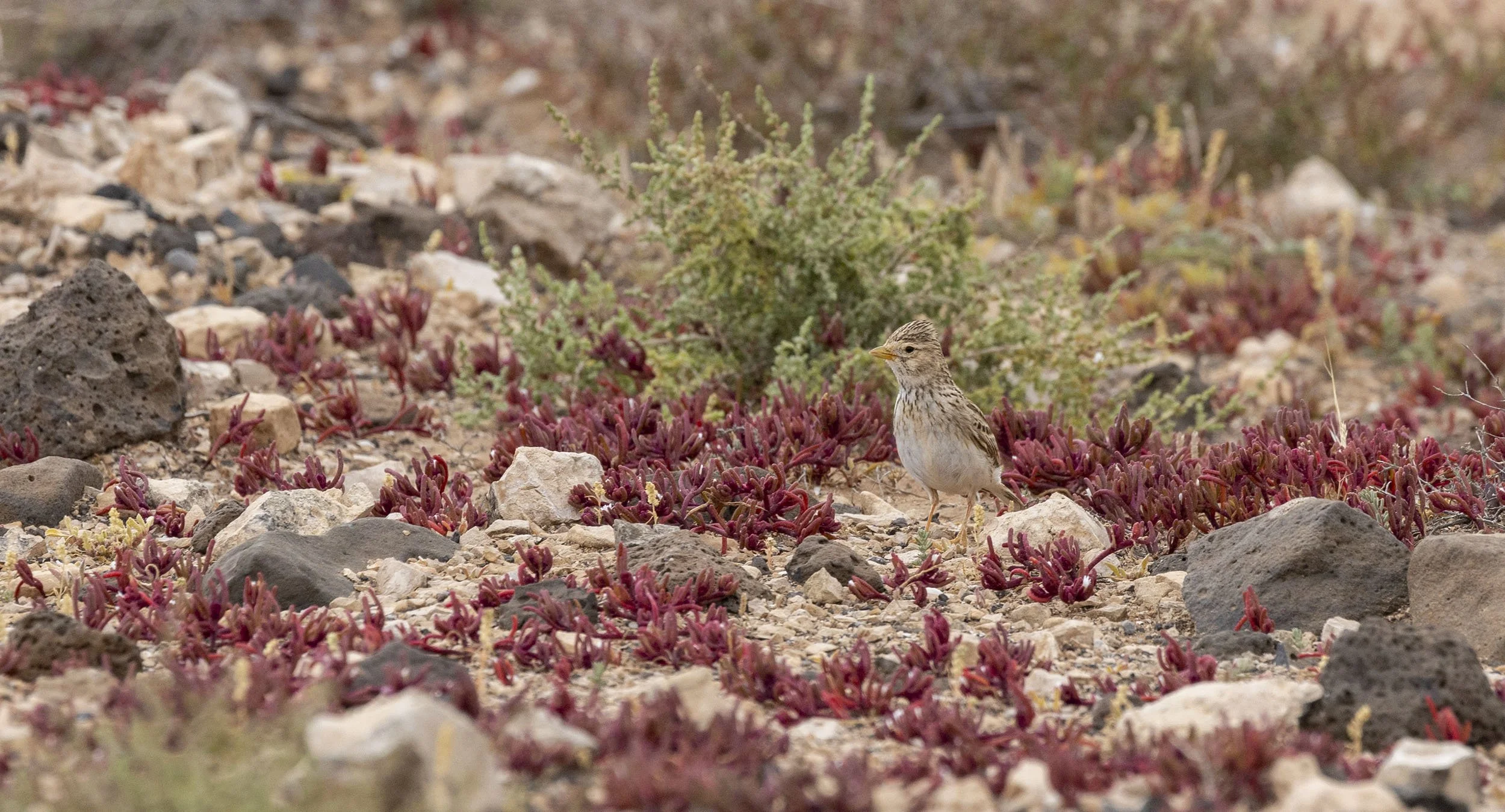
Mediterranean Short-toed Lark aka Lesser Short-toed Lark - common in desert regions with birds displaying and singing
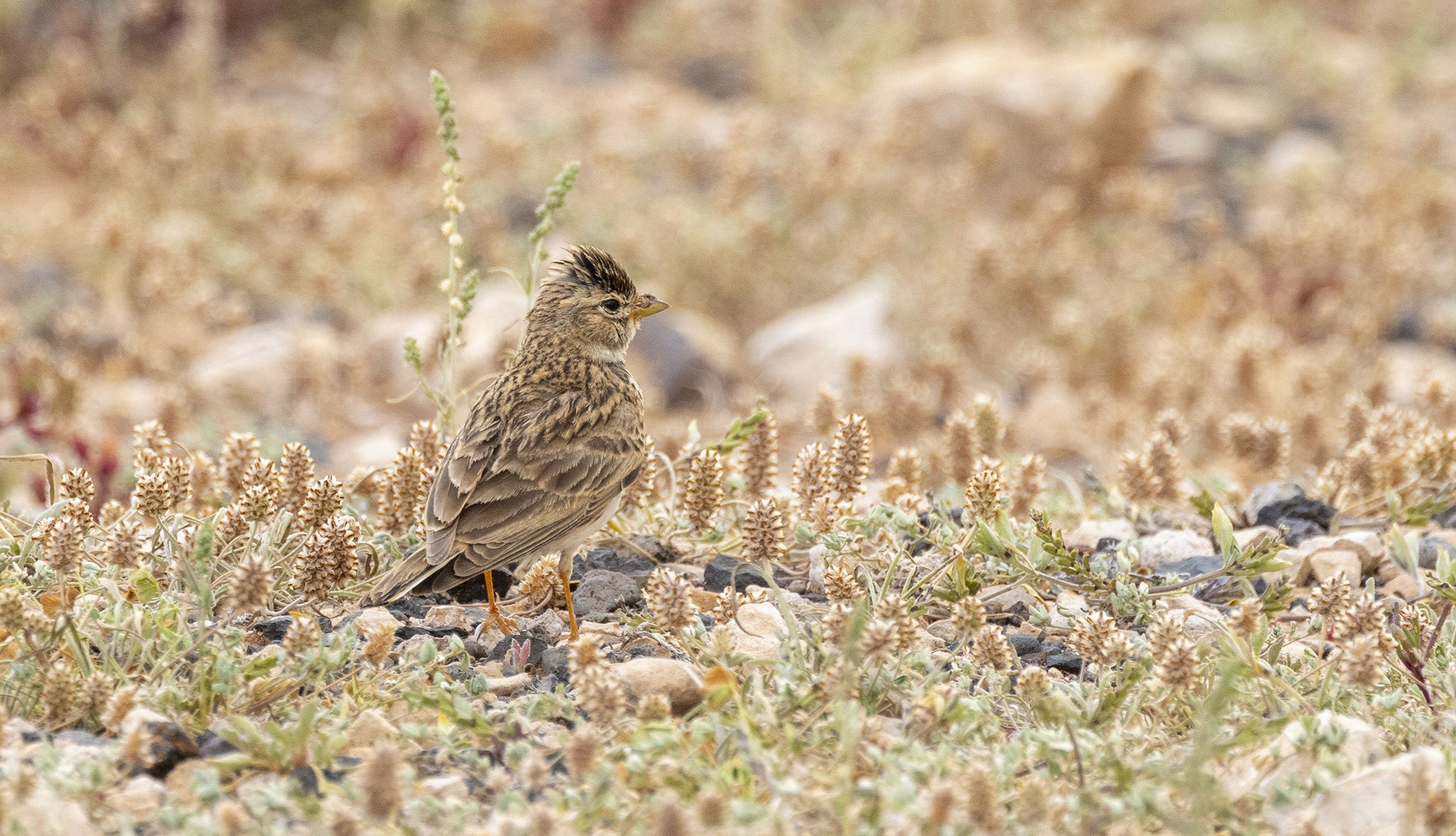
Not the most exciting of larks
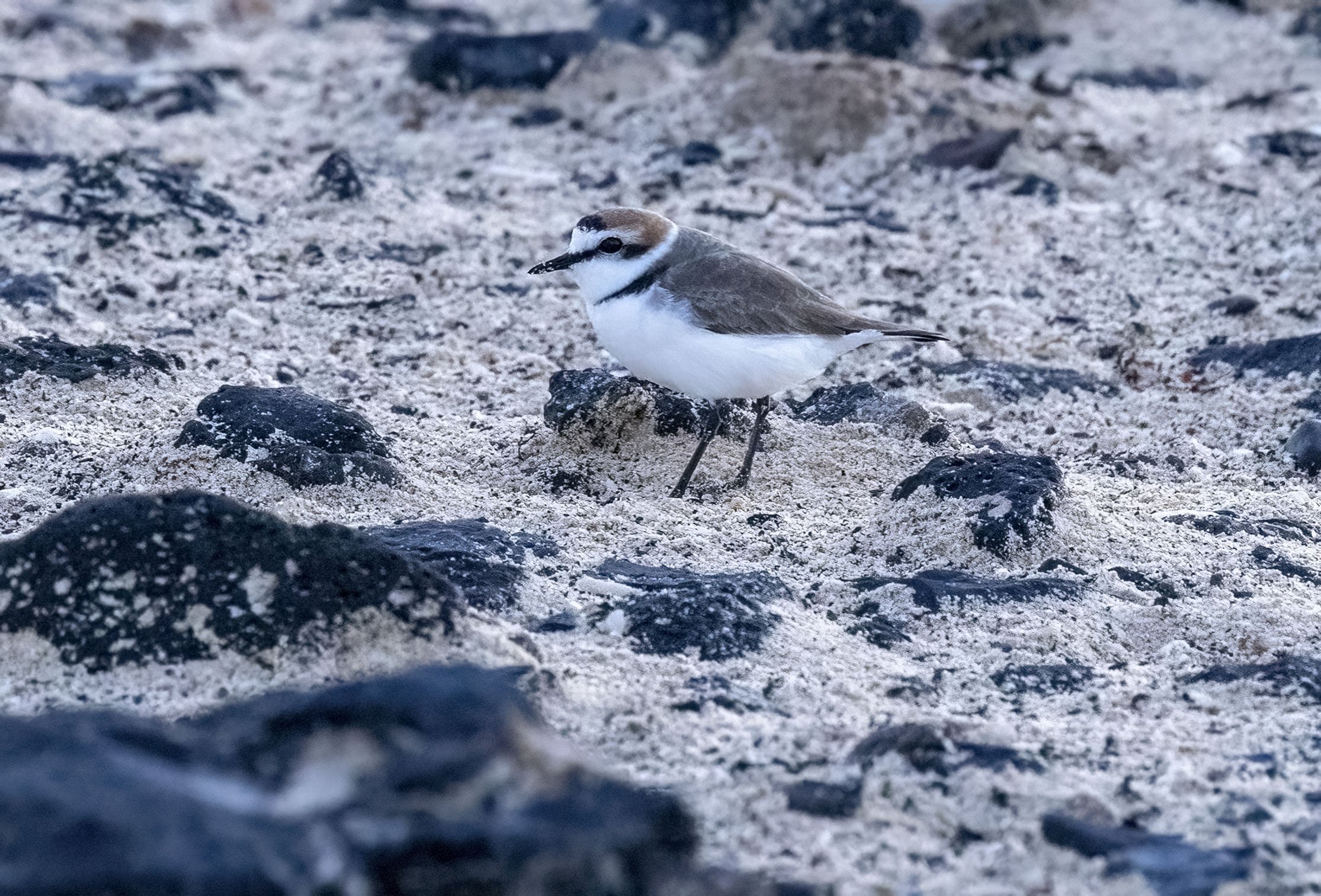
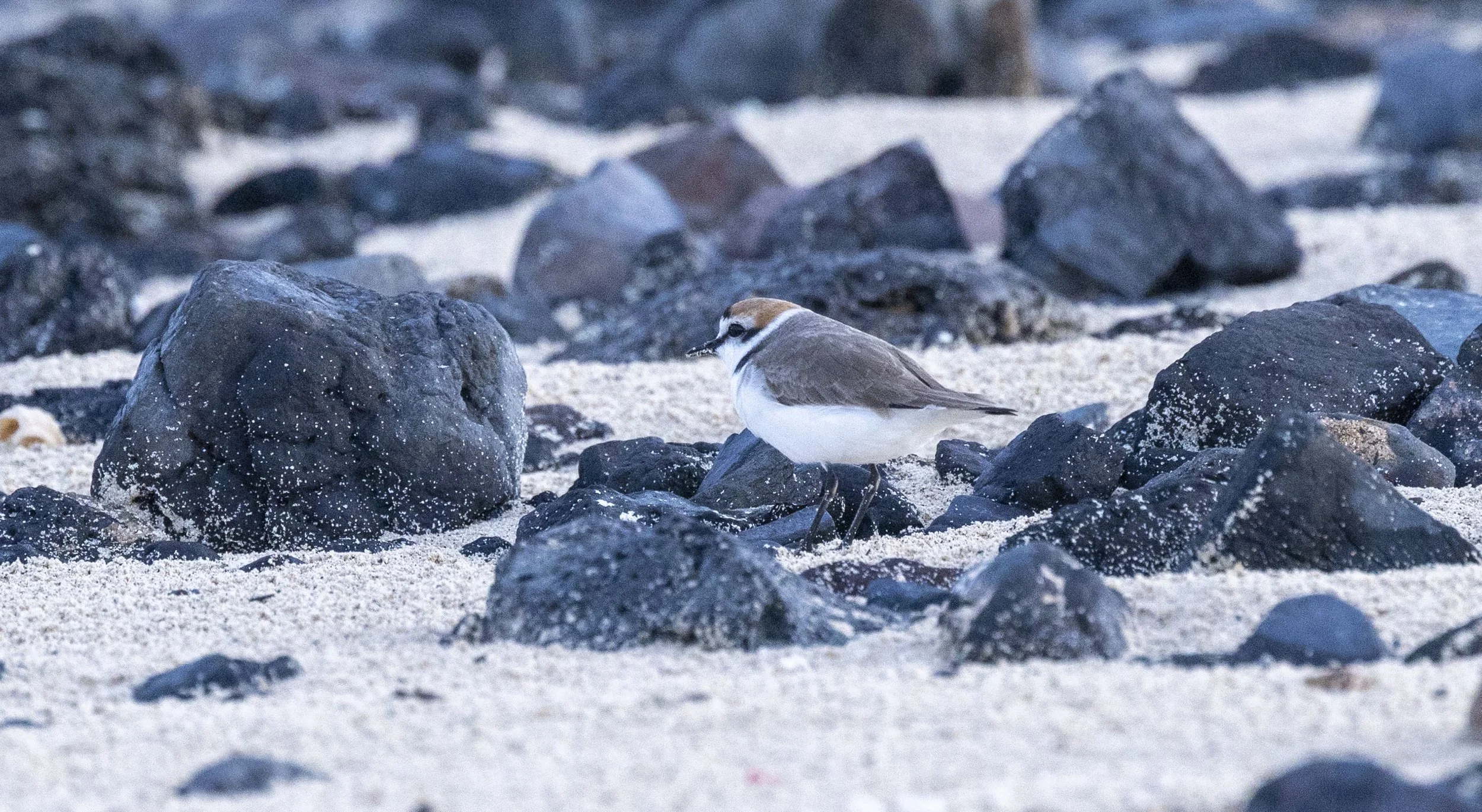
March 1st a quick walk pre breakfast on the beach at El Cotillo produced the usual plethora of Collared Doves and singing Spanish Sparrows around the buildings with two Kentish Plovers on the beach and the usual Atlantic Yellow-legged Gulls but in spute of the huge seas no seabirds.
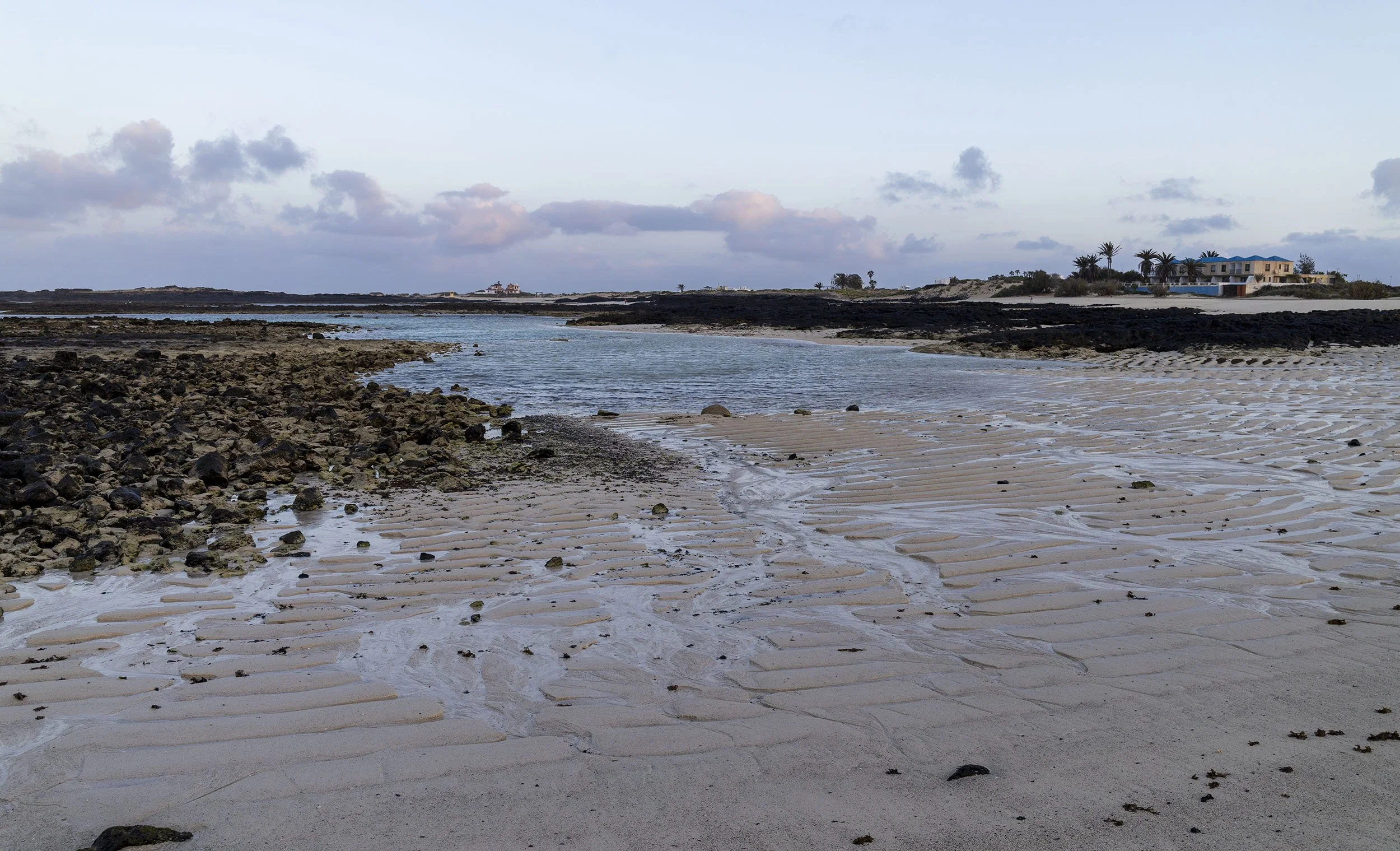
El Cotillo beach in spite of what many images suggest it was often cloudy and cool with a strong northerly wind - early mornings required a down jacket
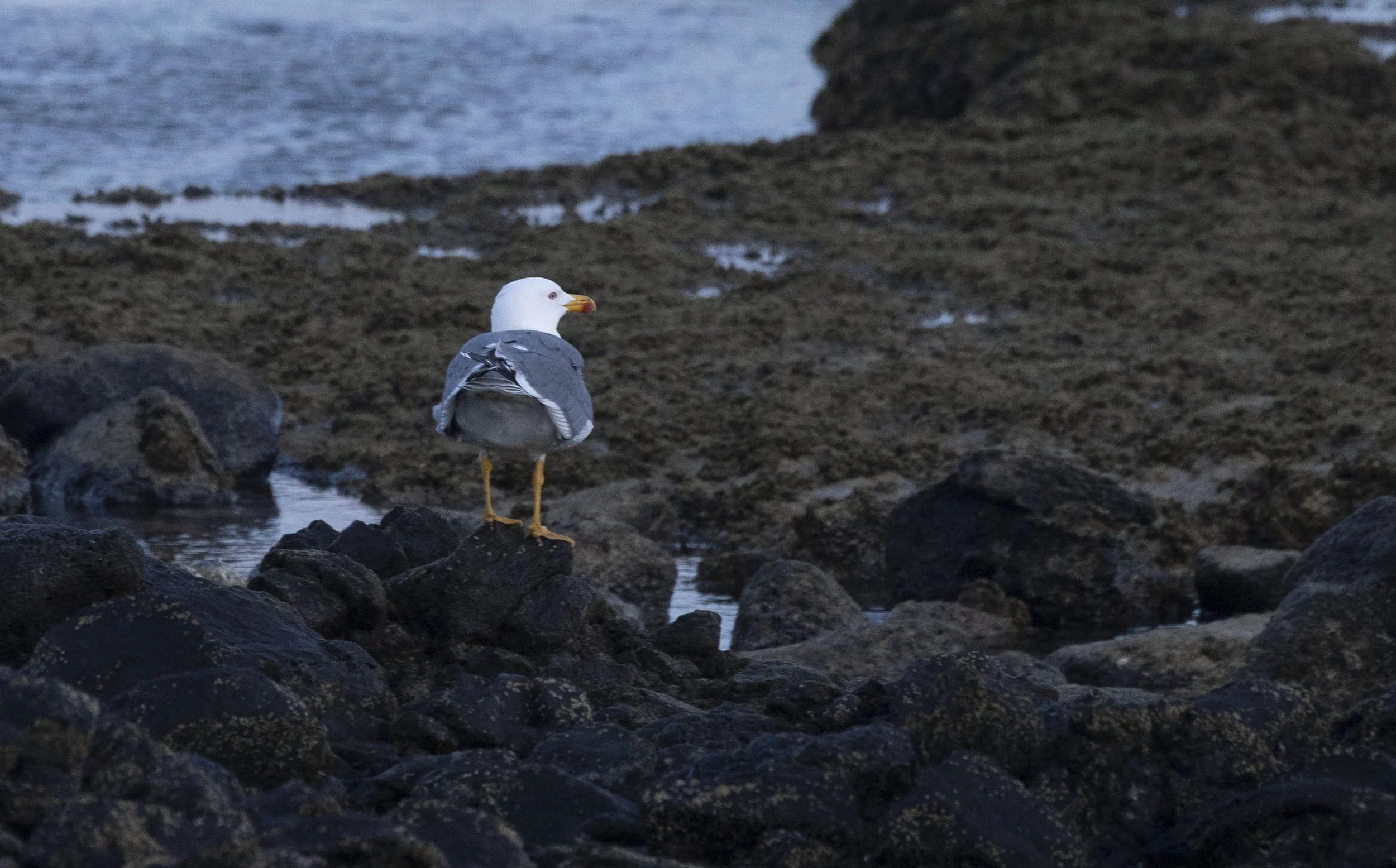
Atlantic Yellow-legged Gull El Cotillo beach
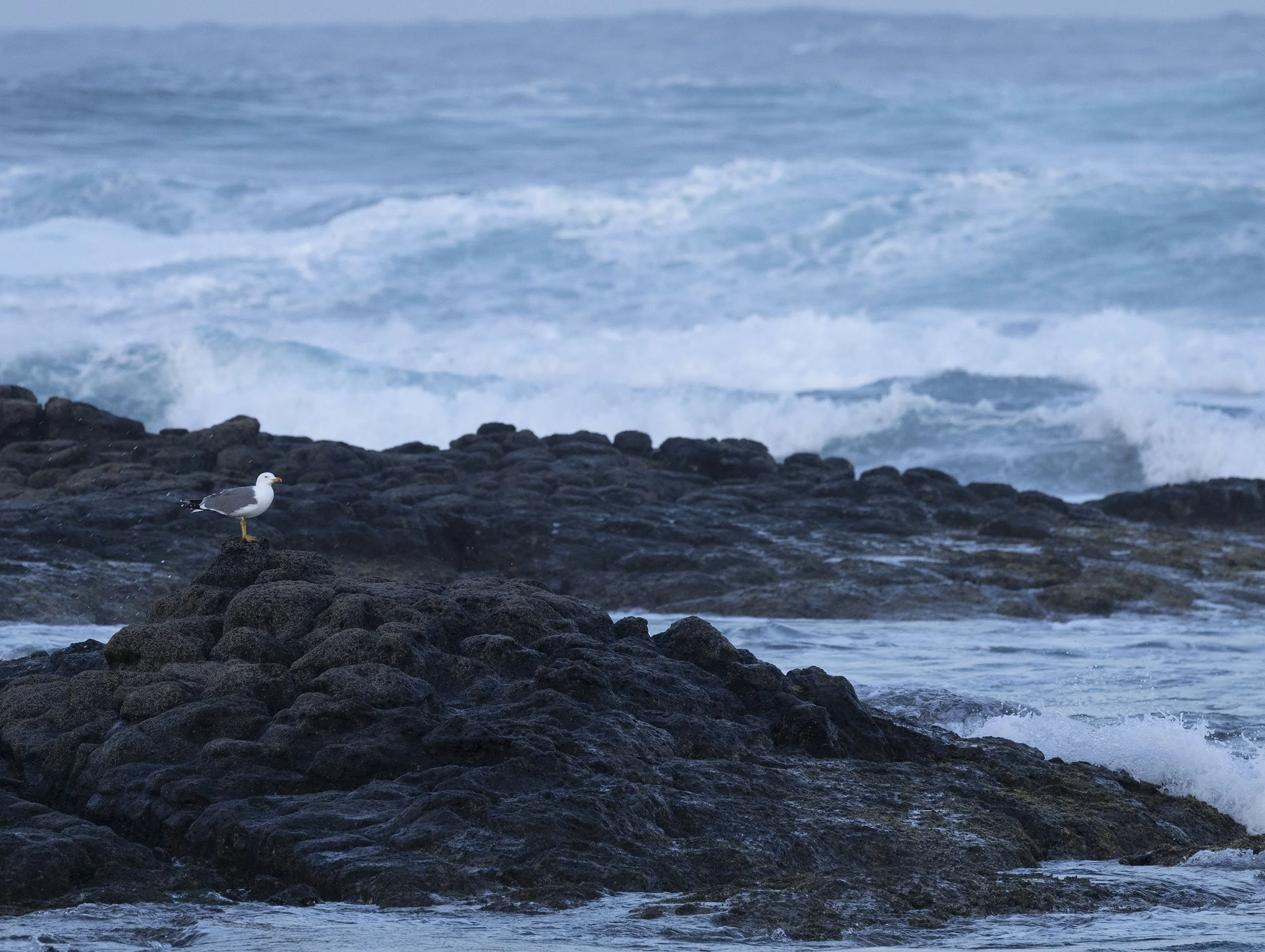
Mountainous seas failed to produce seabirds
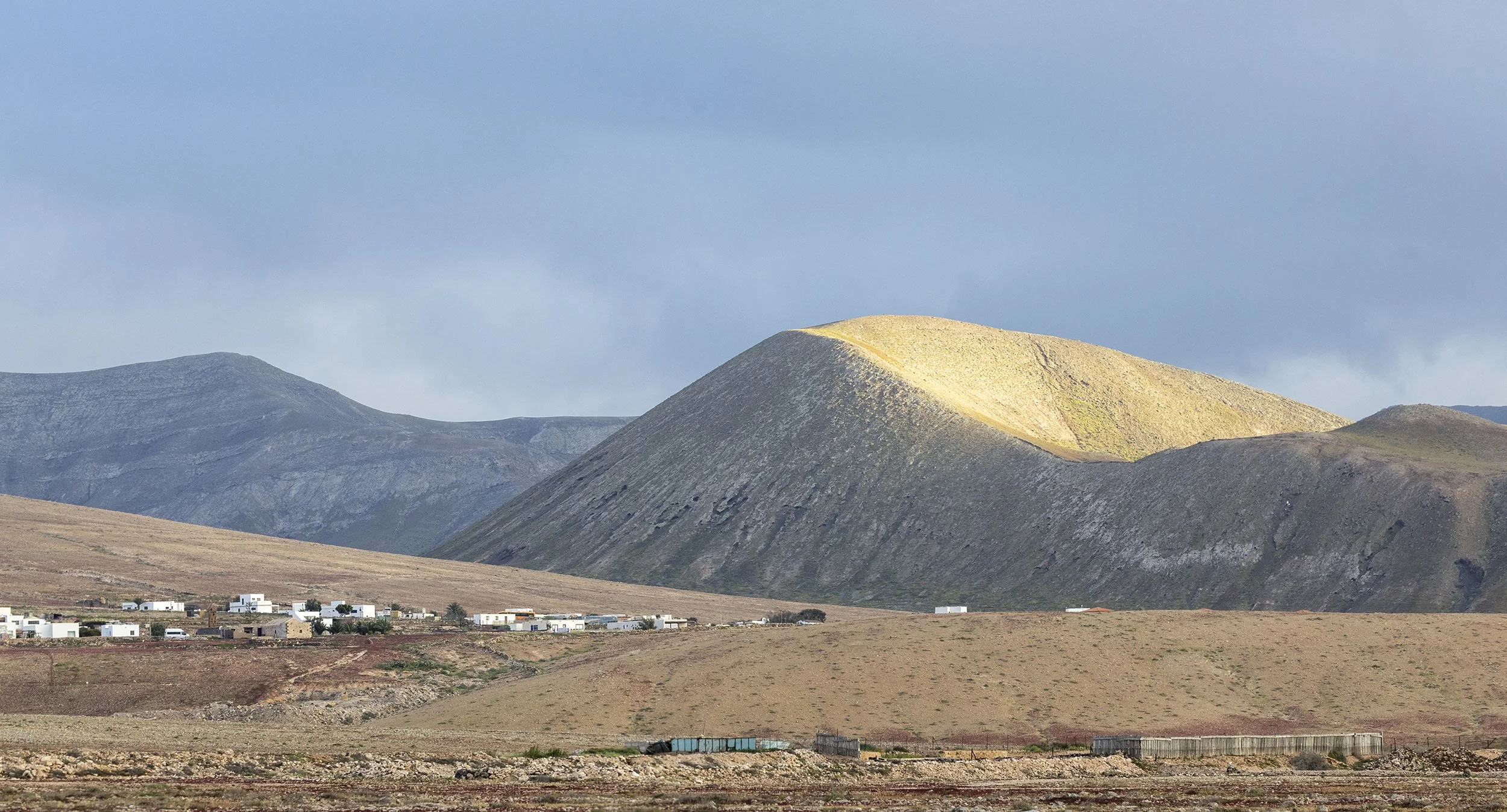
Tindaya village looking south-east from the plain
Move on to Tindaya plain with an Egyptian Vulture from the road near La Oliva then on the plain a Ruddy Shelduck flies over, 20+ Berthelot’s Pipits, 20+ Mediterranean Short-toed Larks, a pair of Cream-coloured Coursers with two young then a party of three and another two adults, a party of eight Black-bellied Sandgrouse in flight land distantly. Our only Hoopoe of the trip as we taook a walk into a small barranco on the west of the plain where some Greenish Black Tips, Desert Locusts and Atlantic Lizards. Other birds during the day Common Buzzard, Trumpeter Finch, Barbary Partirdge with 50+ Spanish Sparrows and three Great Grey Shrikes but no Houbaras. Greenish black tip 10+
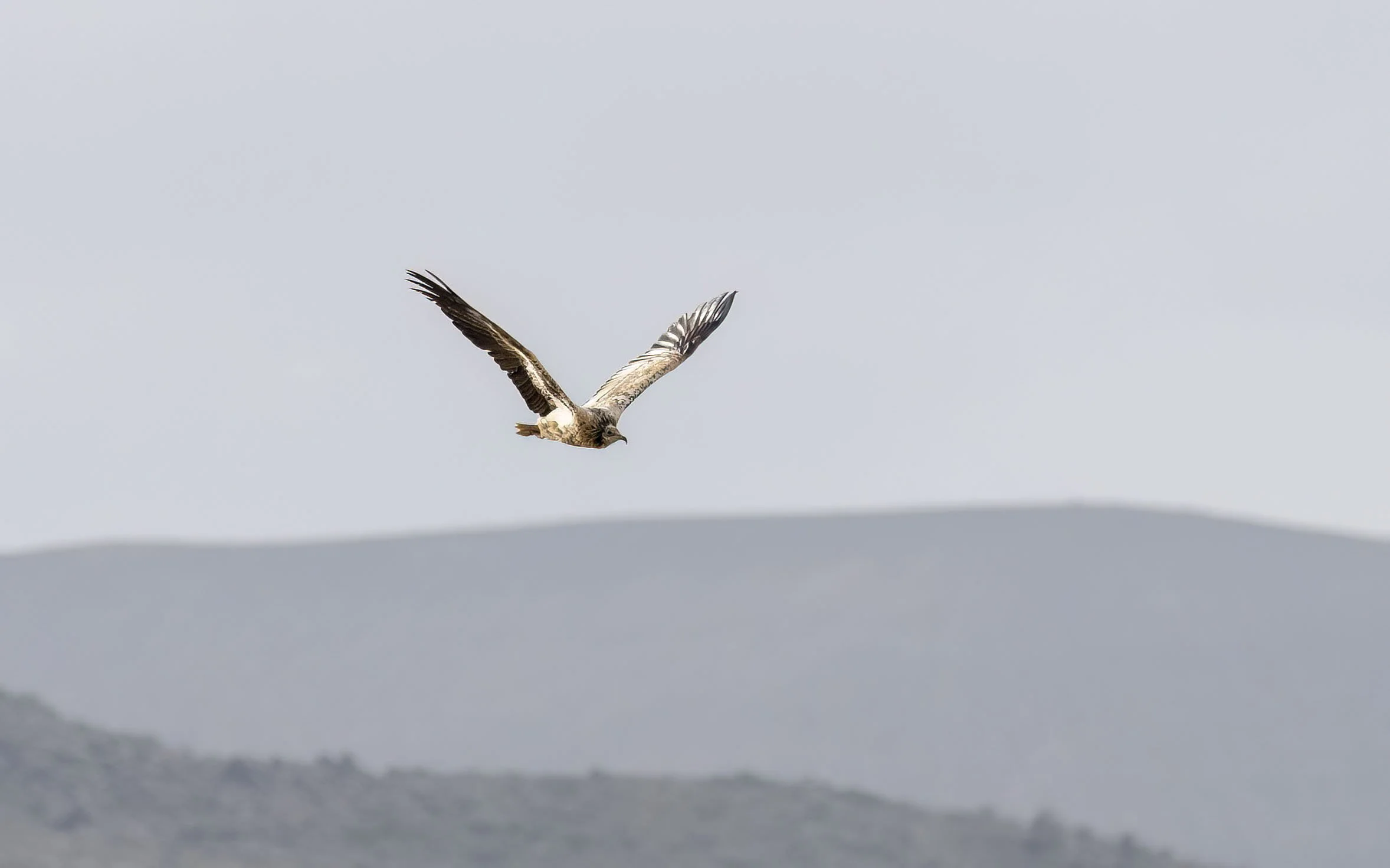
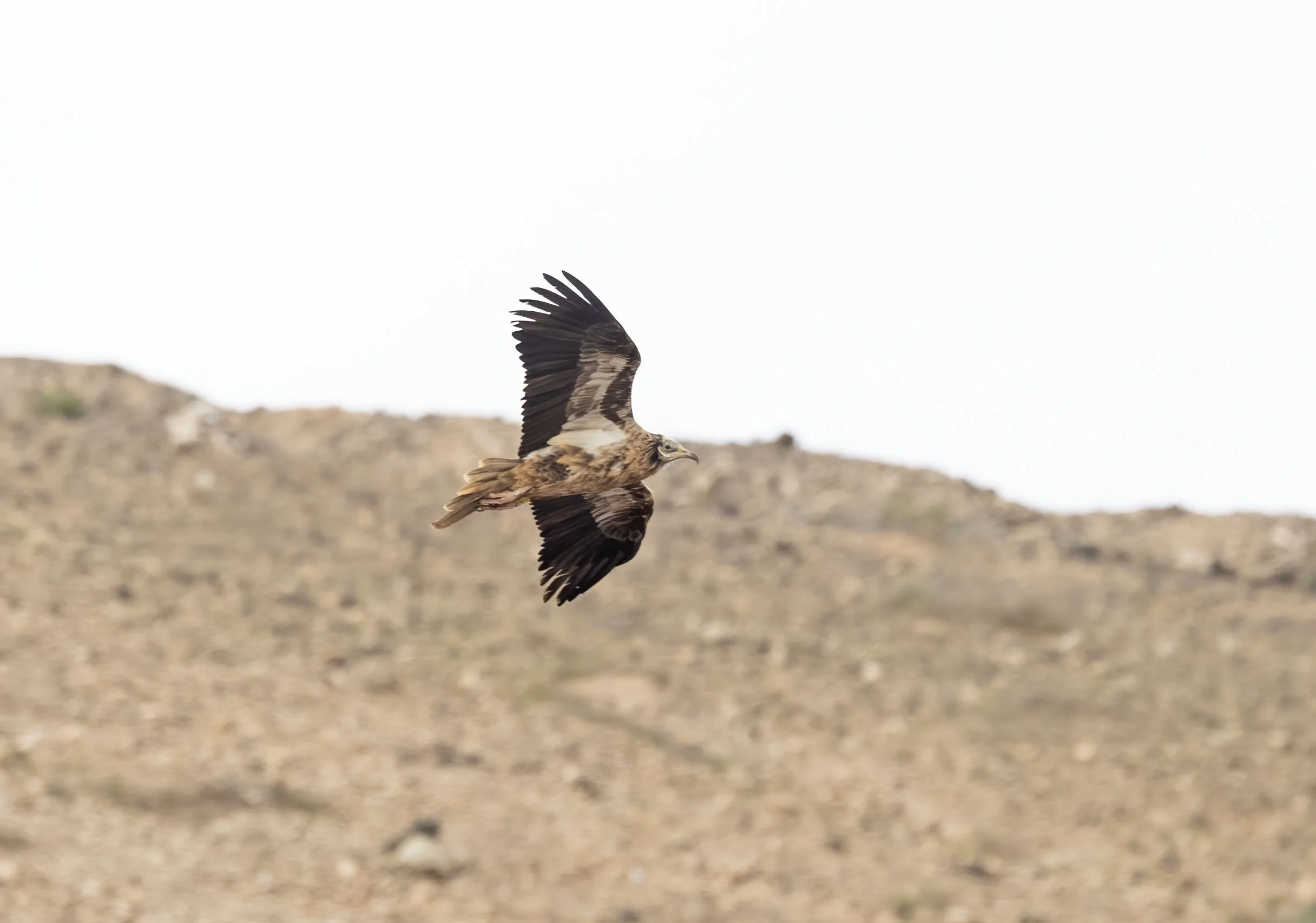
Egyptian Vulture near La Oliva
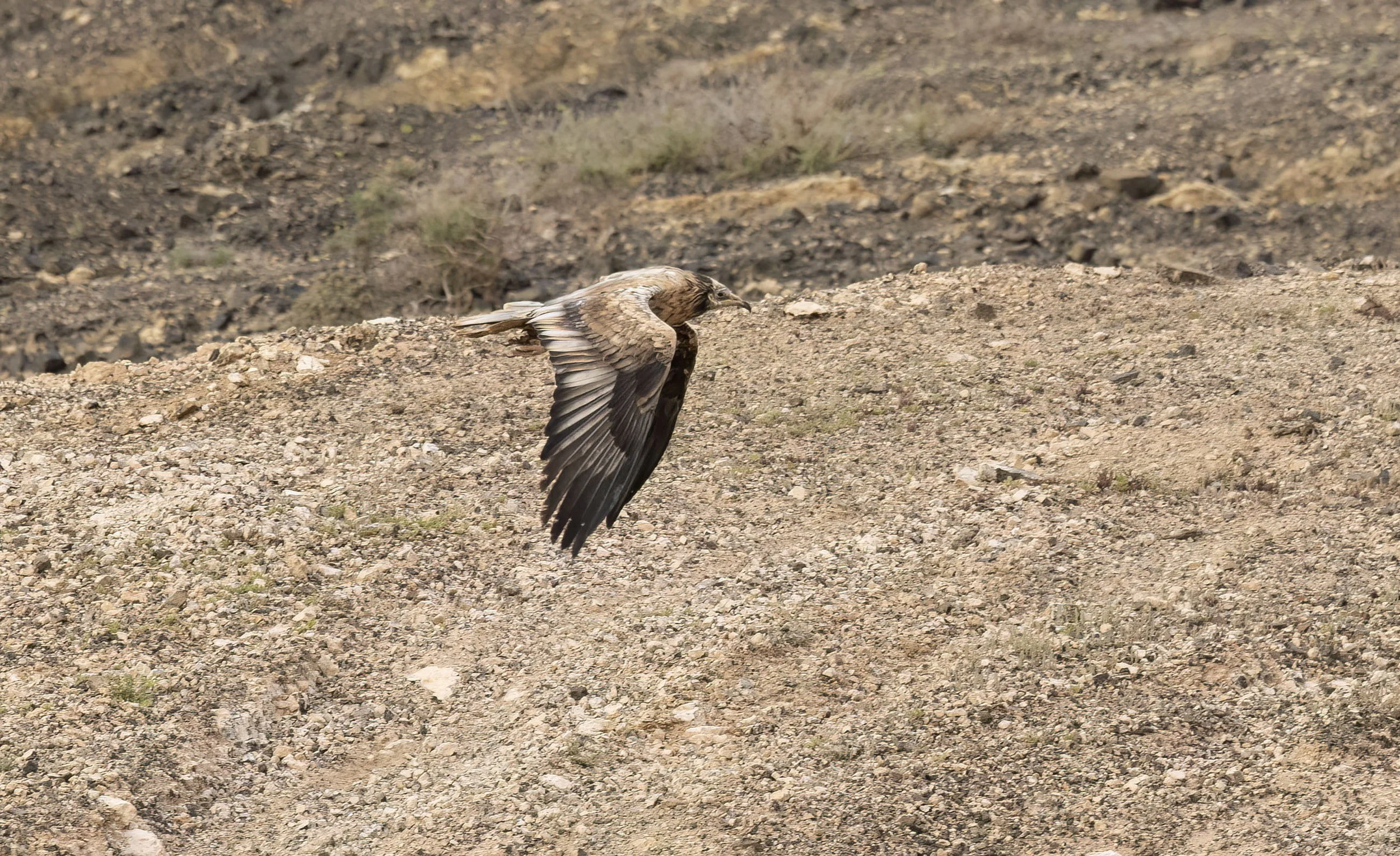
The Egyptian Vultures on the island ore of the race Neophron percnopterus majorensis which is endangered
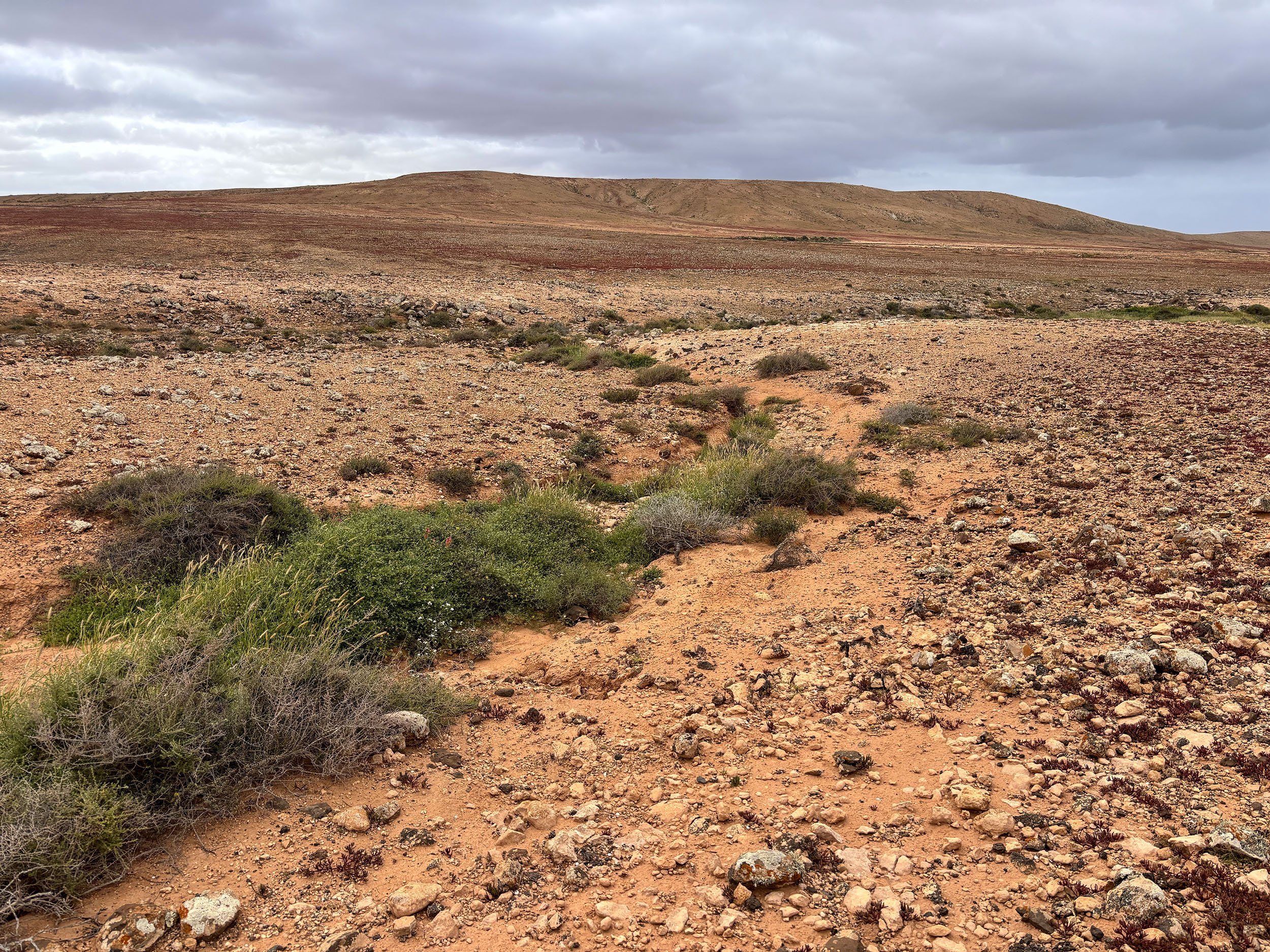
The Tindaya Plain
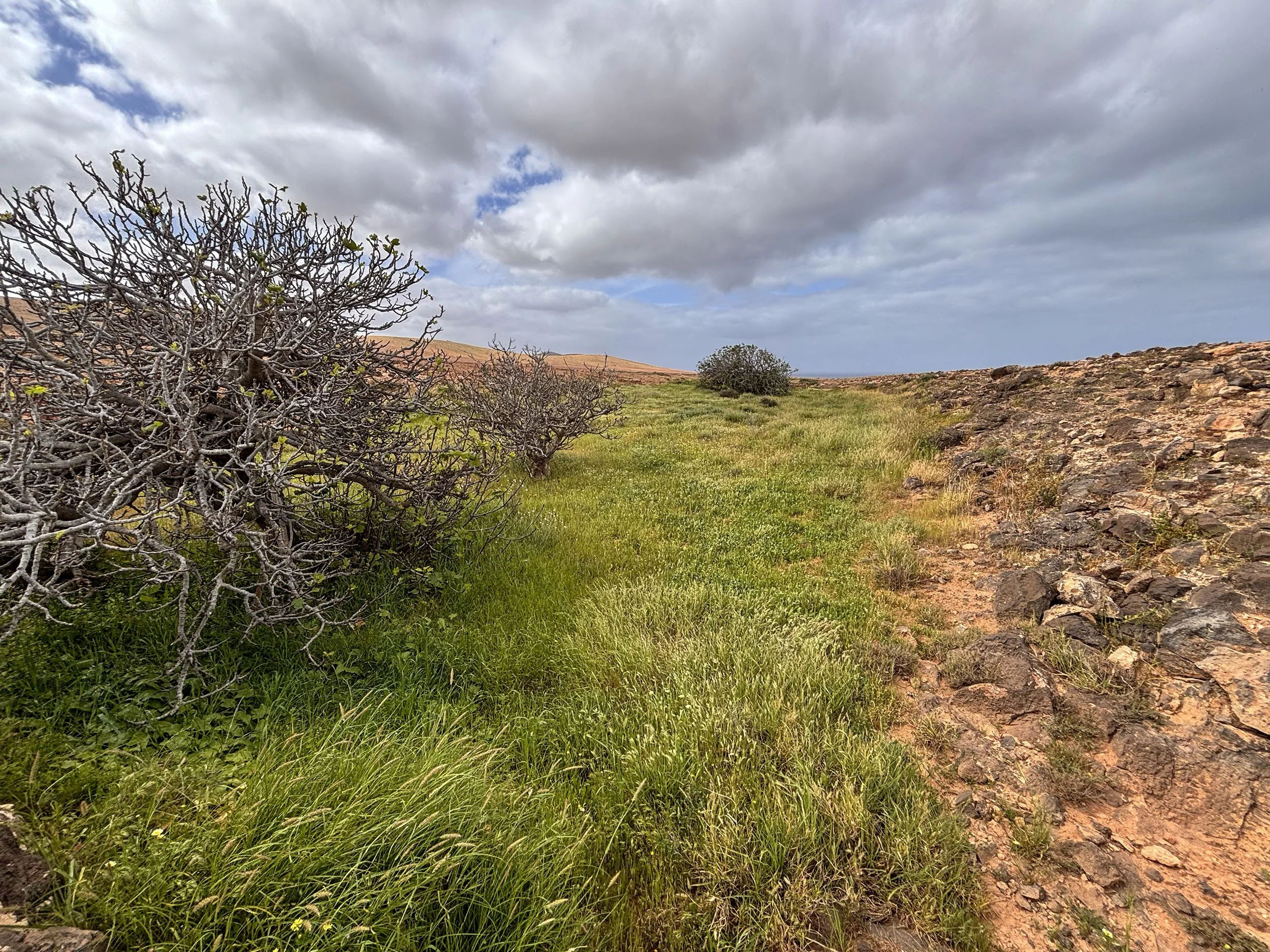
little green barranco on the Tindya Plain good for butterflies, Lizards
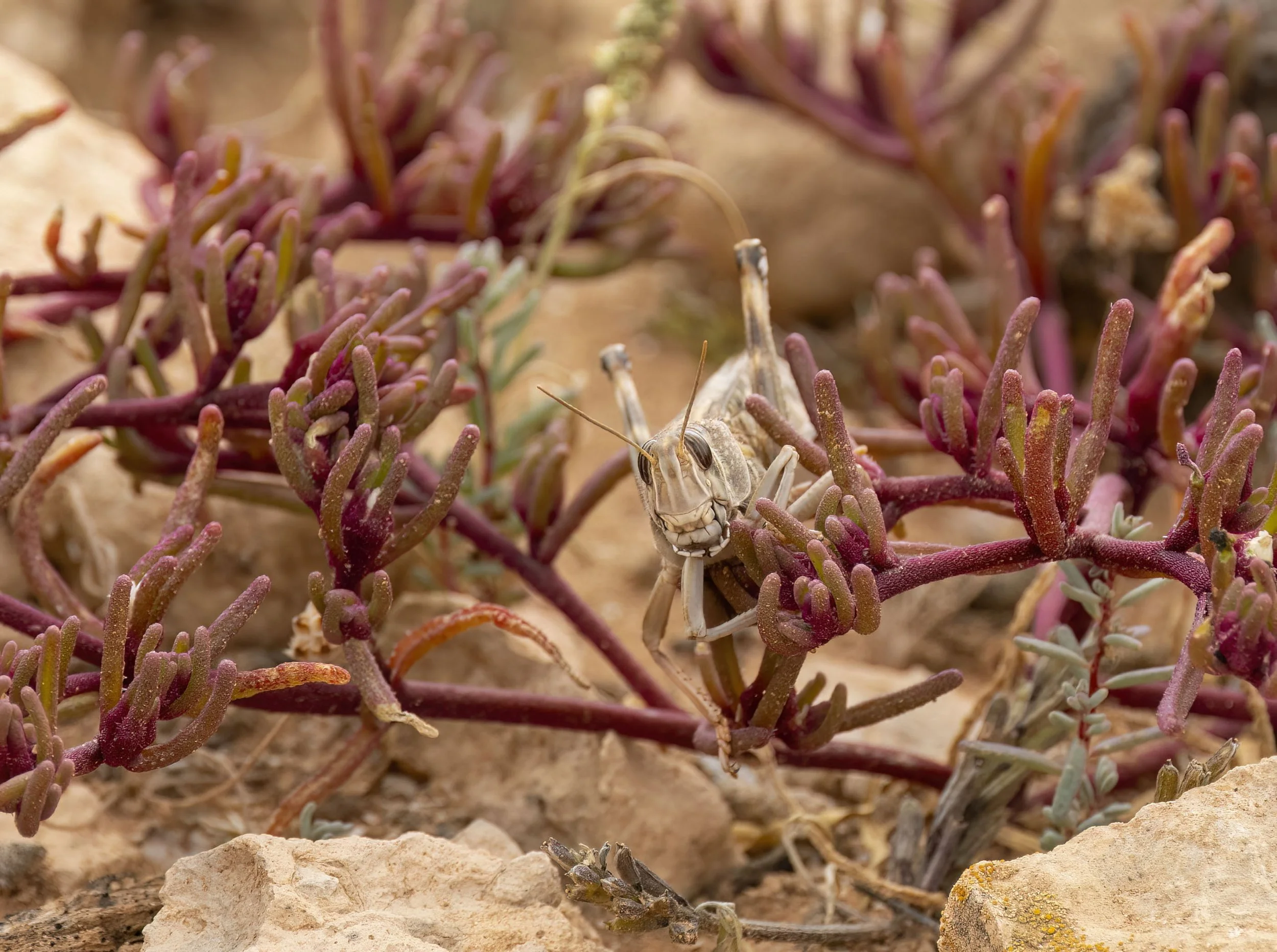
A few Desert Locusts were flushed from vegetated areas
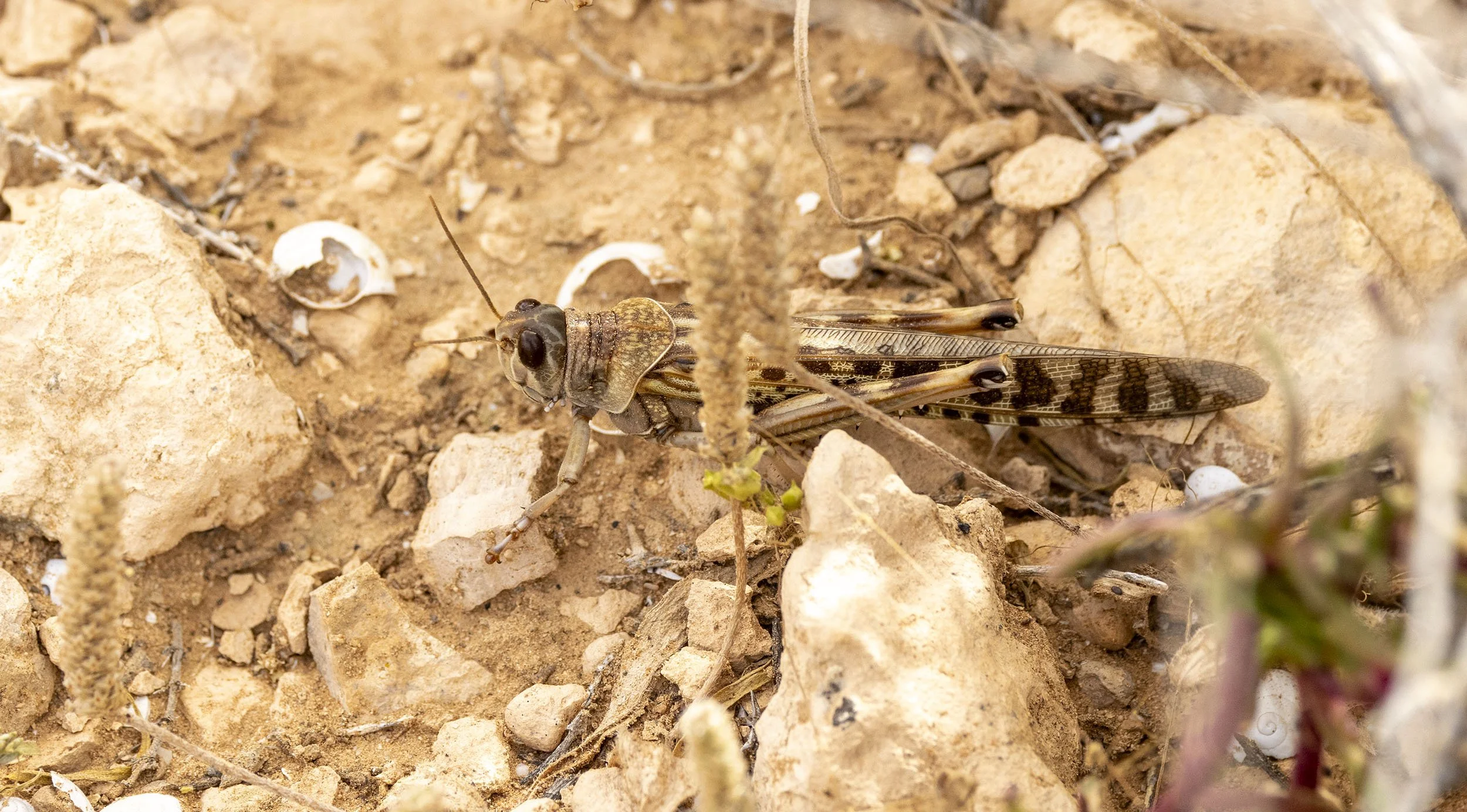
Impressive beasts
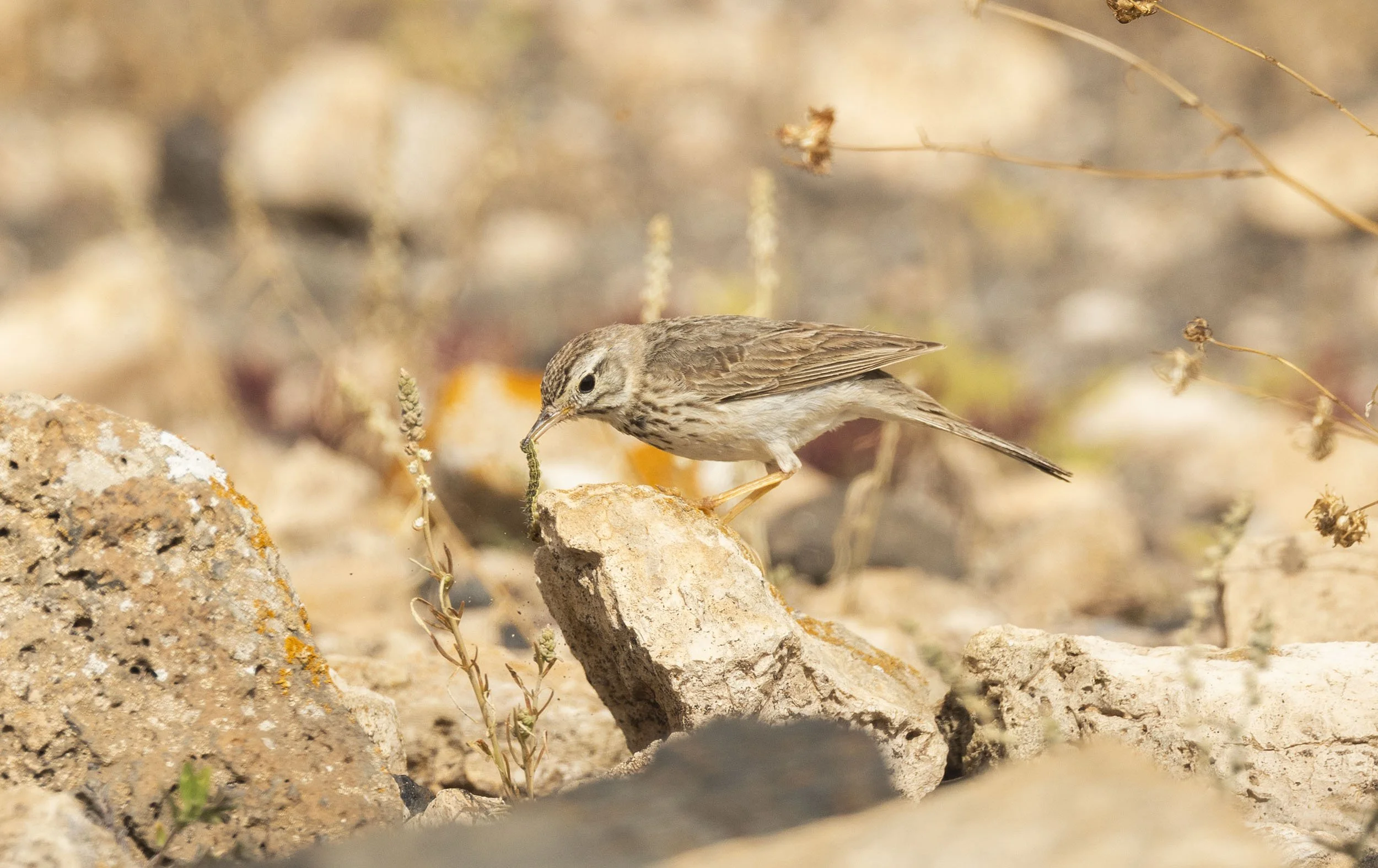
Berthelot’s Pipit like most birds feasting on the abundant caterpillars
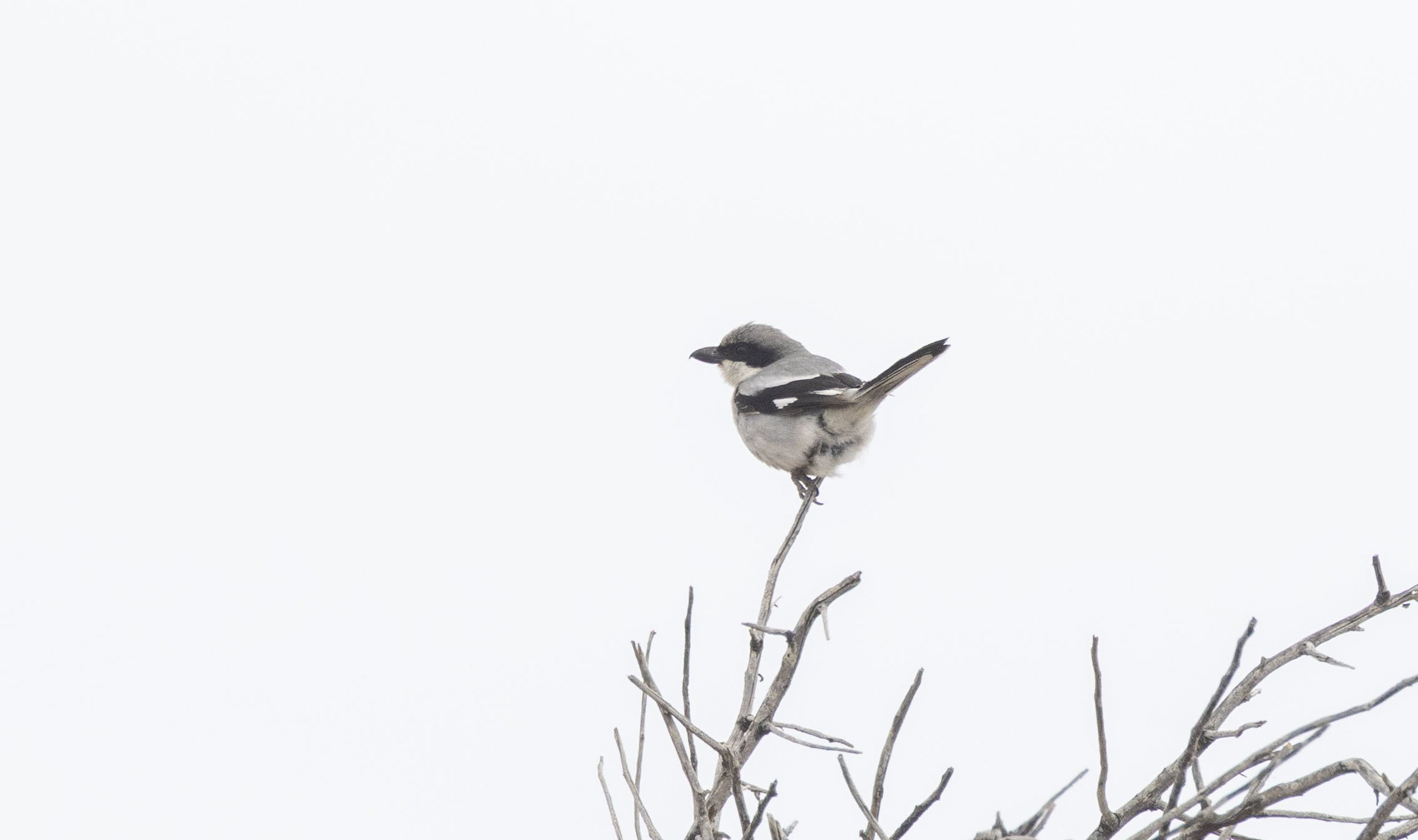
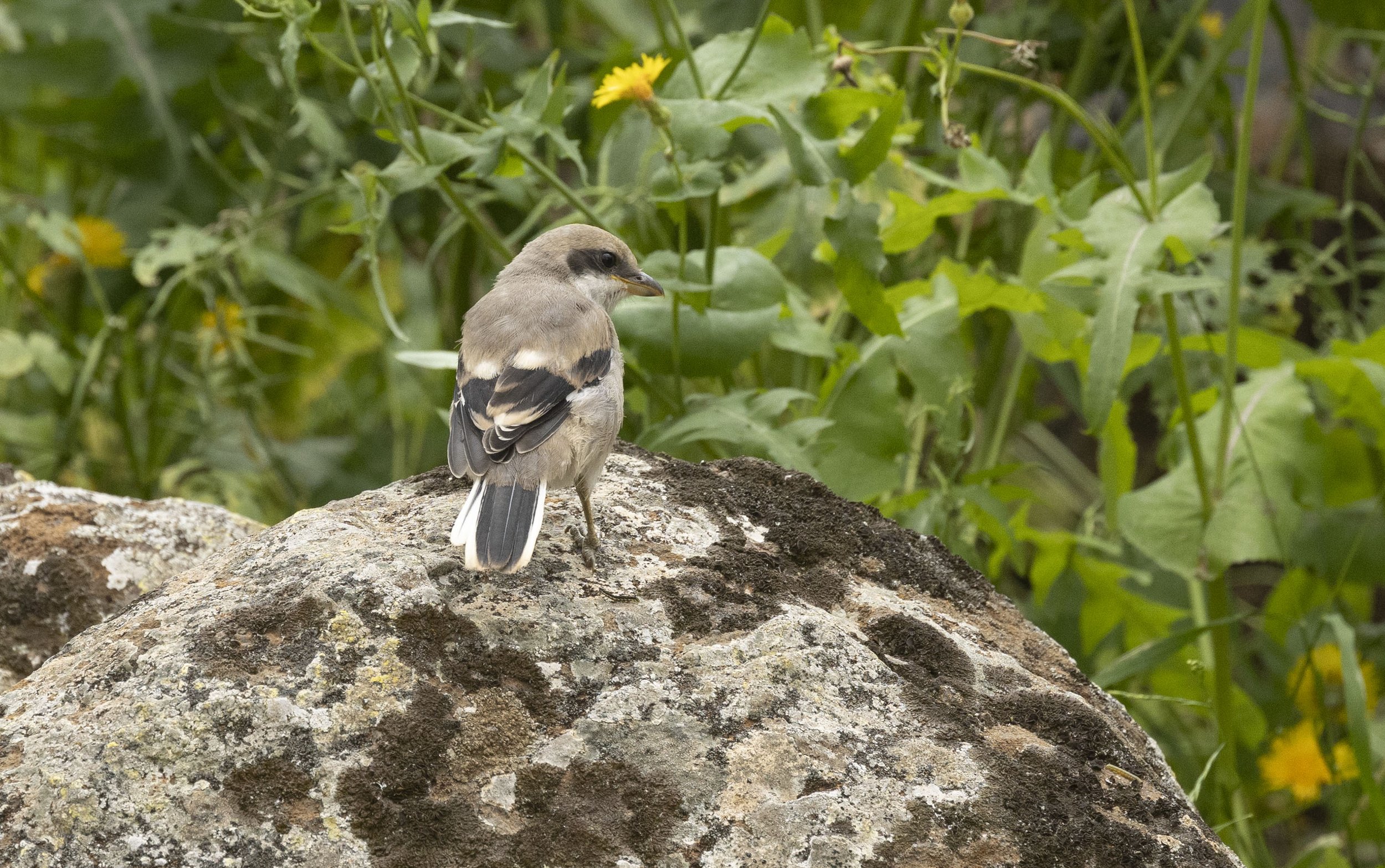
This is a bird that is all over the island but what you call it seems to change from day to day due to the current taxonomic lunacy - Canary Island Grey Shrike, Grey Grey Shrike race Lanius excubitor koenigior maybe Southern Grey Shrike of the same race - whatever its name they are found all over the island and many had already feldged broods
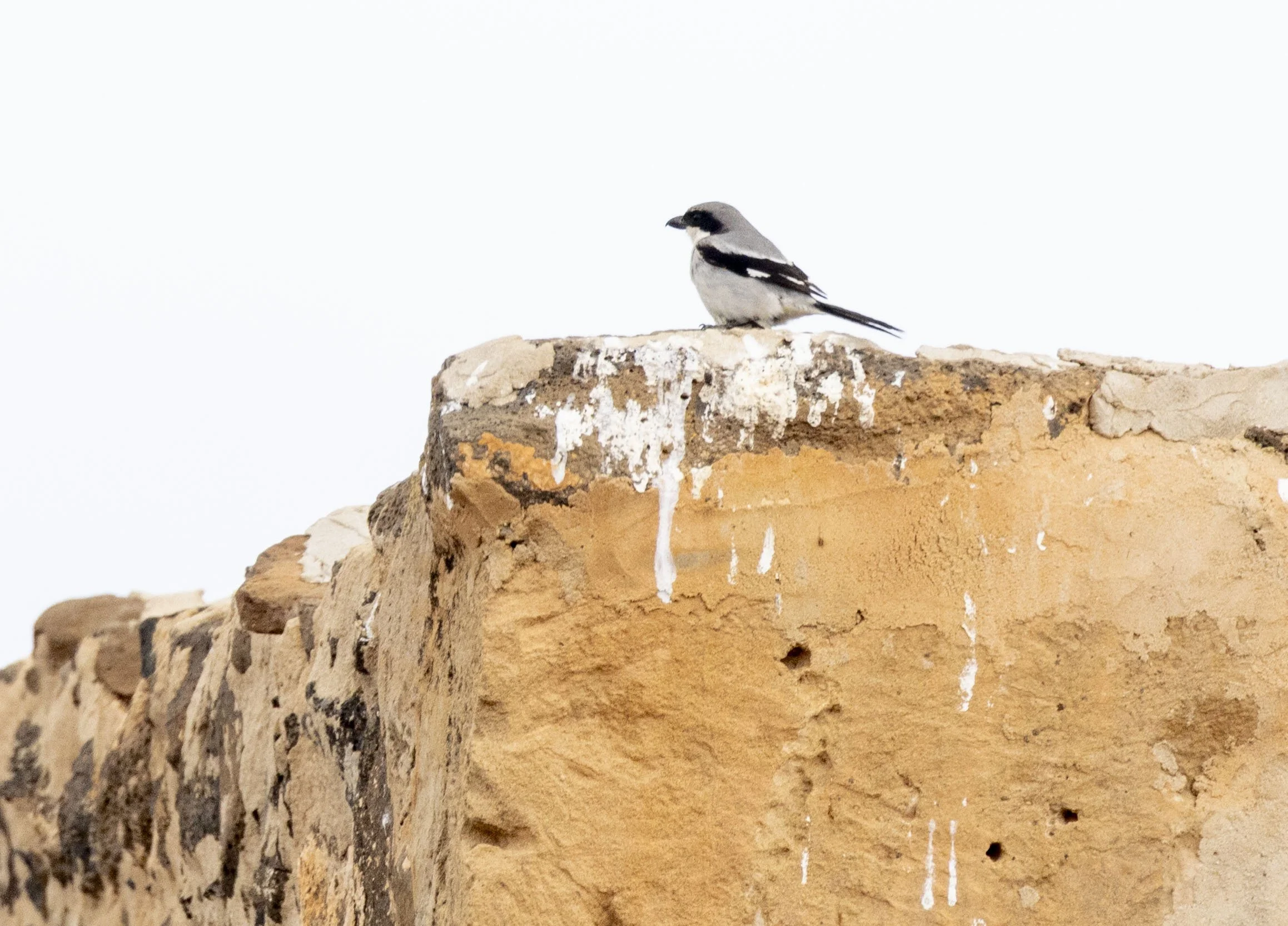
This pair on the Tindaya Plain had a territory centred around an abandoned farm
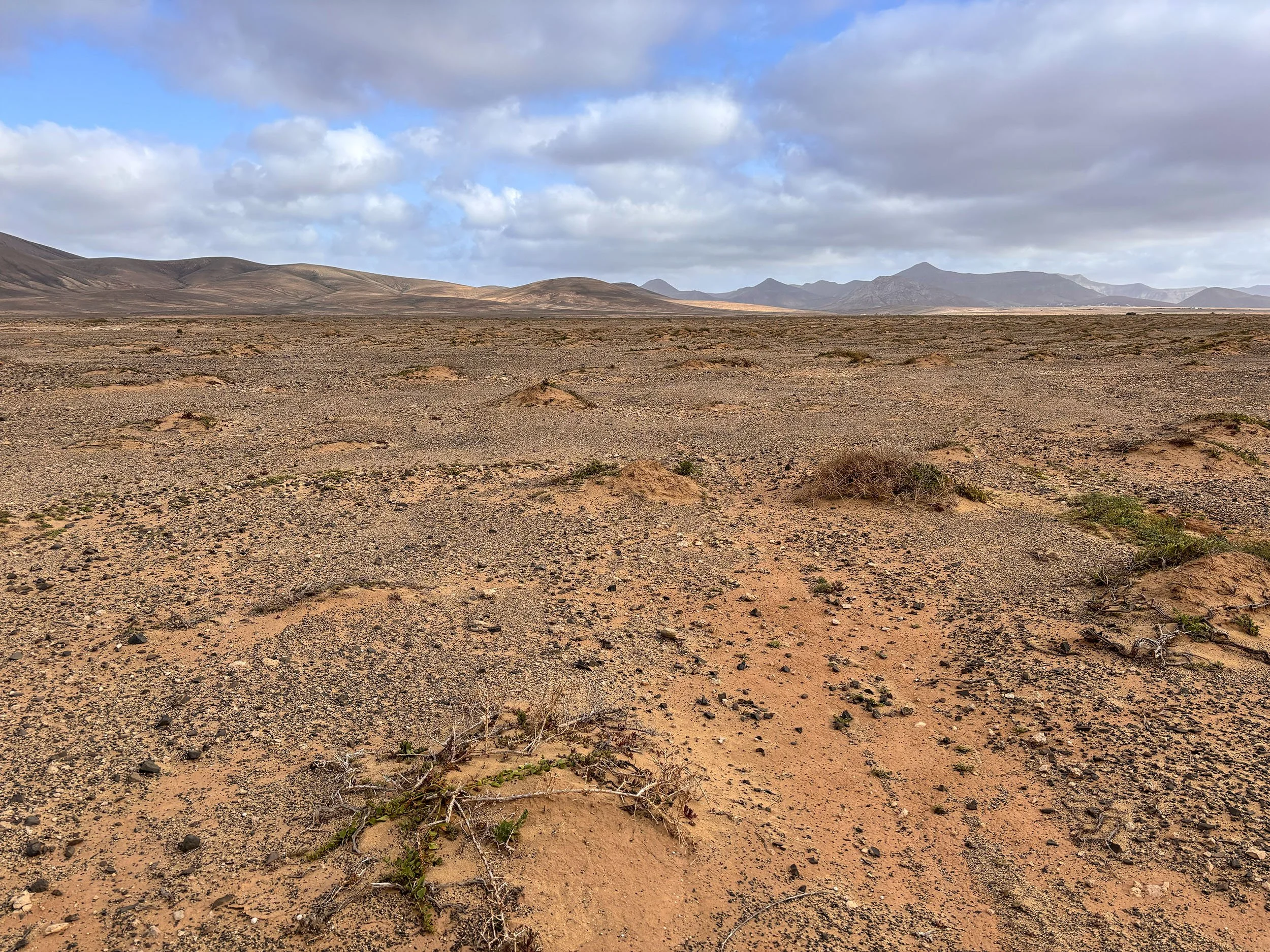
Desert bird habitat
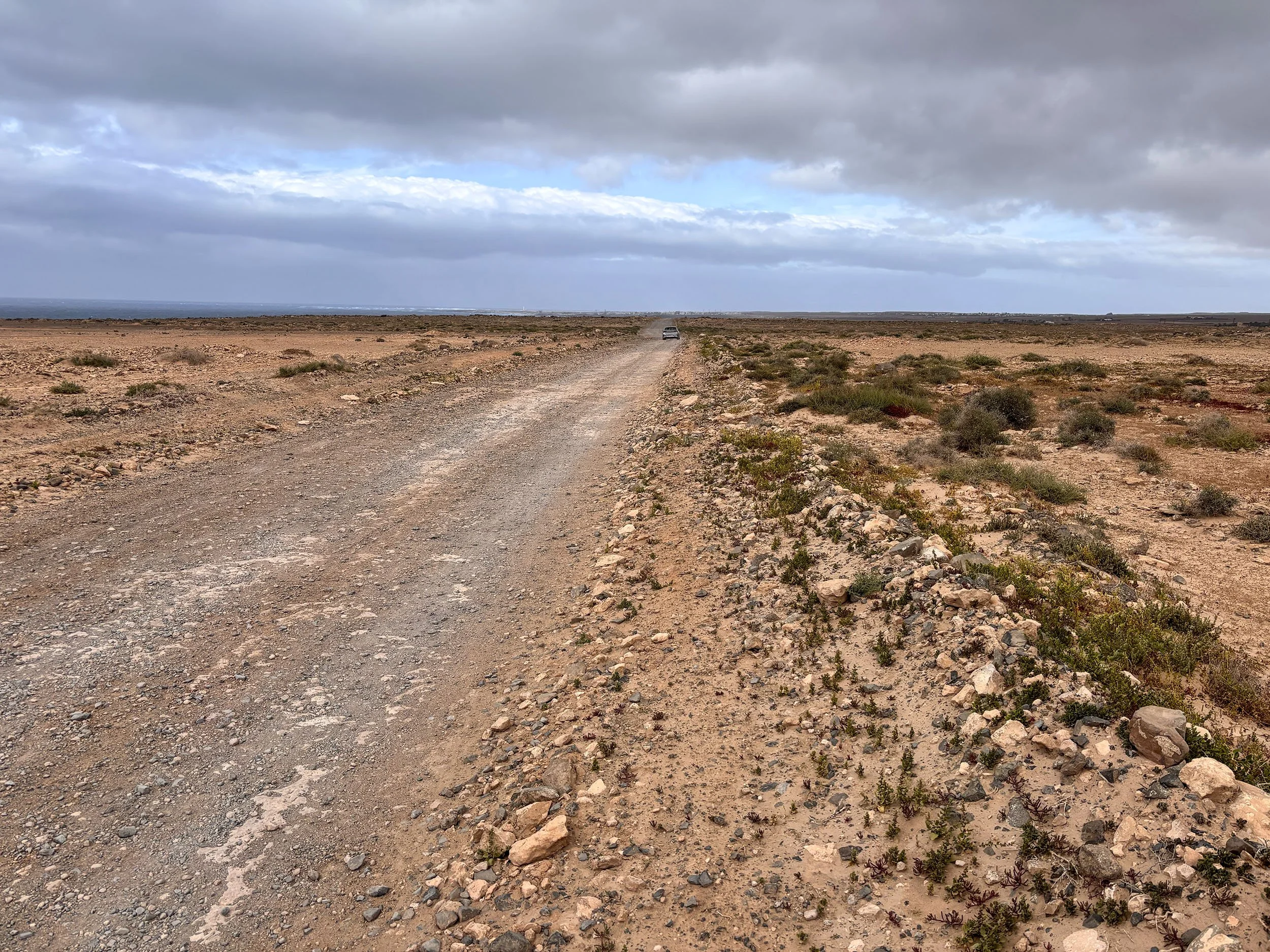
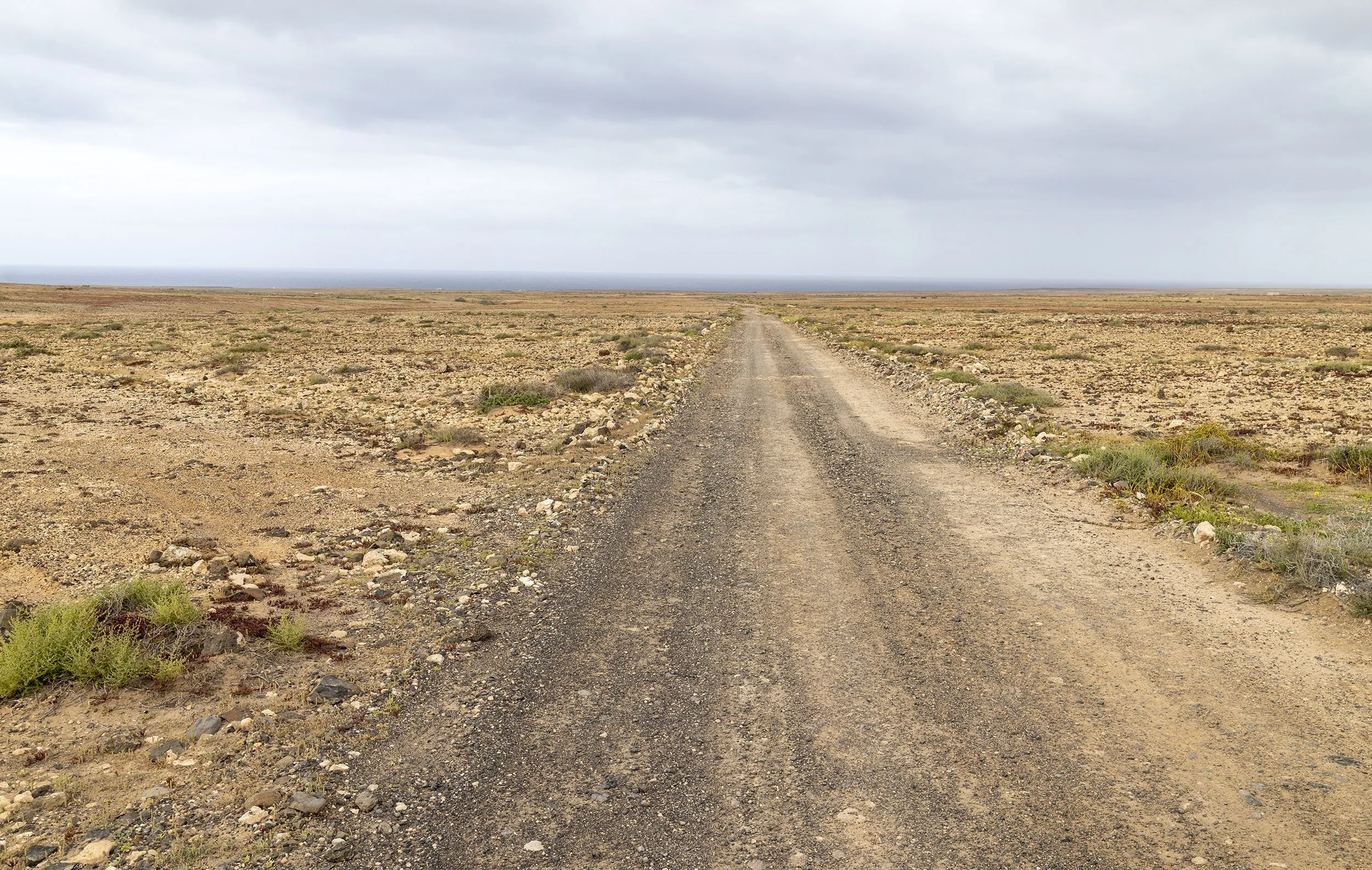
the best way to find the desired desert birds is slowly driving the rough tracks and scanning the bird shaped rocks
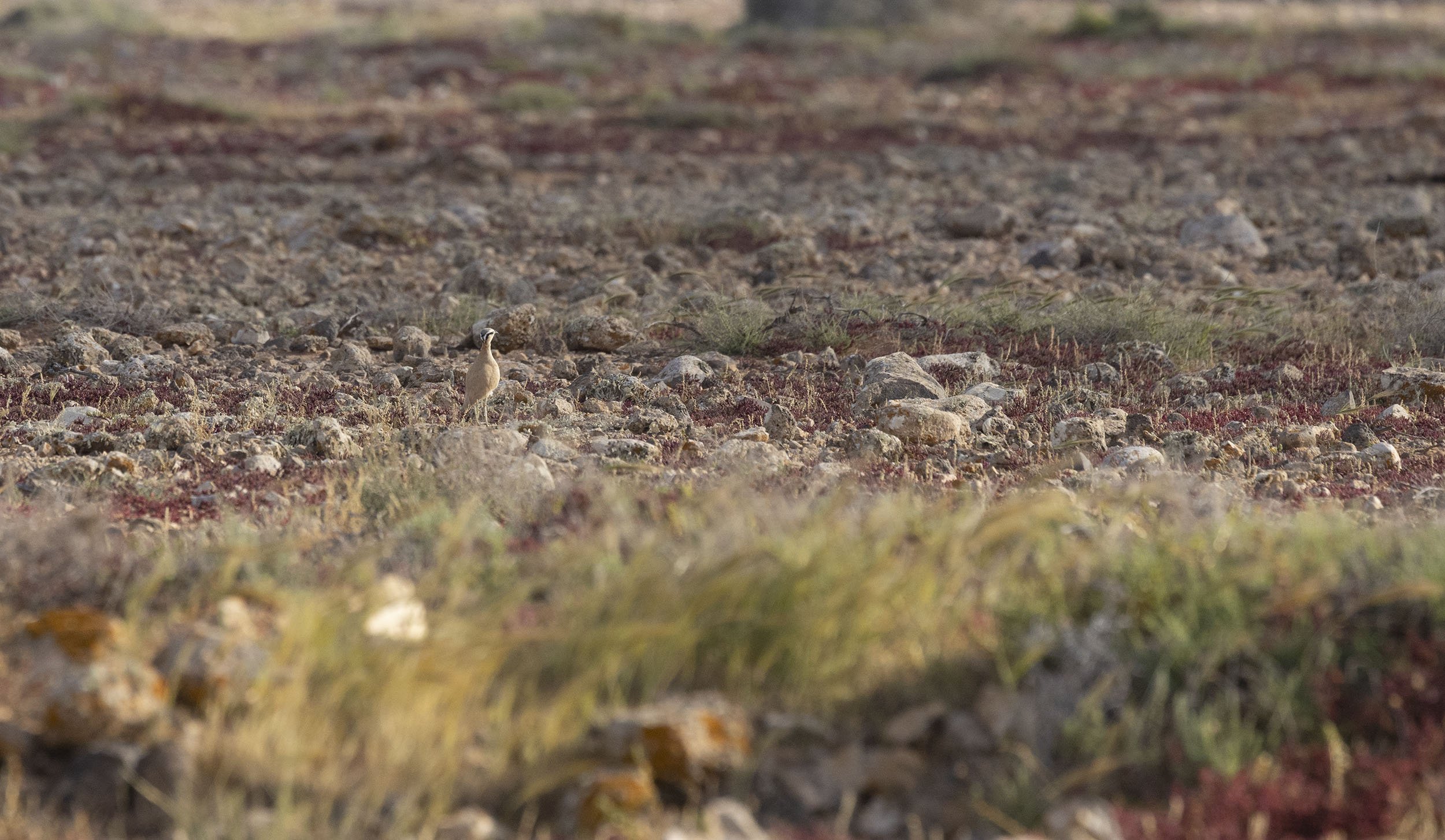
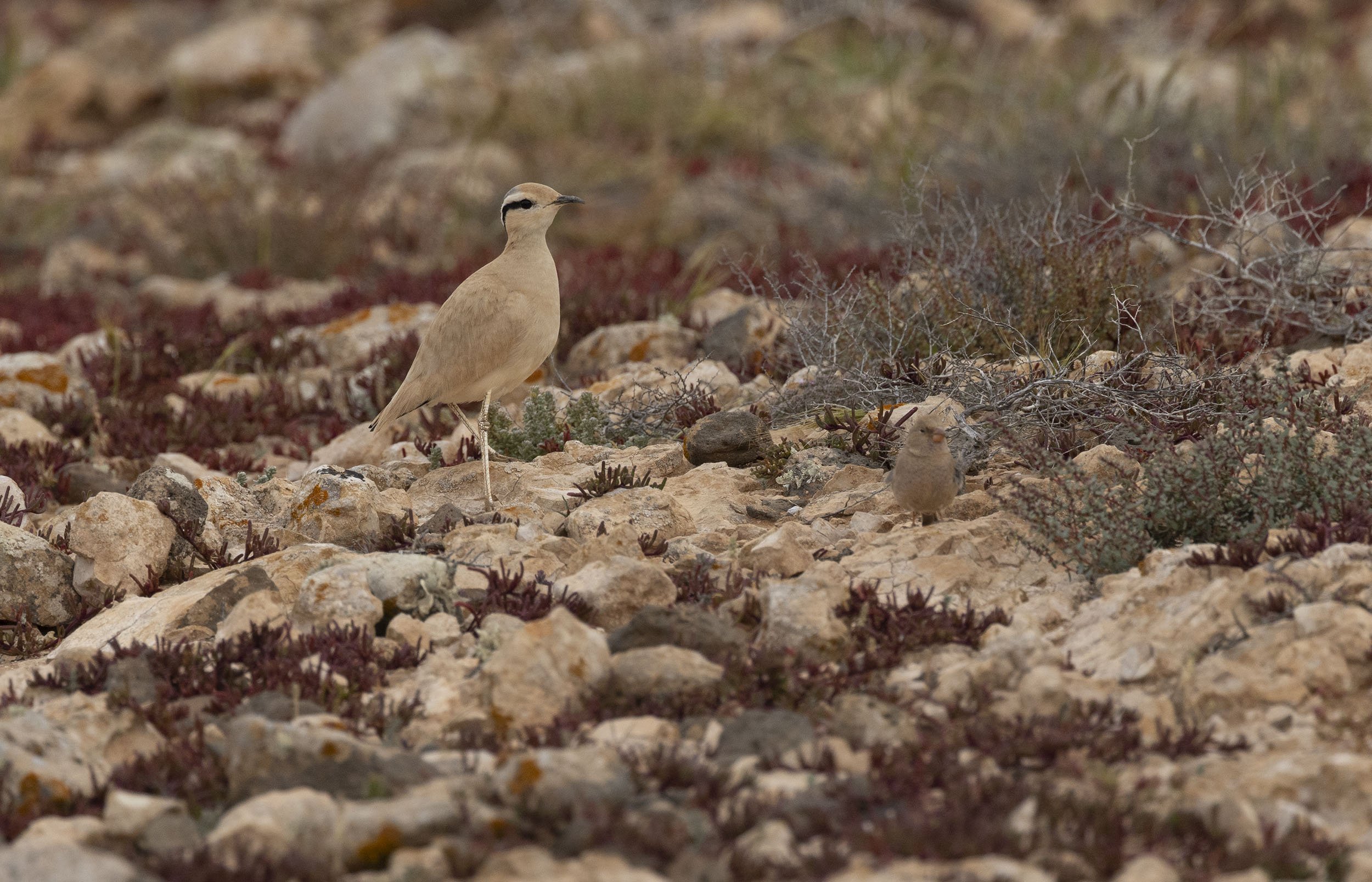
You always hope for close views and images but nothing is guaranteed - first views of Cream coloured Courser
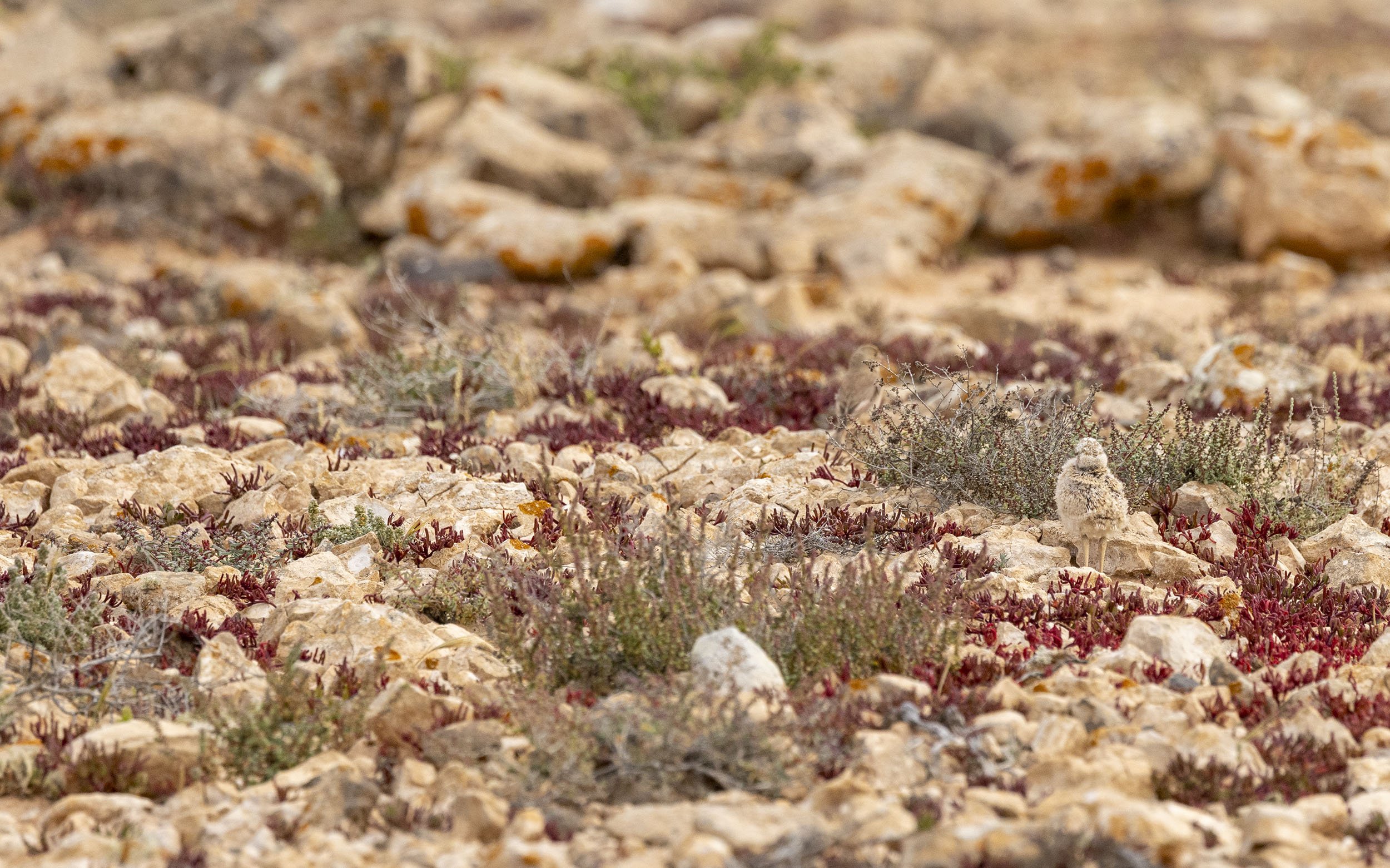
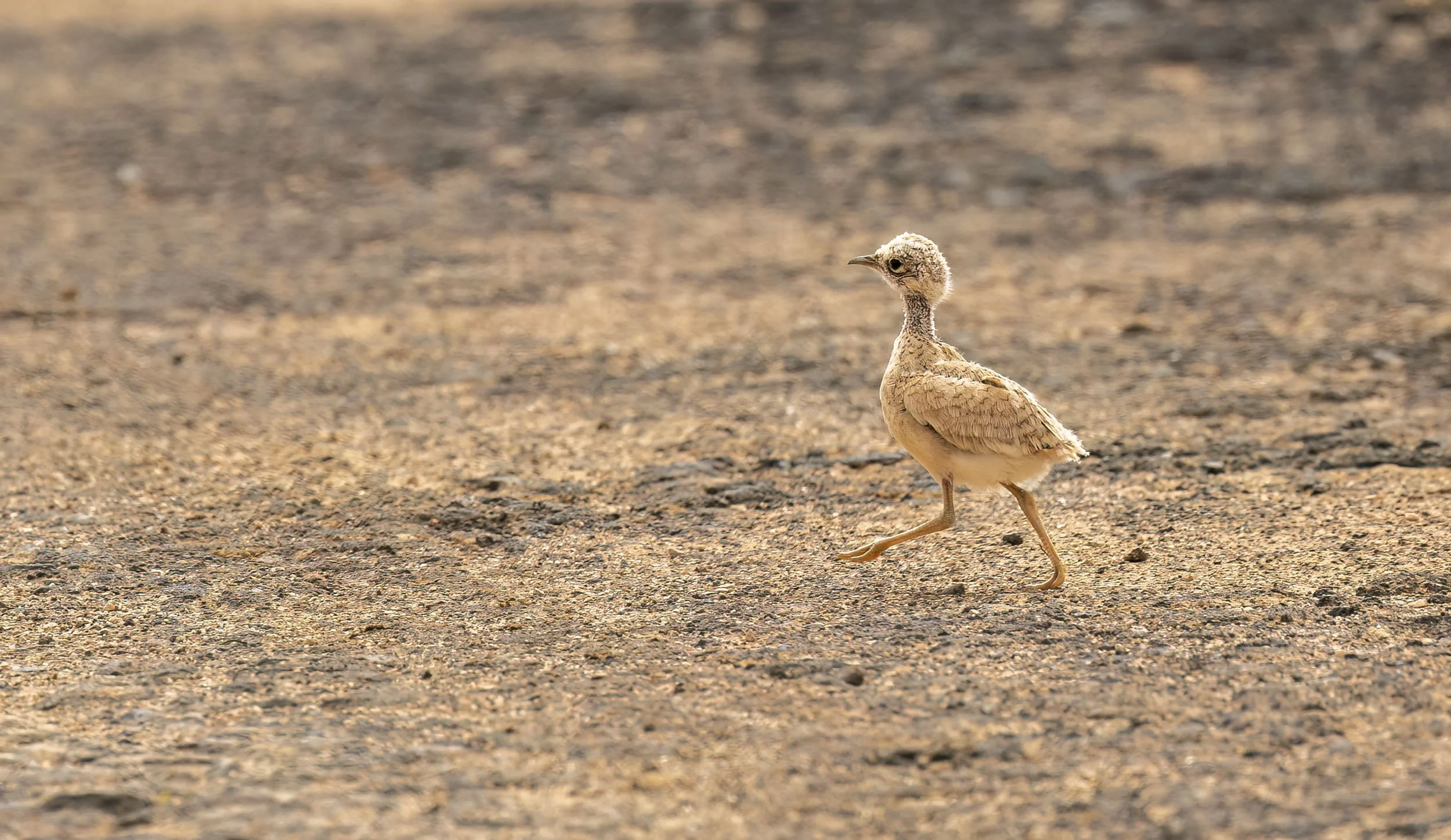
Cream coloured Courser chicks are designed to look like stones - Trumpeter Finch almost visible
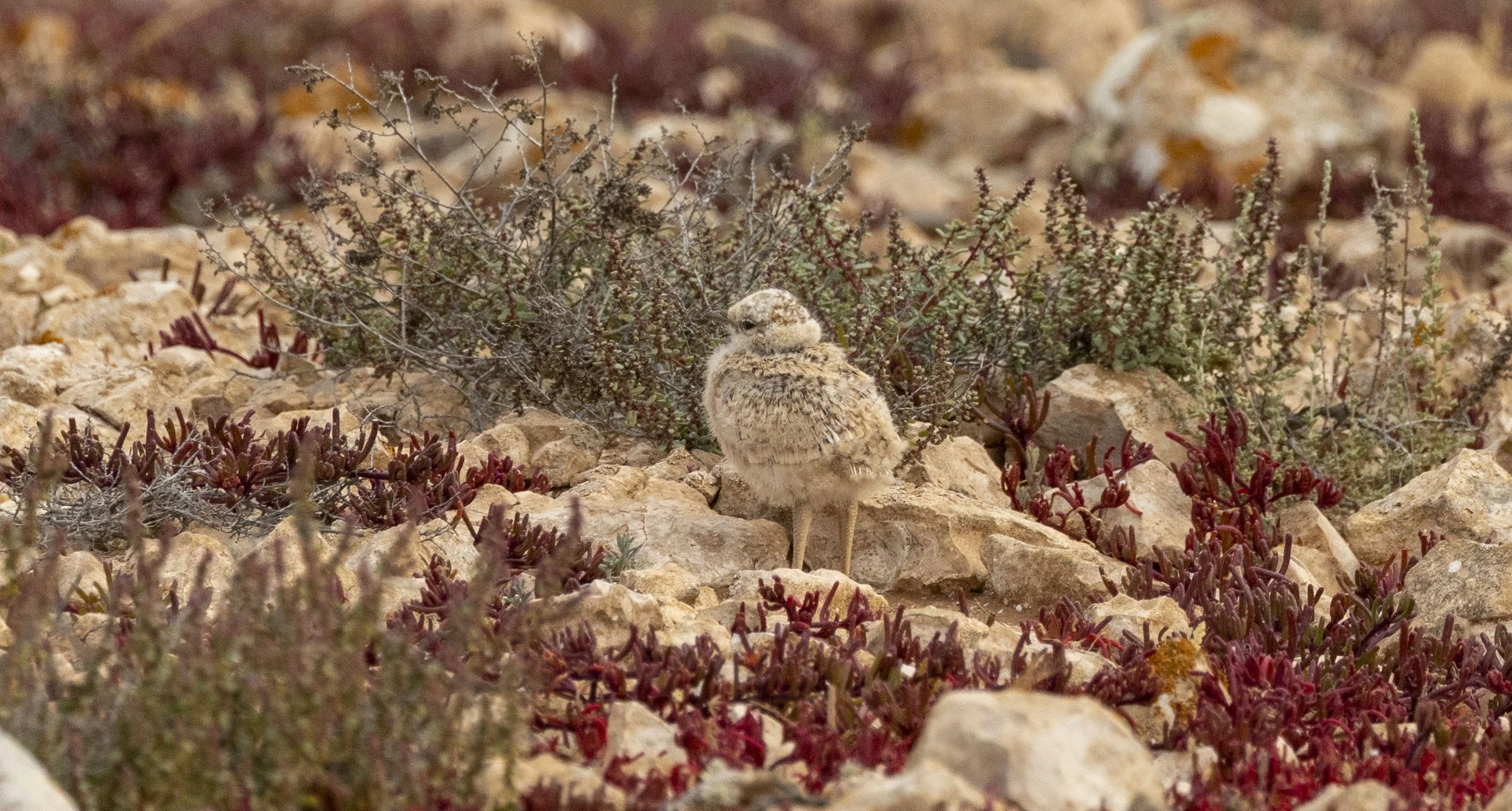
These images were taken on March 1st - it was amazing to see how the chicks developed in a few days assuming it was the same family we kept seeing
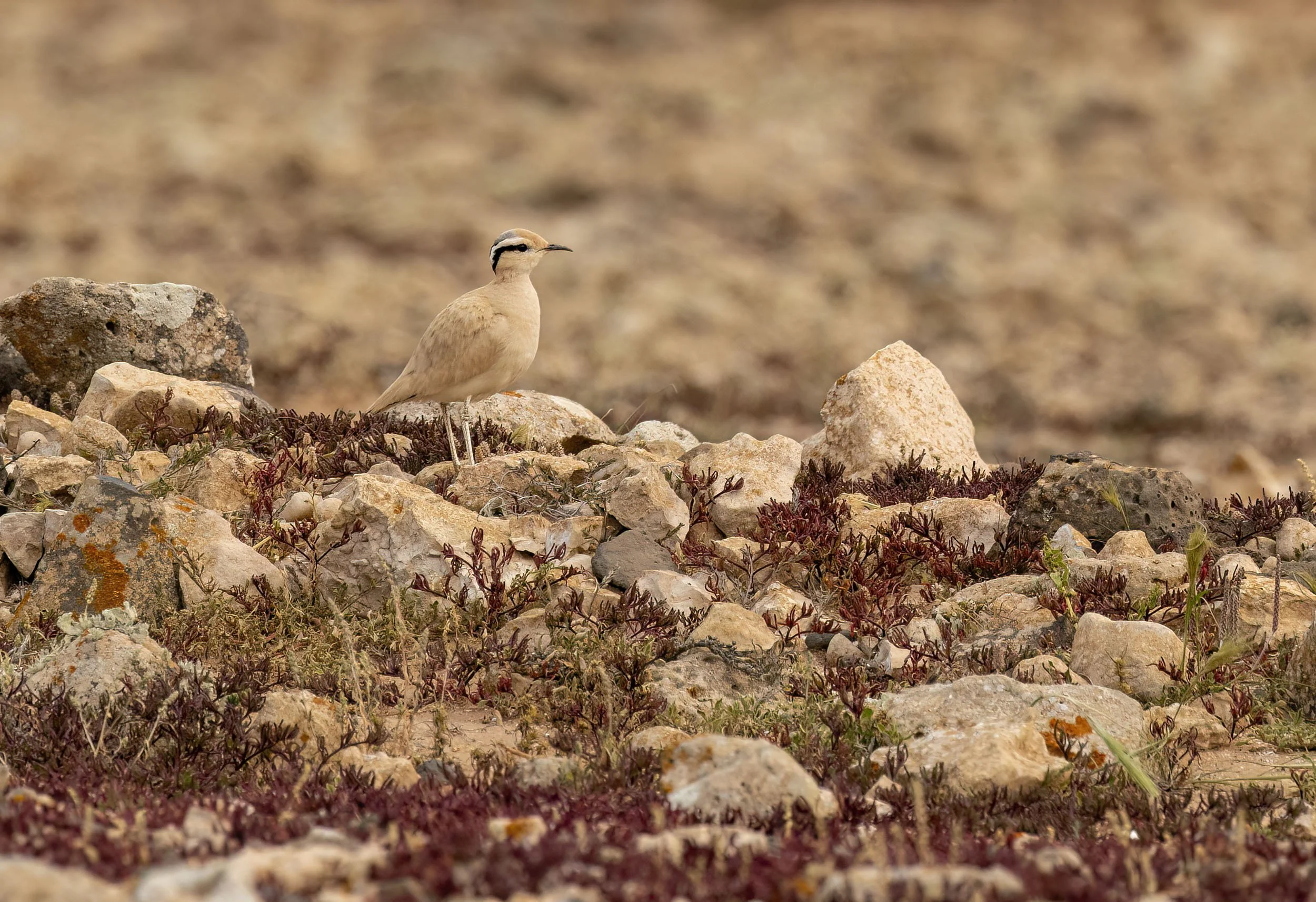
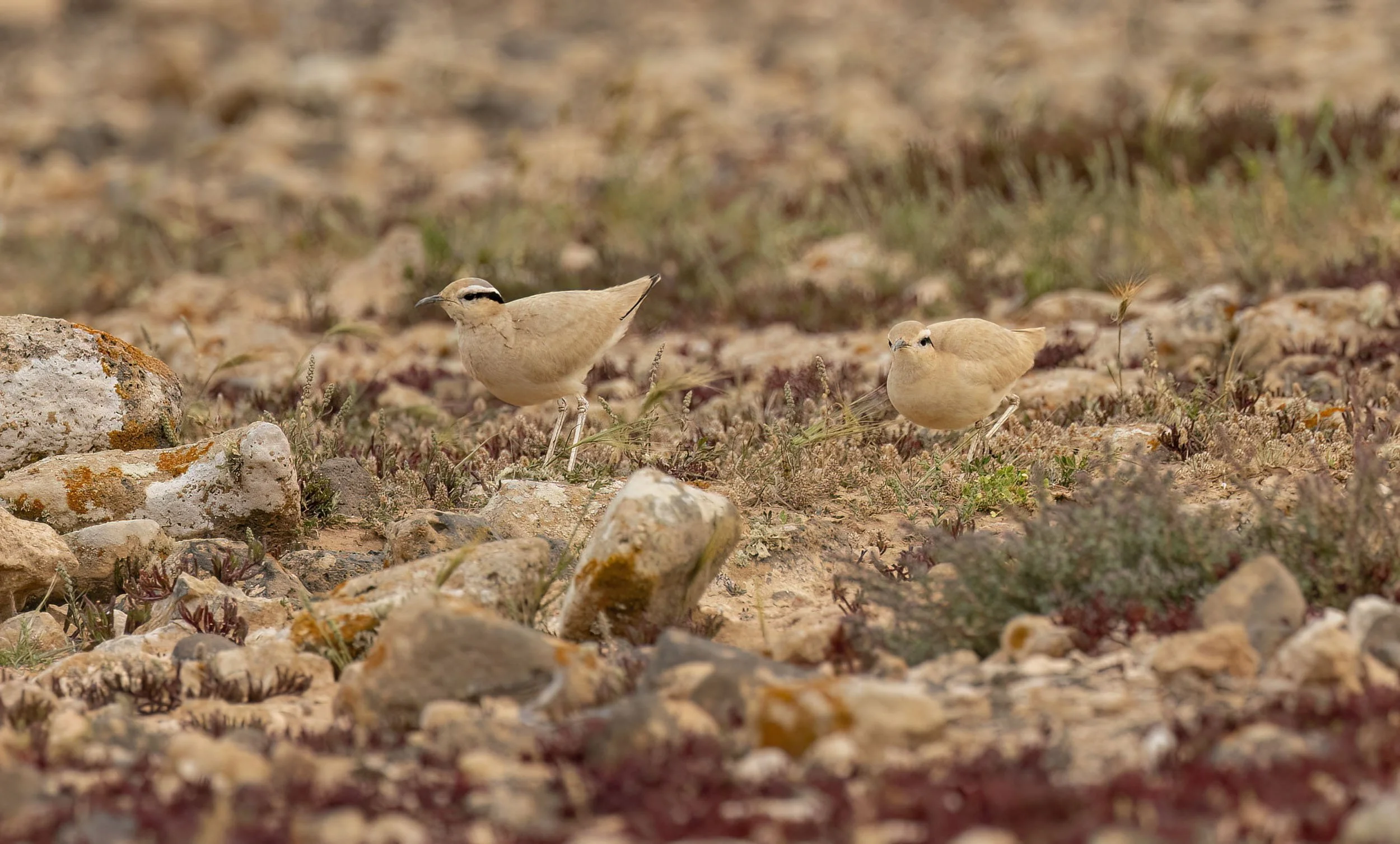
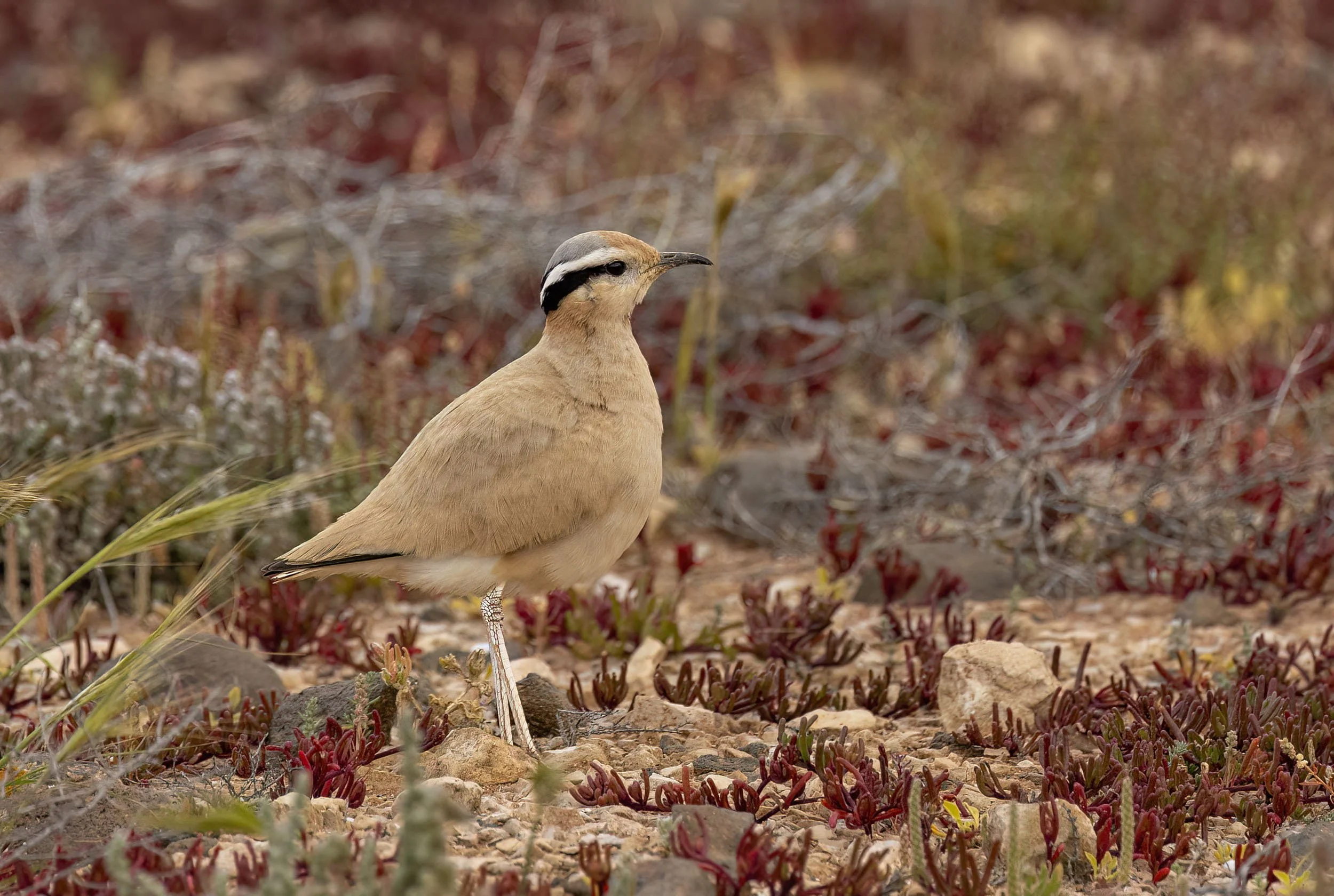
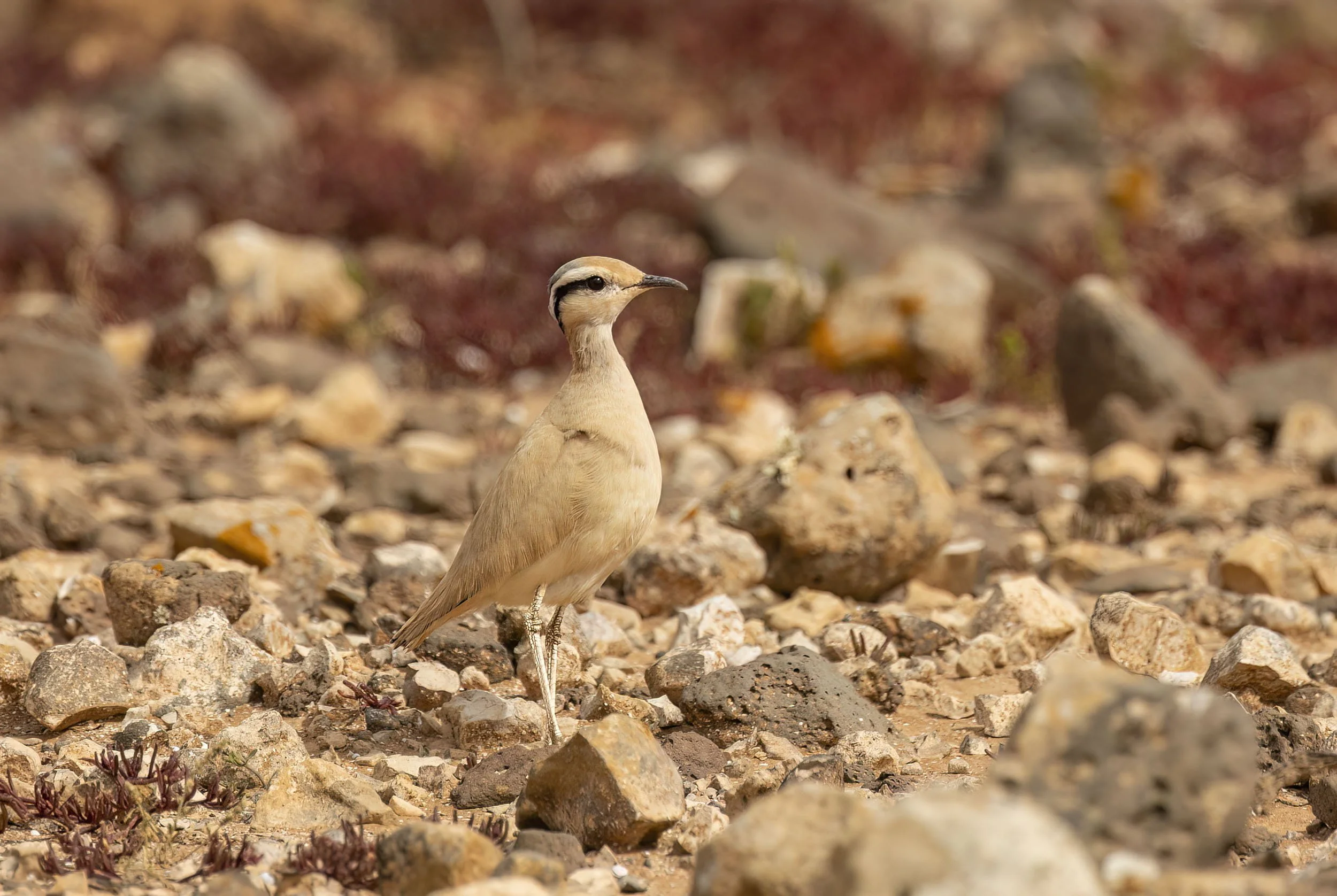
The chance of seeing and photographing Cream coloured Courser for the first time in 27 years was one of the main reasons for the trip - my only British encounter was with a rather forlorn looking bird on an Essex arable field with a big clump of wet mud stuck to its bill back in 1984
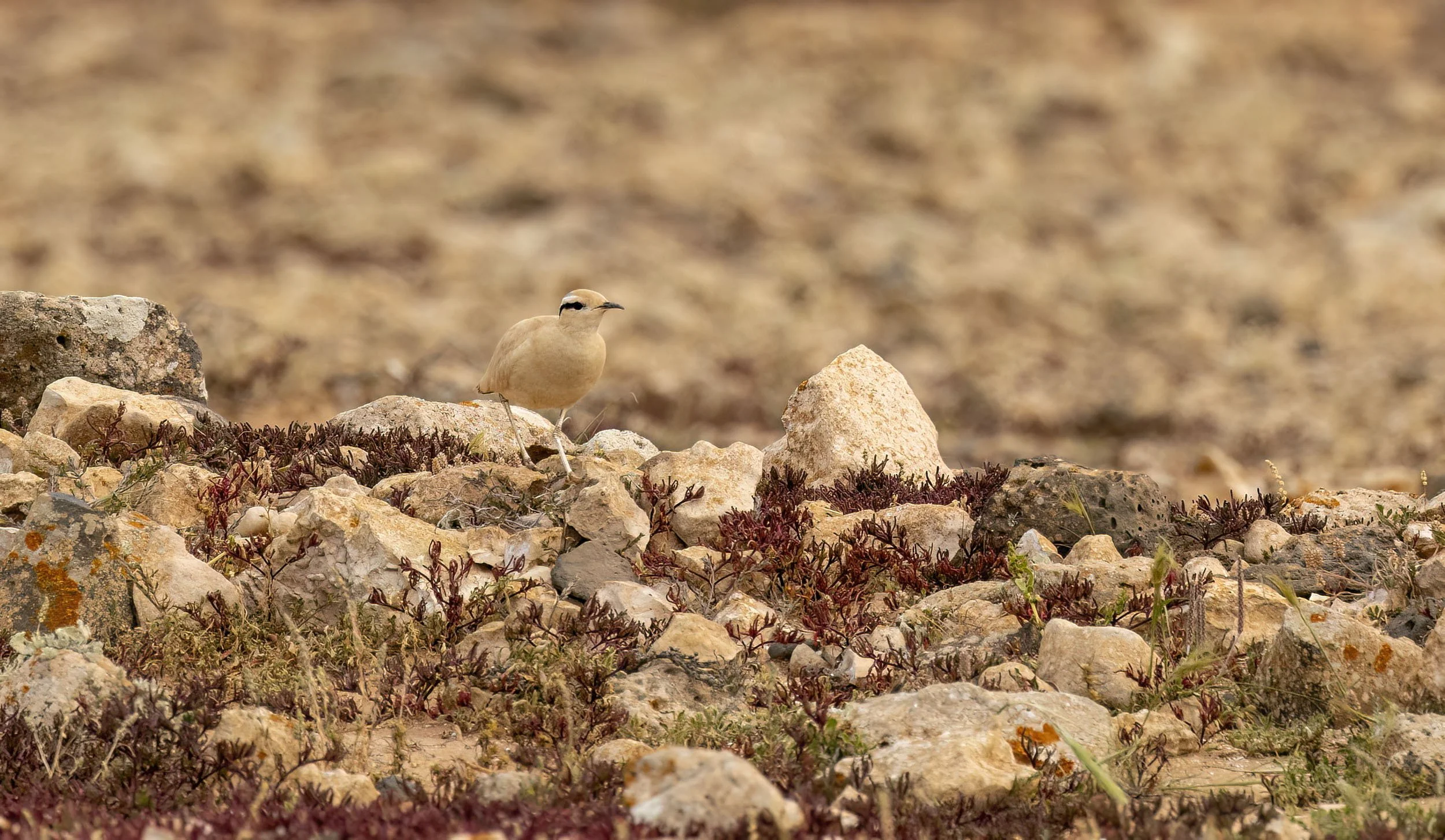
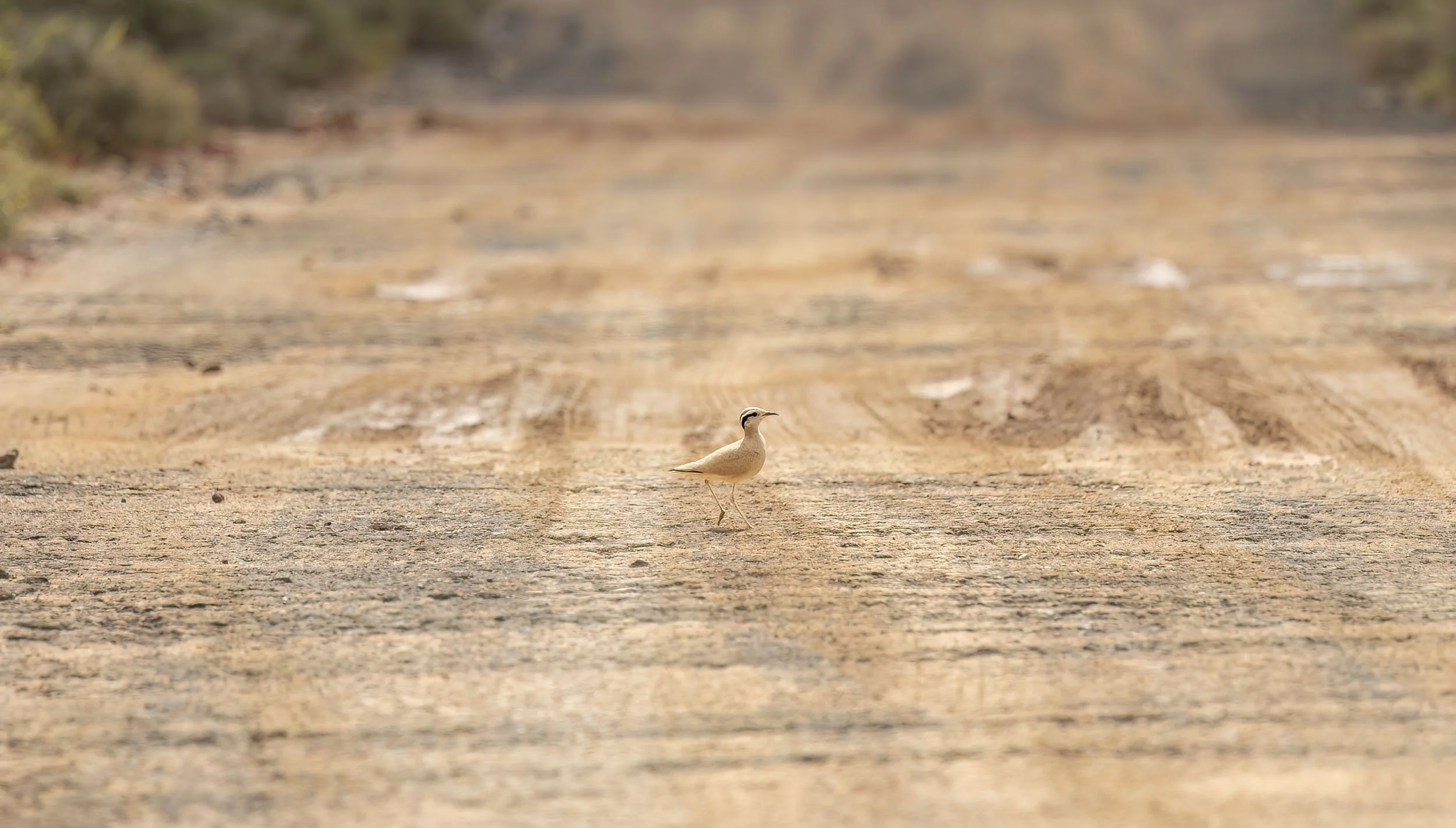
Sometimes very obvious they could disappear into the terrain and cover a lot of ground very quickly
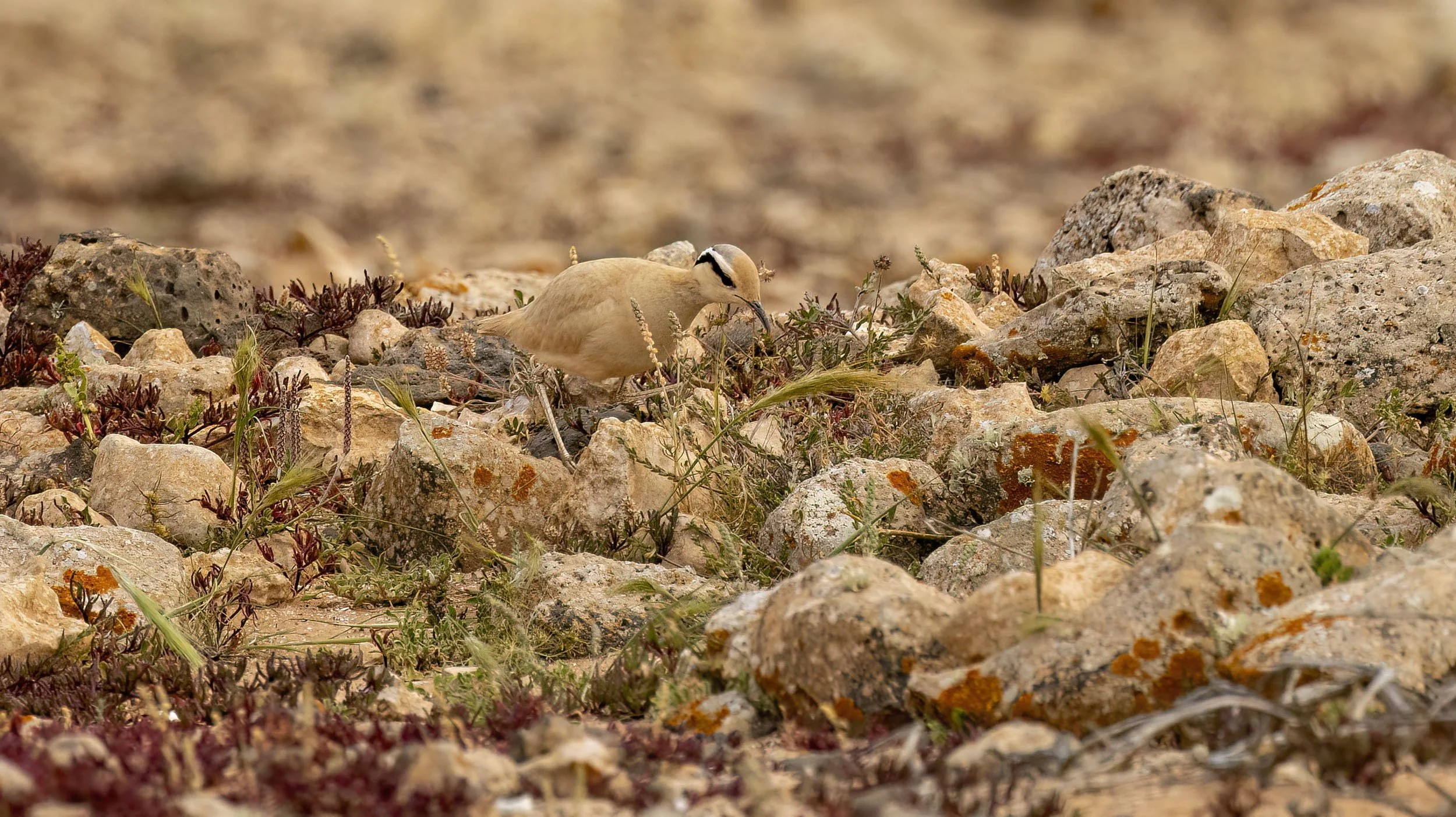
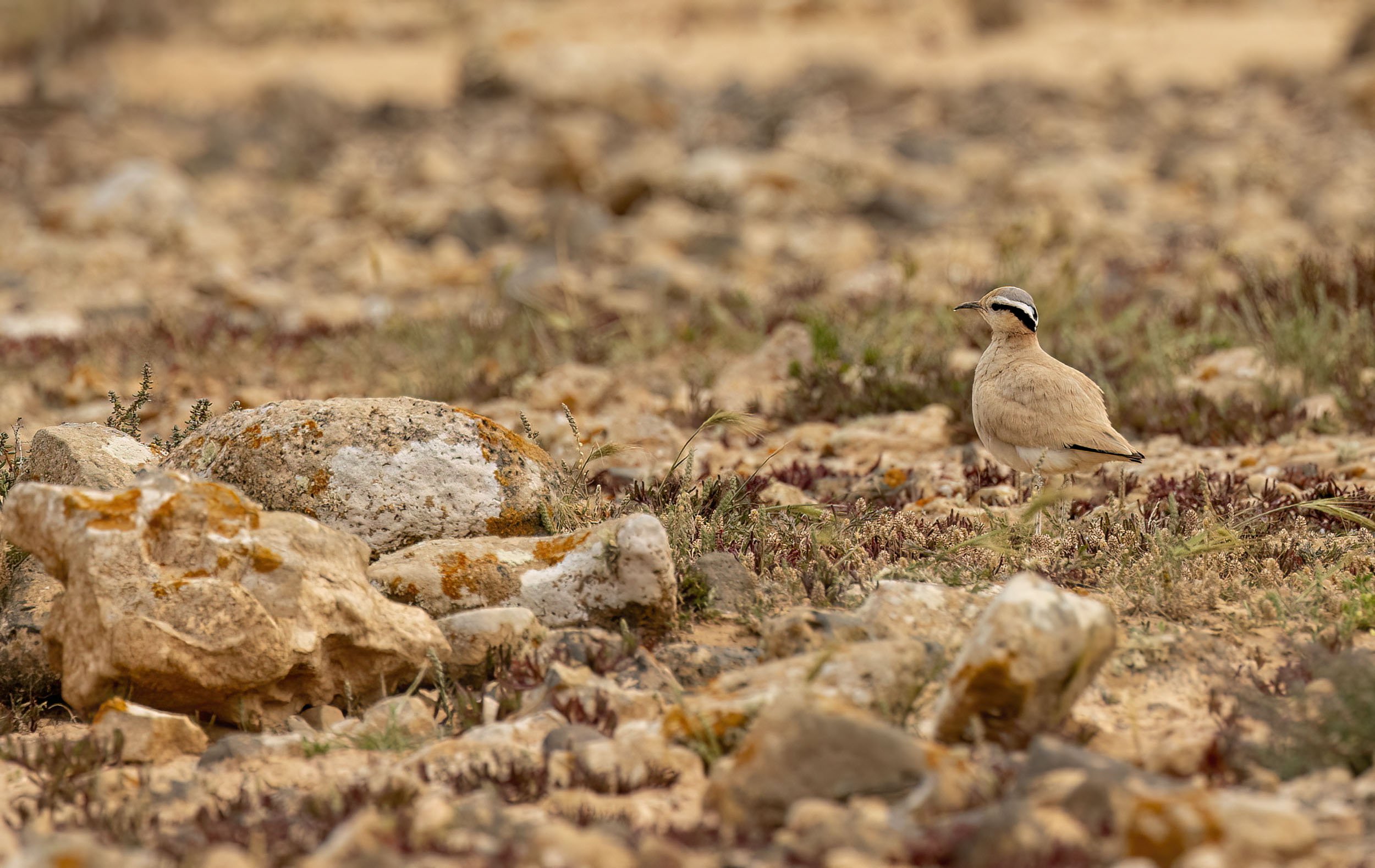
Its a long time since the only Lincolnshire record of an exhausted bird caught at Marshchapel in c1840 - a lot of sand is available for another
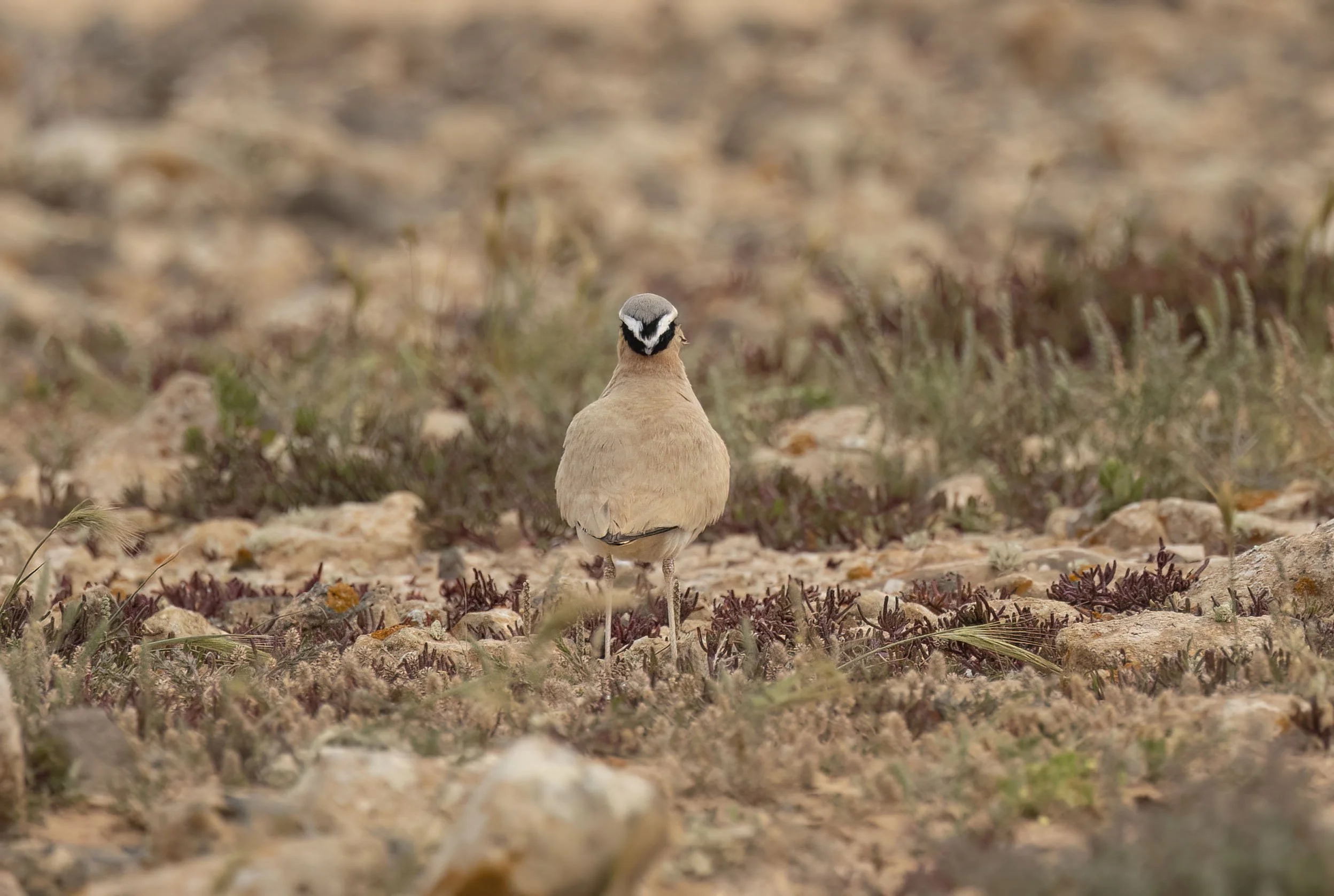
One of the few birds with an attractive rear view
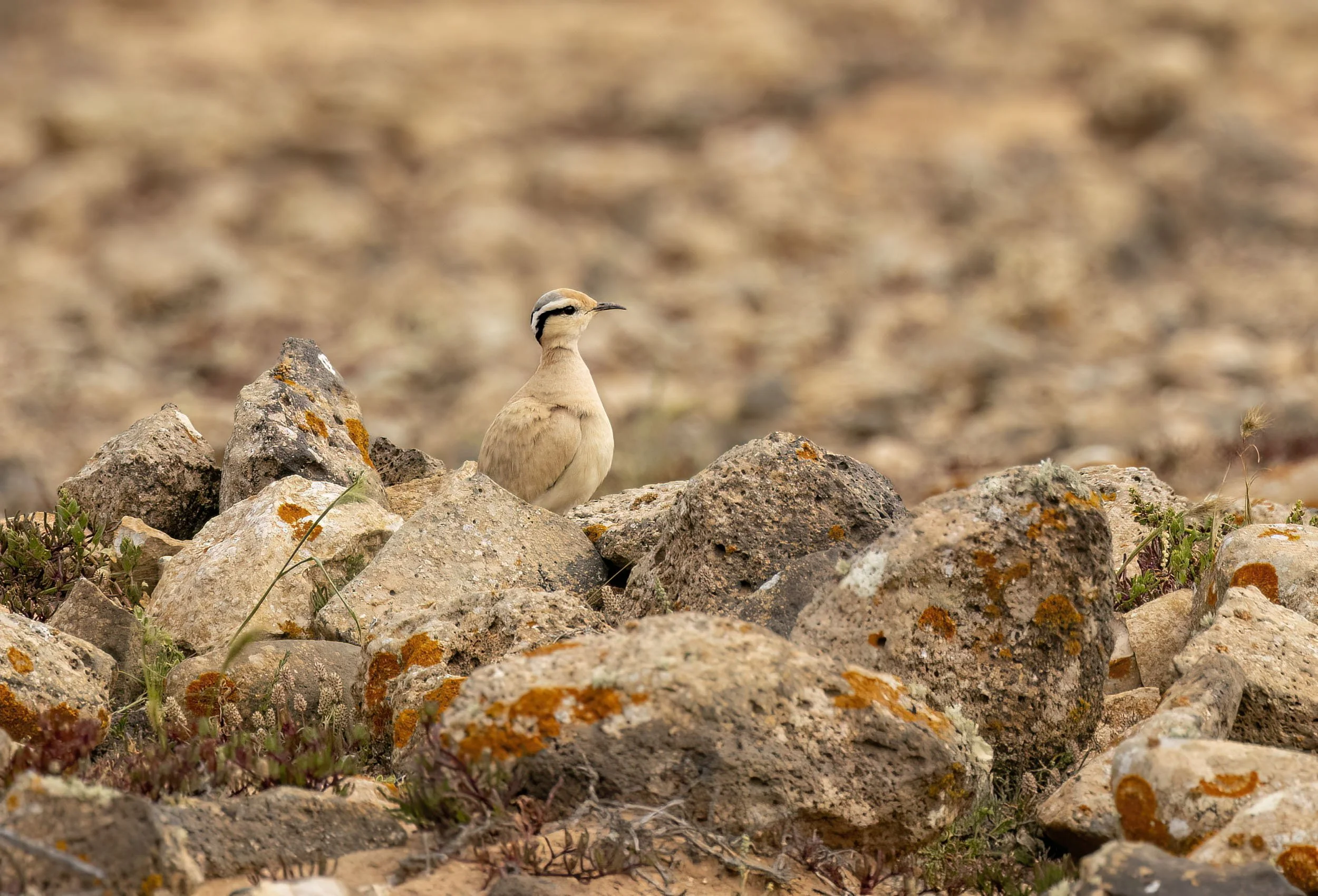
Canon 100-500 with 1.4x converter -
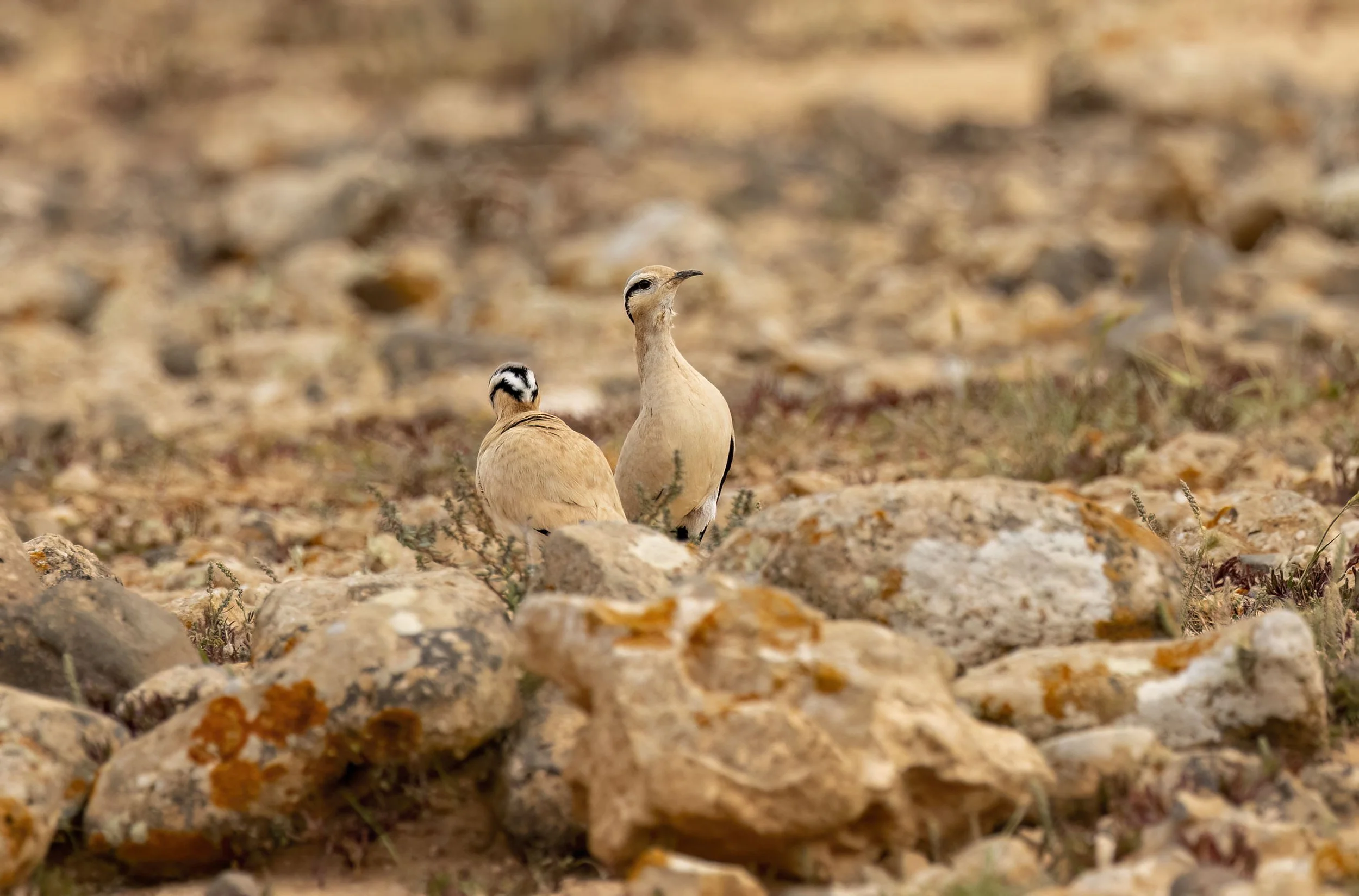
Pair indulging in some courtship display
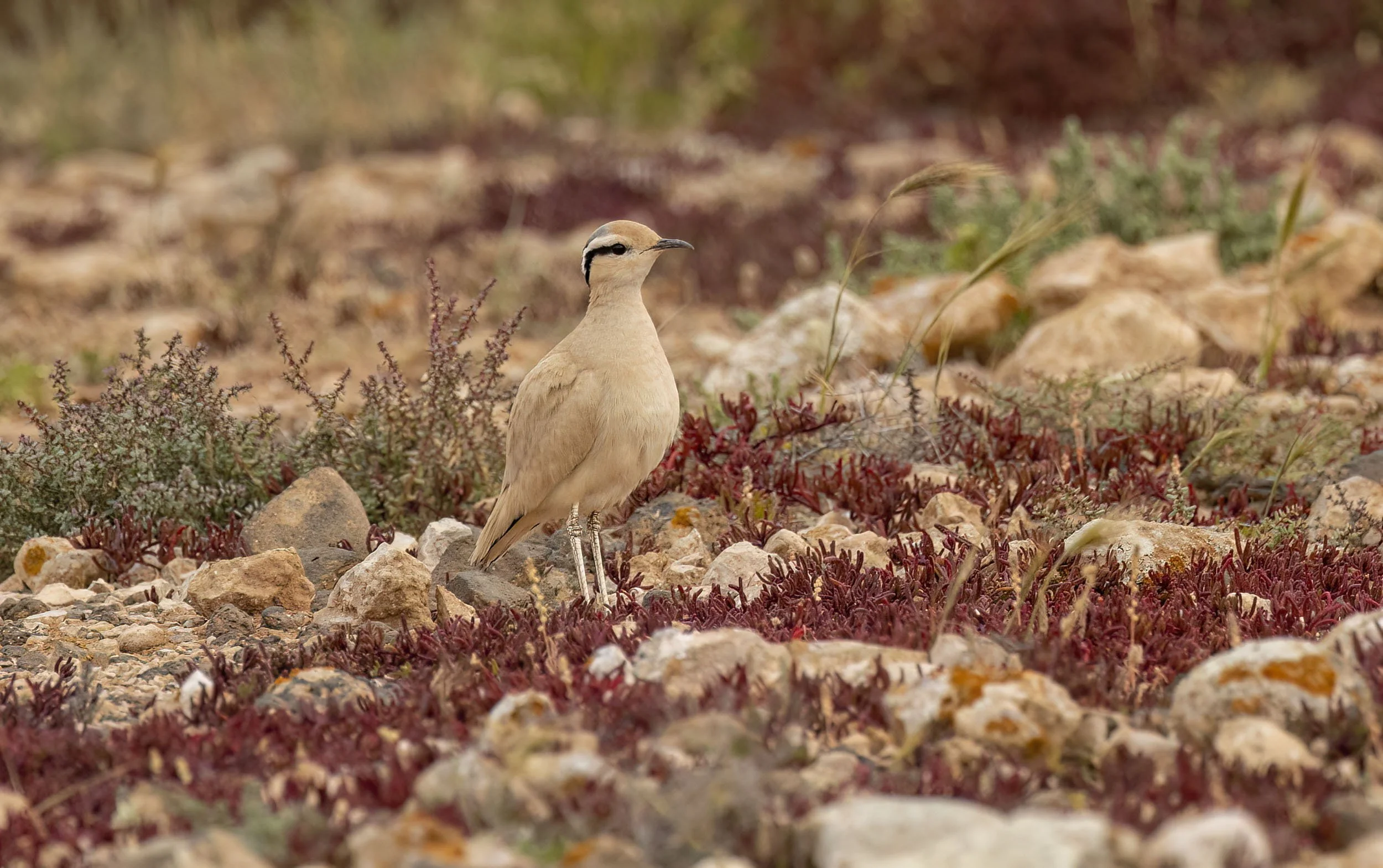
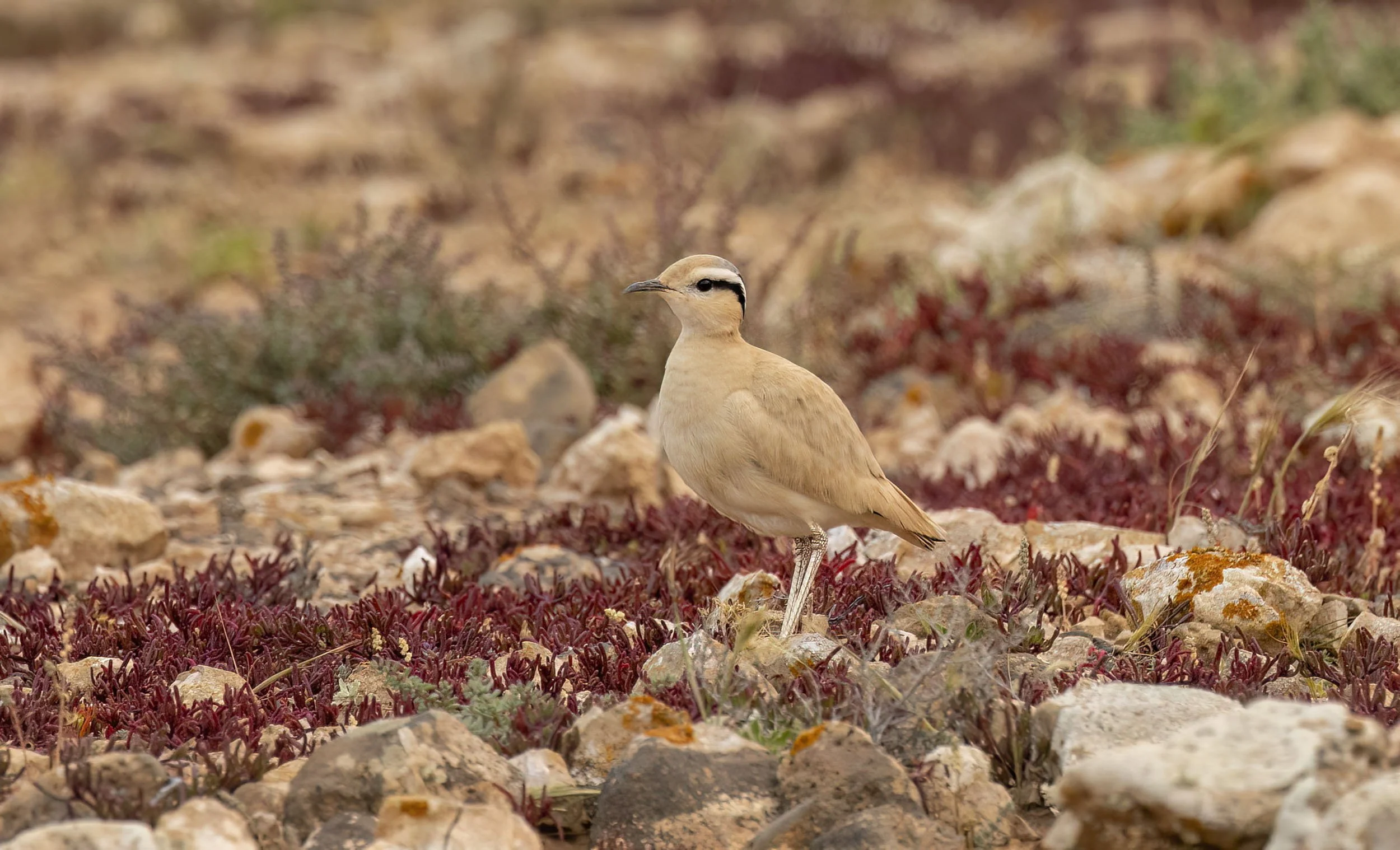
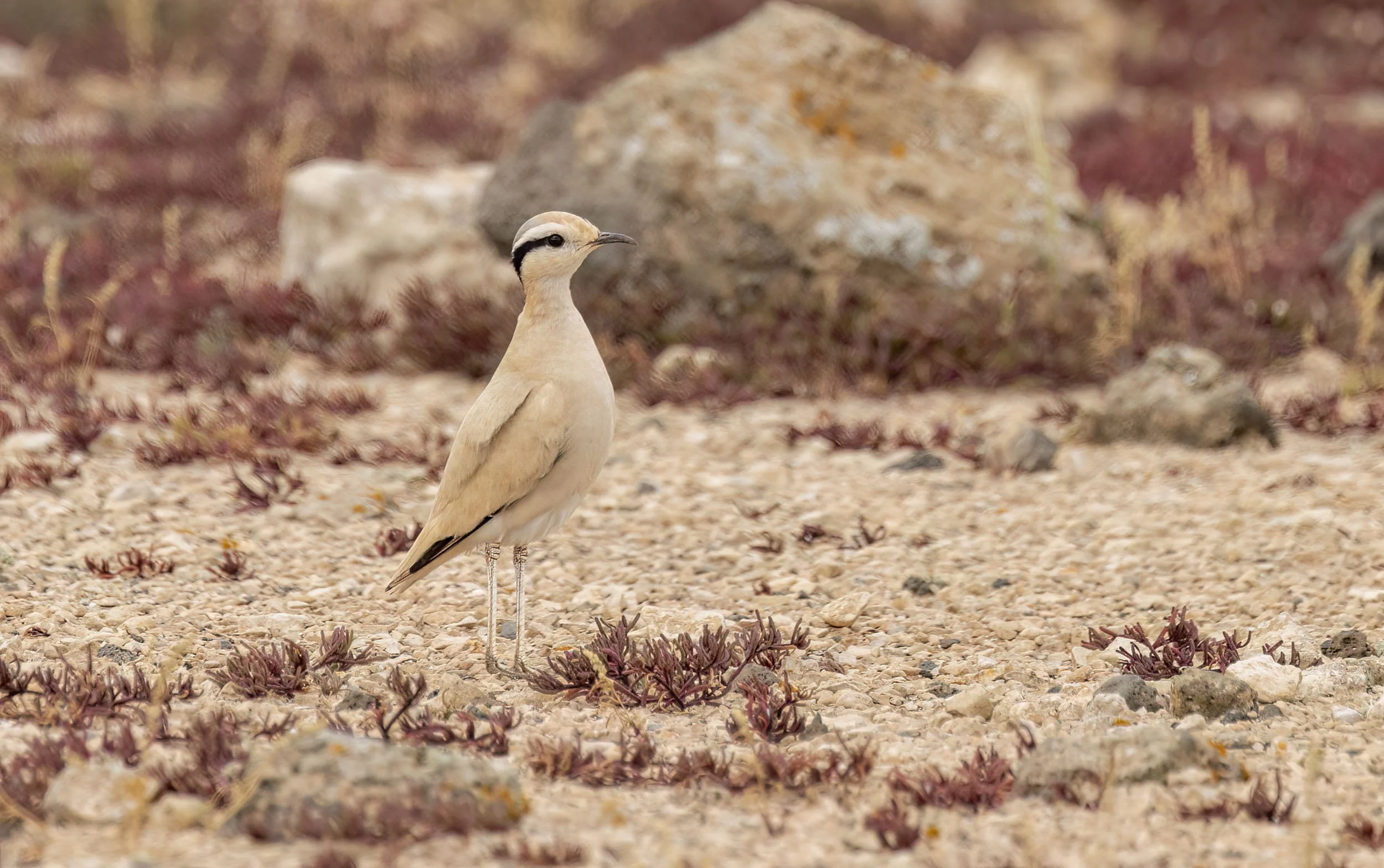
Think this was a female
Off Cotillo beach and the lighthouse a single Sandwich Tern and Cory’s Shearwater and two Sanderling on the road.
March 2nd Still missing Houbaras we headed down to the plains north of Asturia suggested in the Gosney guide but it looked unsuitable though we did have a few Barbary Partridge, a singing Quail and a pair of Great Grey Shrikes. We then headed to Los Molinos reservoir where it was very windy and cool. At least 90 Ruddy Shelducks and 20 Black-bellied Sandgrouse in flight landing by the goat farm. An adult Egyptian Vulture, four Common Buzzards, Spanish Sparrows by the dam and the goat farm and a Barbary Falcon flew away with prey. On the water a Little Ringed Plover and six Black-winged Stilts. Then moved on to the car park and stream at the end of the road at Puerto de Los Molinos. A Common Sandpiper in the stream with a Little Egret and in the valley a male Kestrel and two Common Buzzards but the highlight were 20+ Sahara Bluetails and two Broad Scarlets. From there drive up to Betancuria but very, very busy – park in the main car park and walk up the dry river bed to the old convent. At least eight African Blue Tits in the car park and stream bed, Sardinian Warbler and a lifer singing male Atlantic Canary in the palm trees in the village centre. The small pool near the car park had Red-veined Darters and Broad Scarlets and Emperors and butterflies in the river bed included some fly by Clouded Yellows that were very pale, Painted Ladies, Lang’s Short-tailed Blue, Geranium Bronze and African Grass Blue along with Small and Fuerteventura Green Striped Whites and Greenish Black Tips. Call at the excellent café / mini market in Tindaya and then have another drive out onto the plains and almost immediately Julia sees two Houbaras right next to the car well pretty damned close and we watching them walking and feeding for over 15 minutes before they wander off – several 100 images later and several Mediterranean Short-toed Larks and its back for a big wine.
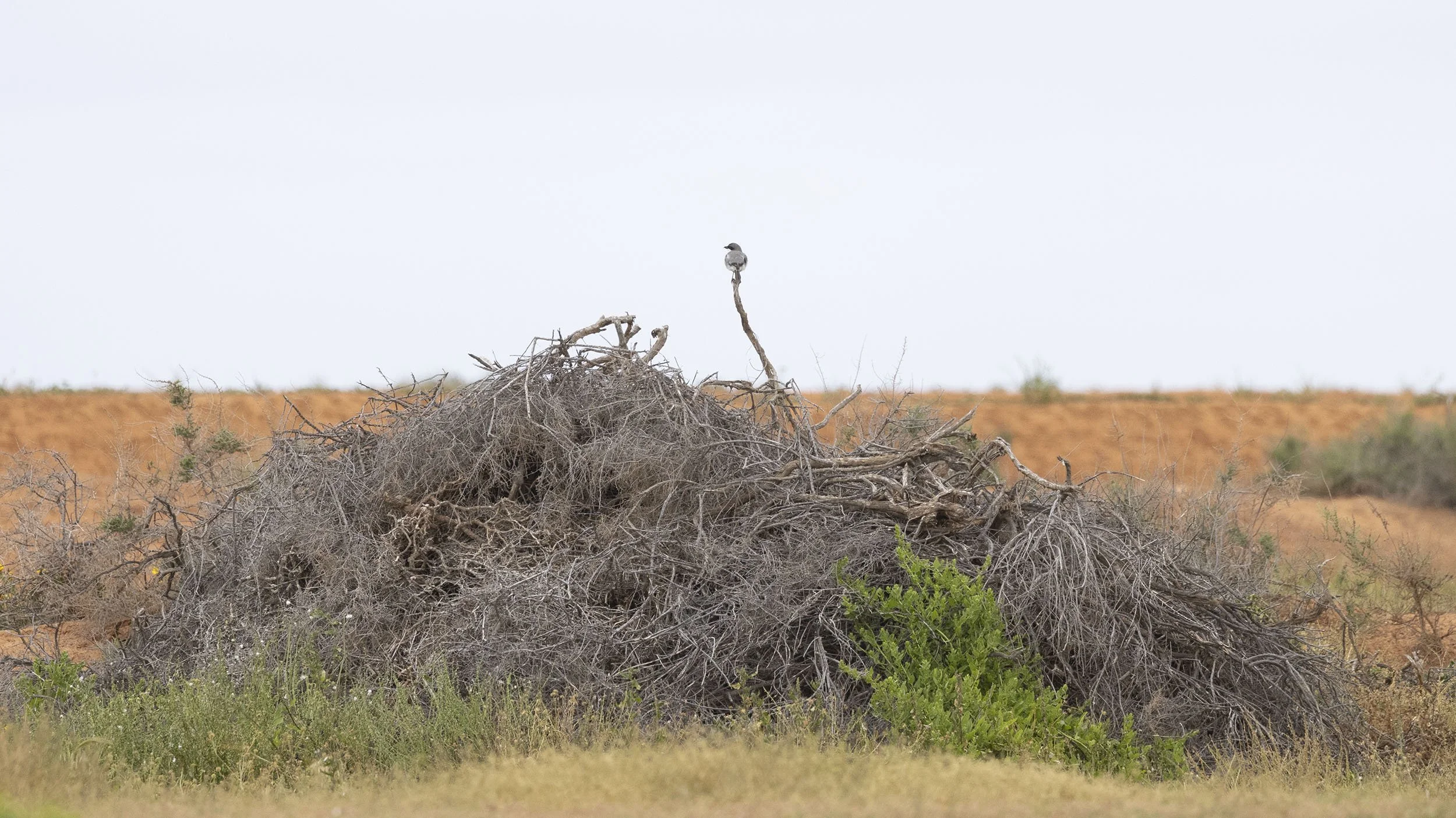
Ubiquitous Great Grey Shrike atop any old pile of stuff
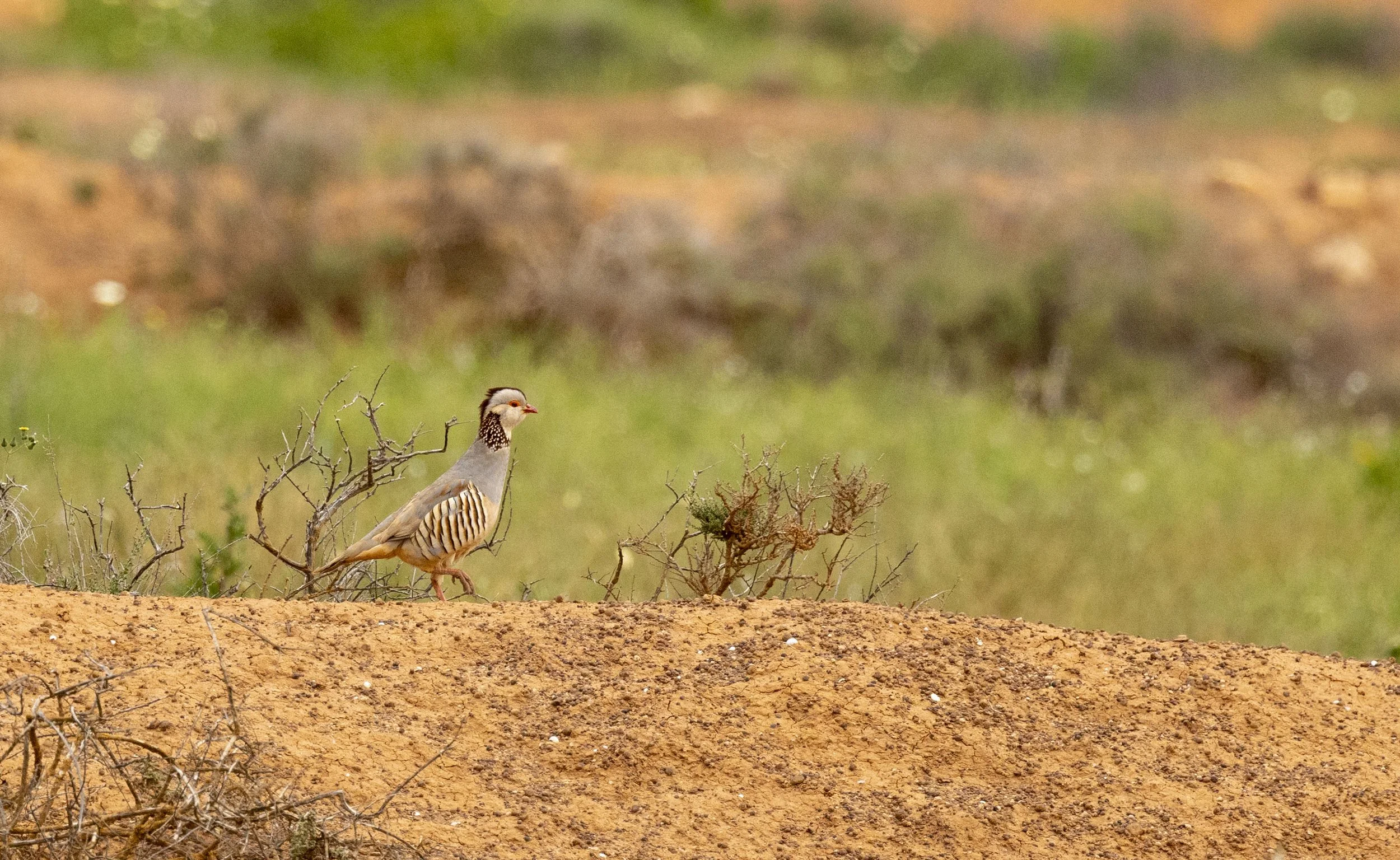
Barbary Partridge north of Antigua
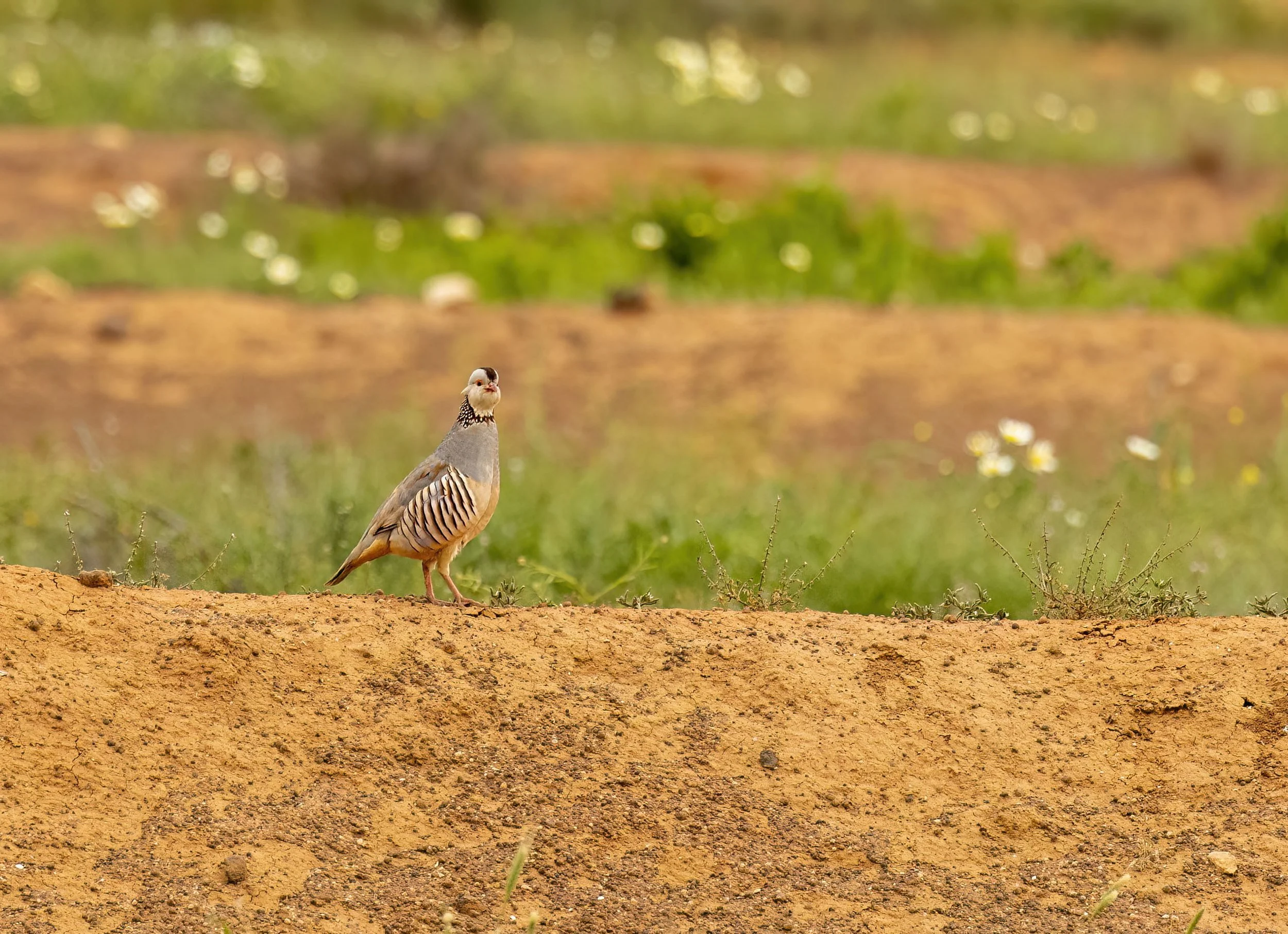
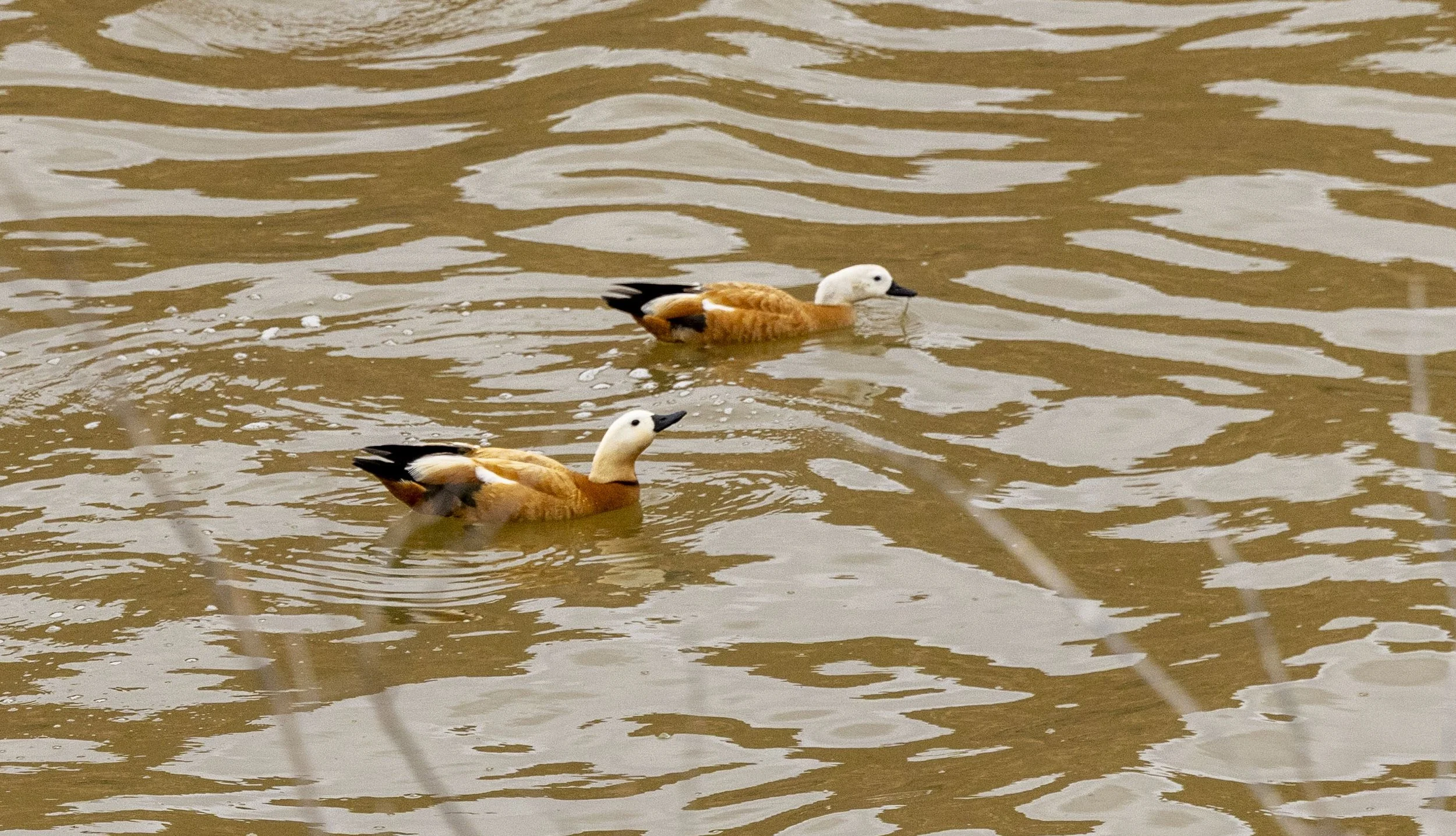
Ruddy Shelducks at the reservoir - something you quickly ignore if possible
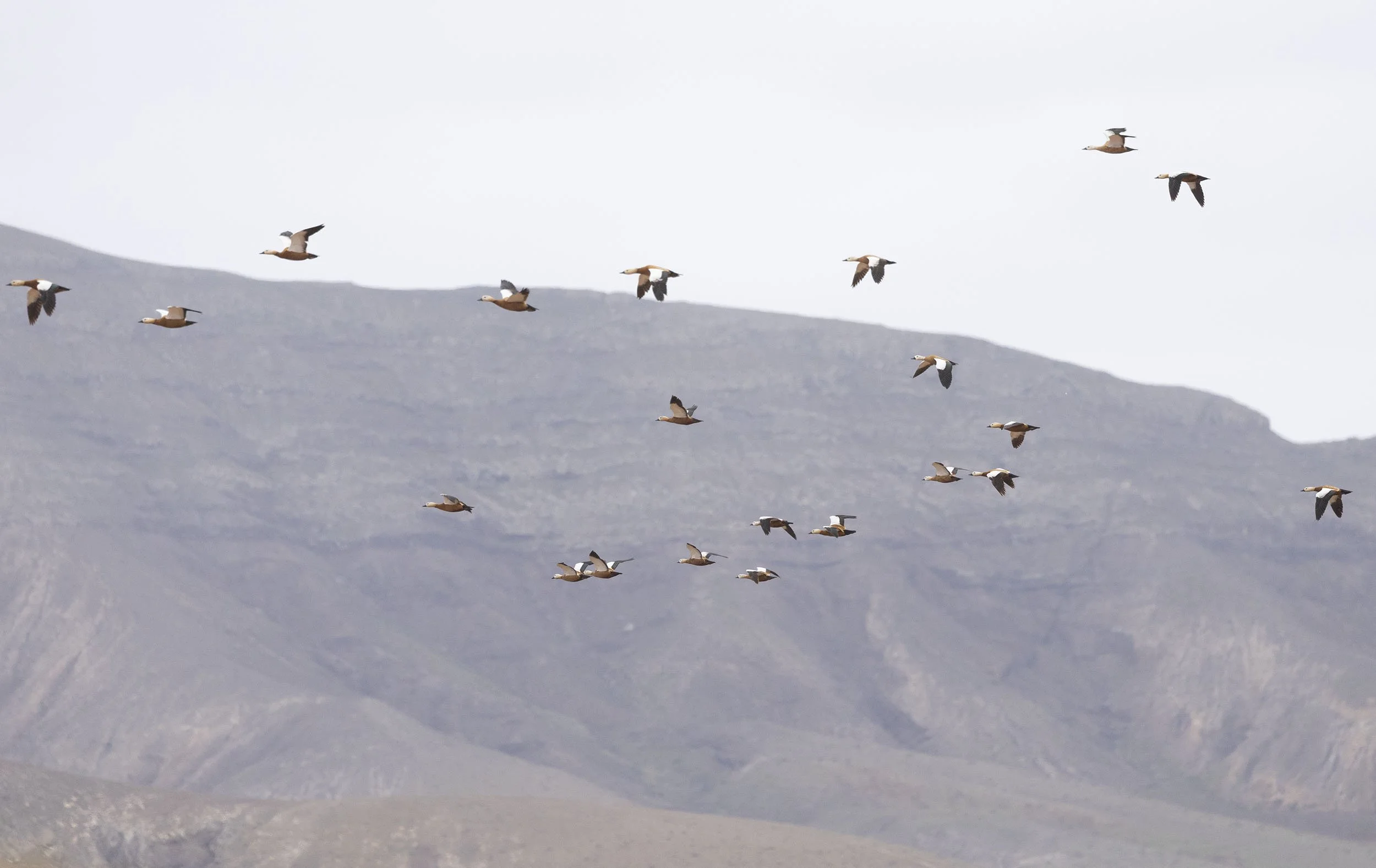
Up to 80 seen at Los Molinos in one scan
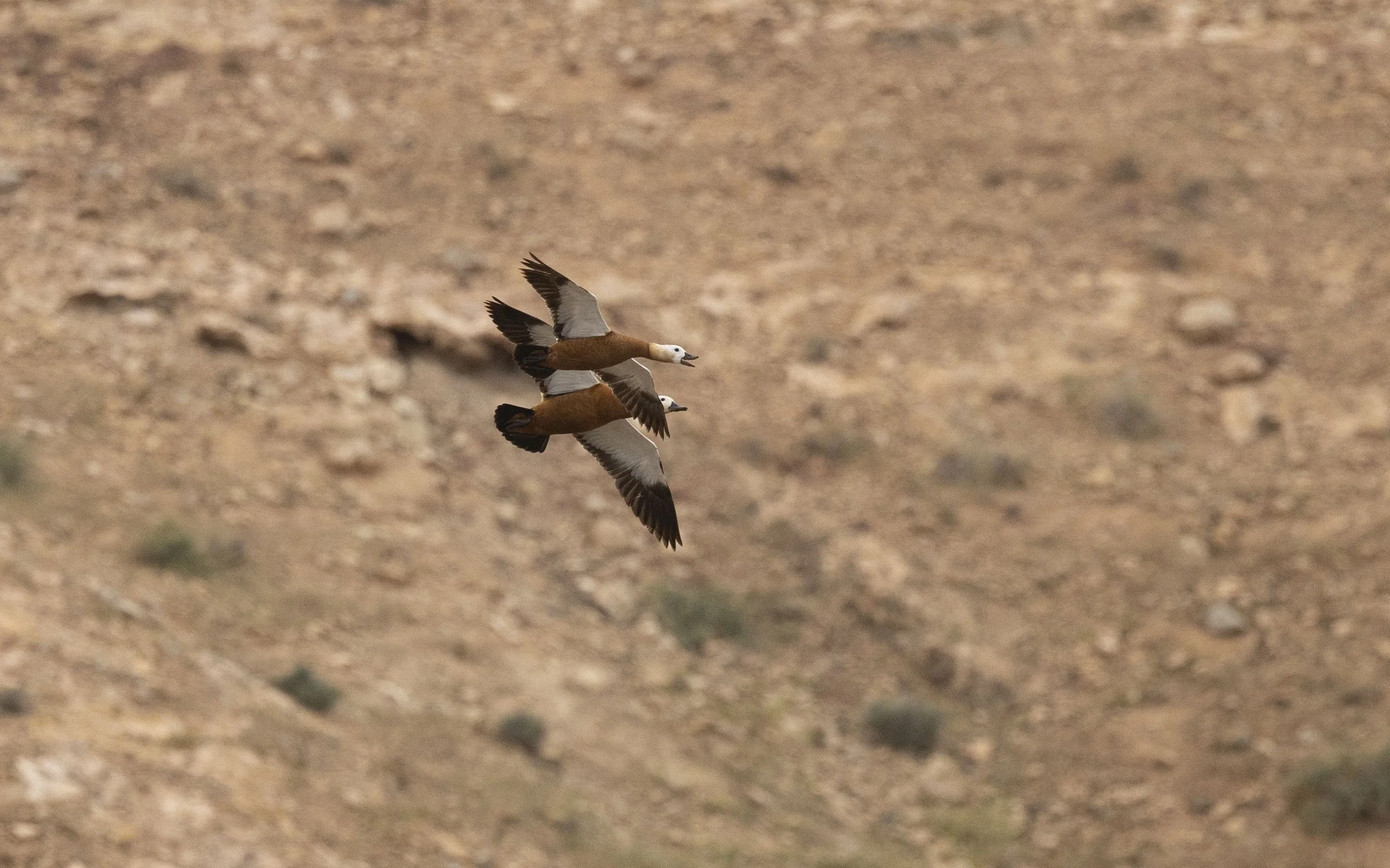
seems a bit odd seeing them in such an arid environment
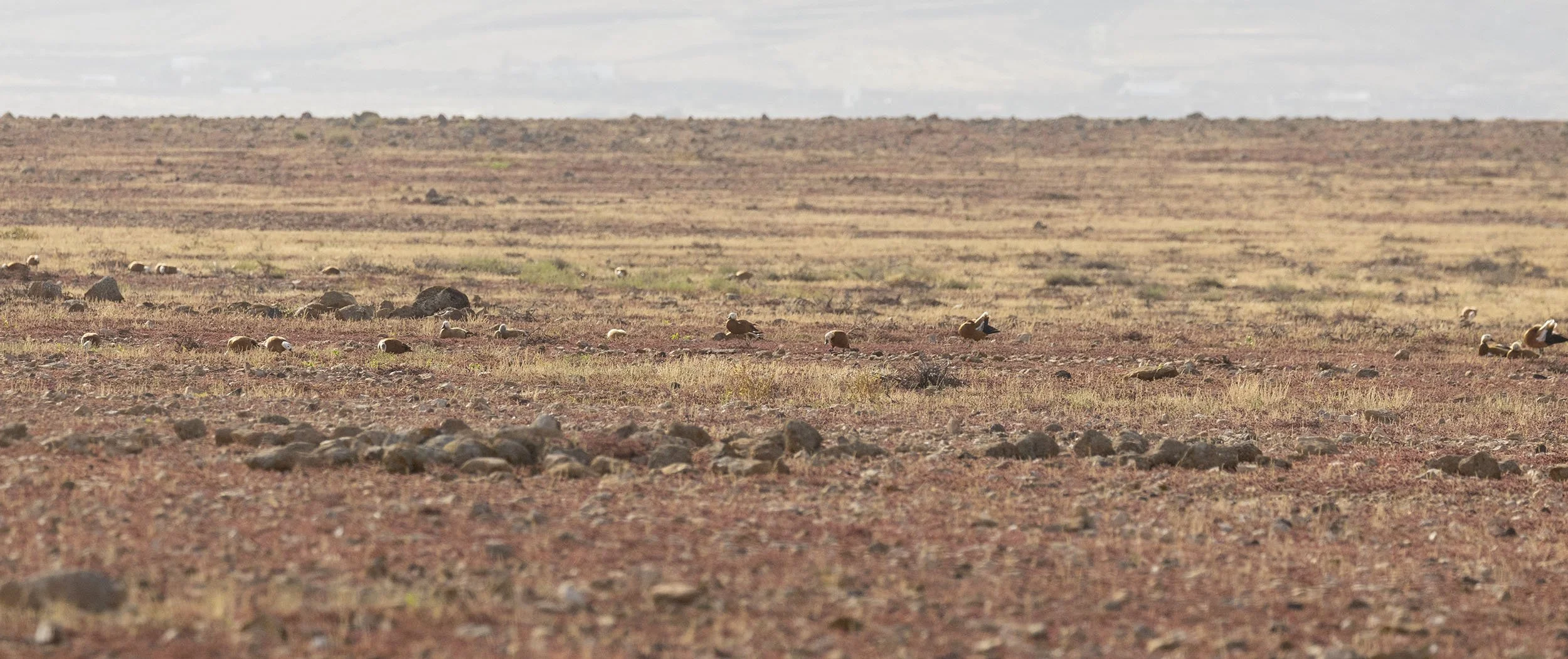
Particularly feeding out on the goat ravaged plains
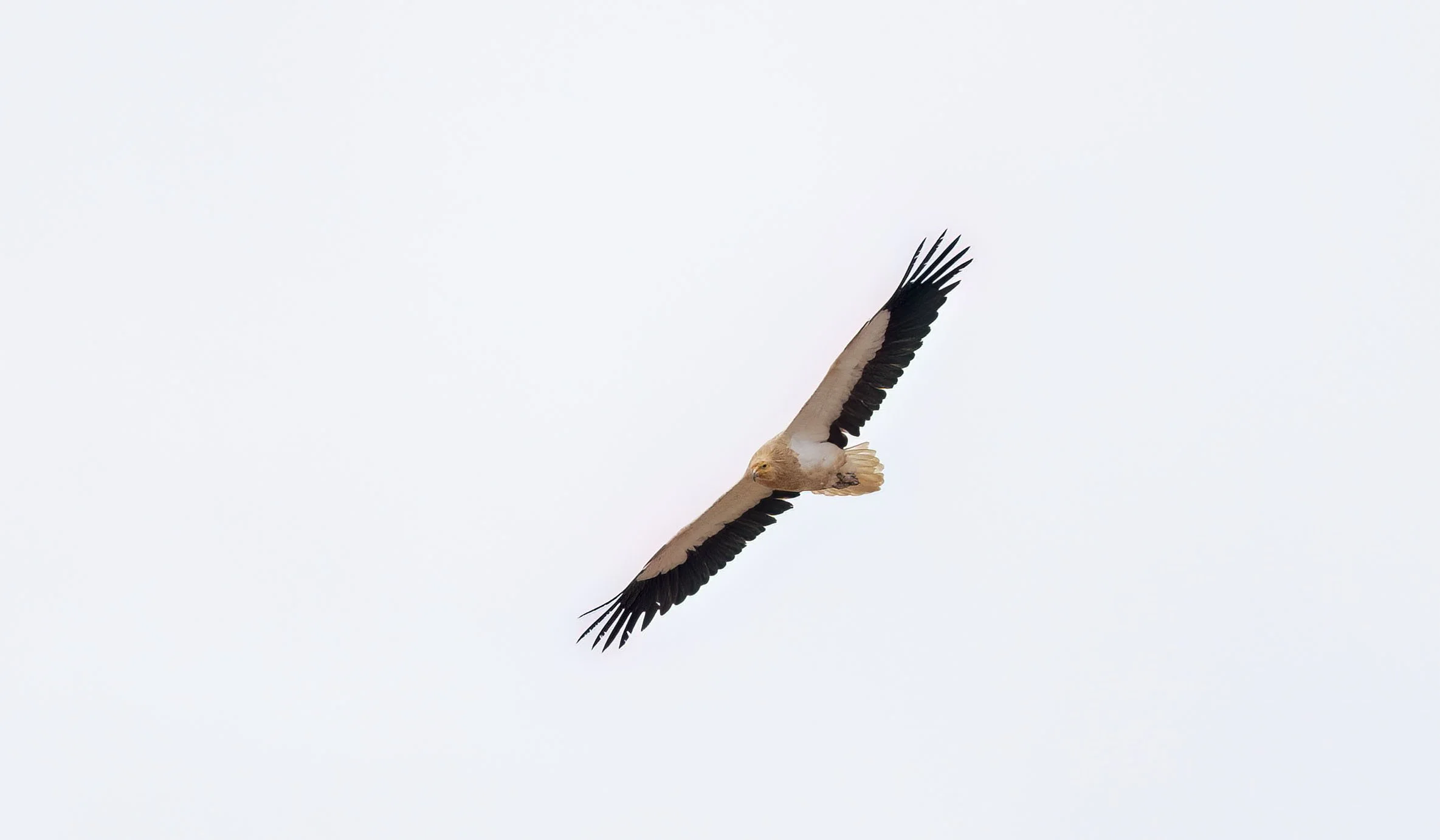
Adult Egptian Vulture - the local race Neophron percnopterus majorensis is endemic
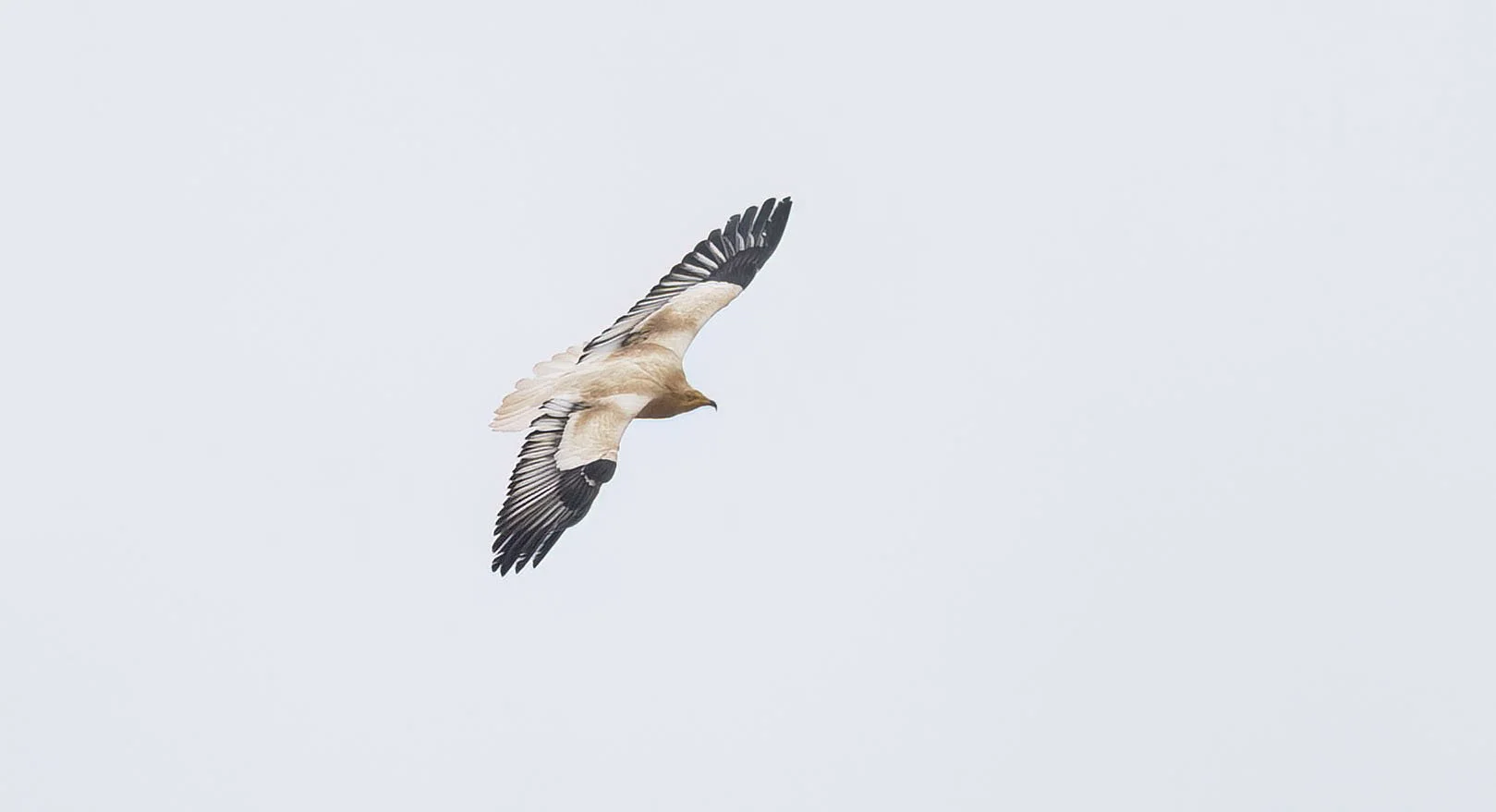
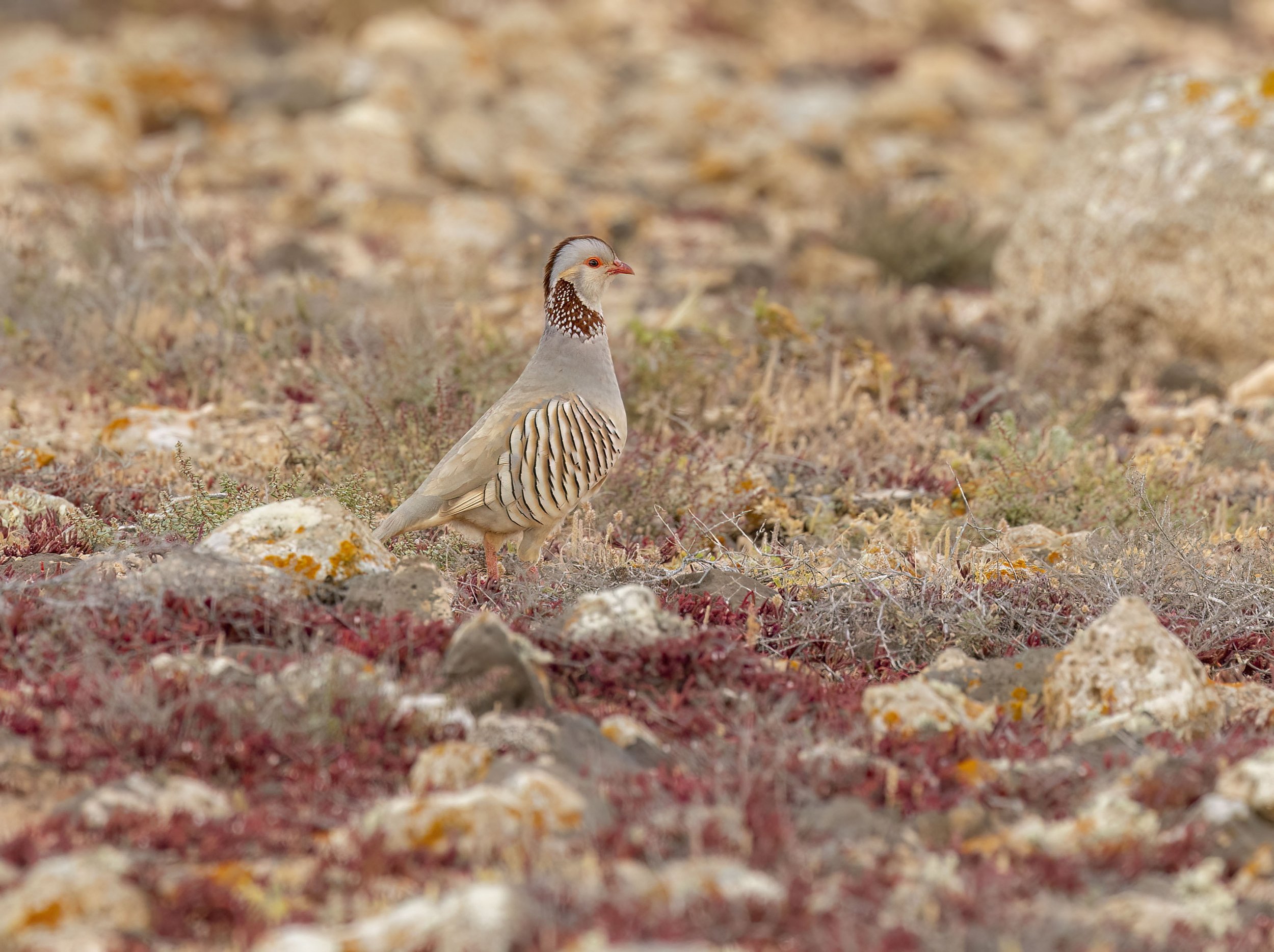
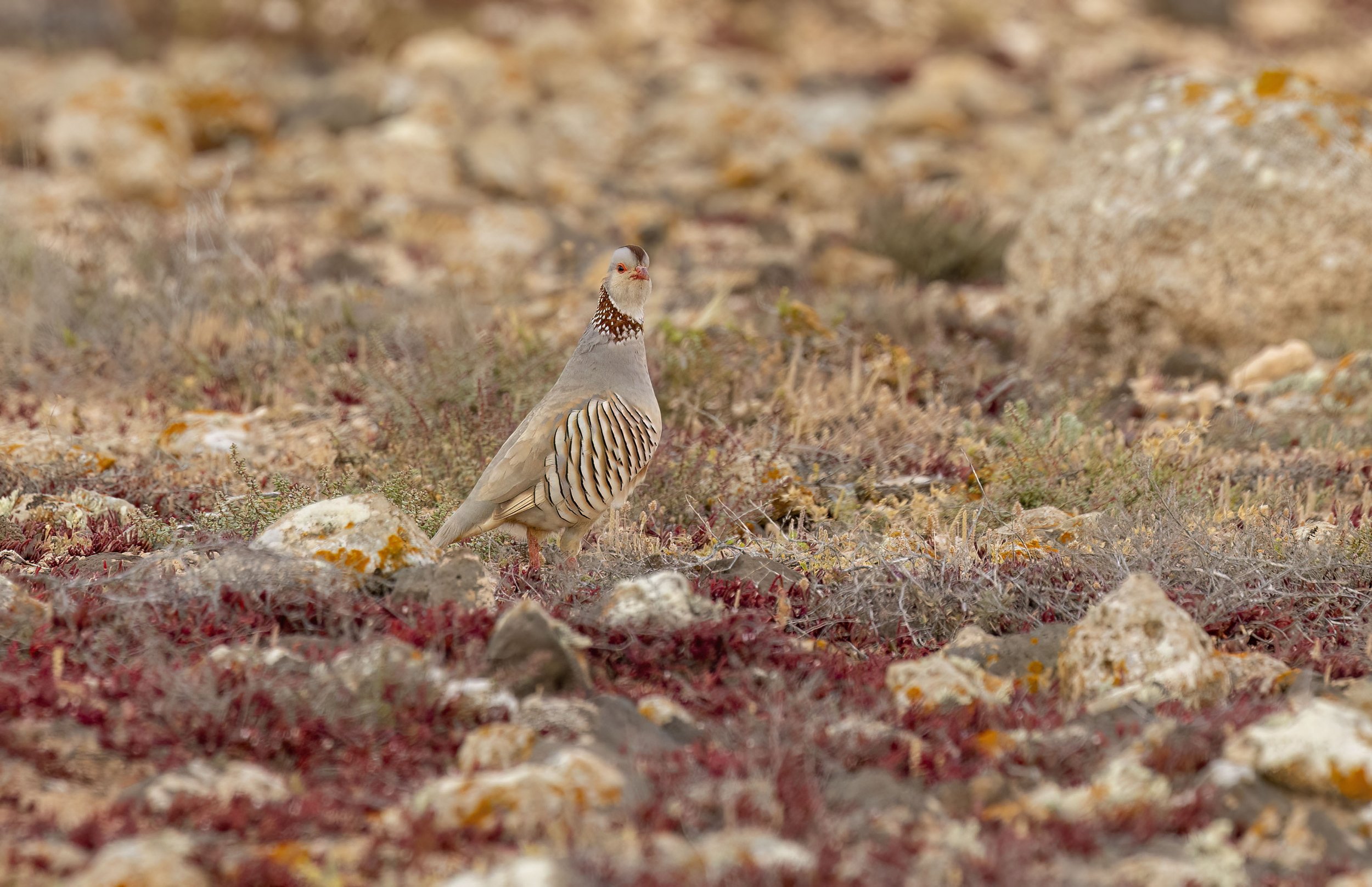
Barbary Partridge for a partridge a rather nice looking bird
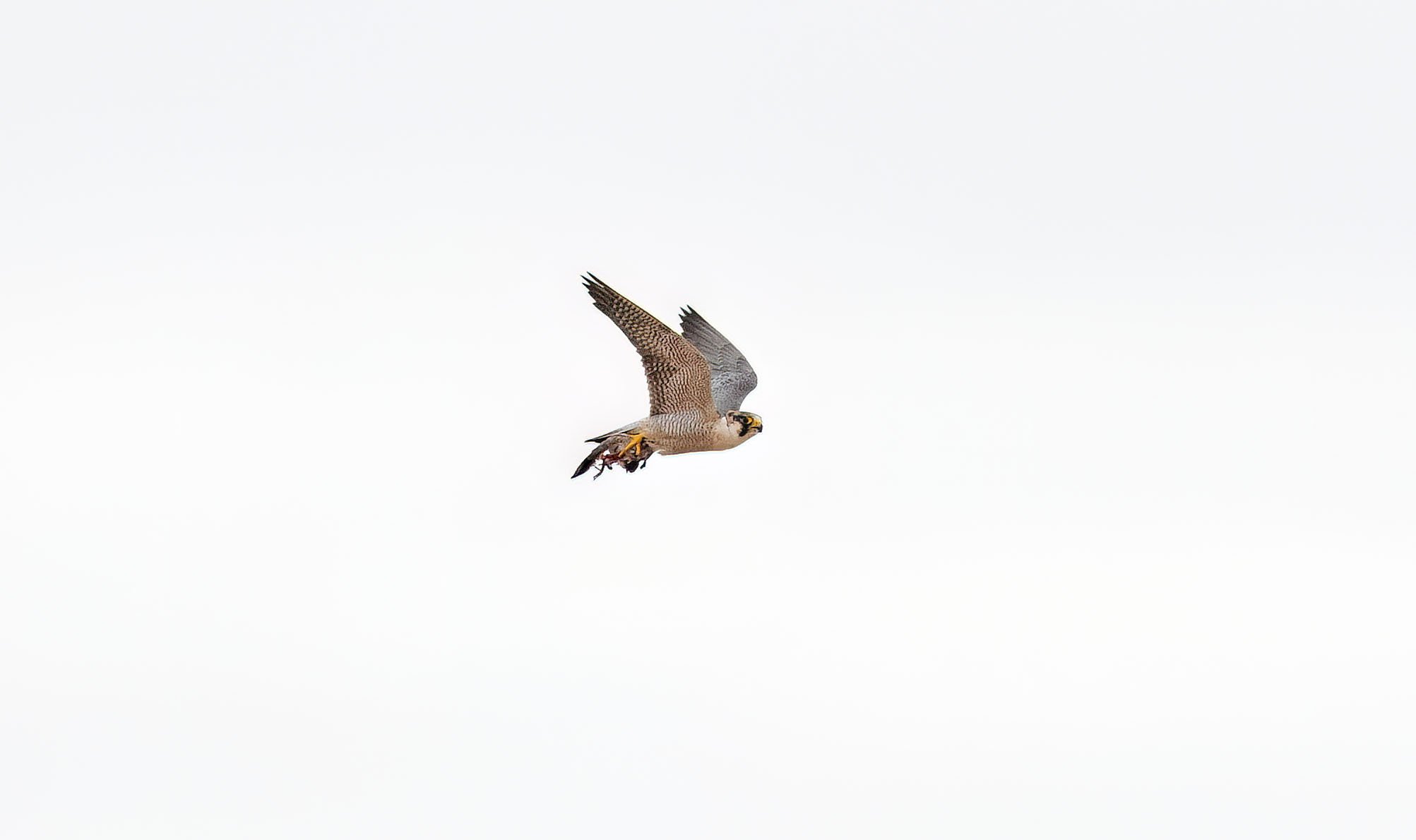
Barbary Falcon with prey at the Reservoir
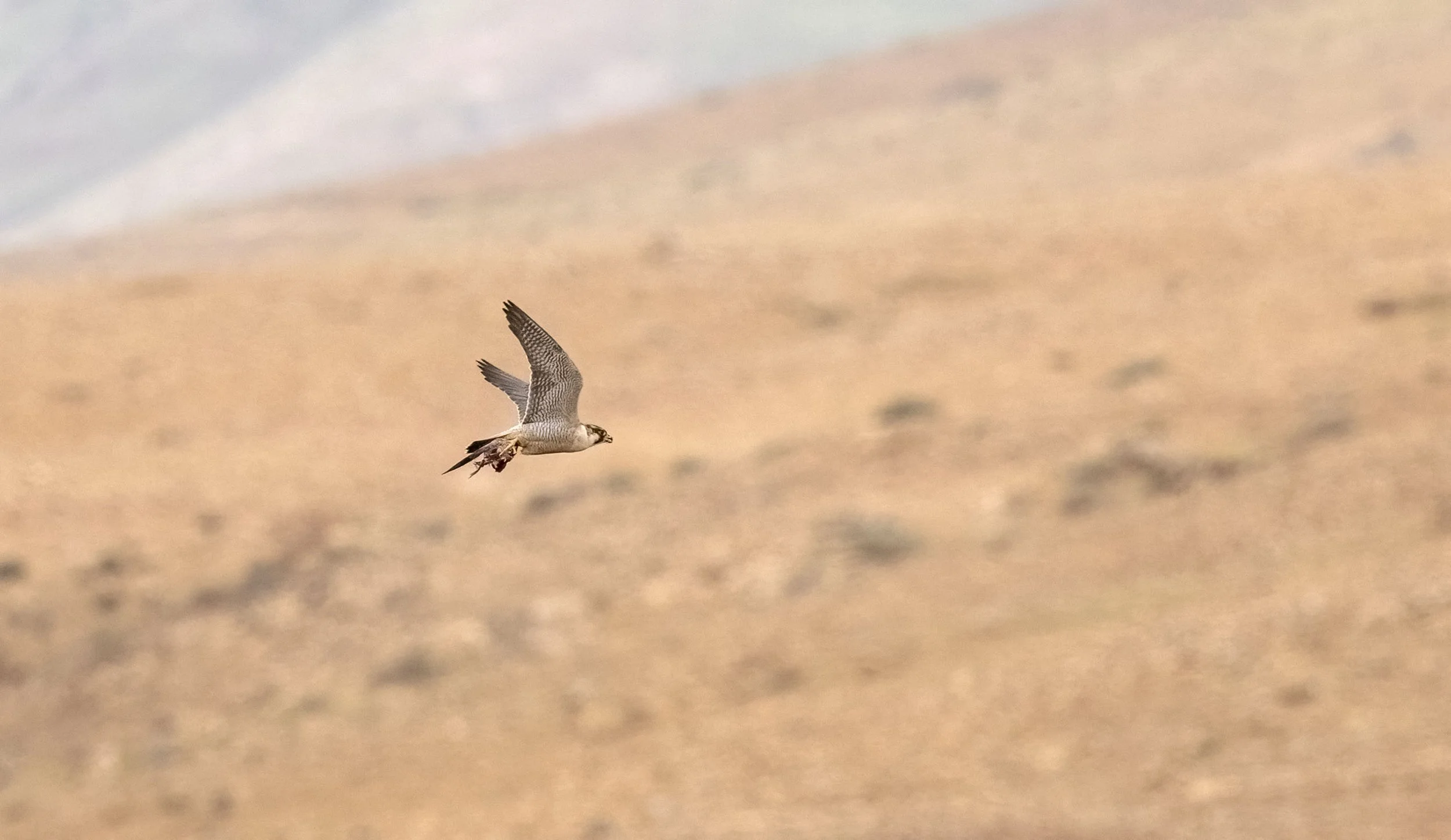
Barbary Falcon
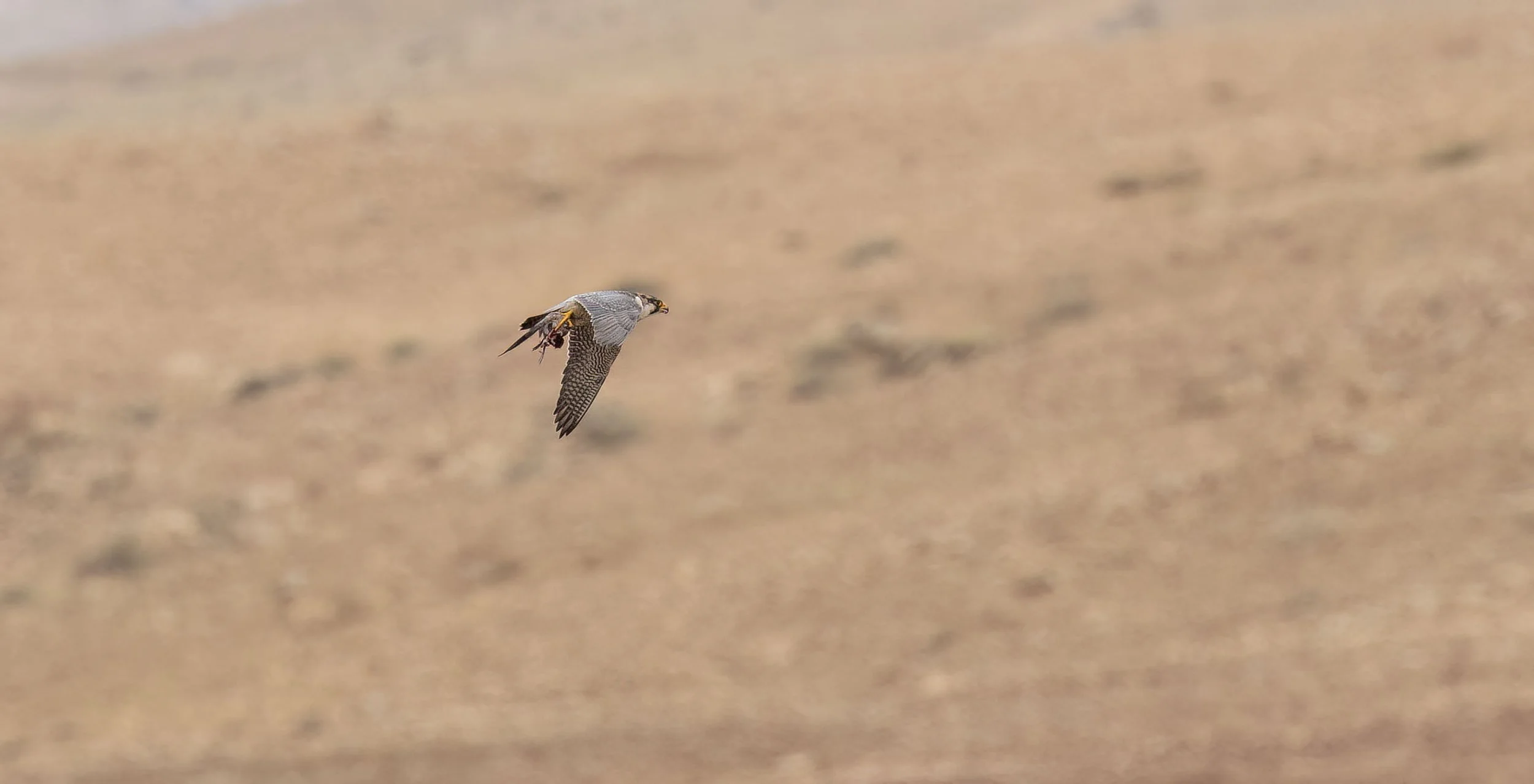
Would have liked better views of this species but didn’t know of any nest sites
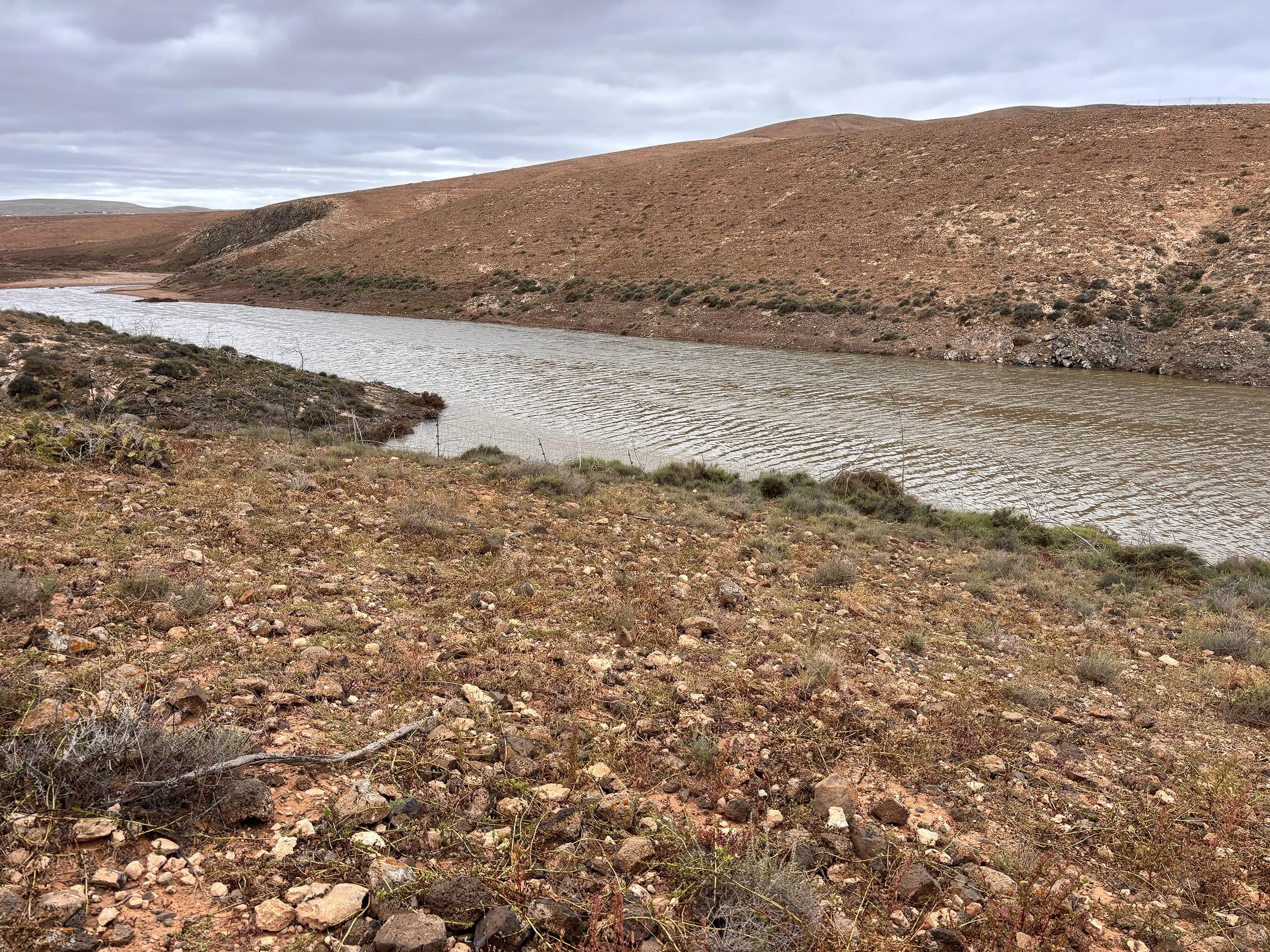
Los Molinos Reservoir one of the better birding sites
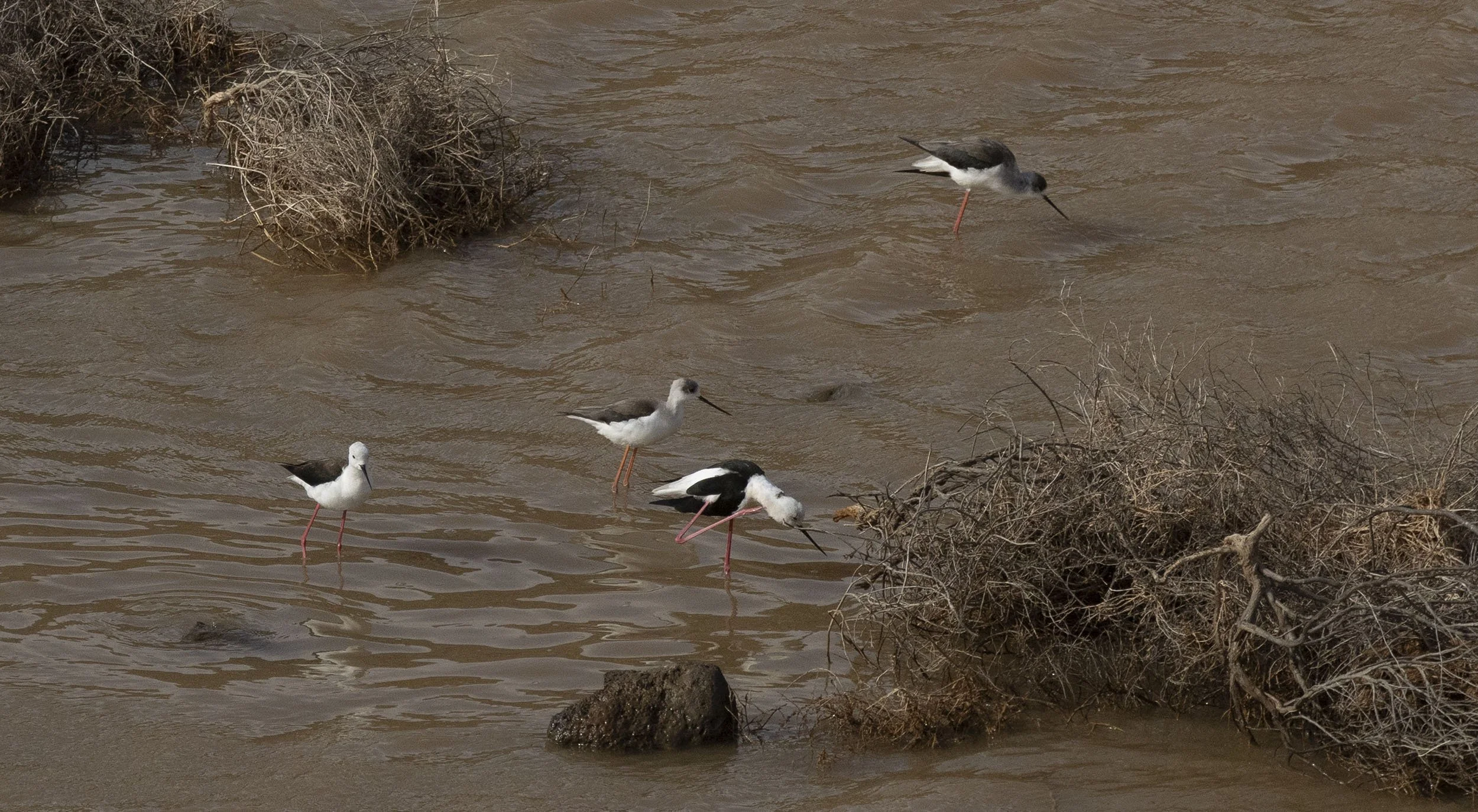
Views of Black-winged Stilts were from above looking down into the reservoir
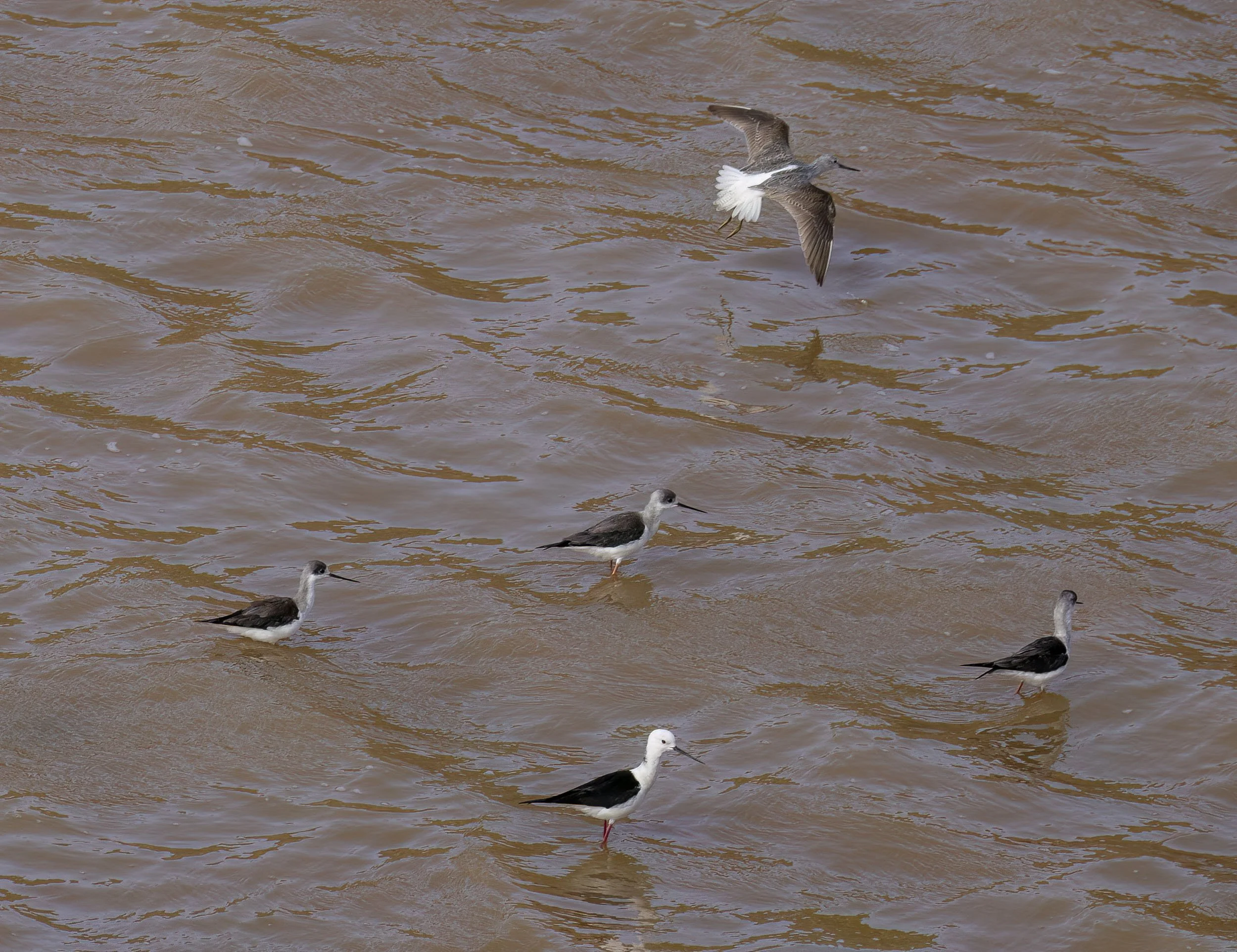
Black-winged Stilts and additional Geenshank
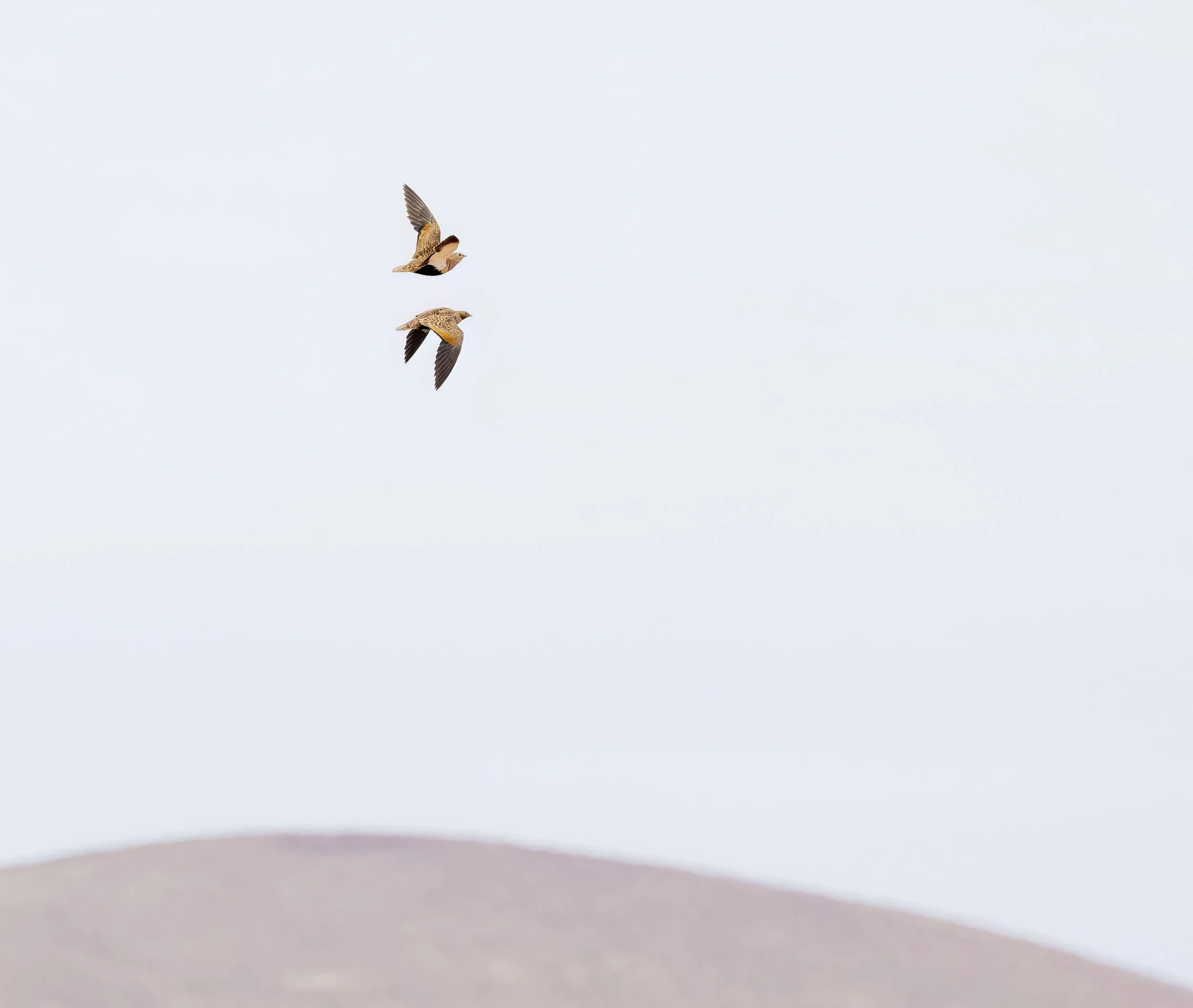
Early views of Black-bellied Sandgrouse were a bit distant in flight shots
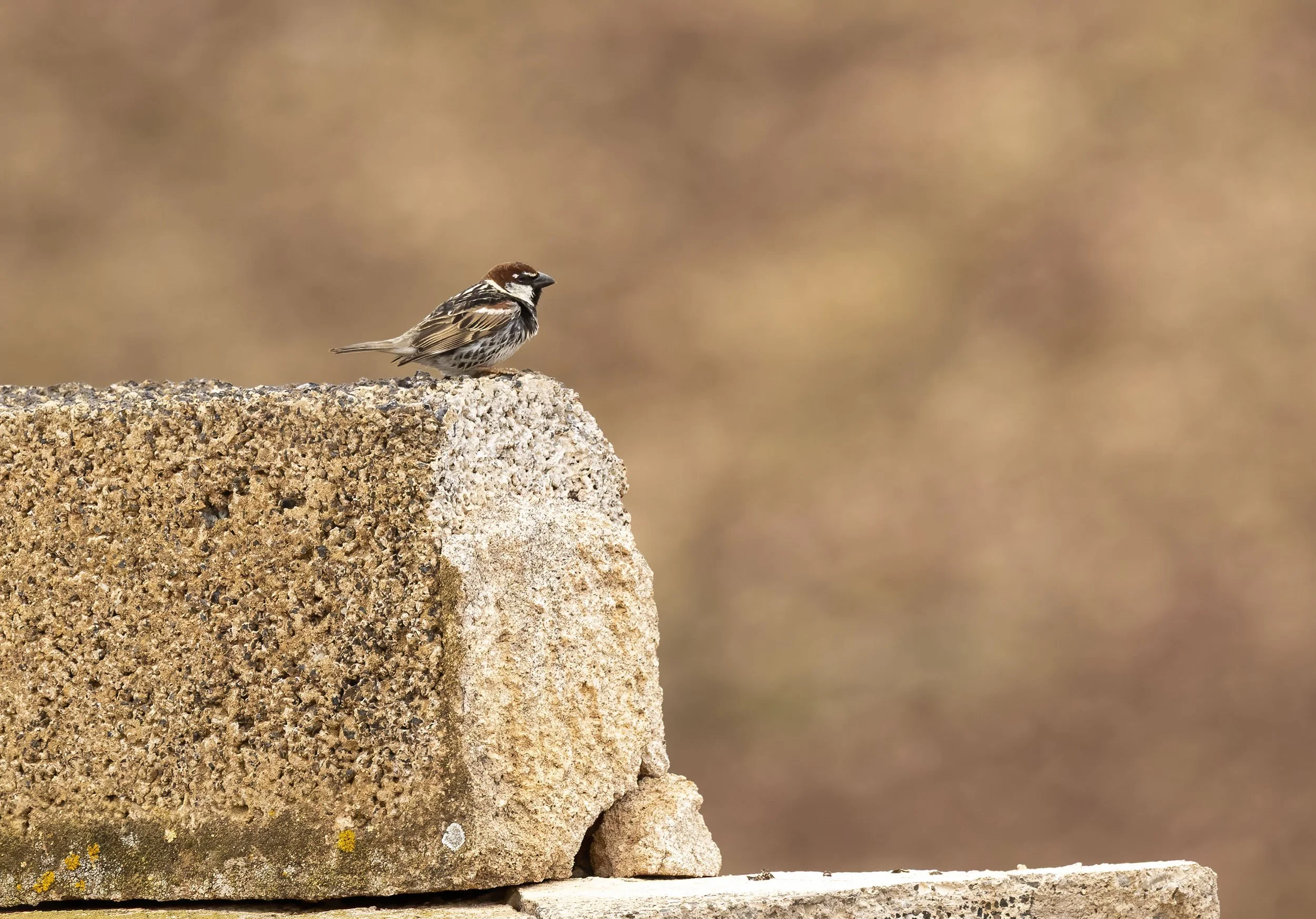
Classic Spanish Sparrow habitat - breeze blocks
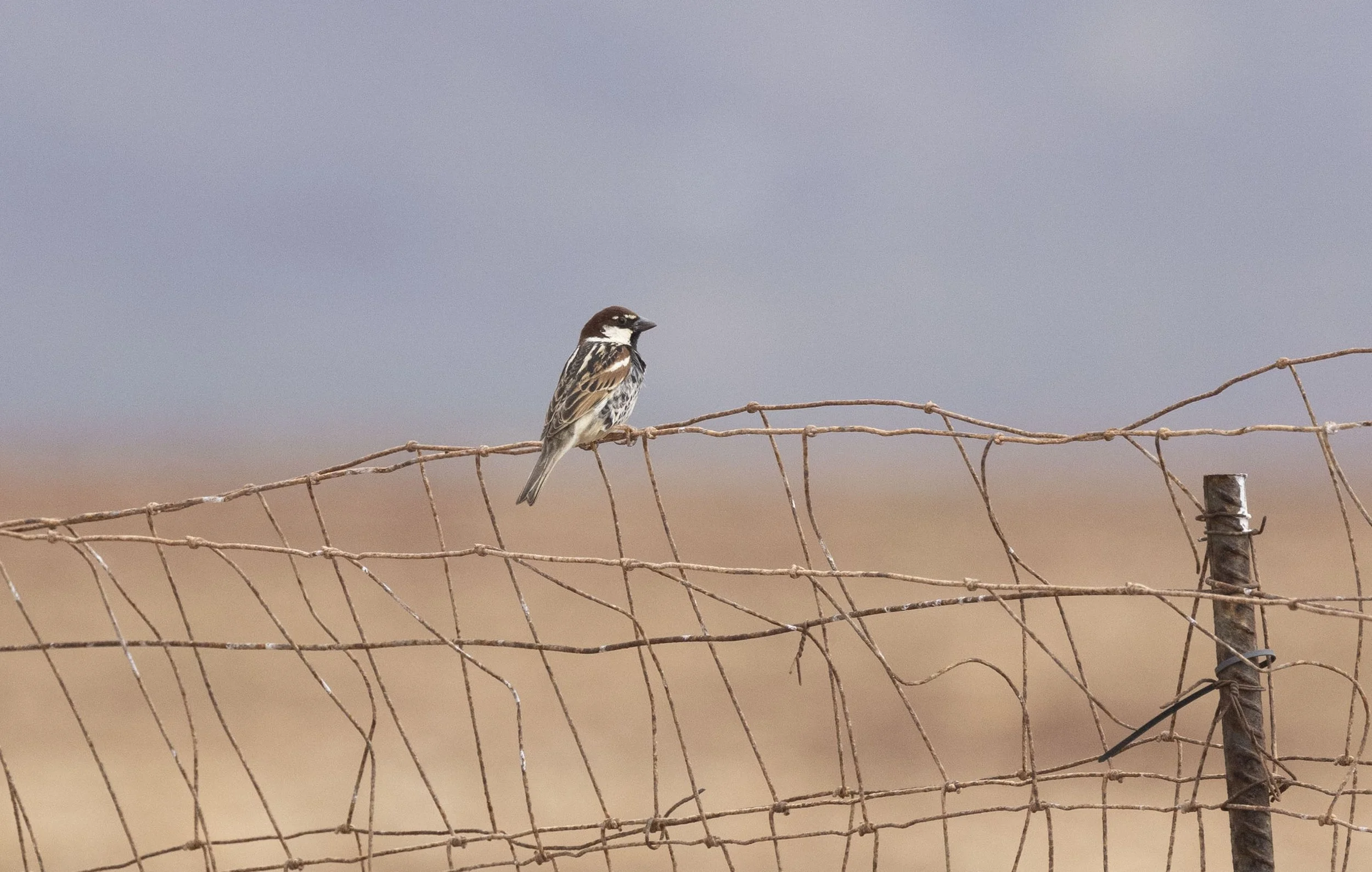
or rusty wire fencing
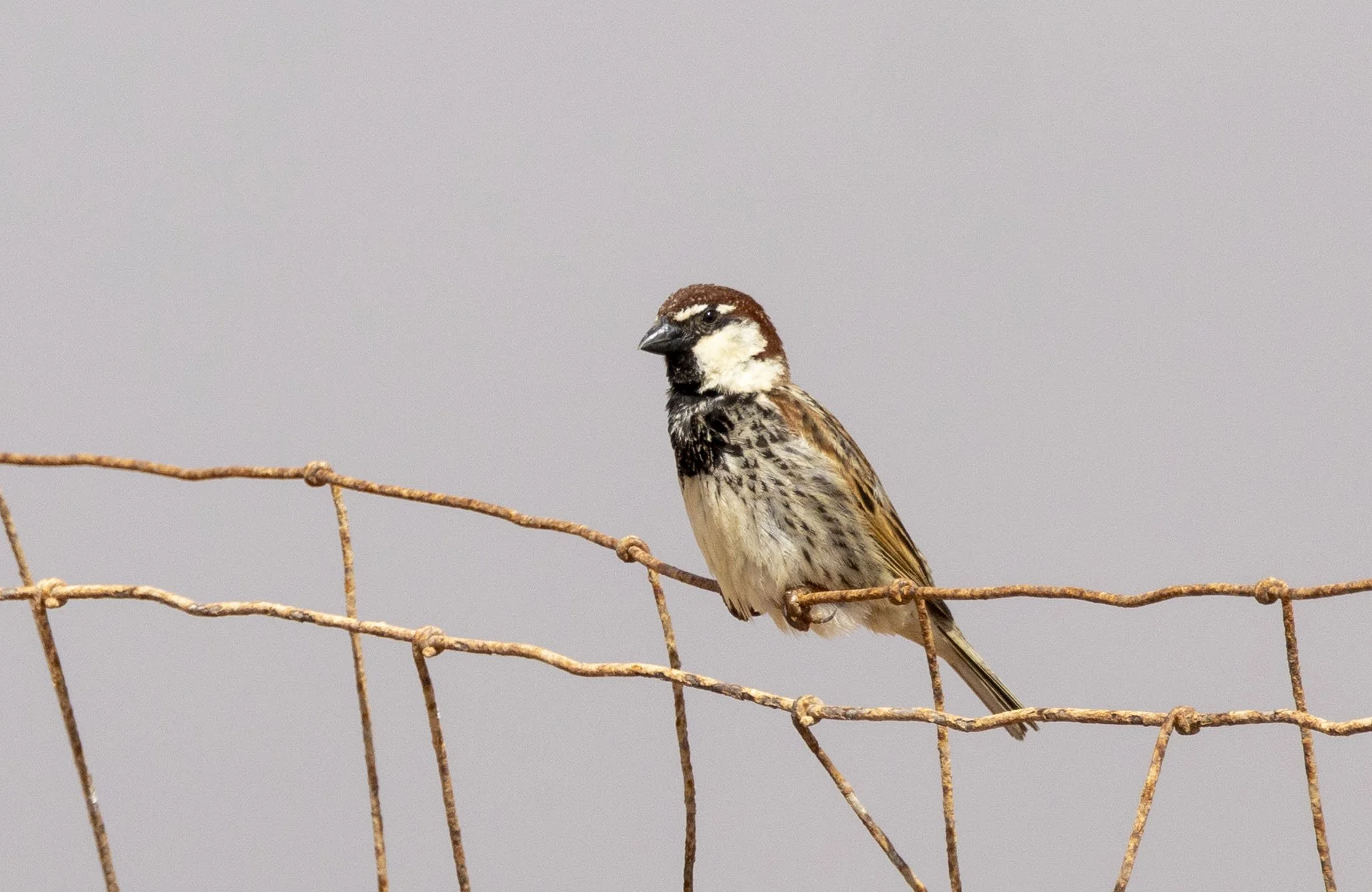
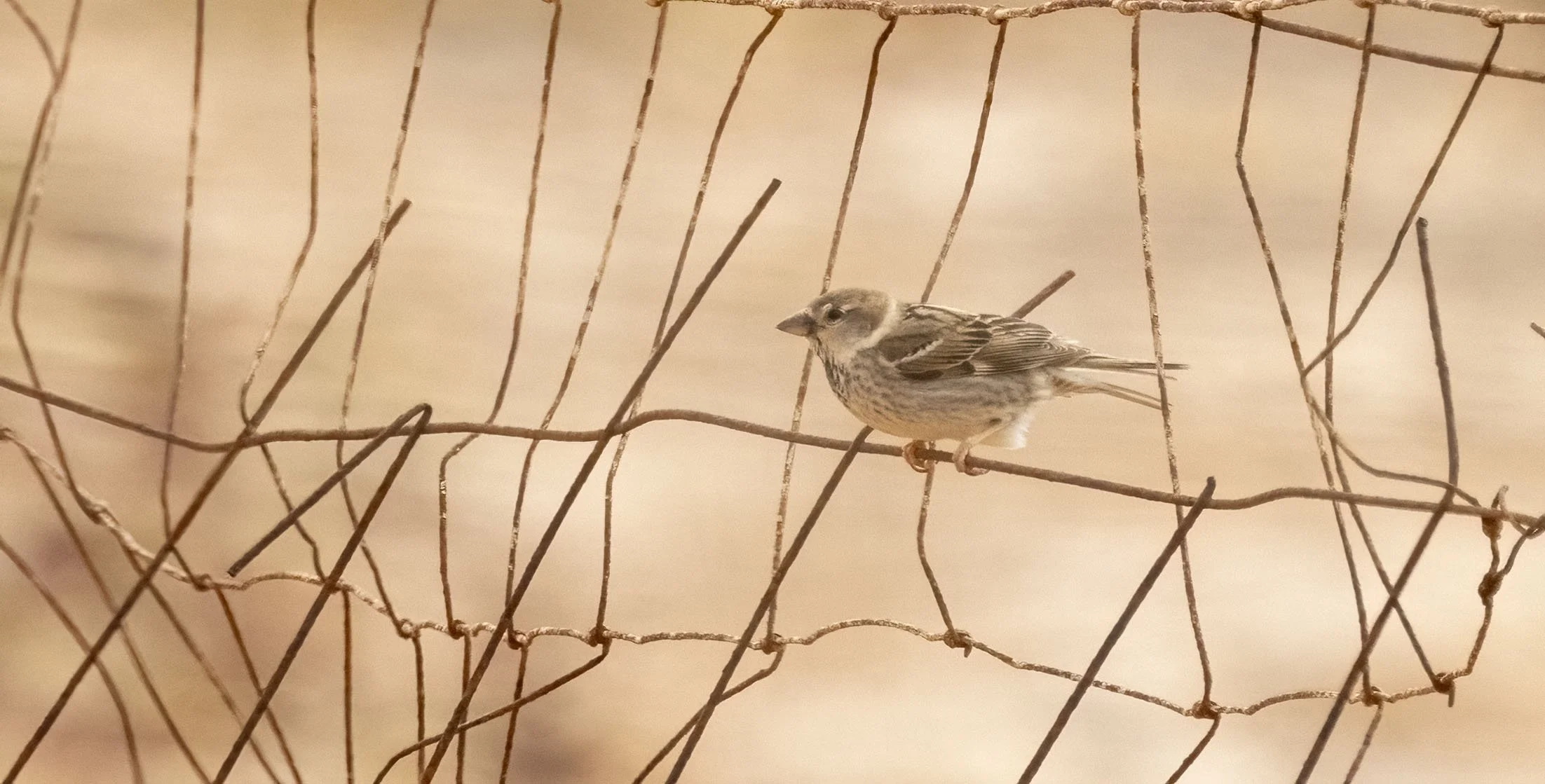
and a less obvious Spanish Sparrow
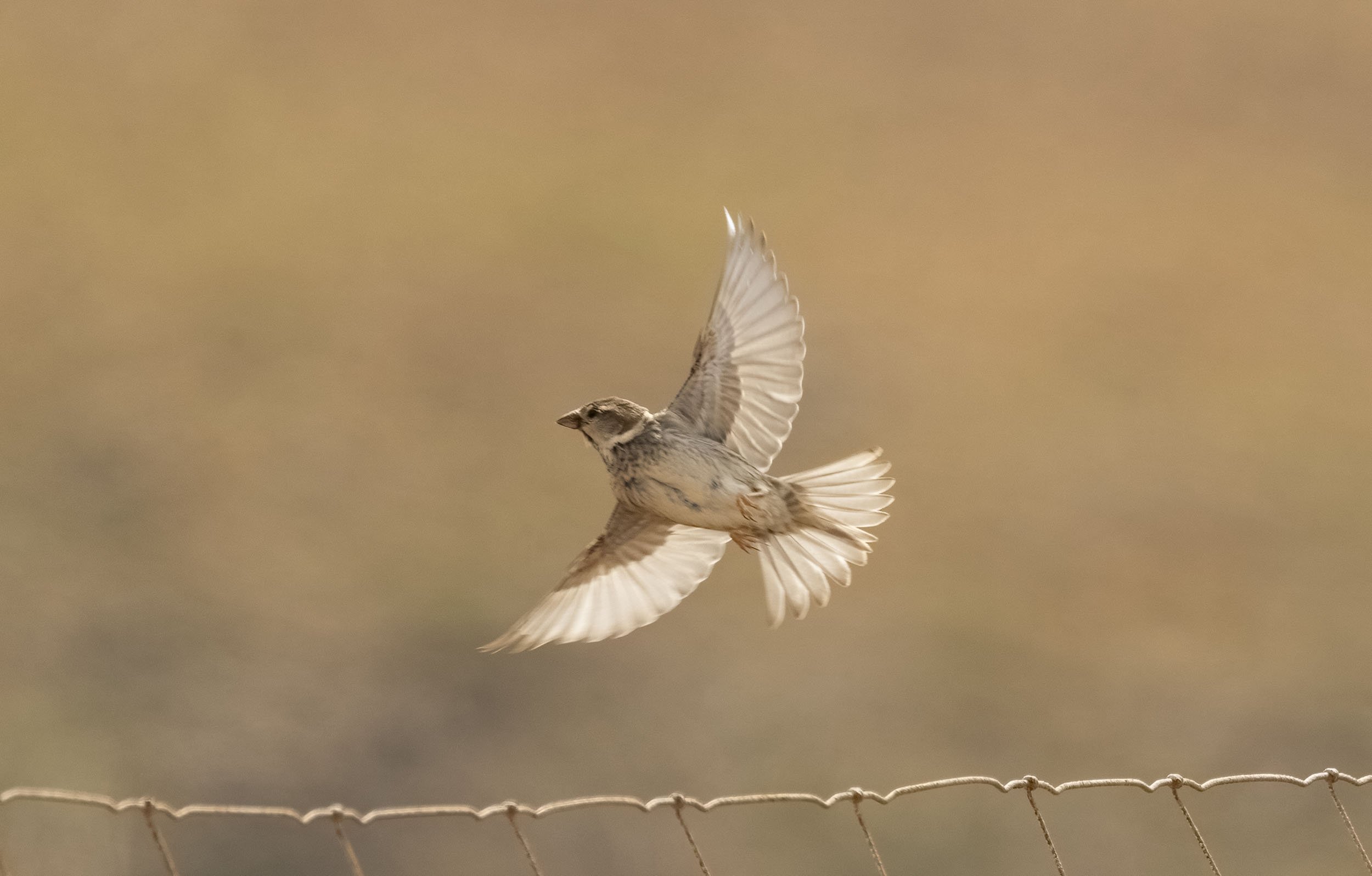
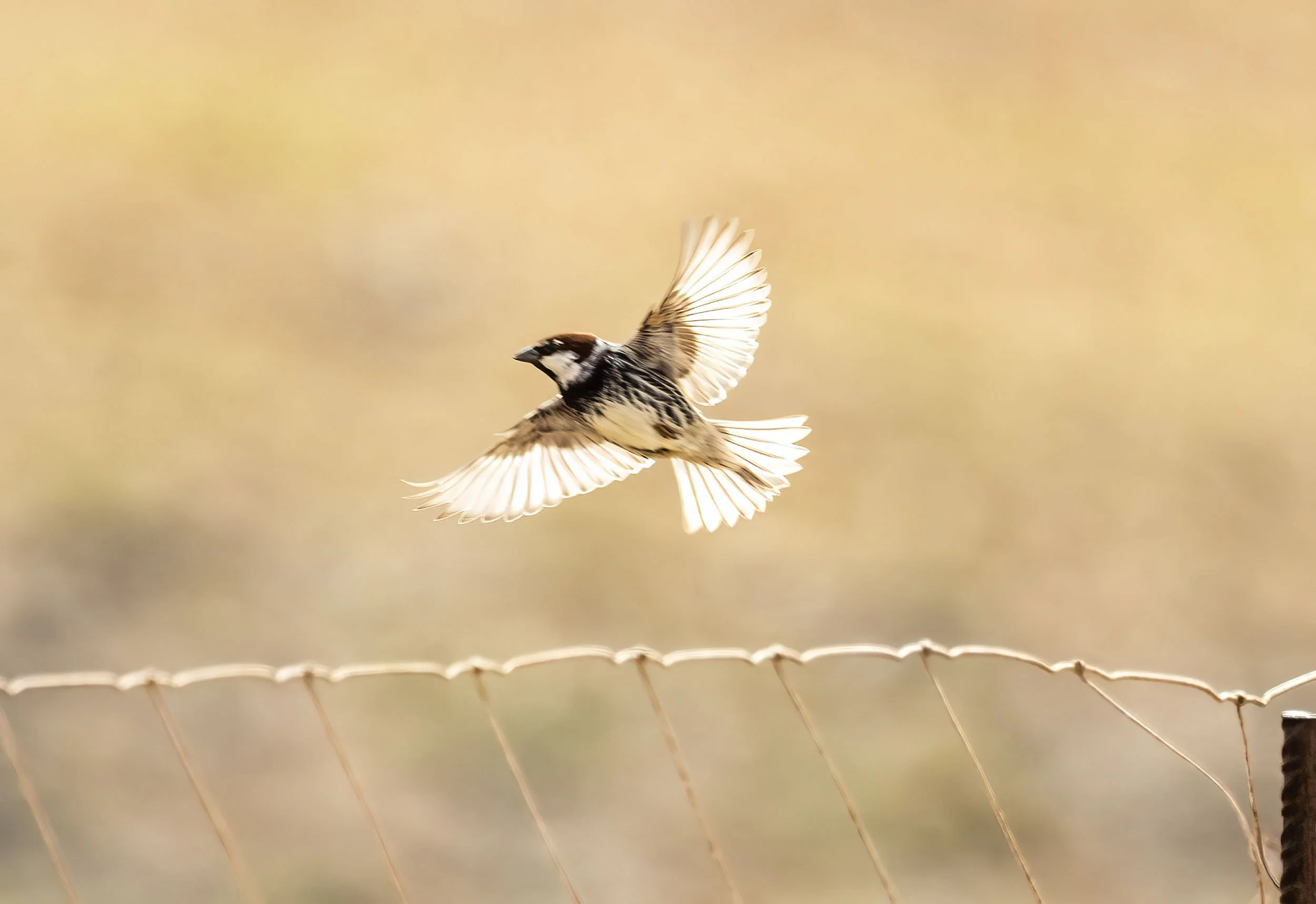
Spanish Sparrow explosion
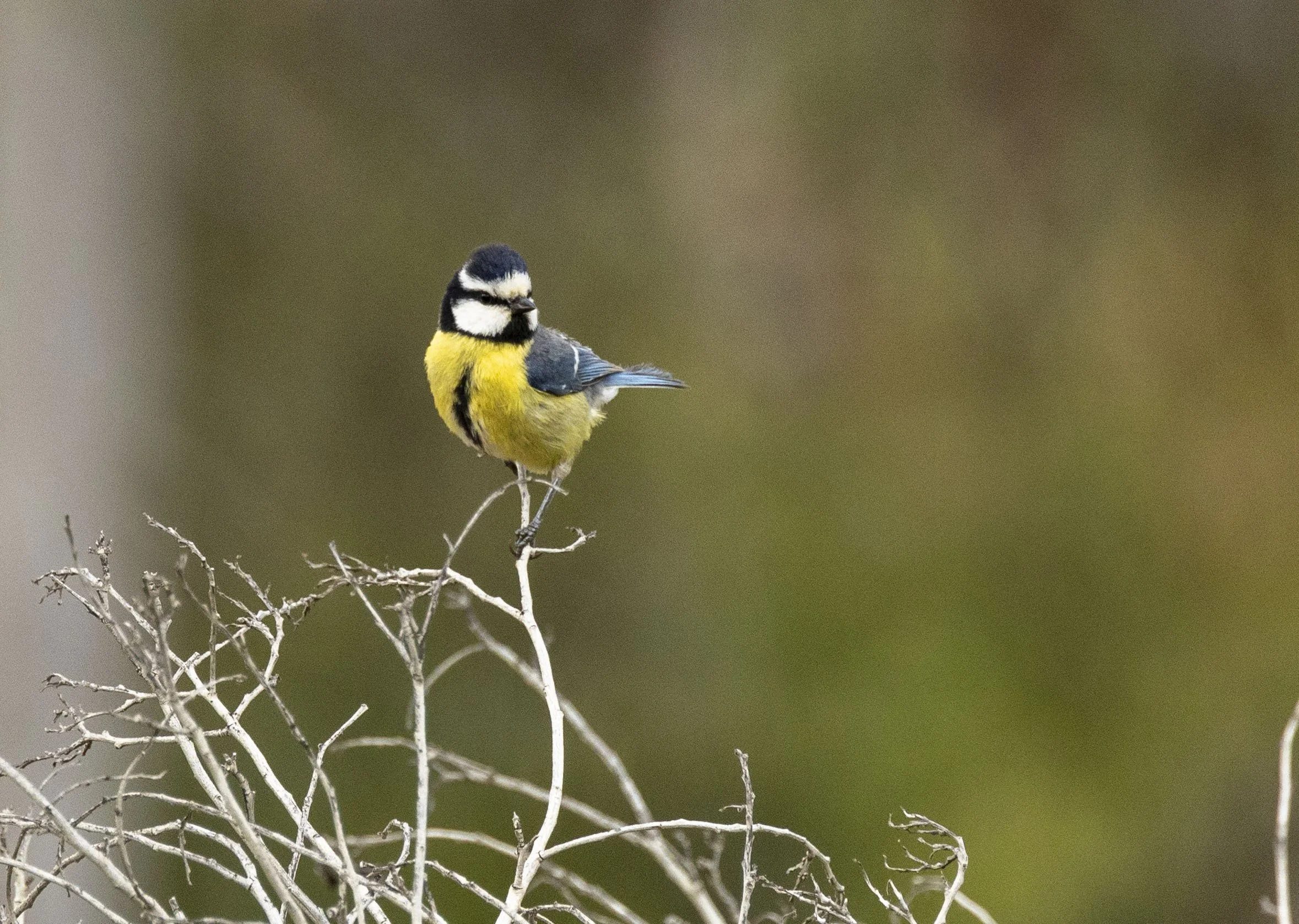
African Blue Tit very easy to find around Betancuria
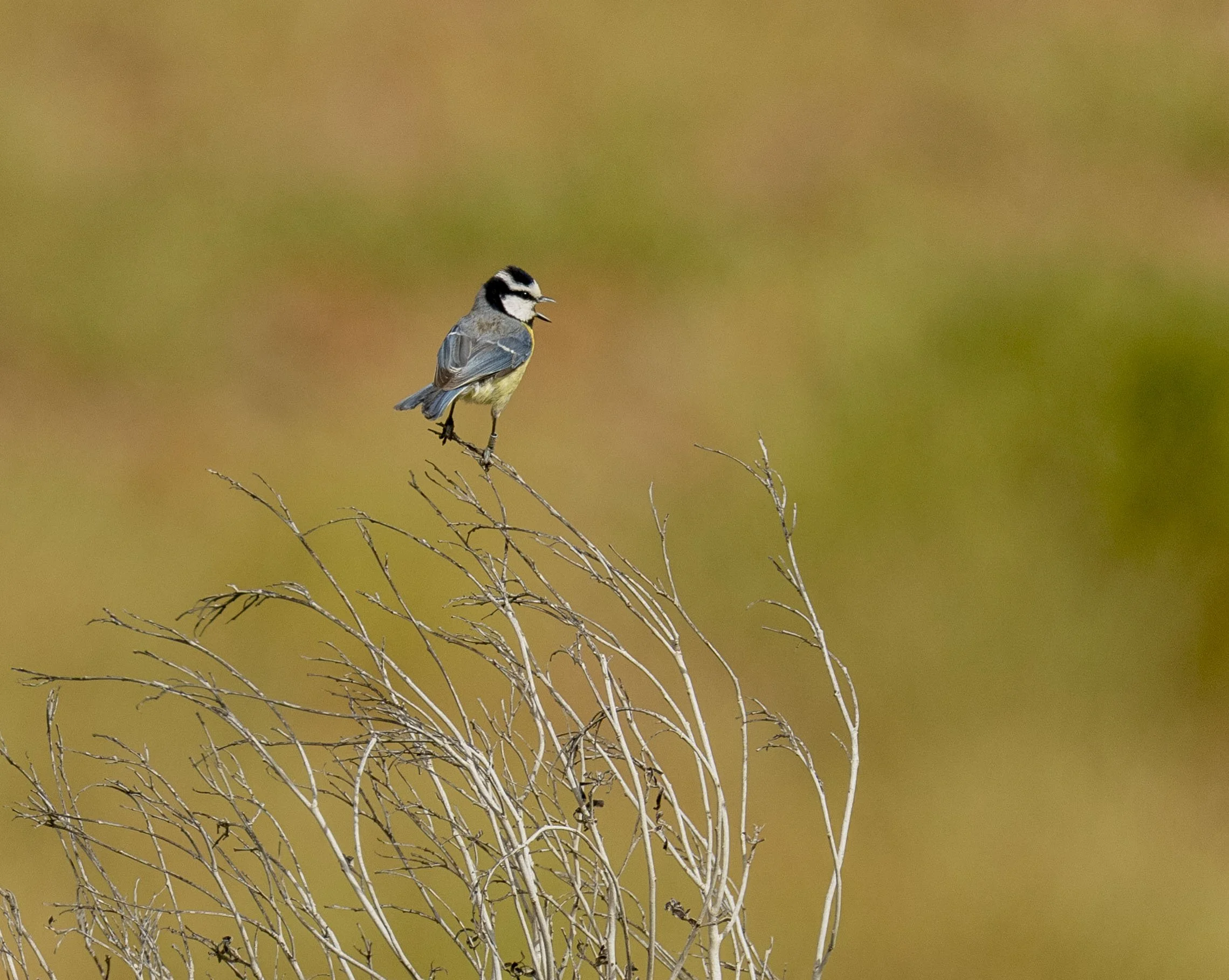
Vocal African Blue Tit
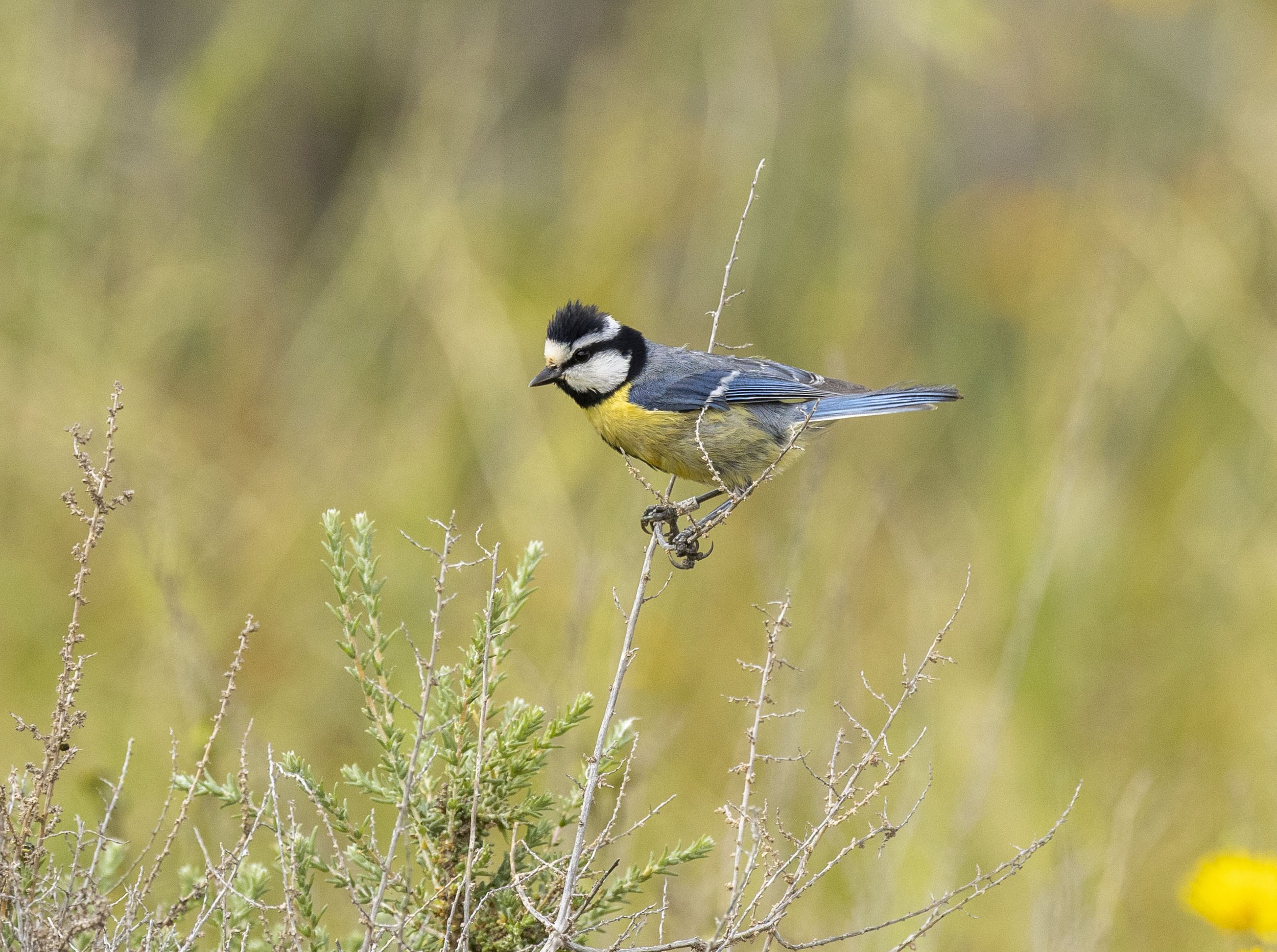
Most of the African Blue Tits in the Parra Medina valley were ringed presumably part of a study
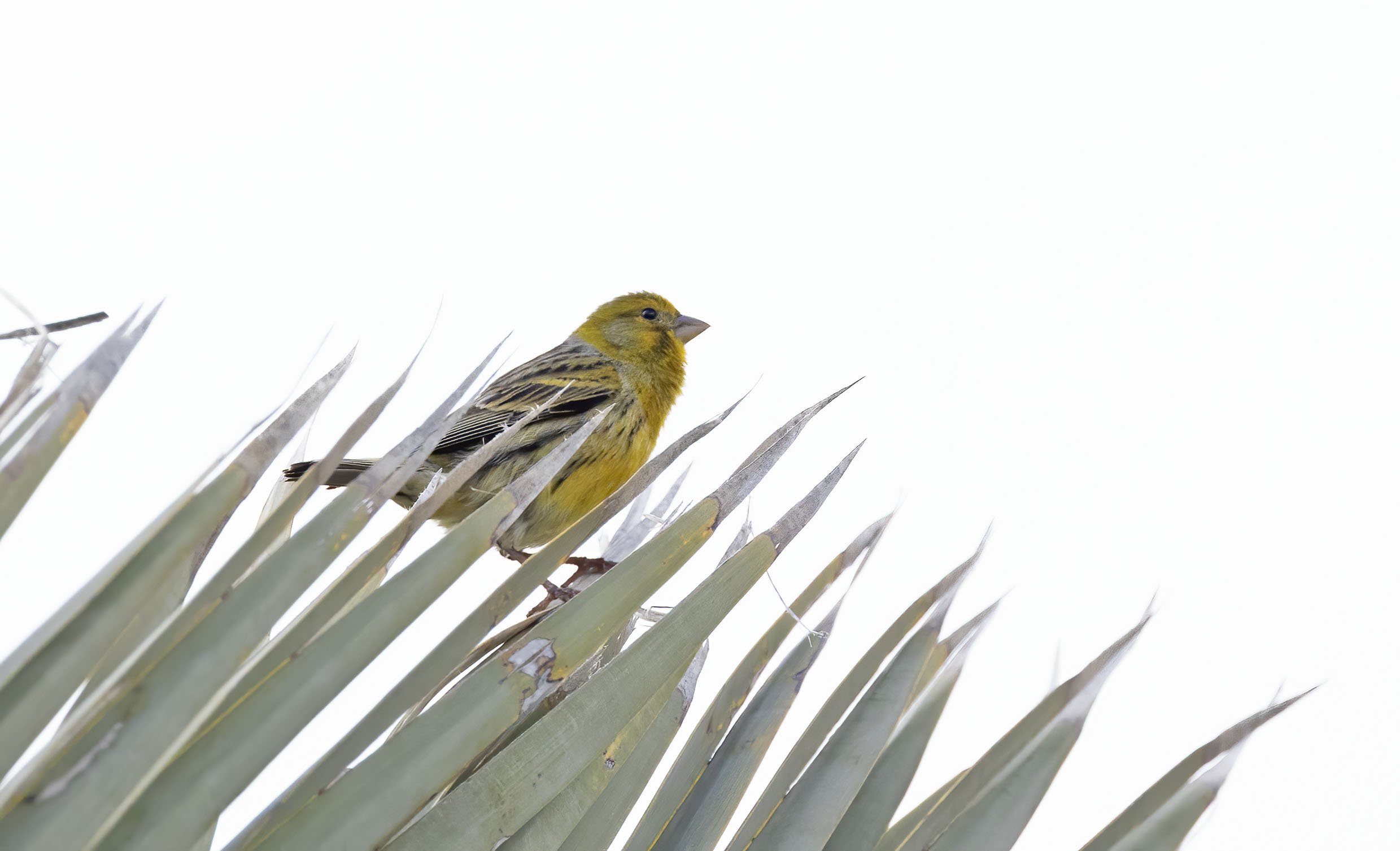
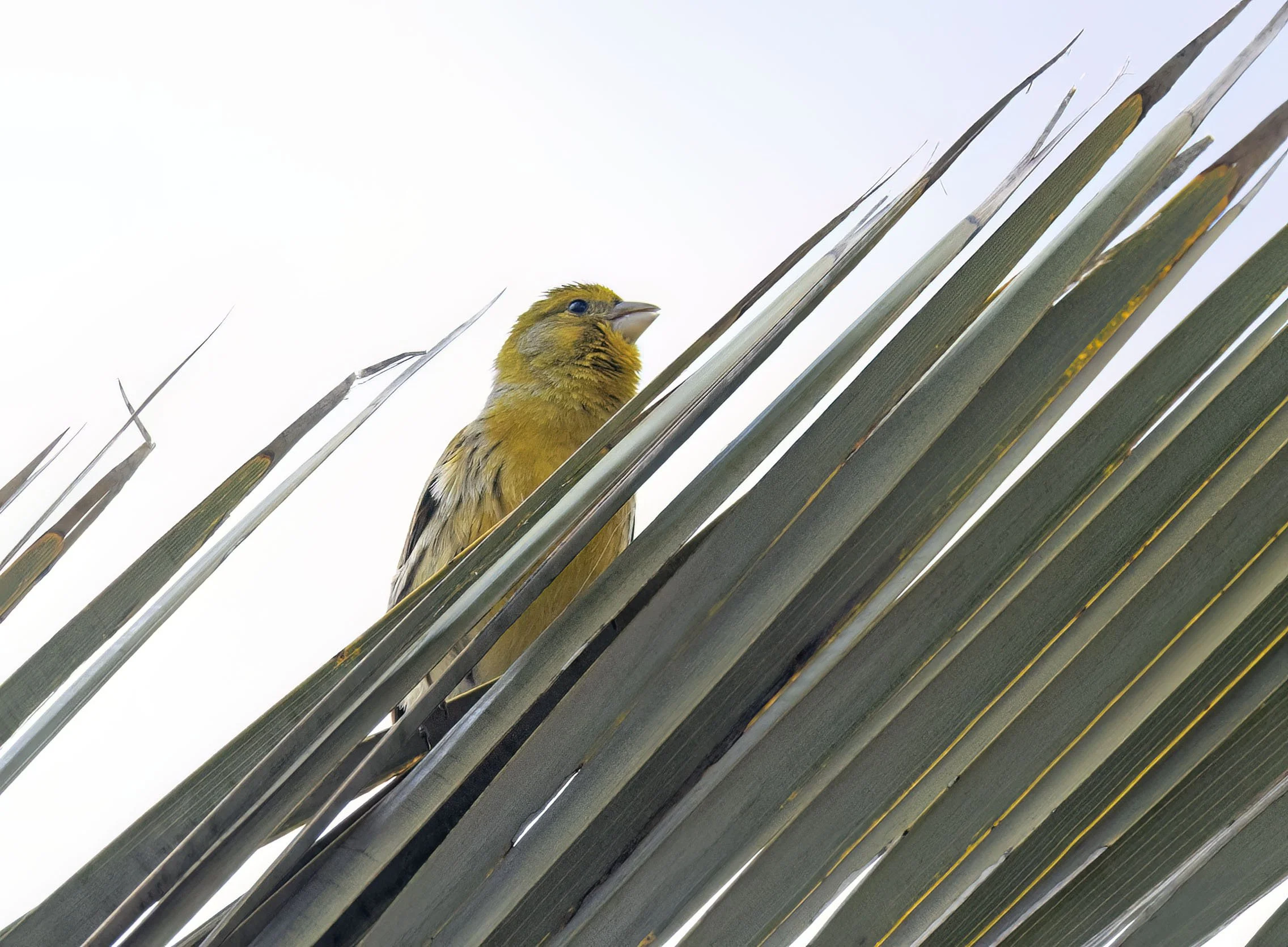
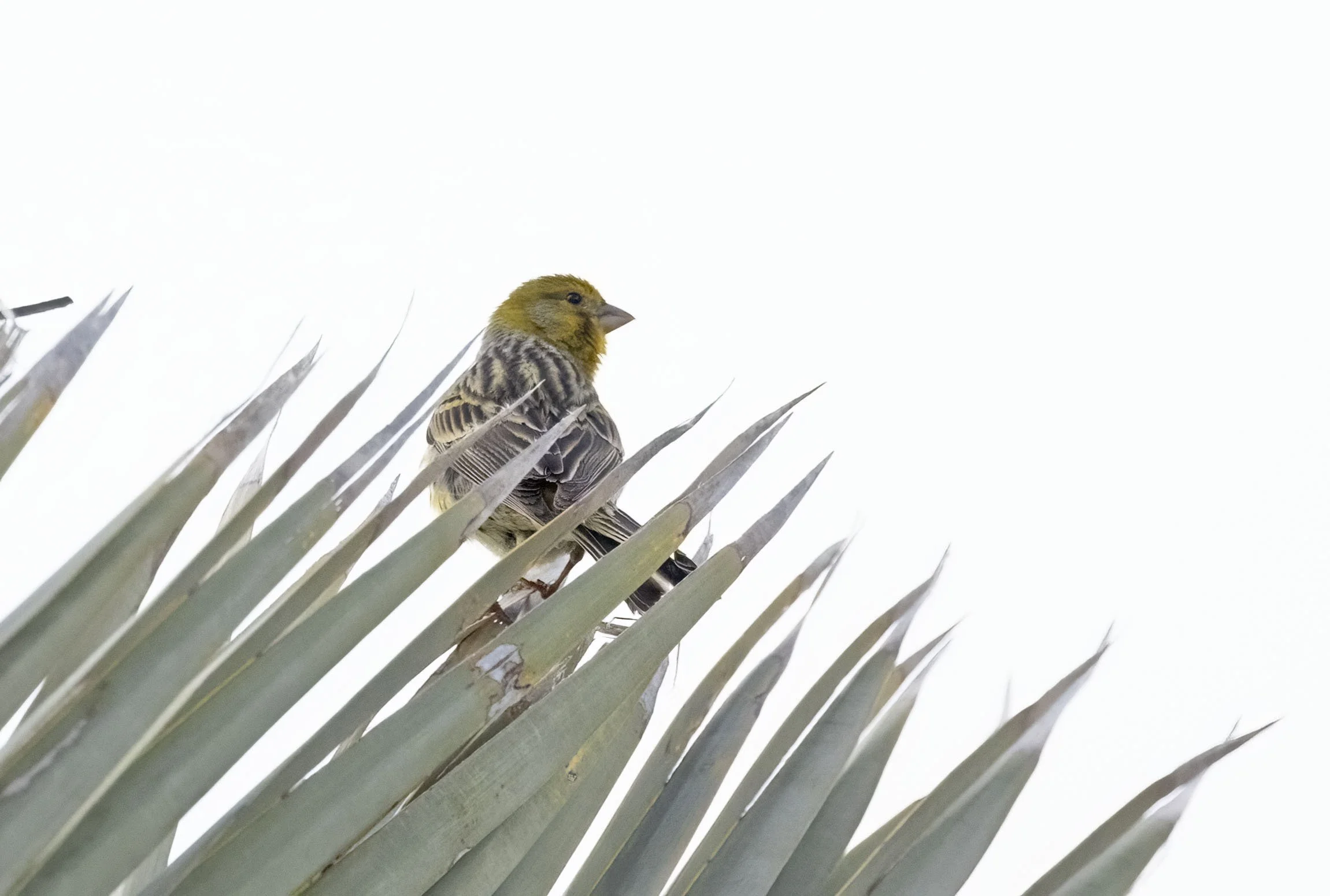
male Atlantic Canary Betancuria - a lifer
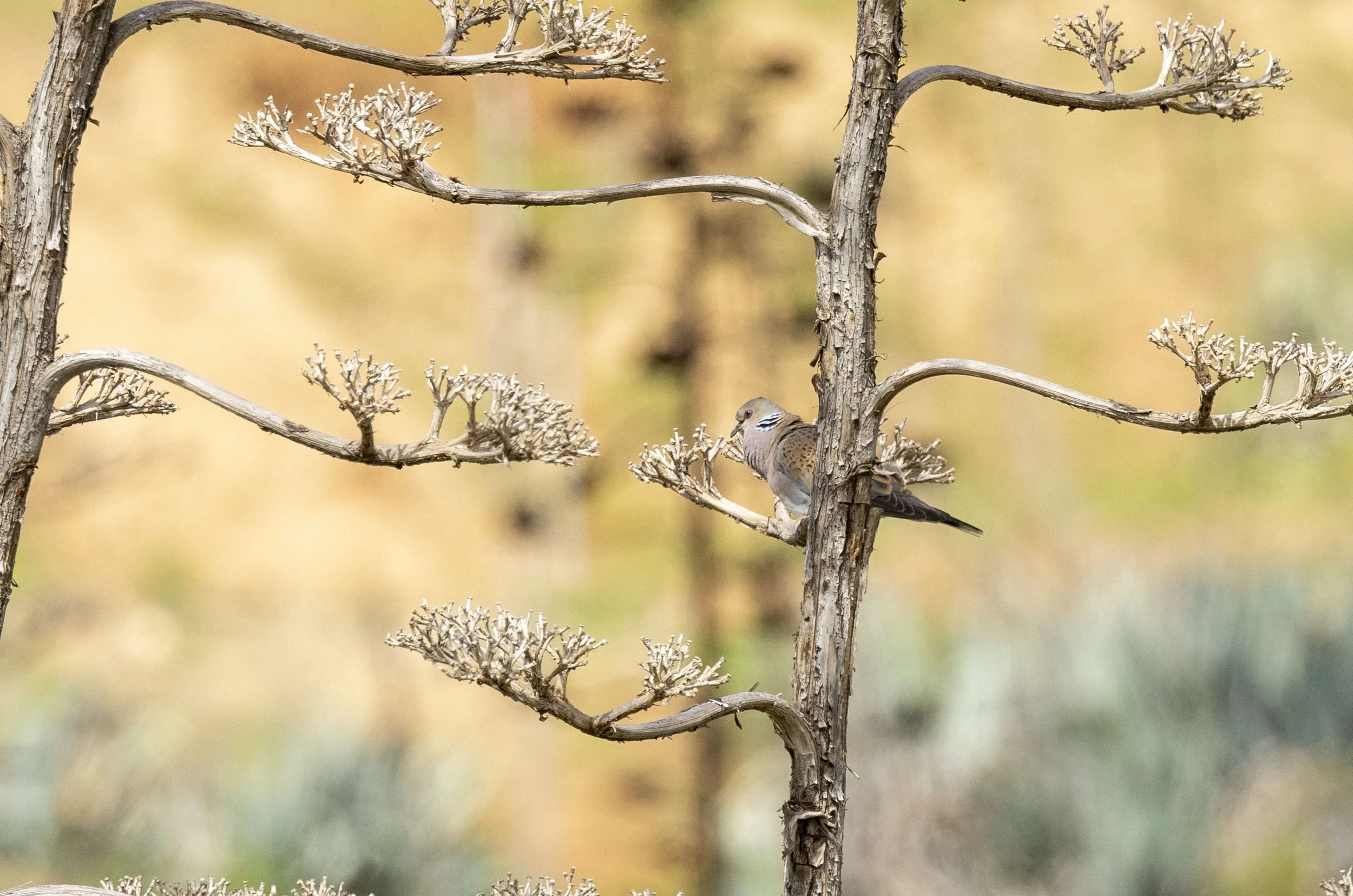
Turtle Dove
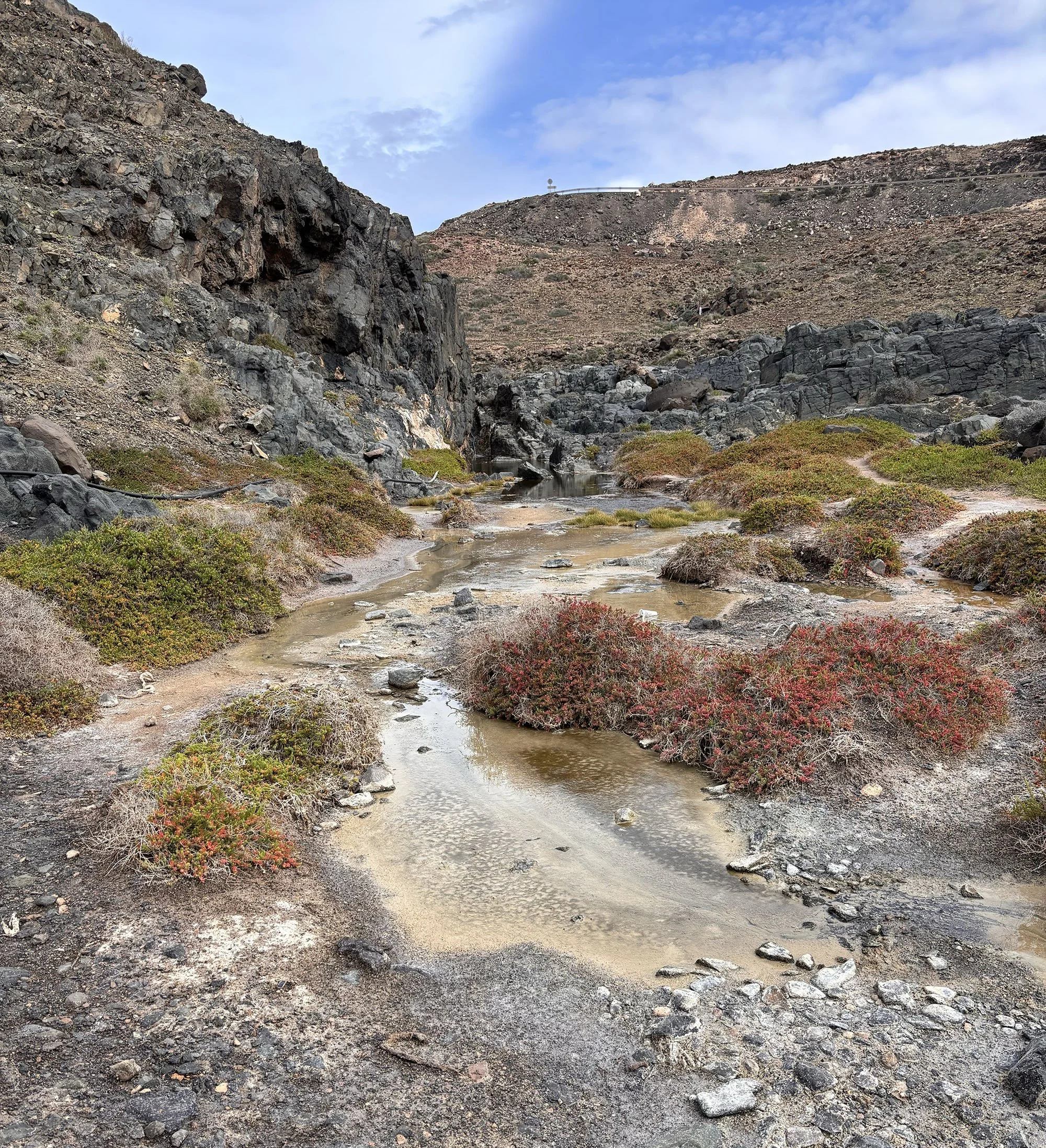
The Barranco and stream at Puerto do Los Molinos a good site for Sahara Bluetail and Broad Scarlet
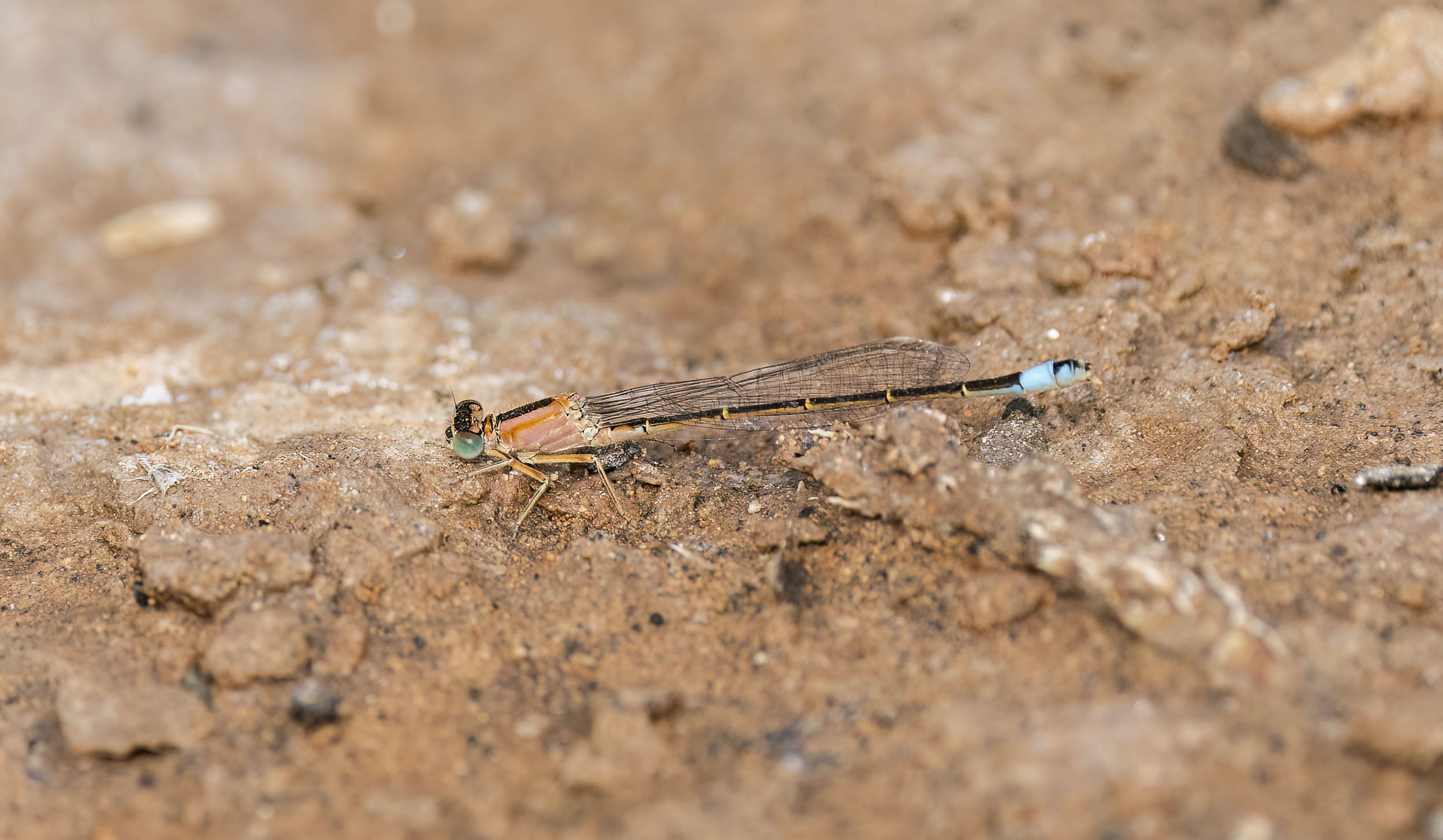
Immature Sahara Bluetail
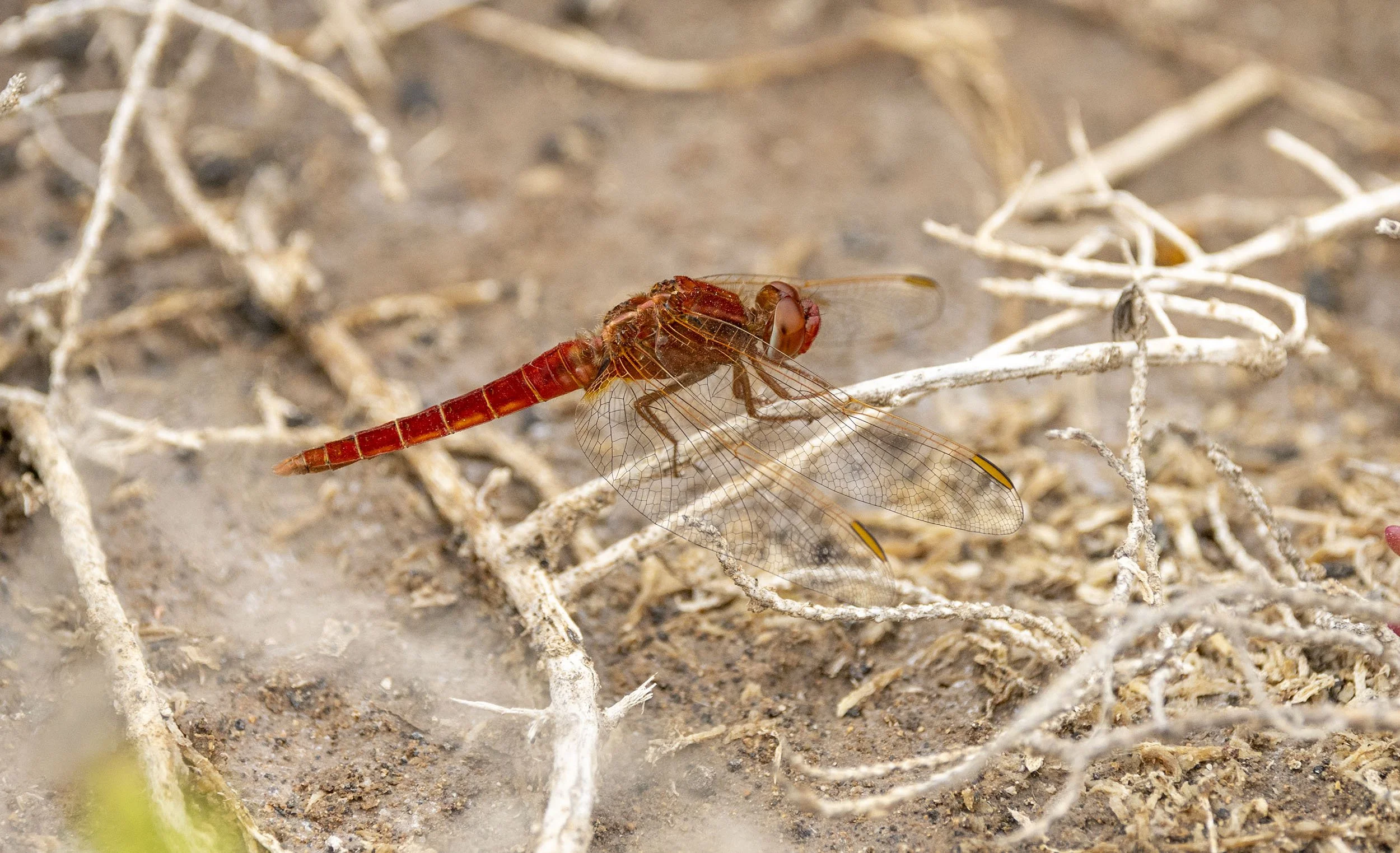
Stunning male Broad Scarlet or Scarlet Darter in the olden days
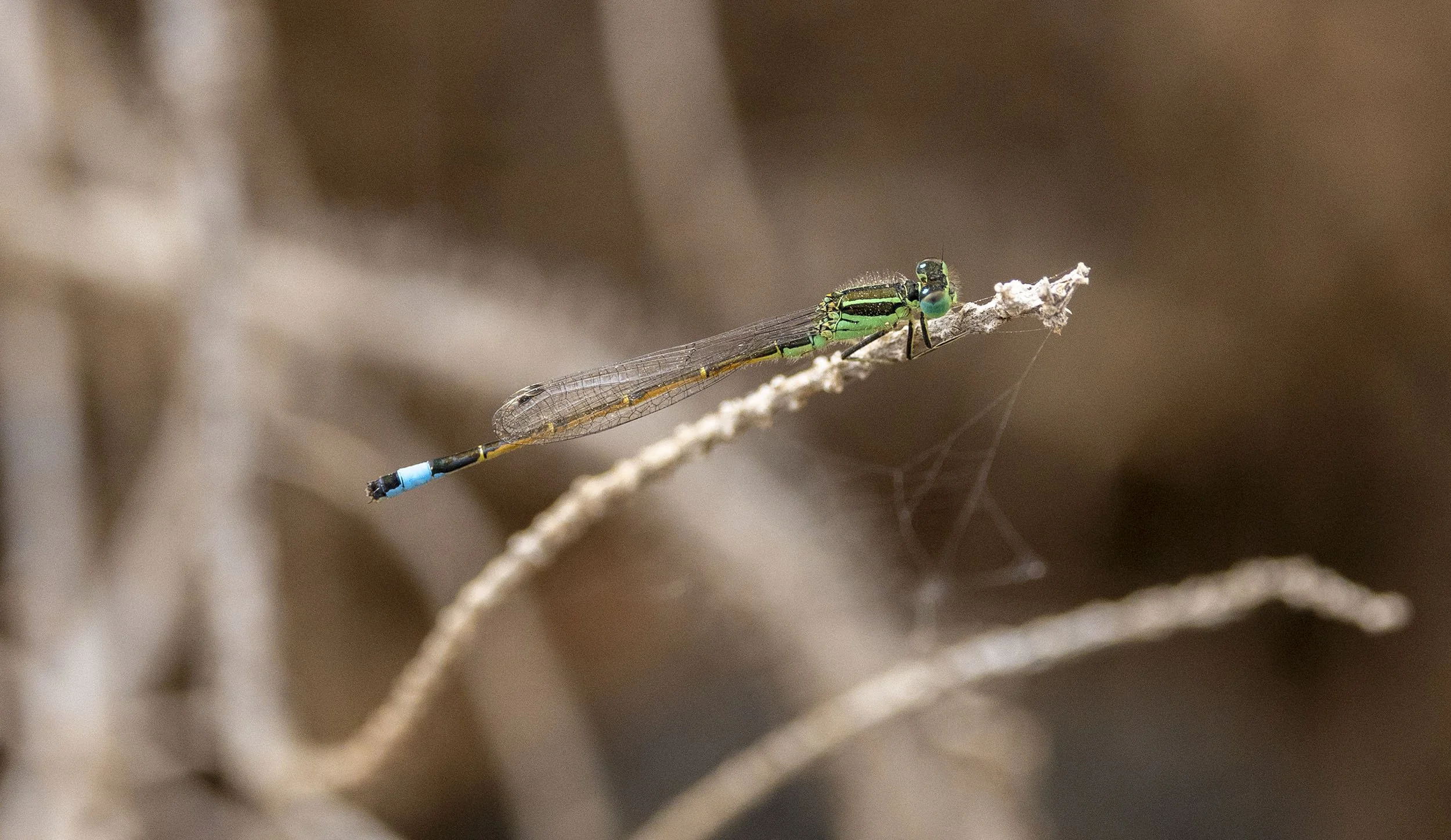
Adult Sahar Bluetail
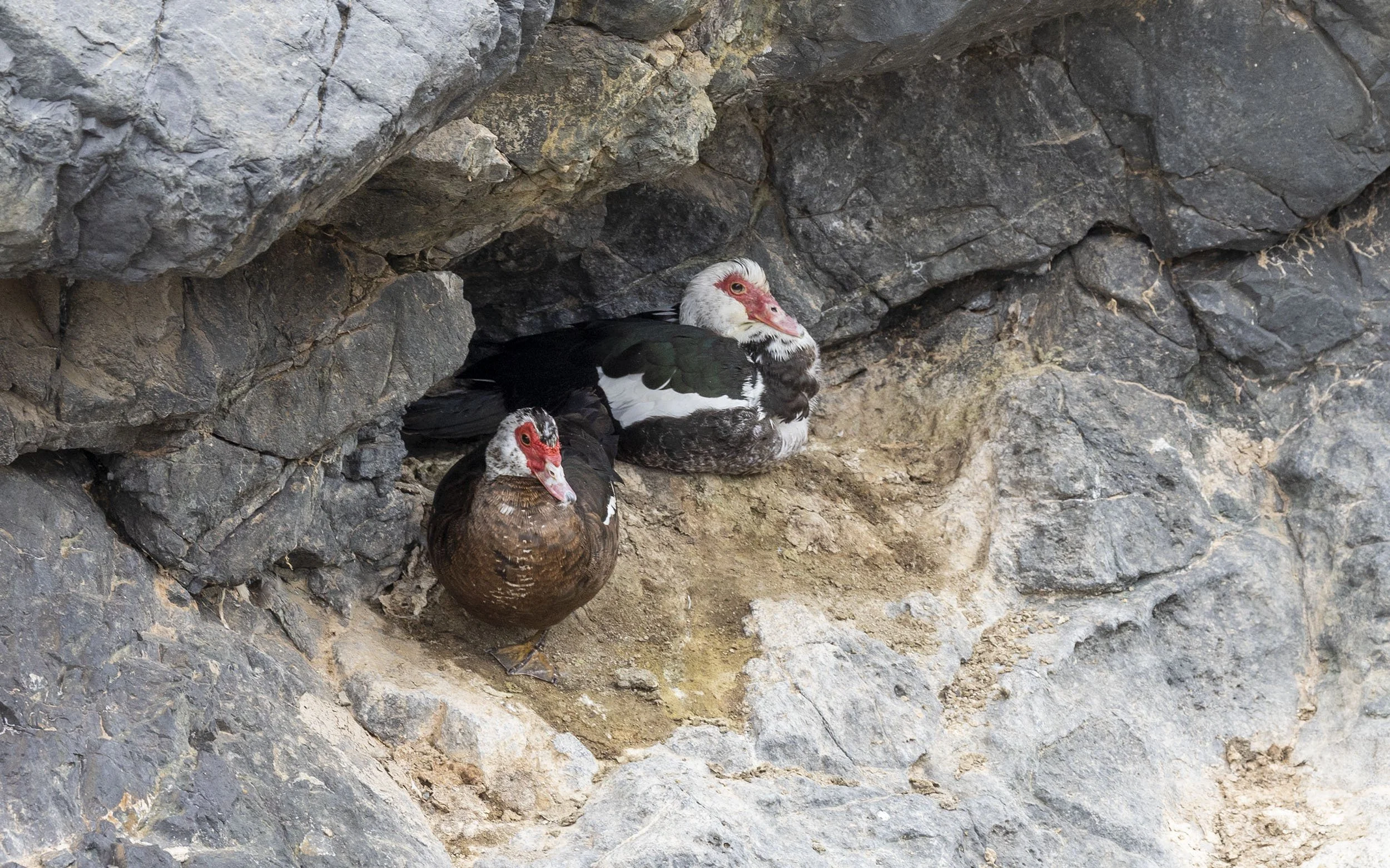
People also seem to mention these in trip reports - cannot vaguely imagine why
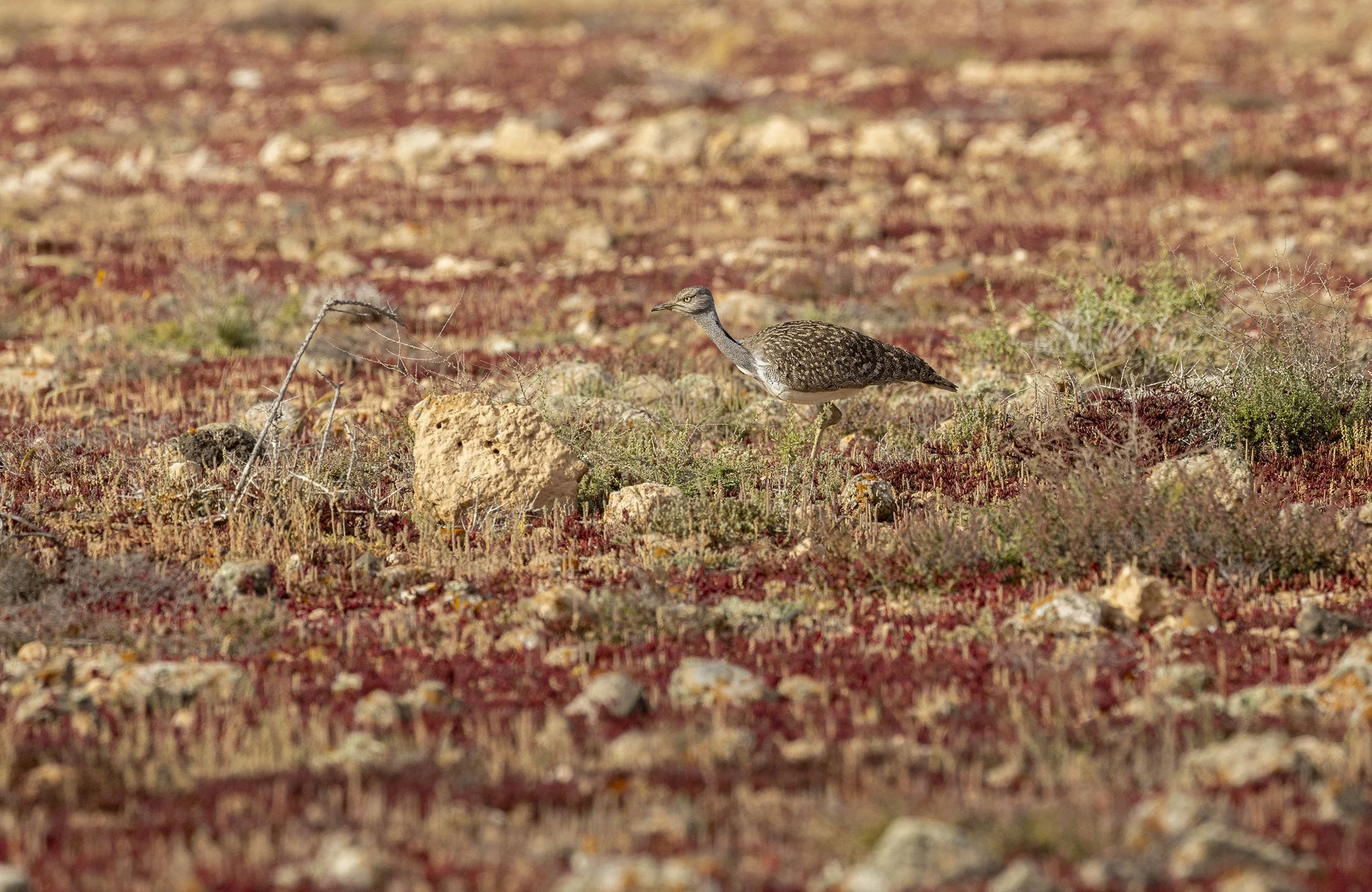
After the obligatory coffee and cake we wandered down the Tindaya track and almost immediately Julia spotted Two Houbaras by the side of the track
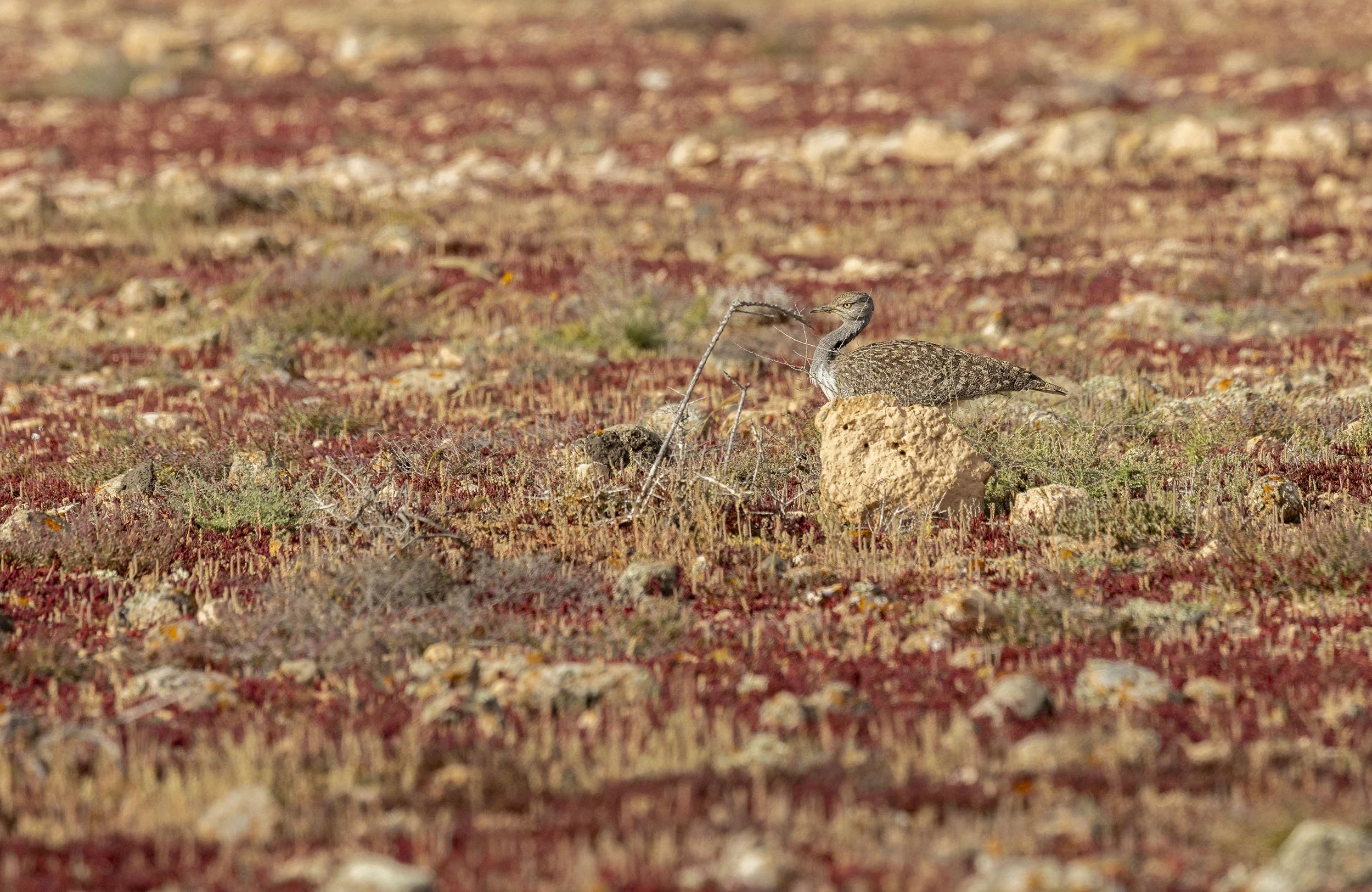
For a biggish bird they can disappear behind piles of rocks and small clumps of vegetation
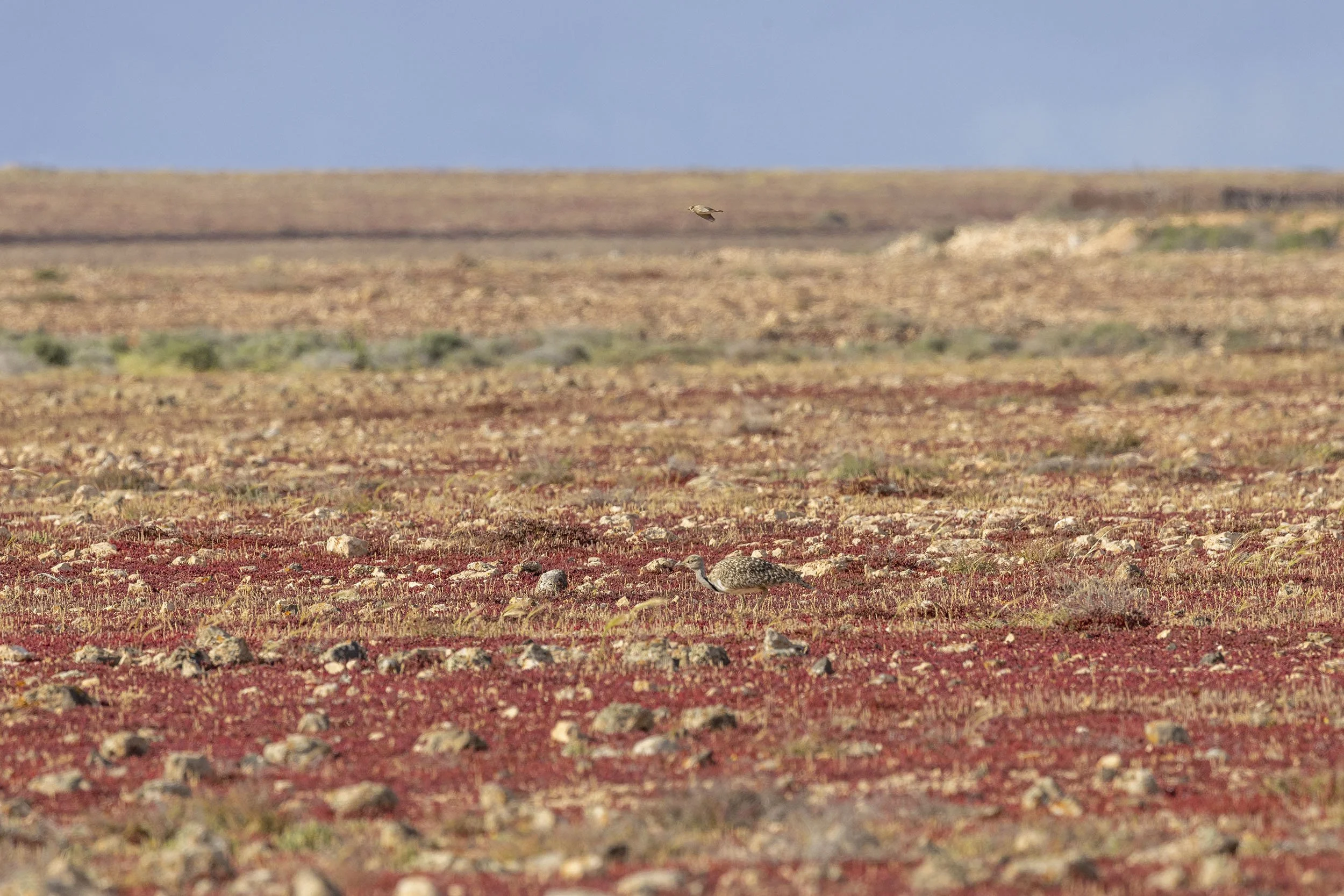
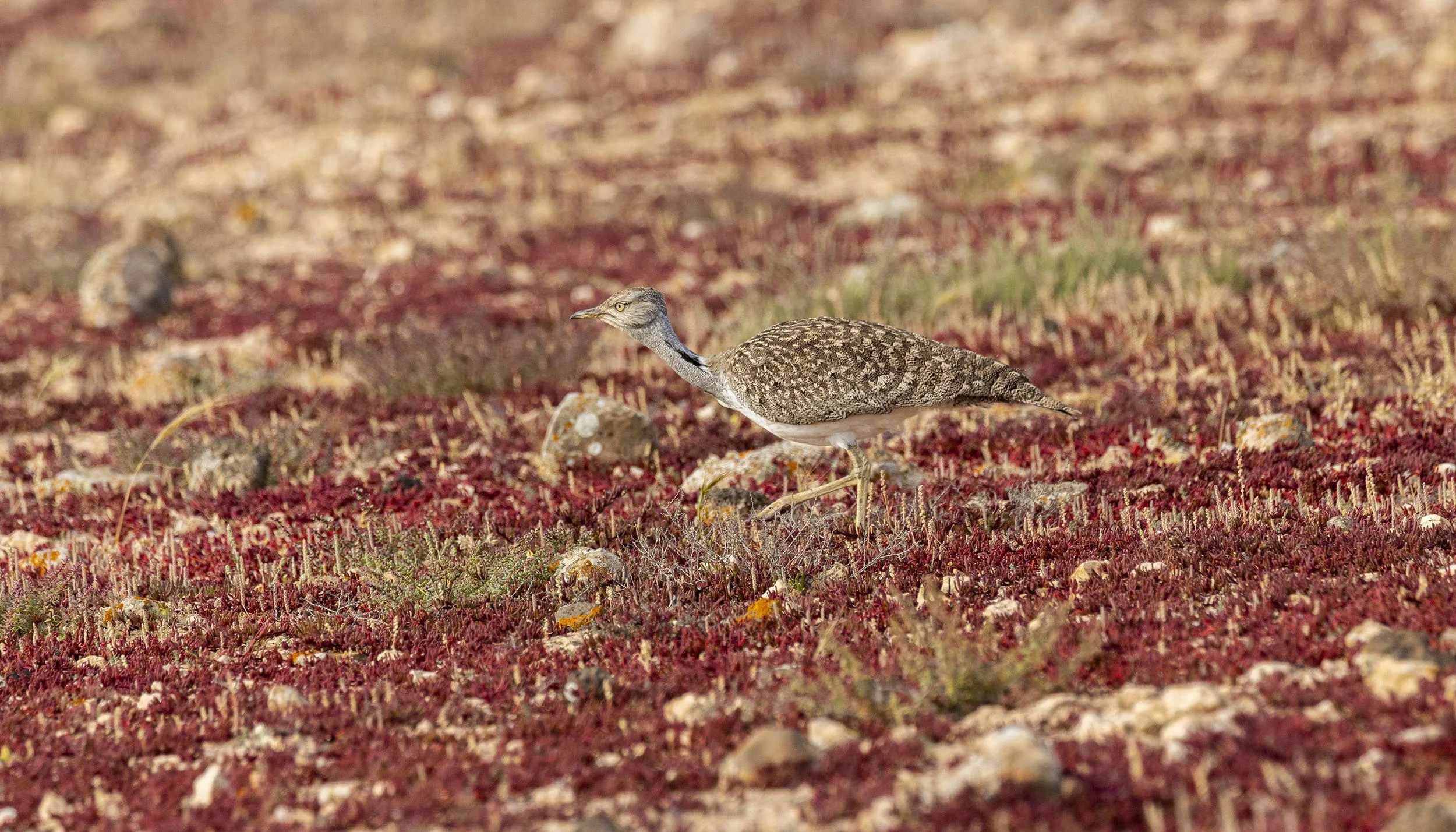
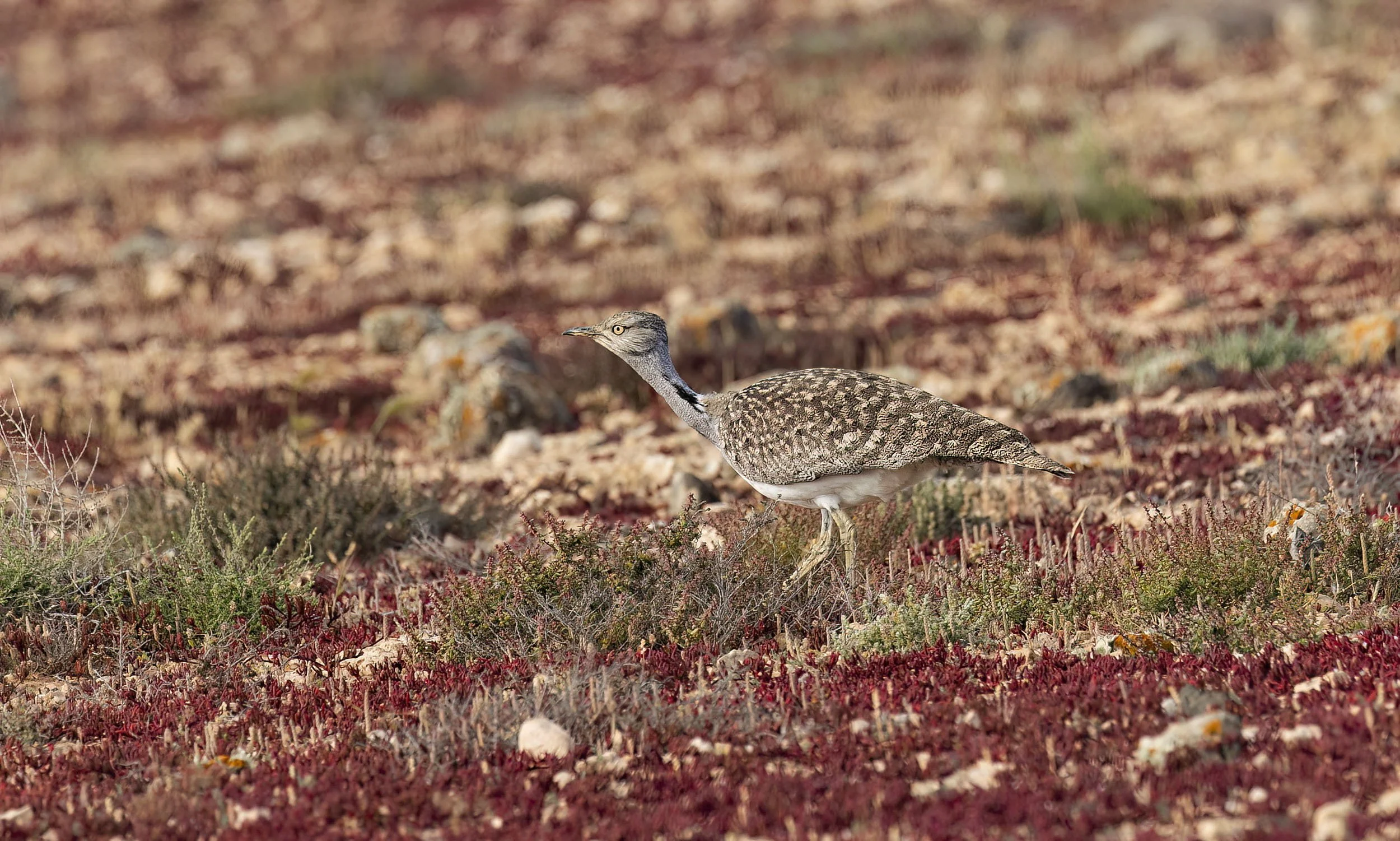
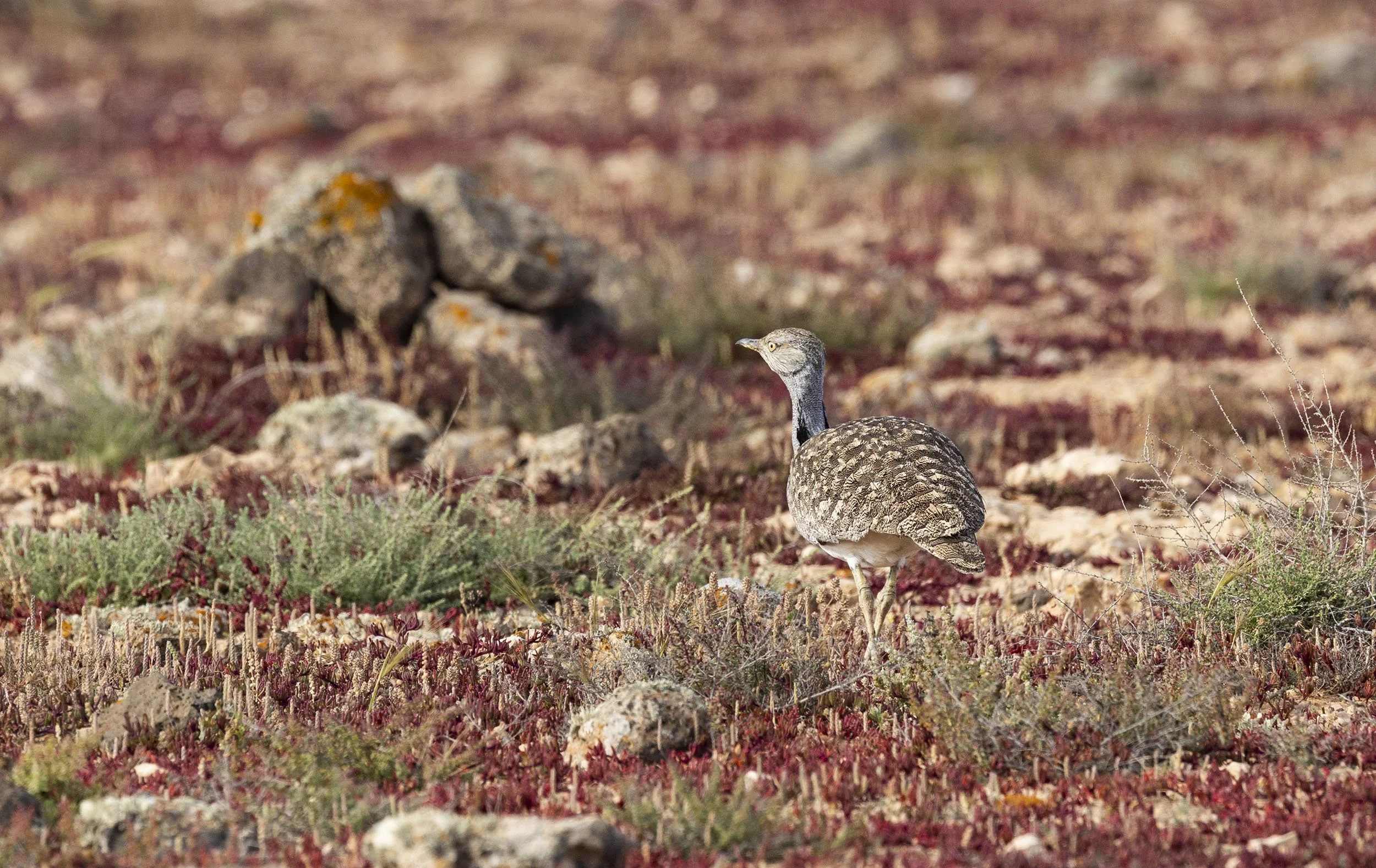
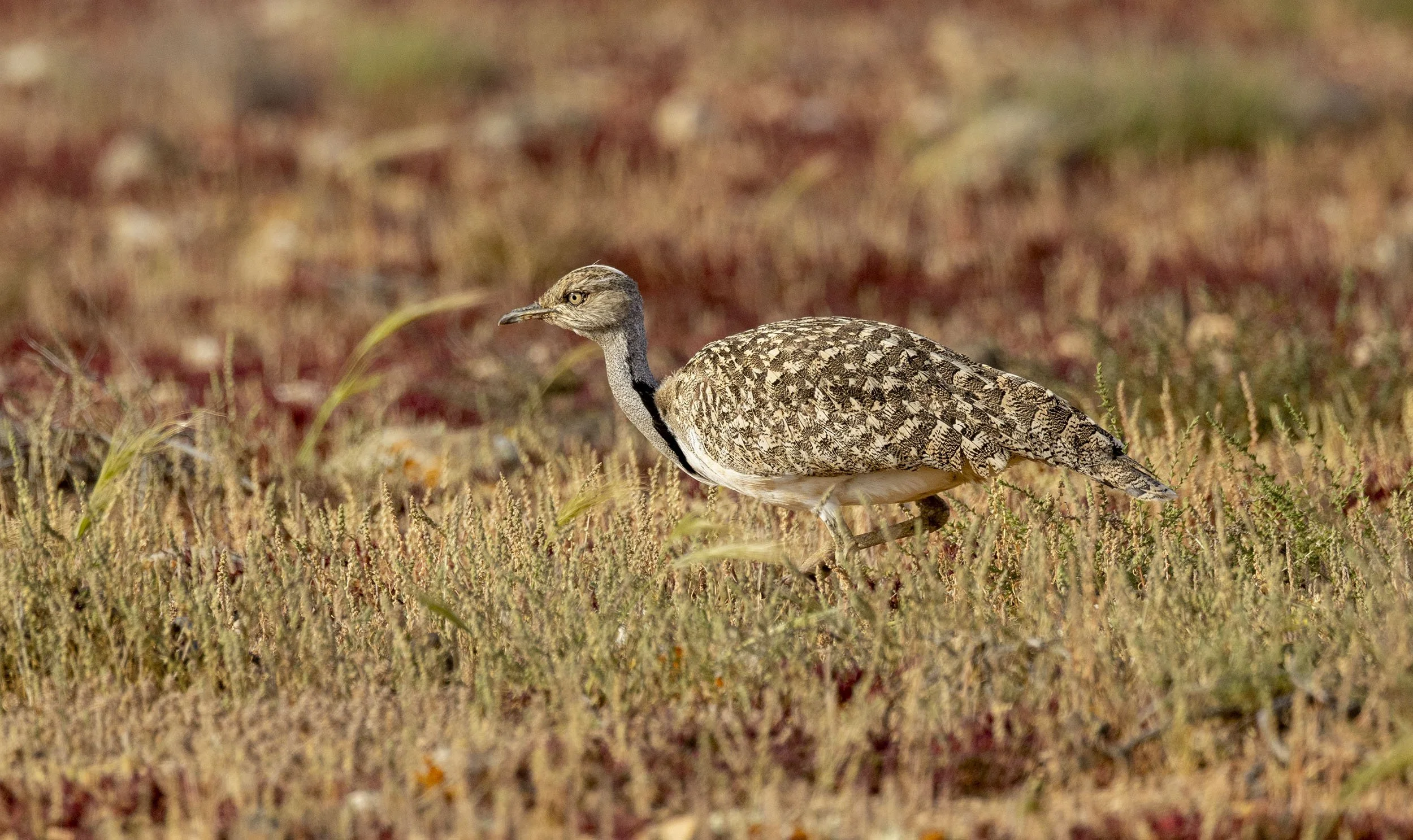
Houbara Bustard out of the car window with a lot of shaking arms and deep breaths
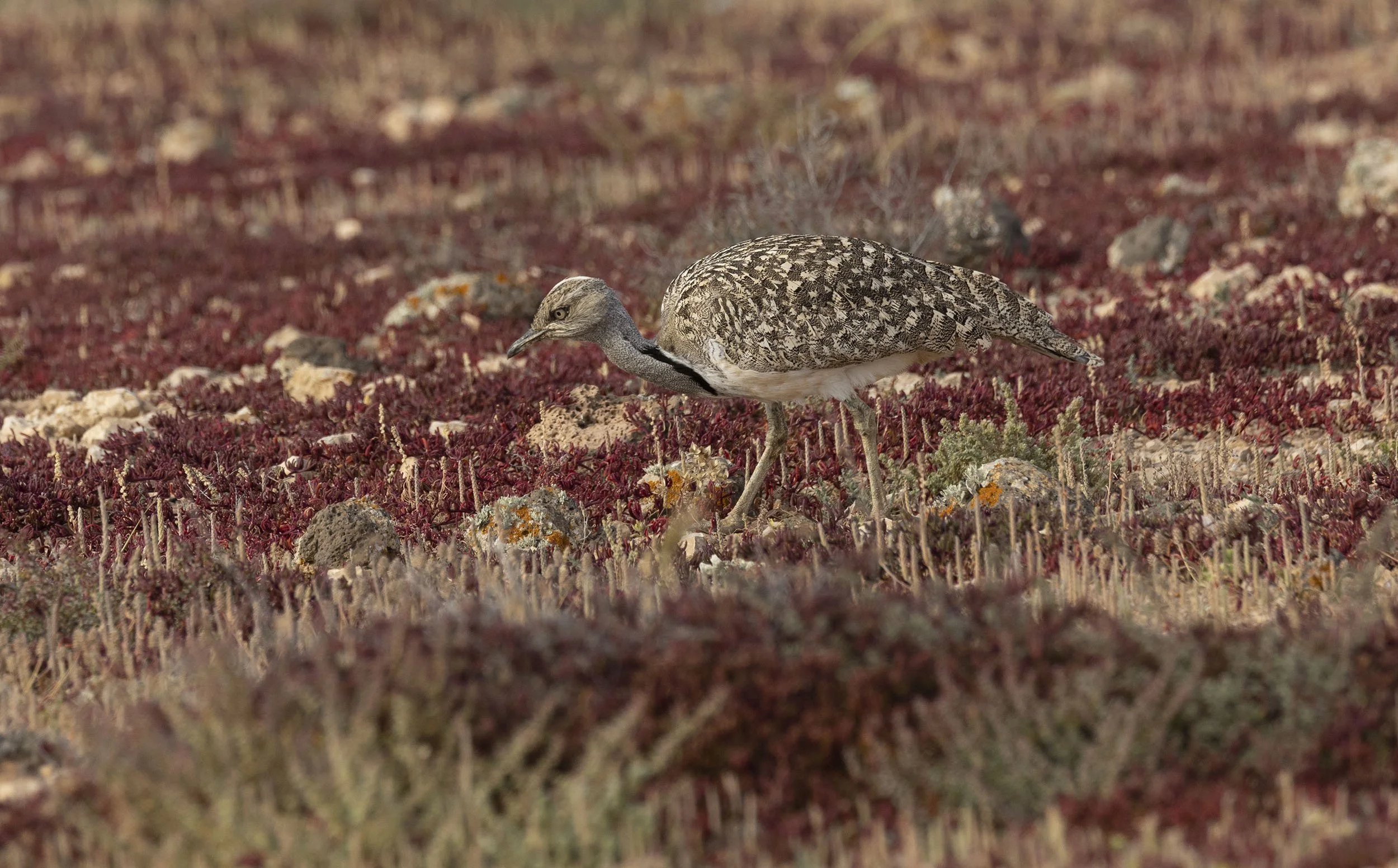
When they are obvious they are unmissable but on many searches they were simply not visible
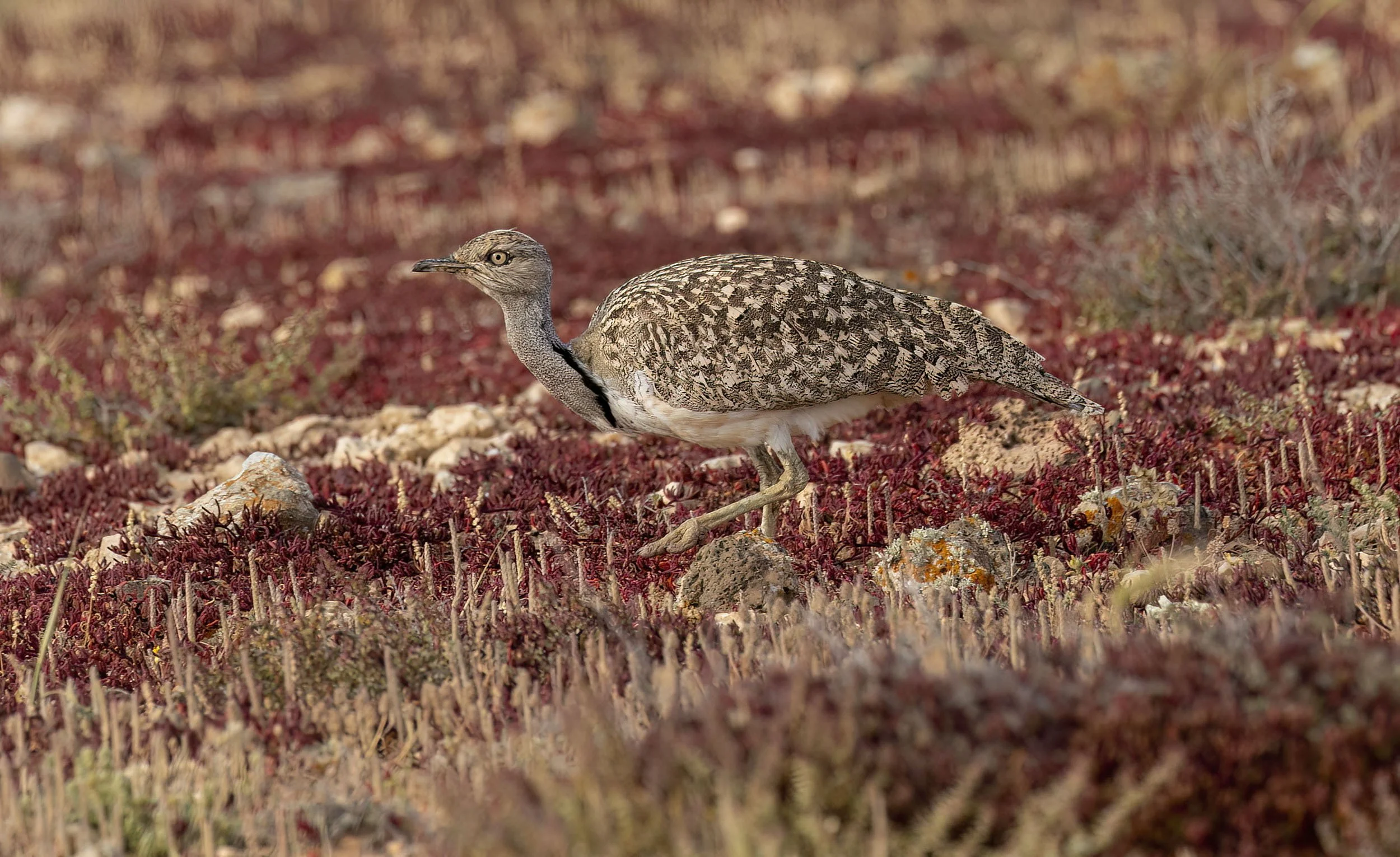
March 3rd
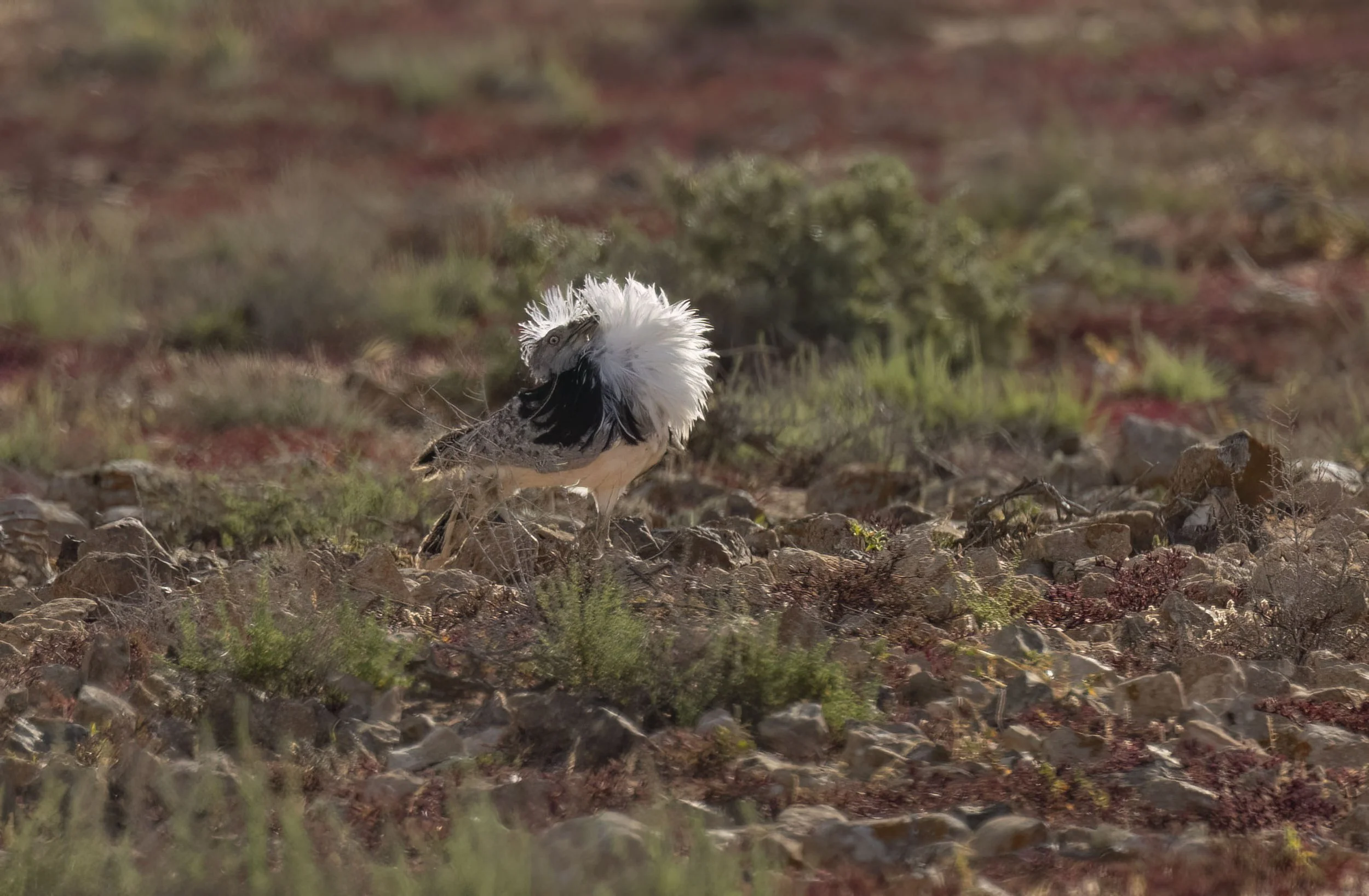
Early rain then showers on and off all day with strong NW wind and decidedly cool when sun not out. An early look at Tindaya in the less than exciting weather turned out to be a good choice with a displaying male Houbara located. After a few mad bouts of display what was assumed to be a female appeared running to the male and they then performed some courtship displays in striking distance of on of the tracks but with bad timing the sun broke through just at the wrong moment. Views though were amazing and I even managed a bit of video. In addition a single Cream-coloured Courser picked up. From there drive to La Pared where showery and cool: at least six Spectacled Warblers in song and churring in the Barranco with a Common Sandpiper but nothing else. Did a quick drive through Costa Calma and failed to stop it looked that bad returning to Betancuria with and adult Egyptian Vulture on the return trip. Headed south from Betancuria and located a nice valley Para Medina or Barranco do Palomares as shown on the map. A nice walk up the valley with Sardinian Warblers, a family of Great Grey Shrikes, several African Blue Tits, singing Turtle Dove, singing male Atlantic Canary, two Buzzards and numerous Painted Ladies but weather closed in again with more rain. Another stop at Tindaya turned up only Mediterranean Short-toed Larks including a nest with big chicks before serious rain arrived and continued overnight.
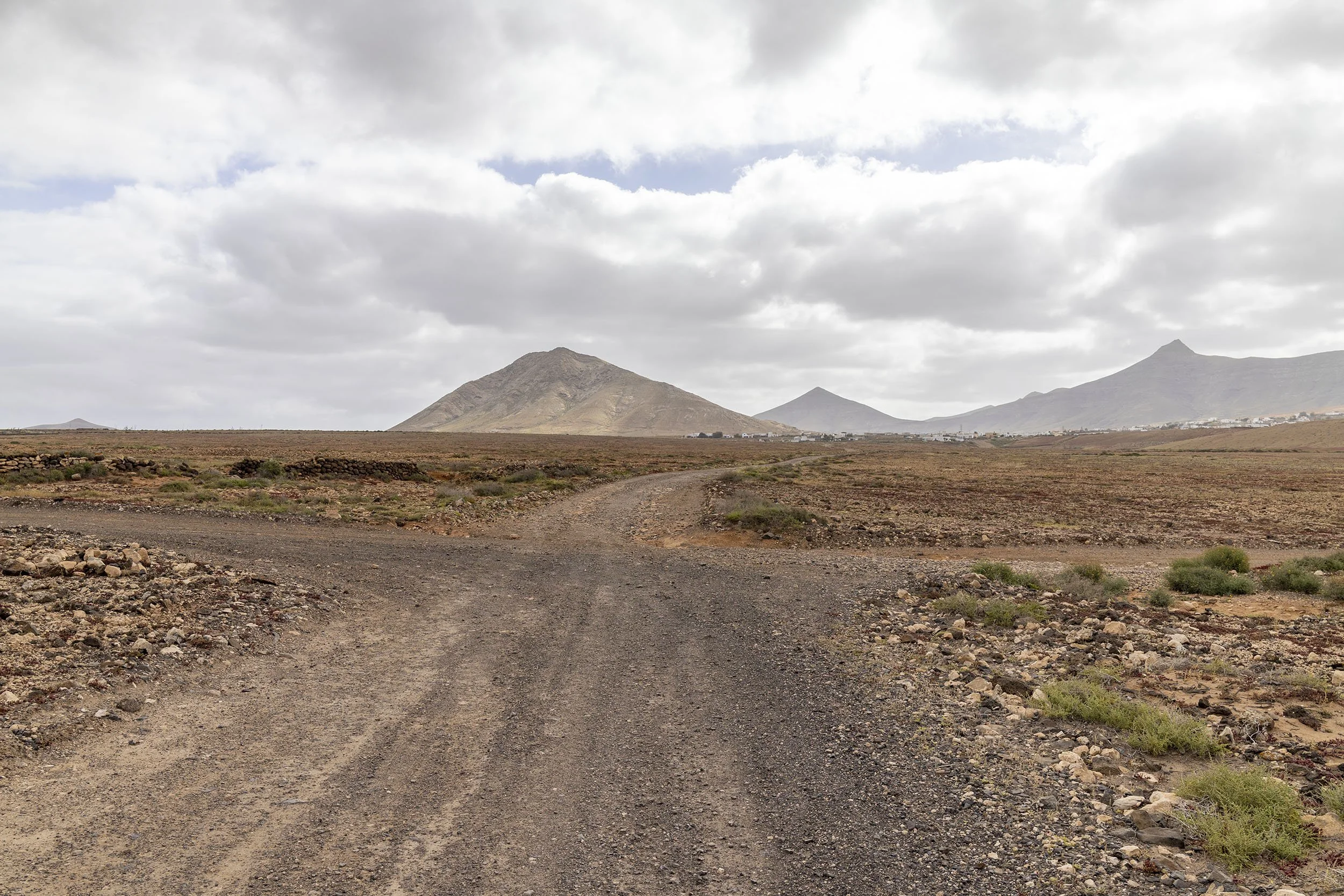
a much visited crossroads - note the dull weather
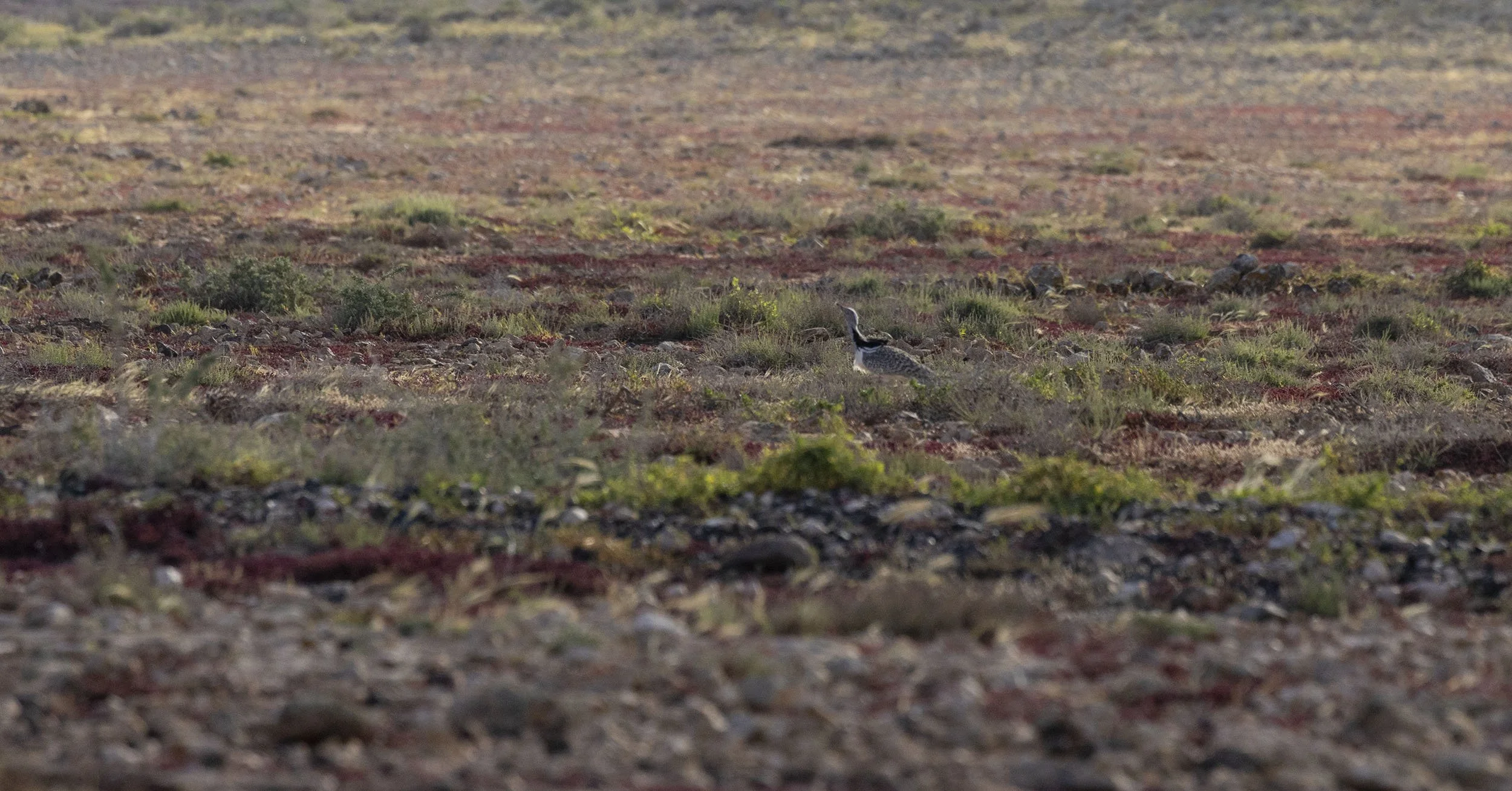
Even for a largish bird Houbaras can disappear in limited vegetation
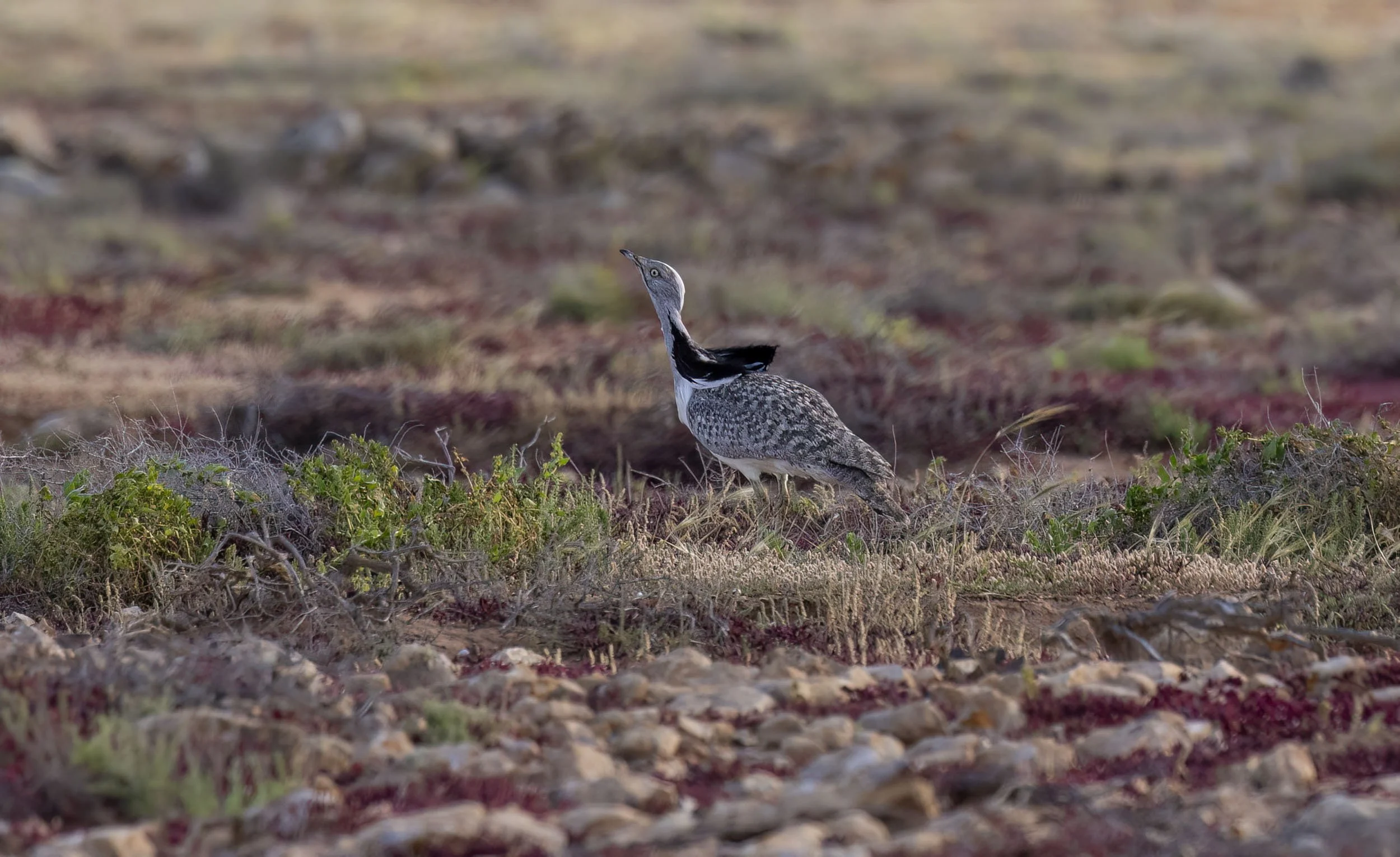
Male Houbara adopting first stage of display posture before the manic phase
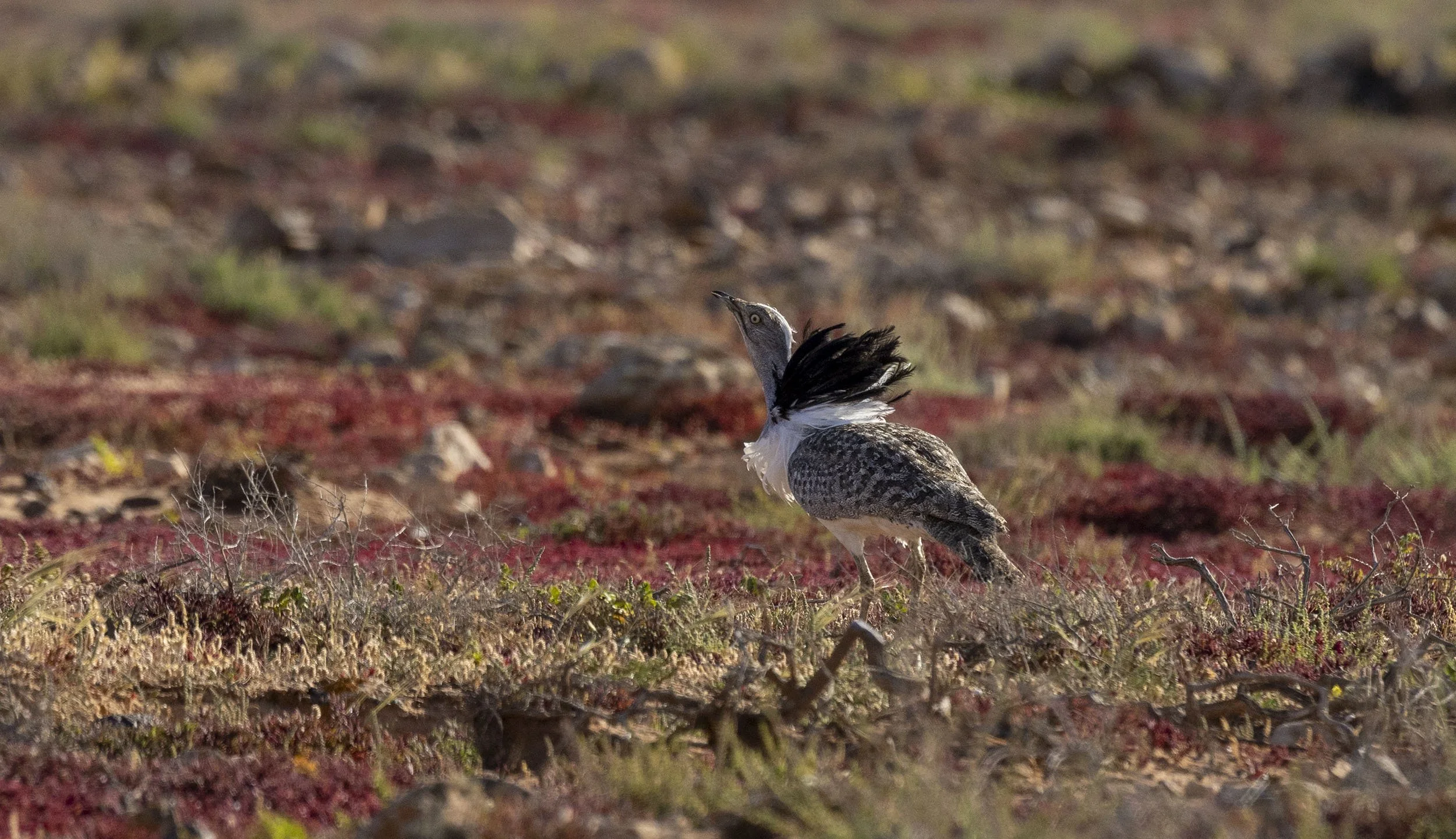
The black ruff is raised before the dash display
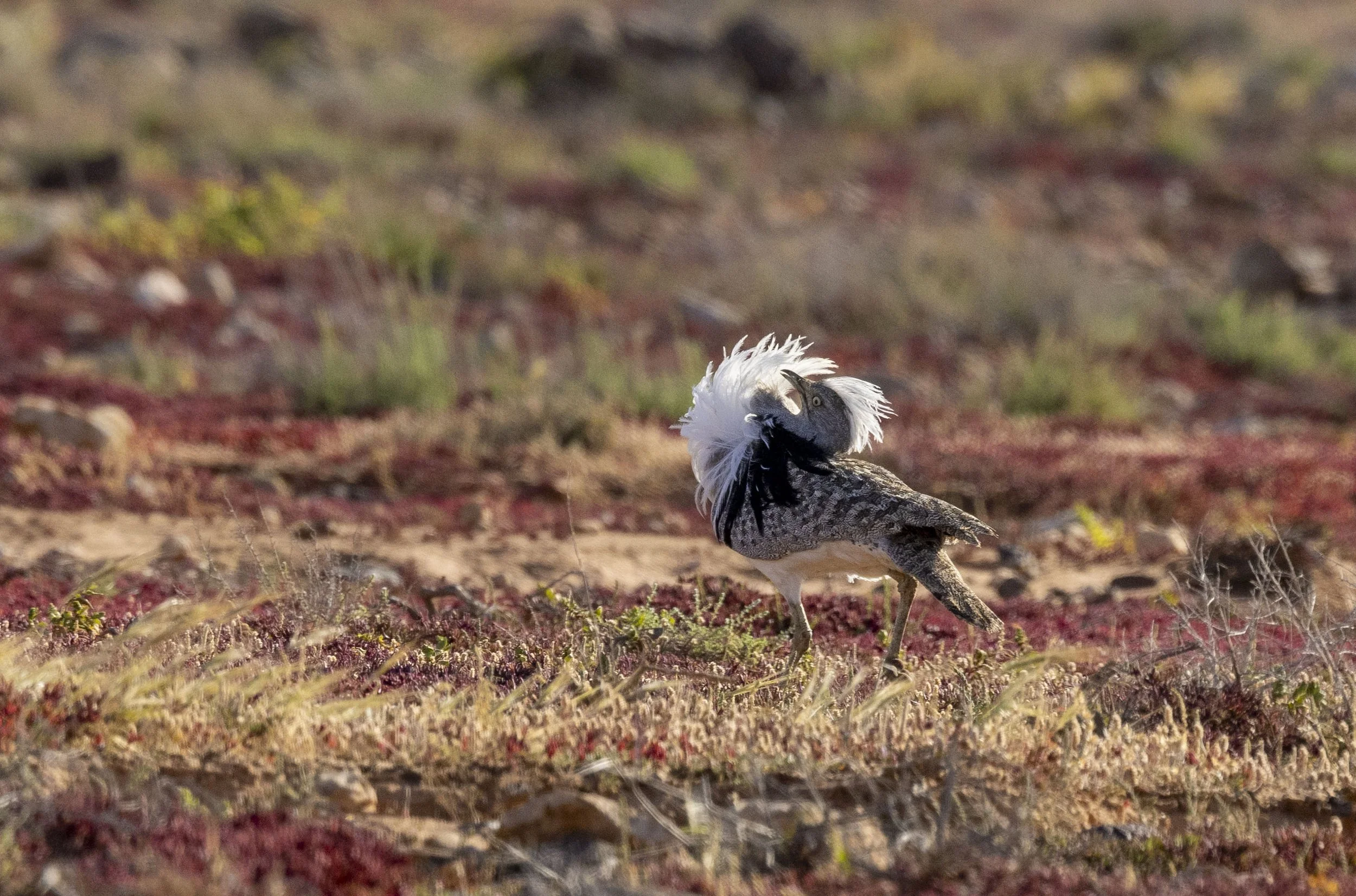
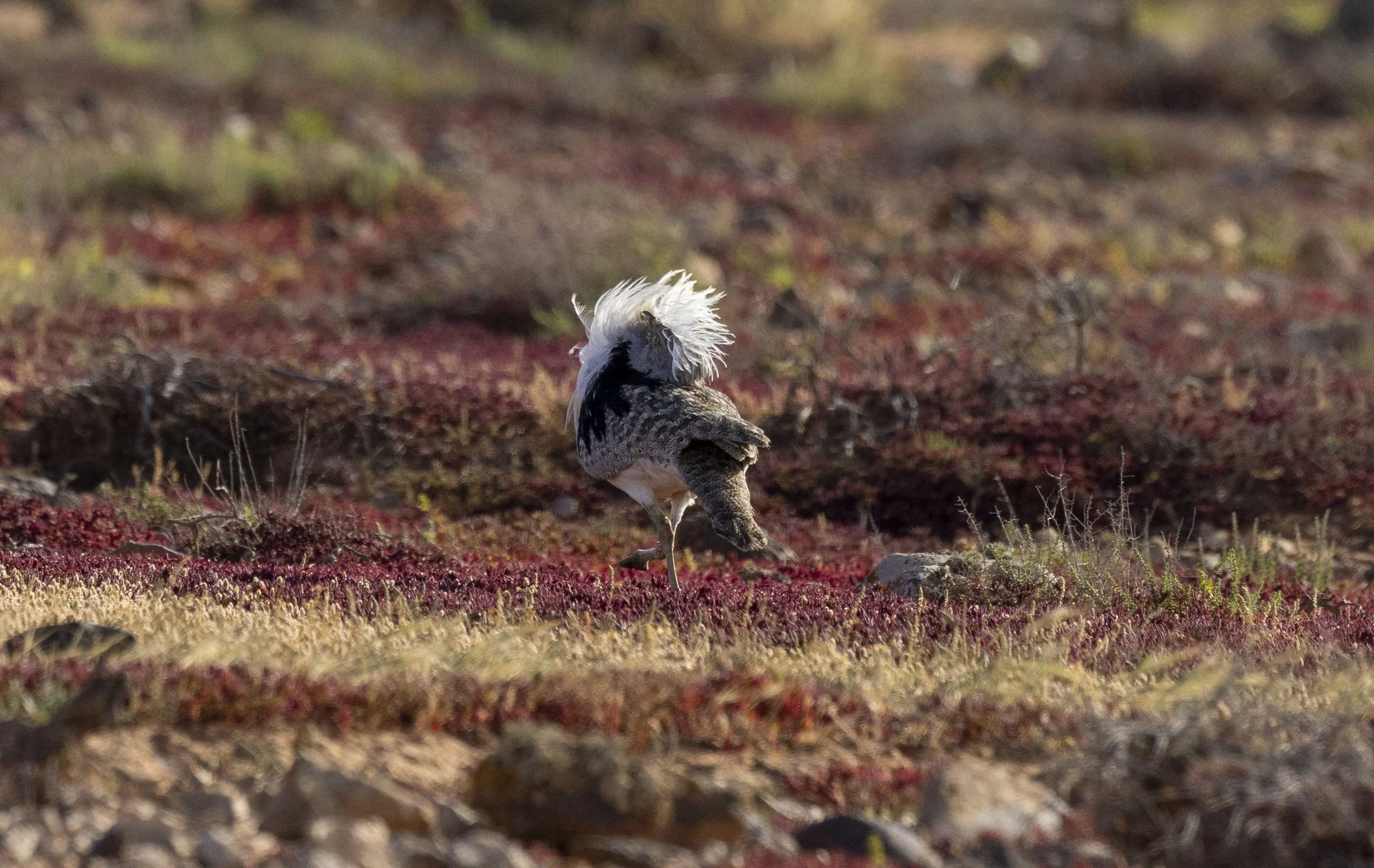
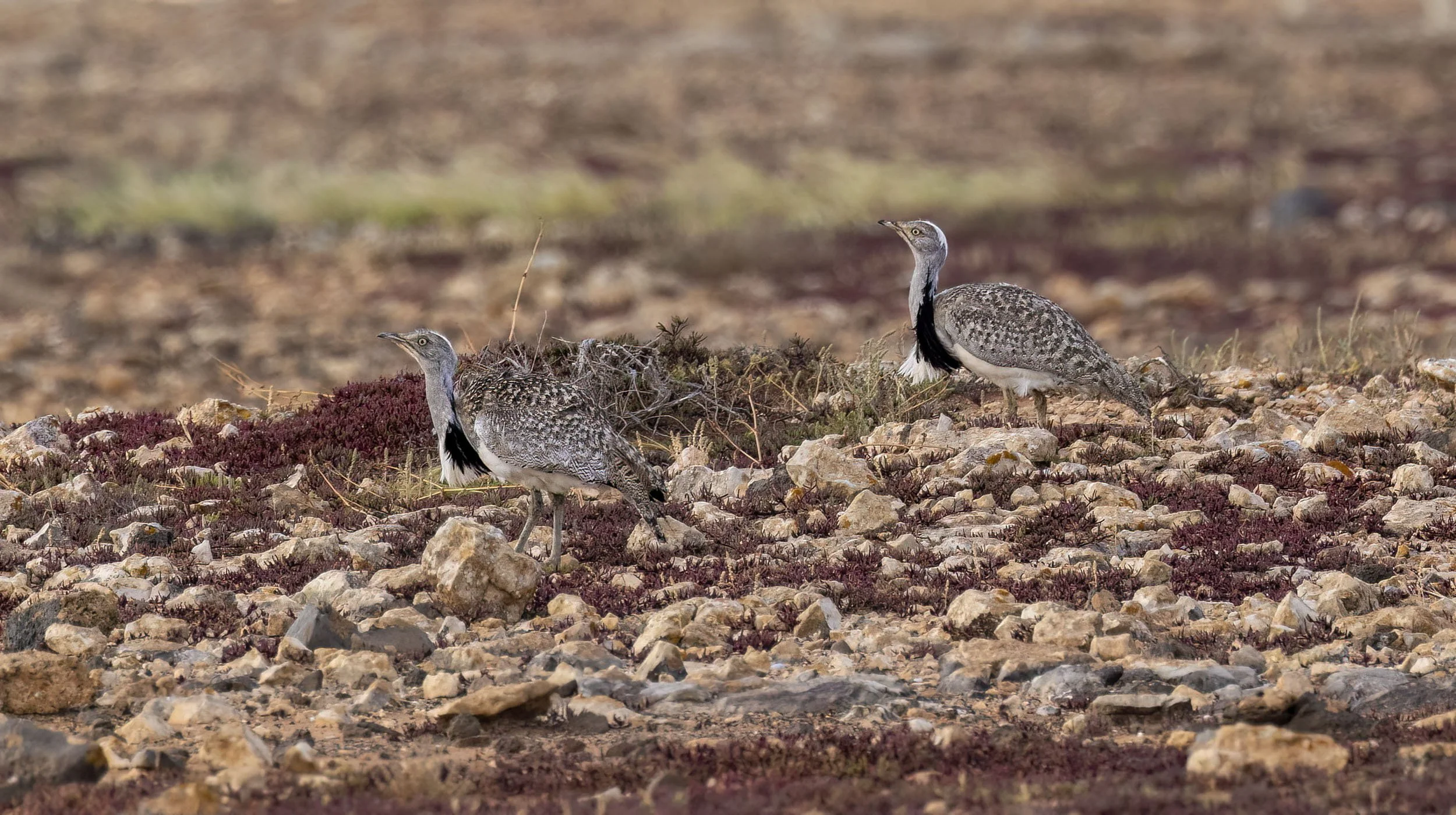
After a few bouts of manic running display we noticed a second bird running in from the north - the two birds then came together and what is assumed to have been a female started posturing to the male and vice versa but it was the female that seemed to do all of the wing and tail spreading and raising so could it have been two males - BWP suggests that this is aggressive behaviour so maybe I got it wrong and it was two males
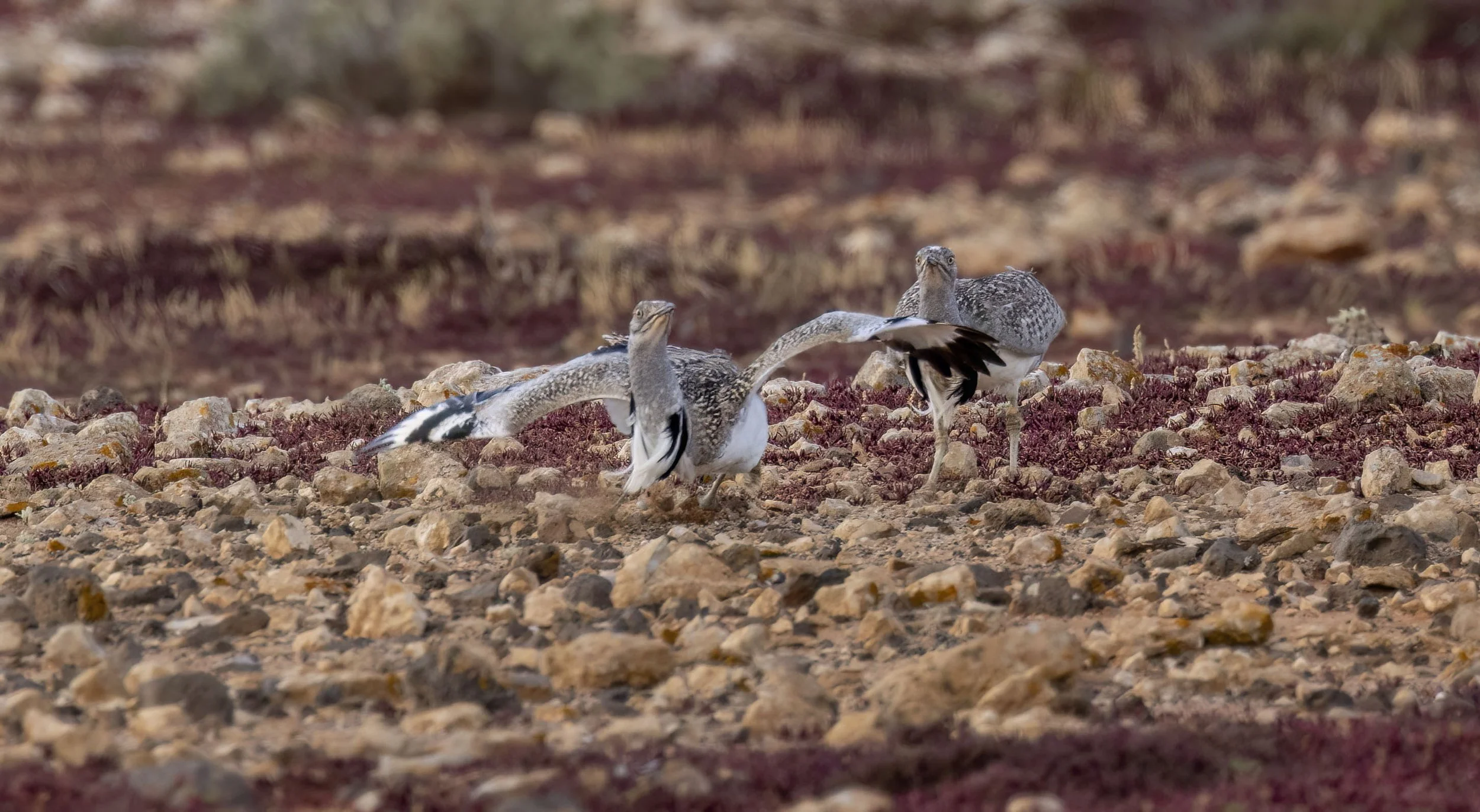
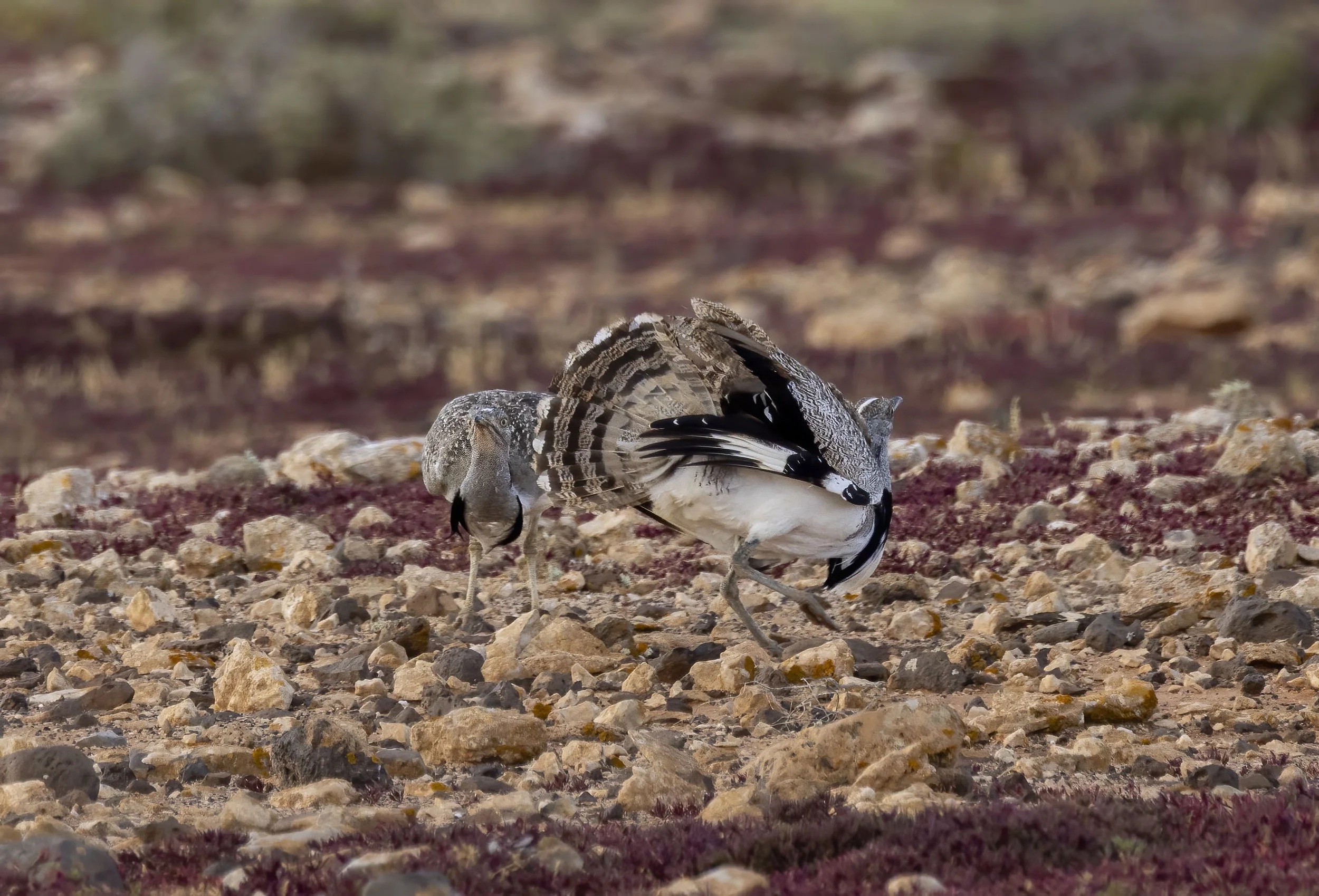
Displaying Houbara Bustards
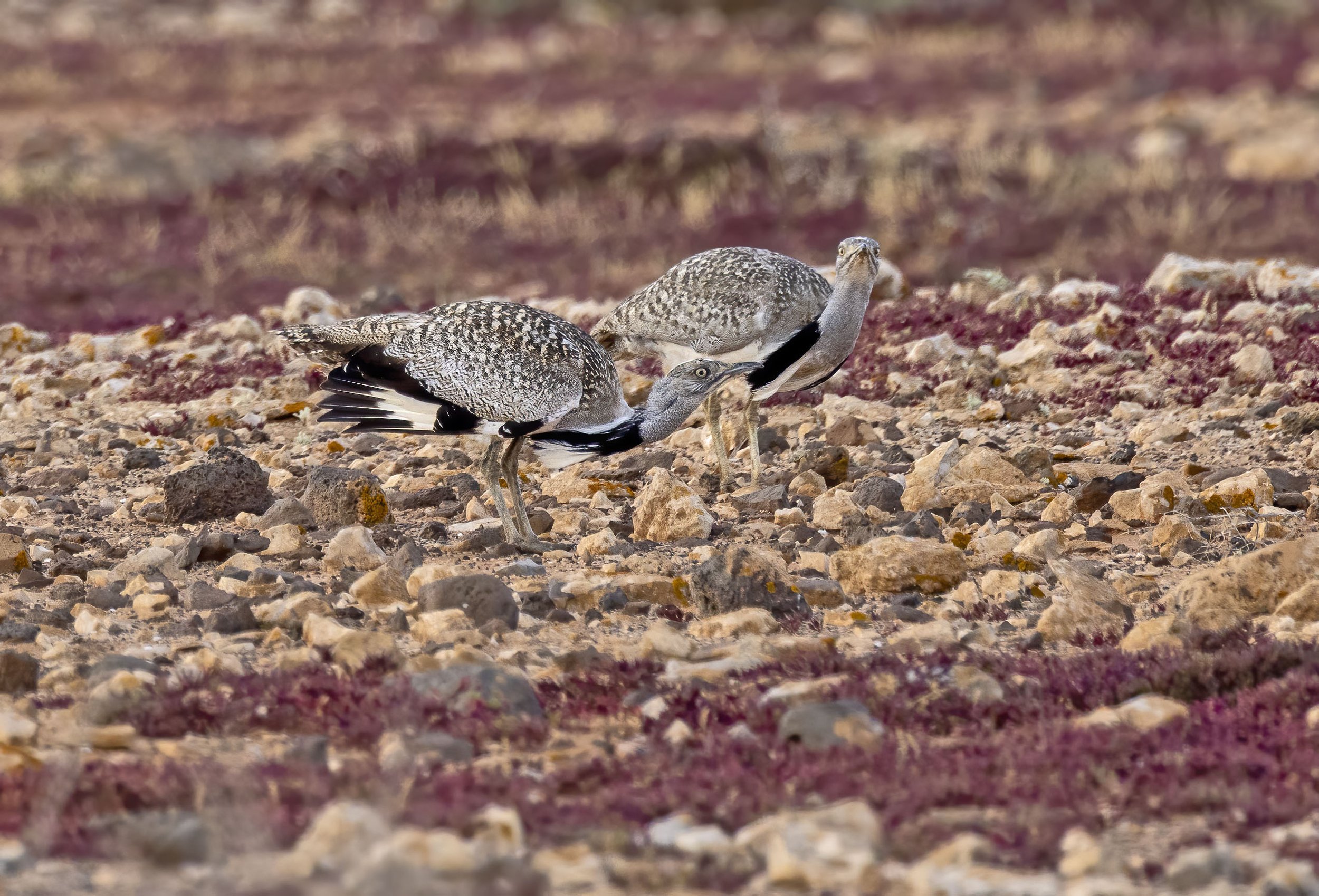
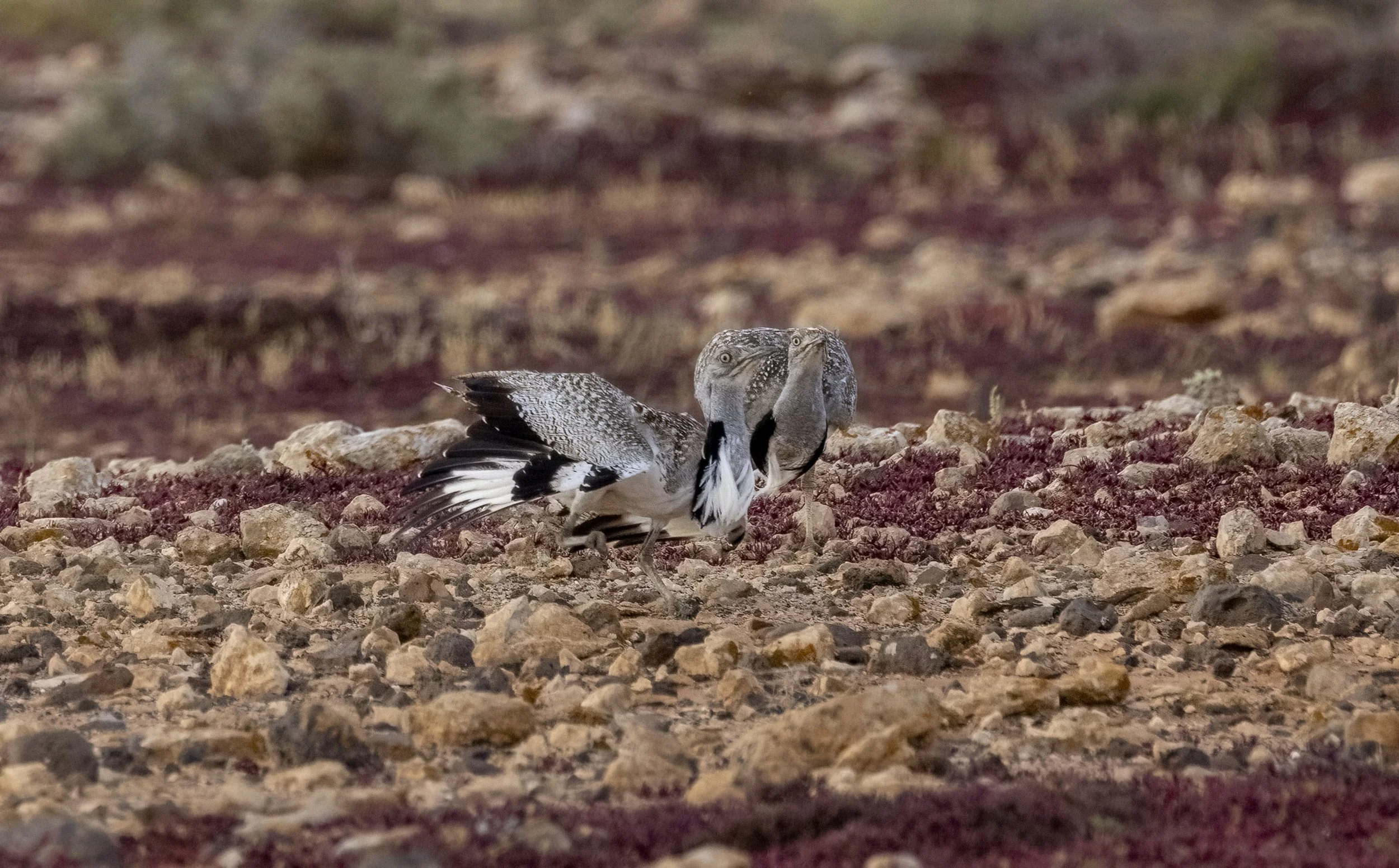
The female seemed to be the bird spreading its wings and tail
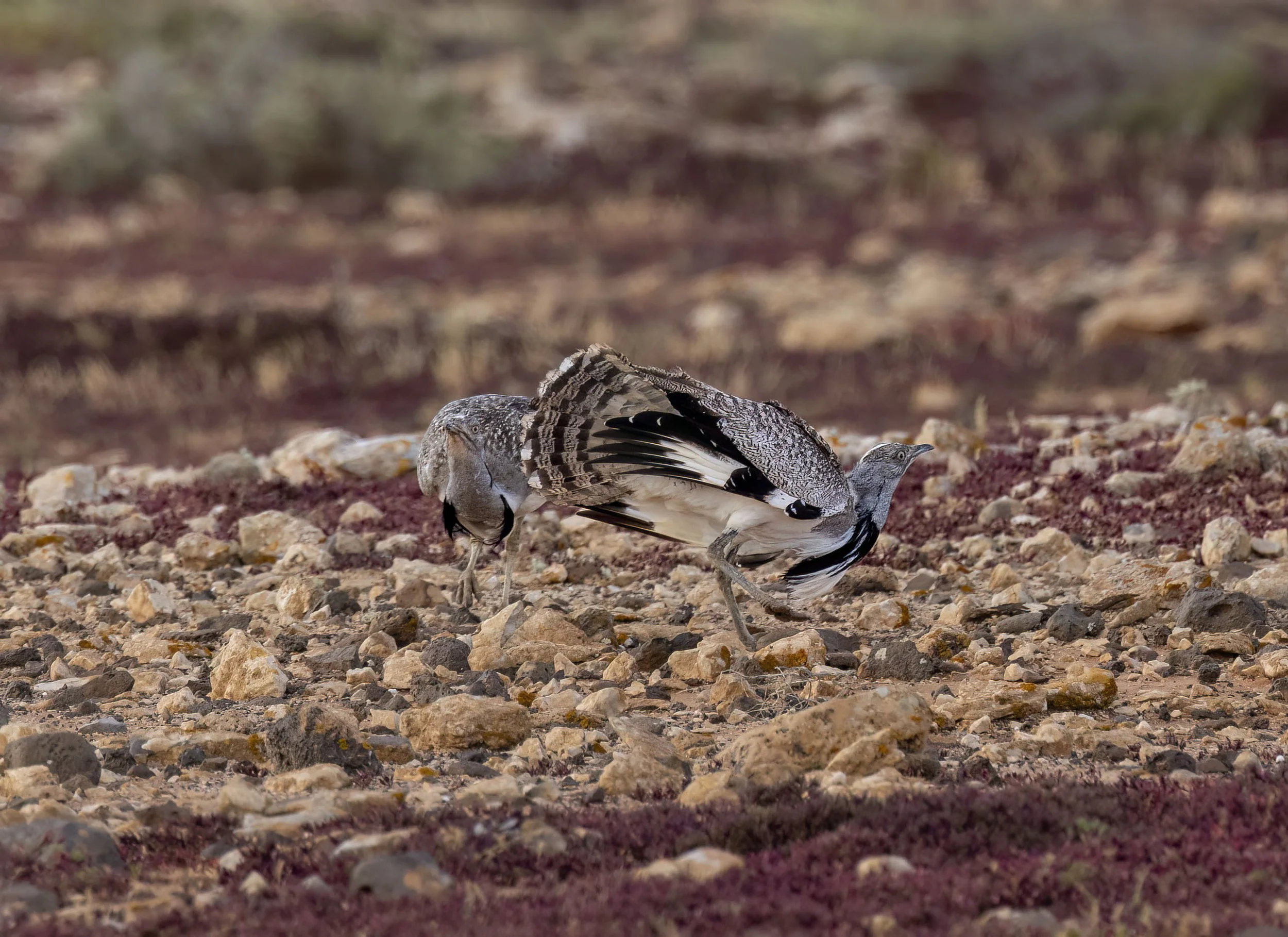
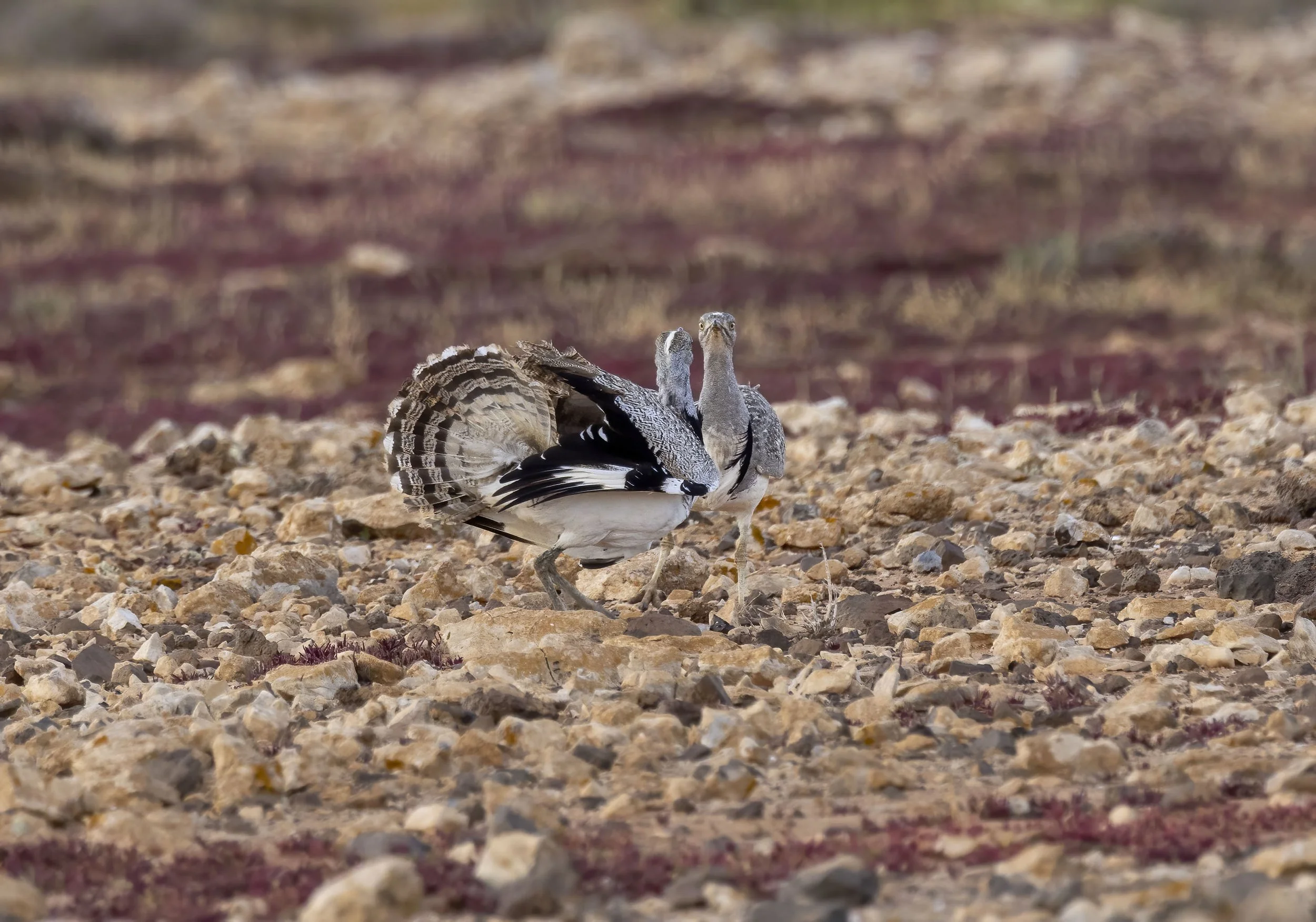
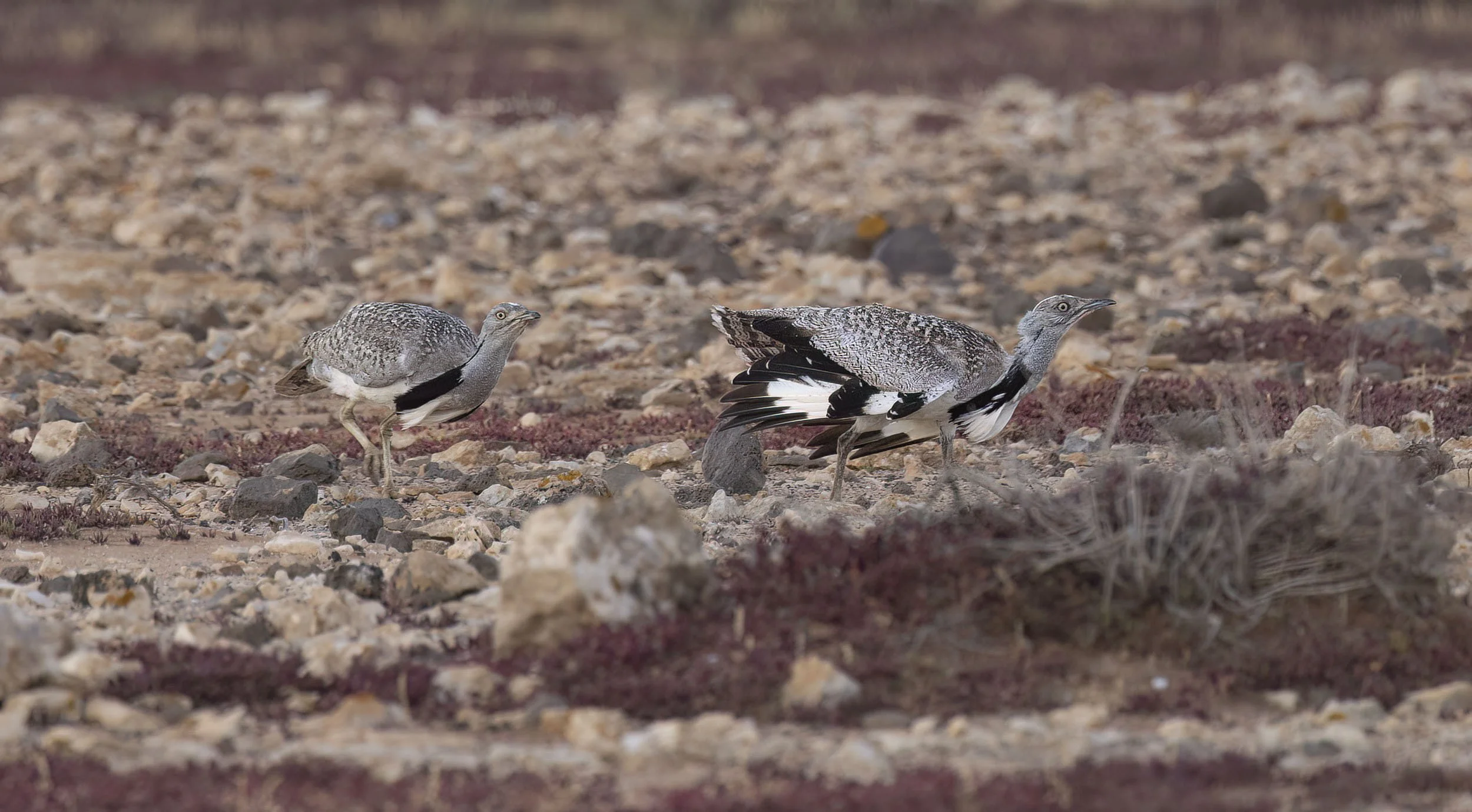
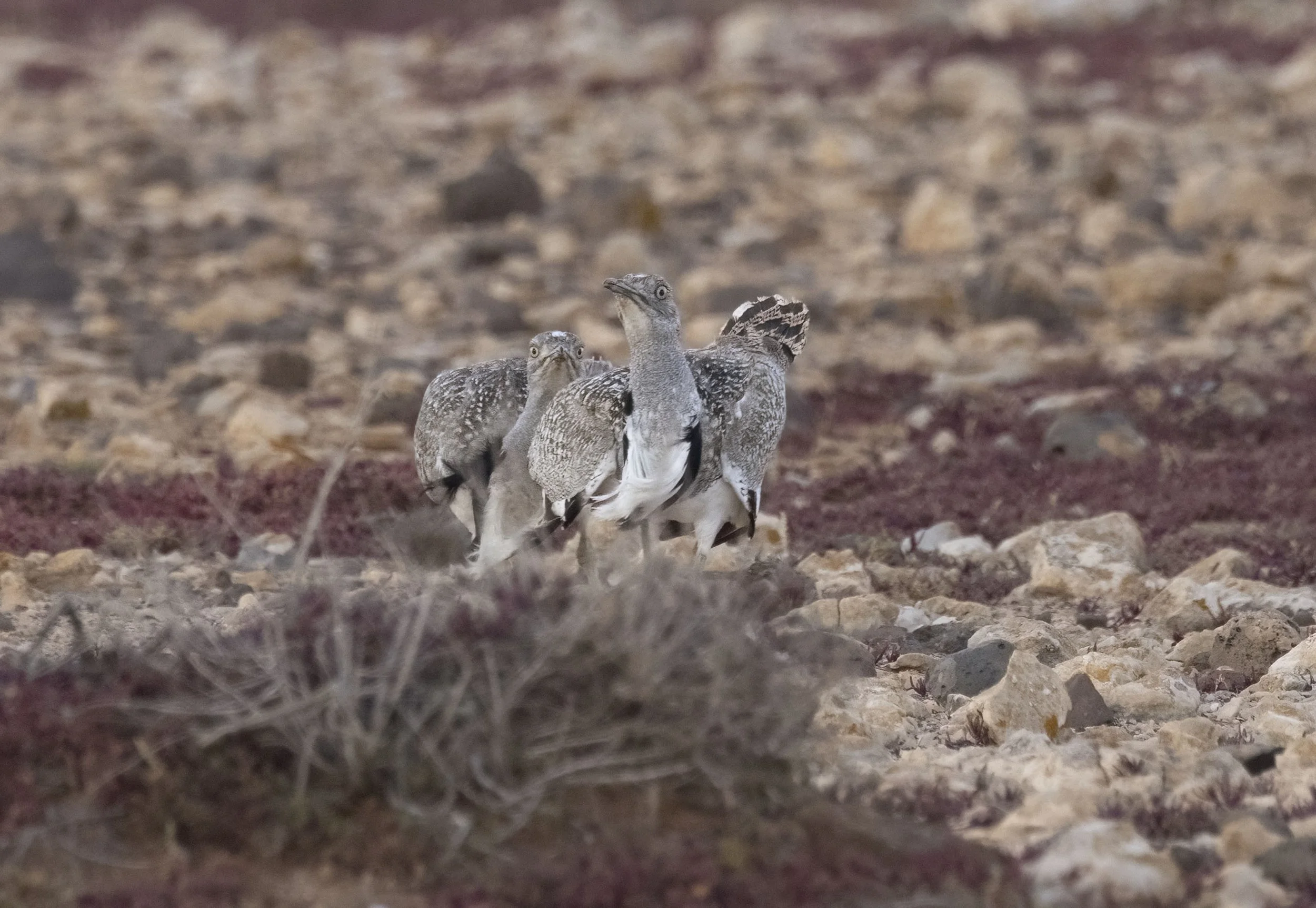
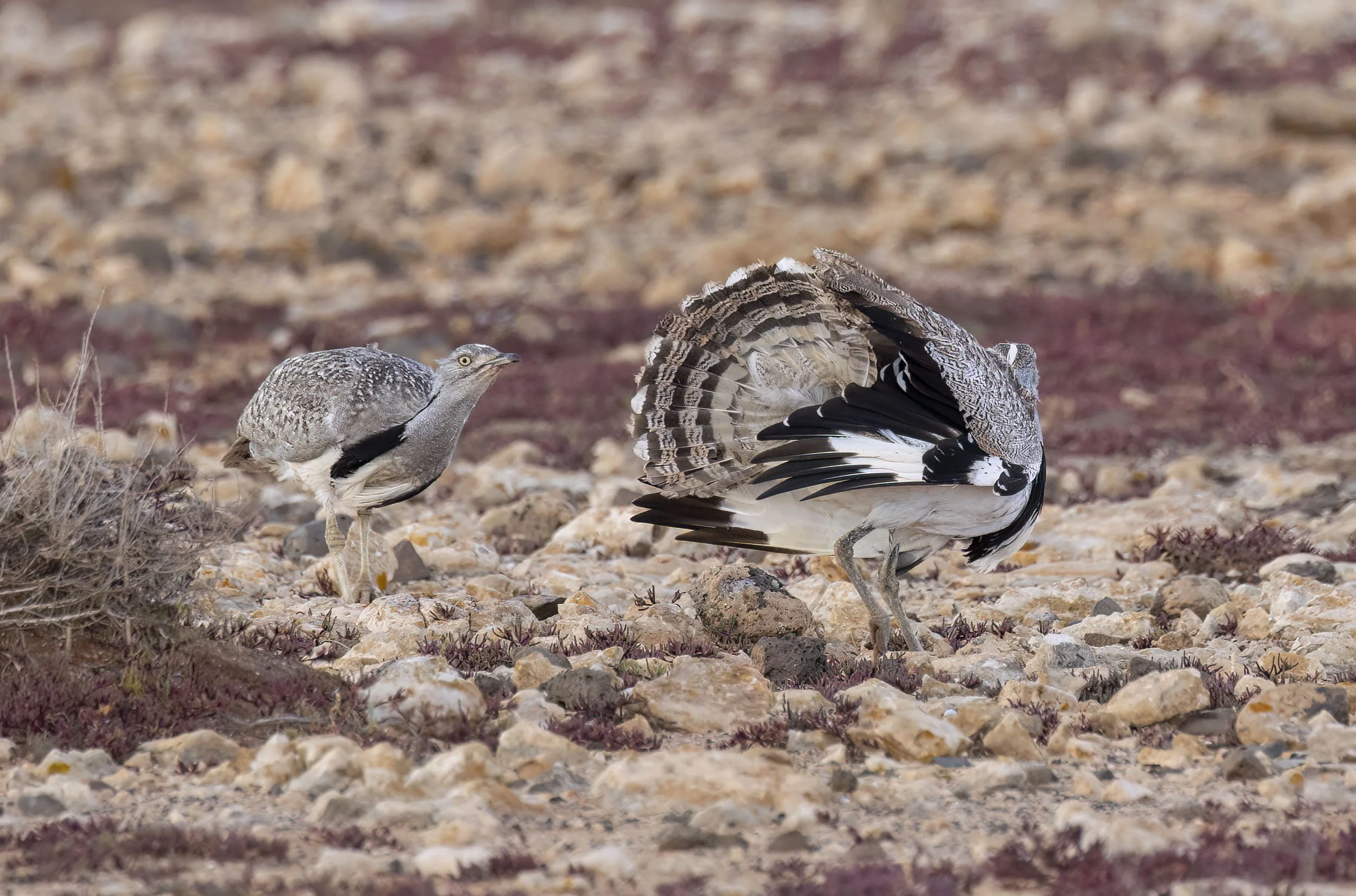
These posturing displays went on for over 20 minutes after which they started to wander off and we left
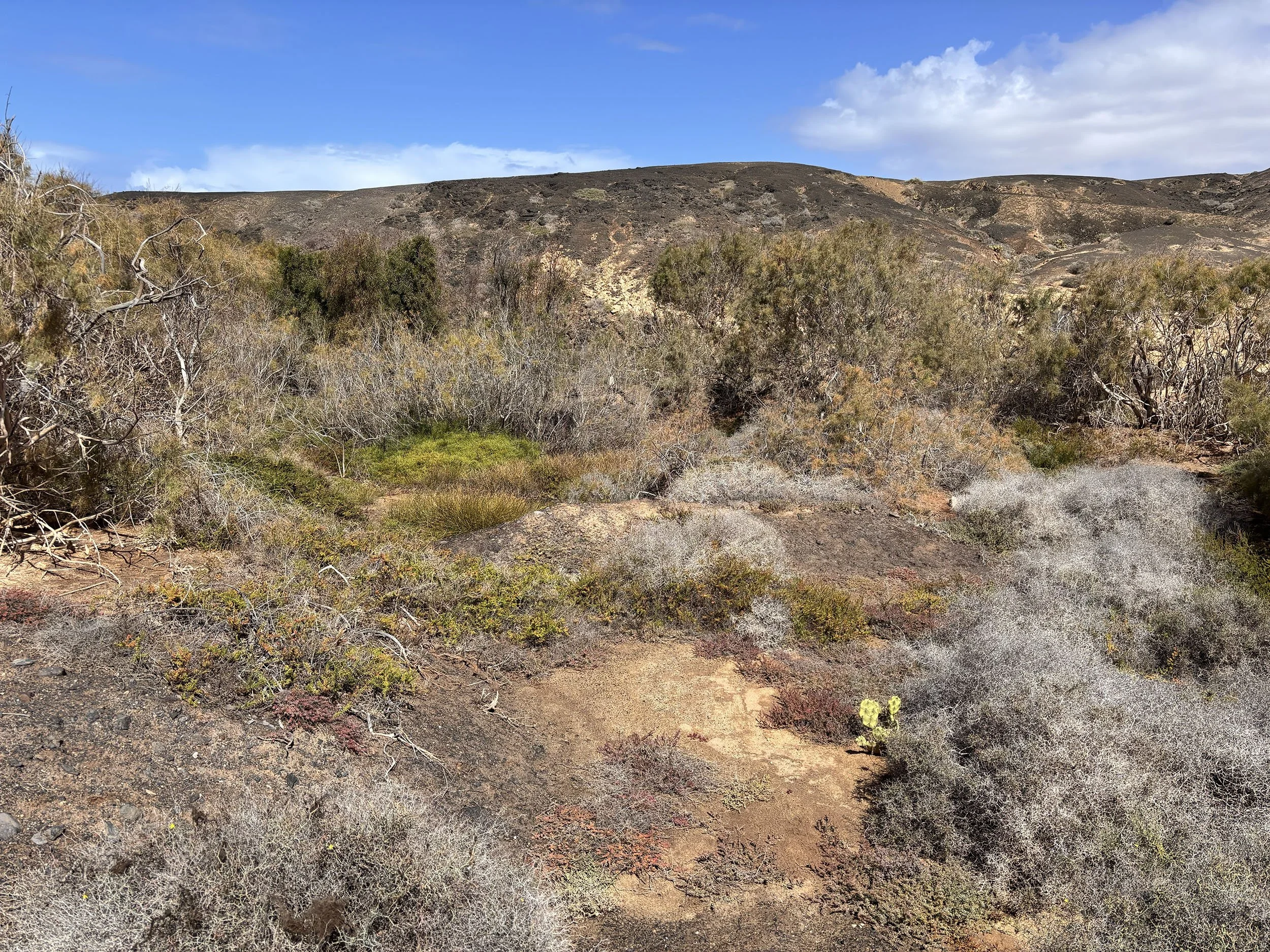
The Barranco at La Pared good for Spectacled Warblers but little else
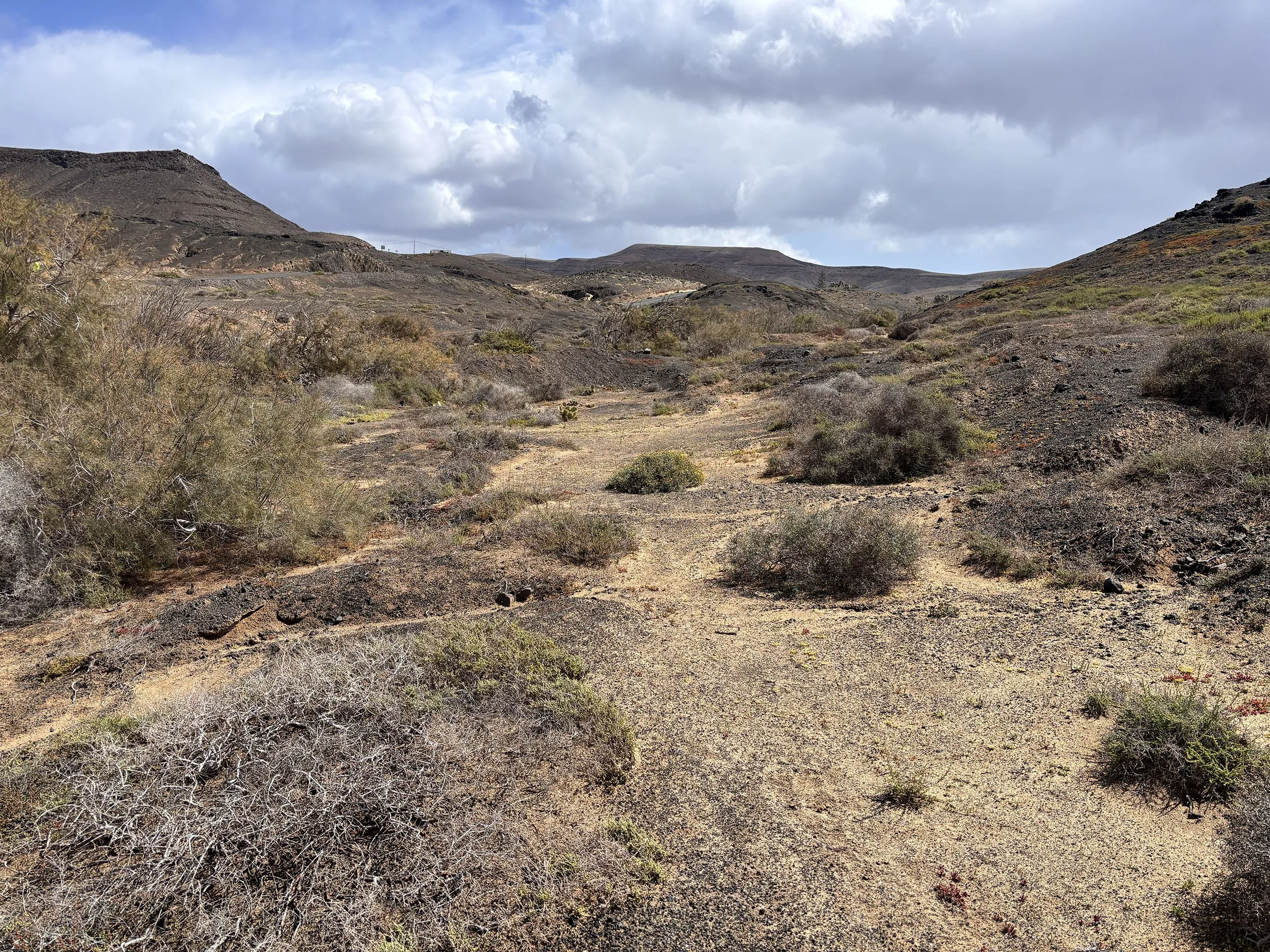
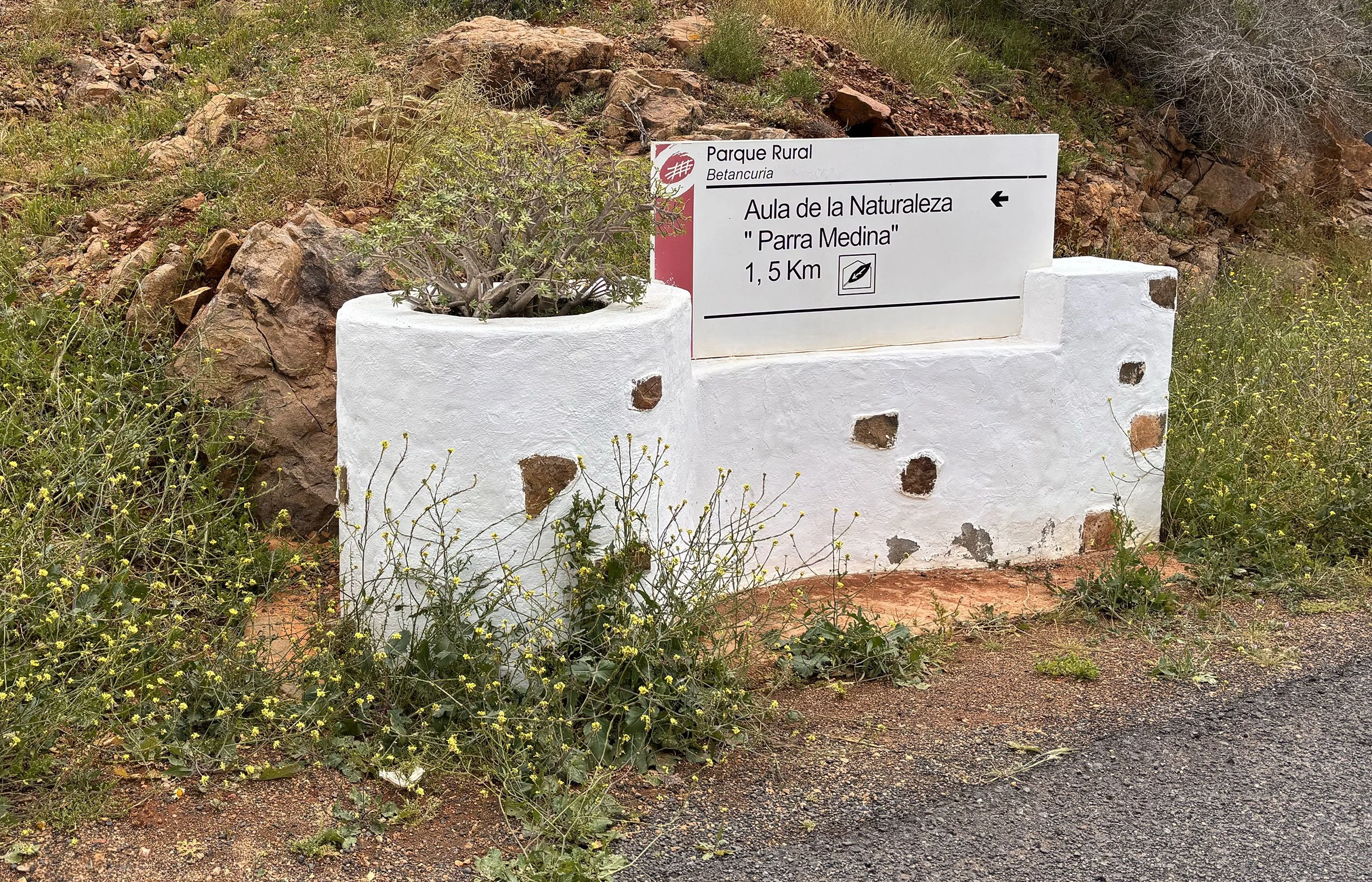
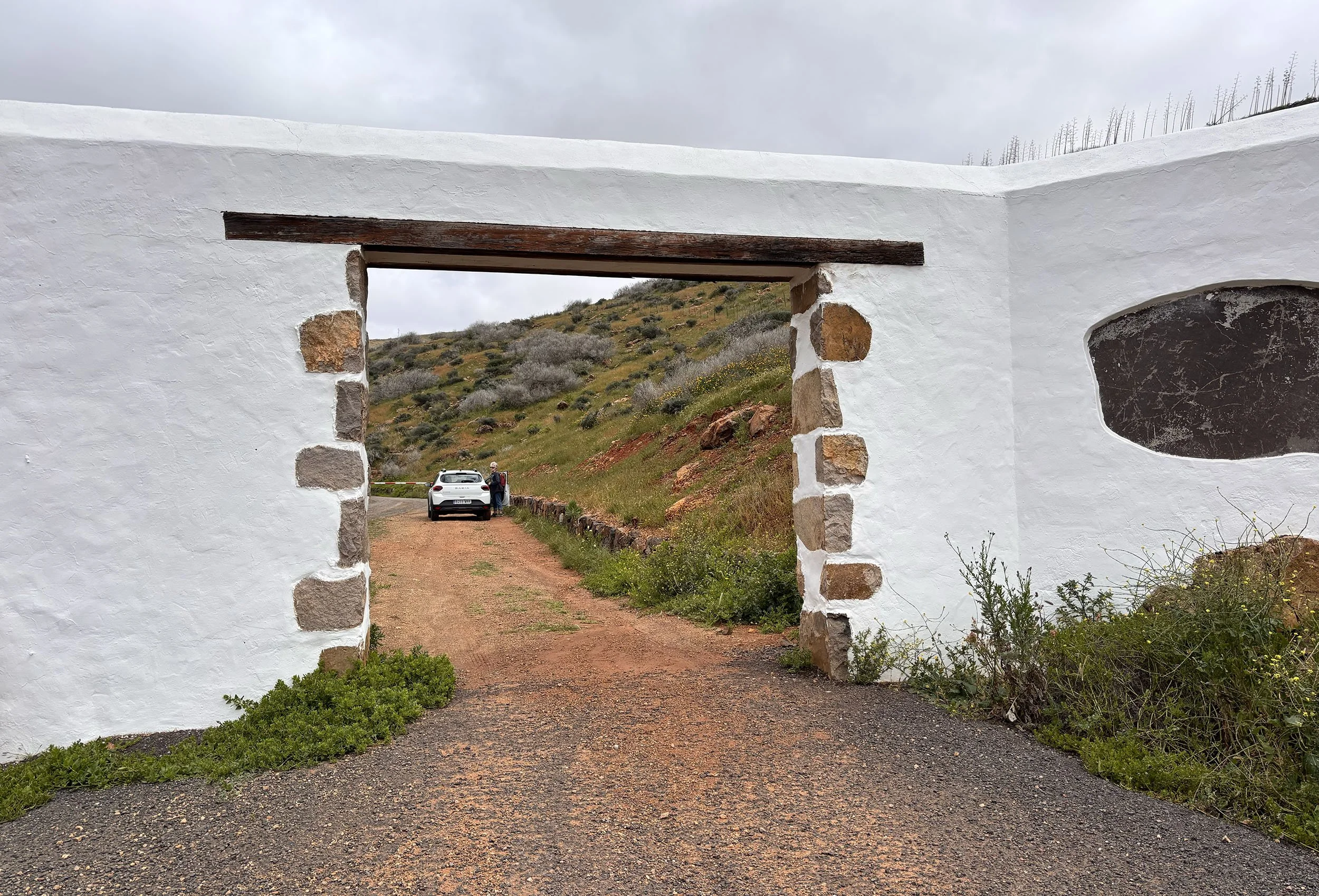
The entrance to the valley south of Batancuria is easily located by this sign and the white arch
The short walk up this valley is very good for butterflies with shrikes, Sardinian Warblers, African Blue Tits and Atlantic Canaries
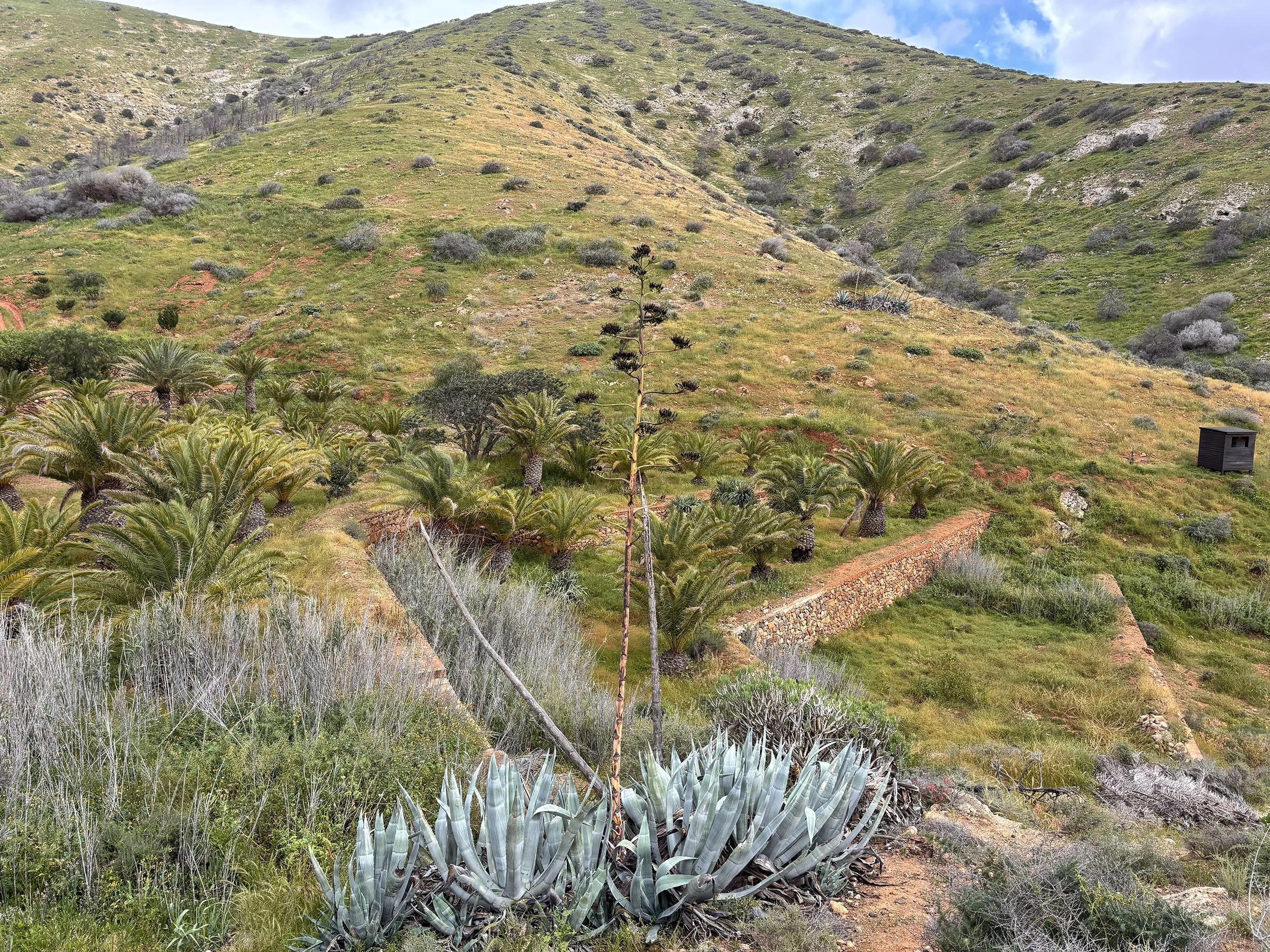
A lovely valley with Aloe Vera trees and even a hide with a bird poster but to be fair in a very silly location
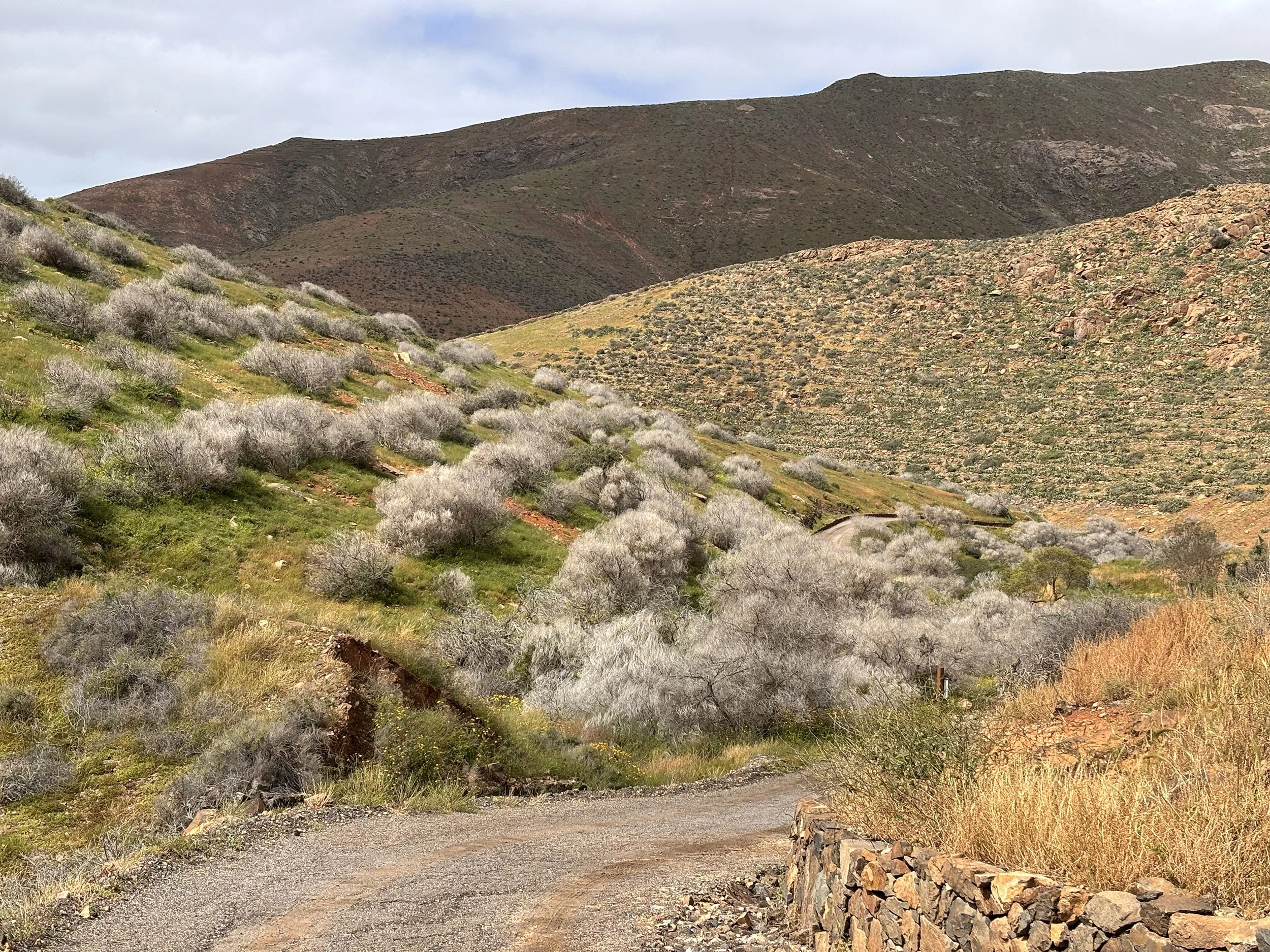
The site appears to be under restoration with newly planted endemic vegetation
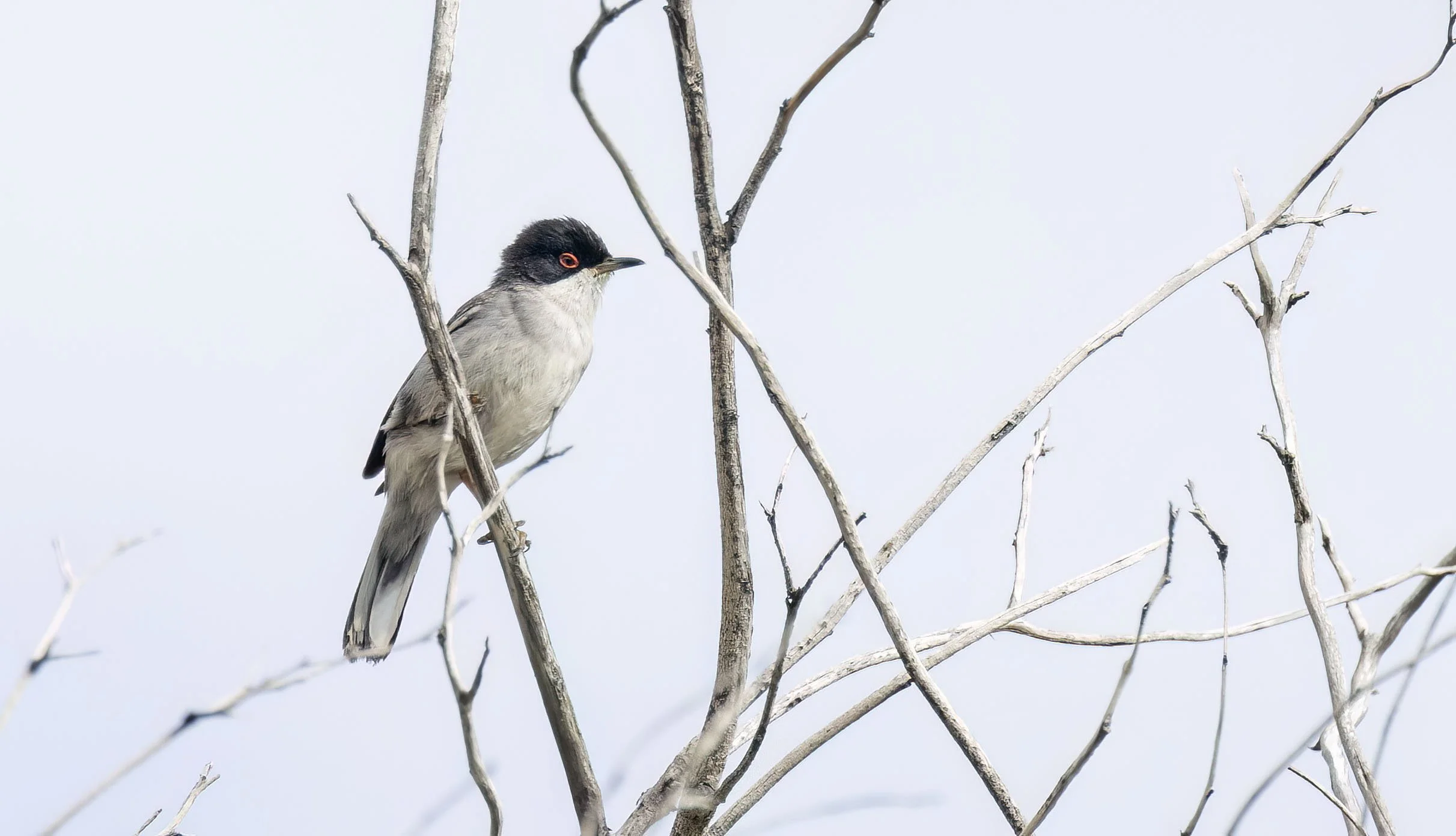
Male Sardinian Warbler never posed for the camera
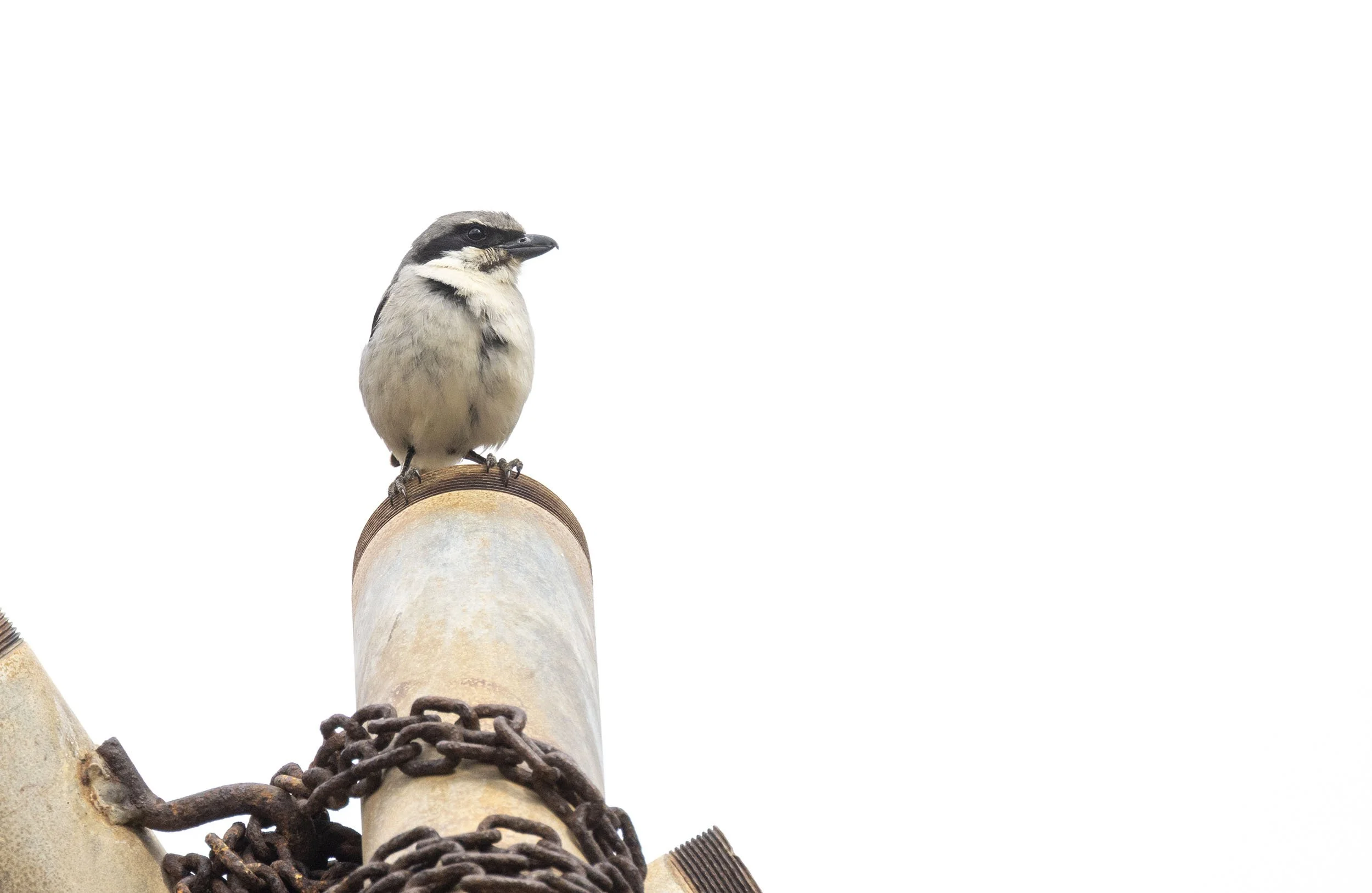
shrikes seem to have a habit of adopting the worst of human additions to the environment as perching spots
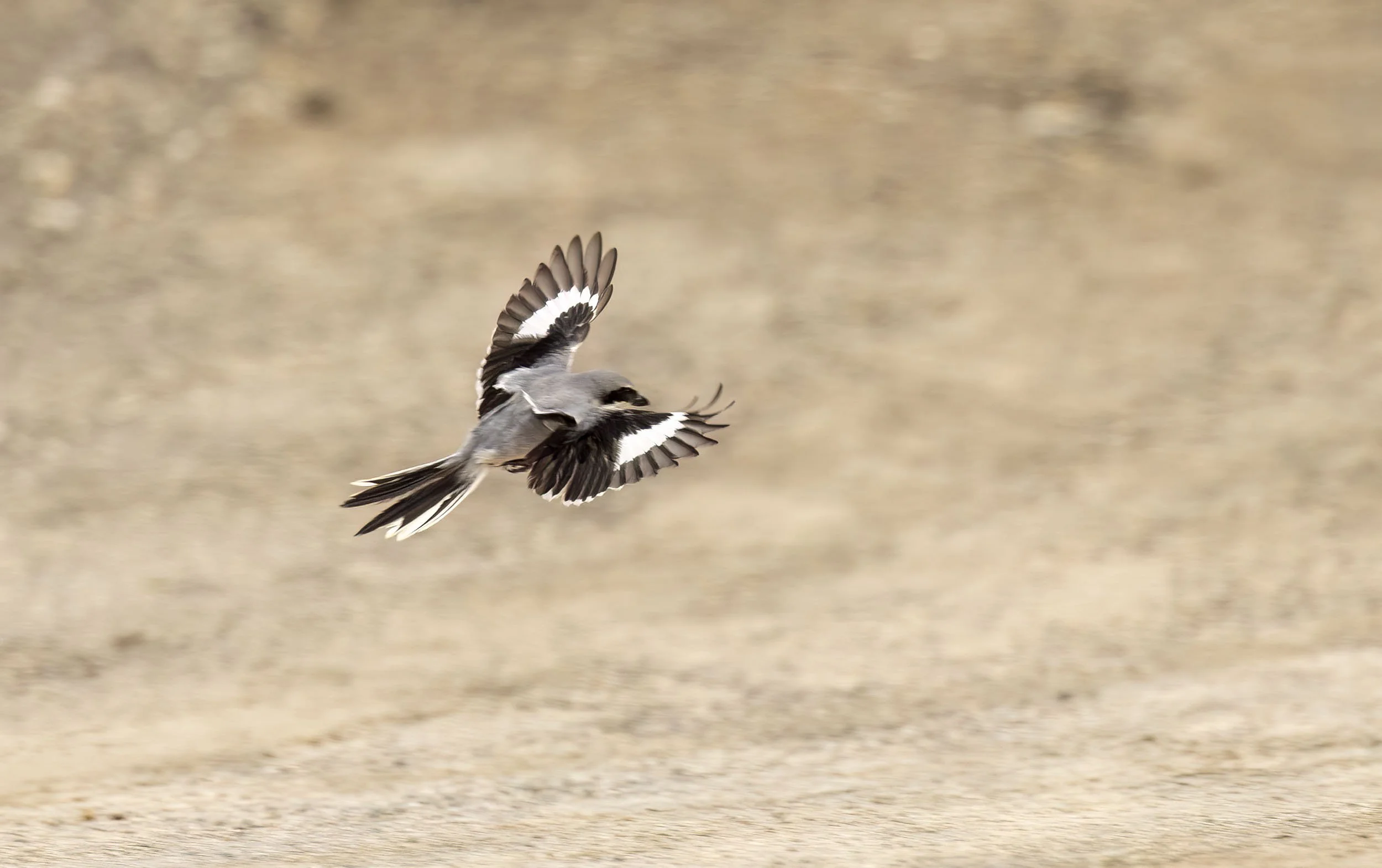
good to get the wing pattern of all great grey races / species
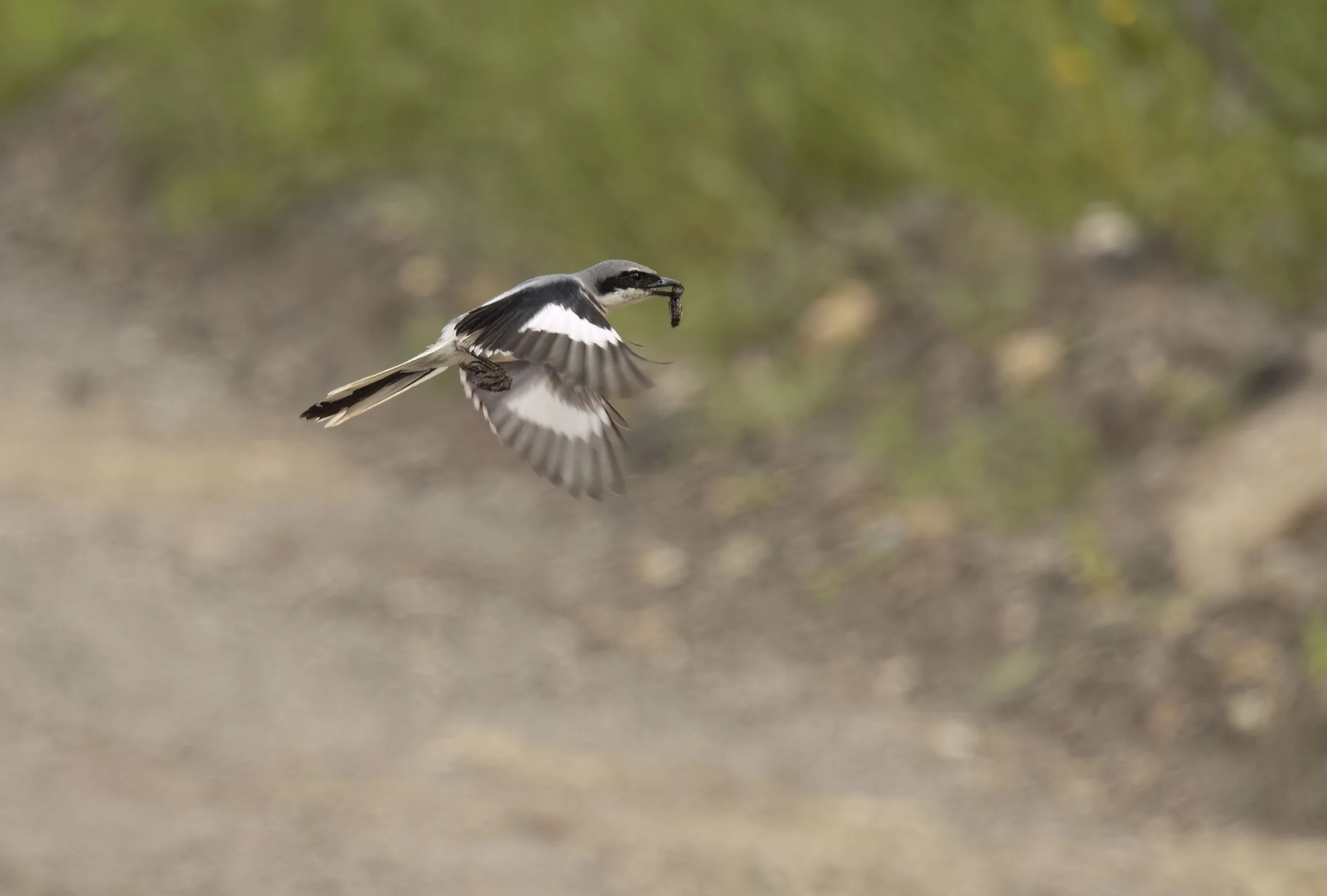
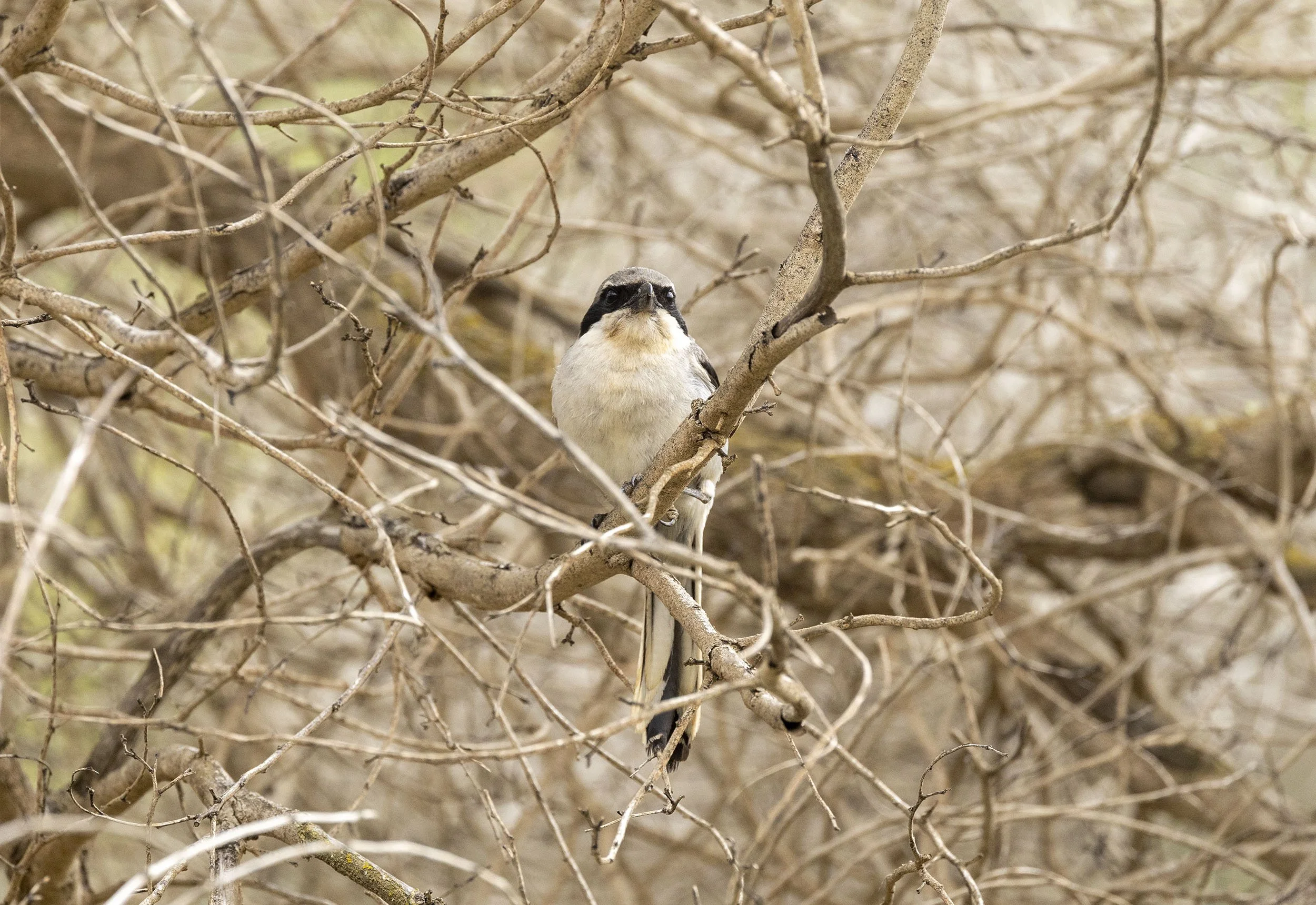
A more natural if rather tangled perch
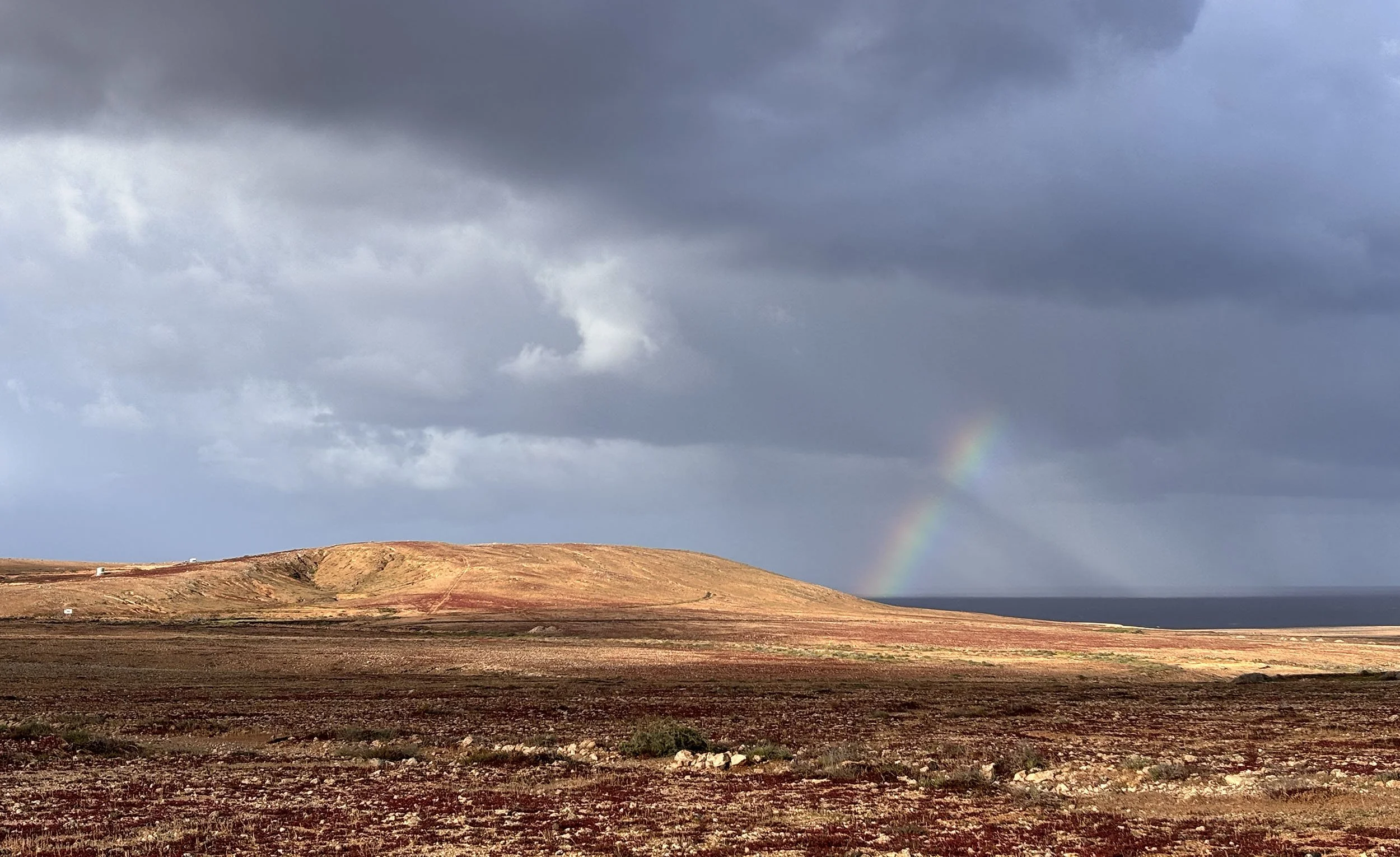
Late afternoon on the Tindaya Plain with showers passing
March 4th
Two Kentish Plovers were on the El Cotillo beach pre breakfast after which we headed to the Los Molinos Reservoir as it was cloudy and immediately bumped into a flock of c20 Pallid Swifts that showed well for about 20 minutes before disappearing as the weather brightened. Five Egyptian Vultures were in the area with four Buzzards while the reservoir had 10 Black-winged Stilts and a Greenshank and Common Sandpiper. A walk to the barranco at the head of the reservoir was quite productive with a pair of Fuerteventura Chats, 10+ Trumpeter Finches, Spanish Sparrows, Berthelot’s Pipit and Mediterranean Short-toed Larks plus a close fly by male Black-bellied Sandgrouse. We then headed up to Betancuria and tried the valley again with a family of fledged Great Grey Shrikes being mobbed by African Blue Tits plus the usual Sardinian Warblers, a singing male Blackcap and a calling Quail. It was also good for butterflies with Lang’s Short-tailed Blue, Red Admiral and the usual endemics. An accommodating insularum Common Buzzard was the only bird of note on a late afternoon Tindaya visit.
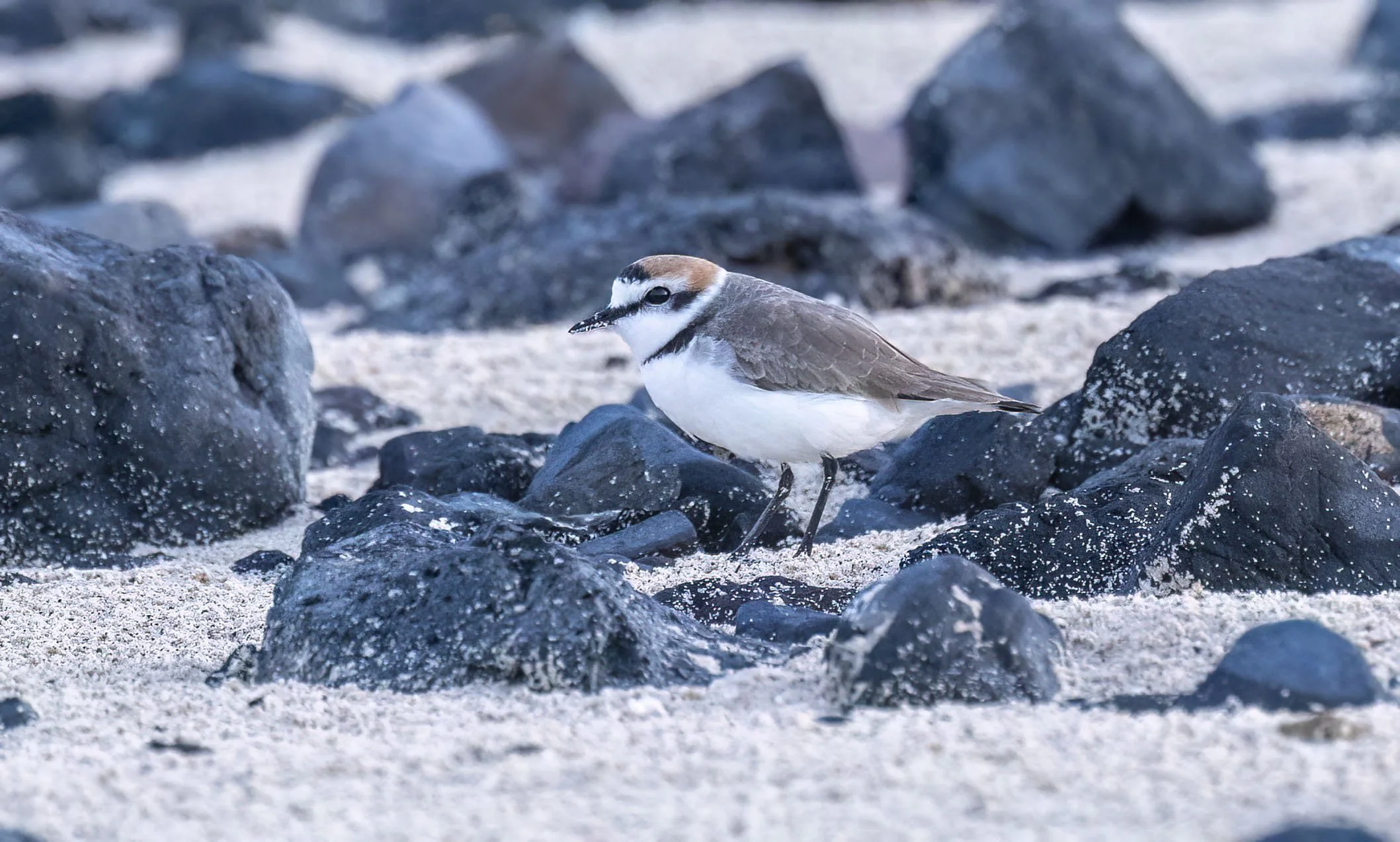
Dull and cool Kentish Plover on the local beach pre breakfast
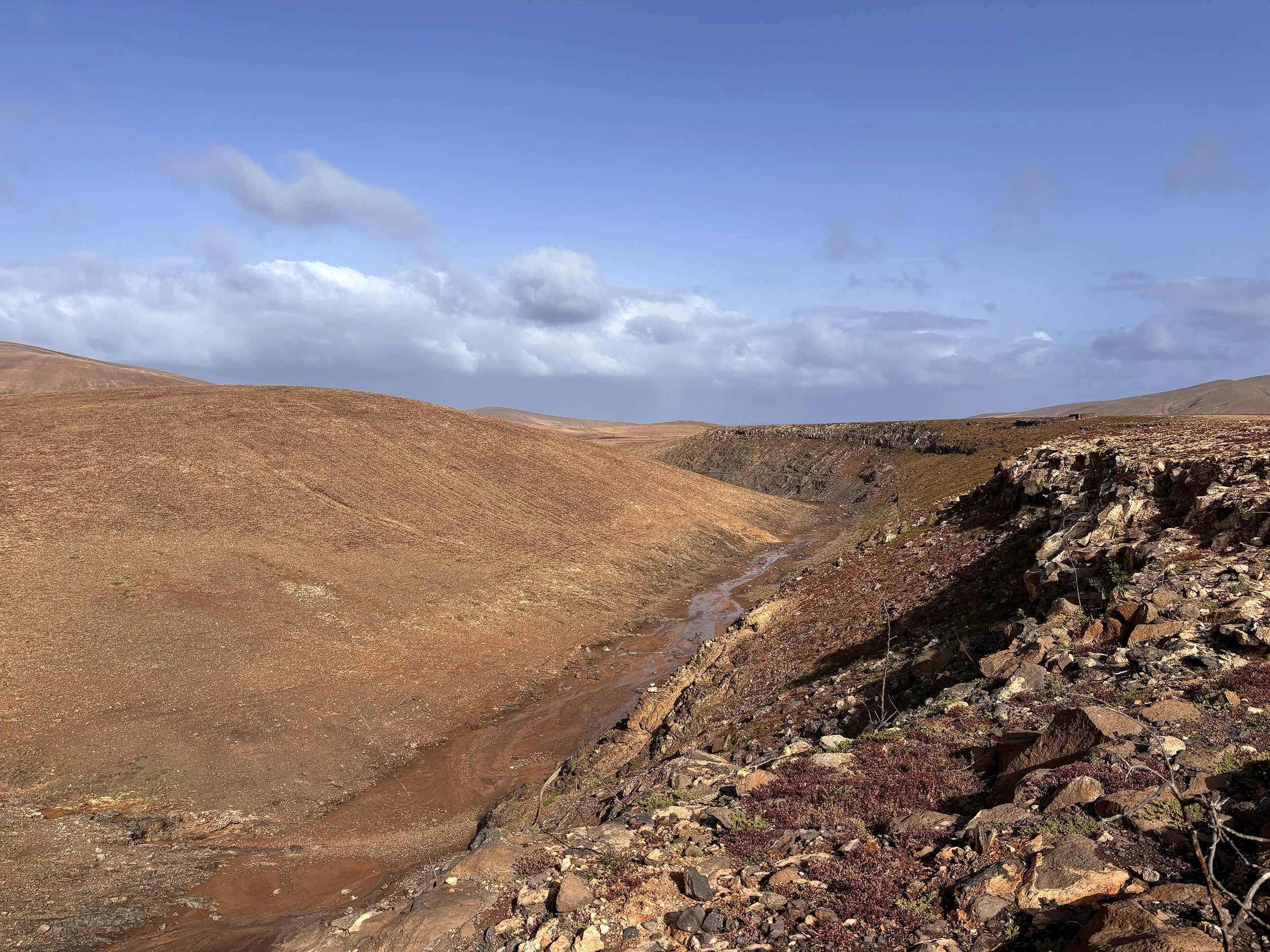
After rain there was even water in the barranco downstream from the Reservoir
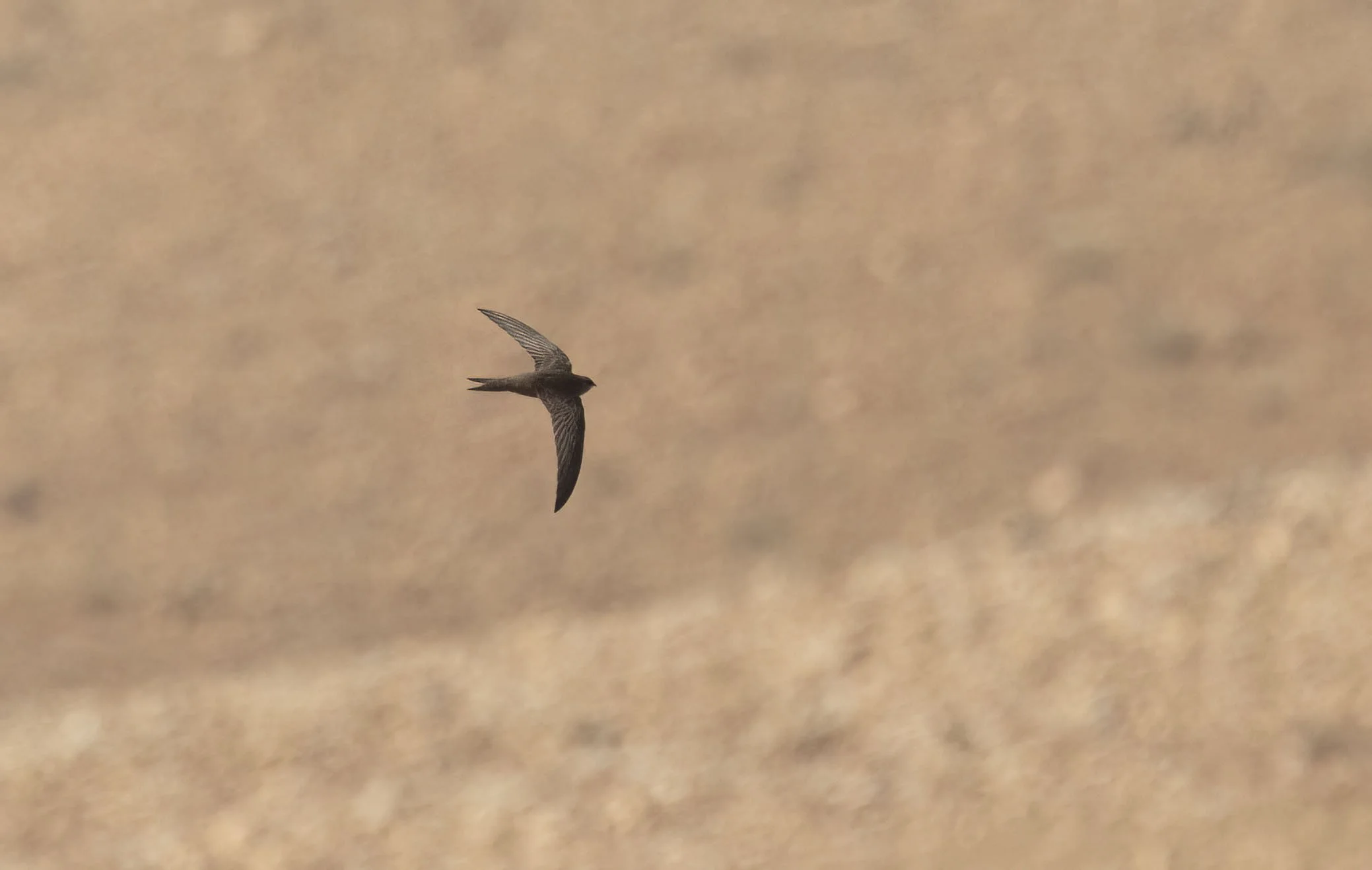
The flock of swifts were only at the reservoir for about 15 minutes and in that time I was trying to get some decent images mainly of Pallids and clearly did not look at them all - I think this may be a Plain Swift but only have images of its upperparts and quite distant
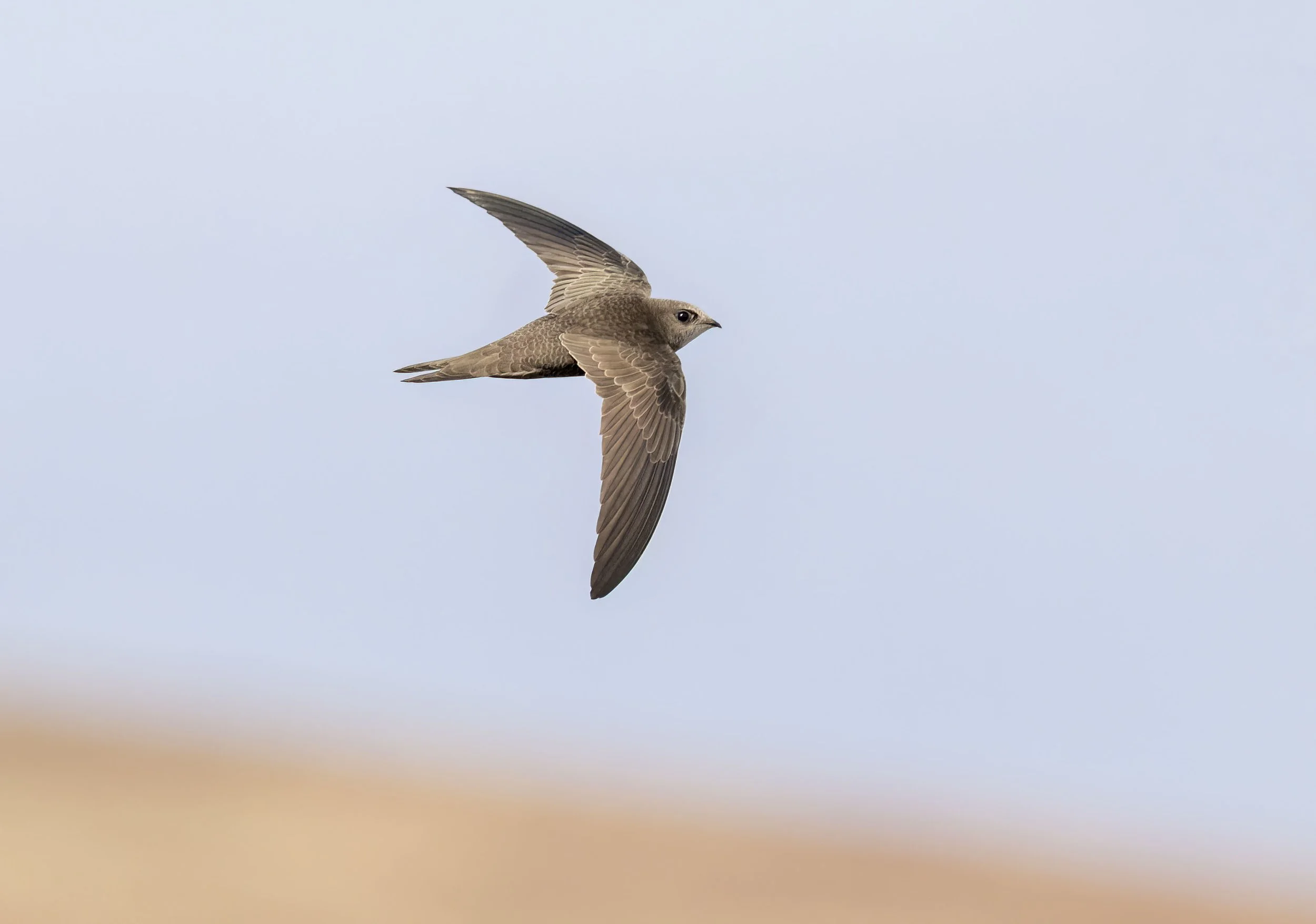
Pallid Swift in somewhat better light than a cold November day in Britain
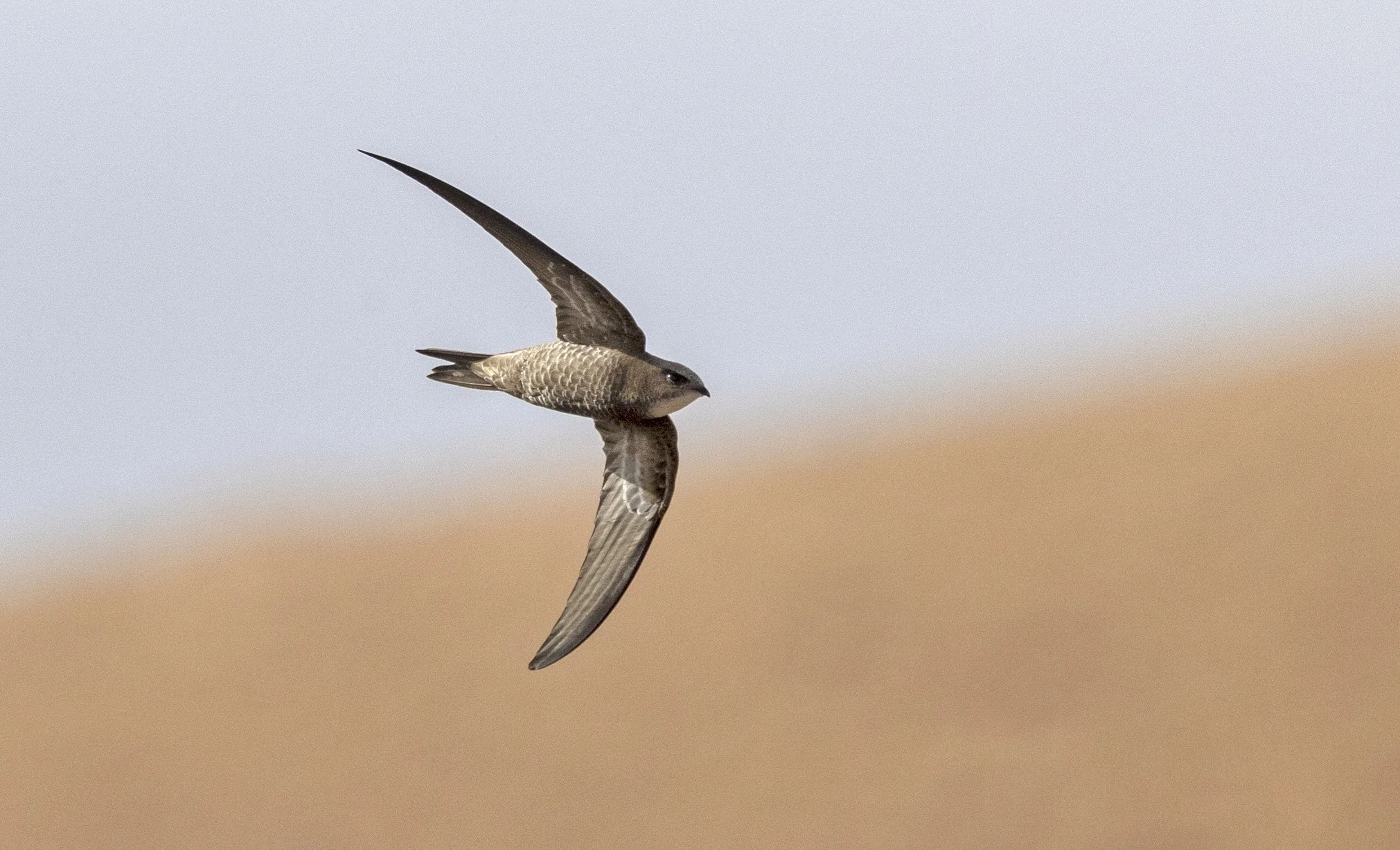
Pallid in tricky light
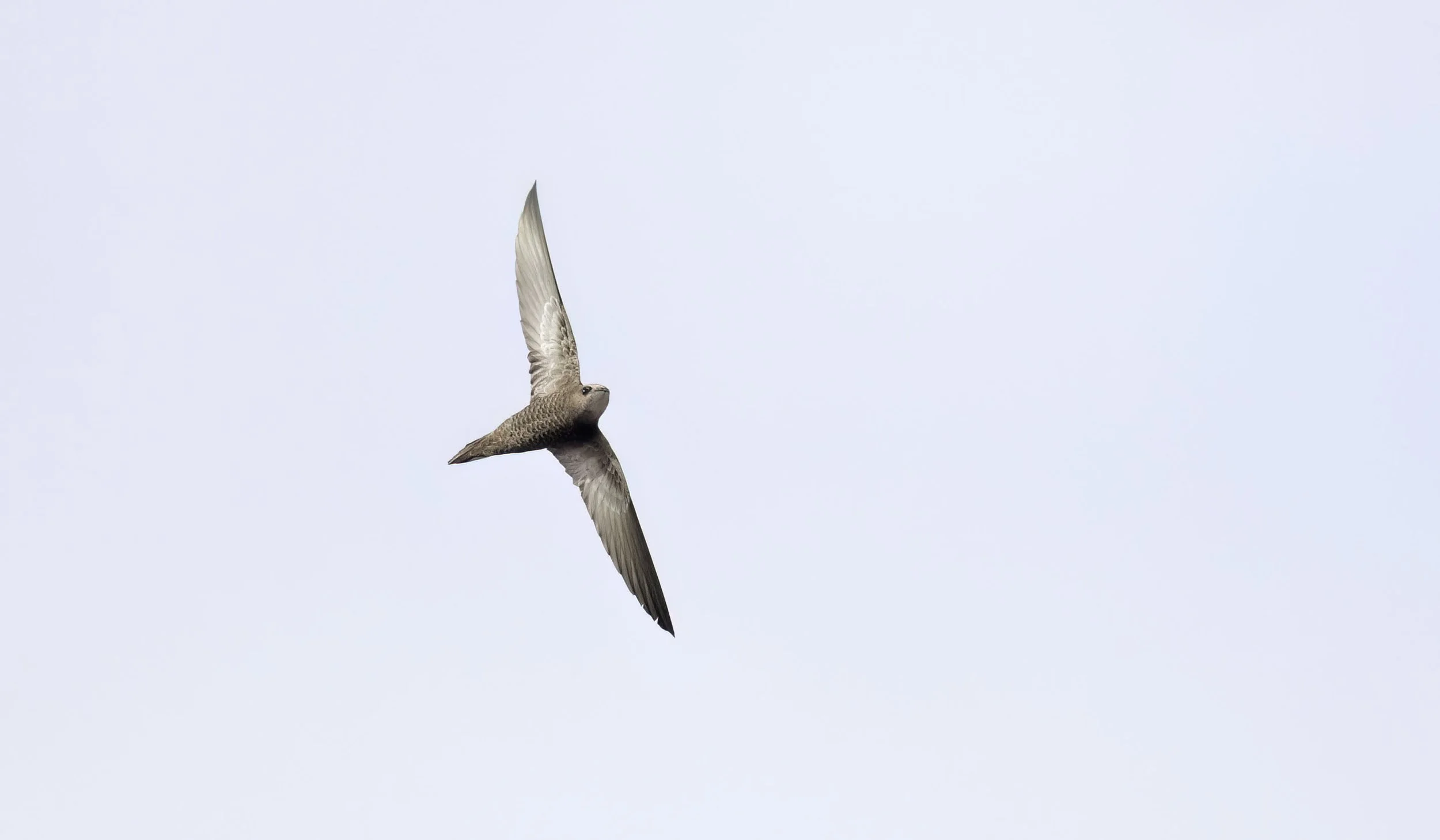
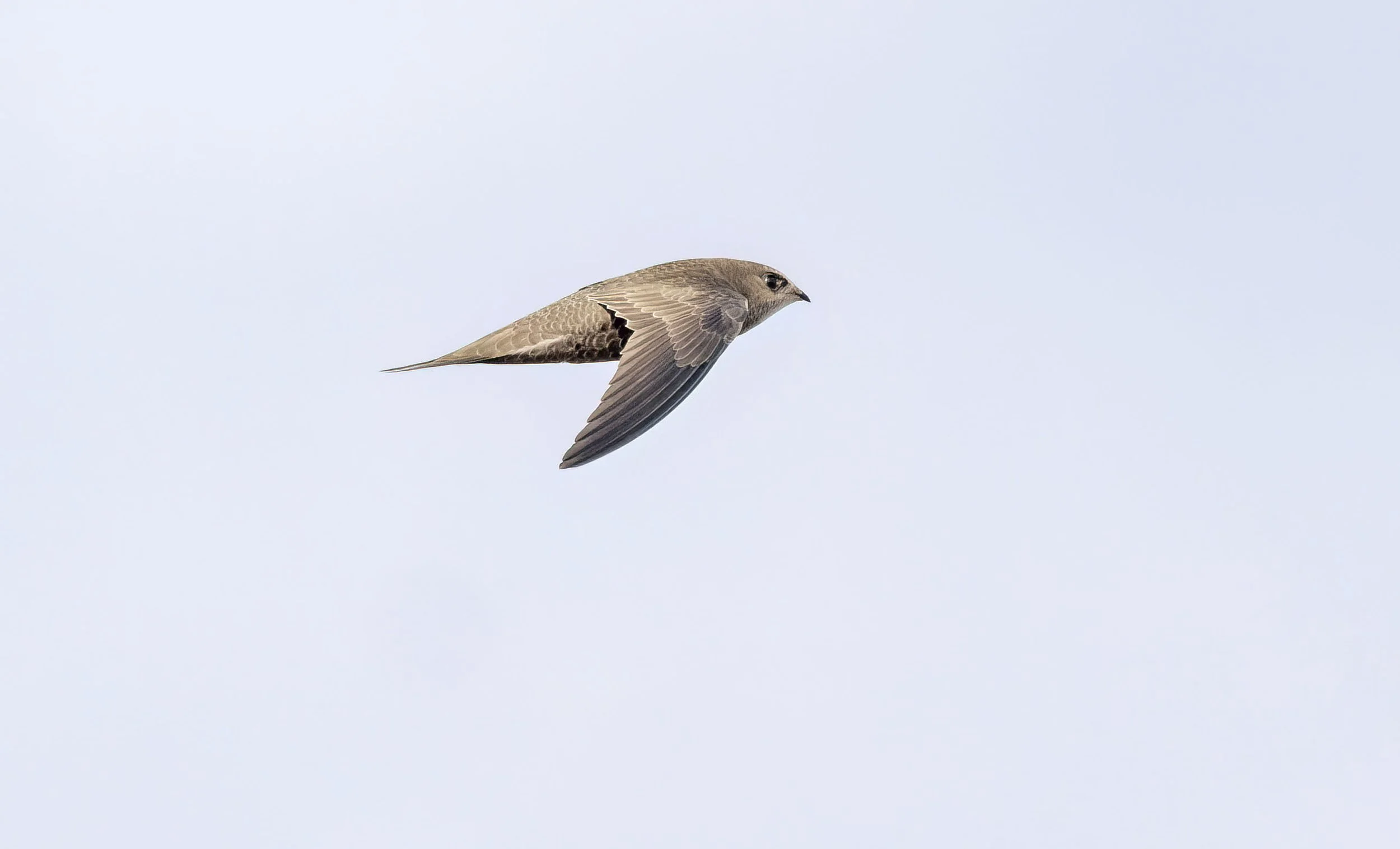
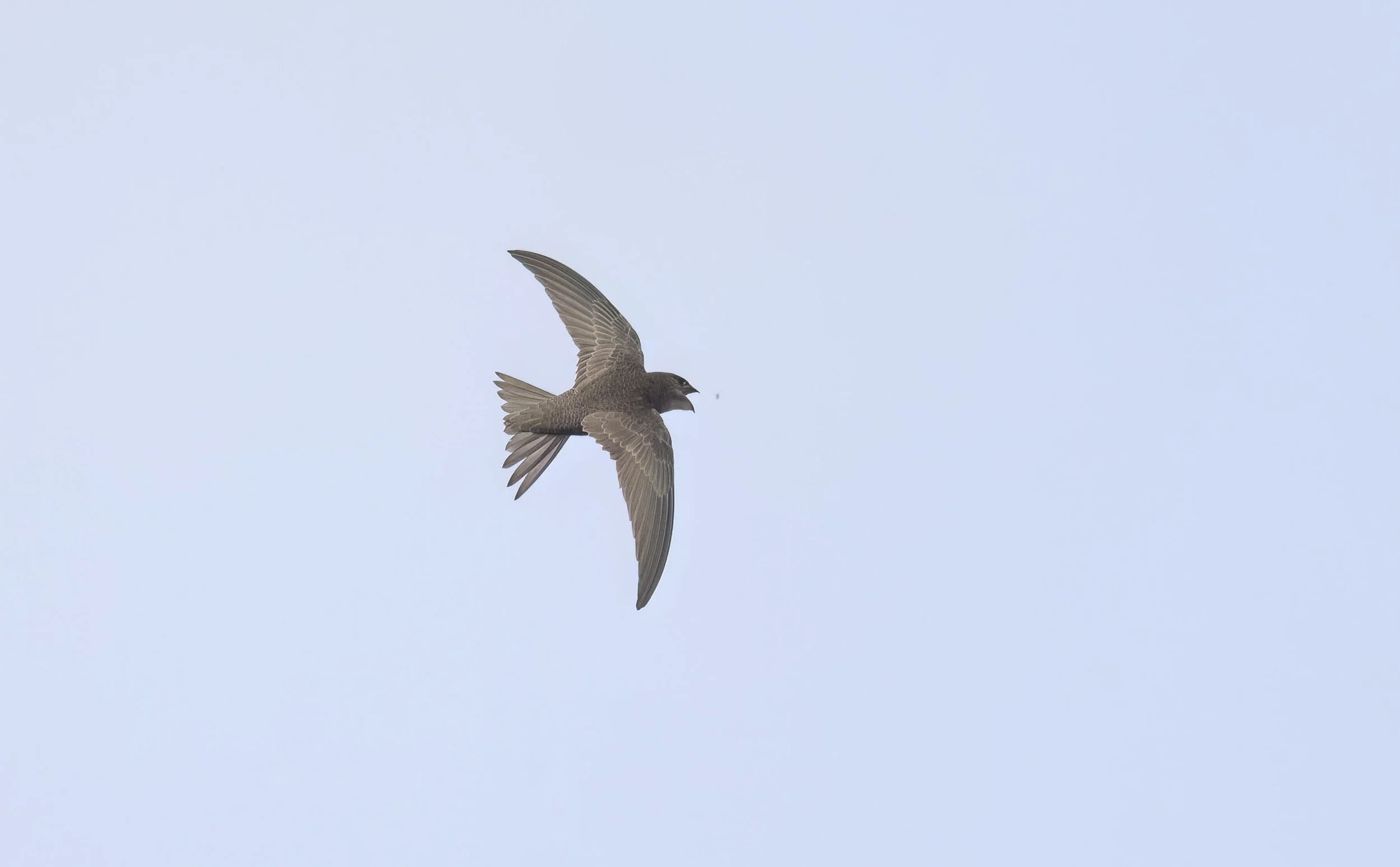
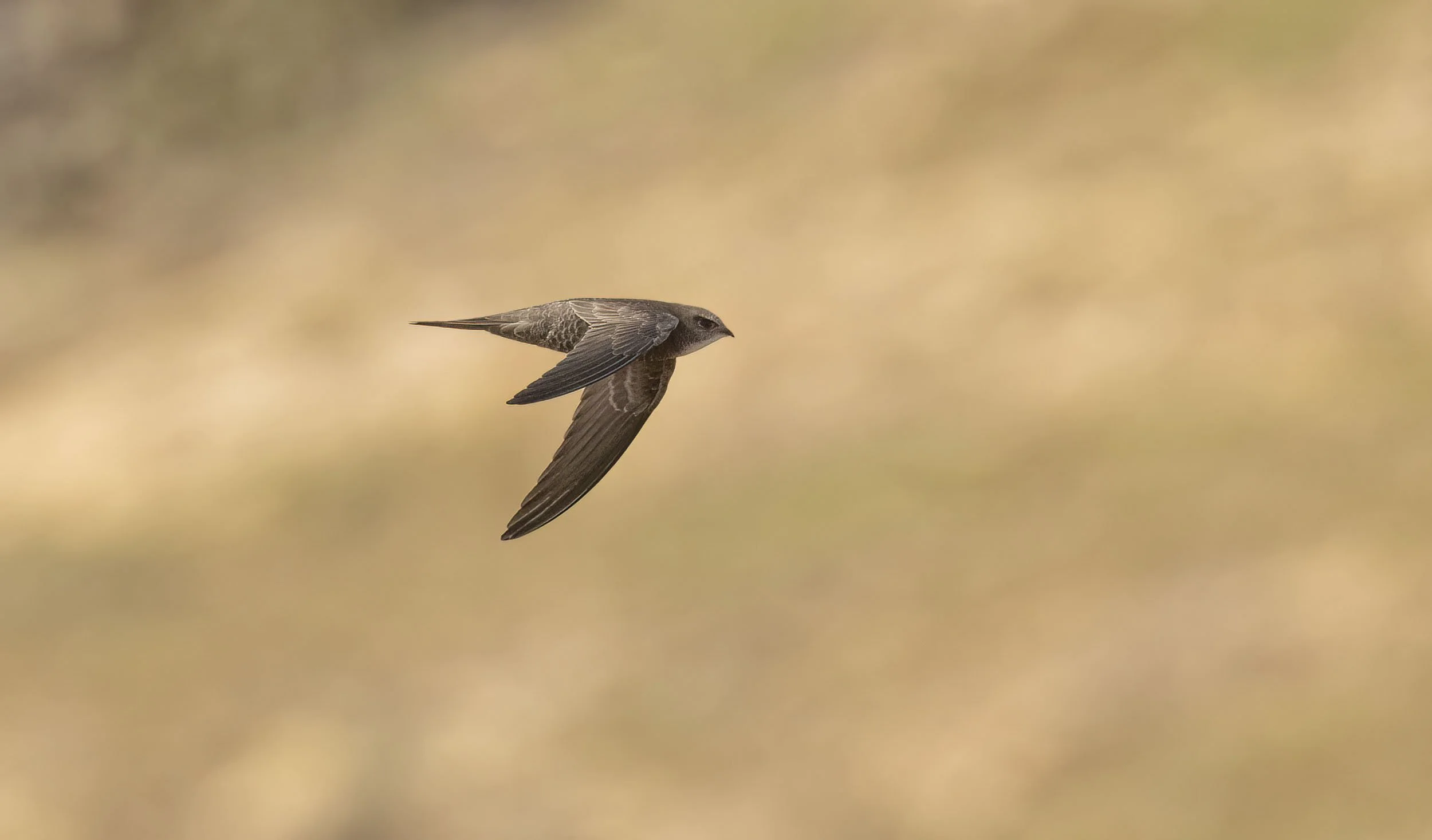
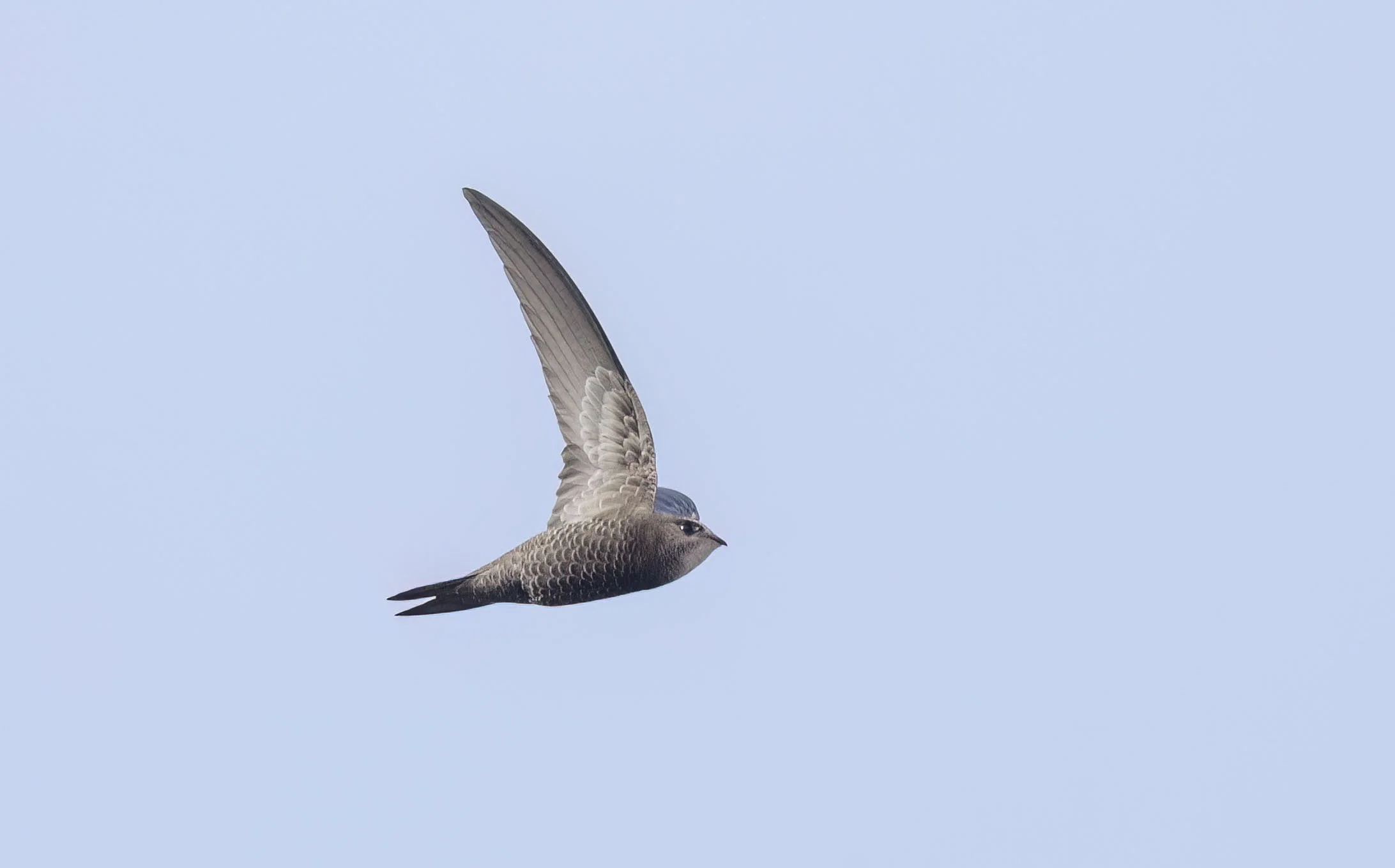
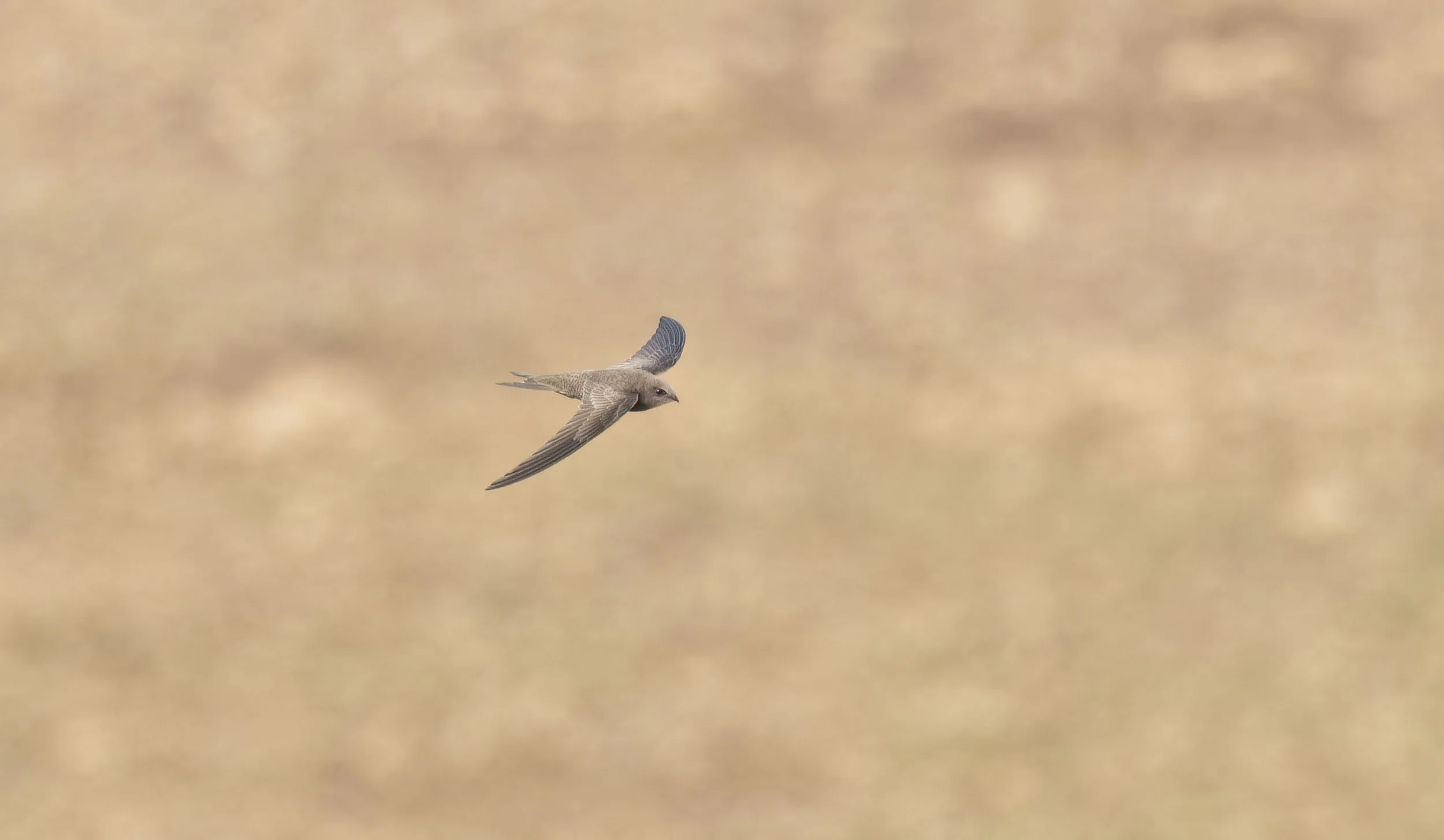
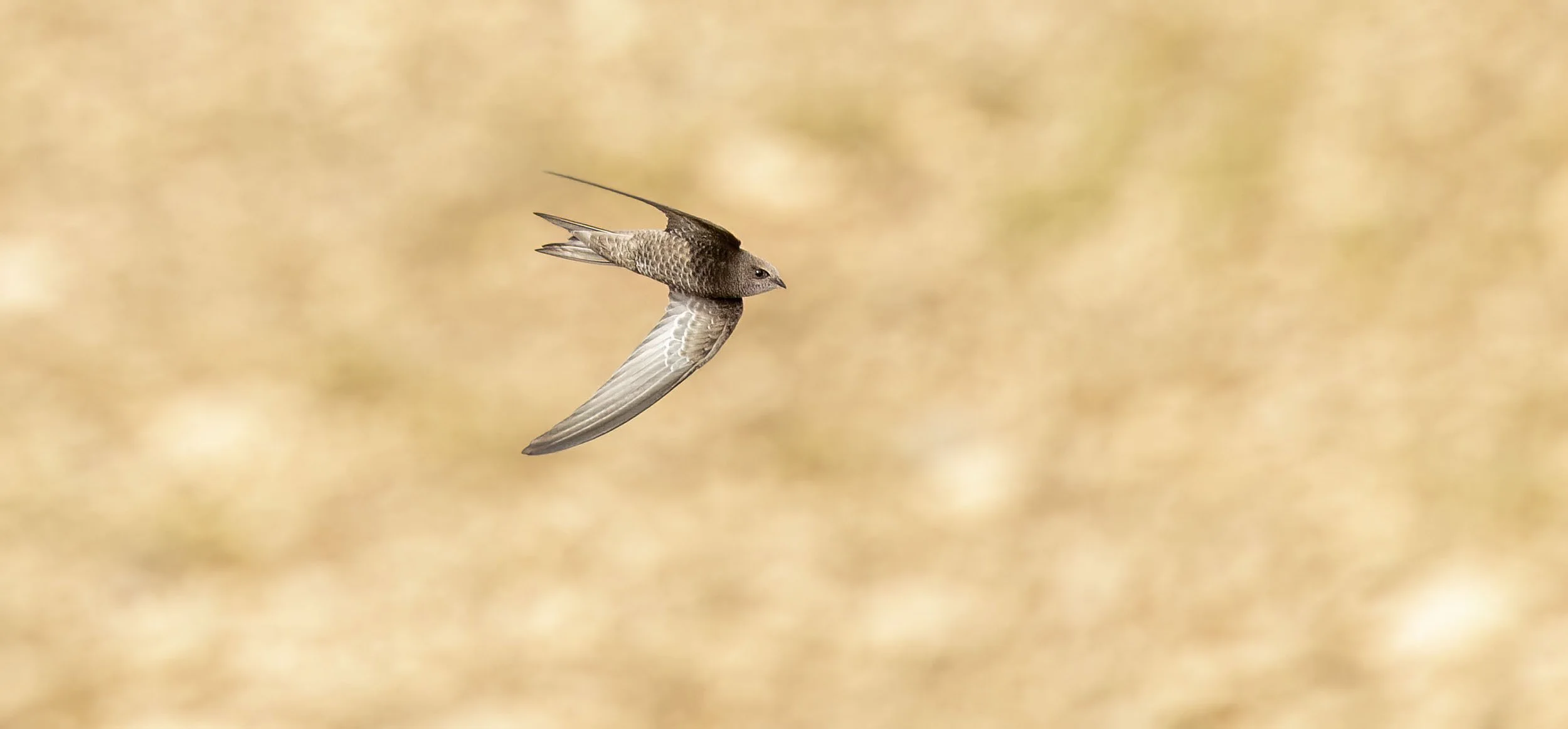
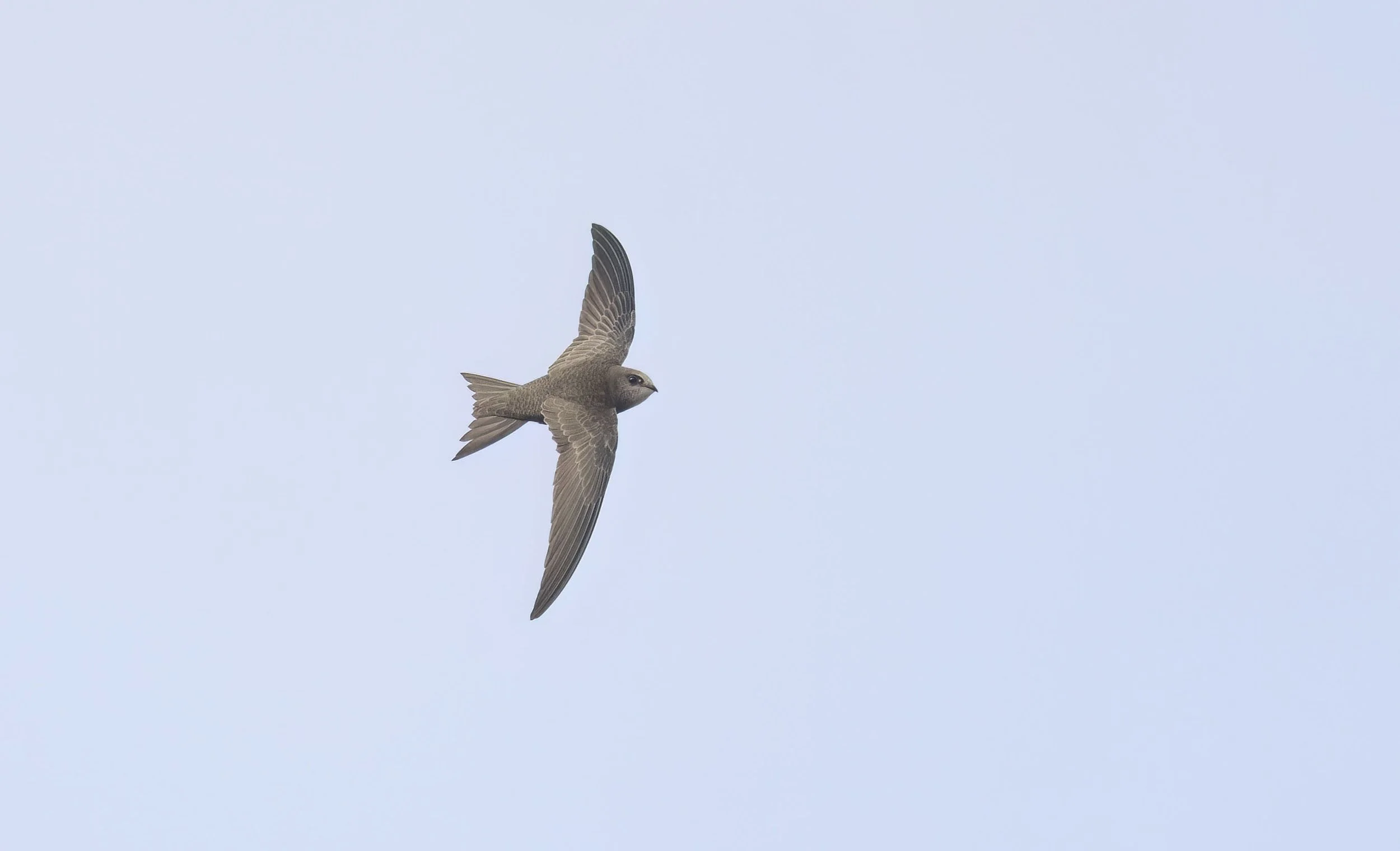
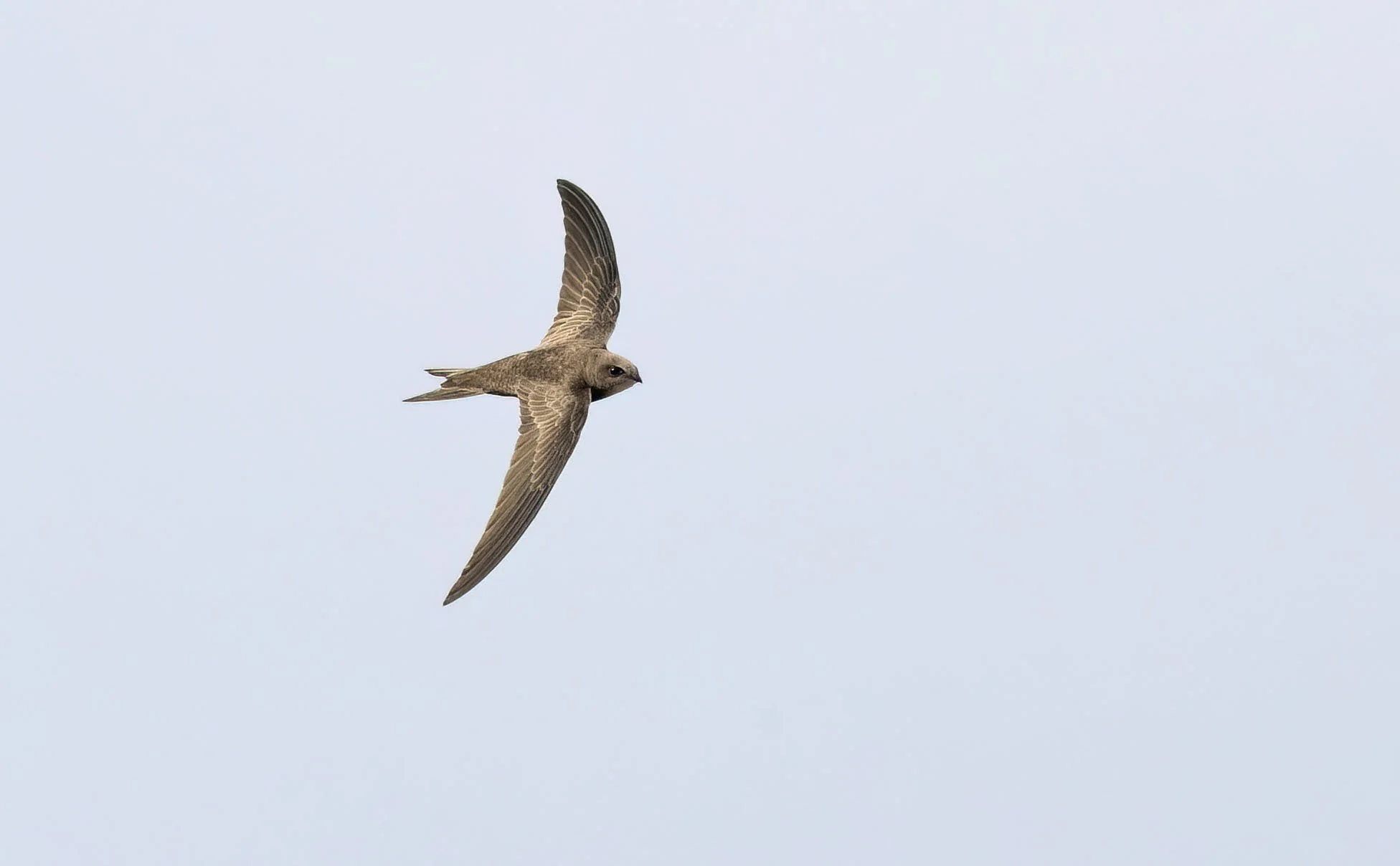
Palliud Swift compare with bird below
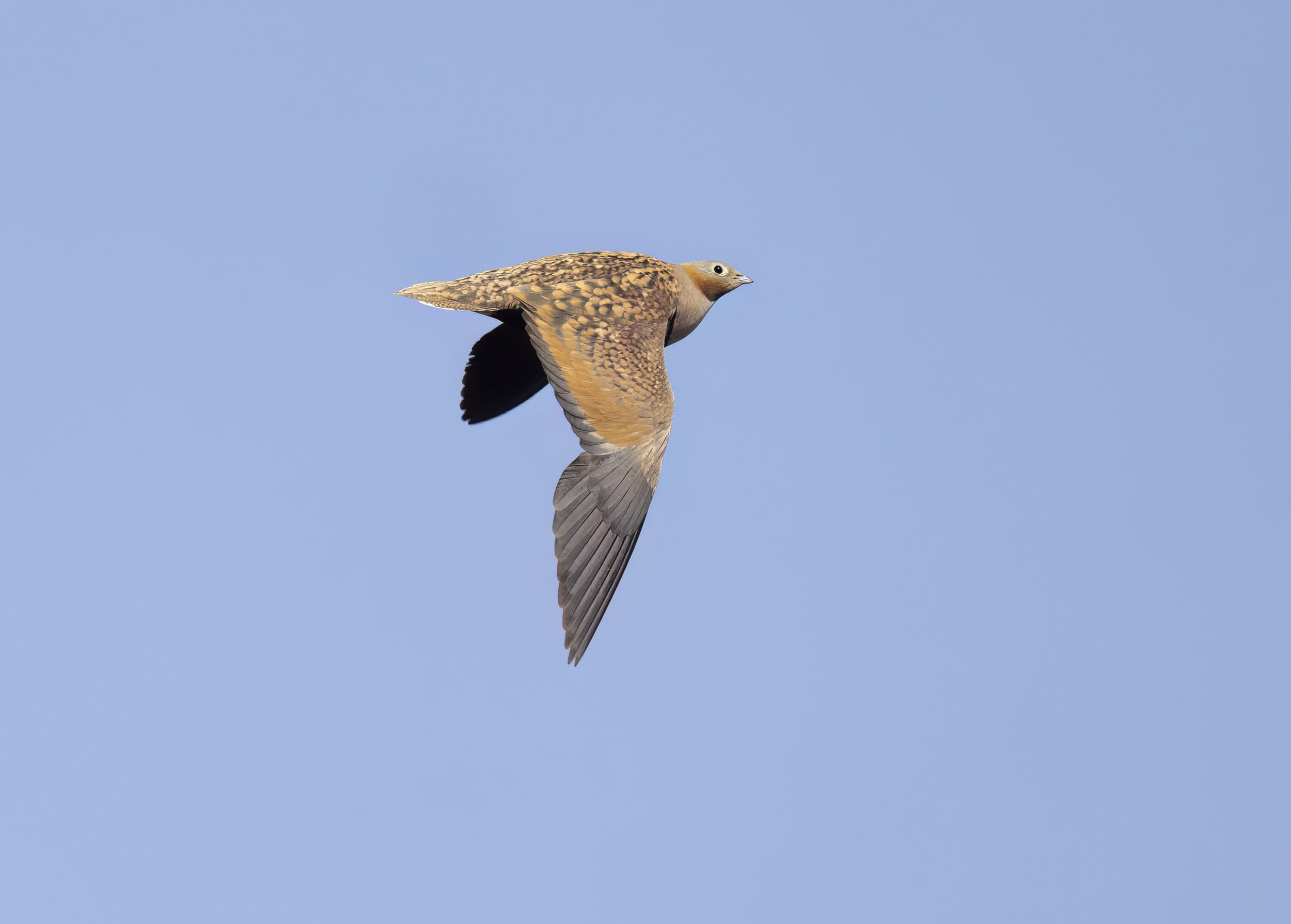
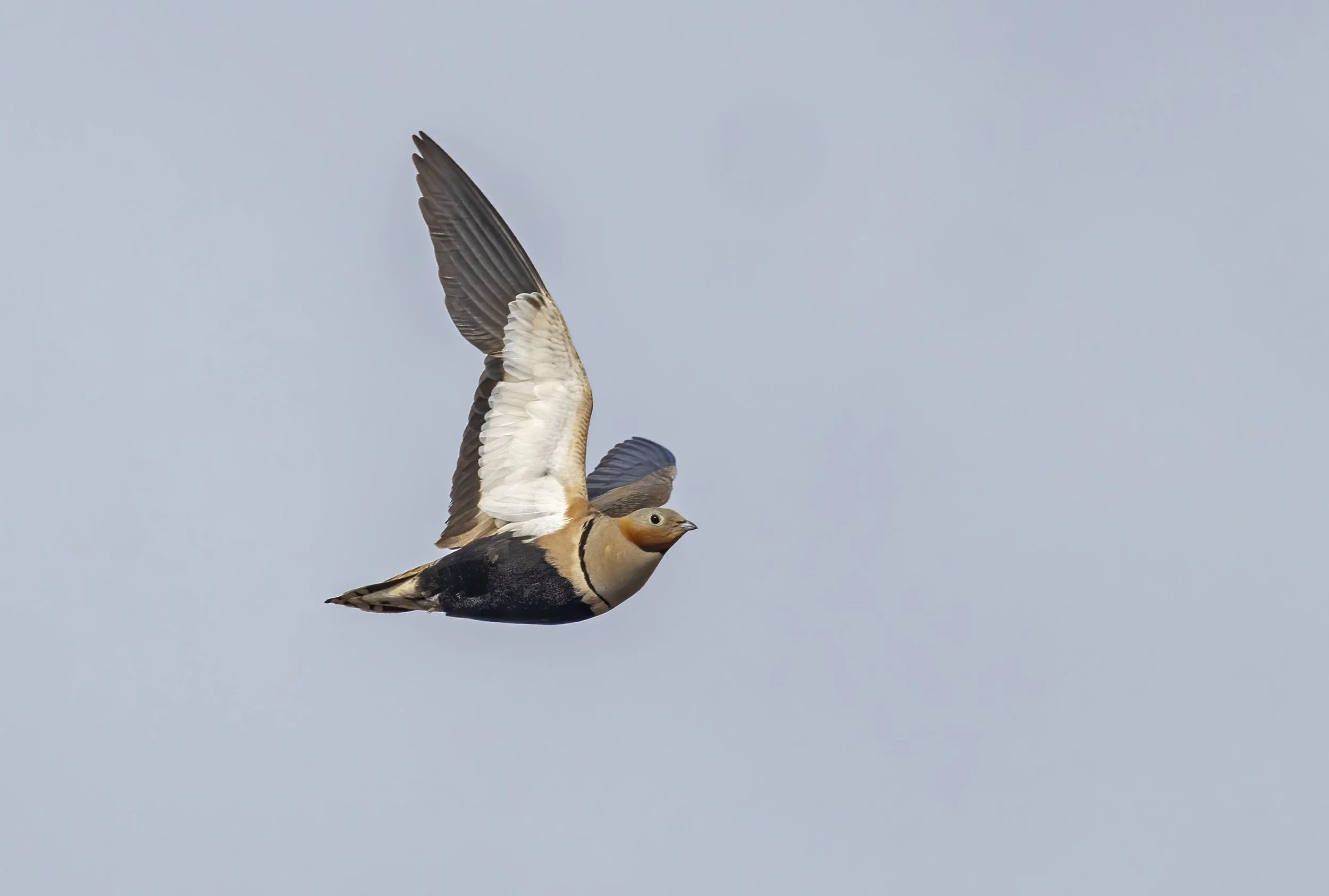
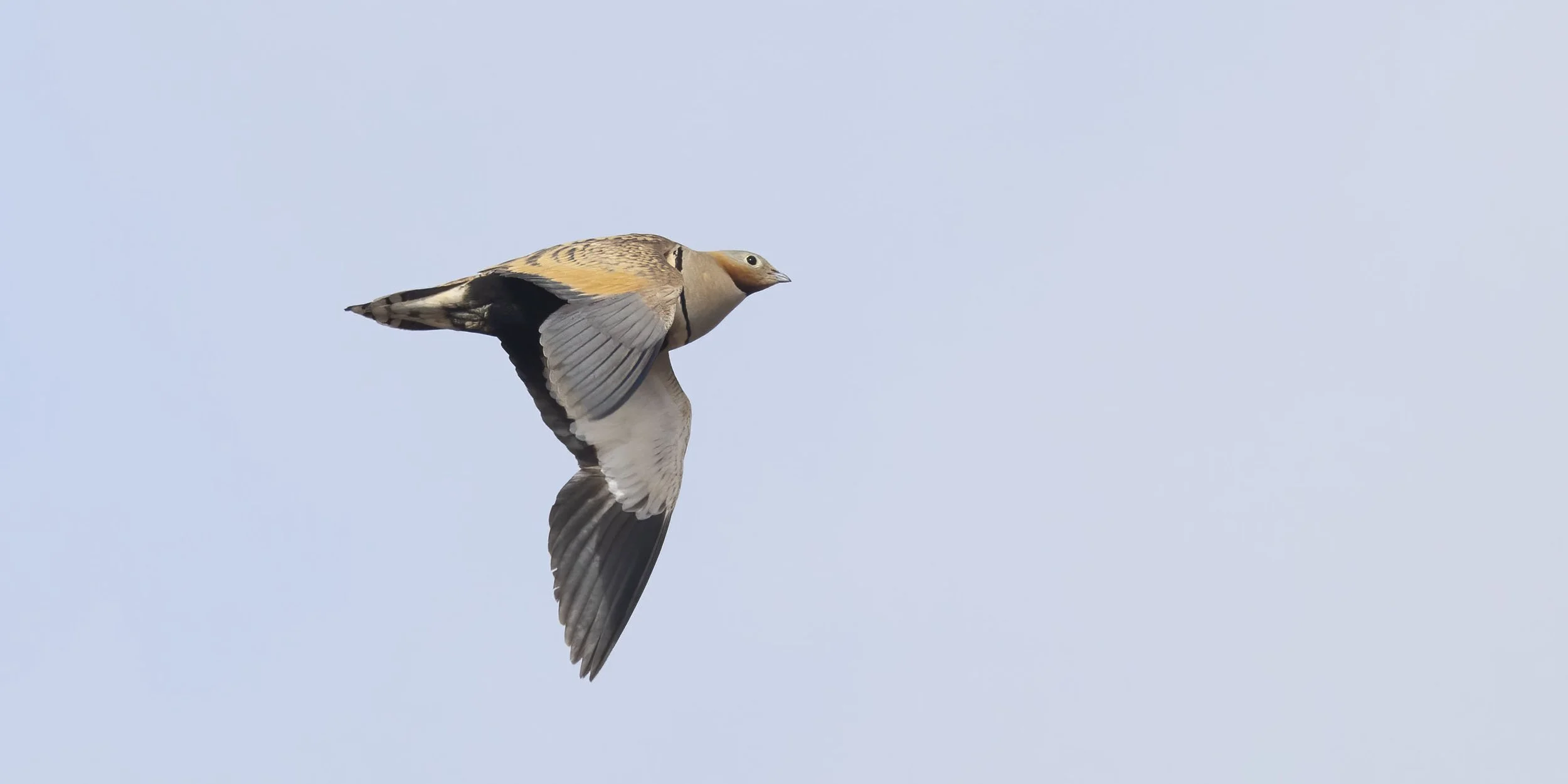
While photographing the Pallid Swifts this Black-bellied Sandgrouse suddenly appeared - it was not calling but fortunately I got onto it quickly and manged to get a few in focus shots in the beautiful light
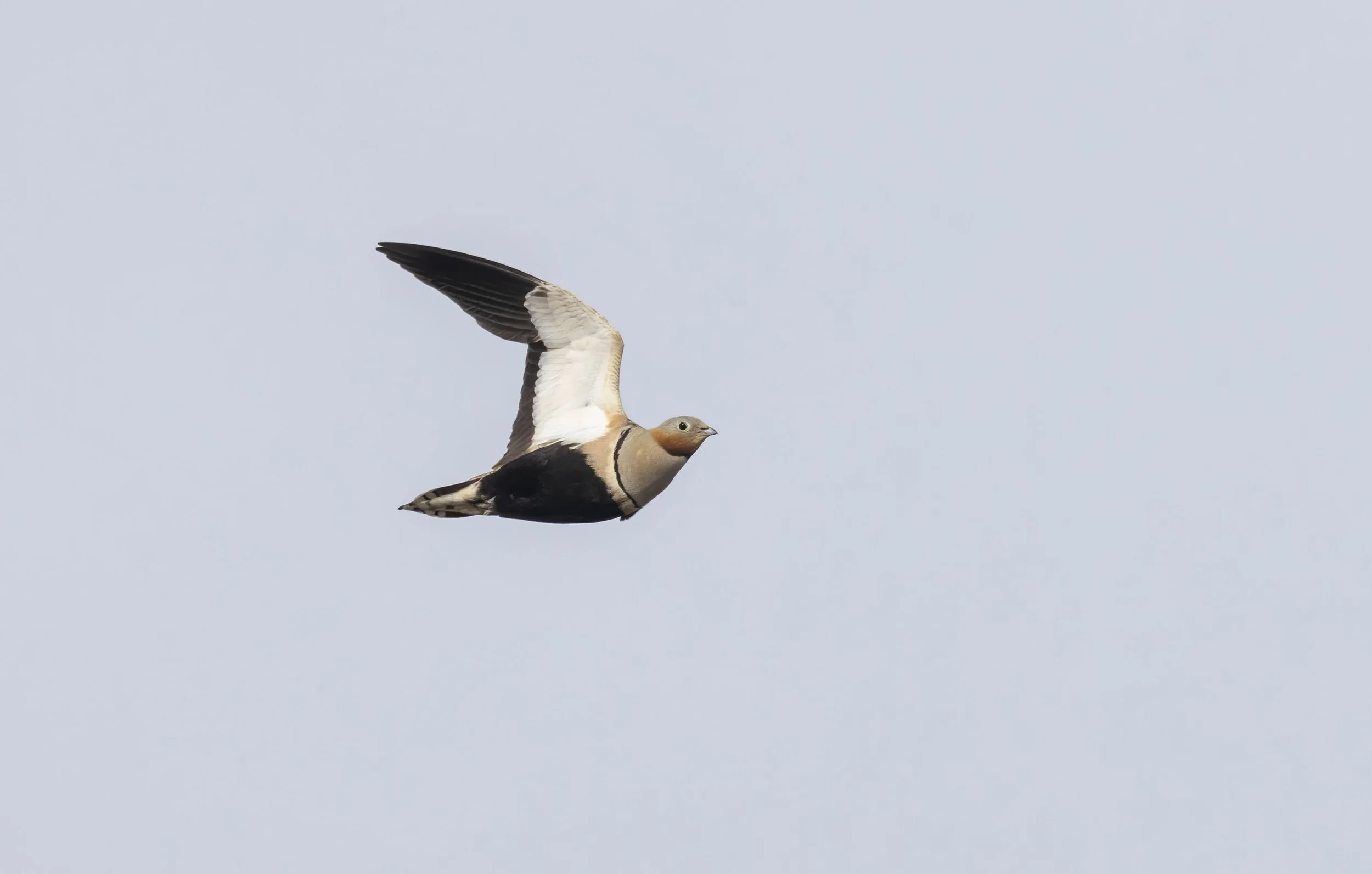
a rather splendid male
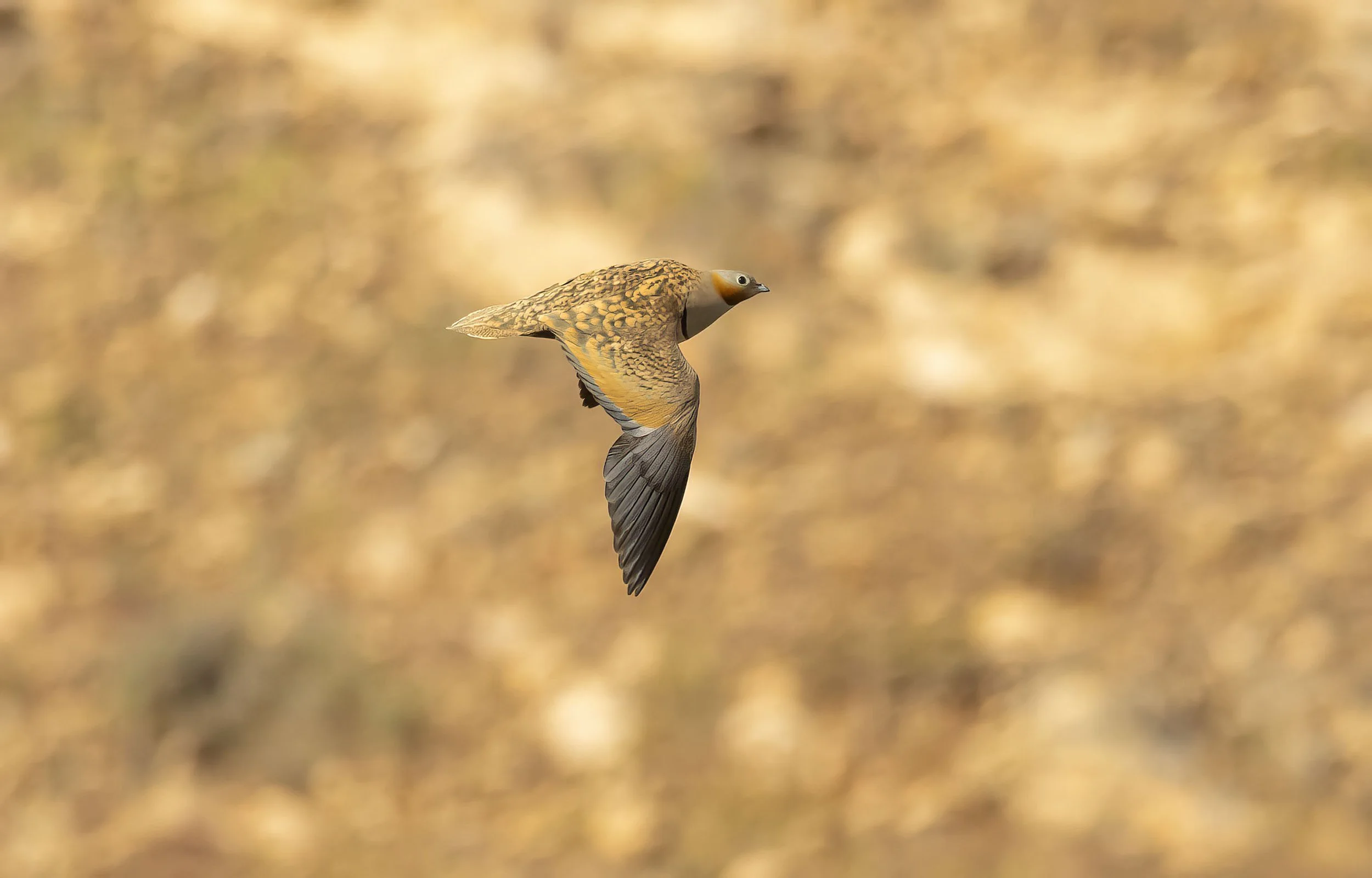
even with the 1.4x converter on the 100-500 lens produced some nice sharp images
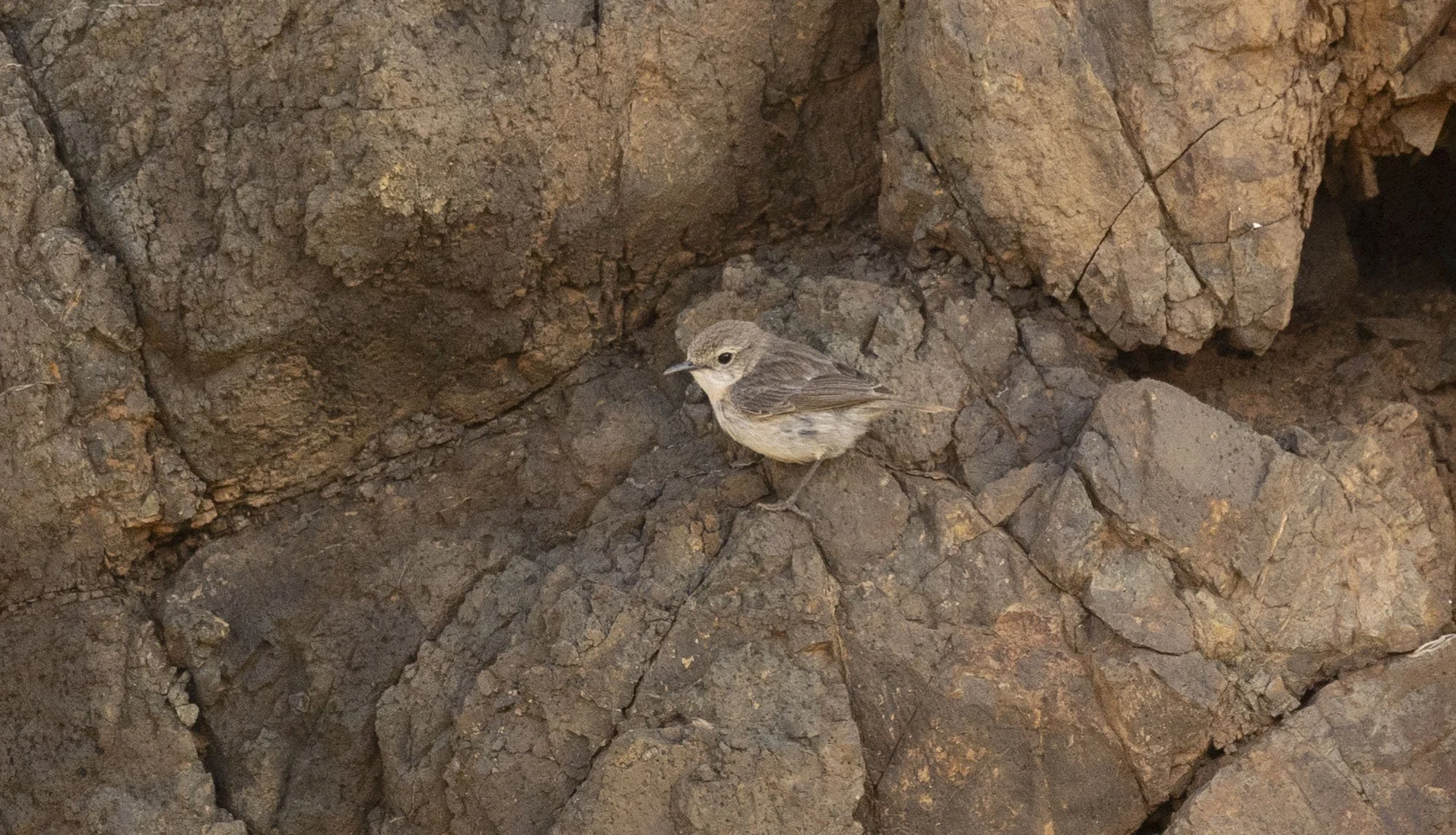
female Fuerteventura Chat - what a bird! makes female Stonechats look exotic
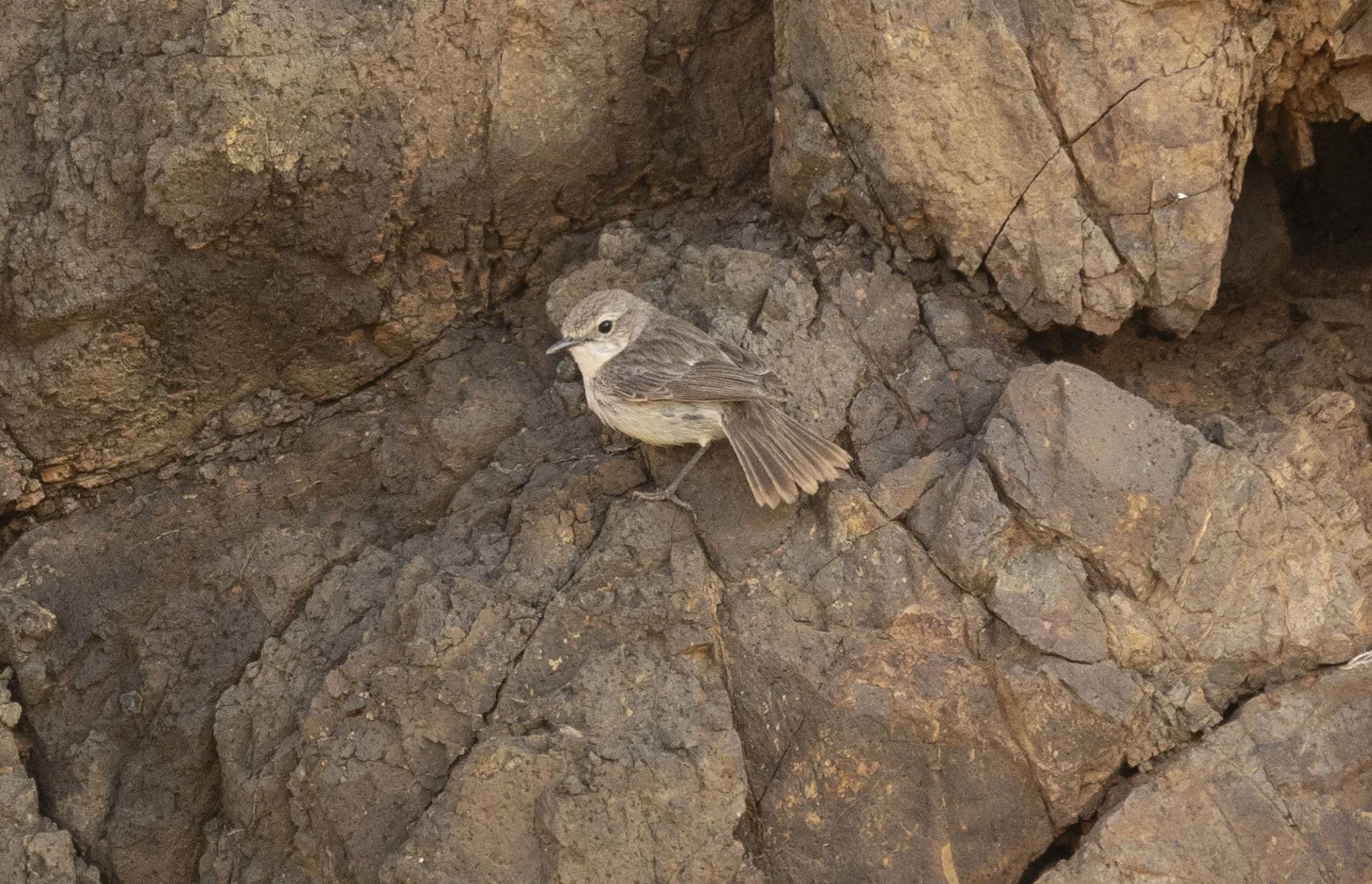
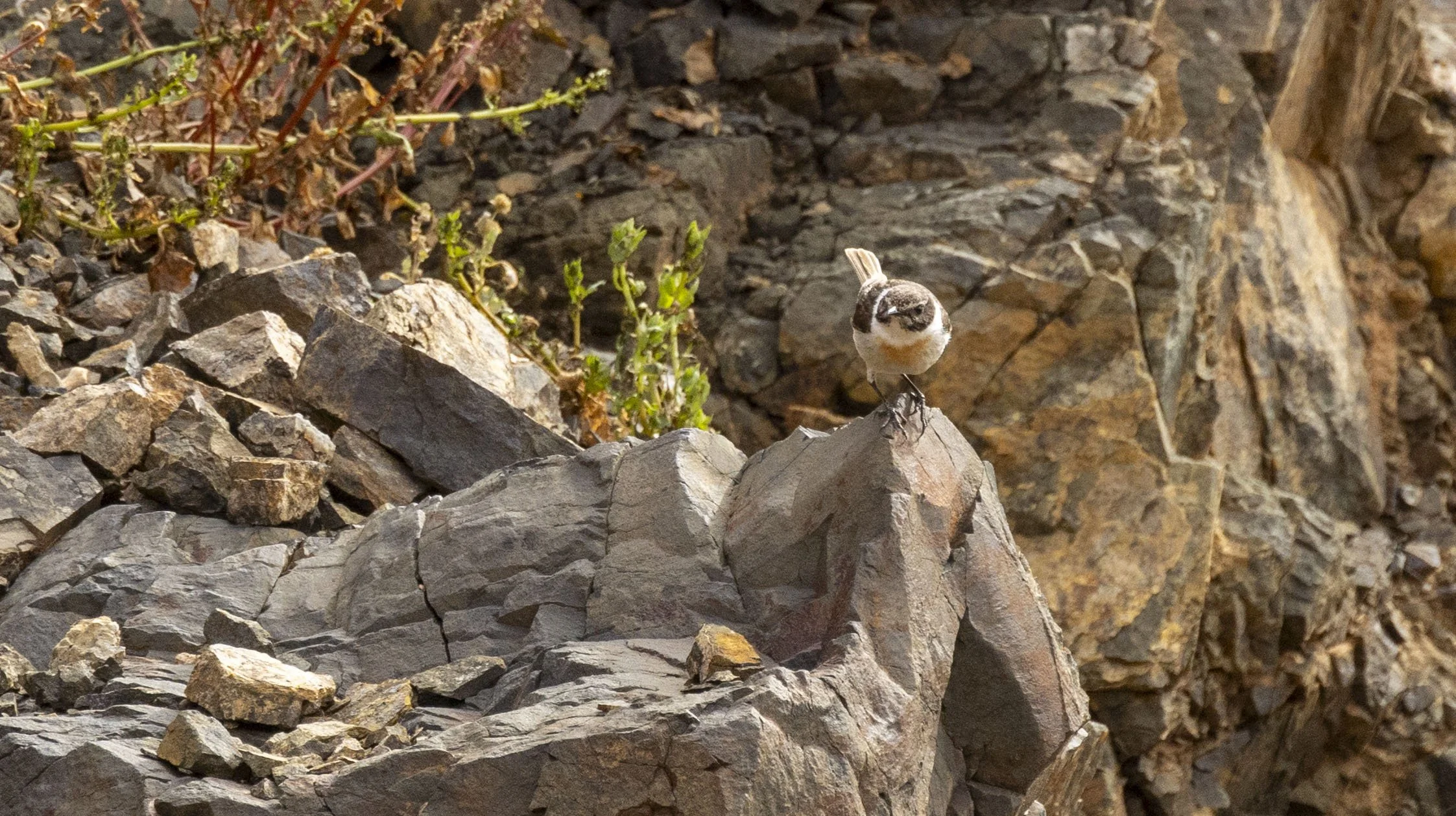
male chat - never got close to them
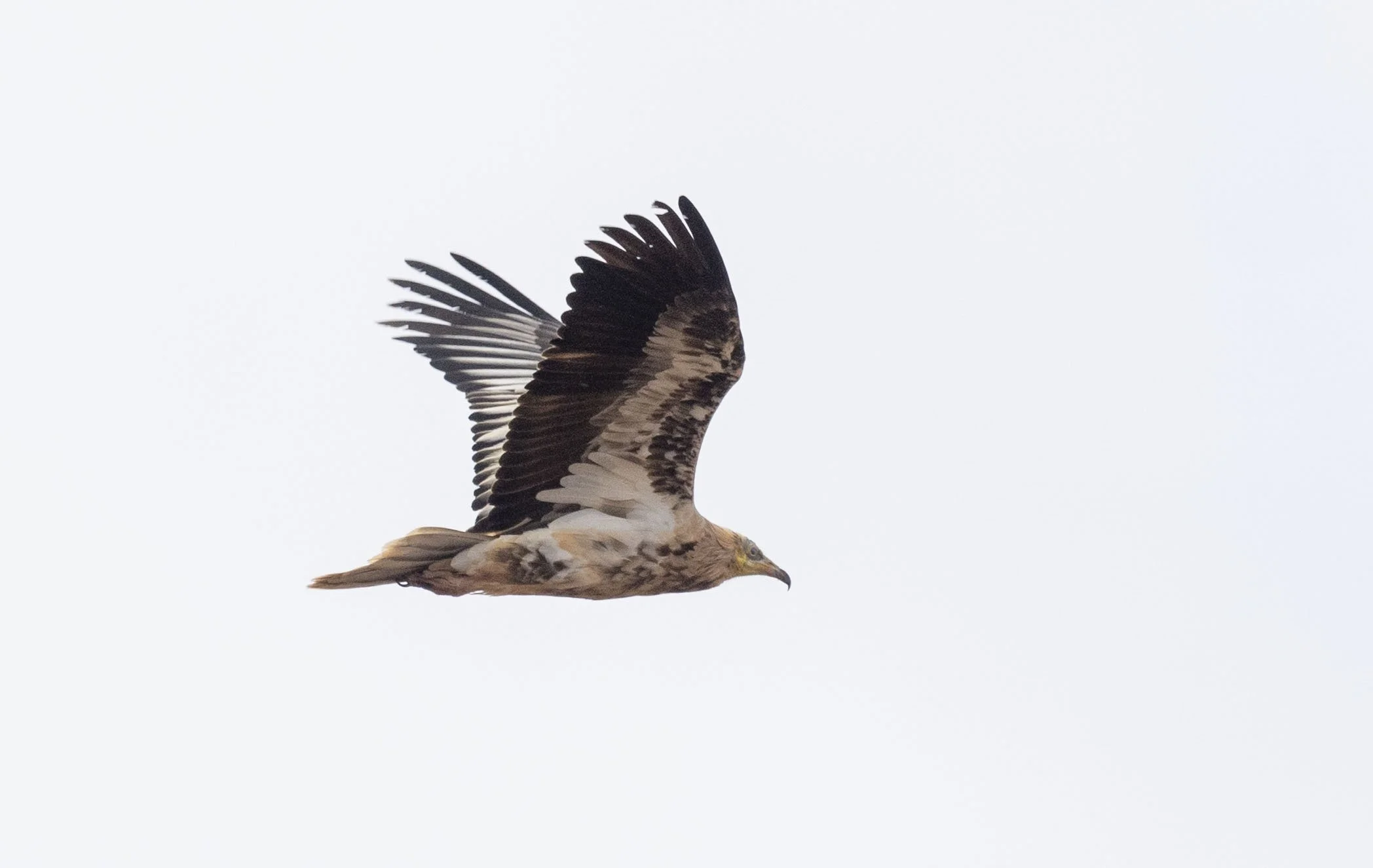
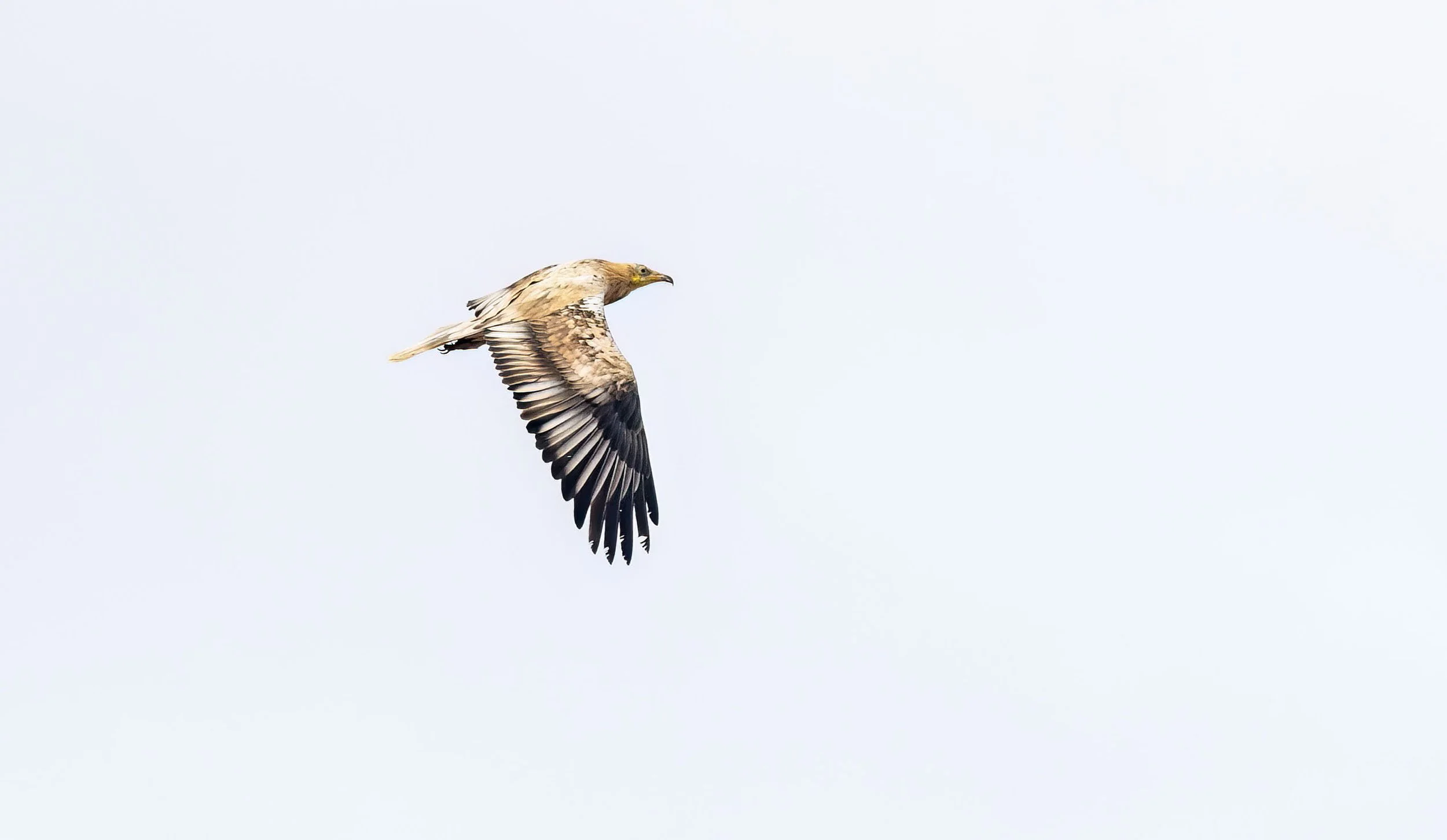
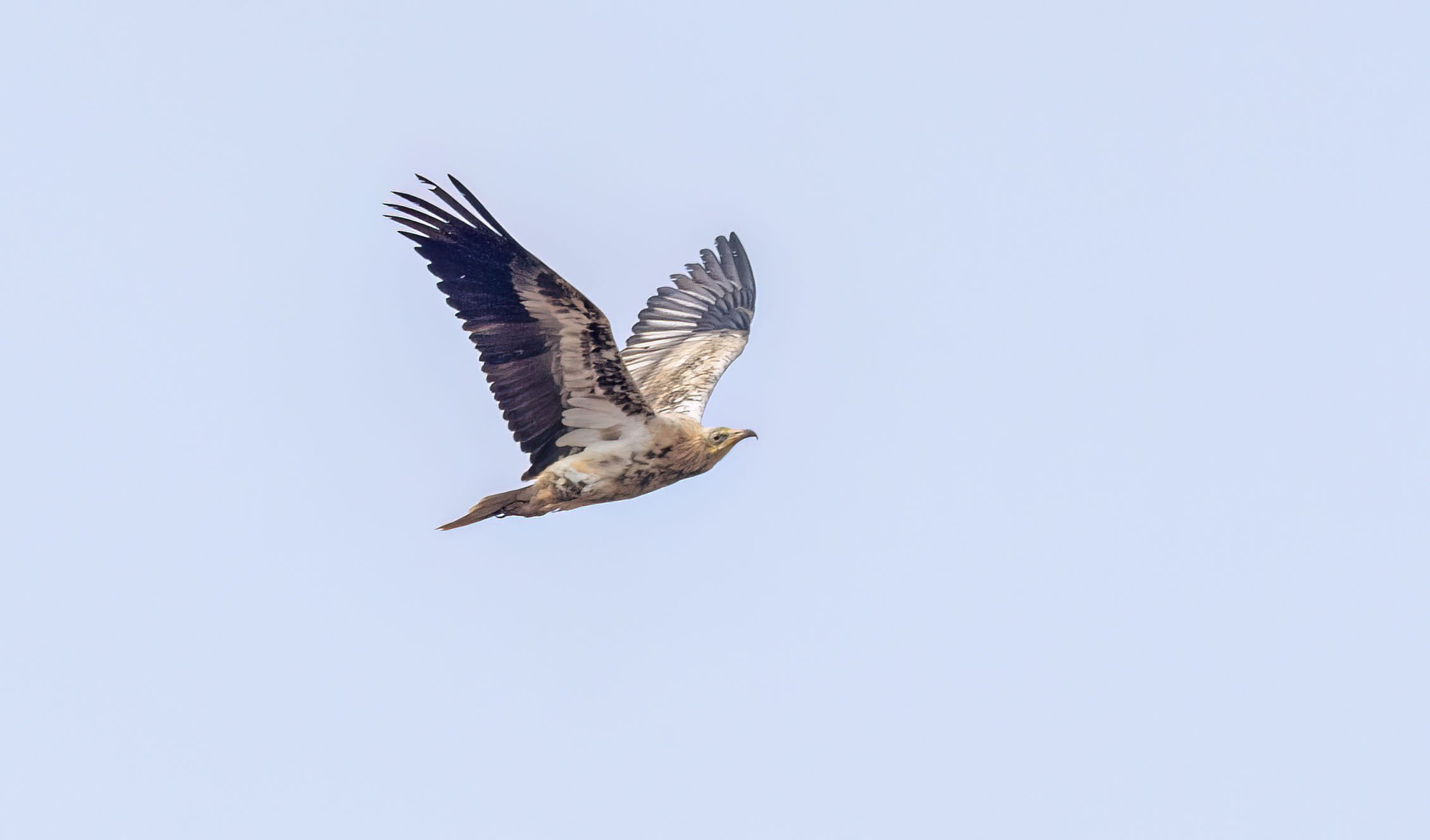
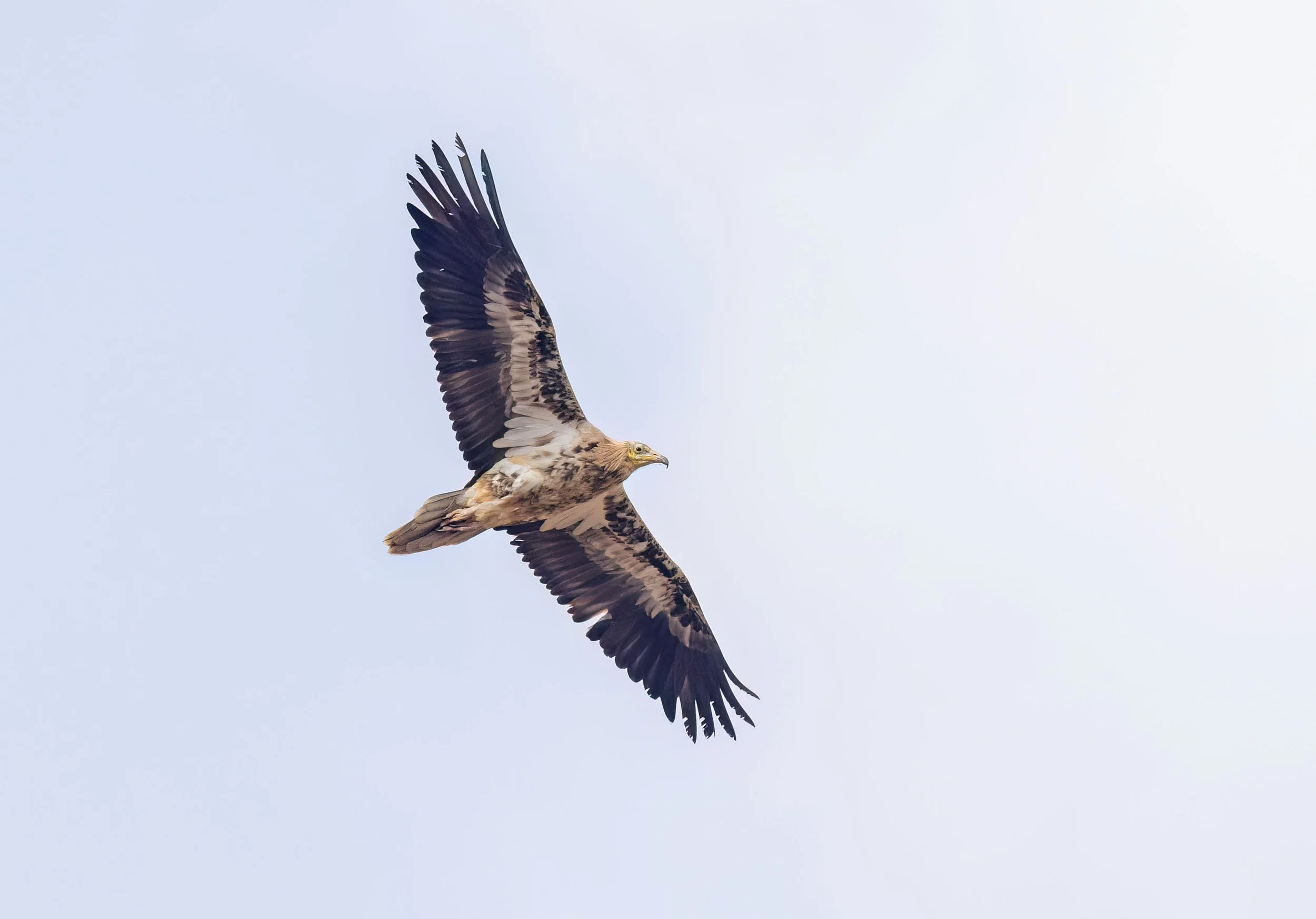
Egyptian Vulture at the head of the reservoir which proved to be the best spot for this species presumably due to the output from the nearby goat farm
A raptor with better looking upperparts
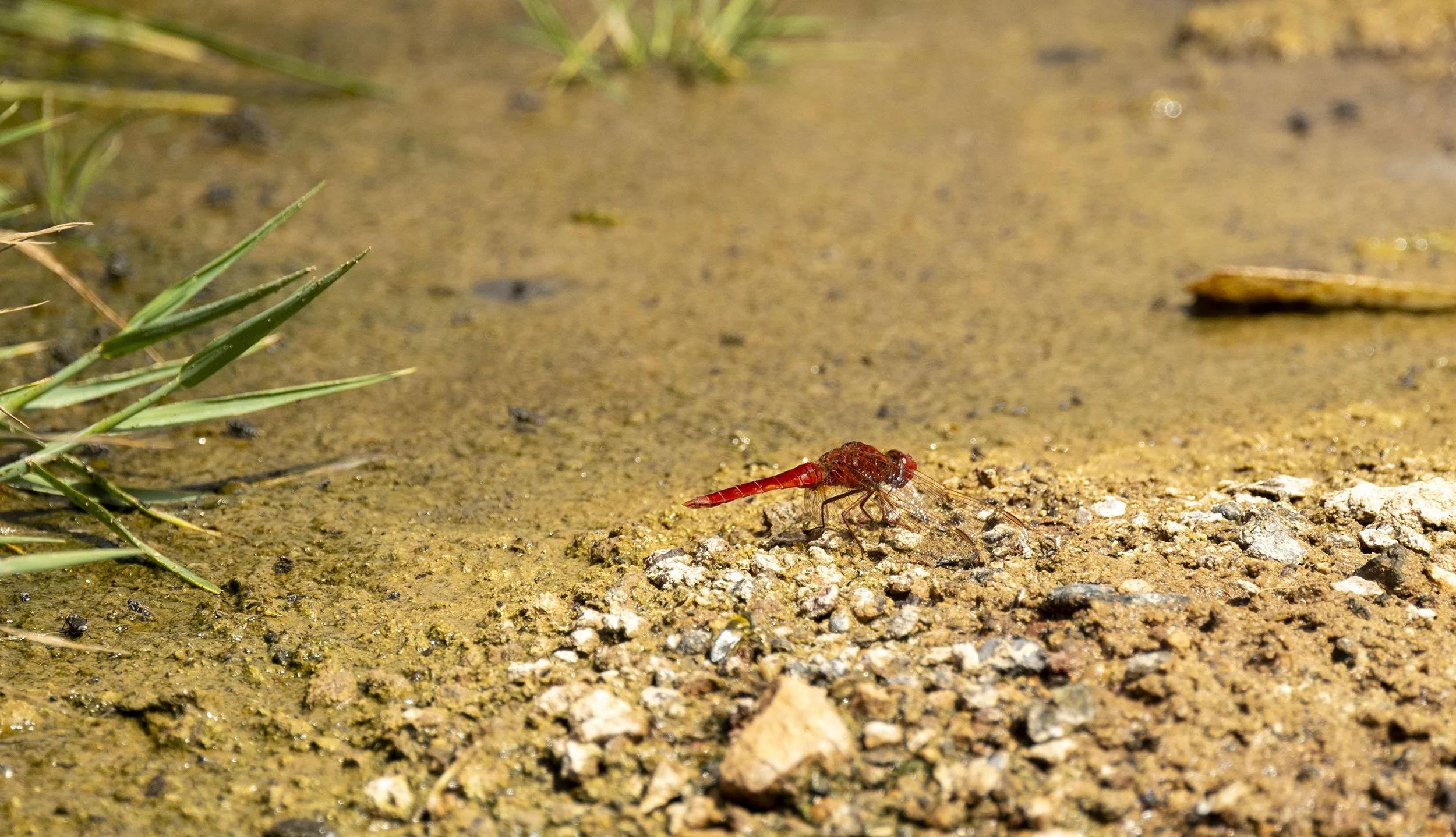
Broad Scarlet on ephemeral pool above the reservoir
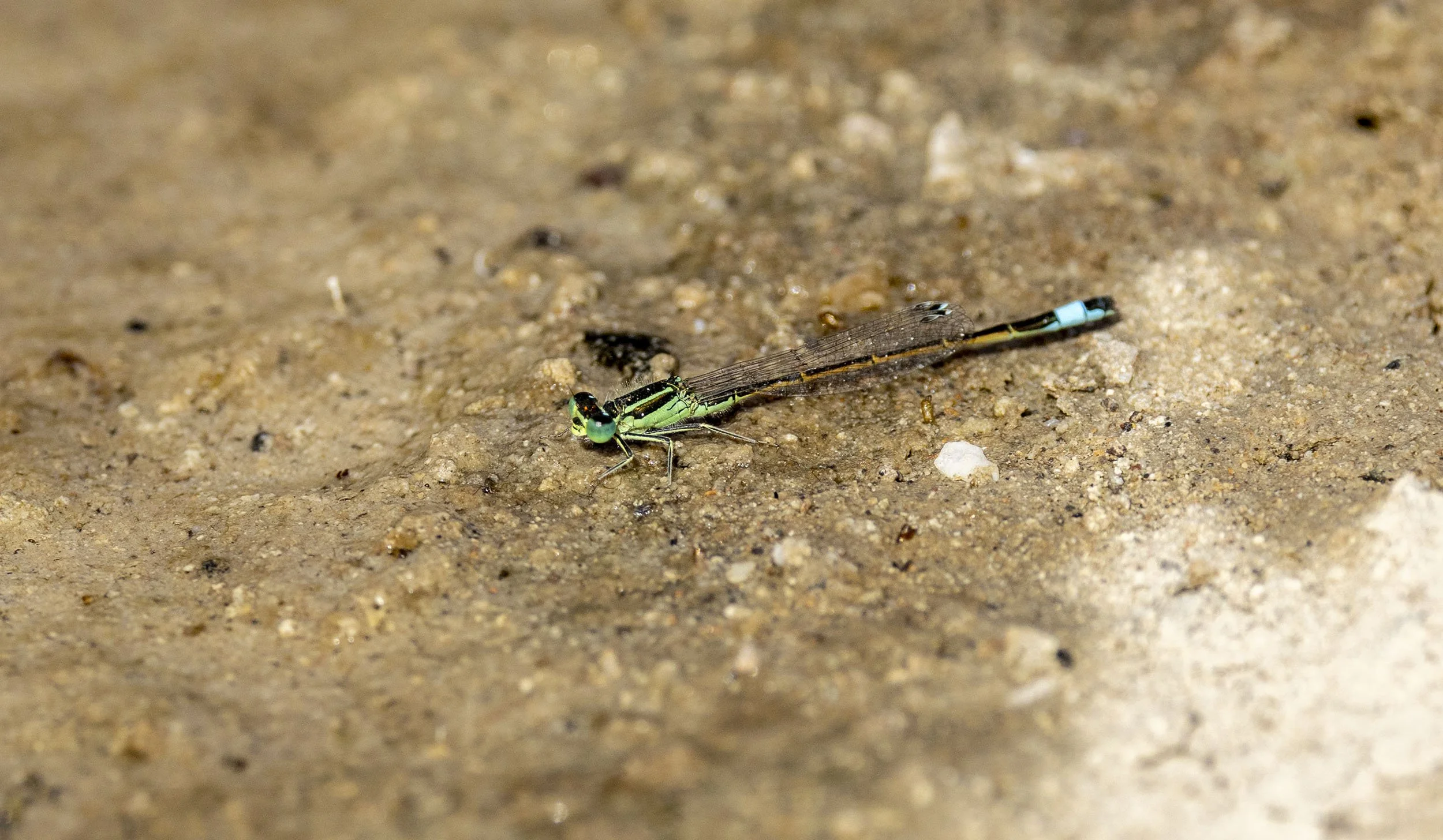
and Sahara Bluetail in same area
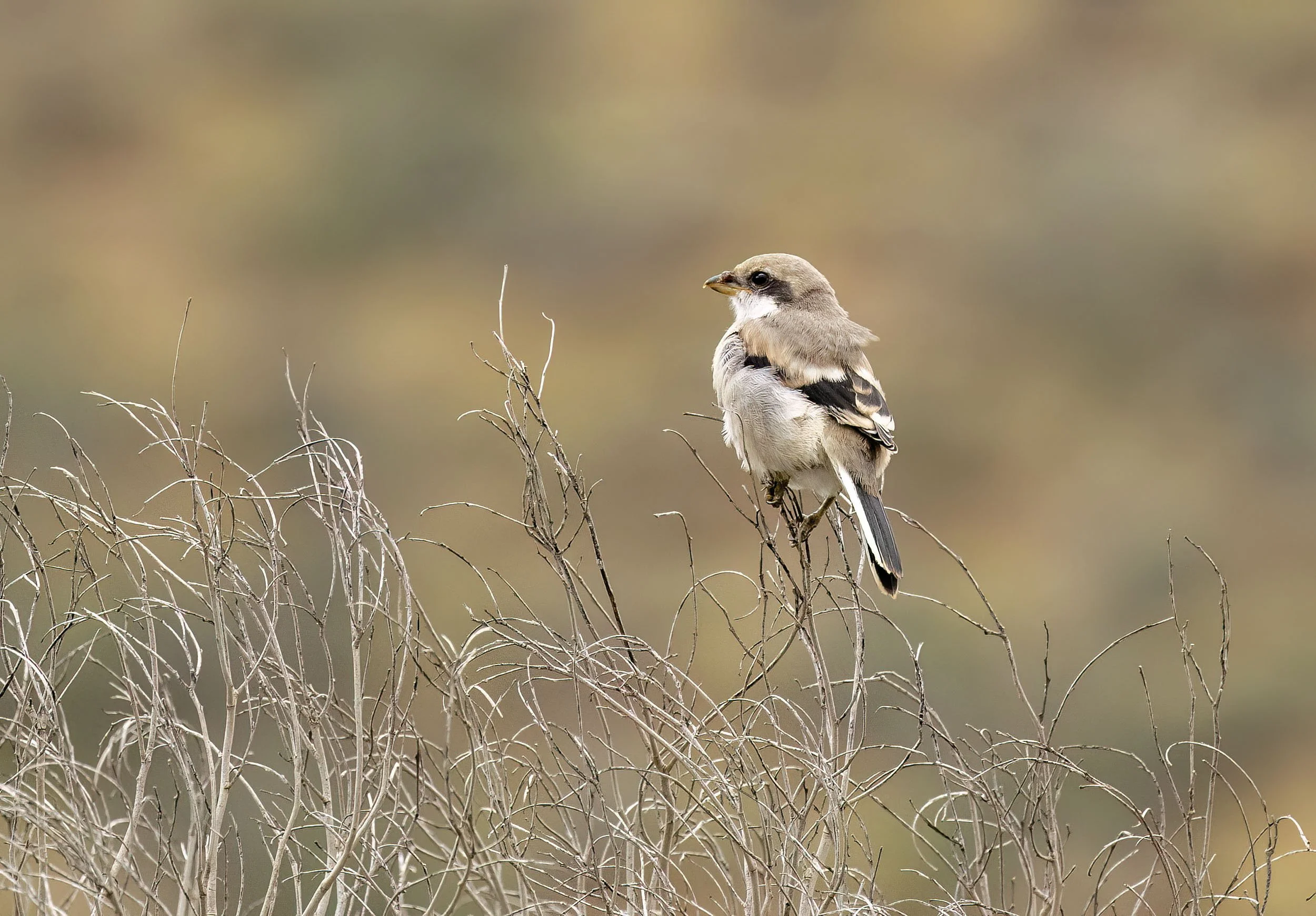
The Great Grey Shrikes we had been watching near Betancuria had fledged young which were quite distinctive and brown tinged
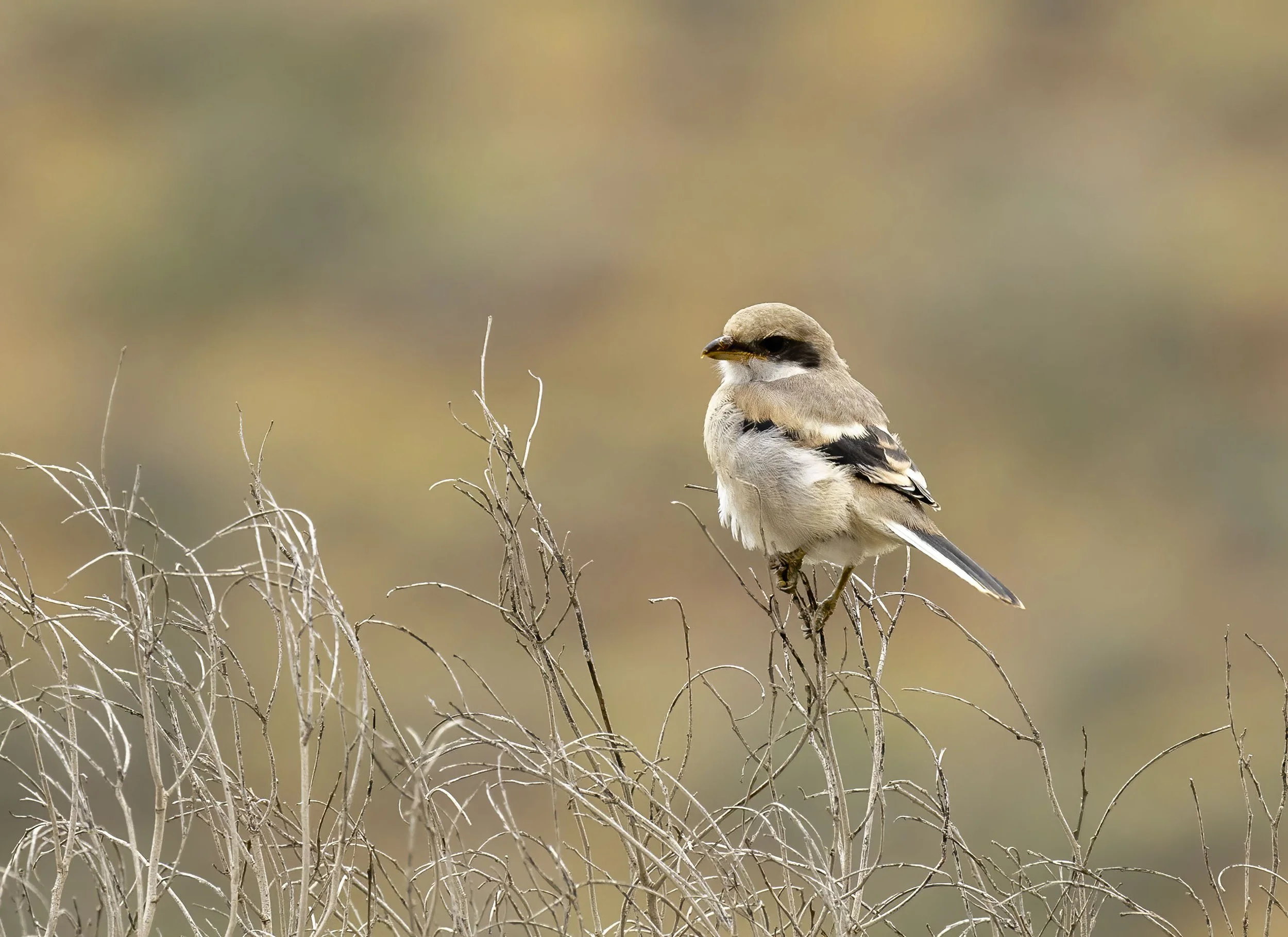
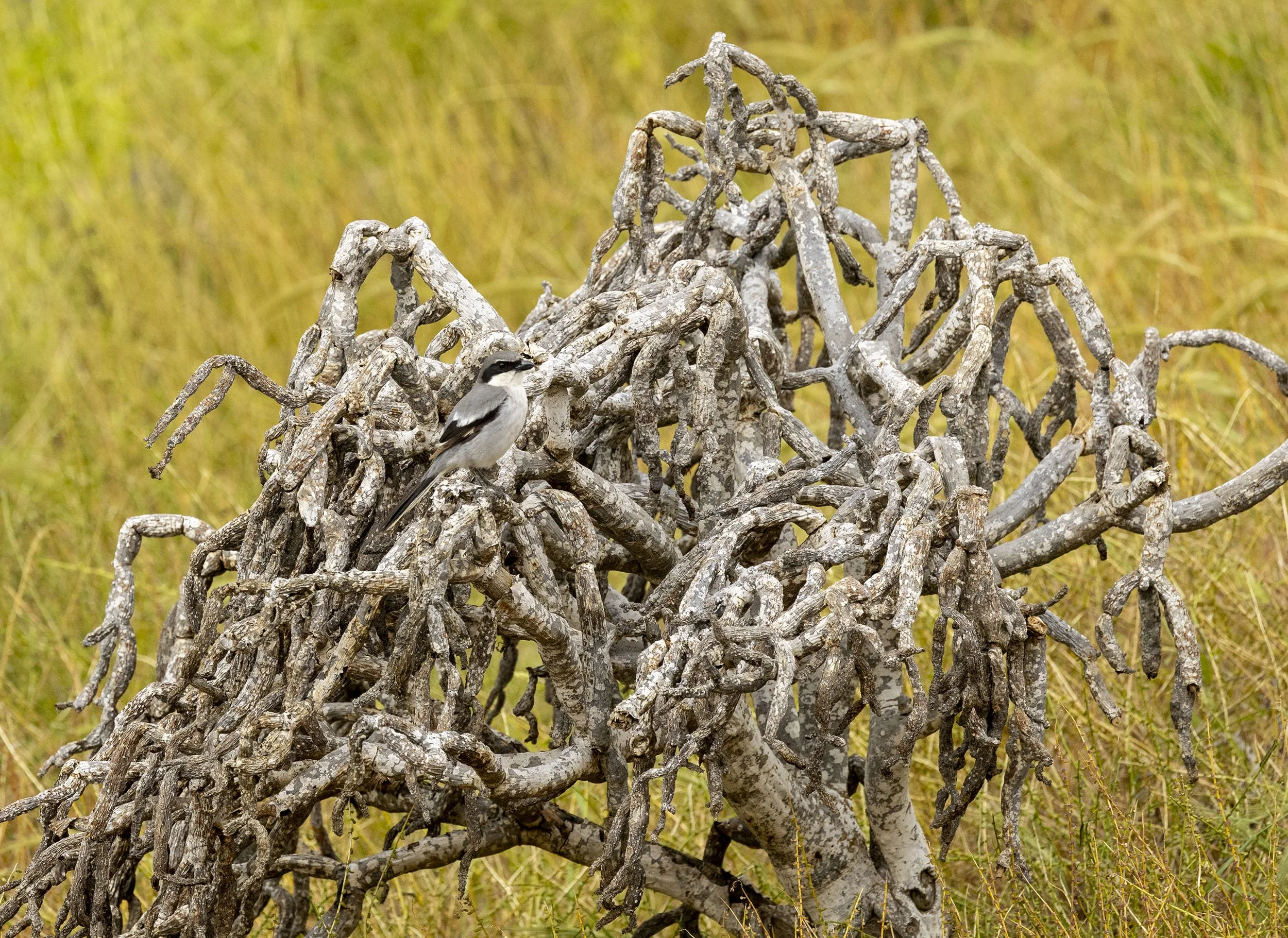
Adult morphing with its perch
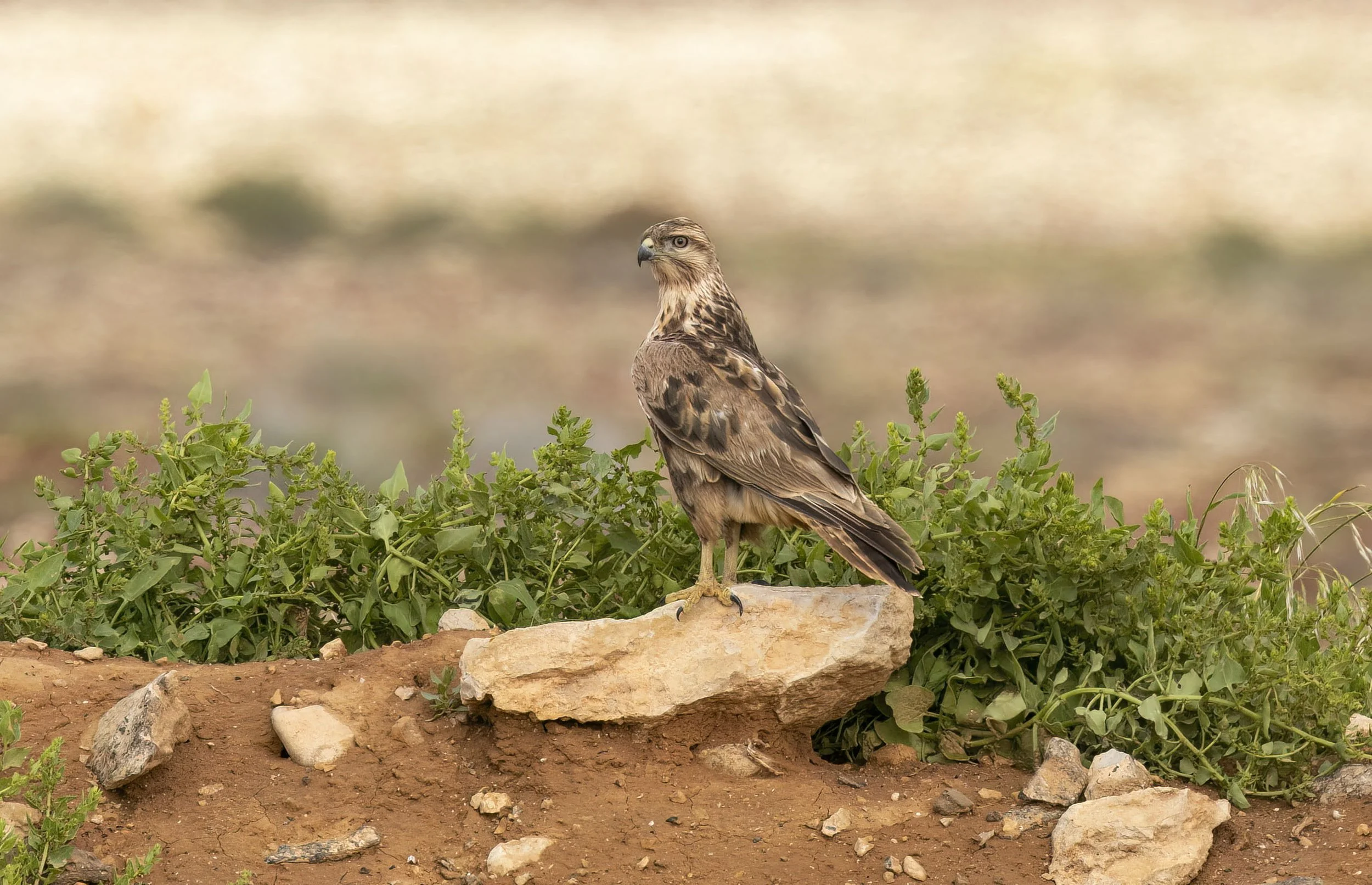
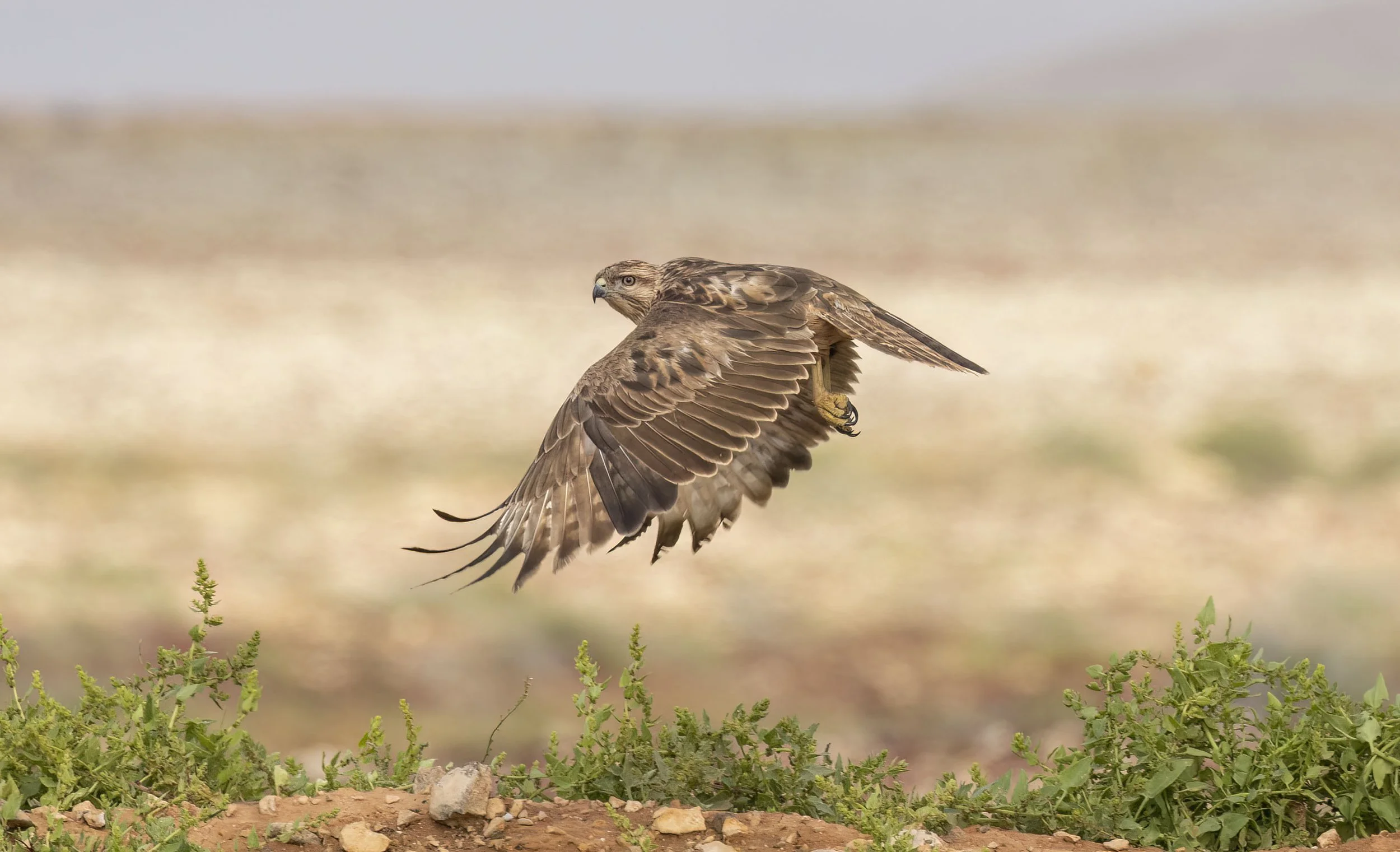
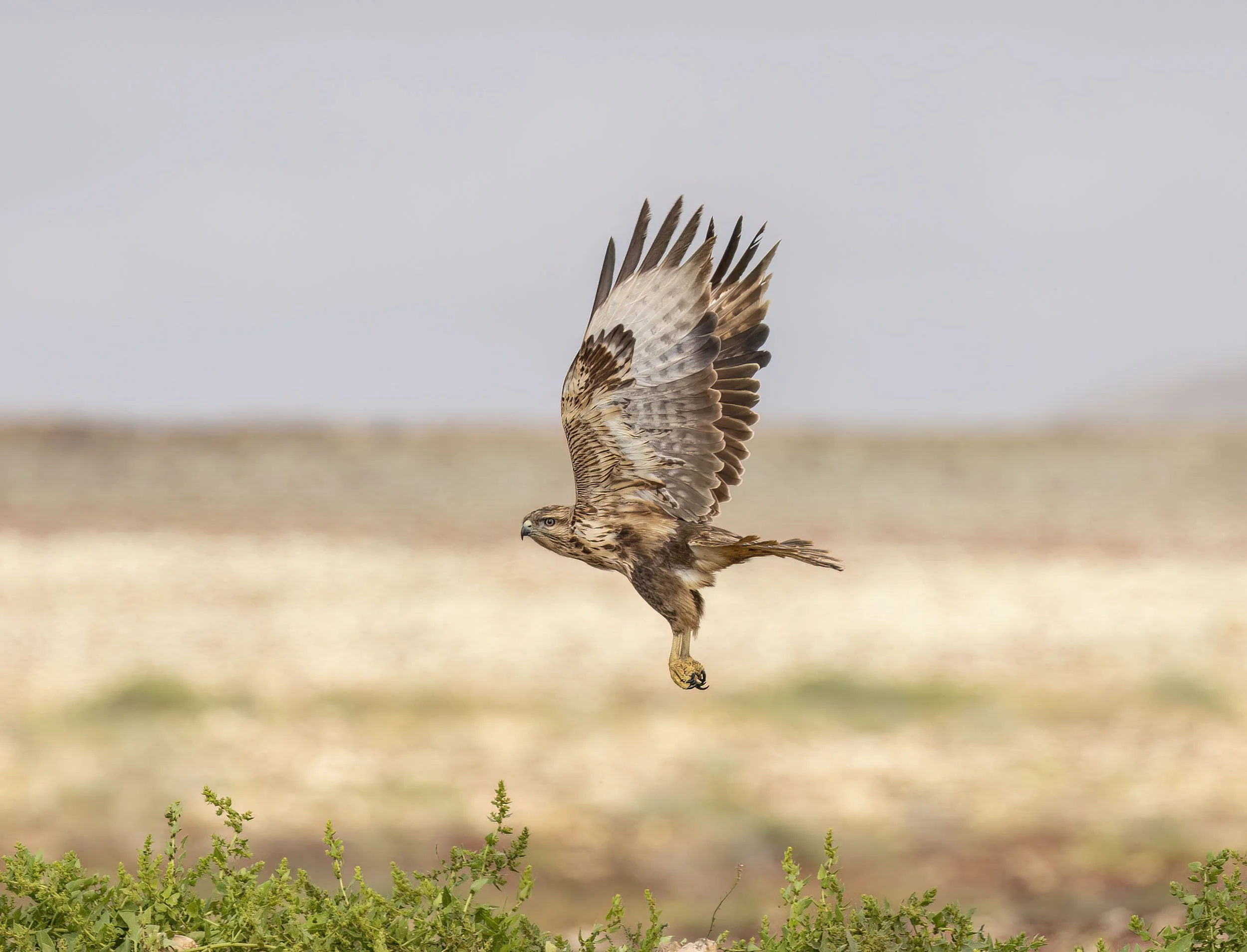
Common Buzzardf of the local race insularum Tindaya
March 5th
Cool early with a Common Sandpiper on El Cotillo beach, then progressively warmer and sunny up to 24C mid-afternoon before cooling again in evening: wind lighter but still N. Walk into a valley south of the Cotillo - Oliva road early: very little but three Great Grey Shrikes and odd Mediterranean Larks then a female Montagu’s Harrier hunting desert locusts that were very common in the low scrubby bushes. A few more Great Greys while driving to Tindaya where a Trumpeter Finch and the family of Cream-coloured Coursers seen again with the two now flapping having grown considerably: Coffee and cake then on to Los Molinos Reservoir where very good with the usual Spanish Sparrows, Black-winged Stilts, Little Ringed Plover, Berthelot’s Pipit, a pair of Black bellied Sandgrouse by the entrance road, 4 Egyptian Vultures, 10+ Trumpeter Finch the pair of Fuerteventura chats nest building and a pair of Spectacled Warblers: broad scarlets, vagrant emperor and Emperor. At coast 30+ Cory’s Shearwaters in 15 minutes, a Barbary Falcon flies past and more Sahara Bluetails and Broad Scarlets.
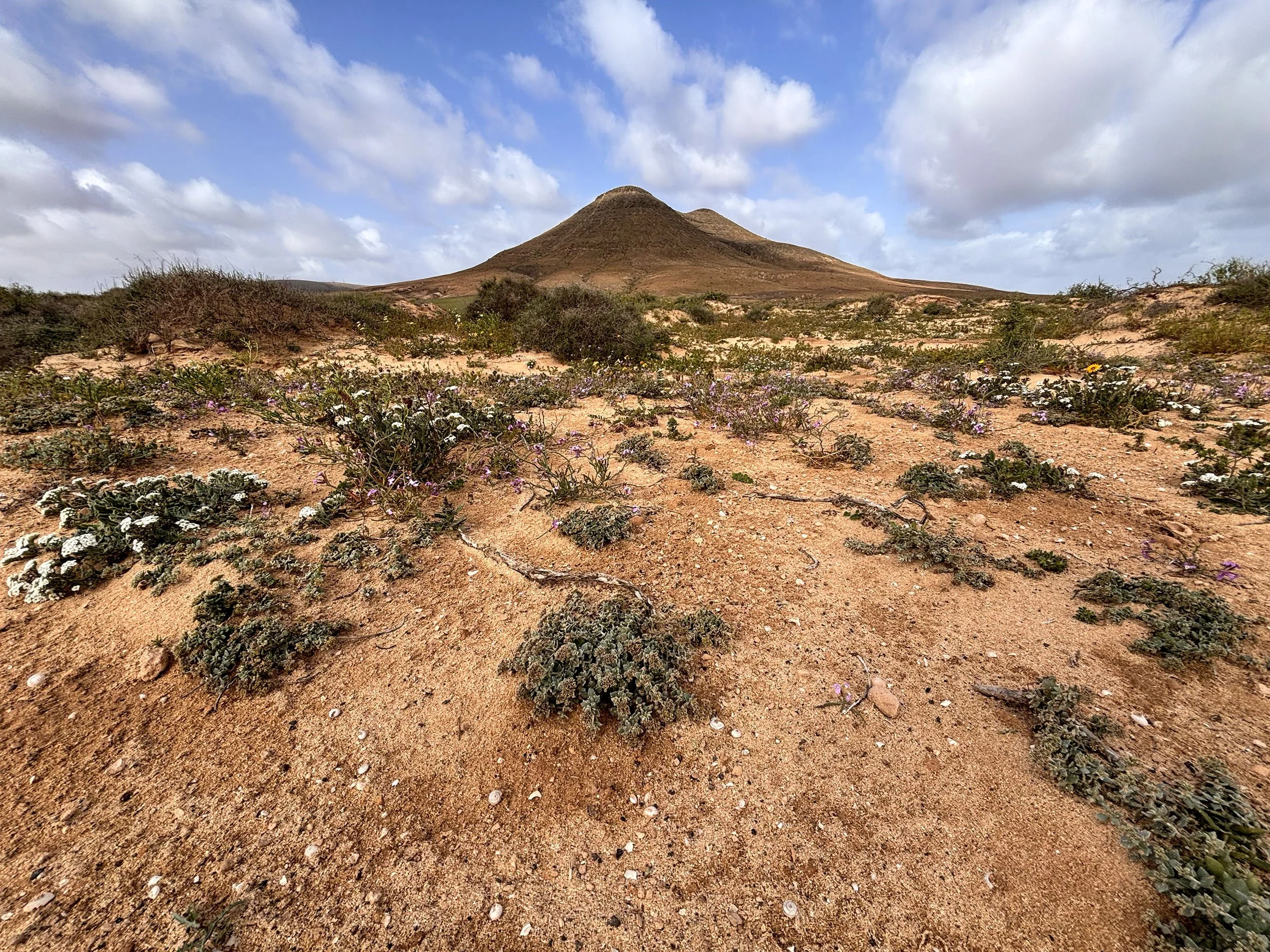
Habitat east of El Cotillo with blooming flowers after the rain forming food for the locusts
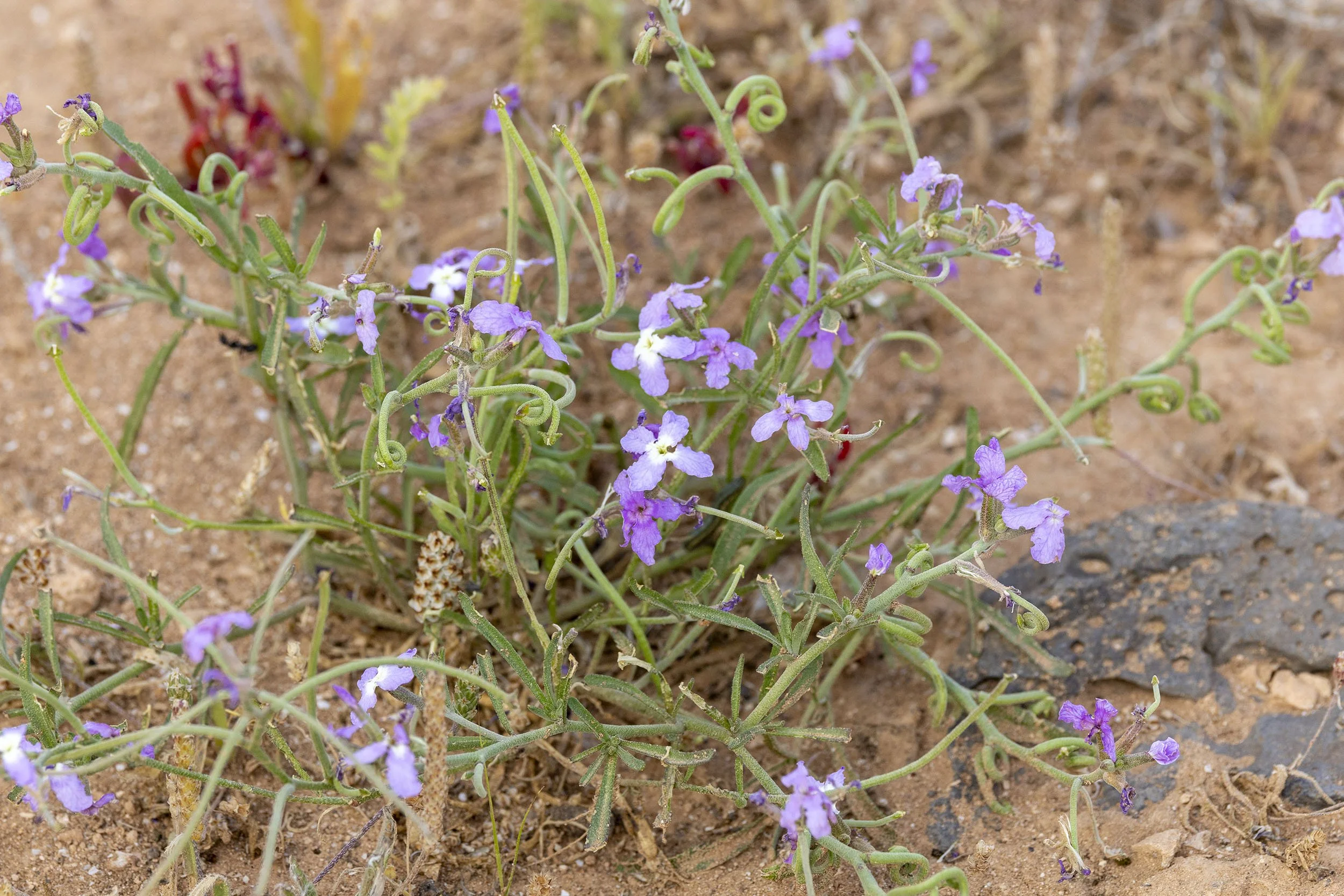
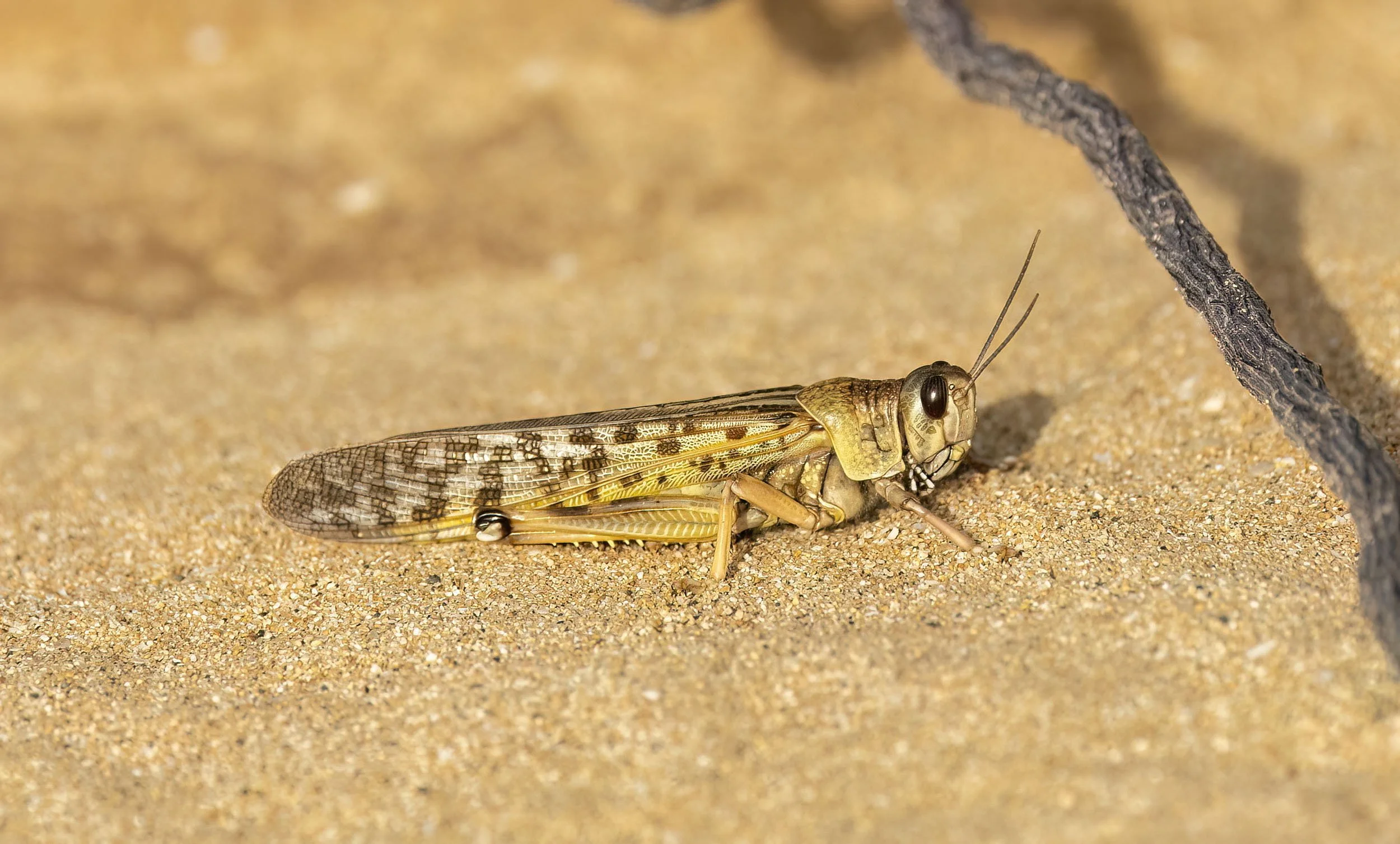
The vegetation in the valley near La Oliva was literally moving with swarms of these Desert Locusts
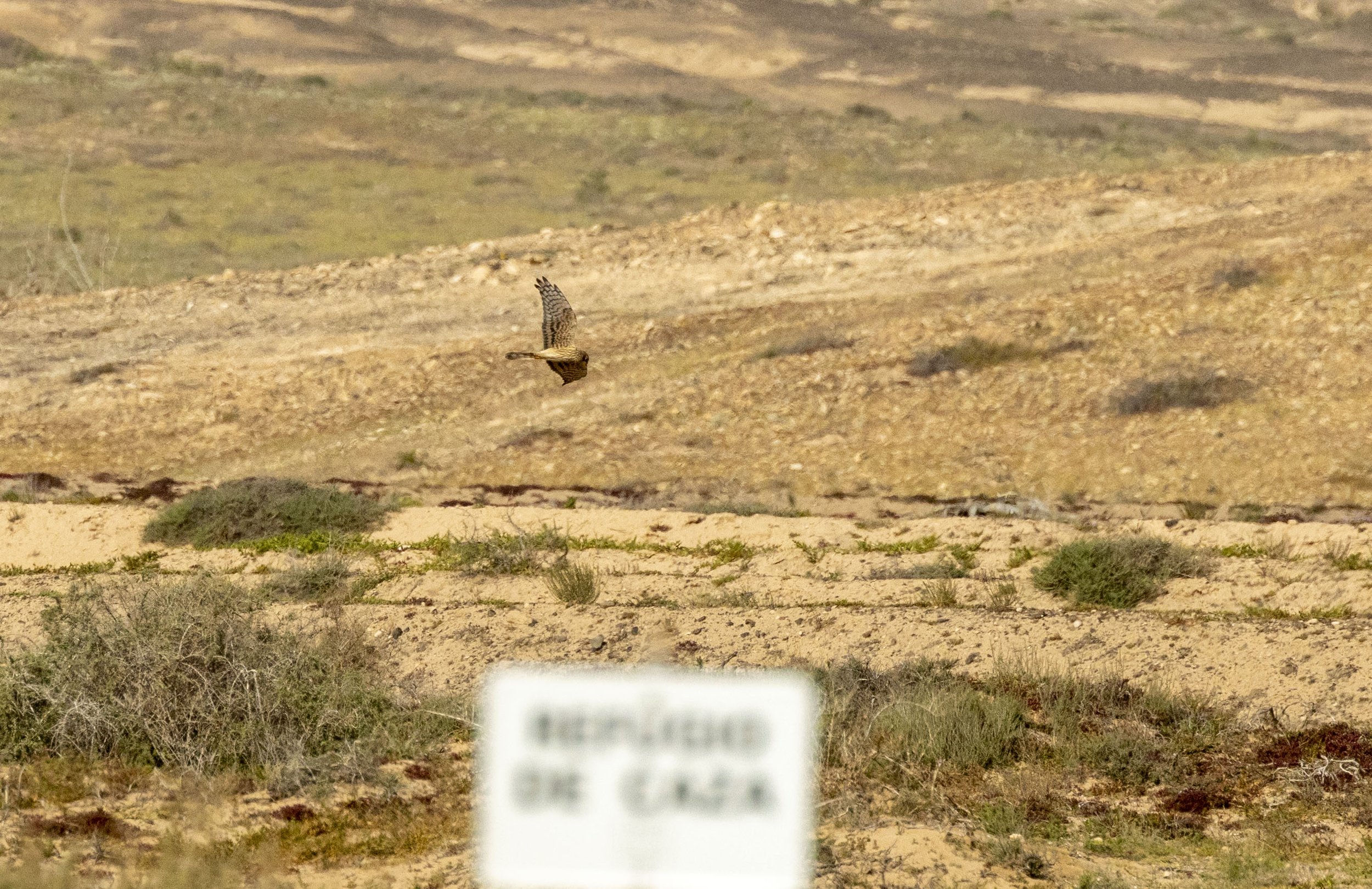
Distant female Montagu’s Harrier apparently quite a scarce migrant on the island being well offshore
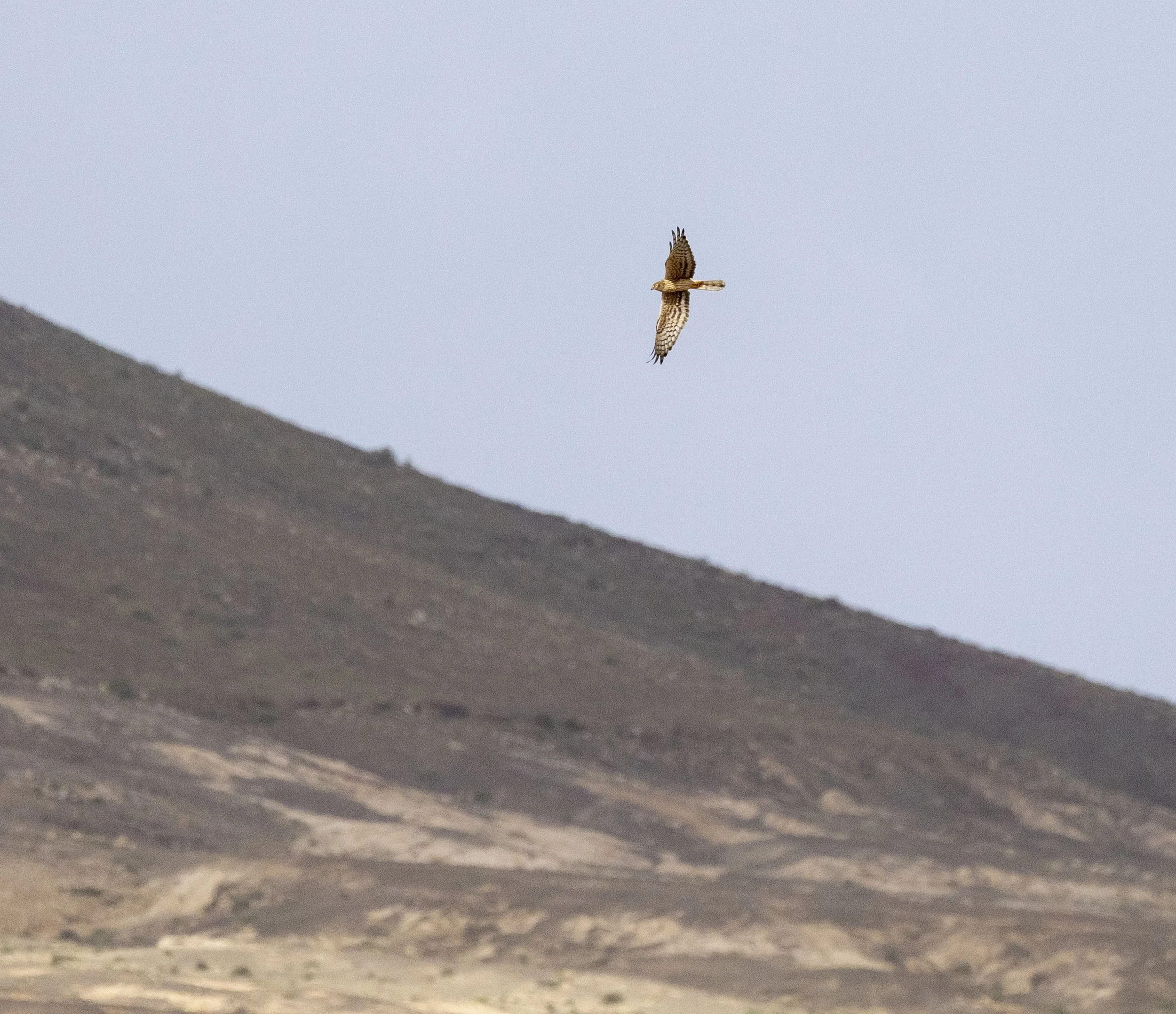
female Montagu’s Harrier
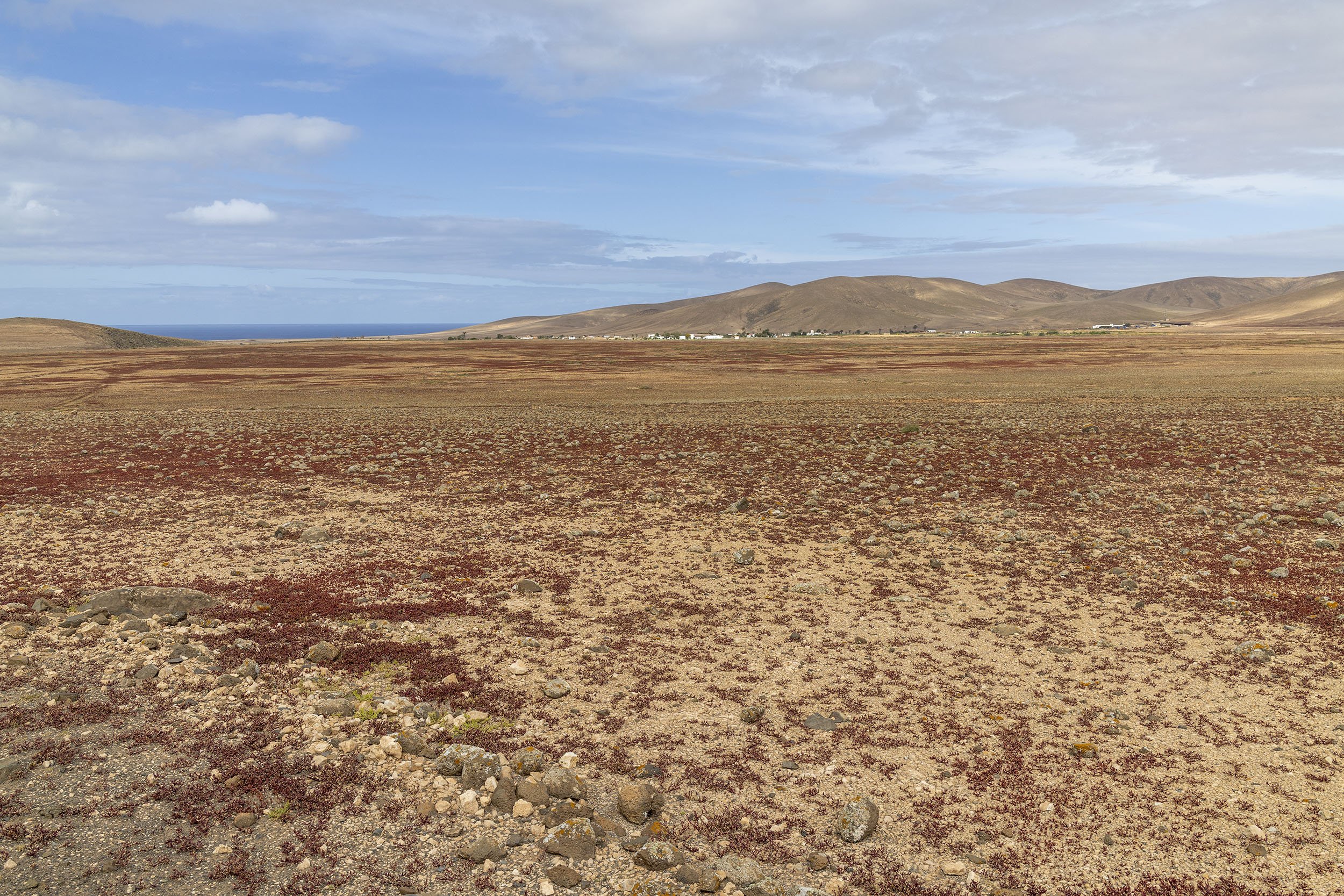
Tindaya - El Cotillo Plain
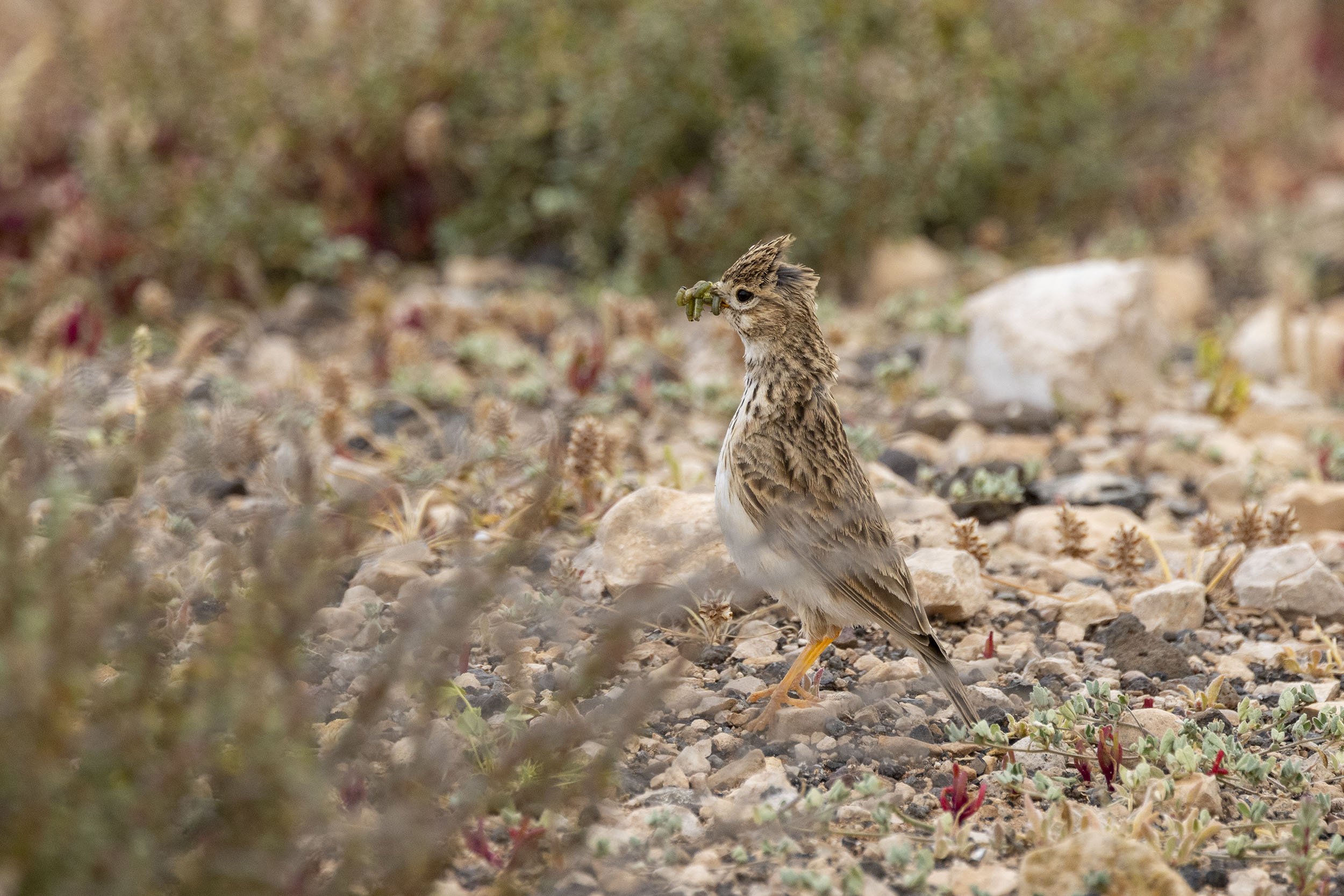
Mediterranean Short-toed Lark feeding young on these abundant caterpiullars that were all over the floor everywhere you went
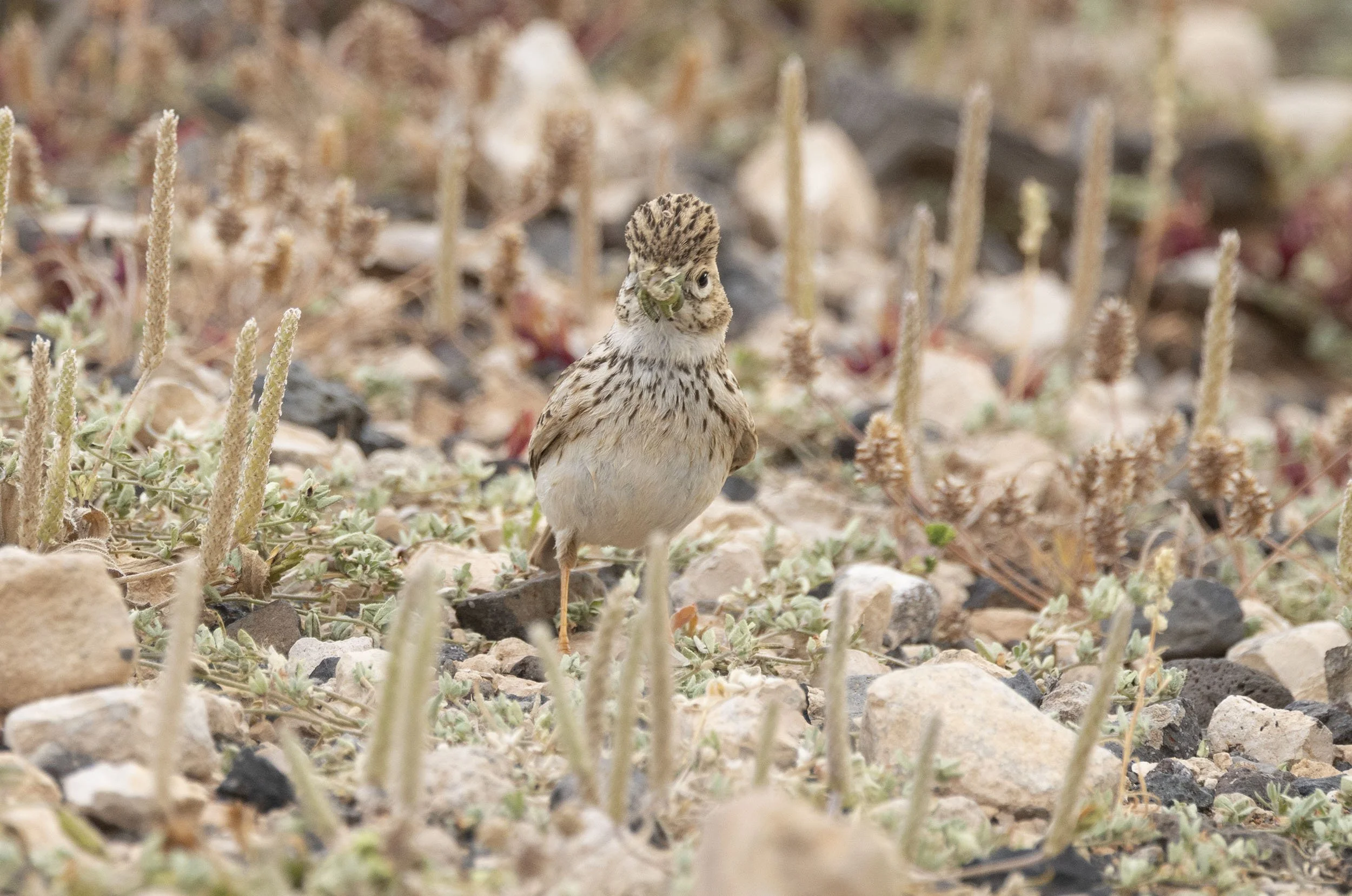
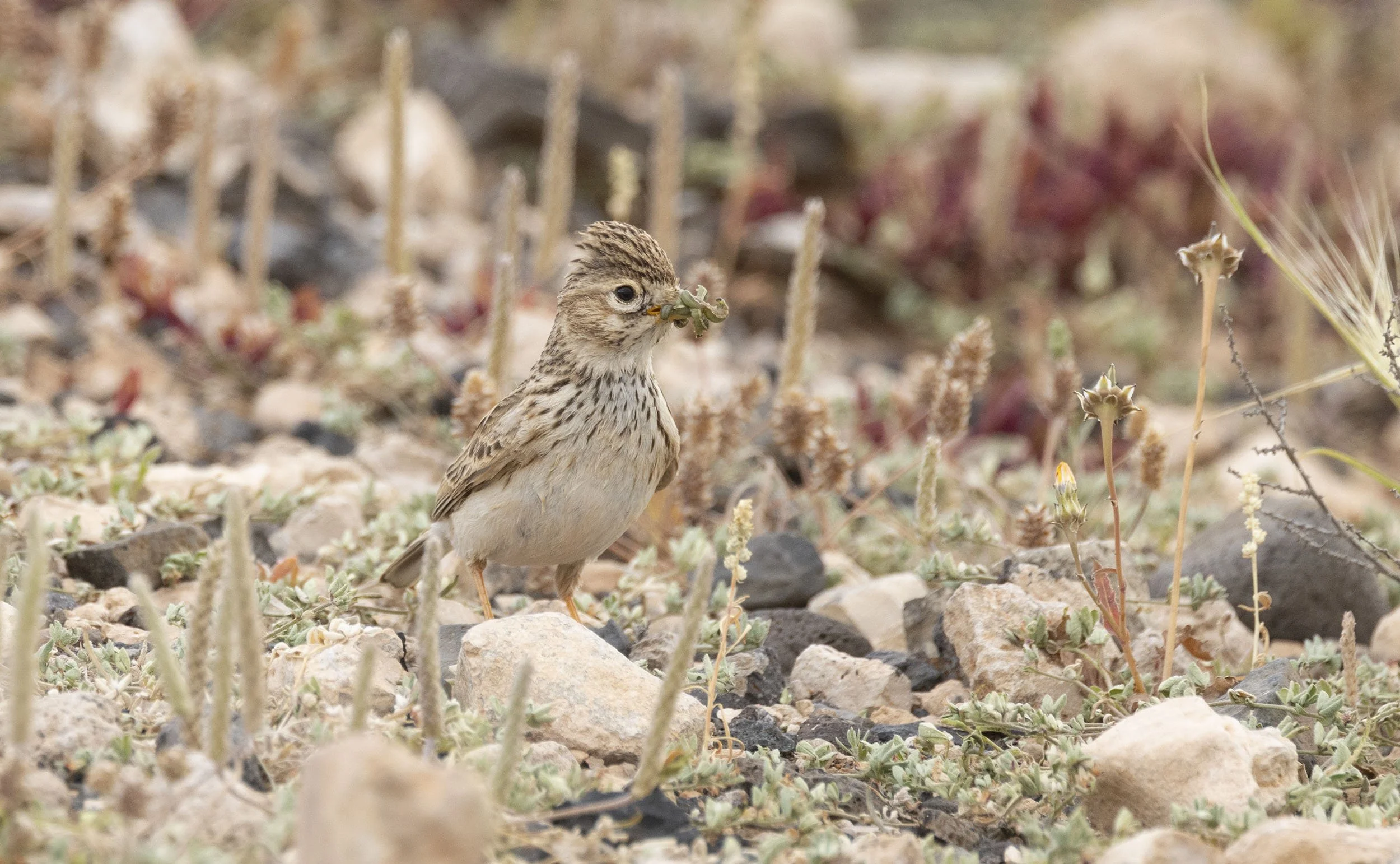
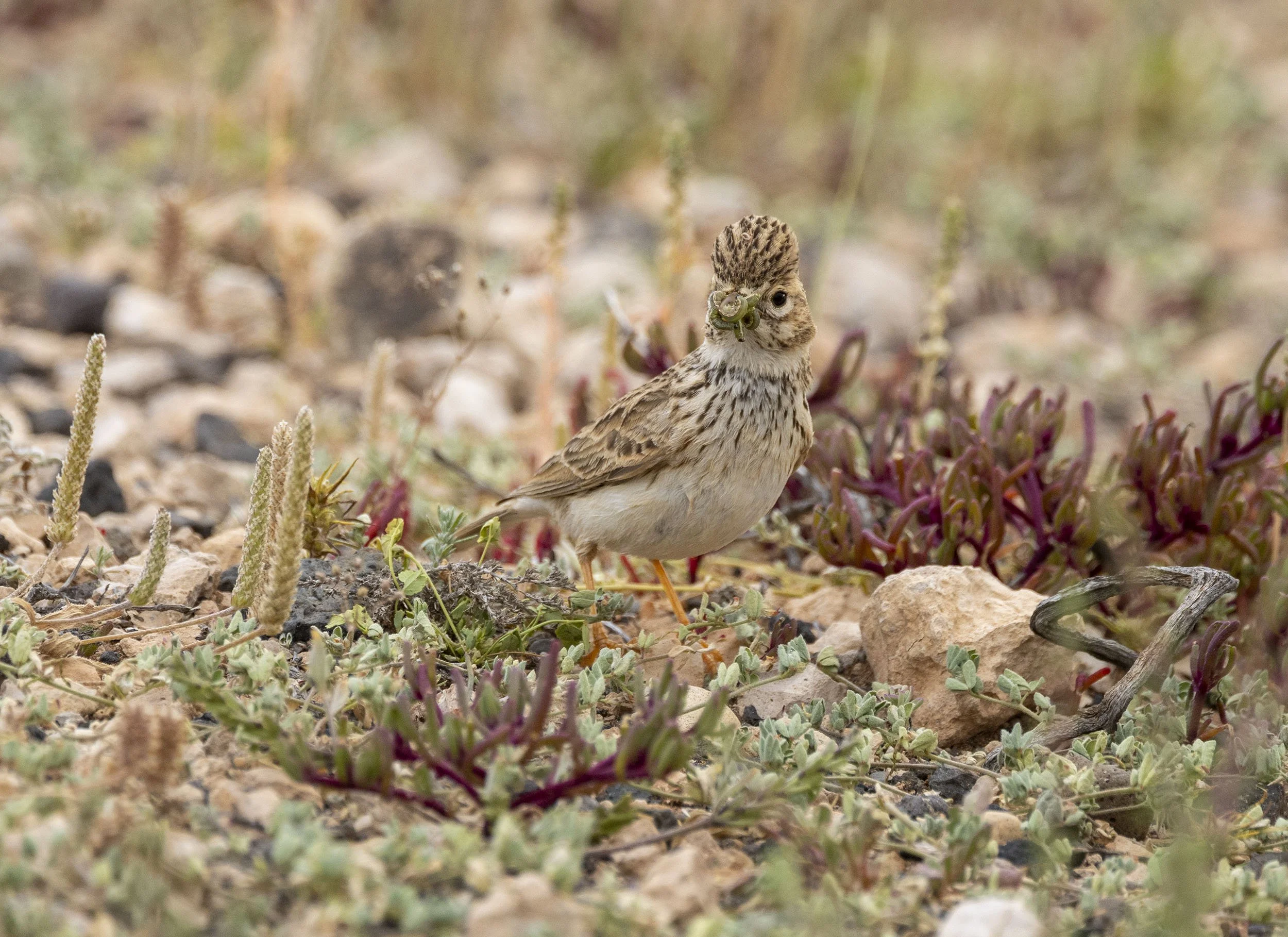
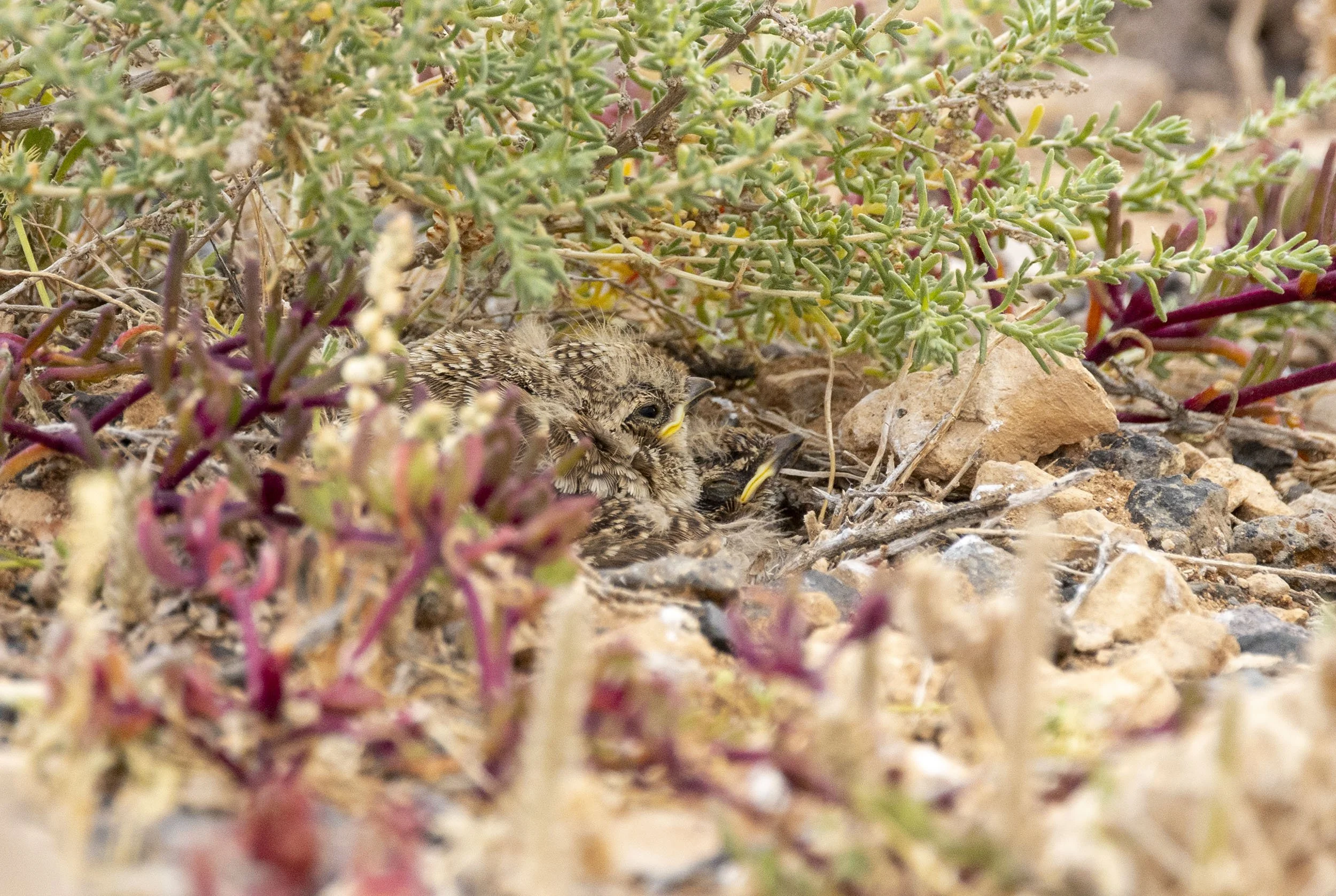
Seeing an adult feeding young in the nest out of the car window on the side of the track
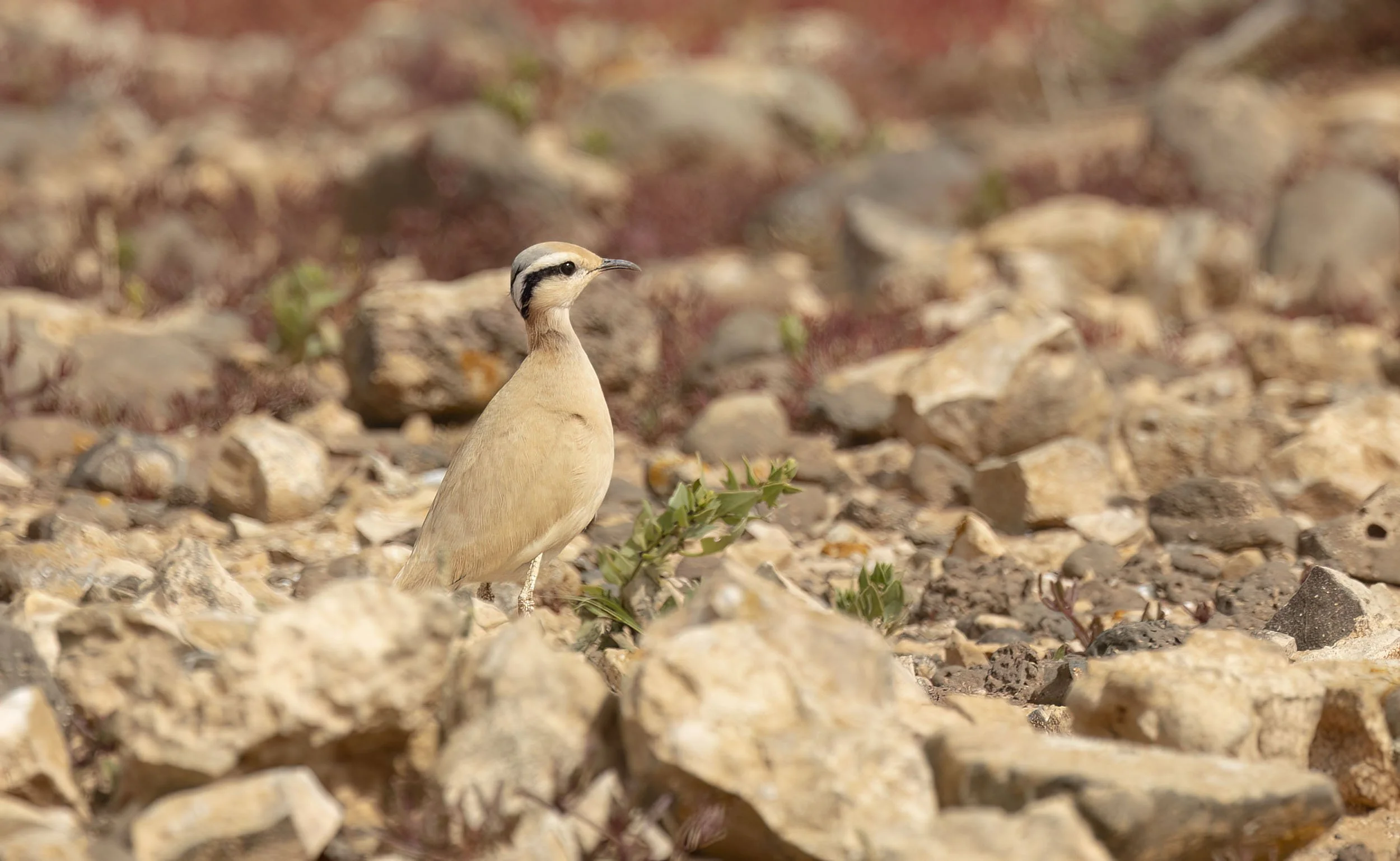
Sunlight sometimes makes birds look washed out but with some high cloud the Coursers were OK even mid-morning
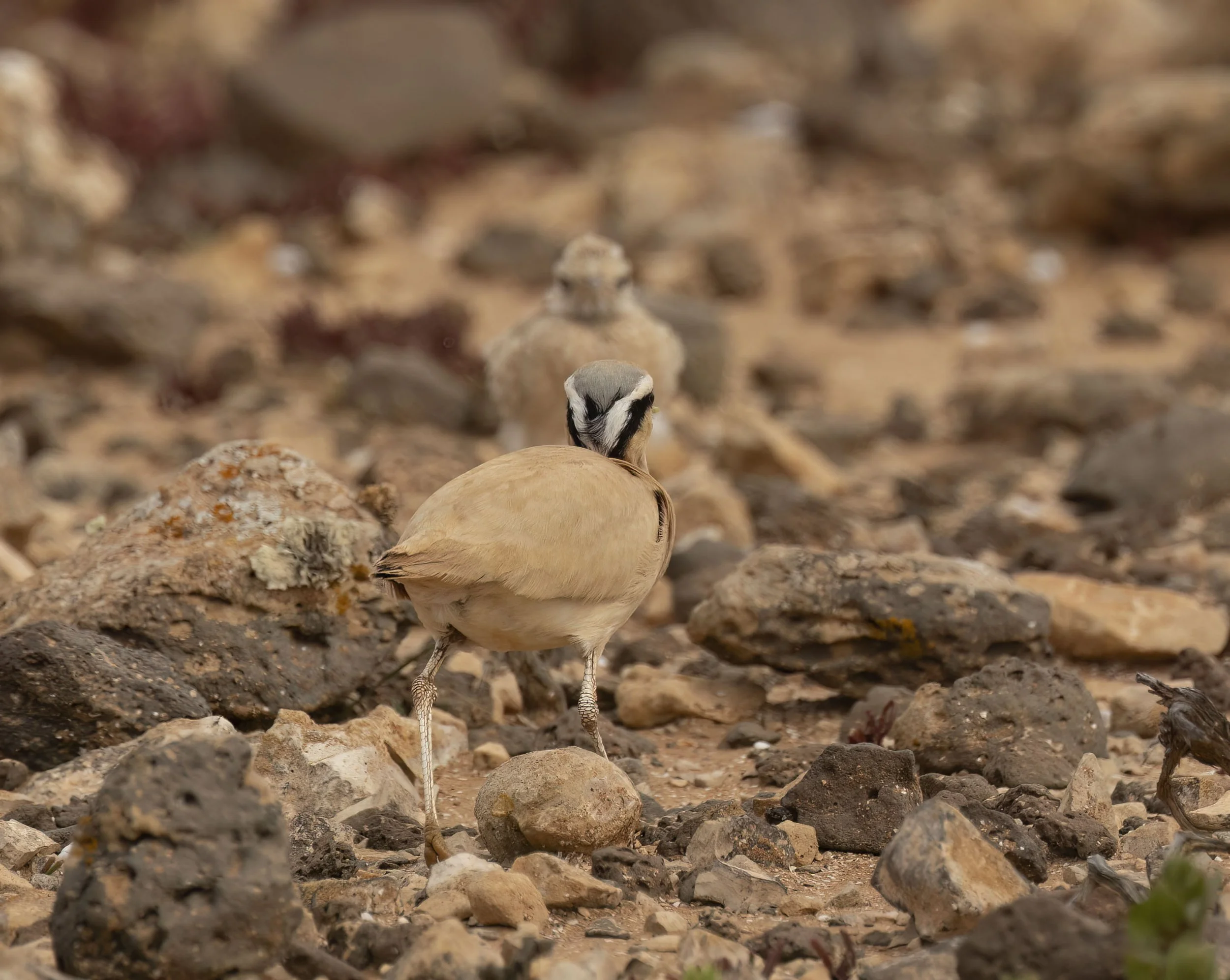
Luckily they had one chick either side of the track so we just parked up and the adults and eventually on eof the chicks walked past us and crossed the track
adult going to feed one of the chicks
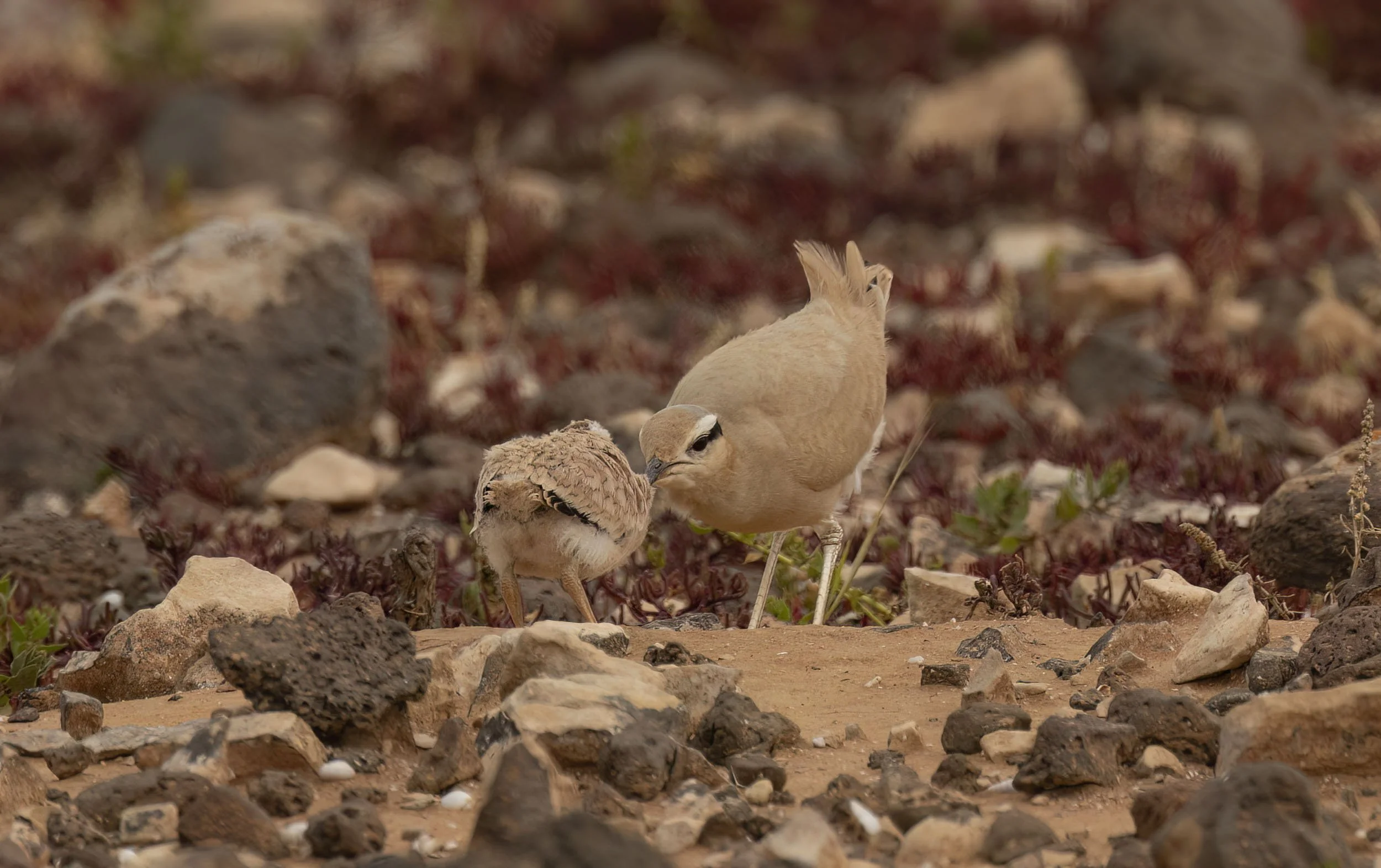
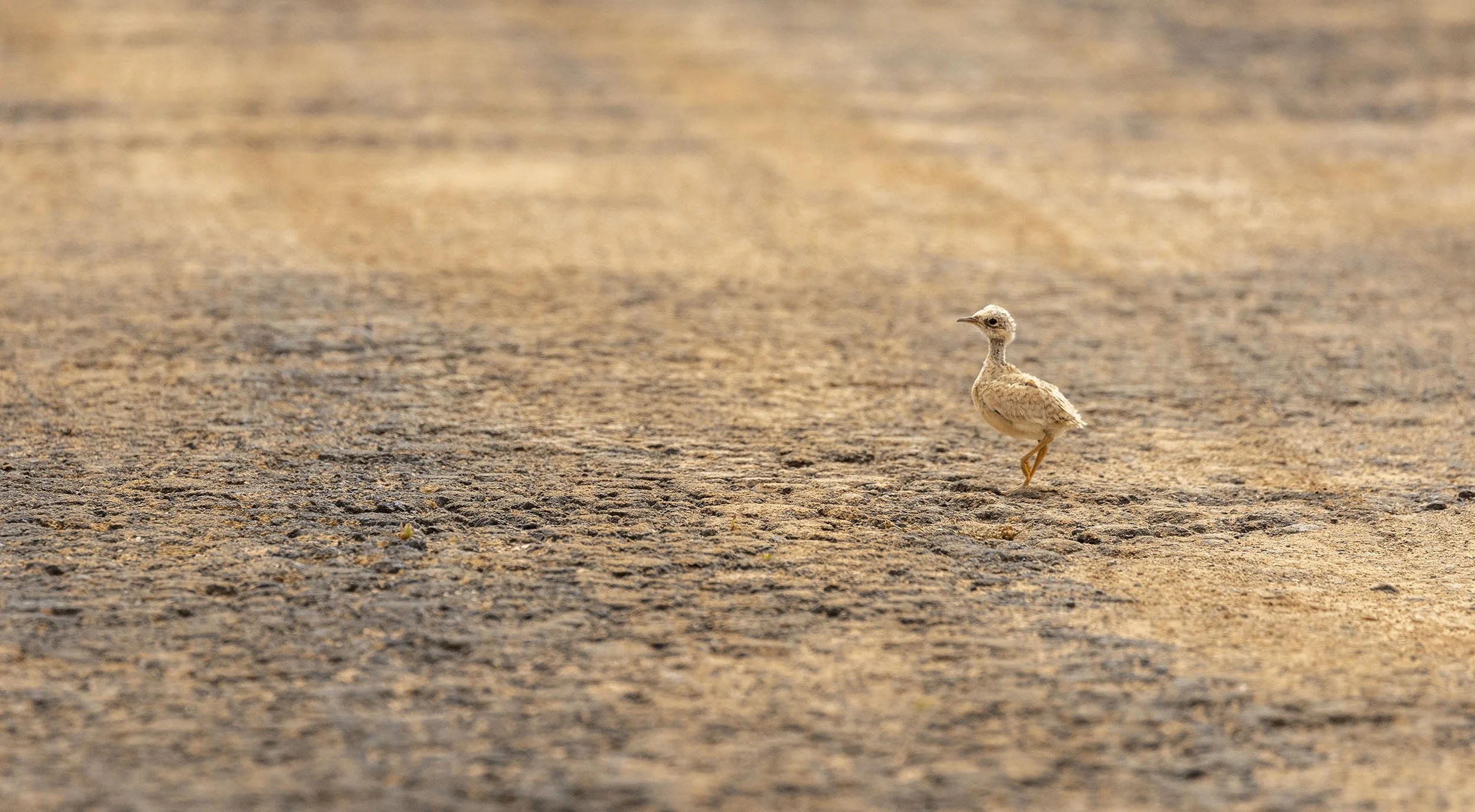
Single chicks seemed to be lefty to squat and rest while the otehr one was fed and then vice versa - it was amazing how they grew during the week assuming they were the same family
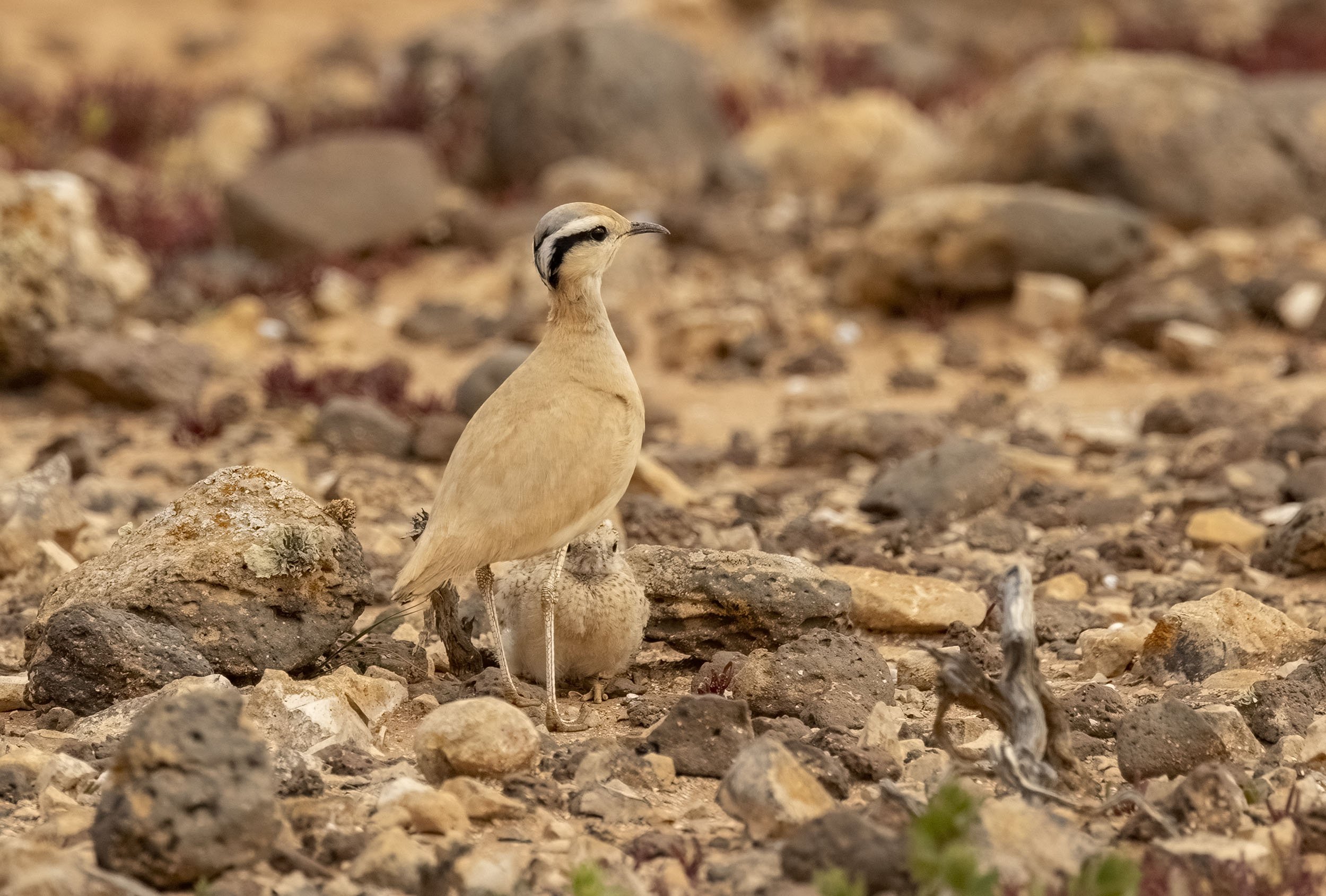
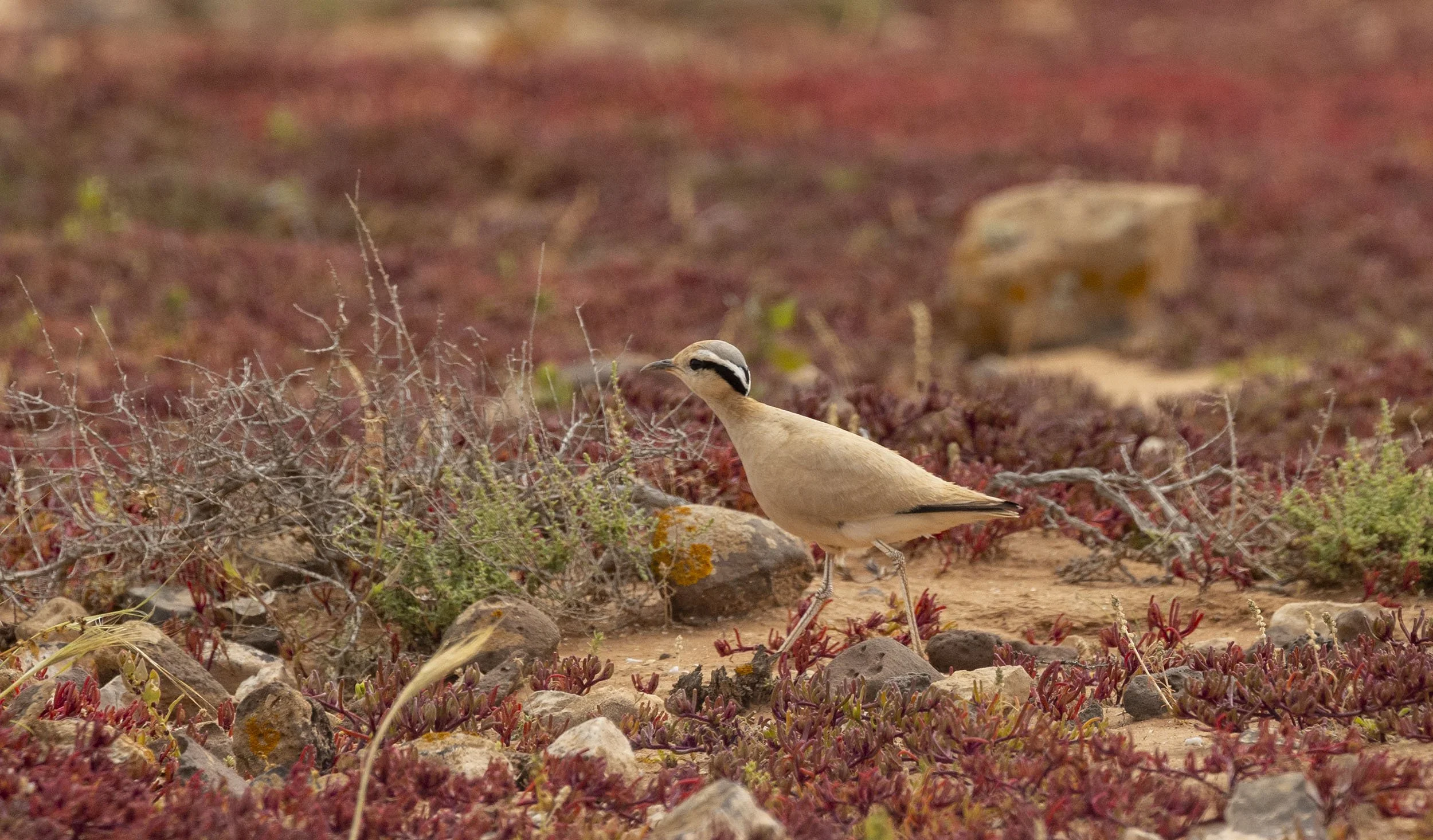
You can never tire of a bird with this charisma
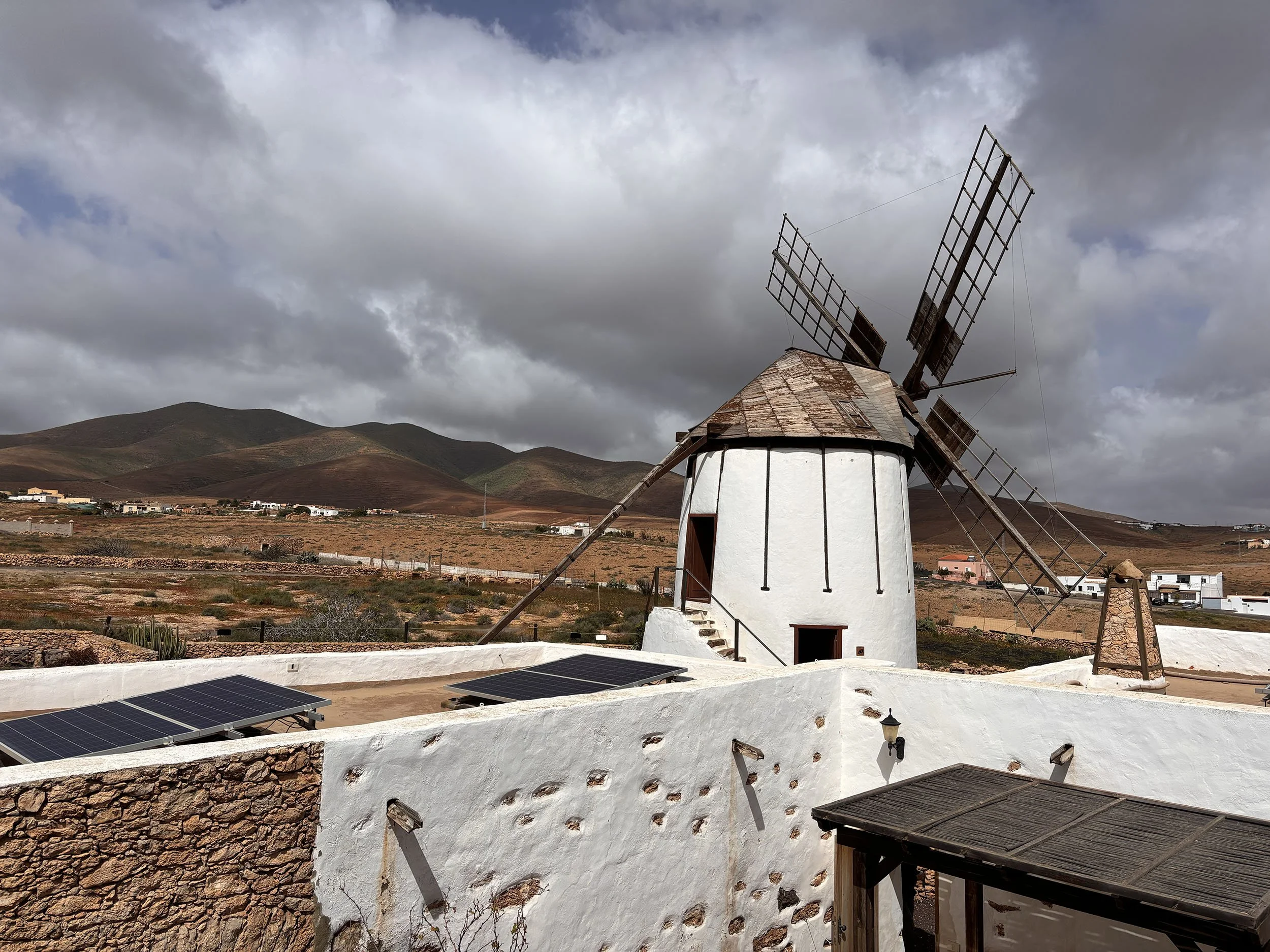
The windmill museum and grey clouds
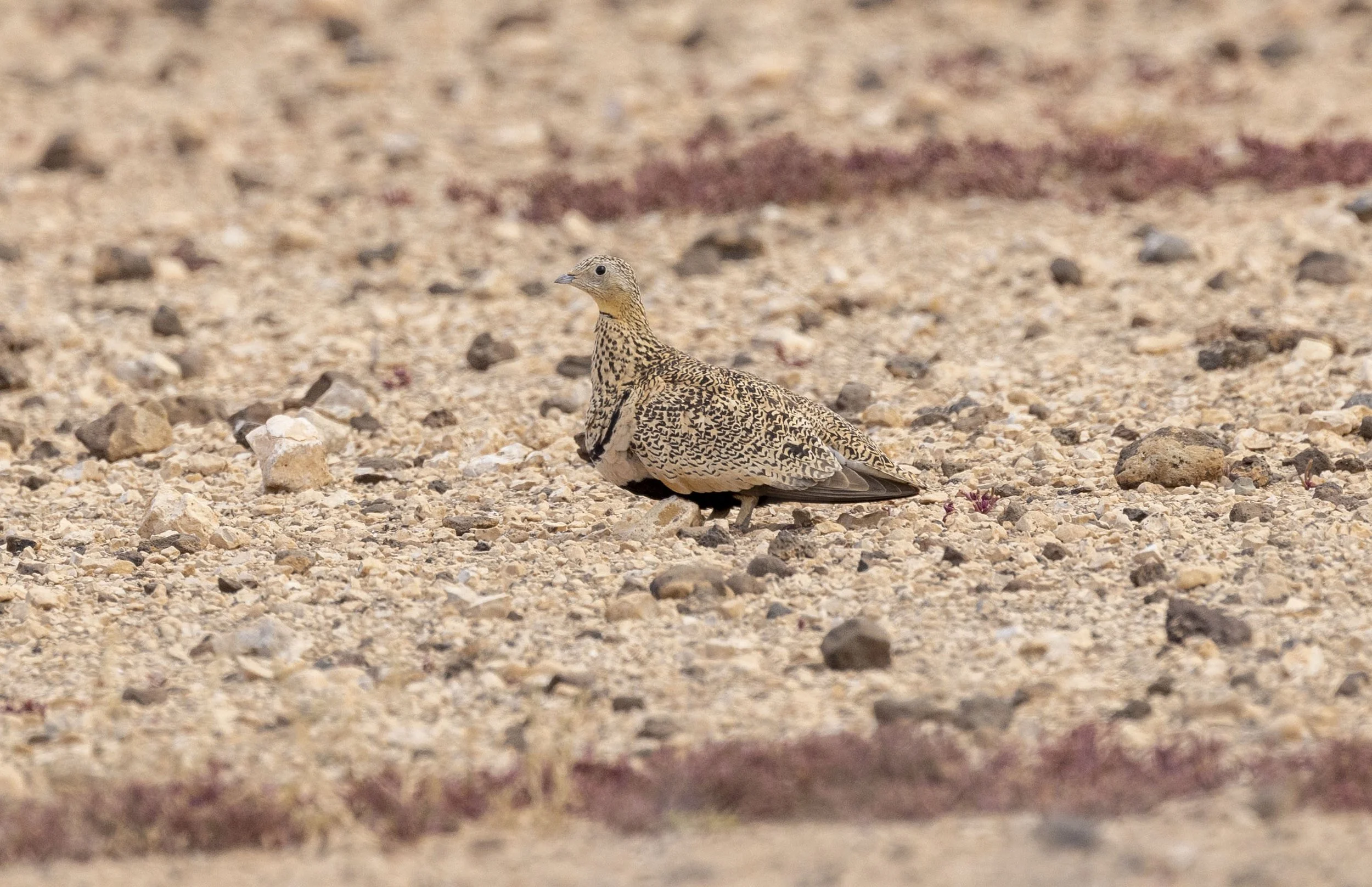
As we turned into the track to the reservoir Julia shouted stop - I had failed to see the pair of Black-bellied Sandgrouse on the side of the track but fortunately they only flew a short distance then posed fpor a few minutes before flying off - female here
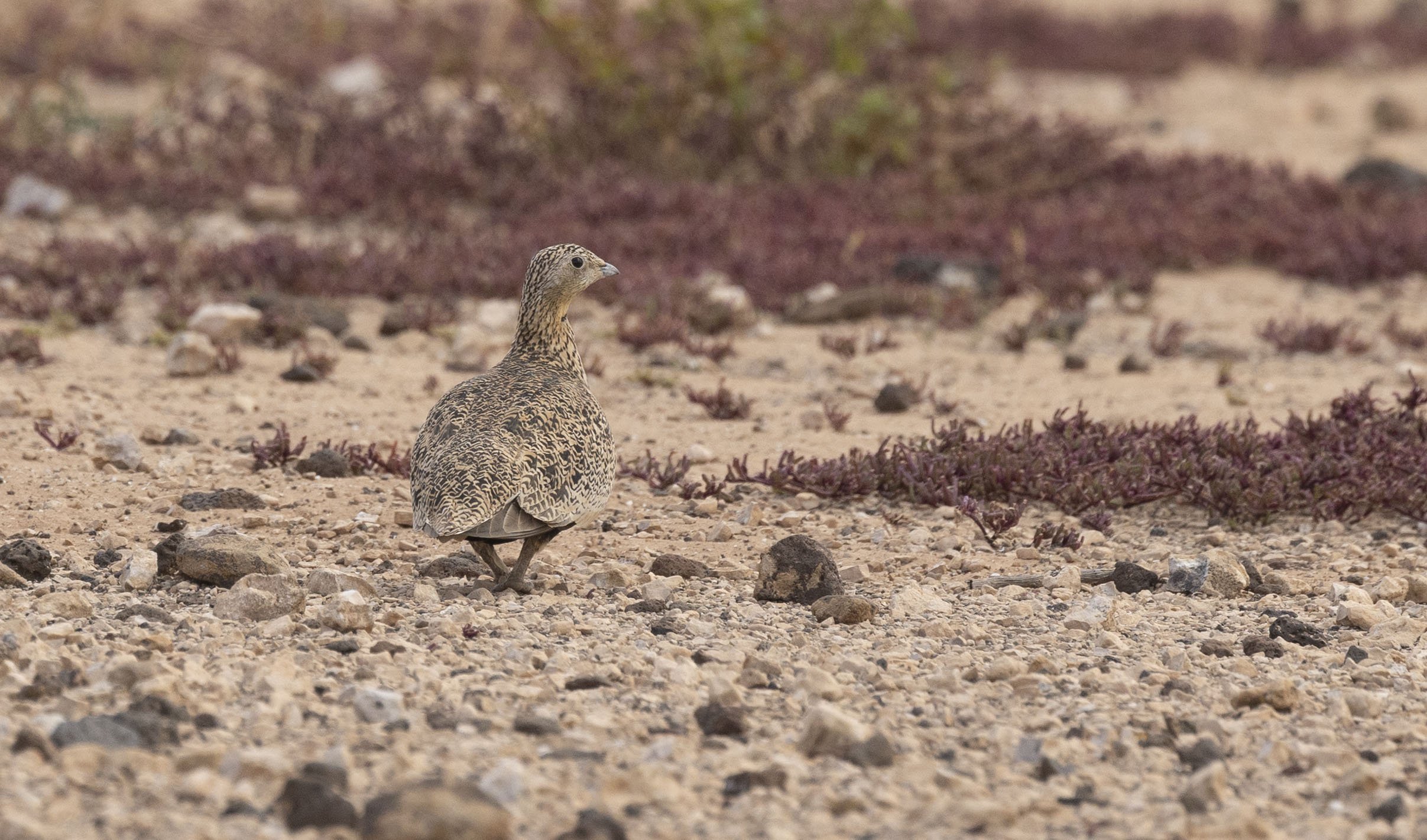
Superb belending in
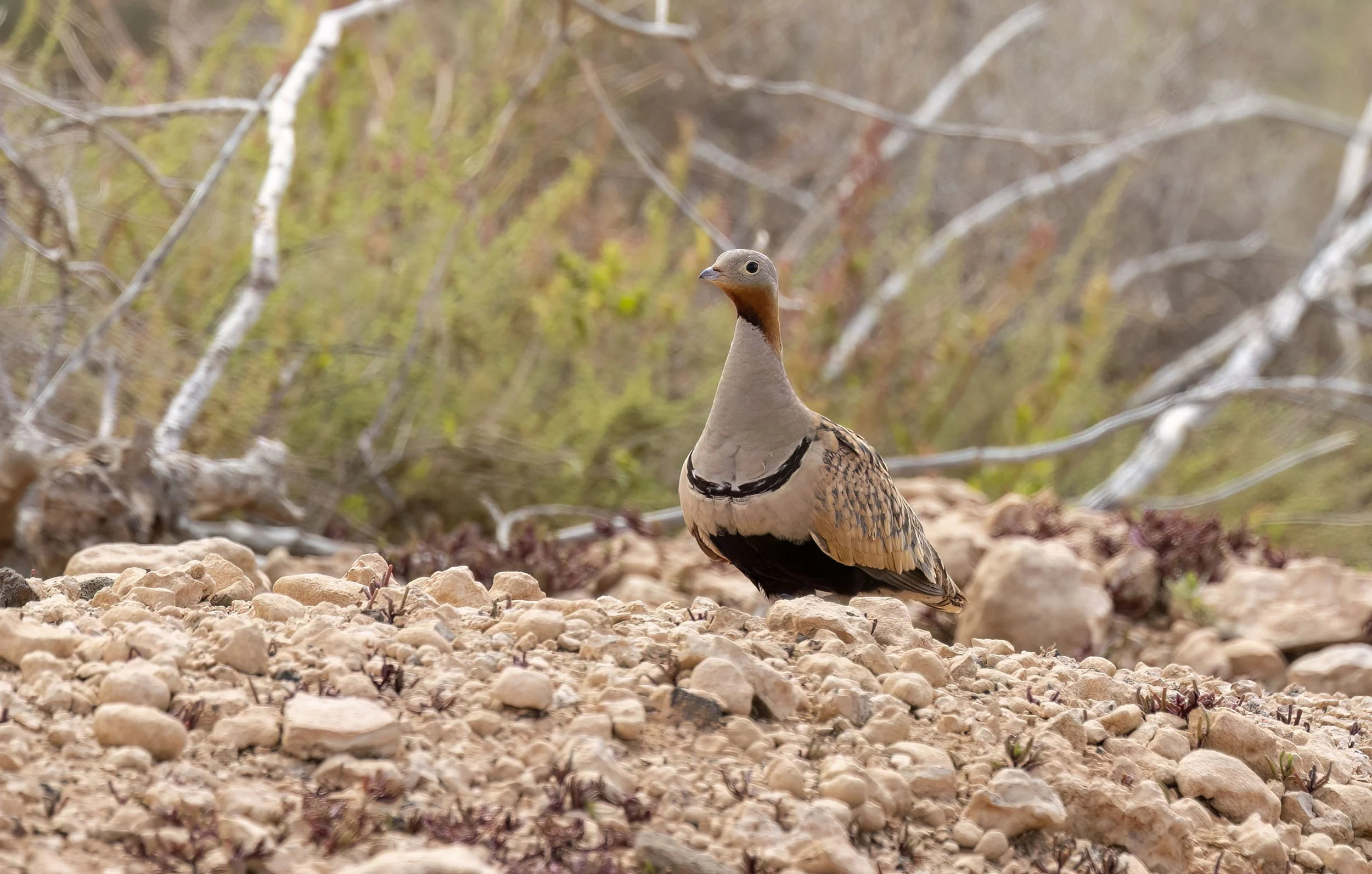
Male Black-bellied Sandgrouse - was so pleased to get these shots on the ground - a car hide is of course essential as they are up and away if you try and walk to them on the ground
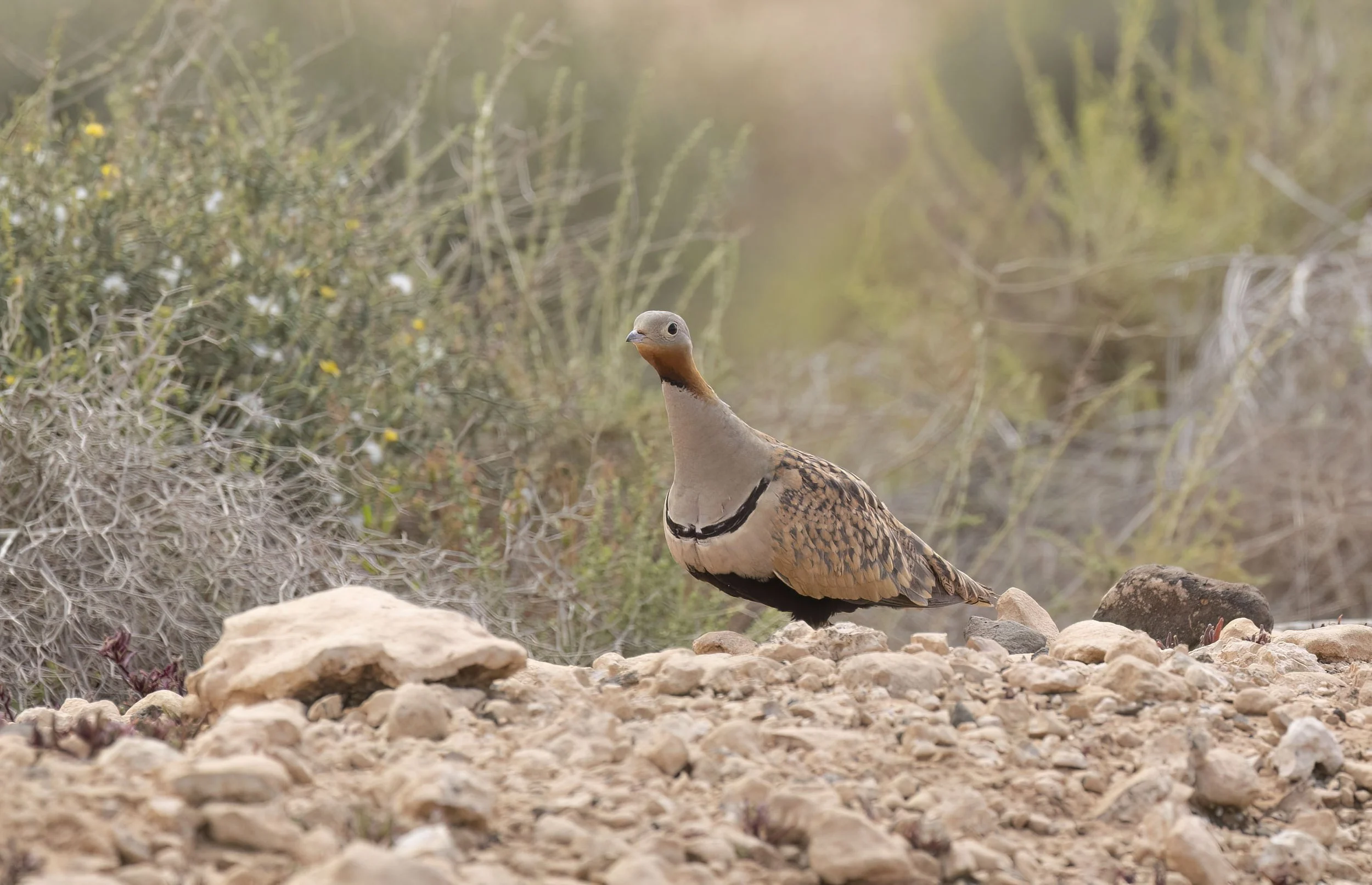
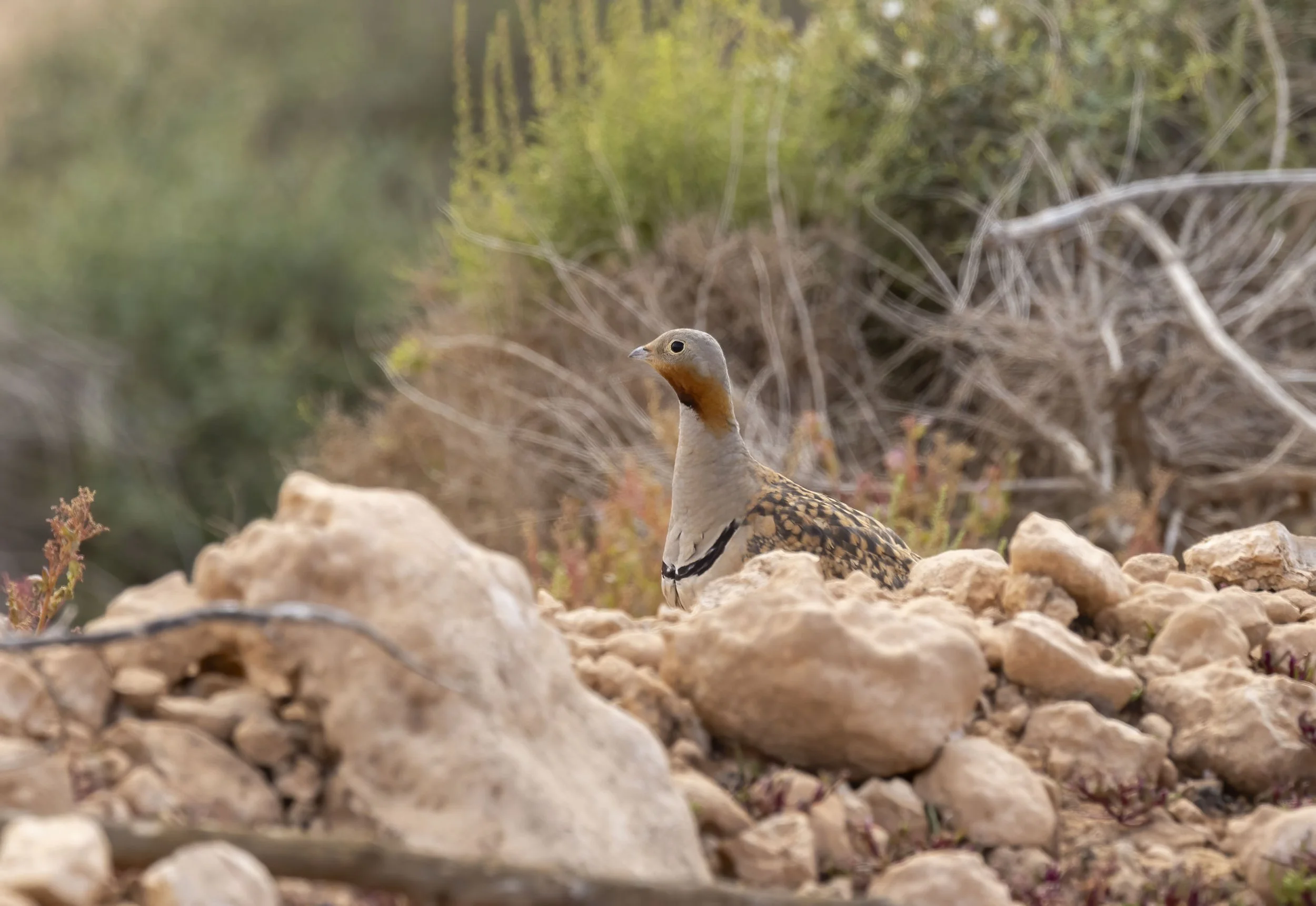
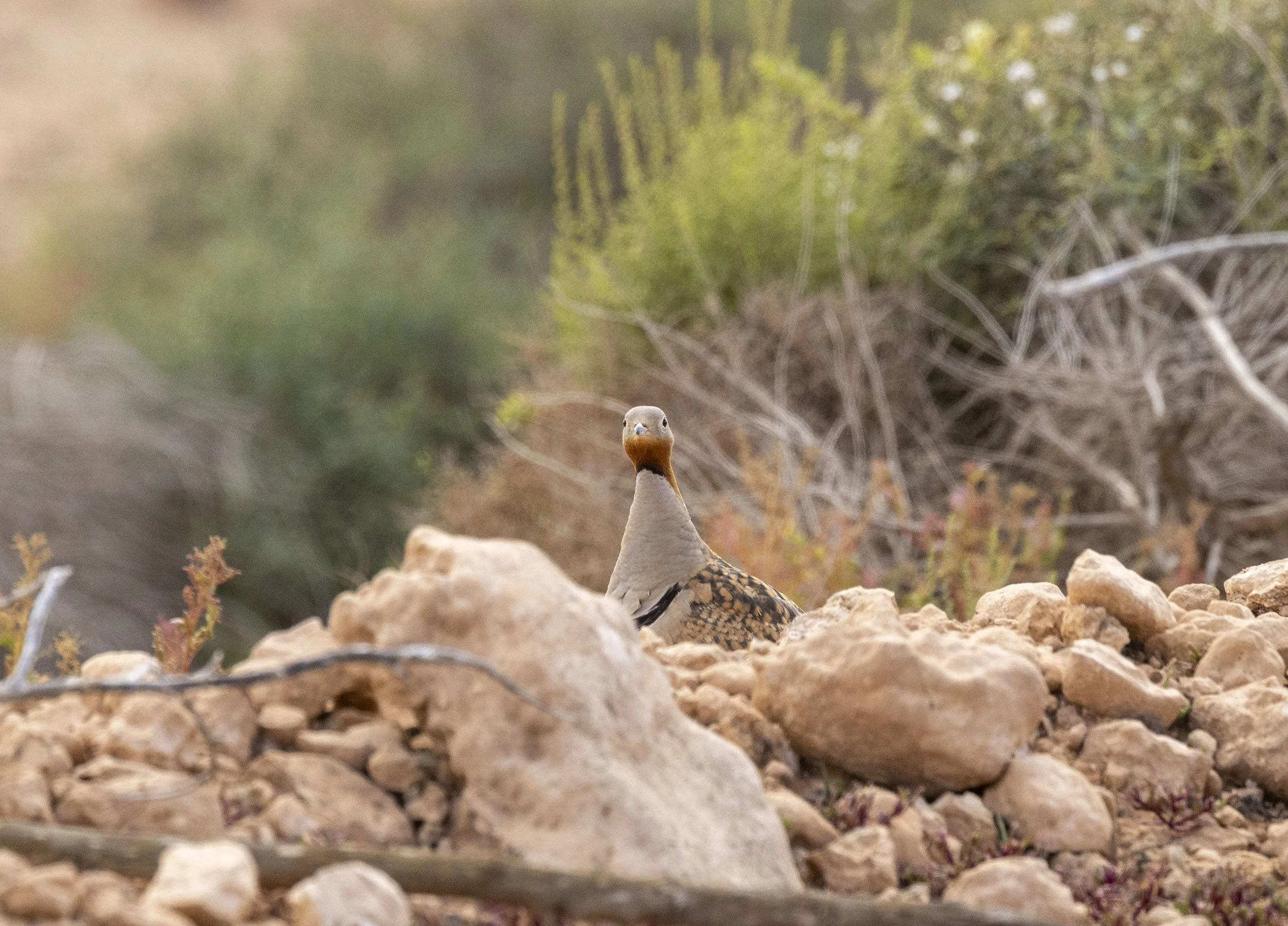
Cracking birds
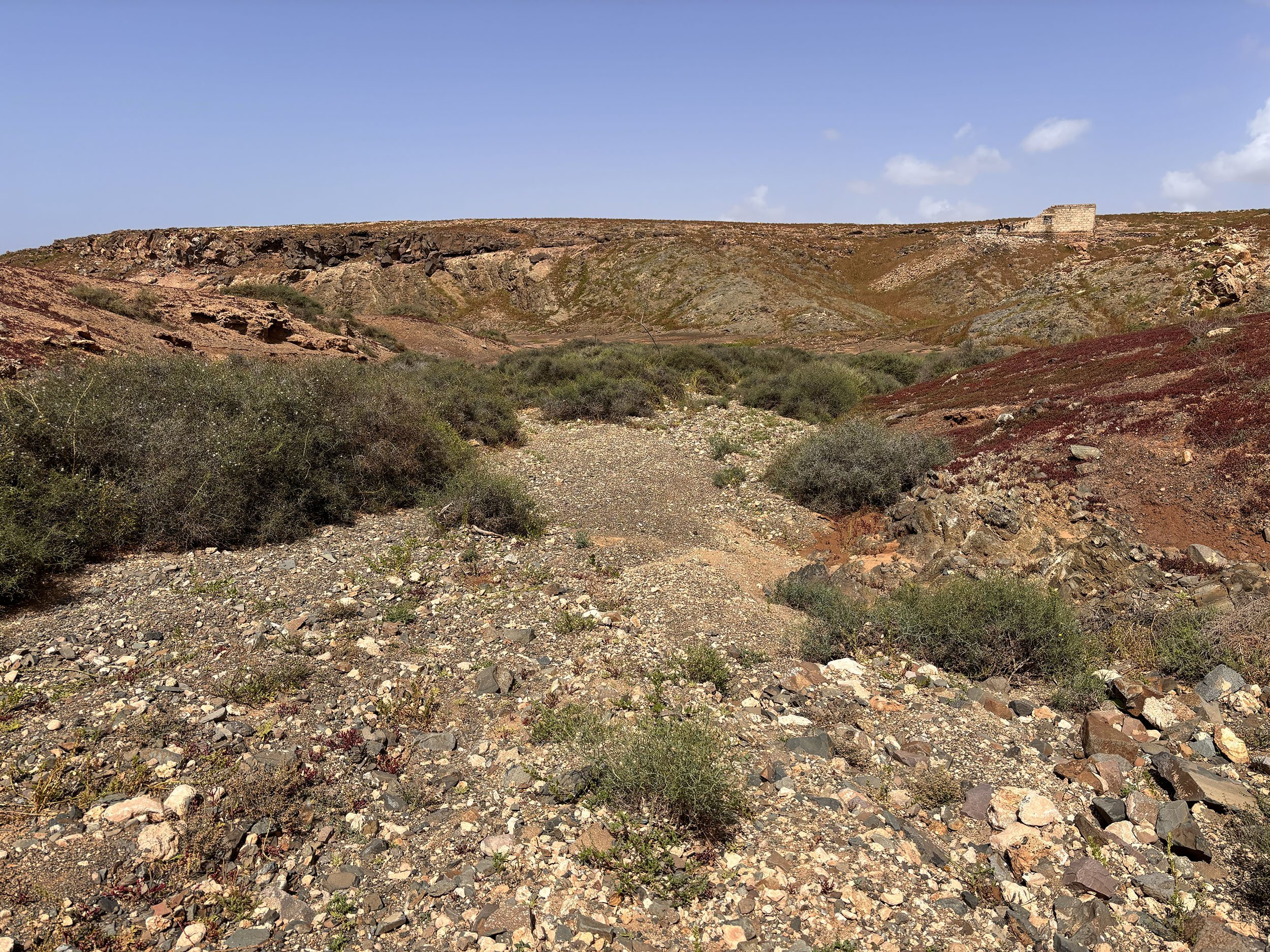
Upstream from the Reservoir this lovely sheltered spot had breeding Fuerteventura Chats, Spectacled Warblers, Trumpeter Finches and Spanish Sparrows with Broad Scarlets, Emprors and a Vagrant Emperor over the pools
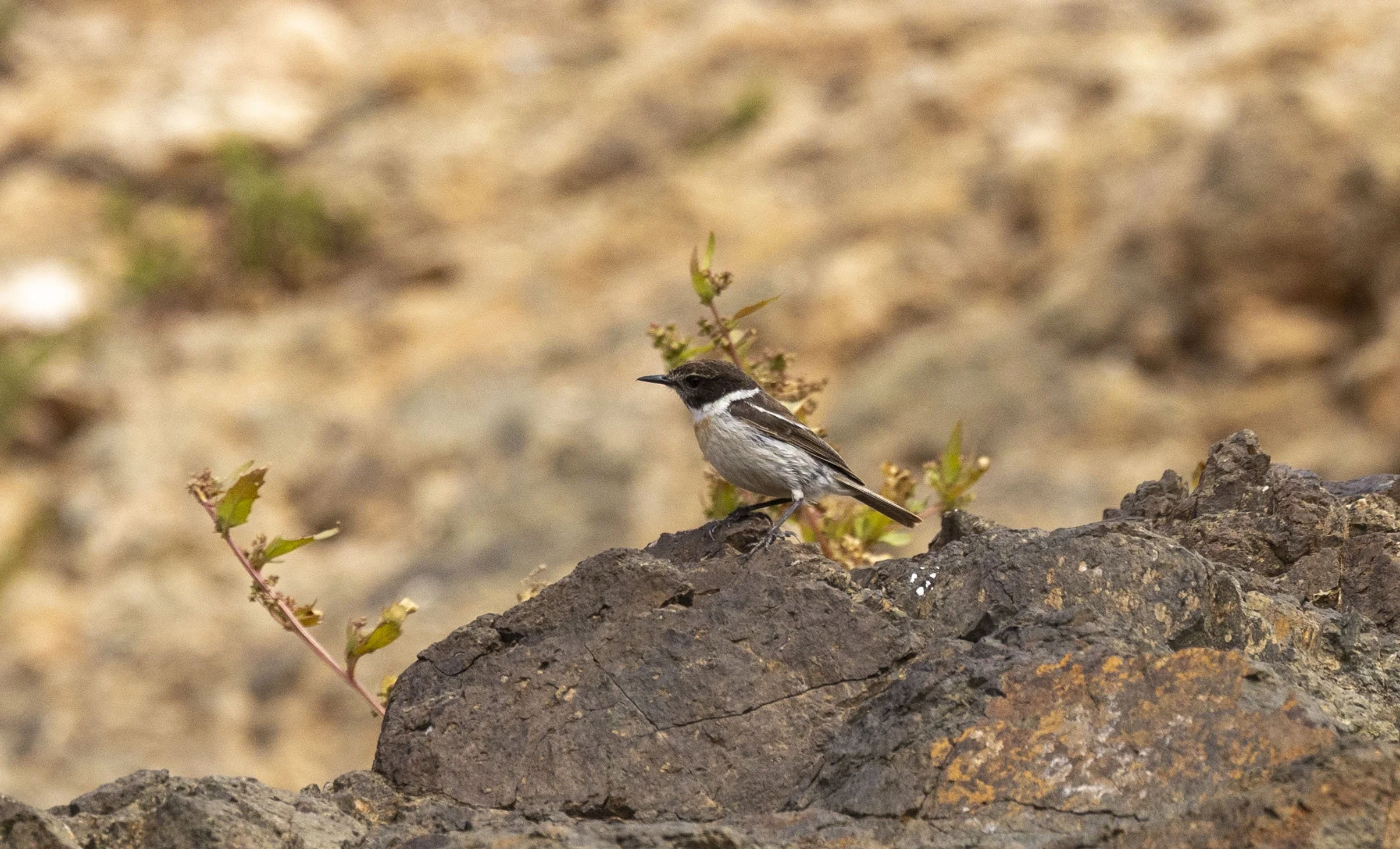
Slightly closer views of the chat on the 5th but there are a lot better birds
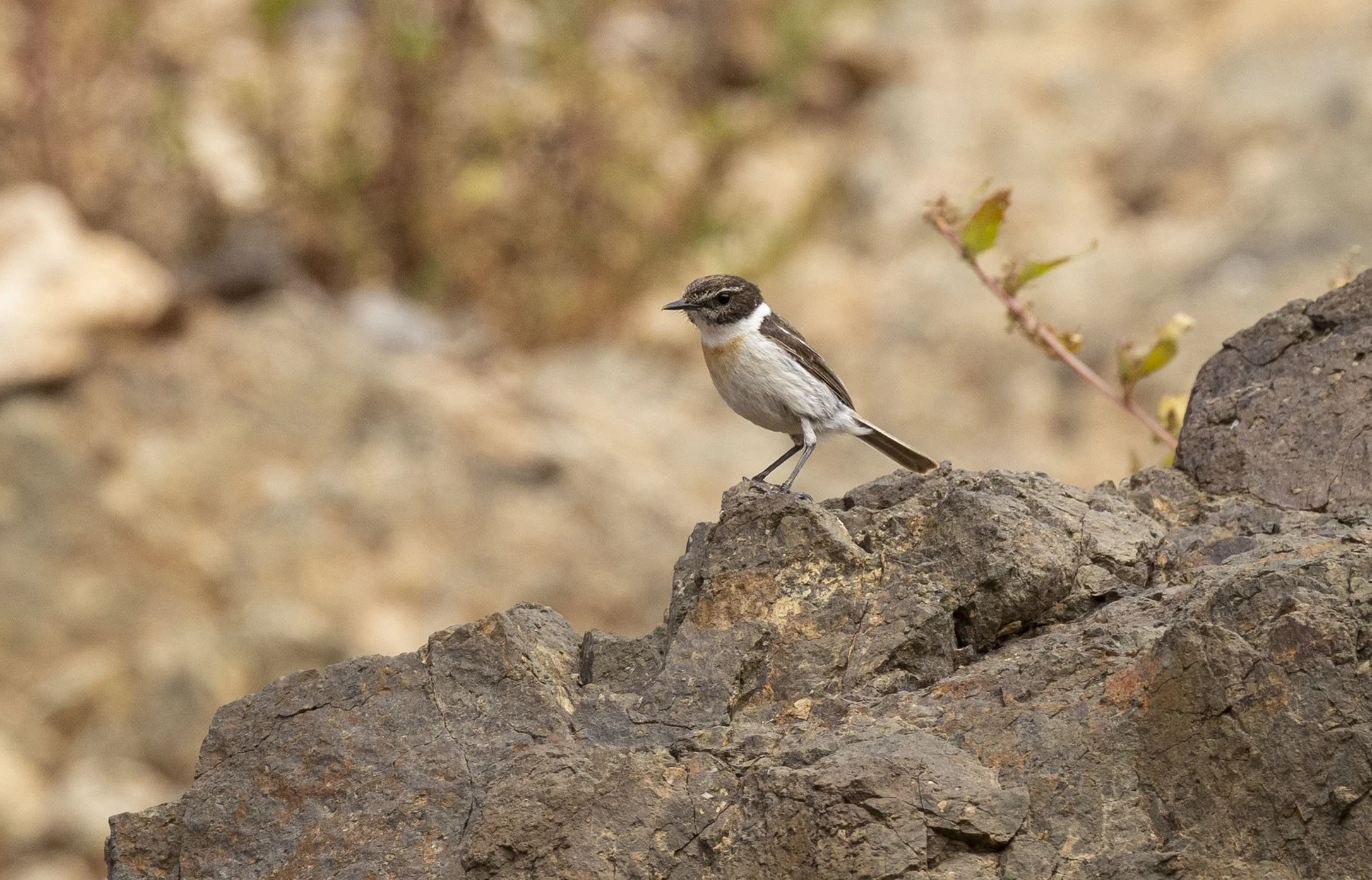
The male chat keeping an eye on the nest building female
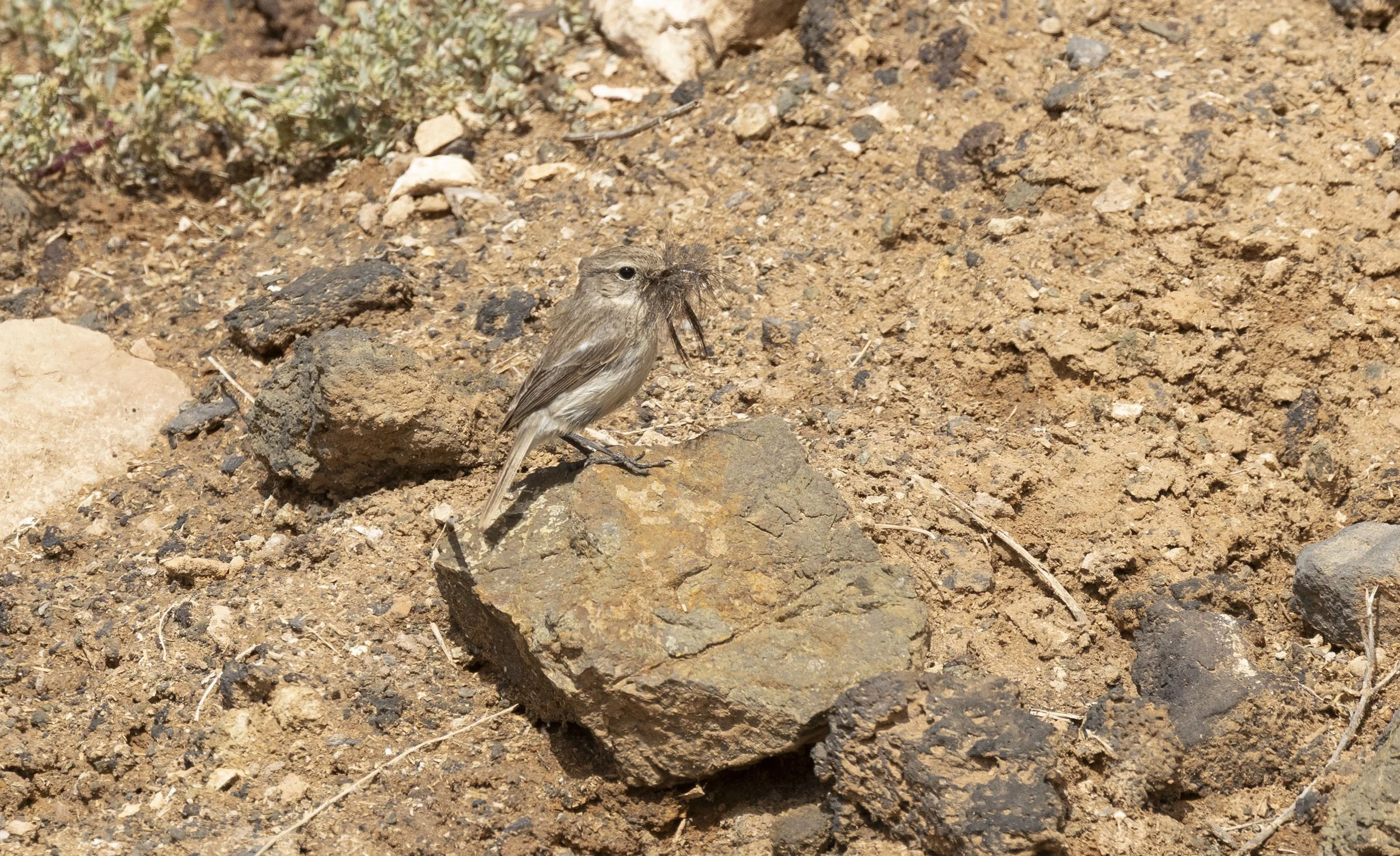
female Fuerteventura Chat with nest material
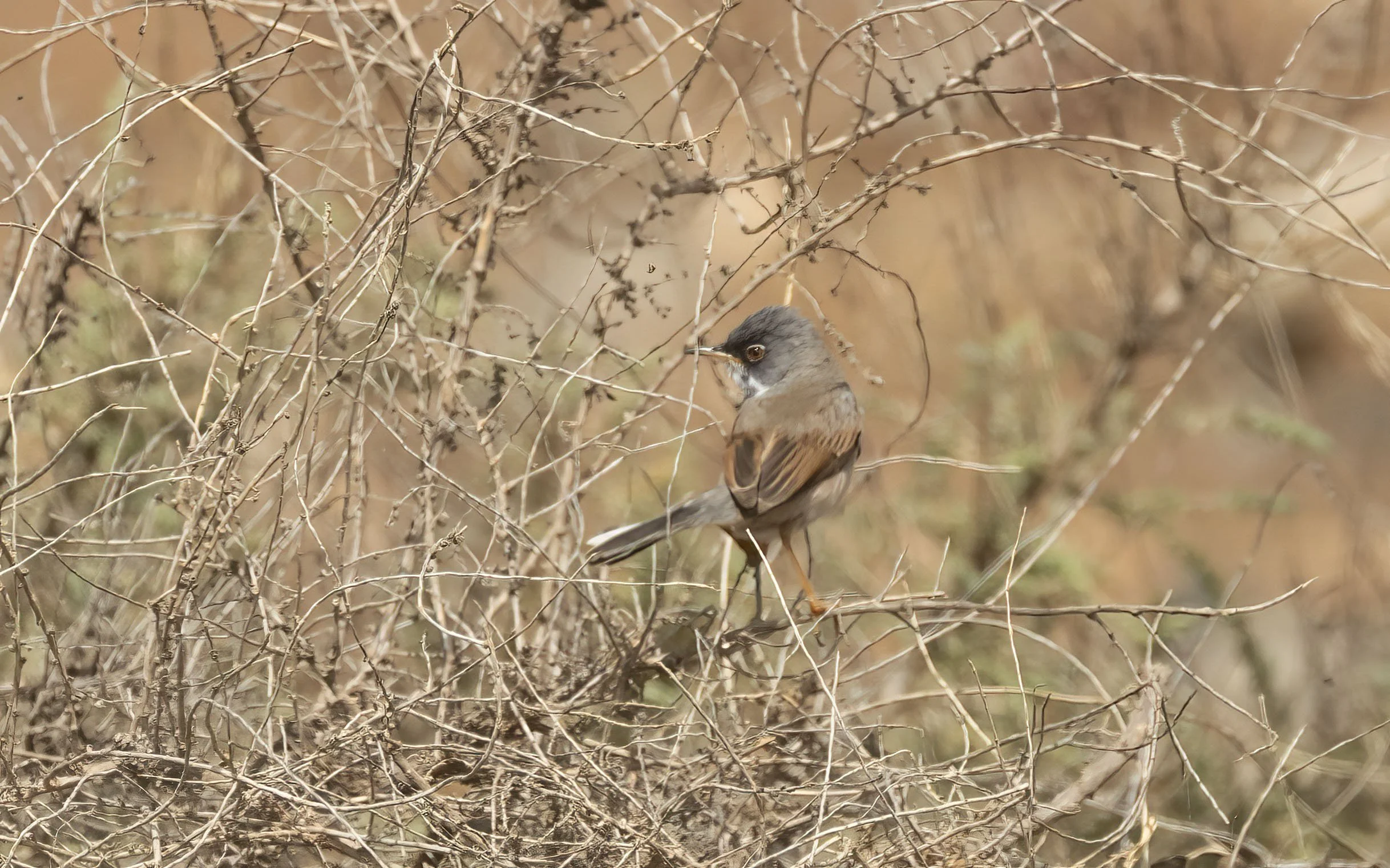
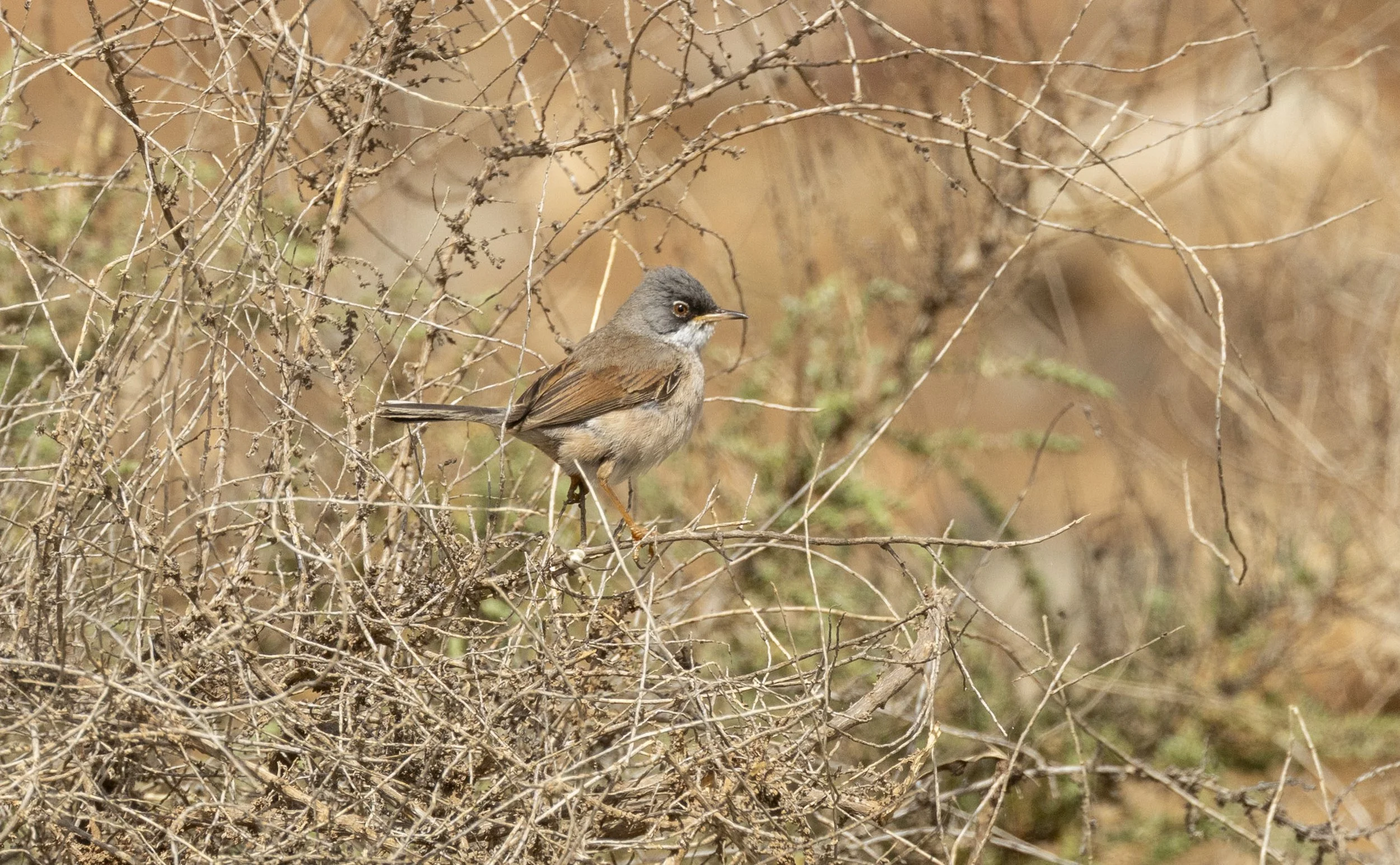
It was a long time since I had seen and heard Spectacled warbler well so was good to get reacquainted — there was some heat haze and birds were not close to not great images
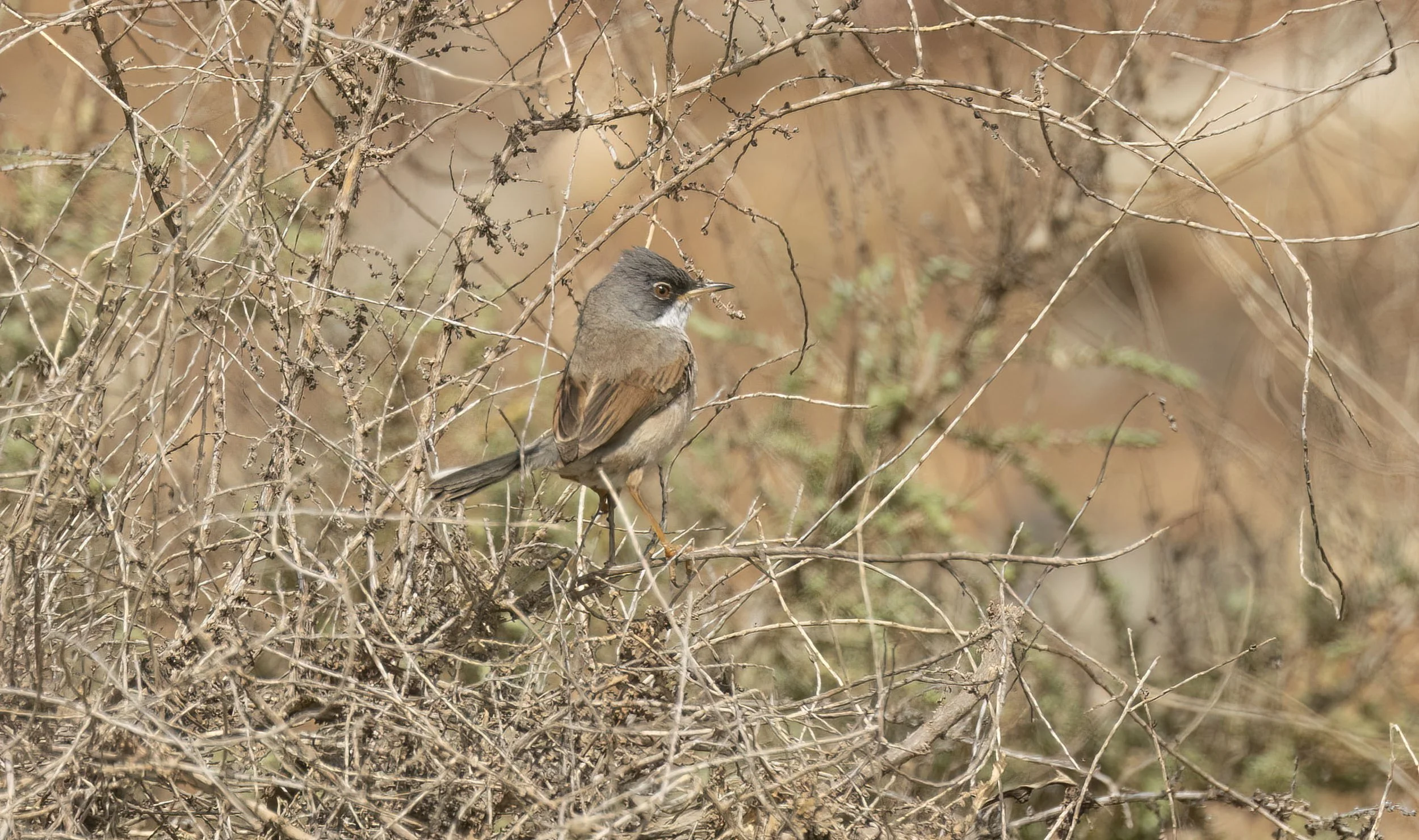
male Spectacled Warbler
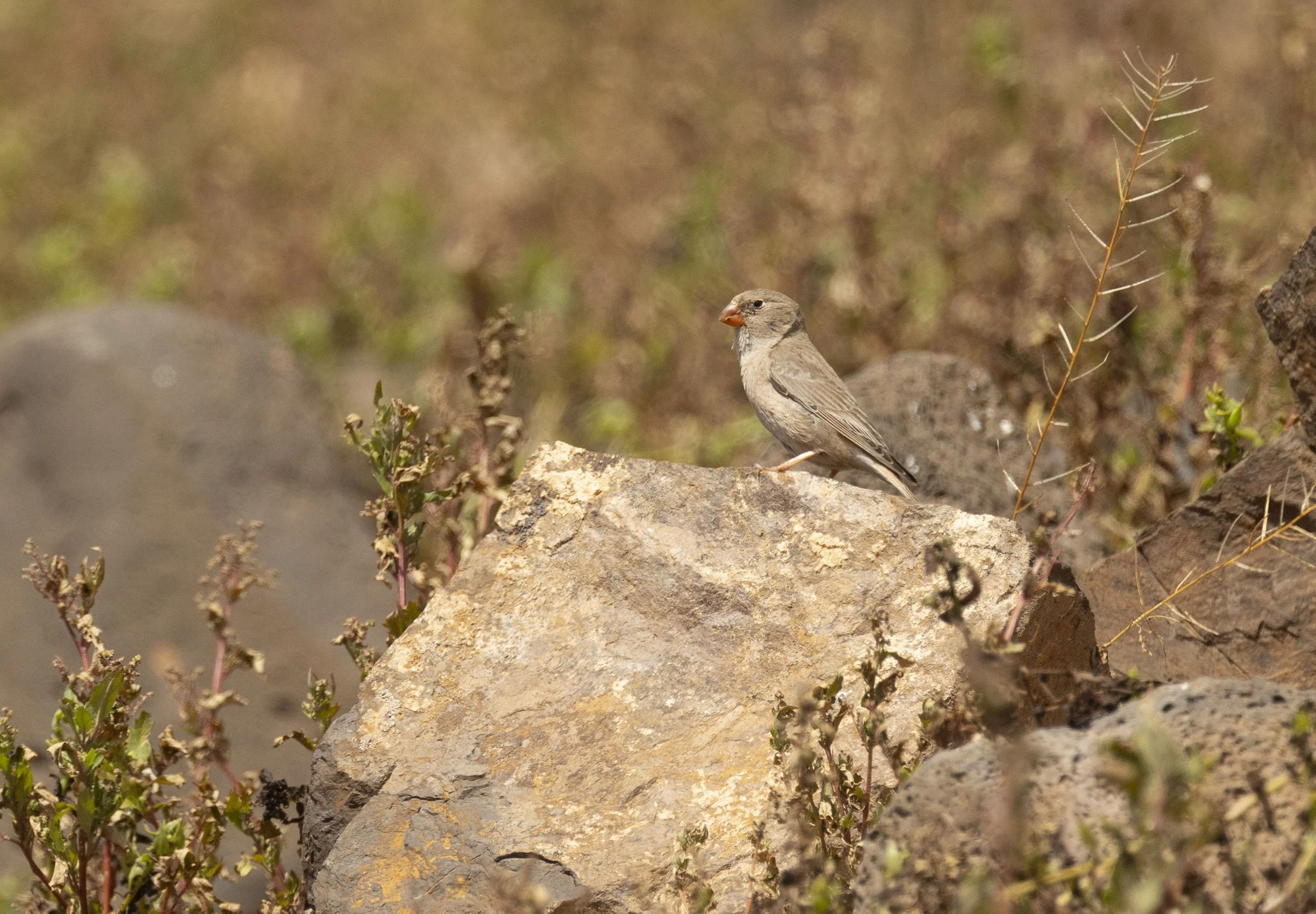
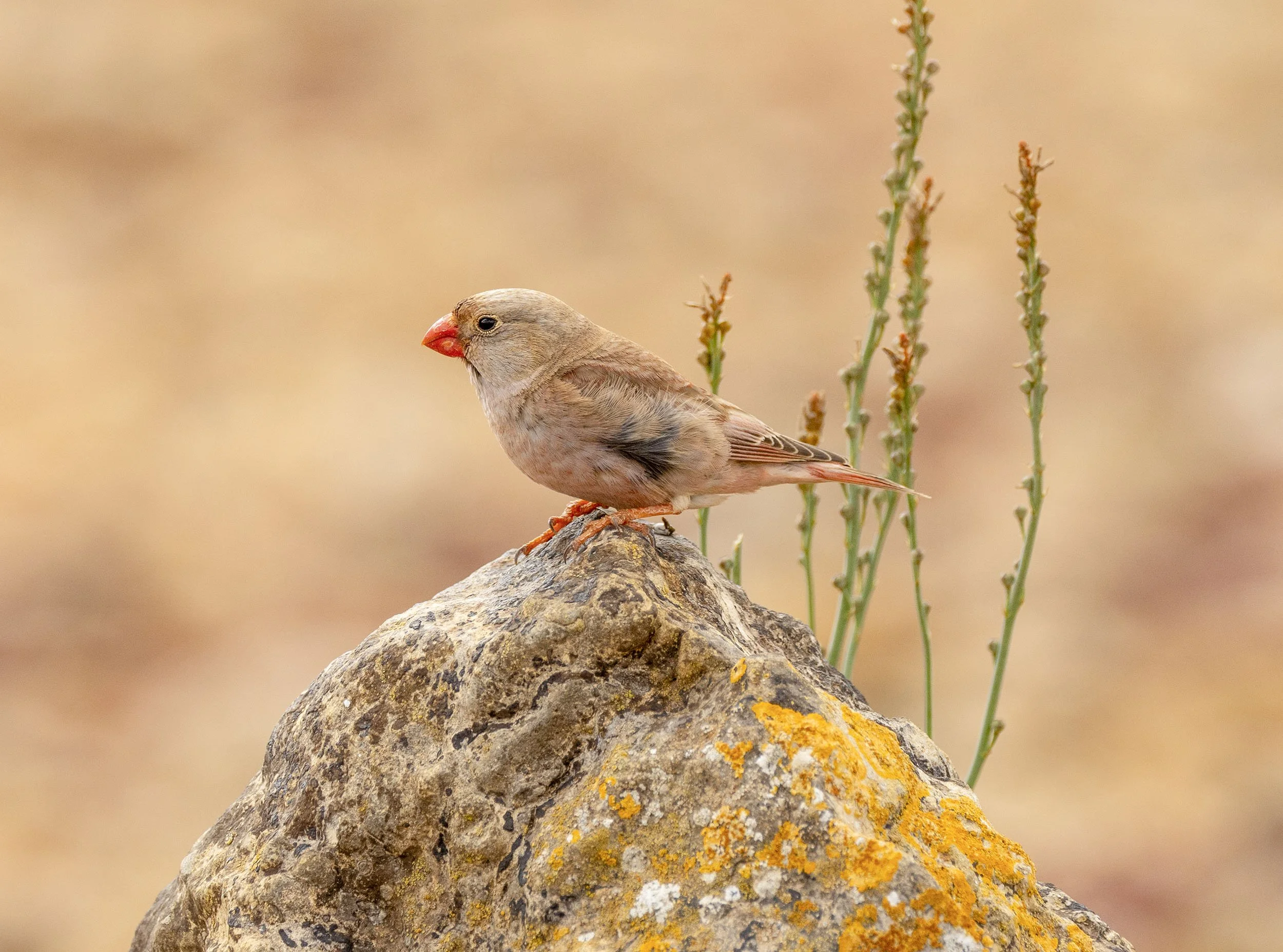
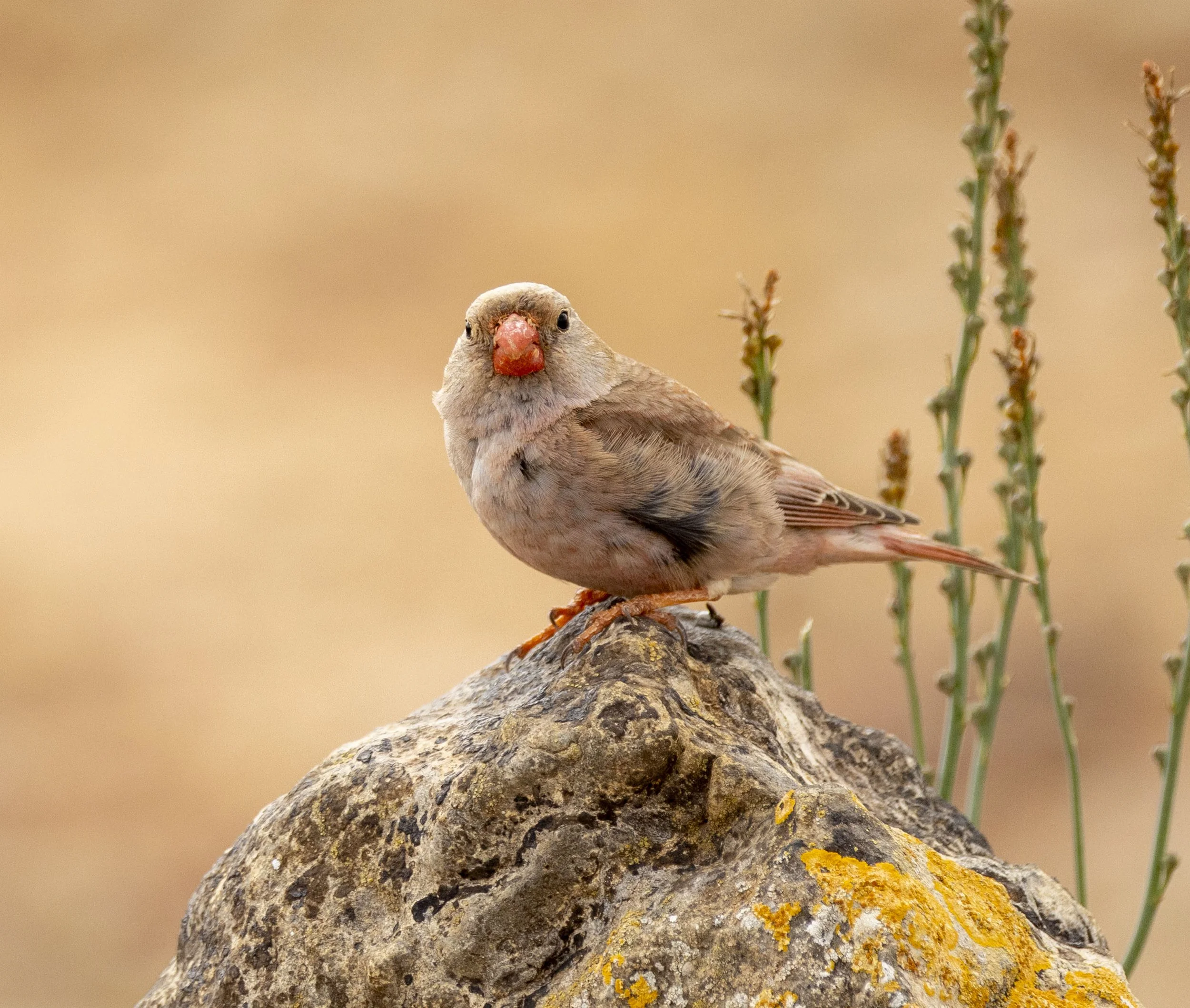
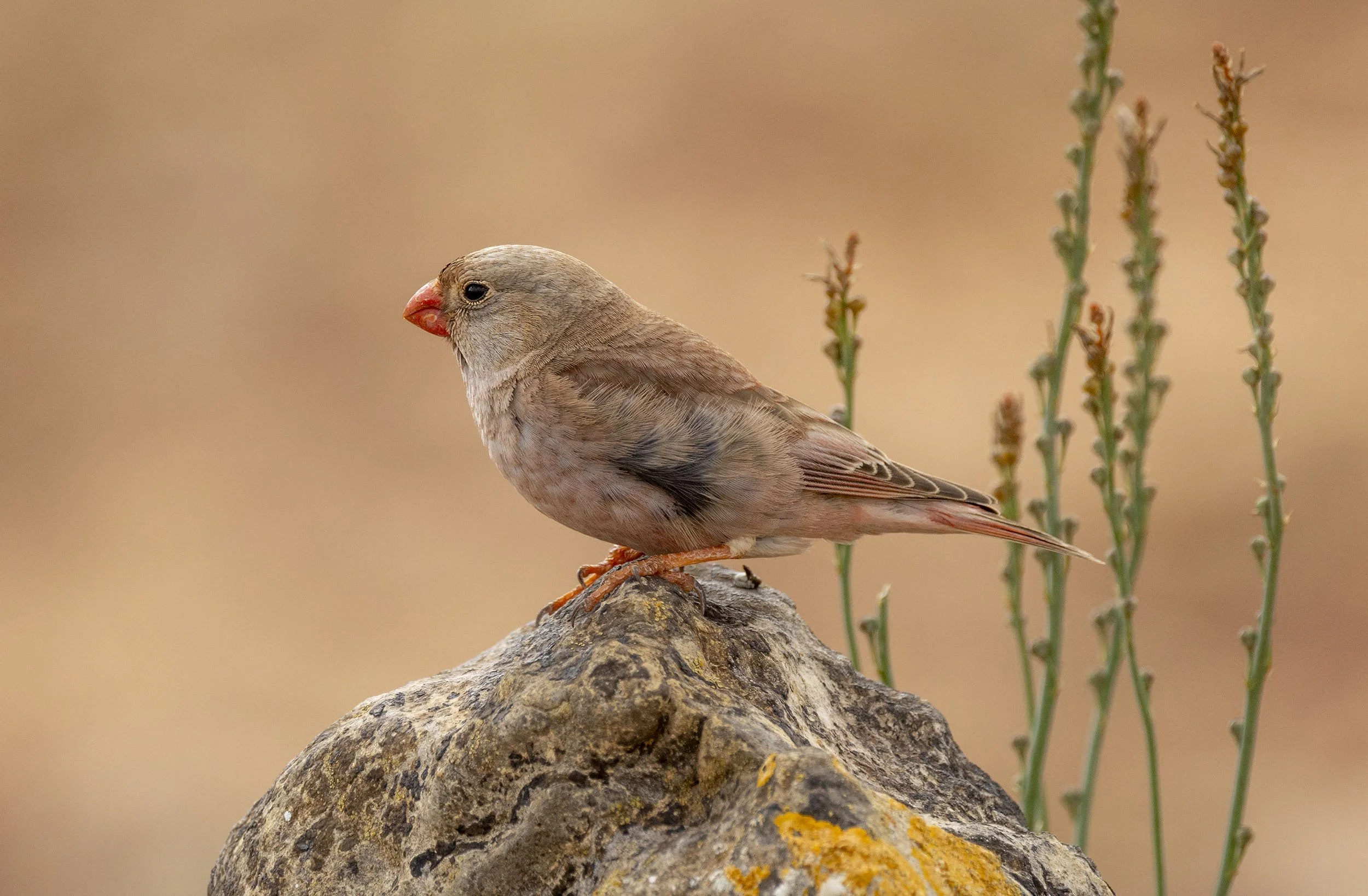
Female Trumpeter Finch
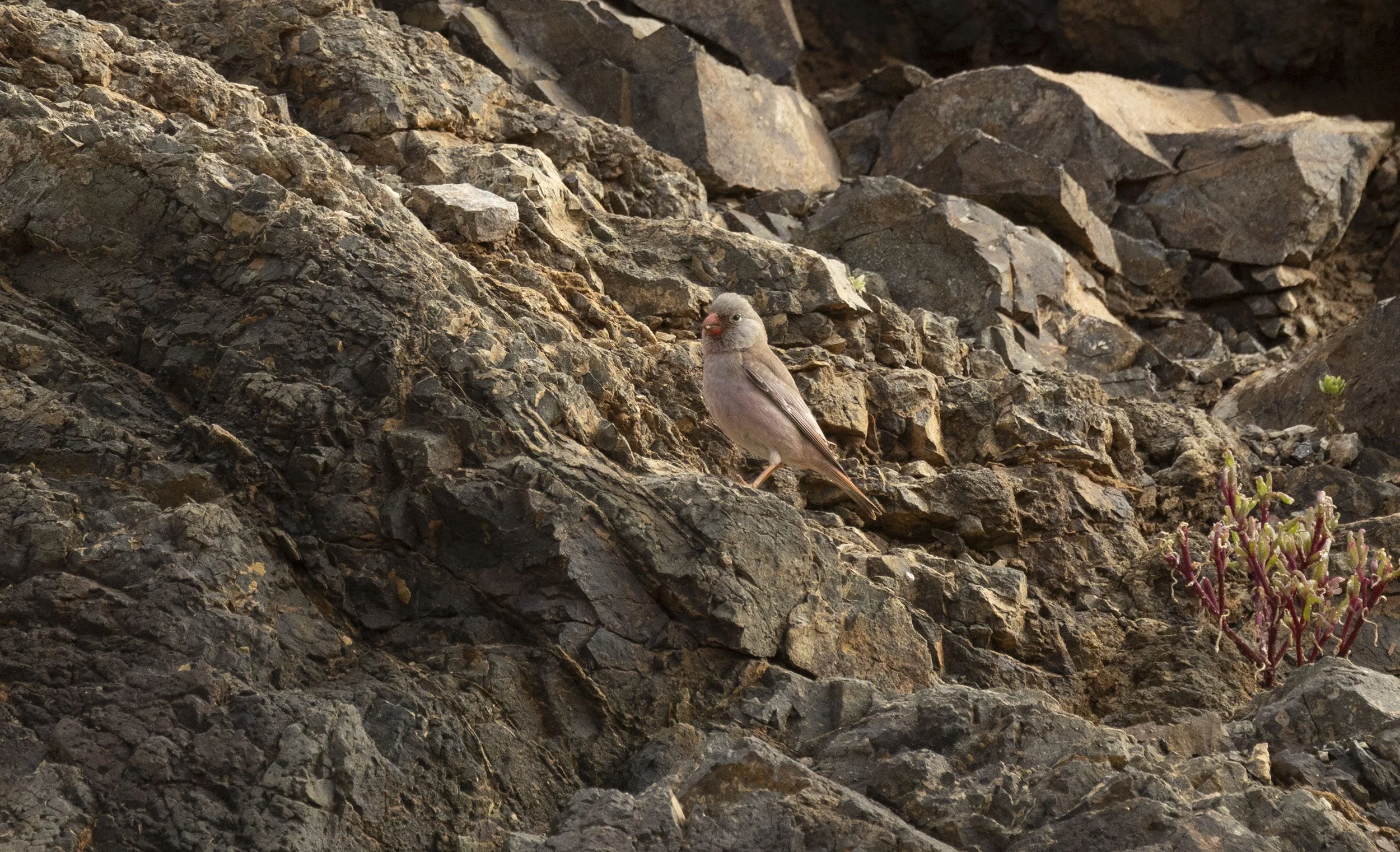
Trumpeter Finches are easy to overlook until they start calling
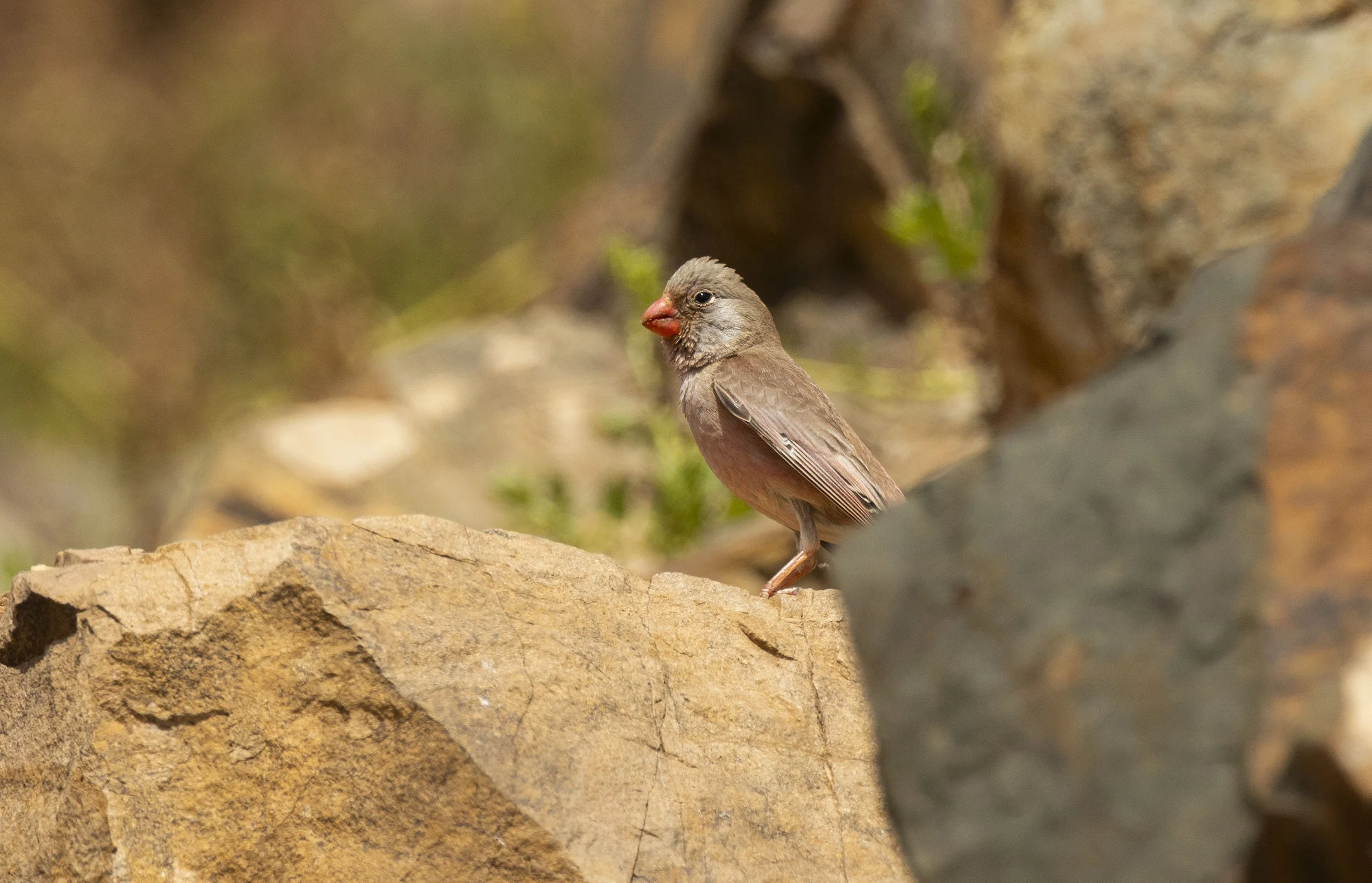
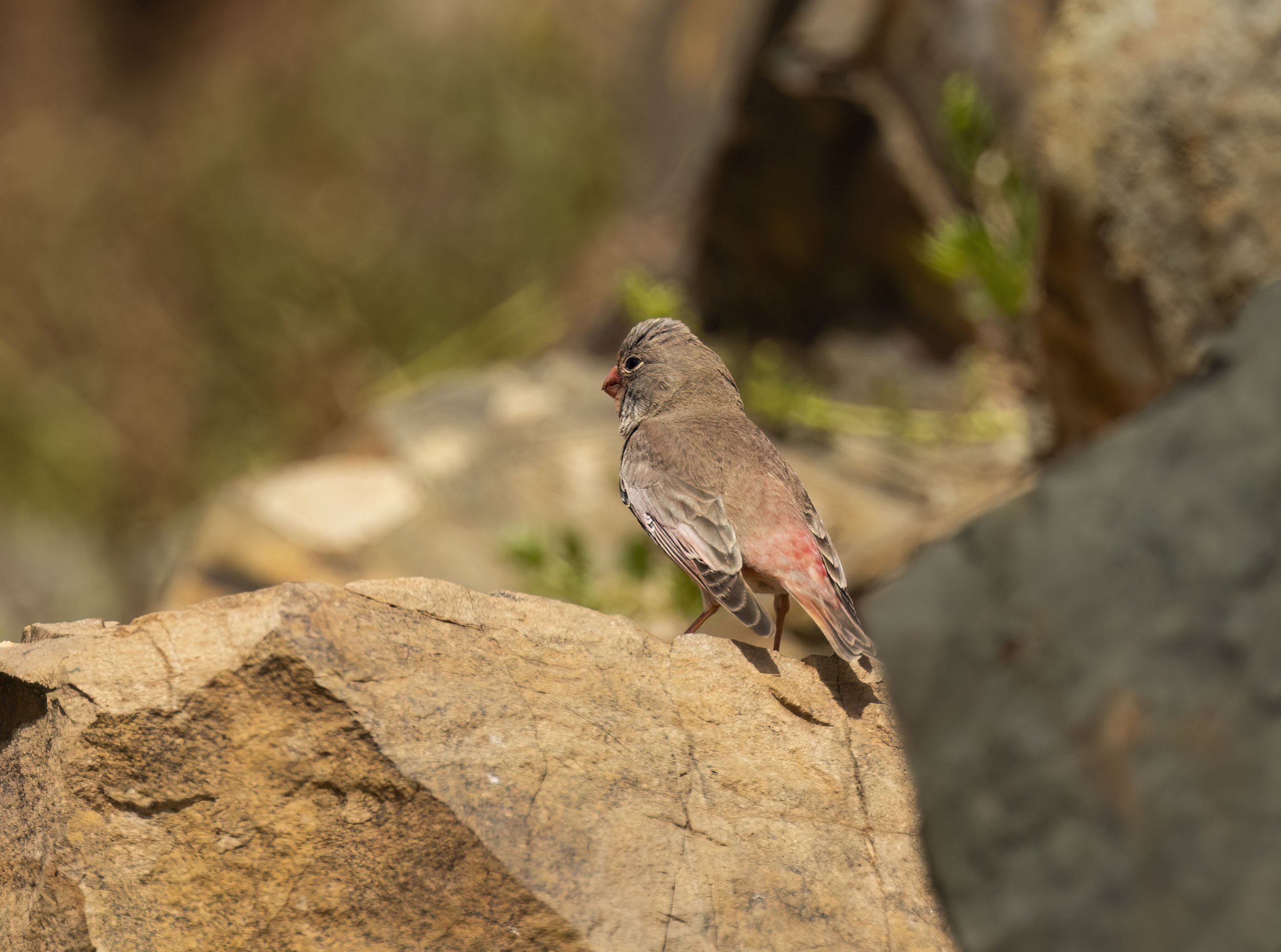
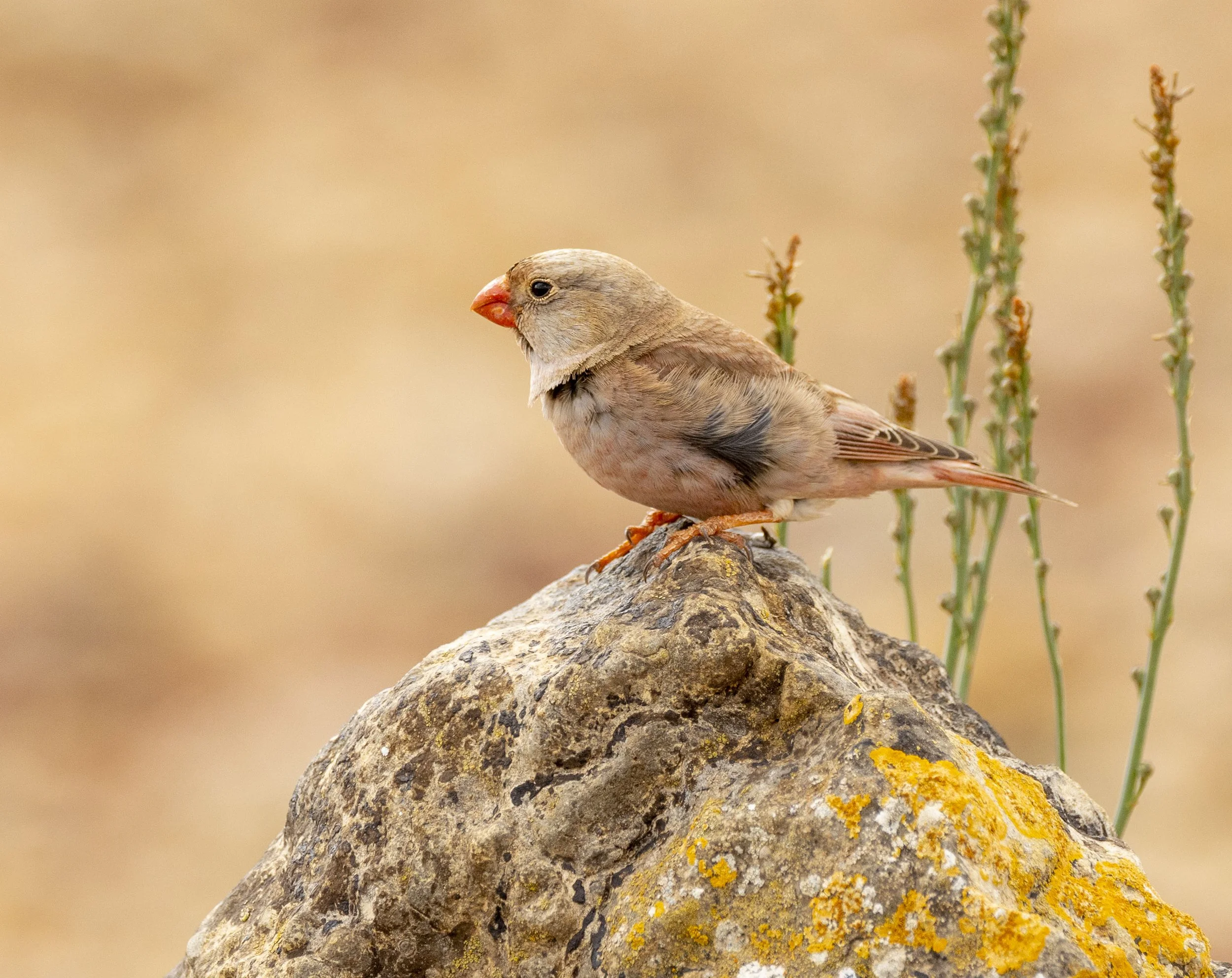
After some distant images thios bird was perched on the side of the Tindaya track for a few minutes and even allowed us to drive past it to get a slightly better angle
March 6th
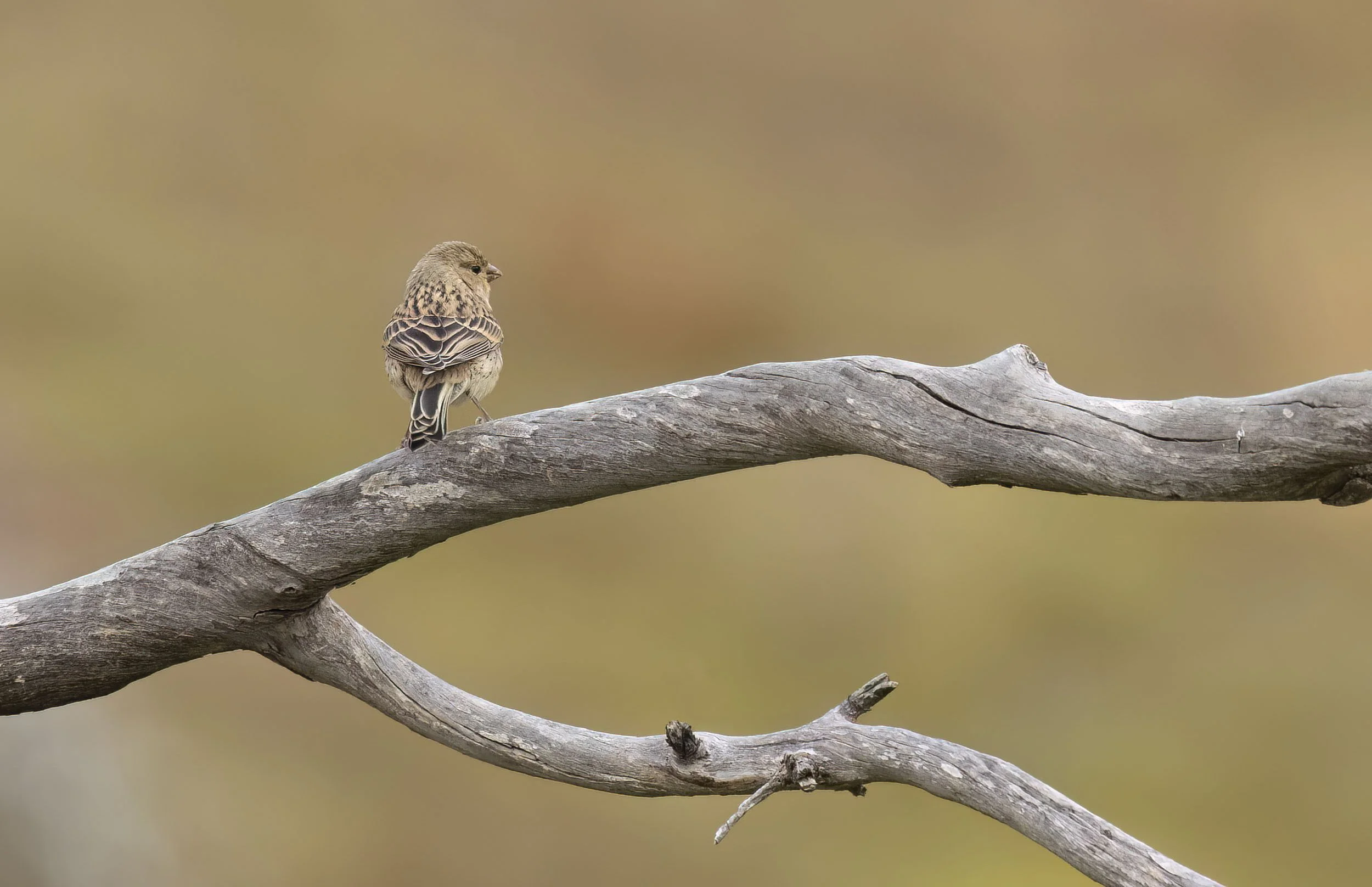
A cool and dull morning with a strong wind; on Cortillo beach two Turnstones, two Ringed Plovers, two Common sandpipers, two Little Egrets and a Sandwich Tern off the lighthouse. Drive to the valley Parra Medina south of Betancuria with a bit more shelter and a bit of sun; the usual Sardinian warblers, a male Blackcap, juvenile Atlantic Canary, African Blue Tits, Great Grey Shrikes and the usual butterflies pus a Plain Tiger. Return to Los Molinos Reservoir where 60+ Ruddy Shelducks and three Spanish Sparrows before curtail the day and have a look at Tindaya where very little visible.
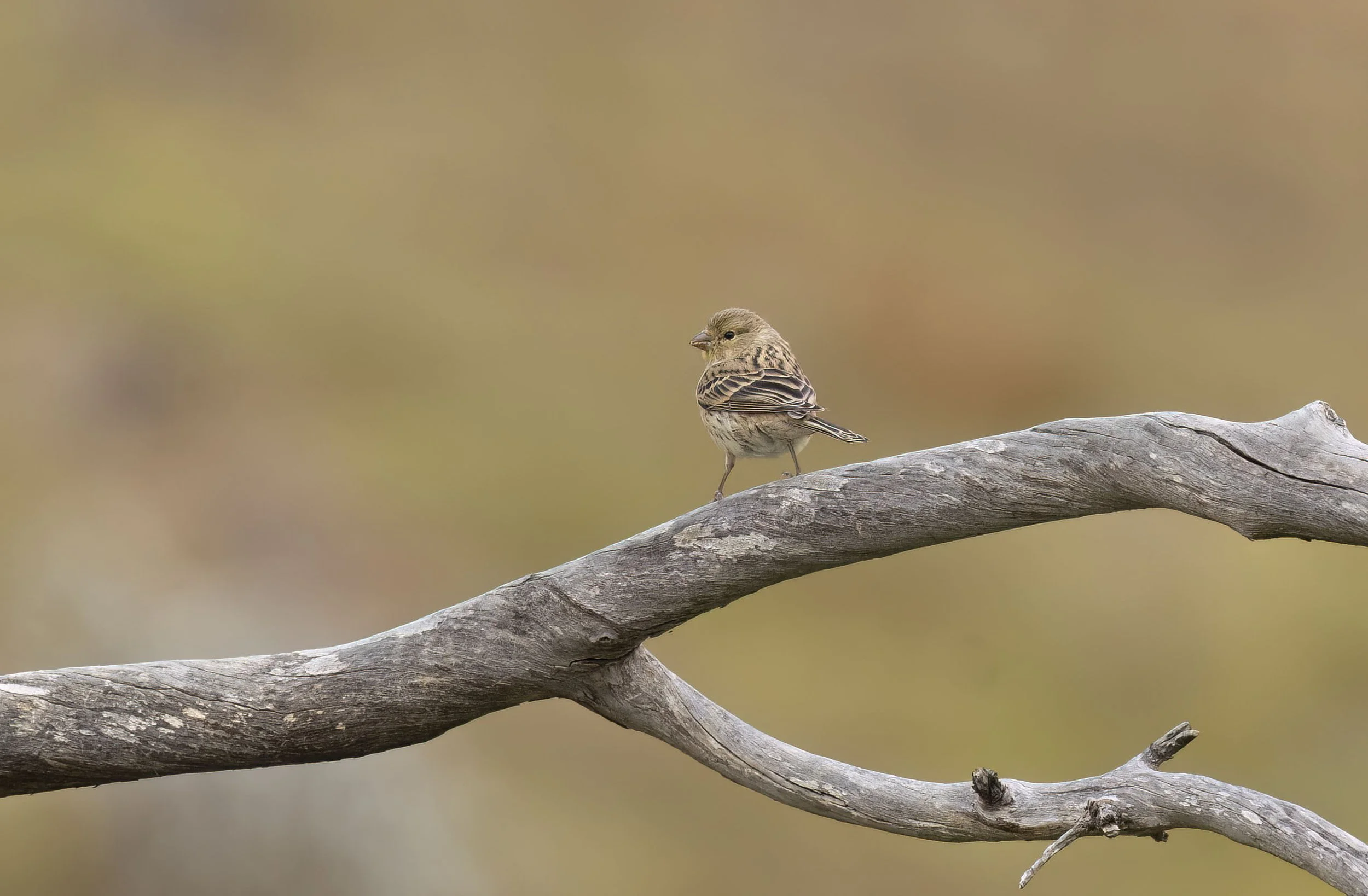
Juvenile Atlantic Canary not the most striking of birds
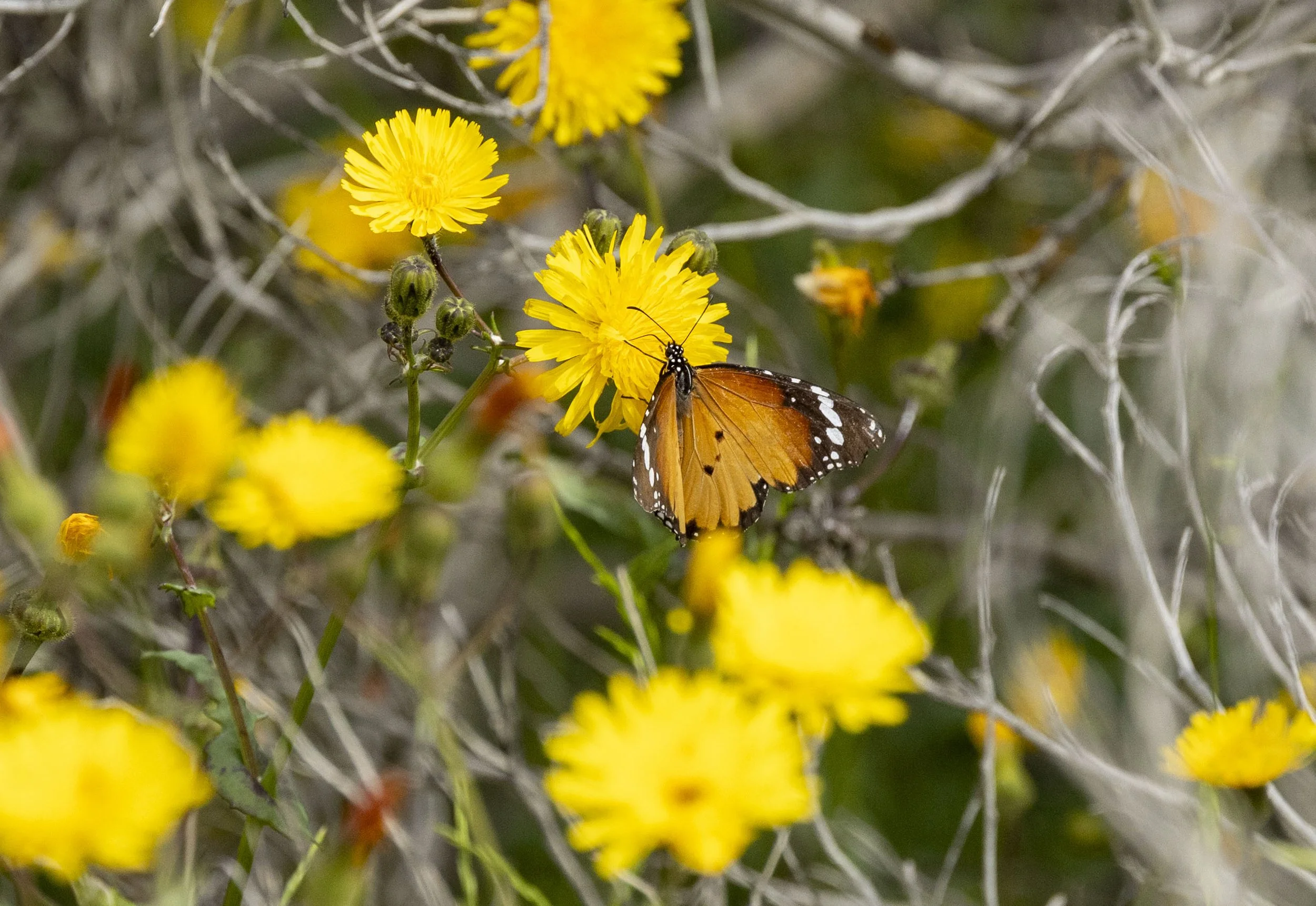
Plain Tiger a striking butterfly
Other images
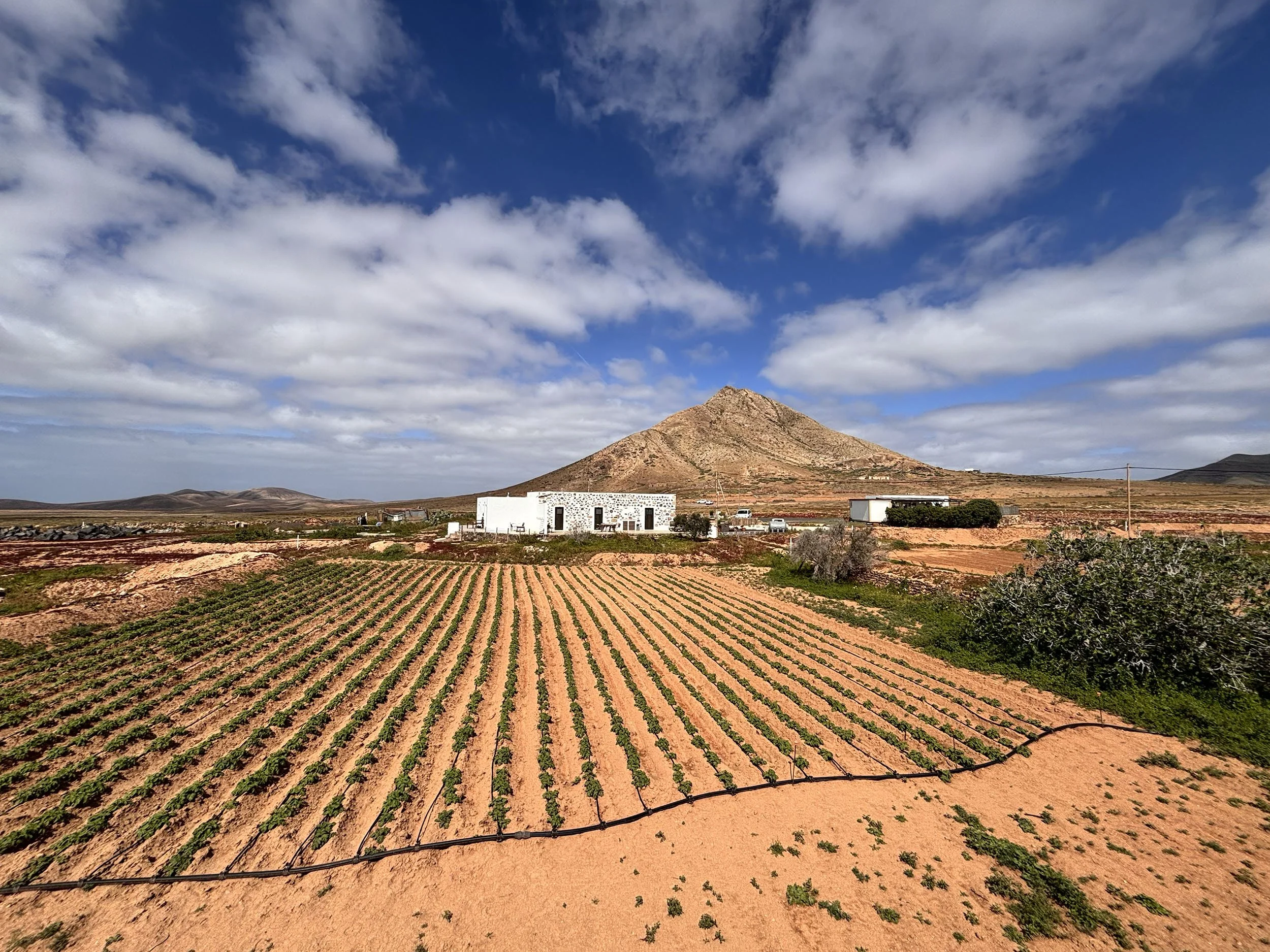
Potato crop and Mount Tindaya
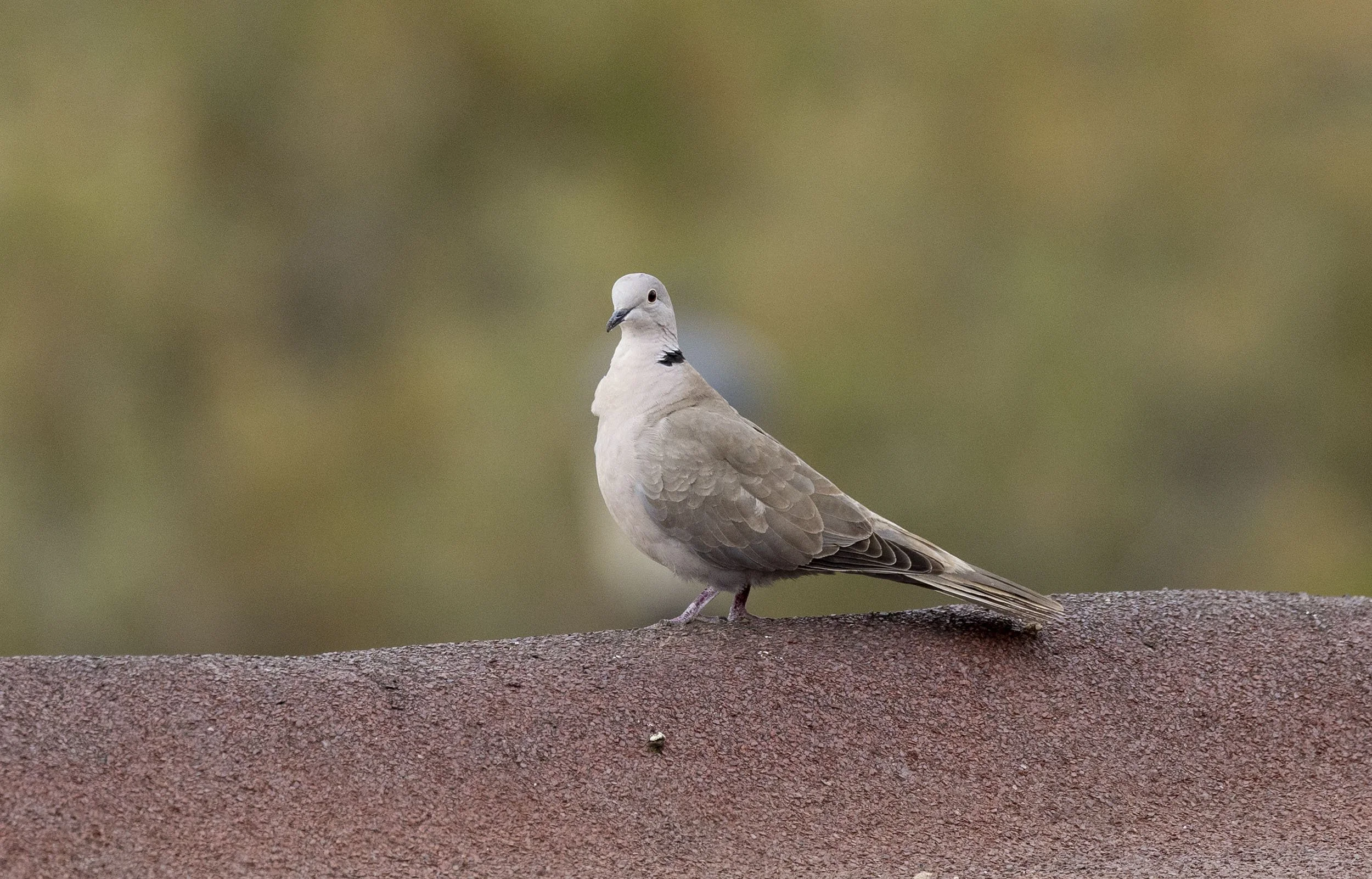
One of the commonest birds on the island I had to include a Collared Dove
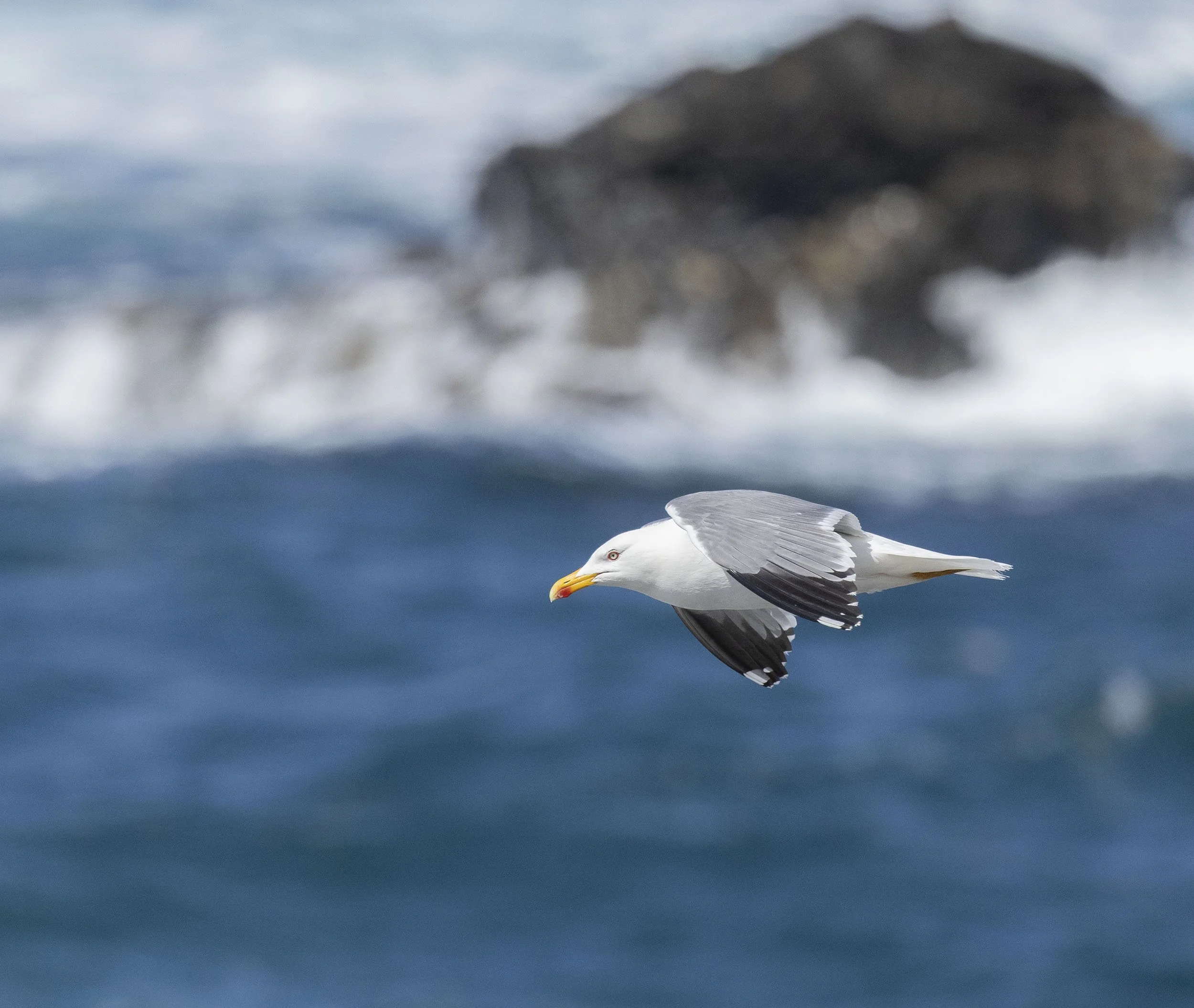
Atlantic Yellow-legged Gull - fail to excite me I am afraid
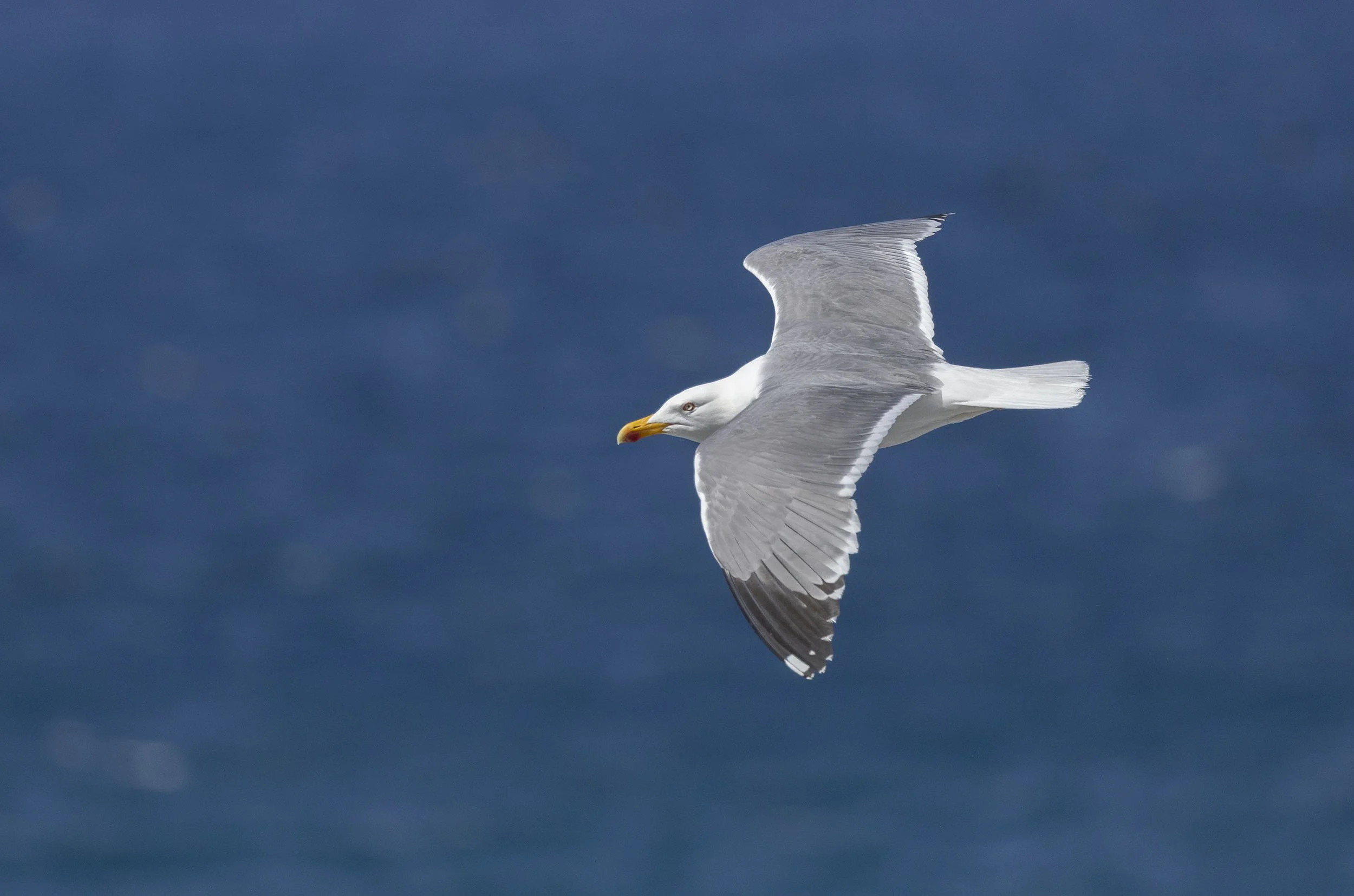
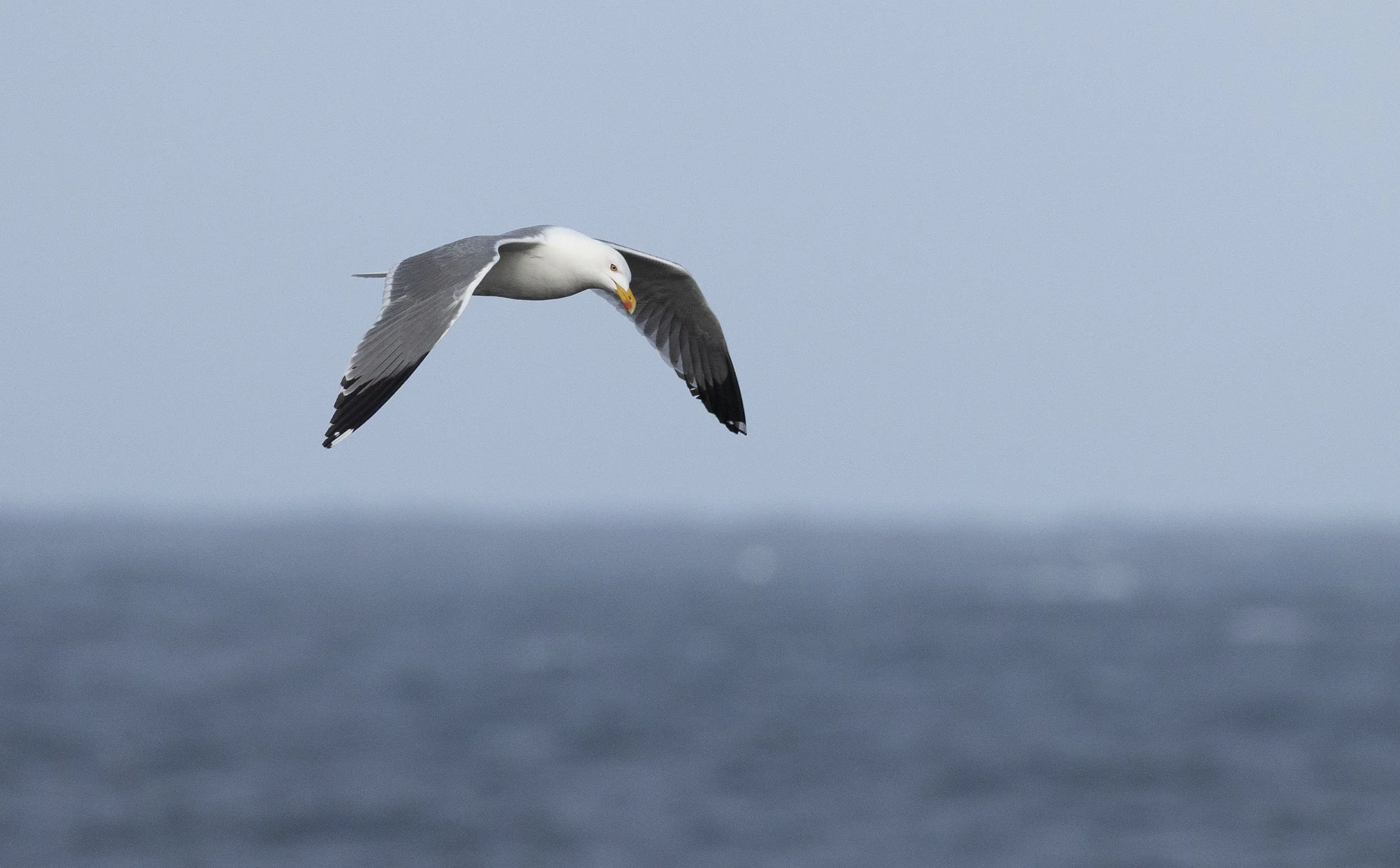
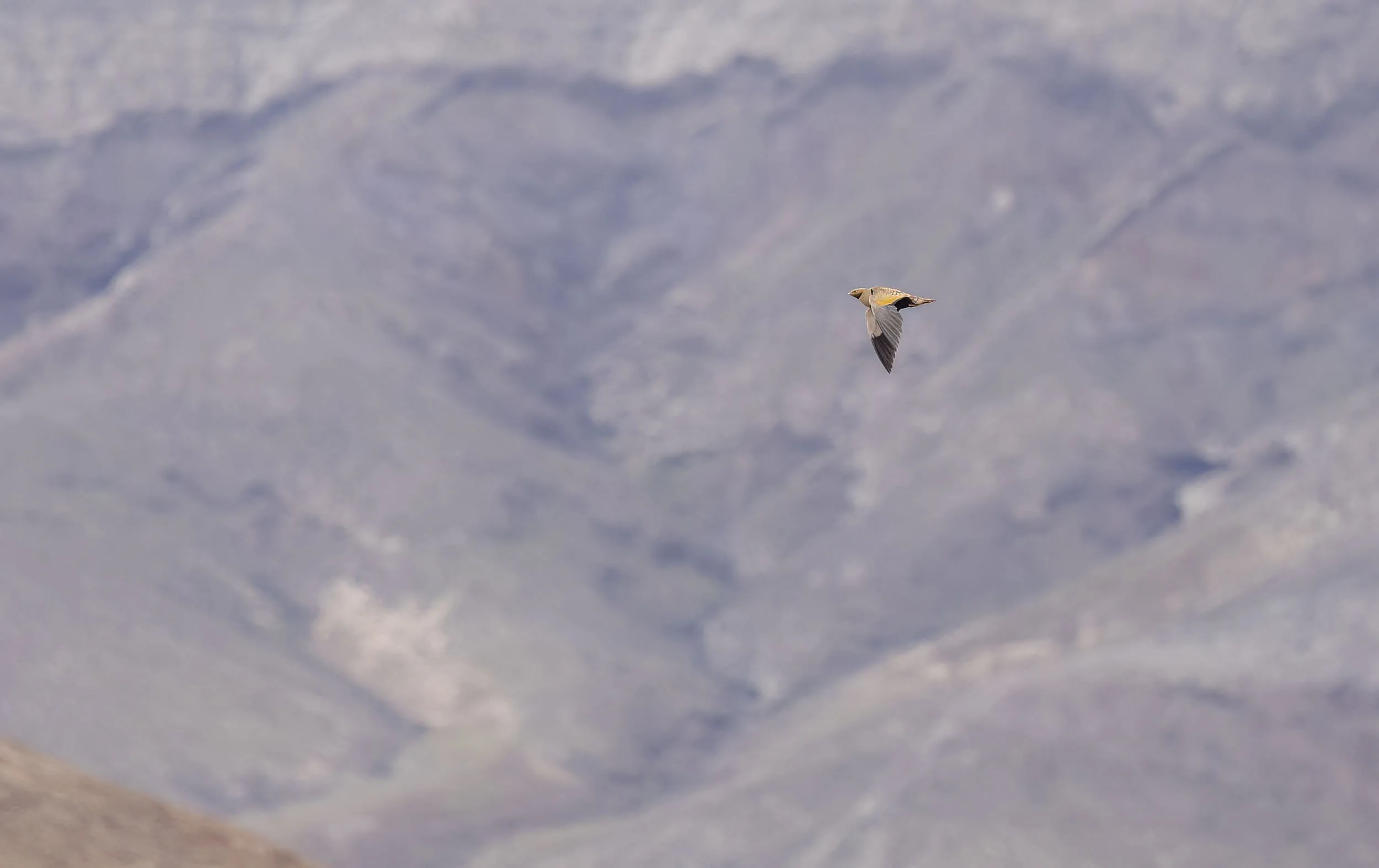
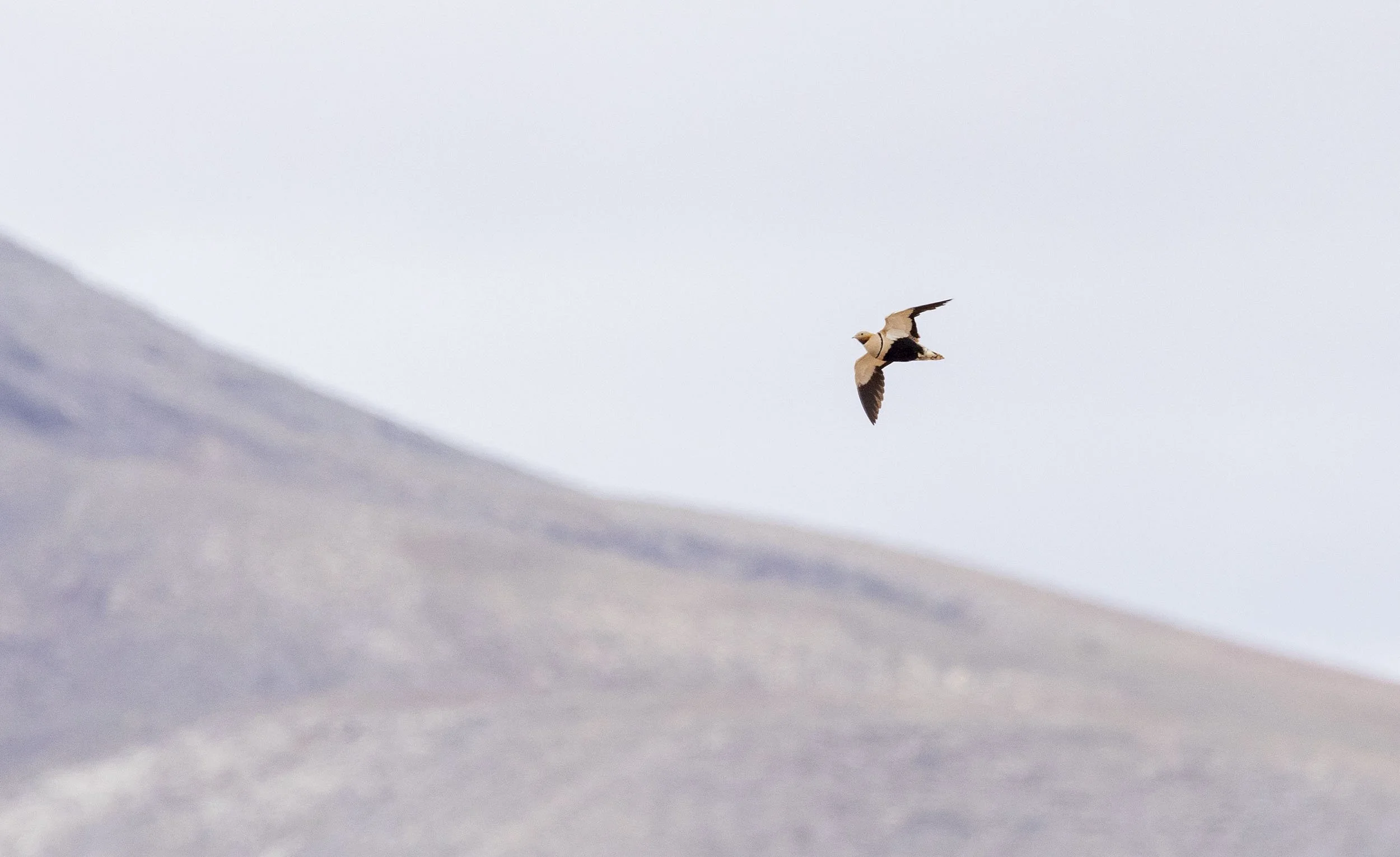
Black-bellied Sandgrouse against the stark hillside
Butterflies
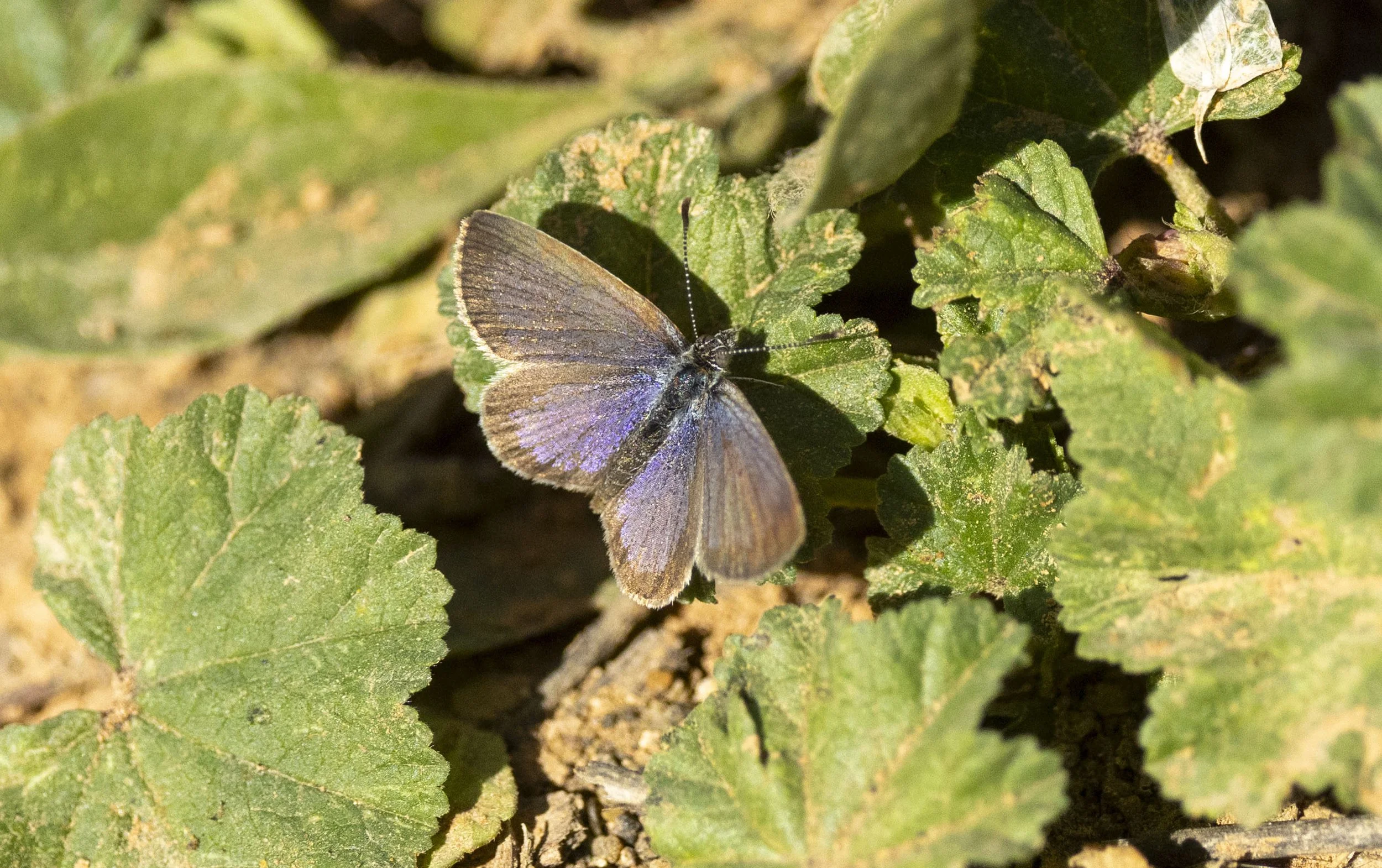
African Grass Blue Betancuria
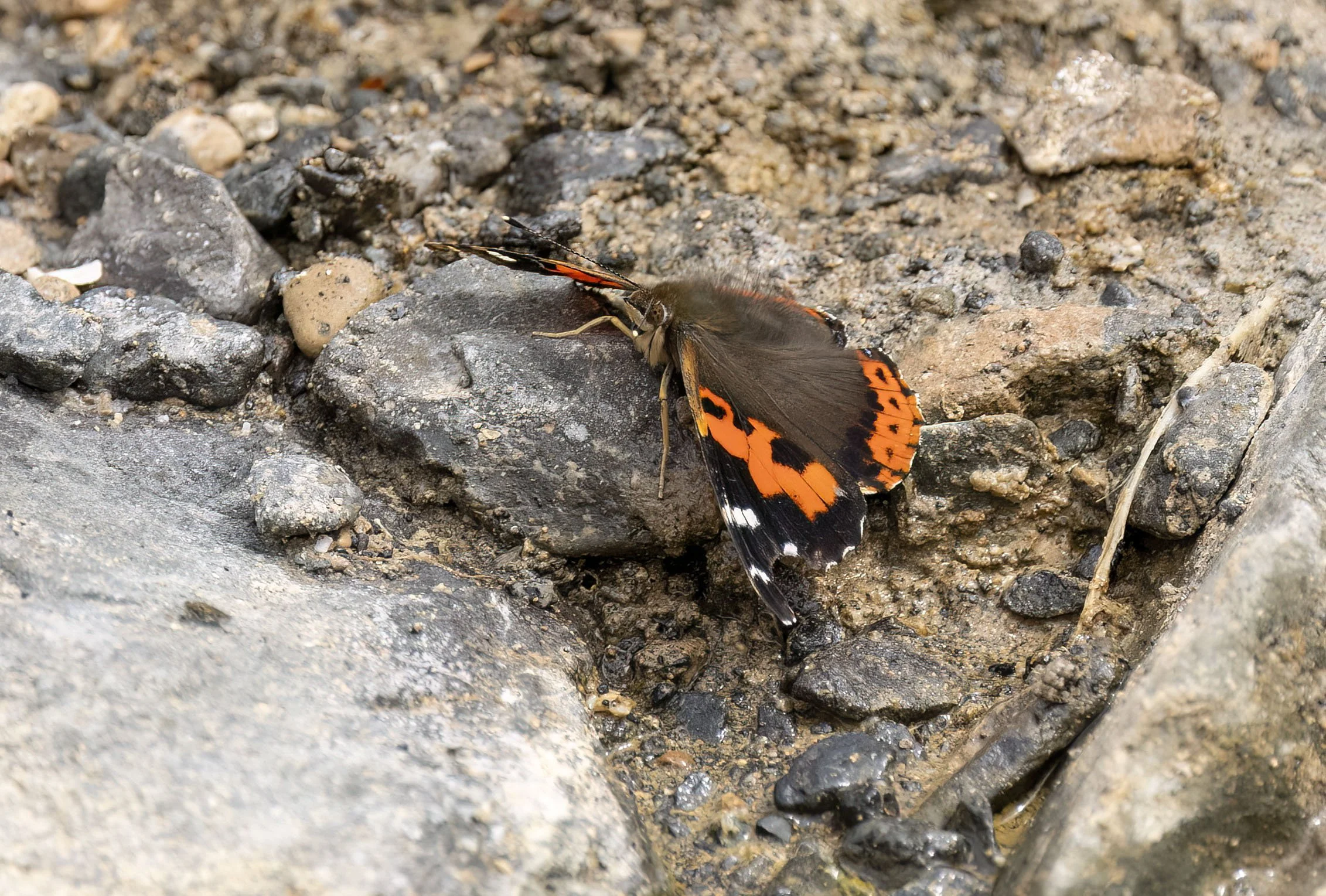
Canary Red Admiral
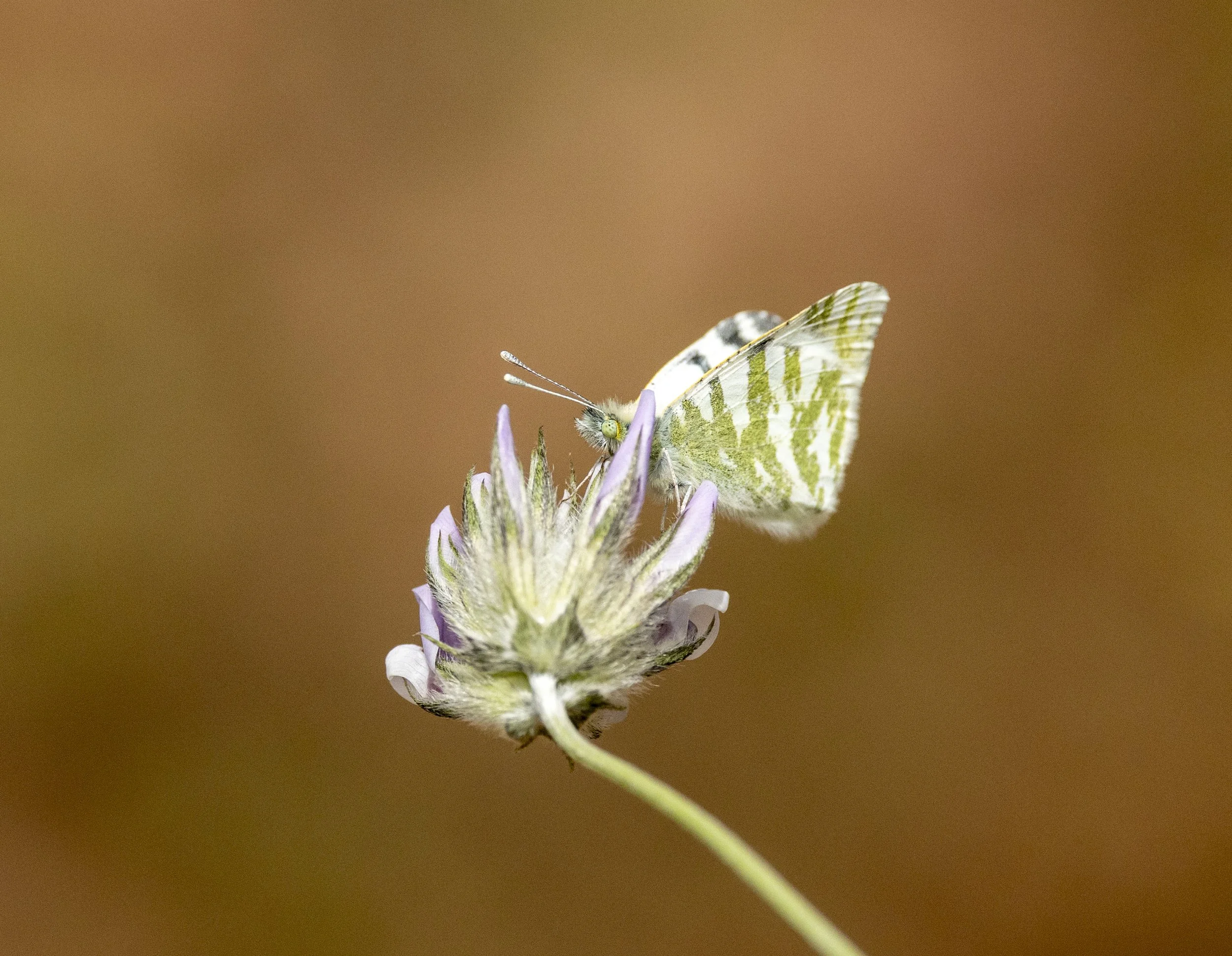
Fuerteventura Green-striped White
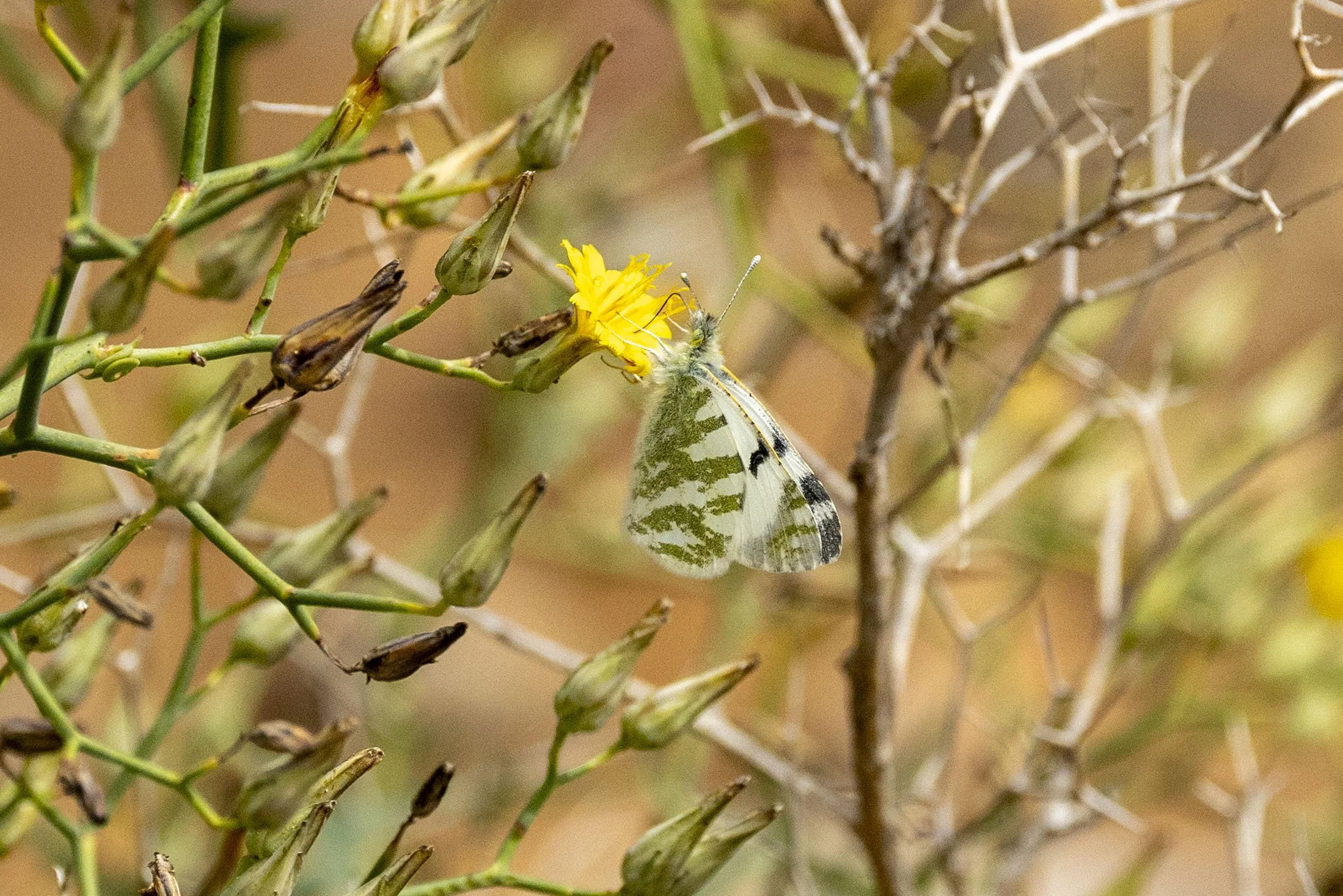
Fuerteventura Green-striped White
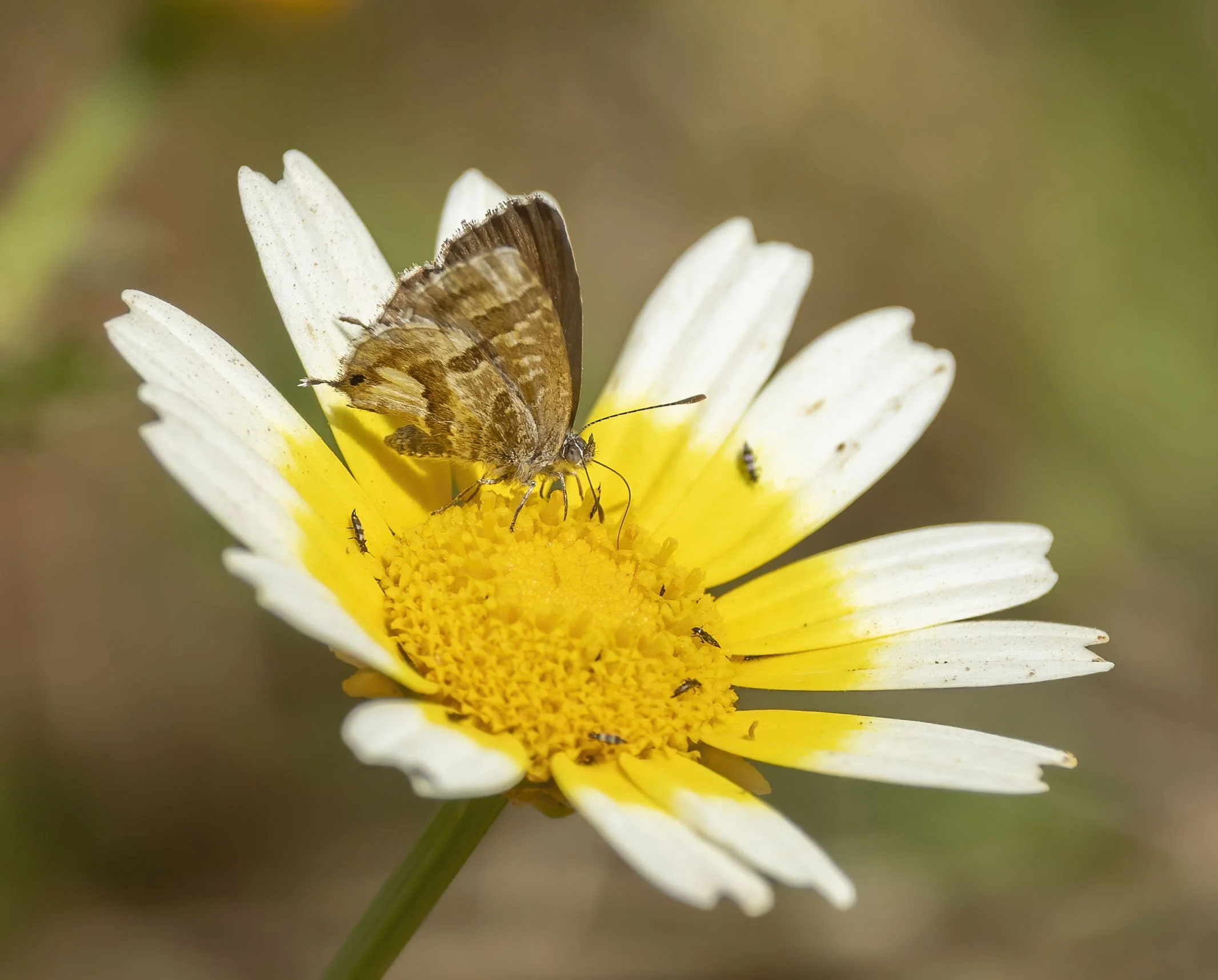
Geranium Bronze
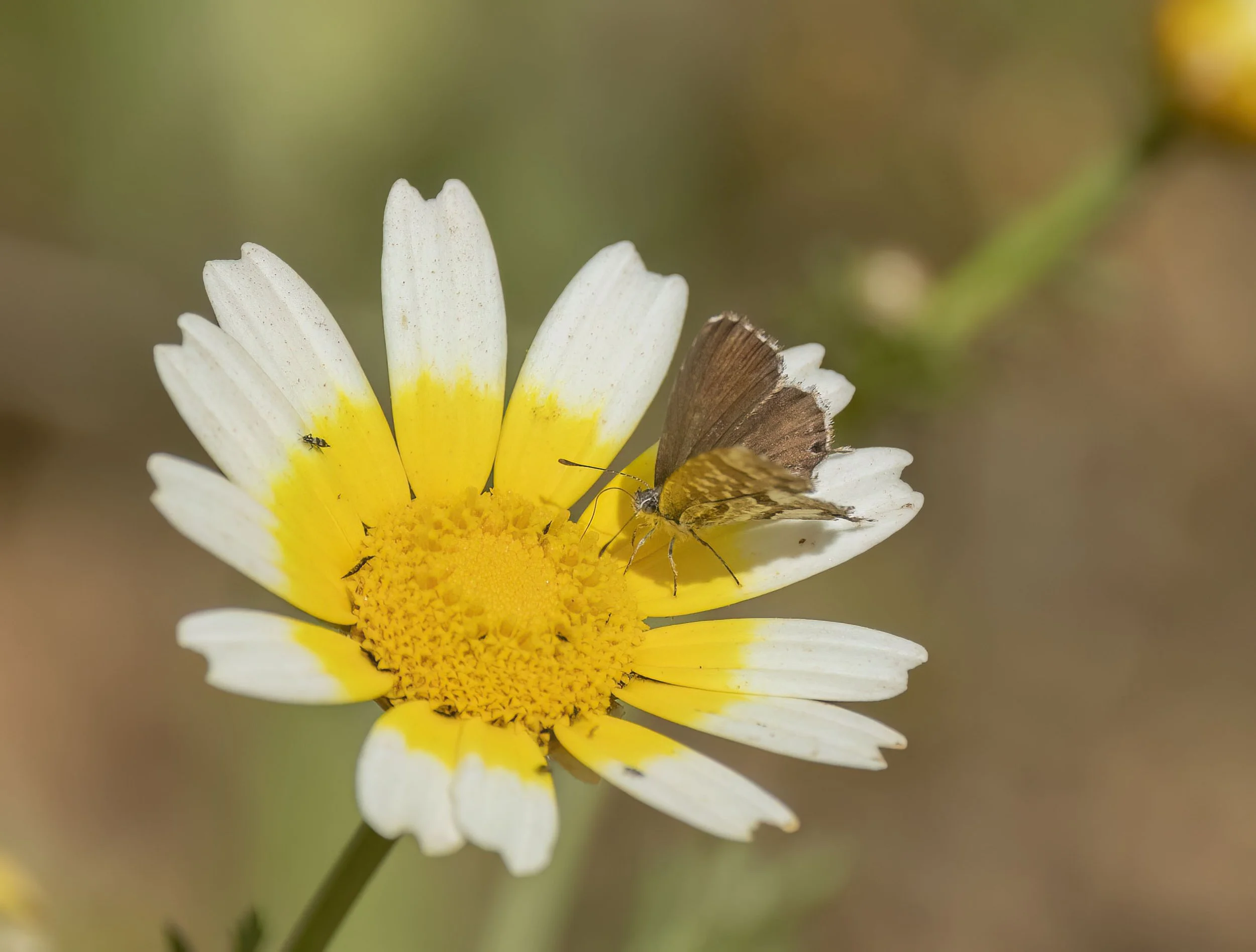
A rather worn Geranium Bronze
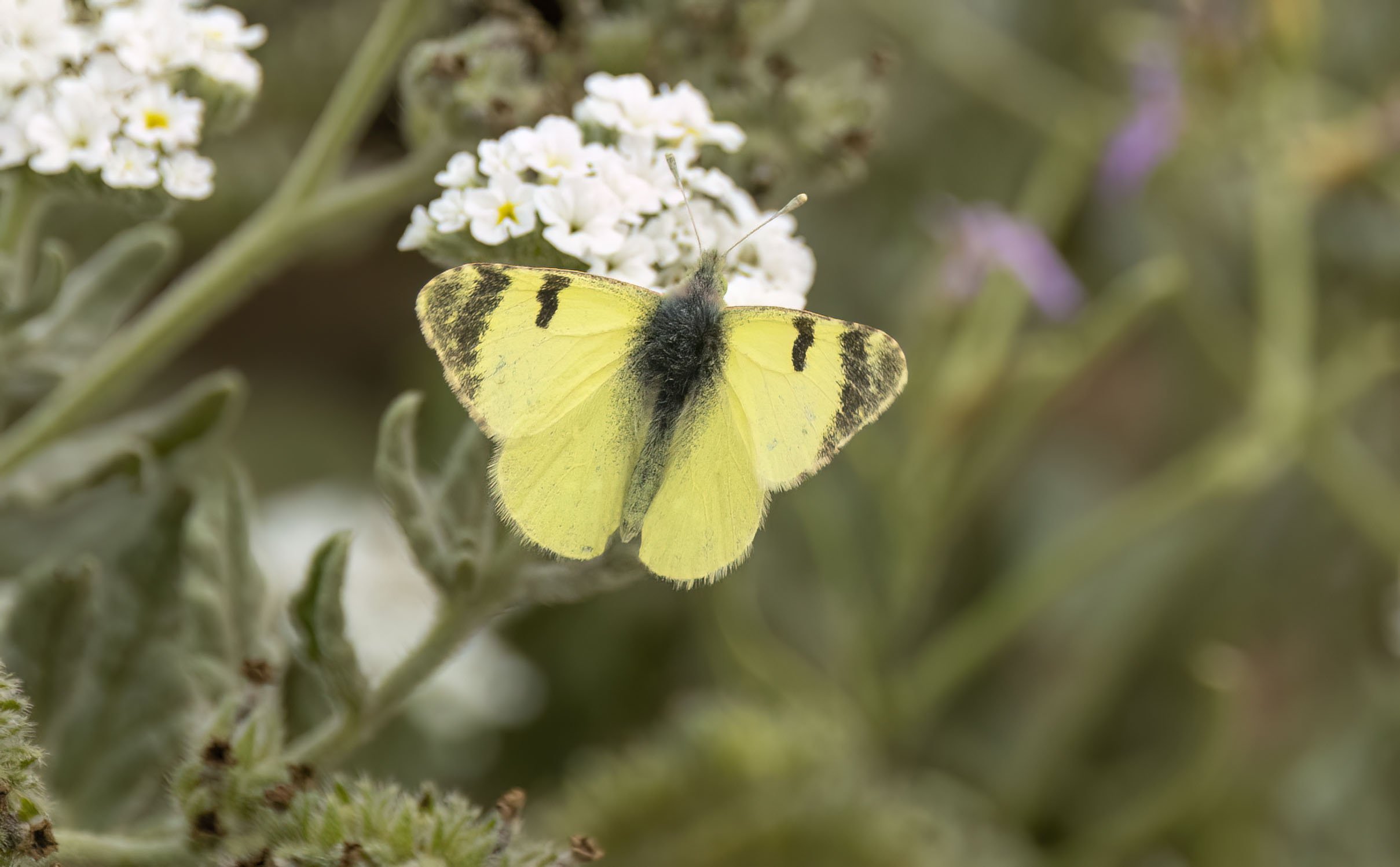
Greenish Black Tip
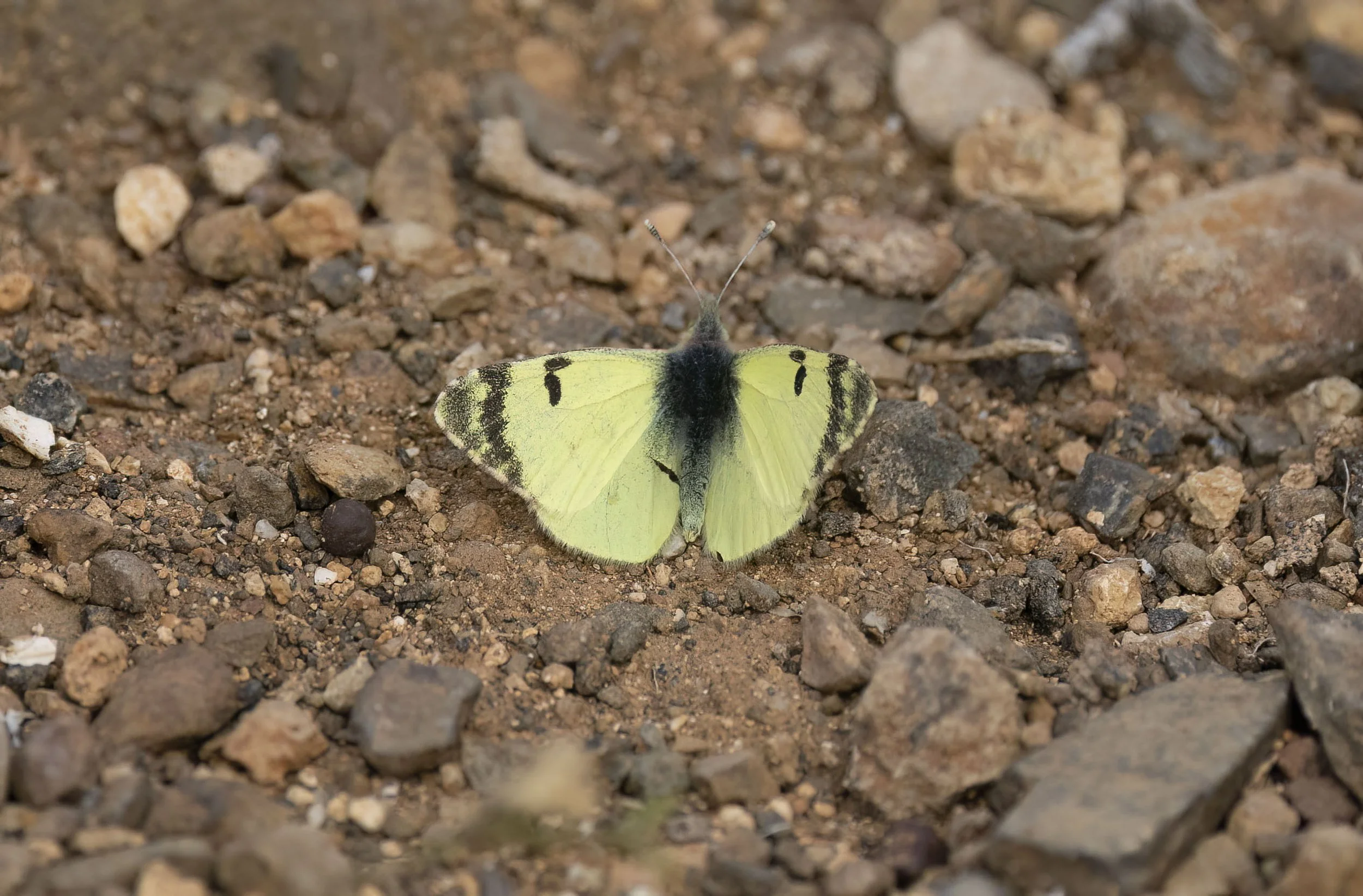
Greenish Black Tip were widespread and encountered in several different habitats
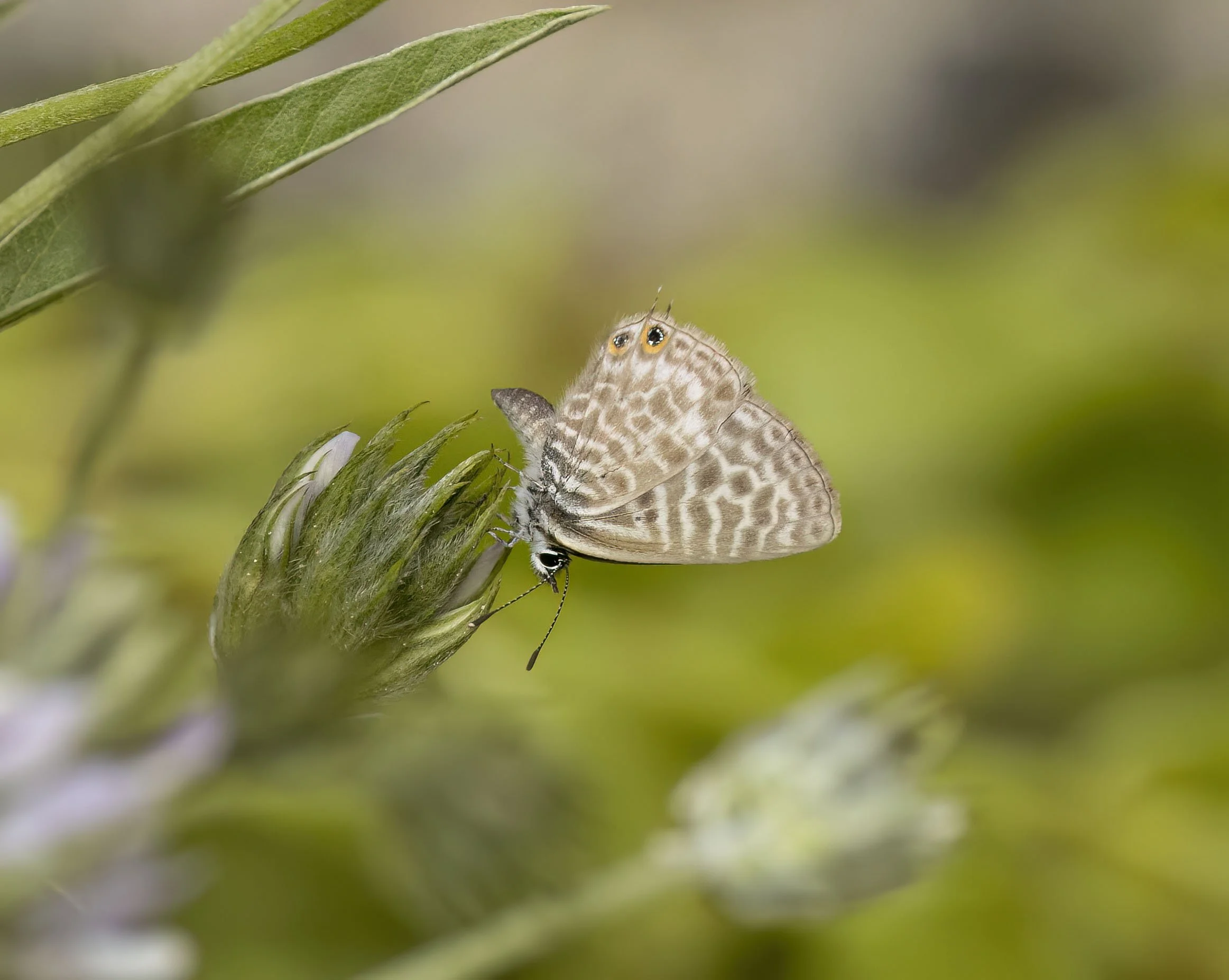
Lang’s Short-tailed Blue Betancuria
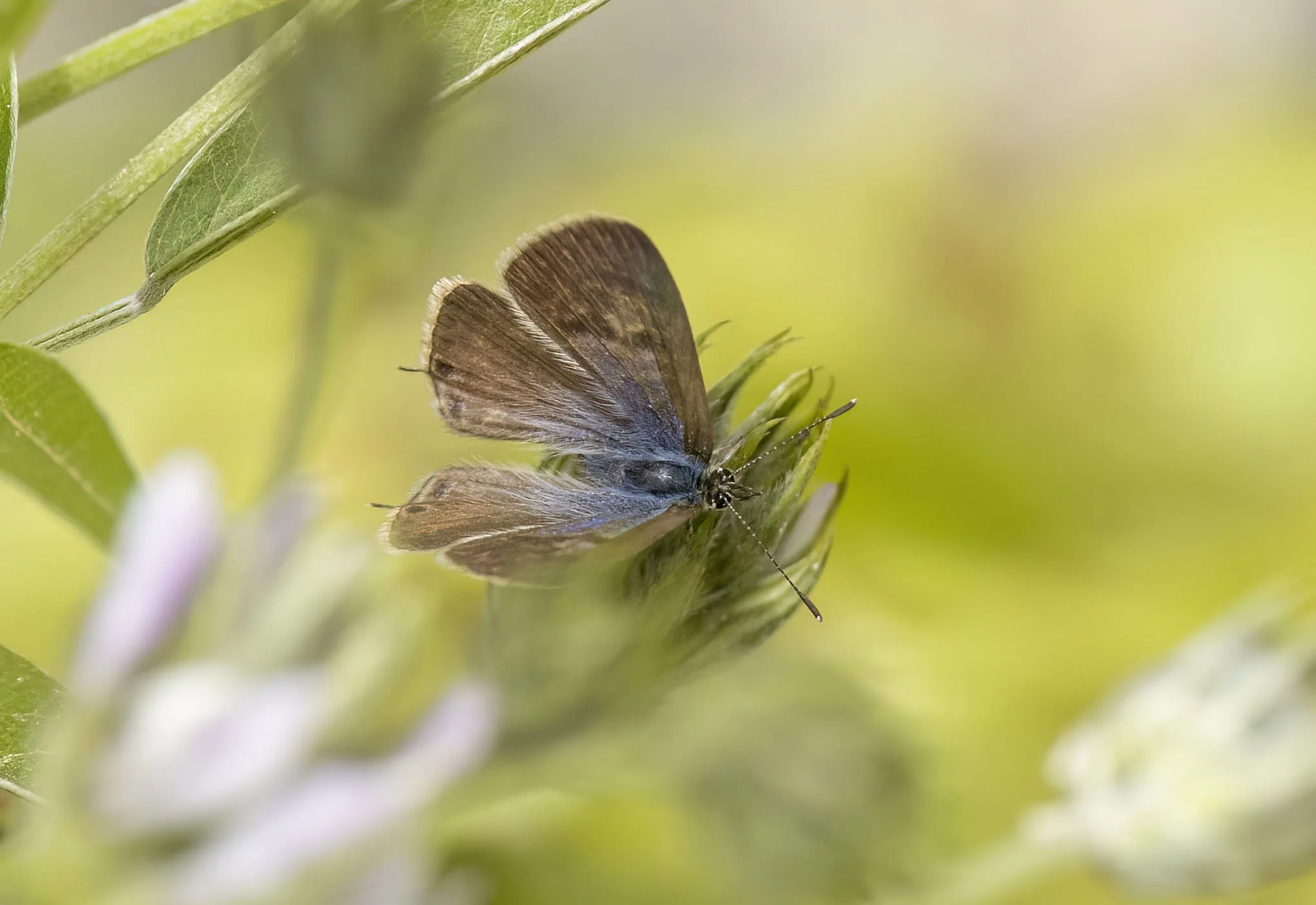
Lang’s Short-tailed Blue Betancuria
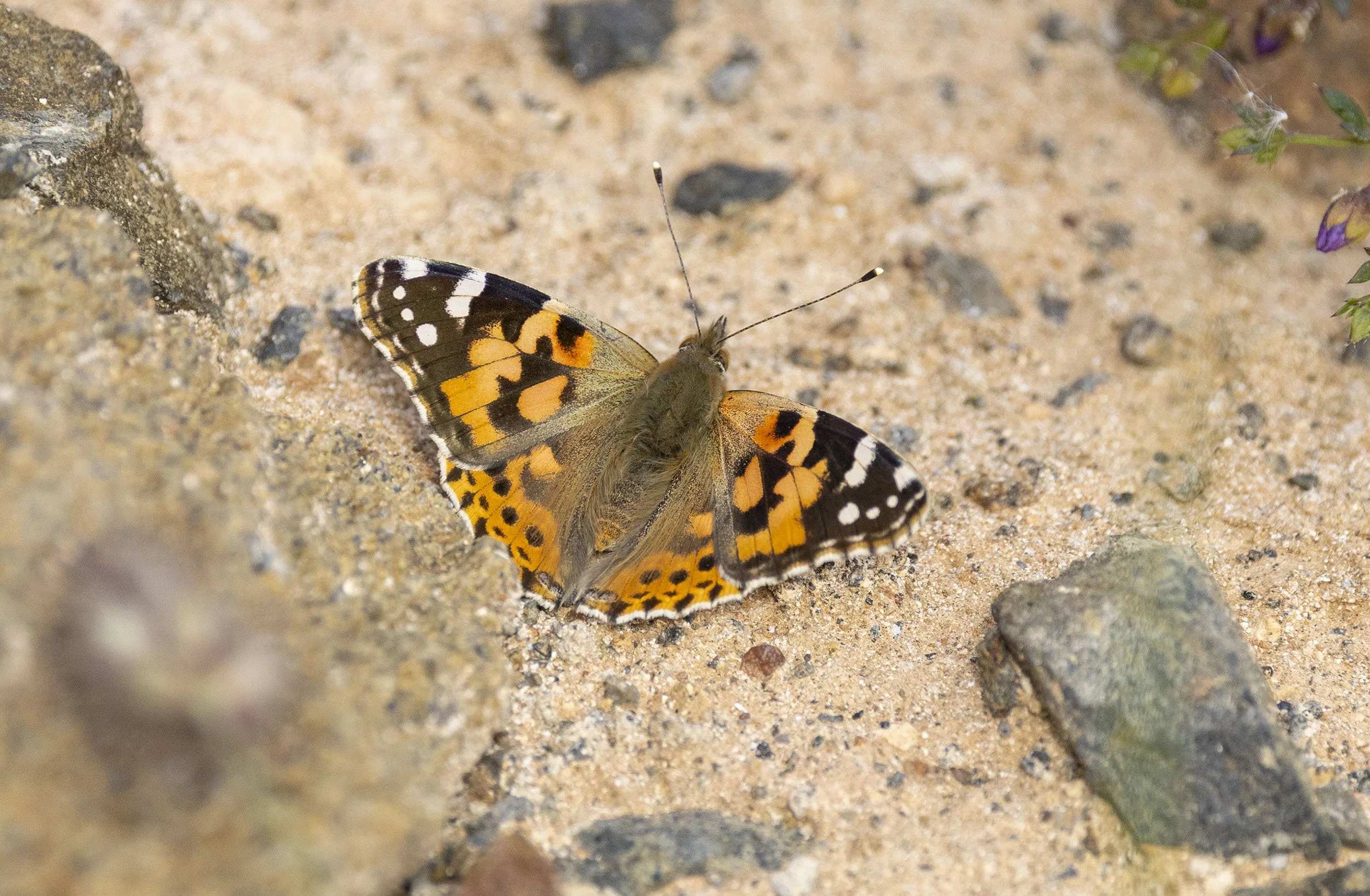
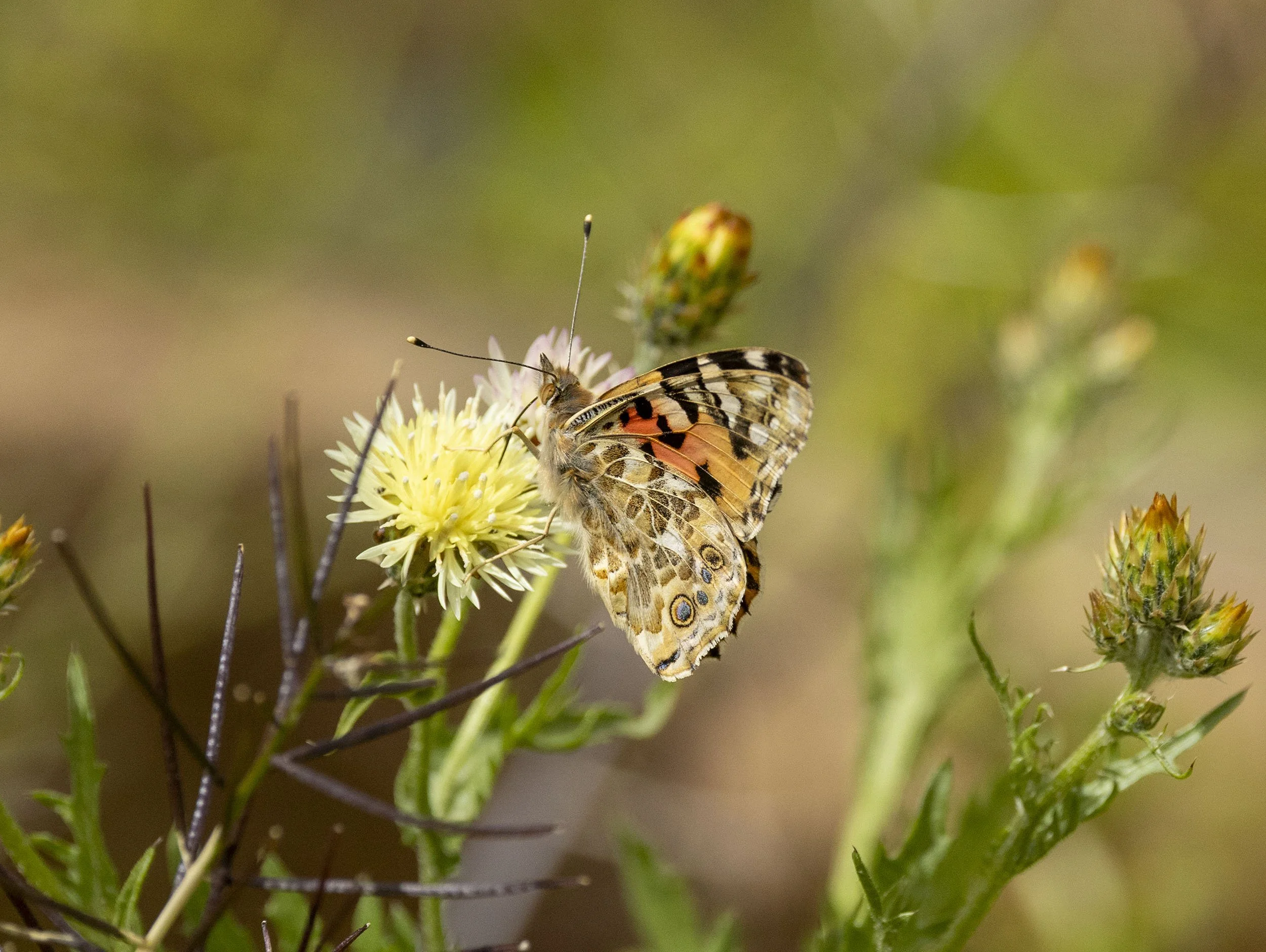
Painted Lady some were very worn and others nice and bright
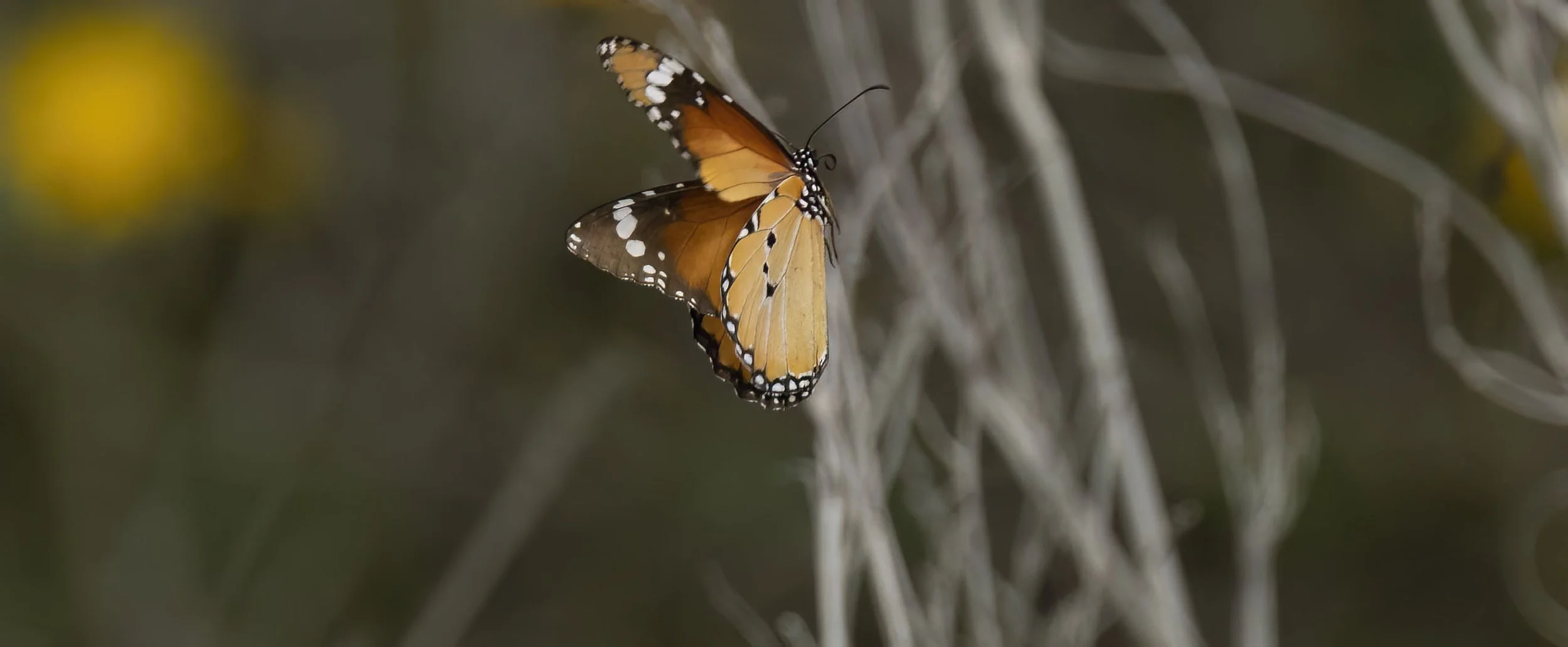
Plain Tiger Betancuria
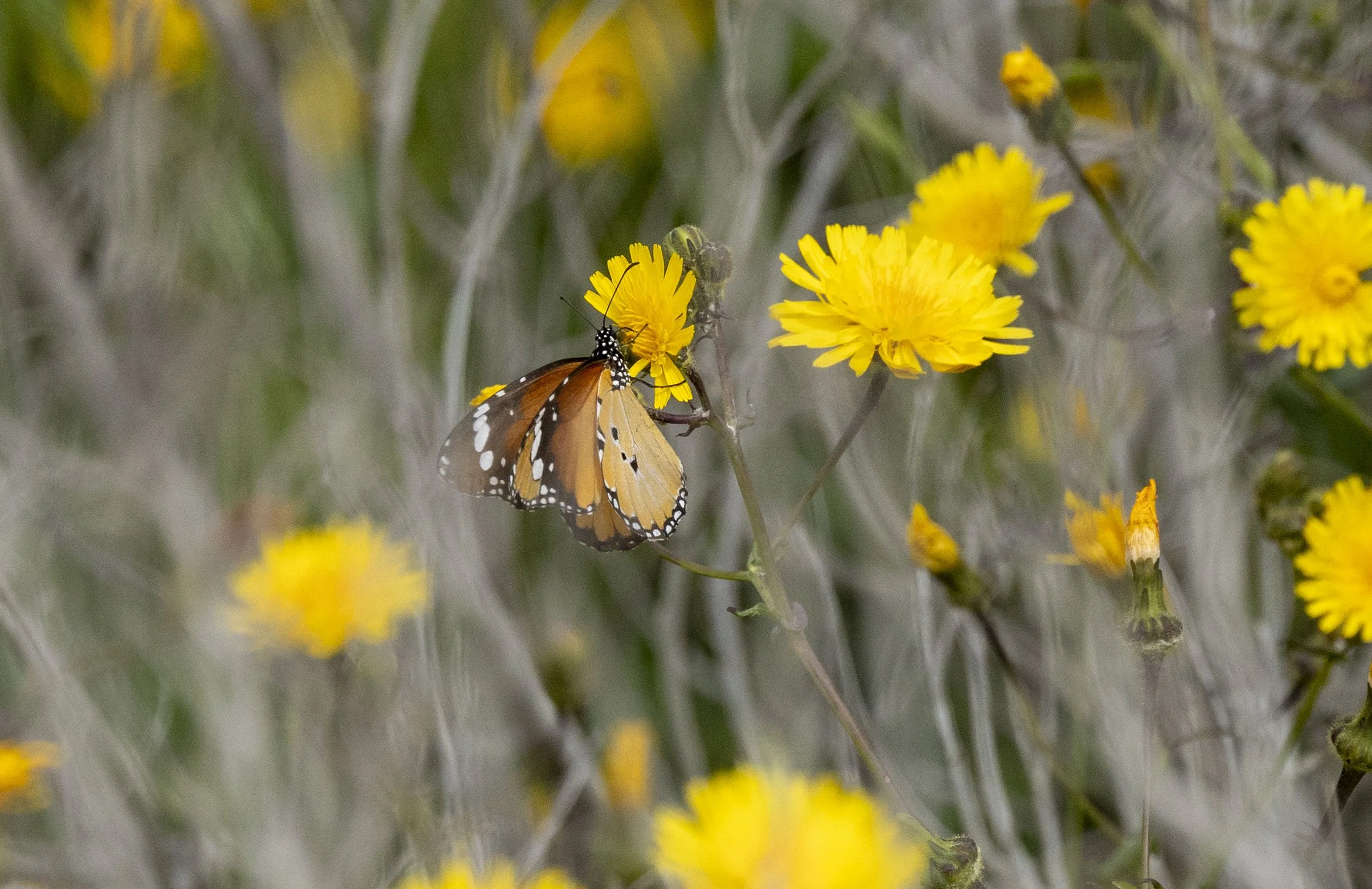
a spectacular butterfly
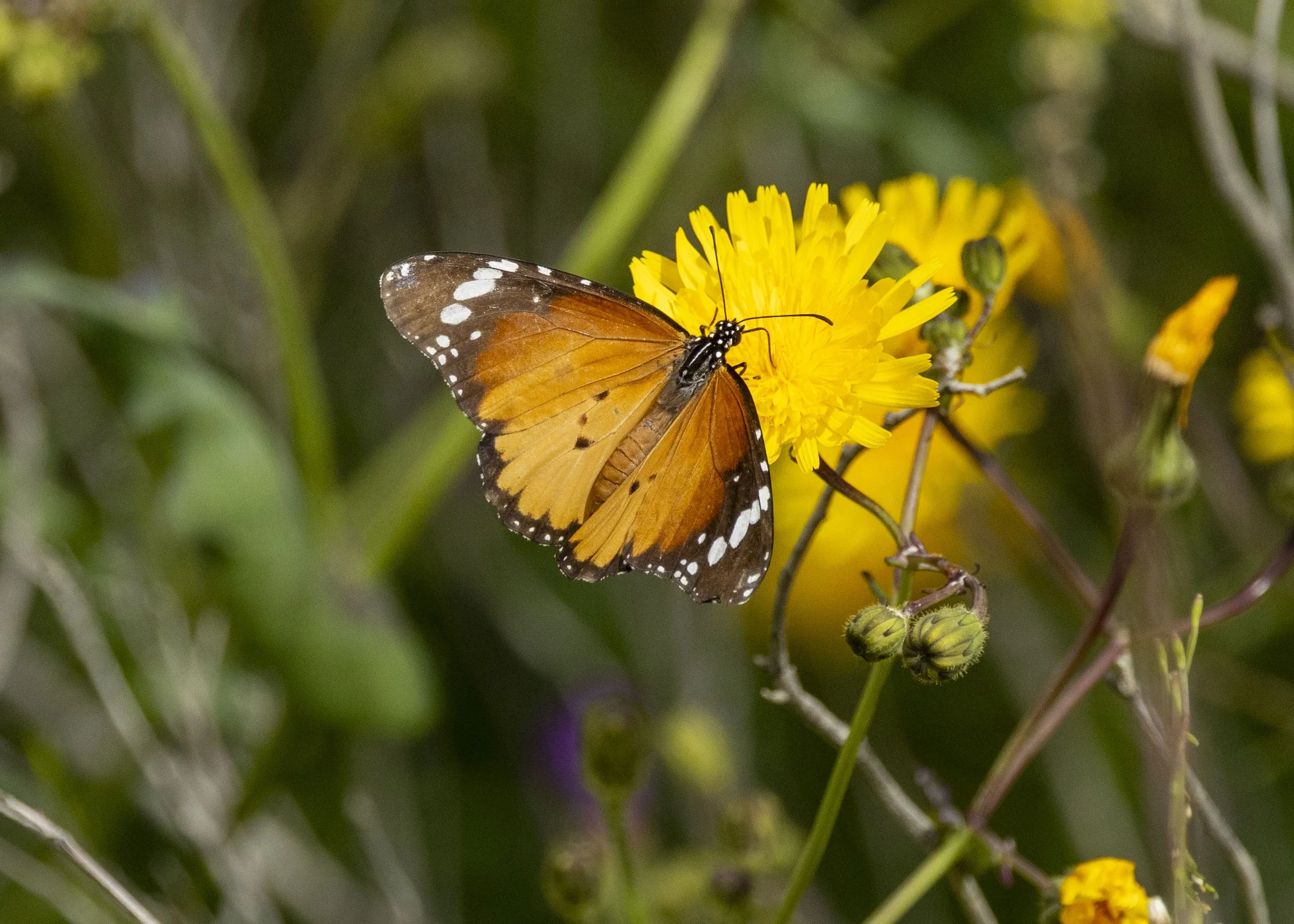
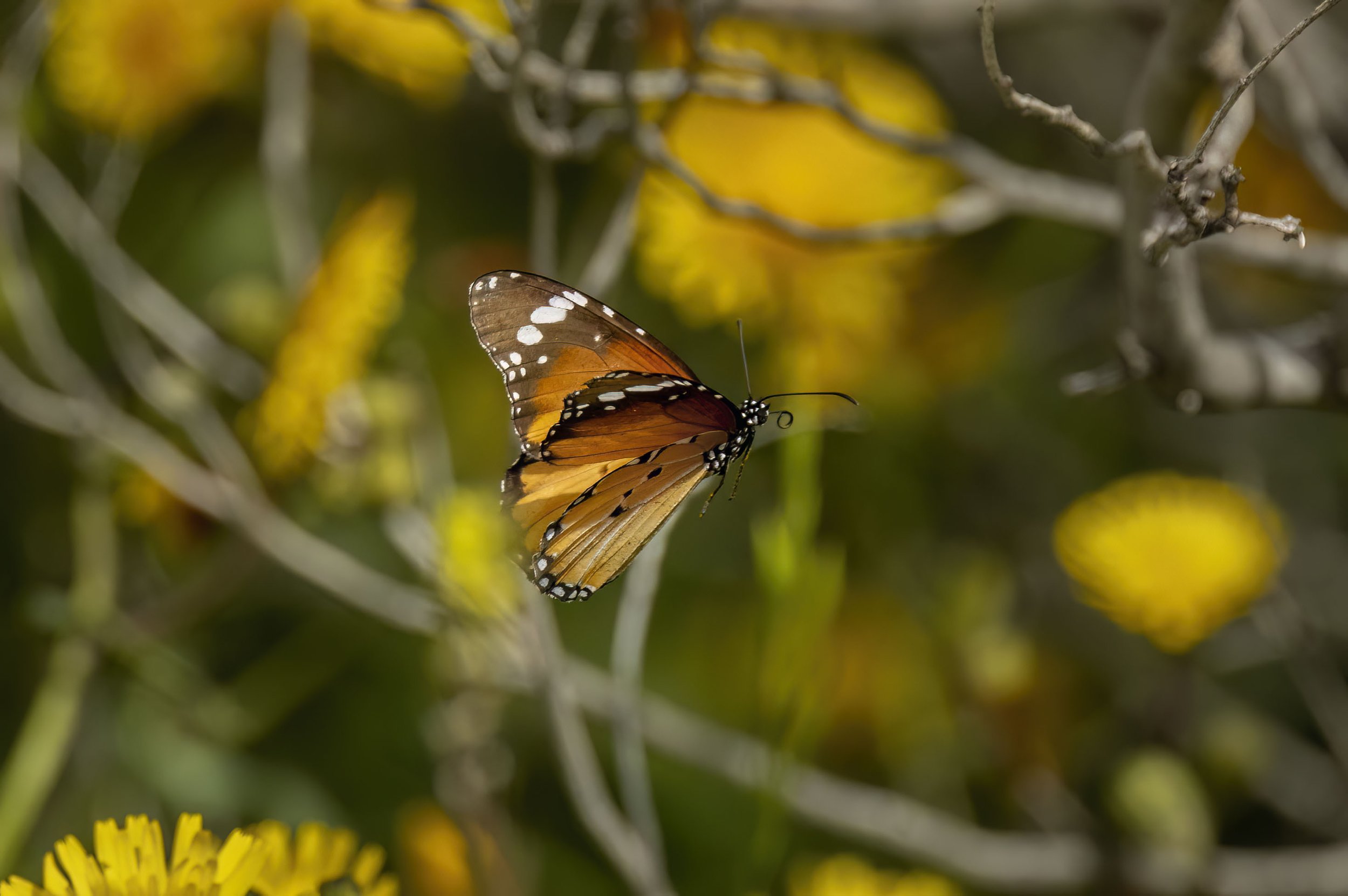
Flight shots were tricky in the strong wind
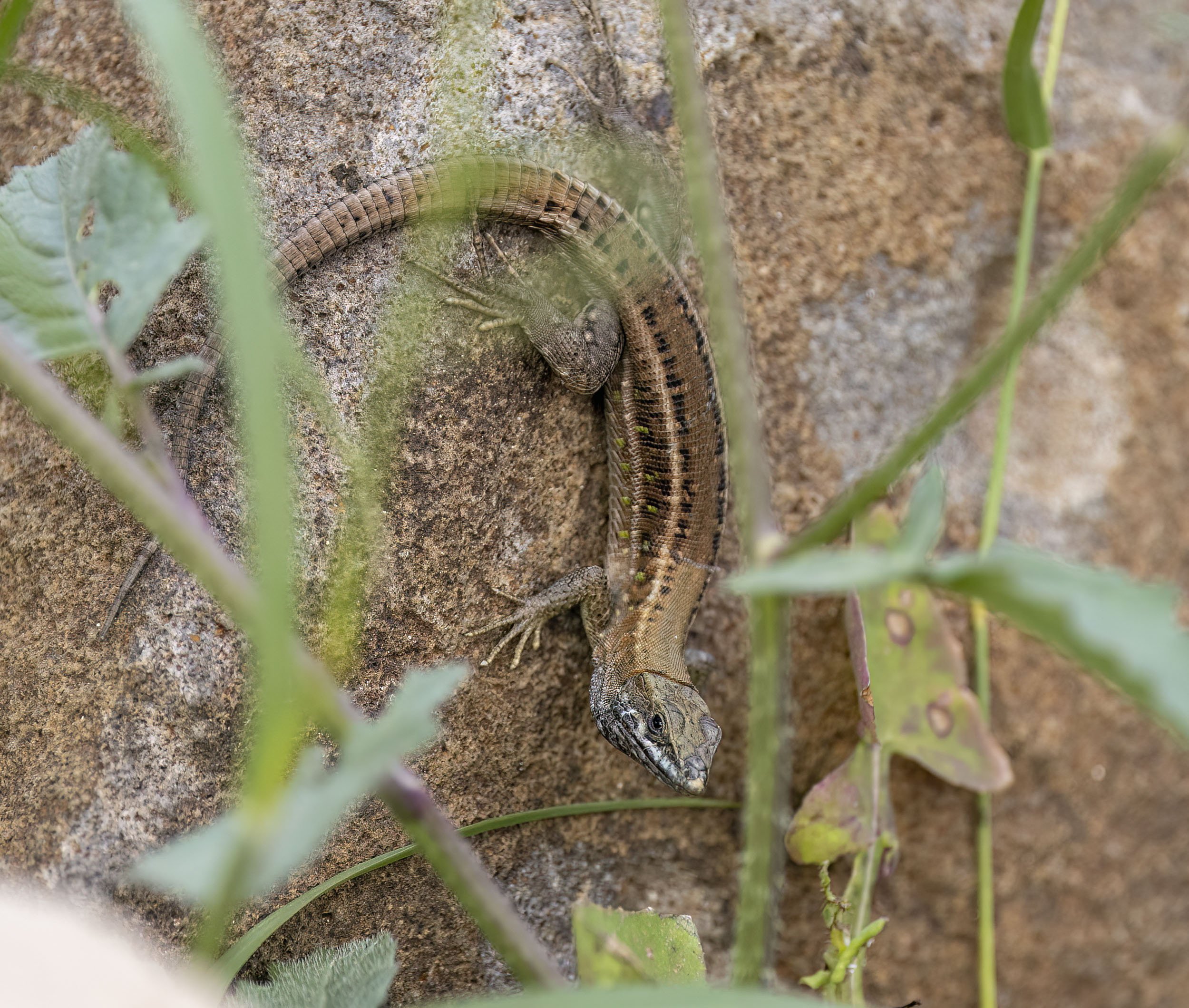
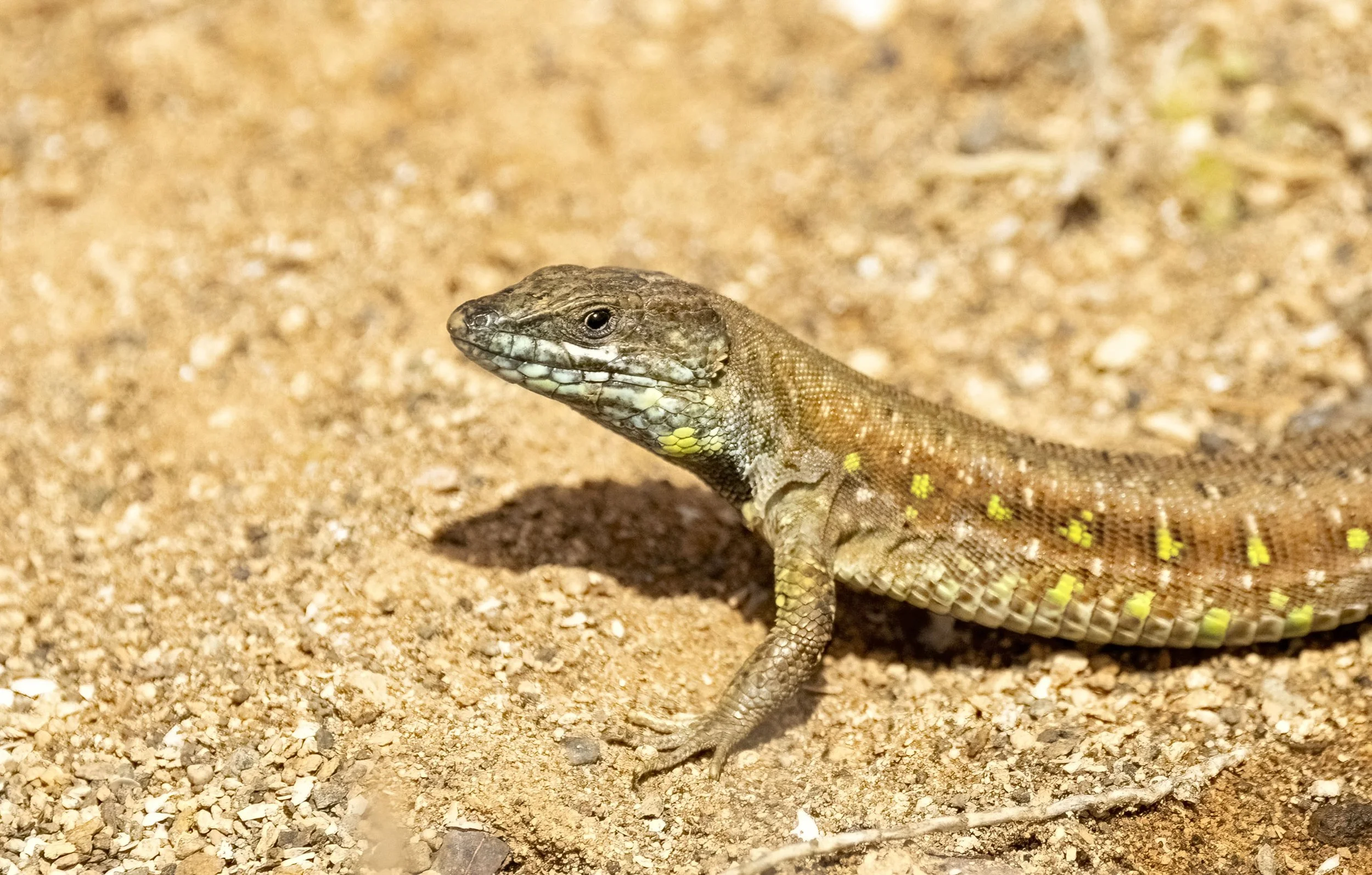
Atlantic Lizard
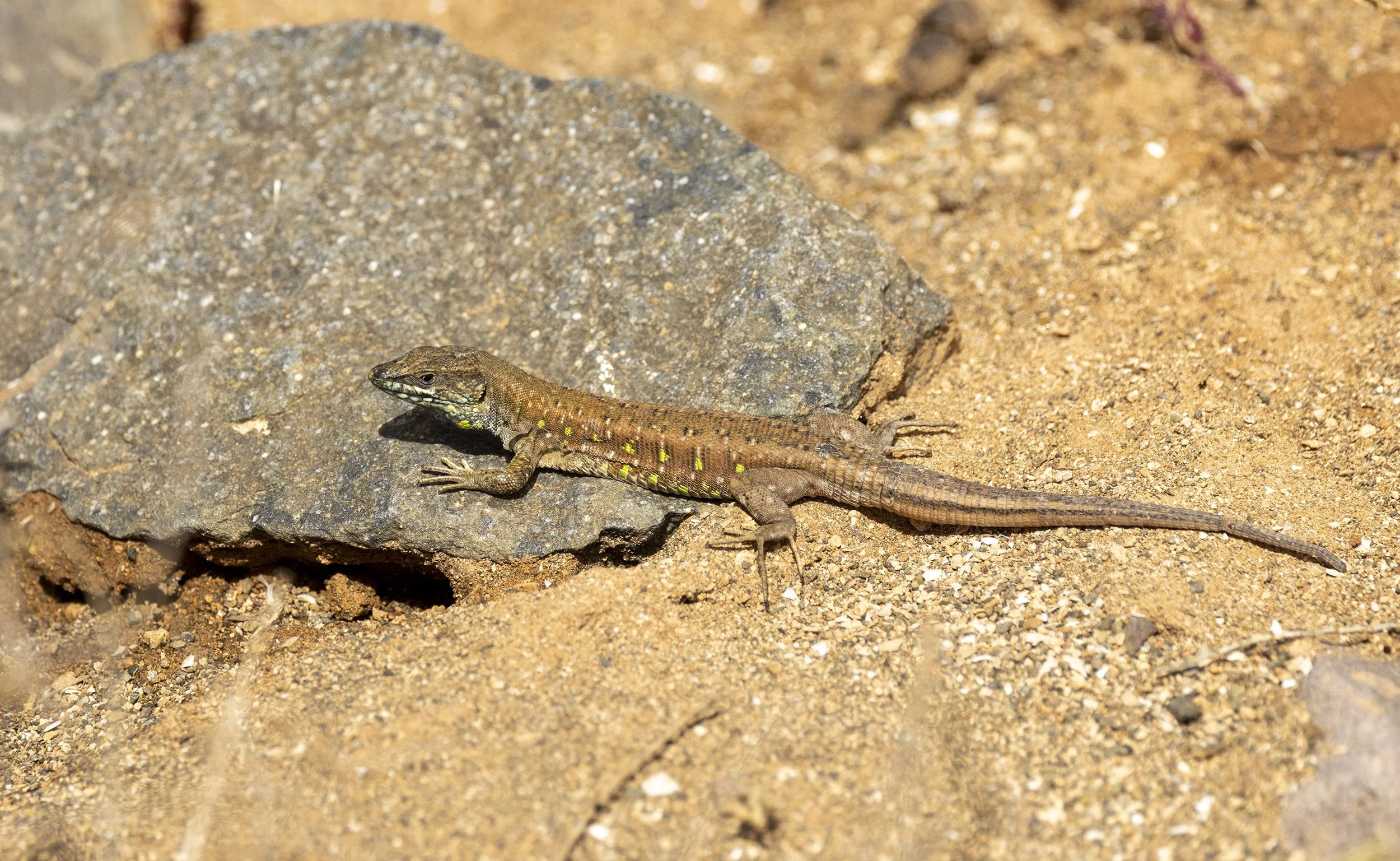
Widespread and fairly common
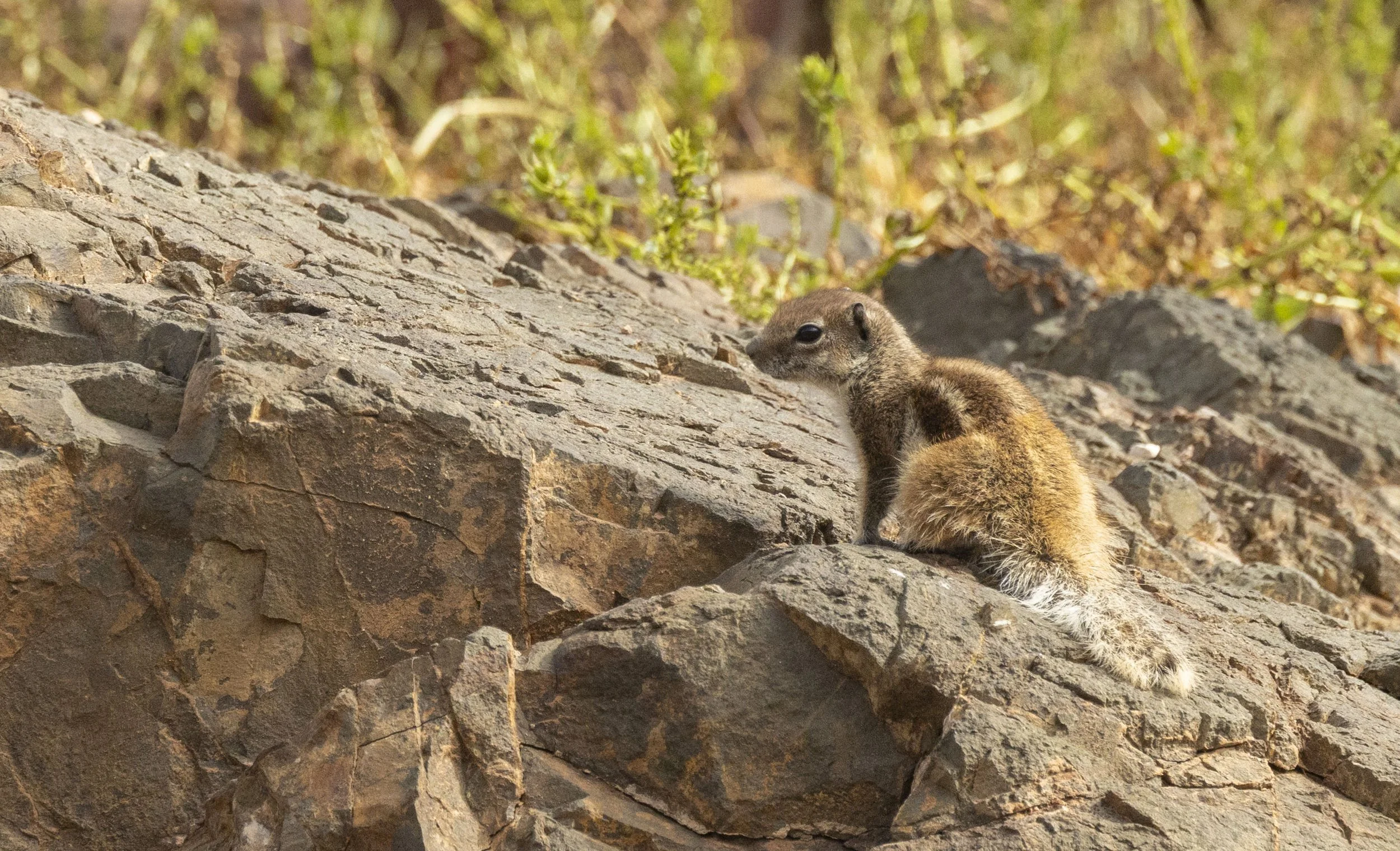
juvenile Barbary Ground Squirrel
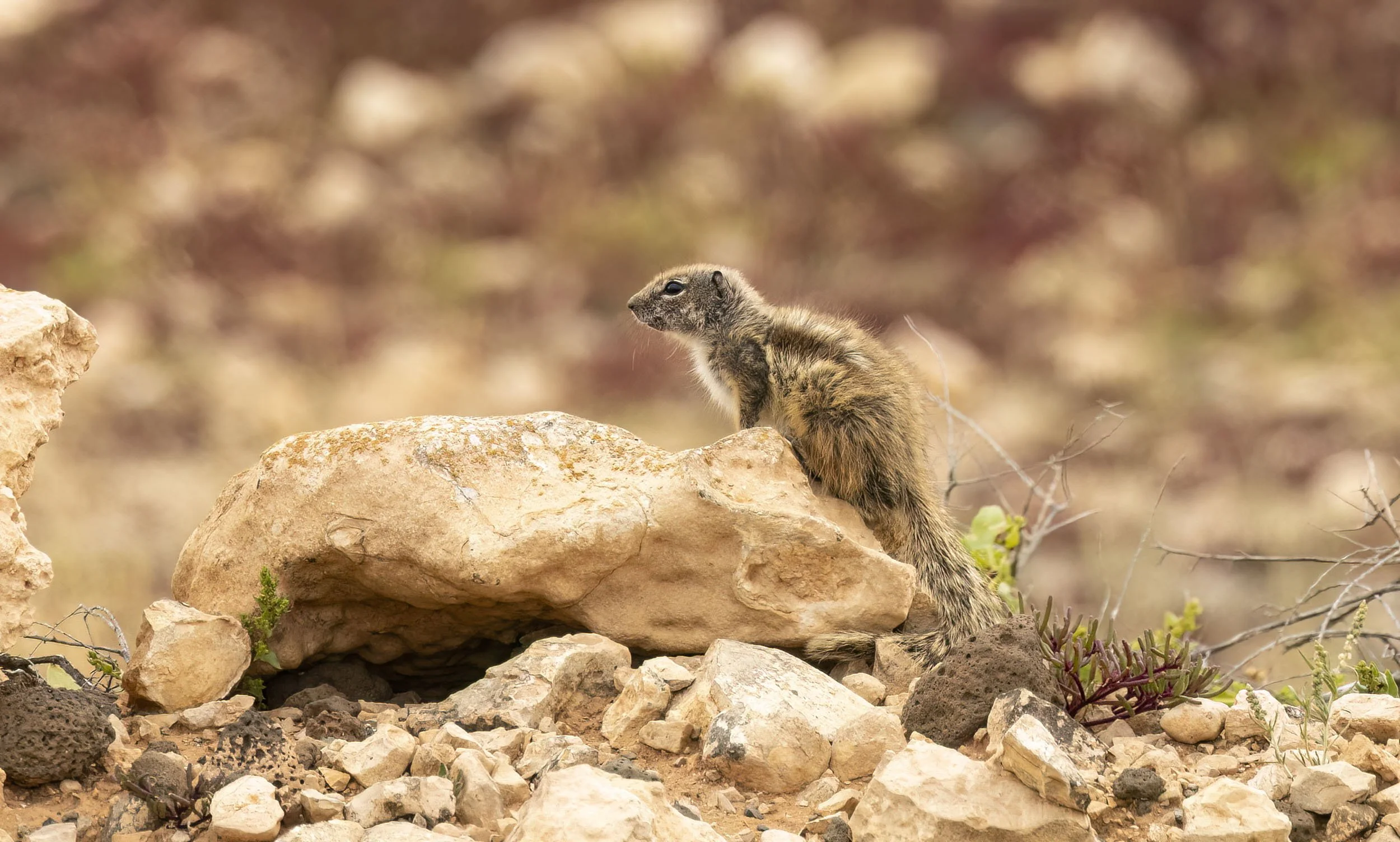
Barbary Ground Squirrel