I vowed that my two Canon R6II cameras would keep me going for many years so why a change? This blog is not a camera review or anything technical just my opinions and findings from the viewpoint of a birder who takes photos for different reasons; 1) namely to support the identification of a bird so recording plumage details, jizz and even wing formulas for which spread wings shots and even flight shots are useful; 2) for personal enjoyment recording birds and wildlife I encounter to save as a memory and occasionally make a nice image 3) I manage to sell a few images so these need to be good quality and file size 4) a combination suitable for taking on holidays to record birds that I may never see again and also a bit of scenery – the latter reason needs gear to be light, smallish and portable.
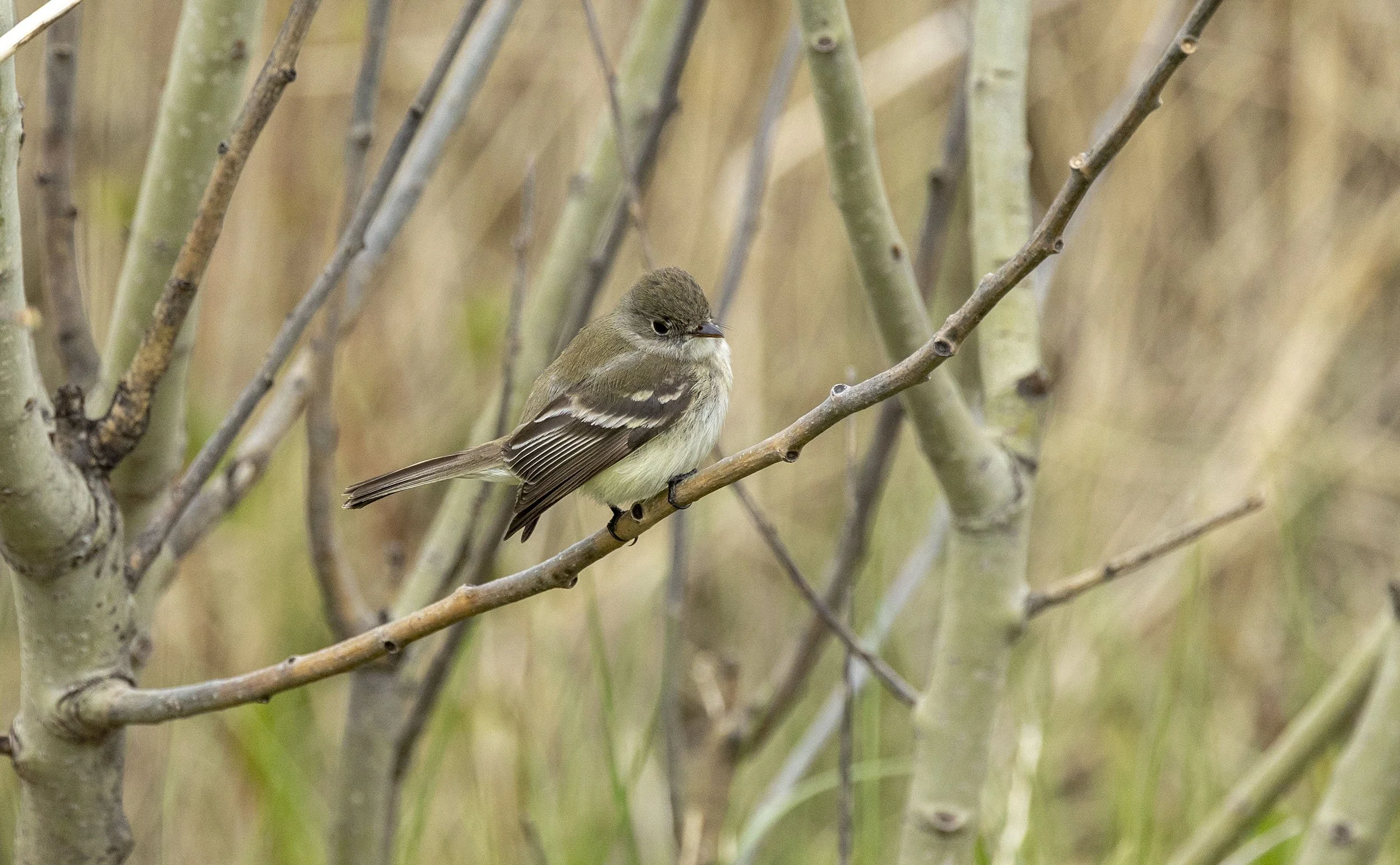
Least Flycatcher Alberta May 2026 Canon R6II and Rf 100-500 lens
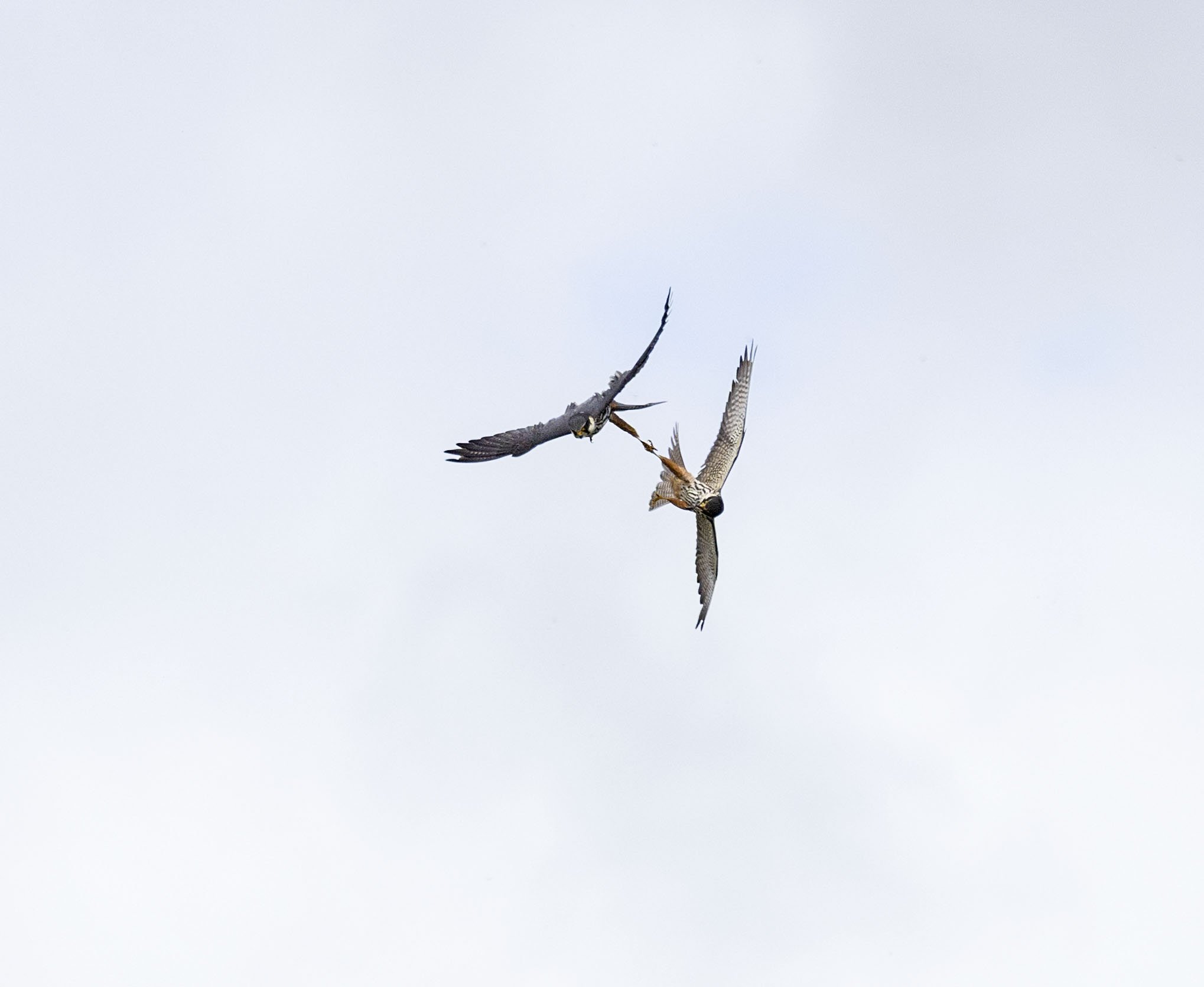
Two male Hobbies fighting Barton April 2026 - 40 frames per second picks up wing positions and interactions that can be missed at slower frame rates - Canon R6II and Rf 100-500 lens - action can be highly unpredictable so the need to have gear available and ready for sudden action is vital - I use a Black Rapid strap which carries the above combination very well with balance being good and weight acceptable
I ended up with two R6II bodies and eventually sold my beloved Canon EF 400DO lens and adaptors going for the RF 100-500 lens followed by adding the RF 200- 800 lens. Lens wise the 100-500 is so versatile and light weight at 1530g and packable, shrinking to 9.4 x 21cms with a close focus of 90cms and superb image quality that it has become my lens of choice most of the time. It works well with the 1.4x converter though aperture becomes f10 but close ups of damselflies and insects become possible. The 200-800 is great for raptor photography which I typically do from a parked vehicle and I do drag it around a bit but at 2050g plus the weight of the body and with a length of 31cms it is a bit bulky and certainly feels much heavier than the 100-500. The close focus at 800 is also not that great at 3.3m but still produces good sized images of small passerines.
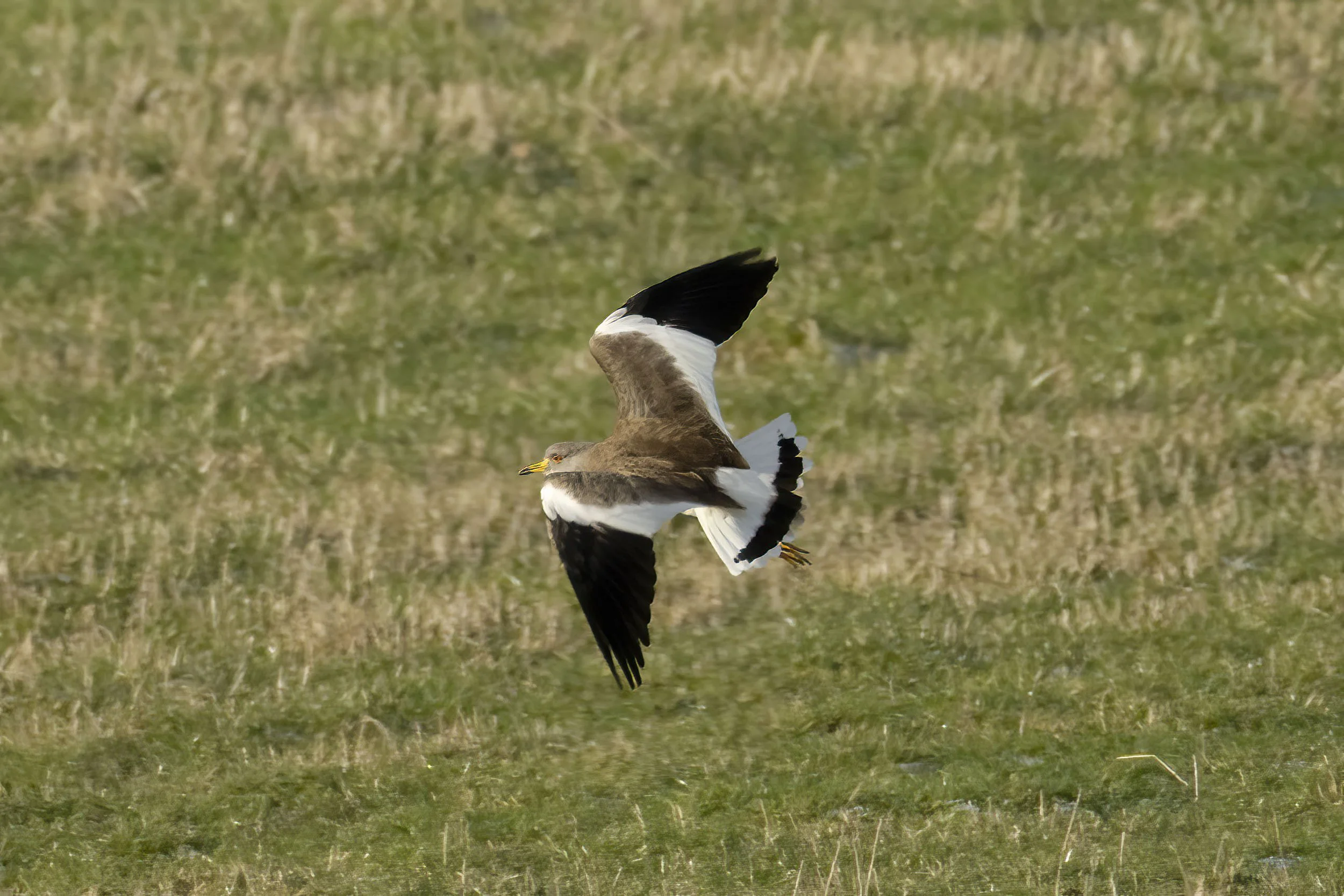
Grey=headed Lapwing Northumberland Janaury 2025 - Canon R6II with Rf 200-800 and 1.4x converter - for rare birds that are often distant or by necessity yuou have to keep well away the more magnifiation the better and even with the 1.4x converter the 200-800 is not bad producing 1120mm equivalent
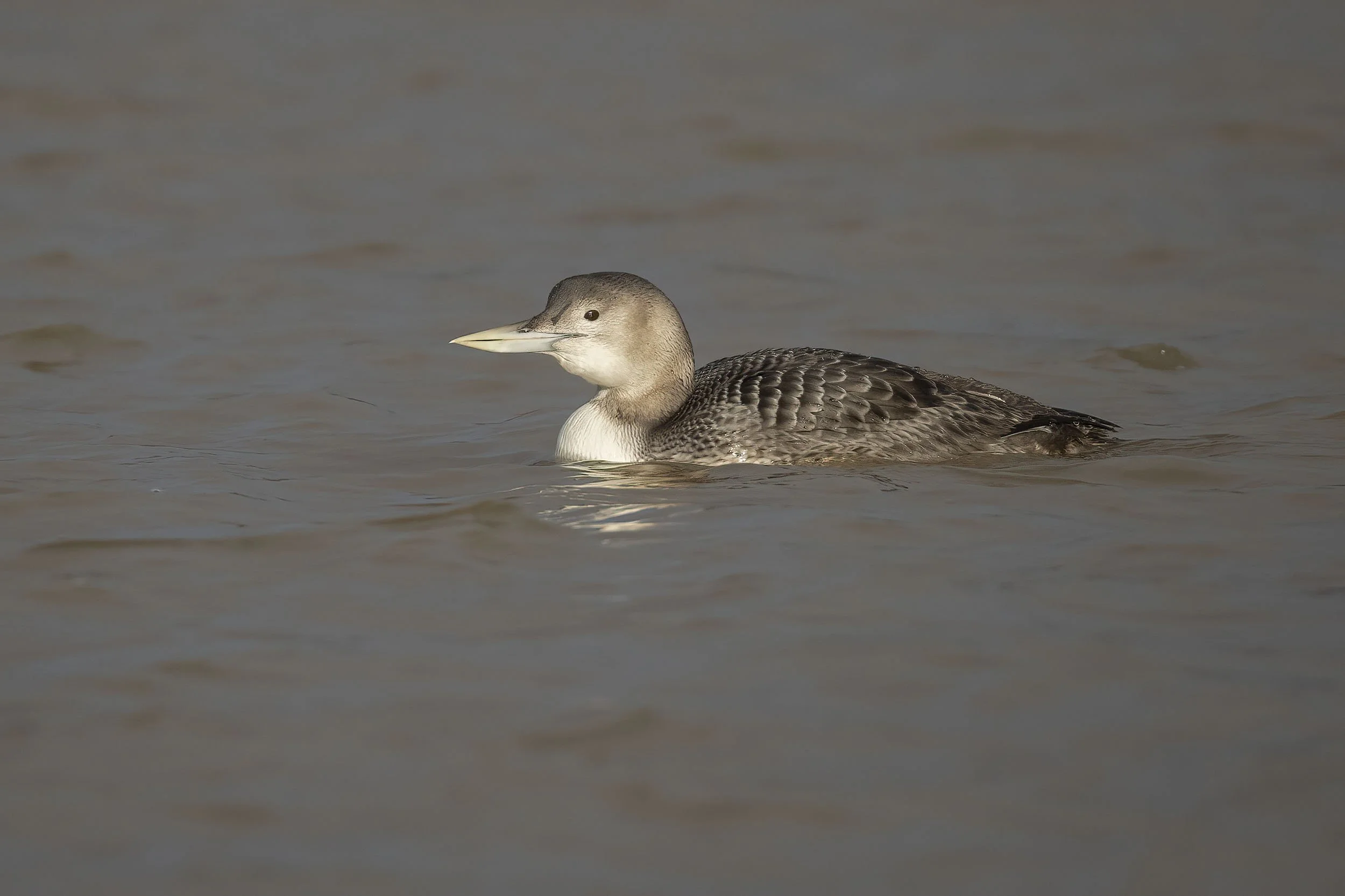
Juvenile White-billed Diver Northumberland Janaury 2025 - some people claim the 200-800 lens is not very sharp but I have been pleased with the with the R6II
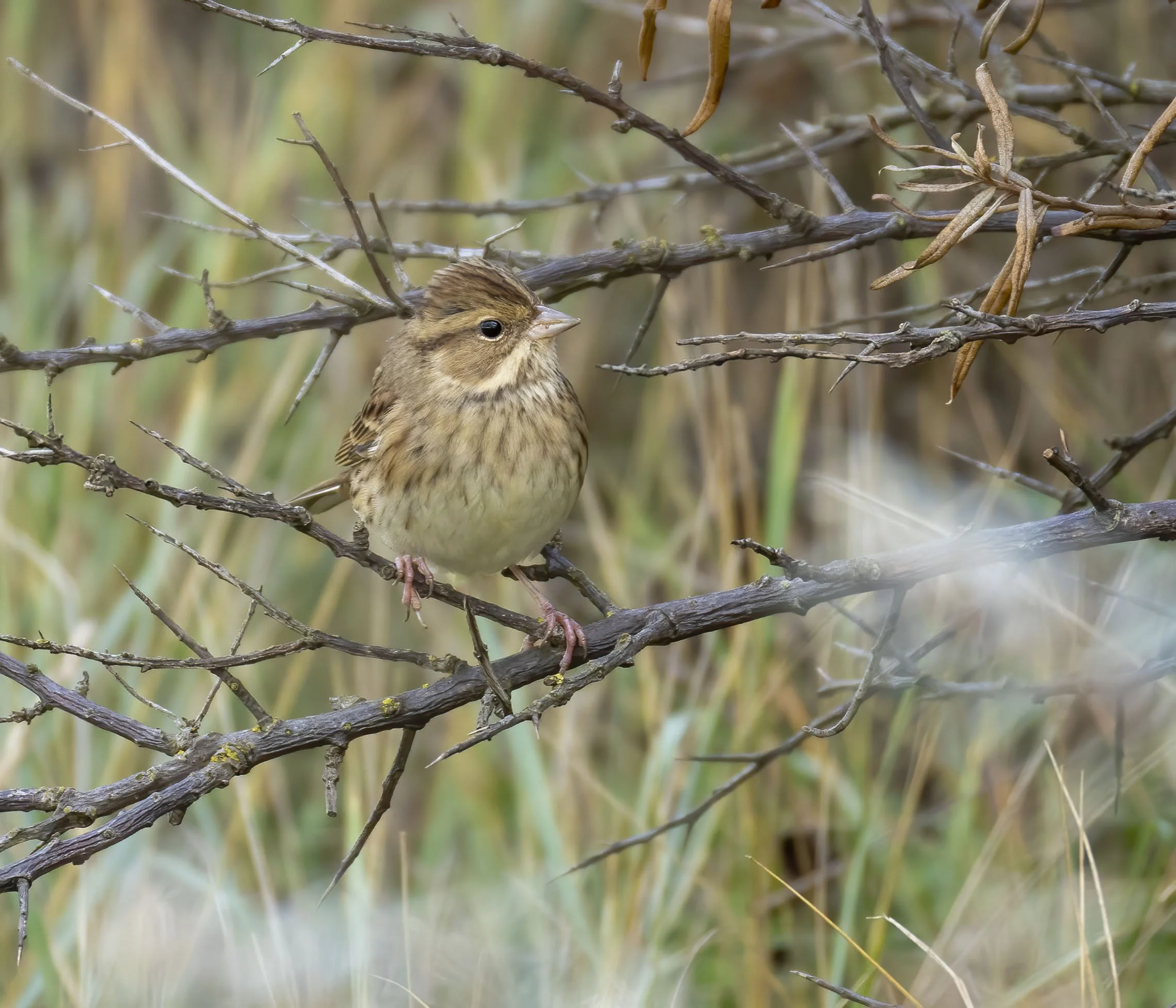
Black-faced Bunting Spurn October 2025 - Canon R6II and Rf 200-800 -another case where you assume you will not be close to the bird so a higher magnification lens is needed - Hand held I never use a tripod but occasionally use a monopod in very windy weather
The R6II has a 24.2MP sensor (6000x4000 pixel image size) and 40 frames per second electronic shutter and uses two SD cards but the buffer can be limiting for fast action even with high-speed SD cards which have become increasingly expensive in recent times. The sensor for anyone who knows what it means is a Dual Pixel CMOS AF II with 4897 AF points selectable.
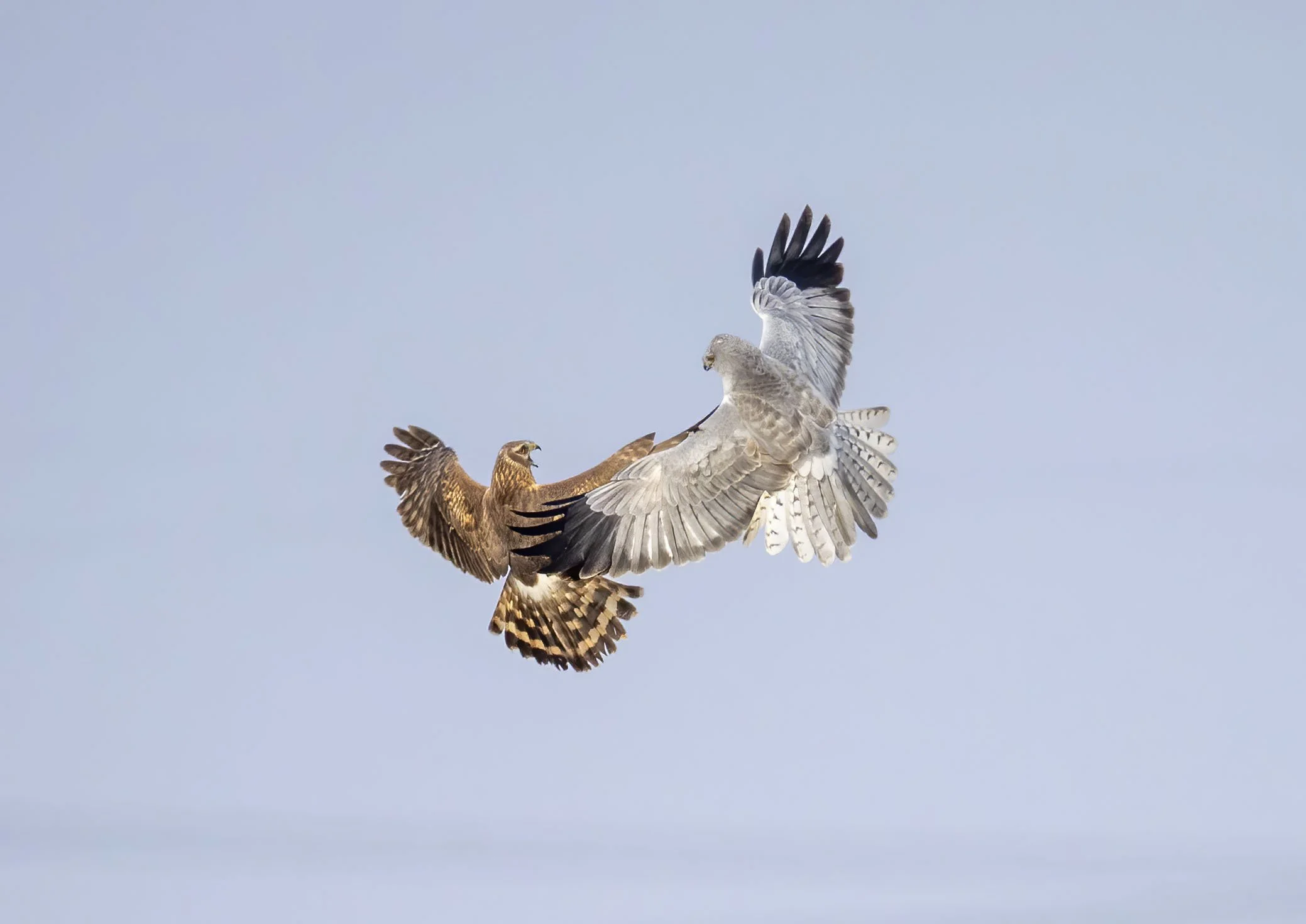
Adult and 2cy male Hen Harriers March 2025 - this was one instance where the limited buffer on the R6II restricted the number of shots I was able to get of this fast action when the two birds were sparring in the air and you can miss the vital shot while the buffer is clearing - Canon R6II and Canon RF 200-800 lens
For several months I had considered the Canon R5II with its 45MP and CF Express card capacity and when you look at media like Instagram it seems all the pro or high-end wildlife photographers who use Canon cameras use the R5II presumably for a reason: I procrastinated long enough to convince myself that I did not need 45MP and there were also some concerns over image quality at high ISO’s with the R5II. I had virtually ignored the launch of the R6III as most reviewers said it was not worth the upgrade from the R6II but the more videos I watched the more I considered it may be worthwhile. In particular Fabian’s honest opinions in this video had me reconsidering my position.
https://www.youtube.com/watch?v=zH6B_eRF5Xg
The new sensor in the R6III is 32.5MP almost the same as my old Canon 5D4 (6960x4640 actual pixels) and is considered to be better than the R6II as regards image quality particularly at high ISO. This is a considerable step up in overall image size that allows more cropping than my R6II which for a birder photographer is seemingly always necessary in Britain where birds are hardly ever close enough! This converts to 6097 selectable AF points against the 4897 in the R6II.
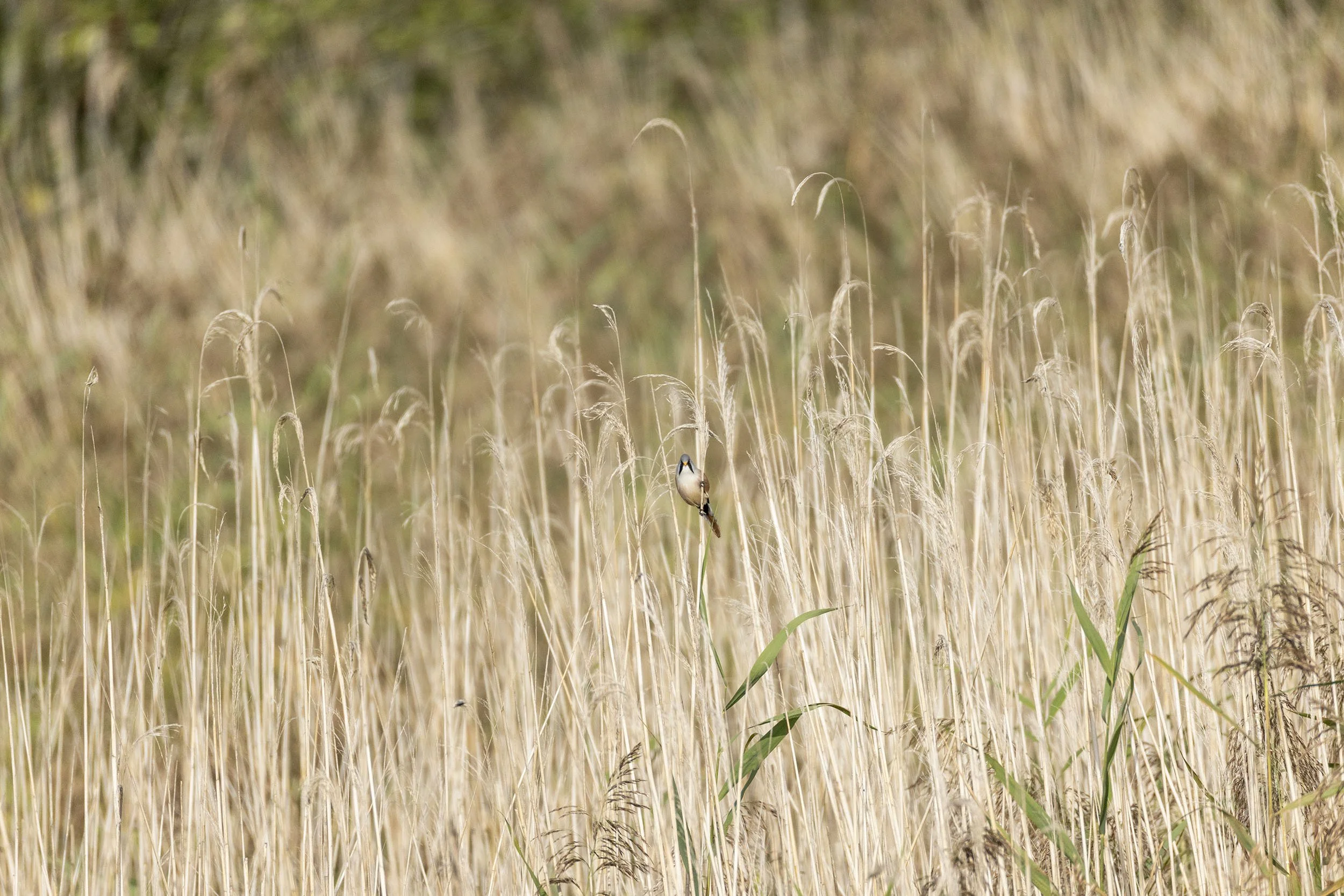
An exceptional example of the cropping ability of the R6III images - Bearded Tit full frame reduced to 3000 pixels width with Canon R6III and Canon Rf 200-800
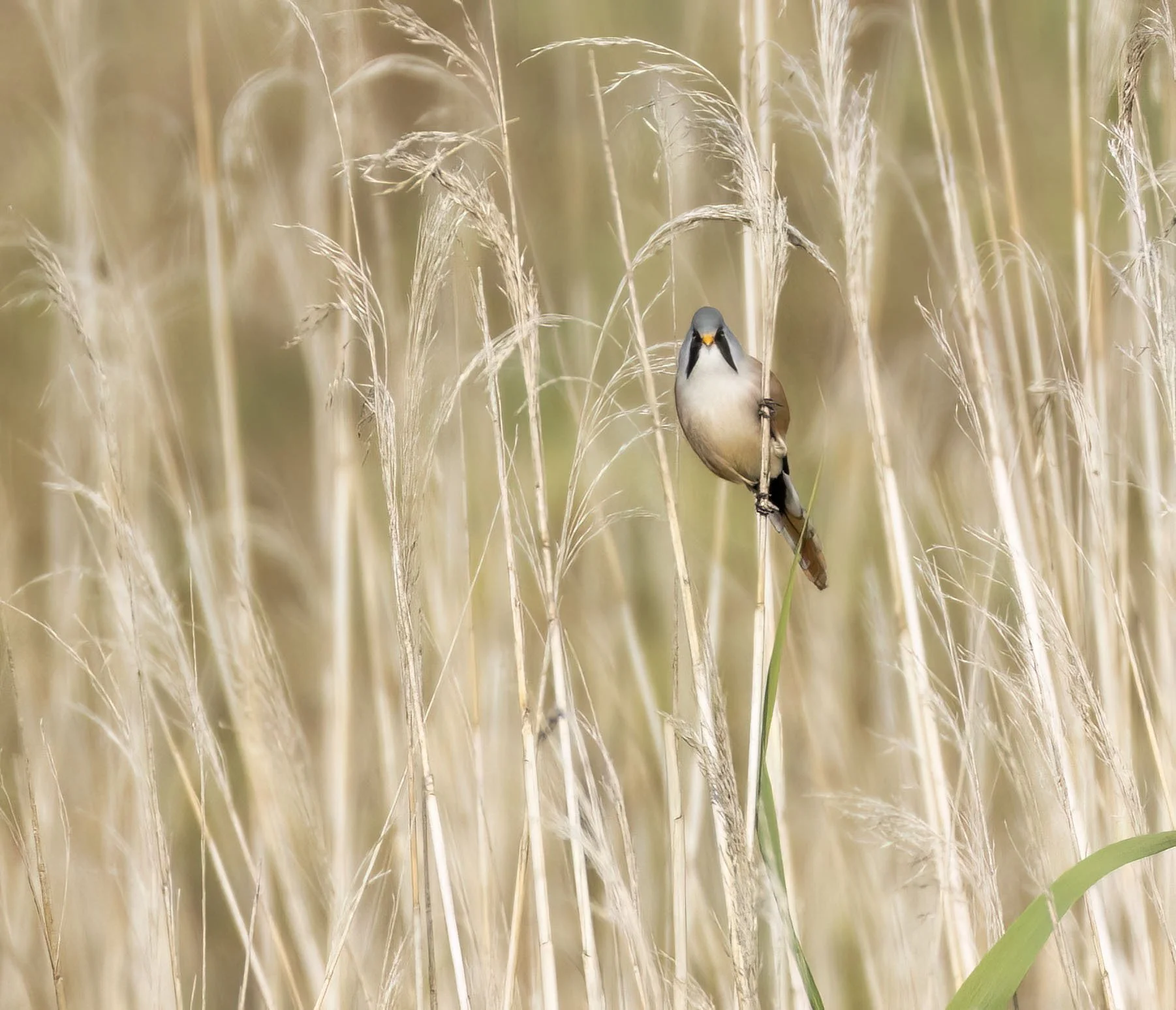
An extreme crop of the above image bringing it down to 1802 pixels wide but for small screen viewing like phone screens this is just about acceptable
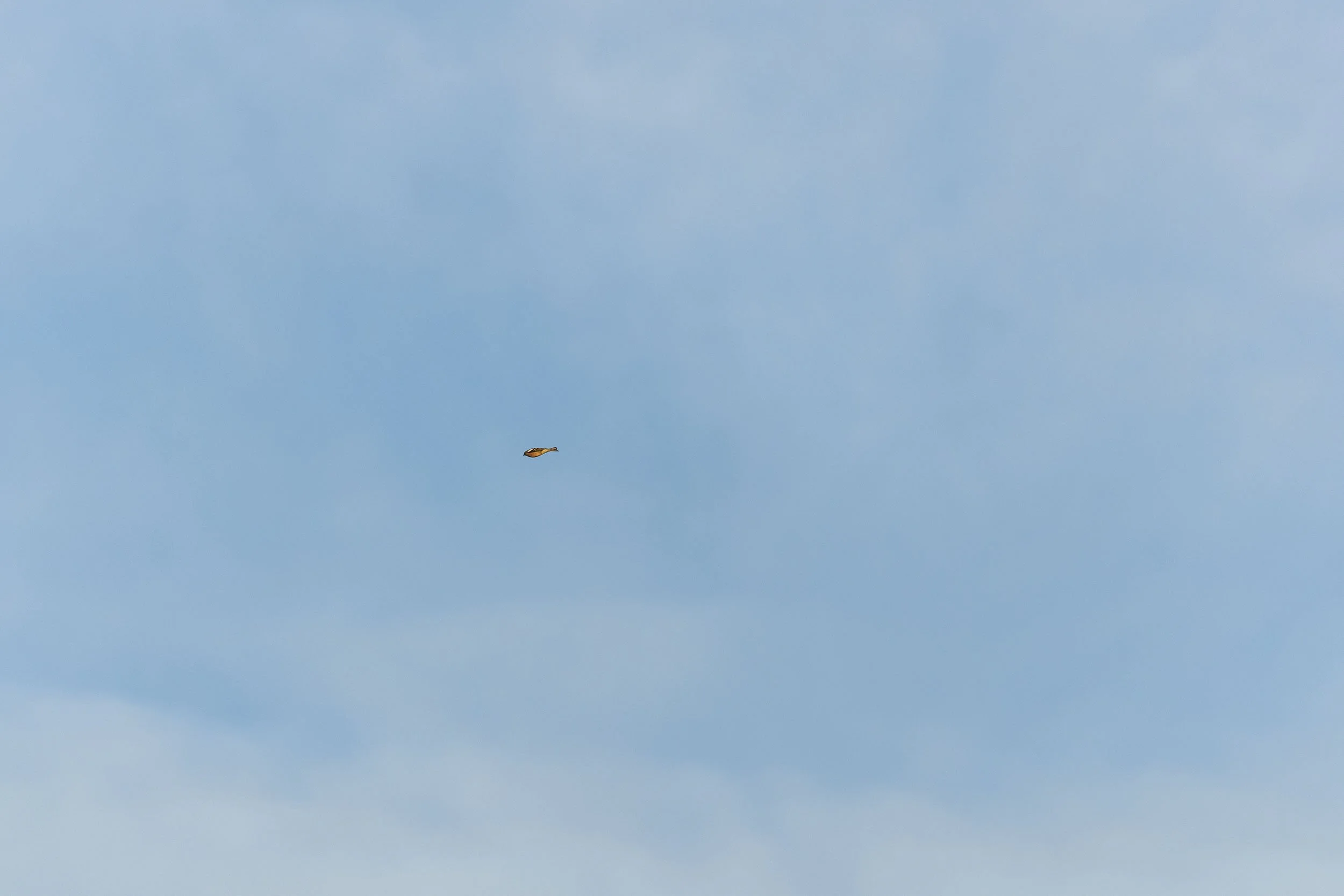
If this Chaffinch was a mega rarity even this dot would be useful evidence - cropped image below - Canon R6III and Canon RF 100-500
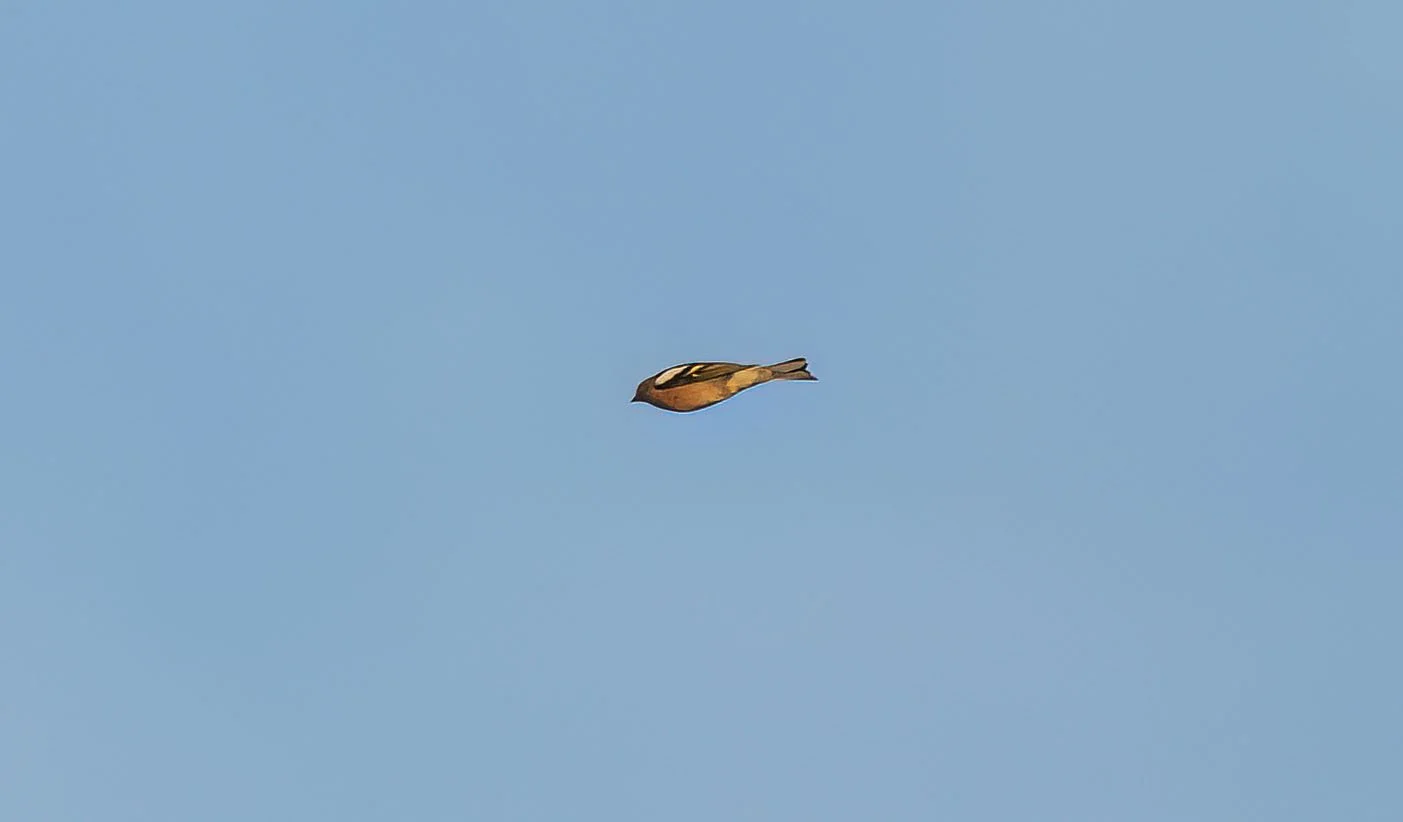
Reduced to 2500 pixels wide and identifiable as a Chaffinch
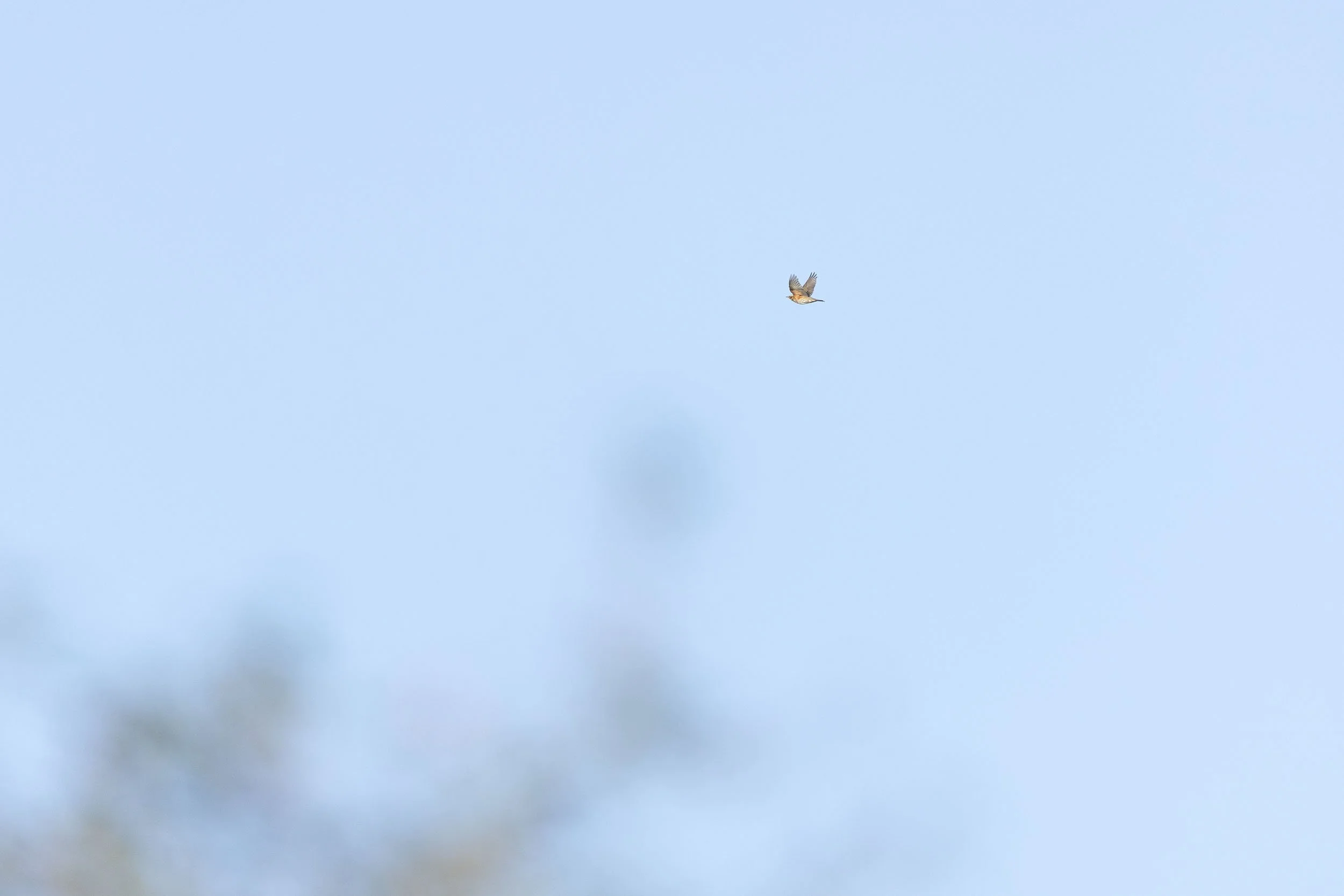
Full frame size Redwing or Eye-browed Thrush!!! Canon R6III and Rf 100-500
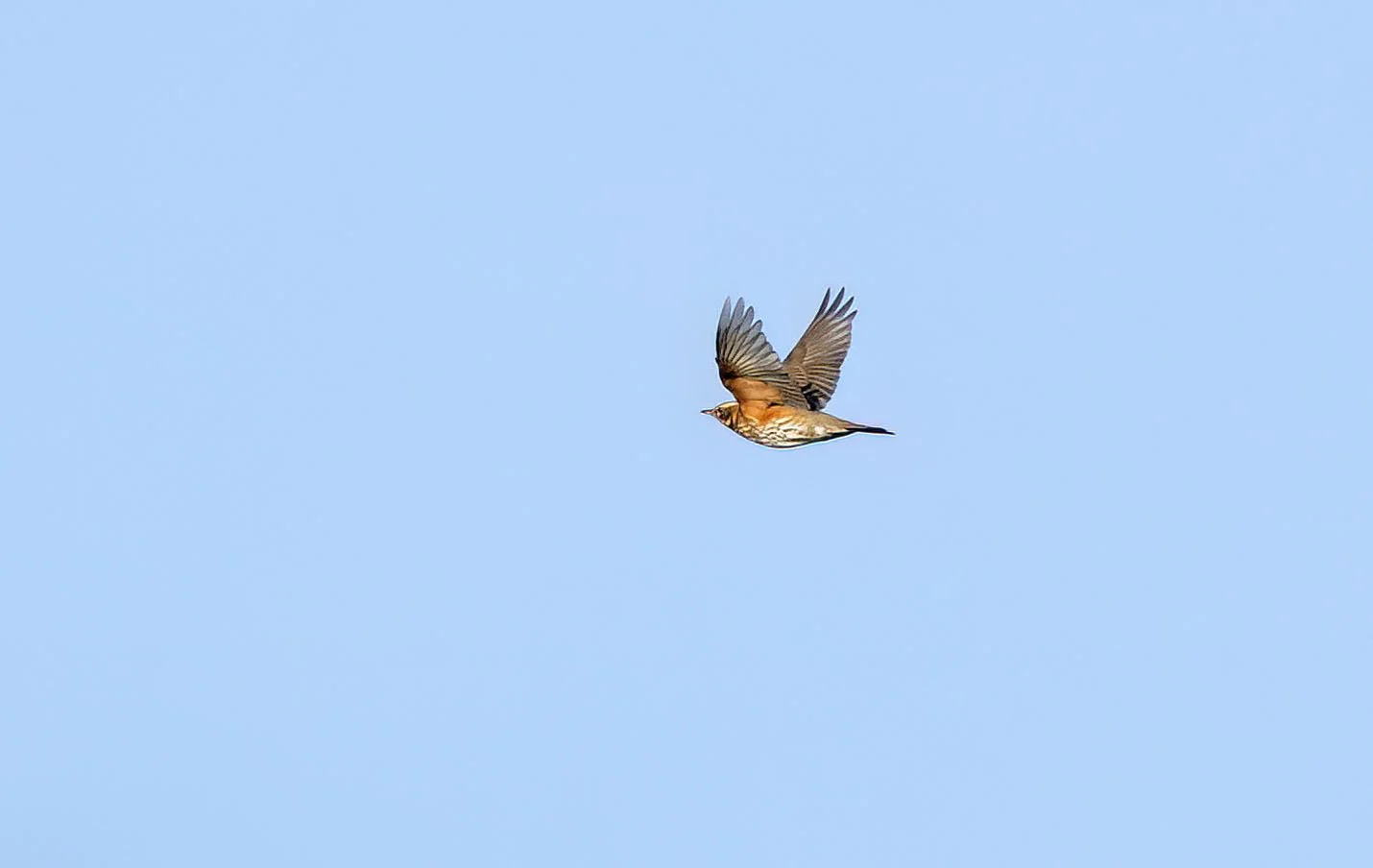
Above image cropped to 1430 pixels certainly would not win any awards but enough detail to prove an ID
One of the main advantages over the R6II is the larger buffer which allows 350 RAW images or 8 seconds burst before buffer slows down achievable with the CF Express card. This is a major change for action photography and it convinced me that I needed to purchase a CF Express card and reader! Which is not cheap but I bought a 256GB card as it was only about £40 dearer than a 128GB card. It of course not only records action much quicker but uploads to the computer about 5x faster than a fast SD card.
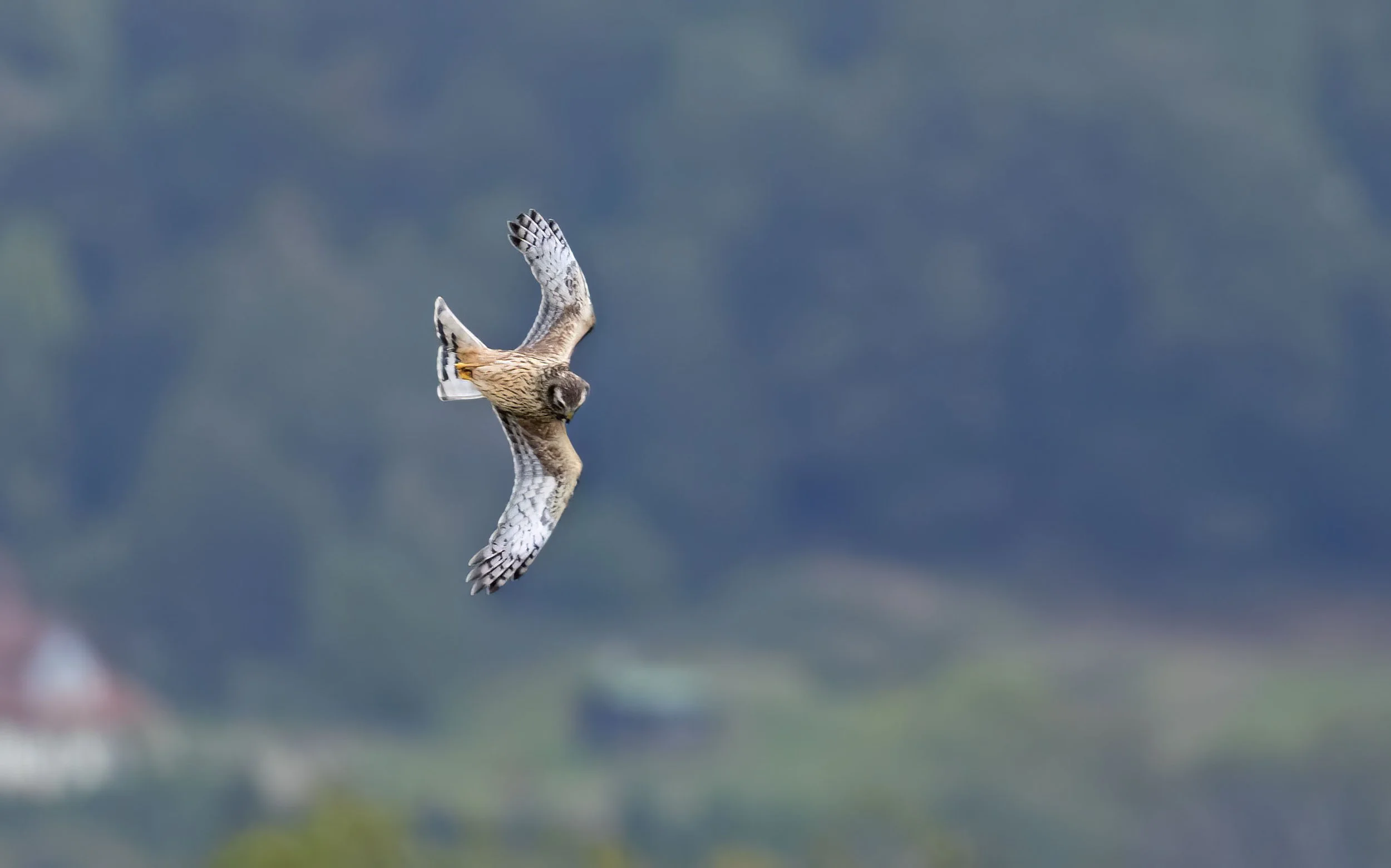
I have not really used the camera for any exceptional action as yet but this 1cy male Hen Harrier was very mobile while I was shooting with the 200-800 and I never hit the buffer while capturing some decent stoops and changes of firection
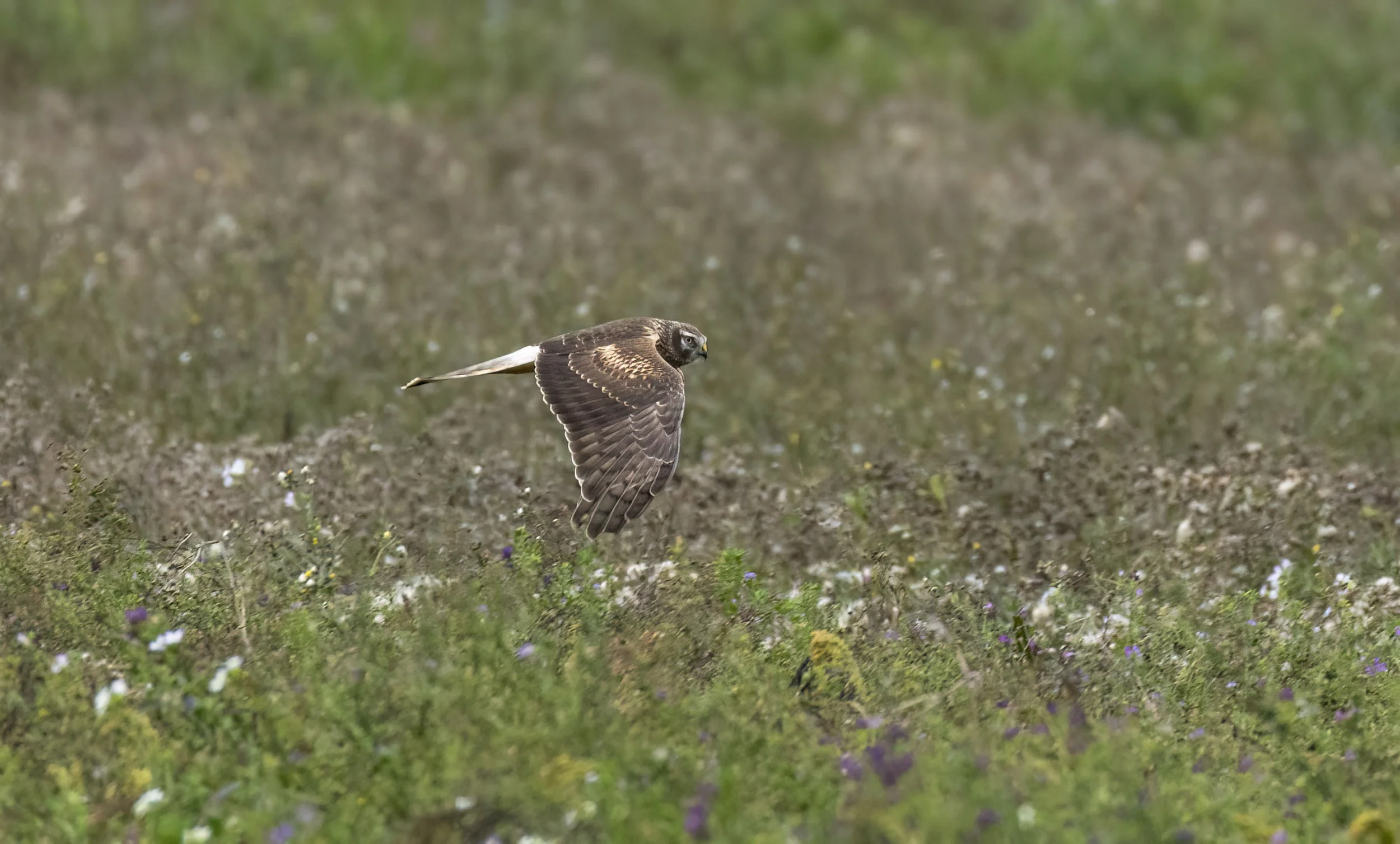
Hen Harrier passing the car sp panning with the 200-800 at 1/1000th second at ISO 3200 on a fairly dull October afternoon
The R6III also has improved stabilisation 8.5 stops v 8 on the R6II every bit is welcome when hand holding and it seems to me that I have been able to get sharper images at lower shutter speeds. A few examples below:
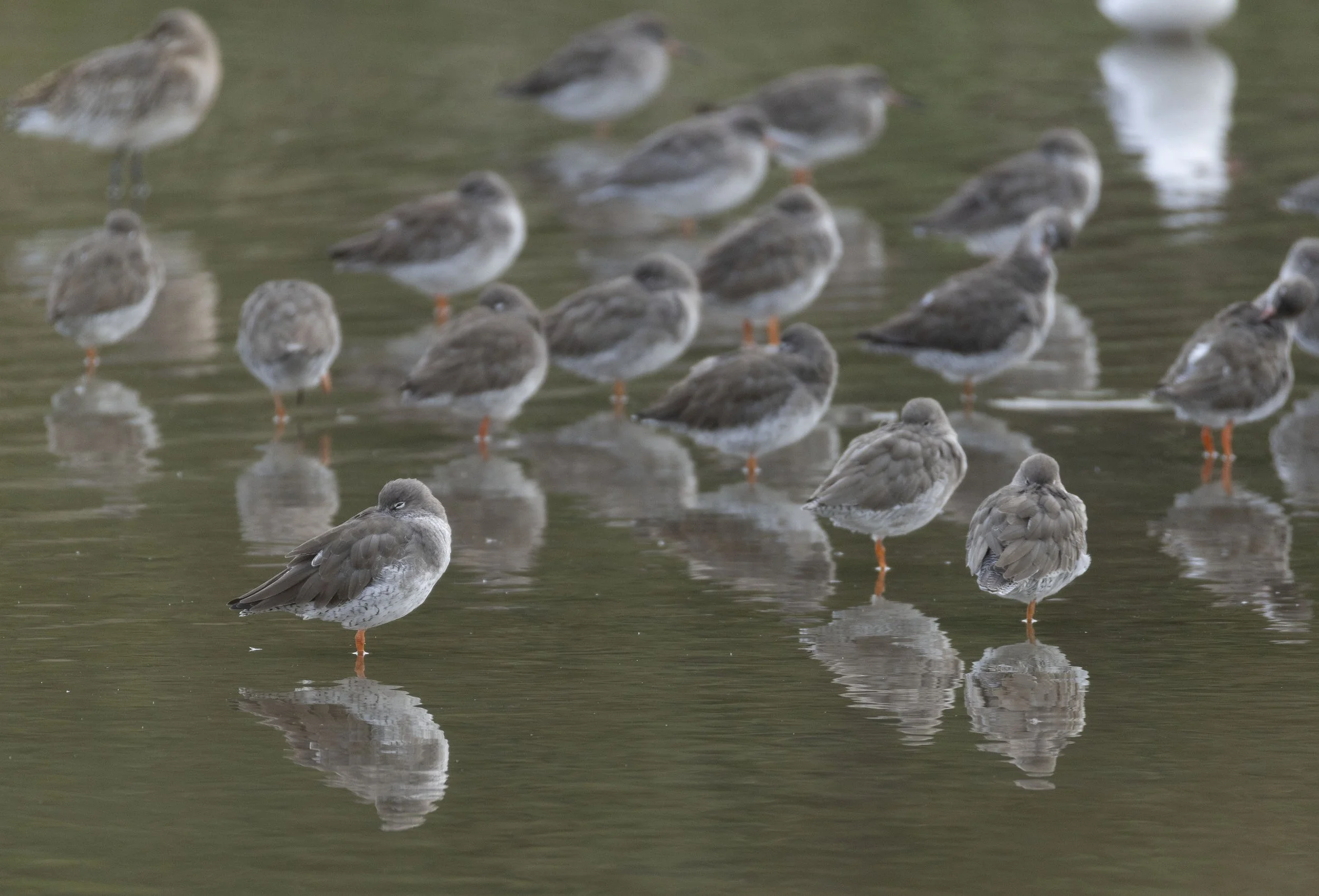
Roosting Redshank at 1/160th second hand held RF 200-800
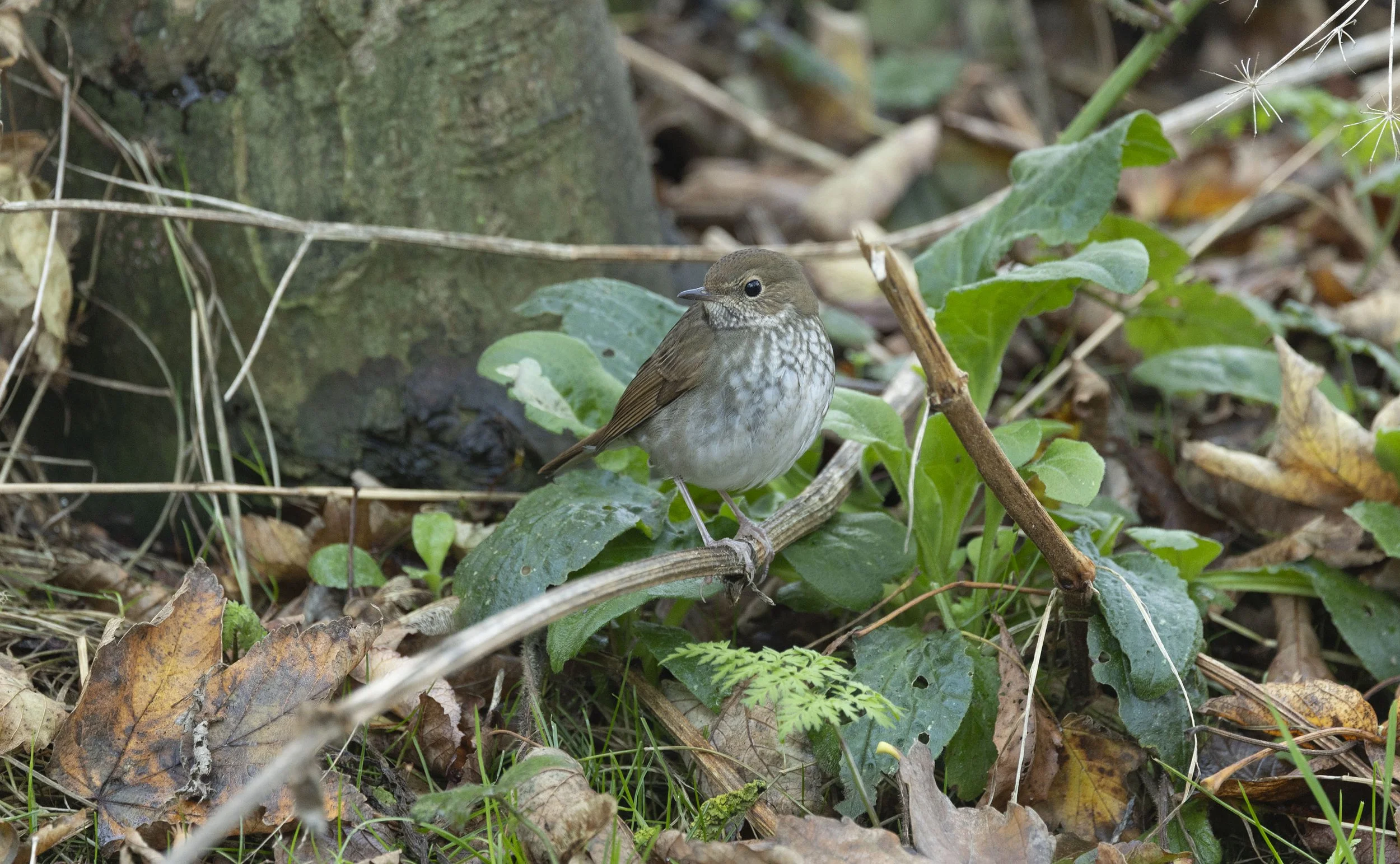
Rufous-tailed Robin Flamborough - 1/20th second with the 100-500 lens hand held - conditions dictated low shutter speeds even at high ISO here 1600
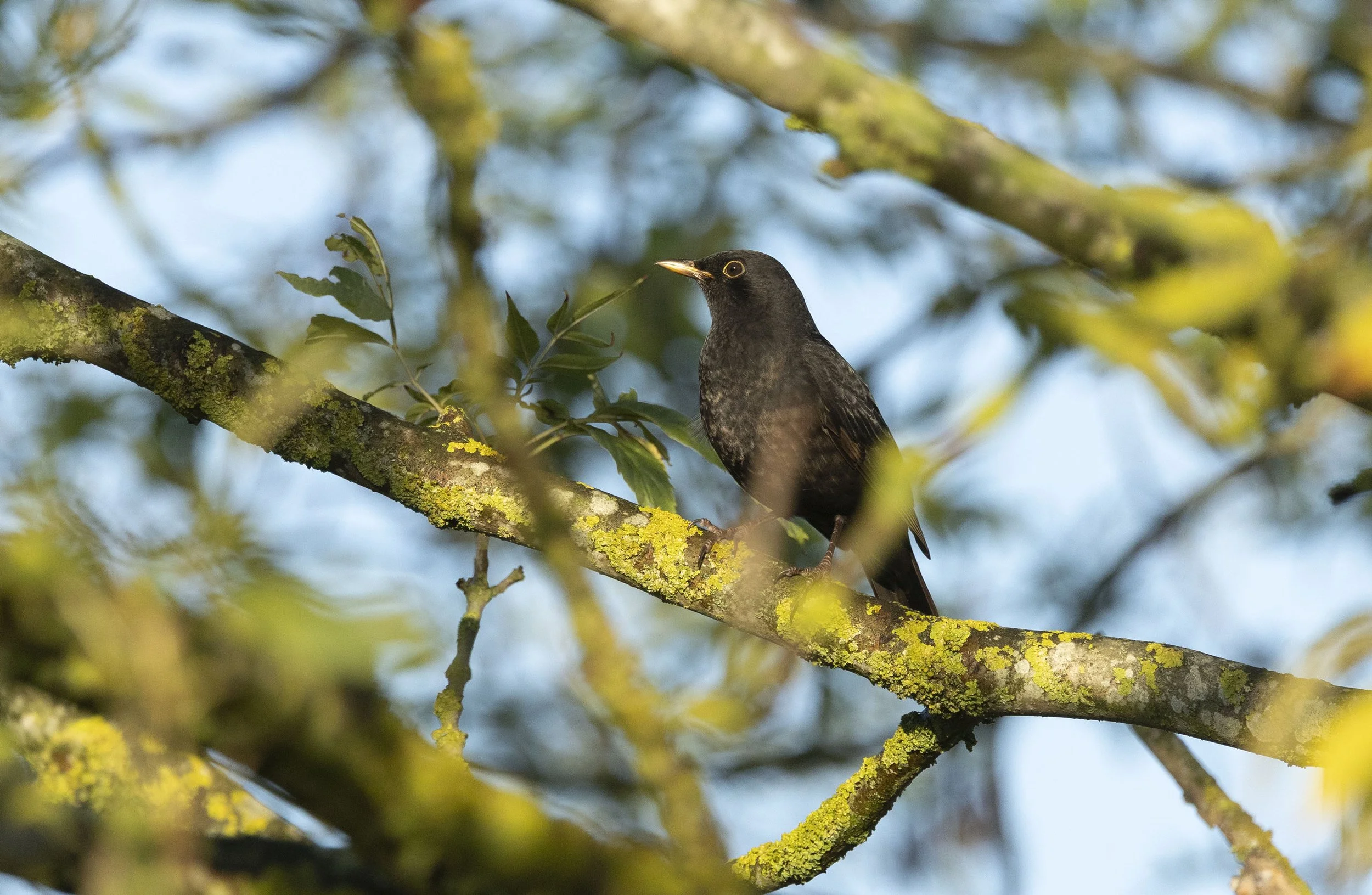
The Auto-focus system is apparently the same as in the R5II and and upgrade on the R6II and thus far I have found it does seem better with eye detection and tracking apparently more accurate and reliable - here a Blackbird with the 100-500 the AF locked on the eye even though some branches intervened
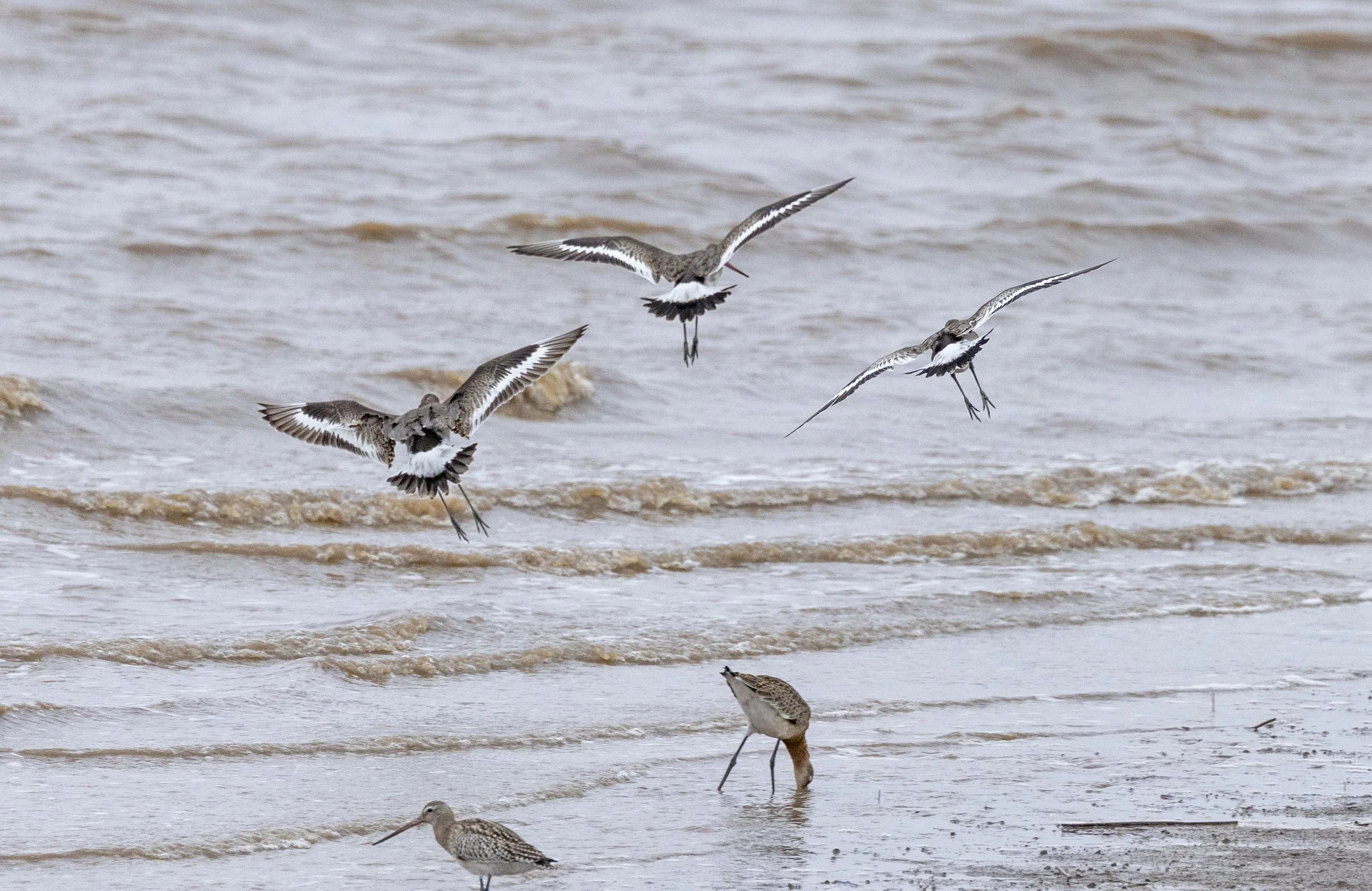
Black-tailed Godwits in flight - The AF seems better at picking up flying birds thus far and I think the chances of missing a passing rarity are reduced - famous last words
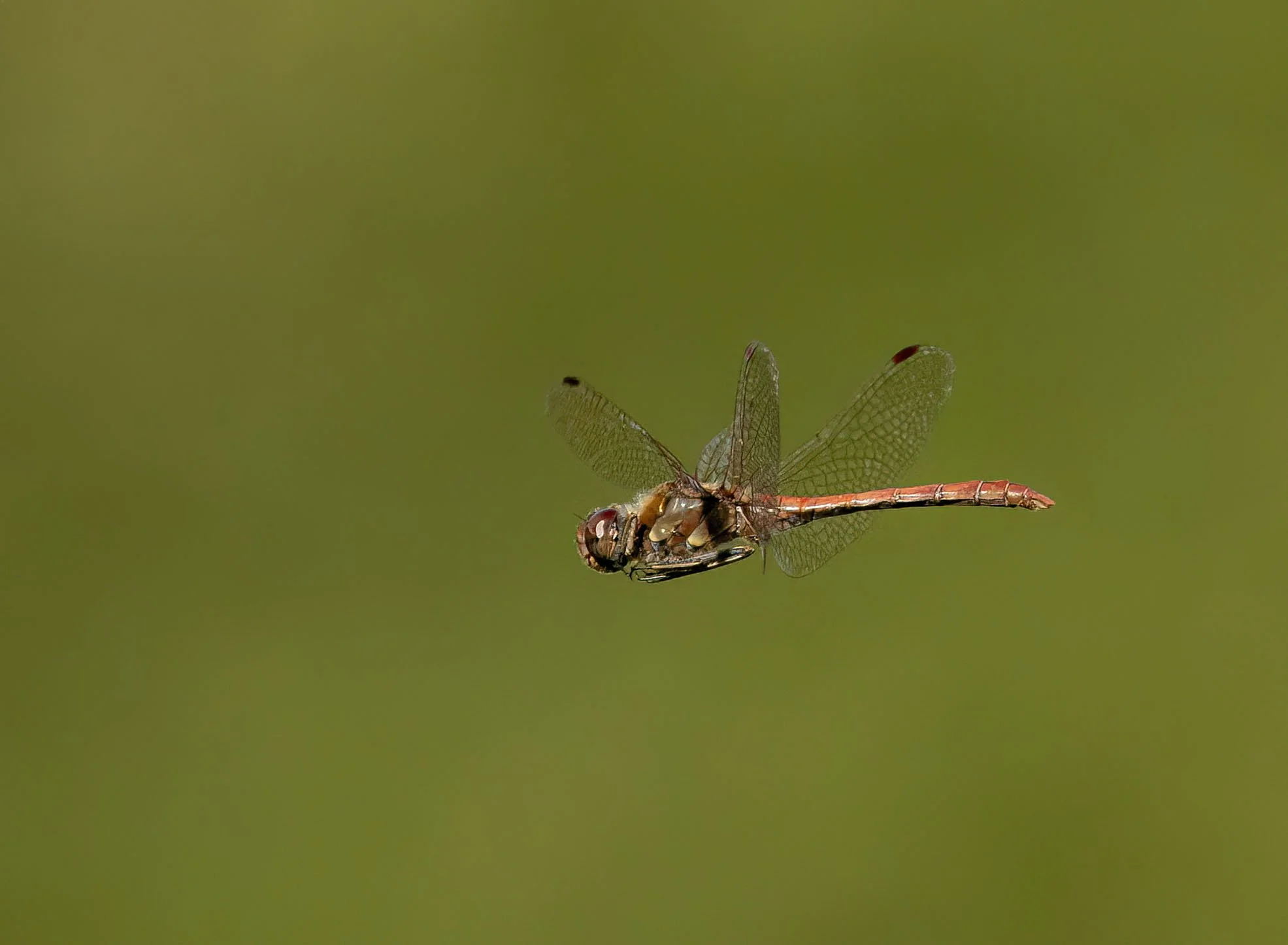
I was not expecting to be able to try it out on flying dragonflies in late October but this male Common darter was quite accomodating and the AF locked onto it better than my memory of the R6II in similar situations with a dark backdrop
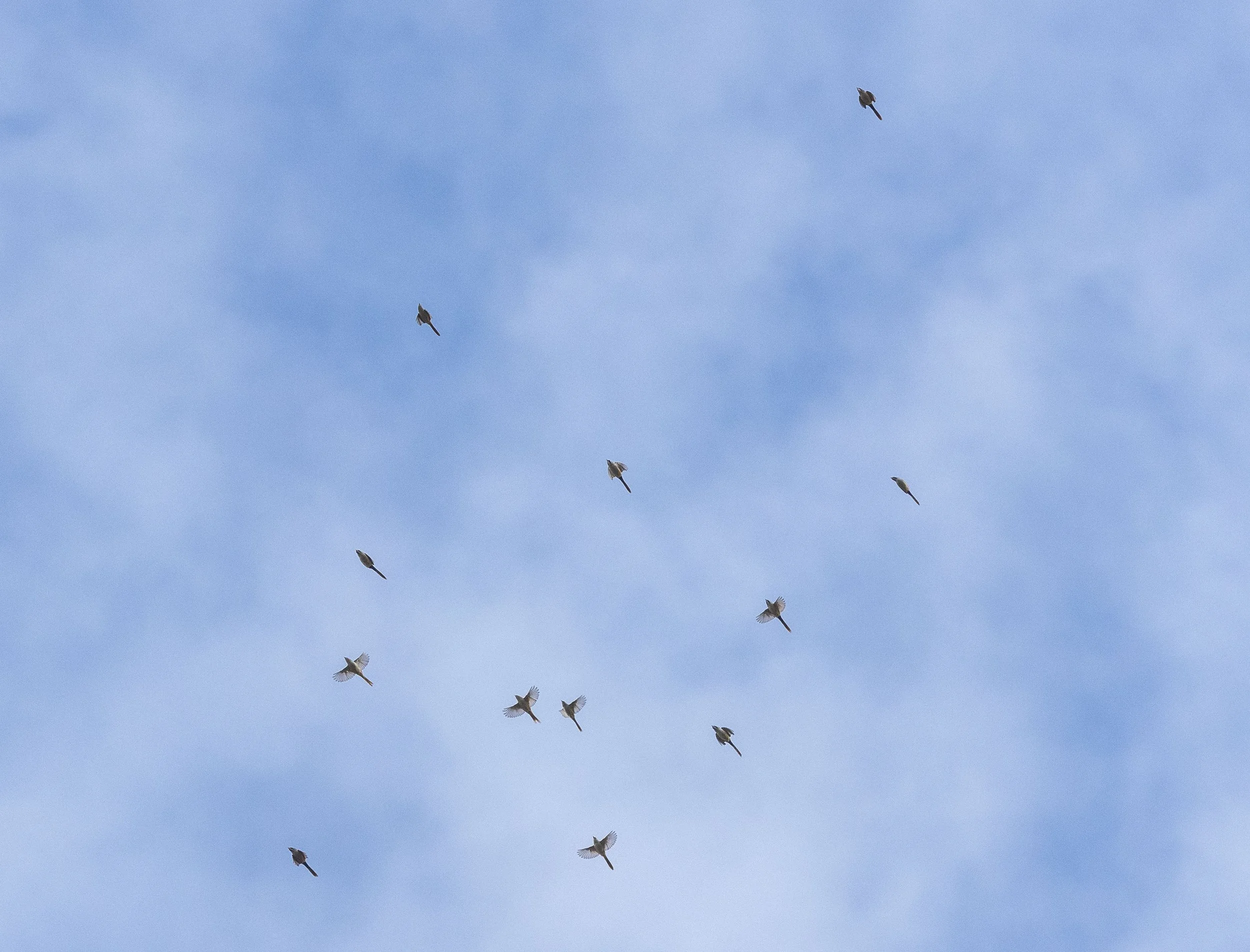
A flock of irrupting Bearded Tits not an easy subject for an AF system as each bird is very small but the R6III picked then up quickly
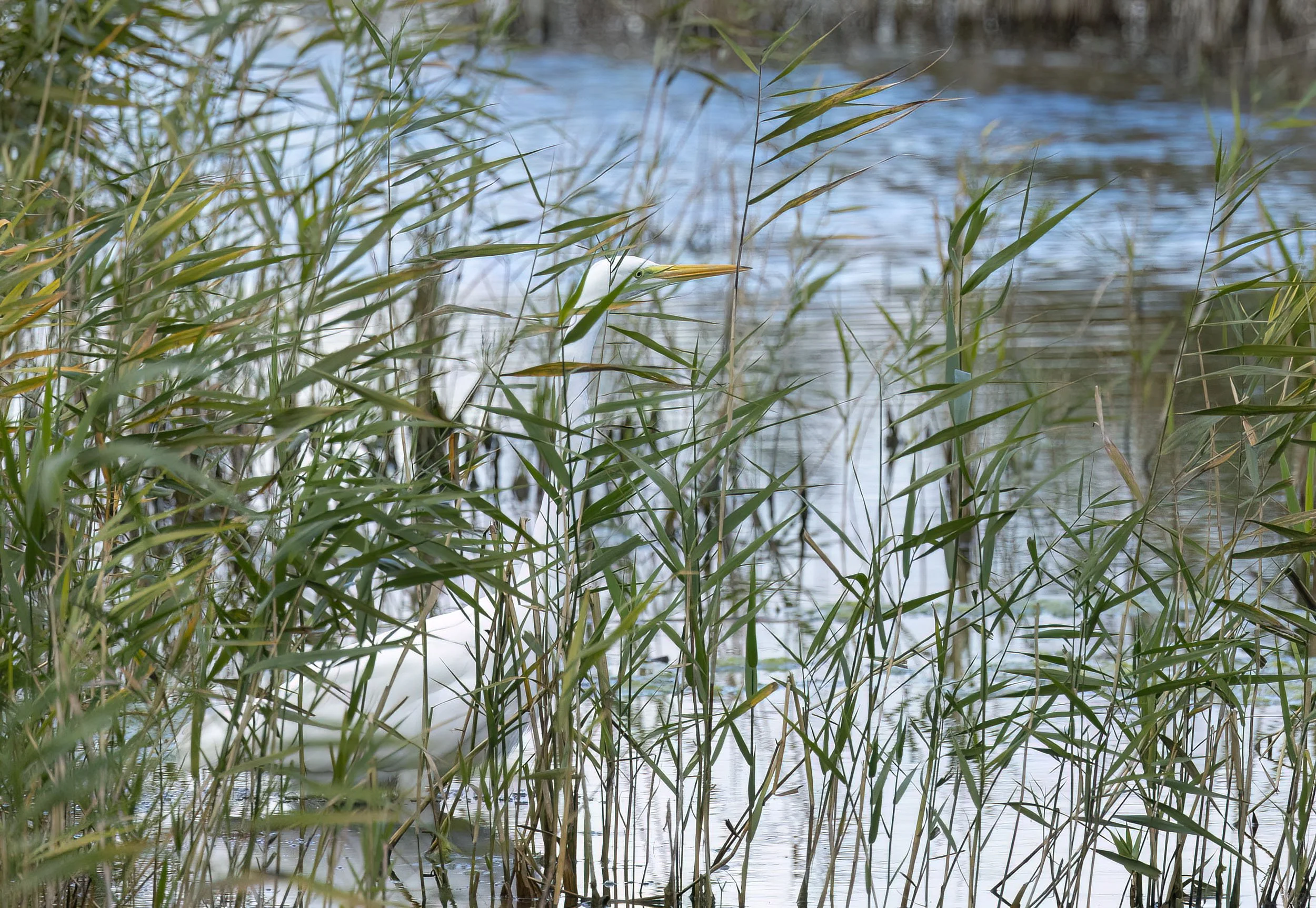
There are situations where the AF struggled and this was one where I had to resort to MF as the camera just kept picking up the intervening reed stems - maybe the eye was too small or lacking in contrast
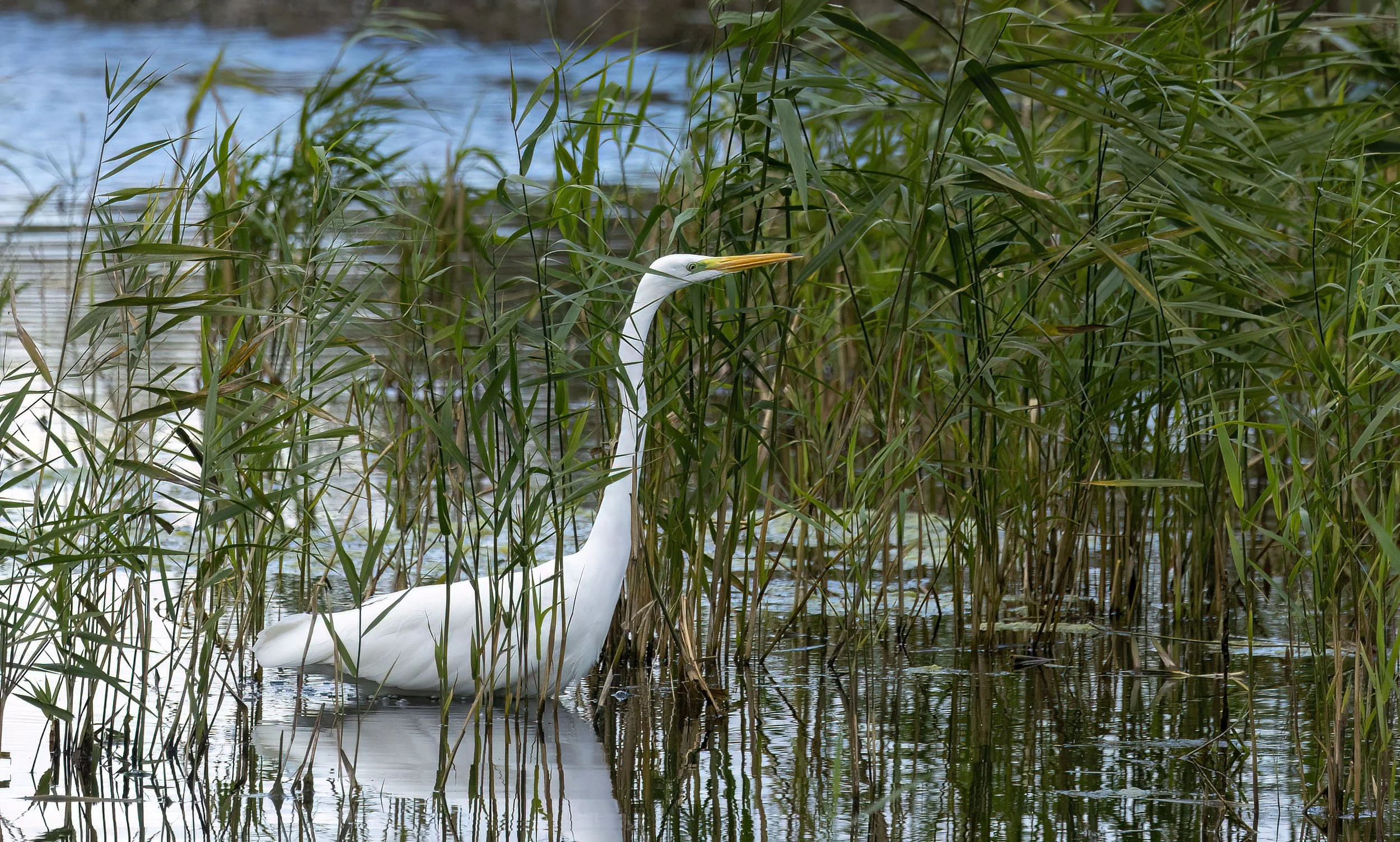
As soon as the egret moved out into the open it picked up the eye straight away
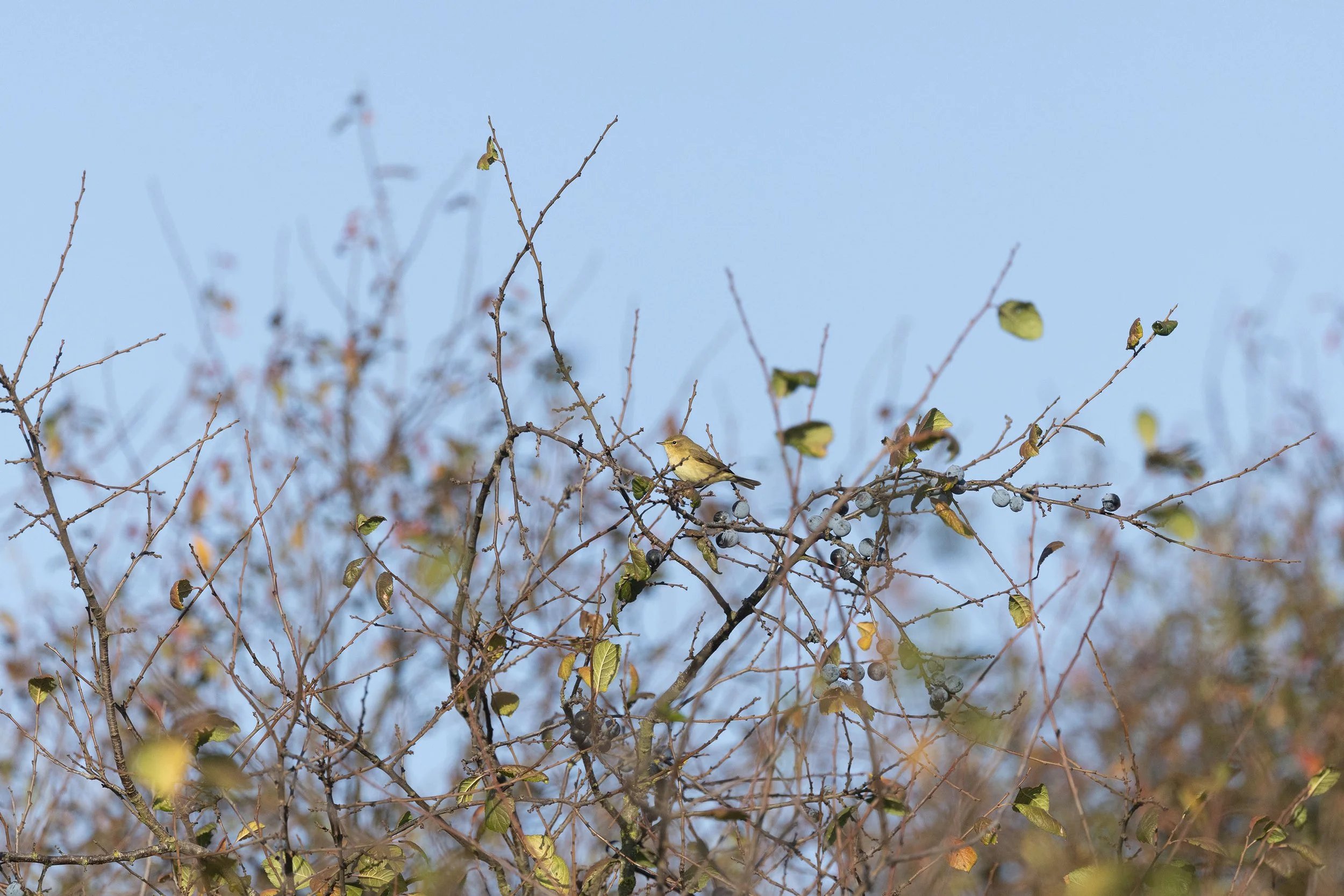
The Af single point picked up thsi Chiffchaff here shown full frame in spite of the bird being very small in frame - cropped image below shows it was sharp
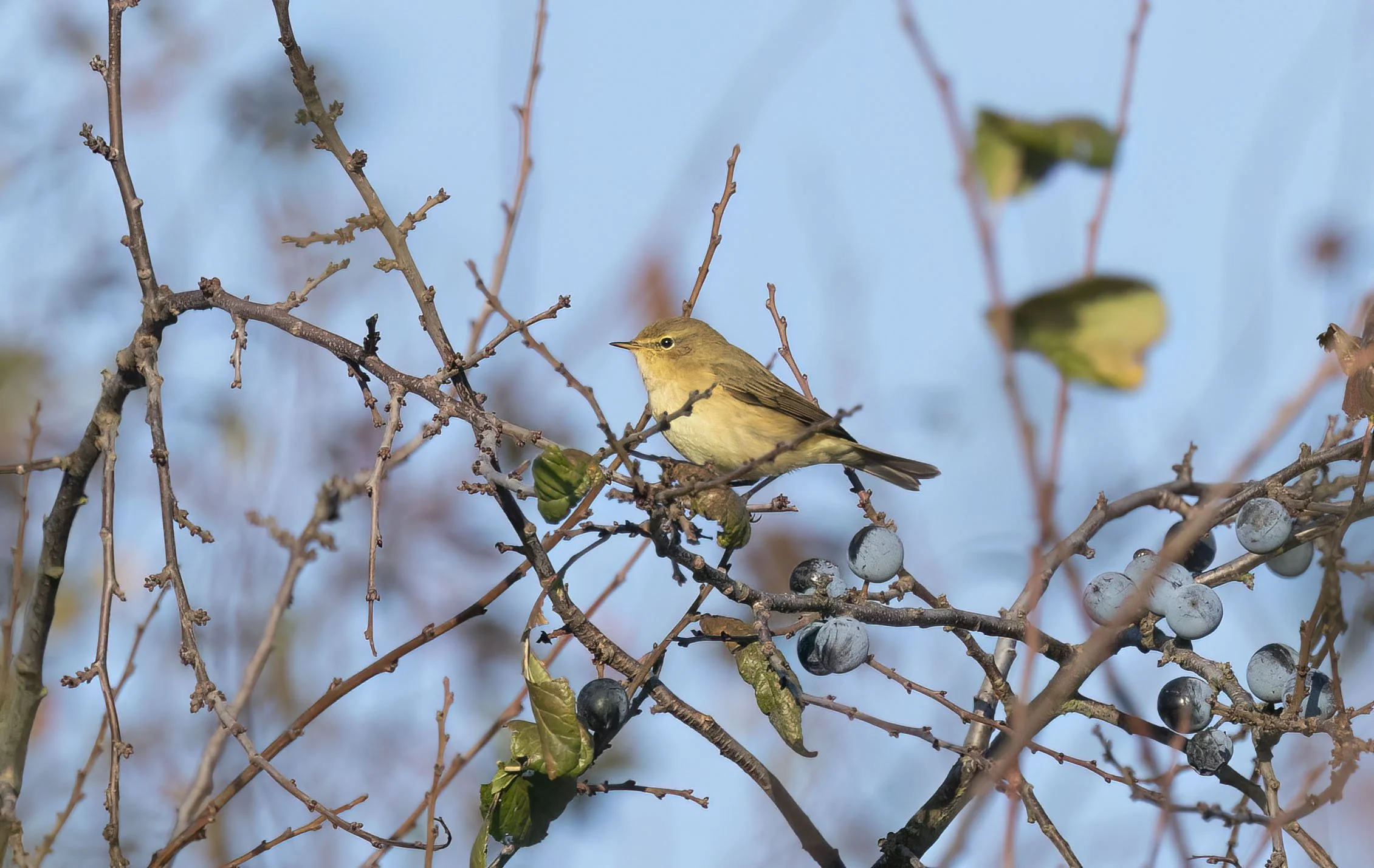
Heavy crop of the image above
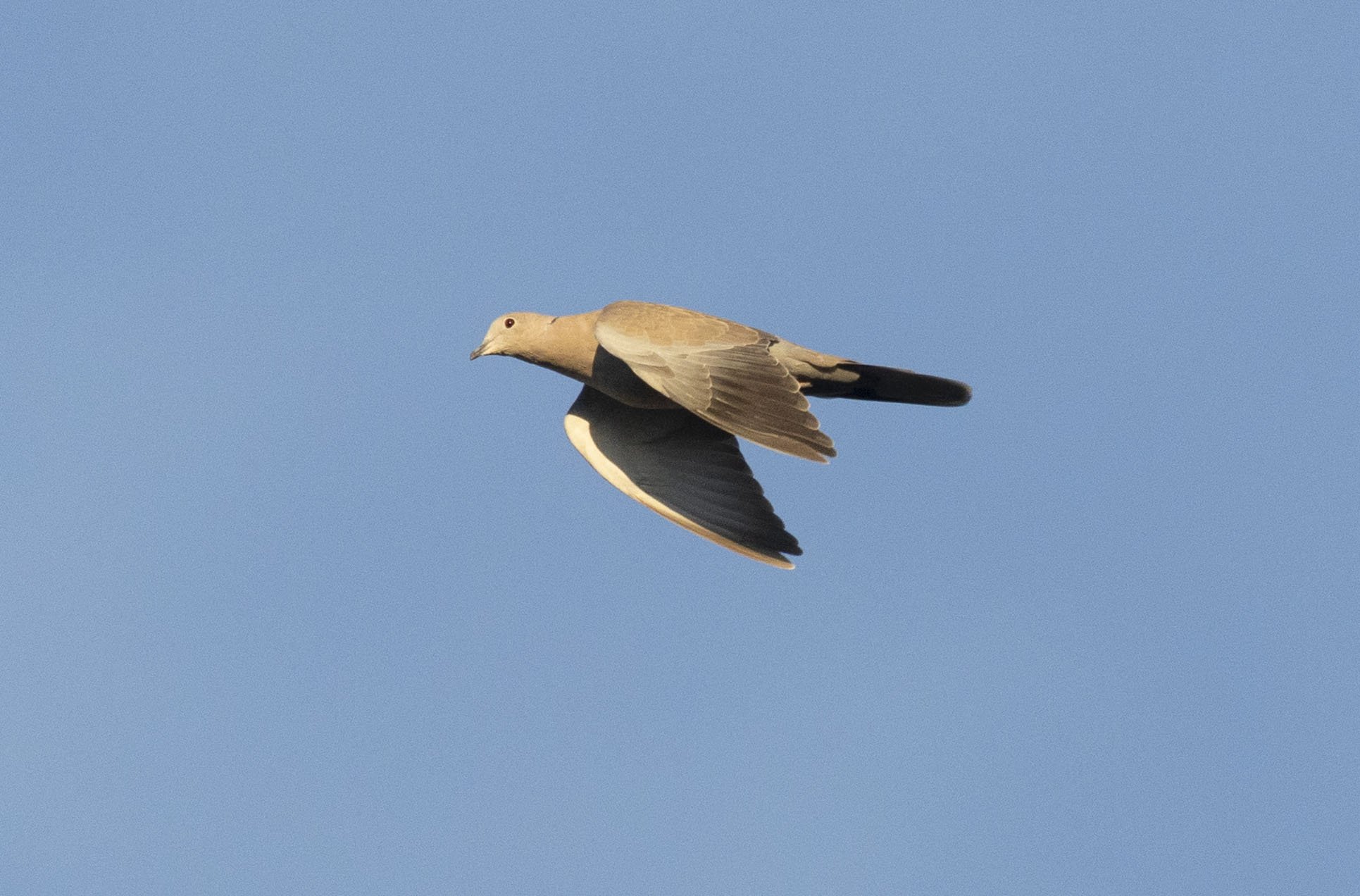
Collared Dove in flight I switch to all AF points when a bird is in a clear sky - I have four AF methods set on one of the upper back buttons which I toggle in different focus situations with my right thumb
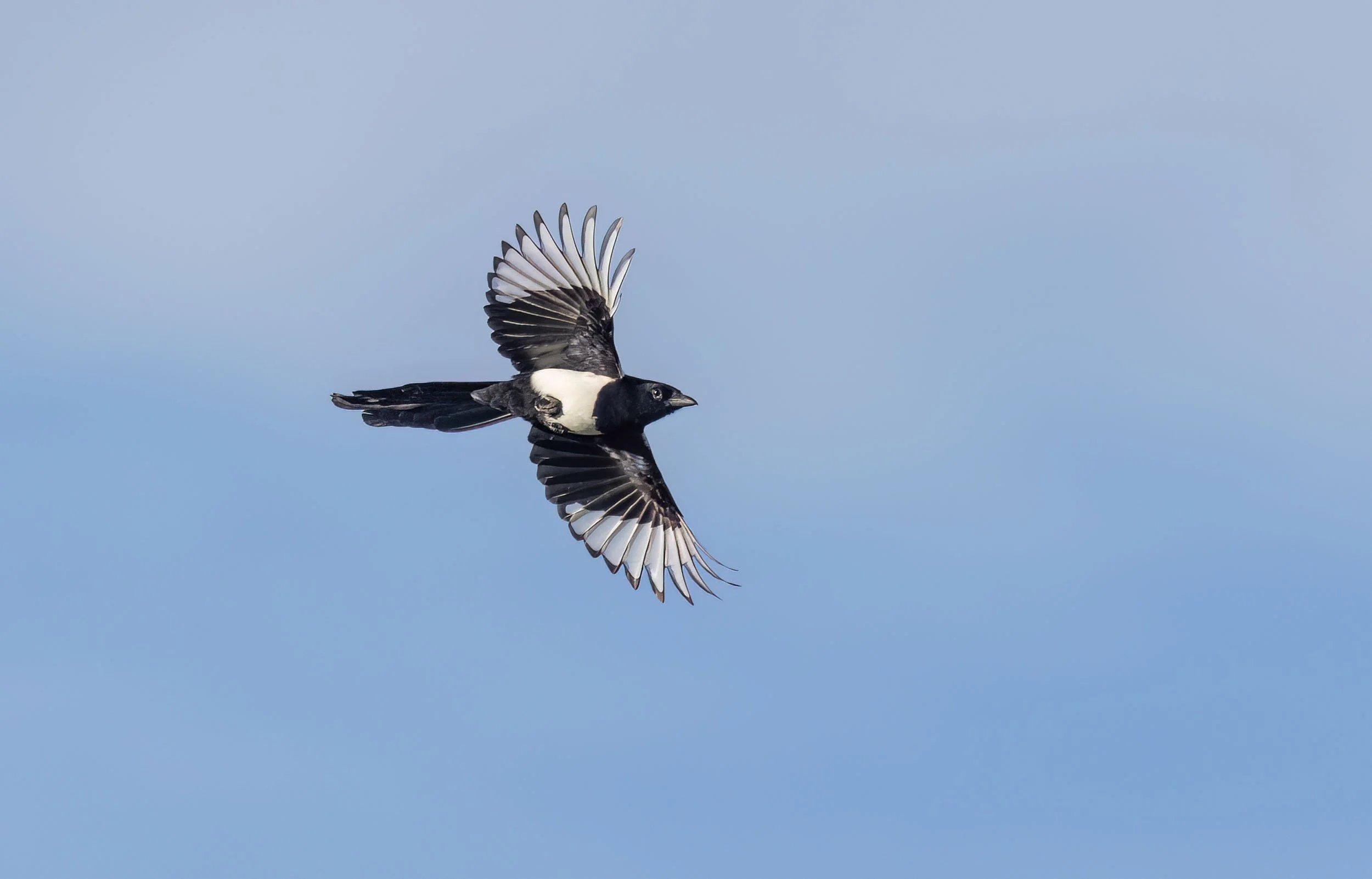
I like to use flying Magpies for testing as A they are common and B offer a test of quality and focusing ability - at 40 fps you generally get one good wing position and the dynamic range of the sensor revealed good contrast in the blacks and whites
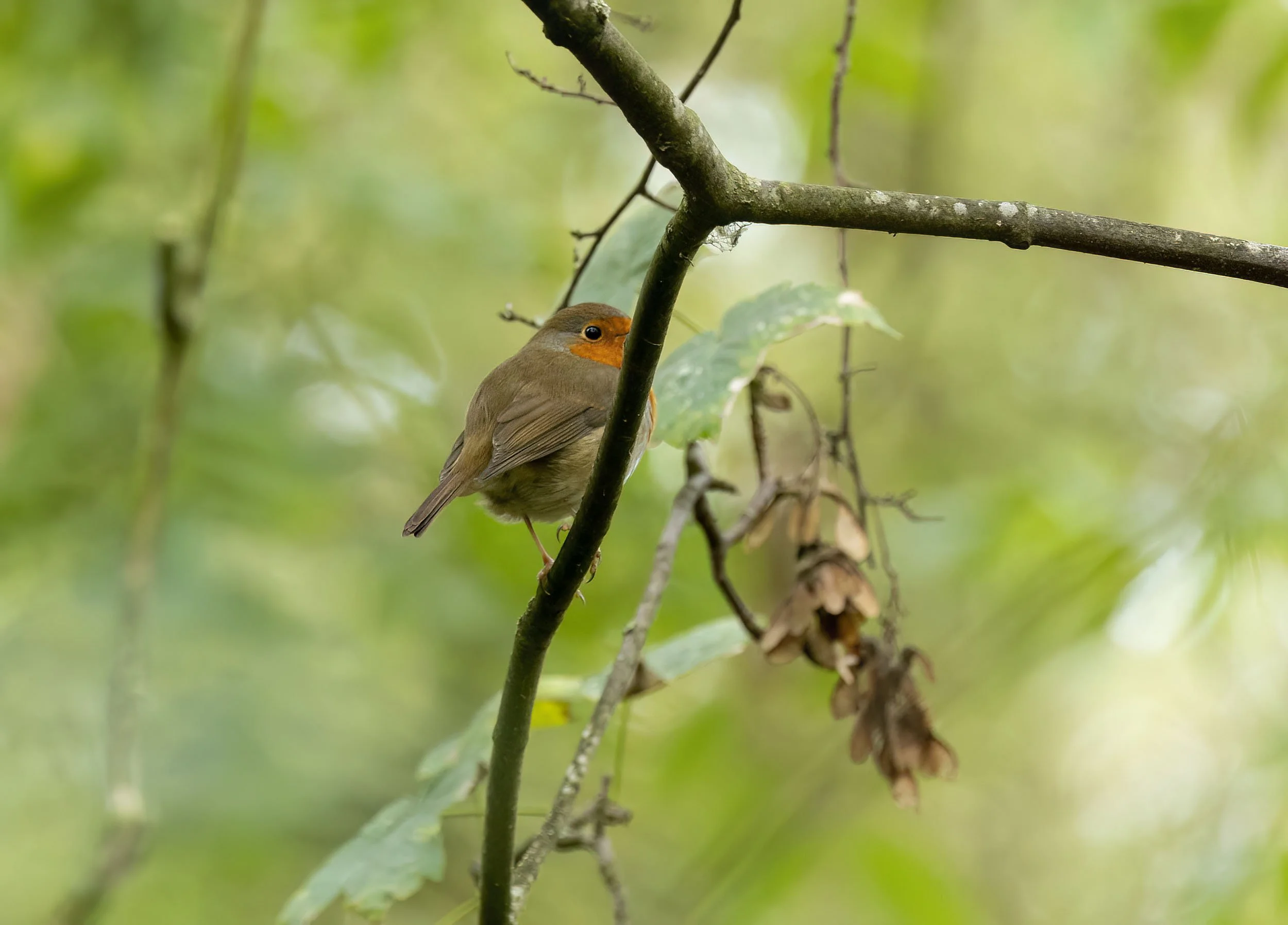
Robin focus on the eye and not jumping onto the branch between the bird and camera
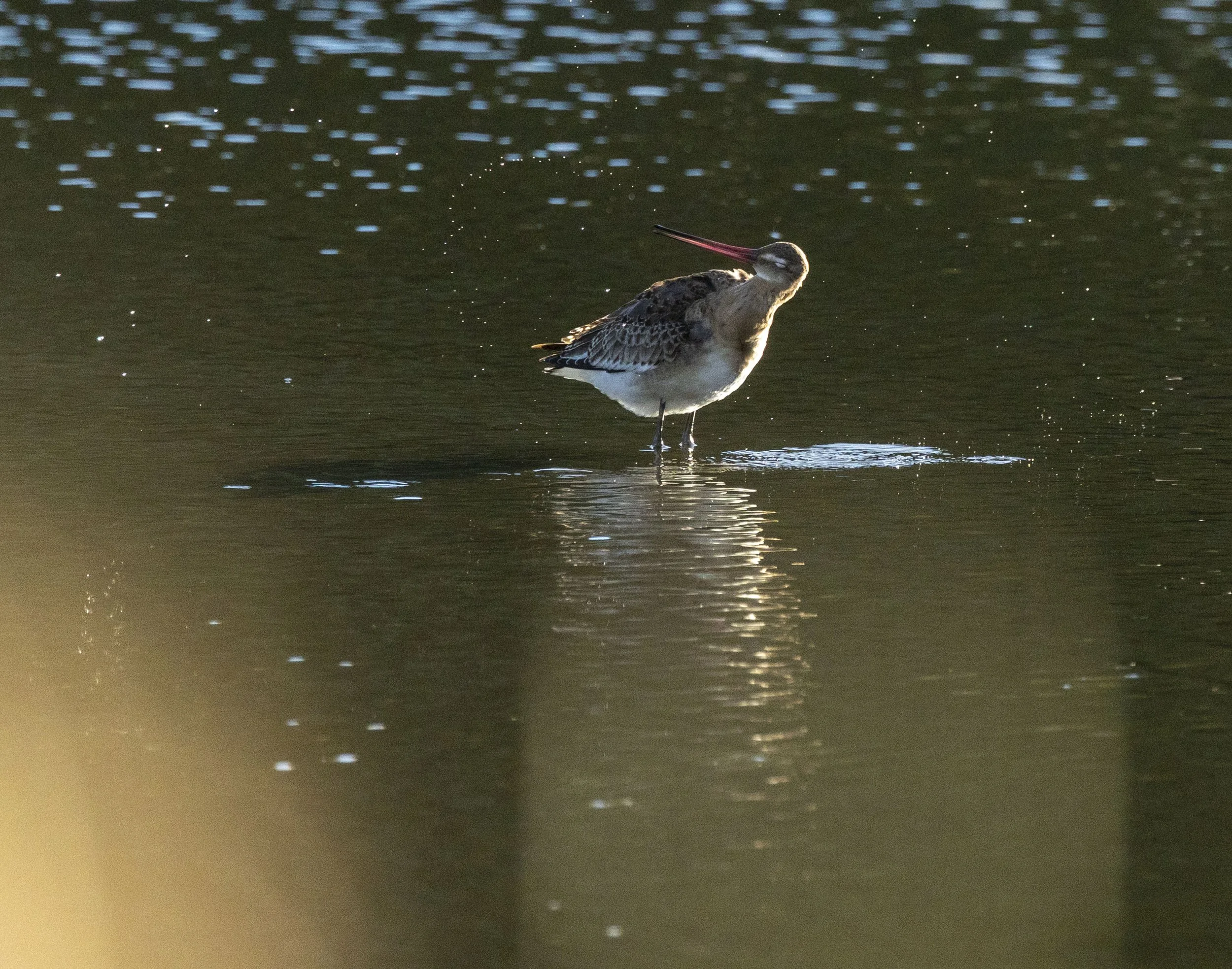
Backlit Black-tailed Godwit - accurate AF and good image quality with the 200-800
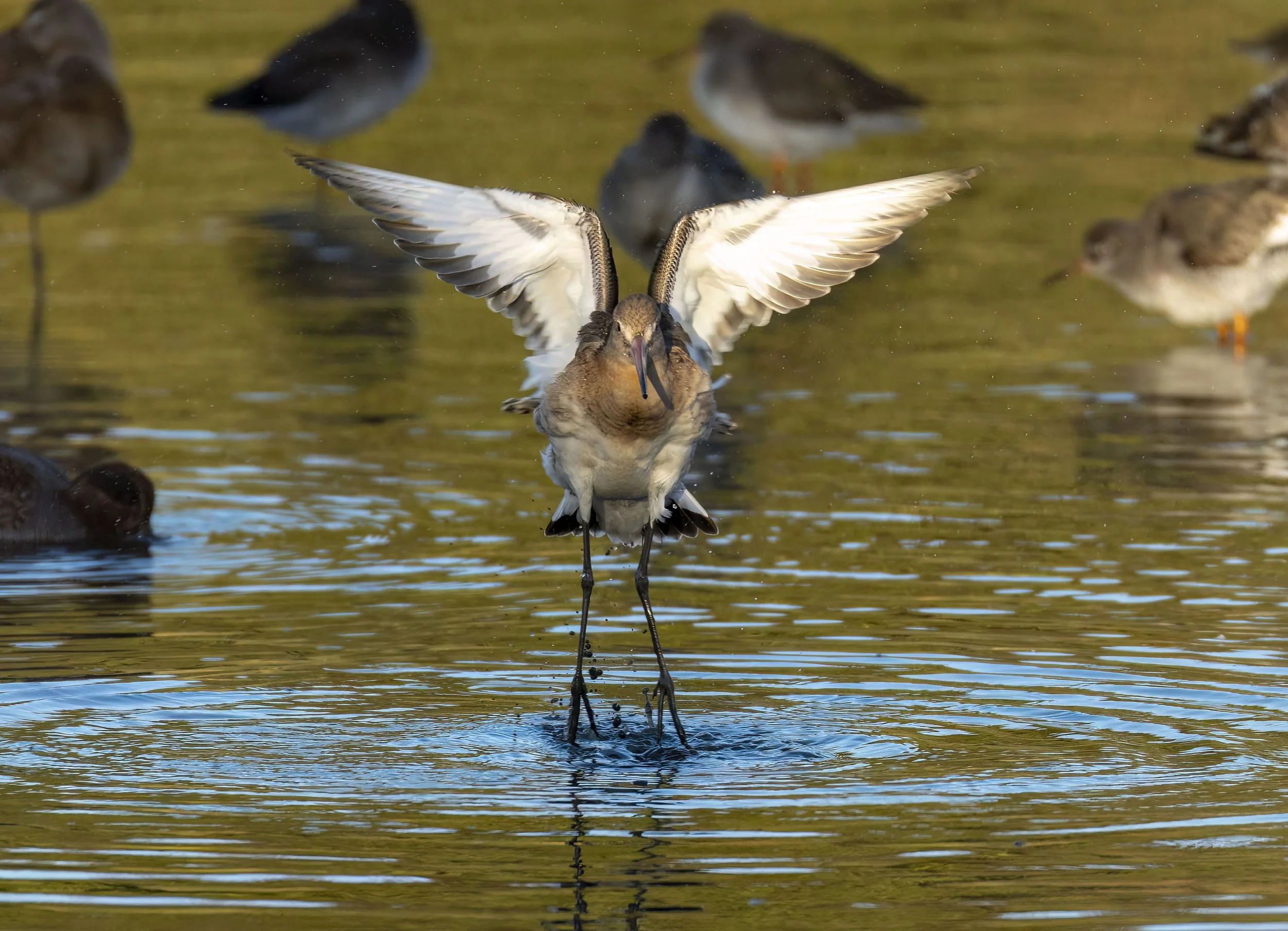
Another Black-tailed Godwit action shot the 40 fps allowed selection of a good wing position
The Pre-continuous shooting feature is now usable as noted in the Video allowing you to take 20 frames prior to pressing the shutter completely. It is a feature I had not used previously but I can see it has real potential when trying to capture various aspects sof bird’s wing positions or flying insects and I have been trying it out on usually fairly distant targets. I have assigned it tot he MFN button that means I can just press that button with my forefinger and turn the feature on and off in an instant which is really handy. Early days in testing it but seems a really useful tool. The flying Isabelline Wheatear shots showing tail pattern were taken with this feature set - a first success
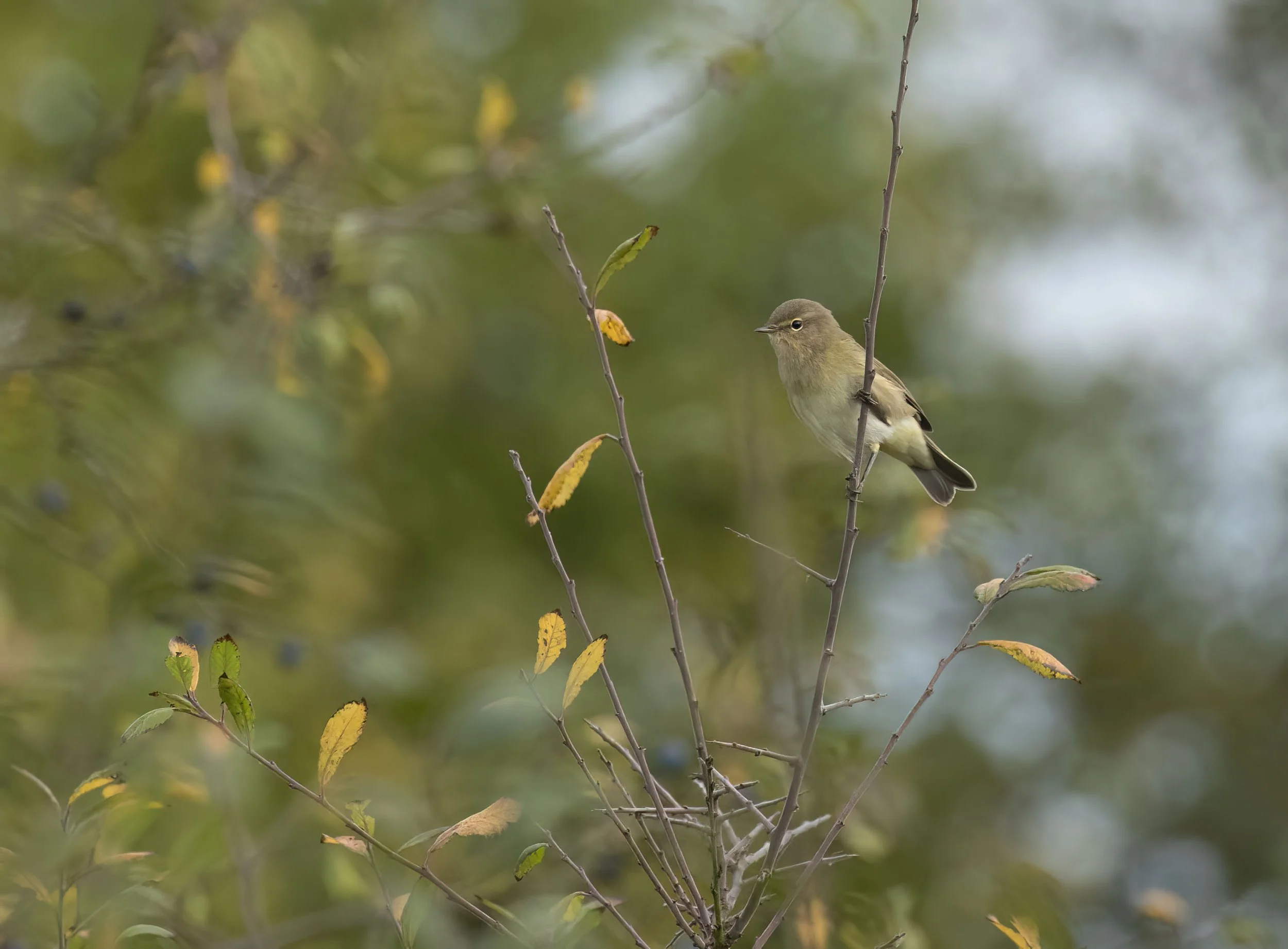
Chiffchaff on Waters Edge - Canon R6III and Rf 100-500 - ISO 3200 with shutter speed of 1/3200th second - Pre-capture set hoping the bird would fly in a usable direction
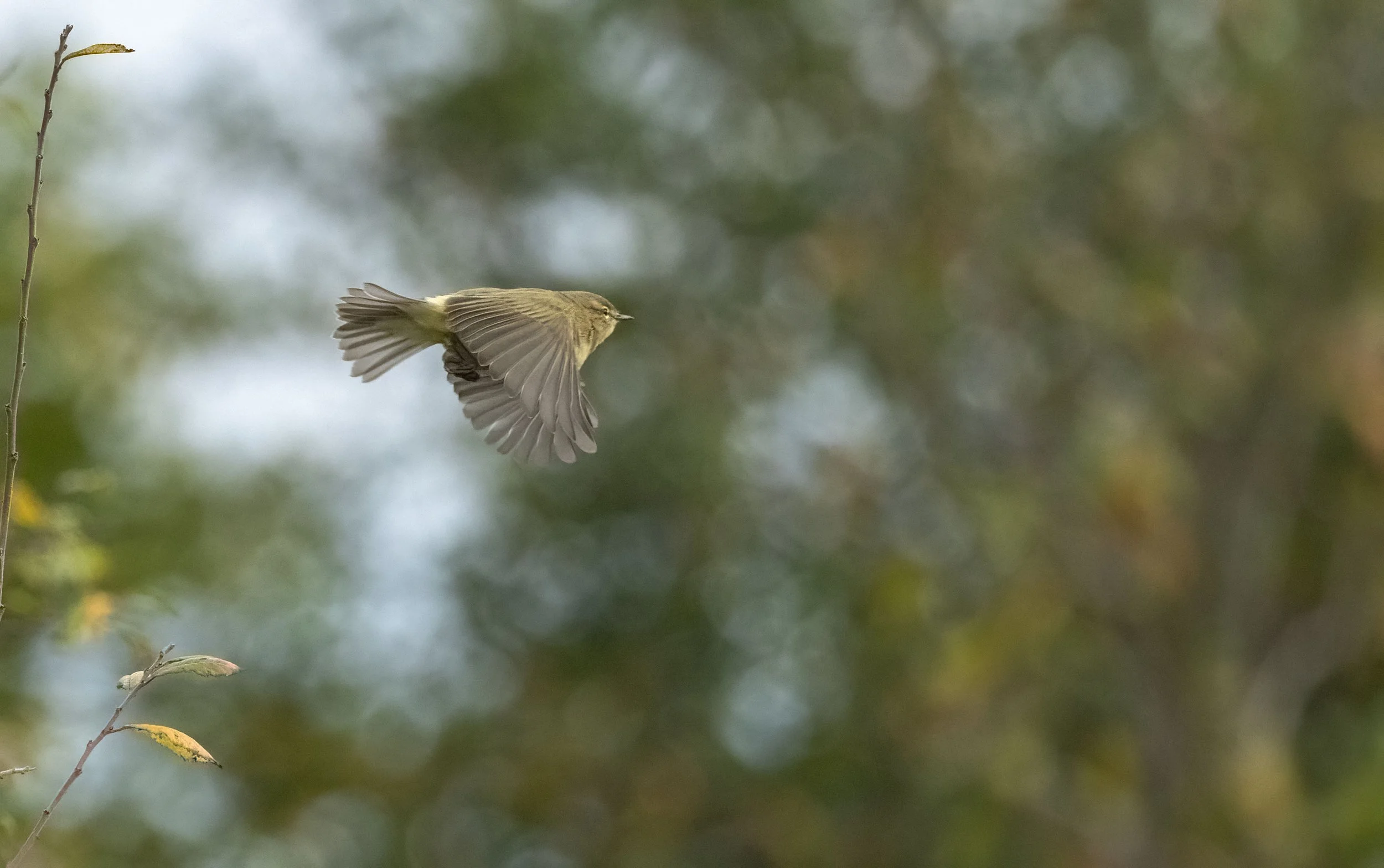
For a flying passerine the shutter speed was maybe a bit low and the bird was partly flying away but not a bad attempt
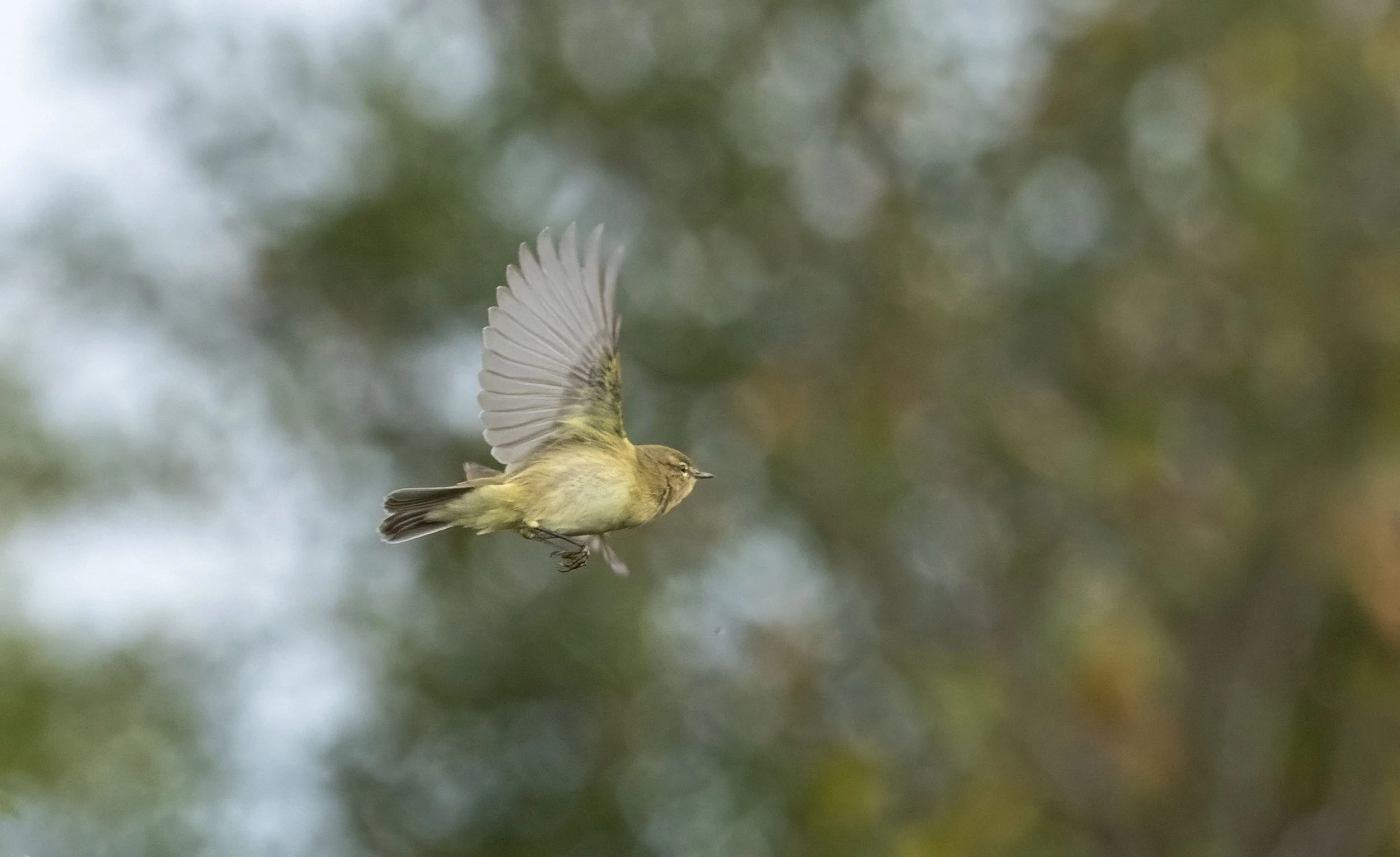
Clearly potential for recording features difficult to see in the field like underwing covert patterns
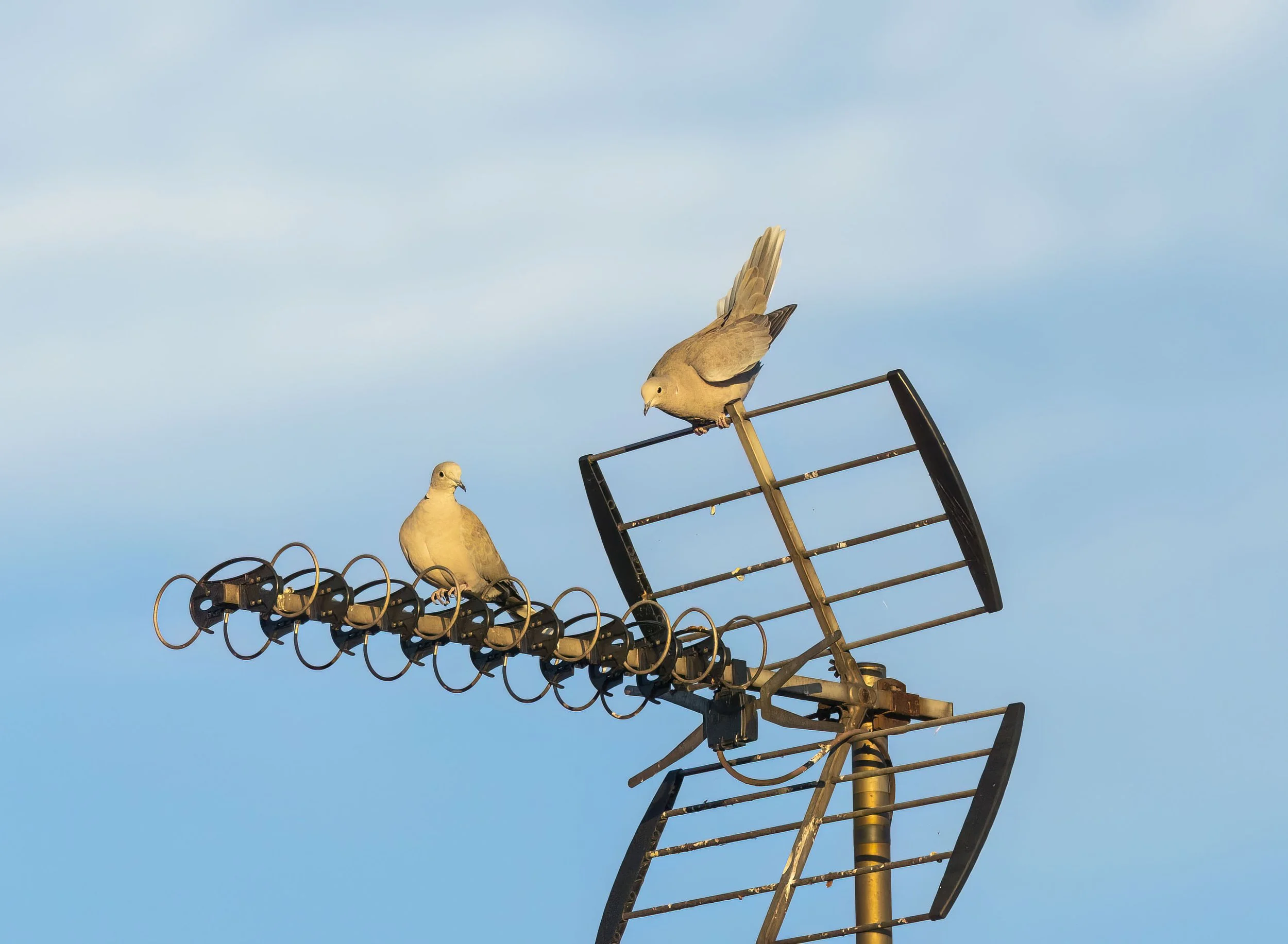
Collared Doves with pre-continuous shooting above and below
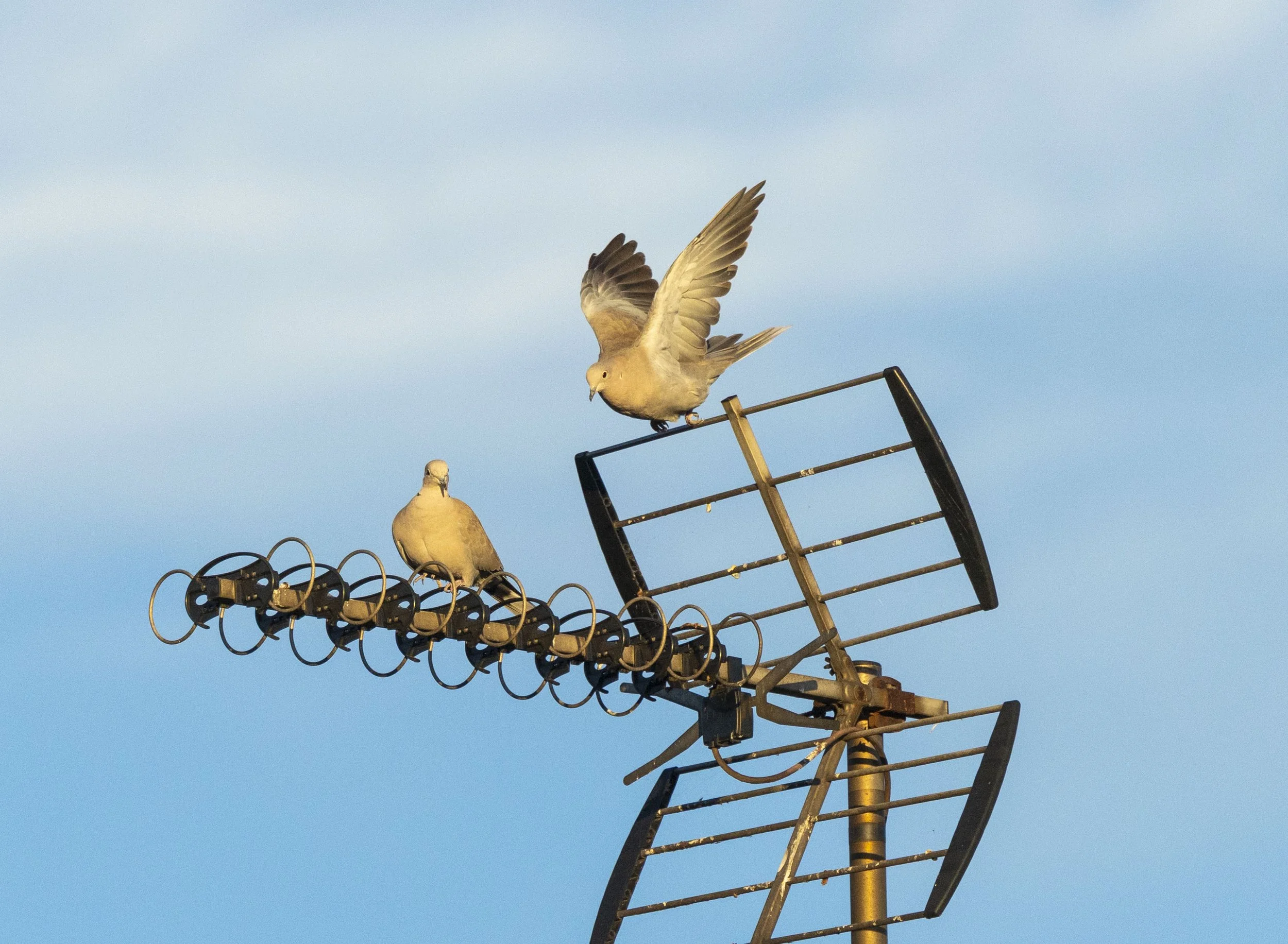
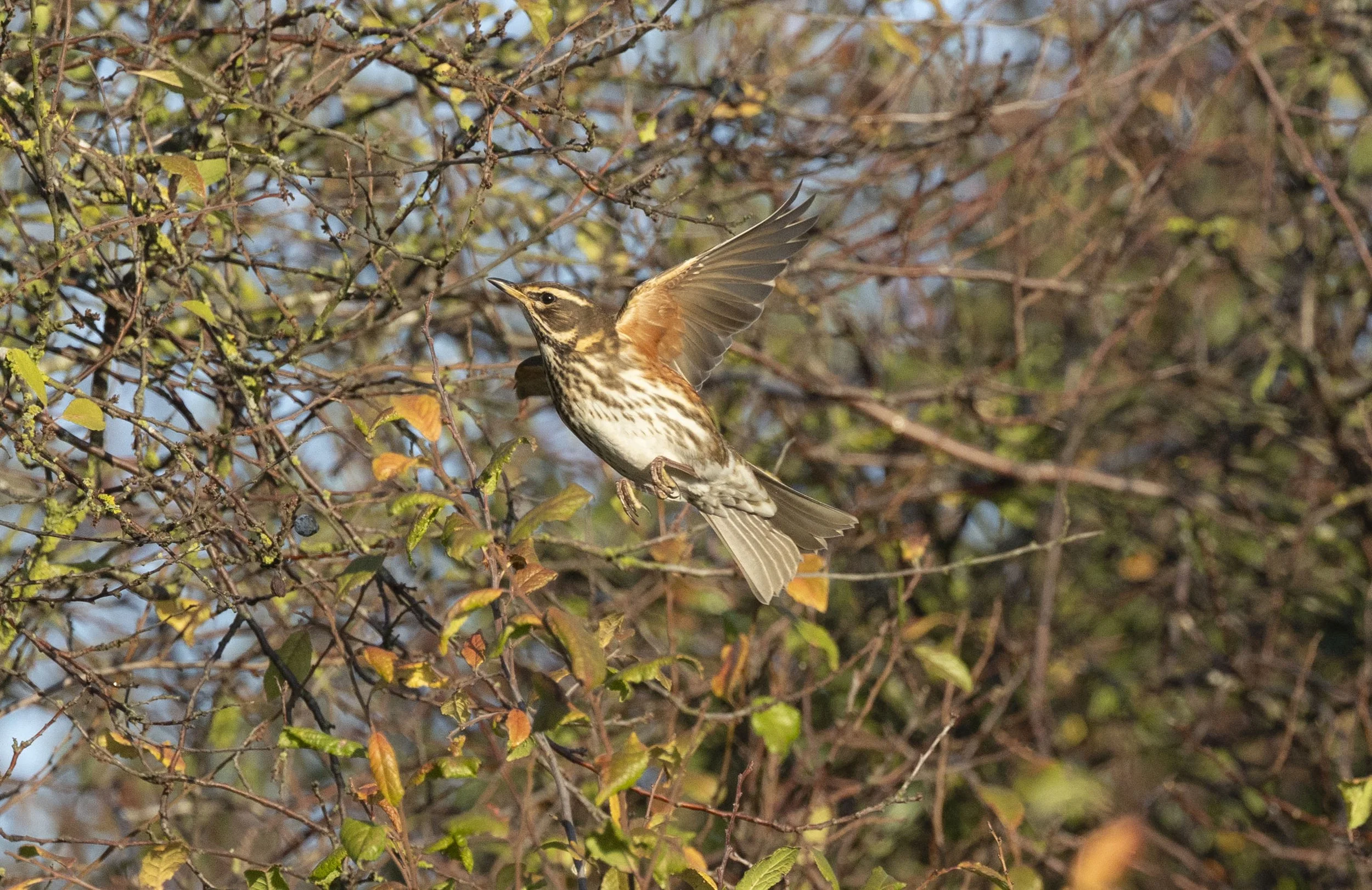
Redwing with pre-continuous shooting employed - the bird was perched in this blackthorn clump so I set pre continuous shooting to see if I could get a shot of the underwing when it flew - the results so far seem very positive -
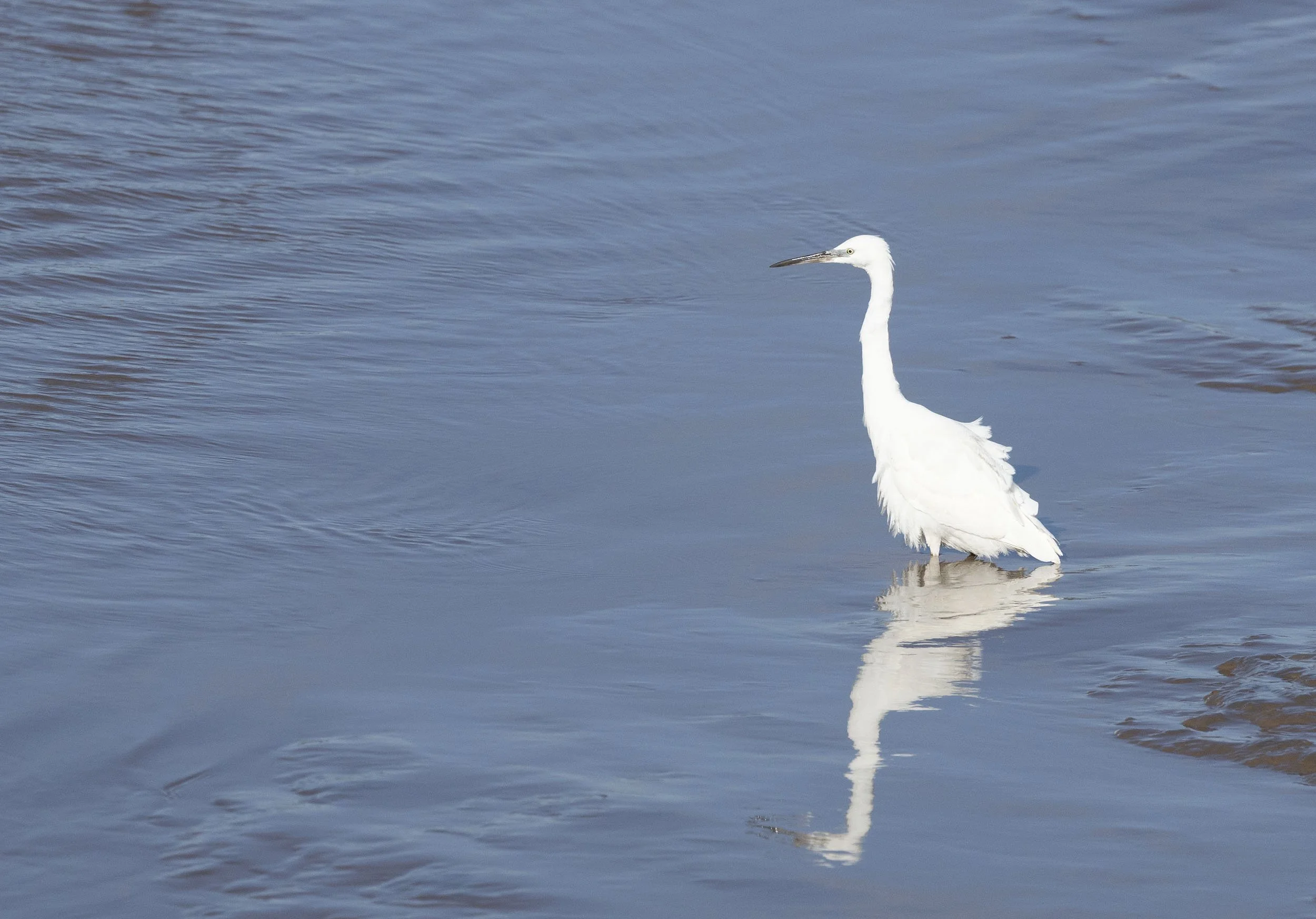
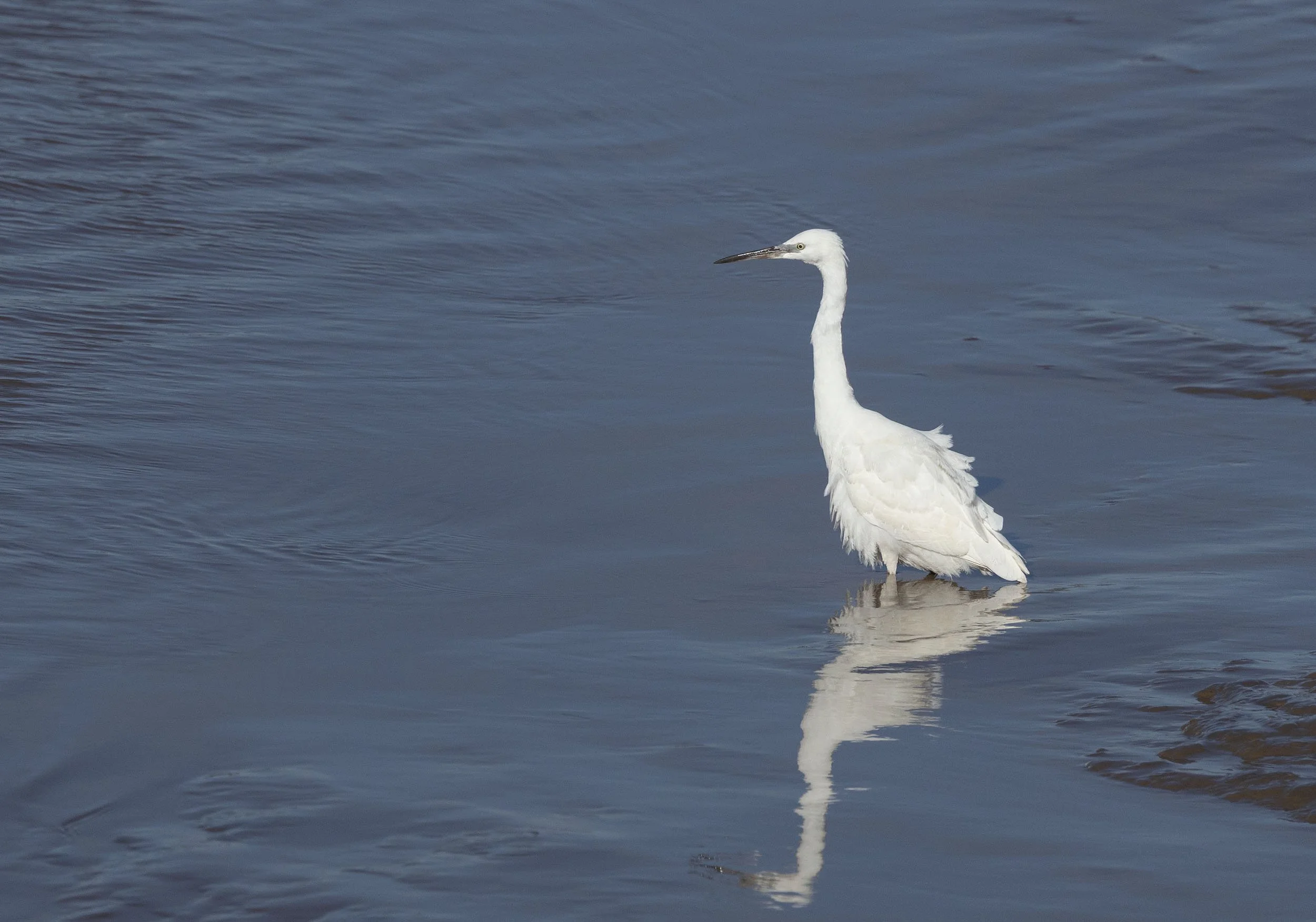
I don’t do specific test of image quality so these are just examples where it matters to me that there is acceptable quality in varying situations - here I over-exposed this Little Egret considerably by about 2-3 stops above - corrected in ACR below
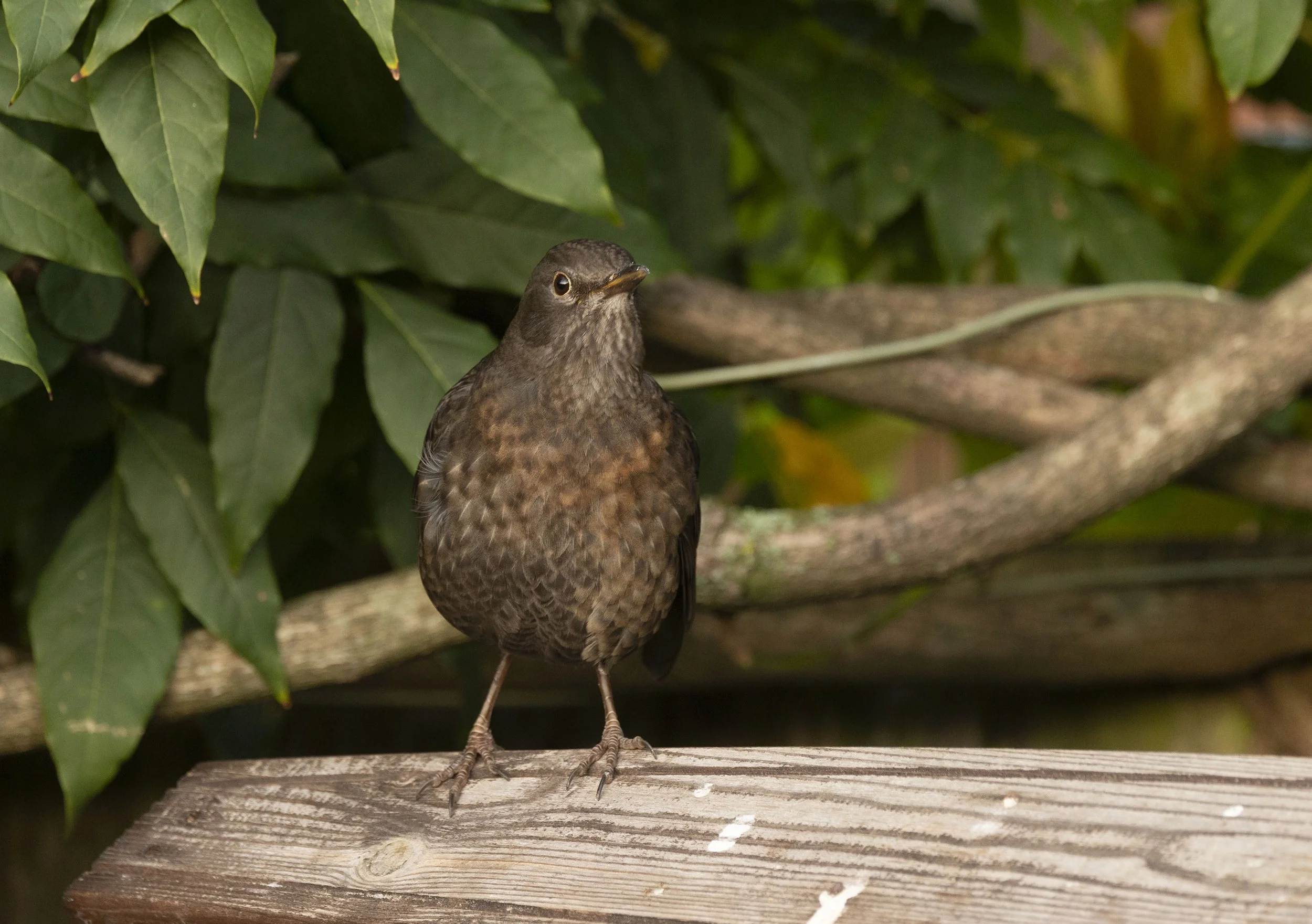
Female Blackbird in the garden at ISO 1600 which is what I generally leave the camera on at this time of year with limited light available - subtle differences in plumage colours well reproduced and colour rendition seems to be one of the key features of this camera
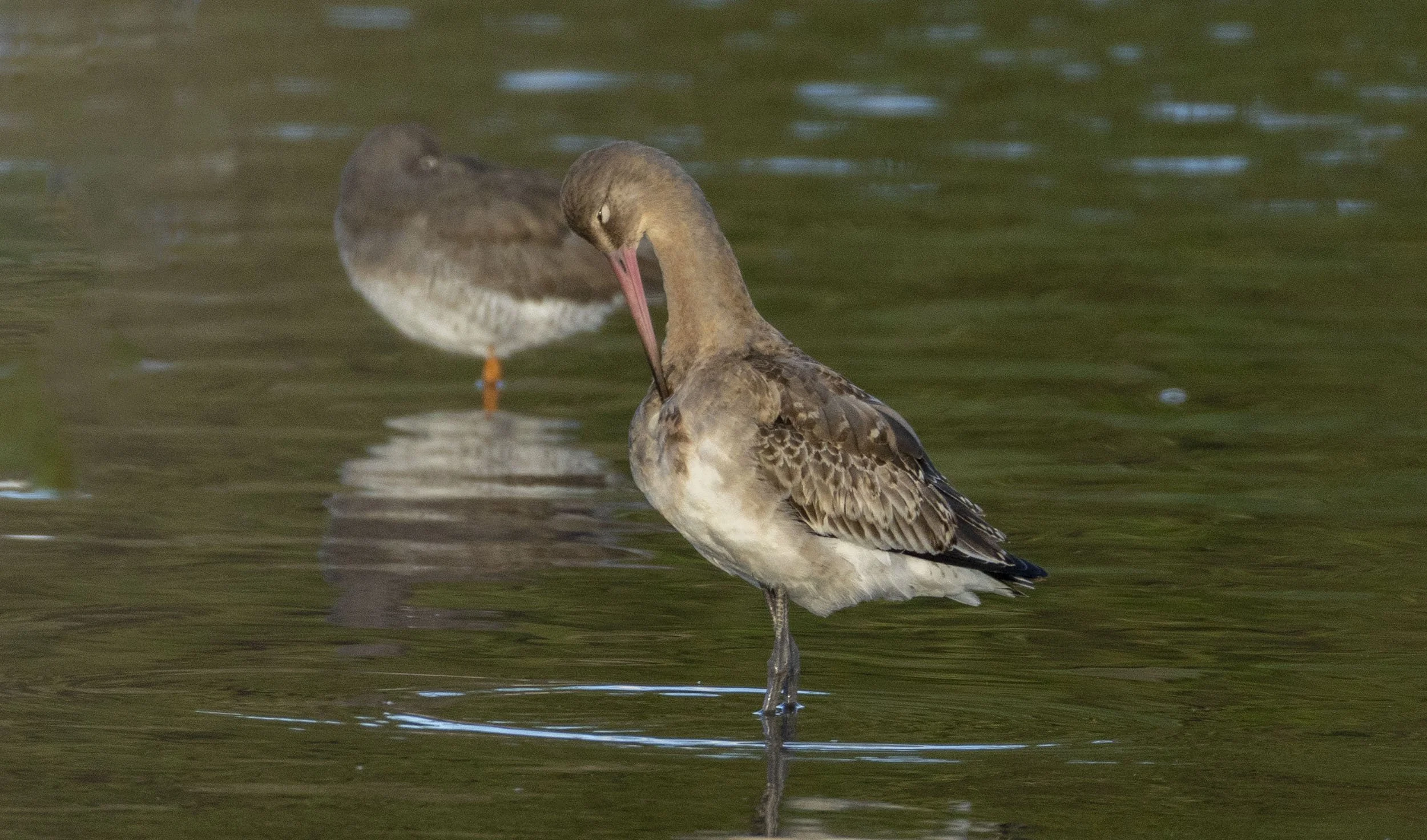
Black-tailed Godwit witht he RF 200-800 at 1600 ISO no noise reduction
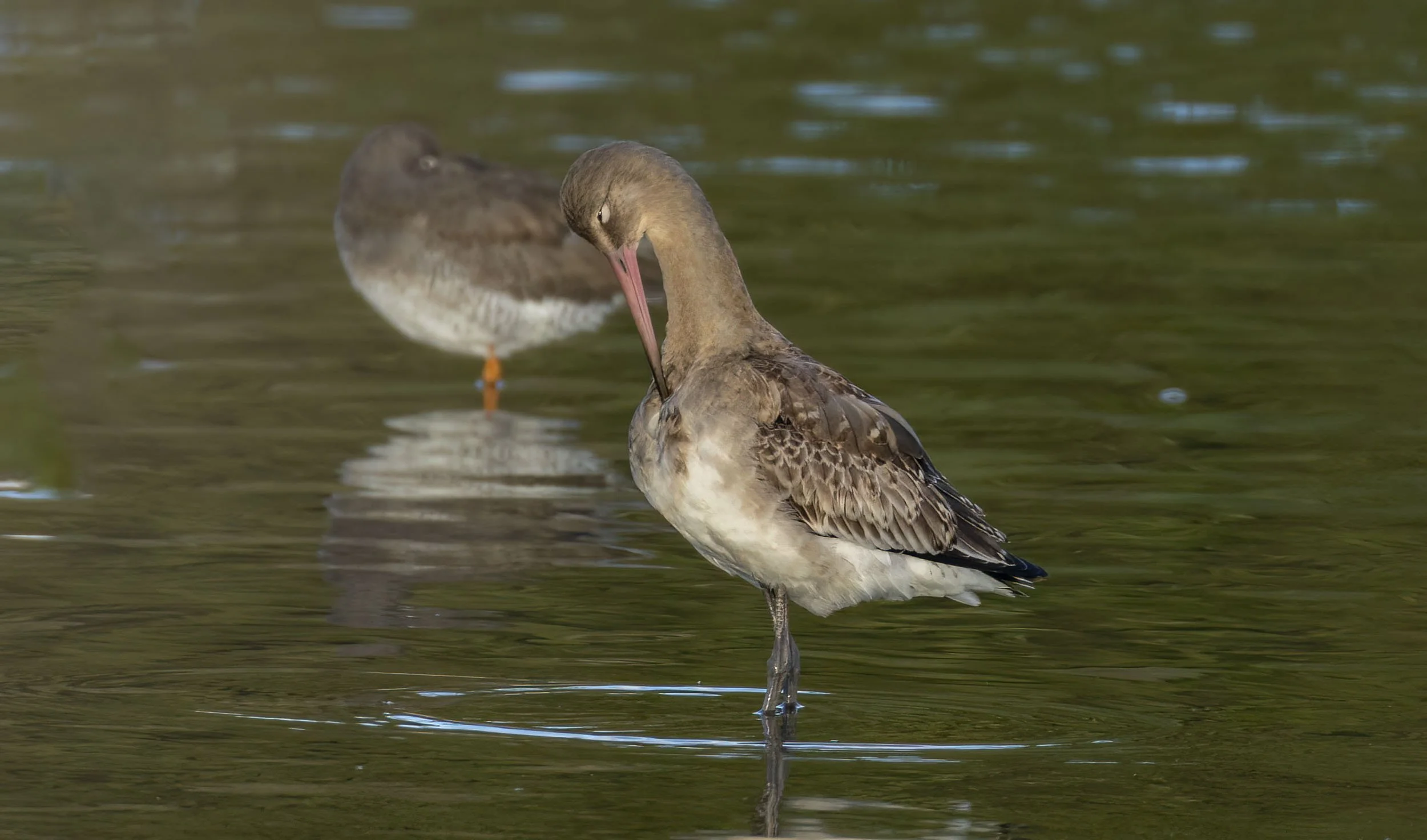
Same image with Topaz denoise applied
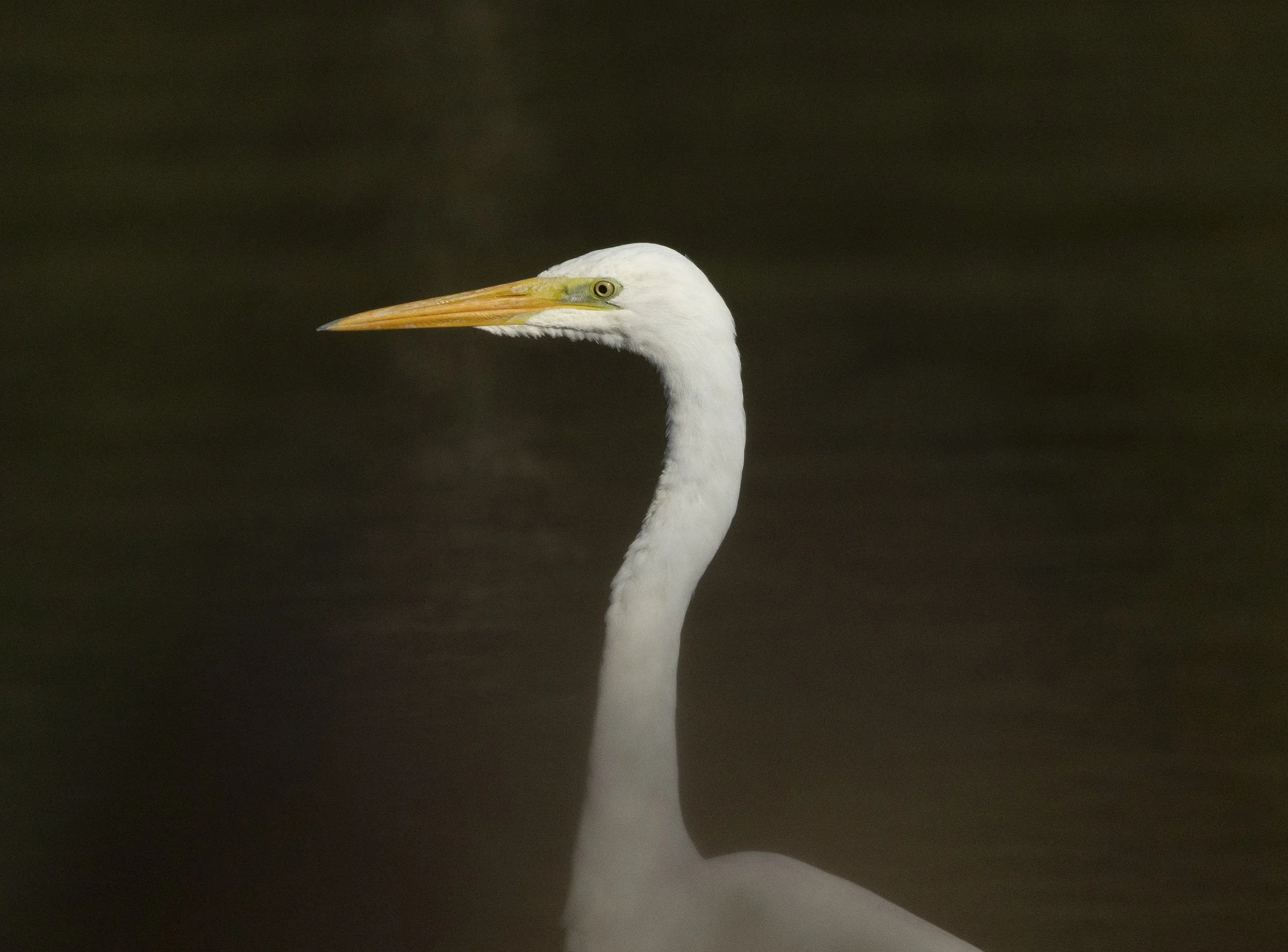
Great White Egret at 3200 ISO
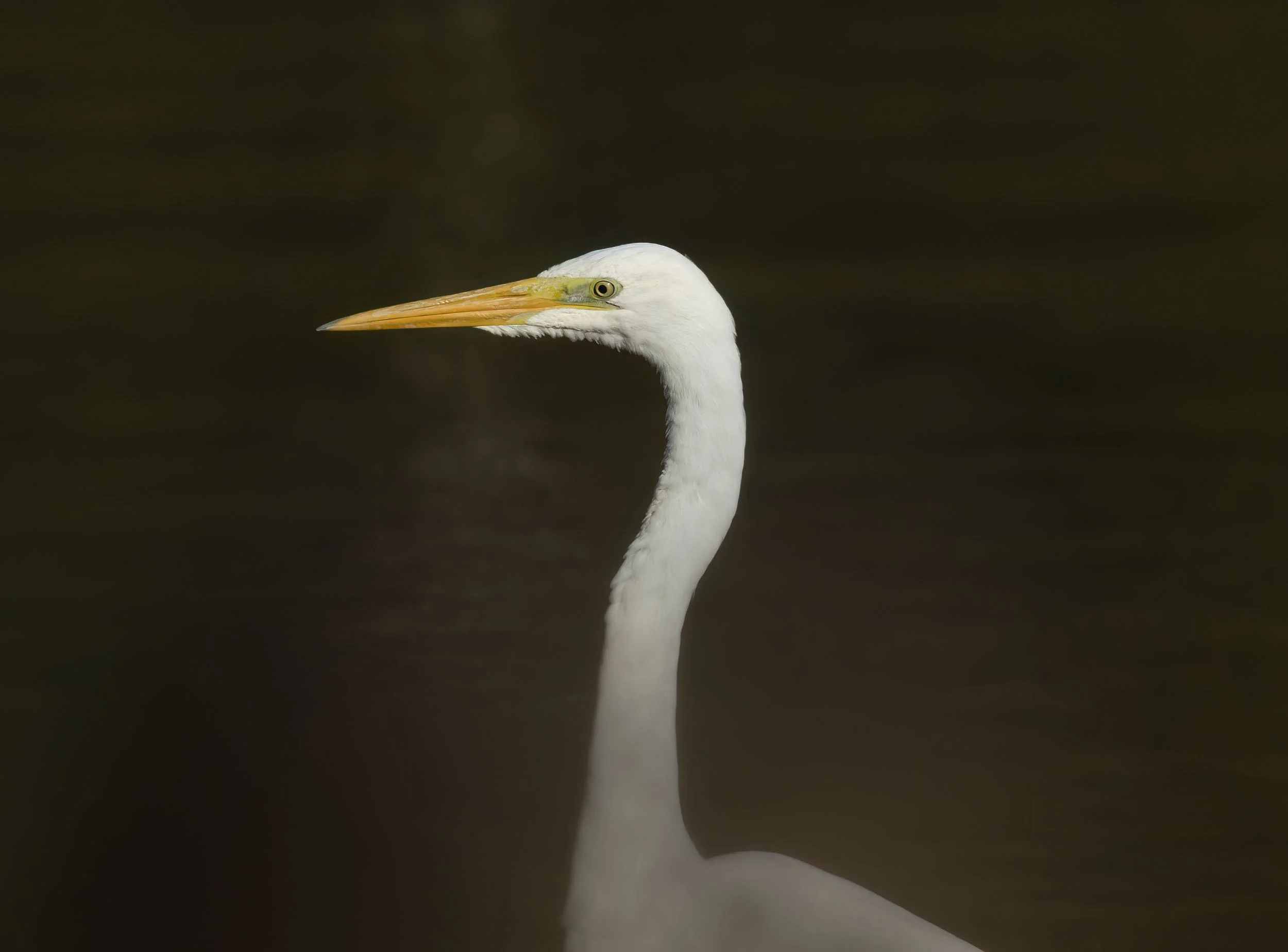
Same image as above with Topaz denoise
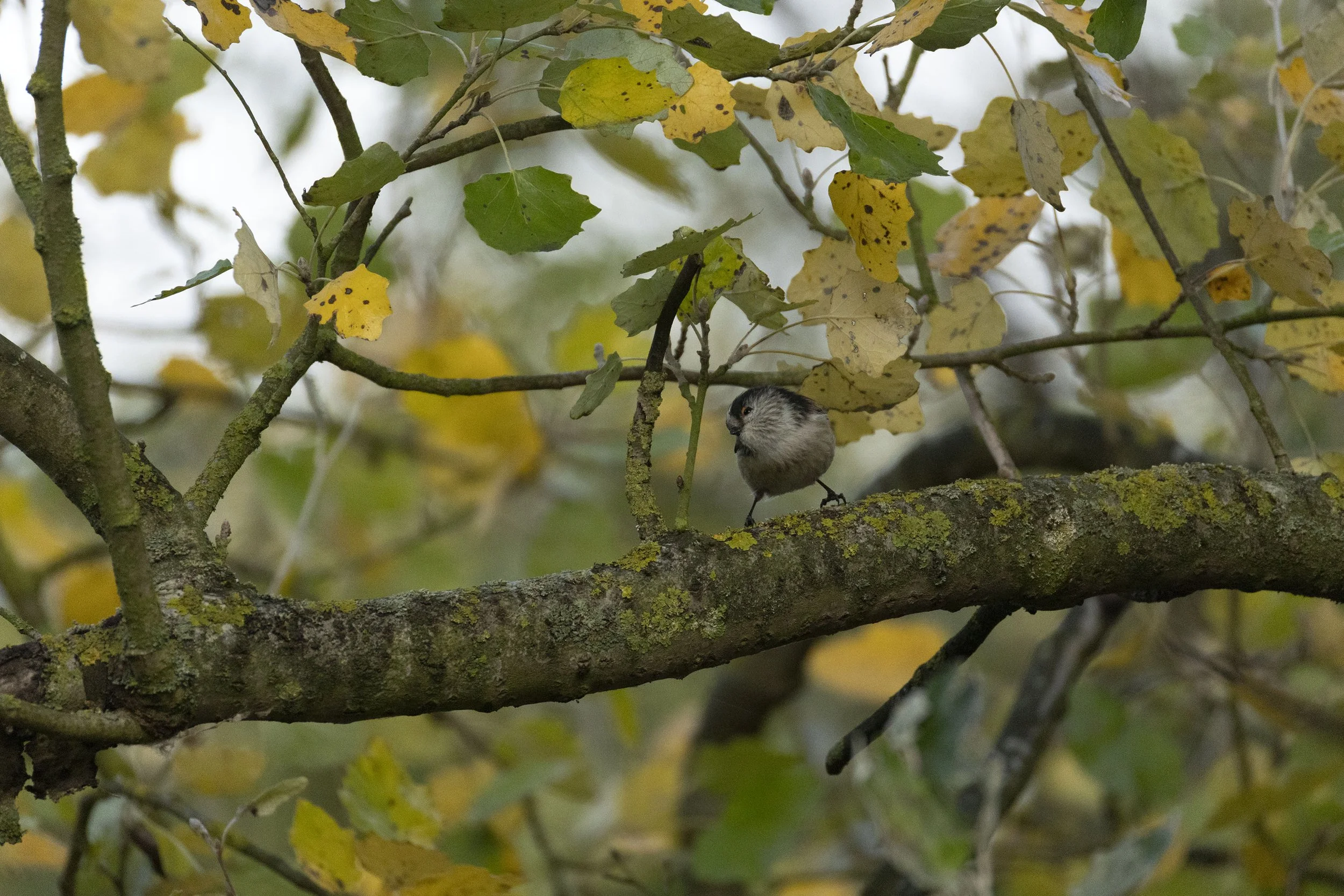
Long-tailed Tit at ISO 6400 seriously underexposed and a small in frame bird
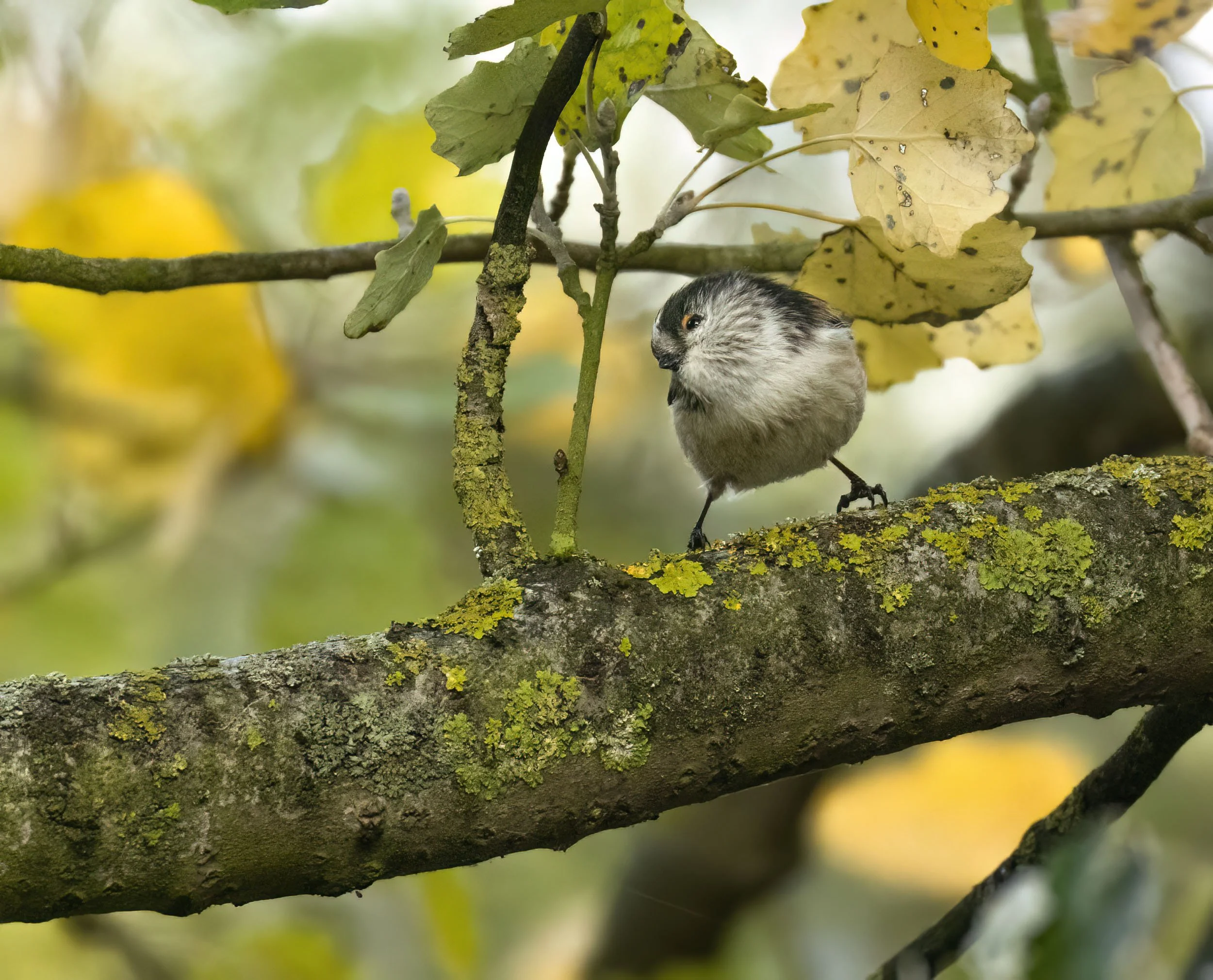
A crop of the image above corrected for exposure with some Topaz denoise applied - the detail on the bird’s head and eye are very good considering the original
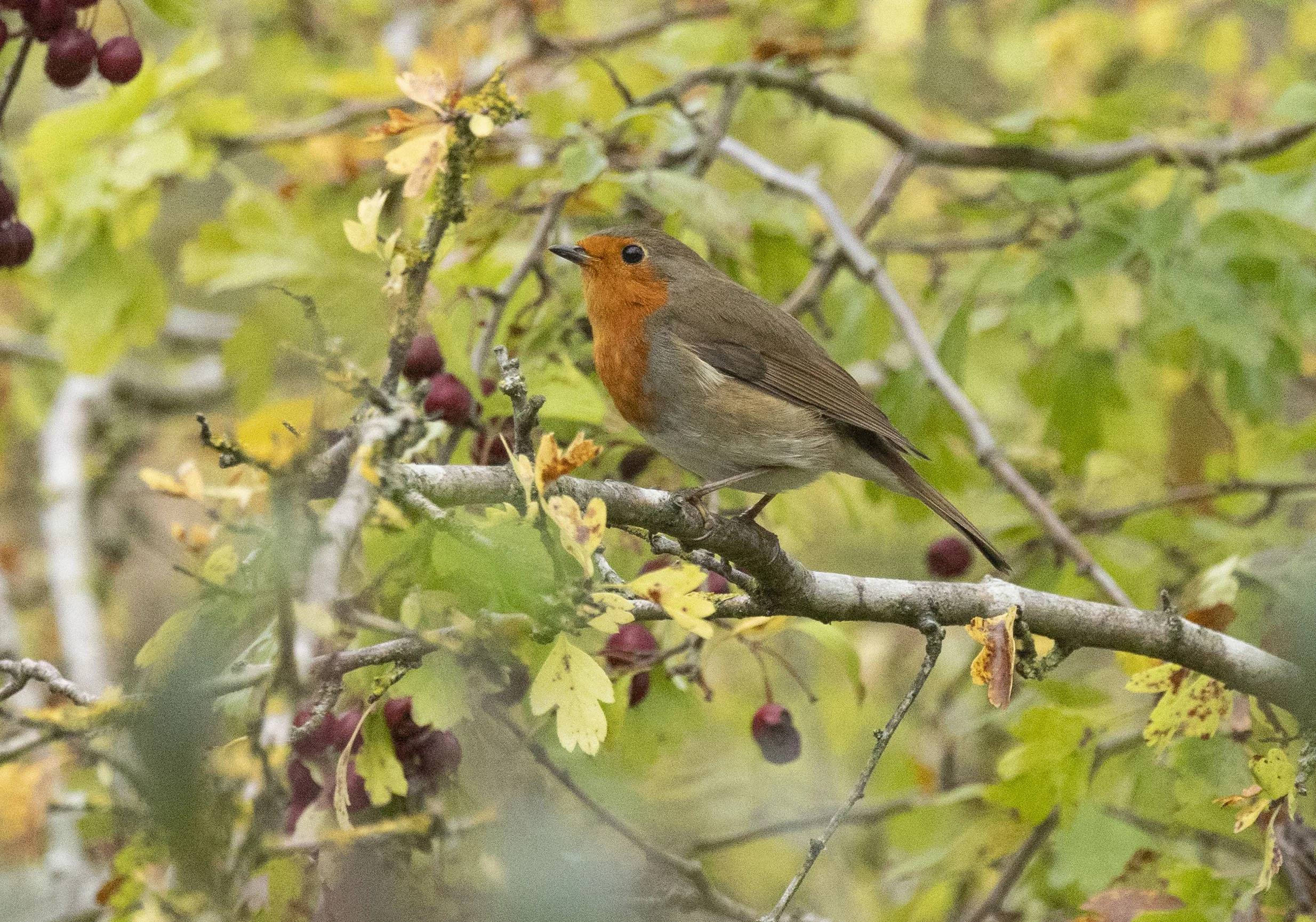
Robin at 6400 ISO RF 100-500
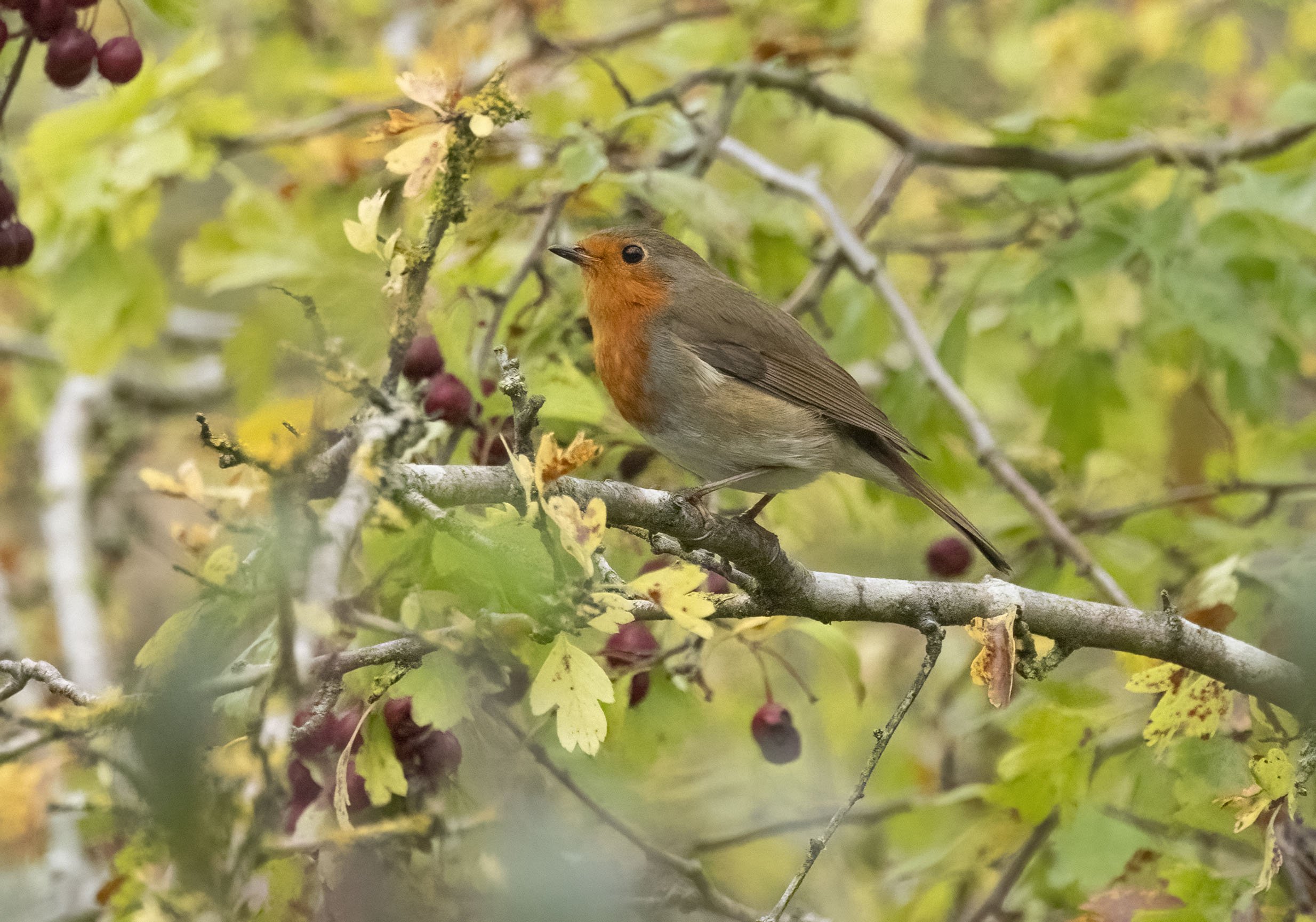
Same image as above 6400 ISO with Topaz
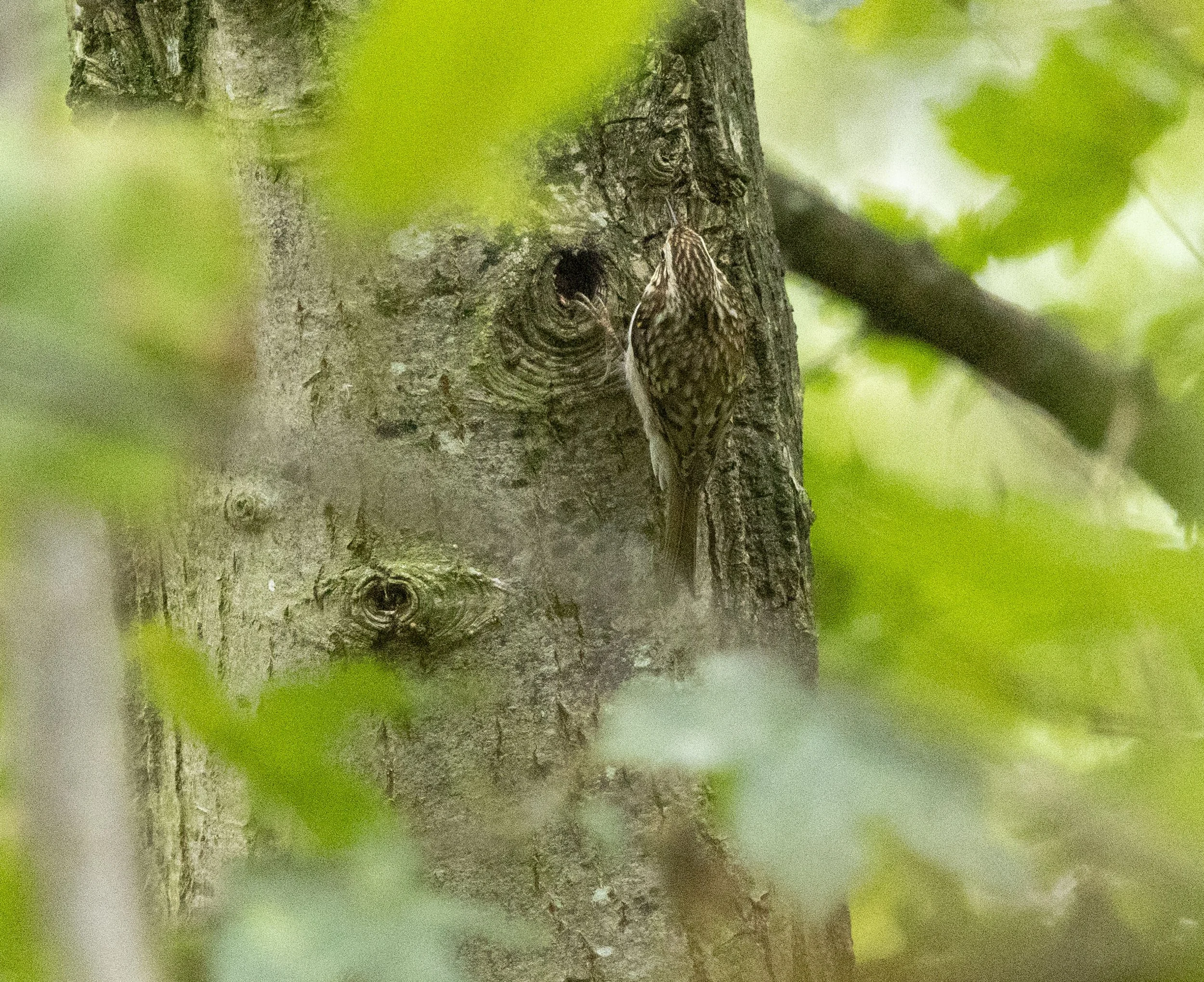
Treecreeper at 12800 ISO in dire light
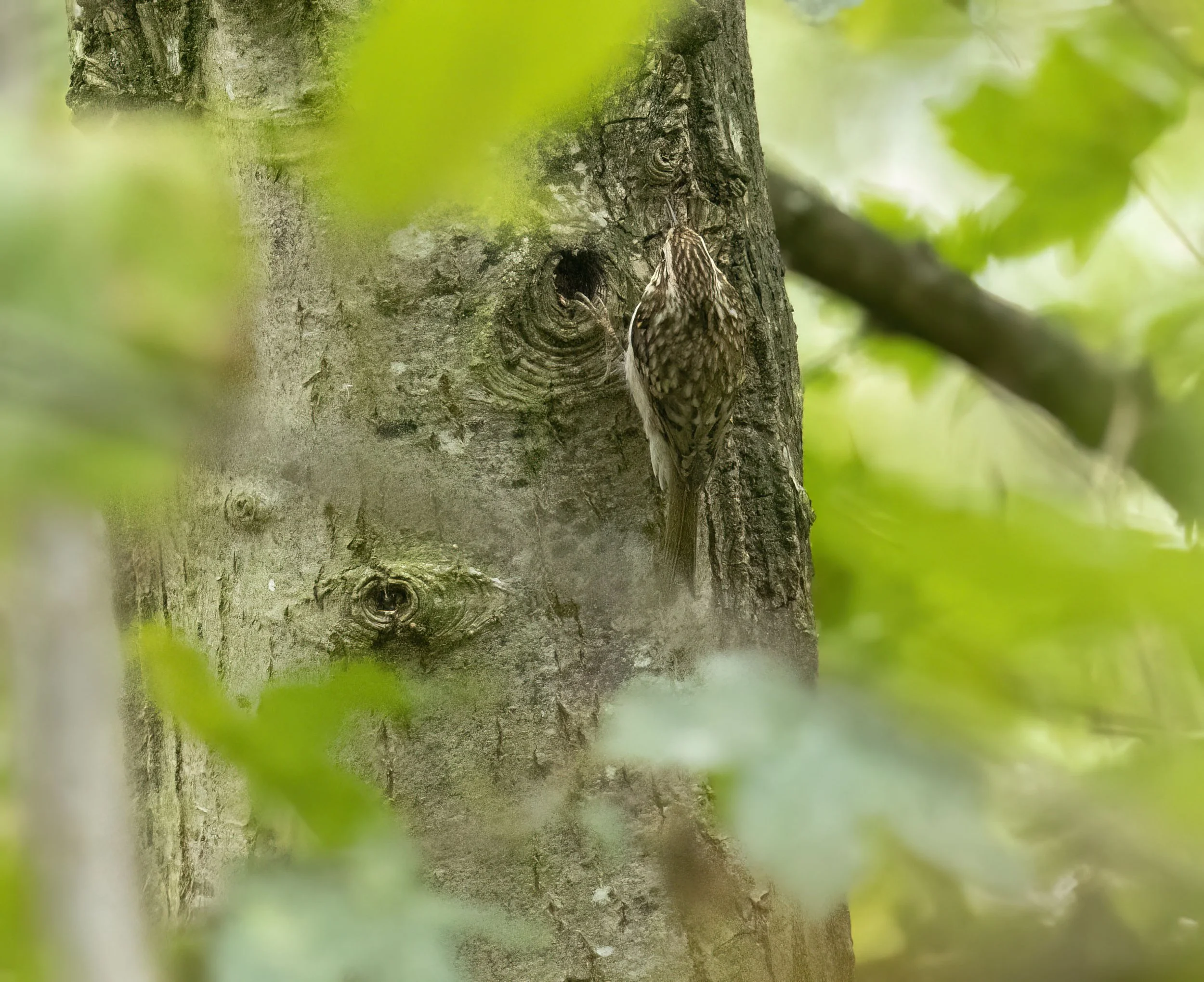
Same 12800 ISO image with Topaz applied
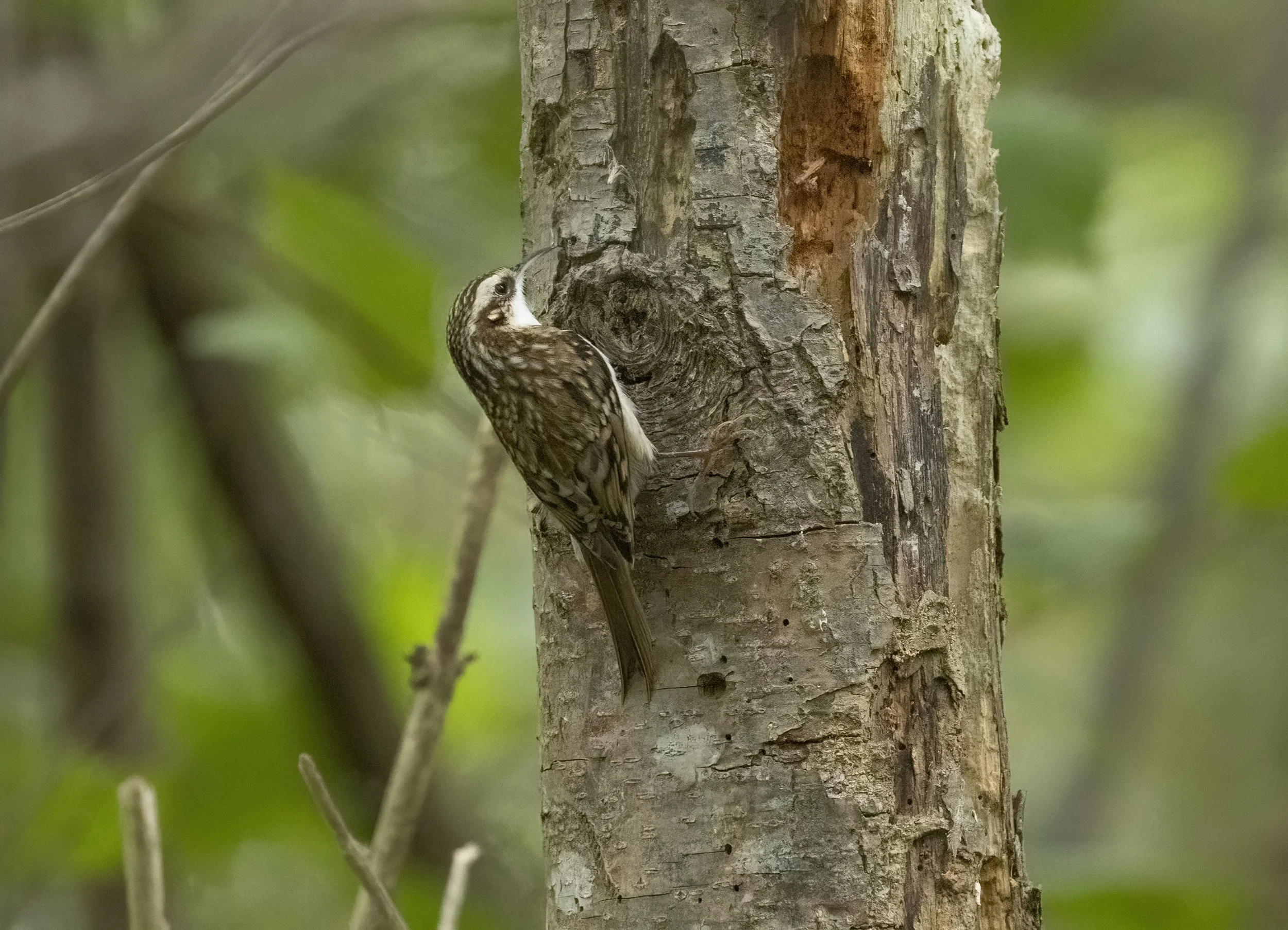
Treecreeper at ISO 6400 seriously underexposed by c3-4 stops and corrected in ACR — with some Topaz as well quality seems impressive with decent detail in plumage and head pattern
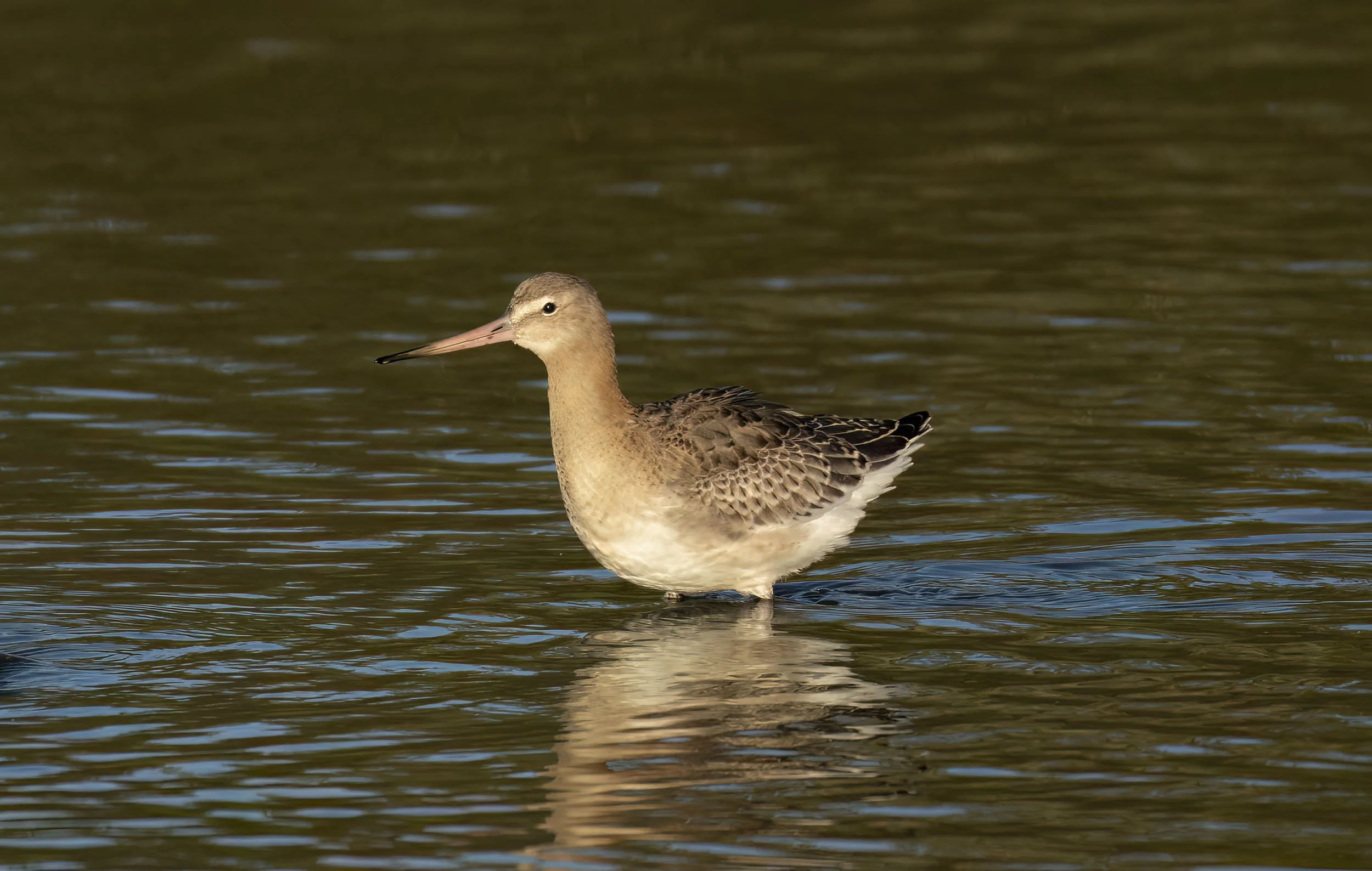
Black-tailed Godwit in low winter sun — nice image quality
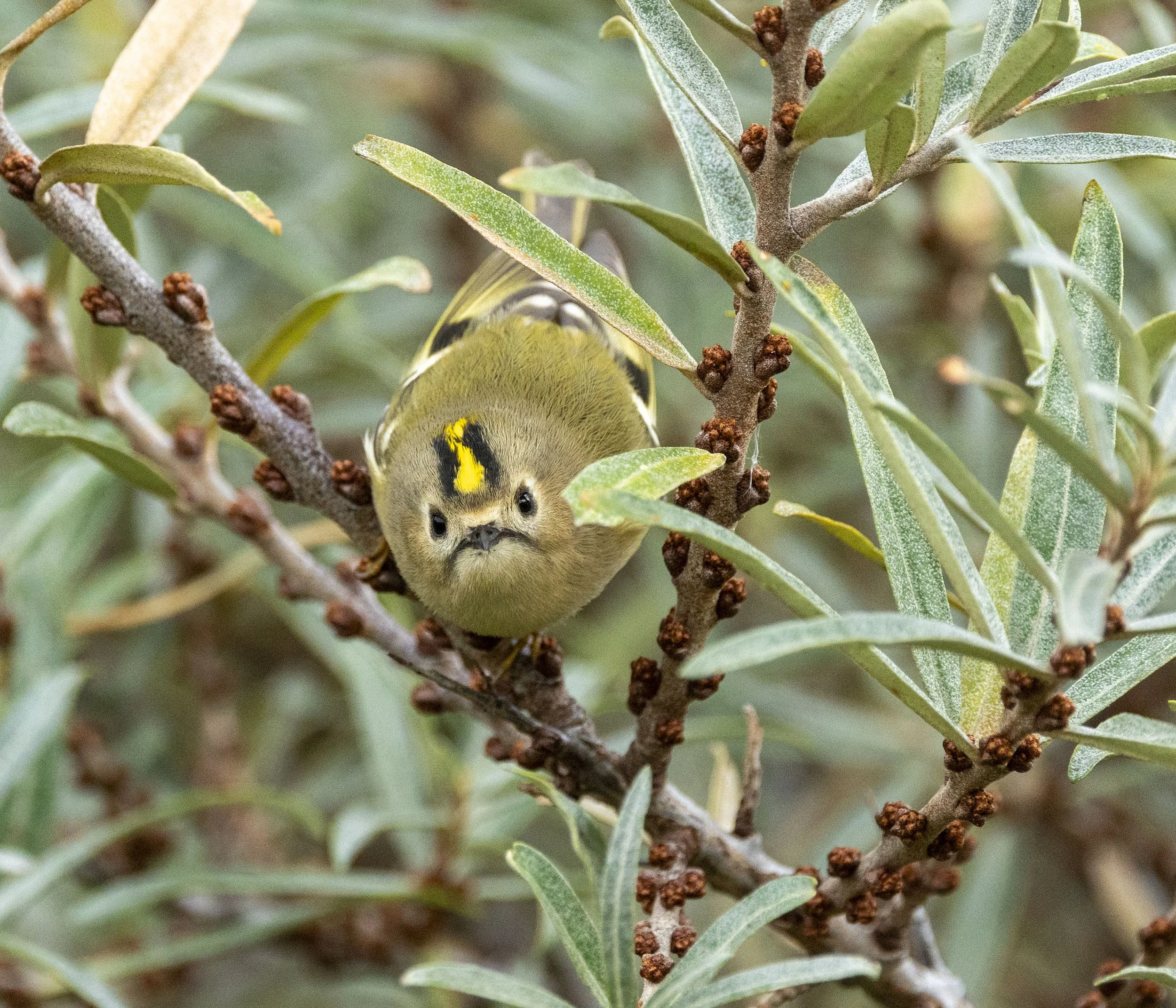
Goldcrest ISO 3200 witht he Rf 100-500 - I feel sure the image quality is an improvement on the R6II certainly when birds are close
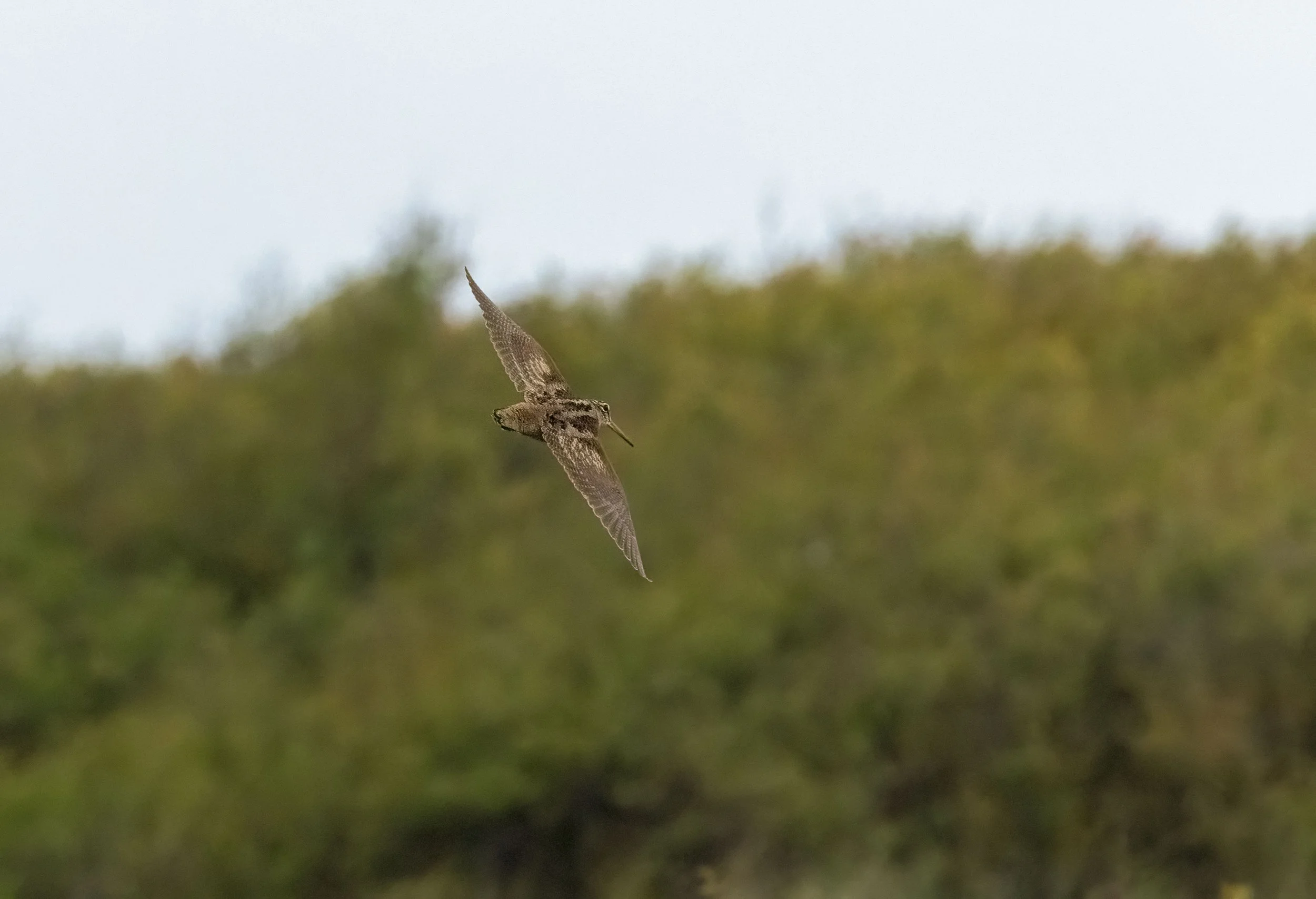
A tricky AF target a fleeing Woodcock at ISO 6400 late afternoon on a dull day and against a cluttered background - RF 100-500 and Canon R6III
In summary so far I think this was a good purchase and a significant improvement on my R6II - advantages over the R5II are mainly price and I think IQ but the latter is just from reviews, smaller file sizes making them more manageable, important when you take 2000 shots a day - down sides you need a CF Express card to get the best out of the action potential offered by the 40fps and you also need the new higher cost batteries — the controls are virtually identical on both R6 bodies so not learning curve — If cost is a real factor then I think the R6II still offers an amazing spec for a camera that has inevitably tumbled in price with the launch of the new model or maybe wait another 5 years for the R7II