2026 what to do birding wise and reflections on bird finding
More of the same I guess is what springs to mind immediately but as we all are very much aware birding is not what it was 50 years ago or even 30 years ago for so many diverse reasons. My addiction to birdwatching began as a youngster but was cemented in the late 1960’s and early 1970’s with three years at UEA 1972-75 formulating a pattern that endured for the next 50 years. The numbers and variety of bird species has declined dramatically in the last 30 years but rare birds have continued to be recorded at an increasing level due to a variety of factors but probably in the most part due to appreciation of identification criteria and better optics and more recently sound recording equipment but also possibly due to the fact that there are fewer common birds to look through to find one rare bird. Patterns of occurrence and relationships to weather phenomenon are now widely appreciated and hence people look in the right places at the right time but is this as exciting as back in the 1970’s when you simply went out and looked at birds and were totally amazed when you found something different? Going out as a younger birdwatcher I was always full of anticipation for what might pop up but I was not looking for a specific bird and to be honest I had no real appreciation of what was likely in certain weather conditions I just wanted to be out looking. A pretty good example was late autumn 1975. My local patch, actually a phrase that I do not think existed at that time, was the stretch of the Humber estuary between Goxhill Haven and East Halton Skitter. It consisted of the intertidal estuary. A mix of grazed saltmarsh and wet pasture backed by large pasture fields bordered by tall hawthorn hedgerows with occasional copses of thorn and one mature plantation of oak. It was within biking distance of home and had produced a lot of birds in the past as well as during my formative birding excursions which were after school and at weekends. On October 25th I was tramping around on the longer grass areas of the grues looking for Short-eared Owls and Jack Snipe when I flushed a Richard’s Pipit a major find at the time one of only two records that year in Lincolnshire. It stayed to the following day allowing for corroboration by Derek Robinson my birding mentor. A couple of weeks later I was doing my usual walk along the embankment where the old thorn hedgerow, long since removed by the Environment Agency, had produced two Great Grey Shrikes for my life list in 1970. The weather was distinctly cold with a strong north-east wind and it was November 7th which nowadays would clearly mean get to the coast but back then it produced 26 Little Auks scuttling up the Humber a new bird and what a thrill. Derek joined me the following day and we added another 12 to the autumn’s tally plus my first selfie Pomarine Skua.
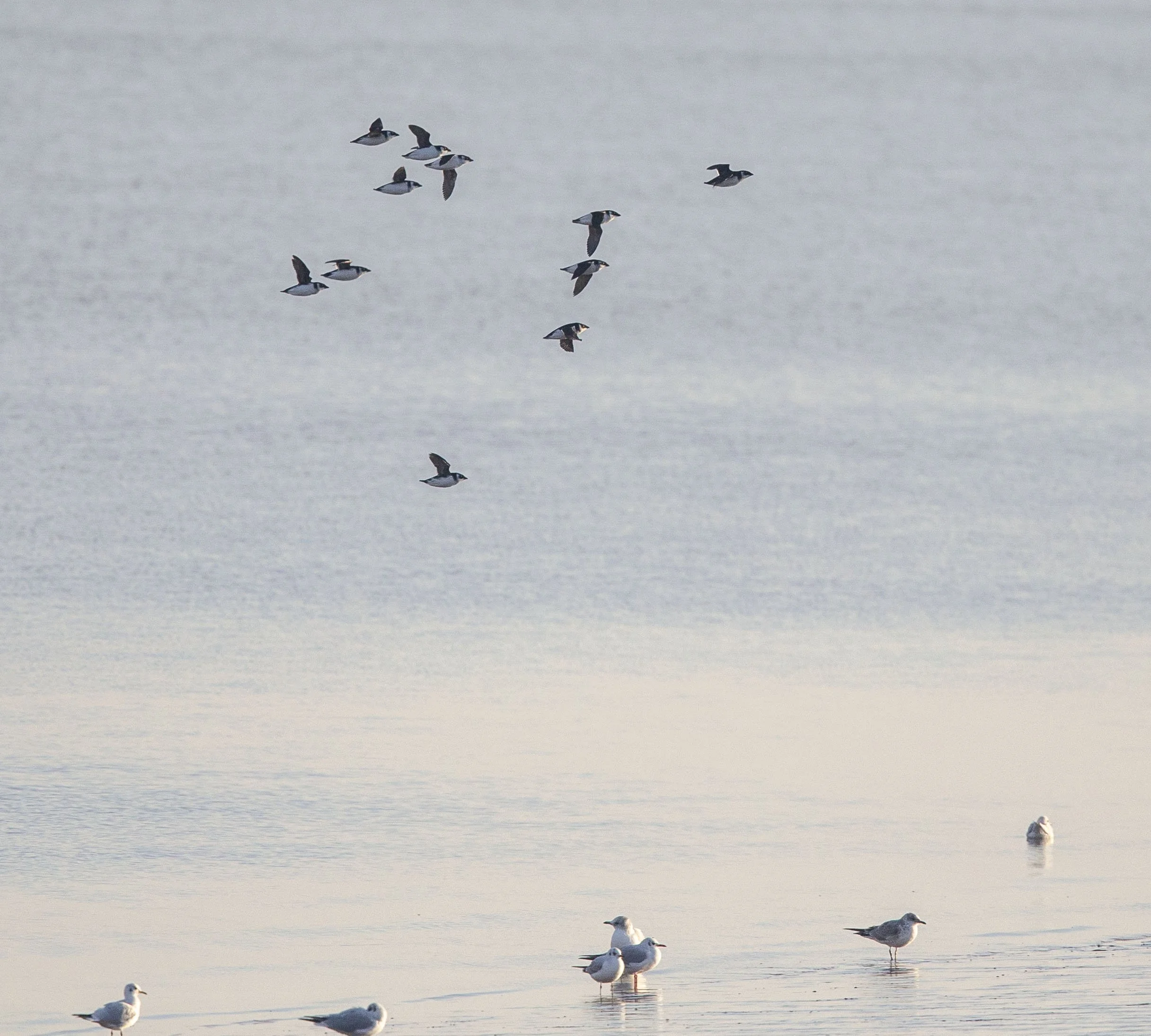
Little Auks up the Humber at Barton November 6th 2014 part of a day total of 72 birds two of which were taken by the local Peregrines - we know now when to look for Little Auks up the Humber but back in 1975 it was a revelation
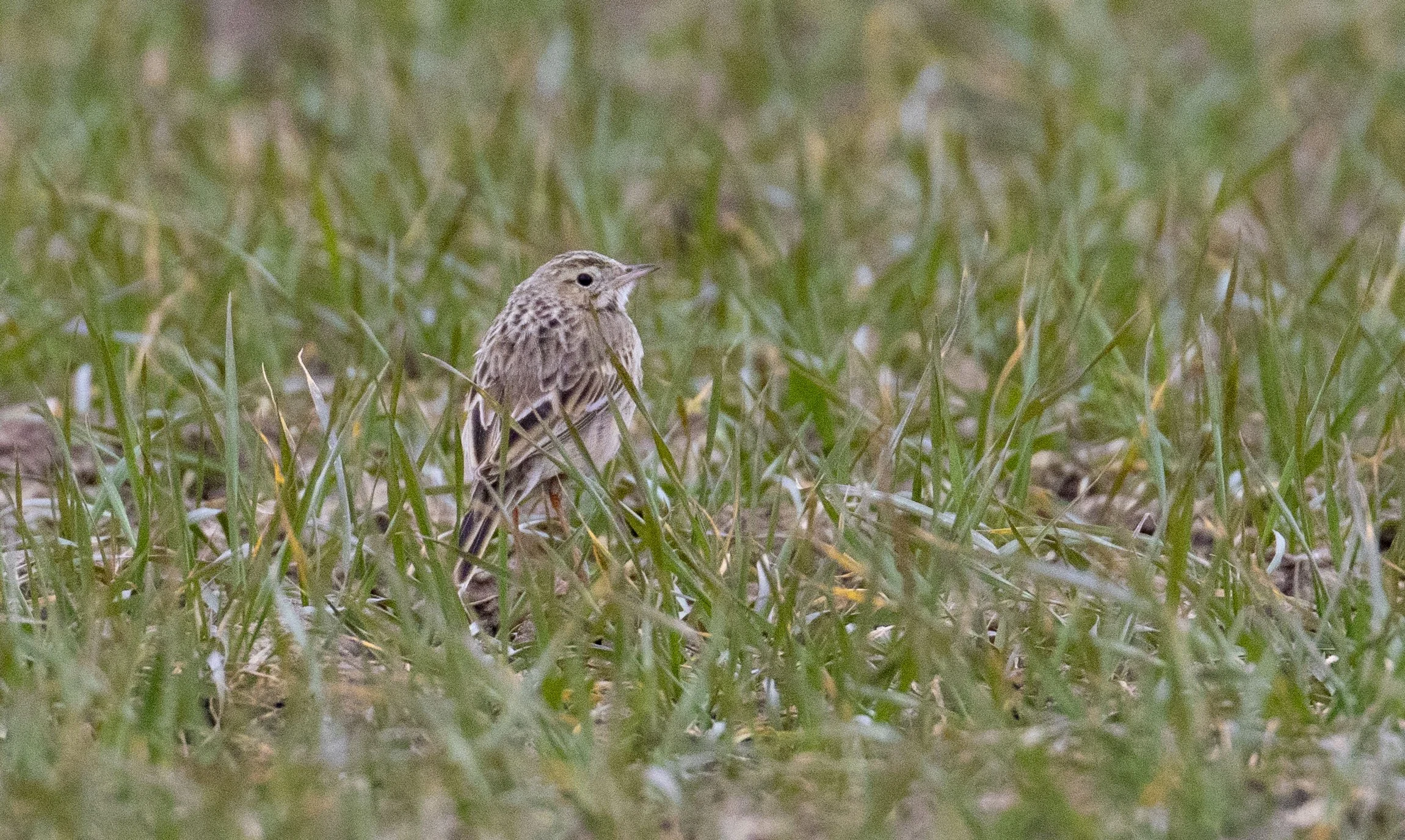
Richard’s Pipit Goxhill Haven February 2016 - since the 1975 bird I have seen four in this location well inland from the coast the key to finding one is habitat and getting into it
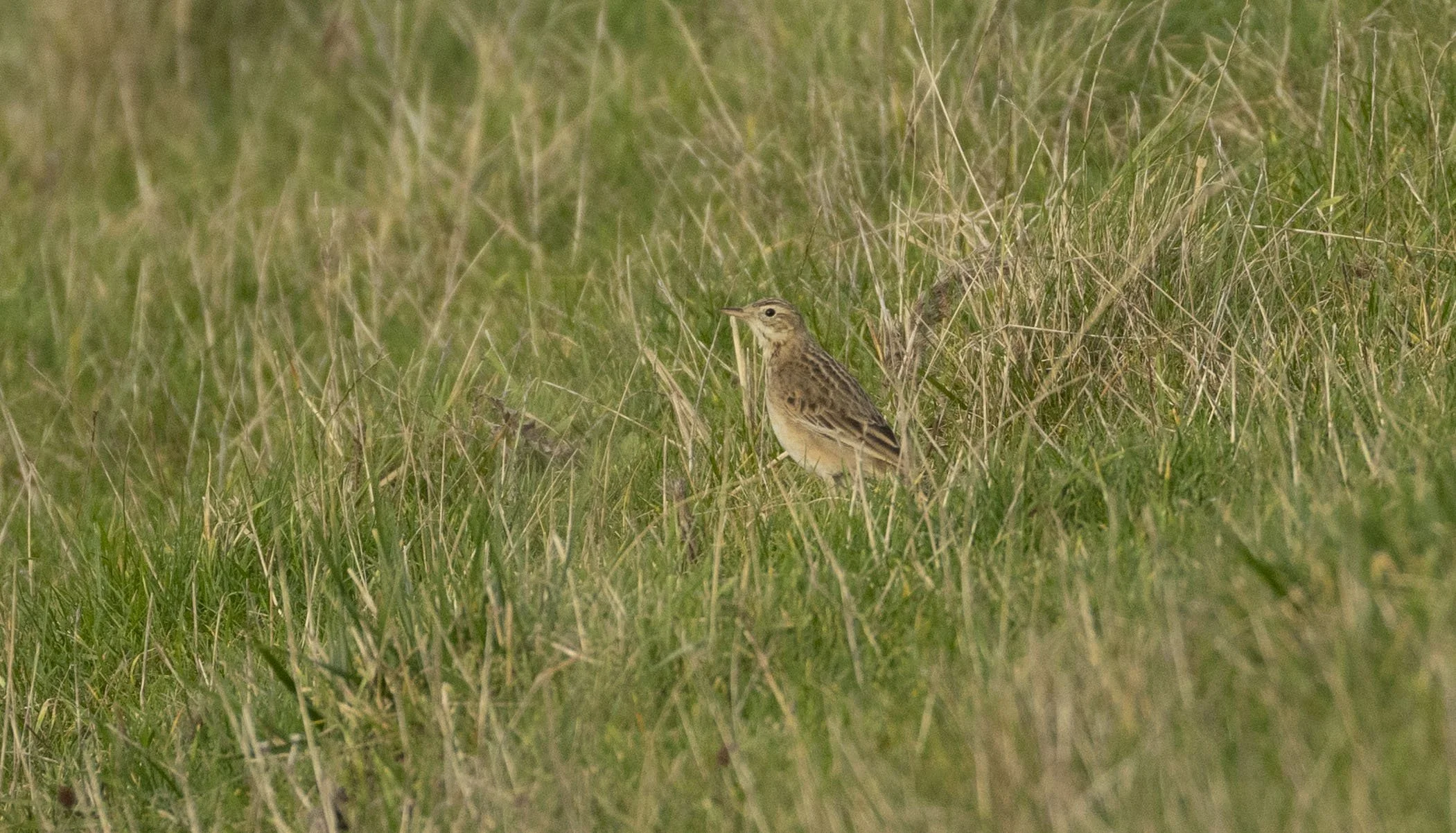
Richard’s Pipit Chowder Ness Barton December 2024 - I was sat in a hide about 150m away when it was found by a rare visitor Mr Drinkall - goes to show you never know what you are missing by not covering every bit of habitat every day - it only stayed one day but was the third I have seen within 200m of this spot having found the previous two
Those encounters taught me a few things and it was the learning process that I tend to think stood me in good stead for finding birds in later years. Richard’s Pipits like long rough grass and you may be lucky and have one fly by as you are walking on paths but the best way to find one is to get into their habitat and secondly know that call. Then in cold strong NE winds in the late autumn Little Auks can come up the Humber and have done so in several subsequent autumns along with a good mix of northern waterfowl. I have since then had another four Richard’s Pipits along this stretch of the Humber including a wintering bird dug out by a passing dog shown above, they can be useful.
Over many years we tend to become followers rather than bird finders but why? Technology has undoubtedly been the biggest driver. As reported in many tomes we went from a small grapevine of information dispersal where you had to know someone to know someone else etc to today’s info highway where you can often see a photo of a bird someone has found within seconds of them seeing it. Contrast this with the 1972 Lincolnshire Gull-billed Tern at Covenham Reservoir. Found and identified by Mick Mellor, before he became by birding buddy, it was present from September 16th to October 14th but not being in the Lincolnshire loop it was only through a chance meeting with Mick on the coast at Rimac on October 1st that Derek and I learnt of the bird’s presence and called in on our return journey – it remains the only bird I have seen in Lincolnshire. In between there were Bird Lines where you had to use a phone box to ring for information and then web sites and of course mobile phones which have revolutionised how birding is conducted. But has it been a good advancement? I consider myself lucky to have been in at the early stages as it were. Many of my new birds in the 1970’s were birds I found myself and were I feel the more exciting for it. Snow Bunting, Jack Snipe, Red-throated Diver, Great Grey Shrike, Black Tern, Little Gull, Hoopoe, Golden Oriole, Long-eared Owl, Hawfinch and even a odd real rarity like White-rumped Sandpiper – I remember them all because I was the only person there when they graced my vision. I had no knowledge that any of the birds were present before going out and being lucky enough to come across them. Through the late 70’s and 80’s I fell into the twitching trap and over the years have continued to go and see other people’s birds mainly ones I find interesting and exciting rather than going to Norfolk for a White-crowned Sparrow when I have seen 100’s across the pond and listened to them singing on their breeding grounds just to add a number to my British List.
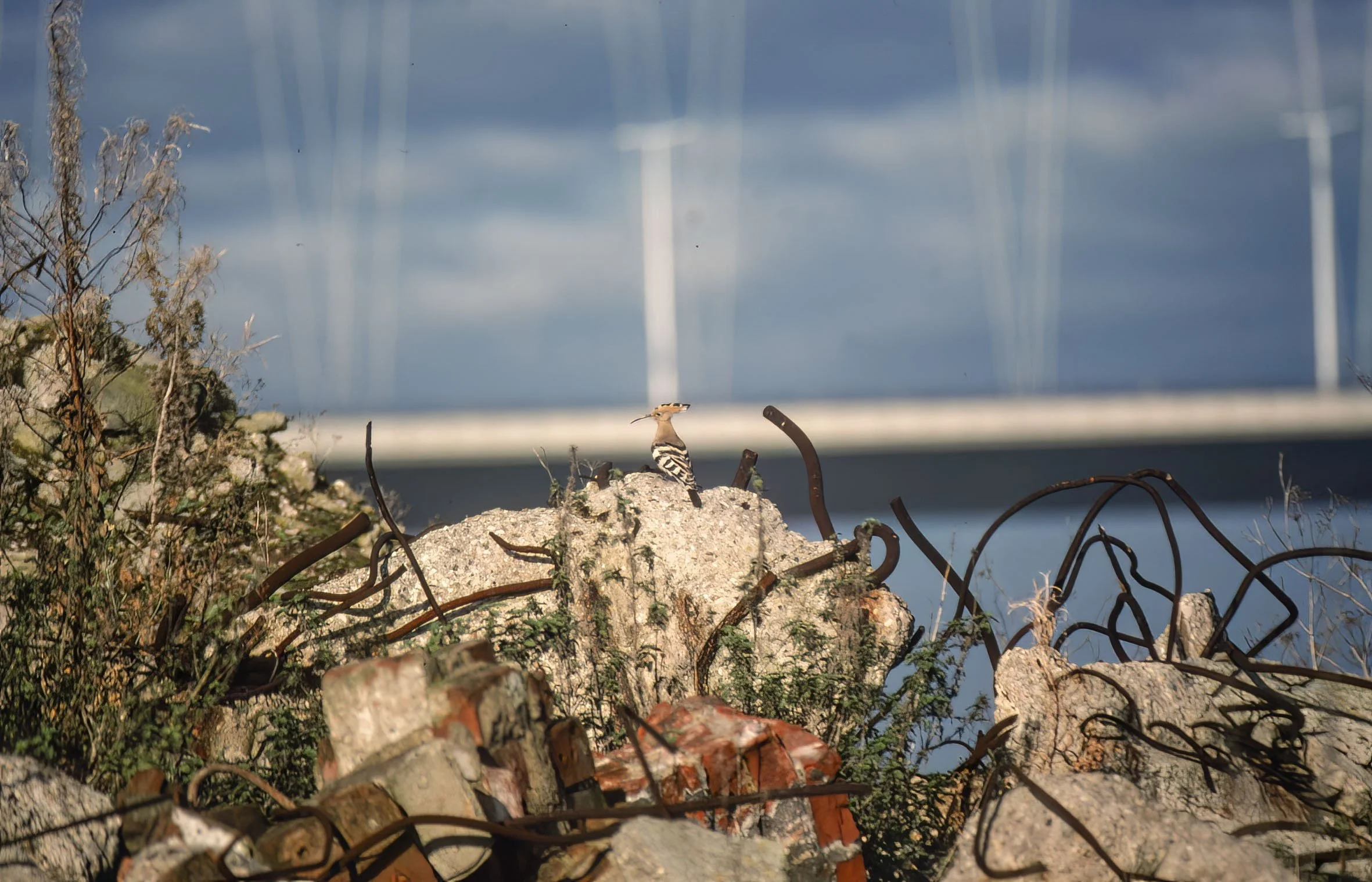
Hoopoe Waters’ Edge then the old Britag site Barton October 1999 - Hoopoe was the first rare bird I found in Britain in May 1969 - this bird was found by the watchman on the old chemical site at Barton that became Waters Edge country park after reclamation - I surveyed the site for several years during the cleansing operation and post development - I was on the coast but Paul left a message at home saying he had seen a Hoopoe around the site - I was the only person with access and relocated this bird the following day feeding amongst the piles of concrete rubble probing in the infected chemical ridden site! It remained in the area to November 2nd when I last saw it about 2 kms away - even obvious birds can be very elusive - at one point it perched on a television aerial of a house near what is now Tescos.
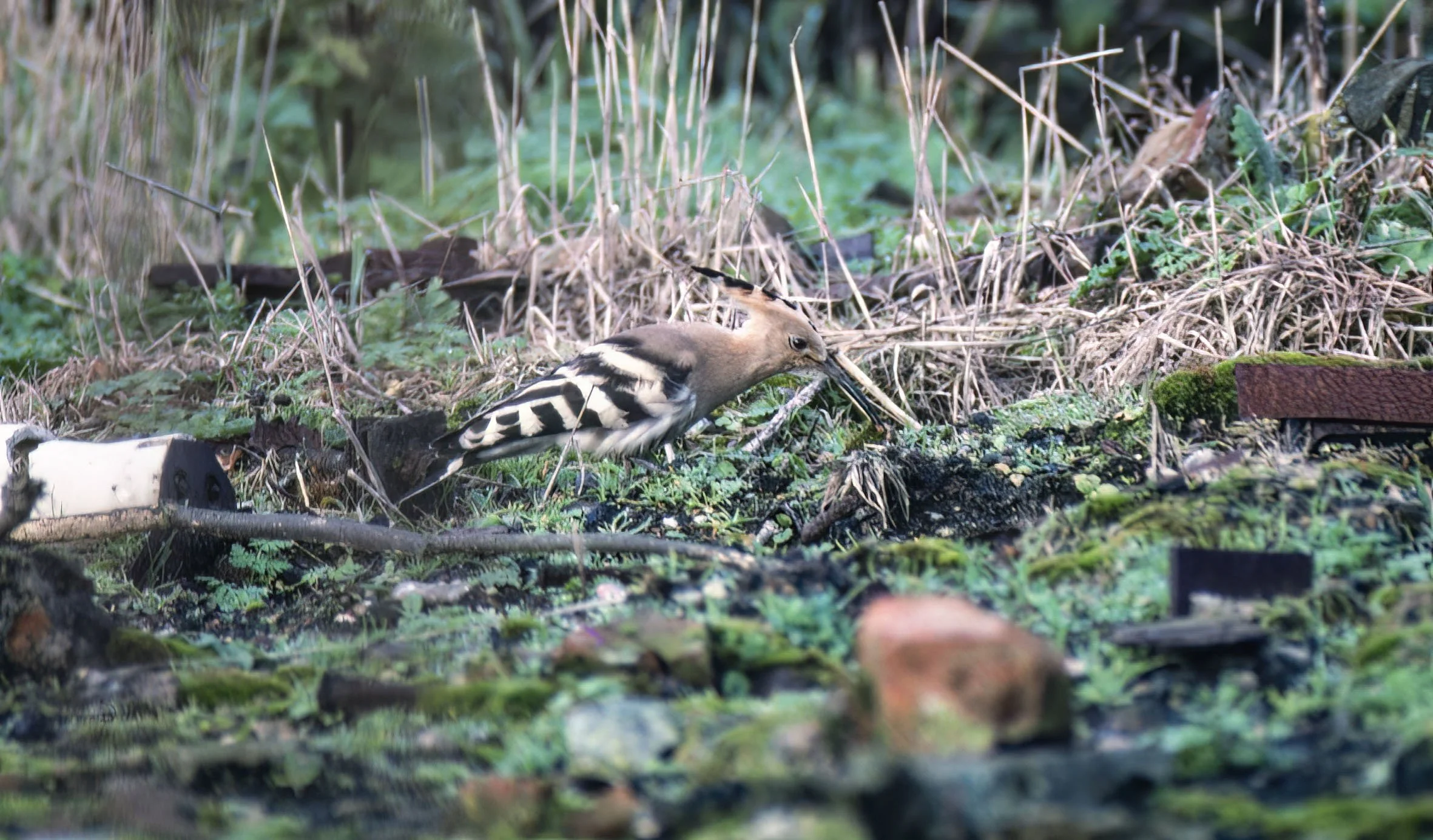
Hoopoe Barton Britag site October 1999 scanned from slide
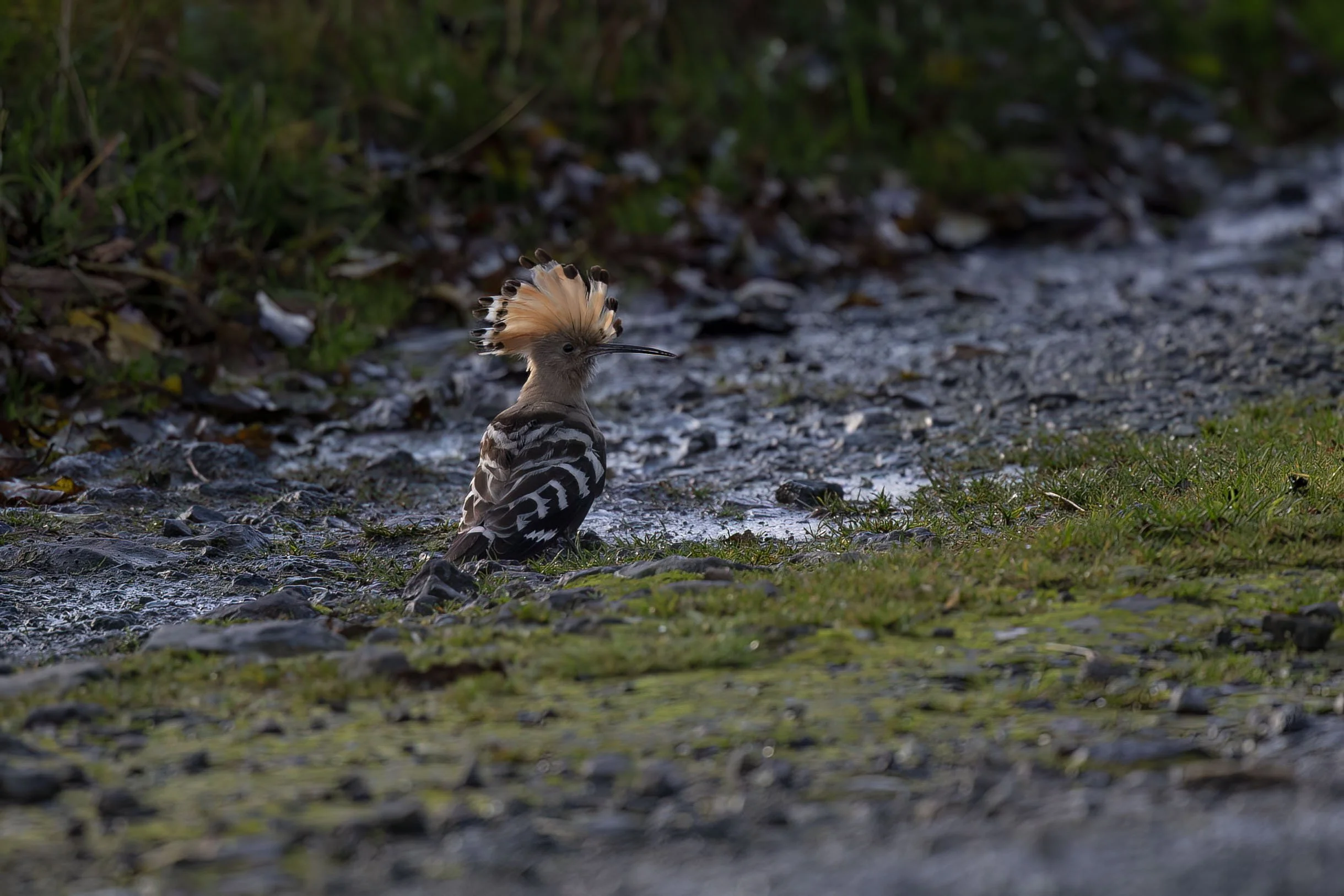
Hoopoe Barton Pits November 7th 2014 - the second late autumn record for the patch there has only been the one spring bird in May 1969
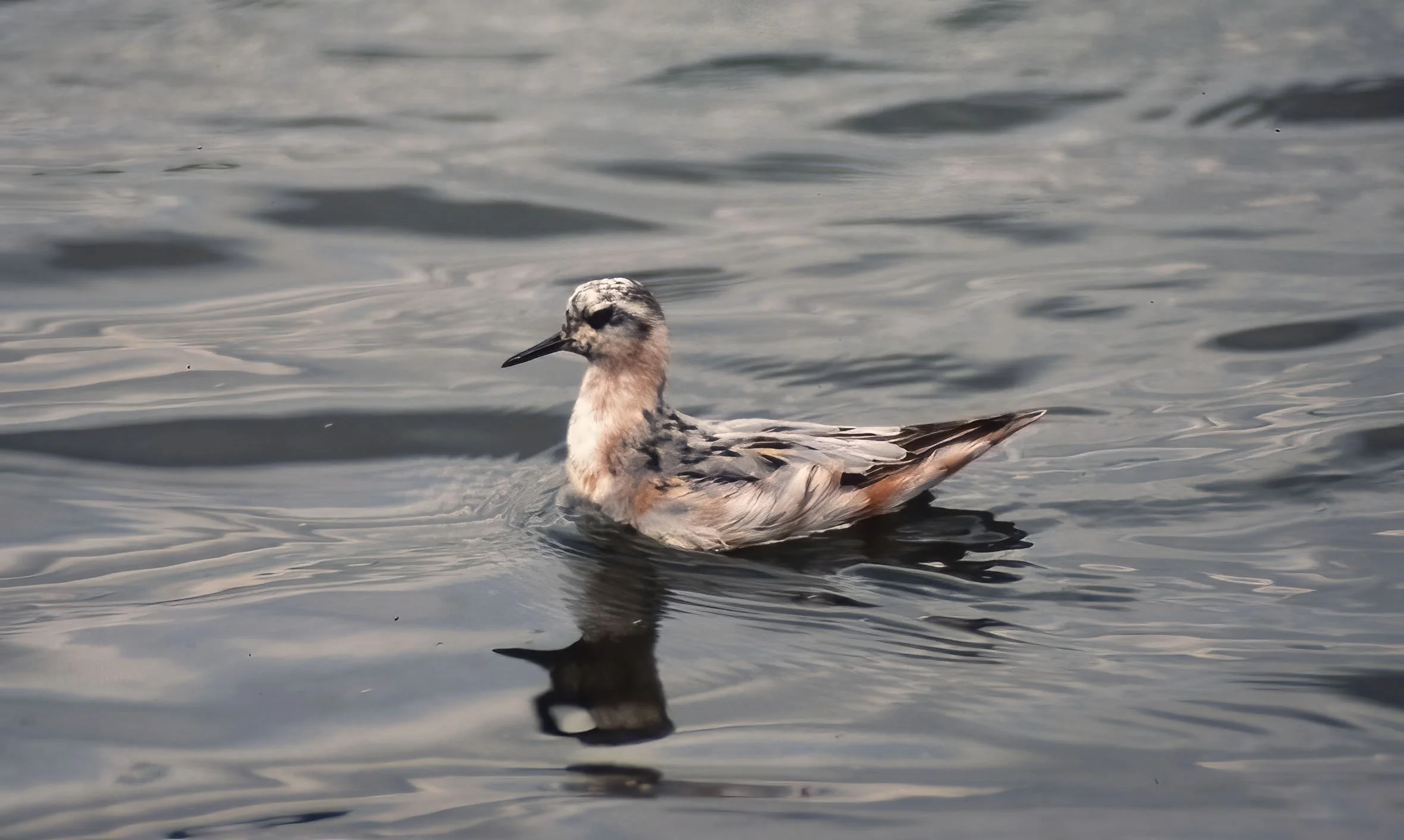
Finding rare birds is always a matte rof chance in spite of how much effort you put in - in August 1985 with a fairly imminent addition to the family we were having a short walk at Far Ings when I saw this moulting Grey Phalarope on Target Pit - Jude was good enough to drive home and get my camera so I could get a couple of slides before work called -
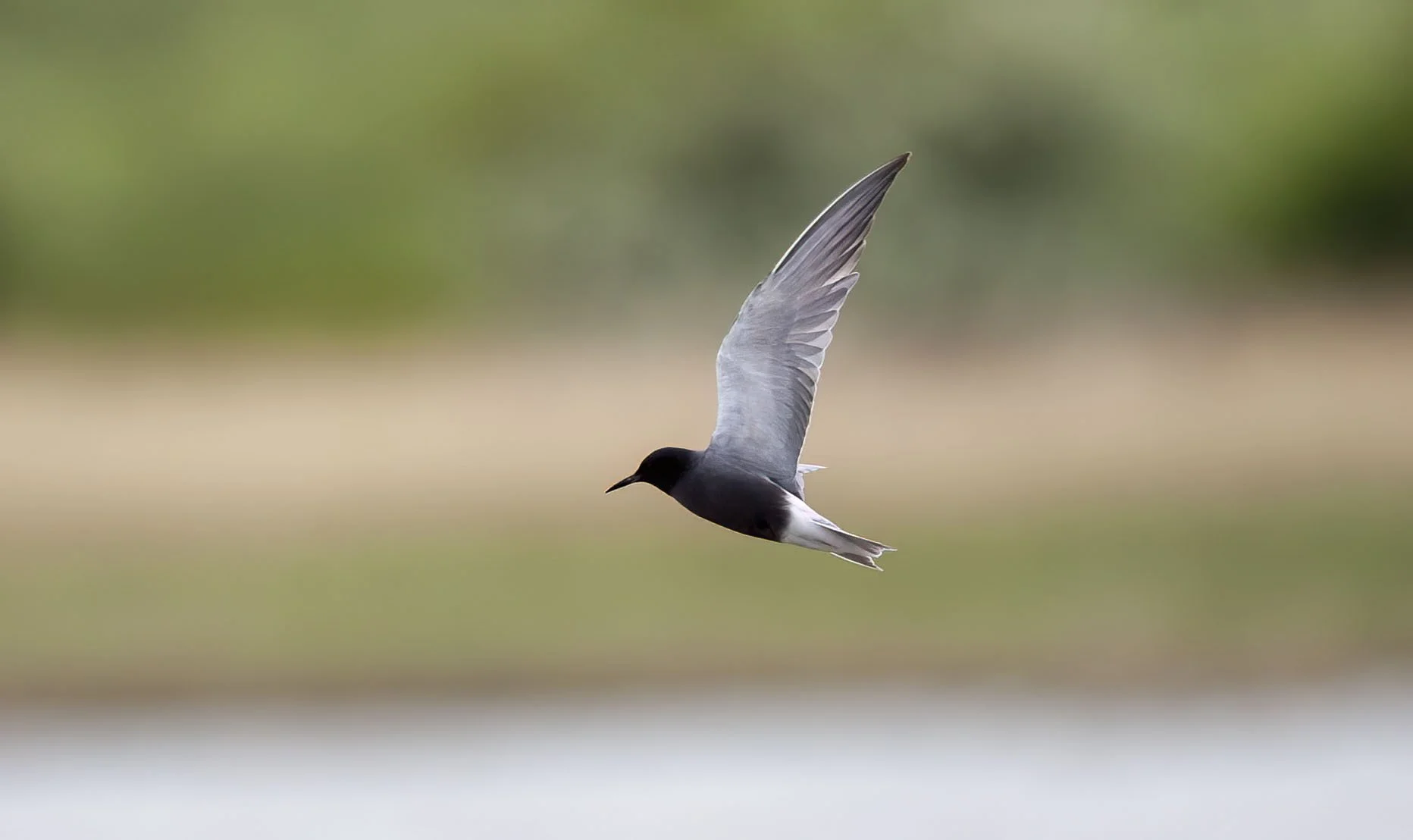
Black Tern Barton Pits May 2009 one of seven that day - the local spring peak was 131 on May 2nd 1990 all of which arrived from midday onwards — I still remember my first found on my old stamping ground at Dawson City, Goxhill Marsh on May 6th 1970 dipping over the reed fringed pits
Lincolnshire has been my home county for most of my birding life and at some point in the 90’s? we worked out who had seen most species in the county at which point I faced a dilemma. Being number one in the charts means trying to stay there and most of my twitching now consists of doing just that when something new for the county turns up but almost thankfully that is not very often! What means more to me personally are my self found lists having exceeded 330 in Britain and reached 300 in Lincolnshire with the singing Blyth’s Reed Warbler on my local patch in June 2020 since when the total has clawed its way to 309 only to be knocked back by four recent lumps.
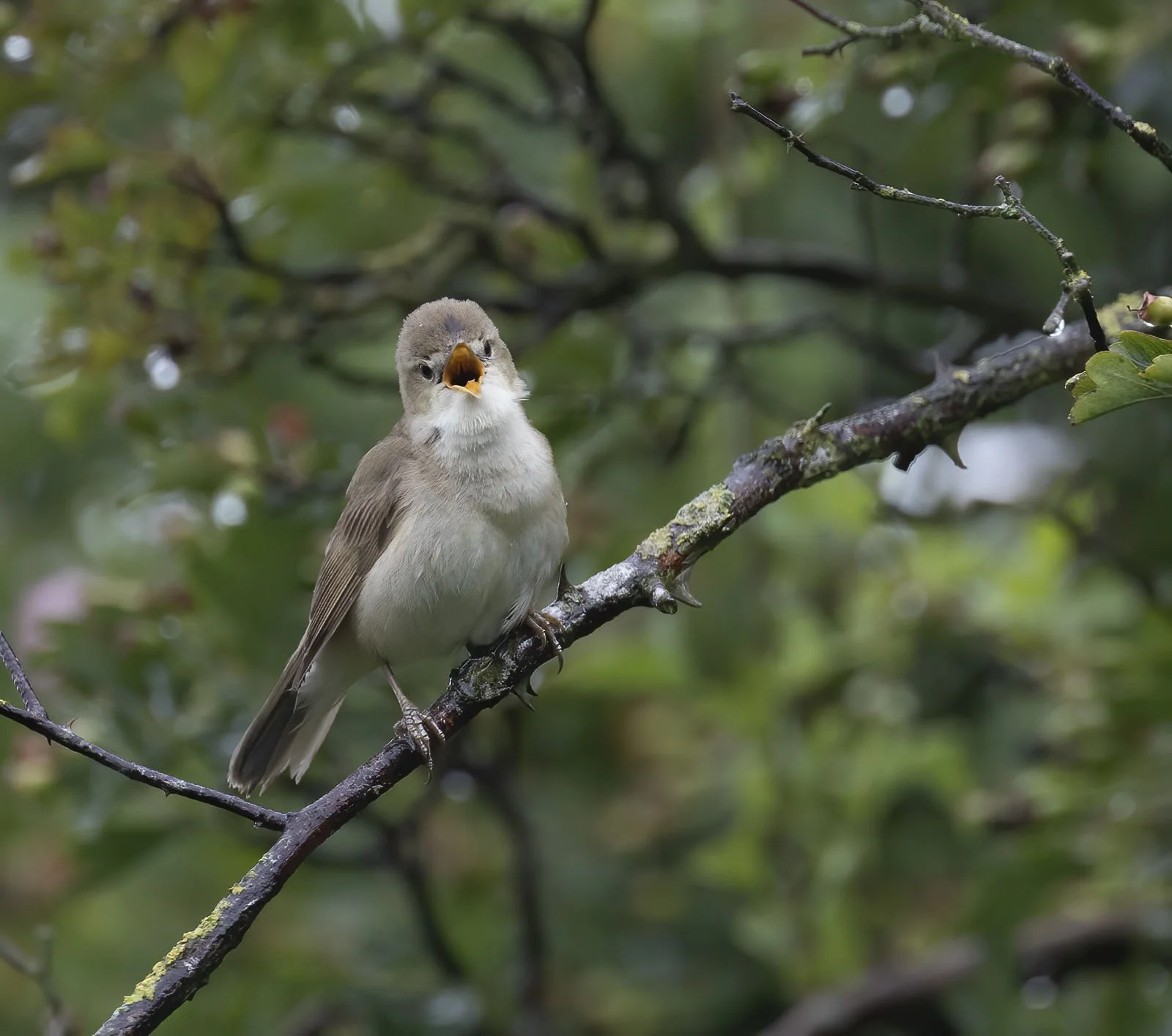
Blyth’s Reed Warbler Barton Pits June 2020 - link to the article on this bird my 300th self found Lincolnshire species below
There is nothing quite like finding your own new bird be it a lifer, county first or even a local patch tick but it takes effort and dedication. Having spent 18 years surveying Alkborough Flats the time I spent on my local patch was much reduced from 2006 to 2025 and hence the number of birds found declined exacerbated by national and population declines and this was shown in the patch year list totals I have kept from 1993 onwards. The same period has shown a decline in Lincolnshire year lists and Lincs self found year lists; its a niche market in a county like Lincolnshire where there are so few active bird finders.
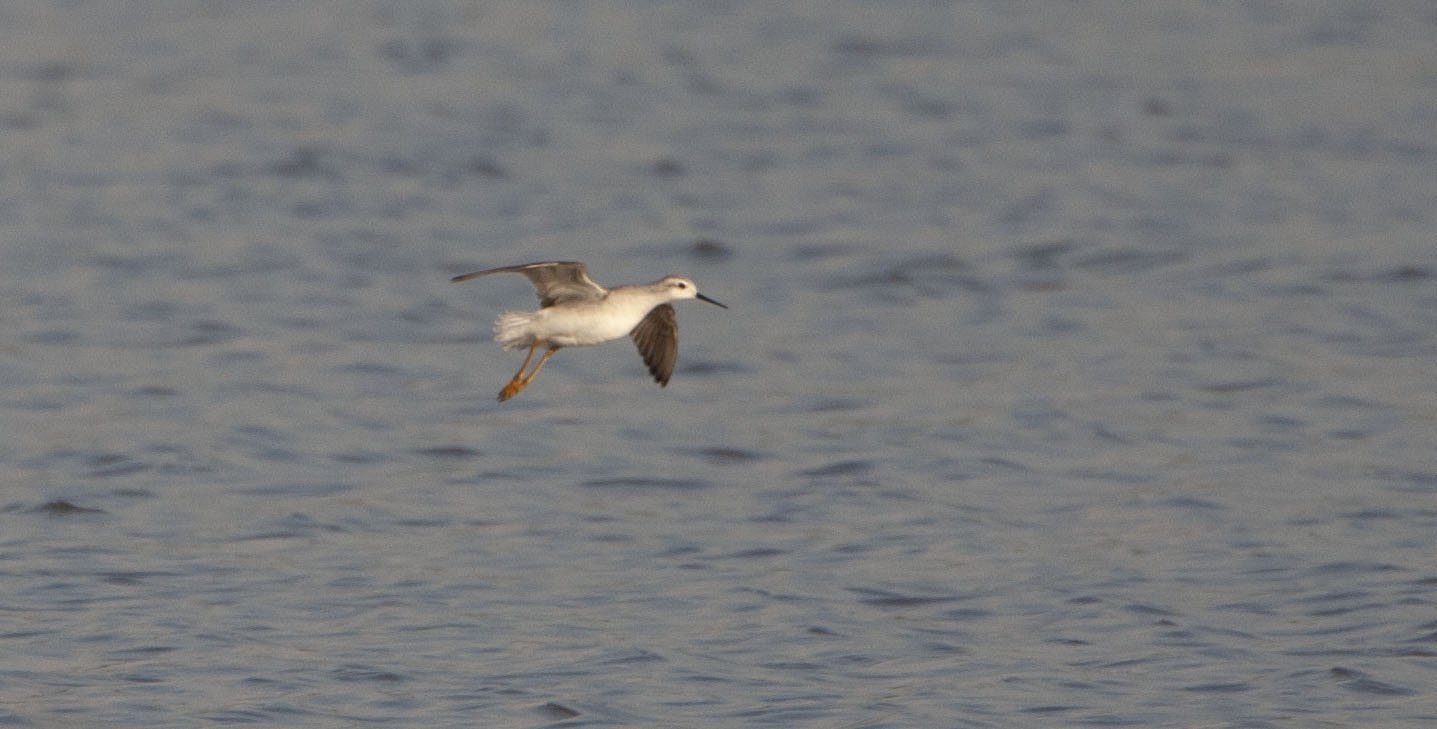
Wilson’ Phalarope Alkborough Flats September 2008 my best wader find over a lot of years at Alkborough - failed to find the majority of the goodies located by Mr D.
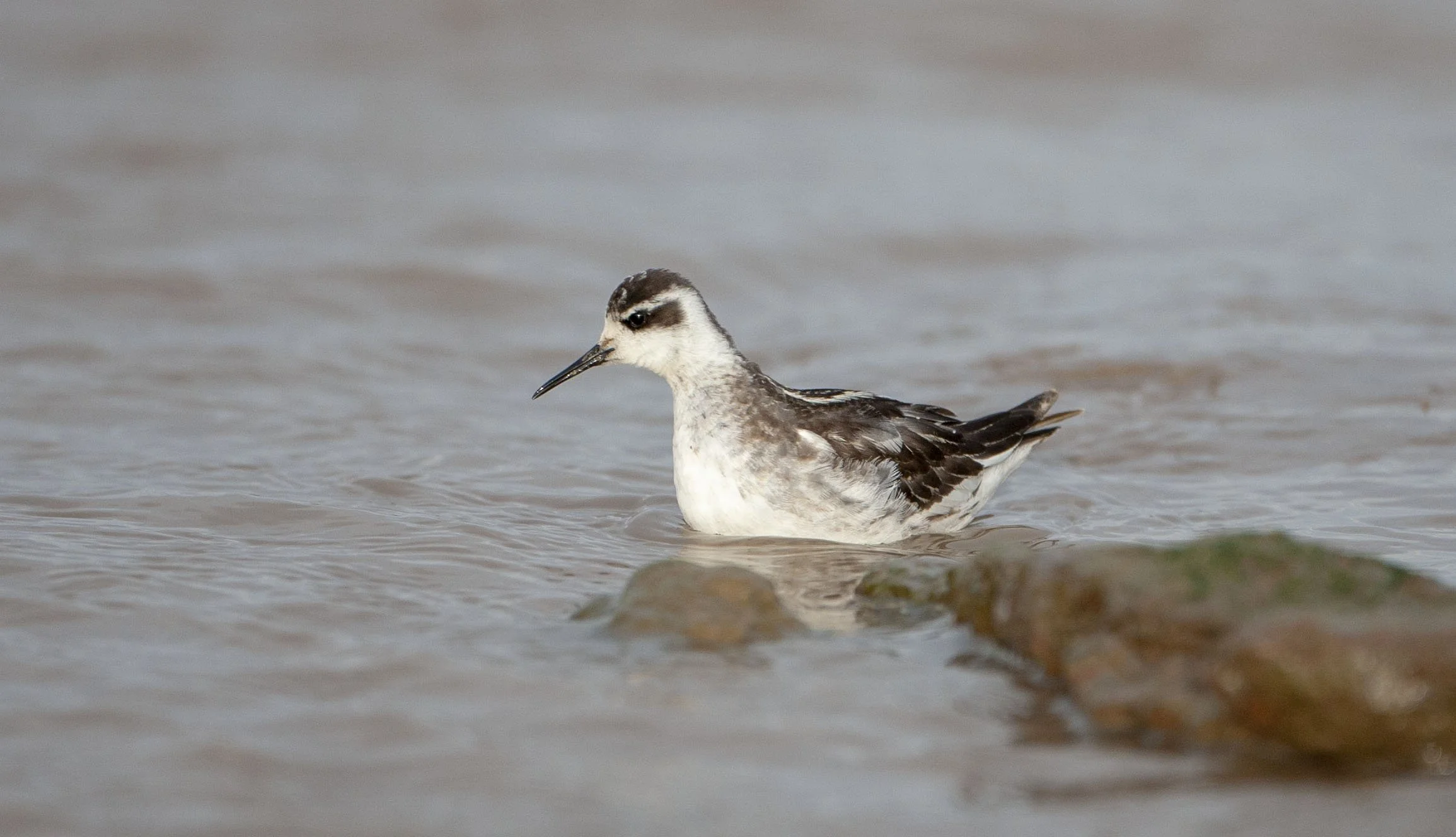
juvenile Red-necked Phalarope Chowder Ness Barton November 22nd 2009 - the only bird I have ever seen on th epatch and found by IGS doing a survey while I was surveying at Alkborough - being in the right place etc
Below is a piece I wrote after the 2020 Blyth’s Reed Warbler.
300 self-found county birds in Lincolnshire.
The after effects of finding a singing Blyth’s Reed Warbler on my local patch in June 2020, a bird I had been desperate to hear singing for years and had never seen in my home county of Lincolnshire and only twice in the UK, took a while to register. Having lived and birded in the same county for most of my 52 years birding I had amassed a substantial list of county birds amounting to a total of 365 species but for an avid searcher the list that you value most is the self found list, those species that you have personally discovered and identified. Totting up this real list in past years I knew that by early 2020 I was teetering on 299 species of selfies in Lincolnshire and with all due respect to plain white herons I didn’t want Cattle Egret to be the 300th. It was only late on the evening of June 7th though after the excitement and panic of the Blyth’s Reed had subsided that it dawned on me that this was number 300 selfie and what a fitting milestone it was, a really rare bird in the county, only three previous autumn records, on my local patch where I have spent so many 1000’s of hours and with a song to rival any British bird, a top bird and a top find. This then got me thinking back to some of those other County selfies and the memories that they have produced over the years.
For my first notable selfie I have to go back to May 29th 1969 when a Hoopoe jumped up in front of two teenage birders at Far Ings, Barton. The then county recorder, who I took over from in later years, told me that he only accepted the record, as it was such an unmistakable species. It was indeed and left an indelible mark and a belief that rare birds could occur around where I lived not just at hallowed bird observatories.
Some birds you find but just cannot count for varying reasons; back from a visit to the Camargue in June 1977, about as far as we managed to venture in those days by car, and fresh with a head and note book full of experience of Mediterranean exotics during a routine work-related walk around one of the Barton pits a male Little Bittern jumped up in front of me! What were the chances of that encounter? being in the right spot at the right time when this skulker appeared out of an impenetrable reedbed; it’s never happened again in 43 years. But a few days later I was on my old local patch at Goxhill Haven looking through an assembled group of Swifts feeding low over a field when I came across a Pallid Swift; surely not but prolonged views confirmed the features I had seen only two weeks previously in Southern France. No camera gear in those days but a written description duly submitted to BBRC eventually received the seal of approval of the ten rare men and a letter from the secretary congratulating me on finding a then first for Britain; all that remained was official endorsement from the BOURC but in what was almost unprecedented political terms the BOURC rejected the record on the grounds of identification, not provenance, claiming a new ID feature which my bird did not possess. I have subsequently seen 100’s of Pallid Swifts and searched 100’s of images and that feature was in fact irrelevant and actually incorrect but it fell by the wayside and the honour went to Kent the following spring. So that’s one that isn’t in my official county selfie list (reset in 2024) and neither is one of the best birds I have ever discovered as it is regarded as just a race, a terrible term. American Black Tern had amassed just three records in Britain prior to 2011 when I stumbled across a stunning juvenile at Covenham Reservoir in mid-September and being a very long stayer and the first ever on the East coast it gave a lot of pleasure to many birders but numerically it has only the significance of my first self-found Black Tern, coincidentally in this paragraph first seen at Goxhill Haven in May 1970. And the fly-by pratincole seen in August 1977 that couldn’t be confirmed as a specific.
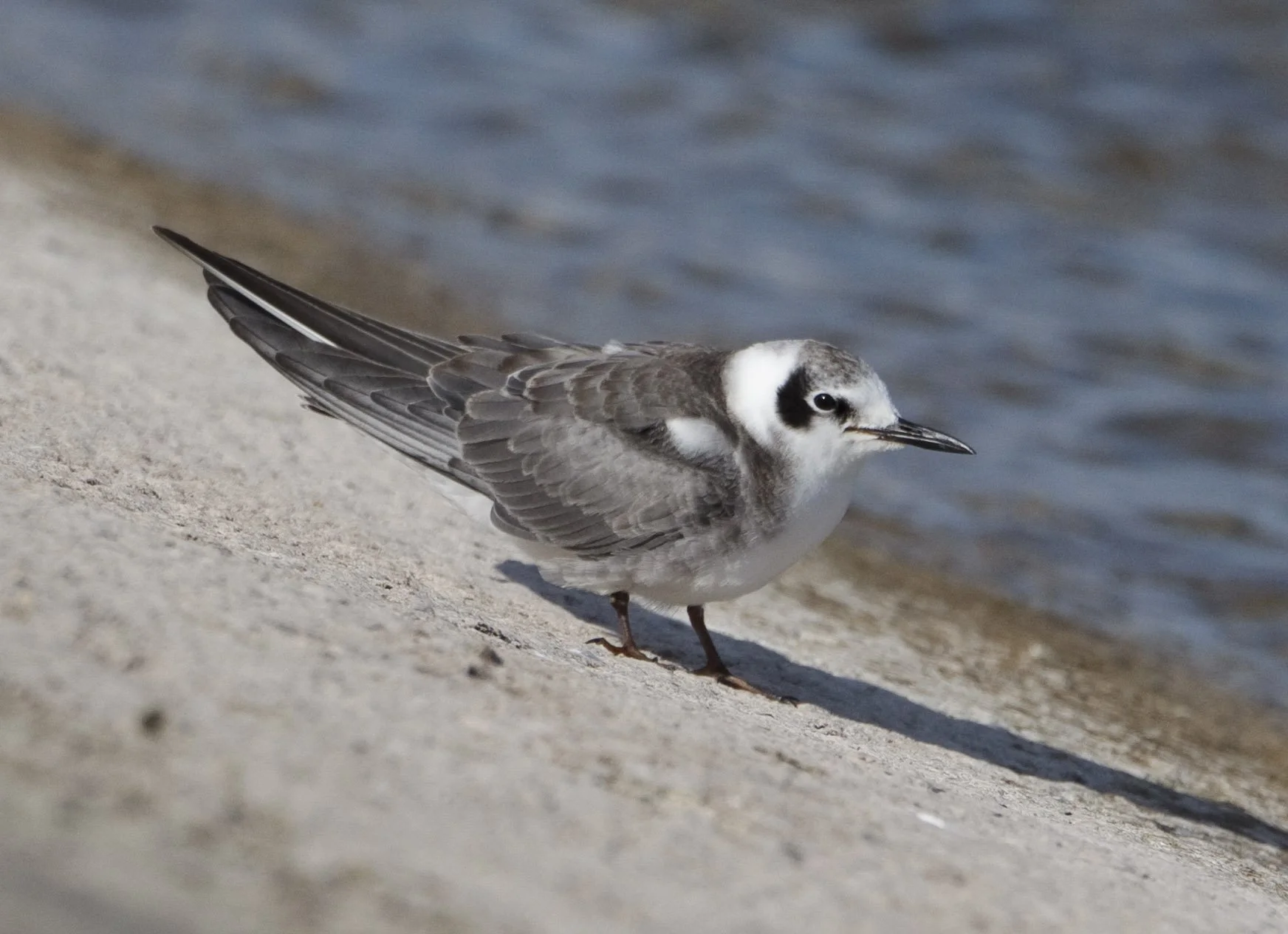
American Black Tern Covenham Reservoir Lincolnshire September 2011 - the first for Lincolnshire and only the 4th for Britain a major find but in the eyes of most people a non species - it received a full write up in Birding World
Finding a lot of species generally means putting in a lot of time and effort but as we all know luck plays its part. From the mid 1970’s to 1990 North Killingholme Pits were something of a mecca for waders and I went almost daily for ten years. That’s a lot of visits and from my first White-rumped Sandpiper in 1976 and Baird’s Sandpiper in 1977 we came to 1982 when a Red-footed Falcon in May was followed by a summer plumaged male American Golden Plover in July and an adult Sharp-tailed Sandpiper in September, not a bad annual crop of selfies but all down to time in and birds out. Similarly, a month of evening visits to my local gull pre-roost in June 2010 eventually paid off with finding a Bonaparte’s Gull and the realisation after 90 minutes of watching it that a Ring-billed Gull, still a mega Lincs bird, was sat within 20 feet of it. Then there are days when you expect little but go out anyway. Such were many of my coastal ventures in the 70’s and 80’s when we took no heed of a lack of easterly winds but slogged the Lincs buckthorn thickets anyway. One such September day in 1976 with a fresh westerly after a seawatch with three Long-tailed Skuas, I walked back to the dunes and a movement in the buckthorn caught my eye. It was a warbler, but wasn’t right for a Reed Warbler, not even the right genus, it was a Savi’s Warbler a very notable first and in fact the first I had ever seen only having heard them at Walberswick. It even stayed in the same spot for three days and was heard briefly singing on one date. In more enlightened times I doubt very much whether I would have hit the coast on a September day of westerly winds but how many birds do we miss by maybe thinking we know too much? Just from the sheer chance of many rare bird finds we know that there must be many more we miss. October 19th 1980 not feeling too fit but spurred on by news of Pallas’s Warblers just across the Humber I did the usual coastal slog all day for a Chiffchaff and Blackcap. Thoroughly disheartened I set off back to my car and in the last ditch a bird flew up and perched on a horizontal willow bough wagging its tail and giving me that quizzical stare which said do I fly or stay? Fortunately, it stayed and Olive-backed Pipit was added to my life list and the county list but it had gone by next morning – what were the chances of that find? And other times we do something a little different and the birding gods answer. In a mega coastal fall in October 1990, I ended up at the back of some nice looking gardens in Saltfleet but with little on show I tried the pishing technique, which of course never works in Britain. But that Dusky Warbler must have been reading the wrong books and it immediately answered my call with some nice chaks and even appeared out in the open. Sometimes circumstances beyond our control can inadvertently contribute to a find or two. The 2001 Foot and Mouth restrictions forced me into more time on my very local Waters Edge and this produced a song that I failed to recognise until the culprit a male Penduline Tit revealed itself in a red currant bush.
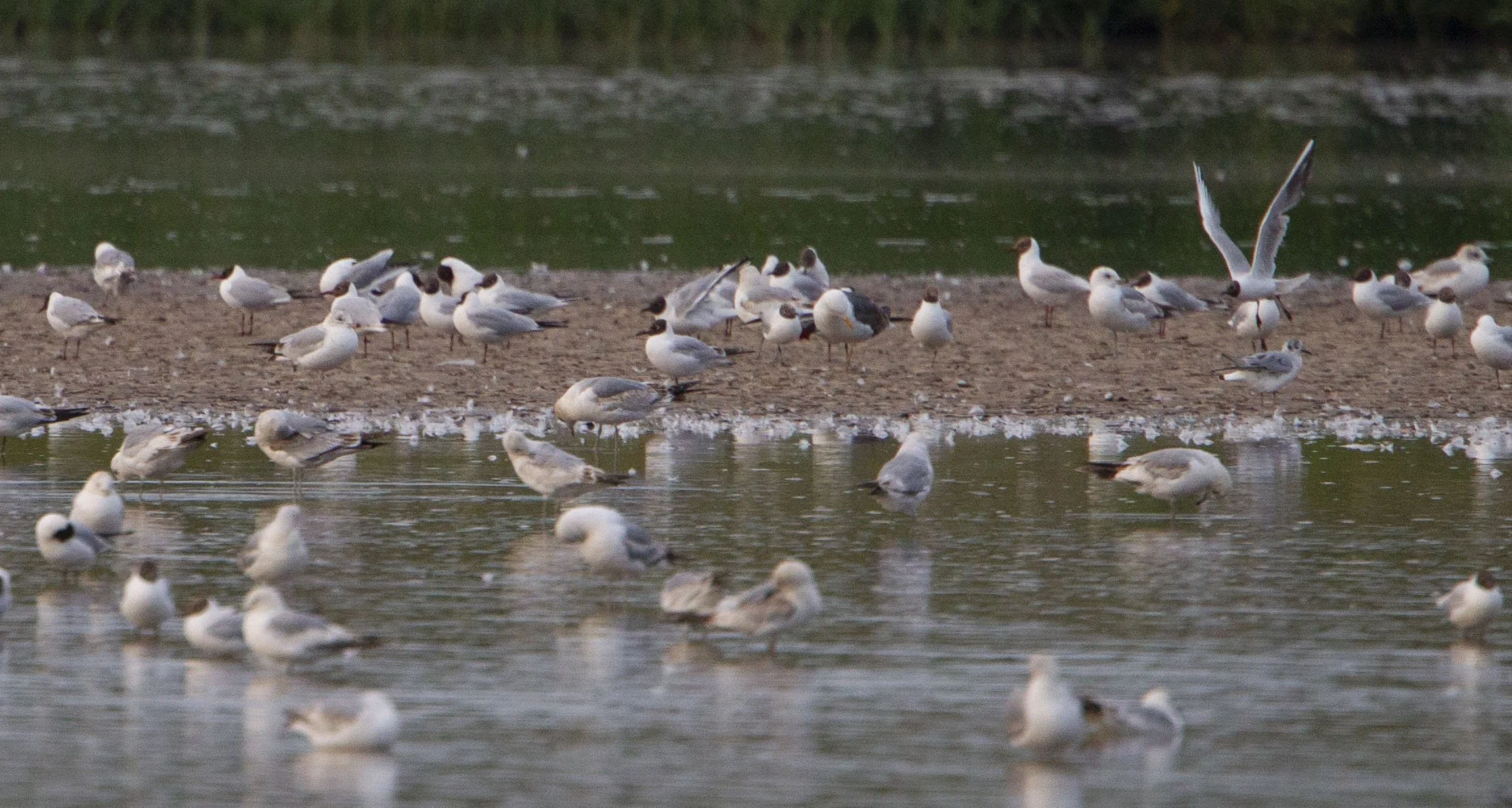
Ring-billed and Bonaparte’s Gulls on my local patch at Chowder Ness June 2010 - sometimes you cannot see the wood for the trees
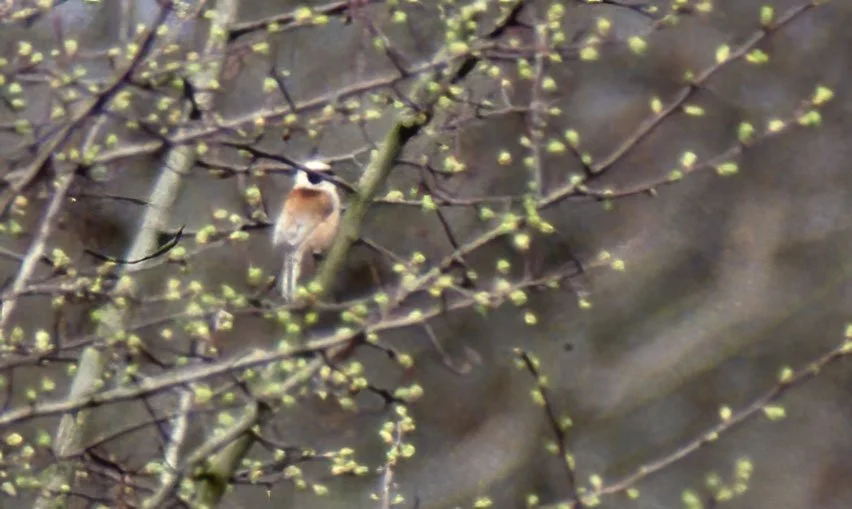
dodgy slide scan of the Waters’ edge Penduline Tit April 2001 - circumstances prevailed when constrained by Foot and Mouth regulations
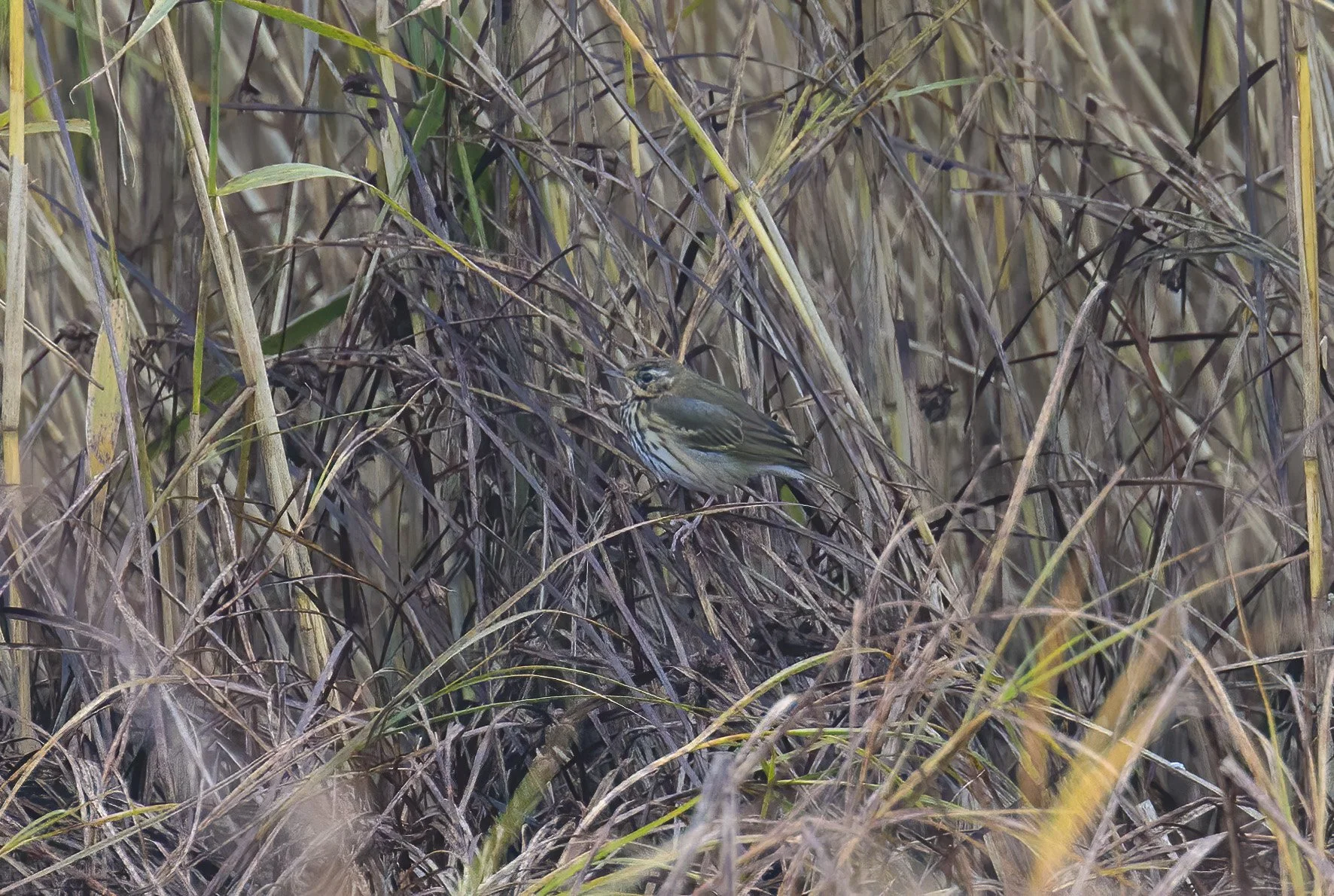
Olive-backed Pipit Goxhill Skitter November 2020 - found by Steve Routledge on my old patch - theer is a chance of one locally surely after this record - always a Sibe to look out for inland
Having a big self-found list probably stems from a lot of hours birding alone as I maintain that it concentrates the mind and chatter doesn’t detract or blur your concentration but there are benefits to joining up with other birders and joint finds are OK but there are always the times when you are the wrong side of the dunes to a Little Bunting that your colleagues see first or 200m from a Terek Sandpiper which very nearly became 300 in May 2020.
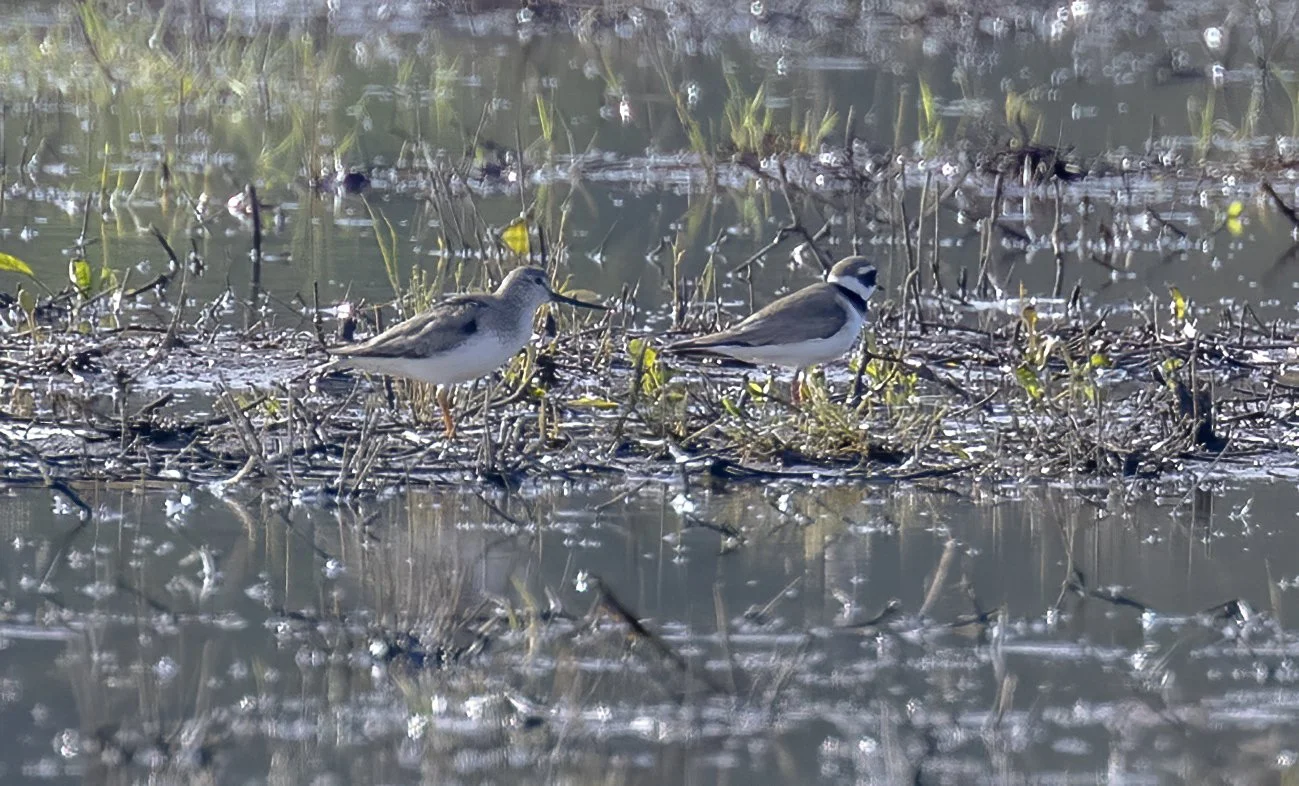
Terek Sandpiper Alkborough Flats May 2020 - I had been with Nd but stopped to photograph a Cuckoo when he walked off and found this 200m away - sods law exists
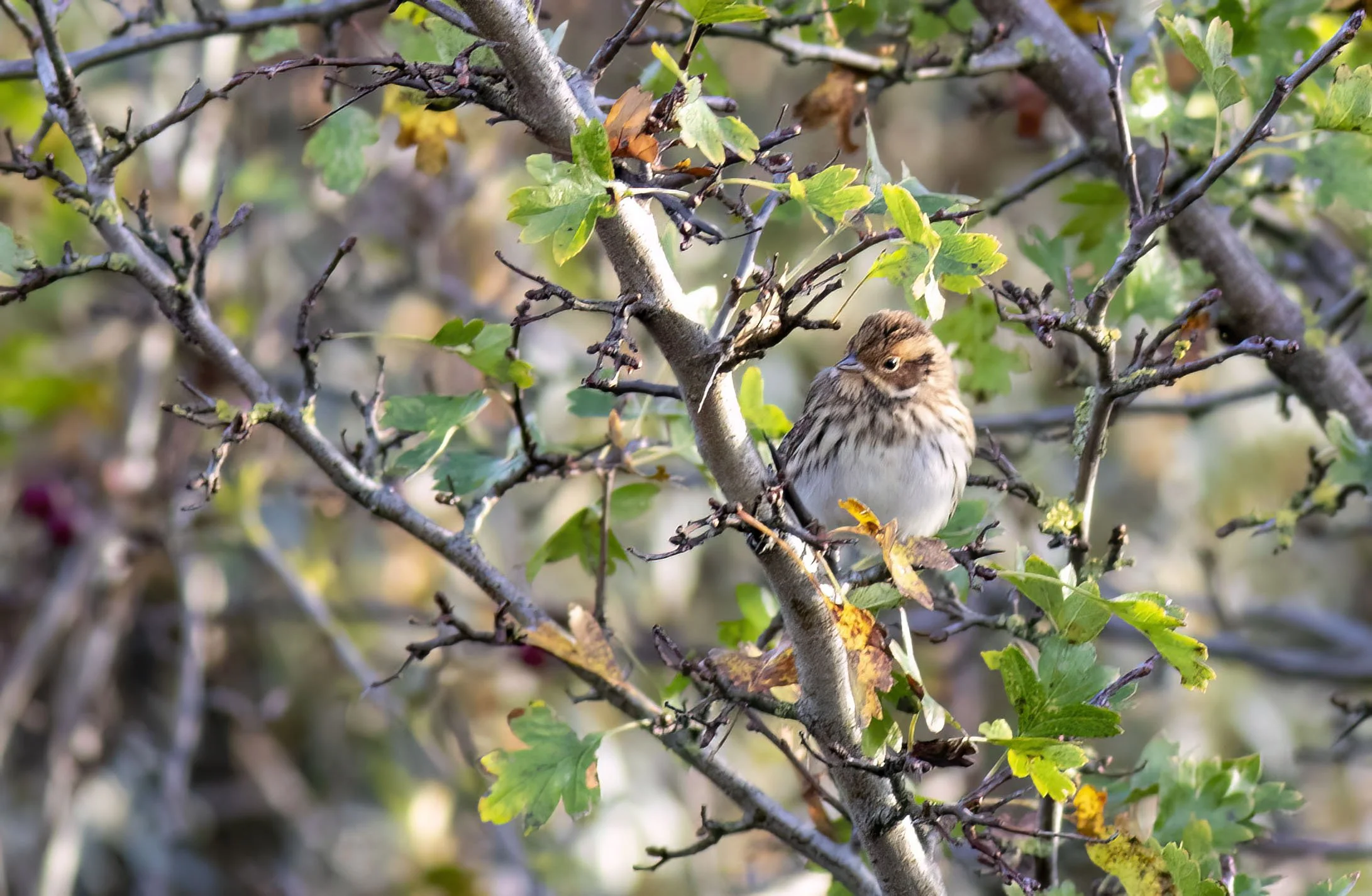
Little Bunting Donna Nook October 2015 - I had gone to the east side of the dunes to cover more ground when Chris and ND found this bird on the inland side of the dunes - still not found one in Britain apart from one that flew off before I could nail it back in 1990 at Rimac - my first rare bunting find in Britain was in fact Black-faced not what you would predict
Some birds of course you never forget and I can still remember several of these initial sightings of what were all self-found lifers vividly; the sentinel Great Grey Shrike perched on top of the bank side hedge at Goxhill Haven, coming face to face with the four glaring orange eyes of a pair of Long-eared Owls as I rounded a nearby hawthorn, diminutive Little Auks pushing up the Humber in a north-easterly gale in November 1975 followed the next day by a Pomarine Skua and the Black Kite that approached and then soared over my head for five minutes as I lay on my back watching a first for Lincolnshire. Early May 1977 walking across a meadow at what is now Far Ings when a bird with a bright yellow rump flew past me and for a couple of seconds my brain said Green Woodpecker before it dawned that this was that glowing yellow and black bird from the pages of my field guides a male Golden Oriole, a lifer and a selfie and to top it off it fed unconcerned in a hedge for the next hour with just me to enjoy it. The 1976 Greenish Warbler that appeared on the outside of a coastal willow while I was eating my sarnies with a second bird found the following year in the same hedge accompanied by a juvenile Woodchat Shrike, an Arctic Warbler, the first bird I saw at Humberstone Fitties on October 17th 1978 after the fastest engagement ring purchase in history and the Lesser Crested Tern on the beach at Rimac that saw me running off and leaving the family to negotiate their way back to the car park across the series of tidal creeks. But probably summing up all of the factors that can be involved with finding a real rare county bird was the events of June 22nd 1998. Most springs and summers at that time were spent logging breeding wildfowl and local birds on my local patch of the Barton to Barrow Haven clay pits a time consuming but rewarding habit. June 22nd saw me trying to assess how many young a nesting pair of Common Terns had produced in a gap between thundery showers. Staring through my scope at the distant terns a Little Swift flew through my field of view albeit at a range of about 1km. The ensuing mad panic of trying to get some notes, see the bird well and get other people to see it were all eventually rewarded with success but it was a stressful couple of hours before the first birder to arrive actually saw the bird. This was still a very rare bird in Britain at that time and almost untwitchable but about 200 people got to see it before it drifted off west in the evening. It took me another eleven years to find an Alpine Swift after 40 years of looking at Swift flocks but it was fittingly again on my local patch and that connection of self-found local birds still rates very highly in the finder satisfaction stakes which brings us back nicely to that Blyth’s Reed Warbler. With quality sound recordings, unimaginably good photos and video there was never any question over this bird’s identification – how many more amazing birds would we have unearthed and confirmed with that sort of recording equipment in the 70’s?
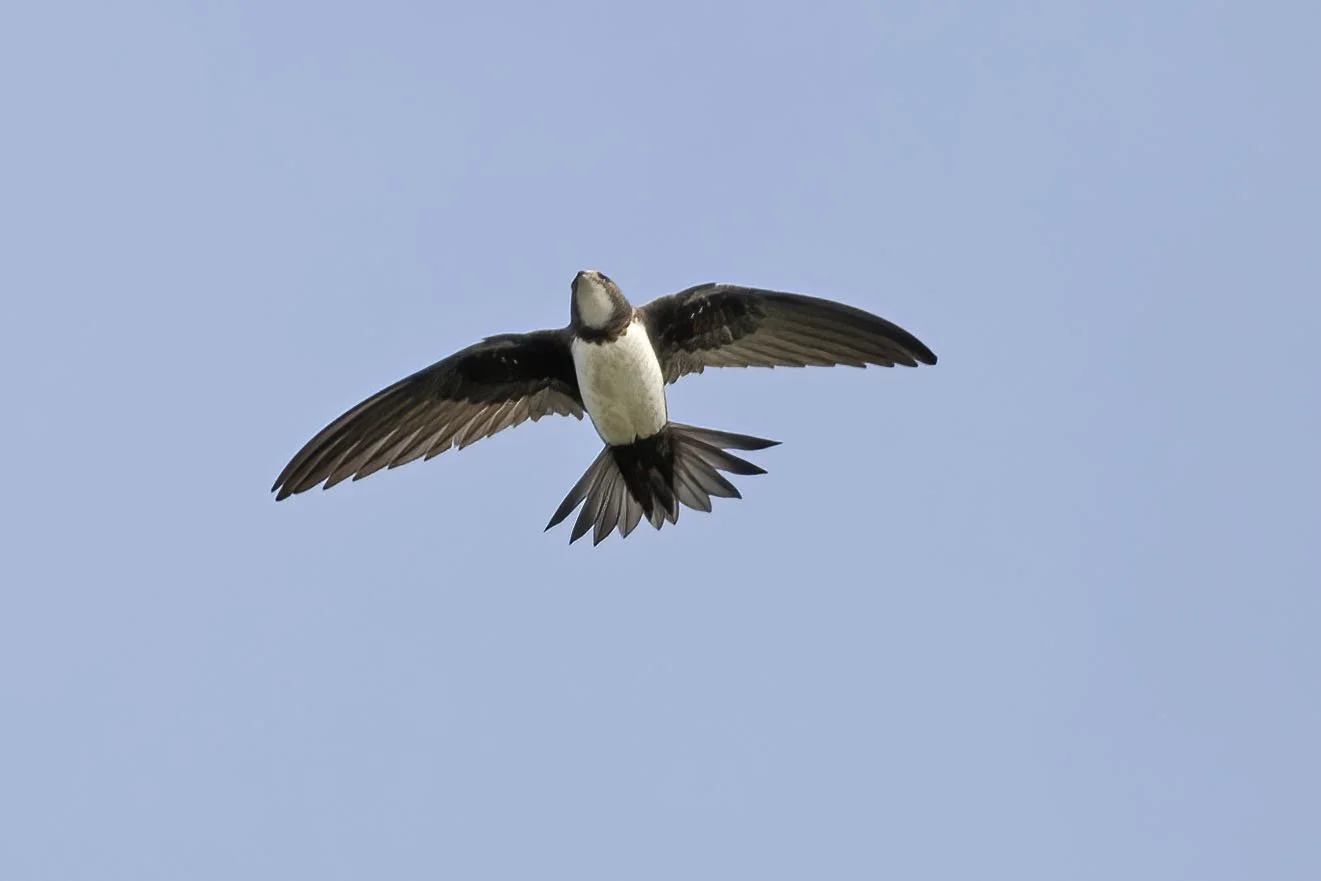
Alpine Swift Barton Pits May 2009 - 11 years after the Little Swift at the same place - not sure how many 1000 Swifts I have looked through in 50 years
I did a Lincolnshire year list in 1986 before such things were a thing in the county and amassed a total of 229 species from memory with the last addition being three Waxwings on the Humber Bridge approach road as I drove by on December 31st. This total has been beaten a few times since then and with time, money and access to apps and online information virtually anyone can get a county total of that nature; I was still working full time and had limited info and time in 1986 but what would be the point in repeating the process in 2026? Unless you live on the coast then it entails multiple long drives to look at an often bird less Lincolnshire seascape for odd seabirds and a lot of following other people’s fortunate finds while reducing your chances of finding something yourself. Of course, you can double up and after twitching the Black-winged Pratincole at Frampton in June 2019 I found a singing Marsh Warbler on the walk back to the car and found another one near Horncastle while looking for a Black Stork in May 2014. But the Deepings in the far south are 80 miles away from my patch and even Frampton is 60 miles where you need to go for odd waders.
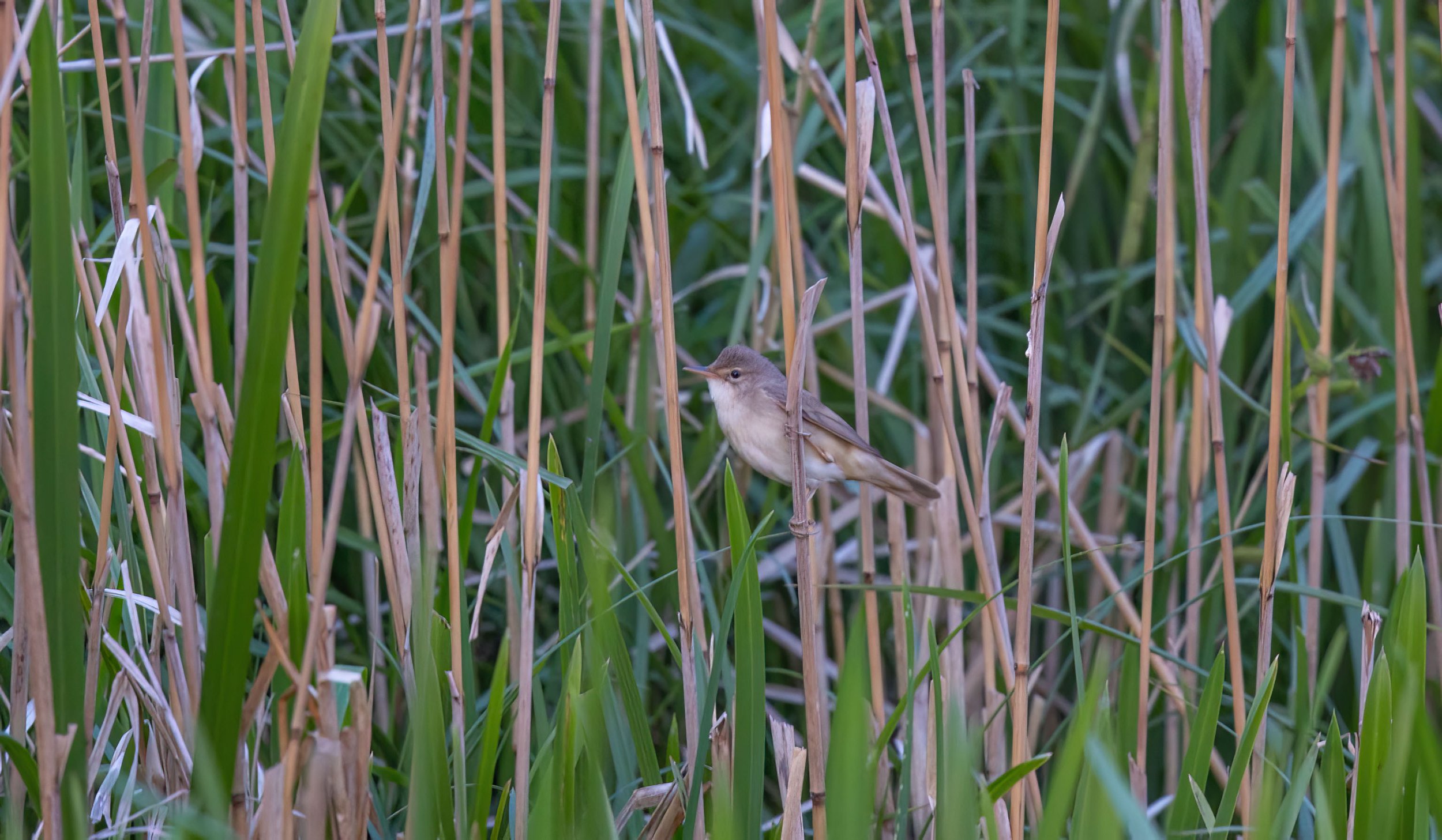
Chasing a reported Black Stork south of Harncastle I stopped to scan the area near a small canal and amazingly this Marsh Warbler was singing - the chances of that find must be pretty remote but just how many birds like this do we miss
Pondering on all these thoughts and deciding on a plan of action for 2026 I thought back to some of those self-found birds and even to many twitches, while wandering around Waters’ Edge for the umpteenth time this year. Why not try to improve on my recent Lincs self-found year total, my record is 208 in 2020, and amass a good patch year list conserving mileage on the car and actually enjoying local birds rather than constantly looking at bird information services and suffering frequent bouts of fomo? Of course, I will go to see odd birds that interest me and if I fail to find it, I will have to twitch Lincolnshire’s first Black-winged Kite but for the most part my local patch will be the centre of my attention. To help in not hearing about birds before I see them, I have had to absent myself from local WhatsApp groups and I only have a look at Birdguides occasionally so I will miss a lot of birds found by others but it’s a price to pay.
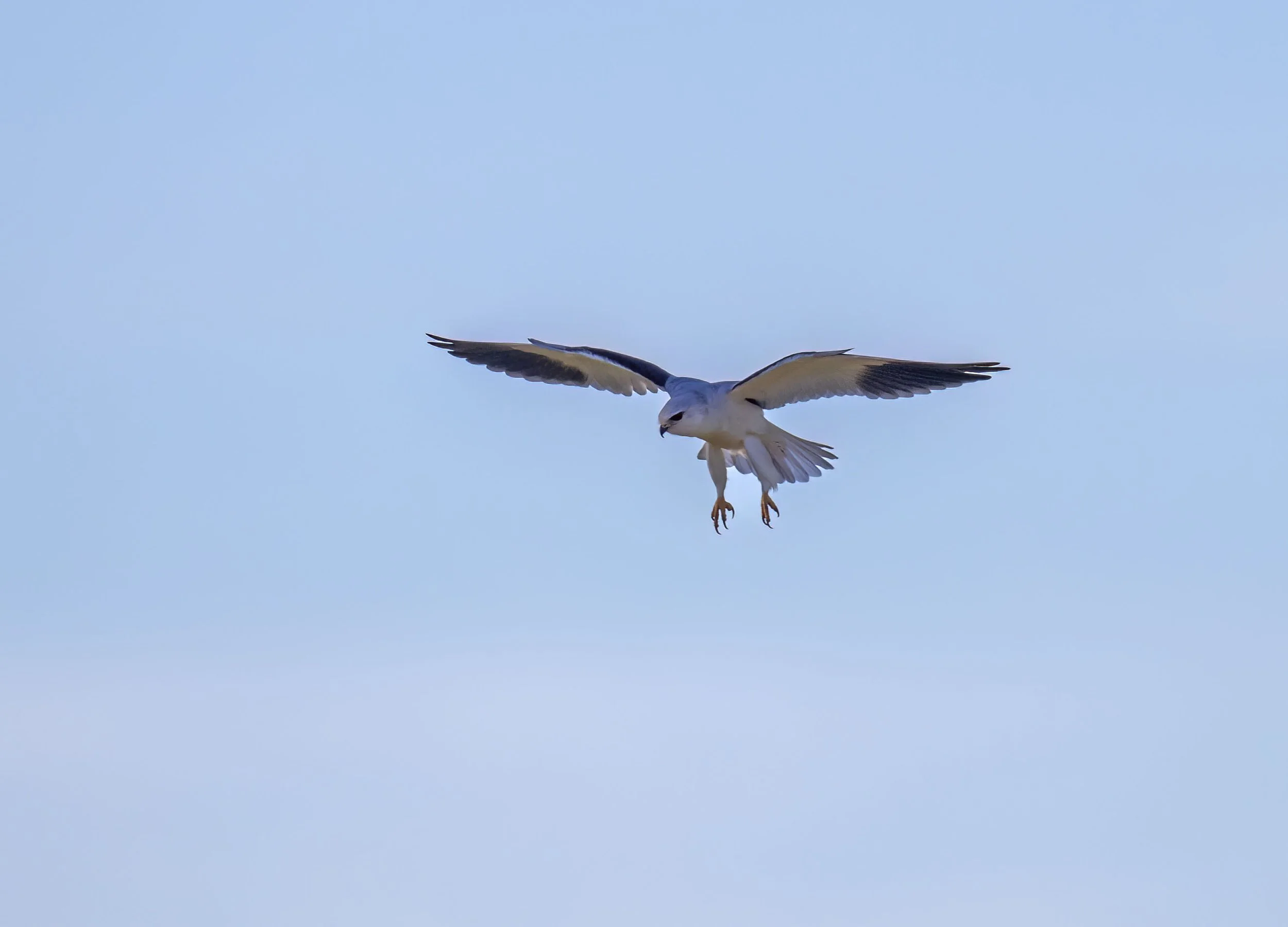
Black-winged Kite La Janda Spain February 2019 - Lincolnshire’s first is surley just around the corner but who will find it?
How many birds do we miss on a general walk around good-looking habitat? Wildfowl and waders generally few if you look at them all well but passerines must be seriously under recorded. How many times have you twitched say a Pallas’s or Yellow-browed Warbler and had to stand an hour or two in one place before seeing the bird not to mention Red-flanked Bluetails and Radde’s Warblers so passing a bush in 20 seconds and moving on must mean finding a rare in there is an infinitesimal chance. There is a single Goldcrest on Waters’ Edge this winter but in two weeks of often twice daily visits I have seen it three times and that is in the bare branches of winter trees. I need to look longer and stand and wait as persistence pays as dictated by the Patagonia picnic table effect [essentially the premise that a rare bird in a location attracts lots of would be observers who then stand in one place and look at everything that moves and in the event find more rare birds] – named after a famous birding spot in southern Arizona I actually went there in 1996 but don’t recall seeing much!
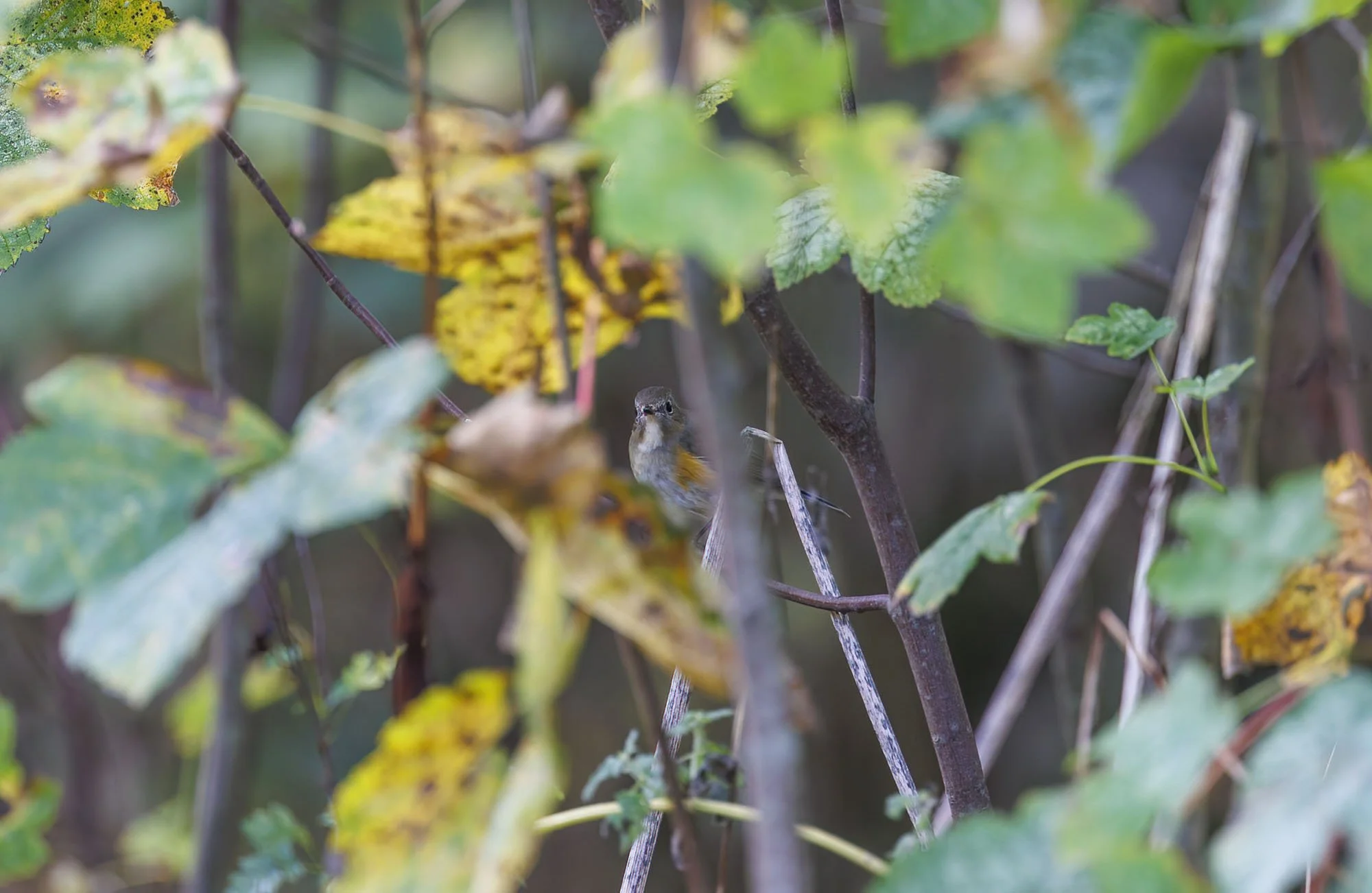
Red-flanked Bluetail Famborough November 2021 - when they show well you cannot miss them but they can spend a lot of time hiding as it were - I have a couple of spots locally that I have singled out for this species!
This month so far, I have managed to see 87 species on the patch which is OK as there are no scarce waterfowl, a frequent occurrence in recent years, Smew, Scaup and Long-tailed Duck plus the odd diver or scarce grebe used to be regular but no more. But it’s not all about numbers and I have been enjoying watching birds and taking photos of course another of my passions. In fact, I managed to photograph 200 species in Britain last year and will see what sort of number I can manage to get a decent image of on my patch this year. Robins are drawing my interest and I am trying hard to identify a continental bird that I can be sure about on plumage but it will if anything be in late march or April but the local birds add interest daily. One bird has a small territory based around a clump of sea buckthorn where it has of late in the cold weather been consuming the wizened-up berries. A second bird tries to get in on the act but is usually driven off by the territory holder but I have noticed while the chases take place a third bird pops out of the bushes and has a quick berry while the territory holder is otherwise engaged. The local Bullfinches are also great entertainment and as they in a park frequented by a lot of people, they are noticeably tamer than birds I see elsewhere allowing close views and images. Similarly, Song Thrushes have tumbled from 10-20 on Wedge in November to the three or four that are still around now but one also inhabits the buckthorn clump but is it a local bred bird or a continental migrant? On the how many birds do we miss front it took me six days to hear a Cetti’s Warbler and Water Rail on my patch in January and I have yet to see a Cetti’s although up to 50 territories are occupied in summer. Chiffchaffs have appeared in four different locations but none of them on more than a couple of dates so could there be a Hume’s somewhere eluding detection? Gulls come and go and just because that Ross’s is not there in the morning it could be there after lunch and 50 miles away an hour later. It’s good to dream and provides impetus for another few miles walking.
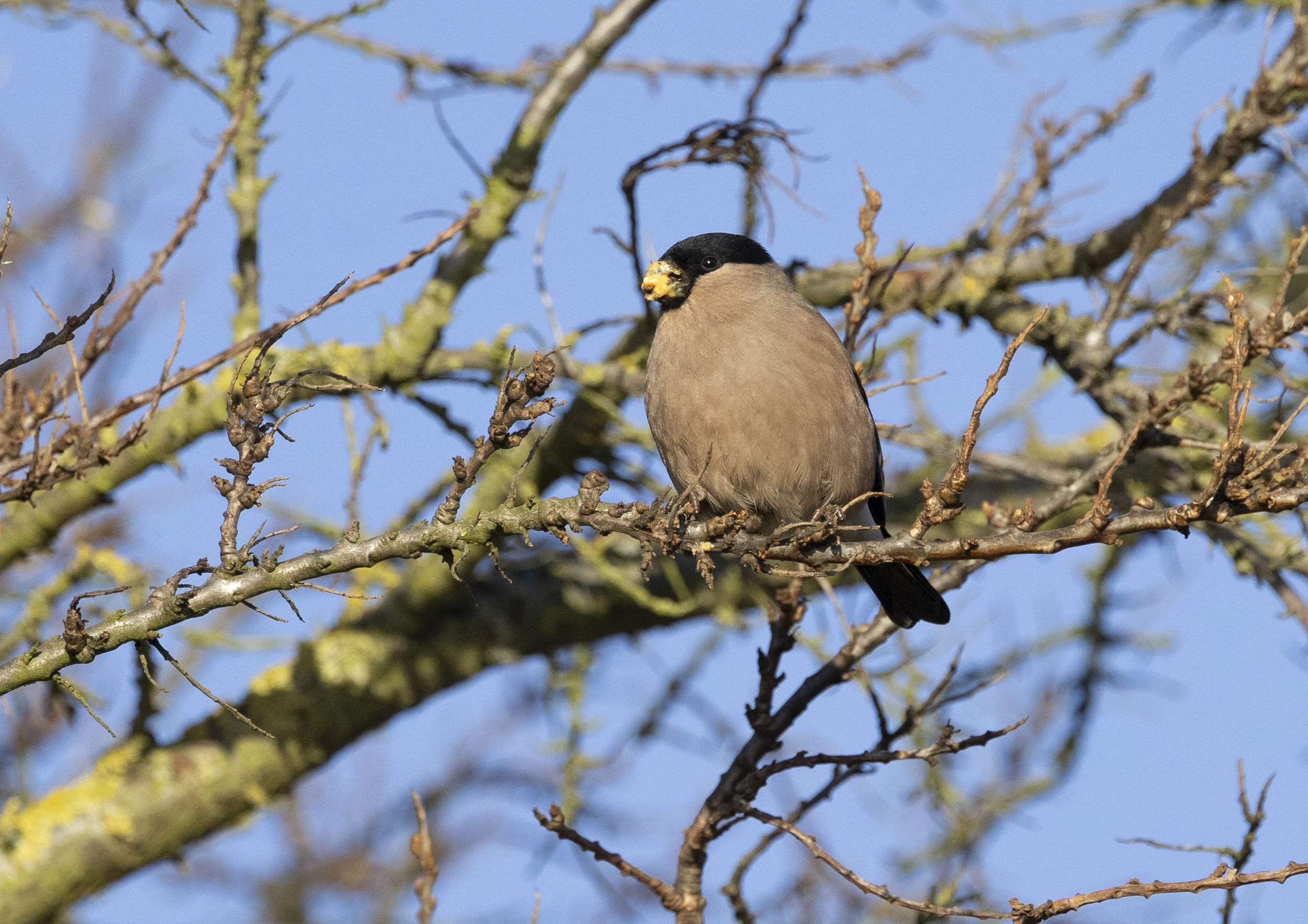
Local female Bullfinch always entertaining feeding on a wide variety of trees shrubs buds / seeds
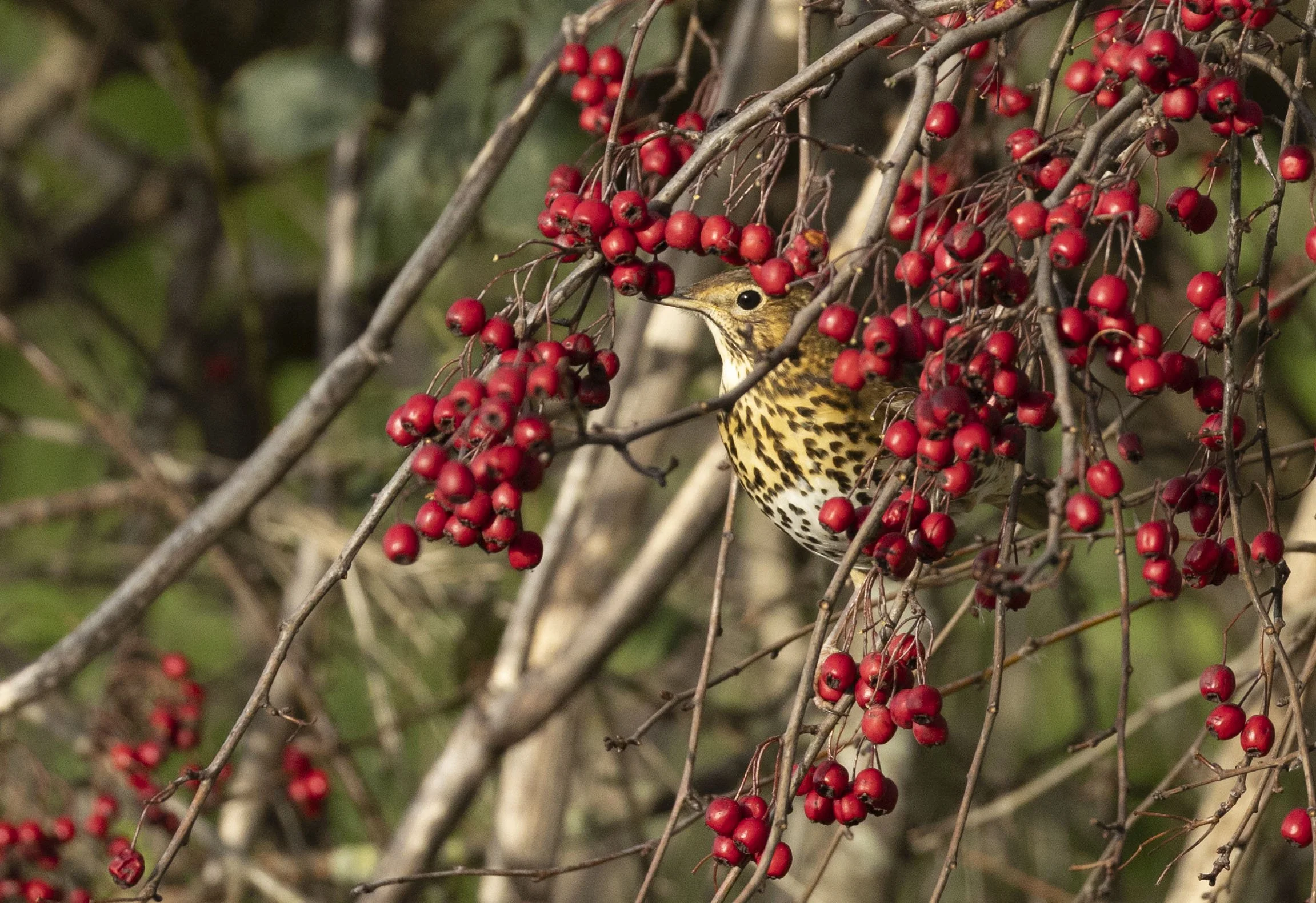
Is this a locally bred Song Thrush or a migrant January 2026
In 2017 I was honoured to be invited to present the RSPB Friday night lecture entitled The Art of Finding Rare Birds with Mick Turton and Killian Mullarney; I was very much on the bronze medal podium with such esteemed colleagues but it was great to hear their best bird finding stories and another source of inspiration – now if I get my gearing aids I will be able to pick up those Beeeater flocks that must pass over me every year – how can I have not had this species in Lincolnshire in 57 years of birding!! And as Killian remarked it was remarkable that all three of our accounts featured a rare swift – maybe this year the loical patch will pull a Pacific or that Needle-tail!
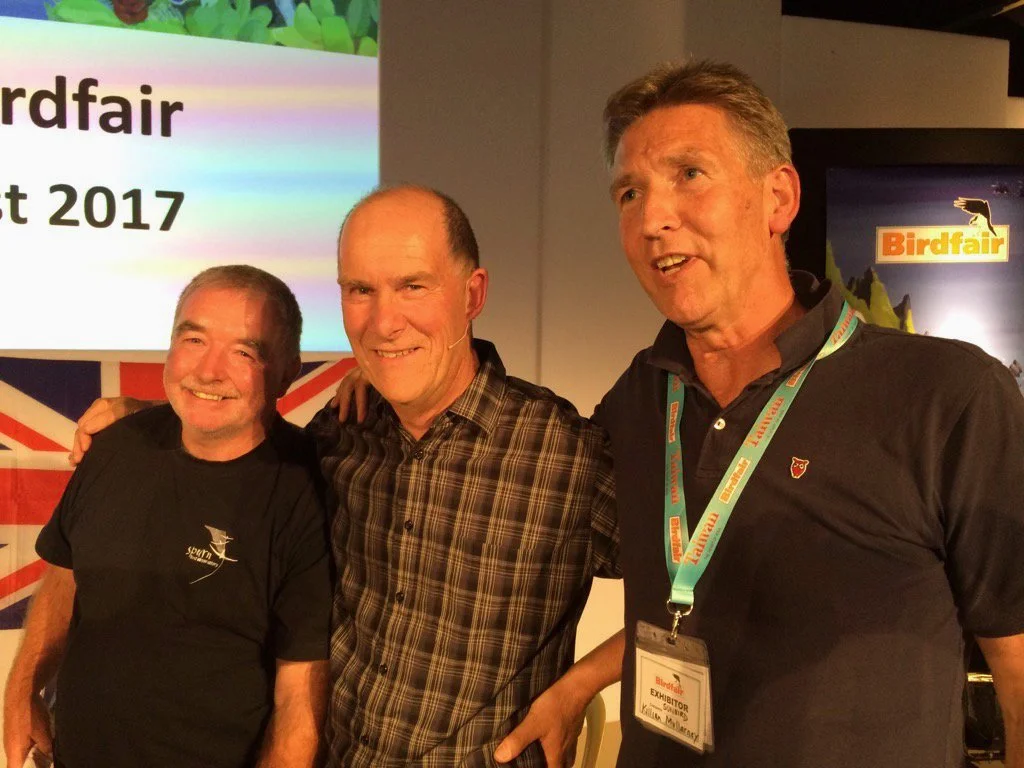
With Mick Turton and Killian Mullarney true legends in the Rare Bird Finding stakes - Bird Fair August 2017