Southern Alberta May 2026
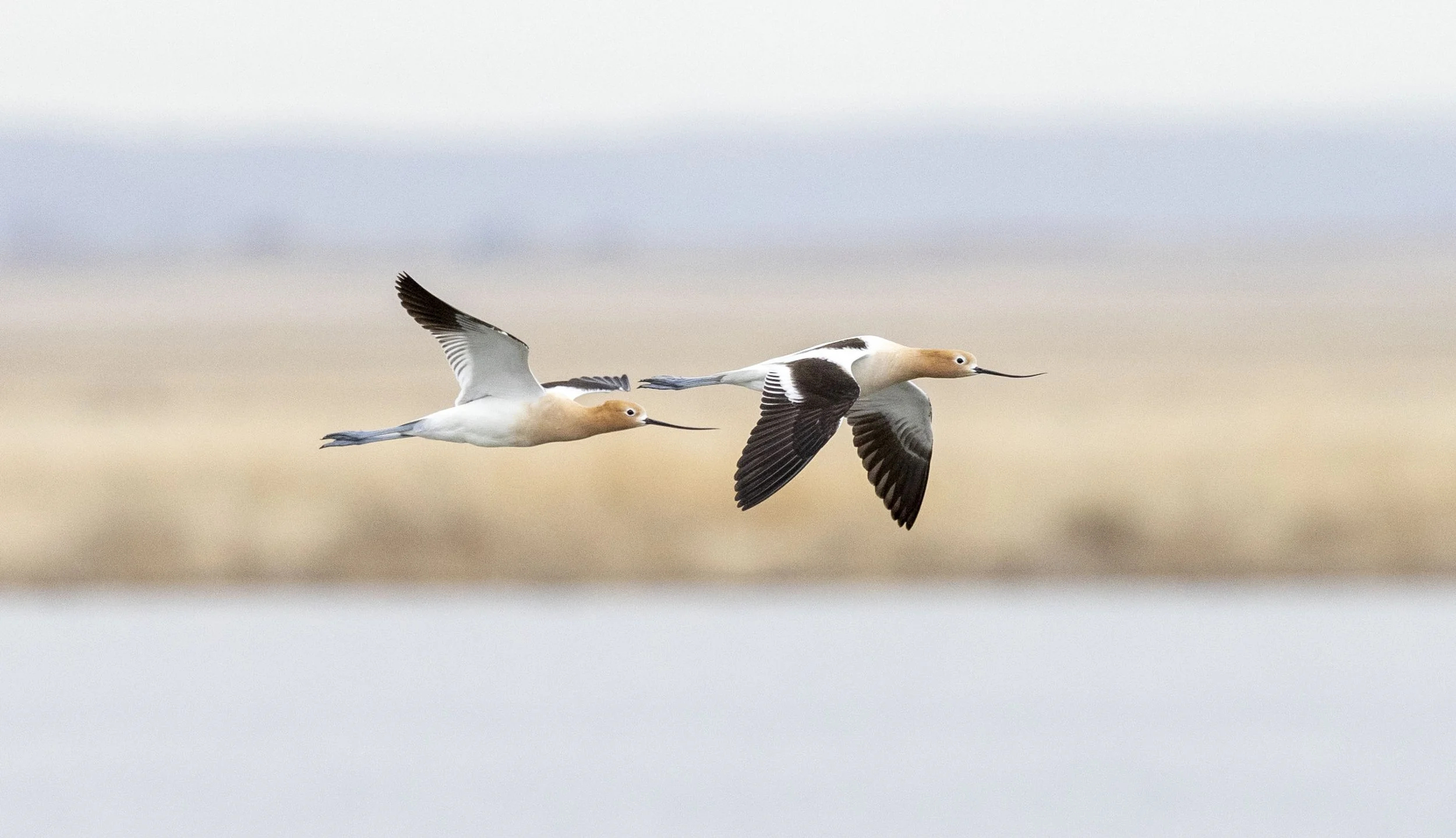
American Avocets at Frank Lake May 9th
We headed back to southern Alberta again but earlier in the spring to test my theory that different migrants would be available - as it turned out my plan was only partly correct as a lot of birds only arrive in the last week of May or even early June but we had a great time and saw c154 species with some truly memorable moments.
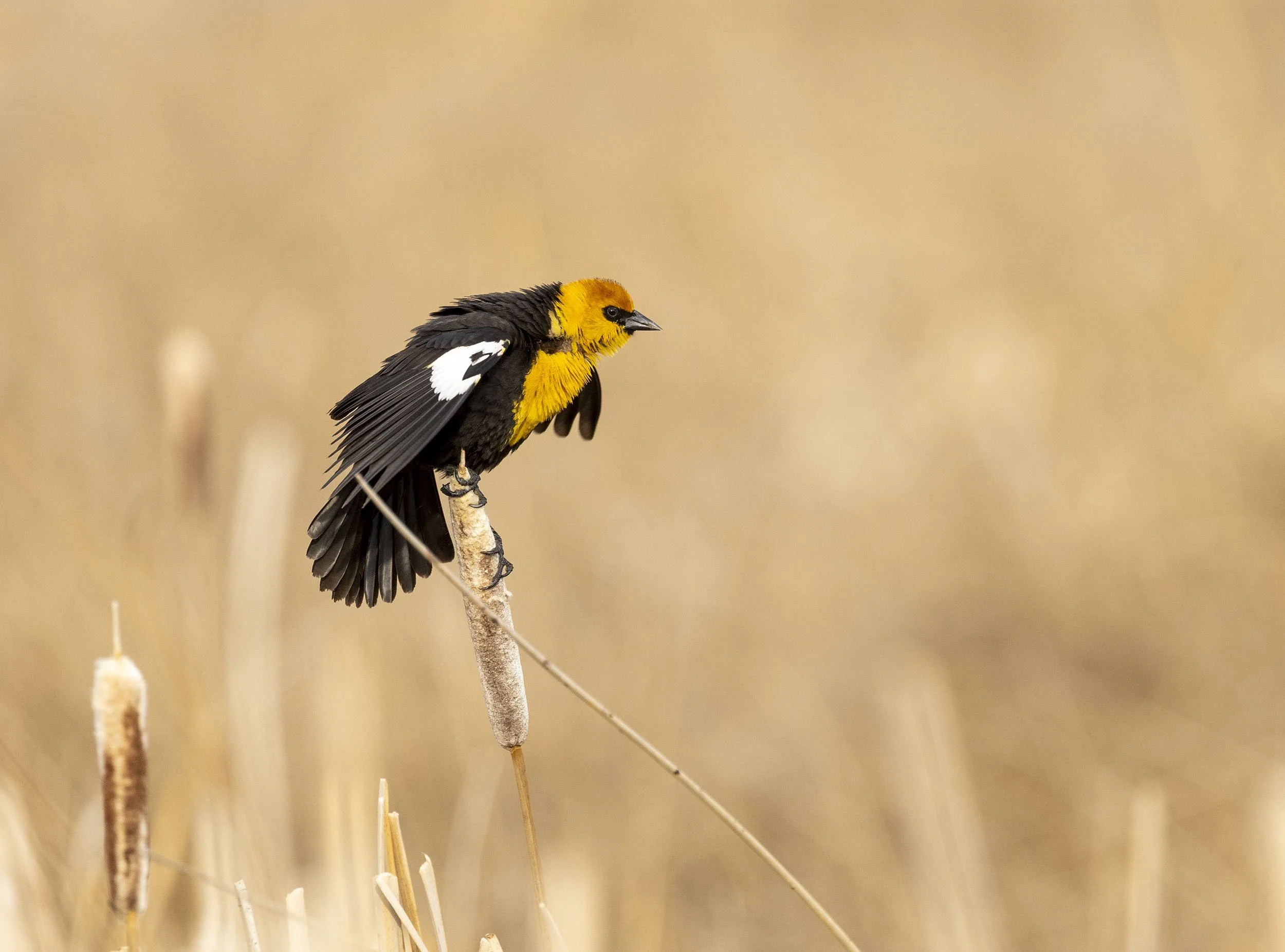
Male Yellow-headed Blackbird Frank Lake May 9th - in previous years I recall Red-winged being the dominant species but everwhere we went Yellow-headed seemed to have taken over the number one spot this year.
Logistics:
Canada is huge - first point - Alberta is pretty big second point and it is easy to spend most of your two weeks driving from spot to spot so we decided on a two-centre trip based at Medicine Hat and Waterton for seven nights each with day trips out from these bases. We flew with KLM from Humberside via Amsterdam to Calgary and vice versa which saves all the hassle of London or Manchester and connections were easy. A small SUV was hired through Rental Cars.com , actually now Booking.com for the 15 days, Accommodation was a night at Okotoks at the Royal Duke Hotel followed by seven nights at https://www.guesthouse71.com/ about 15 minutes outside Medicine Hat and a beautiful cottage with superb surroundings that notched up about 50 species during our stay then seven nights at https://dungarvancreek.com/ another superb spot with its own pond that had birds including Barrow’s Goldeneye, Horned Grebes, Blue-winged Teal, Lesser Scaup and even a female Wilson’s Phalarope. We had stayed at both places before and both are top notch birding spots with birds literally on your doorstep. This free online guide is also a very useful resource https://grasslands-naturalists.org/wp-content/uploads/2019/07/Southeastern-Birding-Trail-Full-Brochure.pdf
I bought a Nomad eSIM 30 days and 10GB before we went for £13:38 and it worked flawlessly even in remote areas with 5G and combined with Apple Maps finding locations was very easy.
Due to a knee problem I cut weight down to an absolute minimum and only took one Canon R62 plus the 100-500 lens and 1.4x converter but in the event I hardly used the converter at all.
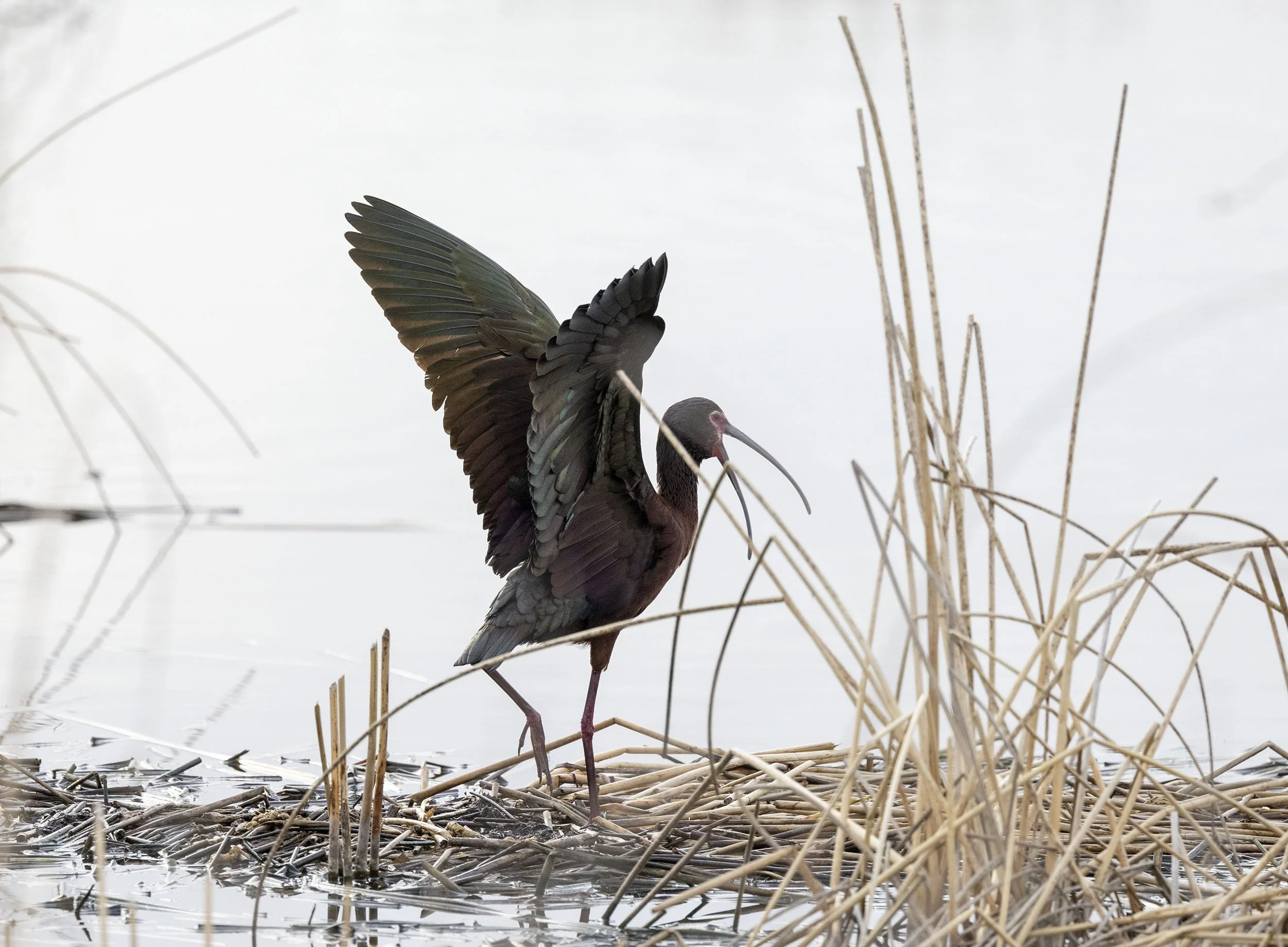
White-faced Ibis Frank Lake one of the many waterbirds seen at this superb location.
May 8th
Up at 03:00 for our 06:10 flight Humberside to Amsterdam arriving early: 12:25 flight to Calgary smooth but. 8:40 hours: arrive to 20C! My bag slow to show and long walk to Alamo rental but nice staff and quick pick up, no hard sell and we get a vehicle we had booked a positve start. Apple Maps works and after passing many pools with waterfowl and a couple of Swainson’s Hawks arrive at Royal Duke Hotel / pub Okotoks for the night: shower and meal at 17:00 actually of course GB time midnight then short walk nearby before an early night . Birds from the Deerfoot highway through Calgary included Swainson’s Hawks, Black-billed Magpies and various wildfowl and Double-crested Cormorants. The short walk in a rather hot Okotoks after a meal produced our first Northern Flickers, red-shafted, Franklin’s Gulls overhead , two House Finches, American Robins, House Sparrows and Starlings - almost felt like home
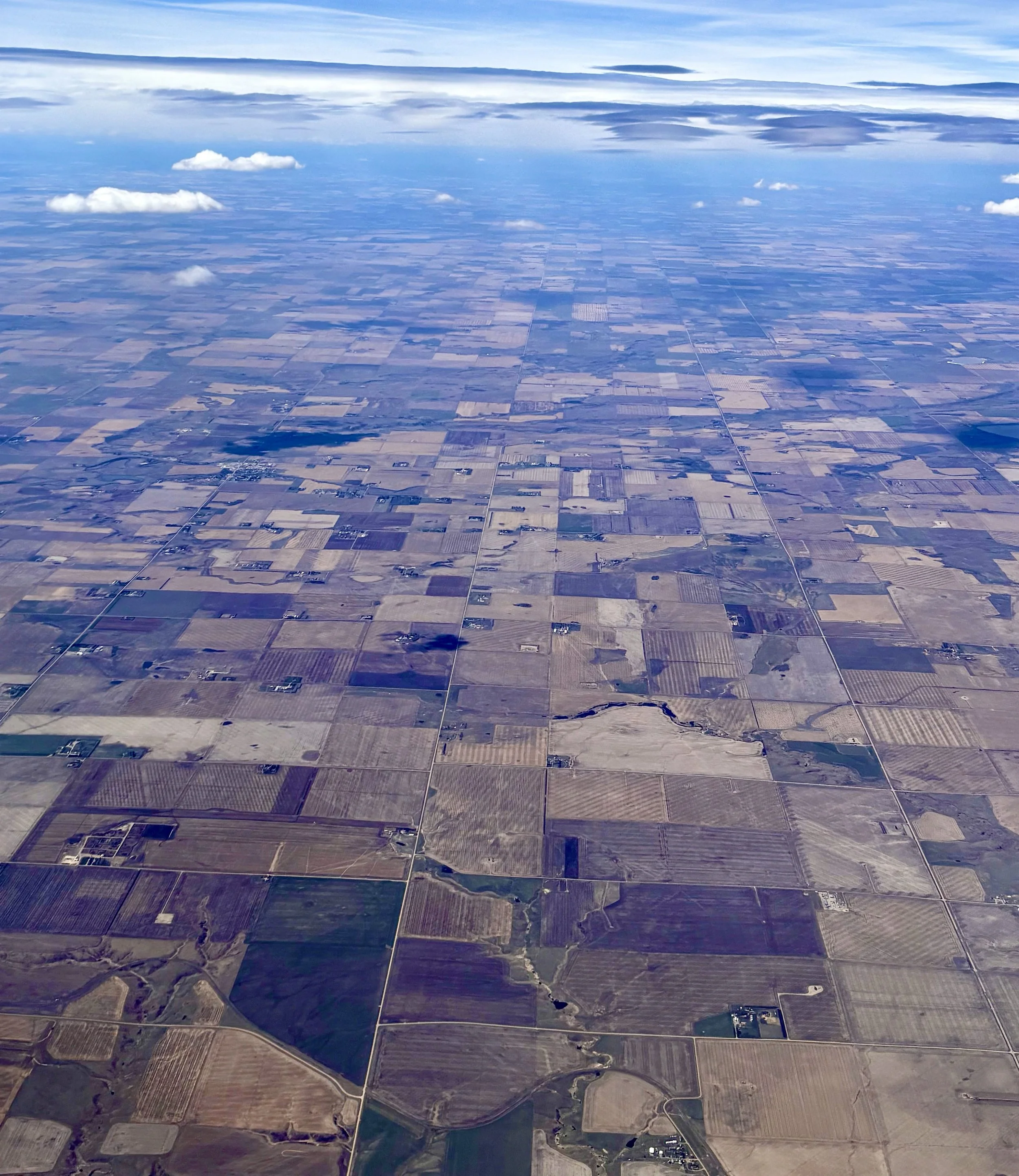
As we flew into Calgary things were noticeably brown on the ground with little sign of greenery - during our stay the weather ranged from -2C with four inches of snow at Waterton to 27C near Medicine Hat with some strong winds and thunderstorms but the vegetation changed from brown to verdant green in the last few days even in the foothills of the Rockies
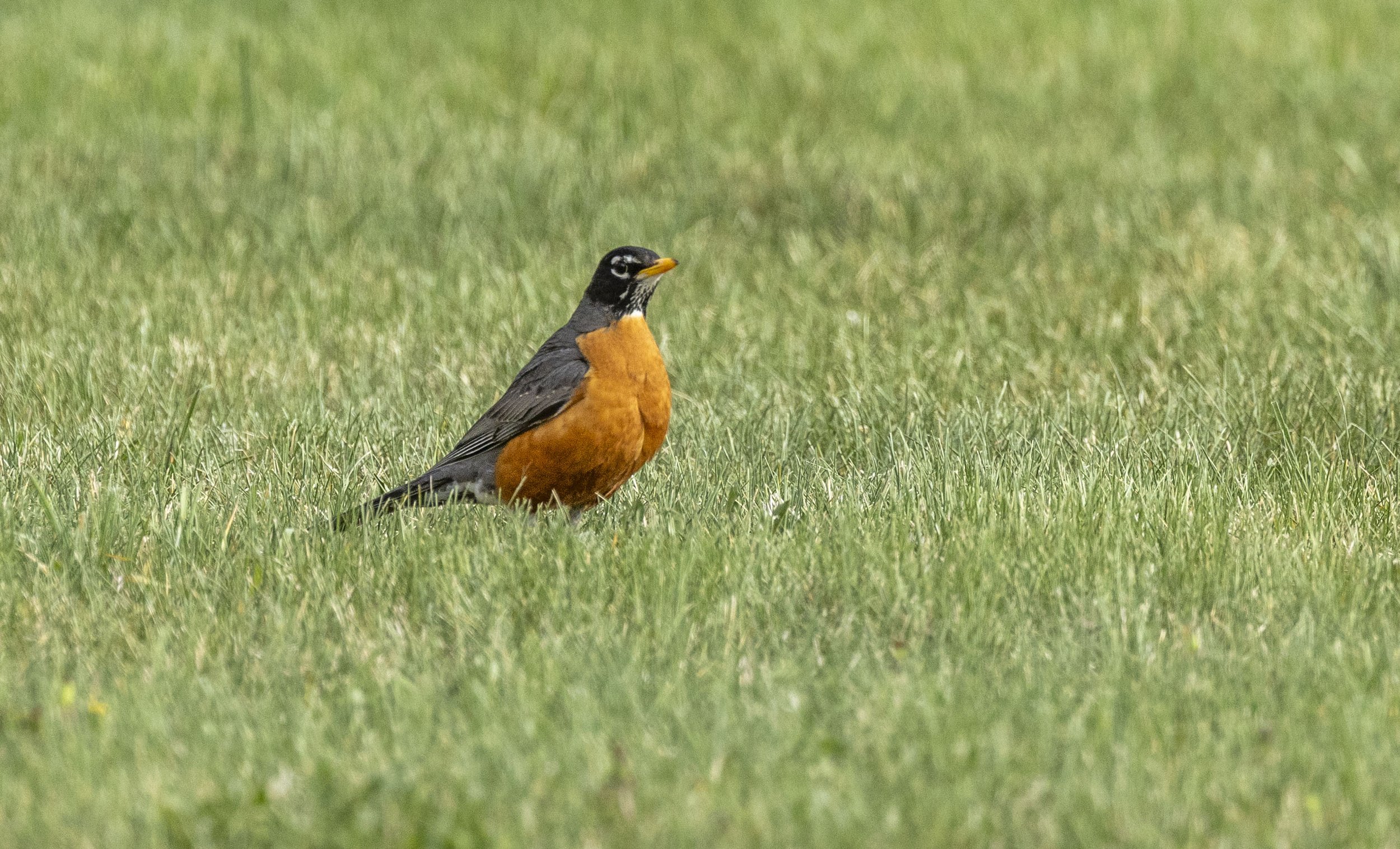
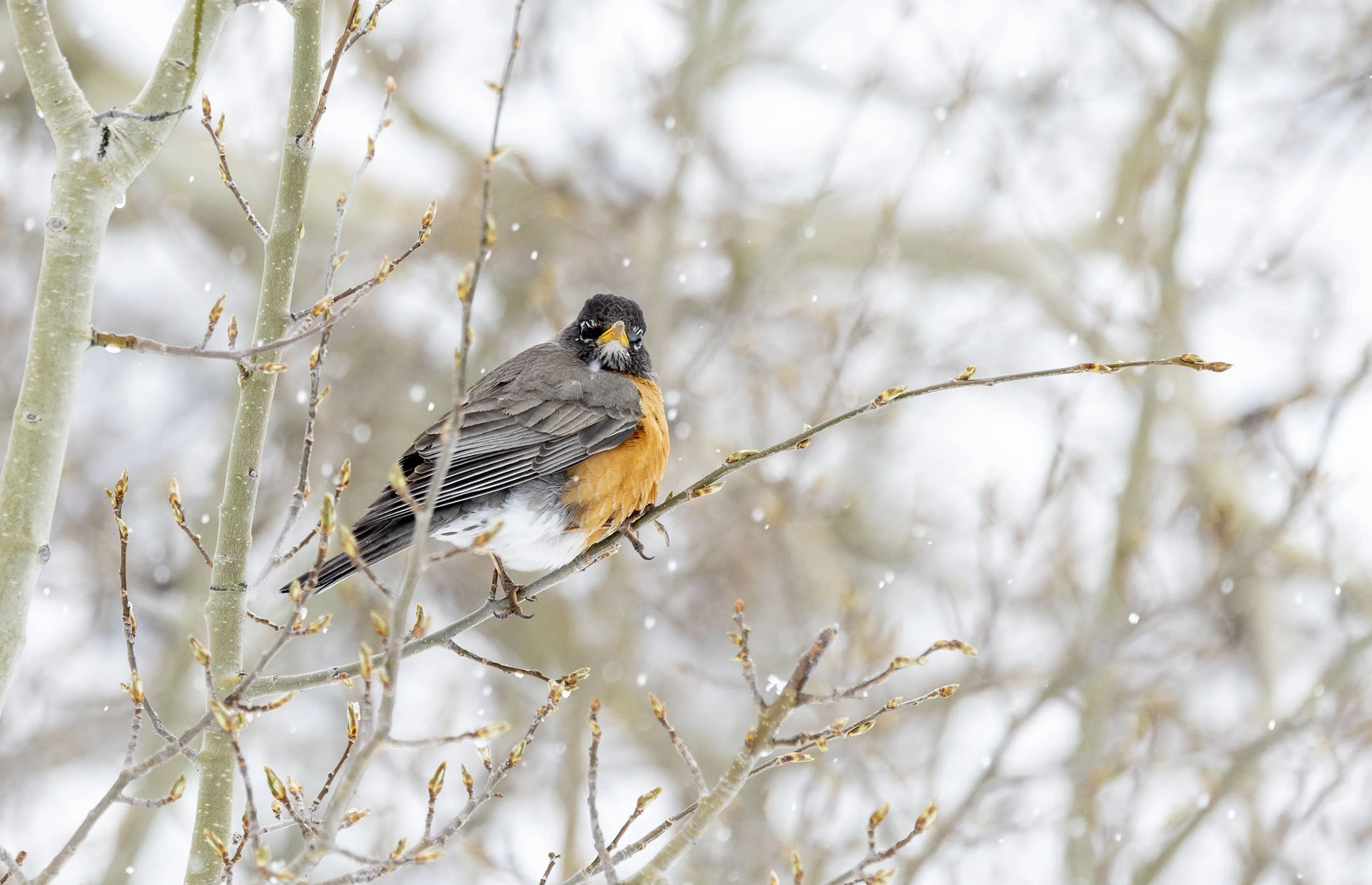
Lots of American Robins graced the trip but they are stunning
May 9th
We are up fairly early about 06:00 and heading south to High River to pick up a breakfast at Tim Hortons then onward to Frank Lake a birding hot spot. Being only about an hour south of Calgary it attracts birders and photographers and being a Saturday we actually saw quite a few people in contrast to the rest fo the trip. The list of birds was long but included: Pied billed, Eared /Black necked 500+ and Western Grebes: Swainsons Hawks, Northern Harrier, Lesser Scaup, Redheads, Blue winged and Green winged Teal, Cinnamon Teal, Yellow headed 100’s and Red winged Blackbirds, Brewers Blackbirds, Brown headed Cowbirds, Savannah Sparrows, Vesper Sparrows, Western Meadowlarks, California Gulls and Franklin’s Gulls with large breeding colonies of both, American White Pelicans, White faced Ibis, Ruddy Duck, Tree Swallows, Forster’s Tern, Marsh Wren, Black-crowned Night Heron, Great Blue Heron, American Avocet, Black necked stilt, Solitary Sandpiper 1, Wilson’s Phalarope 4, Short / Long billed Dowitcher 6, Shoveler, Double crested Cormorant, Mallard, Gadwall, American Coot, Killdeer and Muskrat and Richardson ground squirrel
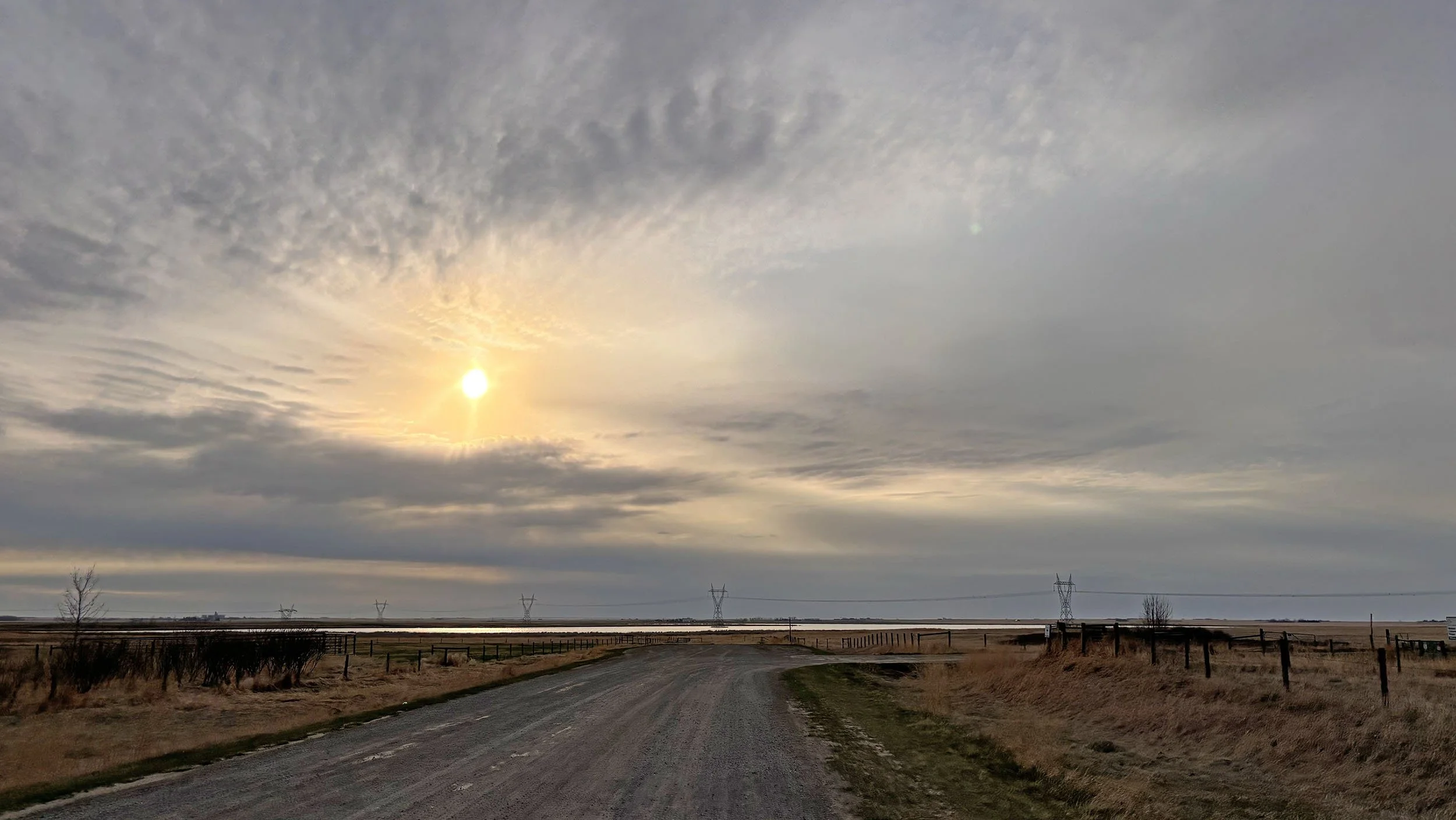
The early morning approach to Frank Lake and the start of the adventure
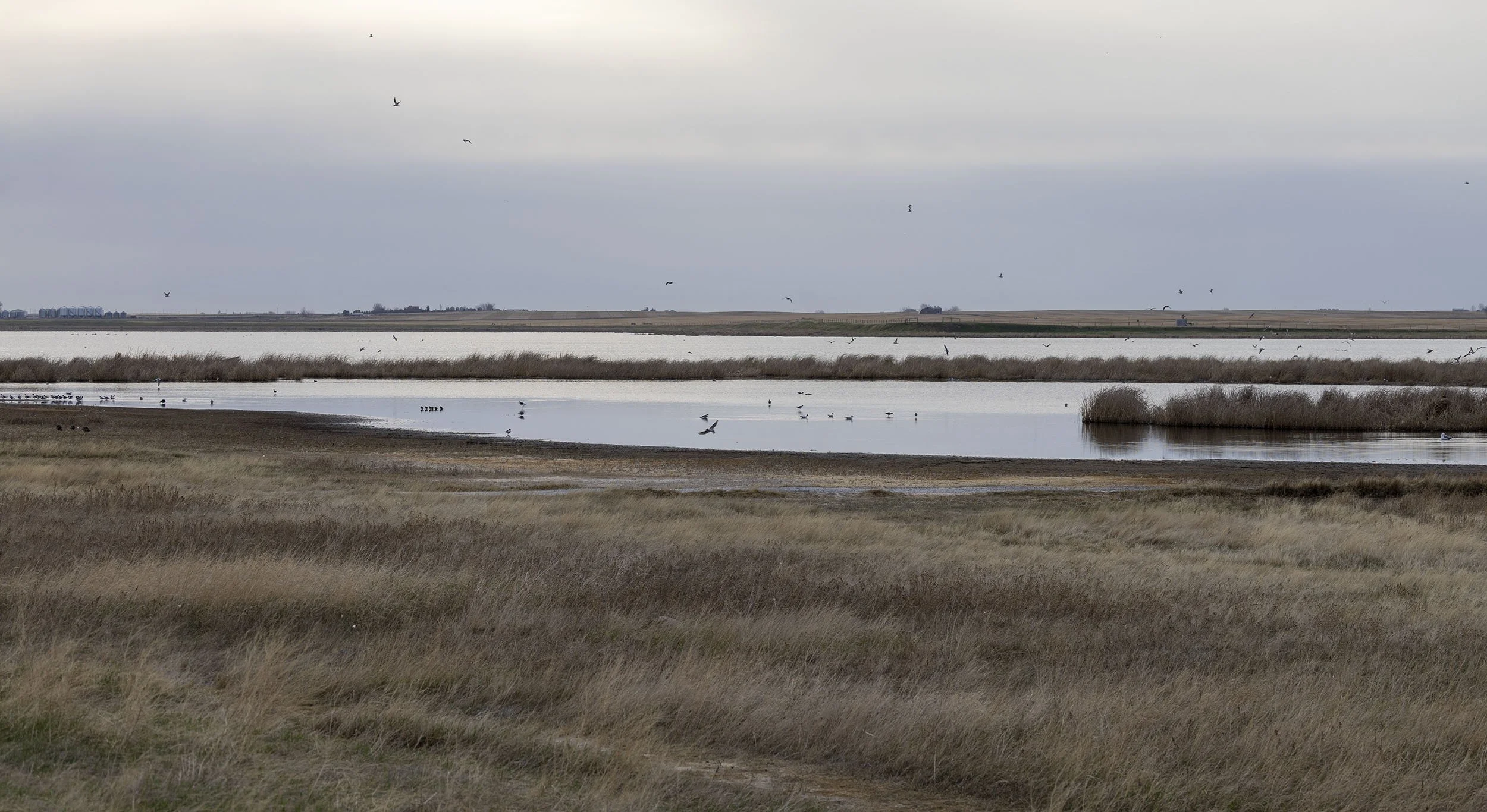
Birds everywhere and lots of noise a contrast to Britain
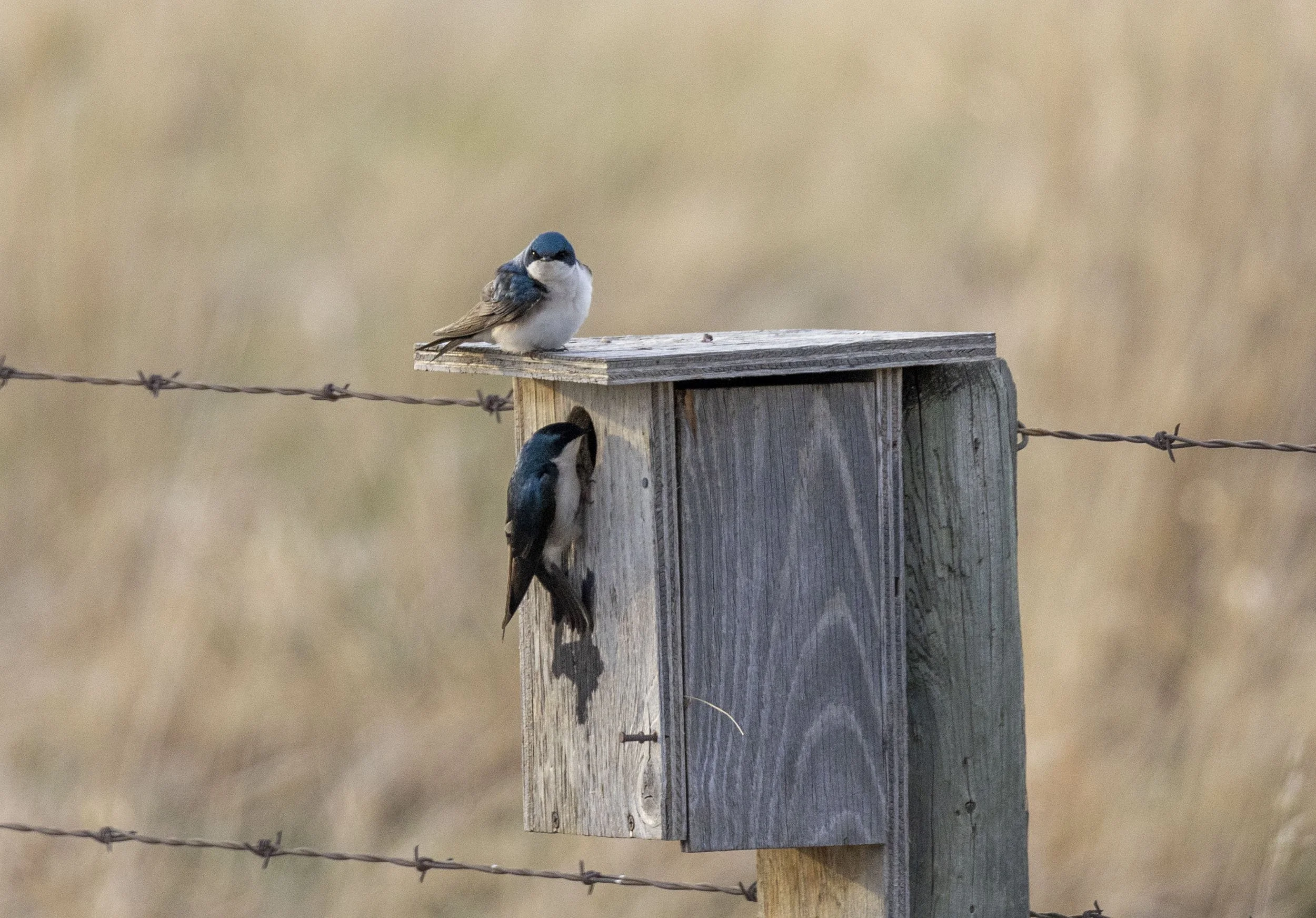
Tree Swallows in the nest boxes on the Frank Lake approach track
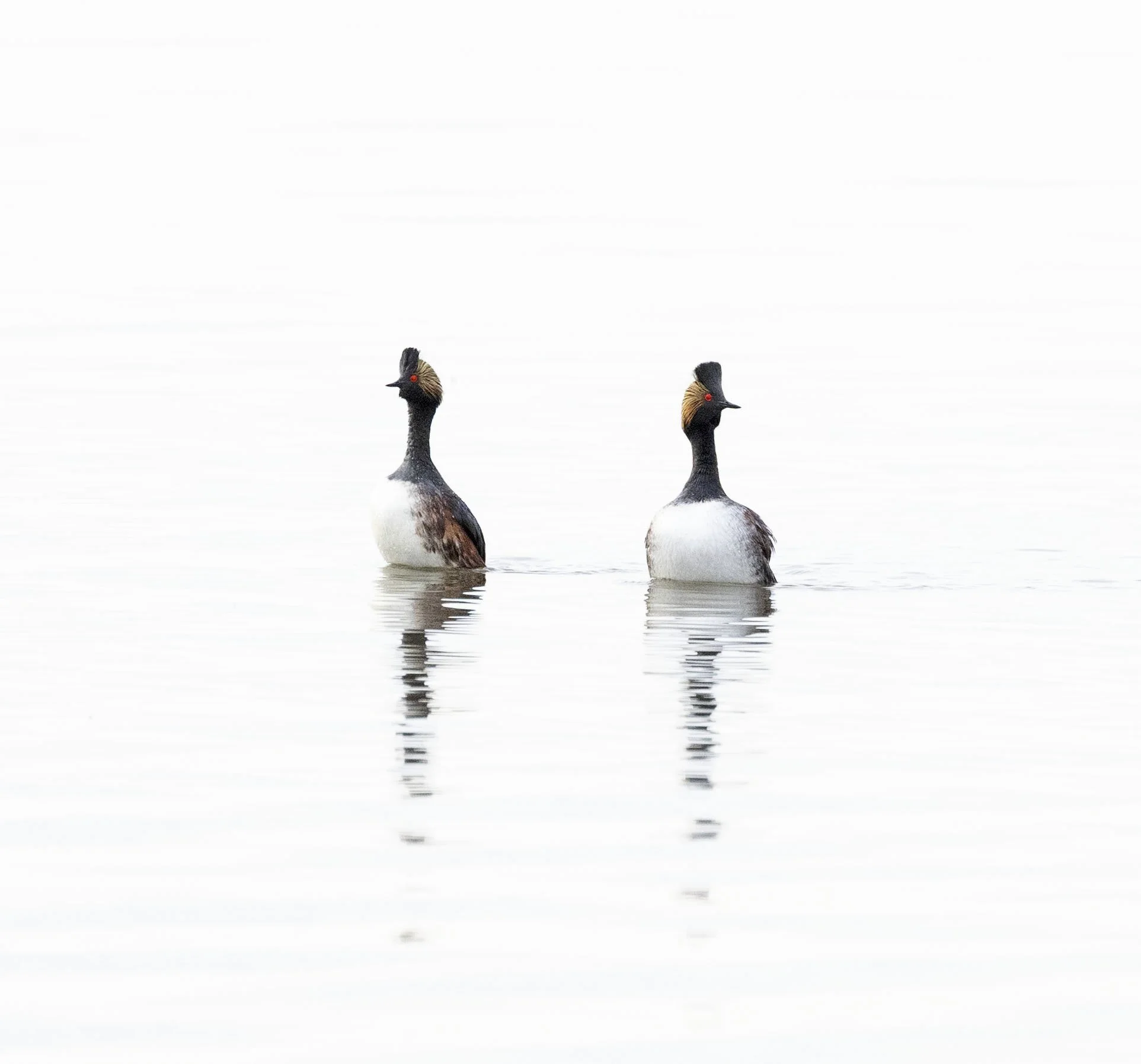
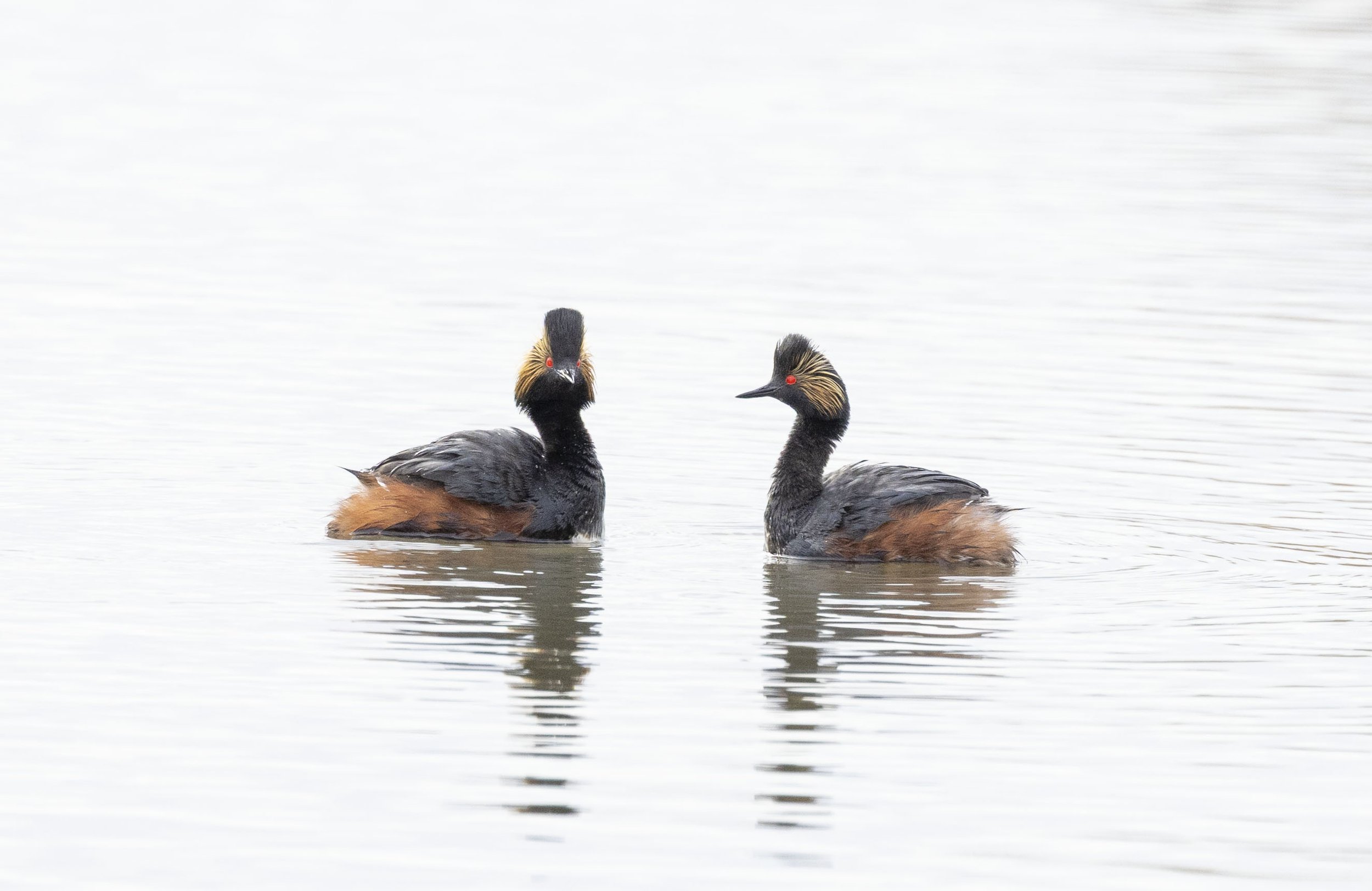
A selection of images from Frank Lake - Eared Grebes - up to 500 adorned the lake a far cry from UK numbers
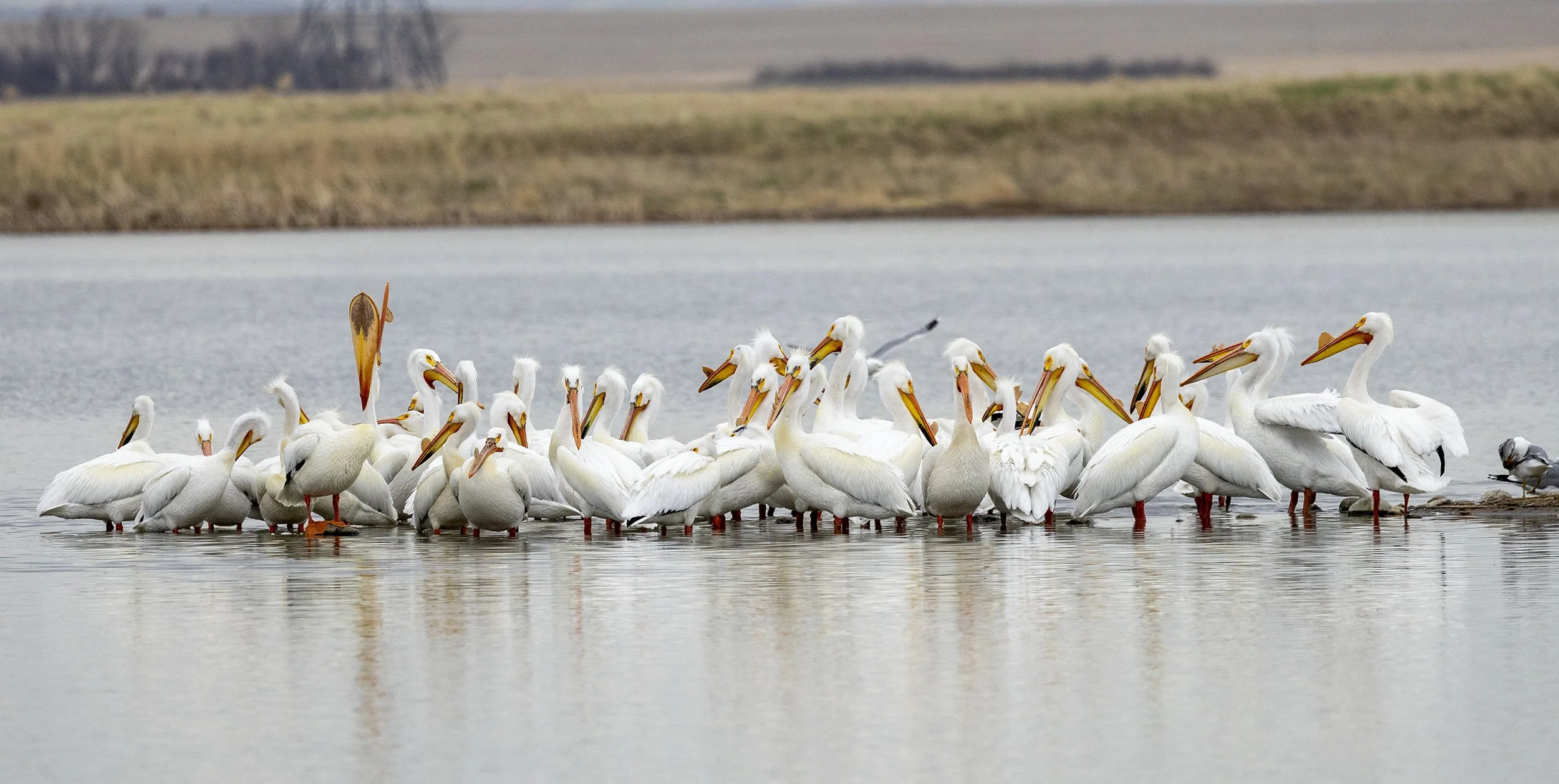
My best images of American White Pelican
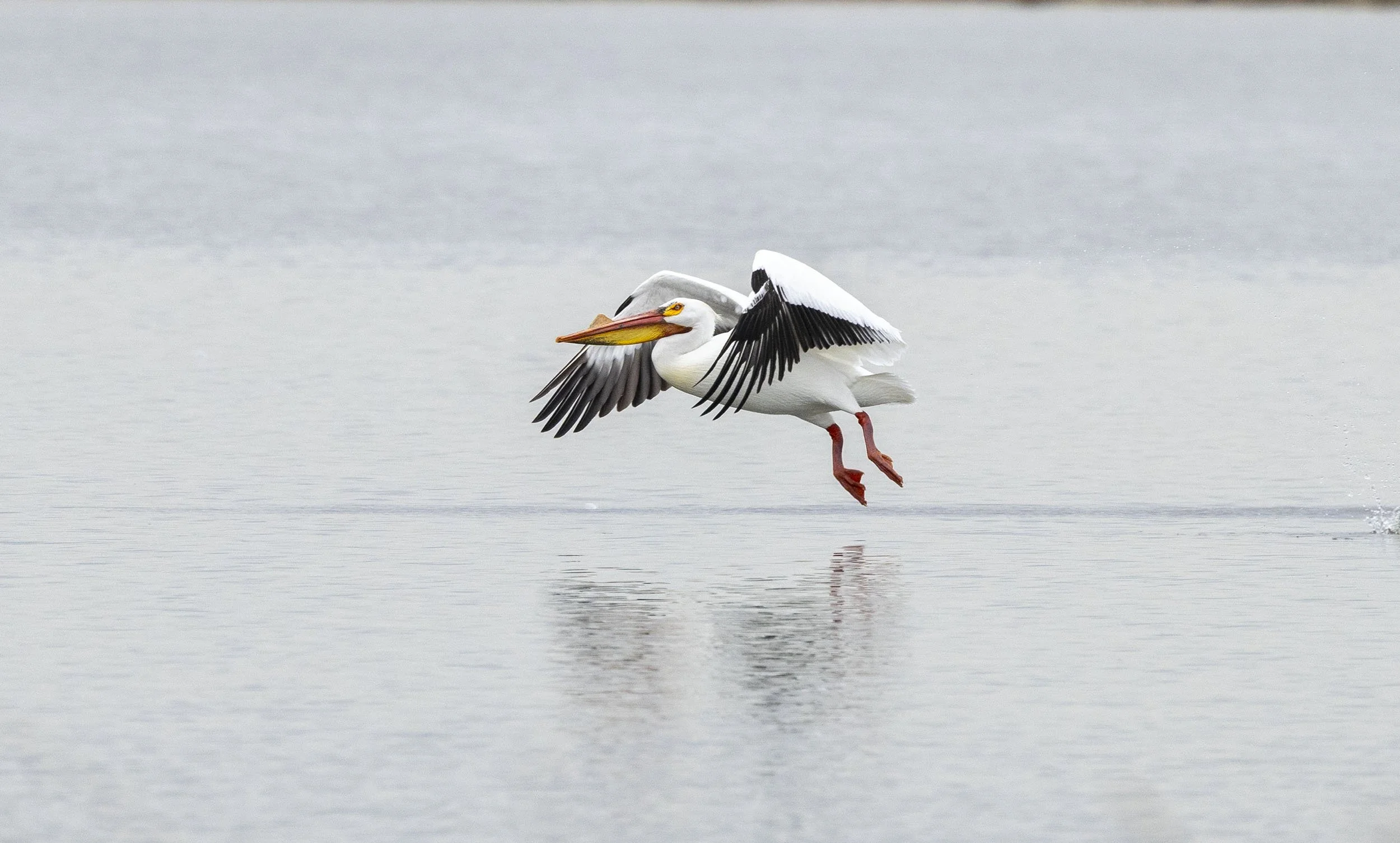
It seems strange seeing pelicans flying over the prairies searching out lakes and potholes for feeding
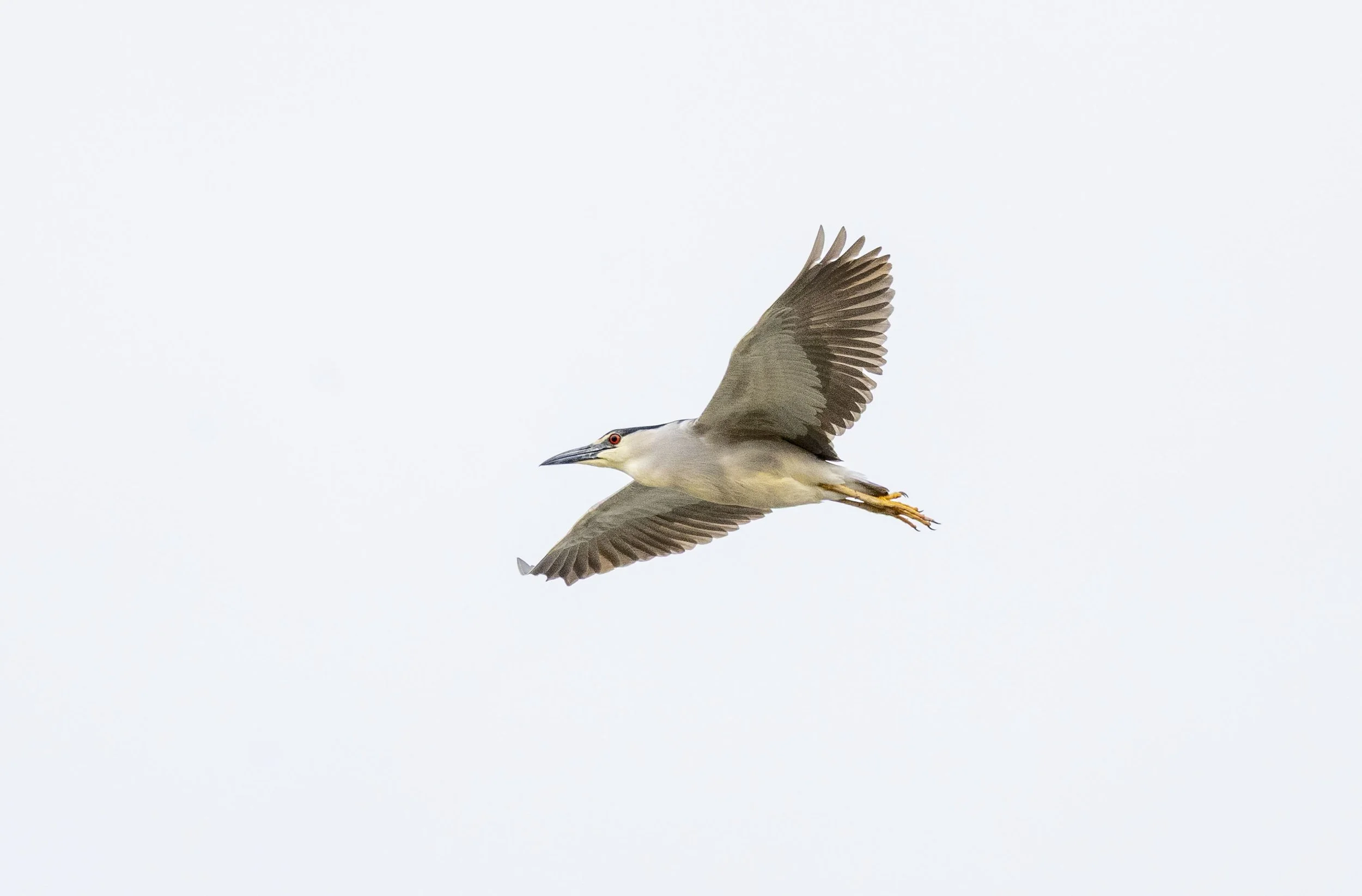
Black-crowned Night Heron
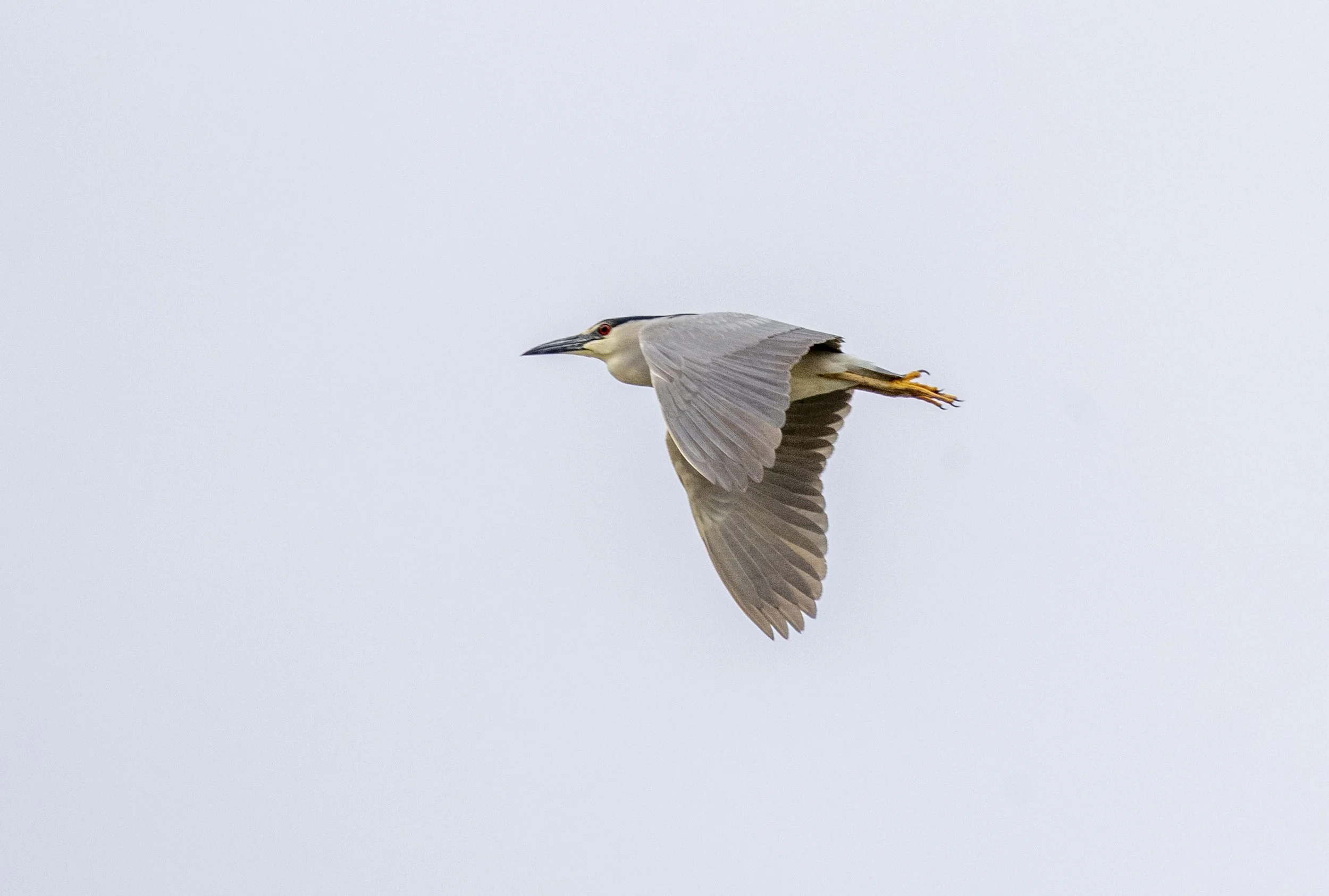
Frank Lake was the only location we saw this species
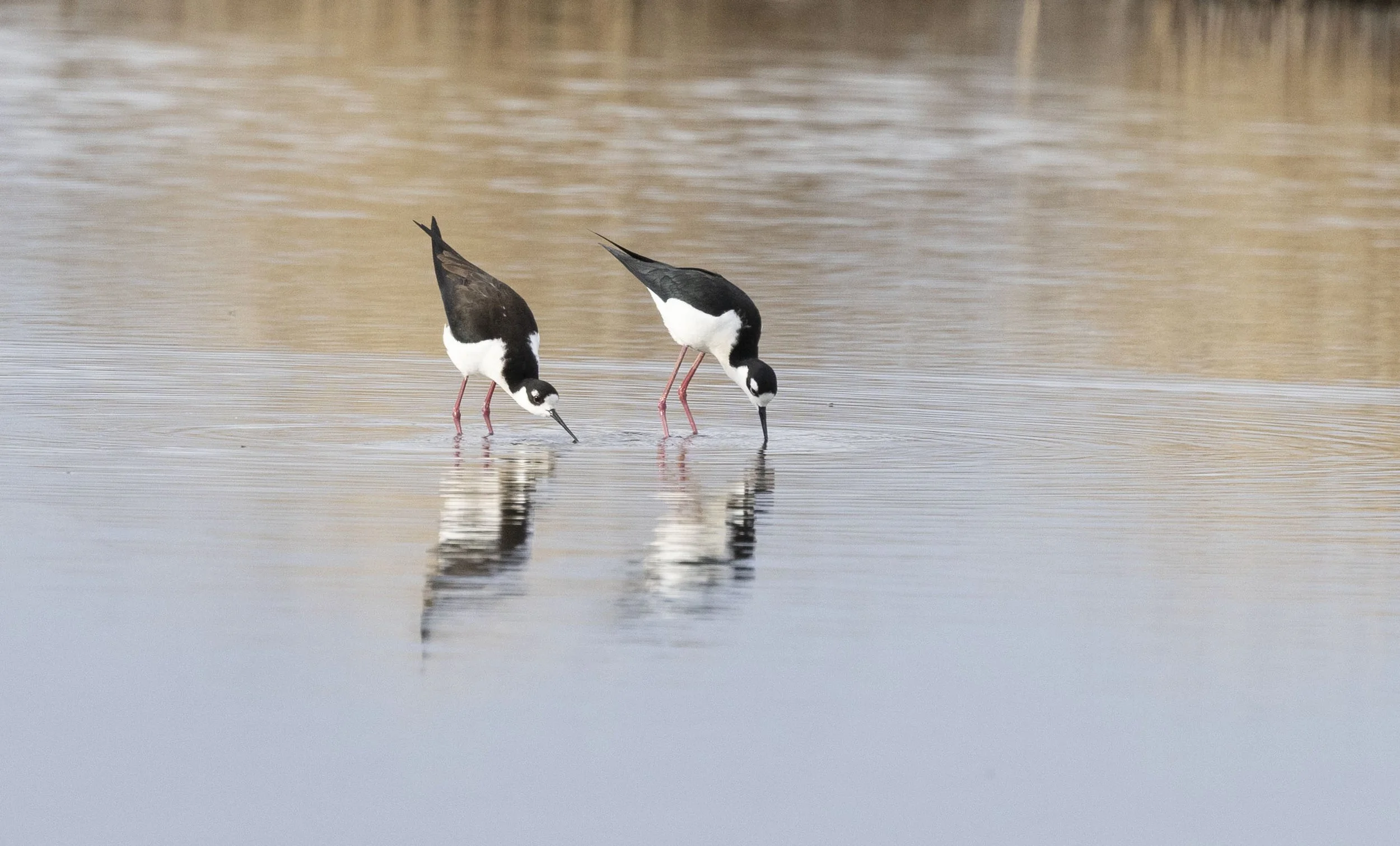
Pair of Black-necked Stilts
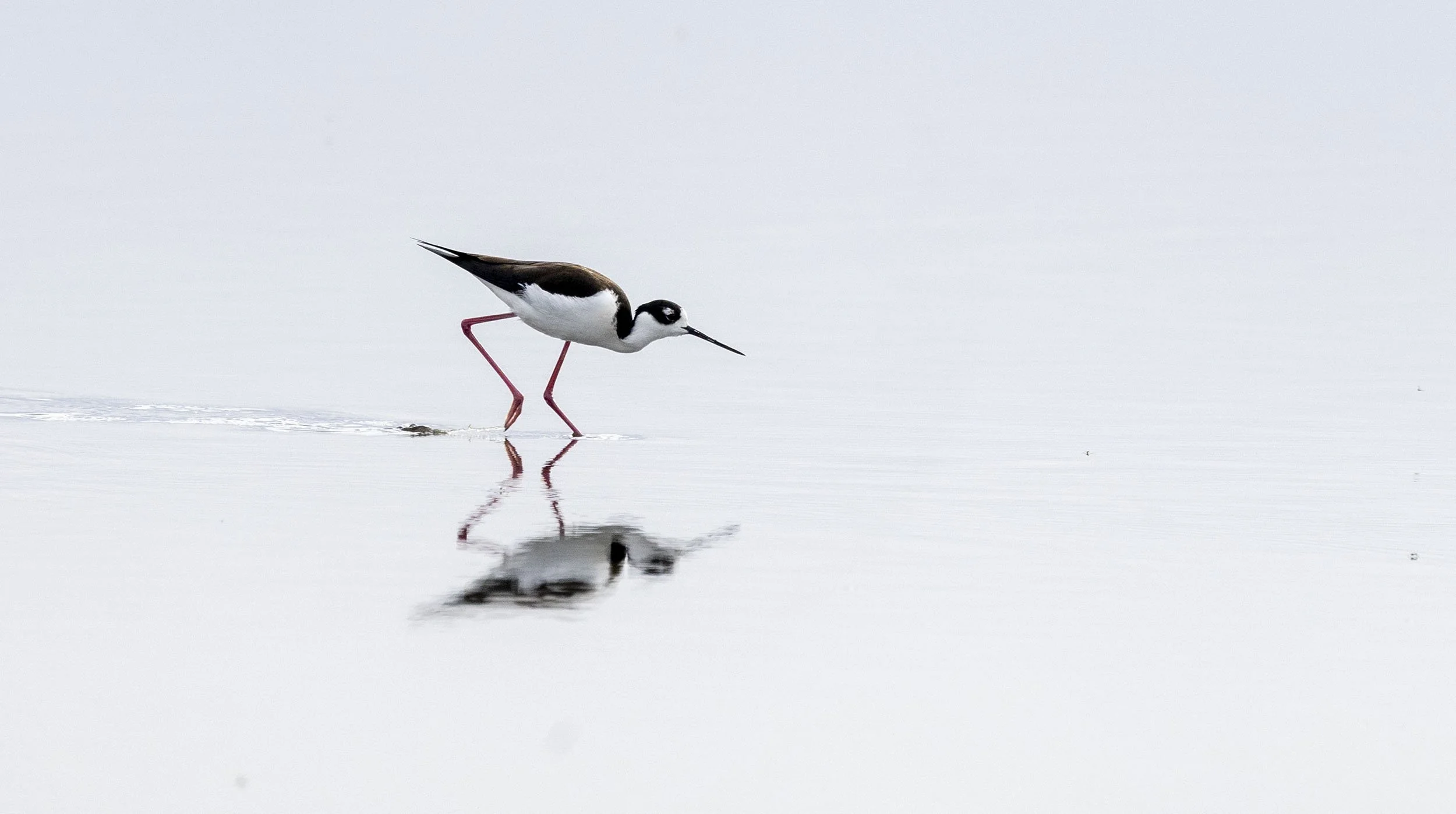
In pursuit of the super abundant insects on the water’s surface
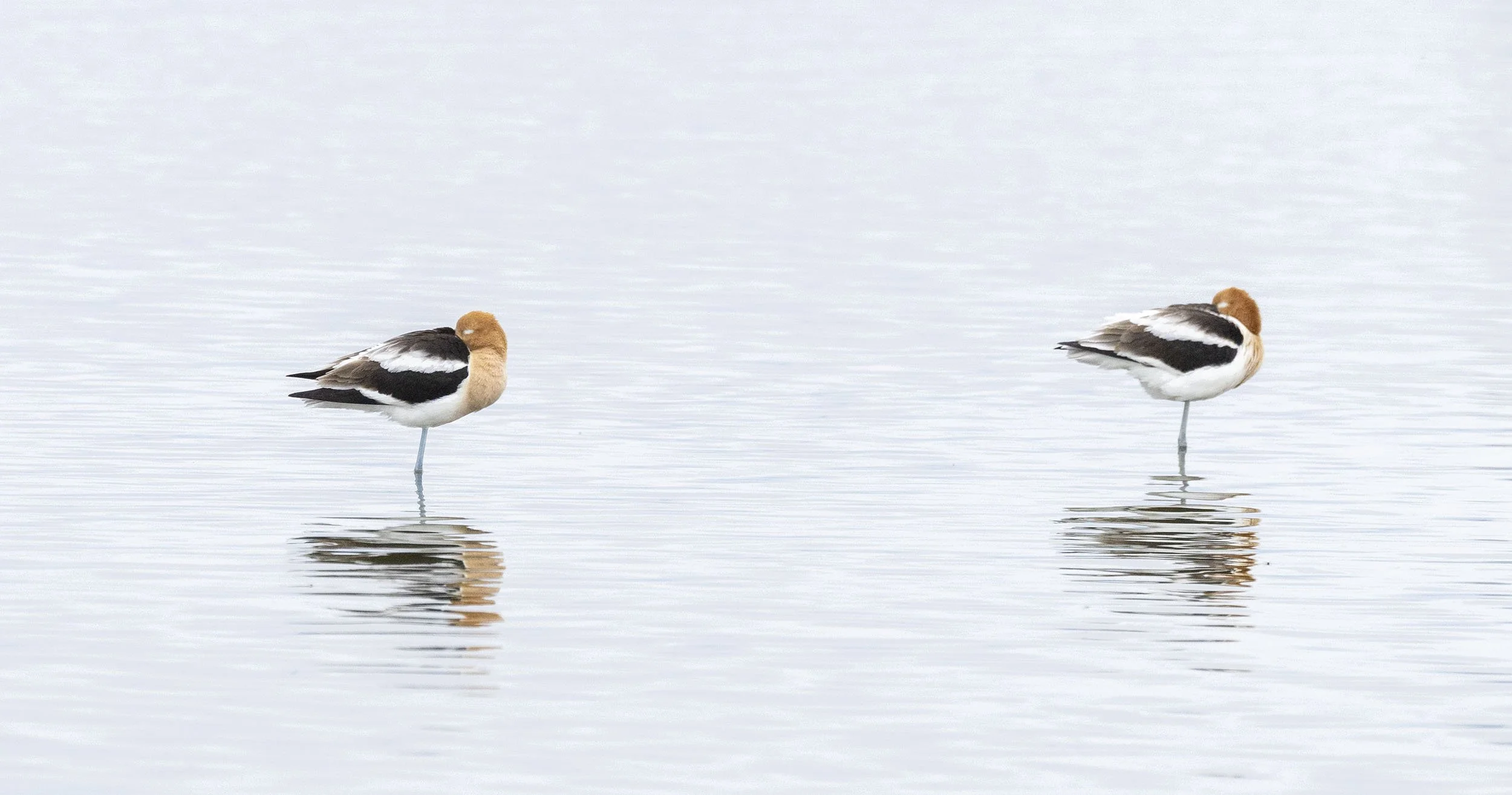
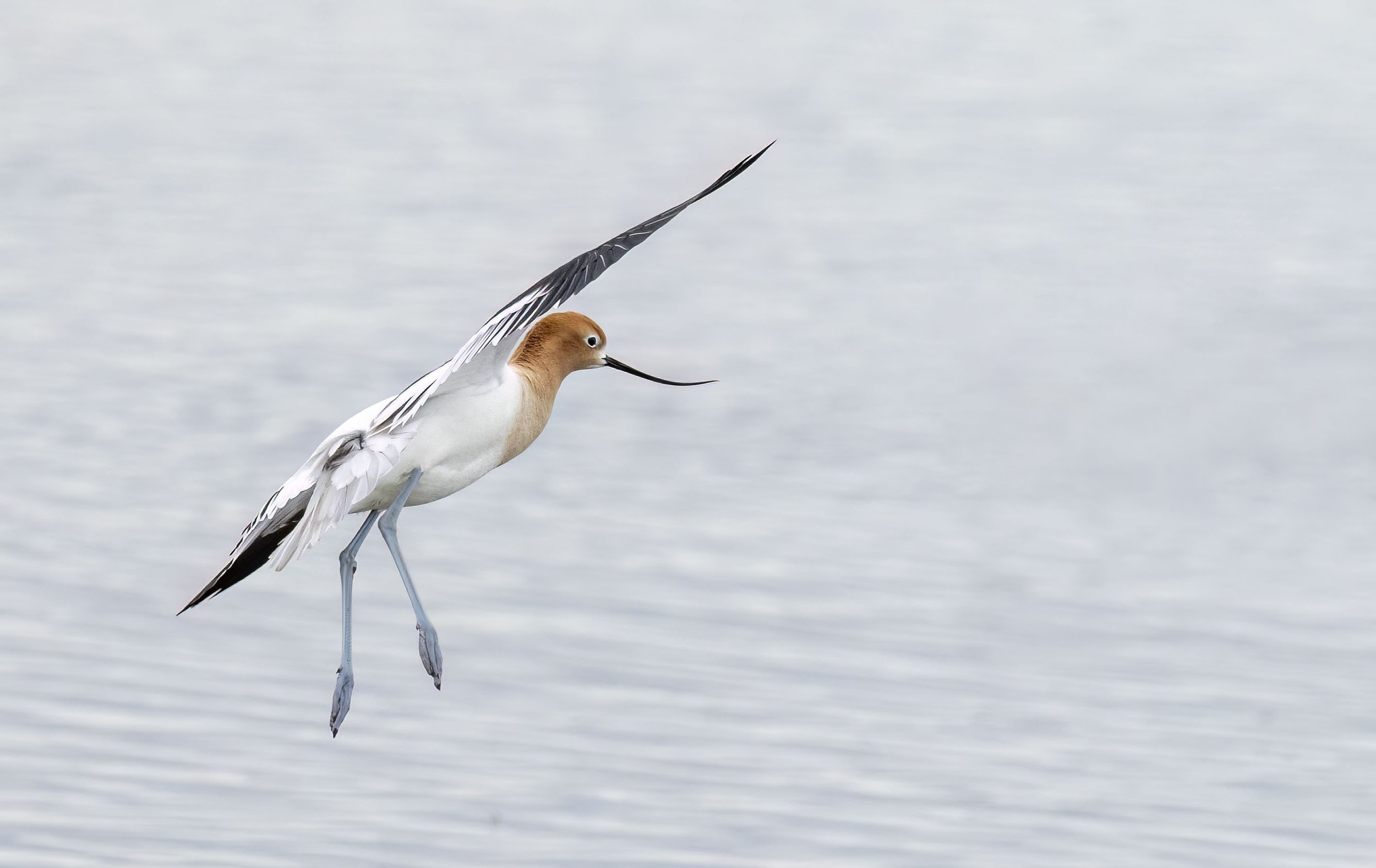
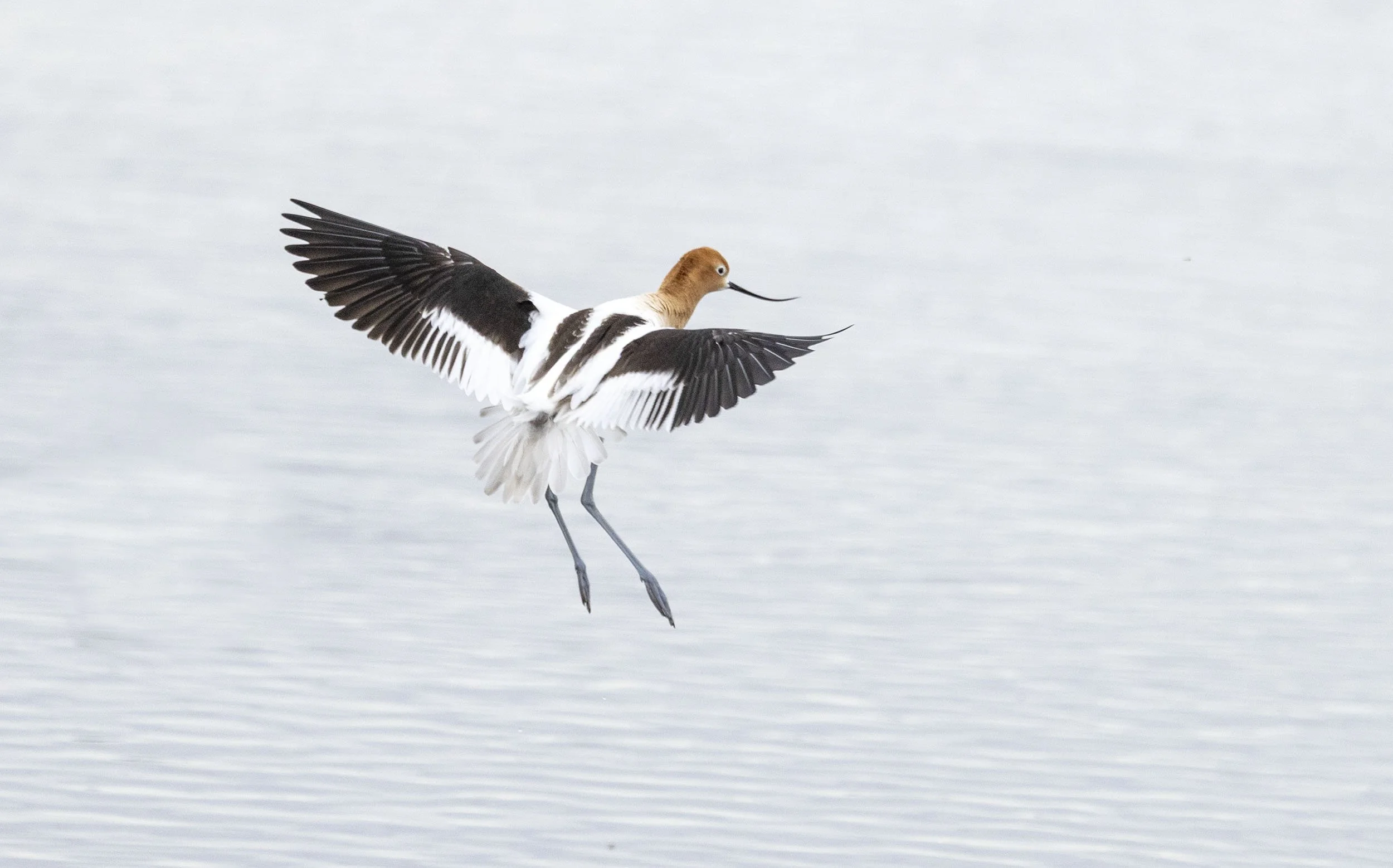
American Avocet a rather smart wader
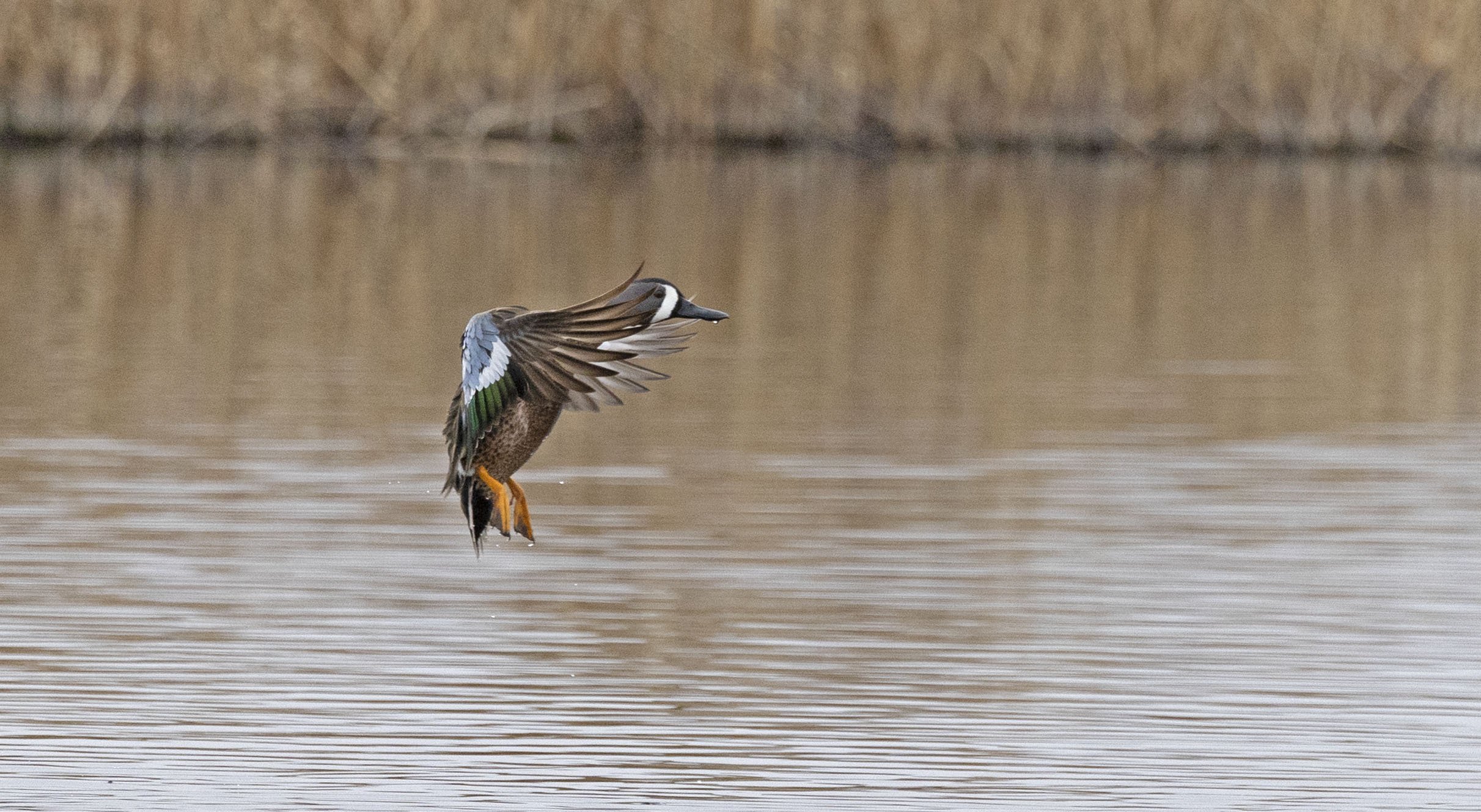
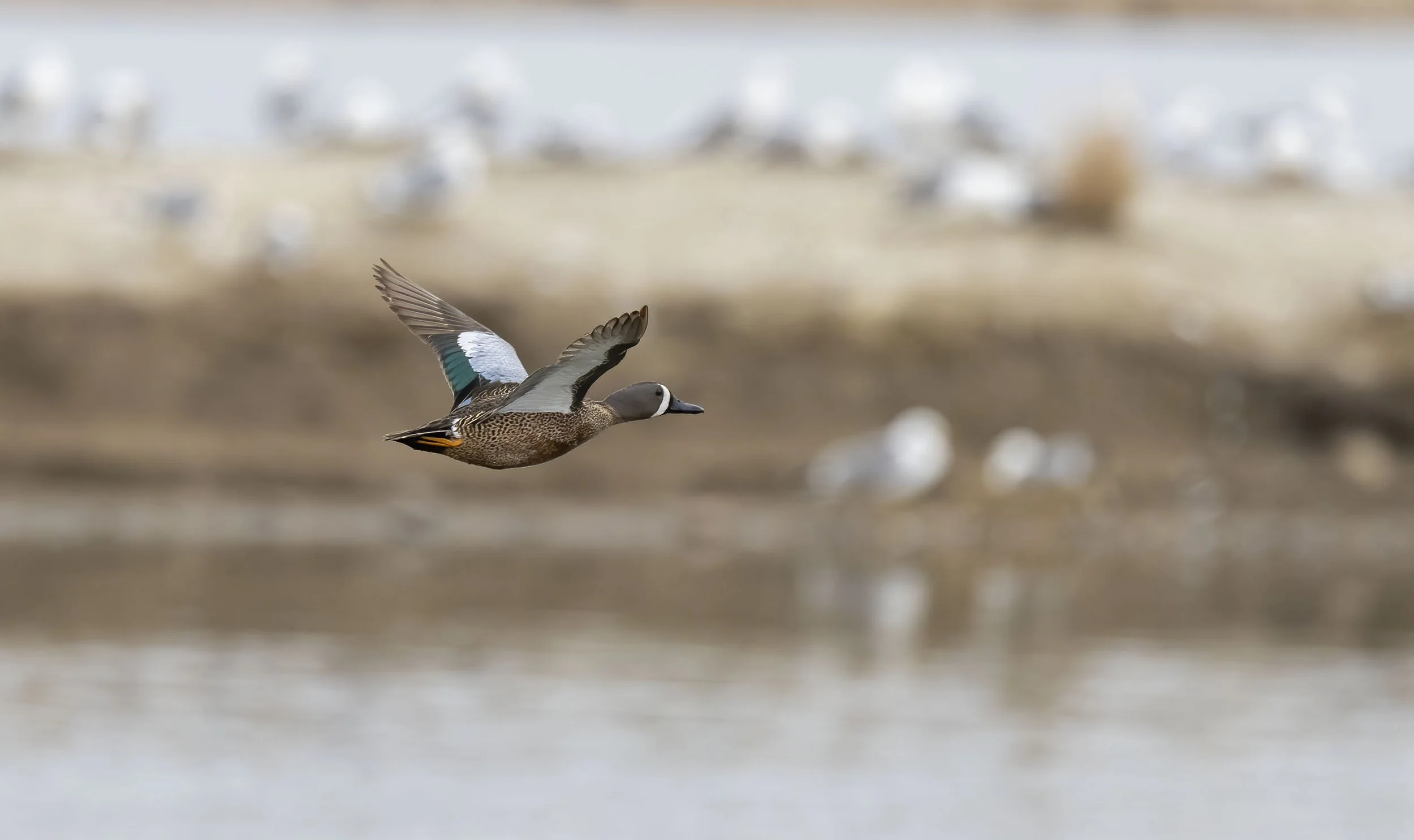
Drake Blue-winged Teal -
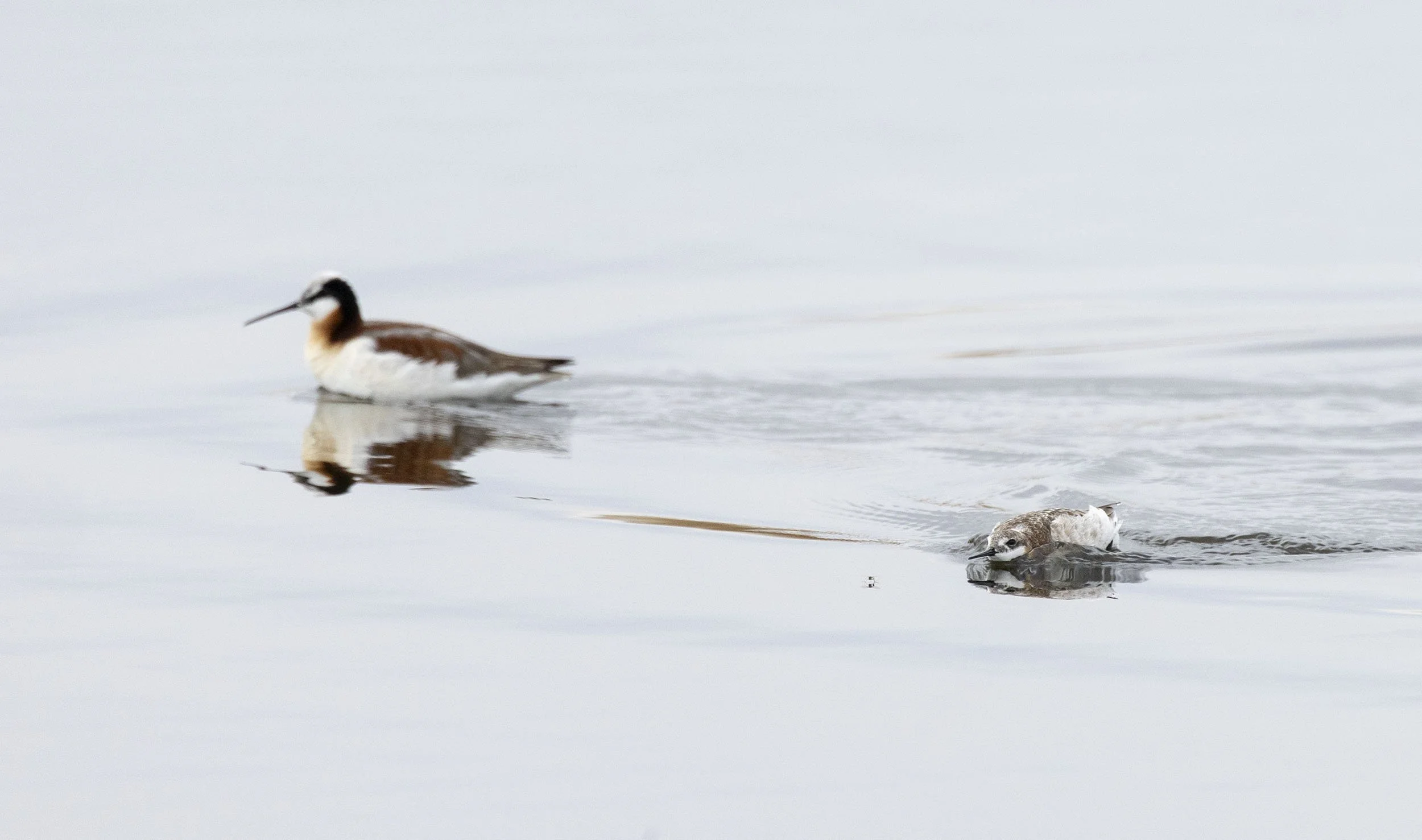
male Wilson’s Phalarope pursuing insect with female drifting by
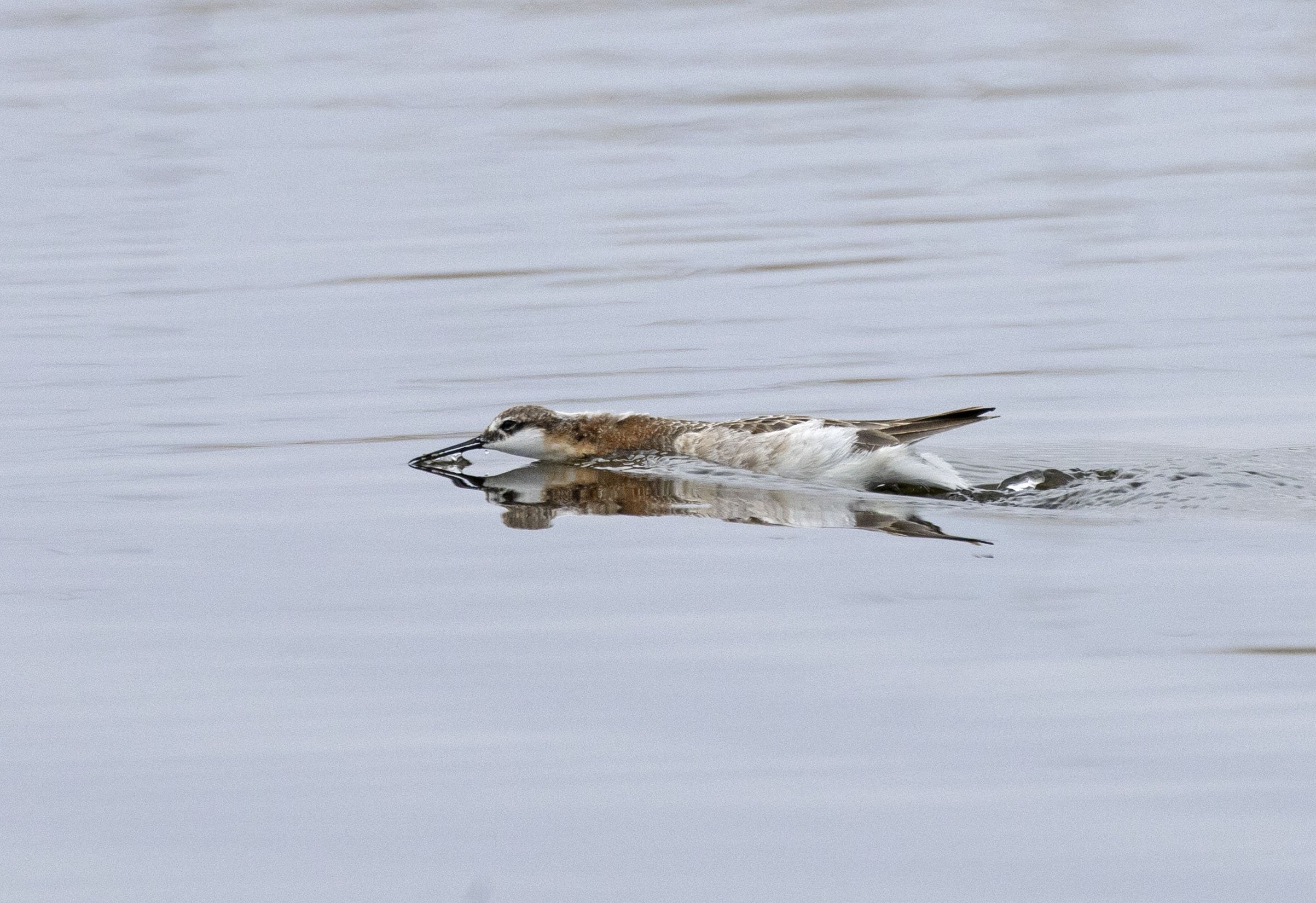
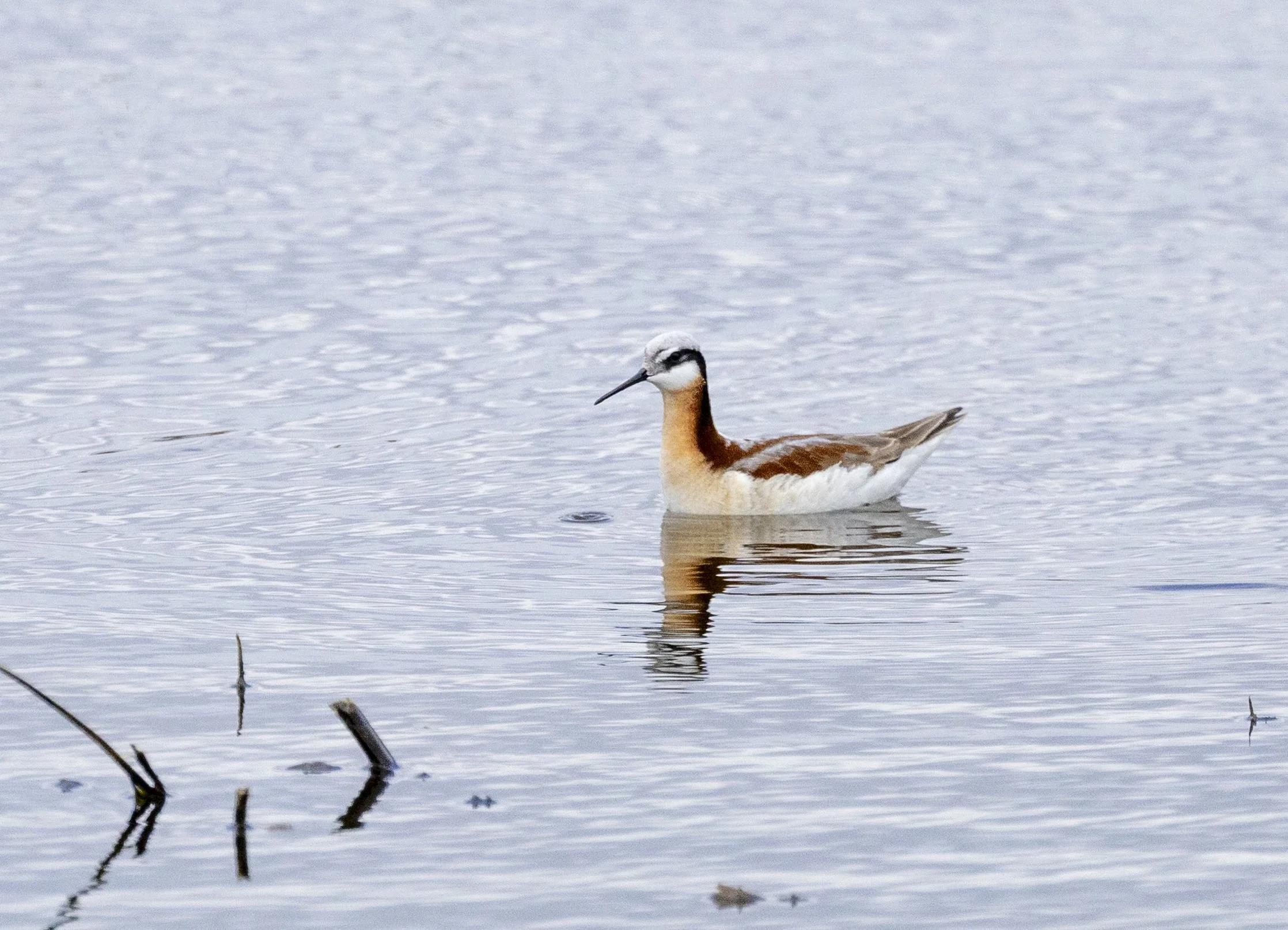
Surely one of the most stunning waders
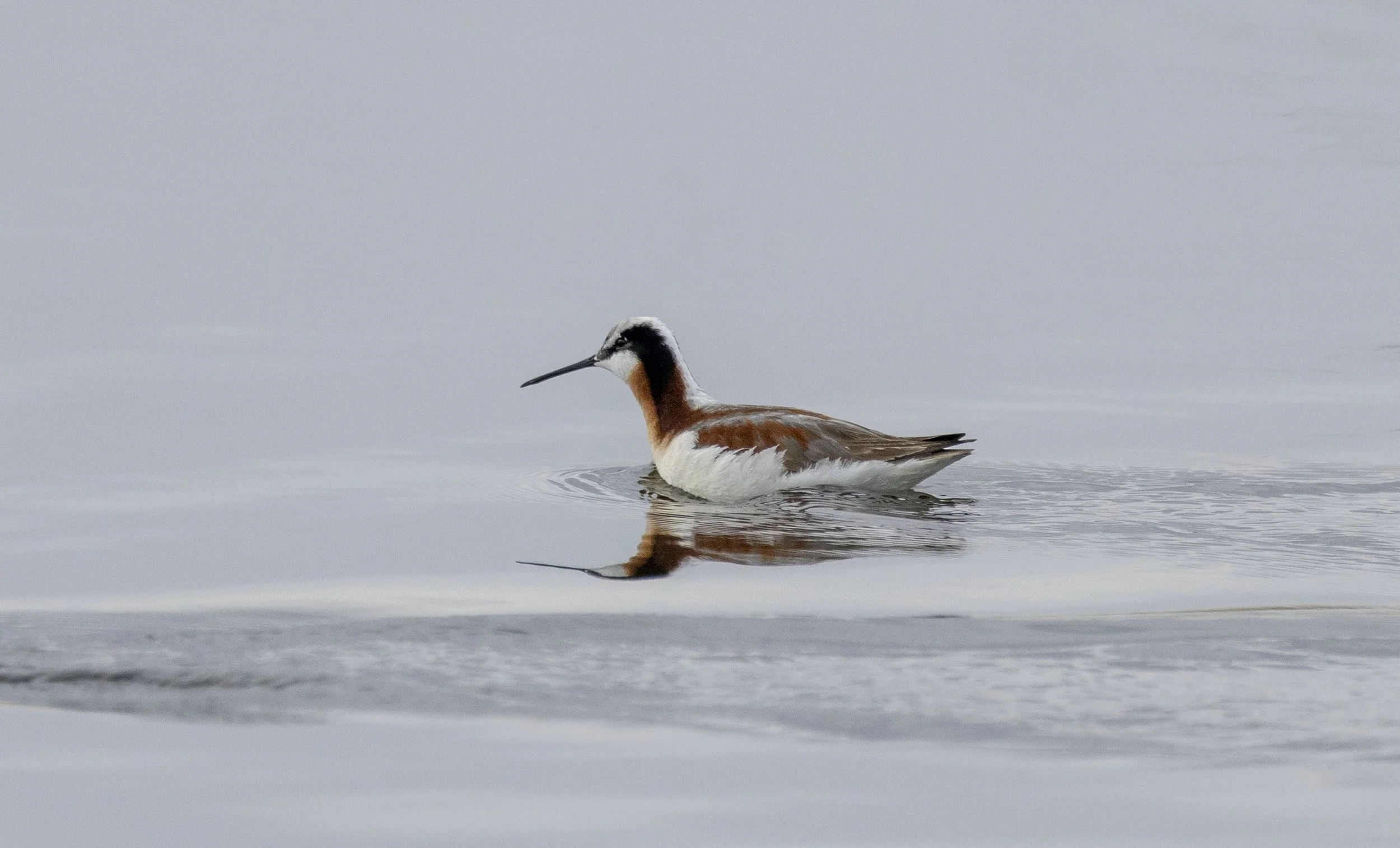
Female Wilson’s Phalarope stunning as usual
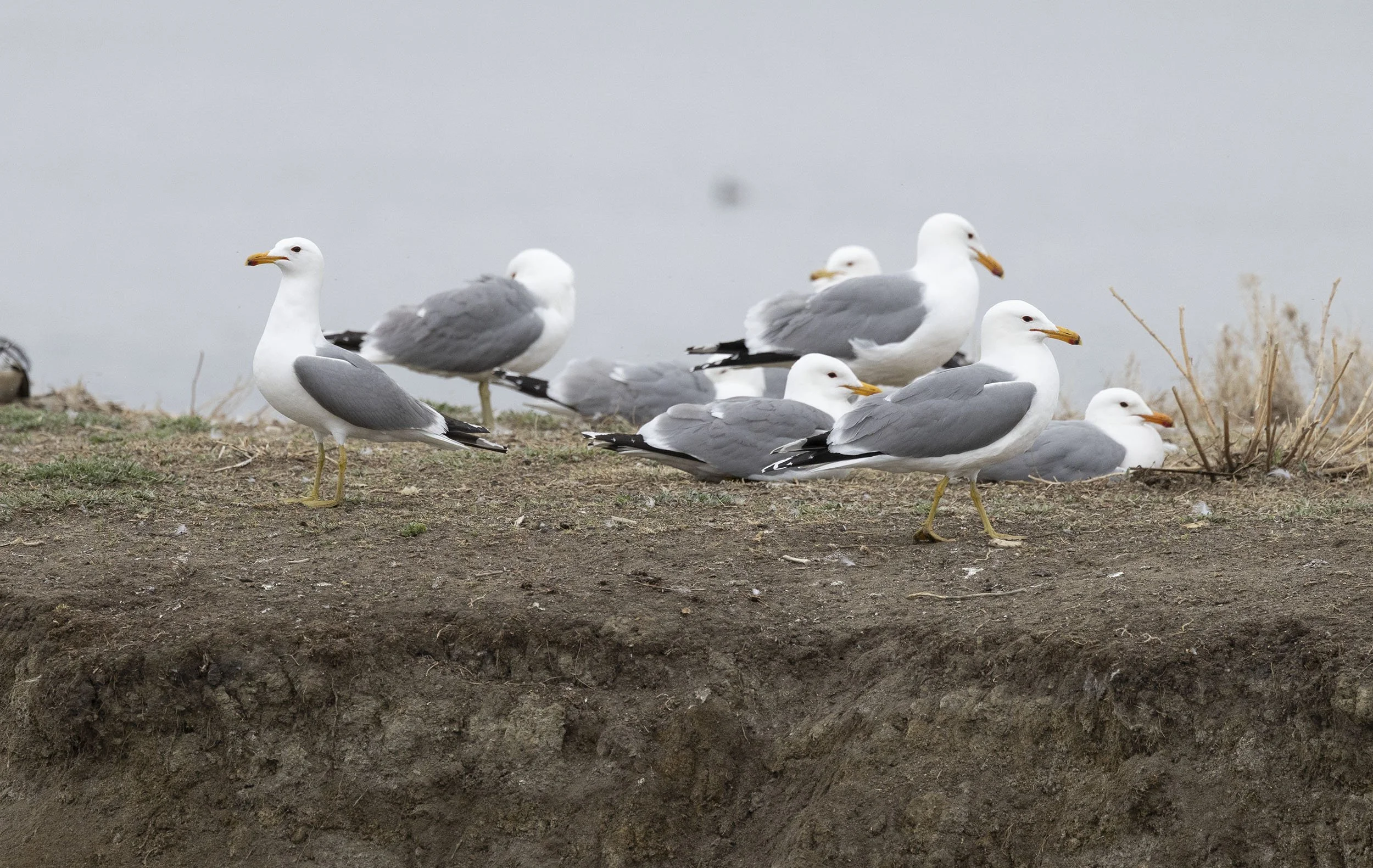
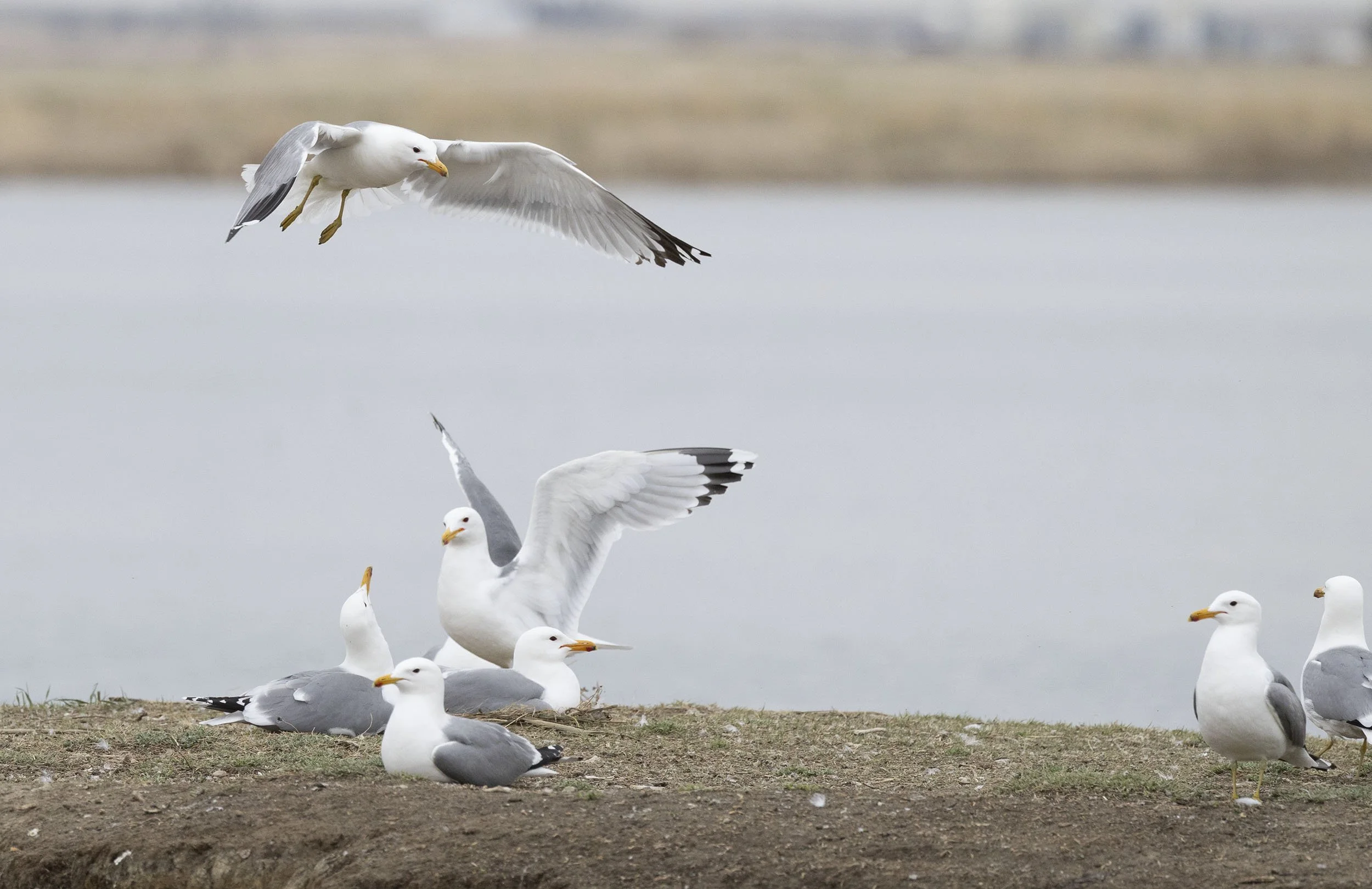
California Gulls - as I get older I get progressively less interested in big gulls
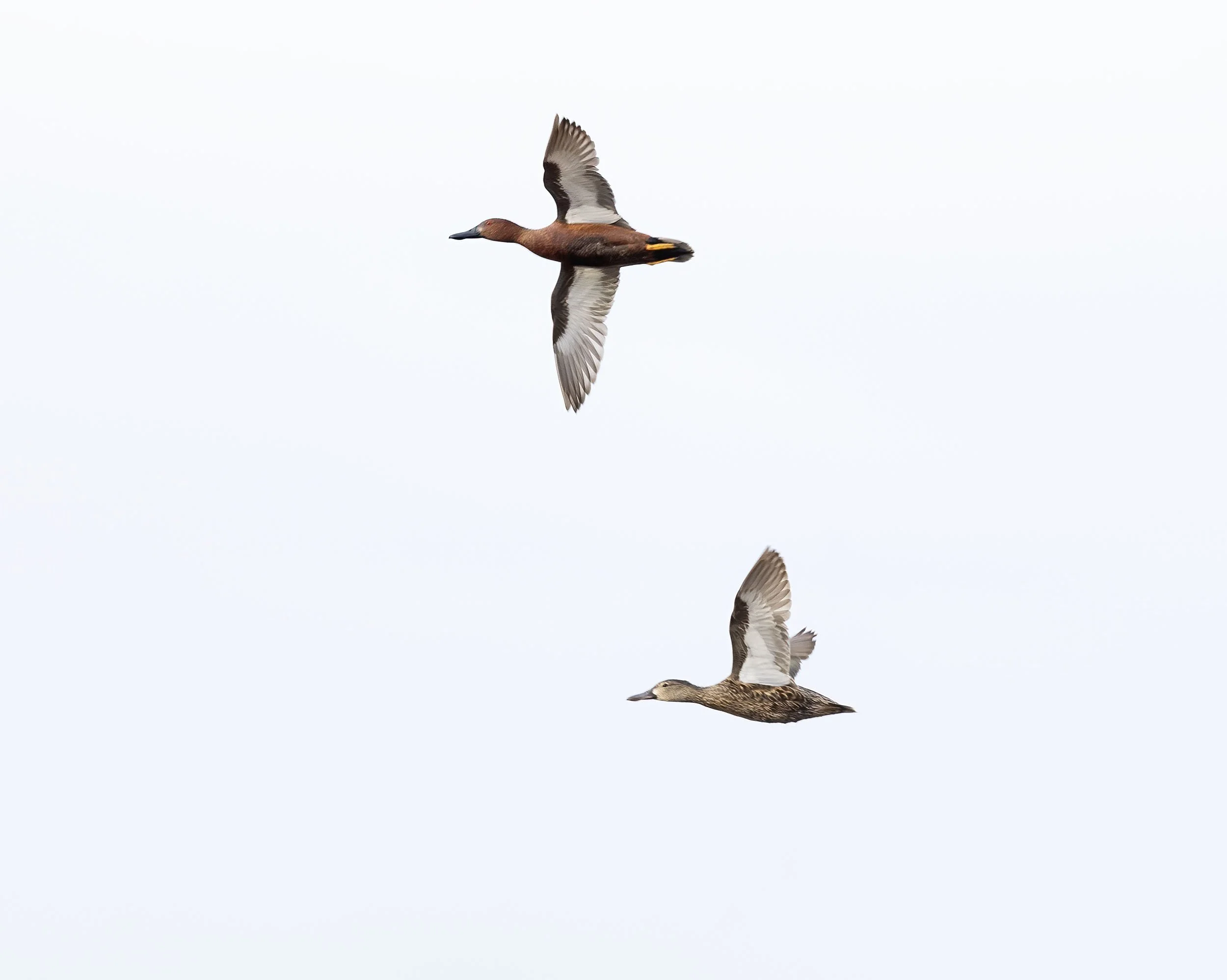
Ciunnamon Teal pair - I tended to ignore species I had good images of from past trips and this was one of them. - maybe a mistake but time is always in short supply
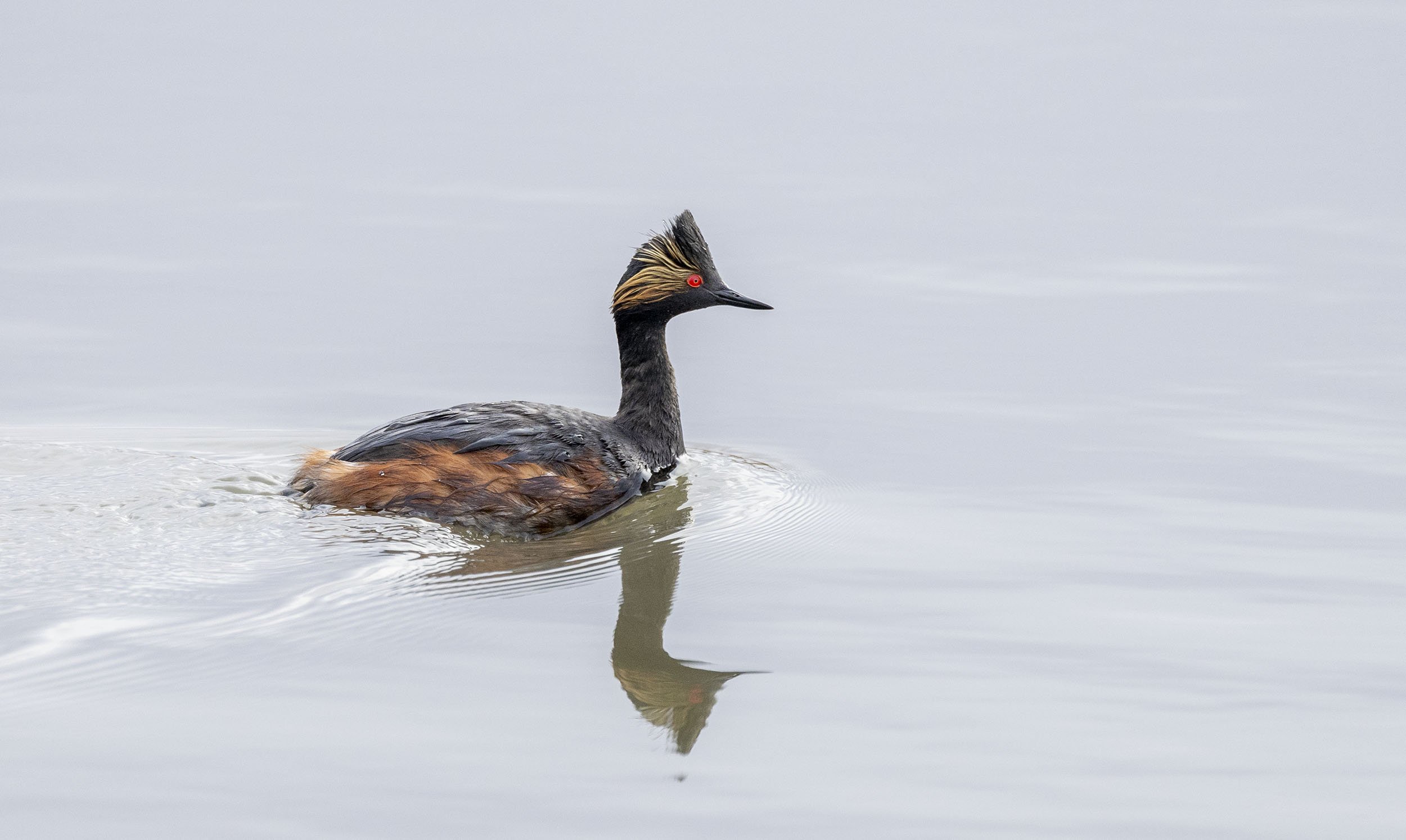
The Eared Grebes often come very close to the blind but you are then looking down on them and the light was a bit iffy
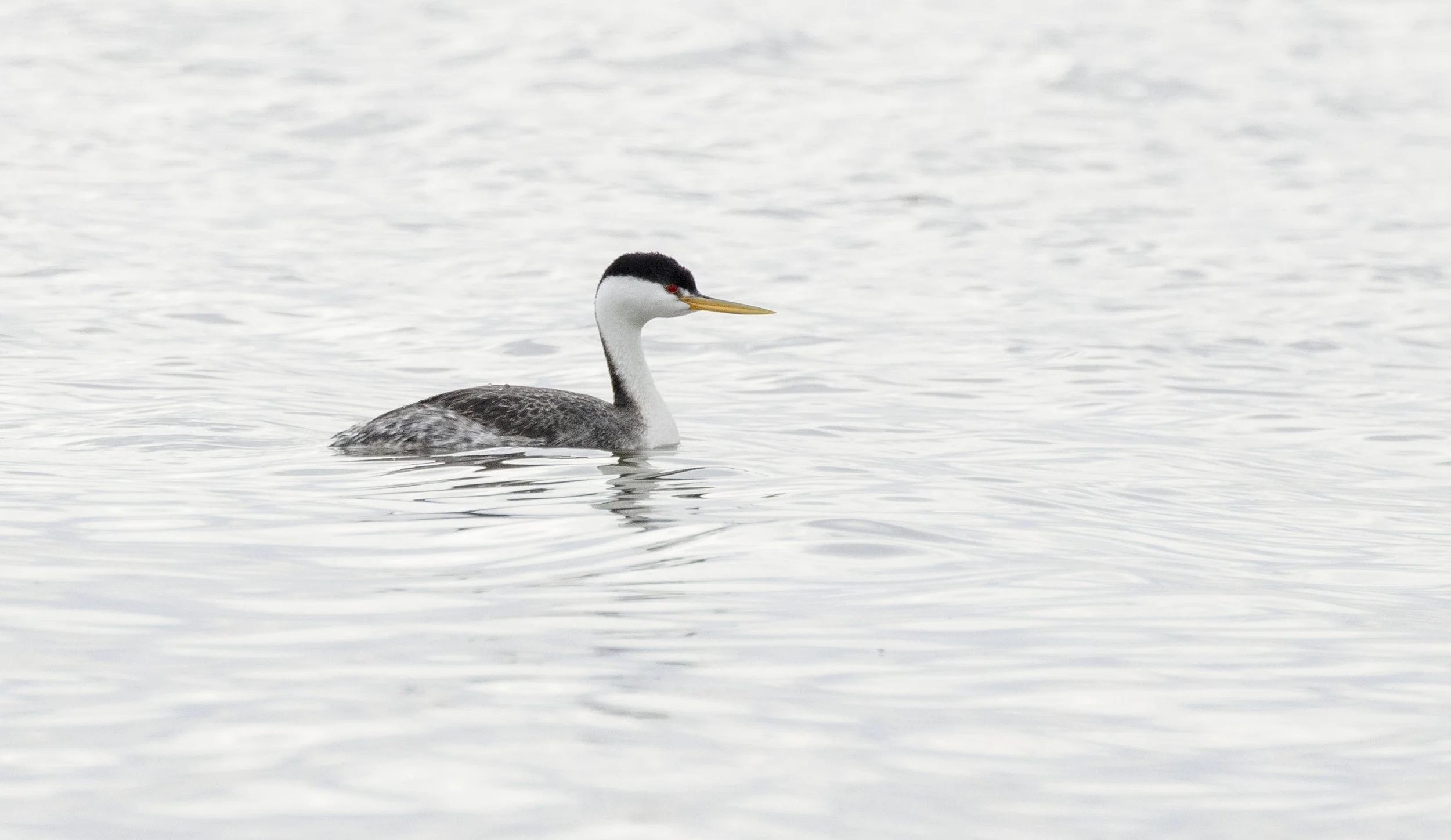
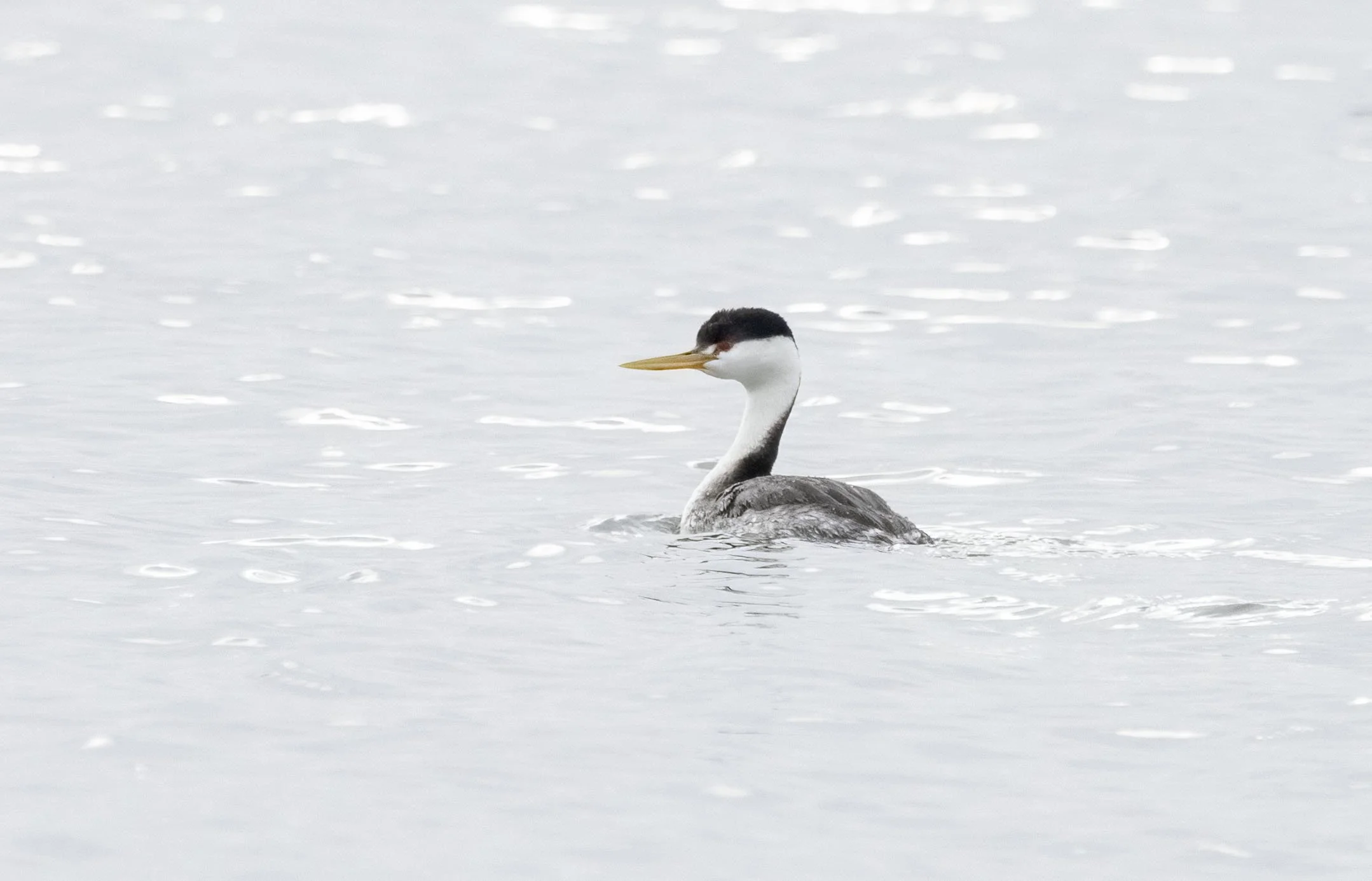
Western Grebe - the light in the morning of 9th was a bit dull and overcast - Westerns always seemed to be distant but this one was a bit closer
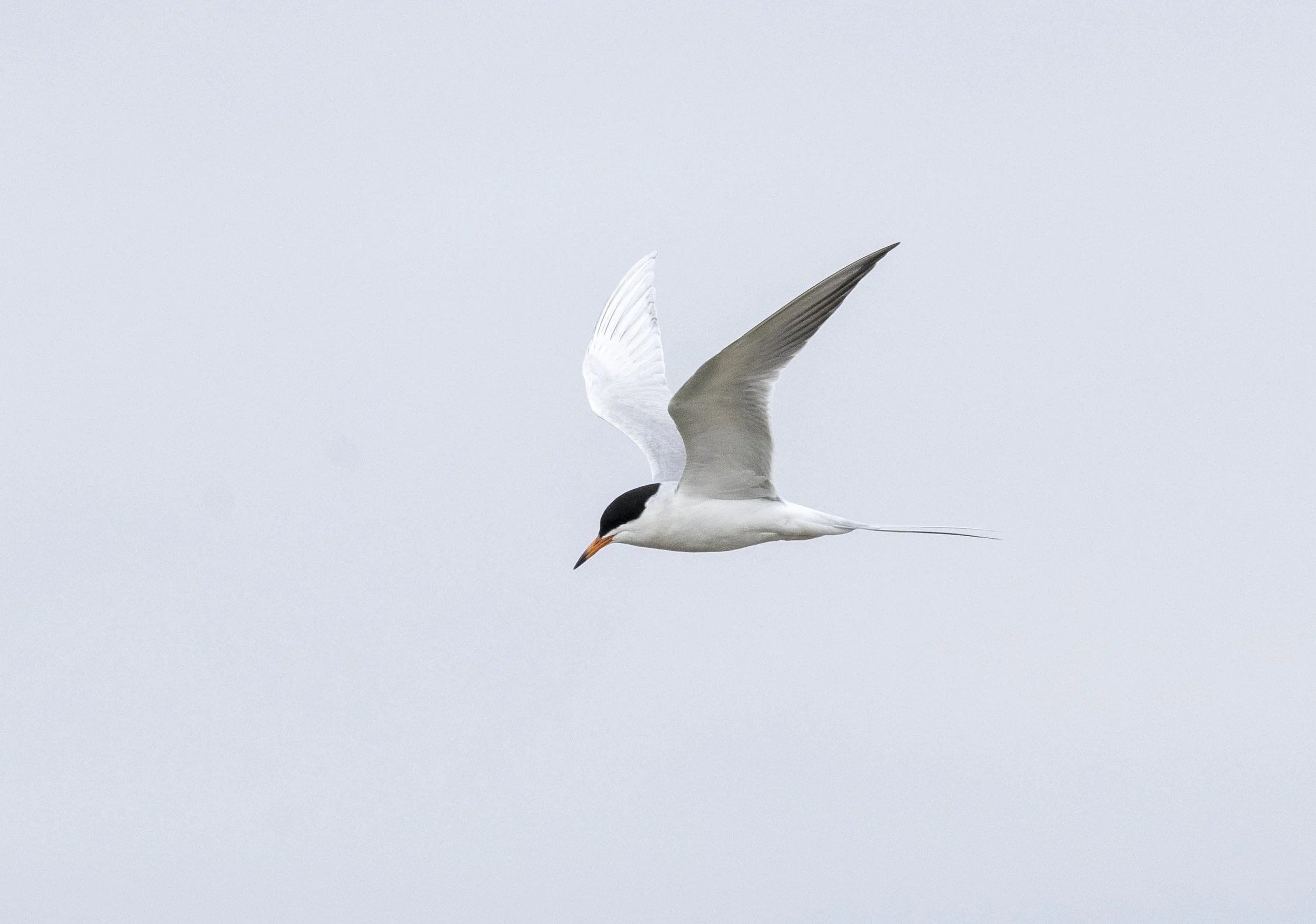
Forster’s Tern - the first of the trip - summer plumaged birds must get overlooked in the UK - unless they call!
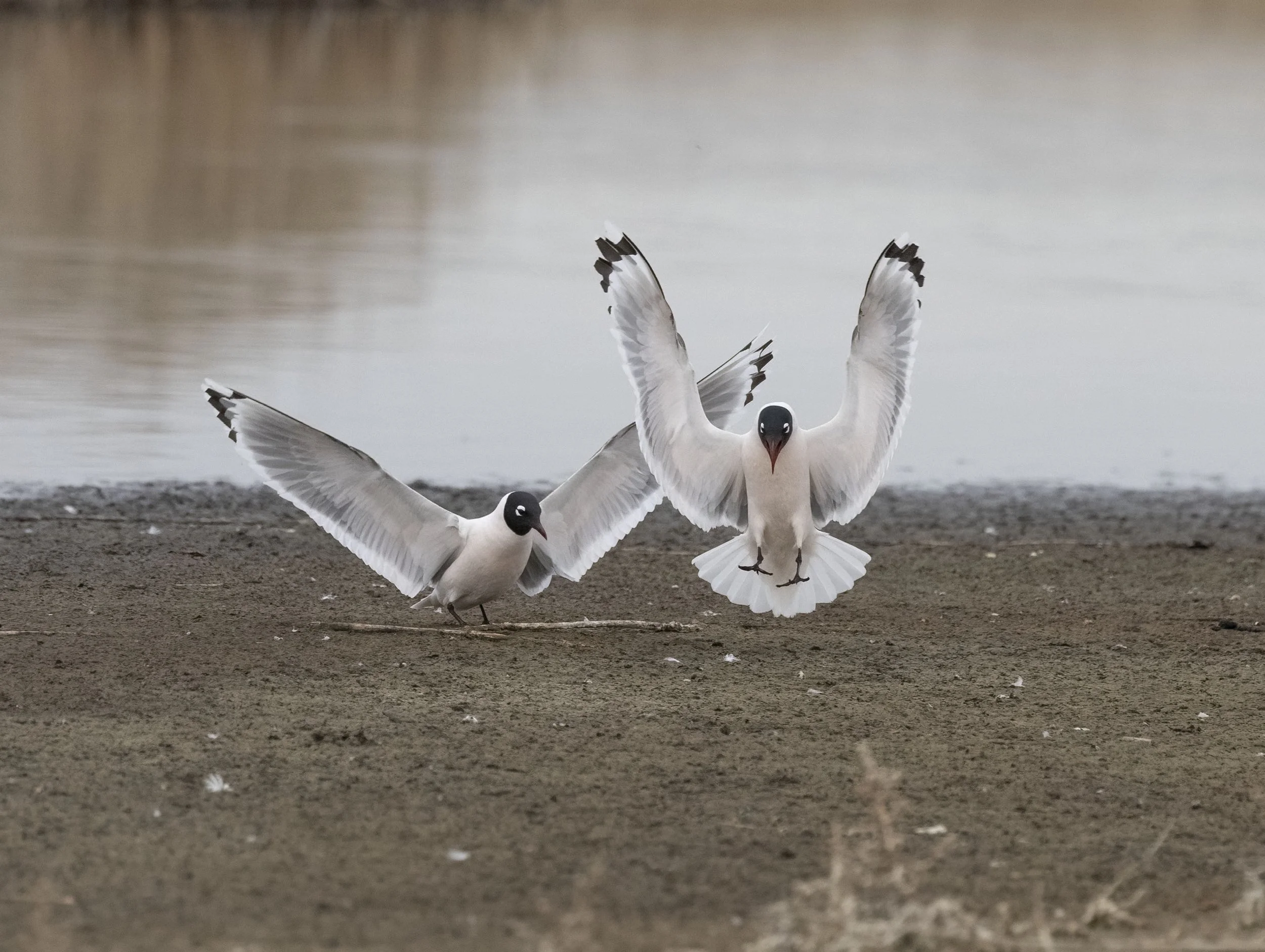
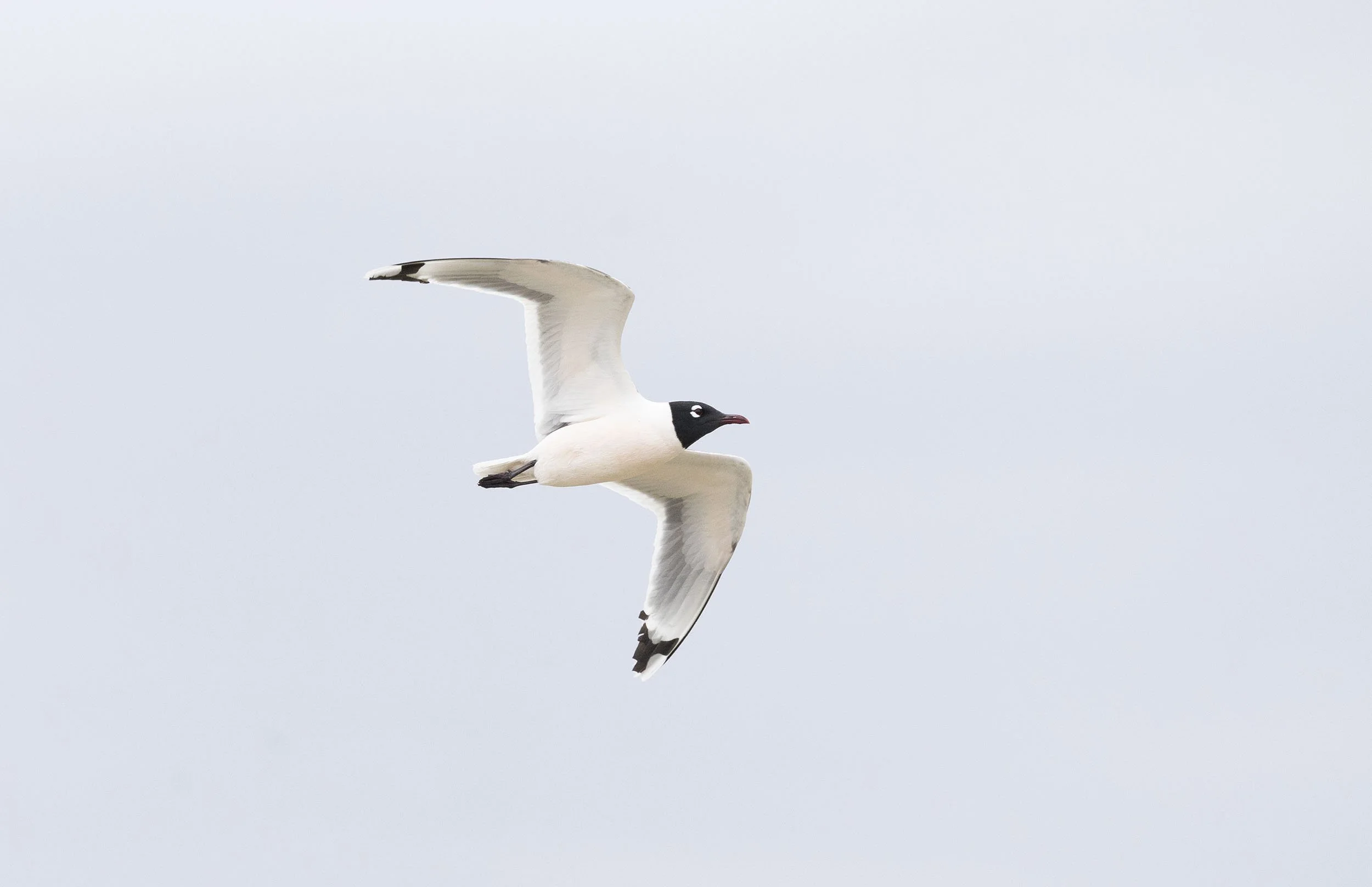
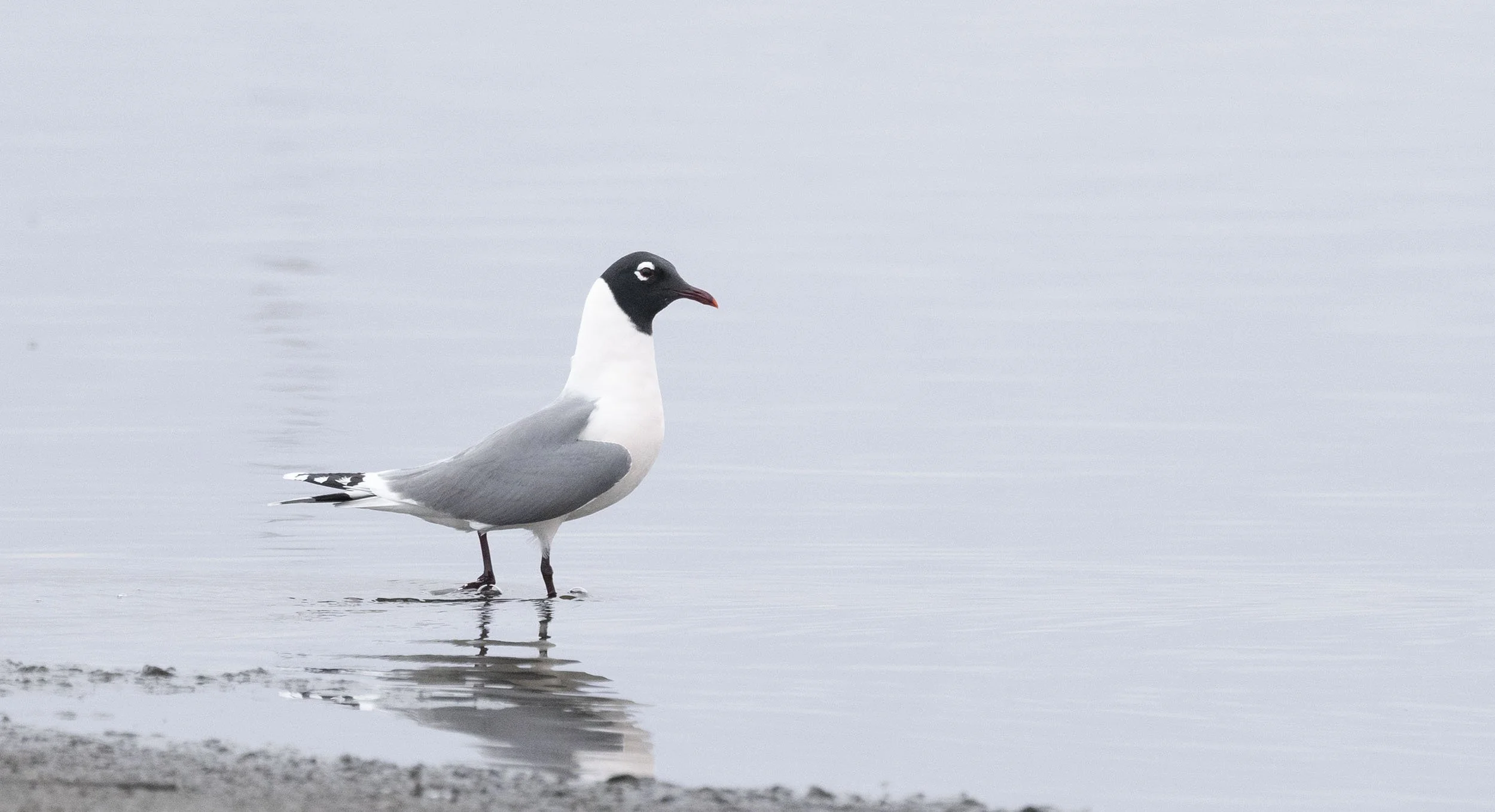
Franklin’s Gull is one of the stand out birds of the prairies with the breeding colony at Frank Lake providing superb viewing - quite a few had a nice pink flush to the underparts but it seldom showed well in images
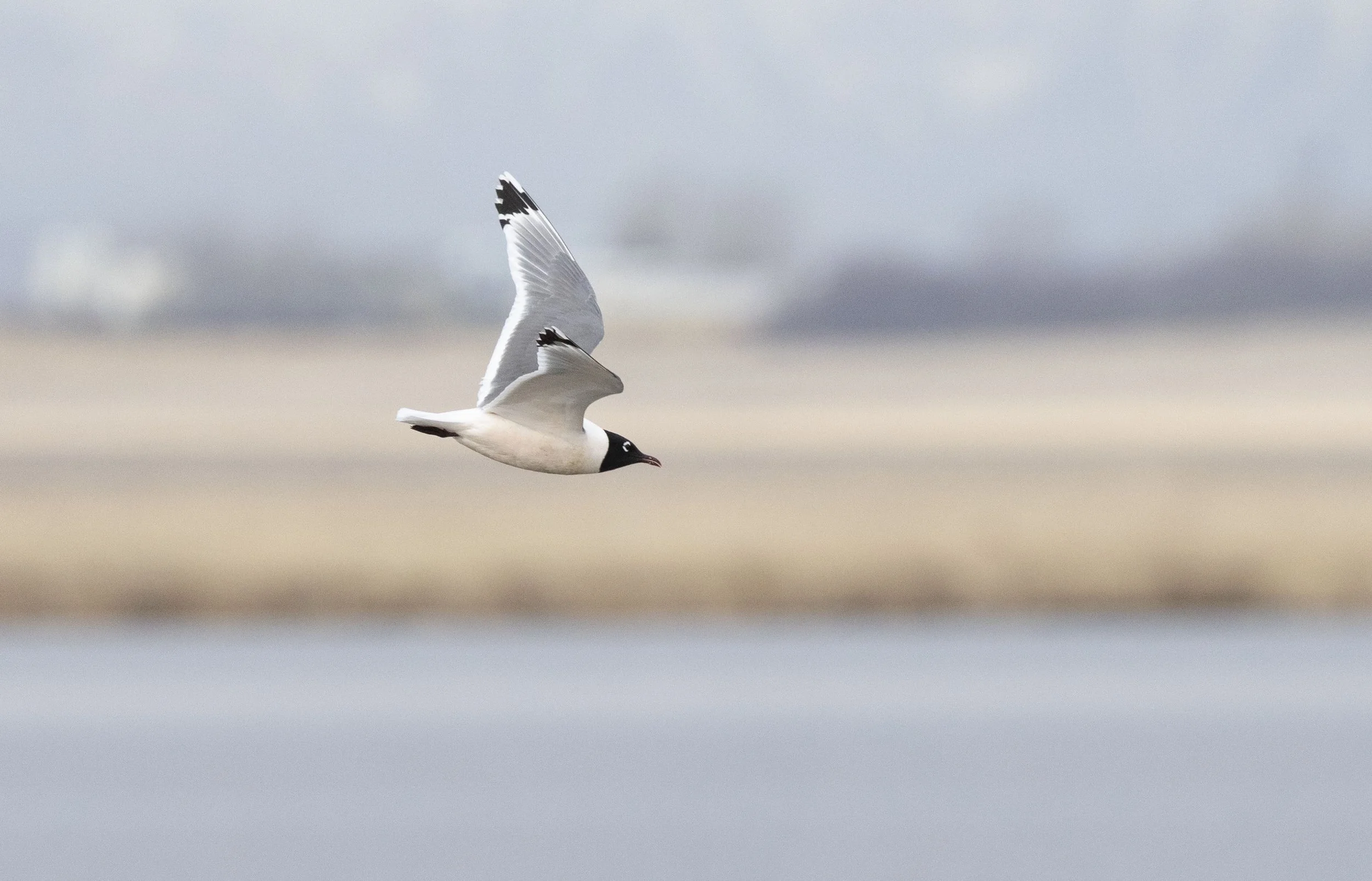
Amounts their repertoire of calls two that kept me looking up were a call rather like a displaying Lapwing and another that sounds very much akin to a displaying male Marsh Harrier and as this was often given from up on high it took several days to tell myself what it was
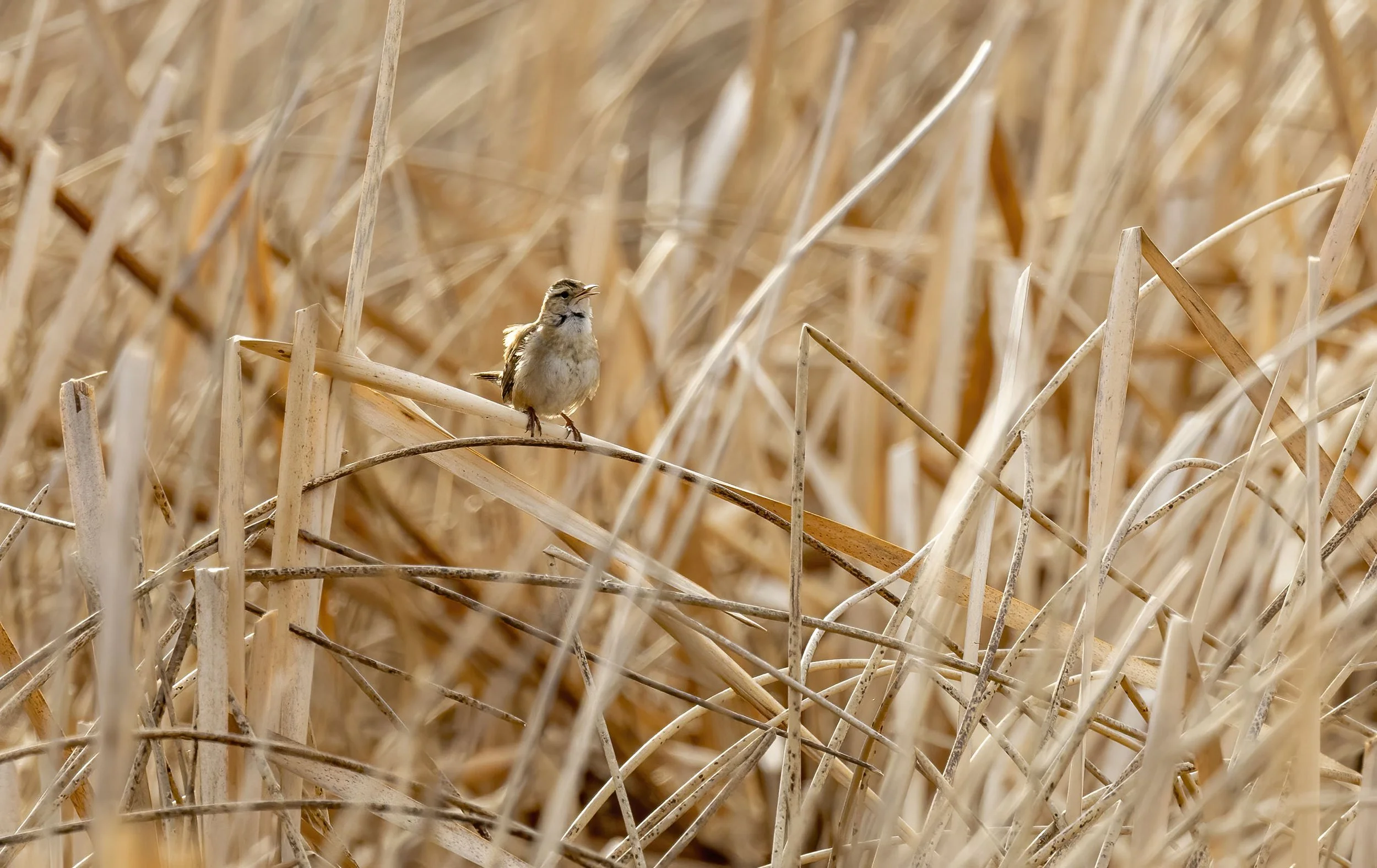
Marsh Wrens were strangely unco-operative throughout the trip
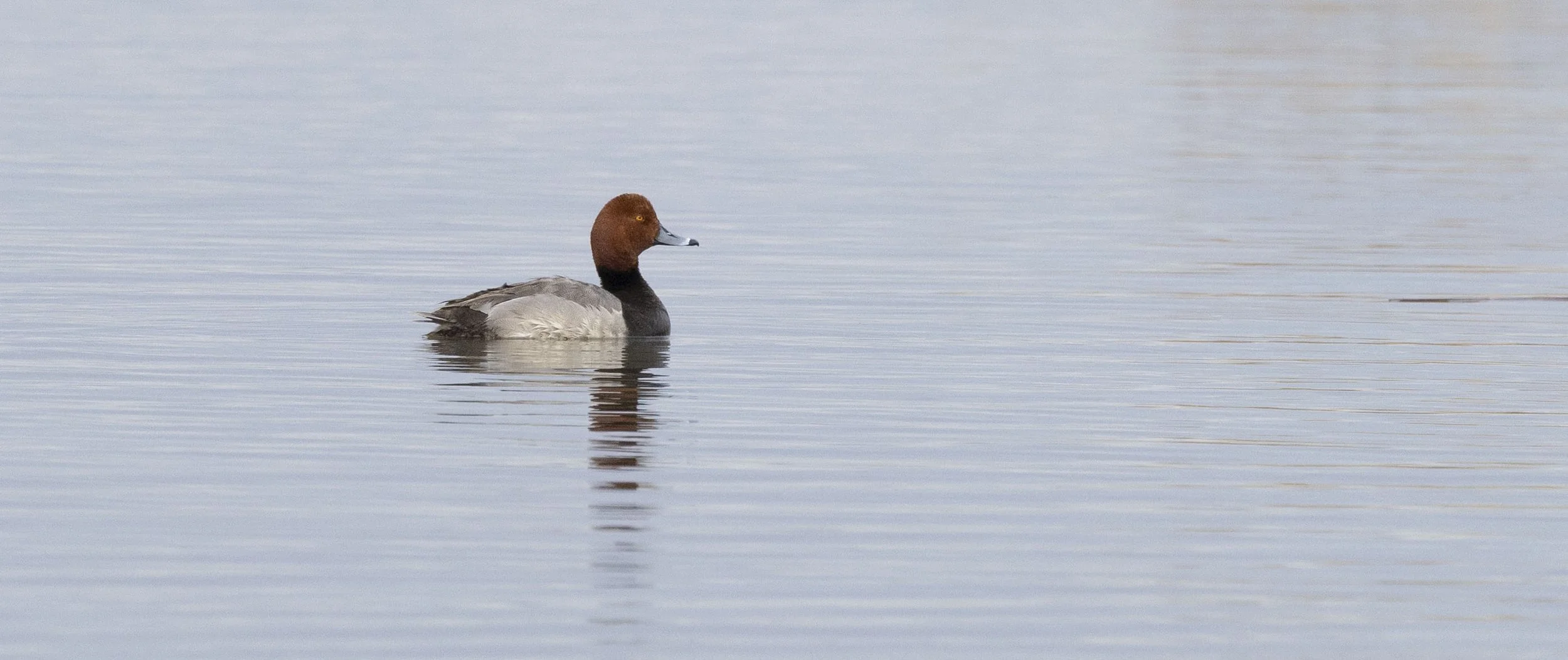
A smart drake Redhead
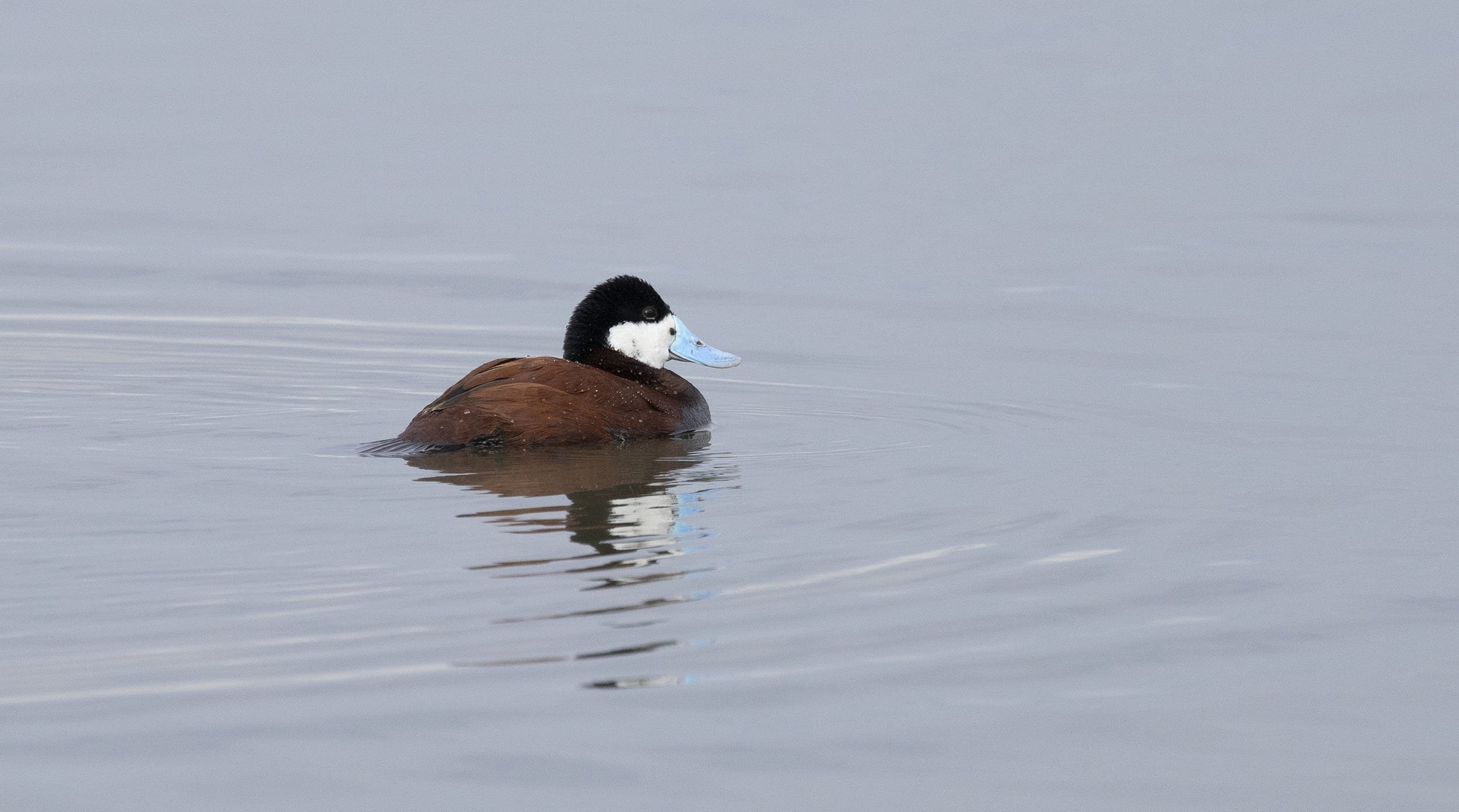
A long time since we lost our Ruddy Ducks to political ridicule
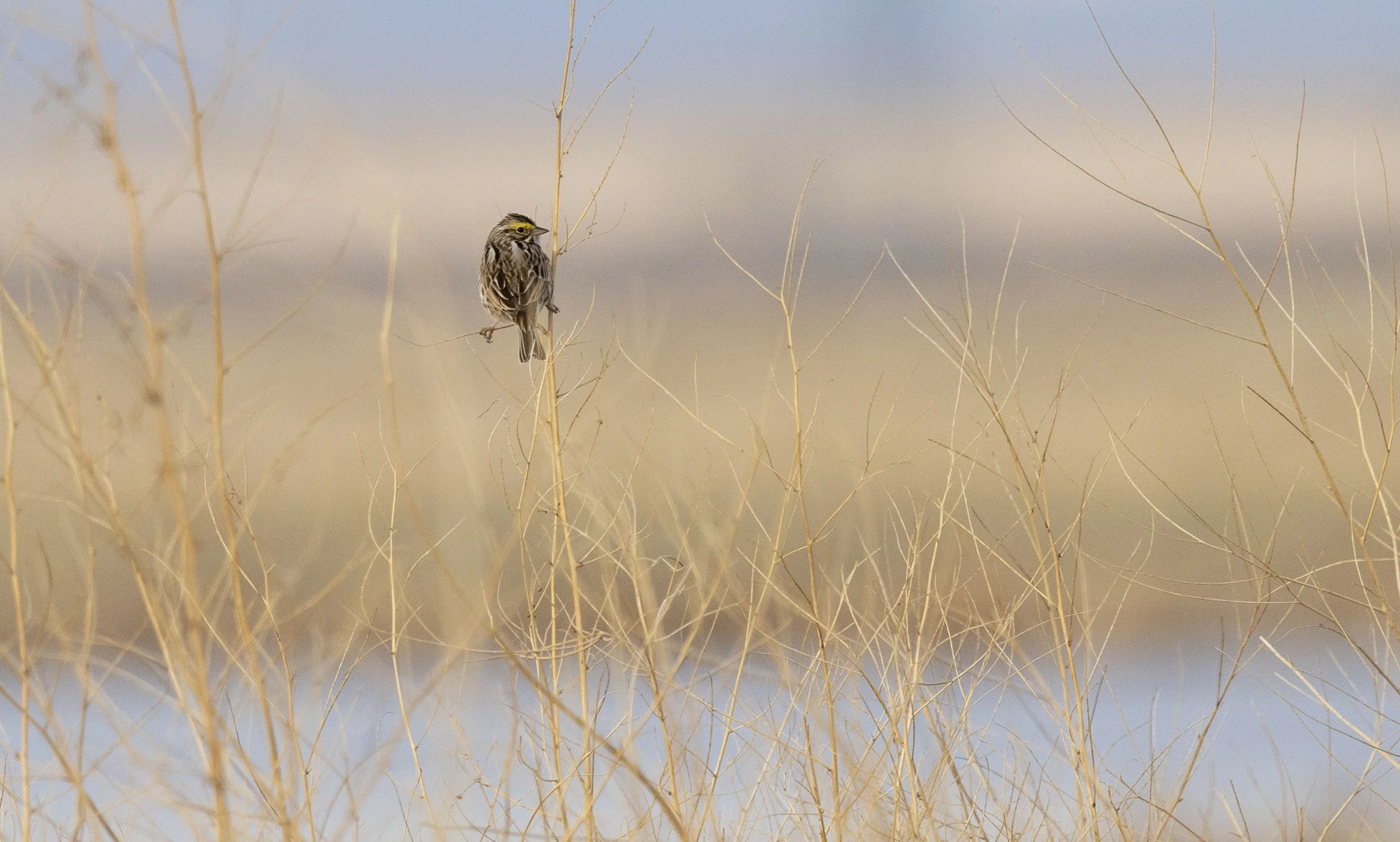
Savannah Spoarrow a grassland specialist
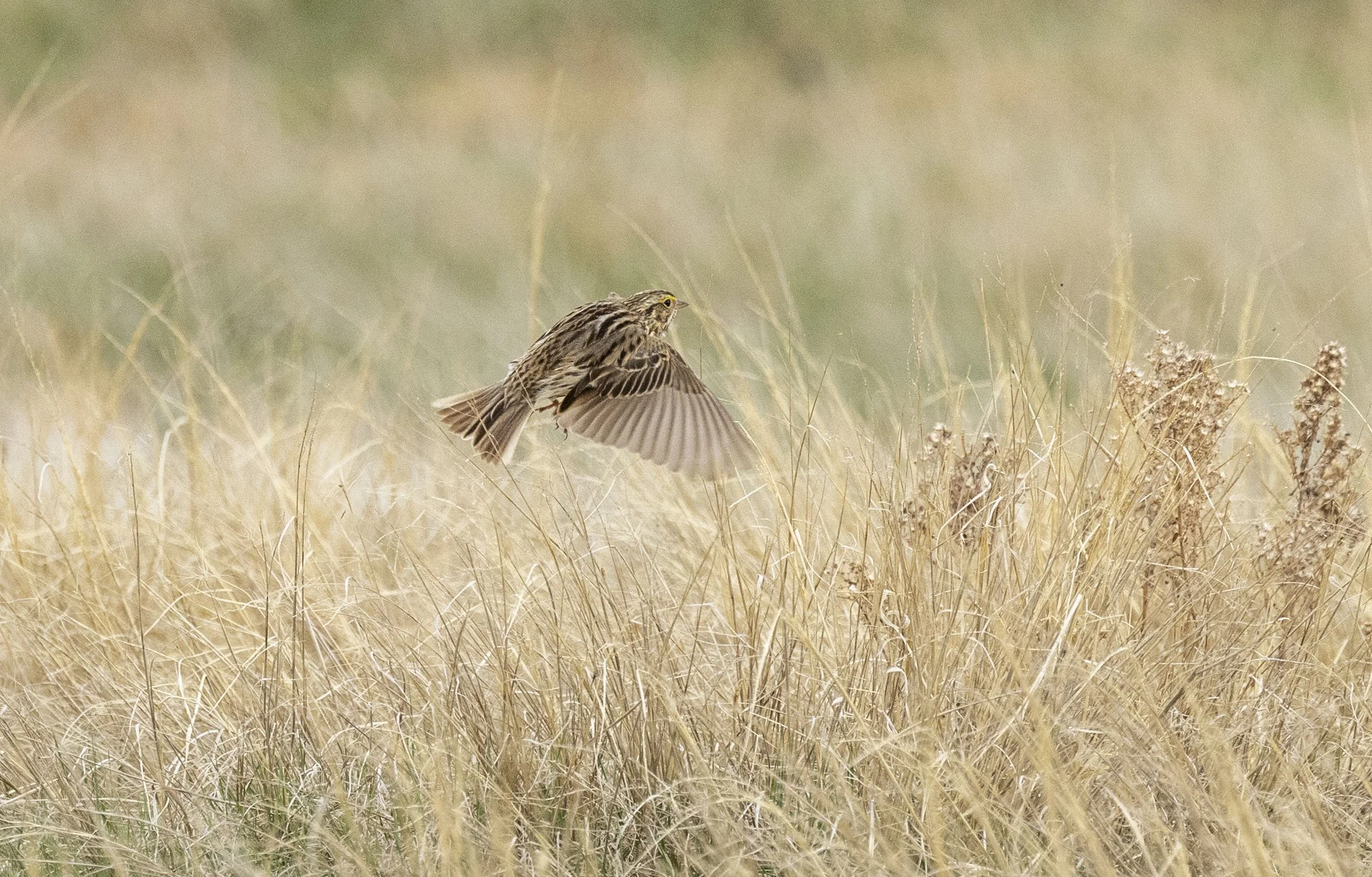
In a short display flight
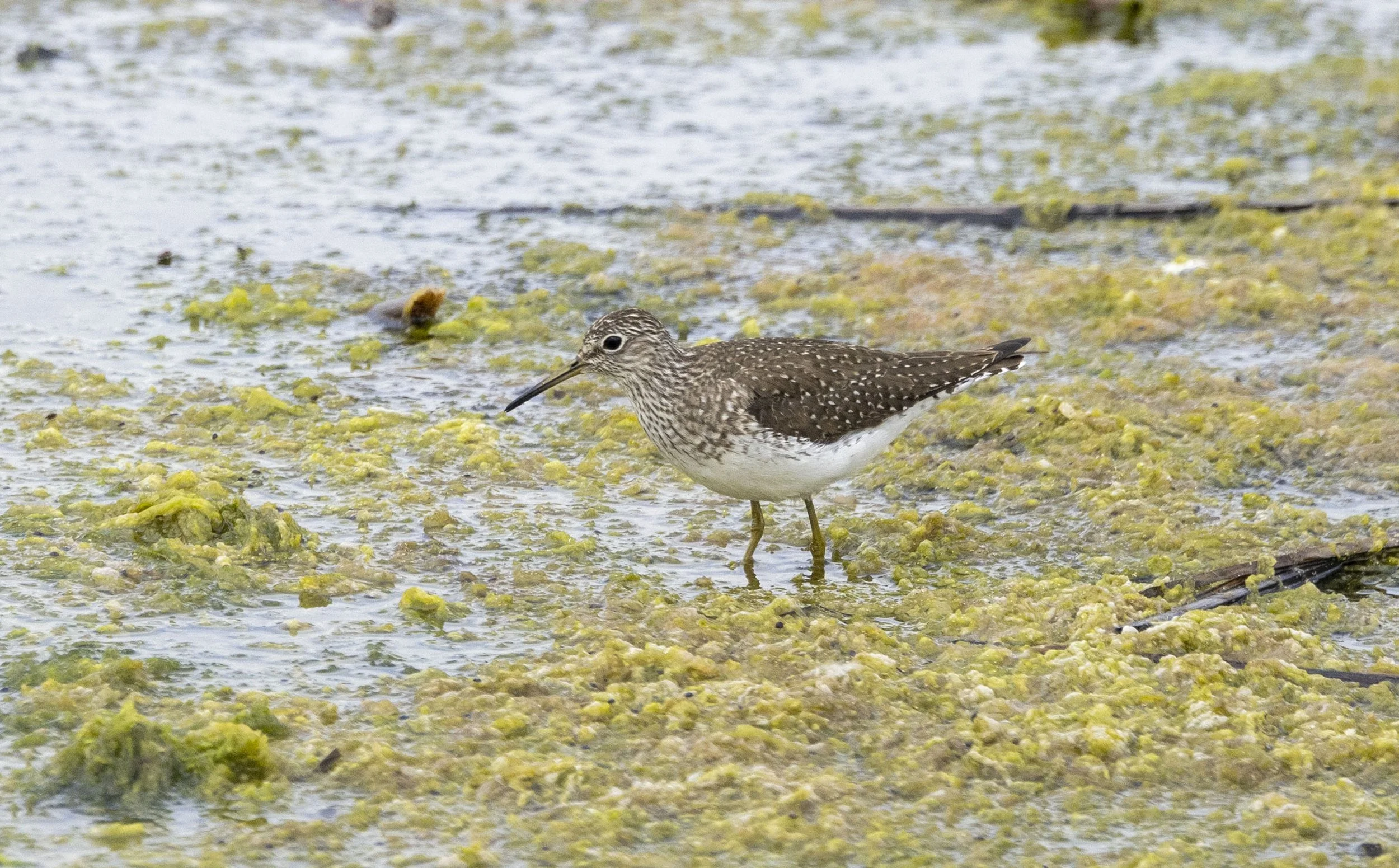
Solitary Sandpiper appropriately the only one of the trip
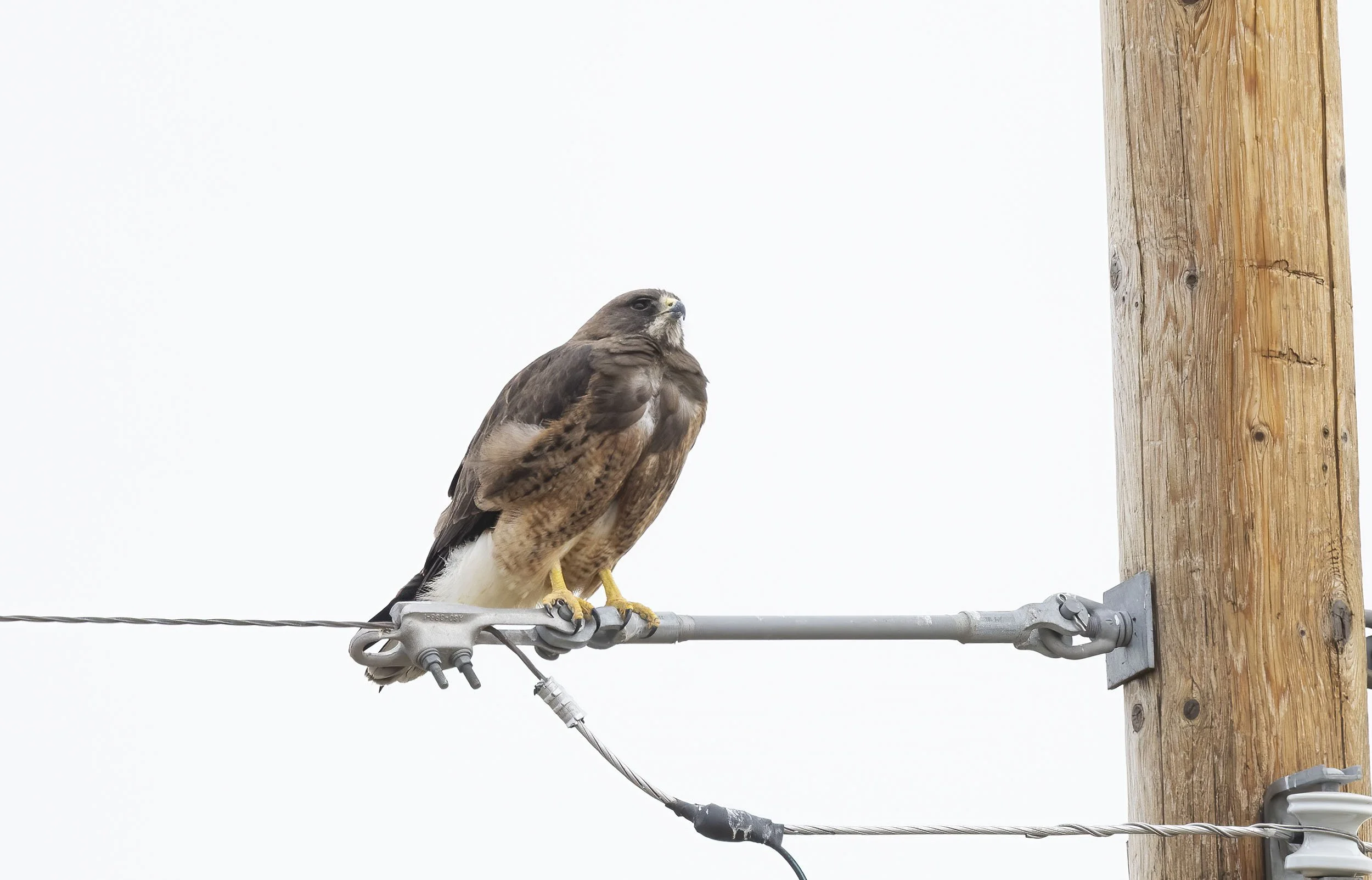
There was a dark morph Swainson’s Hawk near the entrance to Frank Lake in May 2019 when we were there - this could surley not be the same bird in the same place?
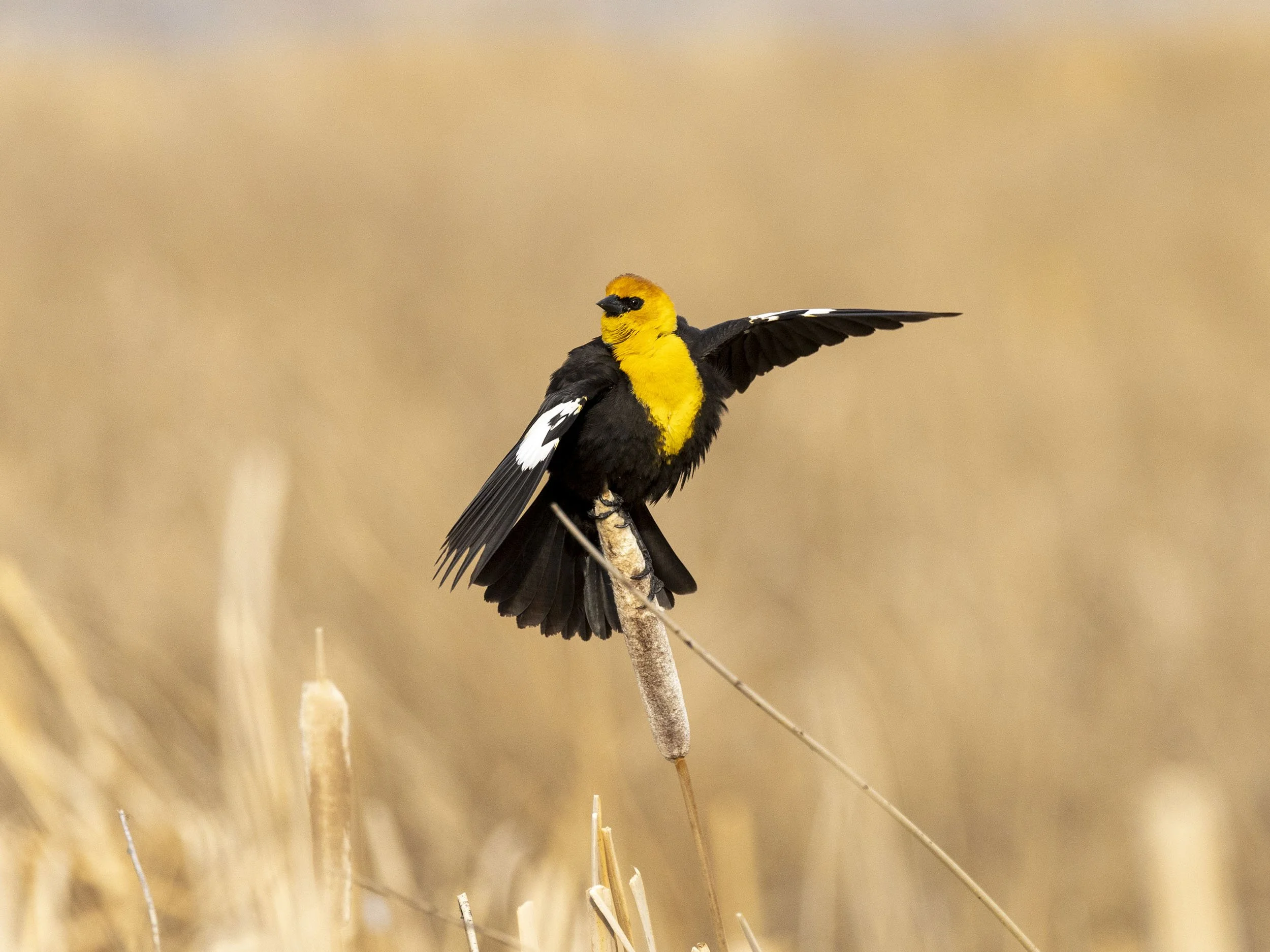
Yellow-headed Blackbirds seemed to vastly outnumber Red-winged this trip something we have never noticed before and they were found at most wetland locations perhaps indicating a spread - they are very noisy
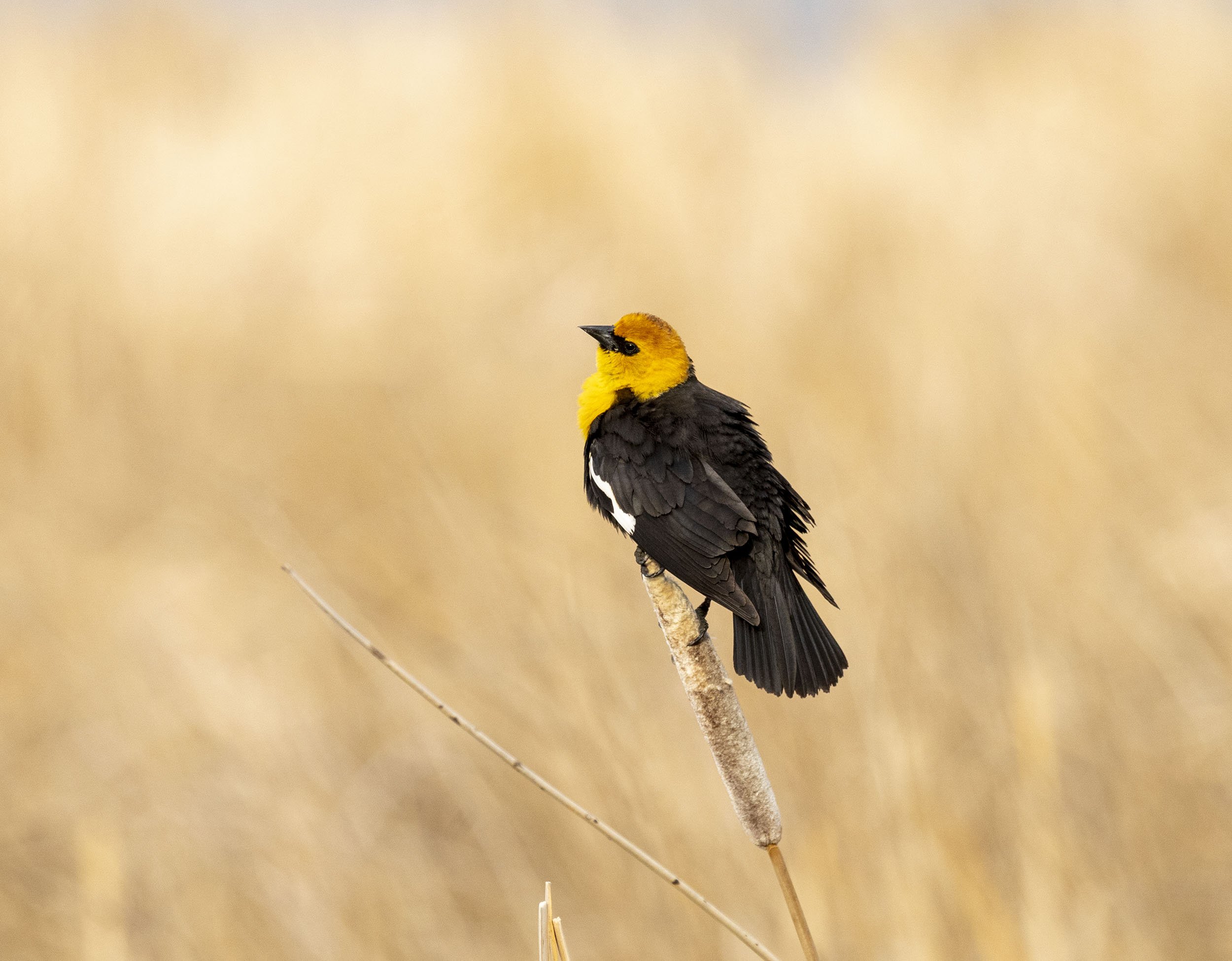
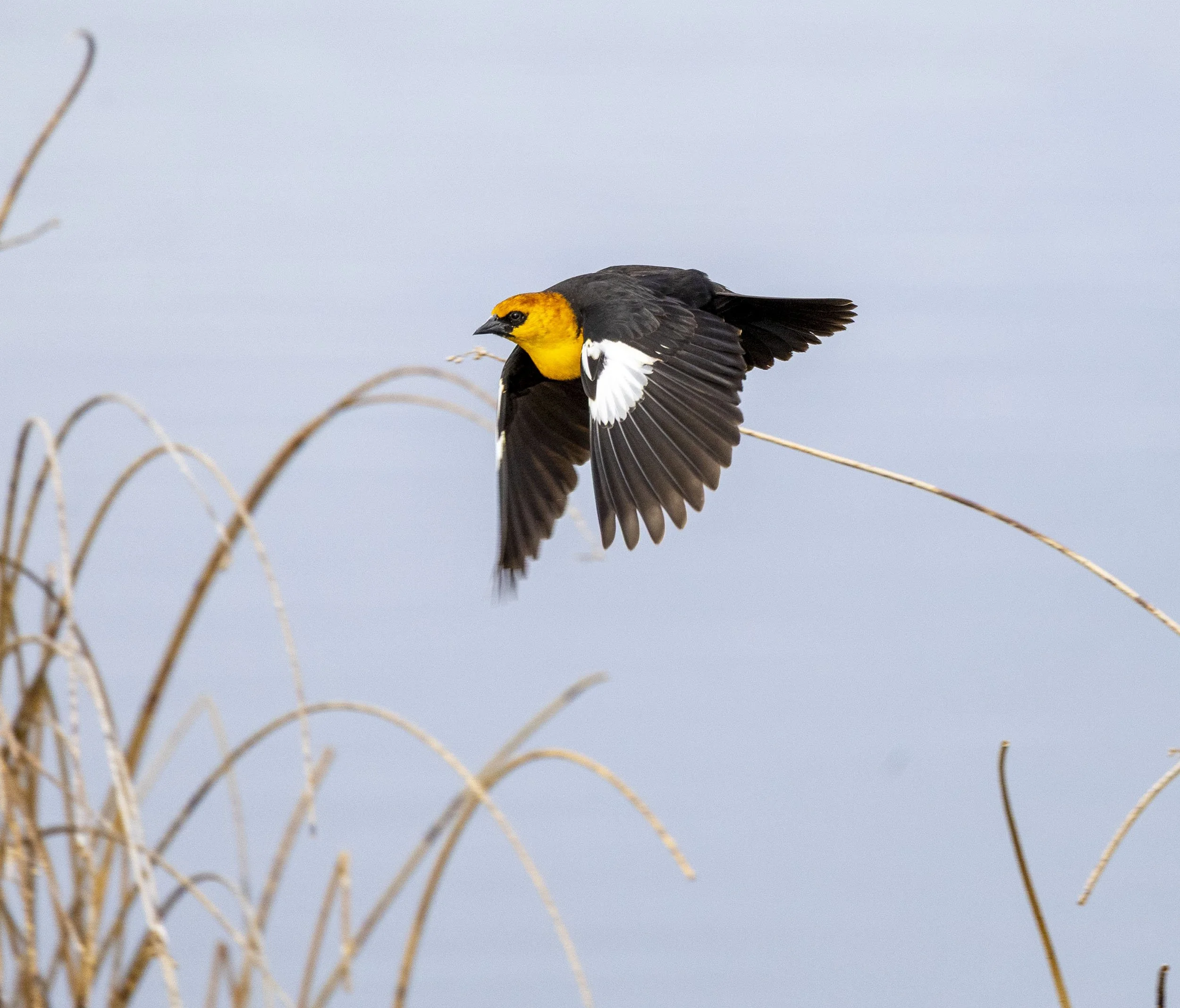
Yellow-headed Blackbird flight display
After a brief lunch stop we headed off towards Medicine Hat stopping briefly at Bow River, which looked good but produced not a lot other than our first Belted Kingfisher, a Northern Harrier, Marsh Wrens, not showing again, Barn Swallow and a Common Goldeneye pair
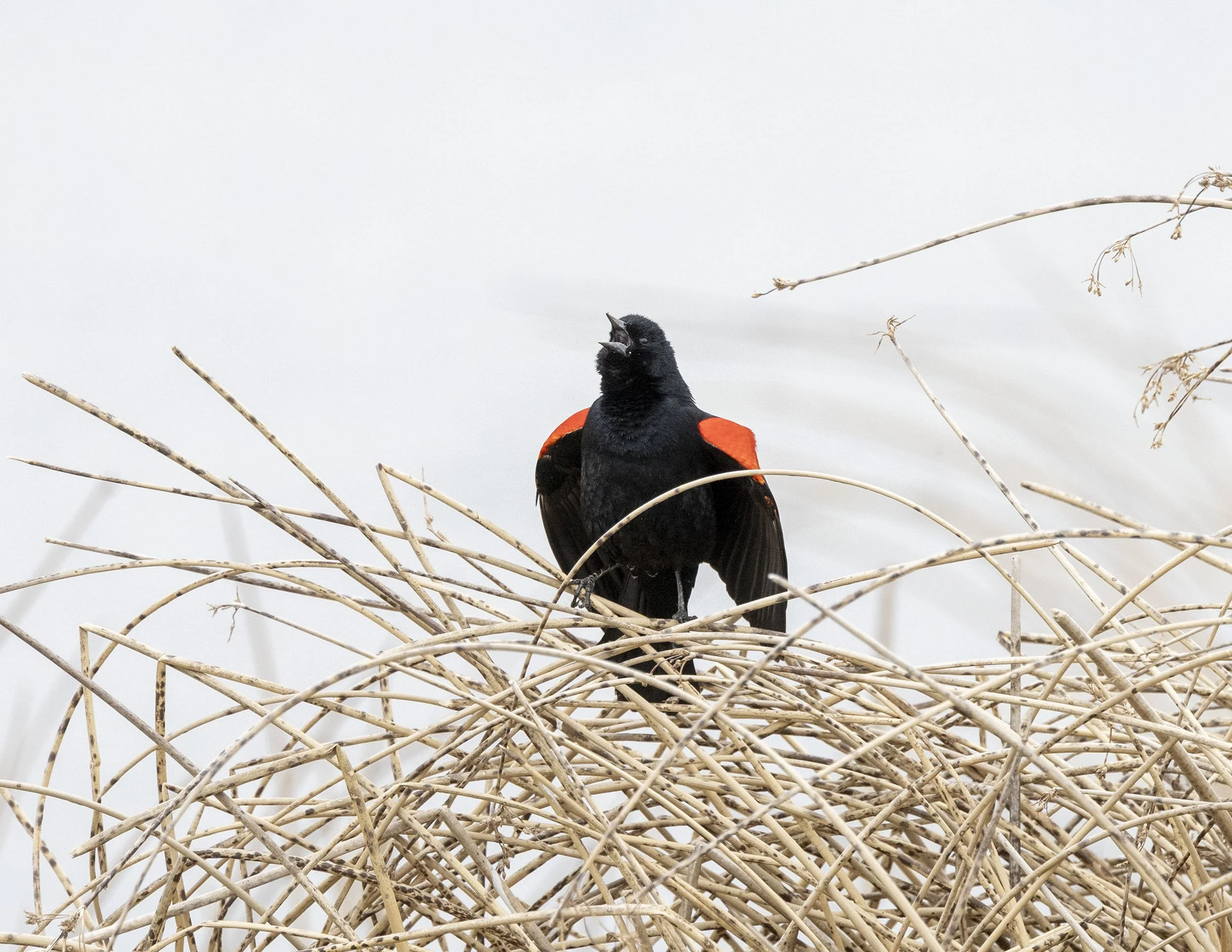
Red-winged Blackbird male in display
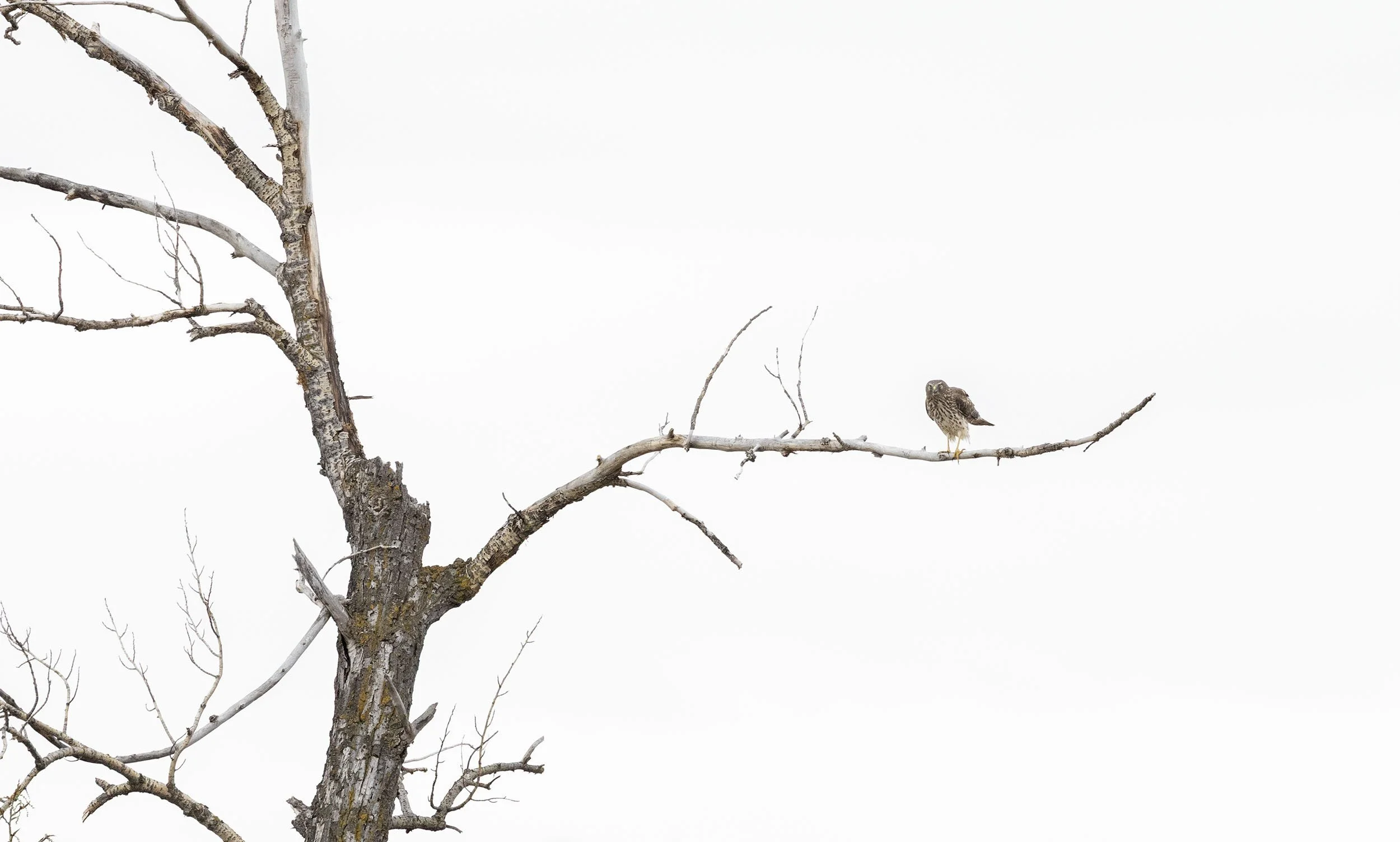
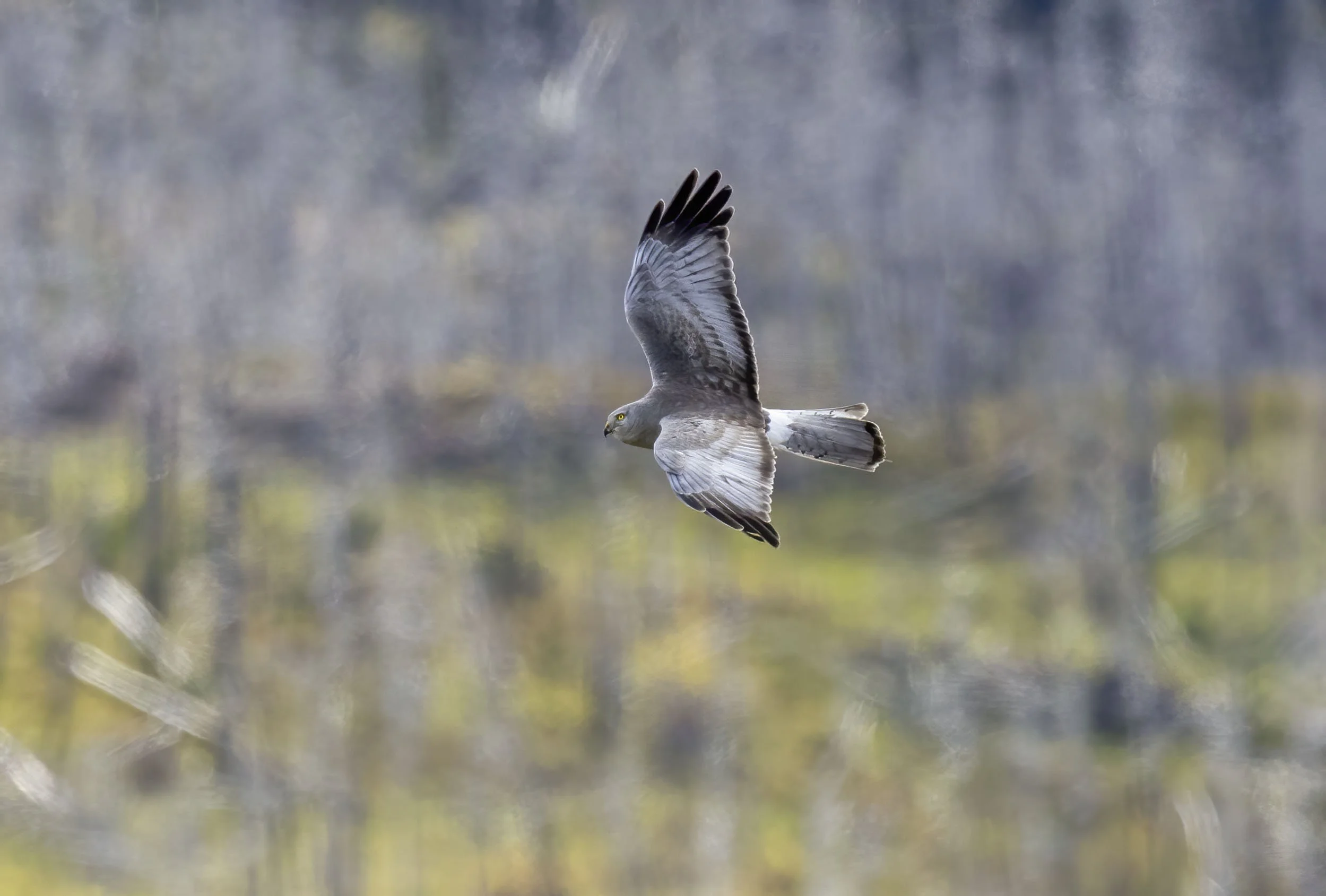
Northern Harrier in a dead tree at Bow River - To be honest I had little time to be creative and mainly just took shots as they occurred but I liked this one
Arrived late afternoon at Guesthouse 71 and the garden immediately produced good birds including Swainson’s Thrush, Orange crowned Warbler, Mourning Doves, House Sparrows added for completeness, White crowned Sparrows, Killdeer on adjacent fields, Western Meadowlark the quintessential sound of the prairies and amazing loud, Common Grackles, Wilson’s Snipe drumming overhead day and night, Yellow headed and Red winged Blackbirds, numerous American Robins, Northern Harrier, Brown headed Cowbirds, Brewers Blackbird, Clay coloured, Chipping, Lincoln’s and Savannah Sparrows, Great horned Owl and a presumed Loggerhead Shrike seen briefly from the car but seen in the same place later in the week, Butterflies included Mourning Cloak, Whites and Sulphurs
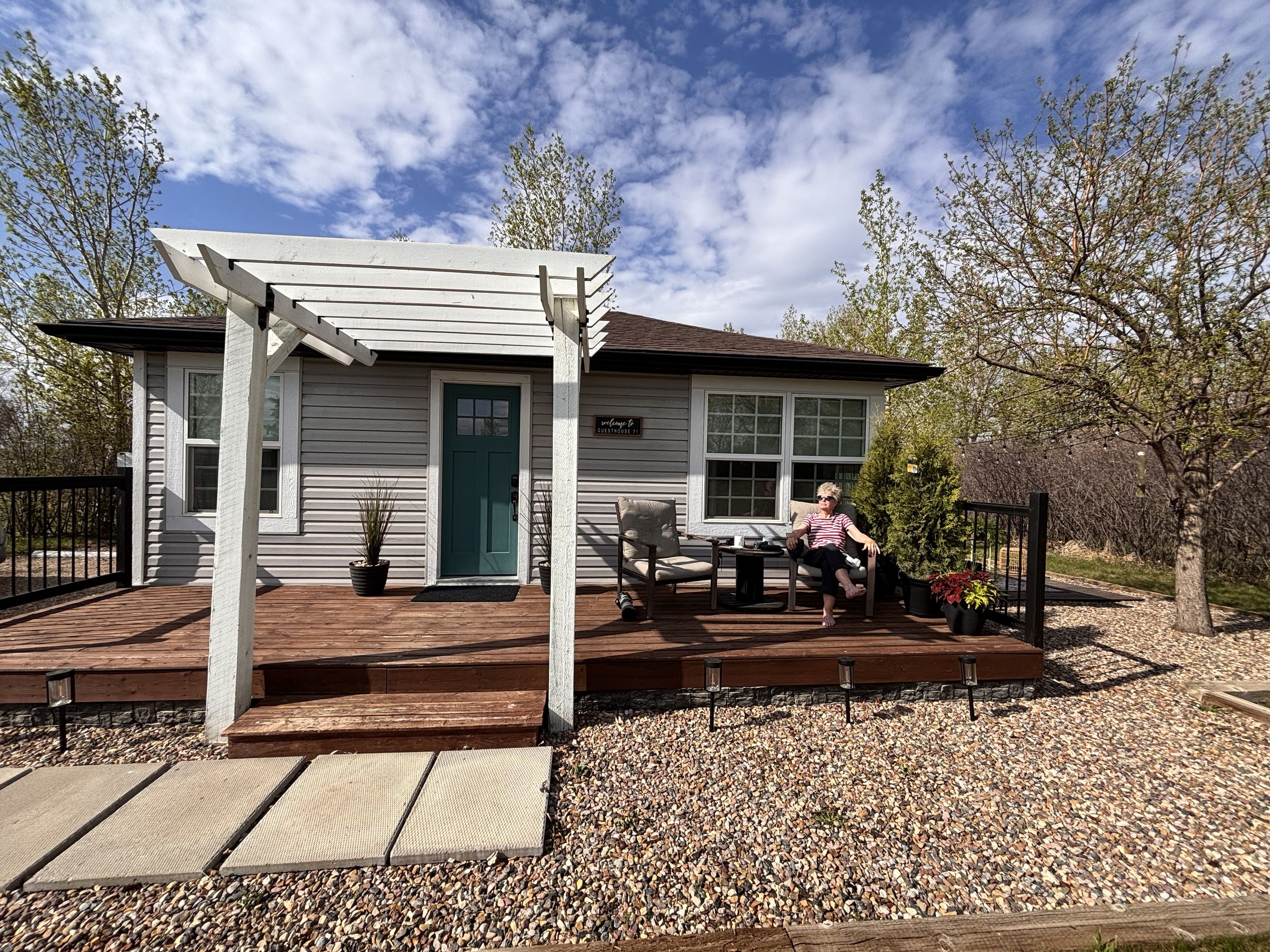
Guesthouse71 - the trees and scrub around the cottage produced over 40 species with several more overhead - a delightful retreat and excellent place to stay
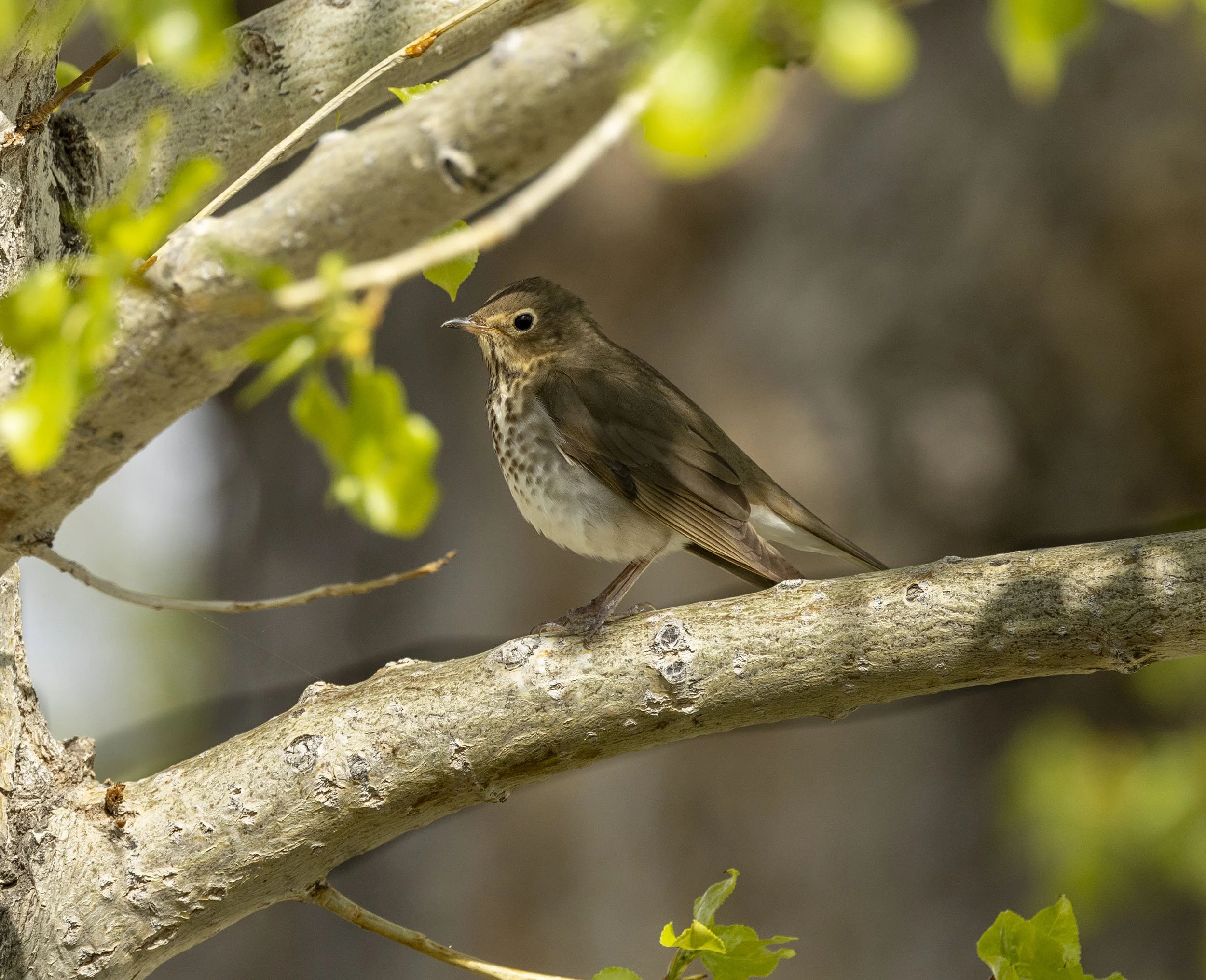
Superb Swainson’s Thrush in the Guesthouse71 surrounds - a good start to the stay
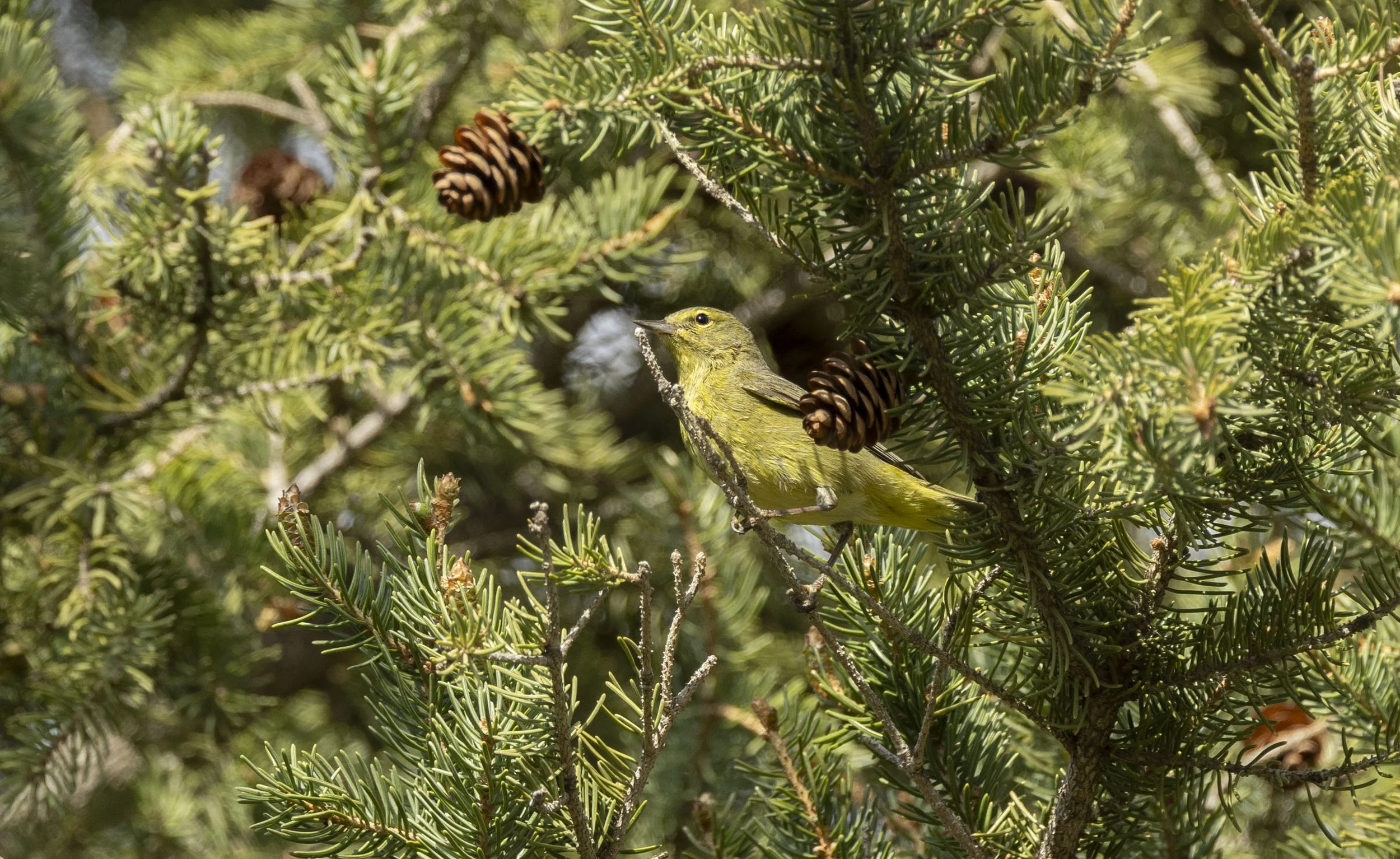
Orange-crowned Warbler in the trees by the cottage
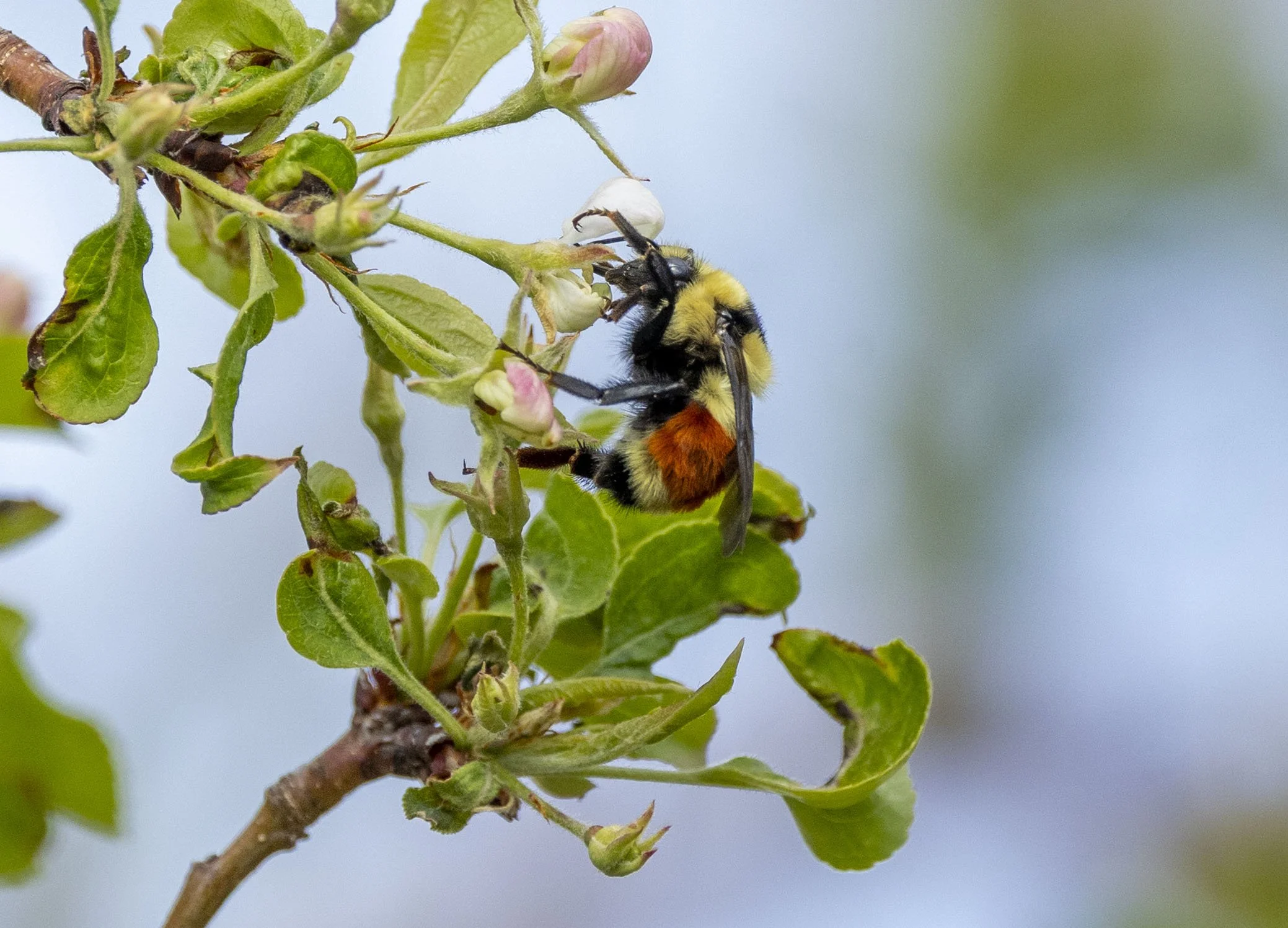
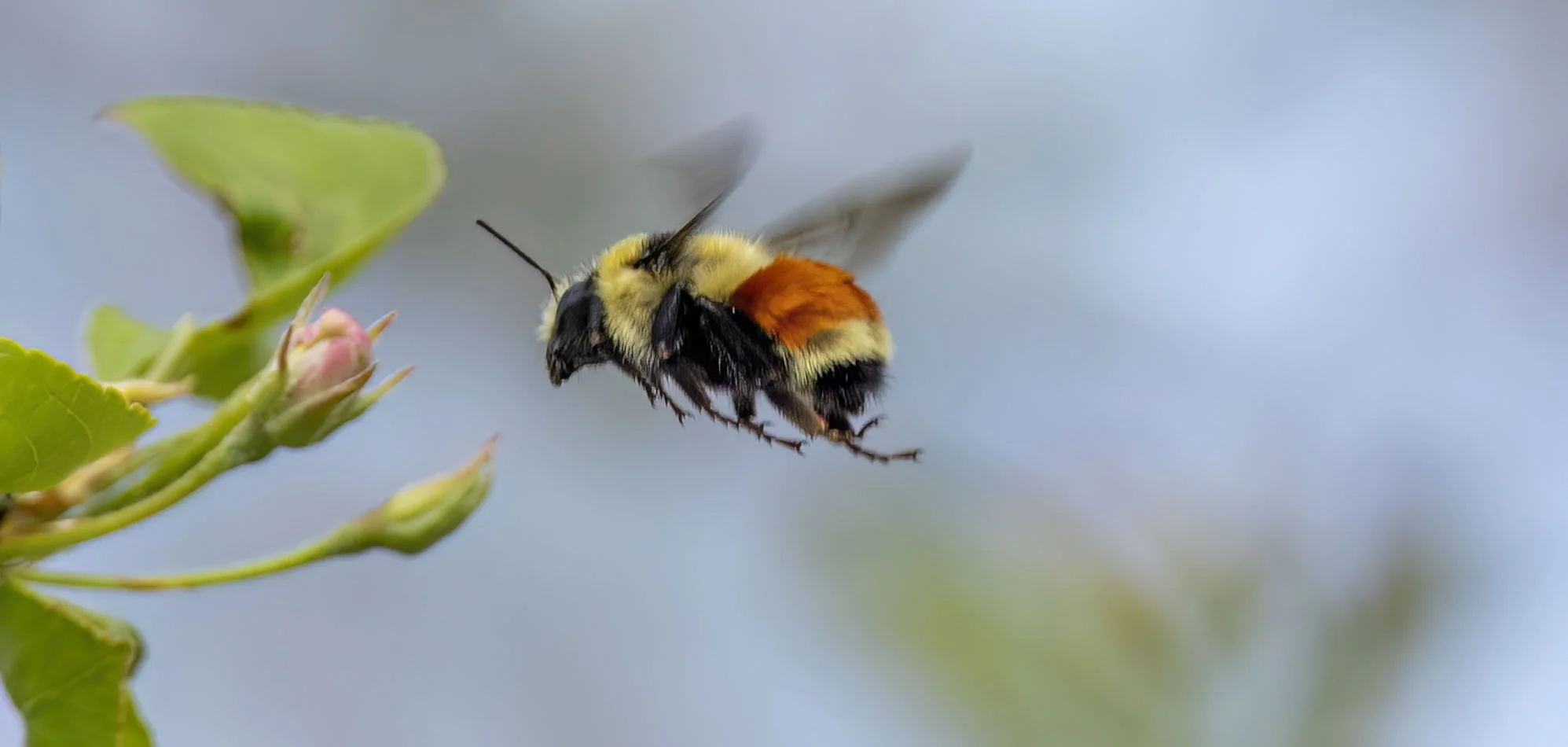
A stunning Hunt’s Bumble Bee in the flowering tree by the cottage veranda
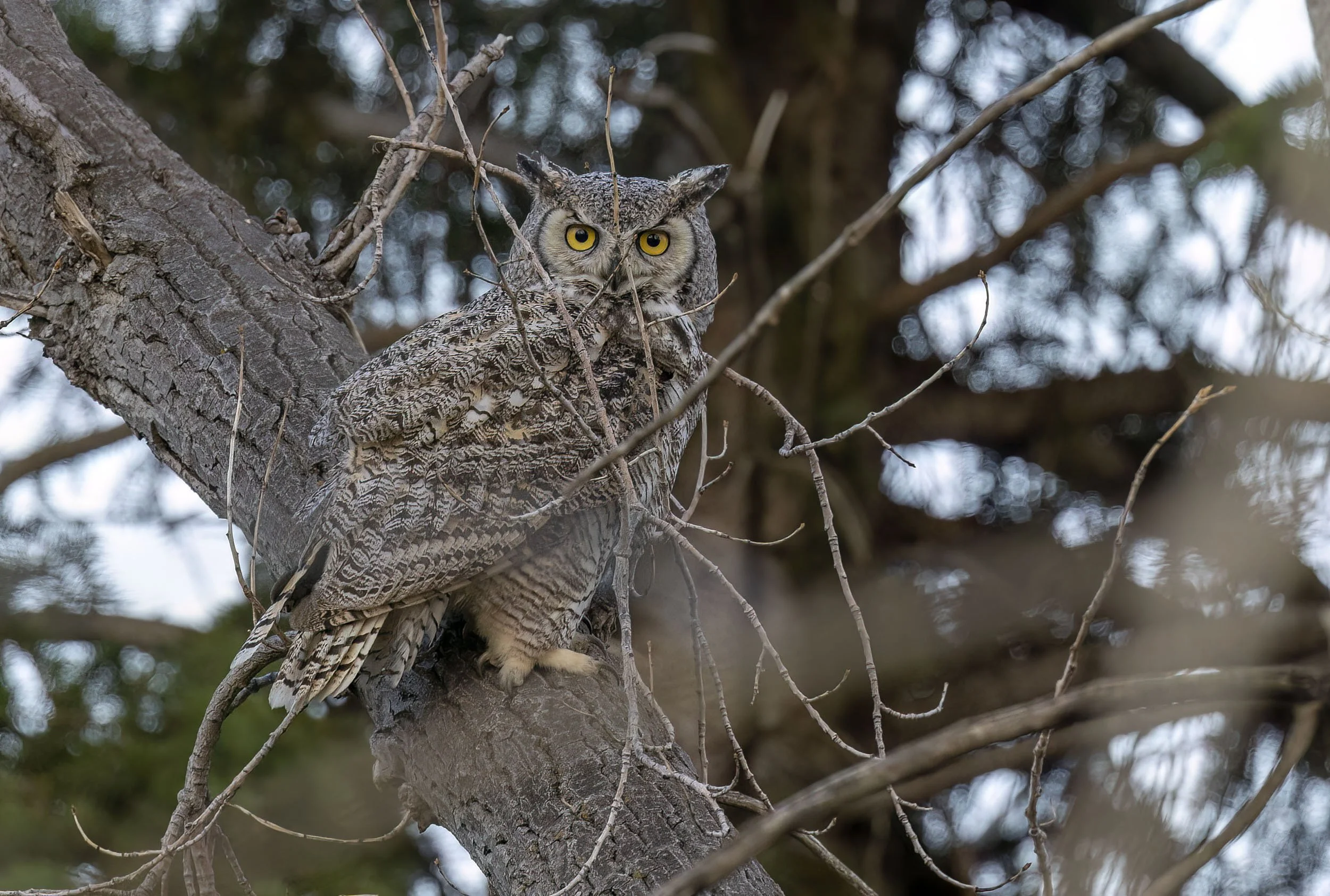
Great Horned Owl! Chatting to Dawna she mentioned the owls on the property and a Great Horned immediately started calling - eagle eyes Julia found it out in the open, apart from a few twigs -my best ever images of this species
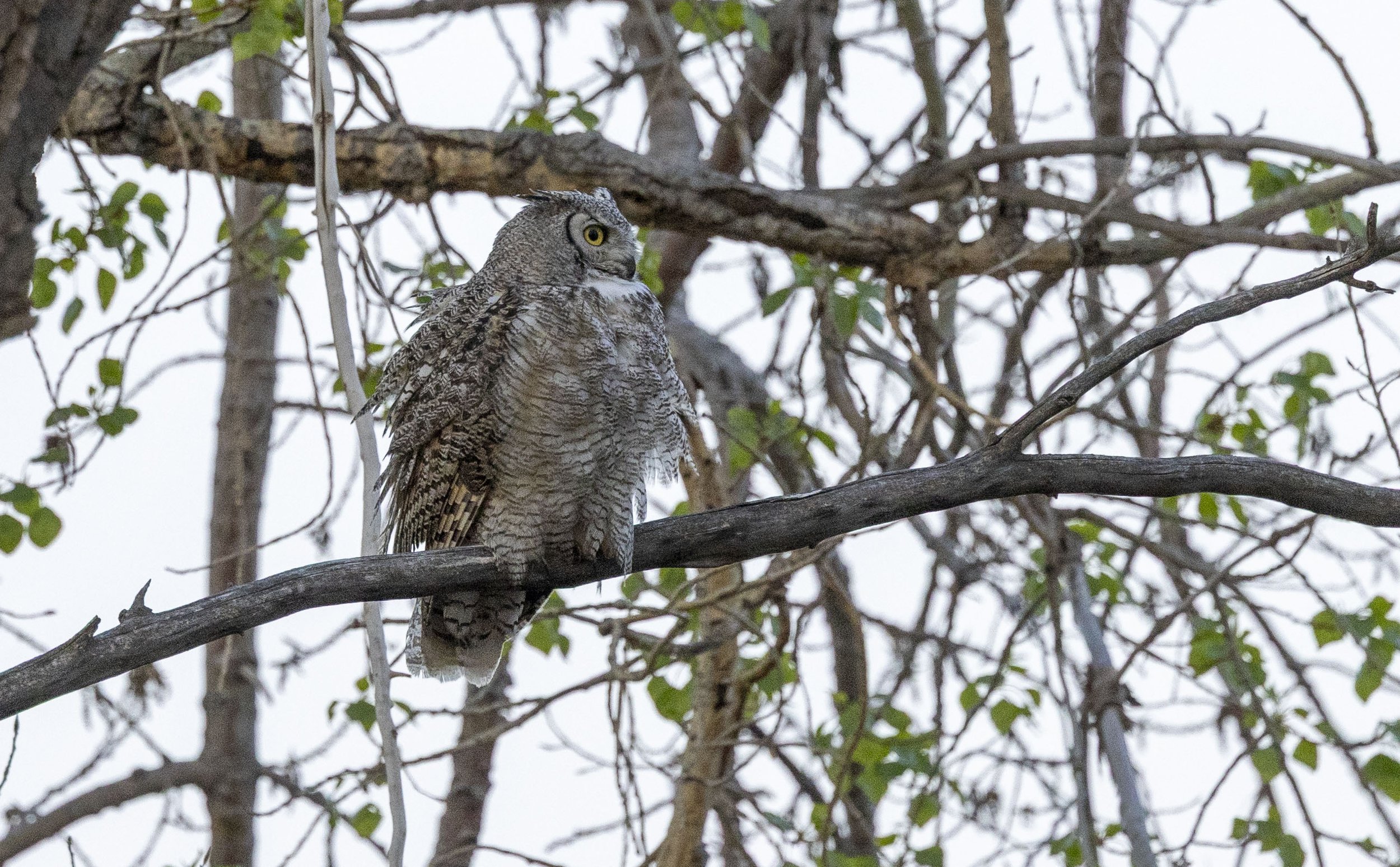
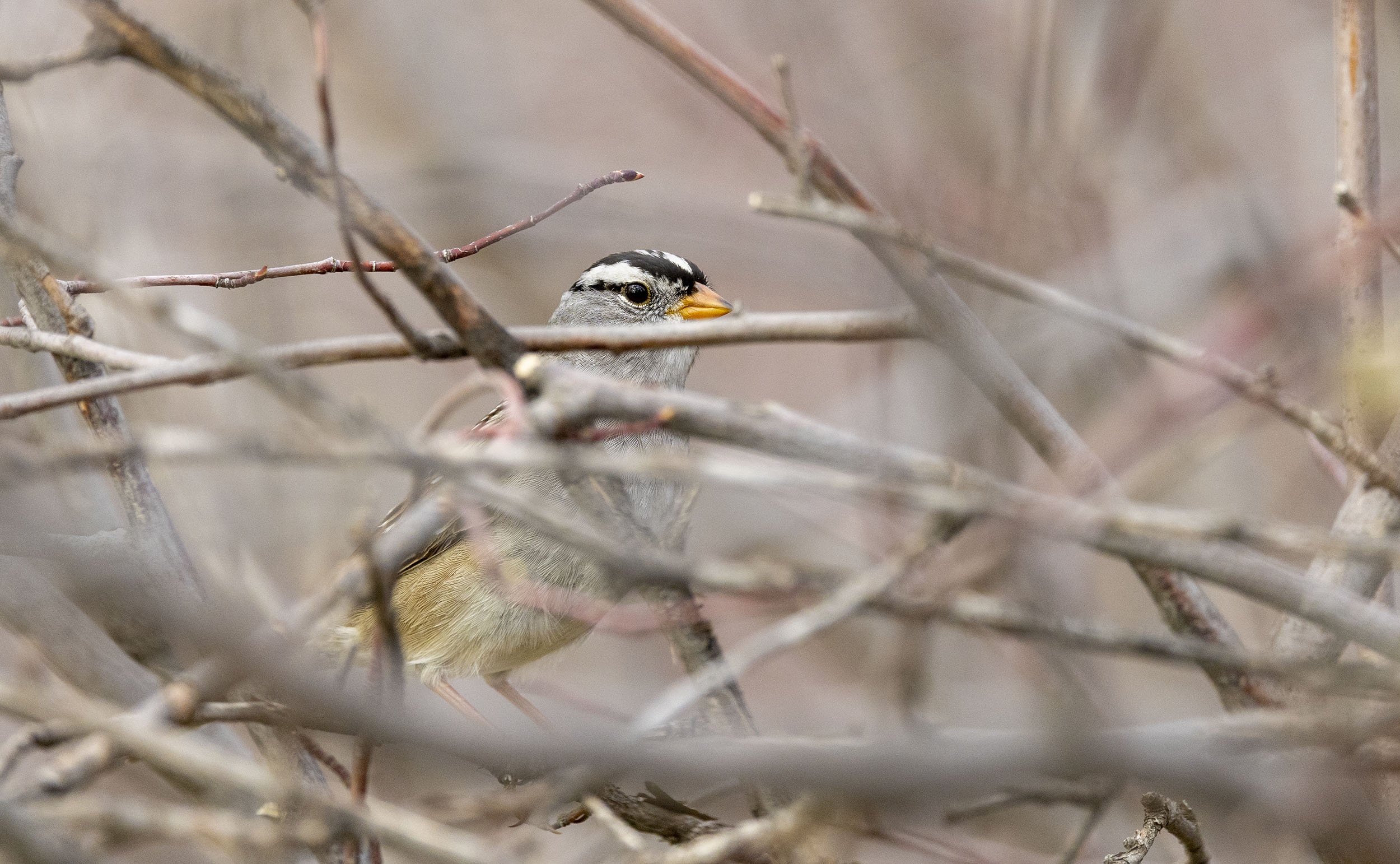
They are very common but you cannot ignore a White-crowned Sparrow - this one was in the trees by the cottage
May 10th:
Around the Guesthouse early morning were American Kestrel, an unexpected Pacific Wren and plenty of Grey Partridge which seem to be doing very well in Alberta as opposed to Britain The usual mix of resident birds also logged before we set off for the priarie grasslands near Lake Palowski - we met a birder who was just leaving and he mention a couple of pairs of hawks but when quizzed about Chestnut-collared Longspurs he affirmed that they had not arrived which was disappointing but as we drove down the track three flew past us and a walk on the priairie revealed at least 50 in display flights - maybe he was having a bad day: Palowski prairie: The days tally which included a lot of Pronghorns also produced some nice birds: Ferruginous Hawk 2, Swainson’s Hawk 2 + 6+, Chestnut collared Longspurs 60+, Horned Lark 50+, Vesper Sparrow 30+, Sprague’s Pipit 2+ (no images but one landed on the road and I failed to get it in focus but to add insult to injury it then landed in the grass by the side of the track and again I messed up before it flew off across the grassland - then we heard at least two singing high overhead - I said no images but there is one unrecognisable one - Grasshopper Sparrow, Savannah Sparrow, Western Meadowlark 30+, Loggerhead Shrike 2, White crowned Sparrow 20, Cinnamon Teal 4, Blue winged Teal, Pintail, Northern Harrier, Chipping Sparrow, White Pelicans en route, Sora heard, Marbled Godwit 2, Grey Partridge 2 - with butterflies being numerous Sulphurs and a stunning Black Swallowtail plus several Red-shanked Grasshoppers
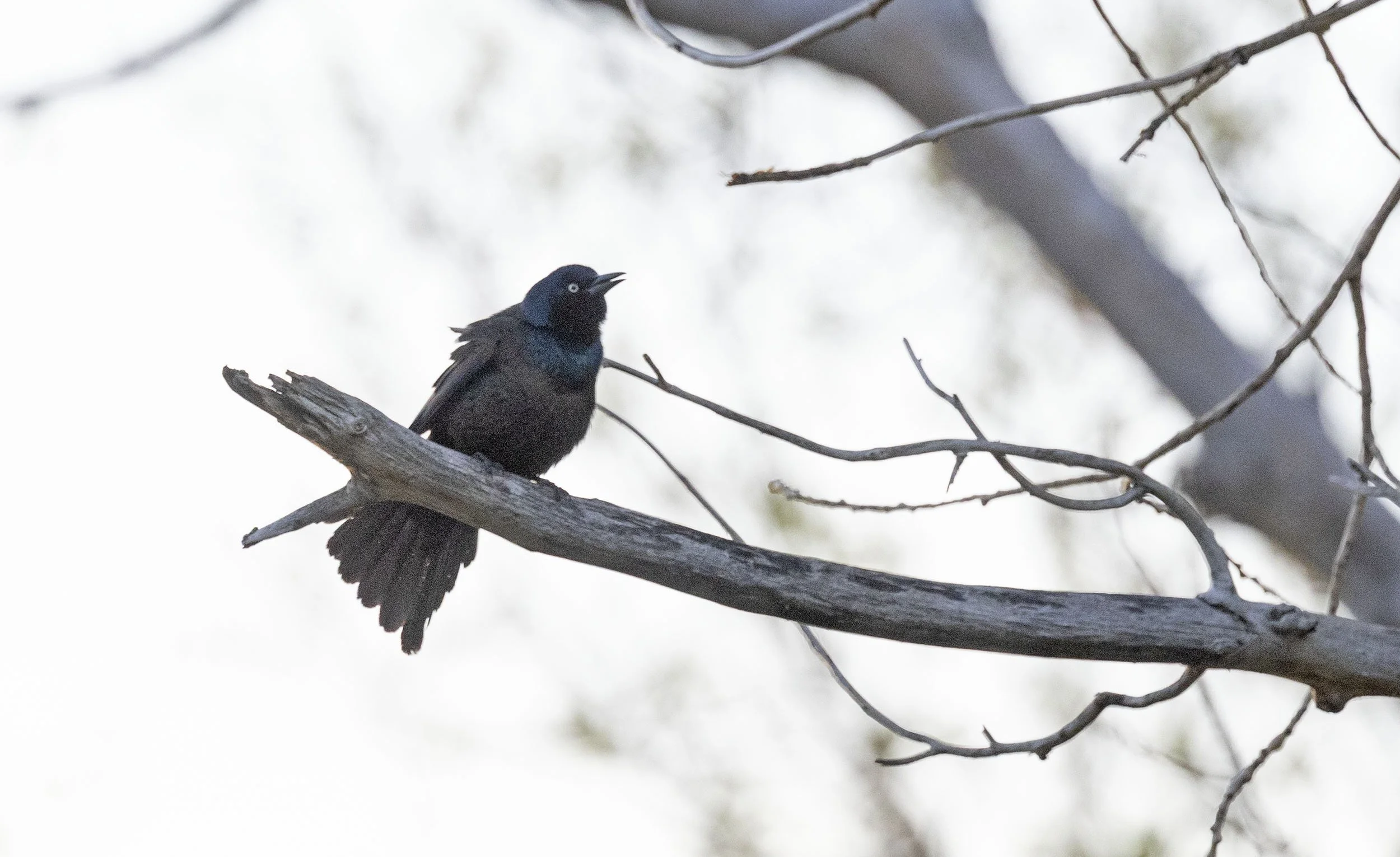
Common Grackle by the cottage
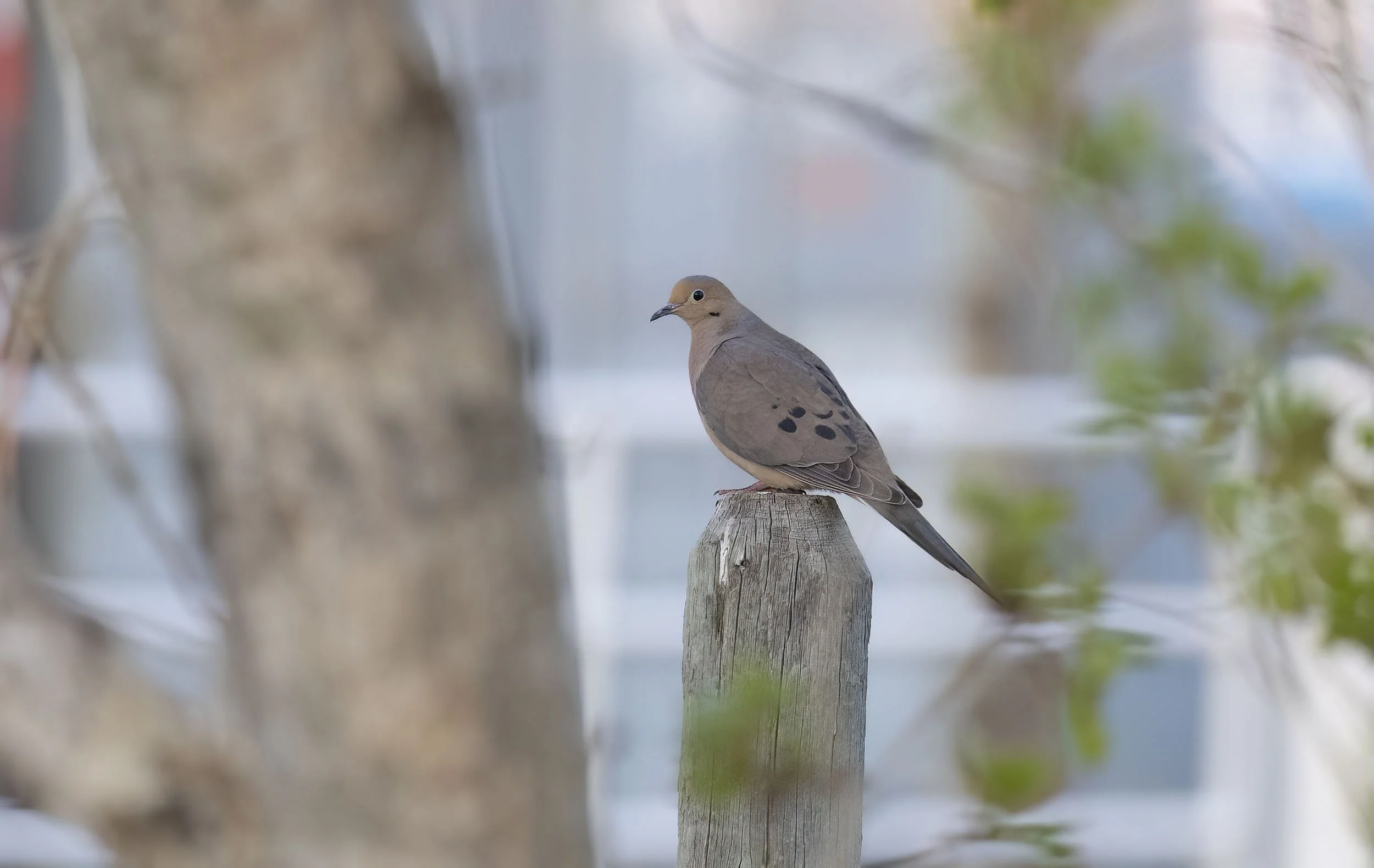
Always plenty of singing Mourning Doves to start the day
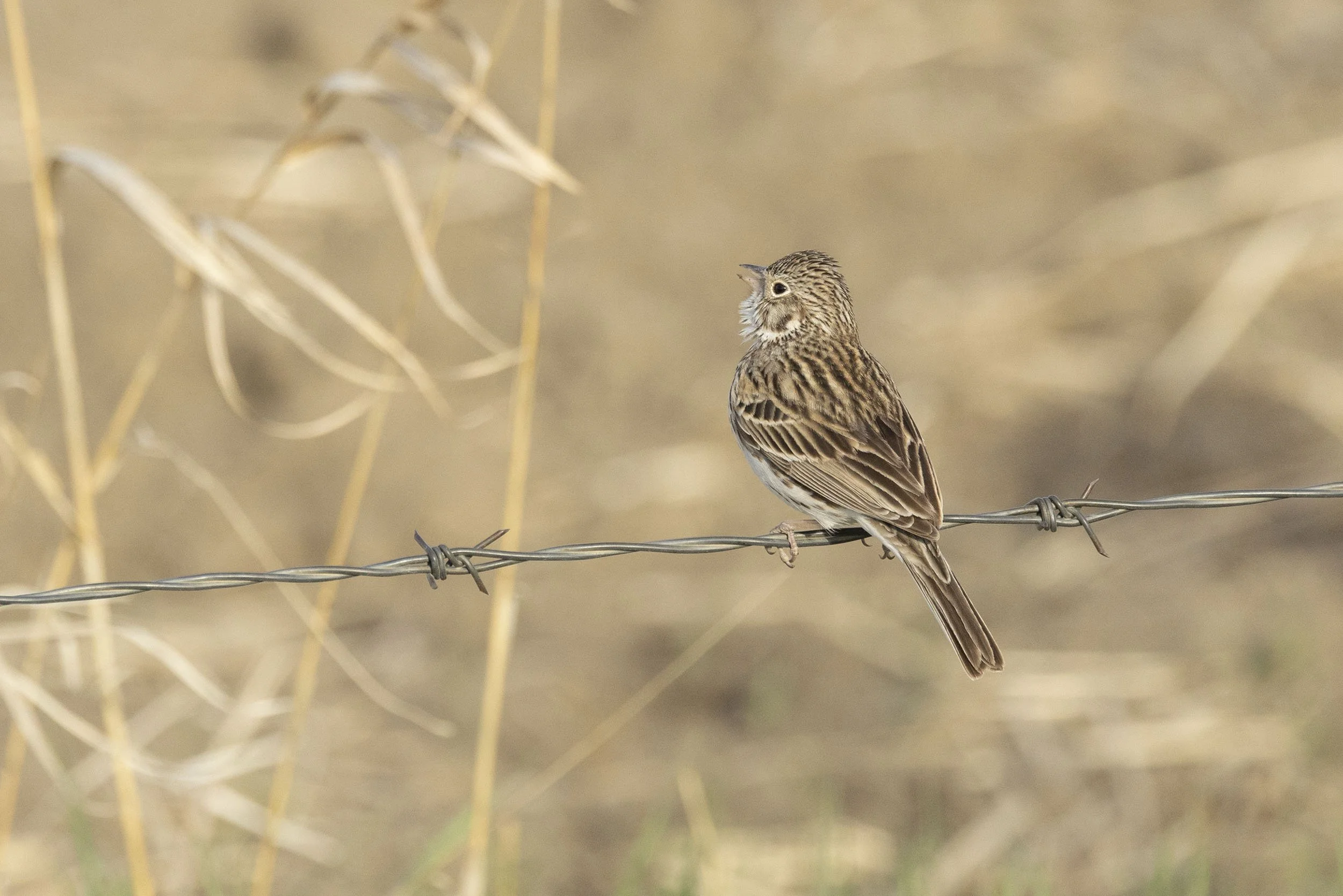
Vesper Sparrow a common roadside songster
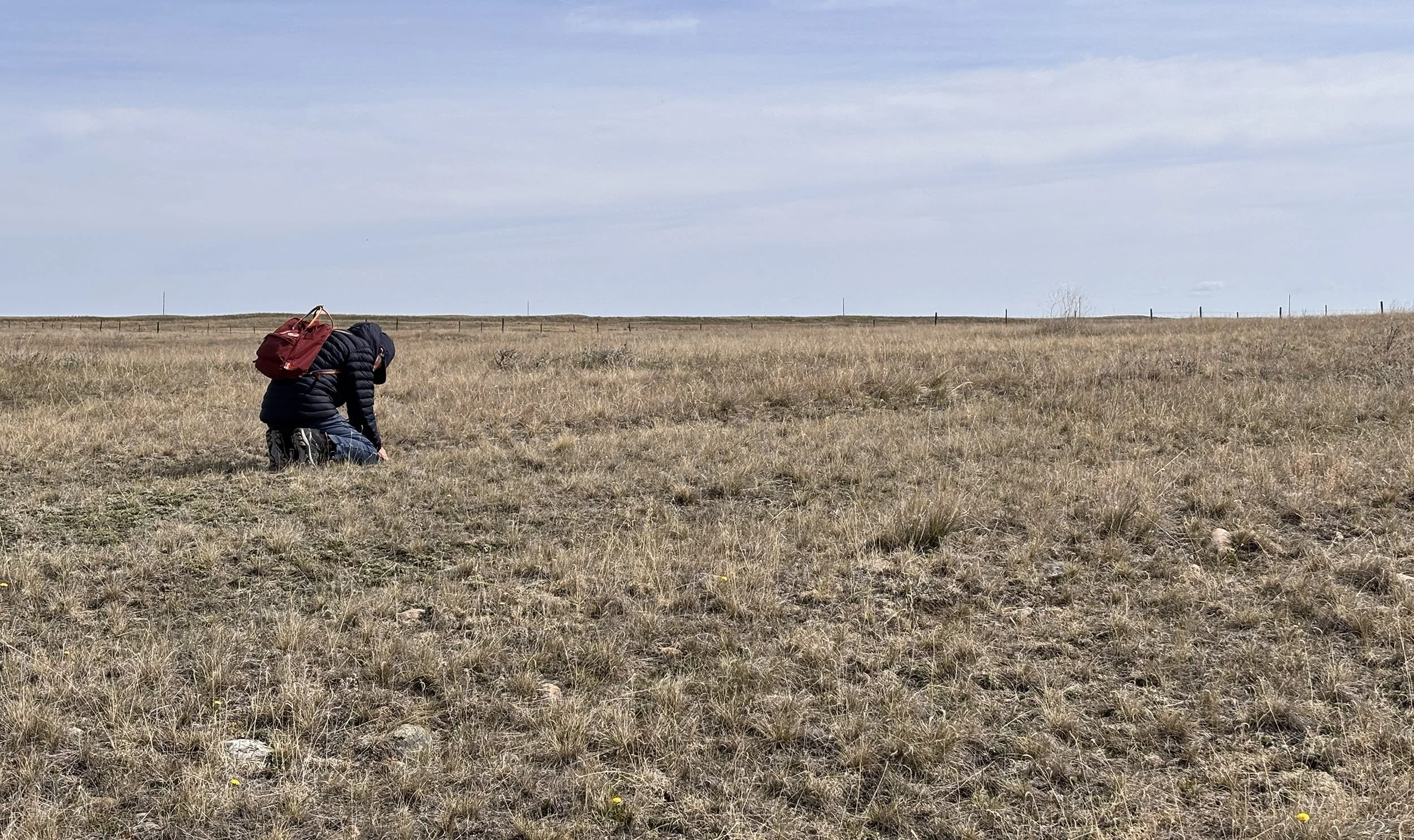
It was a decidedly chilly start to the day with a fresh wind hence the winter plumaged rock examiner
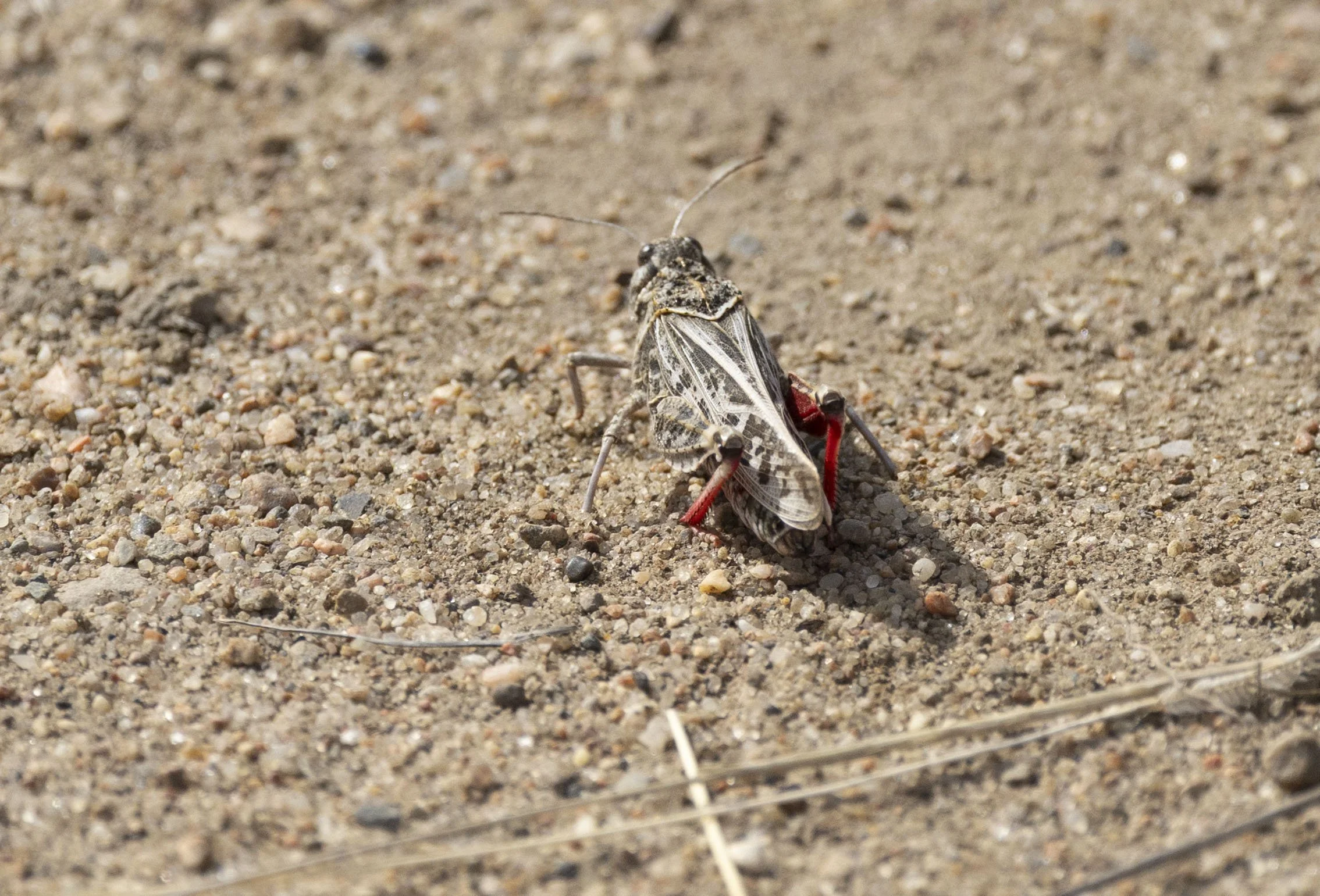
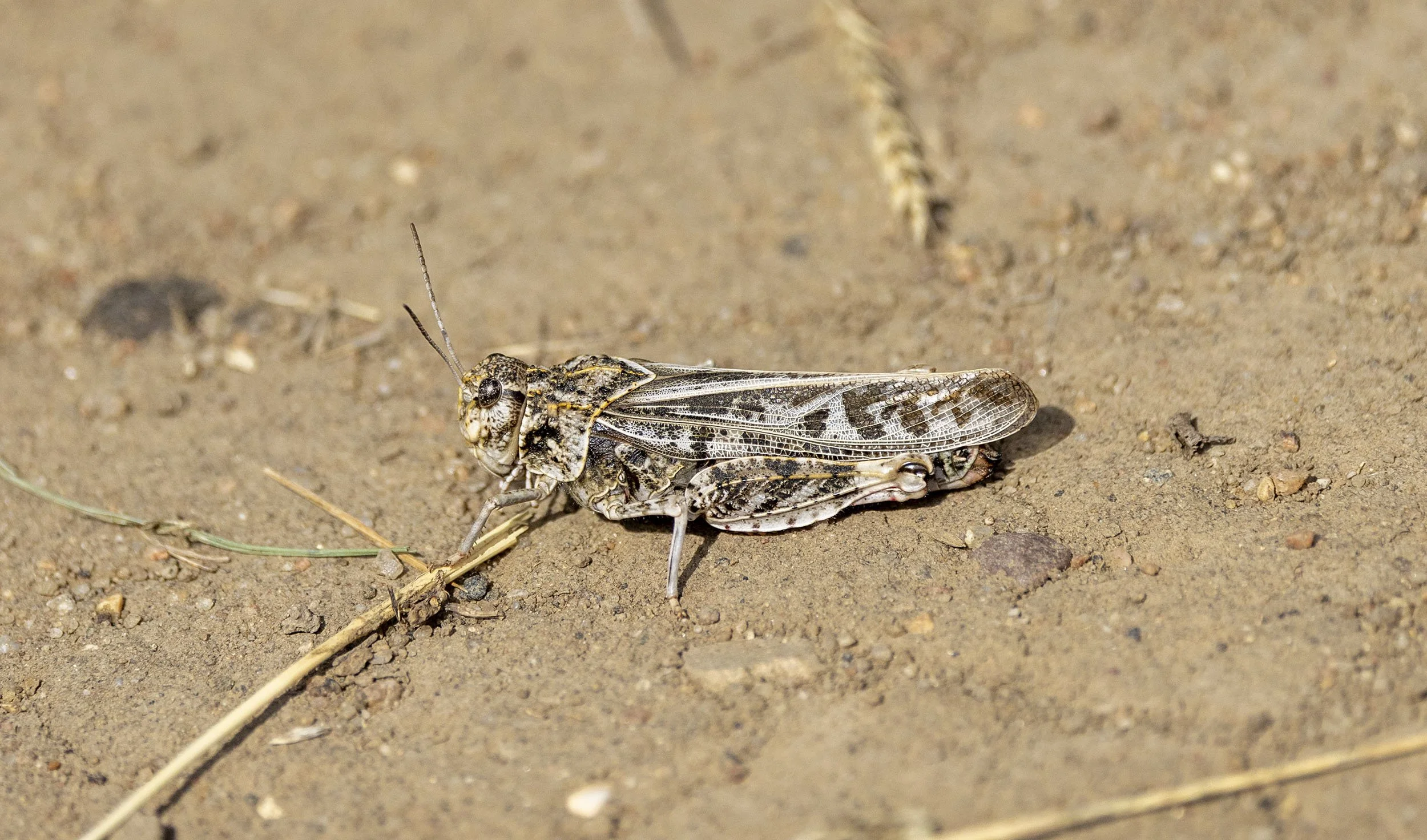
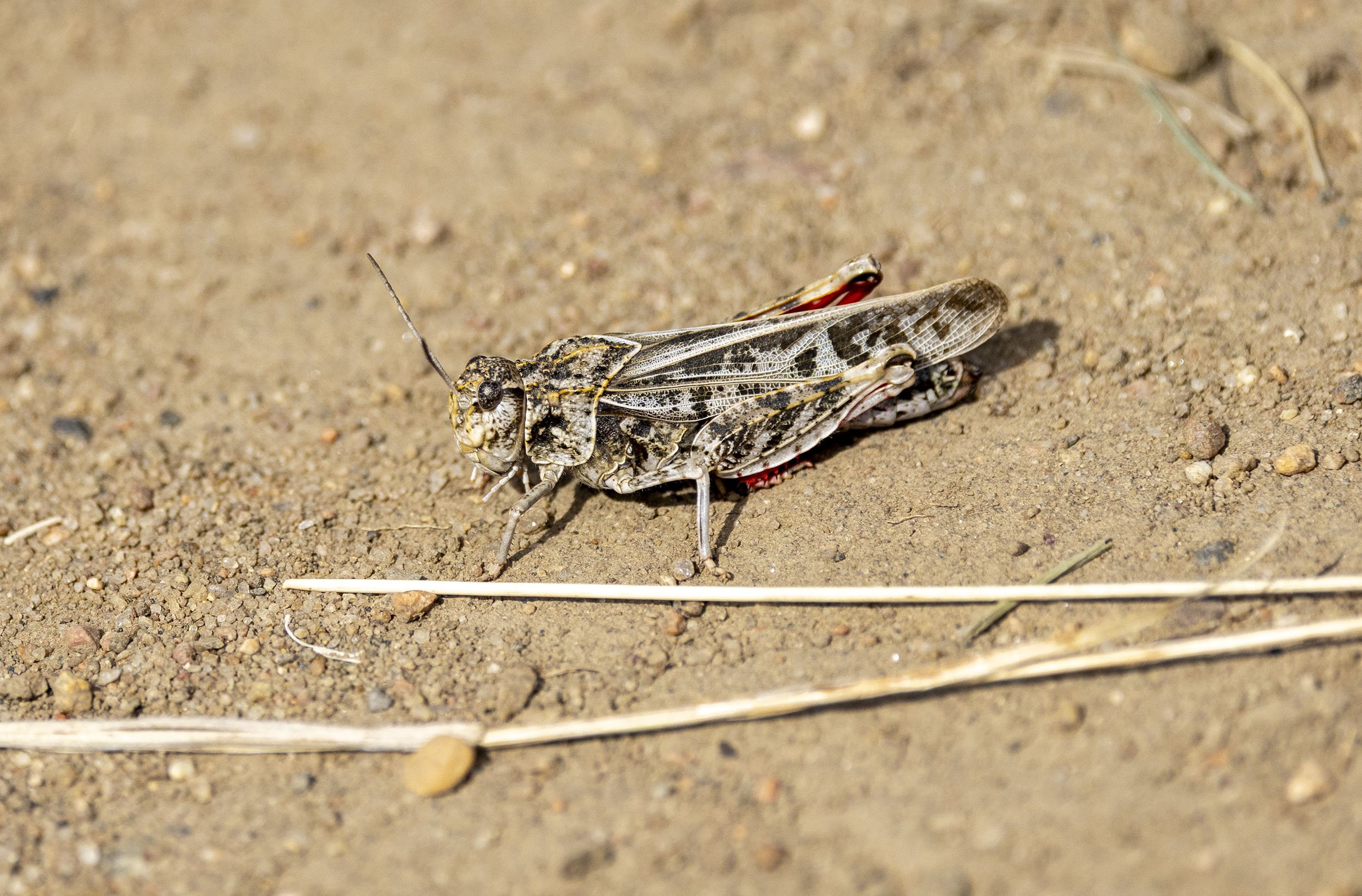
Red-shanked Grasshopper an impressive beast found across the short grass prairie
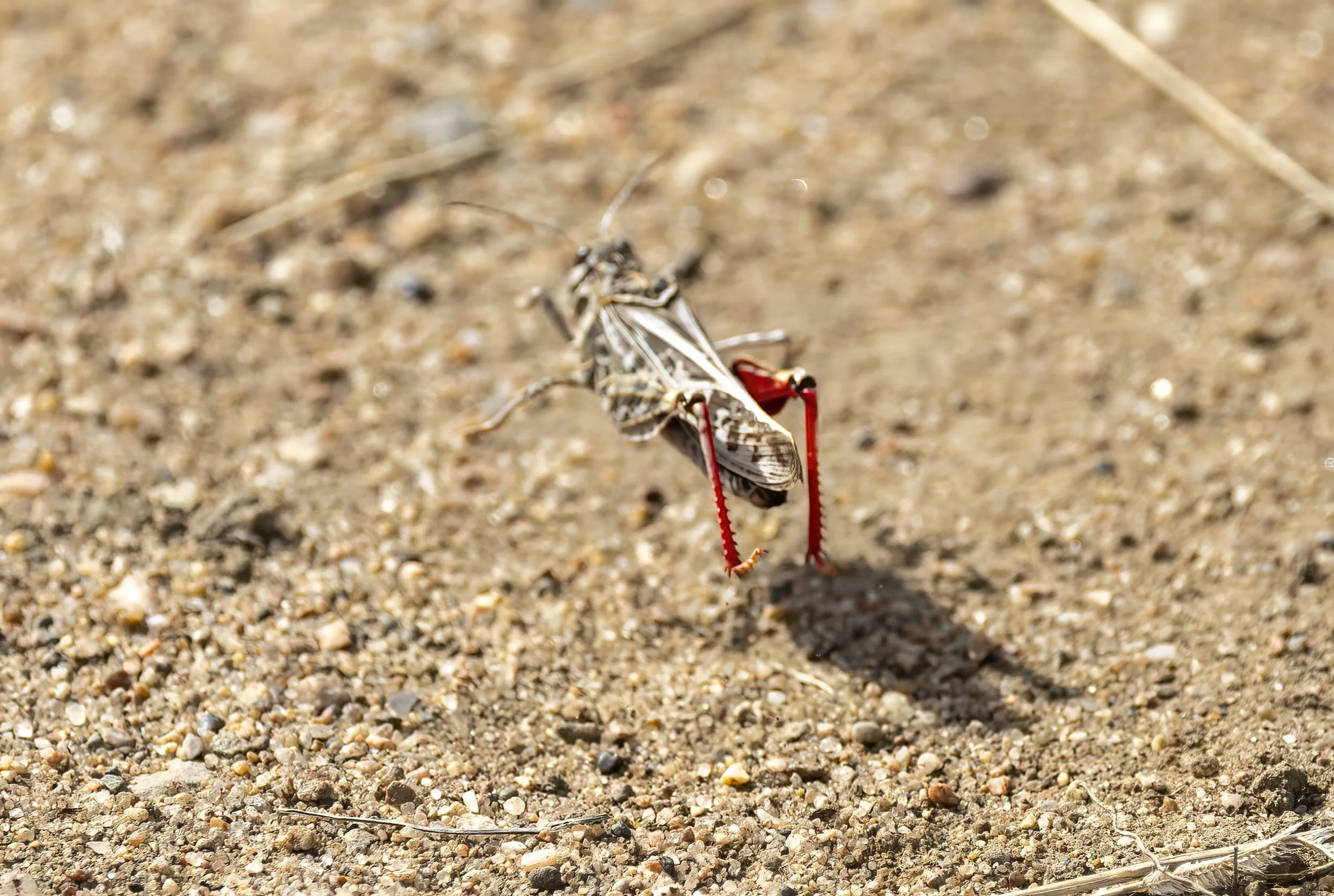
Legs most obvious when they jump
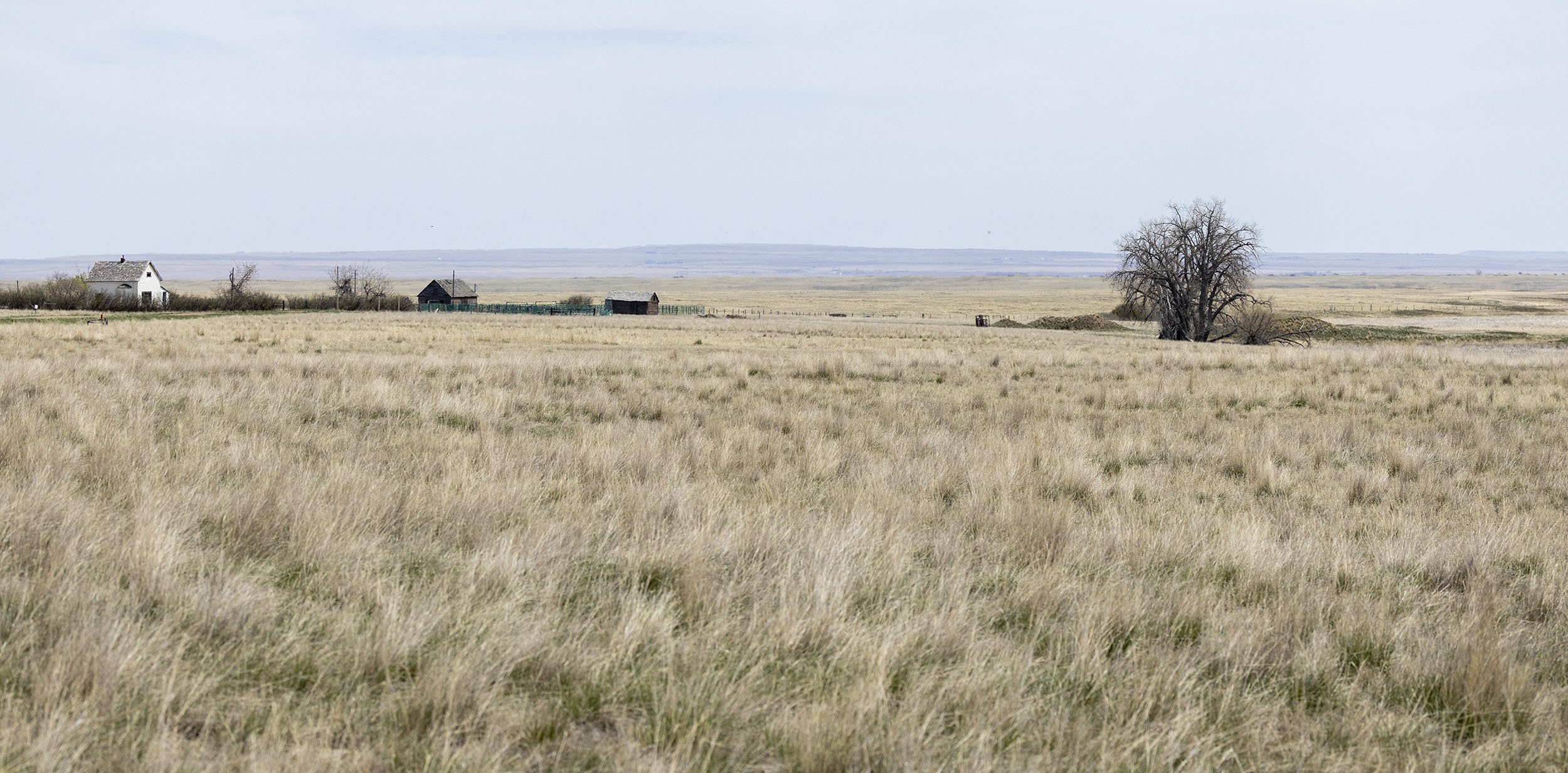
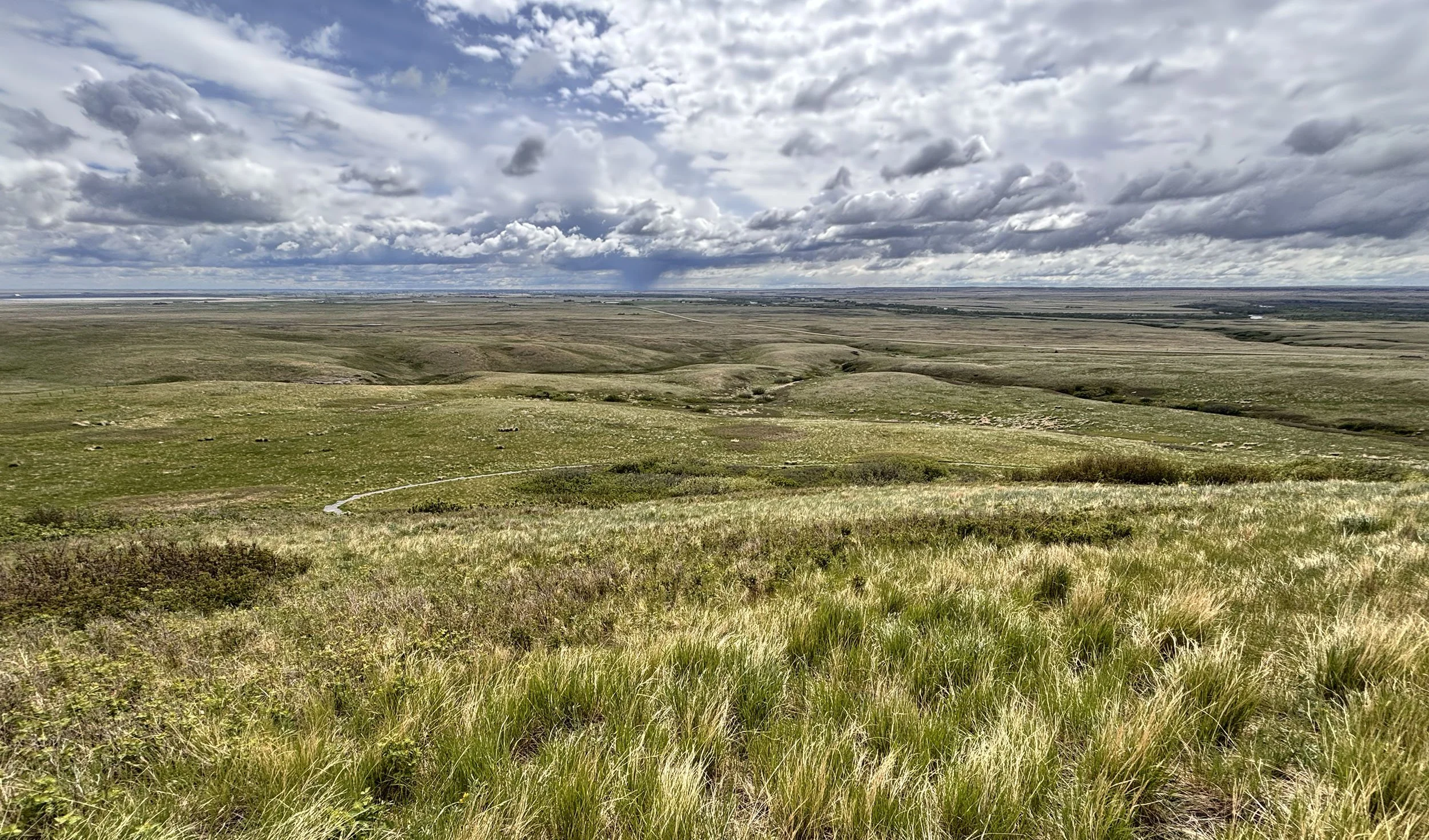
The abandoned farm house at the end of the track with the small group of dead looking trees that usually held a Ferruginous Hawk - Lake Palowski was virtualy dry a sad reflection on climate change
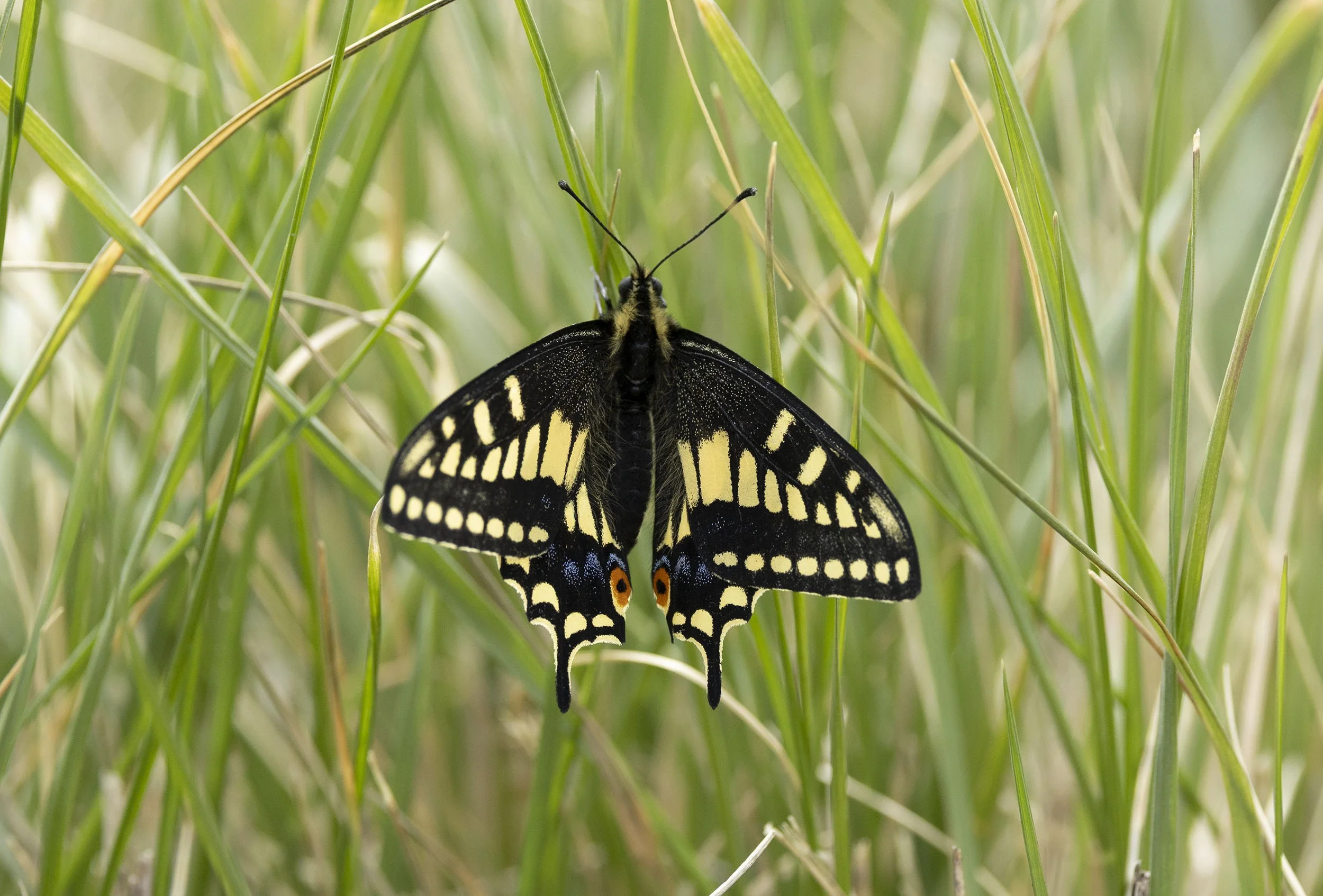
Black Swallowtail an impressive butterfly on the rather windy prairie
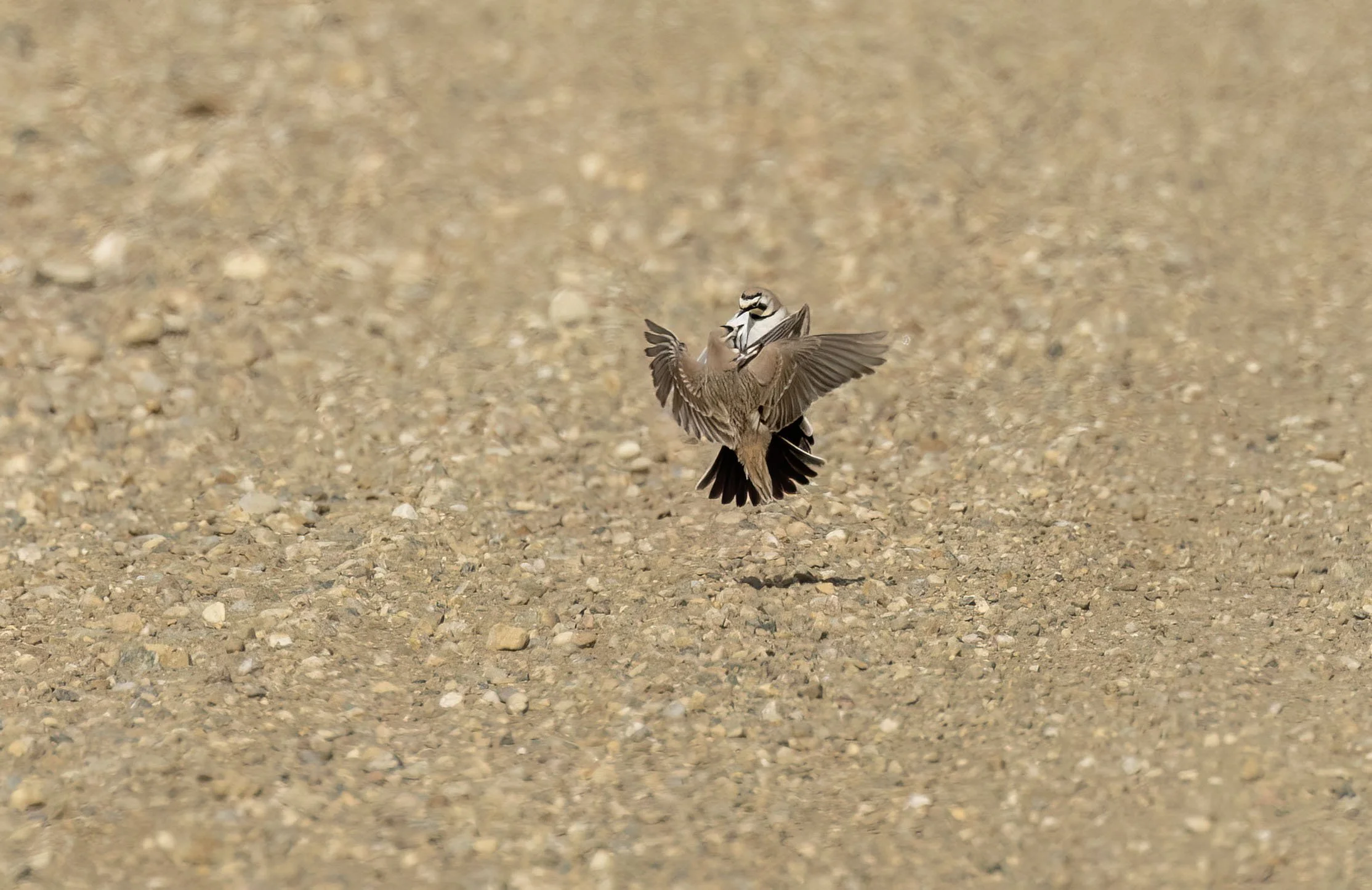
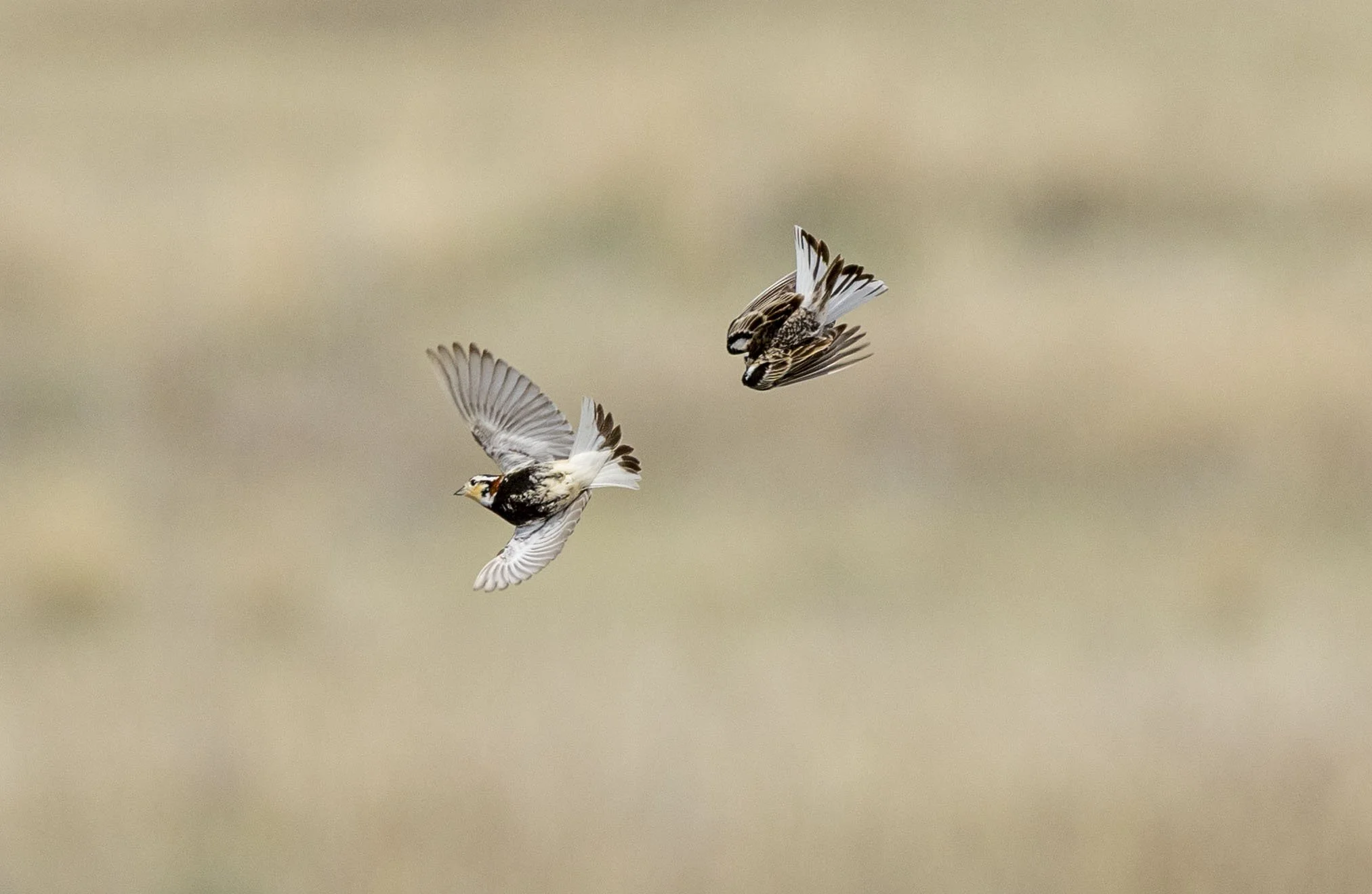
Horned Larks are very common on the Prairies and seemingly gravitate towards road edges - when the roads are gravel tracks, Township and Range Roads in general they would seem to be an easy photo target but always seem to be the wrong side of the car - these two presumably males were fighting on the road — their seeming abundance to an outsider contrasts with the knowledge of local population studies quoting from https://lethbridgeherald.com/news/lethbridge-news/2026/05/29/ecologist-warns-southern-albertans-are-becoming-blind-to-disappearing-grasslands-and-species/ Skagen illustrated that concern with the Horned Lark, a tiny prairie bird many southern Albertans have likely seen skittering across rural roads without giving it much thought. Once one of the most abundant grassland birds in North America, the species has suffered an estimated 90 per cent population decline across Canada over roughly the last half century. a depressingly familiar story
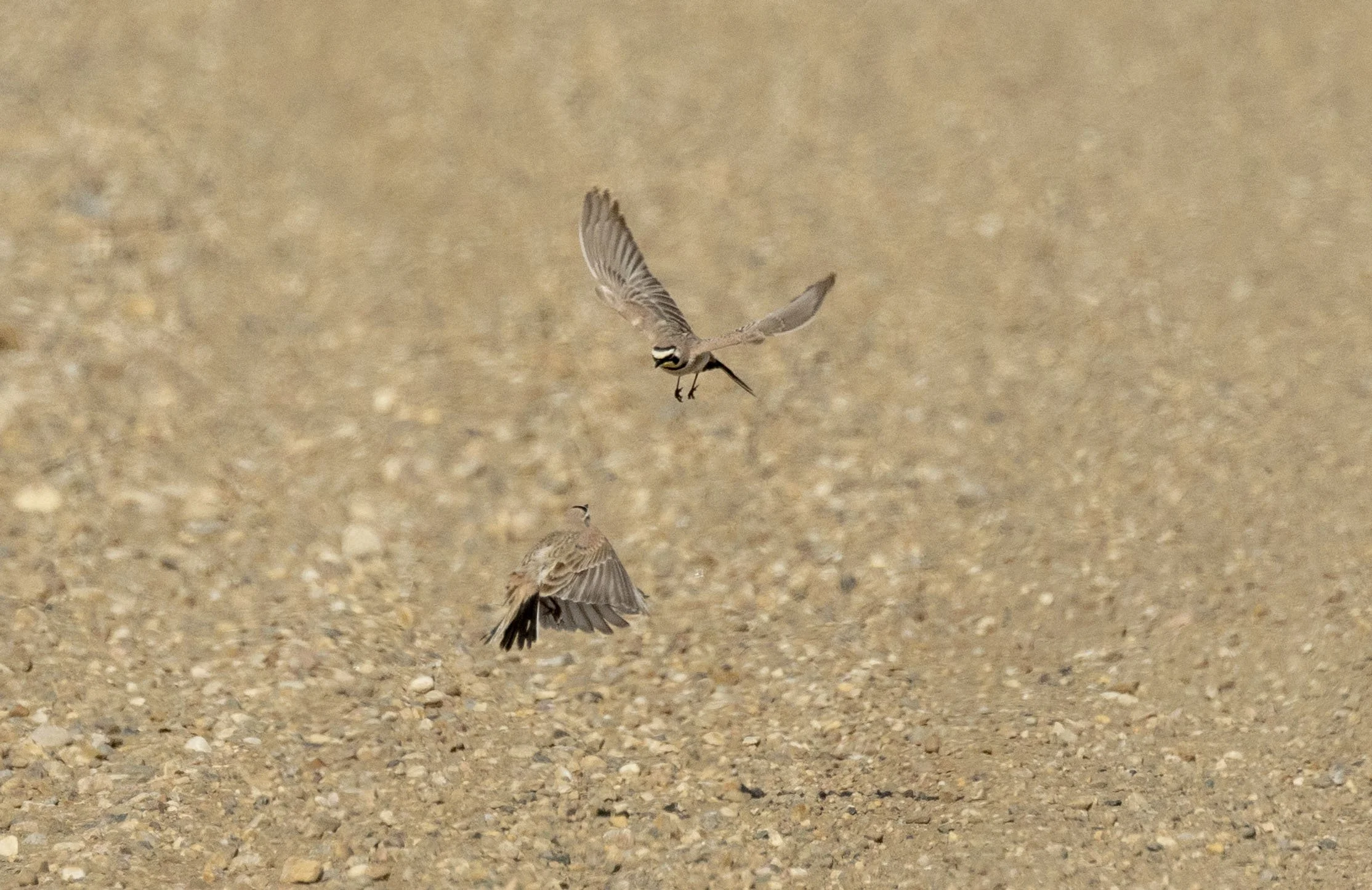
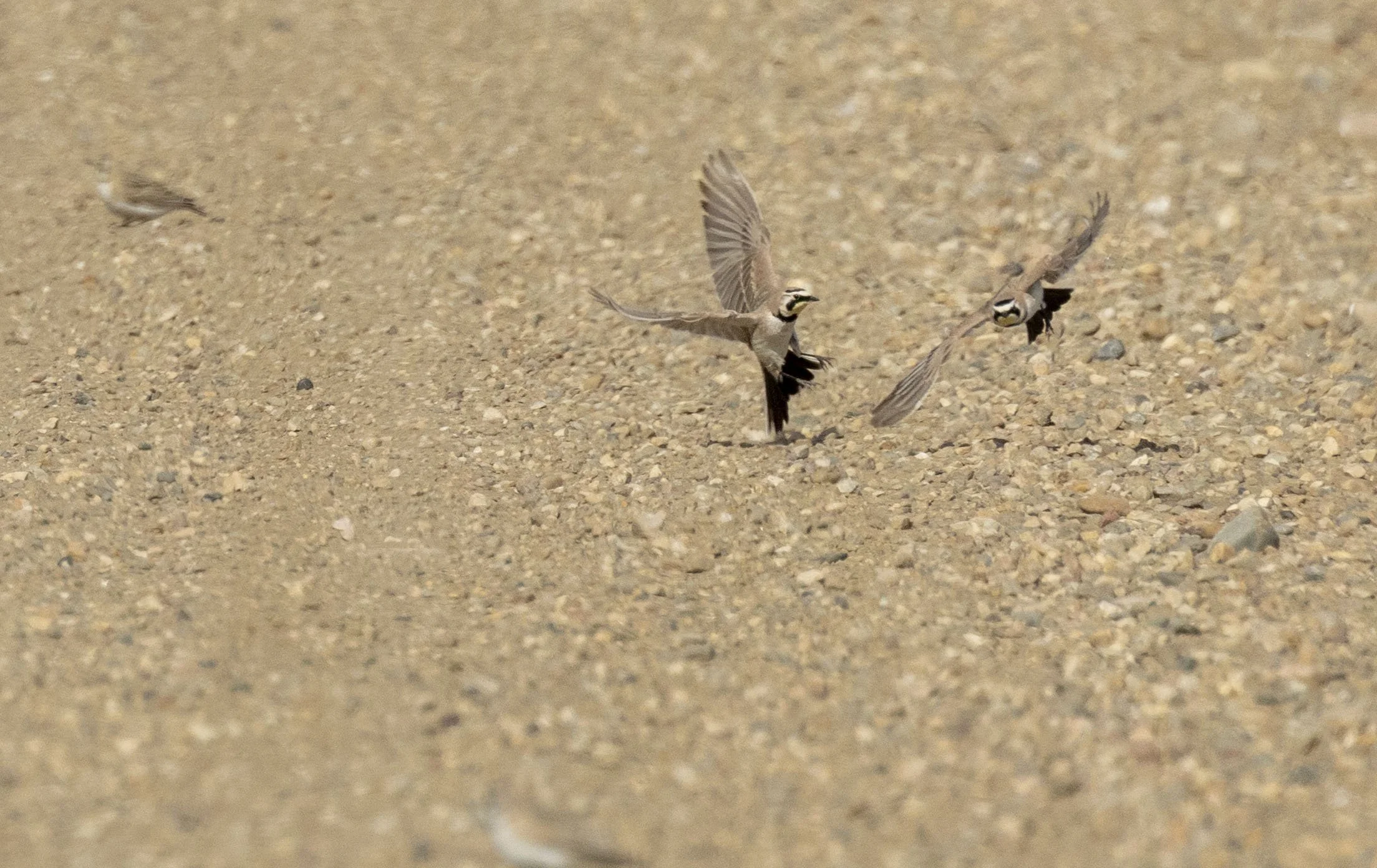
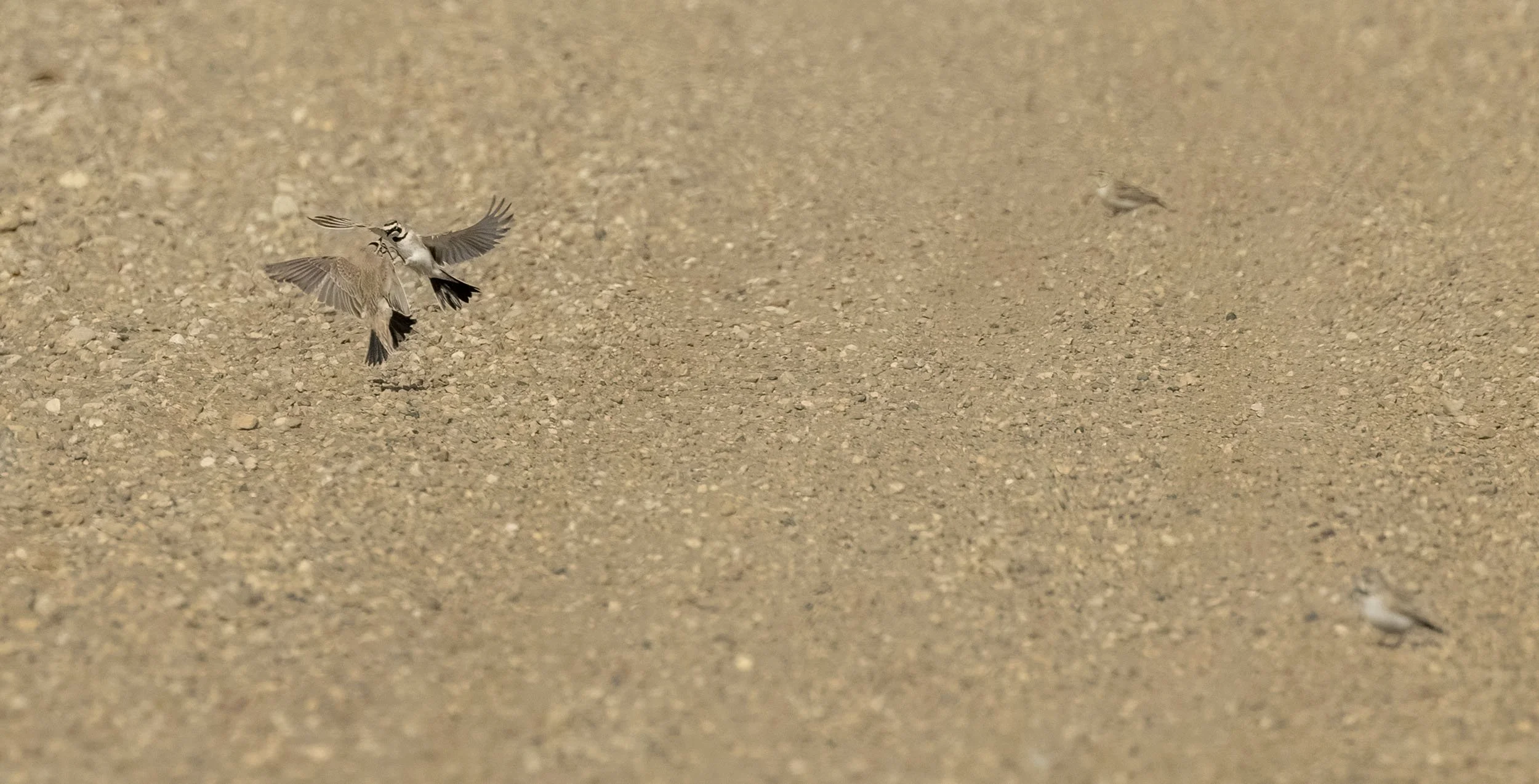
Notice the two presumed females sitting on the road watching
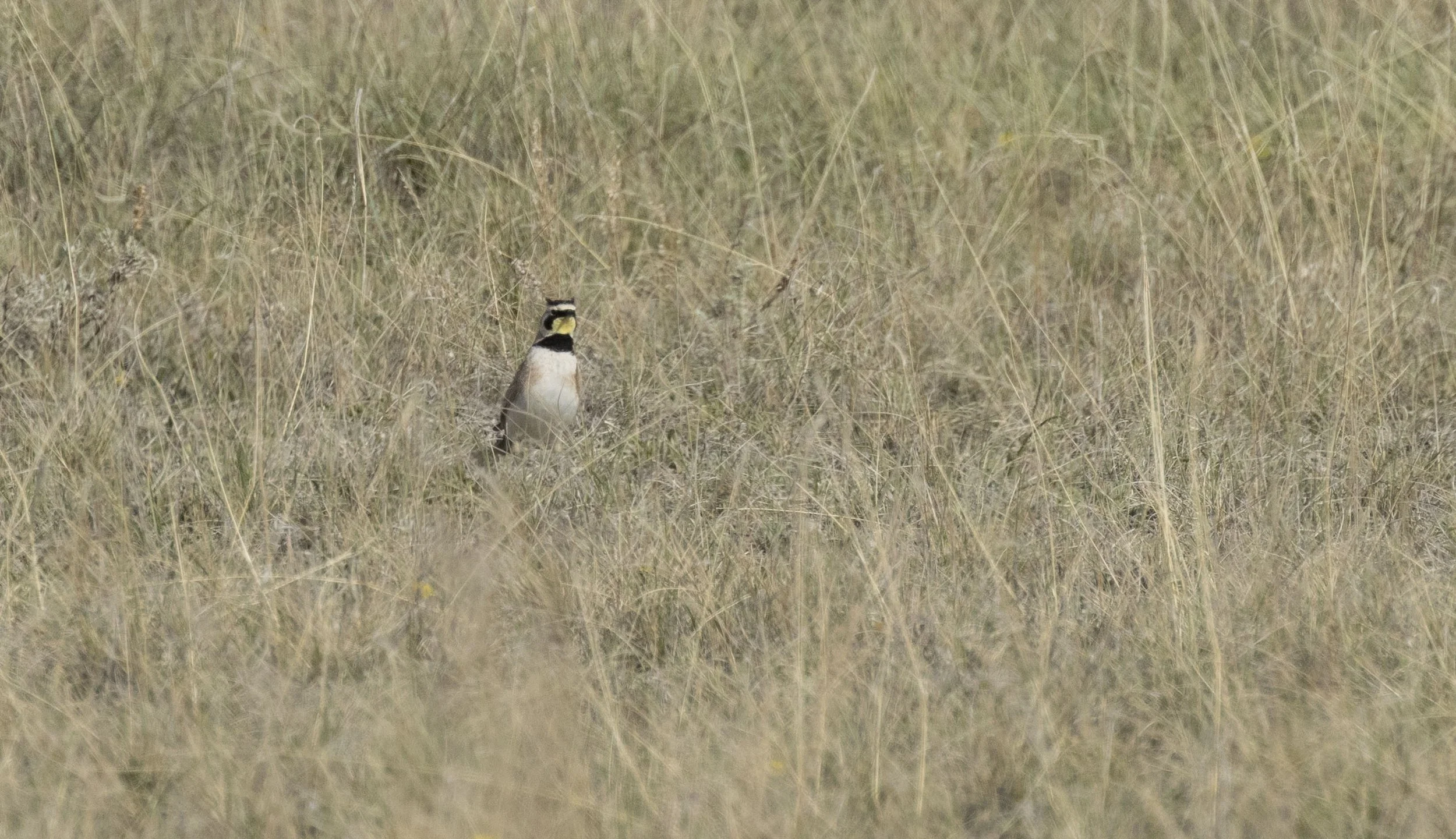
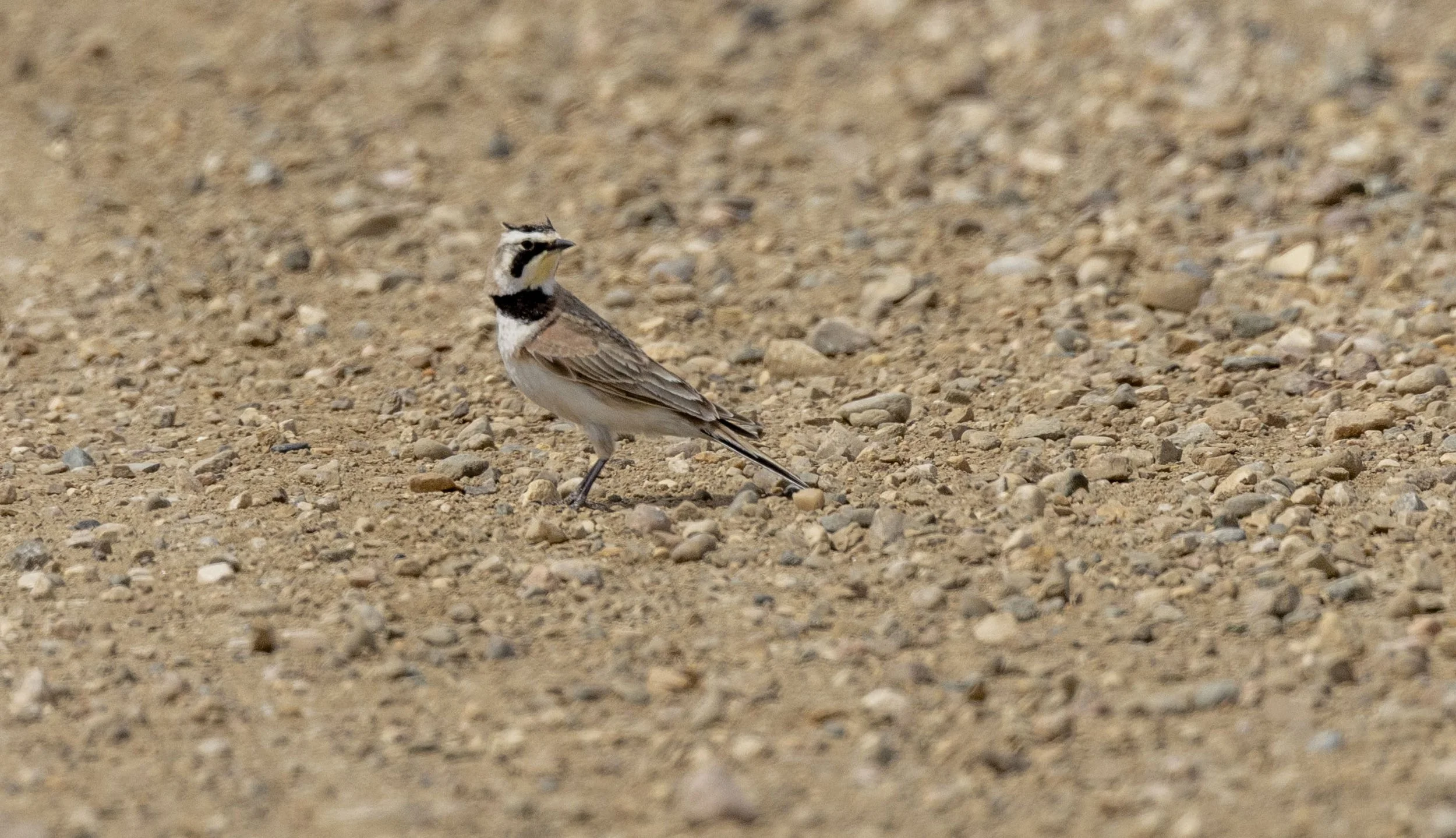
As you drive along even major roads birds get up from the roadside seemingly every 300-500m a habit which must make them somewhat vulnerable to collision damage — Prairie birds are of the races Eremophila alpestris leucolaema or Eremophila alpestris enthymia I need to find a better reference for this!
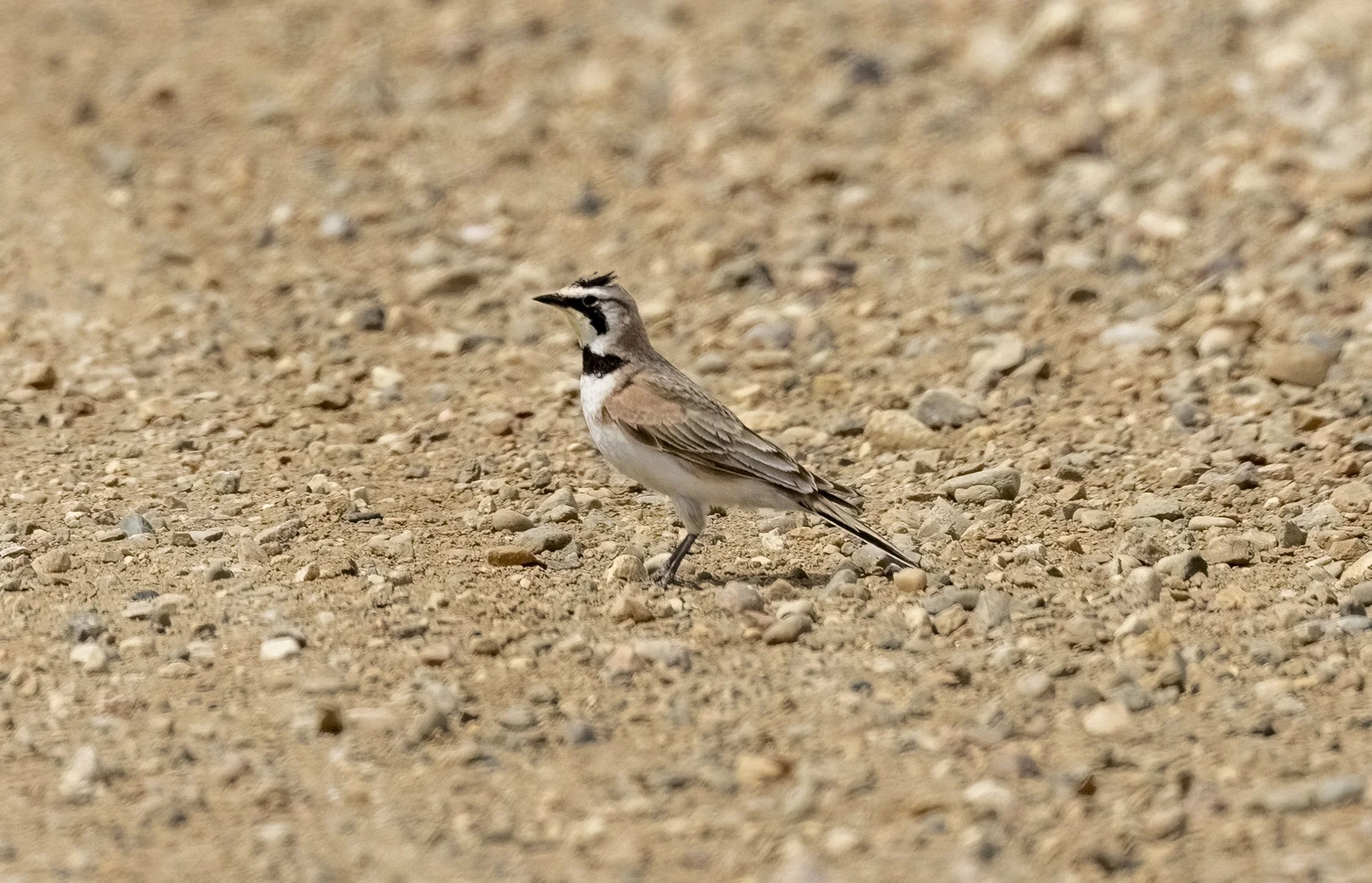
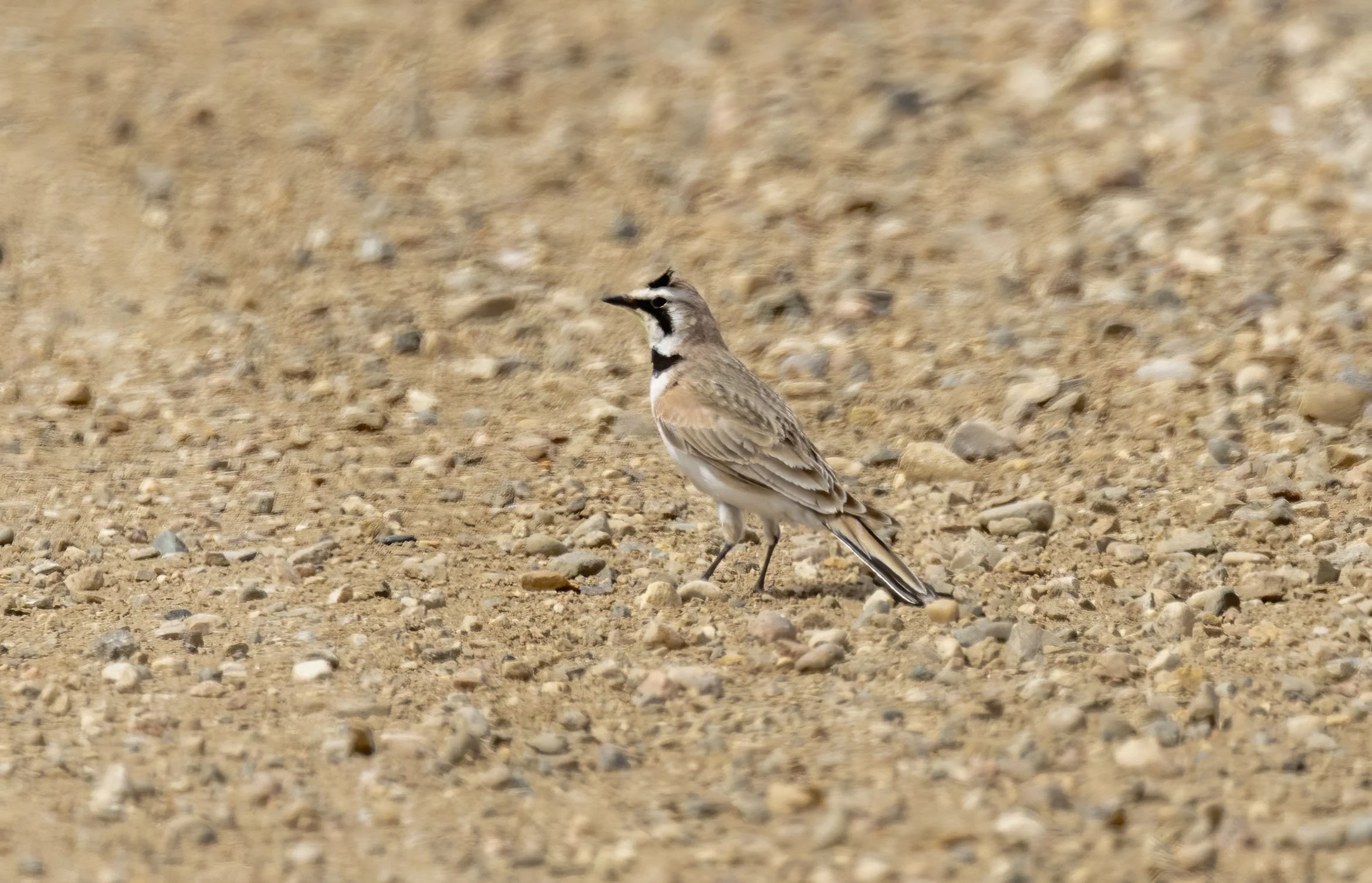
Serious heat shimmer by this time of day with overhead sun not ideal
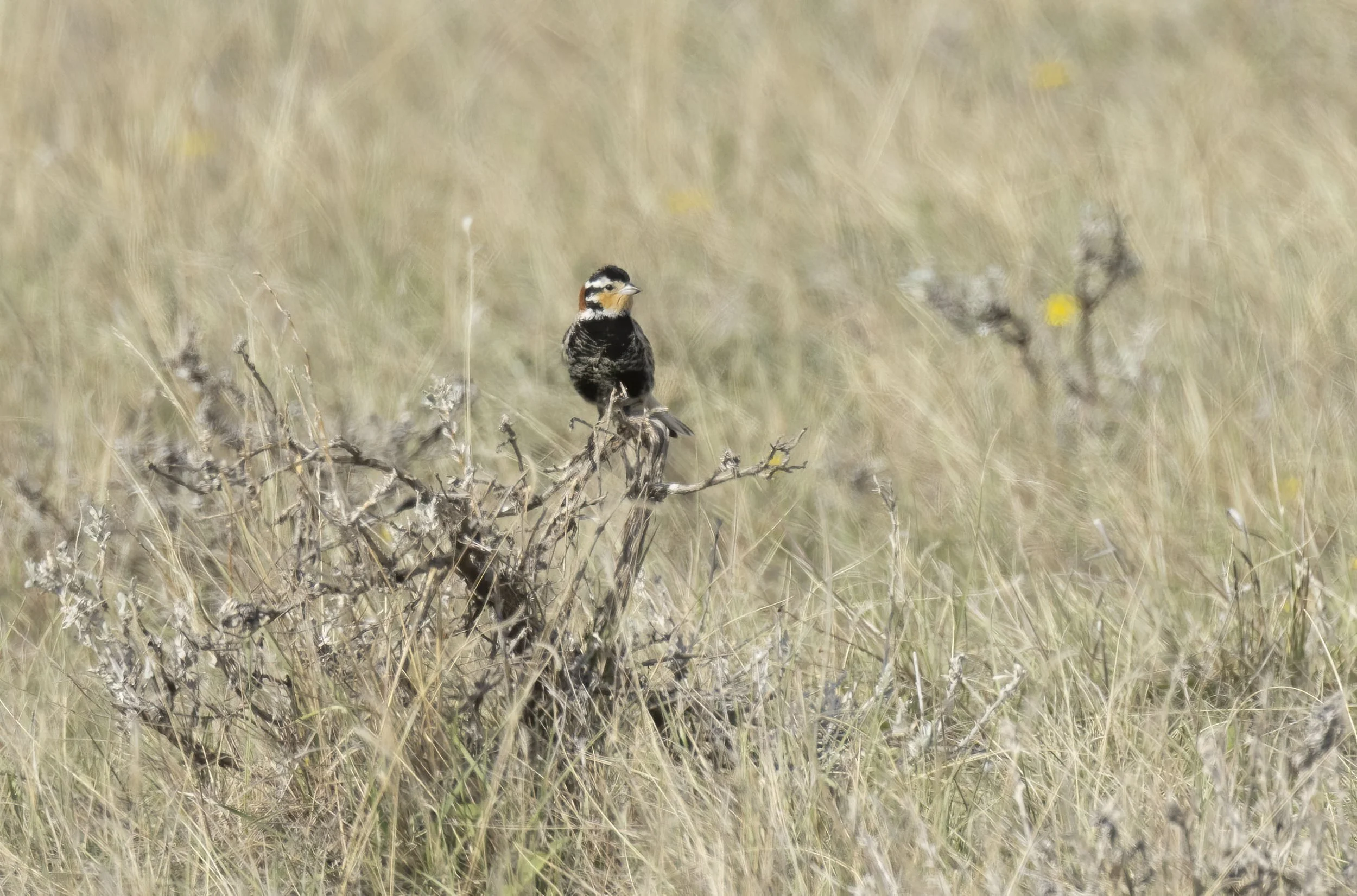
male Chestnet-collared Longspur - their habit of perching on small bits of taller vegetation makes them easier to see than many of the skulking sparrows
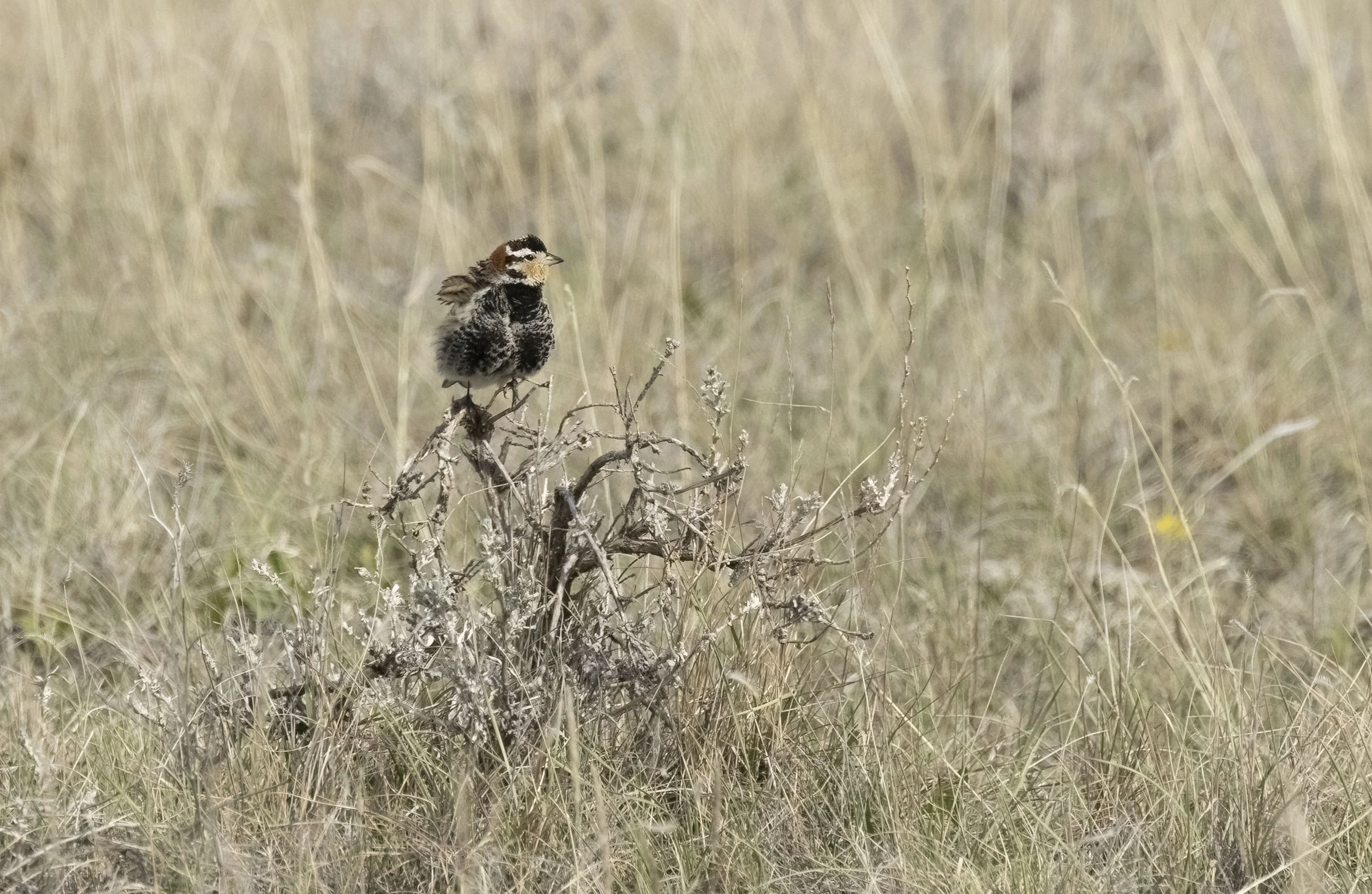
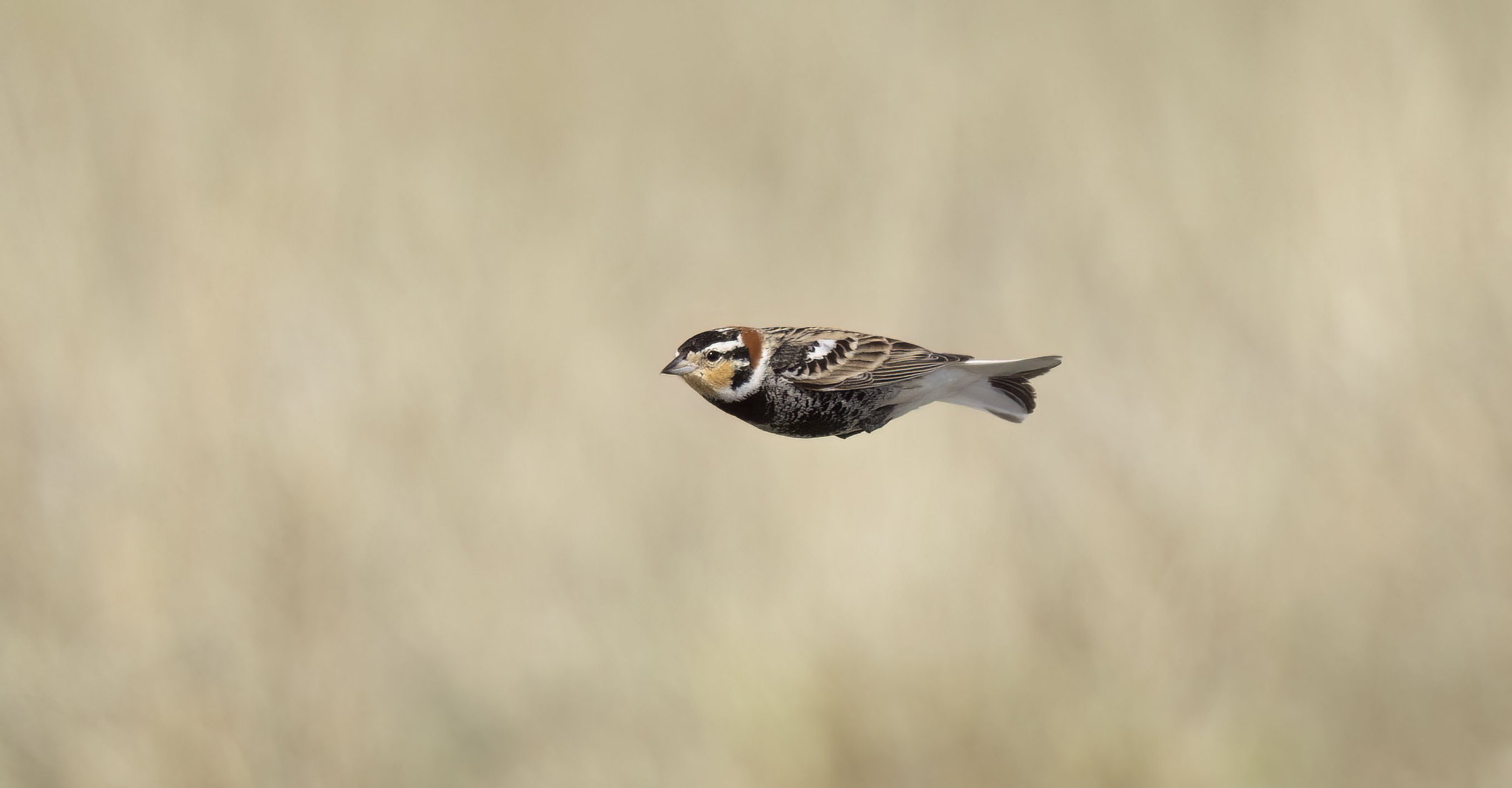
With a lot of birds flying around and displaying I set about trying some flight shots but as is typical with small passerines many looked like a flying sausage
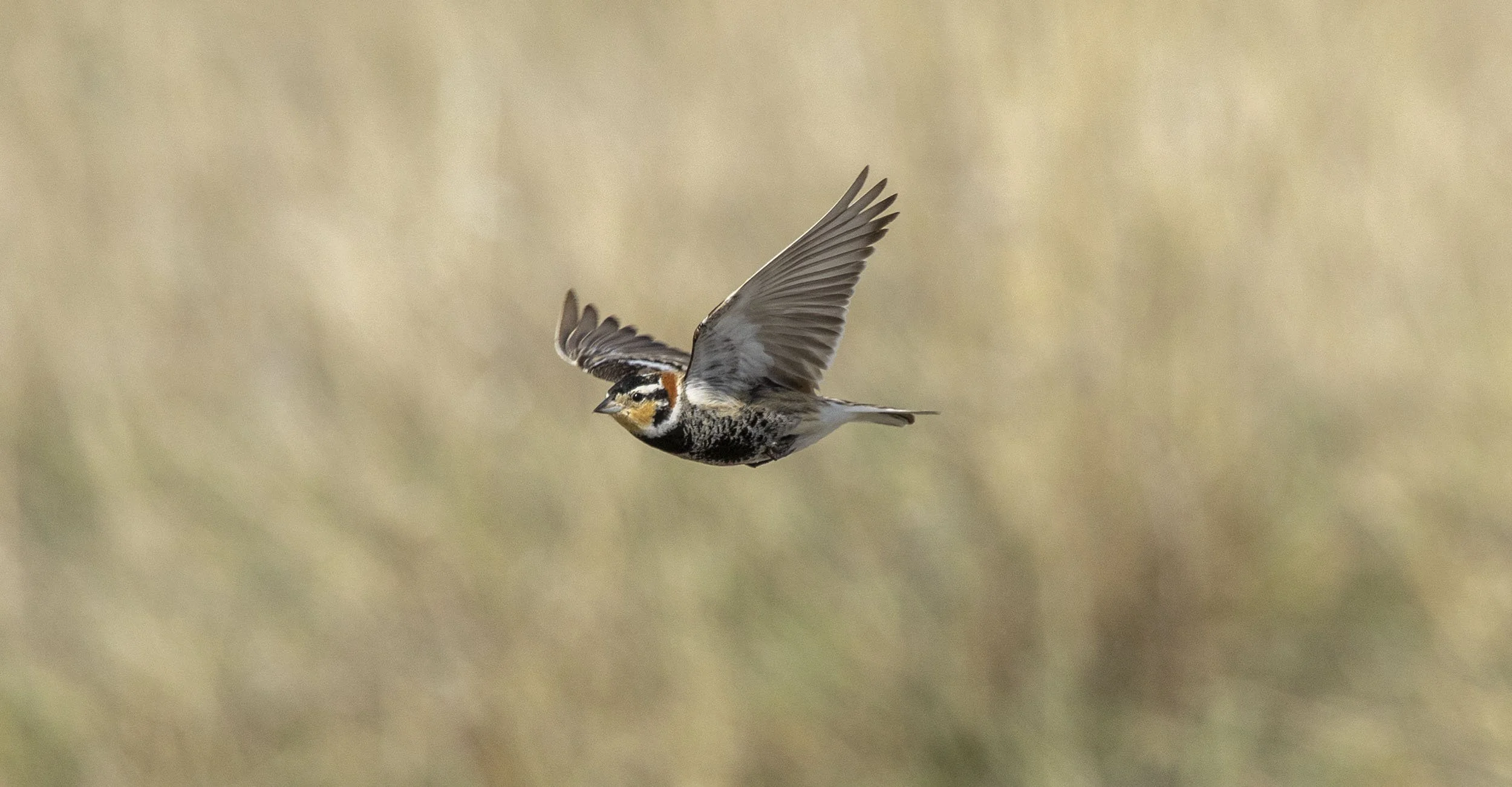
But some had wings
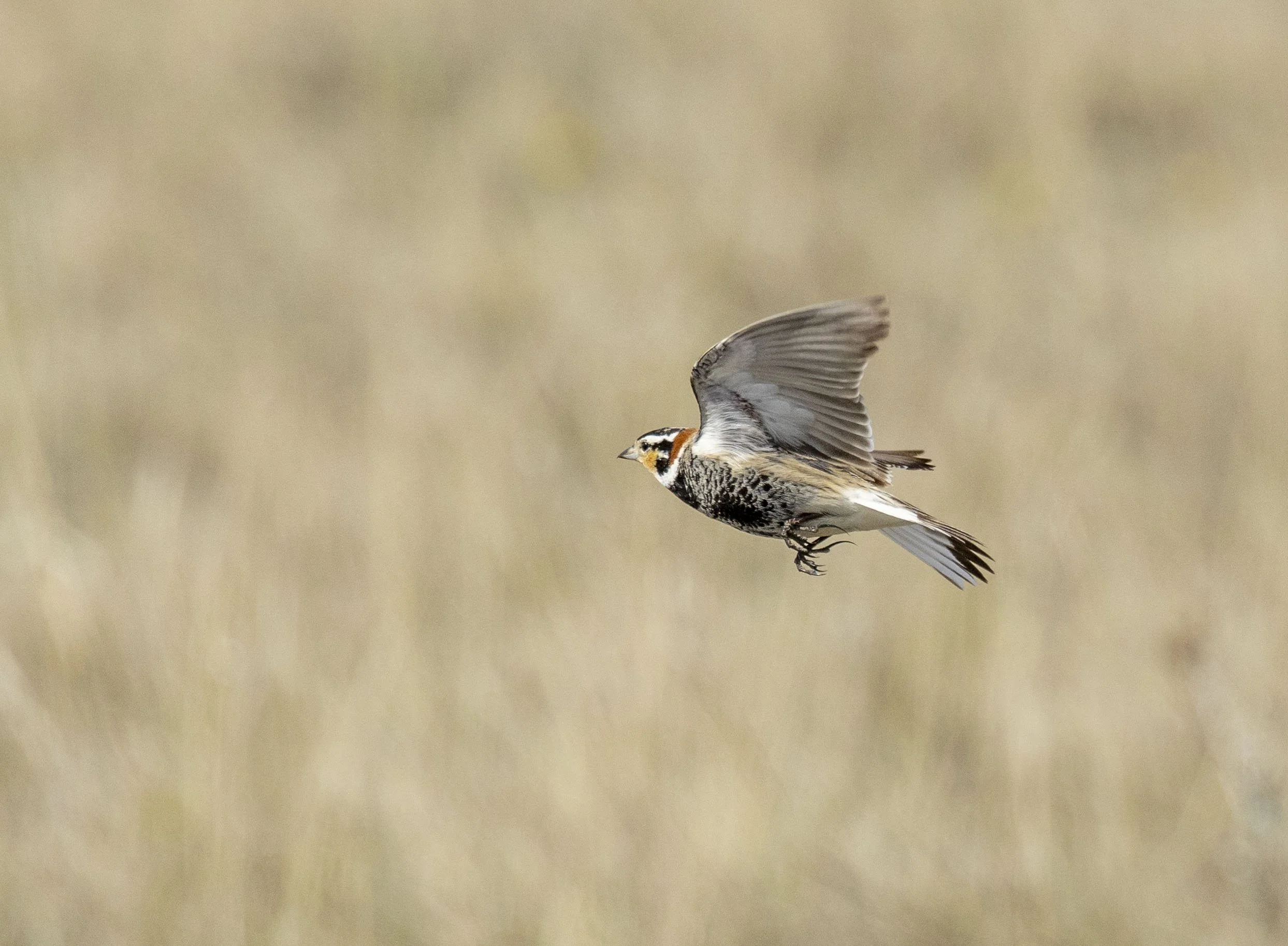
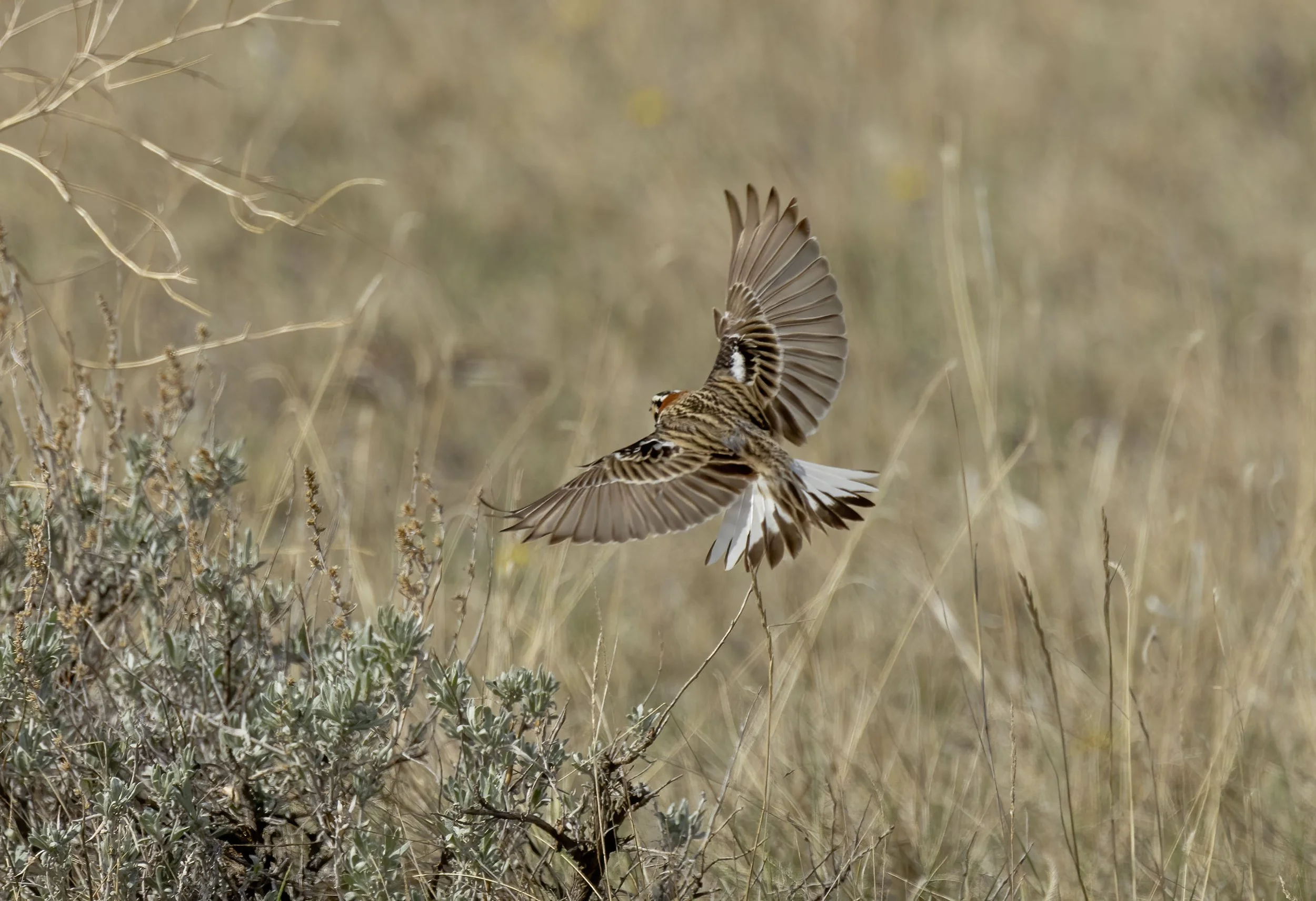
Tail pattern distinctive in display
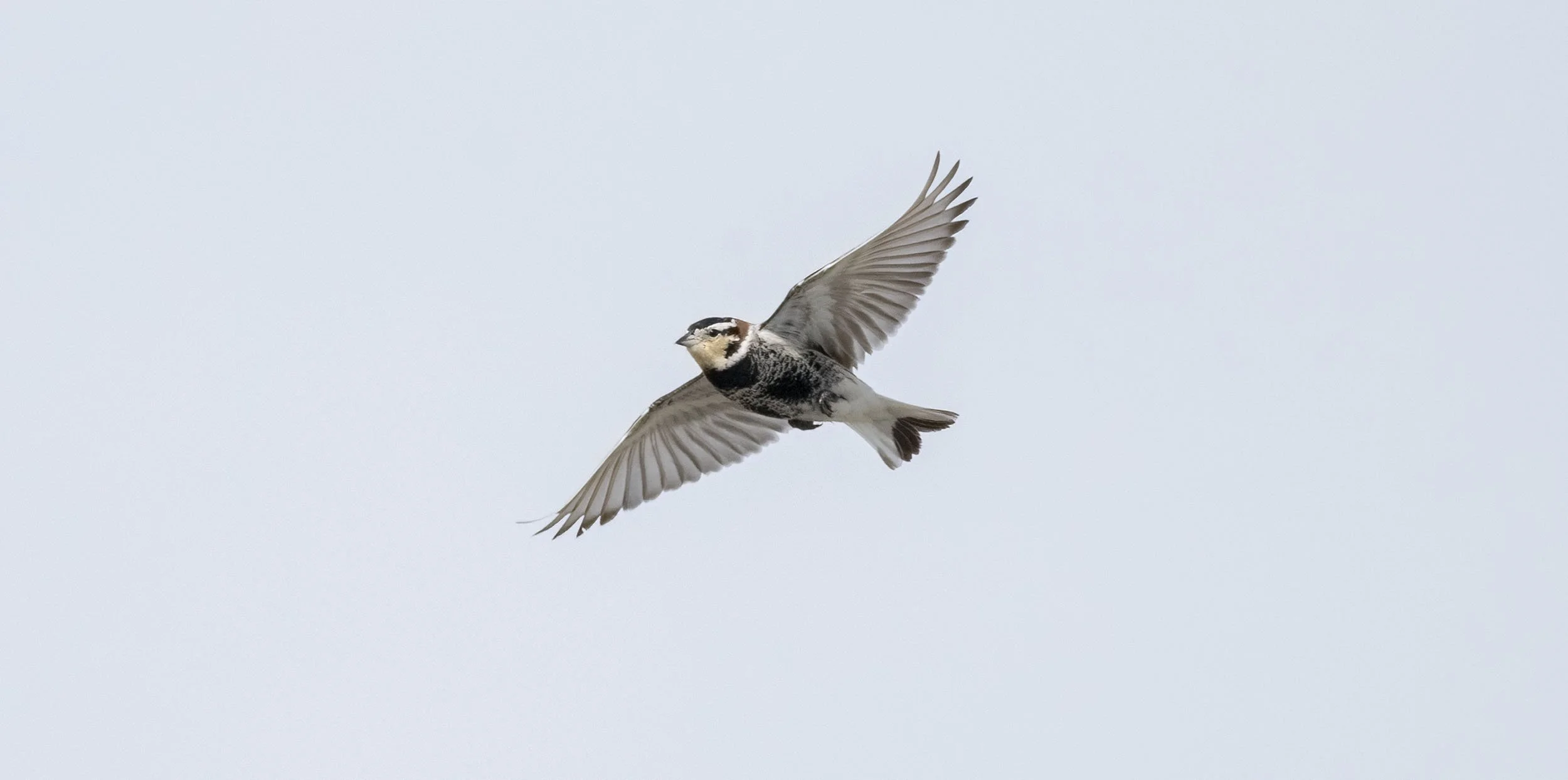
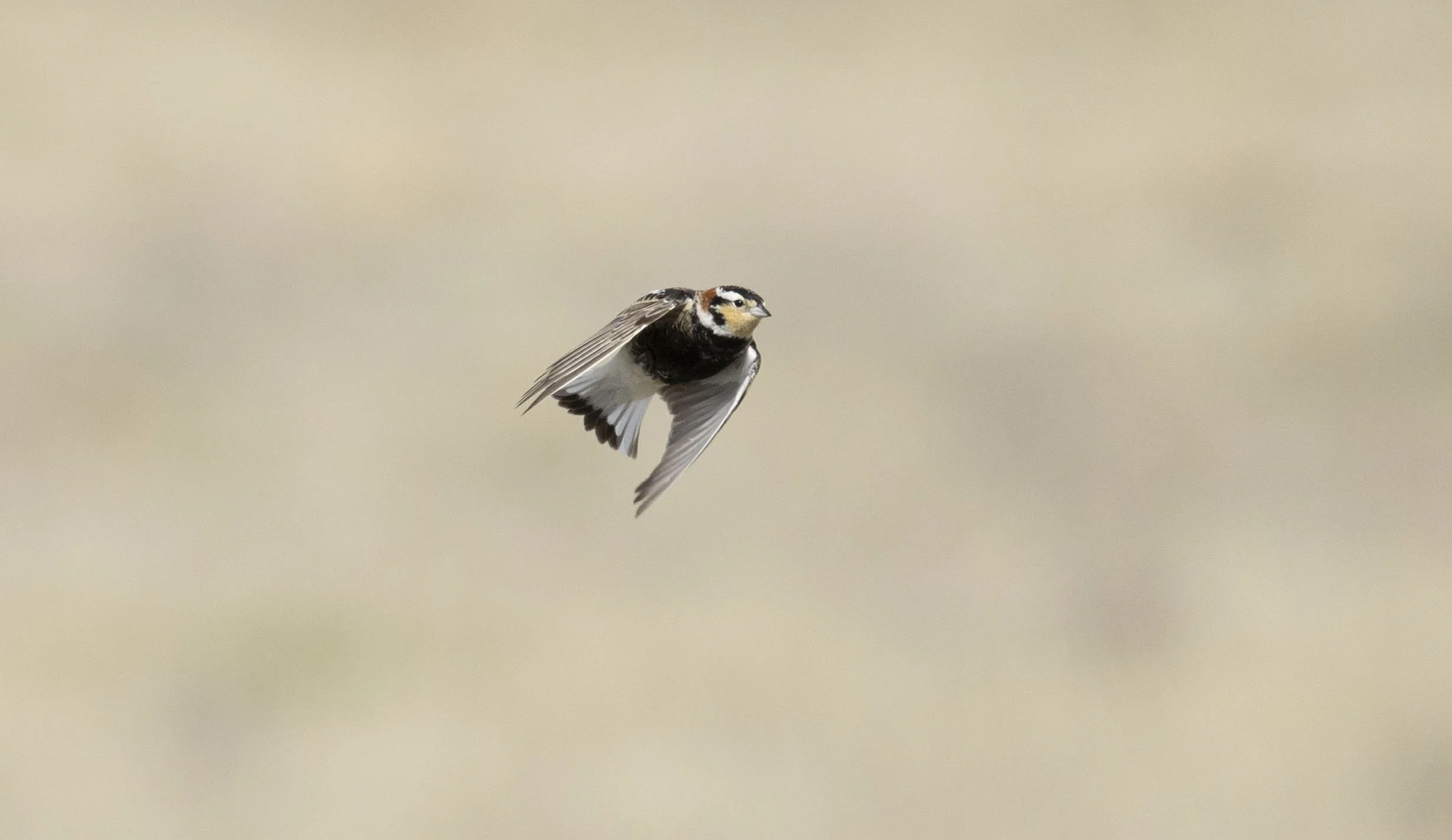
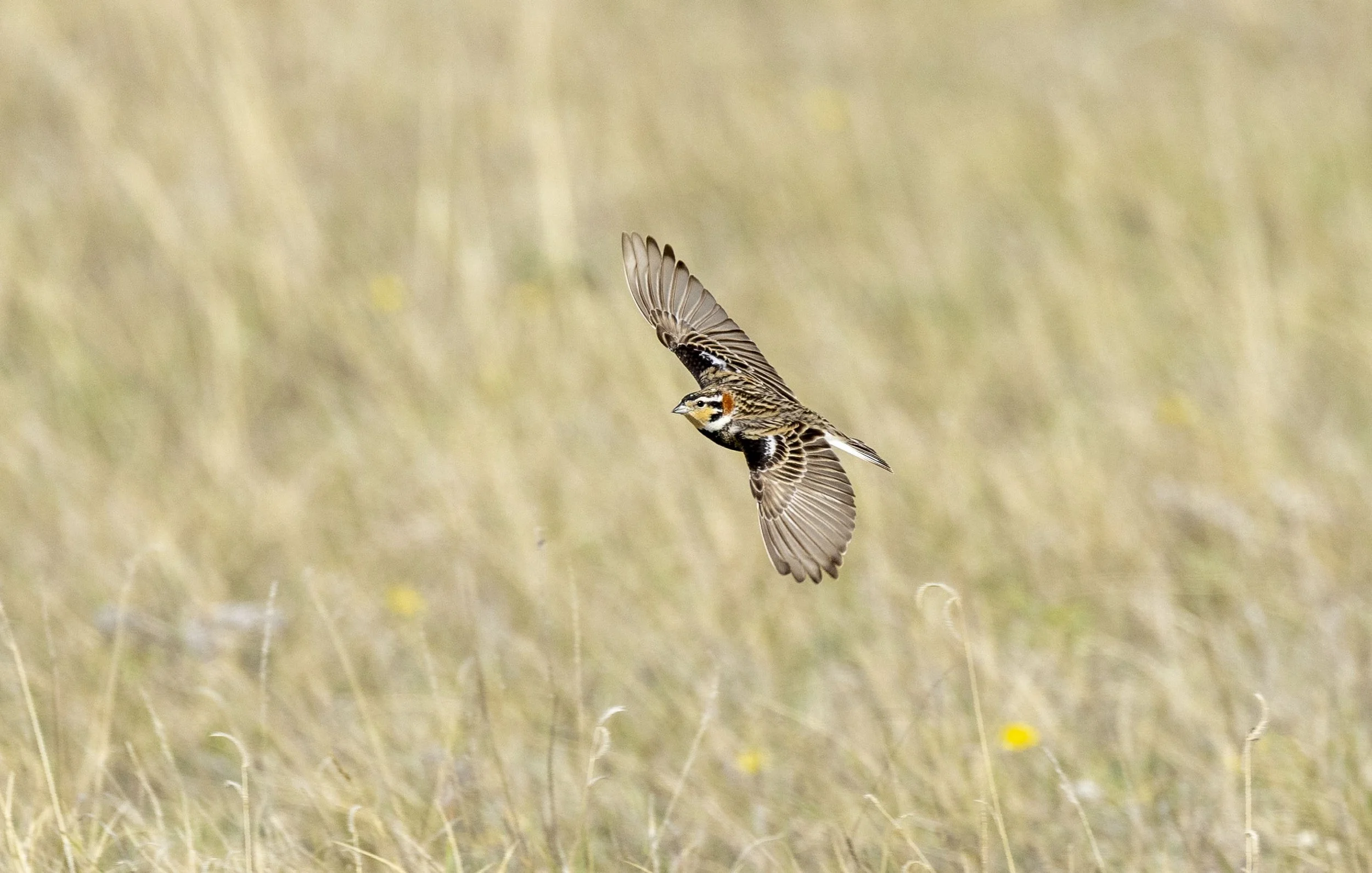
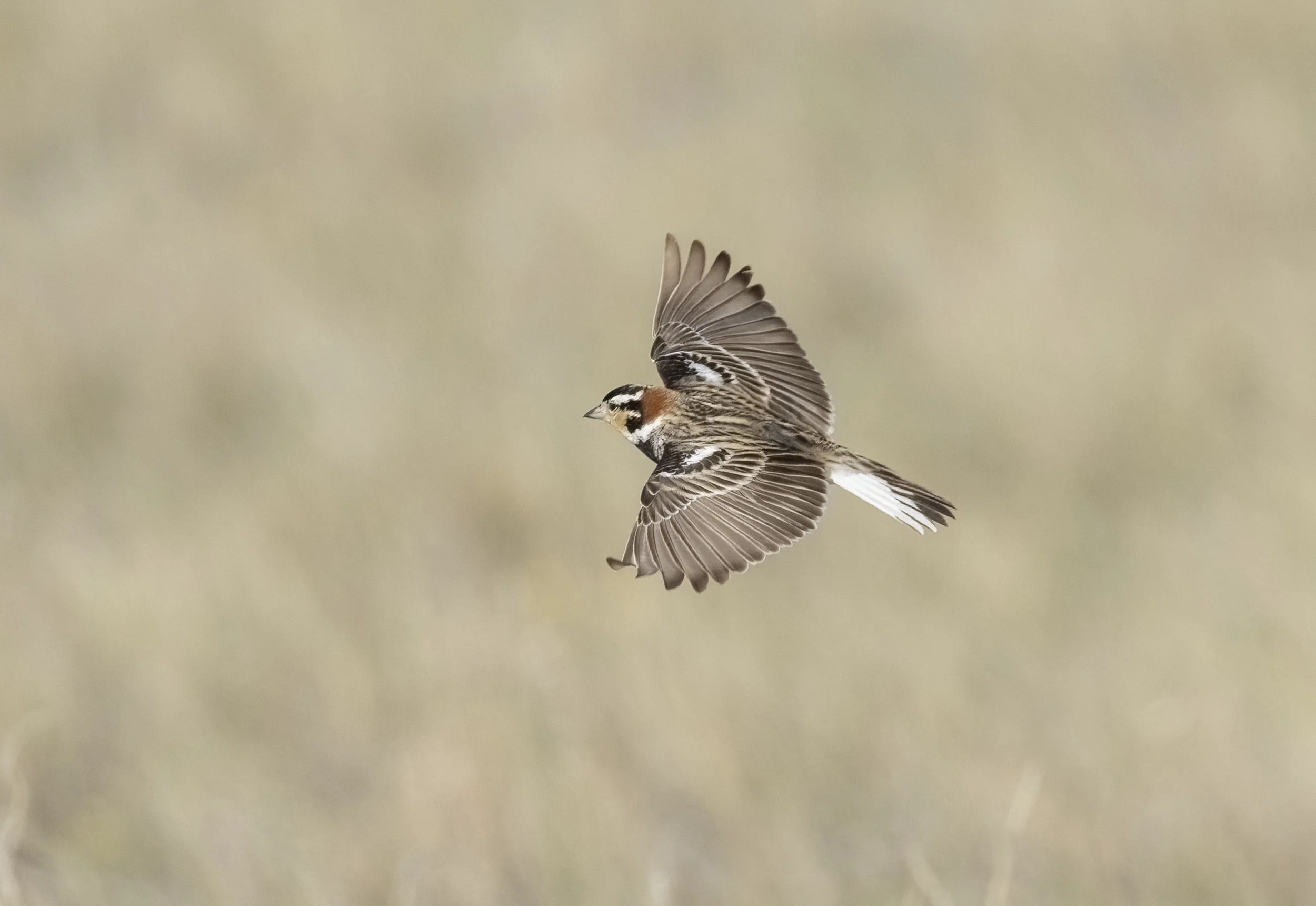
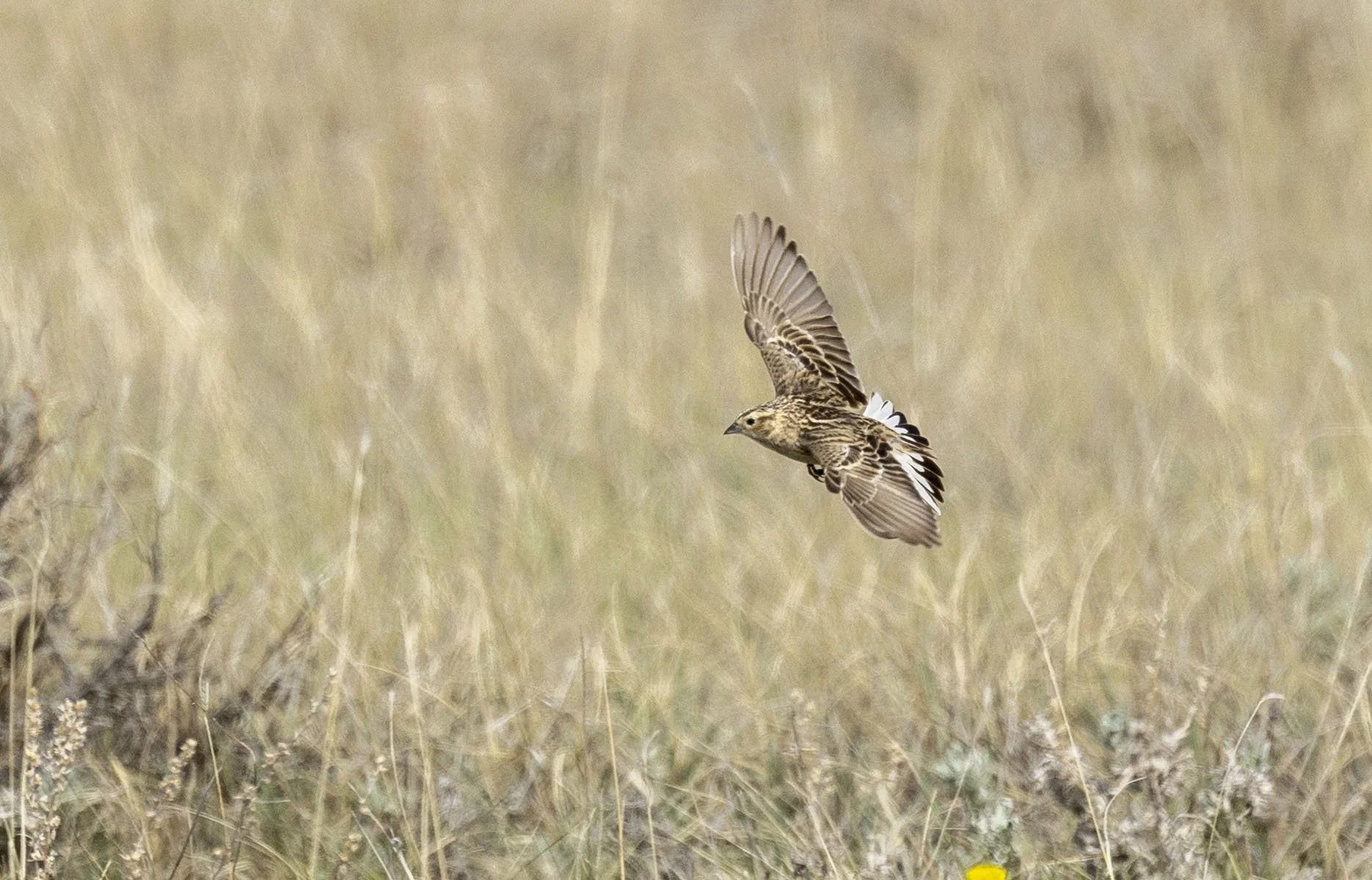
The rather less striking female but same tail pattern
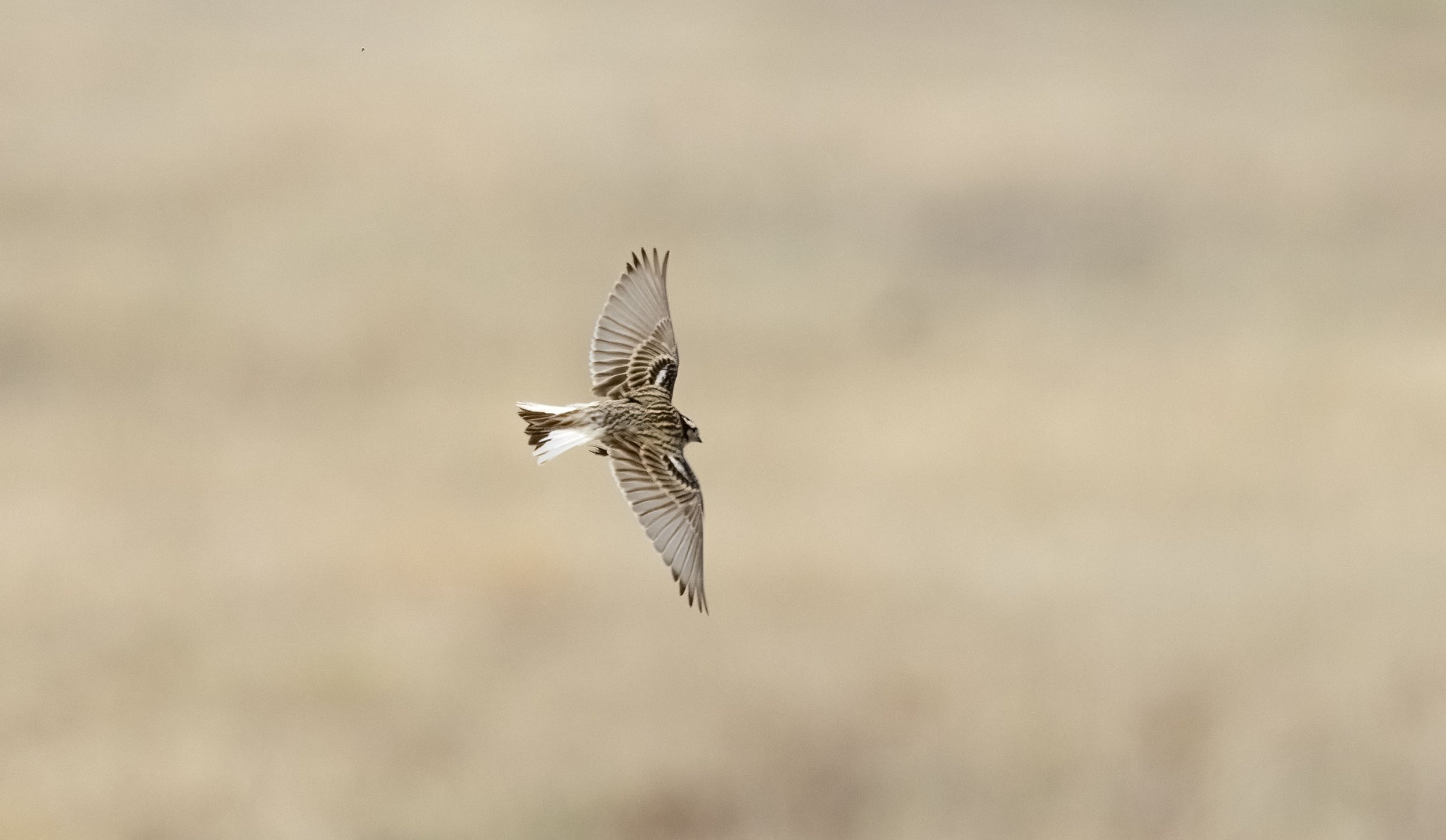
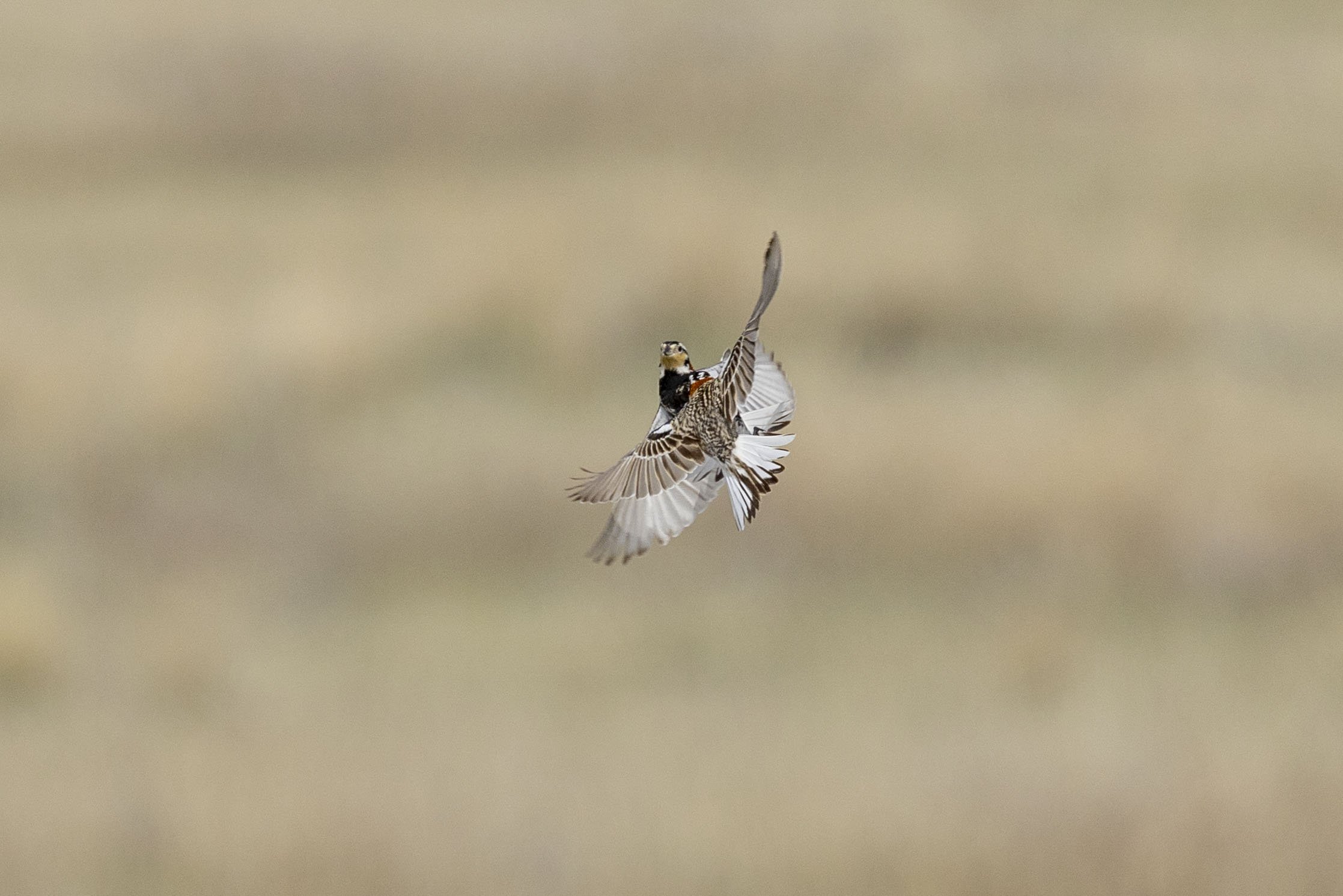
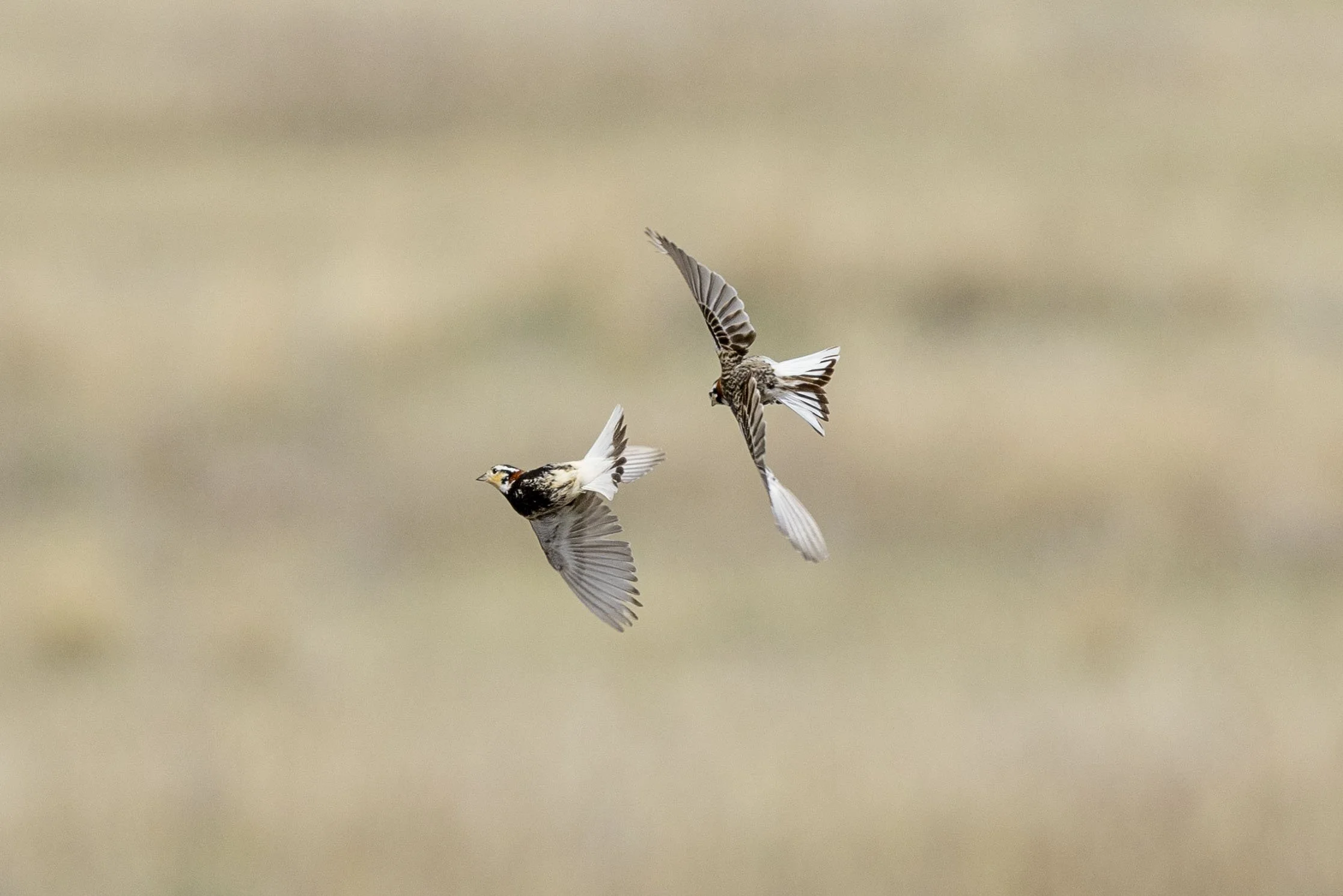
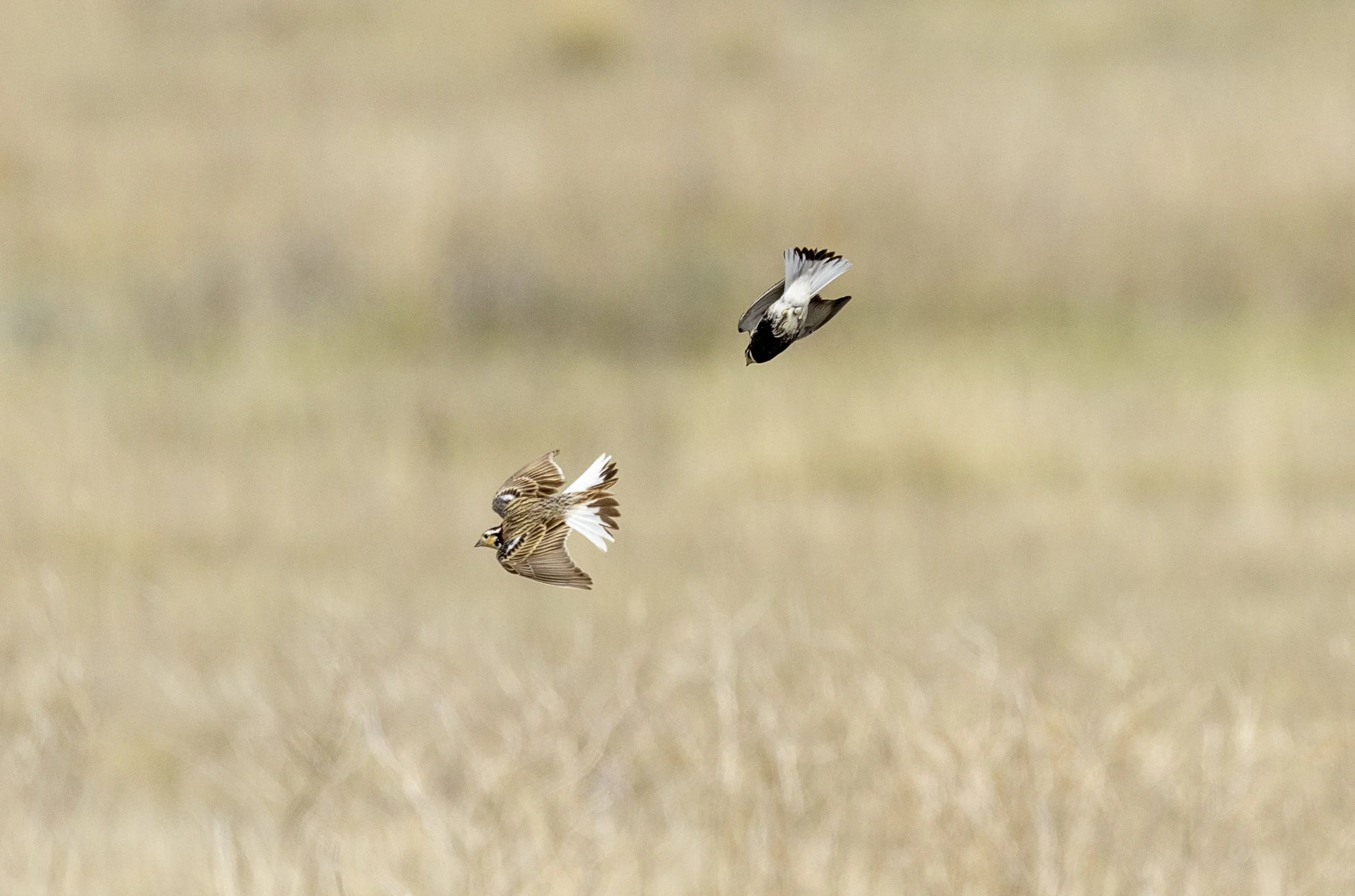
Two males in an aerial dispute over a female
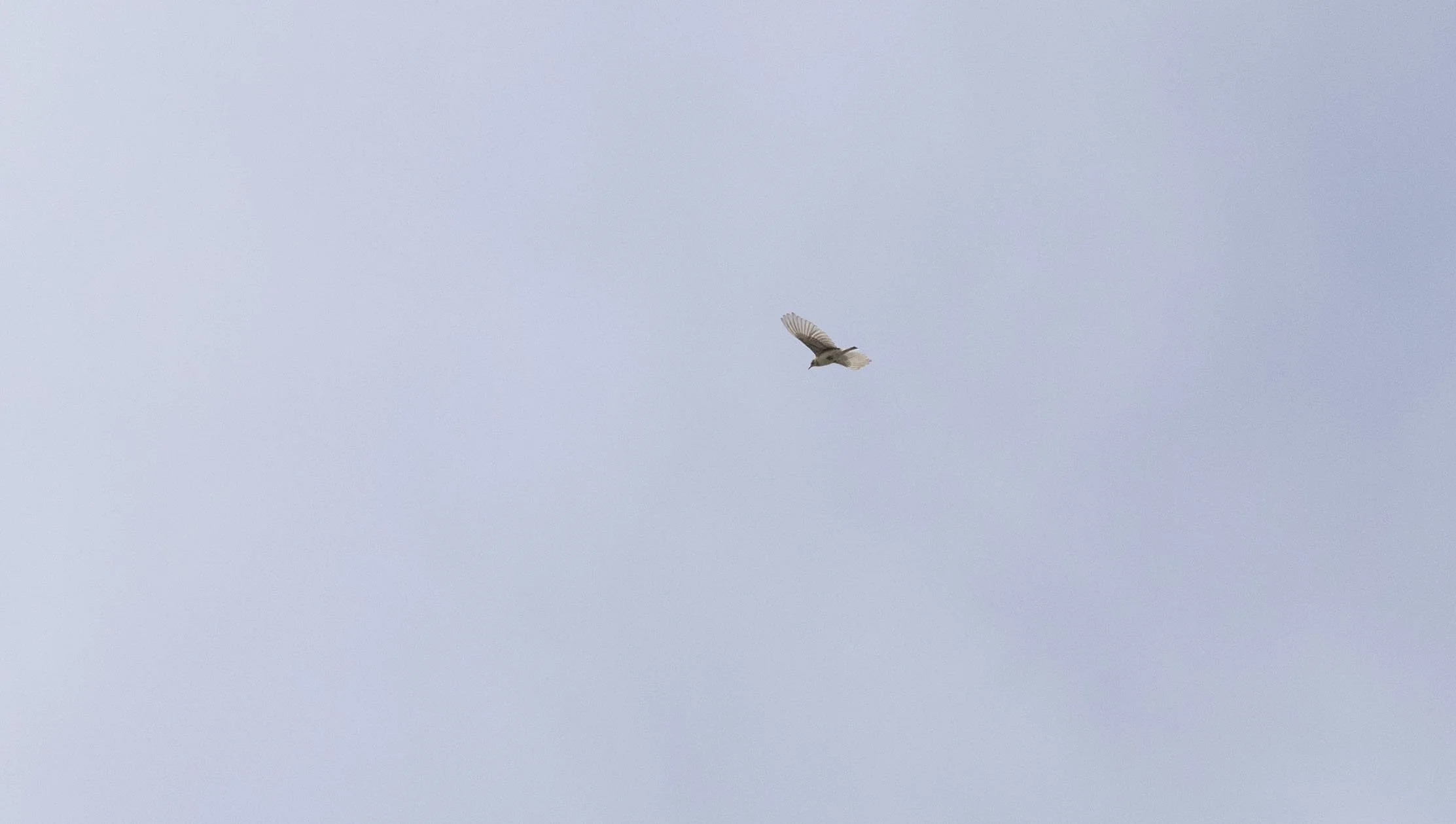
Sprague’s Pipit - you need to use imagination and listen to a recording of the song - if only the bird on the track had stayed a little longer!
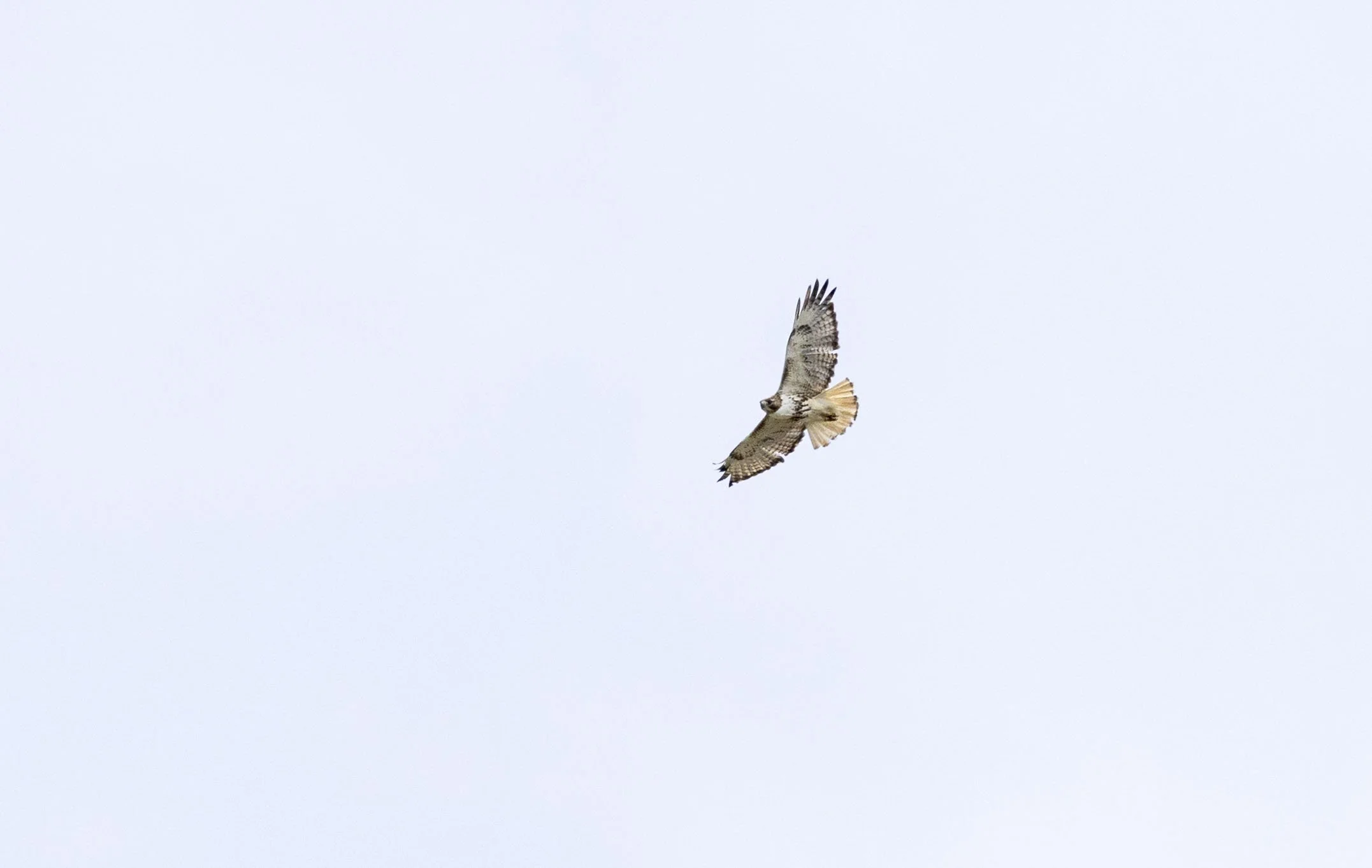
Eastern Red-tailed Hawk at the same location os the Ferruginous Hawk below and a pair of Swainson’s Hawks
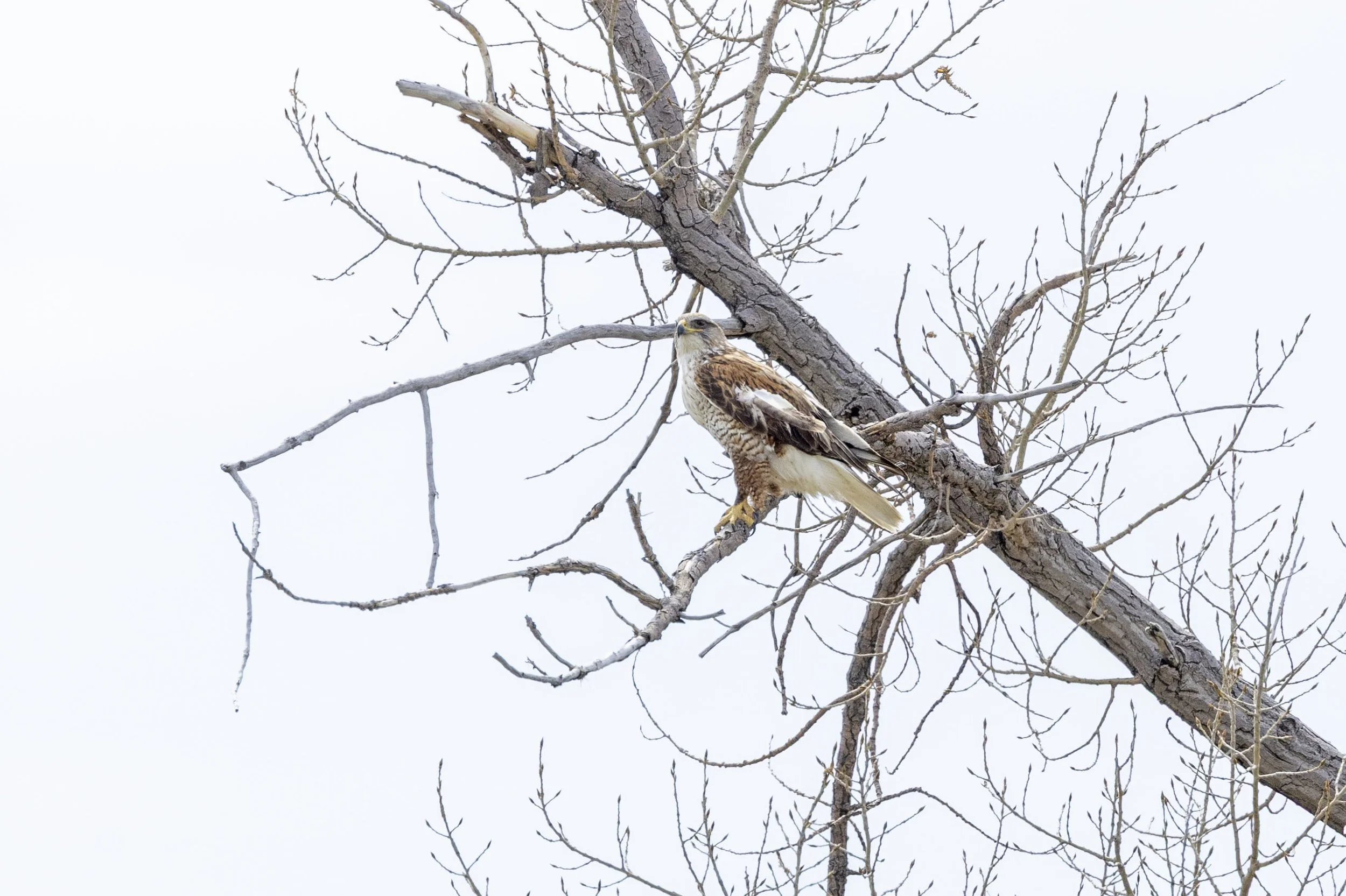
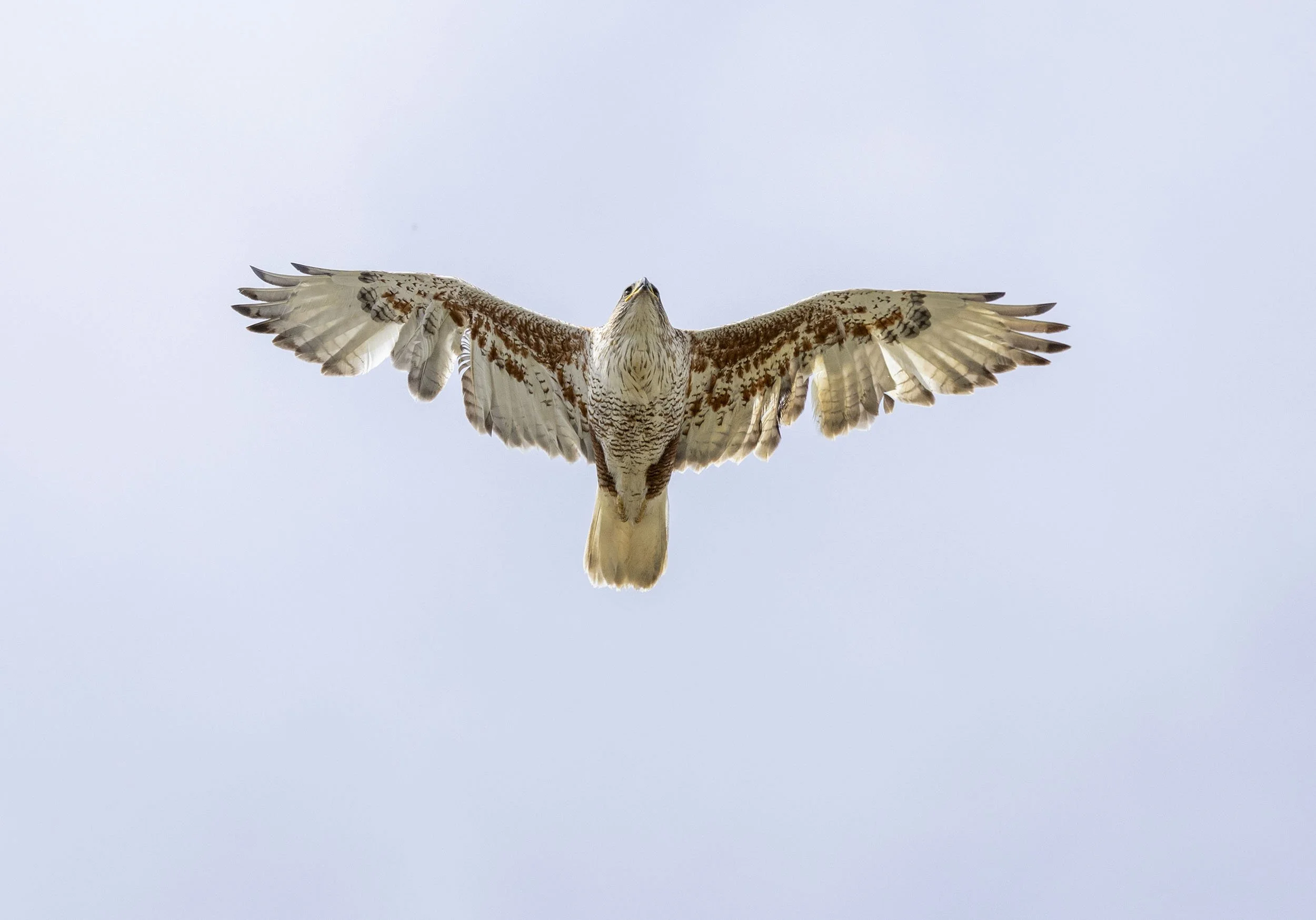
Ferruginous Hawk in rather harsh light by the abandoned farm
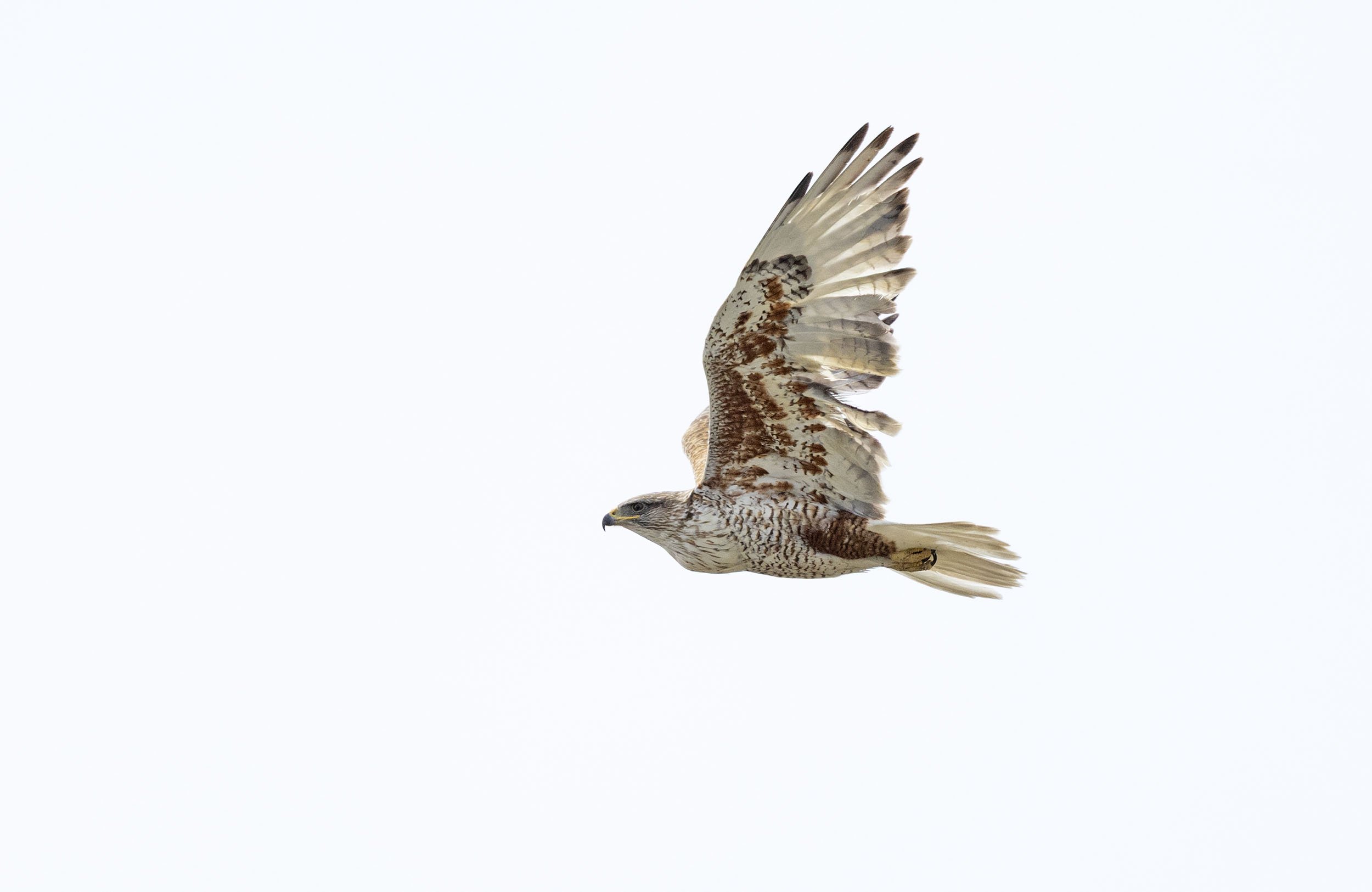
some serious moult in this individual
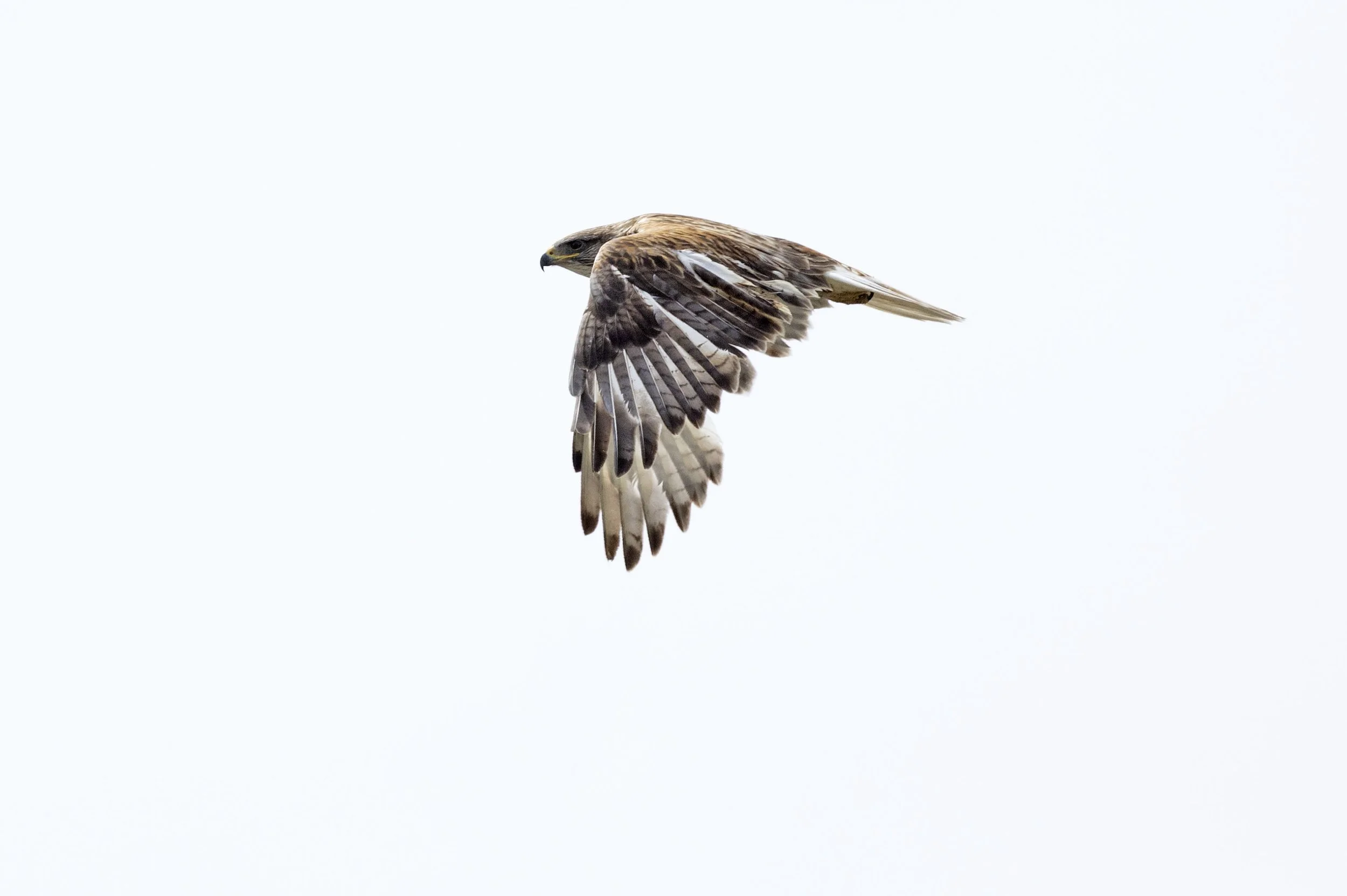
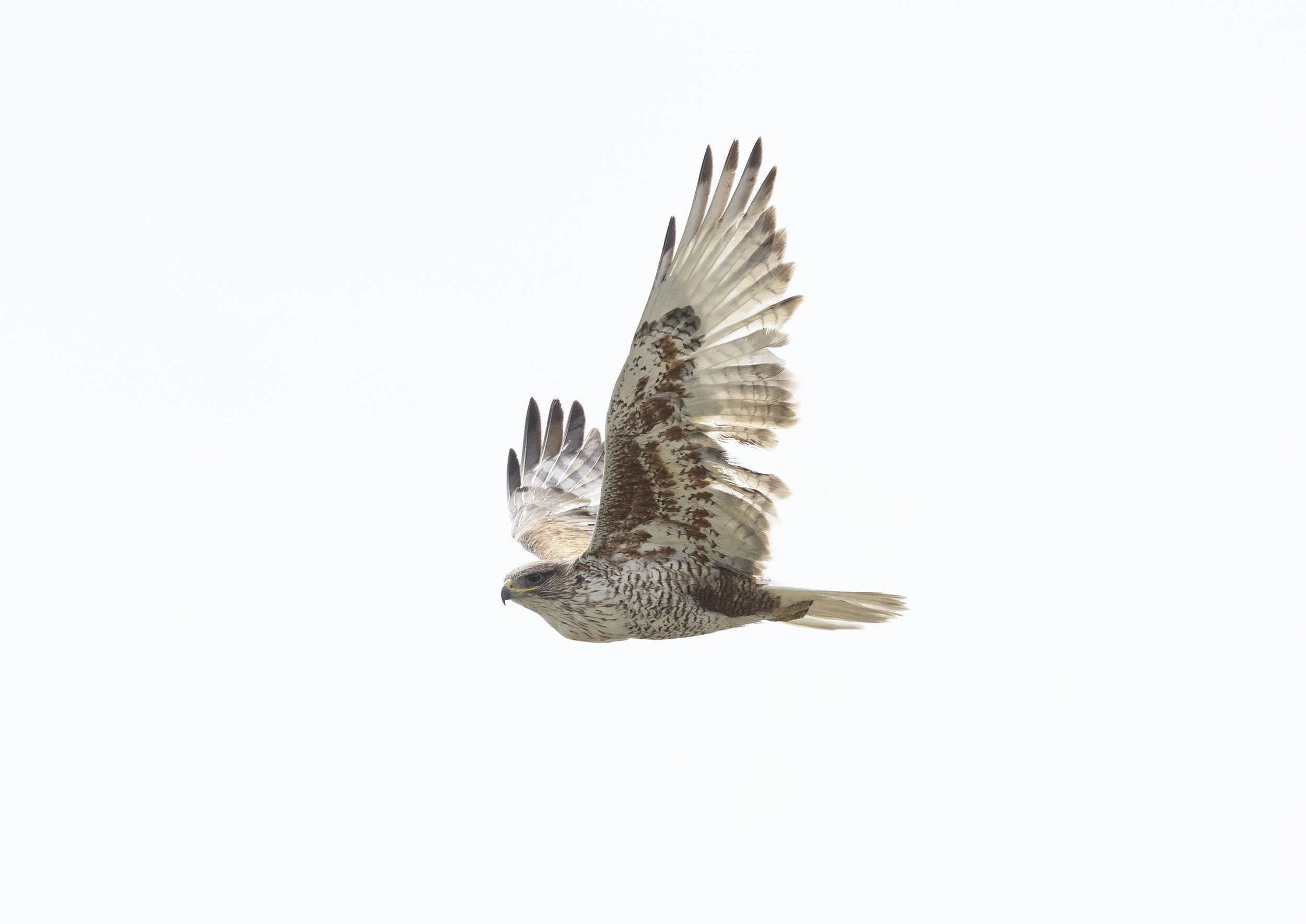
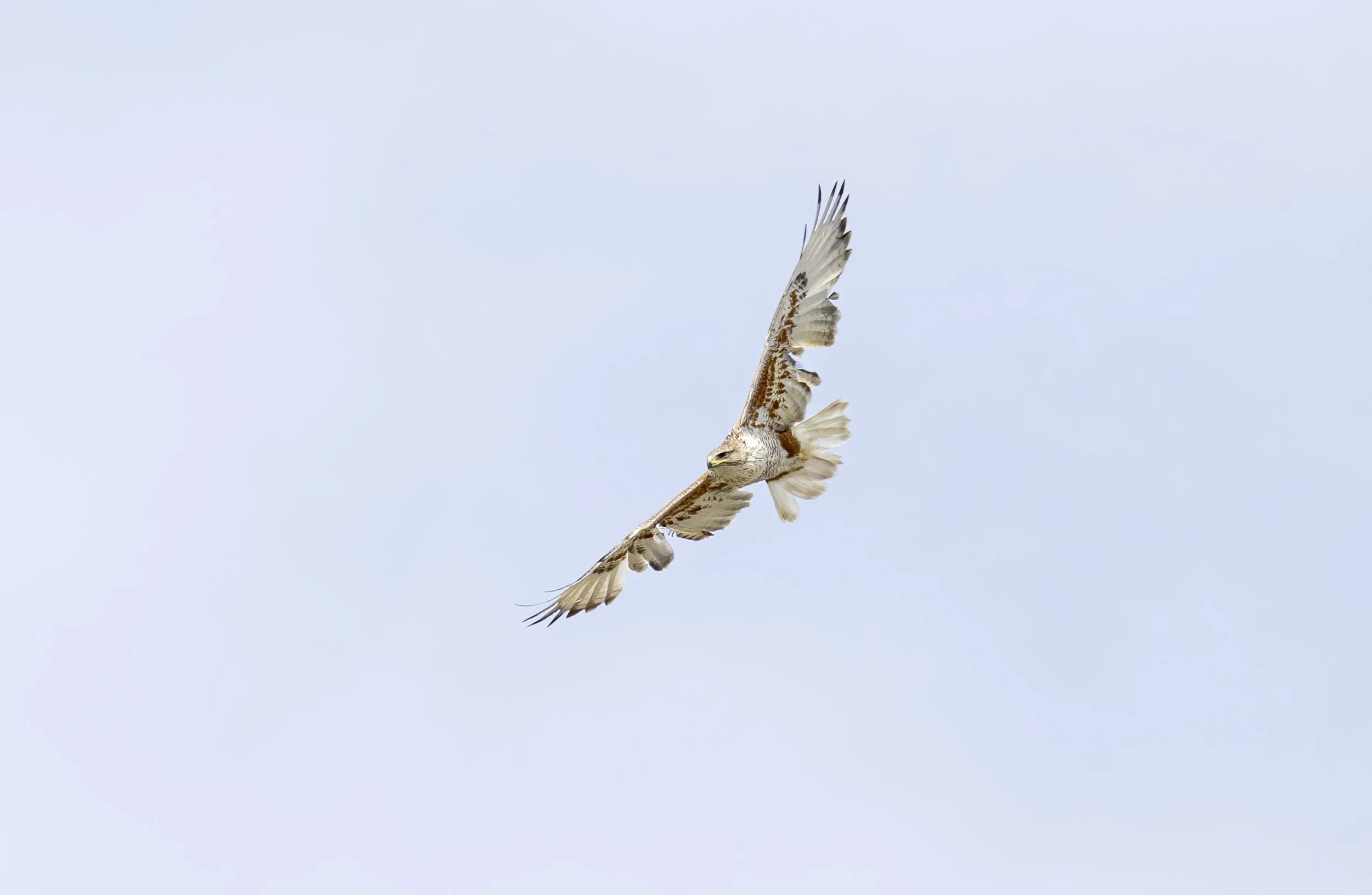
Appearance can change dramatically with light
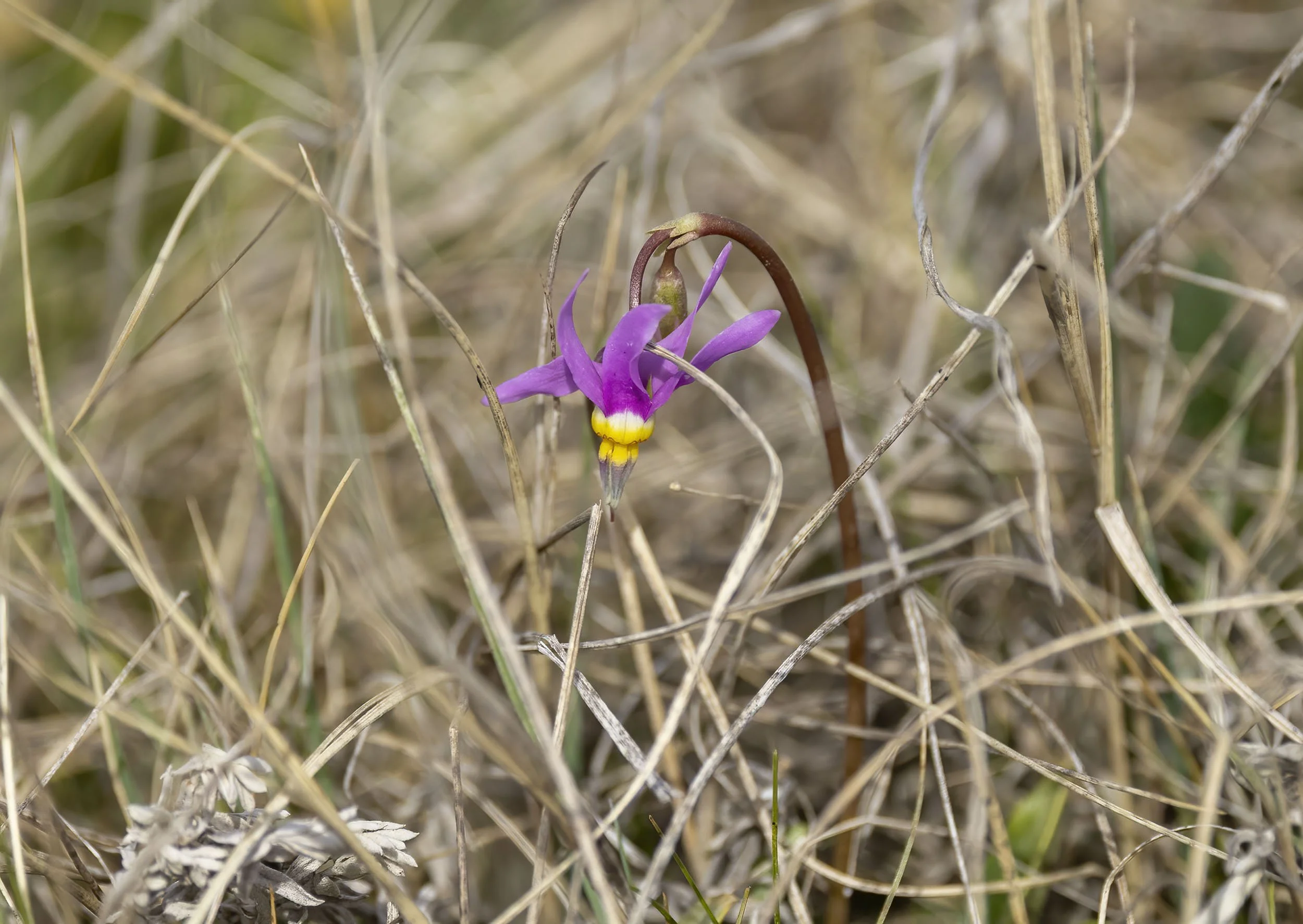
Prairie flowers were only just starting to appear
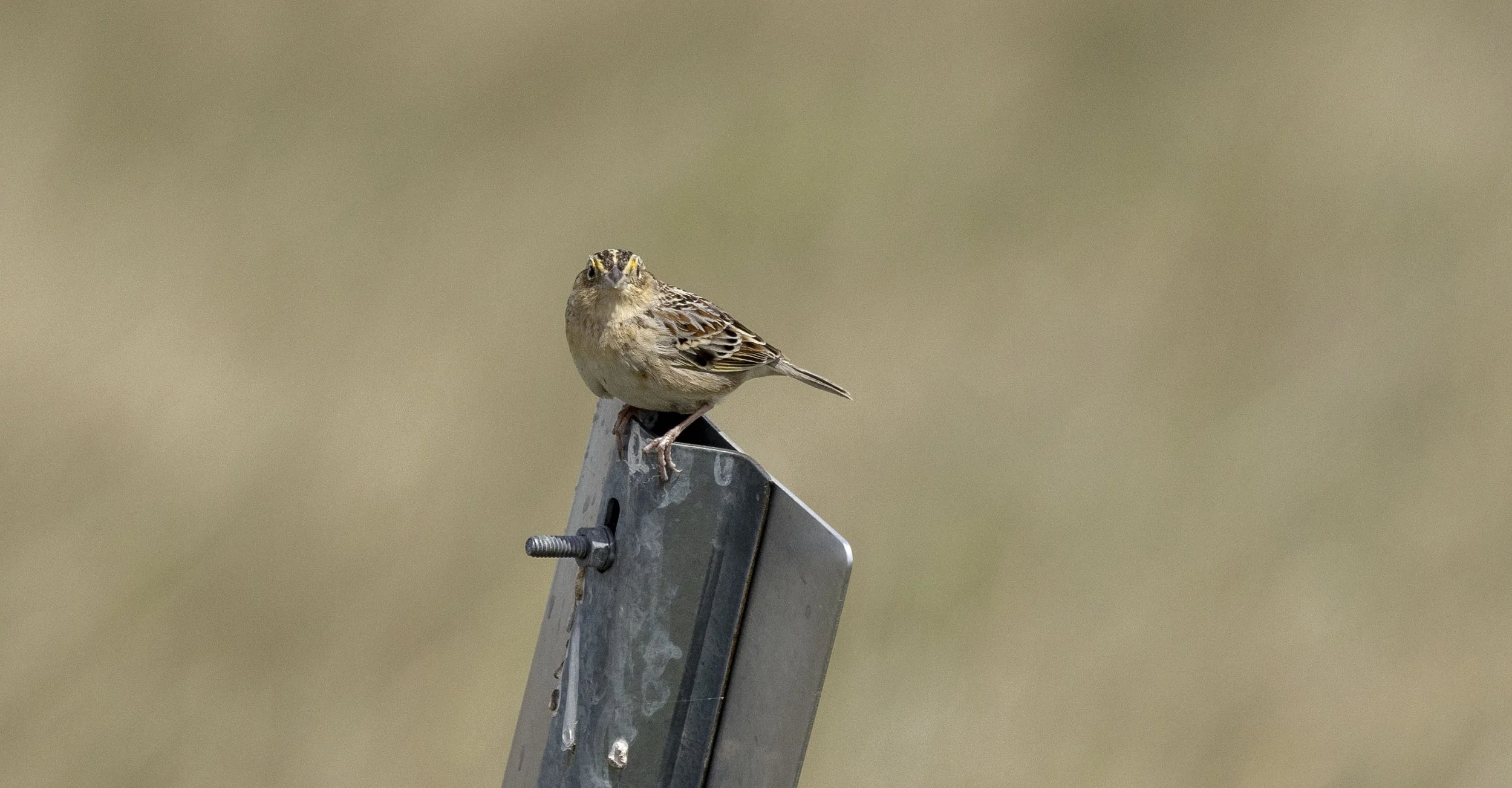
This Grasshopper Sparrow was a strole of luck as it sang from a track side perch as we drove past then managed to reverse up to get a few shots albeit in harsh light
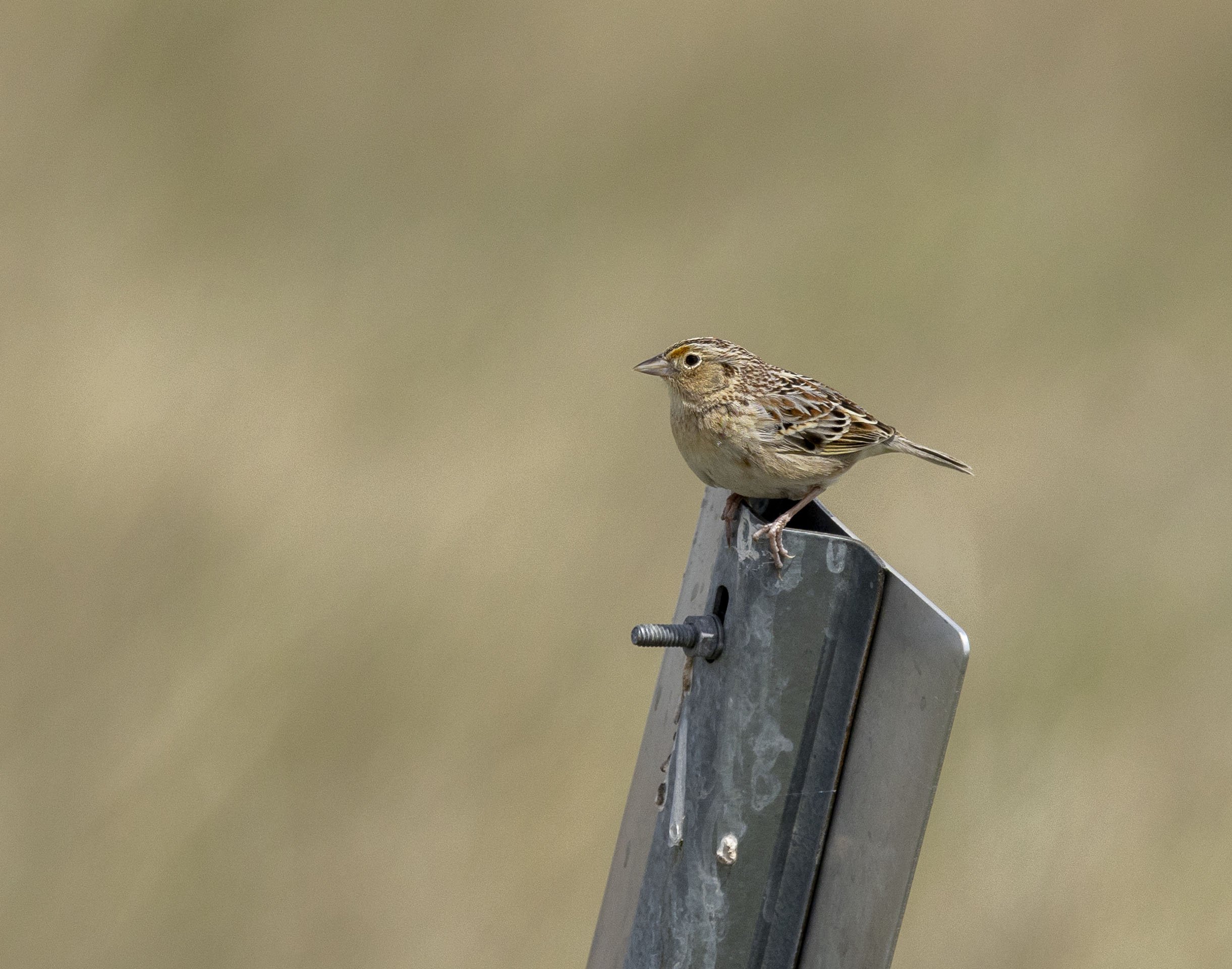
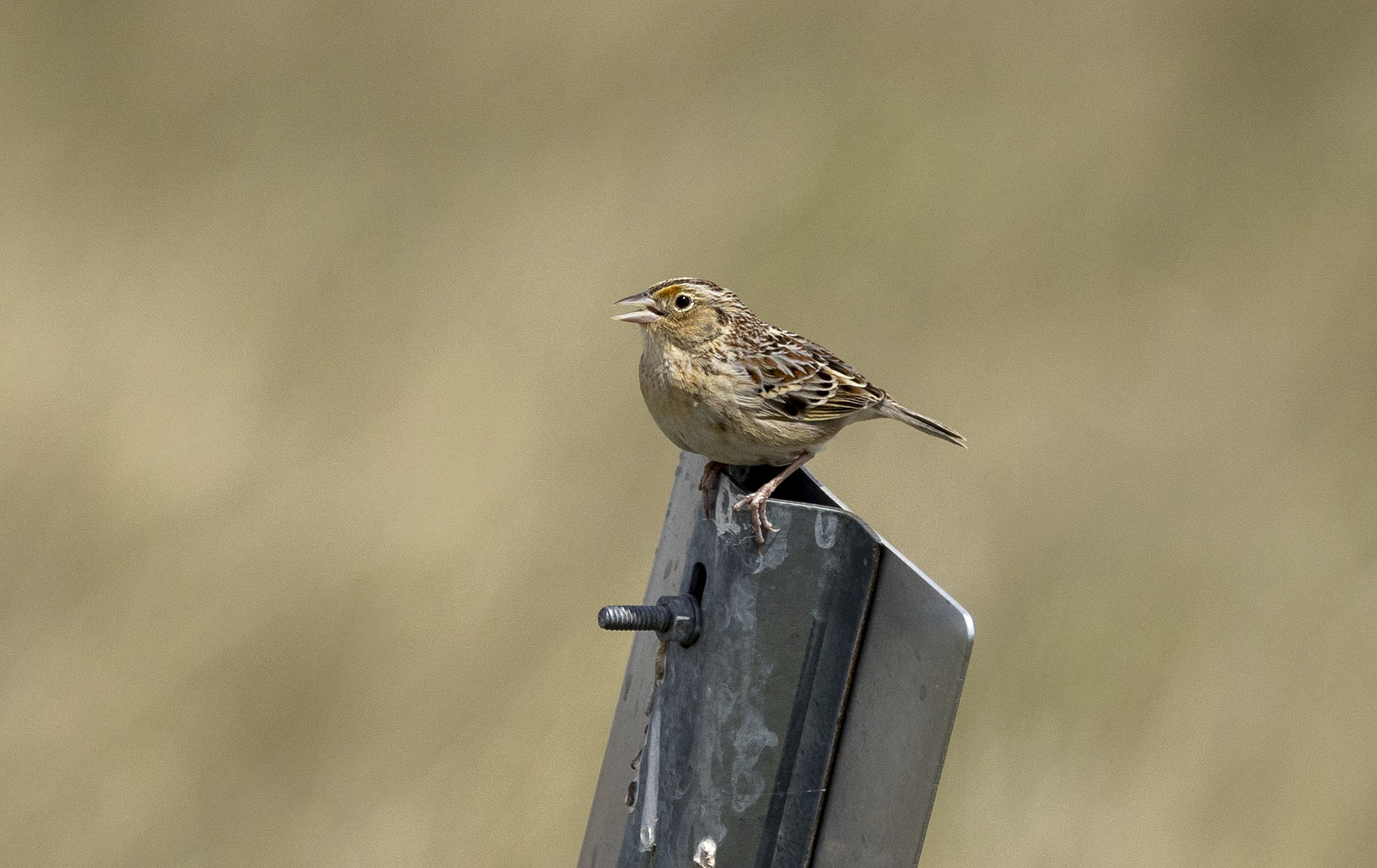
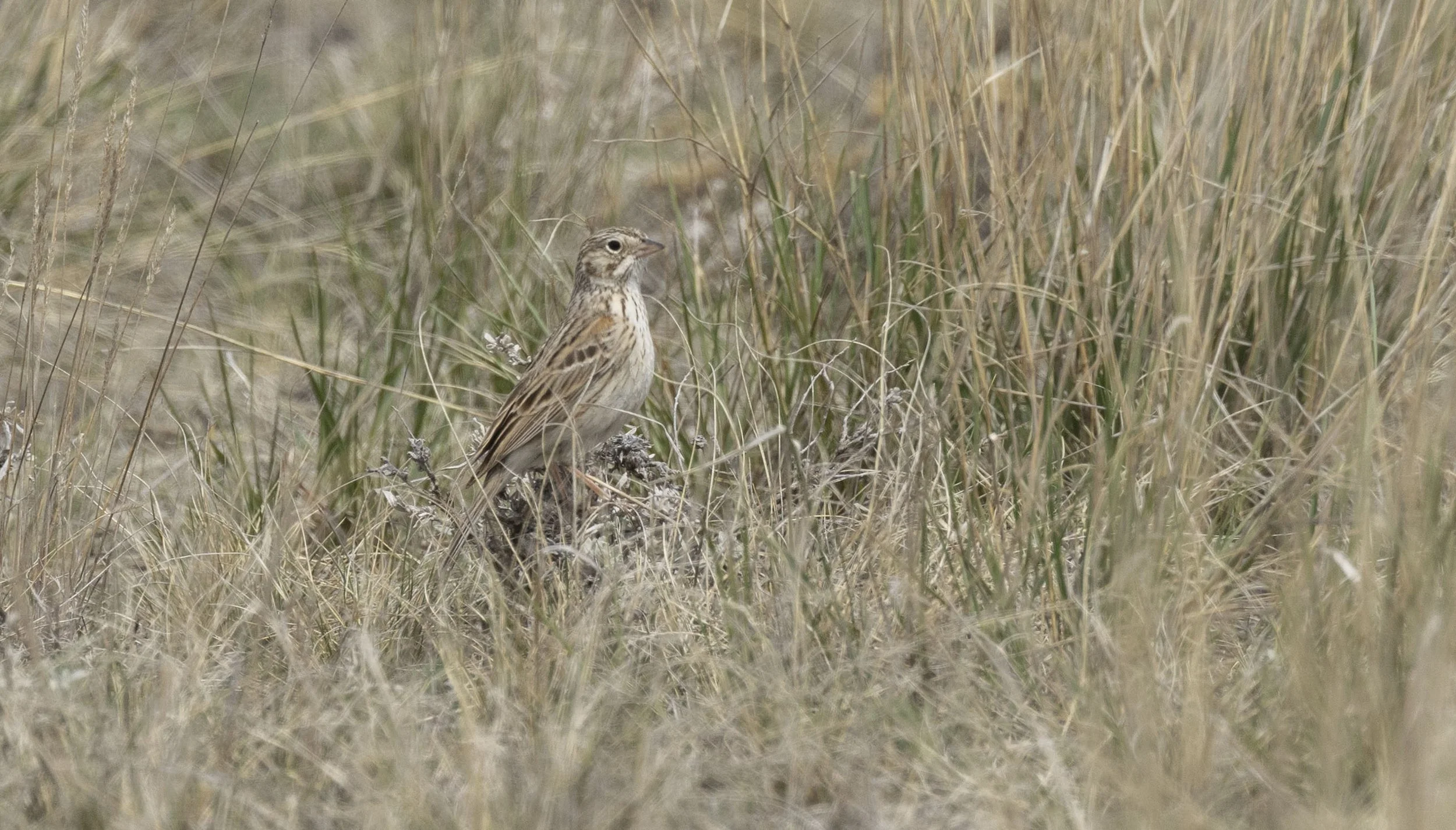
Vesper Sparrow not on a rusty fence
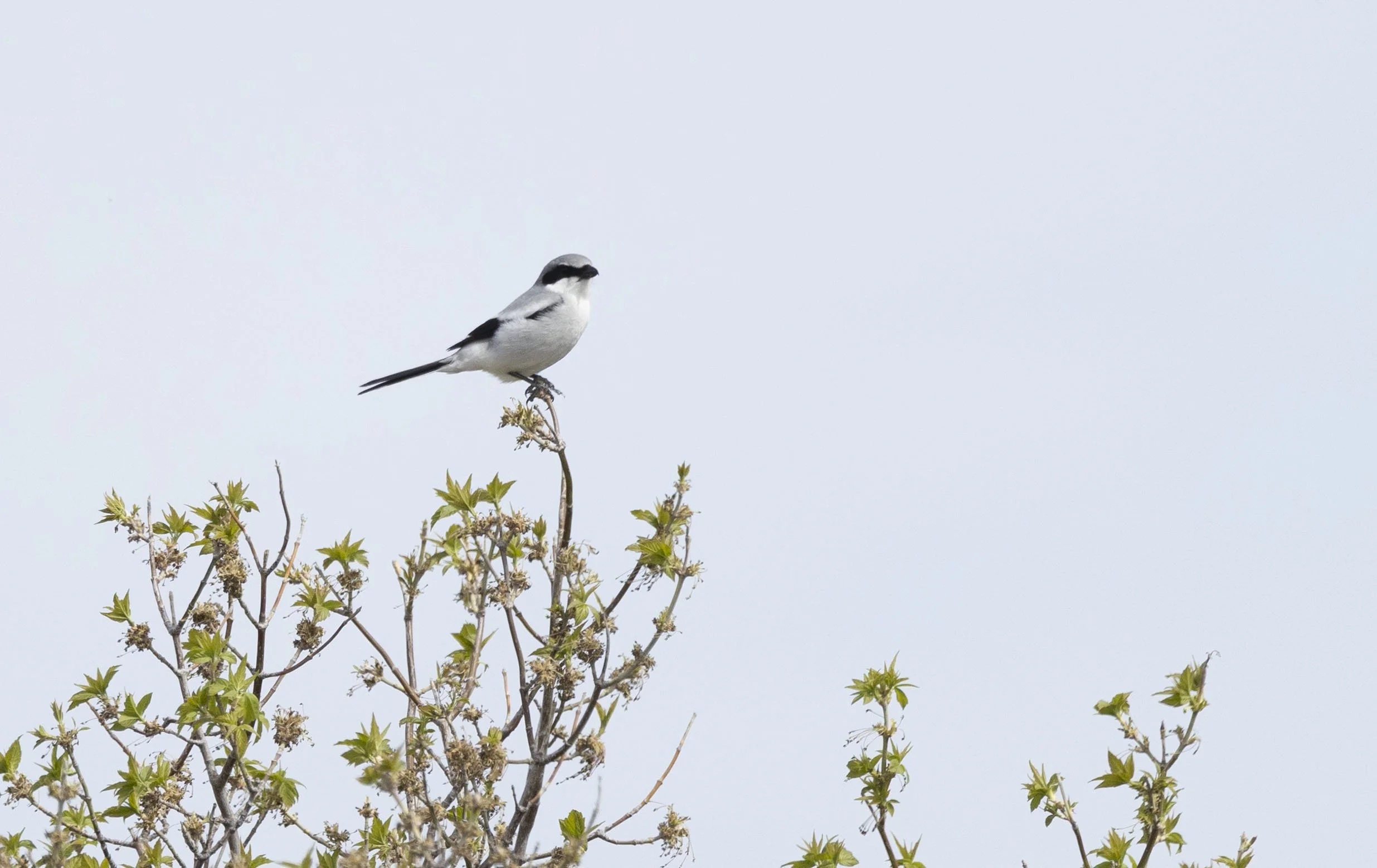
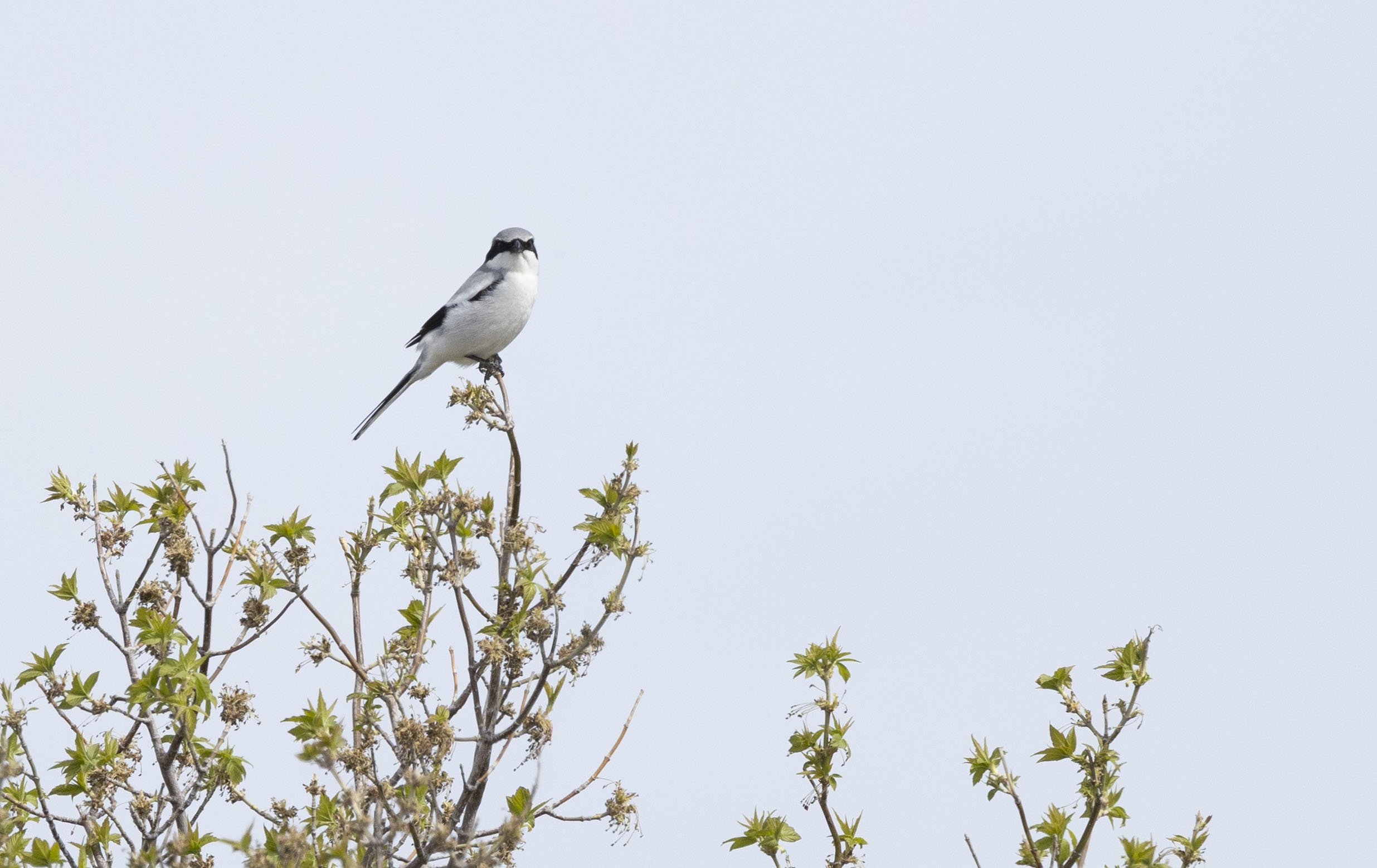
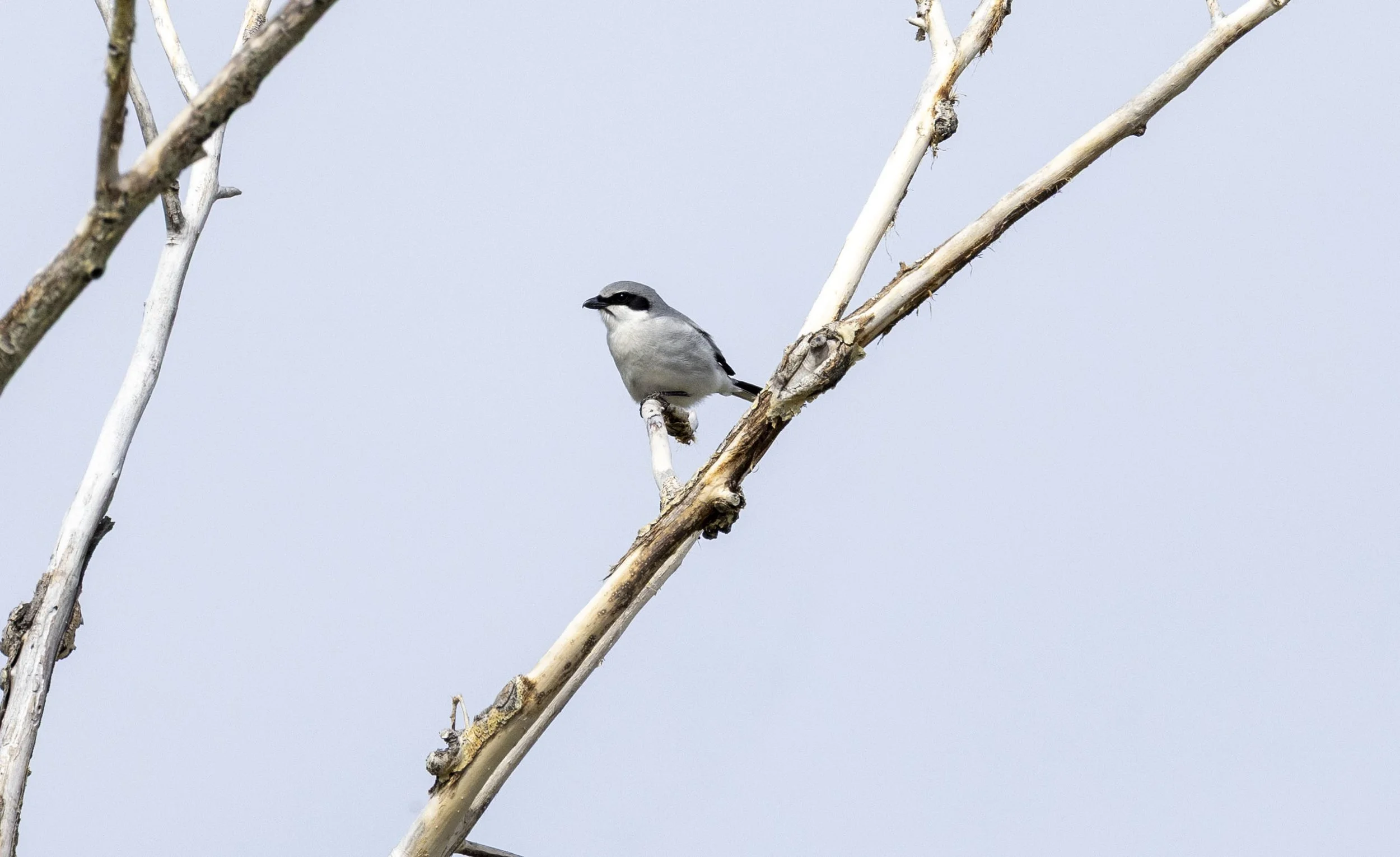
In all previous trips the only Loggerhead Shrikes I had seen were briefly from moving vehicles so it was nice to find this pair obviously on territory by the old abandoned farm
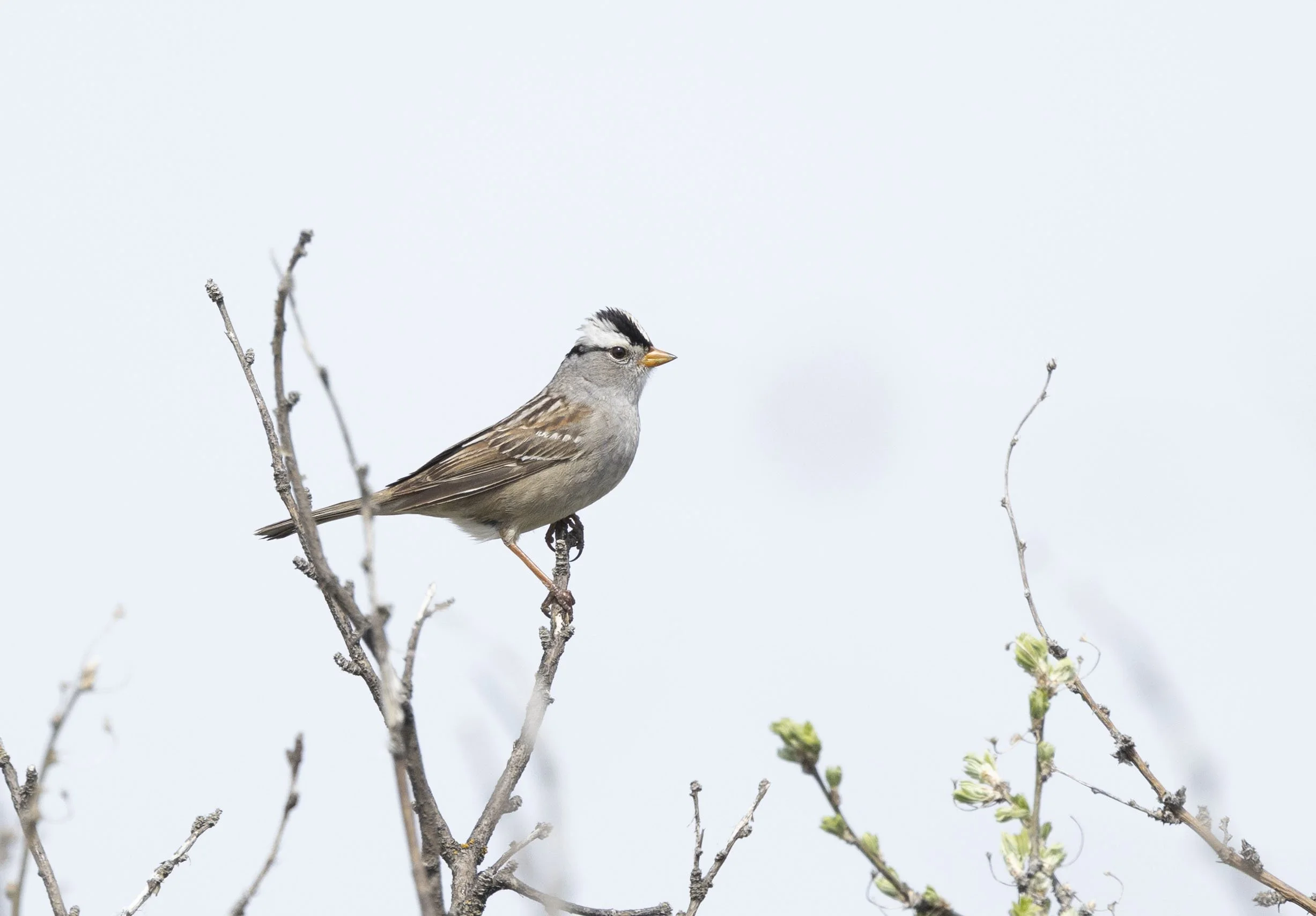
A flock of White-crowned Sparrows were around the farm buildings - a seemingly odd location so maybe migrants
May 11th:
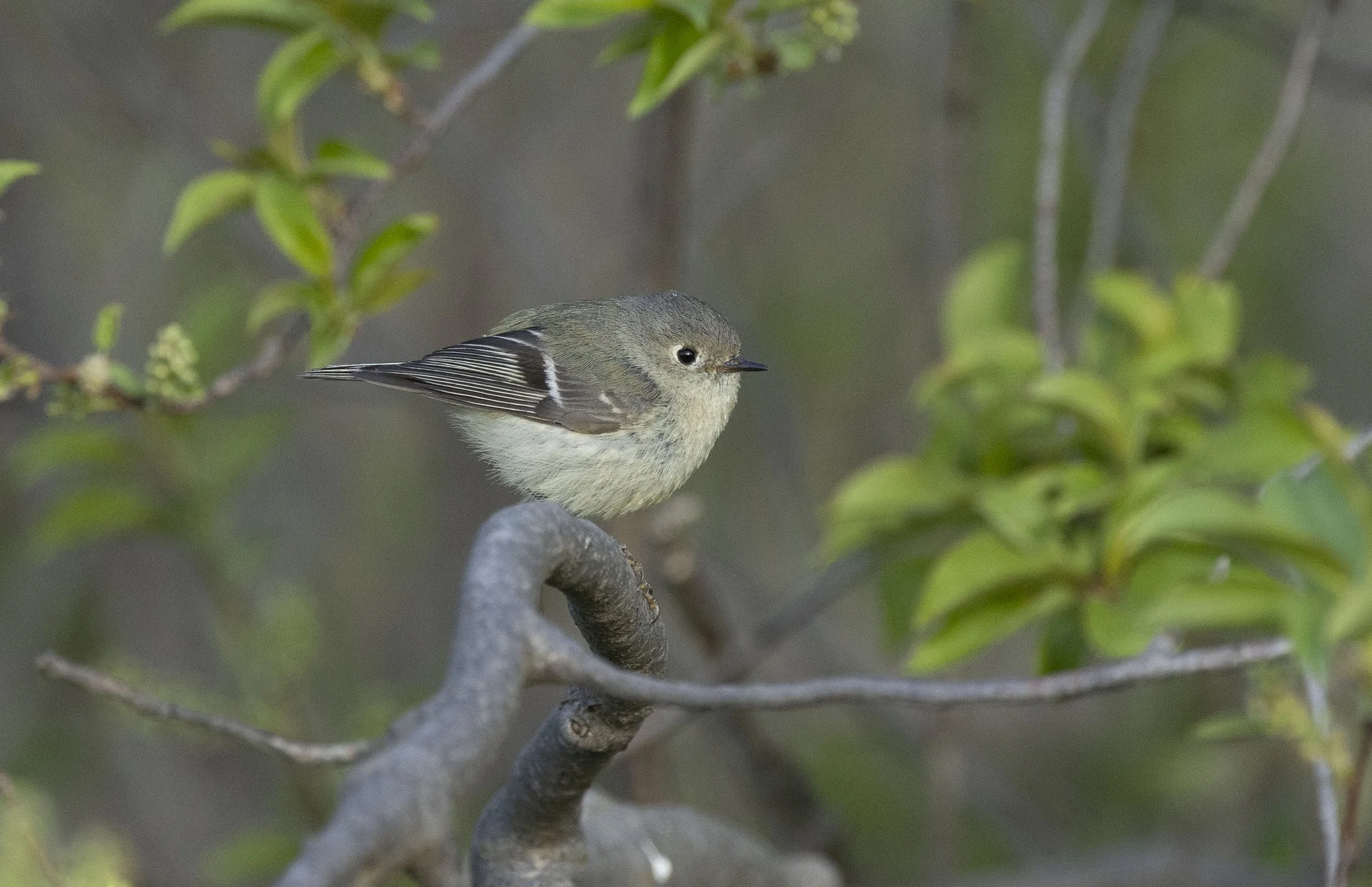
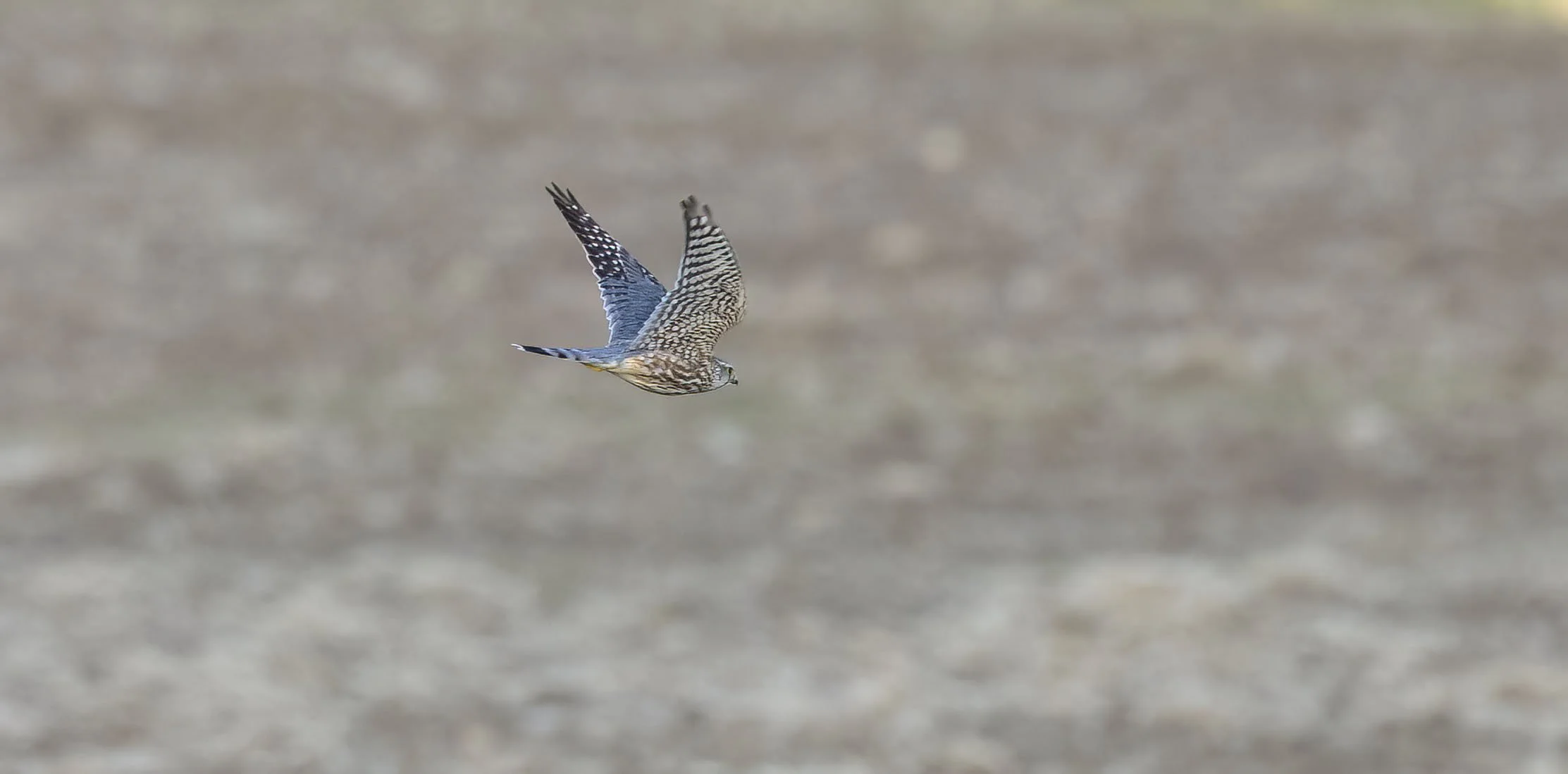
Guesthouse – an obvious overnight fall had occurred in the windy conditions with a Least Flycatcher, six Yellow-rumped (Myrtle) Warblers, three Ruby-crowned Kinglets, Yellow and Orange-crowned Warblers and three Swainson’s Thrushes in the surrounding trees. An American Kestrel was outshone by a superb adult male Prairie Merlin on the fence of the adjacent field where a Killdeer was displaying and the Wilson’s Snipe winnowed overhead.
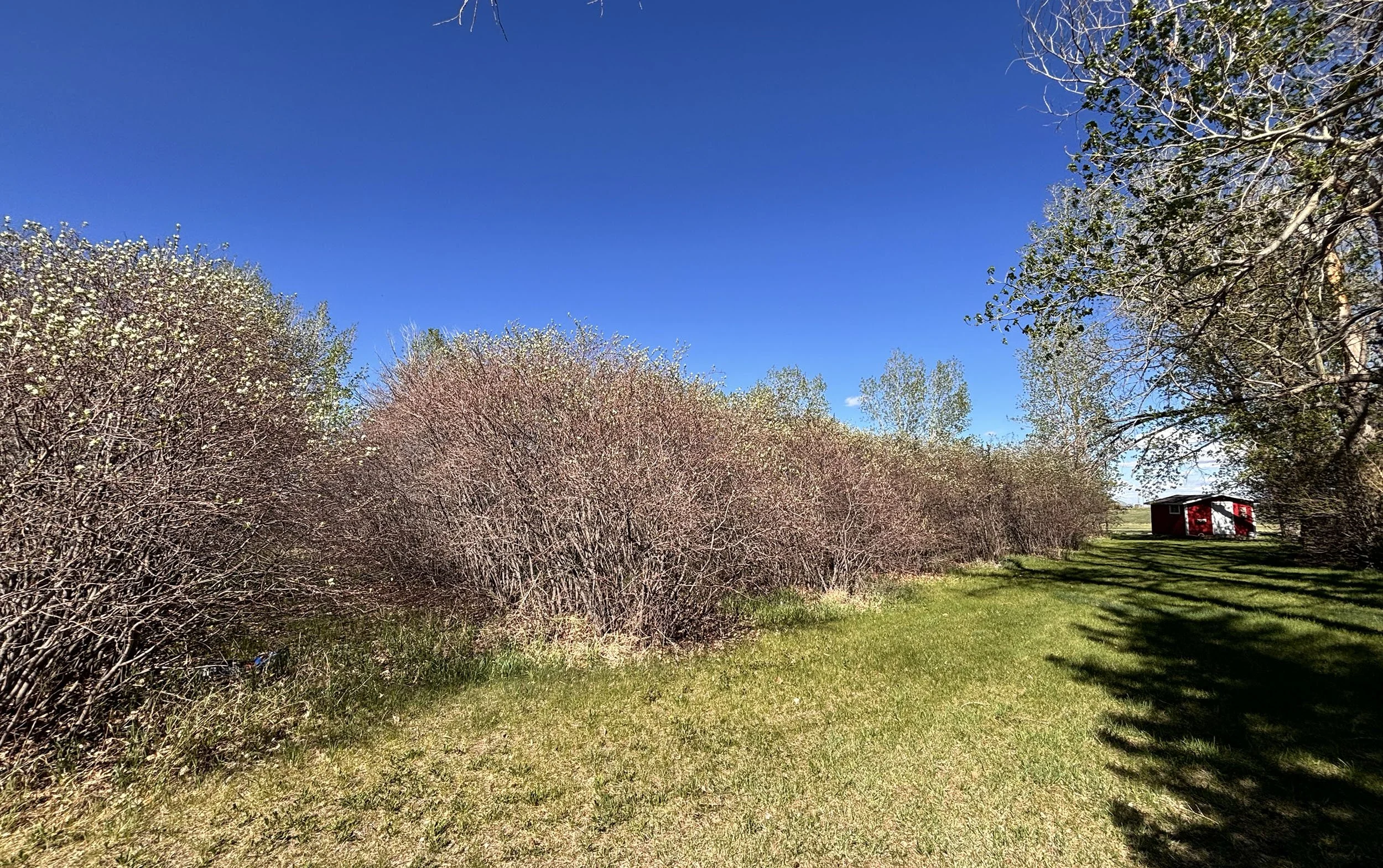
Bushes and trees by the guesthouse that held an excellent array of migrants
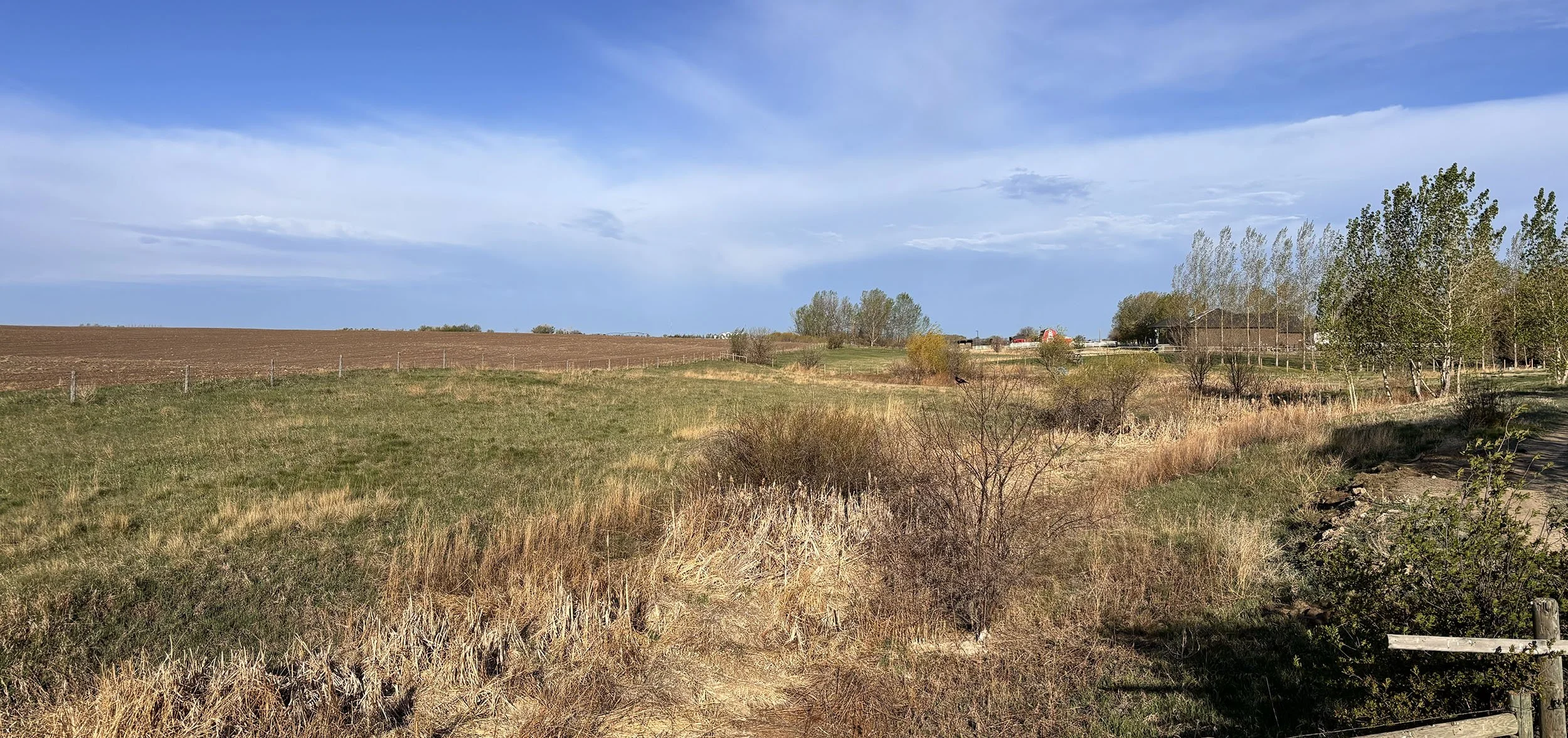
The valley running up to the guesthouse - the trees clearly form an oasis amongst a wide expanse of farmland
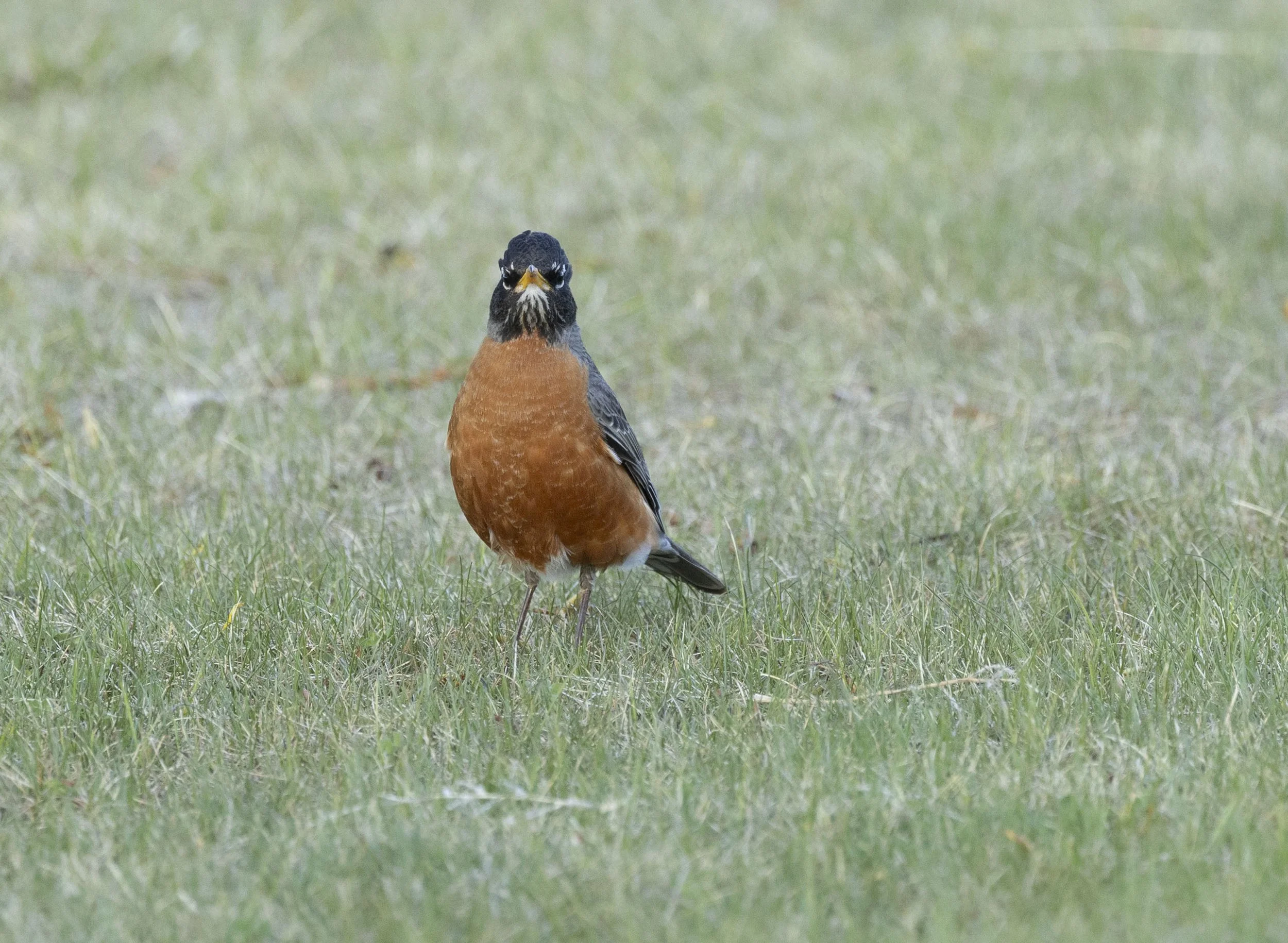
Typically the first bird you saw every morning when opening the cottage door with up to ten American Robins on the grass outside
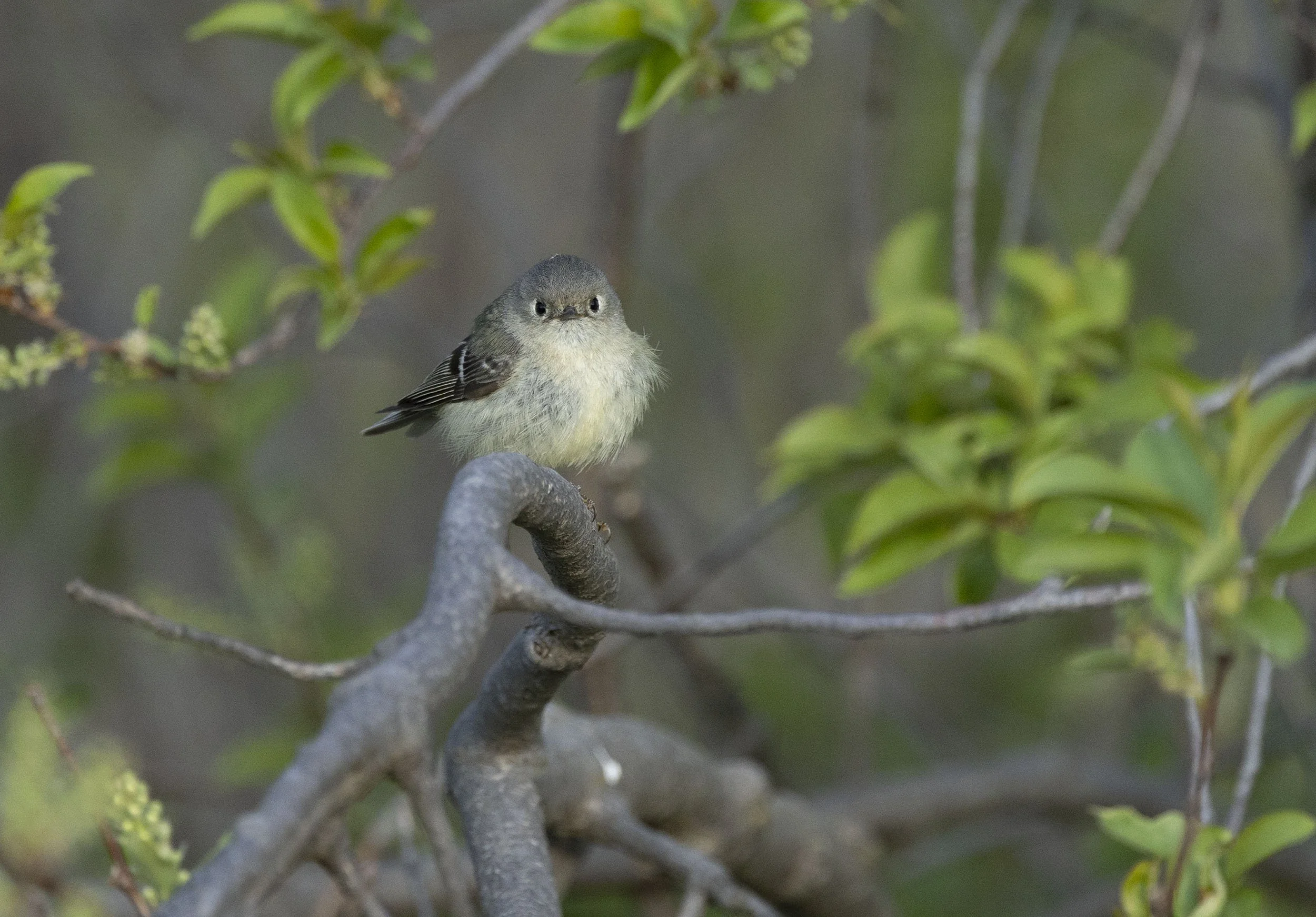
Ruby-crowned Kinglet
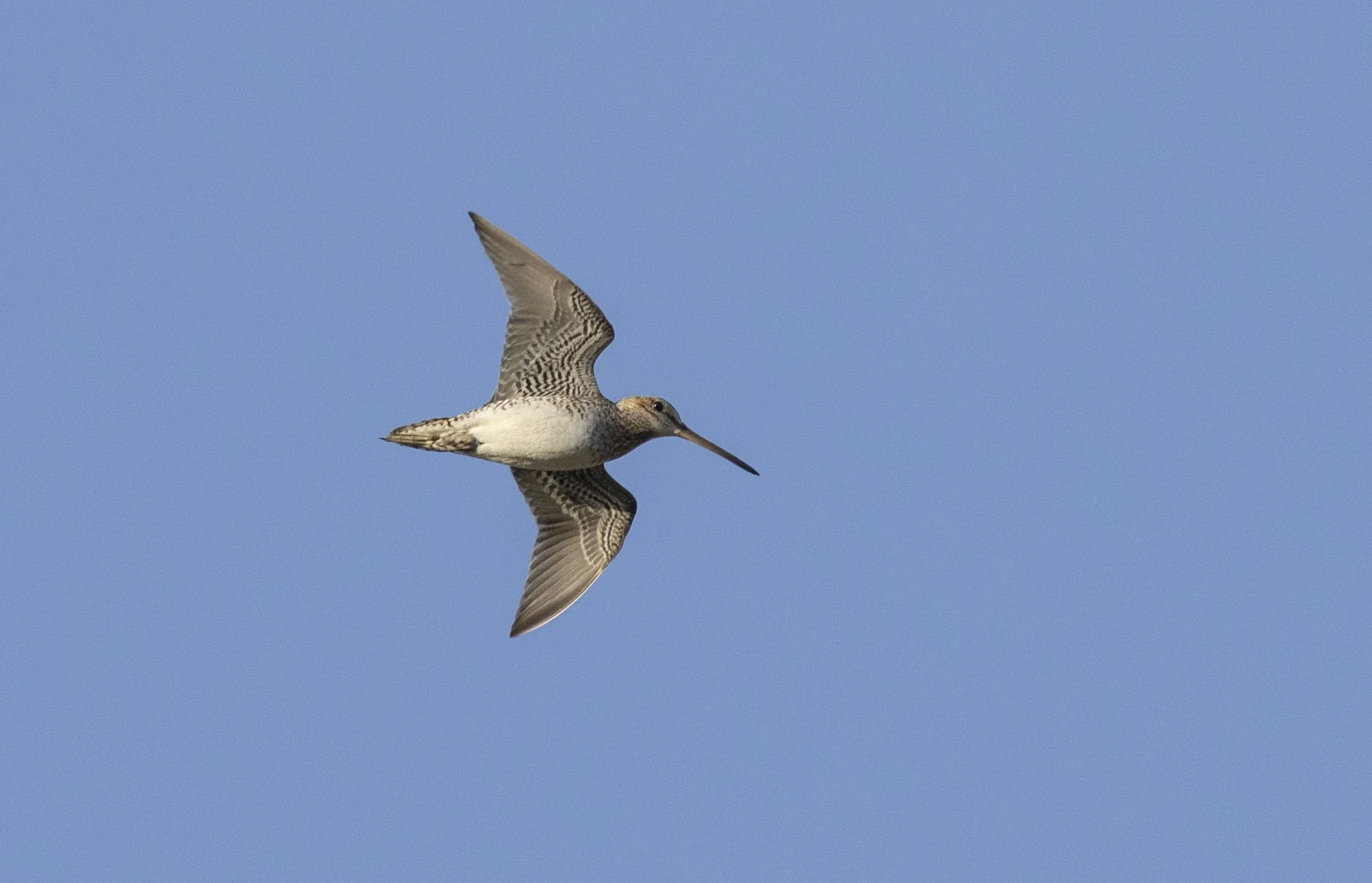
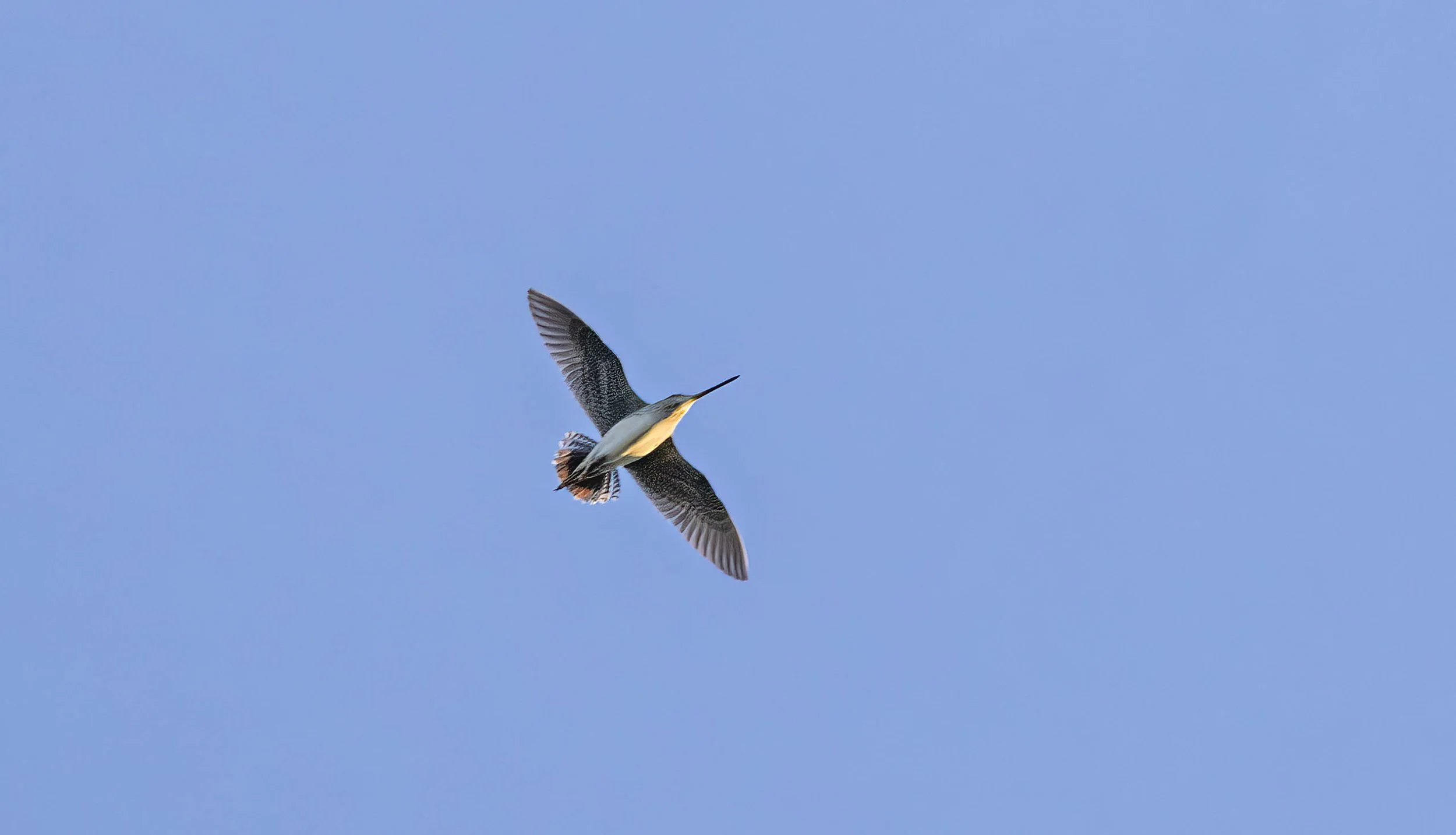
Displaying Wilson’s Snipe over the Guesthouse
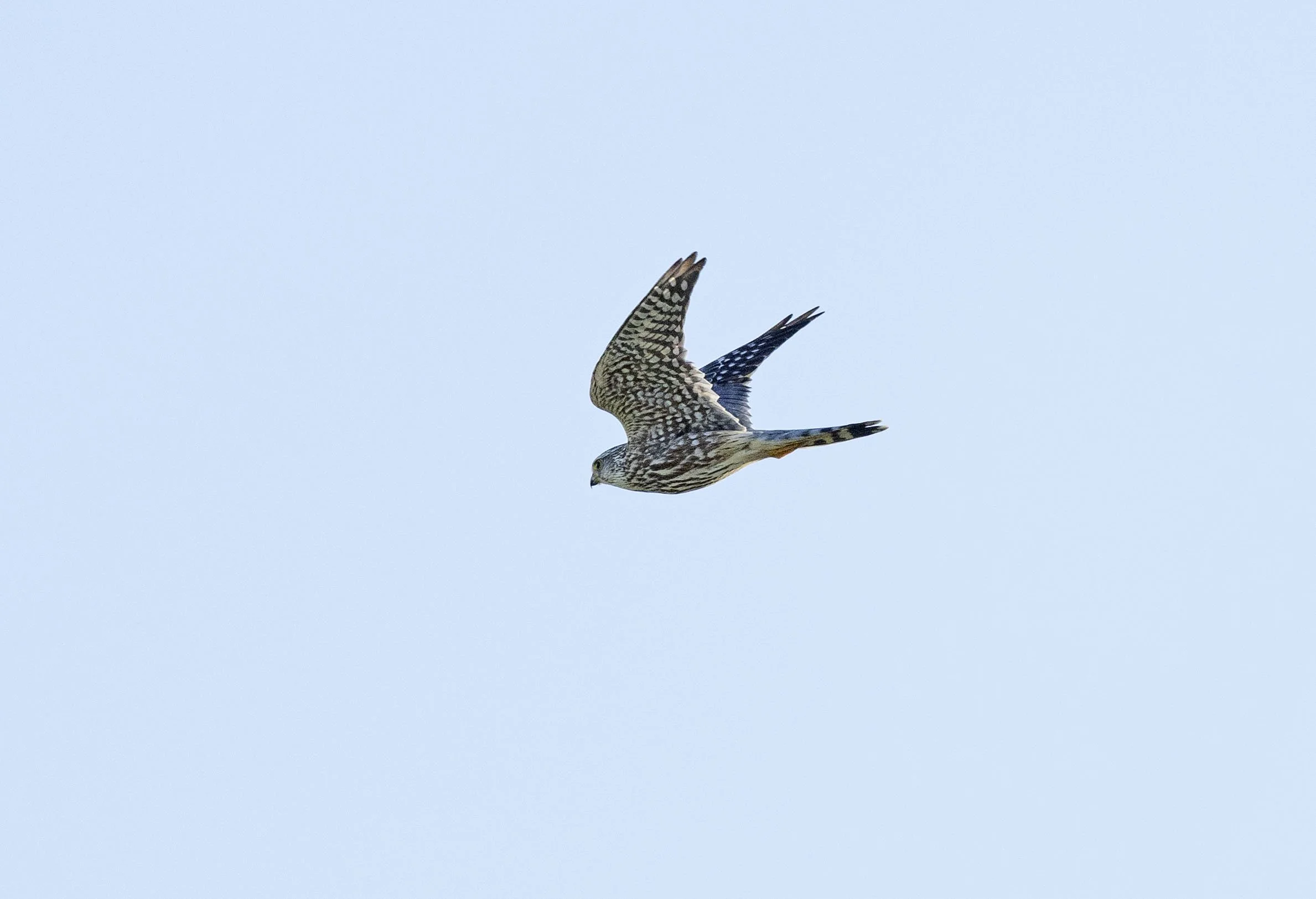
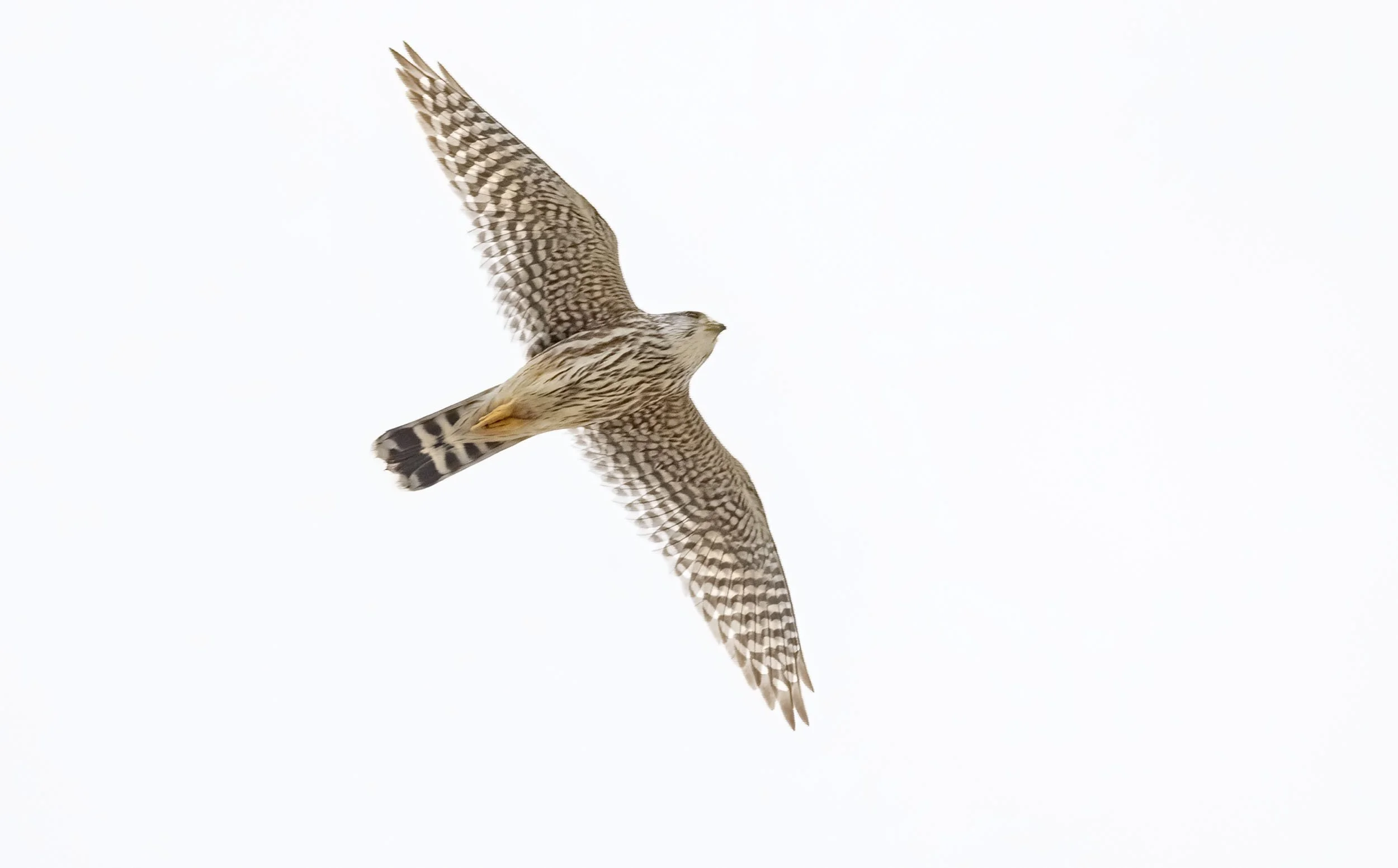
This male Prairie Merlin Falco columbarius richardsonii was dashing round the property in the morning and located on a fence post - I may have to do a seperate blog post on Prairie Merlins and Black Merlins
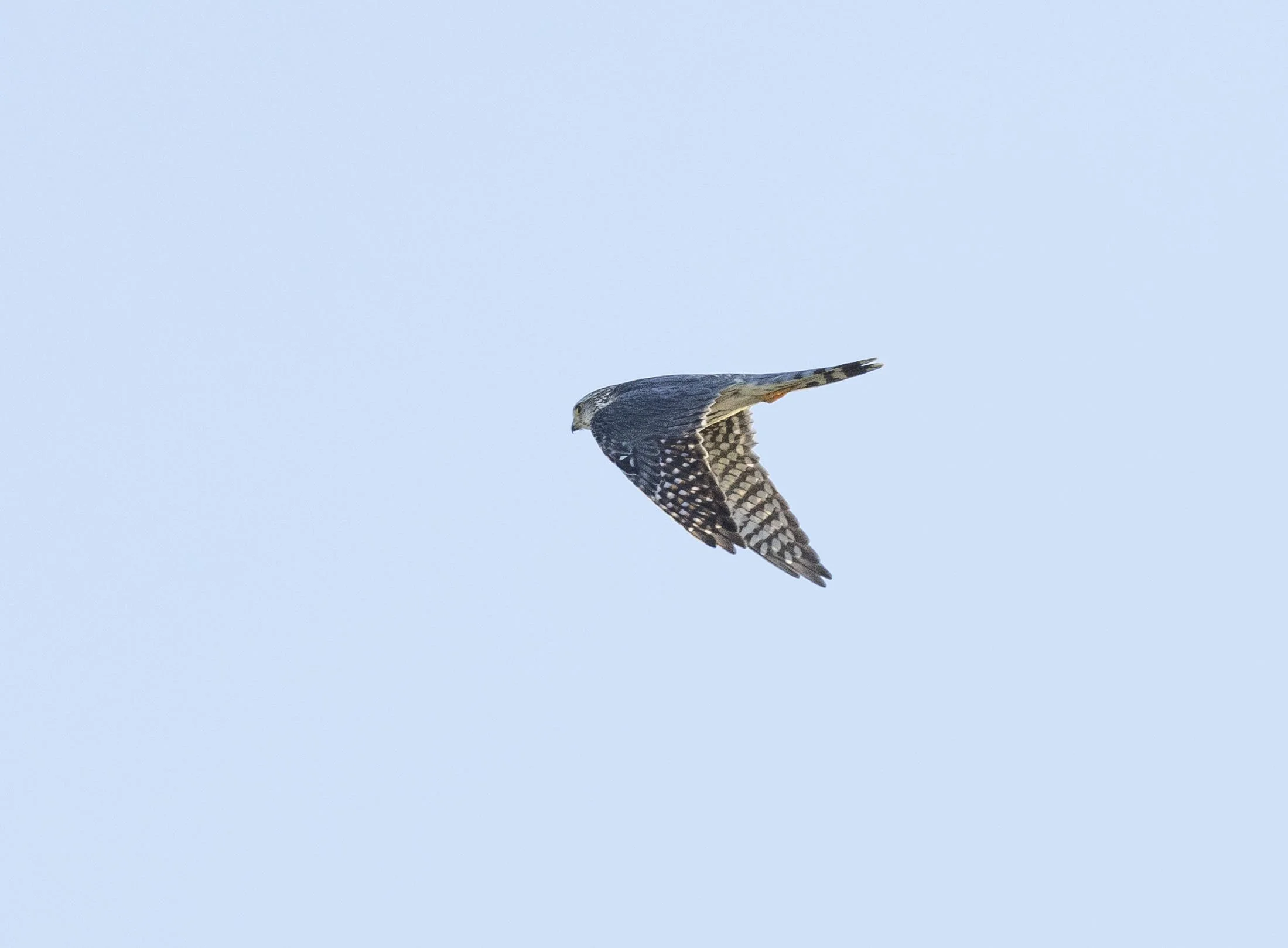
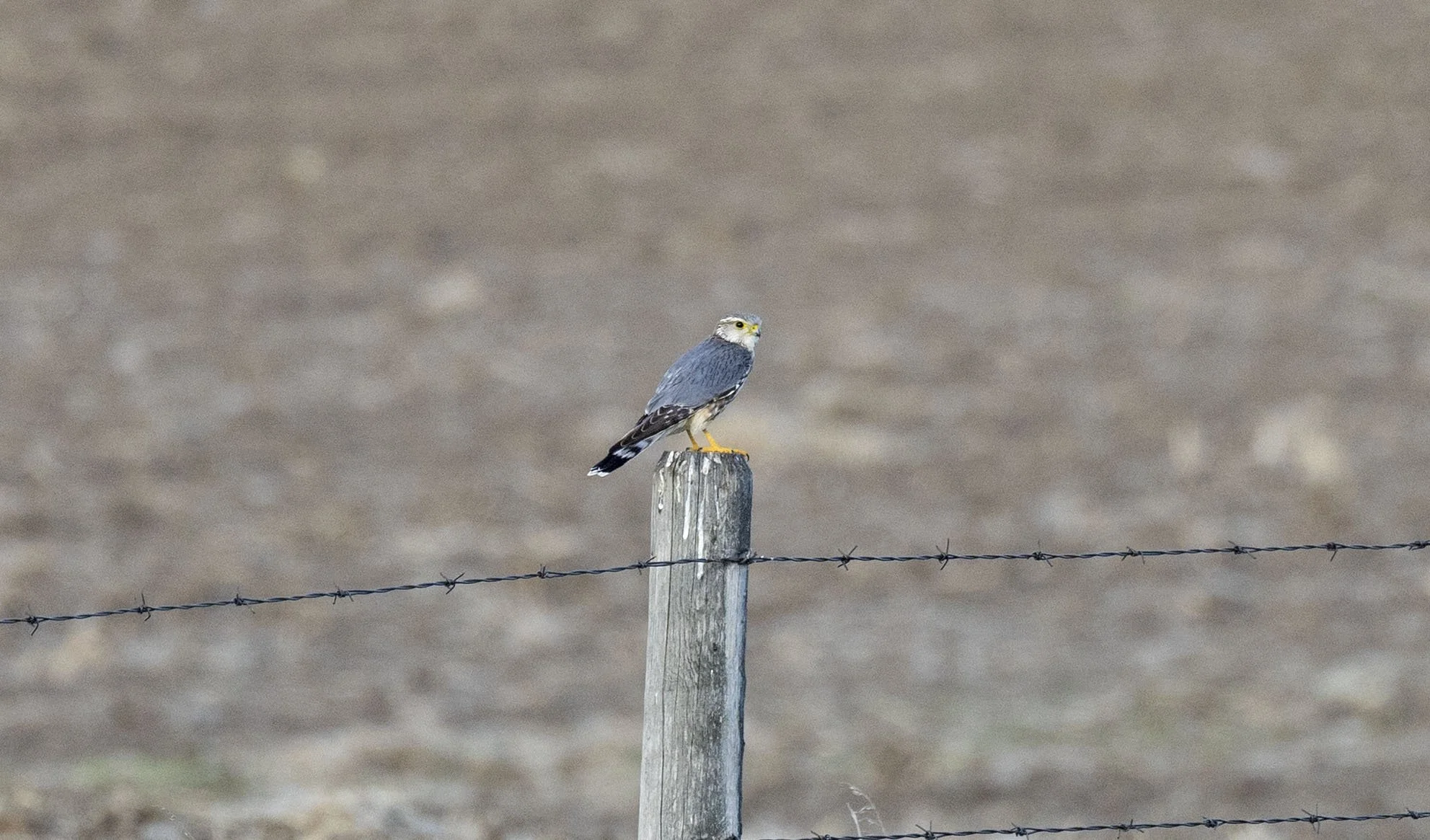
Male Prairie Merlin by the cottage early am - truly superb little raptor - cannot recall seeing them well before in Alberta but do remember being struck by seeing one in Texas back in 1995 - one occasion when I could done to have put the 1.4x on but the encounter was brief
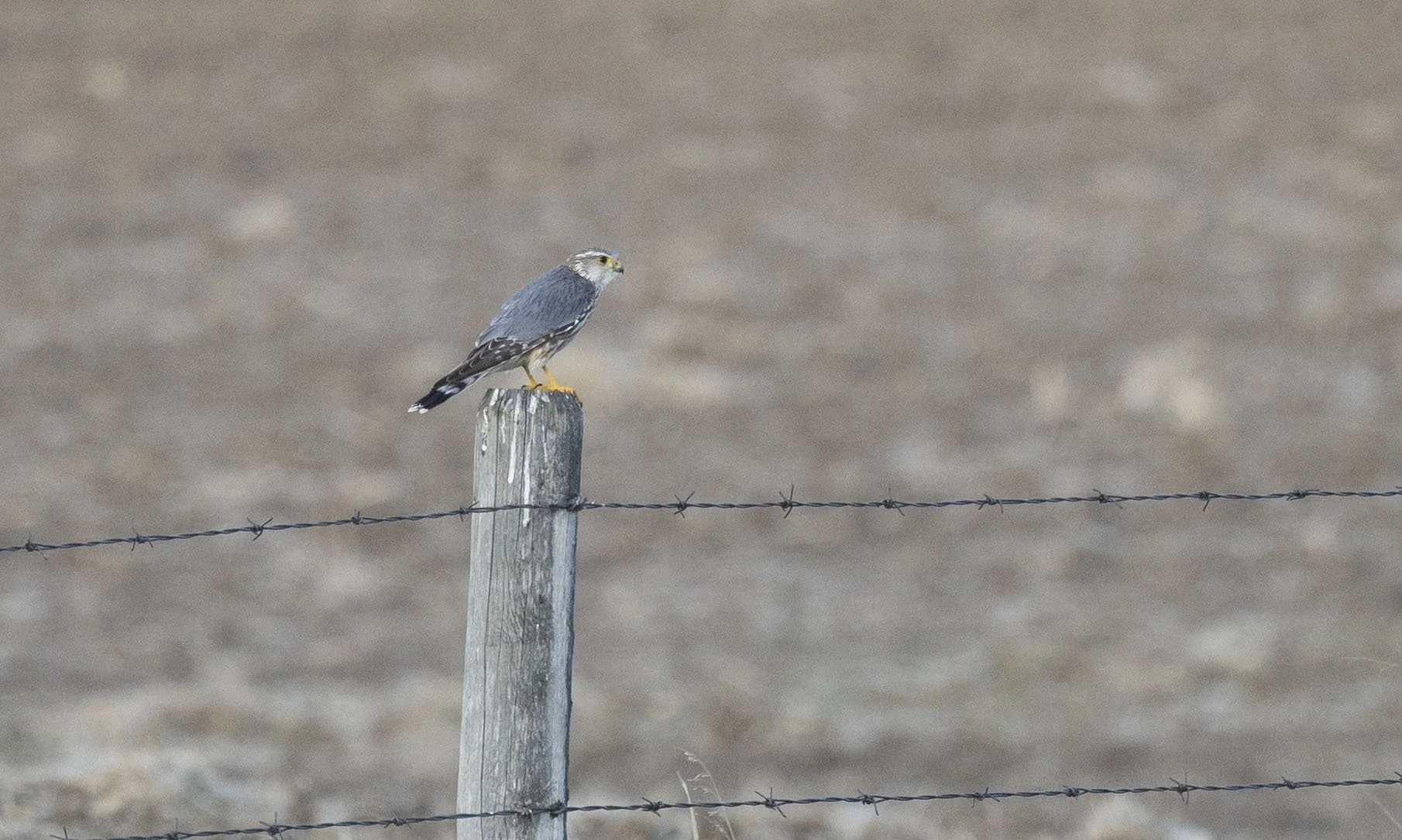
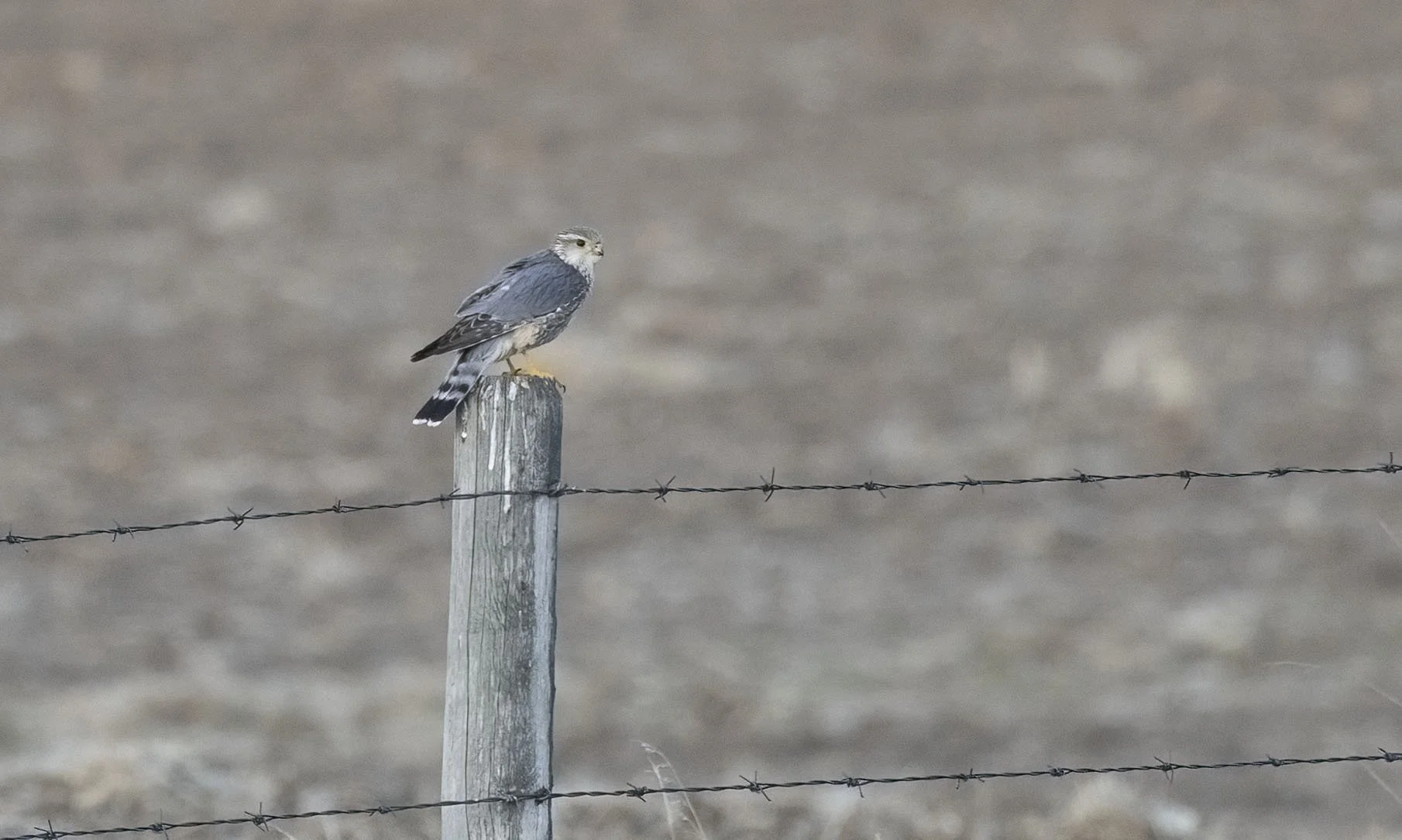
That tail and the plain face, lack of moustache what a cracker
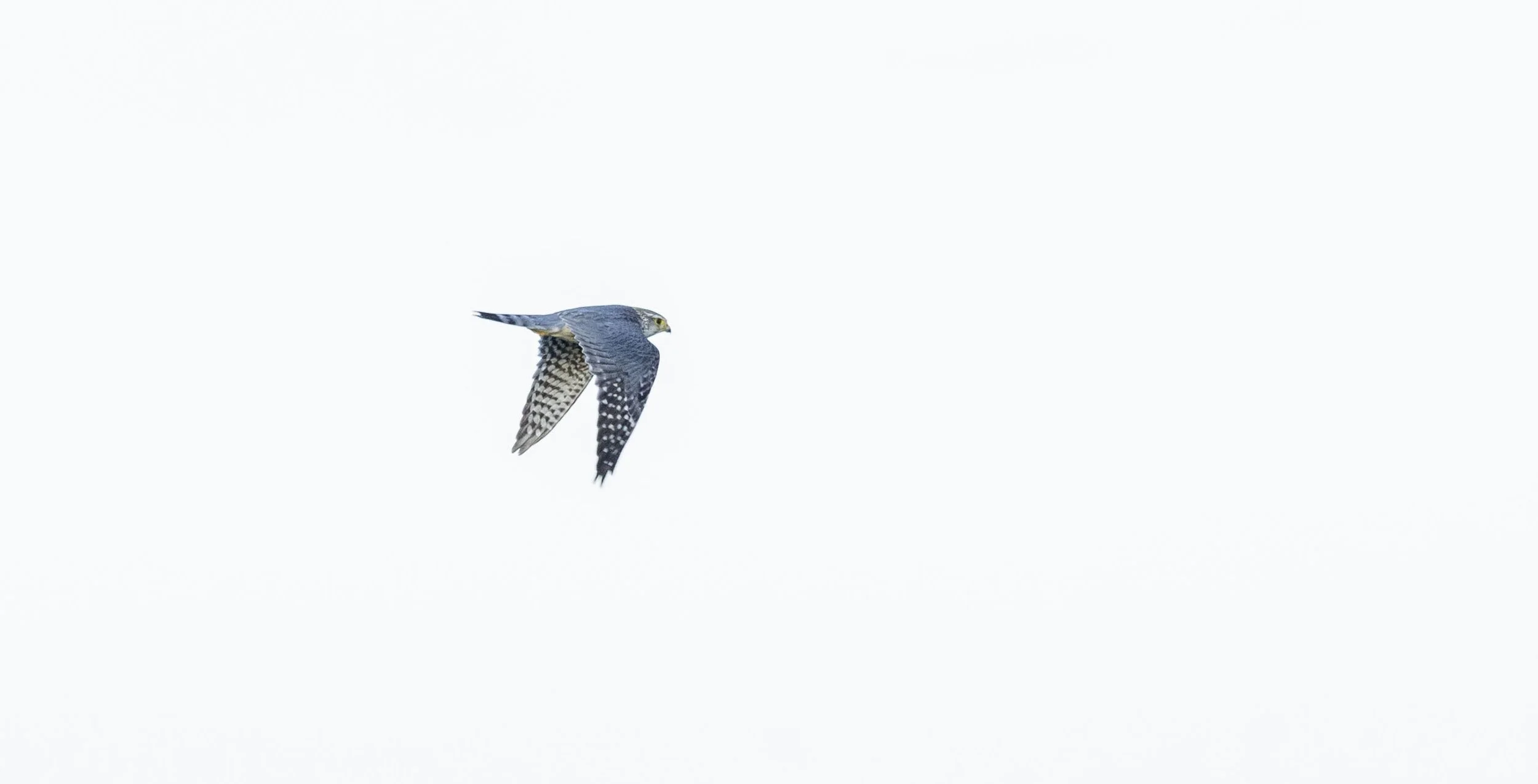
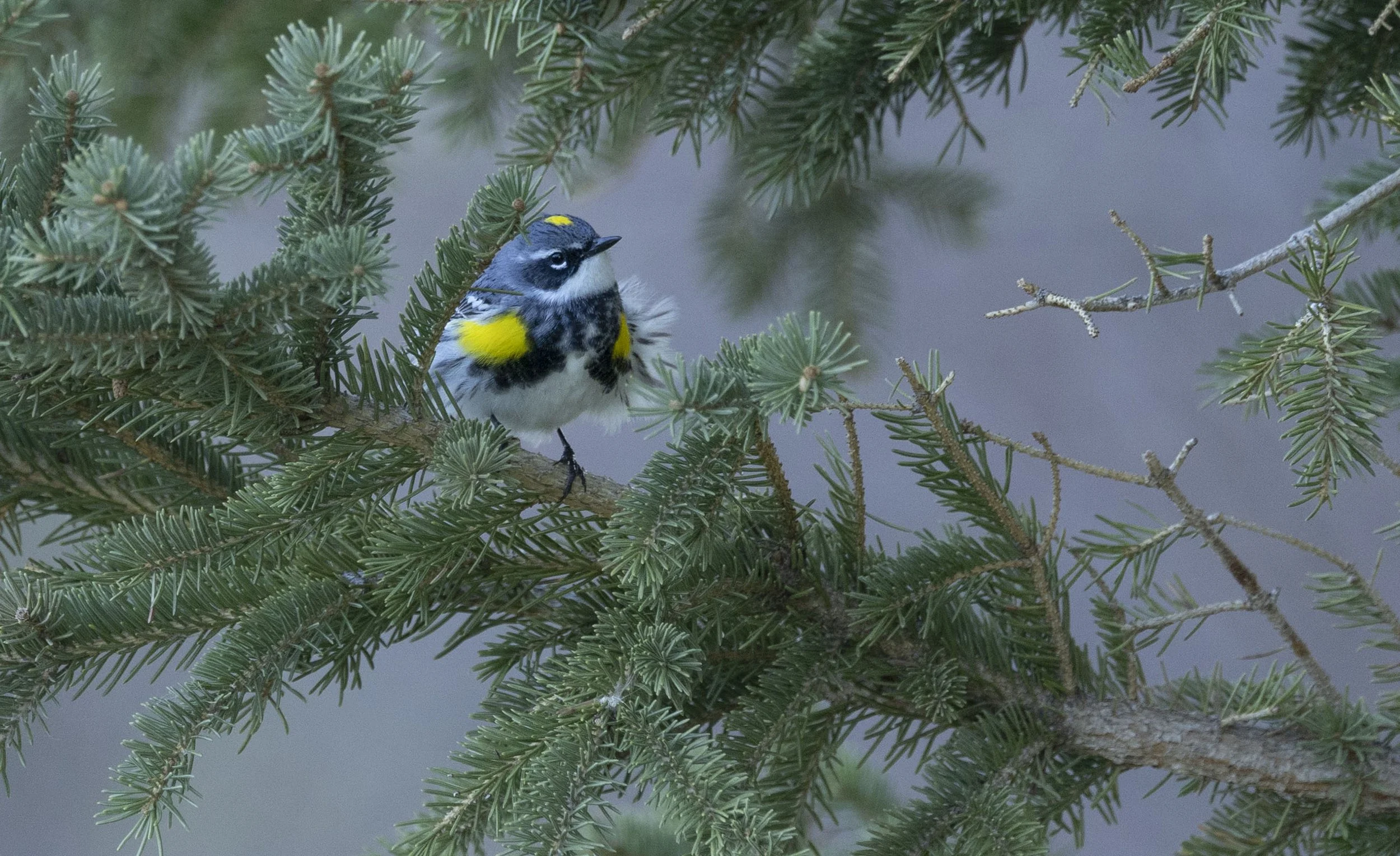
After an early walk down the road we came back to find a few Myrtle Warblers in the trees round the cottage - just stunning birds
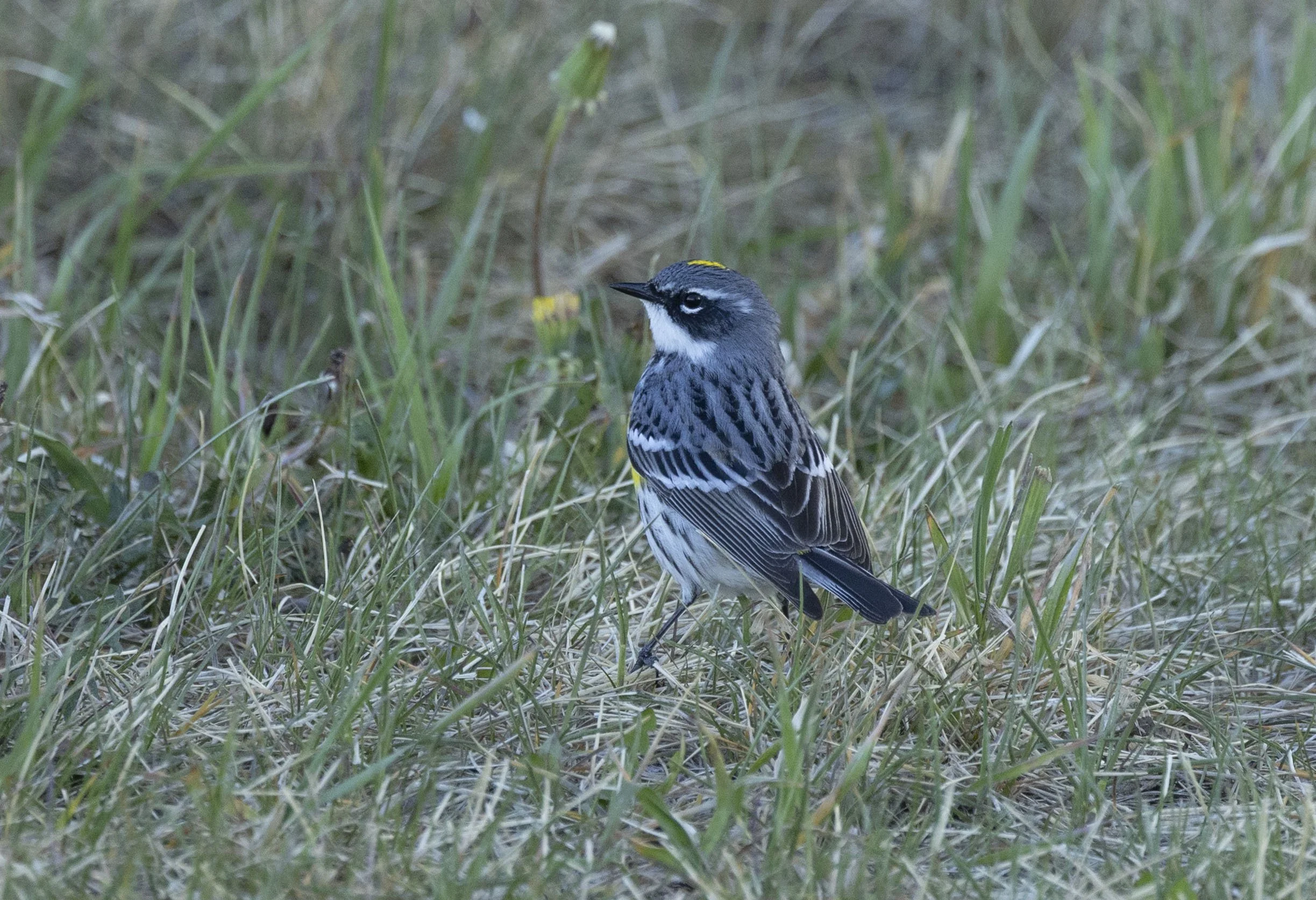
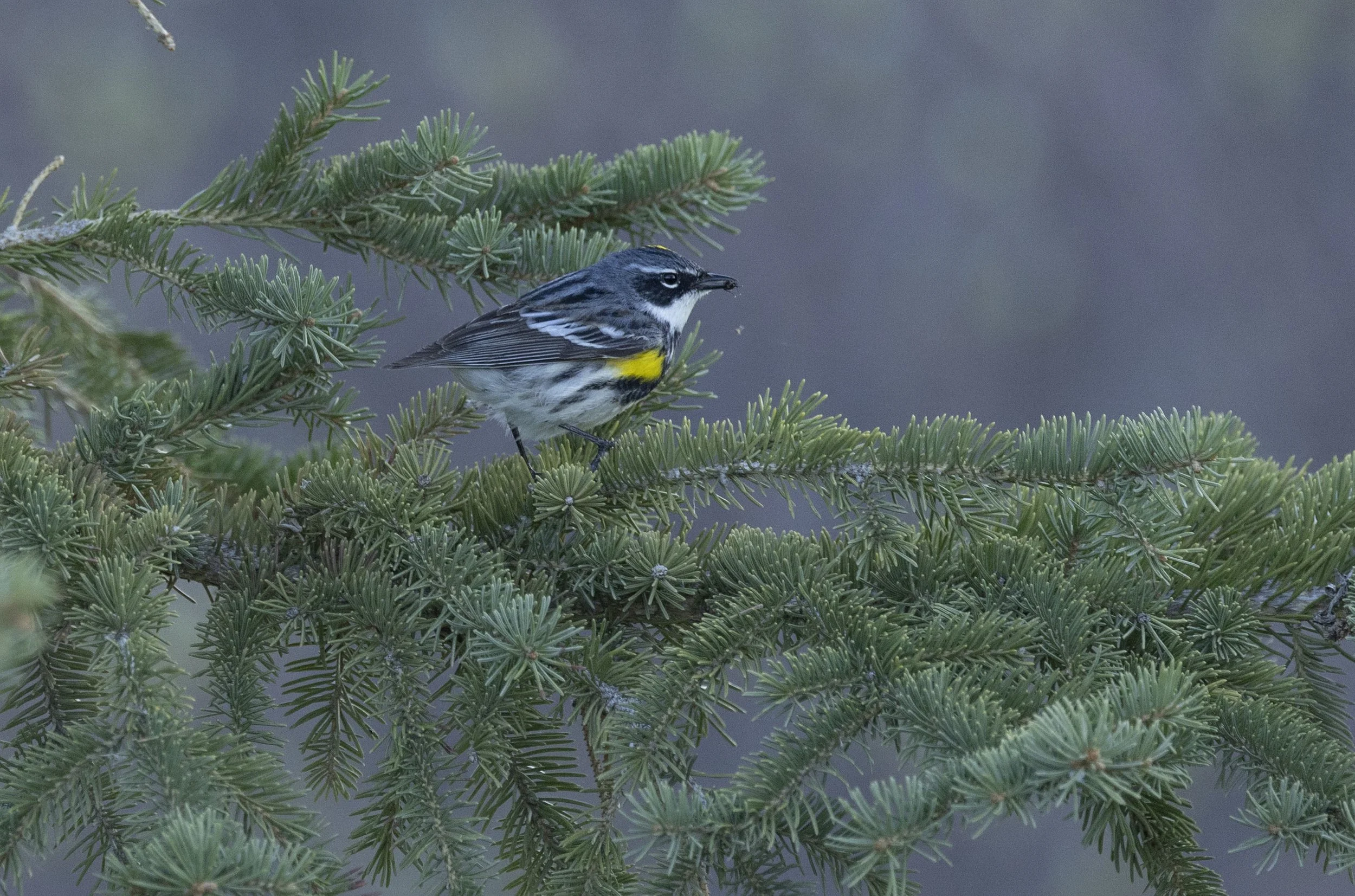
This one had lost its tail somewhere
Decided on a drive down to Elkwater PP in the Cypress Hills in the decidedly cool and windy weather. Amazingly we again picked a day when the café was closed! After a few walks around the park we drove down Highway 514 a gravel road to look for Bluebirds and raptors in the afternoon. The days haul included: Bald Eagles, Red-tailed Hawk and pair of Prairie Merlins apparently attempting to nest in the trees by the camping area, 20+ Yellow-rumped Warblers, two Orange-crowned warblers, two Red-breasted Nuthatch, Tree Swallows, four Downy Woodpeckers, Black-capped Chickadees, two Cedar Waxwings which proved to be the only ones of the trip on the lake and adjacent marshes, 10 Ring-billed Gulls, 30+ Ring-necked Ducks, two Cinnamon teal, two Blue-winged Teal, 6 American Wigeon, 10+ Red-necked Grebes, two Willet and Spotted Sandpiper. In sheltered spots butterflies included several unidentified Whites, Milbert’s Tortoiseshell and a Northern Azure Blue. The range road drive revealed 10+ Mountain Bluebirds round the boxes, two male Northern Harriers, Marbled Godwit and Golden Eagle.
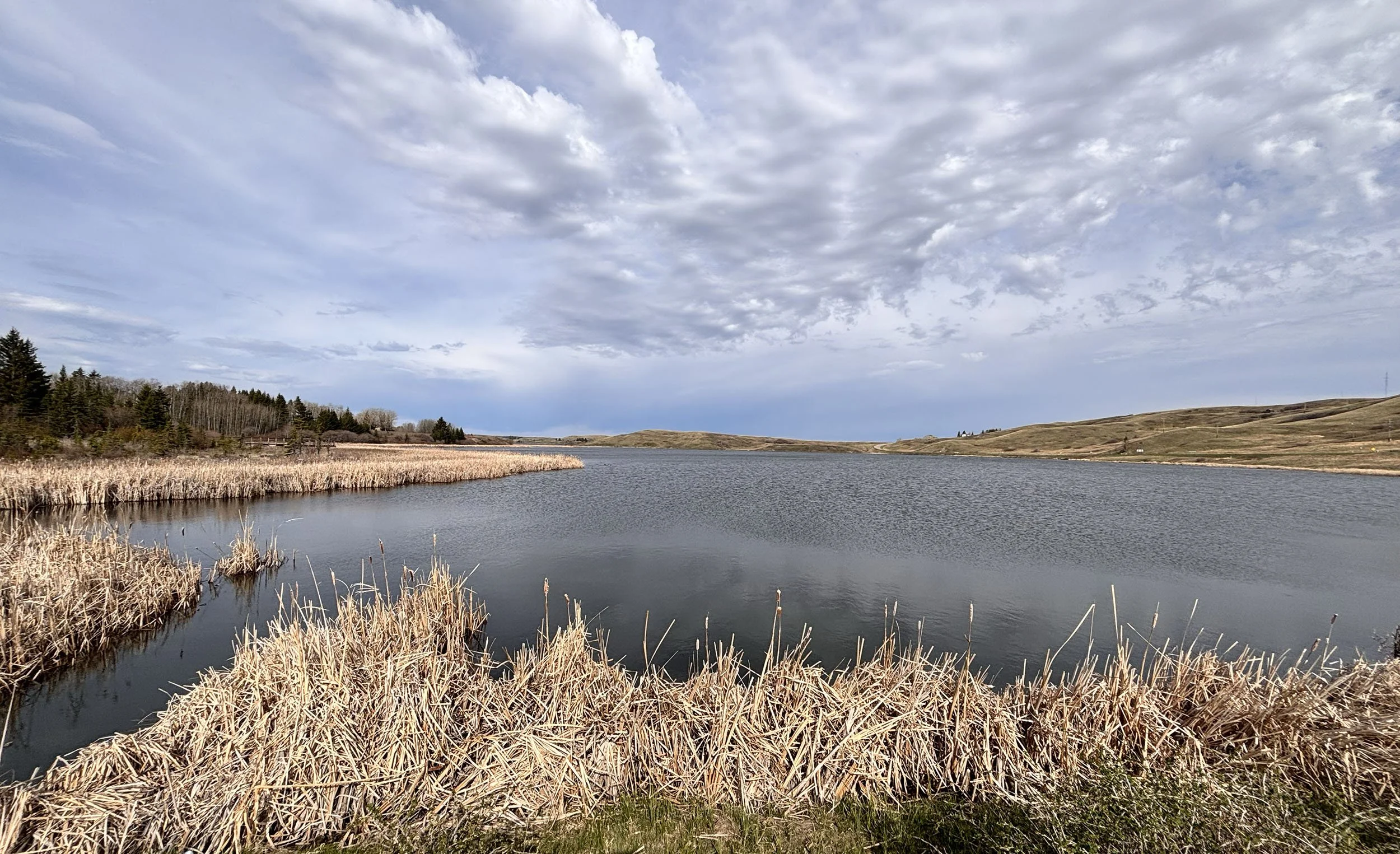
Elkwater Lake
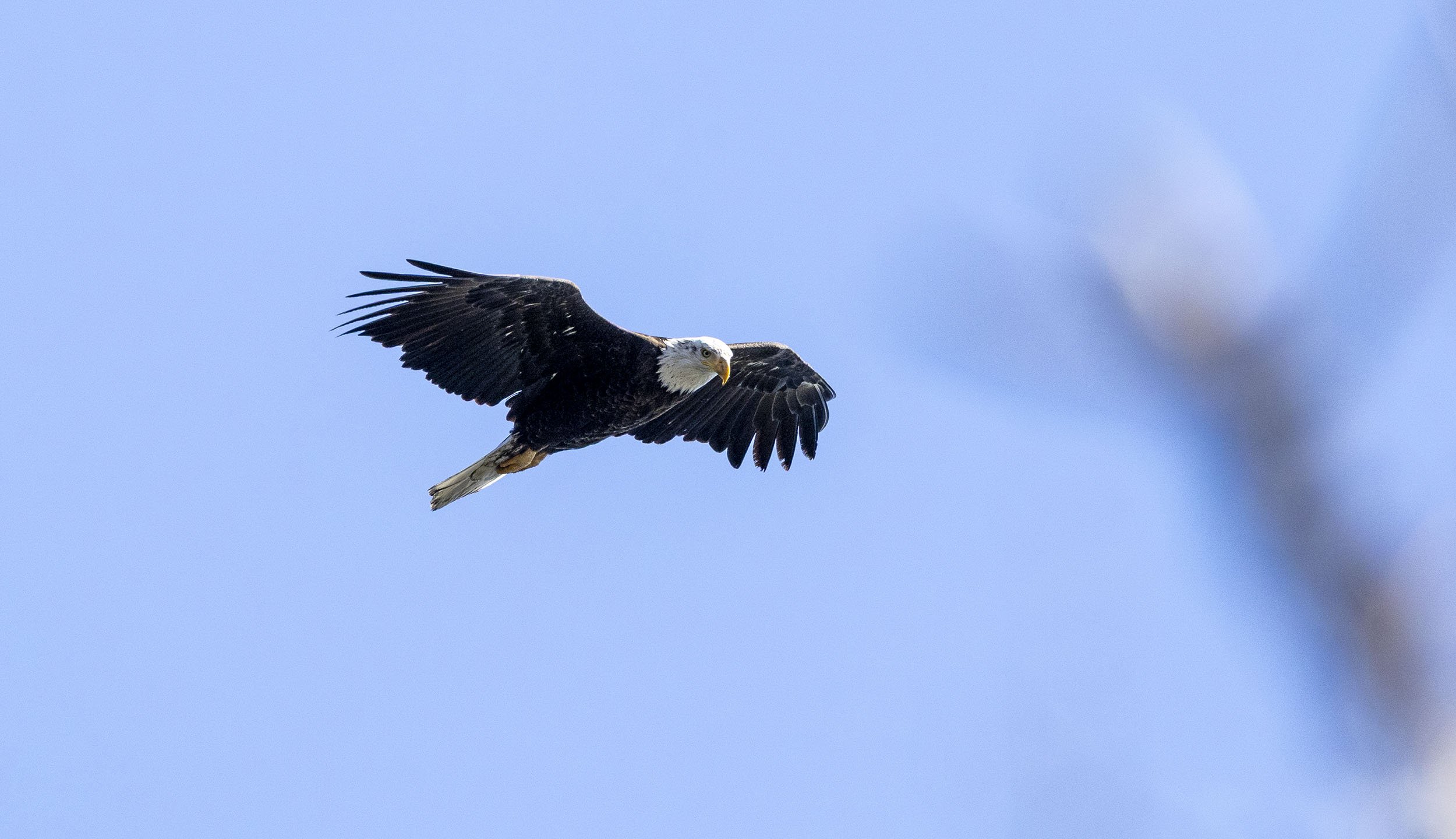
Bald Eagle eyeing up the Coots and wildfowl on the choppy lake
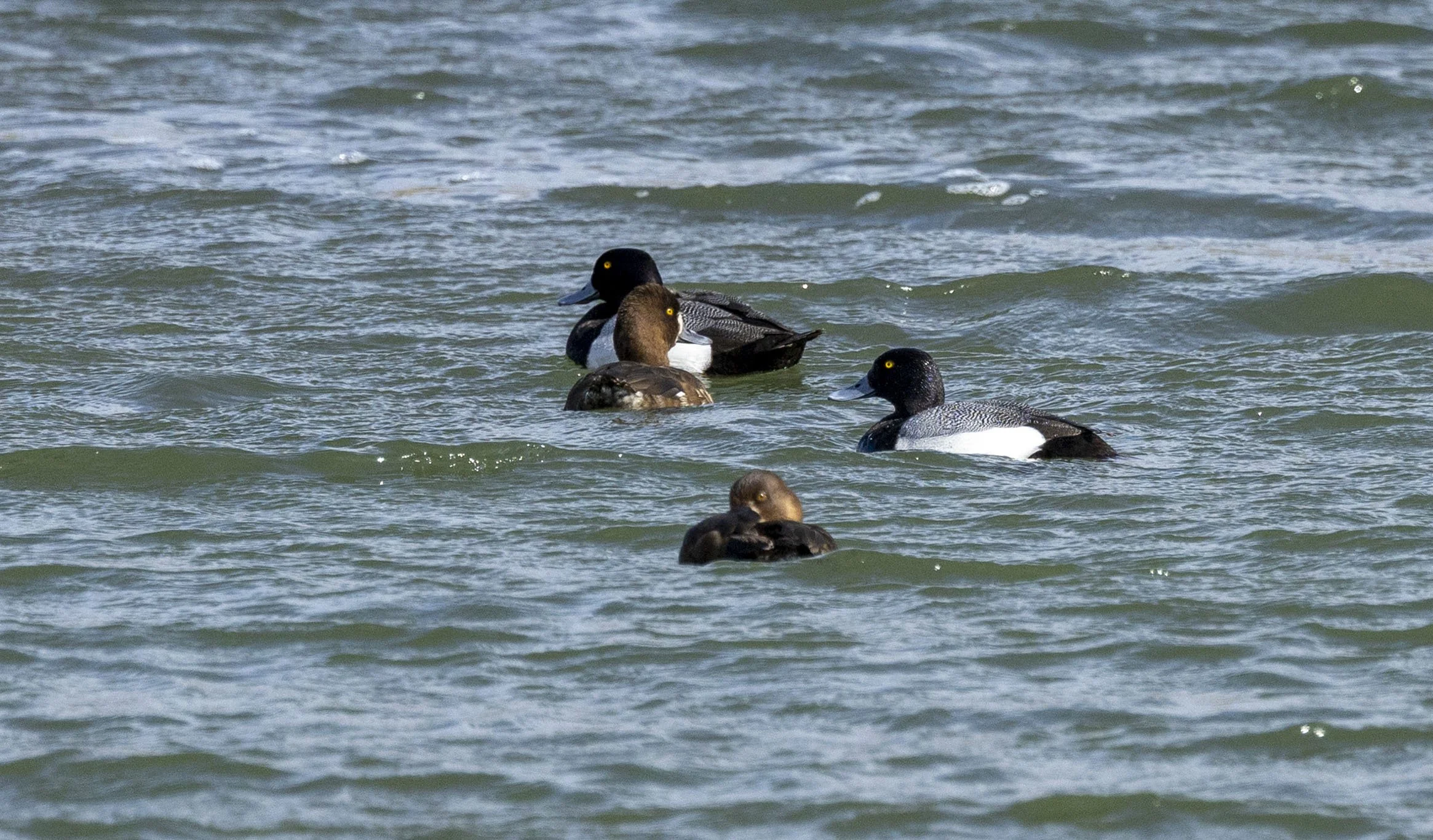
Lesser Scaup
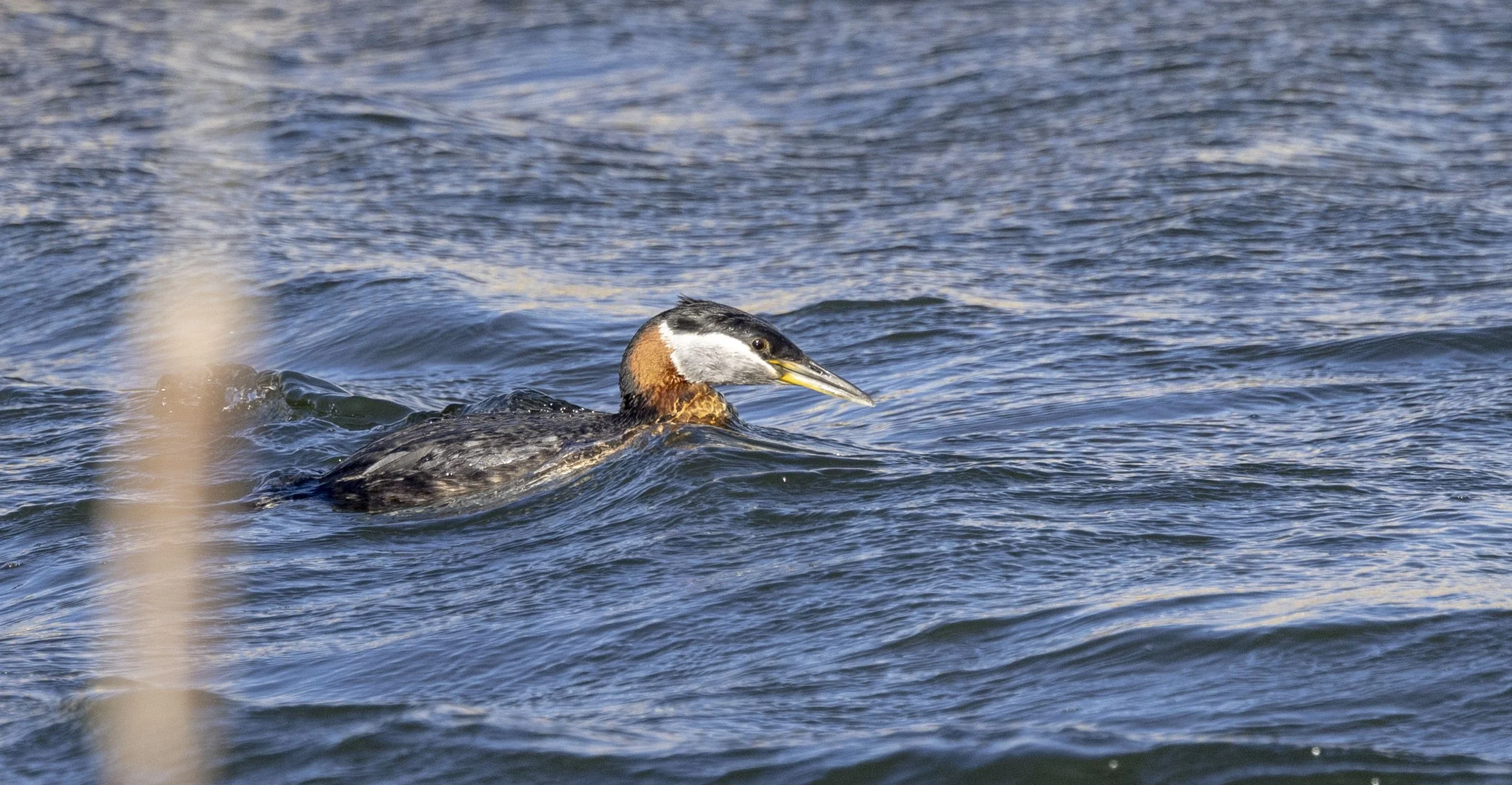
Red-necked Grebes were always just too far out and against the light
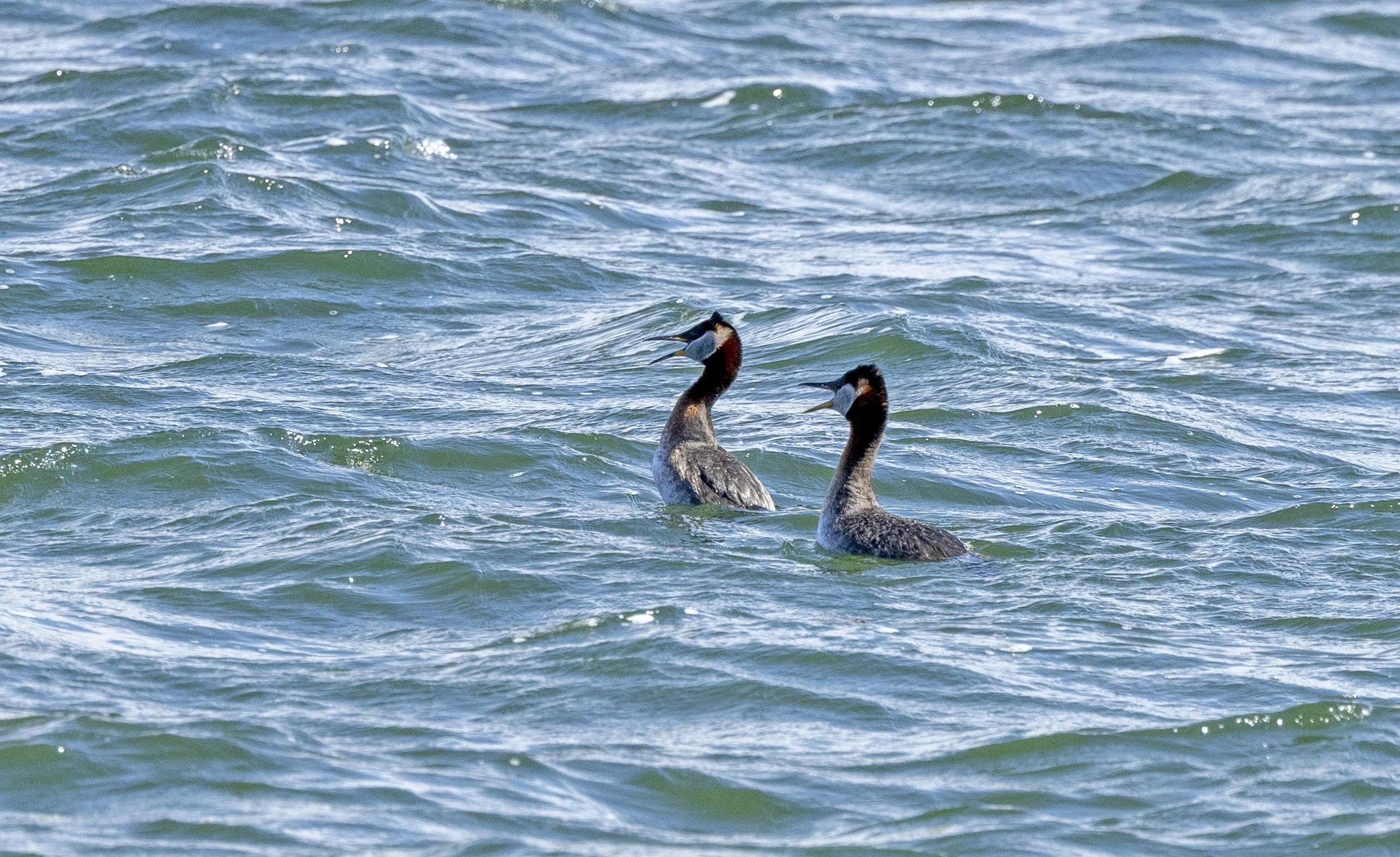
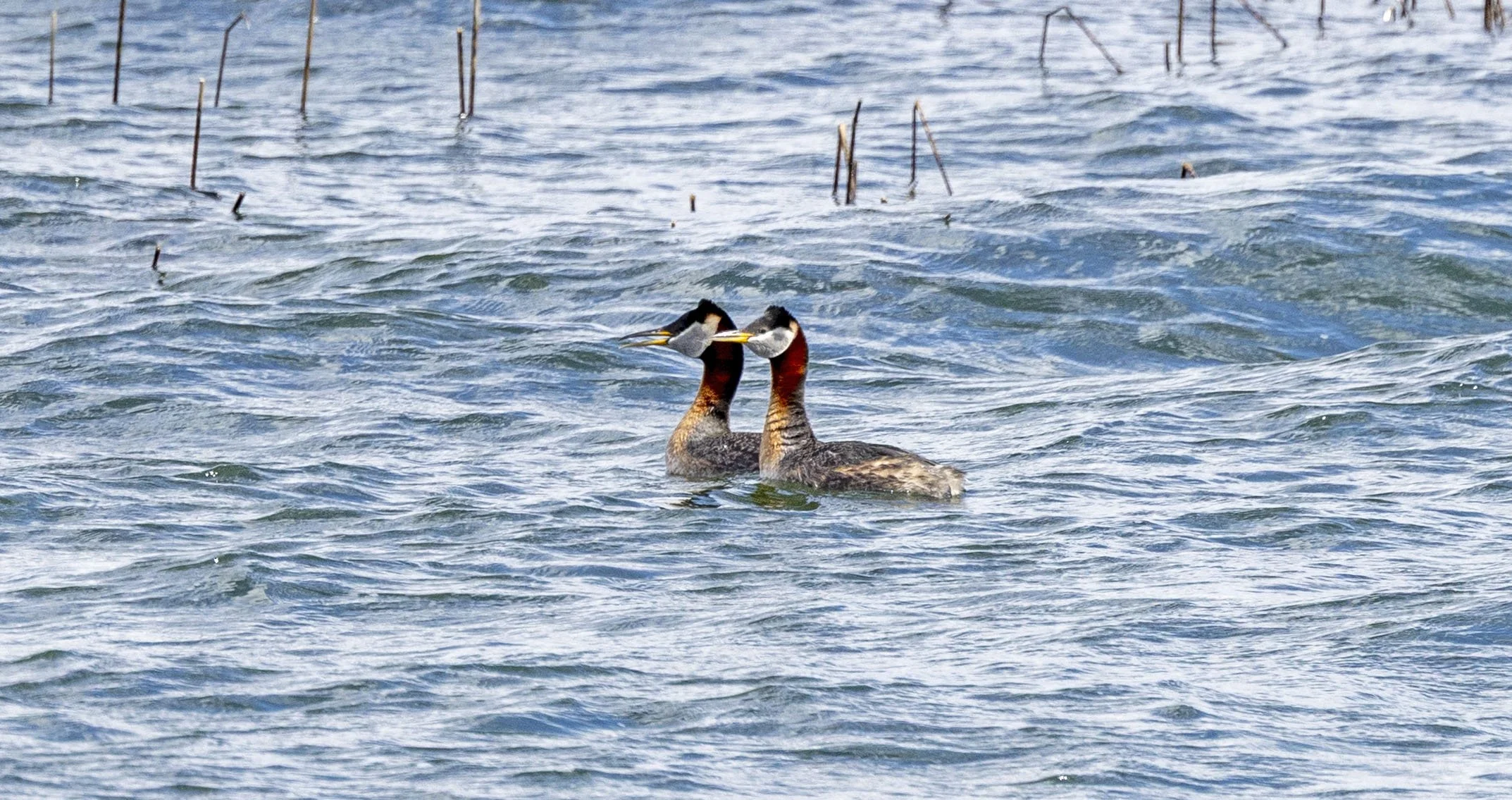
Displaying pair offshore
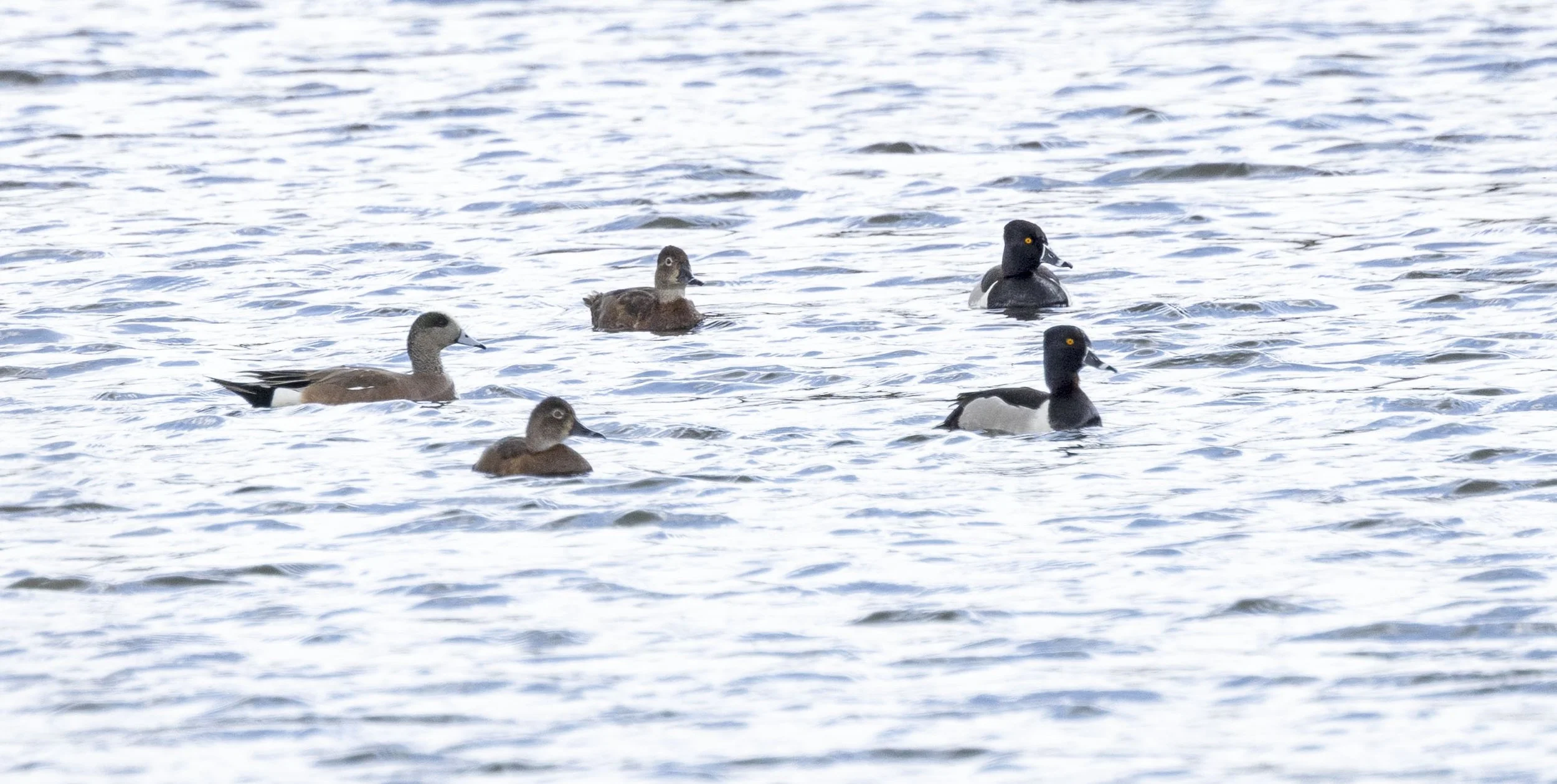
Ring-necked Ducks and American Wigeon
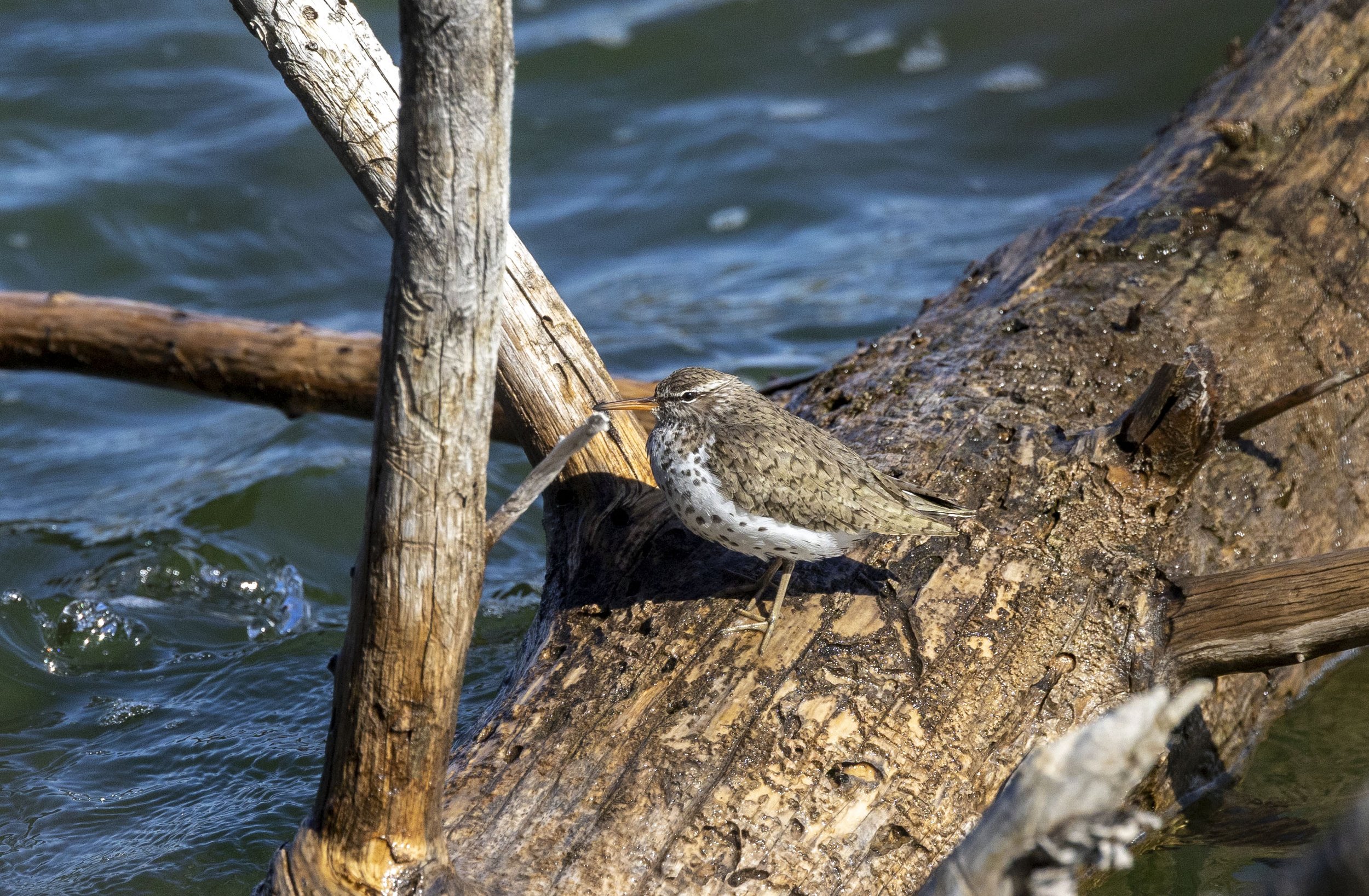
Spotted Sandpiper on its favoured log
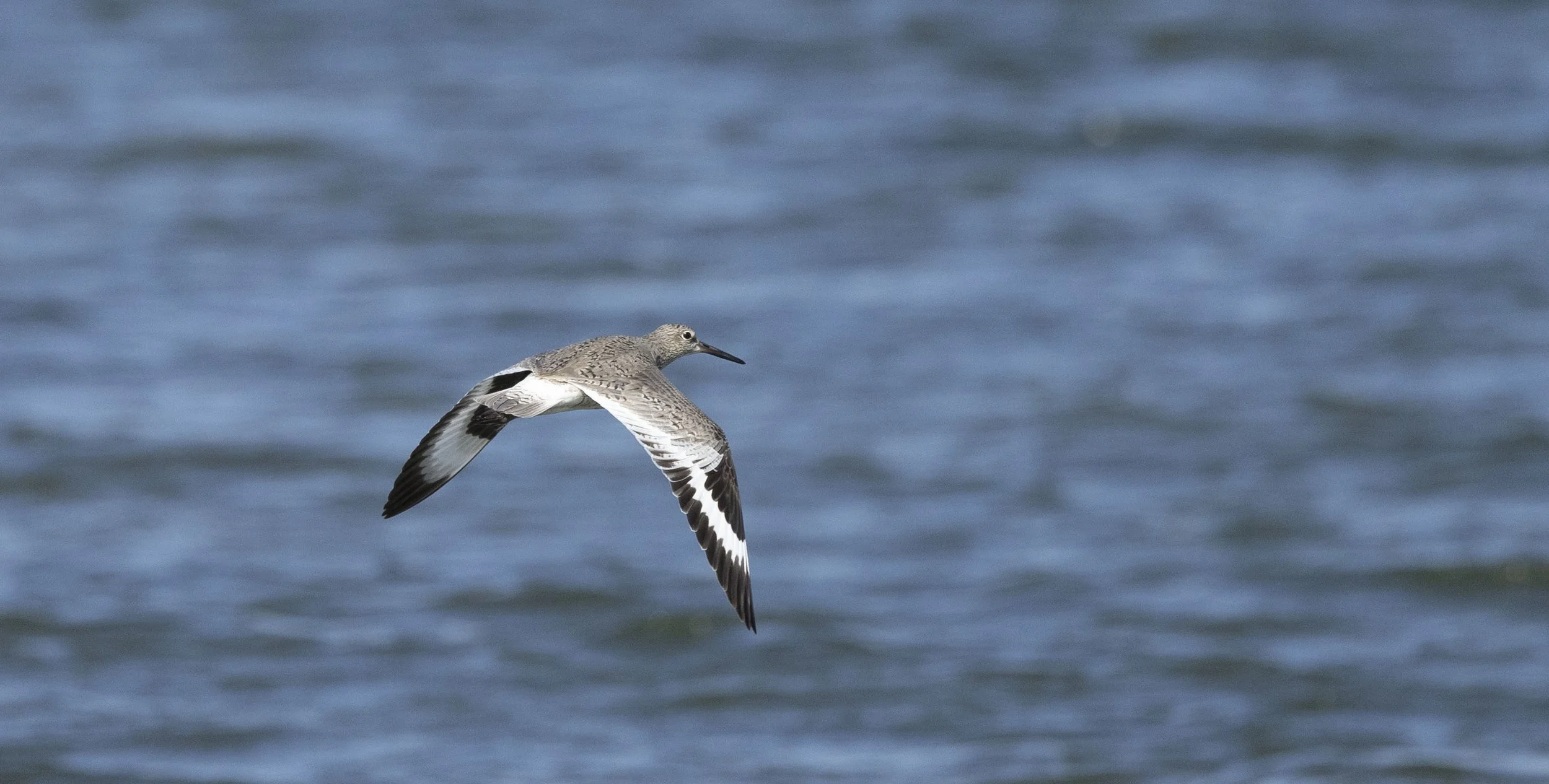
Western Willet the only other wader on the lake shore
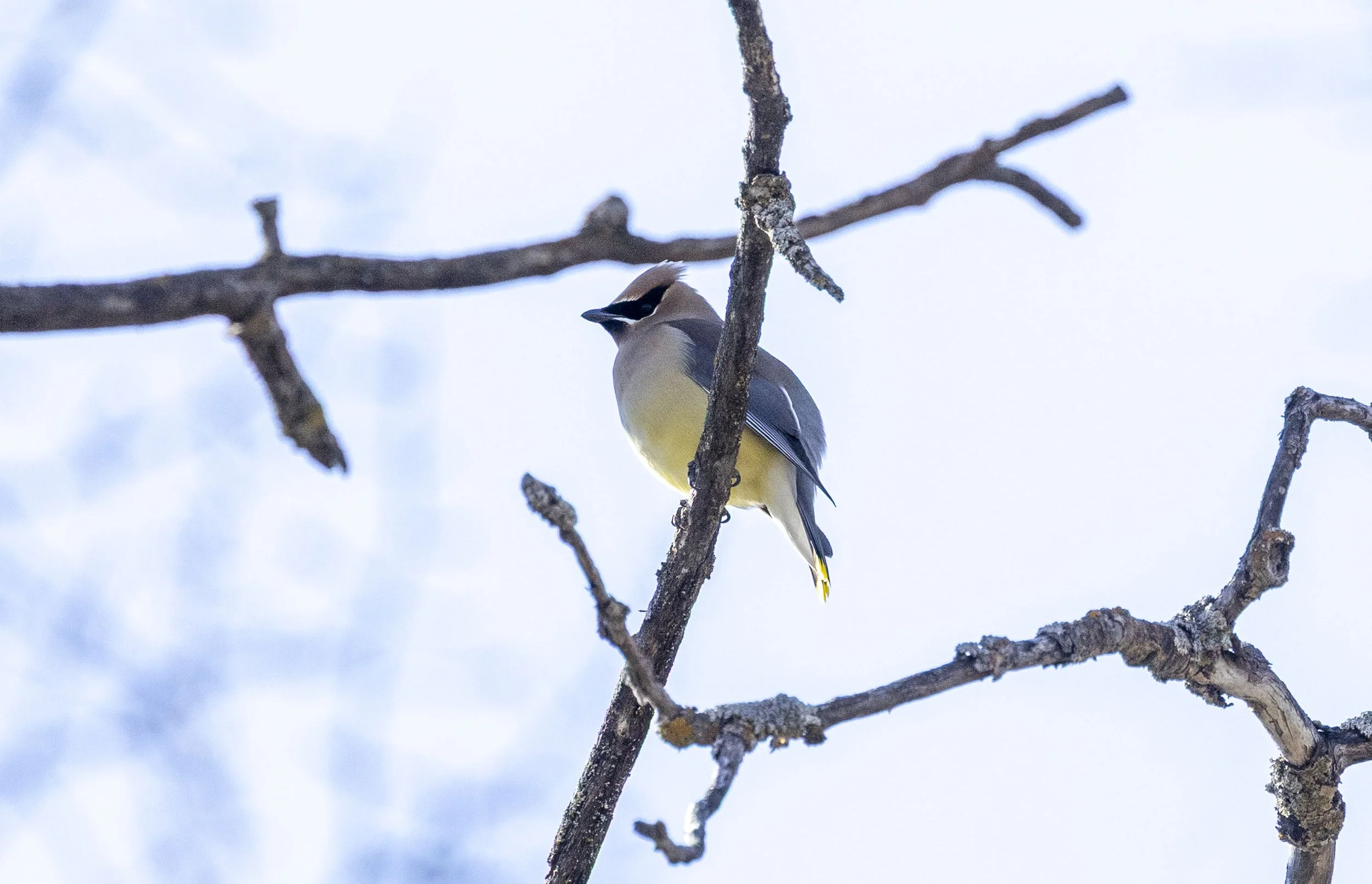
Two Cedar Waxwings were sheltring in a less windy part of the woods - I didn’t make a lot of effort on them expecting to see many more but oddly these were the only ones
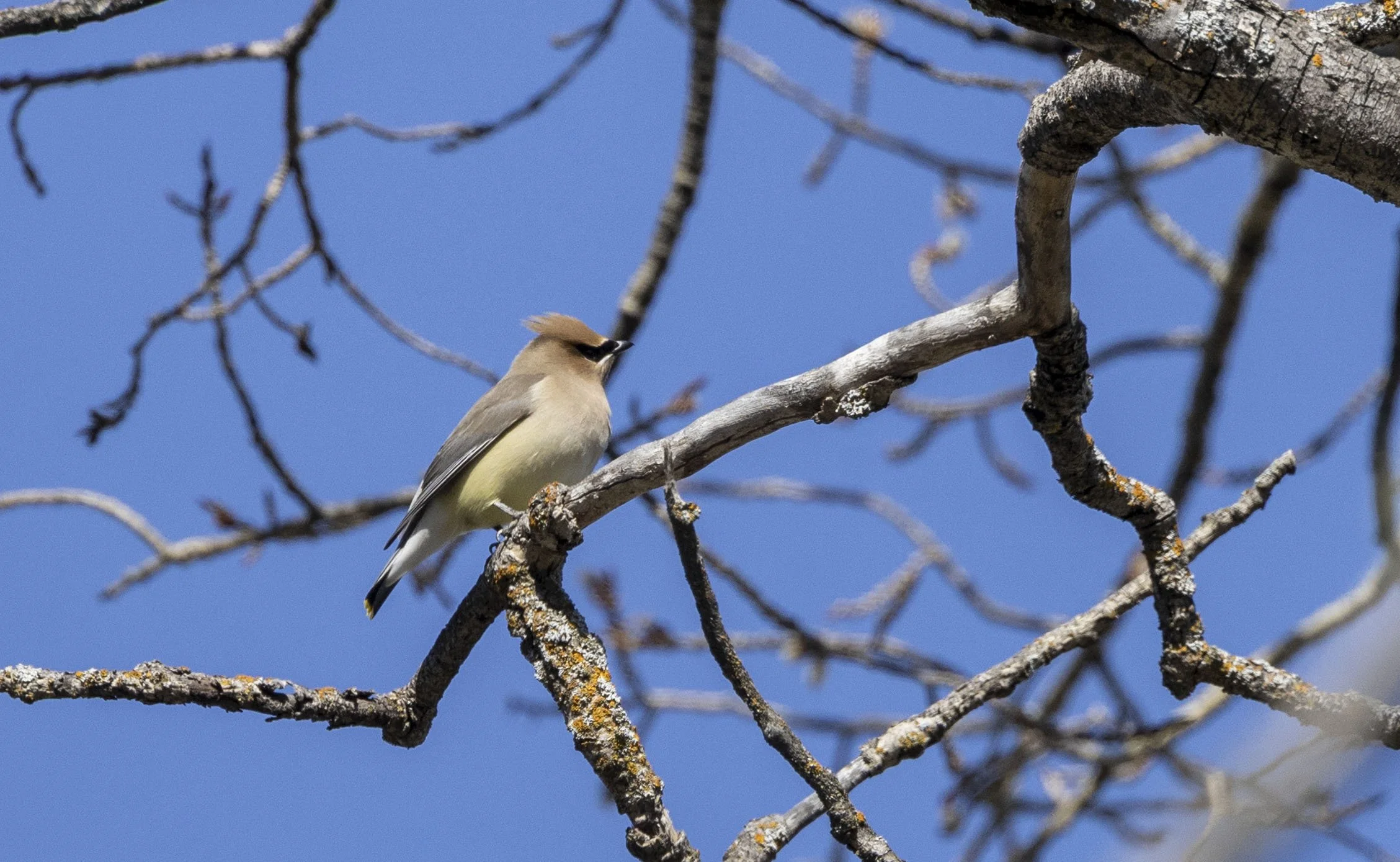
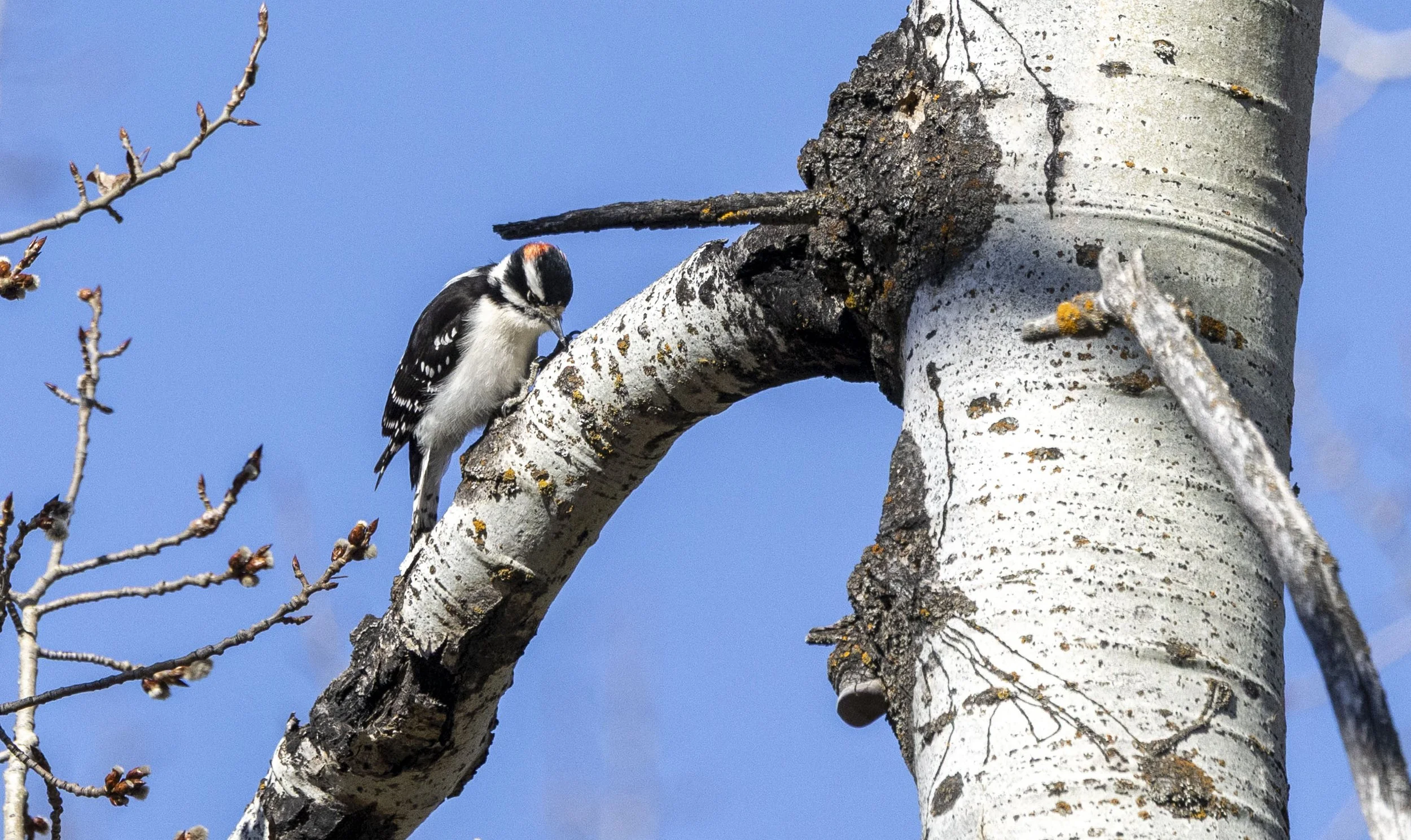
The diminutive Downy Woodpecker always a delightful bird to bump into
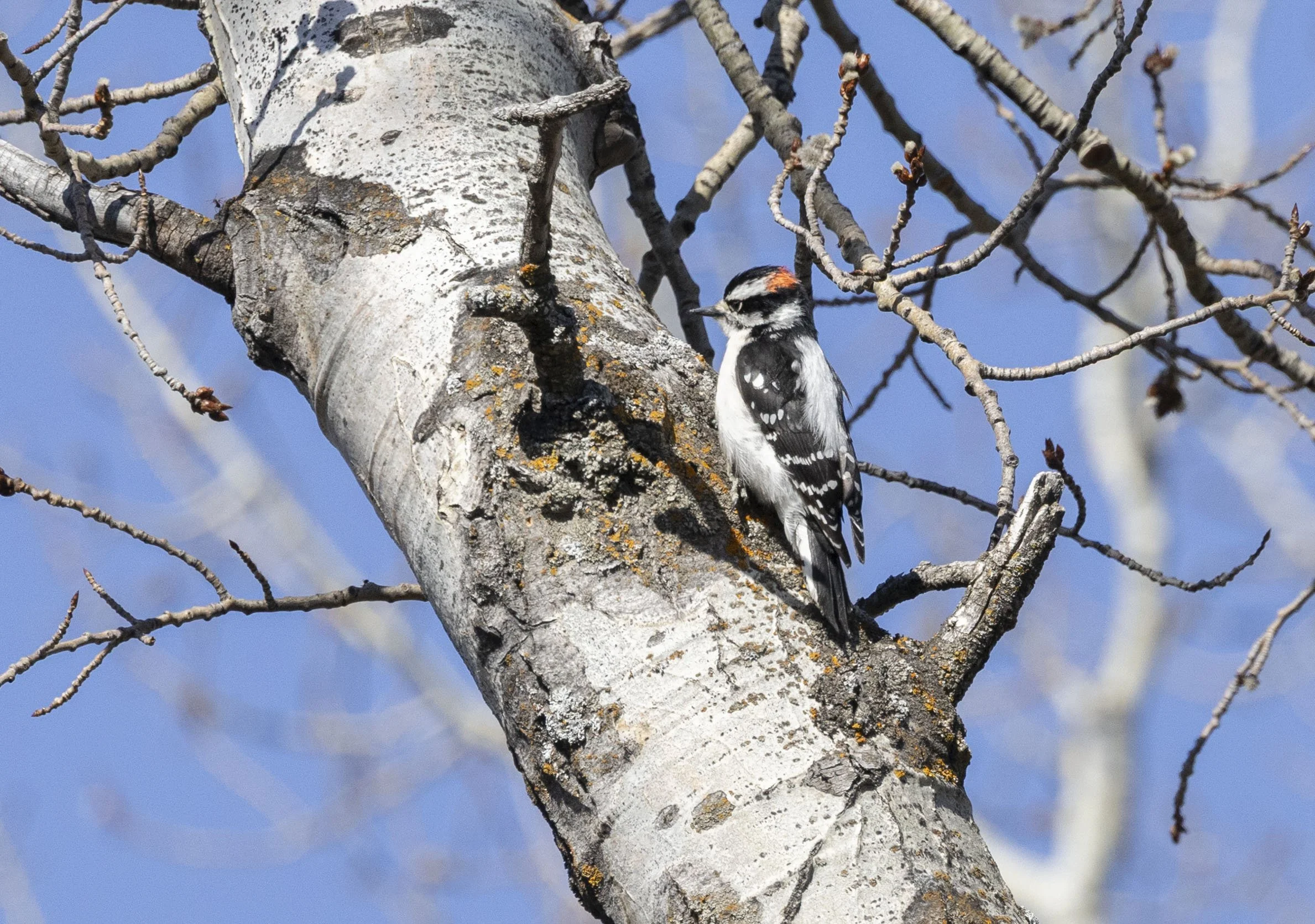
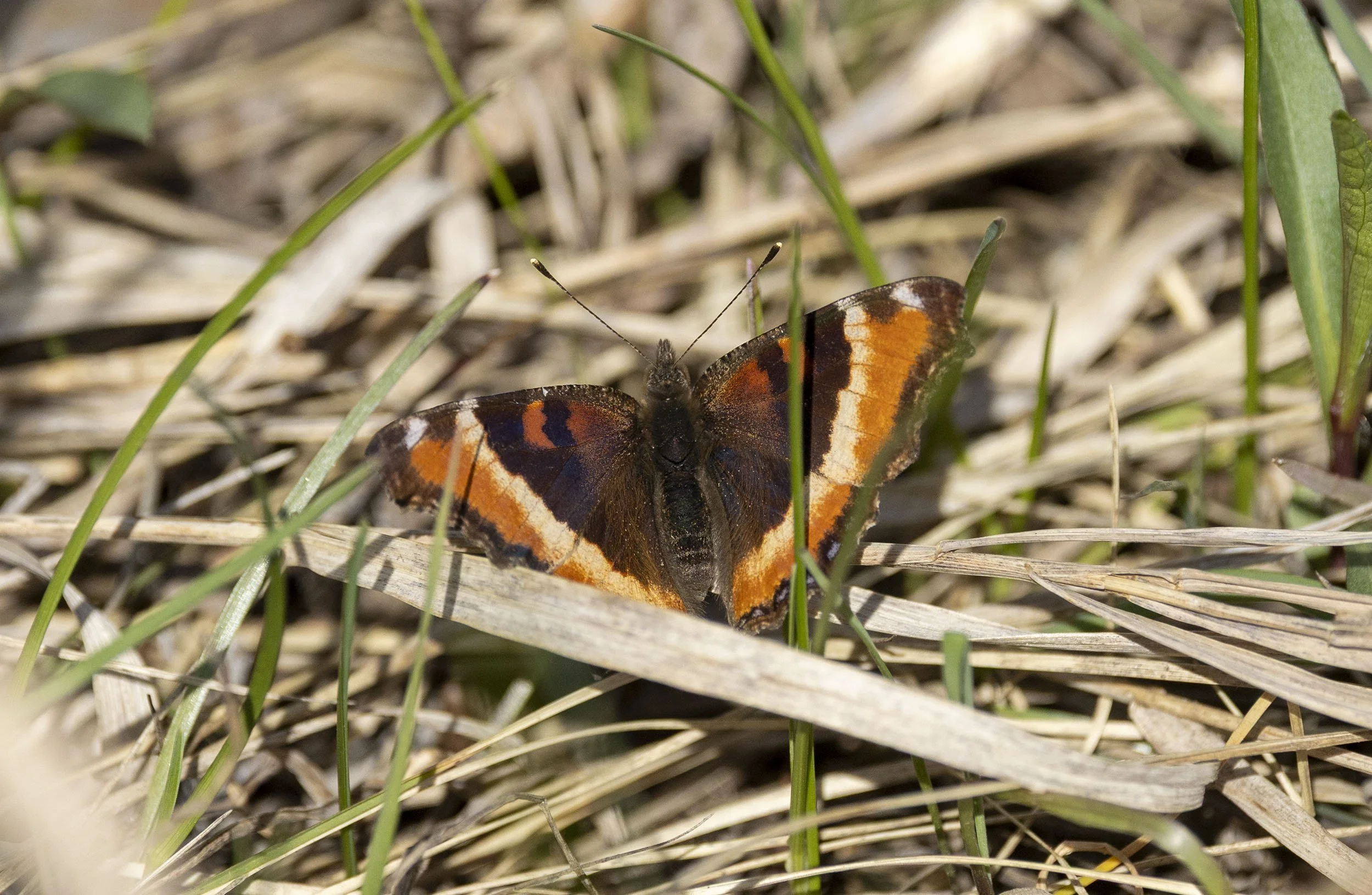
The wonders of tinternet: I had sent Dave some BOC shots of a Blue butterfly via WhatsApp and got back Northern Azure but also look out for Milbert’s Tortoiseshell – no sooner than I looked at the message a Milbert’s was on the path in front of us – we actually saw quite a few later
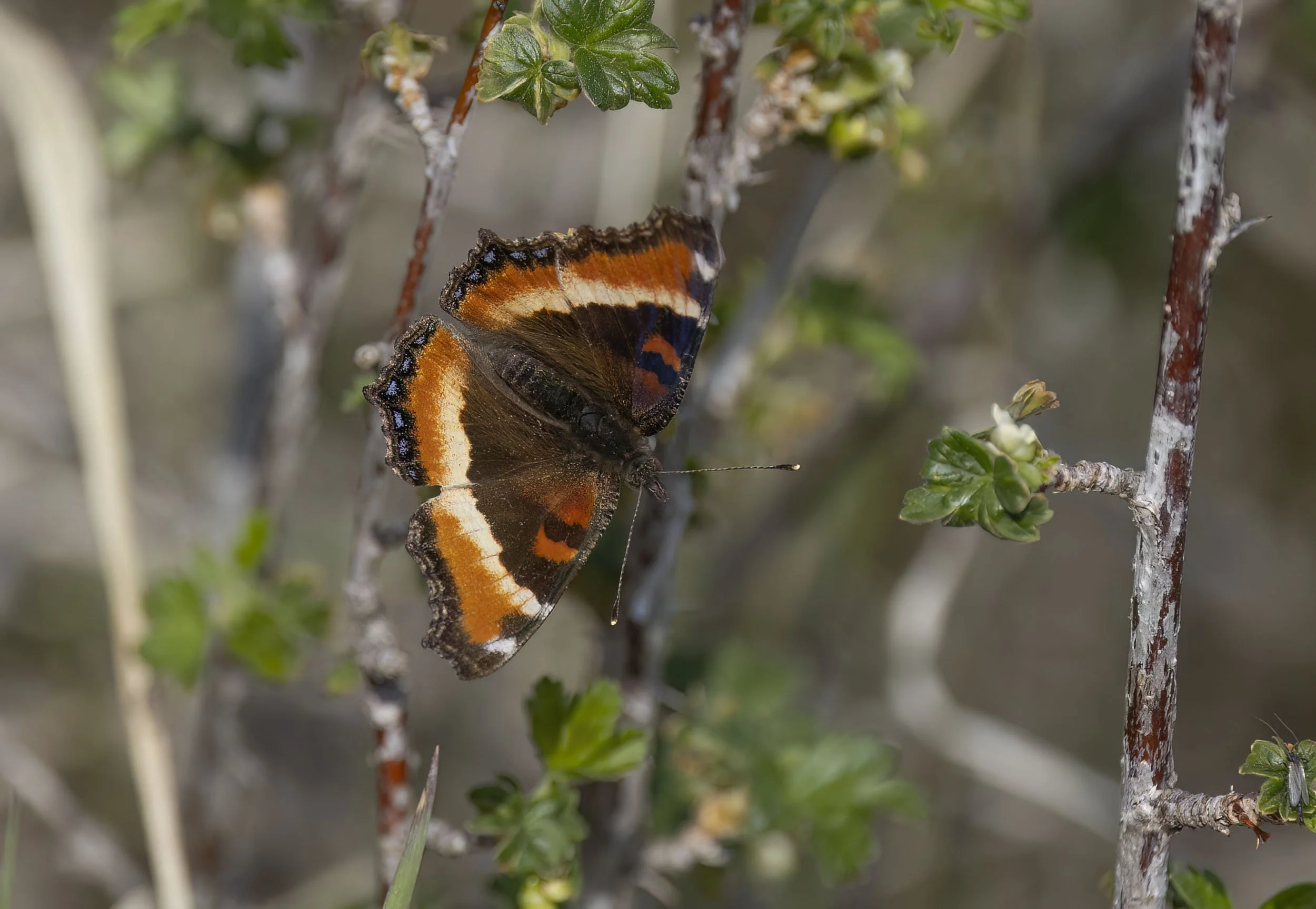
It was clearly early season for butterflies and the cool weather early in the stay meant numbers and variety were further limited
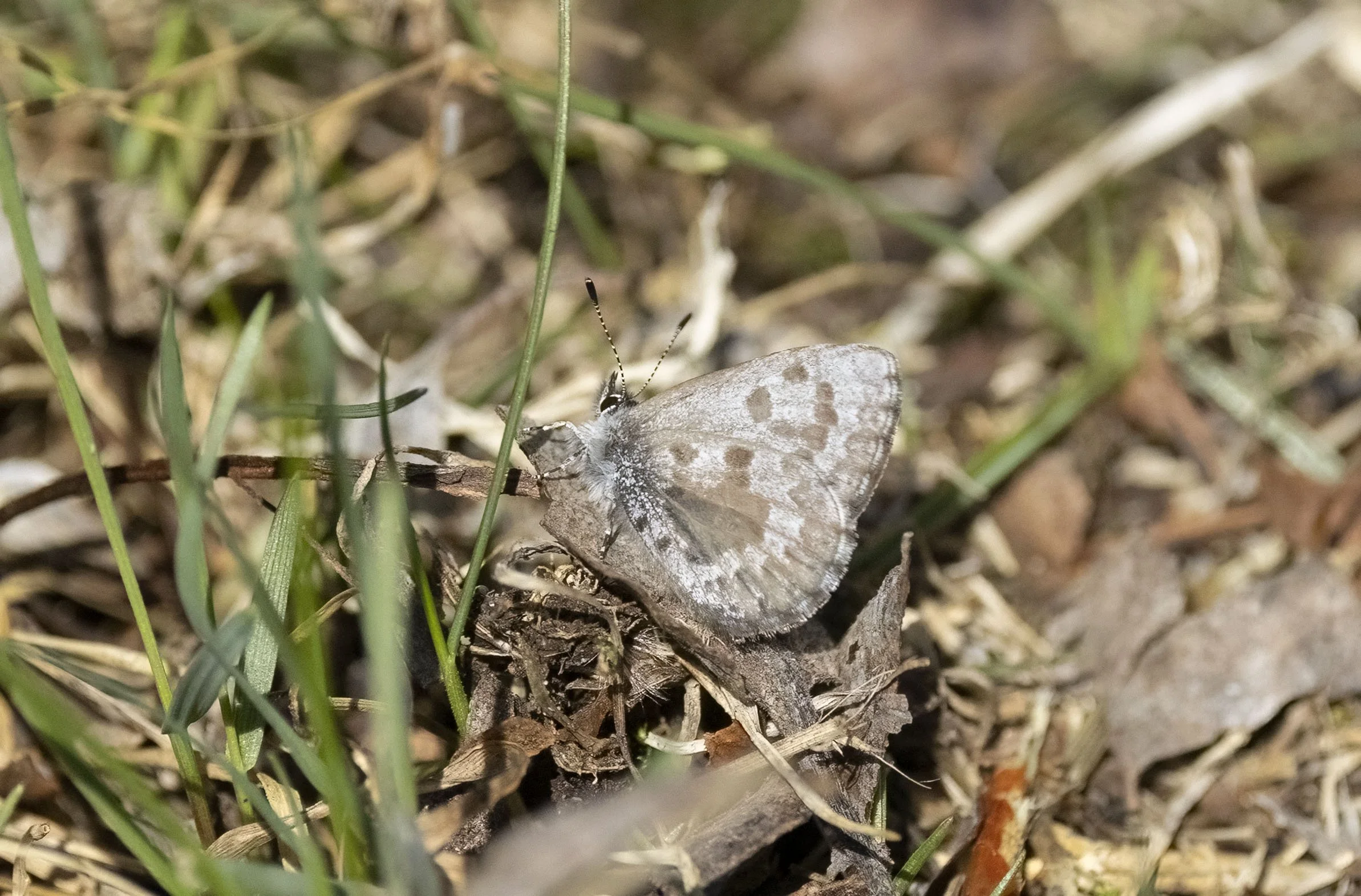
Female Northern Azure - refused to open its wings for images but the uppers were blue!
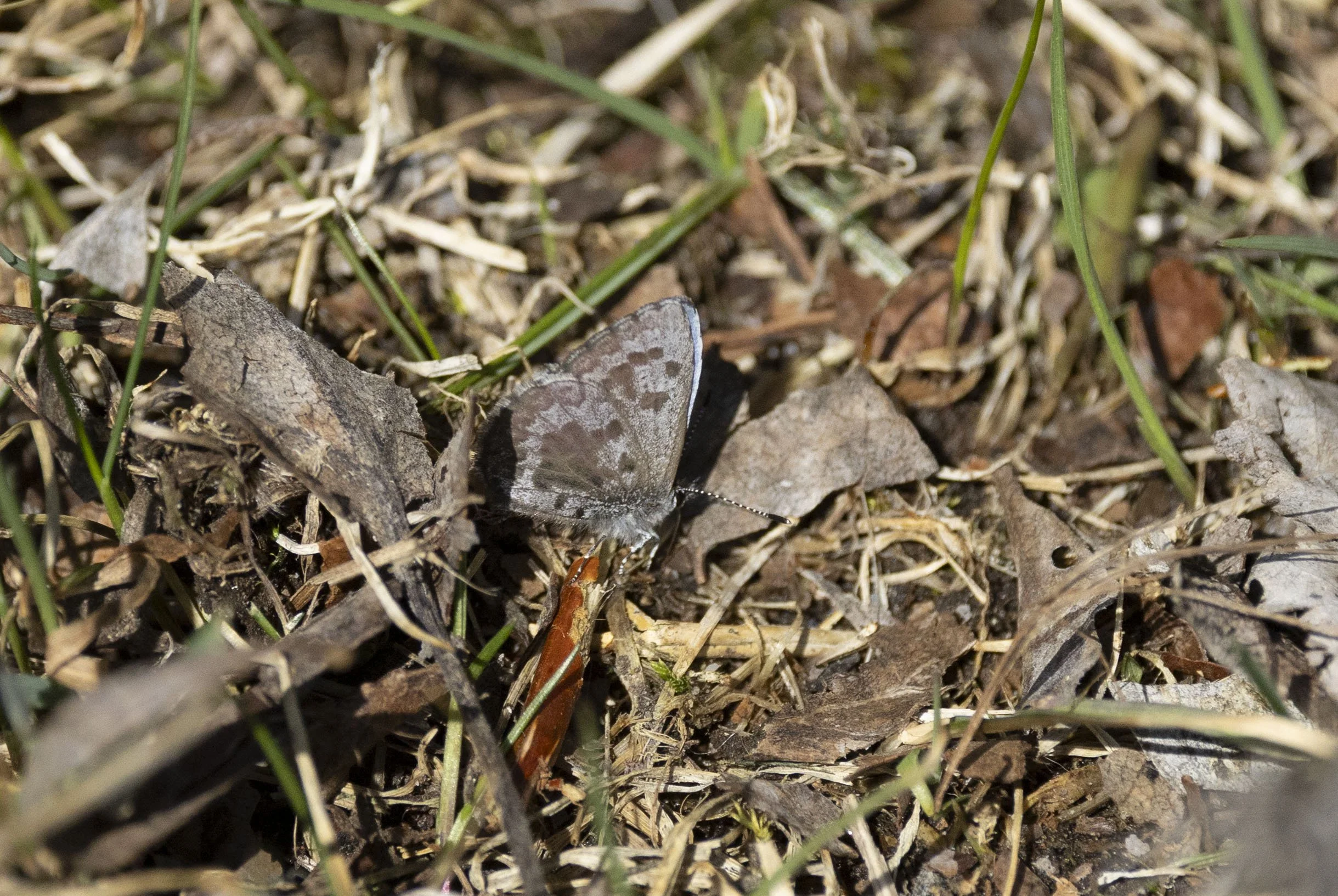
Blue on upperwing just about visible
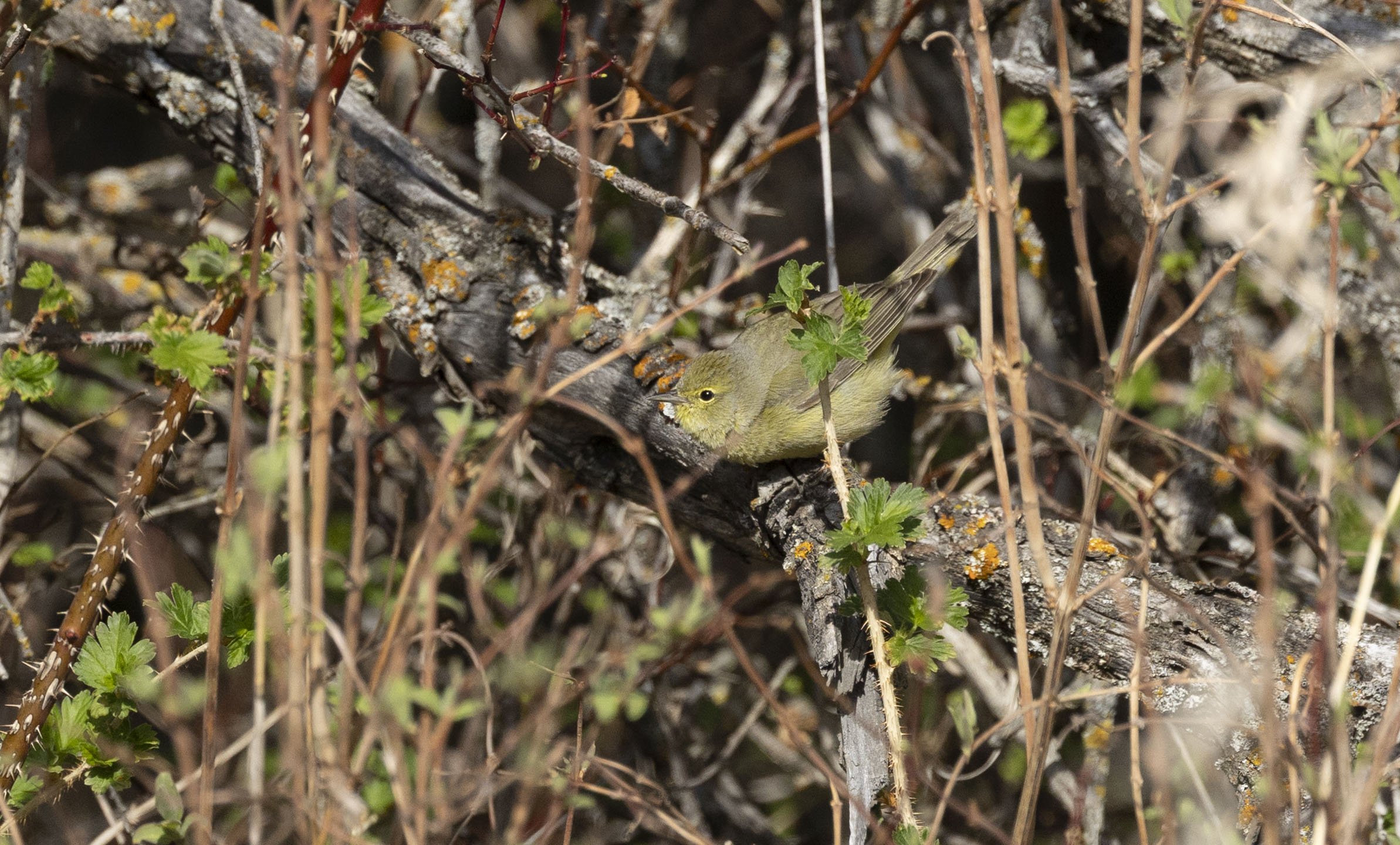
Orange-crowned Warbler Elkwater
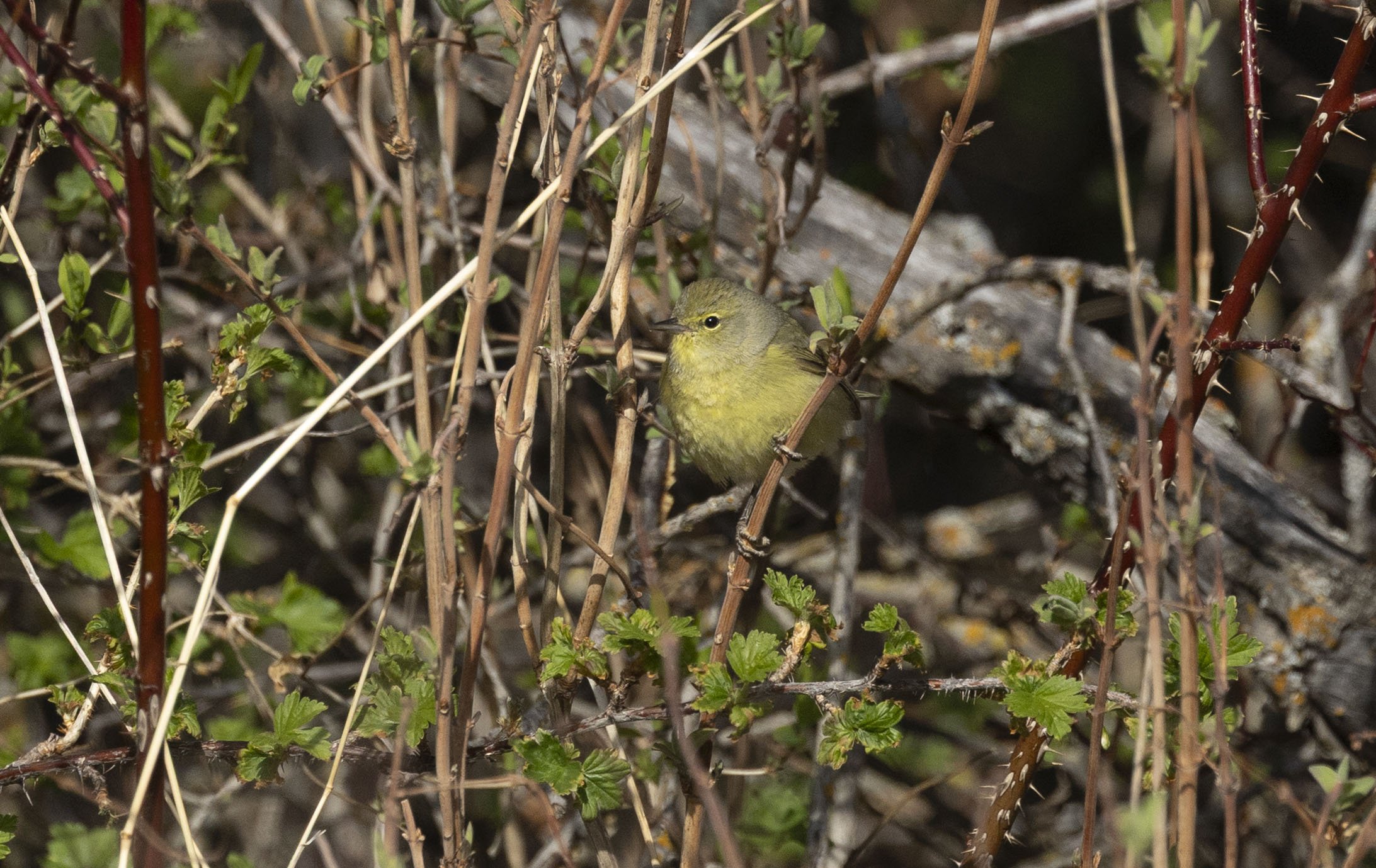
Not the most spectacular of the wood warblers but pretty common in the west
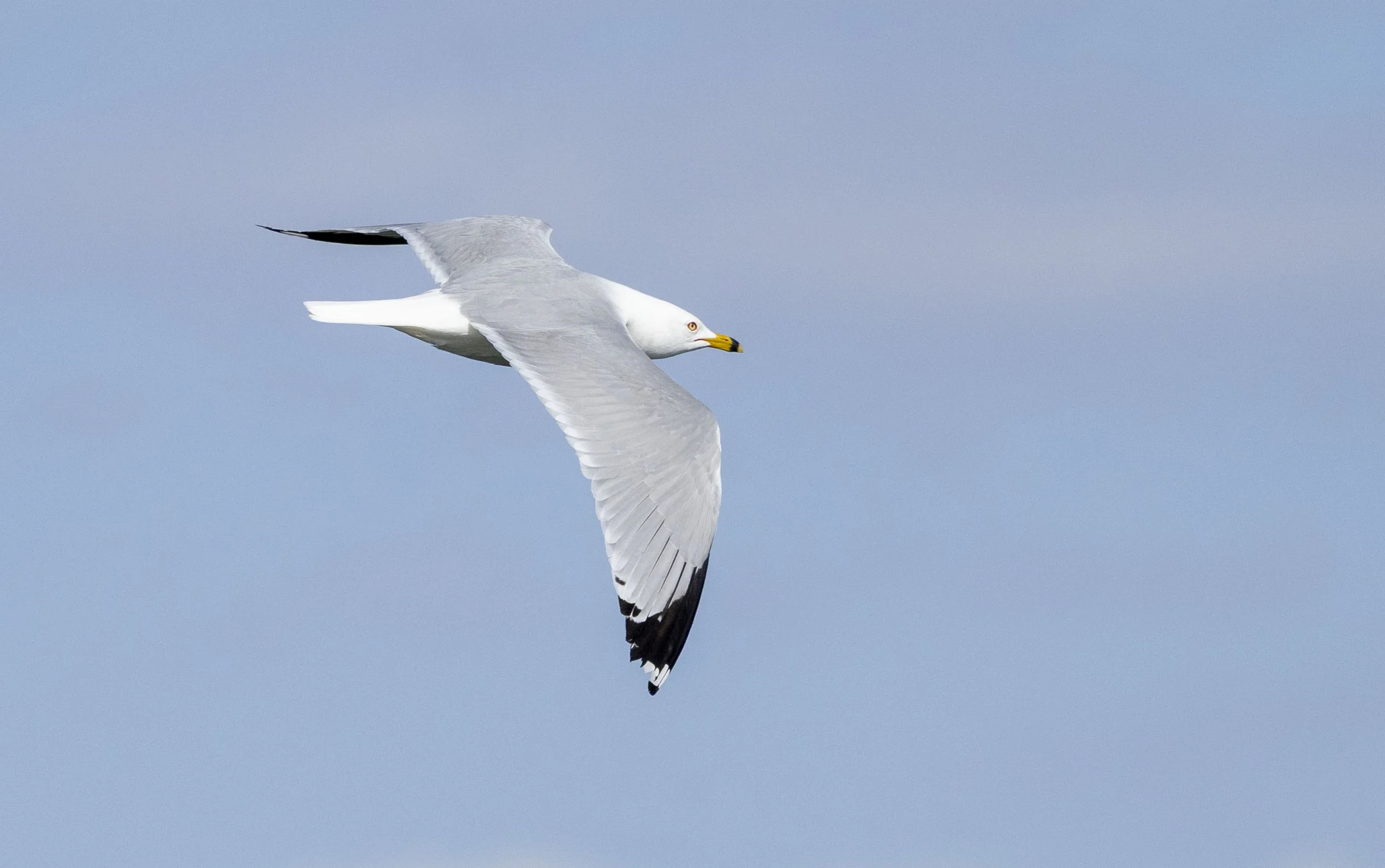
adult Ring-billed Gull - Elkwater was the only place we saw them close up
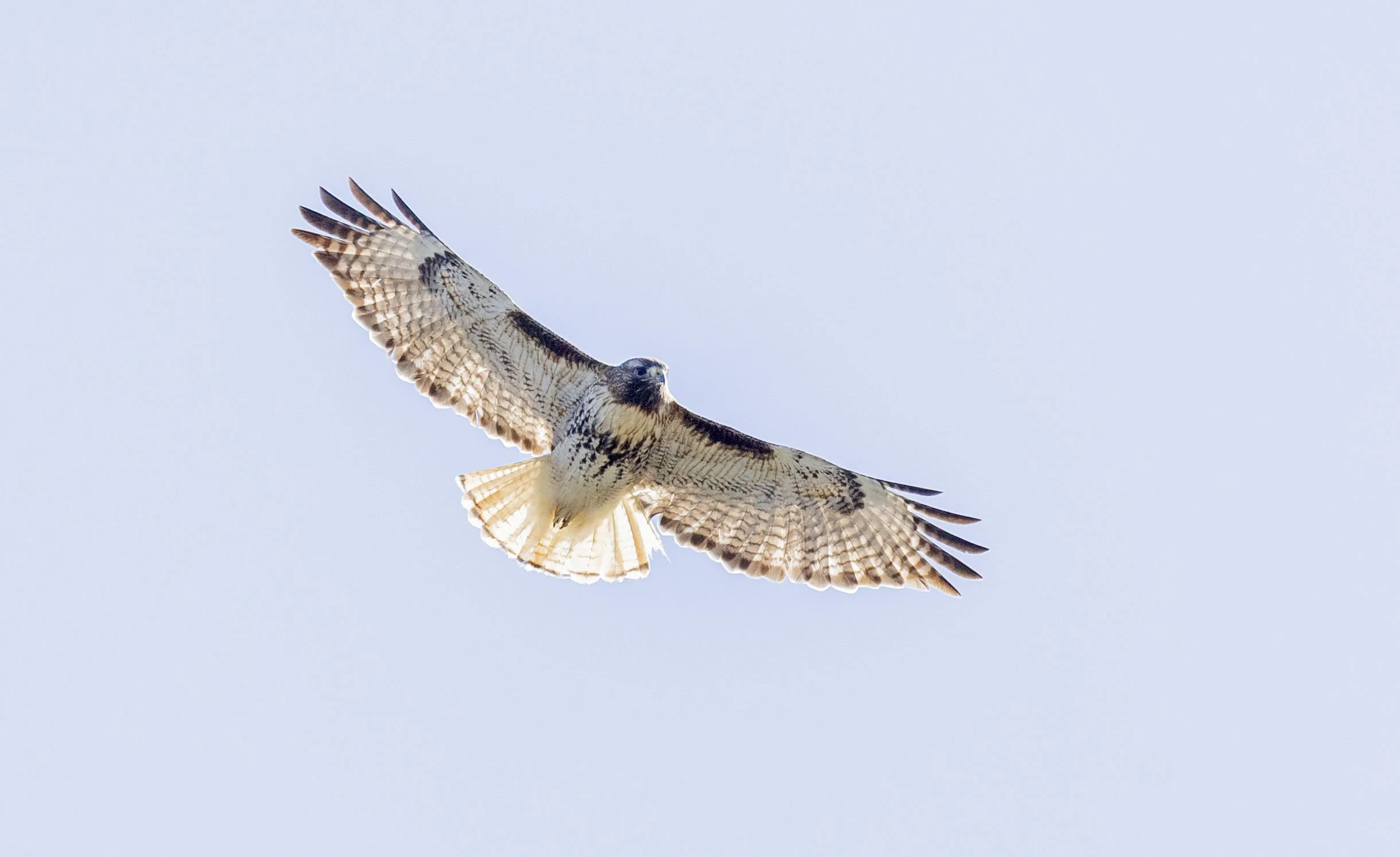
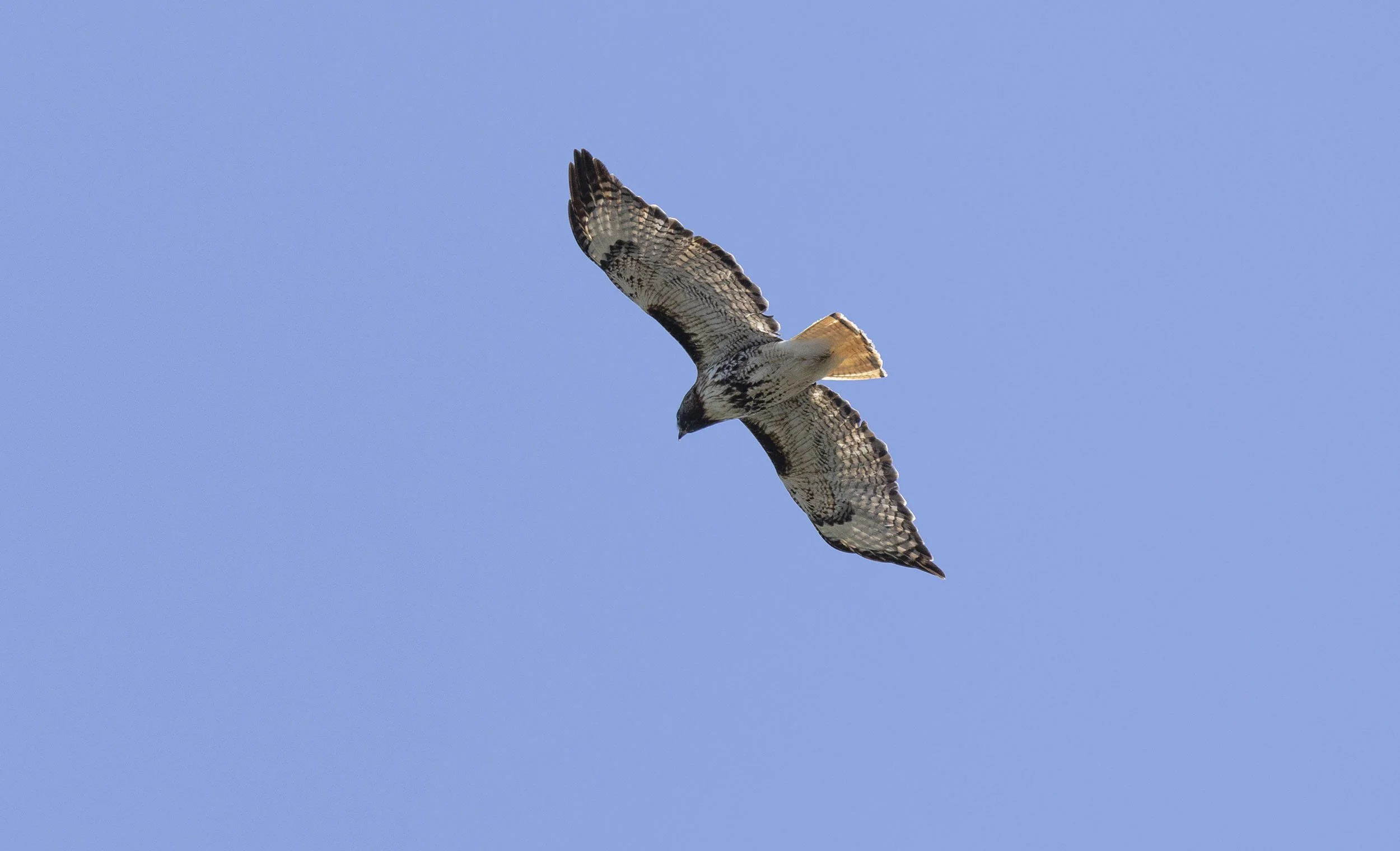
Red-tailed Hawk a nice pale bird
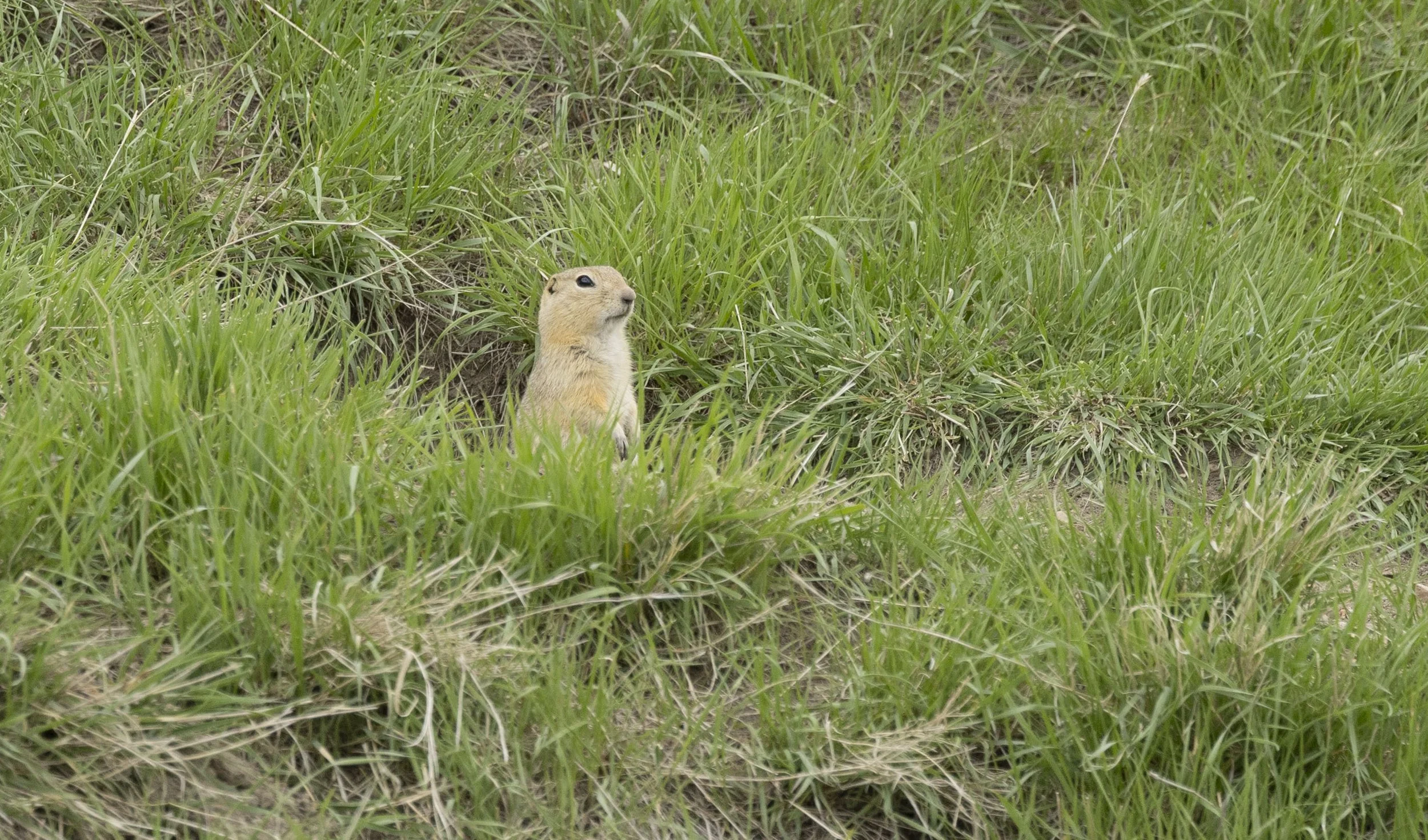
Richardson’s Ground Squirrel a popular food item for raptors
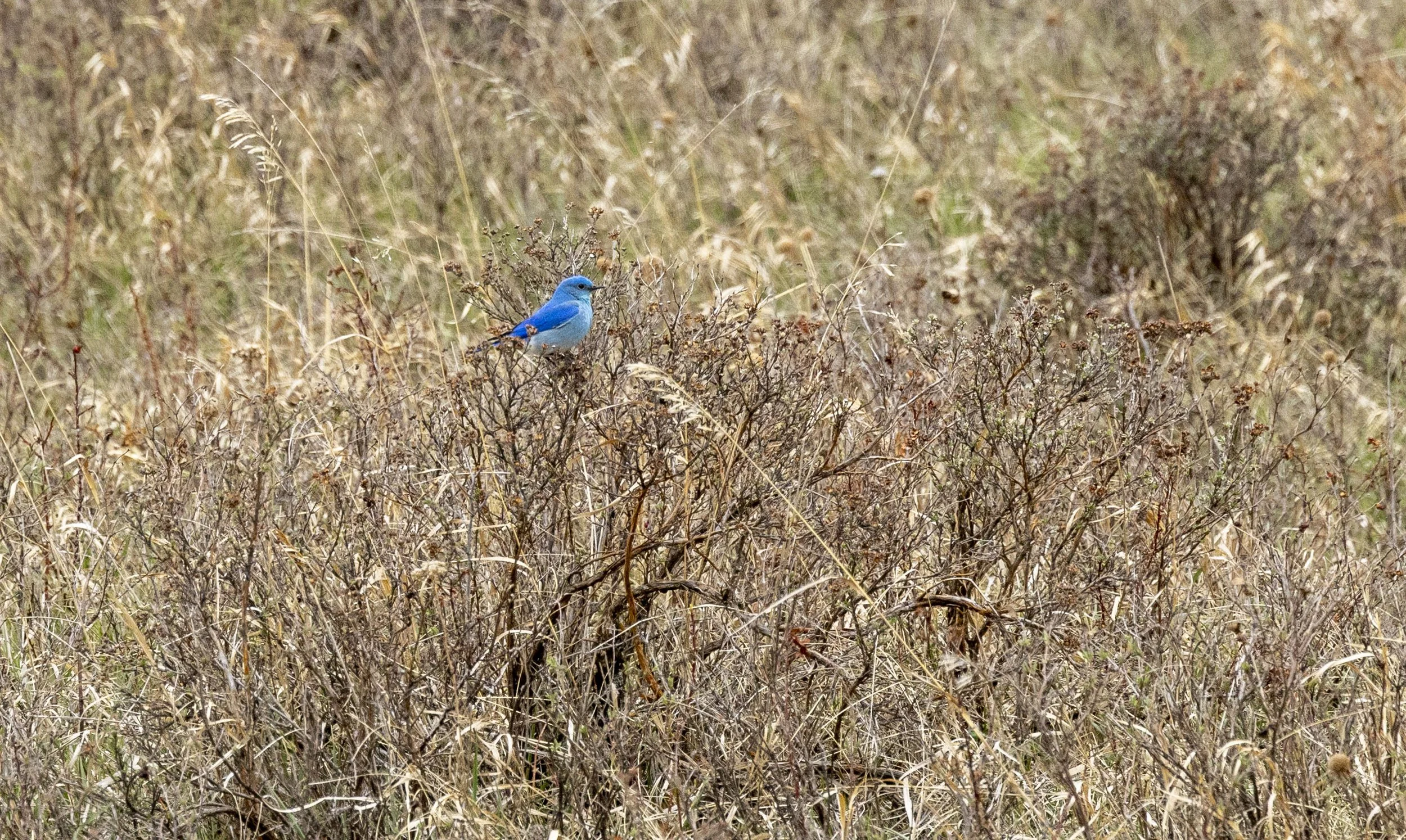
Nest boxes along the side of the road attract breeding Mountain Bluebirds and Tree Swallows with pitch battles sometimes breaking out over ownership
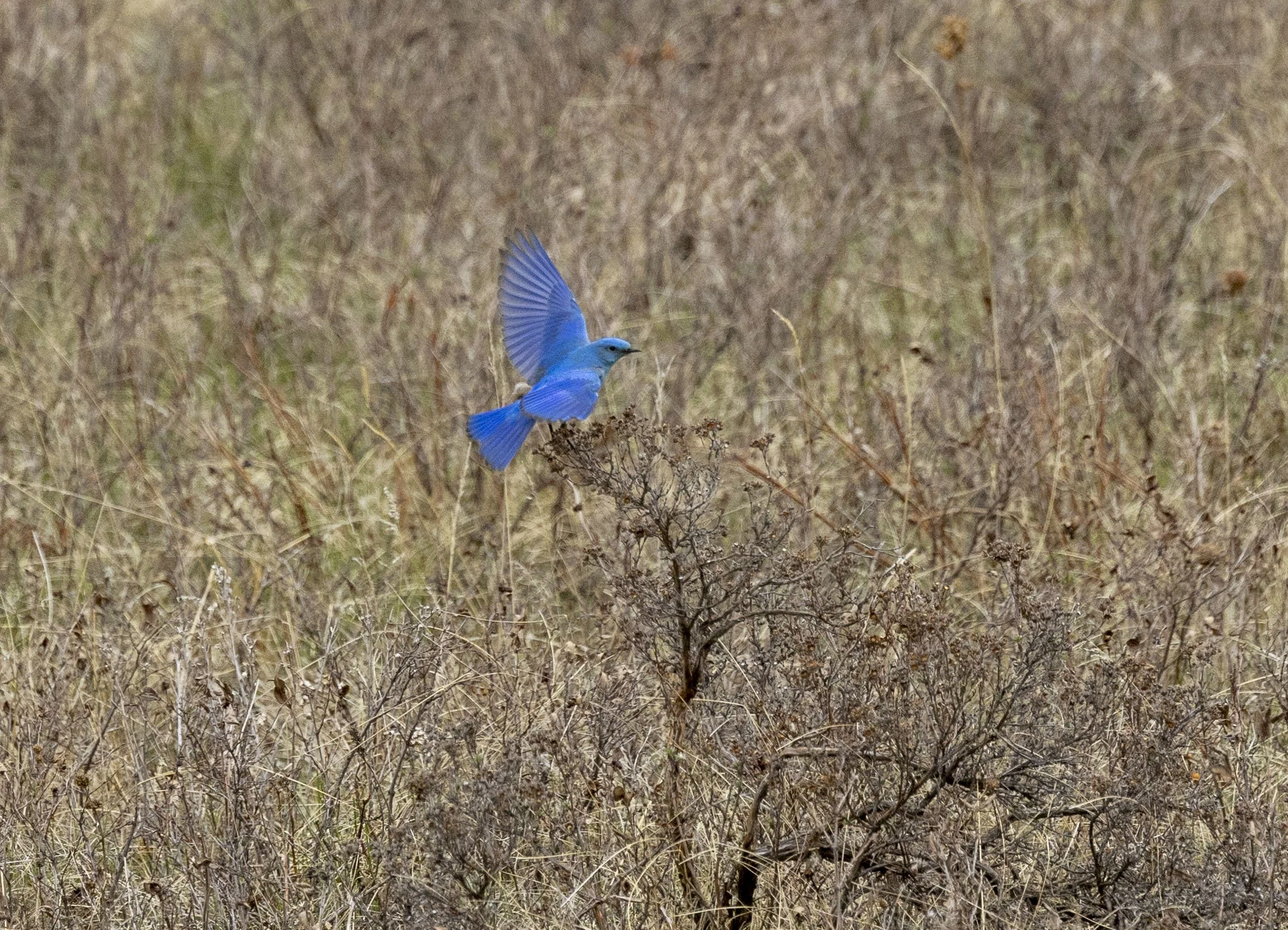
Against the brown vegetation males do rather stand out
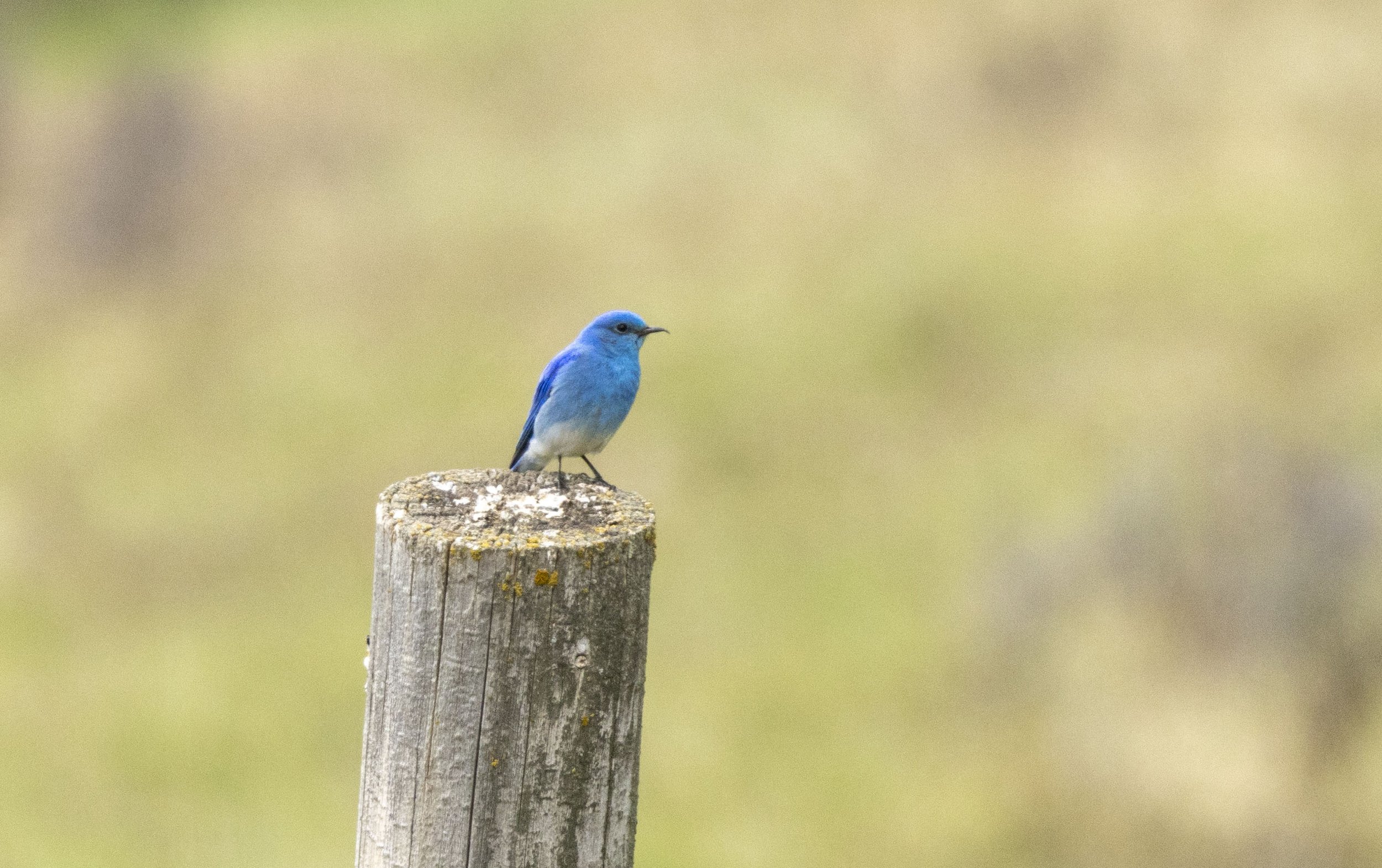
Even from a vehicle they are typically skittish
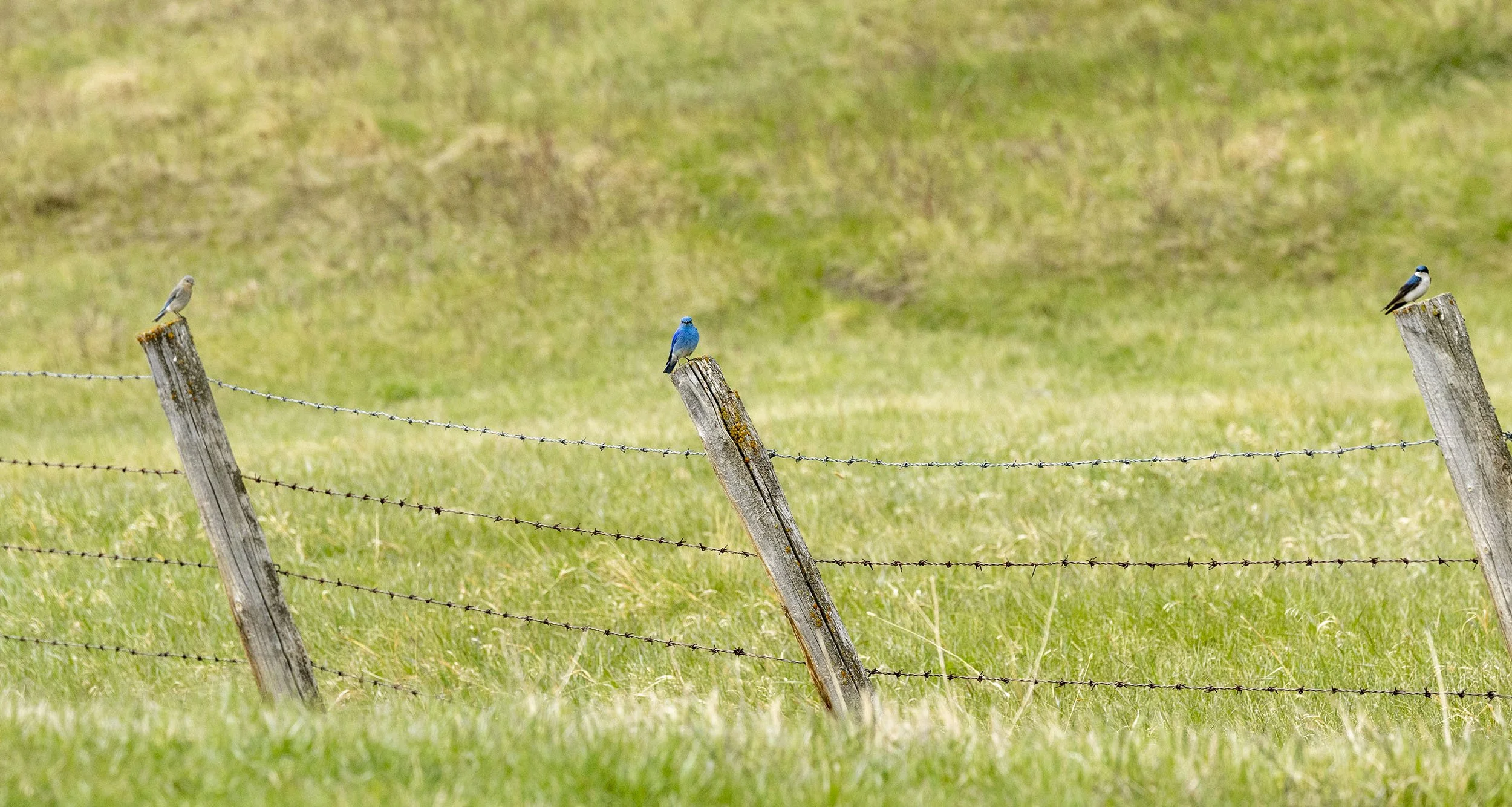
Male and female Mountain Bluebirds and Tree Swallow
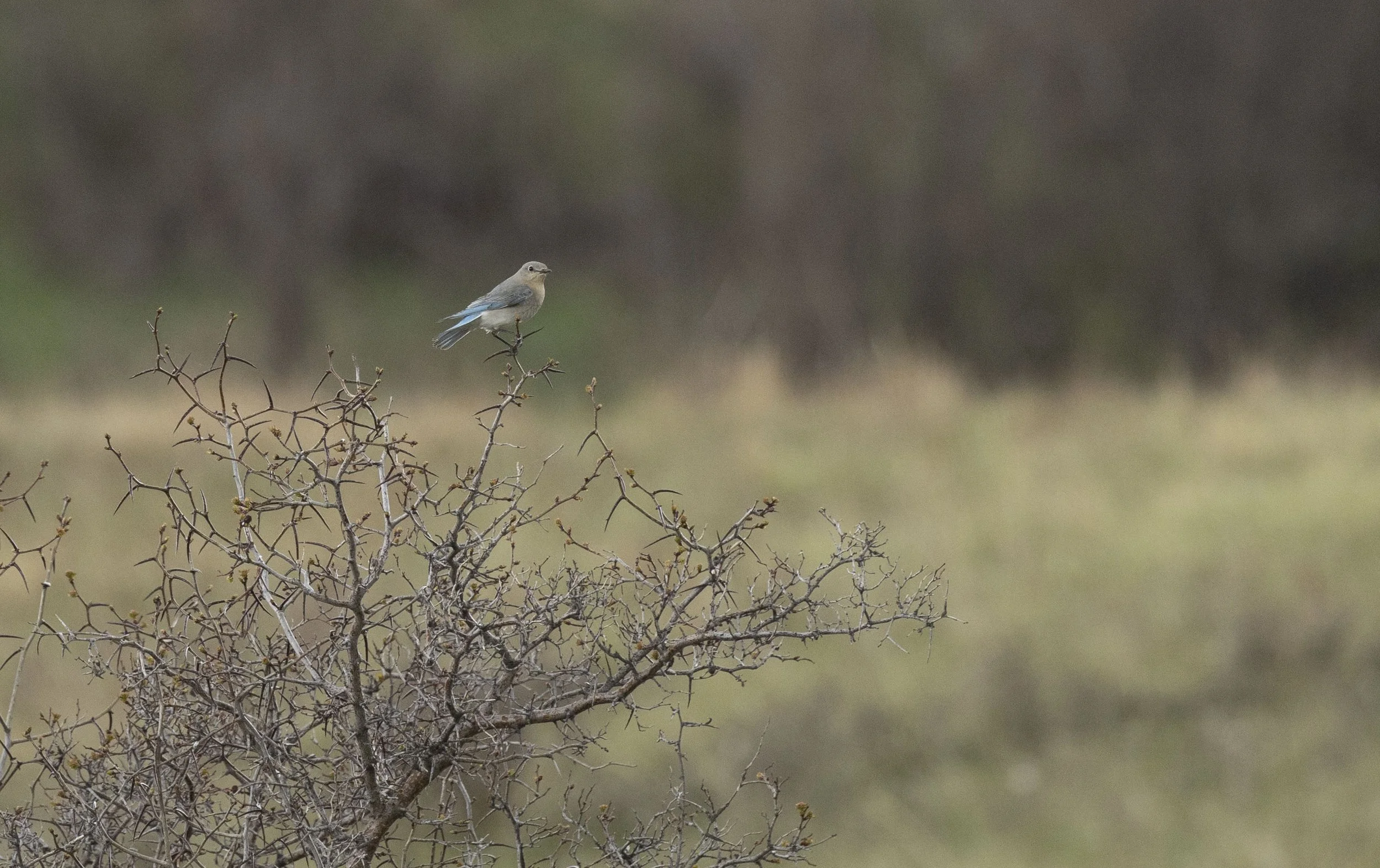
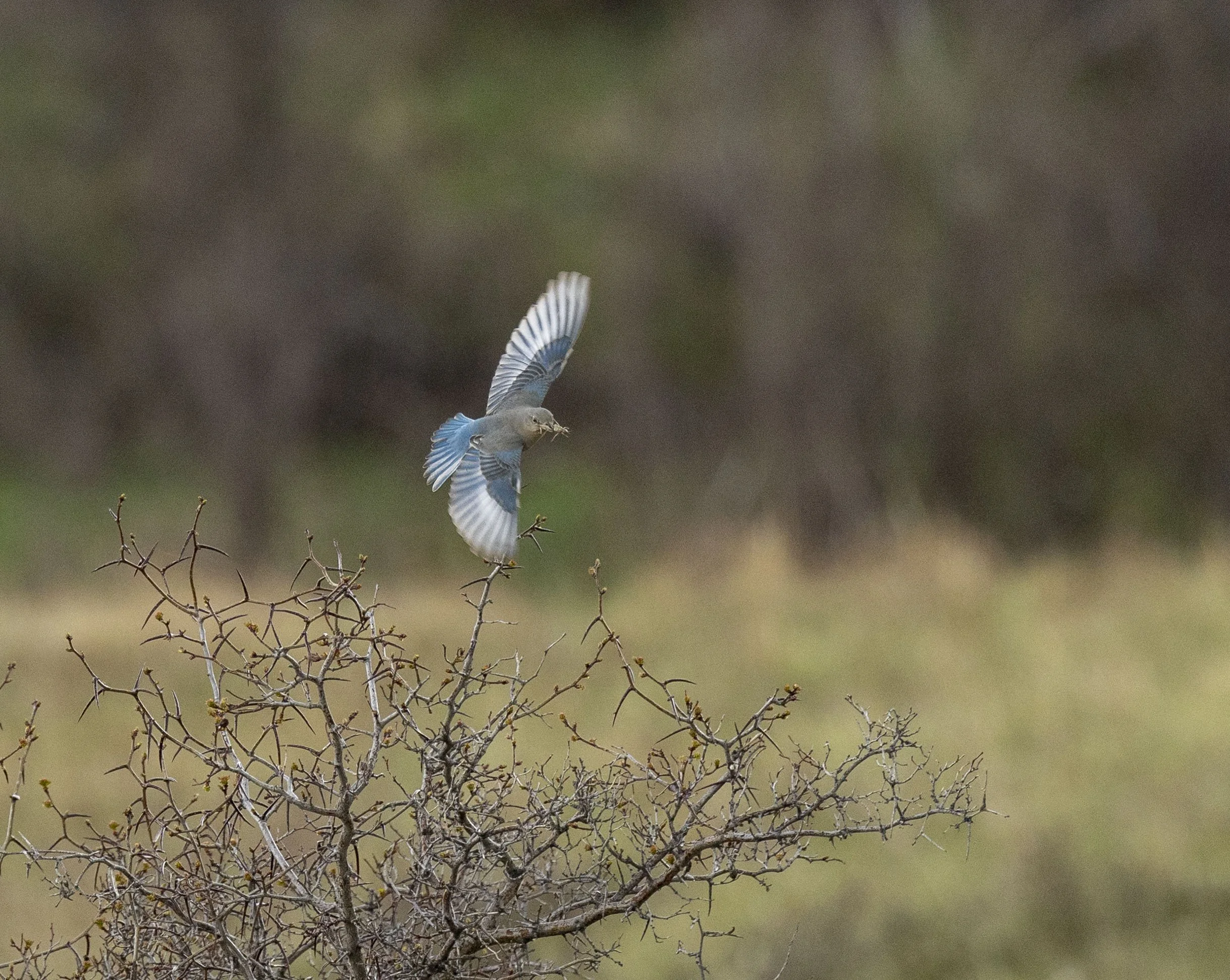
female Mountain Bluebird with a good sized prey item
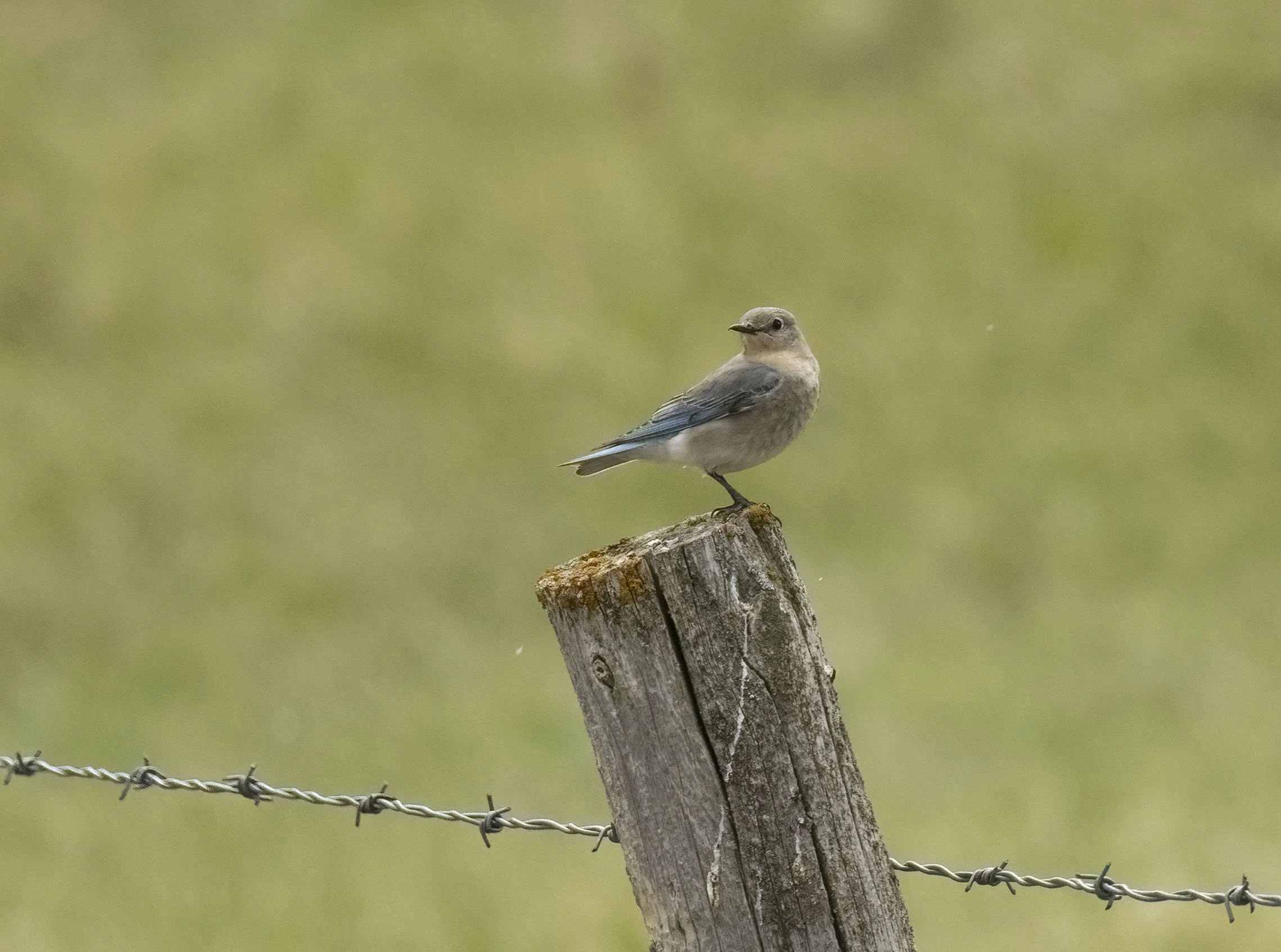
Males are attractive in an obvious way but females are arguably subtly more so
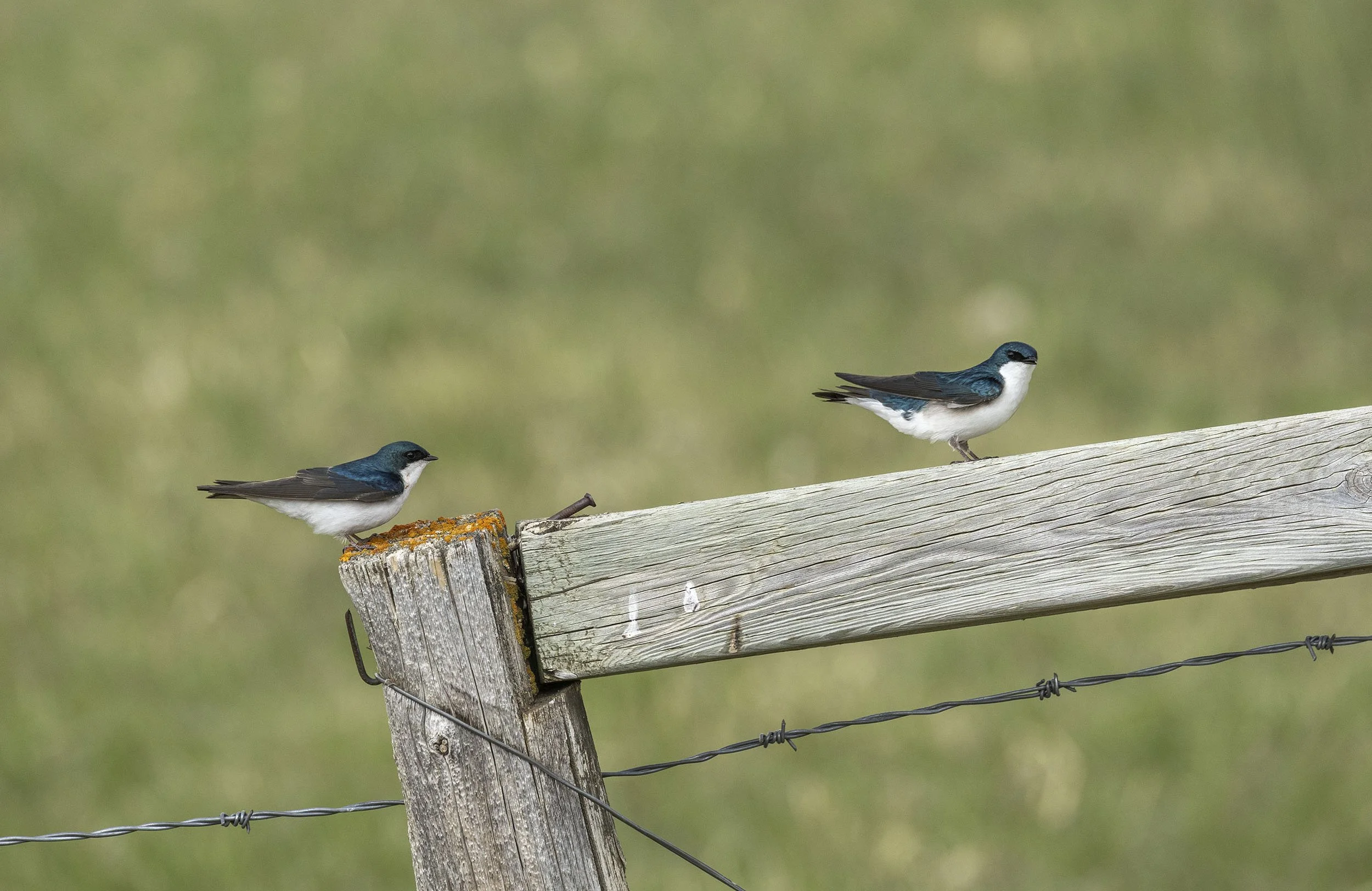
Tree Swallows staking a claim to a roadside nest box
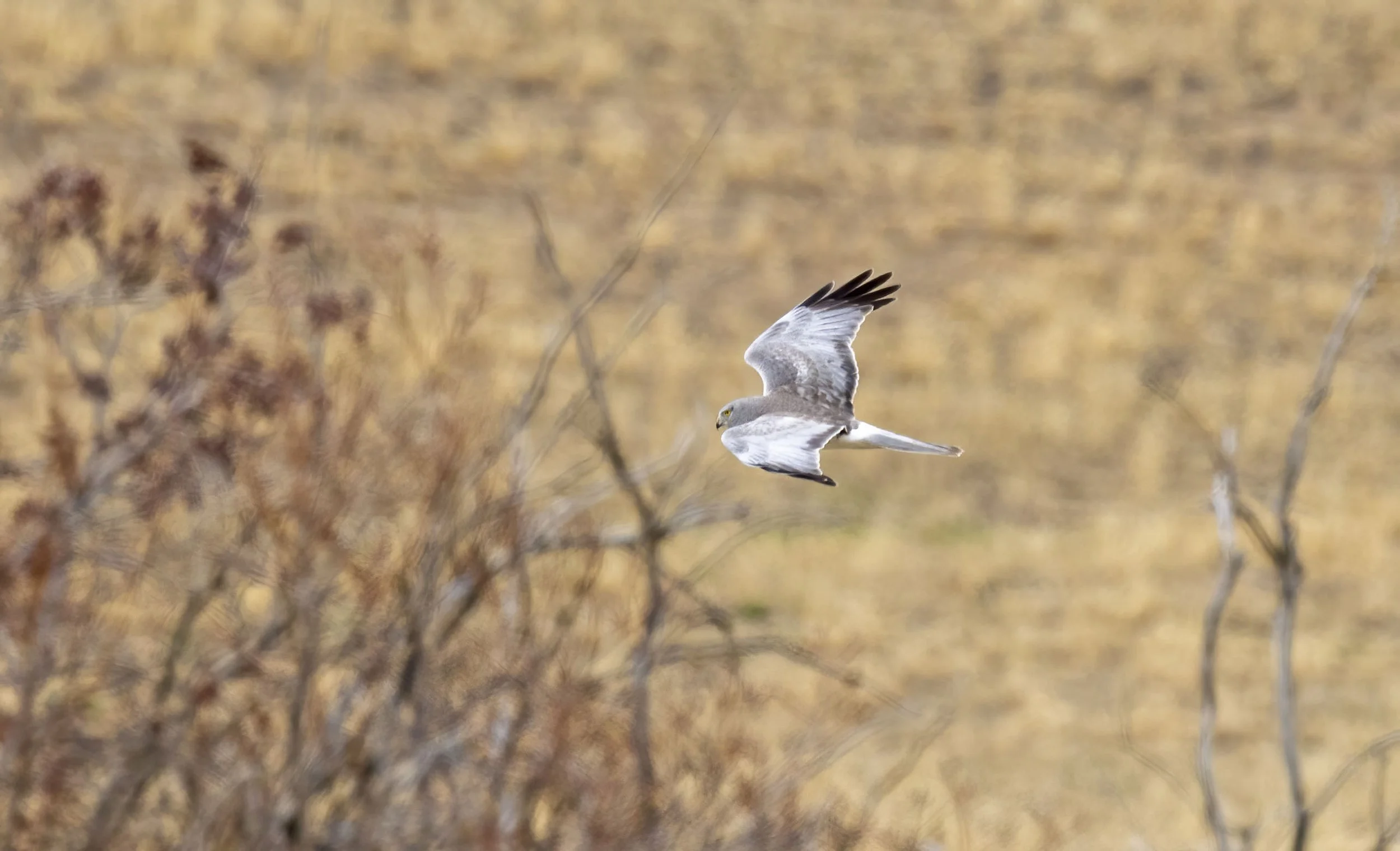
Male Northern Harrier slipping by up the Bluebird road Highway 514
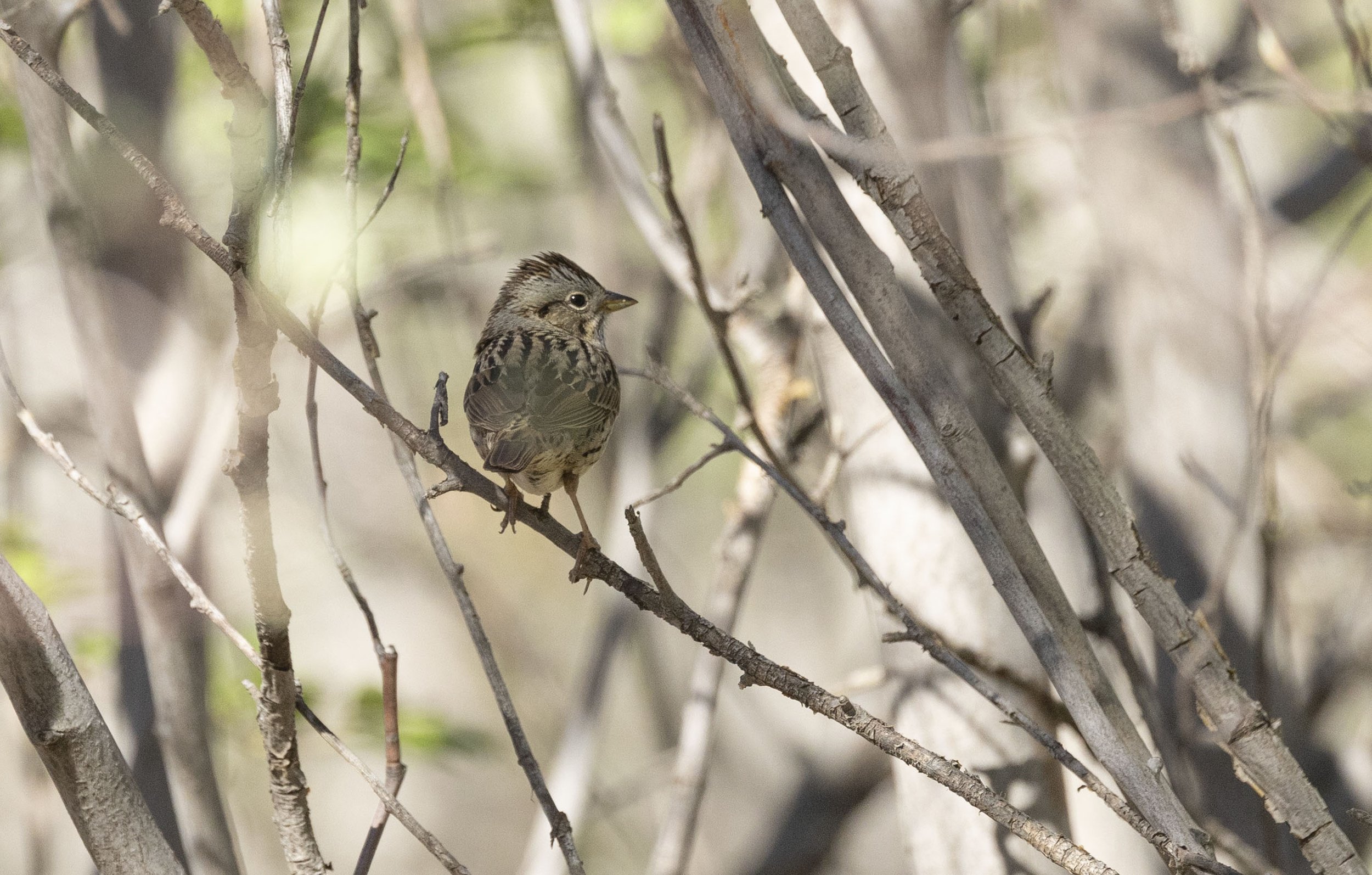
Back at the cottage late afternoon a Lincoln’s Sparrow
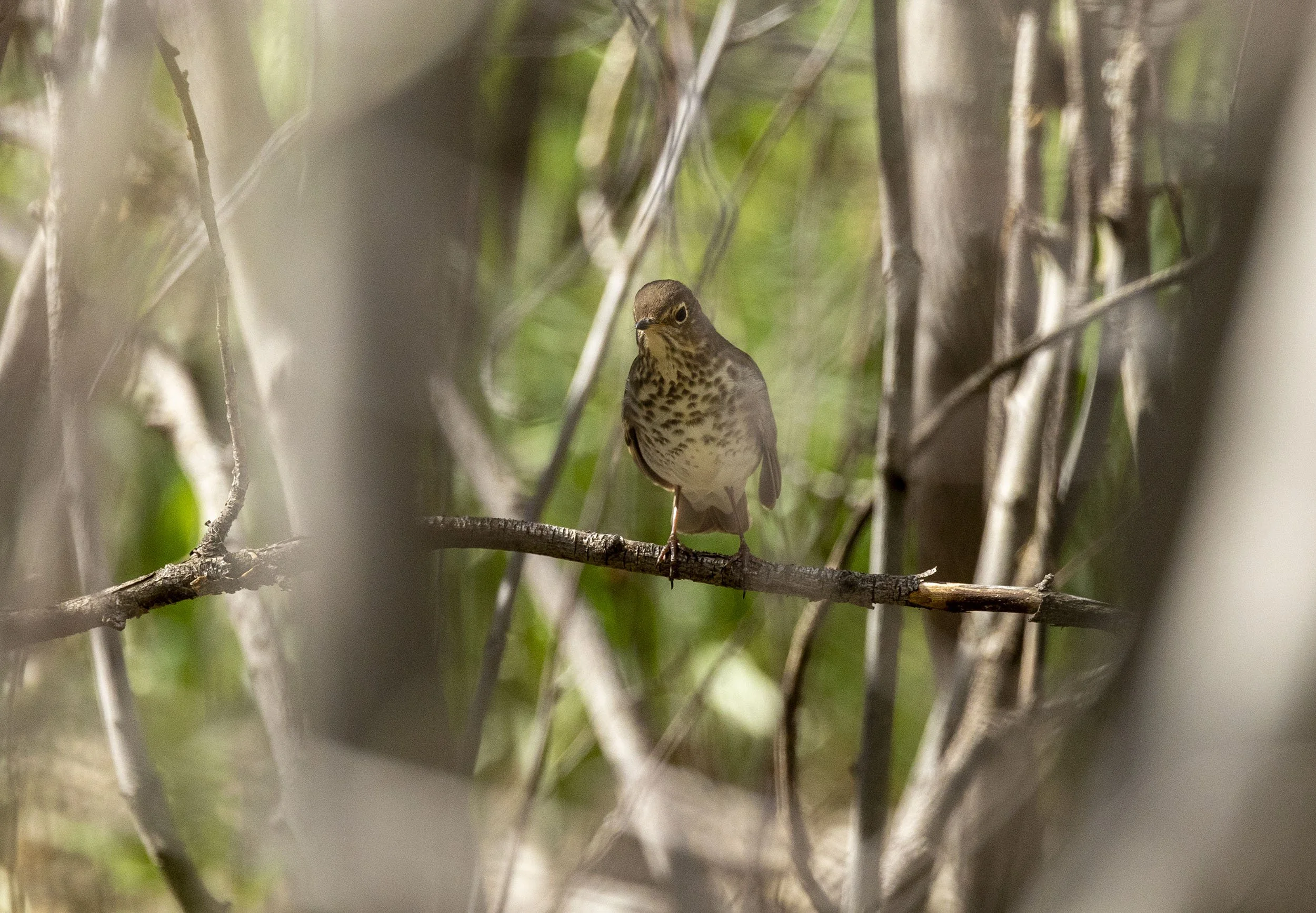
One of the garden Swainson’s Thrushes late evening
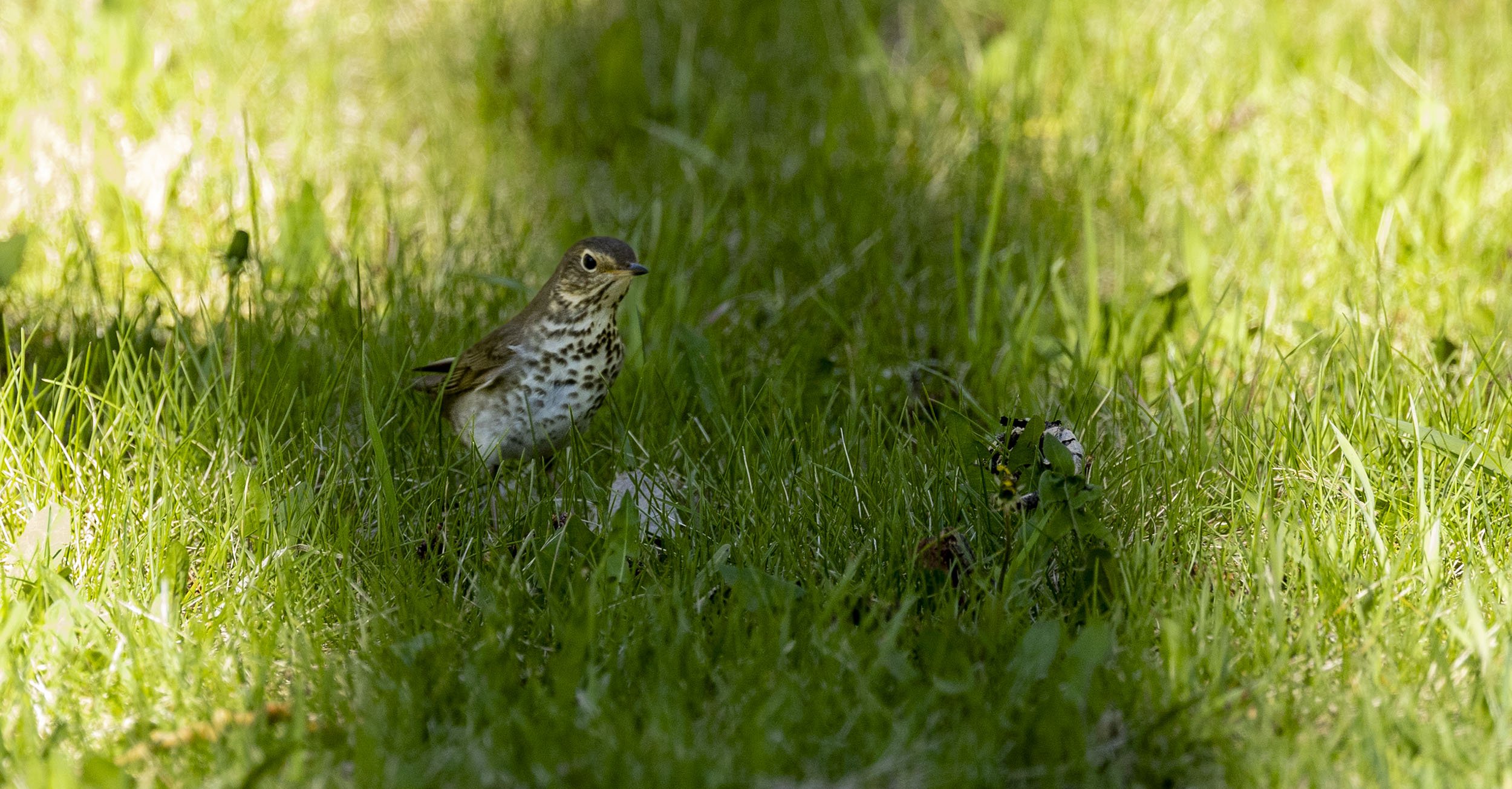
Even when right out in the open they fed in shaded areas rather than bright sunlit spots
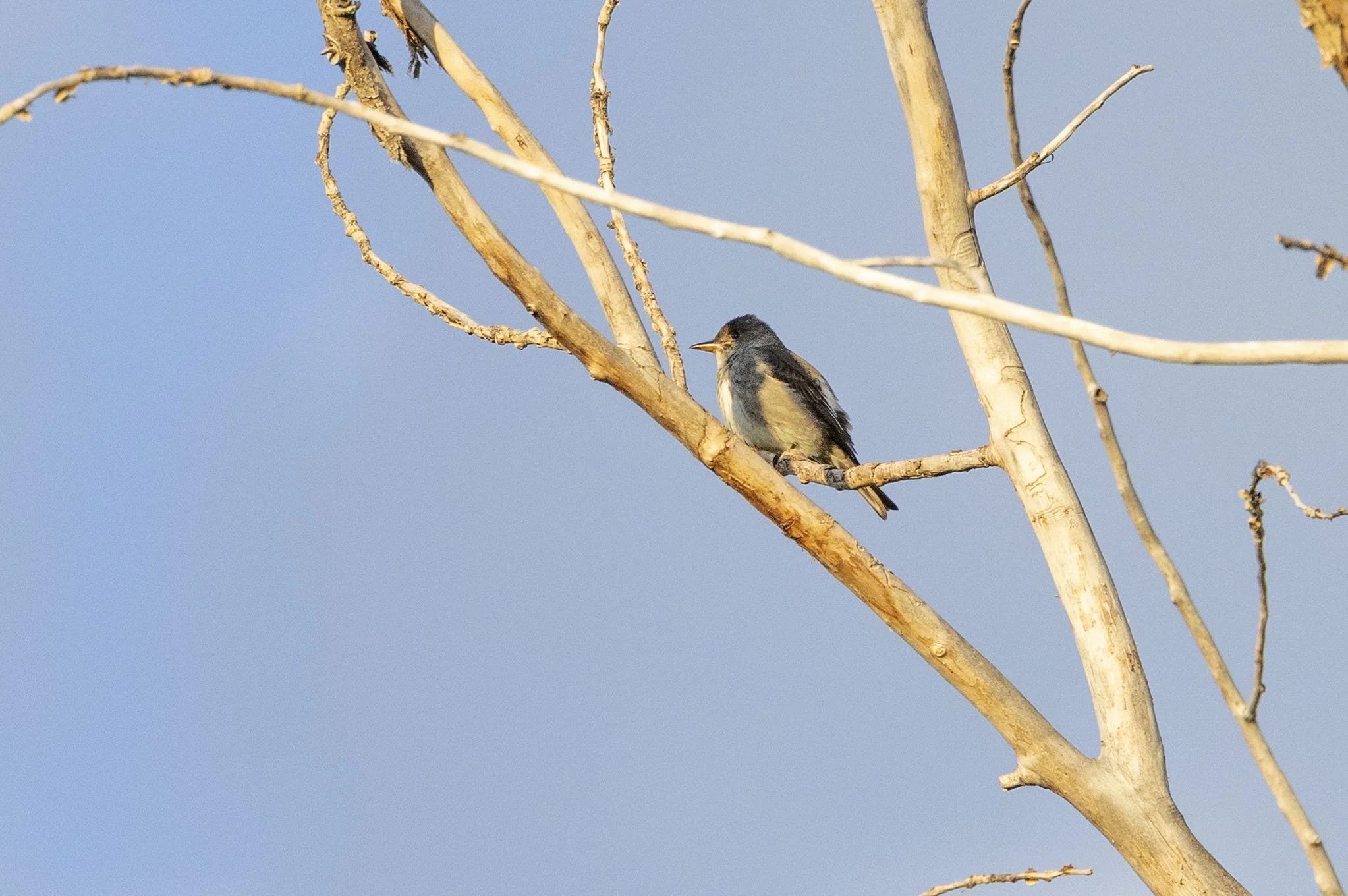
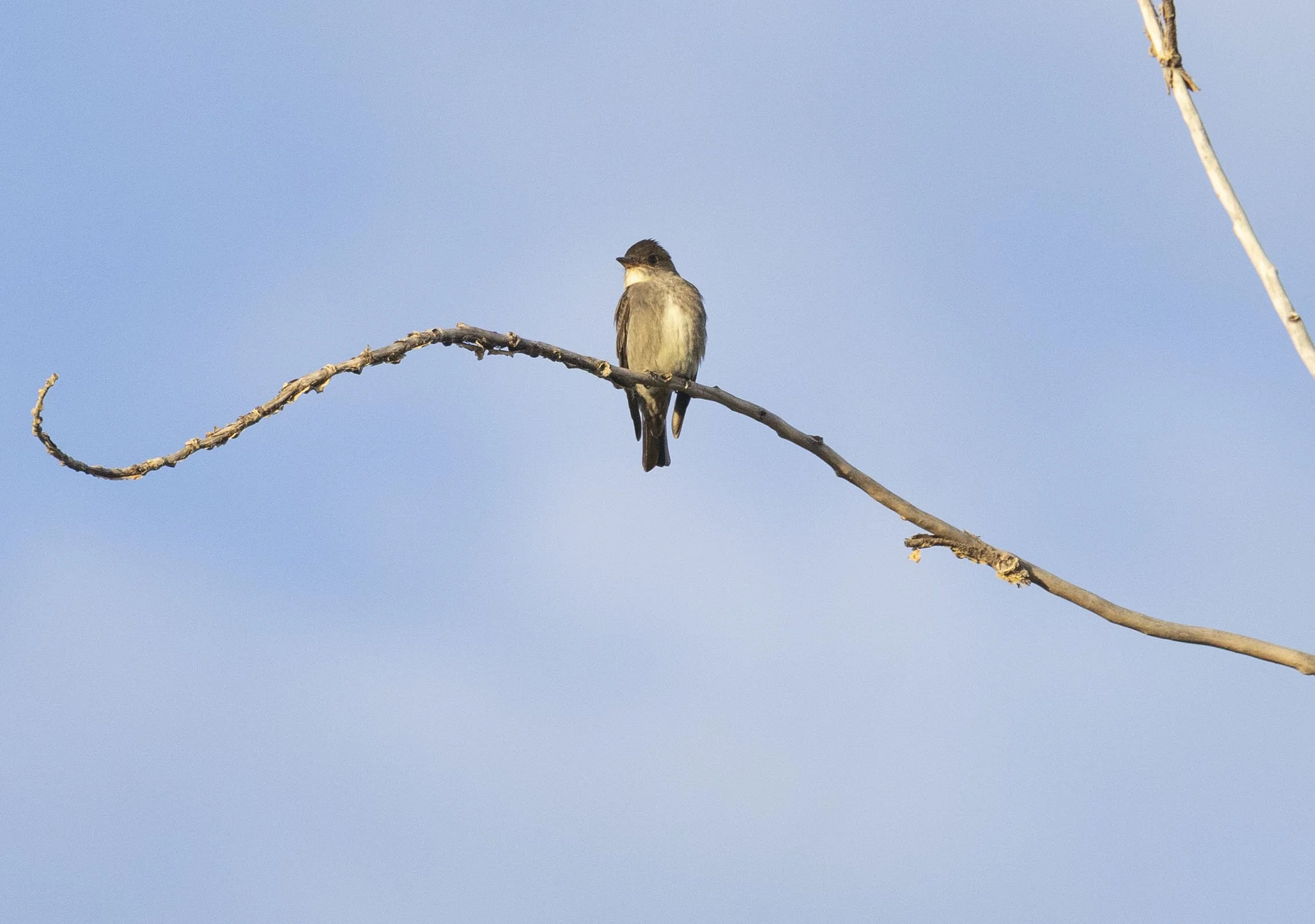
On return to the Guesthouse in the evening an Olive-sided Flycatcher was in the trees – one of the birds of the trip and a species I have only seen badly and fleetingly in the past.
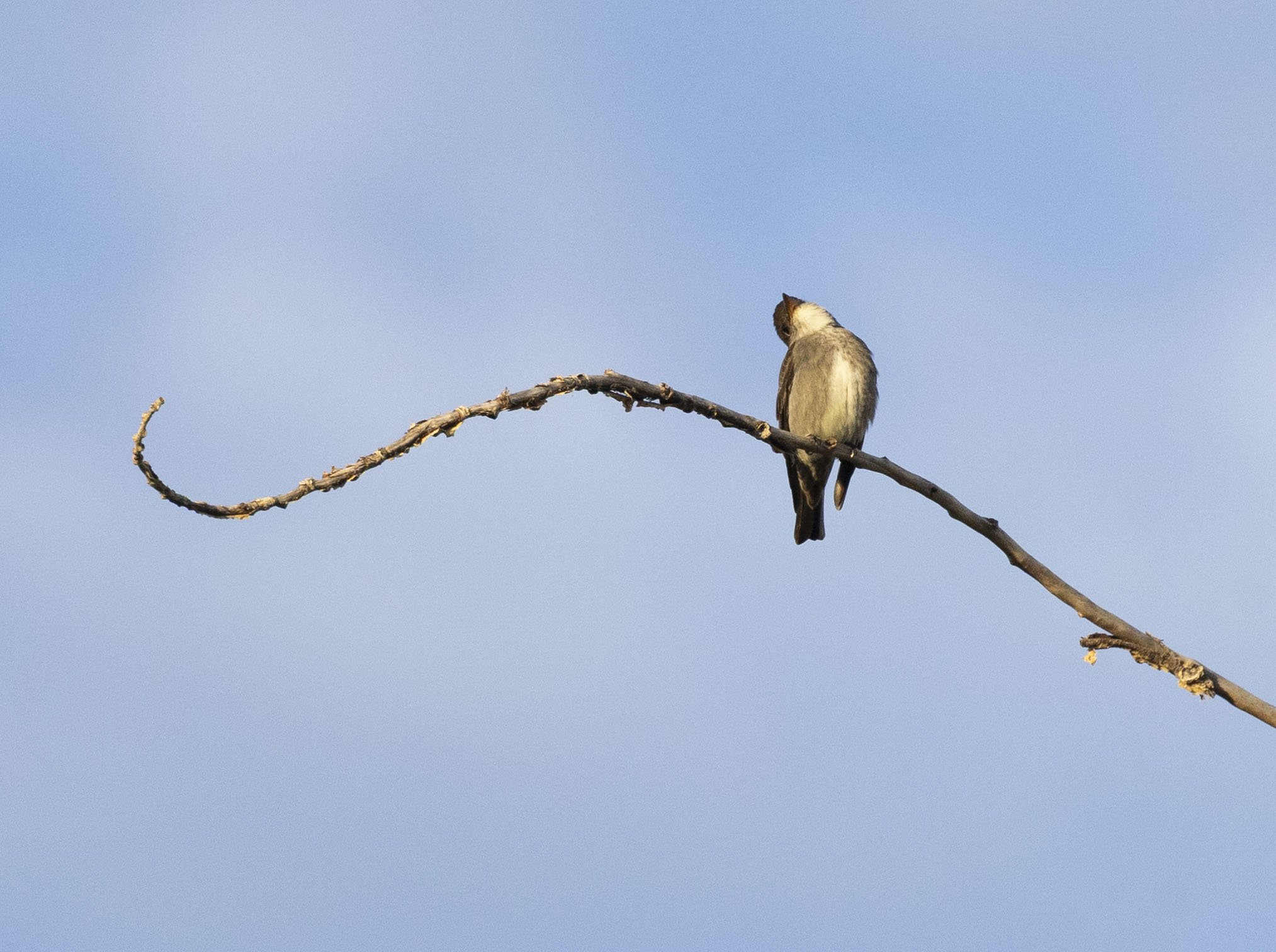
It was high up and not close but the light was beautiful with a clear blue sky
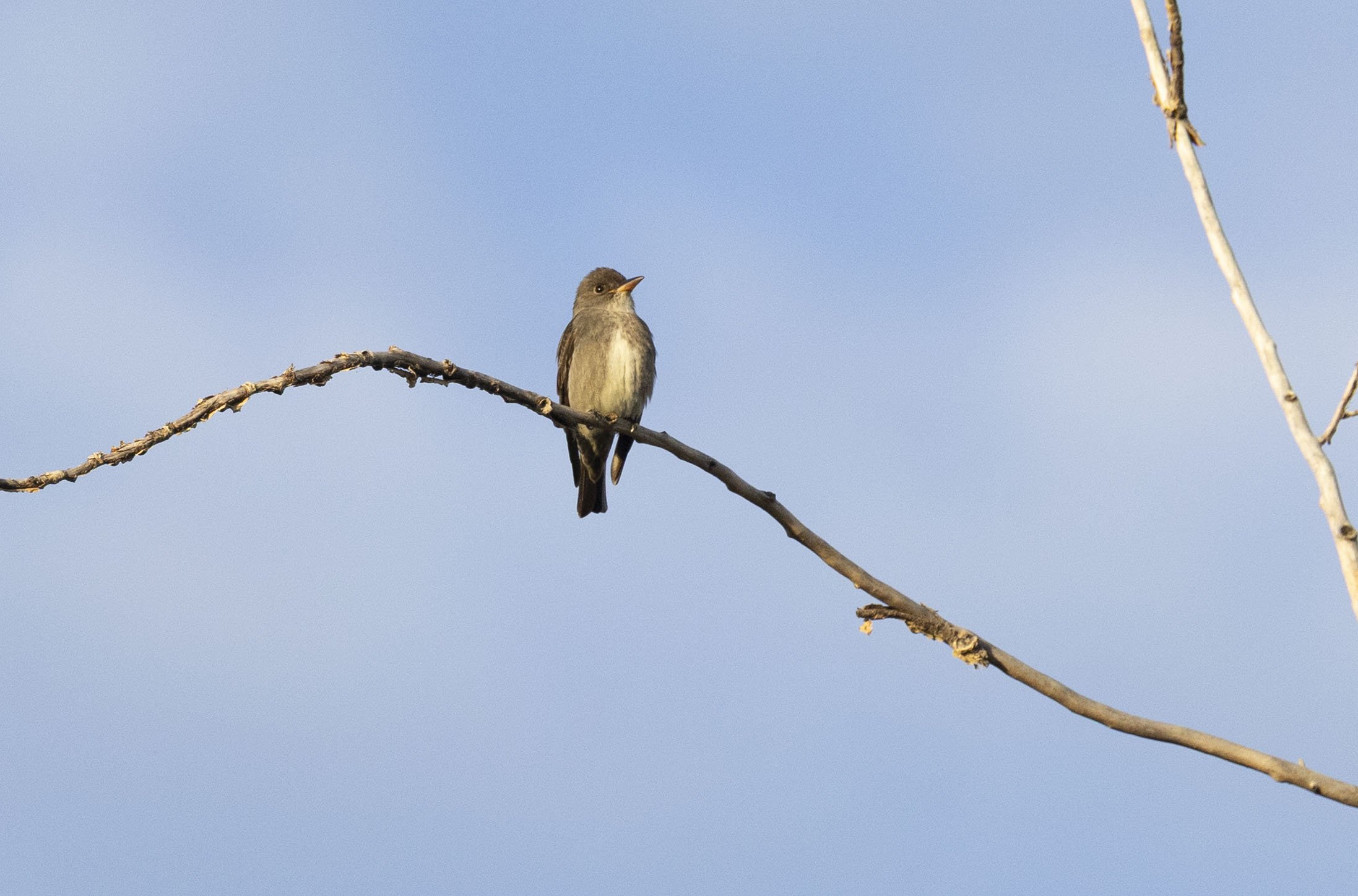
Olive-sided Flycatcher Guesthouse71 May 11th 2026
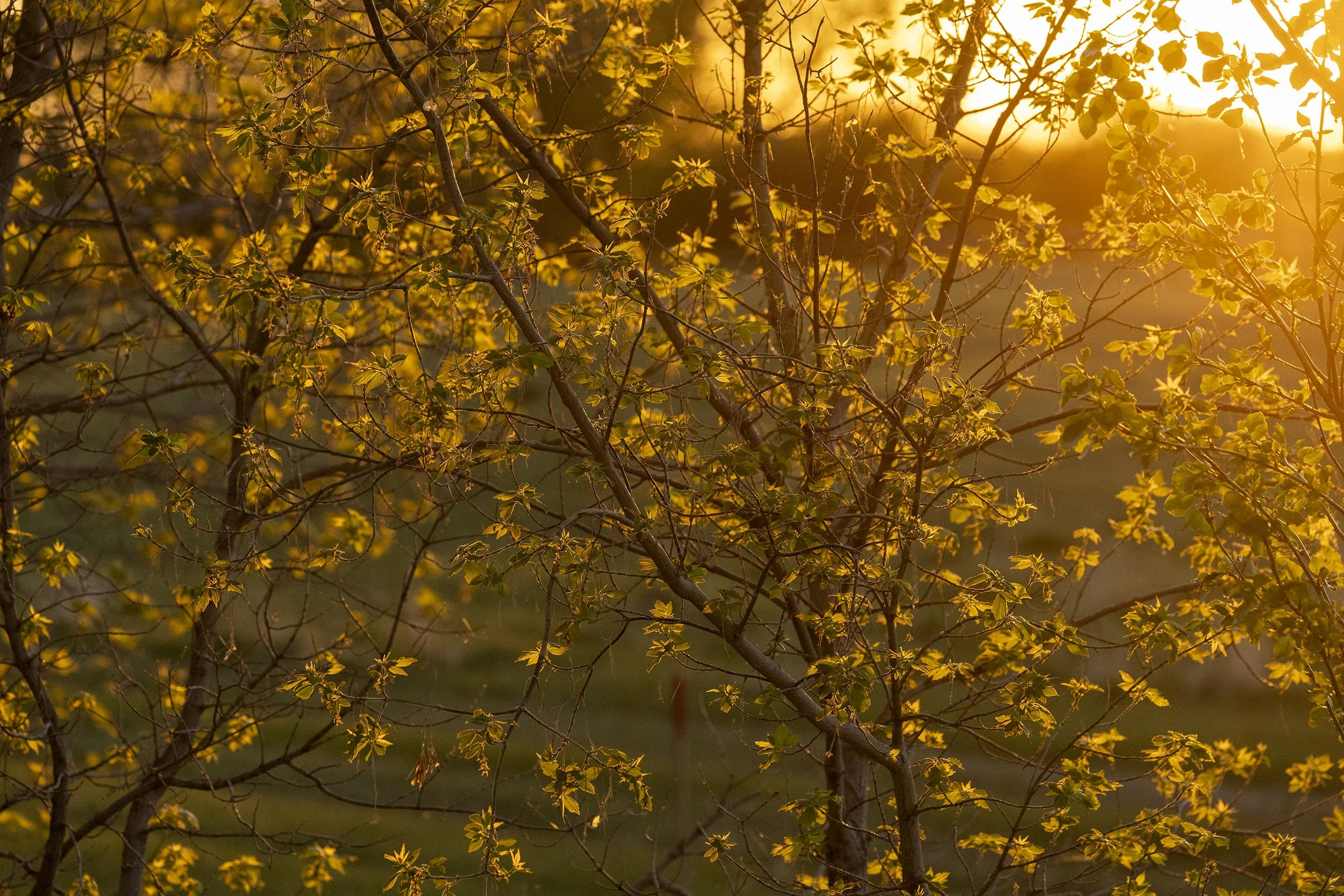
A glorious sunset to end the day
May 12th
The male Prairie Merlin was again round the Guesthouse with the first Yellow Warbler, three Swainson’s Thrushes and several Chipping and Clay-coloured Sparrows; a pair of Cinnamon Teal were on the farm pond and a male Northern Harrier flew through, Painted Lady was a new butterfly then we set off for Dinosaur PP seeing a Turkey Vulture over Medicine Hat en route.
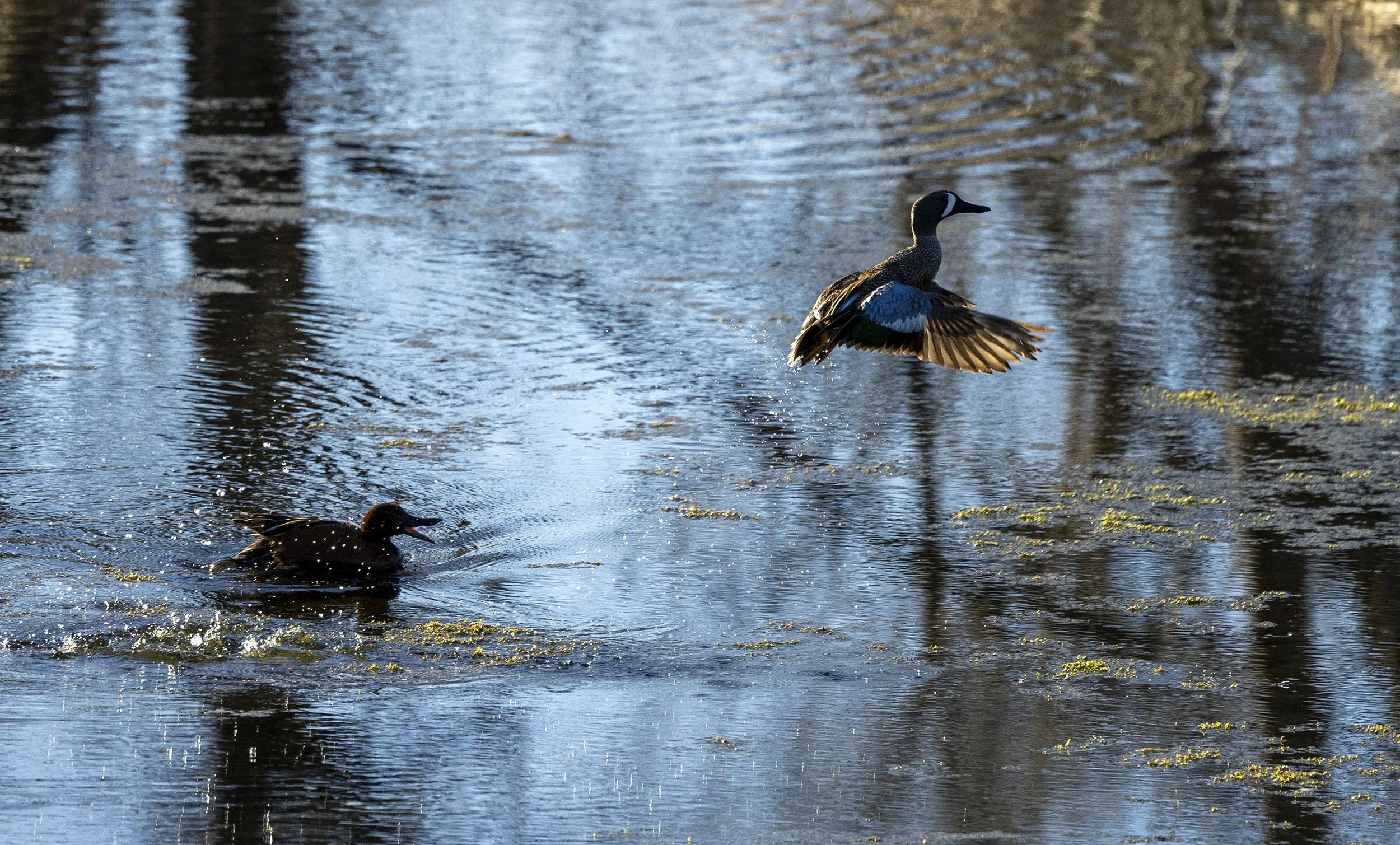
Blue-winged Teal getting seen off by a drake Cinnamon on the local pond early am
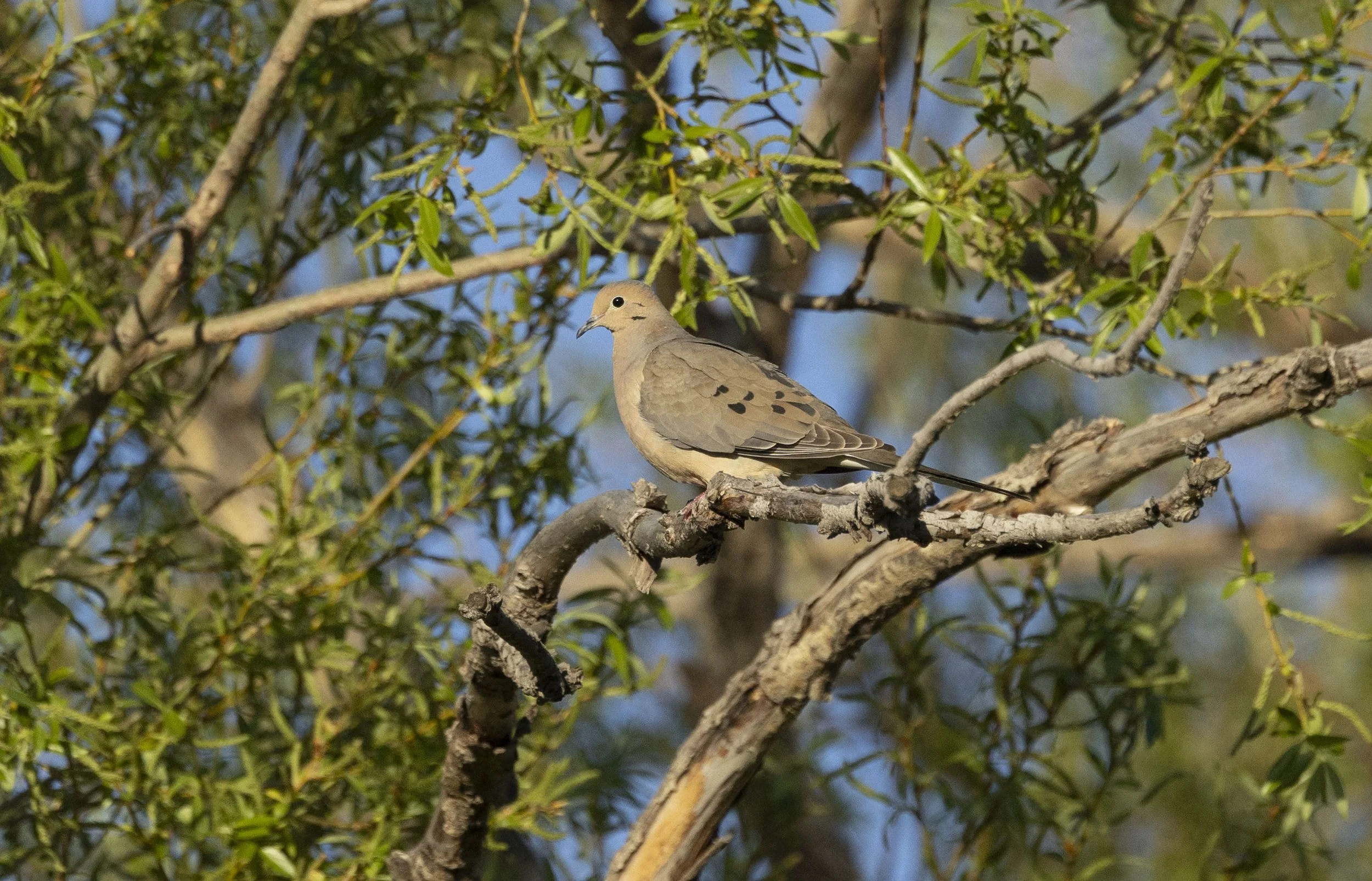
Mourning Dove in lovely light on our early morning amble
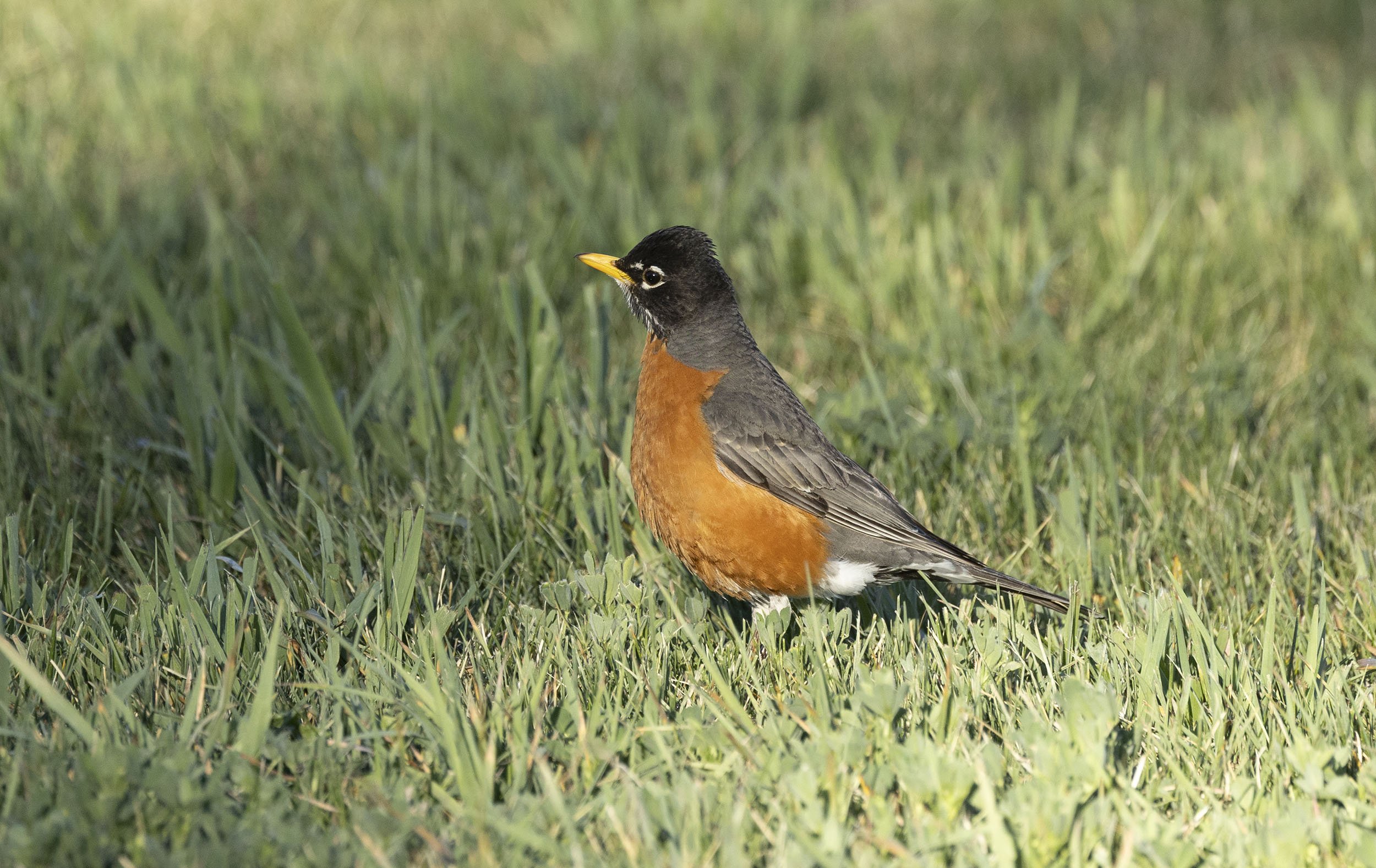
Every one is different and this American Robin was a cracker
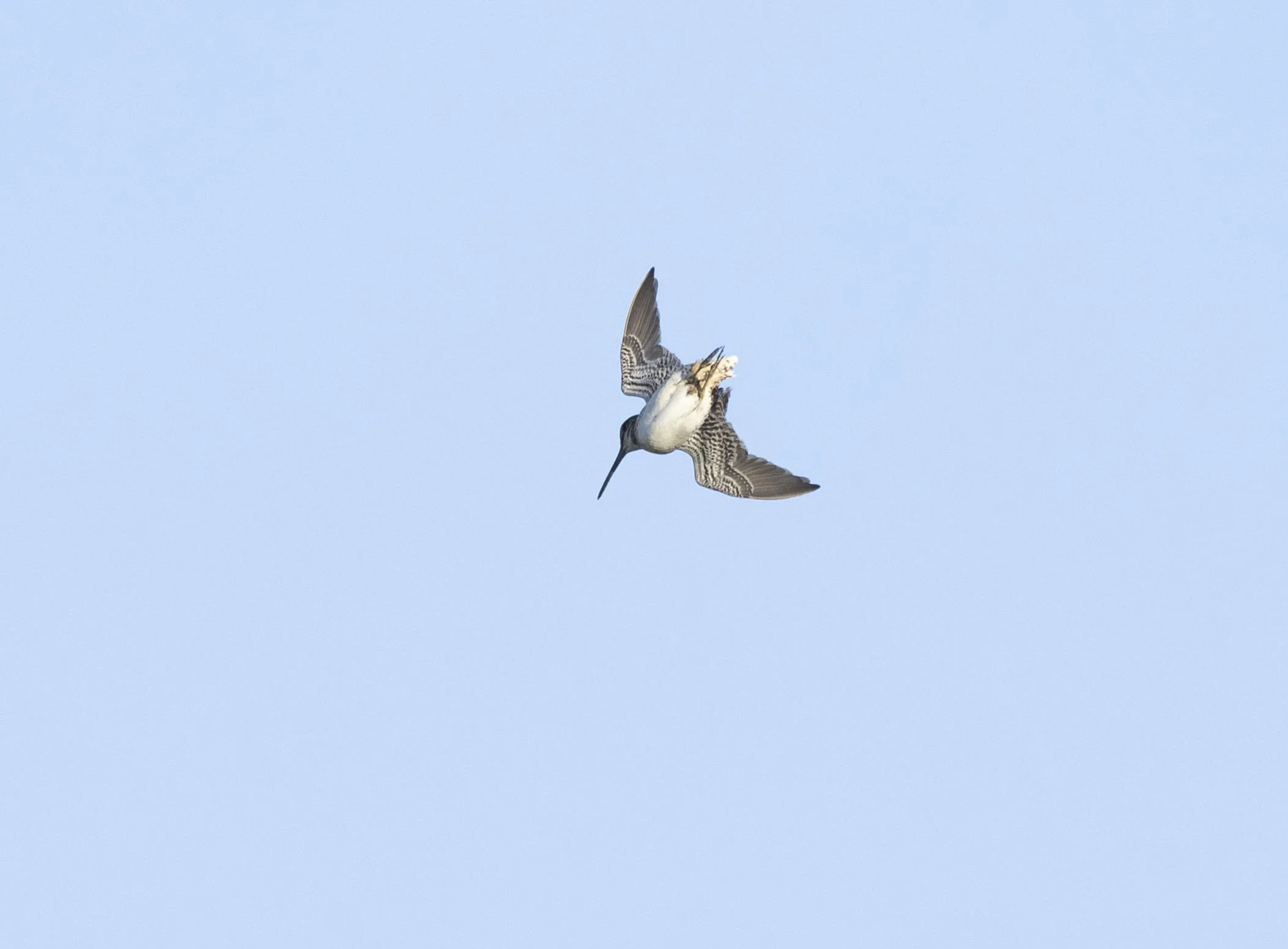
Wilson’s Snipe powering down after an aerial display session
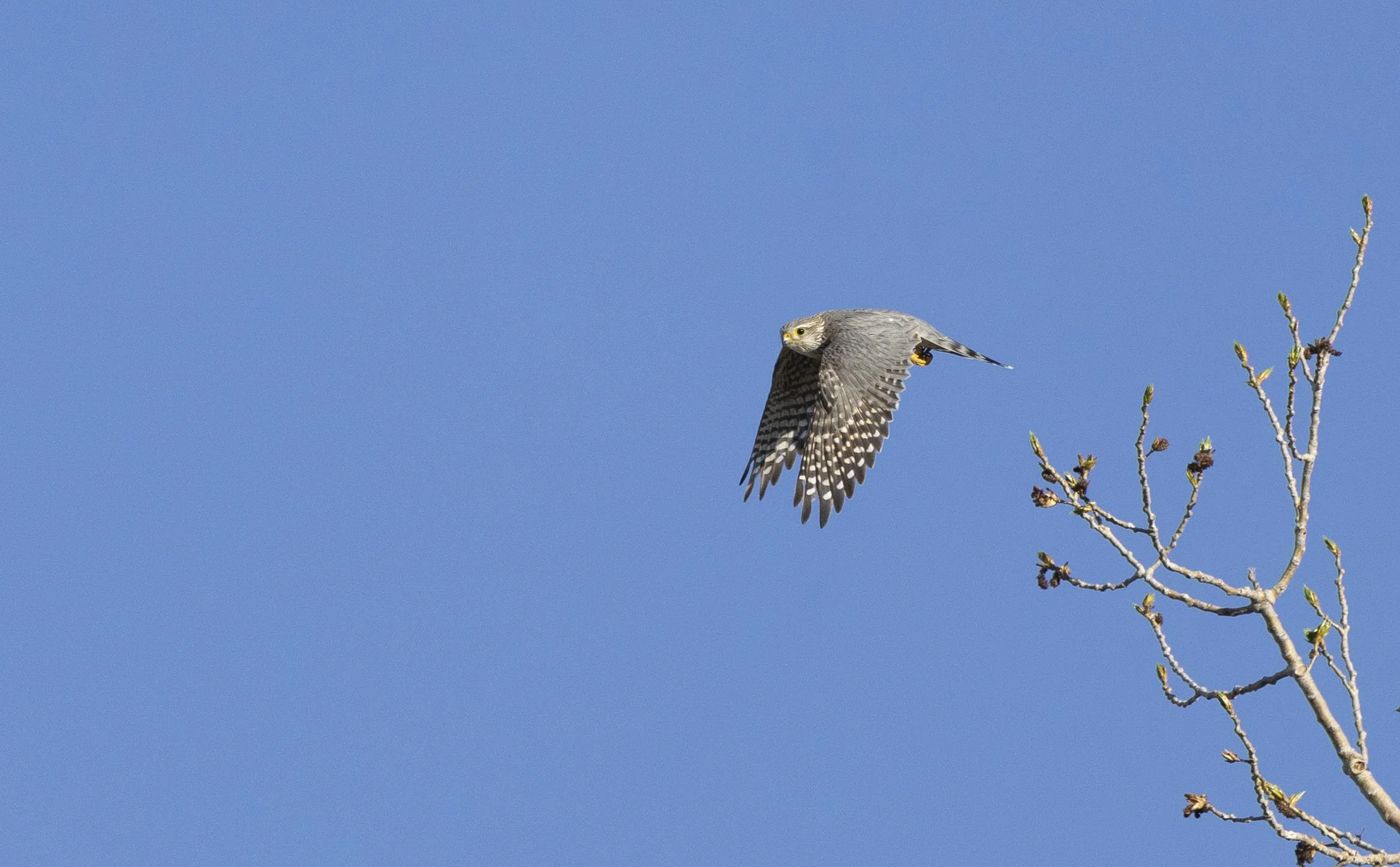
The male Prairie Merlin in the trees by the cottage again in beautiful light
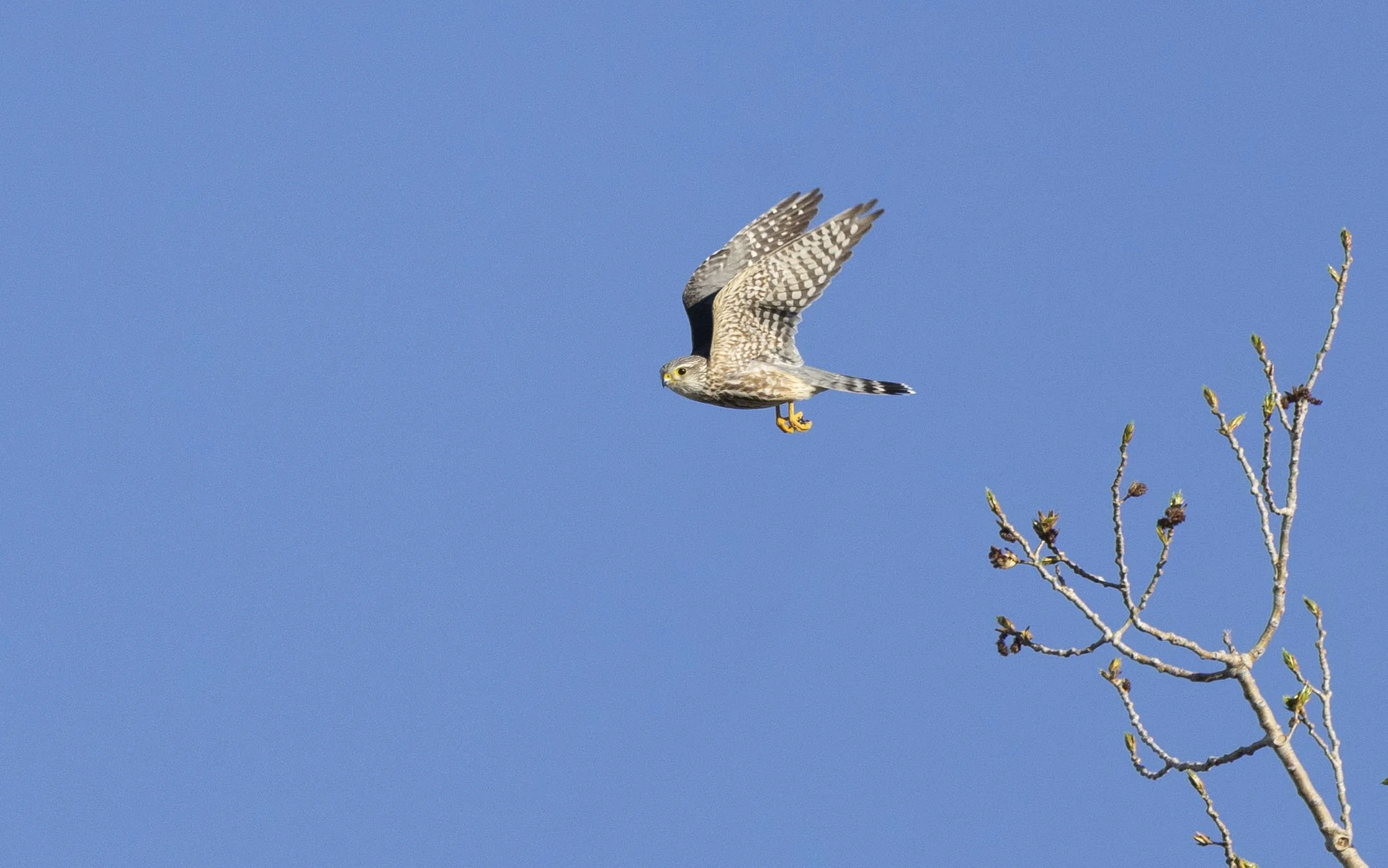
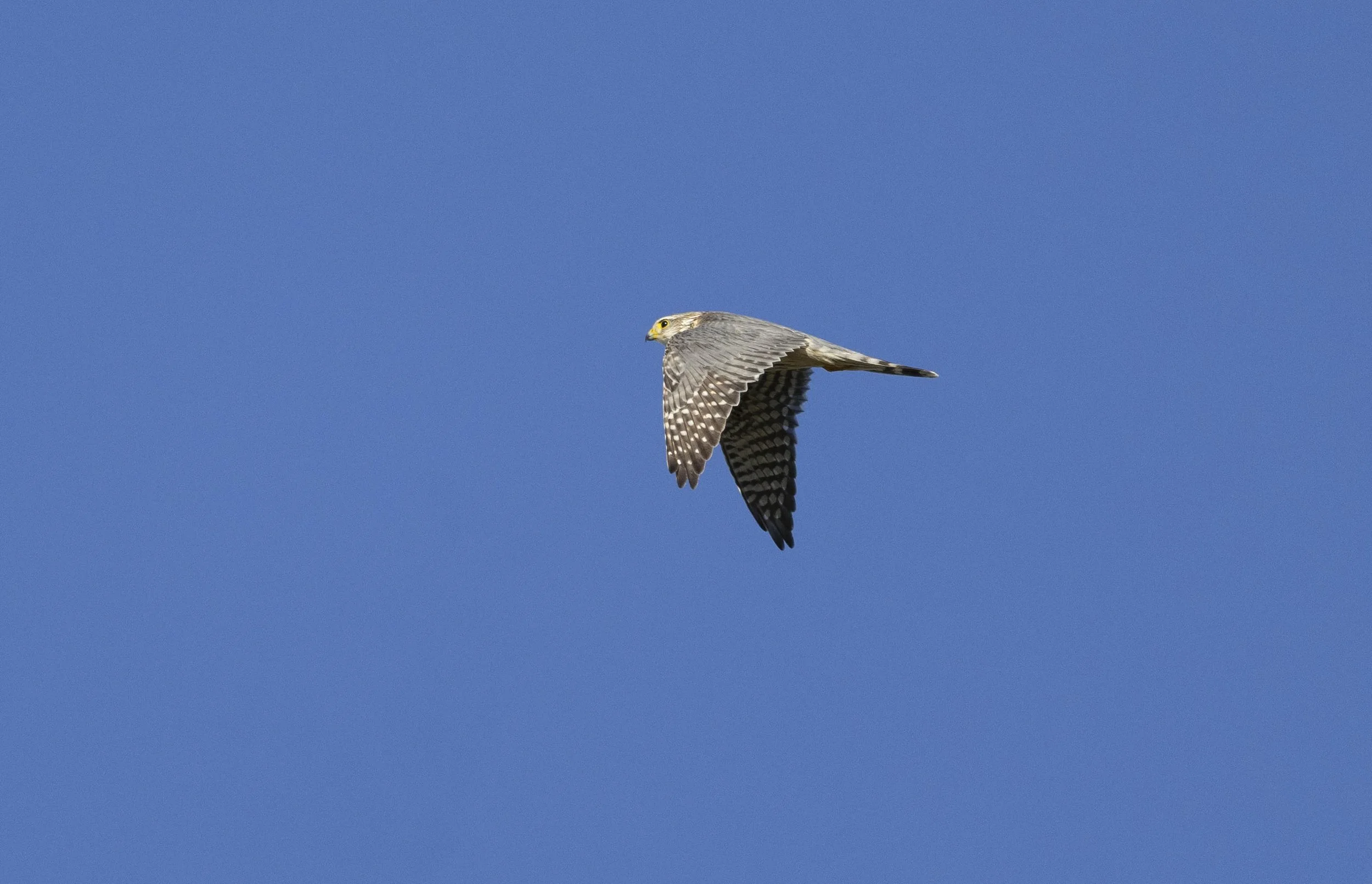
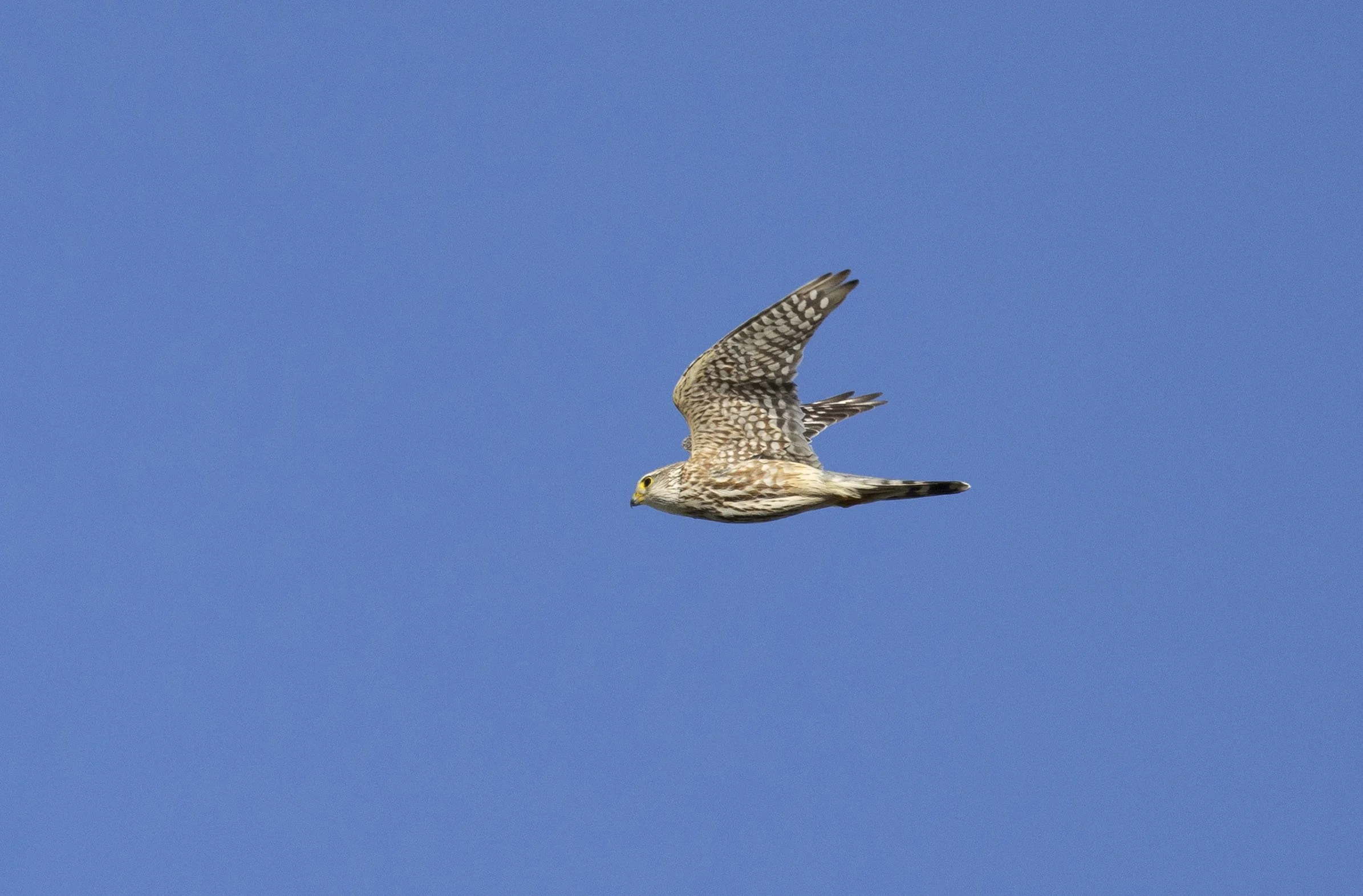
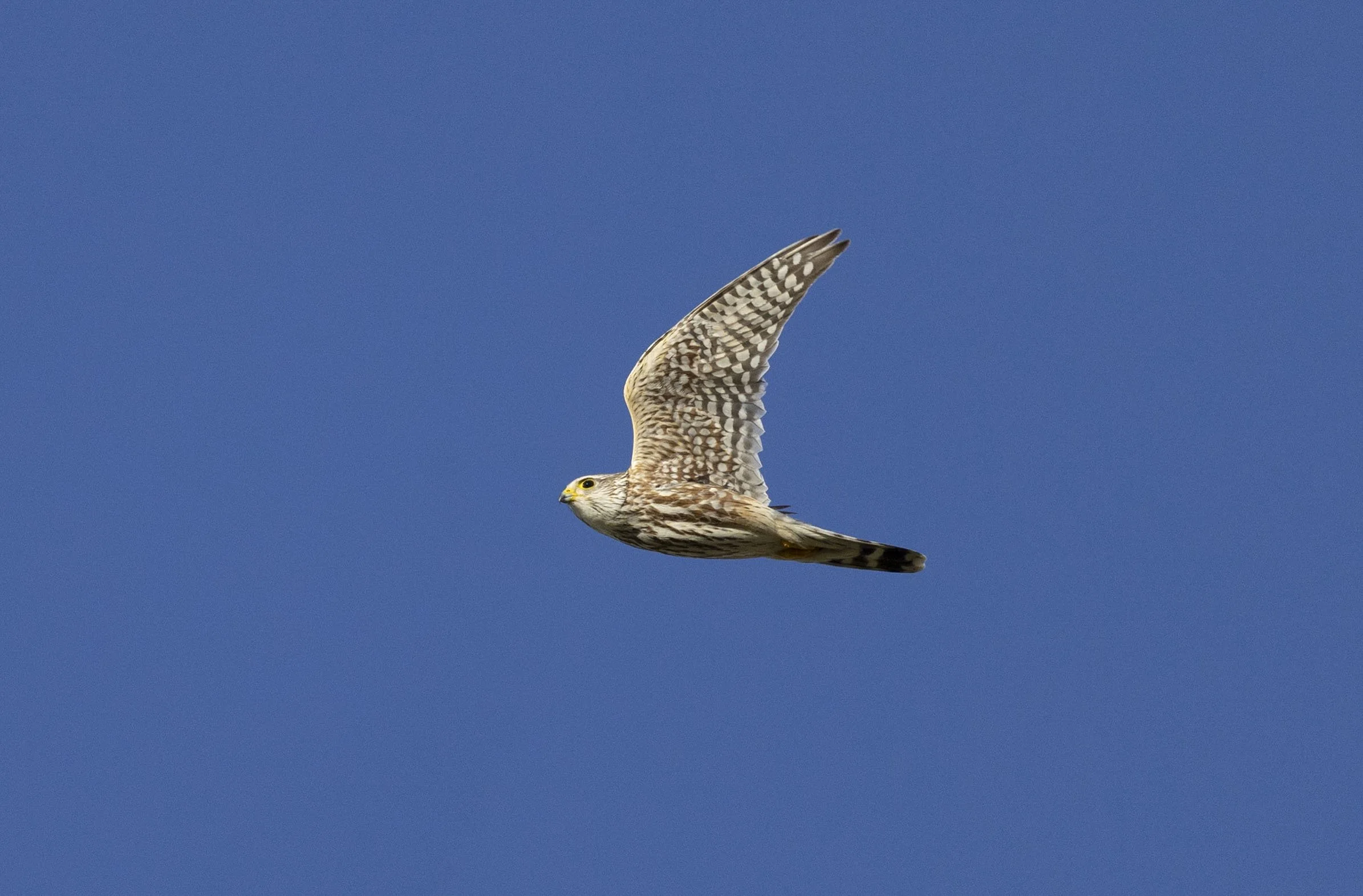
absolute cracker
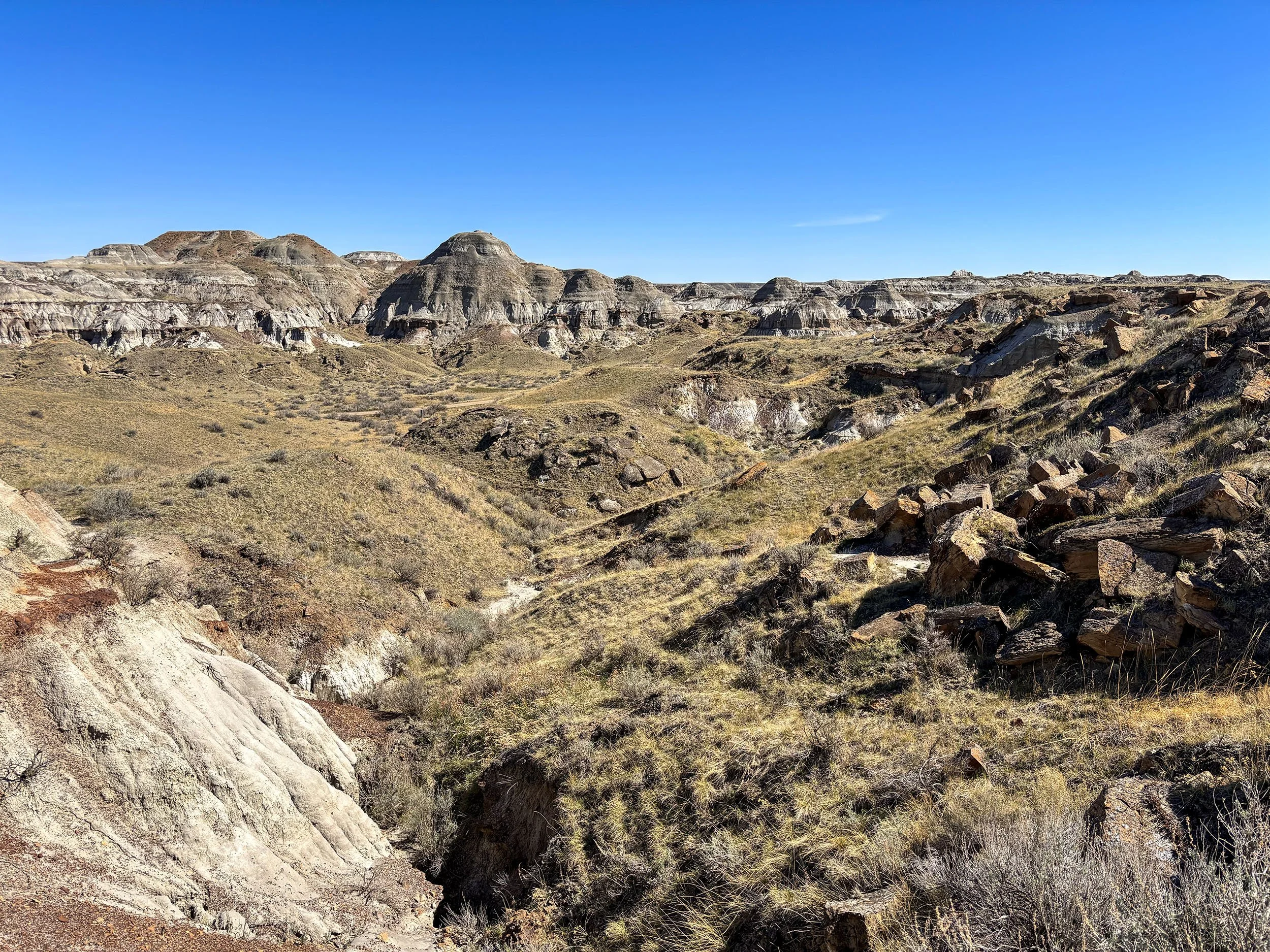
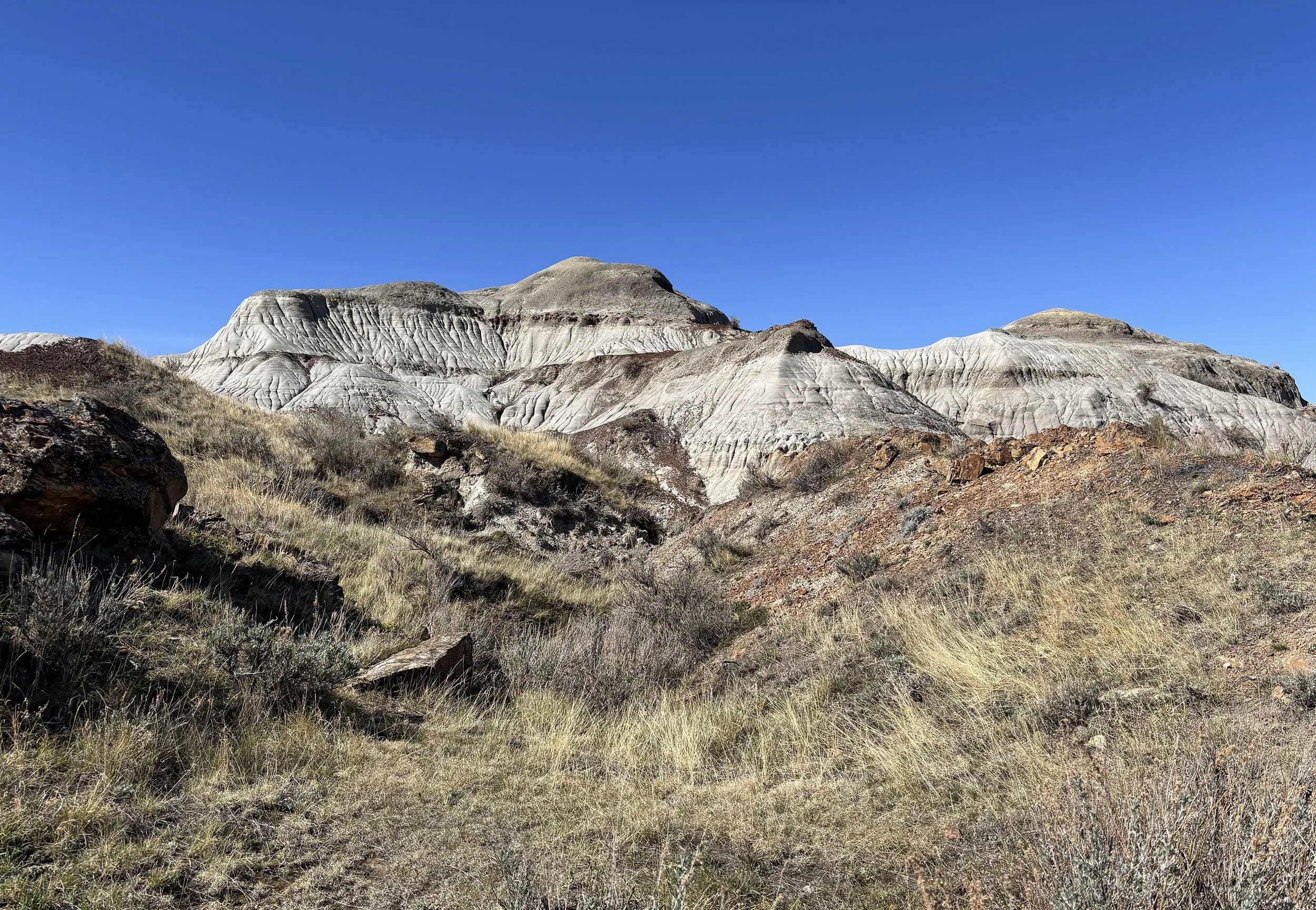
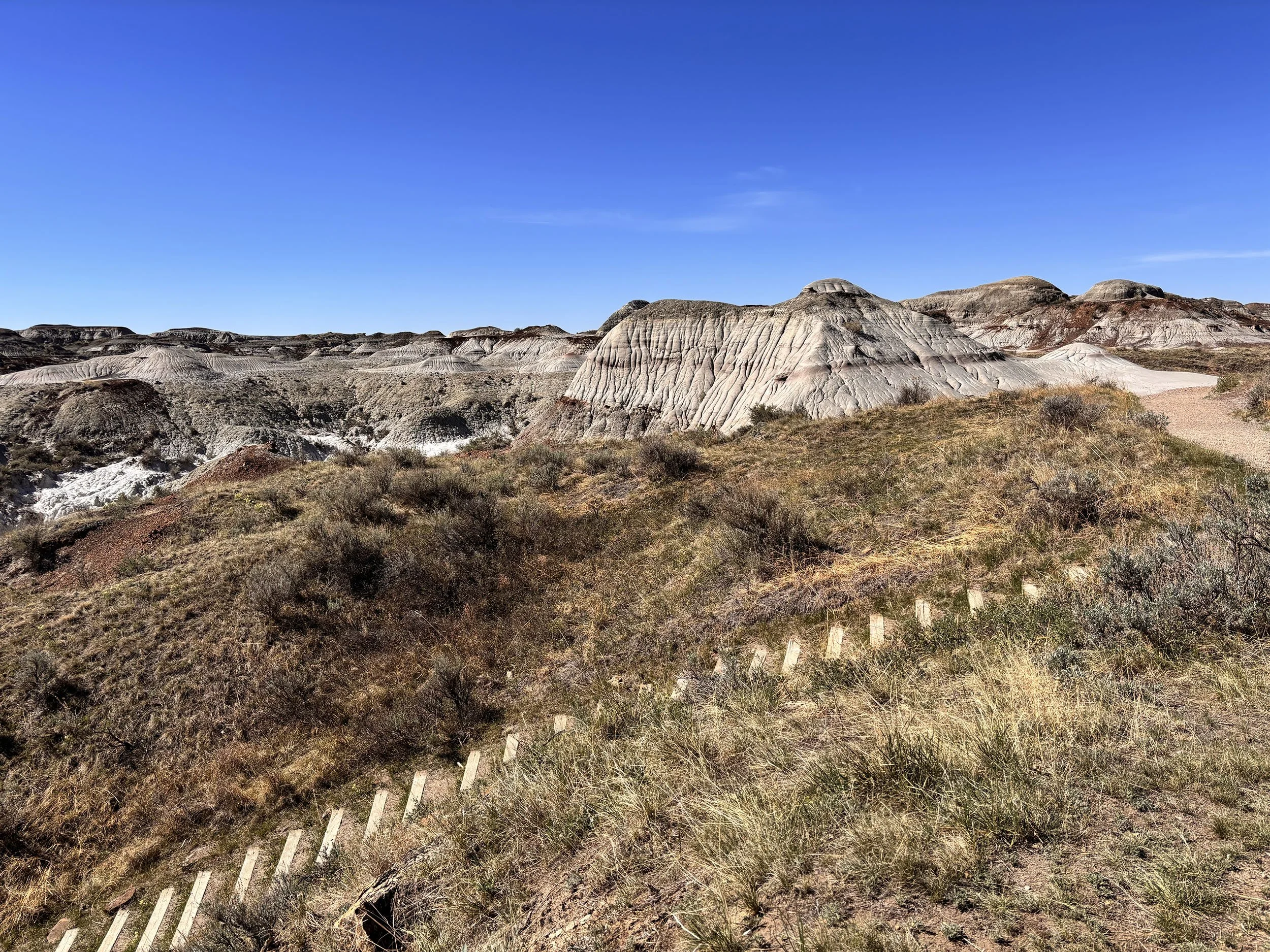
The day was hot and sunny and the Dinosaur PP though impressive for scenery and its exhibits had very few birds on offer and no ice-cream so we left mid-afternoon stopping briefly near a huge irrigation reservoir near Brooks that produced a Western Willet, Black-necked Stilt and a few Variegated Meadowhawks in increasingly windy and hot weather. Best birds were two Lark Sparrows, four Orange-crowned Warblers, three Myrtle Warblers, three Swainson’s Thrush, Spotted Towhee, three Turkey Vultures, ten Cliff Swallows, three Forster’s Terns and a Bald Eagle plus Meadow Fritillary. All in all a quiet day.
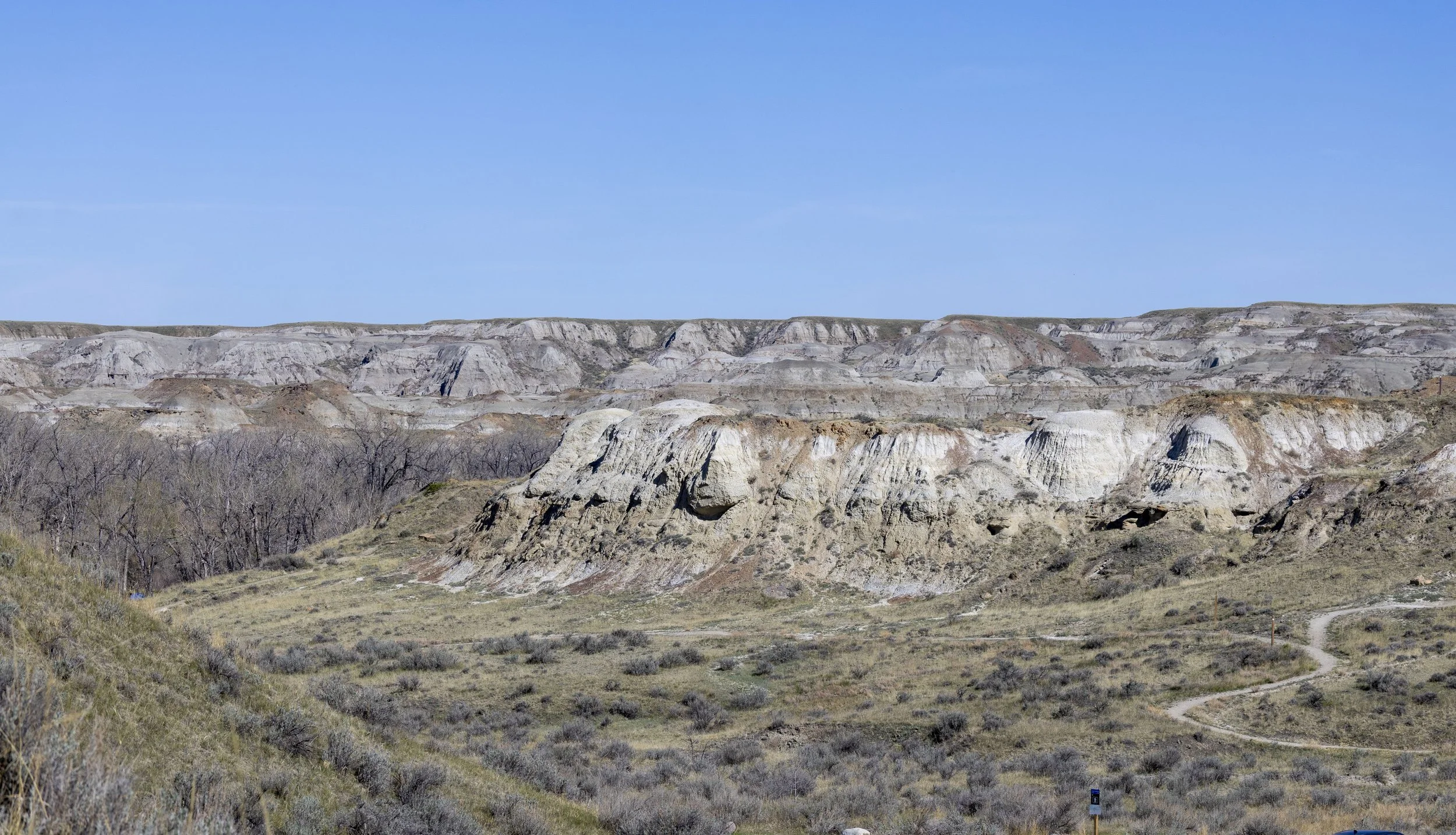
The badlands scenery is particularly impressive
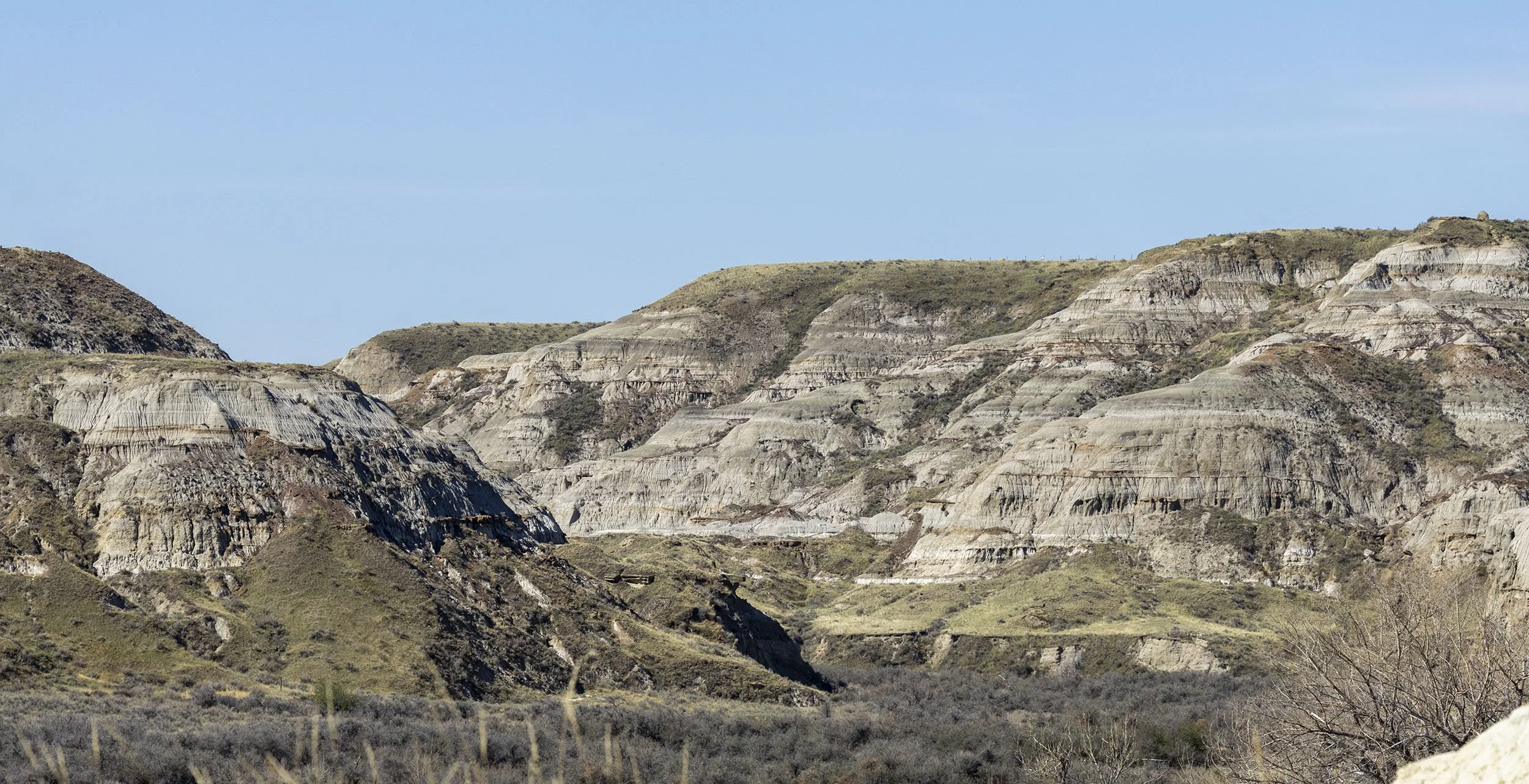
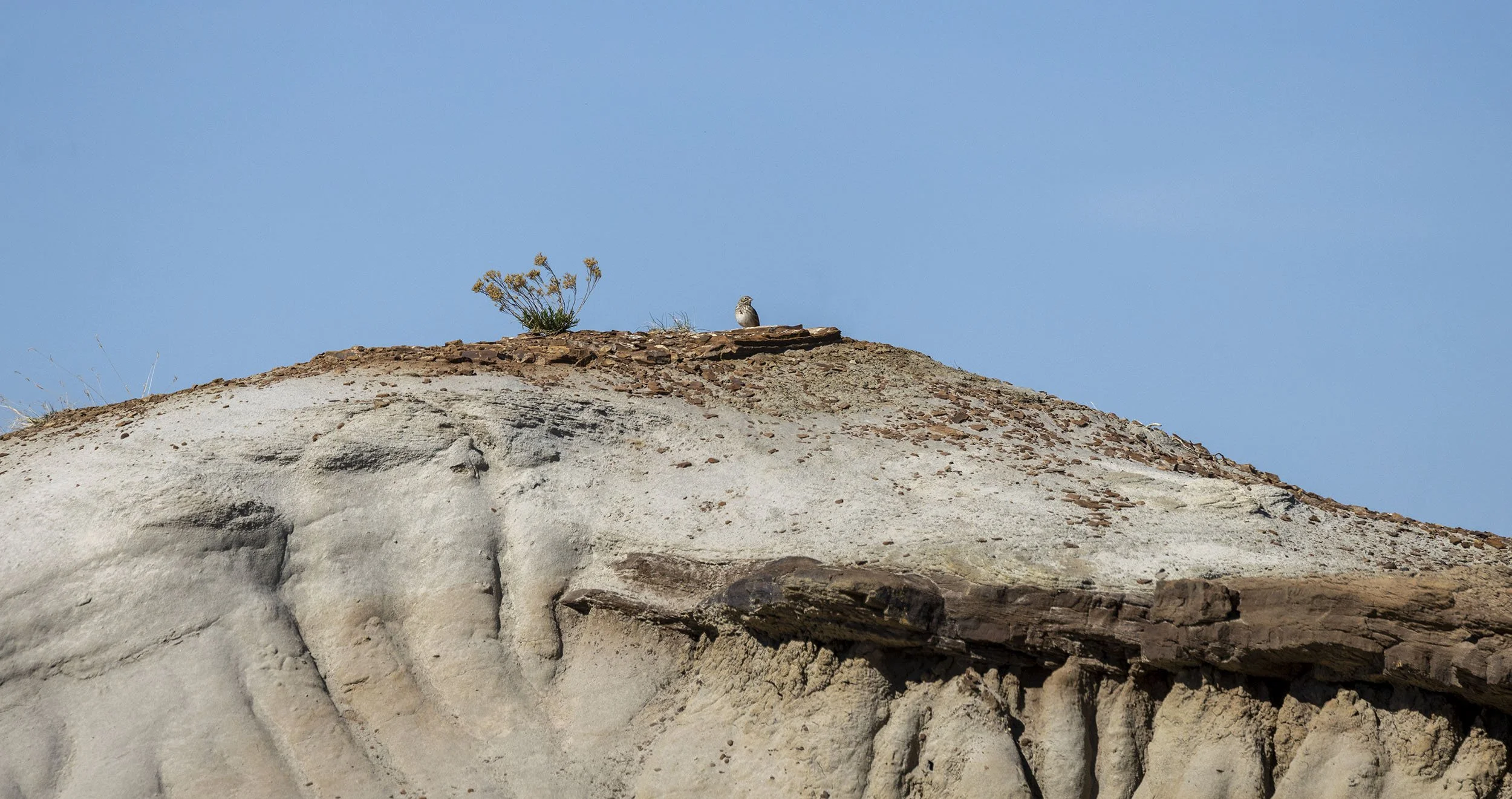
Vesper Sparrows do seem to get everywhere
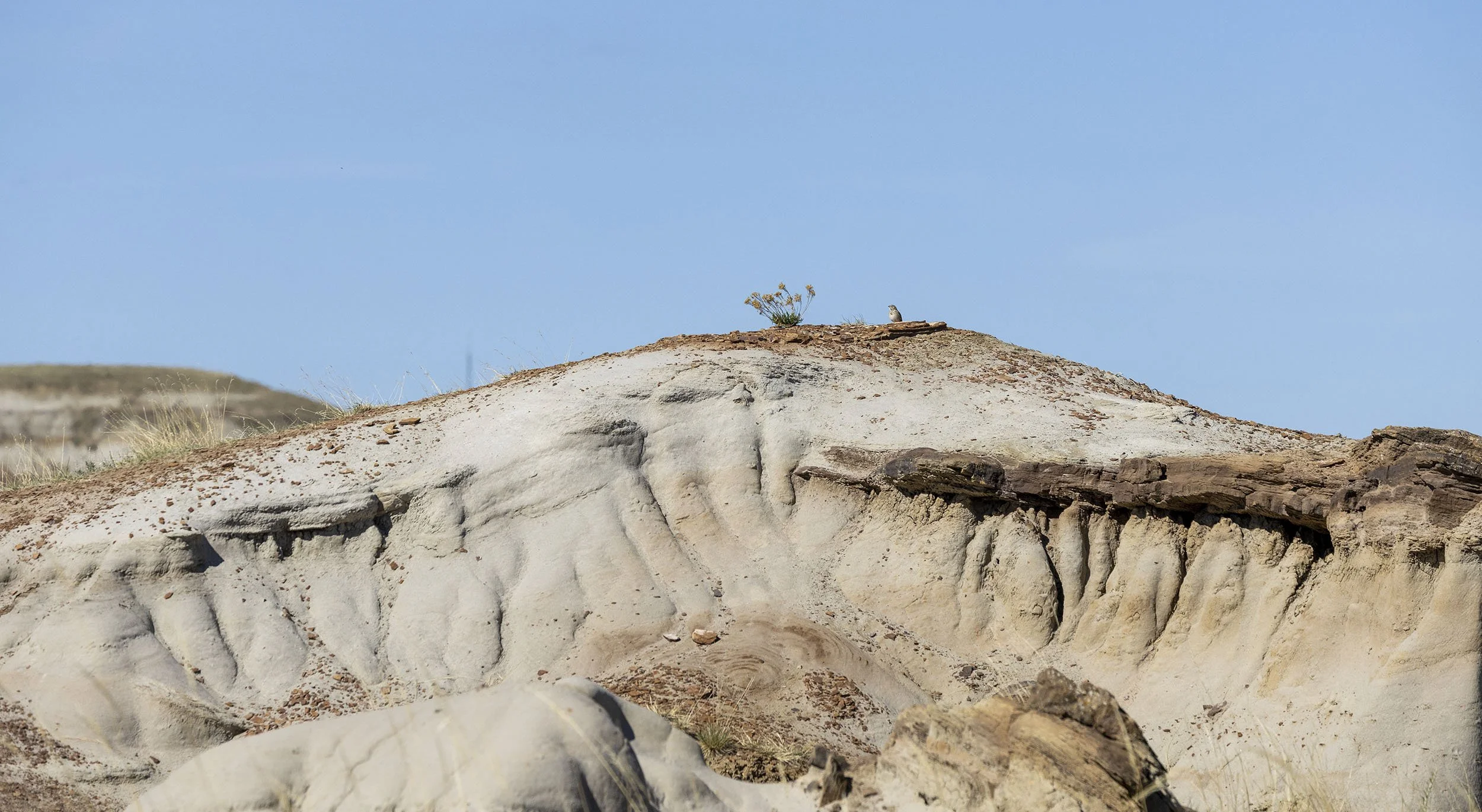
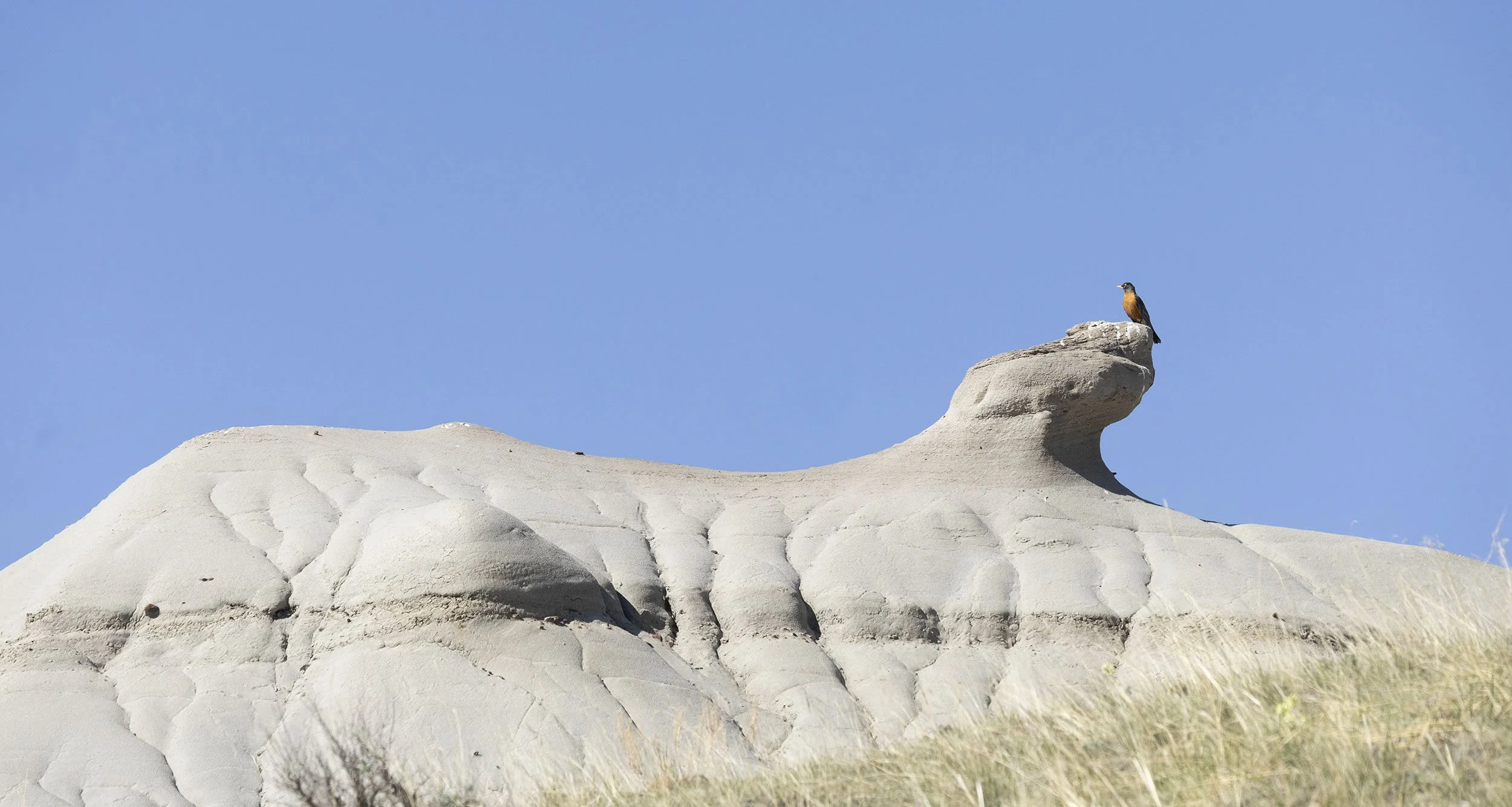
American Robin atop a Hoodoo
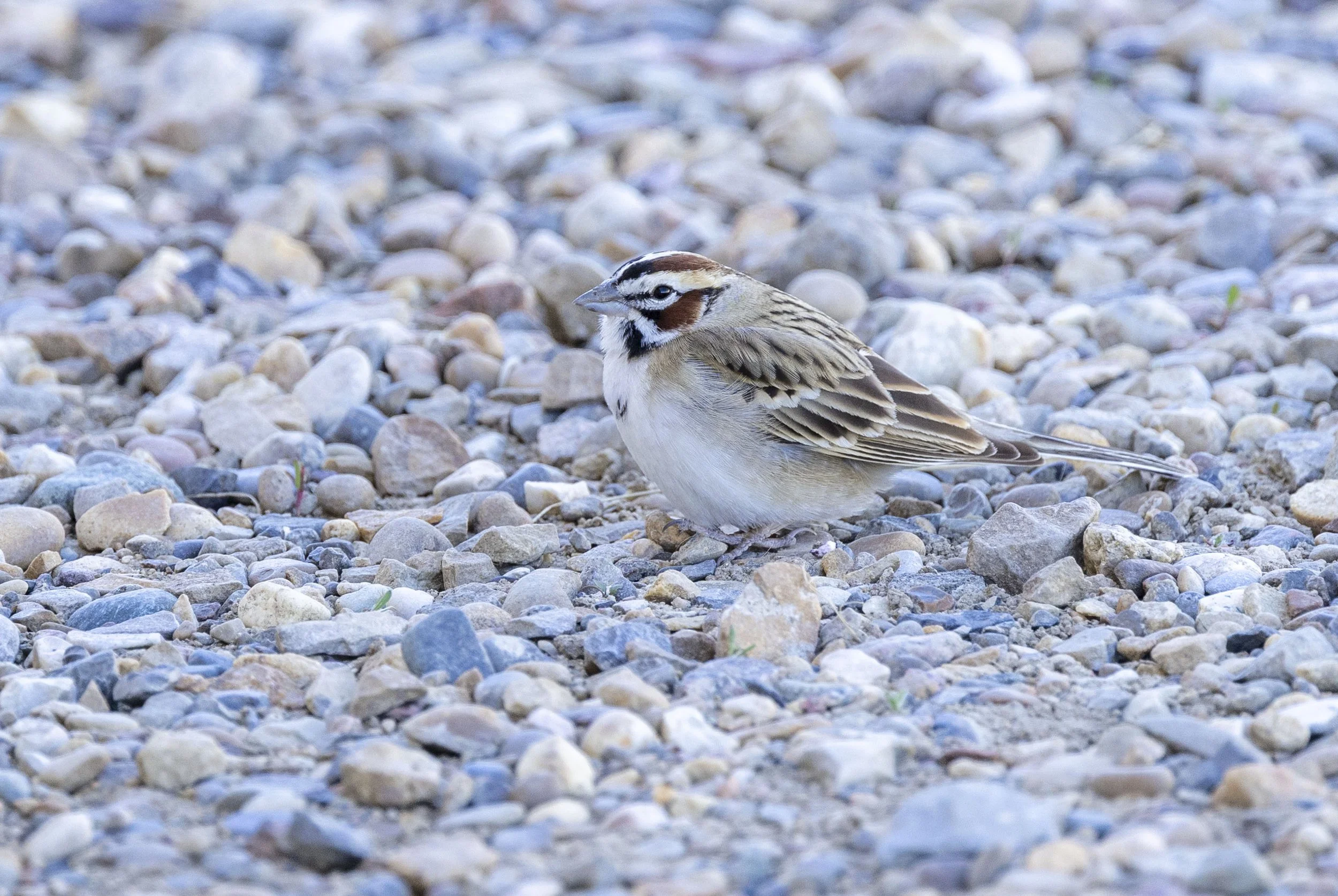
With few other birds around I took a silly number of images of this obliging pair of Lark Sparrows
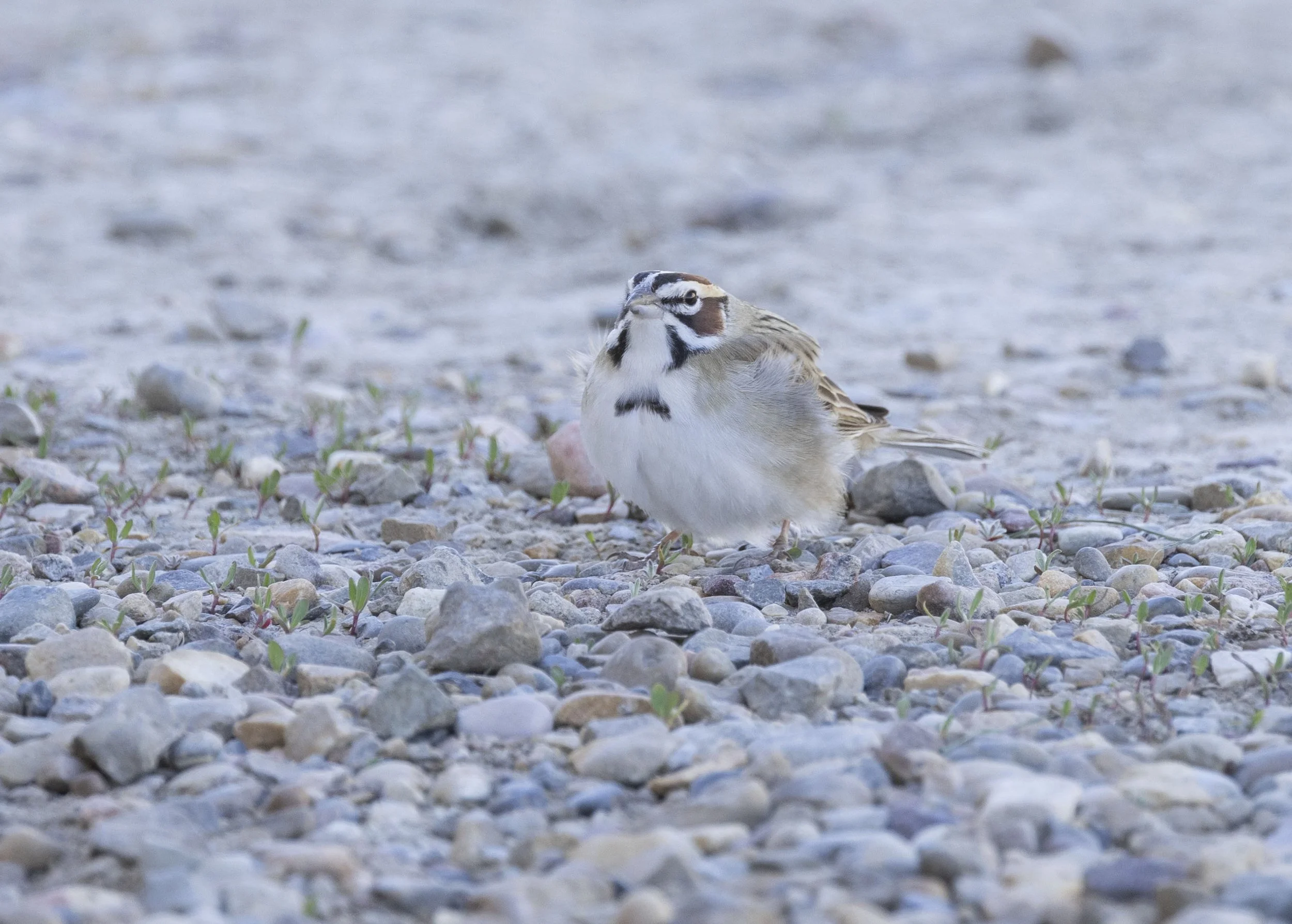
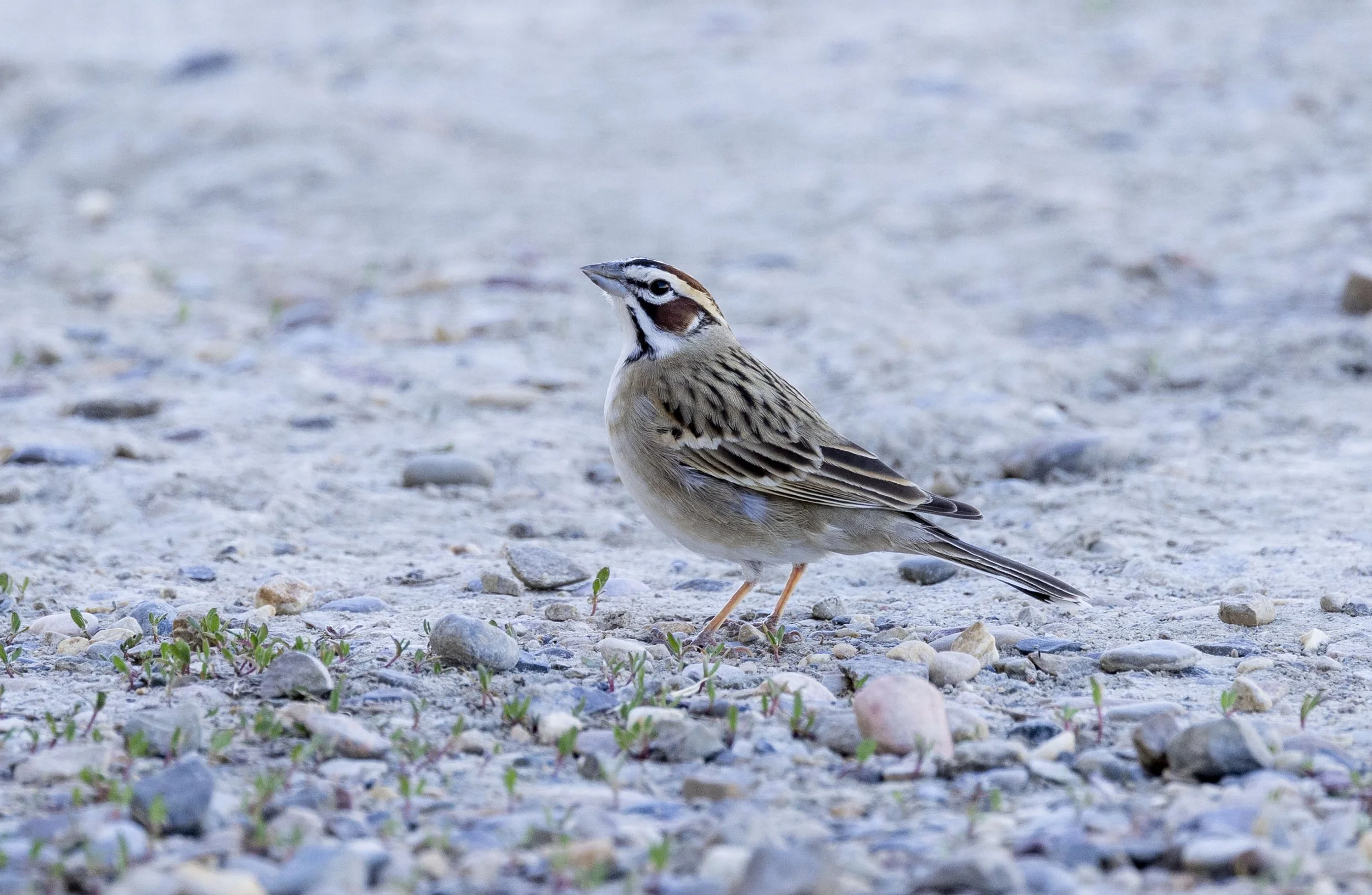
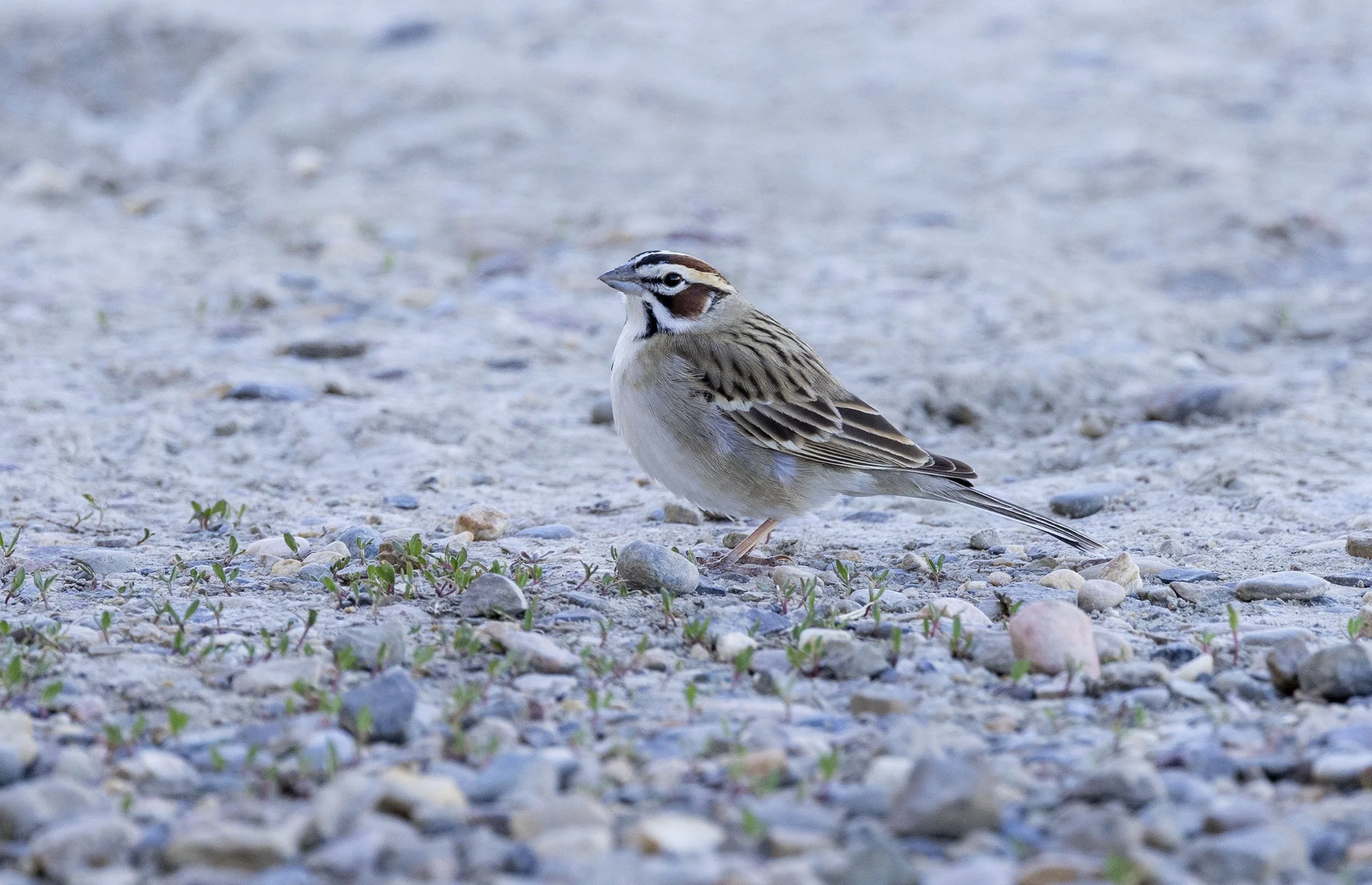
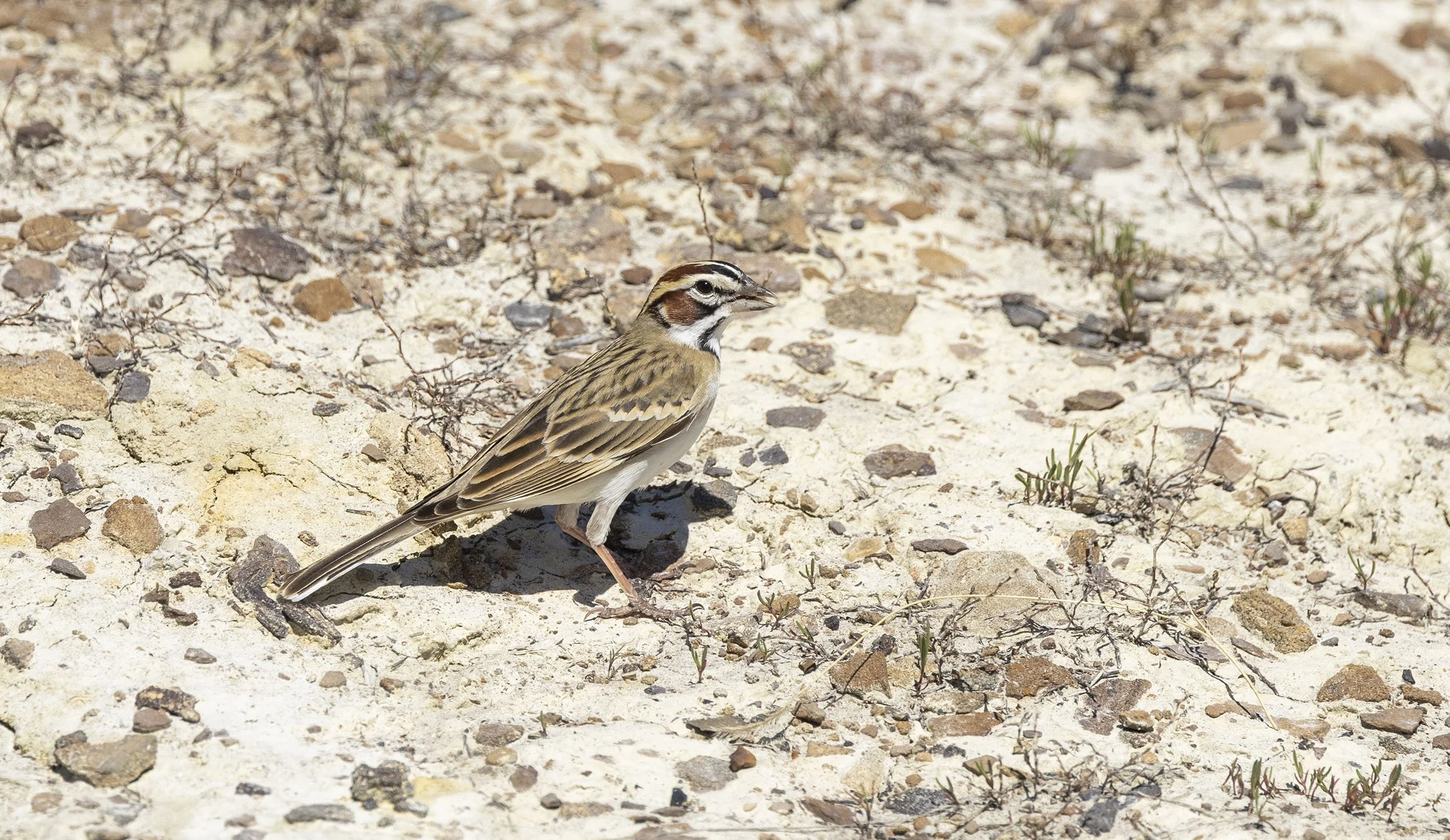
Take on a very different appearance in sun
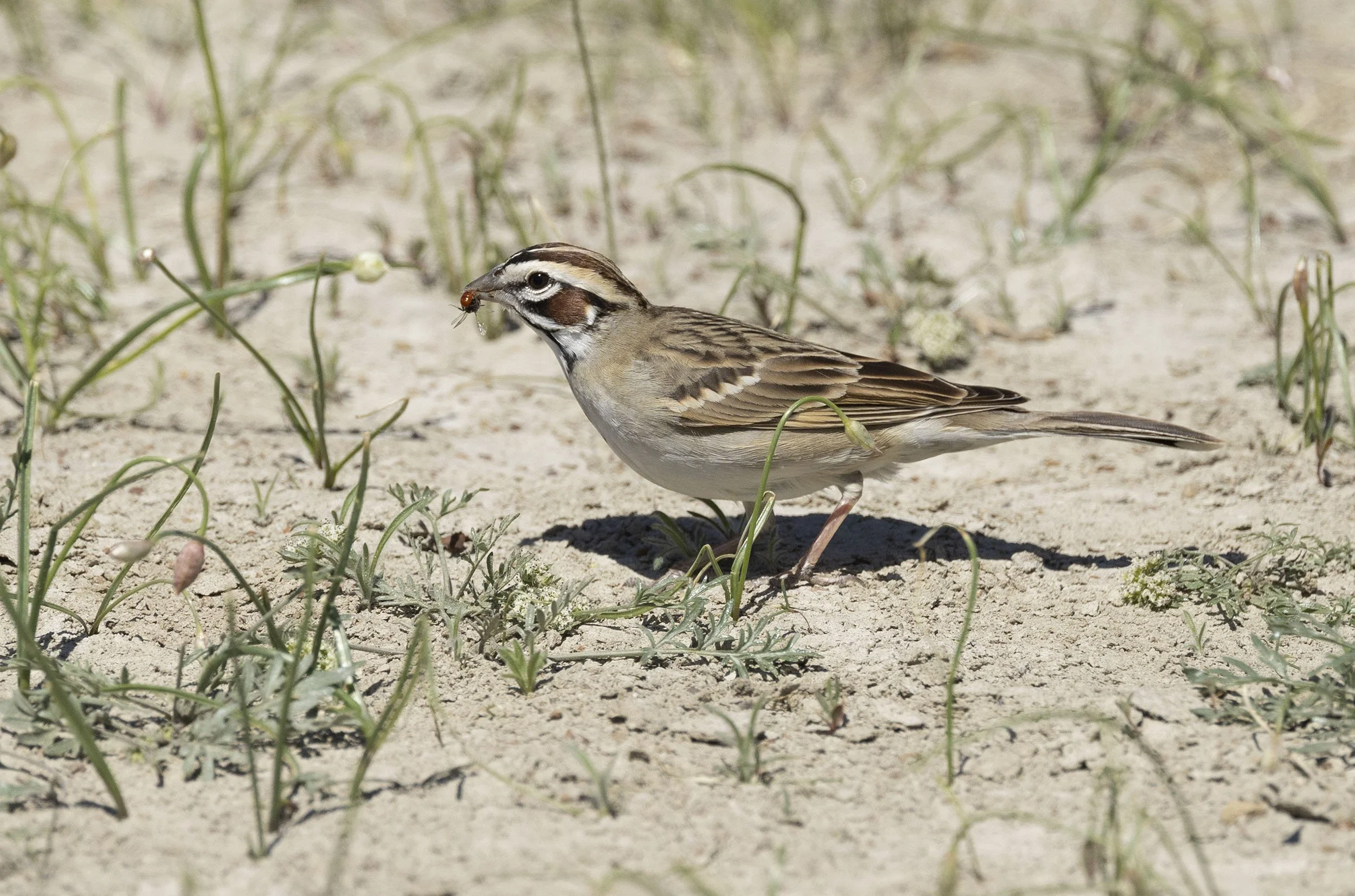
with a ladybird?
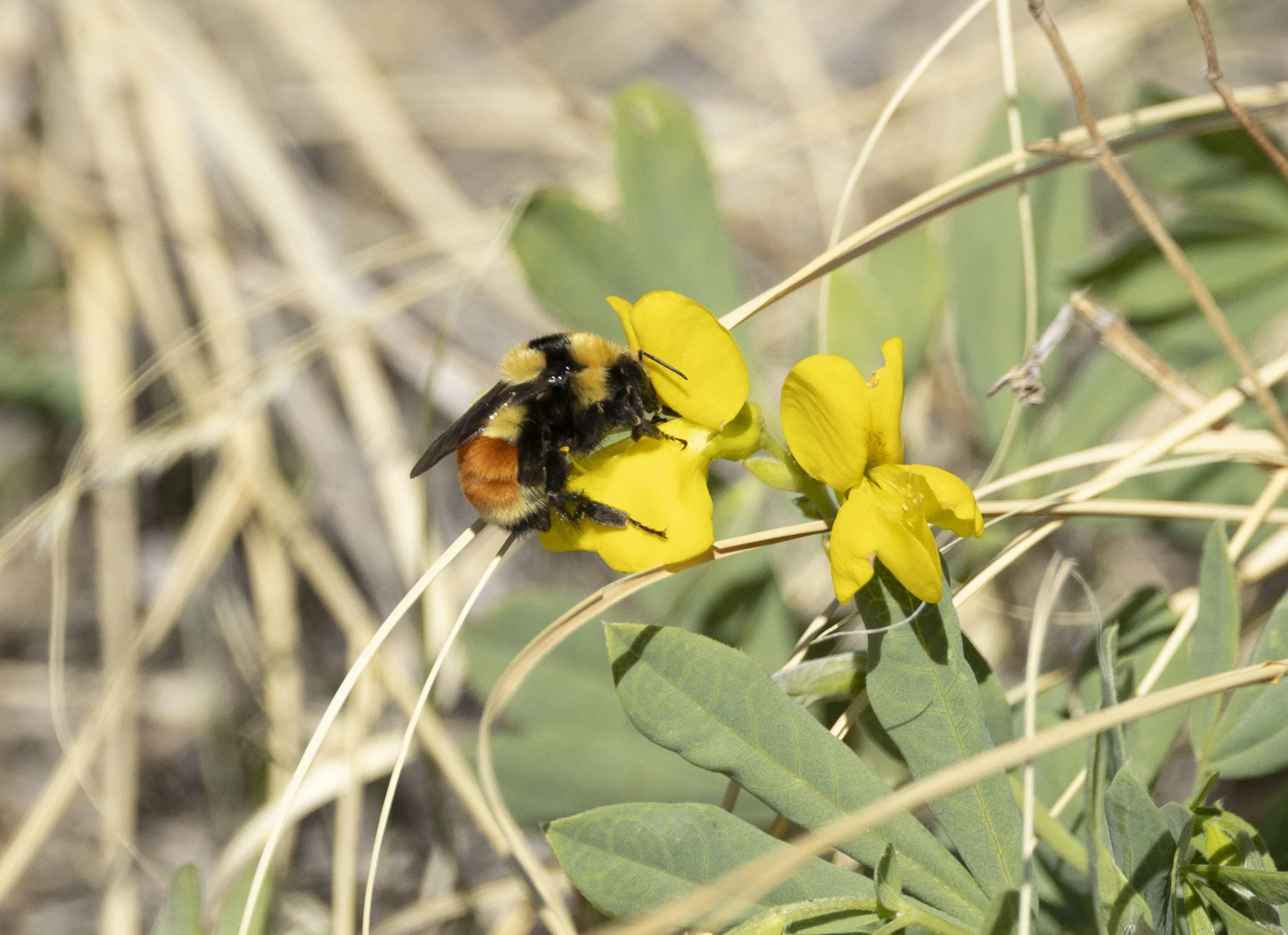
Some more Hunt’s Bumble Bees
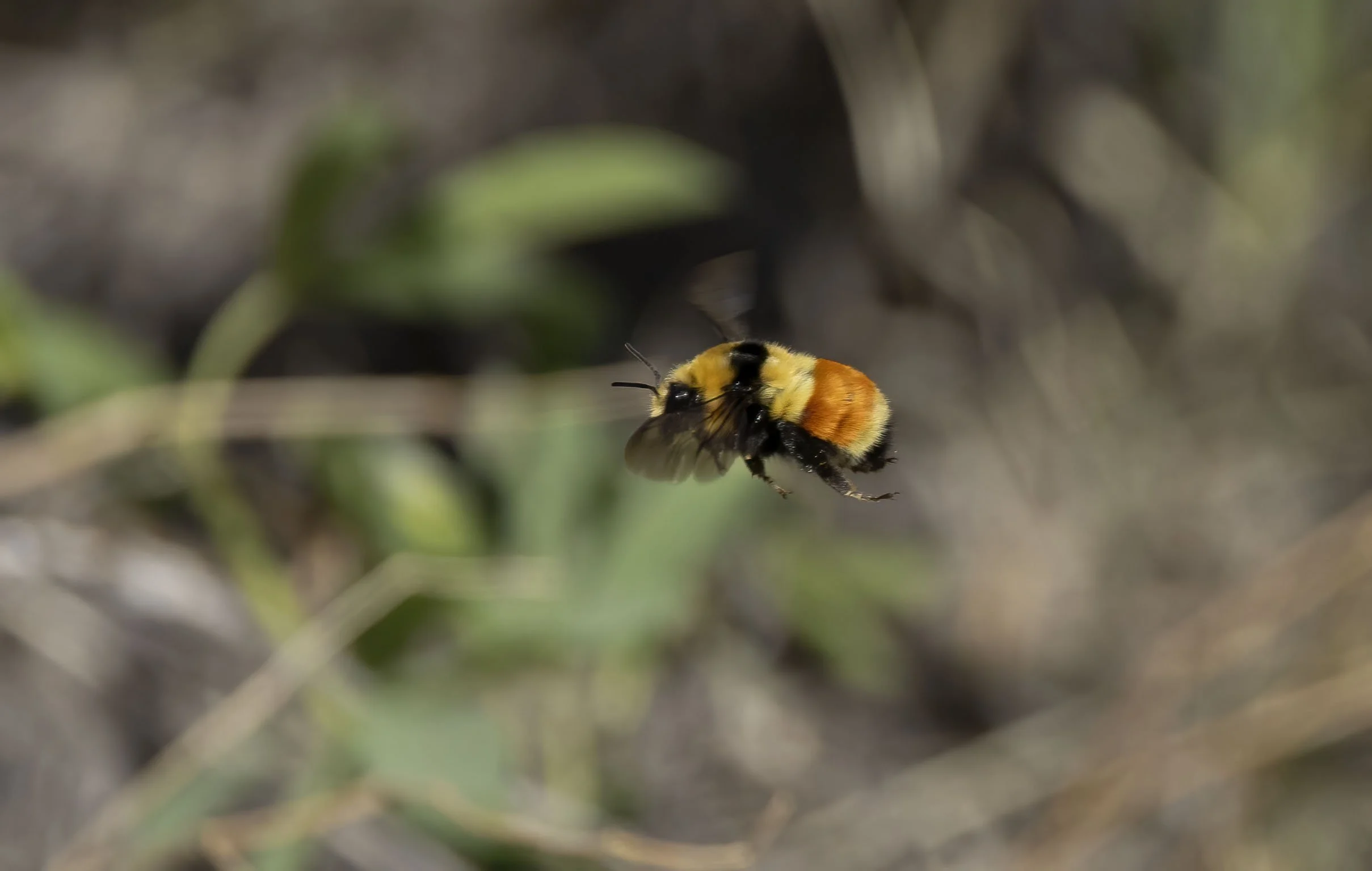
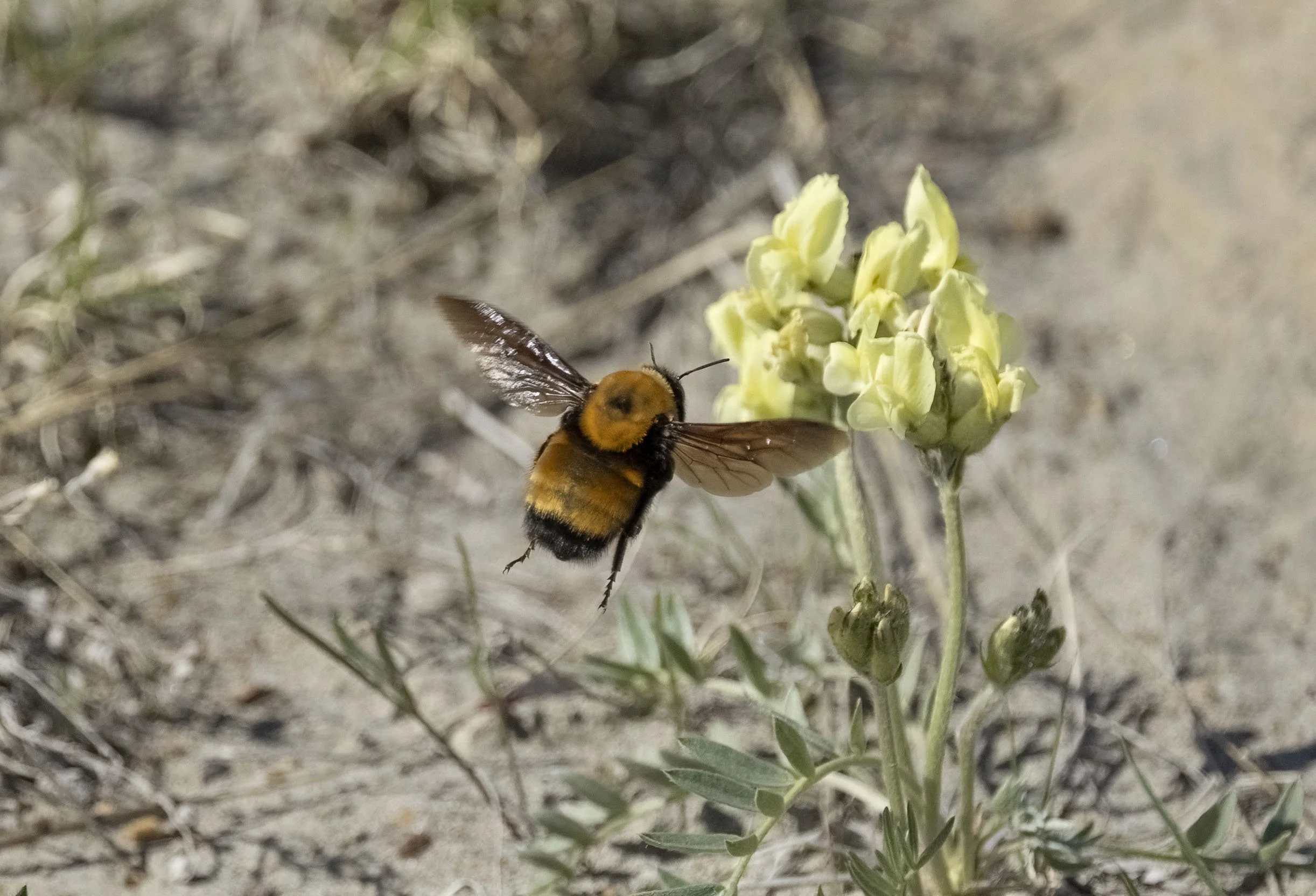
And this fine bee which we think is a Nevada Bumble Bee
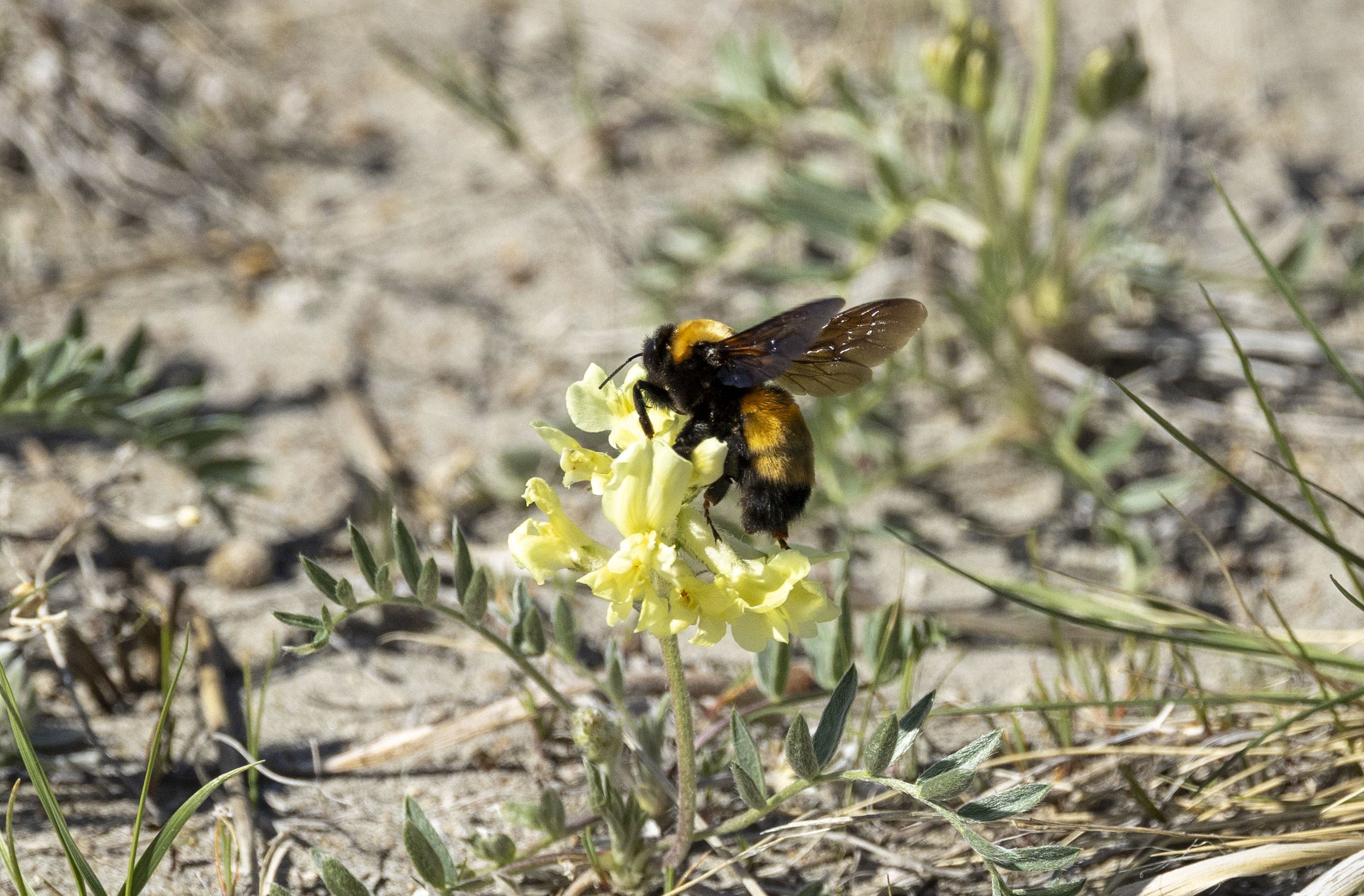
Nevada Bumble Bee
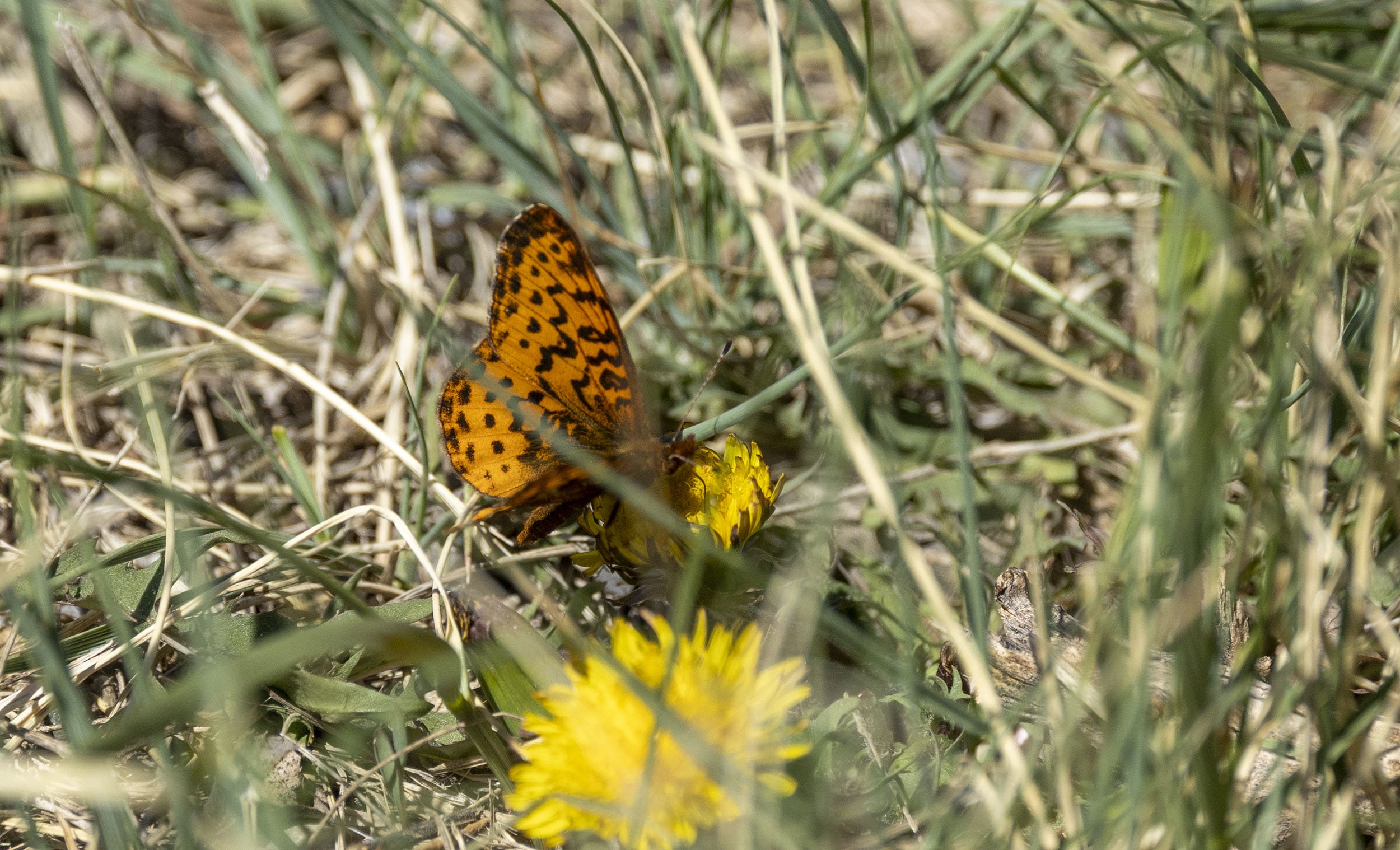
A rubbish photo but my app says Meadow Fritillary
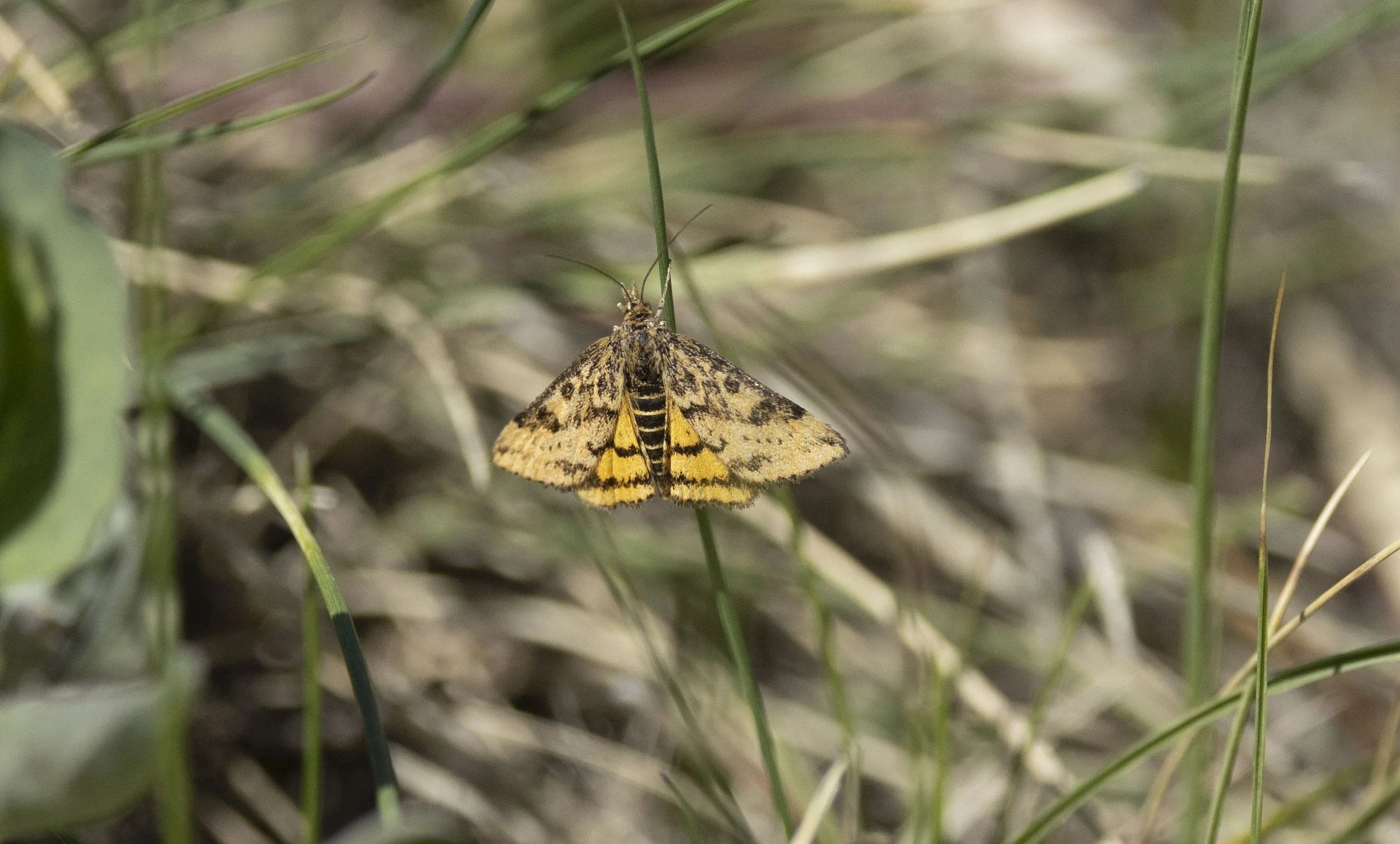
And a day flying moth apparently Mottled pyrausta moth
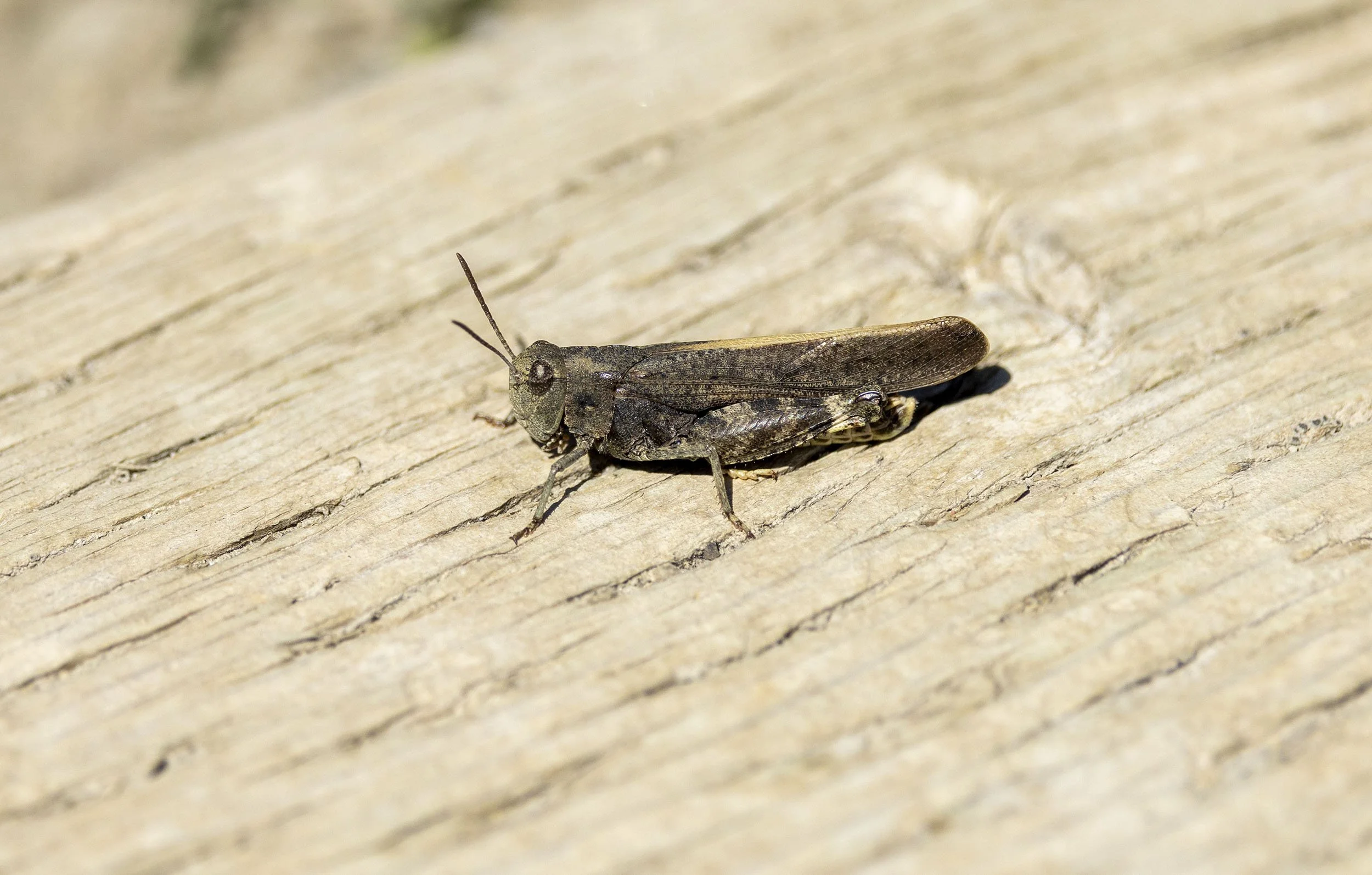
Speckle-winged Grasshopper
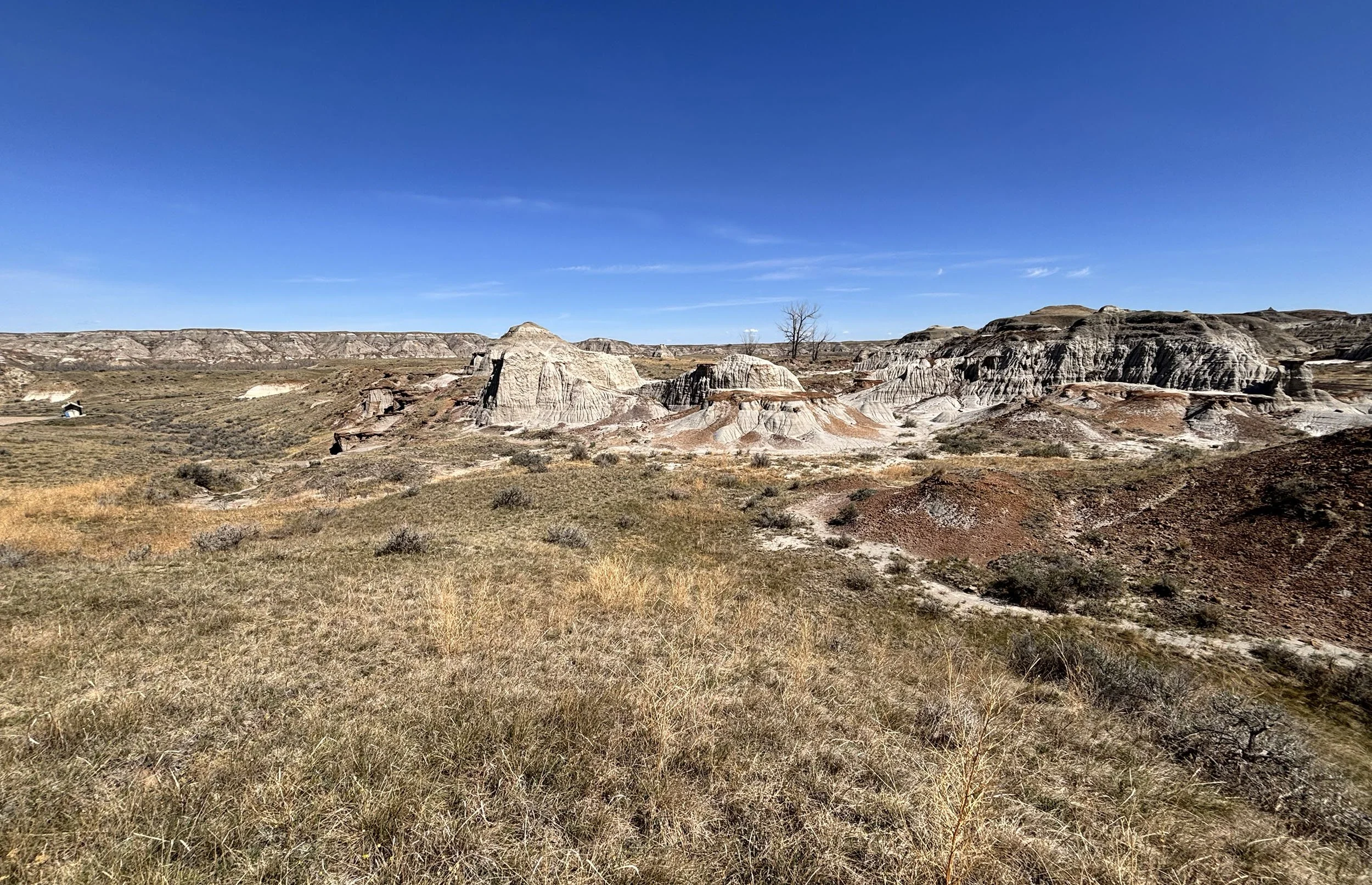
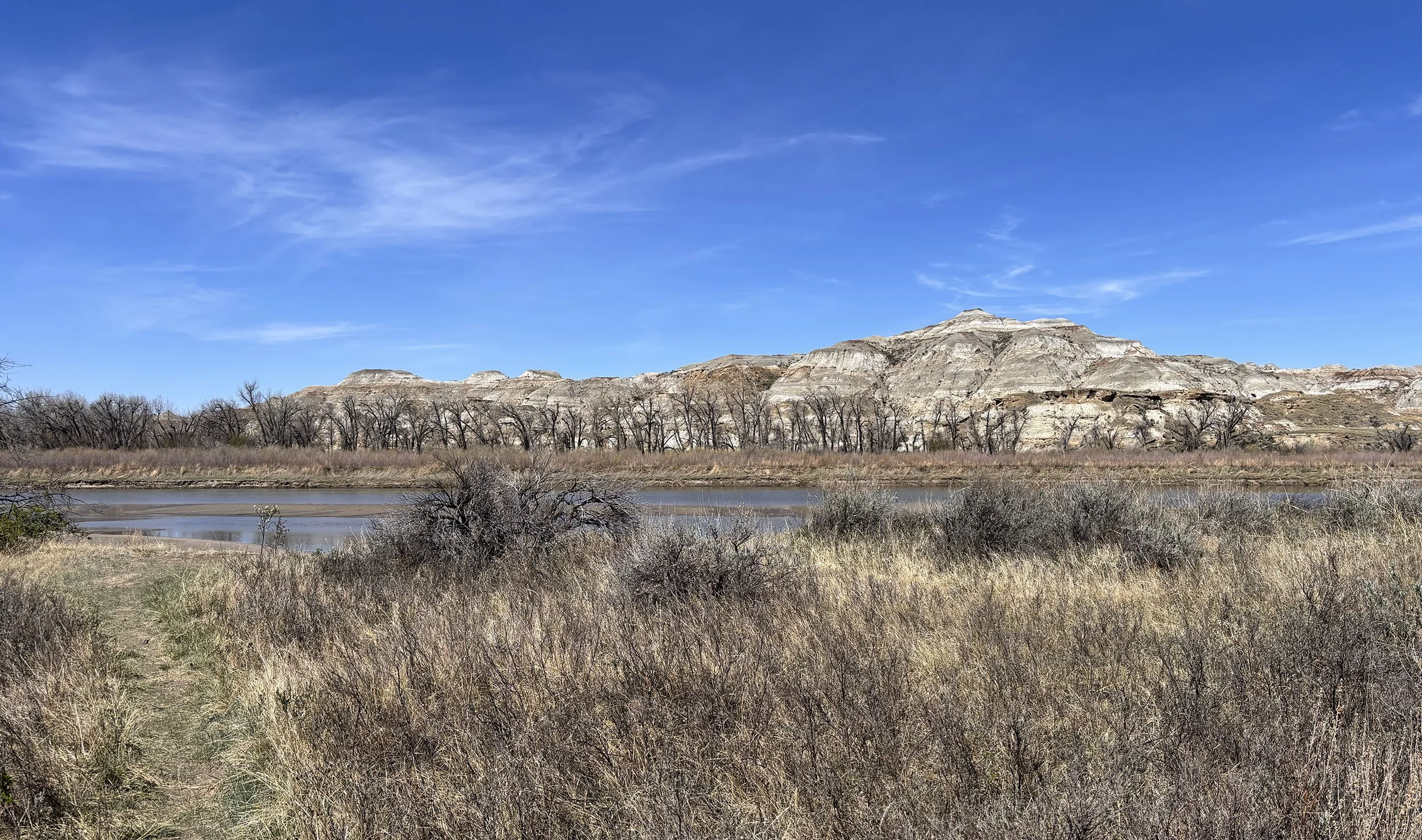
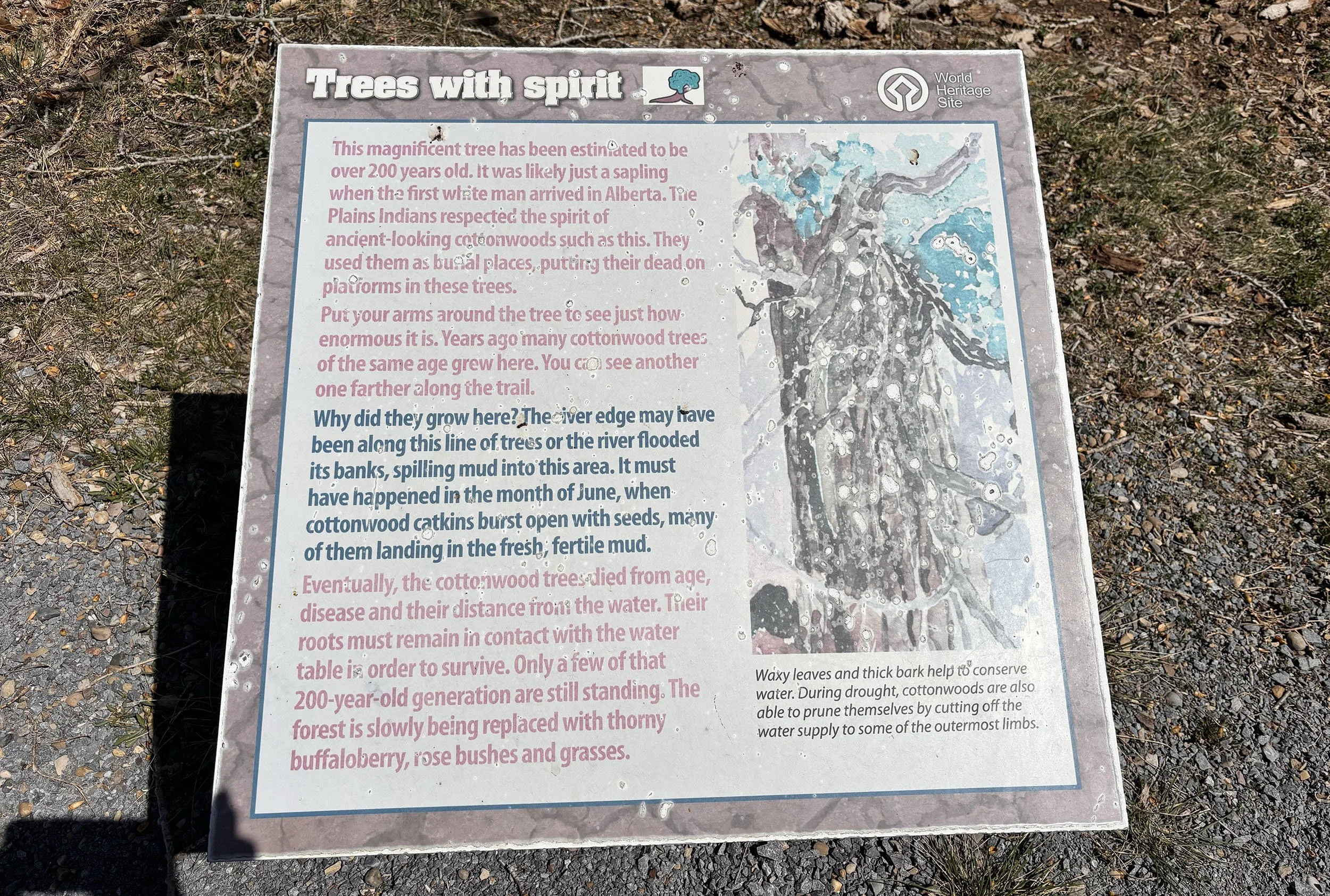
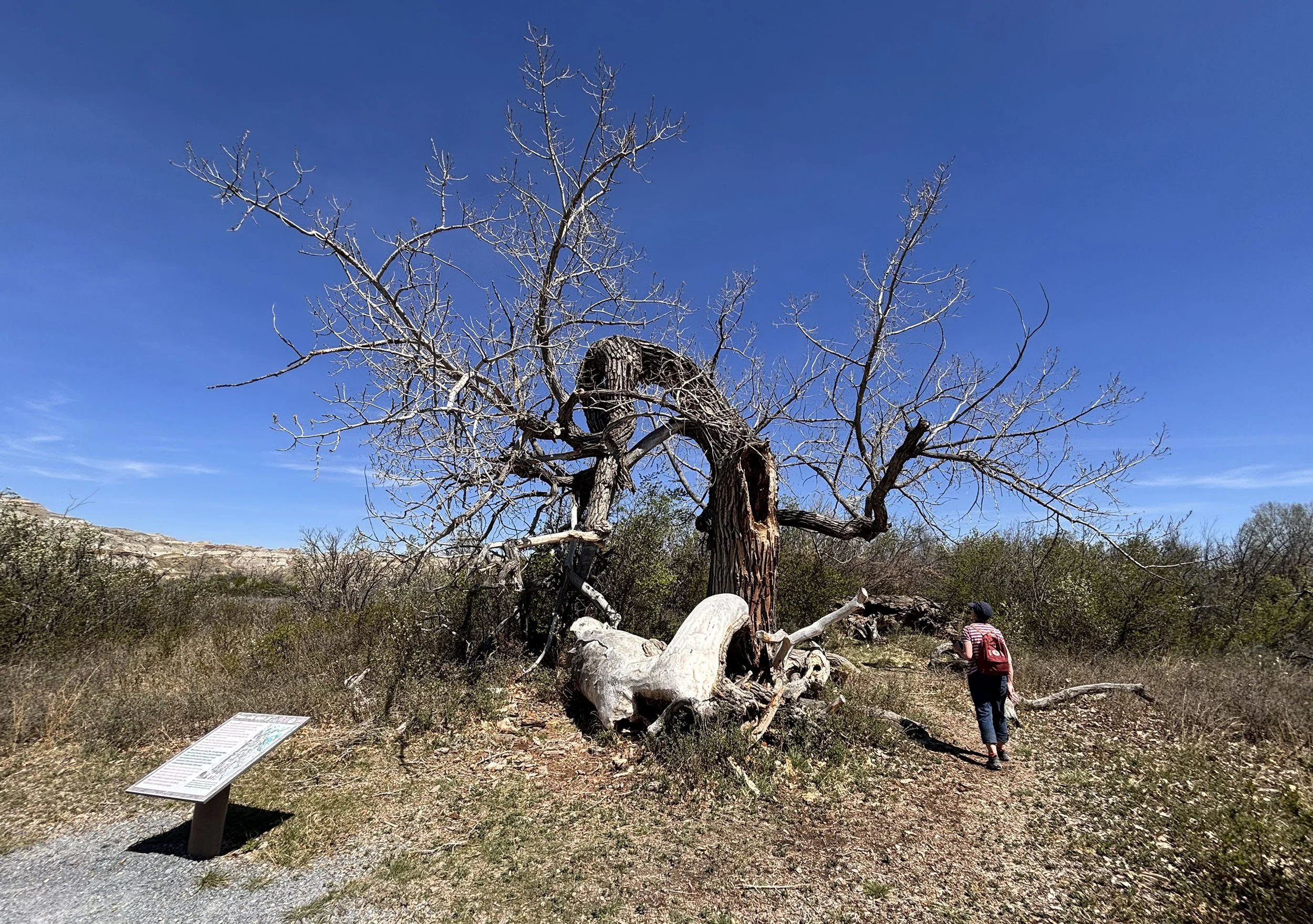
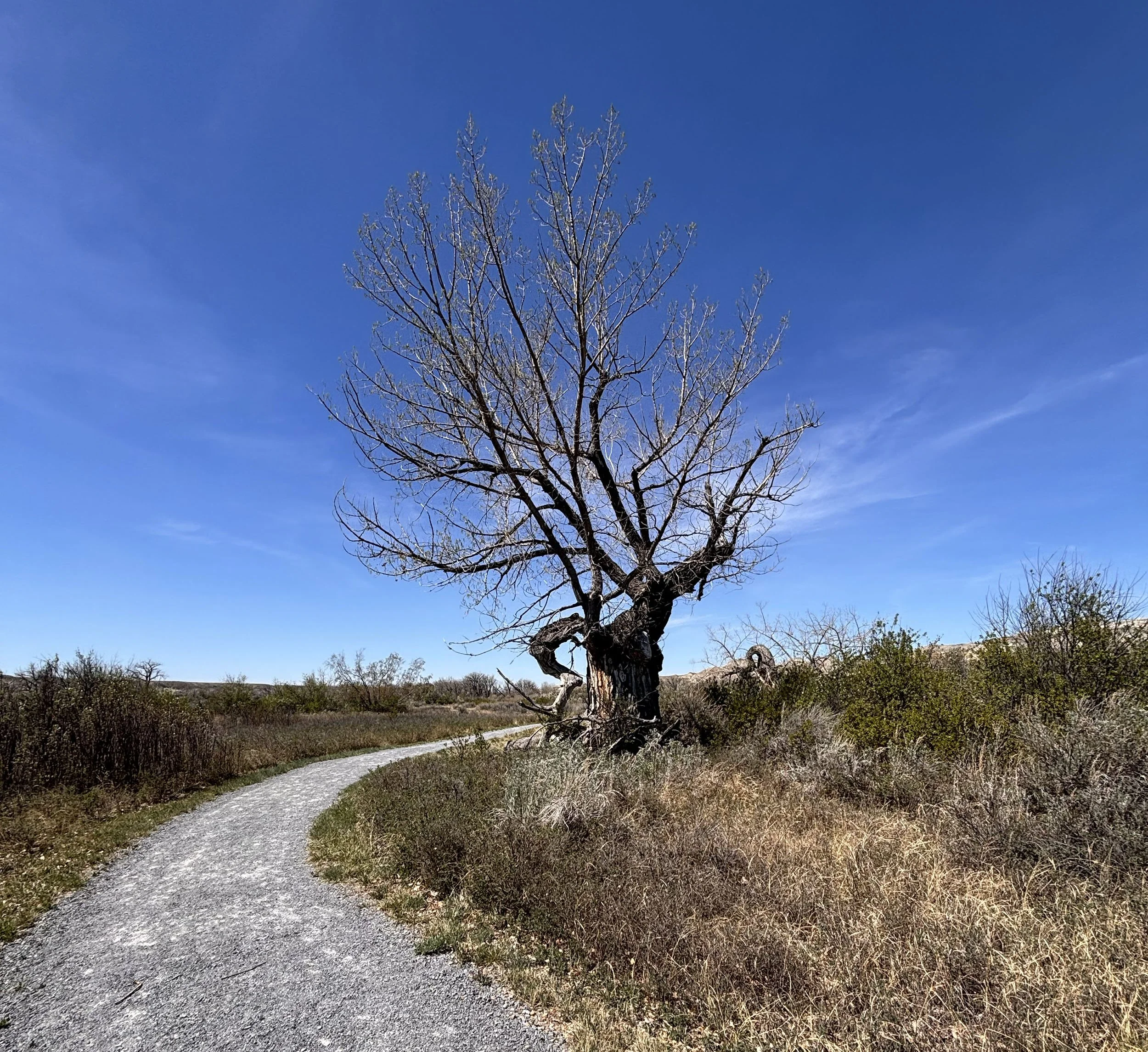
A poignant reminder of the destruction wrought upon the plains by Europeans
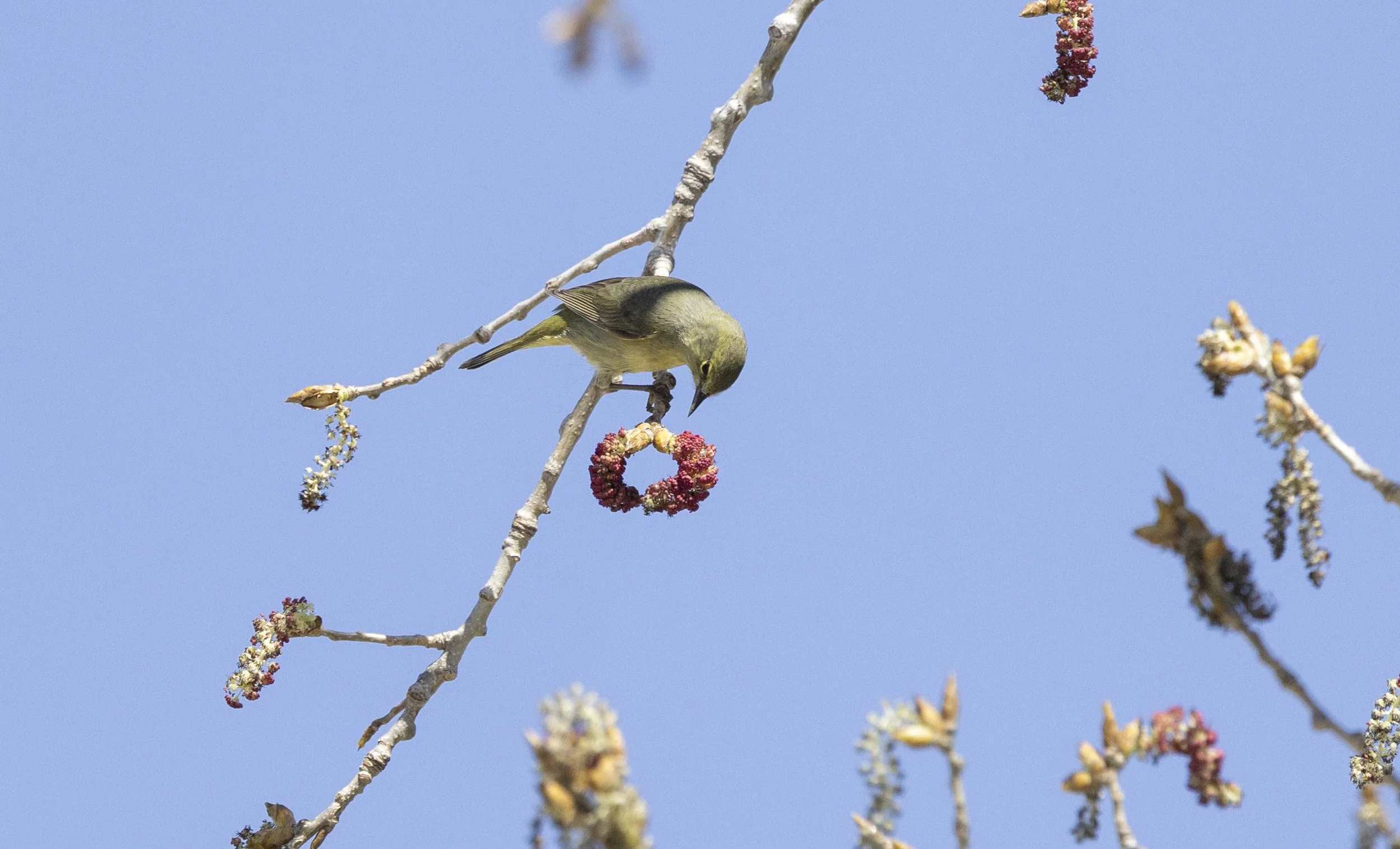
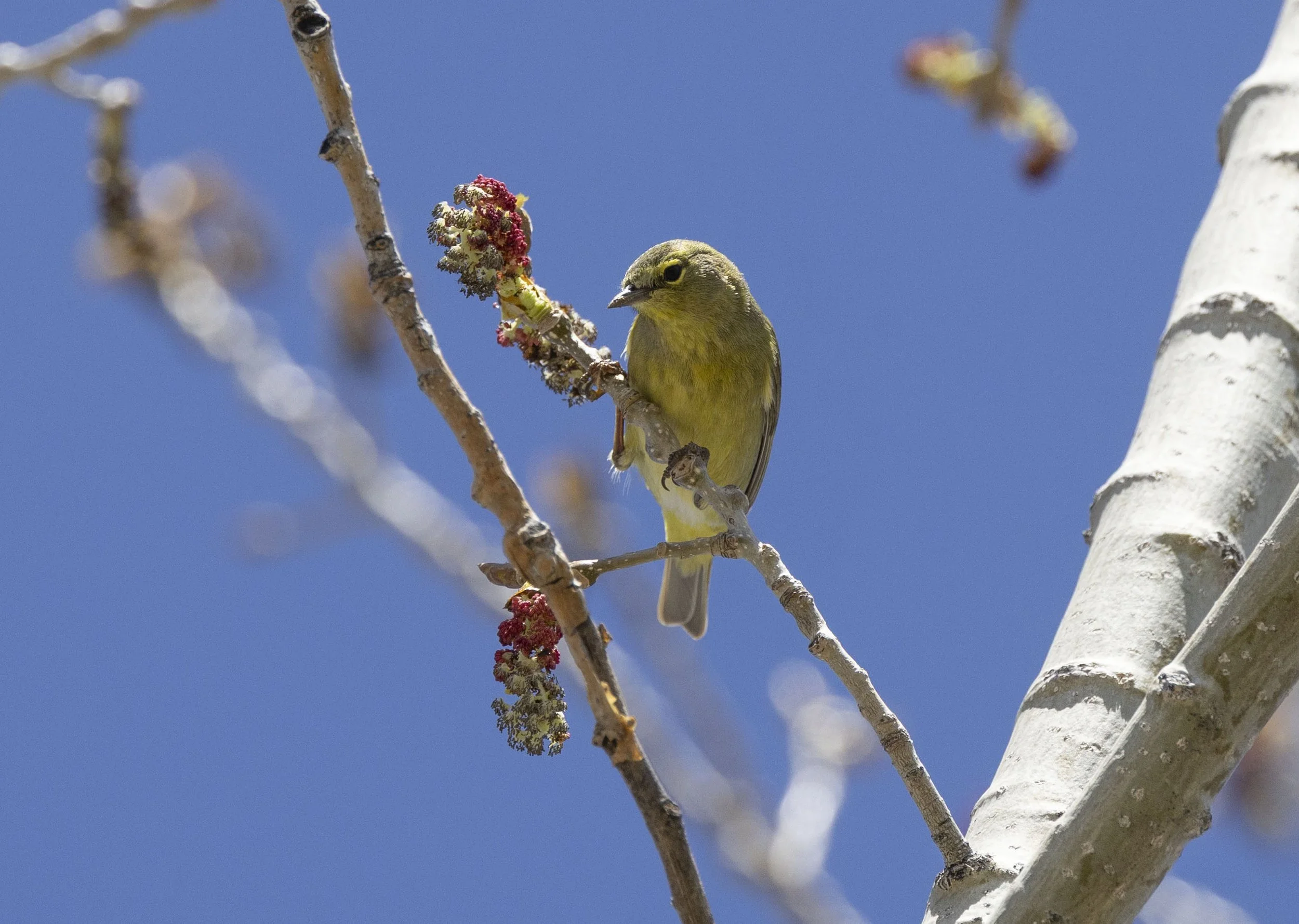
Orange-crowned Warbler in the camp site trees
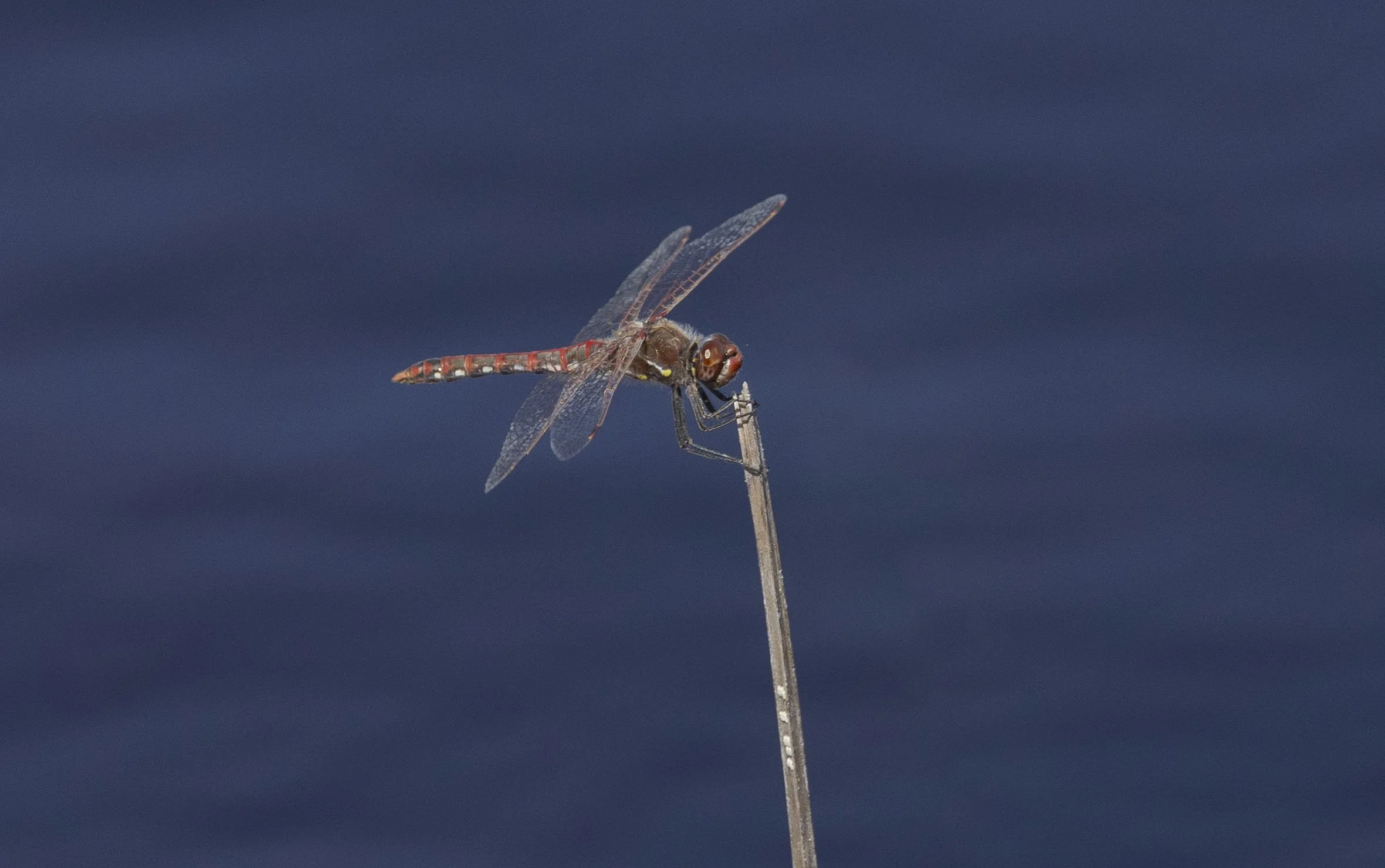
Variegated Meadowhawk - a few seen on 12th but otherwise I think we were just too early or it was too cool for odes
May 13th
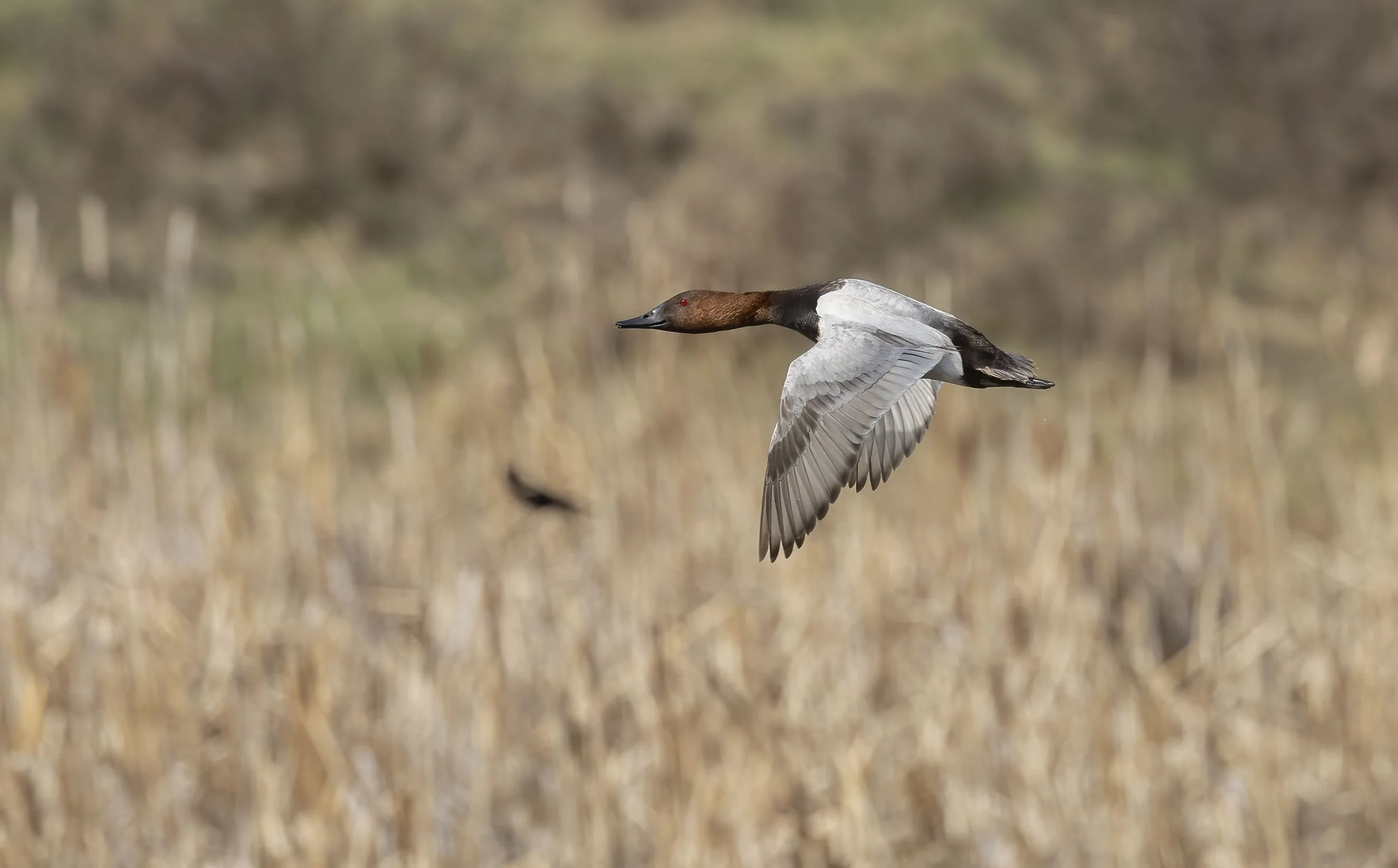
Another visit to Elkwater was planned after the usual morning walk. On approach to Elkwater along the roadside a group of ducks on a roadside pond included 6 Canvasbacks, two Redheads, Blue-winged Teal, 6 Ring-necked Ducks and two American Wigeon. Swainson’s Hawk and two Northern Harriers were also typical roadside birds. After lunch we drove into the Cypress Hills in cool and windy conditions then drove round Eagle Bluff Valley but no different birds to those seen before.
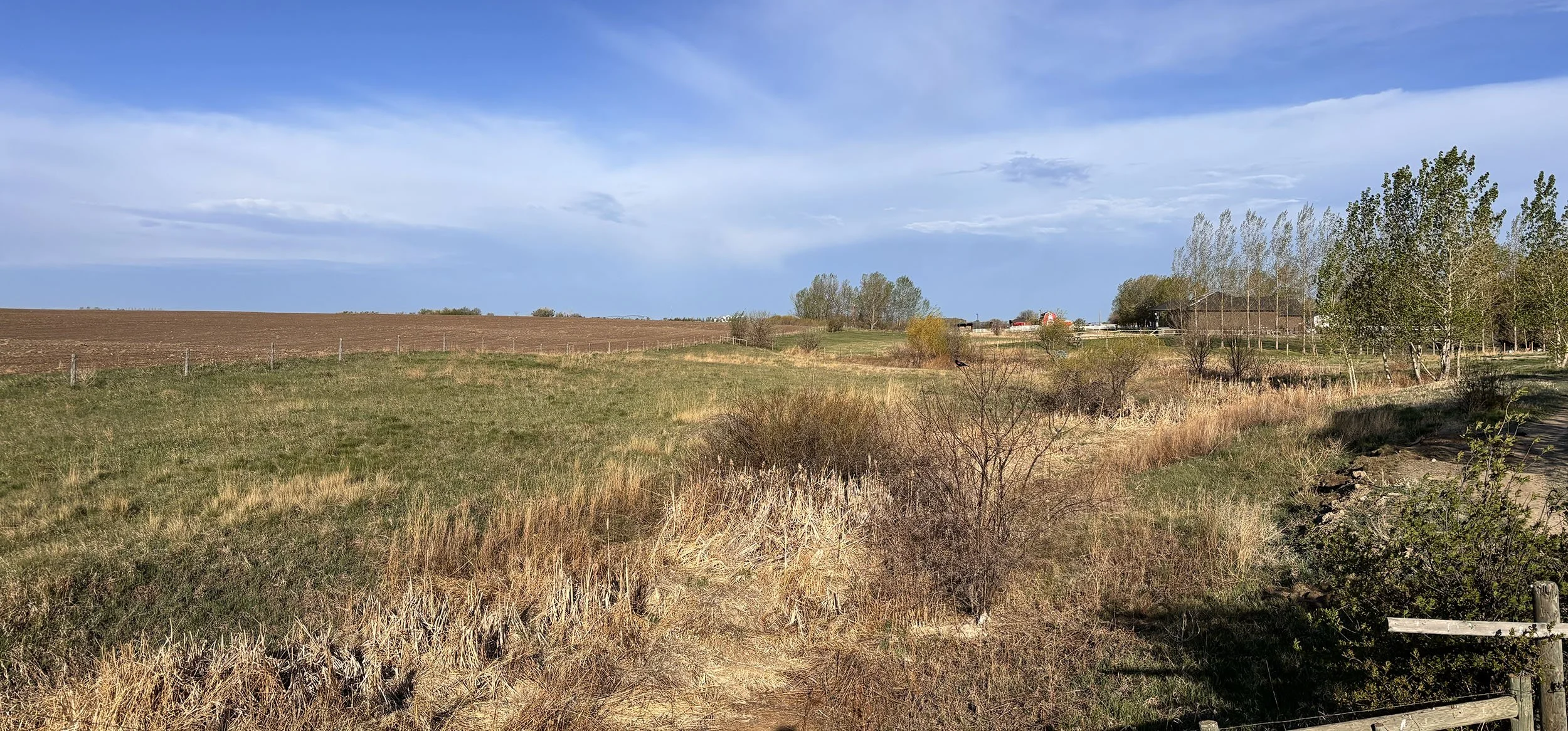
The small valley near the Guesthouse with breeding blackbirds and Wilson’s Snipe and Killdeer on the adjacent field
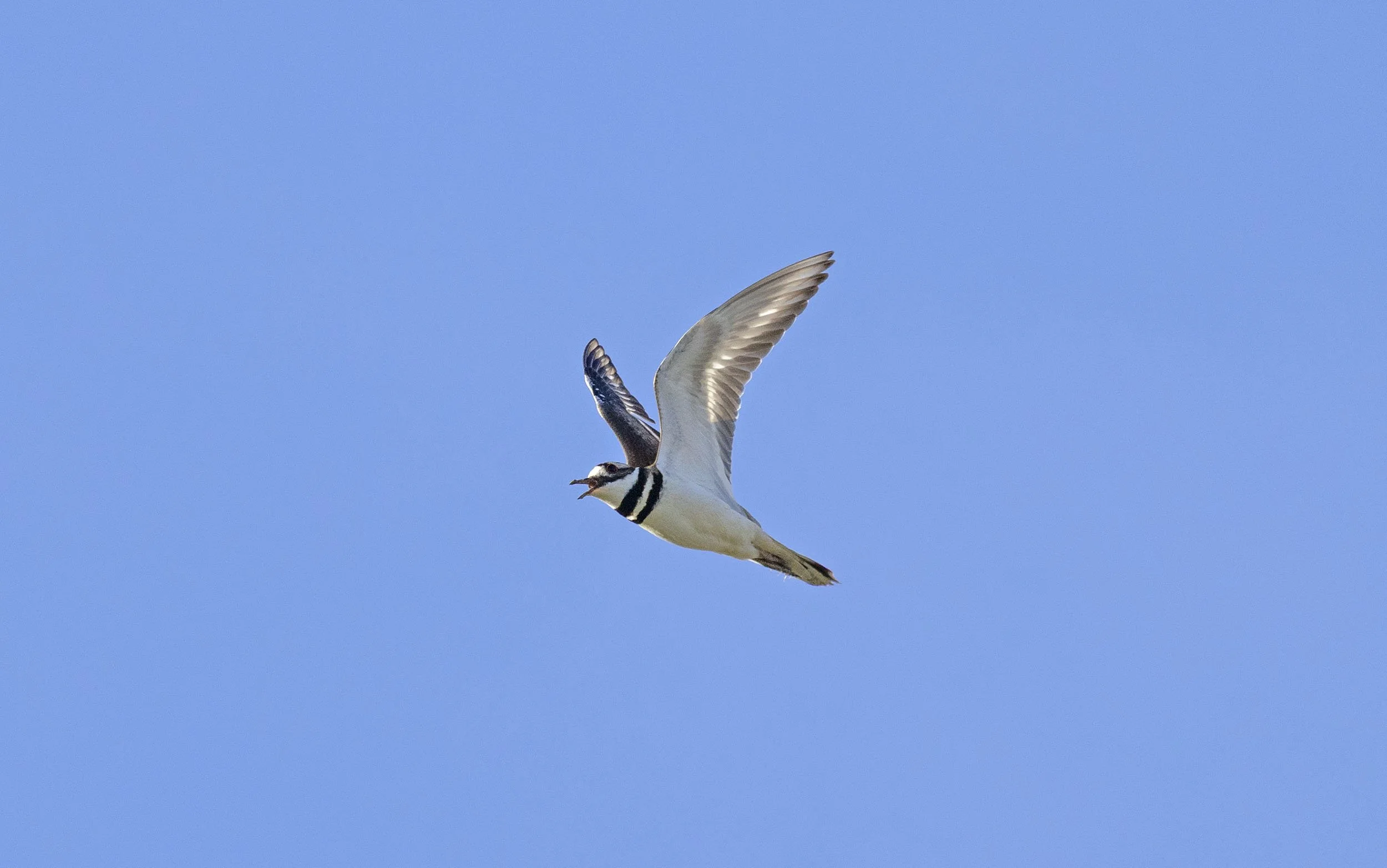
Displaying Killdeer over the guesthouse early am
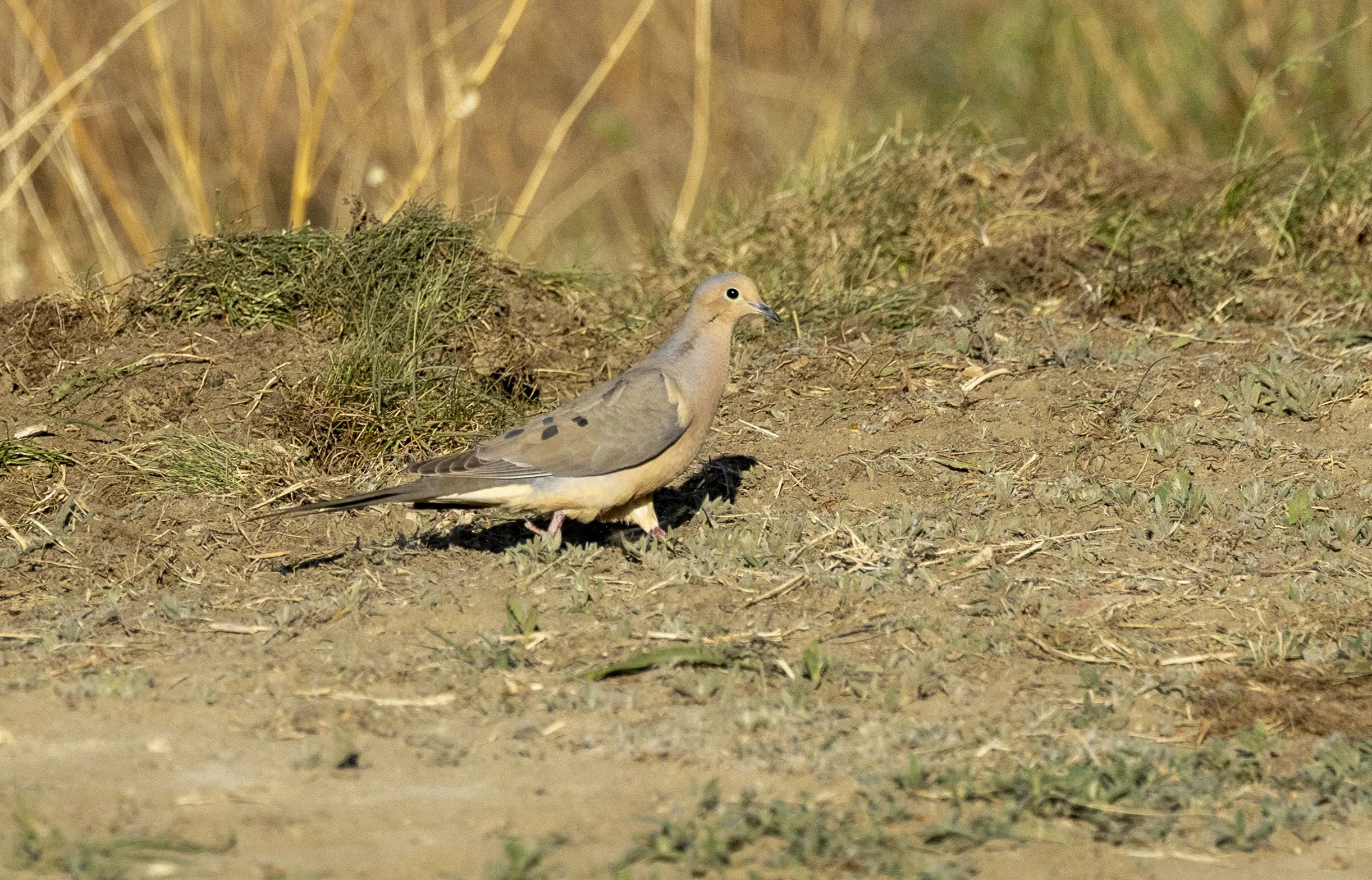
Subtle shades and colours on a Mounring Dove in morning sunlight
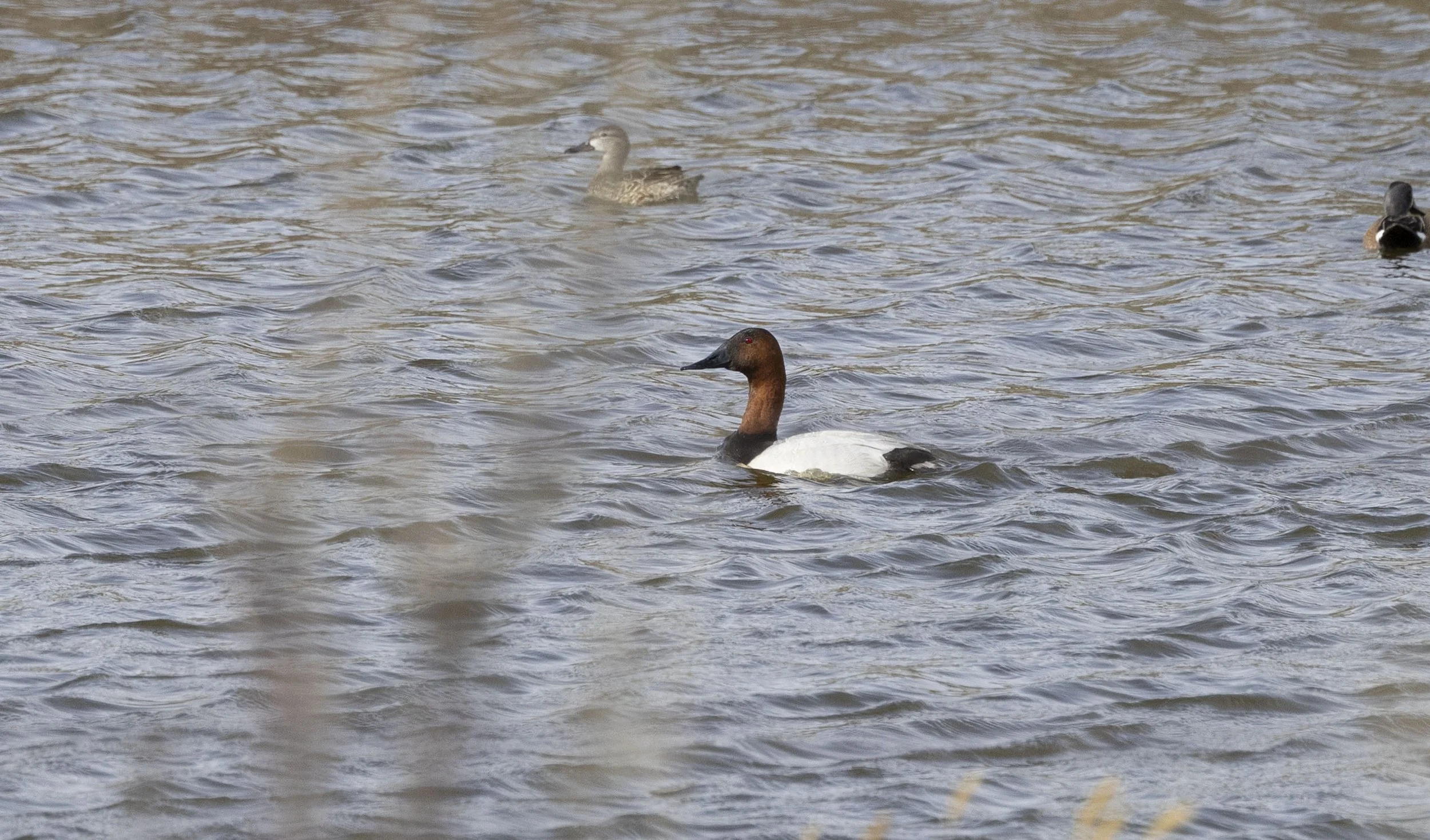
The Canvasbacks were rather flighty even from the car - maybe after a winter of evading being shot
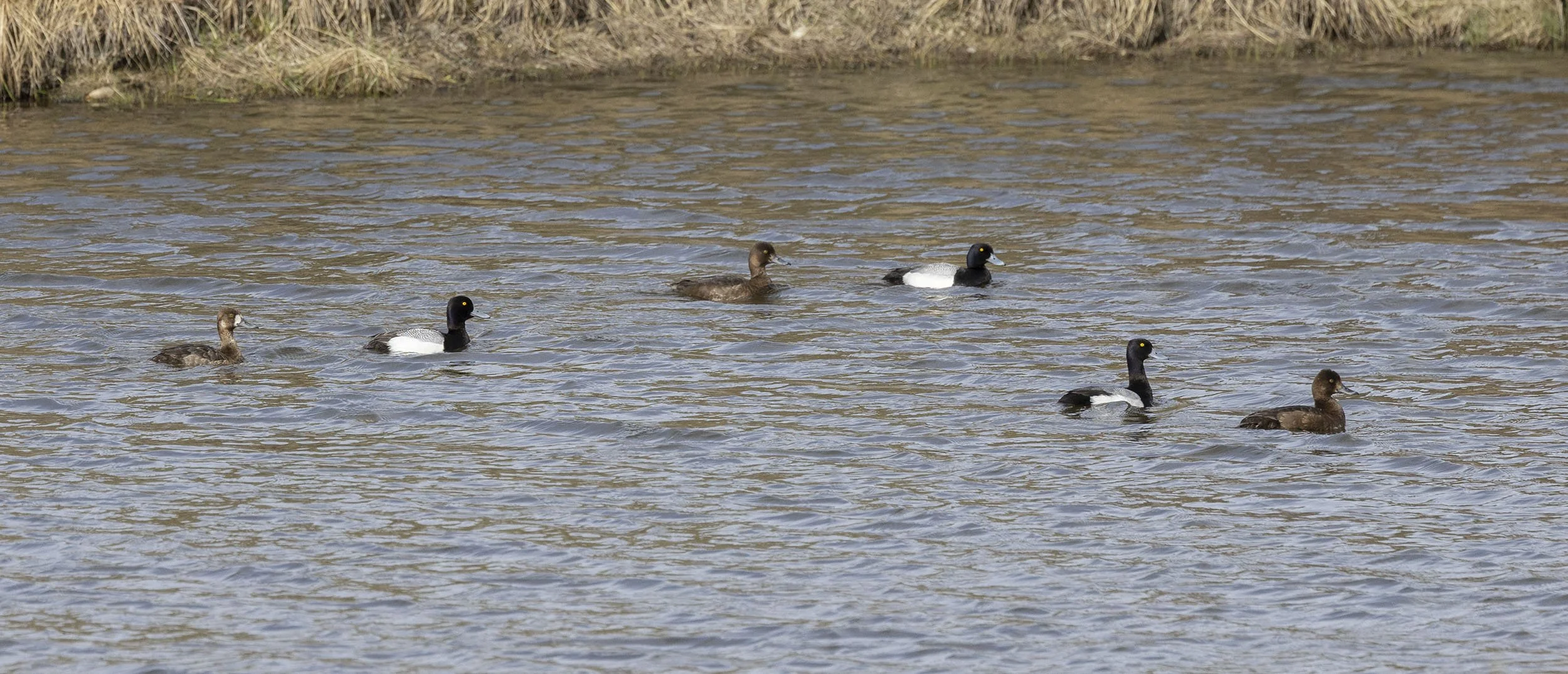
Lesser Scaup on the same roadside pond
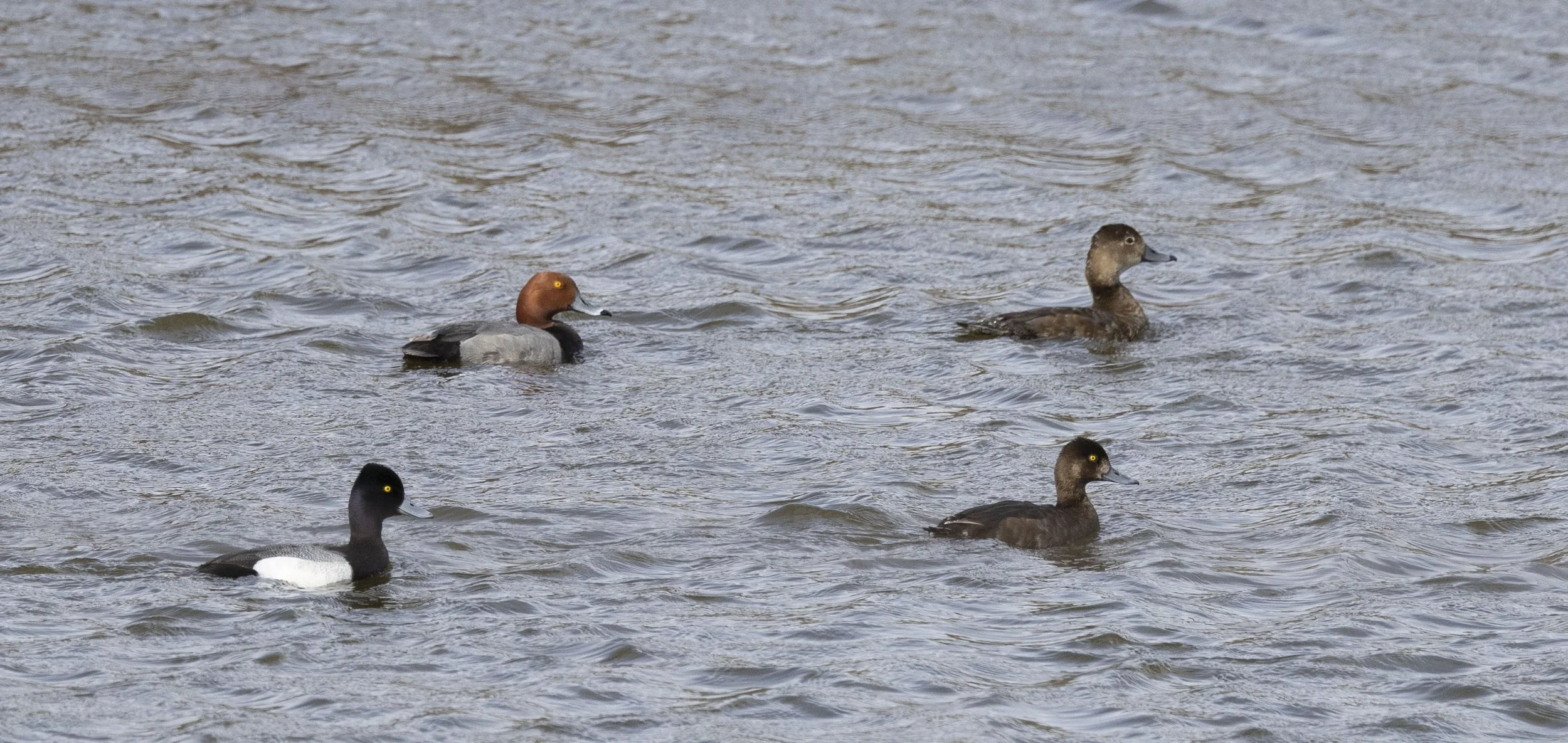
Pairs of Redhead and Lesser Scaup
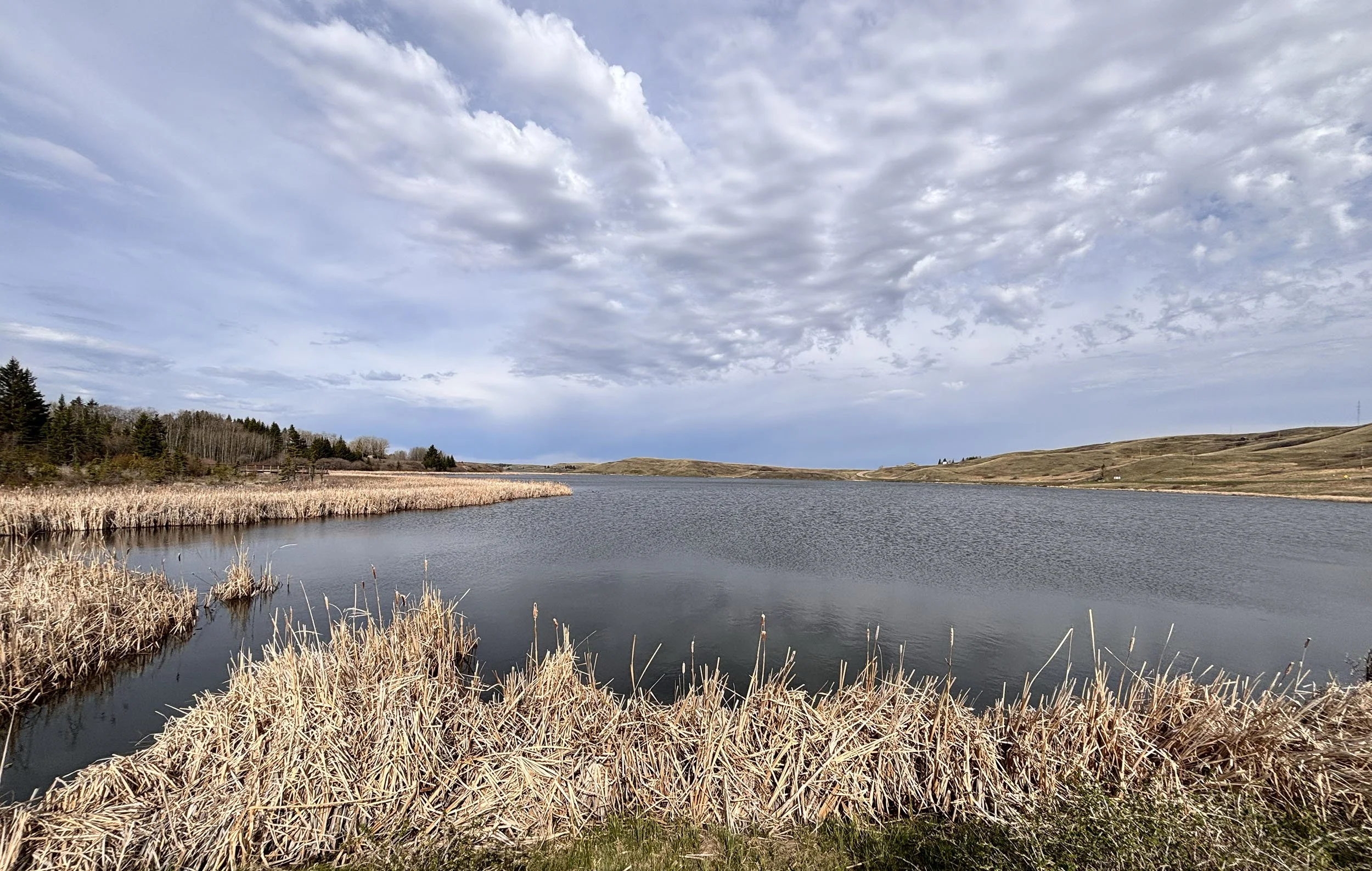
Elkwater Lake looking deceptively calm
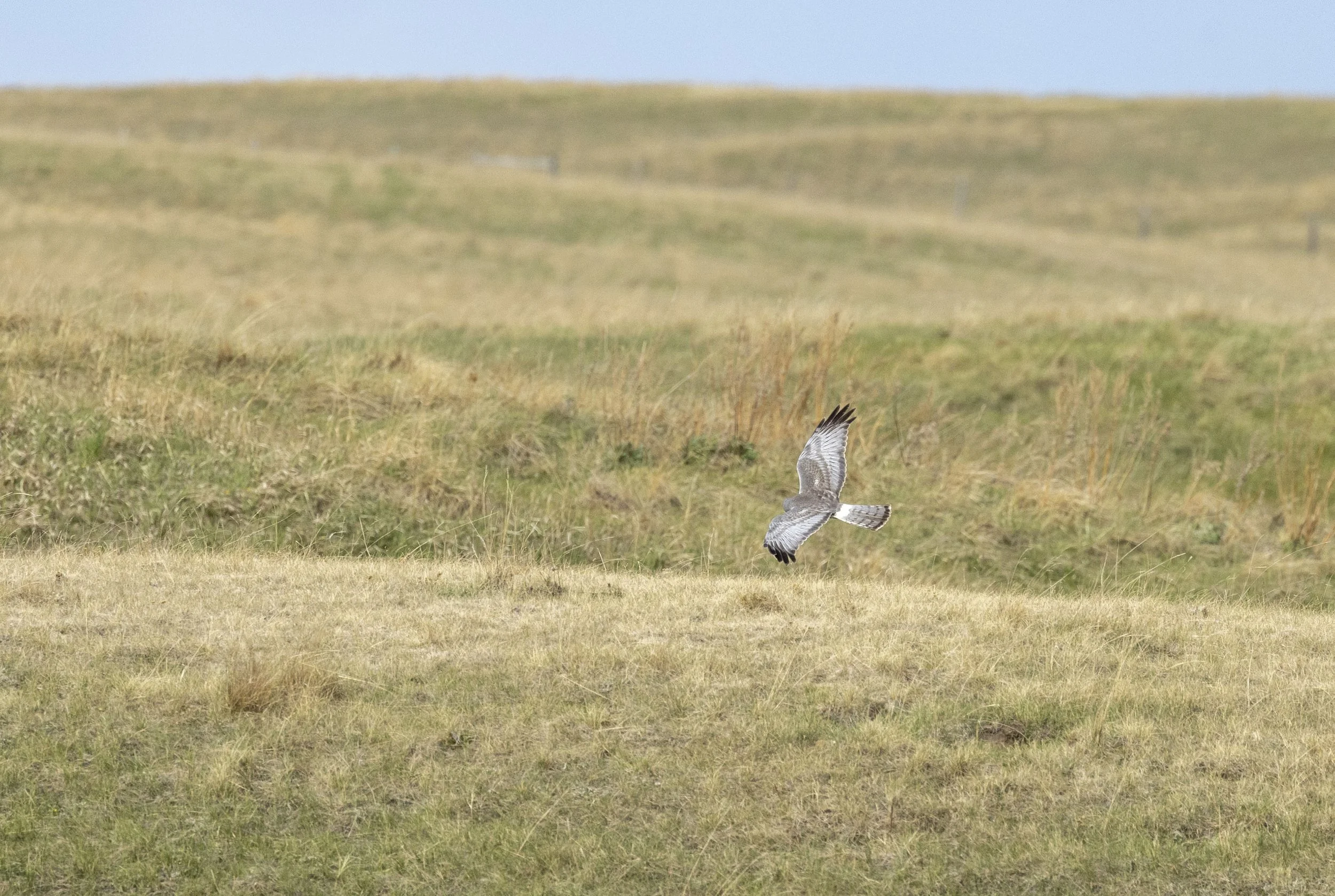
male Northern Harrier
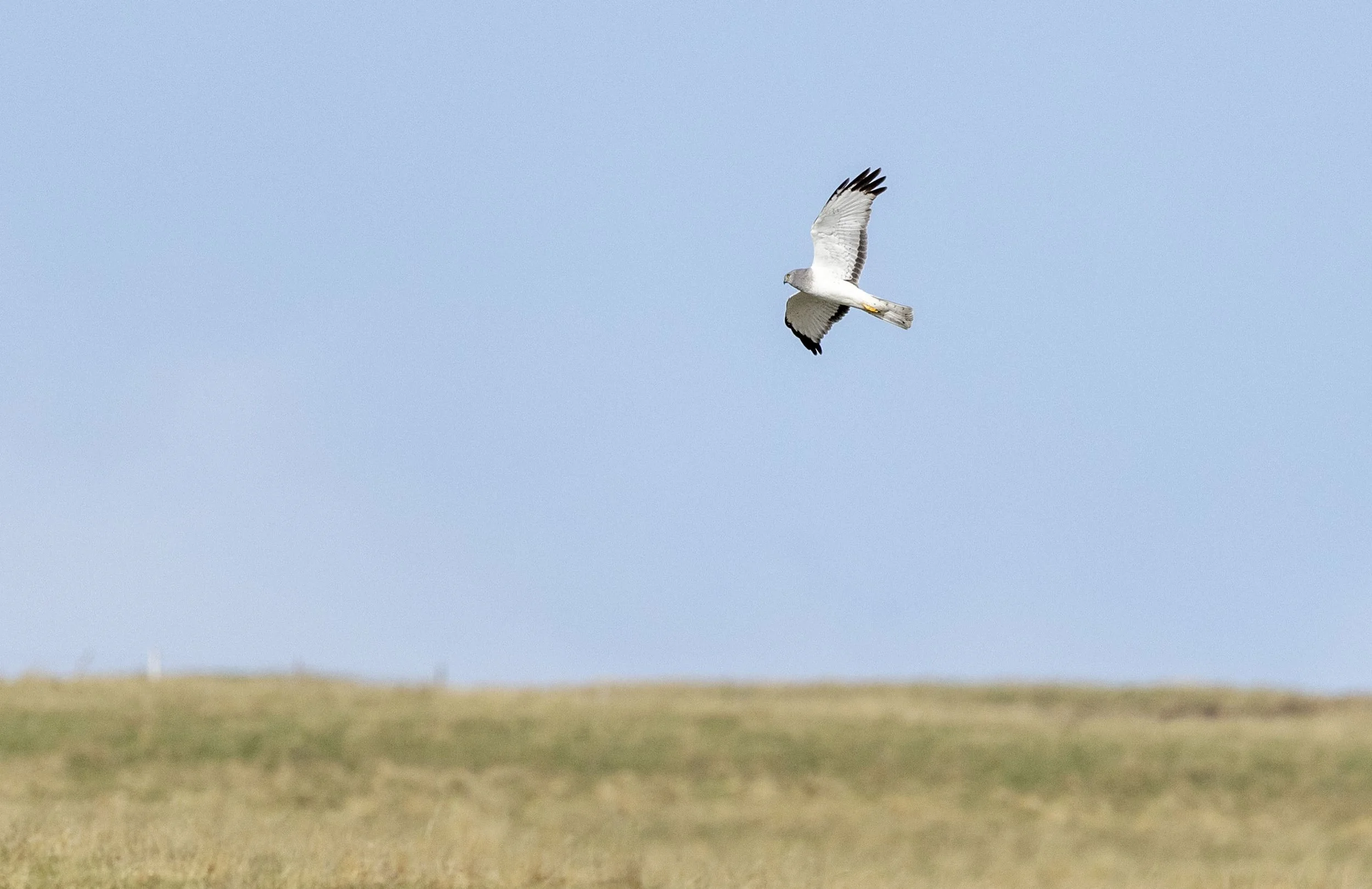
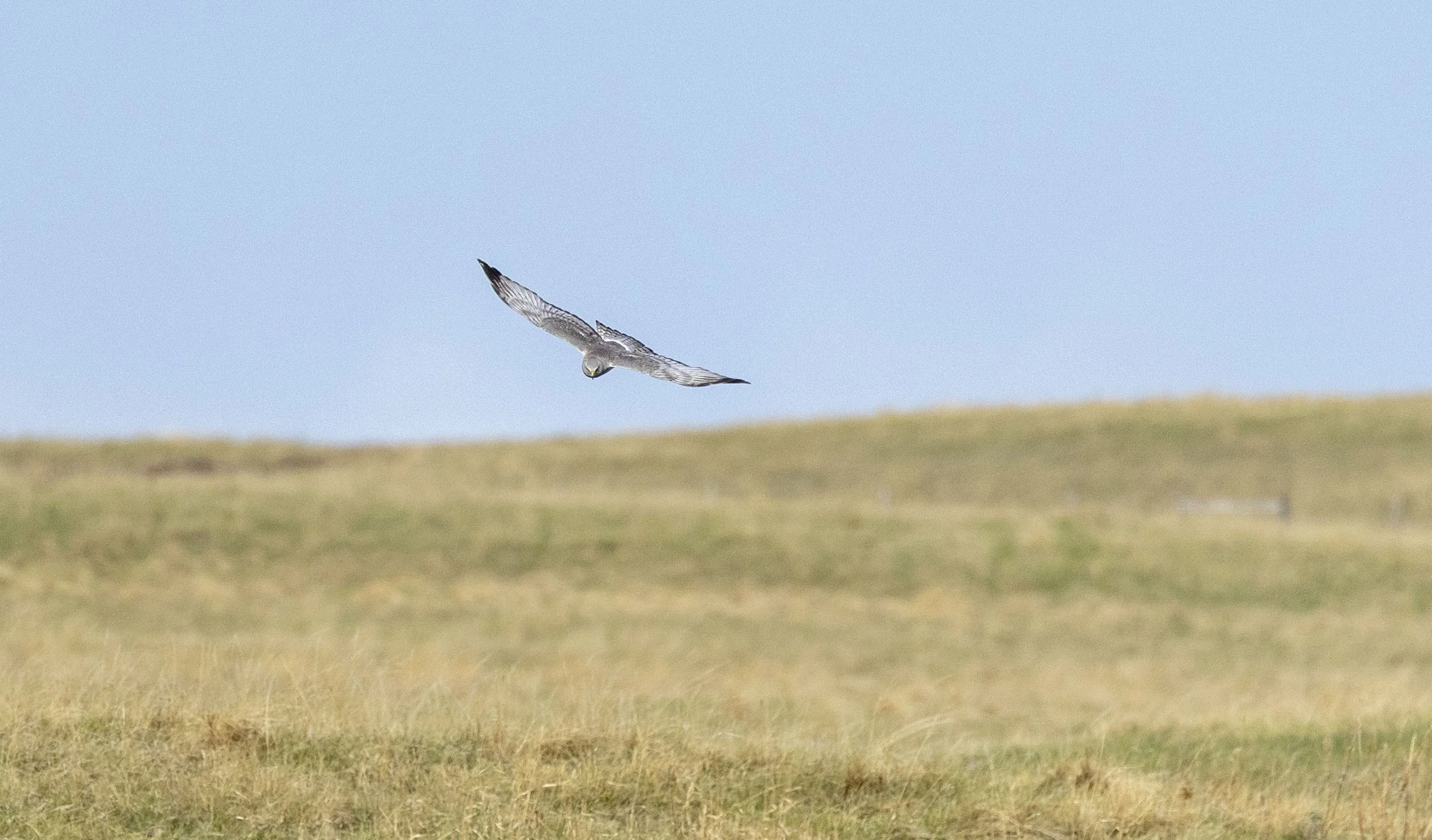
In the Park itself the day’s highlights were: Osprey, Turkey Vulture, Bald eagle, a male Northern Harrier on a post right next to the road, 300+ Chipping Sparrows, 50+ Clay-coloured Sparrows, 30+ Red-necked Grebes, 14 Spotted sandpipers, a Western Willet, 4 Yellow Warblers, two Downy Woodpeckers, two Red-breasted Nuthatch, 20 Ring-necked Ducks, three Ring-billed Gulls, two American Wigeon, two singing Tennessee Warblers and at least four Yellow-bellied or Red-naped or hybris Sapsuckers. The latter were disputing territories and plumage features seemed to vary between individuals, This area is the hybrid zone between the two species apparently. One was later seen being mobbed by a Tree Swallow within the woodland.
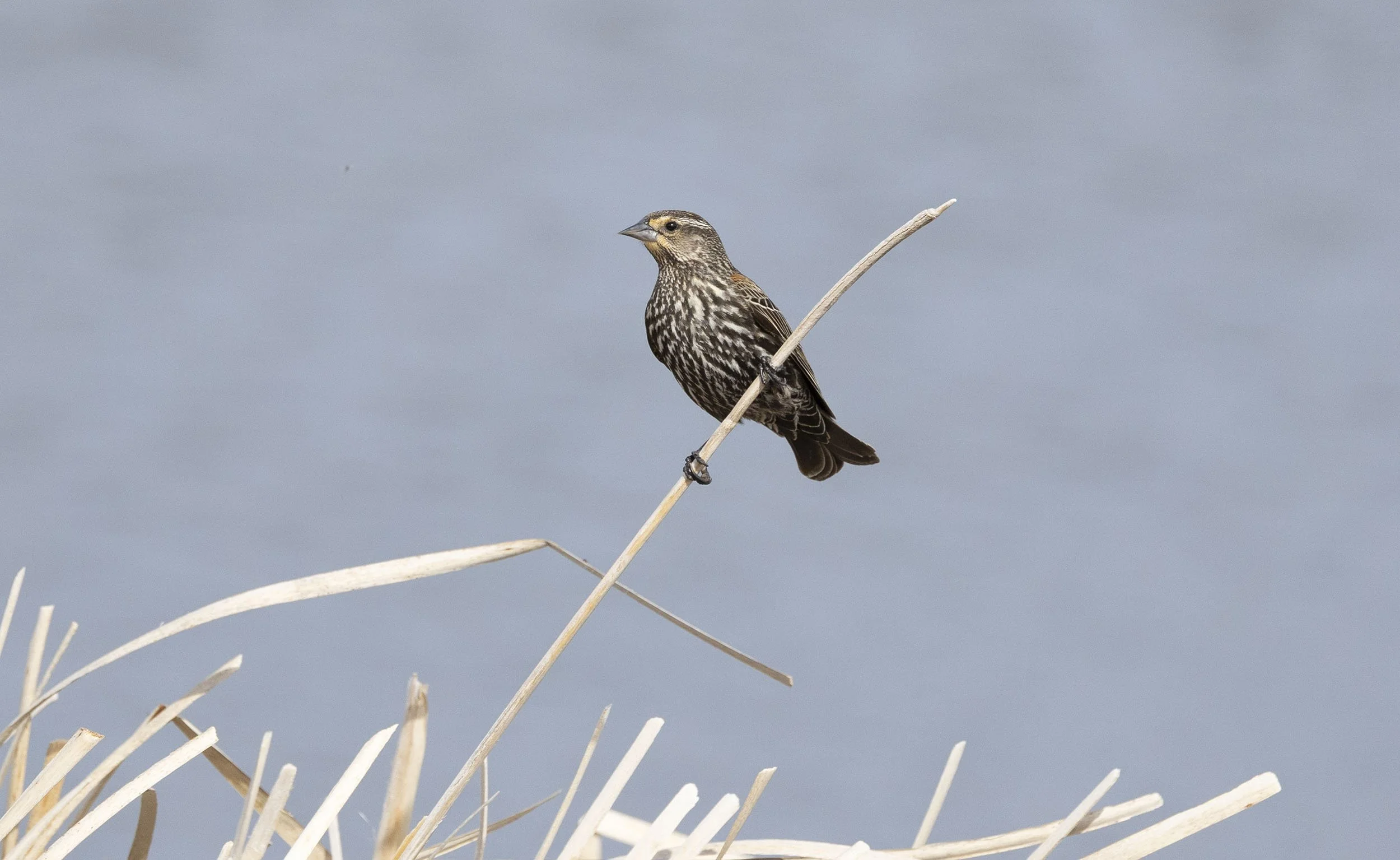
Female Red-winged Blackbird in the cattail marsh
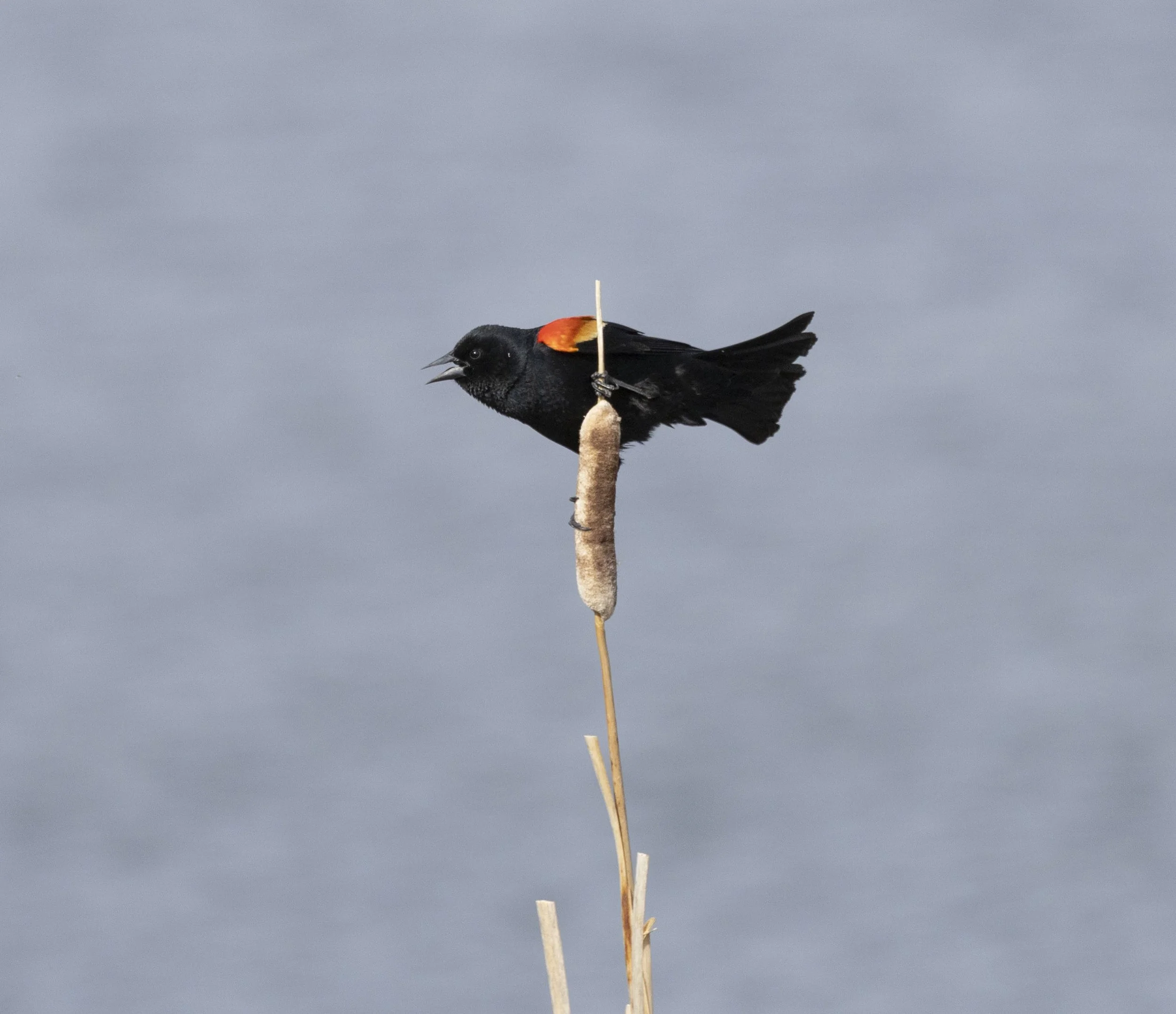
and a male on a cattail
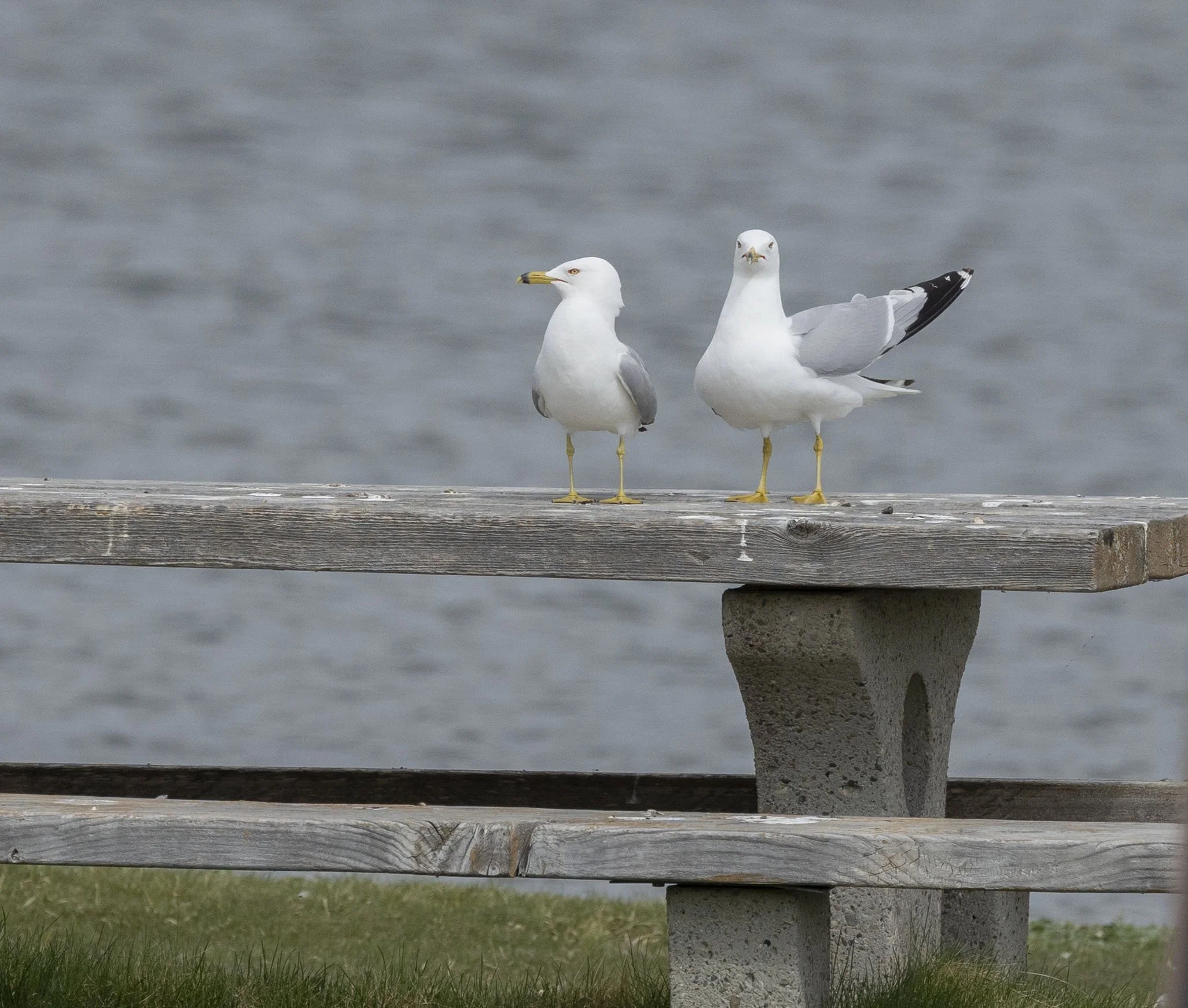
Ring-billed Gulls starting my birds on a picnic table image list
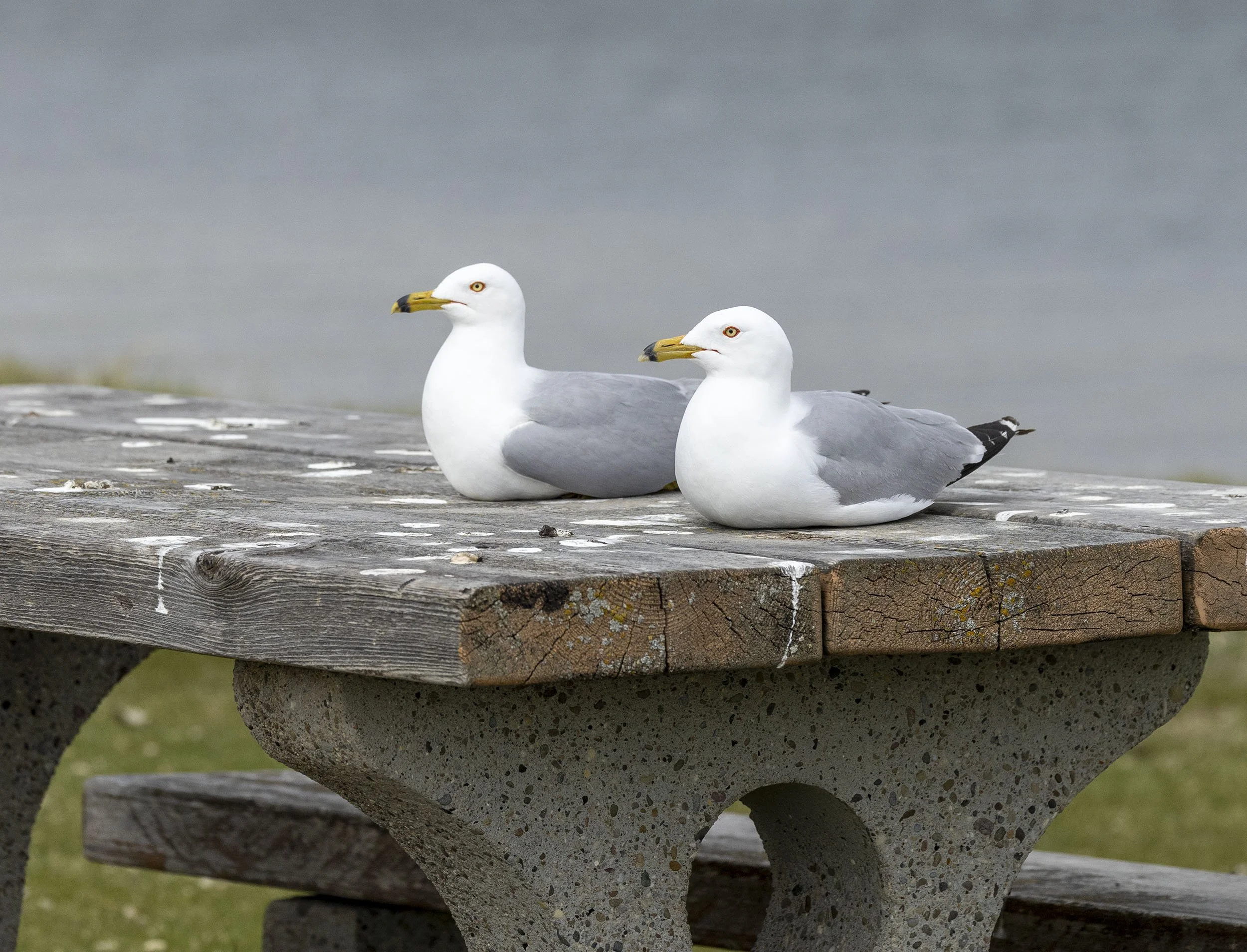
Striking birds when up close in summer finery
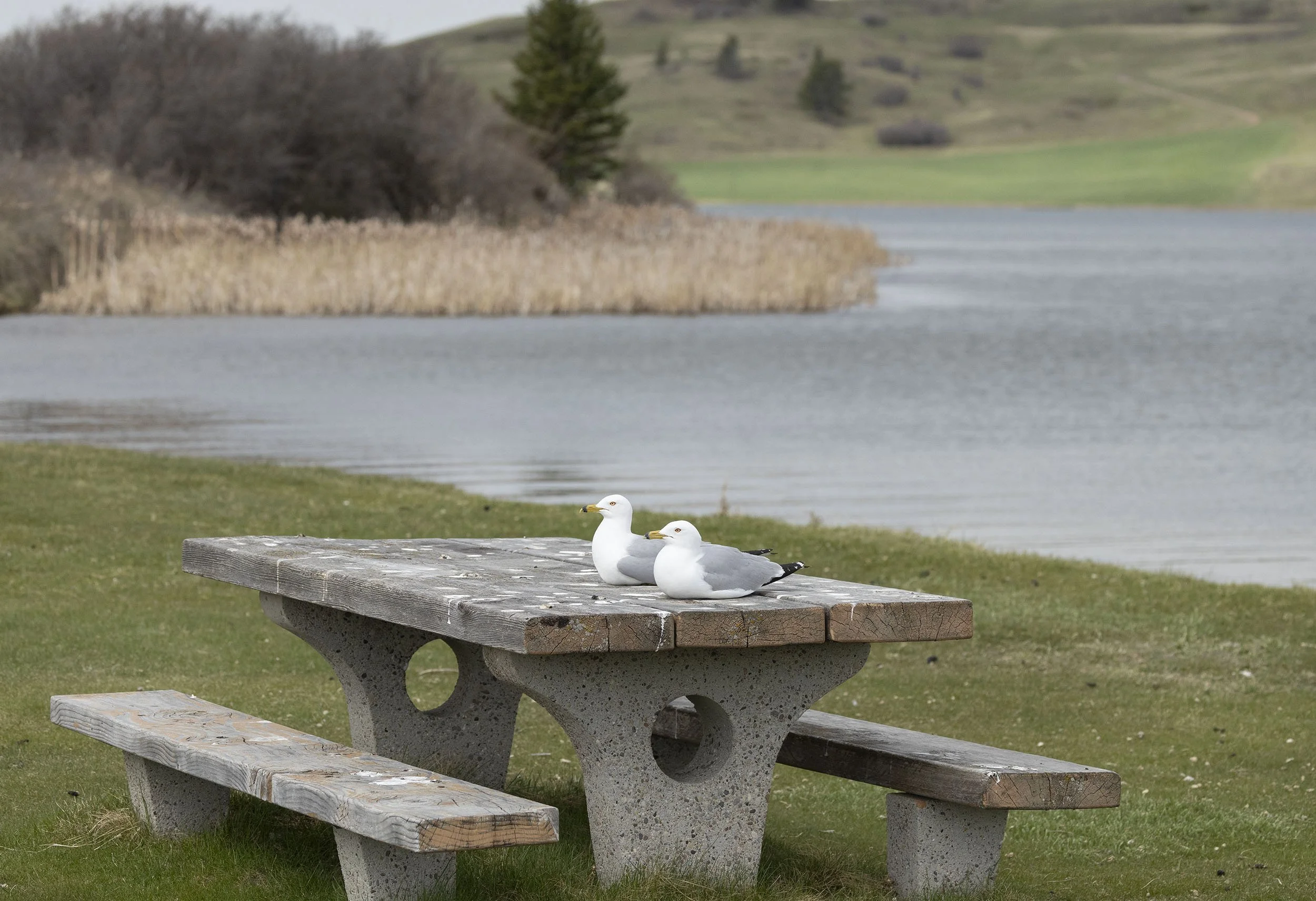
Nice location and so few people around
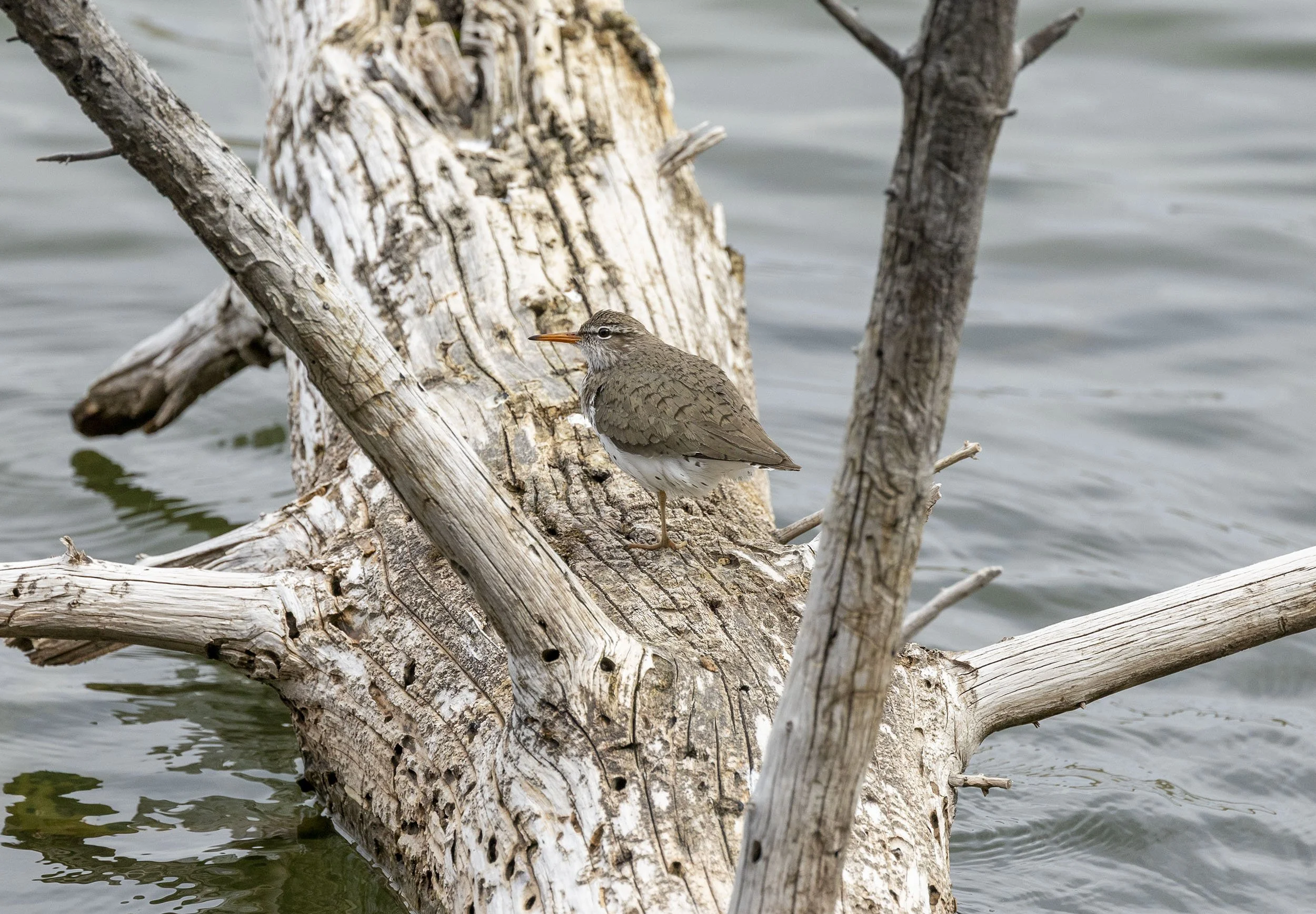
the same or different Spotted Sandpiper on the same or different log - I forget
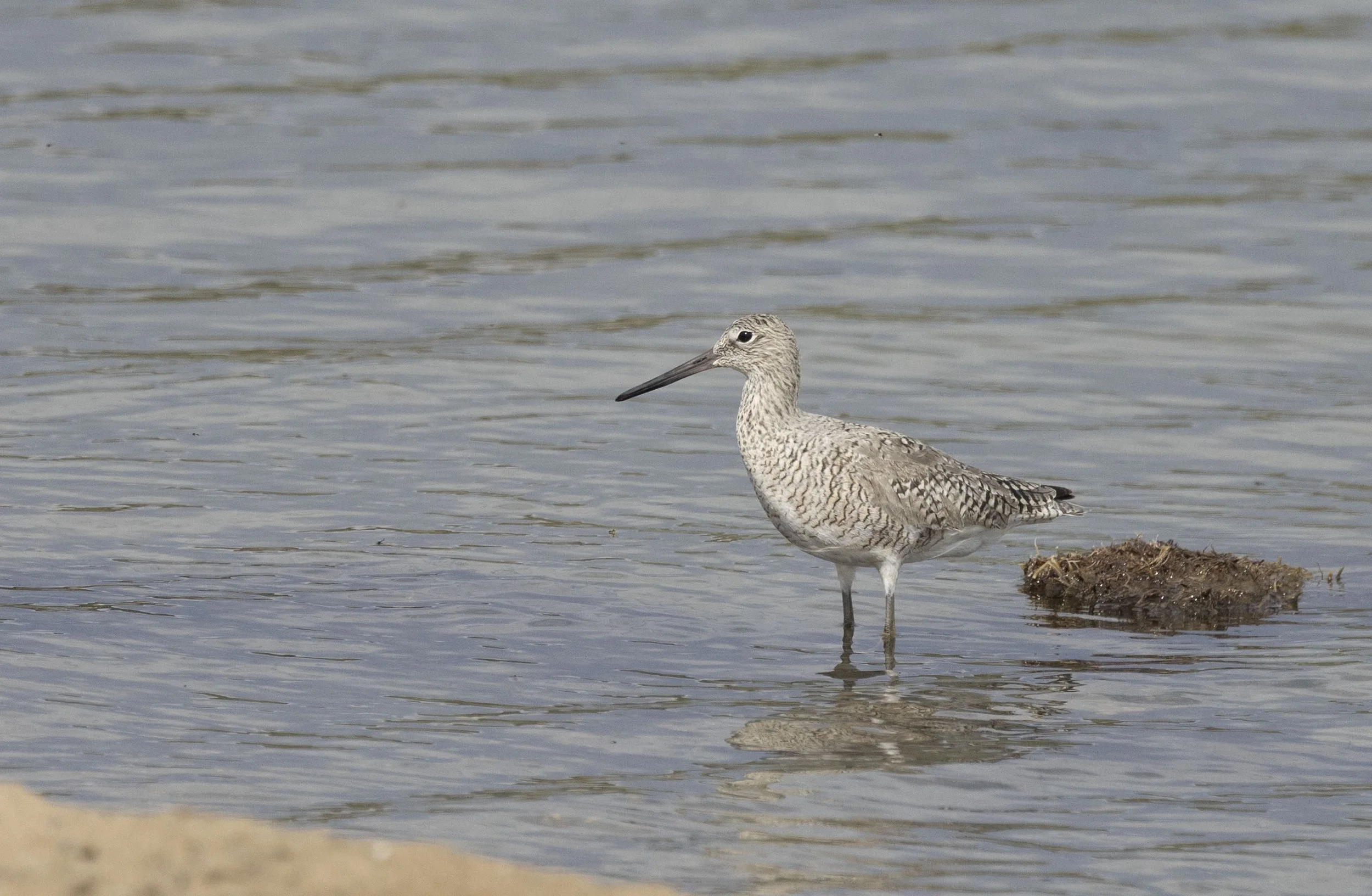
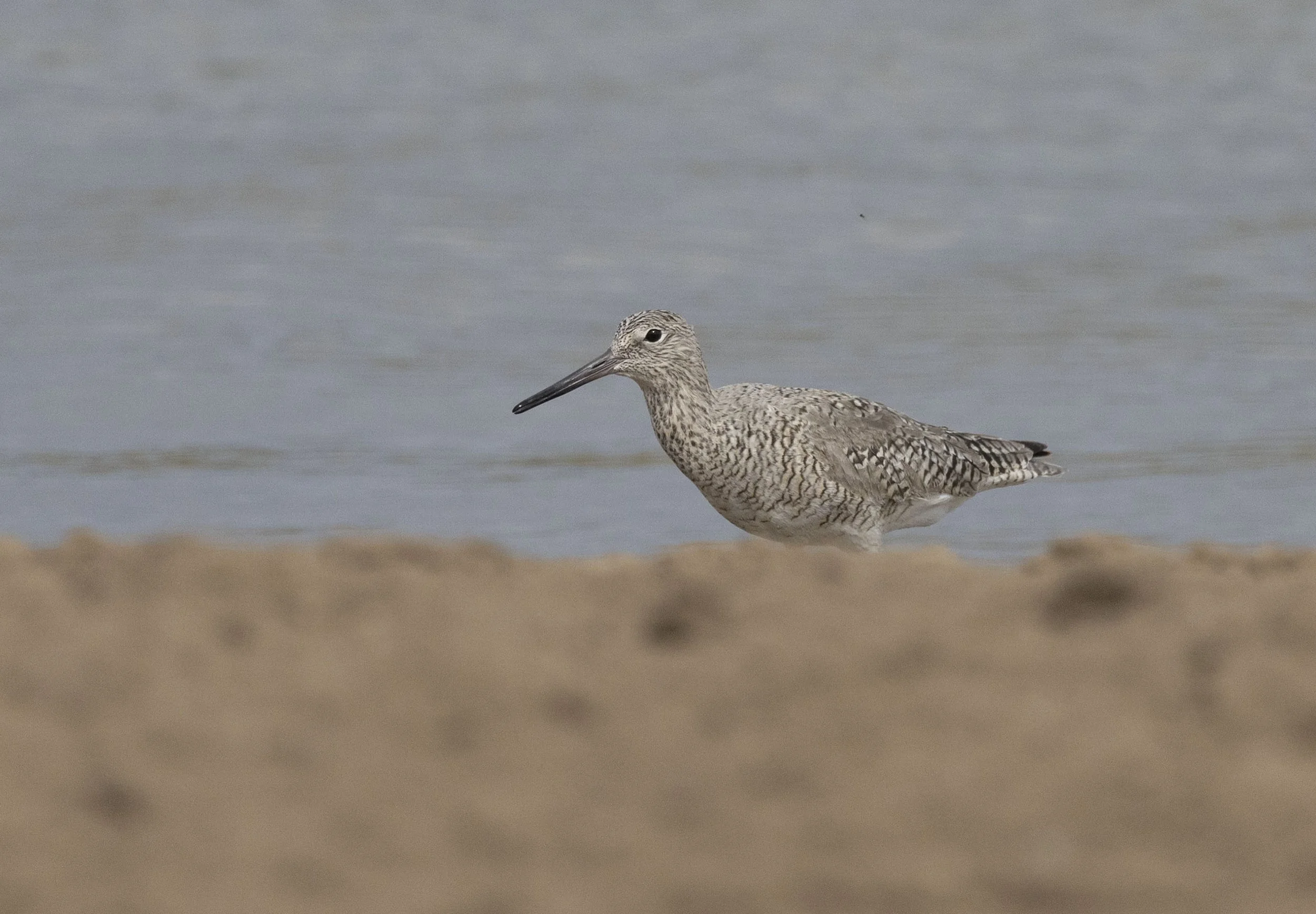
The Western Willet was still on the very small beach and showing a lot better
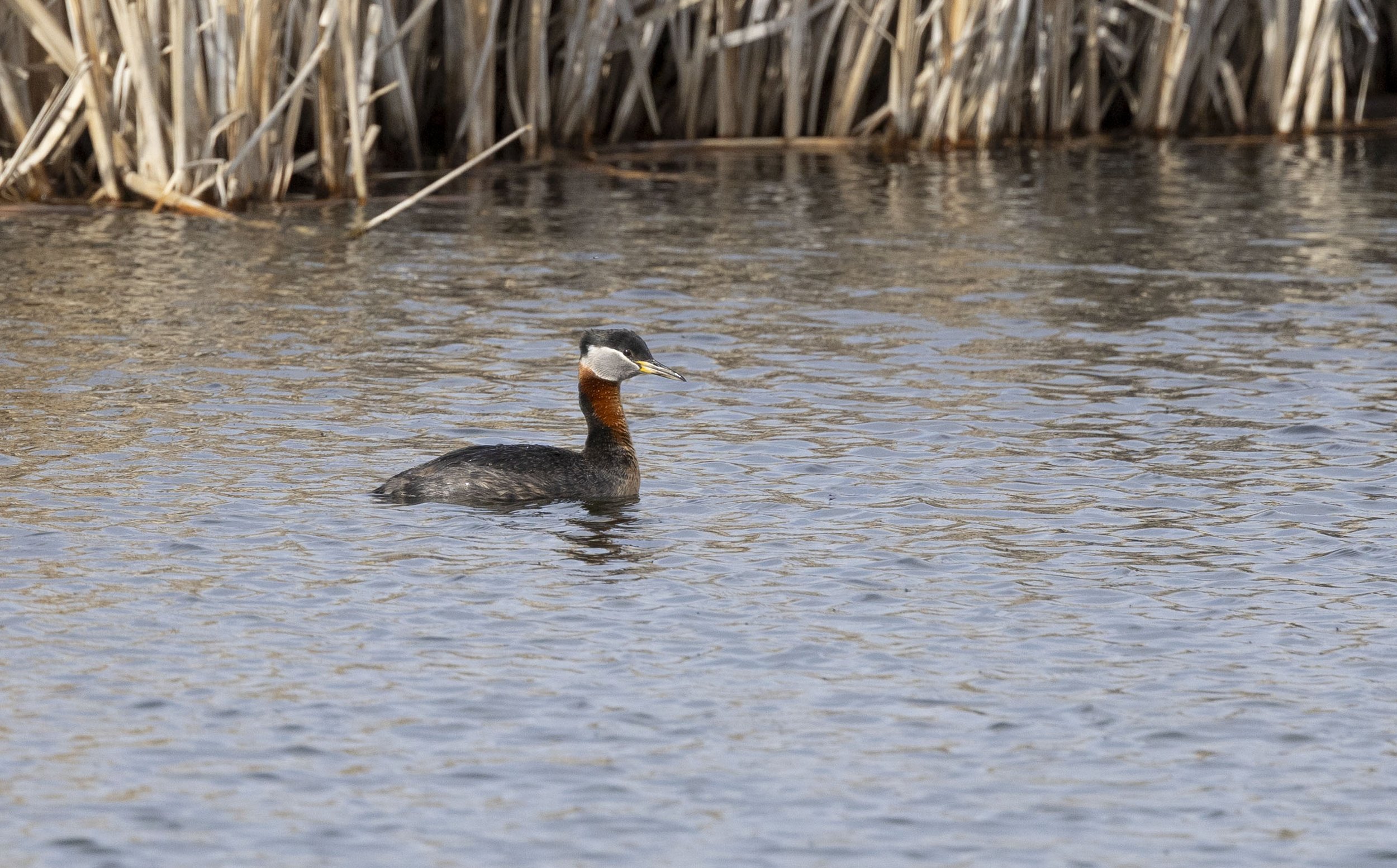
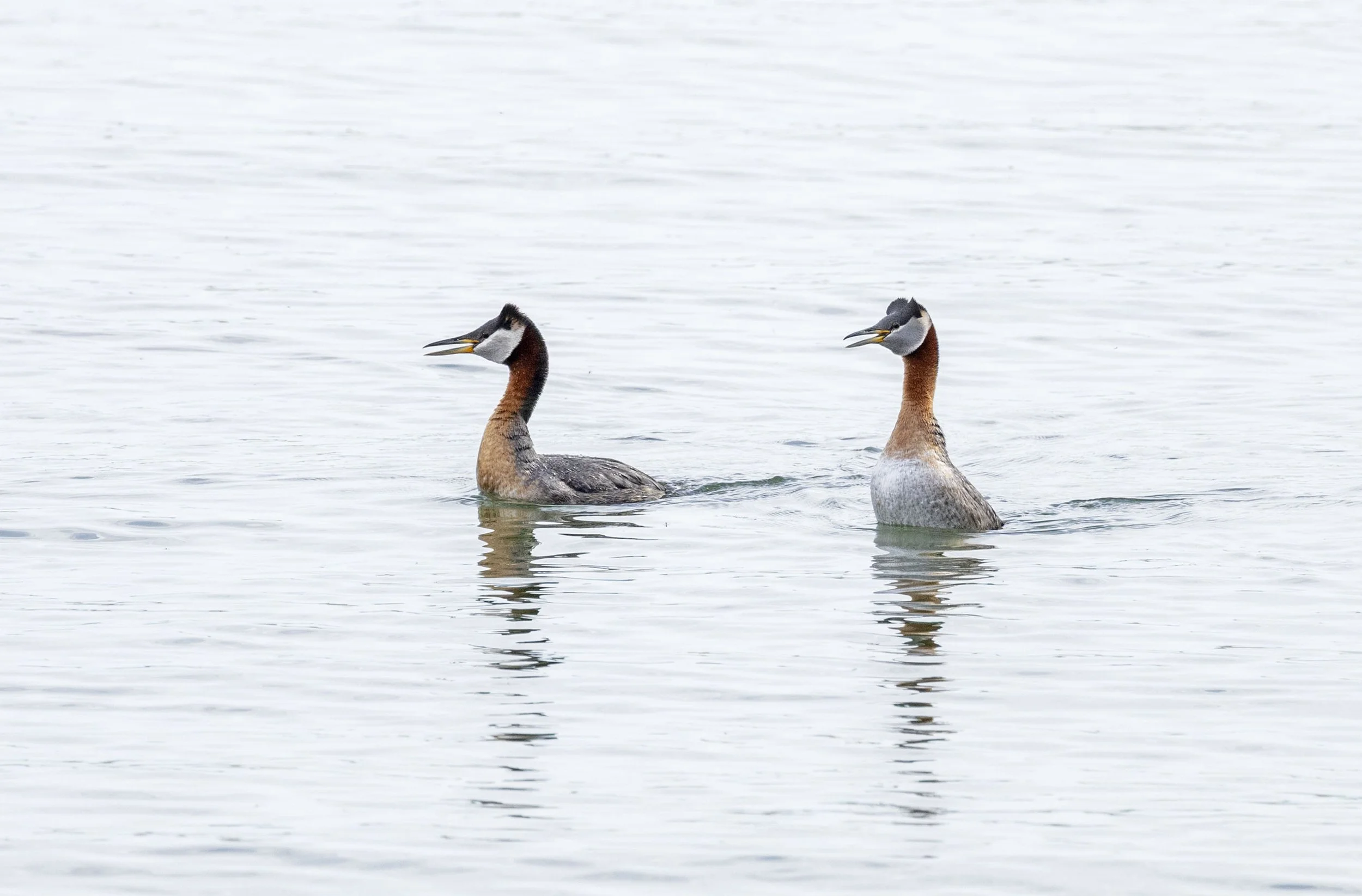
The Red-necked Grebes were not much closer but very noisy
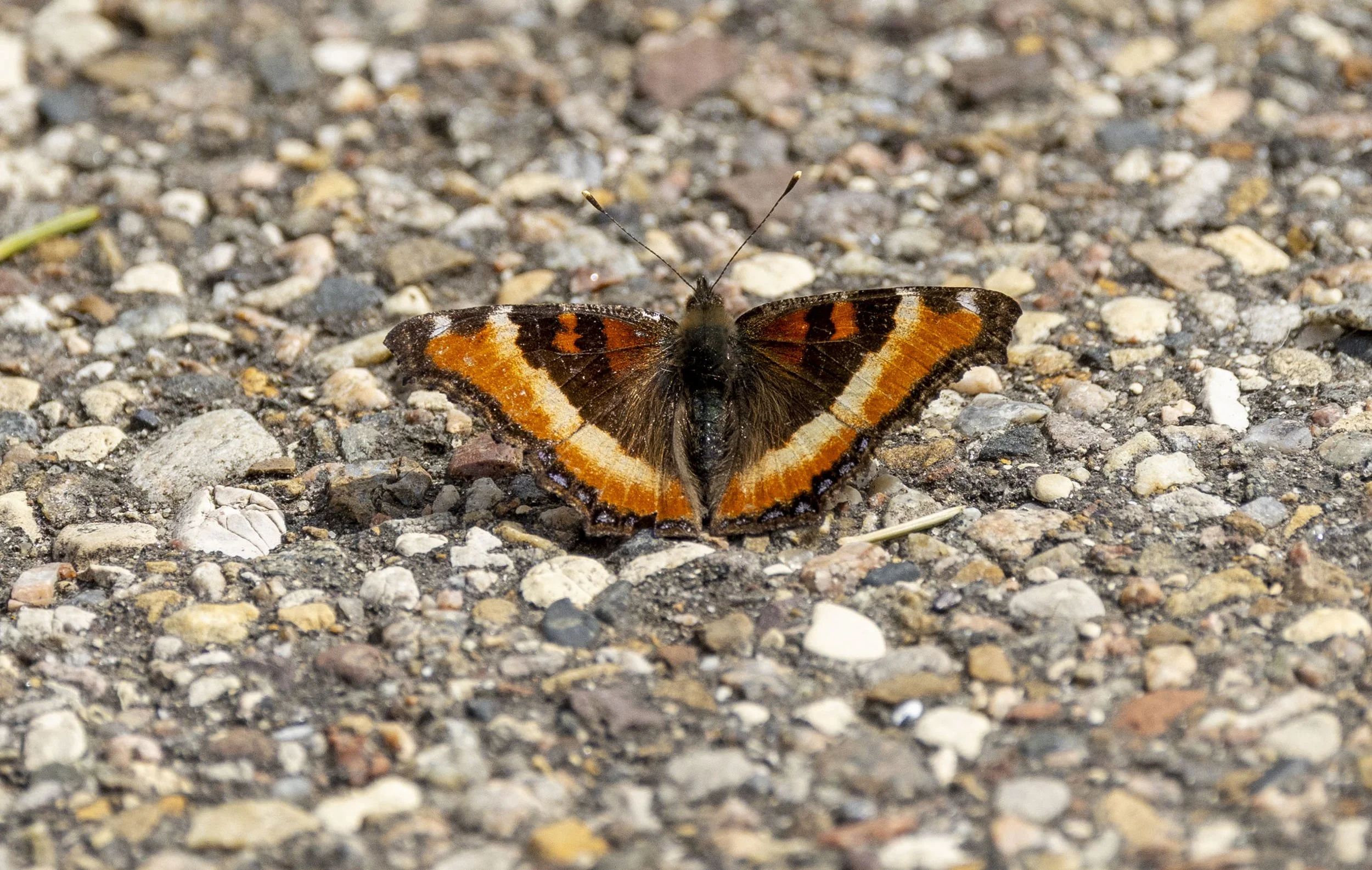
A Milbert’s Tortoiseshell showing well on the footpath at Elkwater.
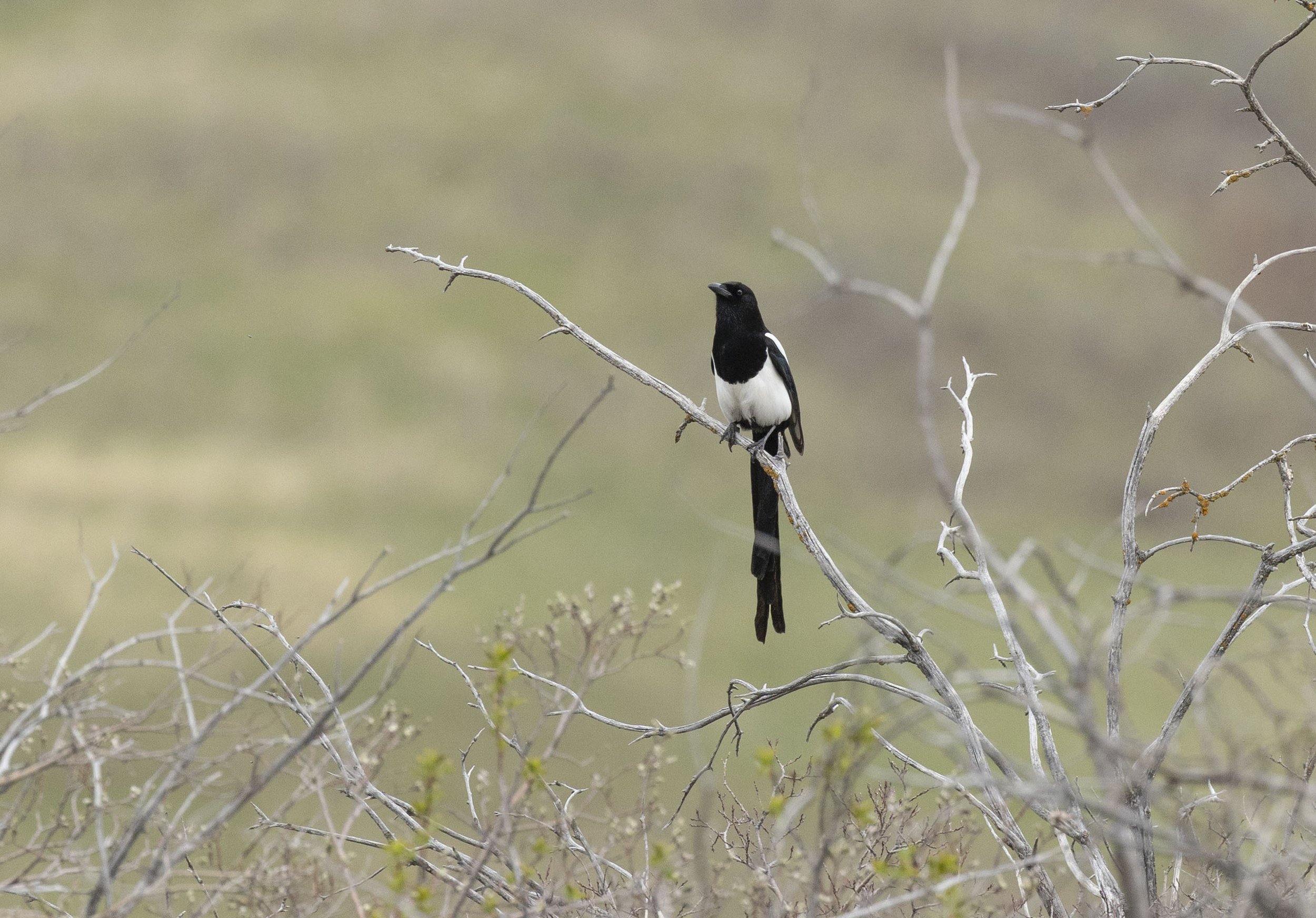
Black-billed Magpie is Pica hunsonia so I sort of had to take a photo but they were pretty common and lets face it look like a Magpie
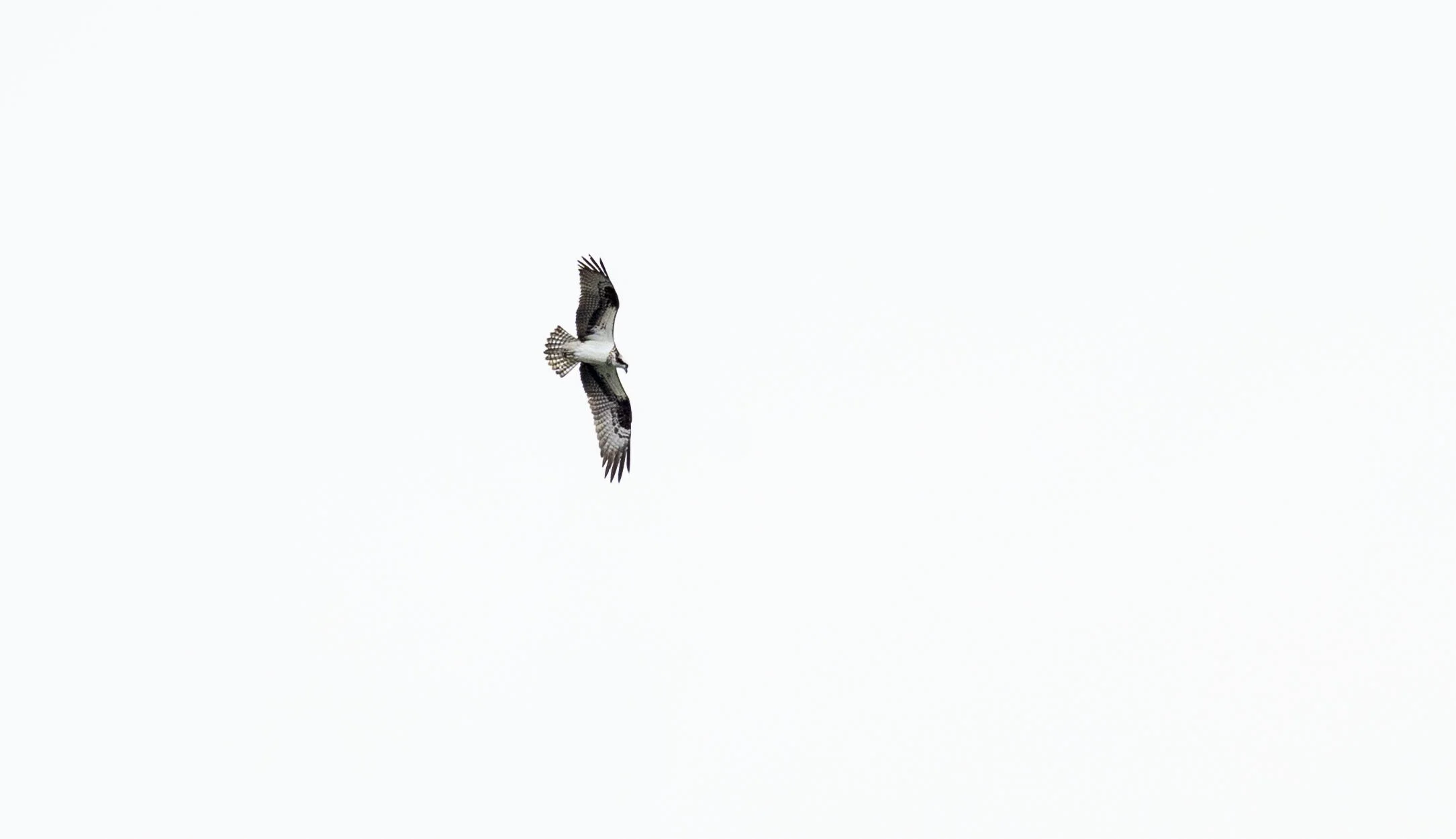
American Osprey
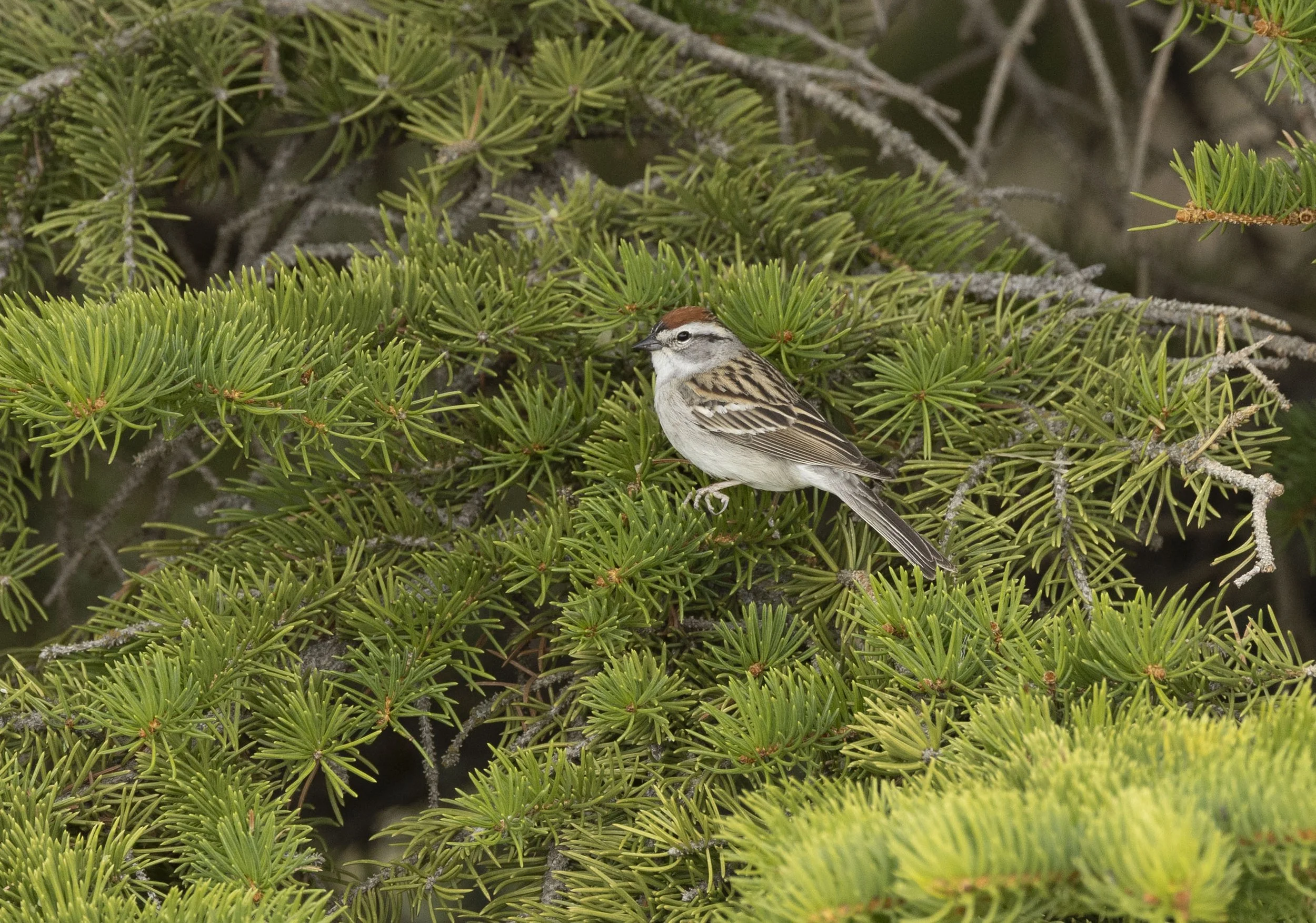
One of the abundant Chipping Sparrows
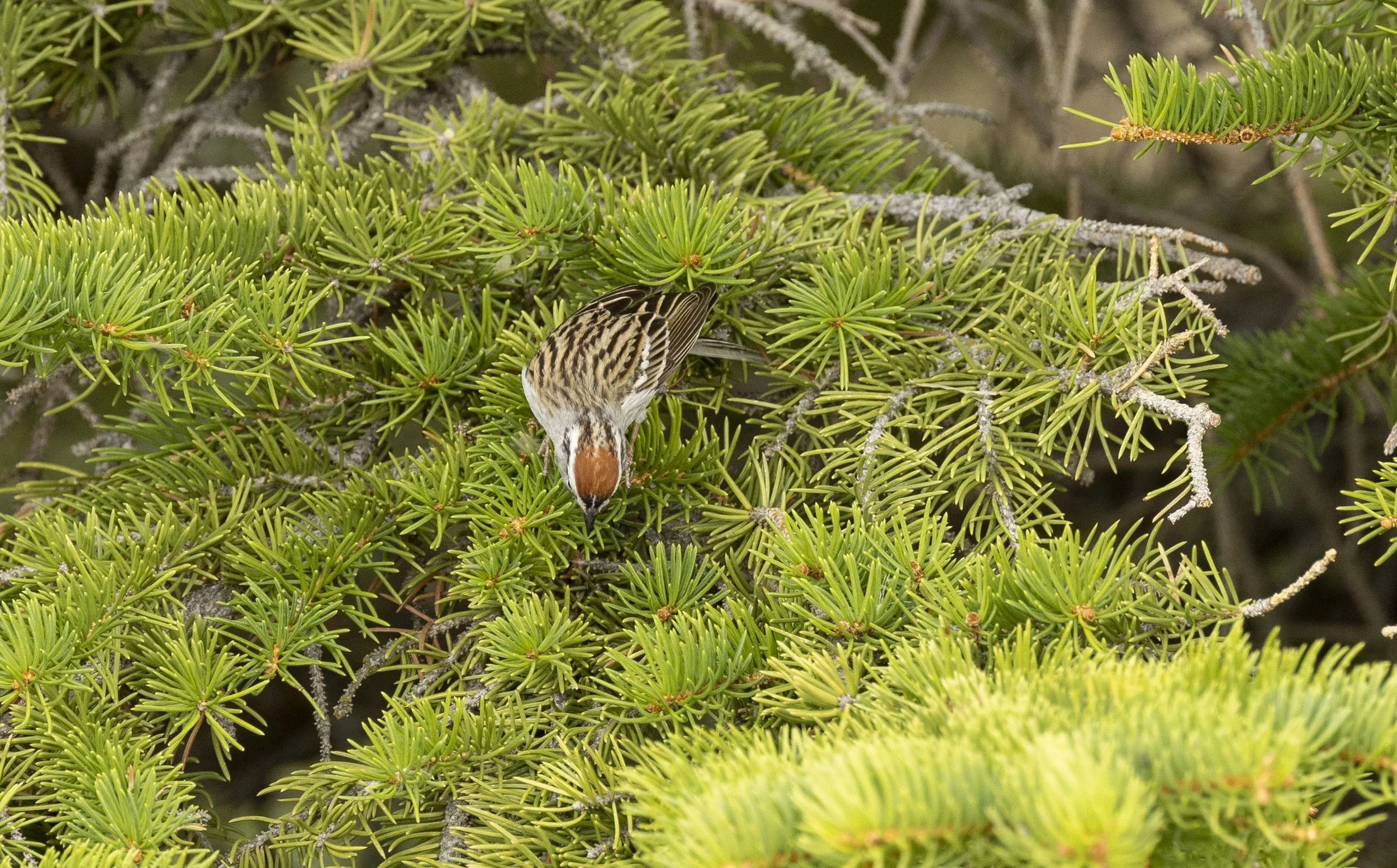
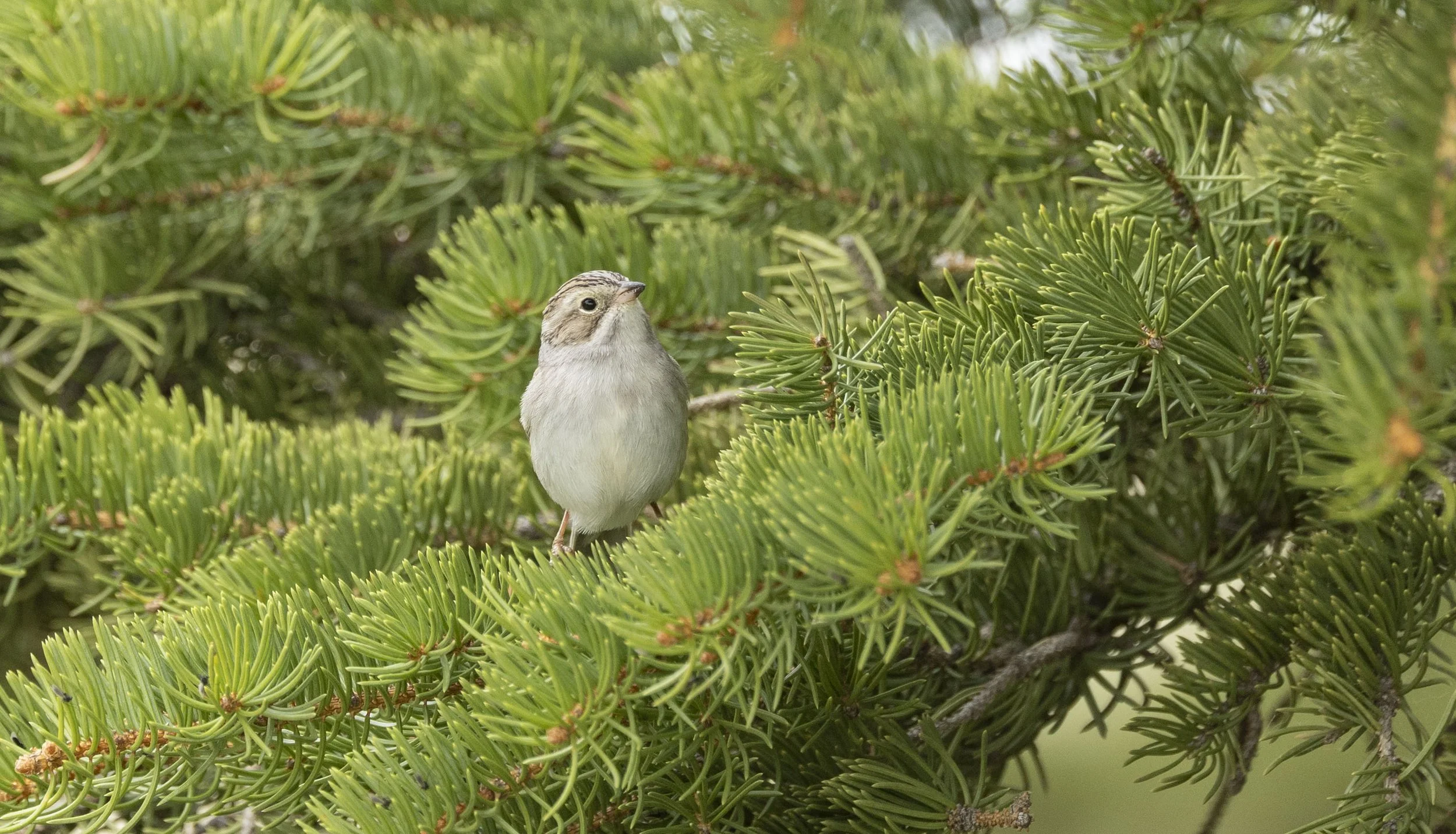
The more subtle Clay-coloured Sparrow
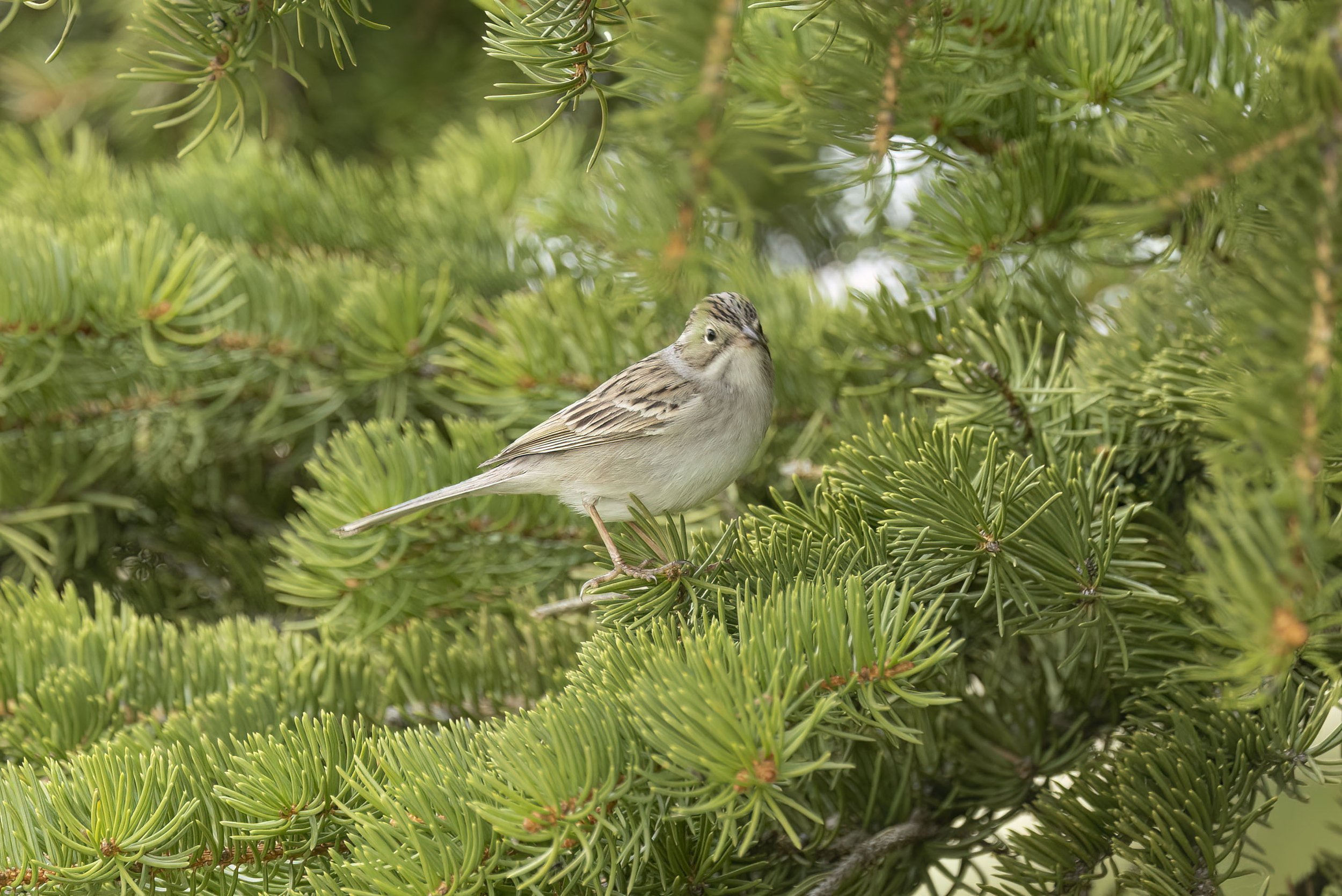
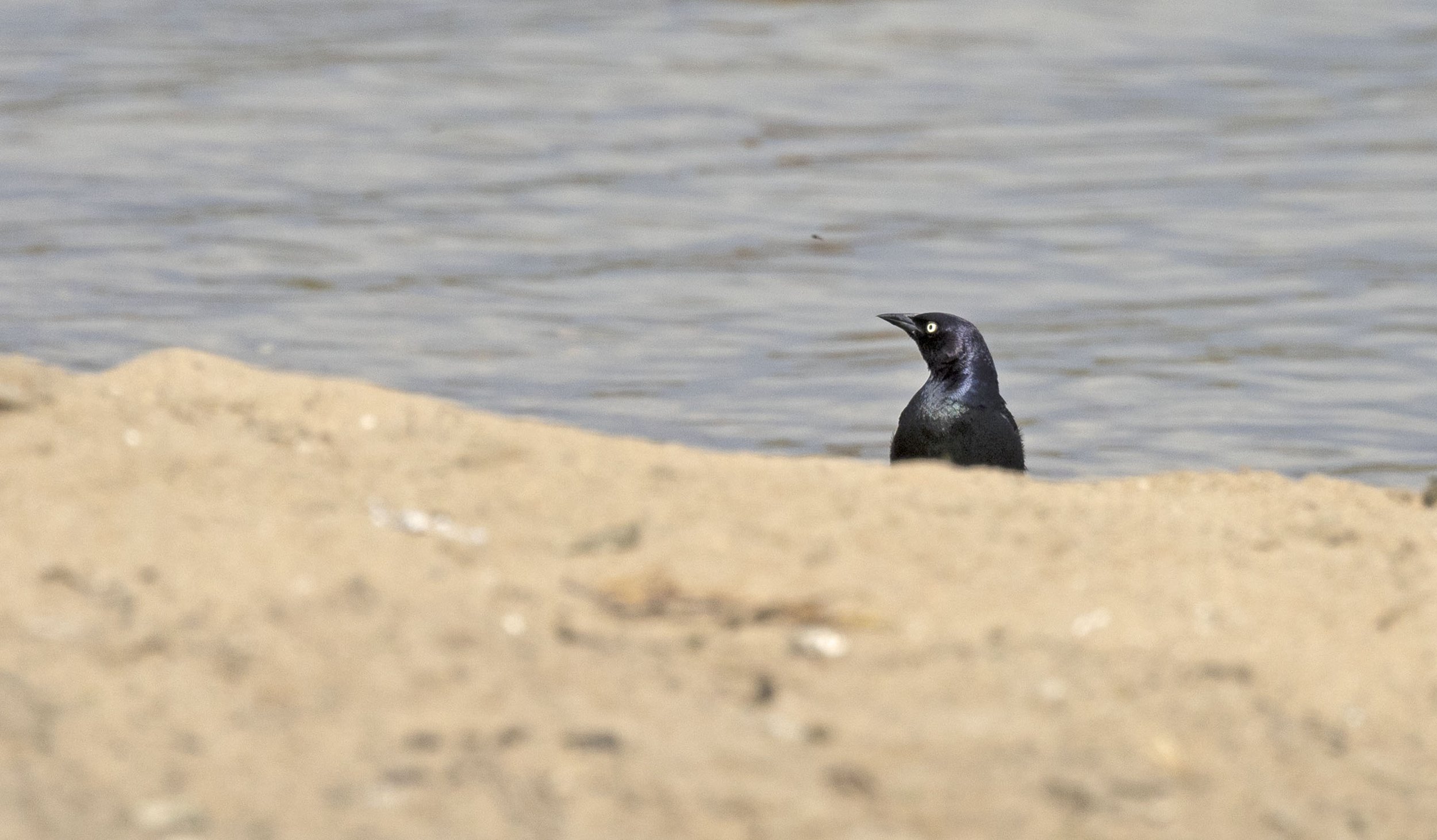
Common Grackle on the beach
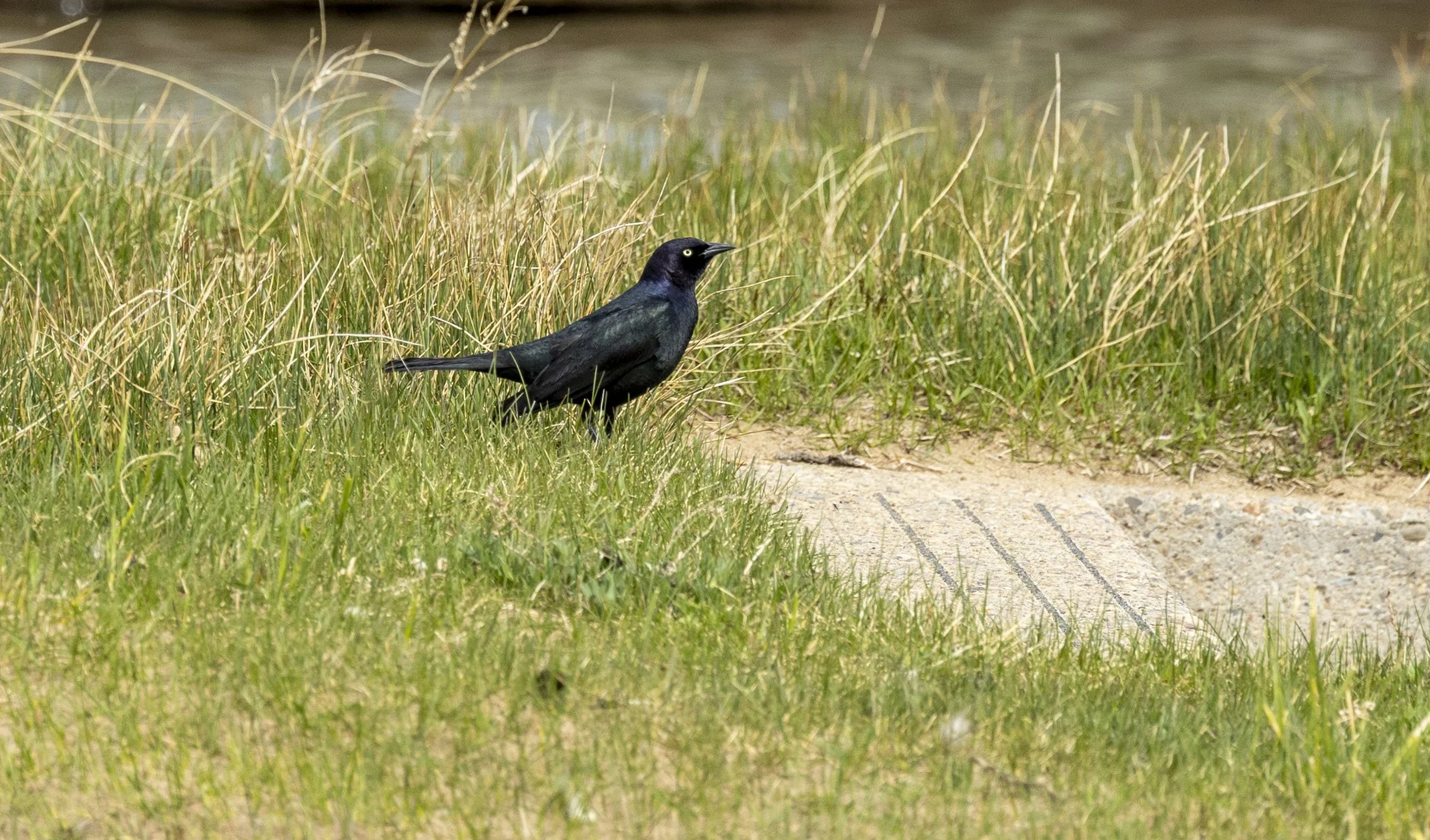
Brewer’s Blackbird another species i tended to overlook taking pics of
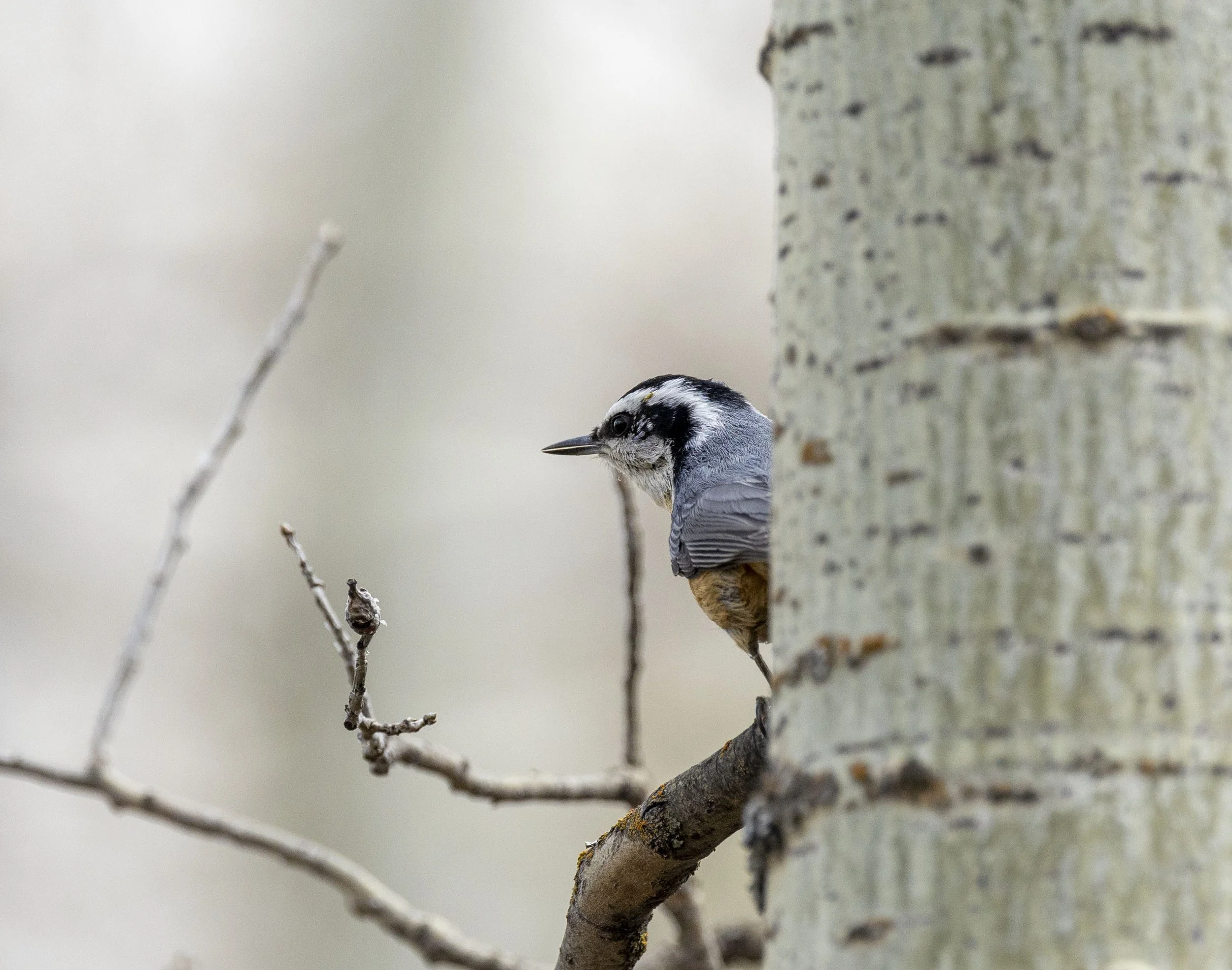
Red-breasted Nuthatch
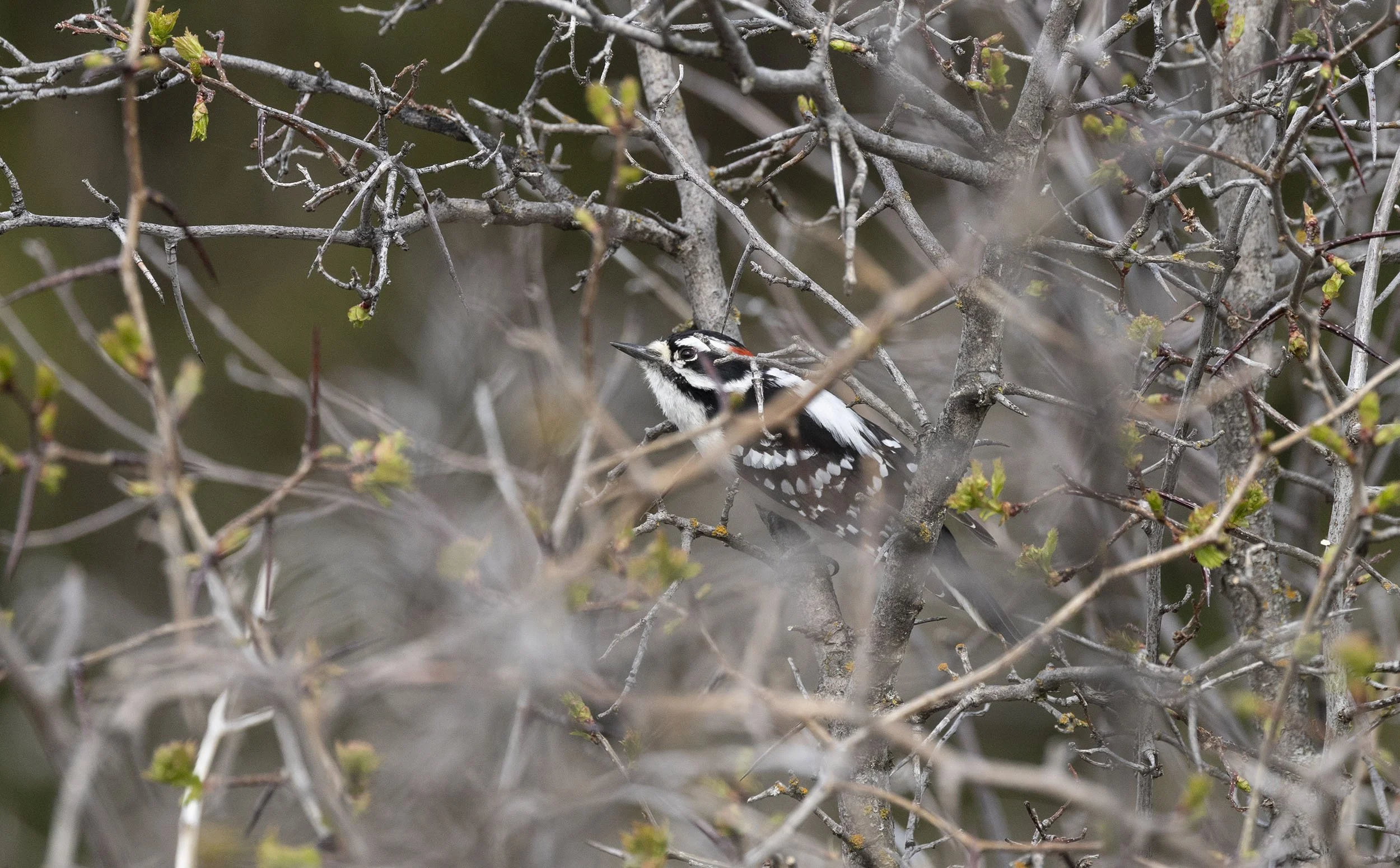
Downy Woodpecker in a thicket
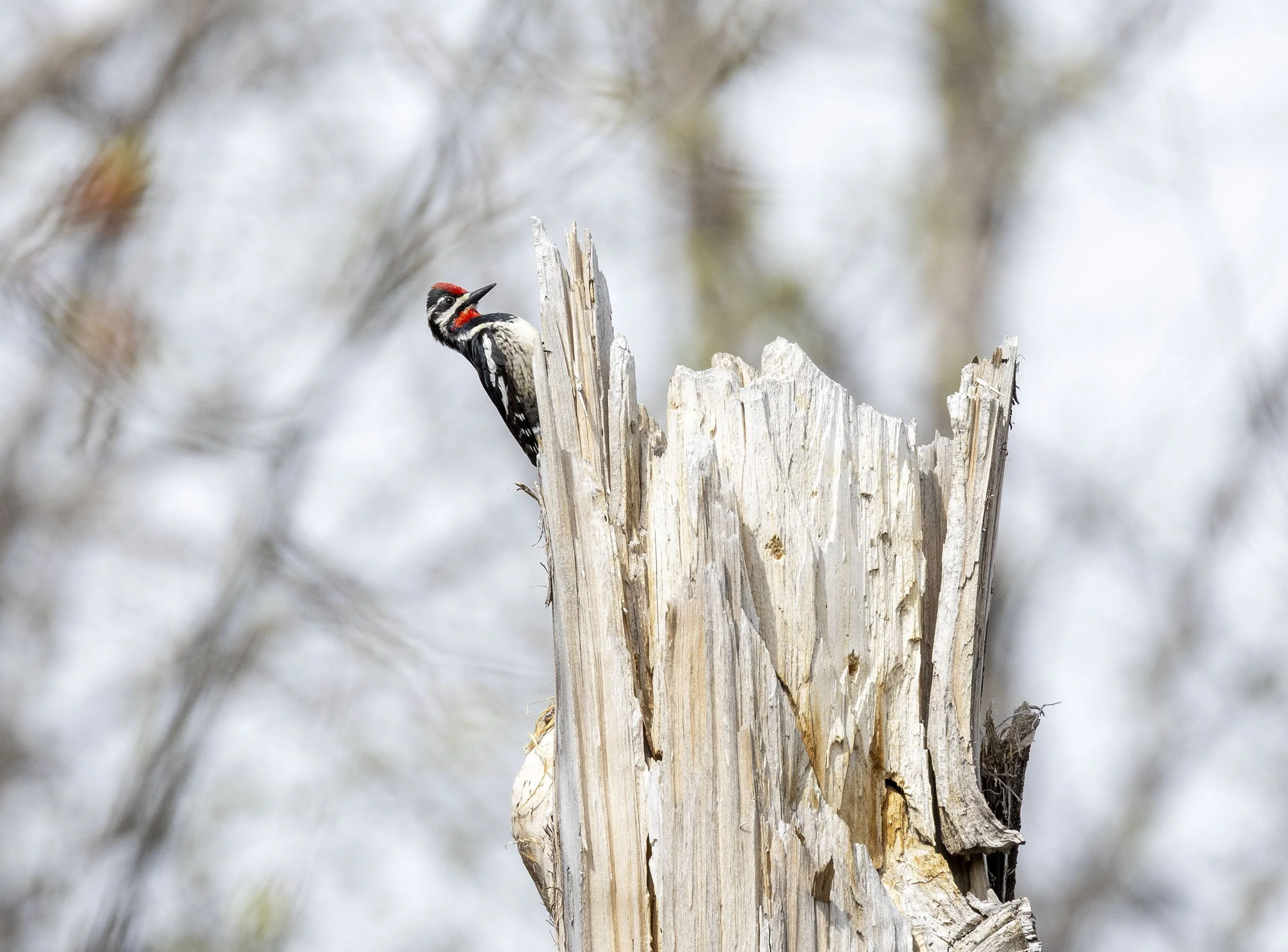
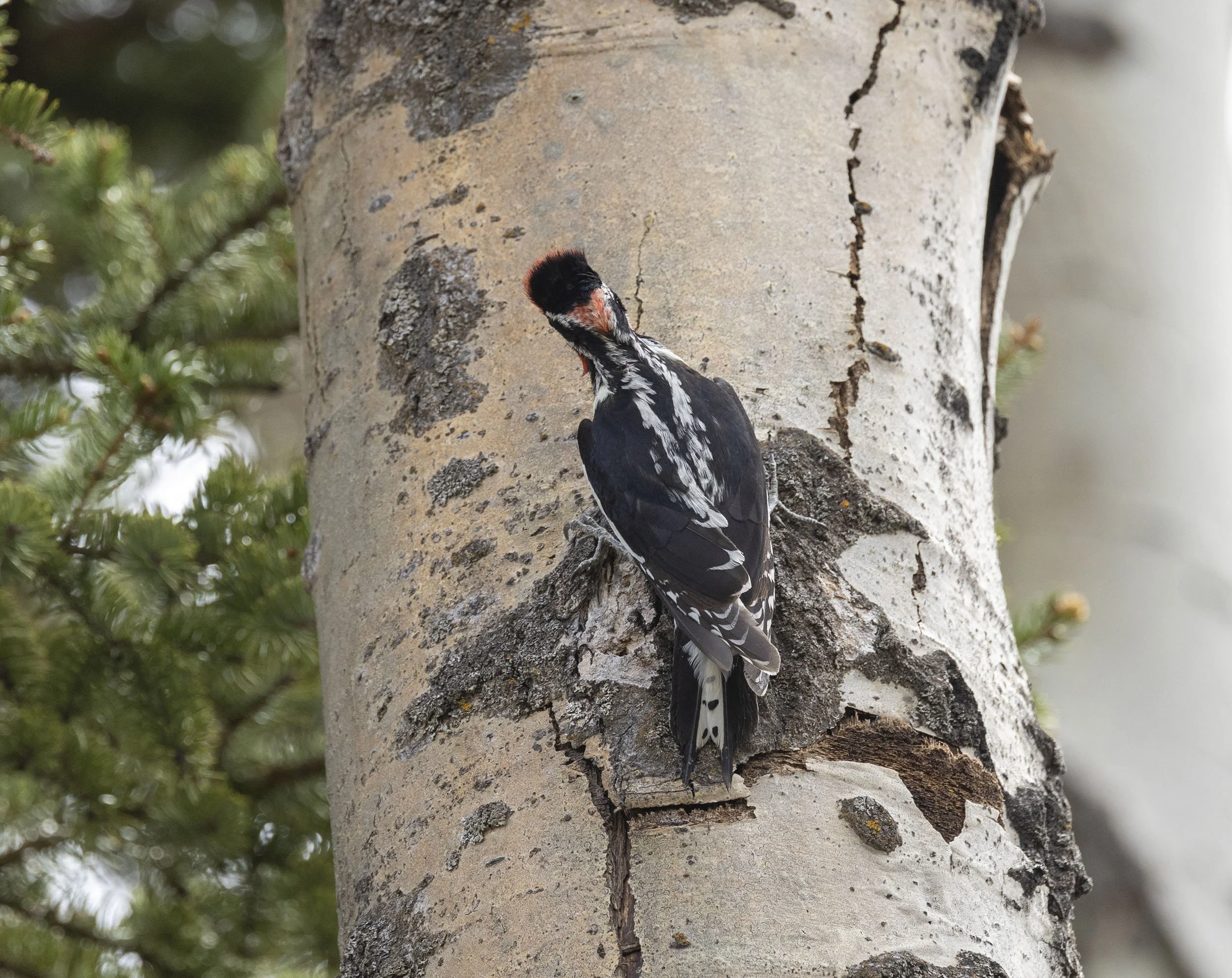
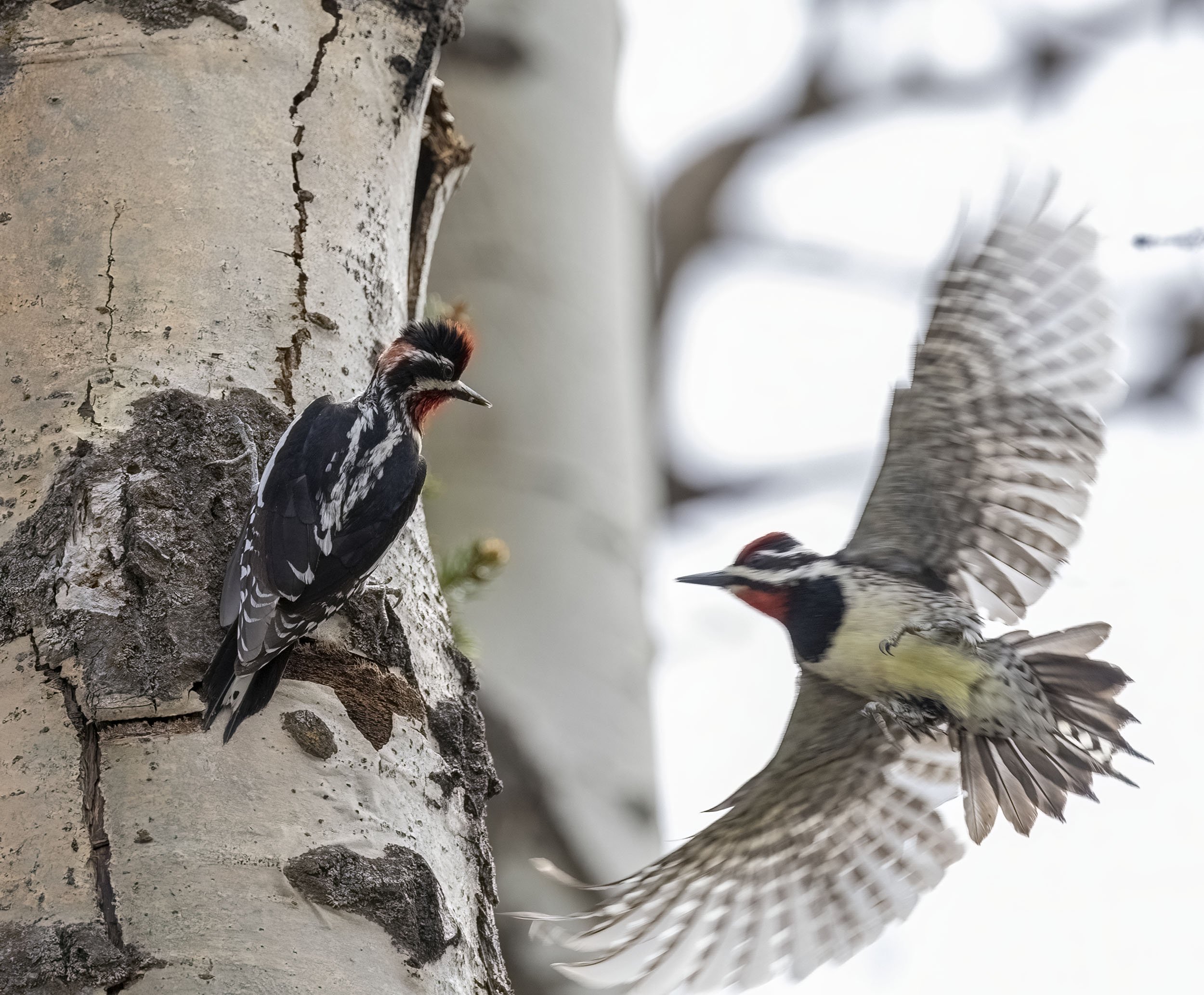
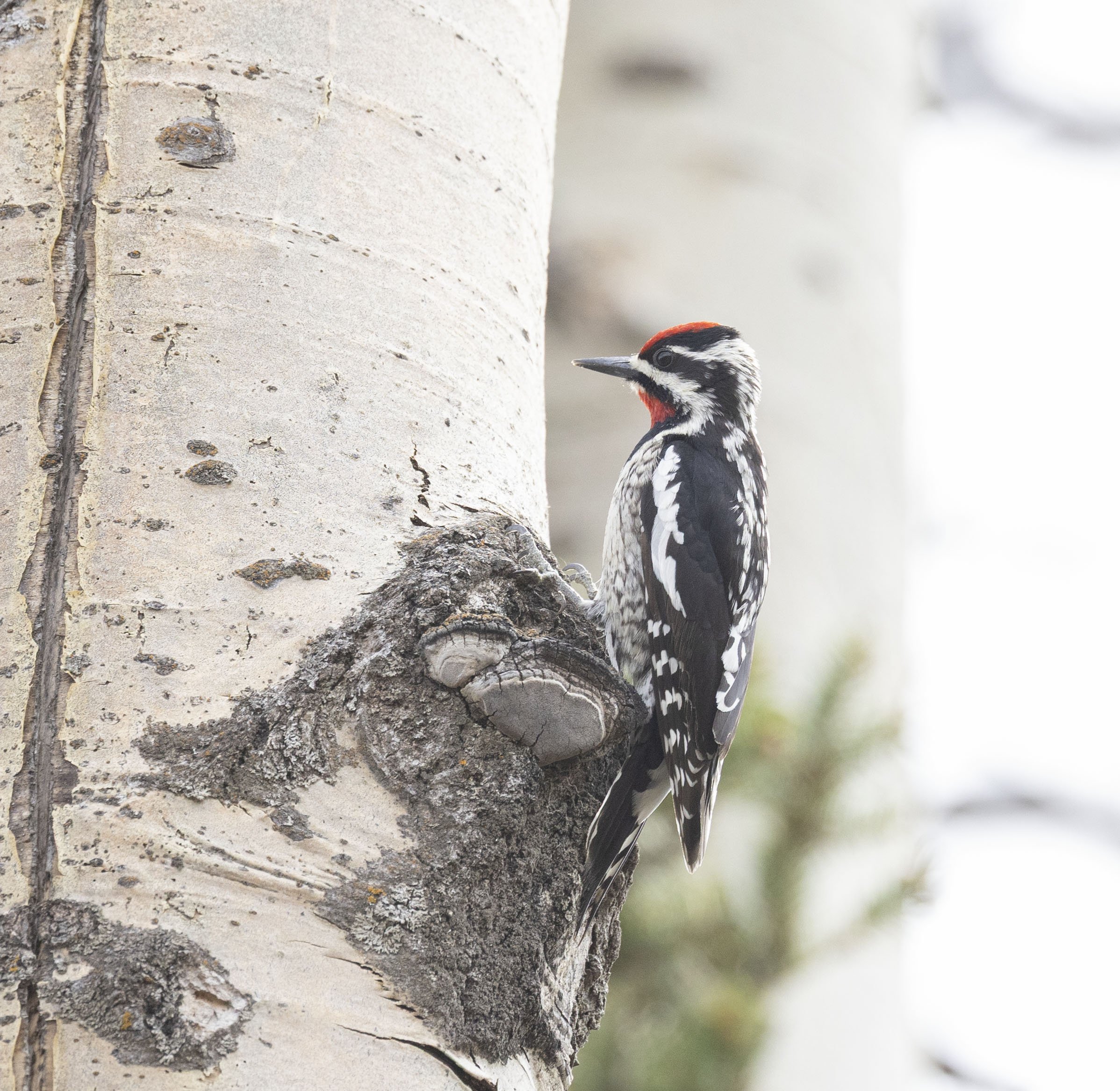
Yellow-bellied or Red-naped Sapsuckers - four birds were fighting presumably over a nest hole or territory - but which species are they aor could they be hybrids as the Cypress Hills are apparently in the hybrid zone! This is the paper that should sort it out but as usual in hybrid zones a lot of caveats https://www.aba.org/wp-content/uploads/2023/10/BD_ID_0496_Birding_2006_Nov.pdf
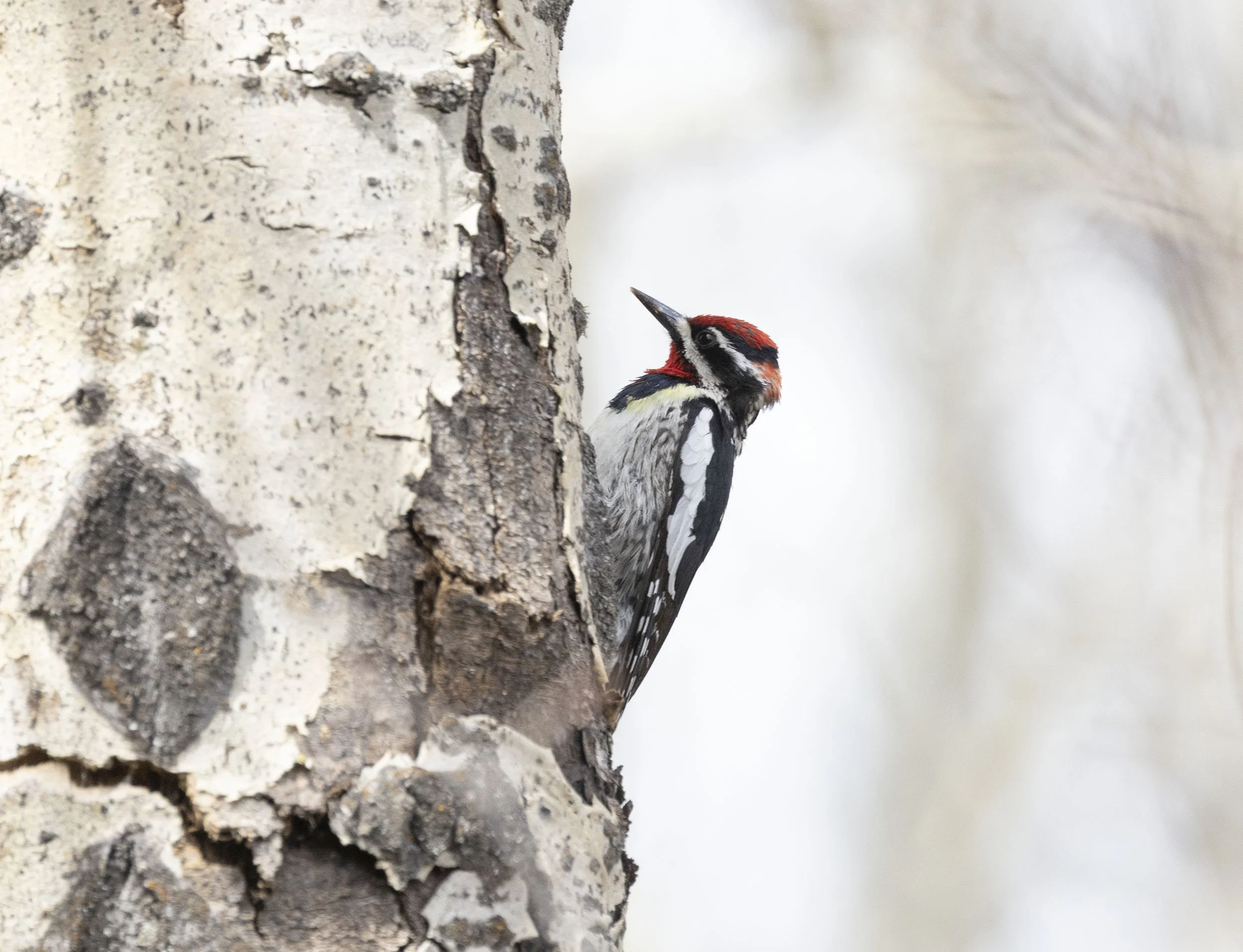
Red on nape, limited red on throat and limited white upperpart barring - Presumably Red-naped female?
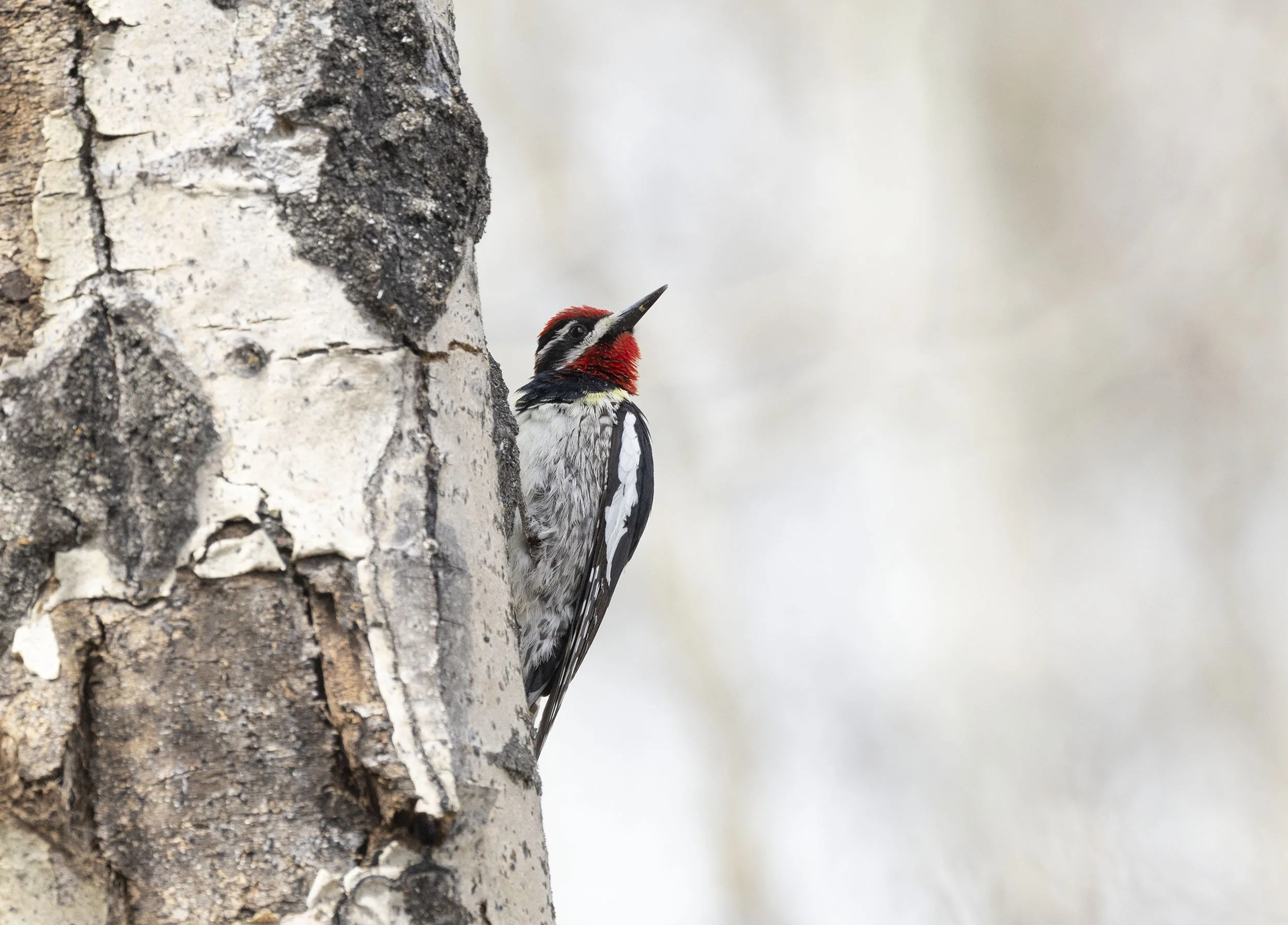
Same bird as above showing extent of throat patch
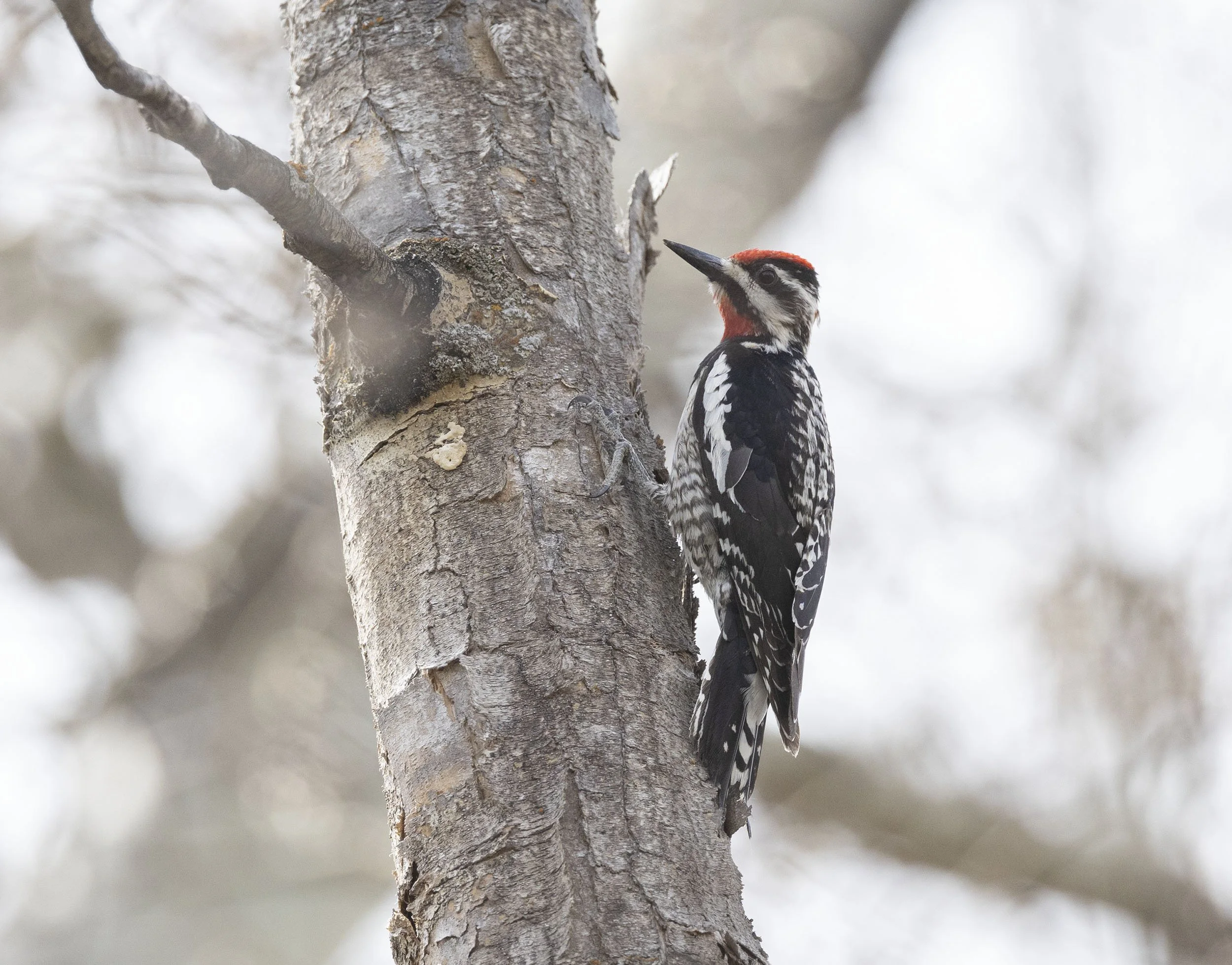
Different bird with a touch of white on the chin
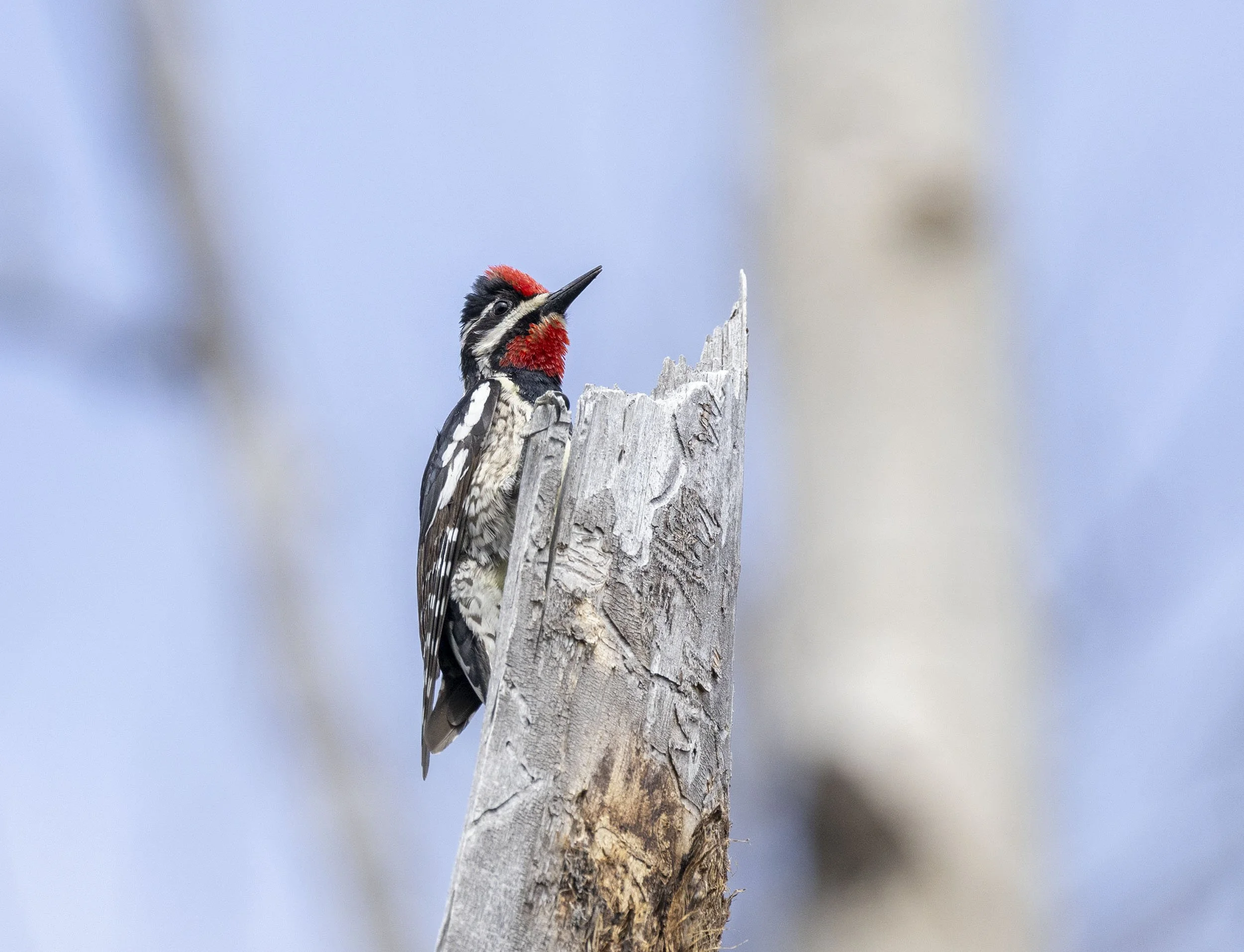
Striking birds and a priviledged encounter - as we were on a sloping hillside the birds were often at eye level in the trees below us
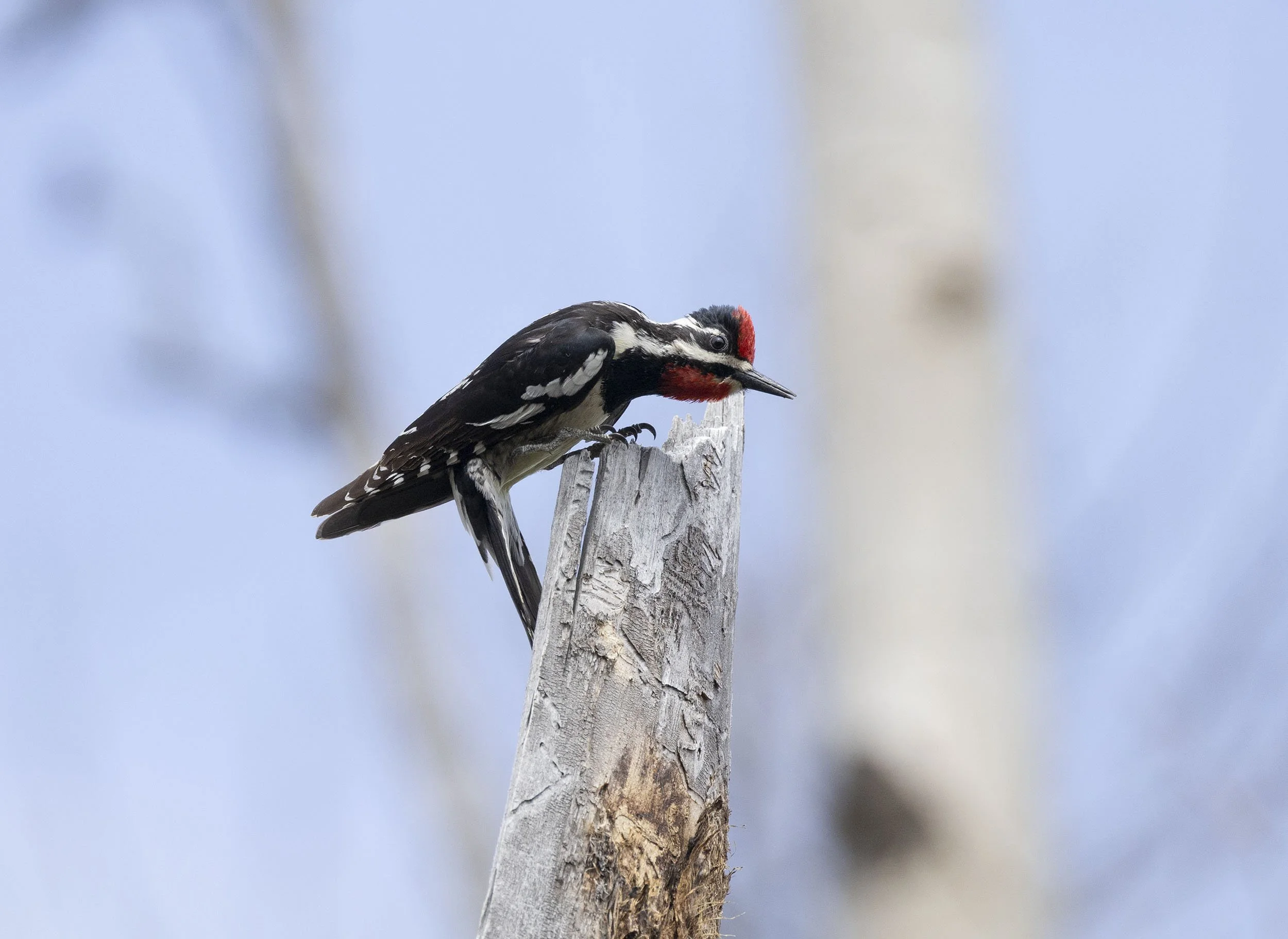
With red nape and limited white in upperparts I would put this down as Red-naped?
an almost good shot
Pale naped bird but still Red-naped or hybrid
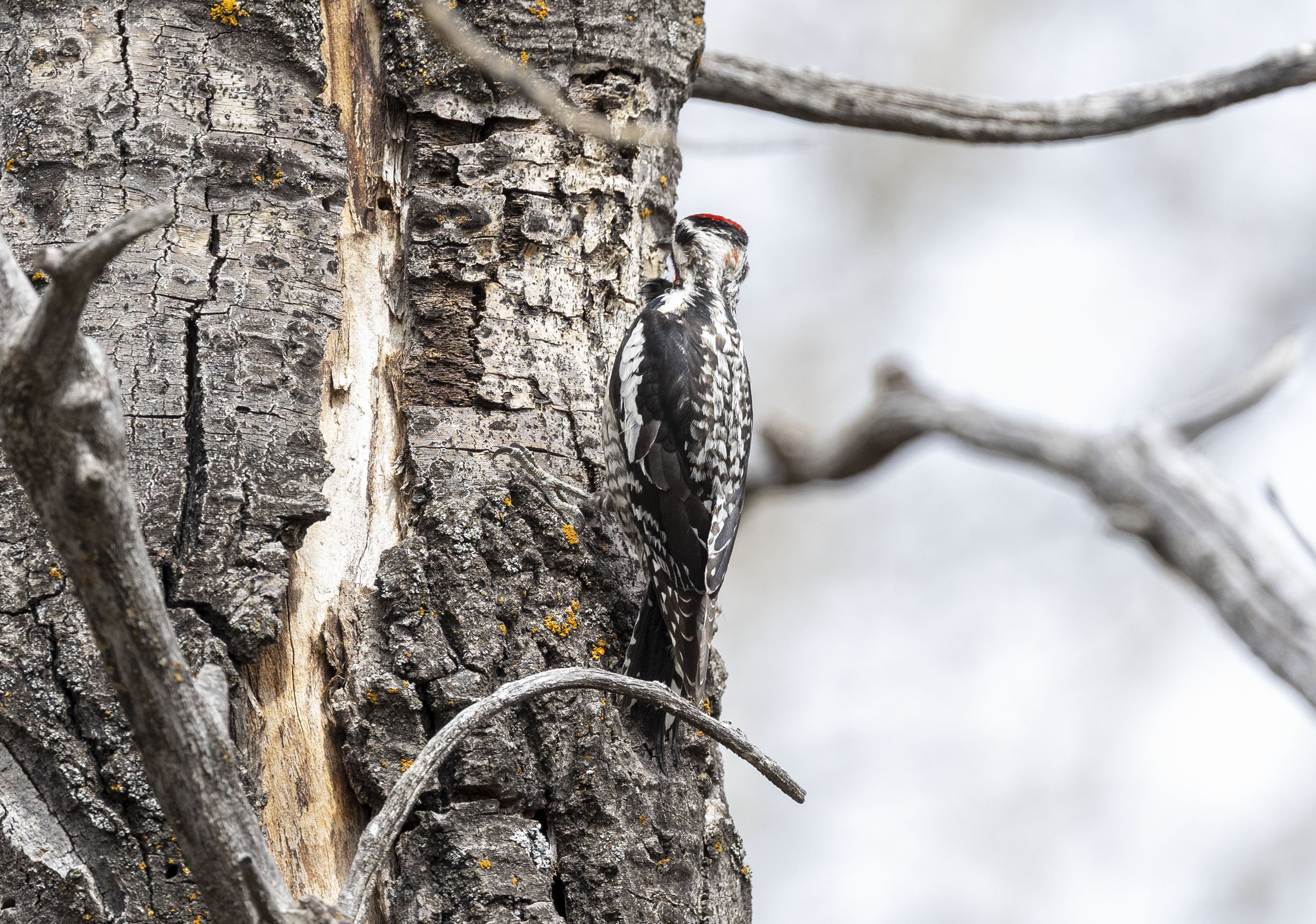
Another Red-naped with more white on the back ?
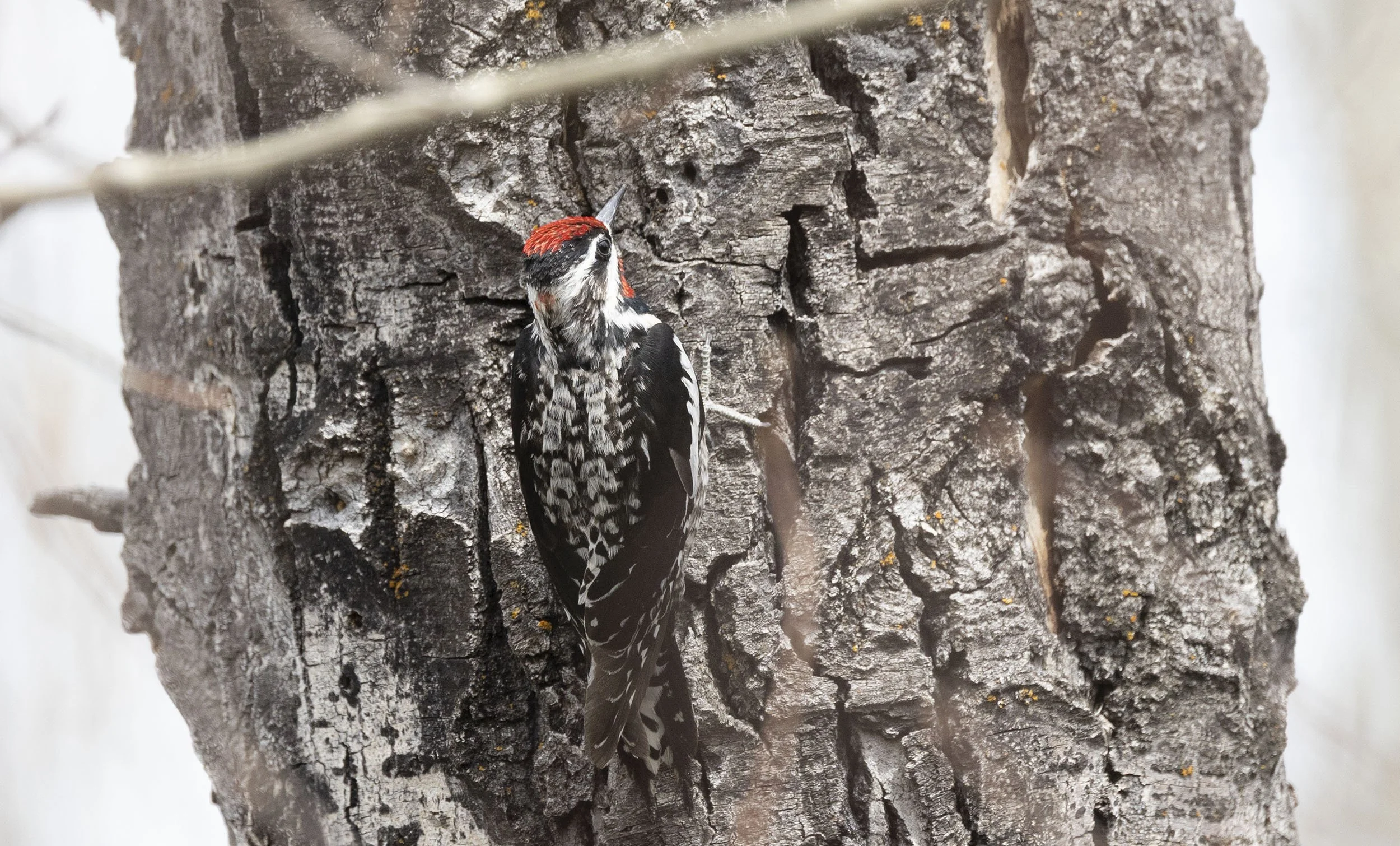
Same bird as above - are some of the differences age related as this bird clearly has old worn flight feathers so may be 2cy
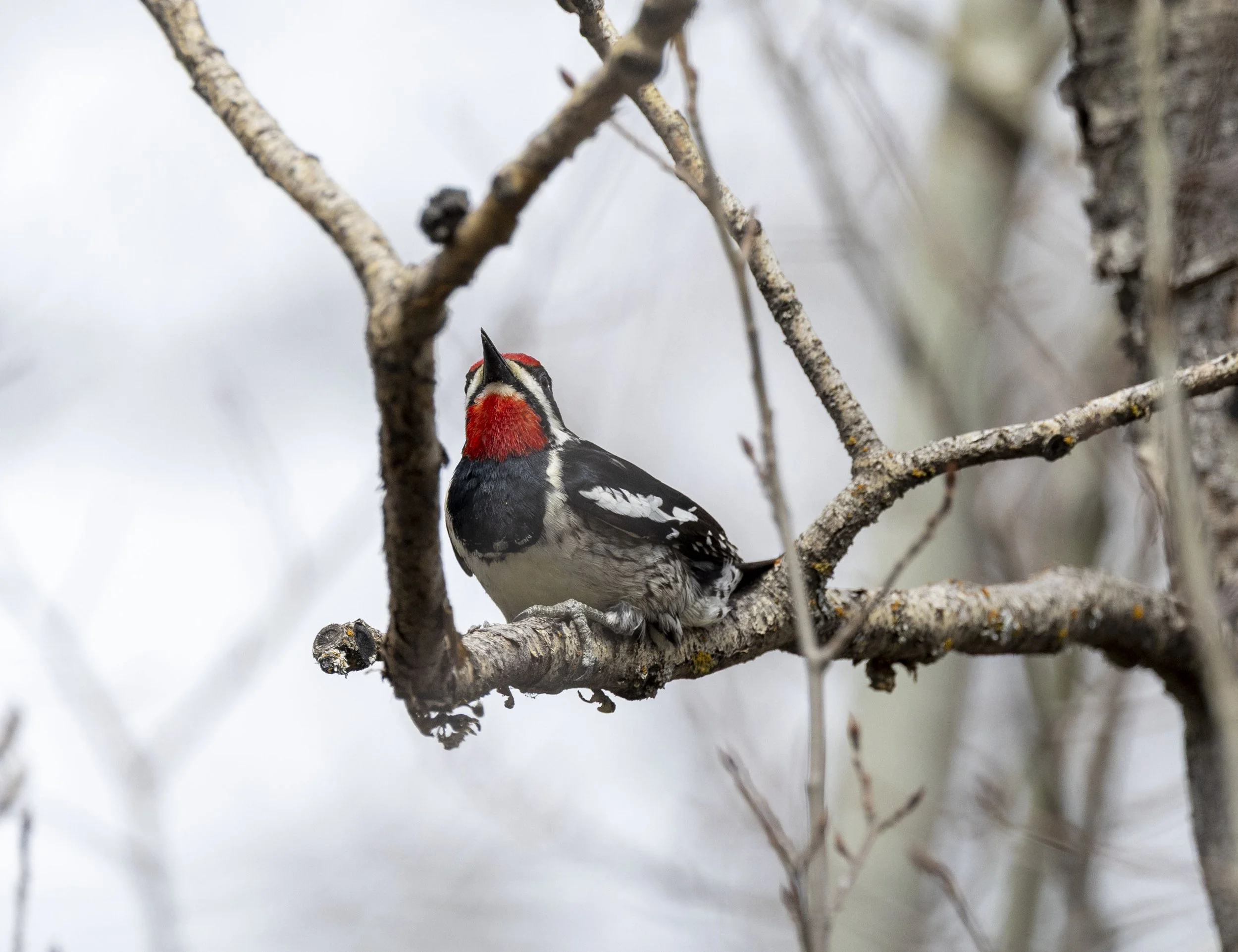
stunning whatever
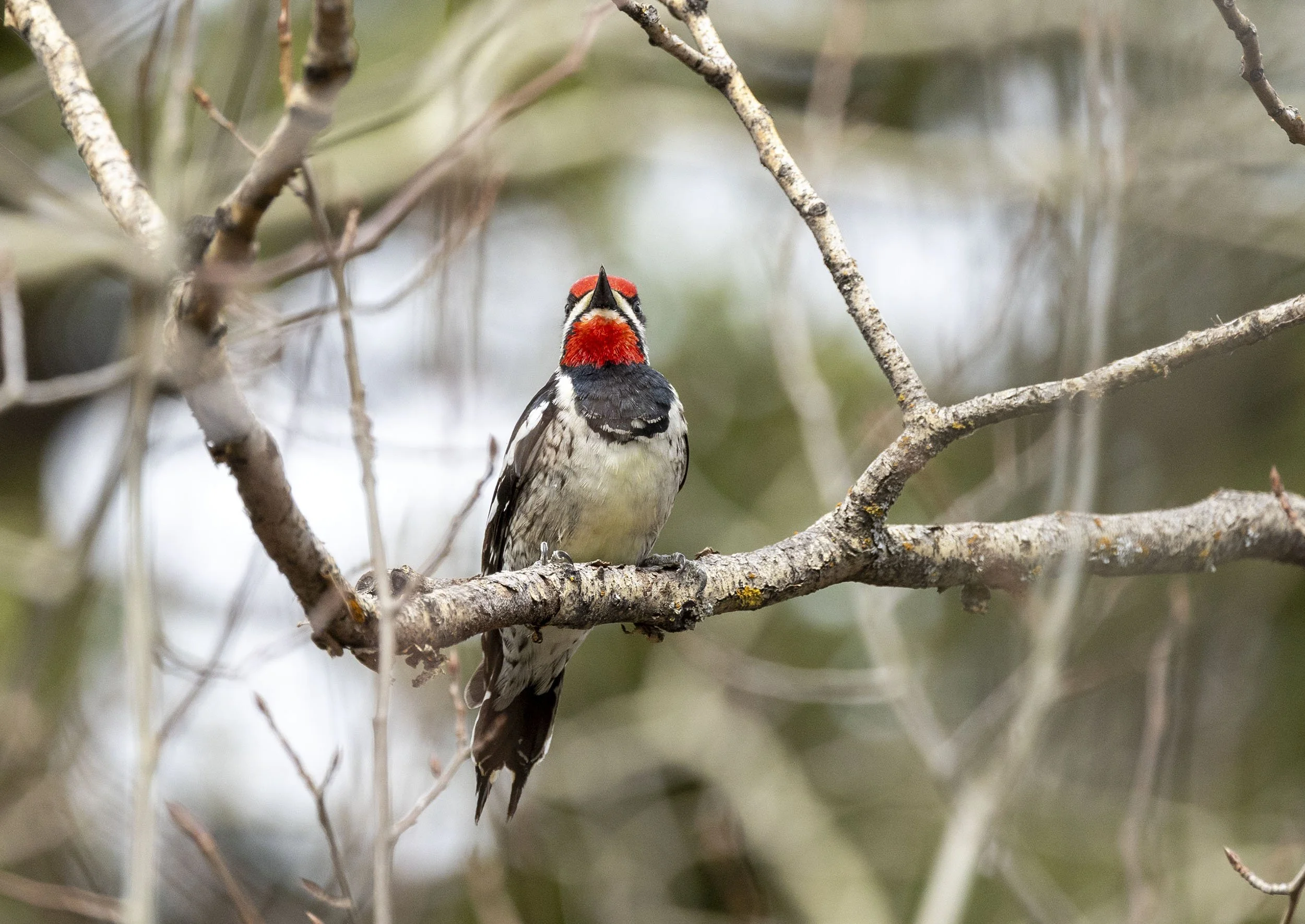
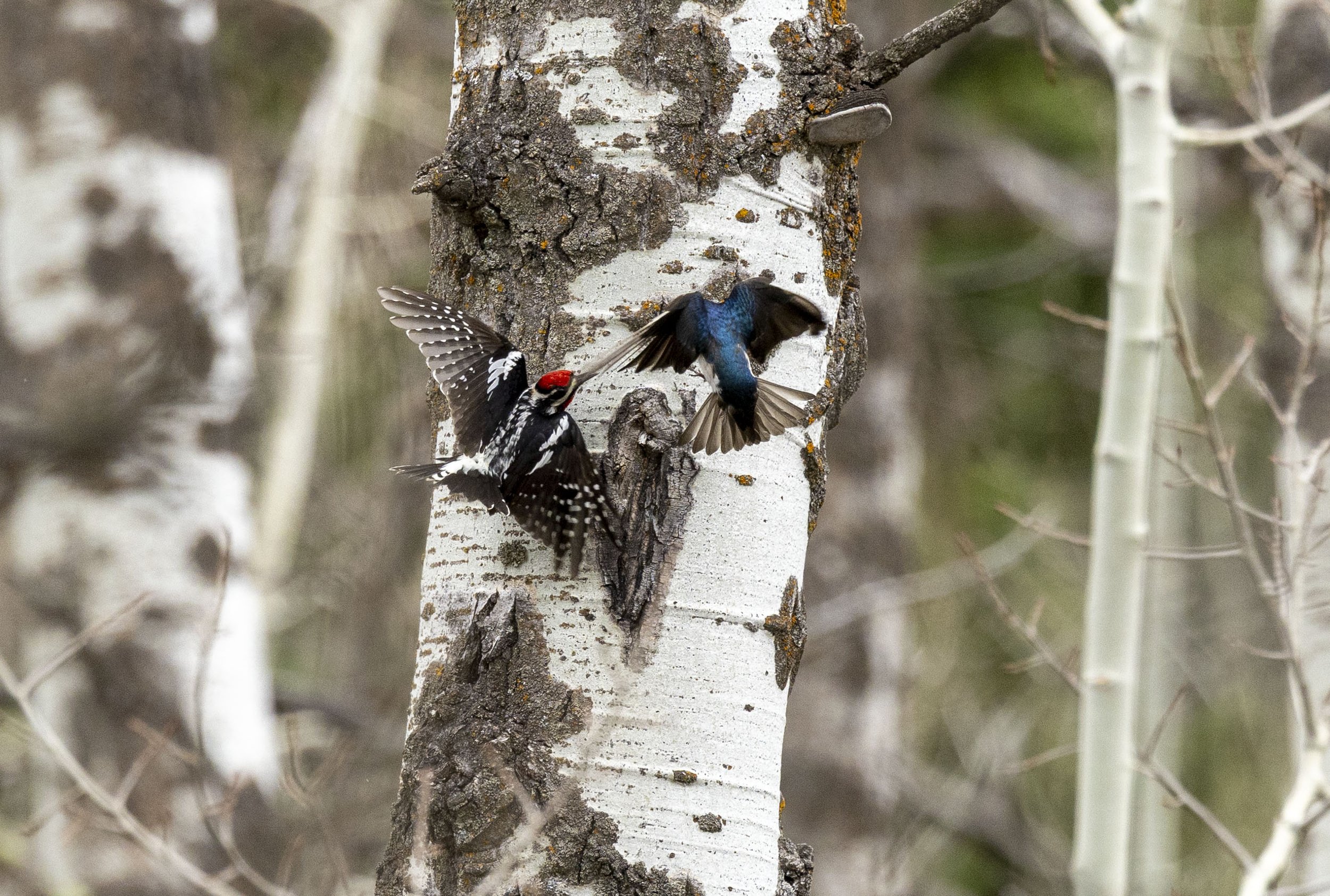
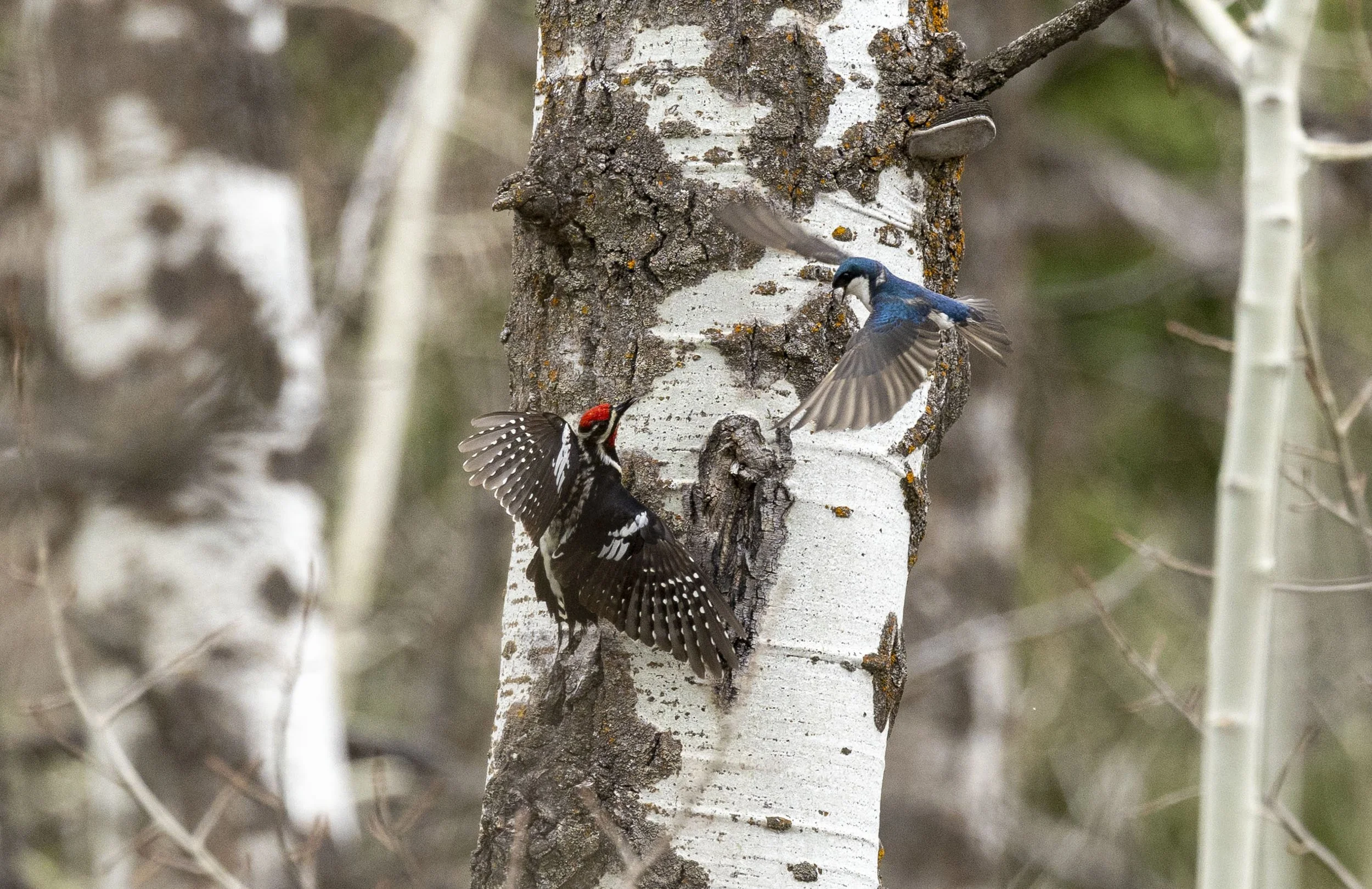
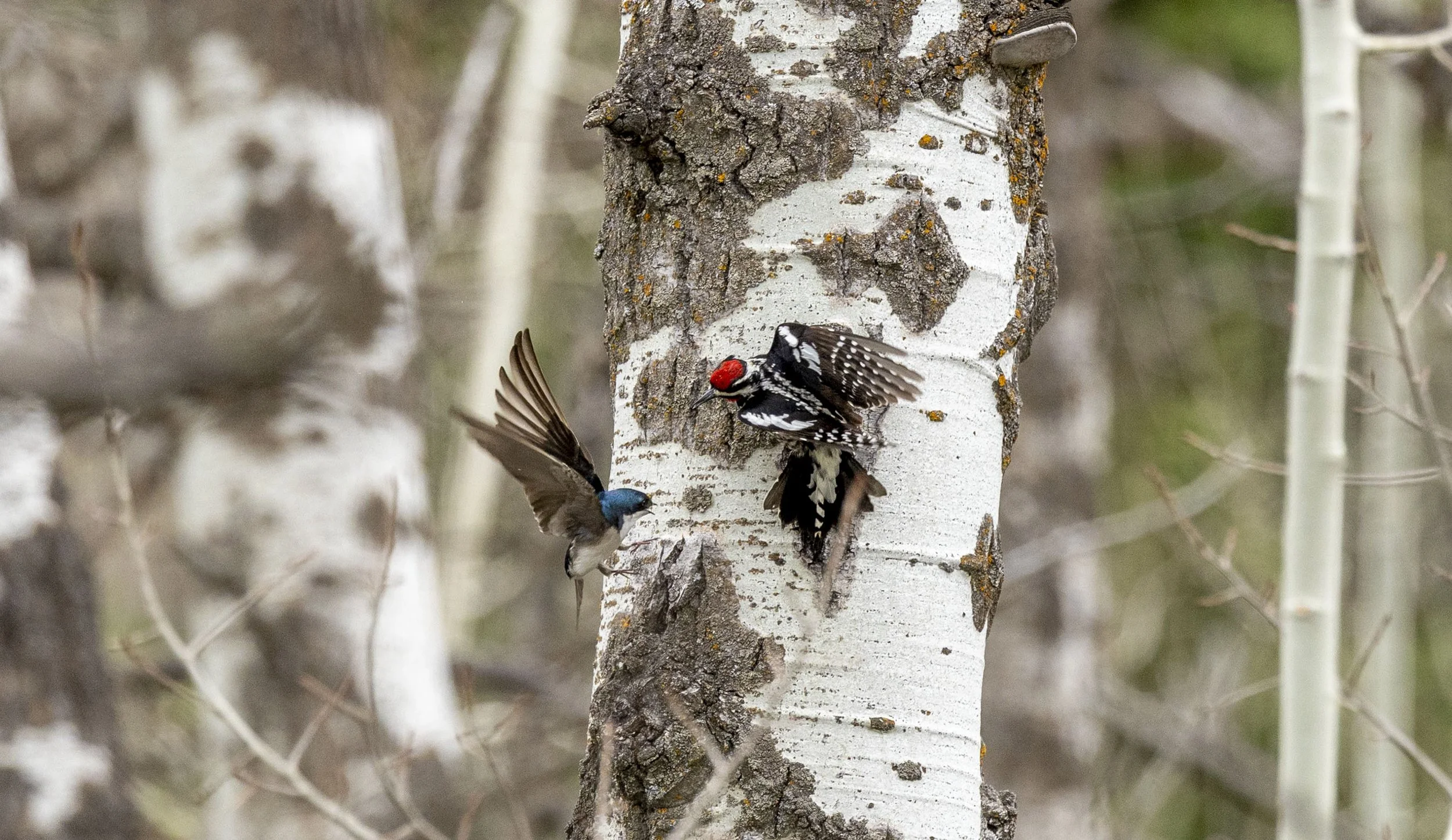
Battle with a Tree Swallow
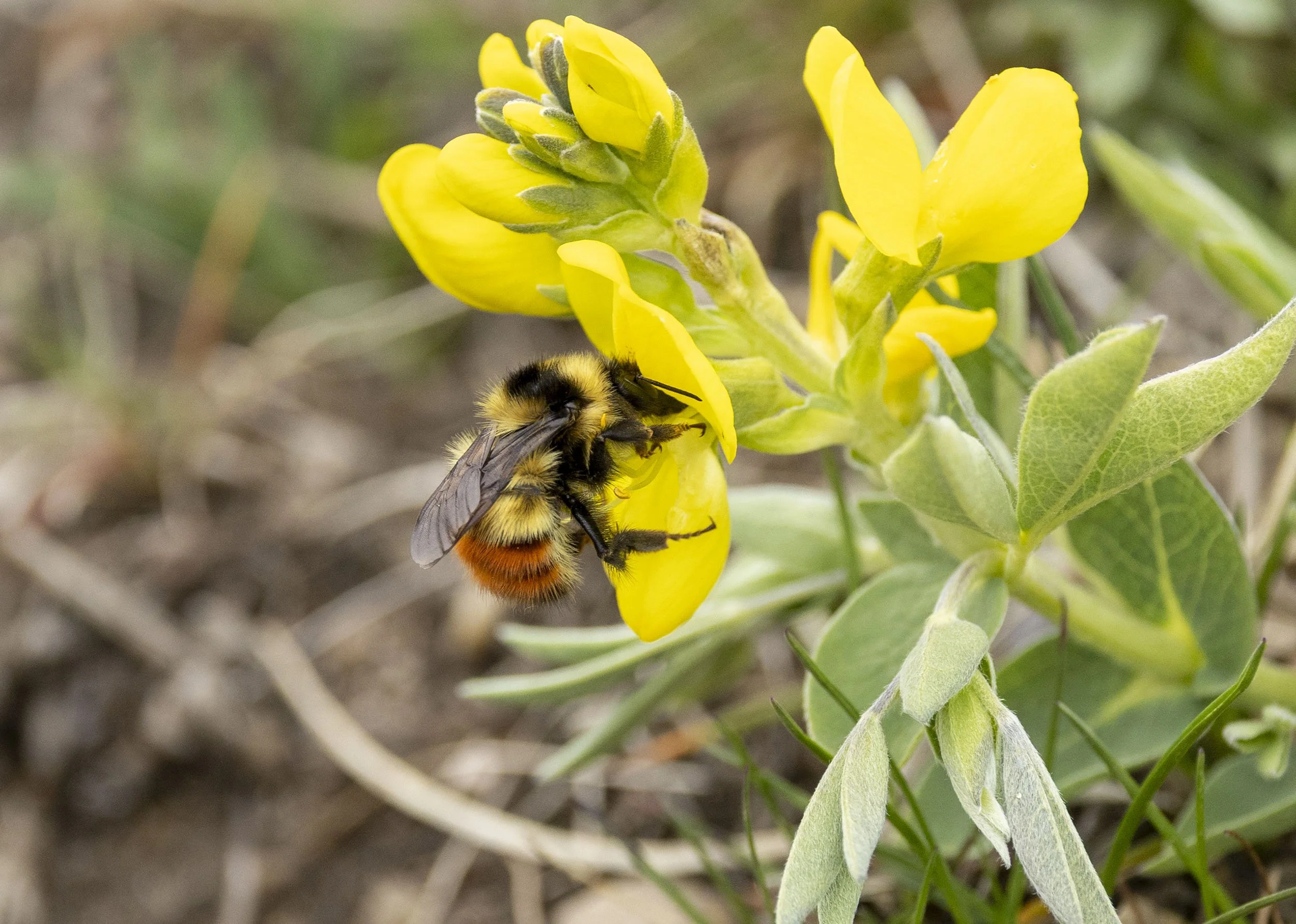
Another smart bee which appears to be the Great Basin Bumble Bee
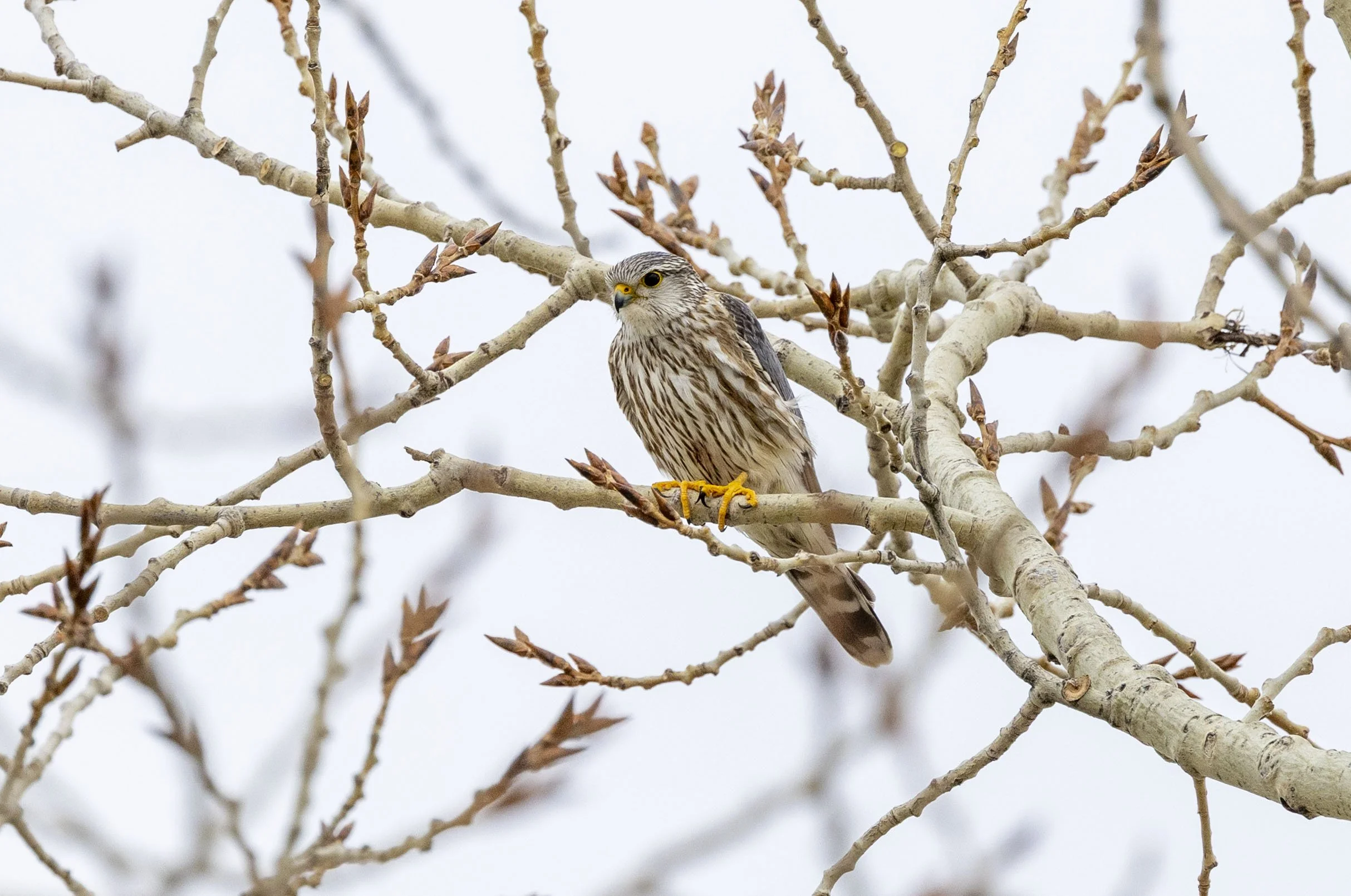
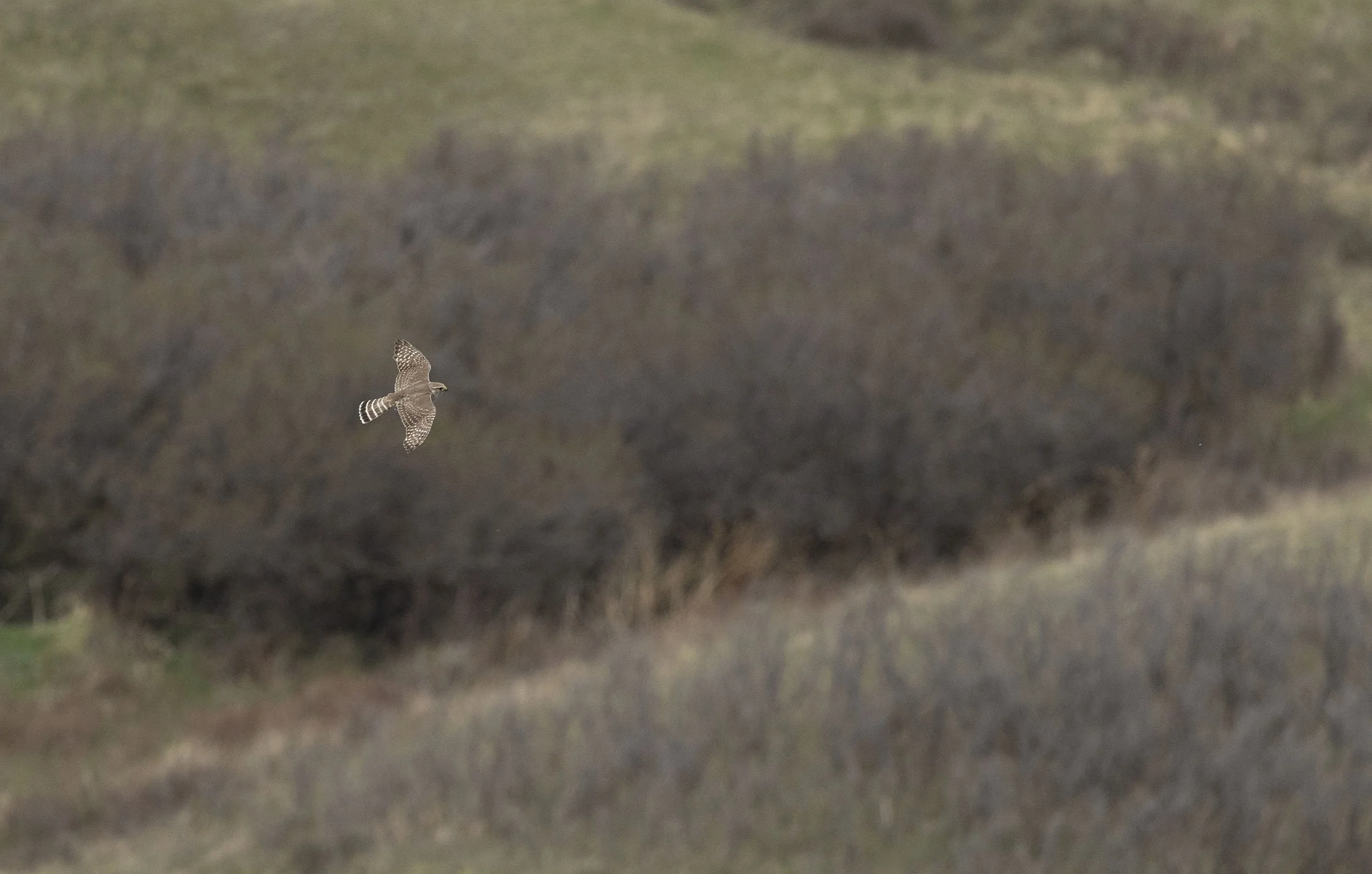
A pair of Prairie Merlins had a territory and appeared to be goping to nest in trees at one end fo the camping area - this was the rather vociferous male both were stunning birds
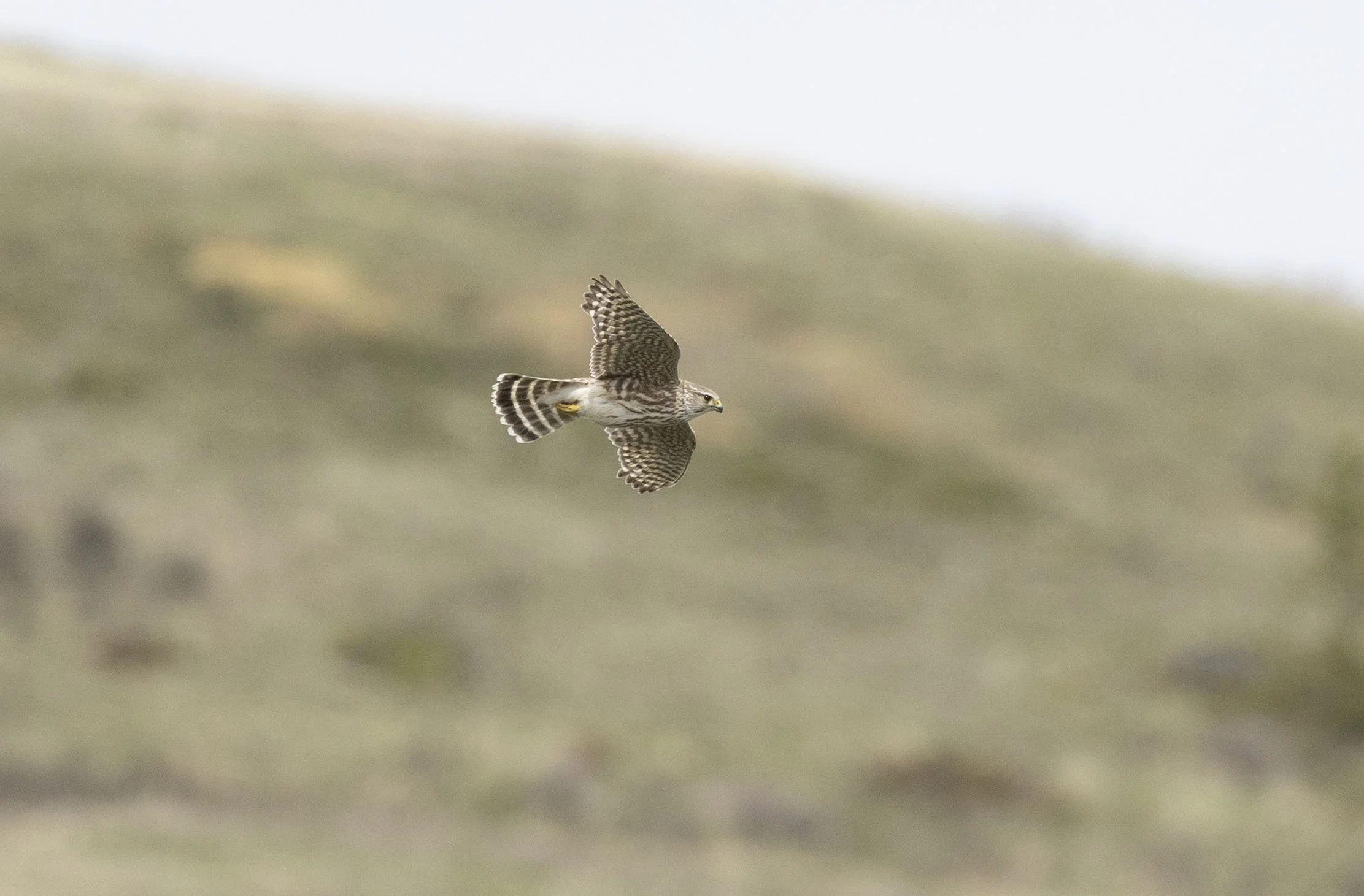
Female Prairie Merlin
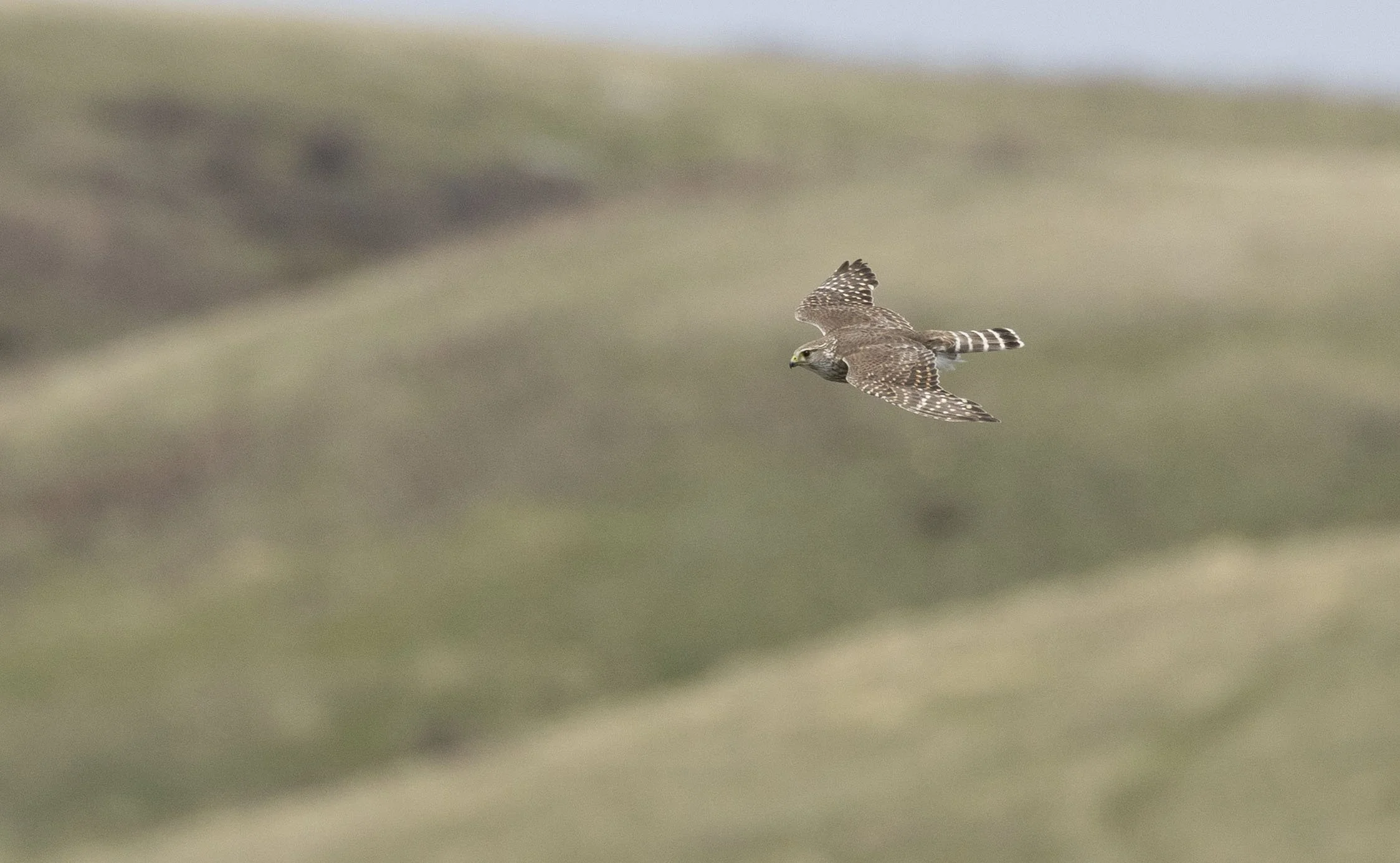
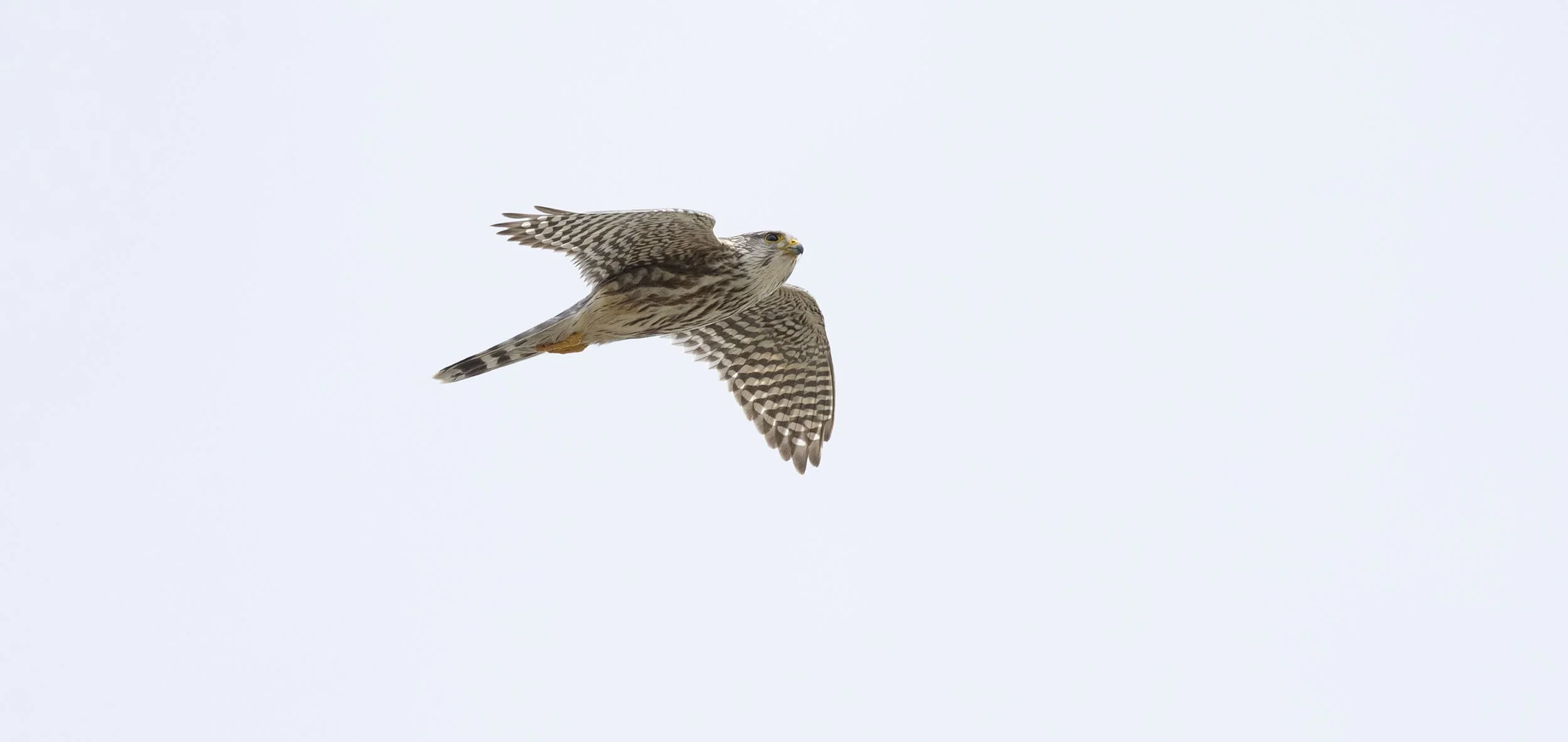
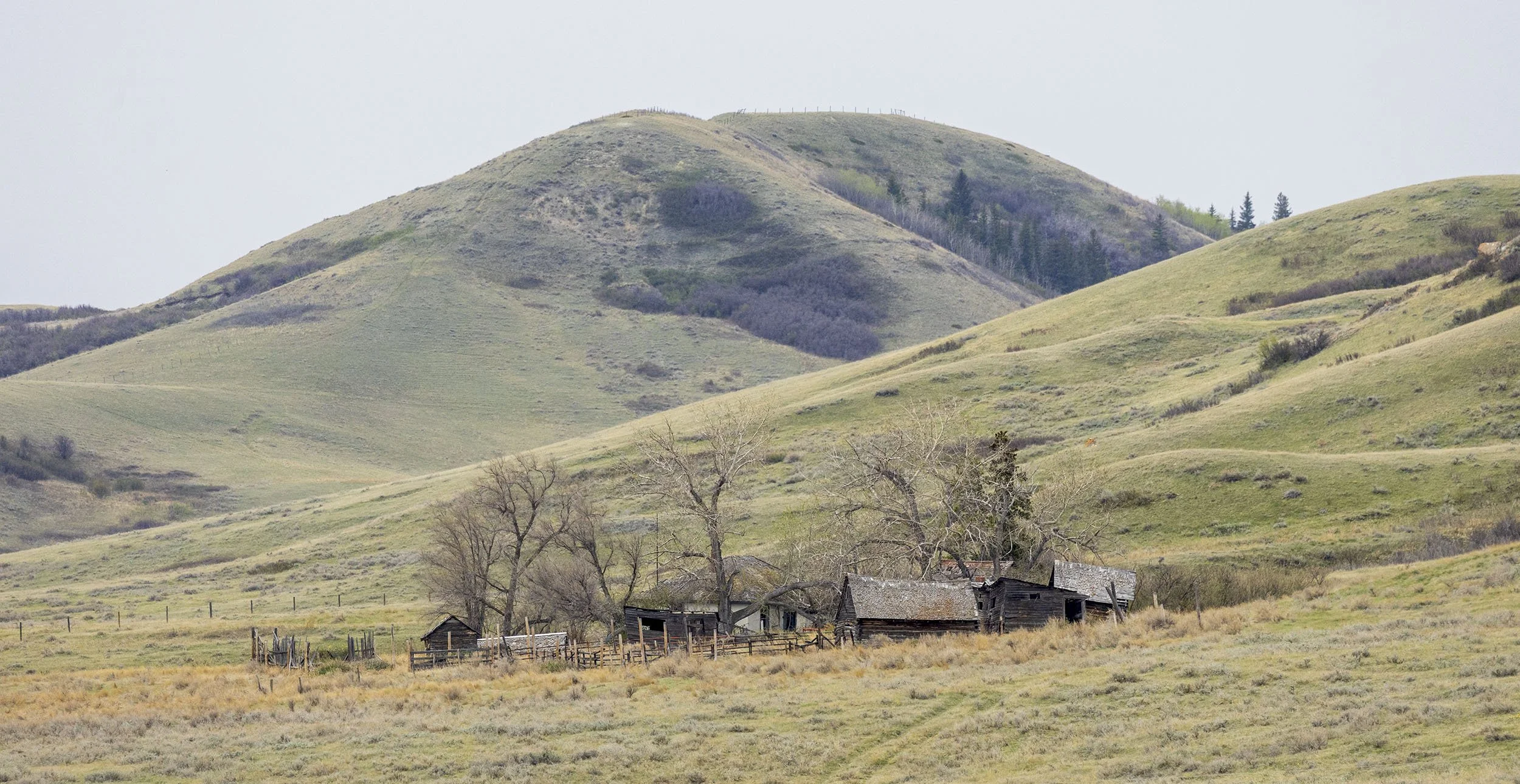
An abandoned farm in the Cypress Hills along Eagle Bluff Valley; birds from the road included Swainsons Hawk, Red tailed Hawk, Mountain Bluebird 10+ and American Kestrel
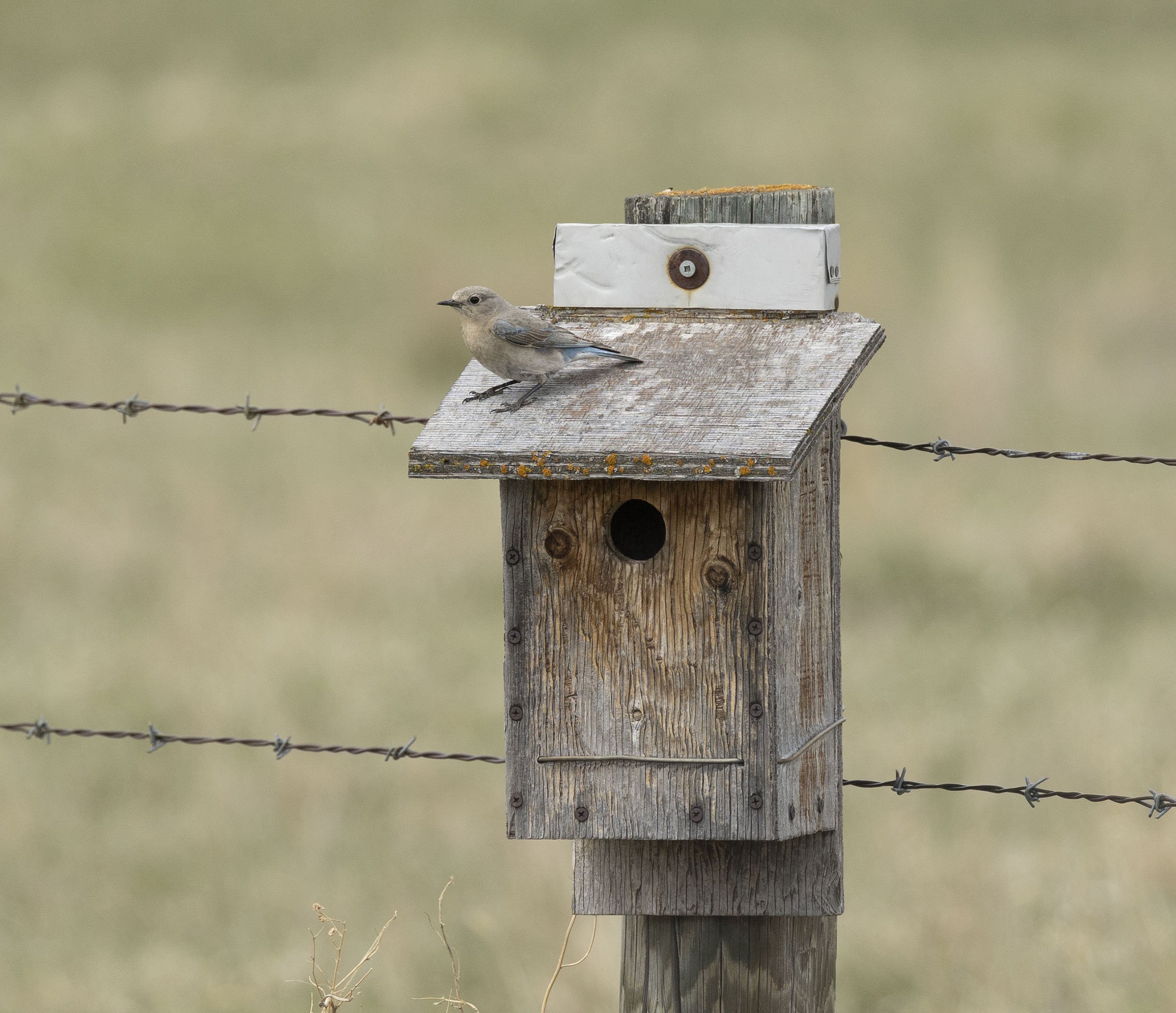
Female Mountain Bluebird on a nest box
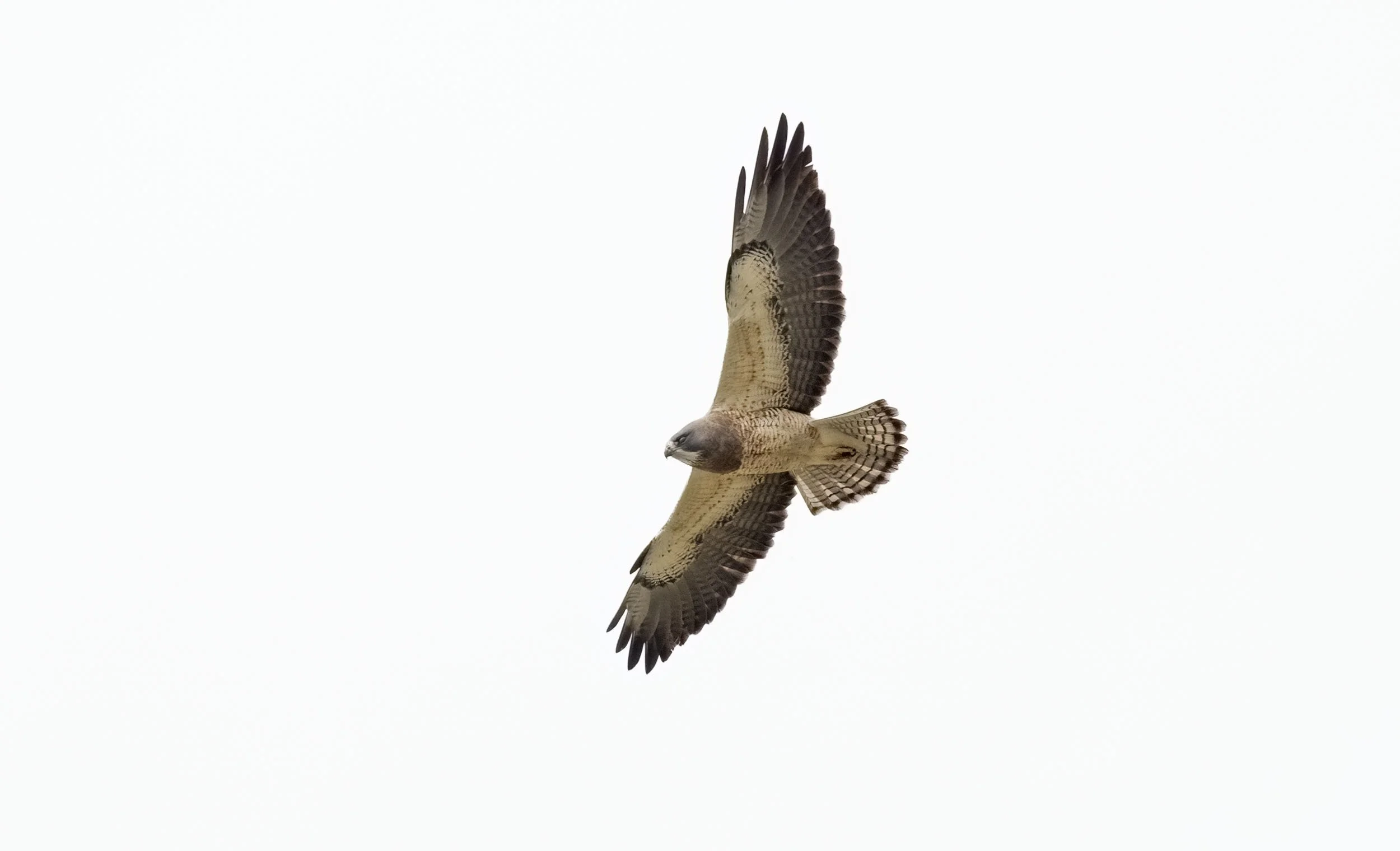
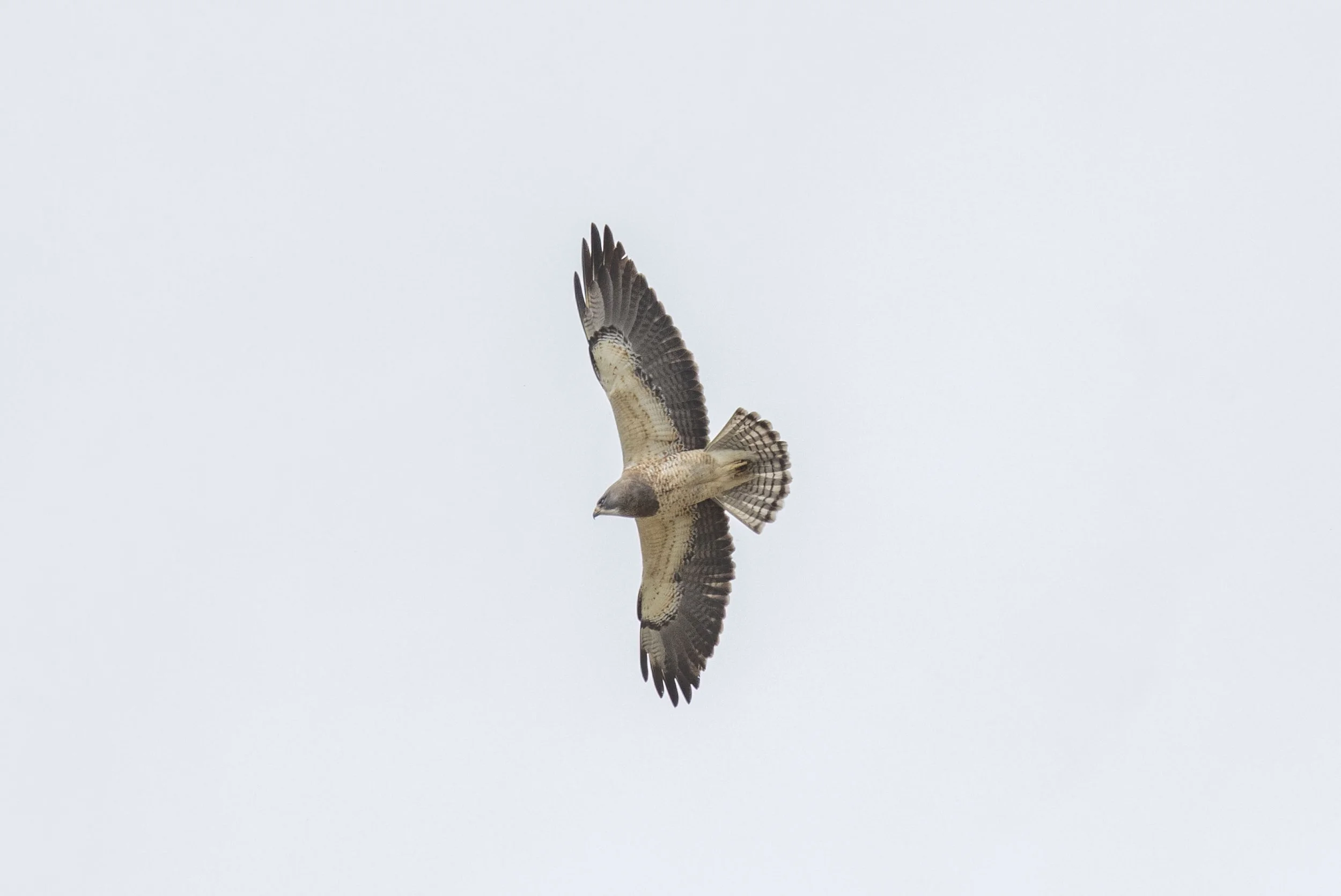
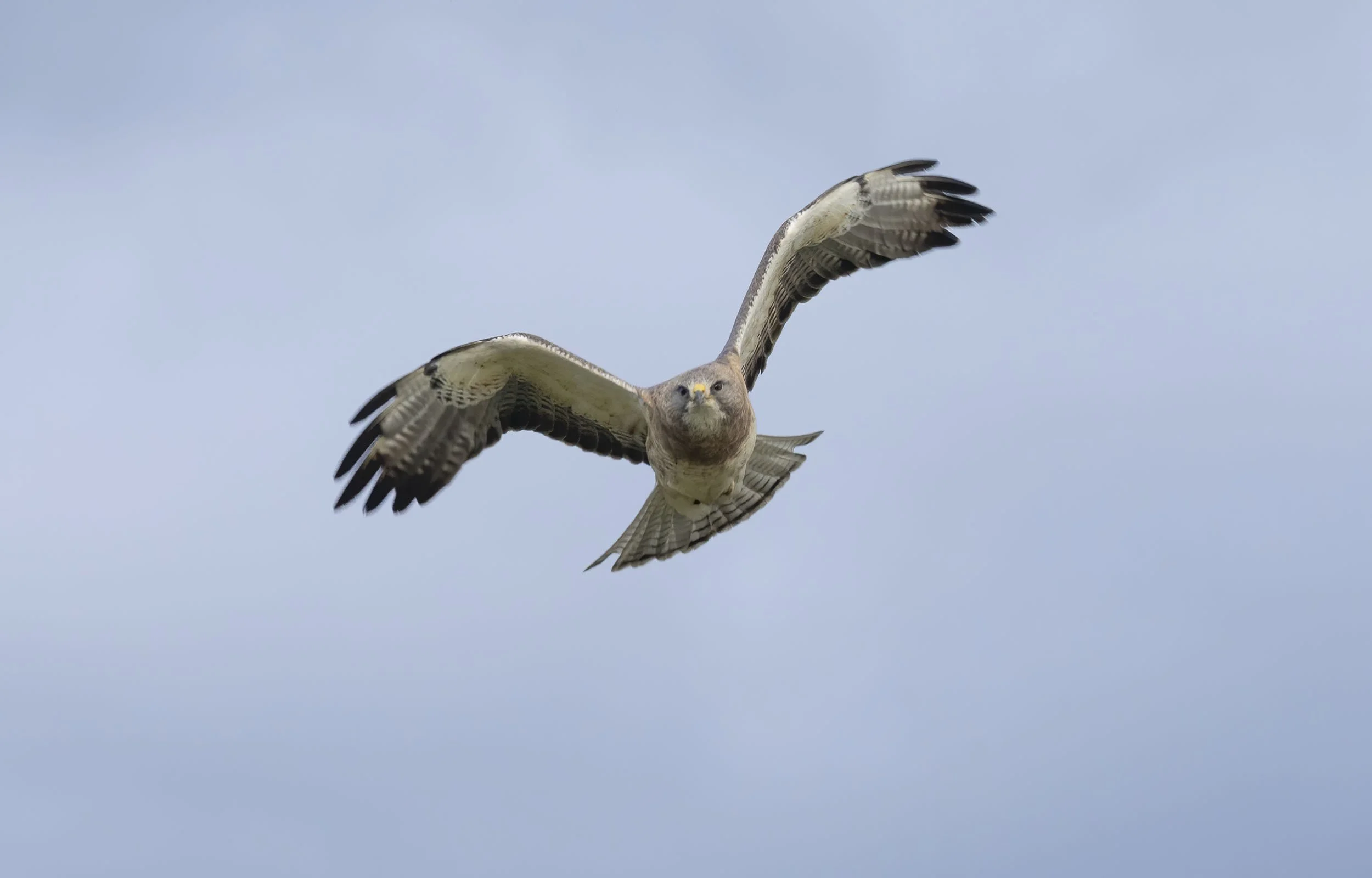
A slightly darker pale morph Swainson’s Hawk
Walked the Coulee Trail in Medicine Hat before the rain arrived in the evening: a few birds Yellow Warbler 2, House Finch male and some Rough-winged Swallows
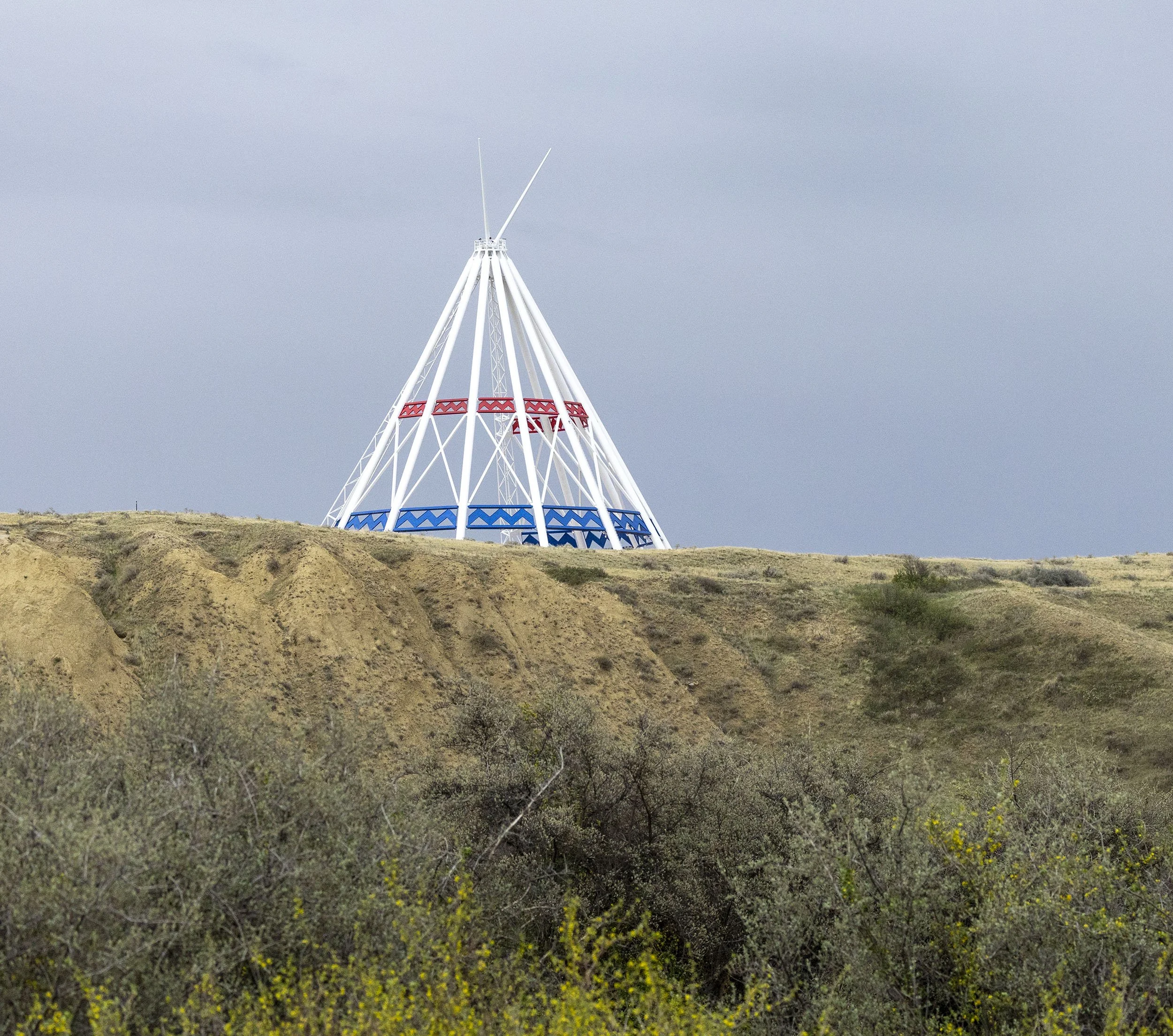
The worlds tallest Tepee in Medicine Hat (so you are told)
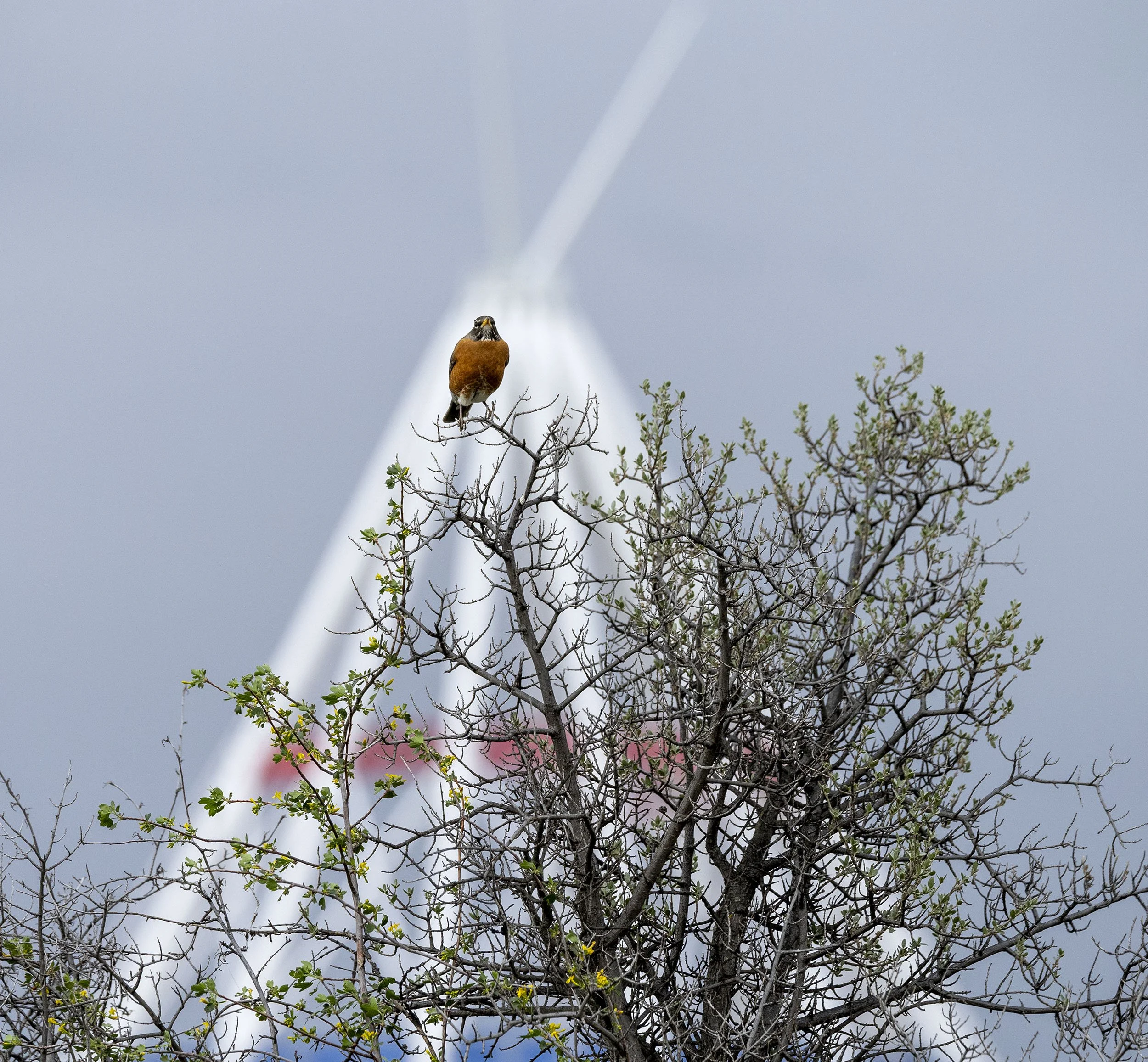
American Robin against the Tepee
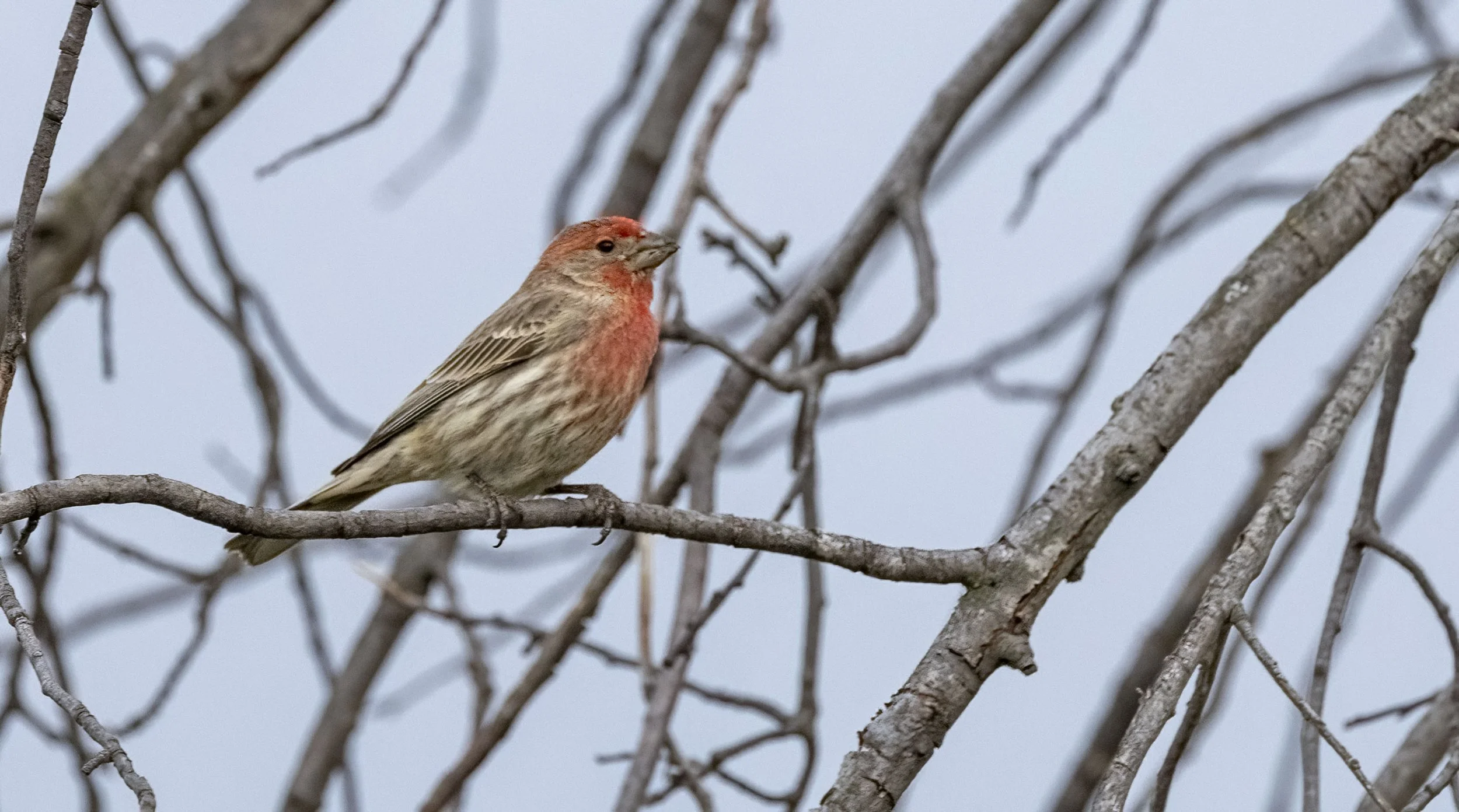
Male House Finch from the Hat Coulee trail
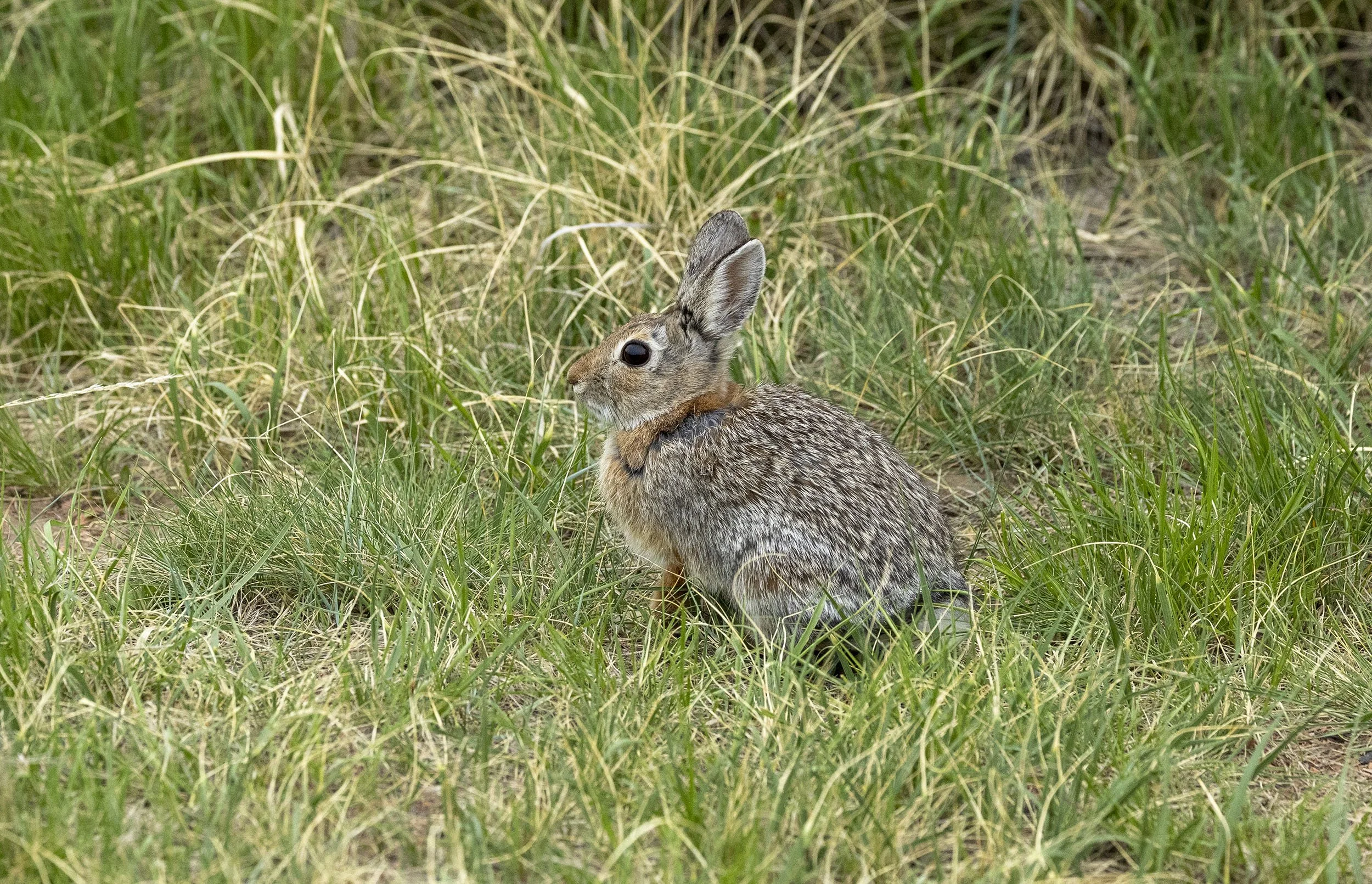
Mountain Cottontail also from the Coulee trail
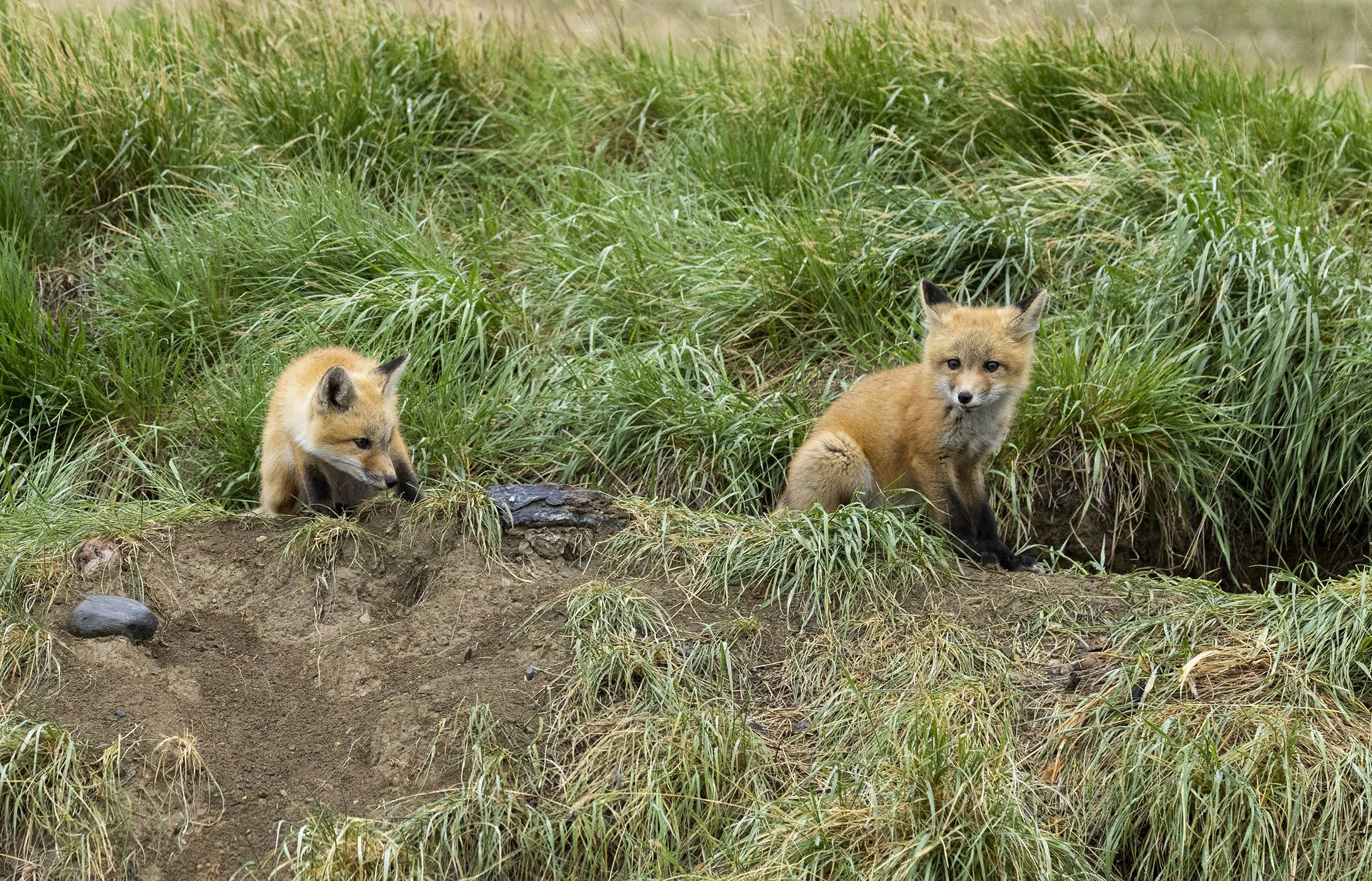
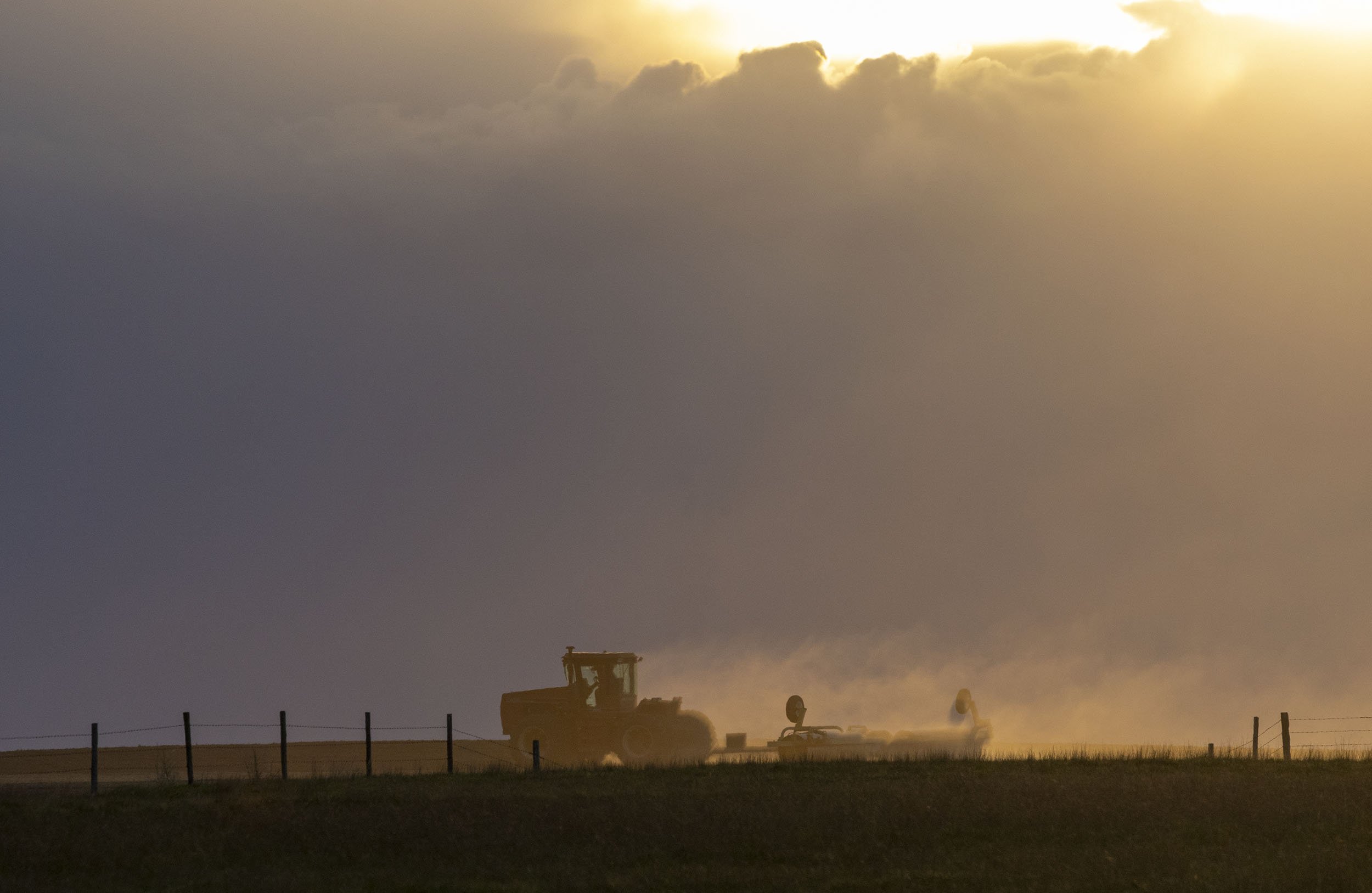
Driving back from dinner in Medicine Hat we kept passing a blue sign to Echo Park 2kms - intrigued (I had failed to look in the Bird Finding Guide) we set off but the road was blocked by a huge tractor plough combo - so we about turned and Julia saw these three Red Fox cubs in a den right by the side of the road - Apparently a sub-species or race of our Red Fox but a proposed split - they were not interested in being split but were very cute — Vulpes vulpes fulva
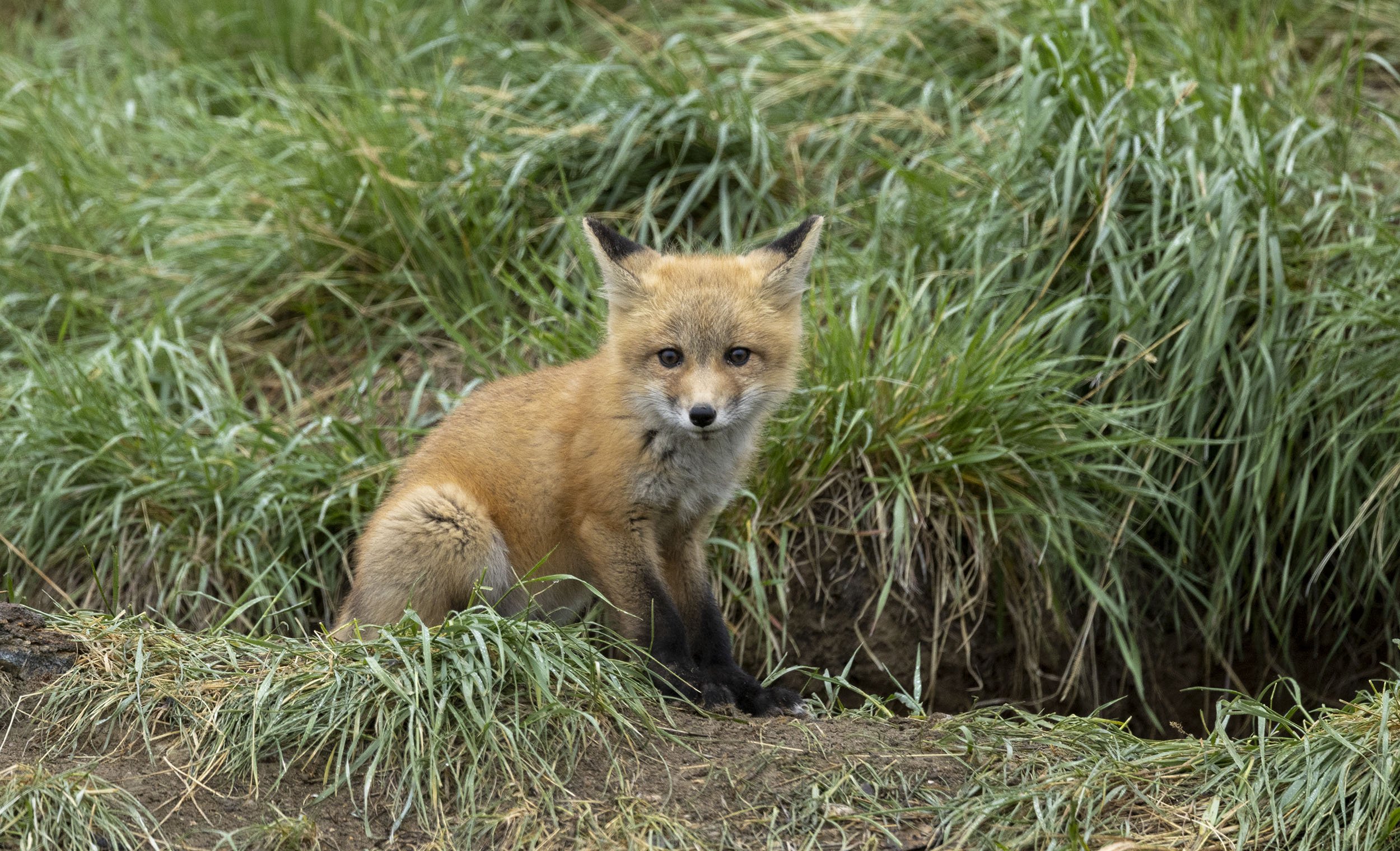
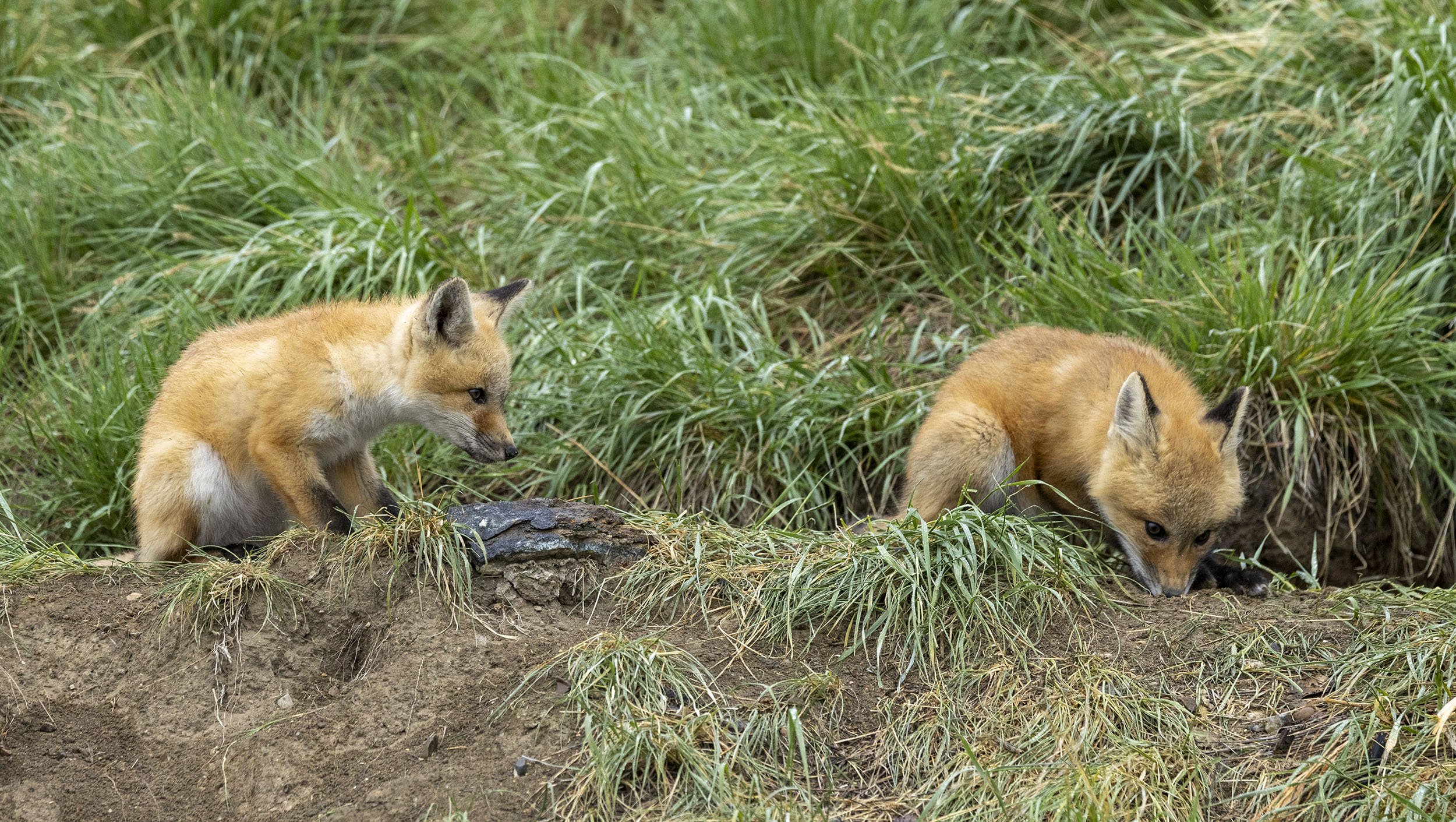
Just another example of the 100-500 lens being totally useful and the tool for the job where versatility is needed
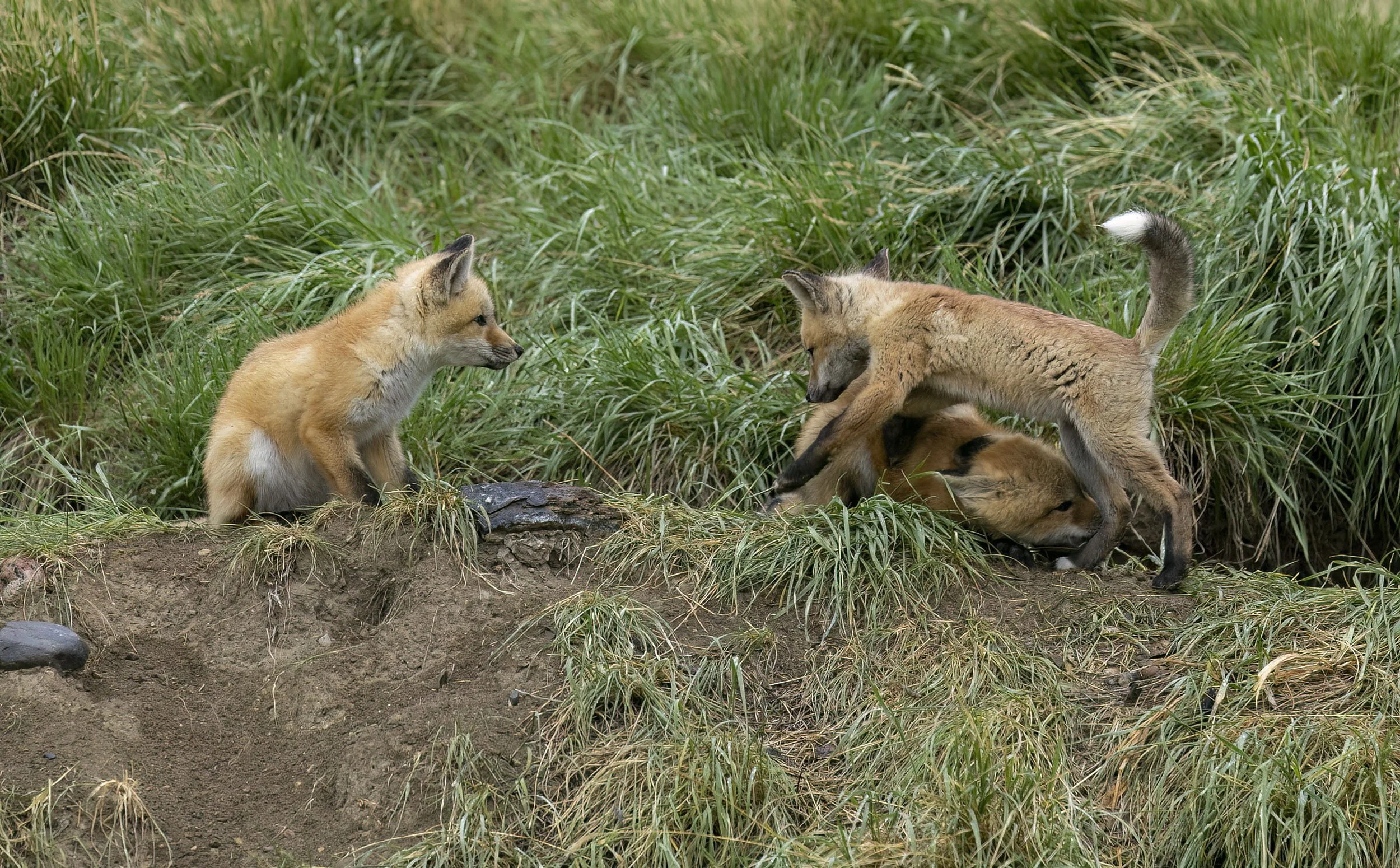
It was pretty dark when these were taken at 20:00
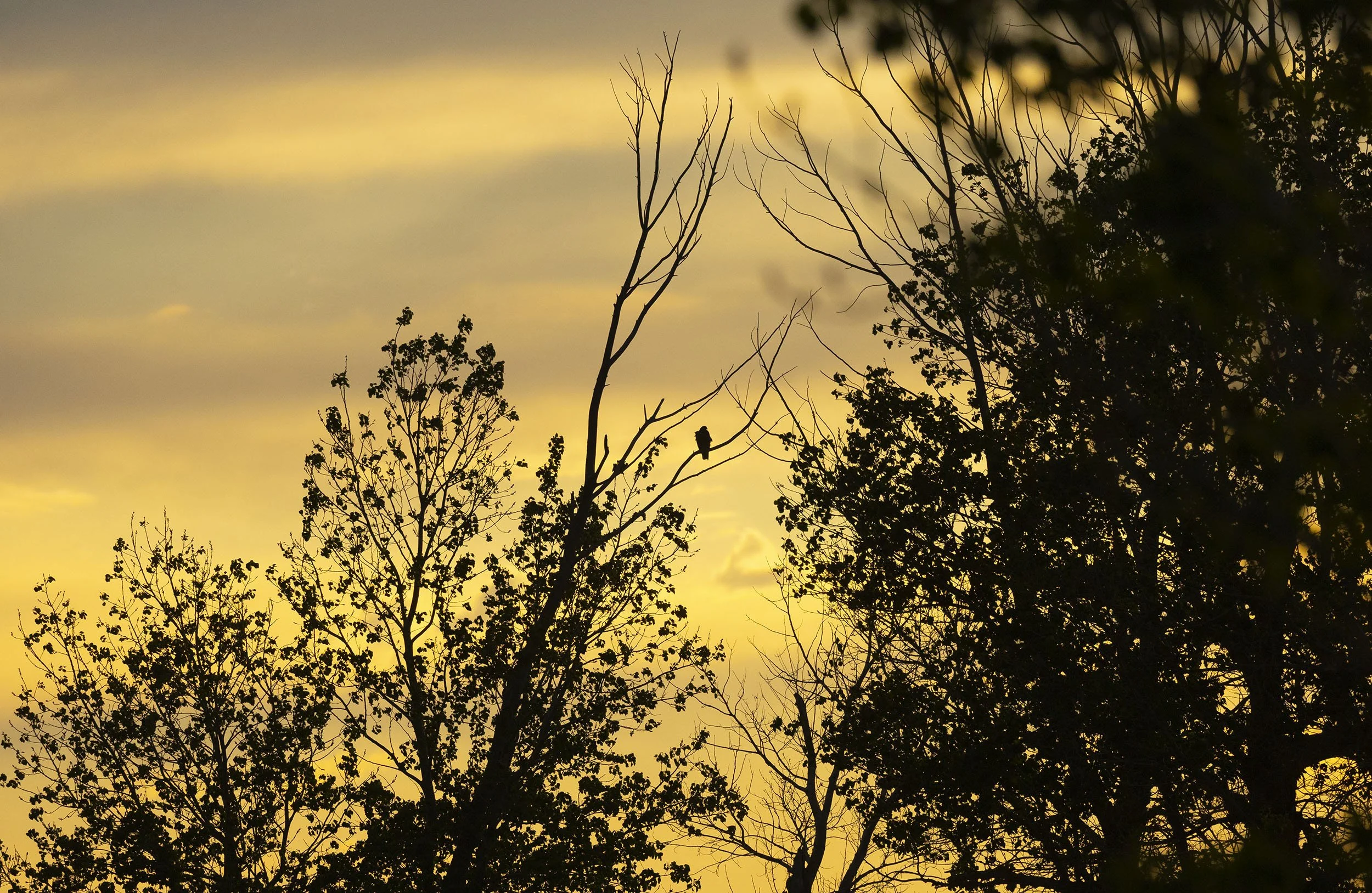
Swainson’s Hawk at sunset from the cottage
May 14th
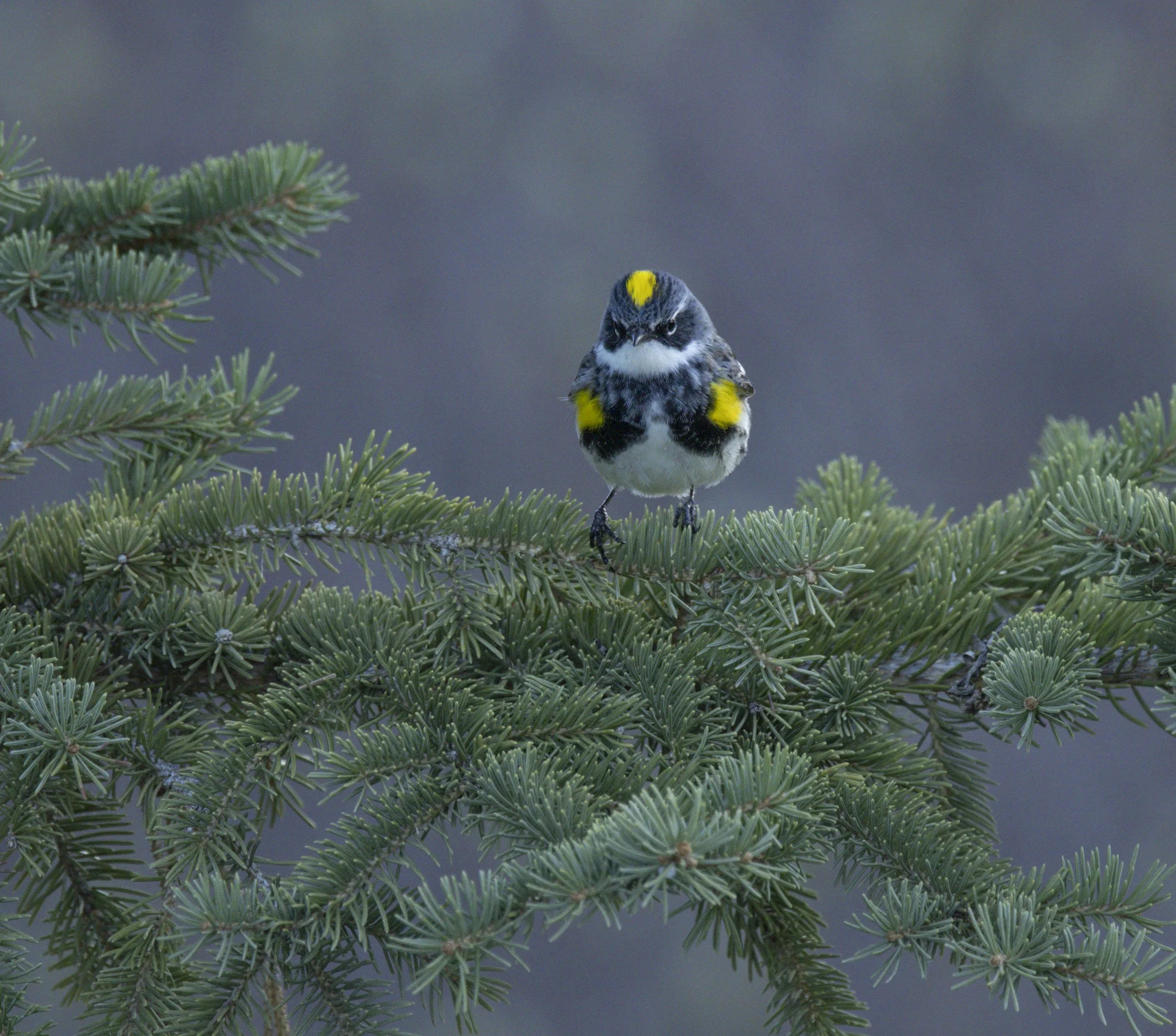
Overnight gales and rain still very windy all day with heavy showers. In the hope of a fall having occurred went back to Cypress Hills and Elkwater but it had not occurred though there were still some notable encounters. After some food at the café we wandered back to Medicine Hat for some cultural time and a coffee then walked the Strathcona Park Coulee Trail in increasing heat. Birds at Elkwater; Coopers Hawk, Tennessee Warbler, Myrtle and on Audubon’s Warbler, Yellow Warbler, Least Flycatcher, two White-winged Scoter, Canvasback two on the same pool, Downy Woodpecker, Song Sparrow oddly the first of the trip, Spotted Sandpiper and 50+ Chipping Sparrows. Plus a Red Squirrel.
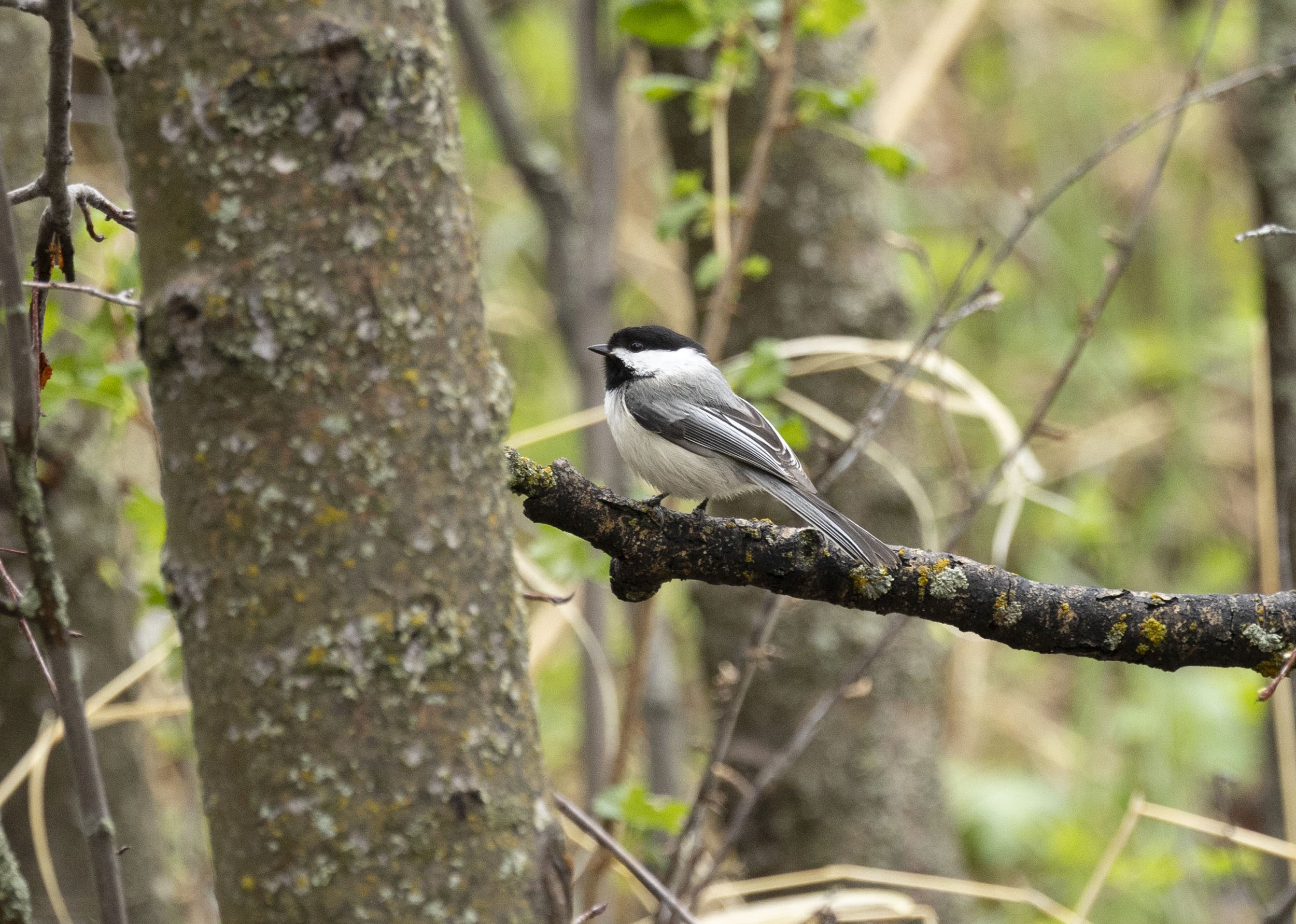
Obligatory Black-capped Chickadee
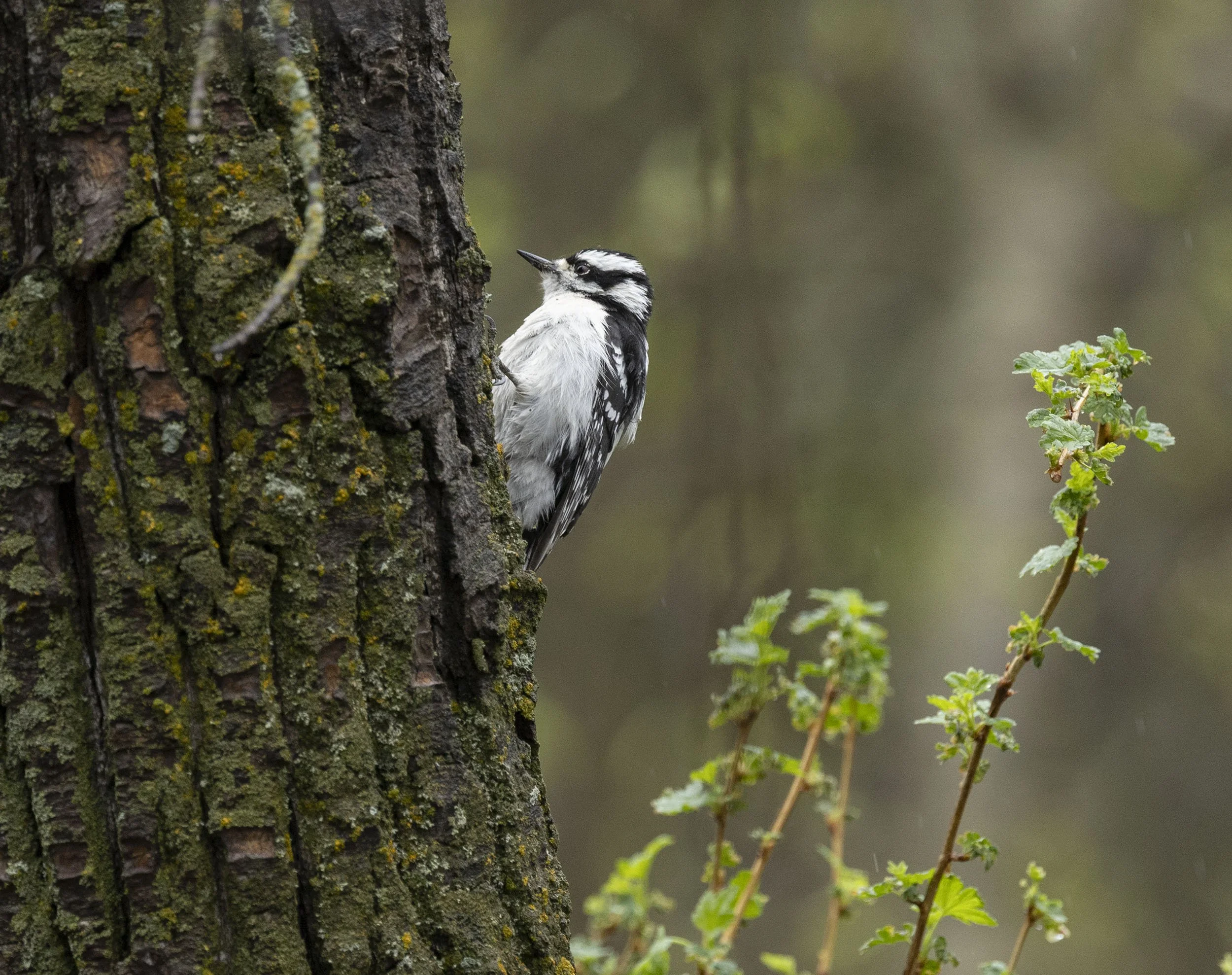
Female Downy Woodpecker
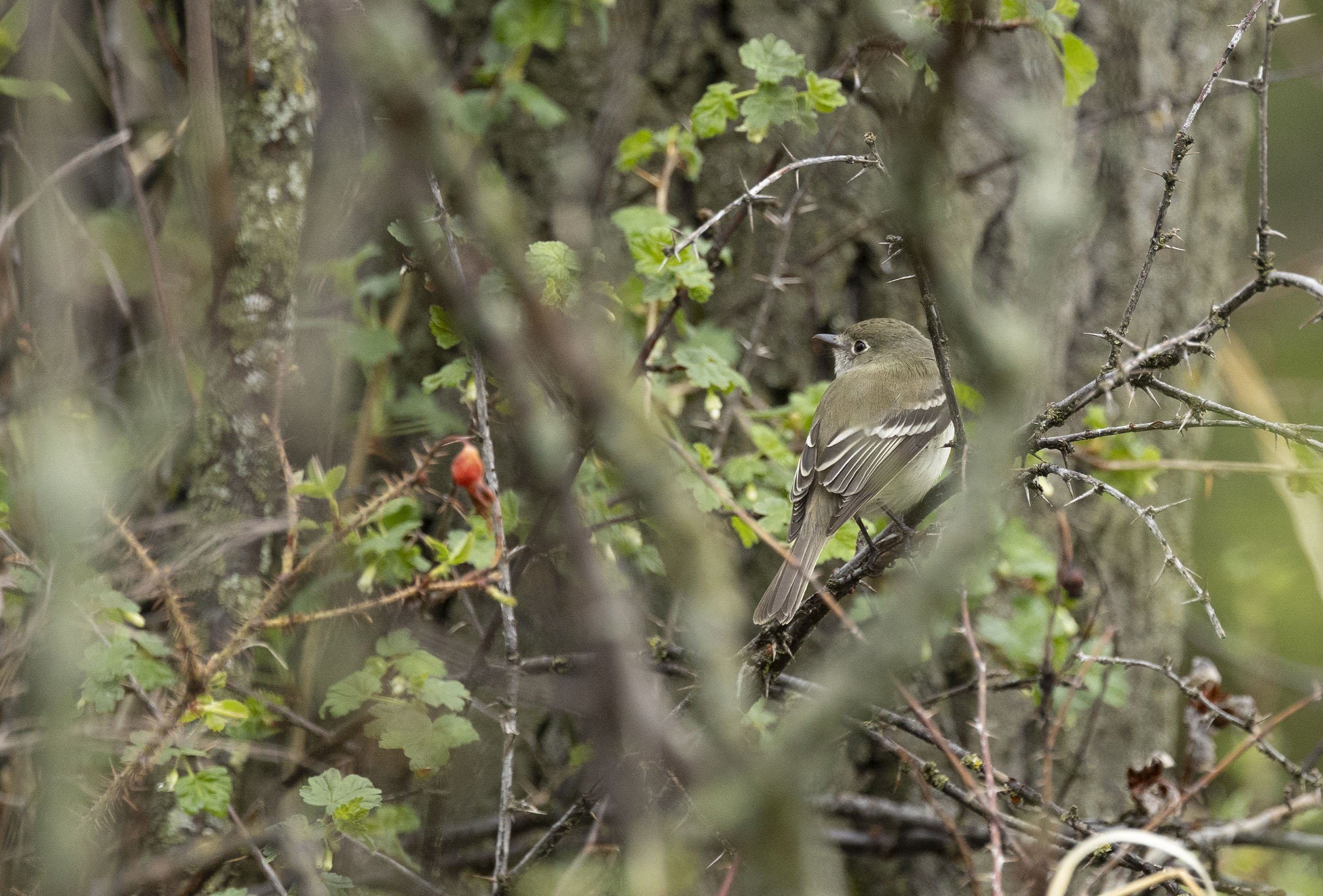
Least Flycatcher
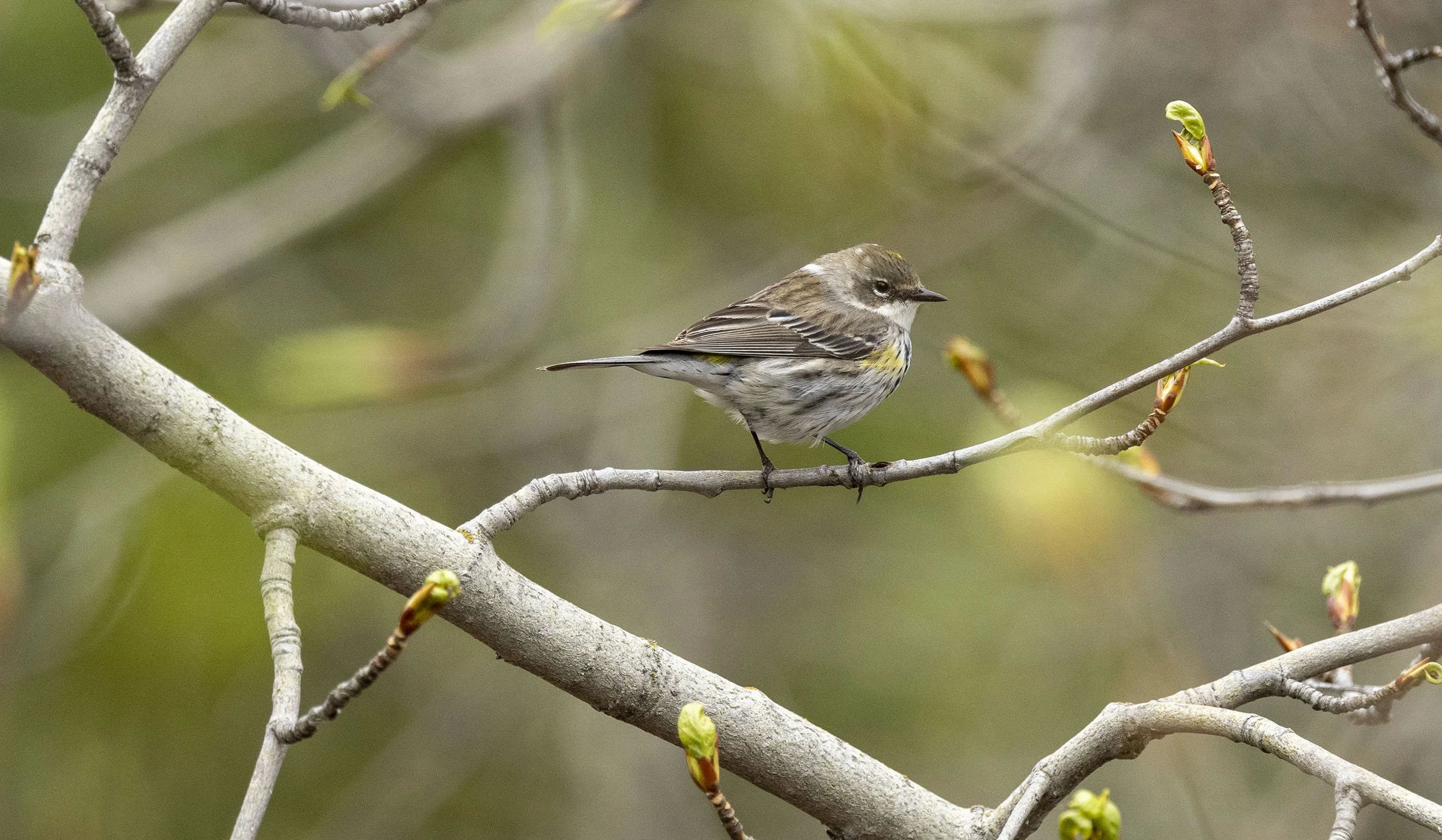
Not the brightest of Myrtle Warblers presumably a 2cy
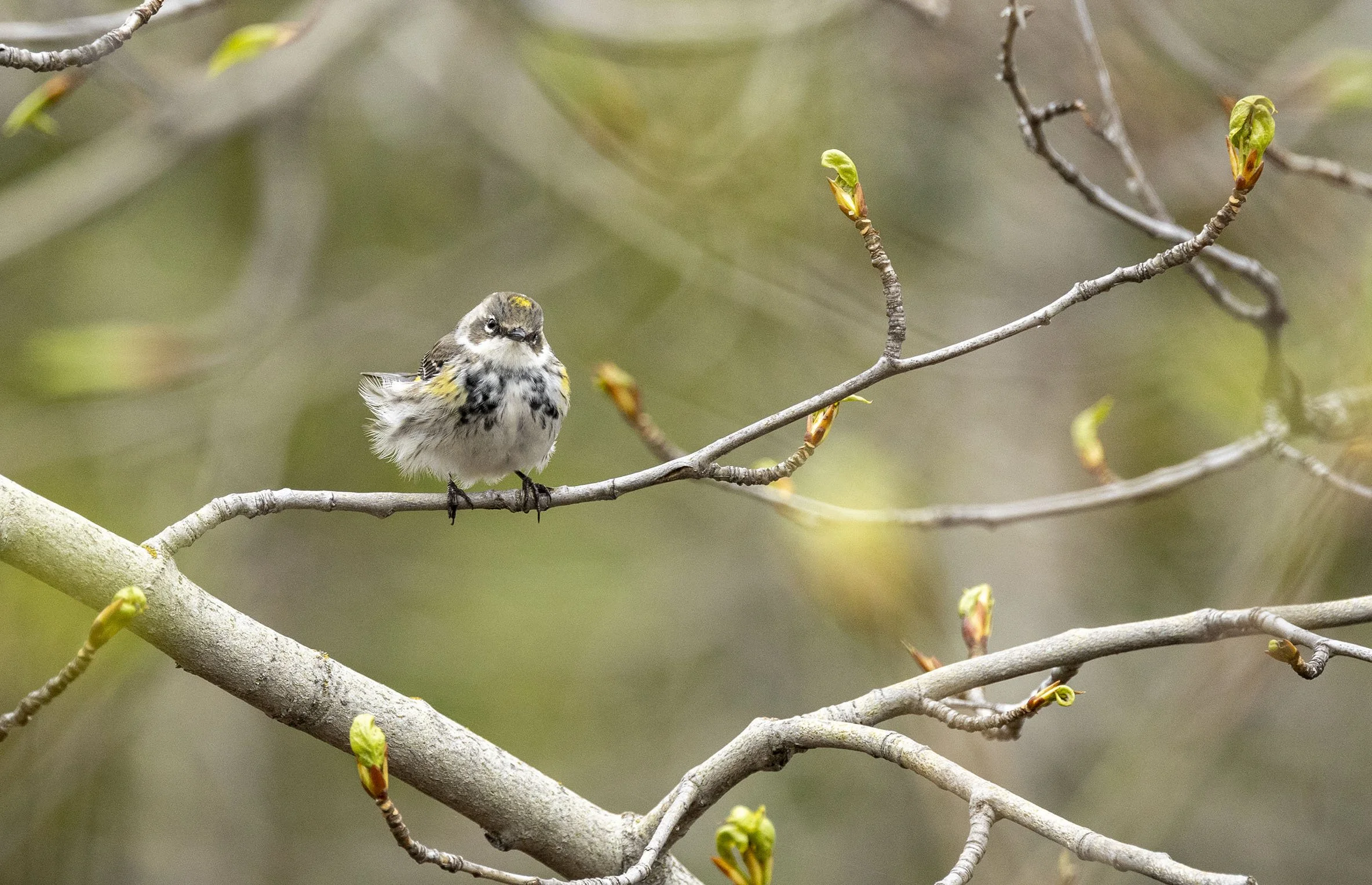
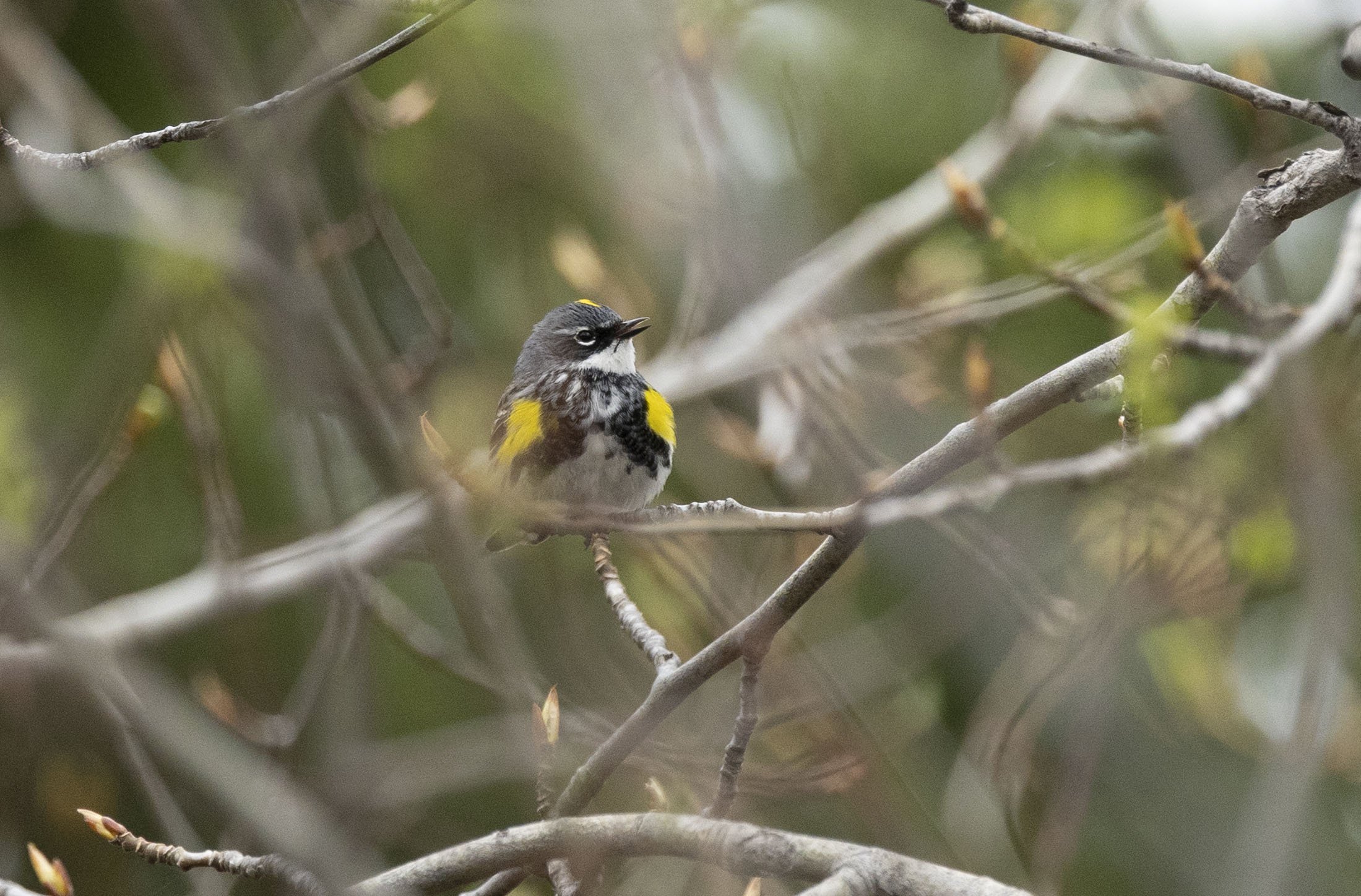
A brighter songster
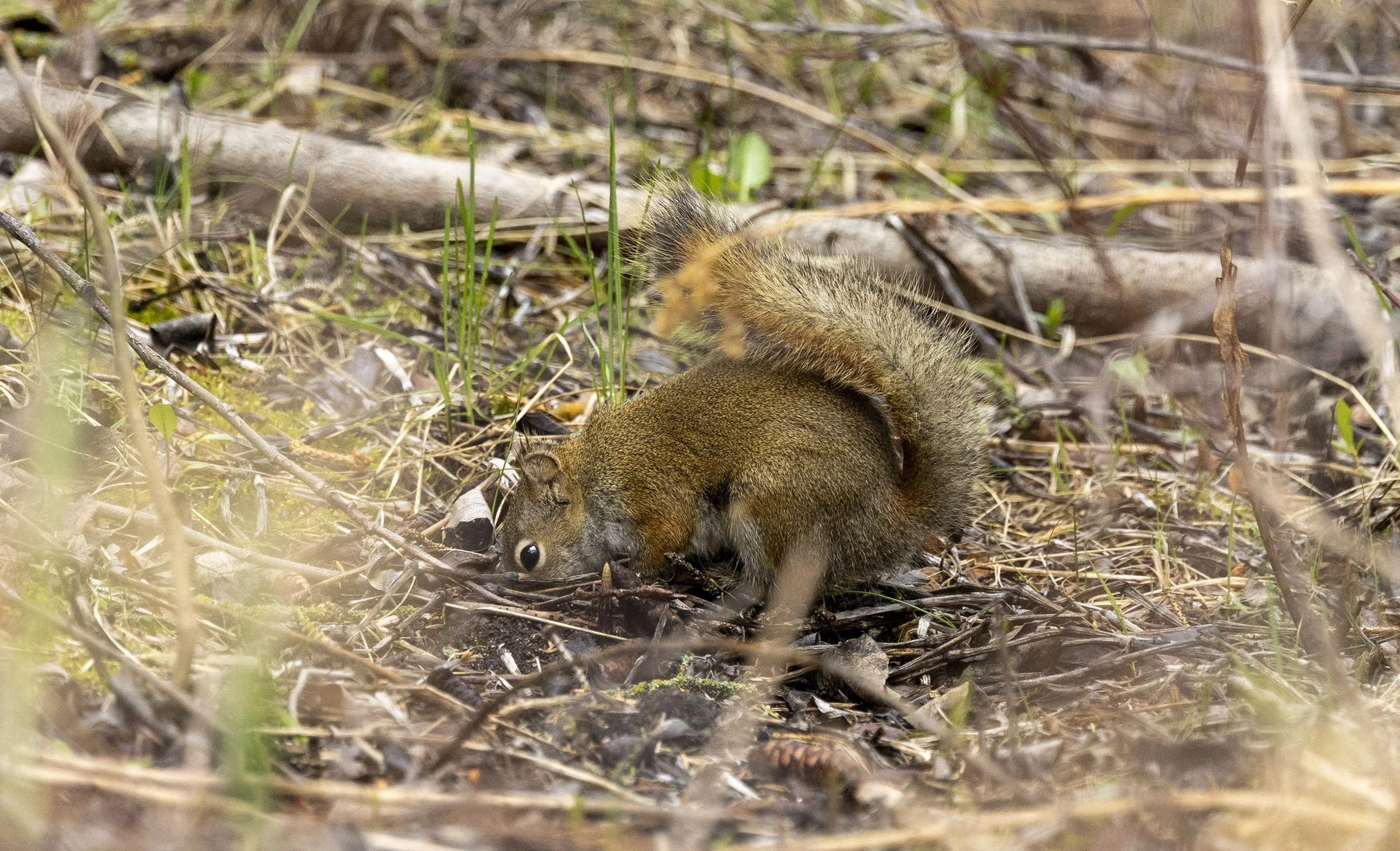
Not the best shot of an Canadian Red Squirrel
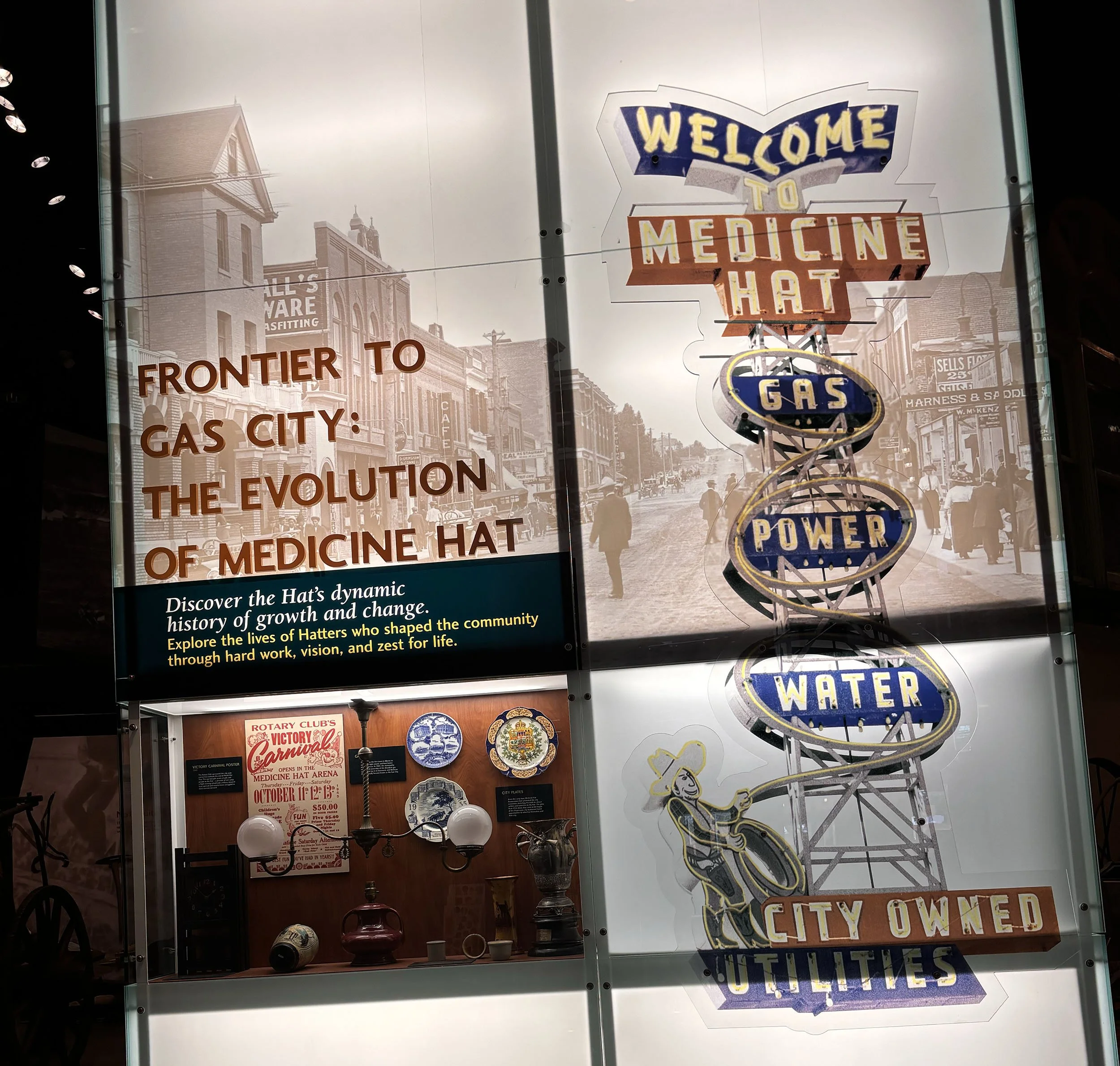
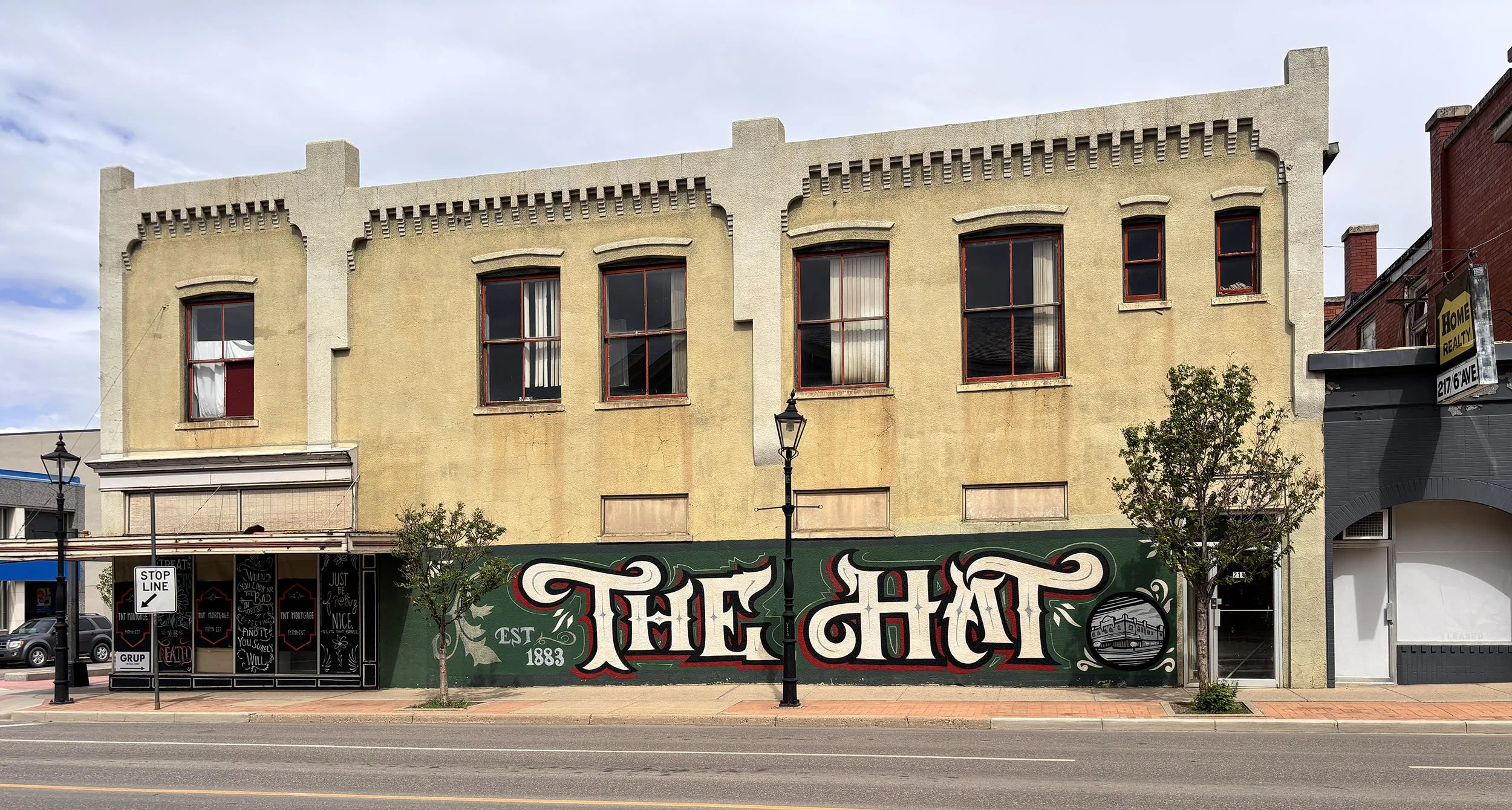
Always odd in Canada that history is little more than 100 years old as they mainly consider European Canadian presence as history
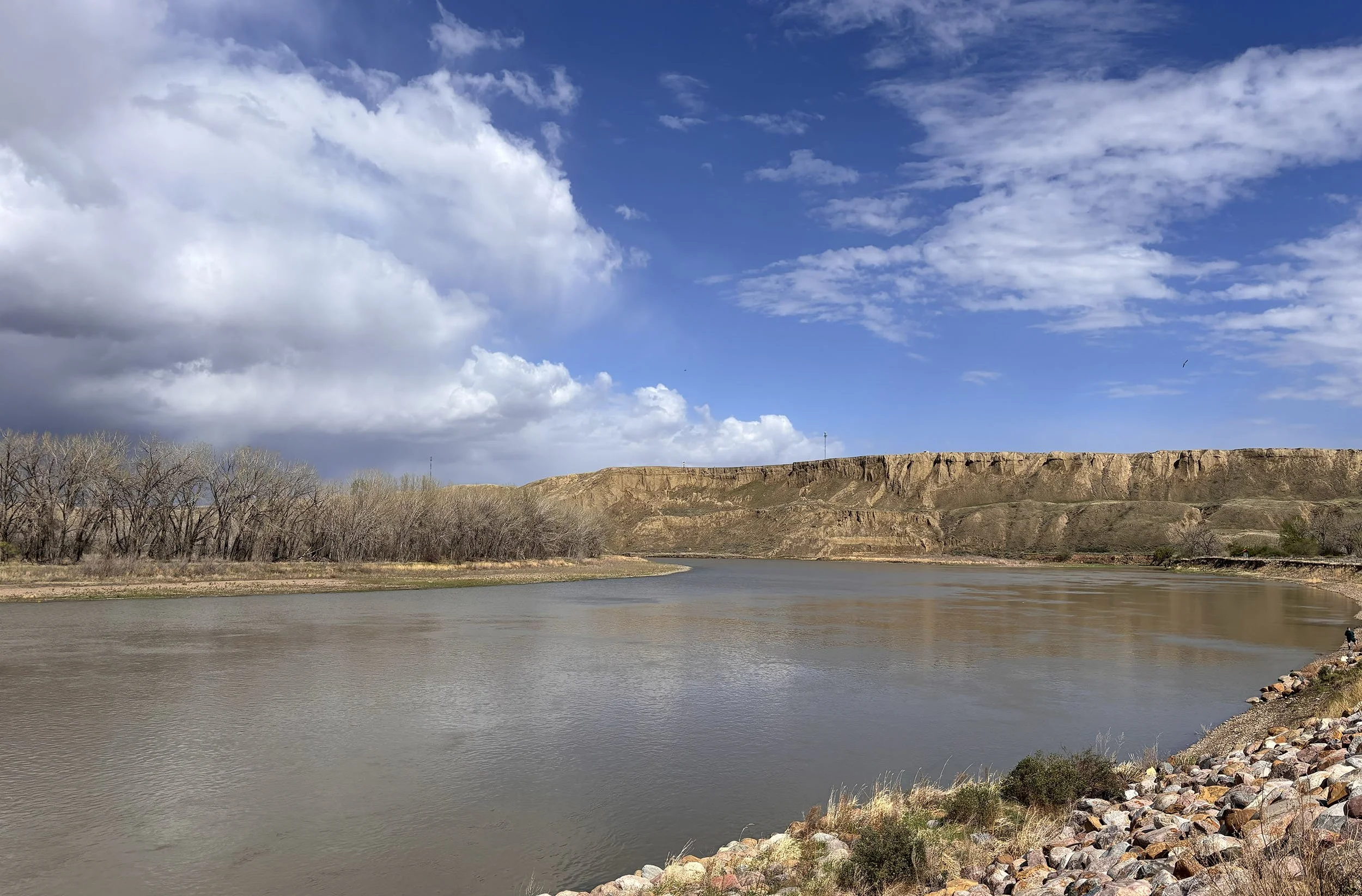
Medicine Hat Strathcona Coulee trail along the River - Broad winged Hawk 1, Forster’s Tern 8, Belted Kingfisher, Clay coloured Sparrows in song, Northern Rough winged Swallow, Yellow Warbler, Yellow rumped warbler, Turkey Vulture and White Pelican
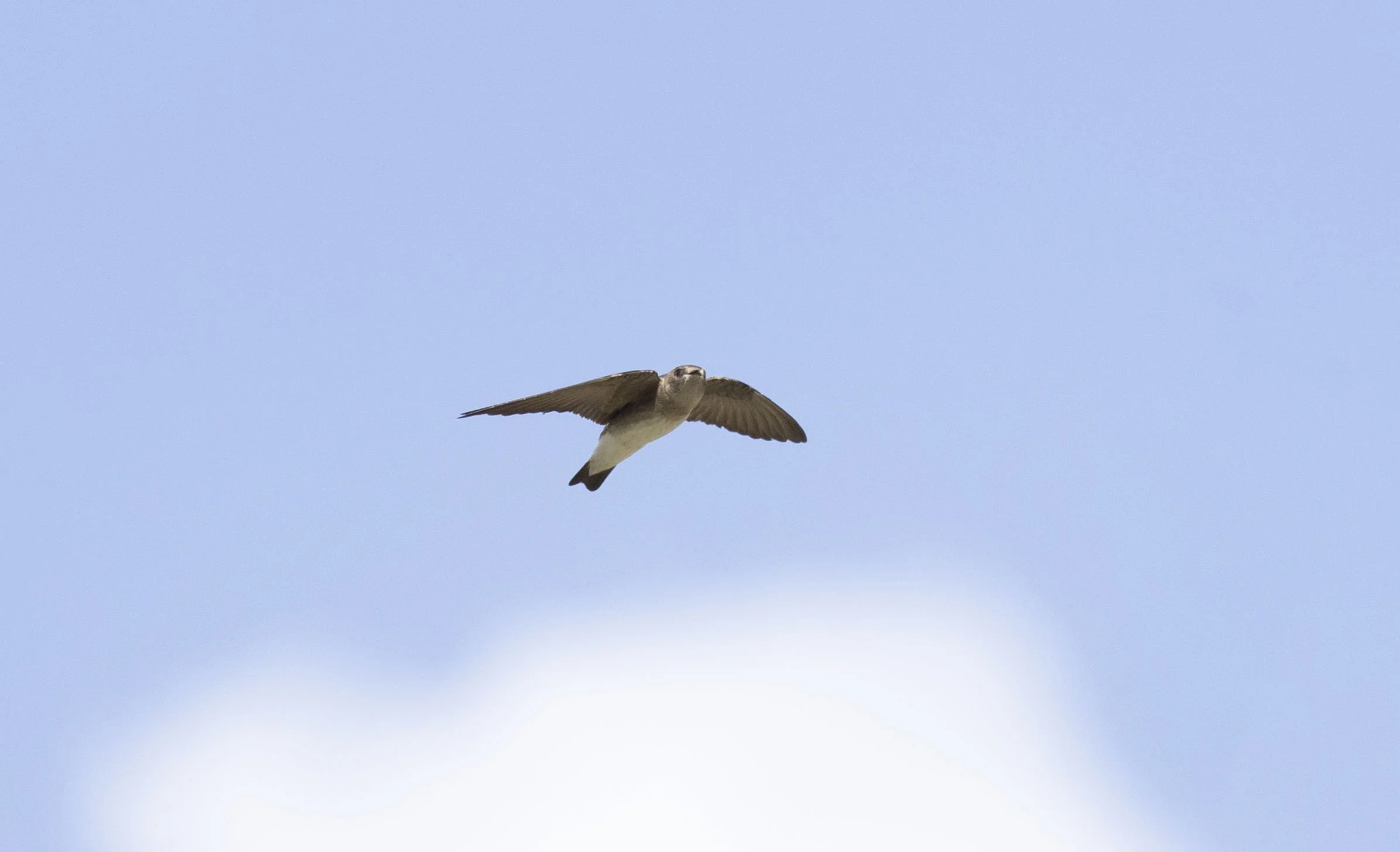
Northern Rough-winged Swallow not the most exciting of nearctic birds
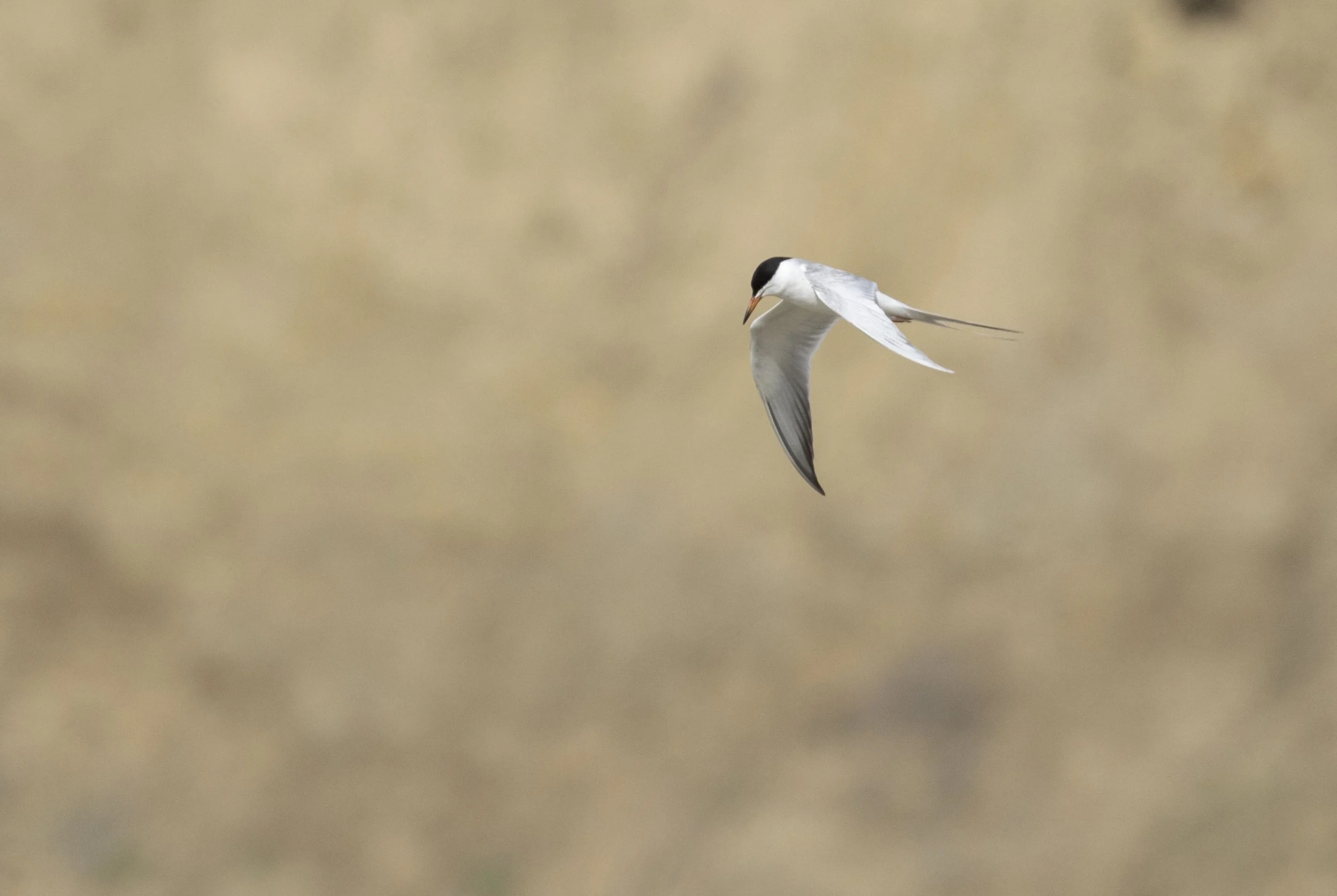
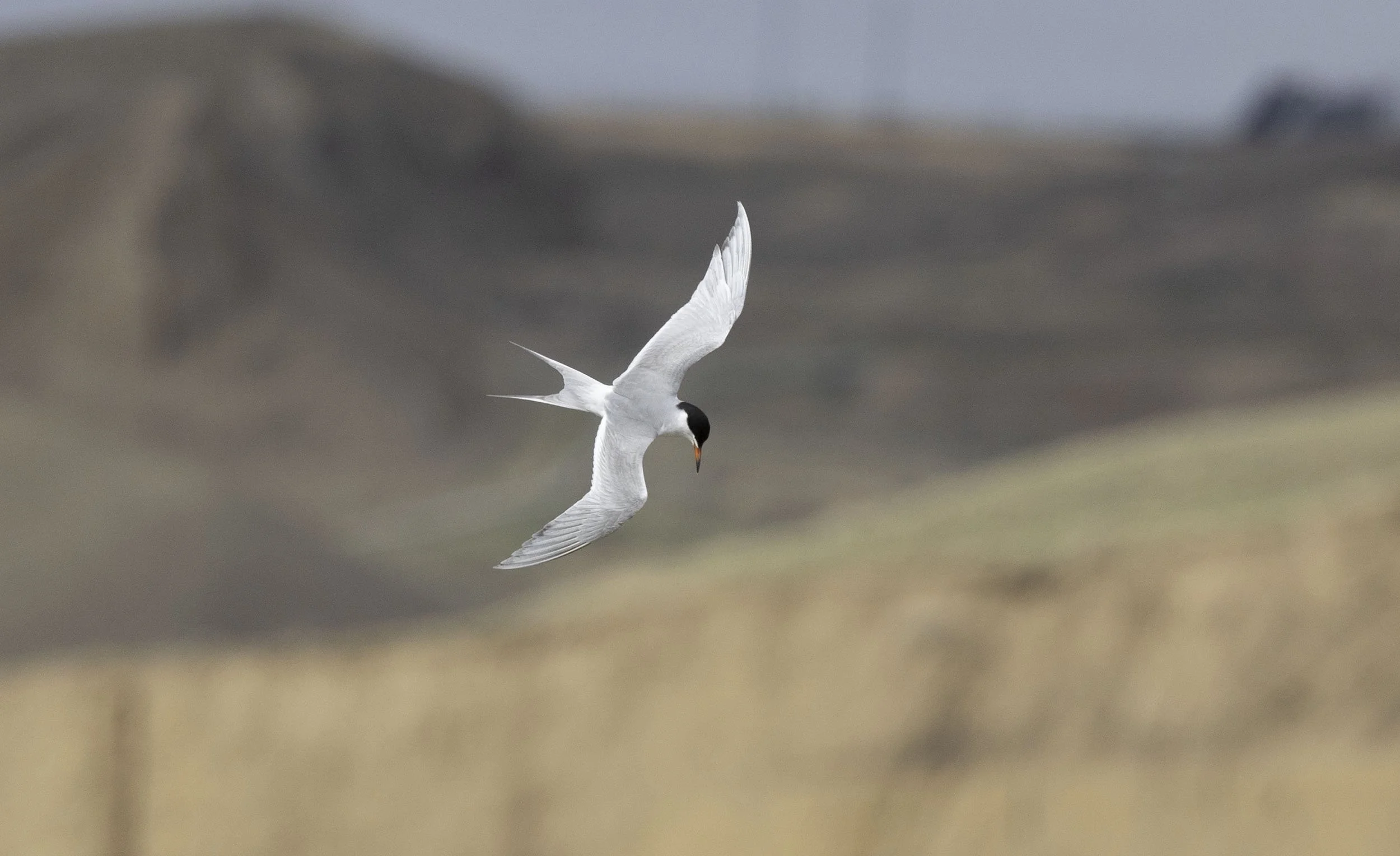
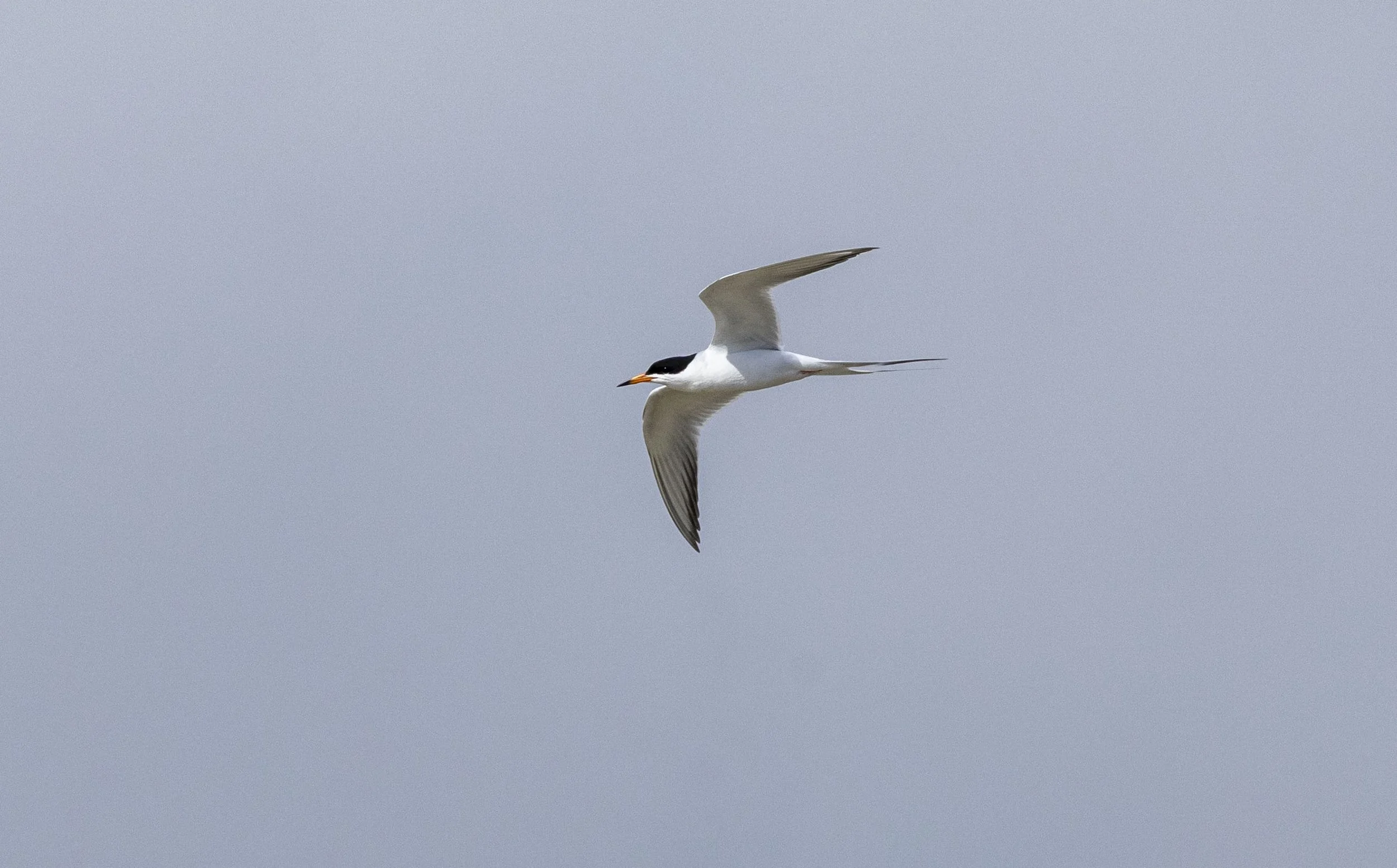
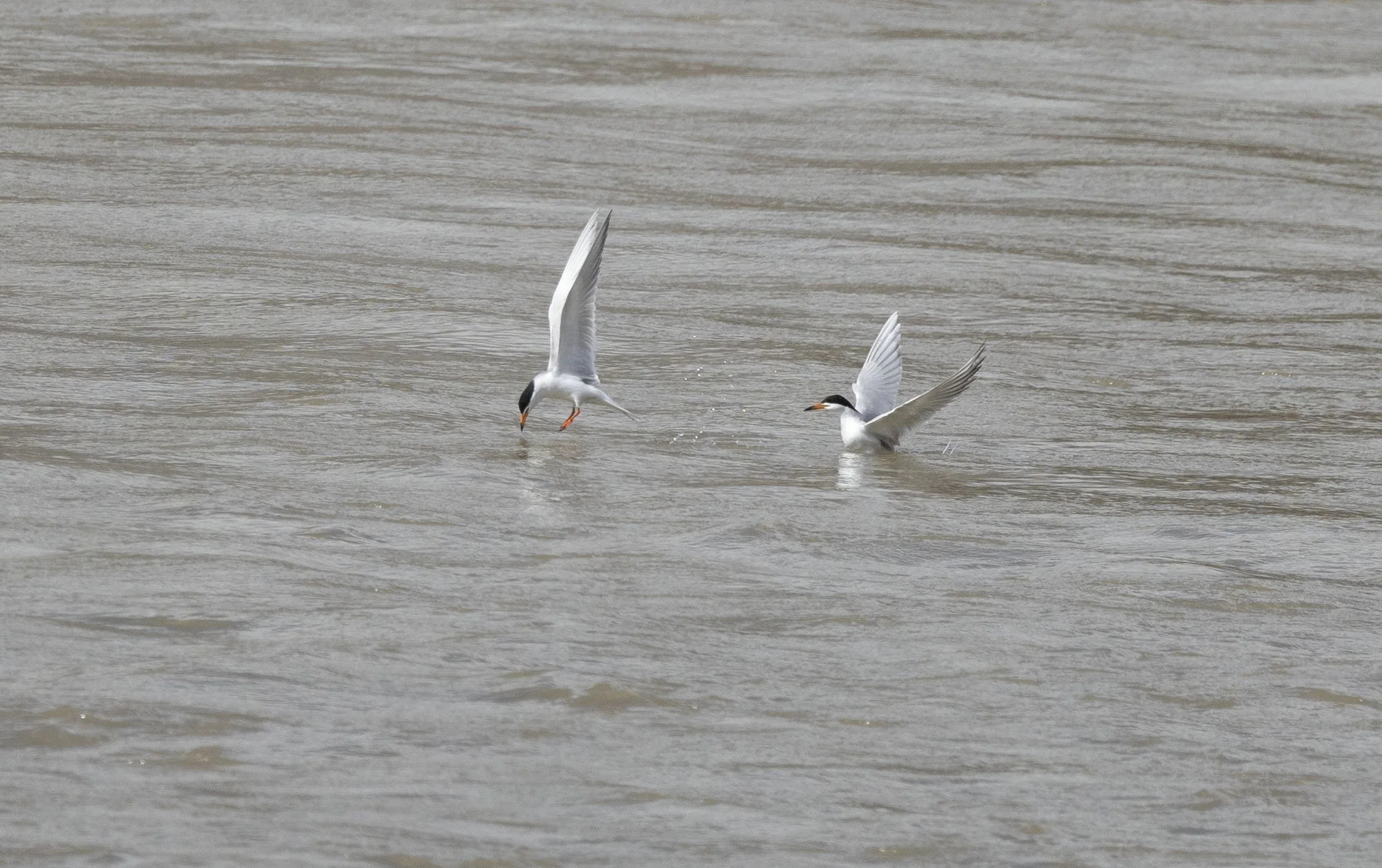
Forster’s Tern
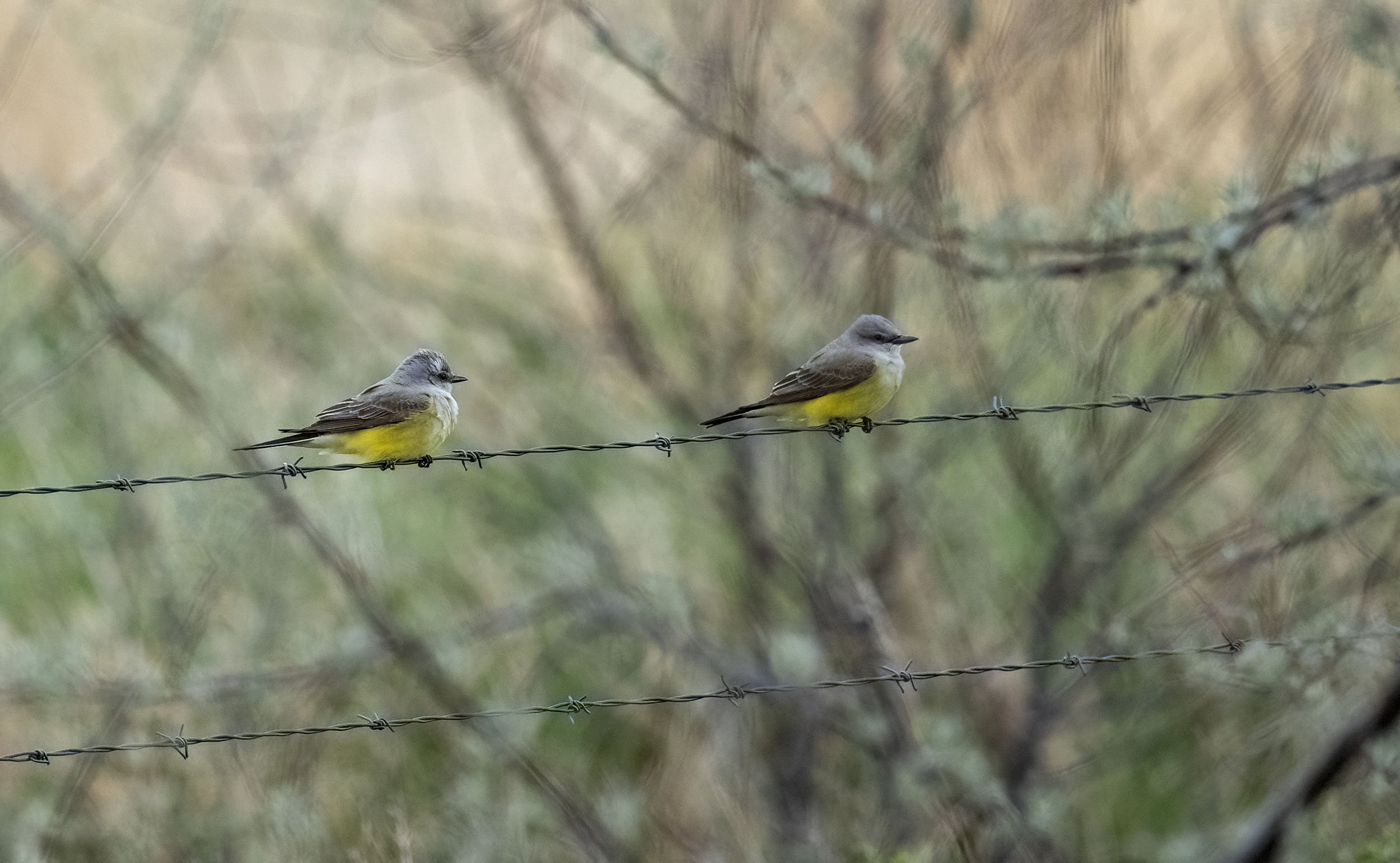
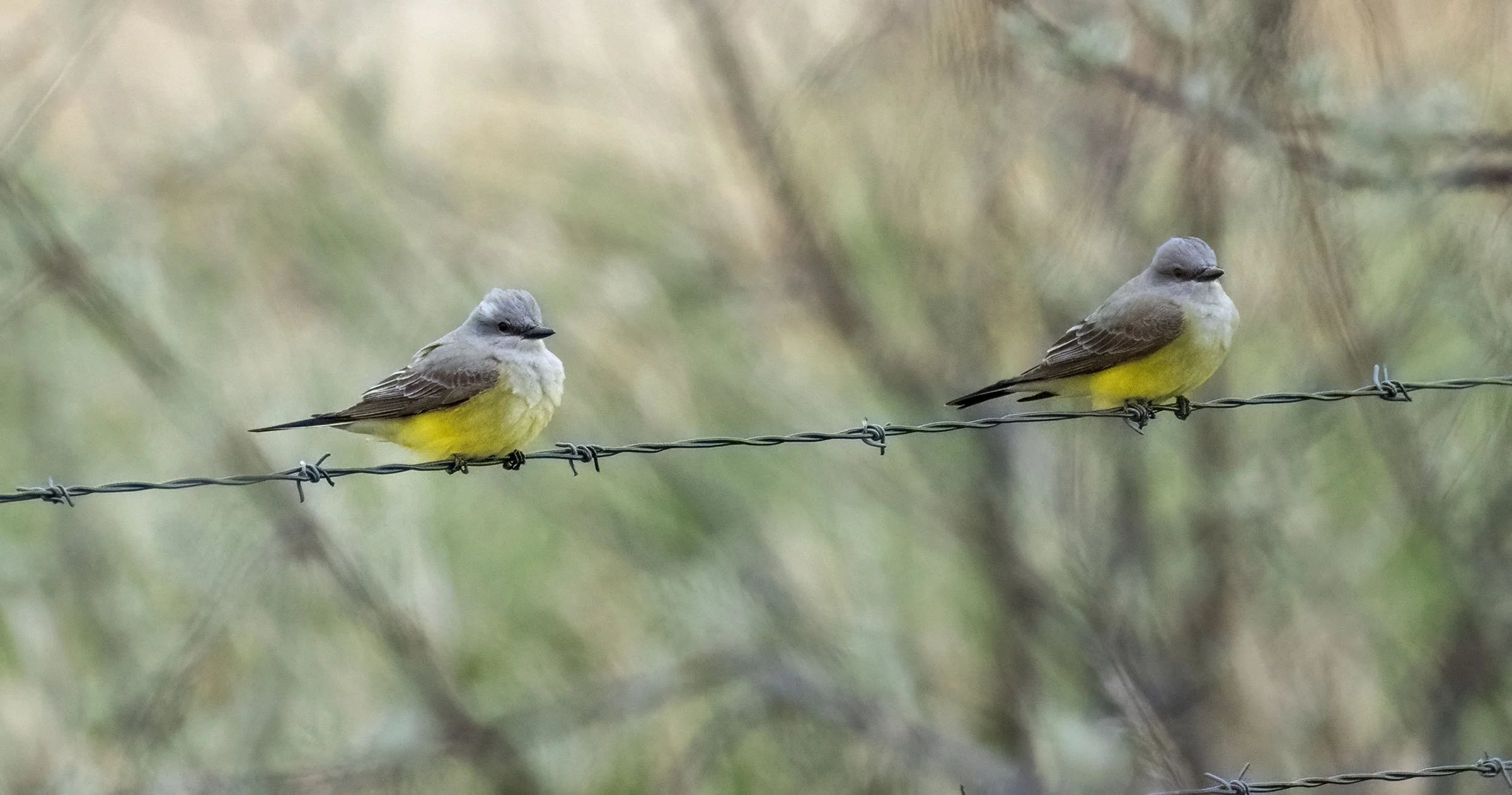
Managed to get to Echo Park late evening and it was actually a good spot and a shame we had missed it earlier - our first two Western Kingbirds of the trip and two Lark Sparrows but decided to have a look the following morning.
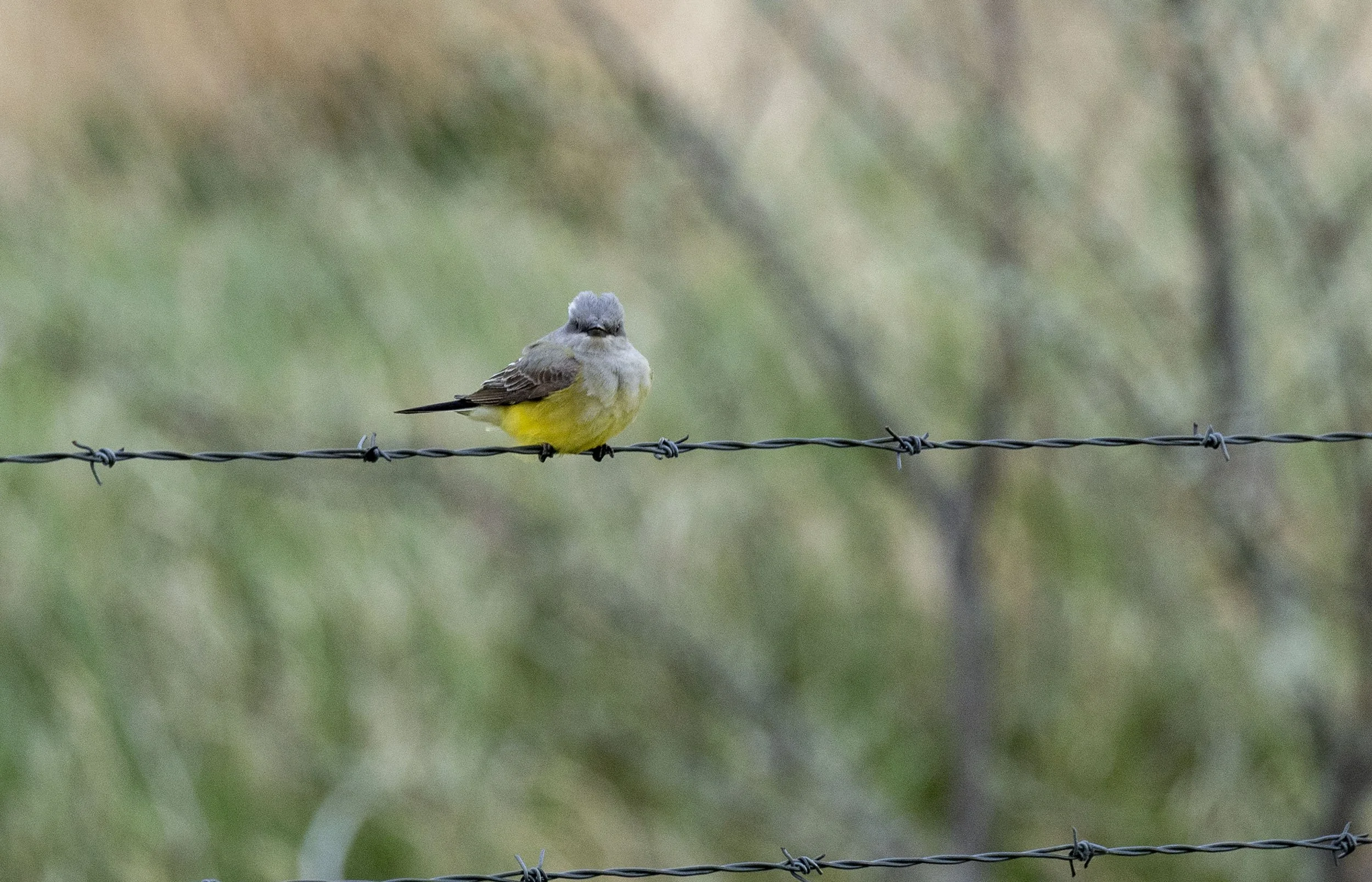
Why are 90% of Western Kingbirds on barbed wire fences
May 15th
We decide on an early walk at Echo Park followed by a visit to Red Rock Coulee, recommended by Dawna, then on to the Manyberries area to look for more grassland birds. It is cool again and after recent rains the township road we start out on to Red Rock is a quagmire and we have to take a diversion; gravel roads can quickly become impassable to normal cars after heavy rains. A Loggerhead Shrike is along the fence line by the Guesthouse as we set off with a Swainson’s Hawk nest, Ferruginous Hawk nest and Northern Harrier on the short drive while Echo Park has some decent bords with a Horned Grebe, Blue-winged Teal and a surprise Red-breasted Merganser on the lake, breeding Killdeers around the edges and a Western Willet. The trees reveal, Ruby-crowned Kinglet, Swainson’s Thrush, and at least eight Western Kingbirds that are clearly just arriving in force. We also have fun with two sparring Northern Flickers. A return to Echo Valley after dinner produced four Lark Sparrows and our first Baltimore Oriole of the trip singing happily.
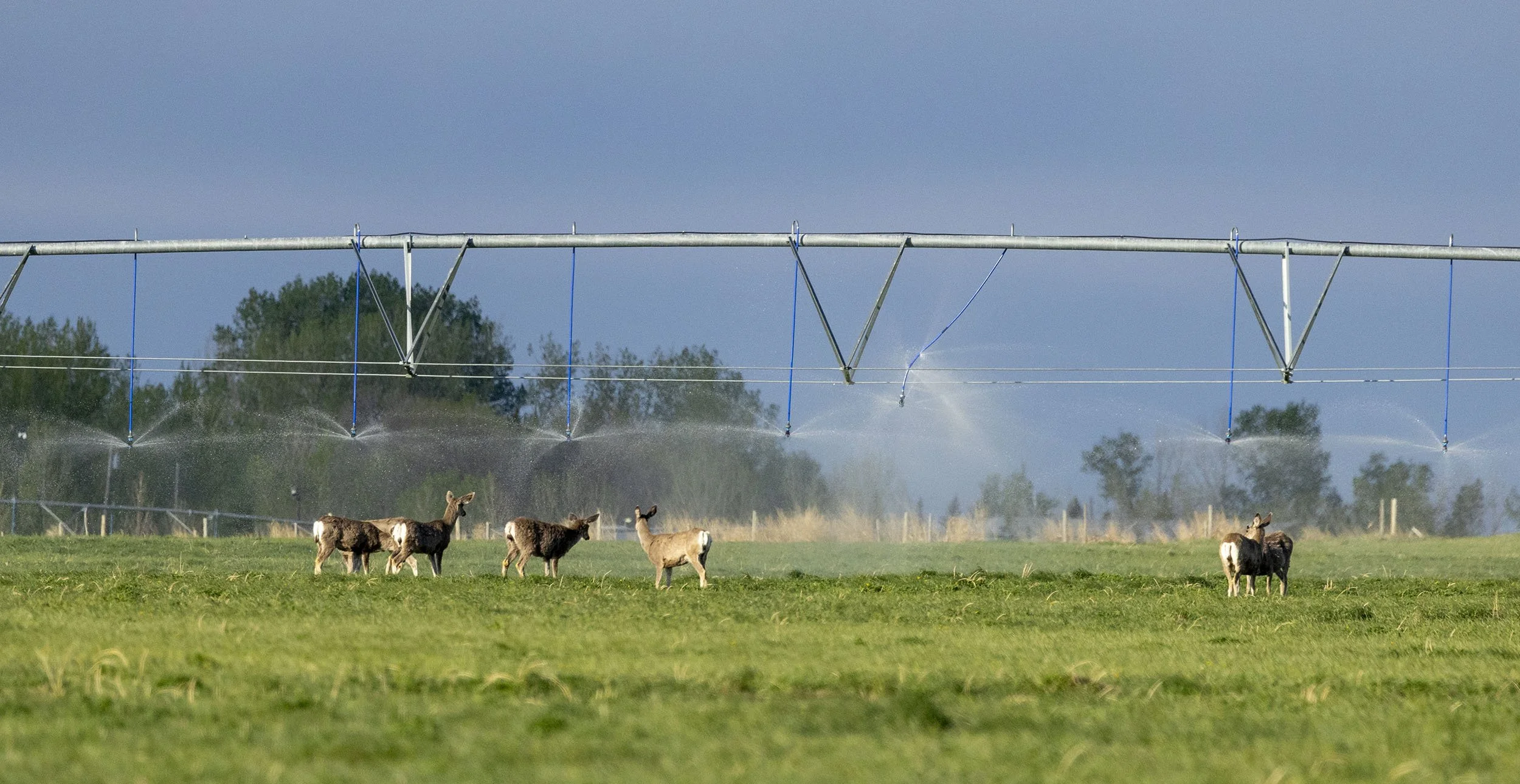
Mule Deer and irrigator - too many mixed feelings about wild nimals and arable - grazing regimes just have to enjoy what you see
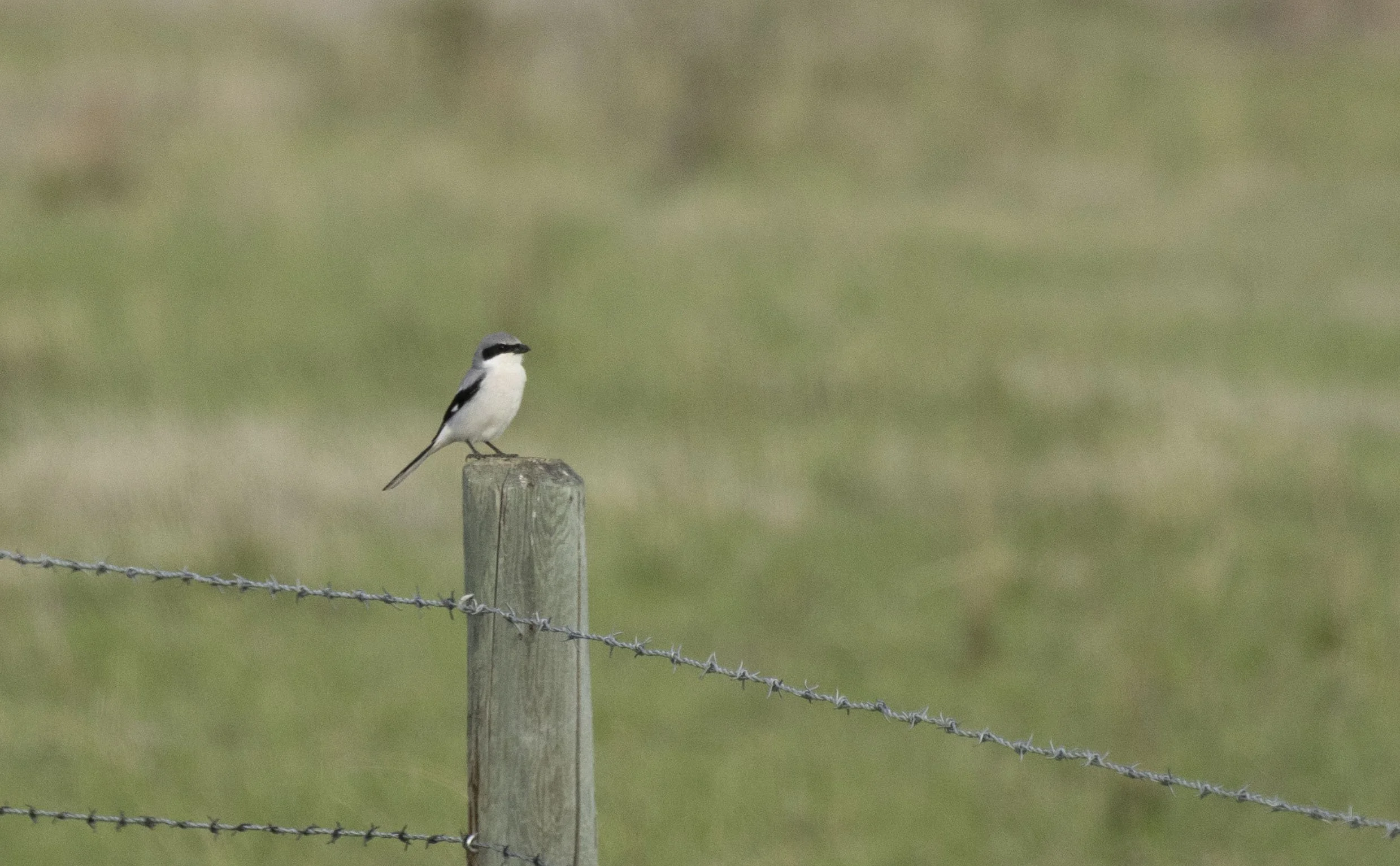
Loggerhead Shrike another species just by the guesthouse
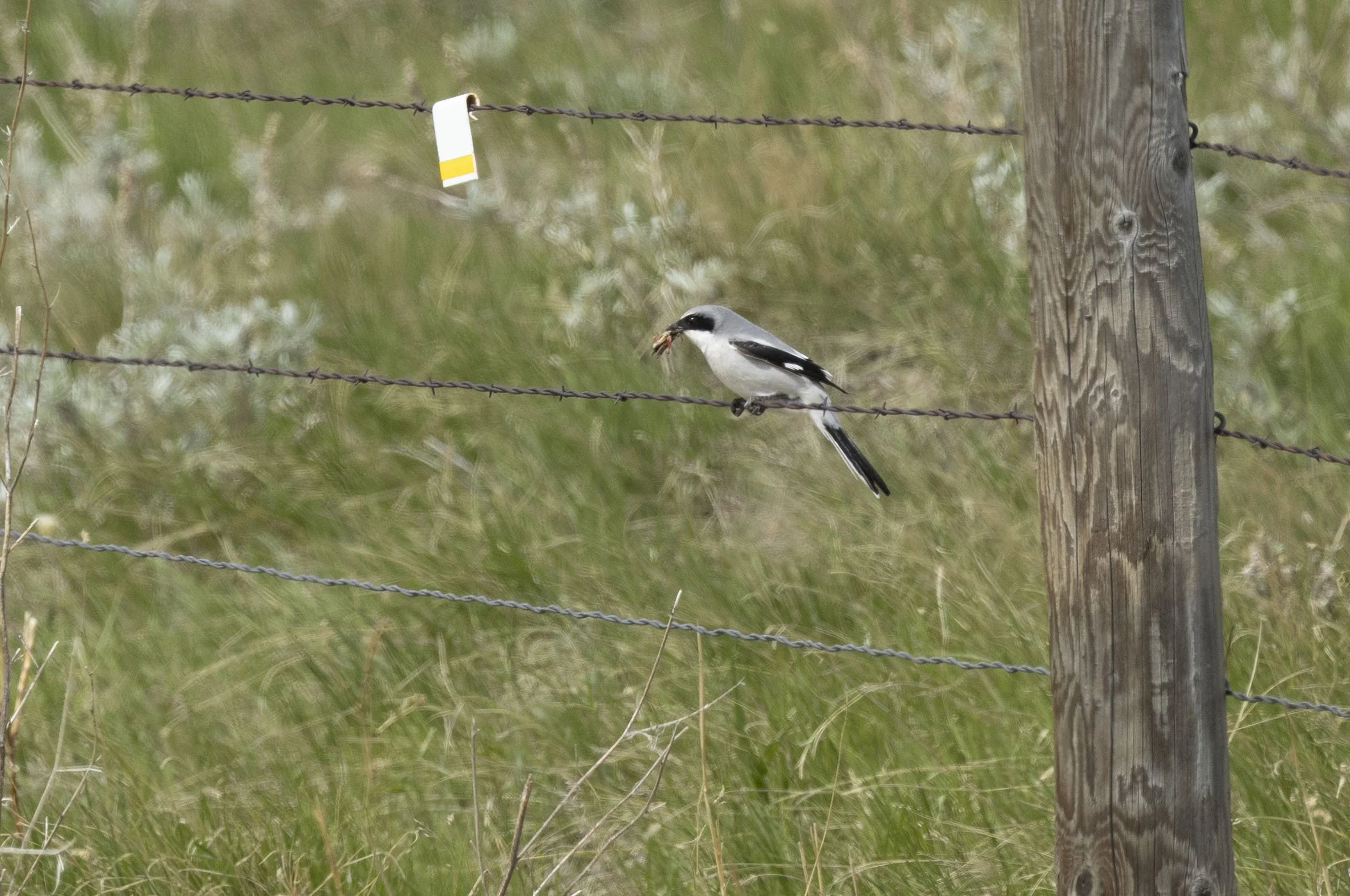
It is difficult to get away from barbed wire fences in photos
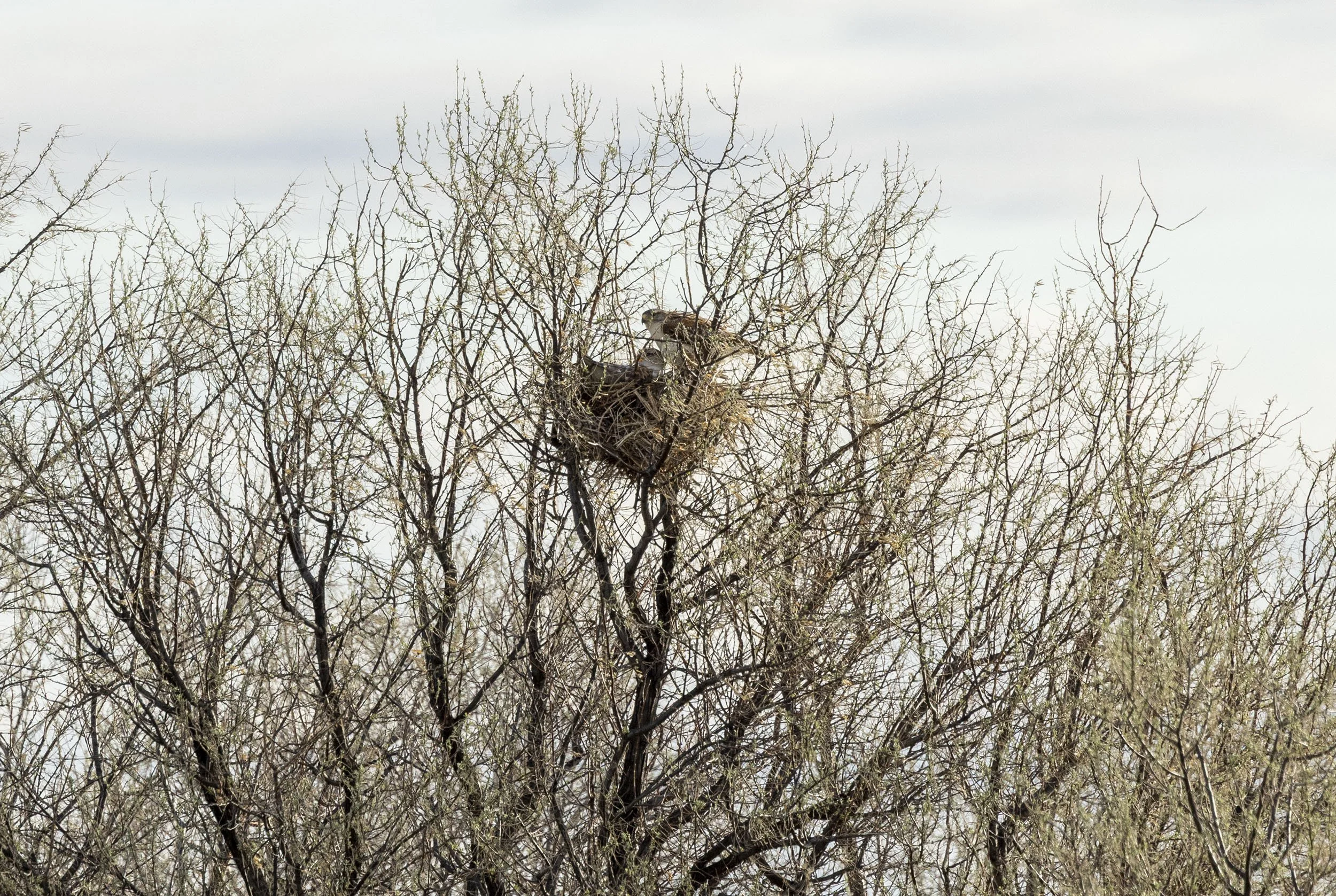
Ferruginous Hawk nest near Echo Park - as trees are limited and often near roads raptor nests are pretty easy to find
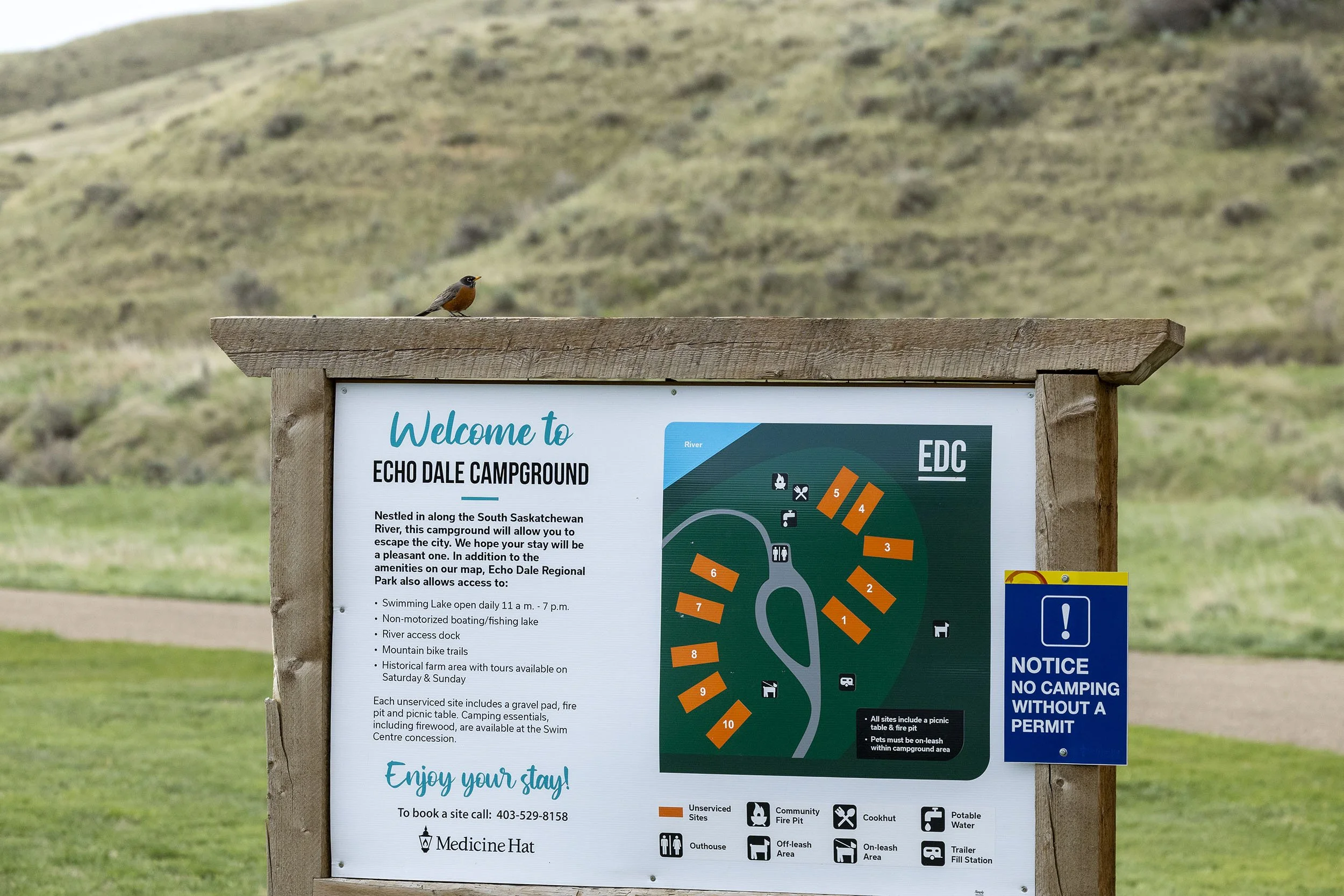
American Robin welcome sign
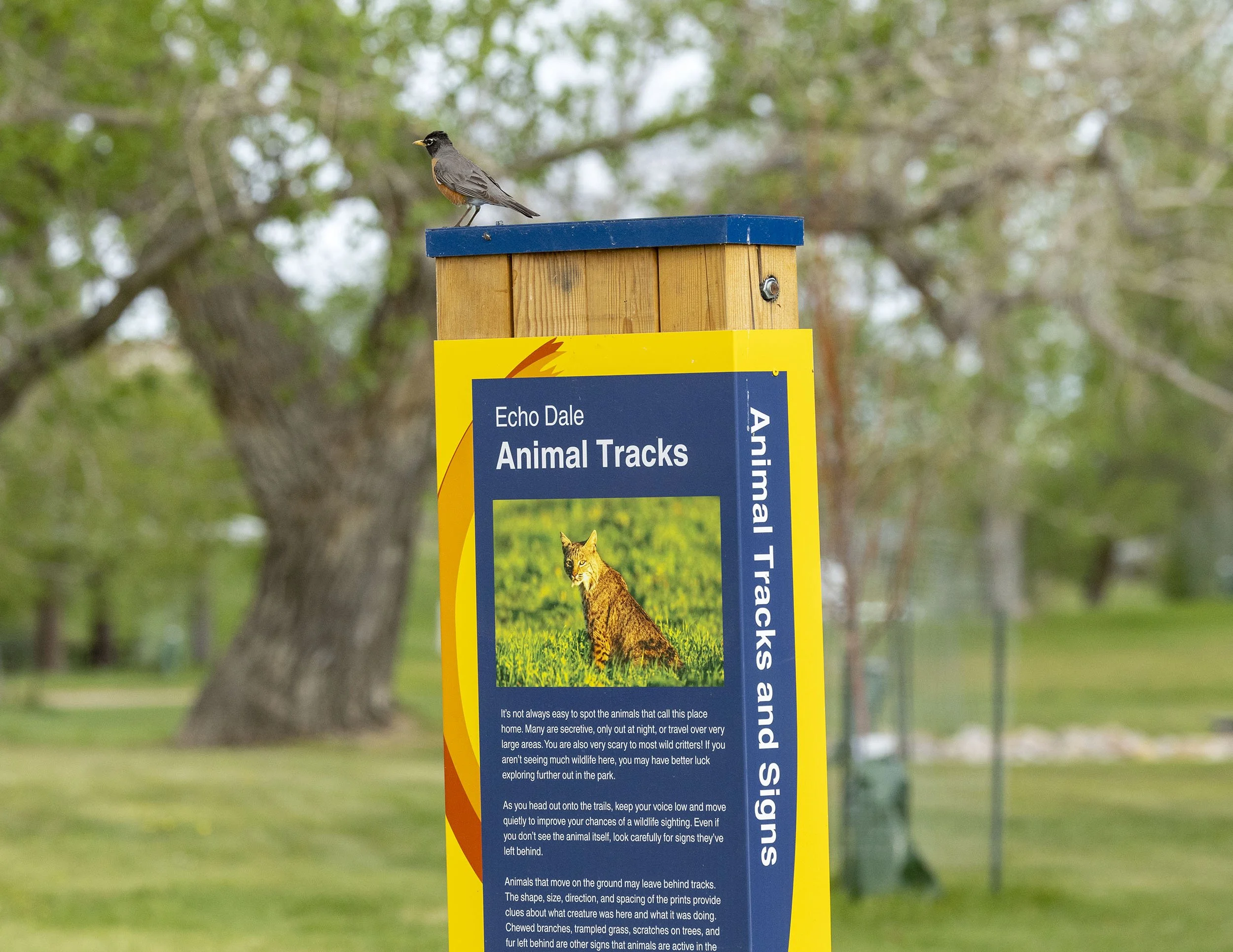
If only
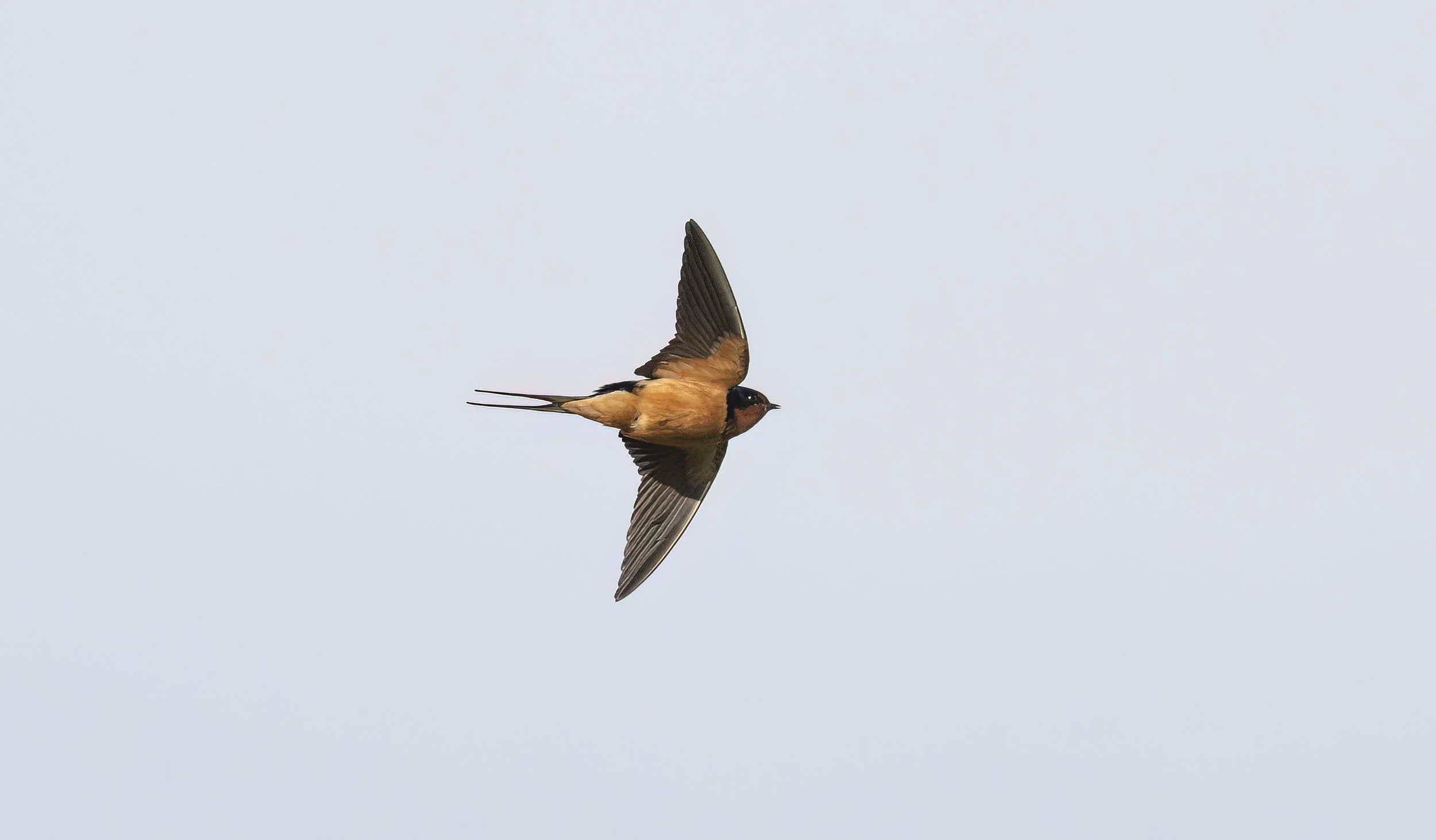
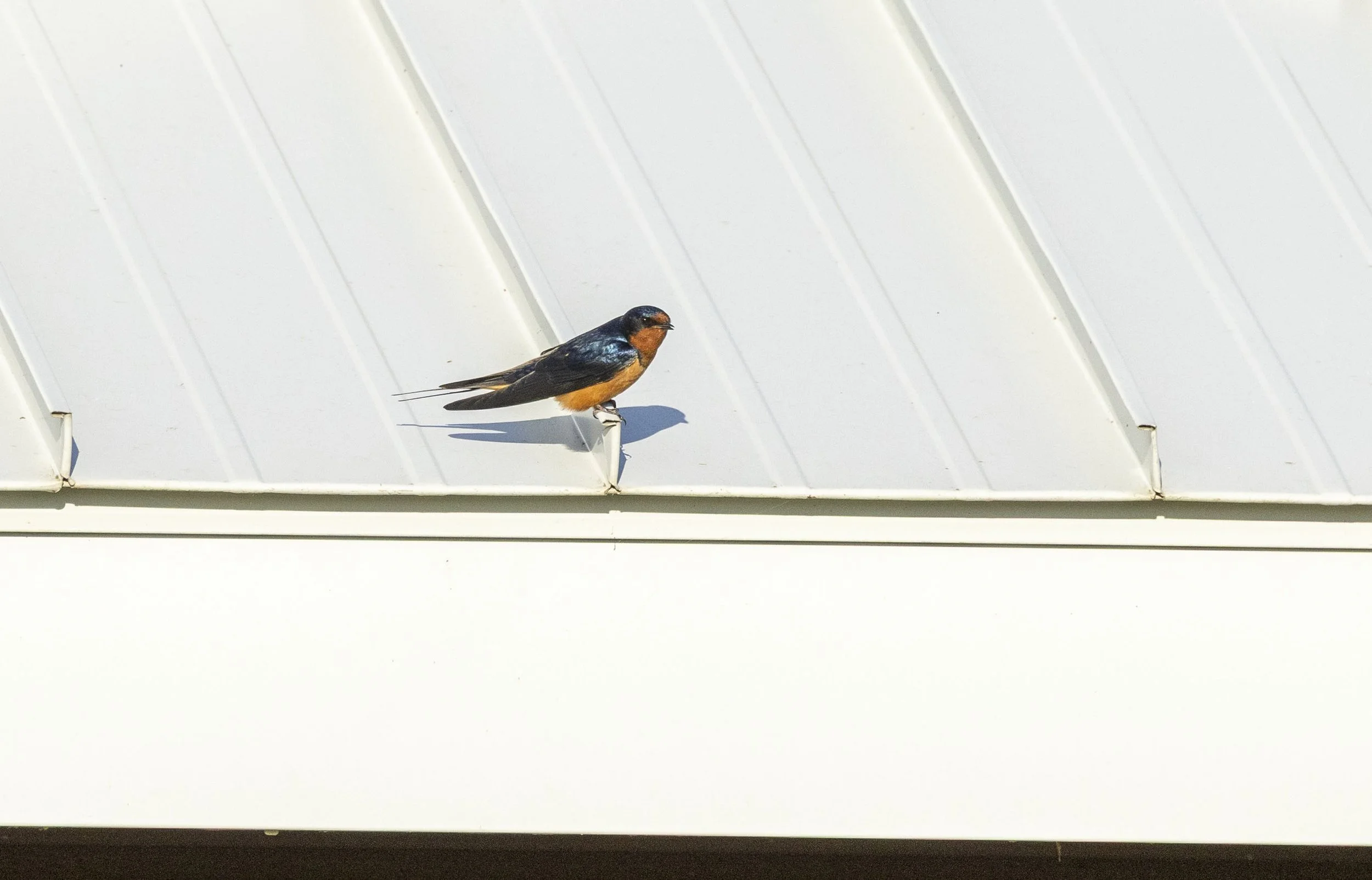
Striking male Barn Swallow at Echo Park Hirundo rustica erythrogaster
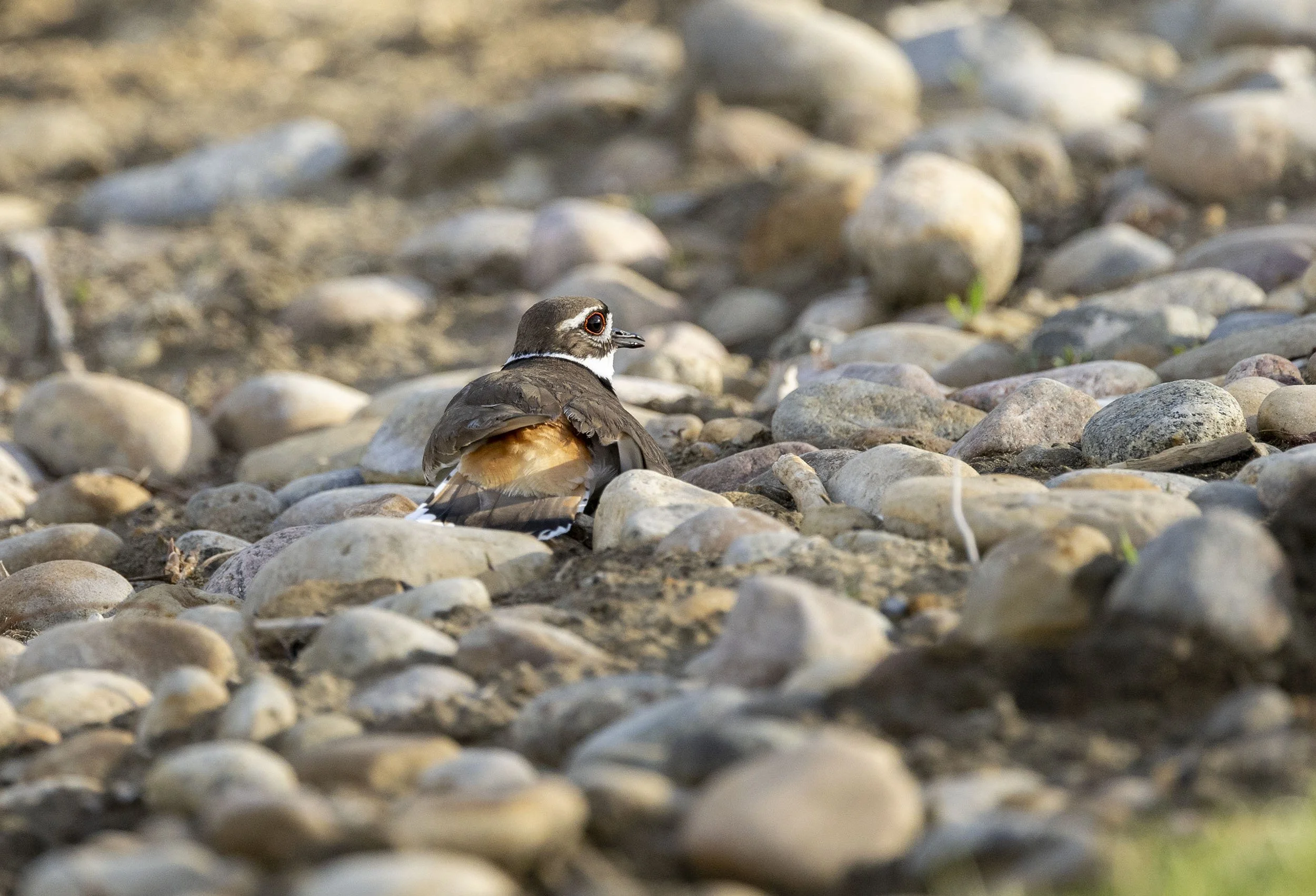
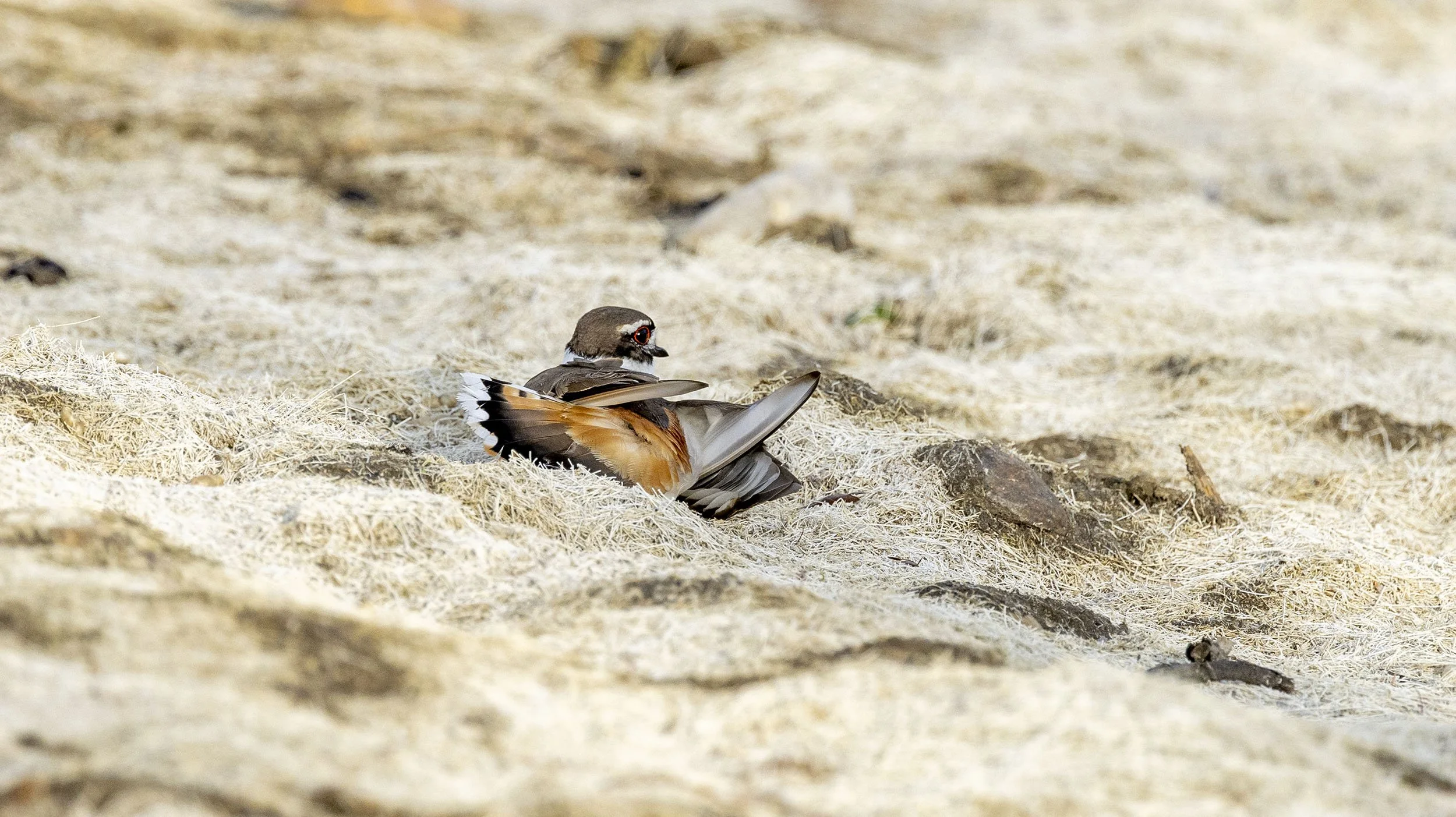
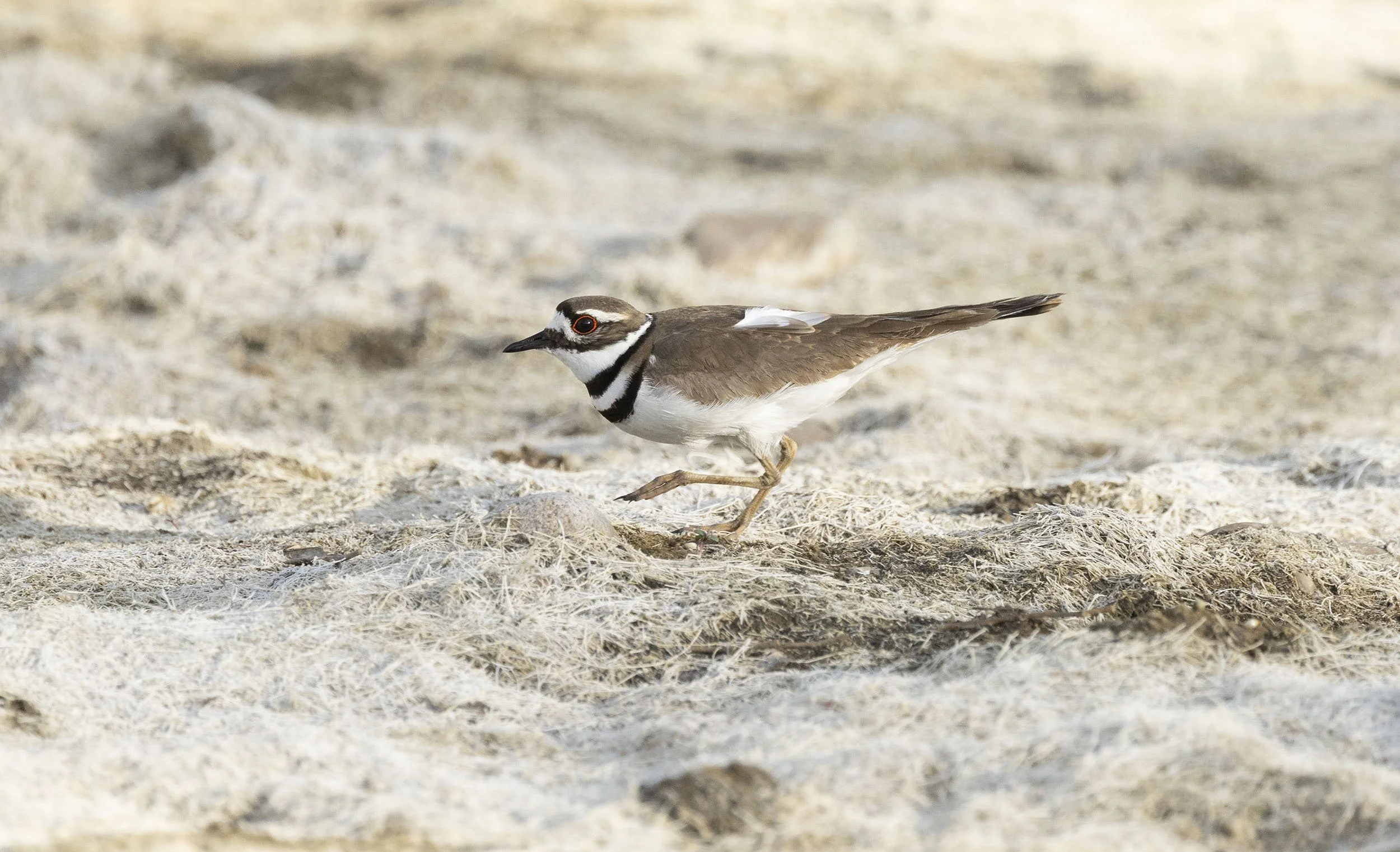
Killdeer distraction display
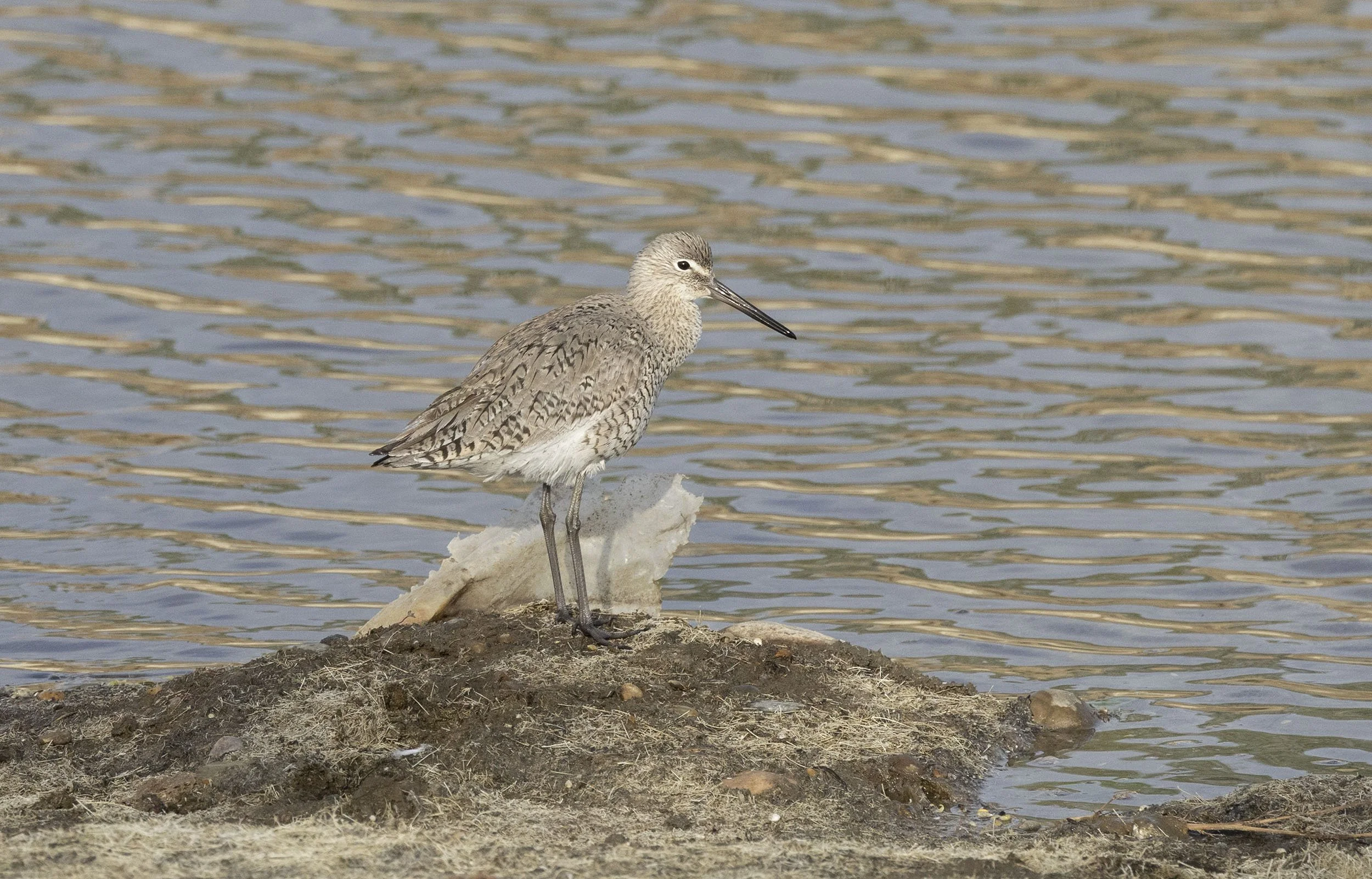
Western Willet and plastic on the lake shore
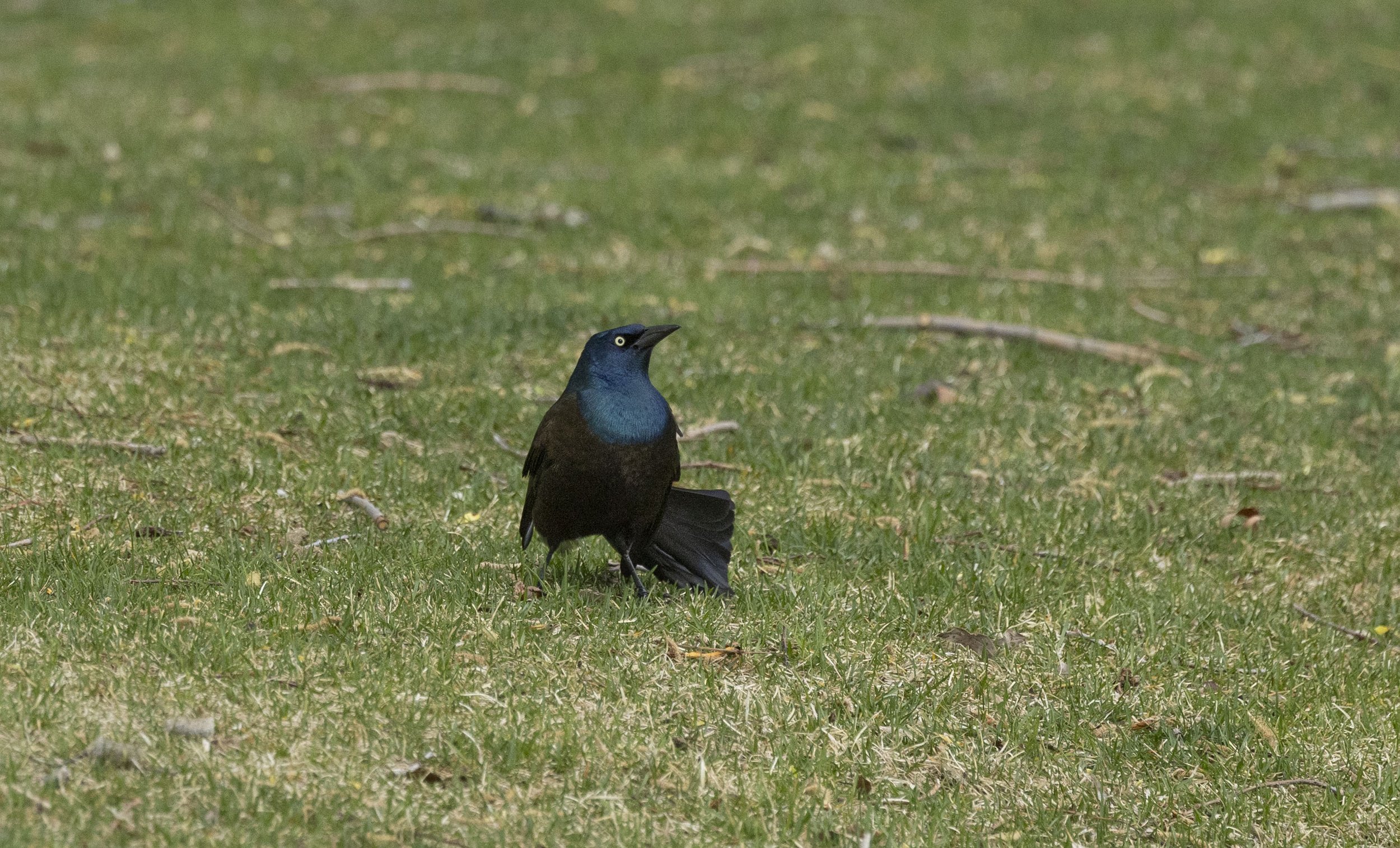
Common Grackle male display
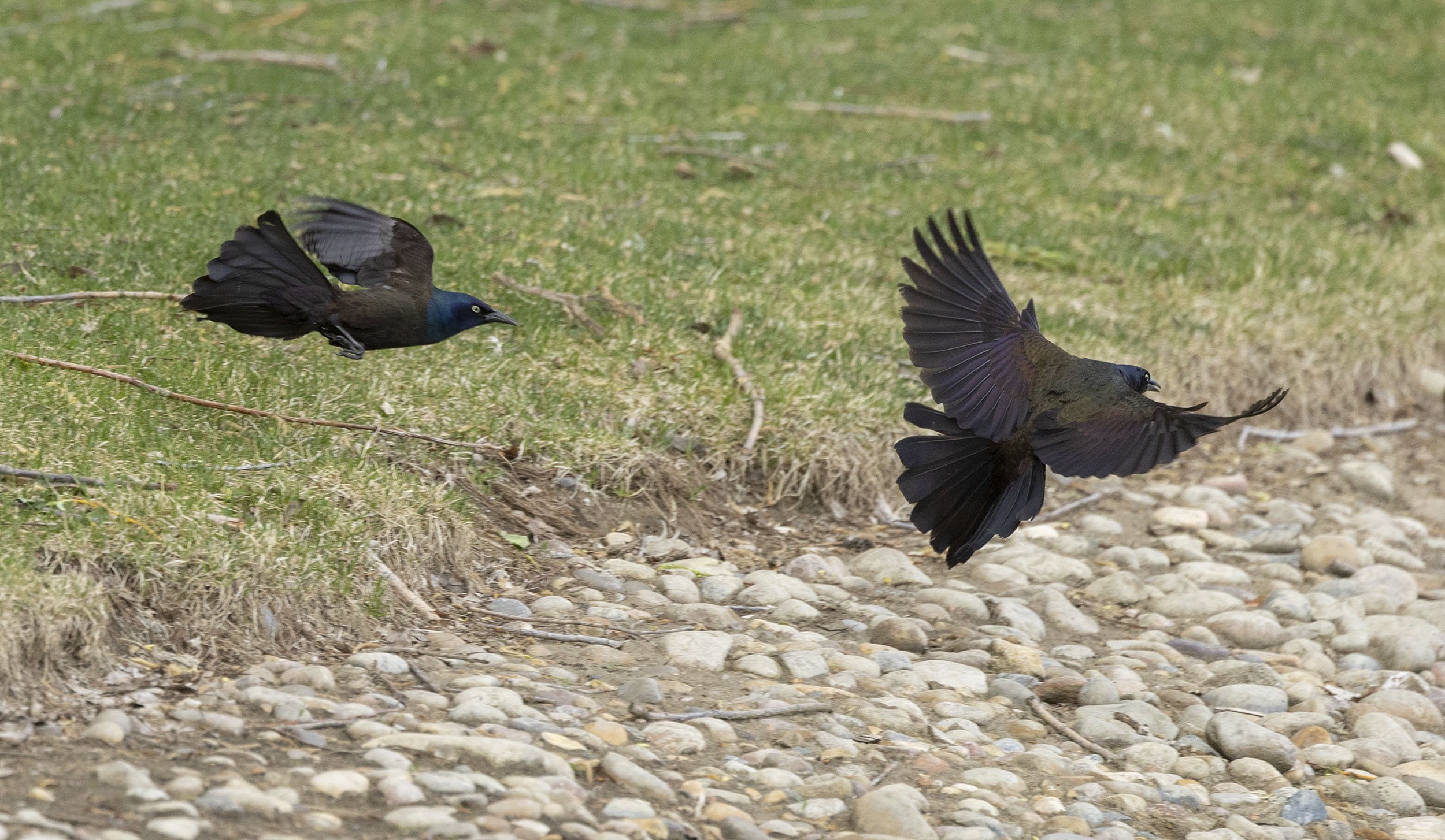
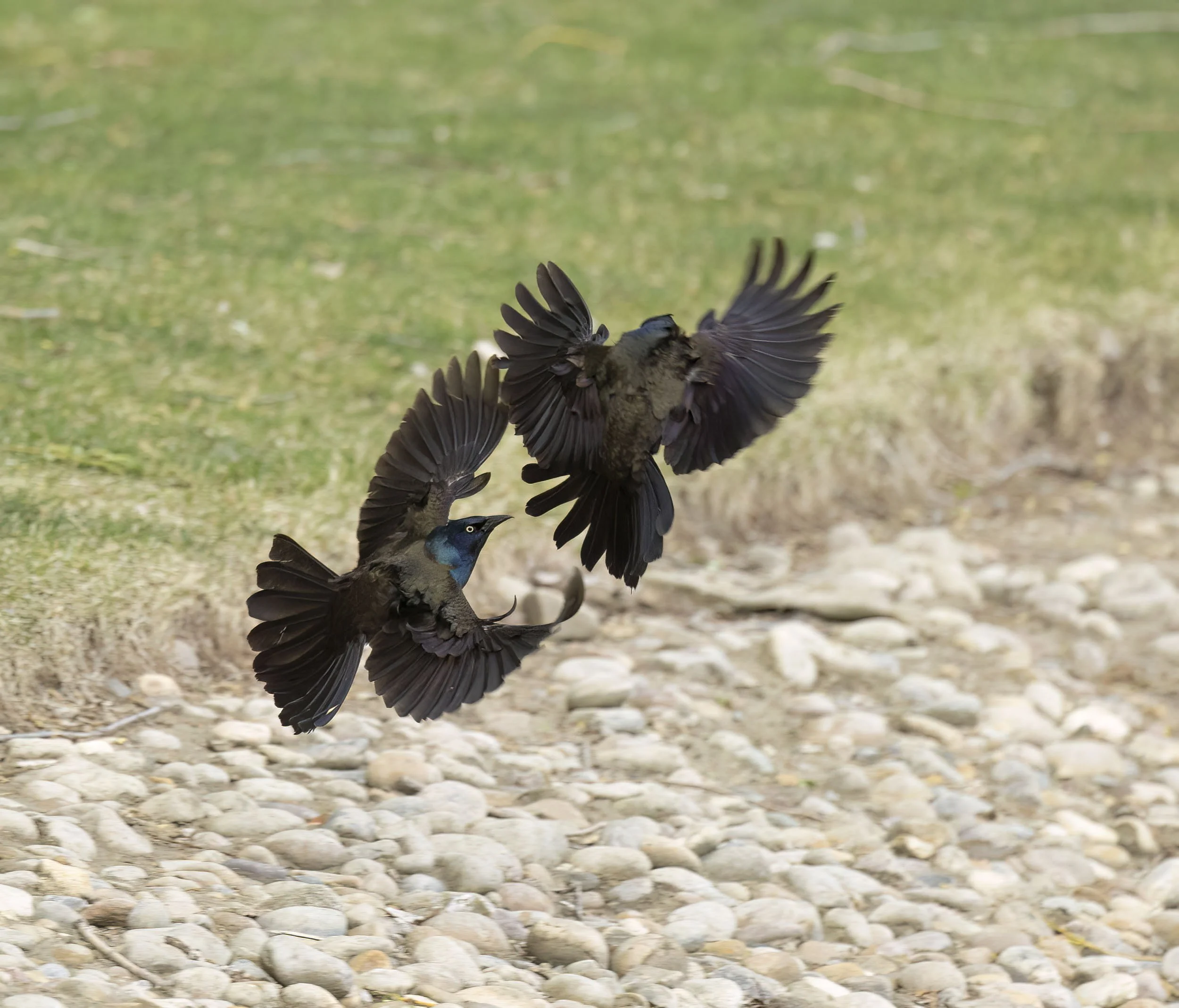
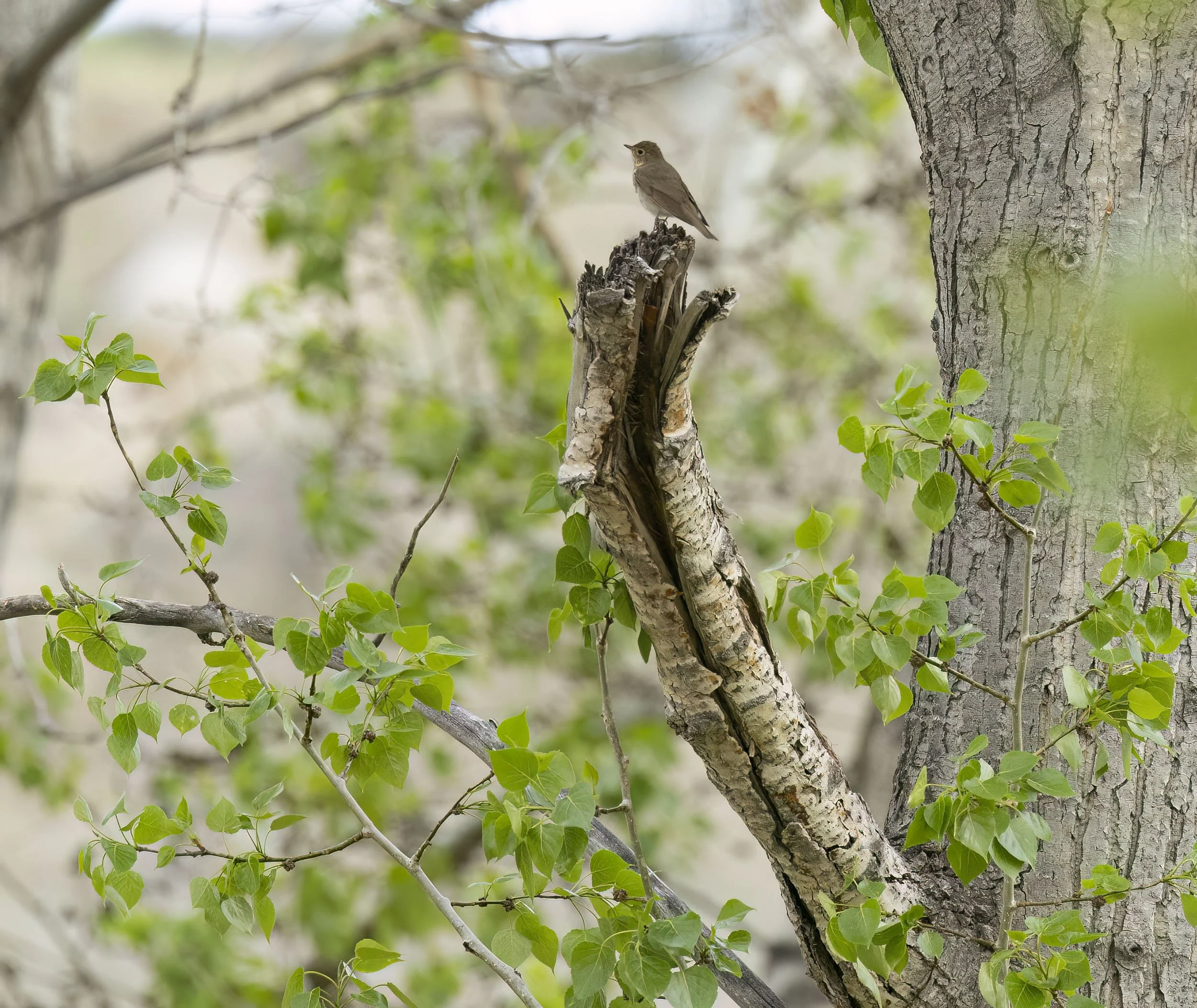
Swainson’s Thrush - every one a delight
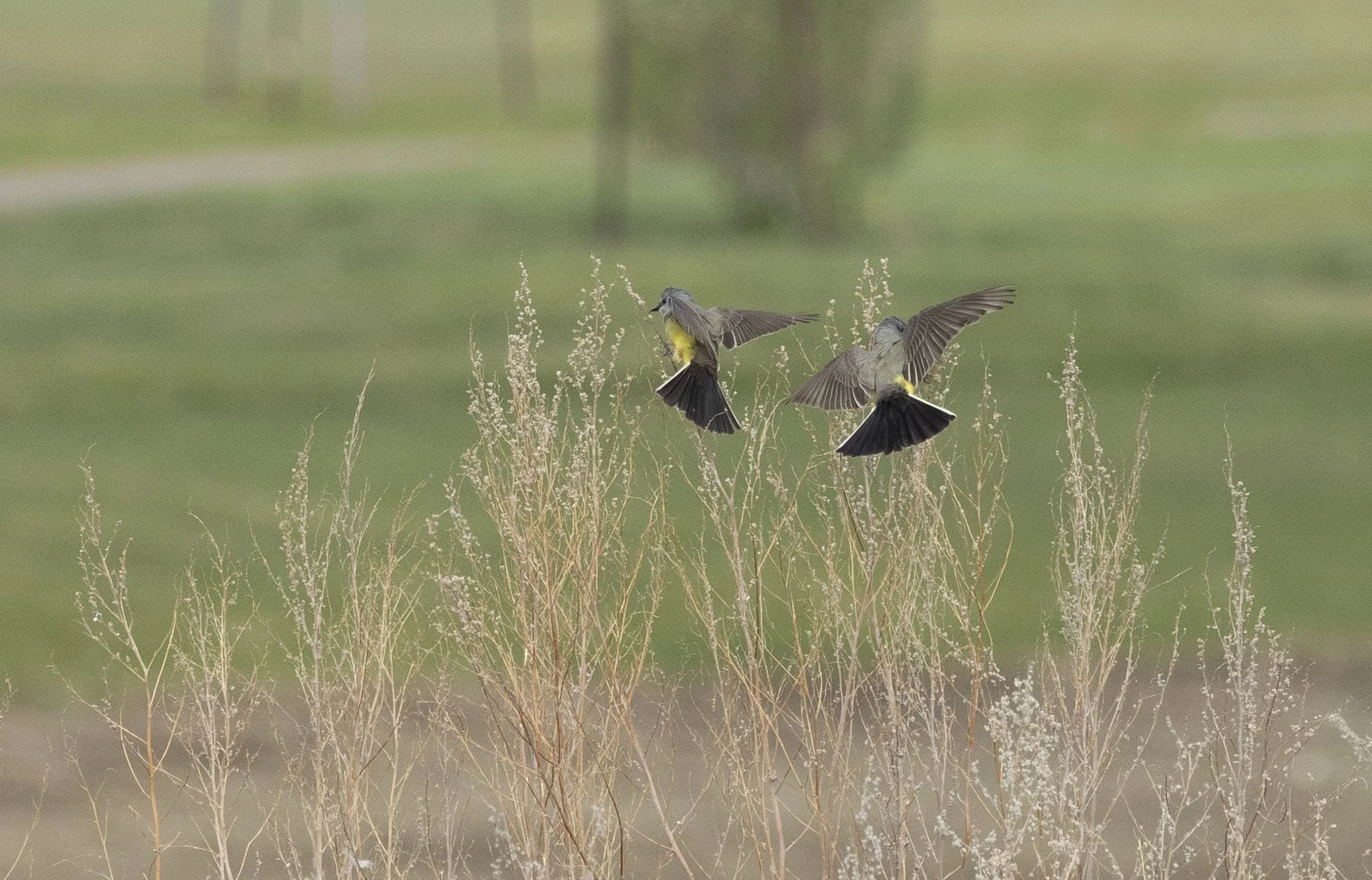
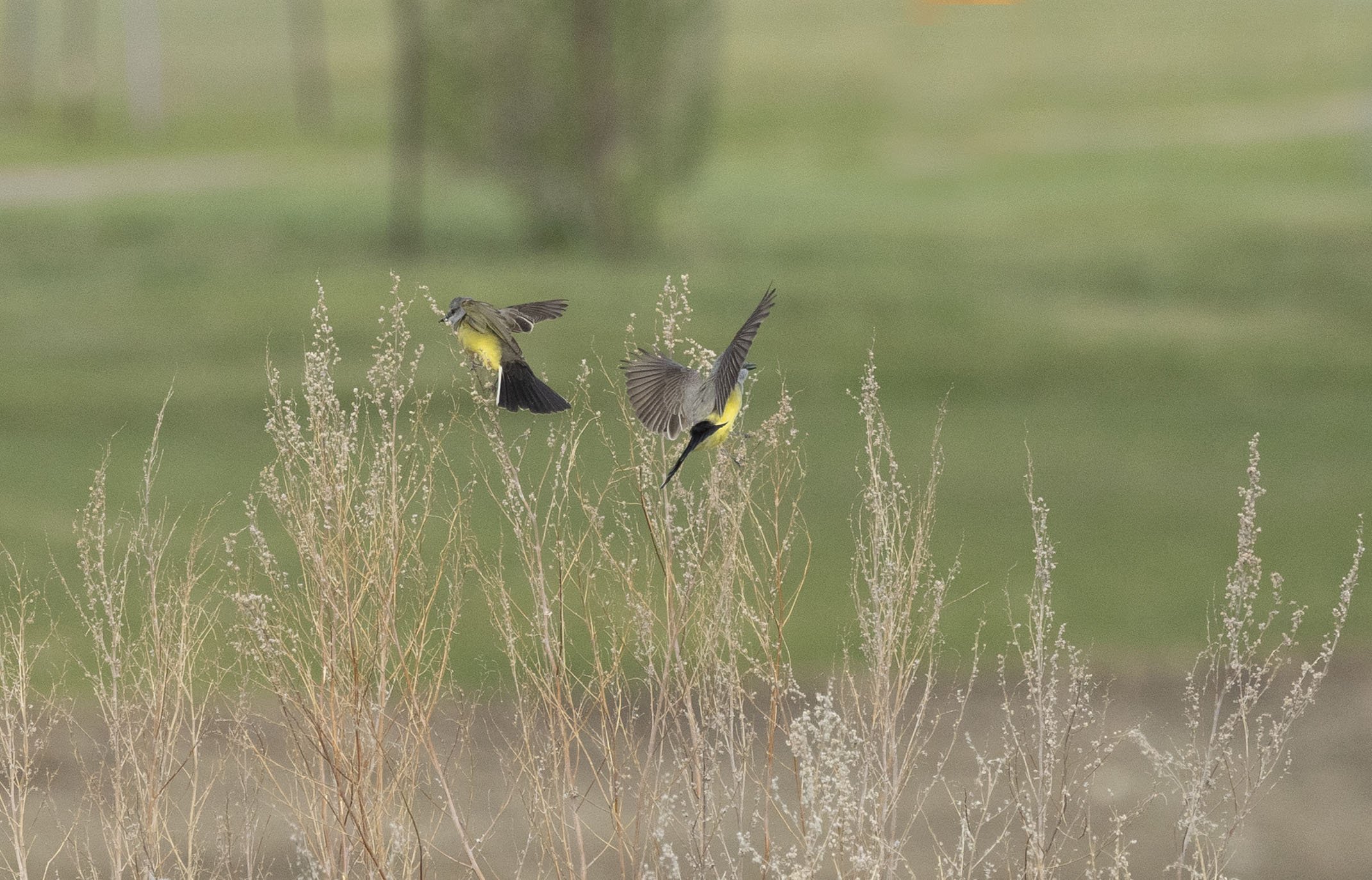
A gang of Western Kingbirds were fighting in the park early morning but they were just too far away and as we had plans for the day I wasn’t able to give them the time I would have liked - too many things to do in a short time
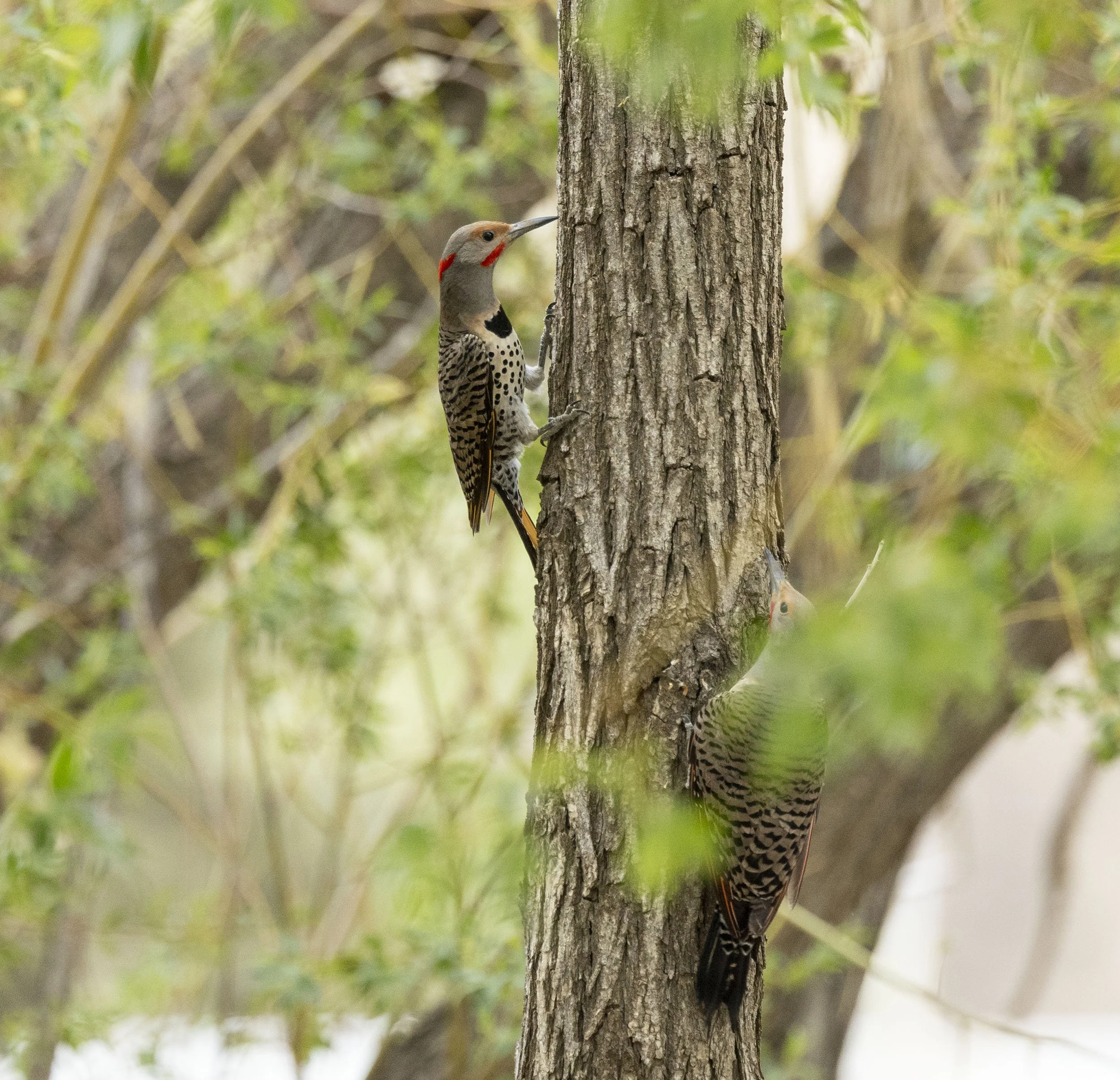
Two male Flickers in dispute
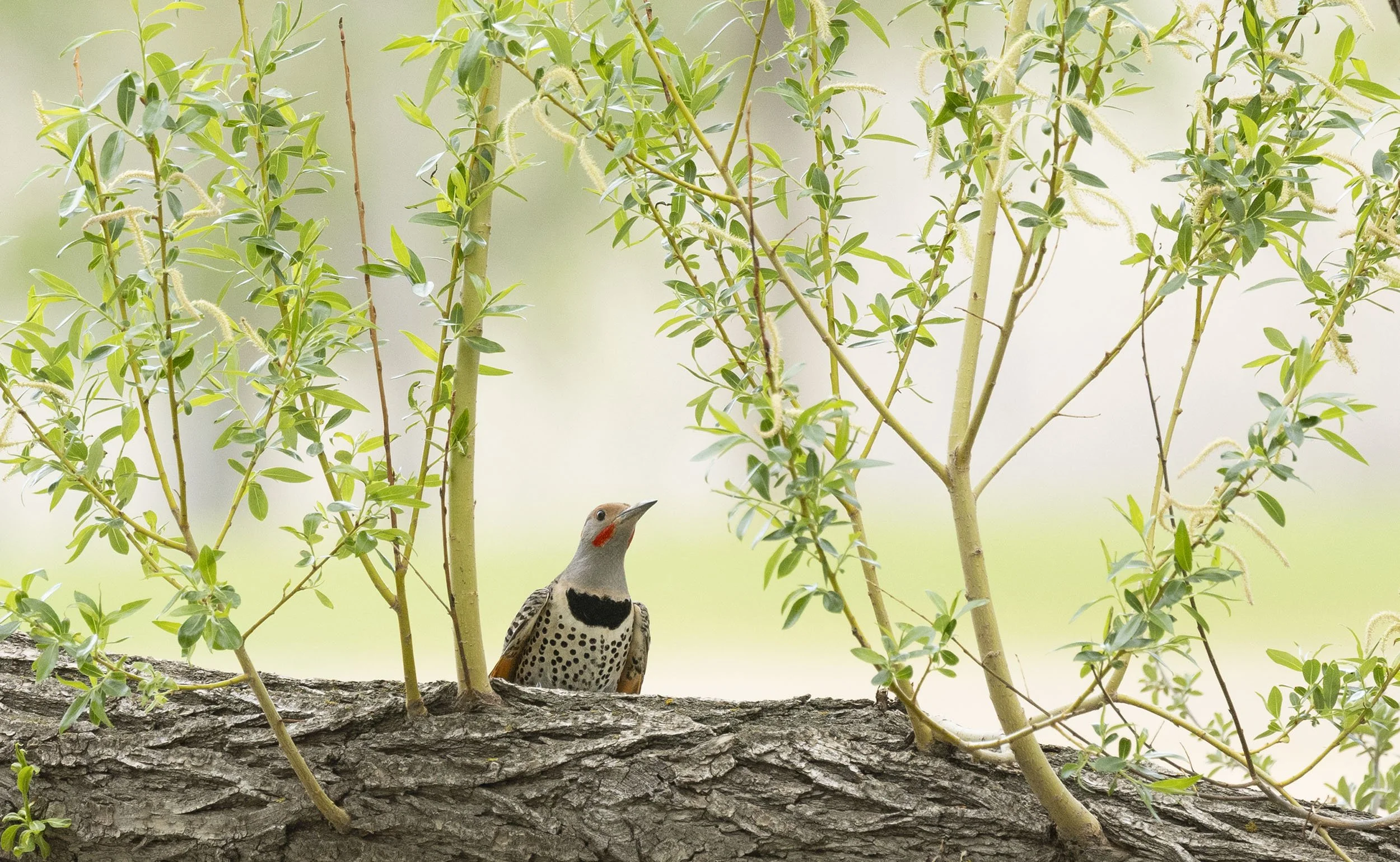
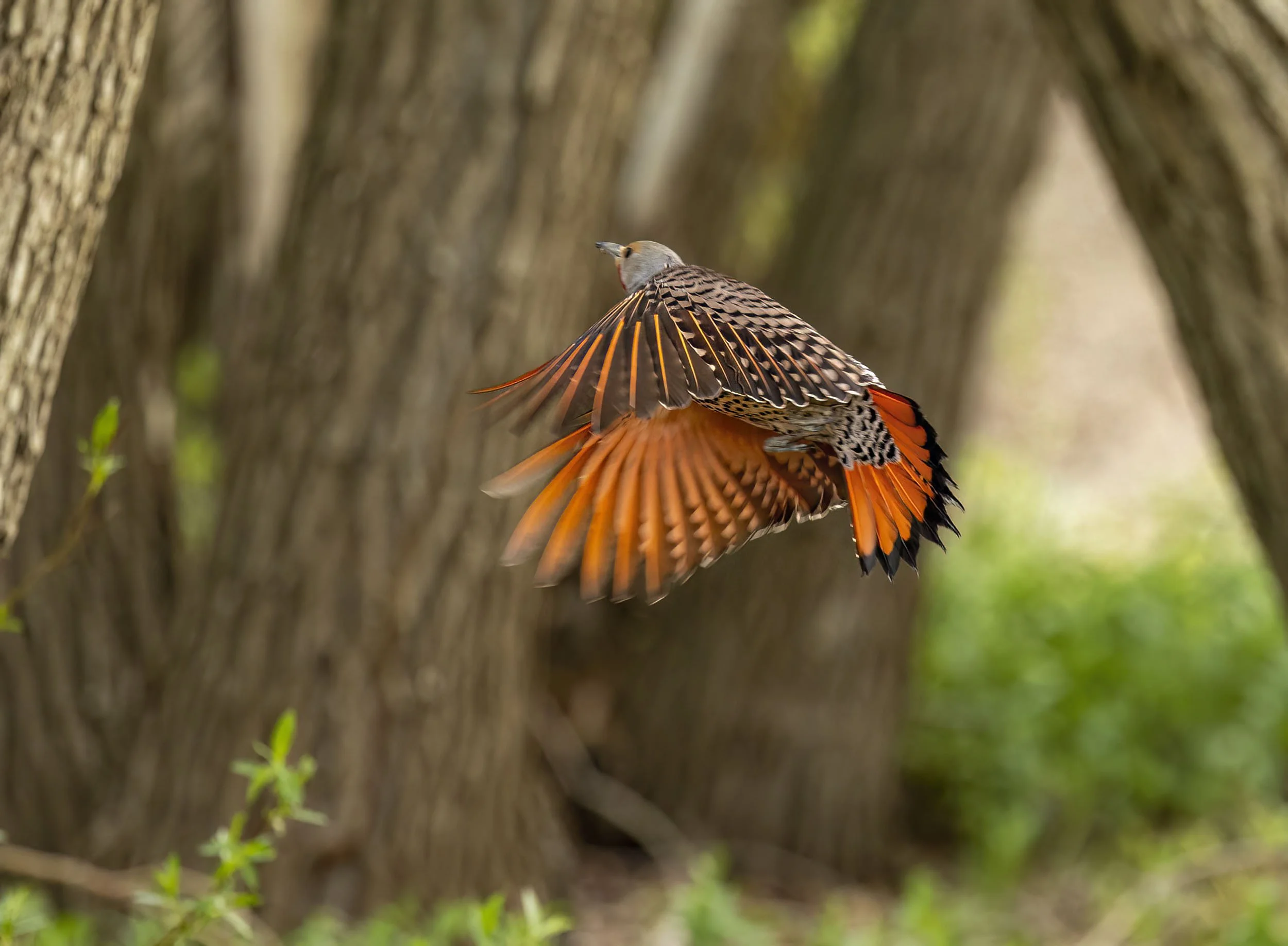
Northern Flicker is a bit lacking in punch the old Red-shafted Flicker was rather more descriptive
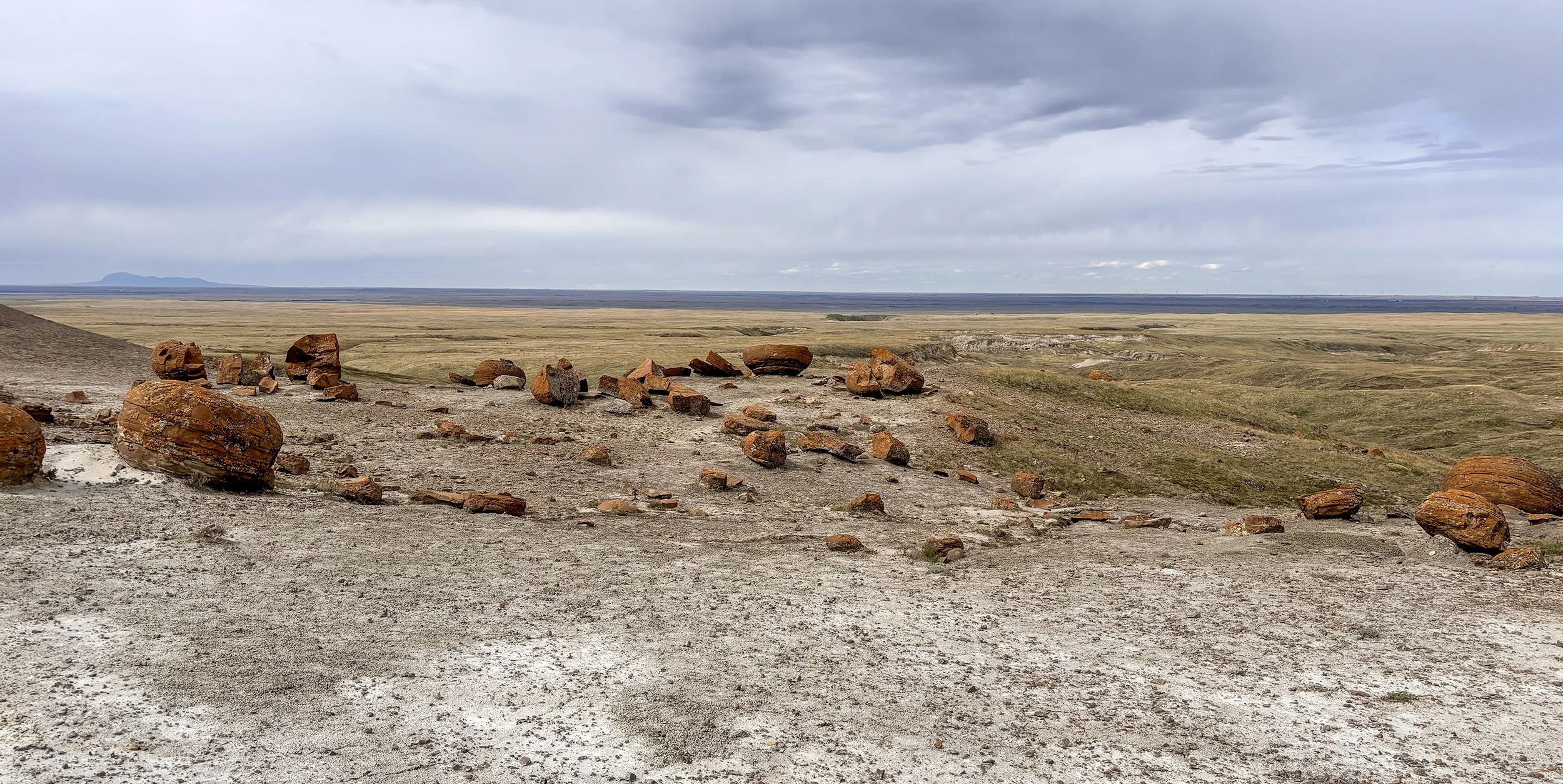
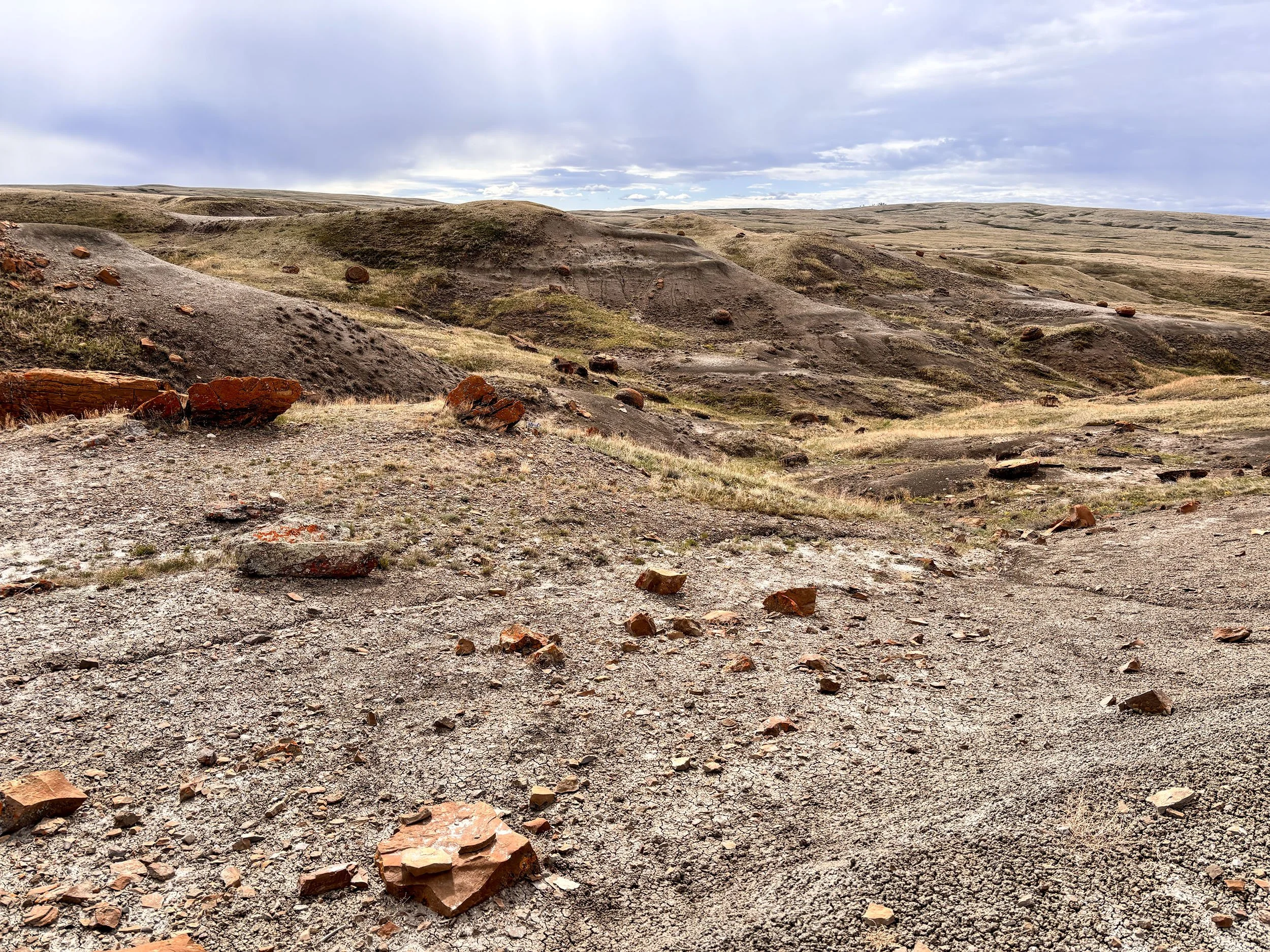
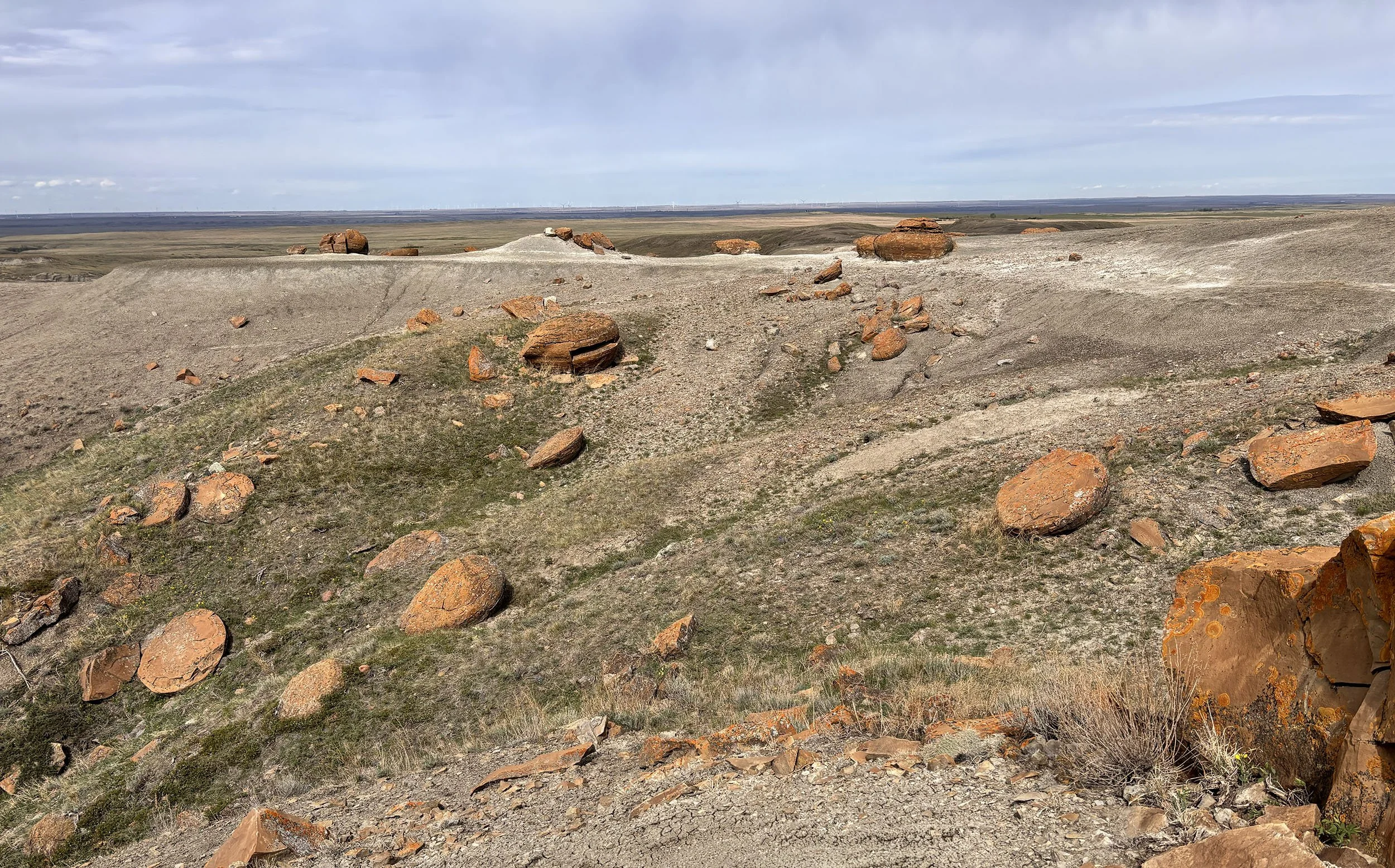
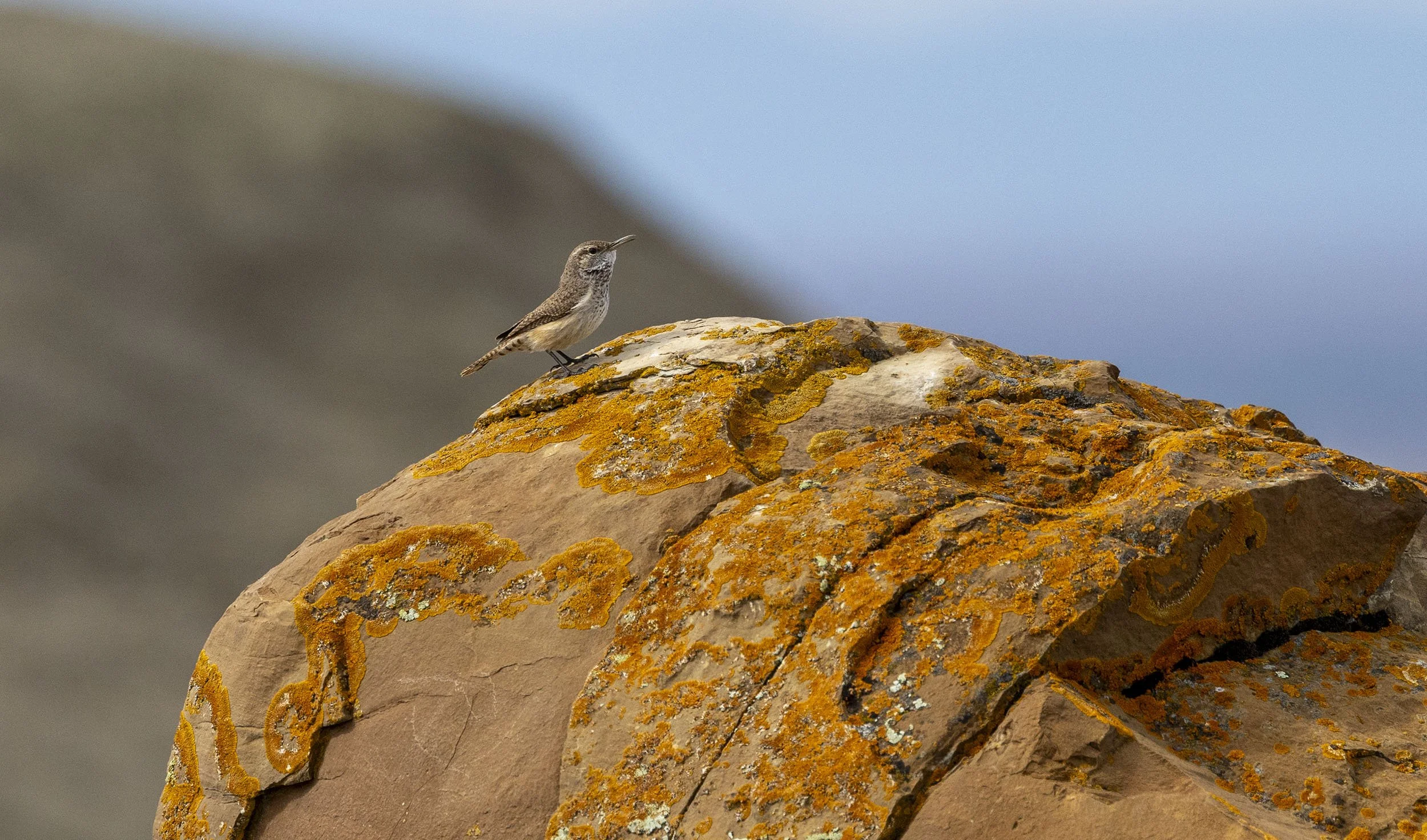
Red Rock coulee was impressive scenery wise and produced our first Rock Wren plus Vesper Sparrow and Horned Larks
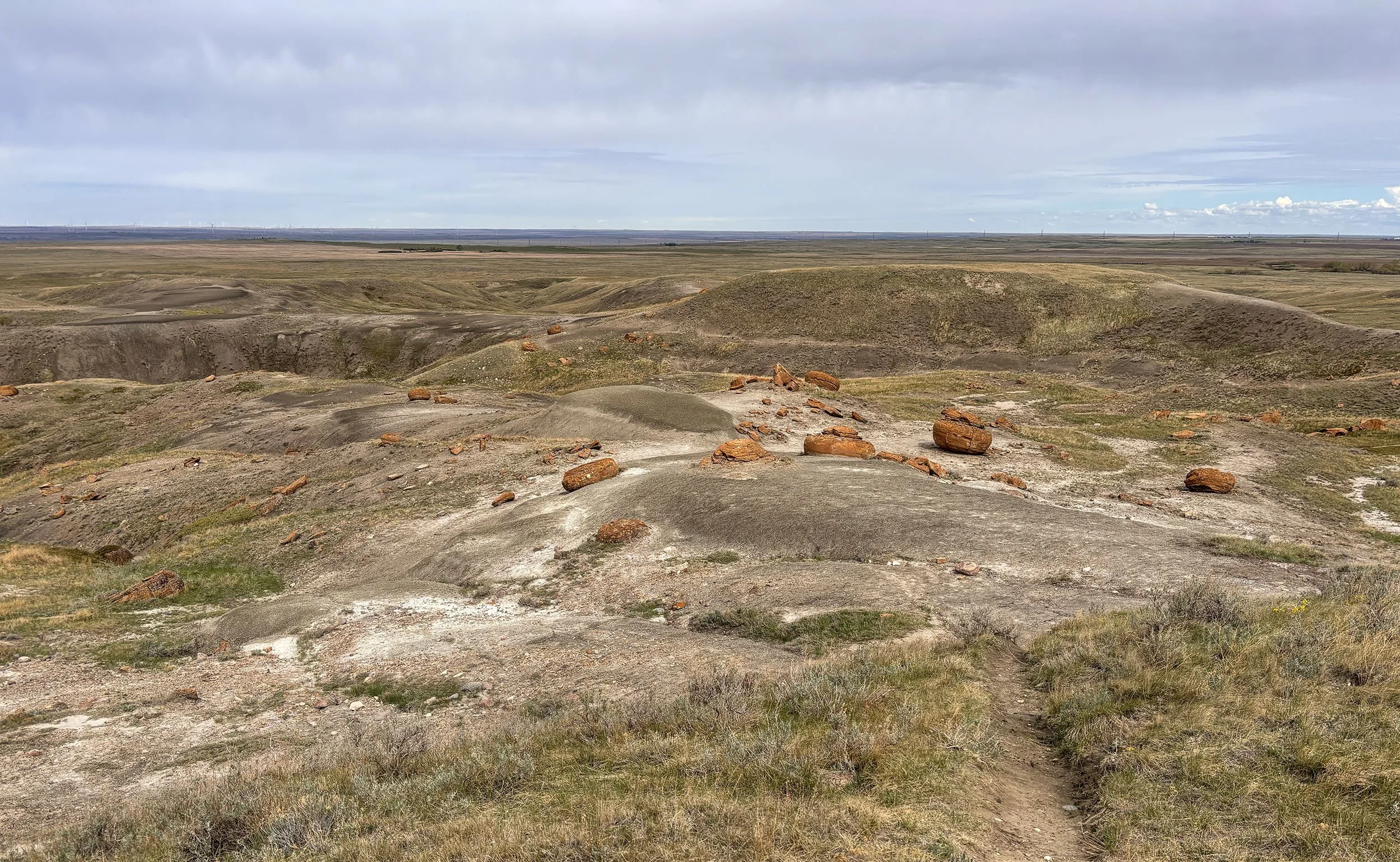
Red Rock Coulee
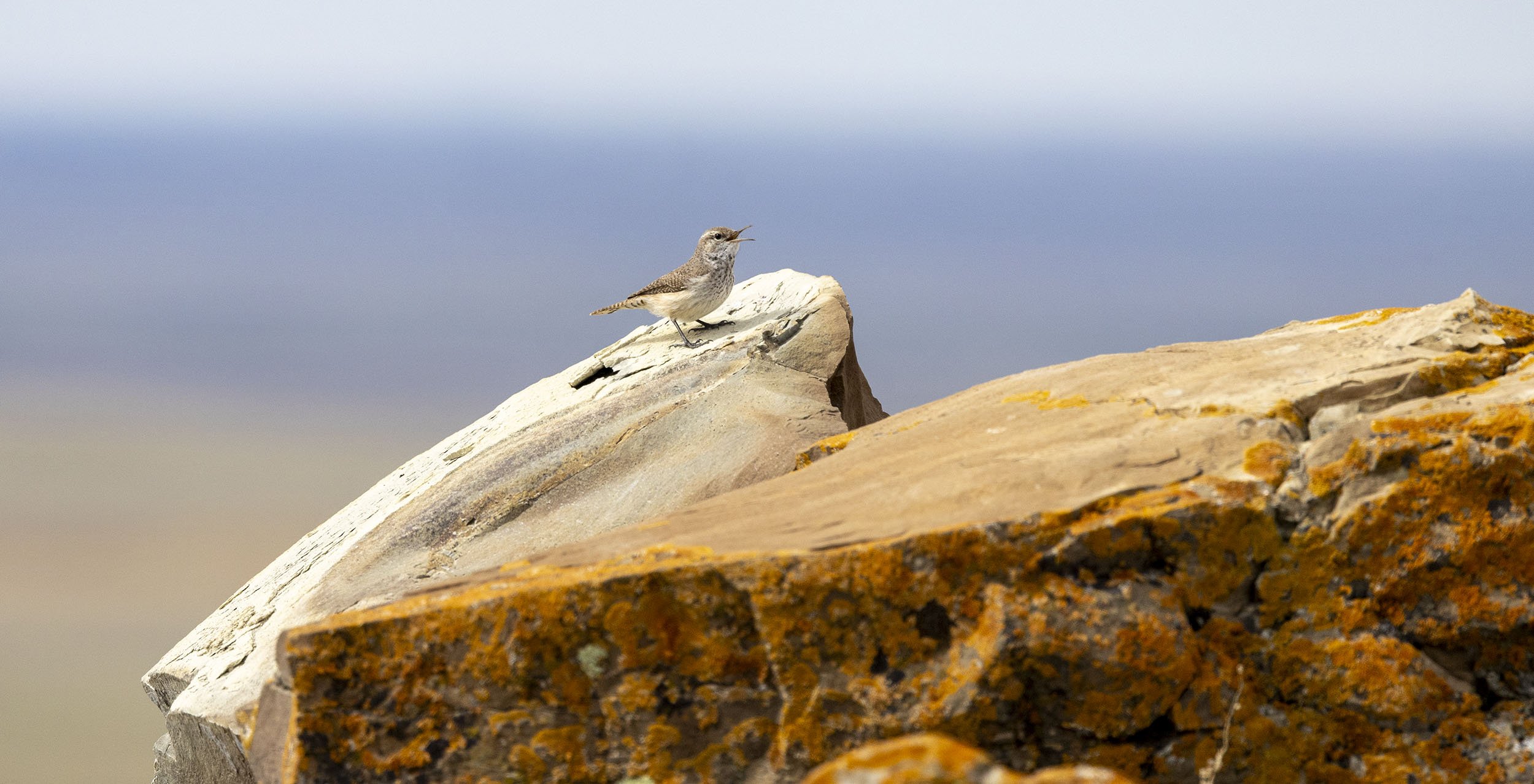
Rock Wren at Red Rock Coulee
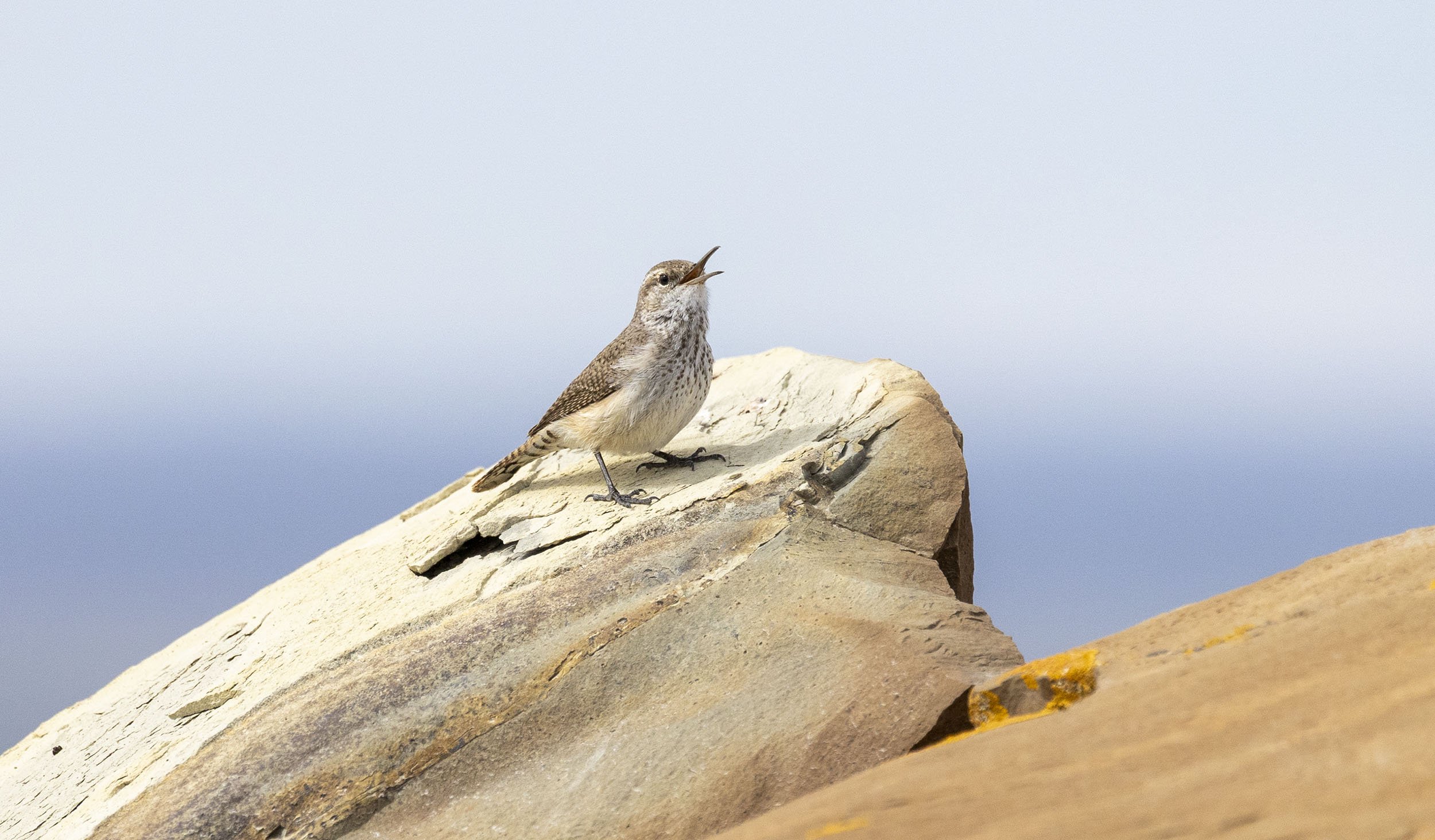
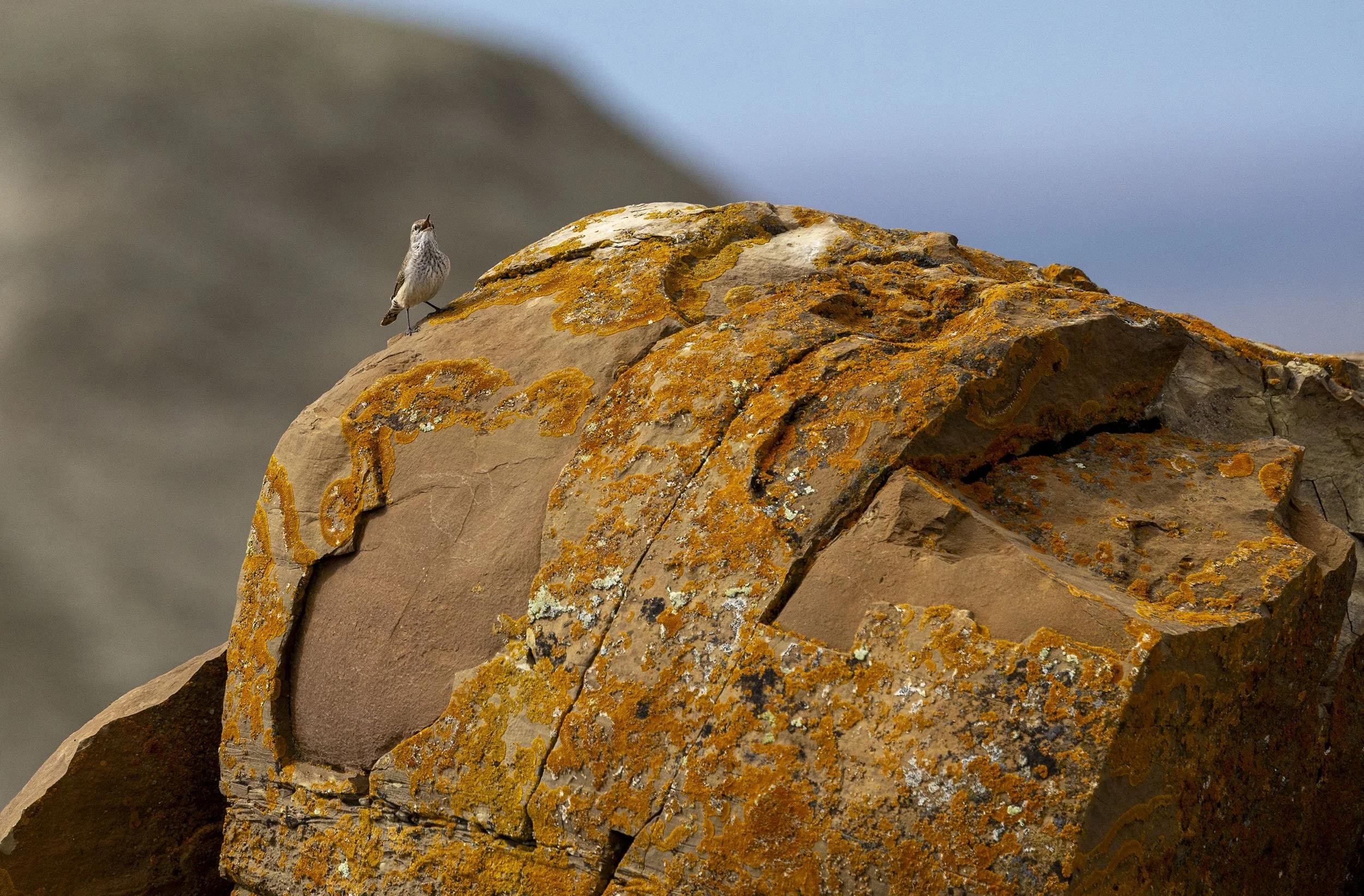
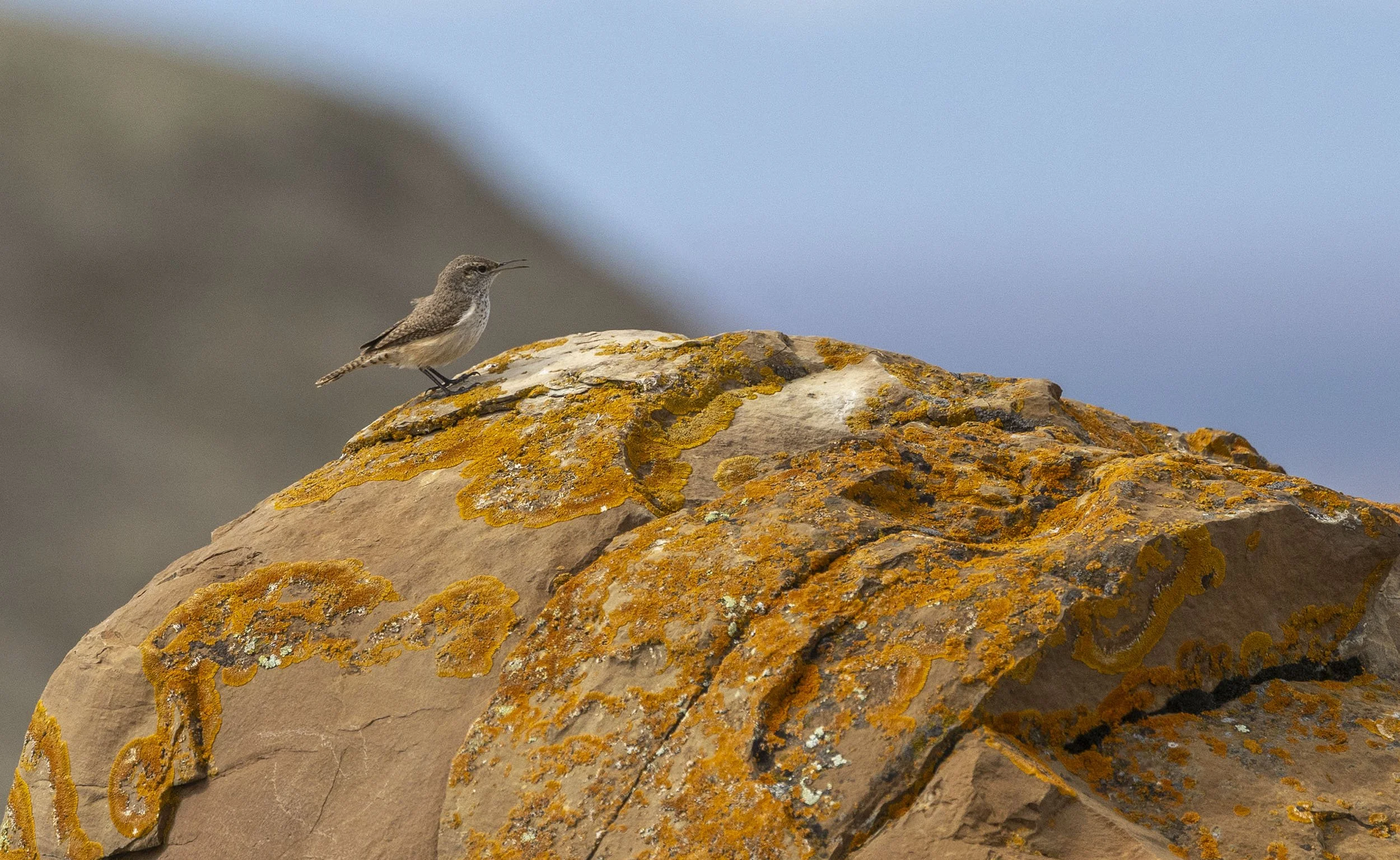
what a rock and what a perch
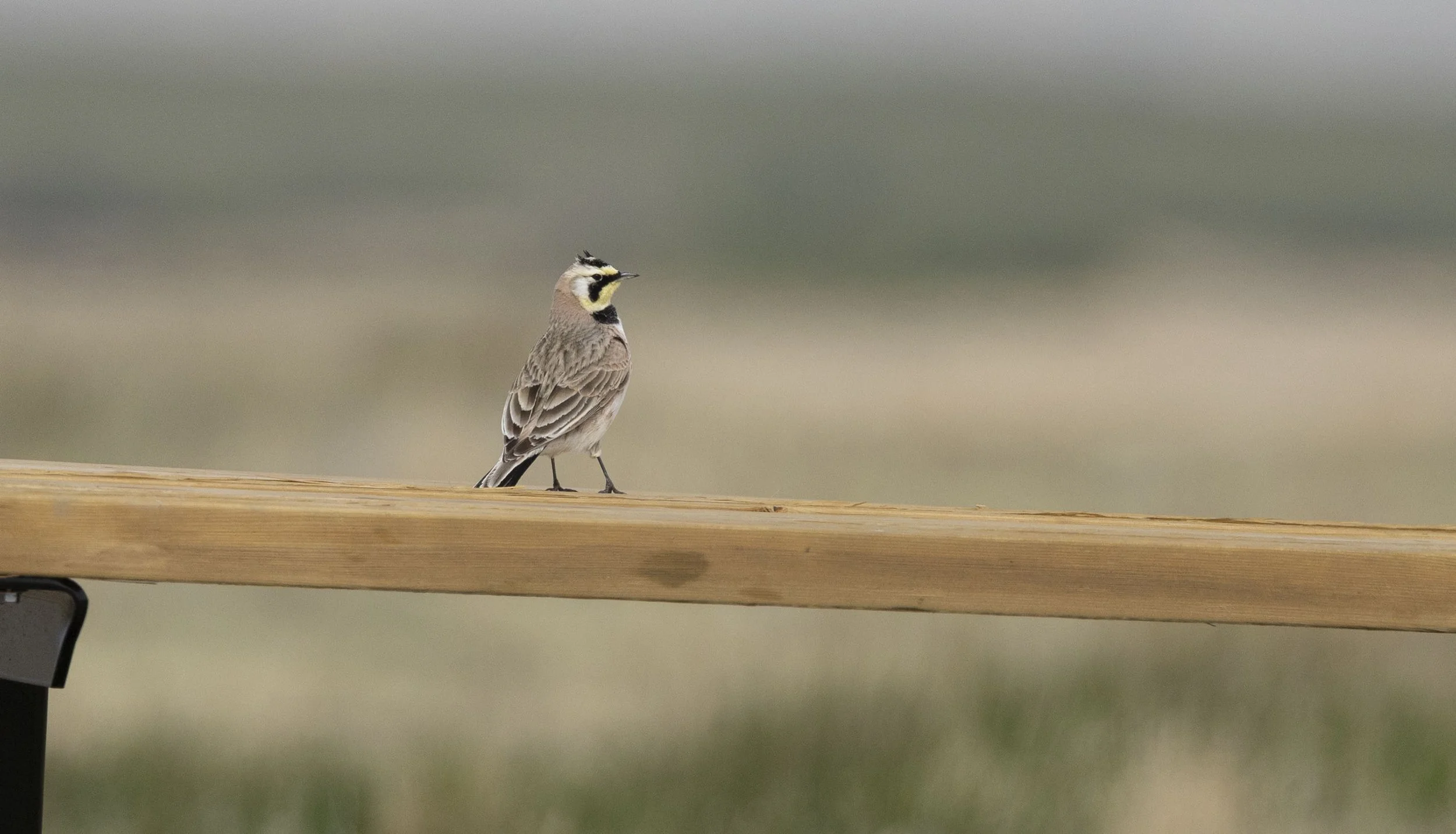
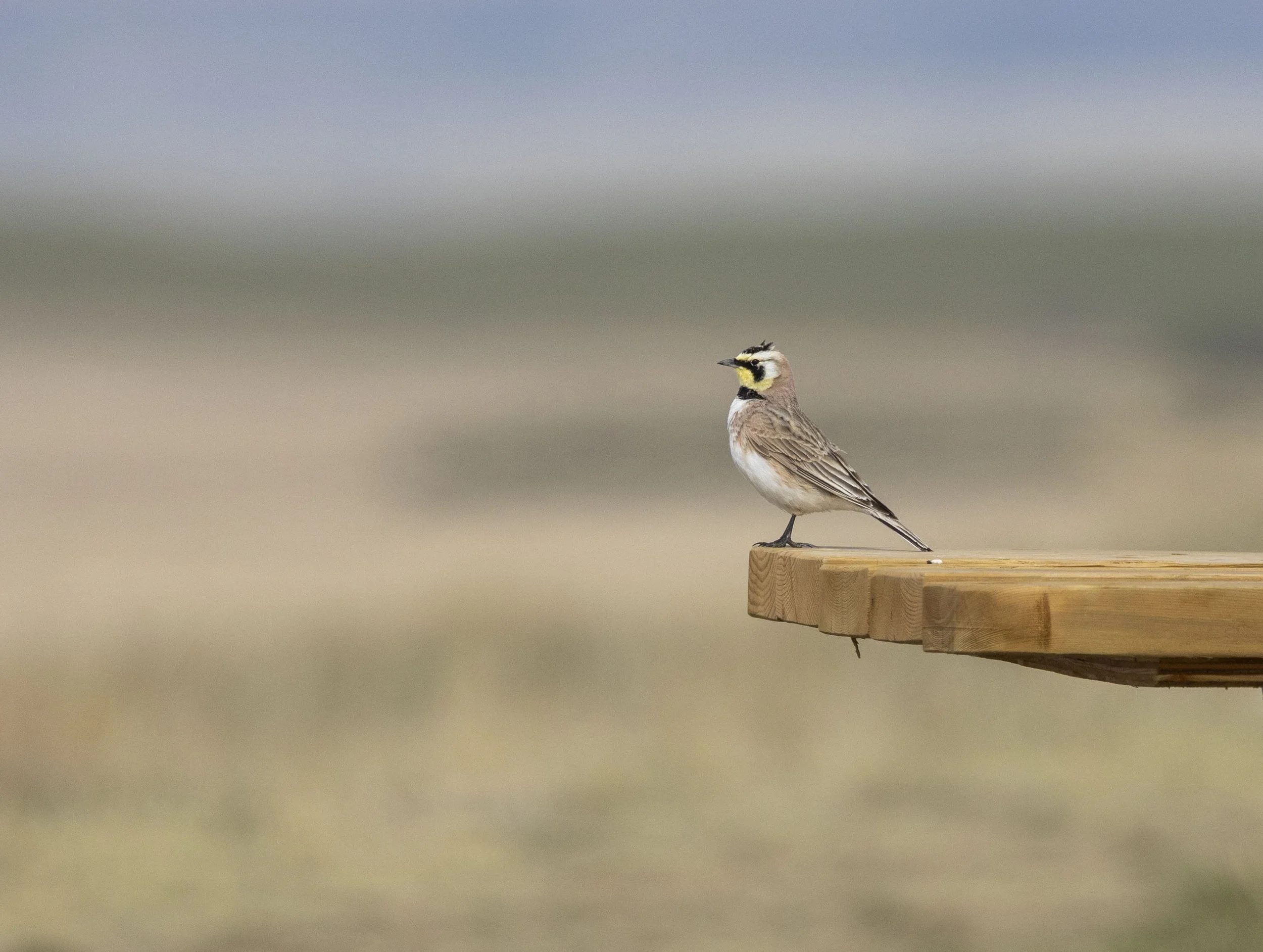
The birds on picnic tables list continued with this fine Horned Lark checking out the new picnic tables placed in his territory
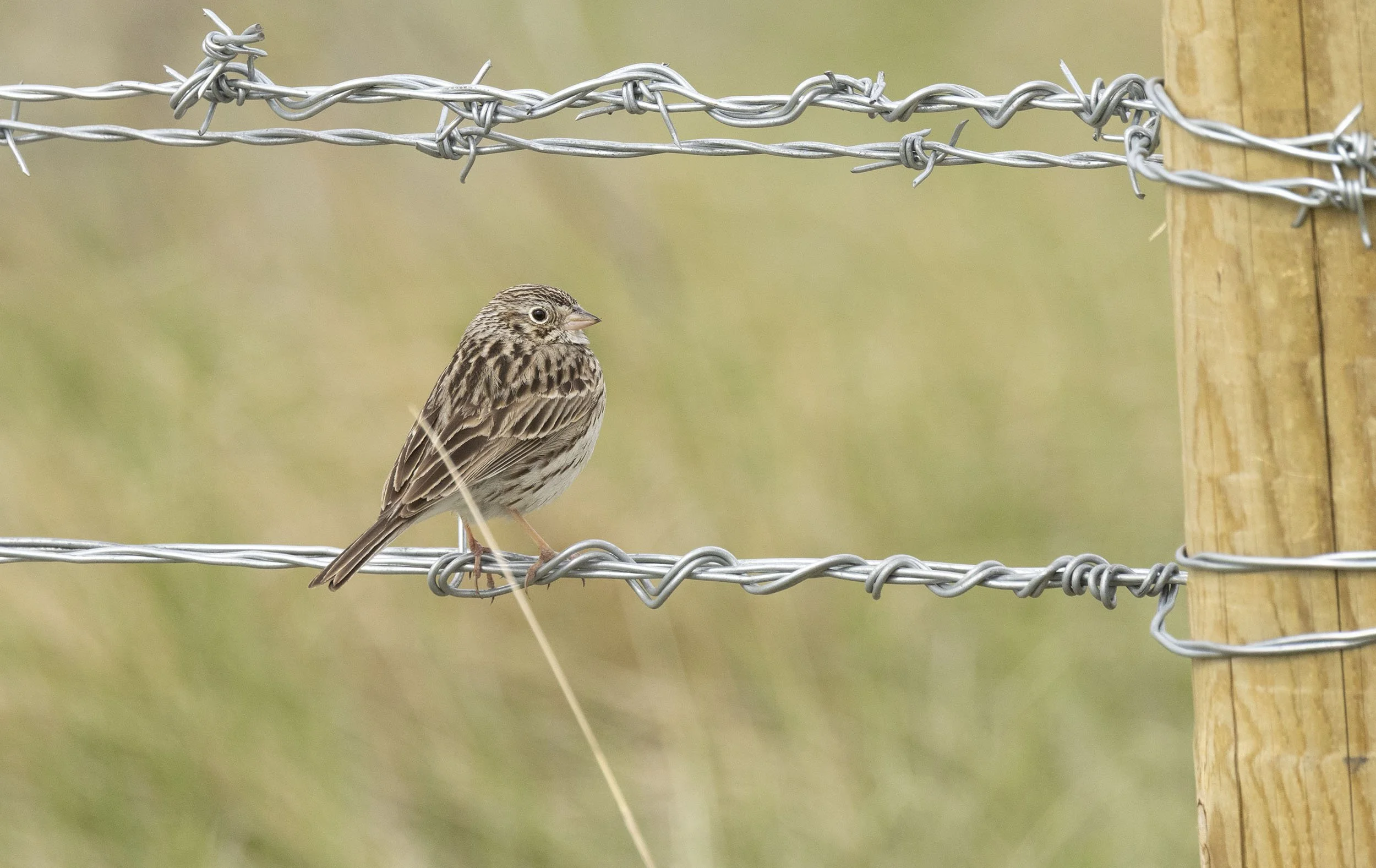
This Vesper Sparrow takes the barbed wire theme to a new level
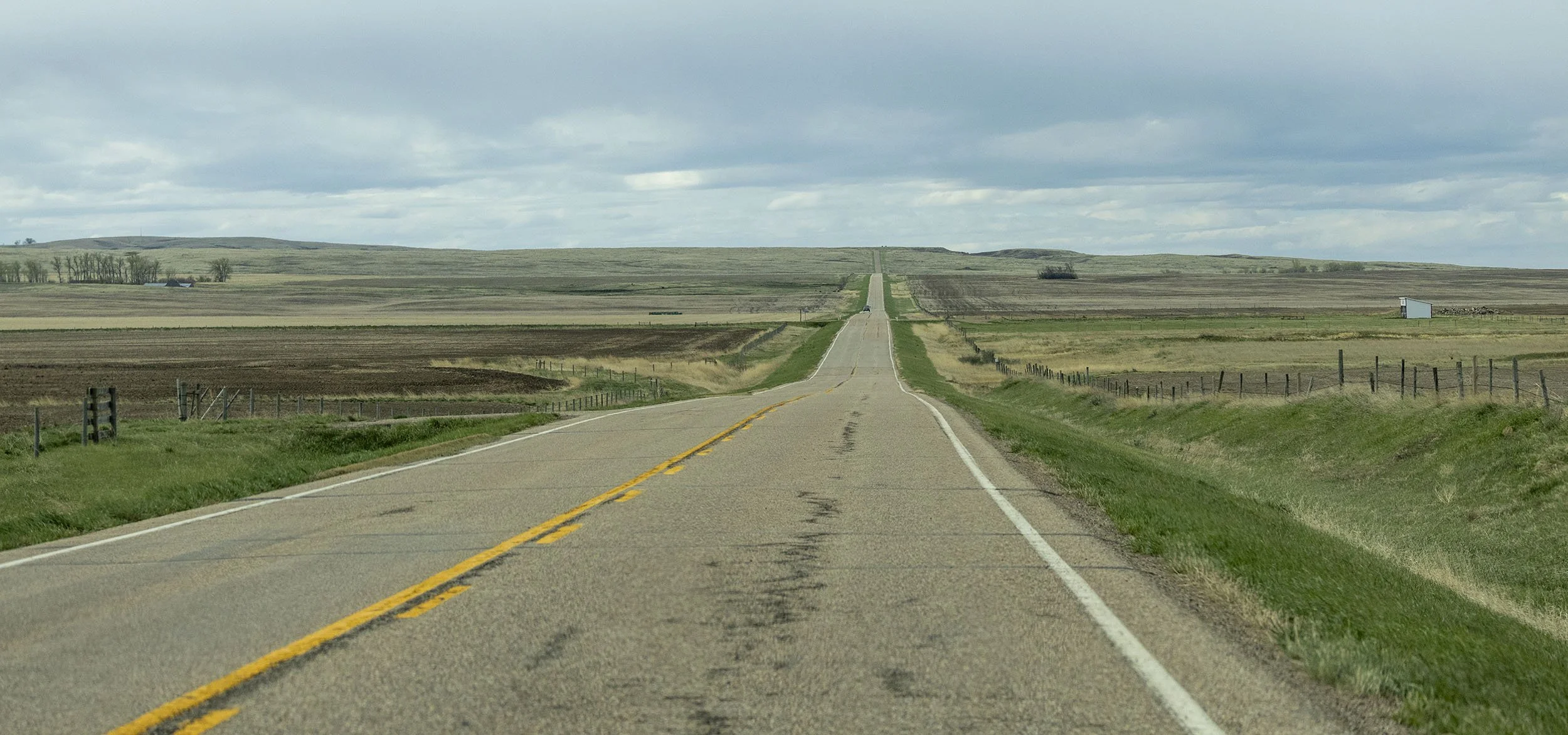
Prairie Roads are typically long and straight - 30 miles is not unusual and you may meet the odd vehicle
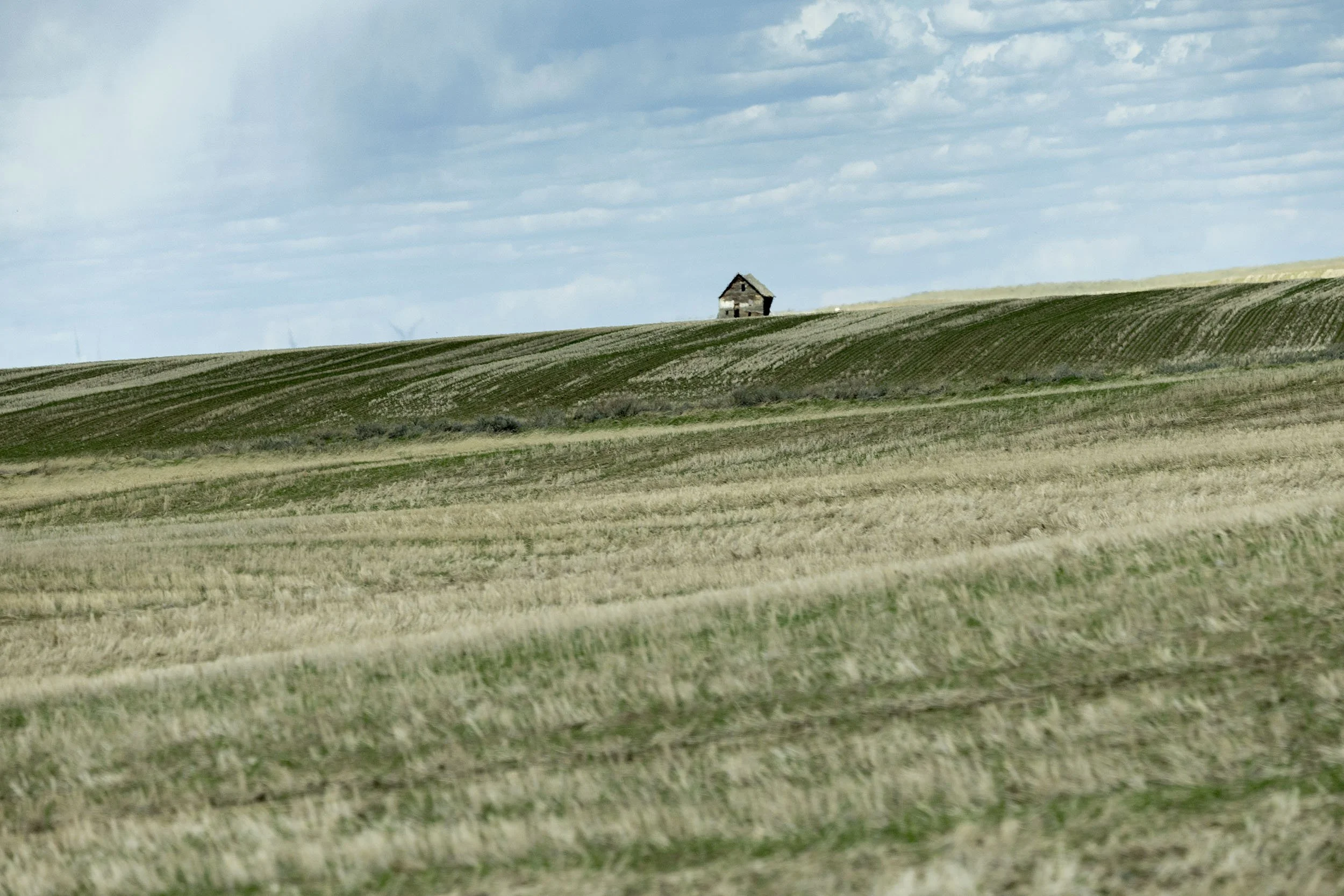
Abandoned prairie barn
The Manyberrries area seemed like one of those spots you maybe would not want to stop for long, visions of Physco, but maybe unjustified. We took a while to find the Conservancy land and getting in through the fence was more than problematic but eventually we had a walk in the wind and located several Chestnut collared Longspurs, Sprague’s Pipit in song overhead, singing Clay coloured Sparrows, two American Kestrel, two Loggerhead Shrikes, the usual Horned Larks and a Pronghorn fawn with the adult seeing off a Coyote. Along the roads were more Swainson’s and Red-tailed Hawks plus Northern Harriers and roadside ponds held Cinnamon teal, Blue-winged Teal and Pintail but one near Etzicom a pool held 19 Wilson’s Phalaropes. The Museum was having its spring opening day and we had Maple and Walnut ice-cream and a guided tour by a local resident.
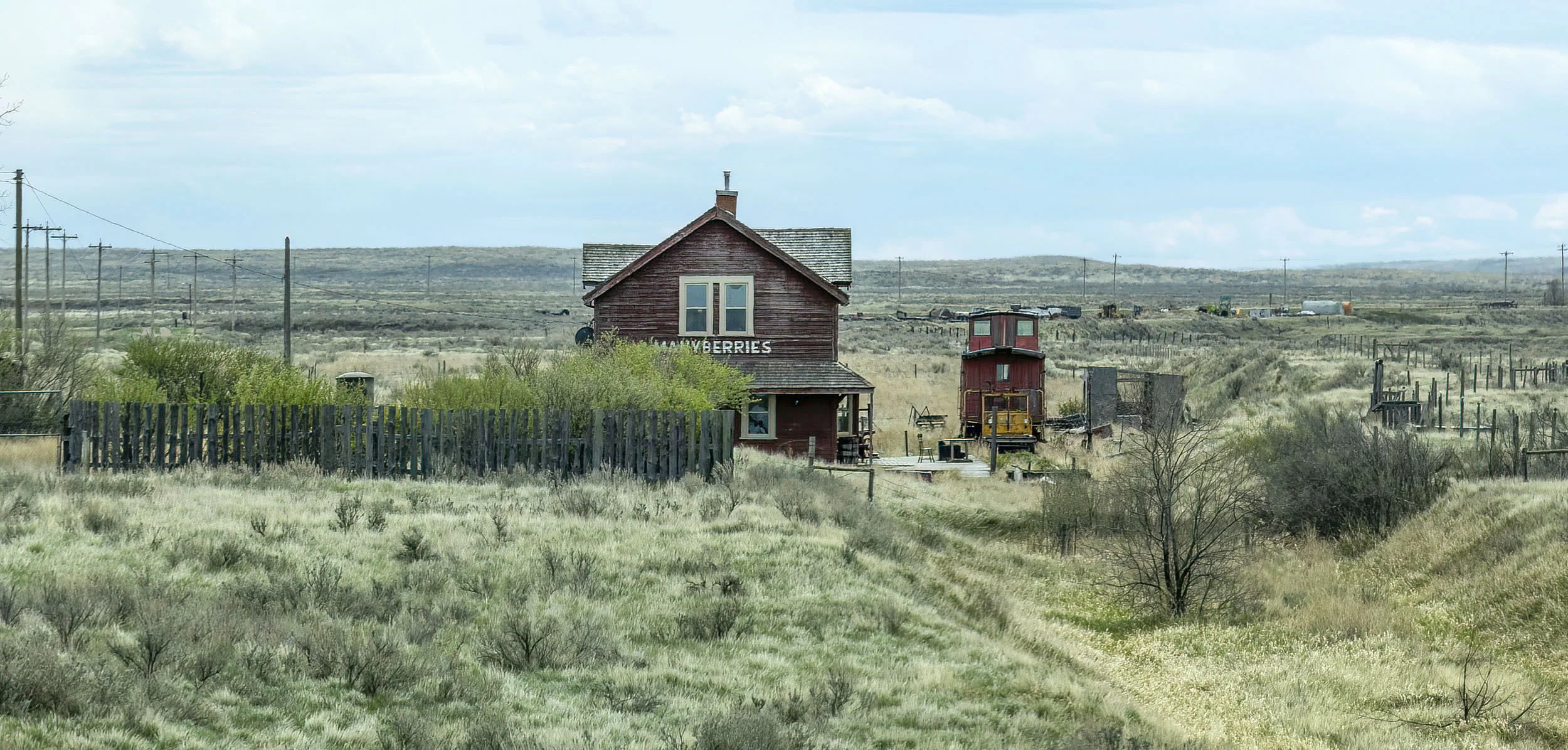
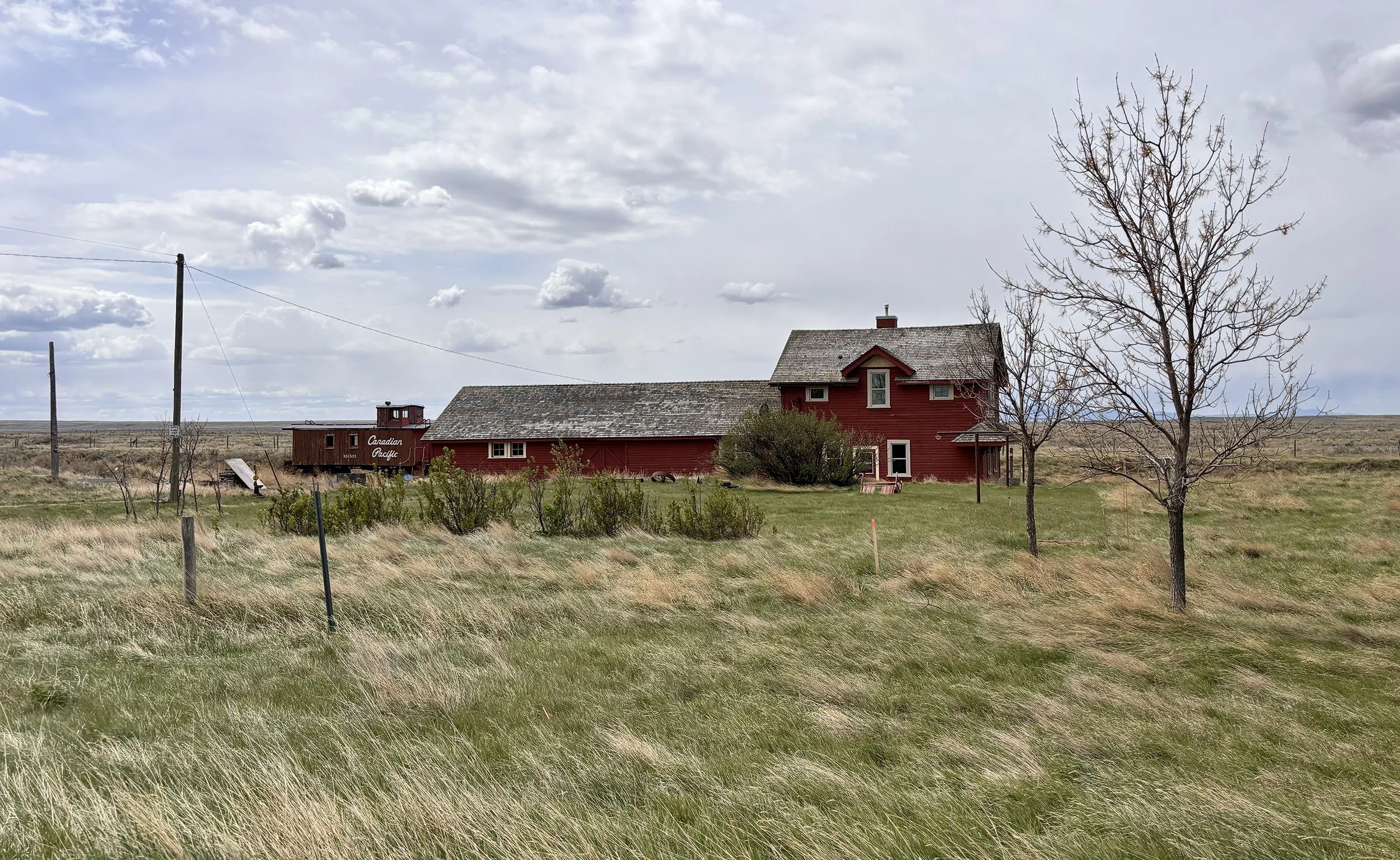
Manyberries - the end of the line
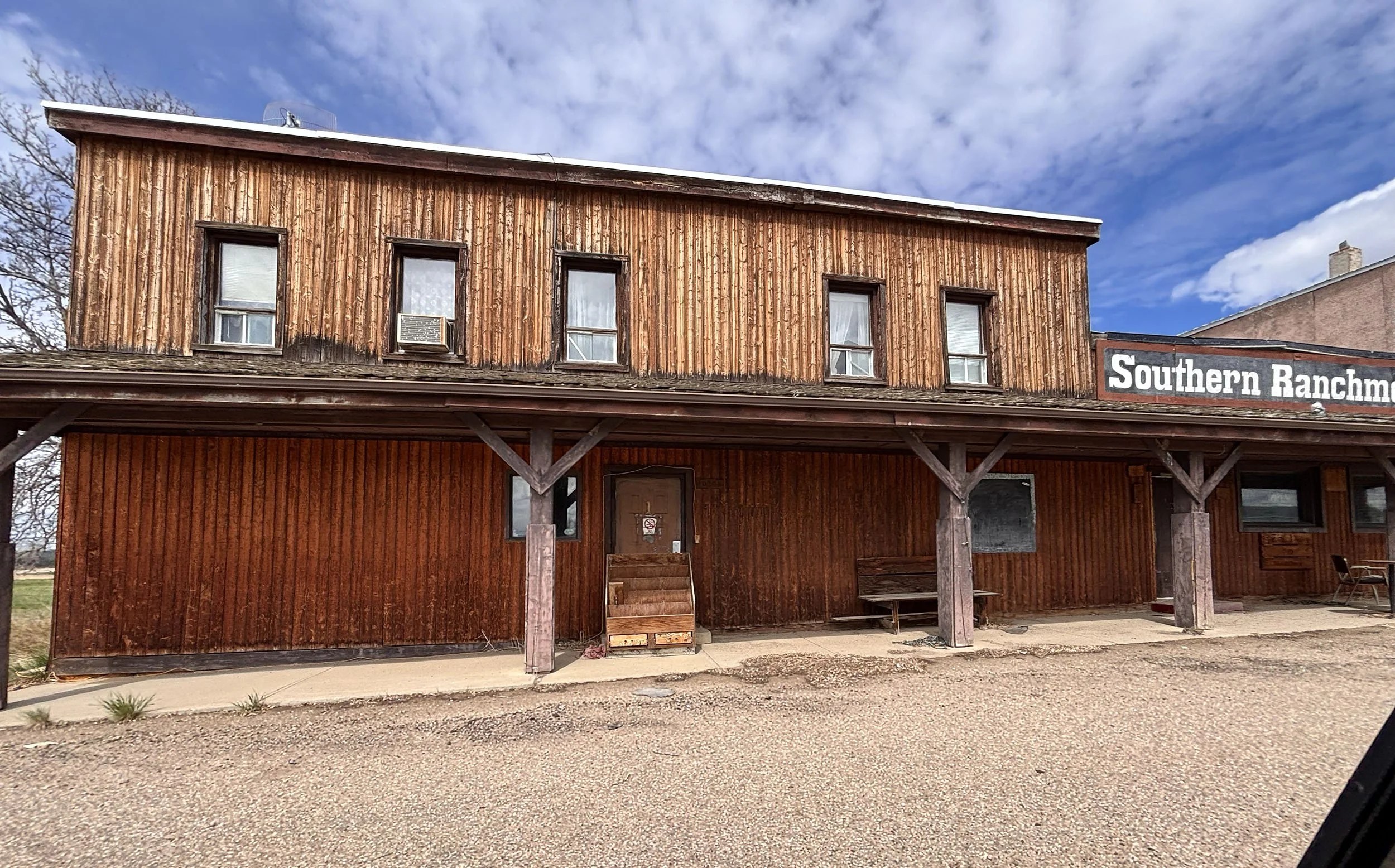
Not sure the local Motel was in working order
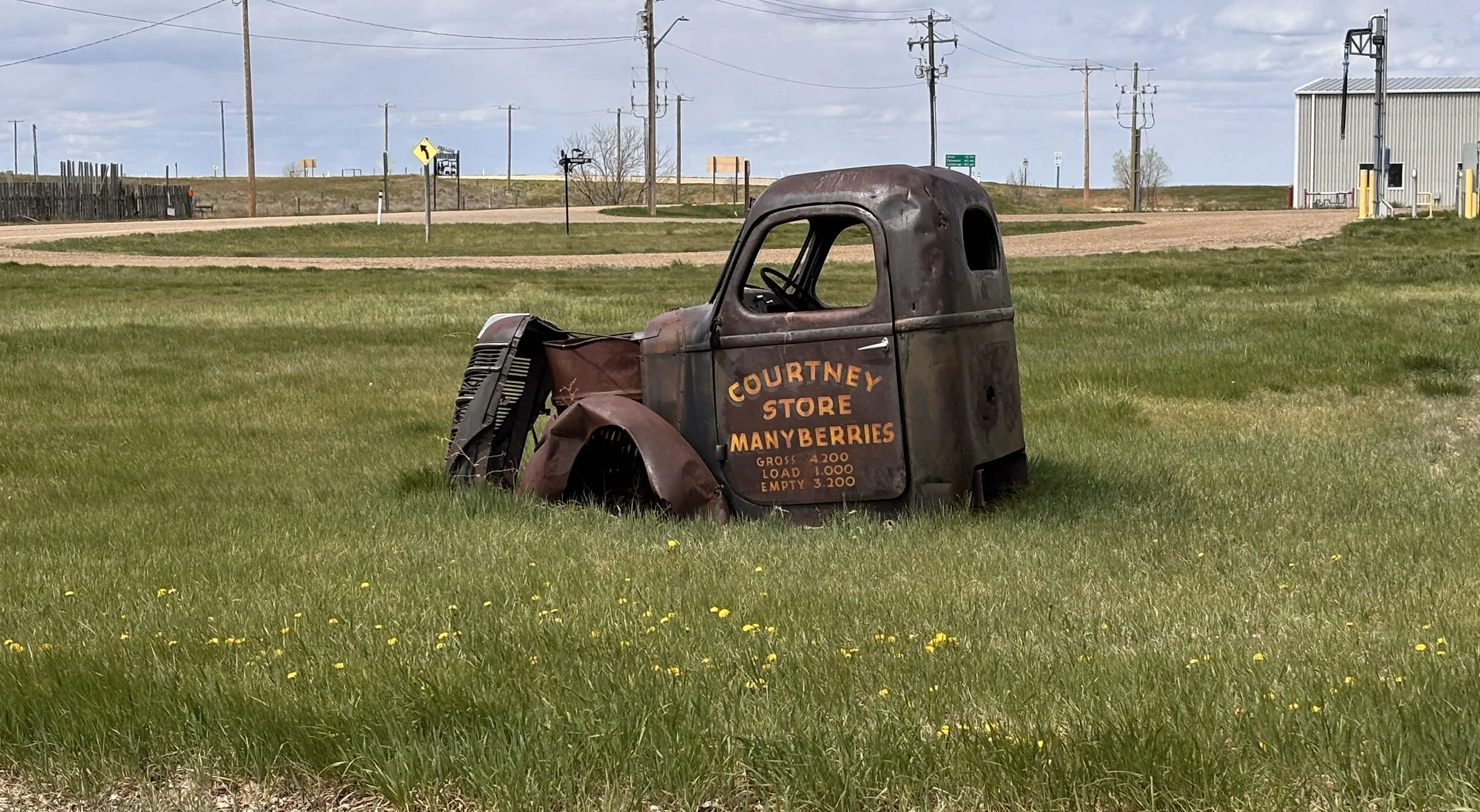
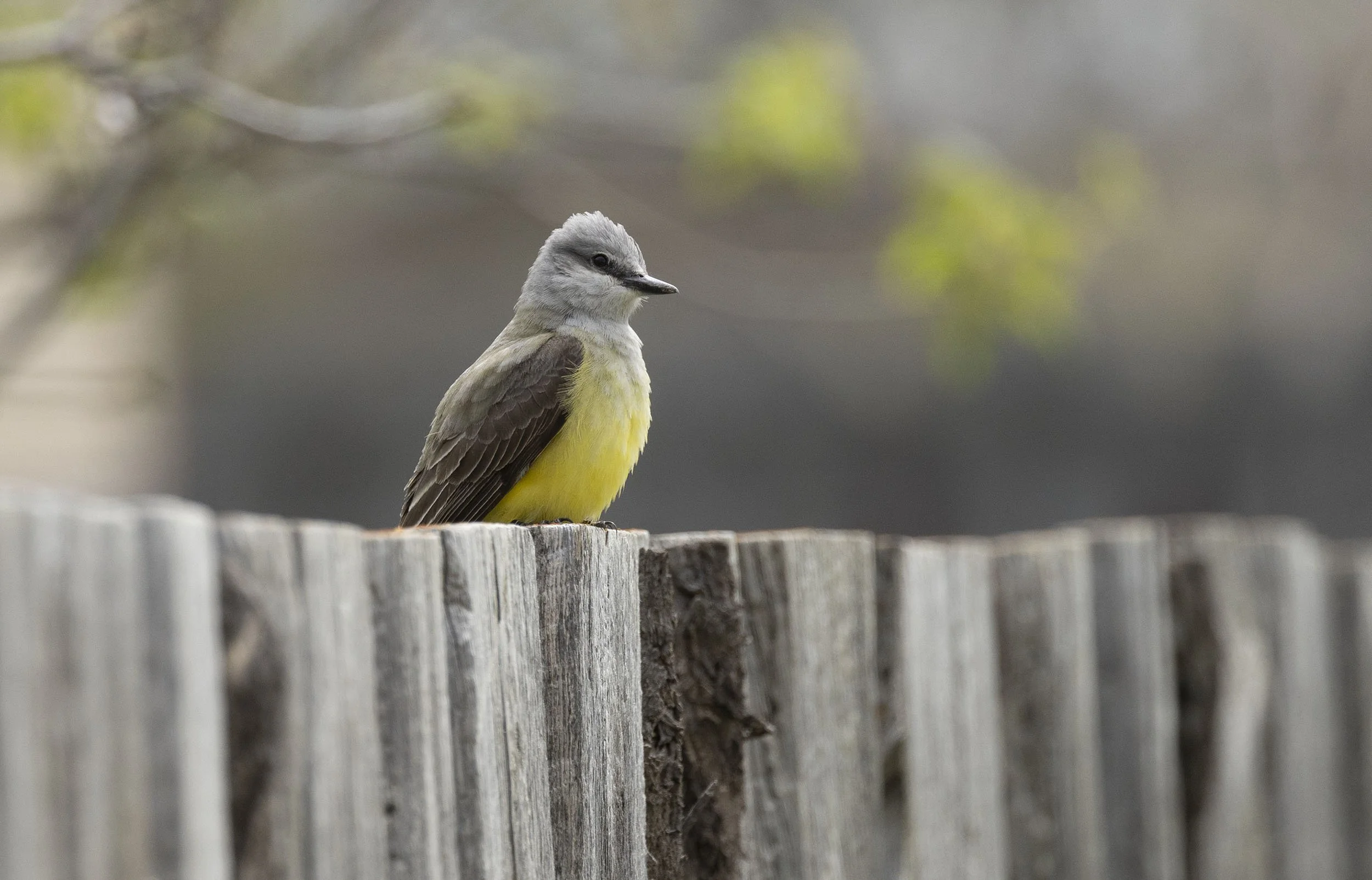
We did paiuse briefly in Manyberries to get a shot of this smart Western Kingbird
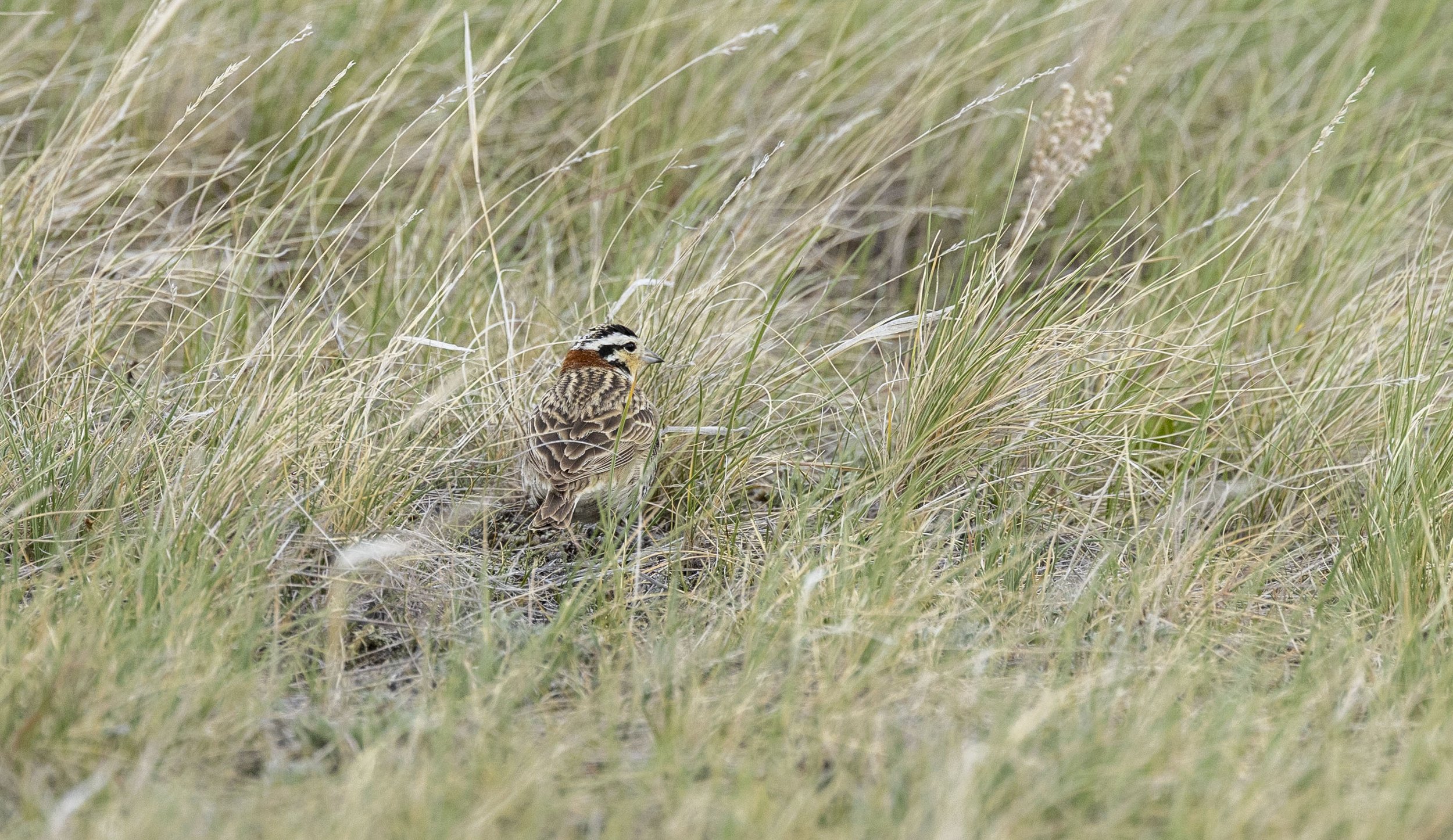
Chestnut-collared Longspur
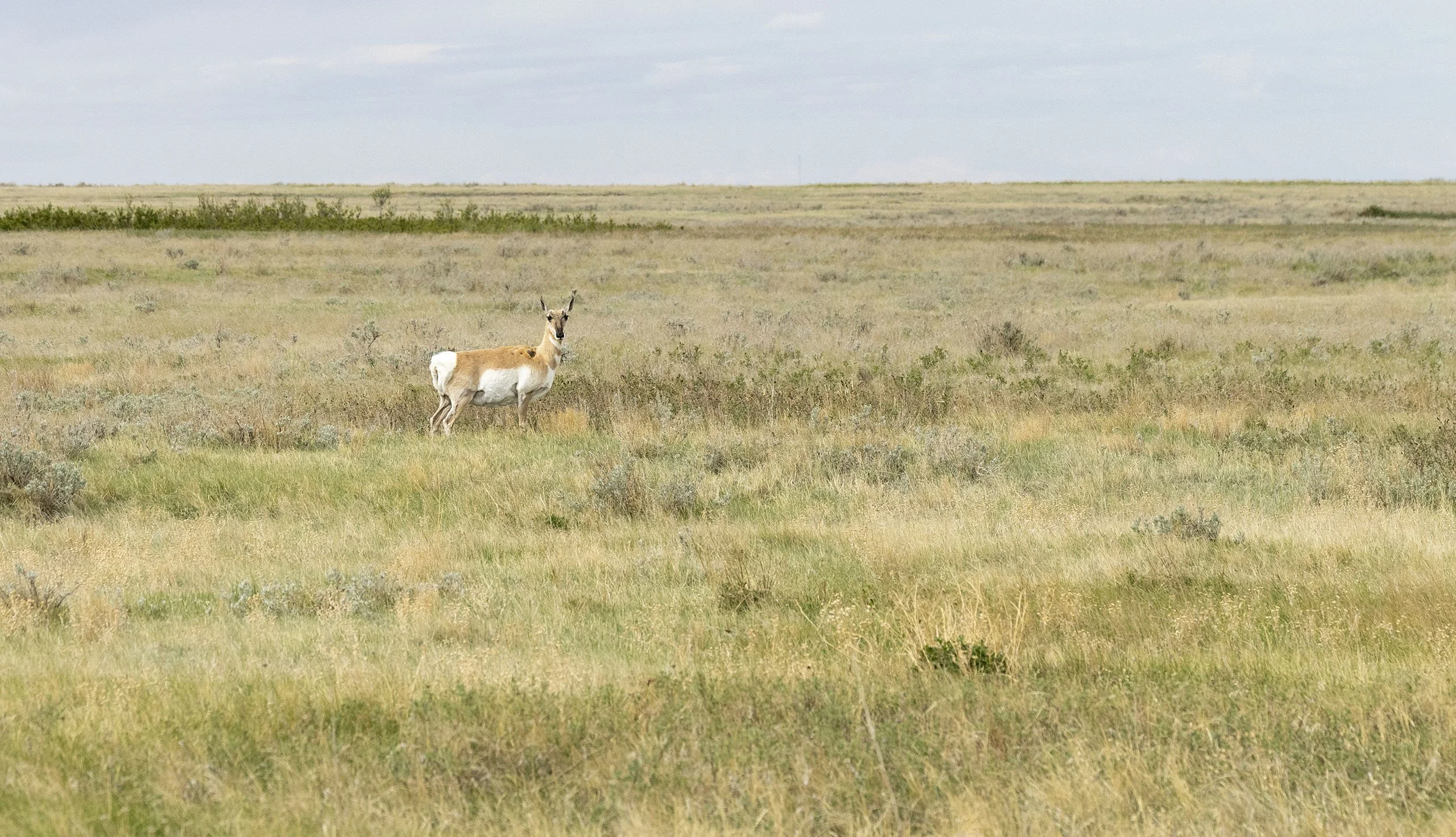
we see a lot of Pronghorns but always mixed feelings seeing them on cultivated prairie and fenced in with barbed wire - do they look sad for a reason
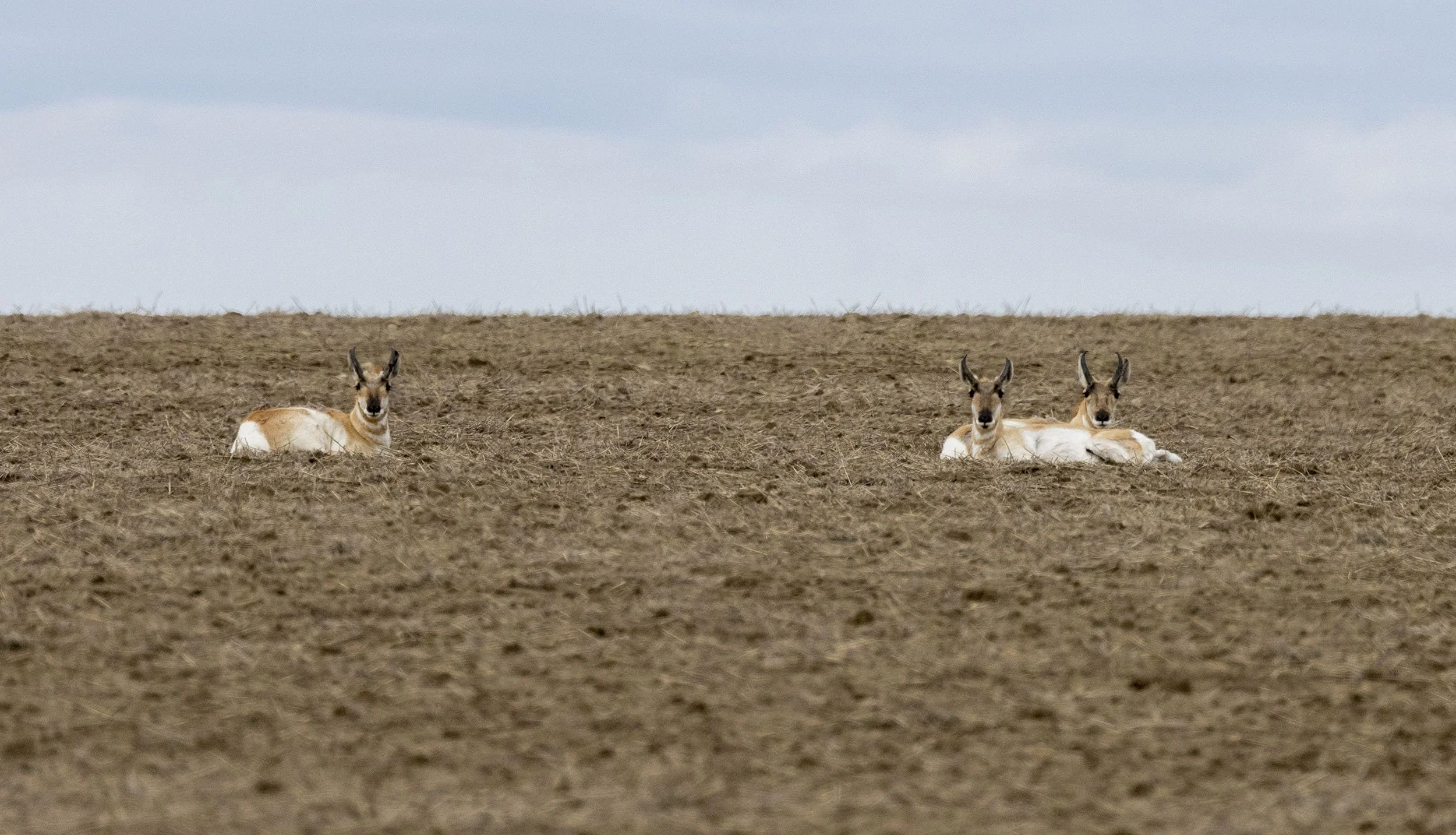
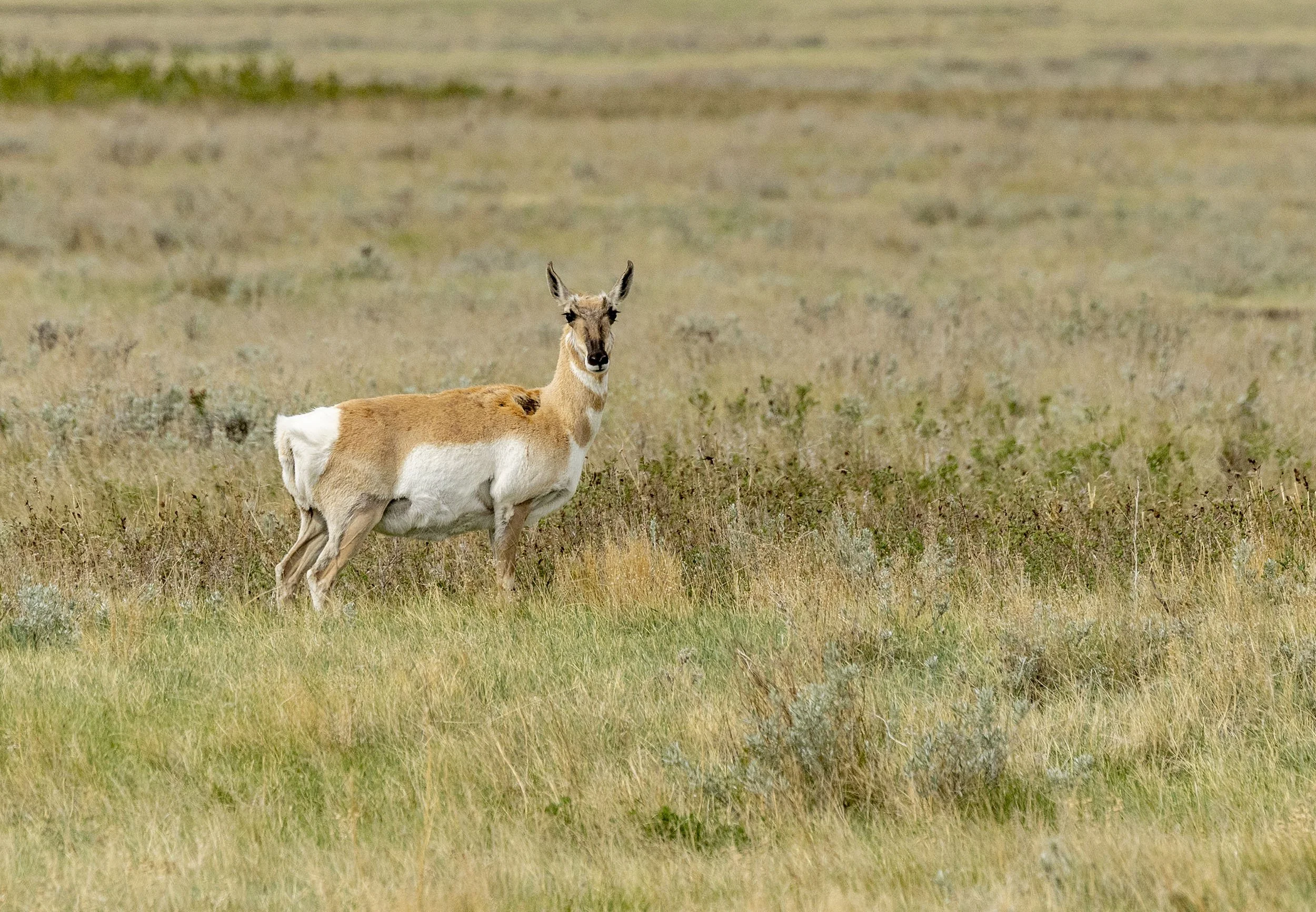
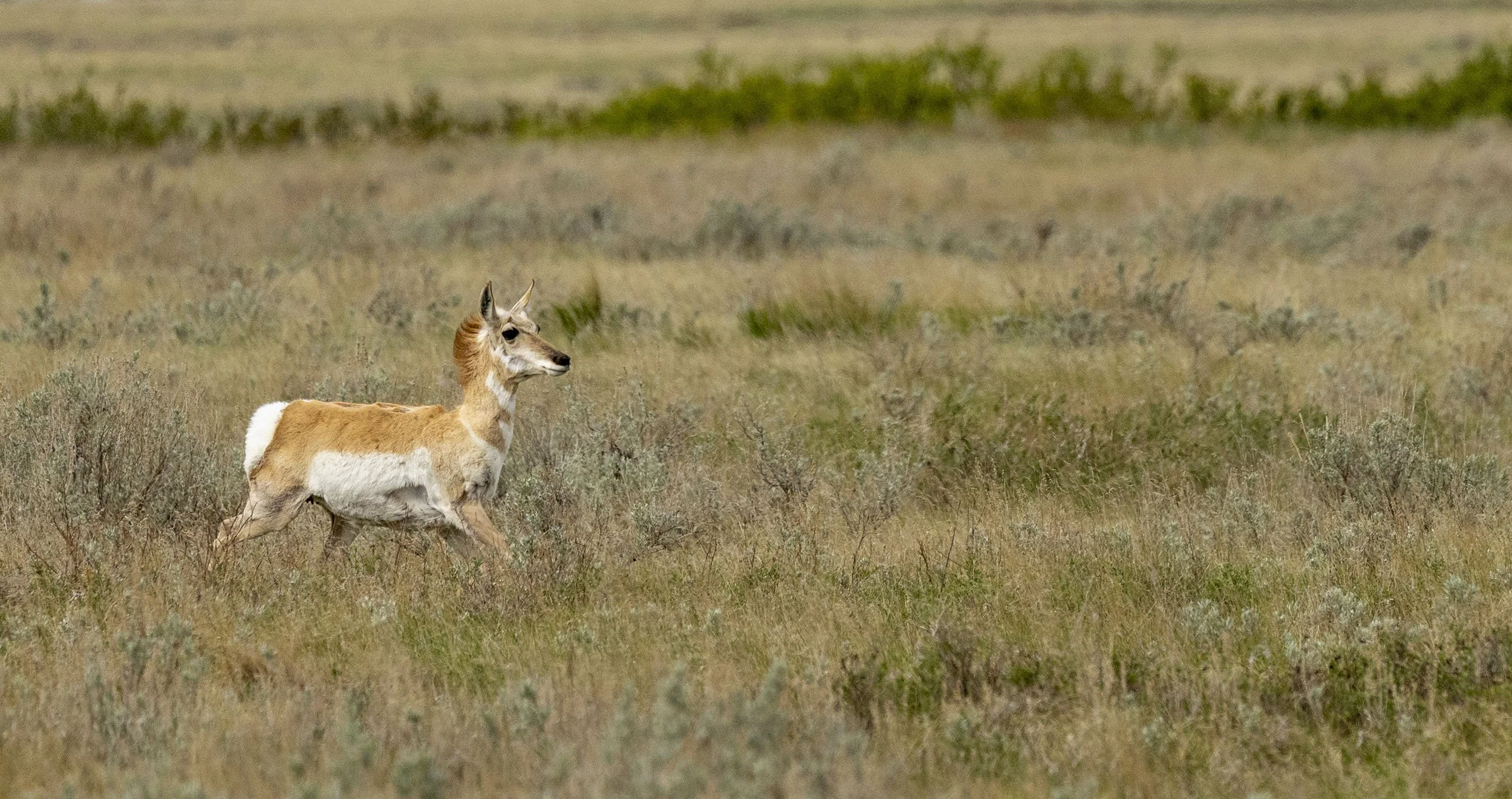
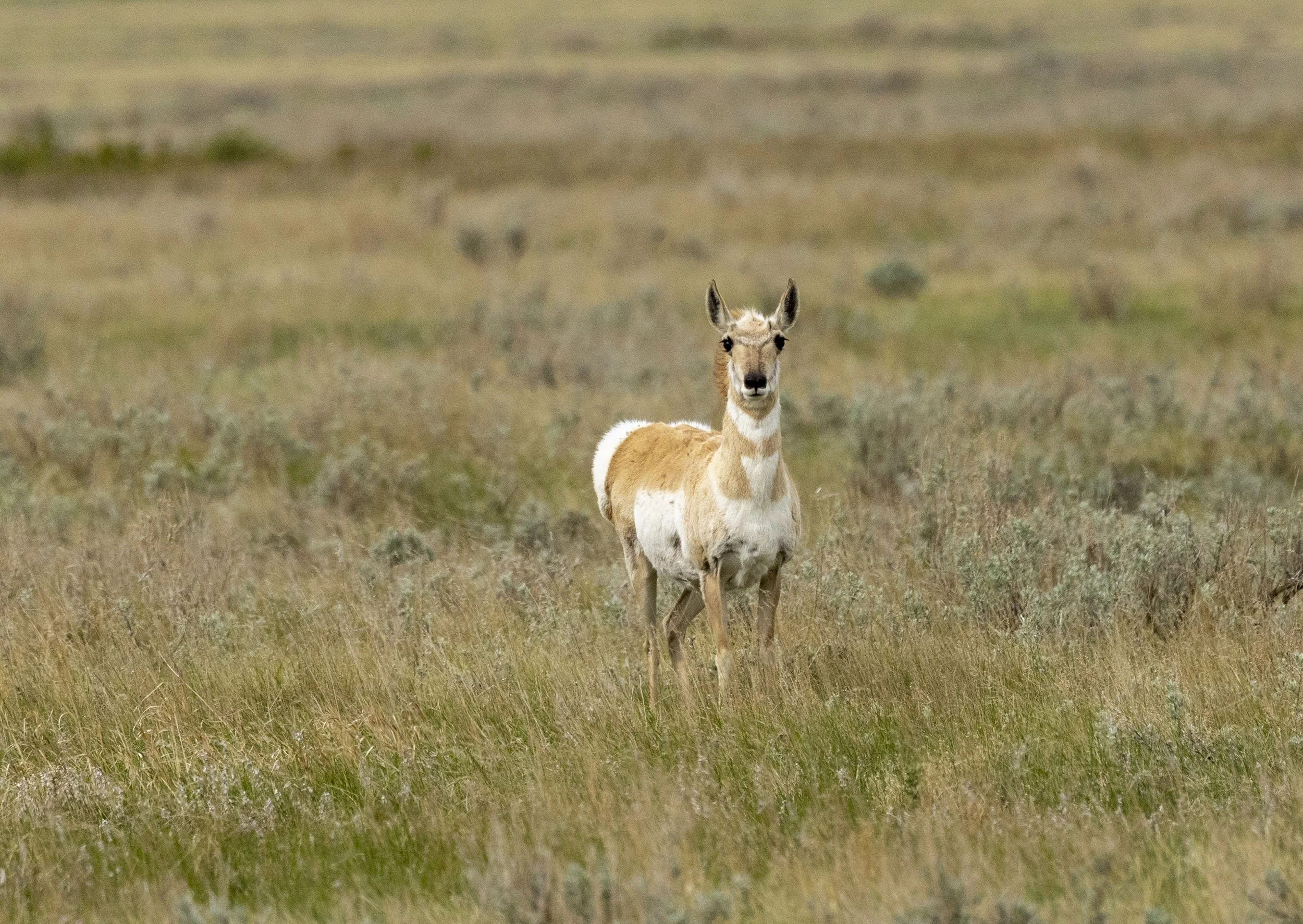
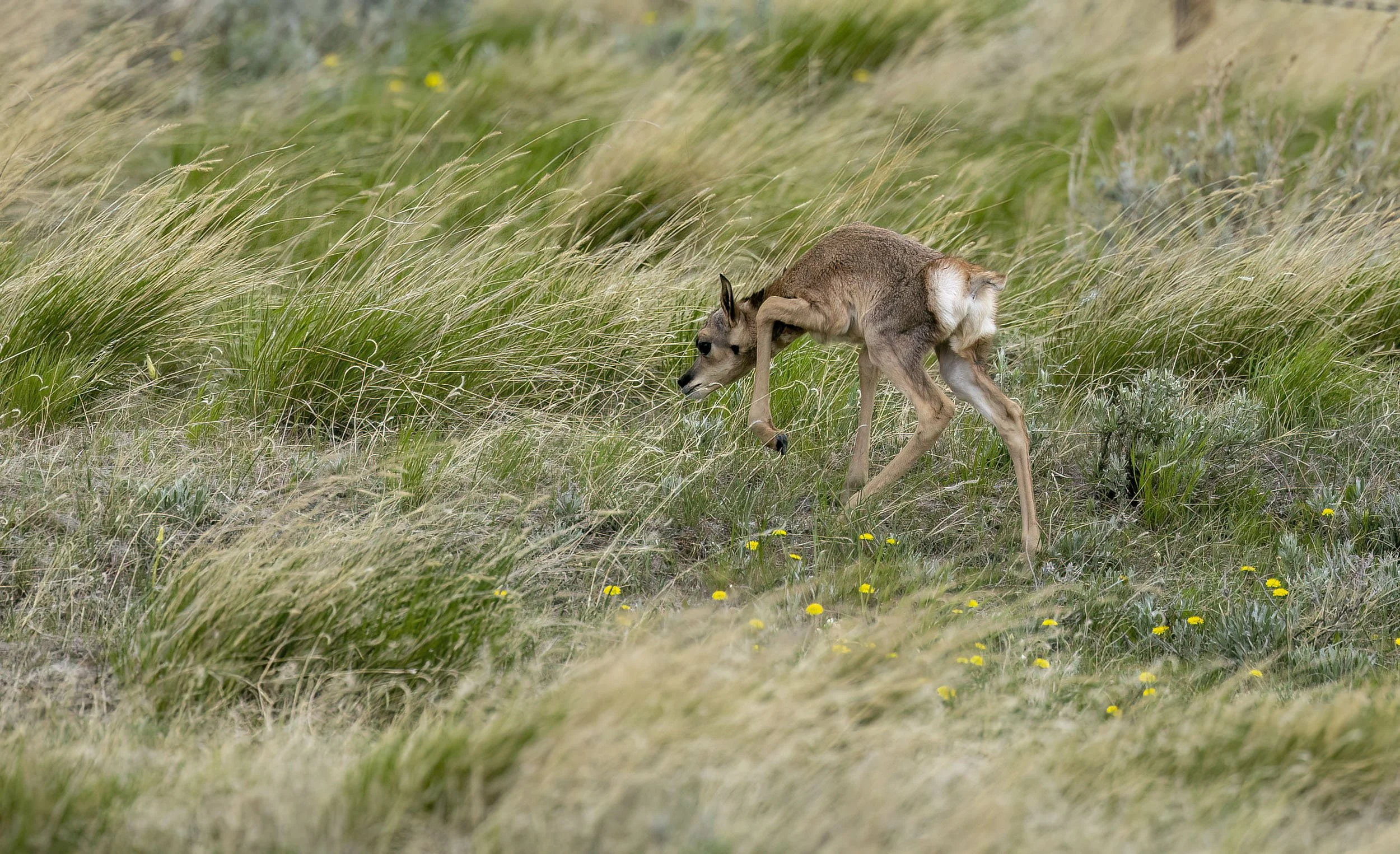
A Pronghorn fawn we stumbled across on the conservation grassland - quickly left it to settle down again
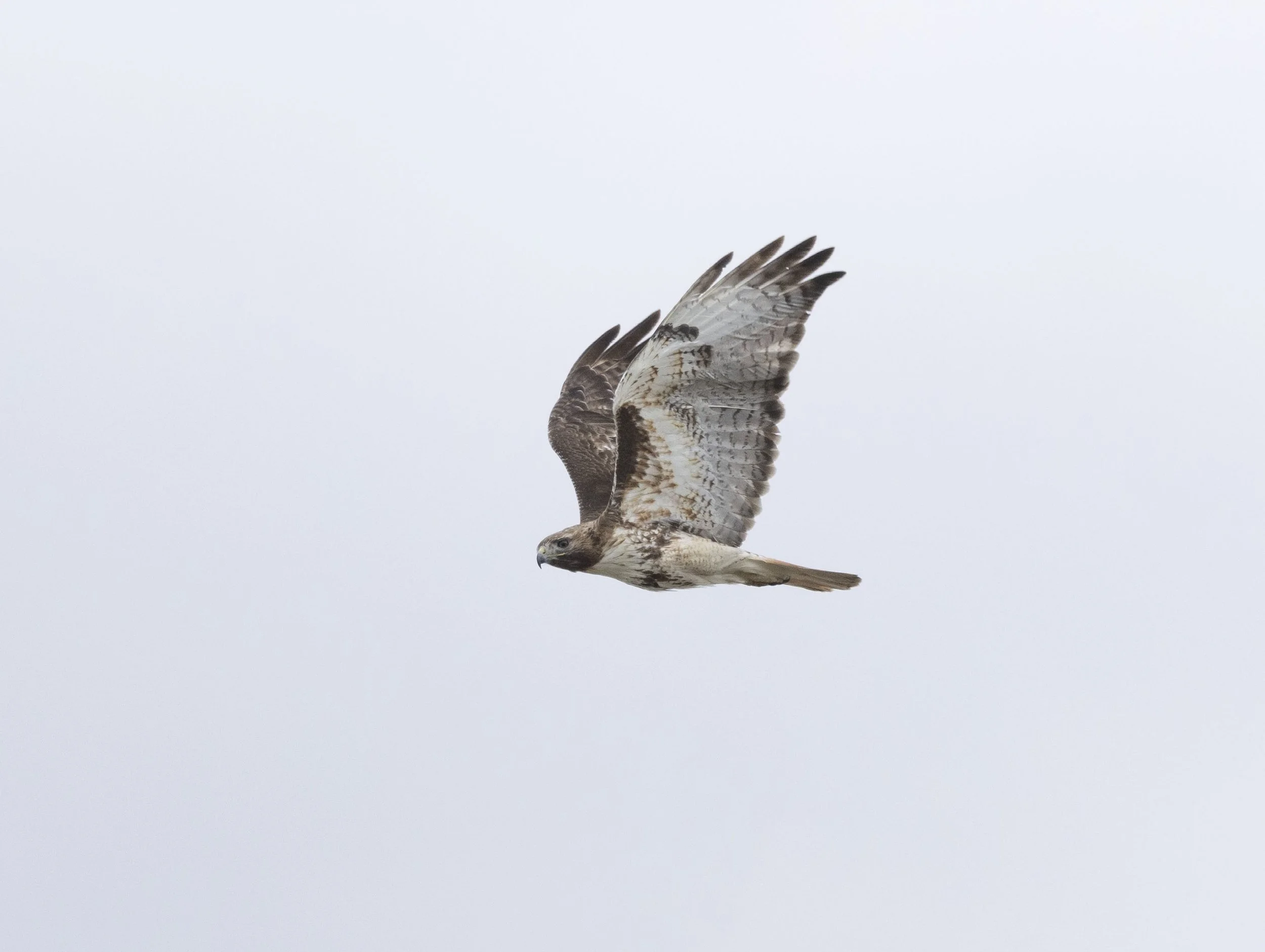
Red-tailed Hawk along the roadside
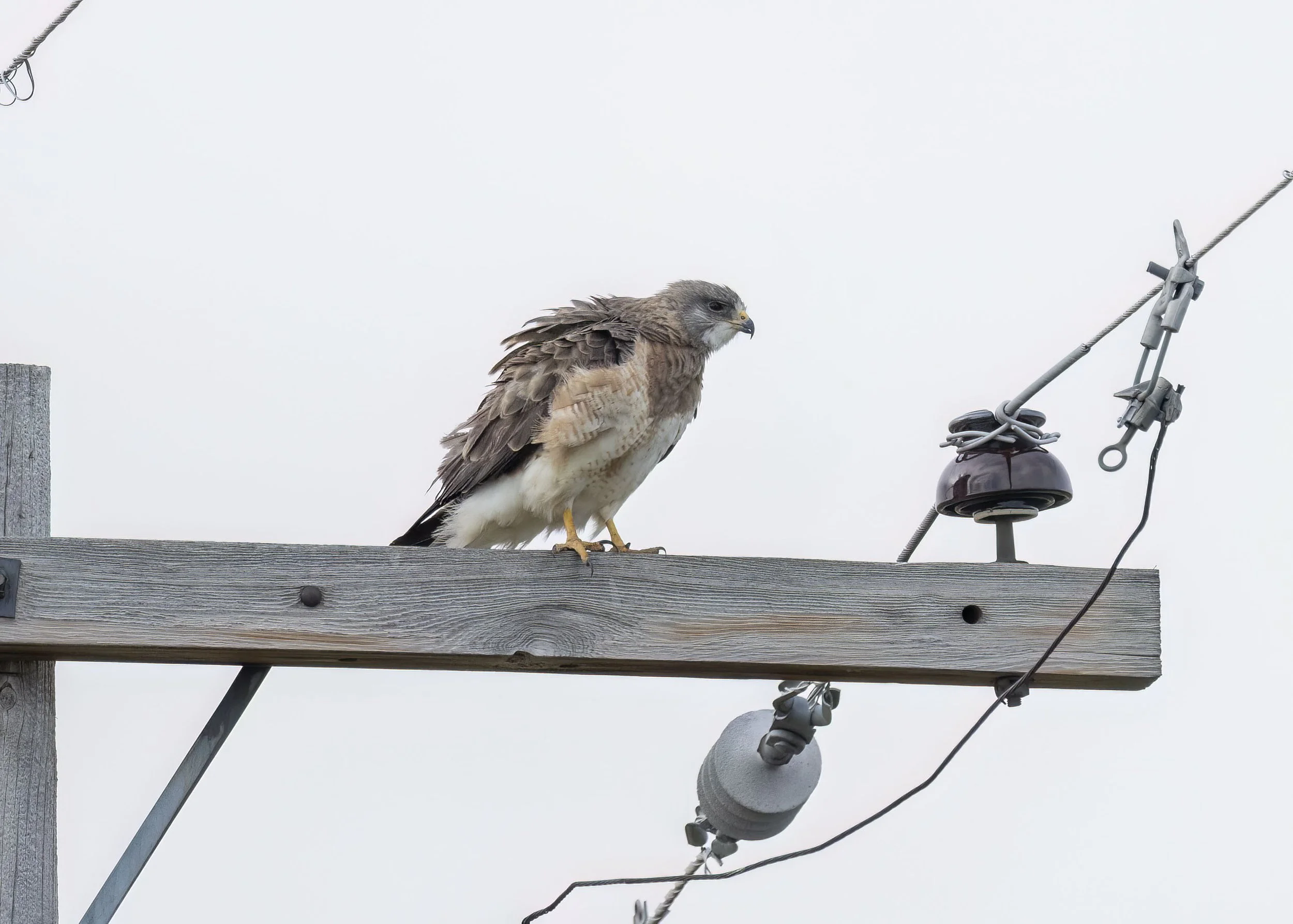
Scenic raptor perches are limited - Swainson’s Hawk
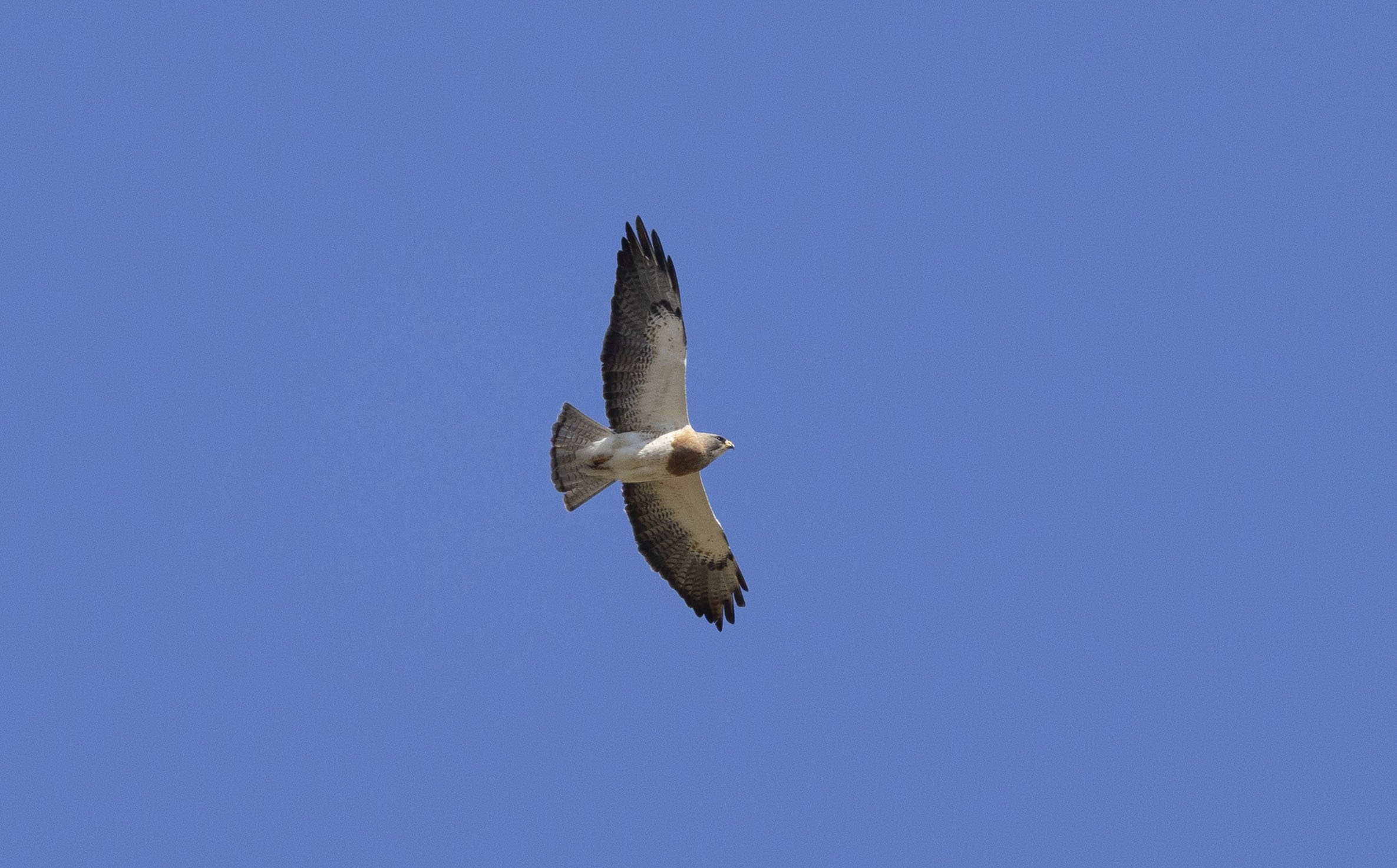
Classic pale adult Swainson’s Hawk
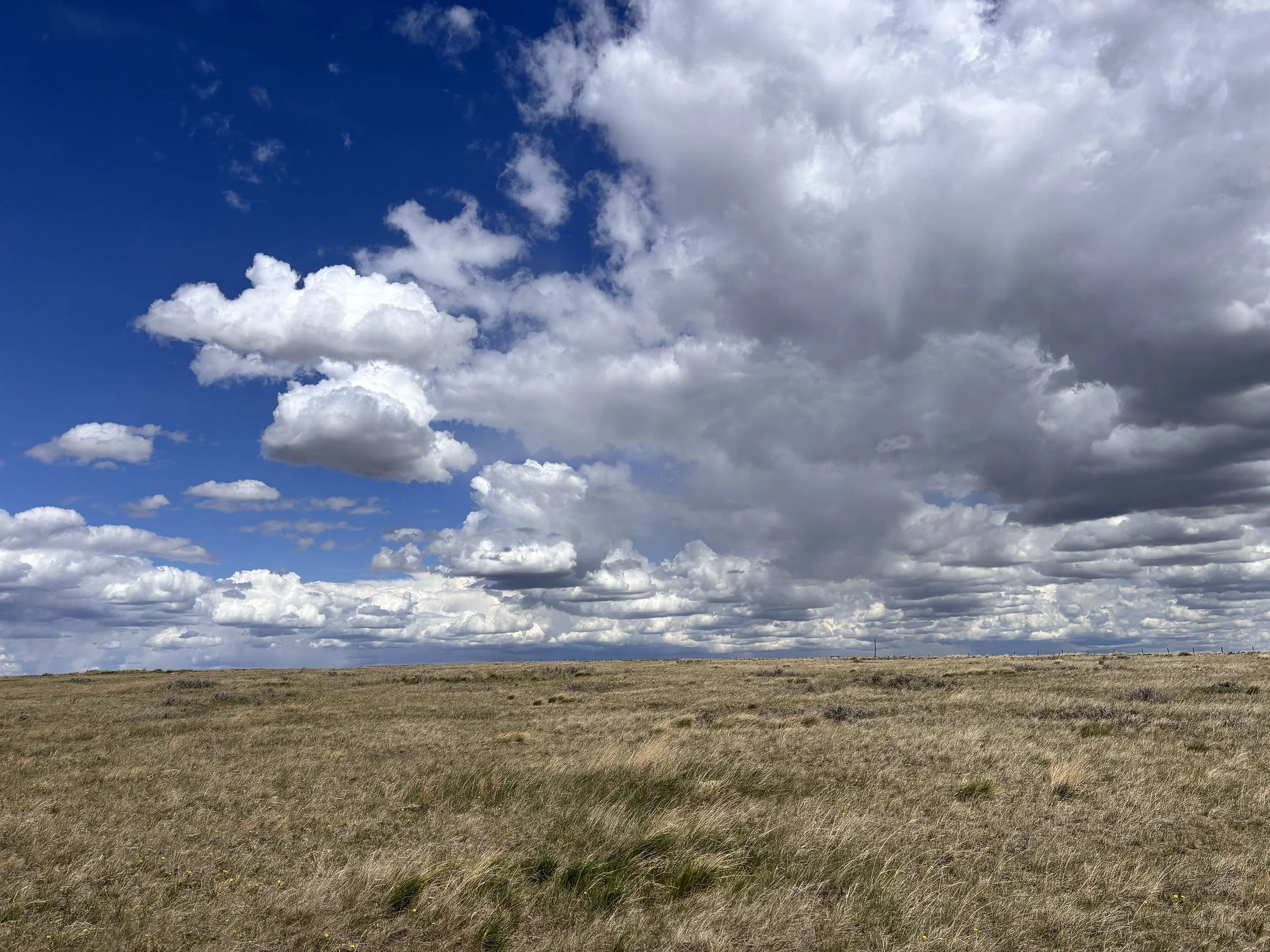
Big skies are a feature of the open prairies
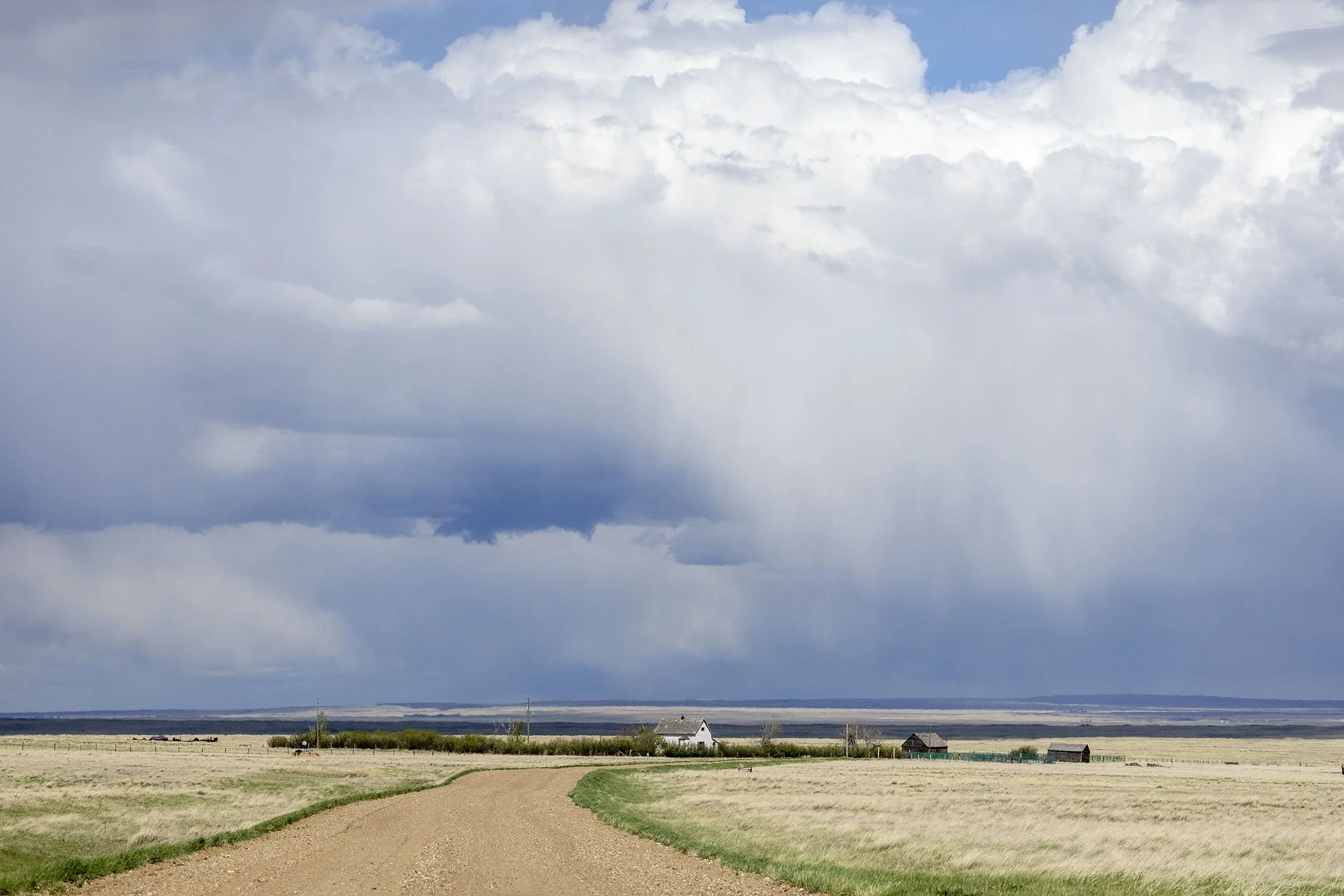
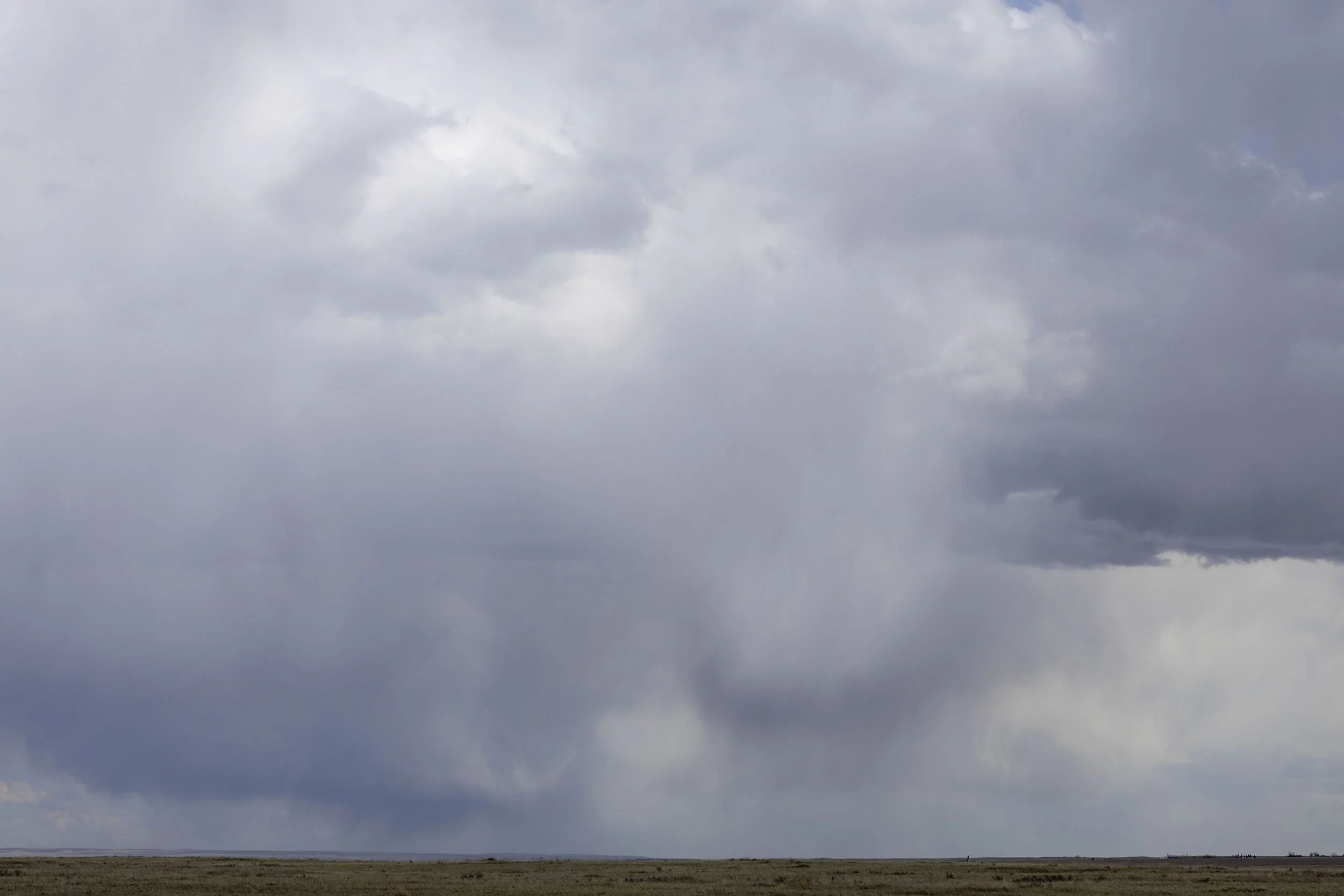
Late afternoon we headed back to the Palowski Lake grasslands with some serious weather threatening
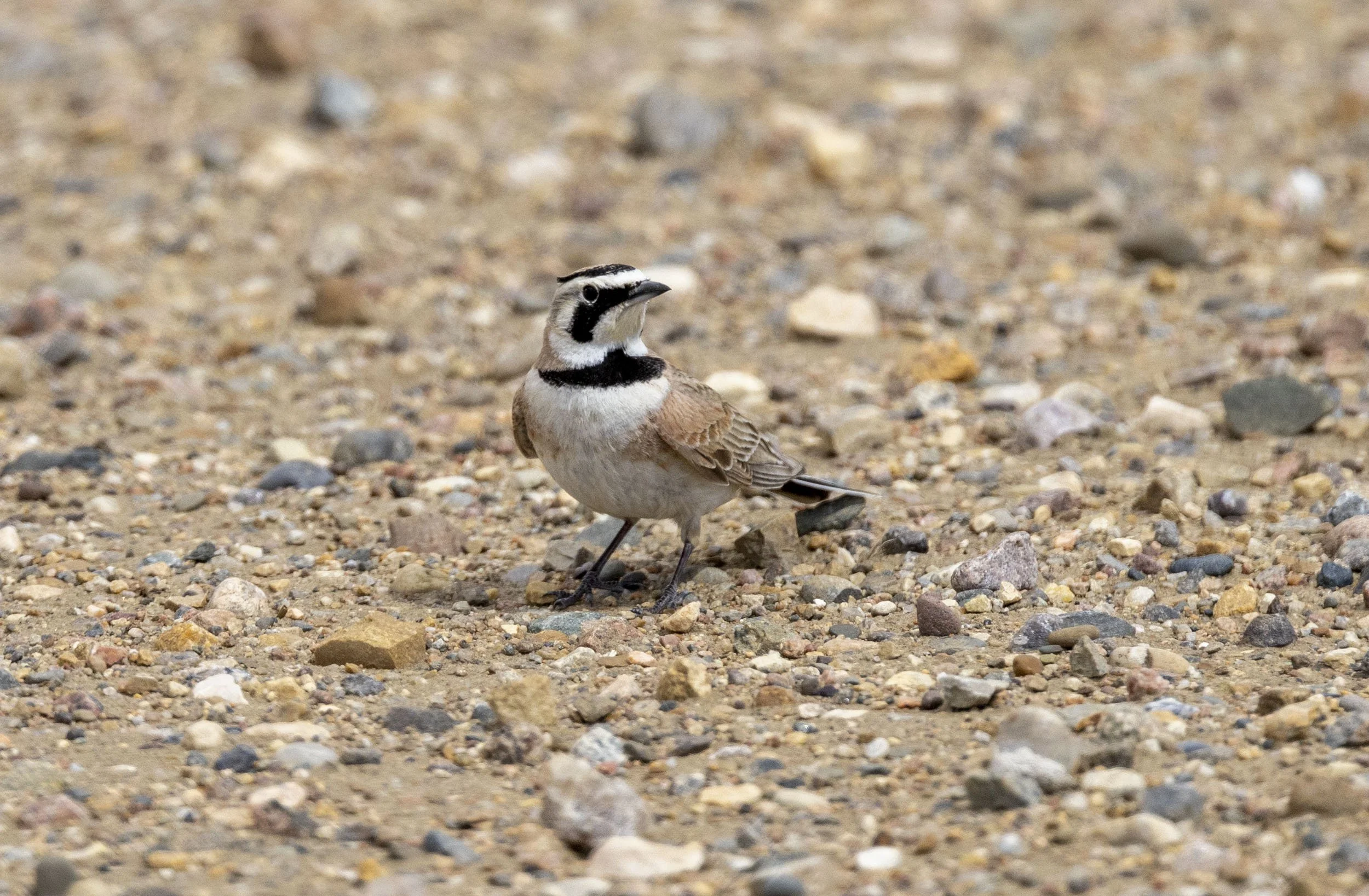
A really pallid Horned Lark
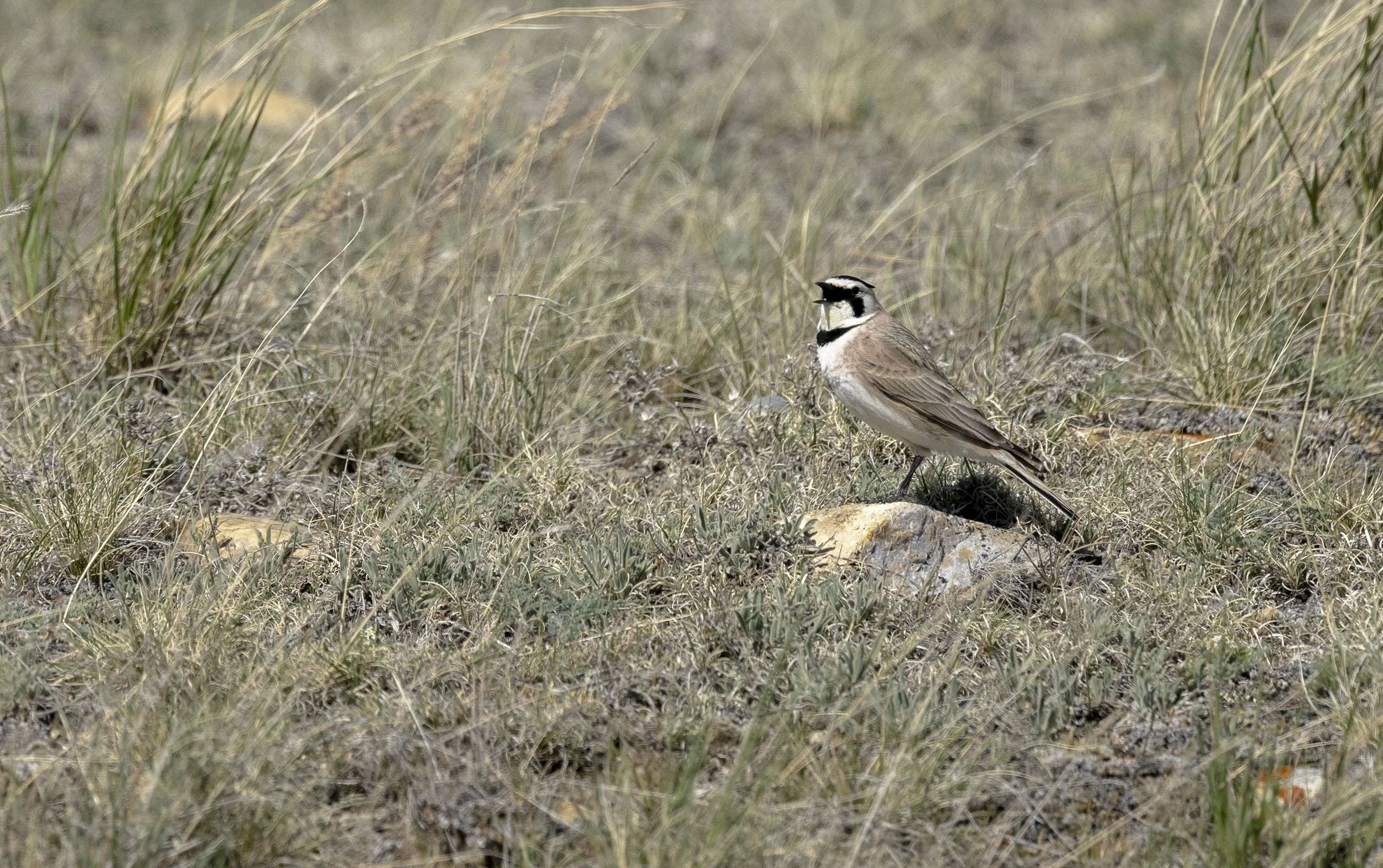
Singing male in more natural surroundings
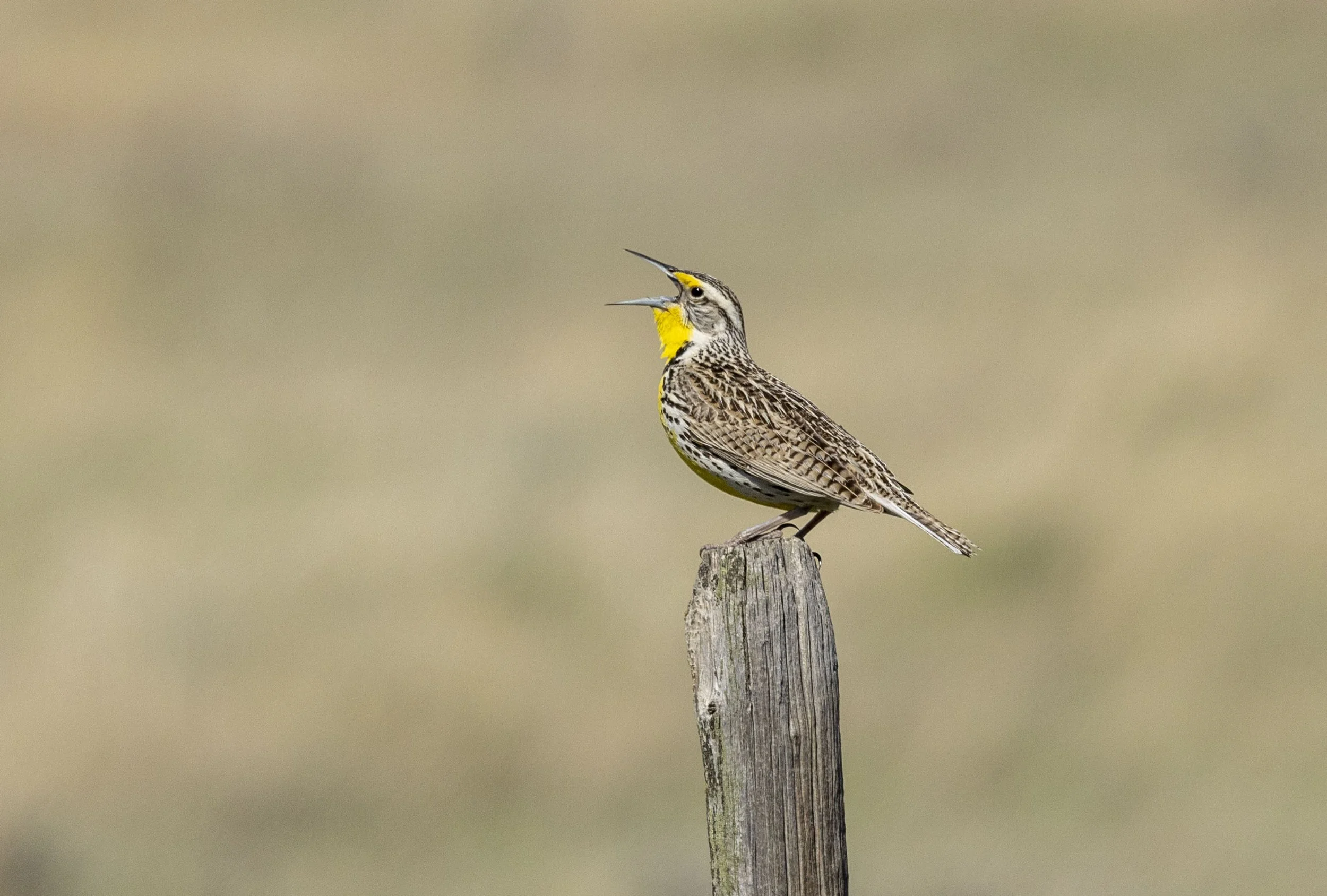
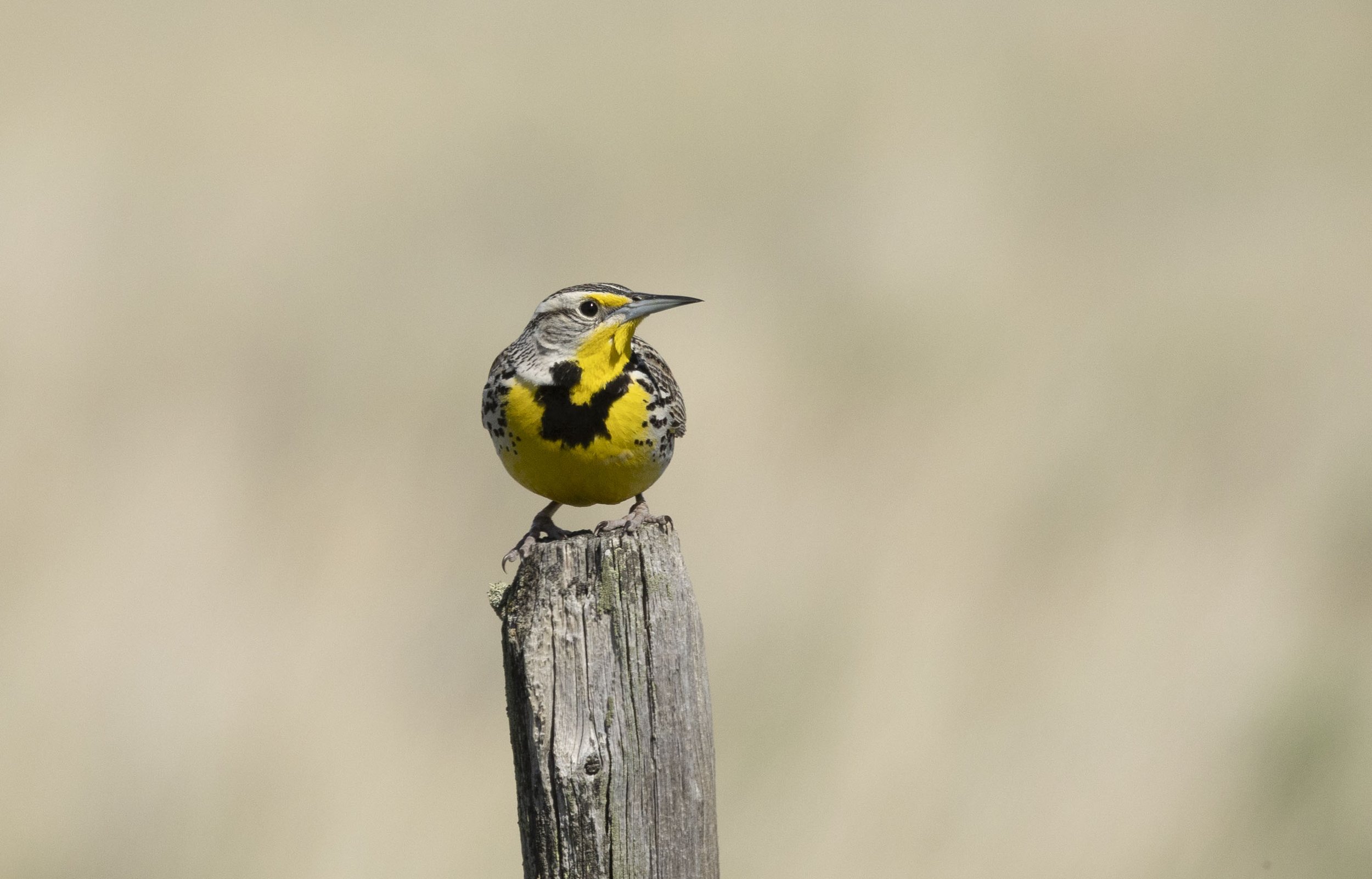
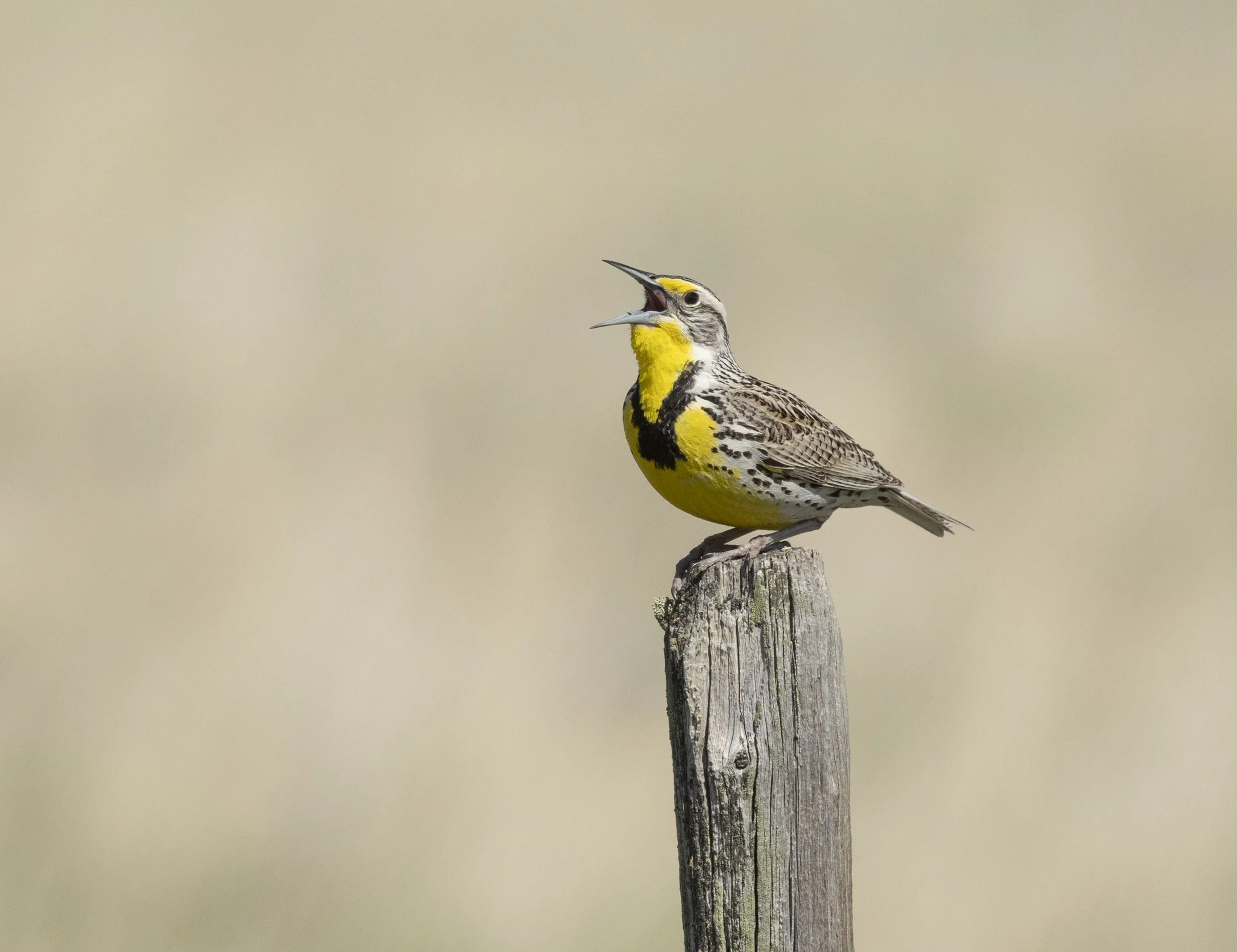
For all their abundance along roadsides Western meadowlarks always fly off as you stop the car - but eventually we found one that didn’t
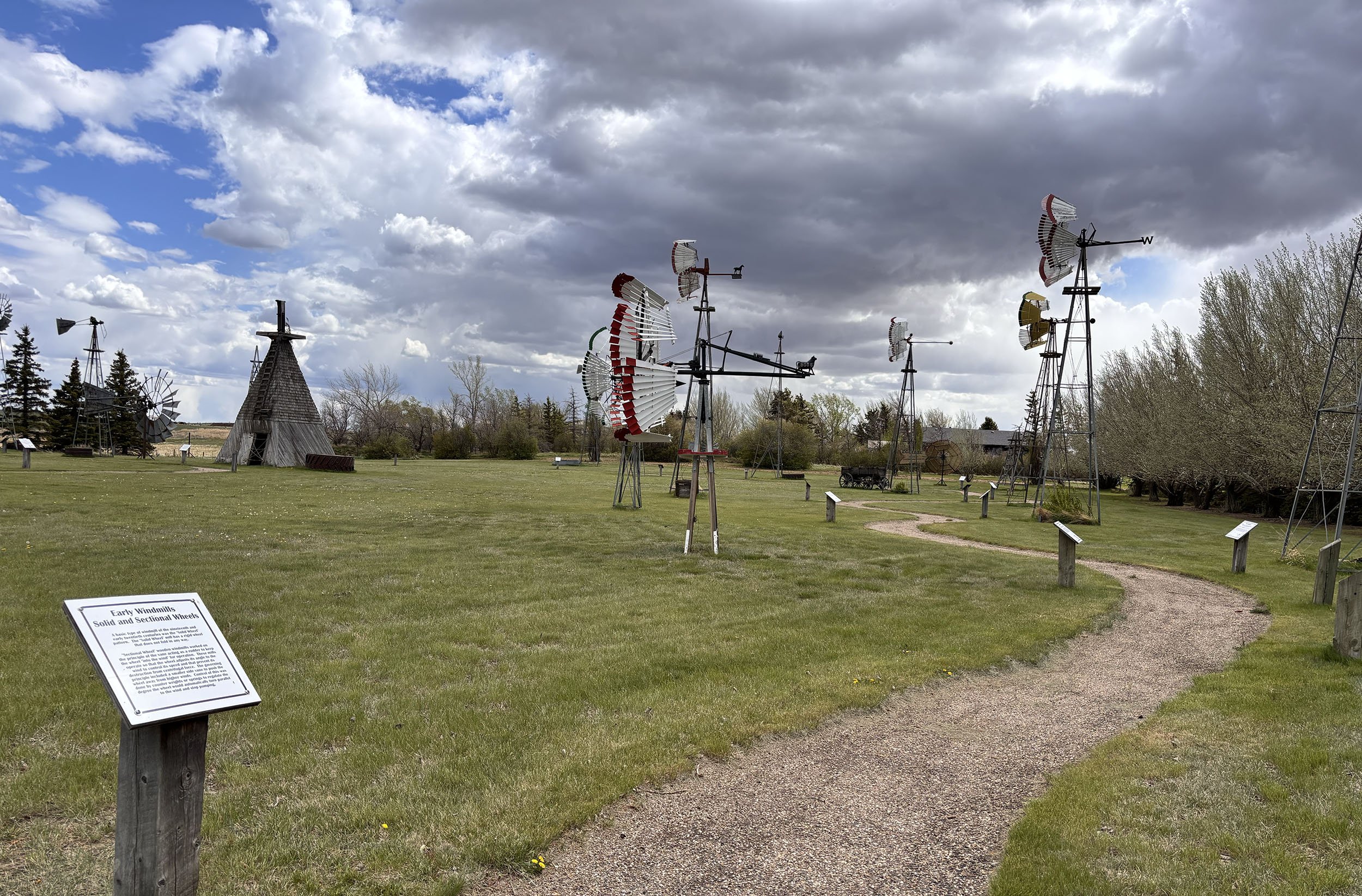
Part of the windmill museum at Etzicom
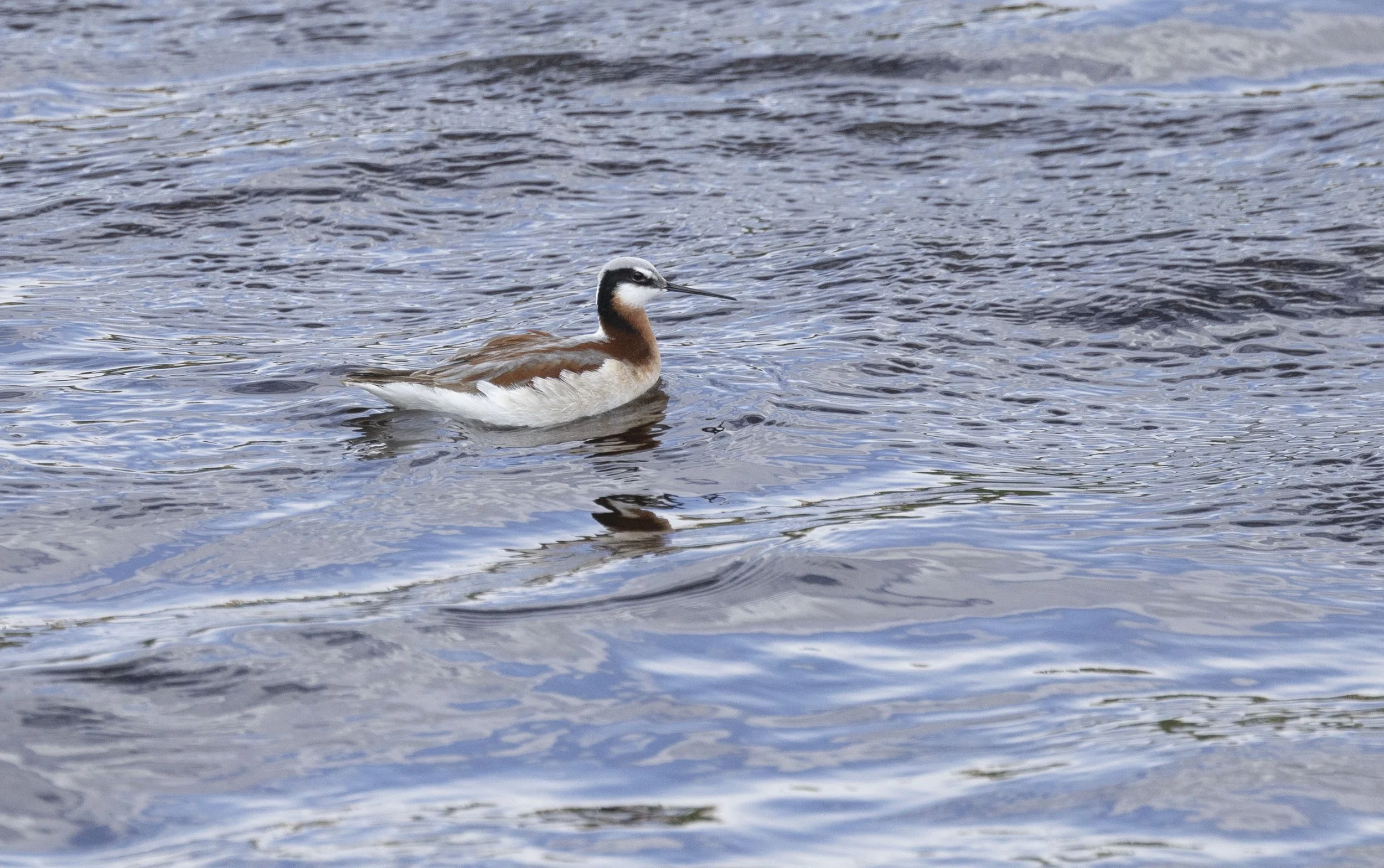
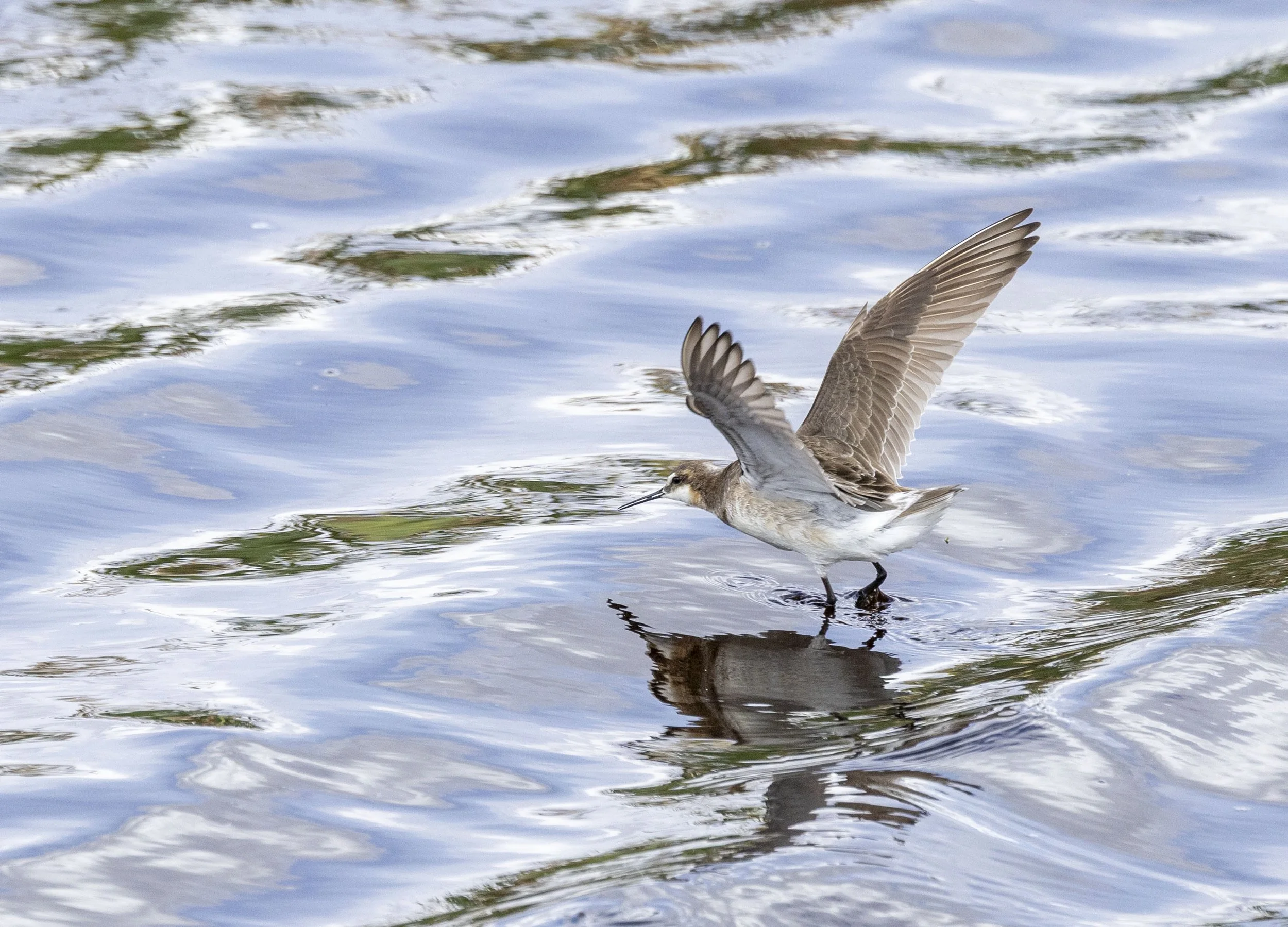
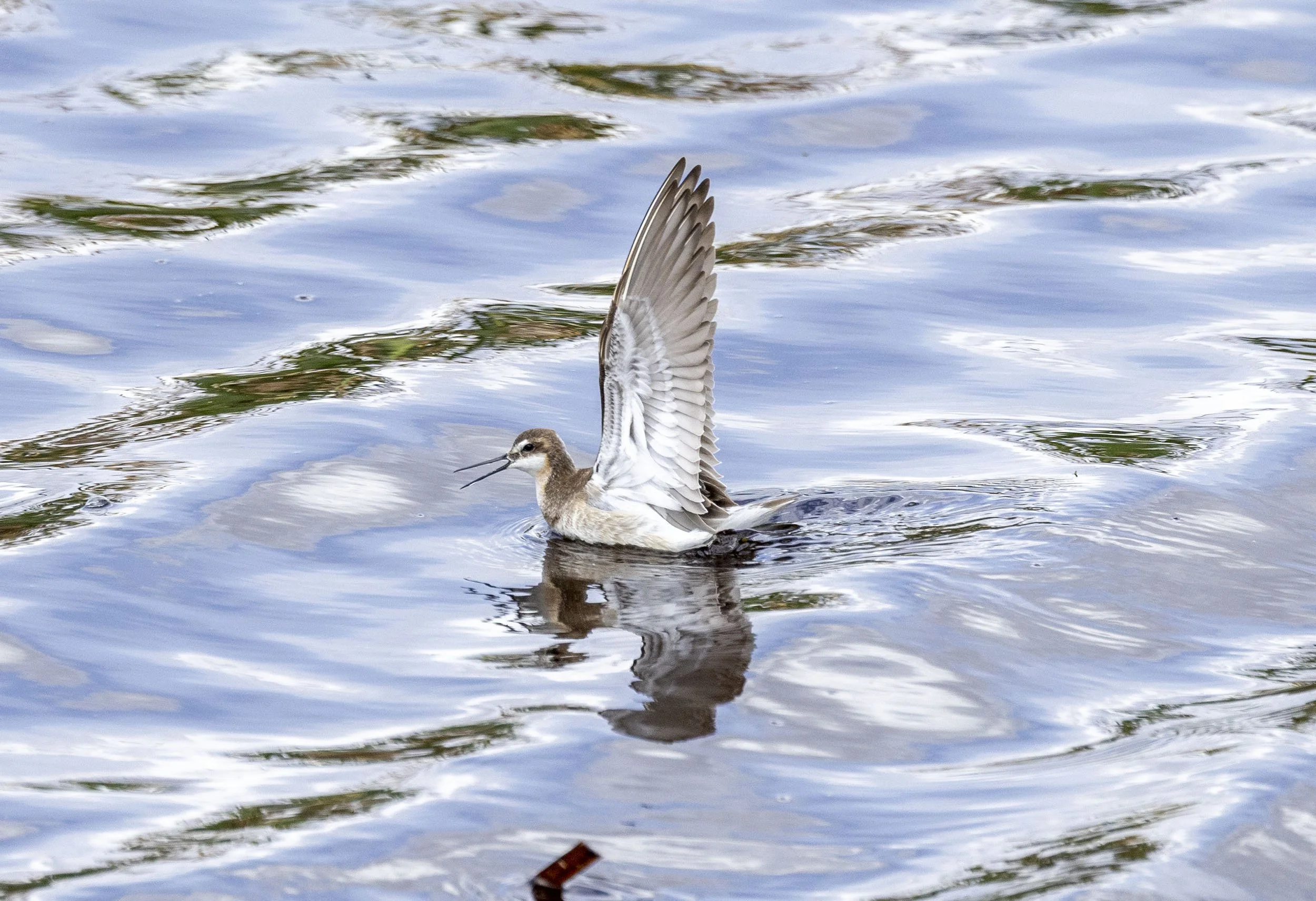
Terrible angle but can’t resist a female Wilson’s Phalarope t
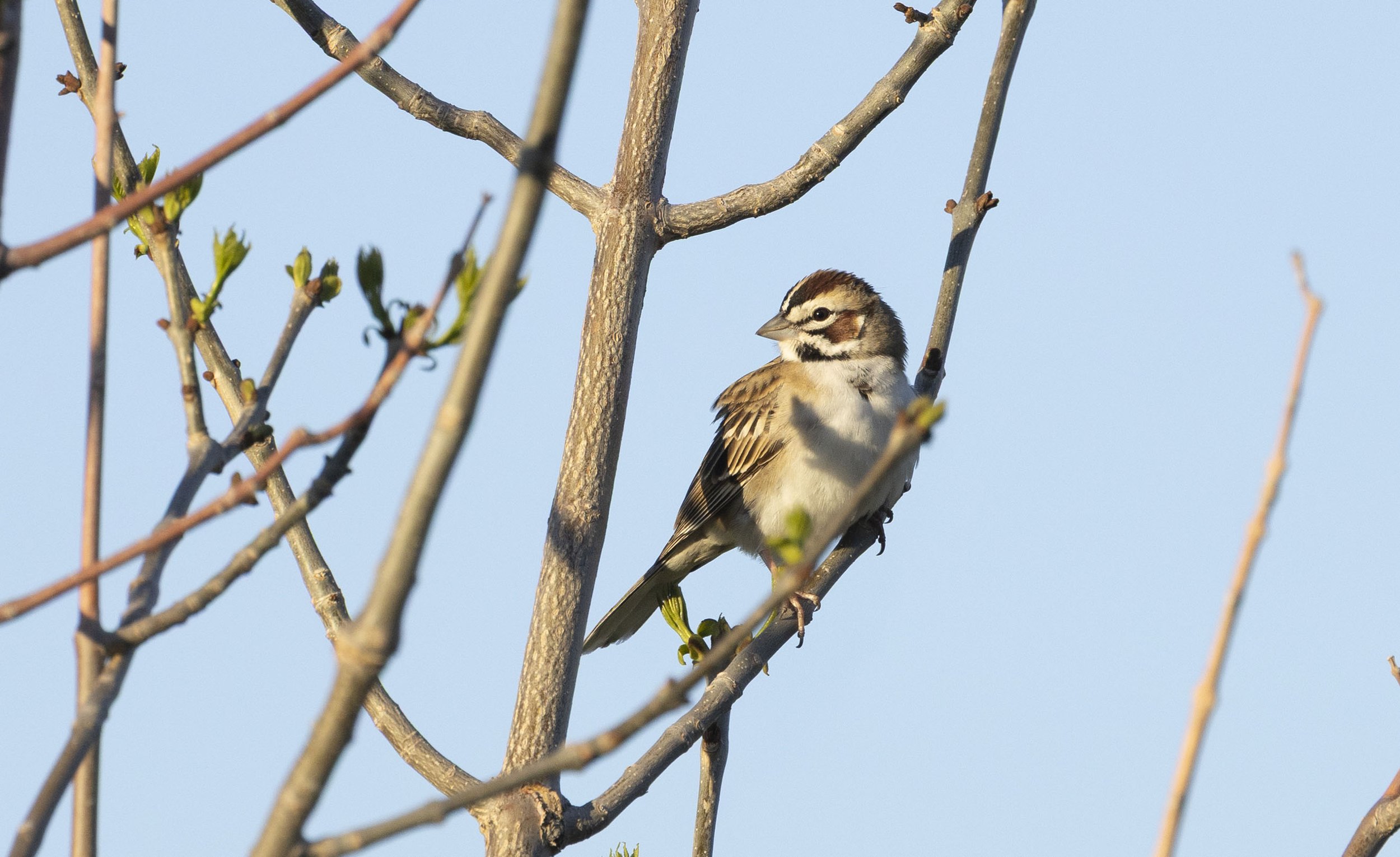
Lark Sparrow at Echo Park late evening
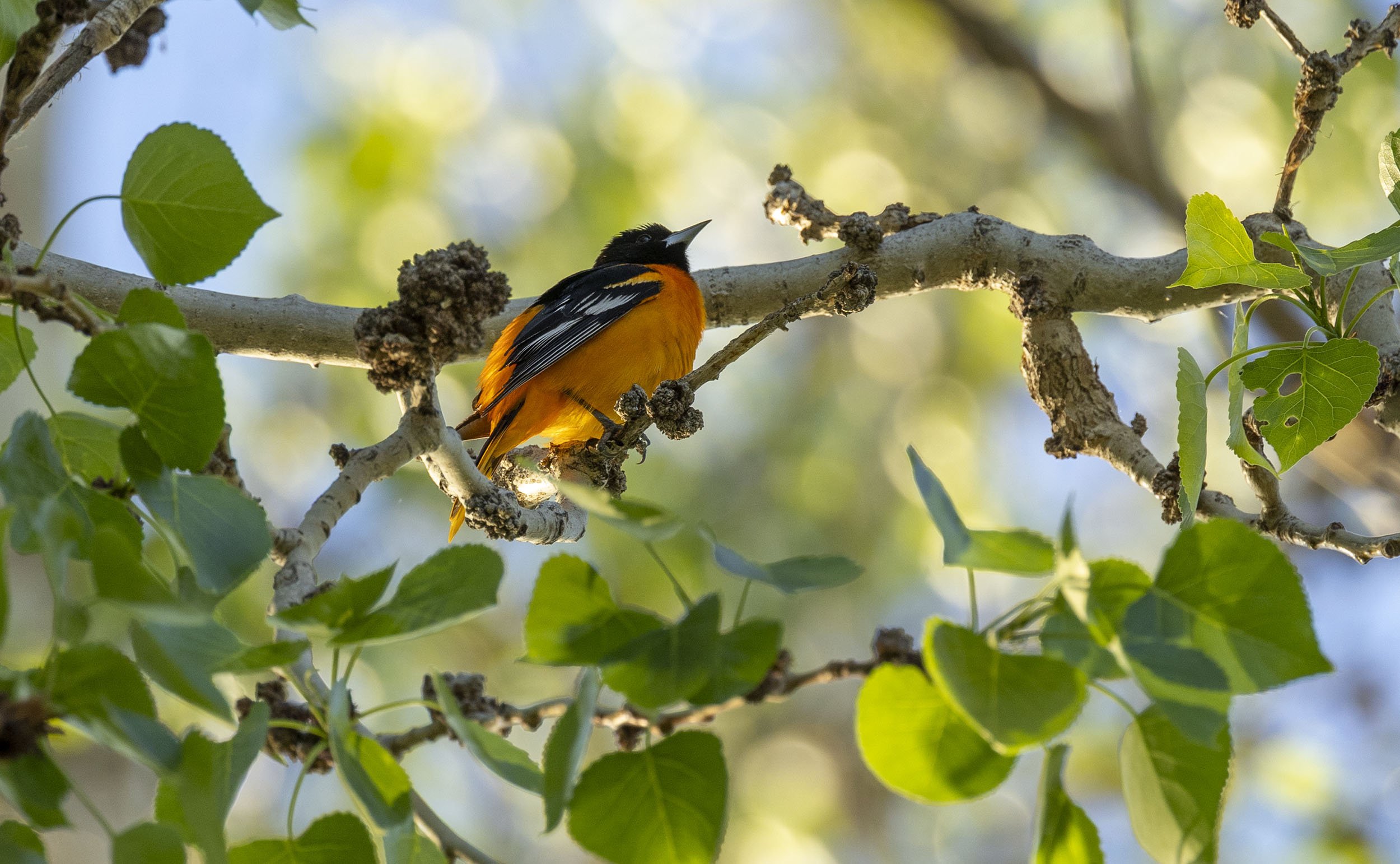
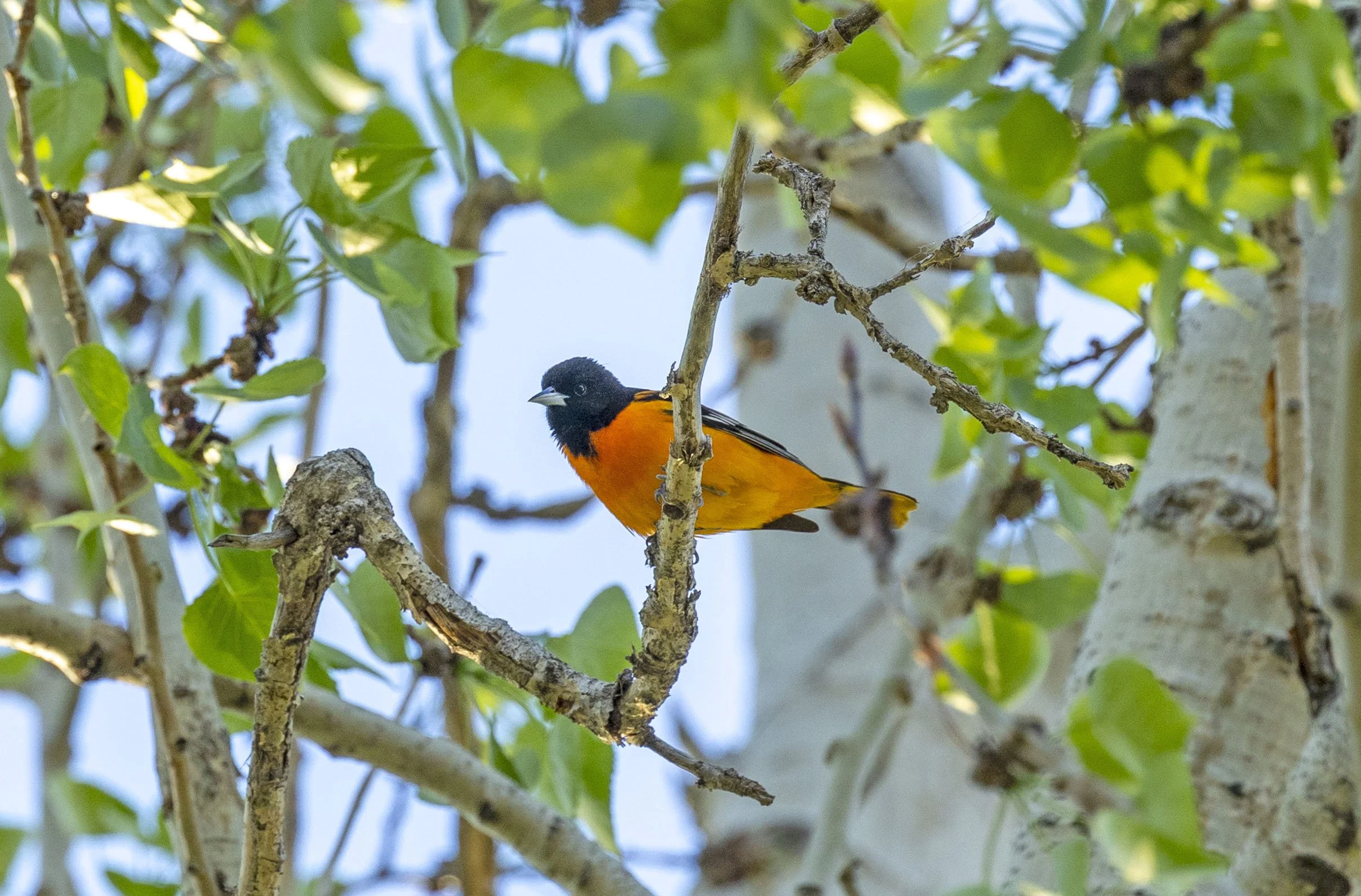
A rather nice way to end the day - a singing male Baltimore Oriole
May 16th
A somewhat bitter sweet day as we were due to move to our second base for the trip at Dungarvan Creek near waterton but a quick walk round the guesthouse and down the road early am revealed an arrival of migrants but we had to get driving. Best birds on a quick pre-departure walk were Golden-crowned Kinglet, Blackpoll Warbler, Tennessee Warbler, Western Kingbird and Least Flycatcher.
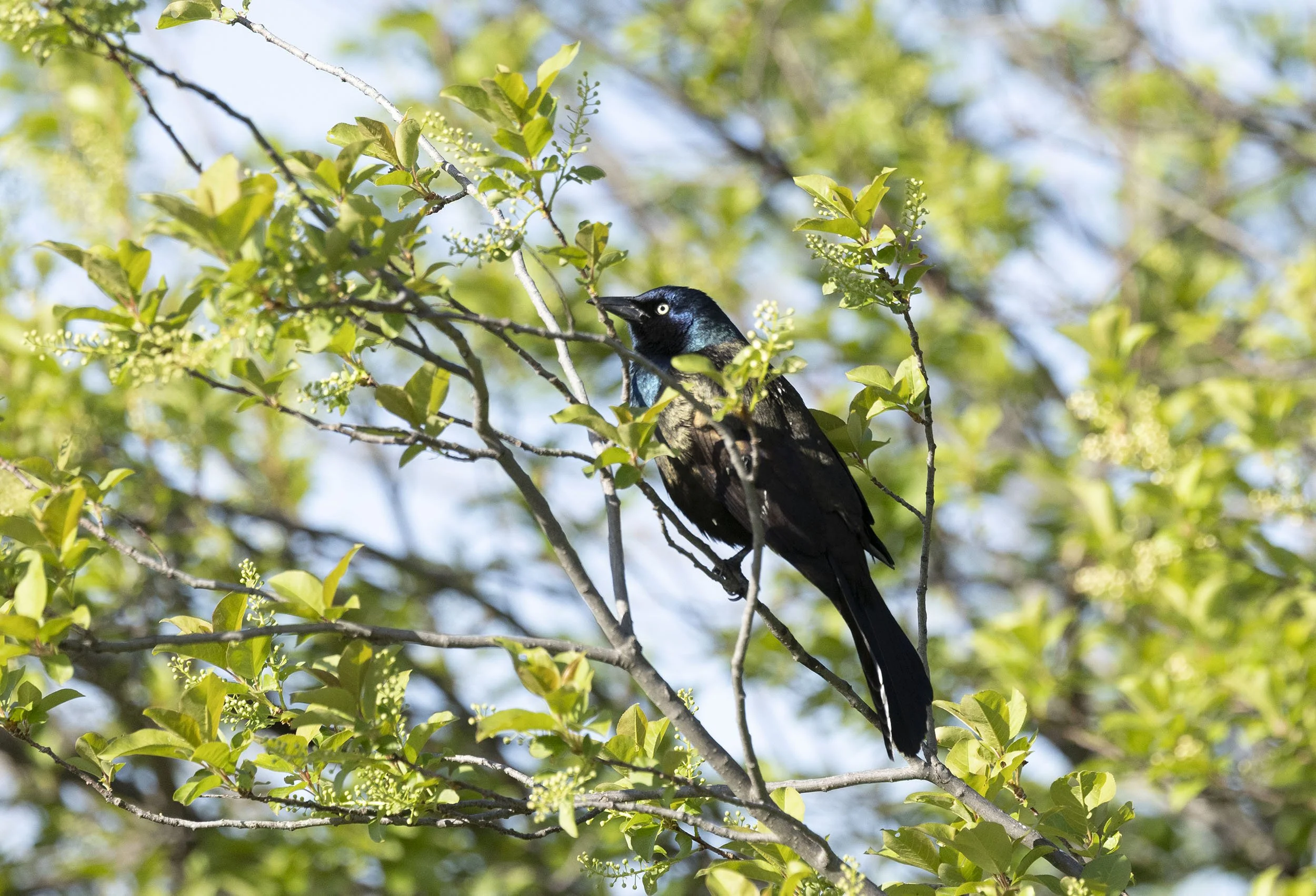
Common Grackle as the name says common in most habitats
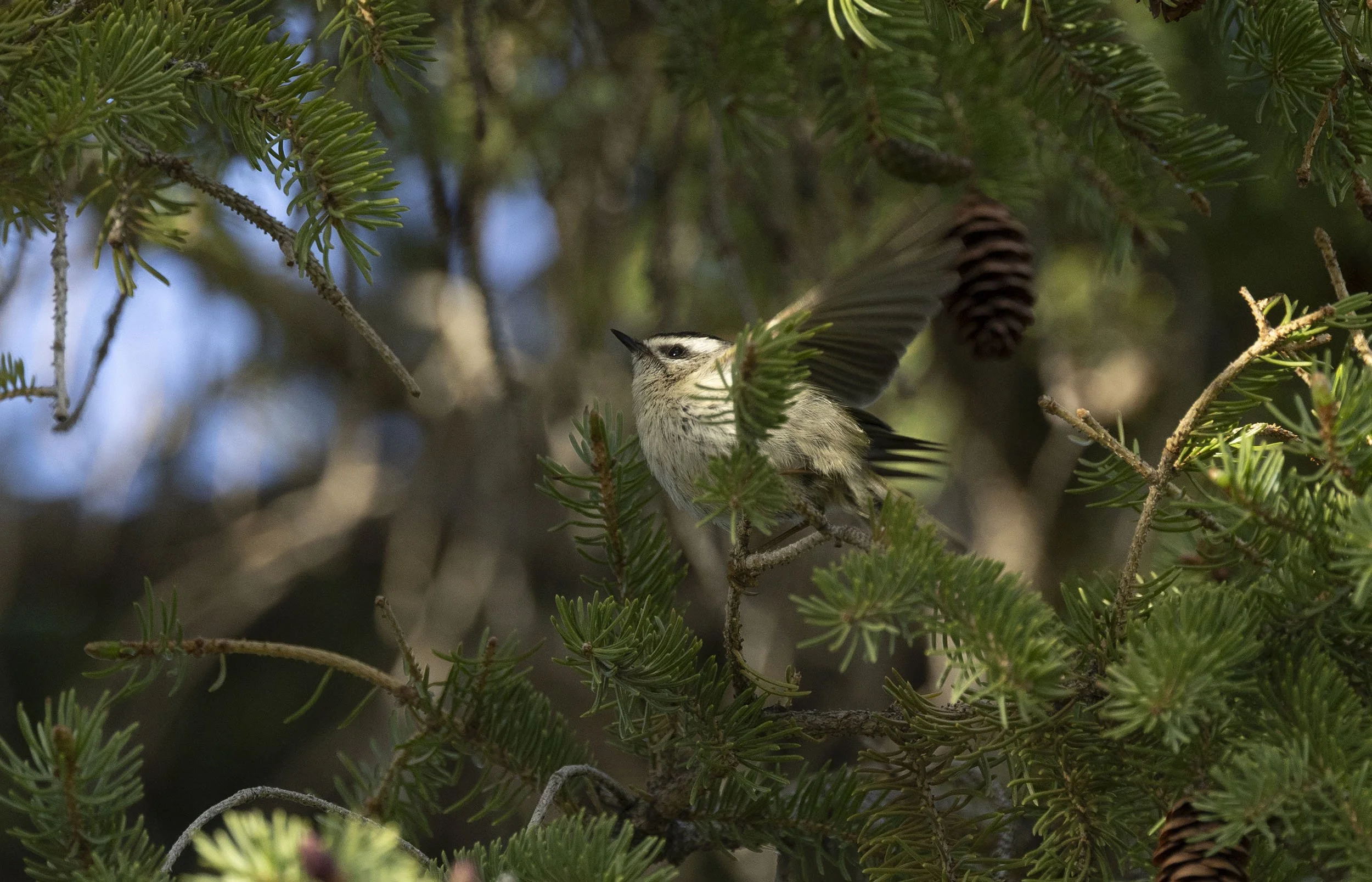
Golden-crowned Kinglet, looks of a Firecrest with coniferous habits but voice of a Goldcrest
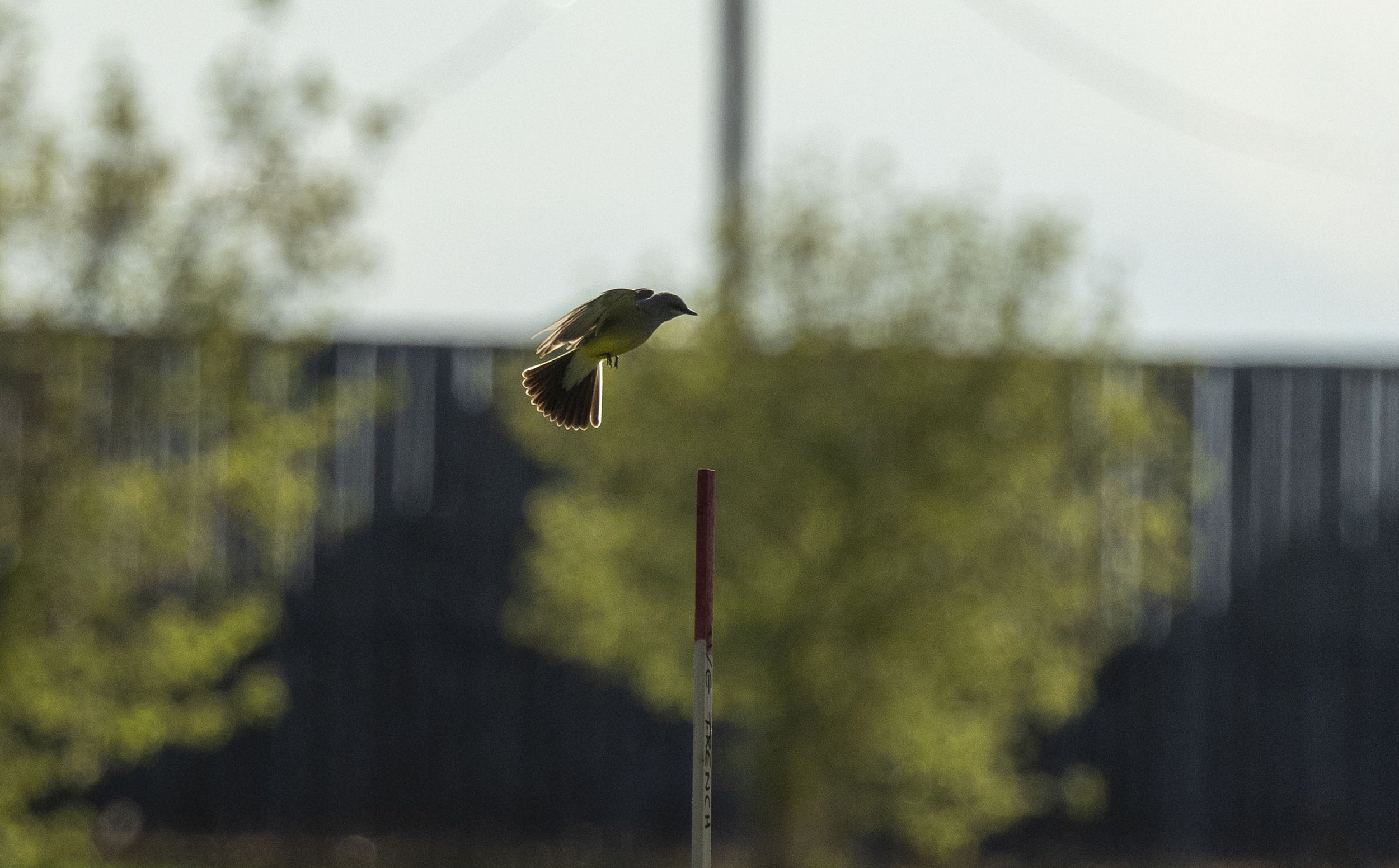
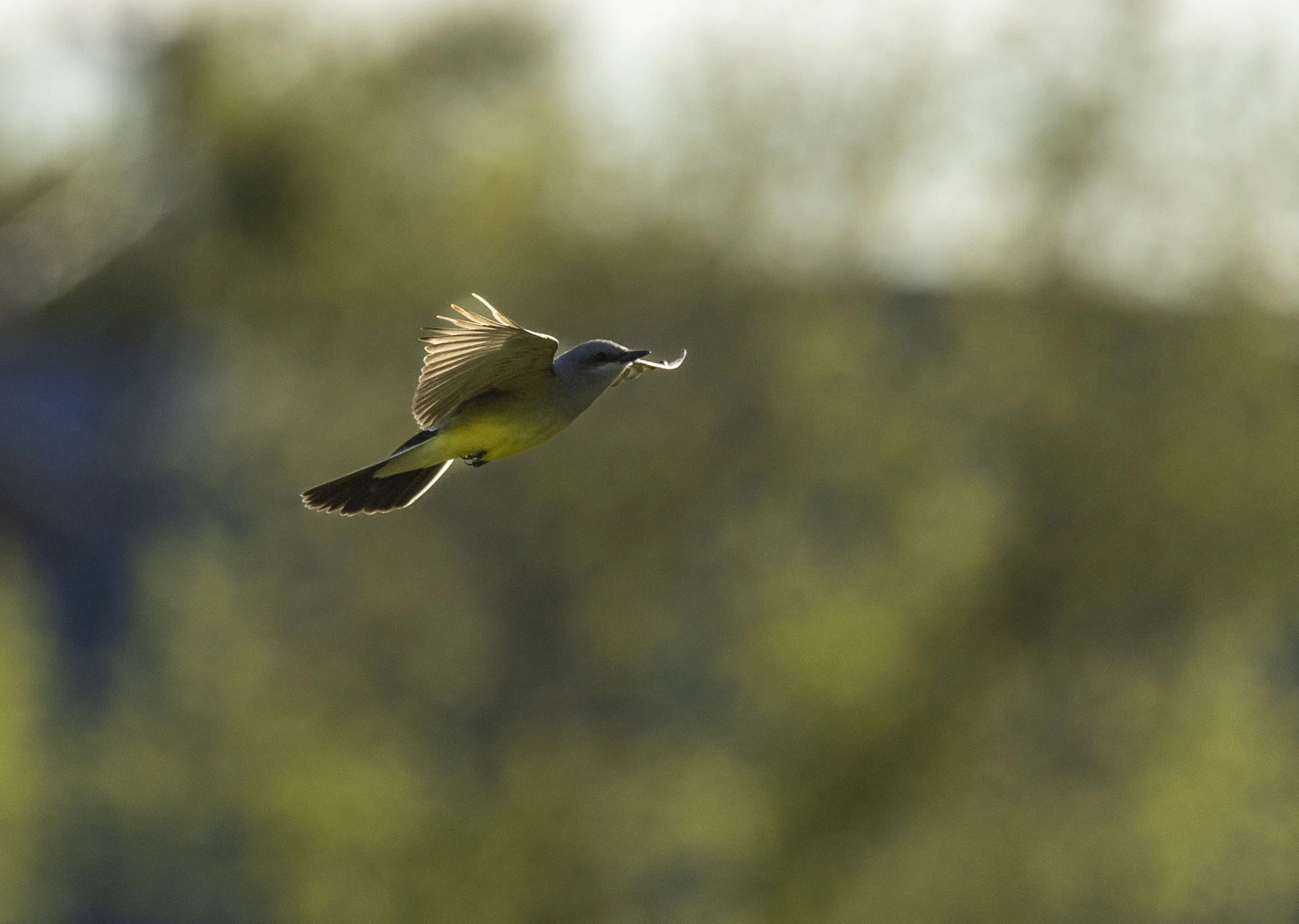
Western Kingbird
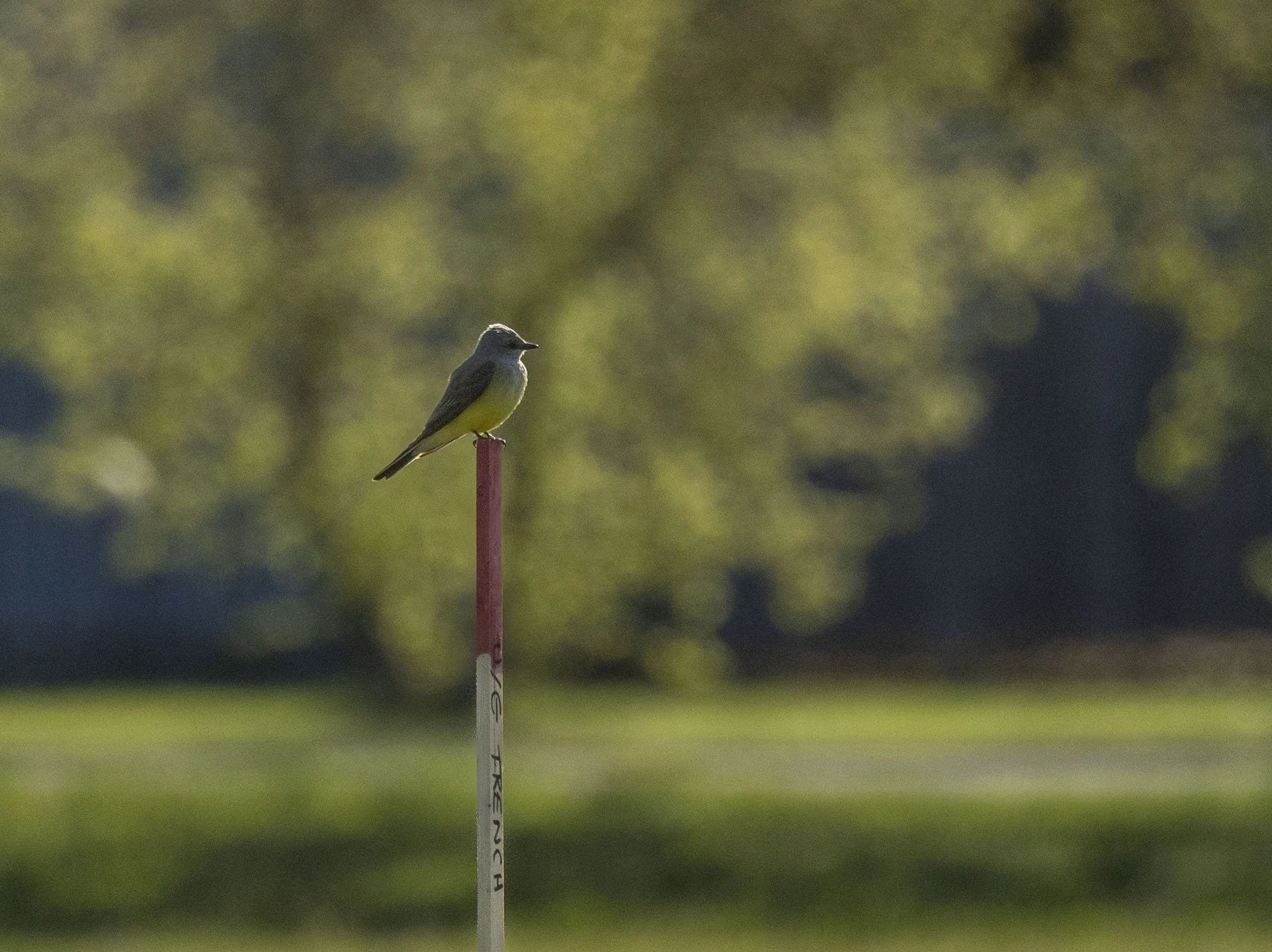
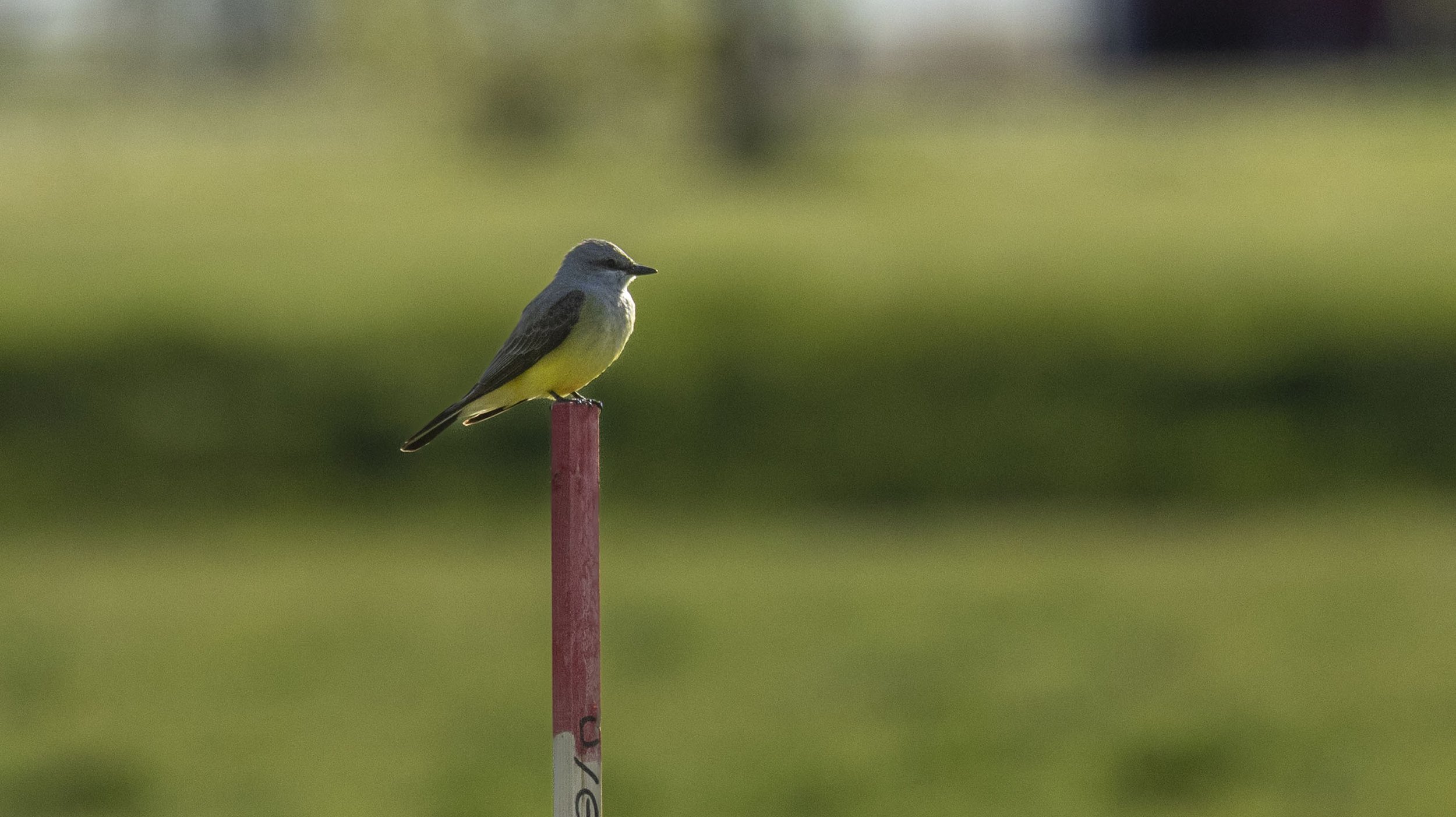
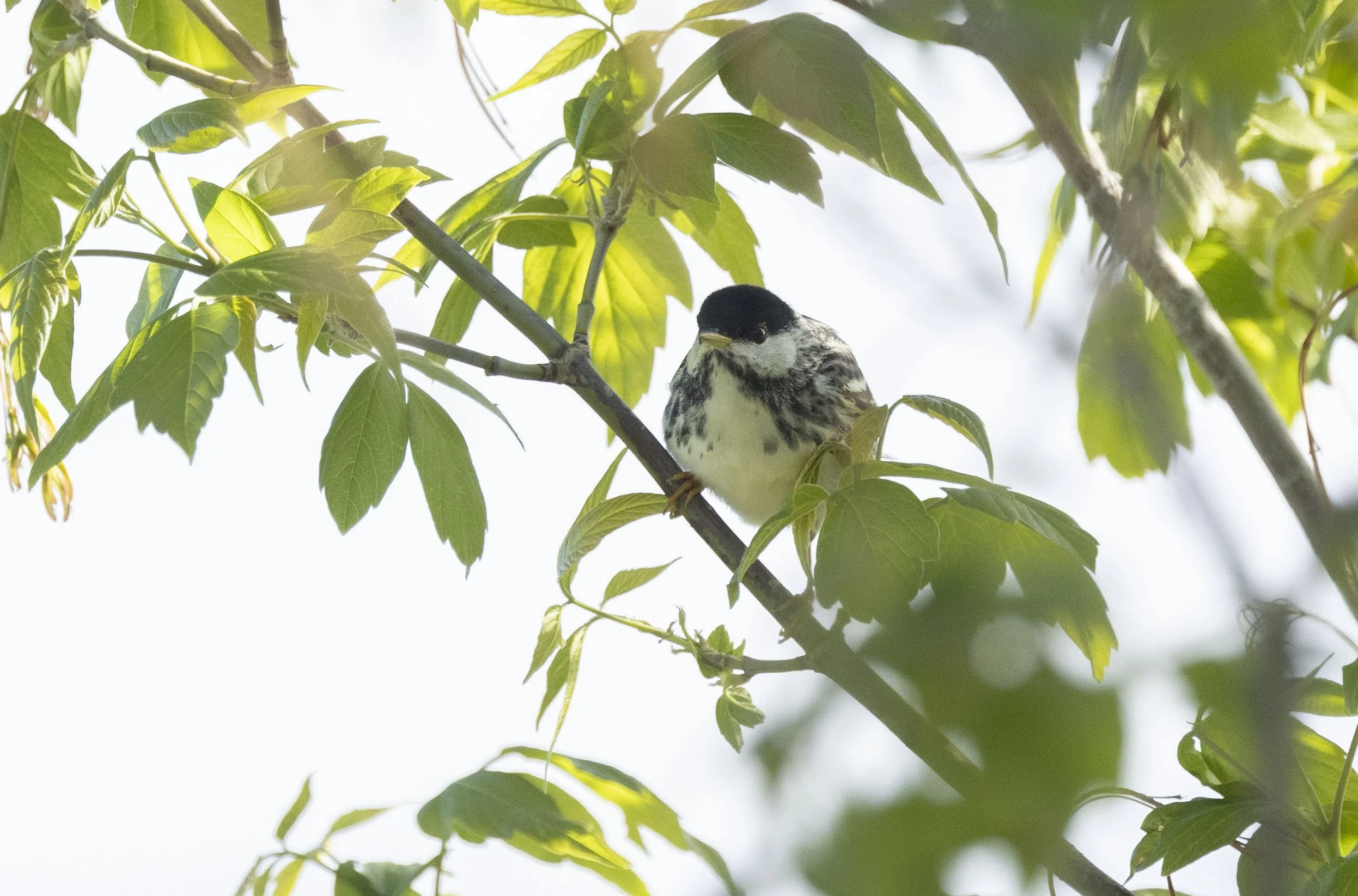
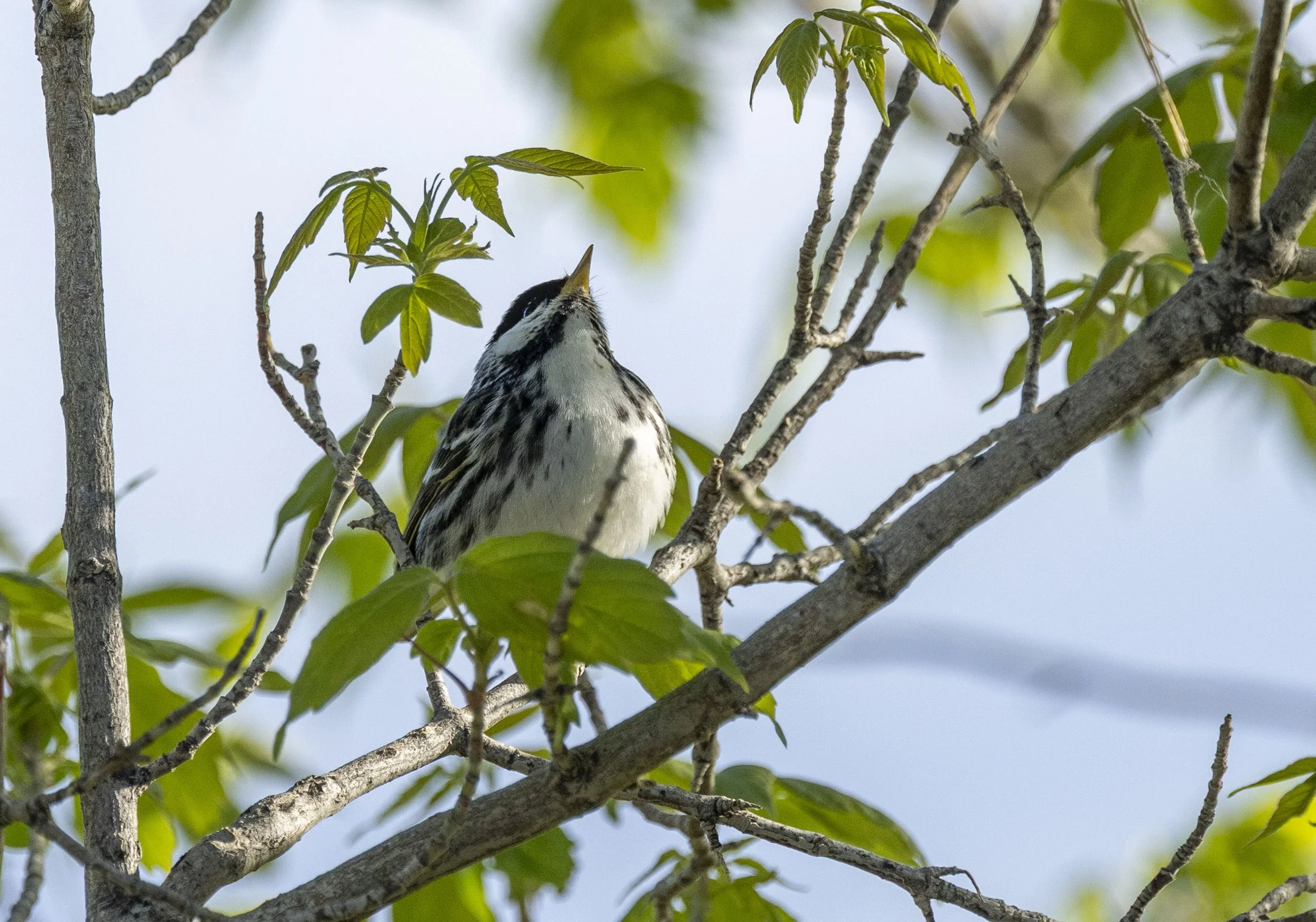
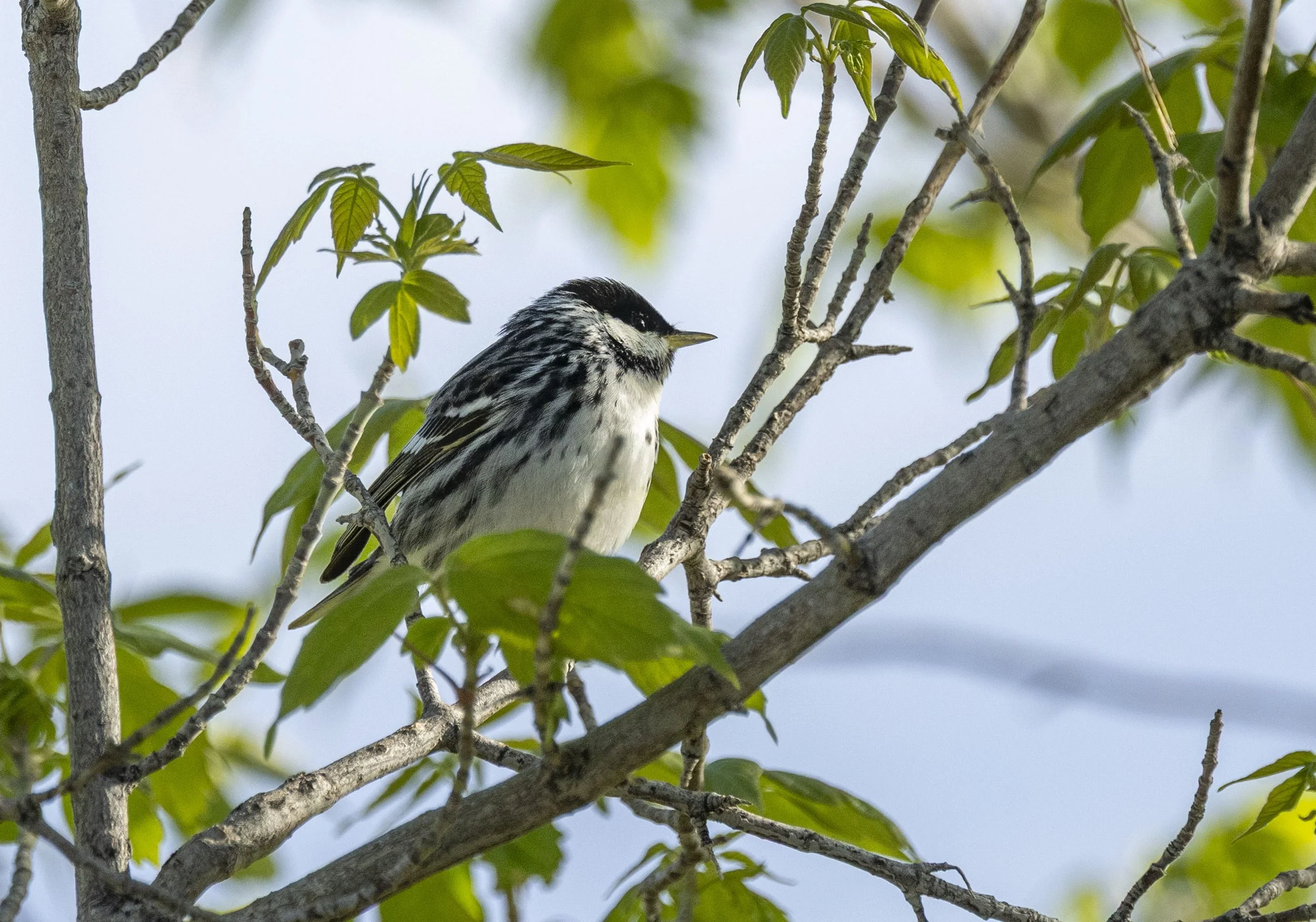
Blackpoll Warbler - fed in this tree for a couple of minutes then it was off - the urgency of spring migration
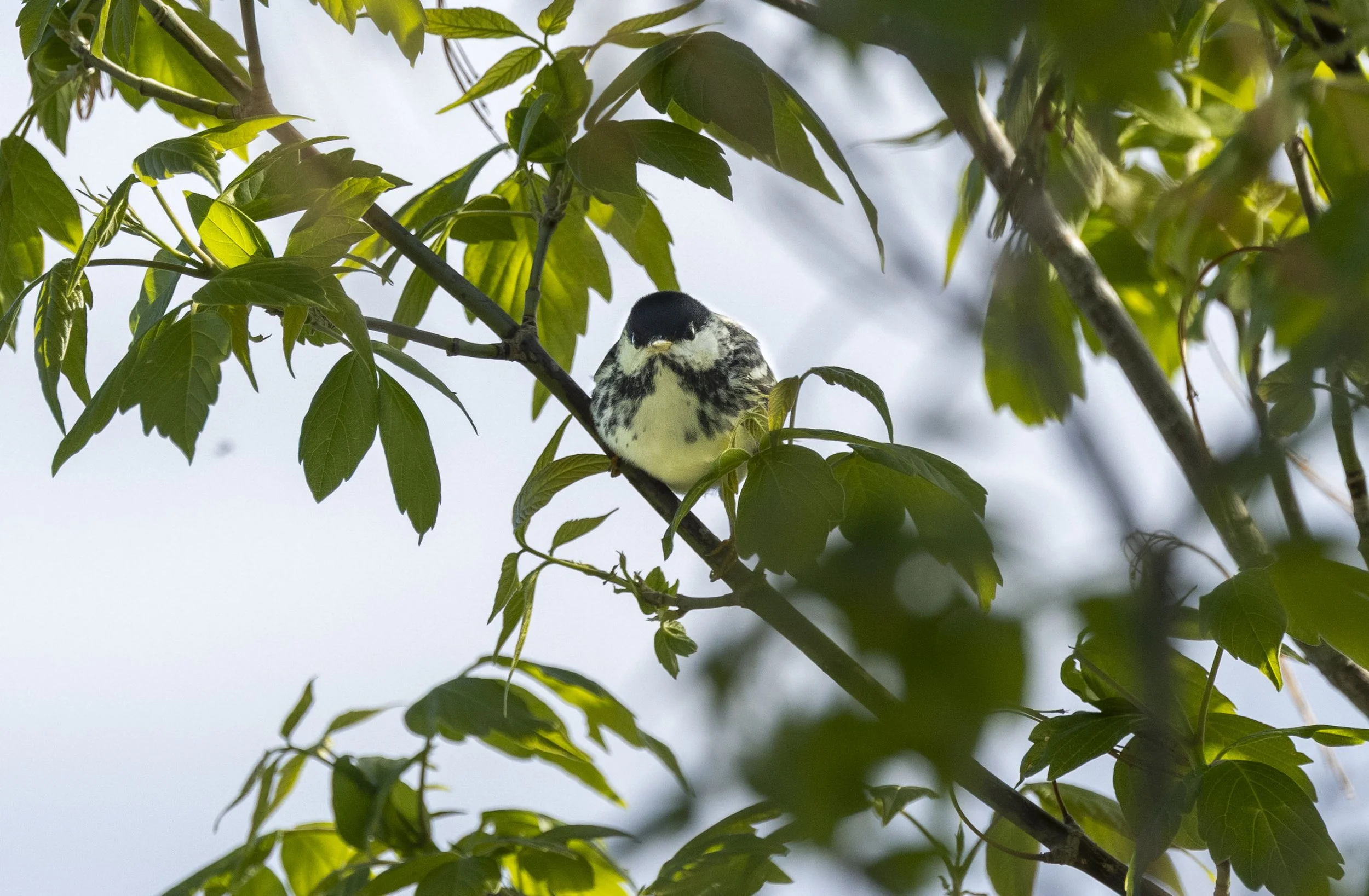
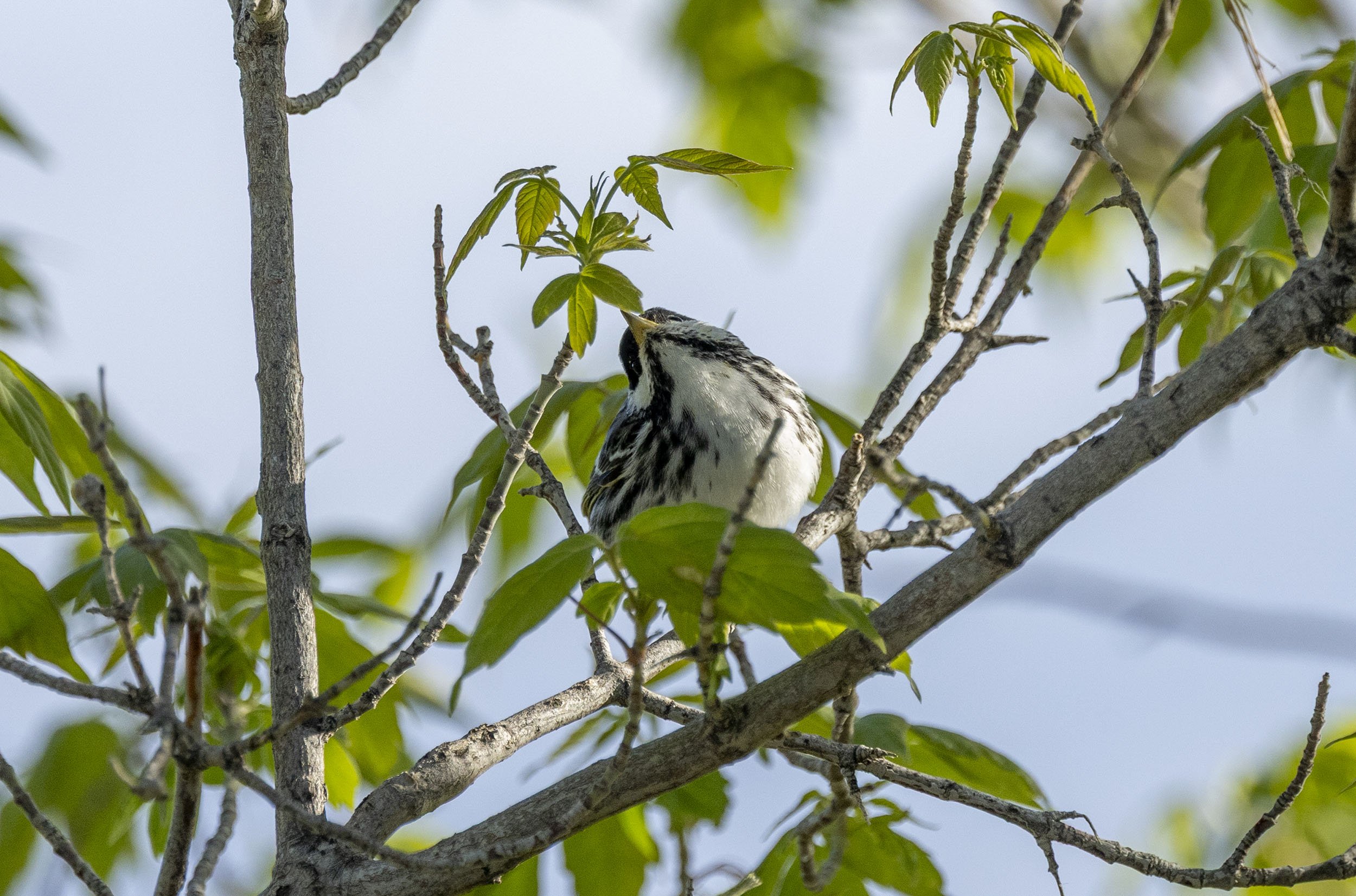
Usually high up and very active Blackpolls seem to be a difficult target for me at any rate
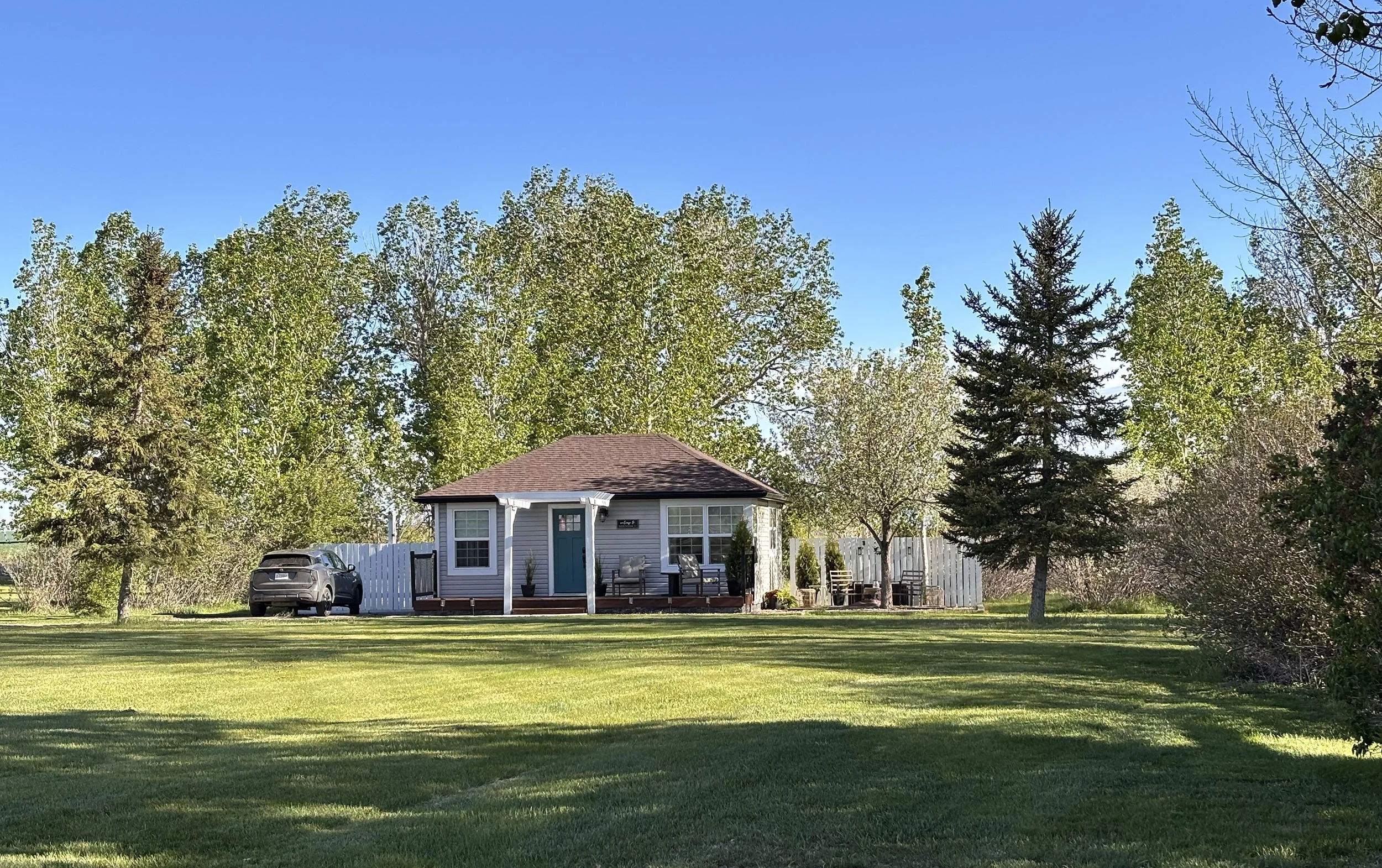
Goodbye to Guesthouse71 - will we be back? never say never
En route to Foremost for breakfast at the Main Street Café, Ferruginous Hawk, Swainsons Hawk 2, Cliff Swallow, Horned Lark common, White Pelican 3 and Pronghorns 50+. We then diverted via Tyrell Lake which had produced some good waders on a past visit: it was windy and with constant cloud - sun - cloud - sun and high overhead sun making images less than perfect but the range of birds seen in less than two hours was pretty impressive: Eared/Black-necked Grebe 200+, Redheads, Canvasbacks, Blue-winged and Cinnamon Teals, Ruddy Ducks, Lesser Scaup, White-faced Ibis 4, Great Blue Heron, Cliff Swallow 40+, Wilson’s Phalarope 200+, red-necked Phalarope 4+, Least sandpiper 30+, Semi-palmated Sandpiper 3, Baird’s sandpiper 3, Stilt Sandpiper 1, Short-billed / Long-billed Dowitcher 30+. Marbled Godwits, Black-necked Stilts, American Avocets, Semi-palmated Plover 4, Western Willets and a single Pectoral Sandpiper.
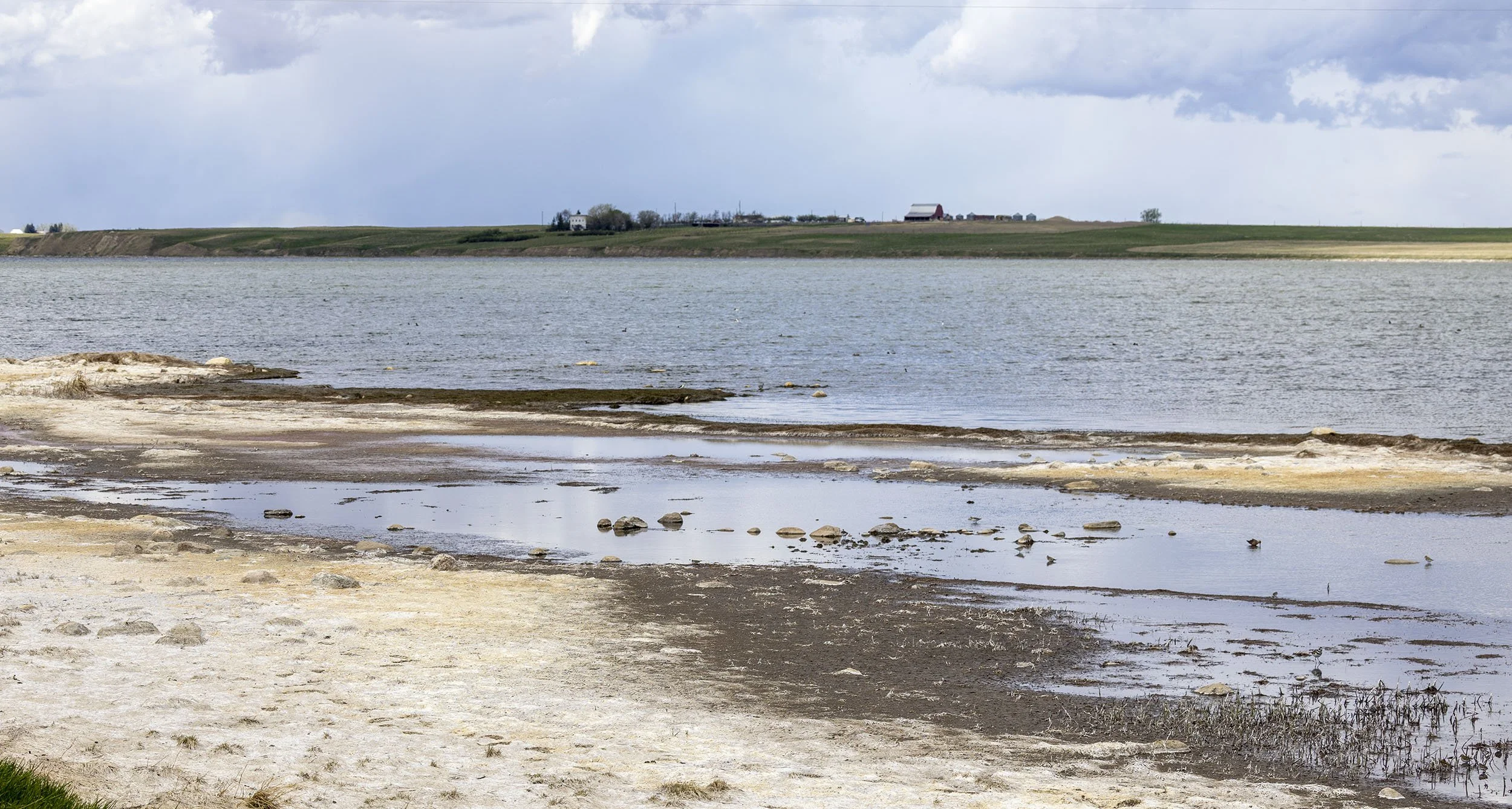
The muddy bay at Tyrell Lake where most of the above waders were seen
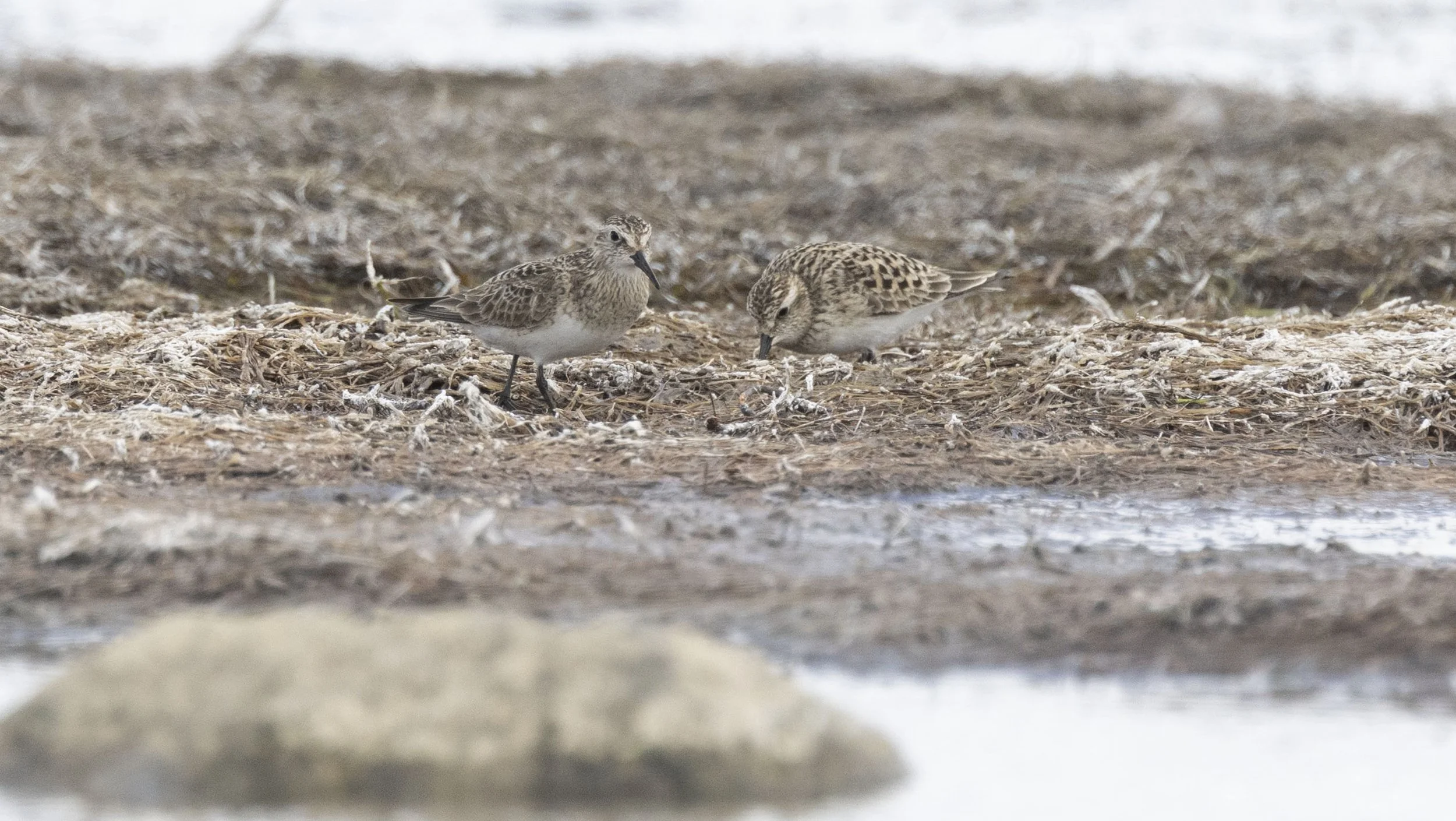
Two Baird’s Sandpipers
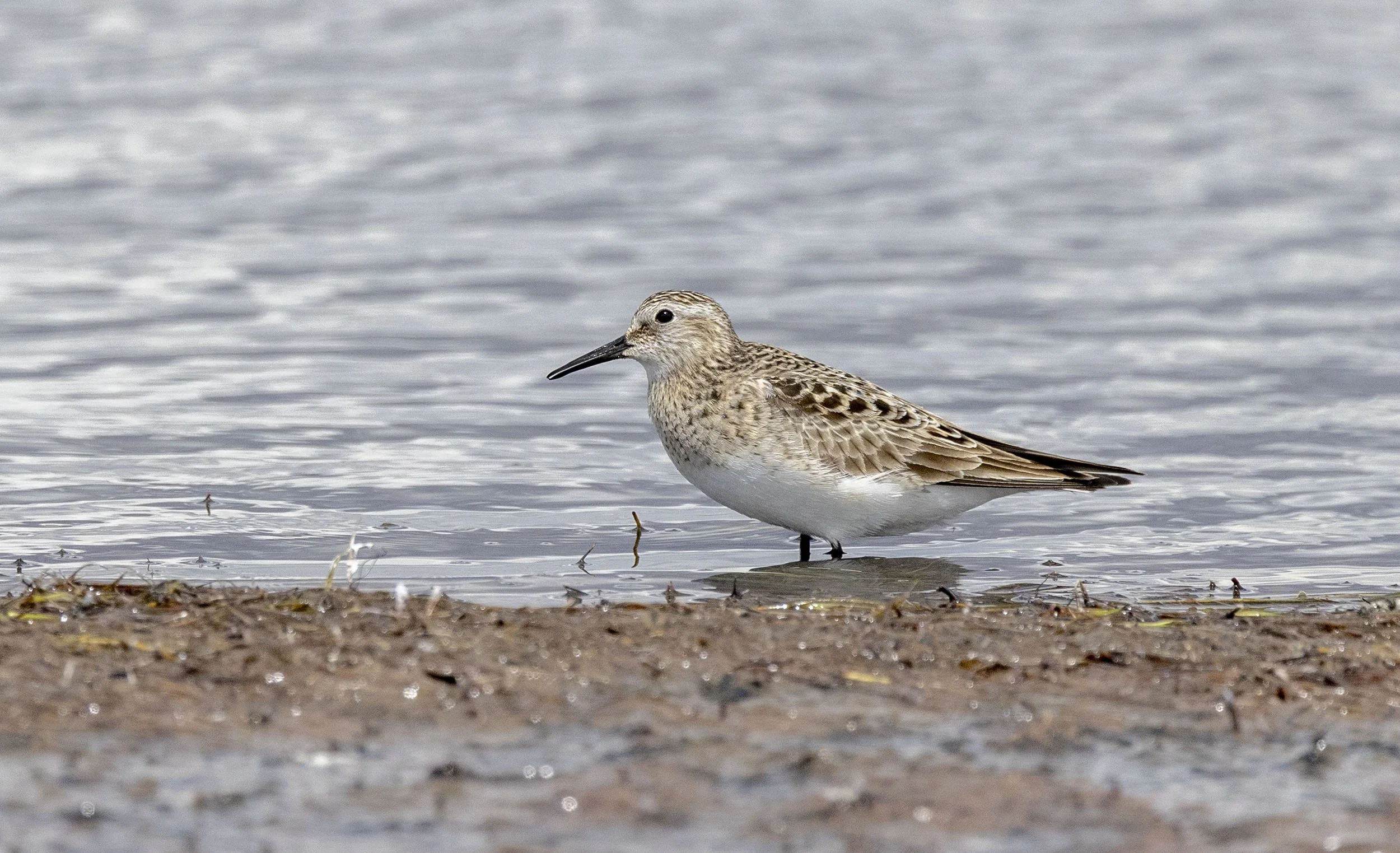
Baird’s Sandpiper one of the three present in a small muddy bay at Tyrell Lake
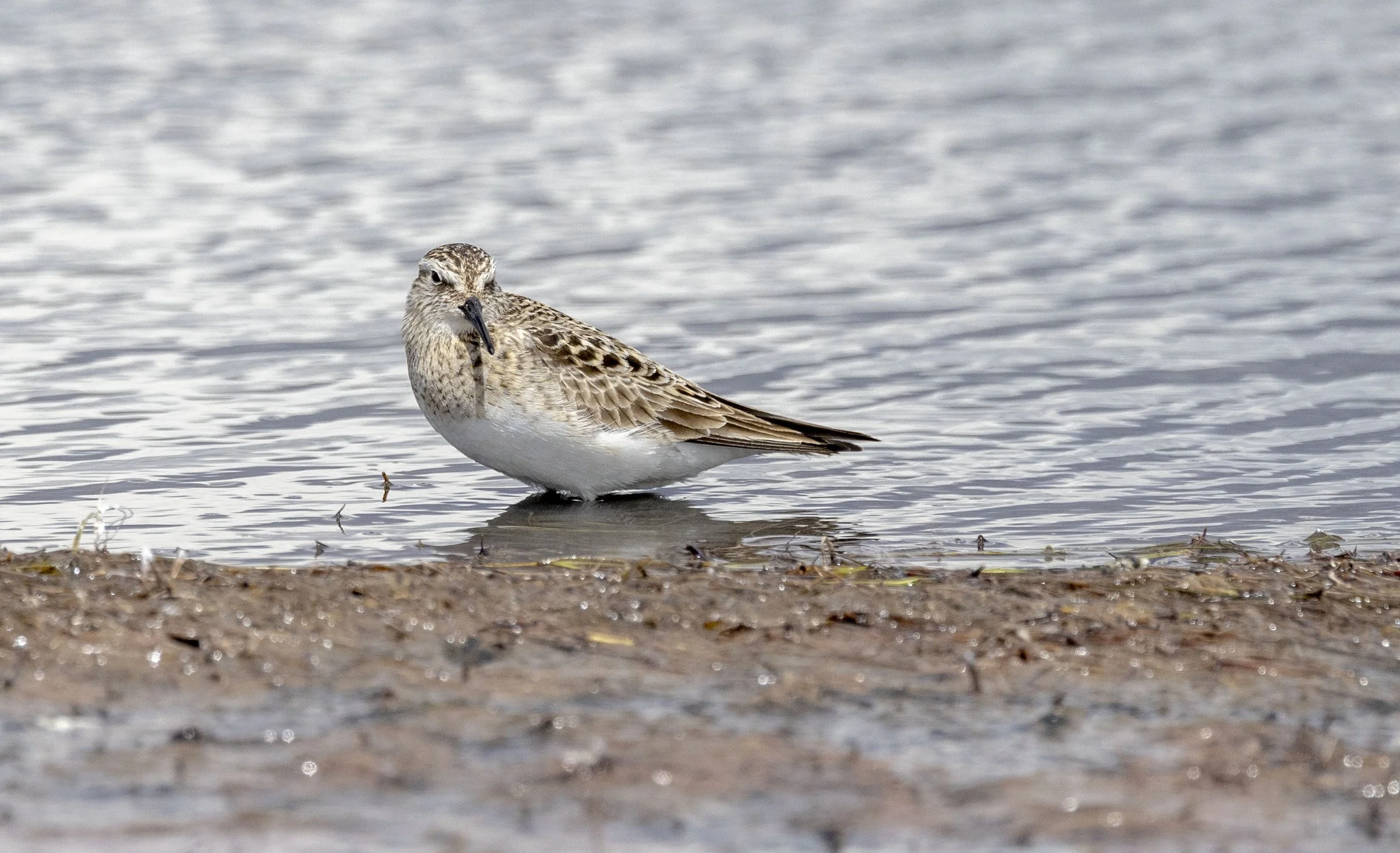
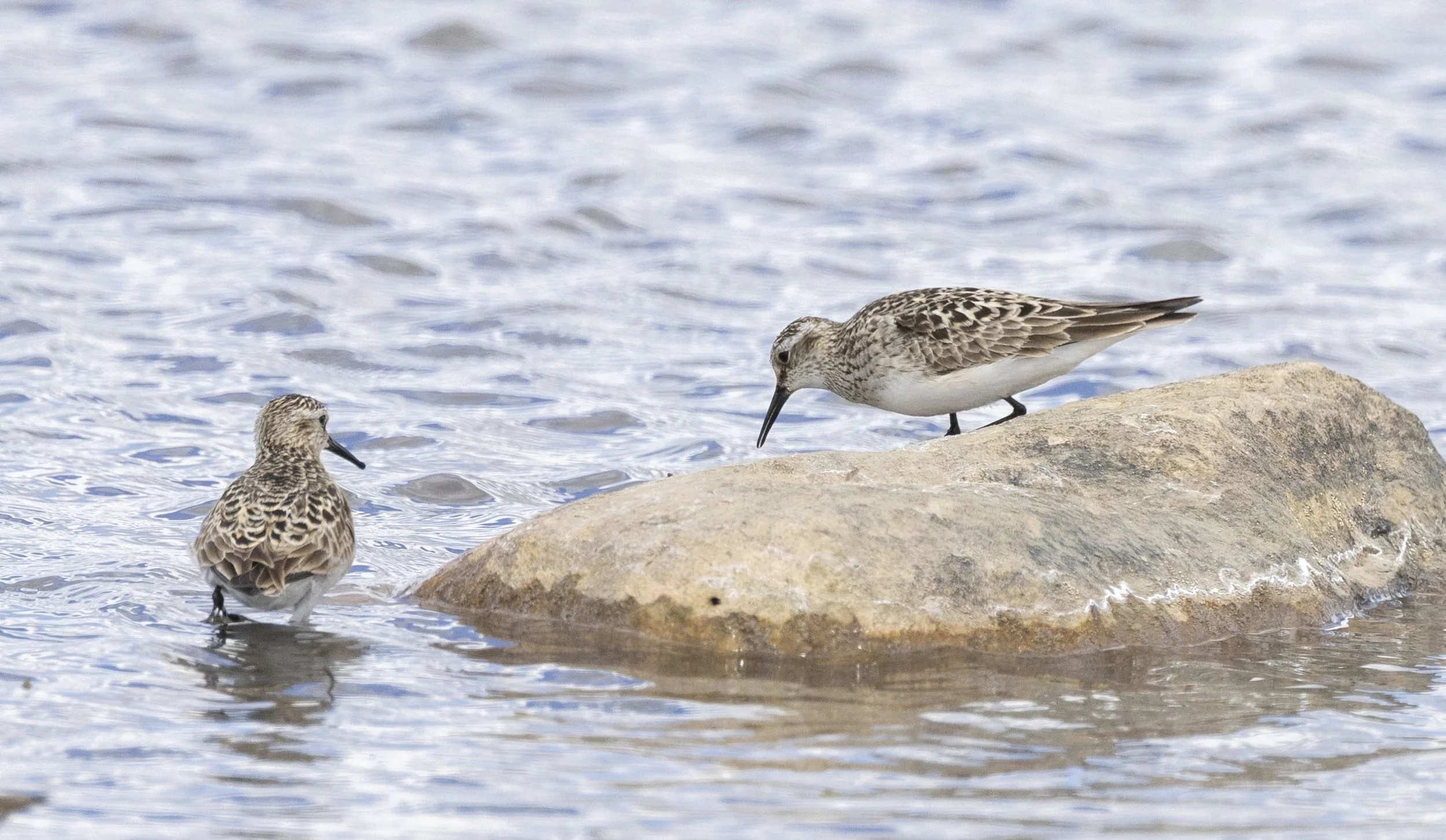
Two Baird’s
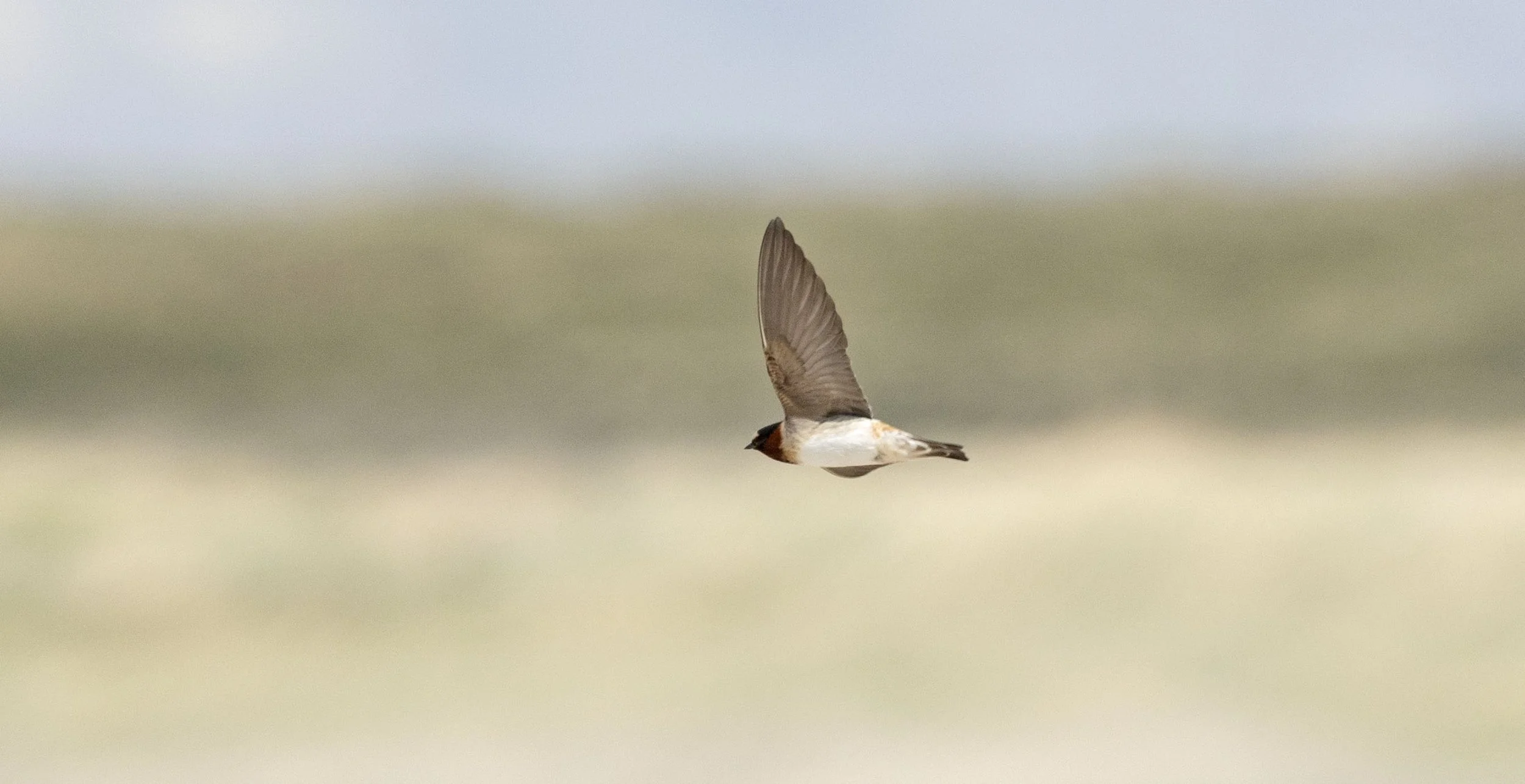
Breaking up the waders with a Cliff Swallow
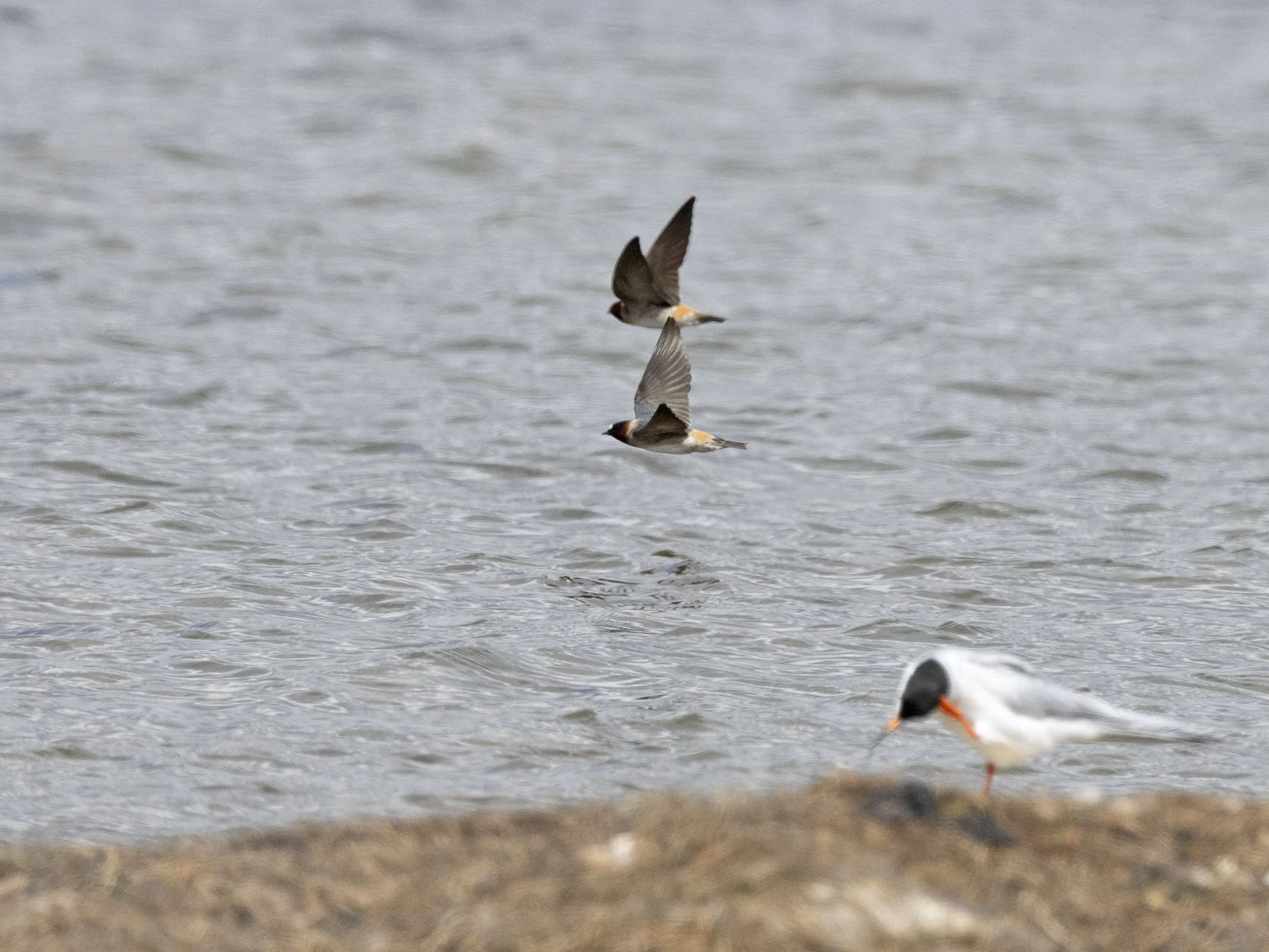
Cliff Swallows passing a Forster’s tern - at times you don’t know which way to look
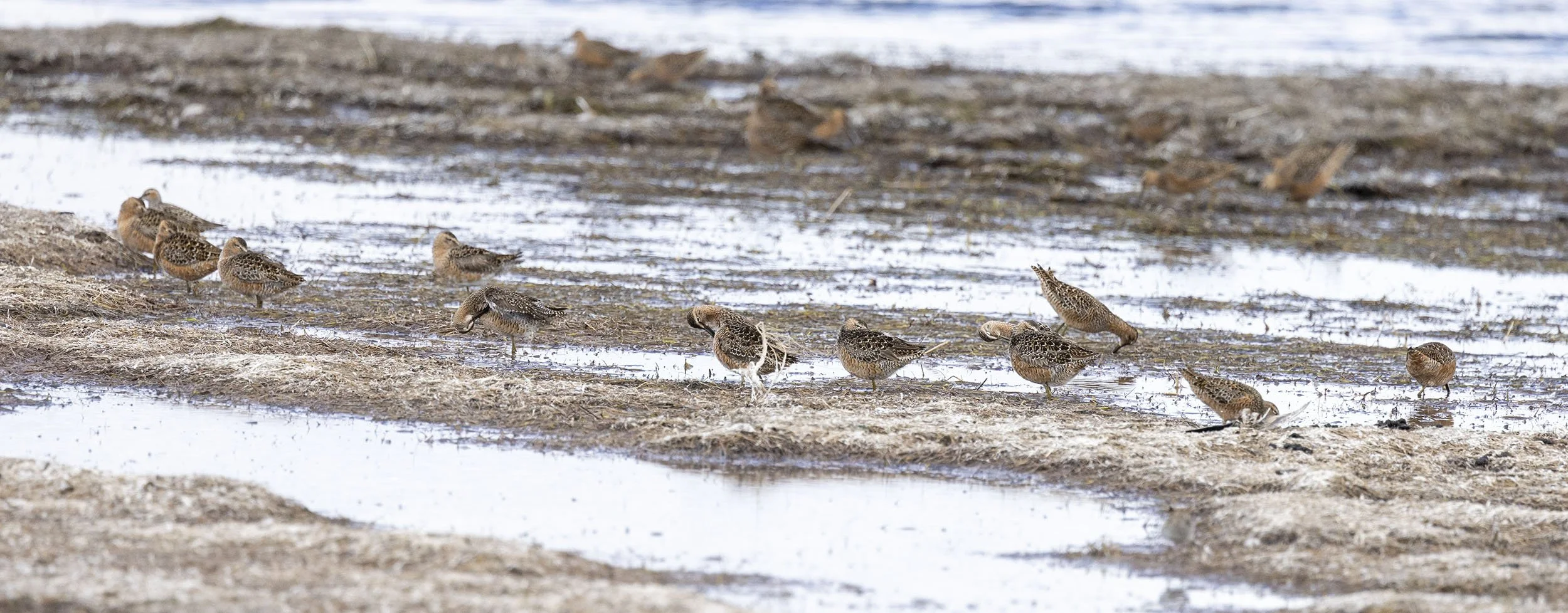
Presumably all Long-billed Dowitchers
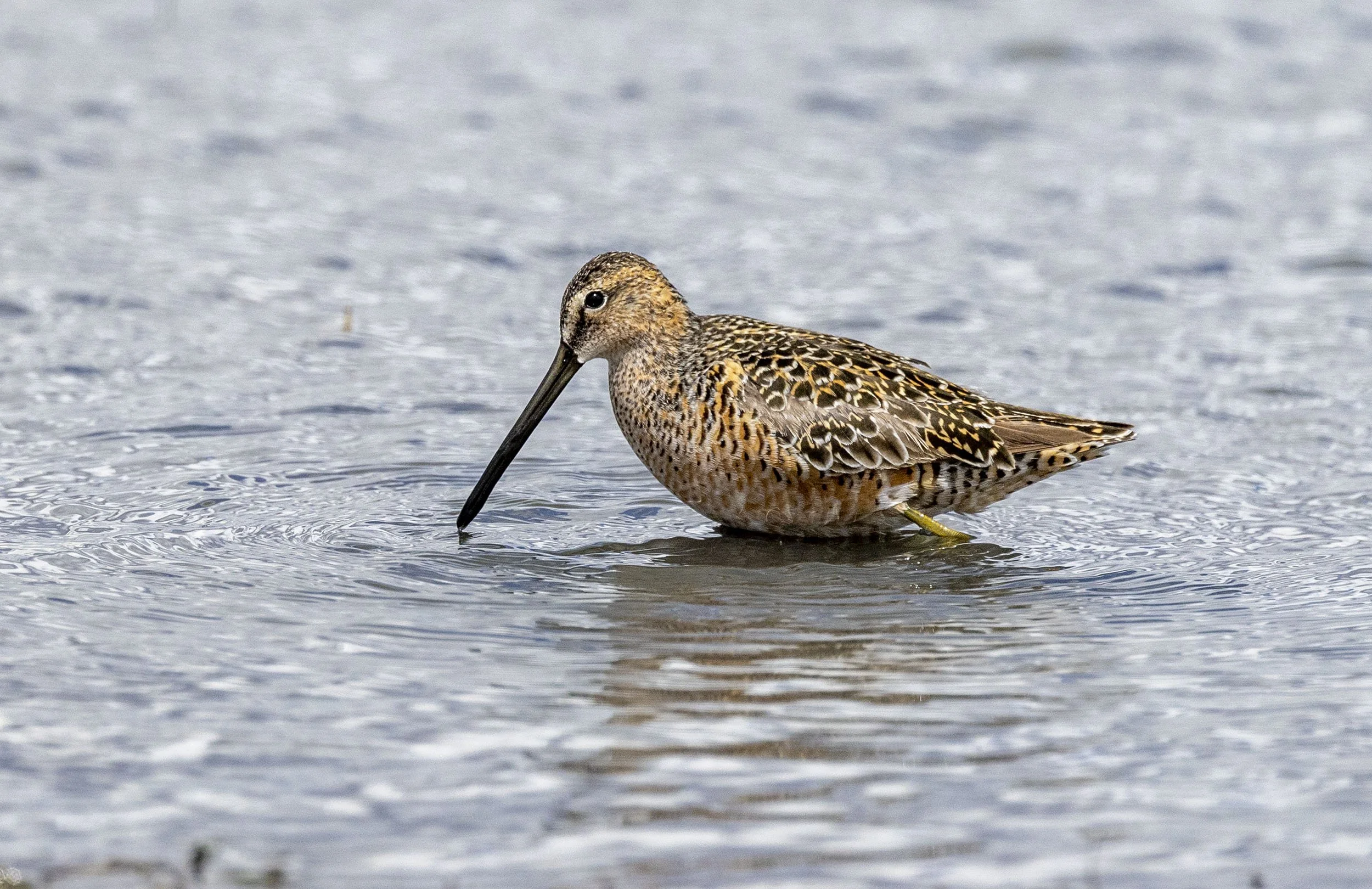
I really need to gen up on summer dowitchers but think this is Long-billed - I certainly heard Short-billed so I guess both species were present but time was short !!
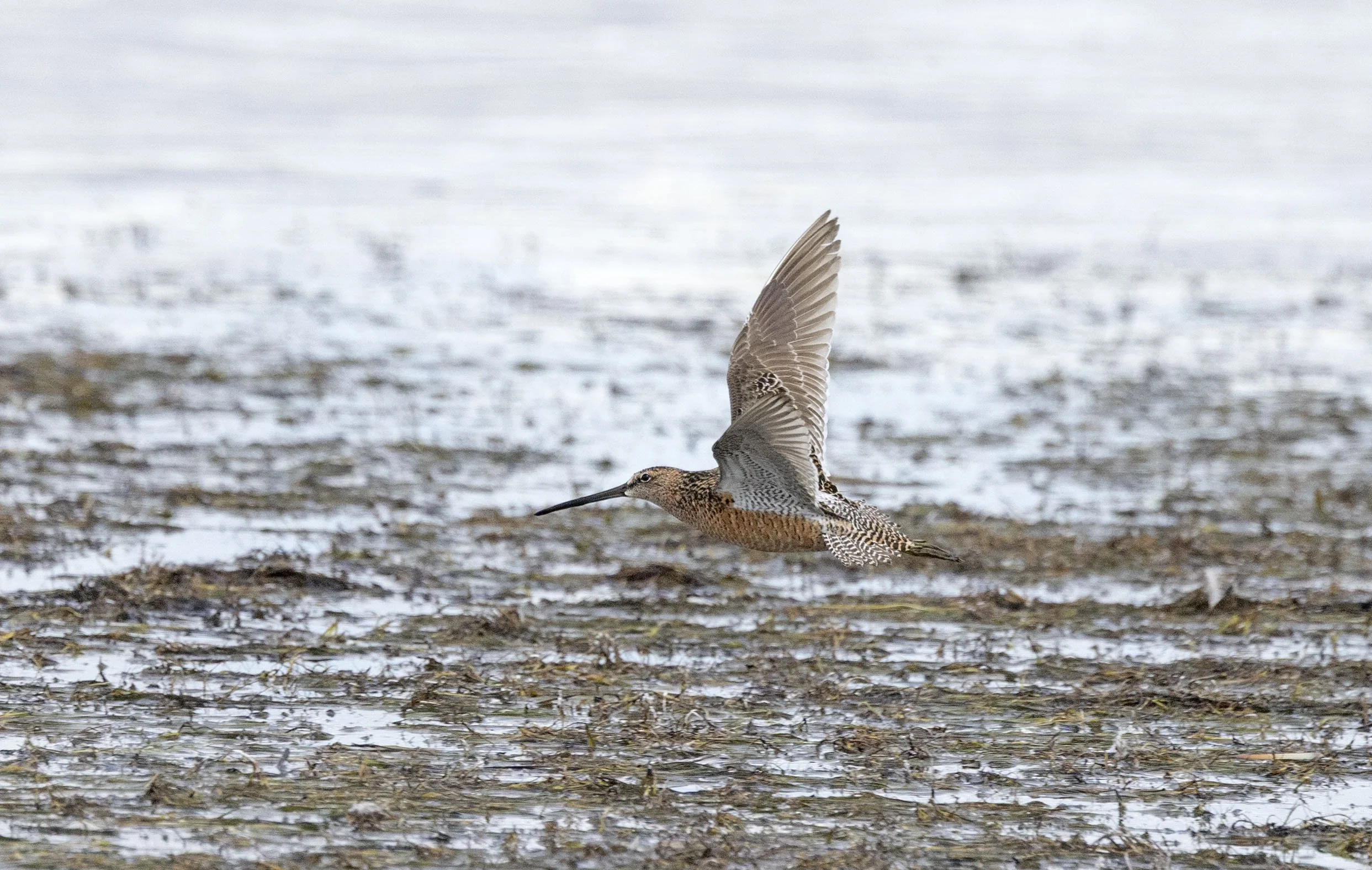
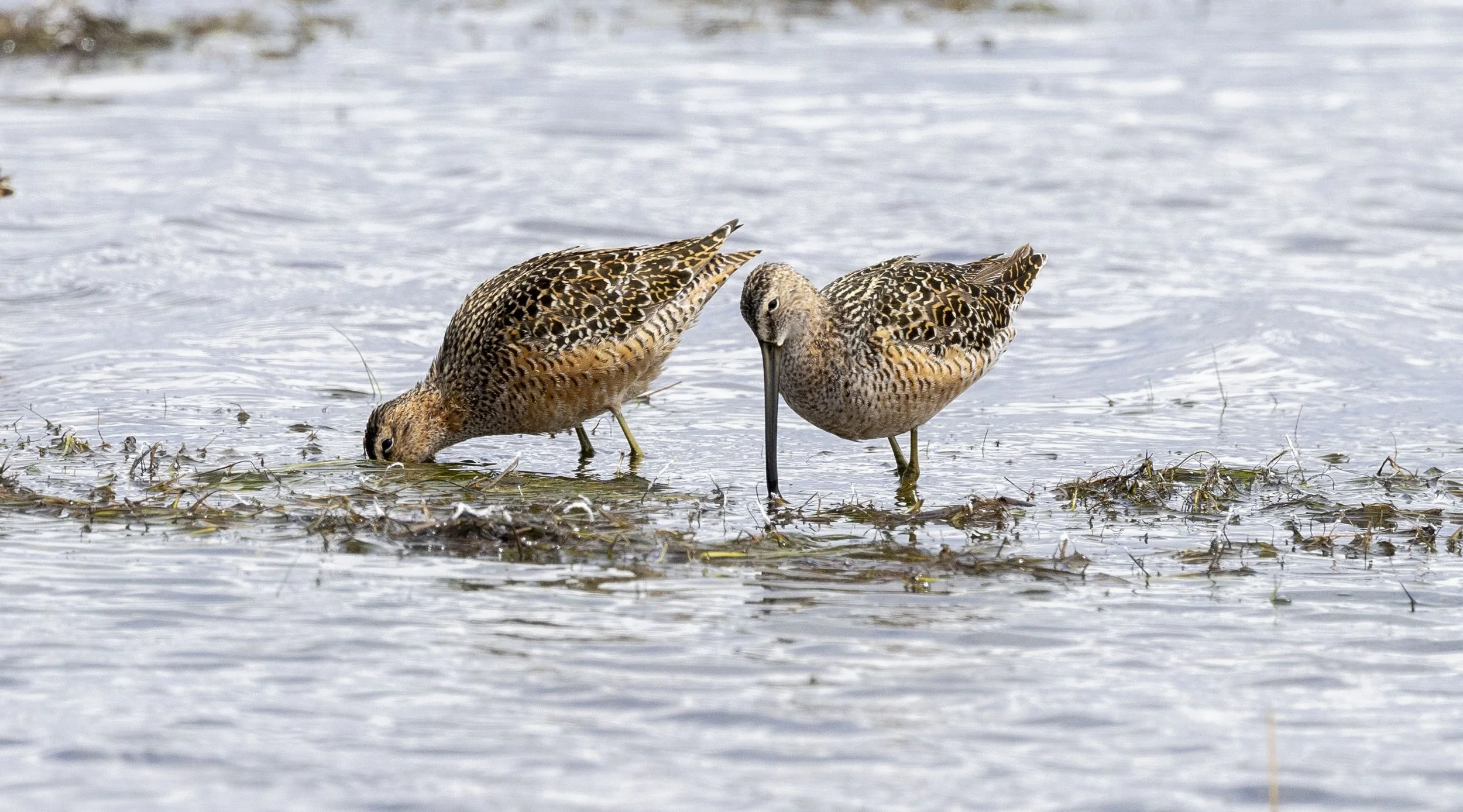
Two Long-billed
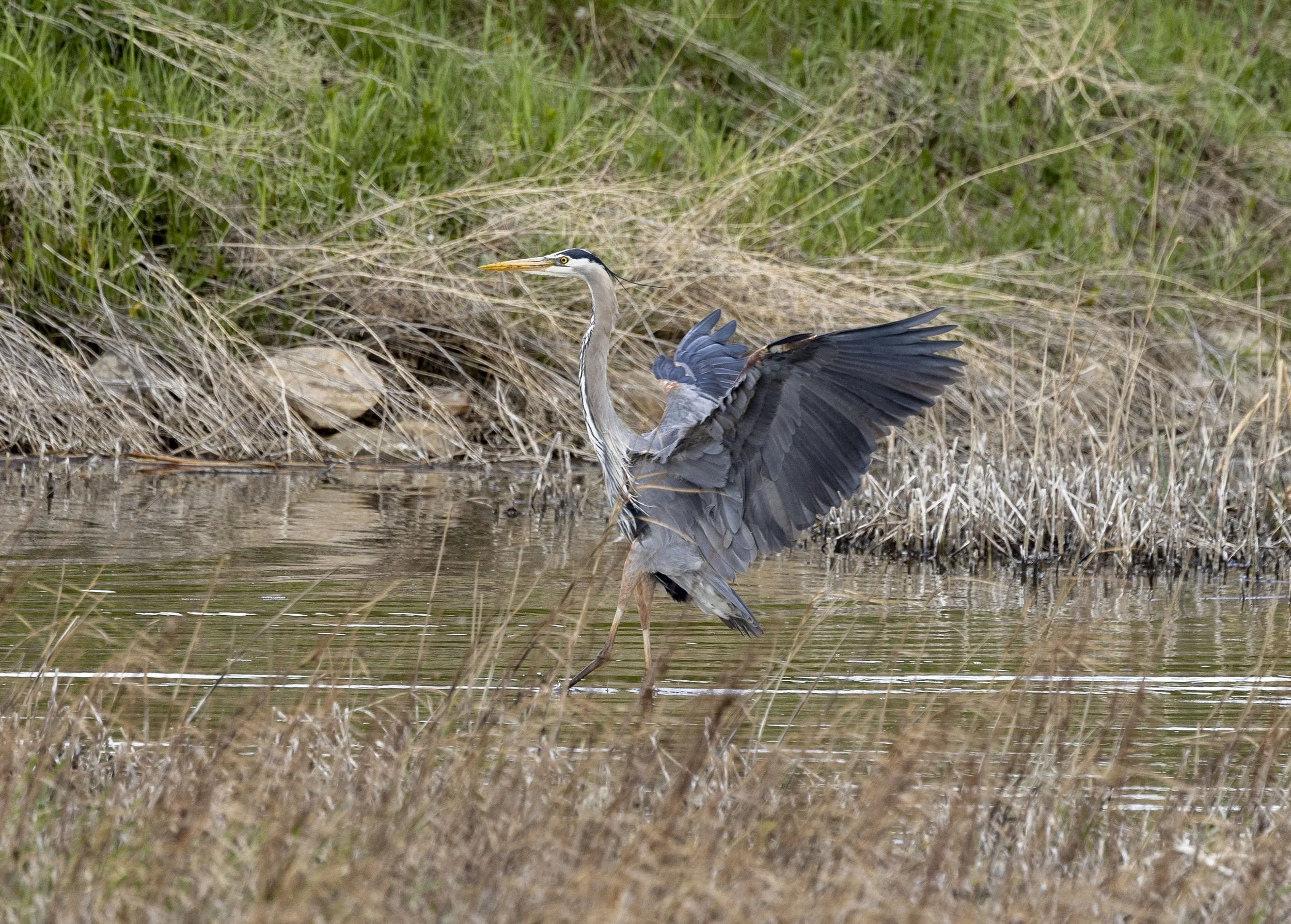
Great Blue Heron
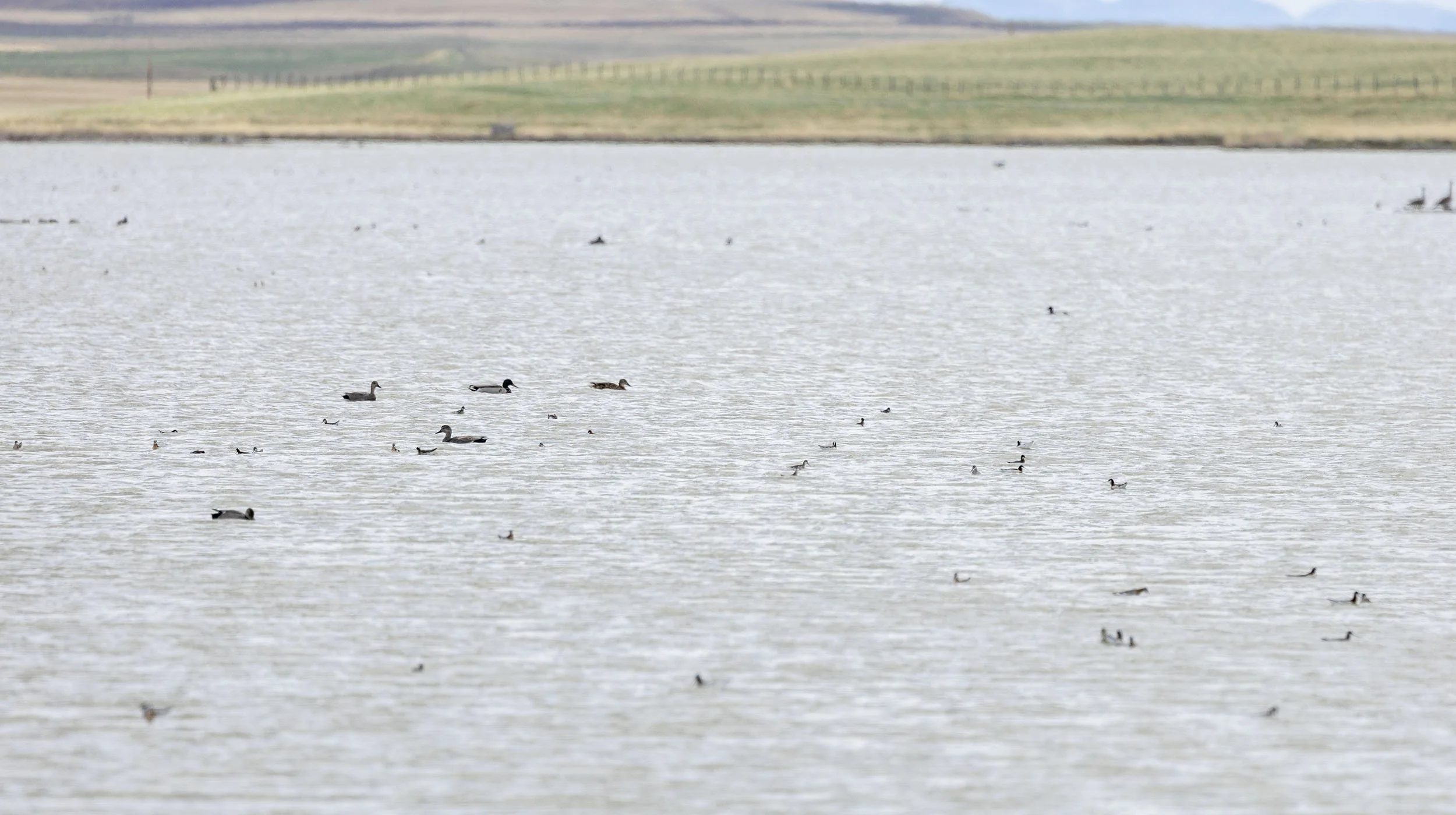
Impossible to convey the phalarope concentration in a still image in bad light but here are few
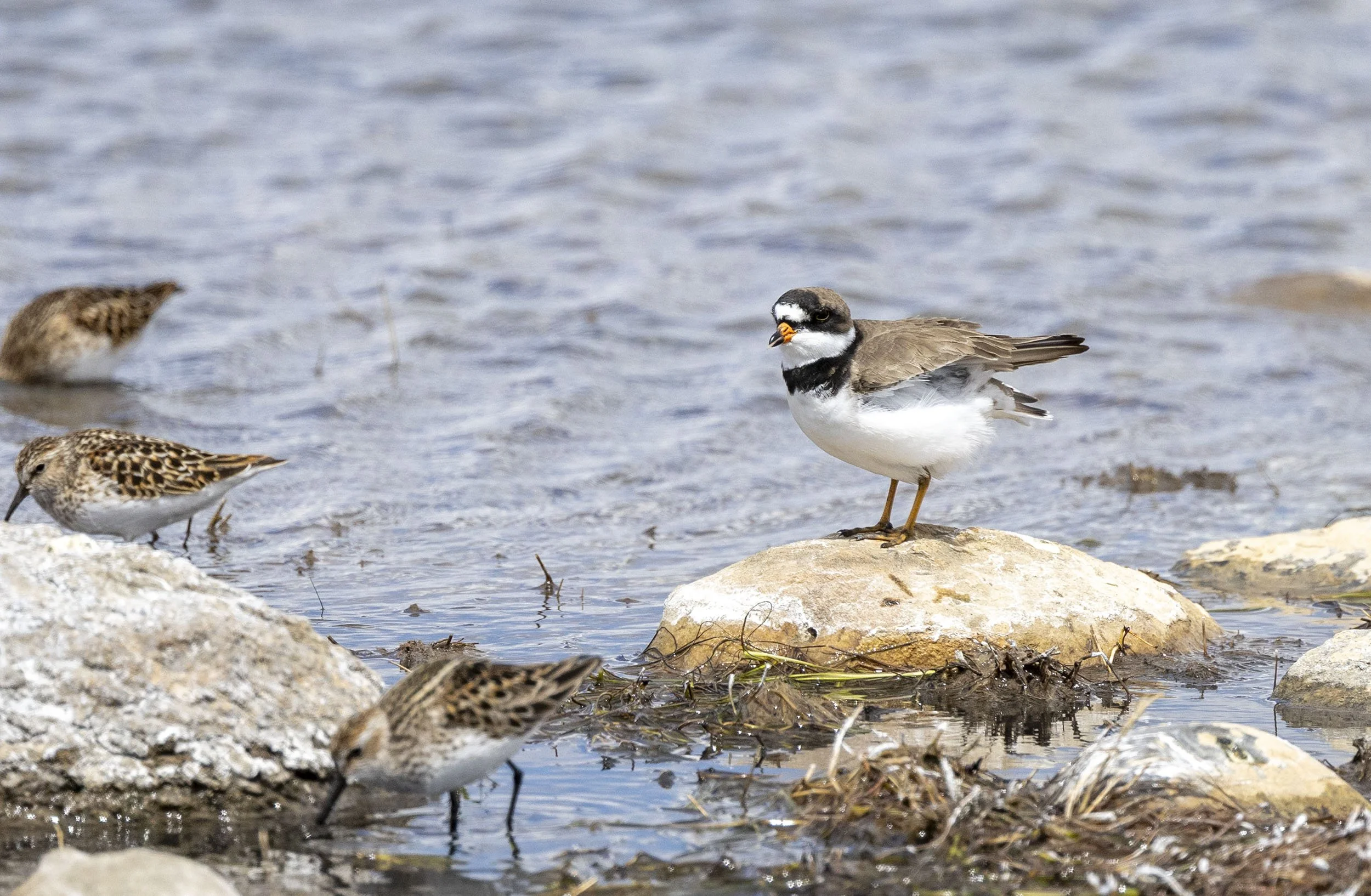
Semi-palmated Plover and Least sandpipers
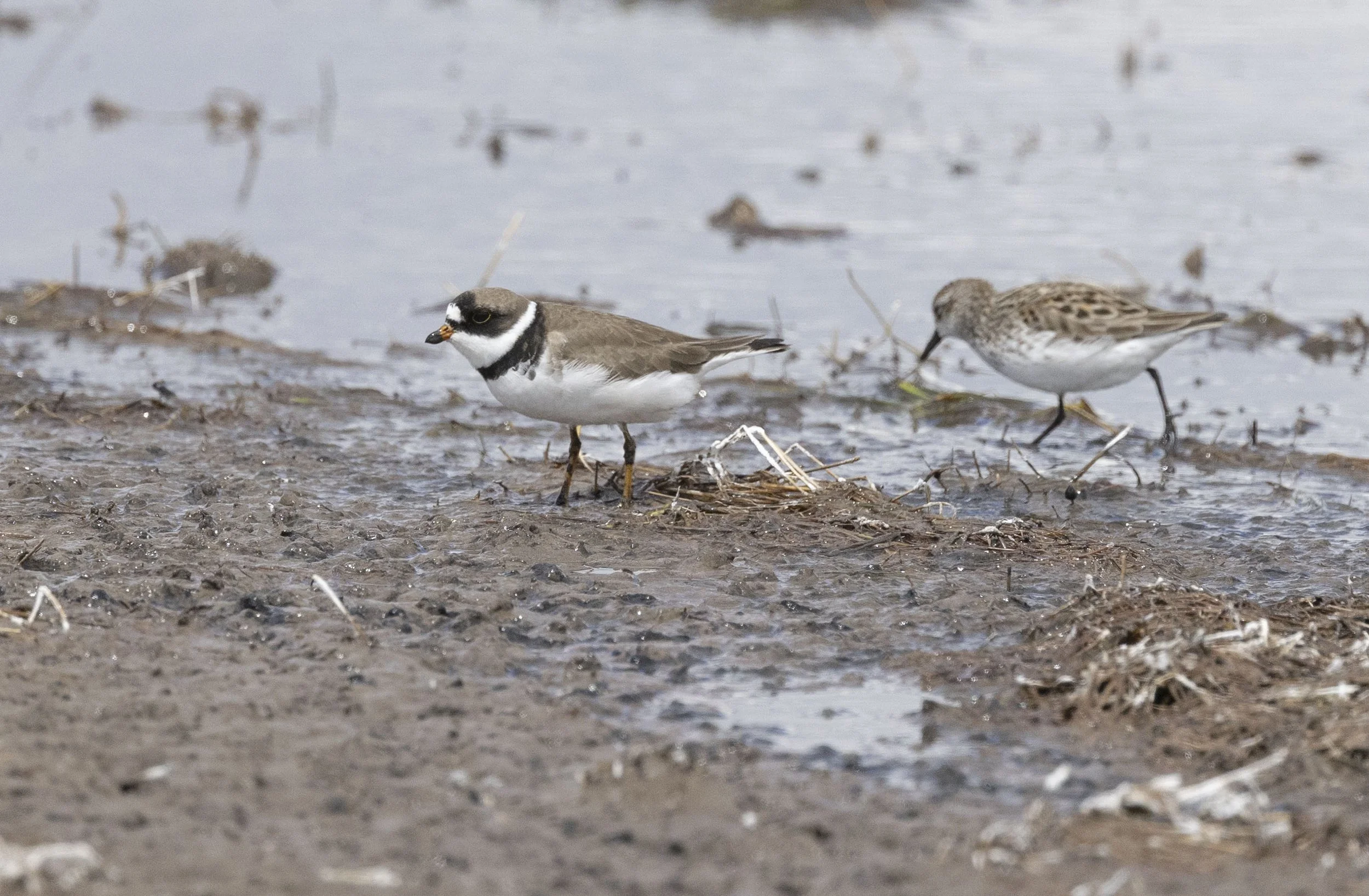
Stubby bill, pale eye ring
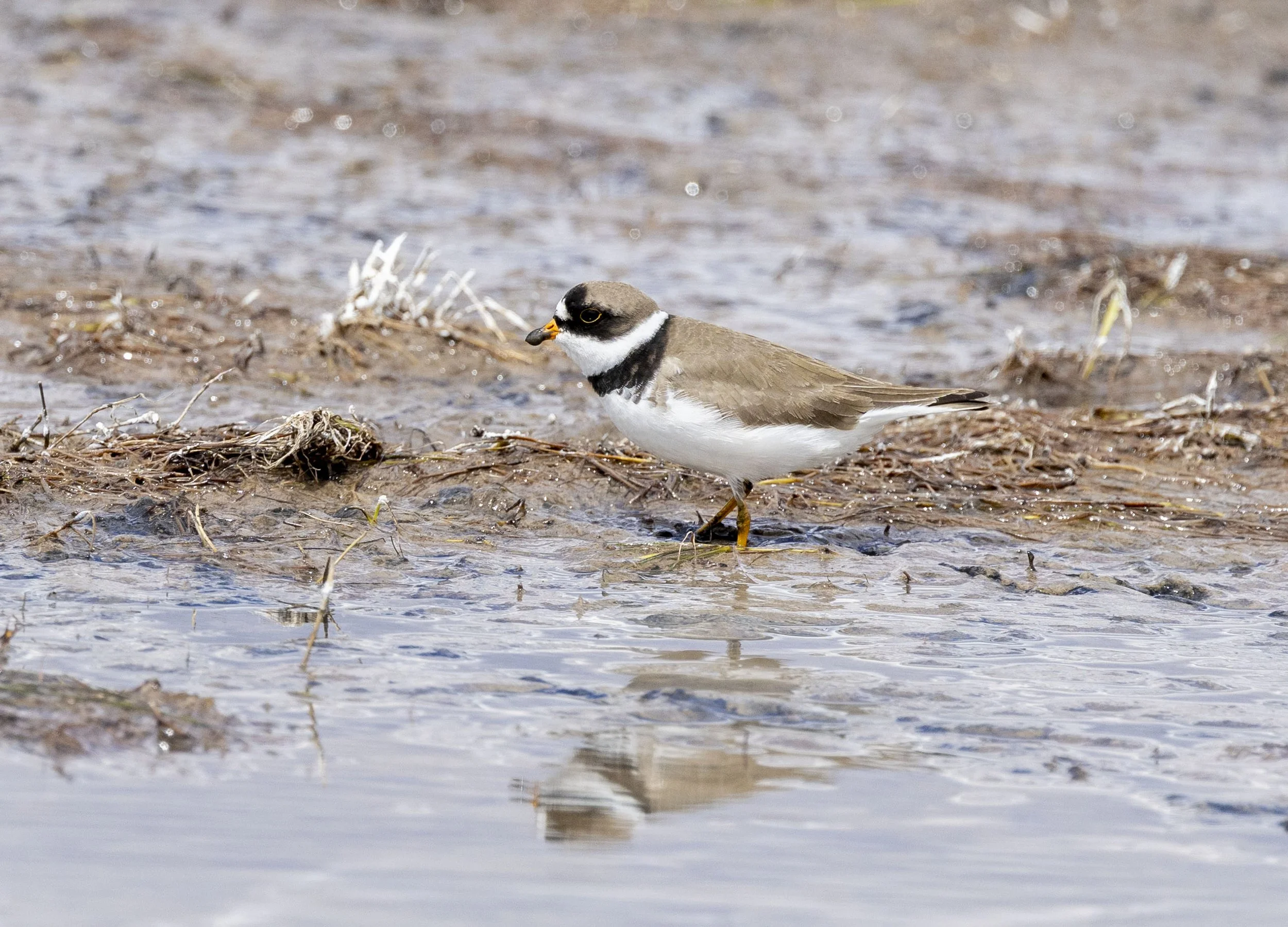
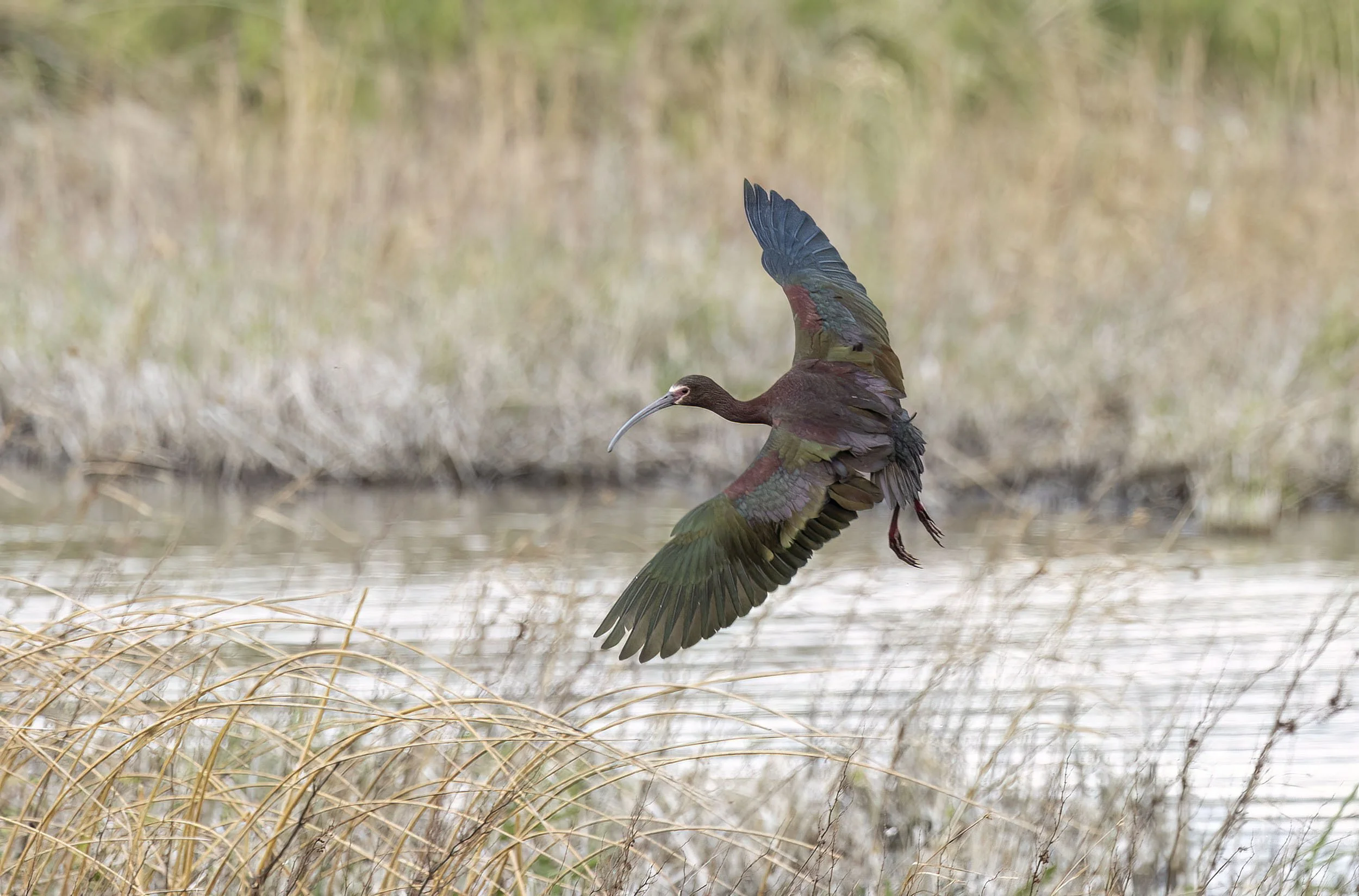
A smart White-faced Ibis
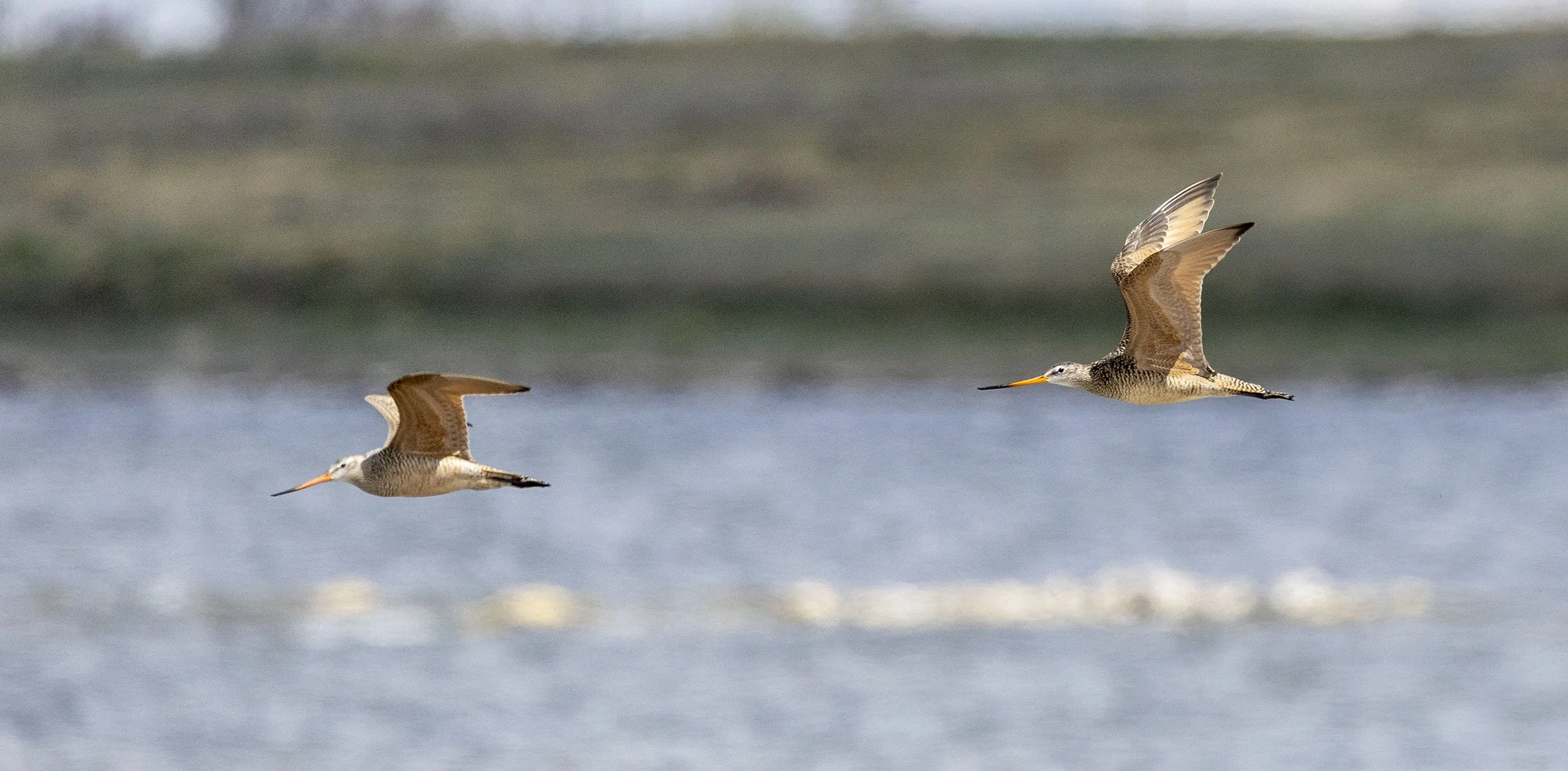
Marbled Godwits - an underrated wader
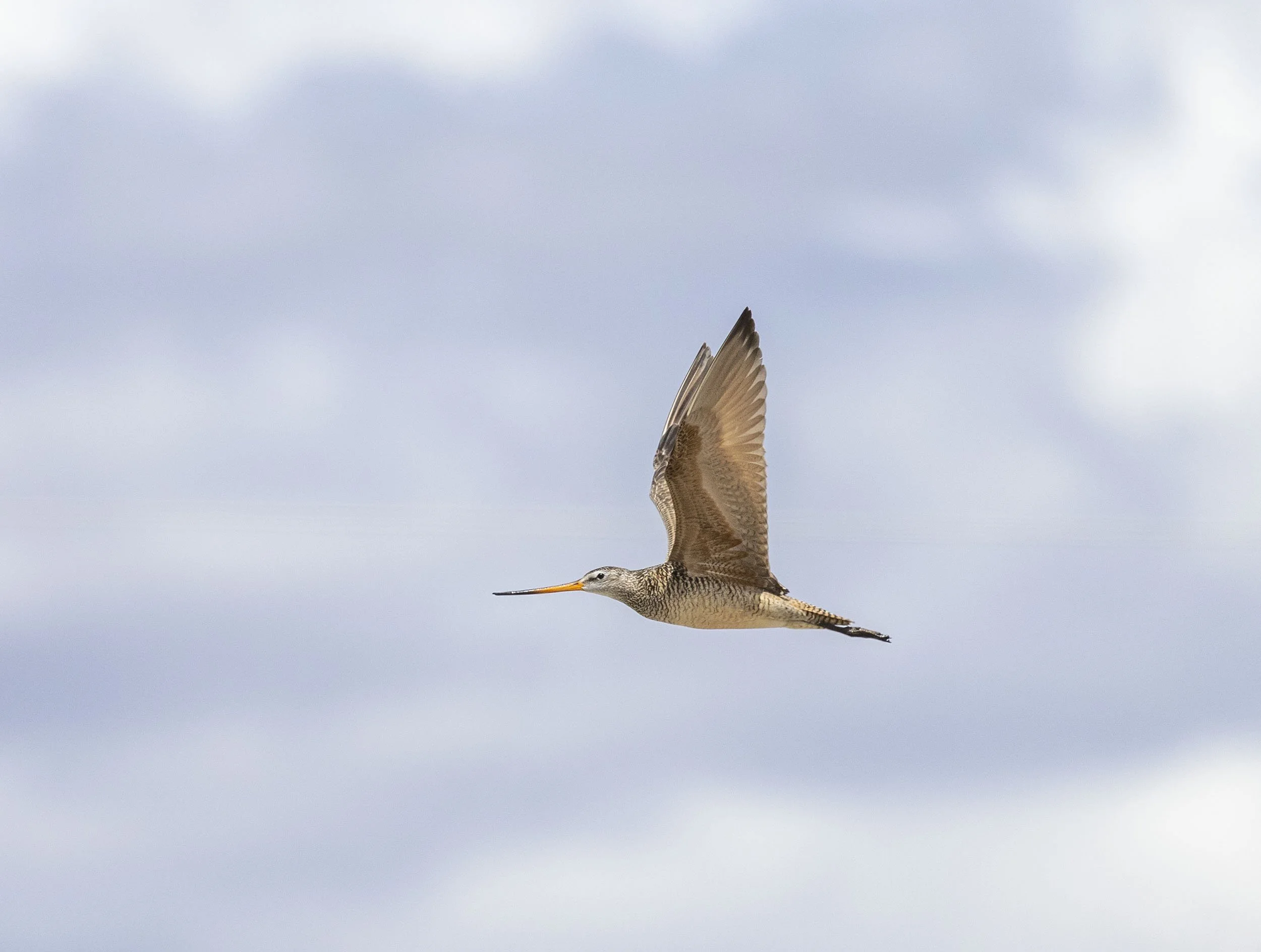
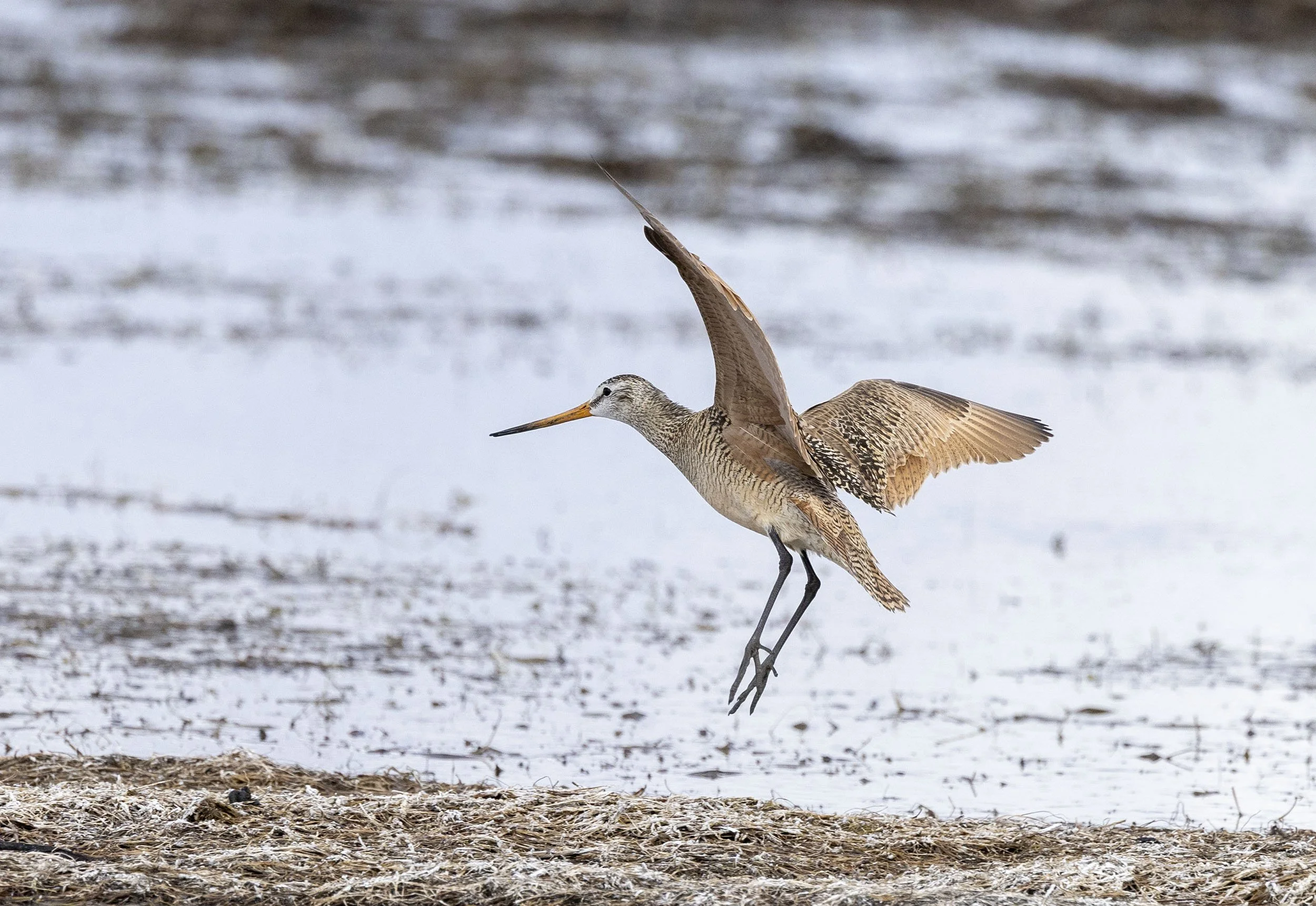
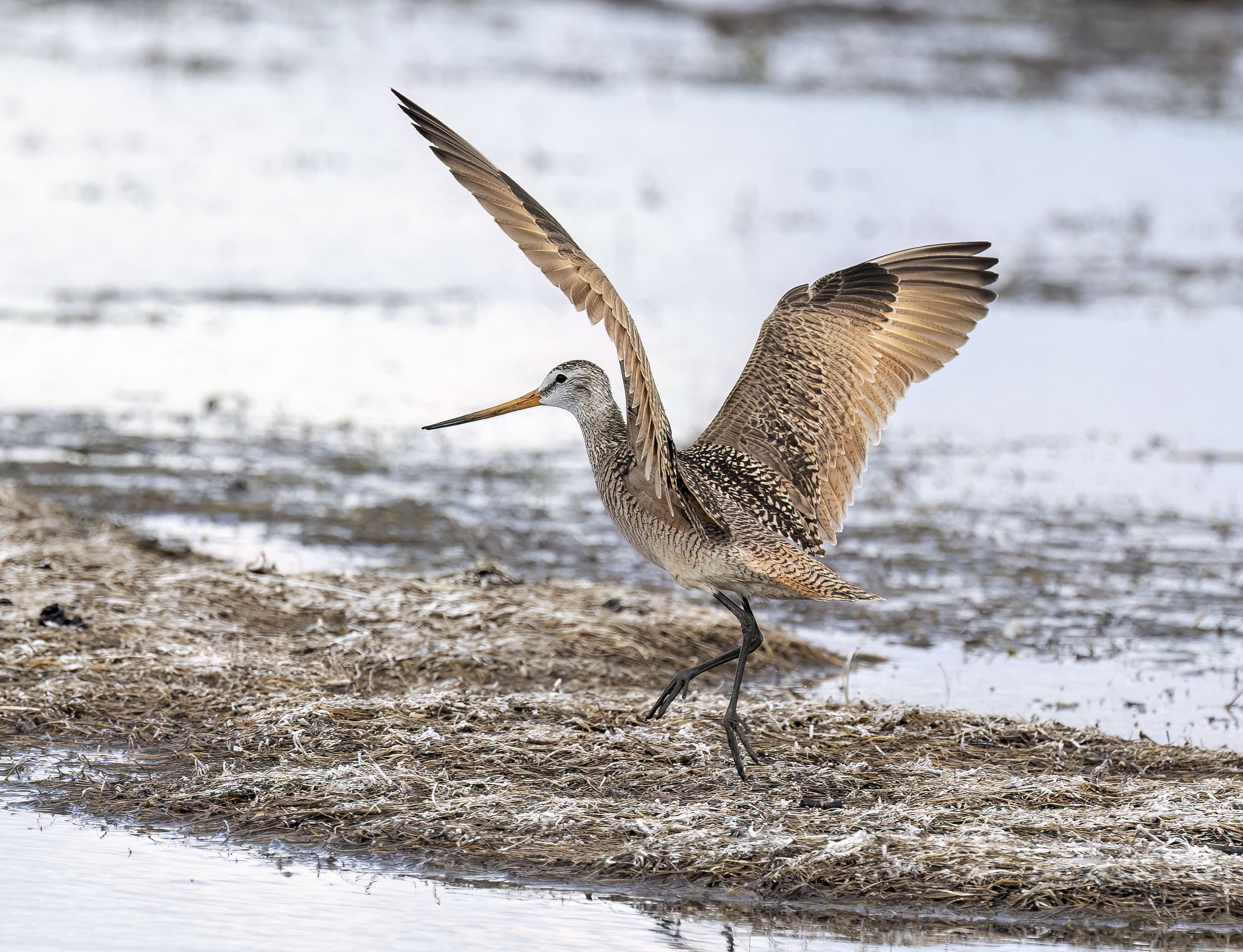
You just do not get close to waders in britain to just use a 100-500 lens -
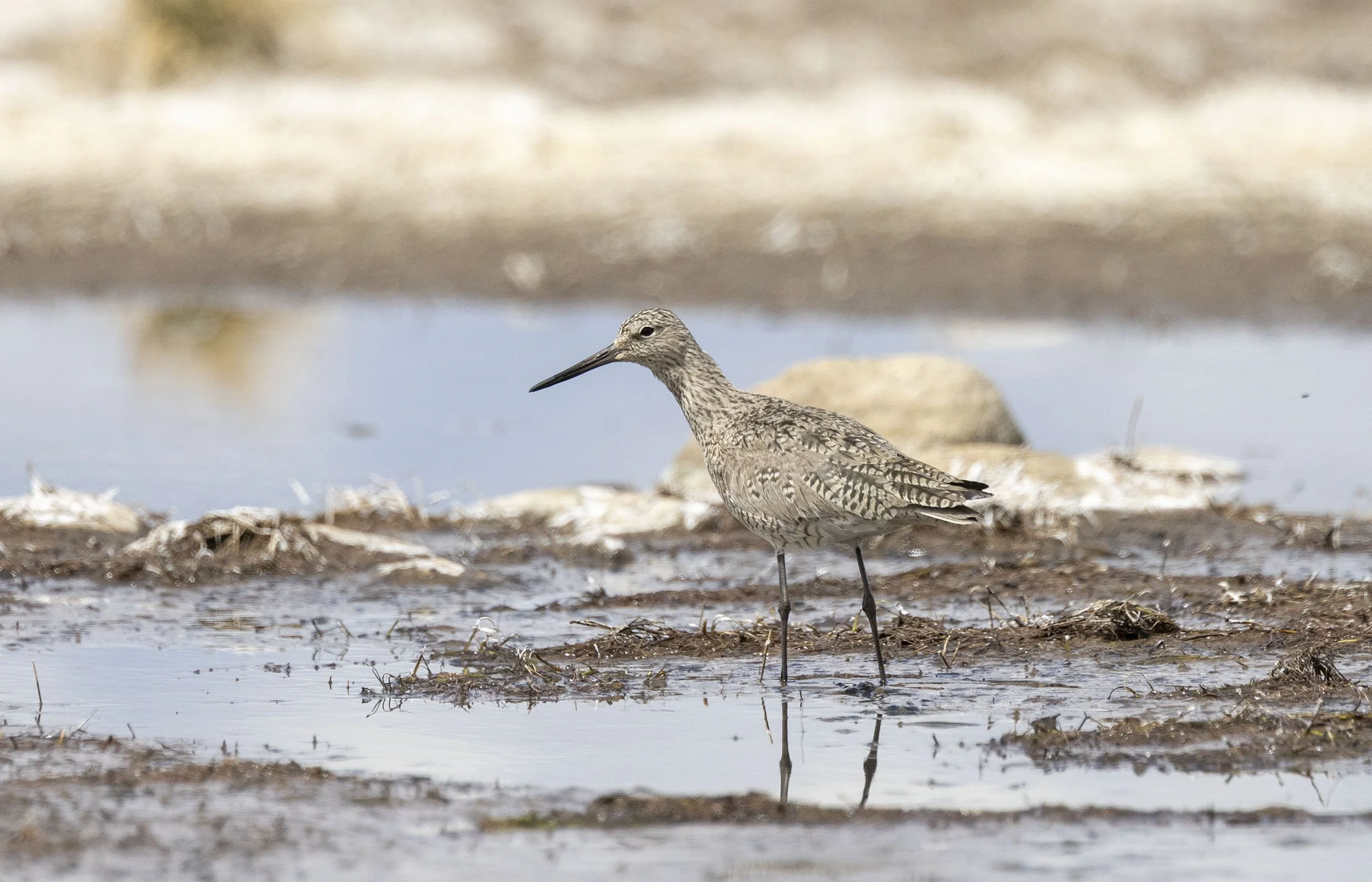
One more Western Willet
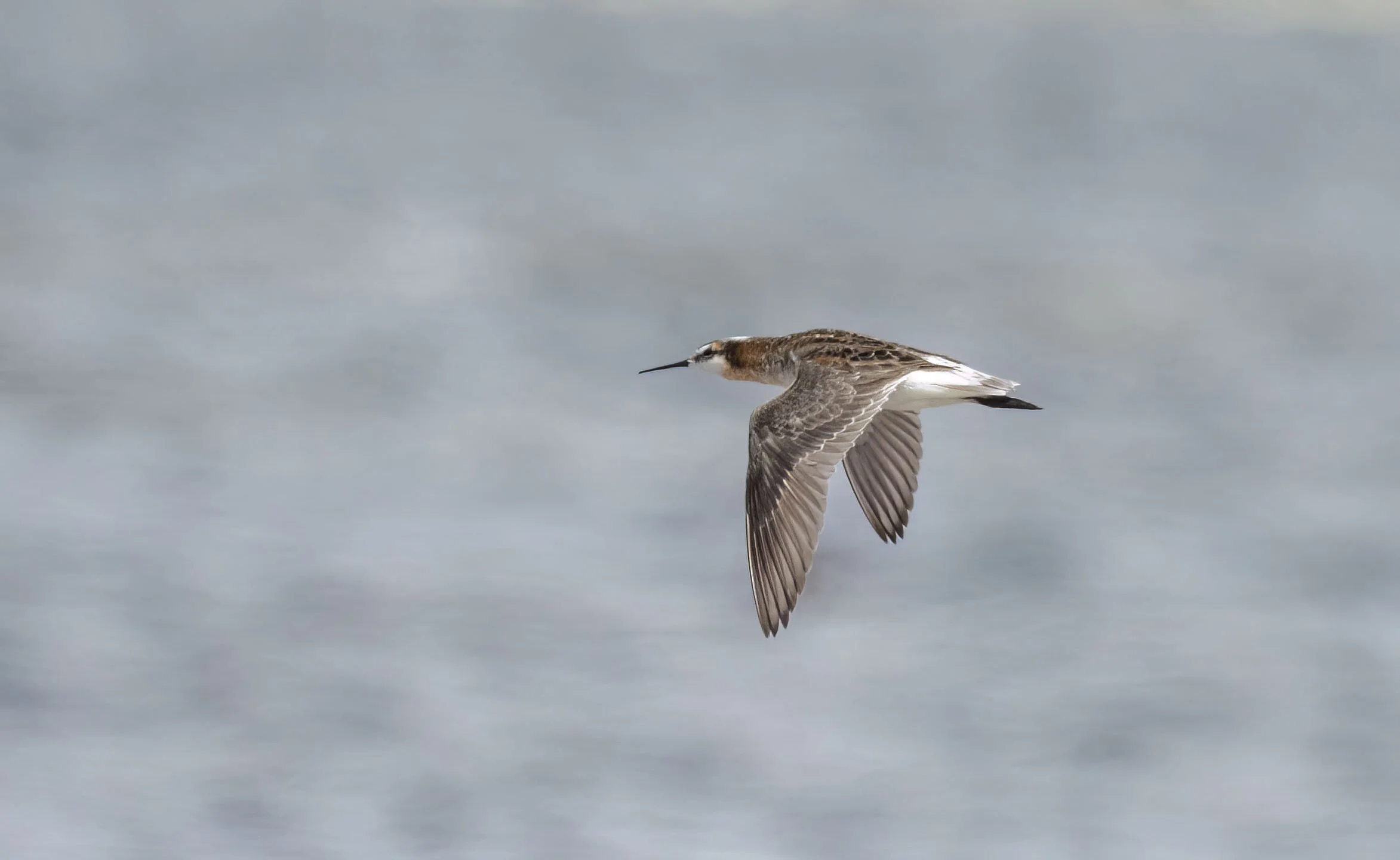
Wilson’s Phalarope fly past
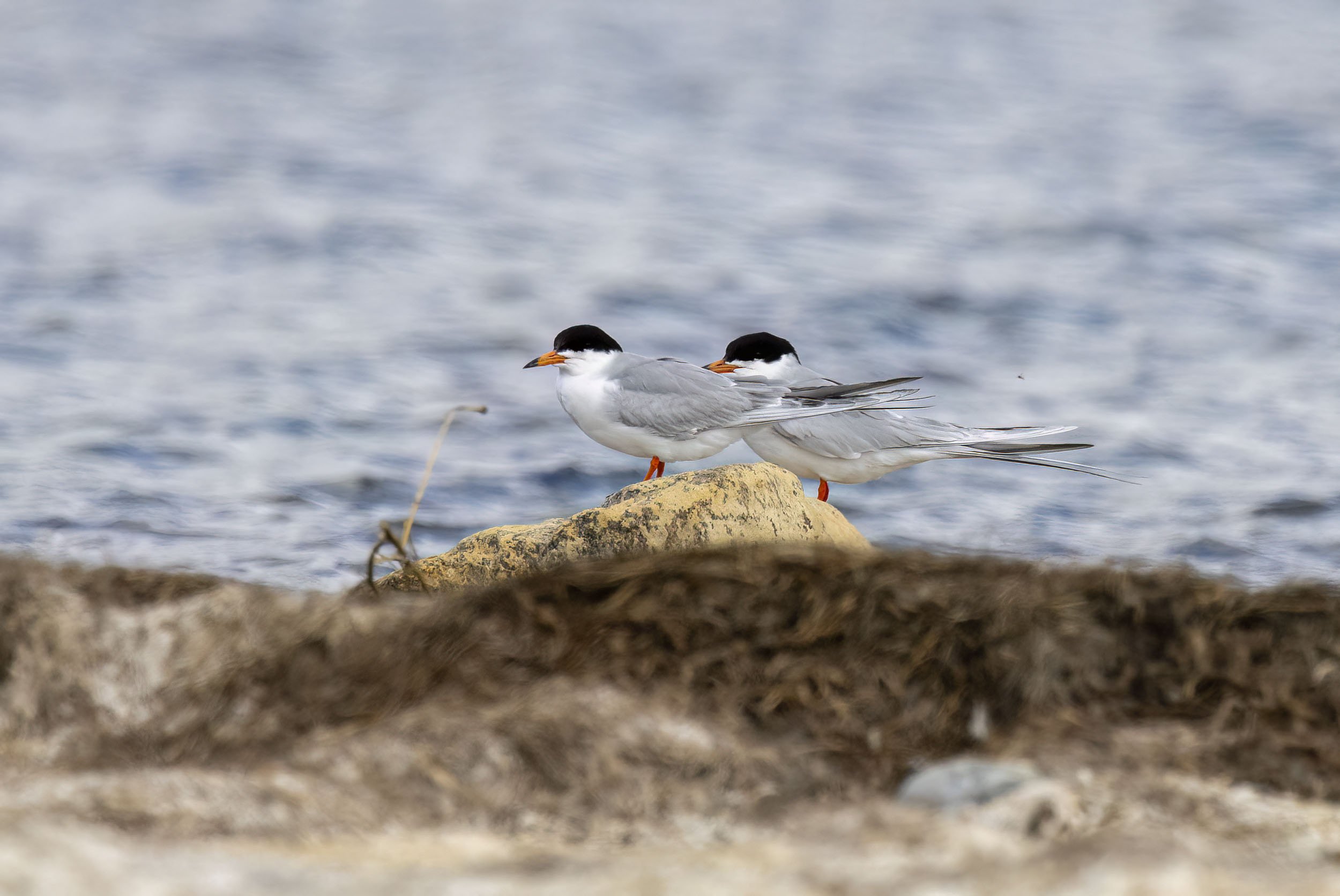
Forster’s Terns
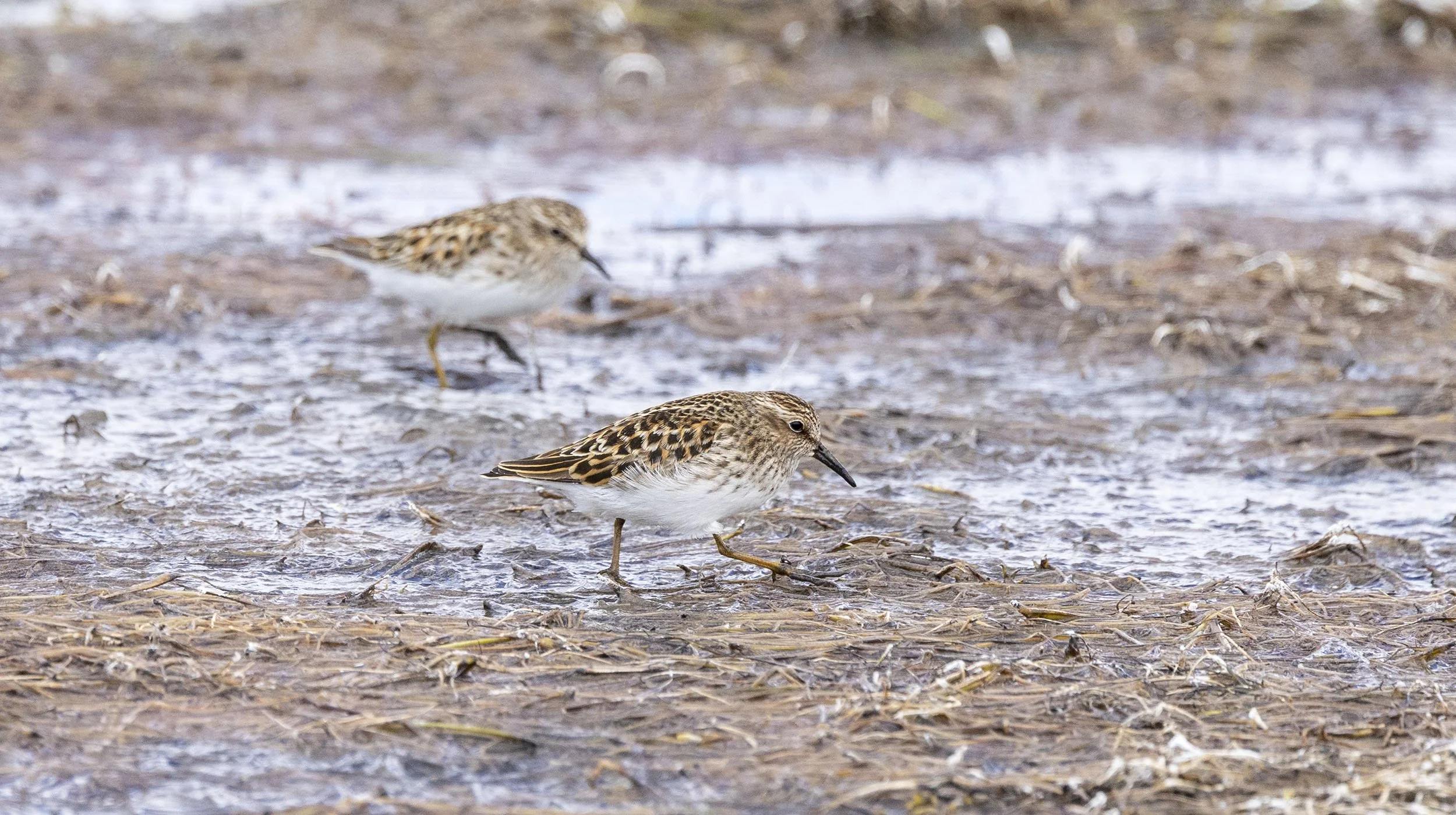
Least Sandpipers the smallest of the peeps and quite variable in intensity of colour of summer plumage
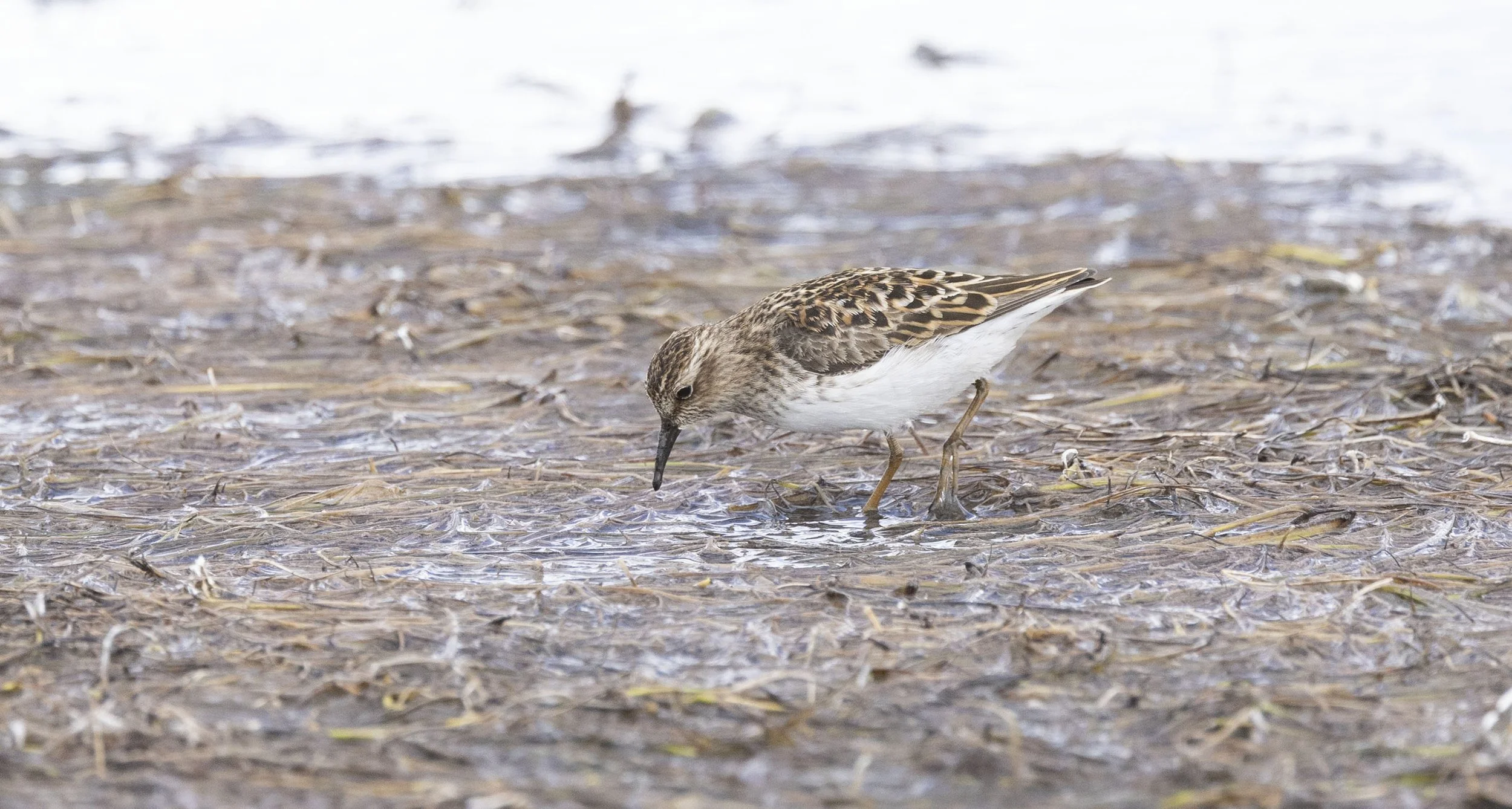
A duller bird
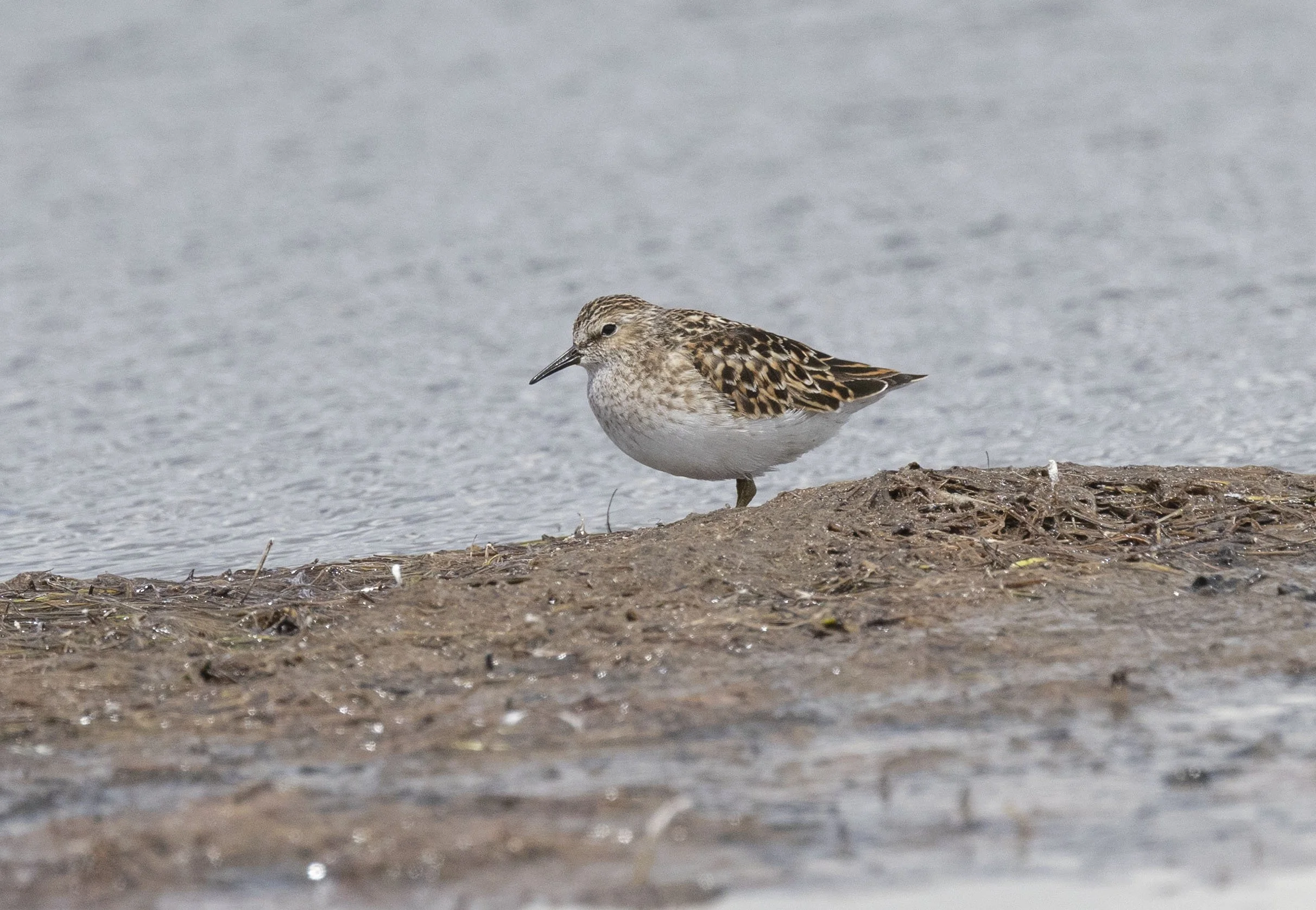
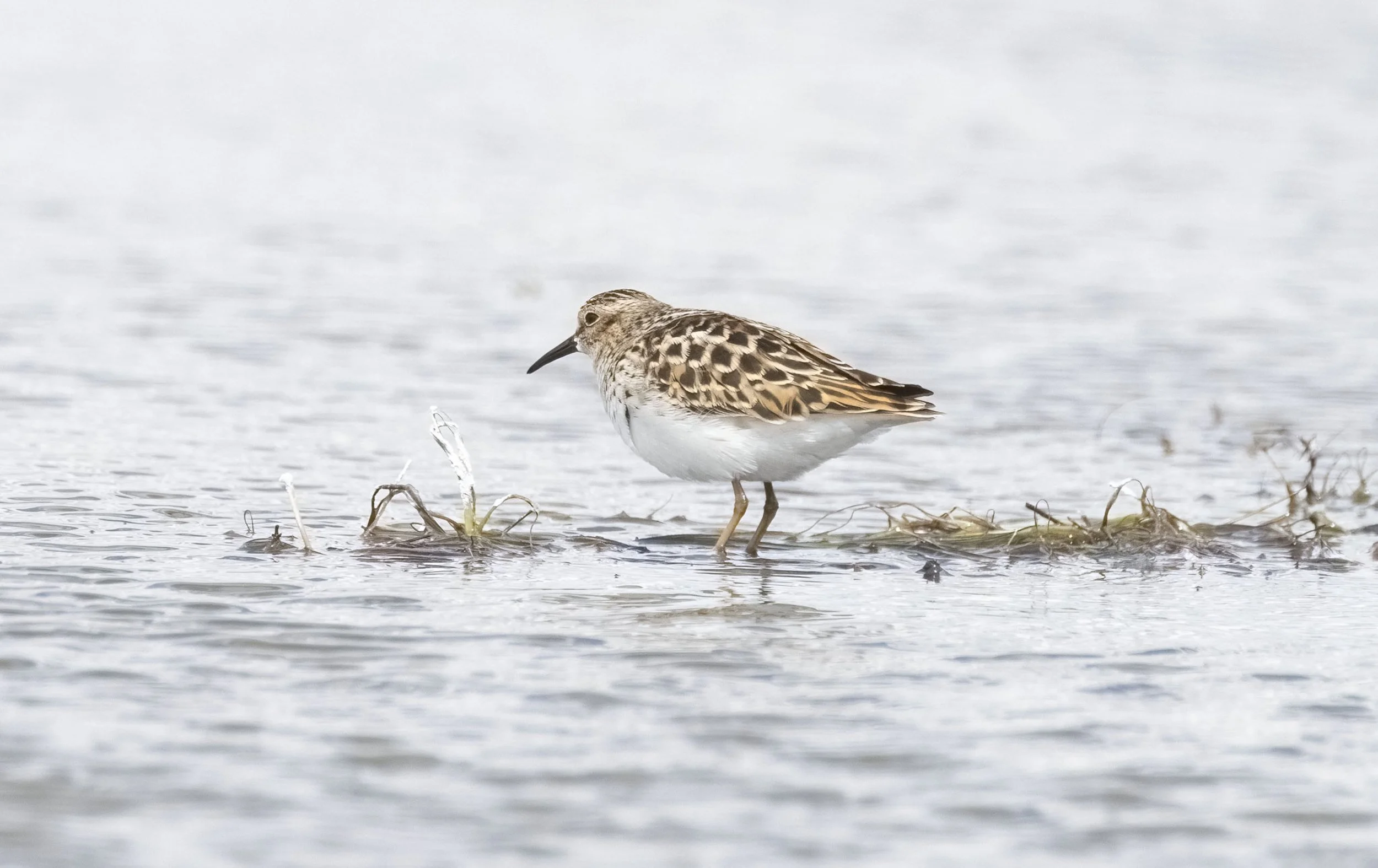
Legs are pale yellowish but often get stained by or covered in mud
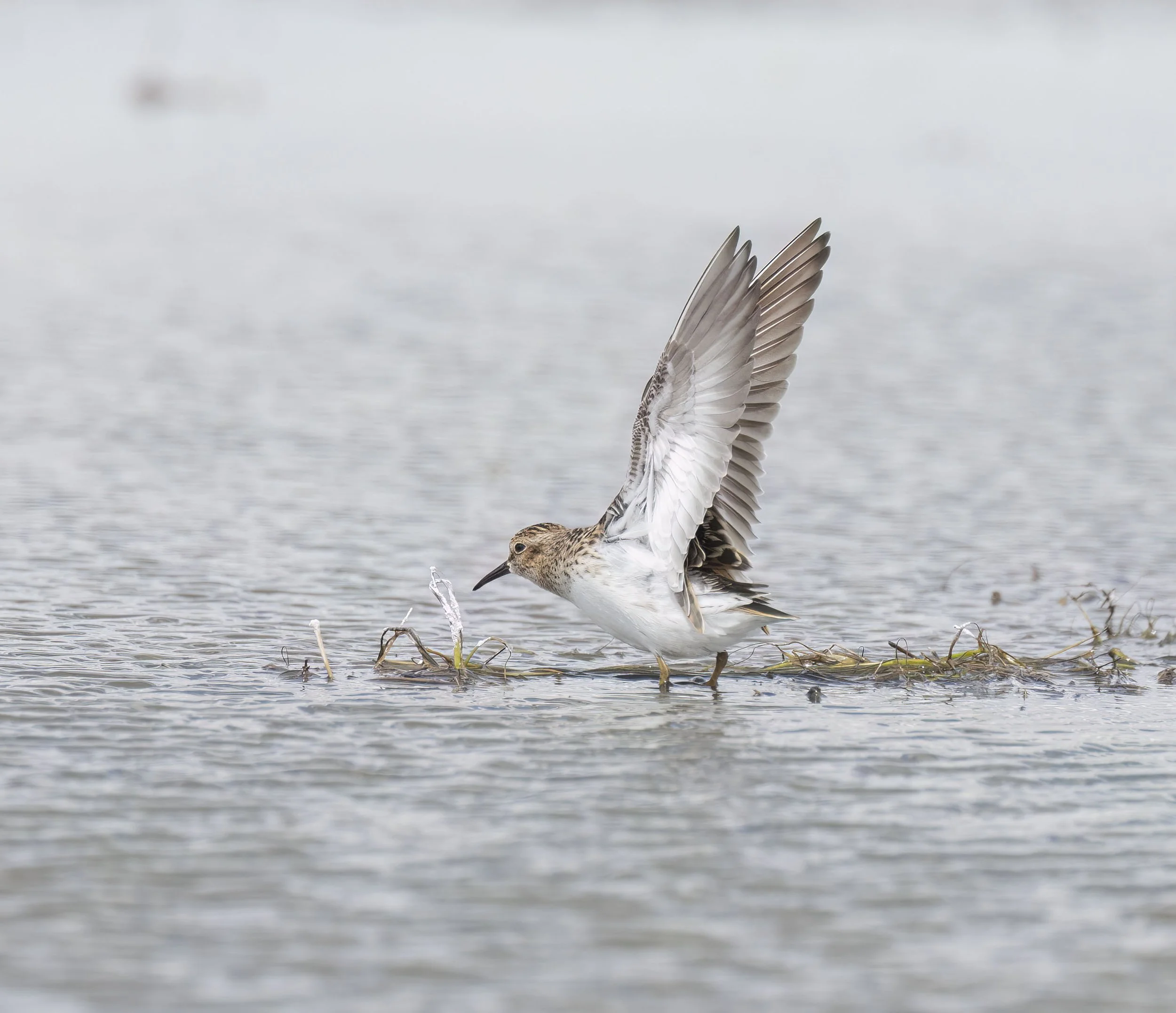
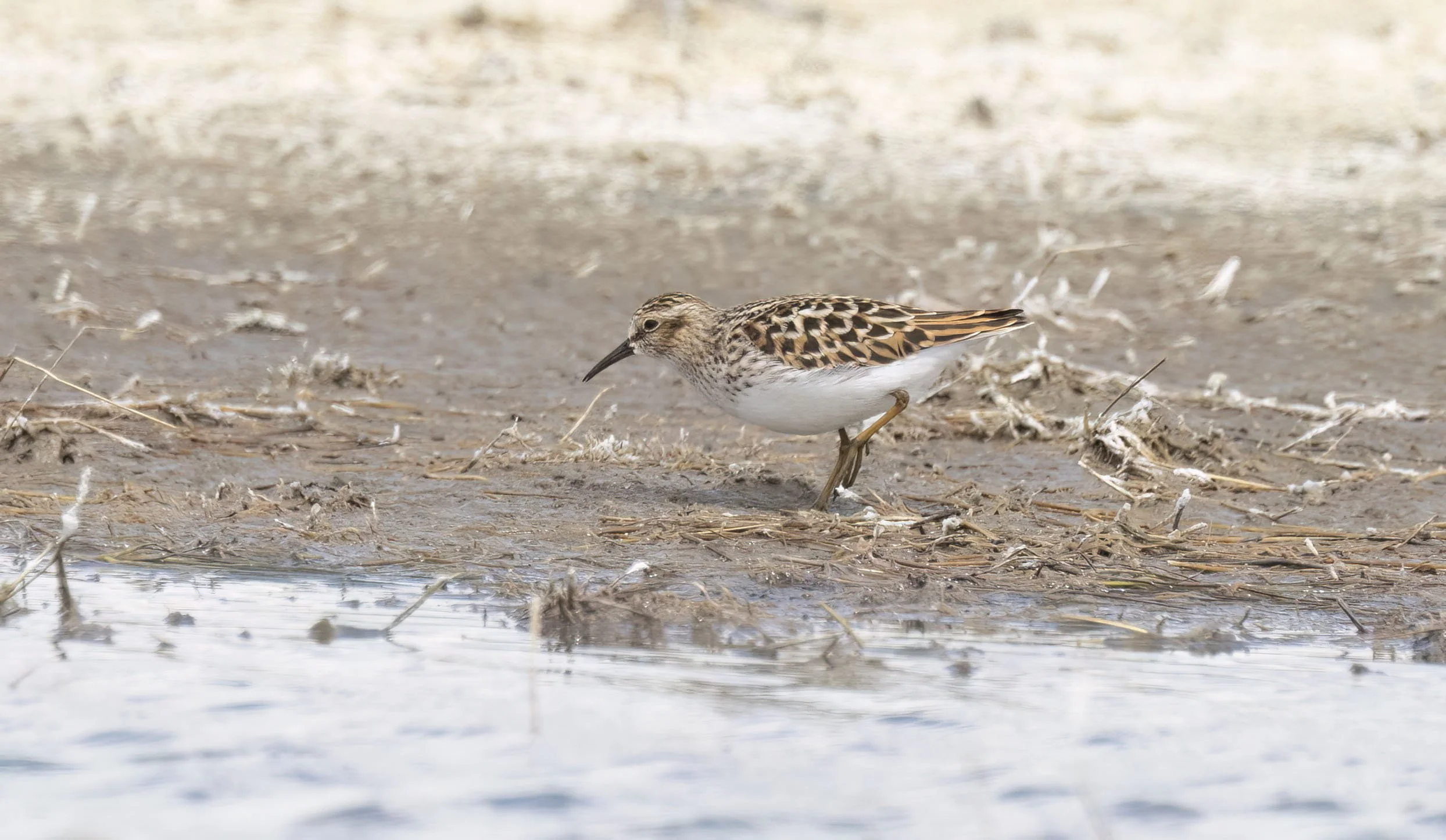
A really bright bird looking almost a bit Long-toed Stint like
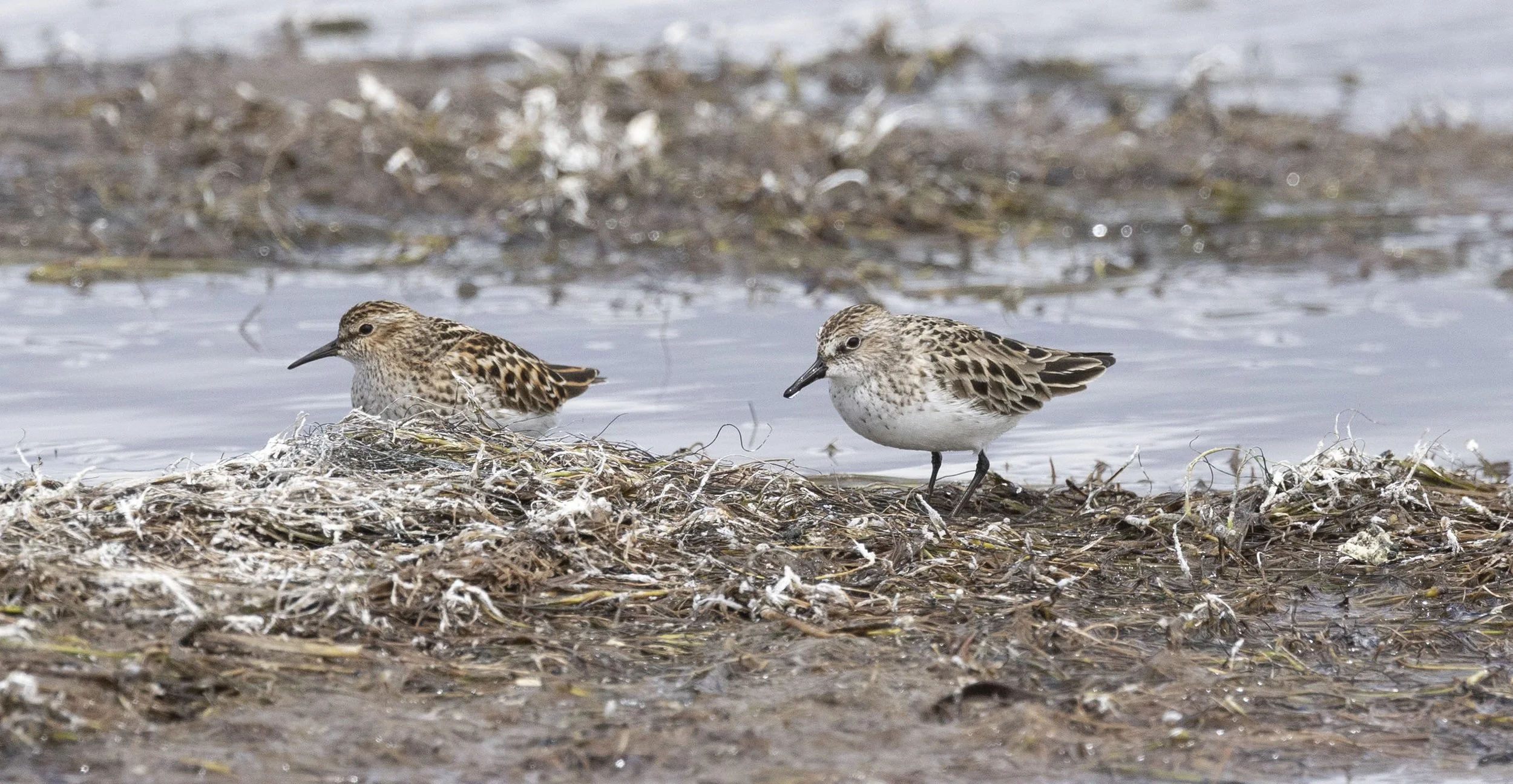
Least and Semi-palmated Sandpipers - chalk and cheese
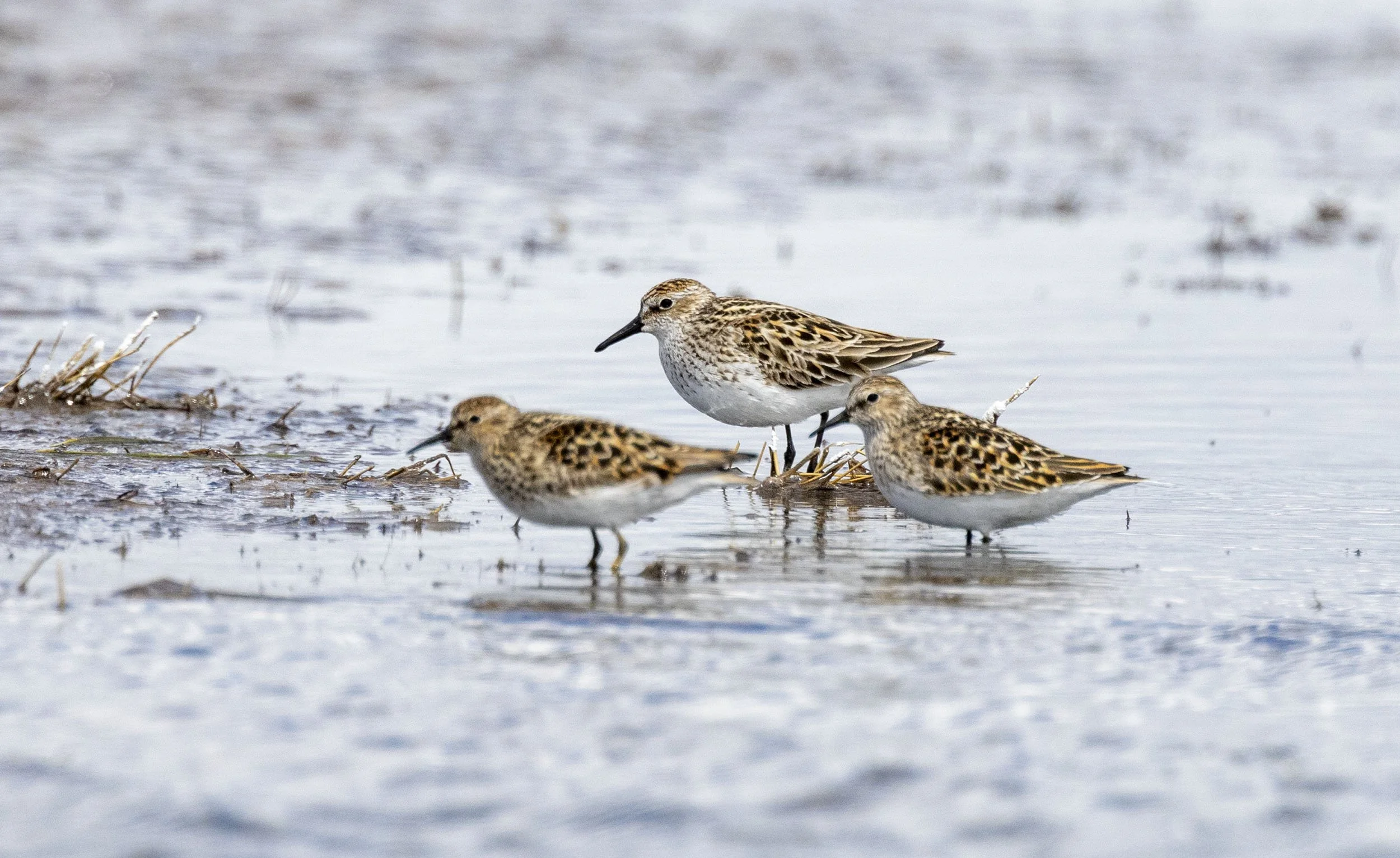
Semi-p rear and two Least Sandpipers
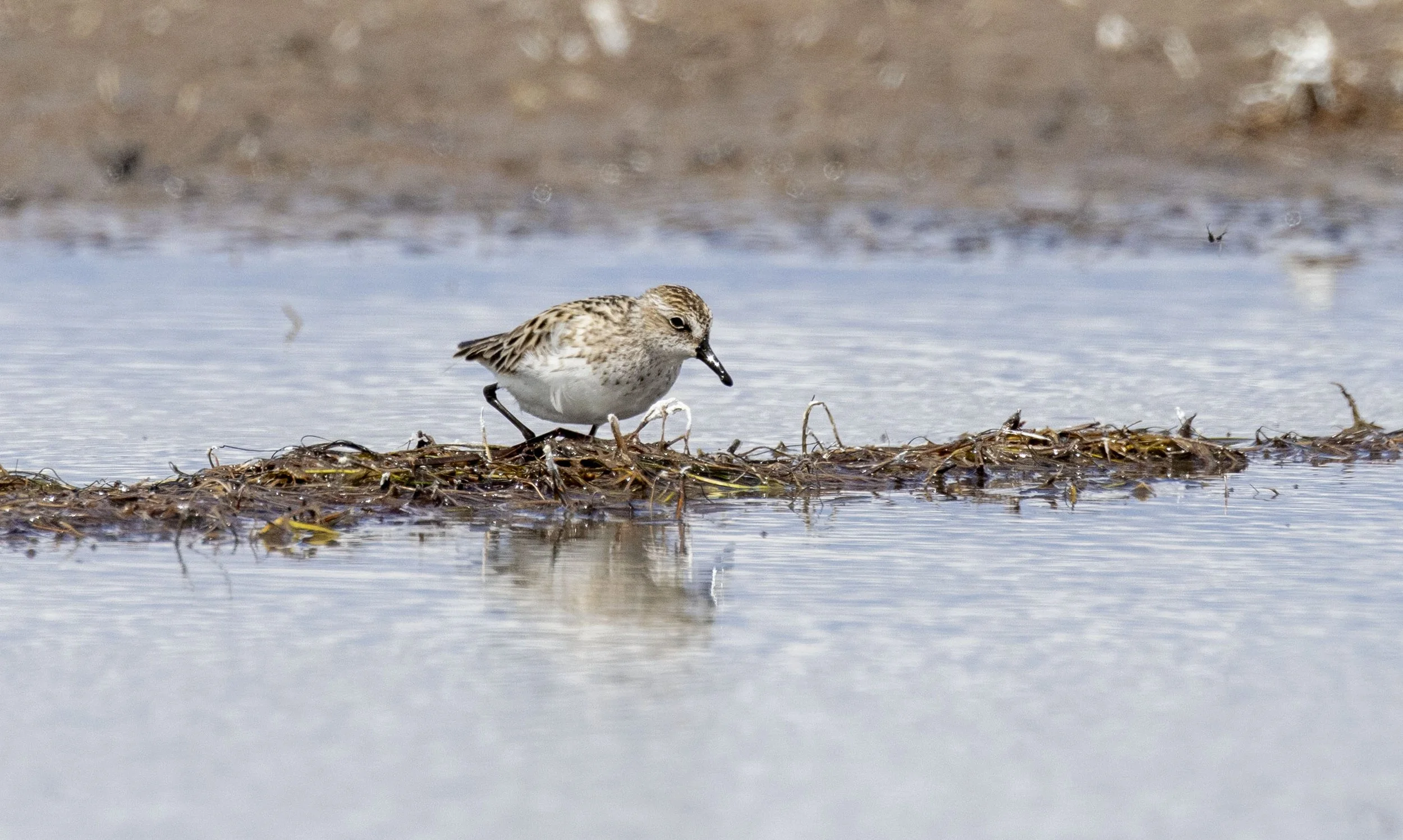
Semi-palmated Sandpiper summer plumaged birds are a bit of a mish mash of colours but the ginger crown streaks are obvious - all seemed to be pretty short billed individuals
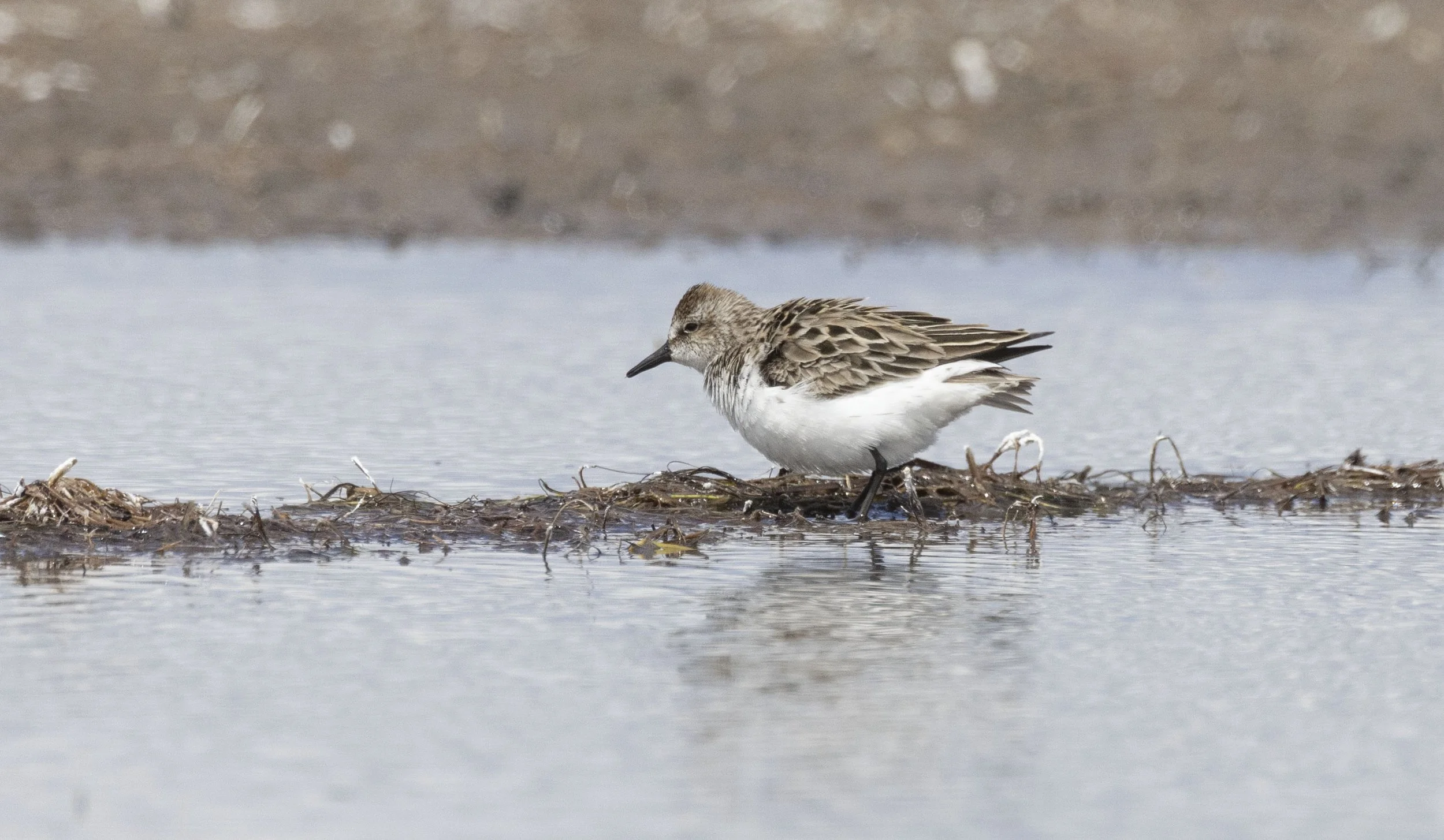
A pretty dull individual
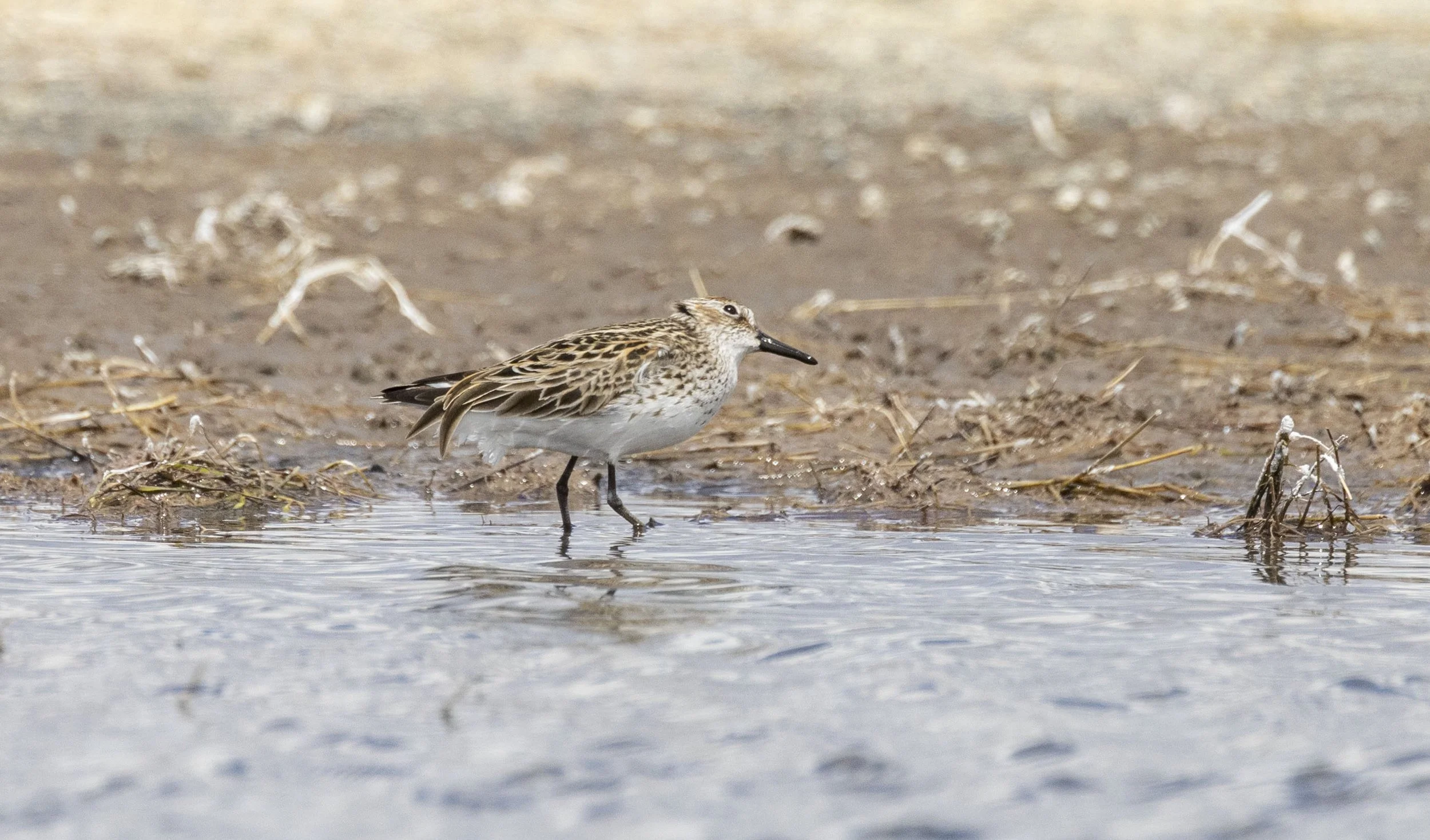
Brighter bird picking up a high raptor
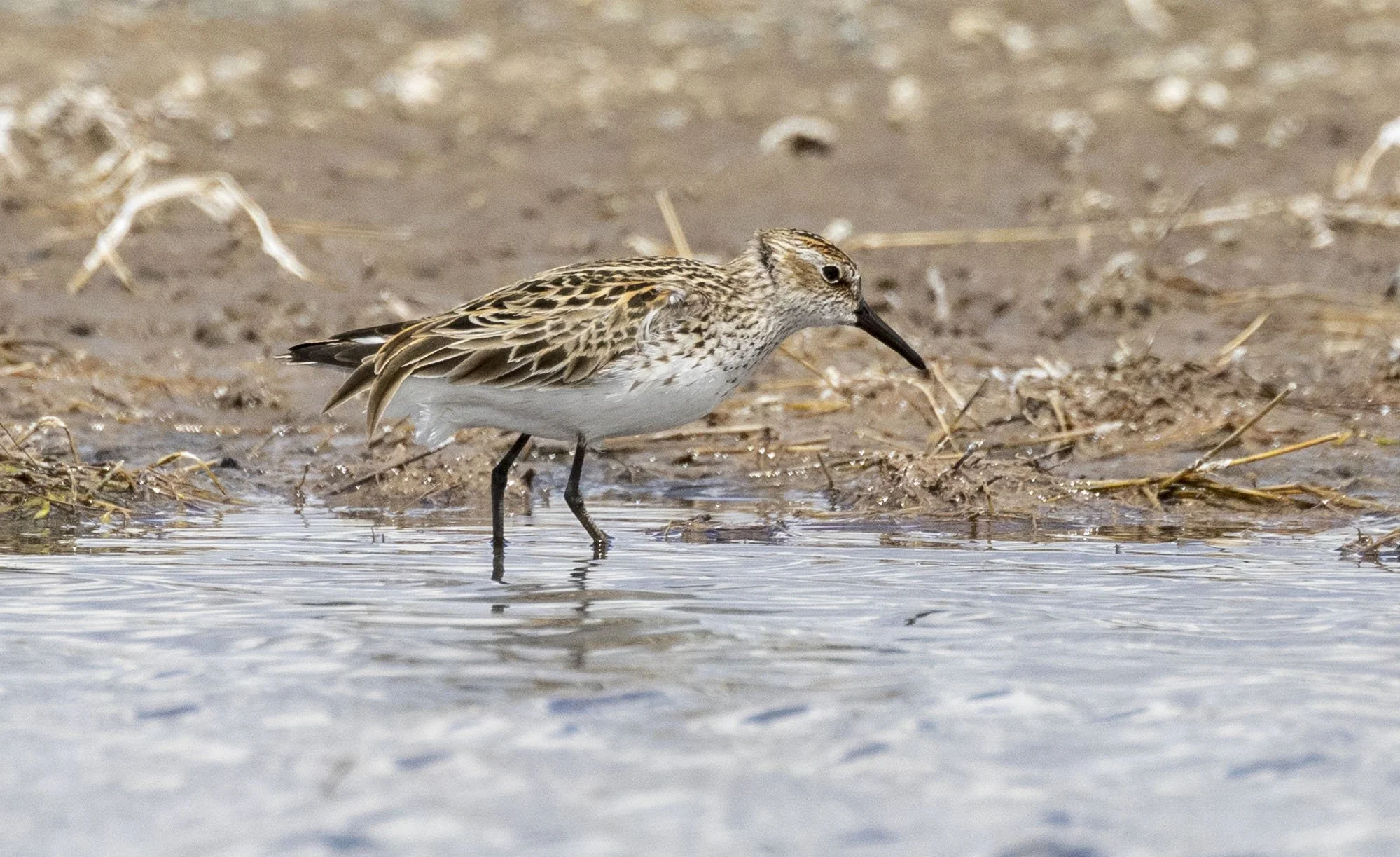
Same bird as above - brighter and longer billed
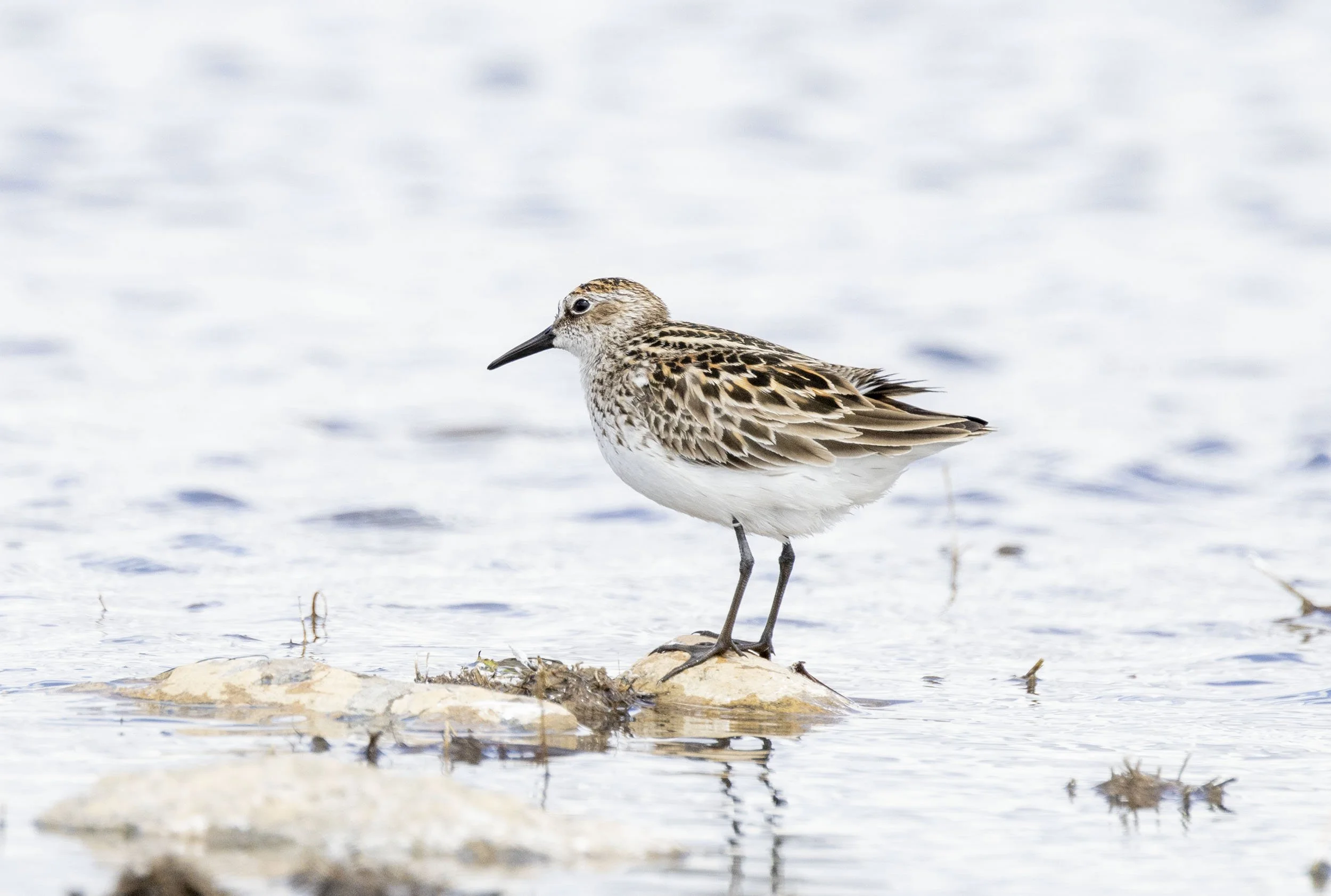
Not often you get a Semi-palmated Sandpiper to show why it is so named
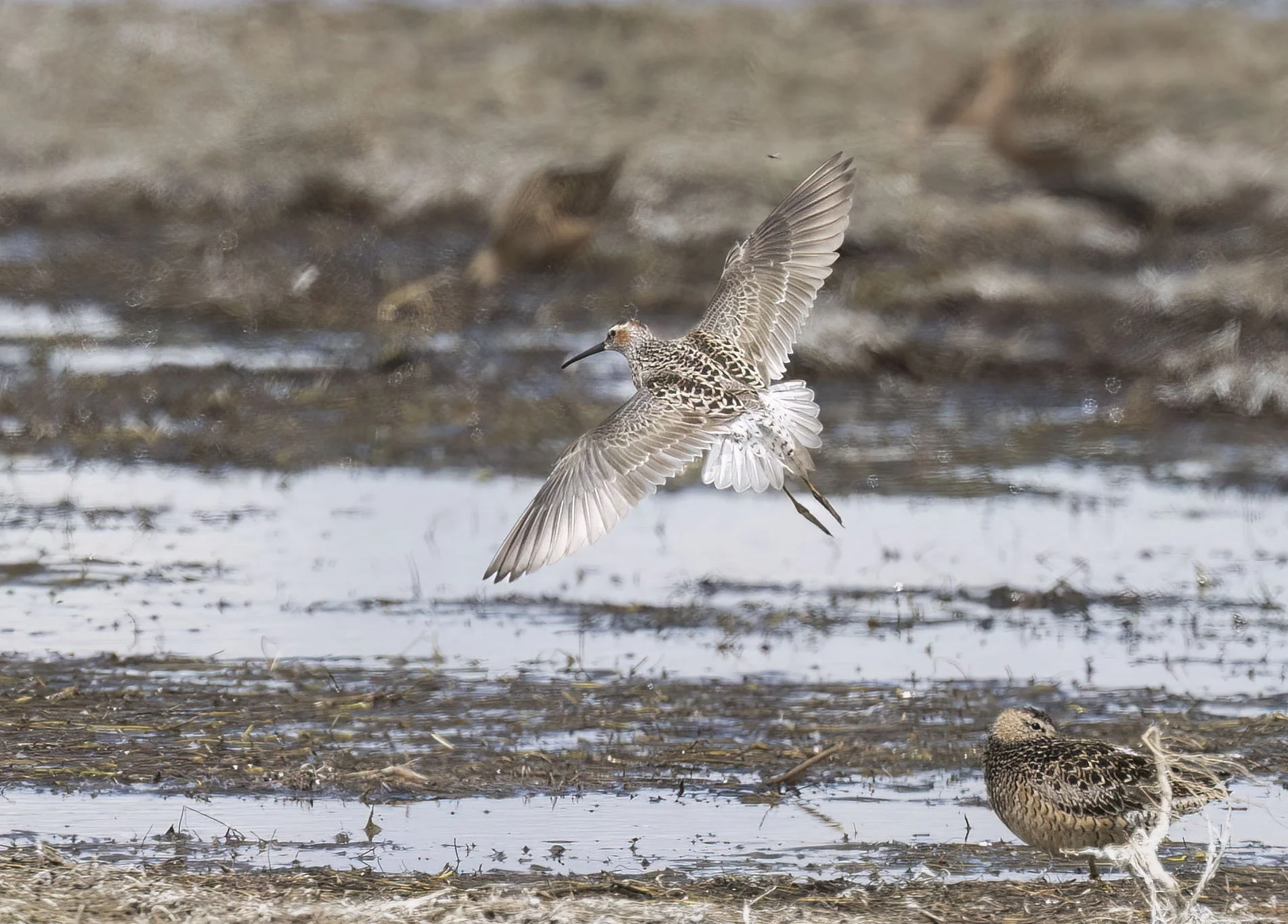
Cream of the wader crop a summer Stilt Sandpiper
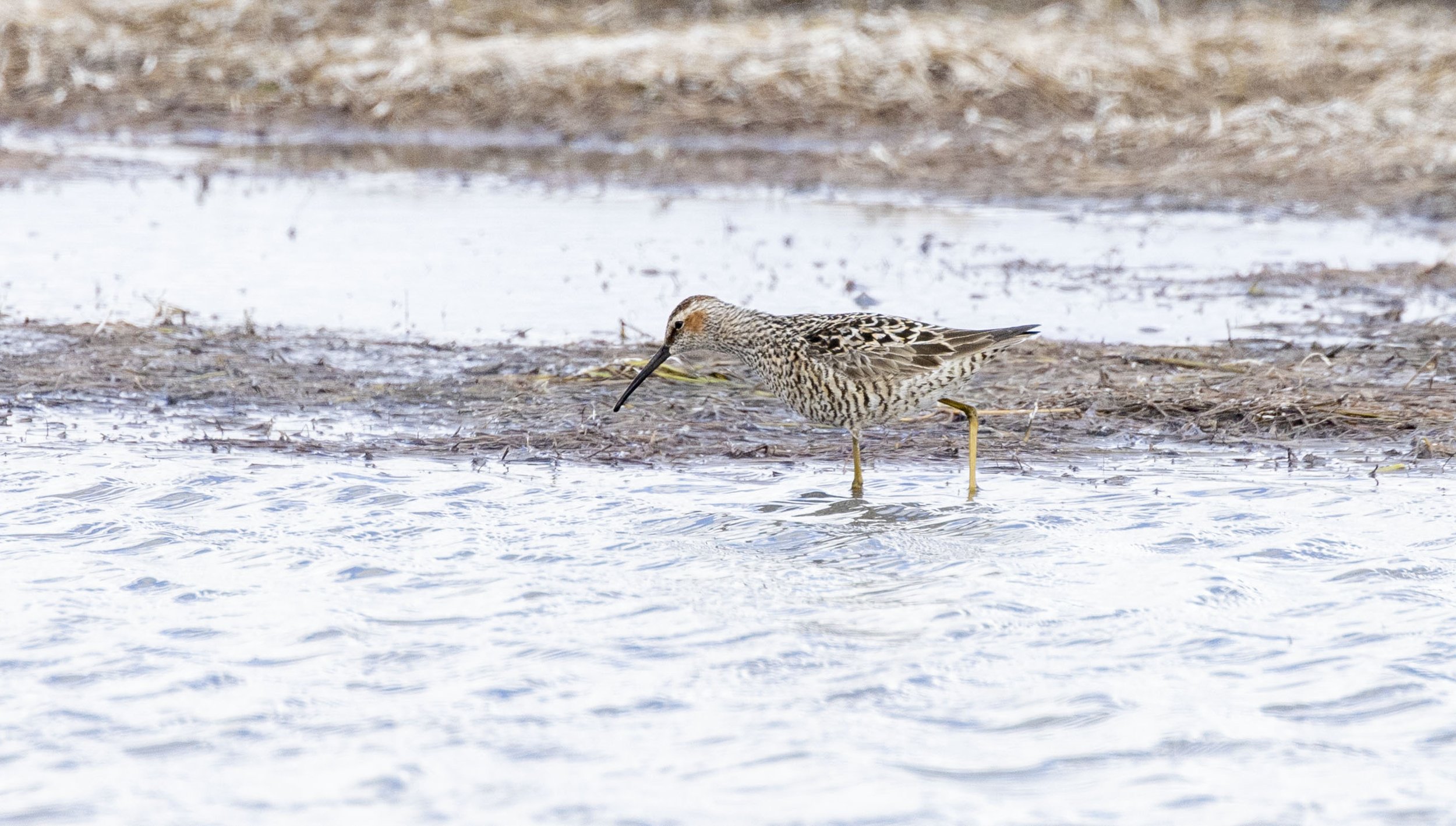
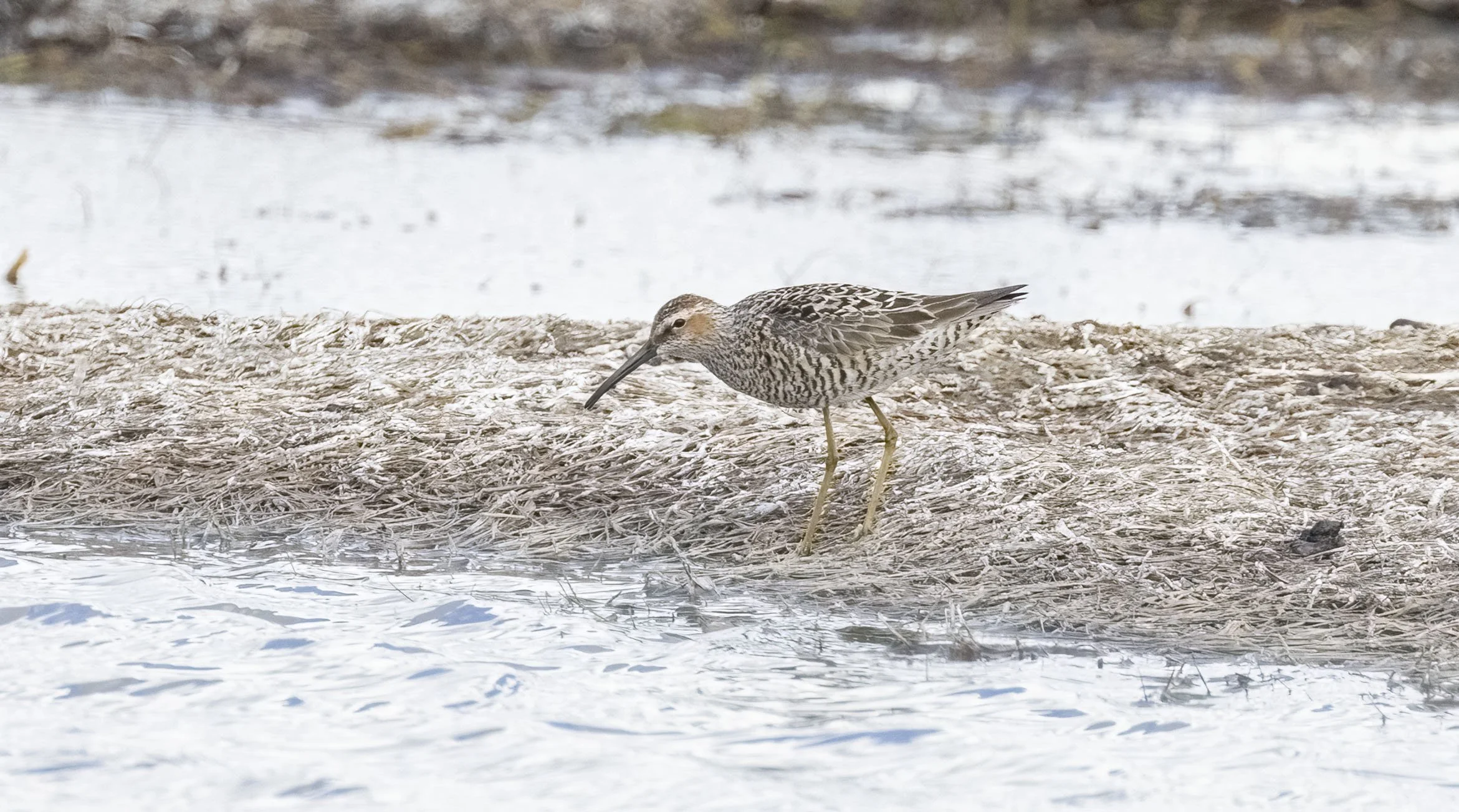
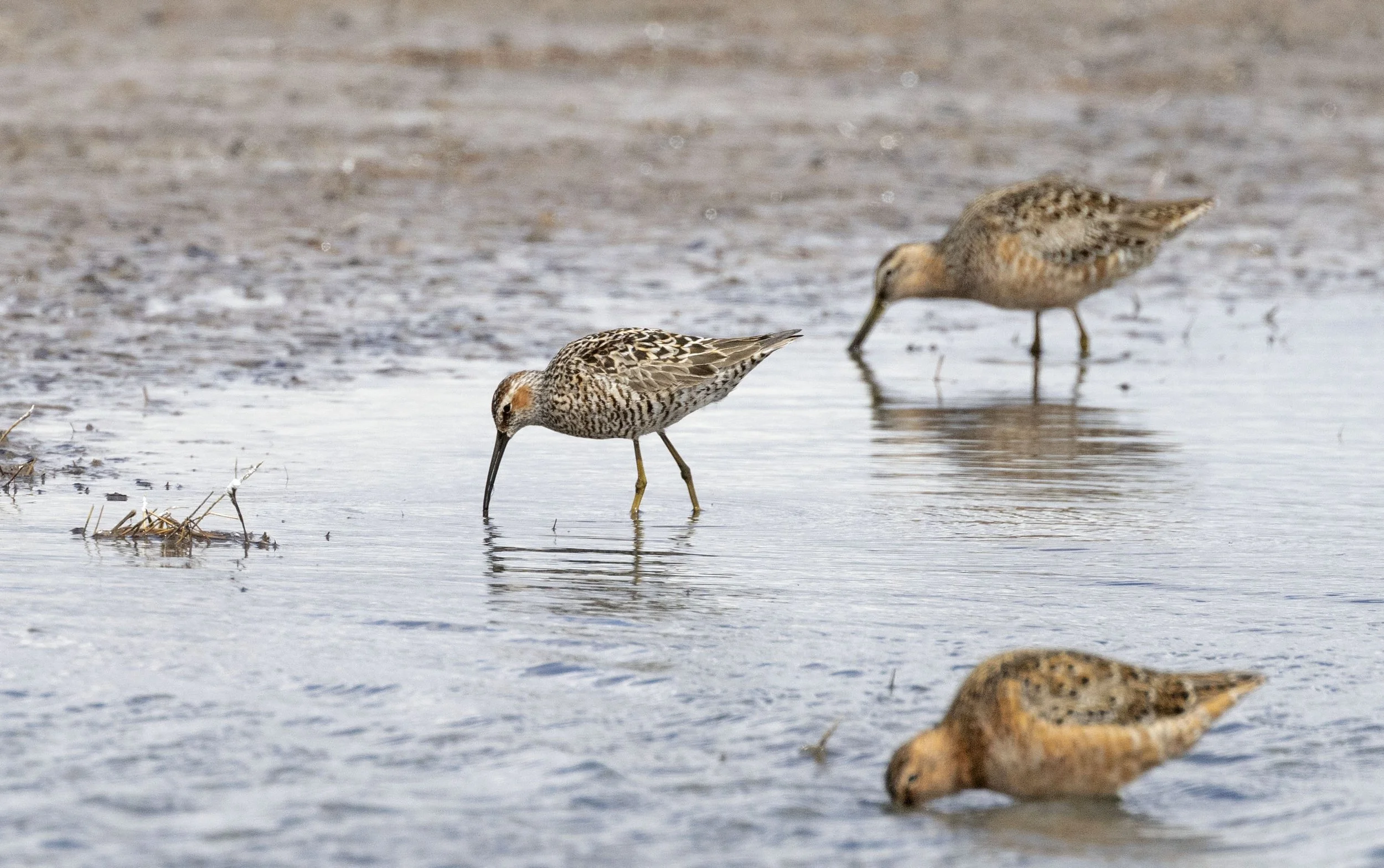
Stilt Sandpiper with Long-billed Dowitchers
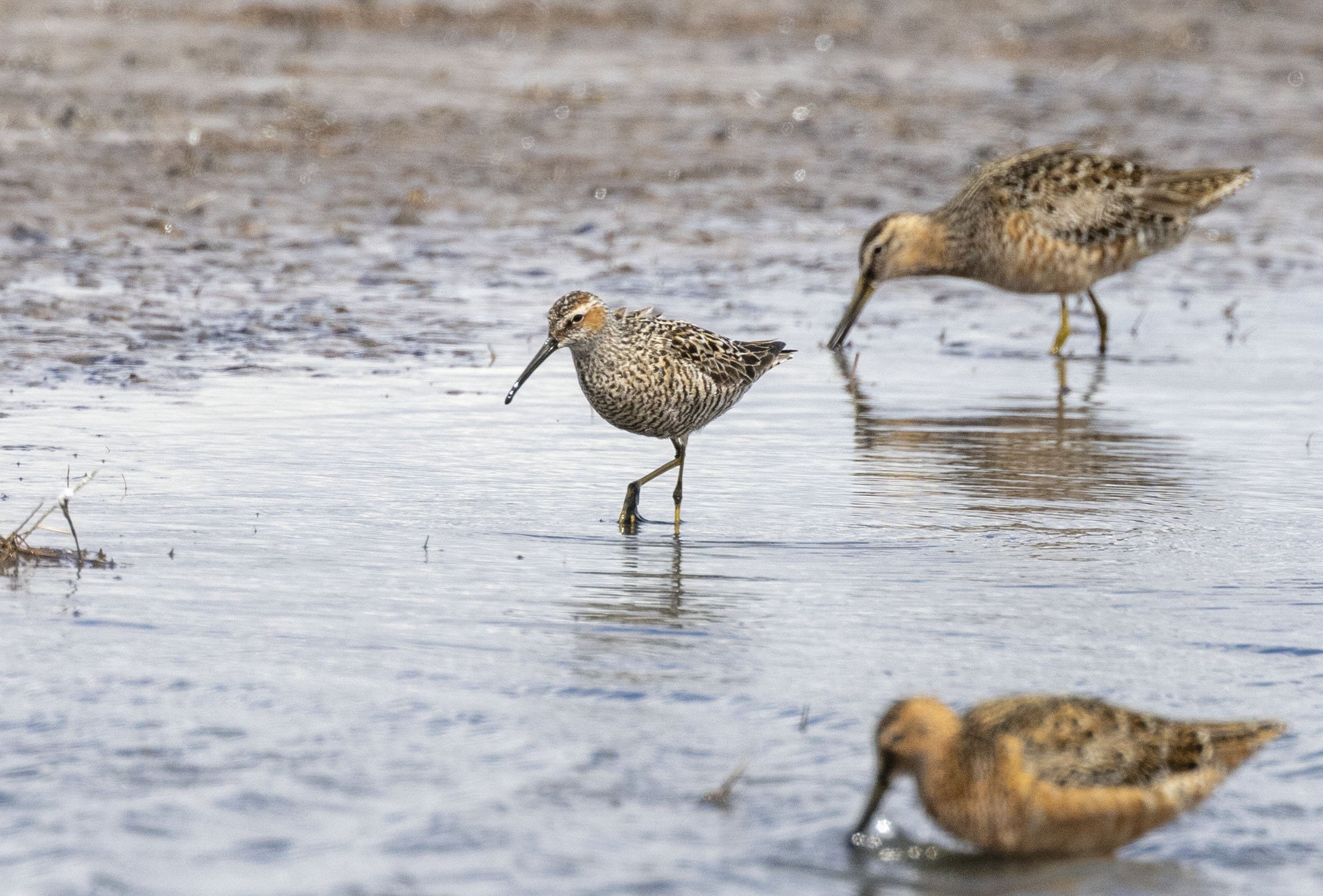
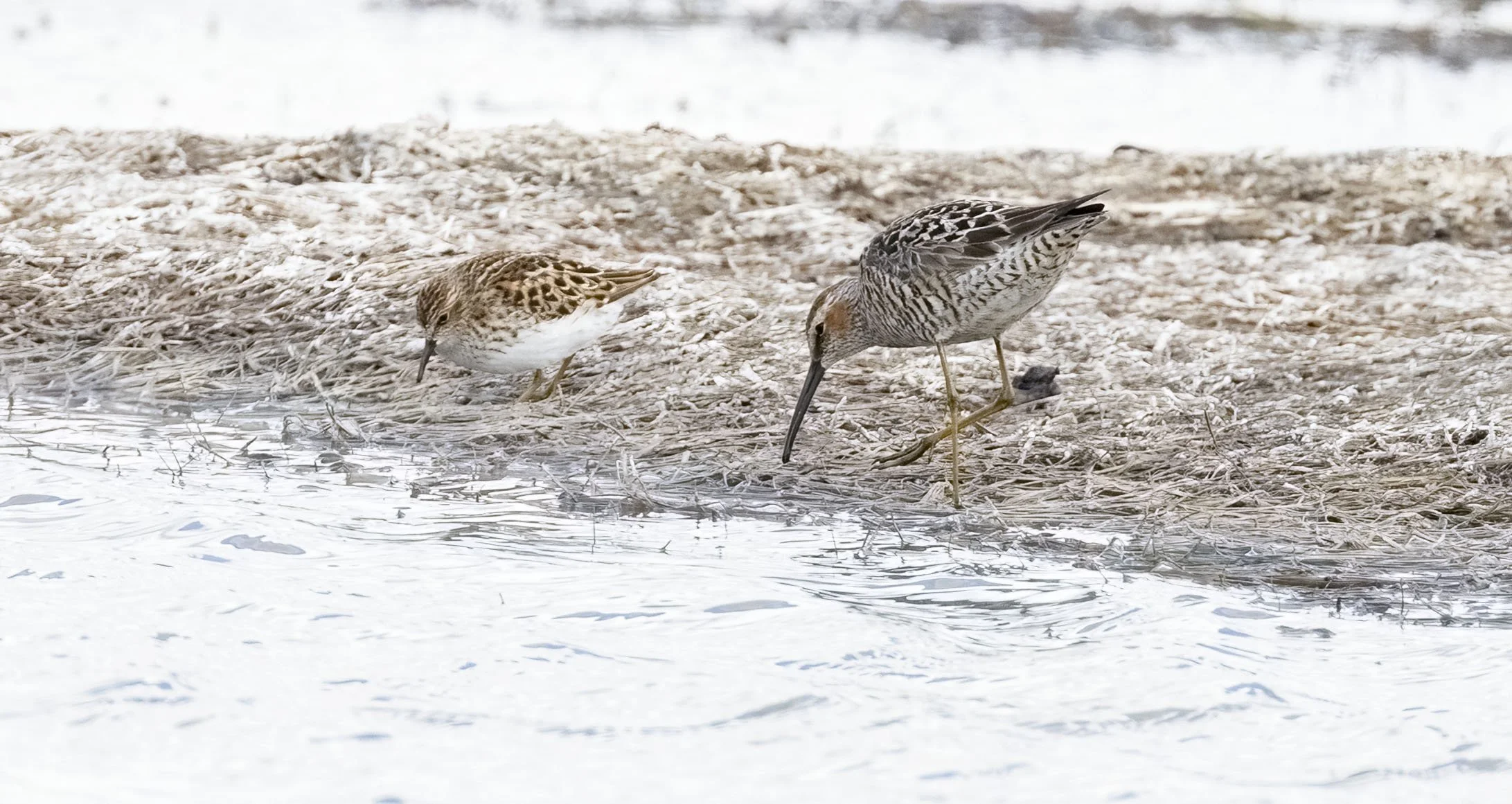
Stilt Sandpiper with Least Sandpiper a serious difference in leg length
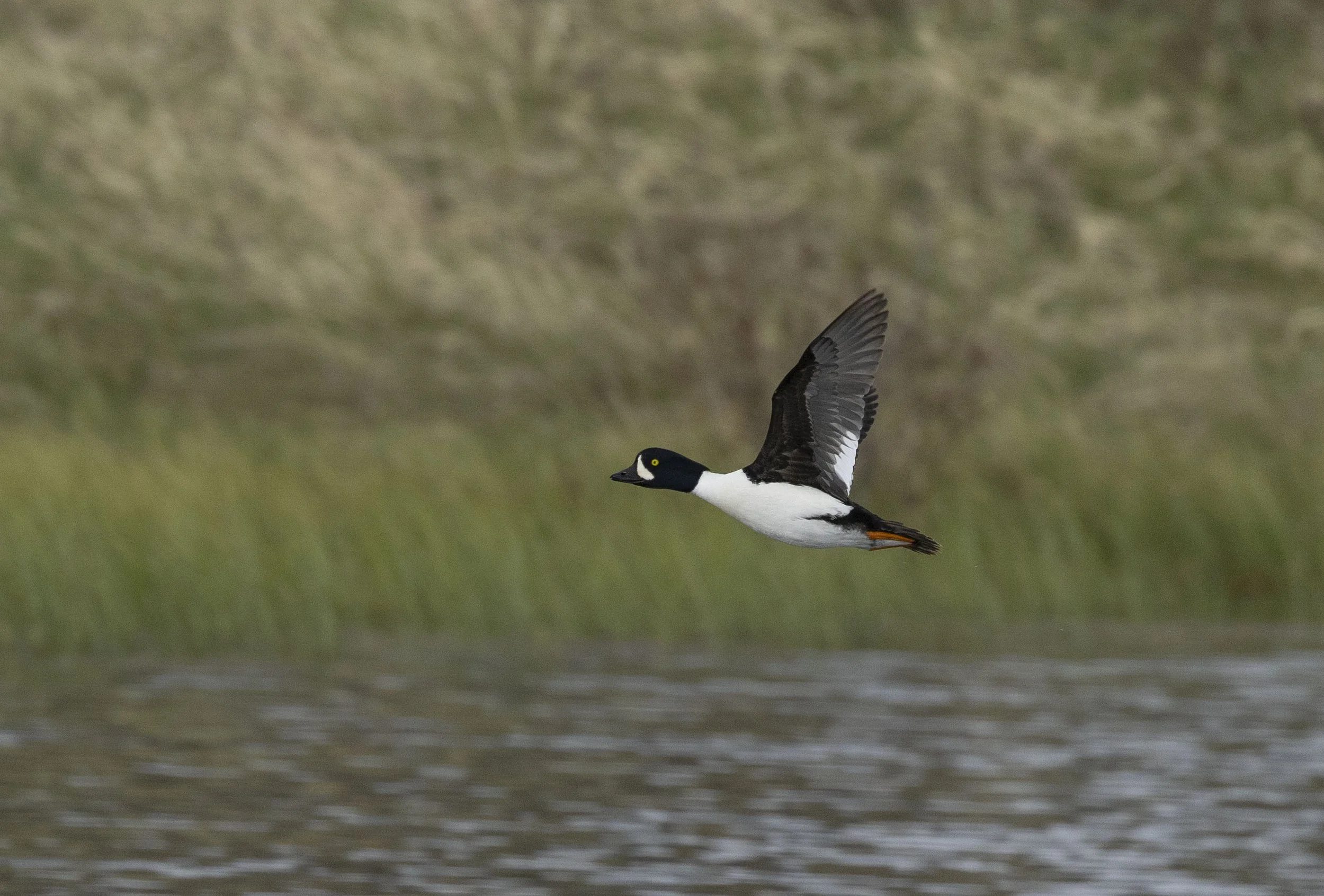
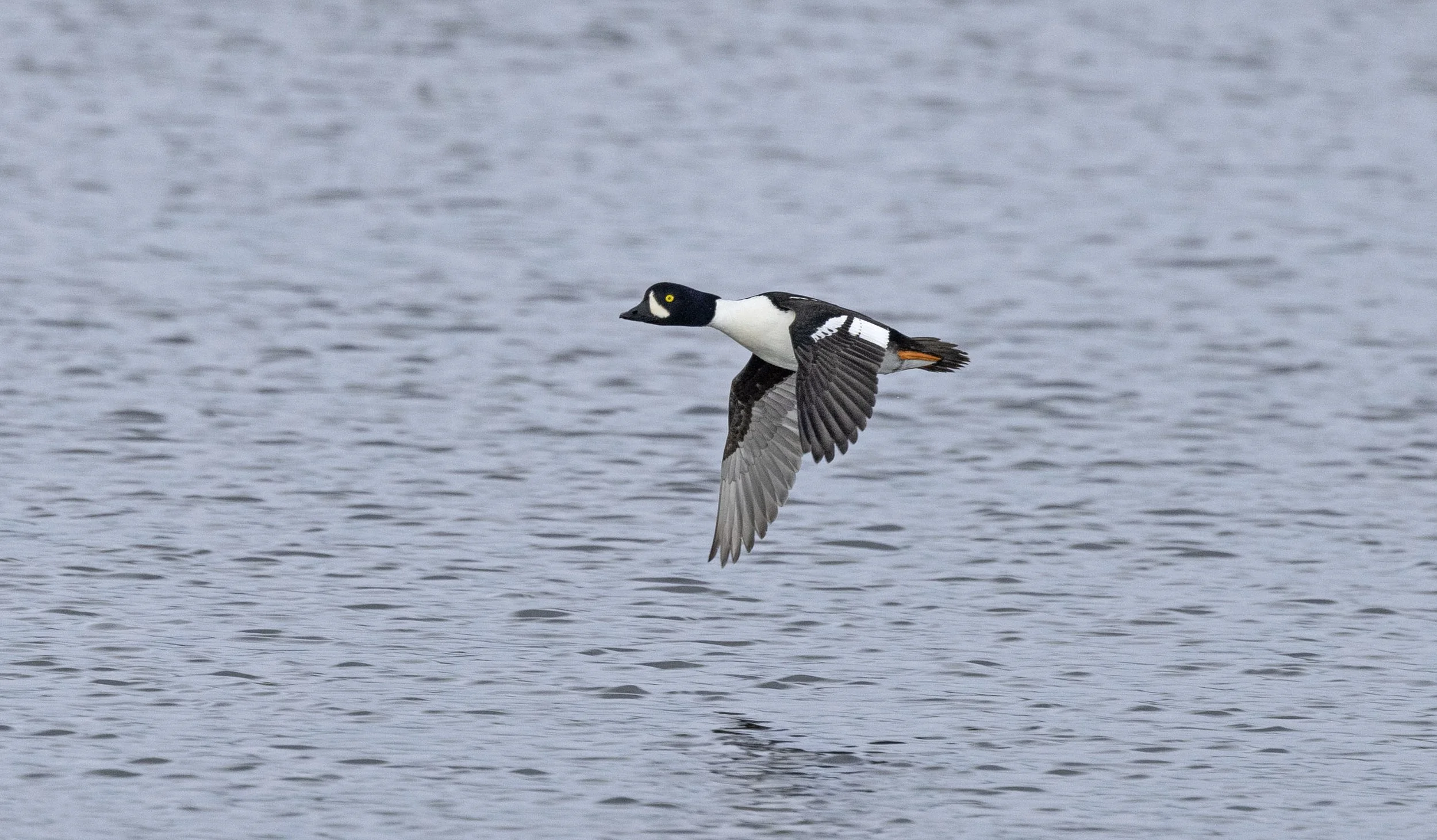
We arrived at our base at Dungarvan Creek to be greeted by a drake barrow’s Goldeneye that was on the pond all week - a good start if rather nippy
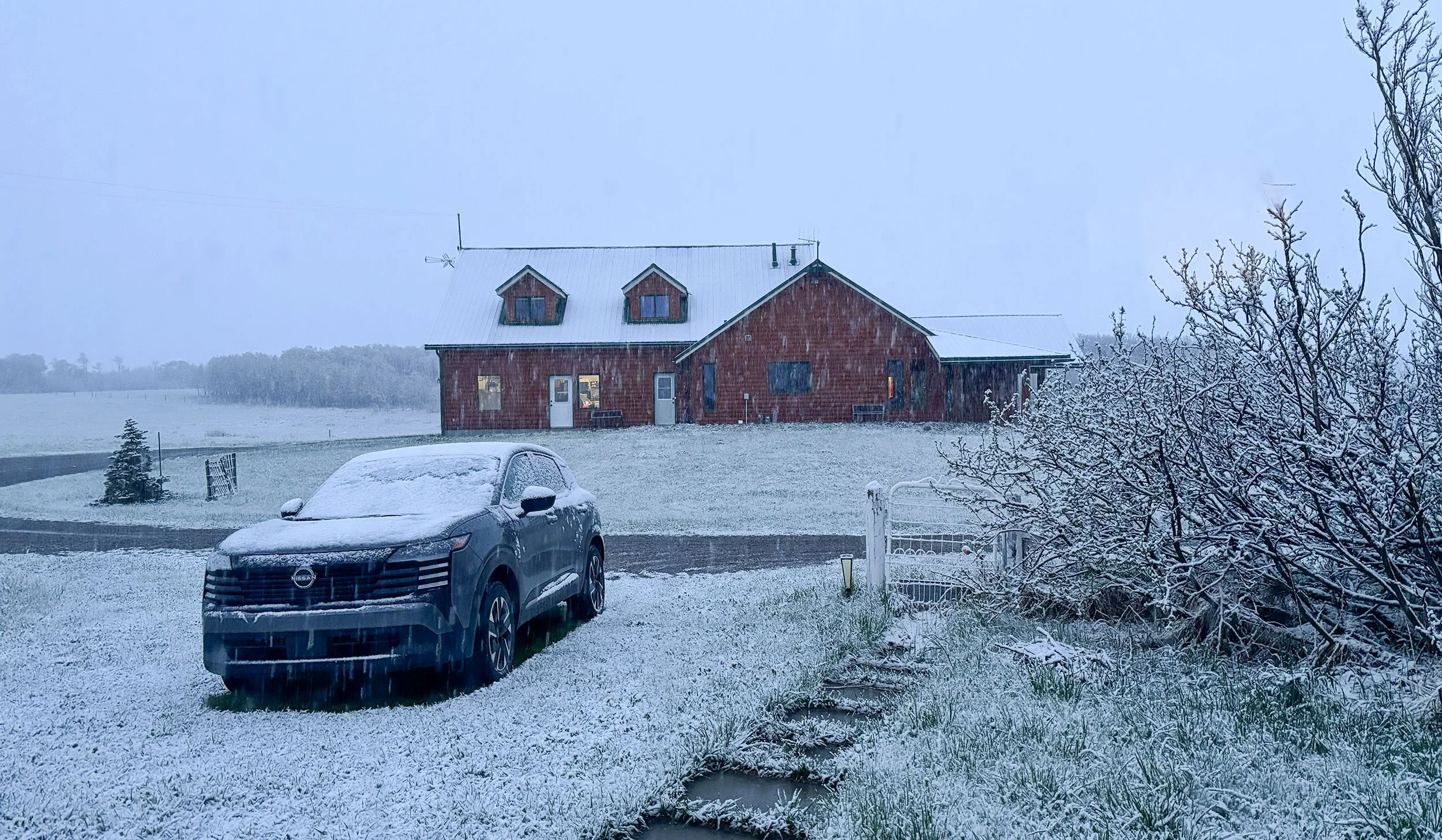
It was distinctly chilly and grey when we arrived at Dungarvan but when we returned from dinner things were looking decidely wintery and worse or better was to come overnight
May 17th
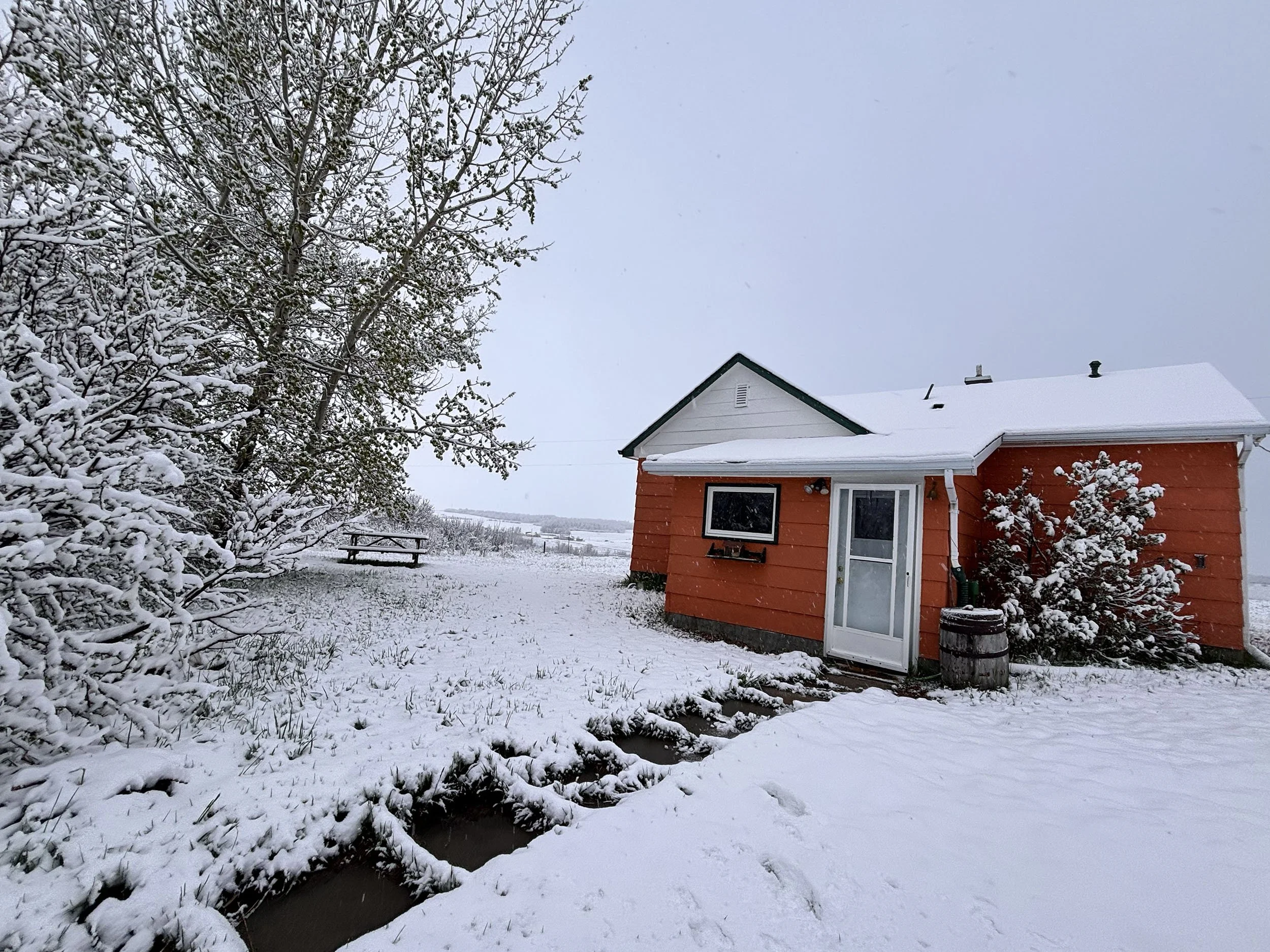
A day that started out with heavy snow after overnight snowfall and scraping six inches of snow from the car and looked to be a bit of disaster with snow most of the morning actually turned out to be a cracker. Around the guesthouse cabin Savannah Sparrows were feeding on the gravel exposed on the drive while a female Wilson’s Phalarope looked distinctly out of place with the three Ring-necked Ducks. We then spent the day around Waterton Park wandering around in the snow in the morning before breaking for breakfast at Vinney’s. The snow eased off by mid-afternoon allowing for more exploring but it remained cold. Birds seen during the day included: Two American Dippers by the Cameron Falls, male Northern Harrier, Red-tailed and Swainson’s Hawks, four American kestrels up Red Rock Canyon road, a probable Prairie Falcon seen while driving into the park, another American Dipper at Red Rock Canyon, Northern Flickers, Red-naped Sapsucker, six Barrow’s Goldeneye, a pair of Sandhill Cranes, Trumpeter Swan, Ring-necked Ducks and Spotted Sandpiper but it was the passerine show that topped the list. The snow had obviously bro[ought birds down from the mountains into the Waterton town area and conservative totals for the day included: Hermit Thrush, 200+ American Robin, Pine Siskins, 50+ Dark eyed Juncos, at least 10 Townsend Solitaire, four Mountain Bluebird, Red breasted Nuthatch and six Yellow-rumped Warblers looking very incongruous in the snow covered trees. Columbian Ground Squirrels were popping their heads up through the snow and at least 60 Elk were seen in the evening when Tree Swallows had arrived over the pond as the snow started to melt.
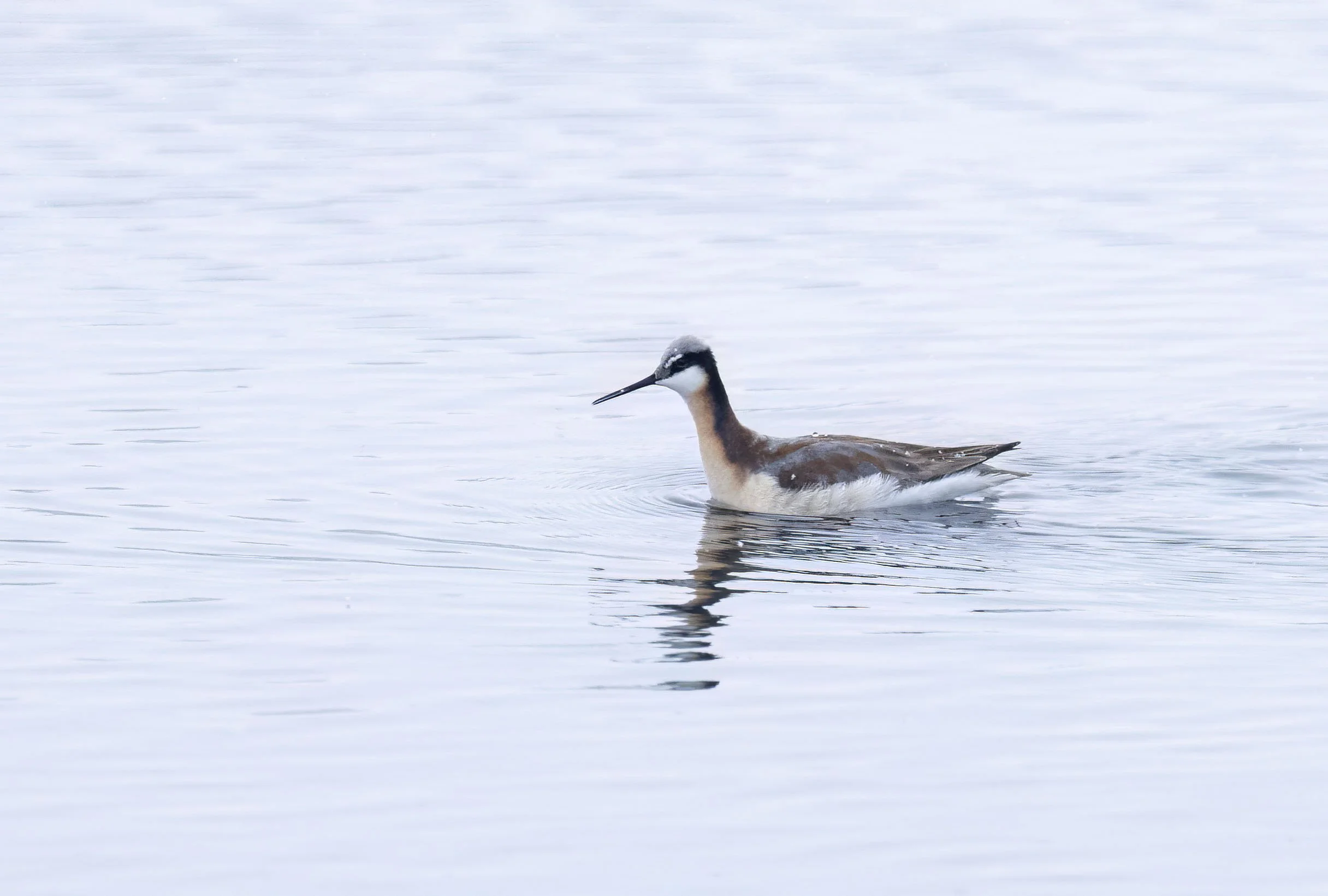
Female Wilson’s Phalarope - not a bird you would expect to see on a pond fairly high in the Rockies in a snow storm
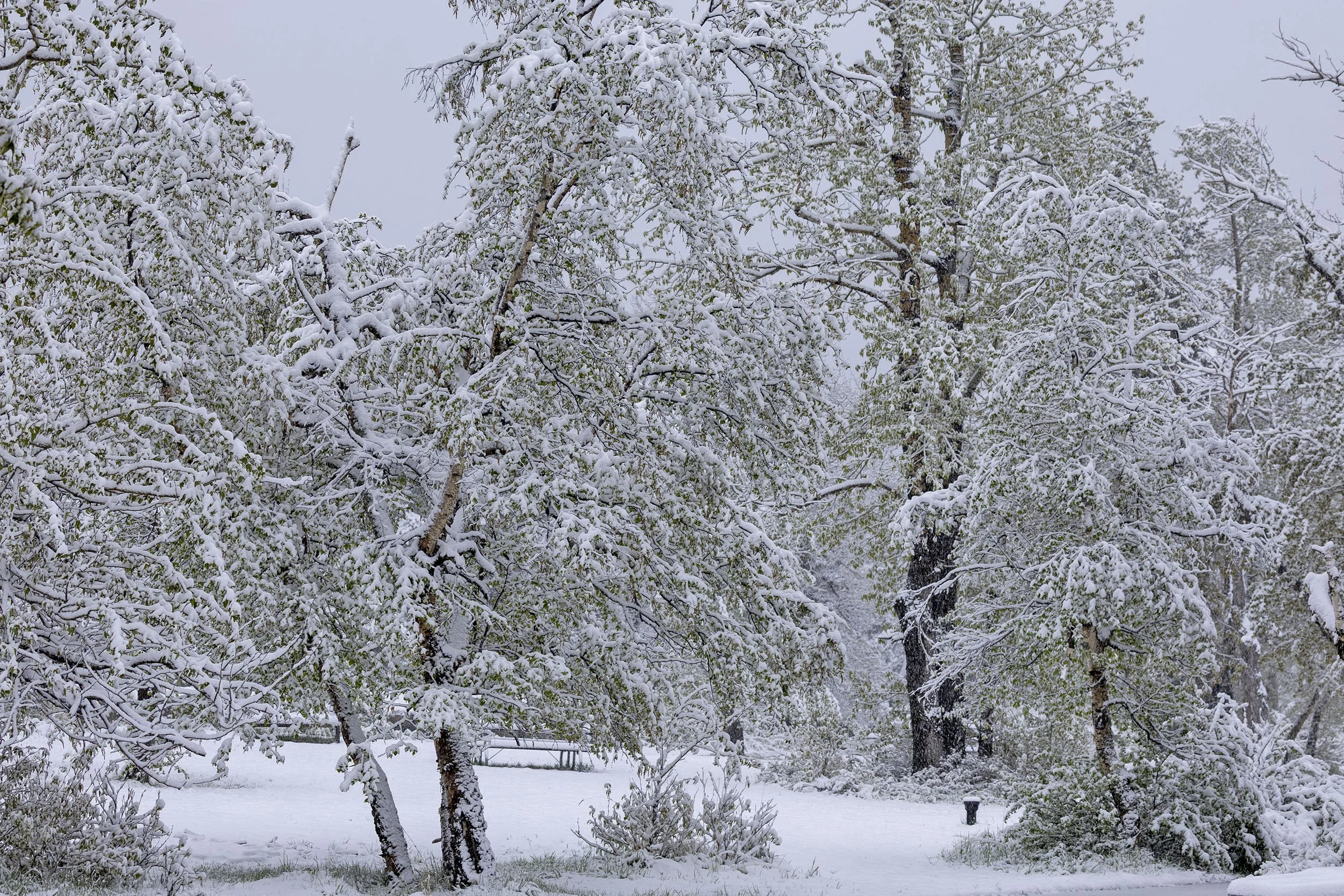
A distinctly wintery theme to Waterton - a good job we took suitable clothing
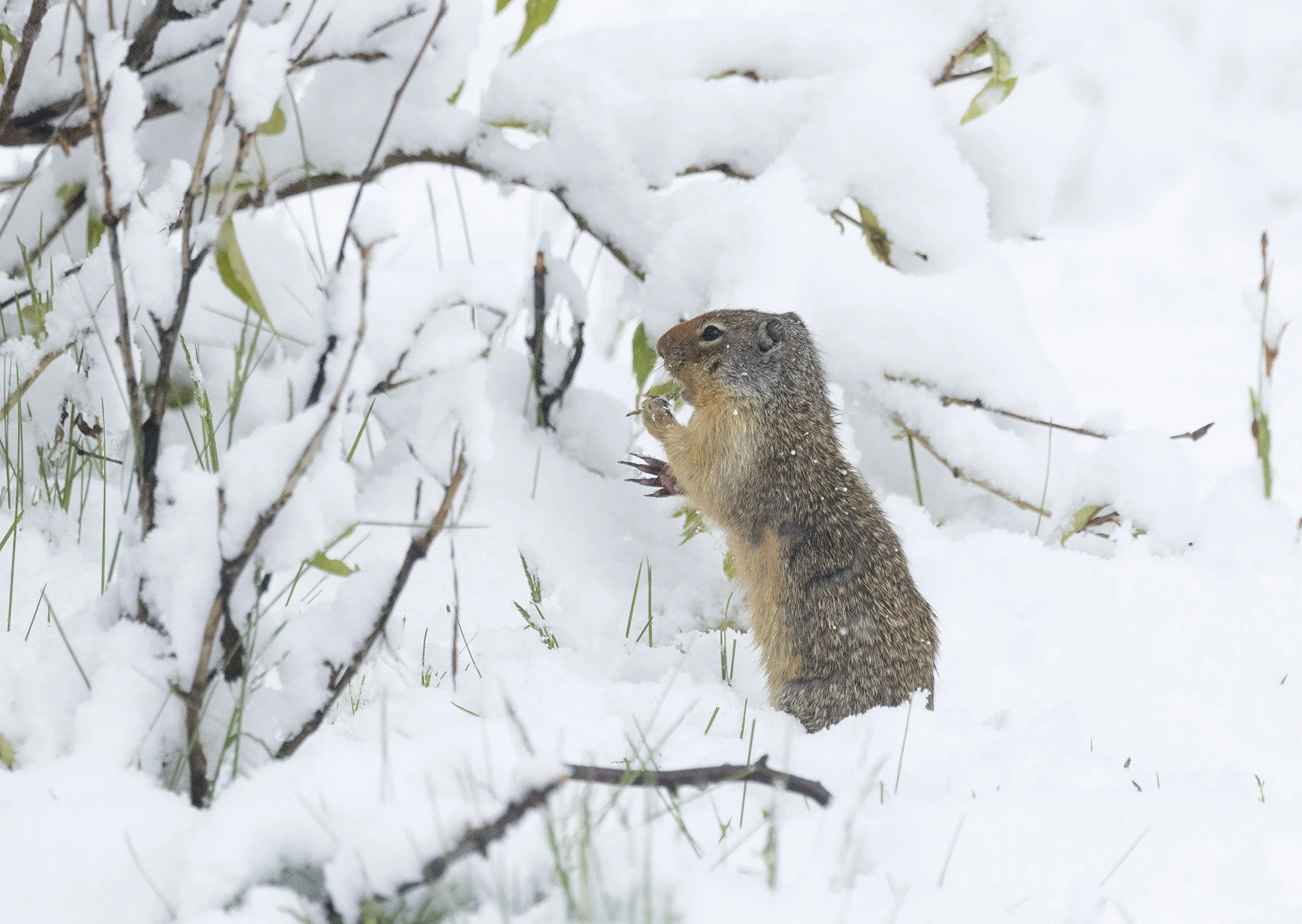
Coluiimbian Ground Squirrel wondering what happened to spring
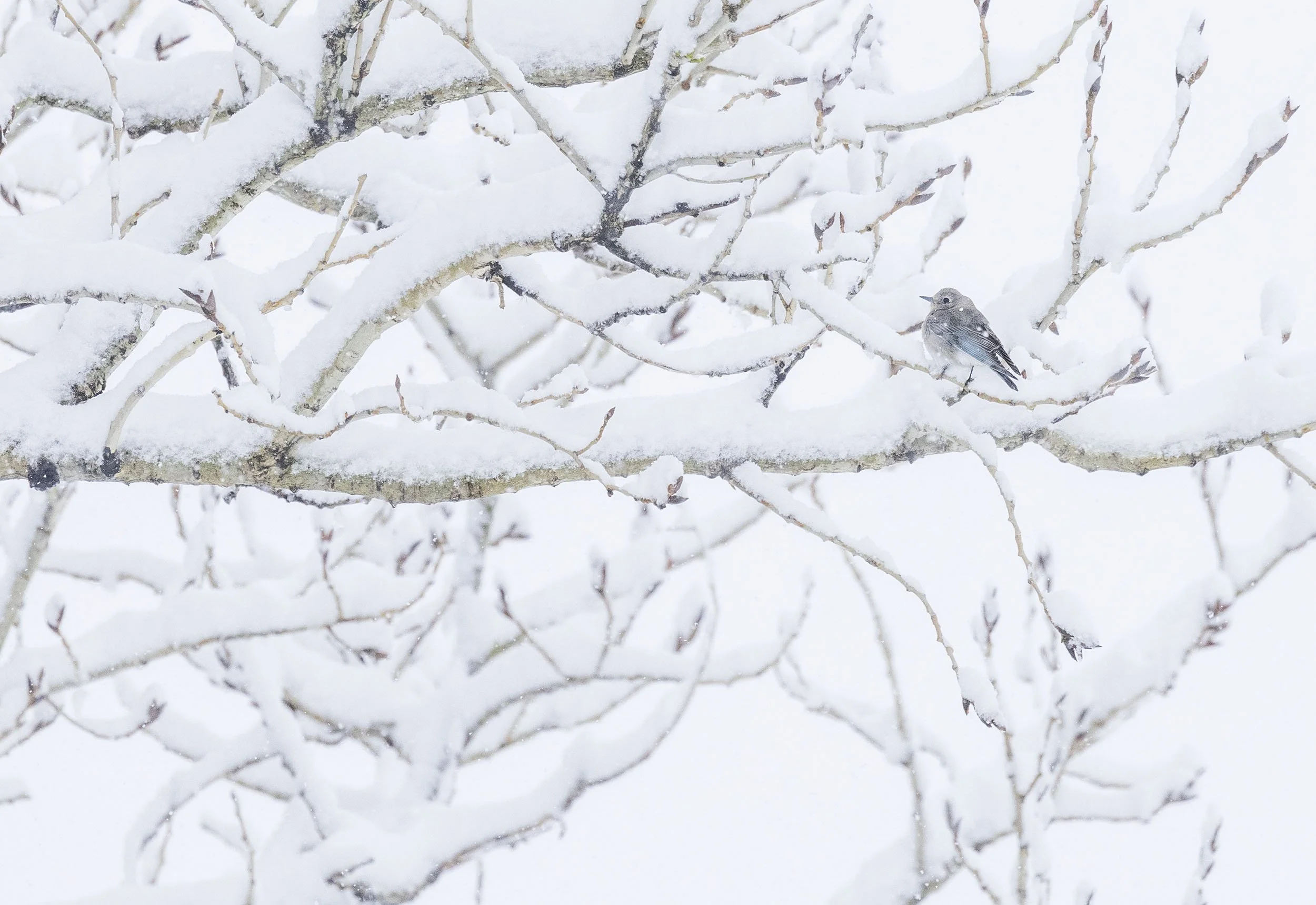
There was a rapid build up of snow as this Mountain Bluebird shows but it disppeared as quickly as it came
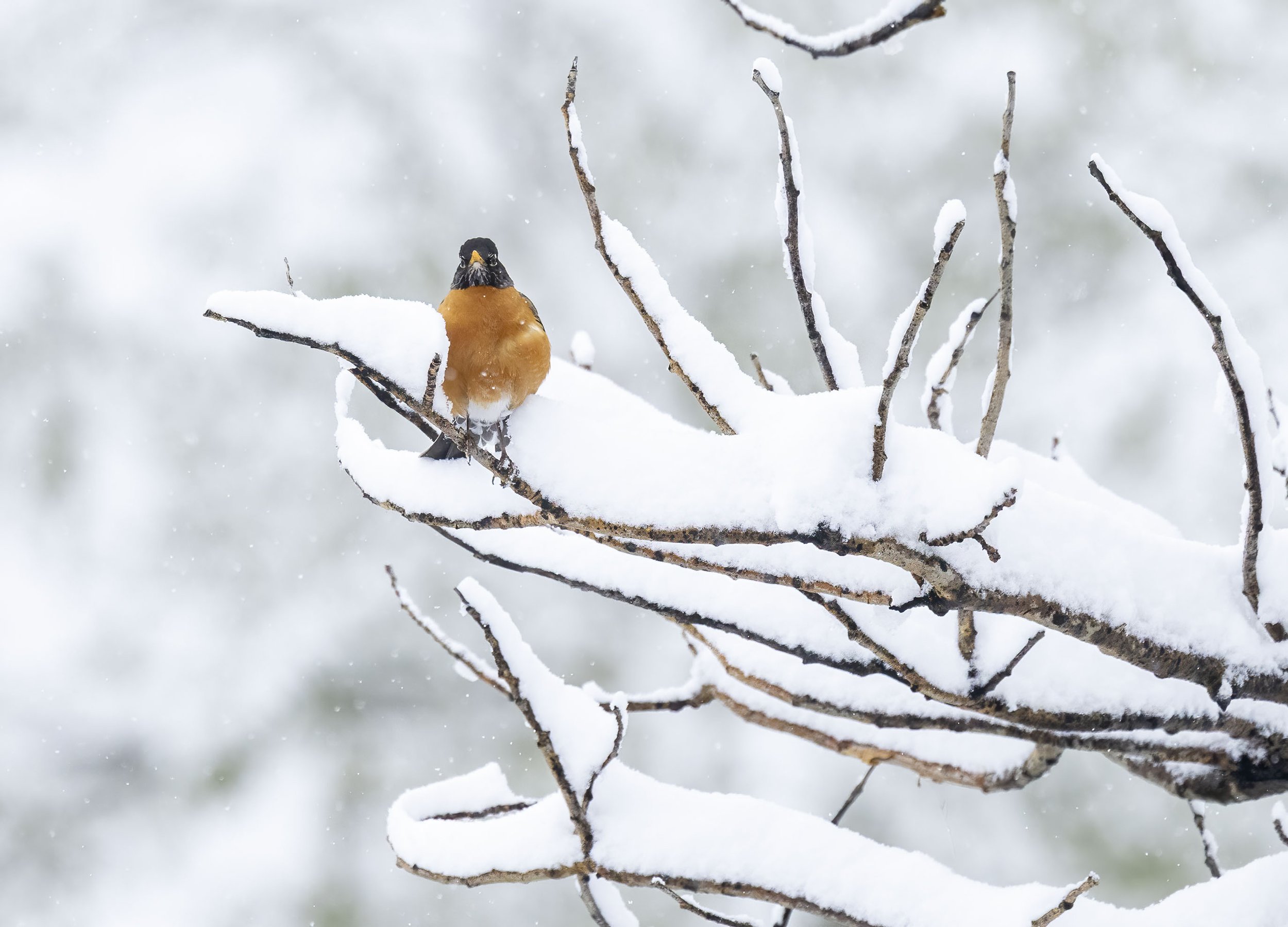
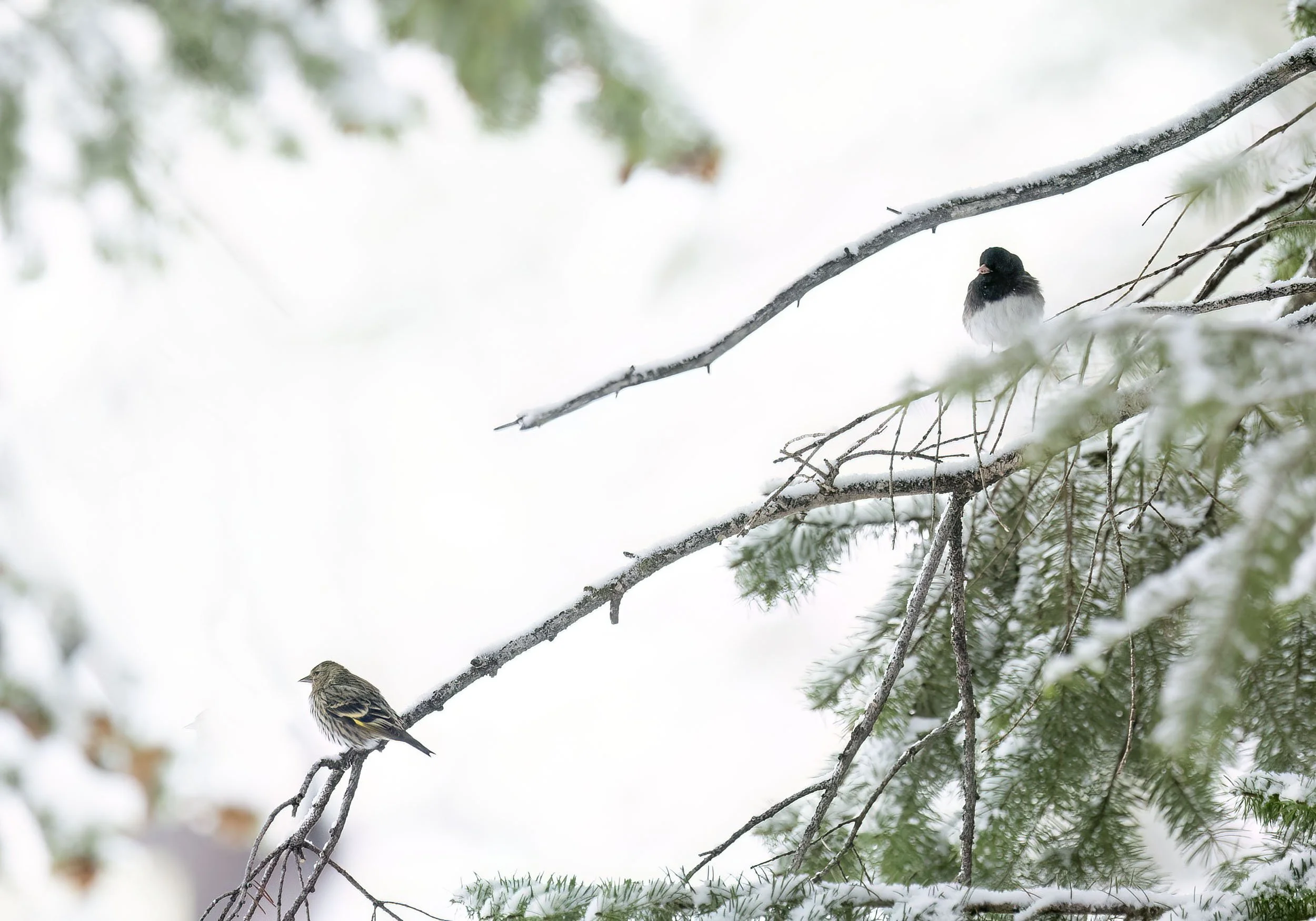
Dark-eyed Junco and Pine Siskin - this Junco was very dark compared to the usual Oregon Juncos seen locally more like the Canadian Rocky Mountains form illustrated in the Sibley Guide
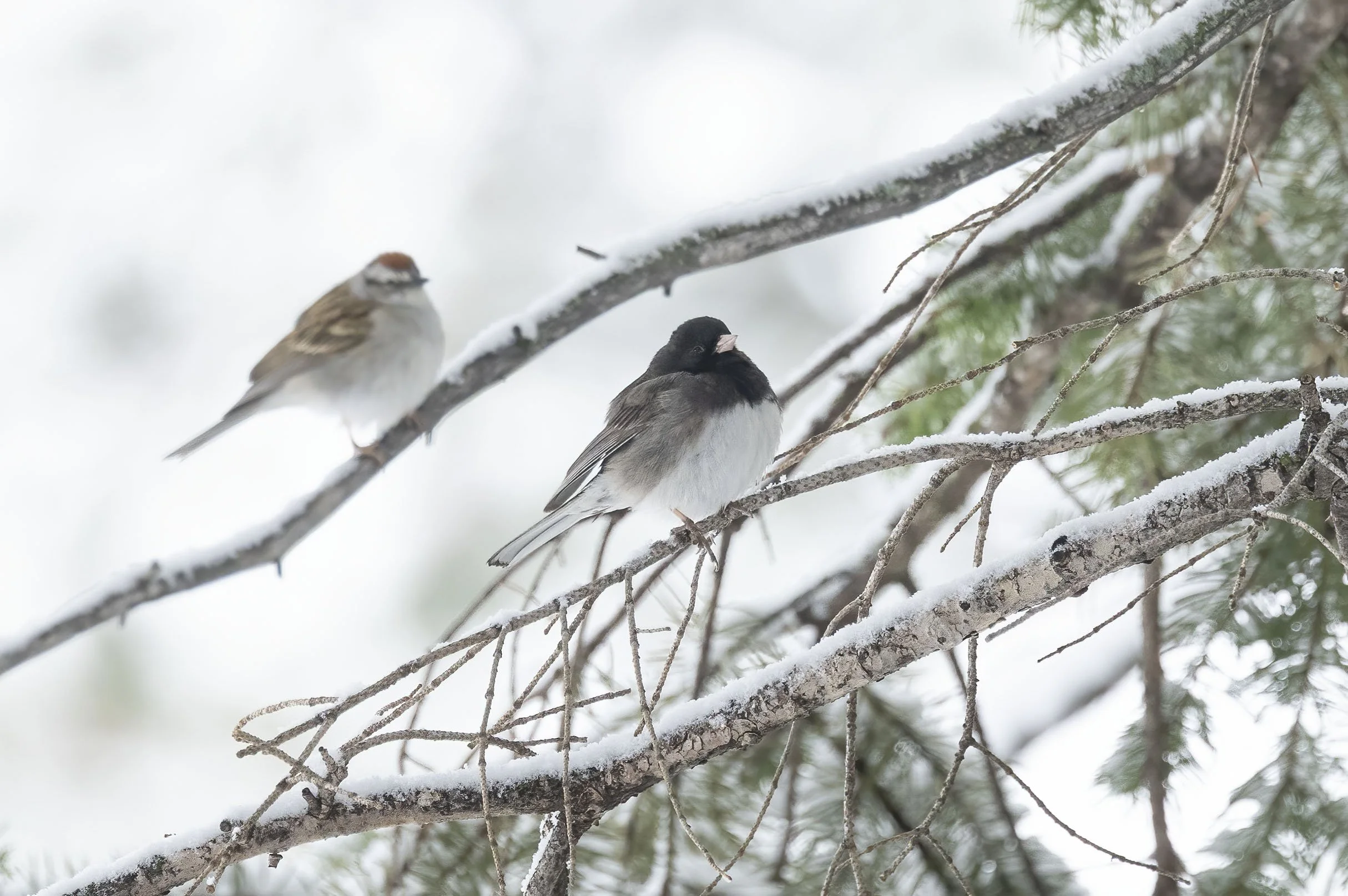
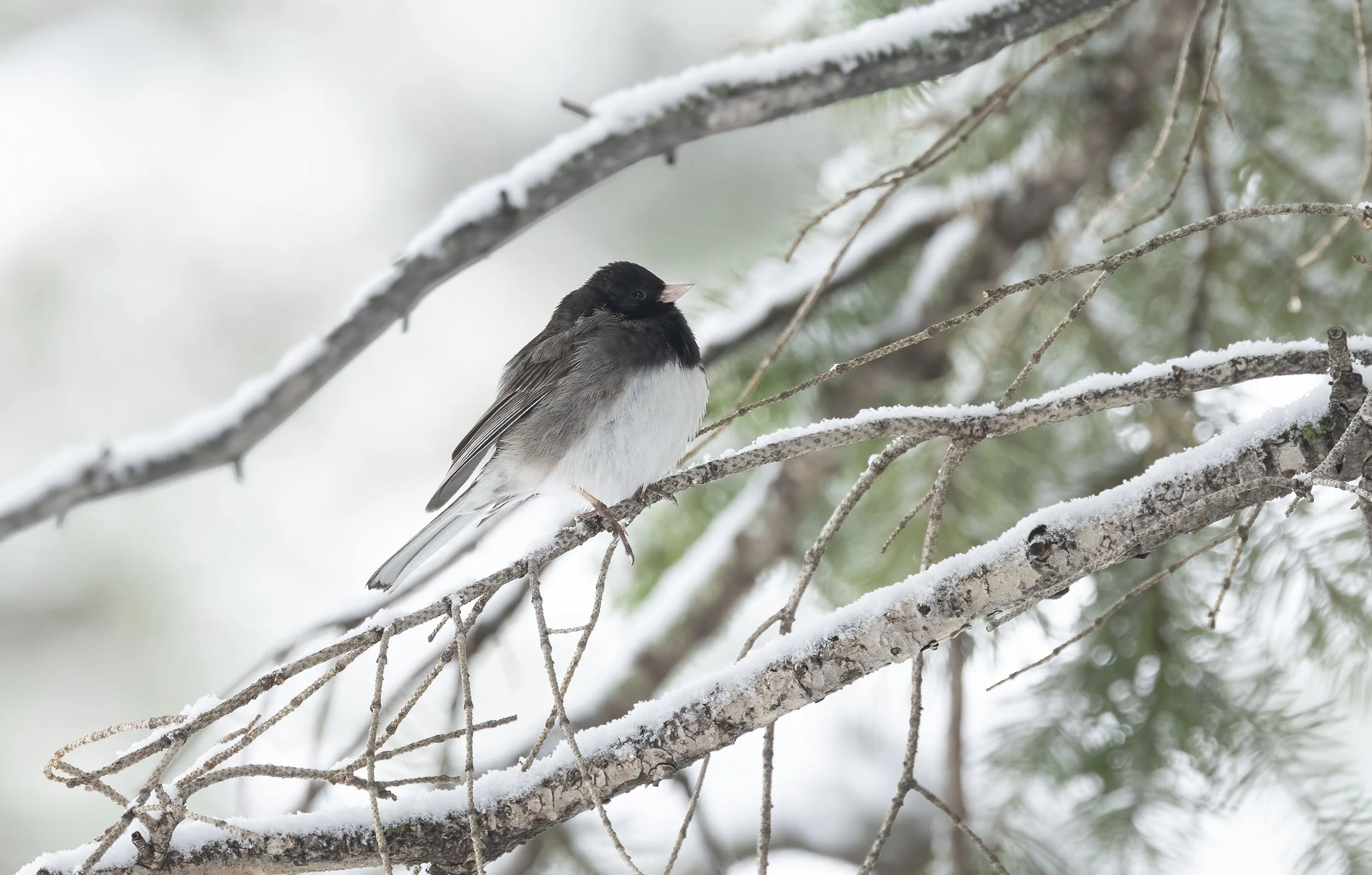
Male Canadian Rockies Junco
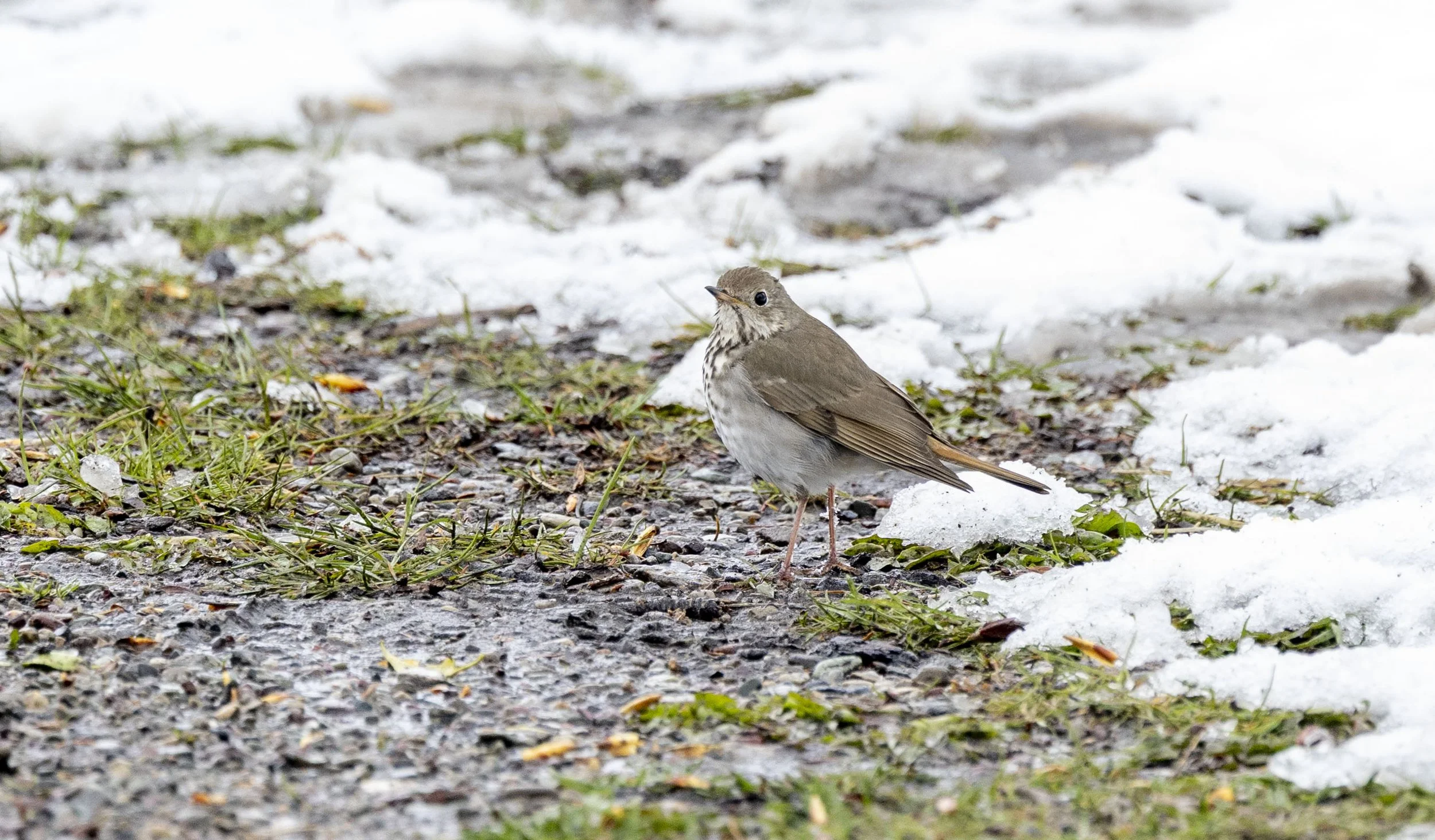
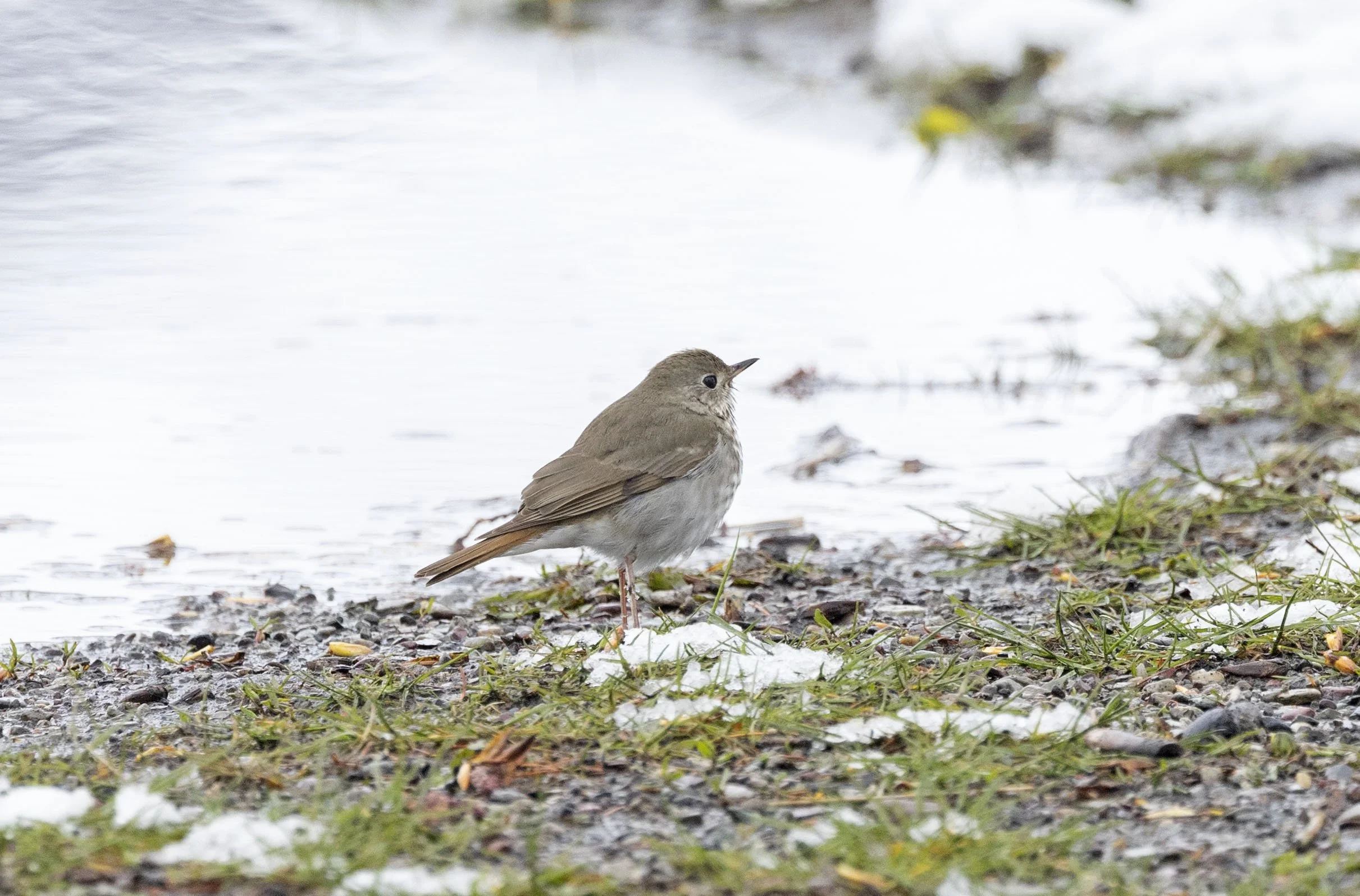
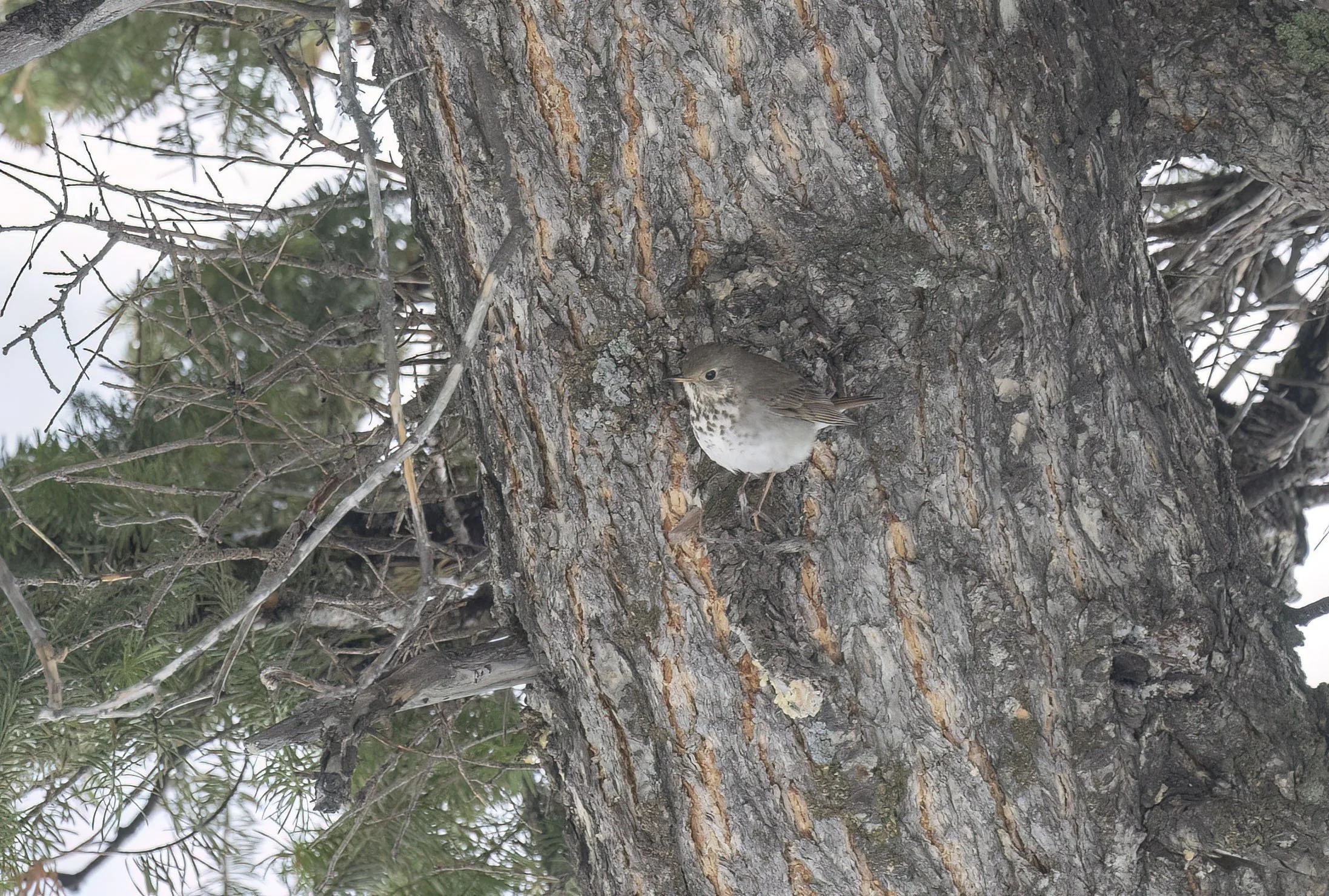
This unusually timid Hermit Thrush was one of thje birds forced down by the snow
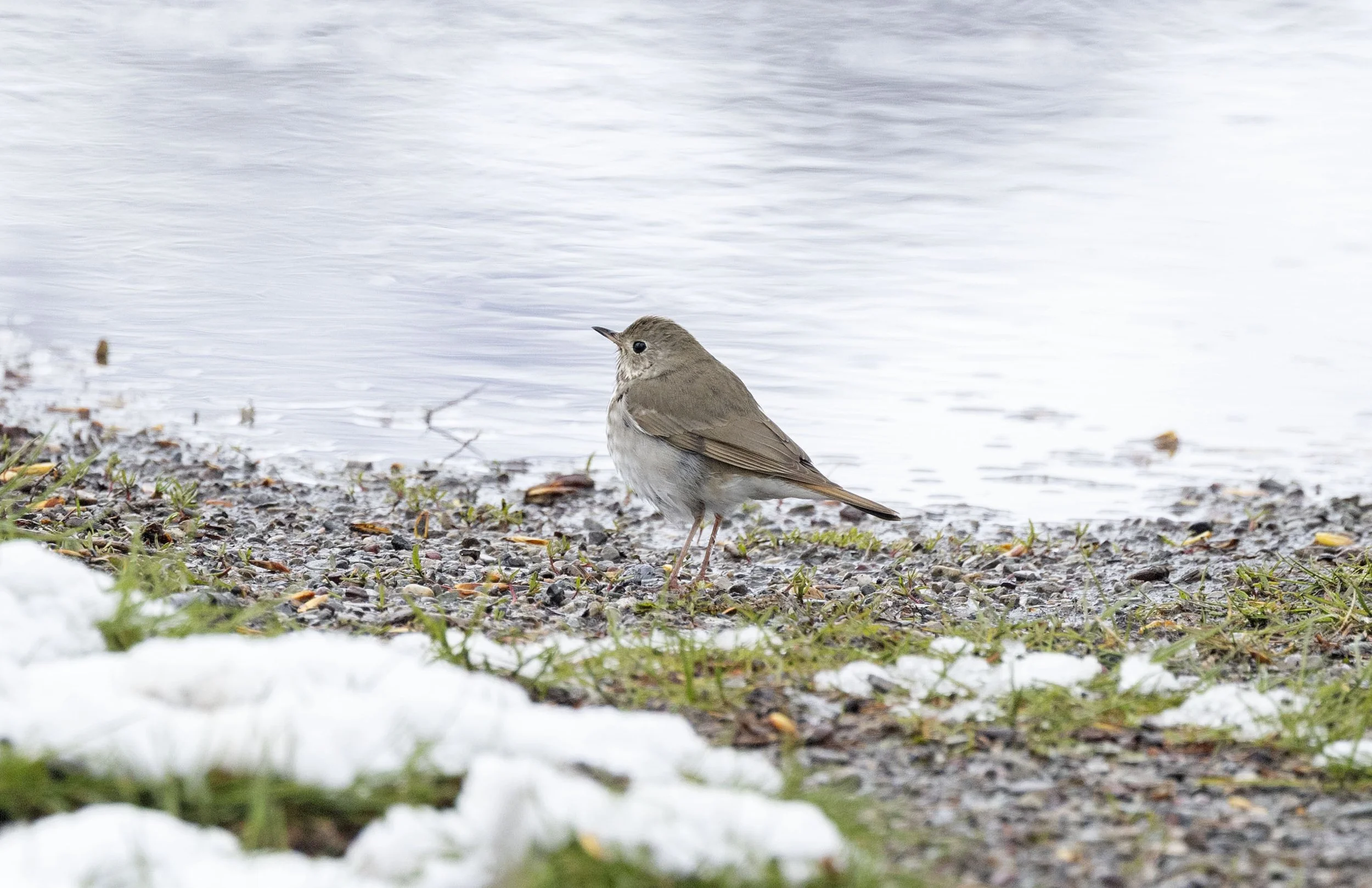
Feeding on a snow free area near a patch unfortunately it was quickly disturbed by passing walkers
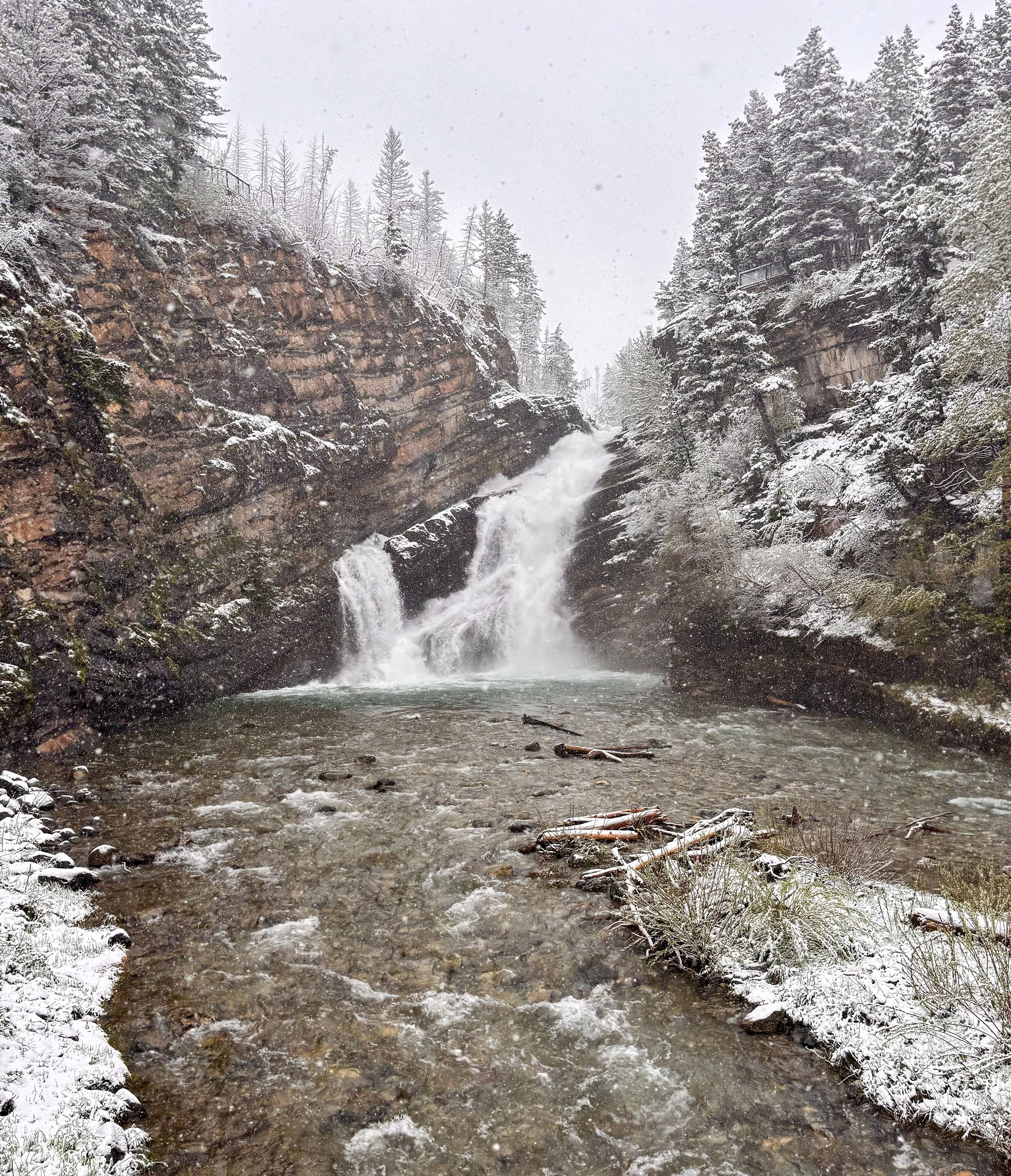
Cameron Falls Waterton - a pair of American Dippers were nesting on the right side
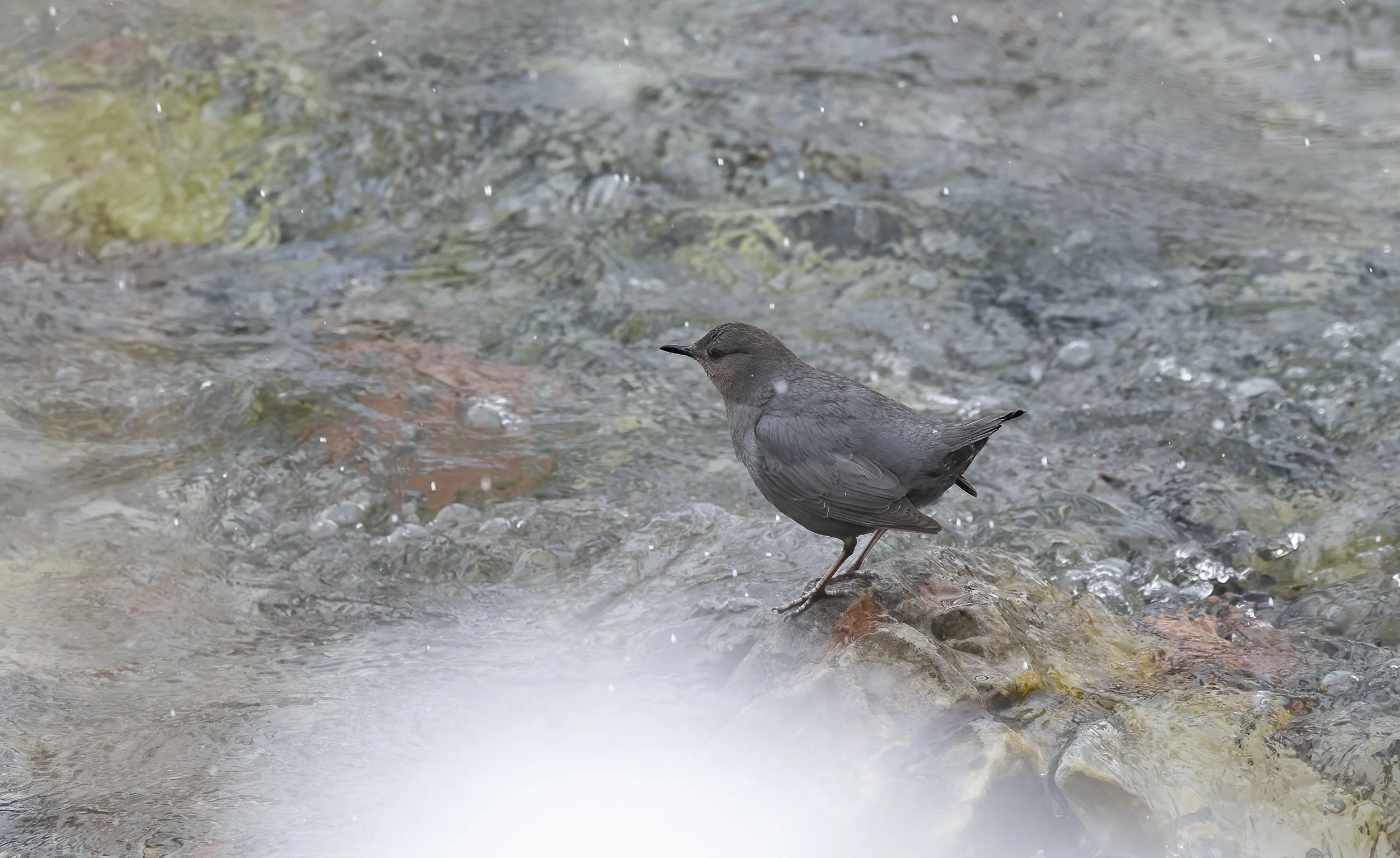
American Dipper in somewhat different conditions to my first in Red Rock park in Arizona back in 1996 in temperatures in the mid 30C’s
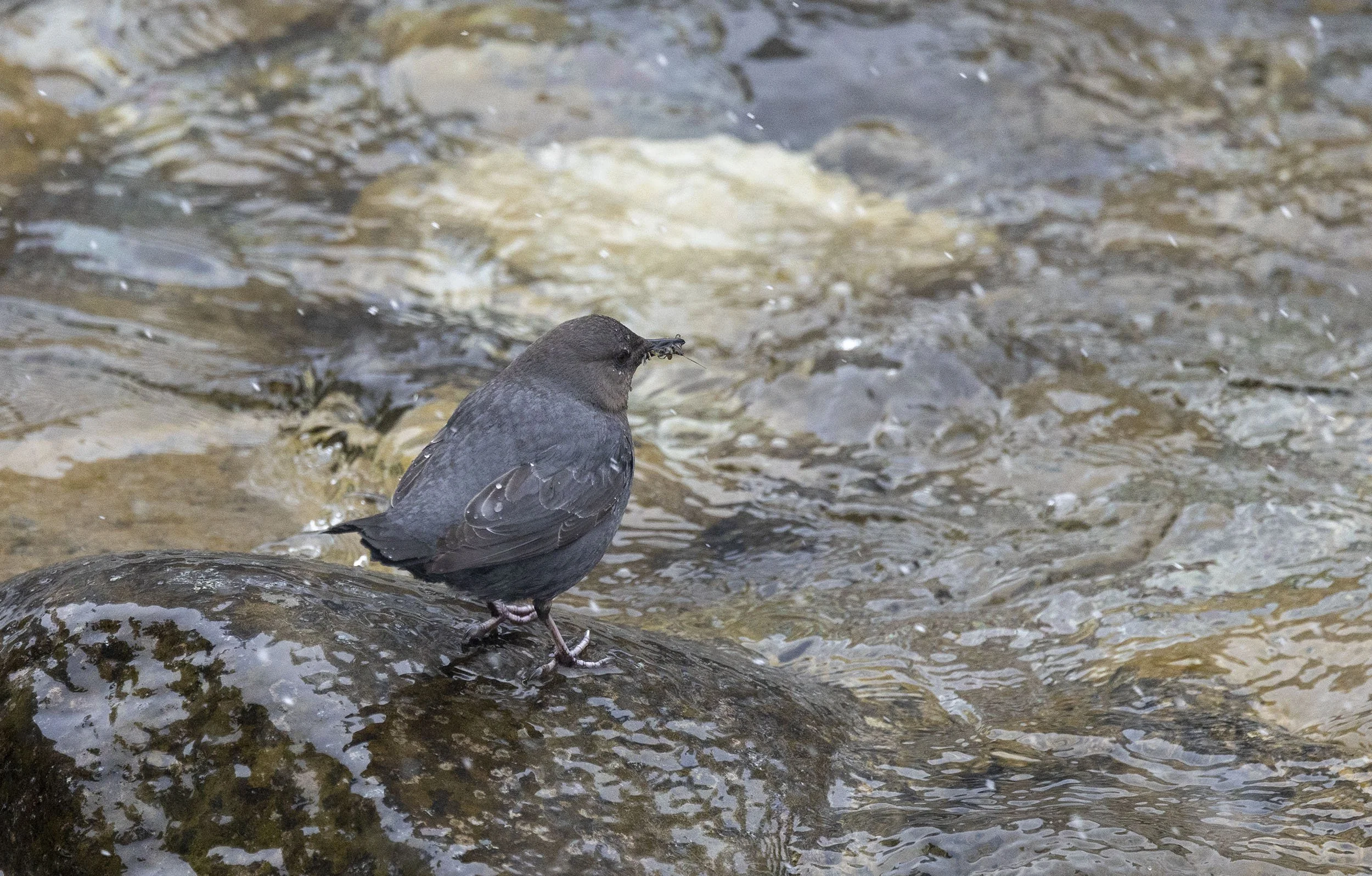
Not one of the brightest of Nearctic bird species
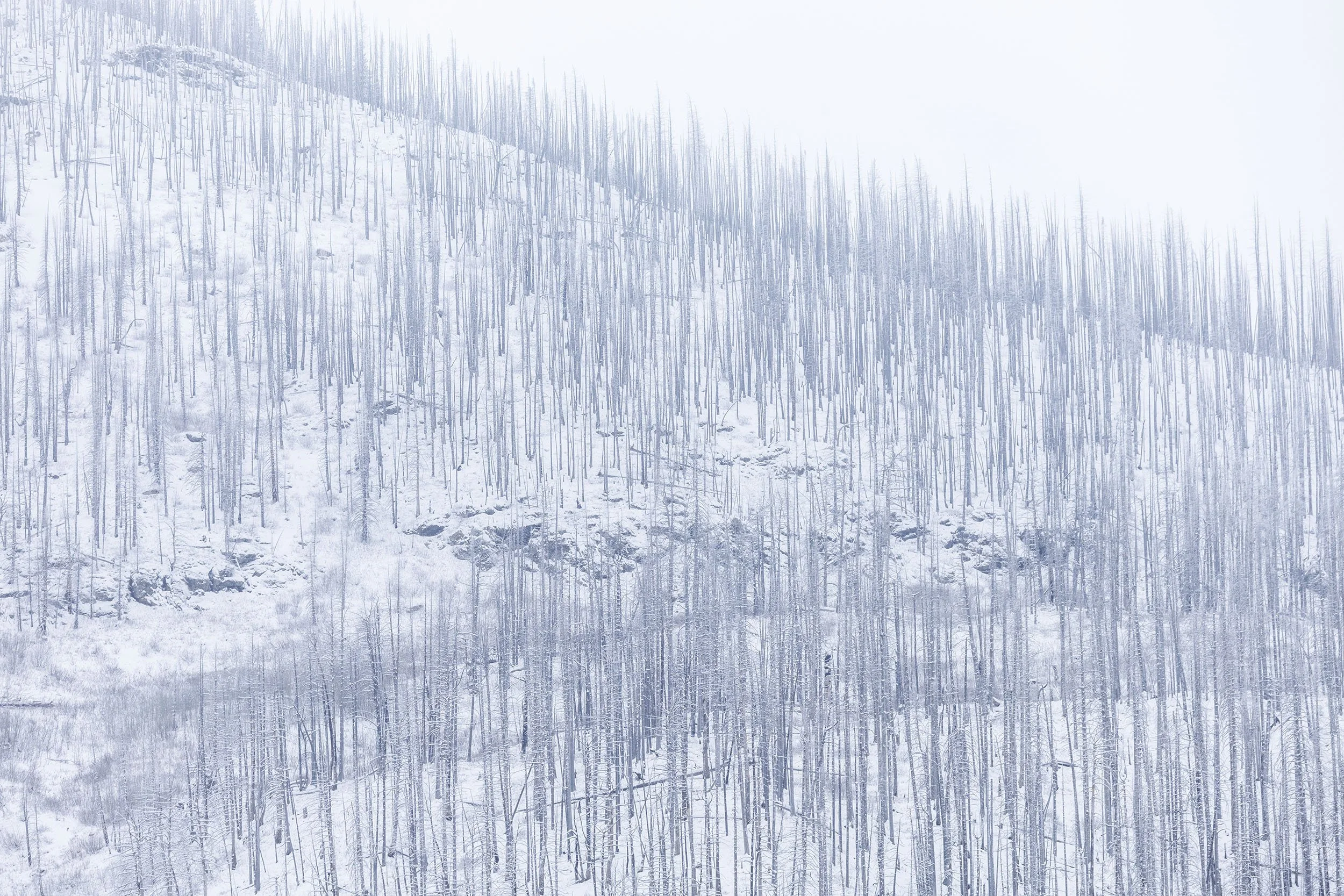
Dead trees on the mountainside transformed by the snow
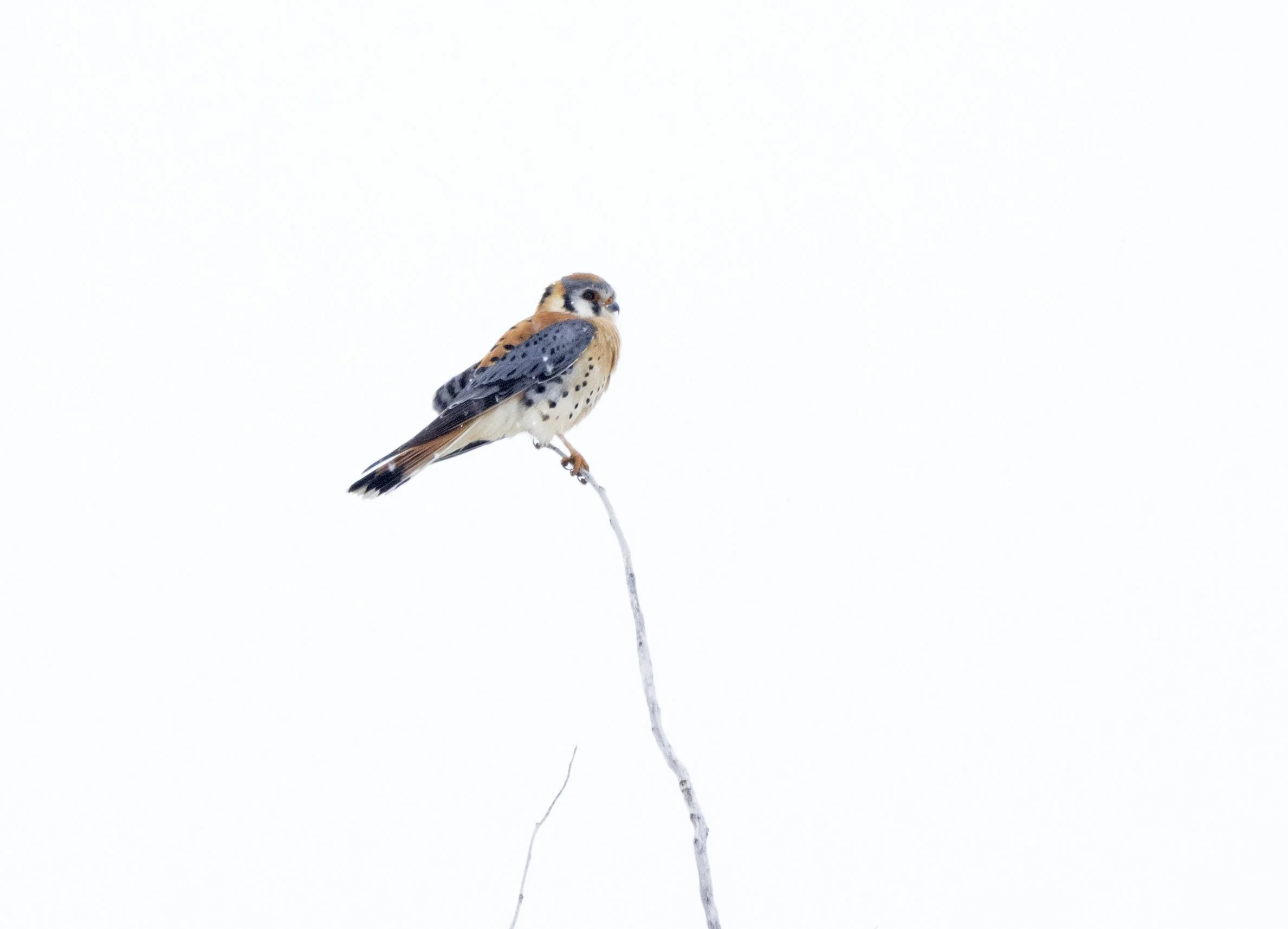
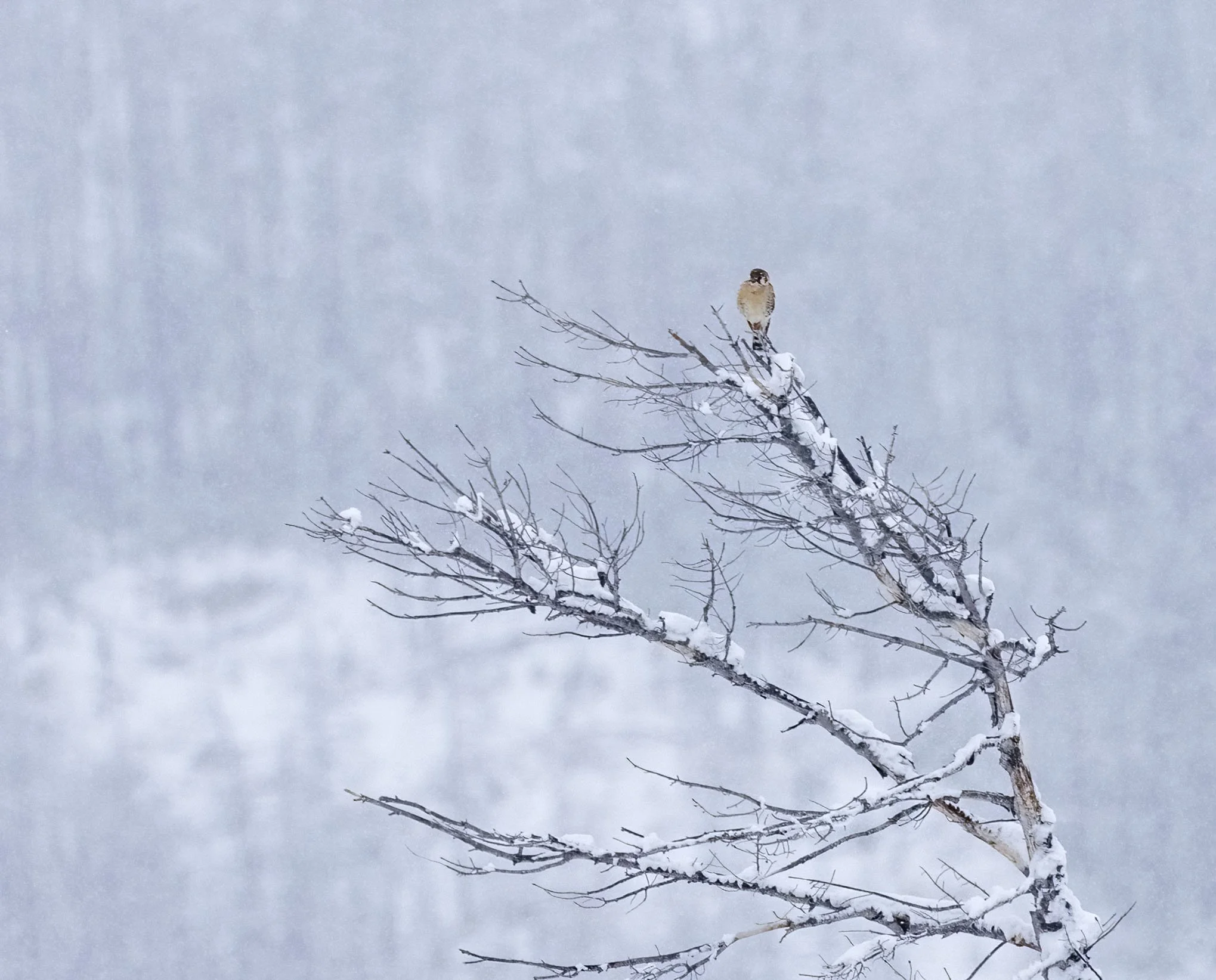
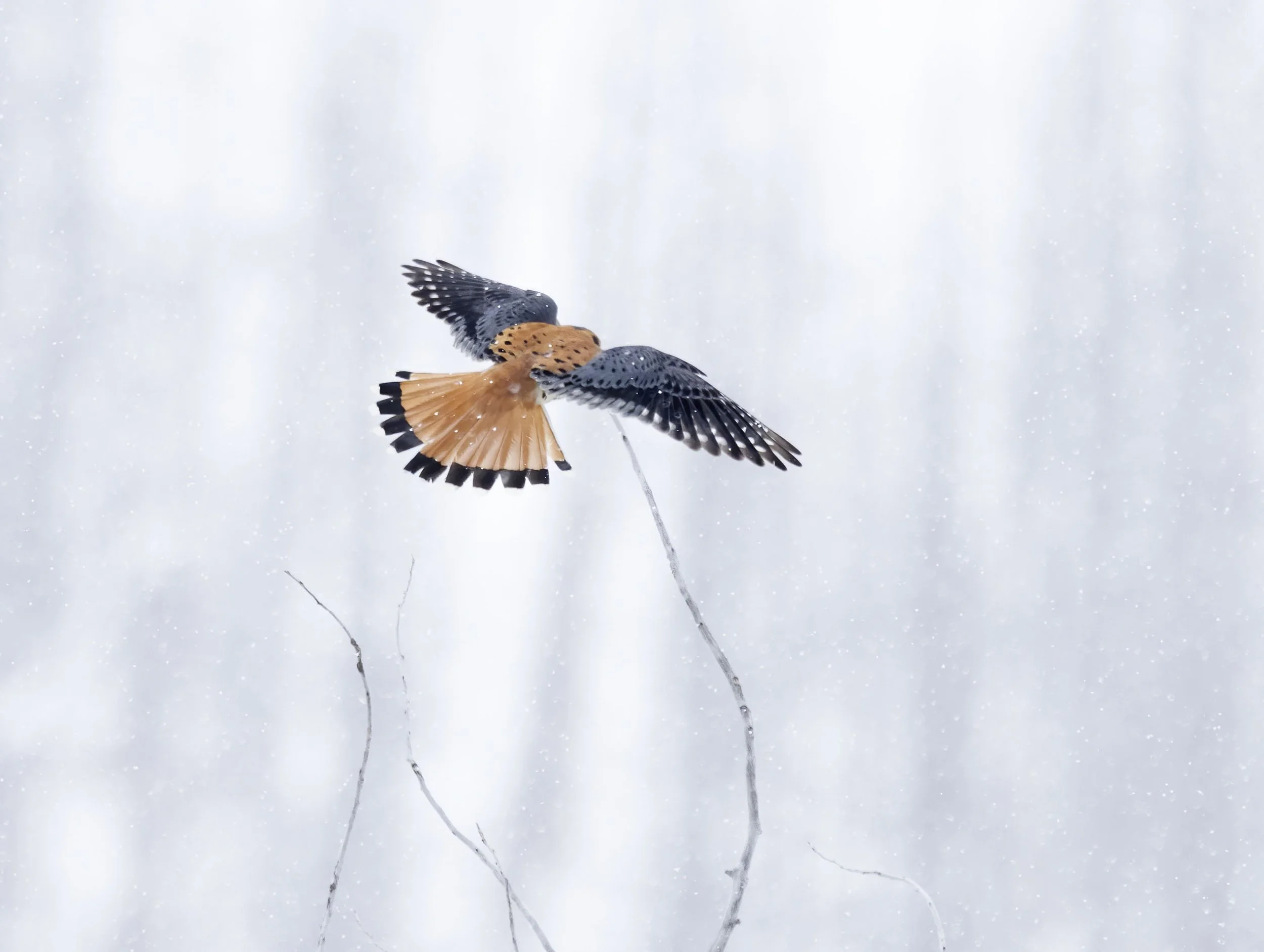
Male American Kestrel in snow storm
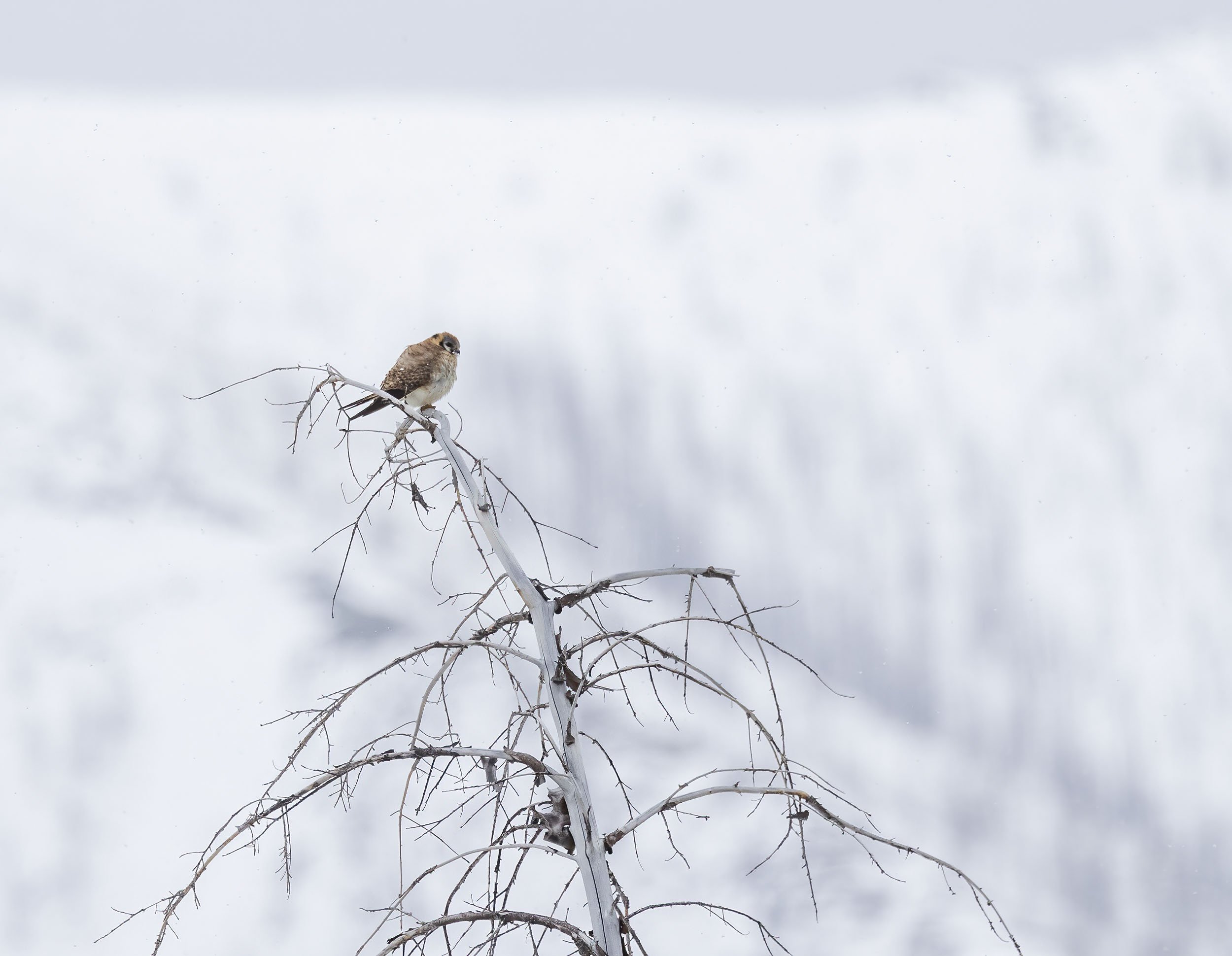
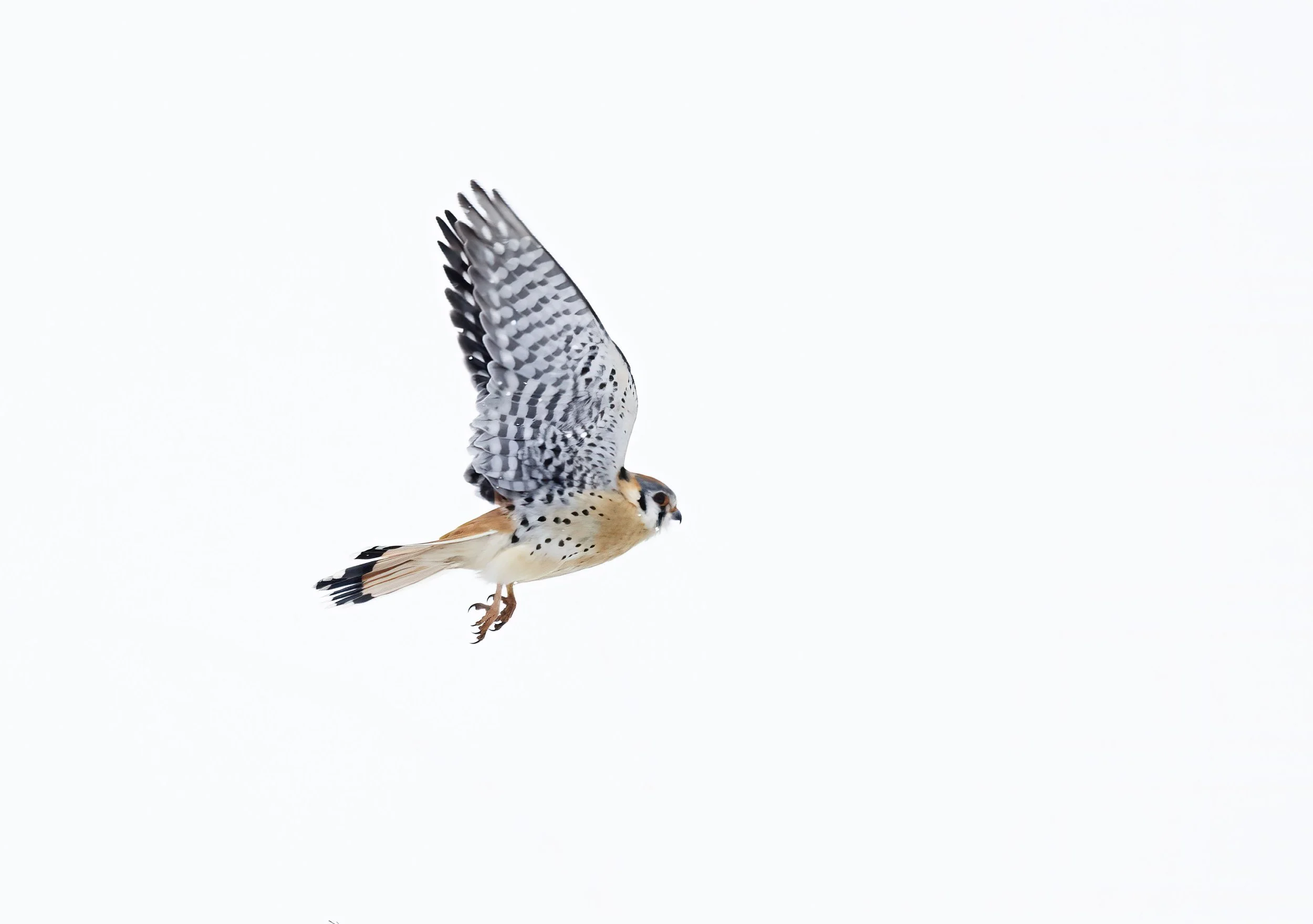
American Kestrel female in the Red Rock Canyon road
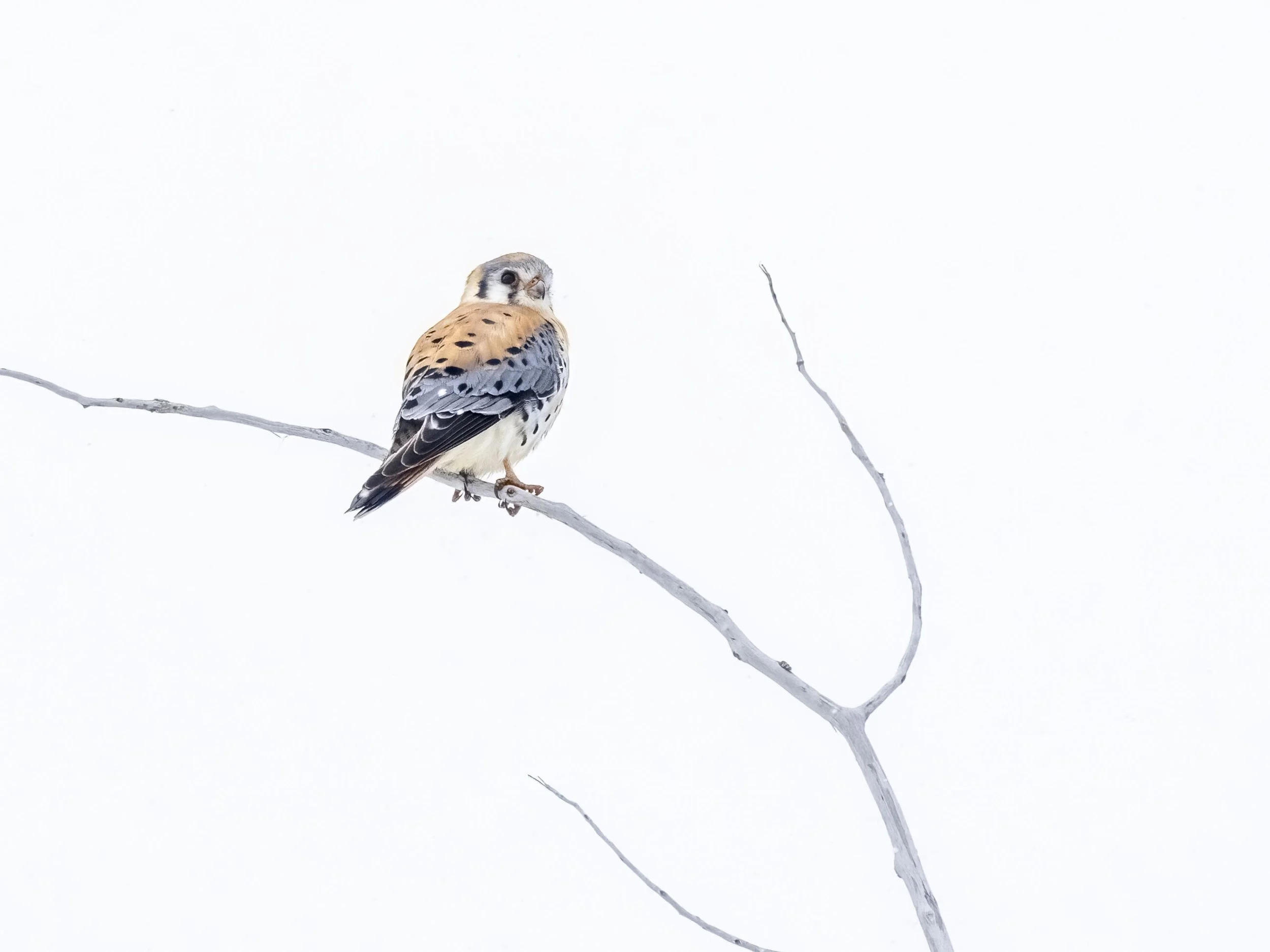
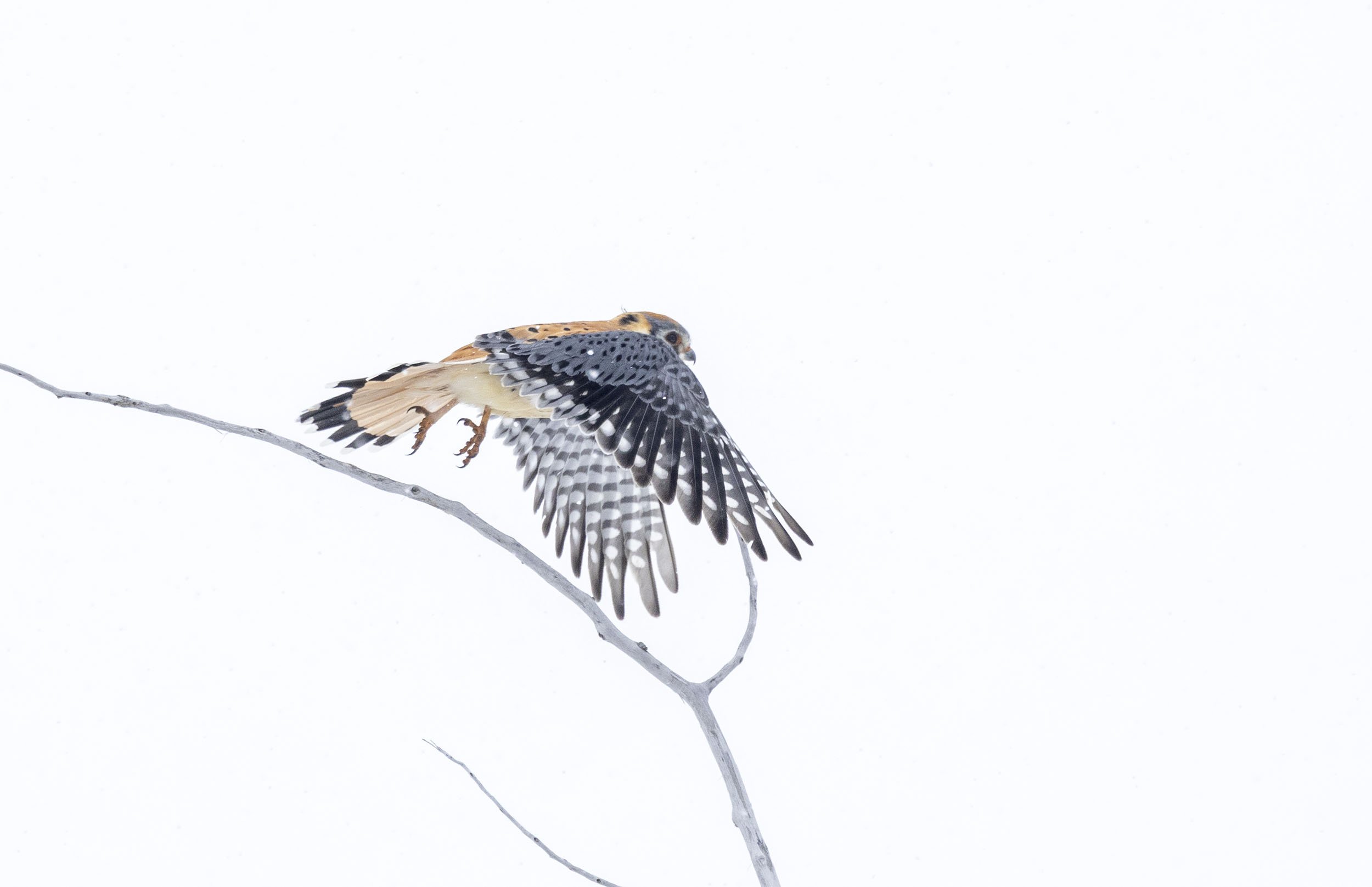
Never got any remotely decent images of American Kestrel before this trip as they are typically so flighty so it was good to get a few shots this time around
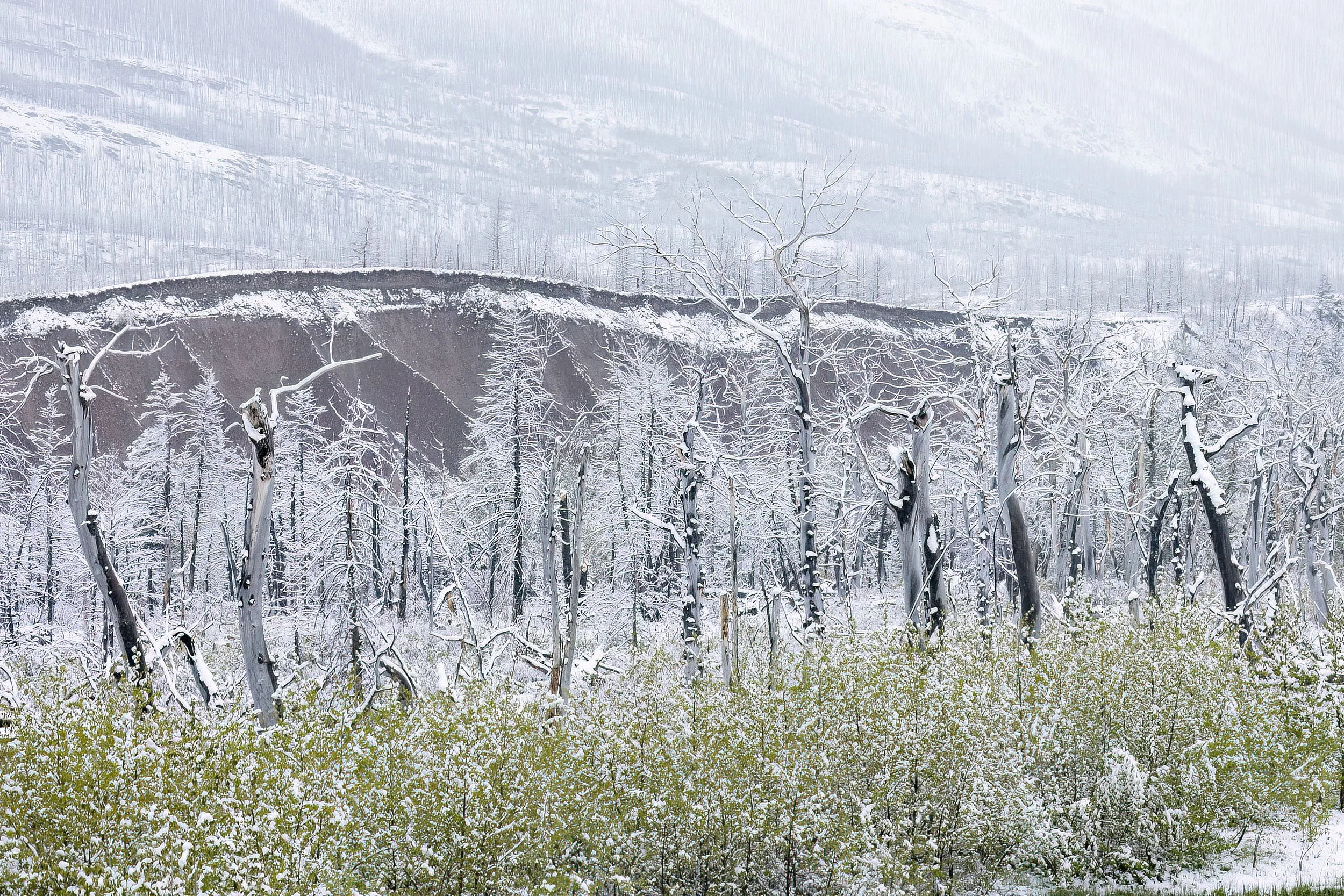
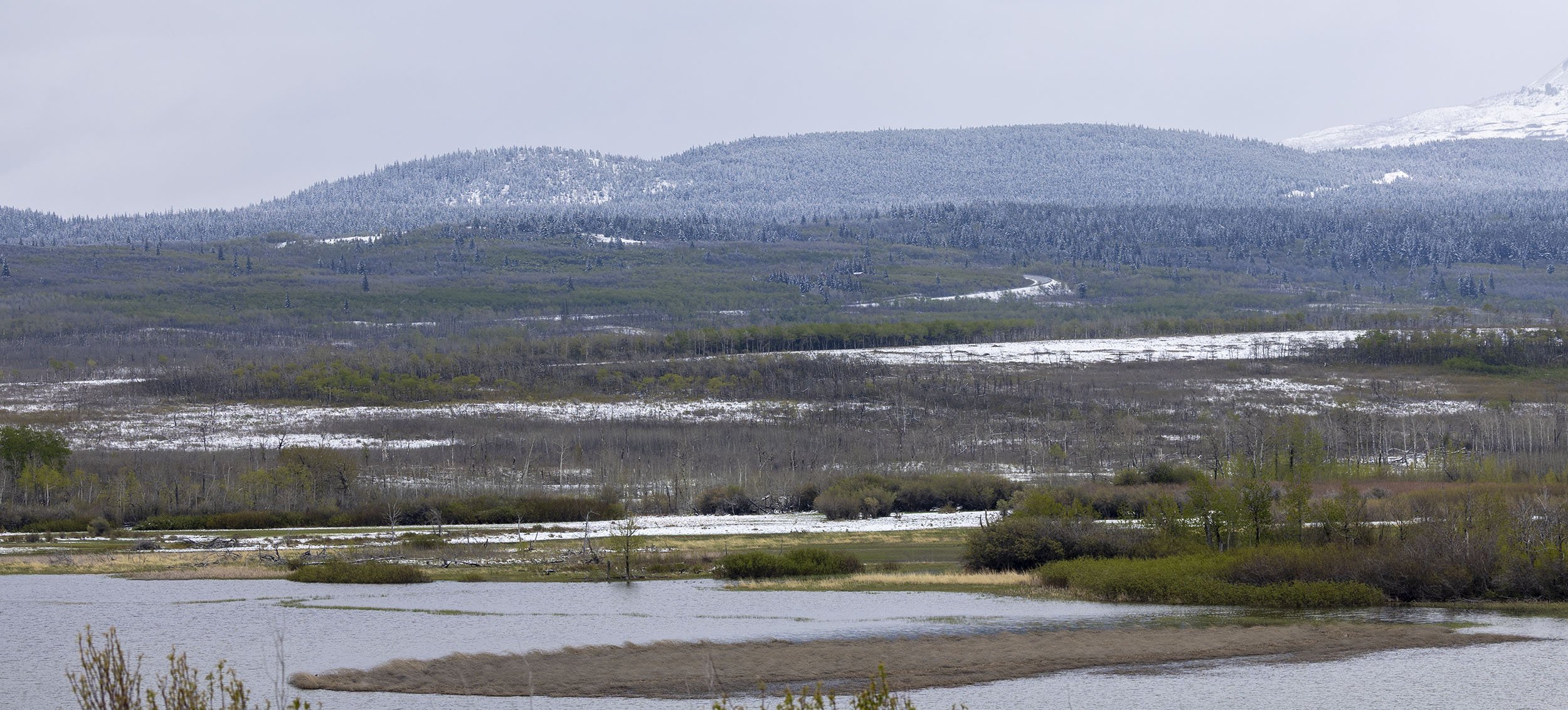
A magical day for landscapes - I use the 100-500 lens for landscapes as well - saves messing about and it is super sharp
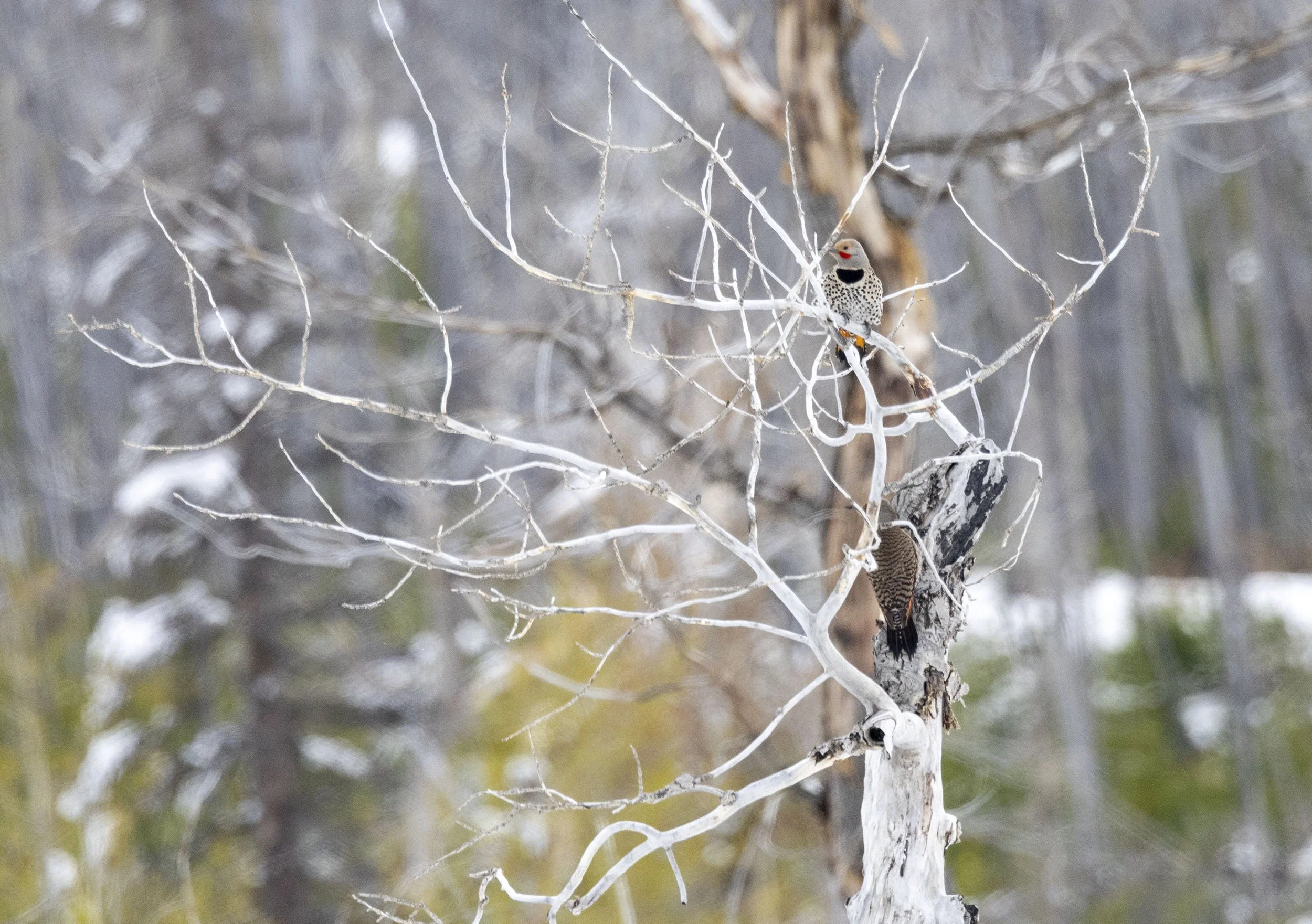
Northern Flickers
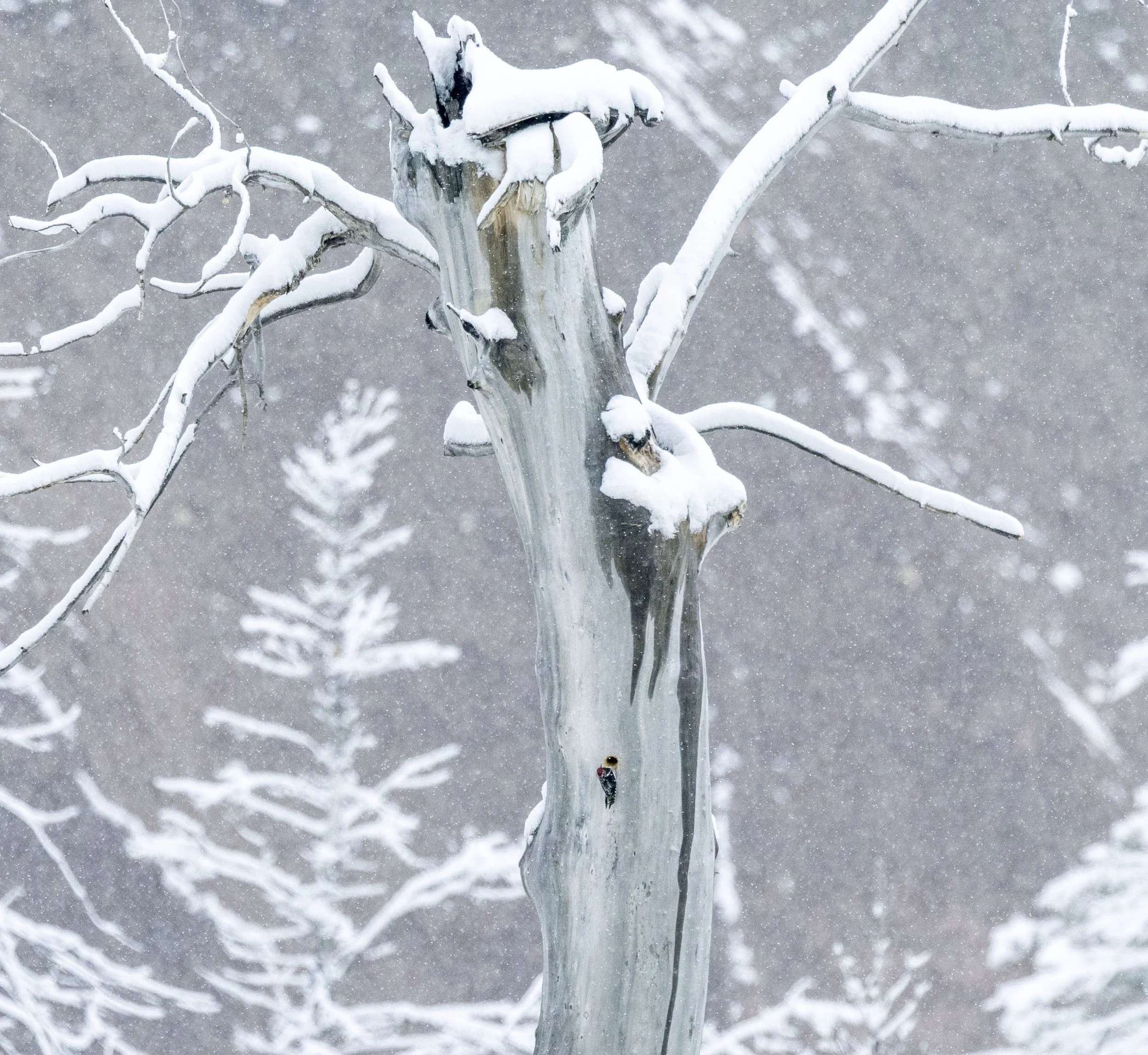
Red-naped Sapsucker at nest hole in the snowstorm
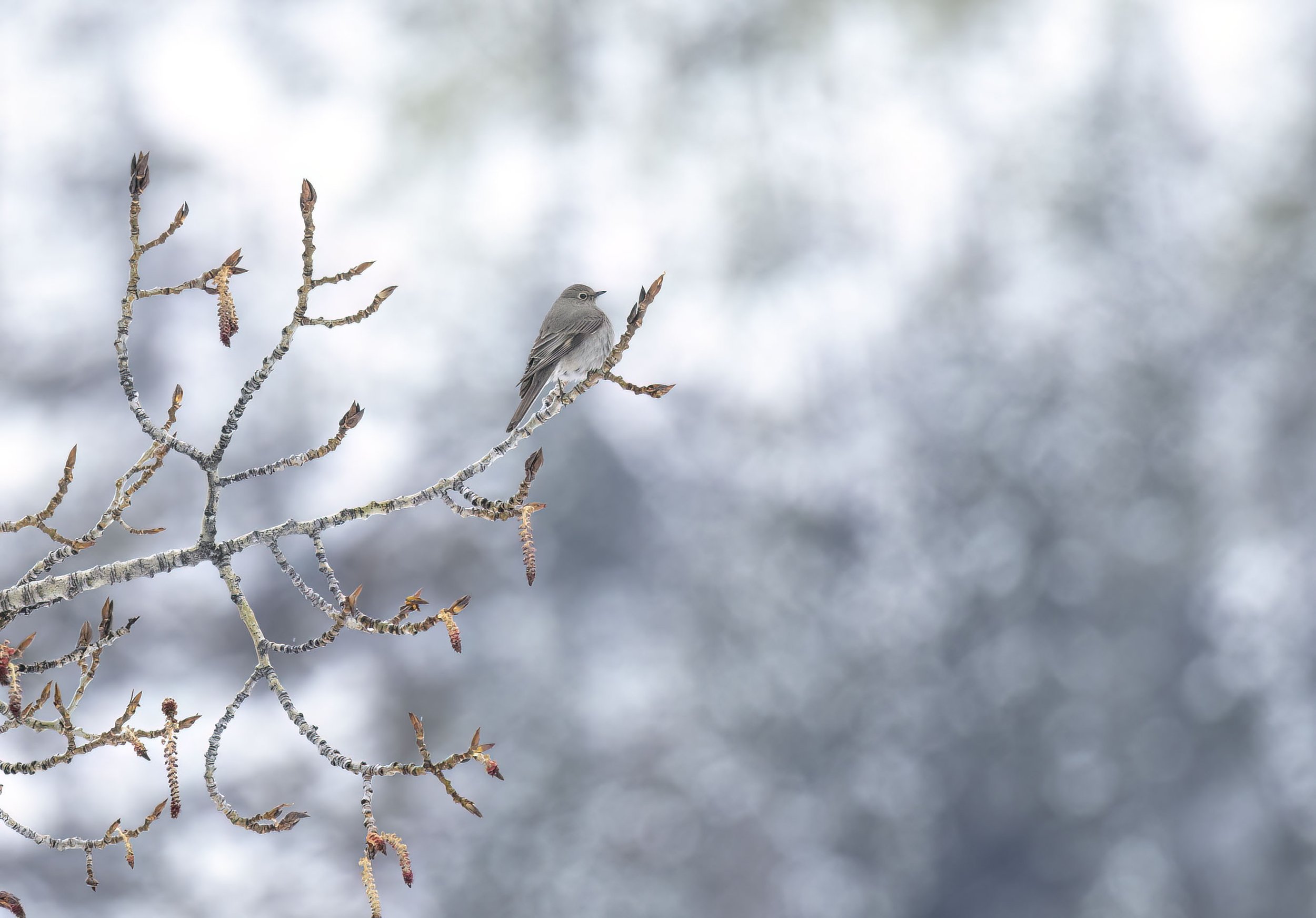
Another of the day’s high points was seeing at least 20 Townsend’s Solitaires - my previous encounters had been limited in number with feeting views in Arizona and at Jasper and initially birds were following the elusive pattern but as the day wore on they became tamer and views much better as they foraged for berries and insects in the snow-free areas the day even culmintaed with one sitting only 4m from our car in the busy Cameron falls car park
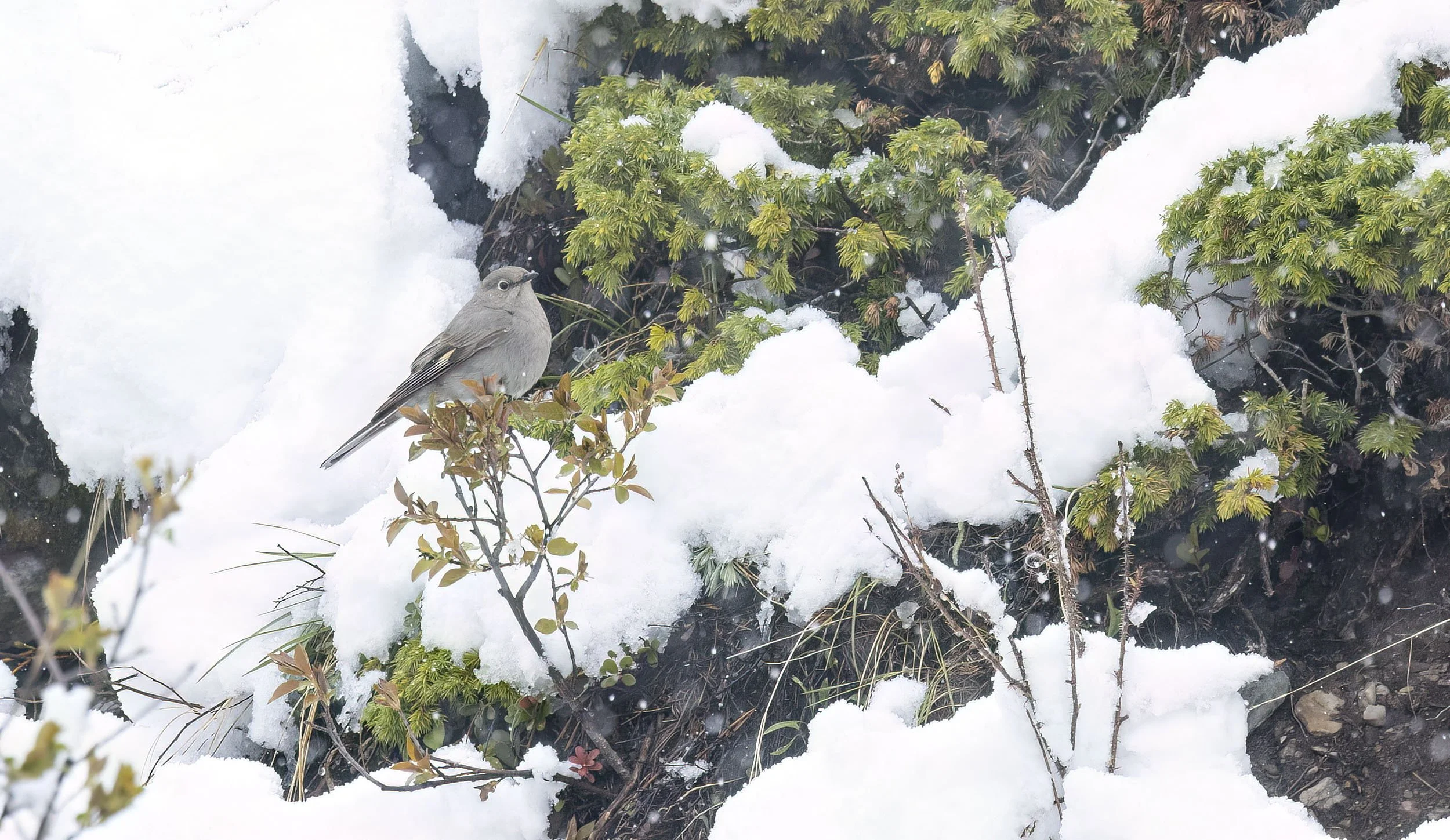
This individual was feeding on juniper berries on an exposed sloe at Red Rock Canyon
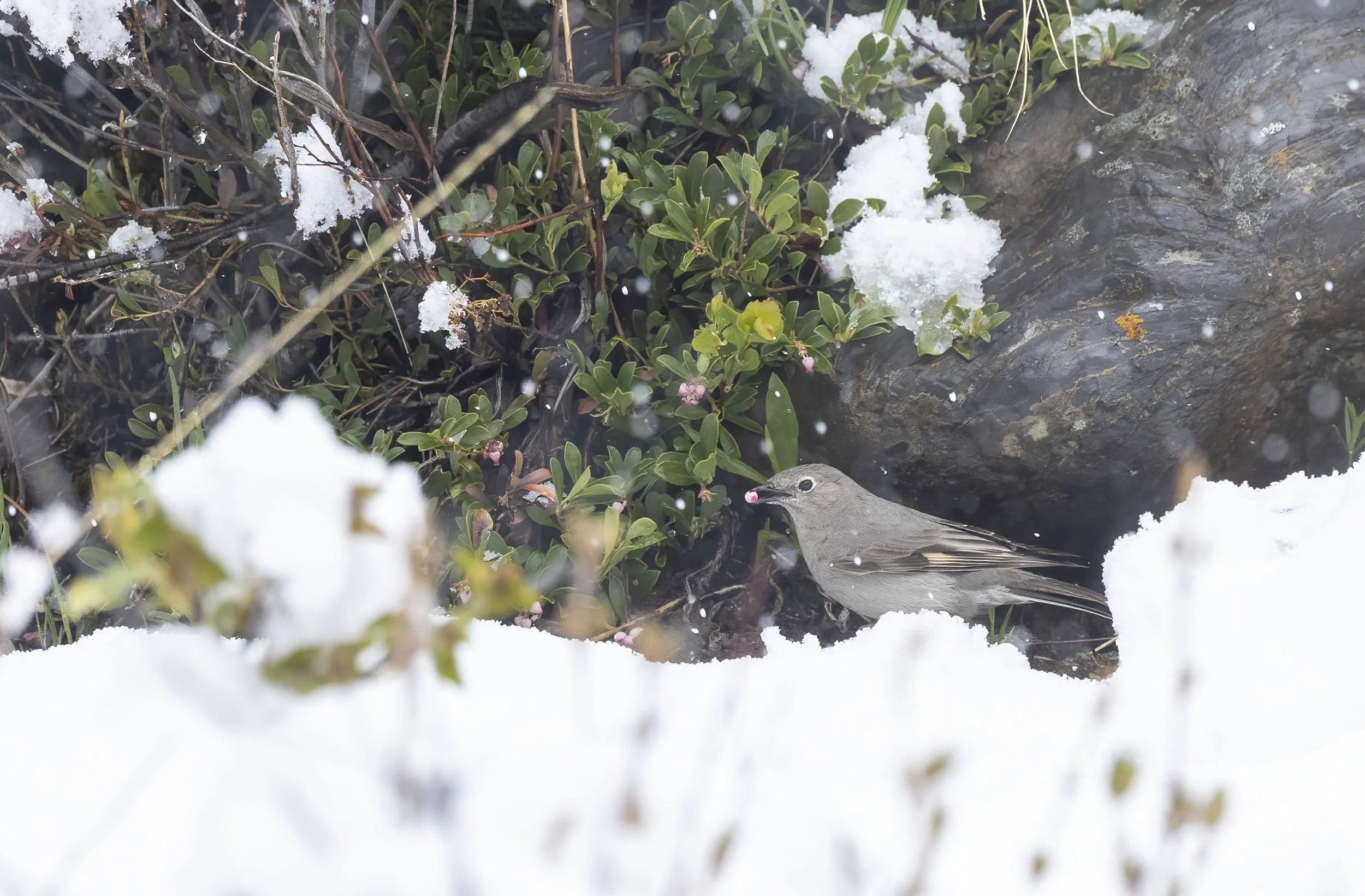
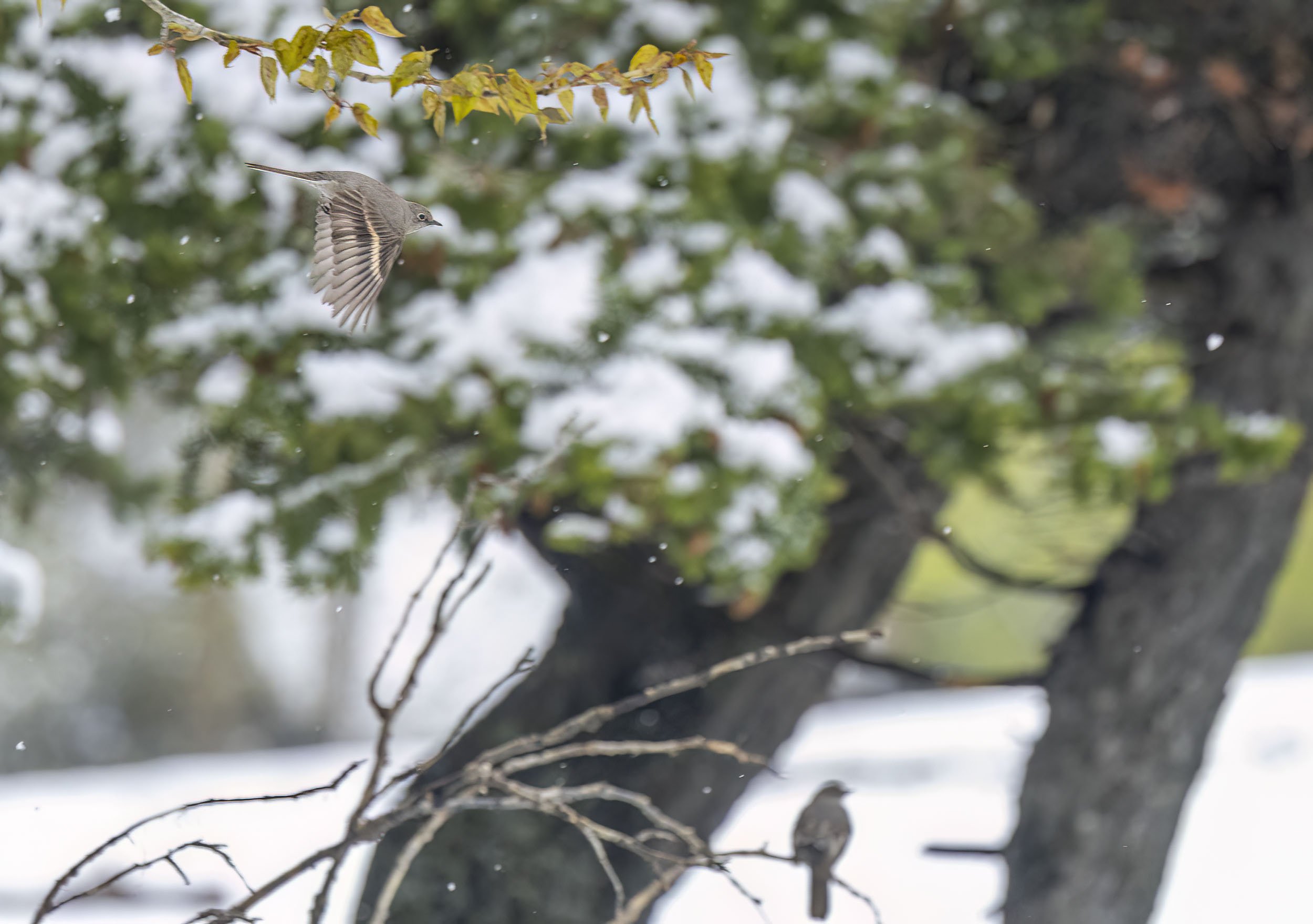
In spite of the now there was not a lot of light for flight photography
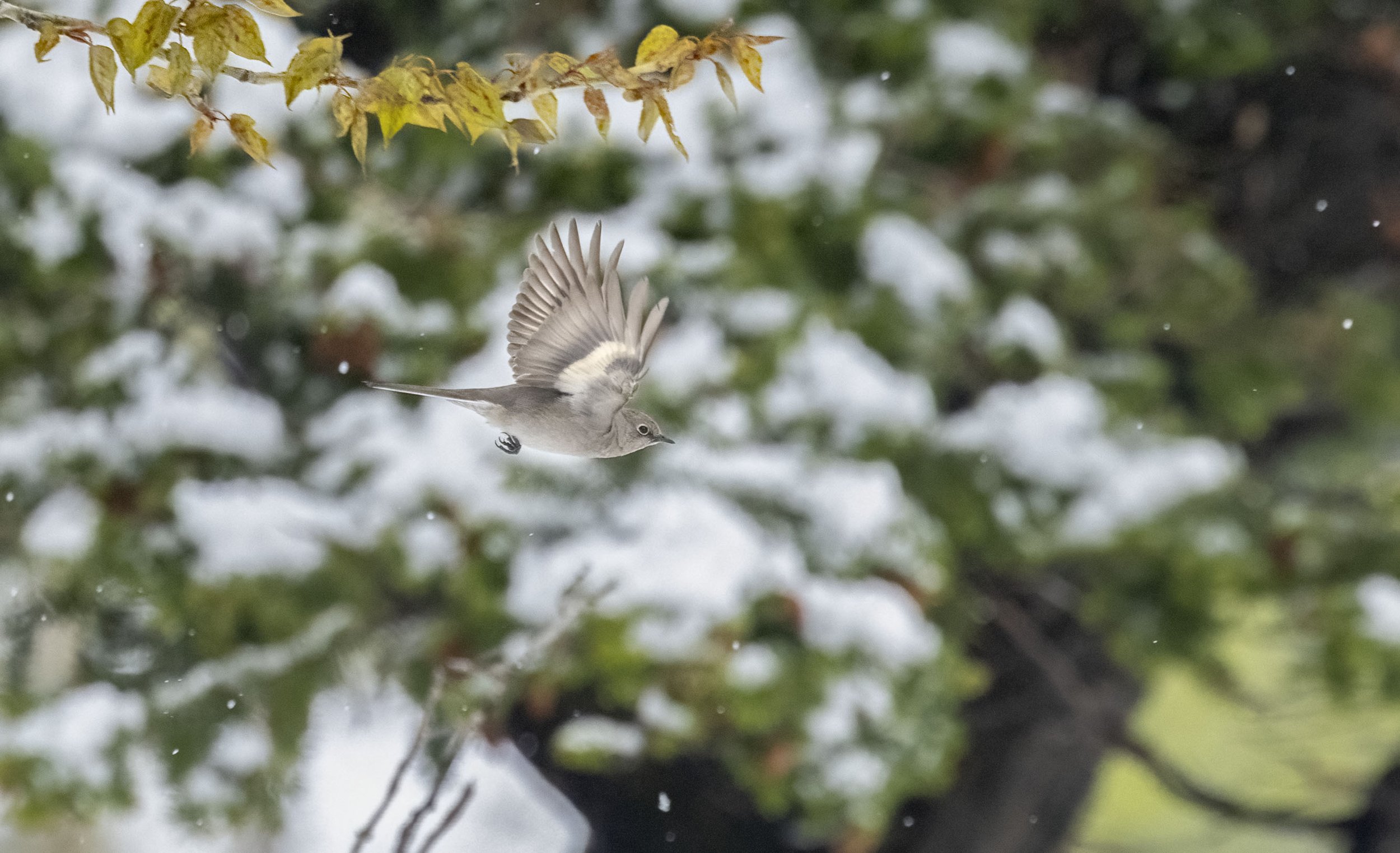
Townsend’s Solitaires have vey distinctive flight patterns on upper and under wings
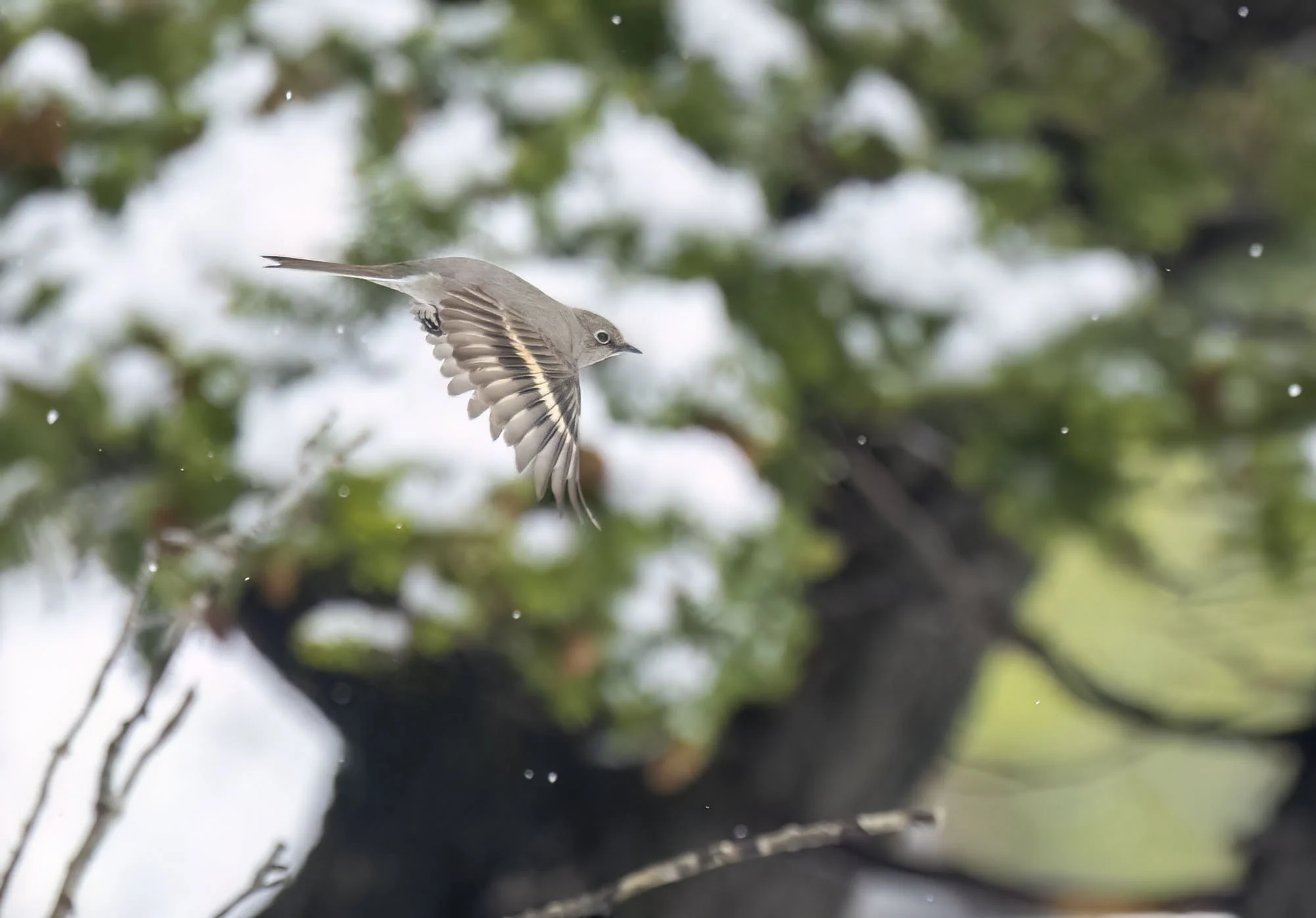
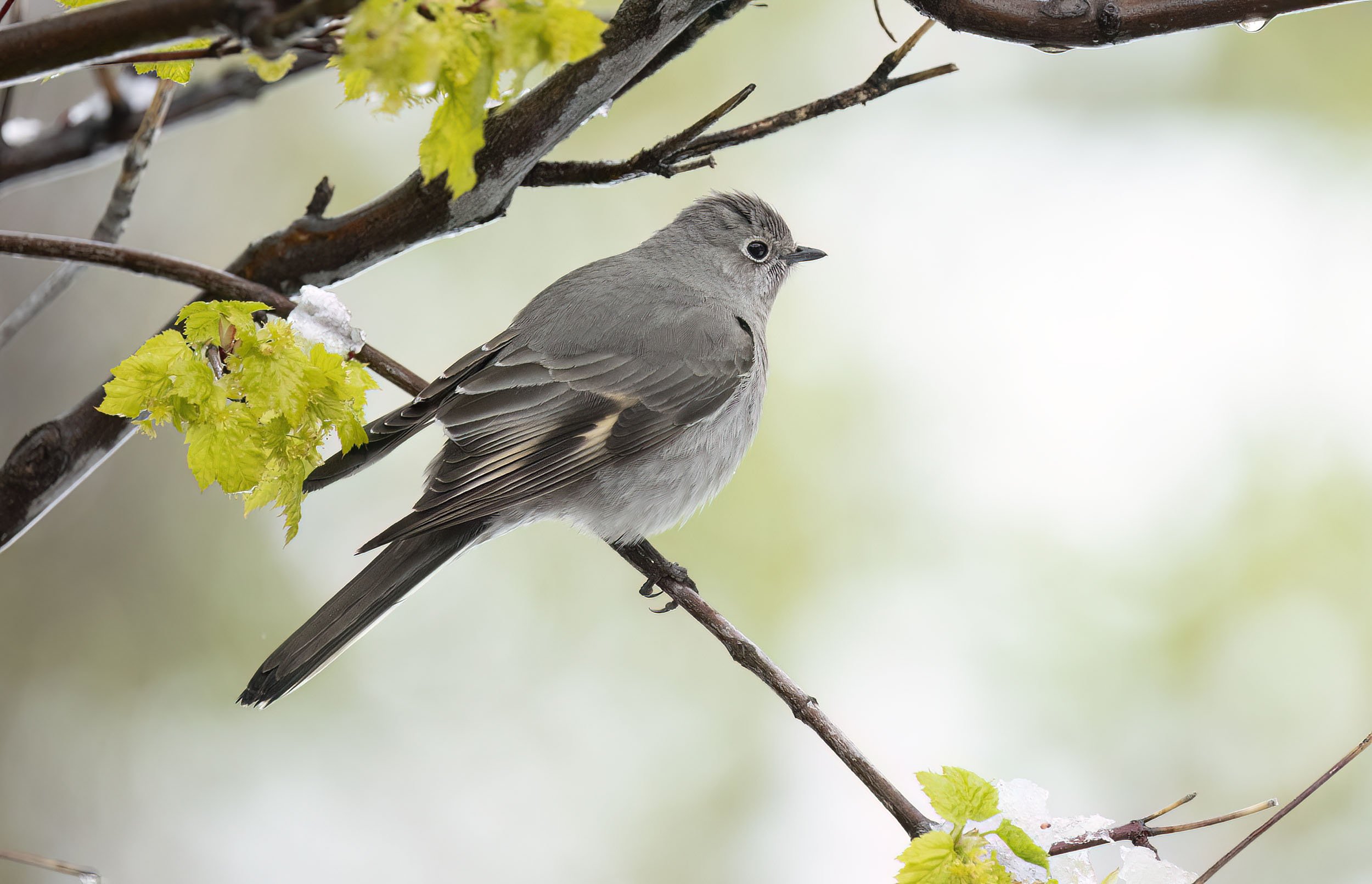
Views don’t come much better than this - we saw odd ones in breeding habitat up in the forests later in the week but never as well as this
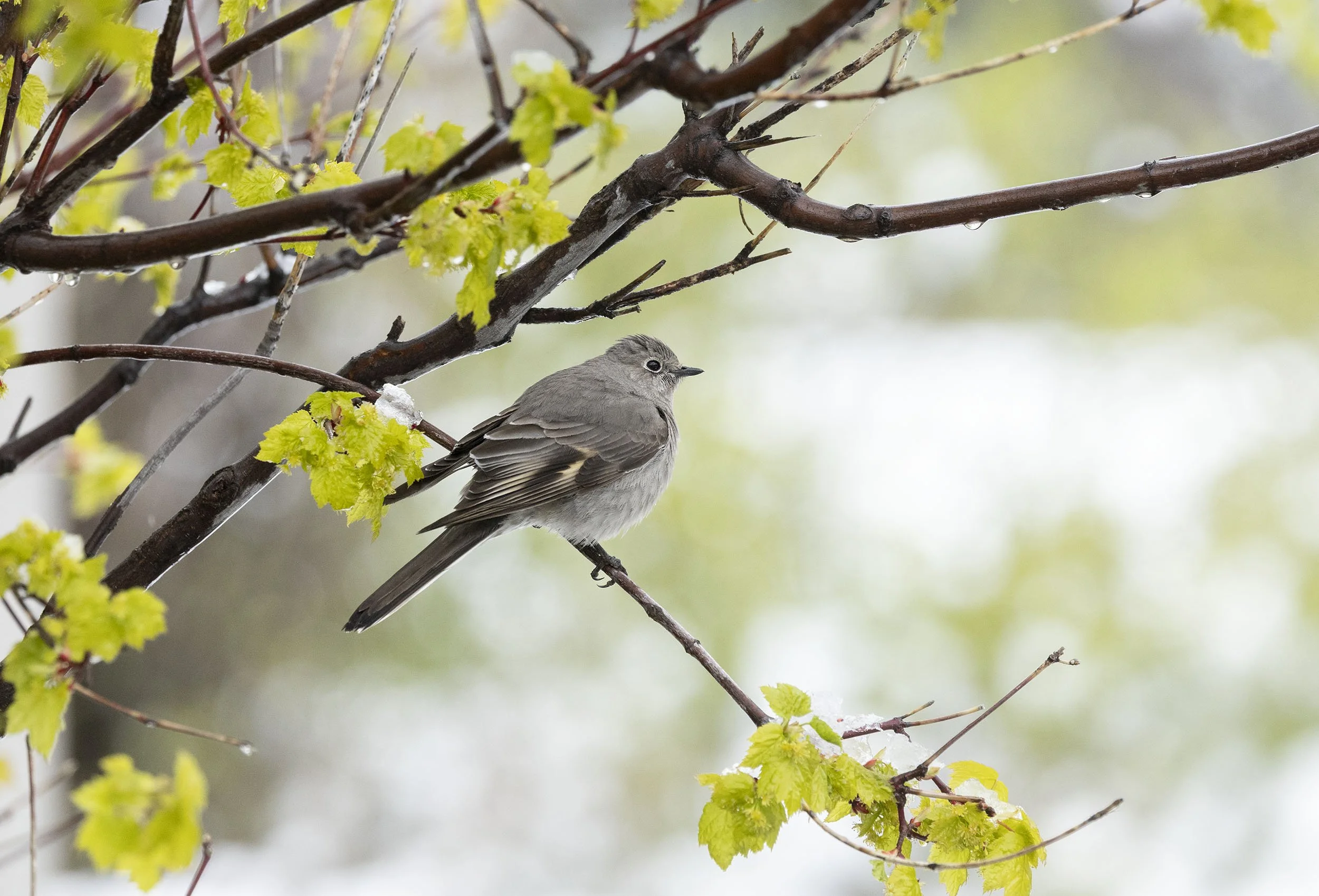
Don’t forget to zoom out
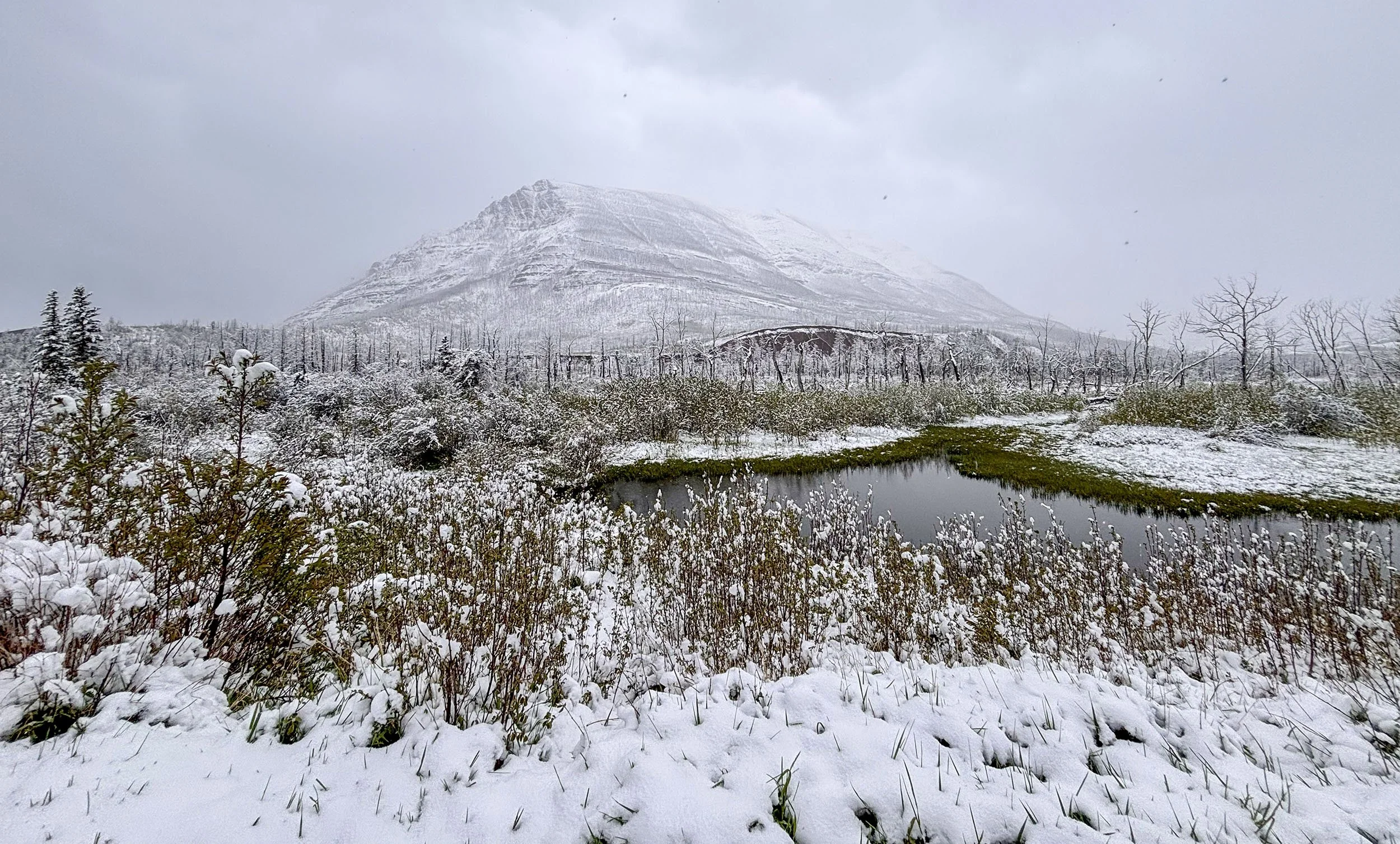
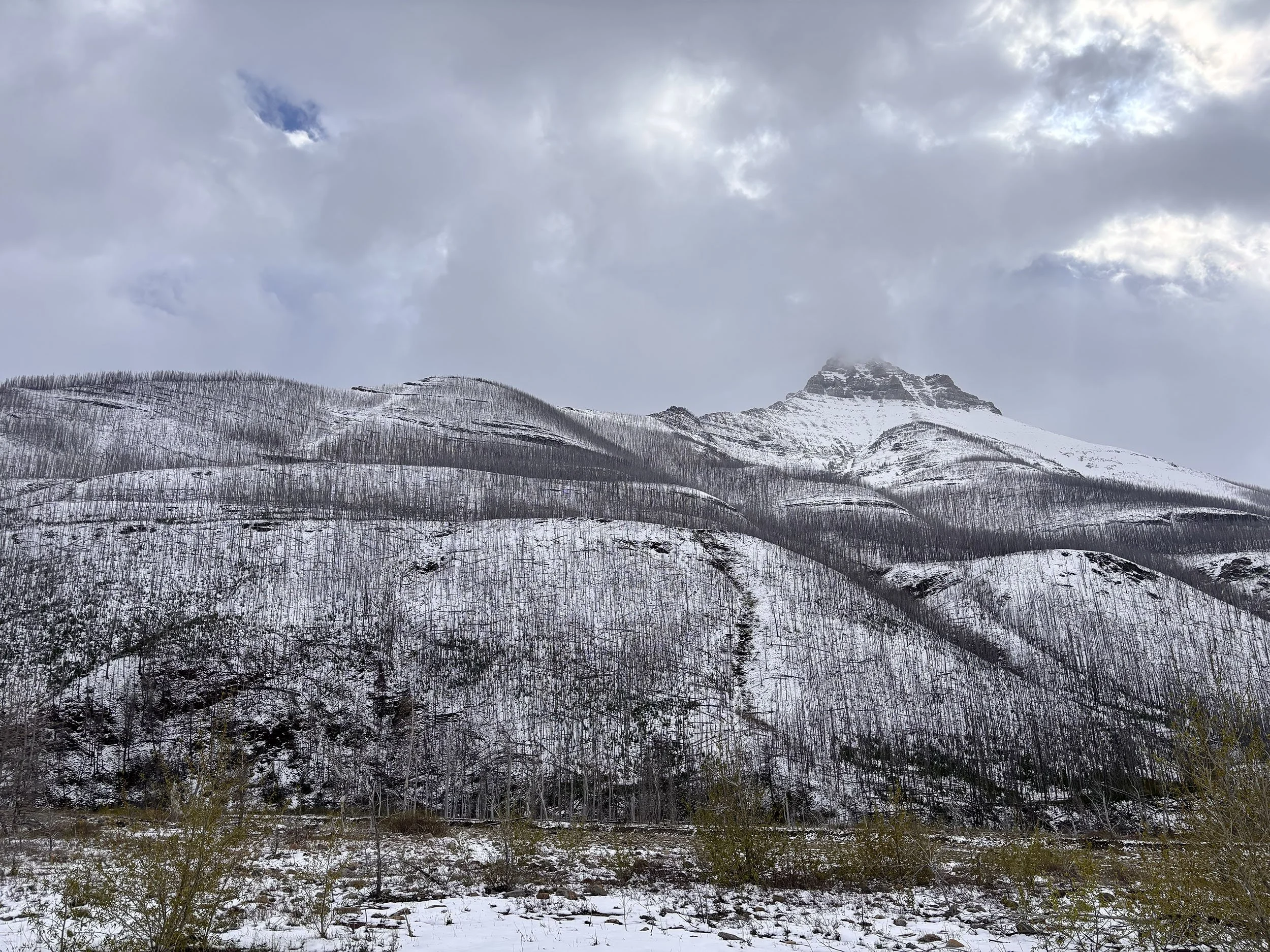
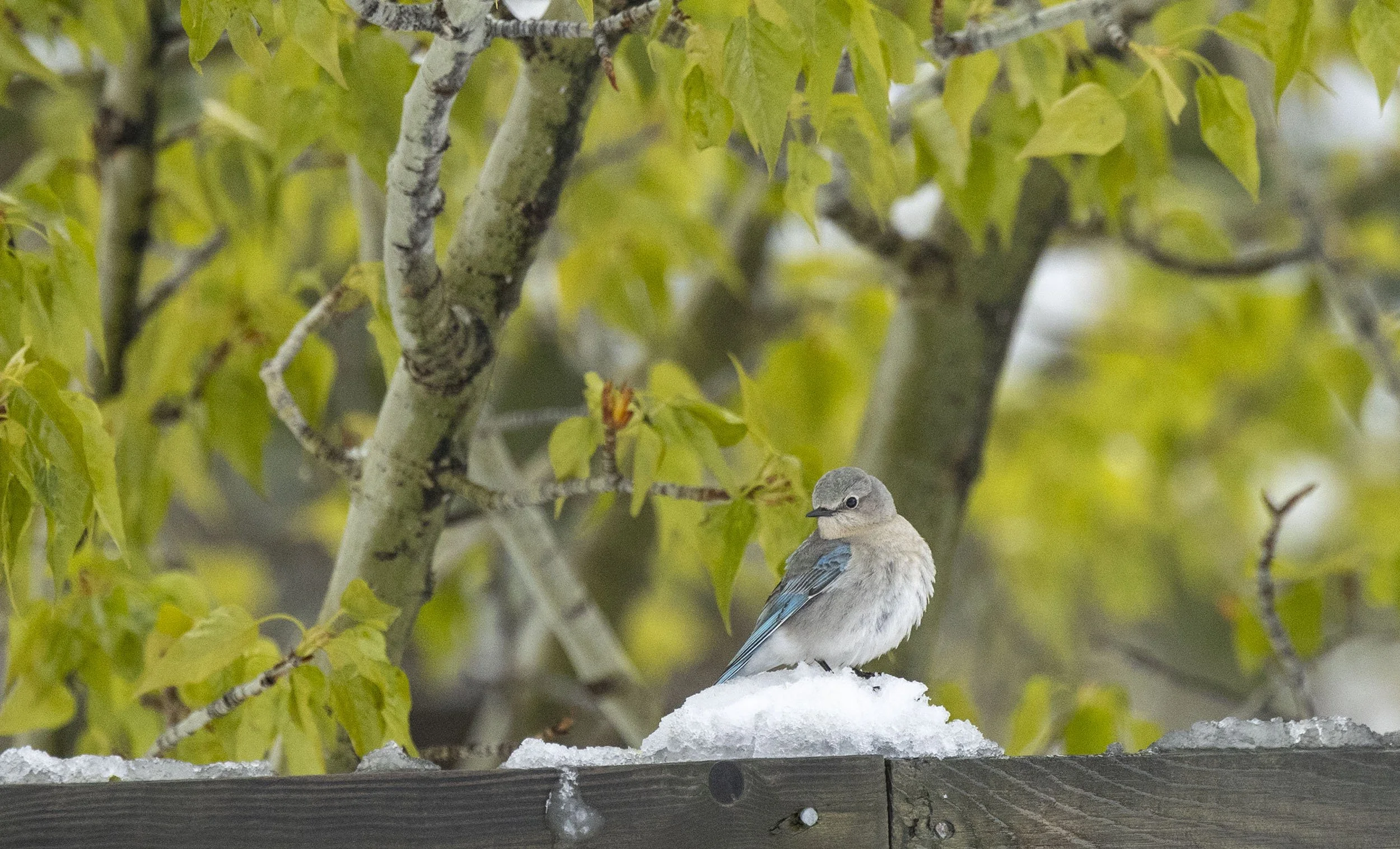
A late taste of winter amongst the spring foliage and a female Mountain Bluebird
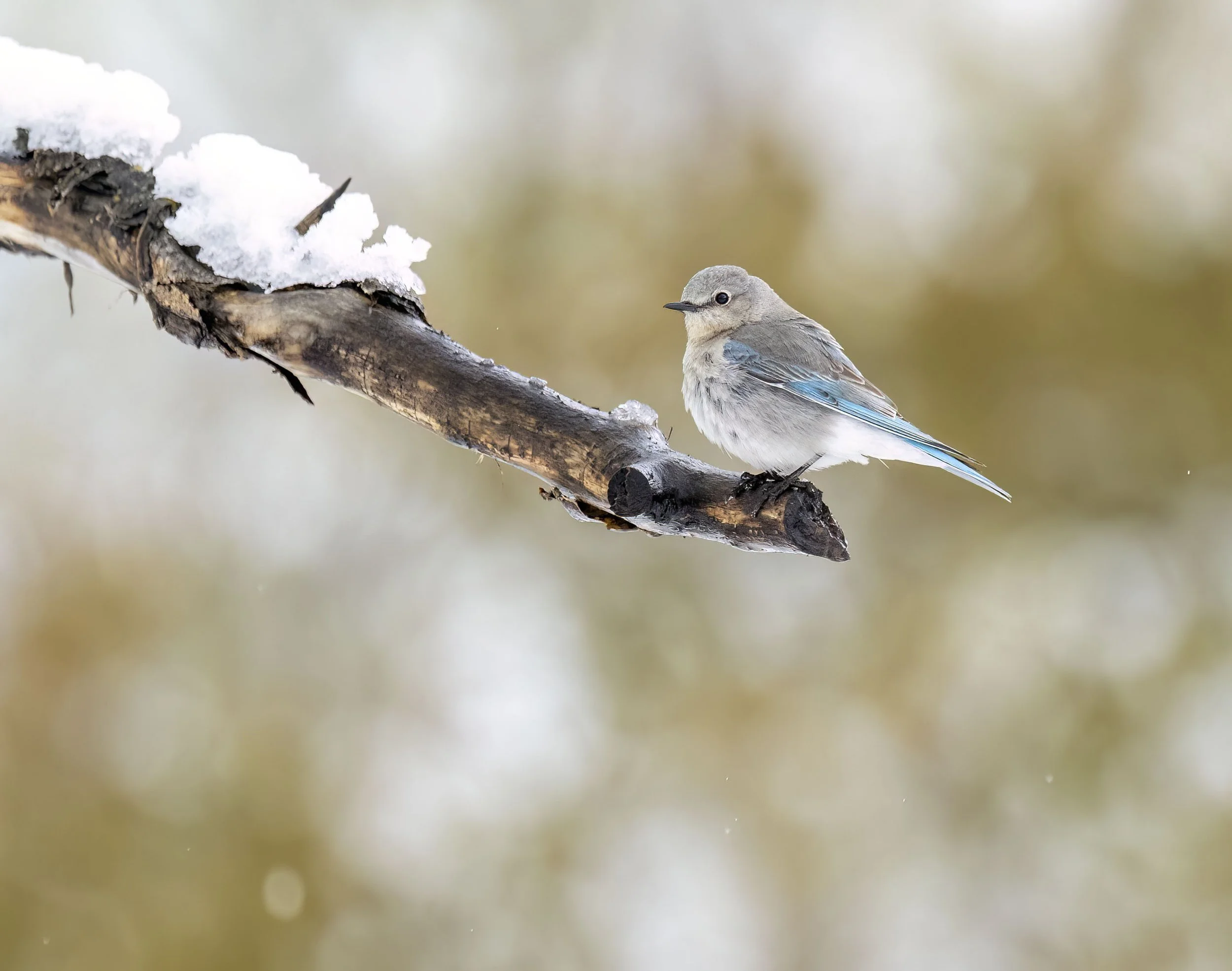
the day produced one of my highlights of the trip and my best photo image when we came across two Mountain Bluebirds in the park area at Waterton — I love females, males are bluer and more striking but the metallic blue on the wings and tail of a female contrasting with the silvery grey upperparts are just sublime - This female was perching up in some snow covered trees and nearby fences and picnic benches with a snowy backdrop mixed with the colours of the exposed foliage
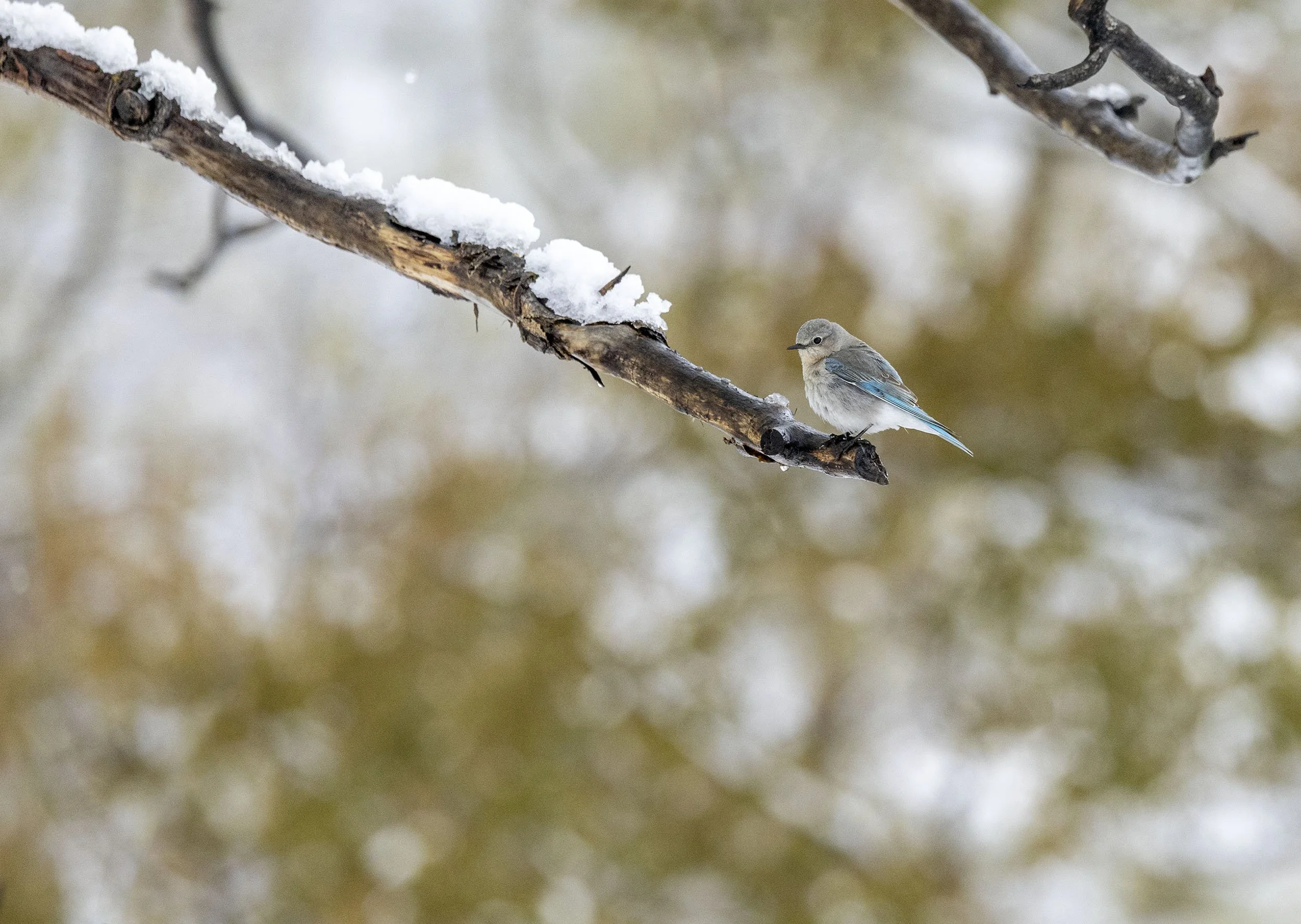
she lingered long enough on this perch to allow me to zoom out and take in more of the surroundings
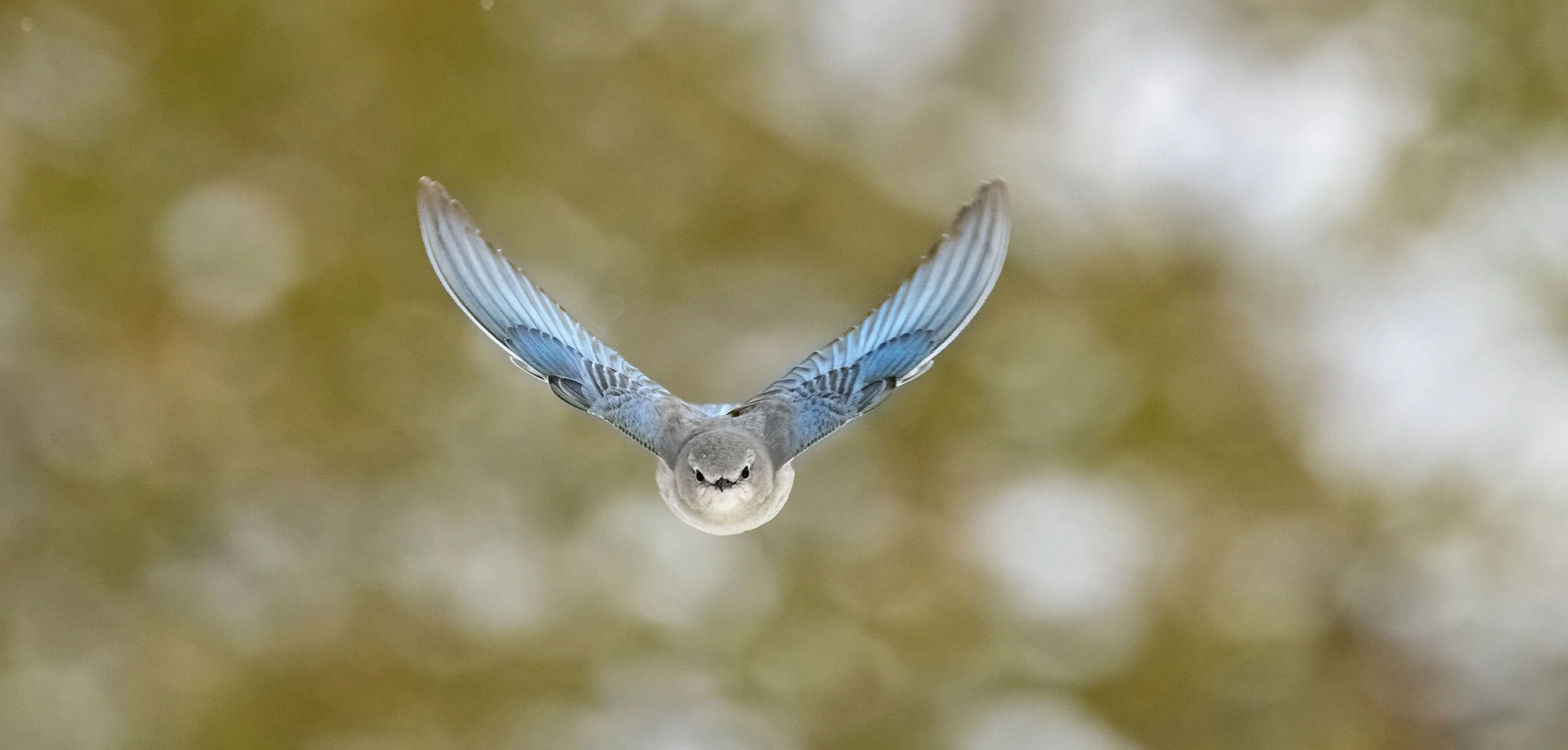
As I was focussed on her in the tree she spotted something on the ground between us and flew directly towards me swooping down - I managed to fire off 18 shots all of which were in focus - these were my most liked and I count as my best images of the trip
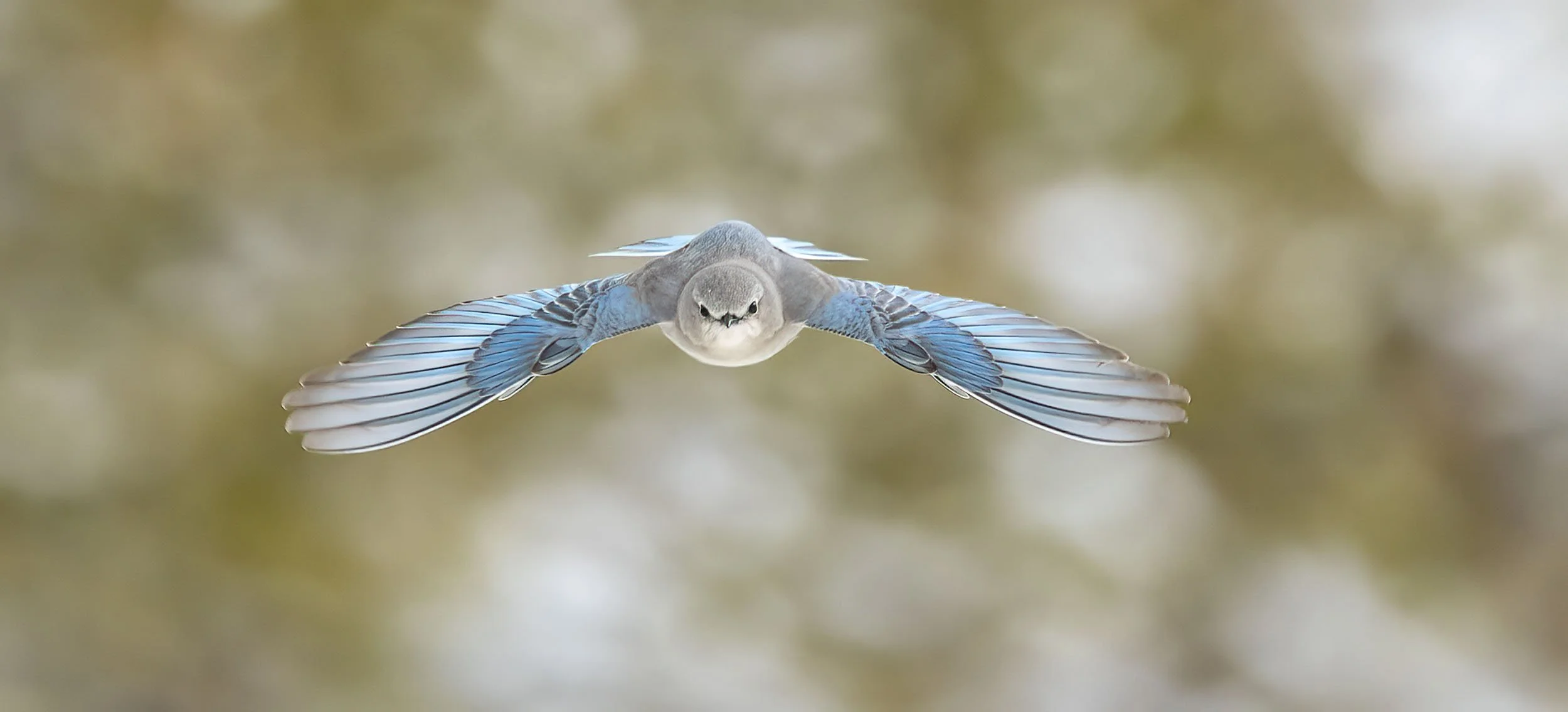
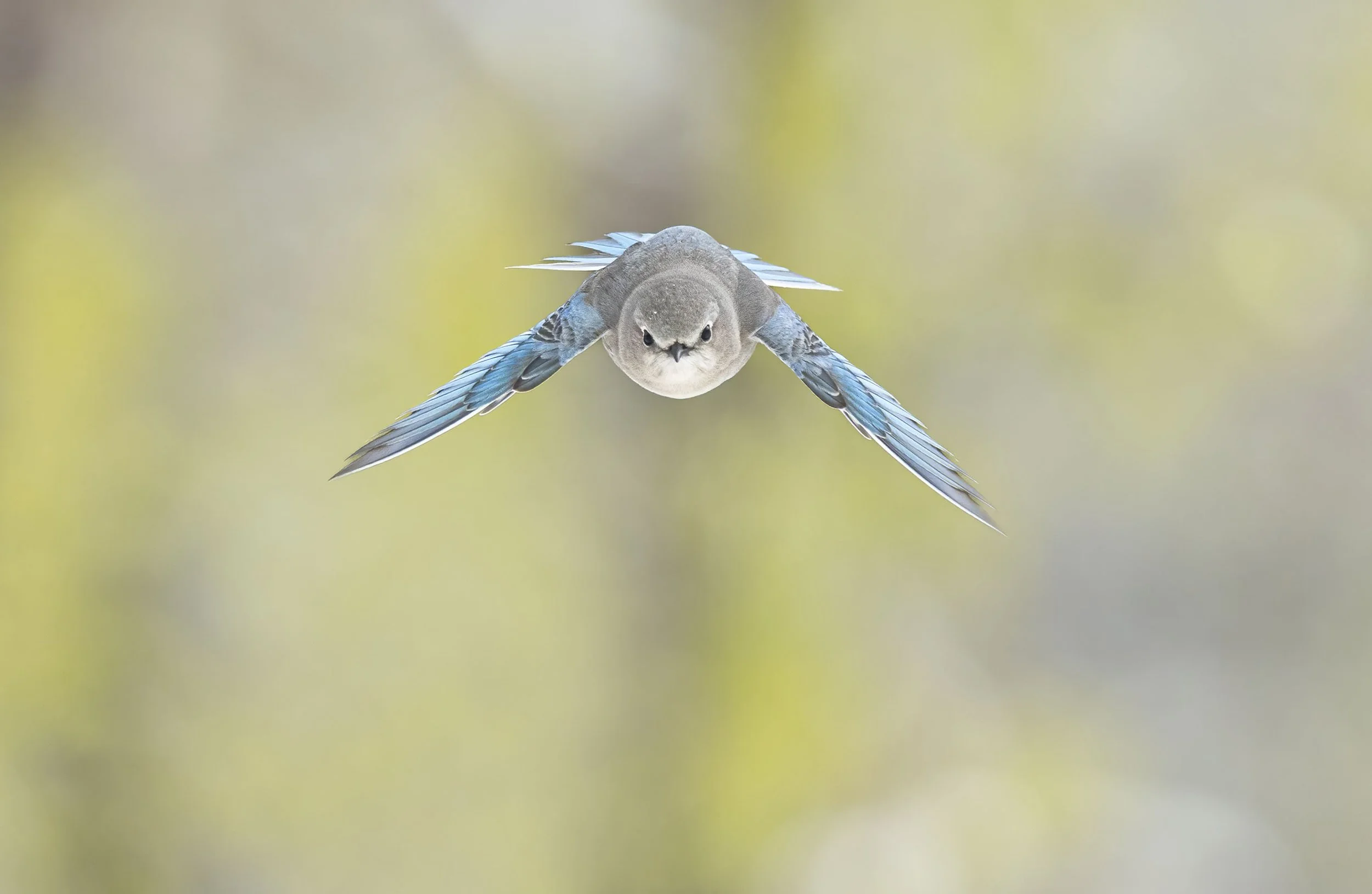
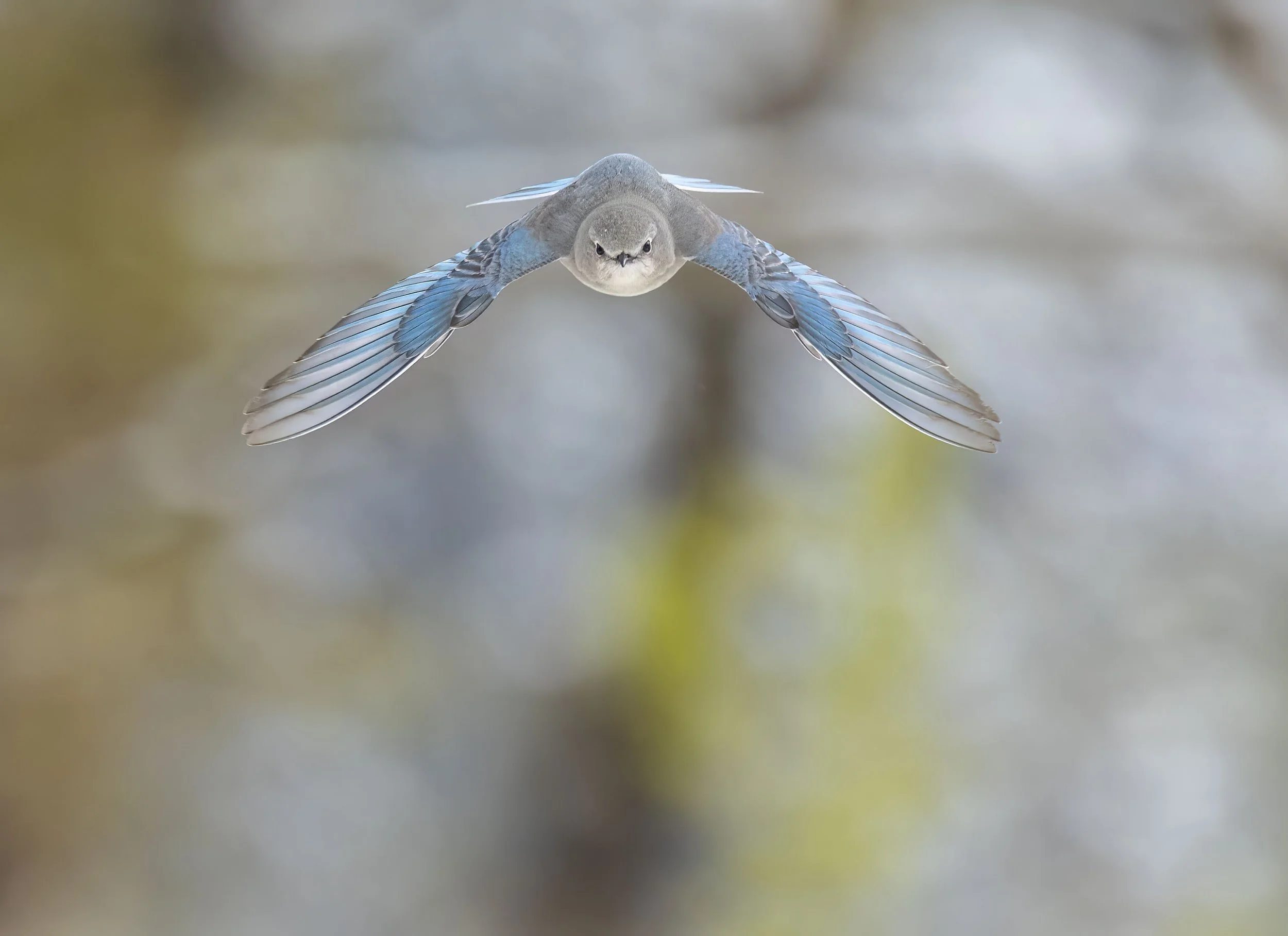
My shot of the trip and one of the most memorable moments seeing it in the camera viewfinder then finding it was in focus and the VF was not lying
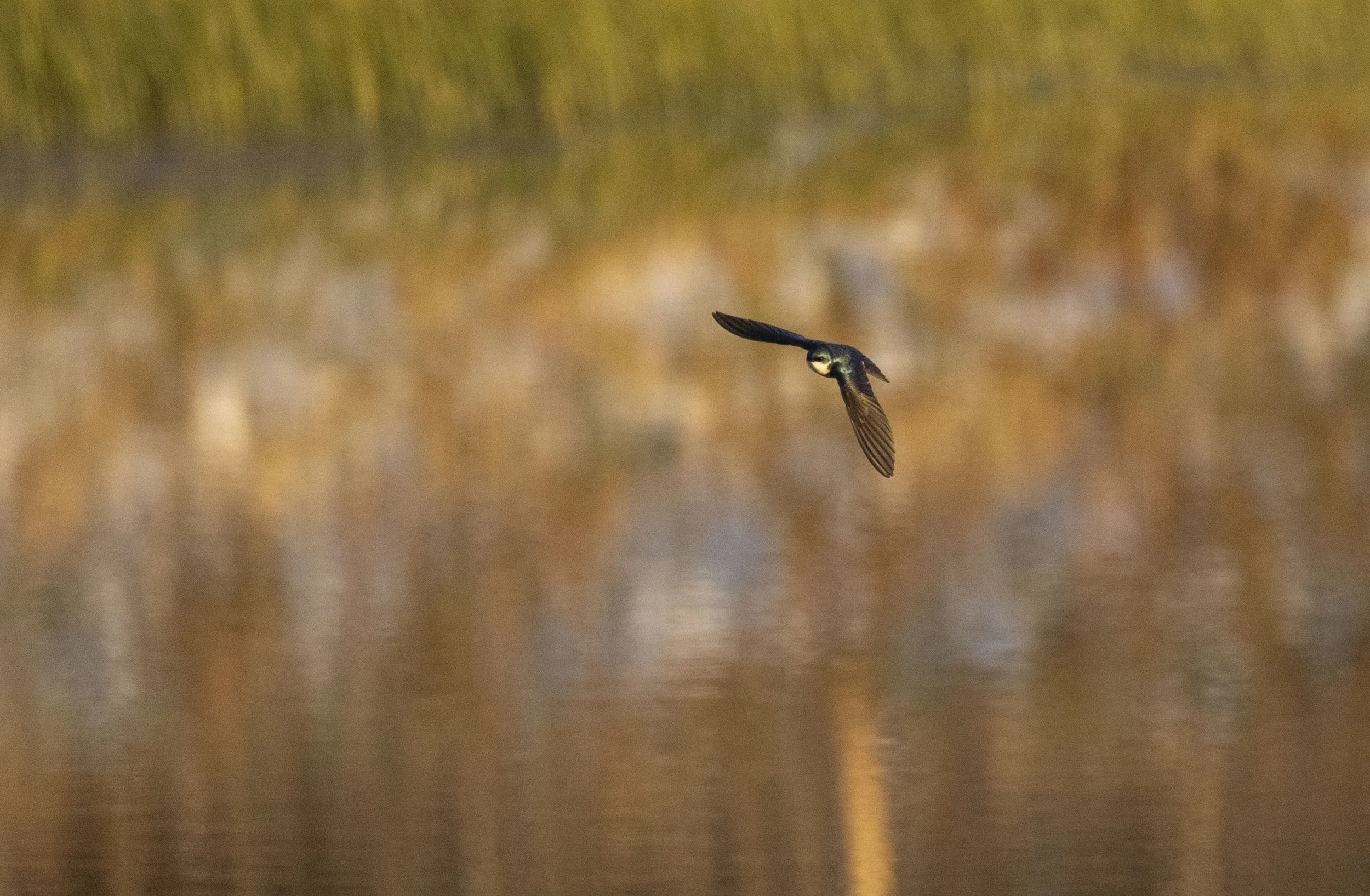
Tree Swallow in the late evening sun over the Dungarvan pond
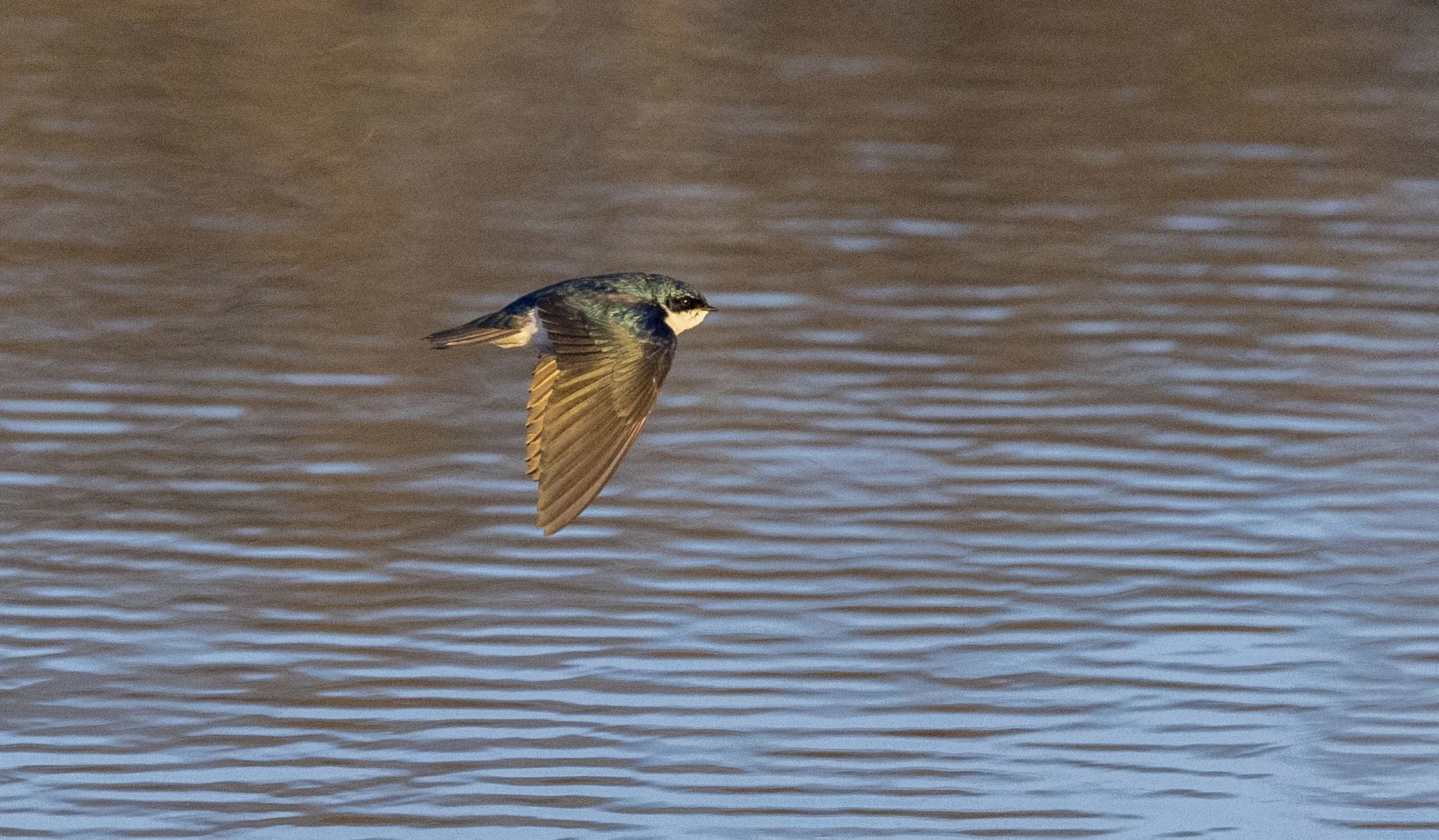
Tree Swallow
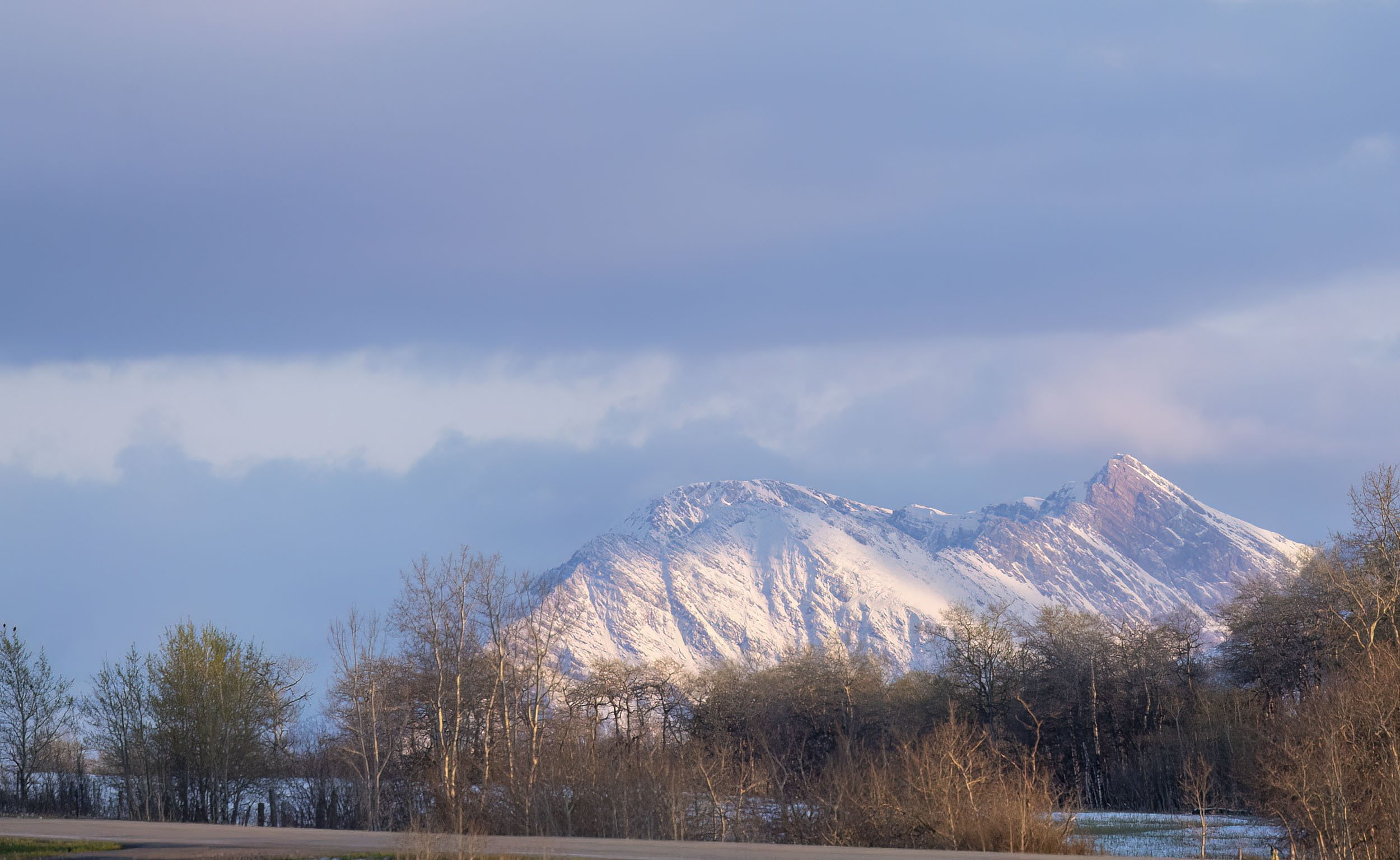
By evening the sun was breaking out but it was stiull heating on in the cabin
May 18th
It was Victoria Day in Canada which as far as I can tell means that everyone in the country gets into a vehicle and drives for umpteen hours to get somewhere else and then drives back – a sort of British bank holiday with more and bigger vehicles but a similar amount of chaos. With a brighter start but rain threatened day ahead we were out early and headed up to Pincher Creek seeing the usual Red-tailed and Swainson’s Hawks en route along with an American Kestrel, Northern Harrier and a wild Turkey. We then went to Beauvais Lake PP where it was initially quiet for people and we picked up a few nice birds including the first Hairy Woodpecker, Common Loons and three White-winged Scoters, four Sandhill Cranes, Red-necked Grebes and Yellow and Audubon’s Warblers, Least Flycatcher a few Ospreys, 20+ Tree Swallows, male Northern Harrier and a pair of Trumpeter Swans. Our first Black Bear stuck its head out of the trees to the annoyance of the Cranes and we set off for a walk before the impending rain. Almost immediately a Ruffed Grouse walked across the path and although I was able to watch it down to 15 feet in the trees it melted away before starting drumming out of sight. The rain arrived and we resorted to Pincher Creek for brunch. I then made the mistake of heading for Crow’s Nest Pass to get some height but the snow had already gone and the traffic was manic on the TransCanada highway. In frustration we ended up creeping into BC and taking a short walk at Crow’s Nest PP where the only birds of note were Ruby-crowned Kinglets, two Audubon’s Warblers, abundant Pine Siskins, two Red-naped Sapsuckers and a singing Hammond’s Flycatcher.
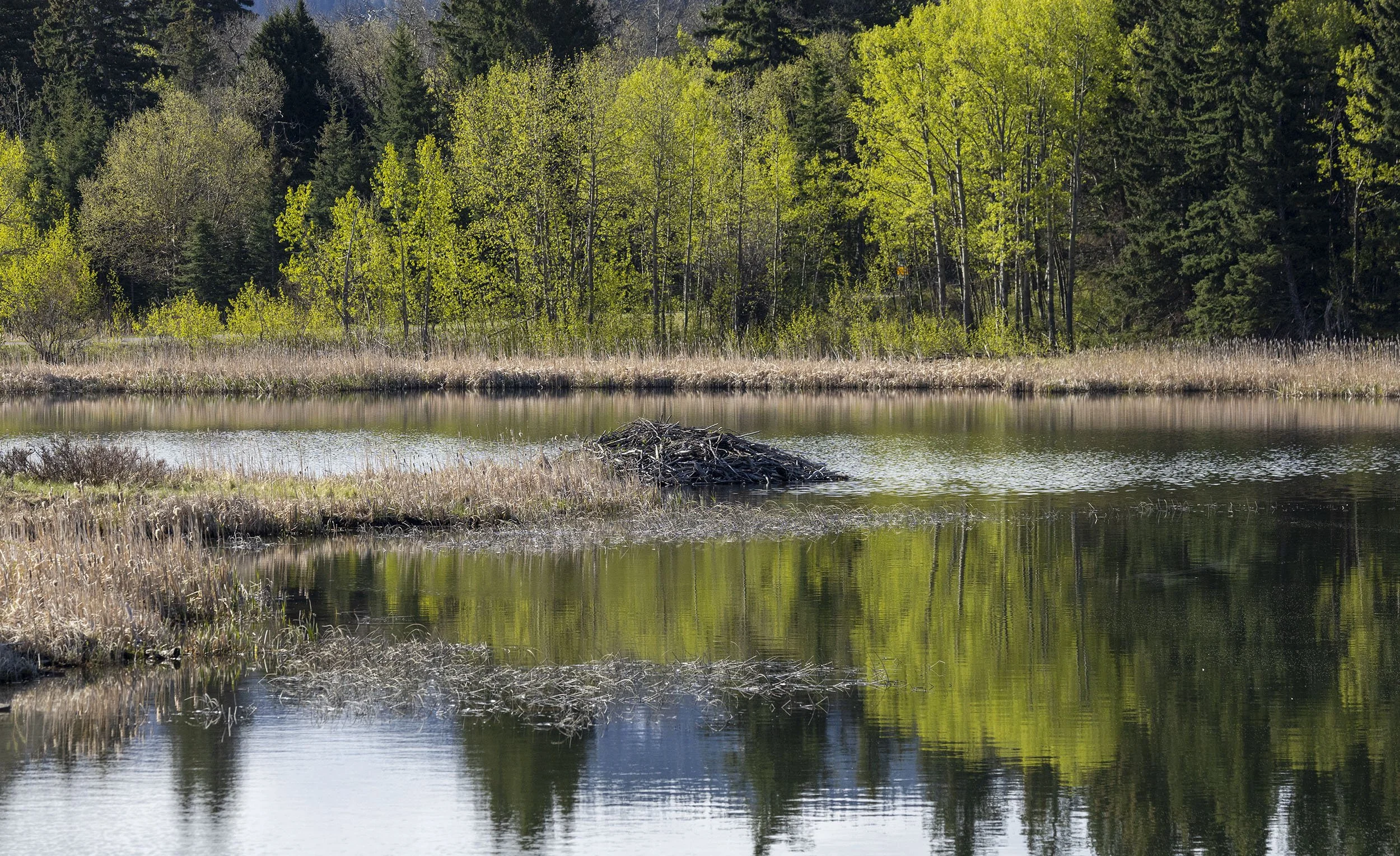
Beaver Lodge at Beauvais PP
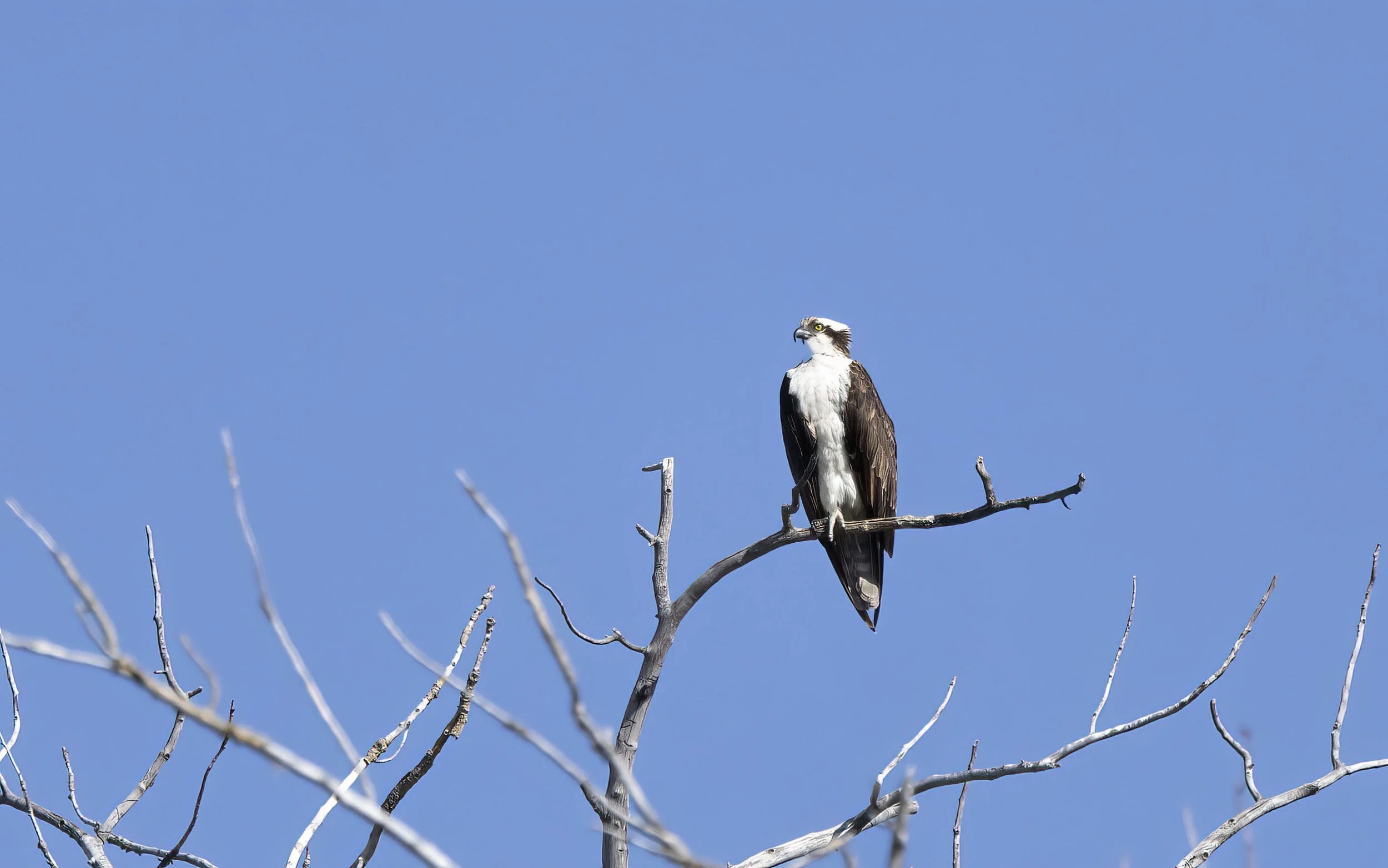
One of several Ospreys around the park
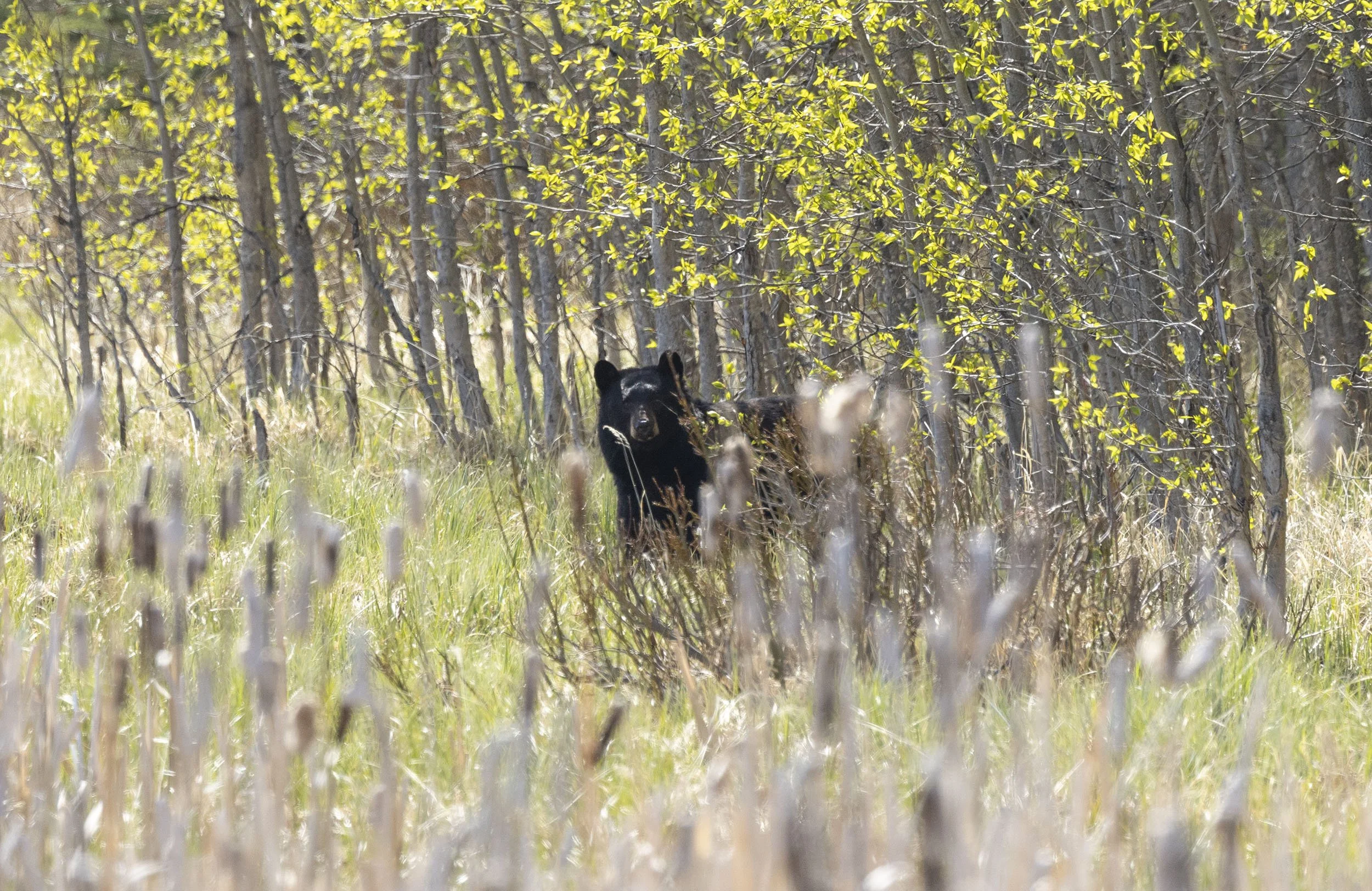
Our first Black Bear of the trip having a peek out of the aspens
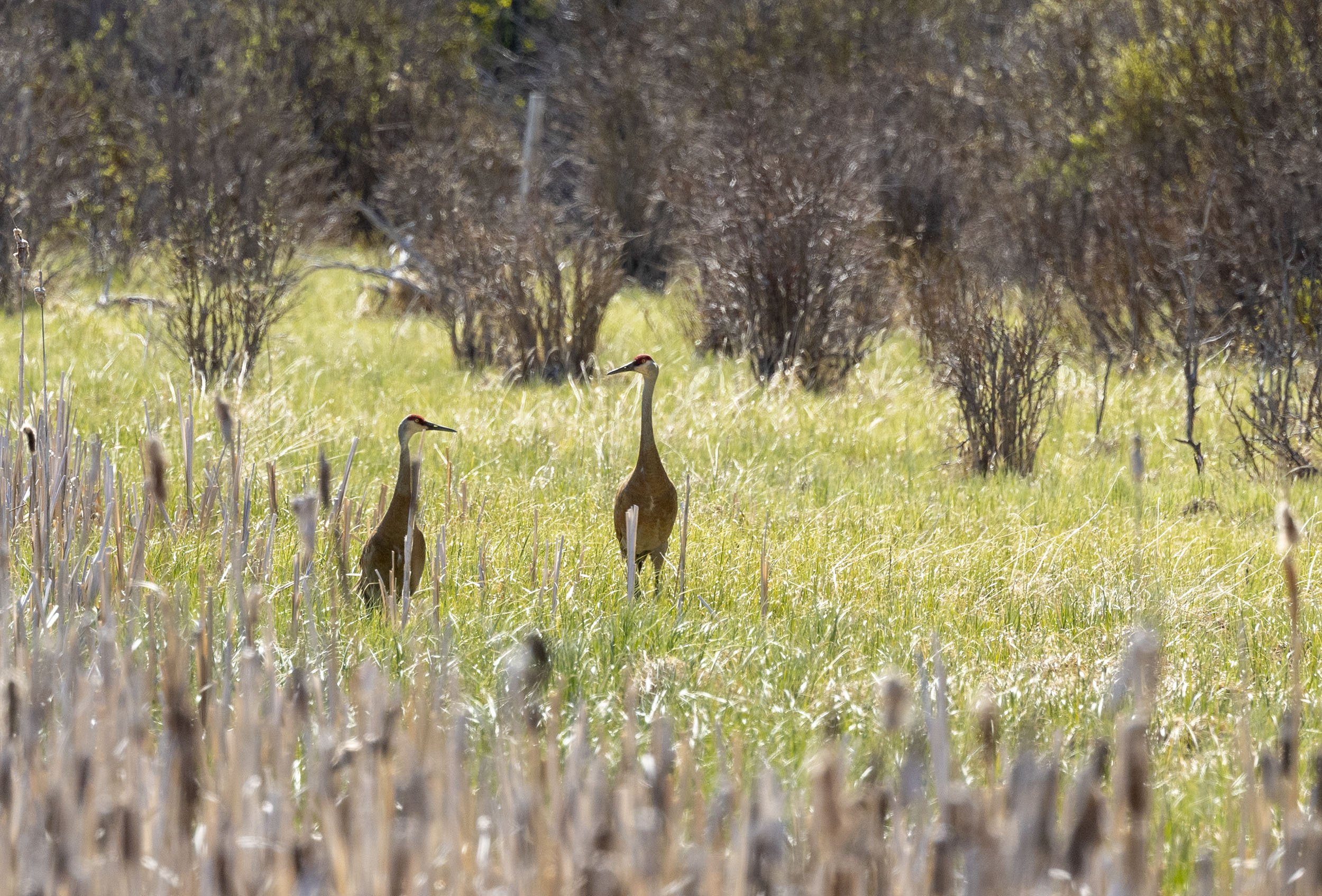
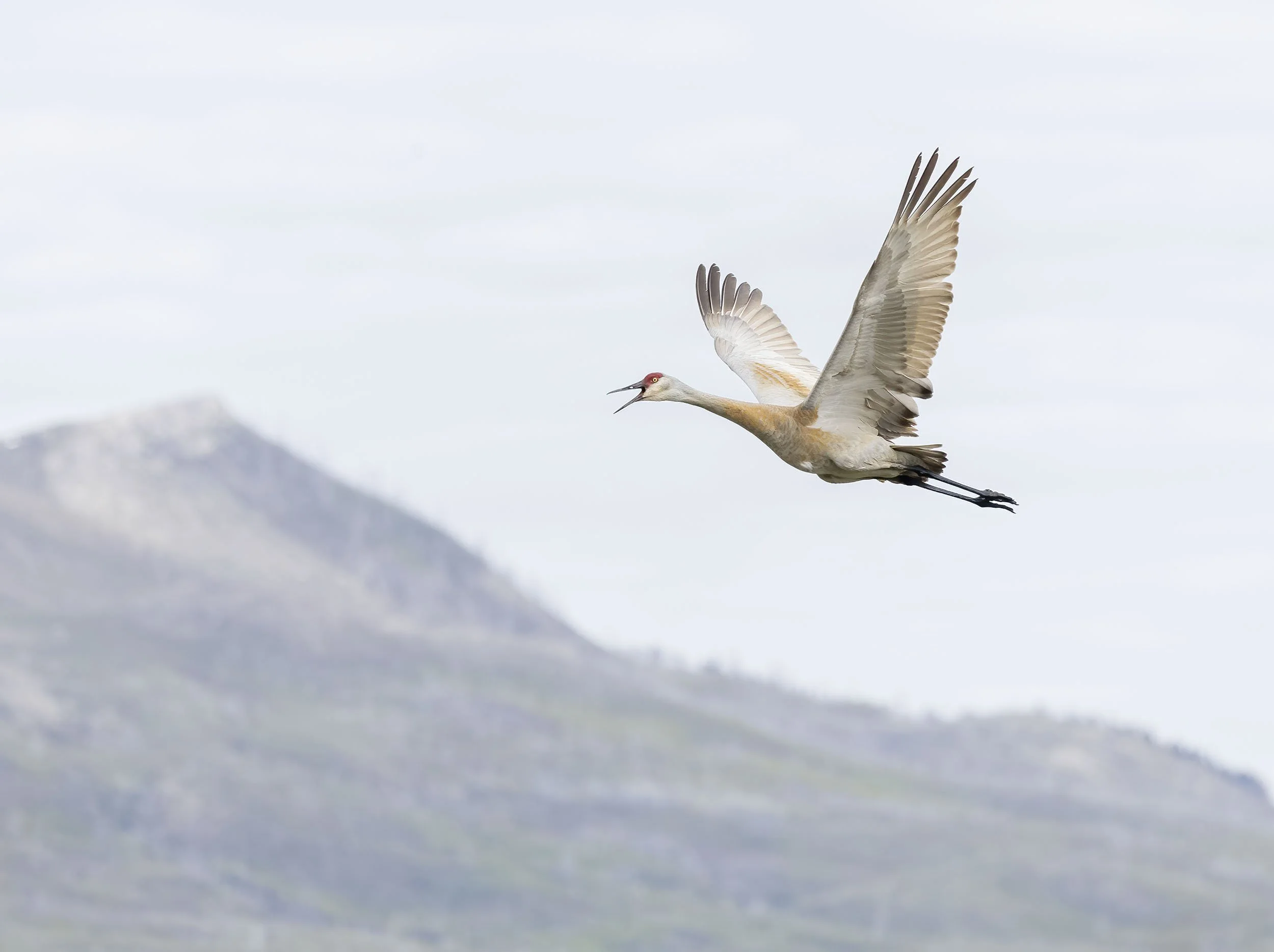
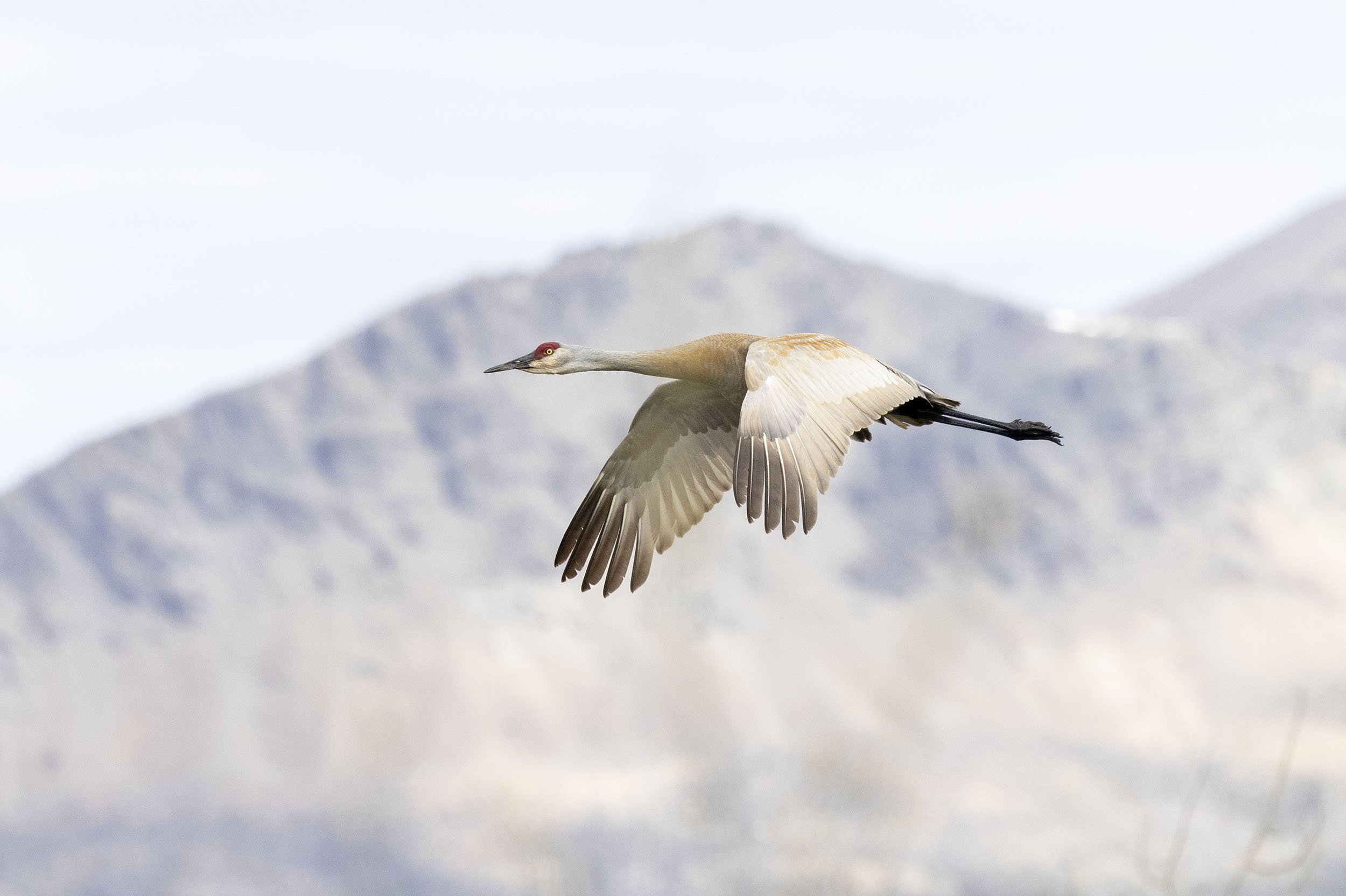
The bear obviously upset the Sandhill Cranes that wandered over to check him out
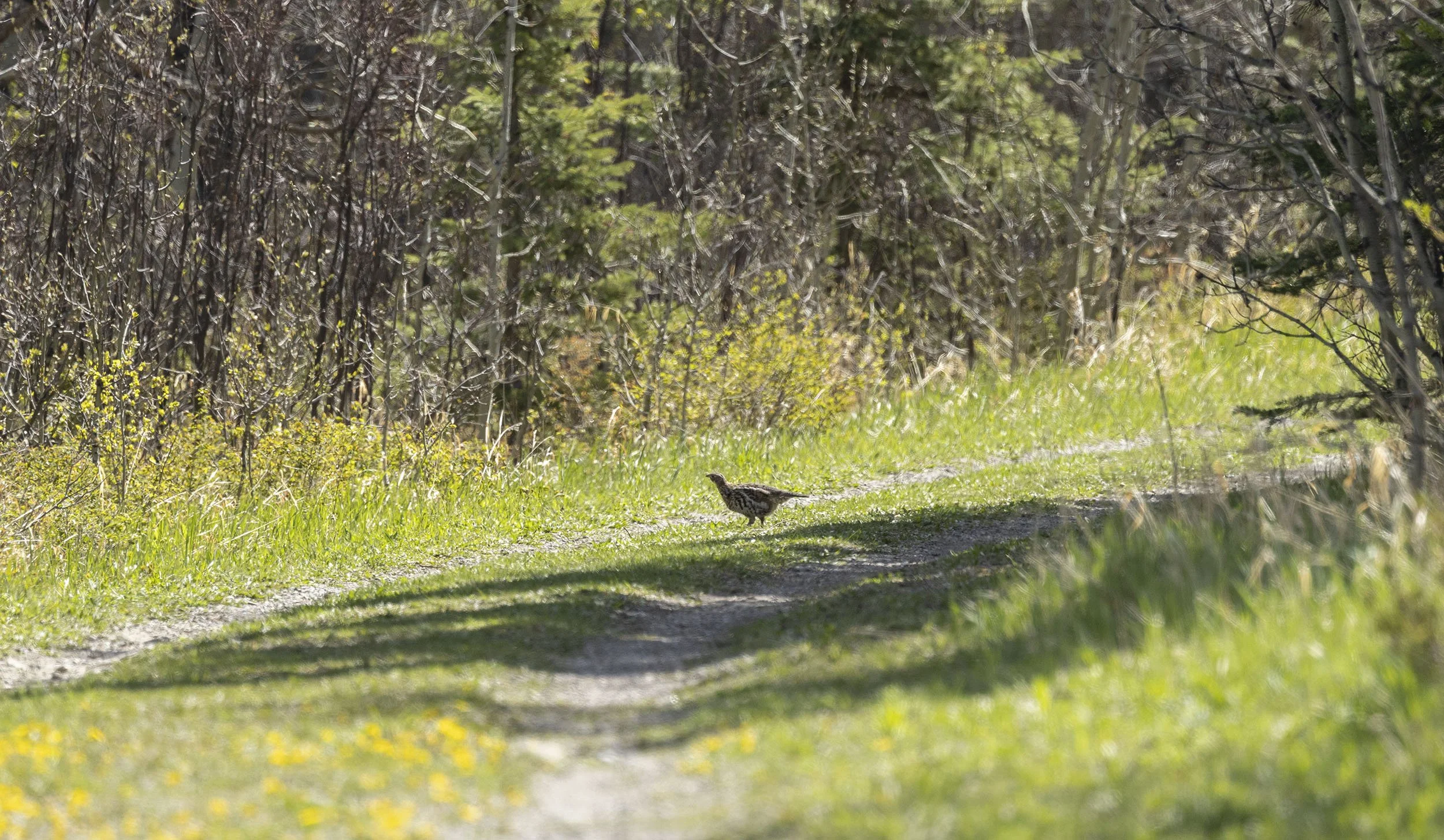
Ruffed Grouse teasing but not performing
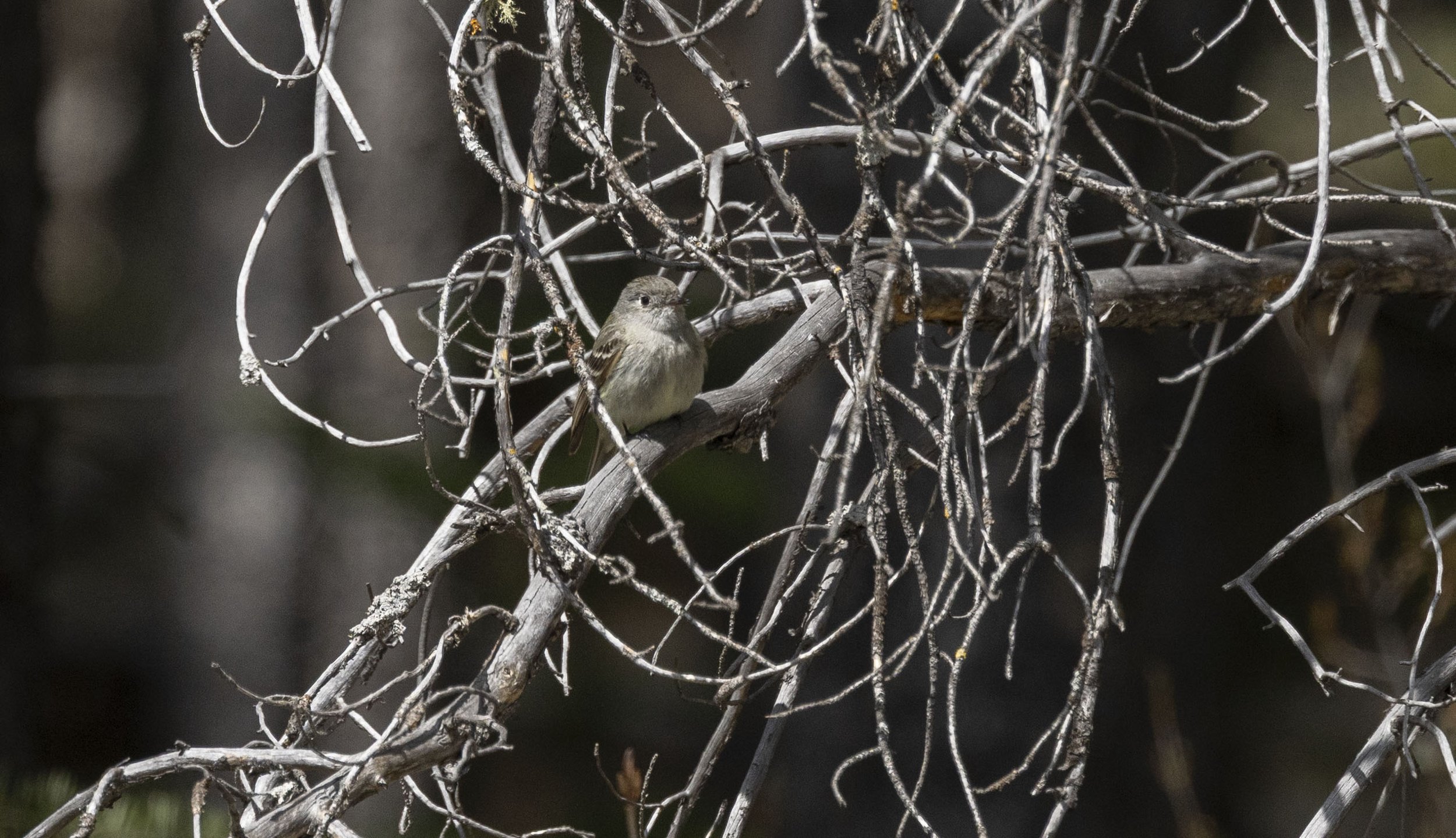
Hammond’s Flycatcher an empid best identified on voice
After evading most of the afternoon traffic we returned to the guesthouse for and afternoon chill and look at the pond and surroundings: a Lincoln’s Sparrow in display flight was a new experience, the usual singing Savannah Sparrows, three Mourning Doves and a displaying Wilson’s Snipe were on view and the pond held American Coot and Blue-winged Teal. We then headed down to Waterton for dinner at Trappers our regular evening haunt where we heard of Black Bears up Cameron Lake road. A nice evening so we drove up the road having a Brown female Black bear with a cub and a young male Black Bear. Around the Lake car park our only Canada Jay of the trip, oddly, singing Cassin’s Finch, singing Northern Waterthrush and Slate-coloured Fox Sparrow, Ruby-crowned Kinglets an audible but invisible Varied Thrush, Pine Siskins what sounded like a Barred Owl and on the lake three Barrow’s Goldeneye and a female Bufflehead. A rather nice way to end the day complemented by several sightings of Mule and White-tailed Deer and a herd of 40 Elk as we left the park.
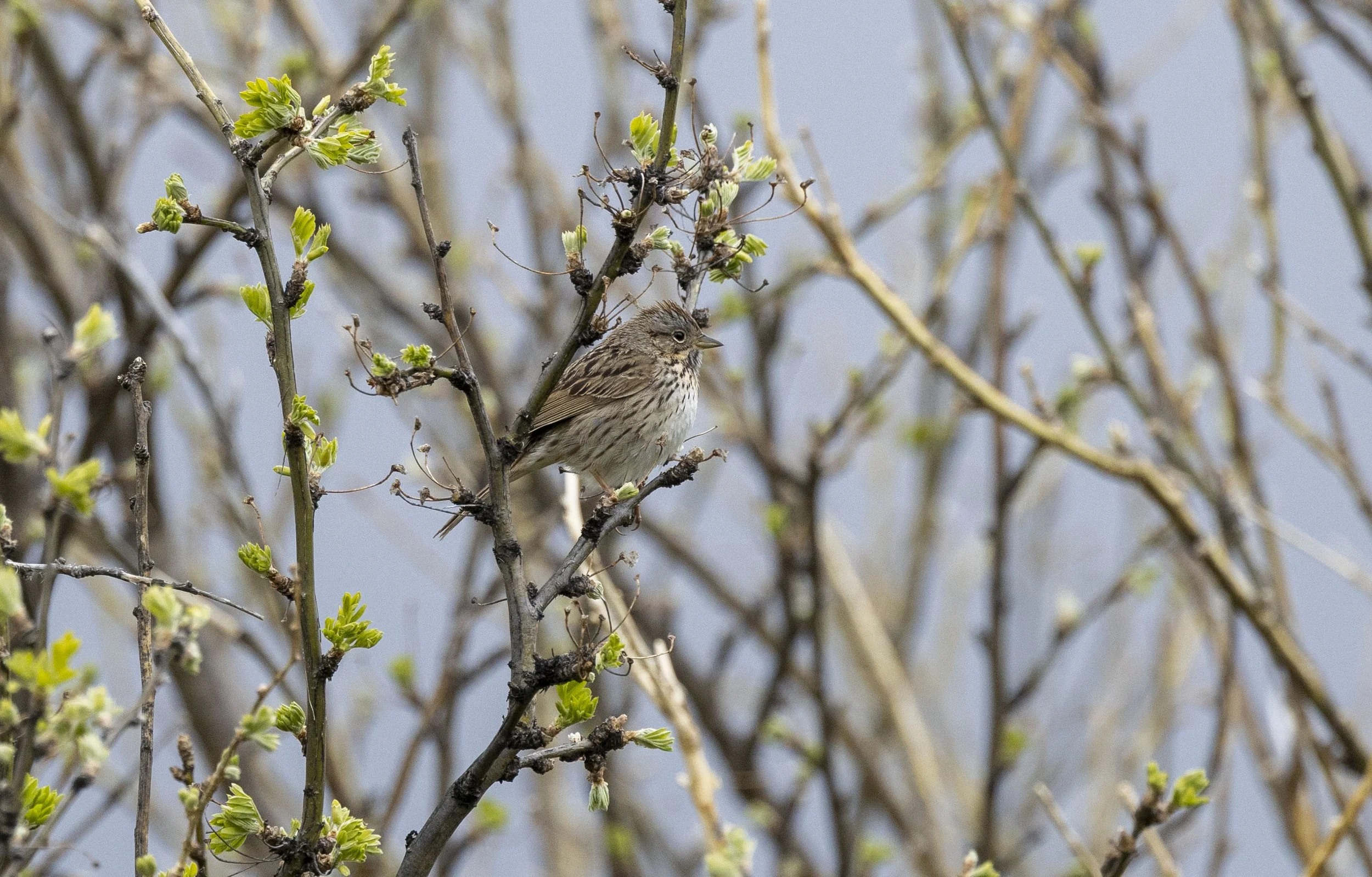
The Dunnock like Lincoln’s Sparrow
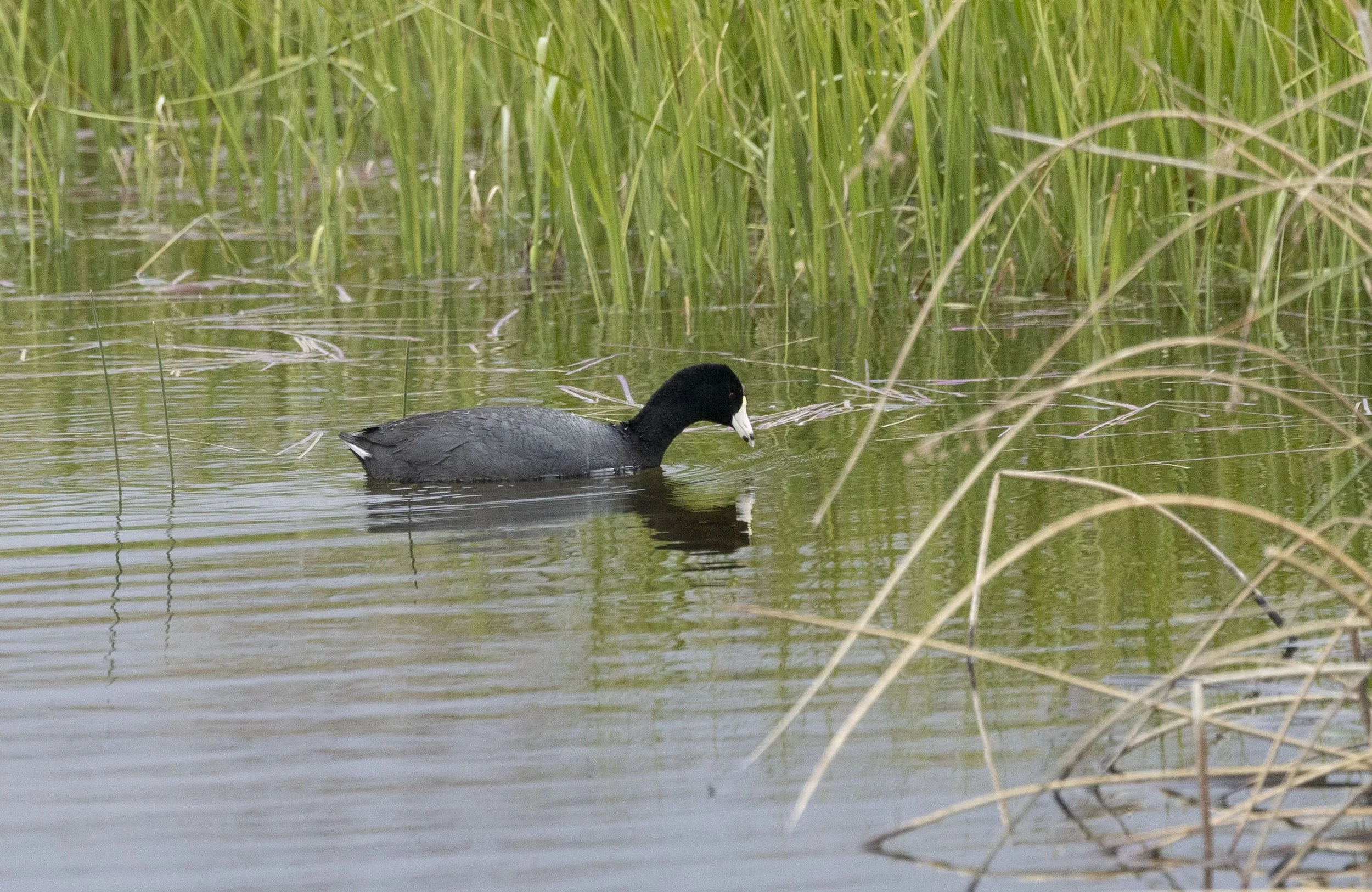
American Coot on the Dungarvan pond
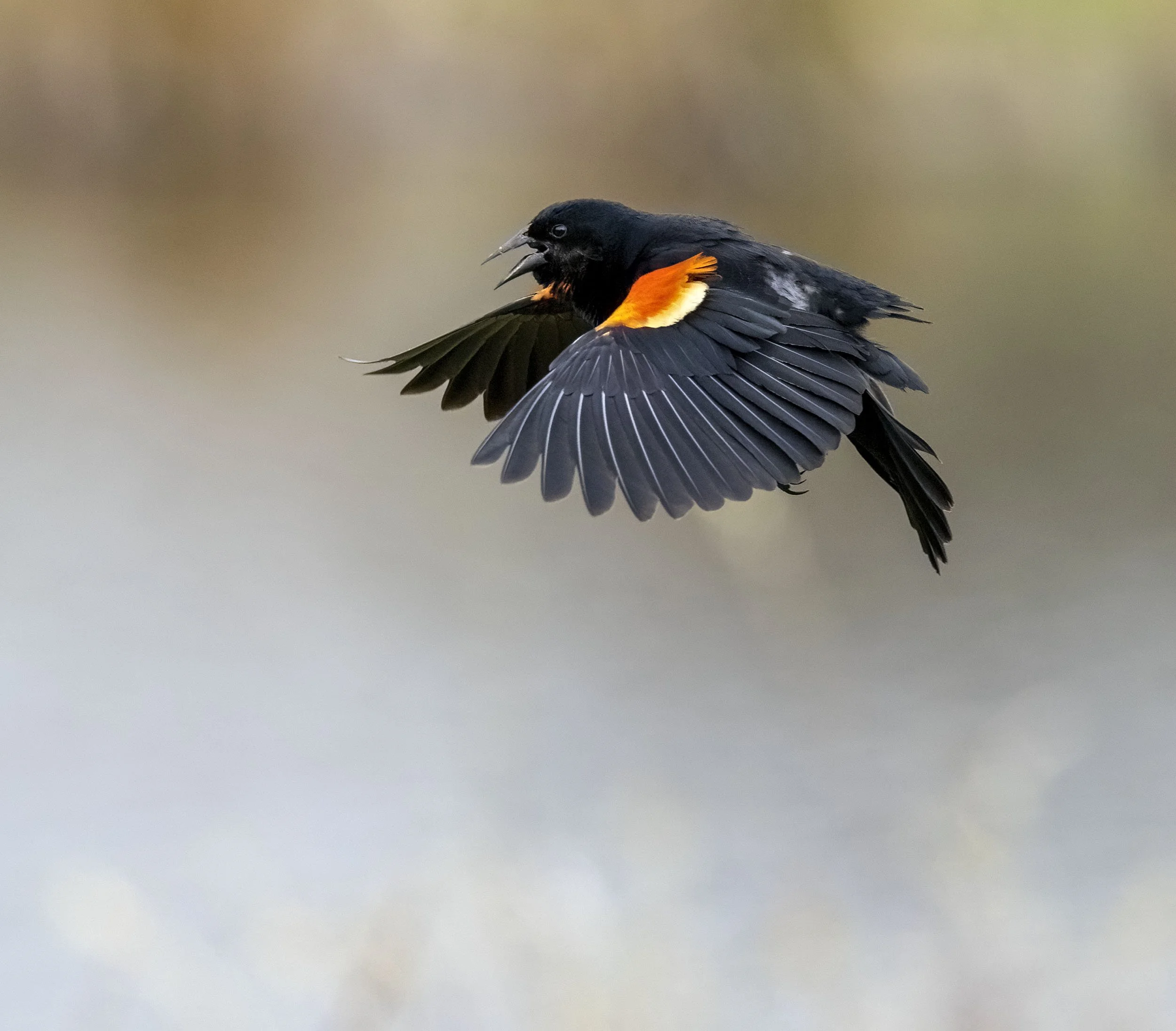
th epond always had lots of displaying Red-winged Blackbirds to keep the camera busy
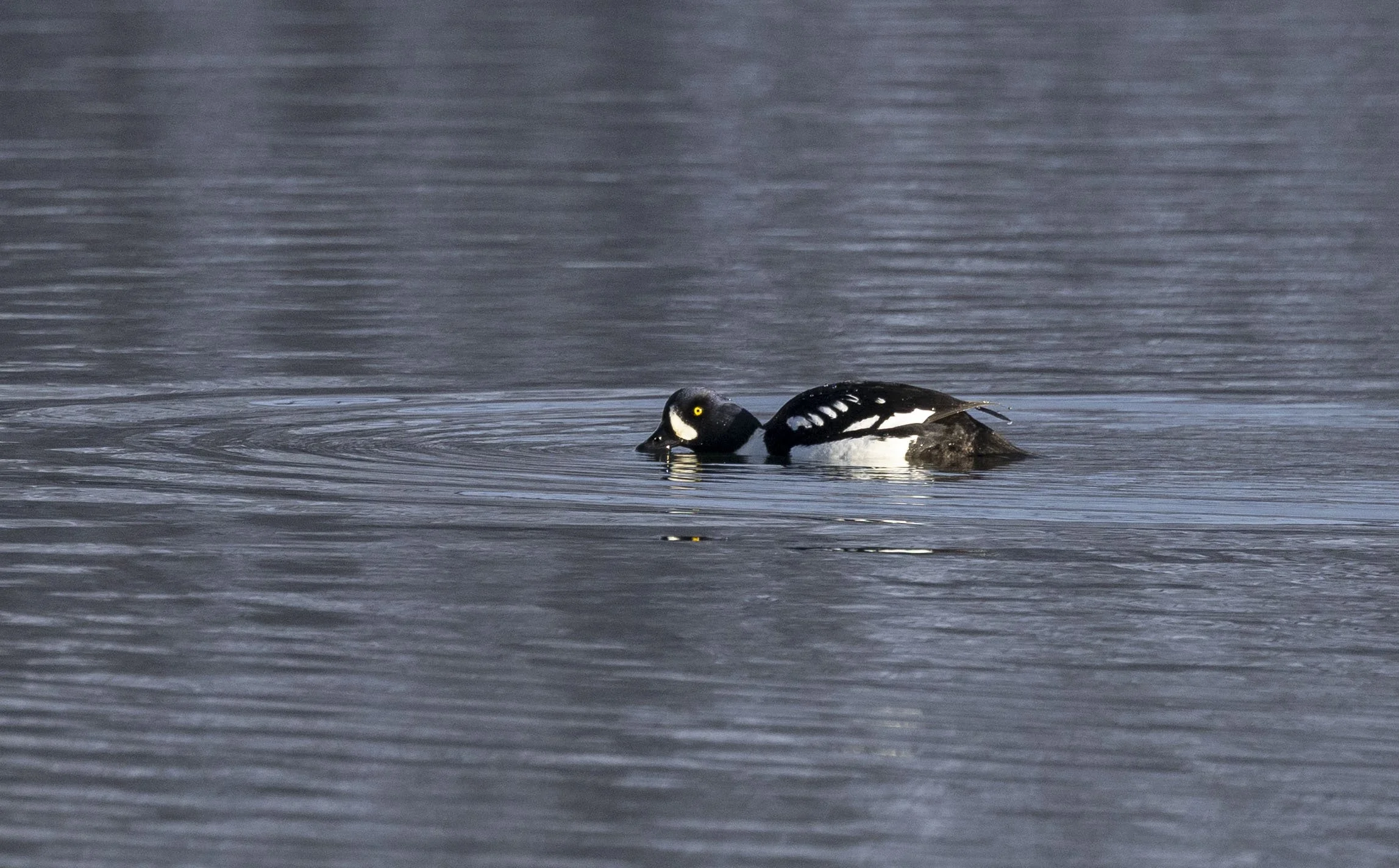
Drake Barrow’s Goldeneye
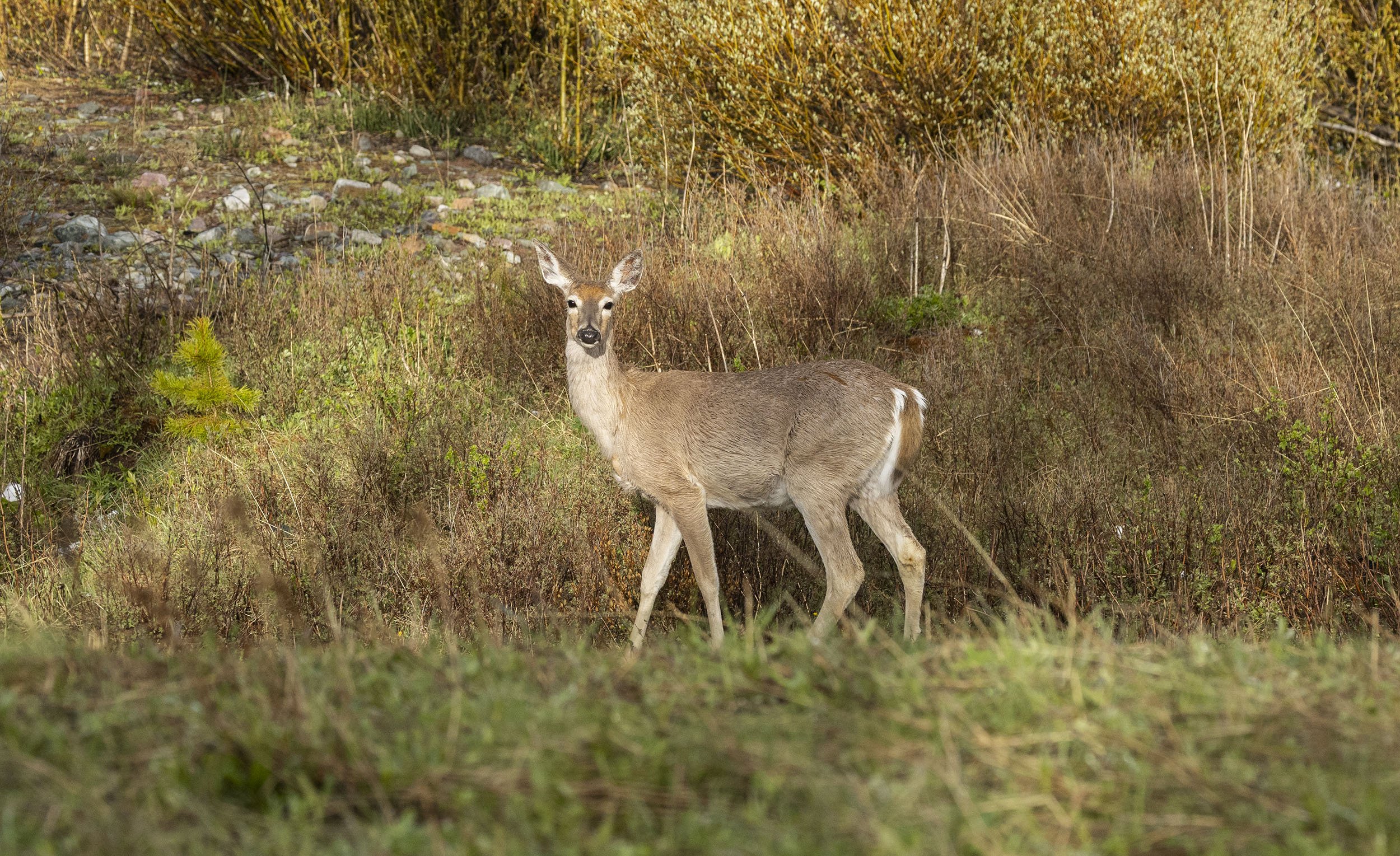
Muile Deer in the lovely evening light
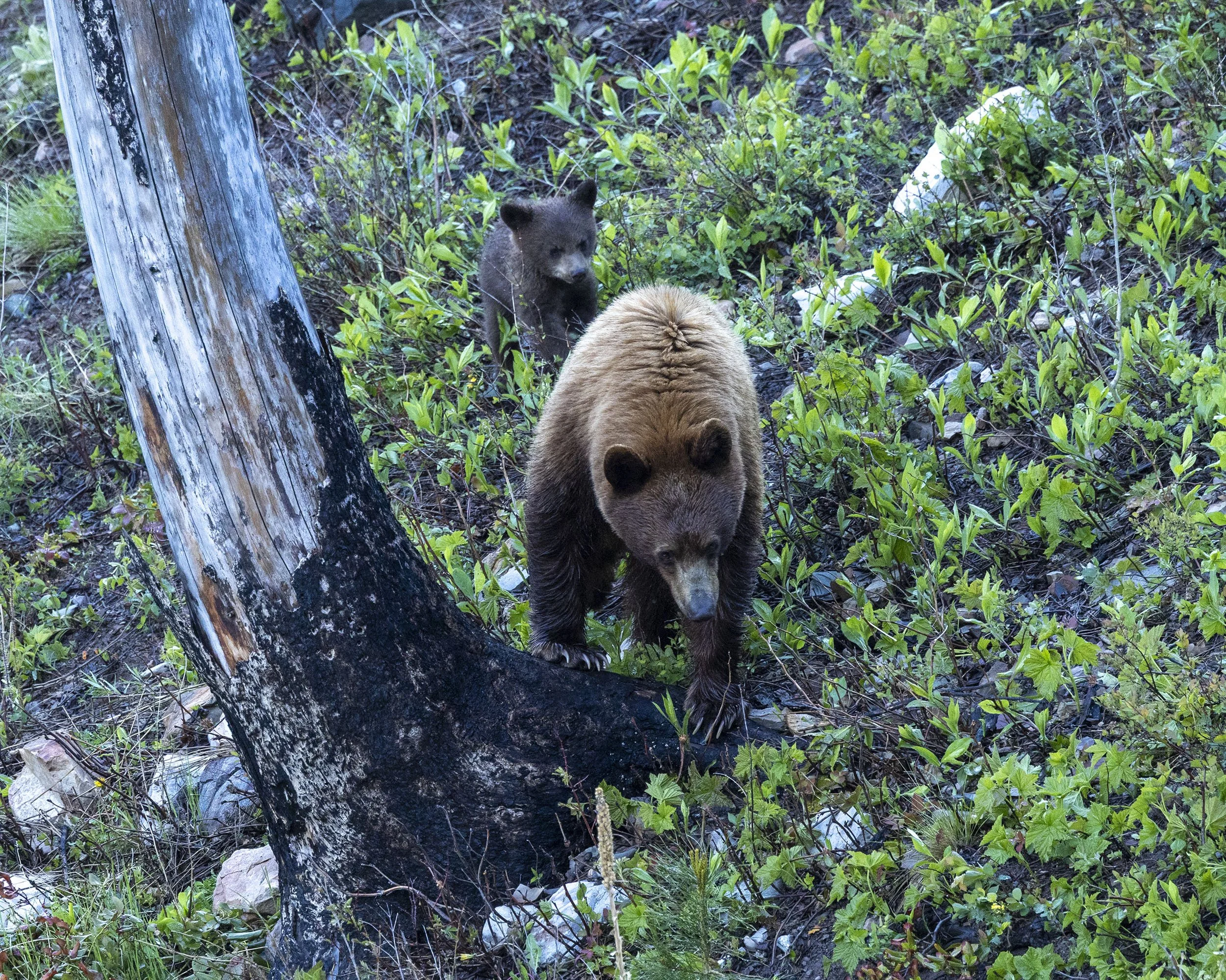
Female Black Bear with cub up Cameron Lake road
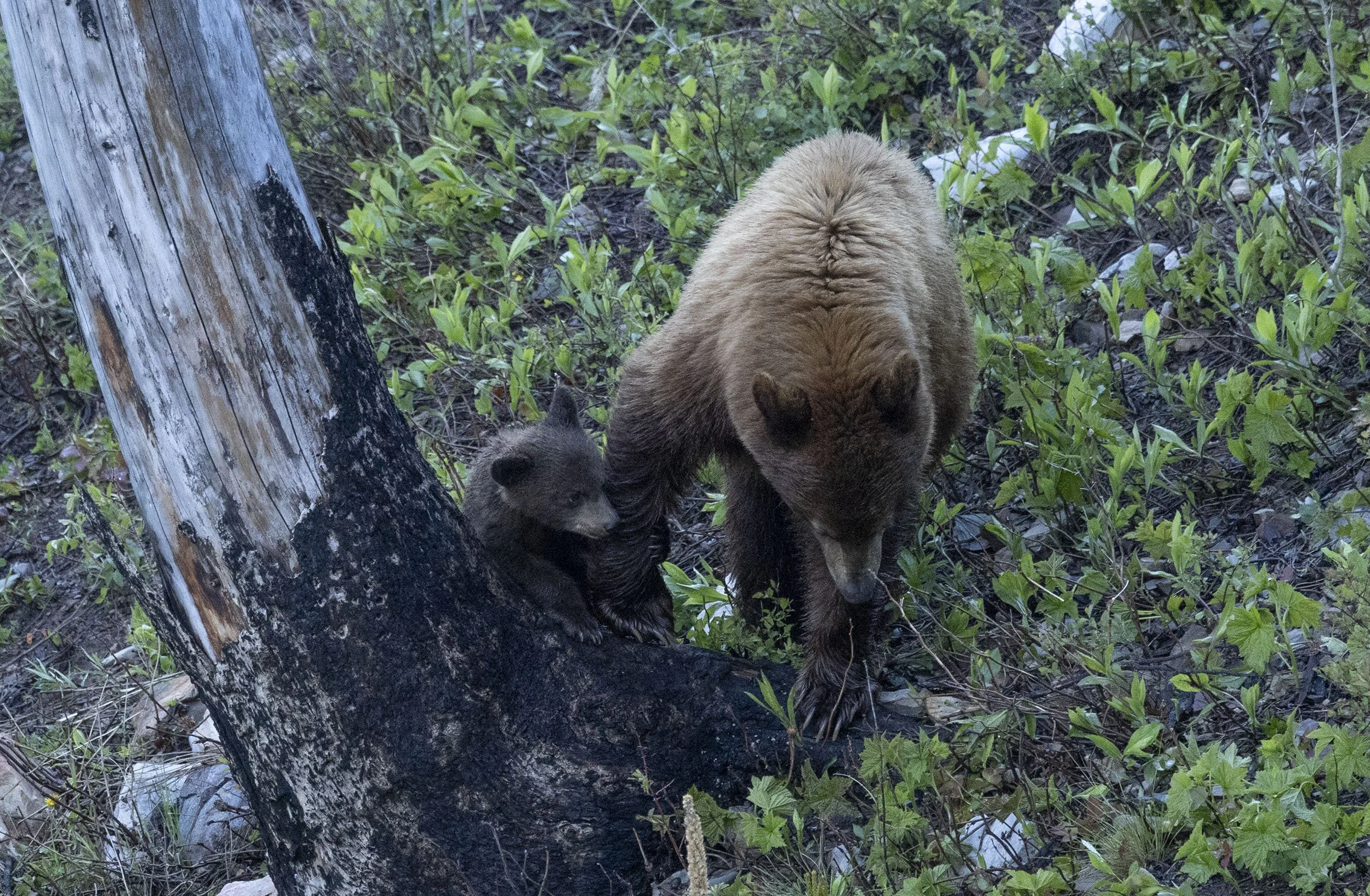
A mionor Bear jam had occurred on the road but nothing compared to Banff or Yellowstone
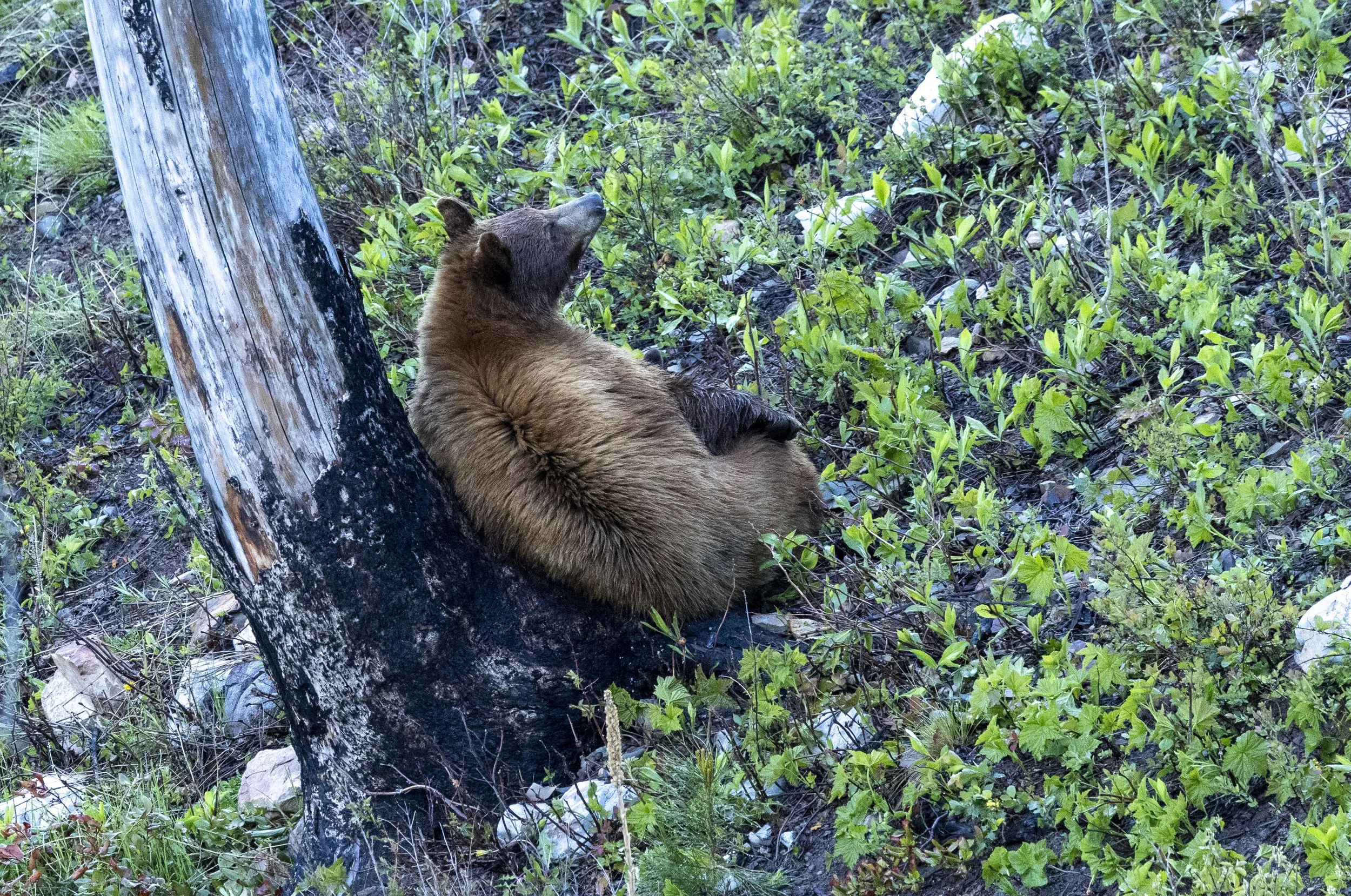
Time for a feed and rest
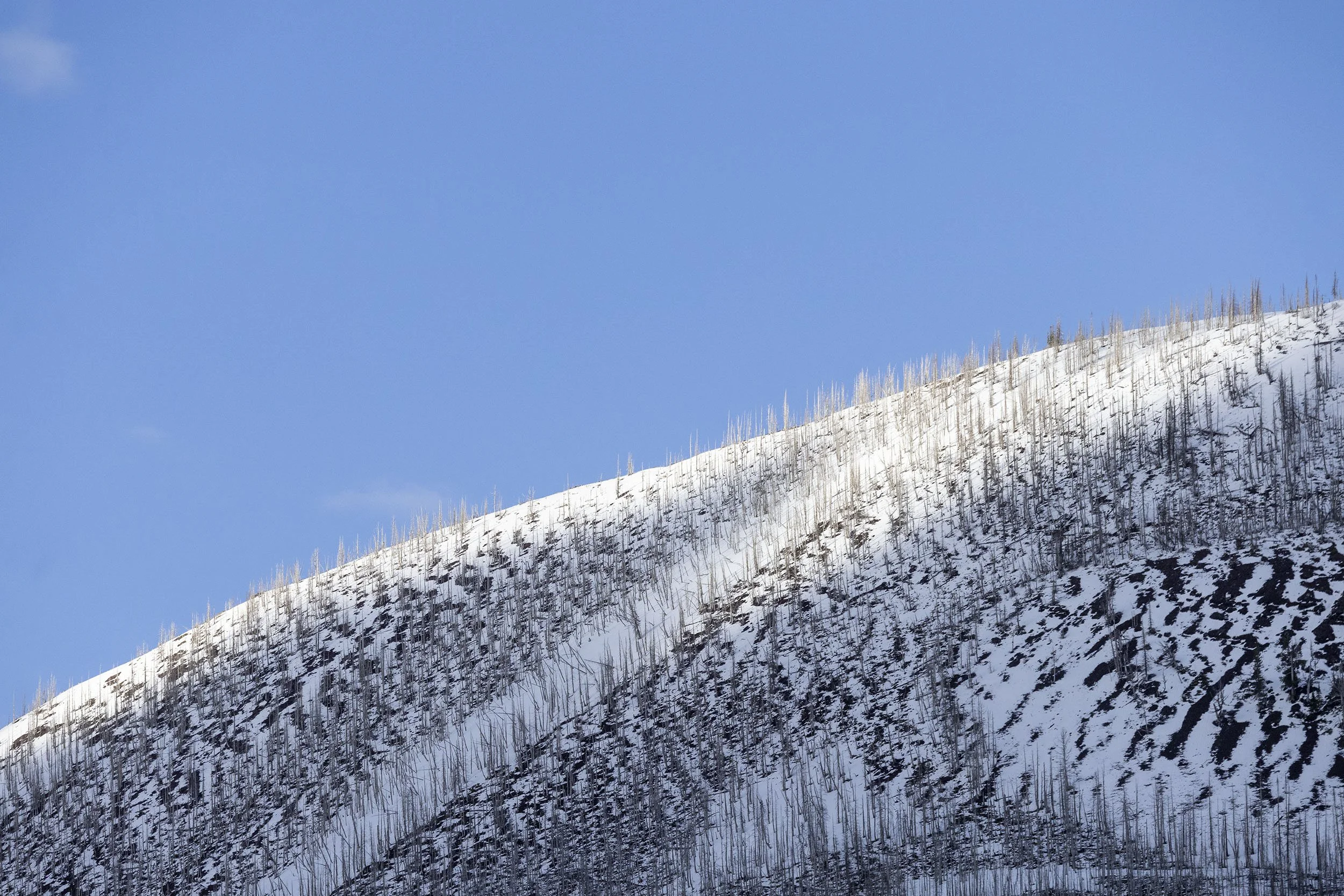
The snow was still hanging on in the mountains and Cameron Lake had a few ice flows
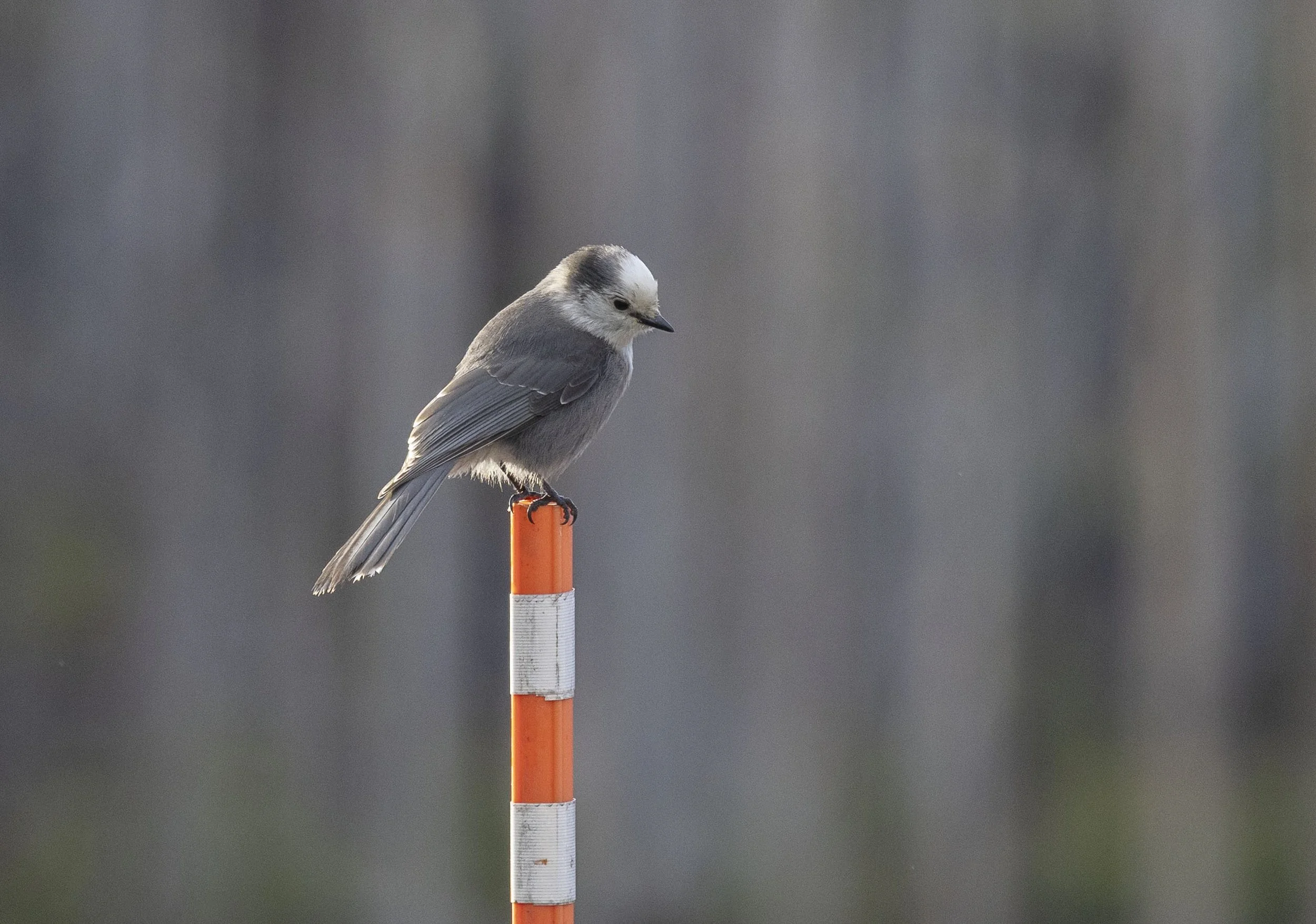
Canada Jay doing what they do in car parks
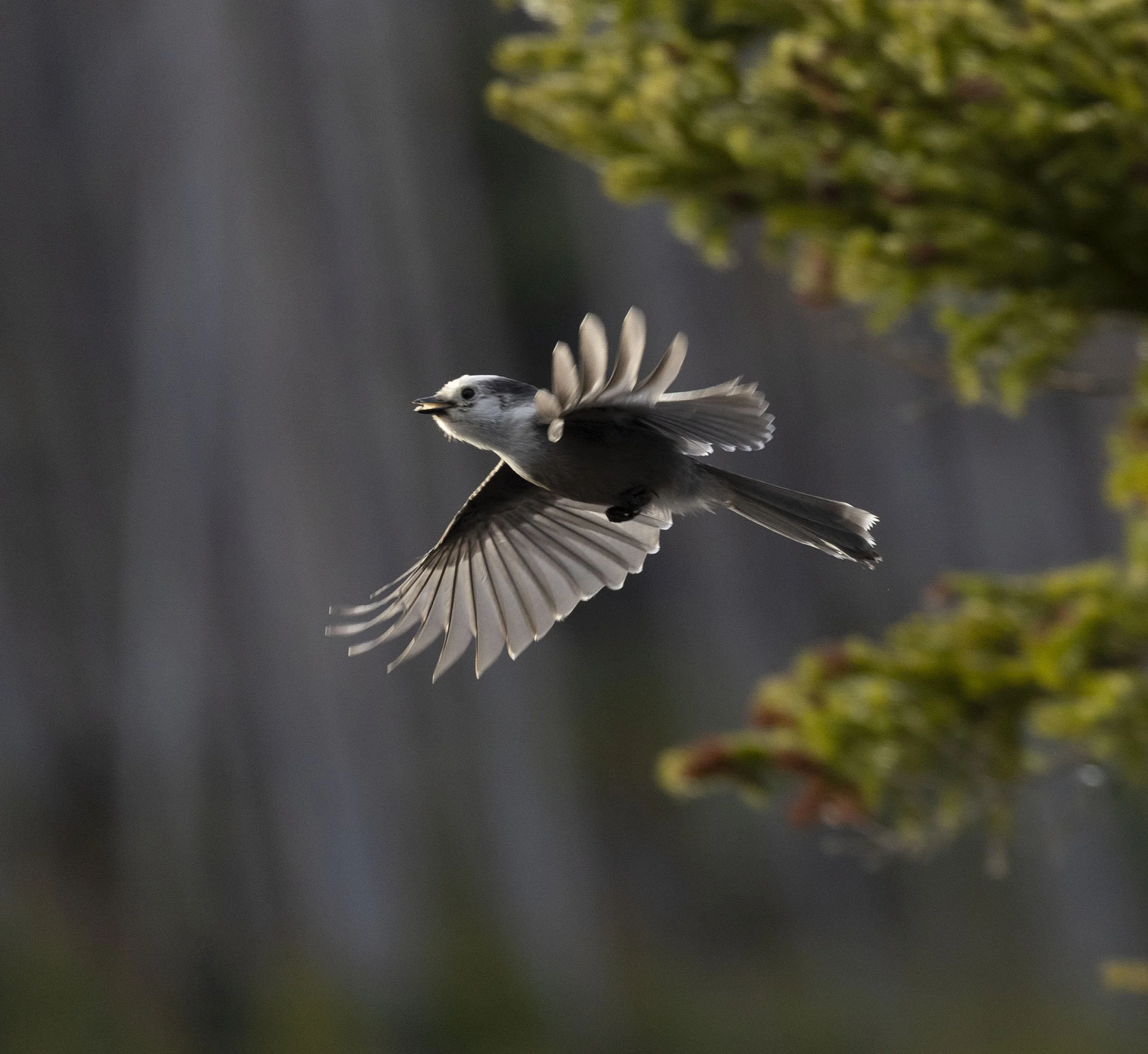
Picking up scraps
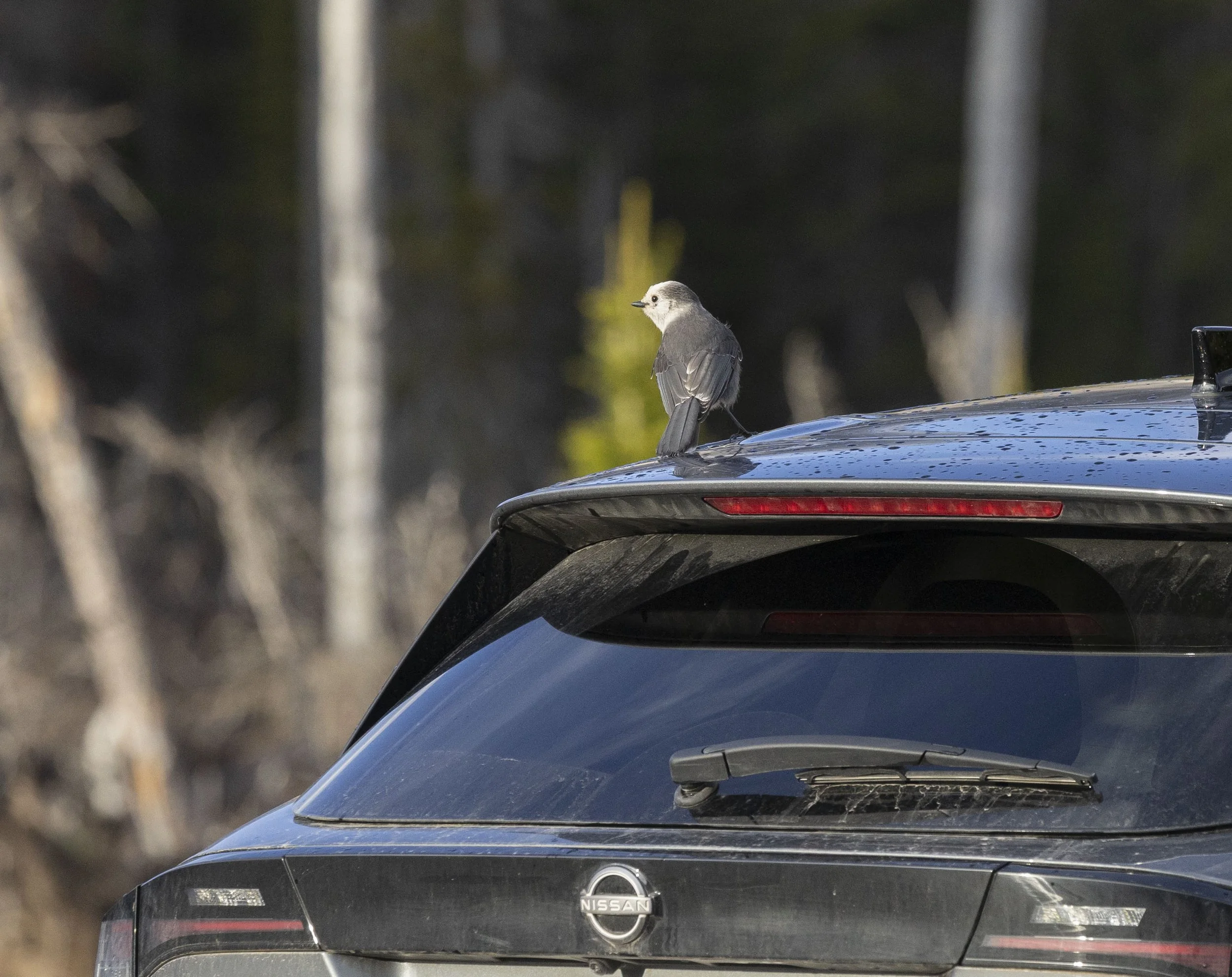
Checking out our rather mucky hire car
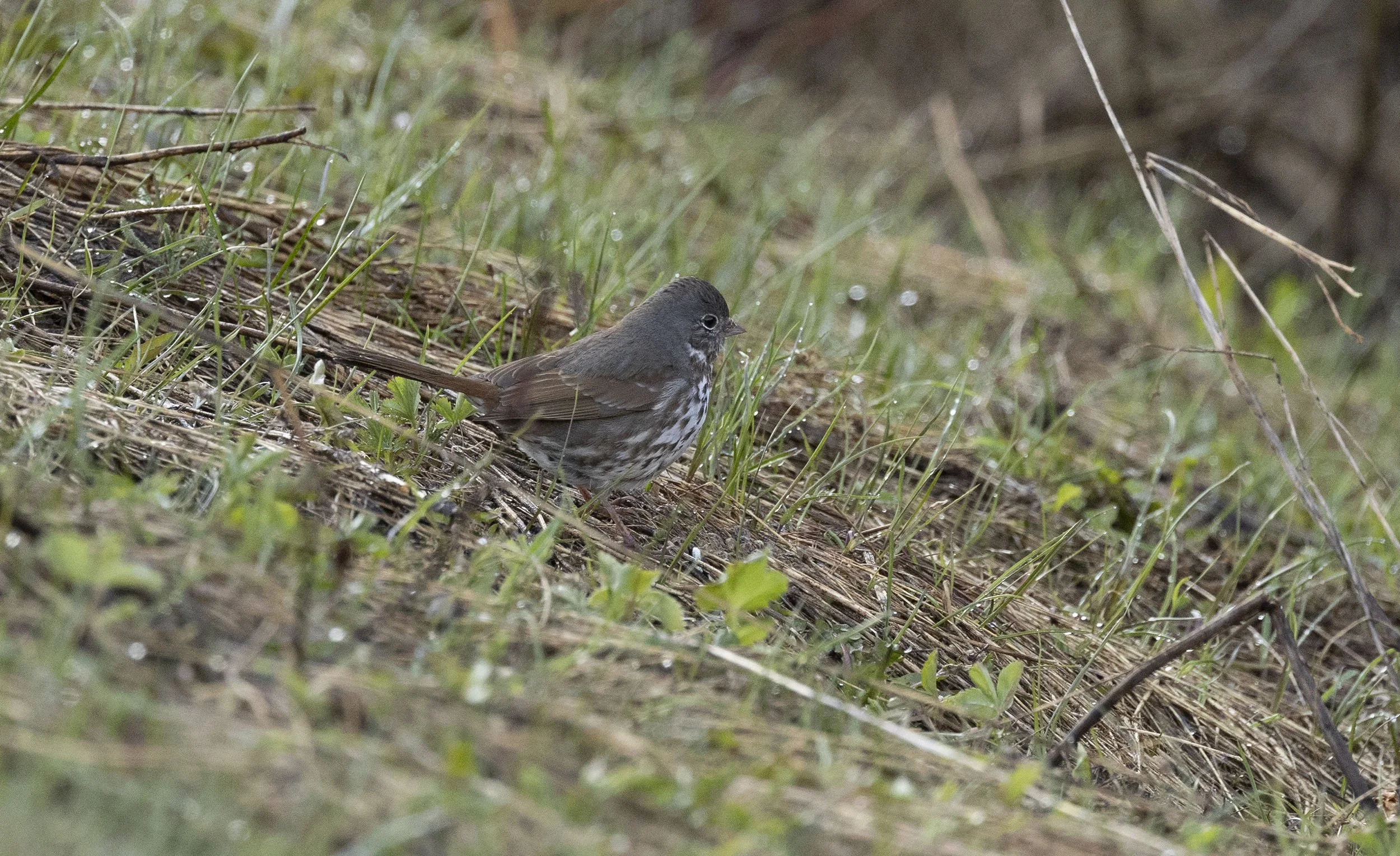
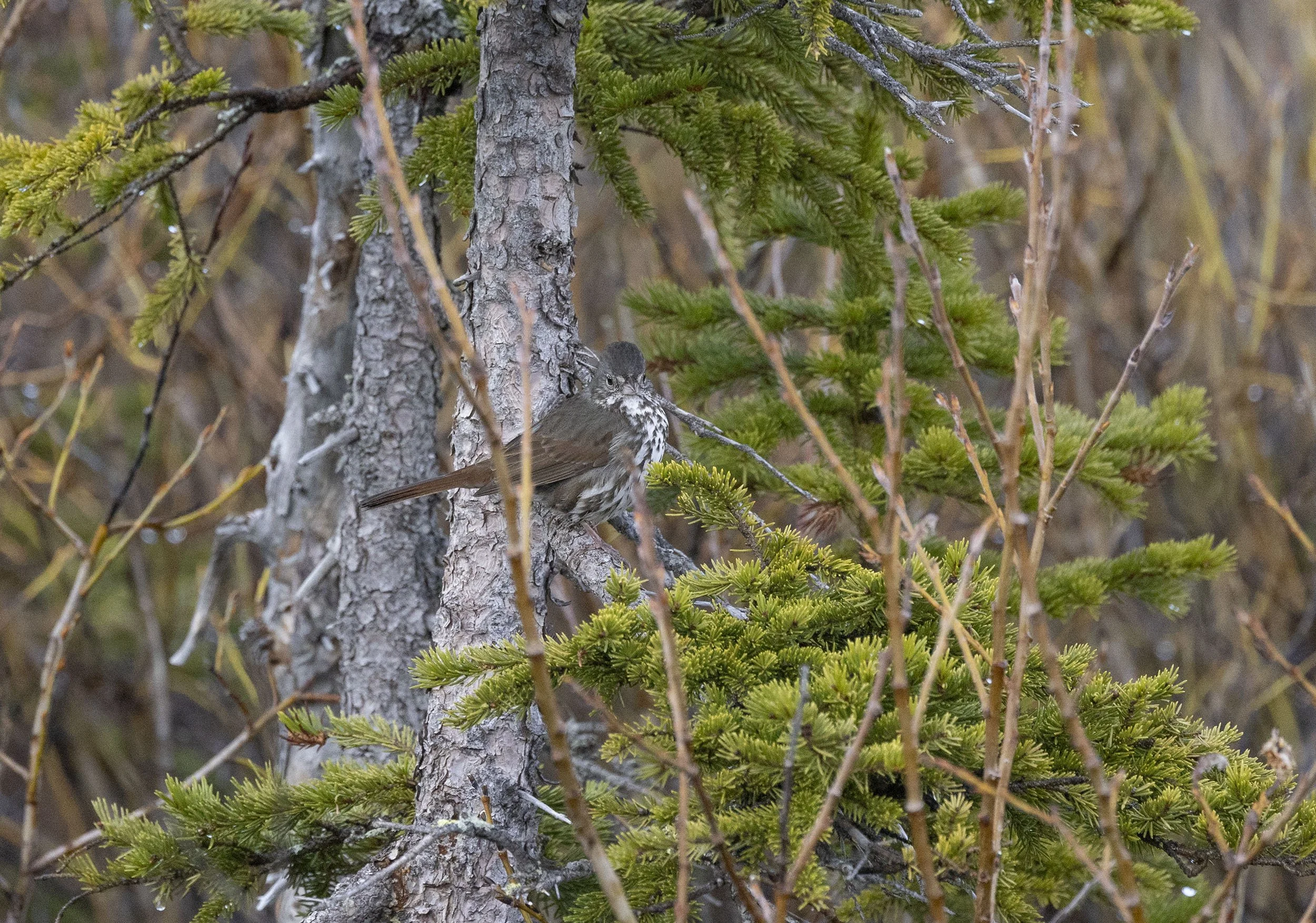
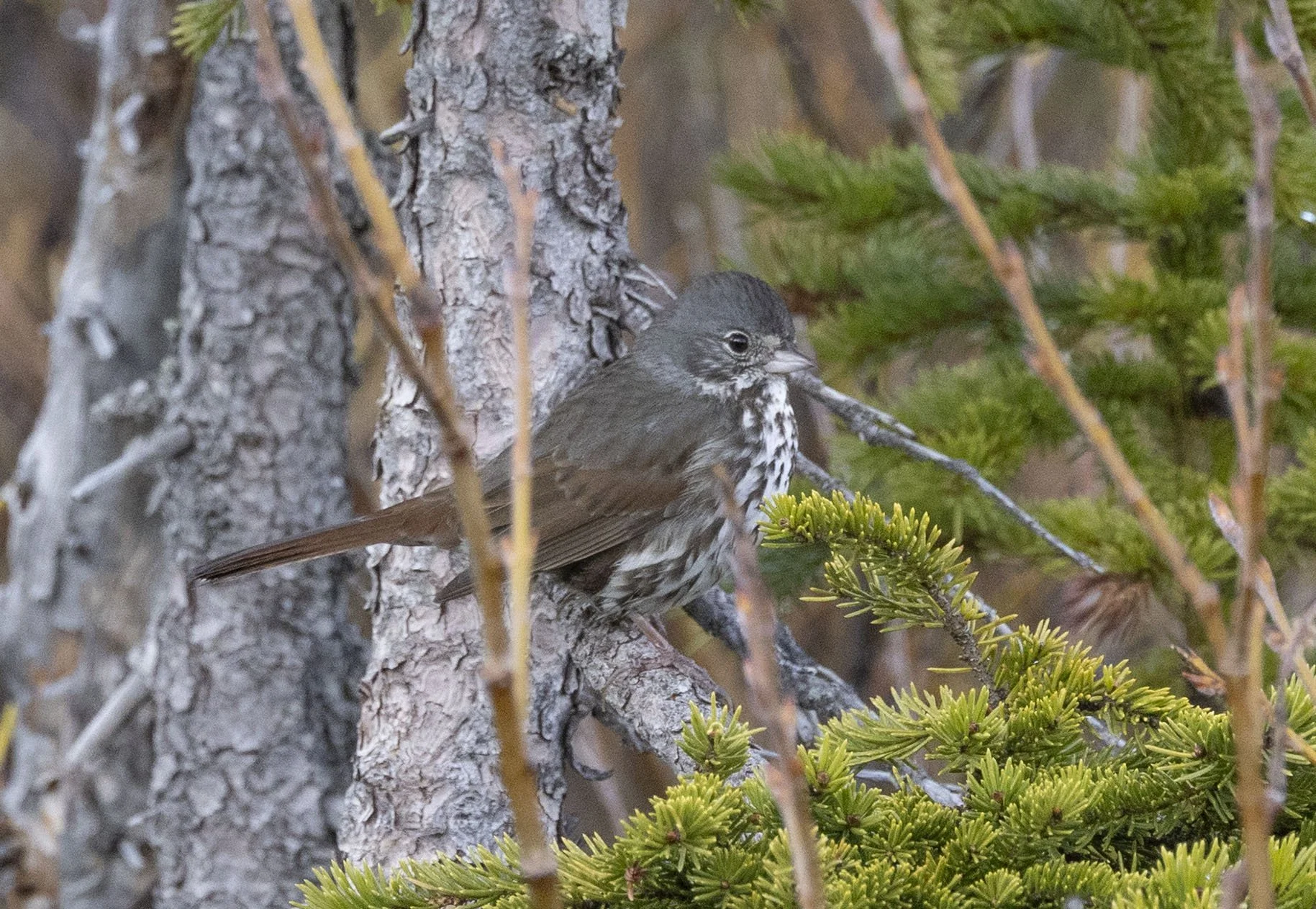
Slate-coloured Fox Sparrow one of my favourite of the Nearctic sparrows
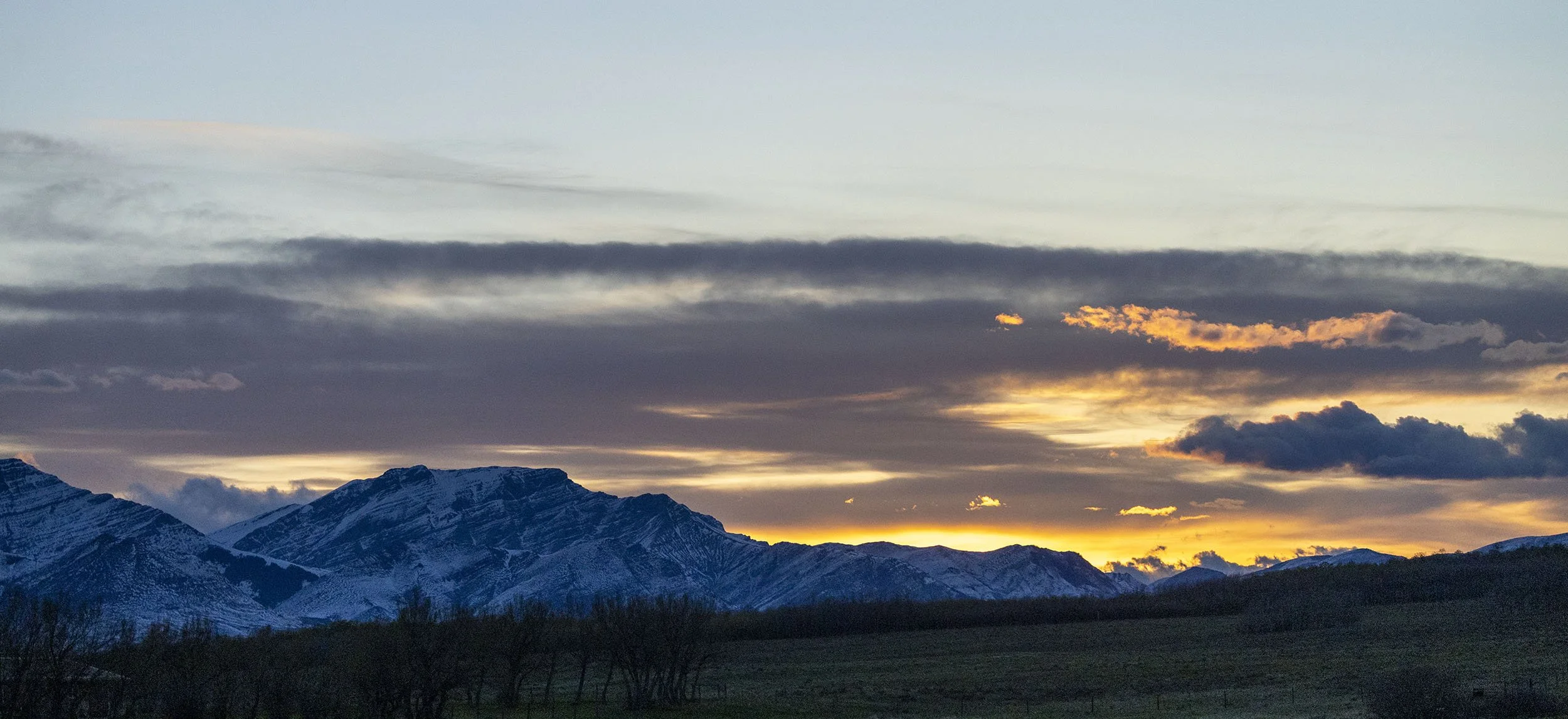
Sunset over the Rockies from Dungarvan
May 19th
With a better weather forecast at least for the morning we decided to head back to Cameron Lake then Red Rock Canyon with the usual Waterton brunch in between. The Dungarvan pond held a Double-crested Cormorant, the usual drake Barrow’s Goldeneye and Blue-wined Teal pairs. Up at Cameron Lake we took a couple of short trails combined with some more car park birding where two singing Wilson’s Warblers, two Northern Waterthrush, Cassin’s Finches, Pine Siskins, Lincoln’s Sparrow, White-crowned Sparrows, Yellow-rumped Warbler, Song Sparrow and Slate-coloured Fox Sparrows were all in evidence. The trail through some remnant live trees revealed a calling Cooper’s Hawk, two Brown Creepers, Red-breasted Nuthatch, six Barrow’s Goldeneye on a small lake and a drumming American Three-toed Woodpecker. The road had a flock of Big Horned Sheep. A walk in Waterton produced the first five Violet Green Swallows and 30+ Columbian Ground Squirrels. Red Rock Canyon Road produced only Northern Harrier and American Kestrels but butterflies were Julia’s Orange Tip, unidentified whites and Northern Azure Blue. Evening drives up both roads turned up more Black Bears.
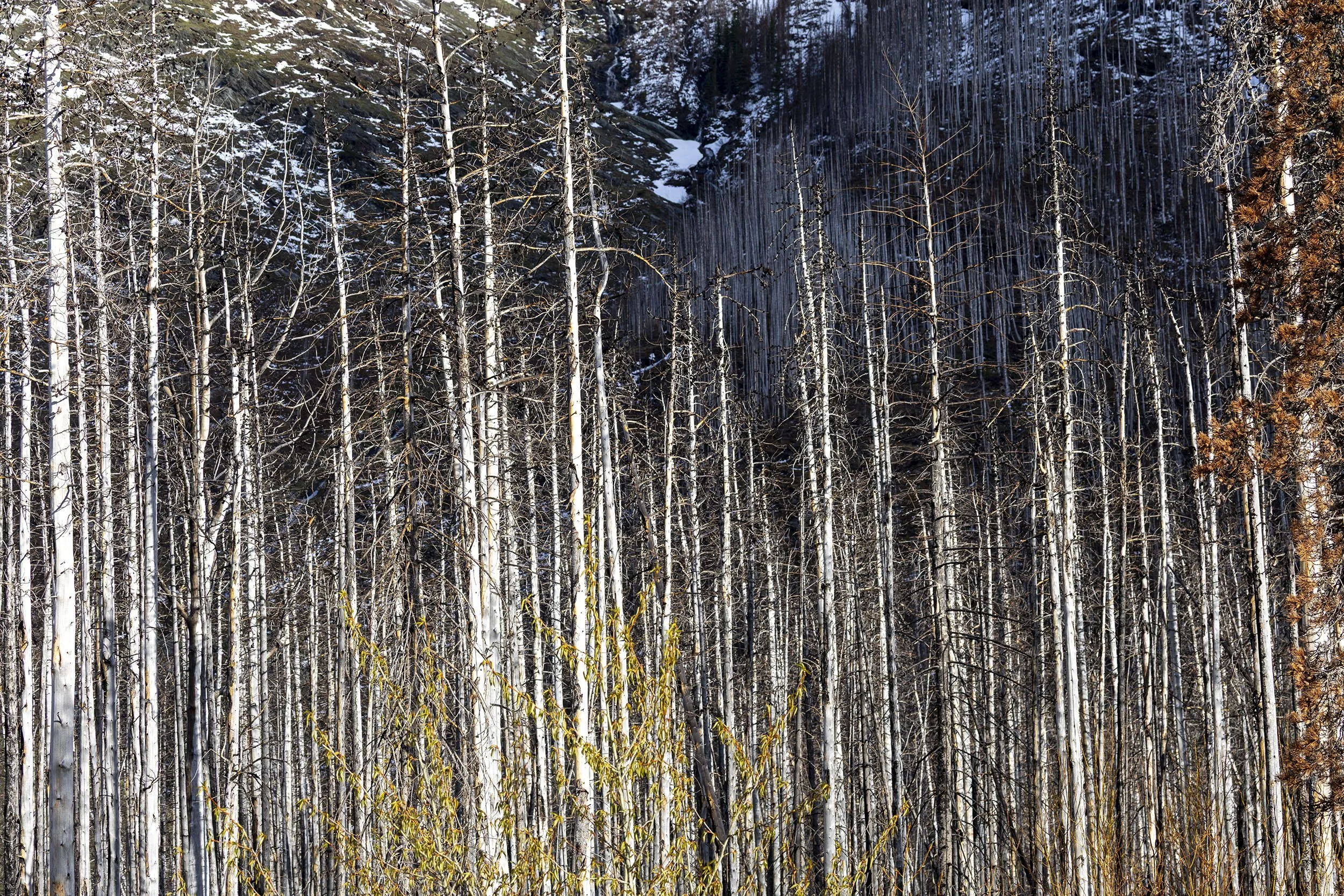
Start reminders of the 2017 fire are everywhere at waterton and recovery is slow
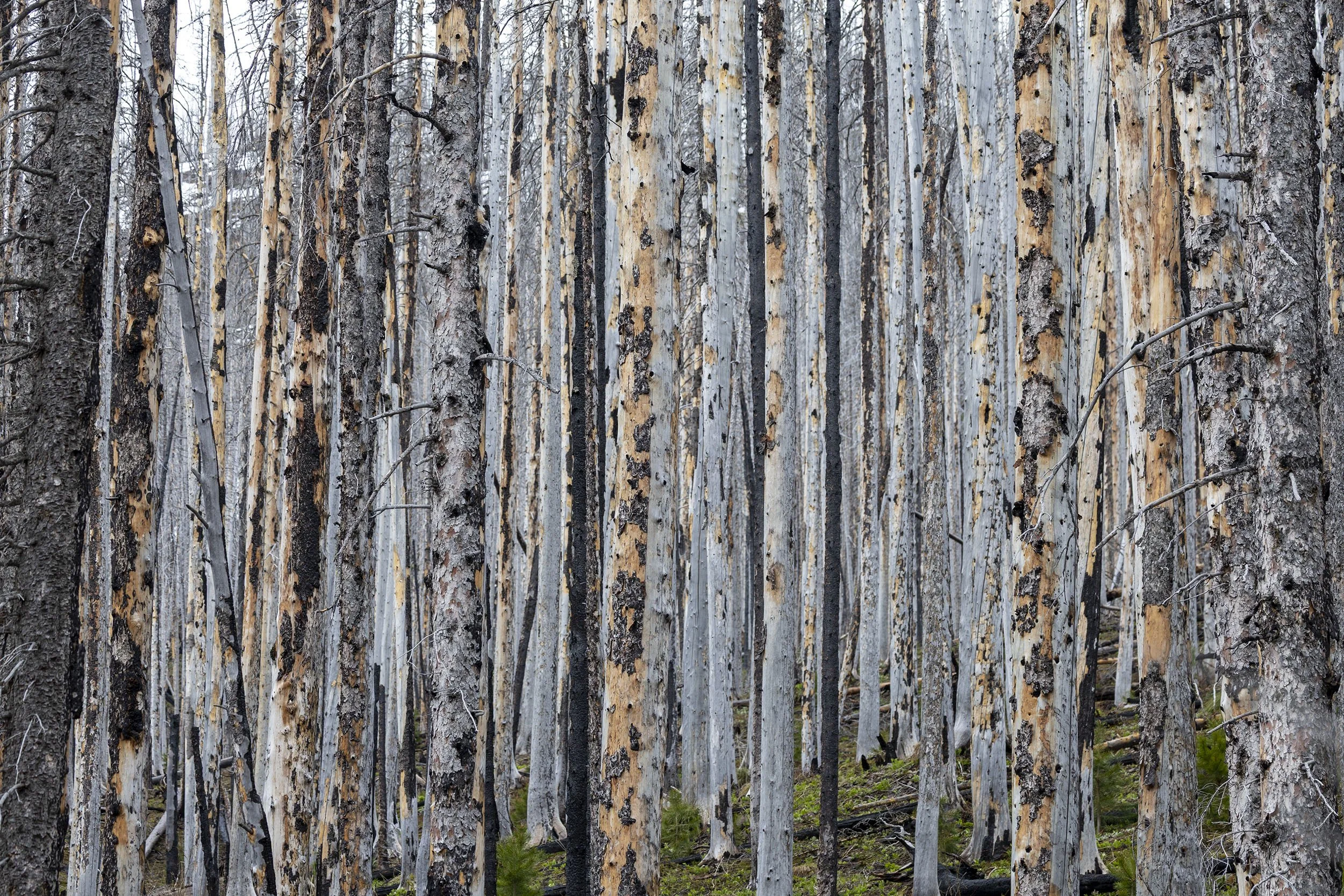
Burnt trees remain in situ
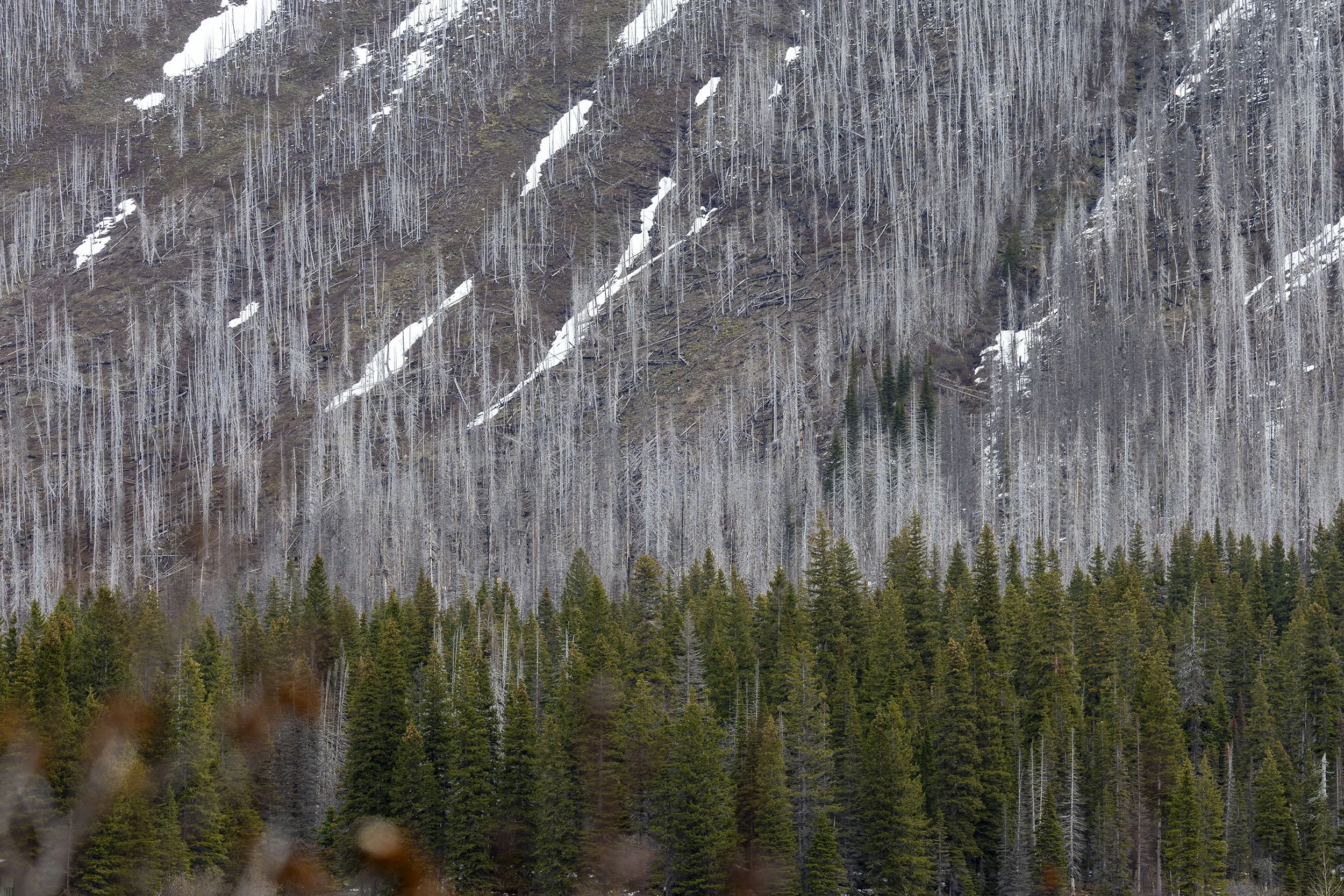
In the few places where the trees escaped the fire the contrast up the mountain is all too obvious
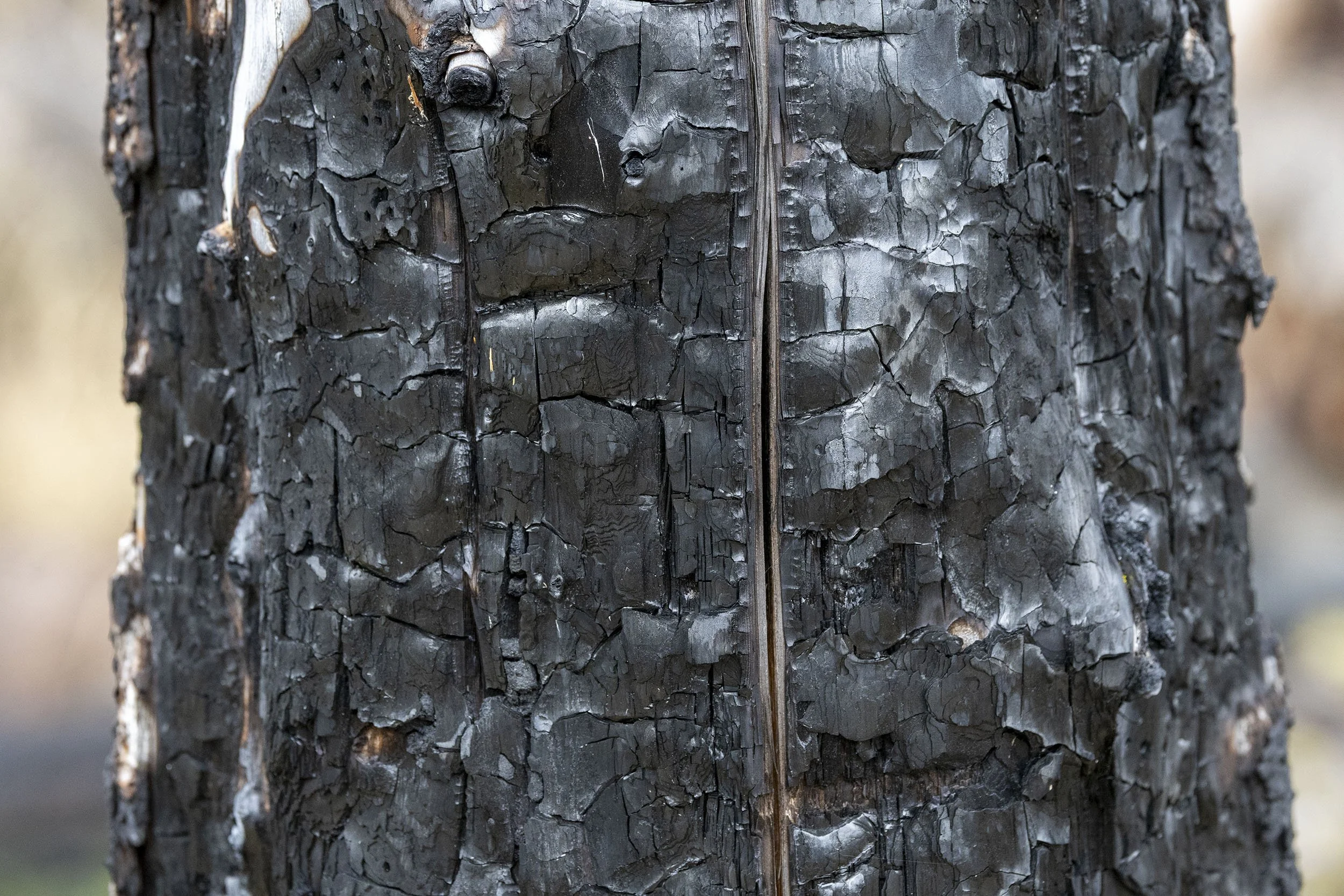
A tree split by the heat
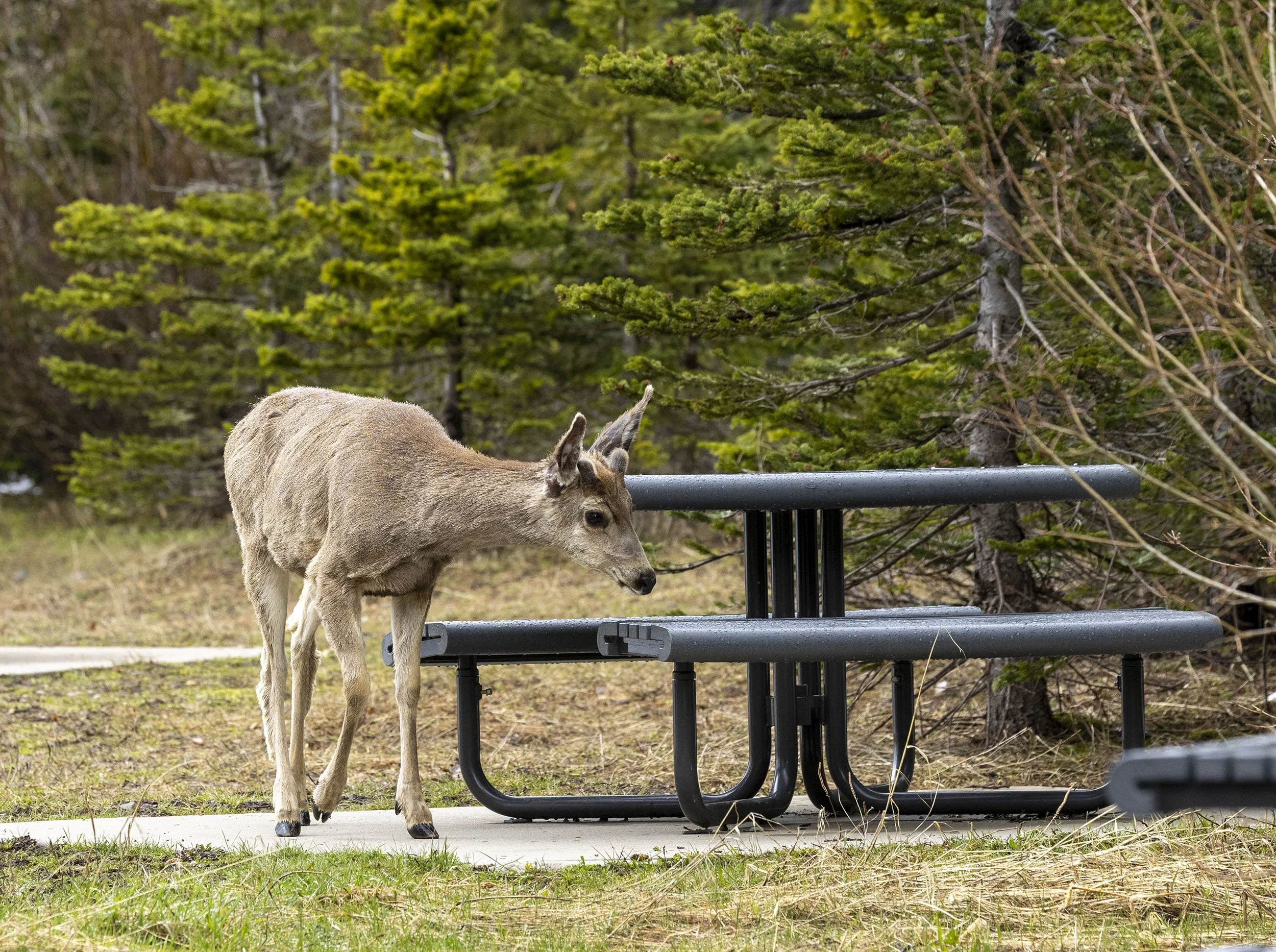
Car Parks are great for wildlife - Mule Deer checking for crumbs
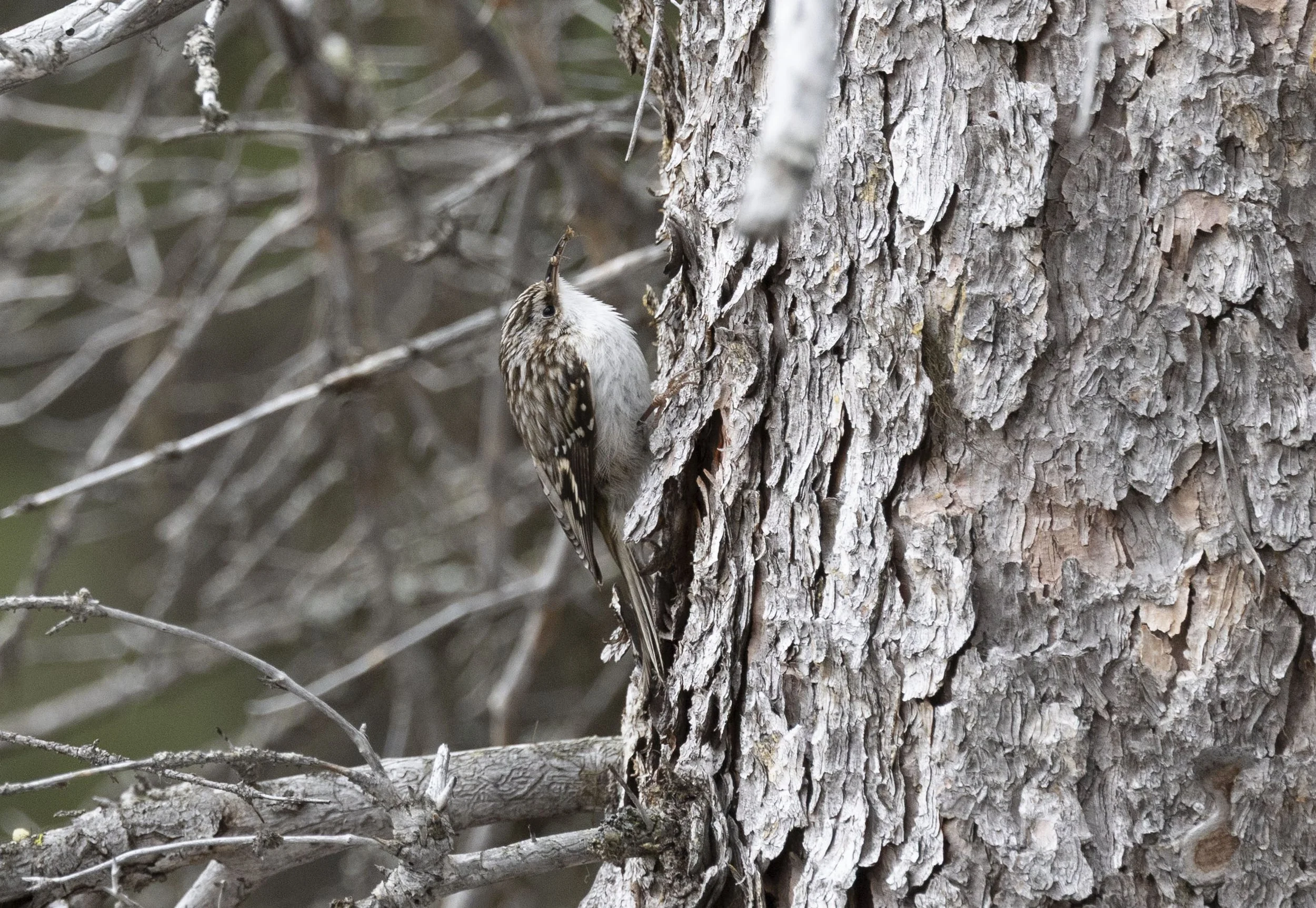
My best ever shot of a Brown Creeper
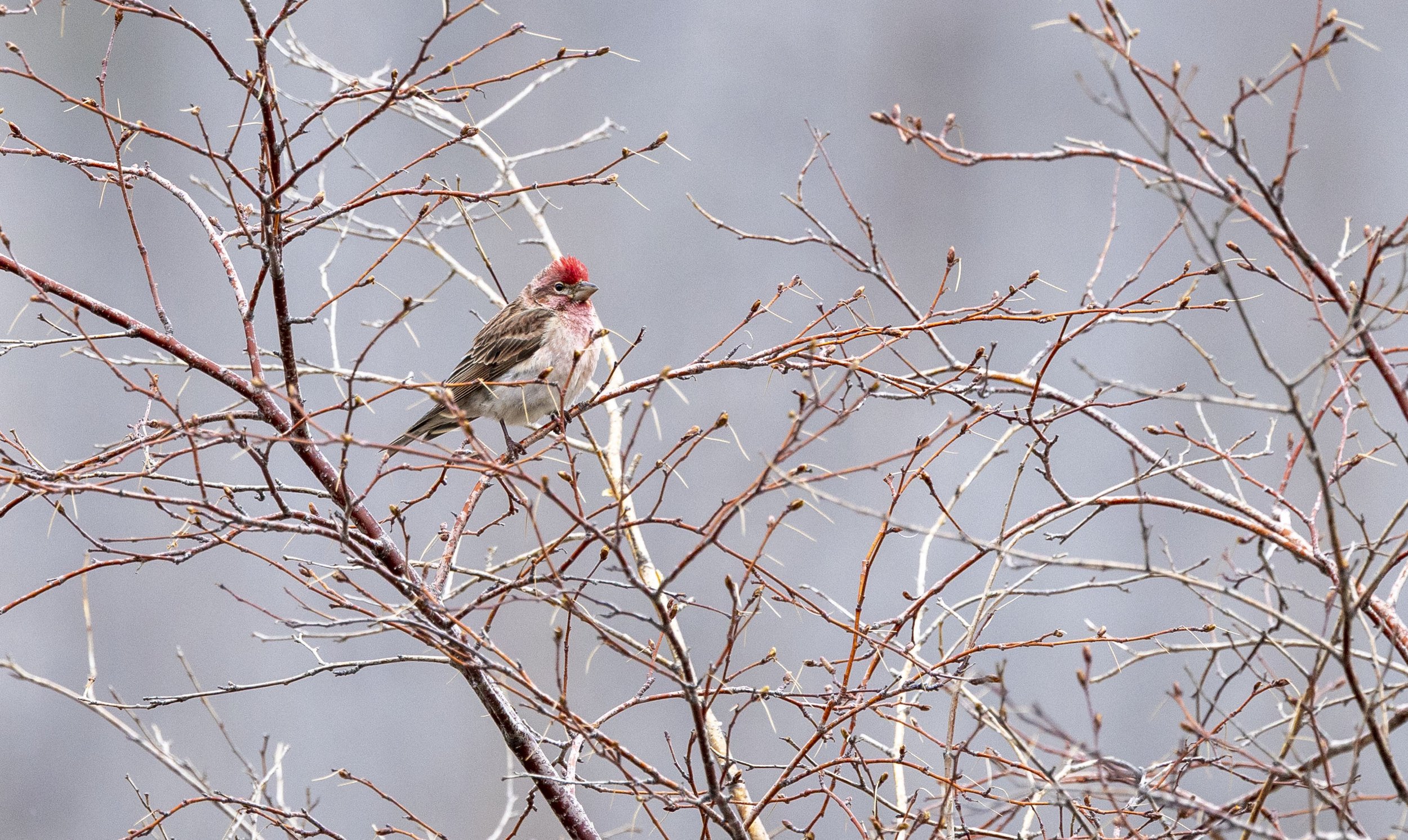
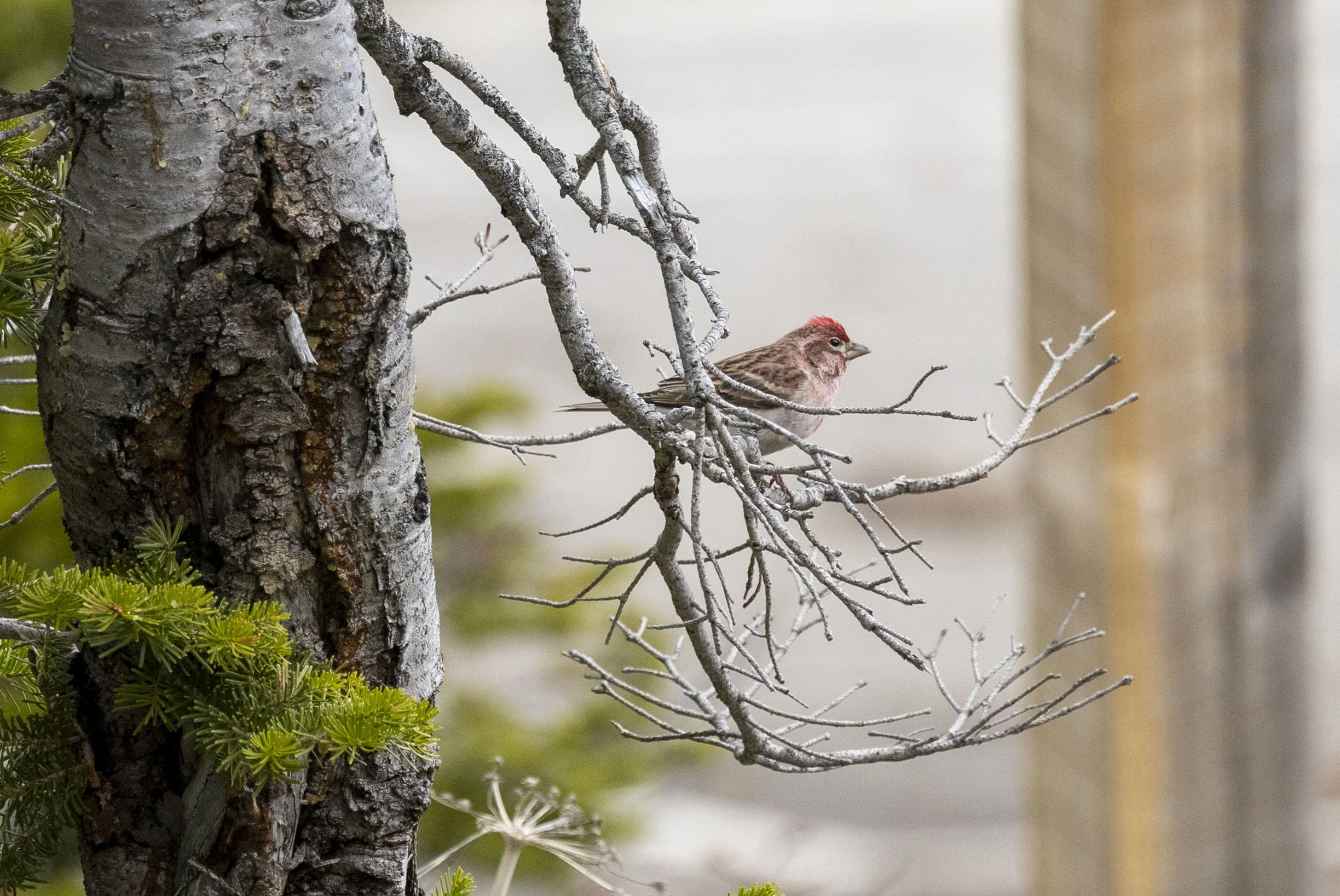
Male Cassin’s Finch
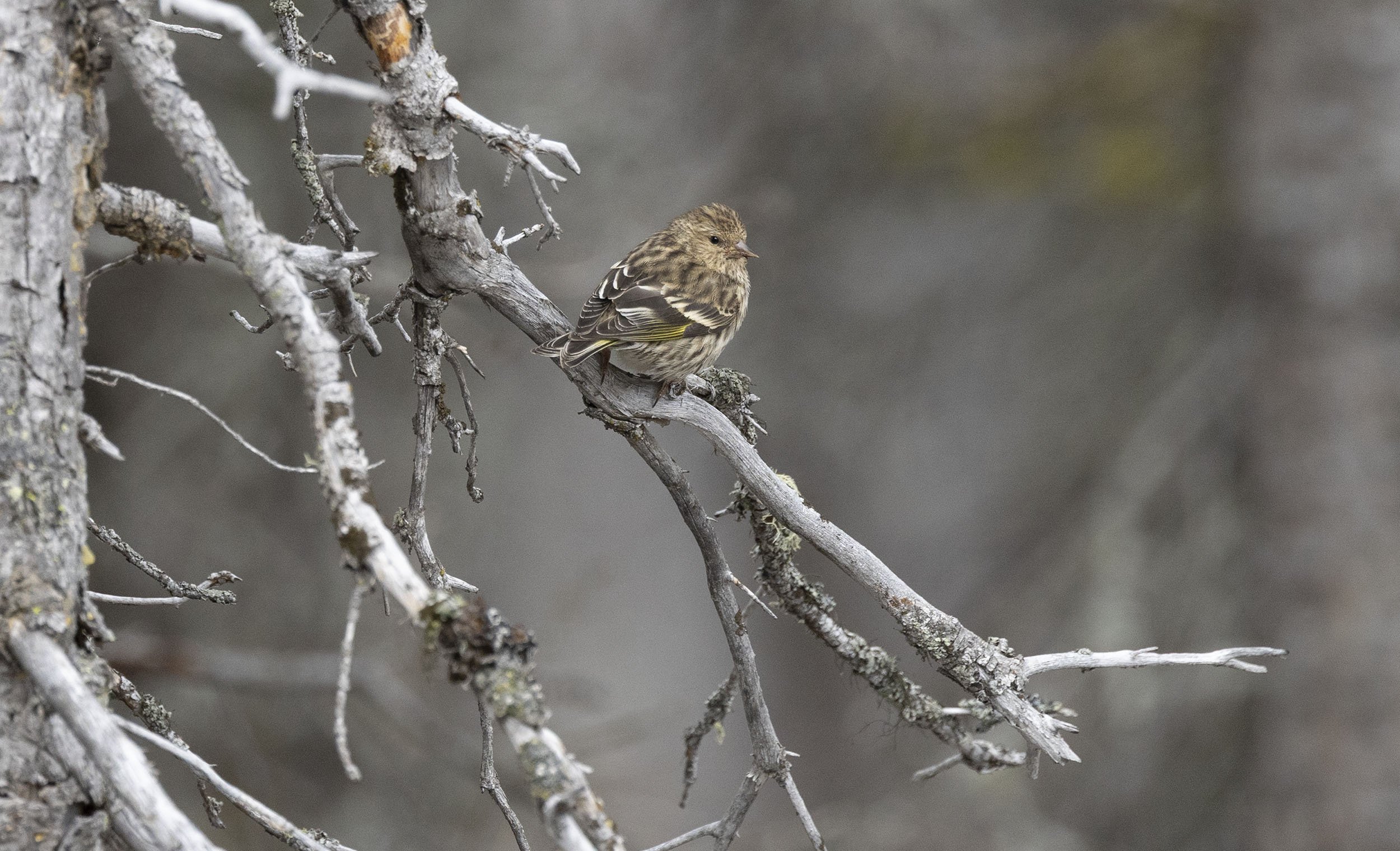
Pine Siskin
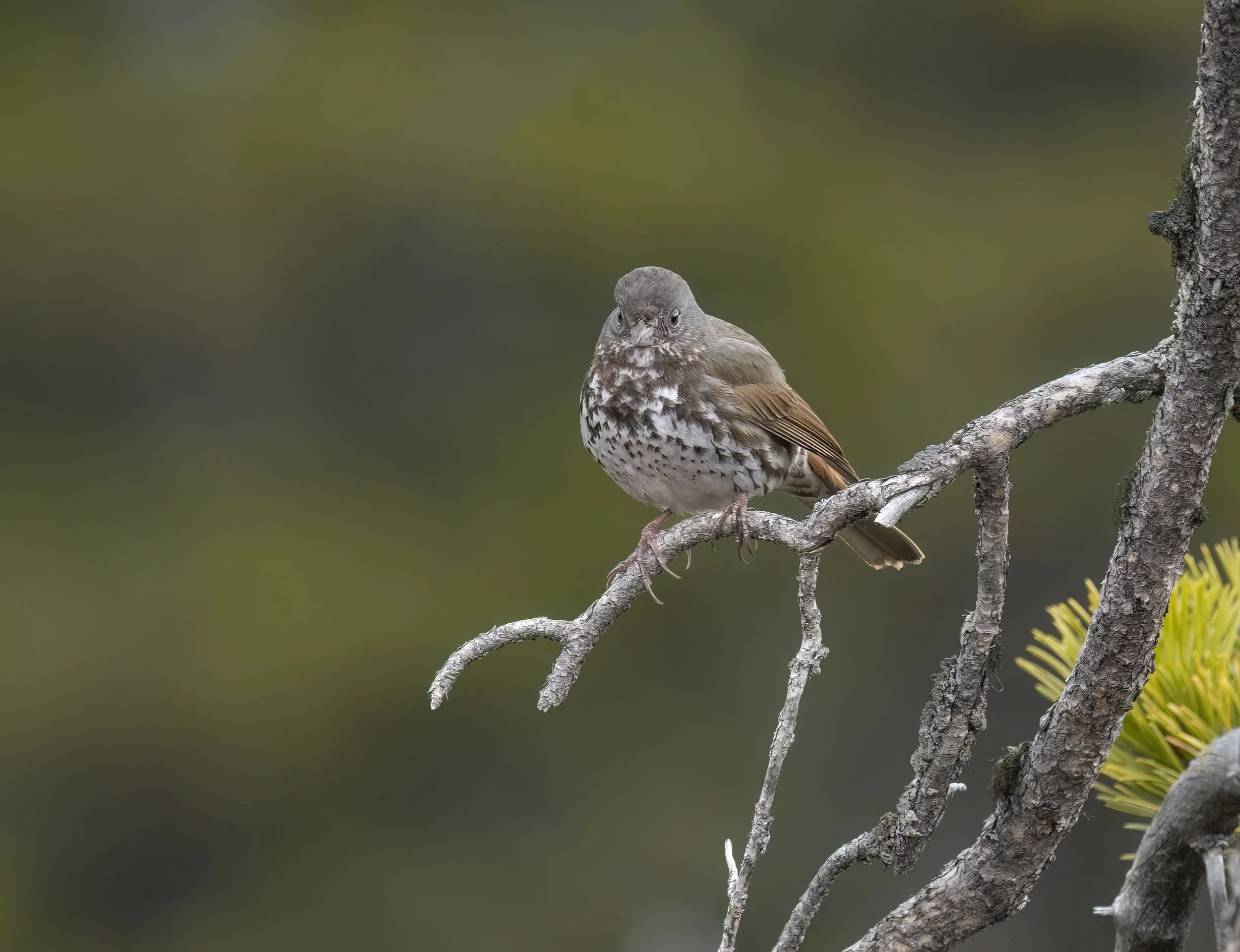
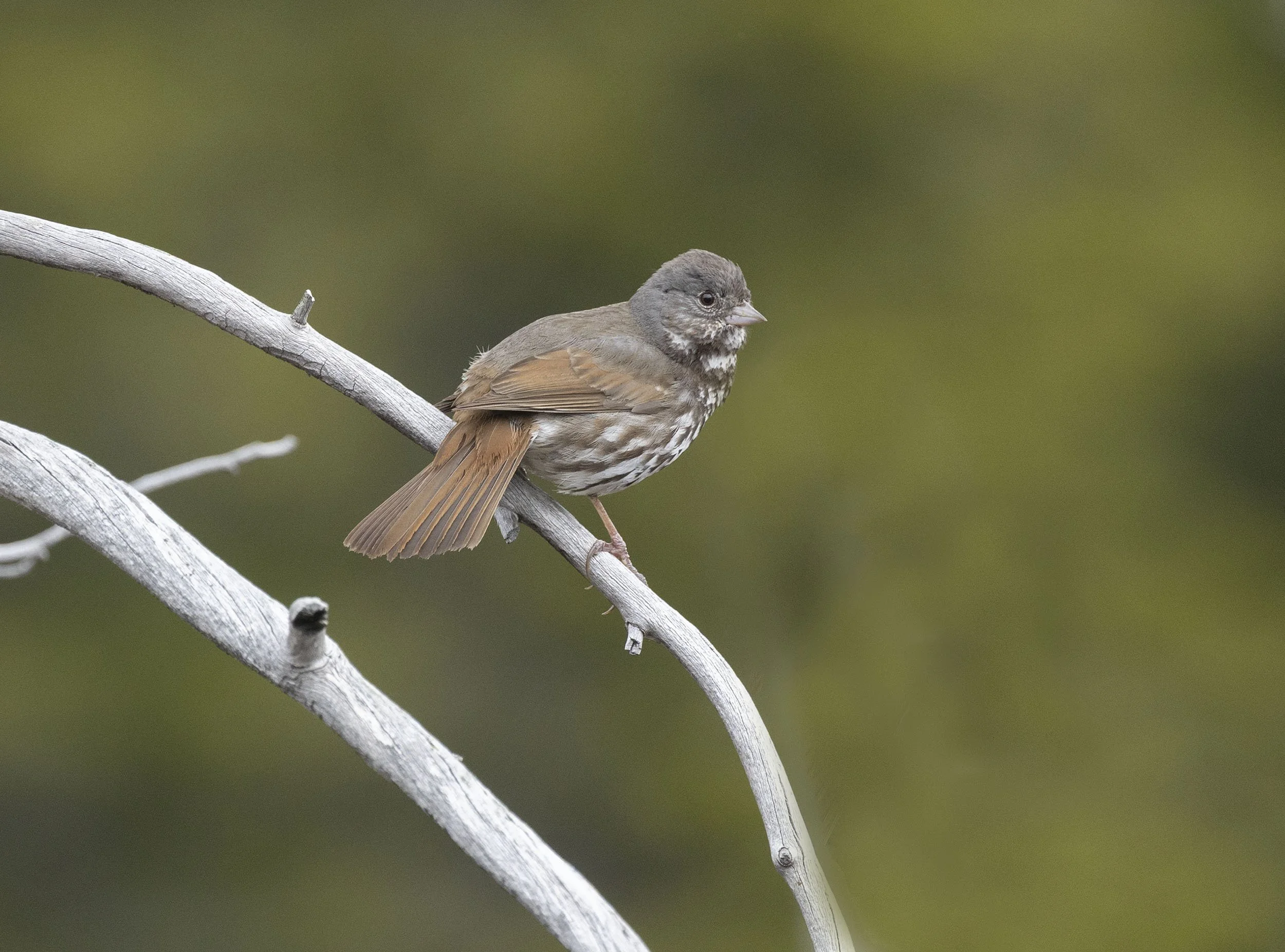
Slate-coloured Fox Sparrow
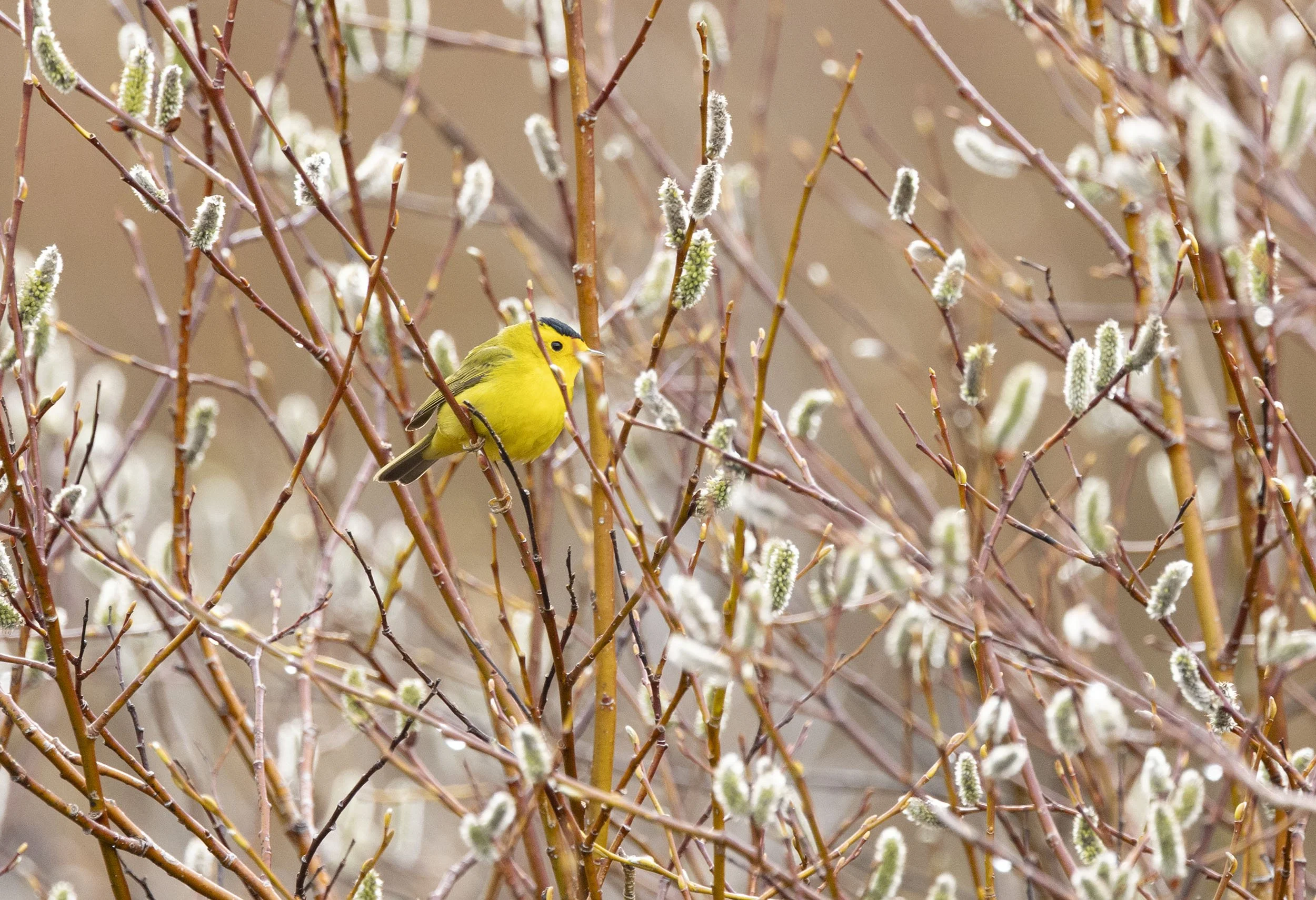
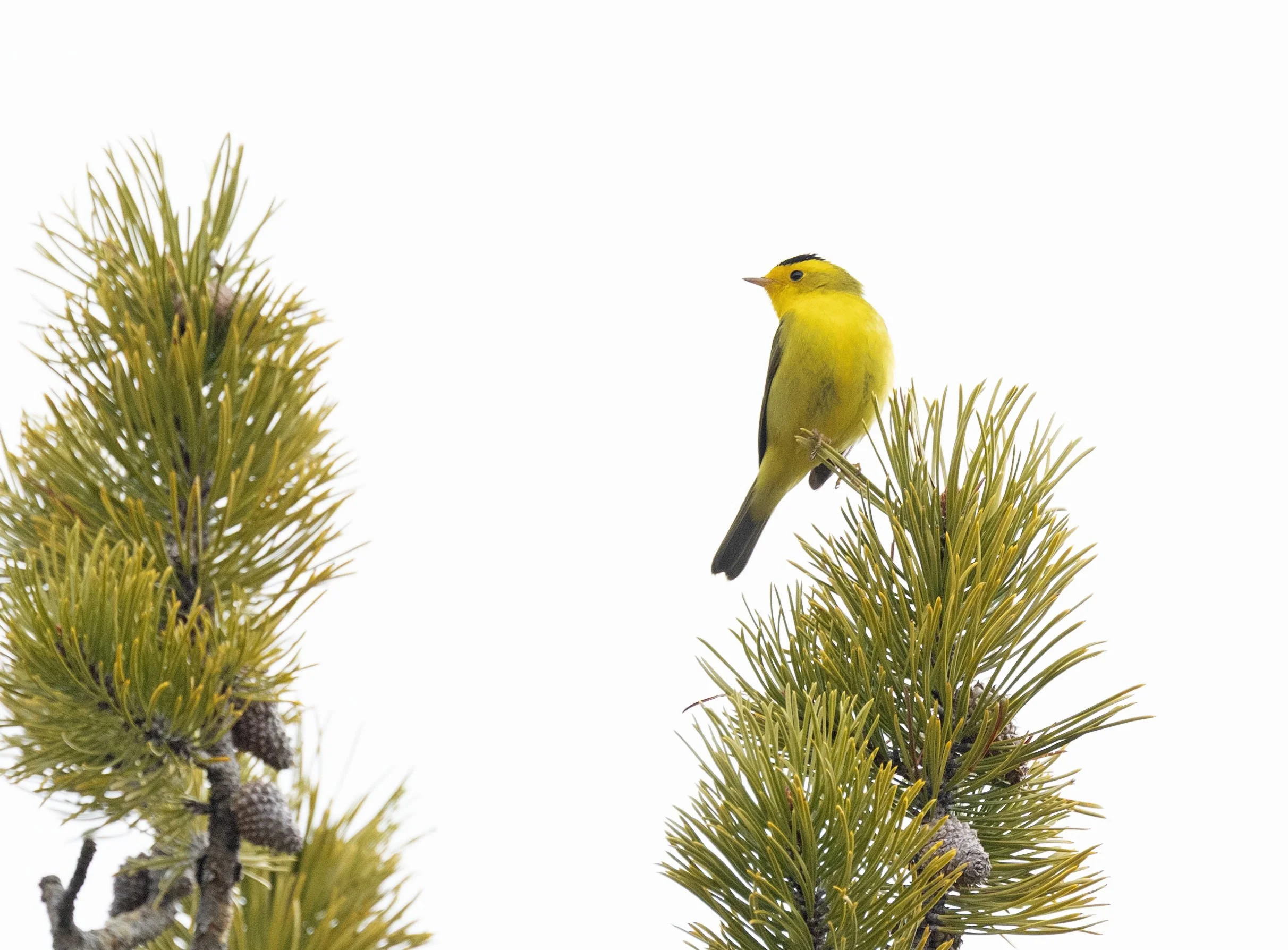
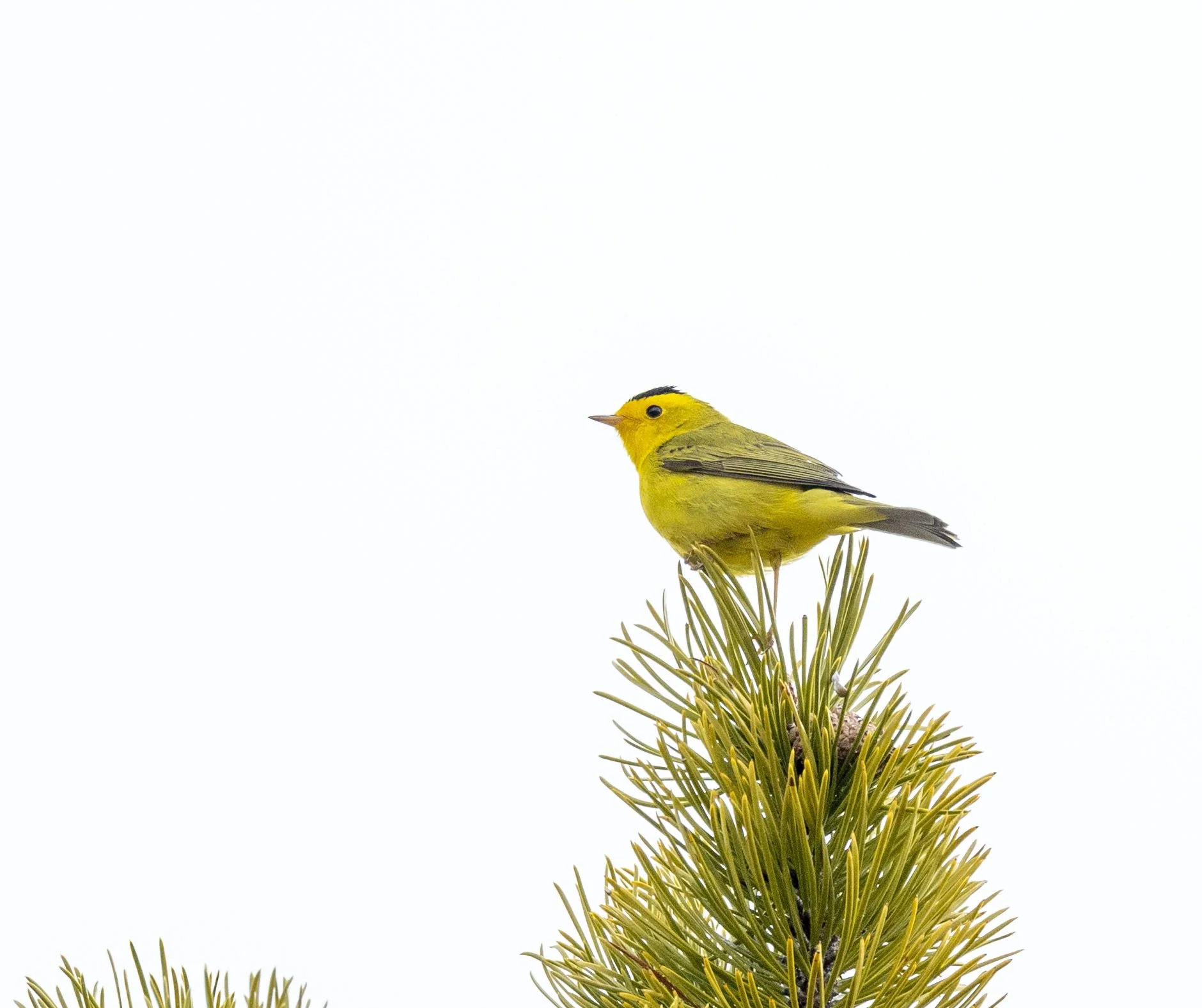
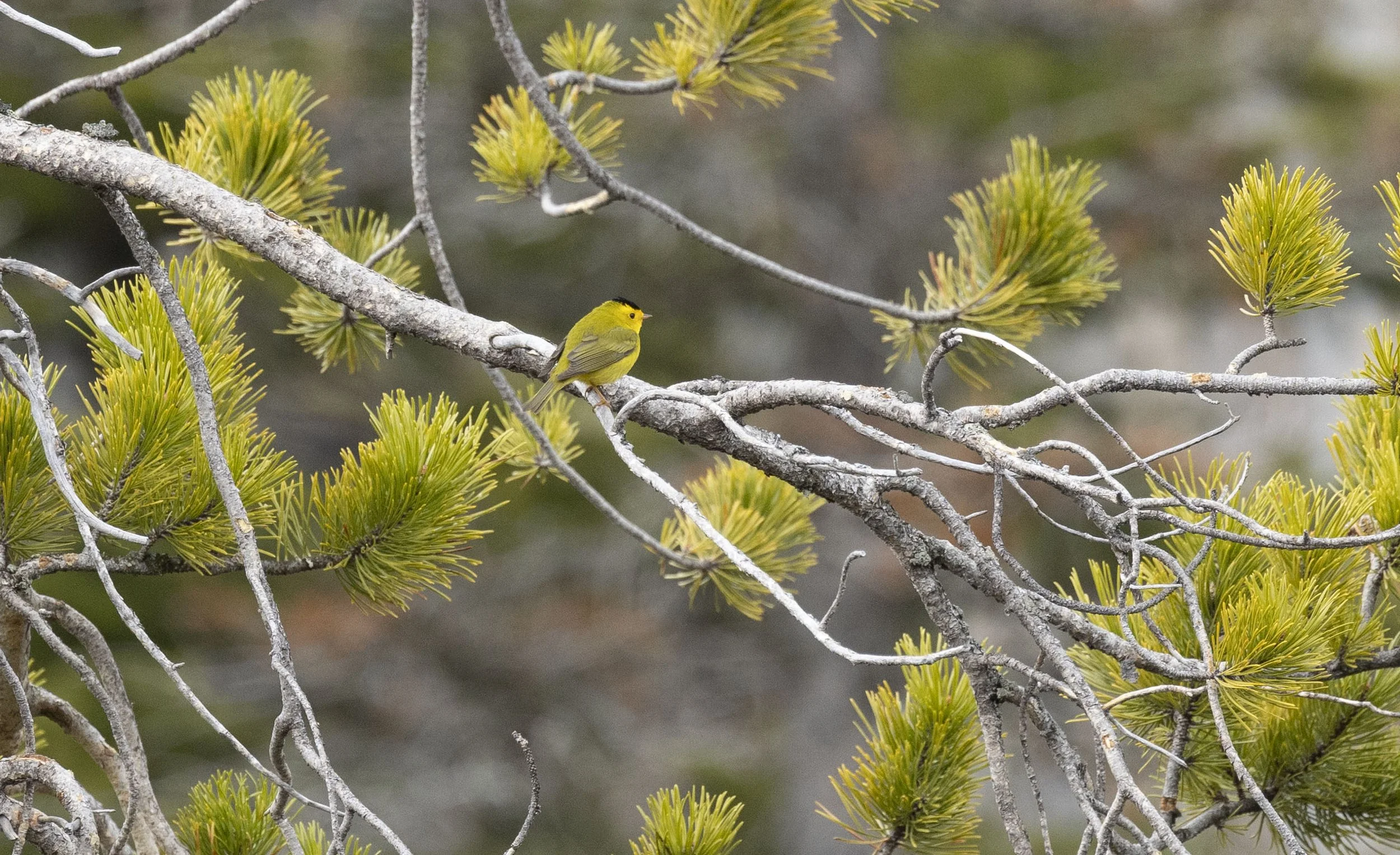
Wilson’s Warbler
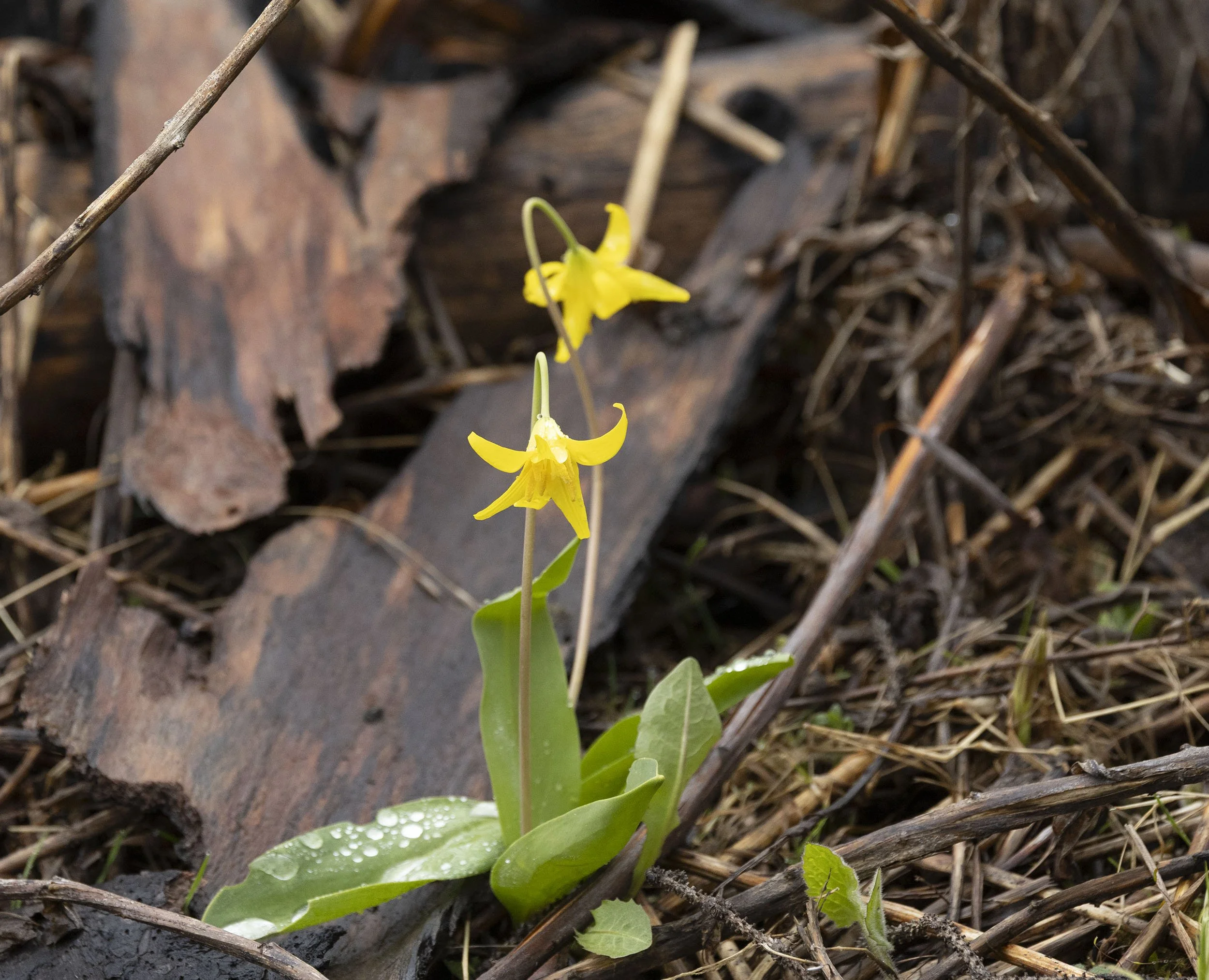
Some flowers from the high altitude woodlands - maybe Yellow Trout Lilly Cameron Lake
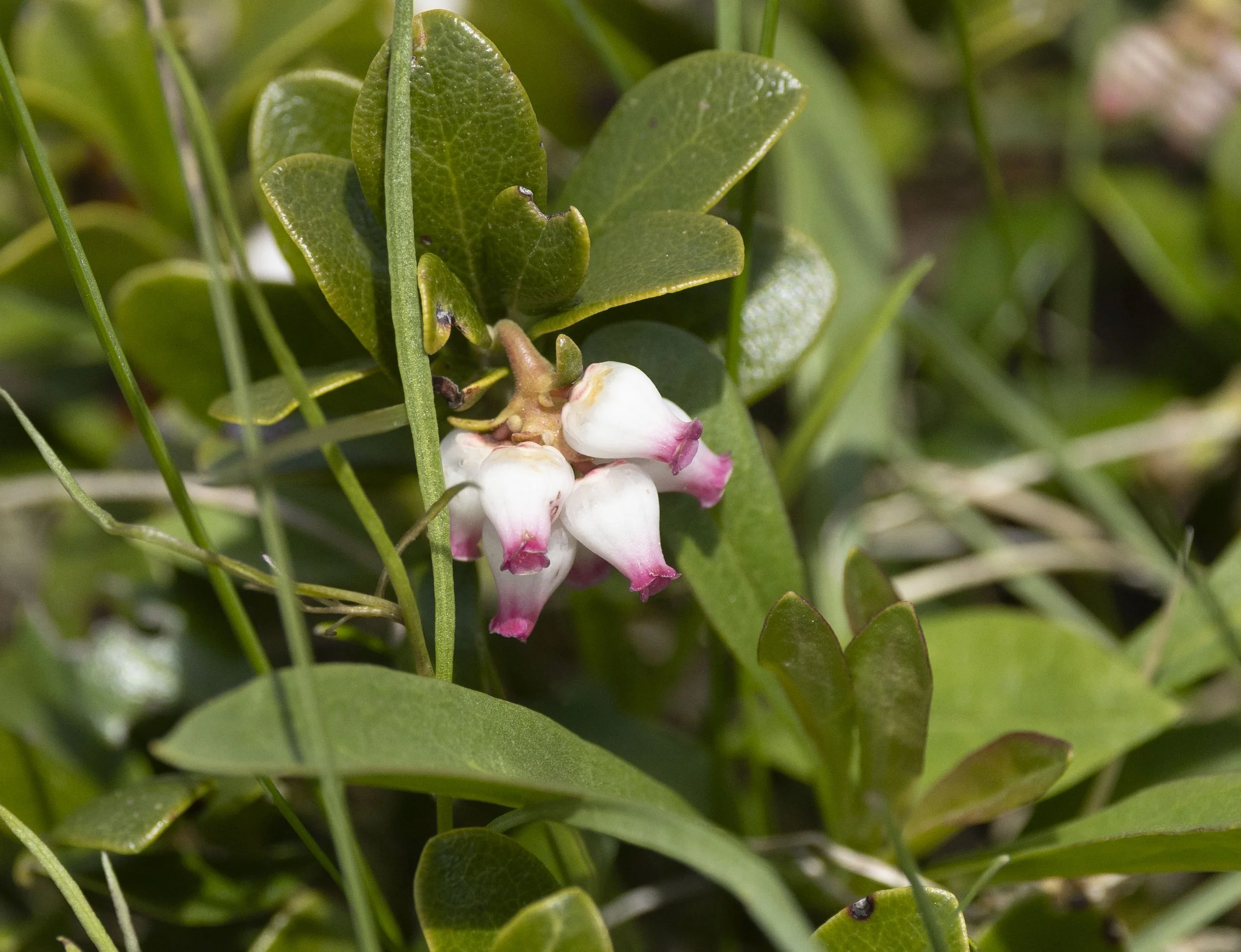
Bear Berry
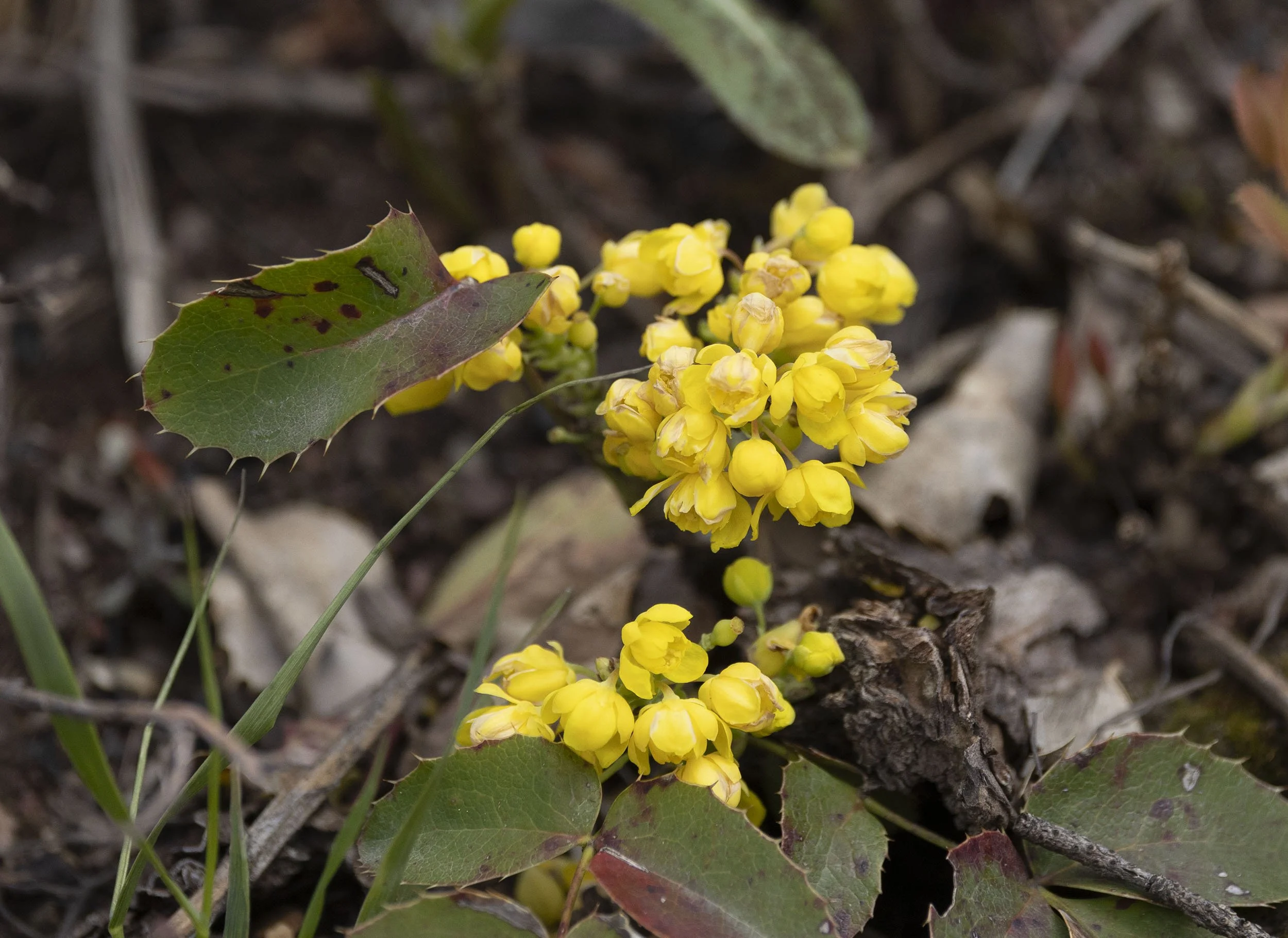
Creeping Mahonia
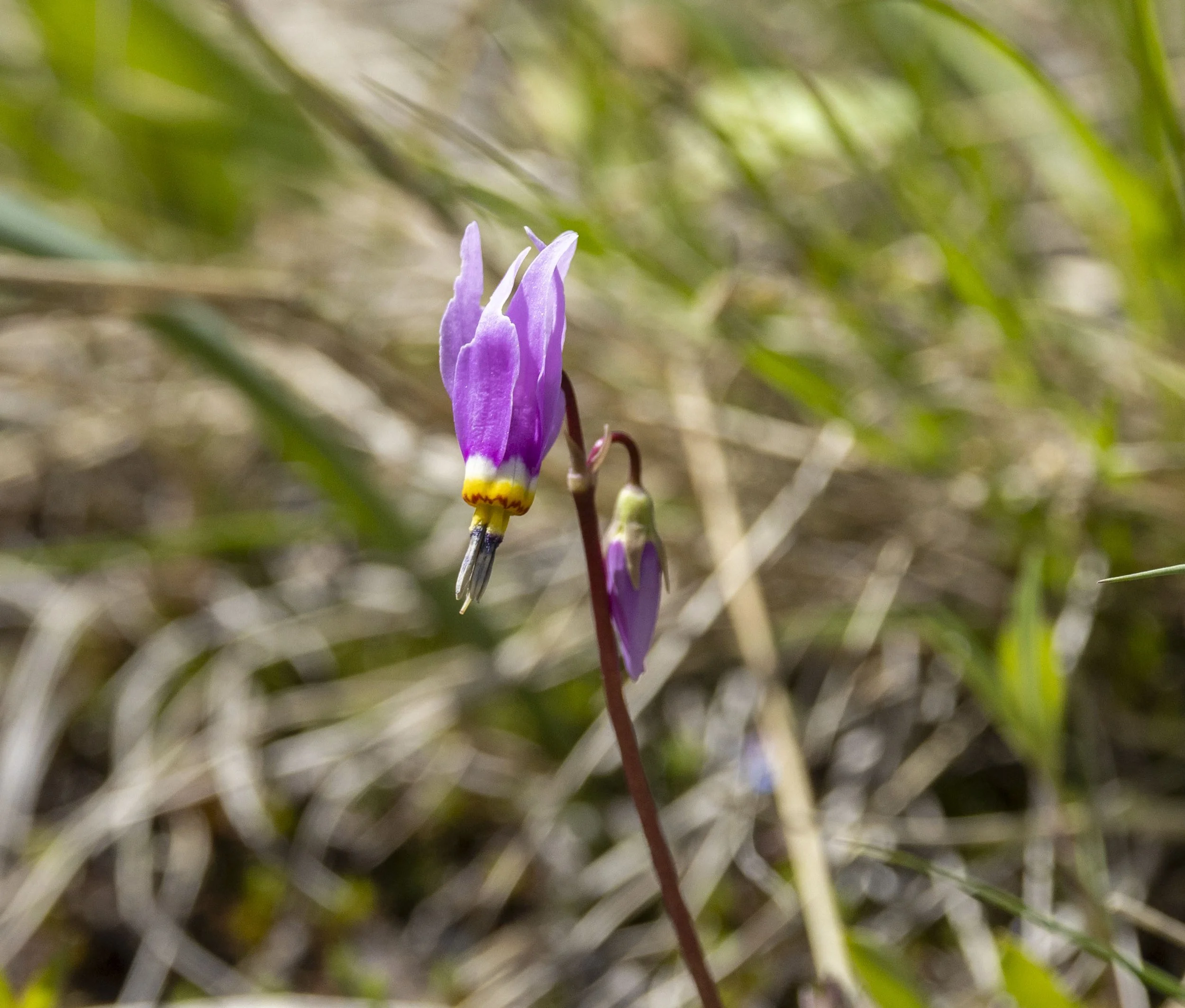
Bonneville Shooting Star
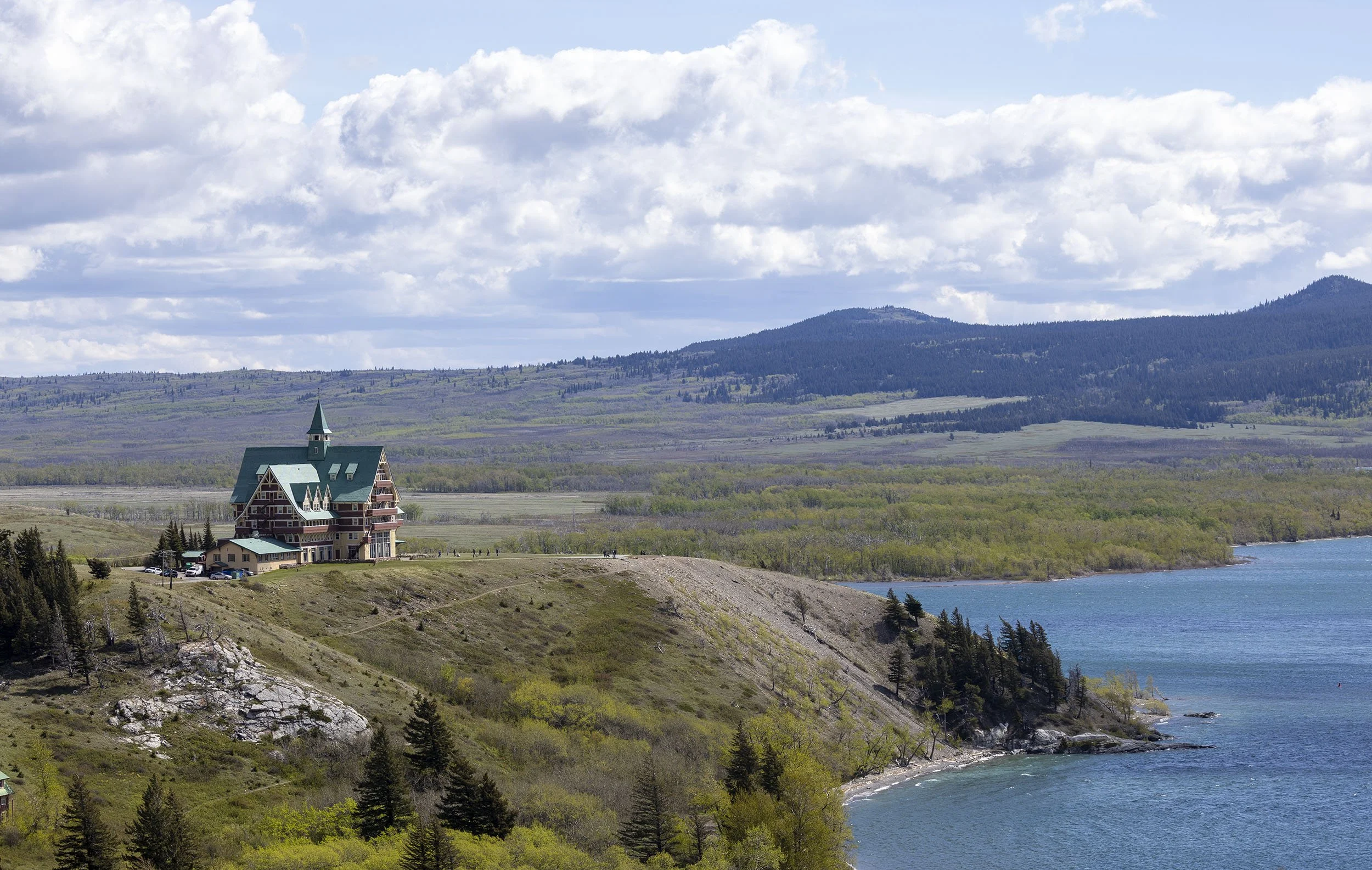
The Prince of Wales Hotel domnates the approach to Waterton but the park is truly beautiful and so quiet compared to the mania of Banff and Jasper
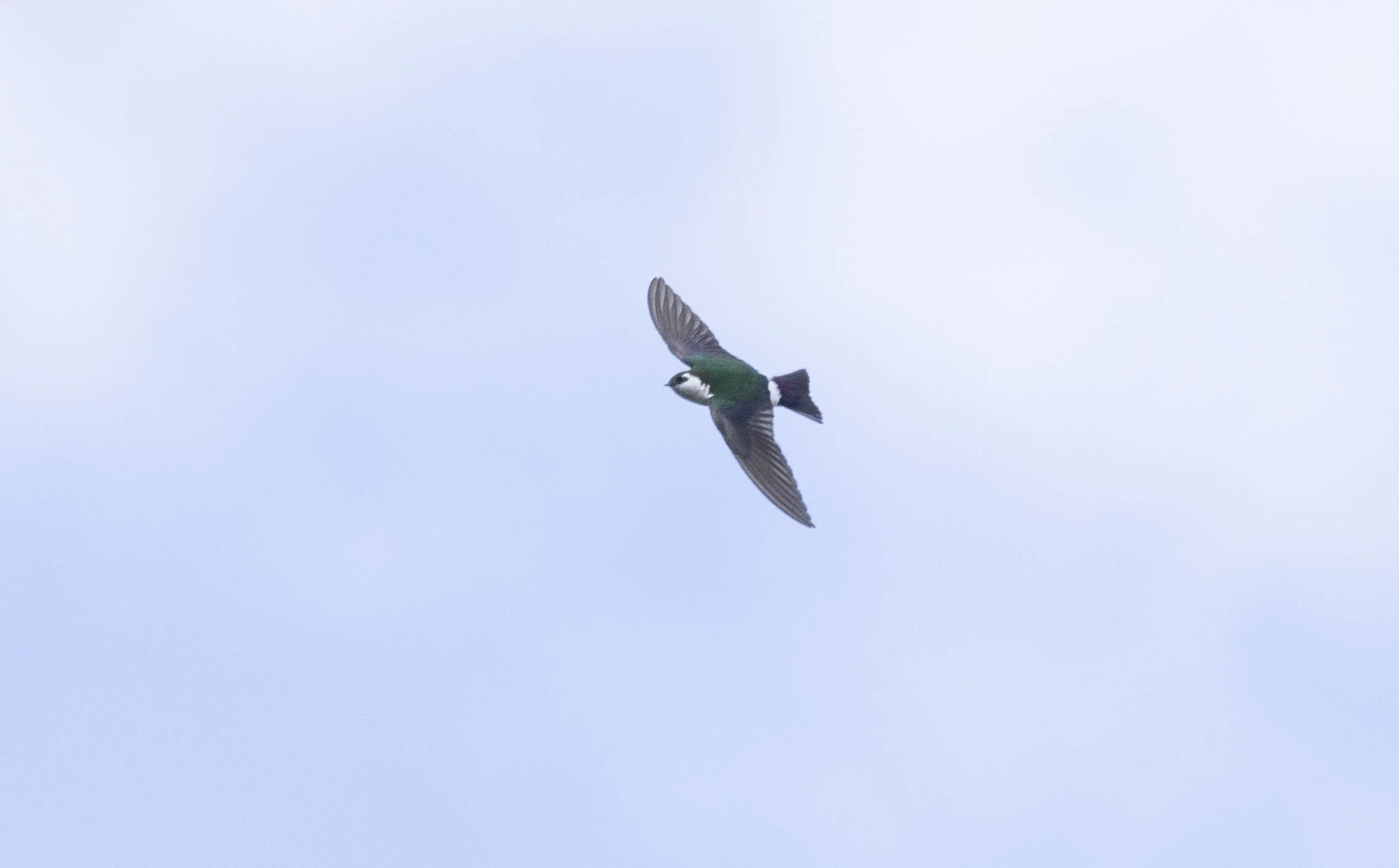
Violet-green Swallow - very much a record shot
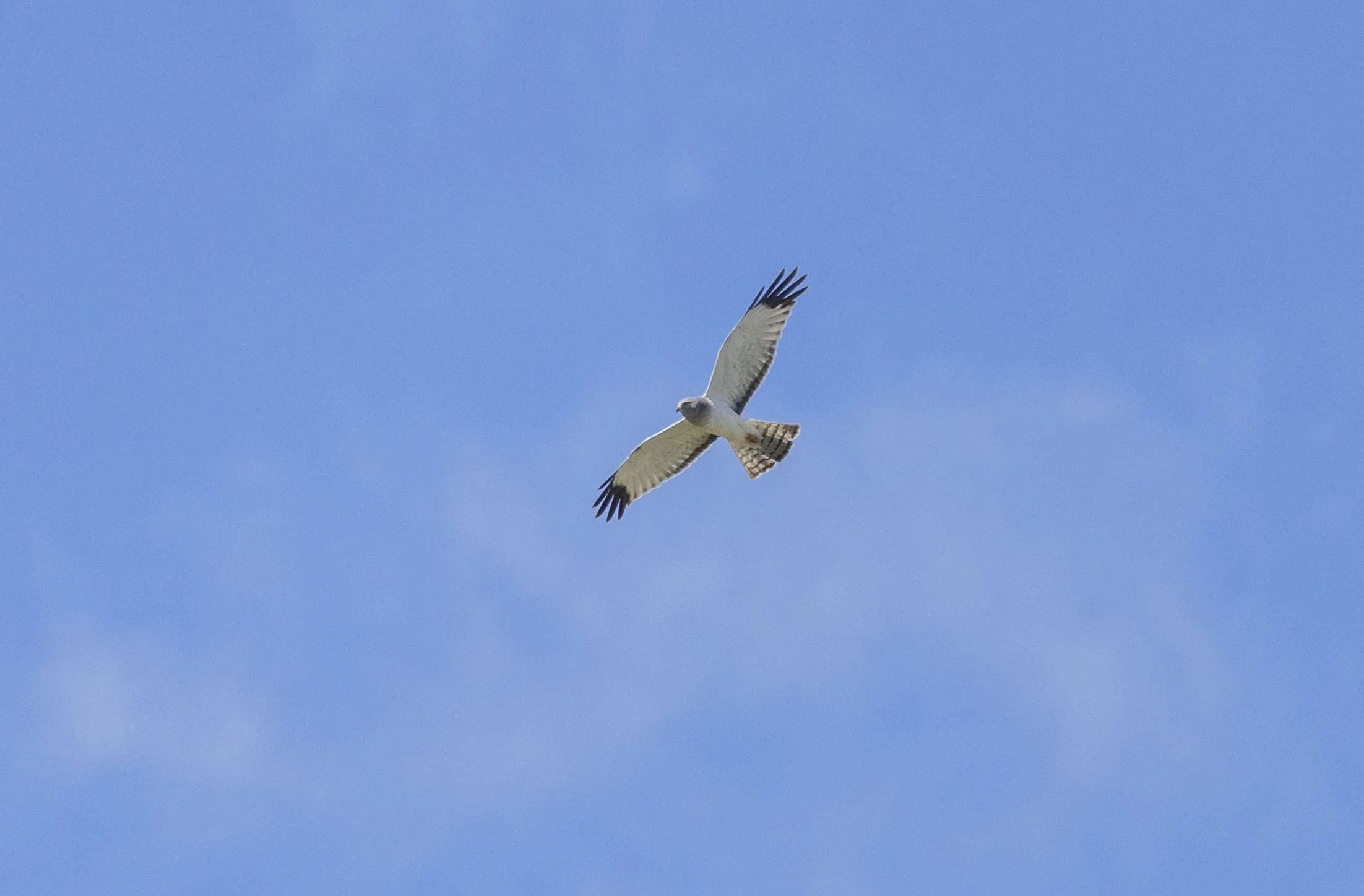
Male Northern Harrier
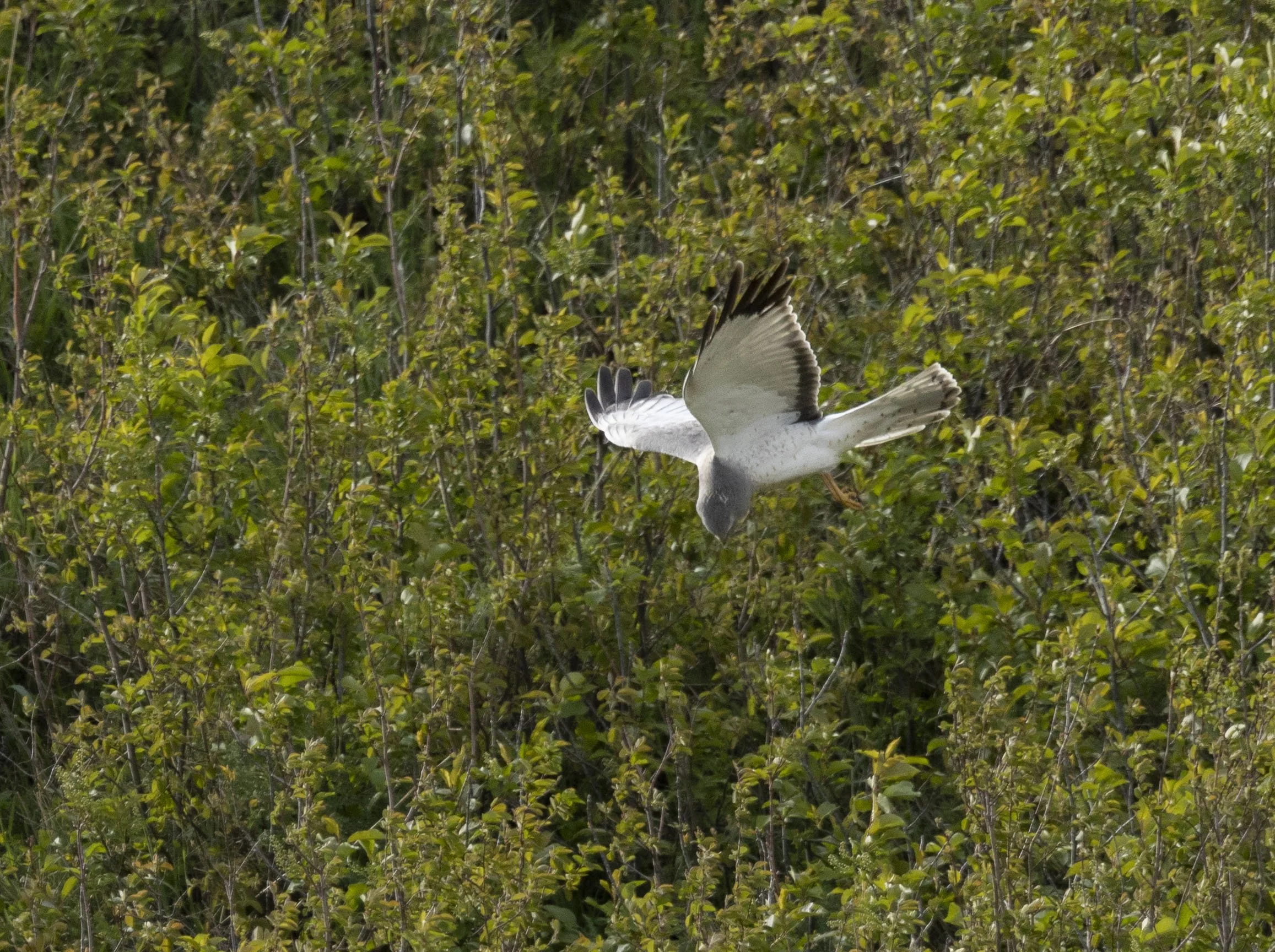
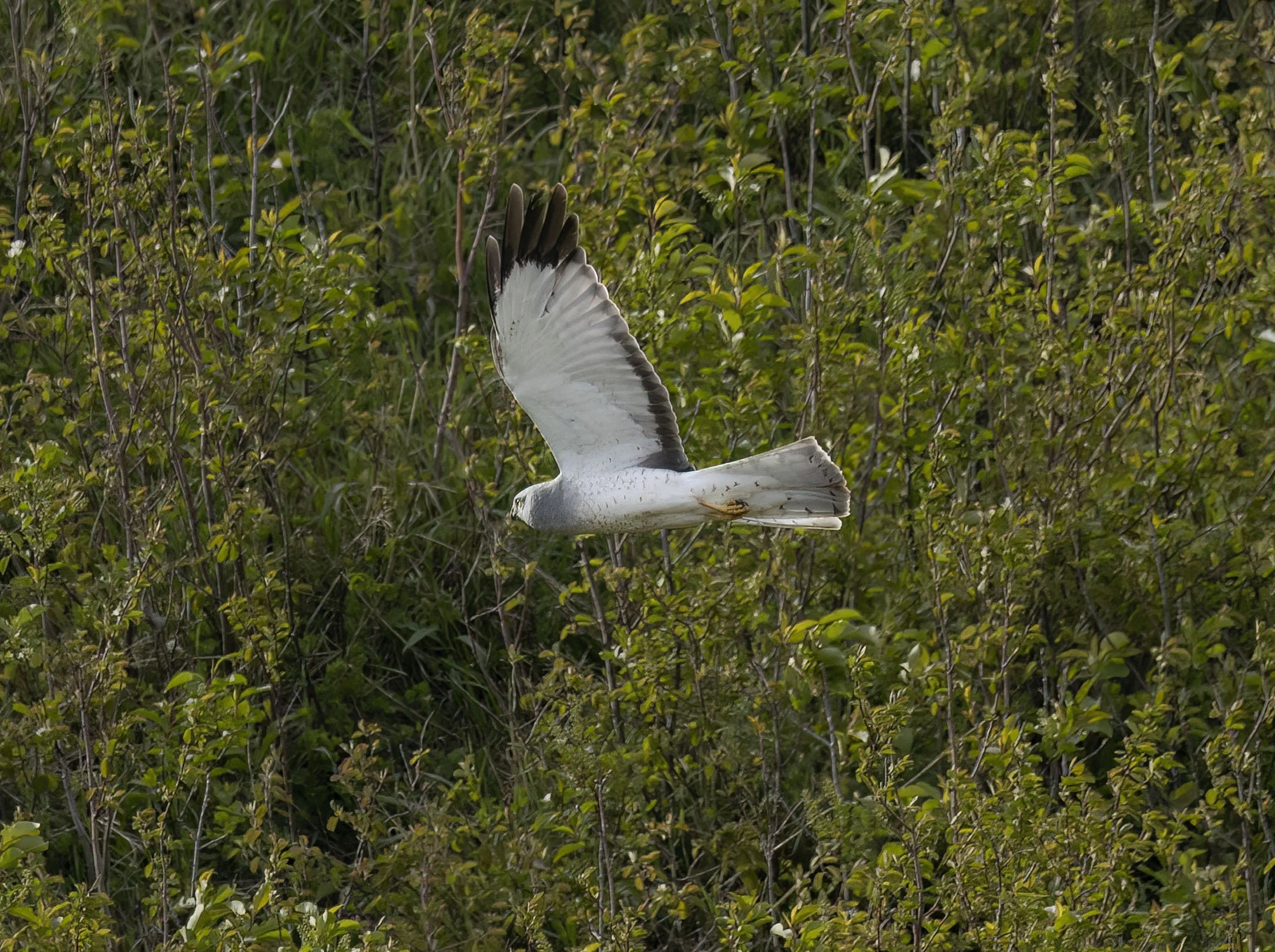
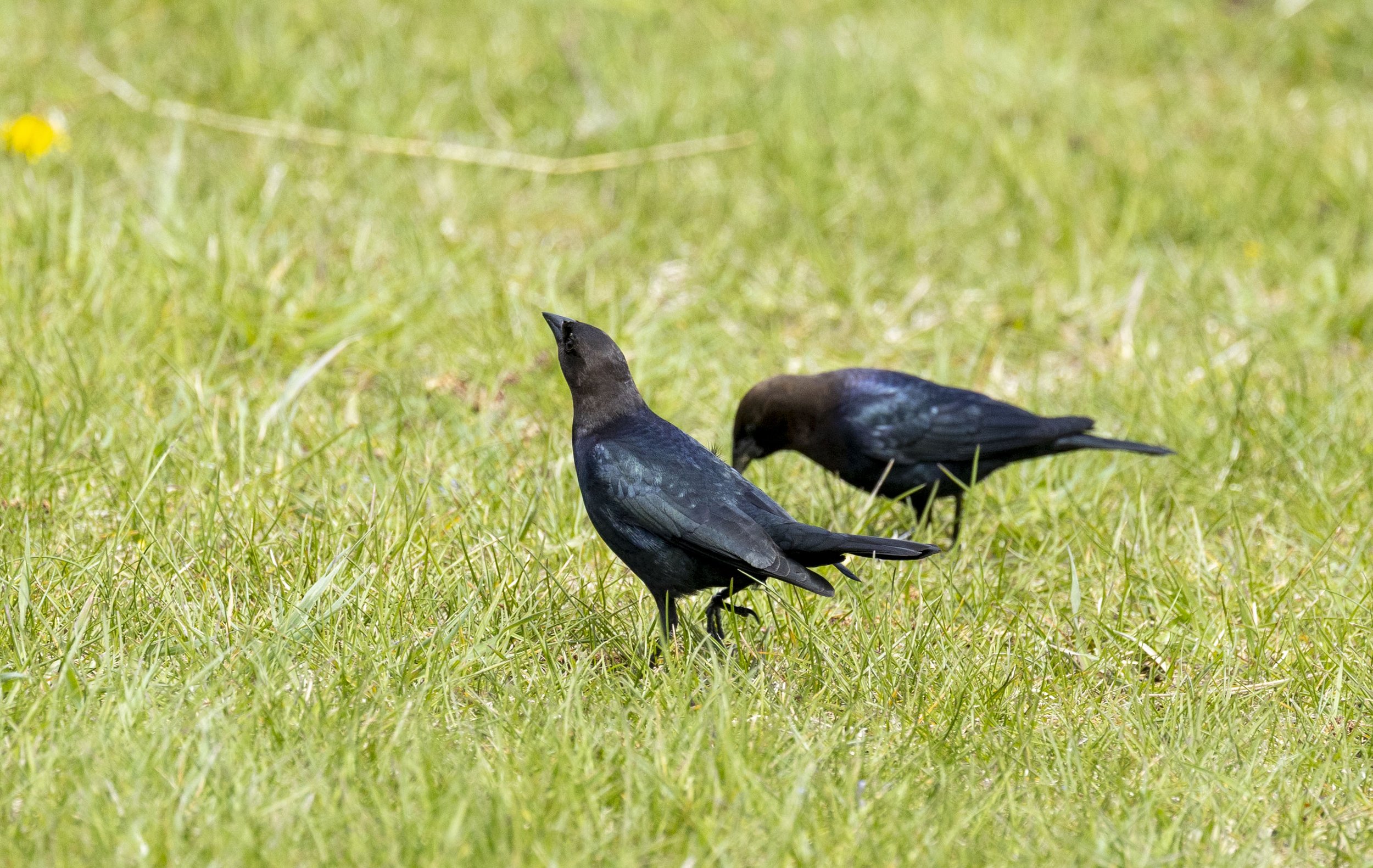
Brown-headed Cowbirds
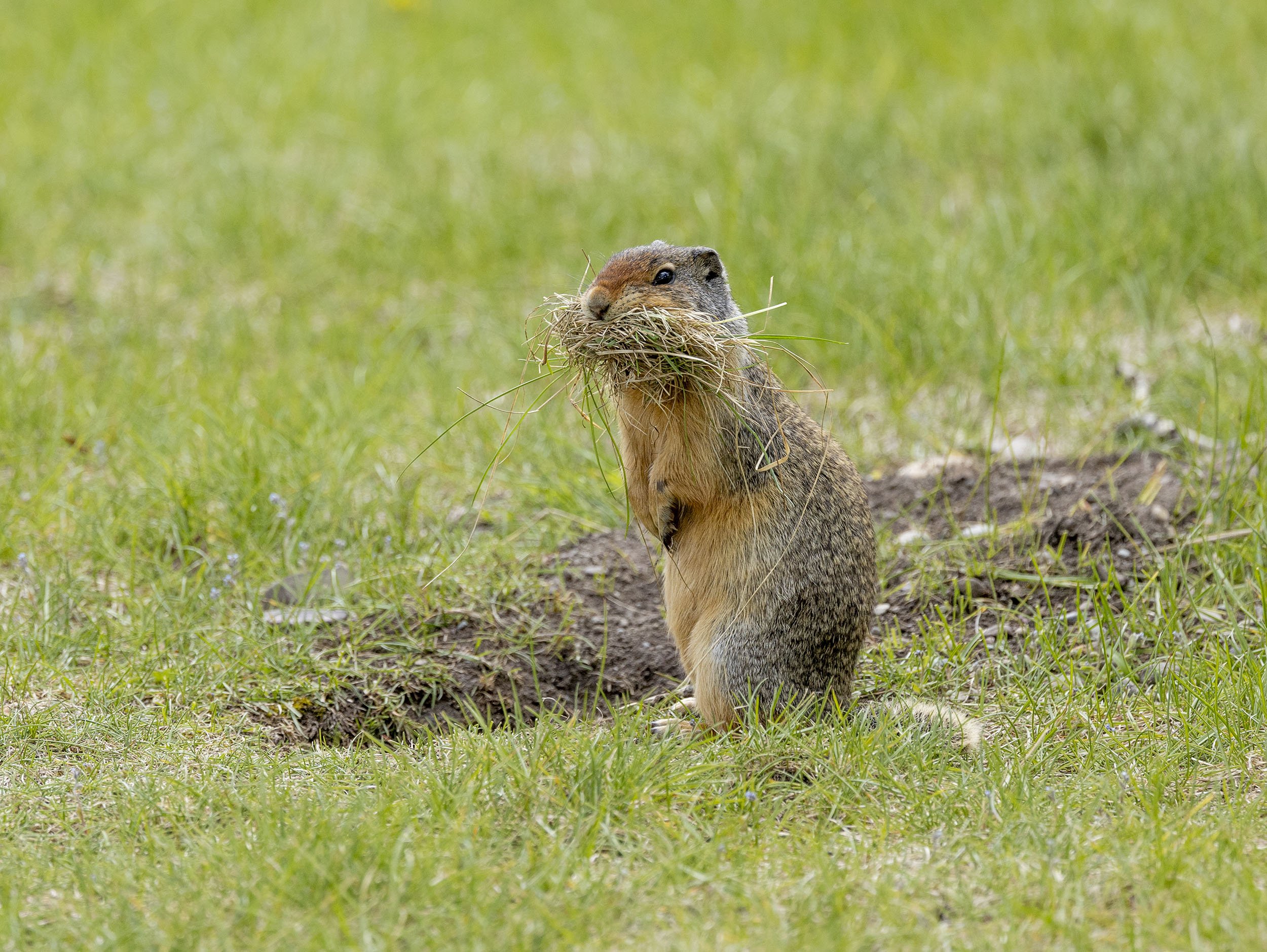
Always entertaining Columbian Ground Squirrels
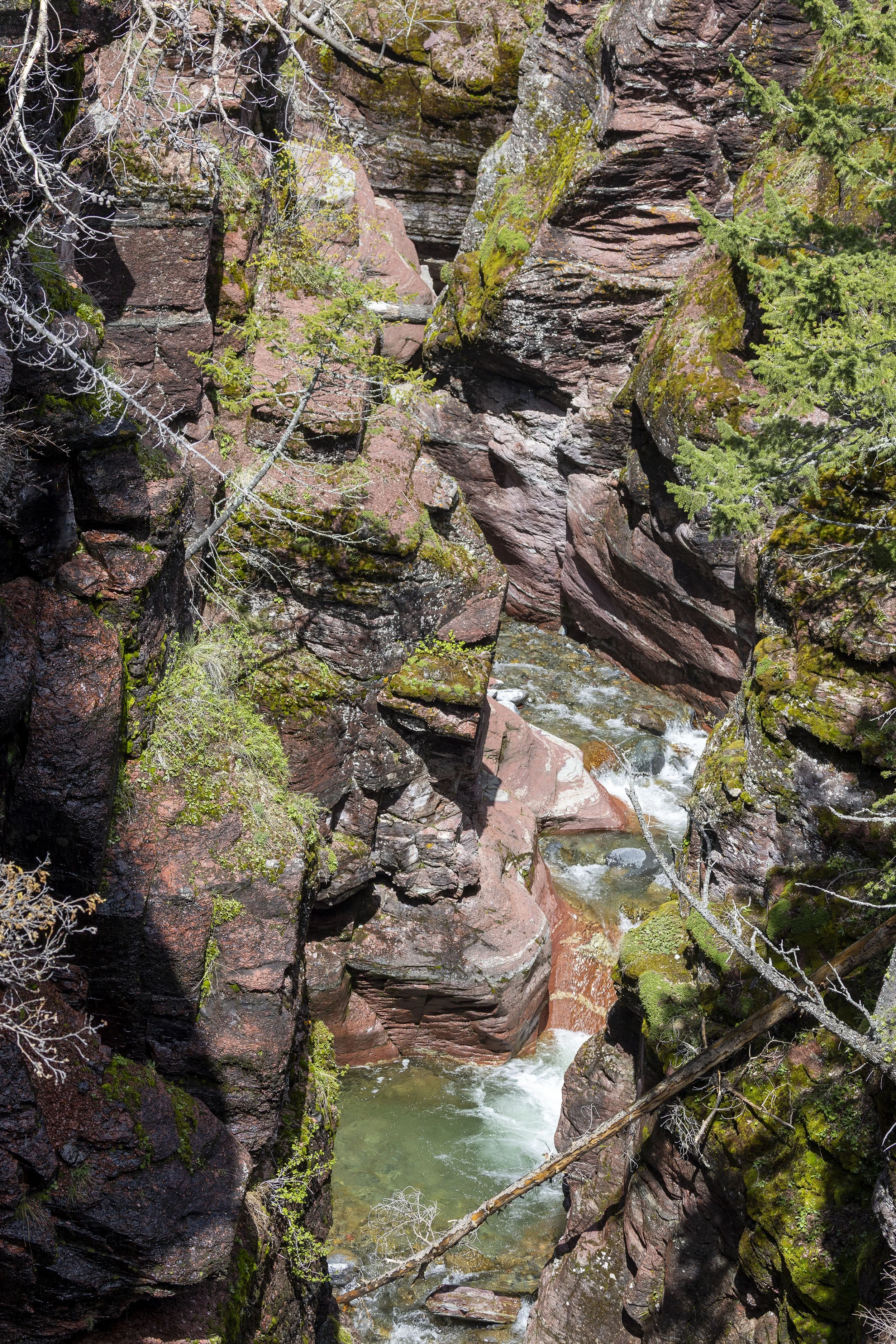
Red Rock Canyon a popular tourist spot but walk 50m to the west and you seldom see anyone
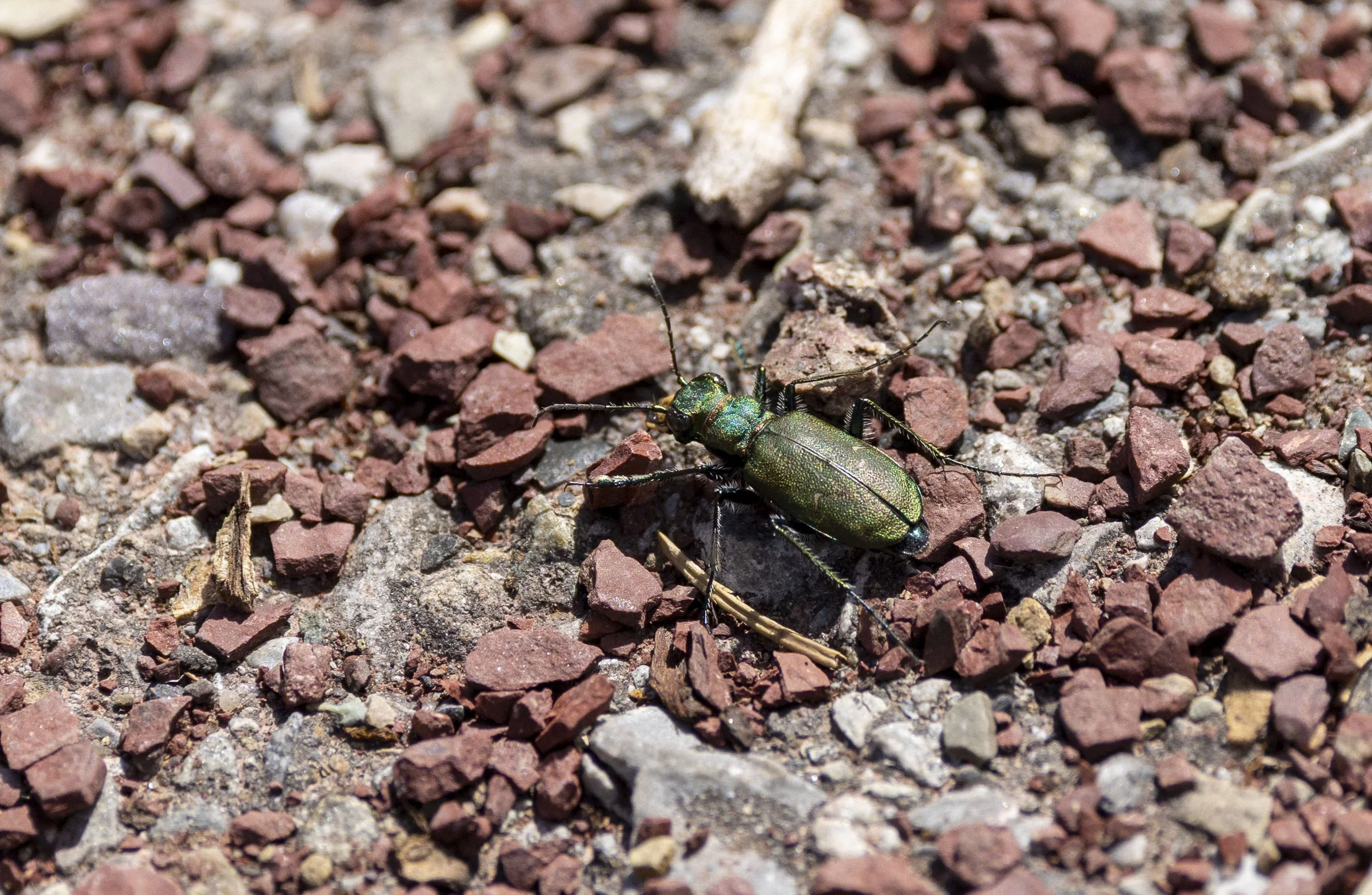
Could be a Boreal Long-lipped Tiger Beetle - Red Rock Canyon
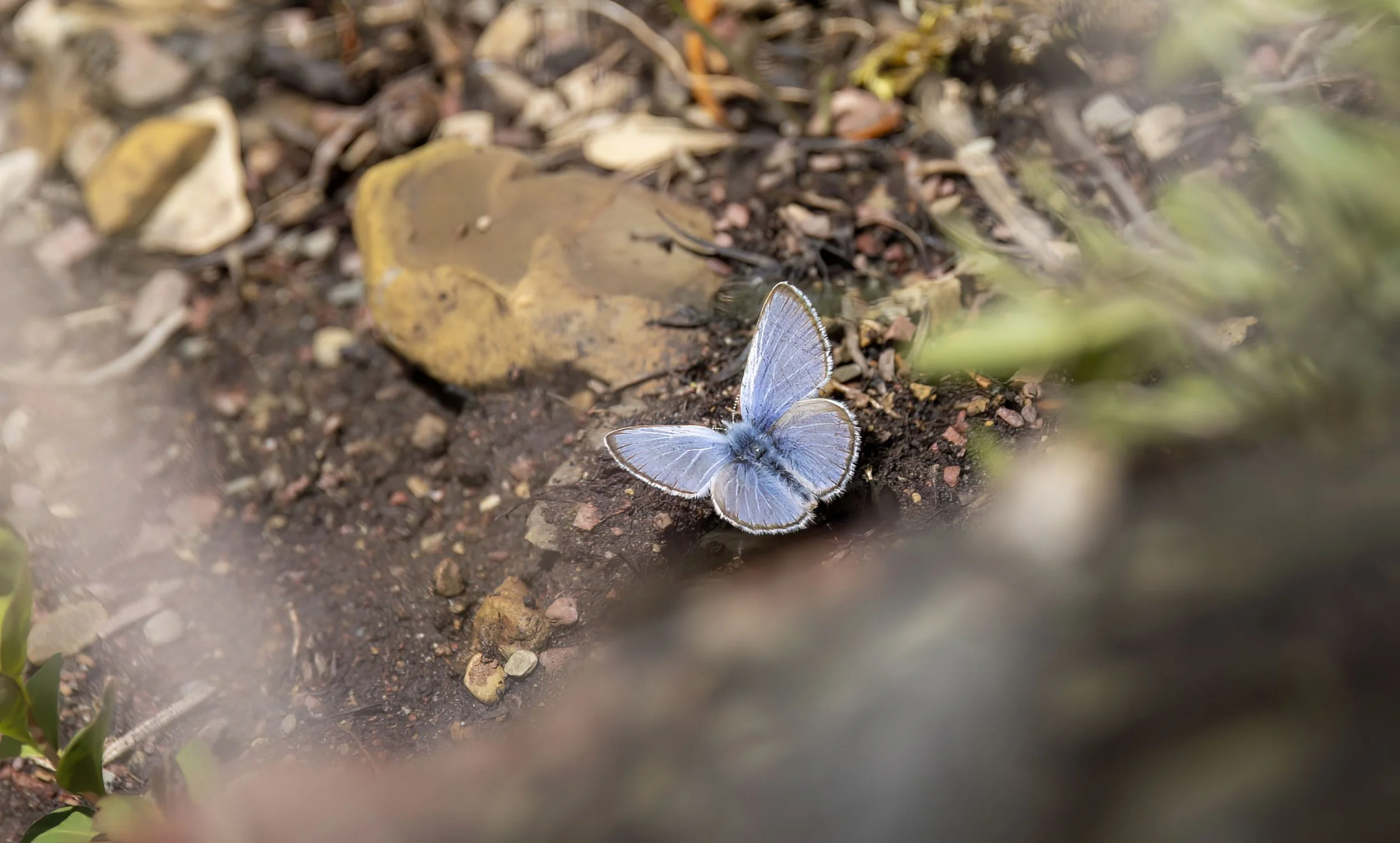
Blues always seem complicated but I think this is Silvery Blue
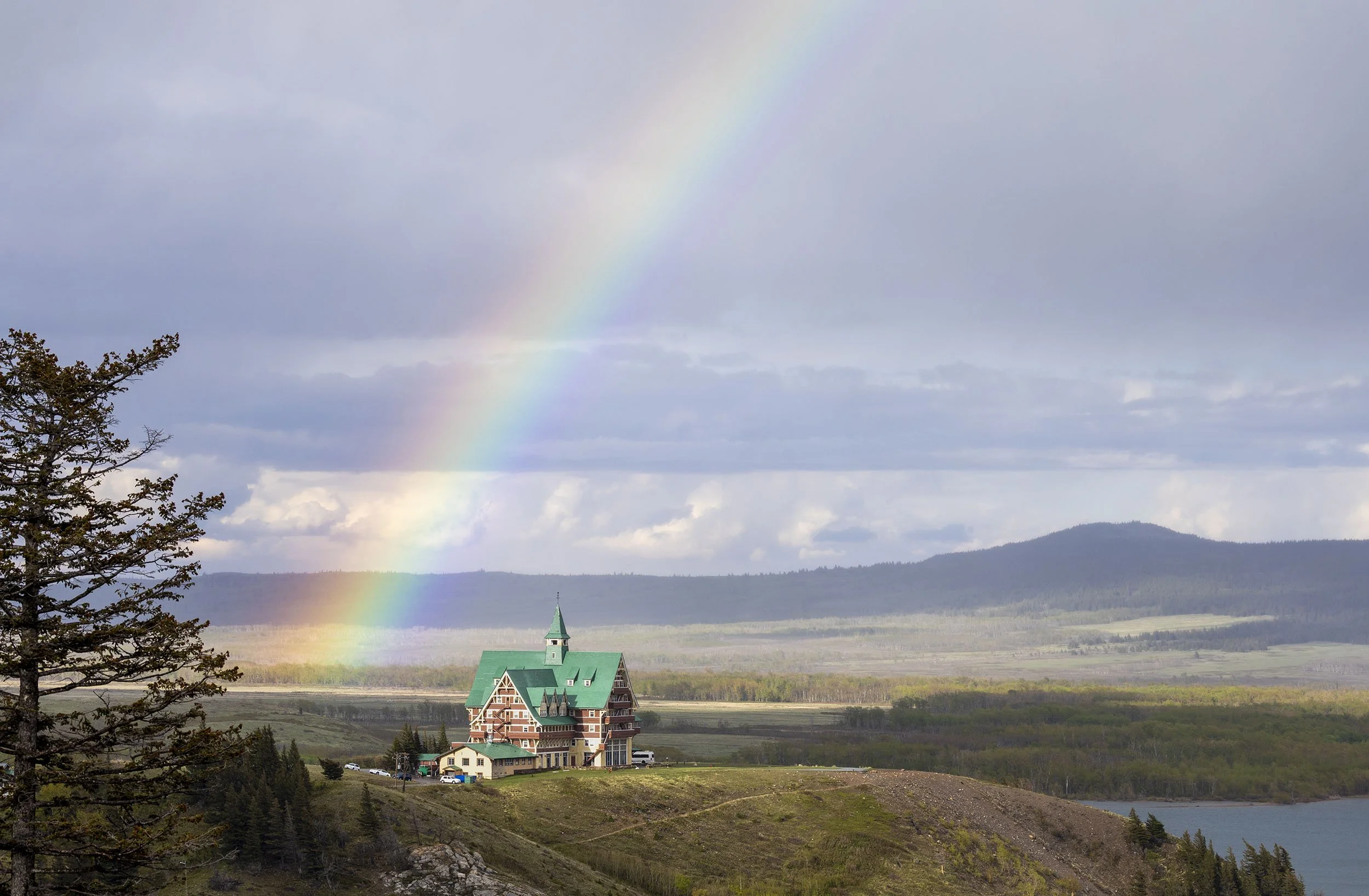
As evening rain cleared a rainbow over the park
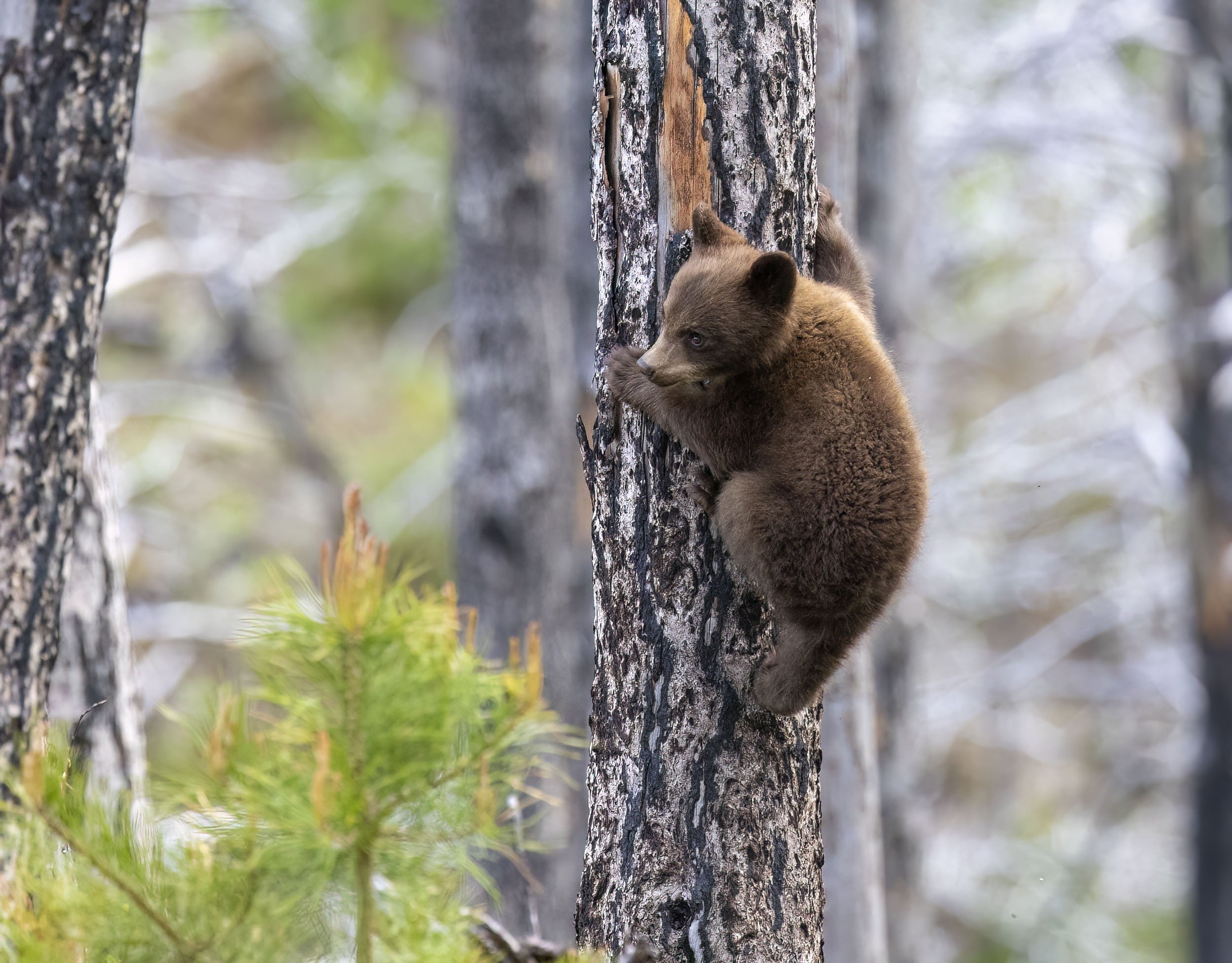
Evening Black Bear cubs
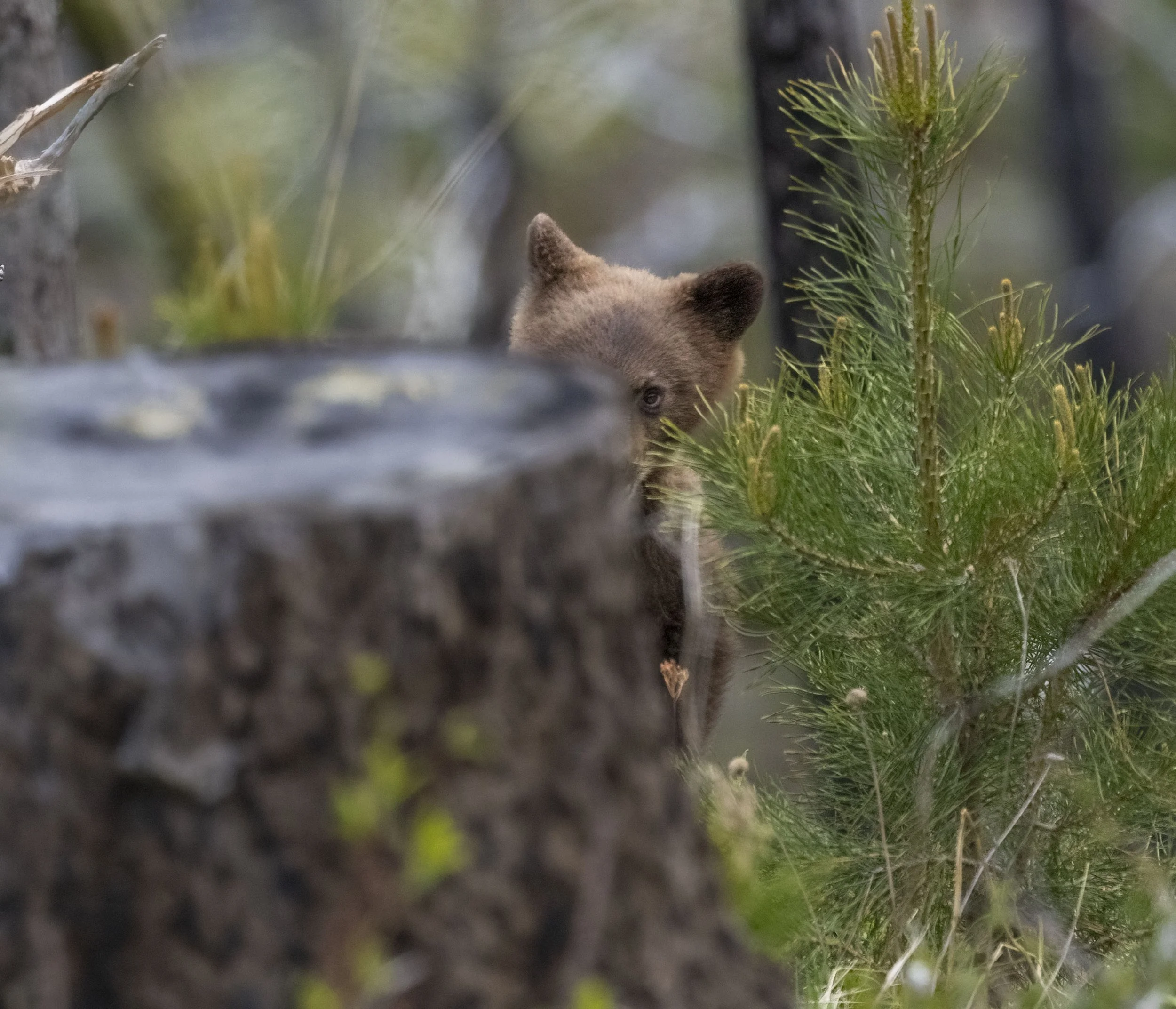
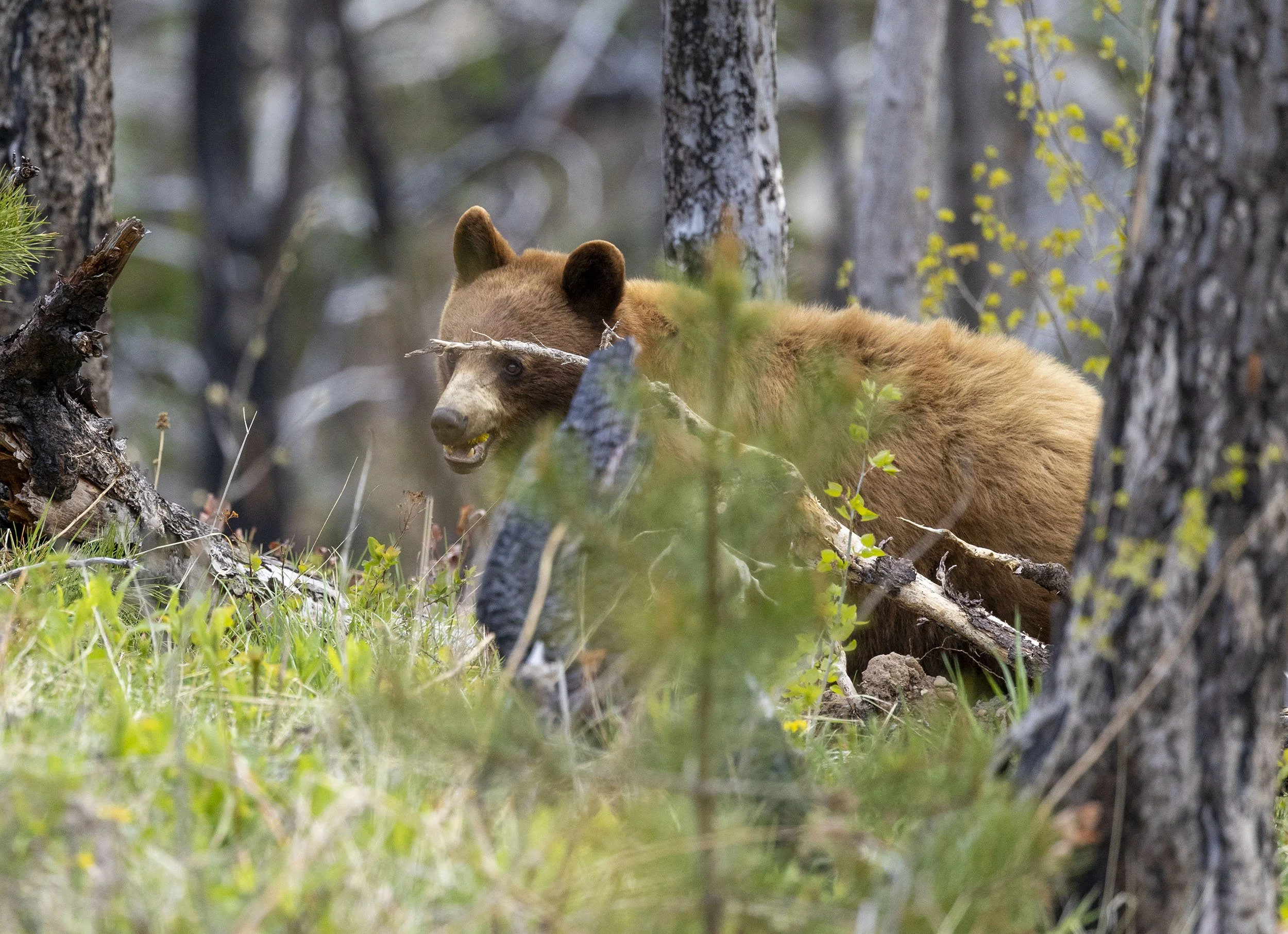
Mum was close by and a really ginger individual
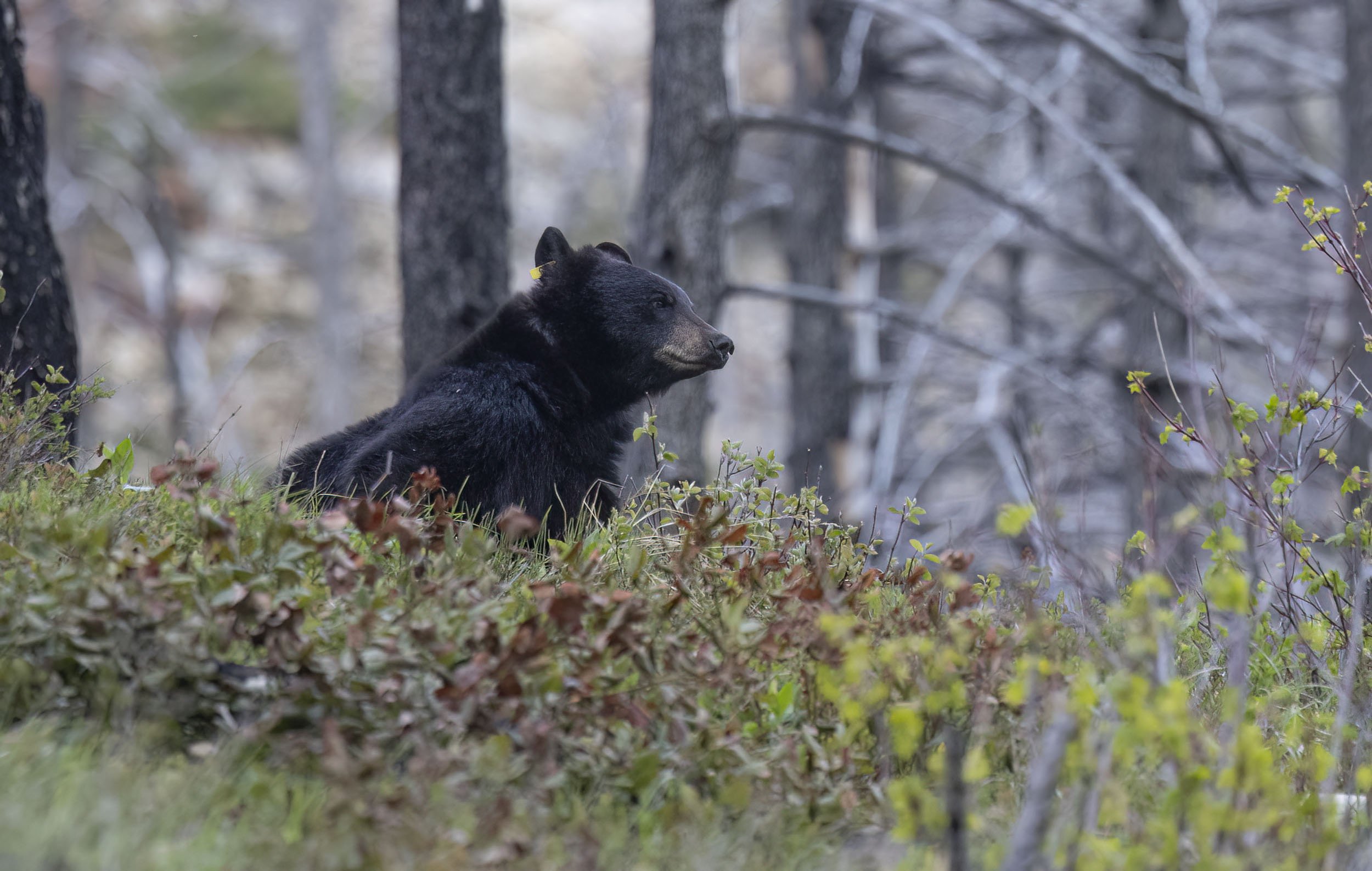
A Black Bear later in the evening as the light faded
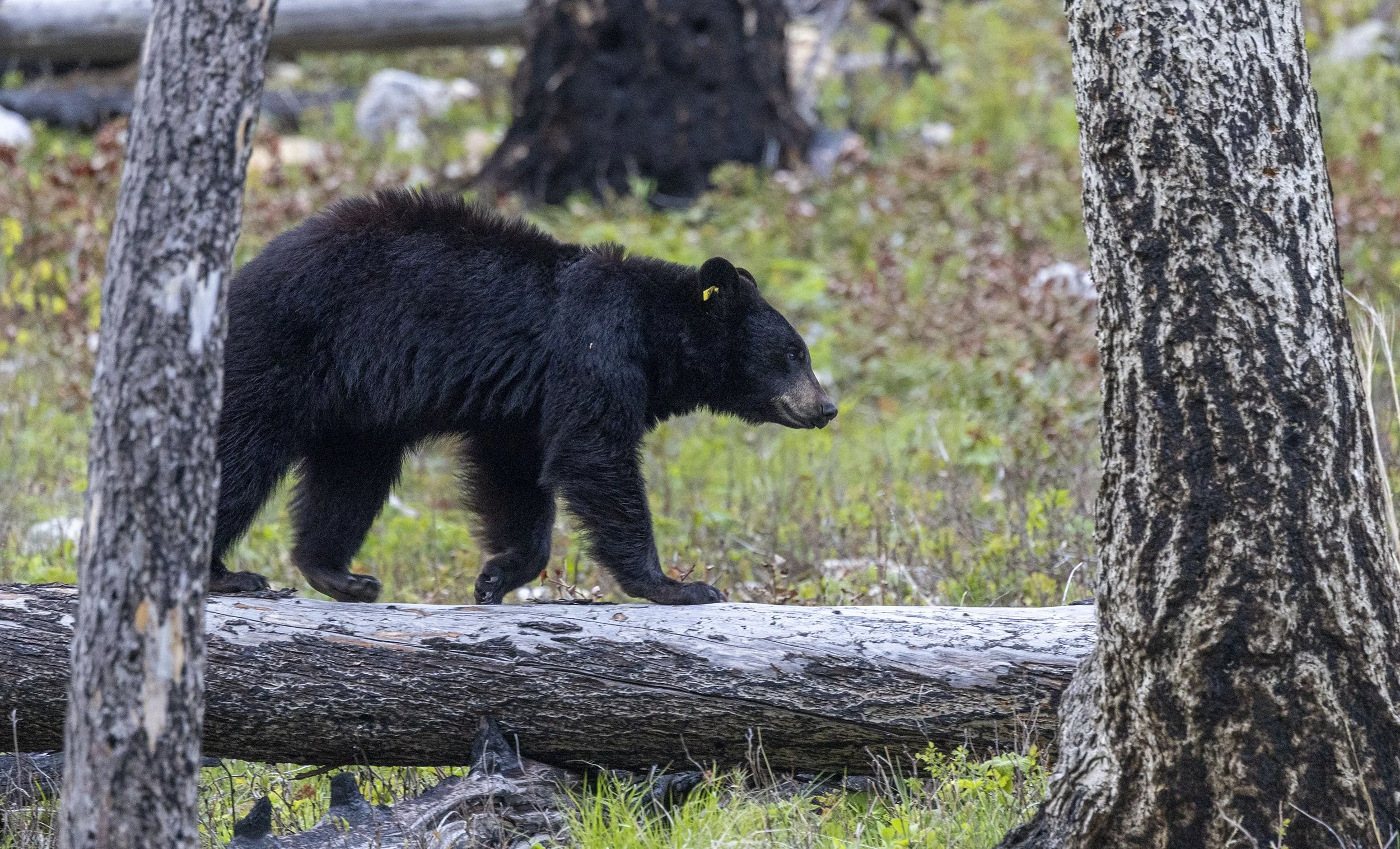
One with a yellow ear tag presumably part of a research program
May 20th
The weather forecast was not good with a lot of rain for Waterton and thunder storms elsewhere so we headed up to Head Smashed in Buffalo Jump to dodge the worst of the rain. Double-crested Cormorant was on the Dungarvan pond as we left. Sadly, our arrival coincided with the arrival of three busloads of school children in addition to which the café was not open (is it ever after four visits). We had a walk round the trail which was pretty poor bird wise with only Brown Thrasher heard not seen Eastern Kingbird, Yellow Warblers and Clay-coloured Sparrows a singing House Wren and the usual male Northern Harrier. We then tried Range Road 263 that had produced Upland Sandpipers in 2019 but today it was again poor with just a few Swainson’s Hawks, American Kestrels, a Prairie Merlin, Vesper Sparrow and a flying Sharp-tailed Grouse but a serious lack of sparrows. The rain was approaching fast so we drove west to Fort Macleod for brunch and then walked the trail by the river with thunderstorms all around but amazingly missing us. Another probable Prairie Falcon passed by without stopping and House Wren and Least Flycatchers were noisy but otherwise it was again quiet though a Western-tailed Blue butterfly and a Rocky Mountain Clearwing moth were notables. A longish drive back on increasingly wet and boggy township roads, 35 miles of them turned up another more obliging American Kestrel and it was time for dinner. Two Slavonian / Horned Grebes were back in residence on the Dungarvan pond by the cottage with a pair of Lesser Scaup. After dinner we drove Red Rock Canyon Road with A Townsend’s Solitaire and Black Bear with three cubs being a bit of a muted evening turnout in dull weather.
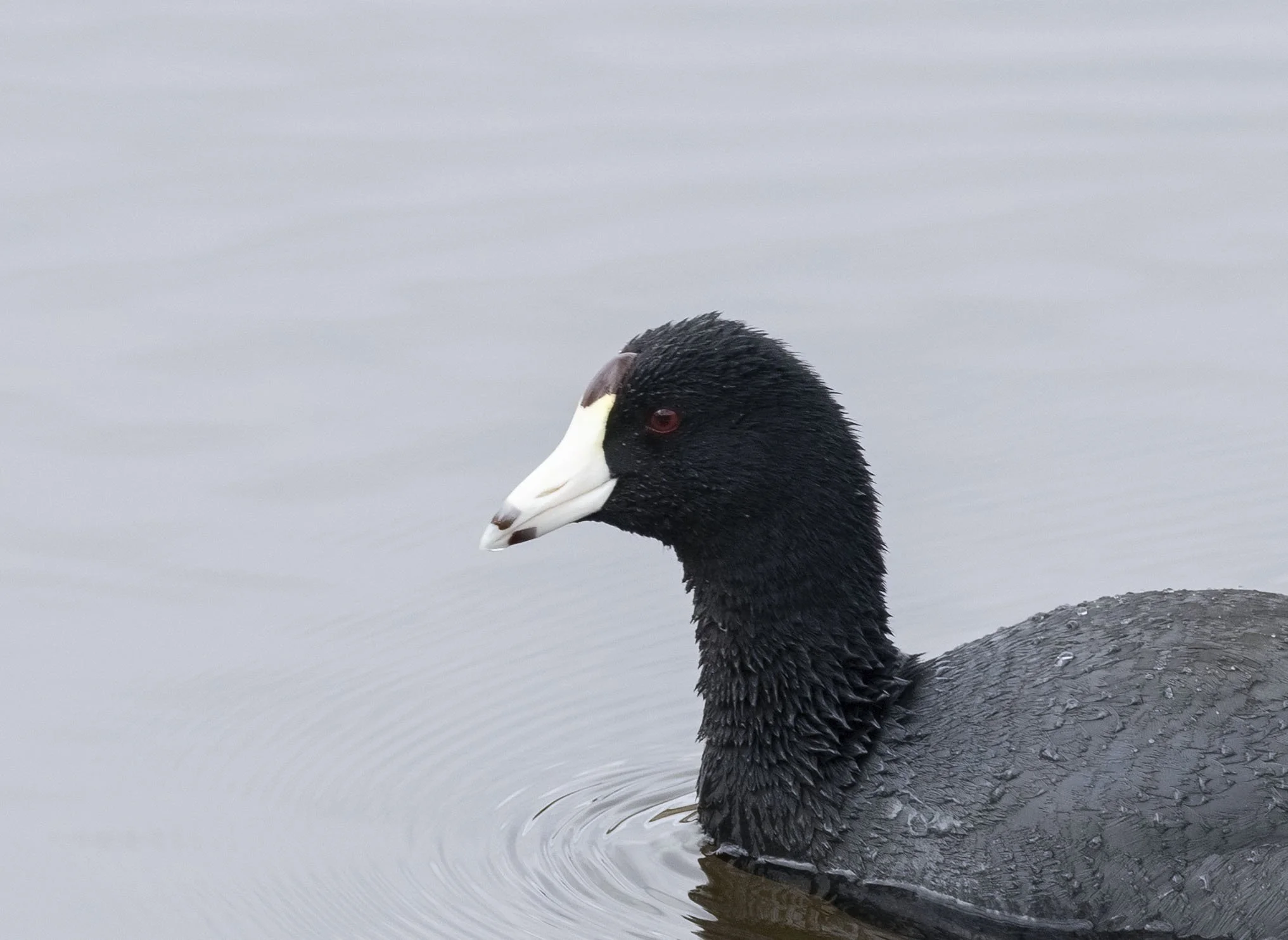
American Coot head shot
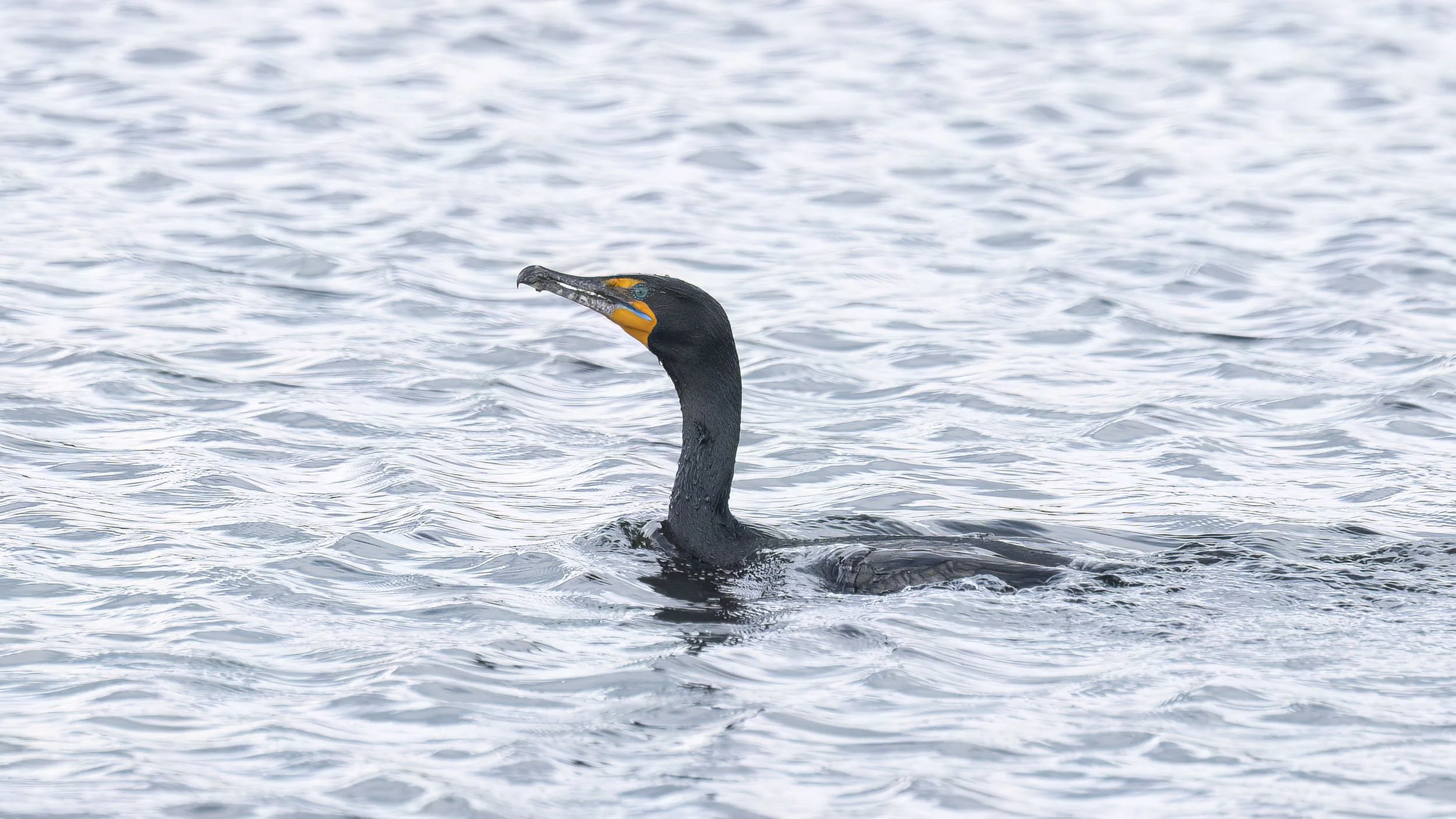
Double-crested Cormorant on the cottage pond
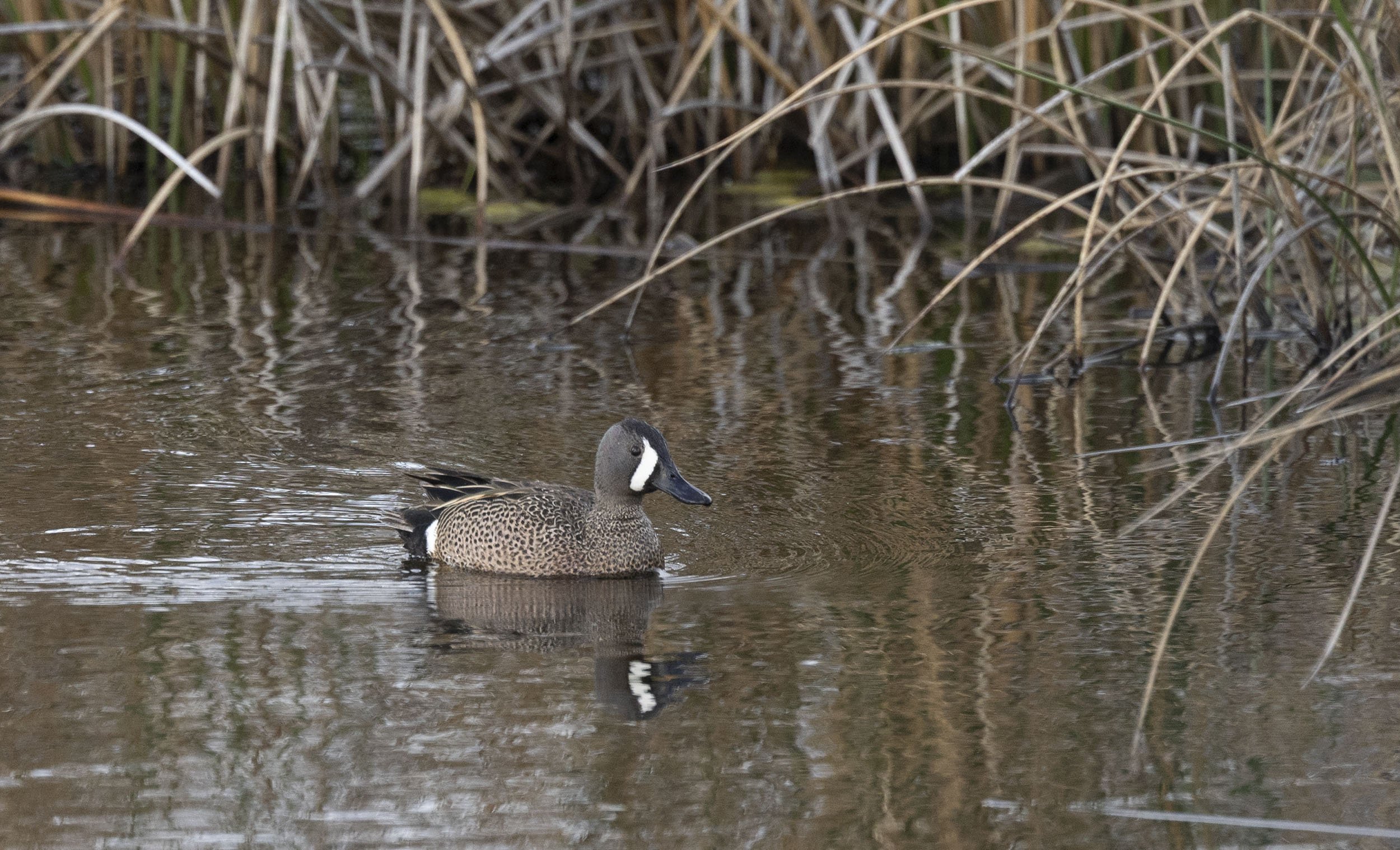
Drake Blue-winged Teal on the Dungarvan Pond
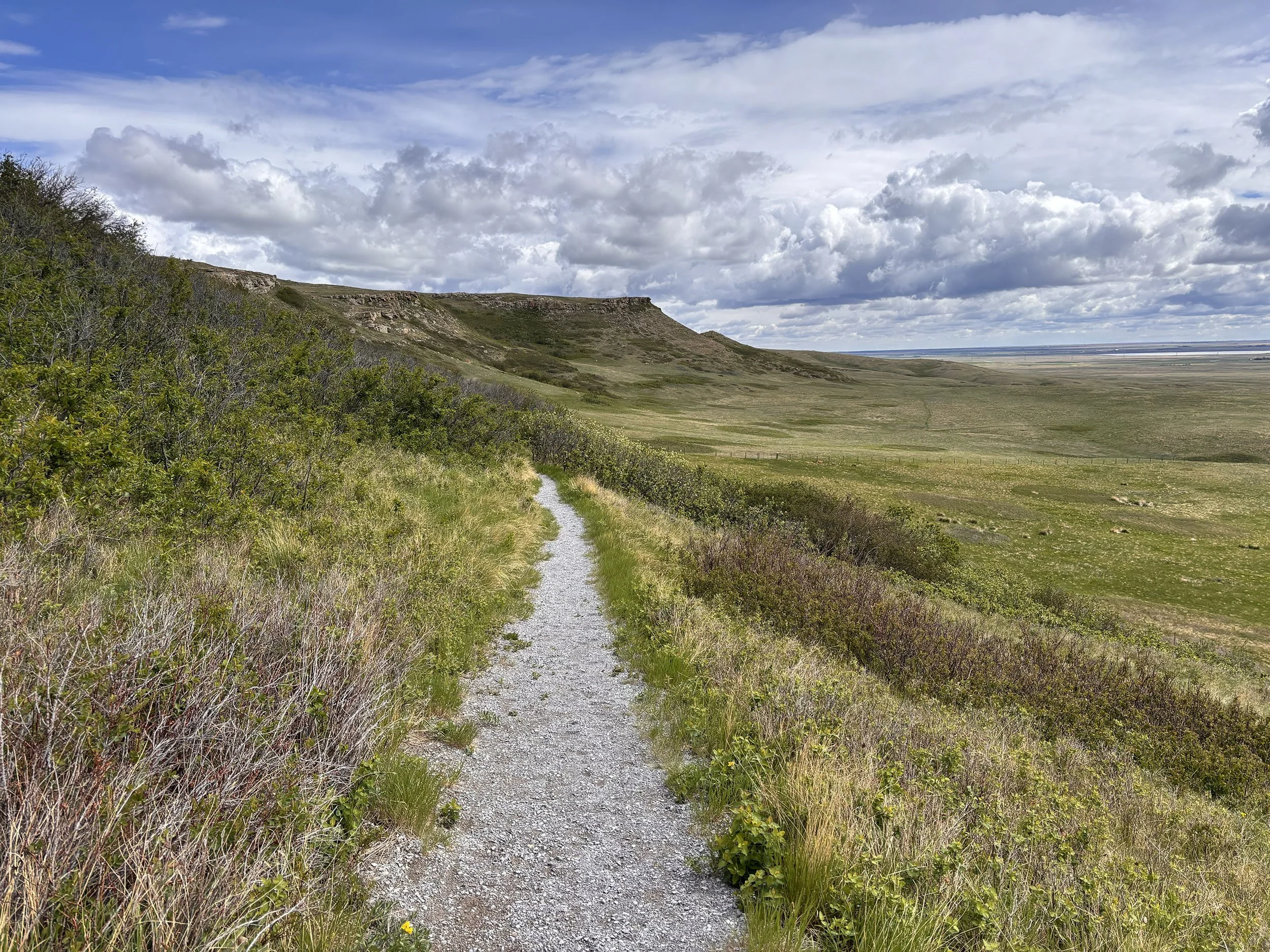
the trail at Head Smashed In
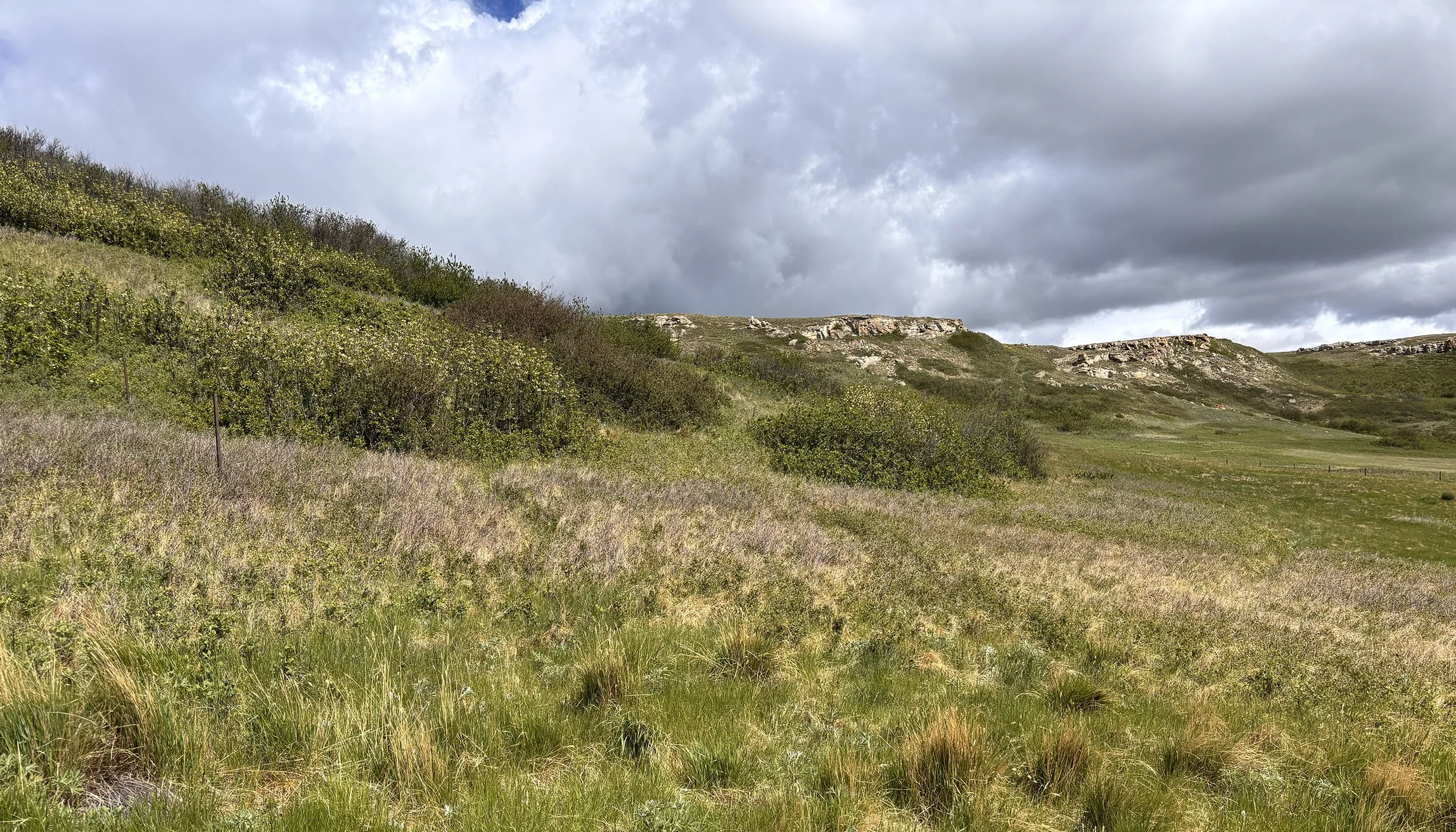
Big clouds building and we managed to shelter from the first downpour of the day
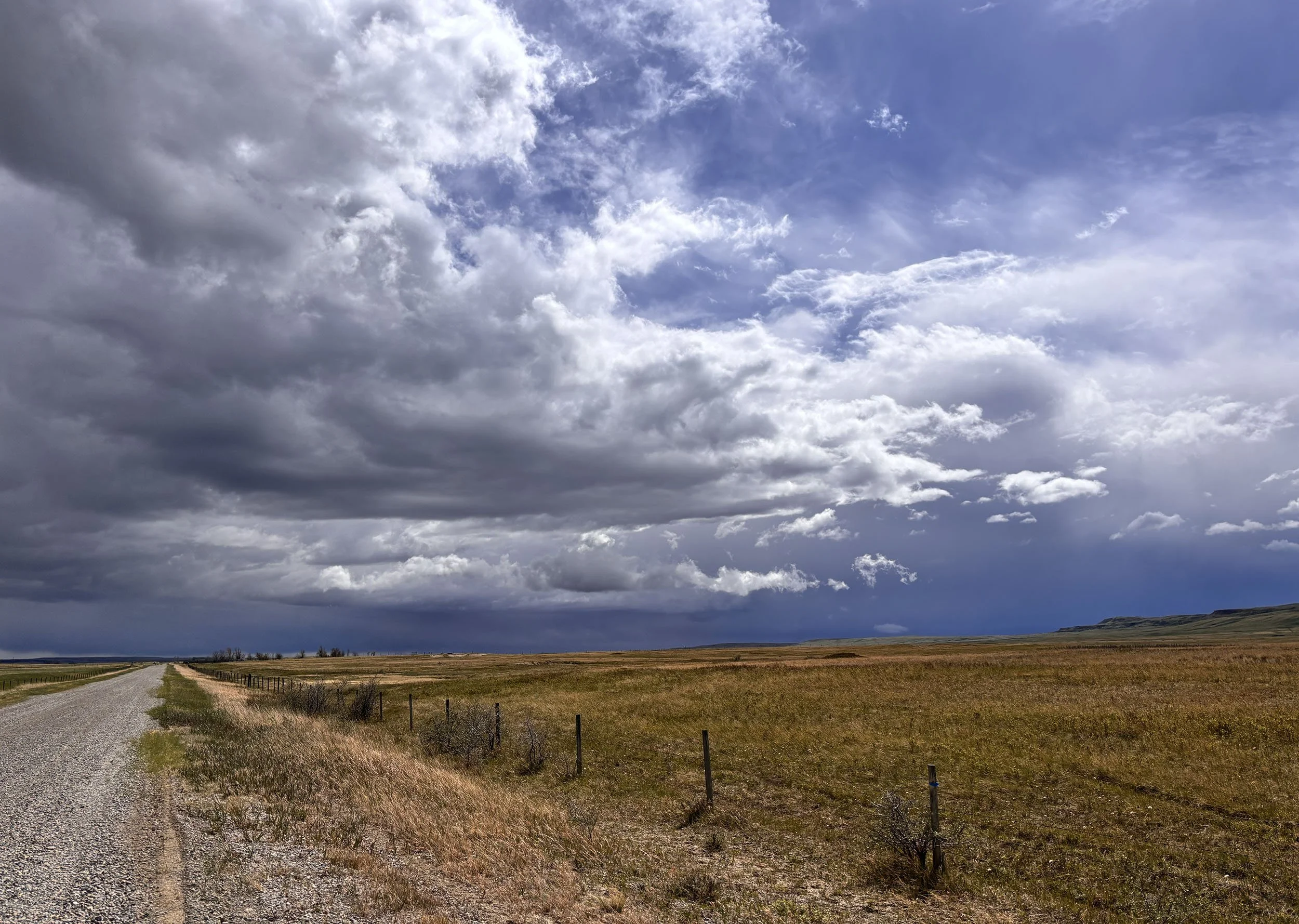
Range Road 263 with thunderstorms all around
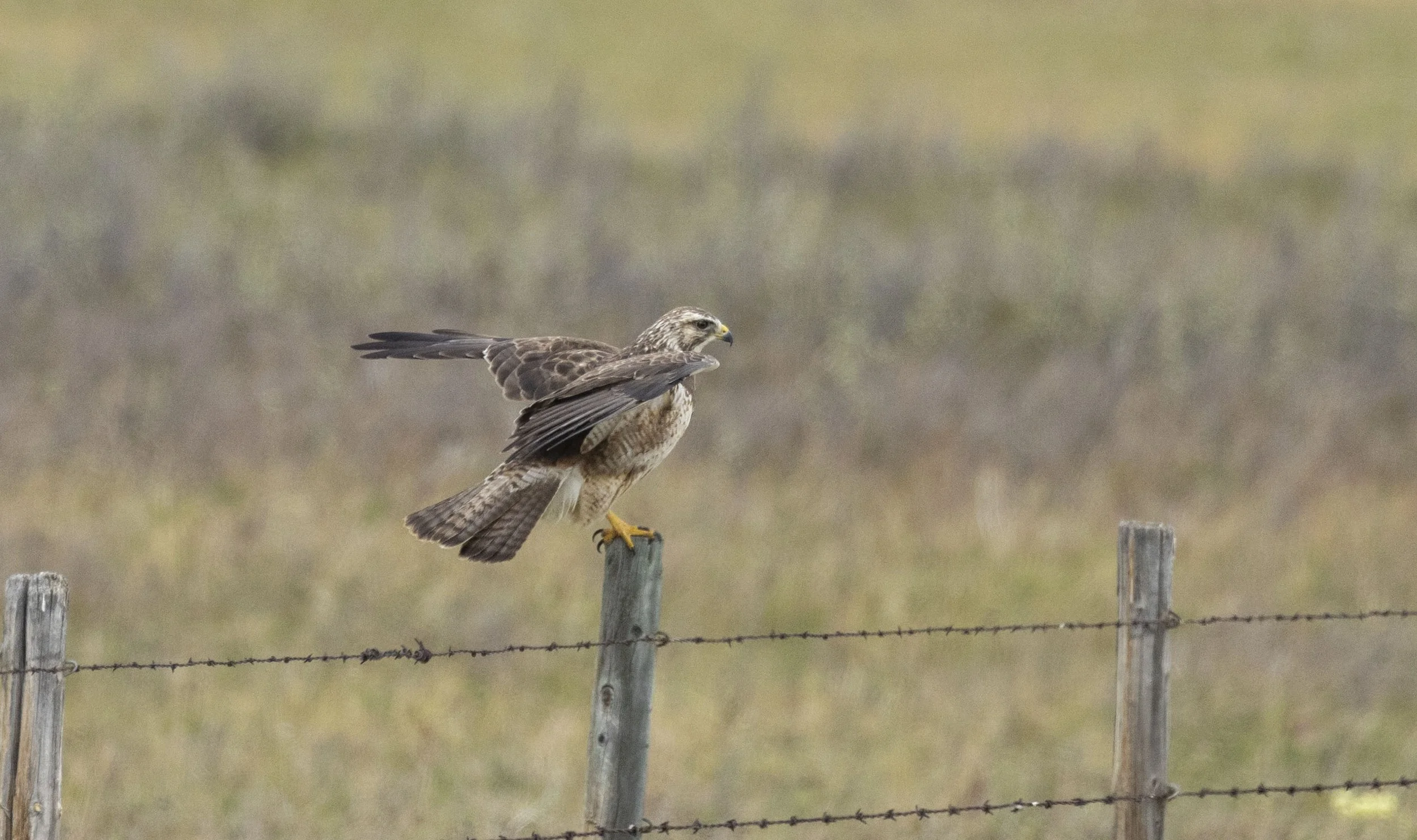
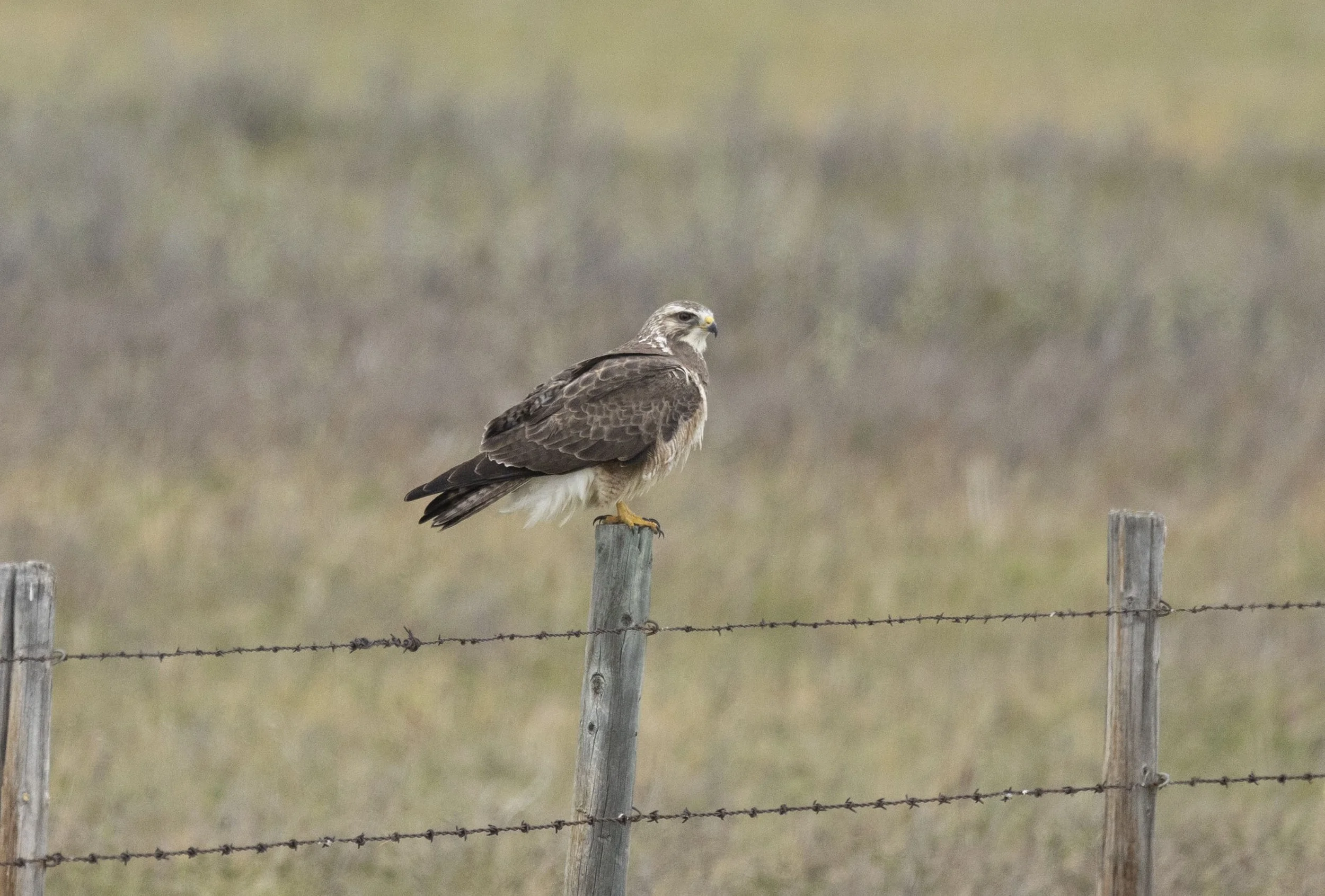
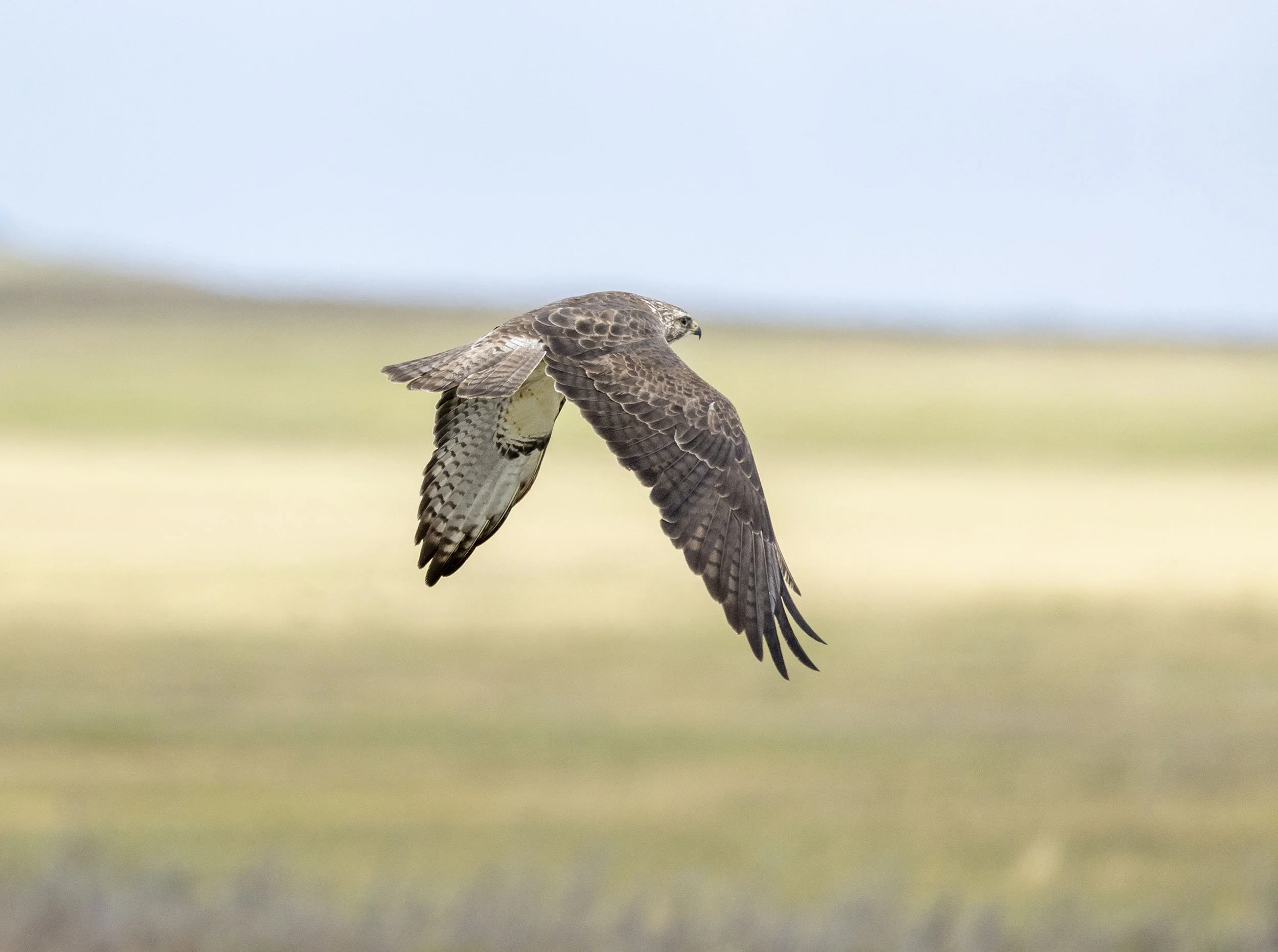
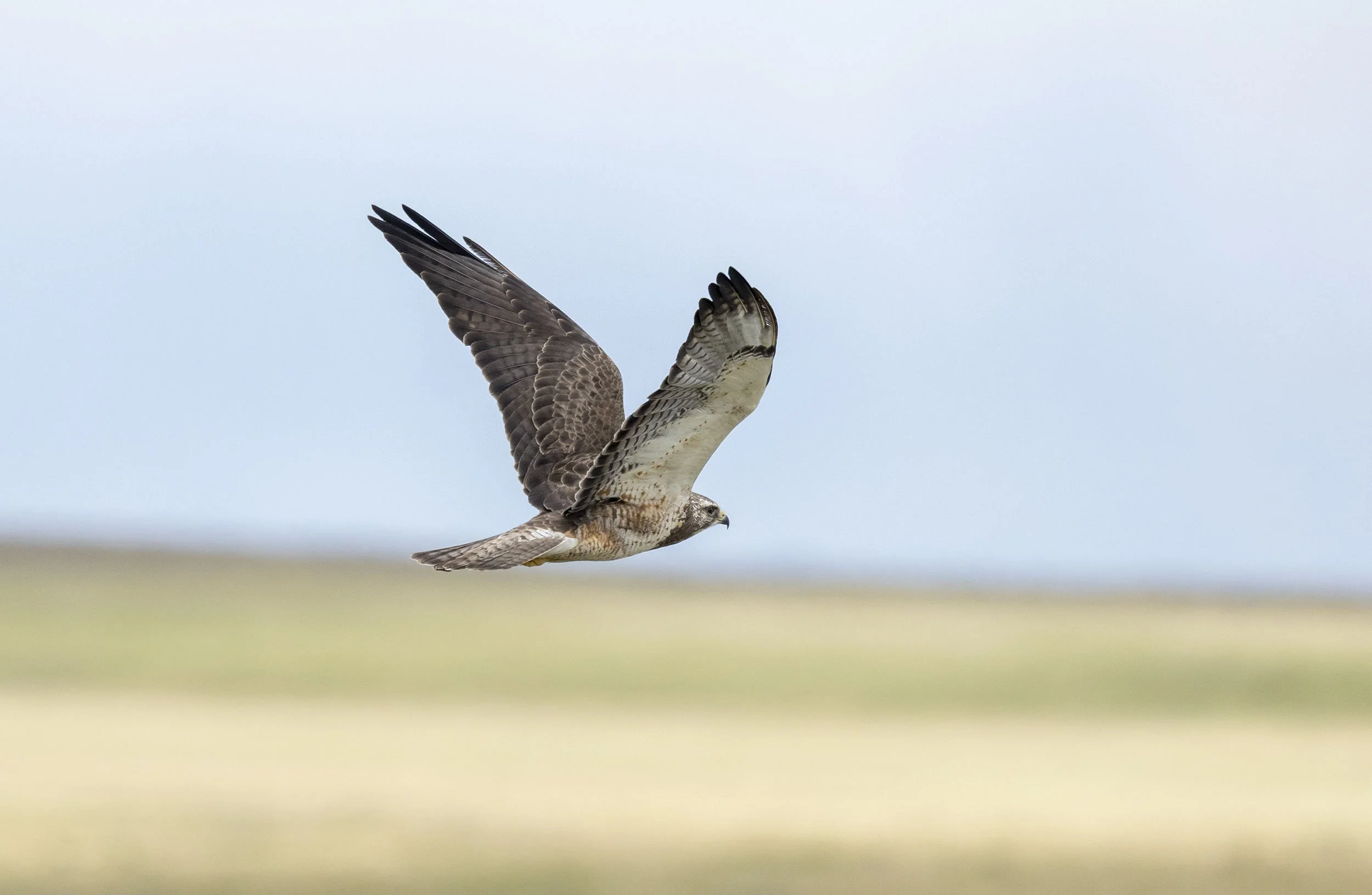
2cy Swainson’s Hawk
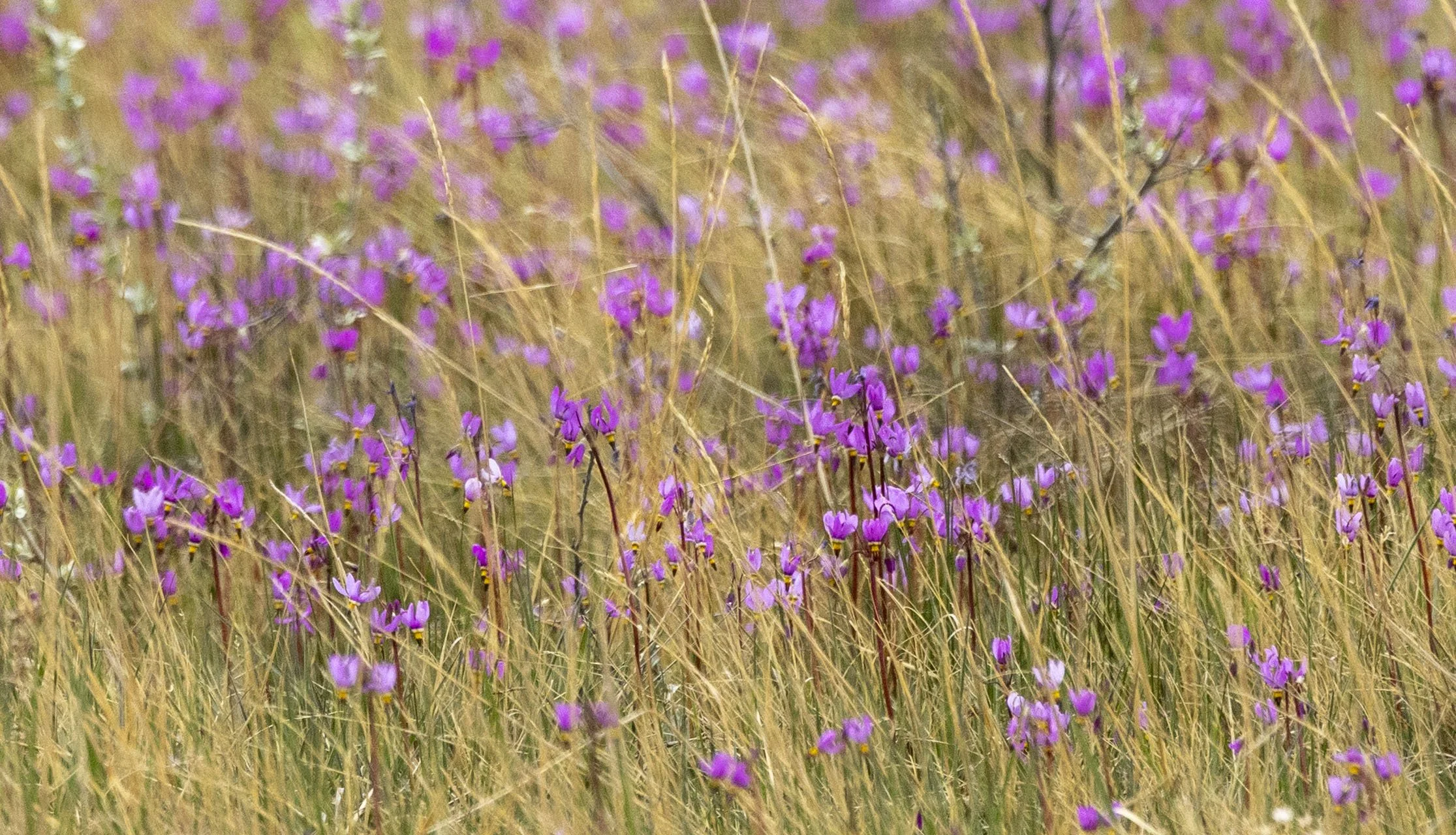
A small area of the prairie carpeted with Boneville Shooting Star
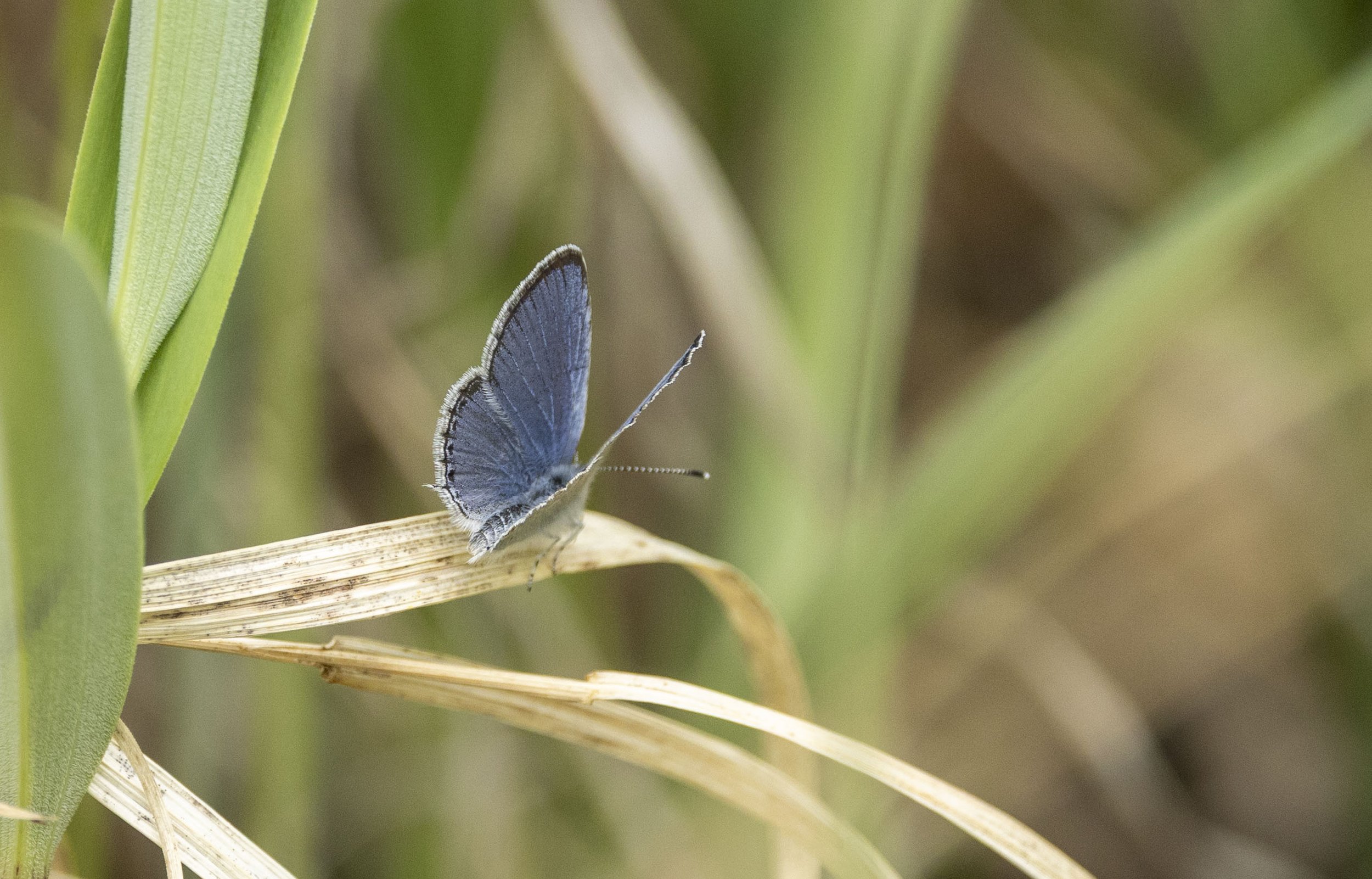
Western-tailed Blue
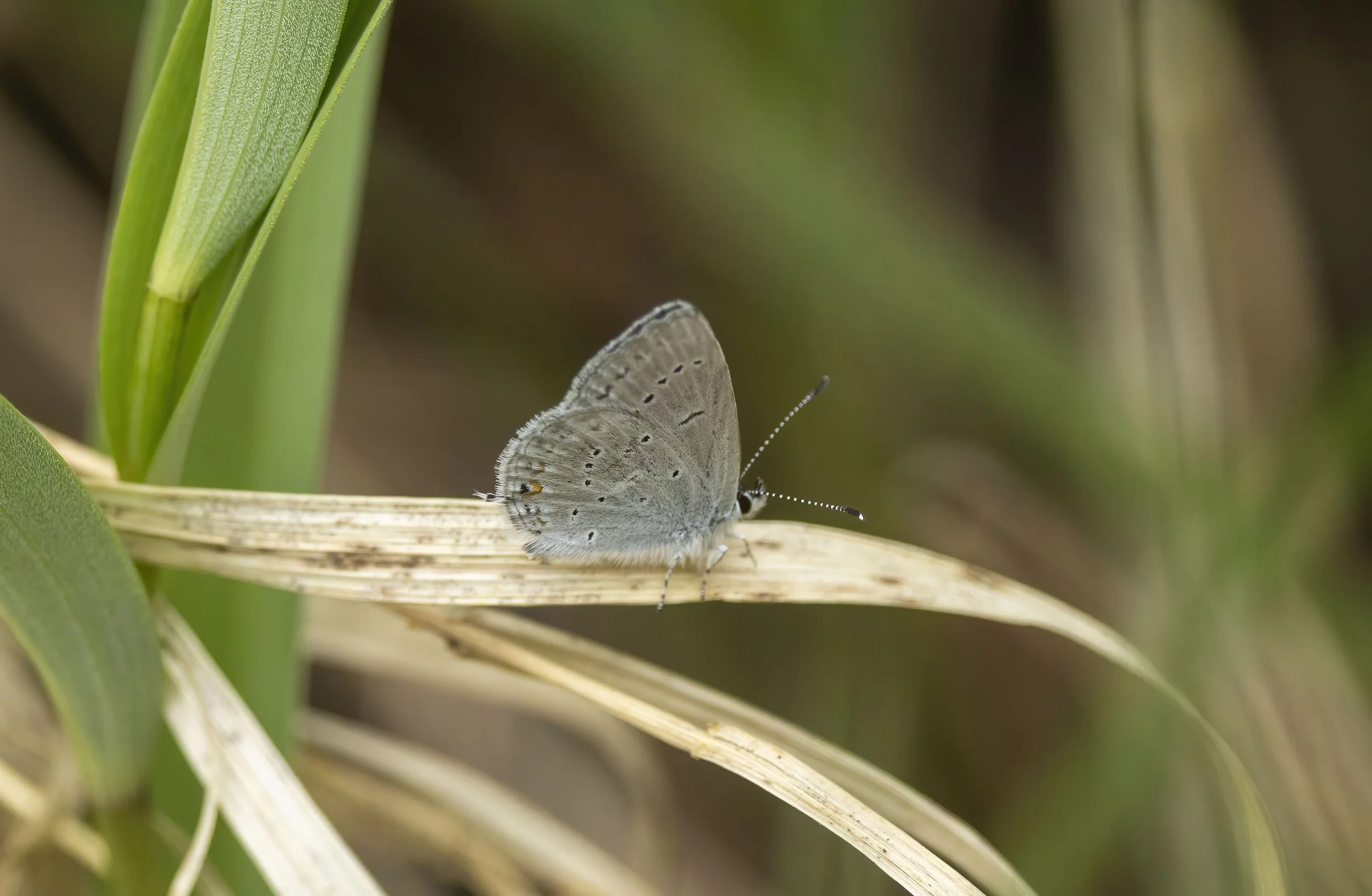
Western-tailed Blue Fort Macleod
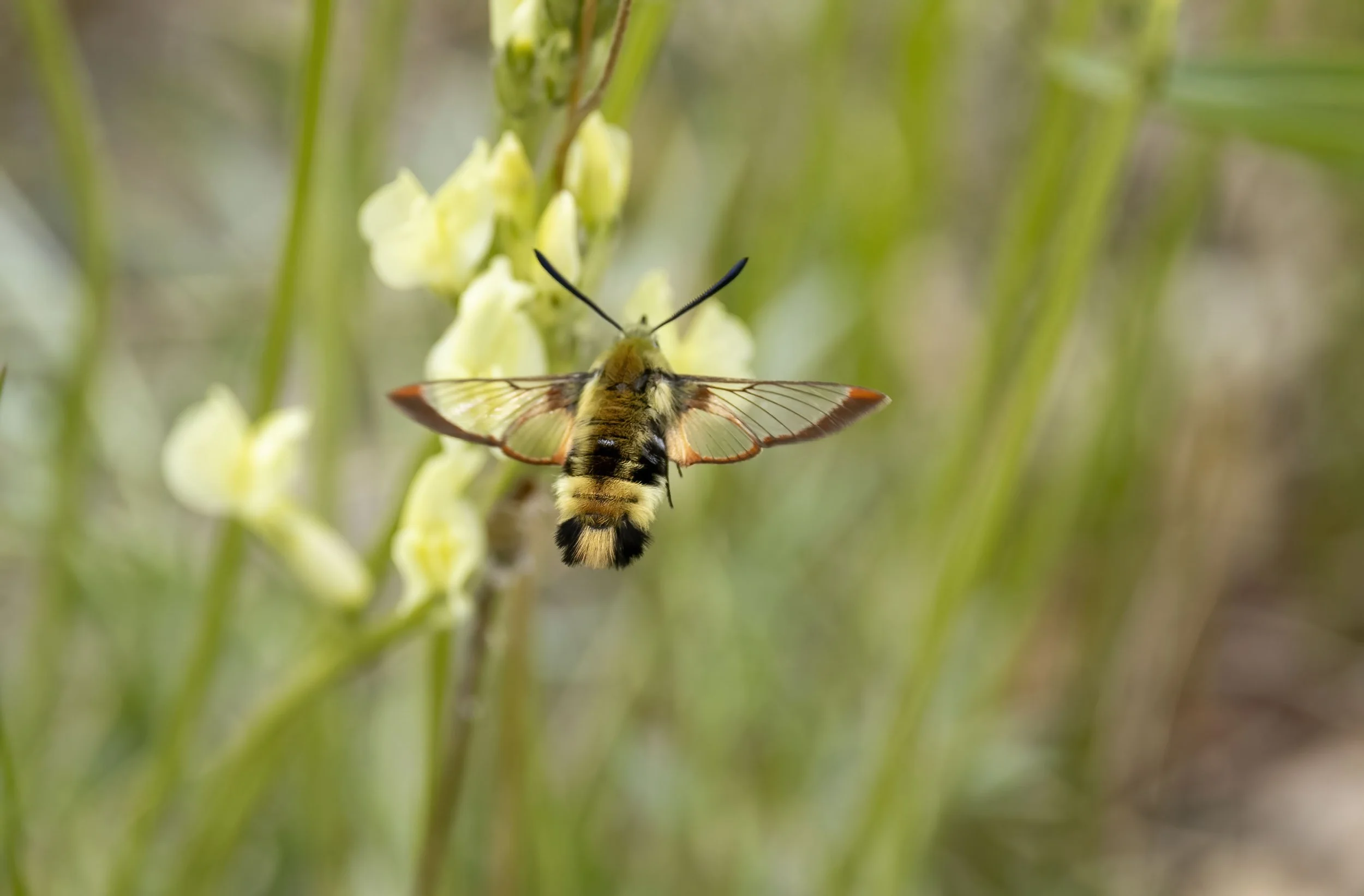
Rocky Mountain Clearwing (I believe)
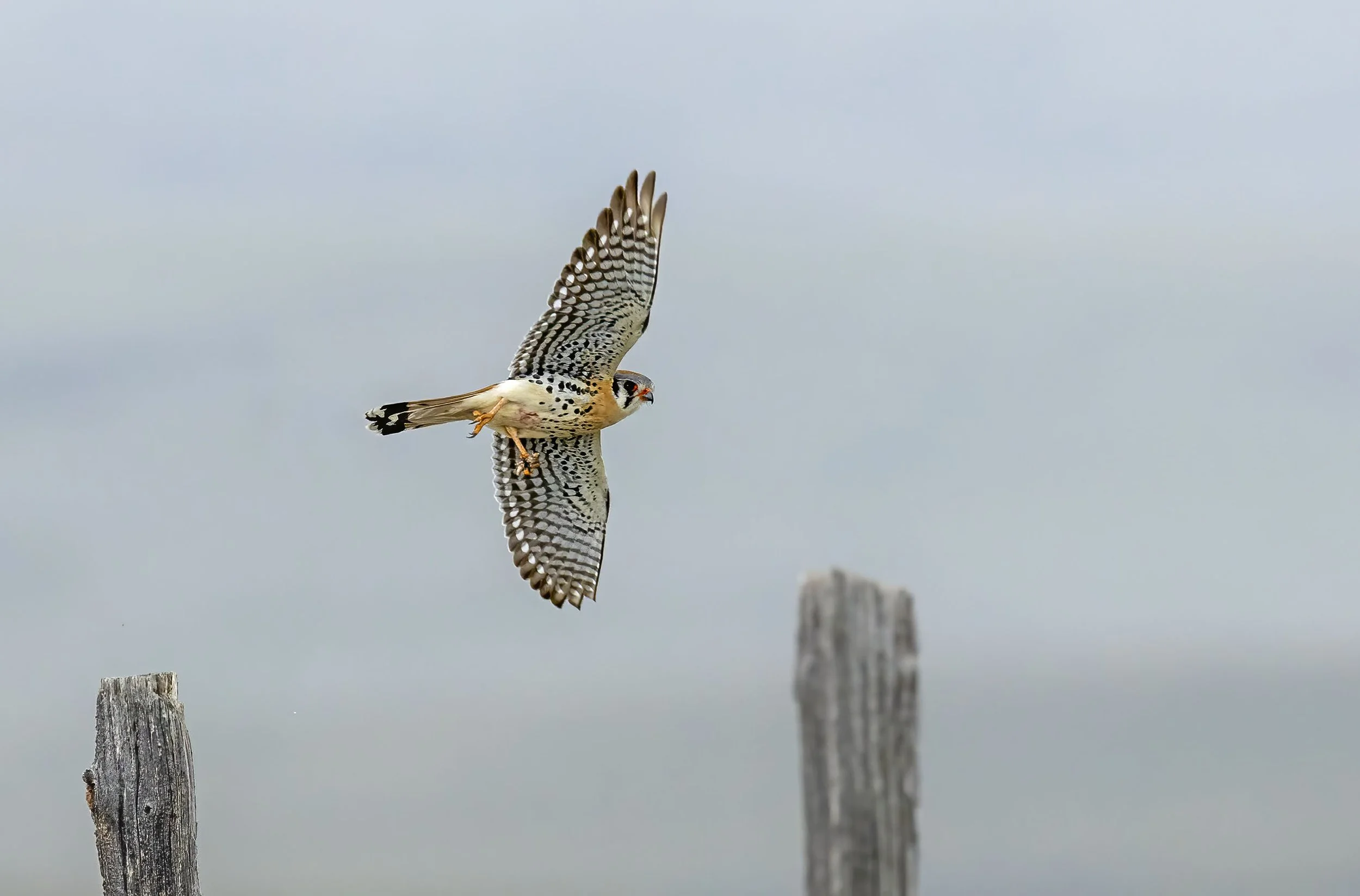
American Kestrel
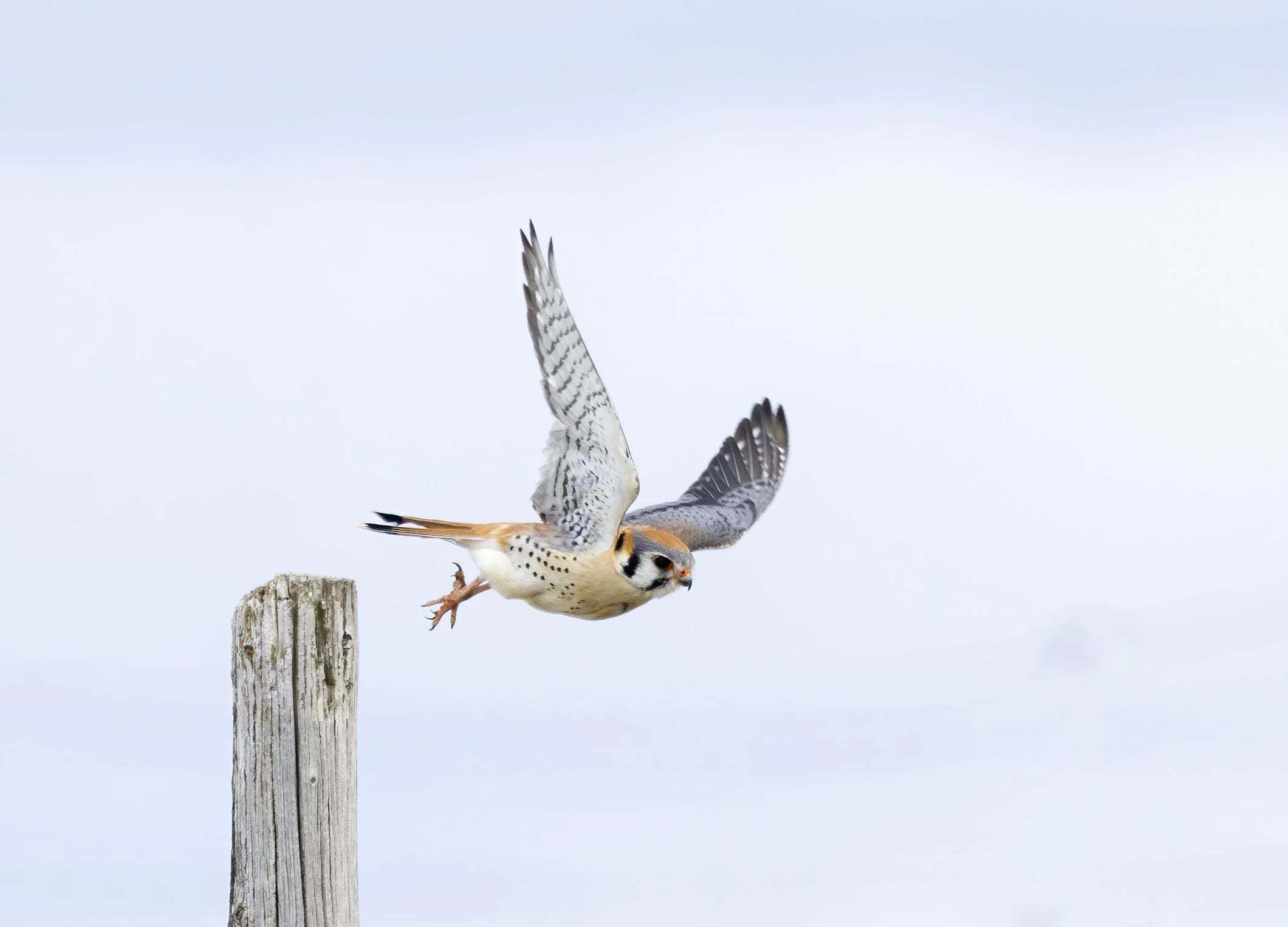
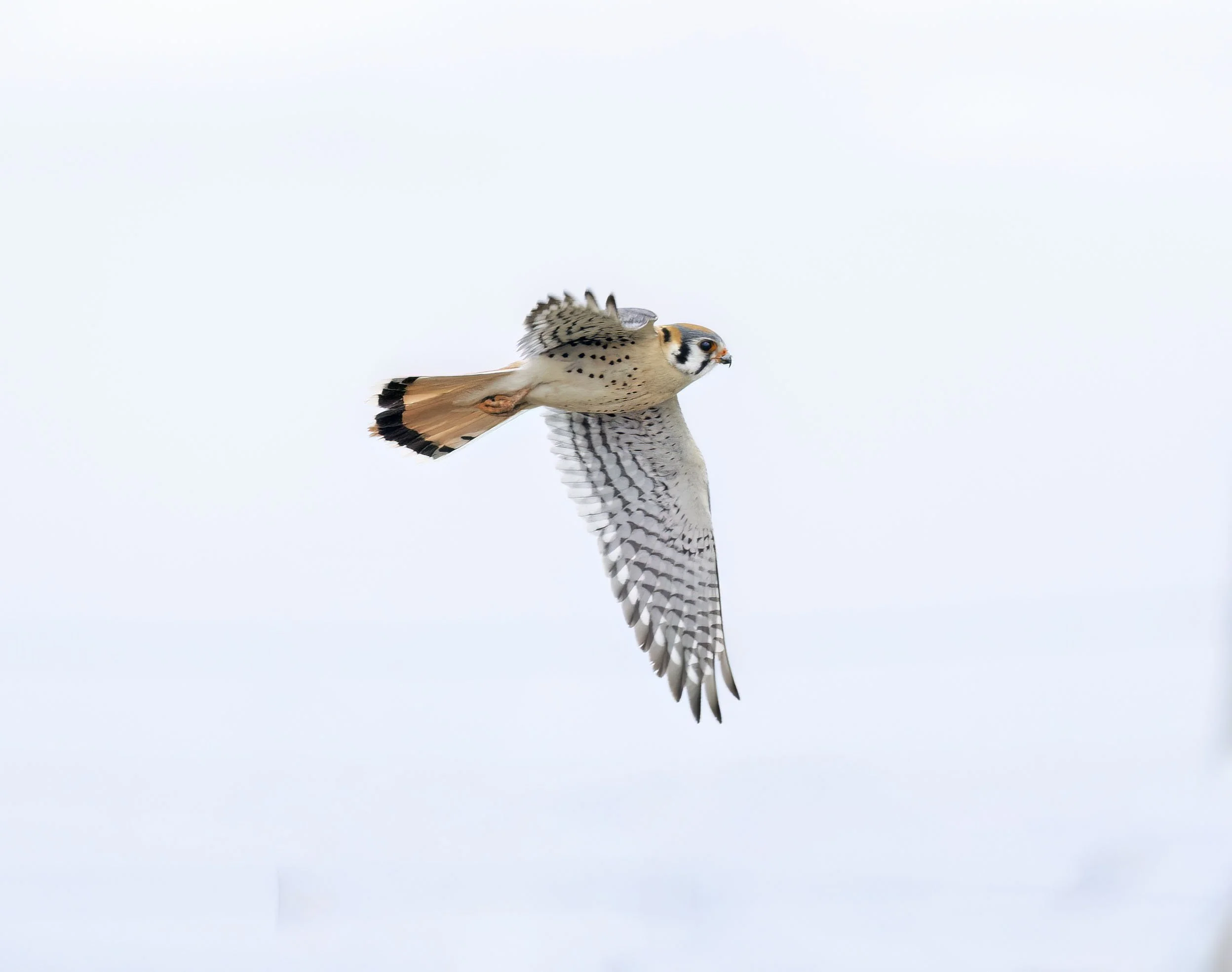
A different male American Kestrel on the side of a wet range road
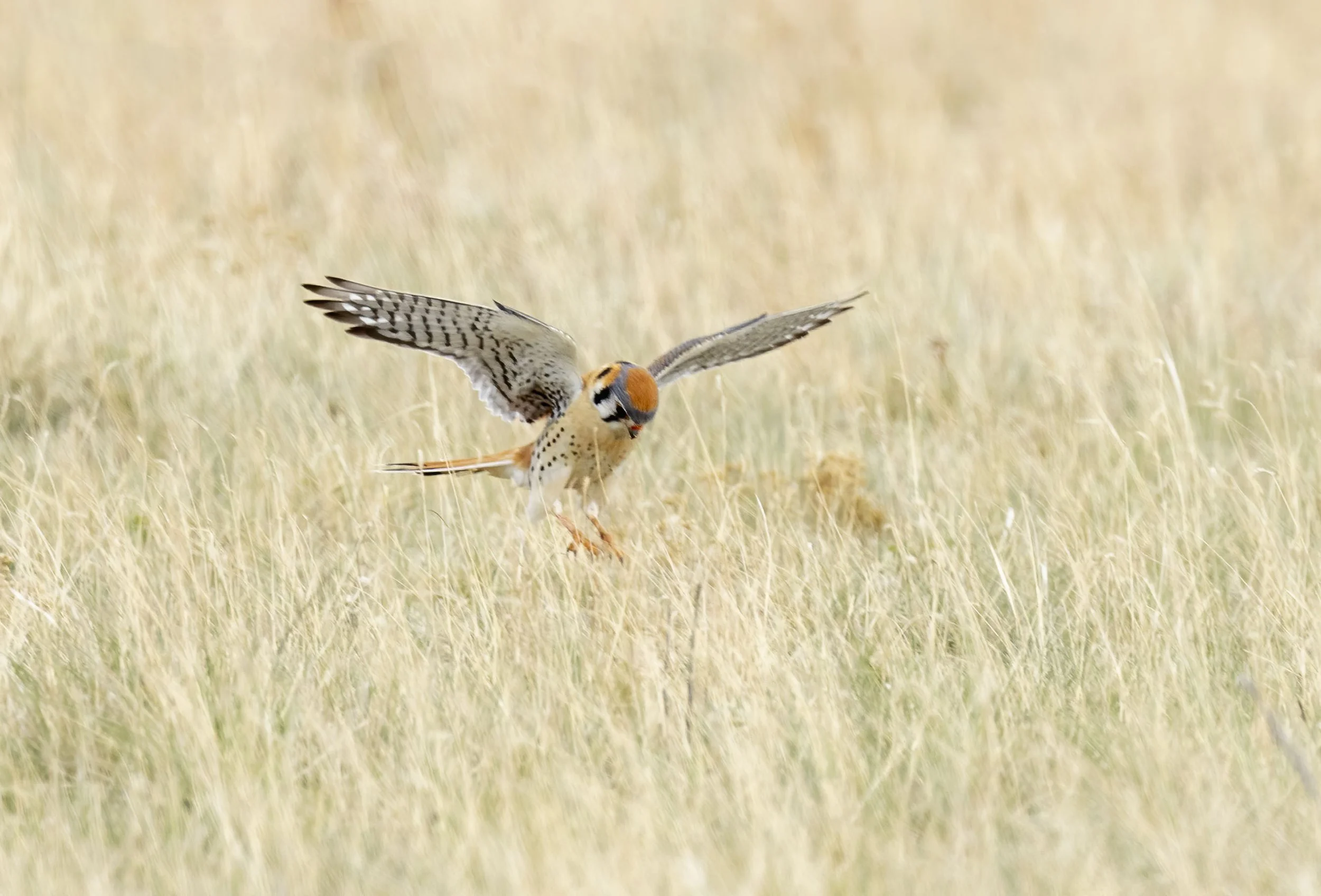
American Kestrels have evaded my camera in the past so tended to make the most of some more obliging individuals
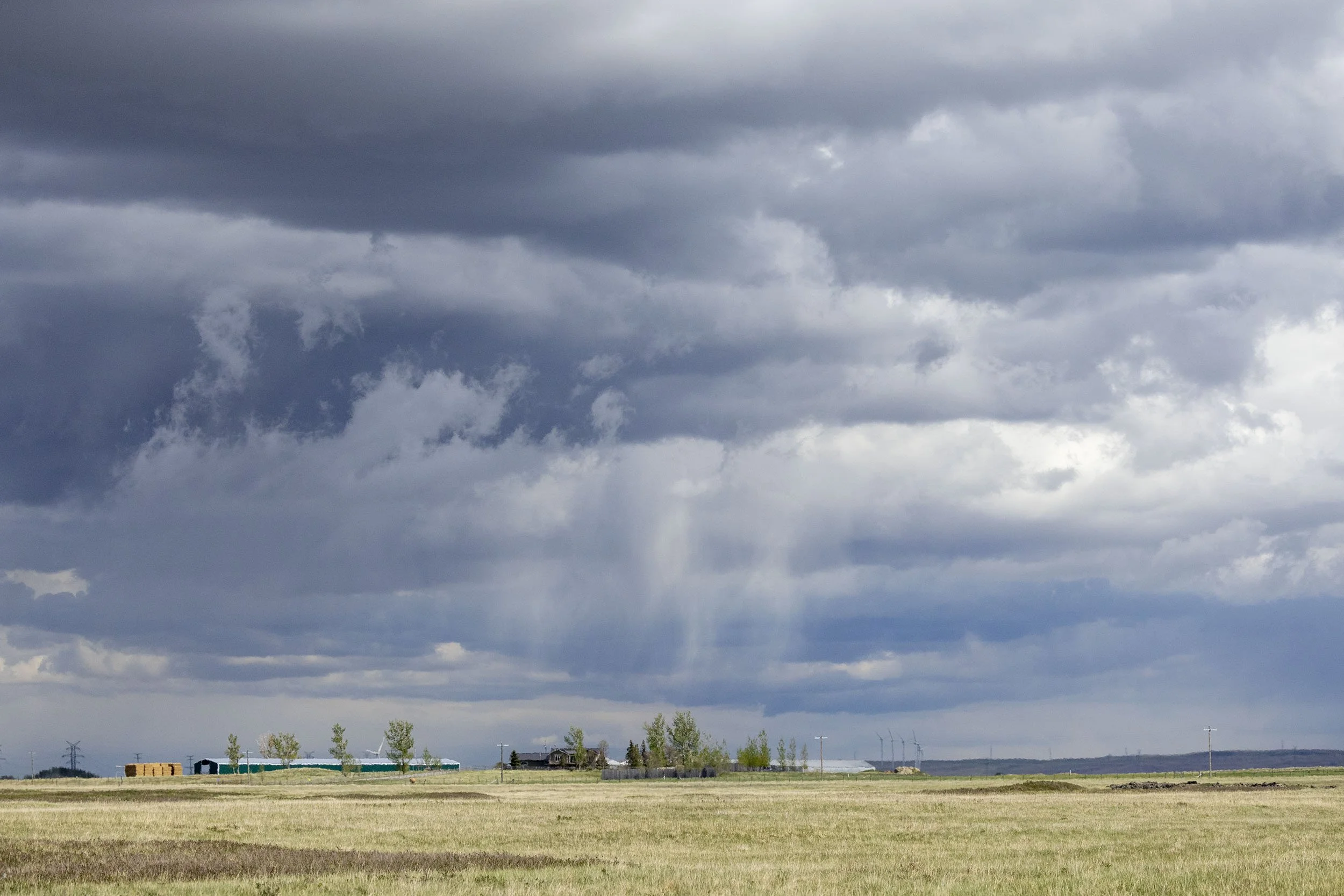
Storm clouds near Fort Macleod
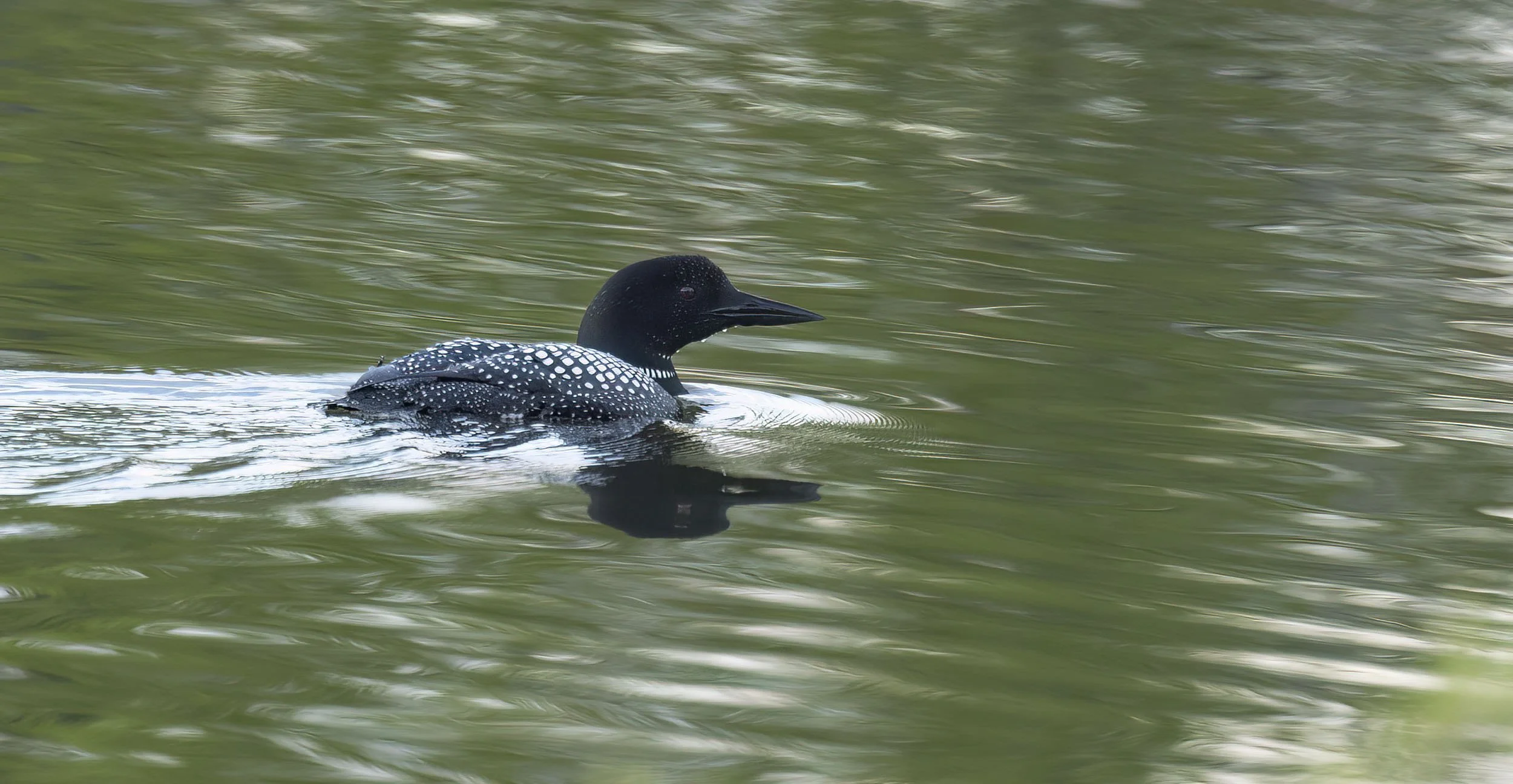
Common Loon on the pond by the entrance to Waterton PP
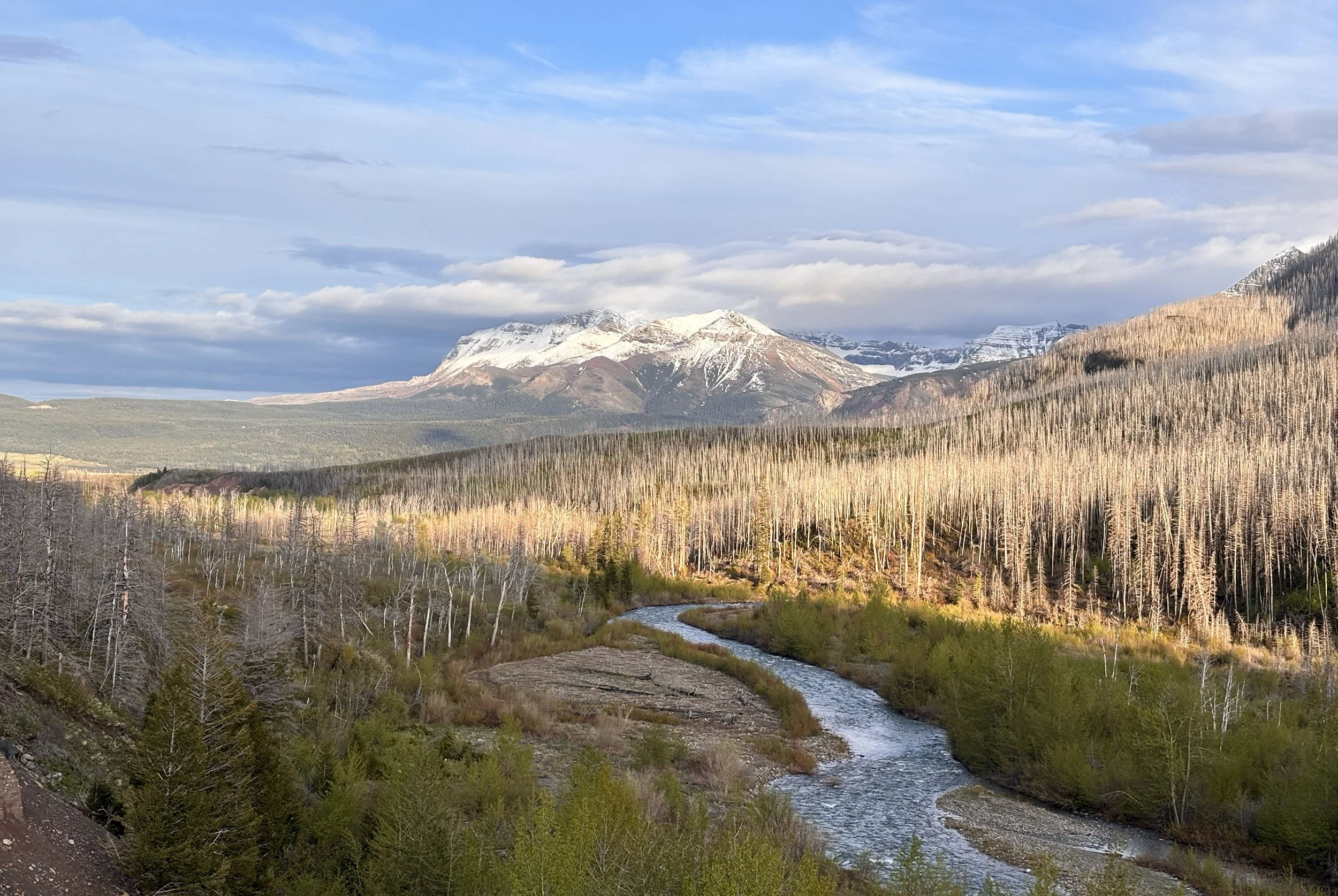
A burst of evening sun up Red Rock Canyon Road
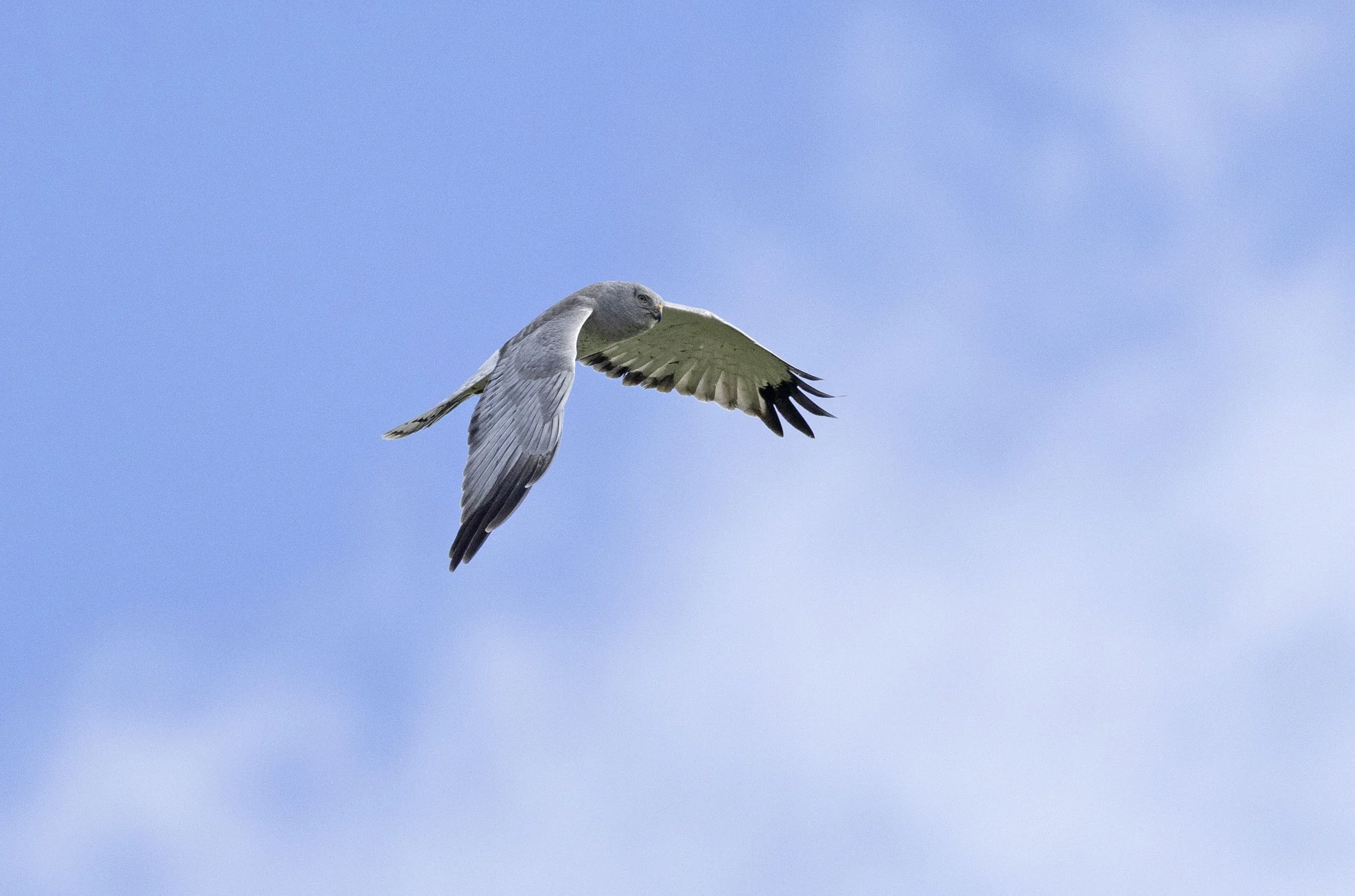
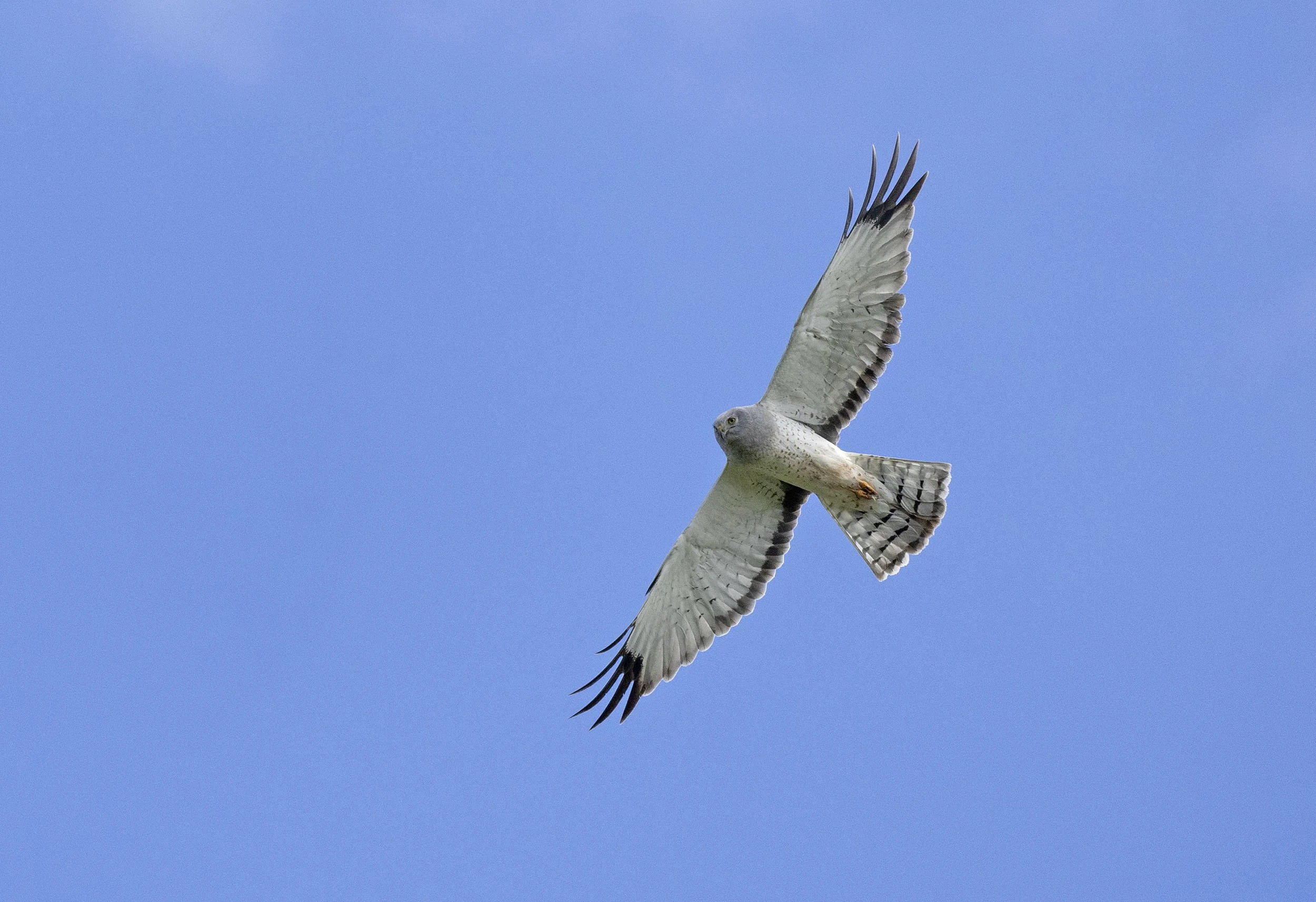
Male Northern Harrier
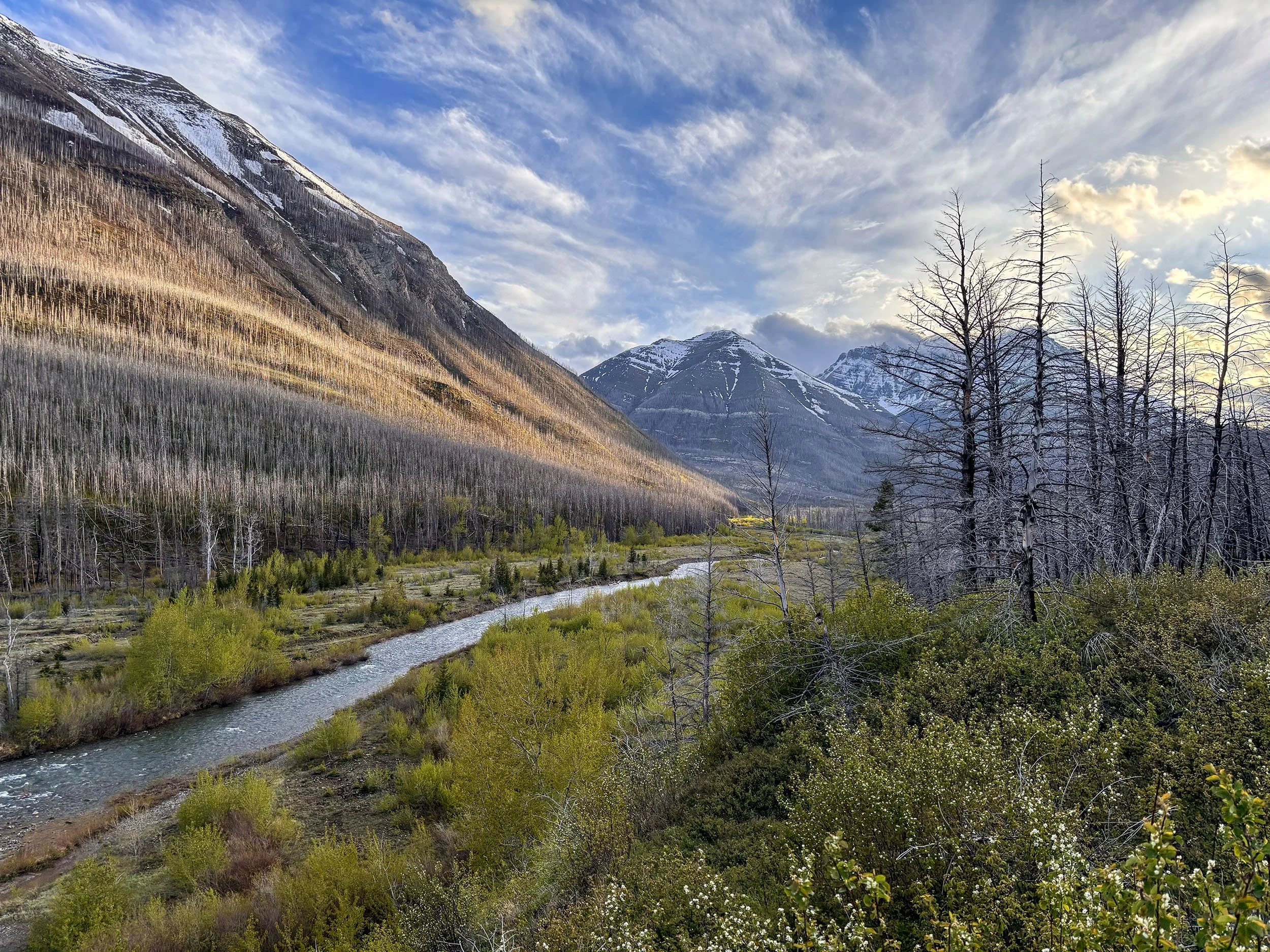
Spring was arriving suddenly with everything turning green almost overnight
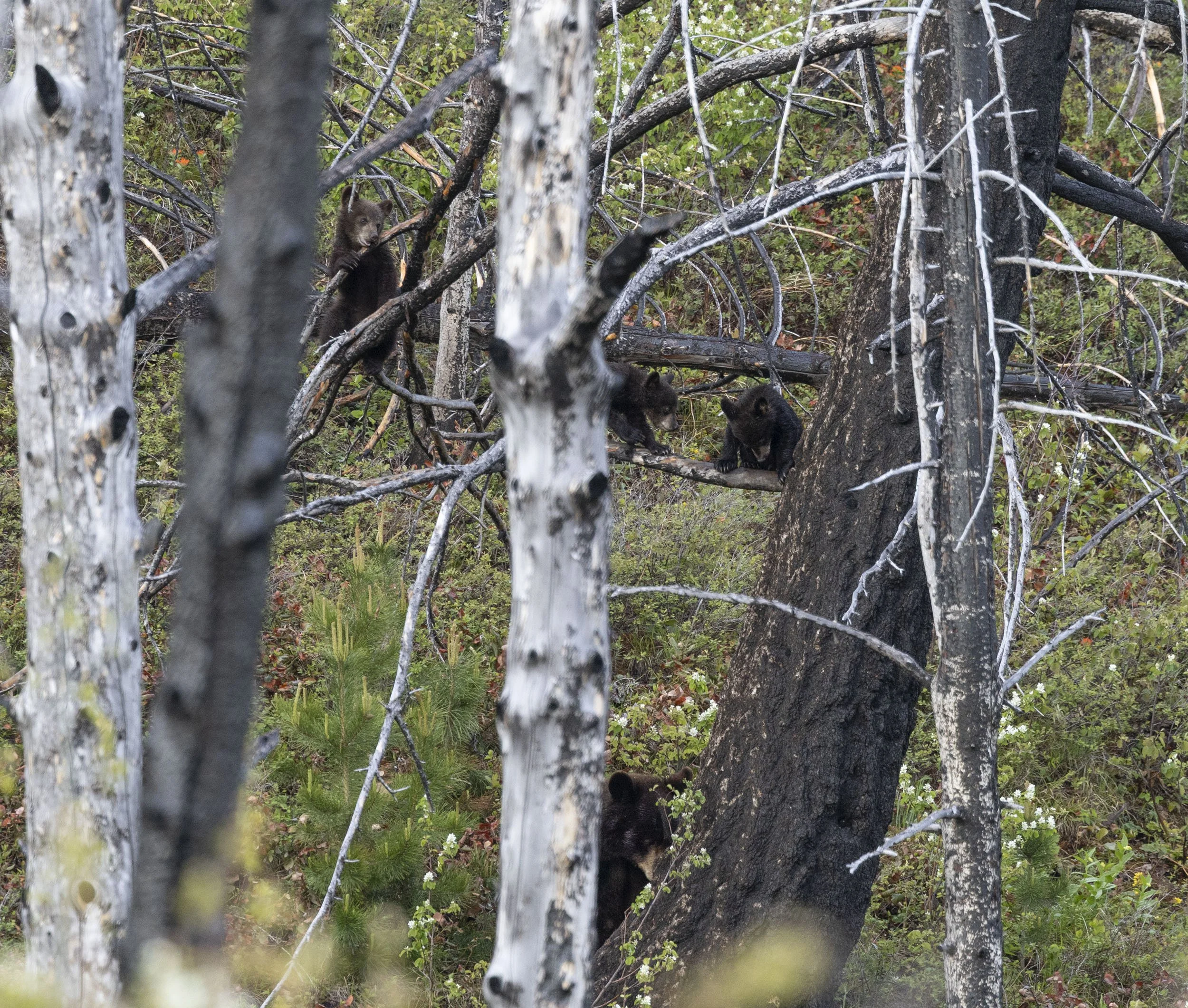
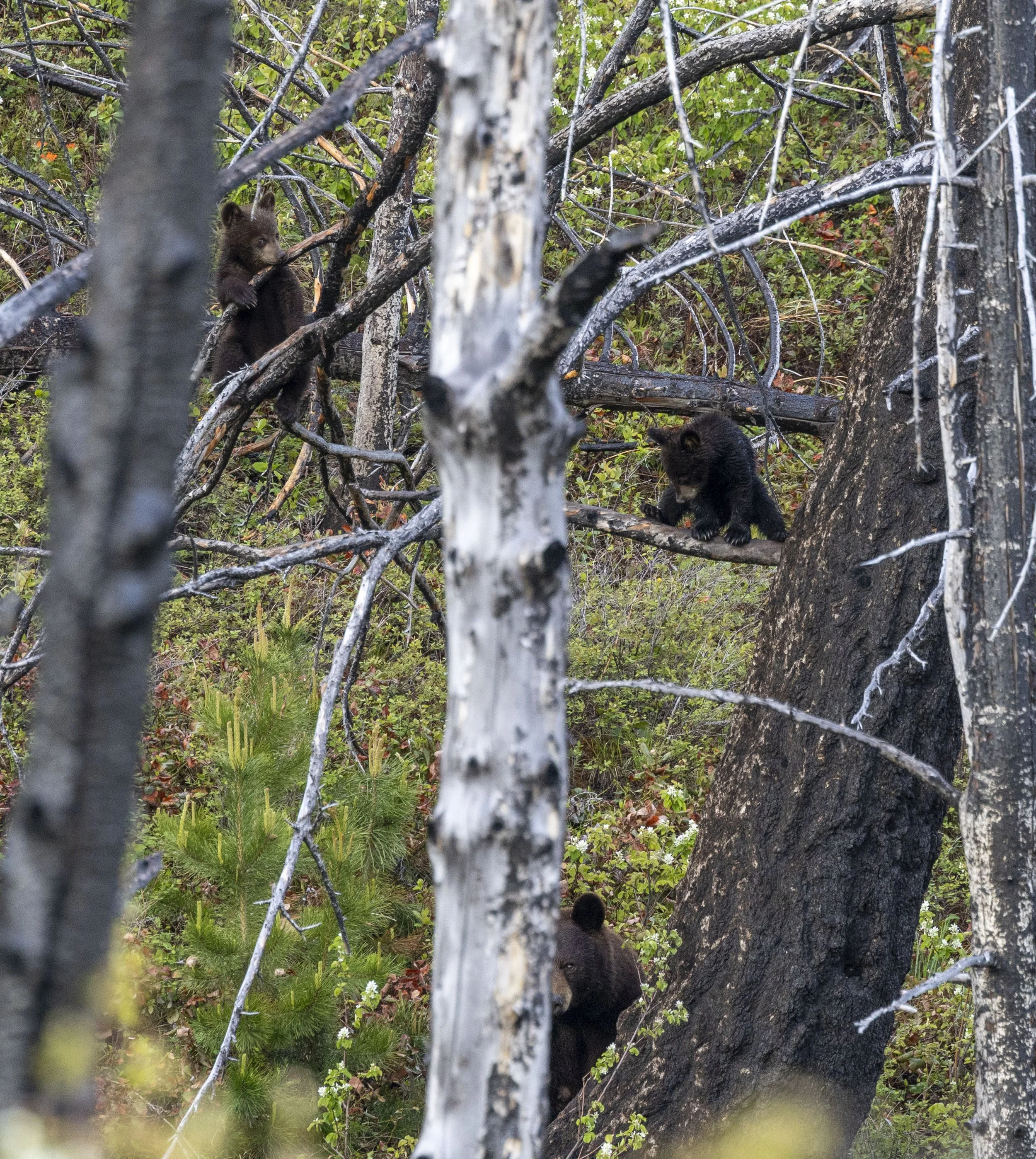
While the kids distract always watch out for mum as she’s got her eye on you
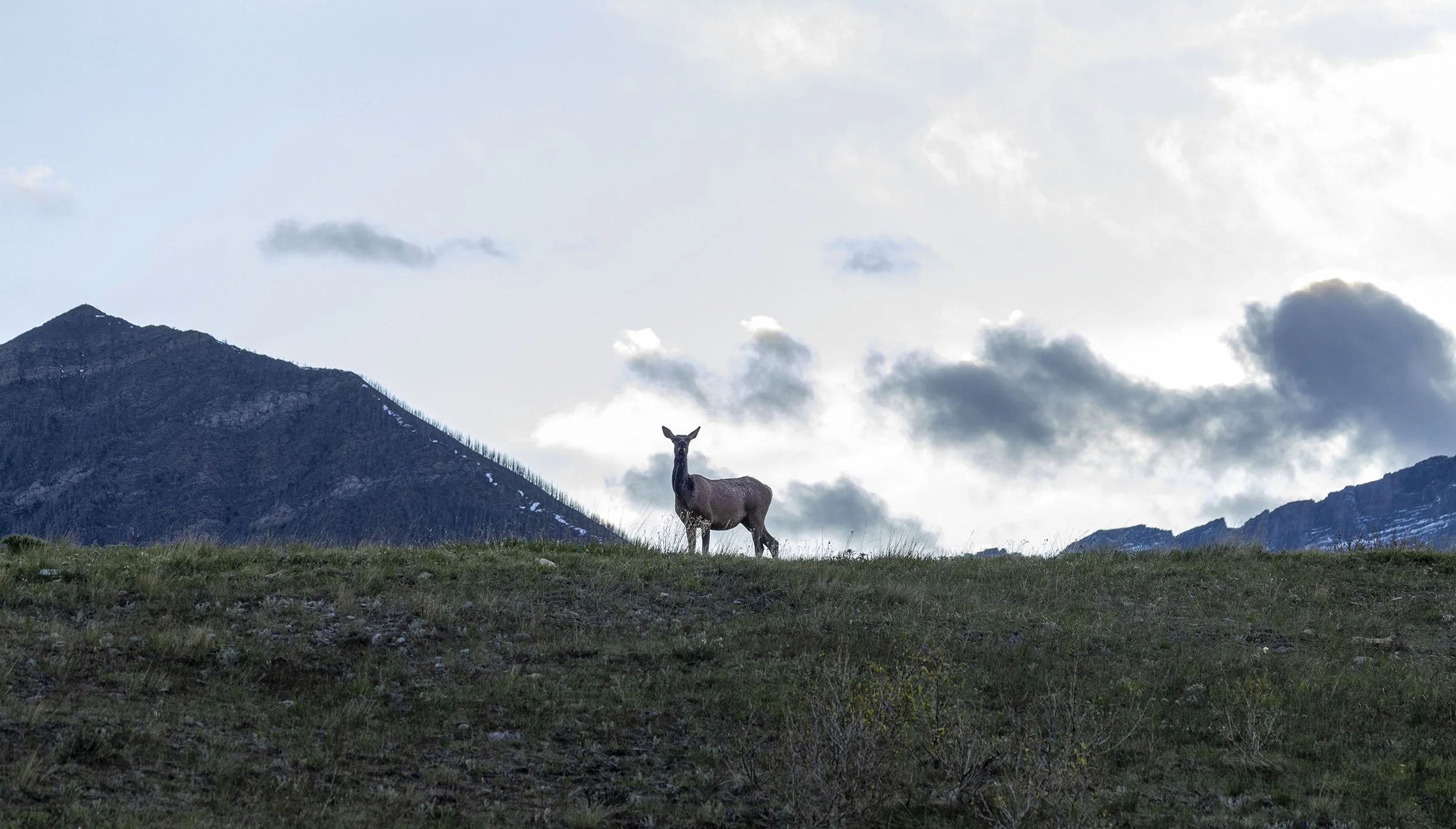
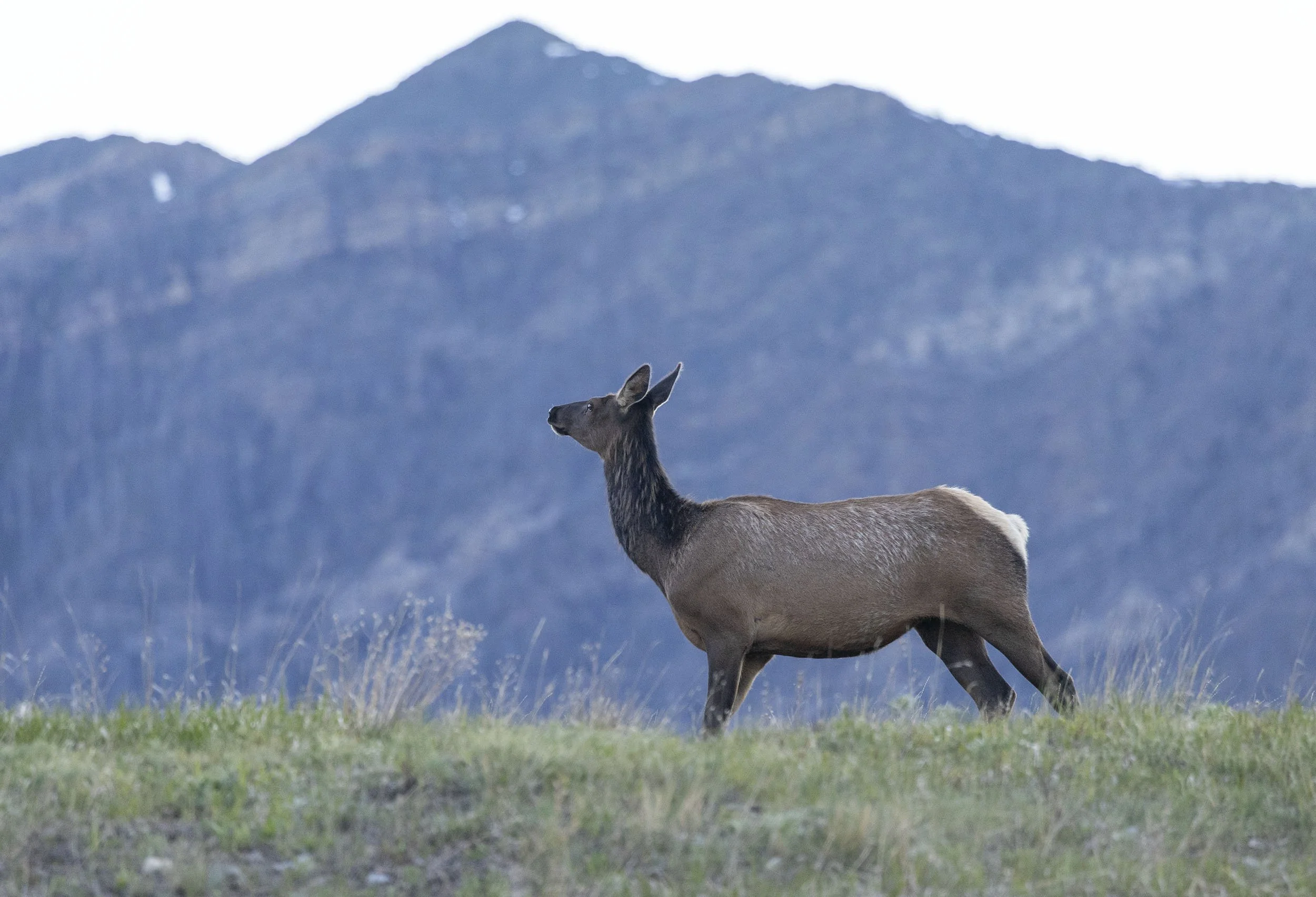
Elk
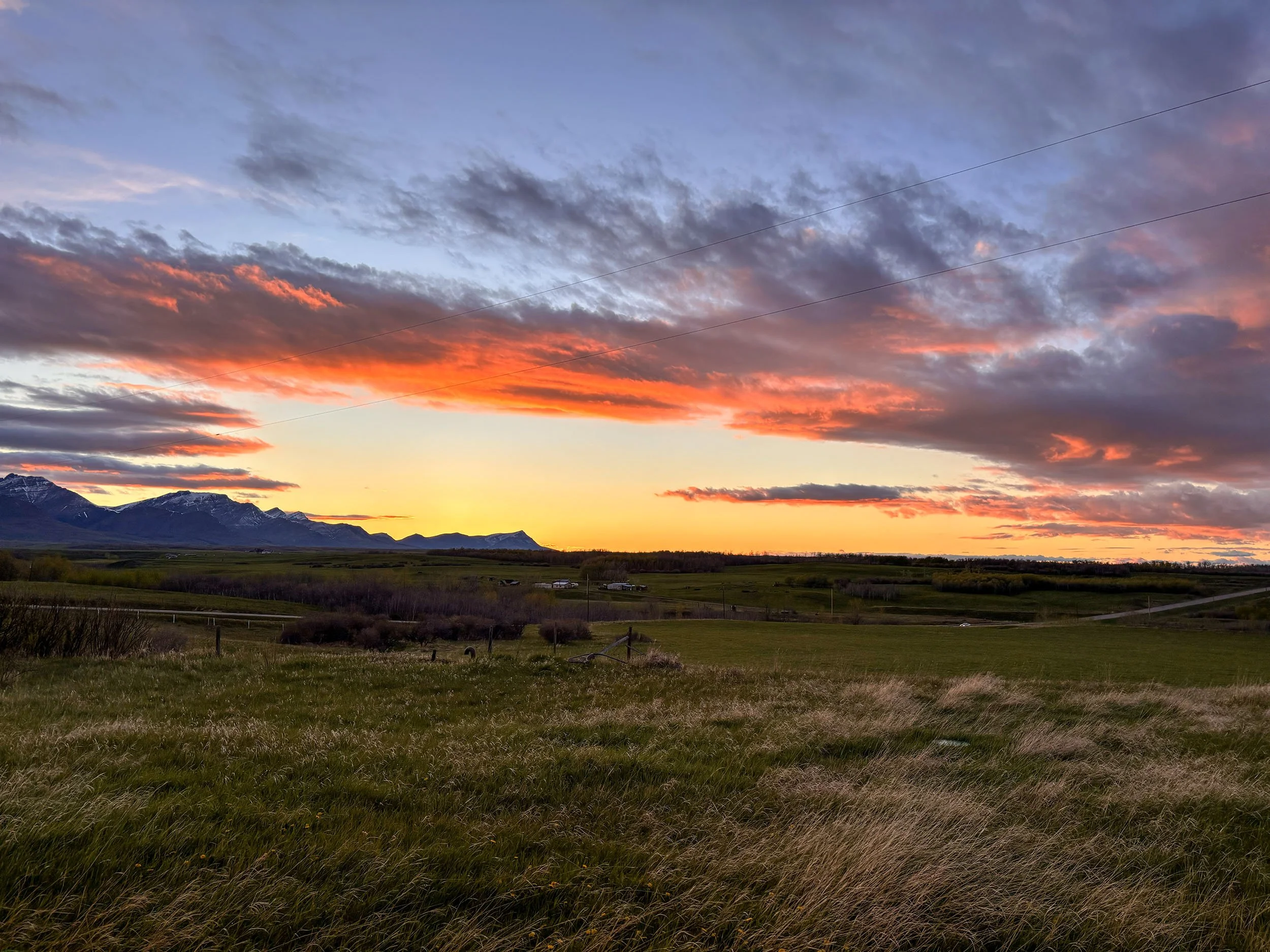
Sunset from Dungarvan cottage after a stormy day
May 21st
Weather forecast was for rain from midday but unusually they got it wrong and it was fine most of the day; An Osprey was a new bird at the cottage as was Great Blue Heron with Horned Grebes up to three and the usual Blue-winged Teal and Lesser Scaup. We spent the day around Waterton Park starting out with a walk along the flatter part of the Wishbone Trail that proved to be an inspired choice. A Sora was calling in the marsh along with a Pied-billed Grebe and 10+ Barrow’s Goldeneye were visible; the trail produced a Bald Eagle, Northern Harrier, at least 10 Least Flycatchers, Clay-coloured Sparrows in song, Northern Waterthrush singing and great views, four Red-naped Sapsuckers, Ruby-crowned Kinglet, Hairy Woodpecker, Yellow Warblers and House Wren. At the start of the walk we could hear a displaying Ruffed Grouse but better was to come. An animal jumping around in the aspens eventually revealed itself as a Fisher a new mammal for me and something you apparently don’t see very often in the daytime in summer. It was clearly not welcome and disturbed the six Sandhill Cranes that called and flew around almost past our heads. It also flushed a Ruffed Grouse that flew up into the aspens and although easily visible with bins it was rather less visible through the camera lens and I had to resort to manual focus to get a sharpish image. Cherry Pie and Ice cream in Waterton at Welch's Chocolate Shop and a walk round the town only turned up six Violet-green Swallows. Red Rock Canyon was also a bit quiet but an American Badger dashed into its den and butterflies included Brown Elfin and more fly by Julia’s Orange Tips. The evening bear hunt saw a female Black Bear with a cub and a male with another brown female on the Golf Course.
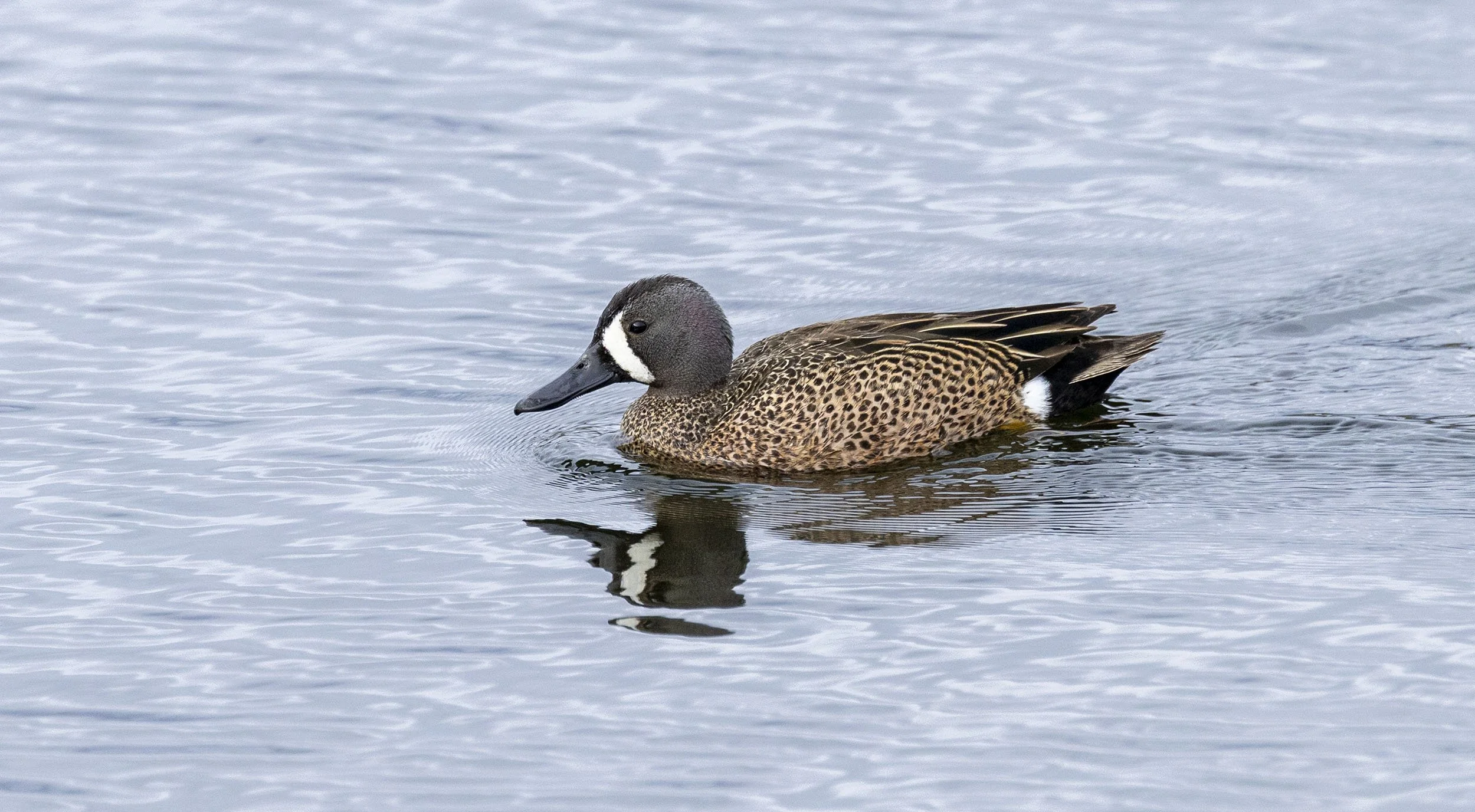
The usual start to the day on the pond
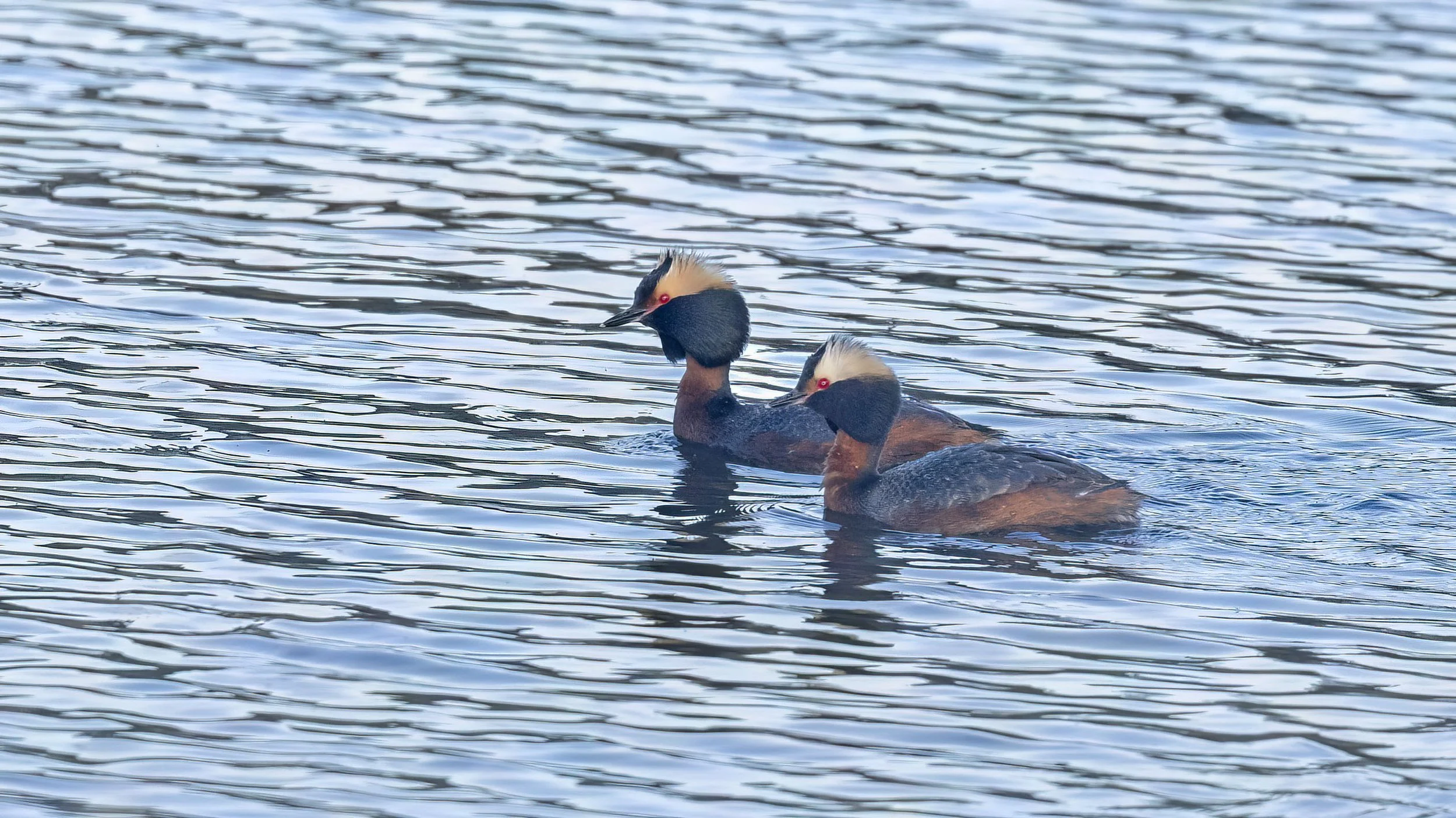
and a pair of Horned Grebes
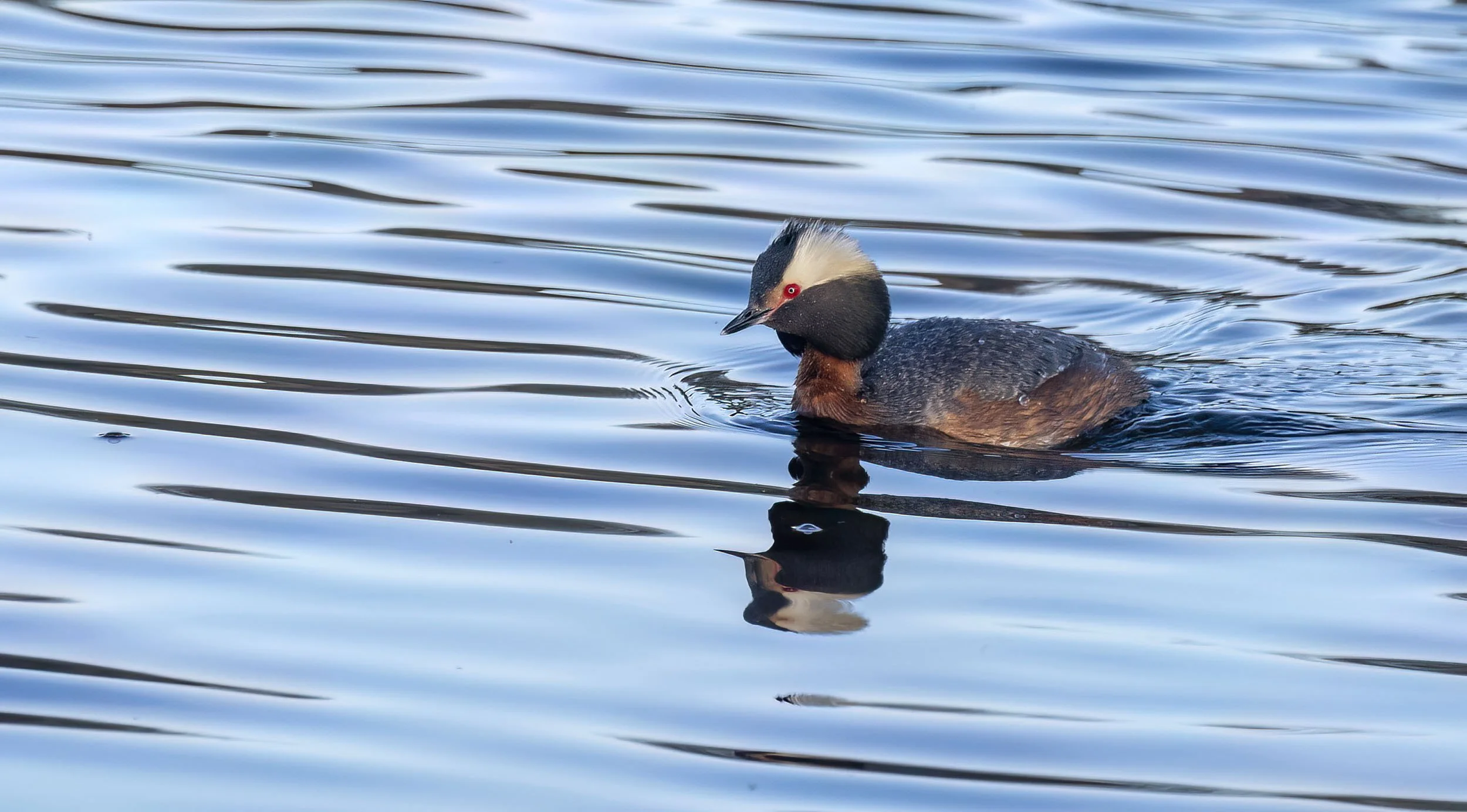
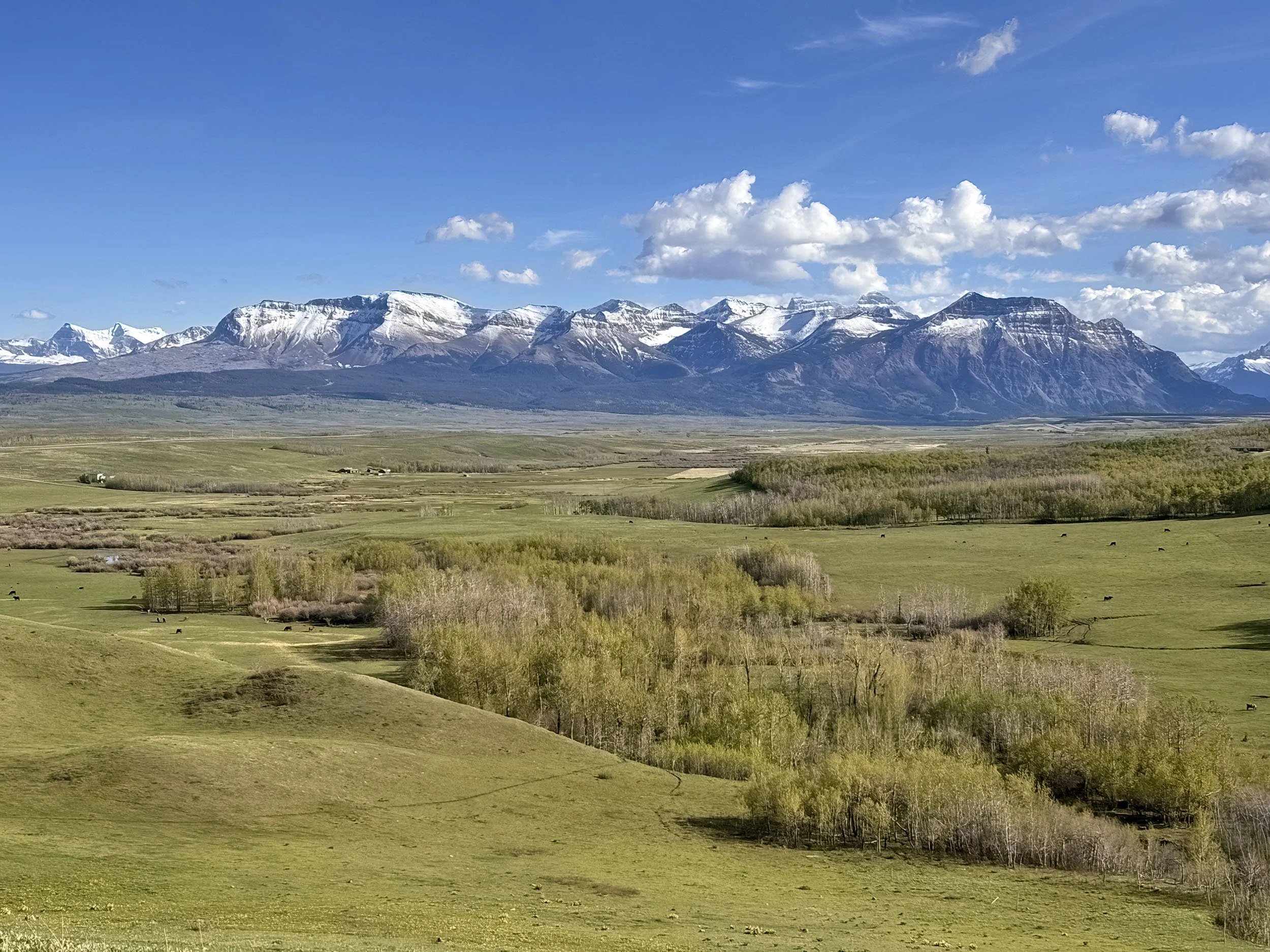
Waterton is a truly special place and we were blessed with some very good if variable weather - in the course of a few days everything turned from brown to green as spring arrived
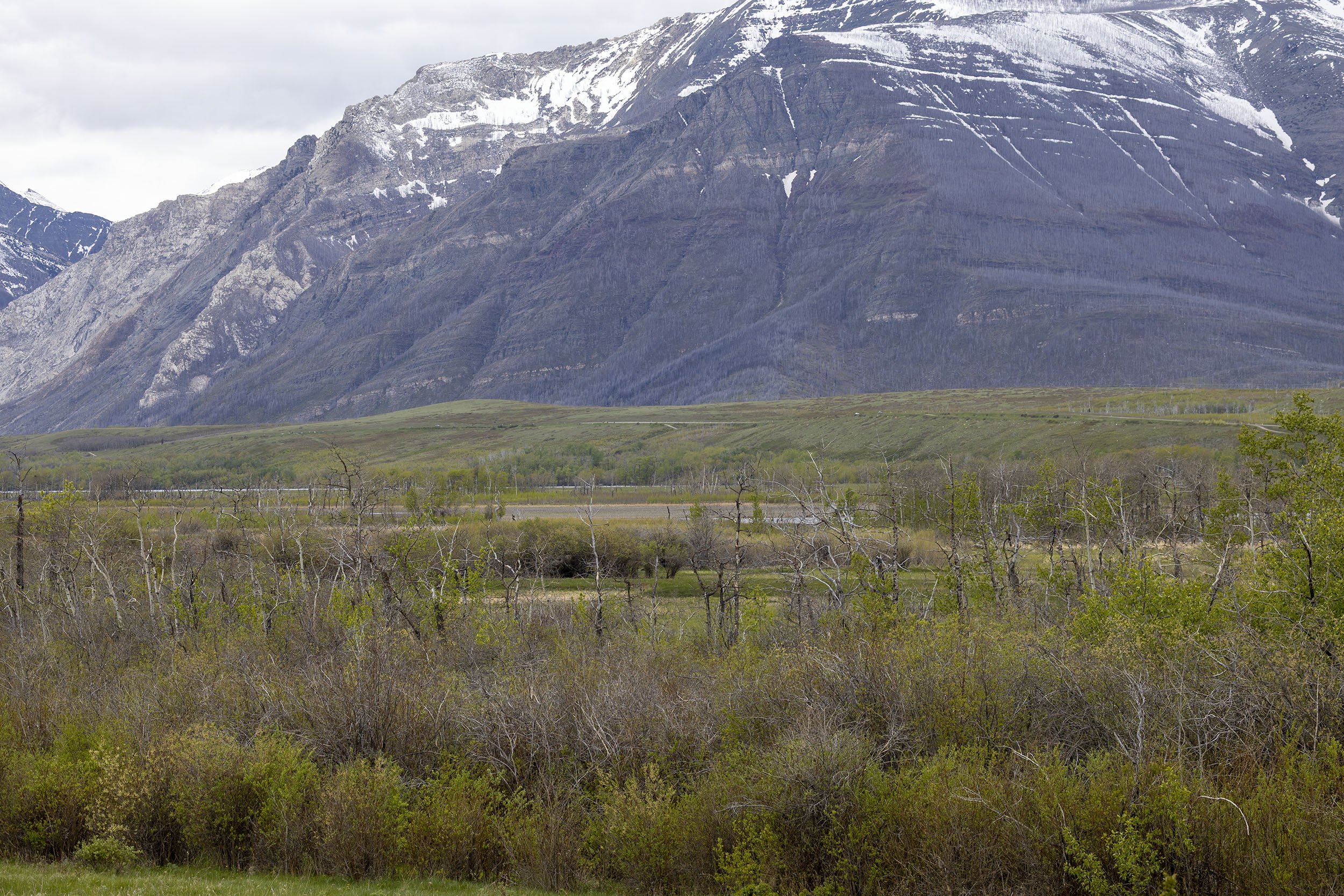
Start of the Wishbone Trail Waterton - a Fisher is in here somewhere and a few Ruffed Grouse
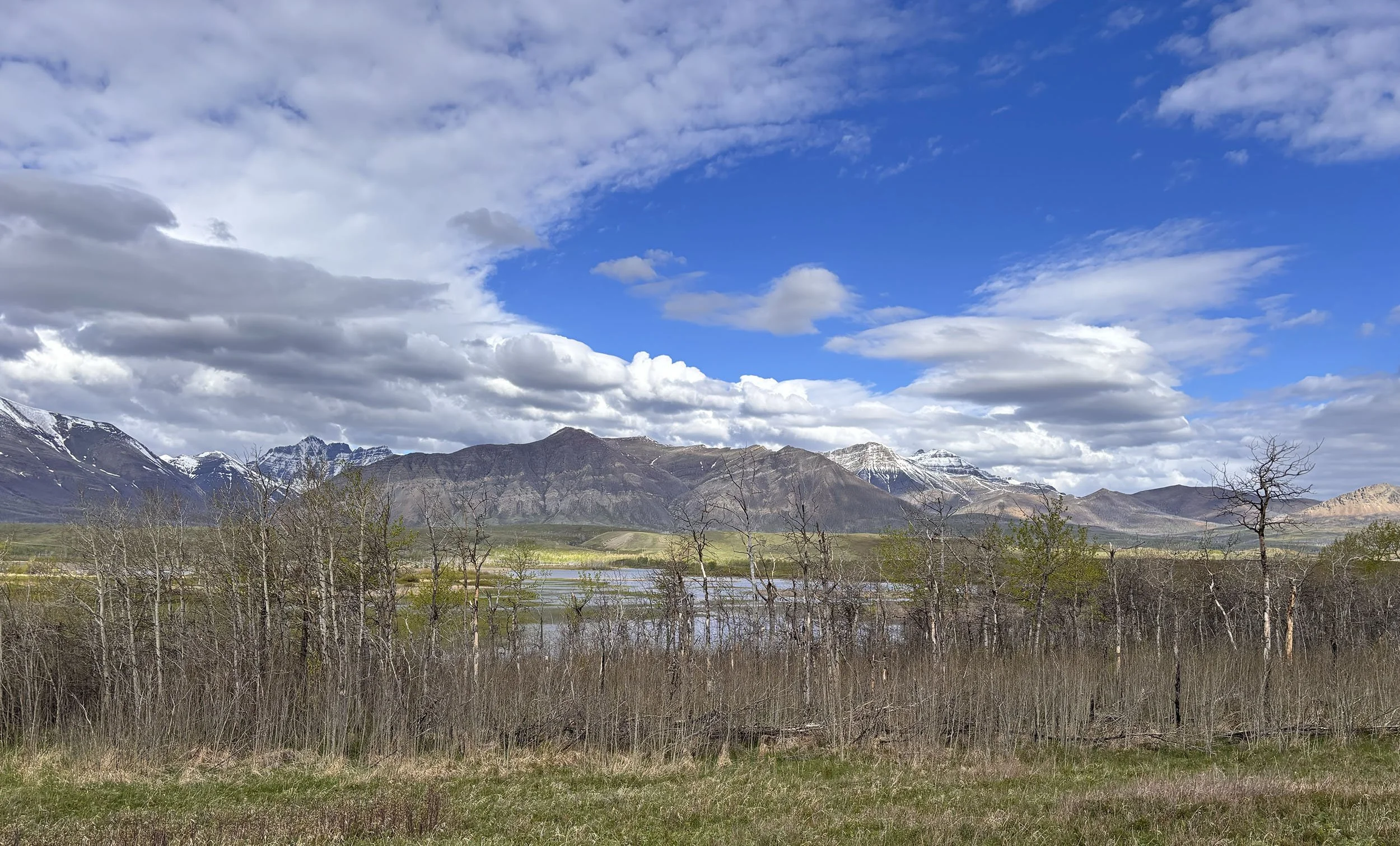
A beautiful area on a sunny day
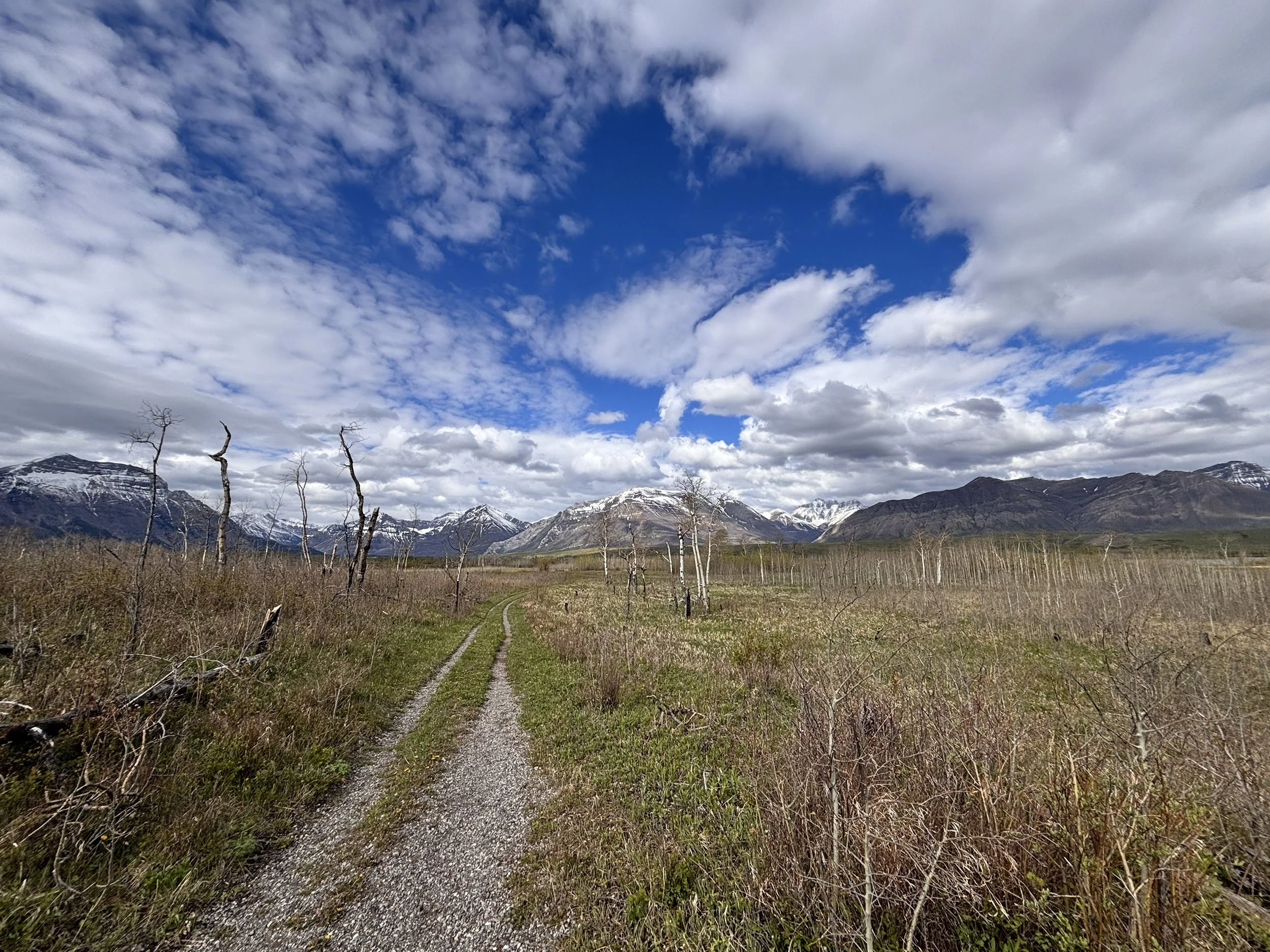
Dodgy knees need flat trails but it sometimes pays off
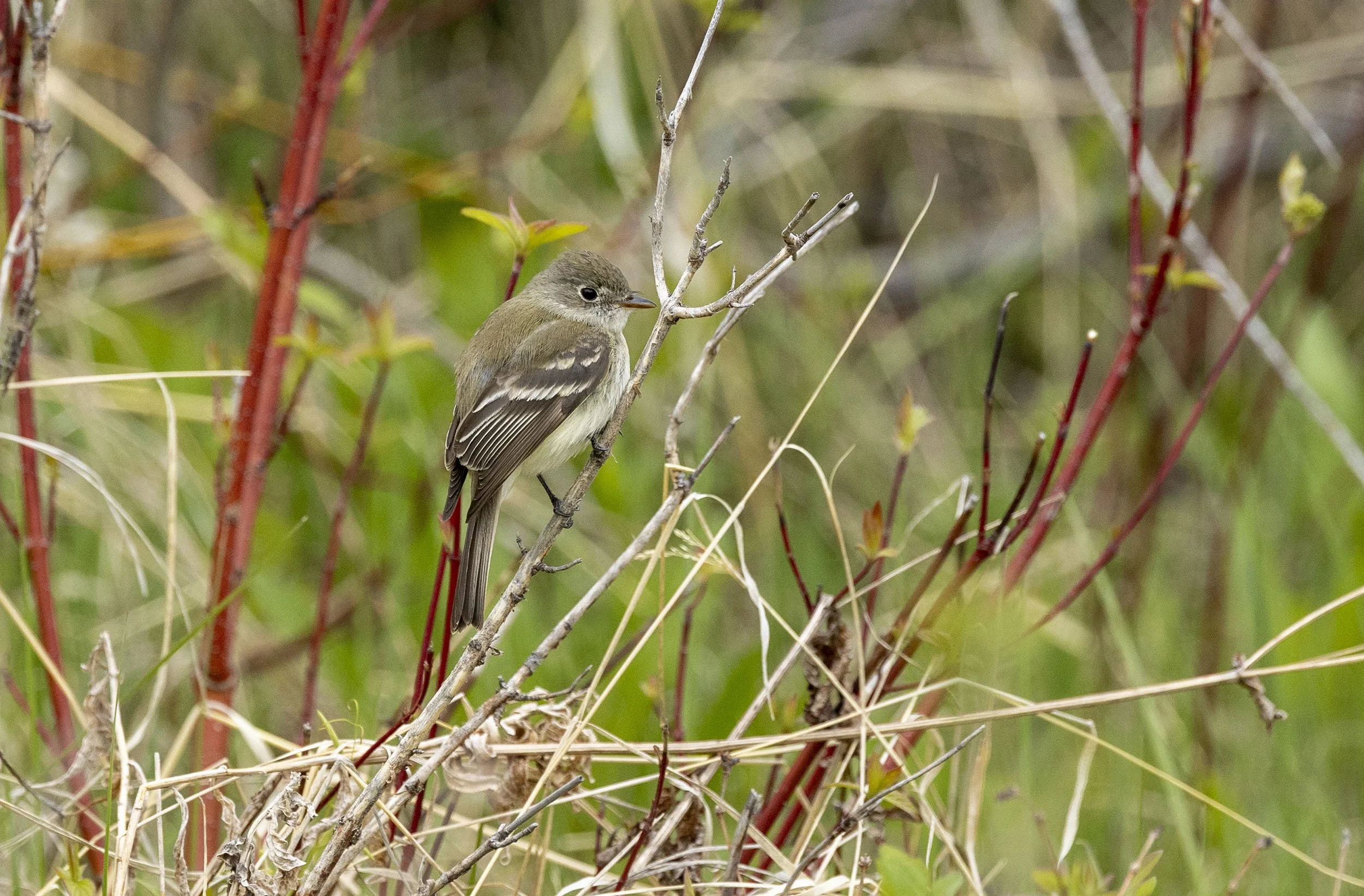
Least Flycatcher
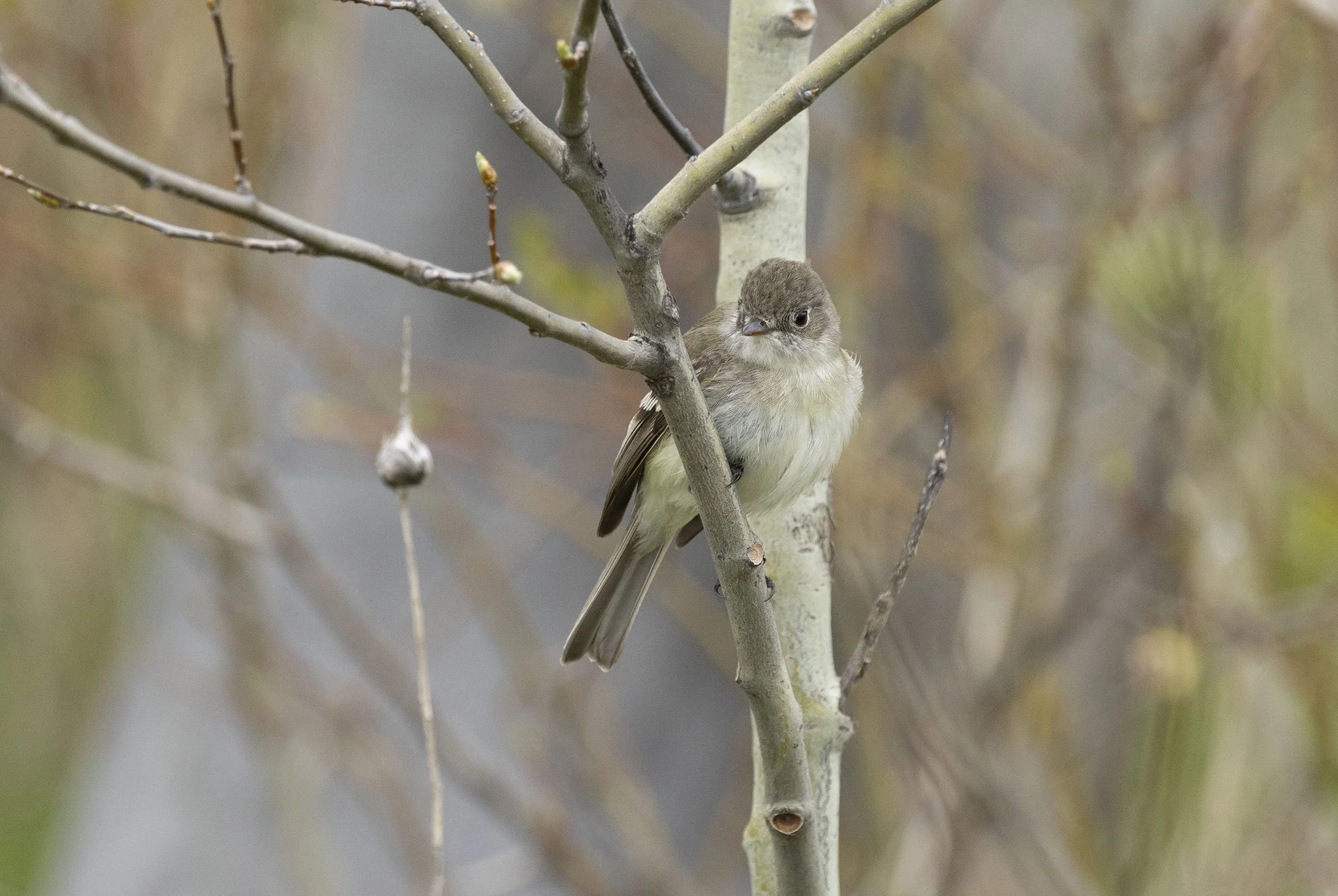
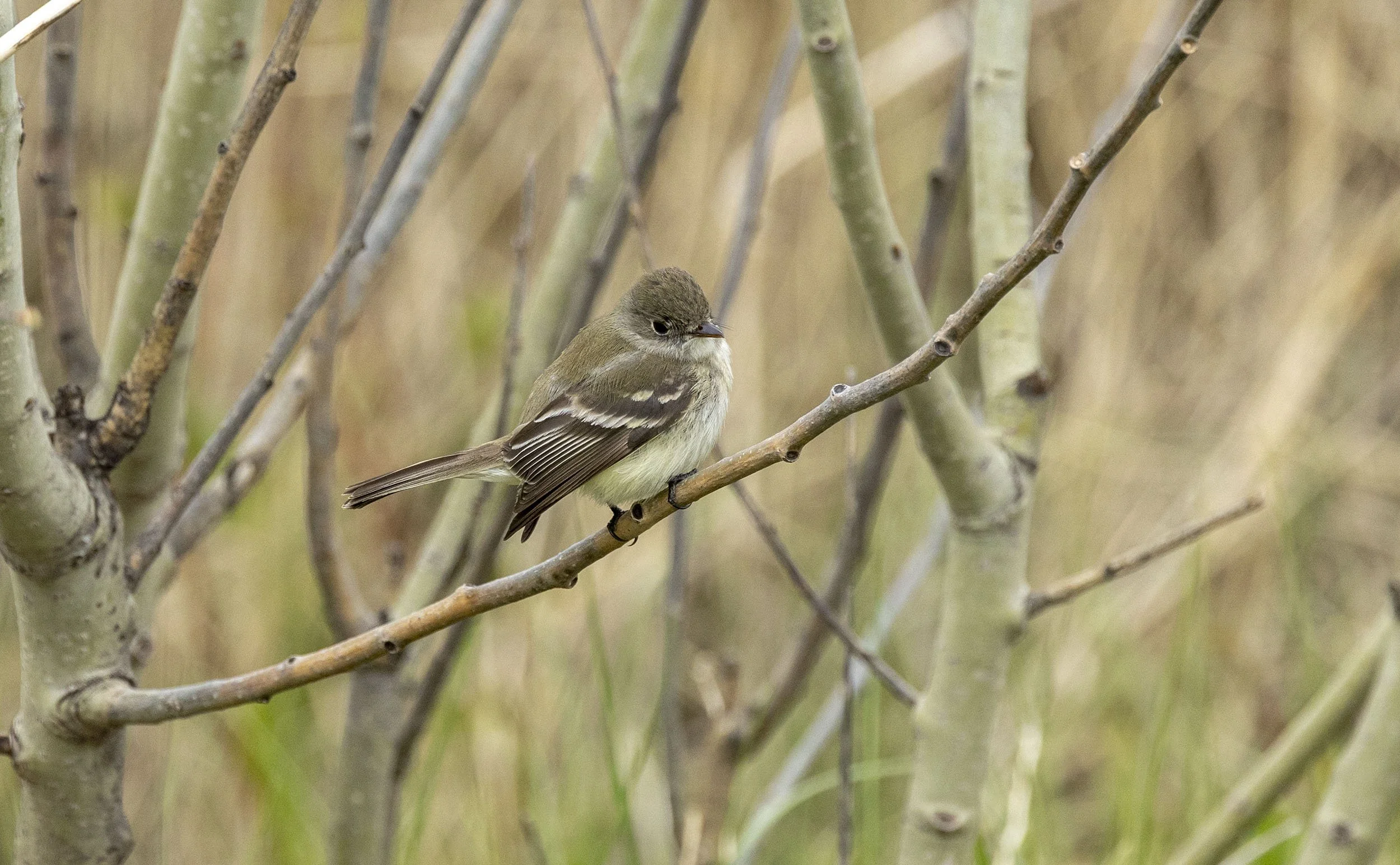
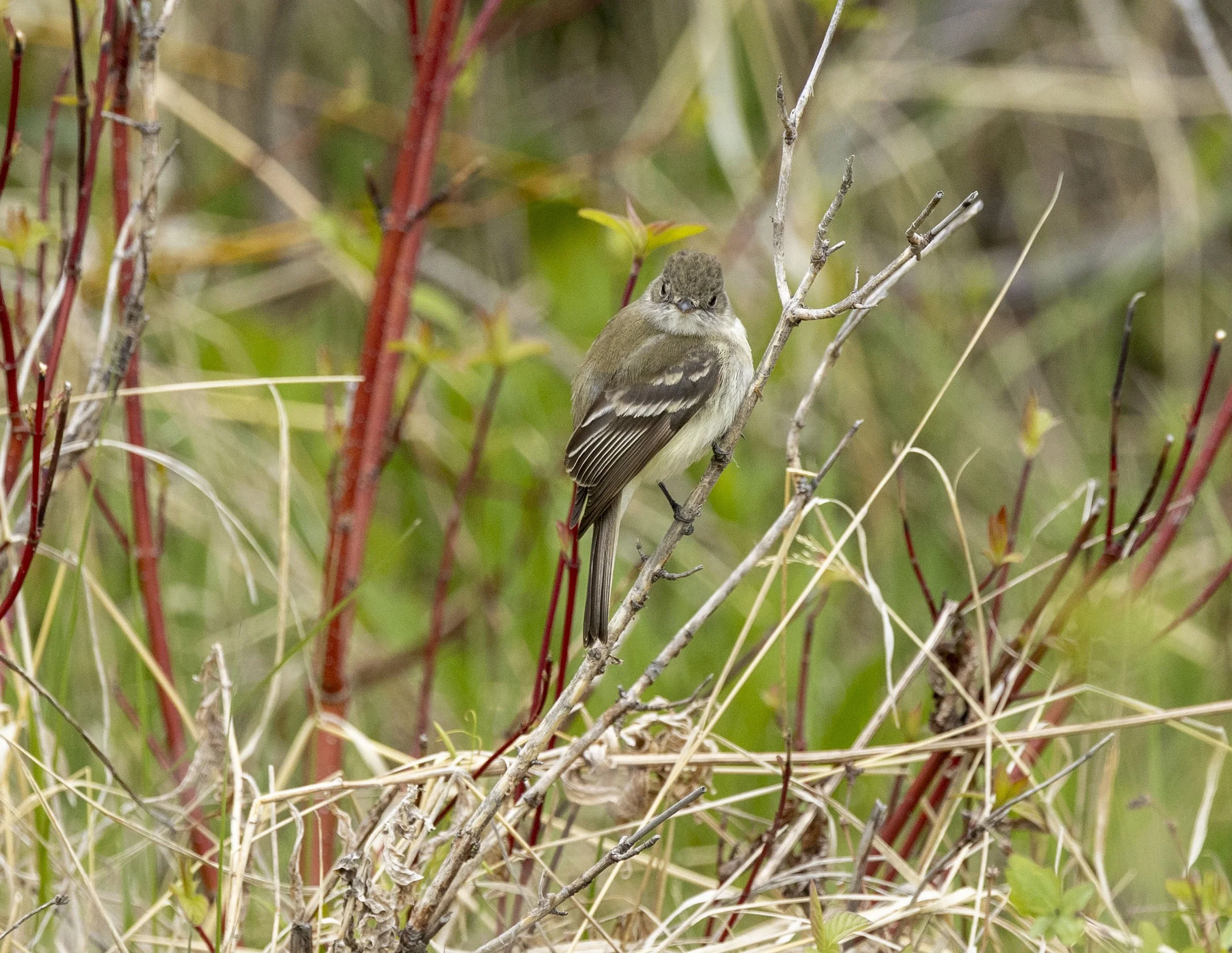
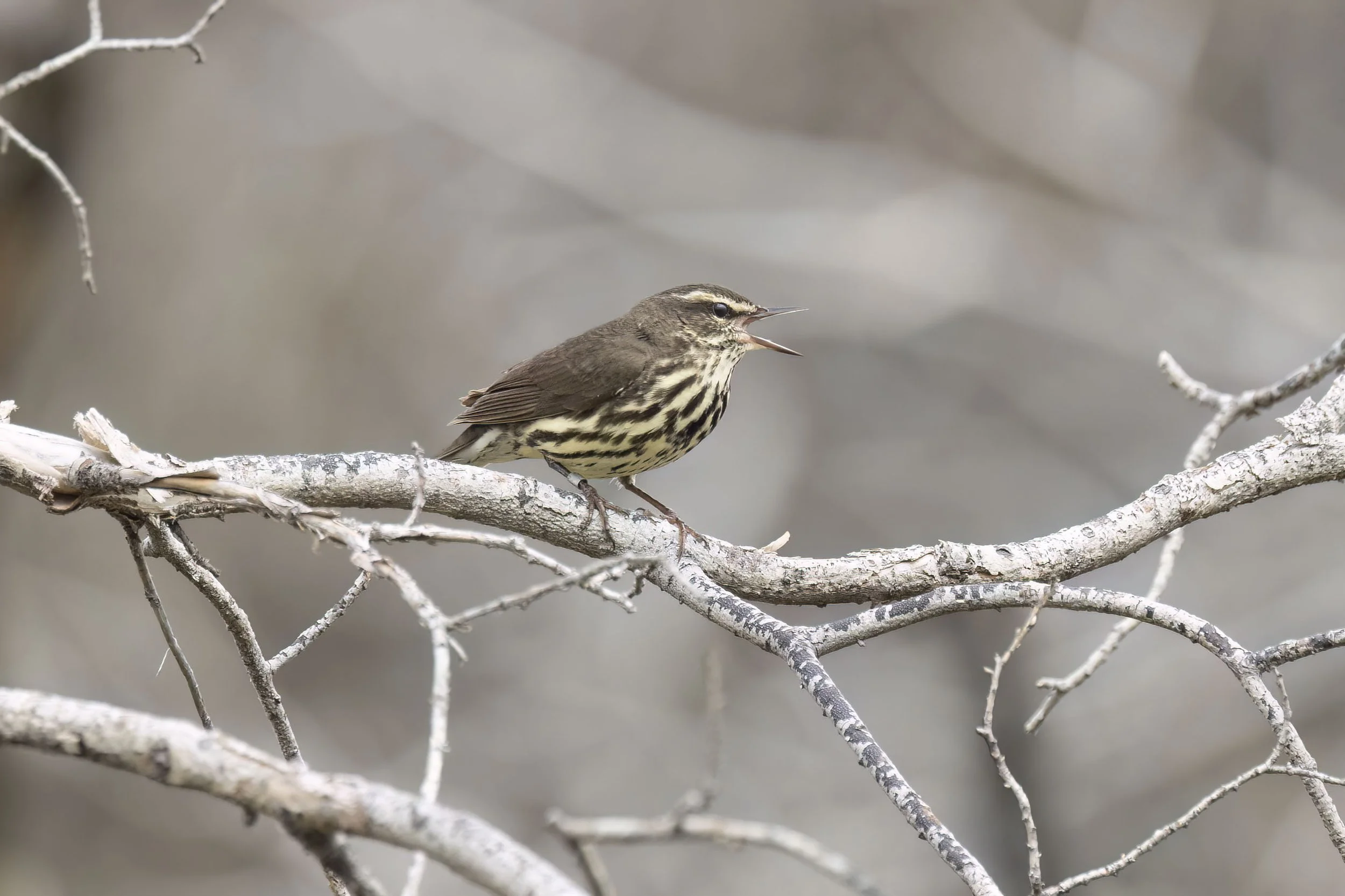
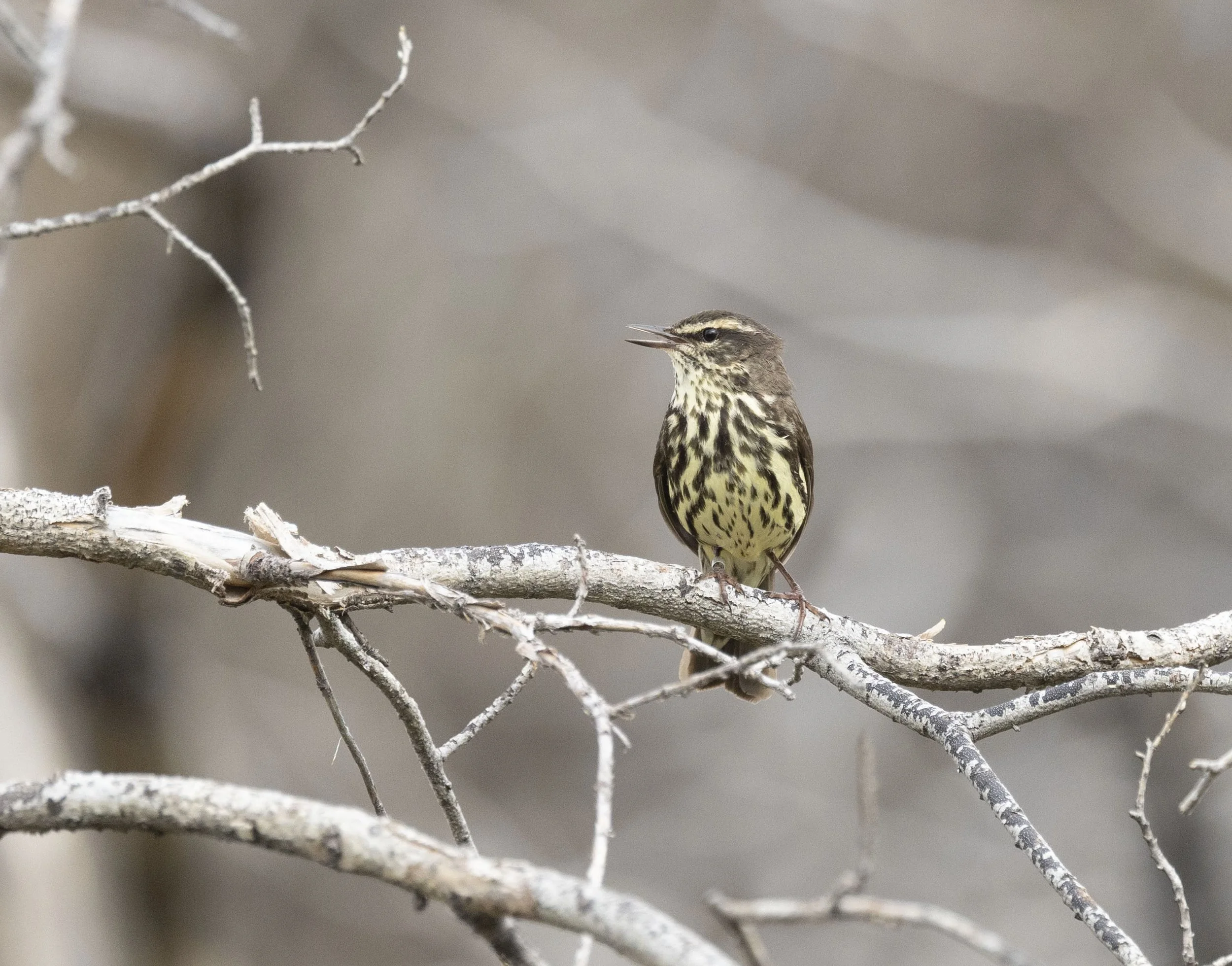
Northern Waterthrush blasting away
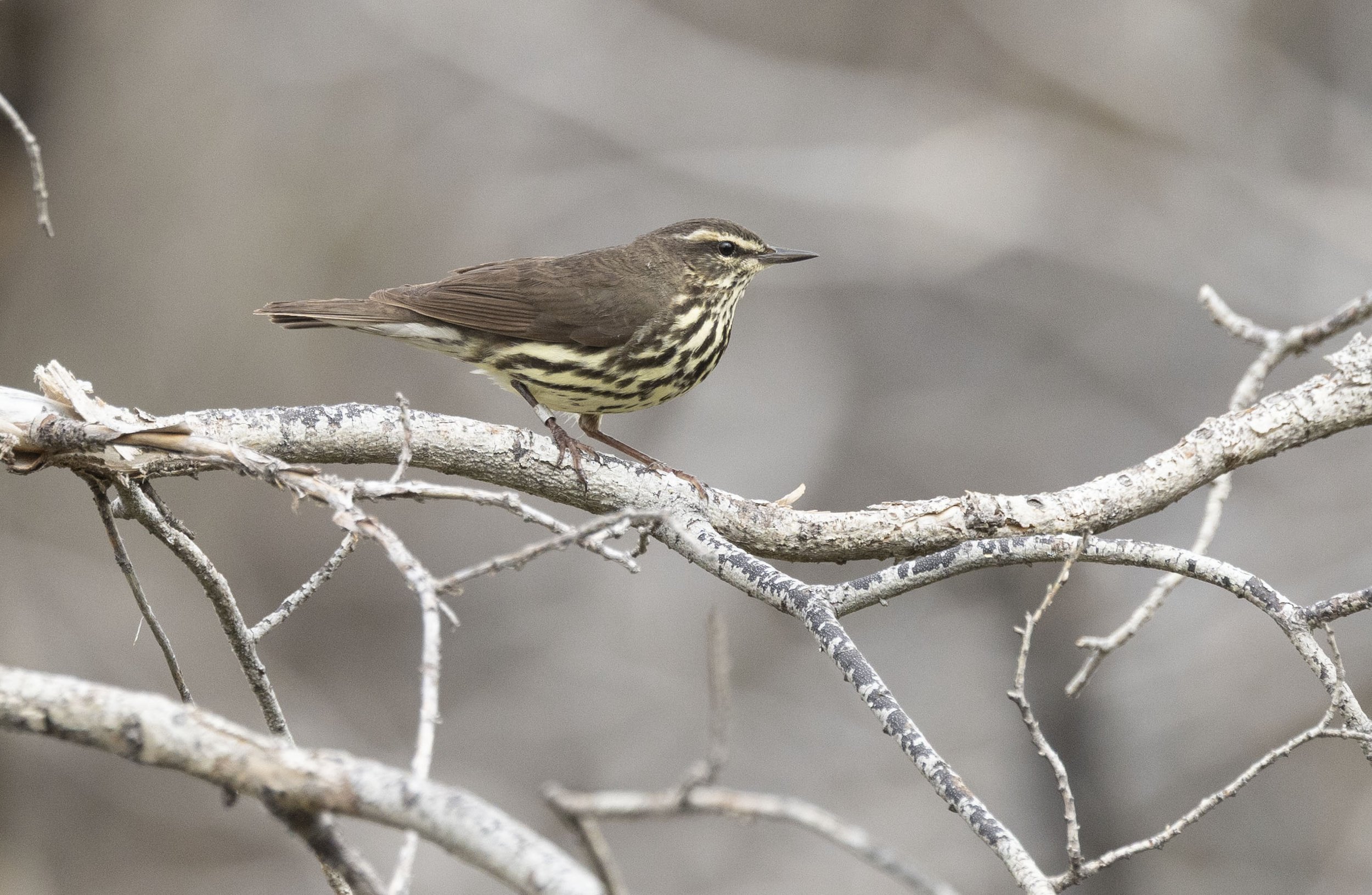
Only after the event did I see it was banded!
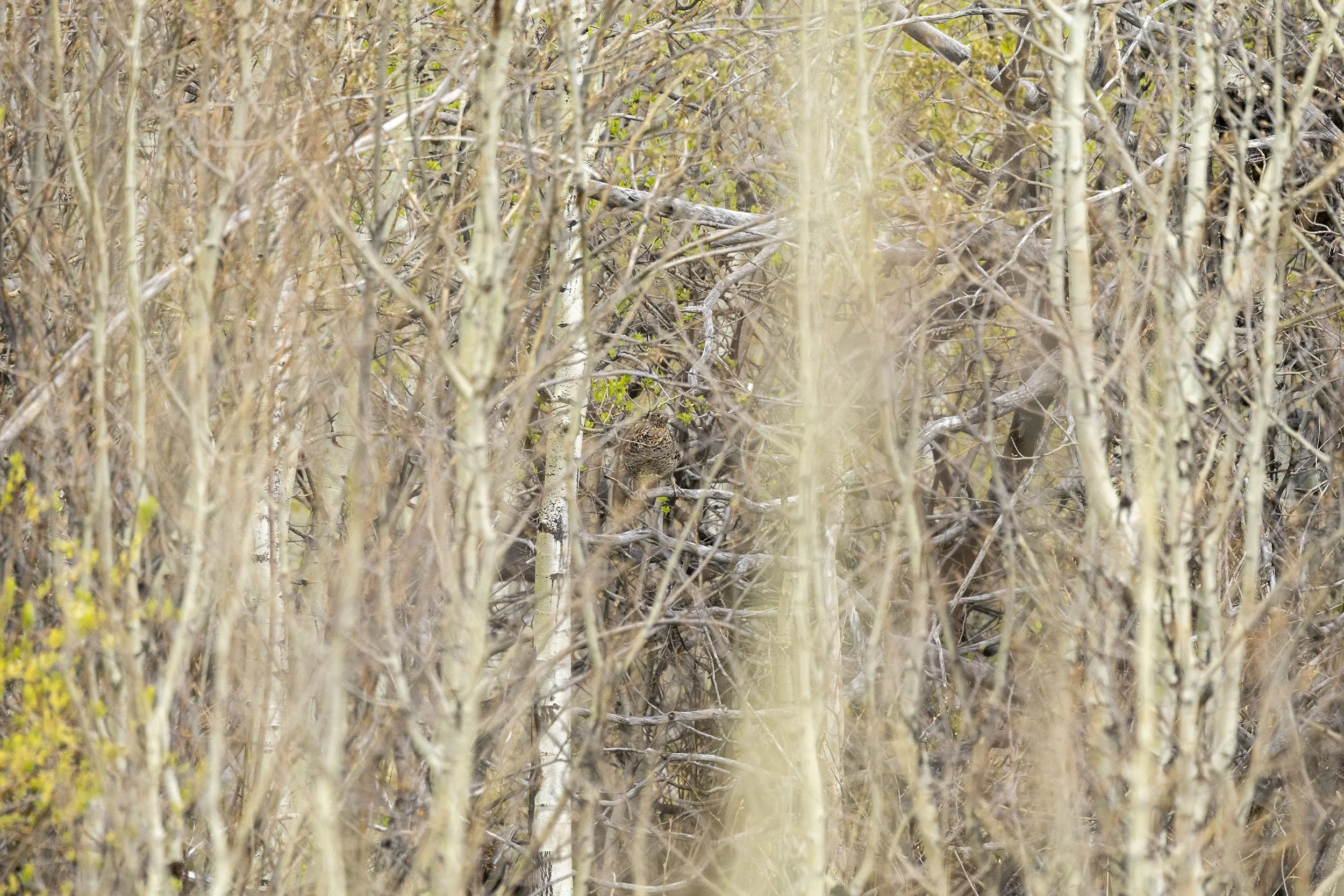
In contrast to the showy Waterthrush there is a Ruffed Grouse in there
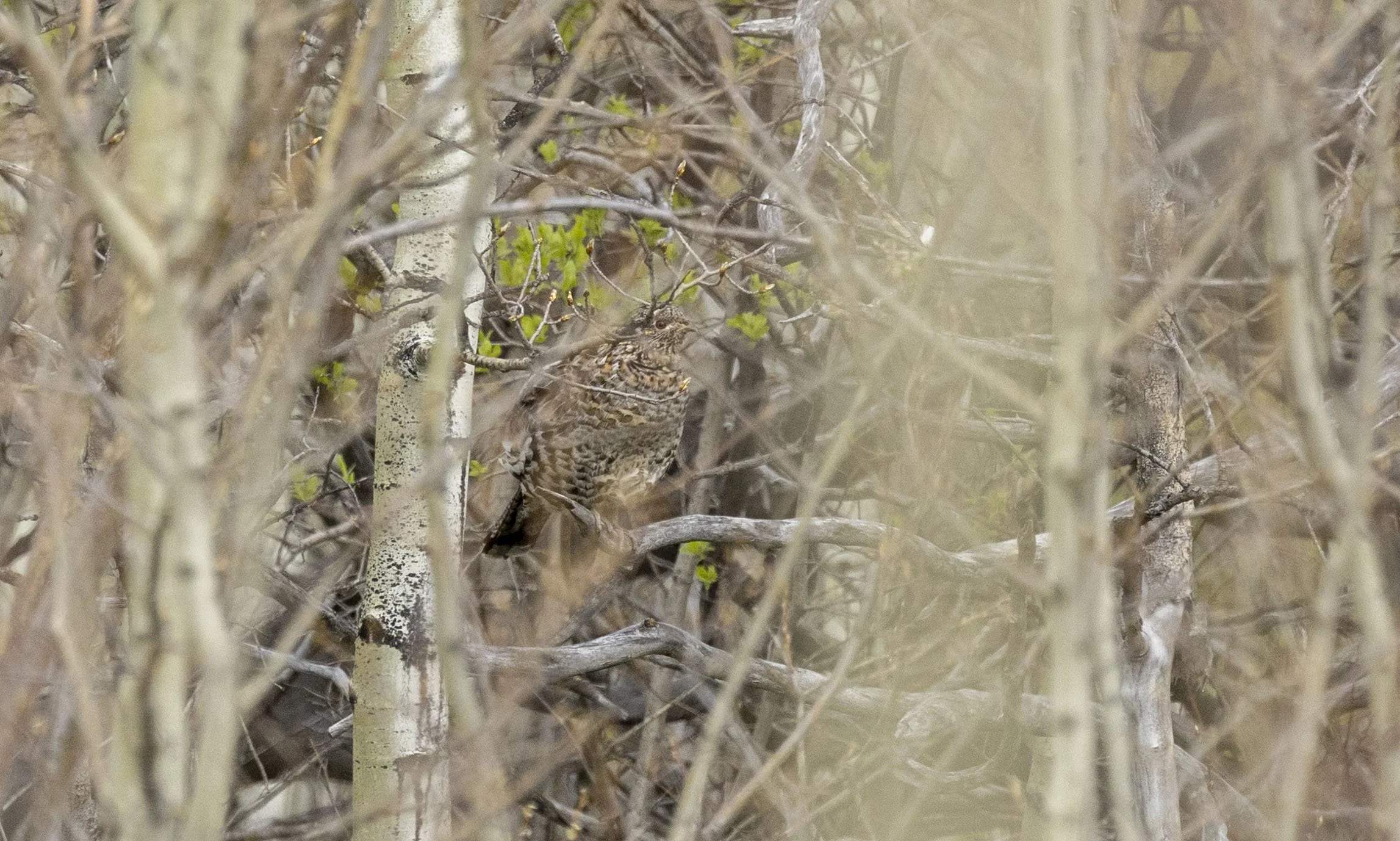
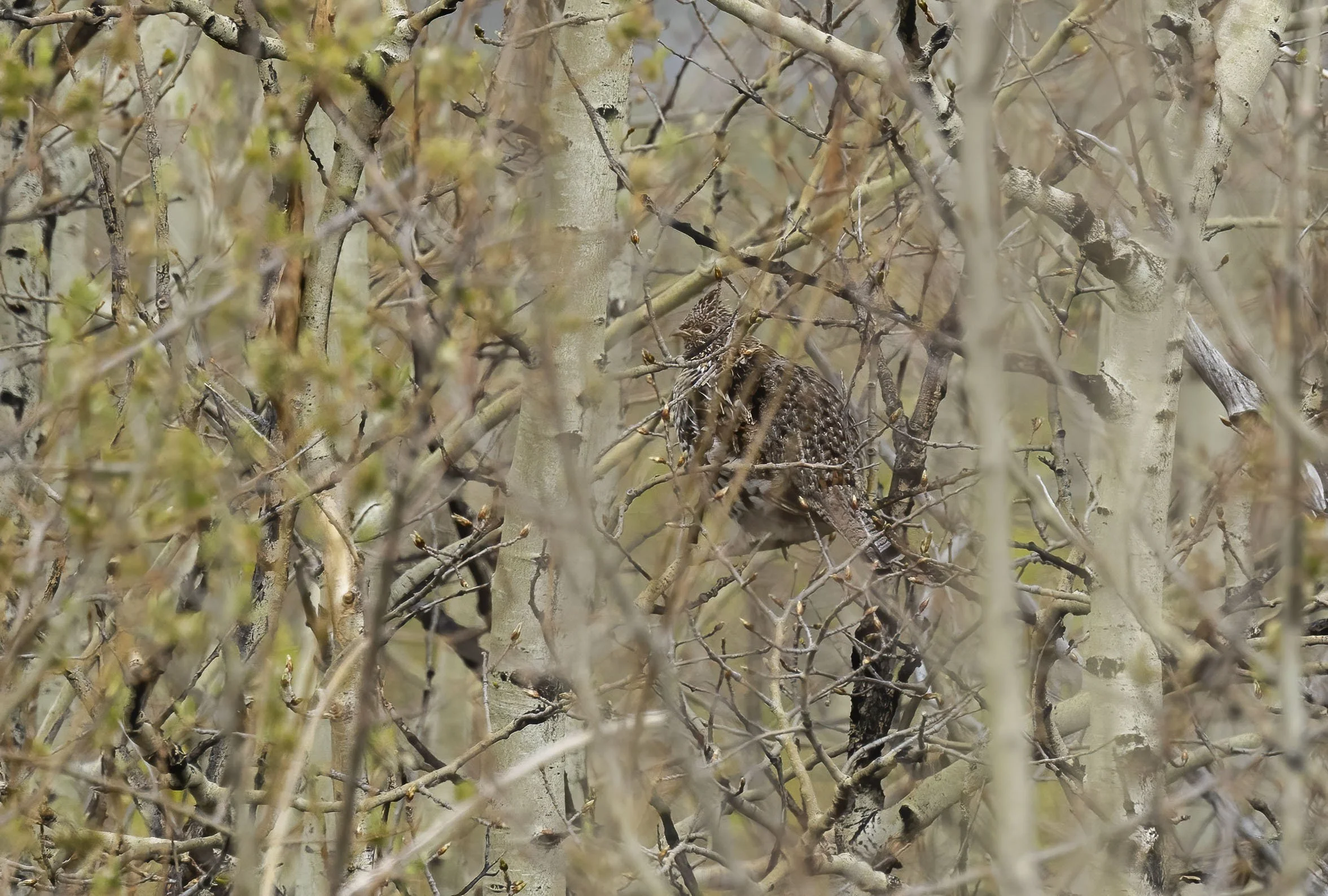
A tad better but there was a myriad of twigs and branches in the way
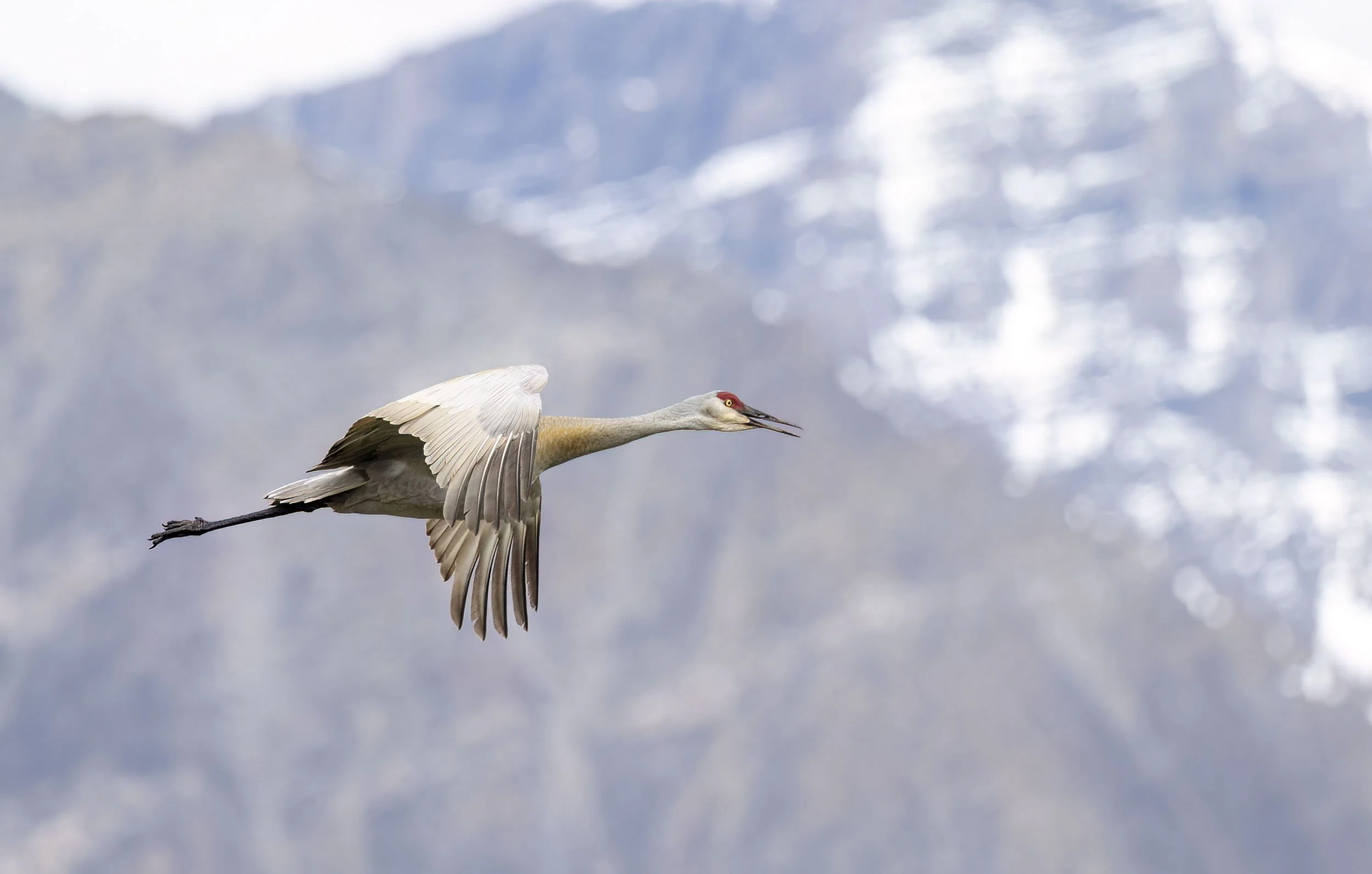
Sandhill Crane showing displeasure at the Fisher
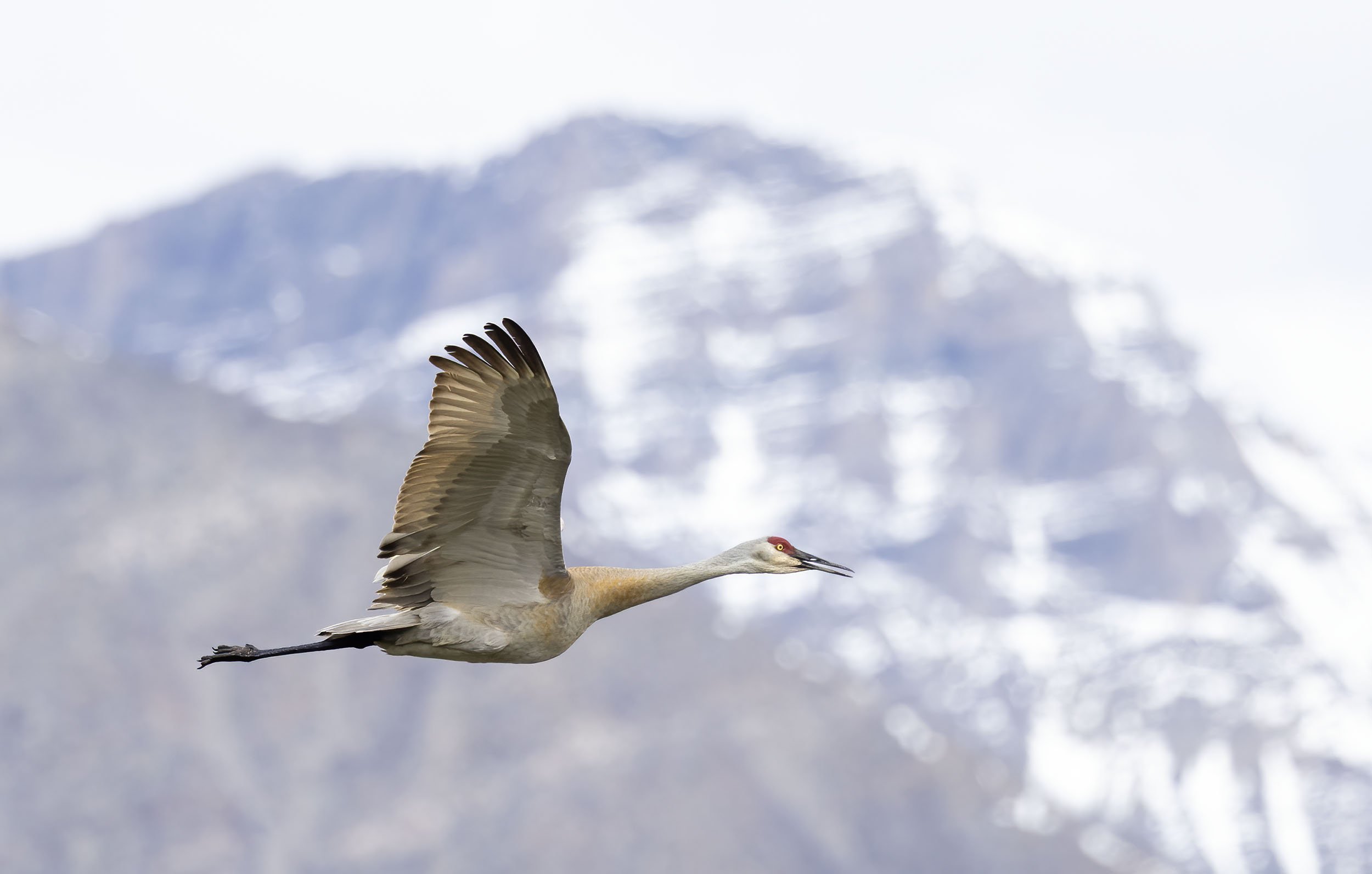
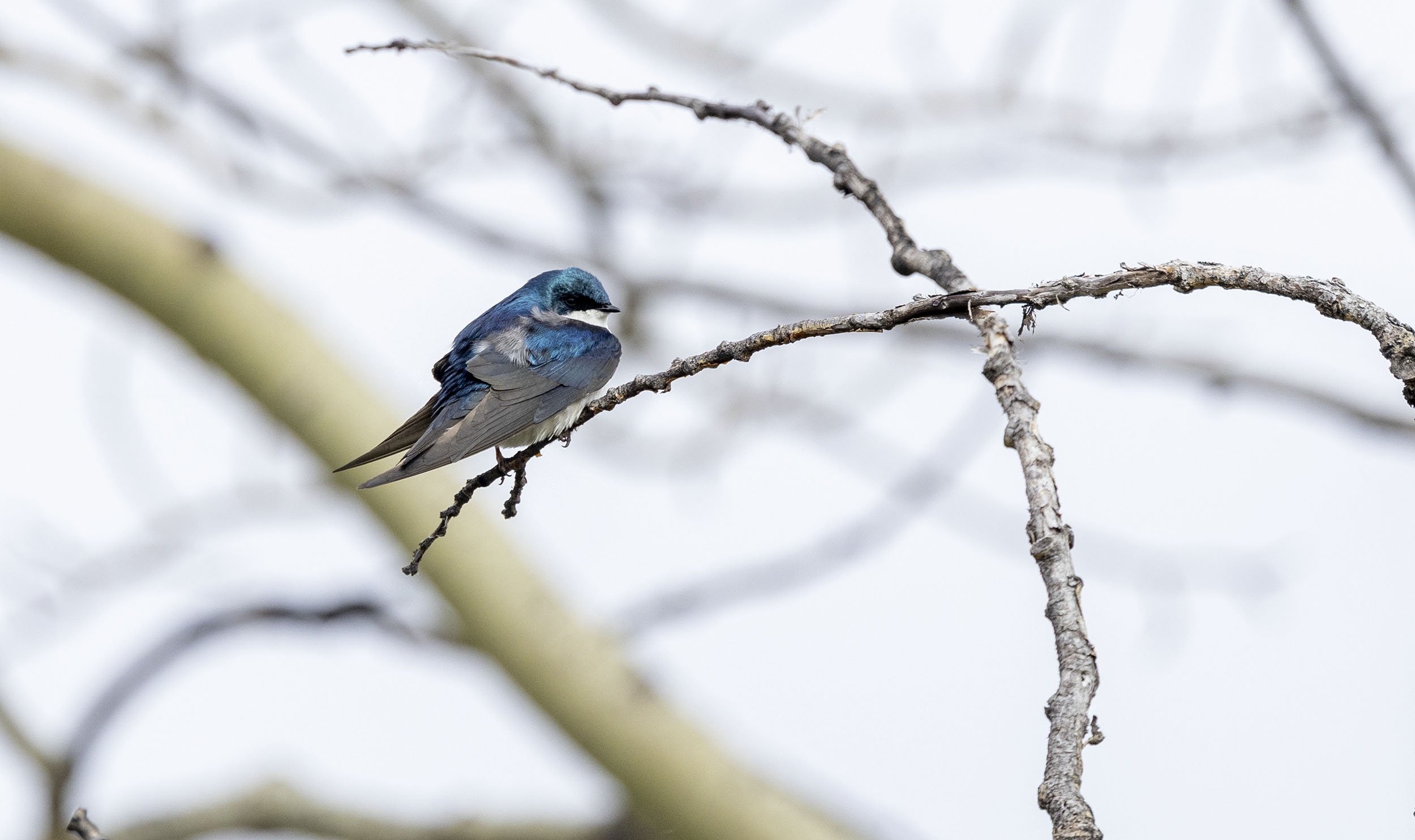
Male Tree Swallow in a tree
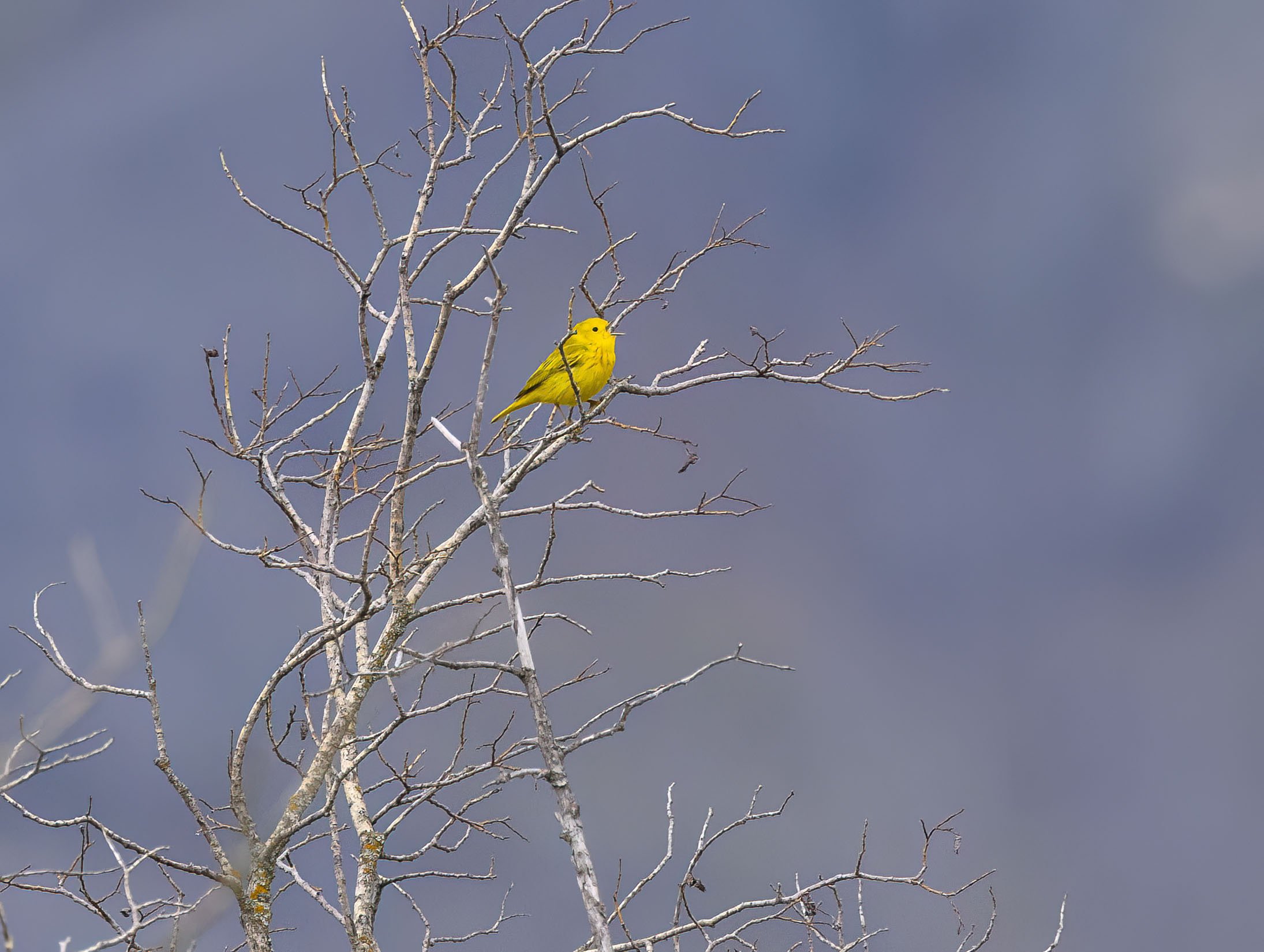
Male Yellow Warbler all birds were surprisingly uncooperative throughout
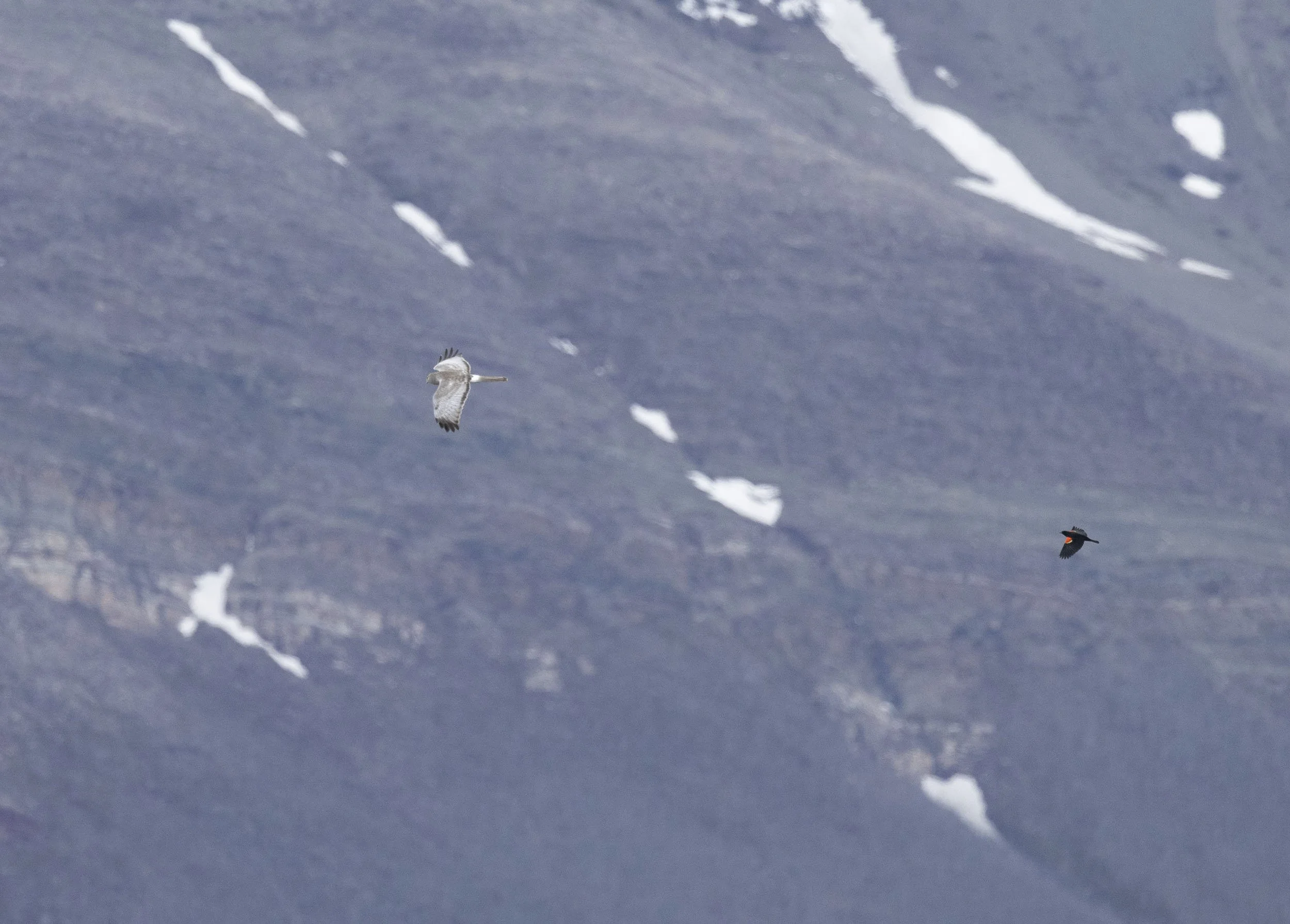
Northern Harrier pursued by Red-winged Blackbird
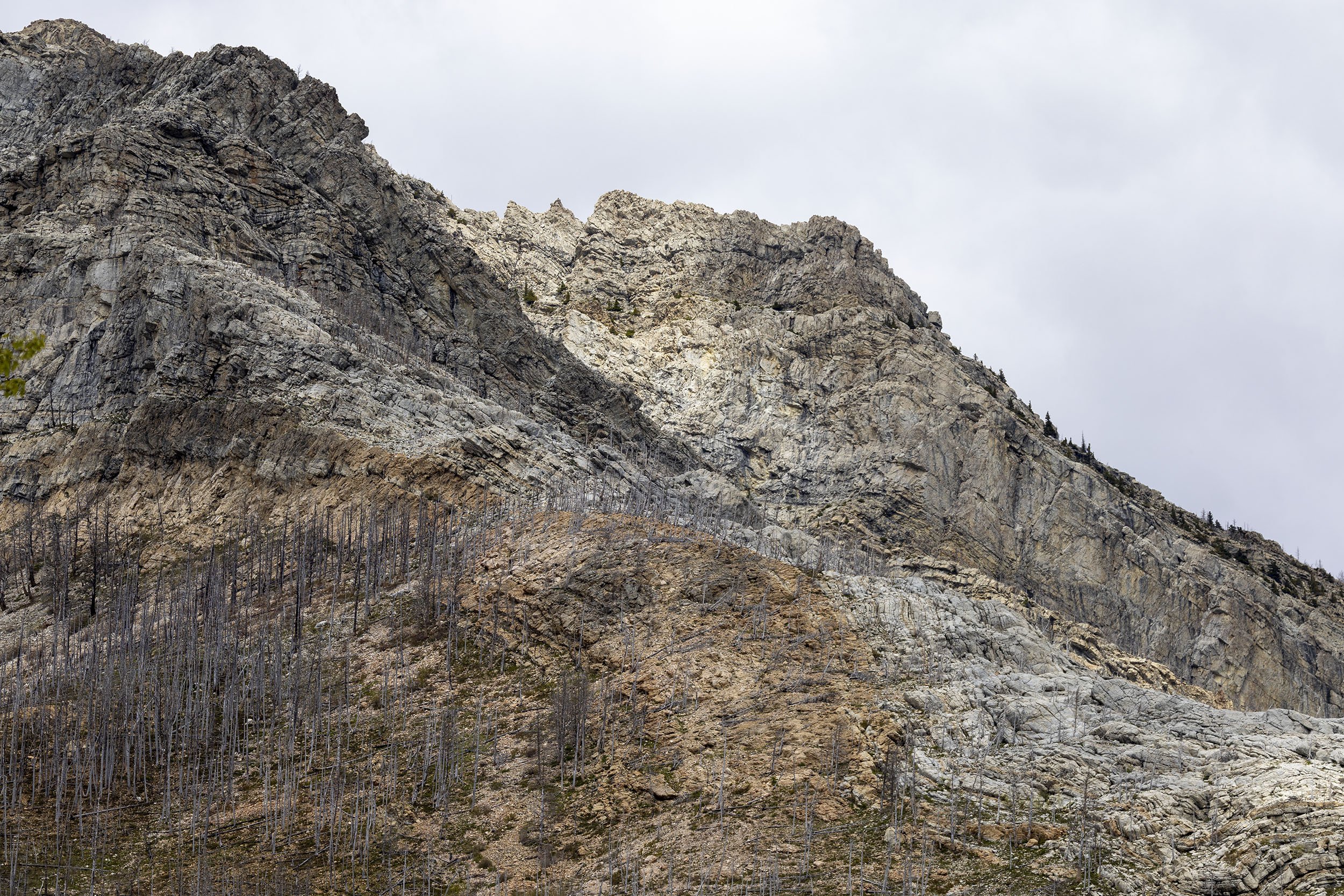
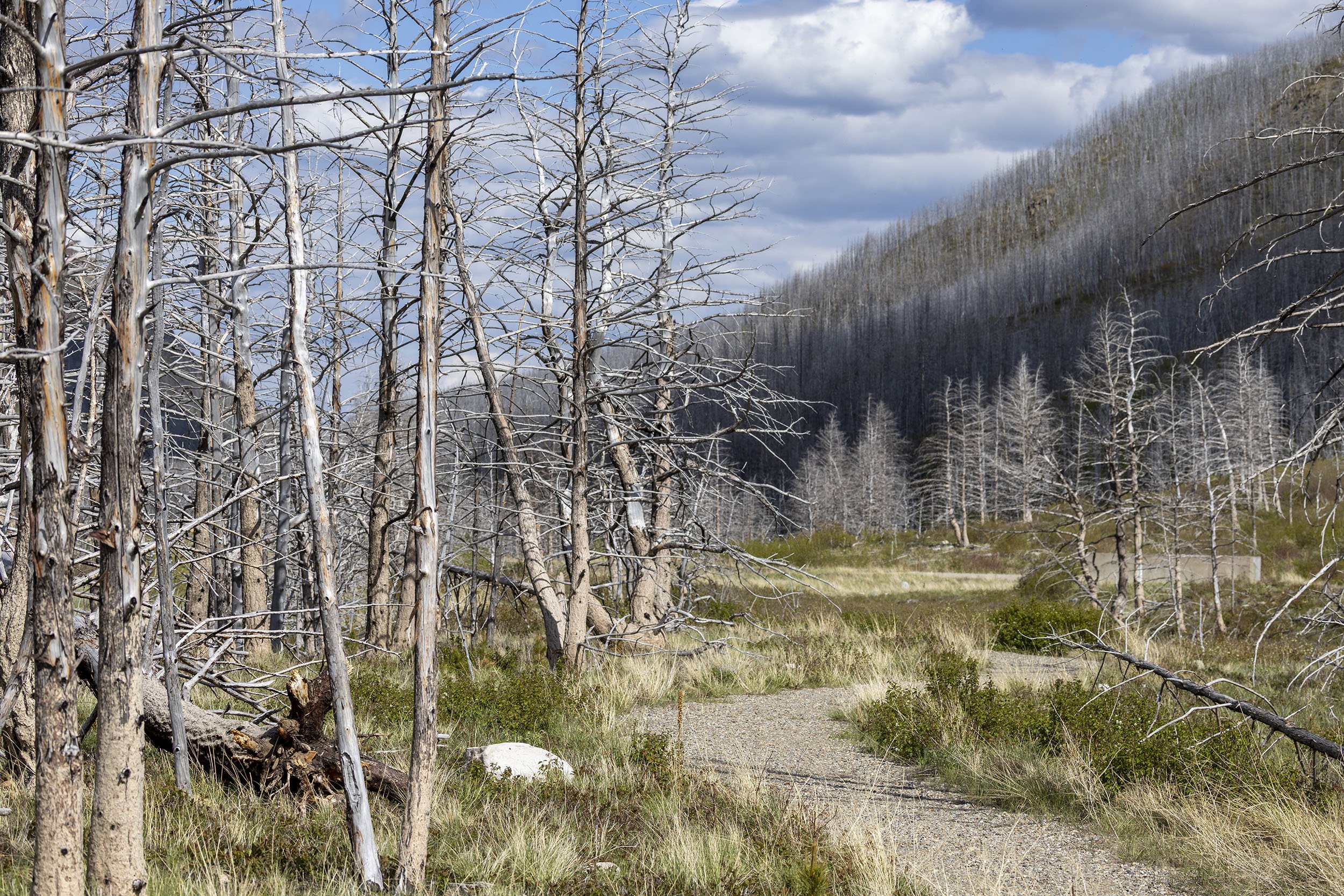
American Badger den was a bit further along this trail up Red Rock Canyon Road
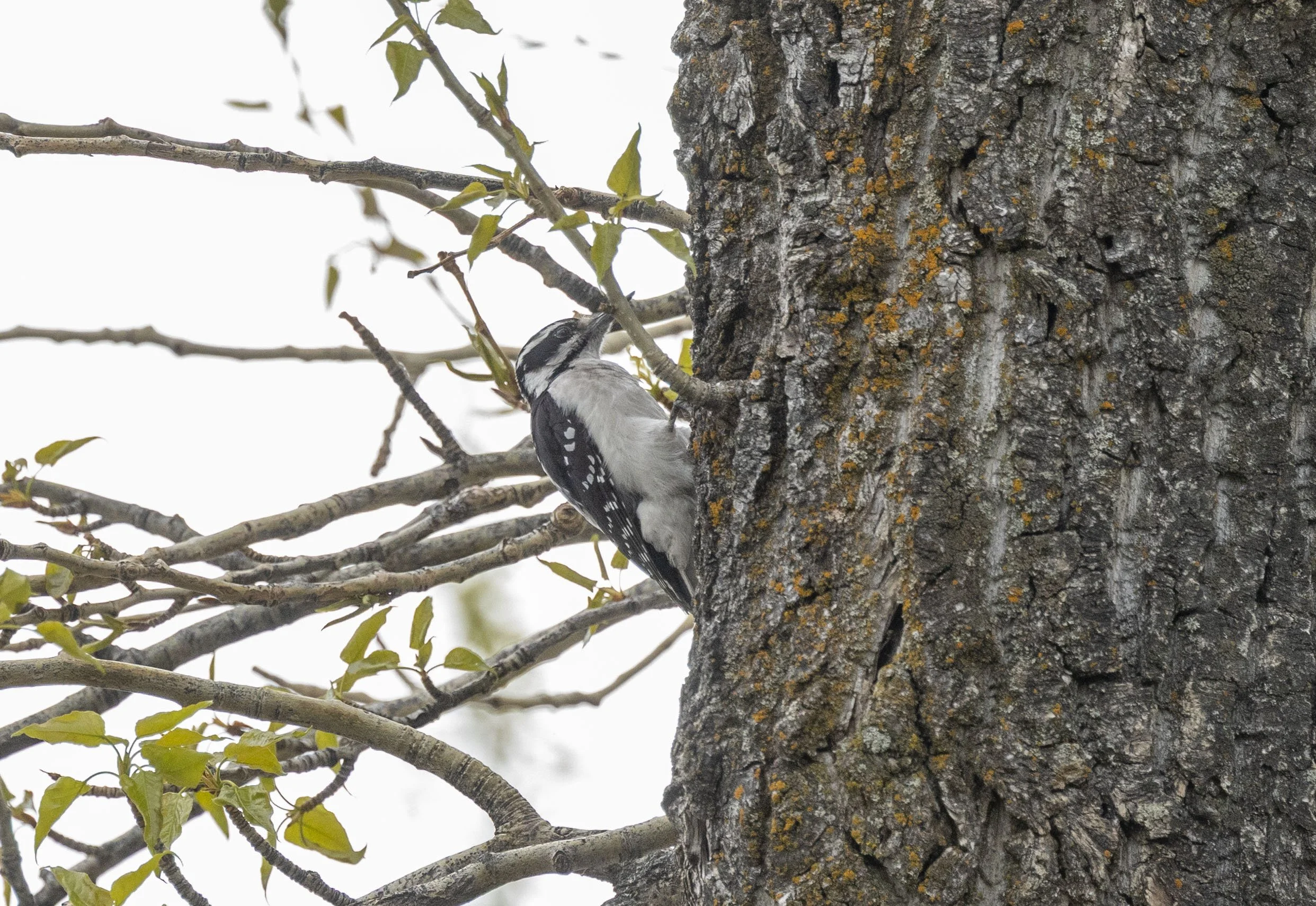
Hairy Woodpecker
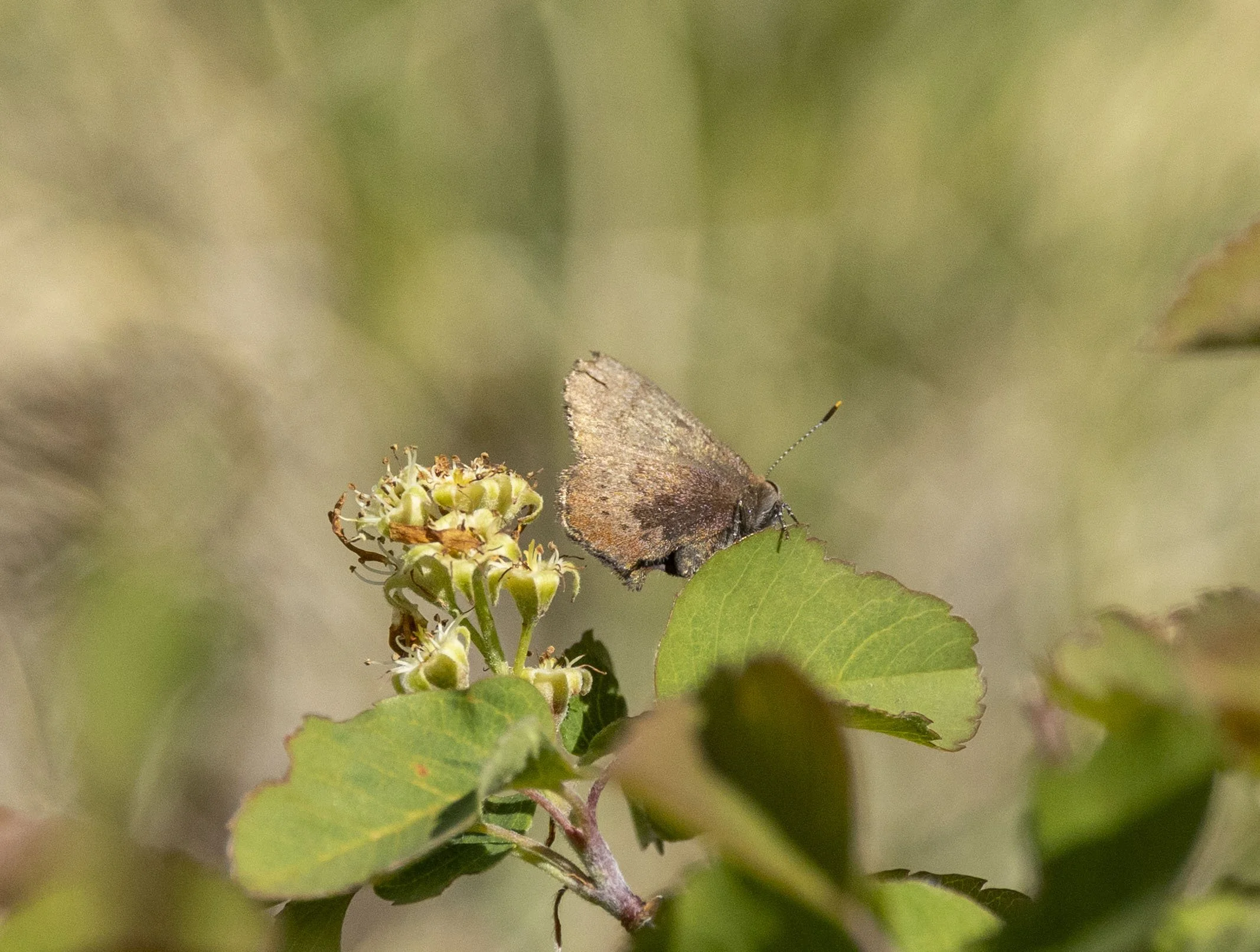
Brown Elfin a rather worn individual
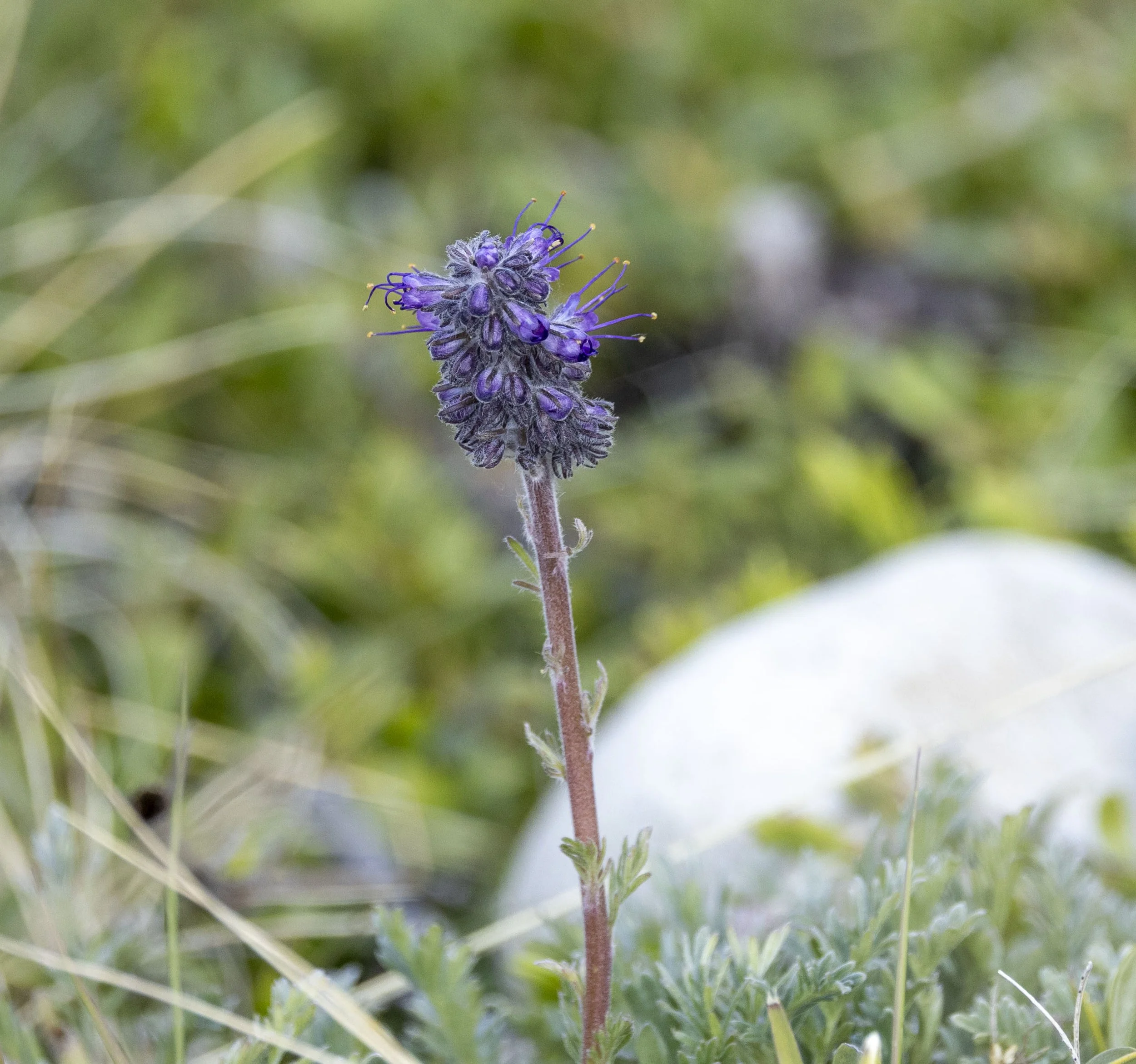
Never had the time to be a botanist but I do like flowers!
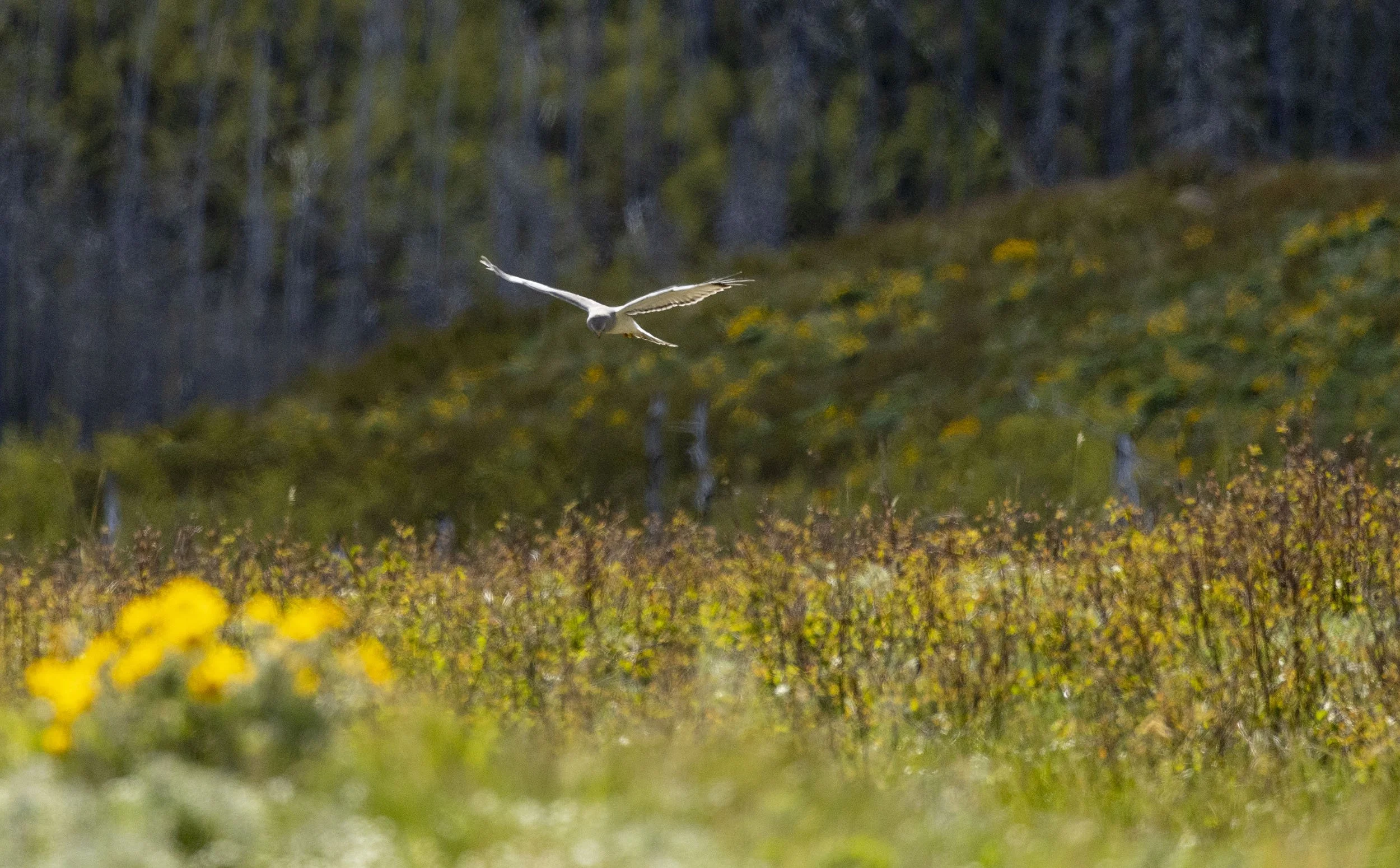
Northern Harrier over colourful meadow
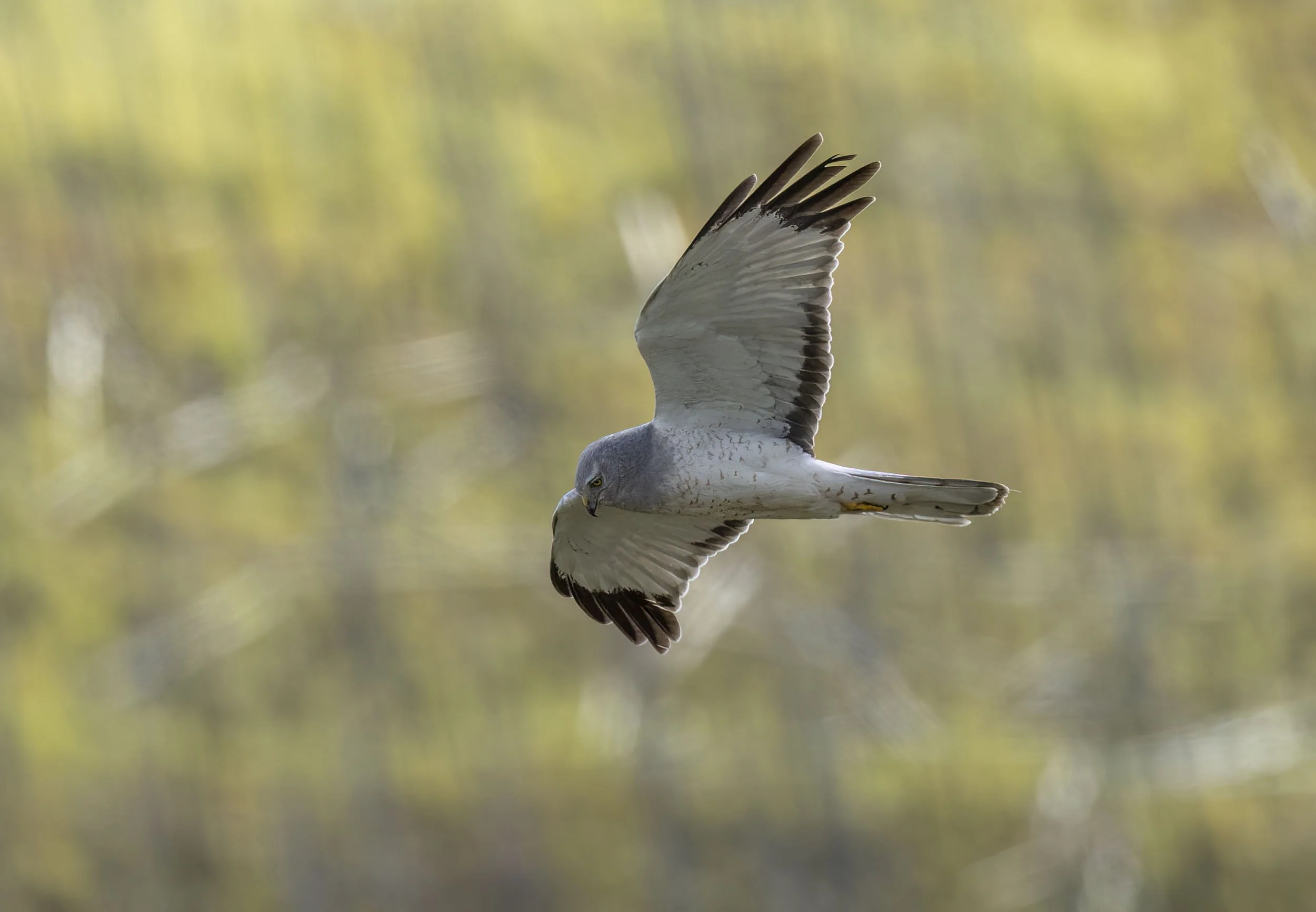
close fly-by
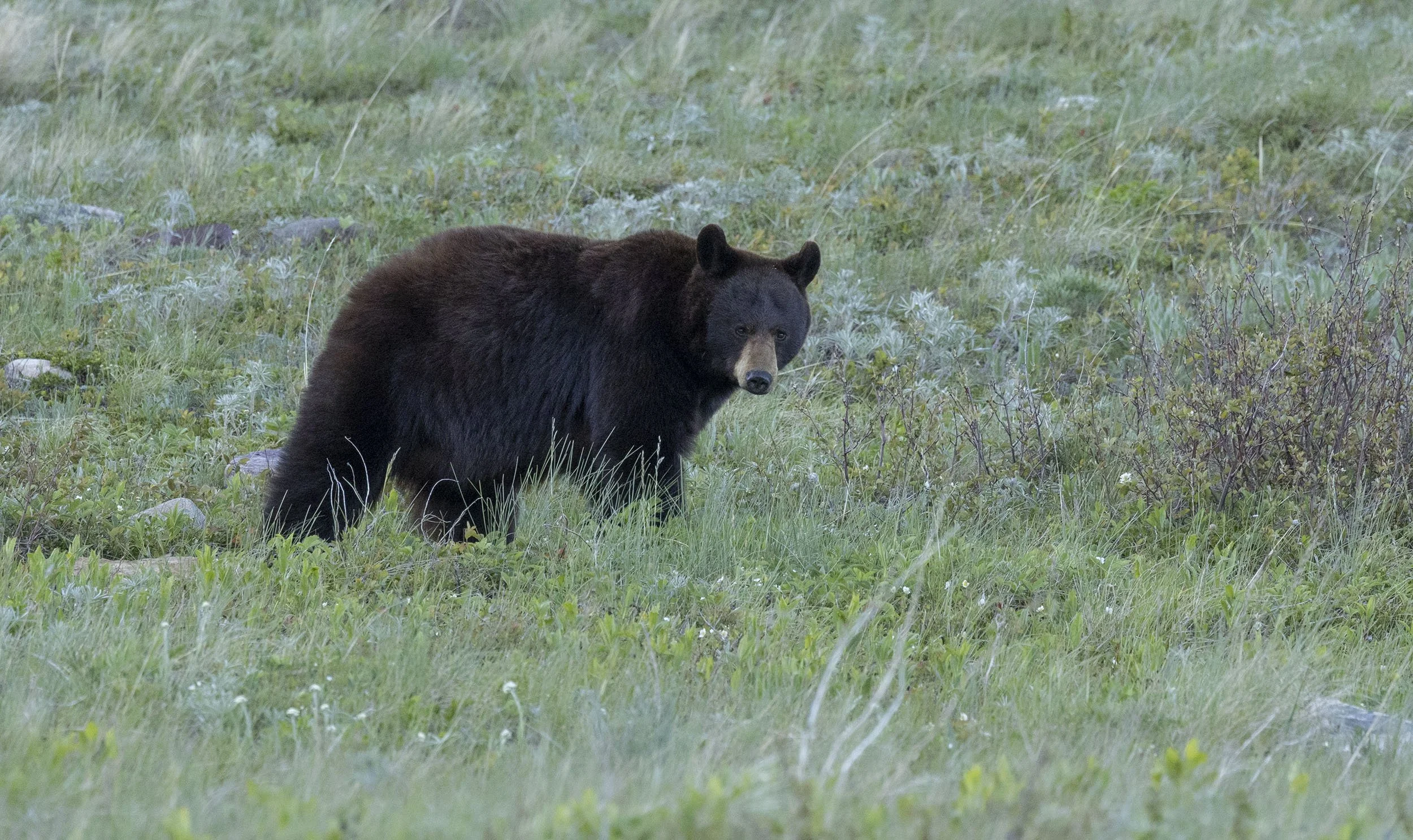
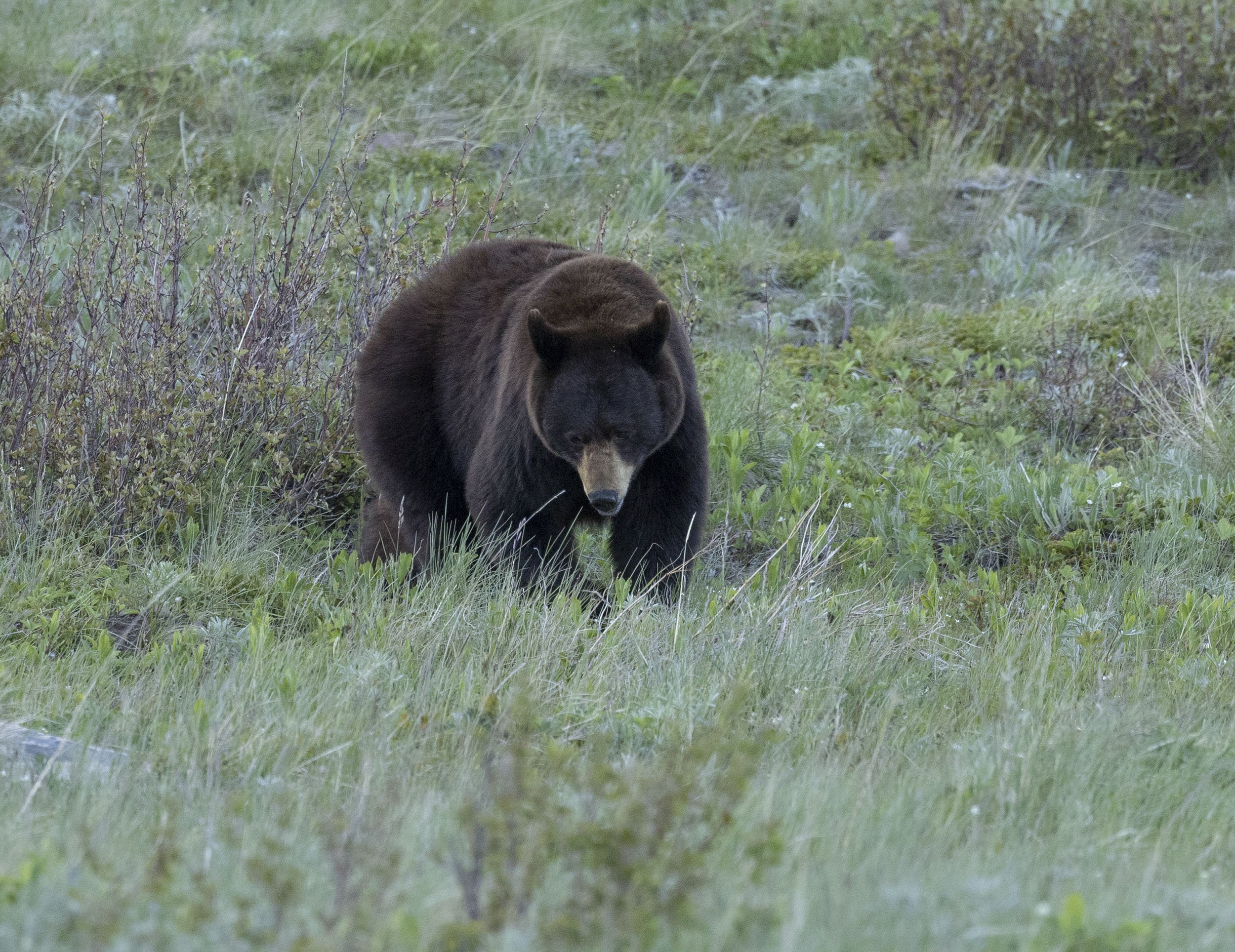
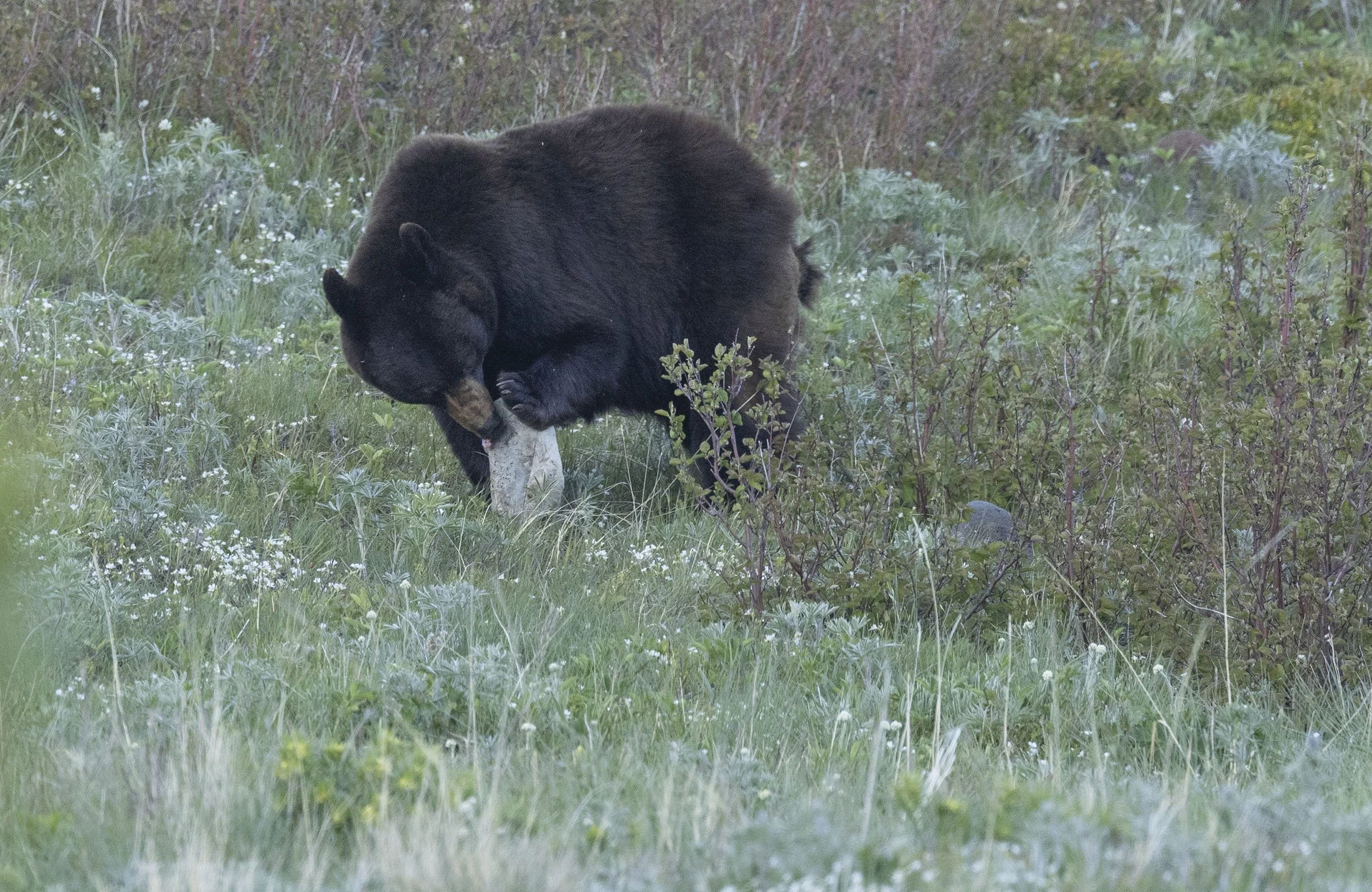
This Black Bear was walking about in an open meadow turning over big rocks and licking under them presumably eating ants
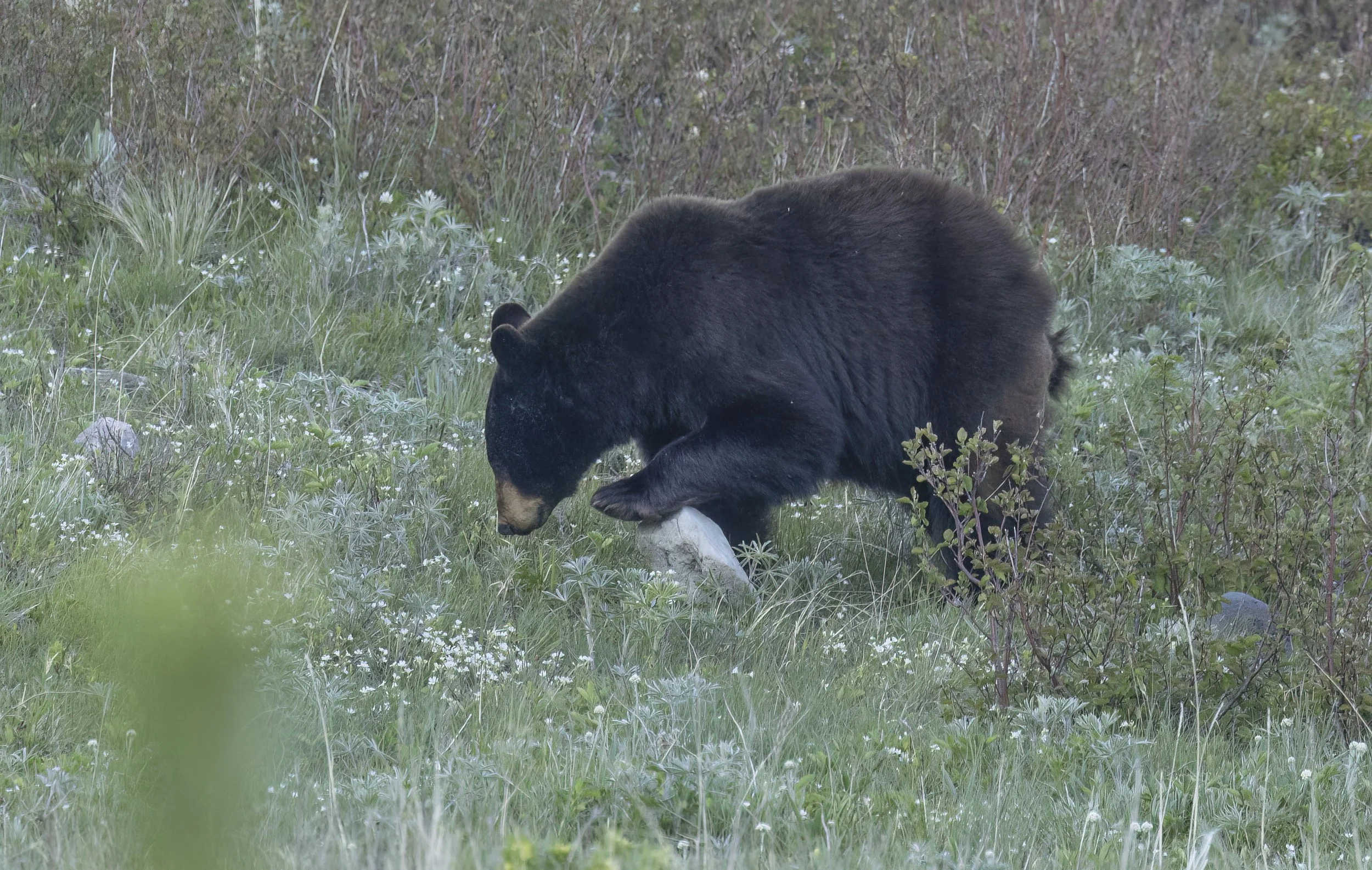
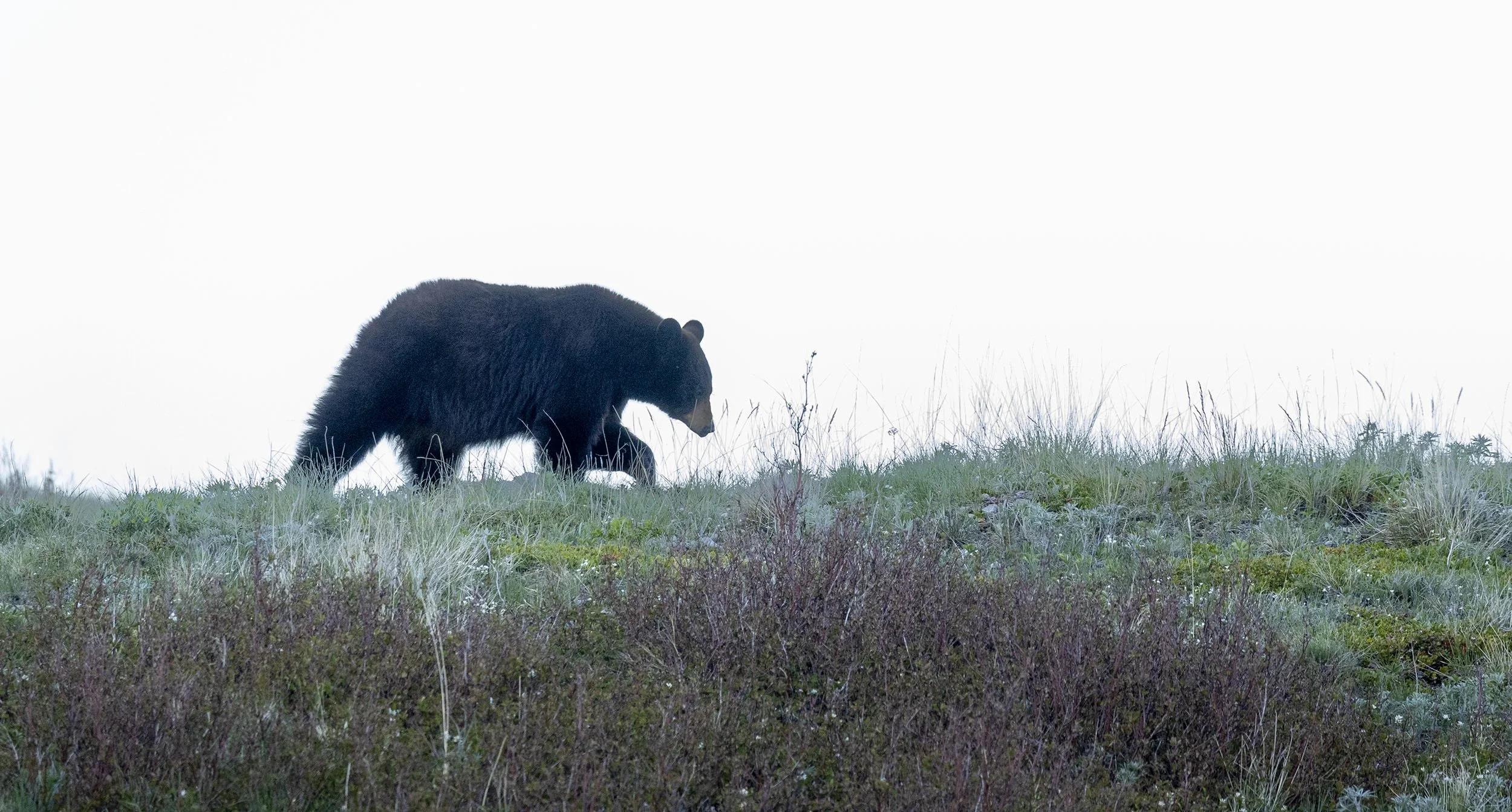
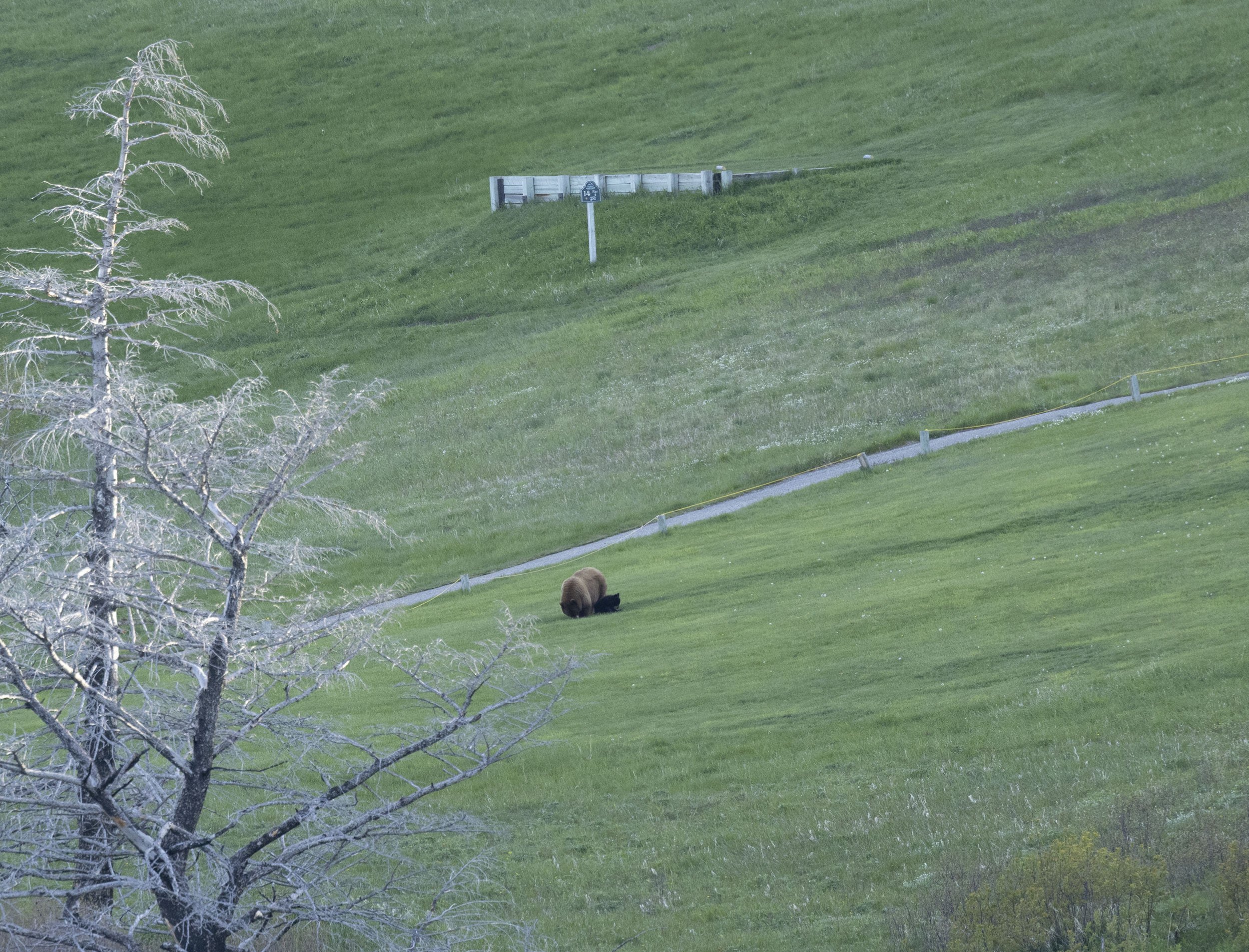
On the 14th T
May 22nd
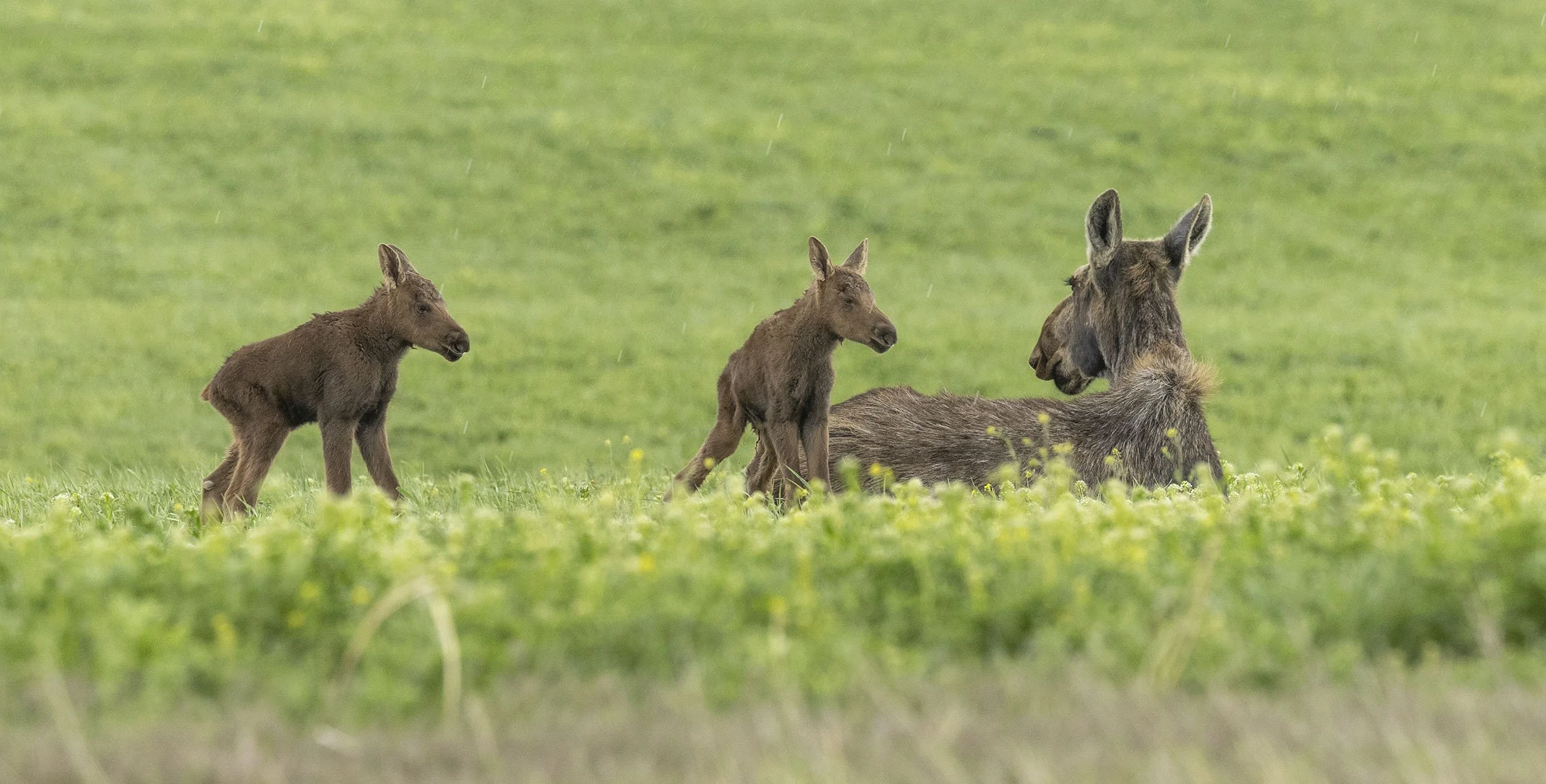
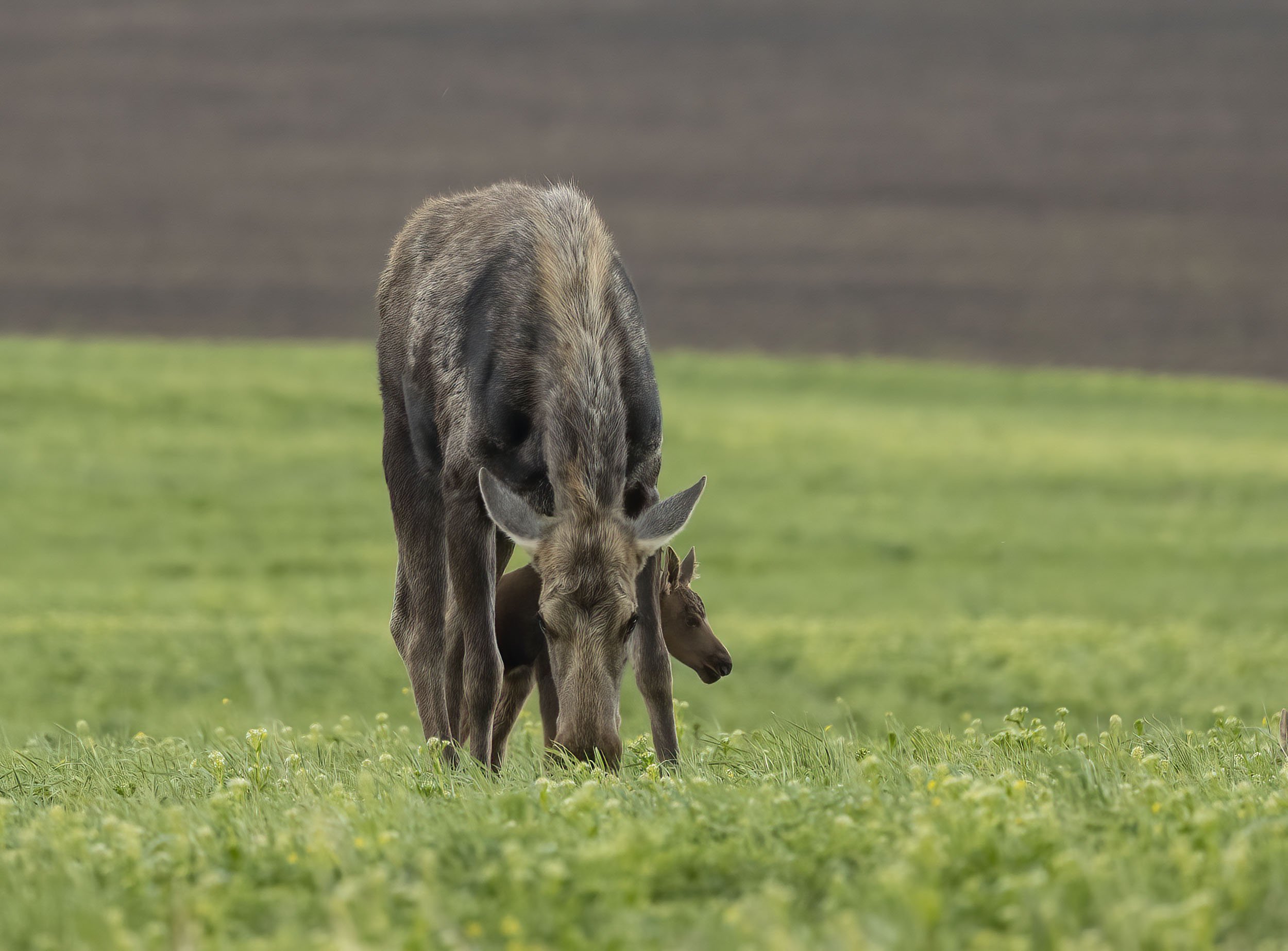
Our last full day and spent around Waterton again; the cottage had returning Cliff Swallows in the morning plus the usual waterfowl; In Waterton town Violet-green Swallows were in residence with butterflies being a Swallowtail that whizzed through and a Satyr Comma plus California Tortoiseshell. Two families of Fox cubs were on view with the odd Black Bear in the evening. A walk up the trail past Red Rock Canyon was good with our first Western Tanagers and Dusky Flycatcher plus a singing Western Warbling Vireo, Townsend’s Solitaire, Audubon’s Warbler, a showy Eastern Kingbird in the car park where our only Golden-mantled Ground Squirrel of the trip was around the bins! Butterflies were Julia’s Orange Tip and Perseus and Dreamy Duskywings. A close Swainson’s Hawk was on the roadside as we drove back towards some heavy rain when Eileen informed us of a female Moose up the road with a calf which turned out to be two when we arrived in the torrent.
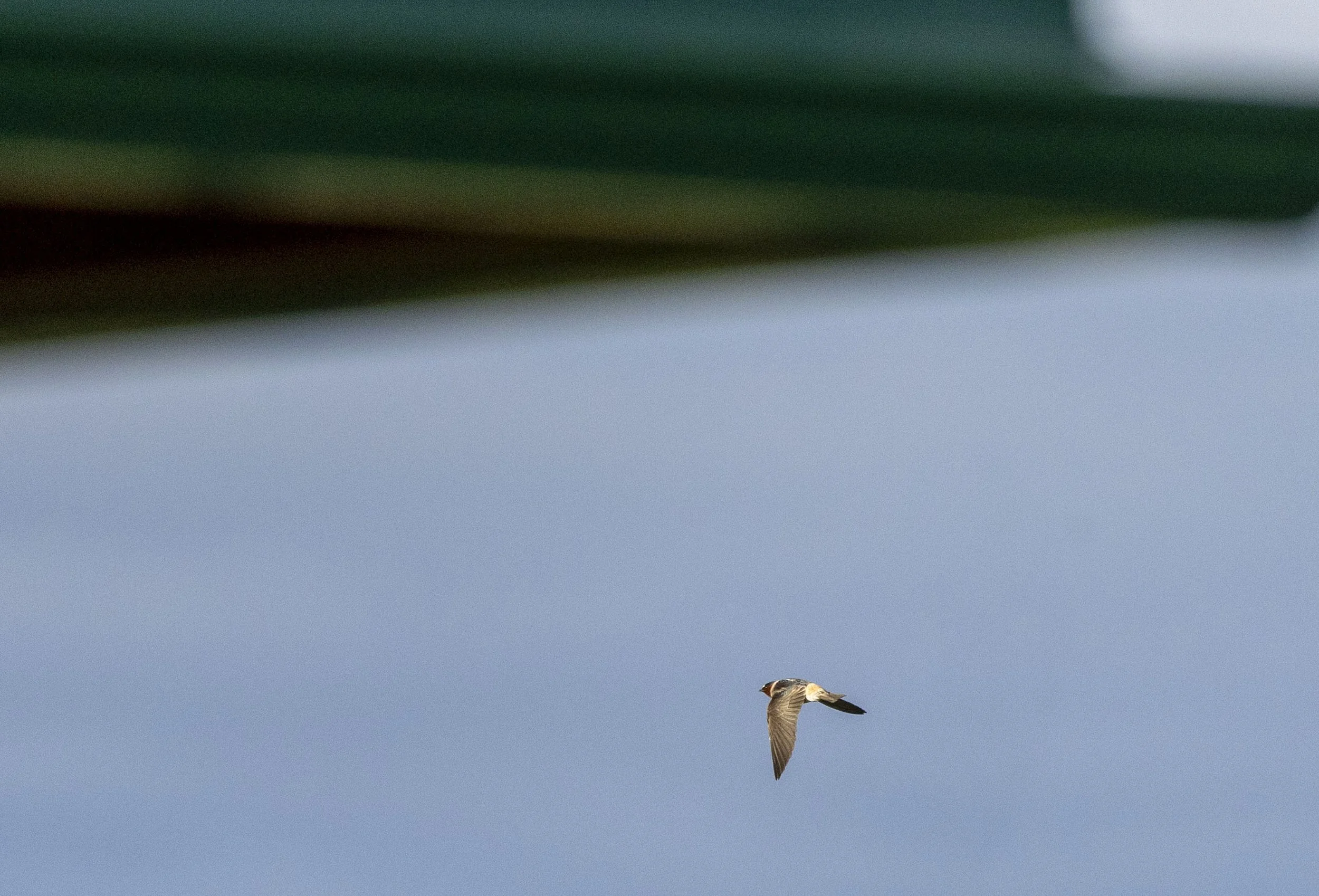
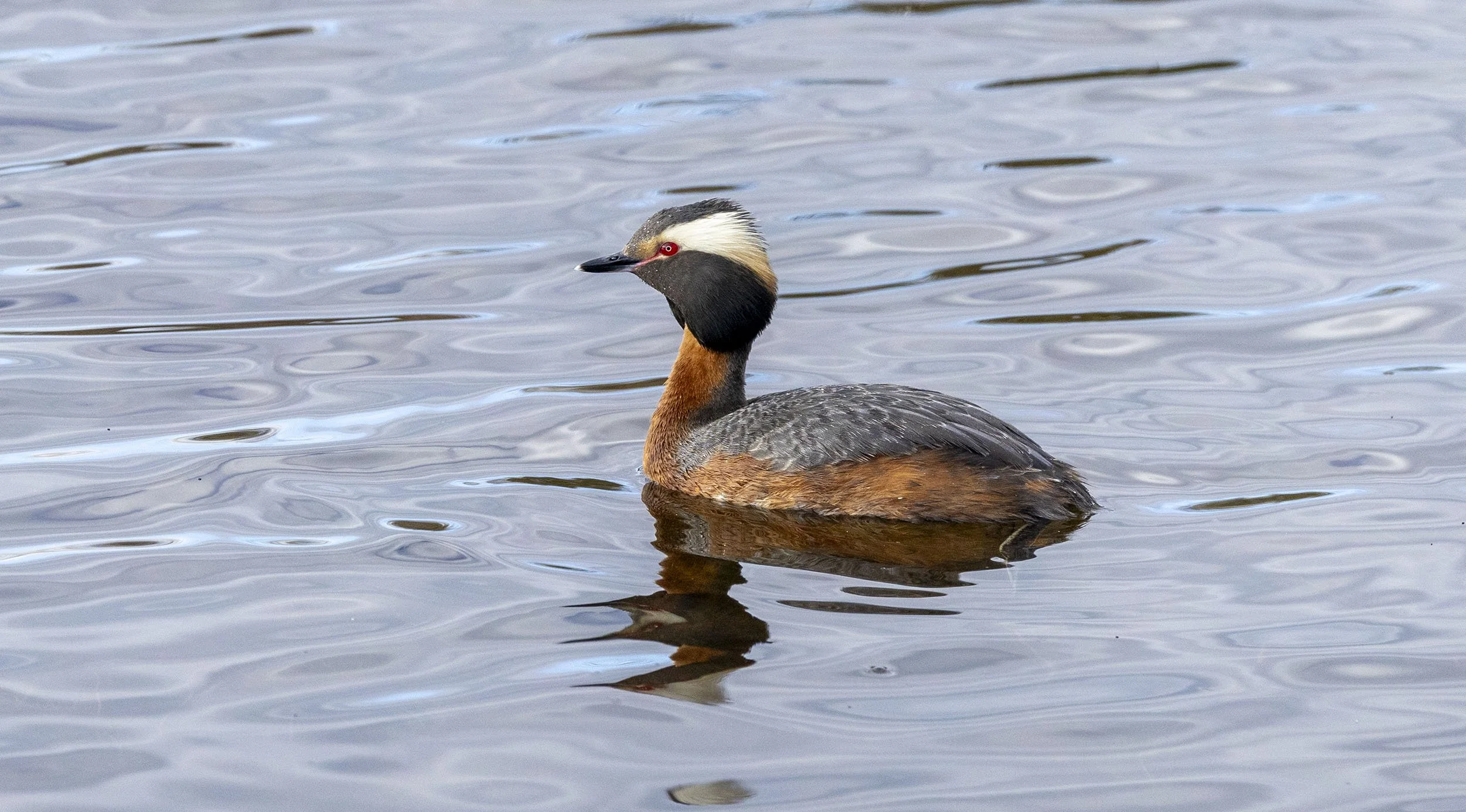
Stunning Horned Grebe right next to the car but looking down sadly
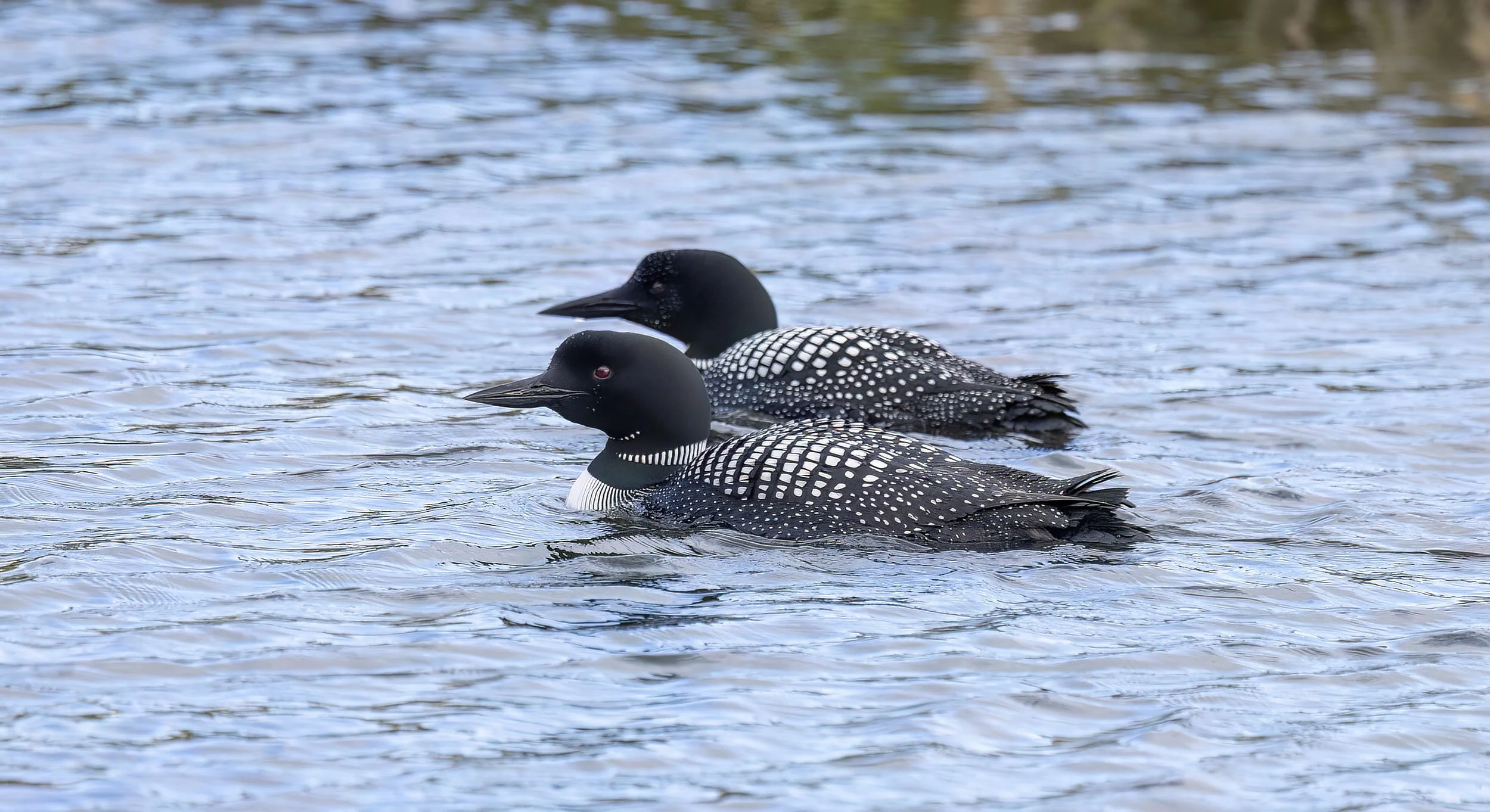
Common Loons on the pond at the park entrance - too close to get enough DOF
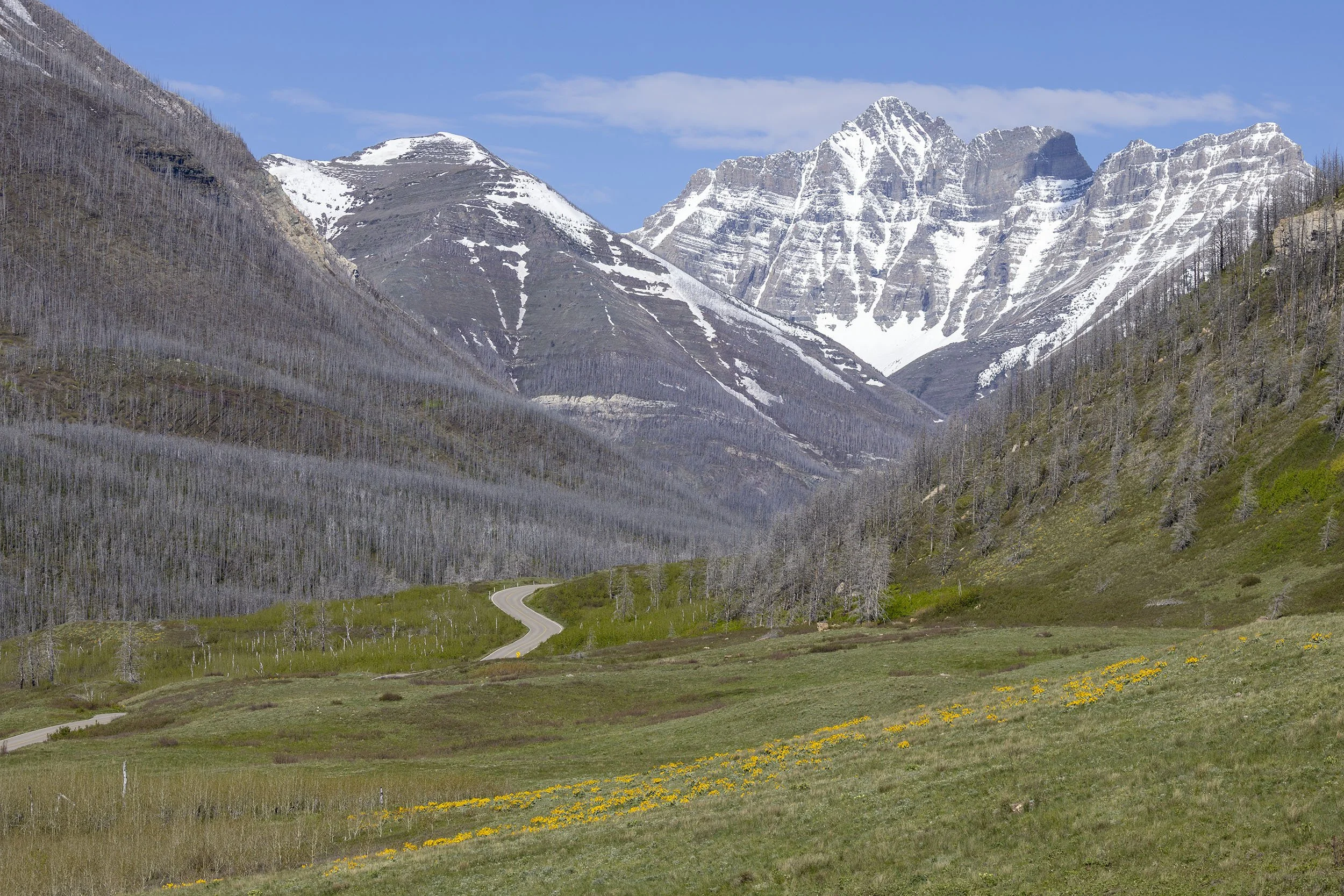
The road up to Red Rock Canyon the Black Bear the previous evening was on the slope just below us here
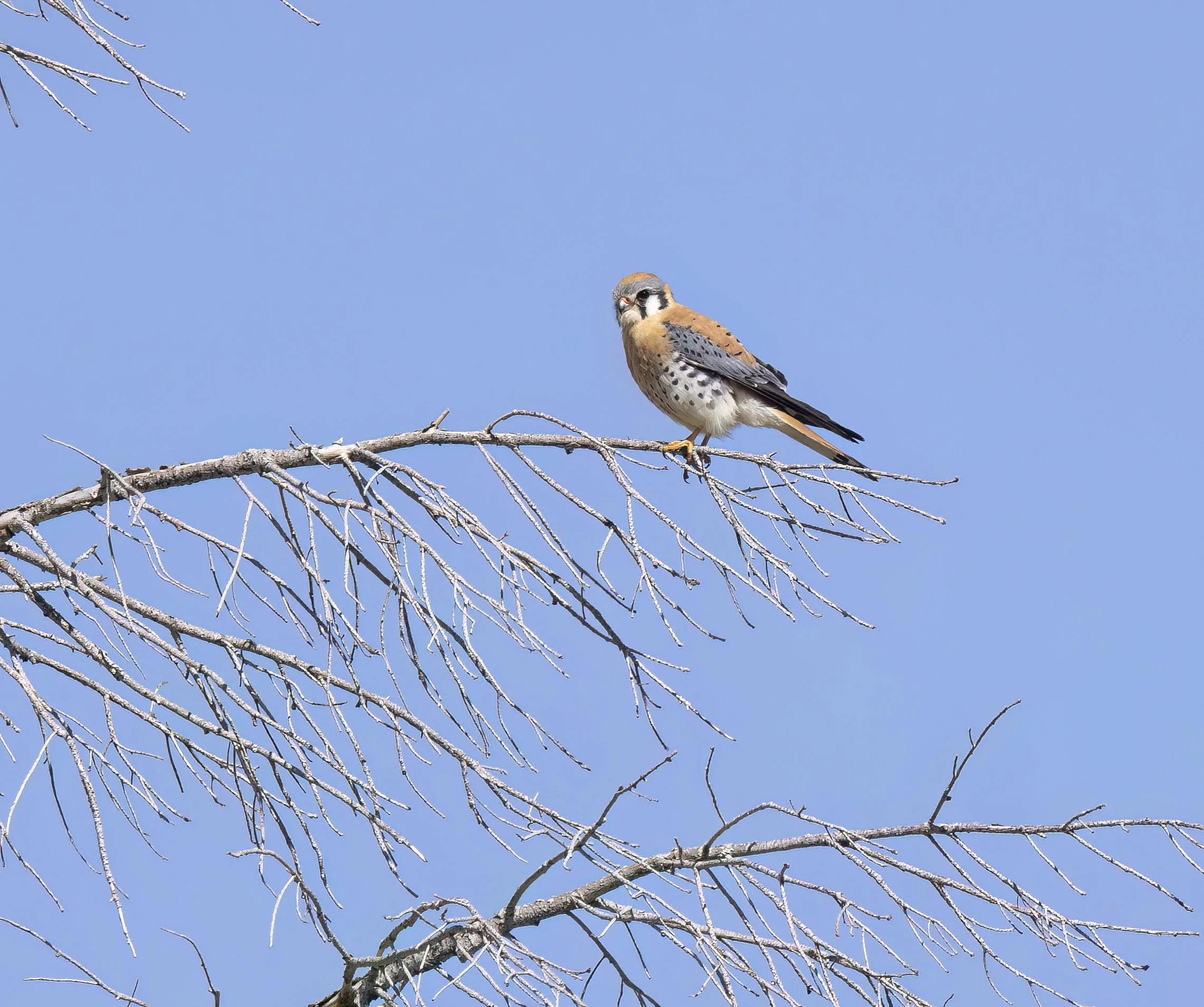
Red Rock Canyon Road was consistently good for American Kestrels throughout
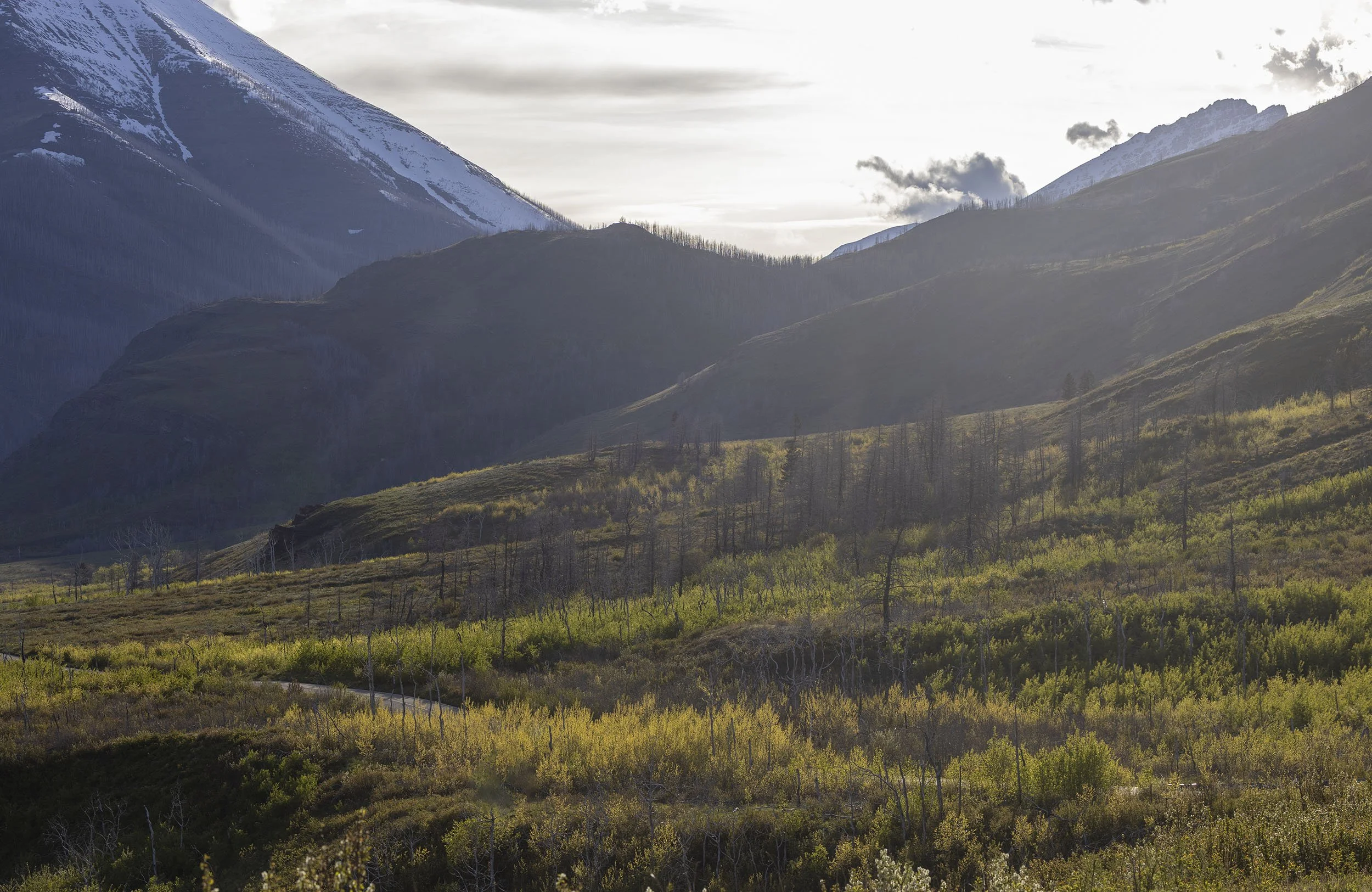
I am not a landscape photographer but you have to take pics of the landscapes in this stunning location - most of these are just with the iphone
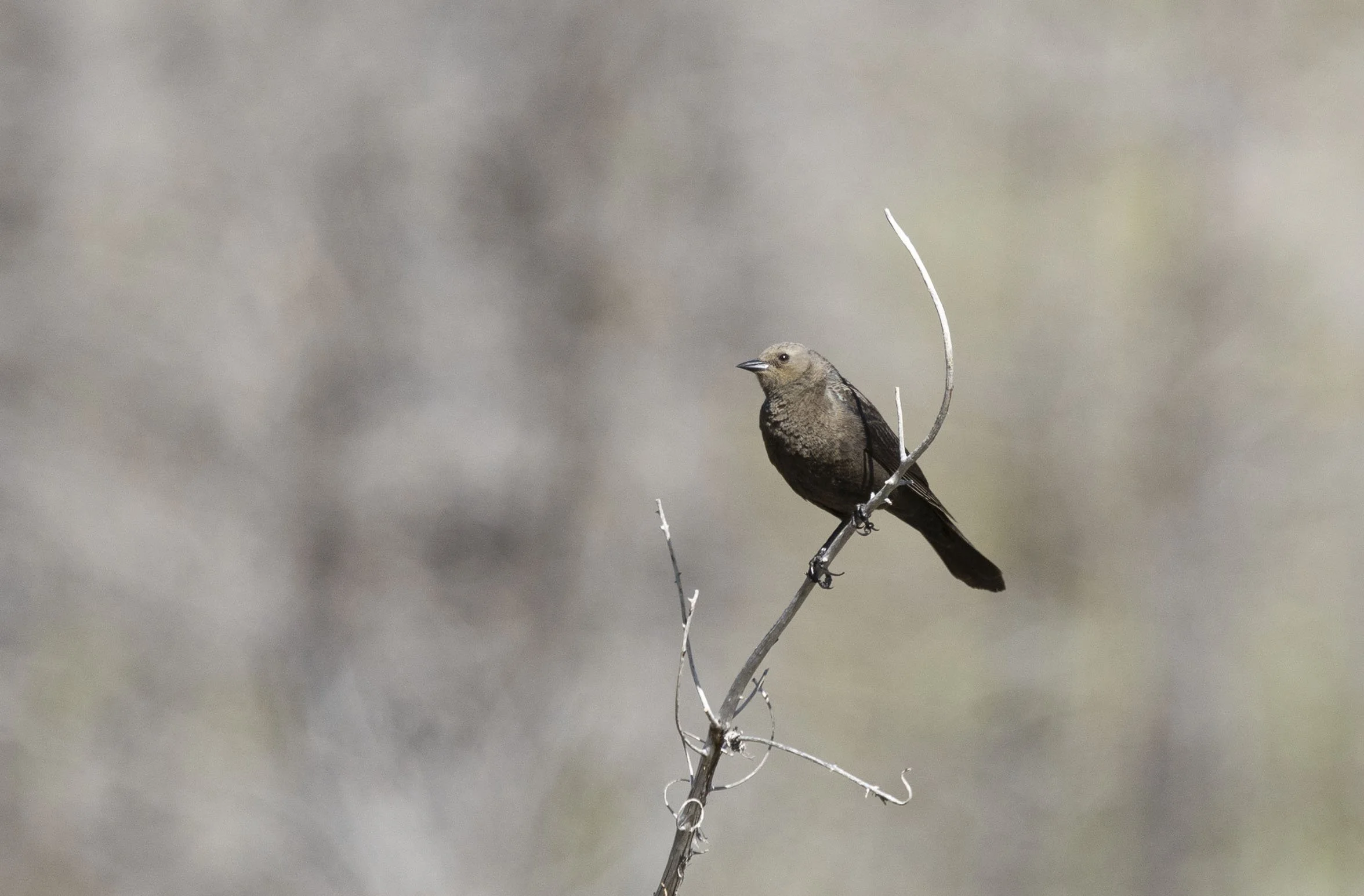
Female Brewer’s Blackbird
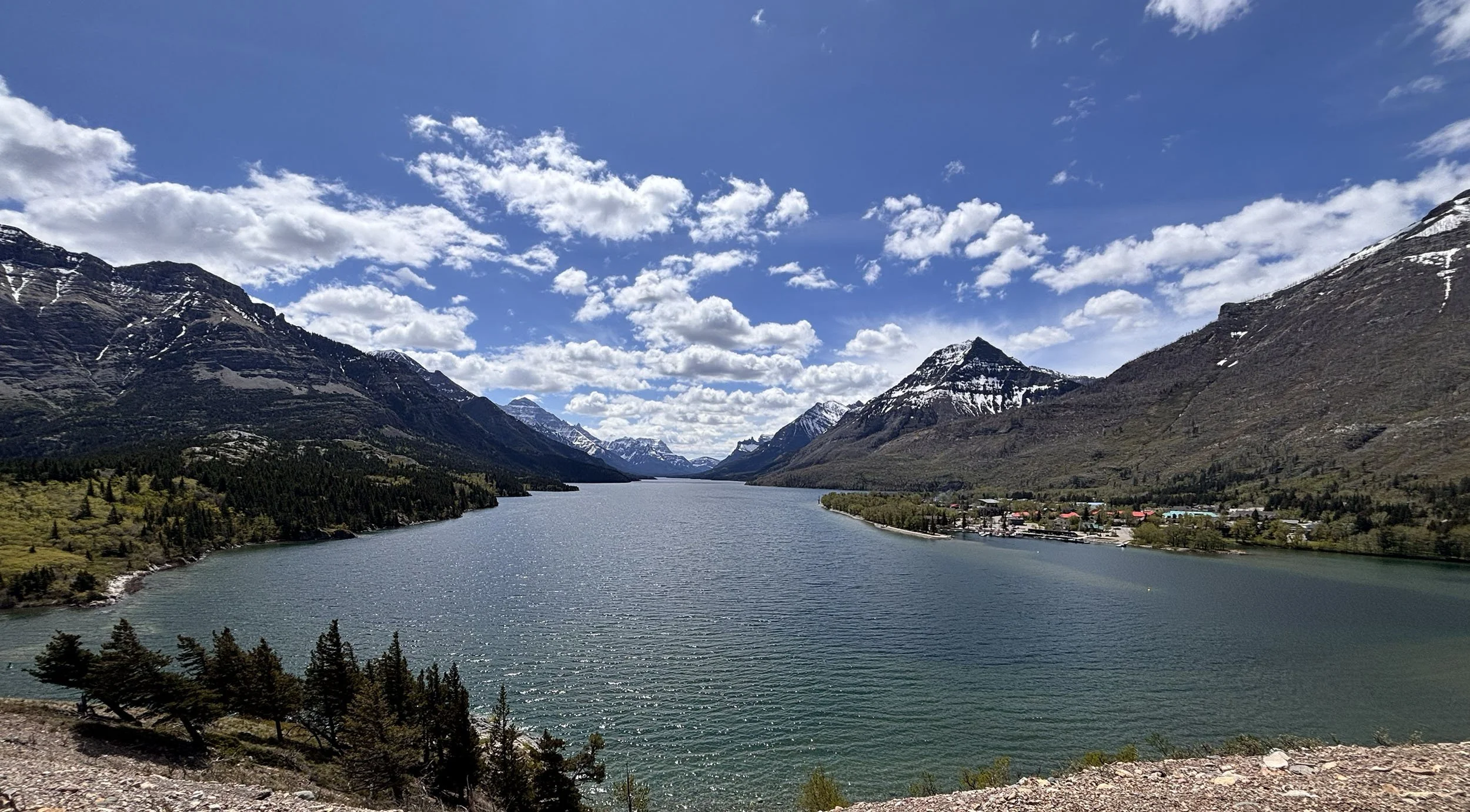
Waterton Lake and town on the right from the P of Wales Hotel
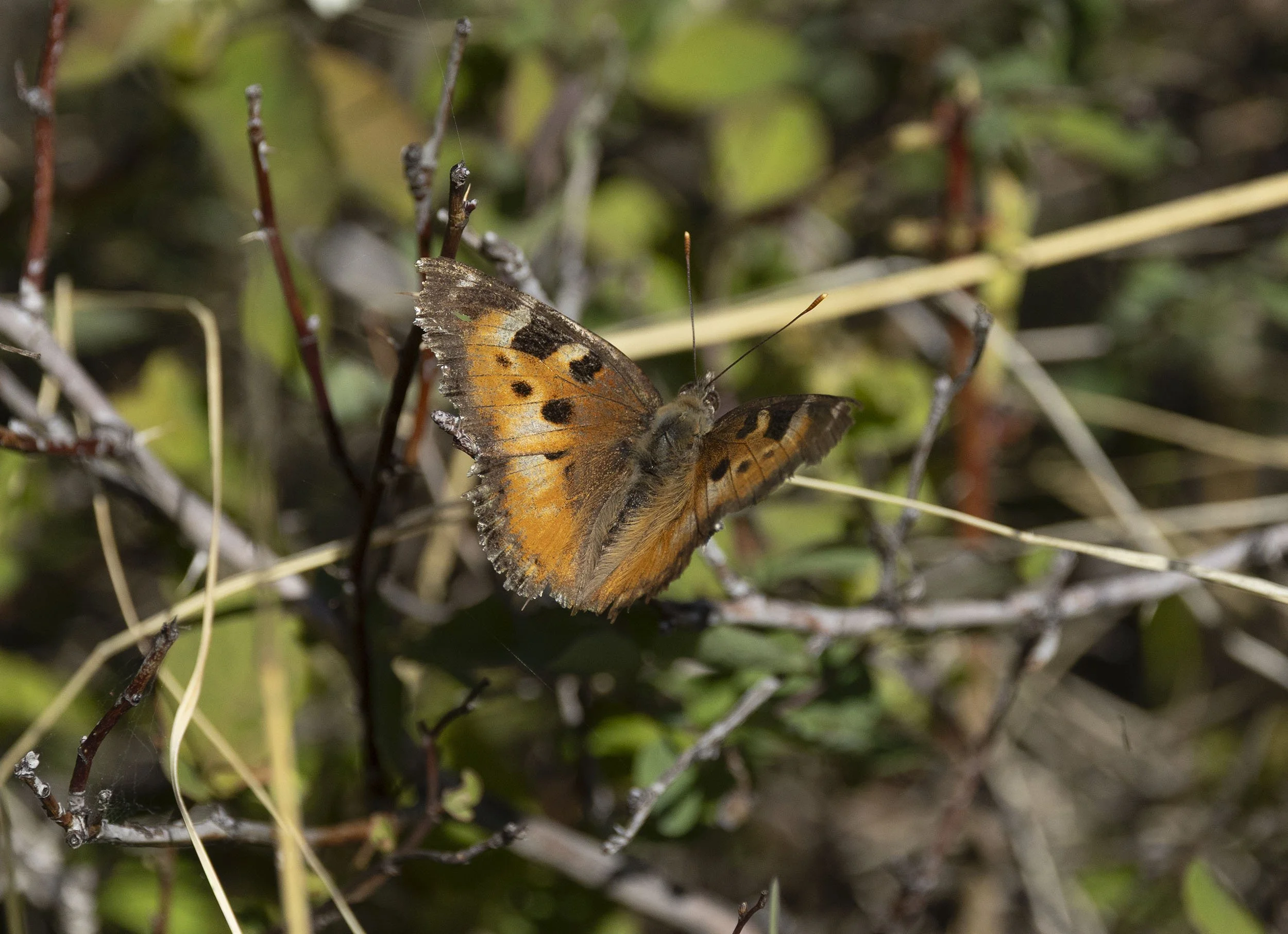
A rather worn California Tortoiseshell
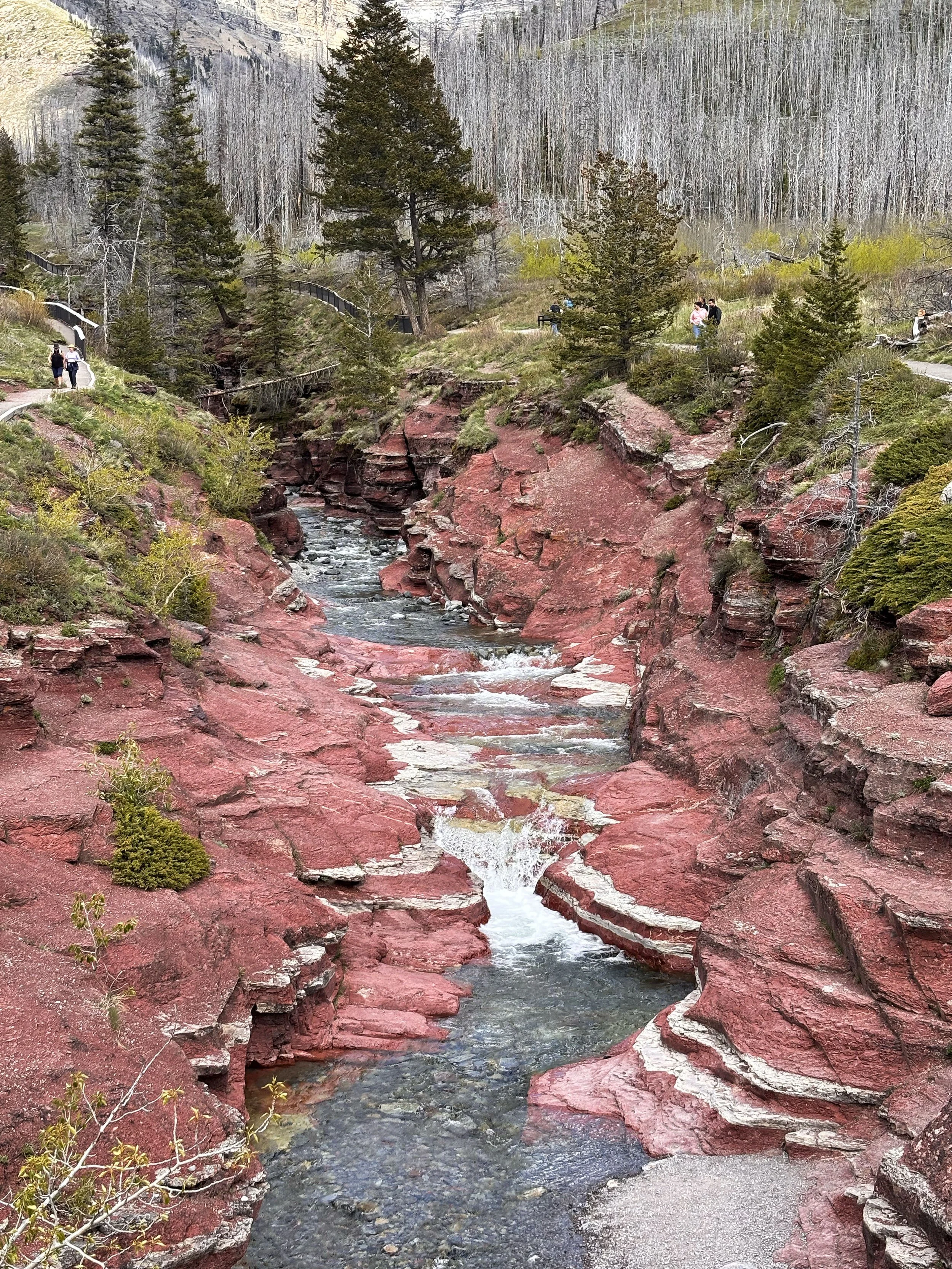
Finally got a shot of Red Rock Canyon without anyone stood in the bottom!
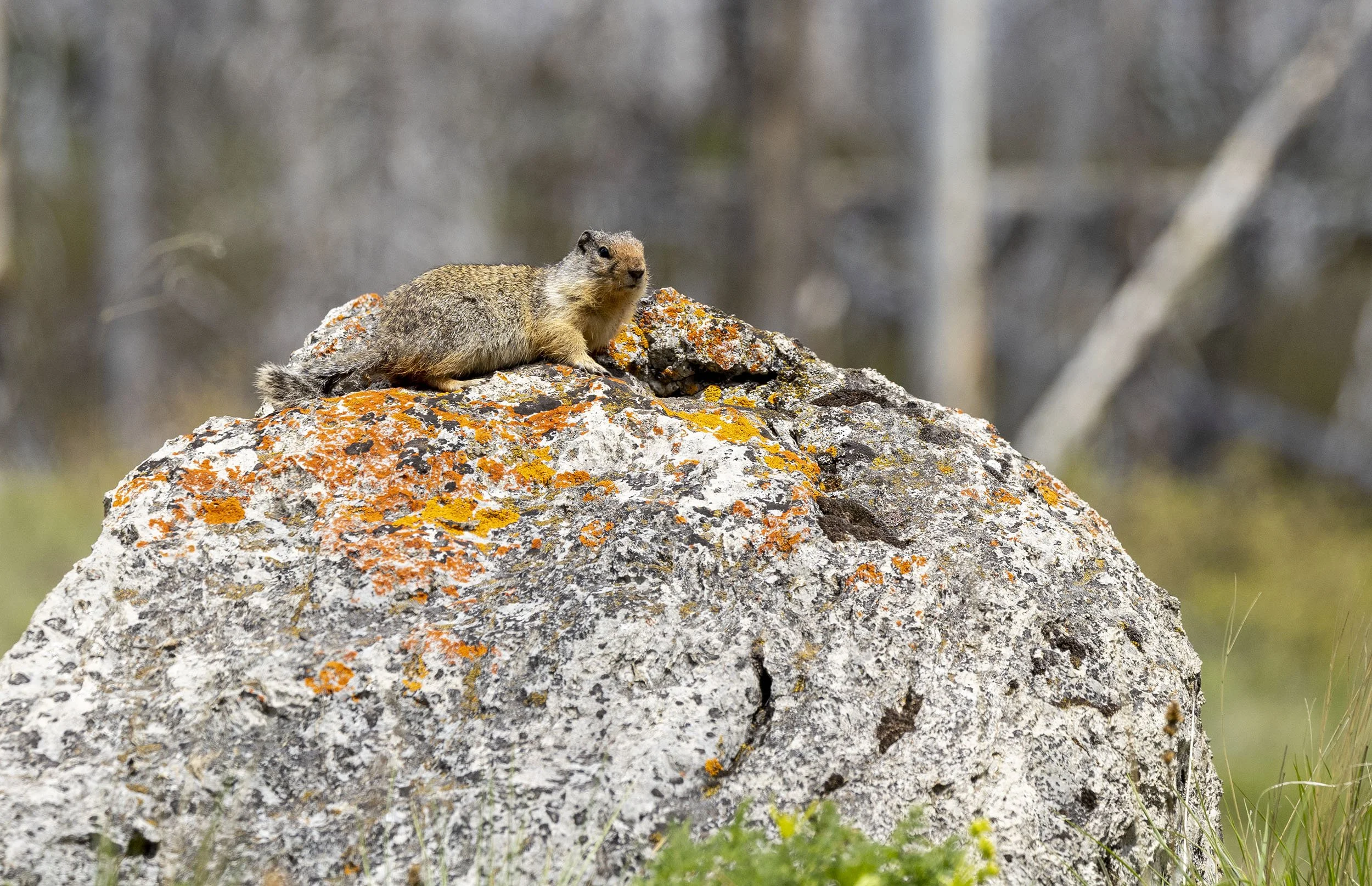
Columbian Ground Squirrel chilling on lichen covered rock
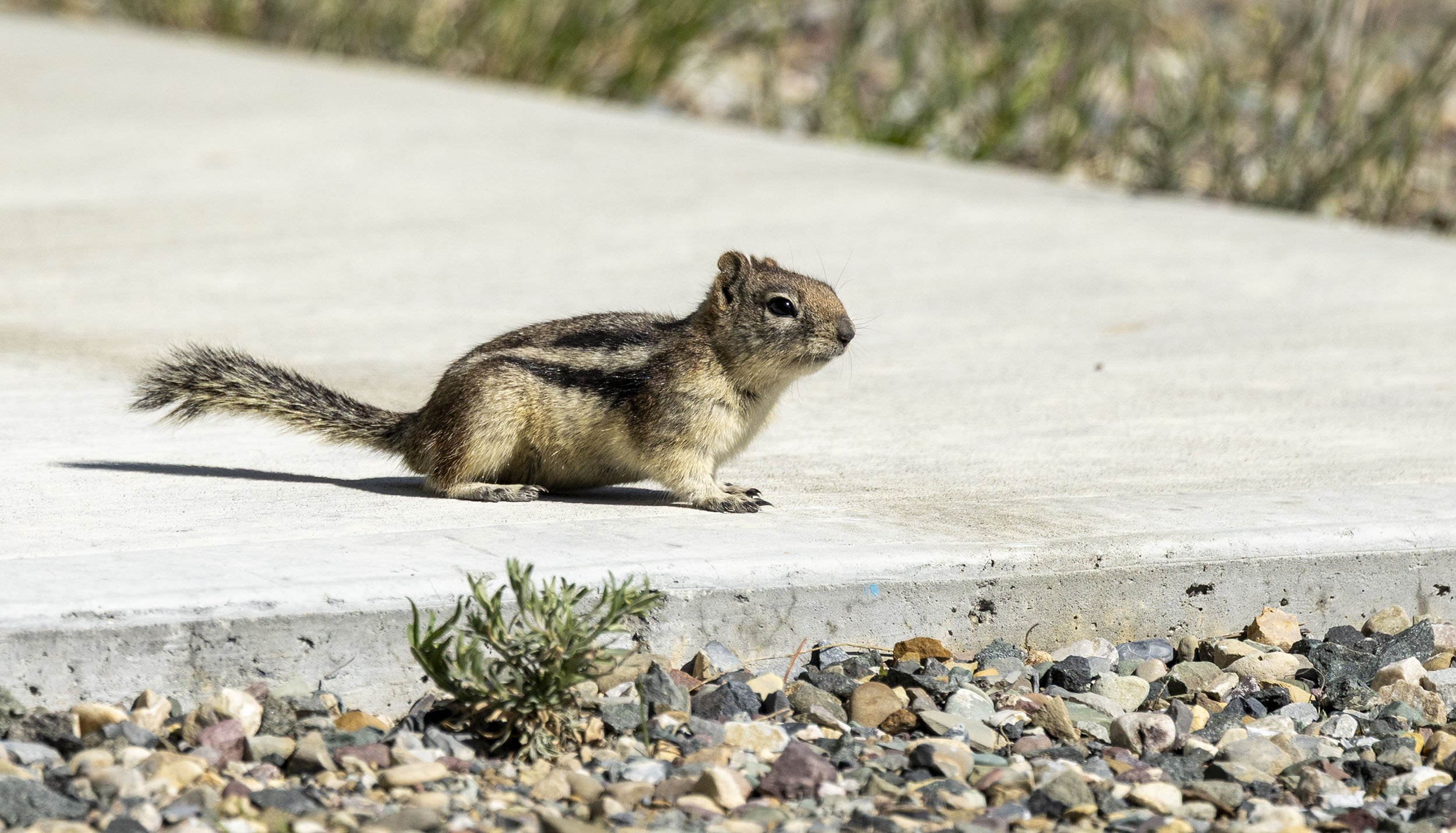
Golden mantled Ground Squirrel round the bins
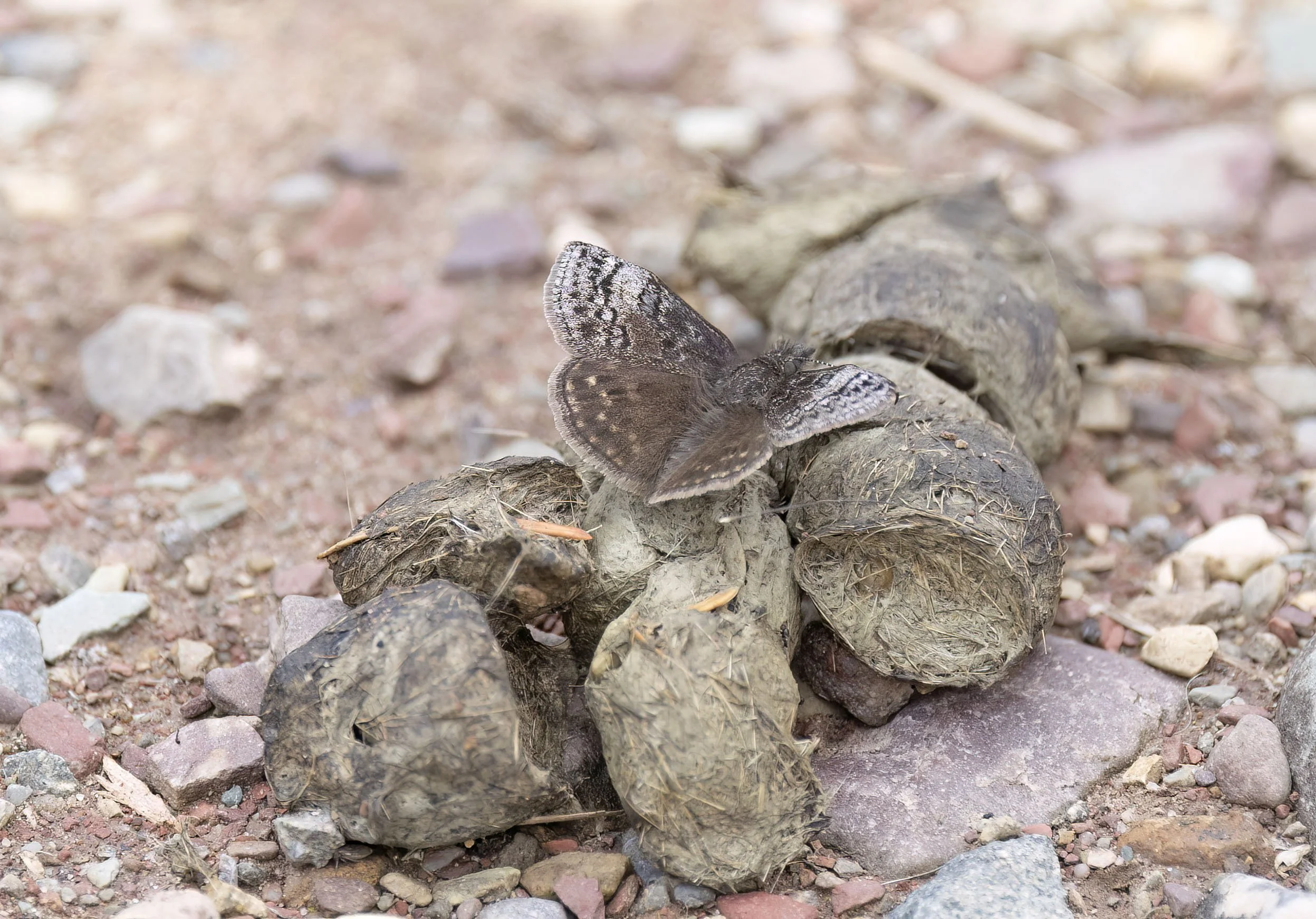
Not sure if this is Elk or Moose poo but my app says Dreamy Duskywing for the butterfly
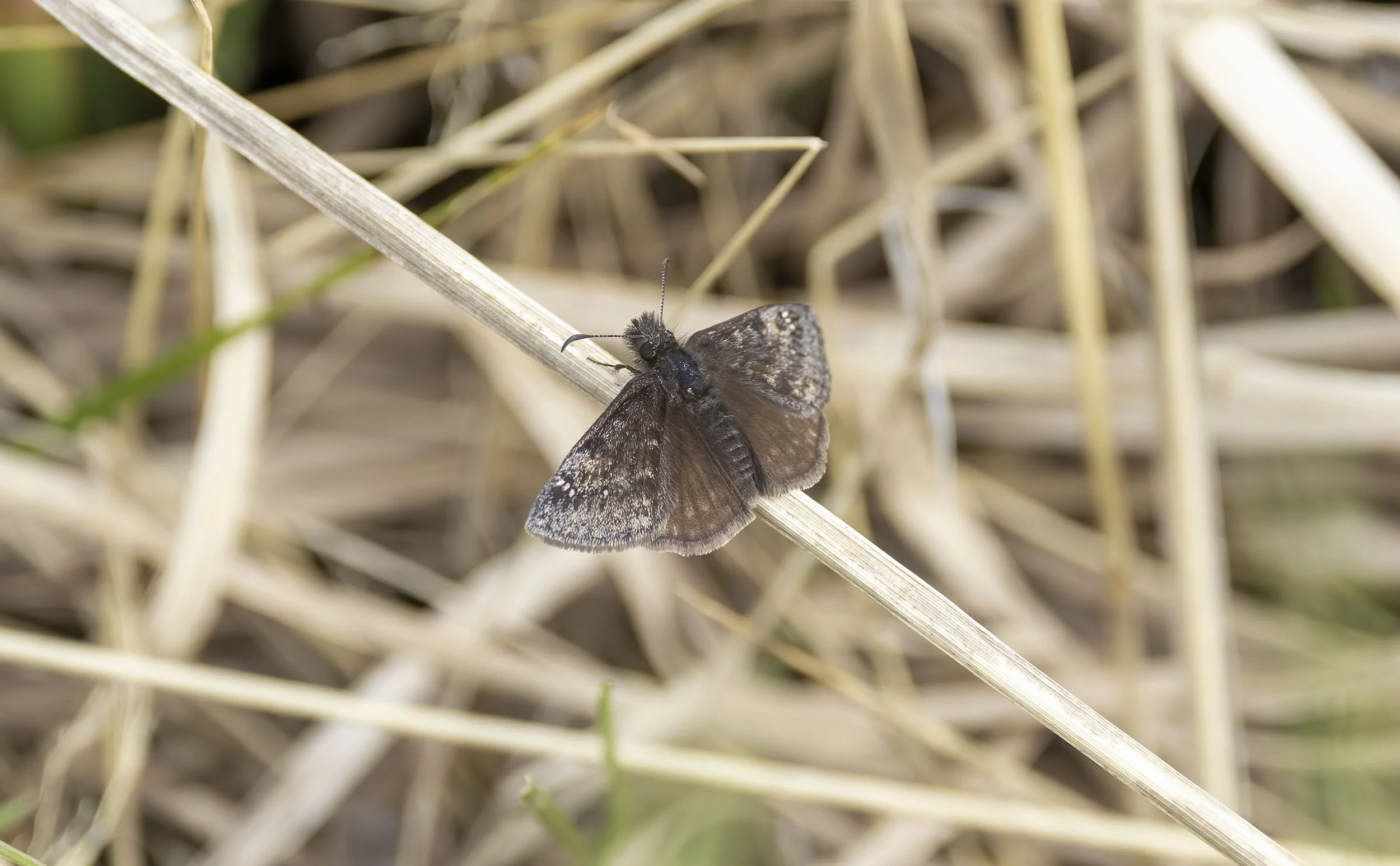
Must be a great spot for butterflies in a week or two when all the flowers are in bloom - this the app says is Persius Duskywing
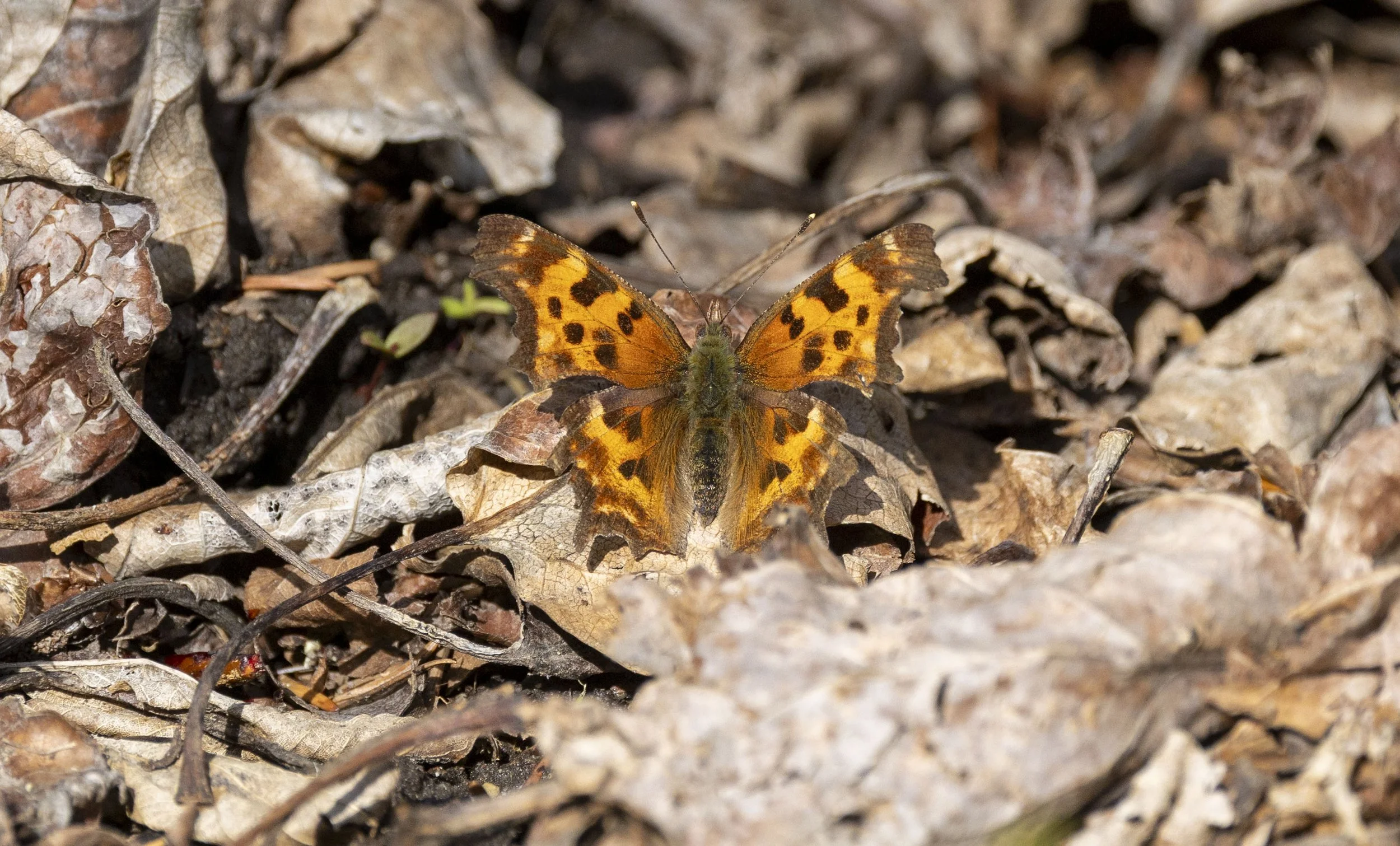
Satyr Comma
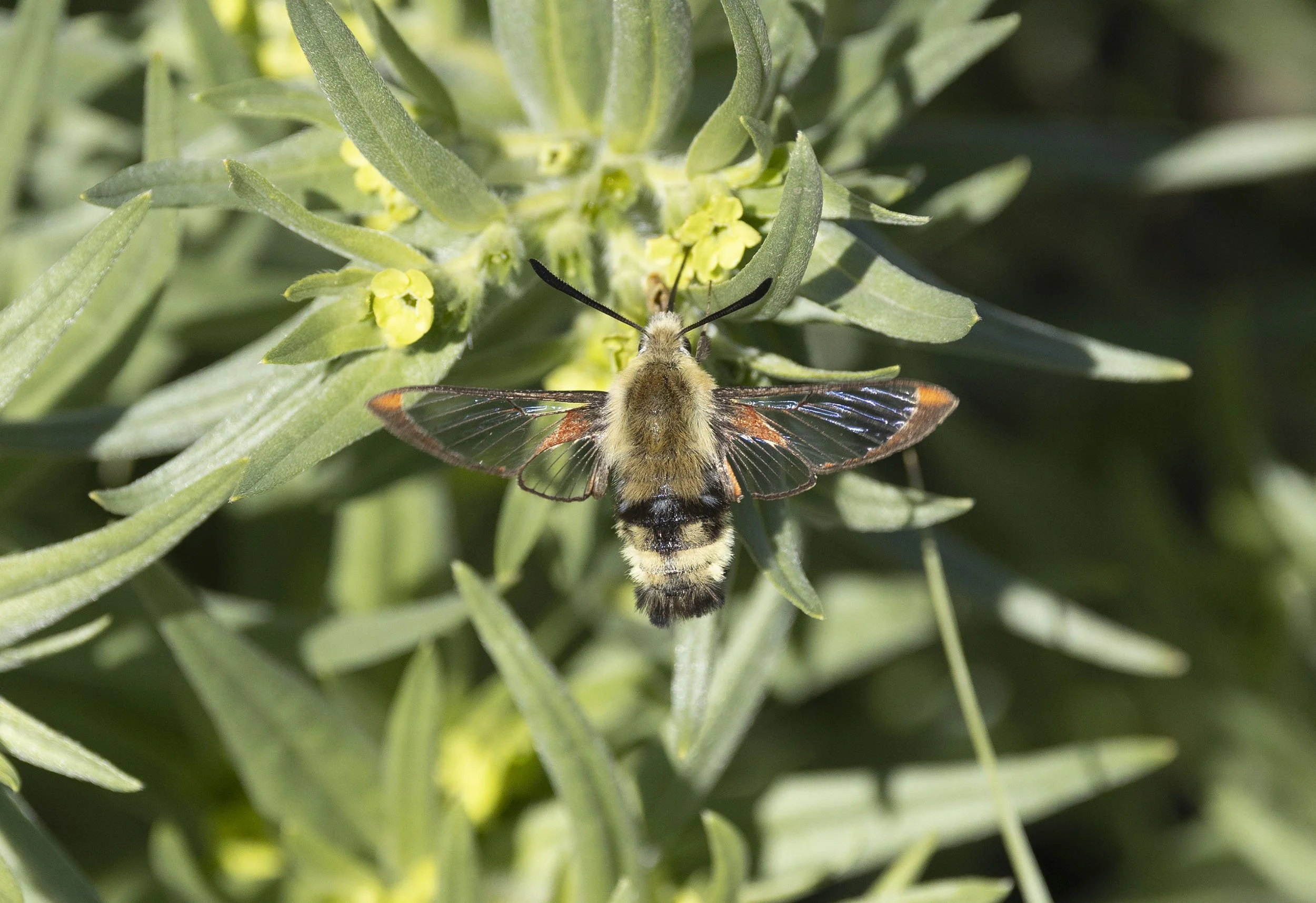
Rocky Mountain Clearwing
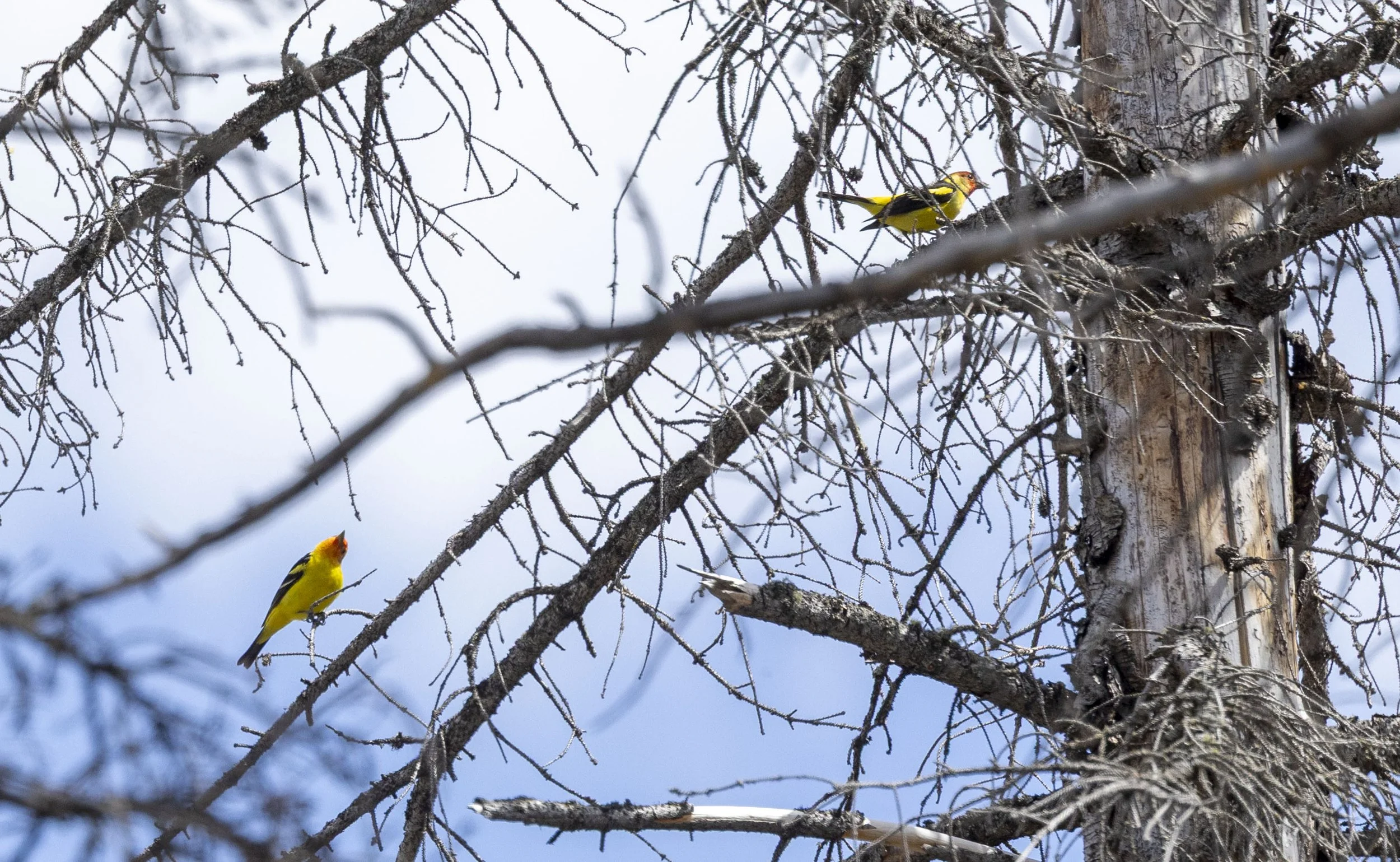
Western Tanagers newly arrived
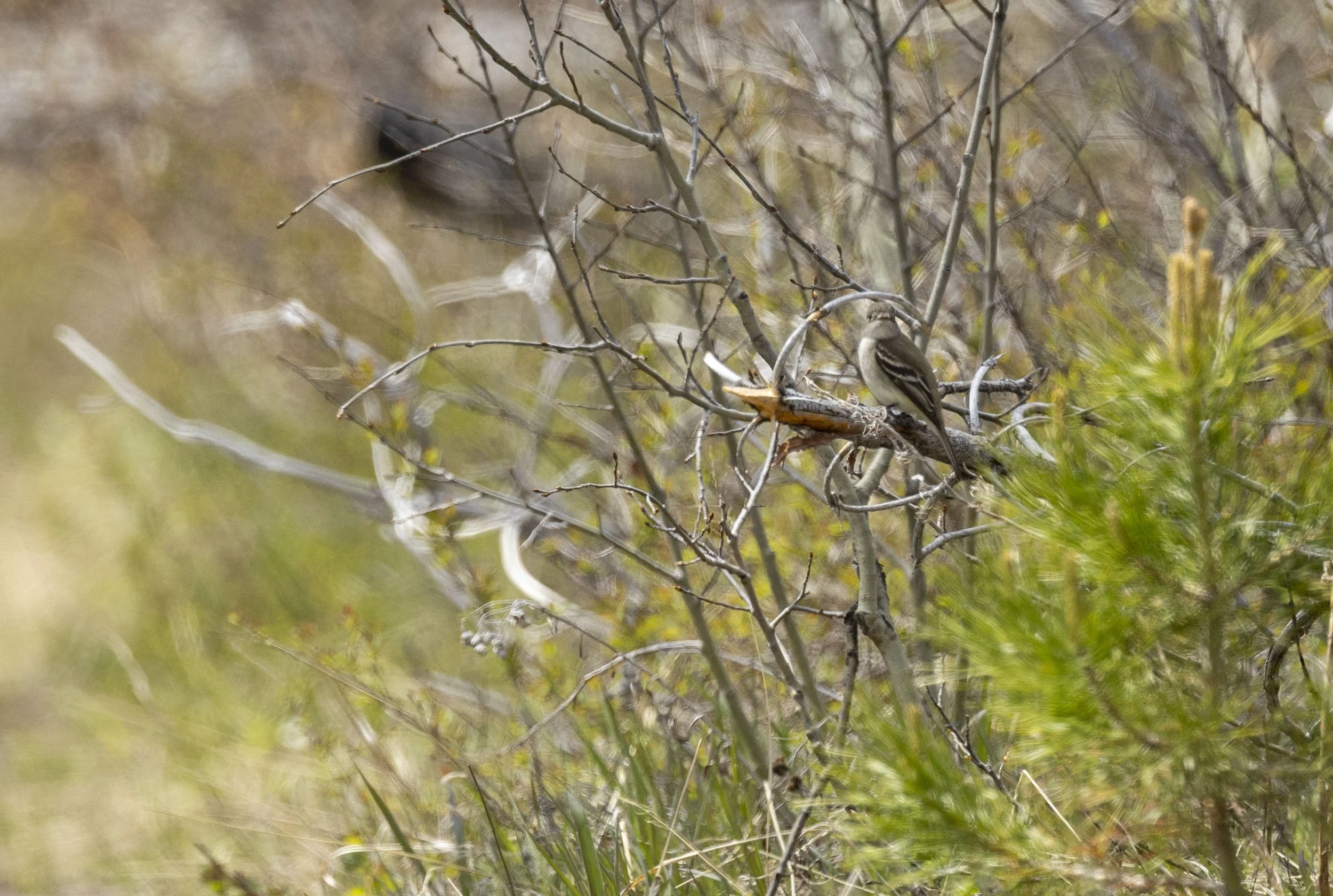
Dusky Flycatcher
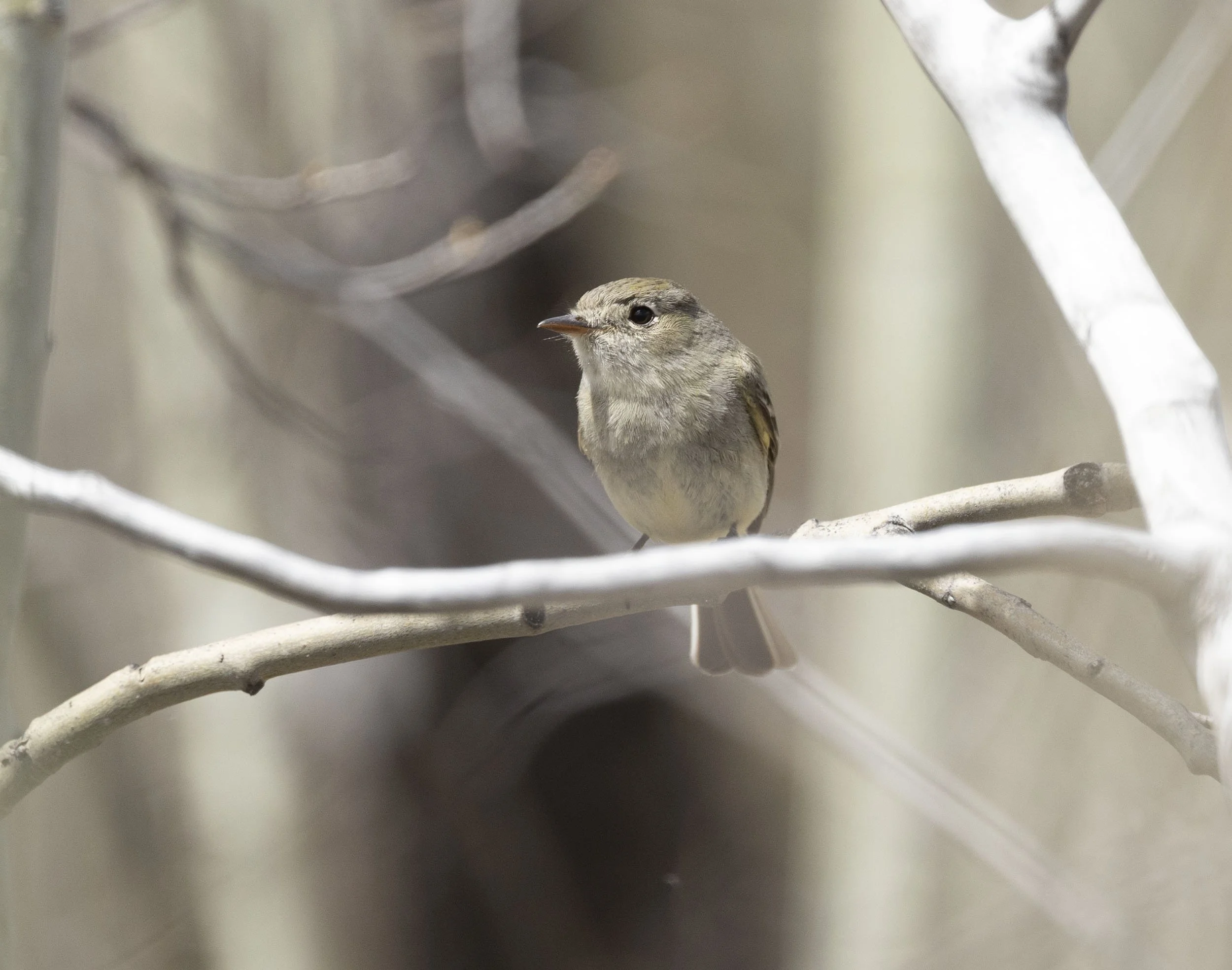
Some empids are more exciting than others
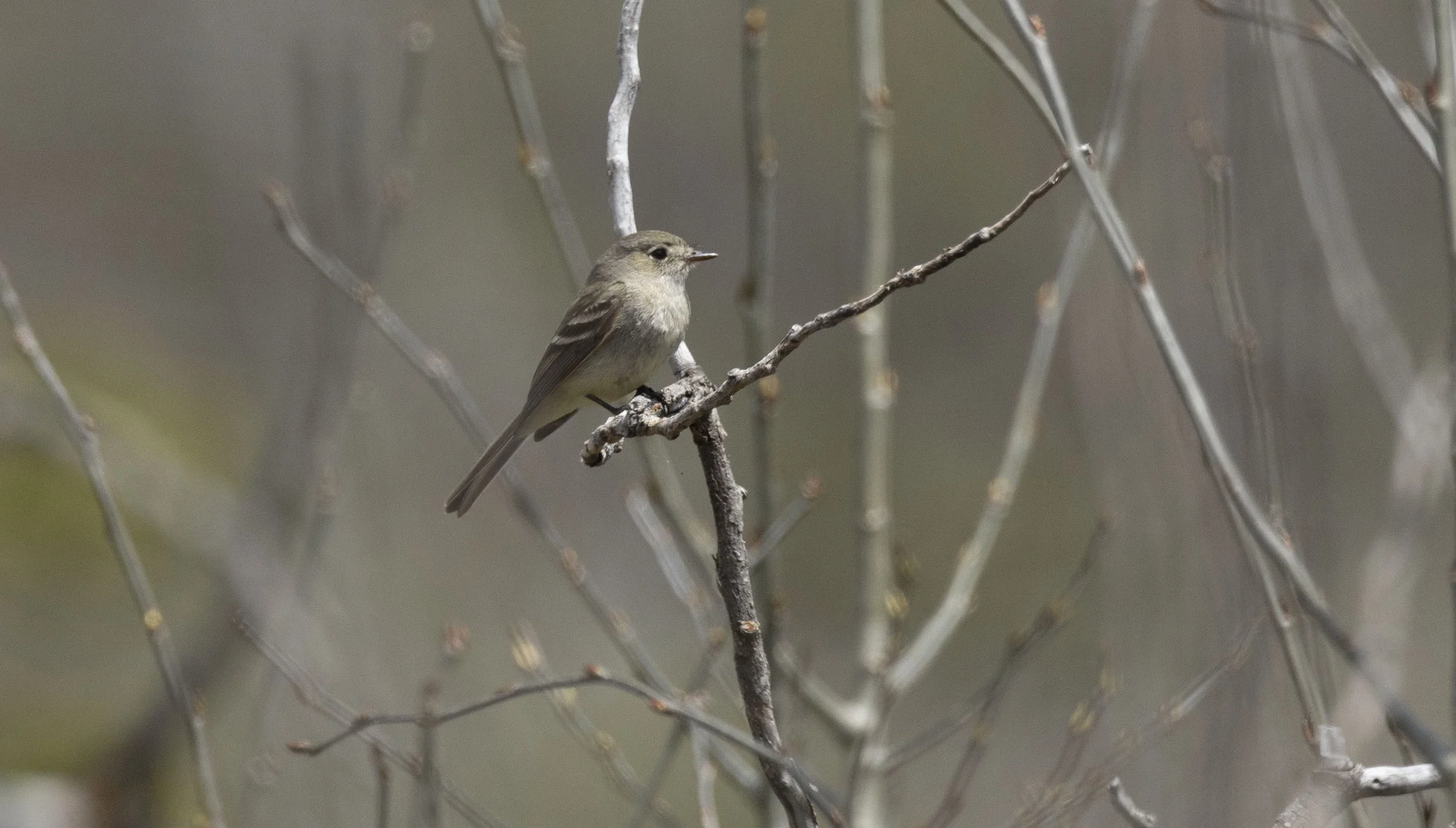
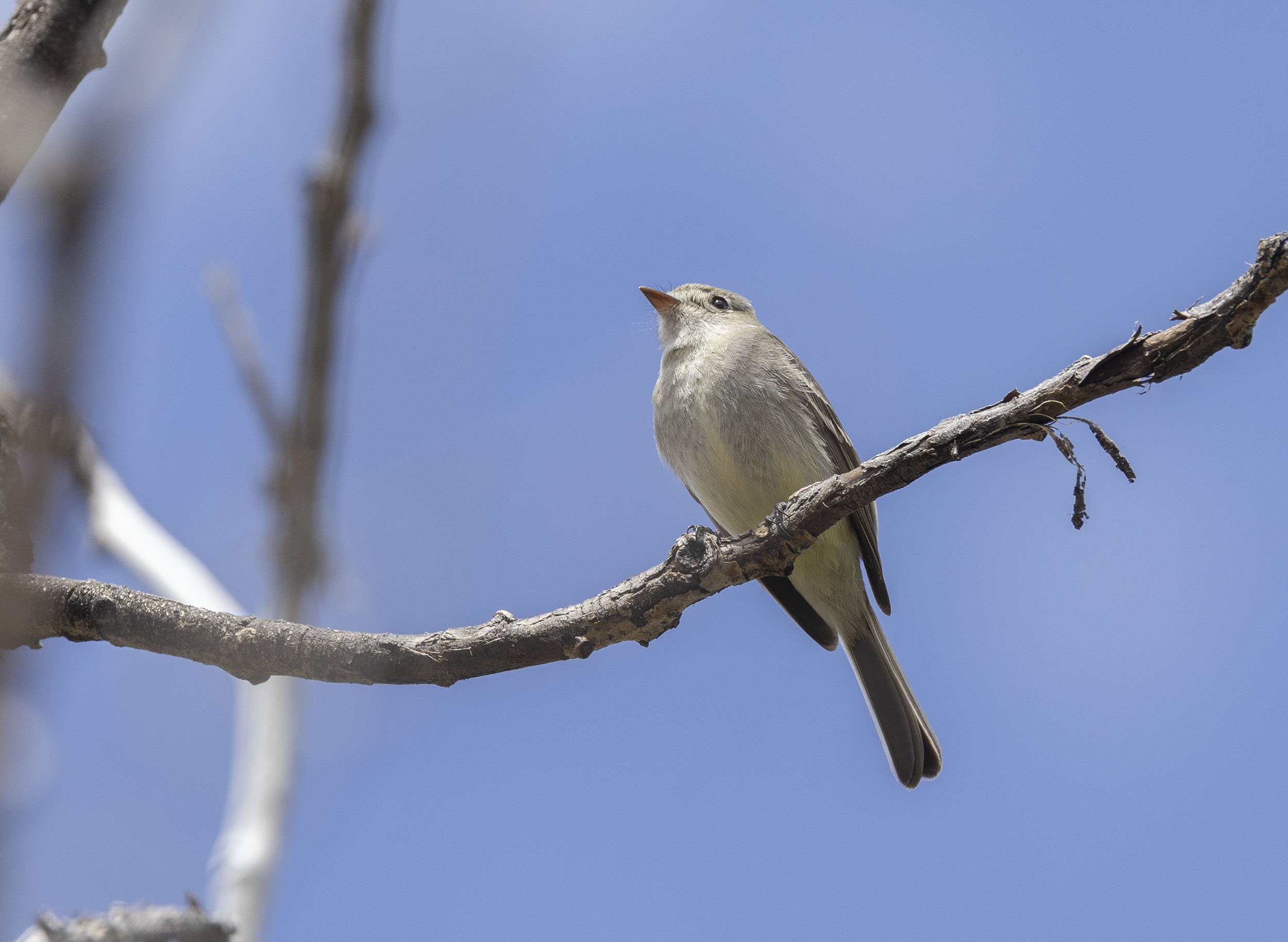
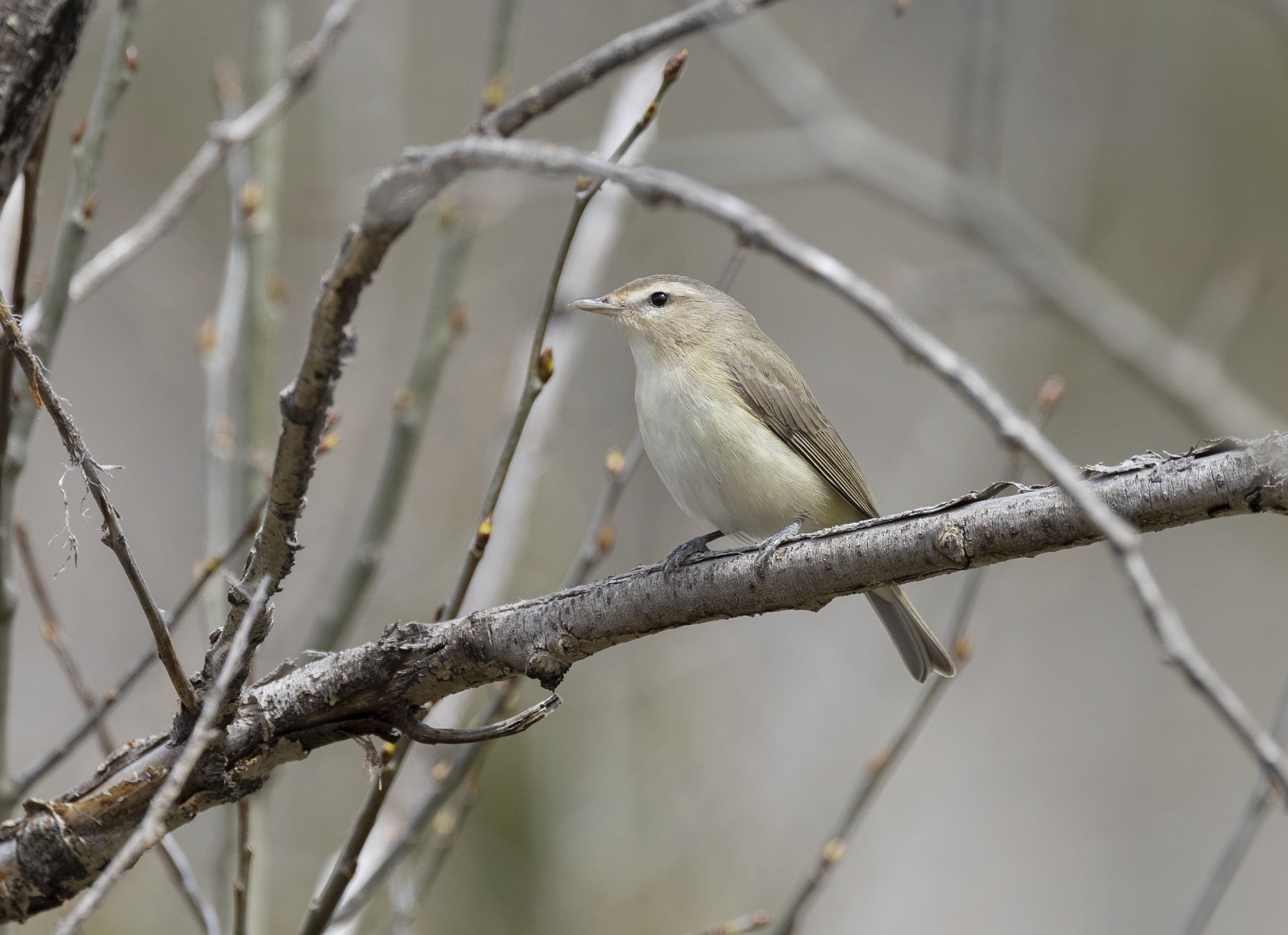
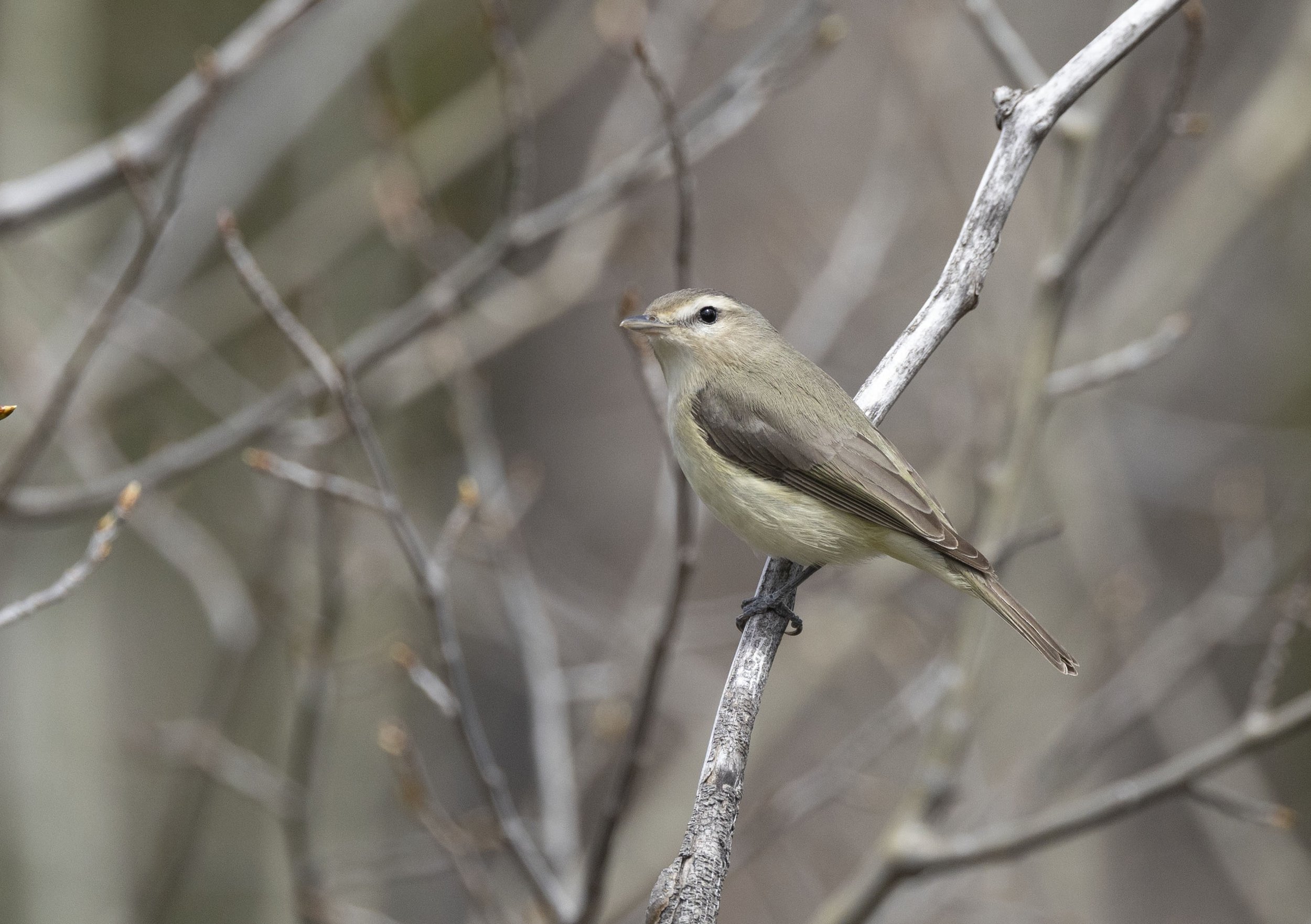
Western warbling Vireo very much the Garden warbler of the area
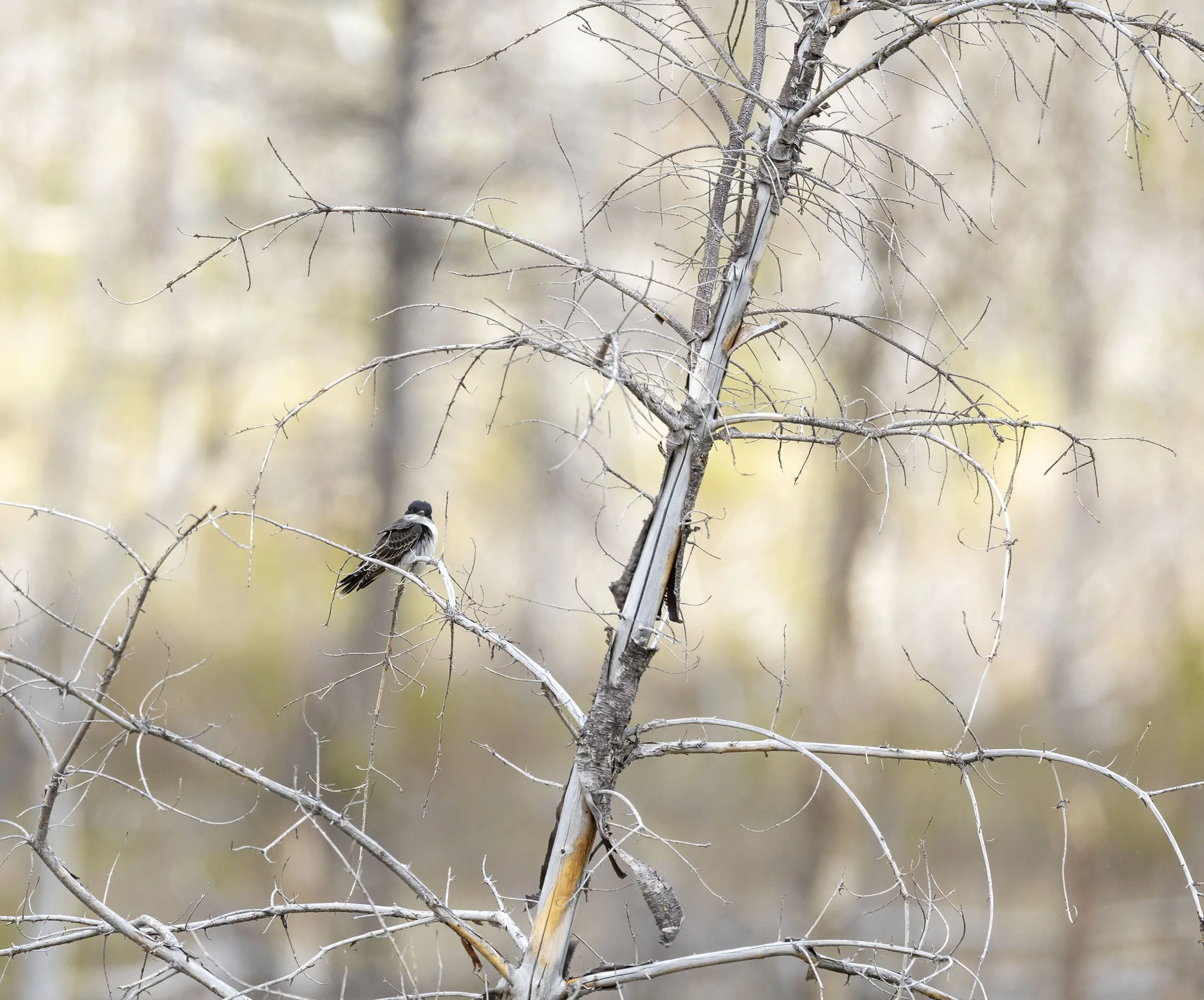
Eastern Kingbird
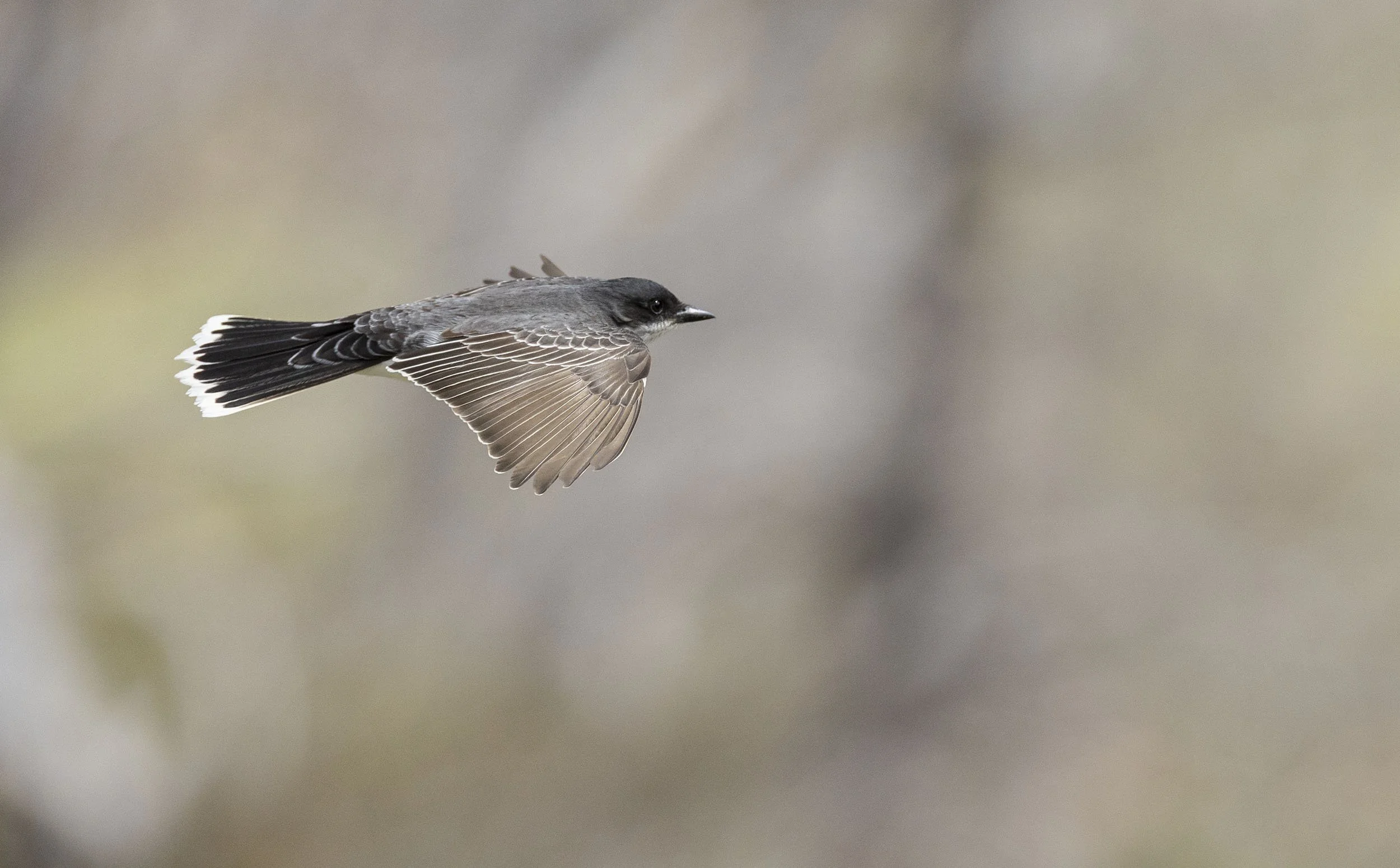
Had a somewhat dangerous habit of catching insects on the road
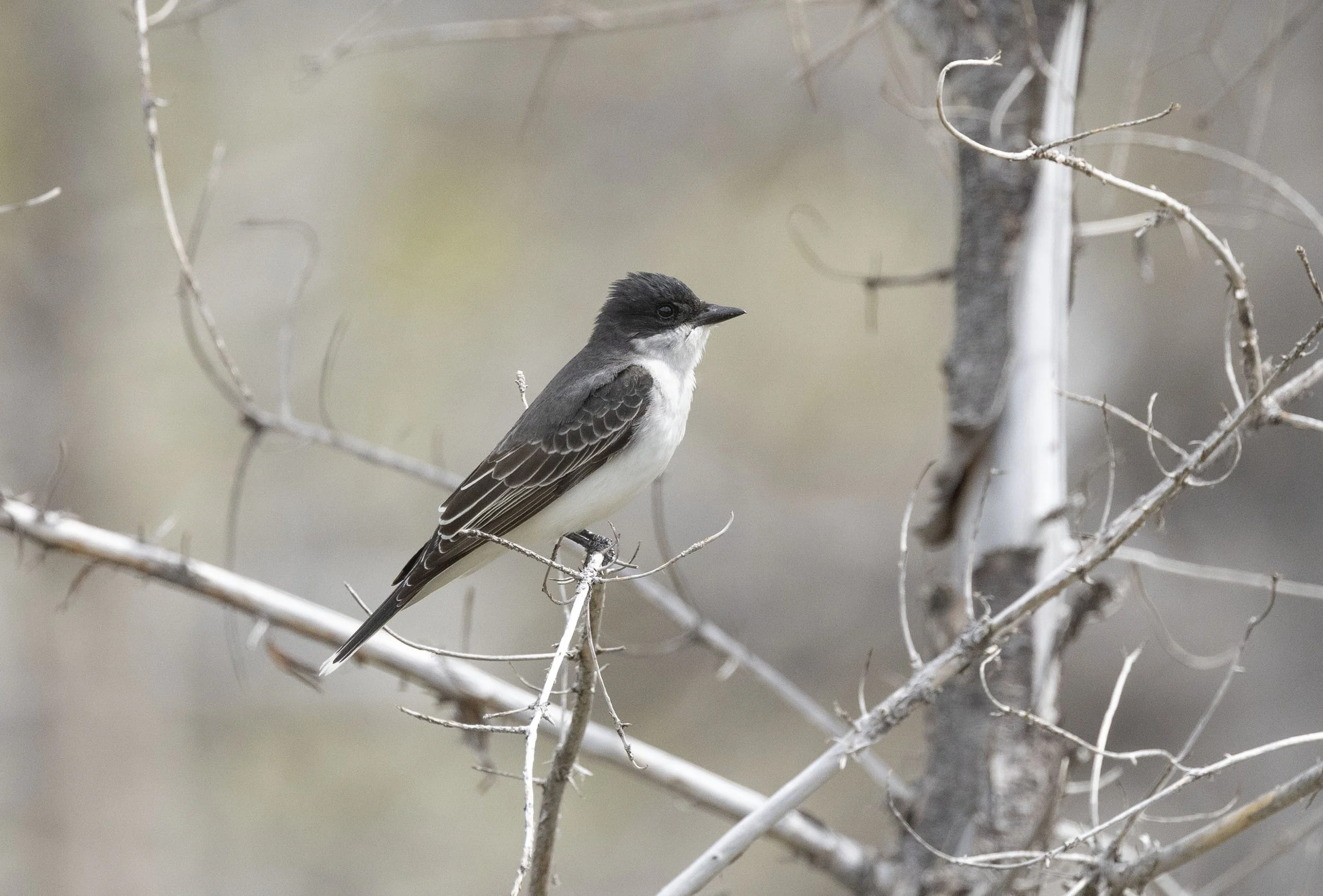
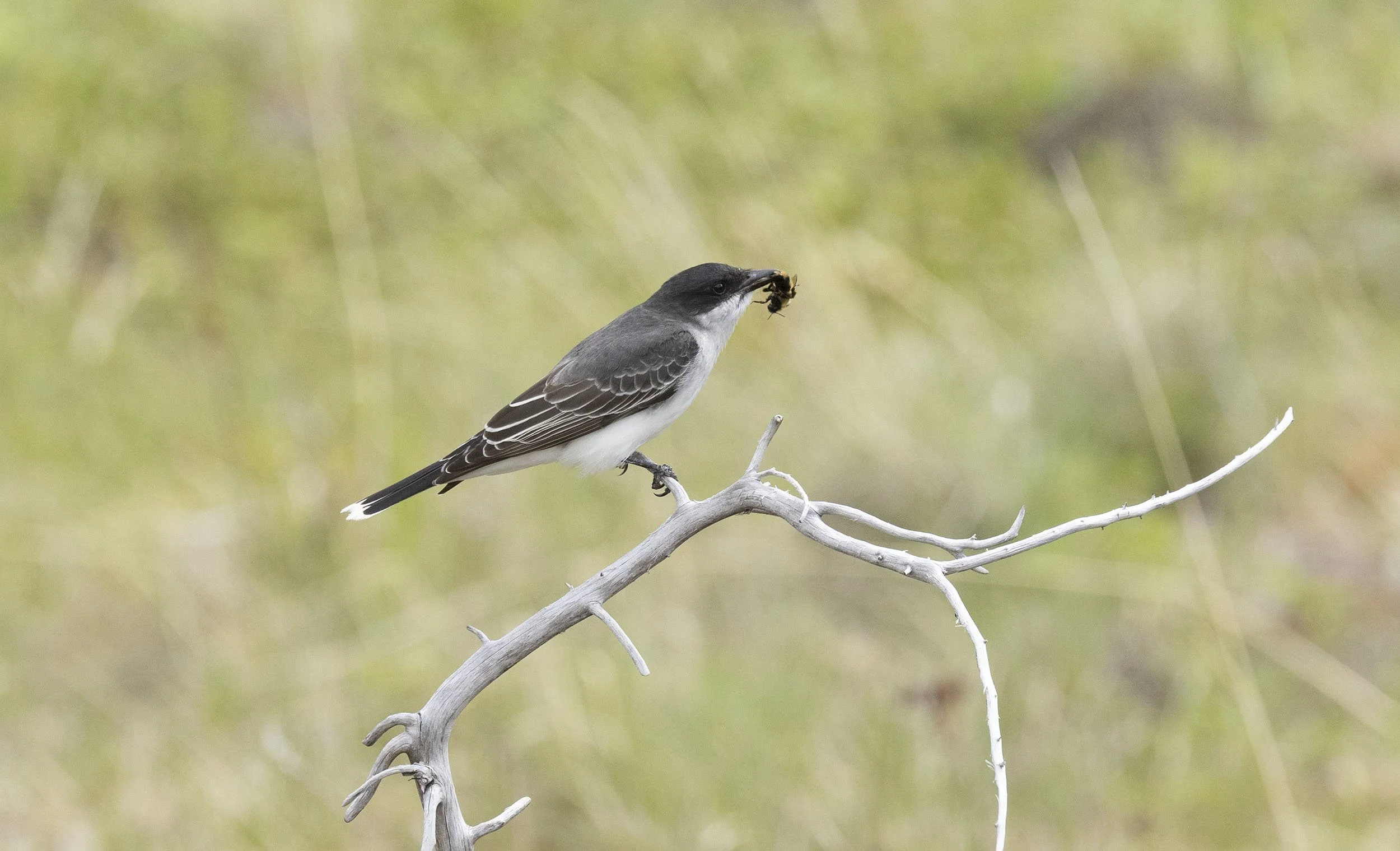
Adept at bee catching
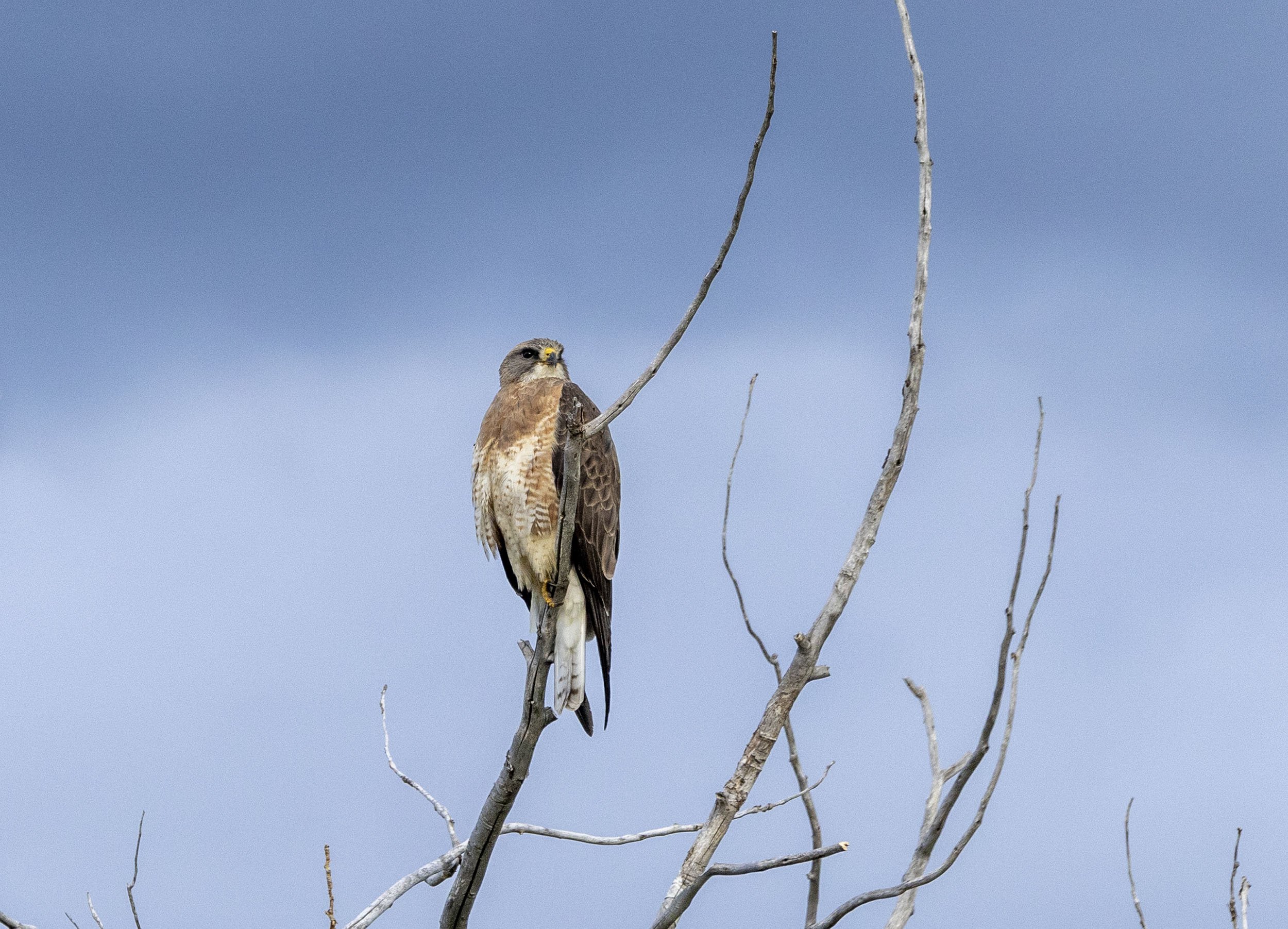
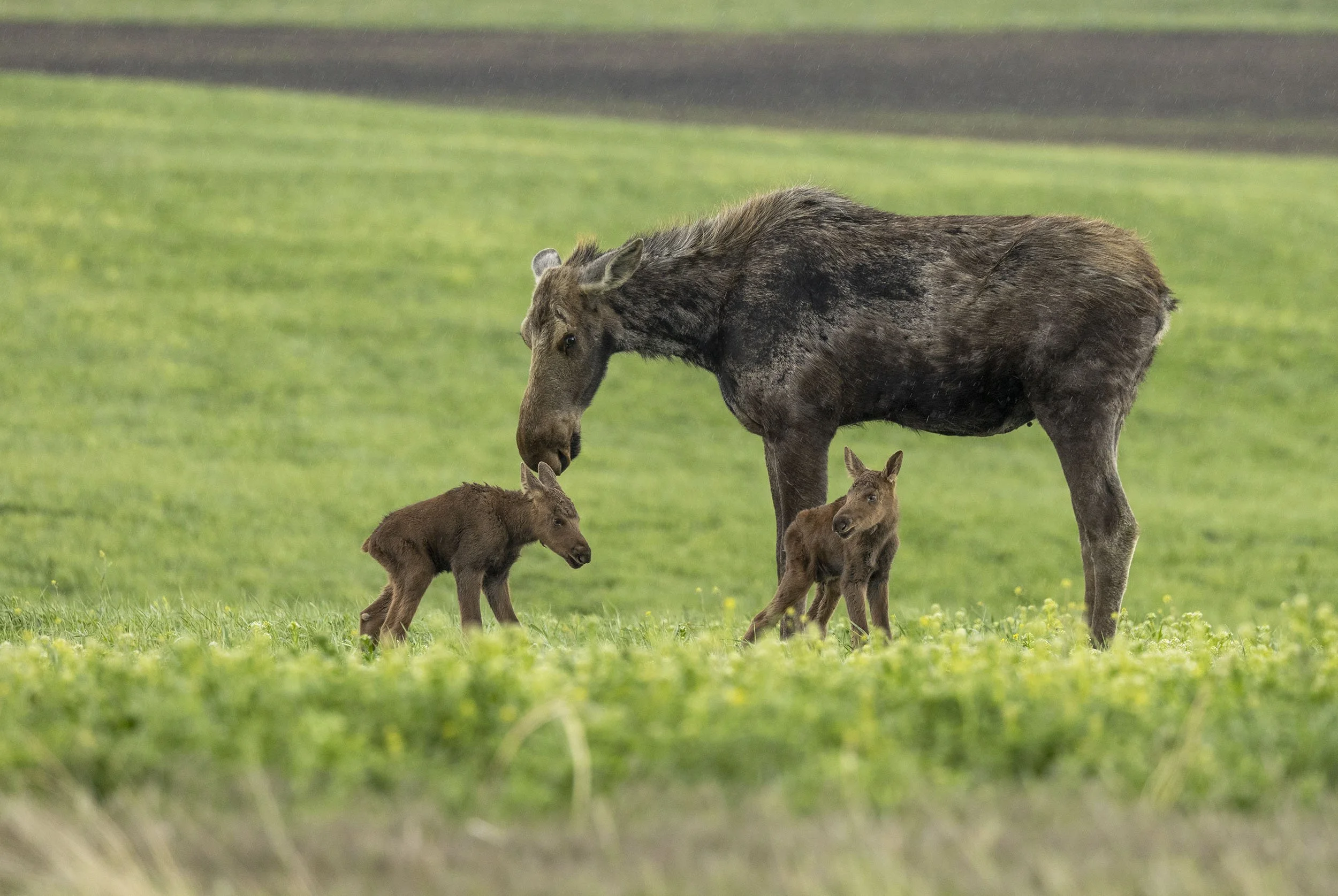
When we got back to the cottage Eileen was waiting with news of a Moose only fifteen minutes down the road with a calf - she kindly accompanied us to find the family sadly in what was by then torrential Moose with two new calves in a torrential downpour sadly but a great experience -
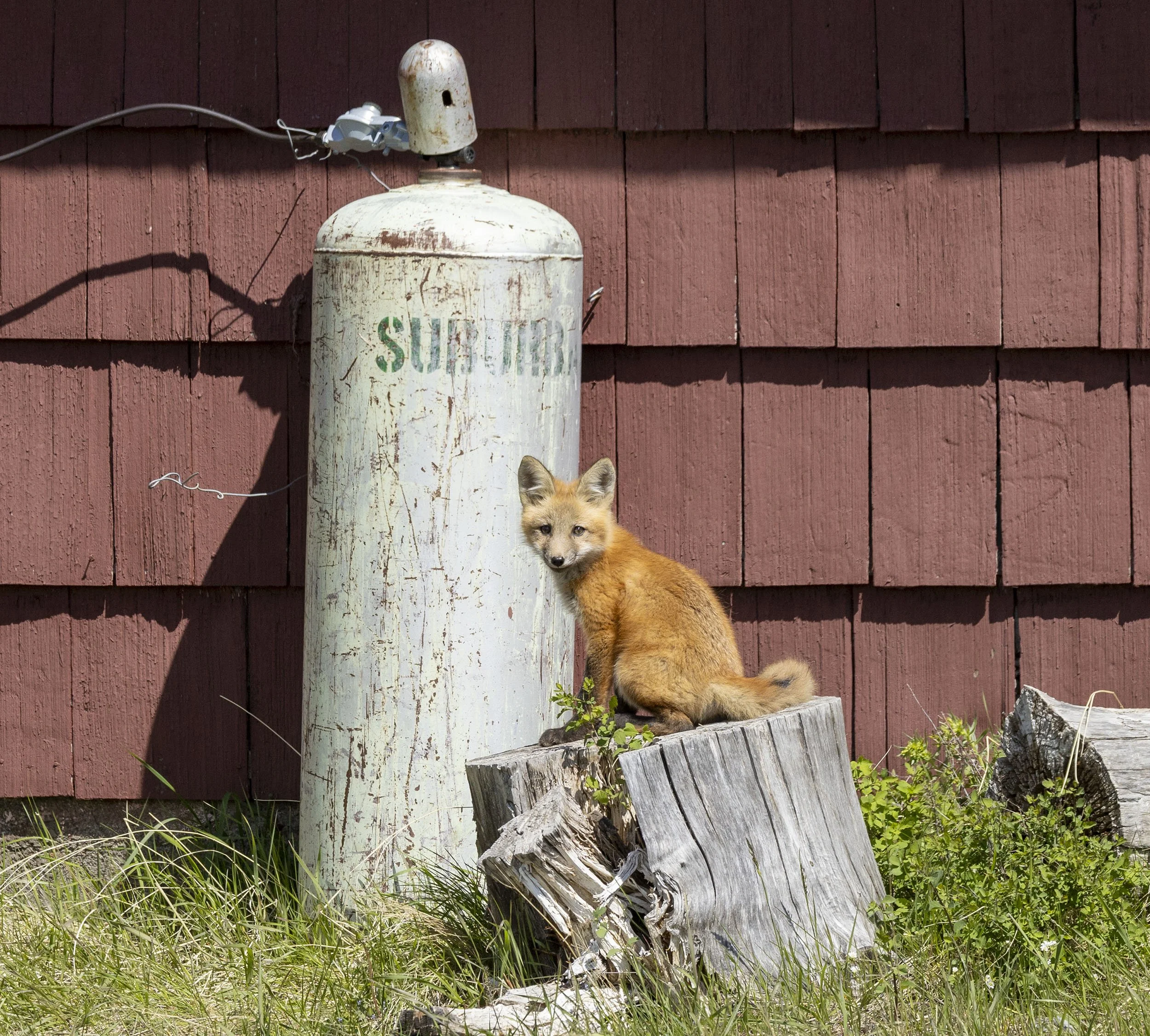
A more suburban Fox den in Waterton
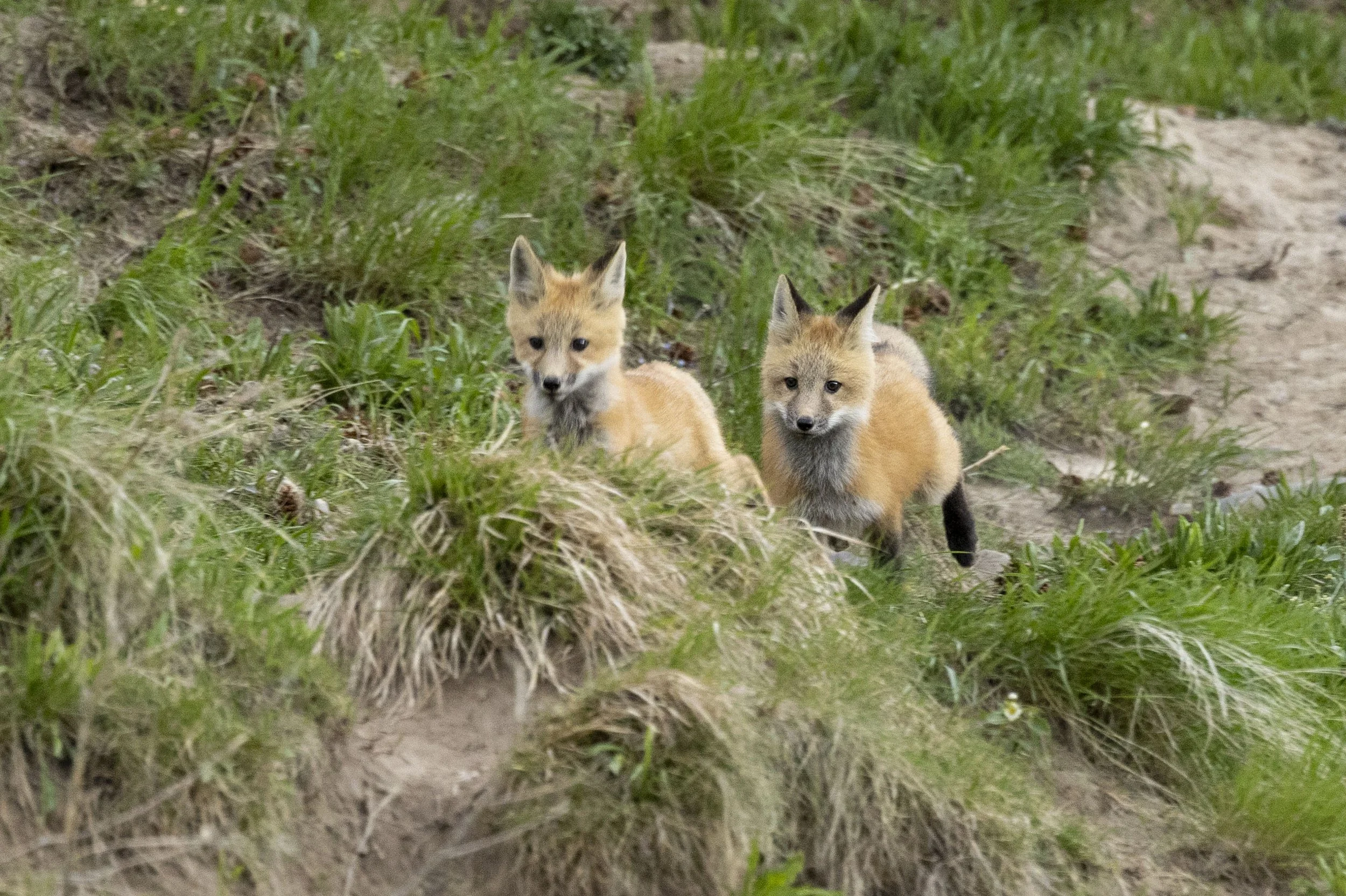
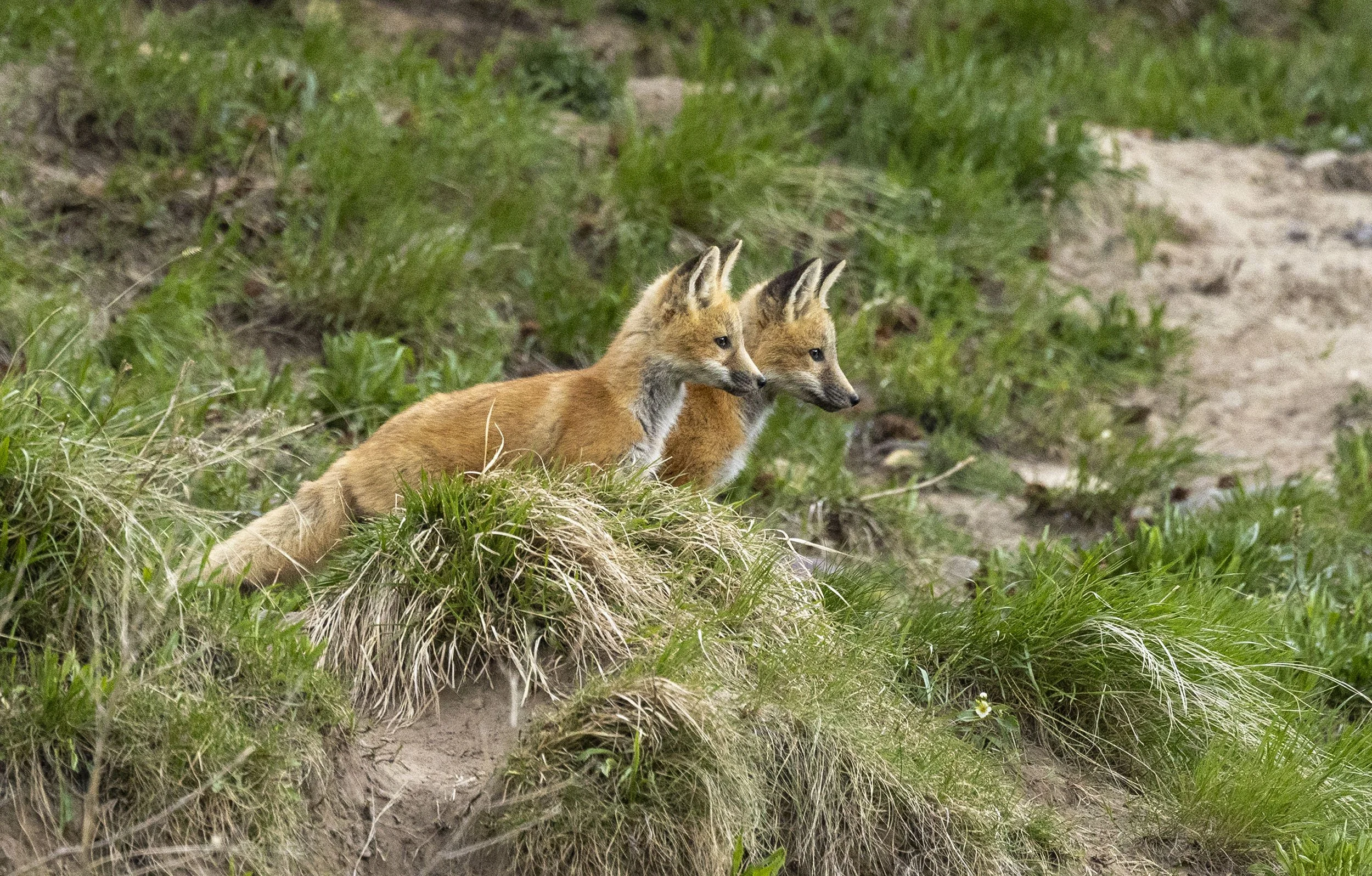
A new gang of Fox cubs were entertaining up Cameron Lake road
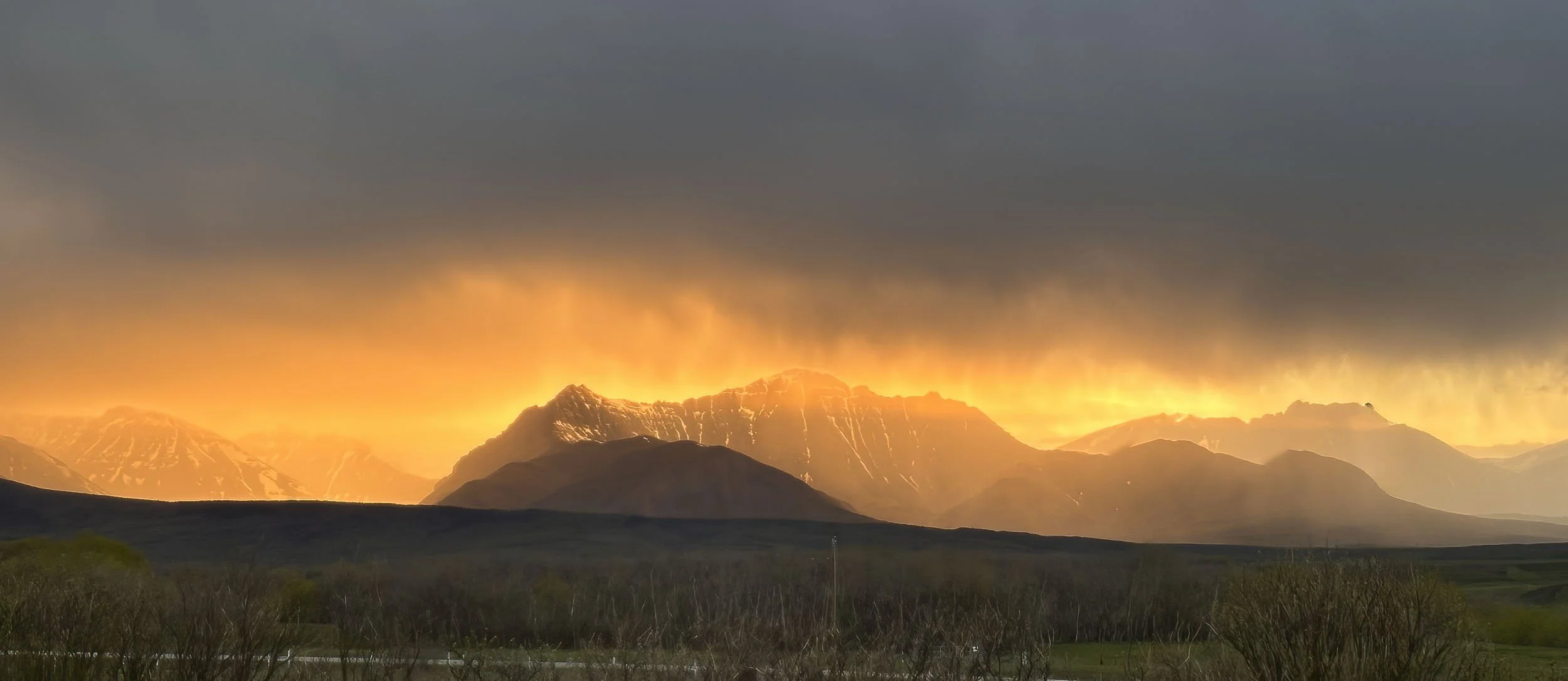
Another epic sunset on our last night
May 23rd
With an afternoon flight from Calgary it was a quick walk at Waterton then the drive north - a male Baltimore Oriole flew along the road as we headed back to pick up our bags and our first singing male Black-headed Grosbeak was in the cottage trees before we paid a fond fairwell to Dungarvan and waterton - returning the car was easy and the Alamo staff were helpful and friendly and flights and connections all on time - thumbs up to KLM
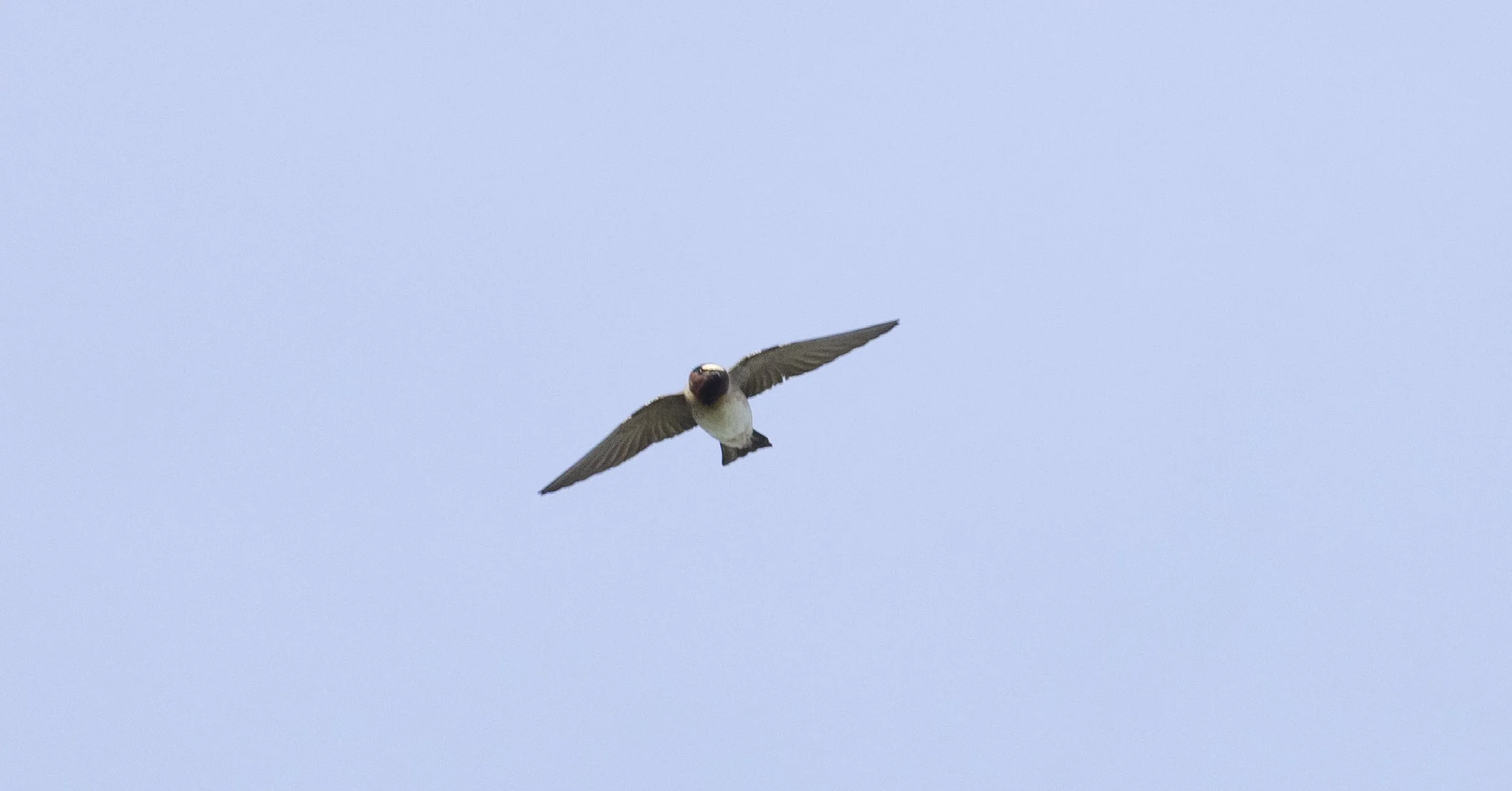
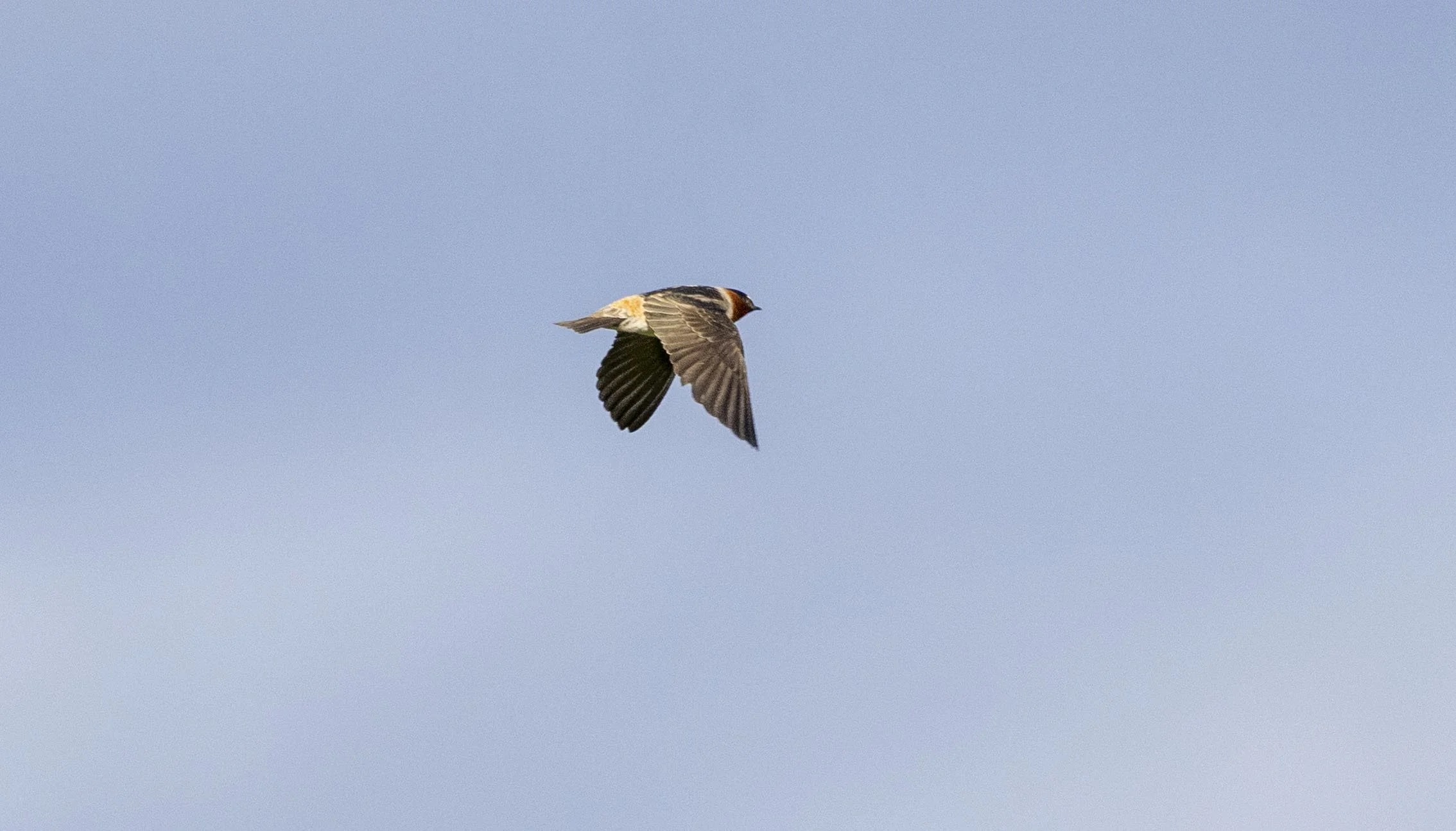
I had packed the camera but the Cliff Swallows at Dungarven kept tempting me to have one more go - sadly nothing to write home about
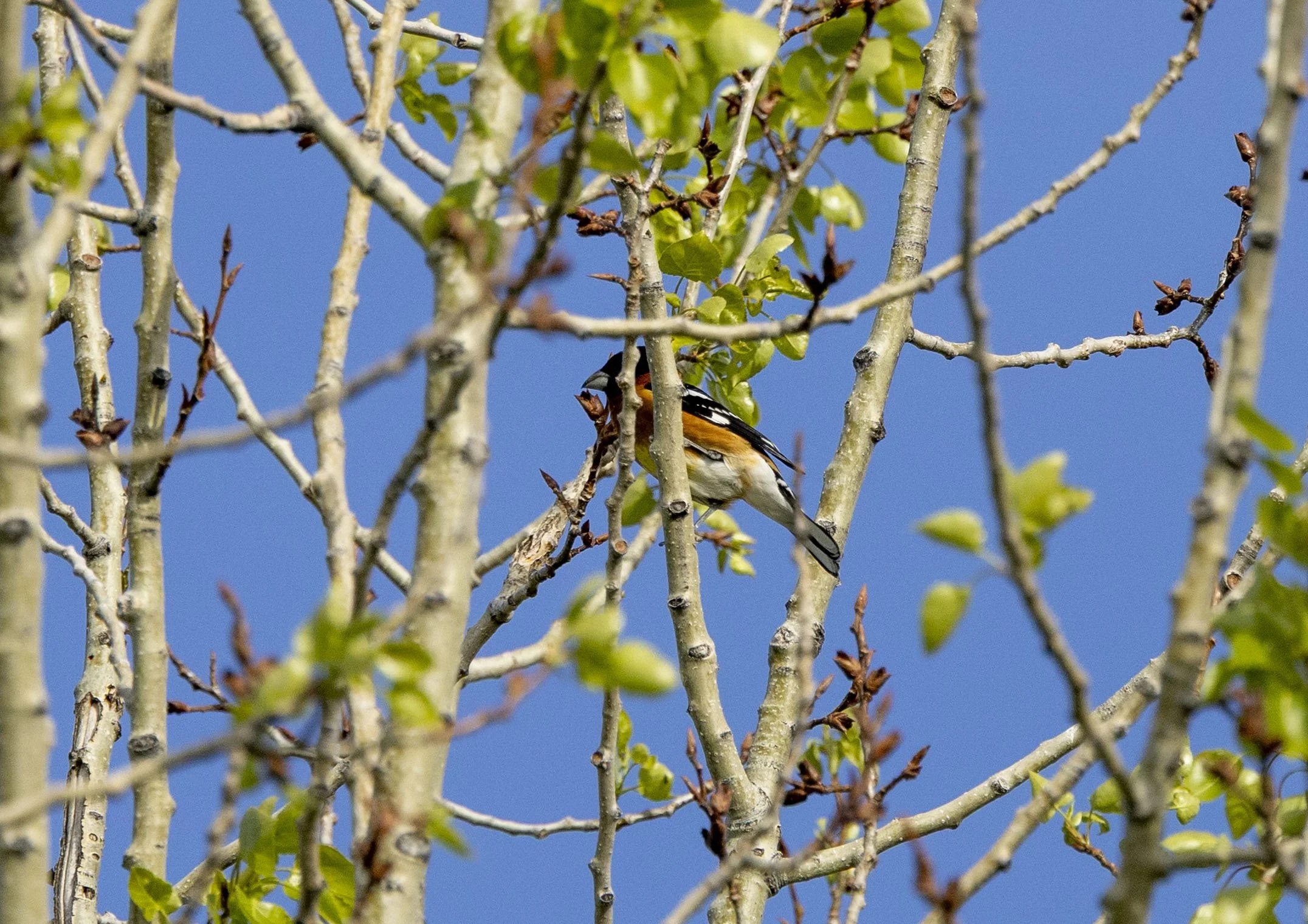
Male Black-headed Grosbeak singing but hiding in the tree by the cottage
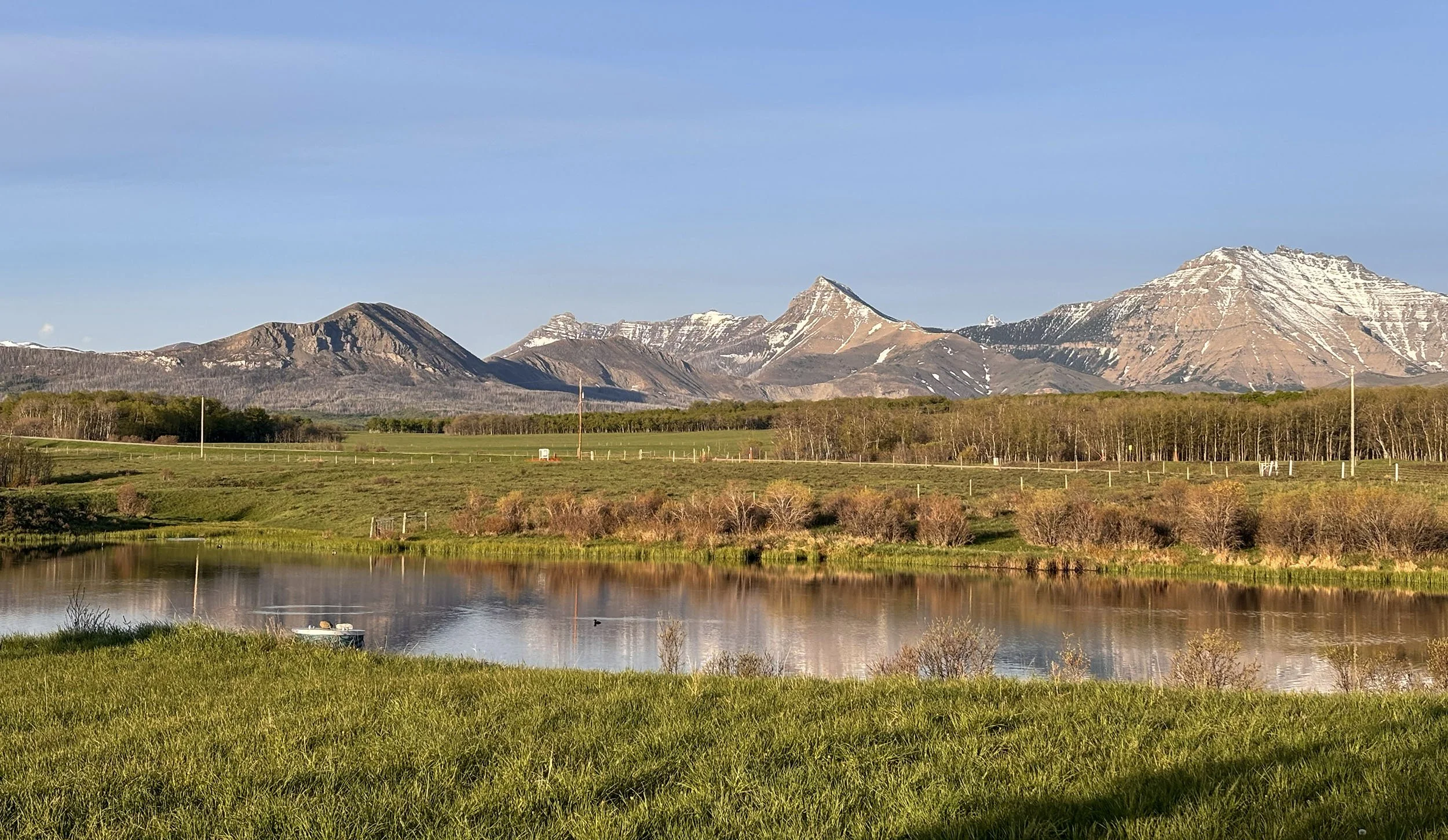
A glorious morning to be leaving Dungarvan and its productive pond - hope to see you again