November 2025
As the autumn draws to a close with so few birds the worst East coast autumn ever will there still be a late arrival? Well not this week by the look of the charts so concentrating on the local patch and a few images of those local birds in their autumnal environs

Male Blackcap November 1st - an incoming winter bird or a late departing autumn bird?

The Auto-focus failed me but I have been asking many birders if they ever see anything eating Sloes as there huge numbers this year and the general answer was no - so pleased to see two different Blackbirds taking them this week

Blue Tit and Ash keys

Continuing to examine local? Bullfinches - this male looks very fat and Northern from this view!

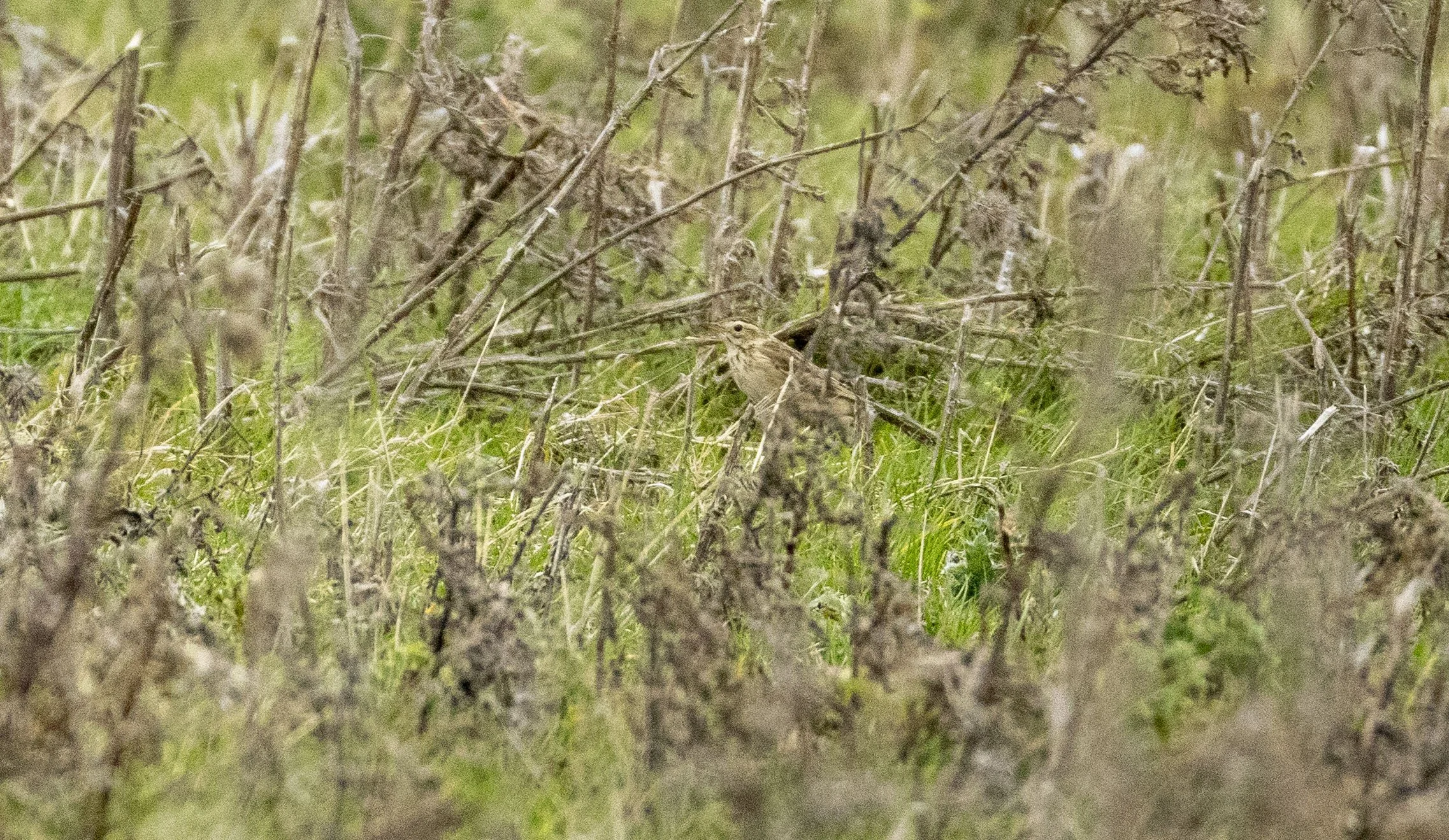
187 on the photo challenge list this Richard’s Pipit at Alkborough found on 2nd was still there 4th and although really tricky I managed to get this distant shot in a very brief appearance on the deck

Sad to say I have seen as many Goldcrests on my local patch this autumn as I have on the coast such has been the dire state of the autumn passage

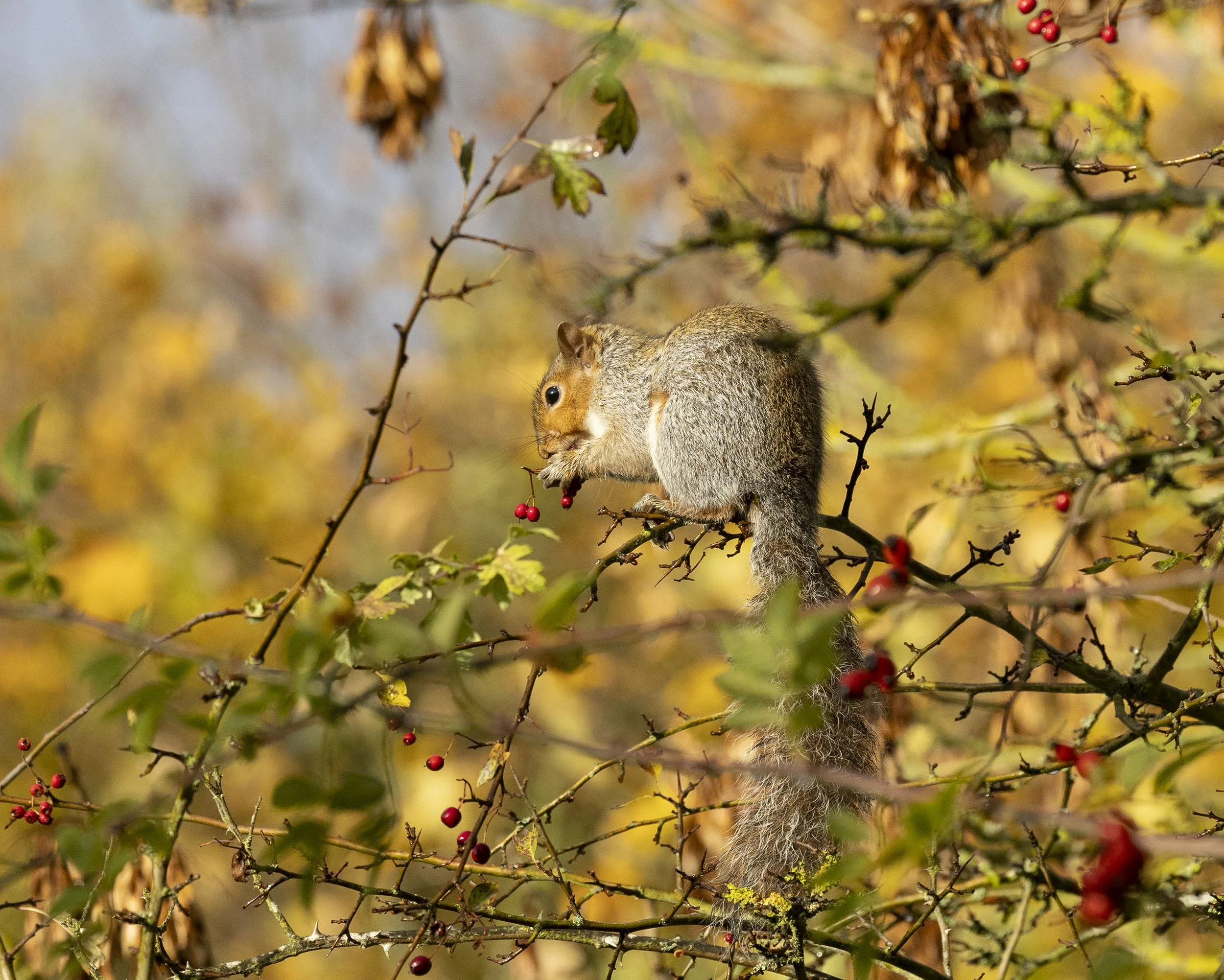
Grey Squirrel dining on haws

Red Admiral and Speckled Wood on Ivy the all important late autumn nectar source
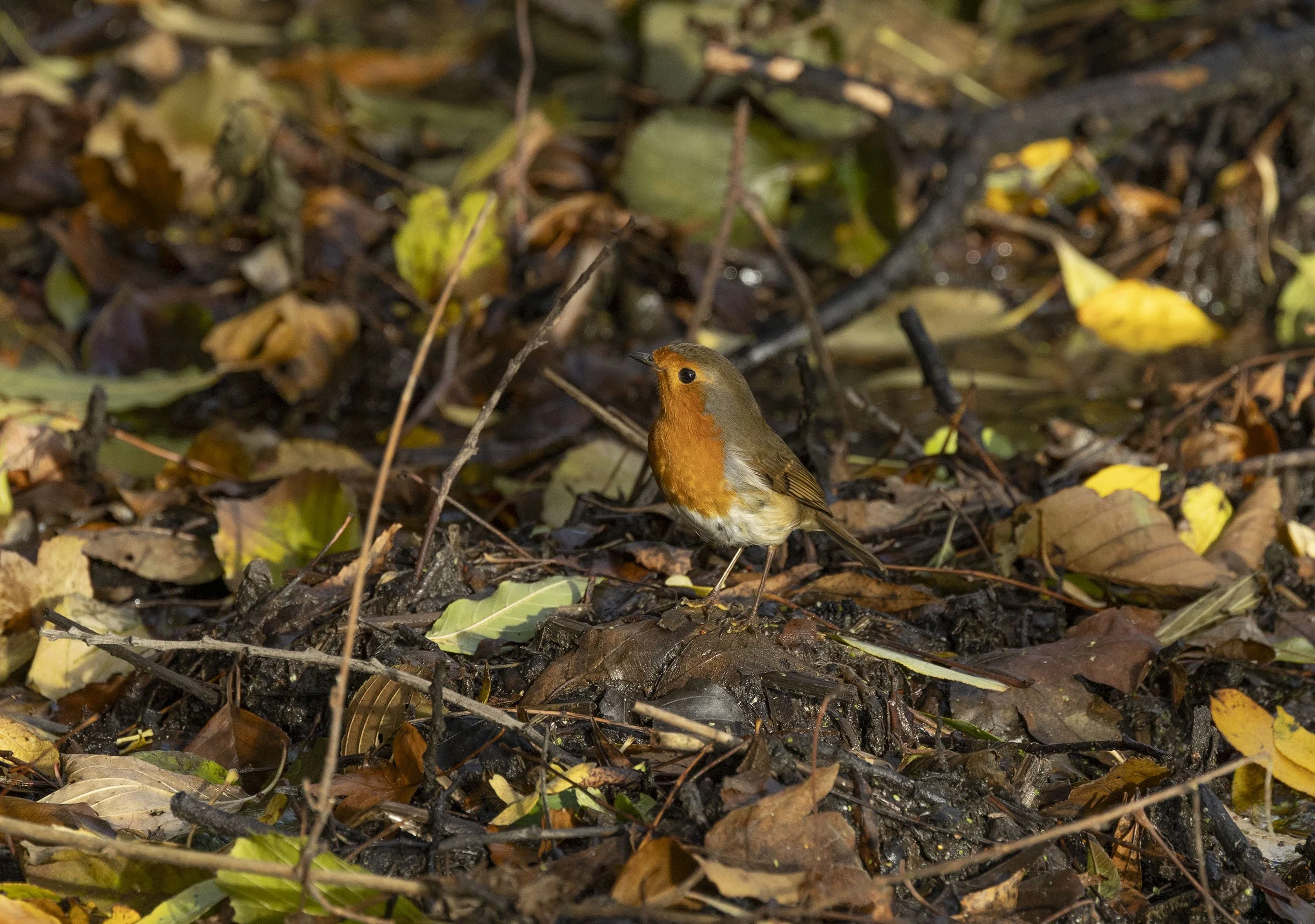
Robin in the leaf litter
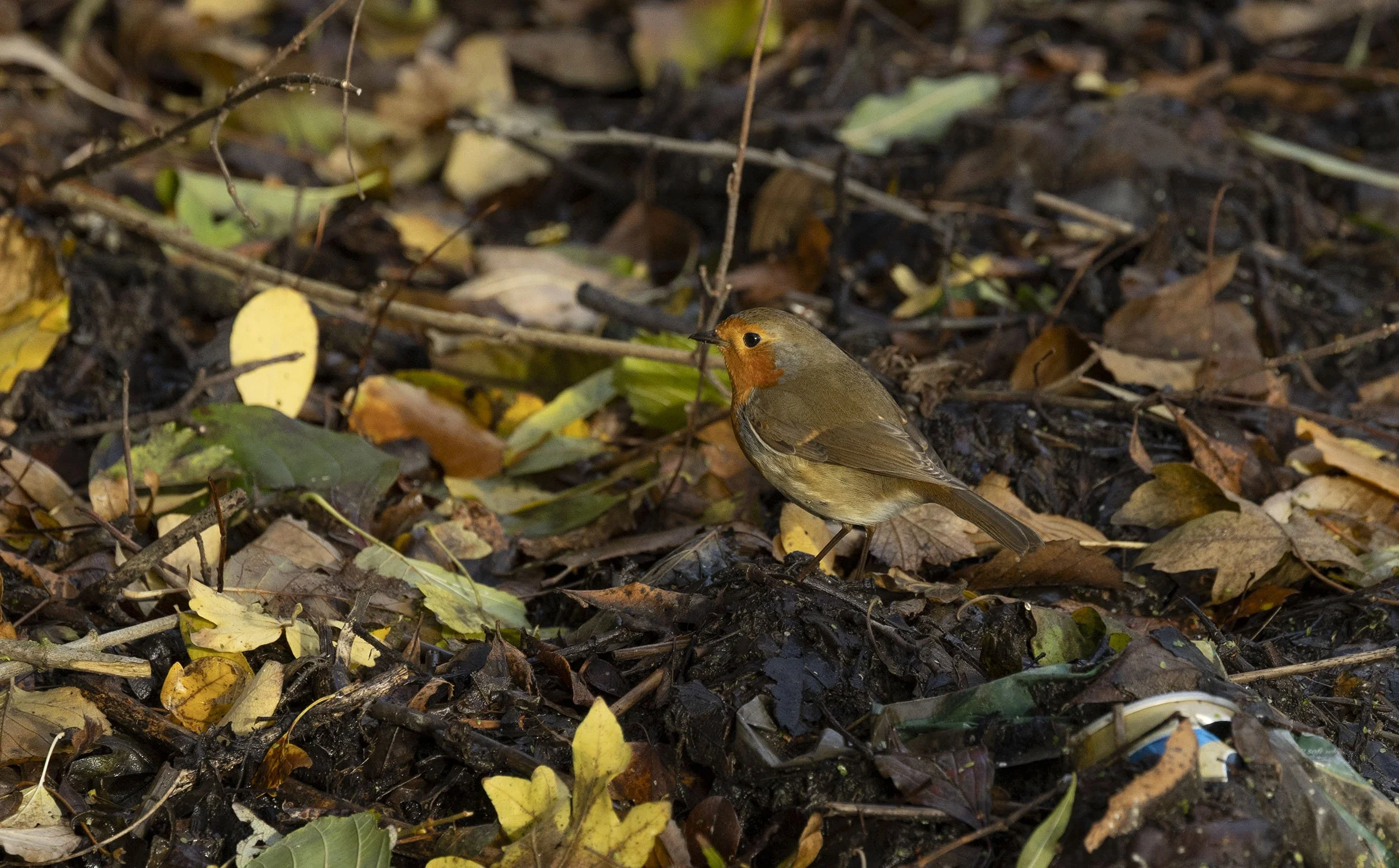
Could have been a Bluetail
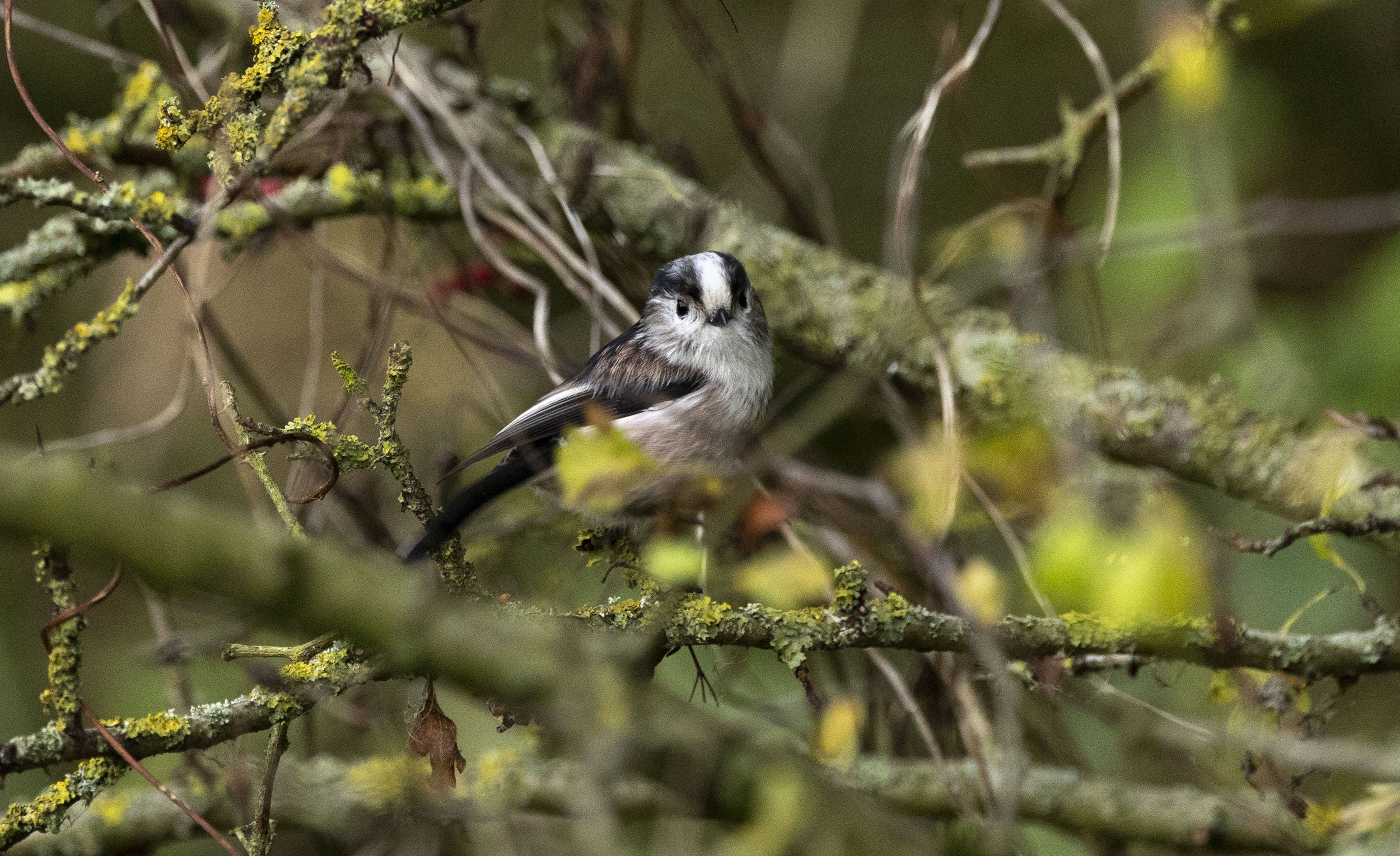
The Waters Edge Long-tailed Tit flock must produce something before the month is out - thought I heard a Yellow-browed warbler this morning but failed to find anything - maybe tomorrow
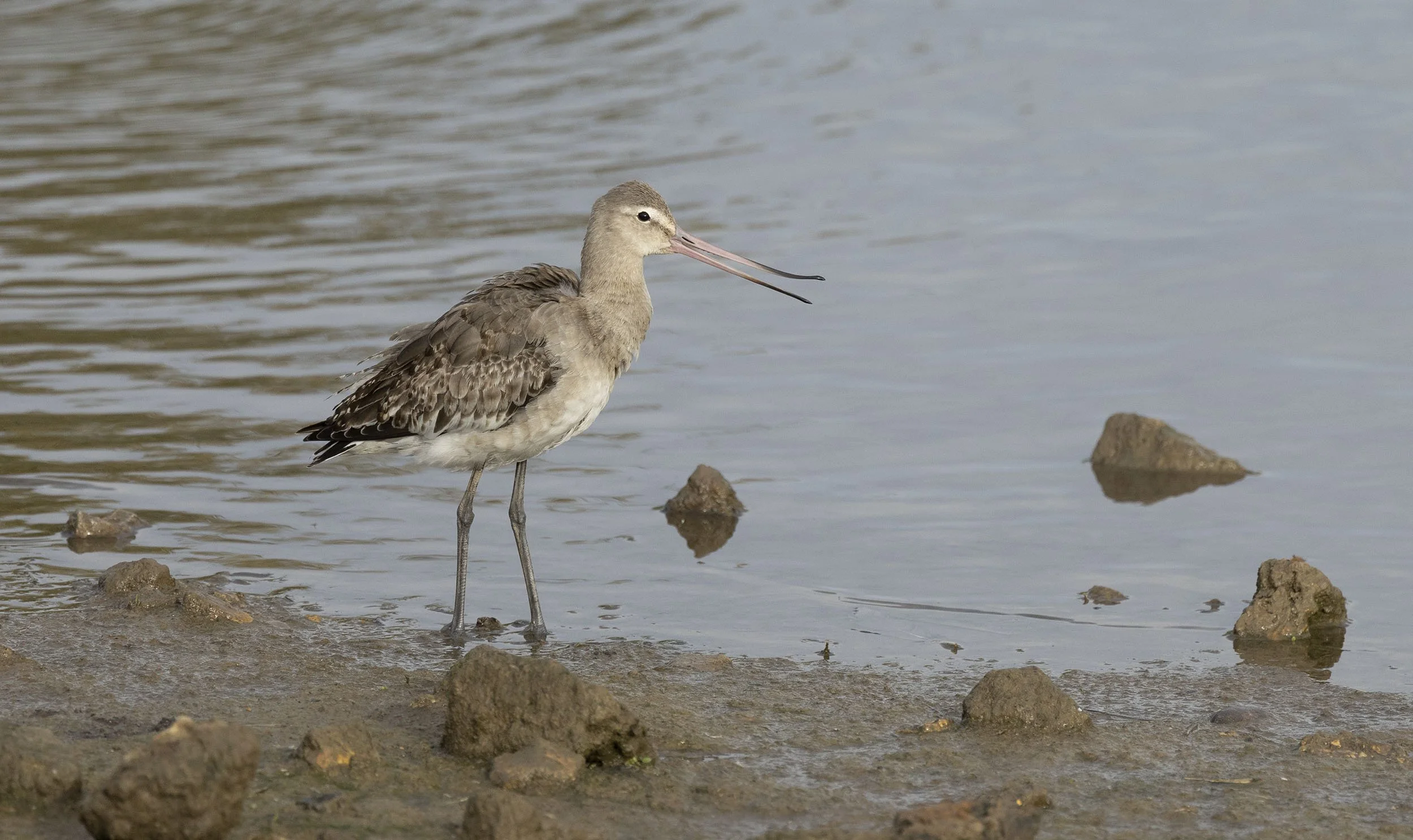
First winter Black-tailed Godwit exhibiting some rhynchokinesis
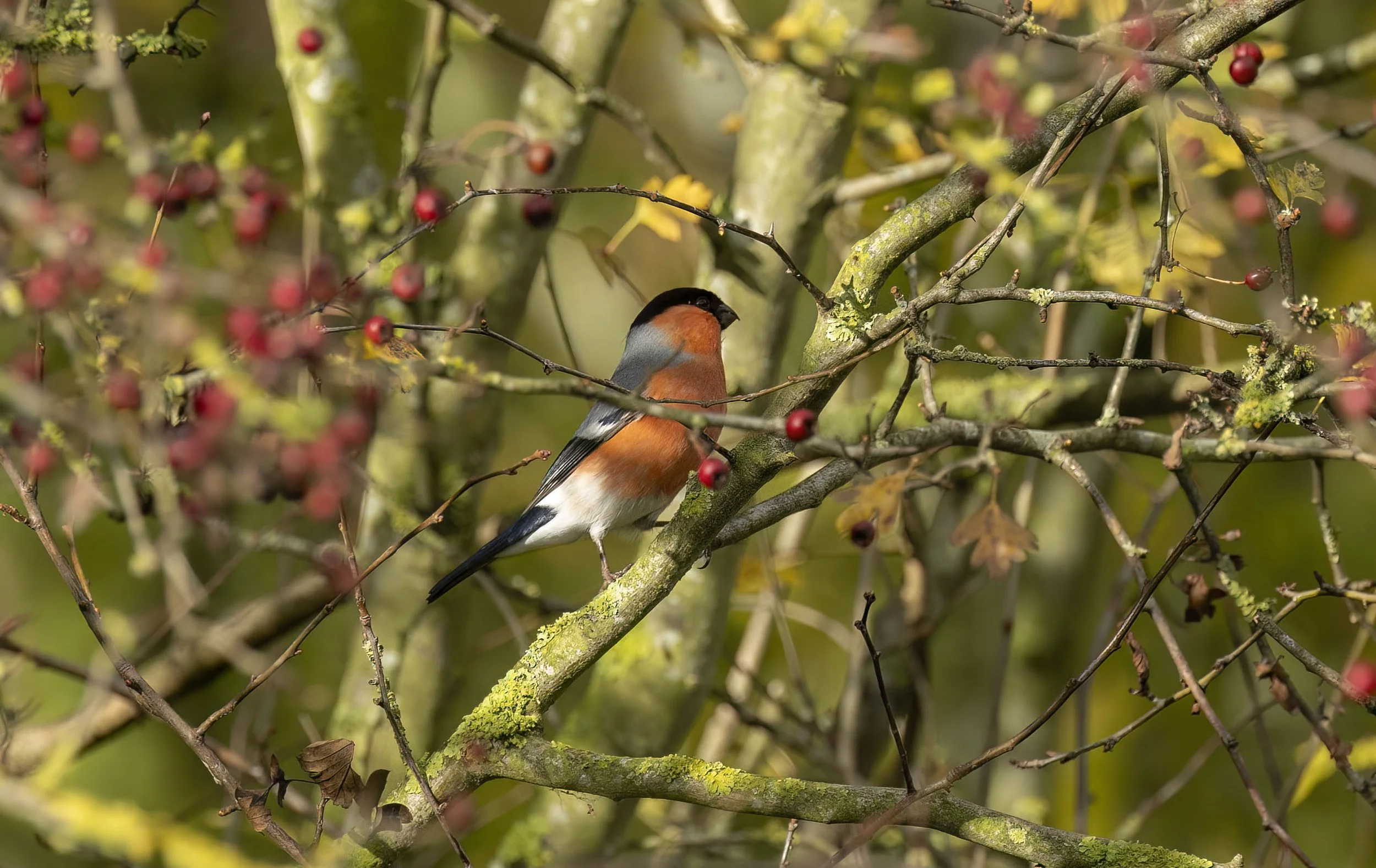
Spent a lot of time searching Waters’ Edge this week - always a good local spot for Bullfinches but there have been birds flying high and moving west and in unusual spots so could we have received some Northern Bullfinches? This male one of two has a serrated upper edge to the greater covert bar which was broad and very white - work in progress
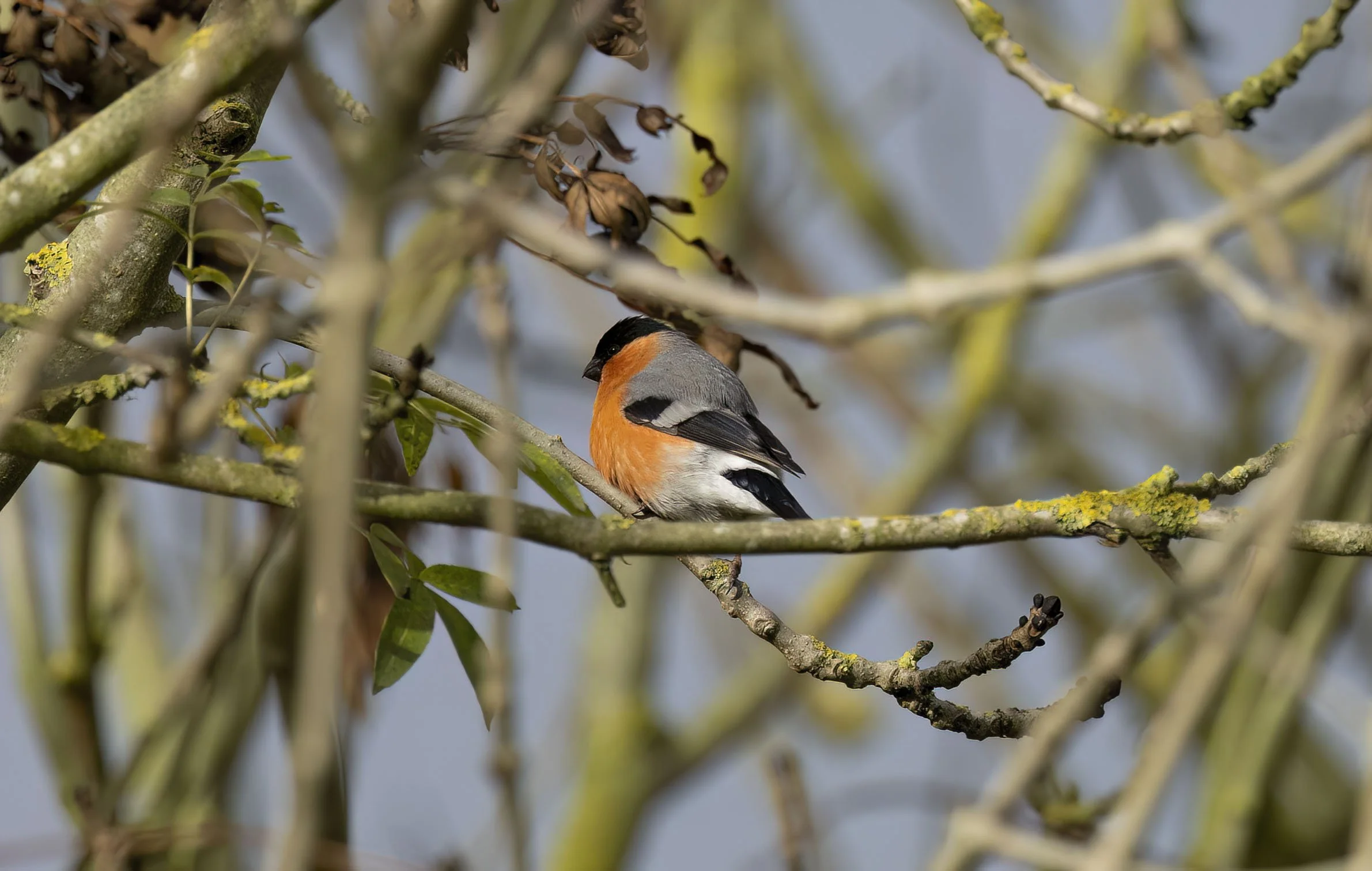
Its companion had a grey wing bar but again very deep and with some serrations on the upper edge
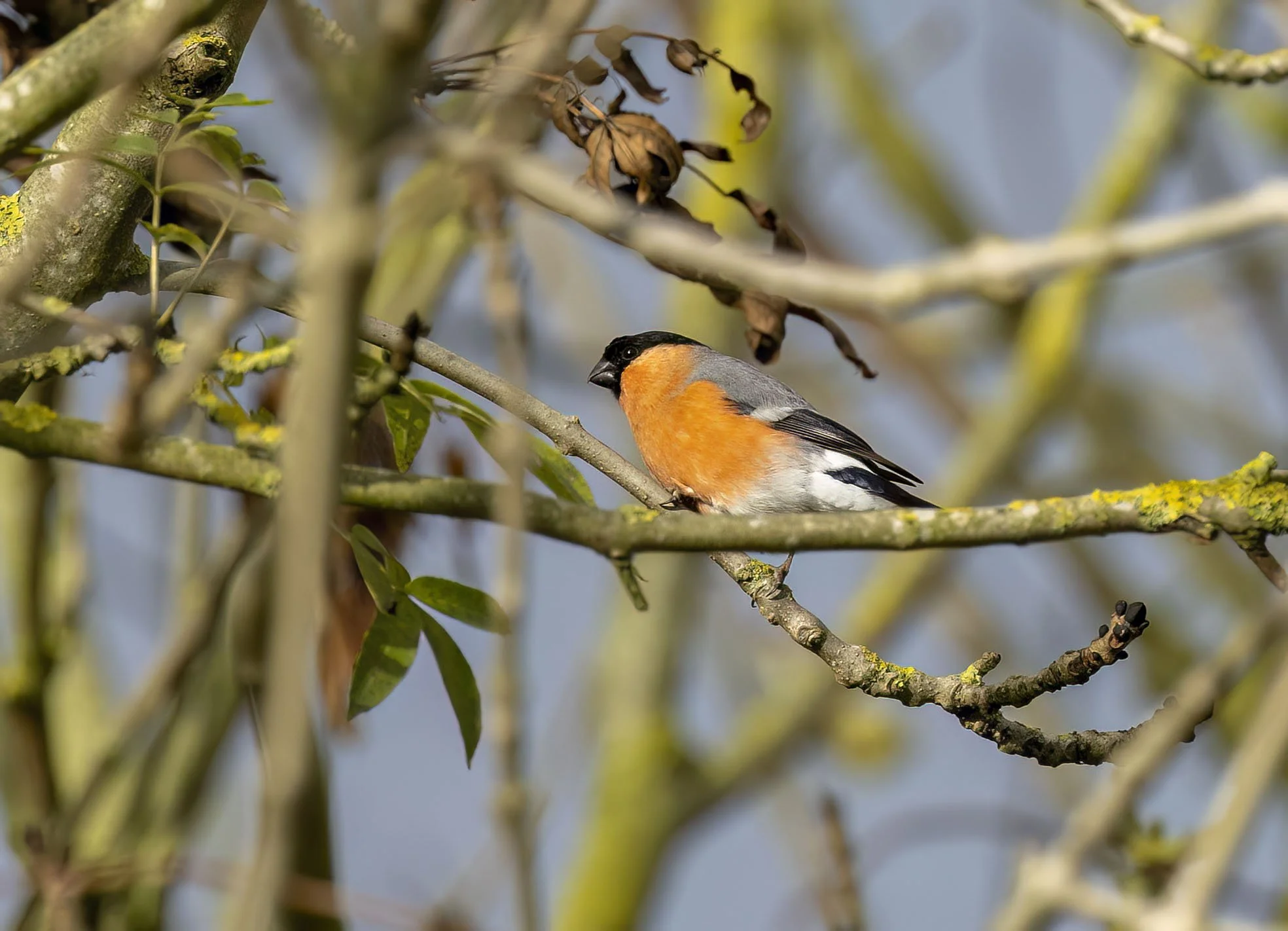
Possibly a bit too orange toned fro Northern

With a big arrival of Blackbirds this week some are clearly answering my query on what eats Sloes
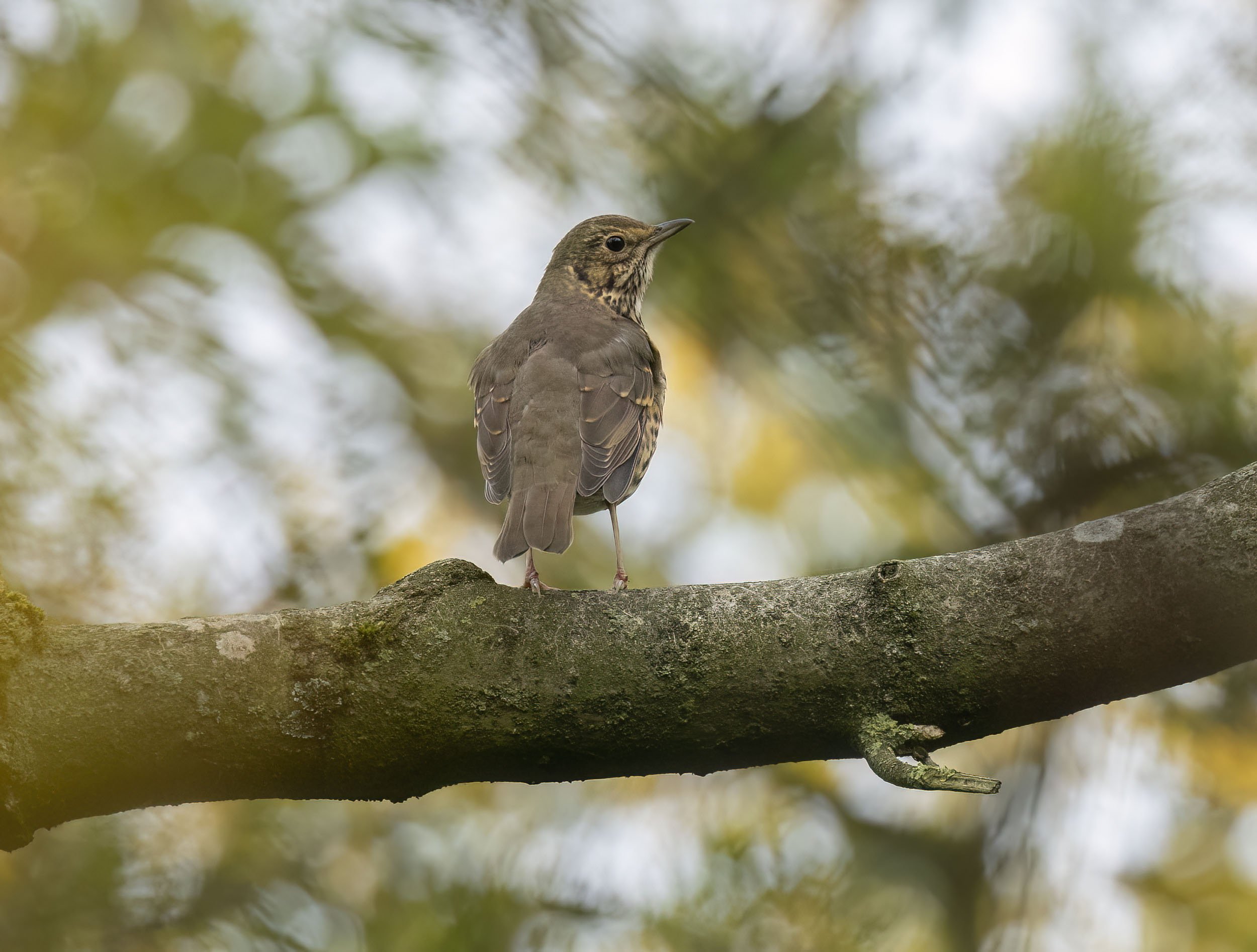
An obvious arrival of Song Thrushes and Blackbirds on Waters’ Edge yesterday with a few Redwings - presumably birds from the near continent
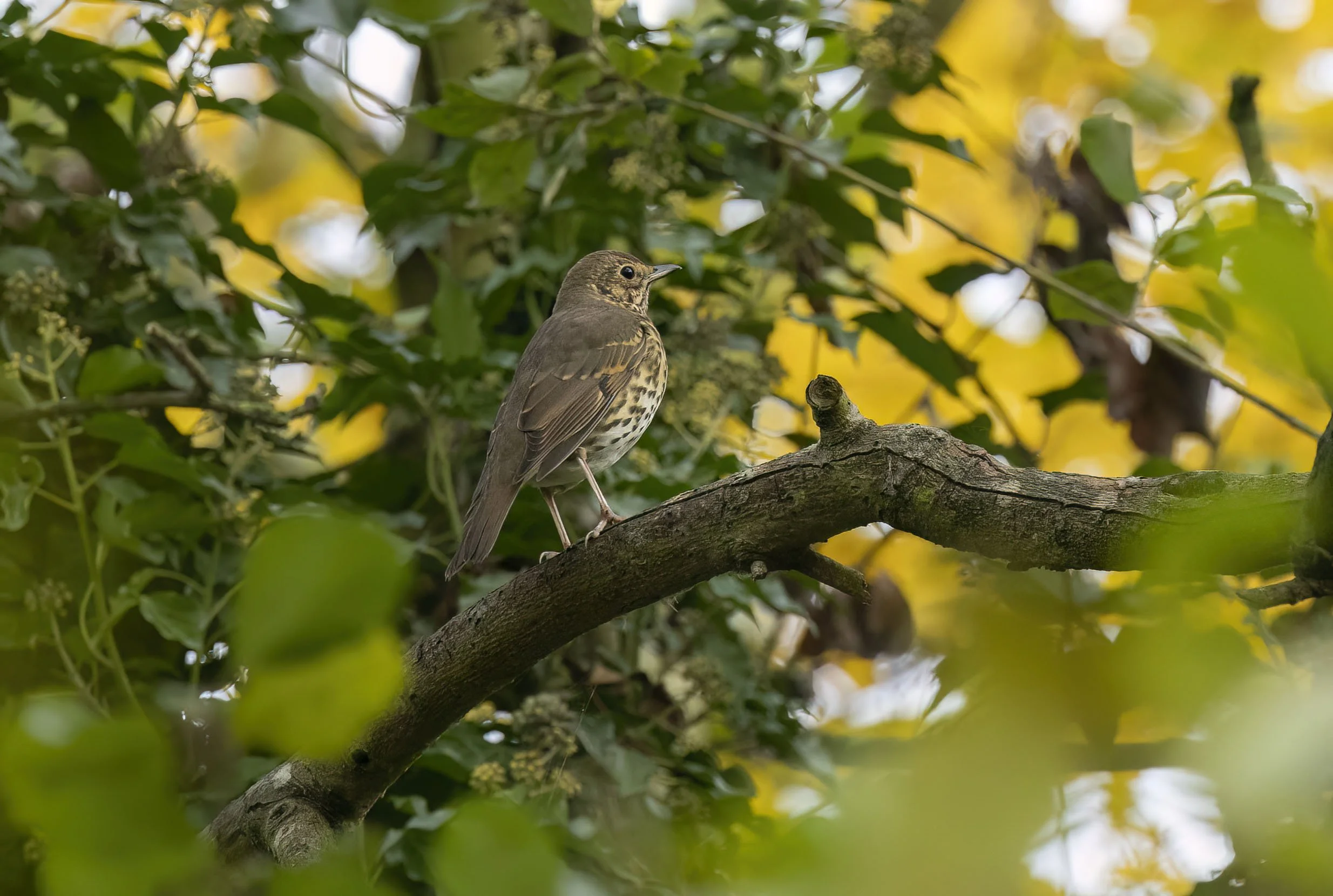
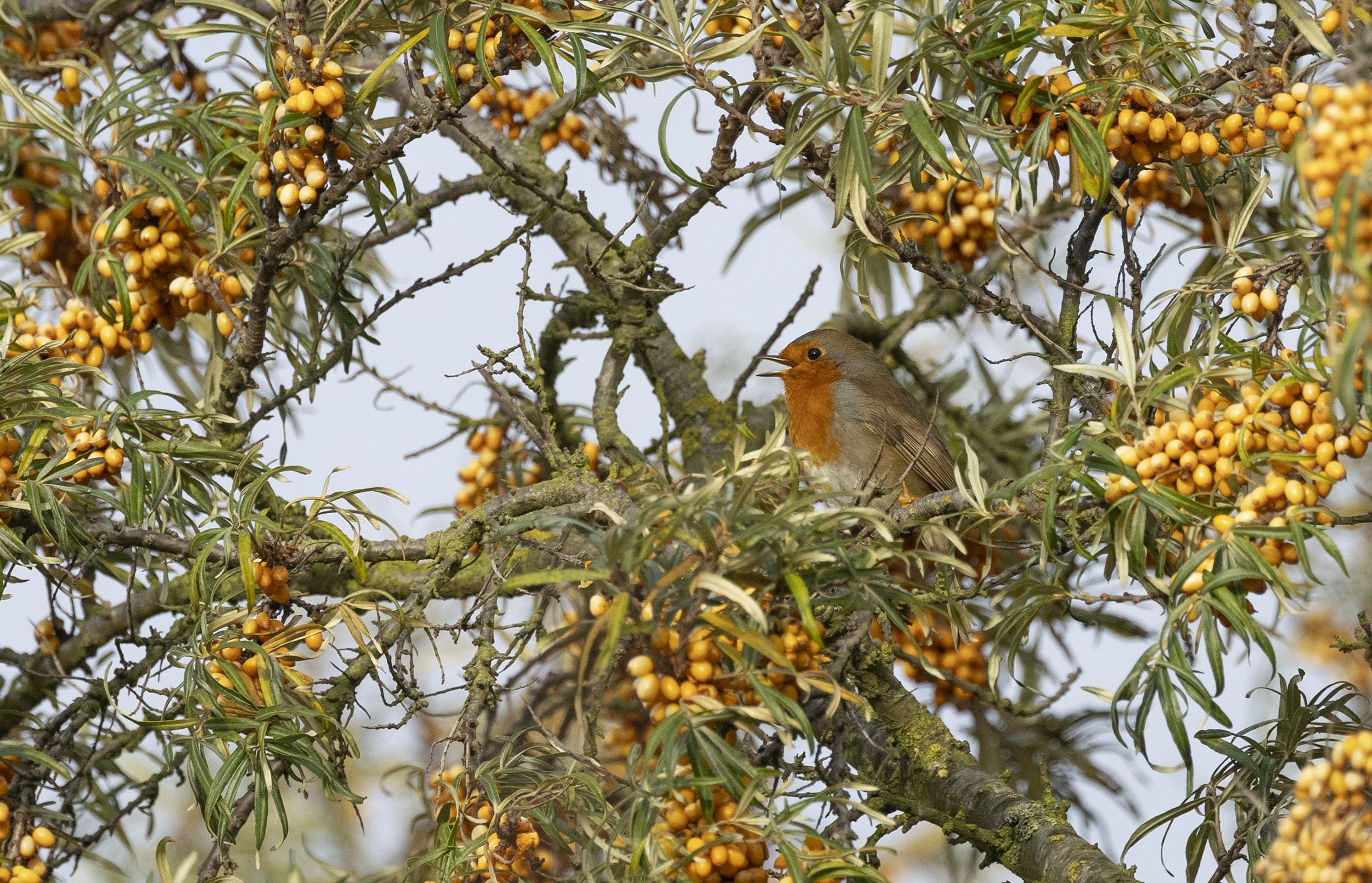
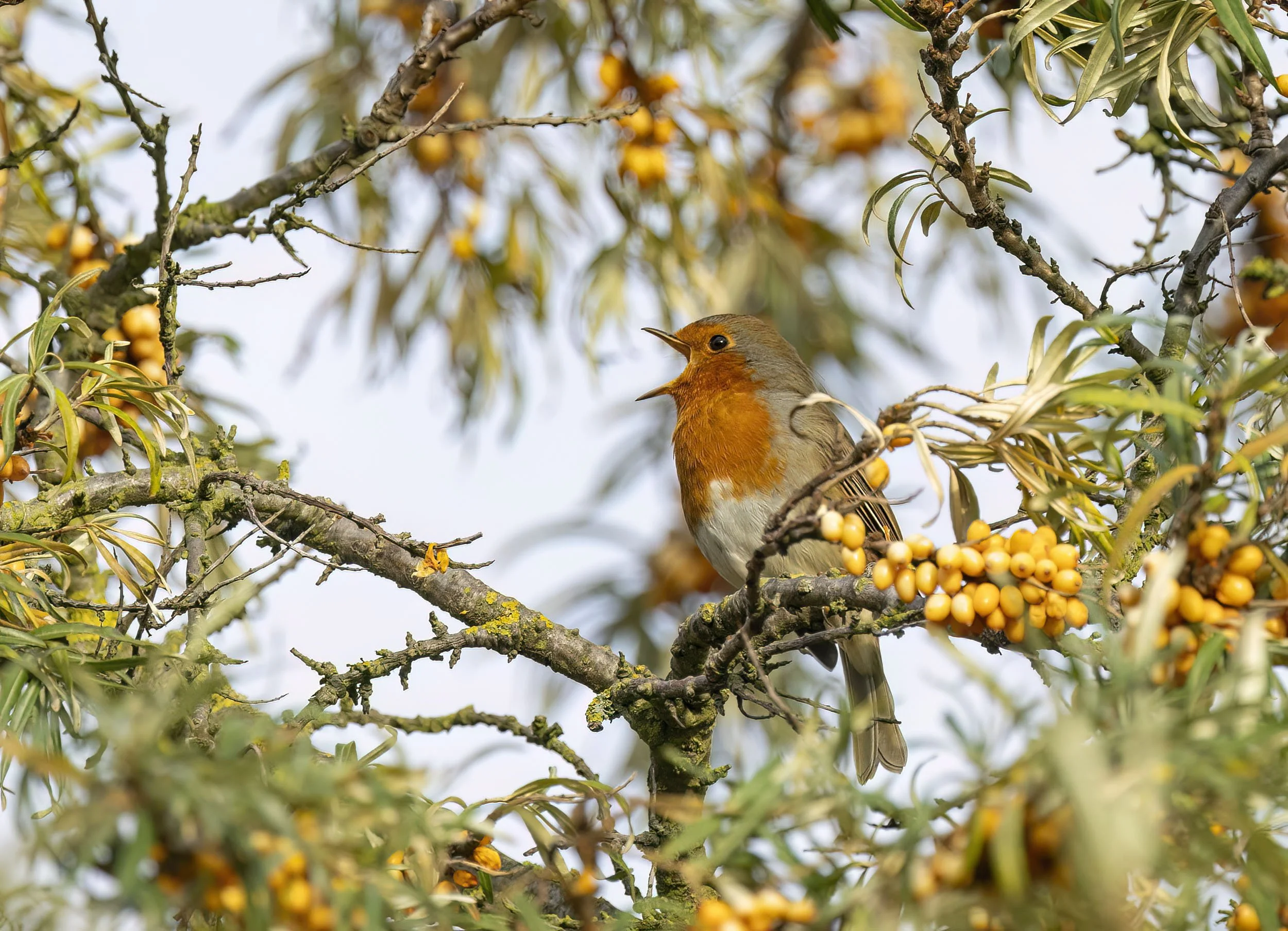
Local? Robin in Sea Buckthorn Waters’ Edge
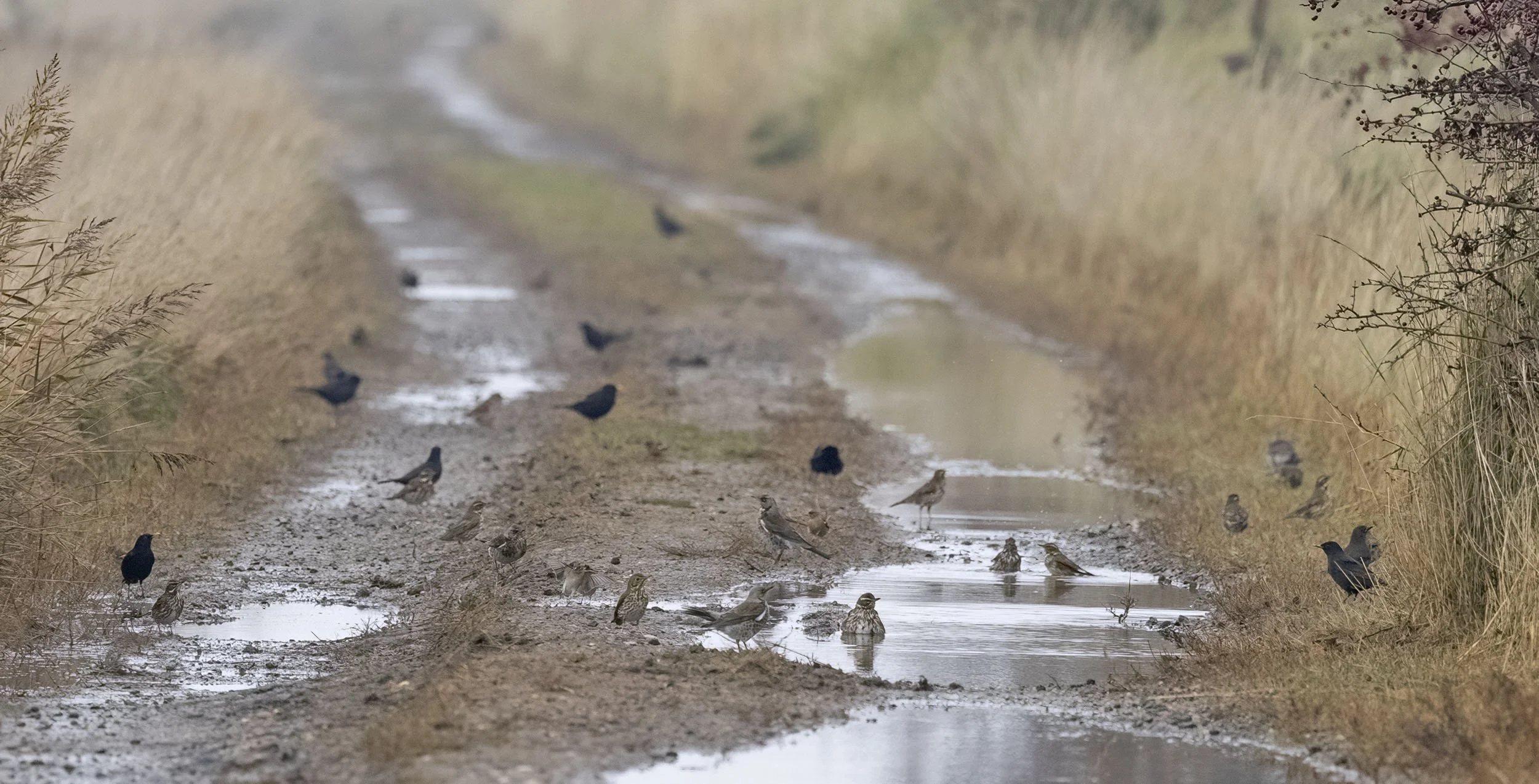
November 7th - seemingly having missed a trick with an arrival of small Asian warblers on the East coast on the 6th I headed to my usual spot at Donna Nook avoiding the blubber watchers - the hedges down the Nook road were producing thrushes and as I got out of the car in the car park at least 50 Blackbirds were visible - it looked good - The back track to Pyes Hall was littered with thrushes, mainly Blackbirds but with good numbers of Redwings and fewer Fieldfares and Song Thrushes - good numbers of Chaffinches were also about but not a single Brambling all day - 6 and a half hours and 7.2 miles later I reckoned on a conservative 1500 Blackbirds and 700 Redwing but just one Ring Ouzel.
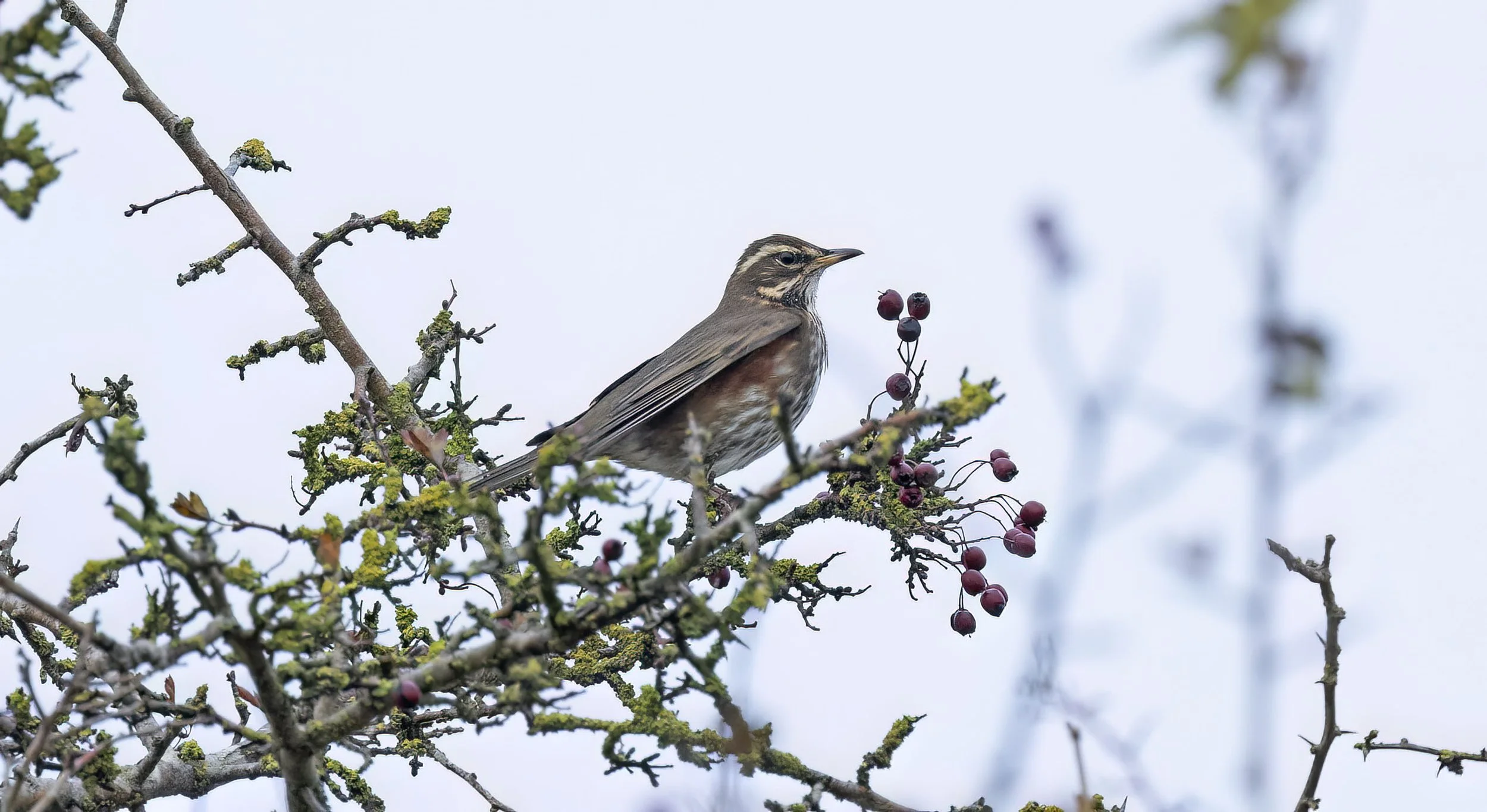
Redwing fresh in
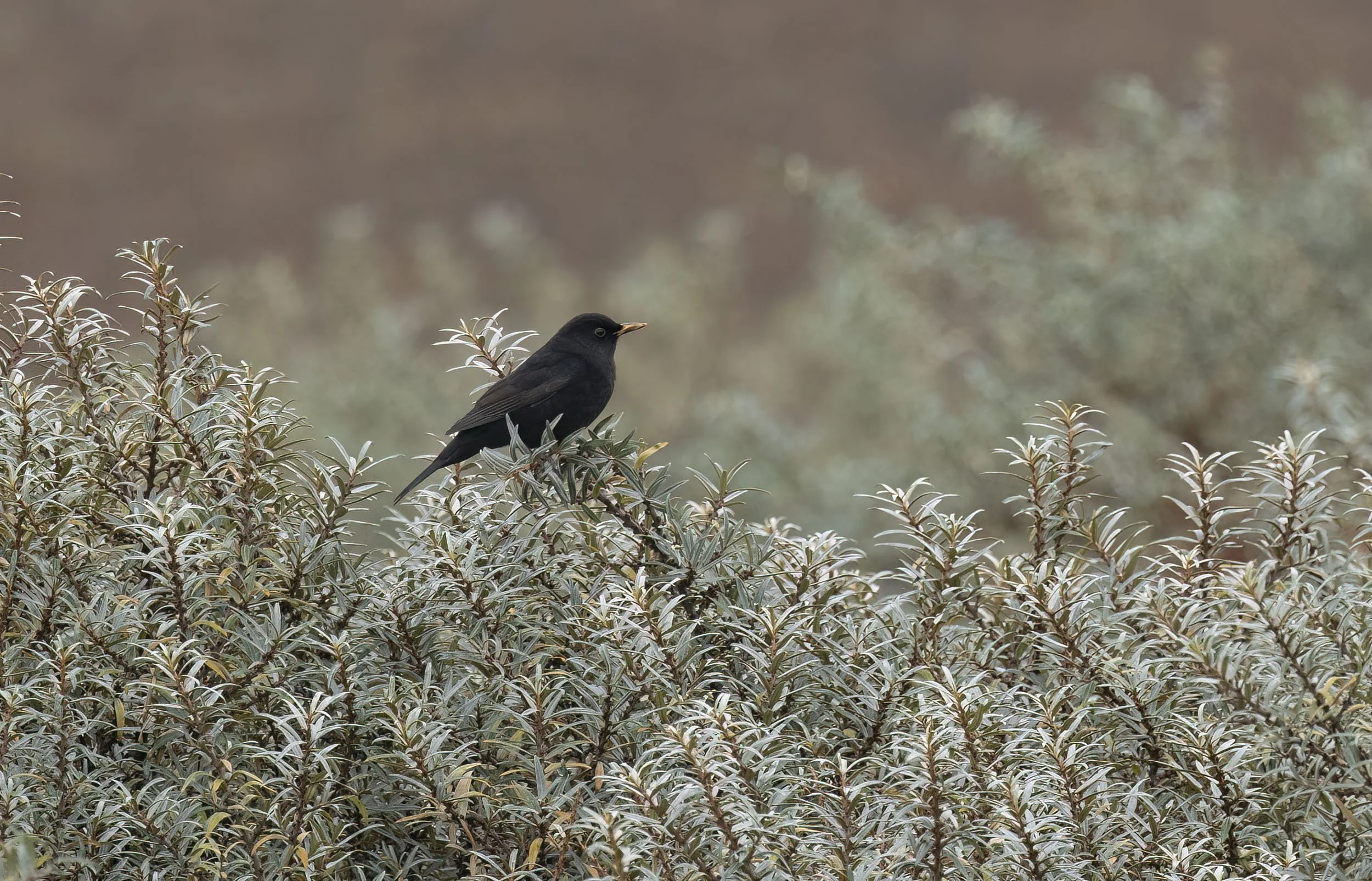
Blackbird species of the day - at one point late afternoon a couple walked down some bushes near the car park and 100 Blackbirds flew past me - I walked the other way and another 50 appeared - s
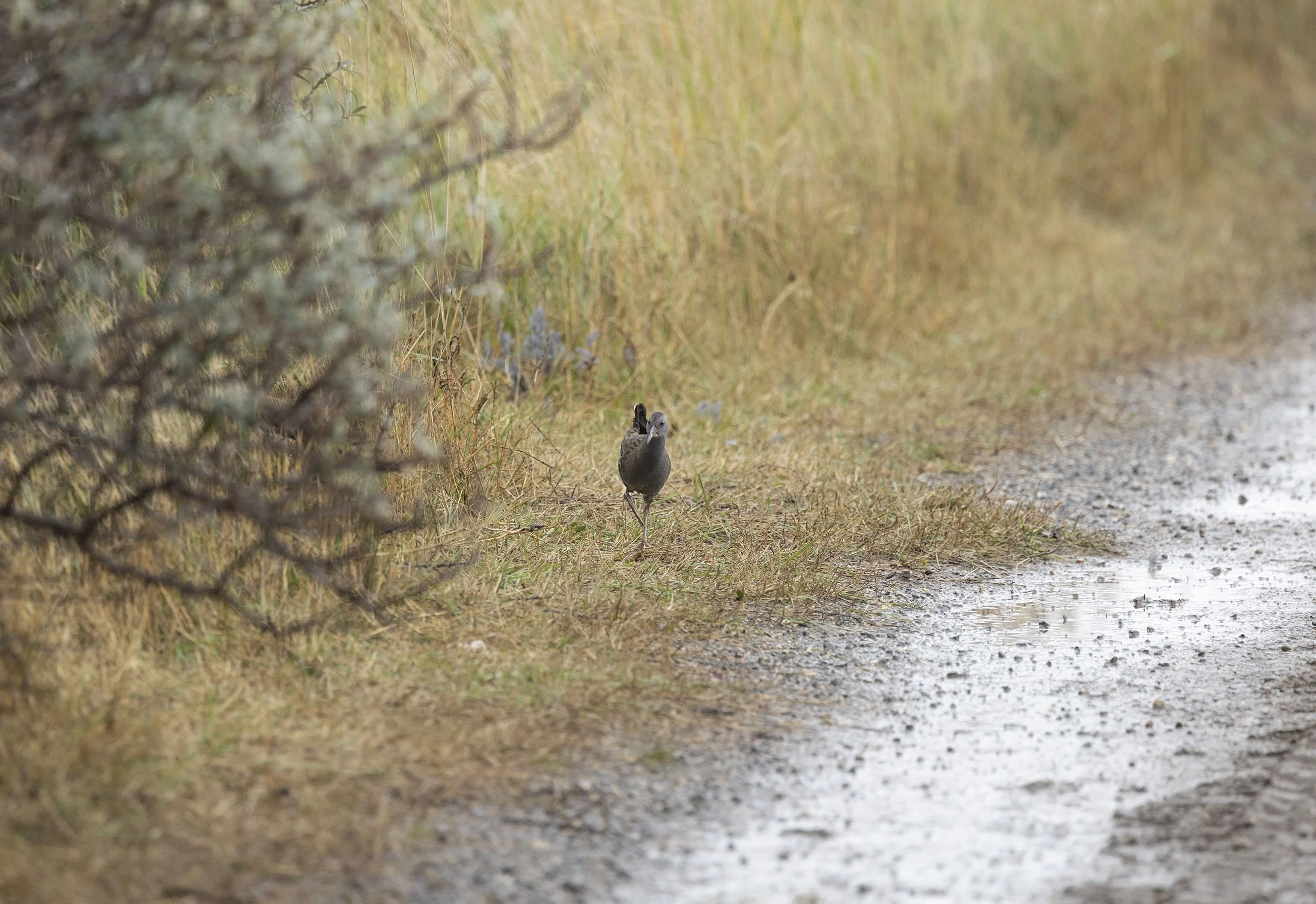
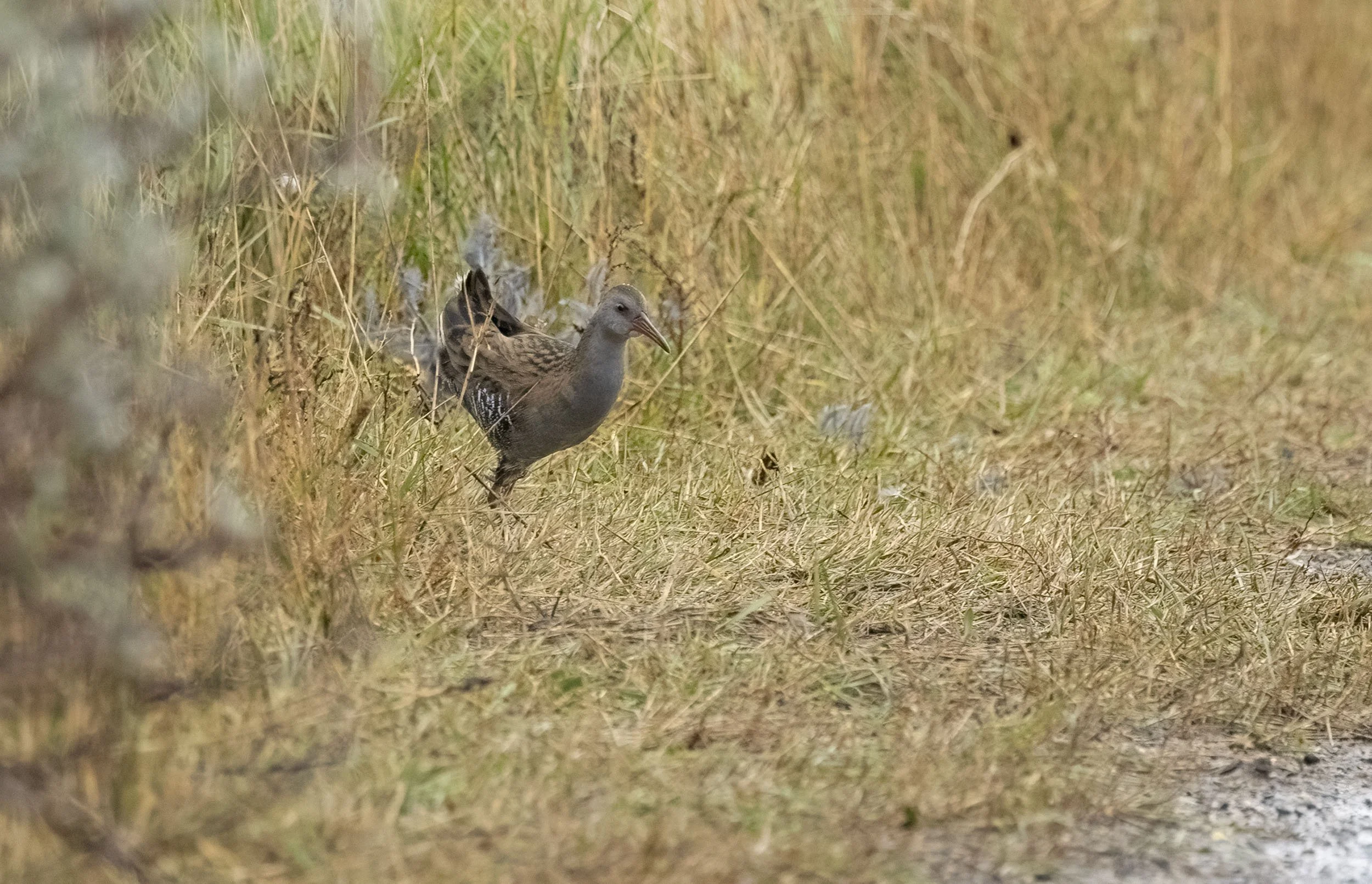
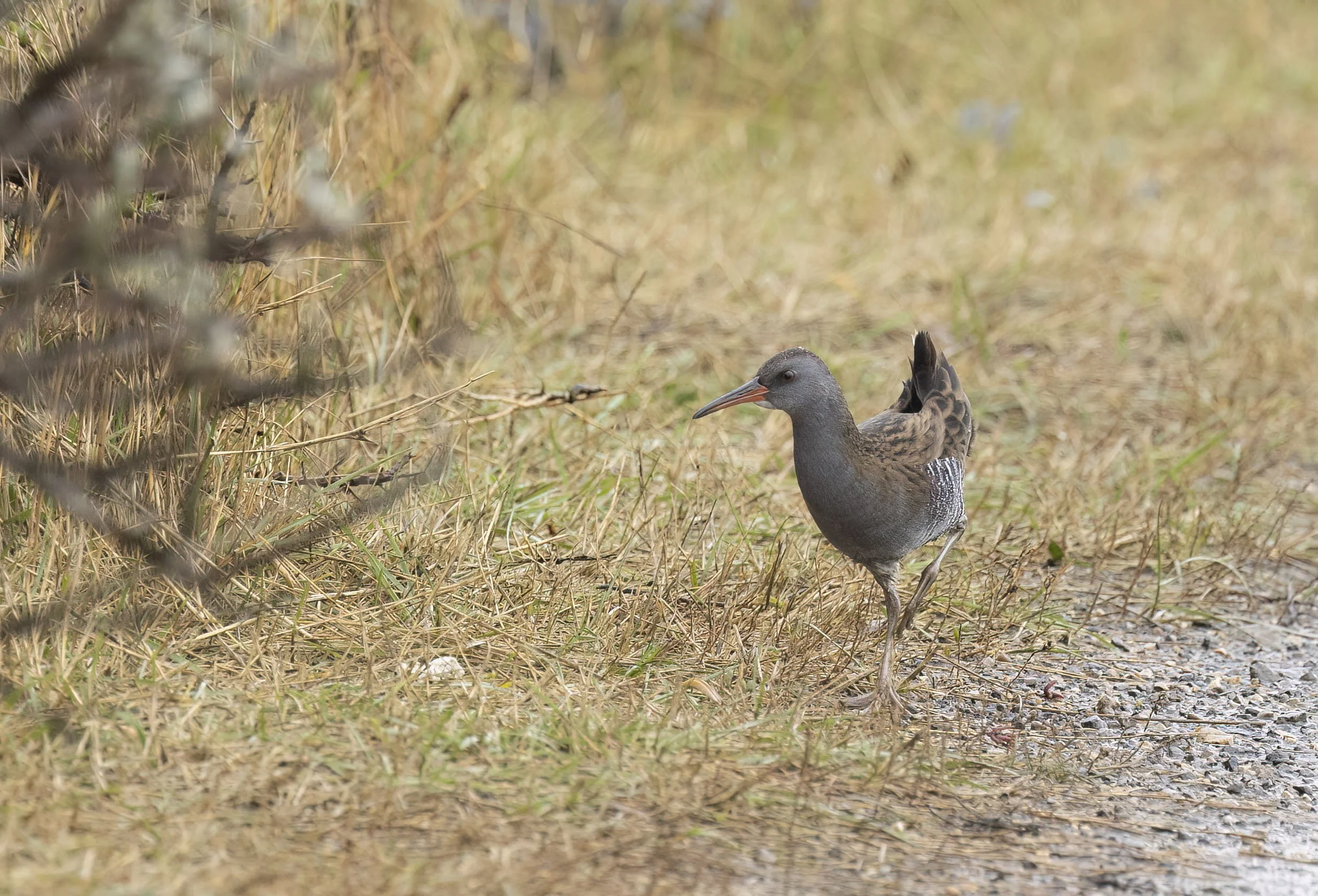
Hearing a whoosh of wings as something dropped in I turned to see a Water Rail peeking out of the marram by the track side - totally lost - I wonder where its origins where
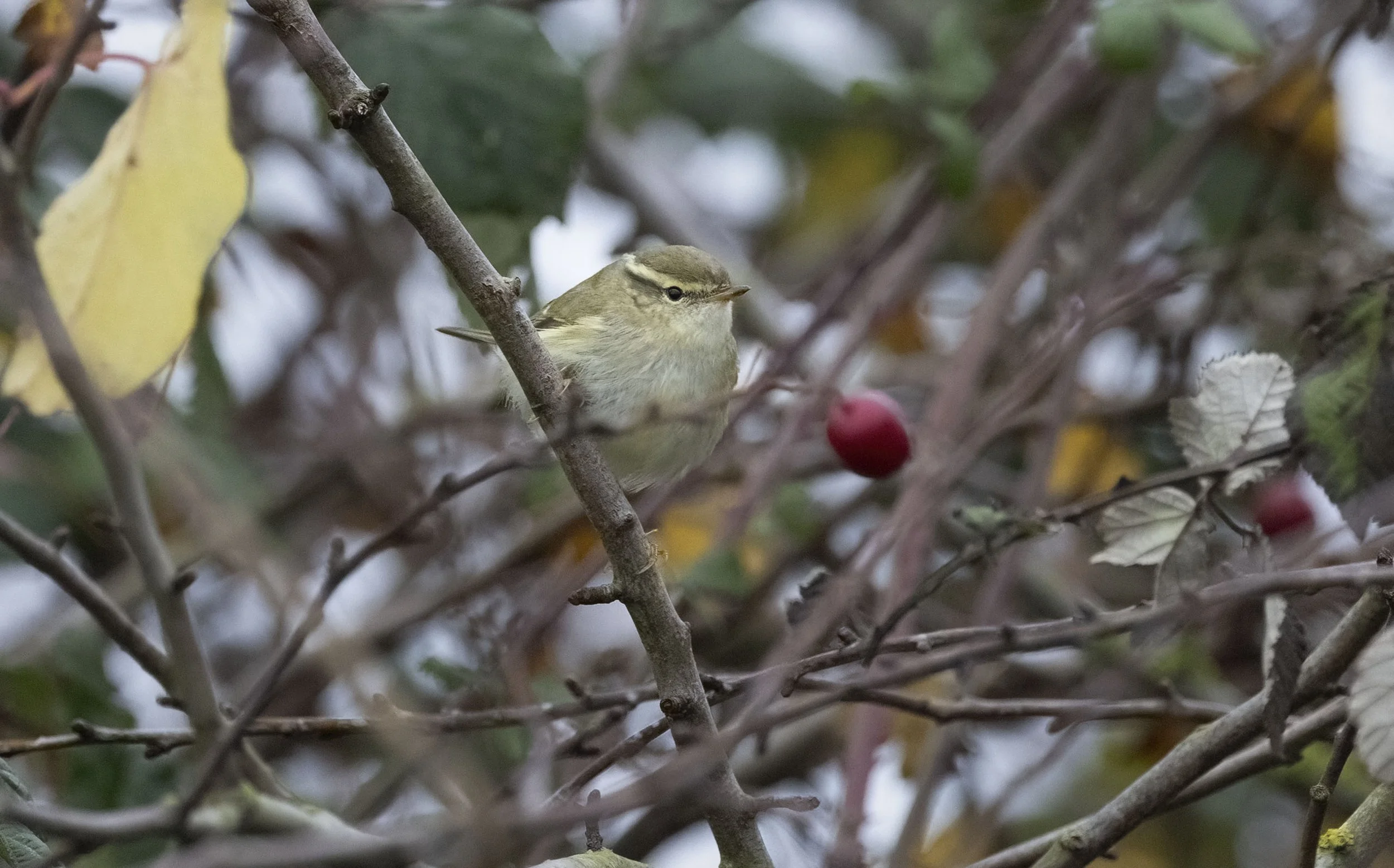
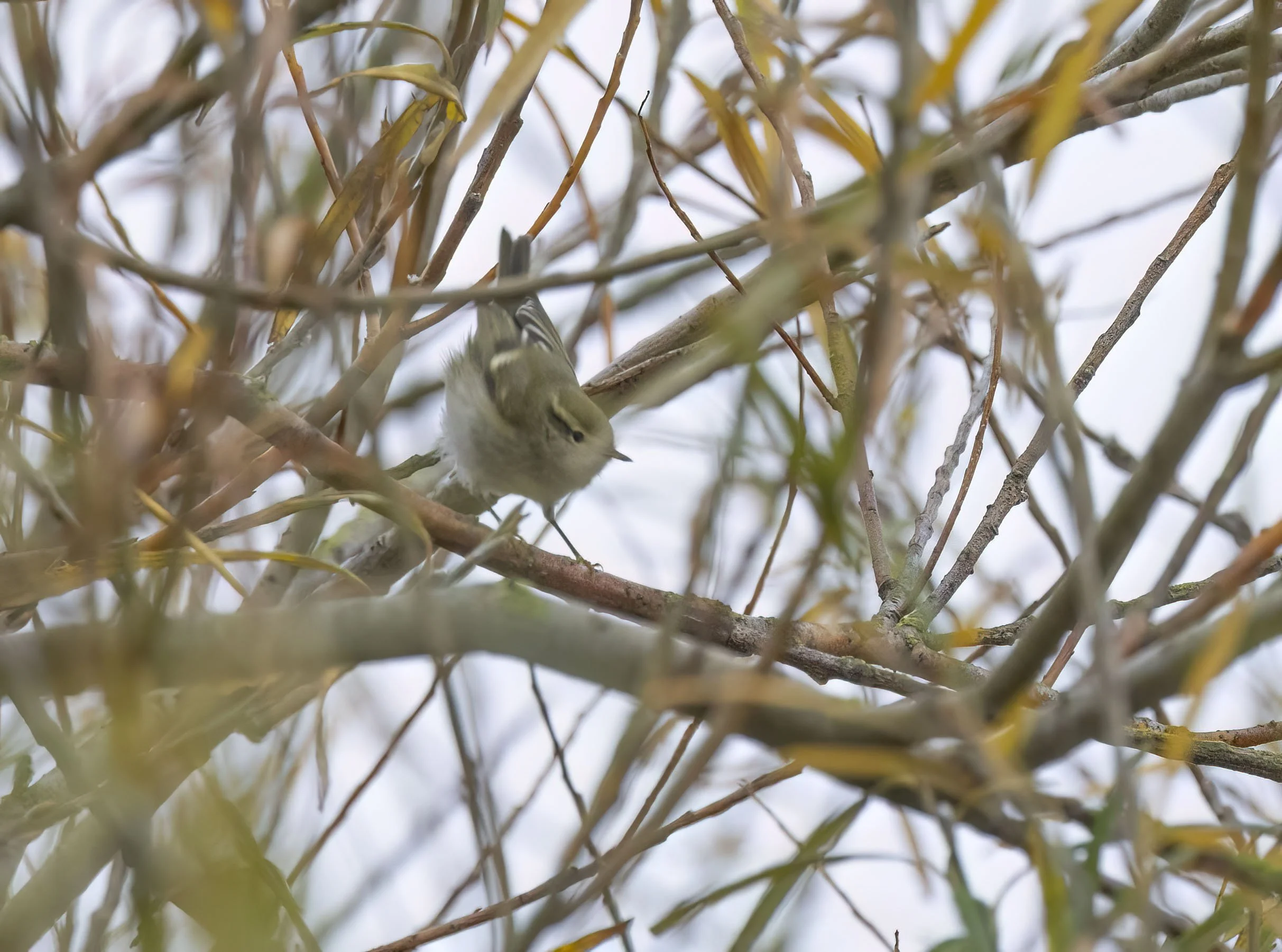
The only warbler I had apart from the resident Cetti’s was a male Blackcap in the car park willow - signs were in fact not good I only came across 7 Goldcrests all day then mid-afternoon a movement in the willow transformed into a Yellow-browed Warbler - active and in particularly dull light these were the best shots I managed - 188 on the photo challenge

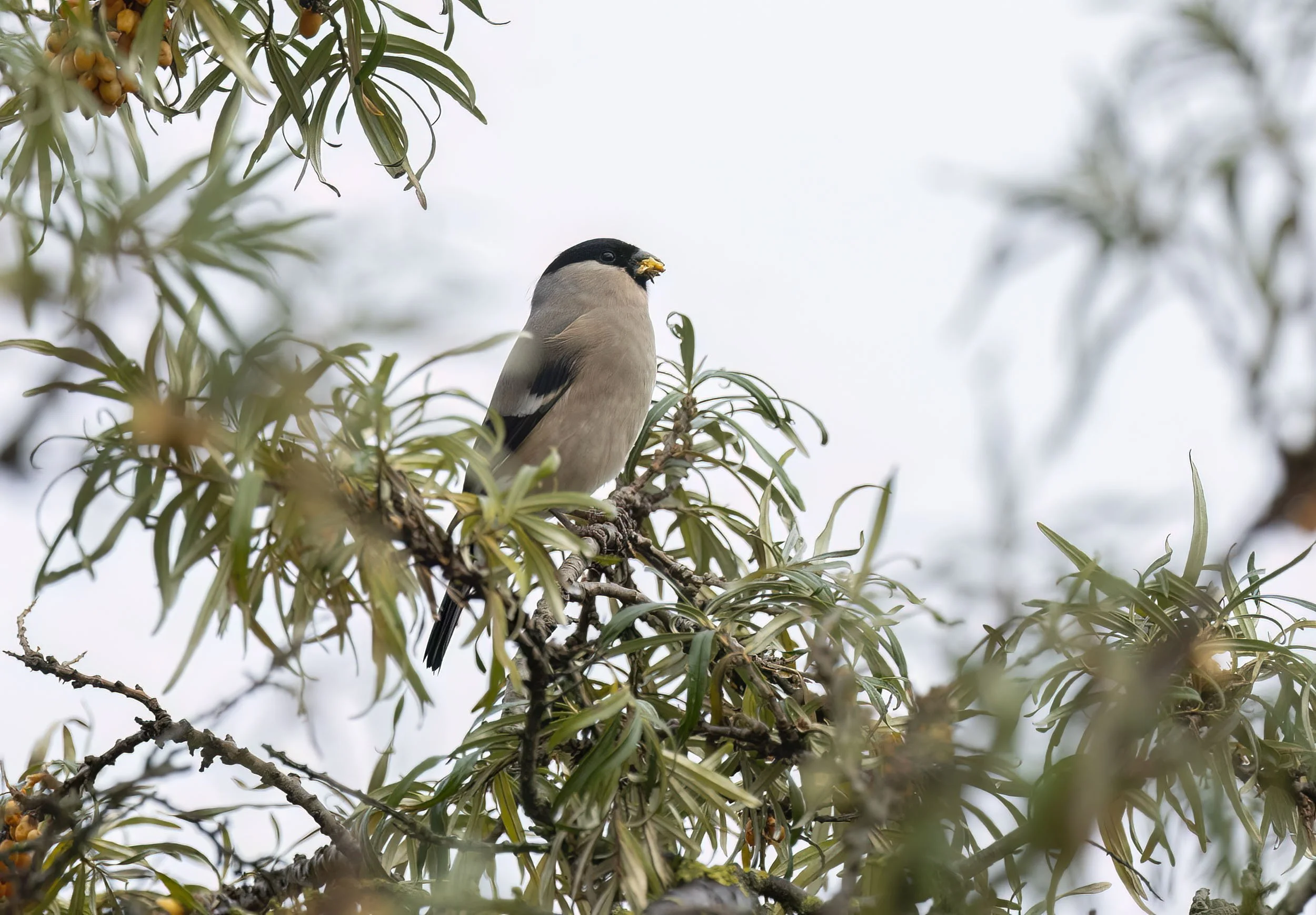
A female Bullfinch on waters’ Edge - underparts shading to palish but definately dark upperparts
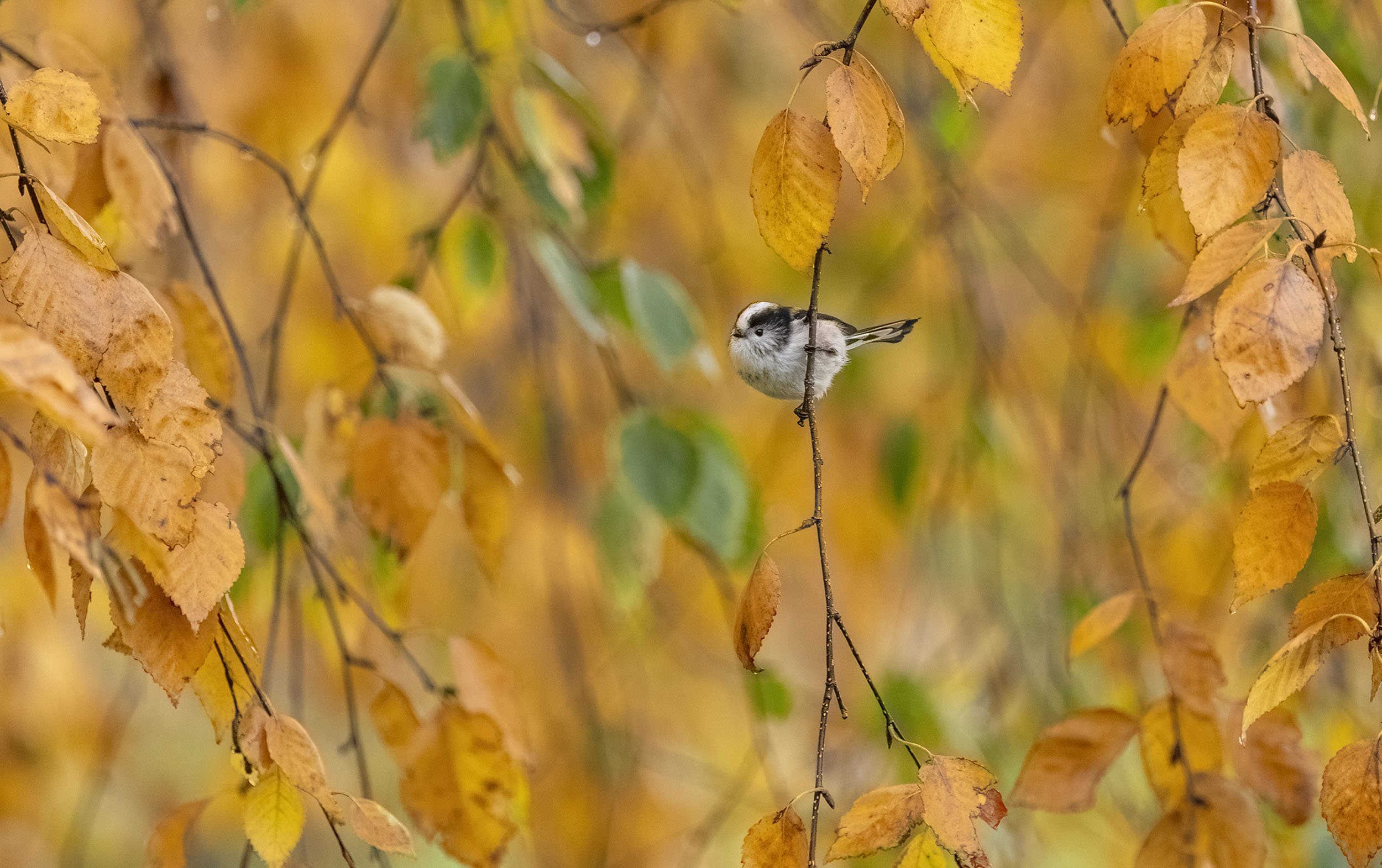
and one of my favourite shots of the late autumn so far - Long-tailed Tit in autumnal leaves
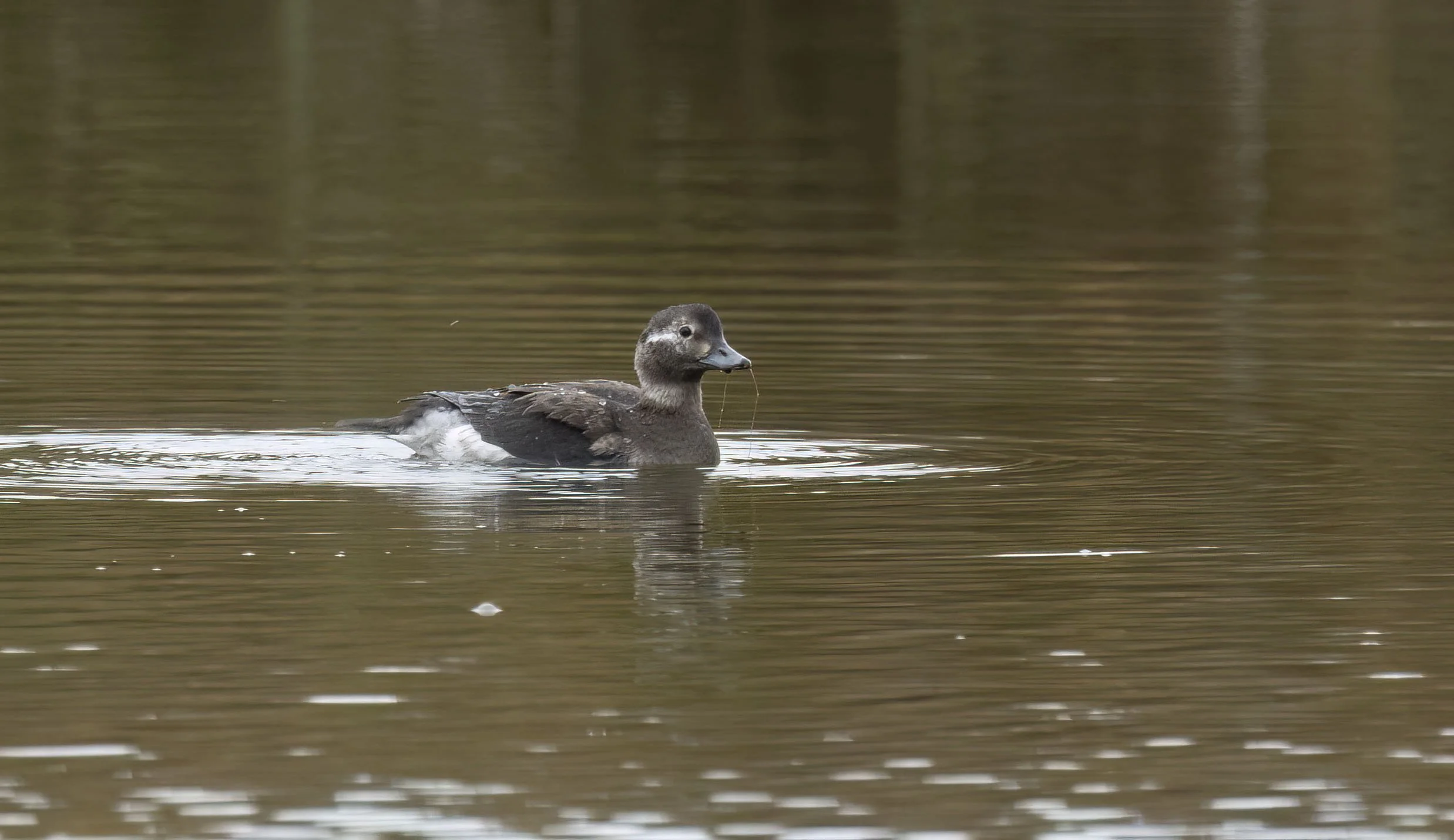
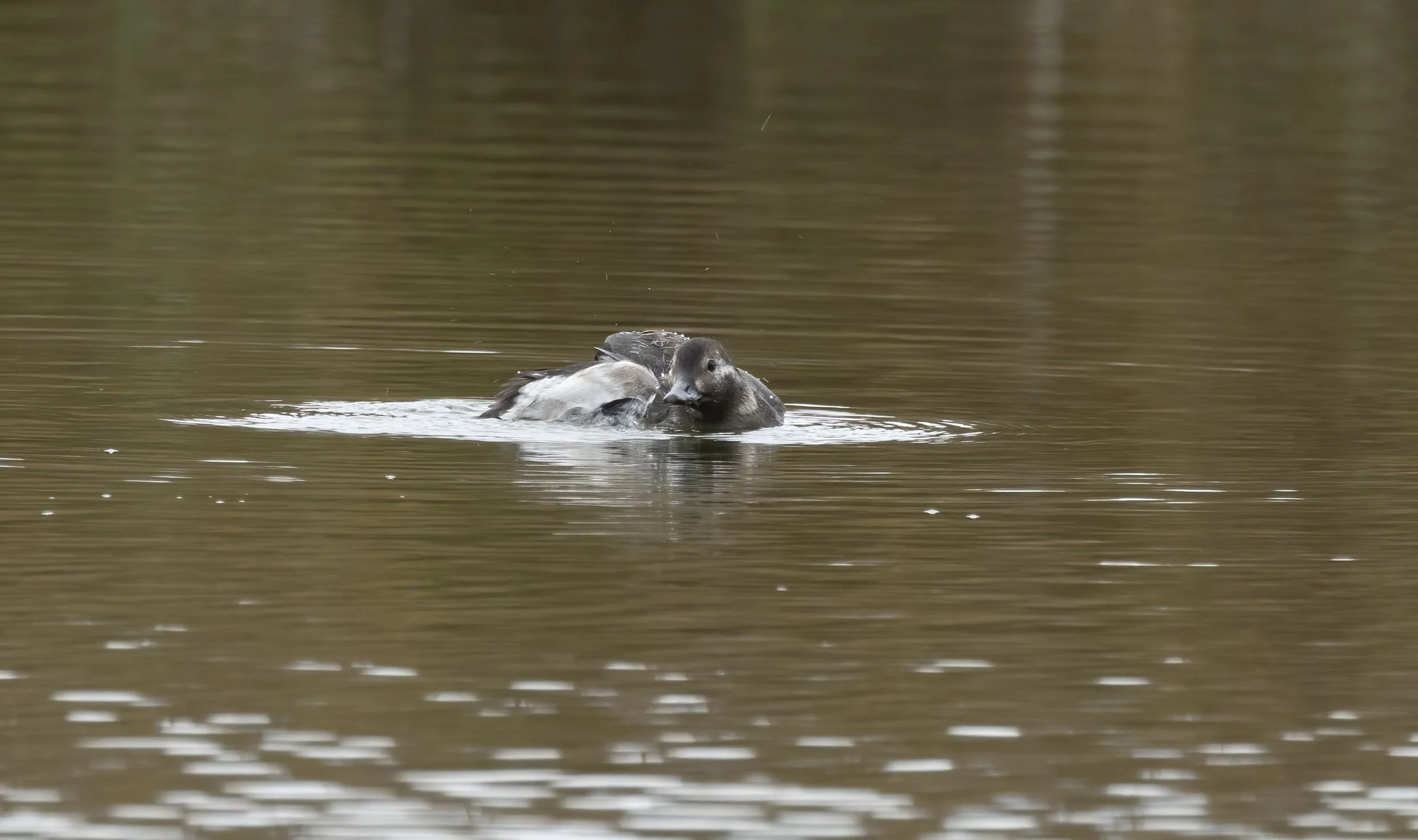
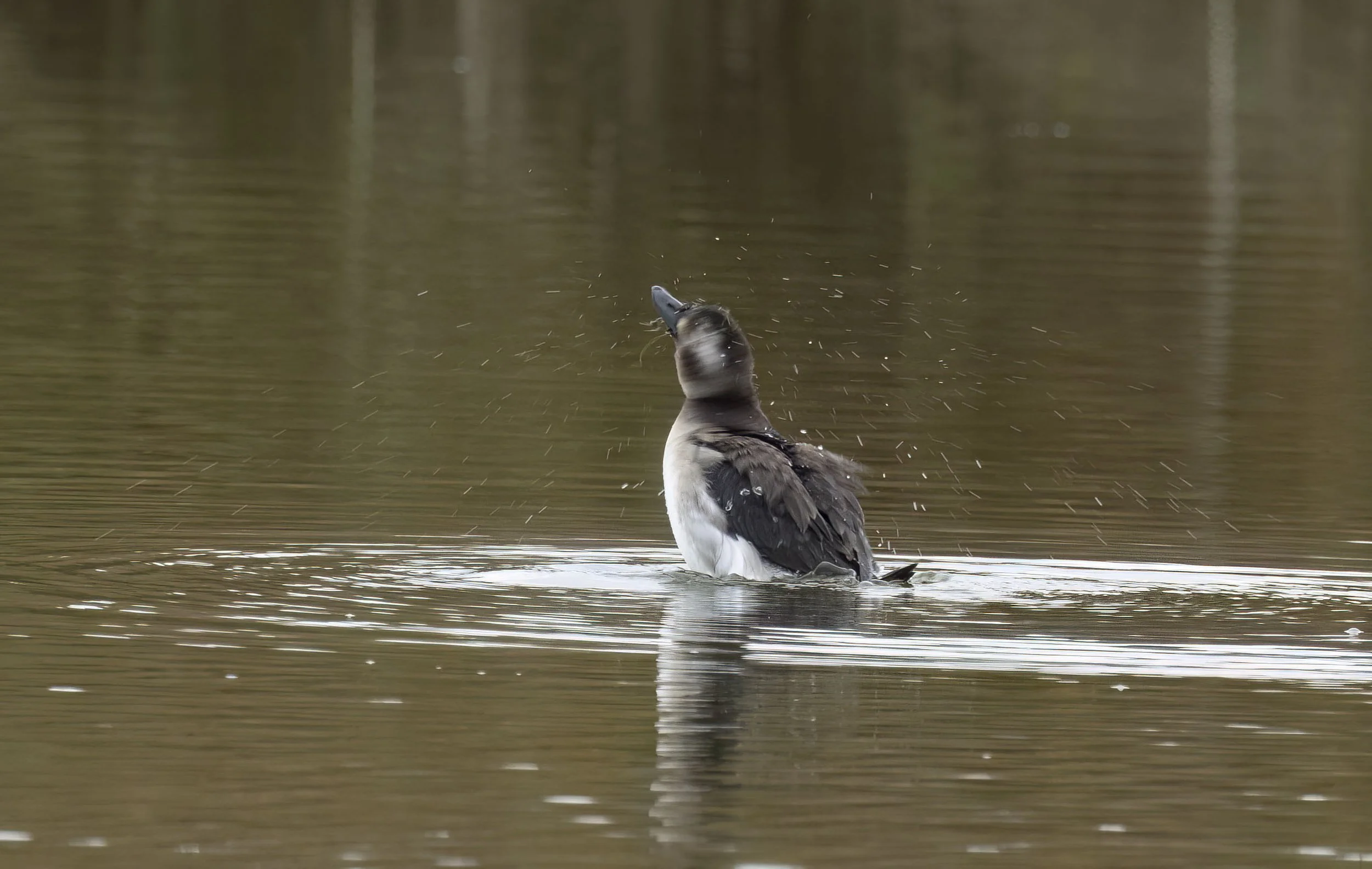
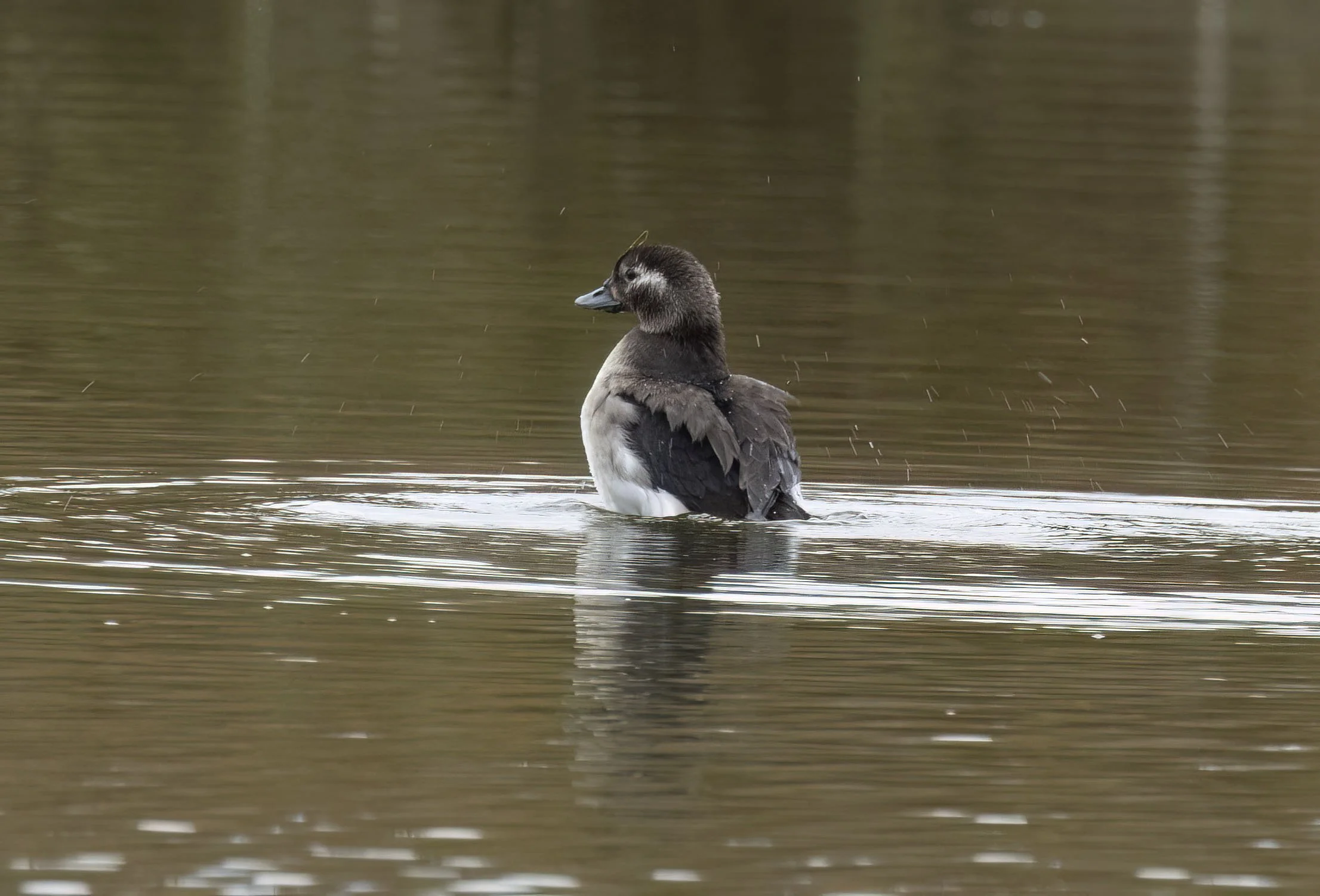
Had a rather tenuous image of a Long-tailed Duck on the challenge in March so here are some slightly better ones of the first-winter female at Goxhill albeit in pretty poor light
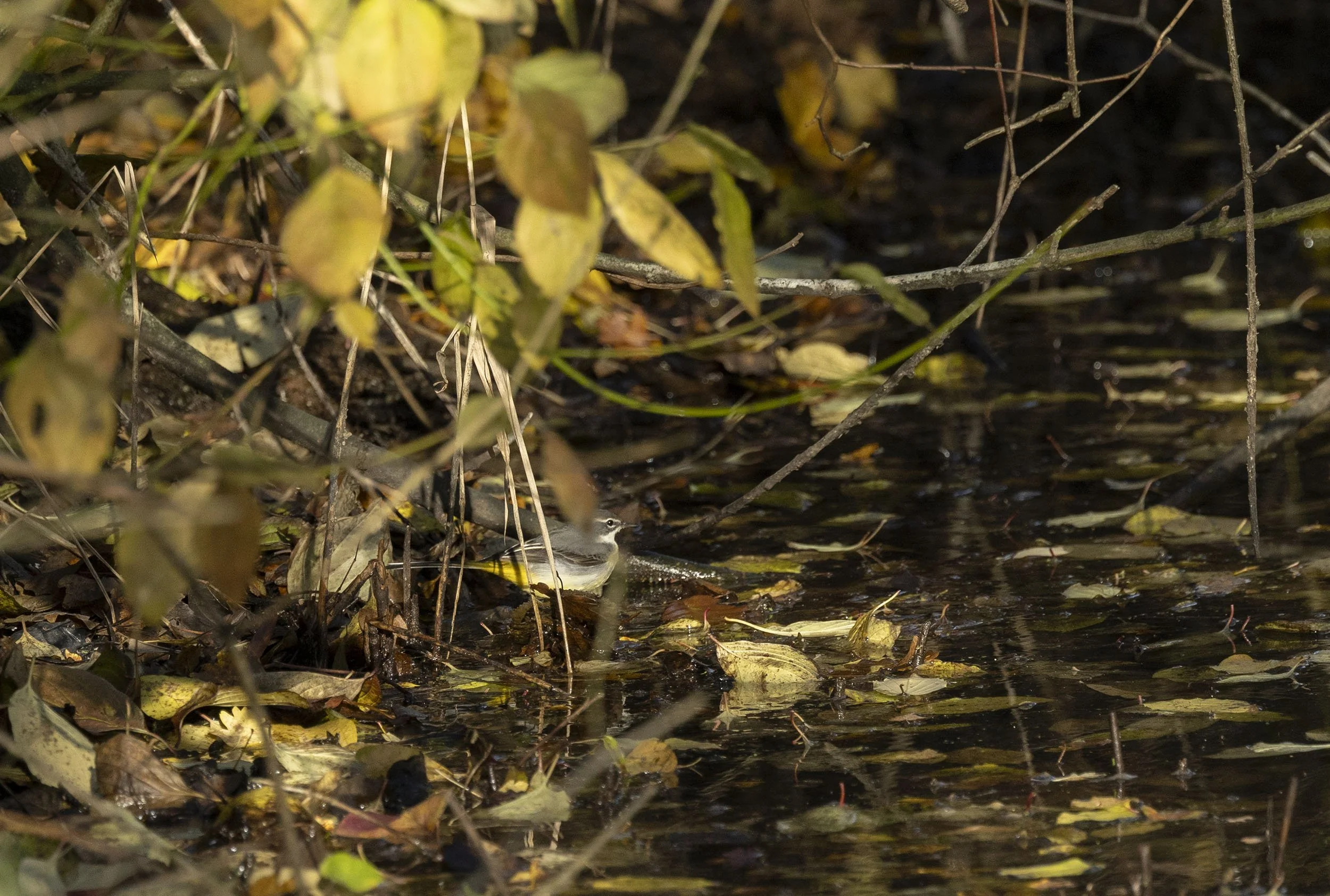
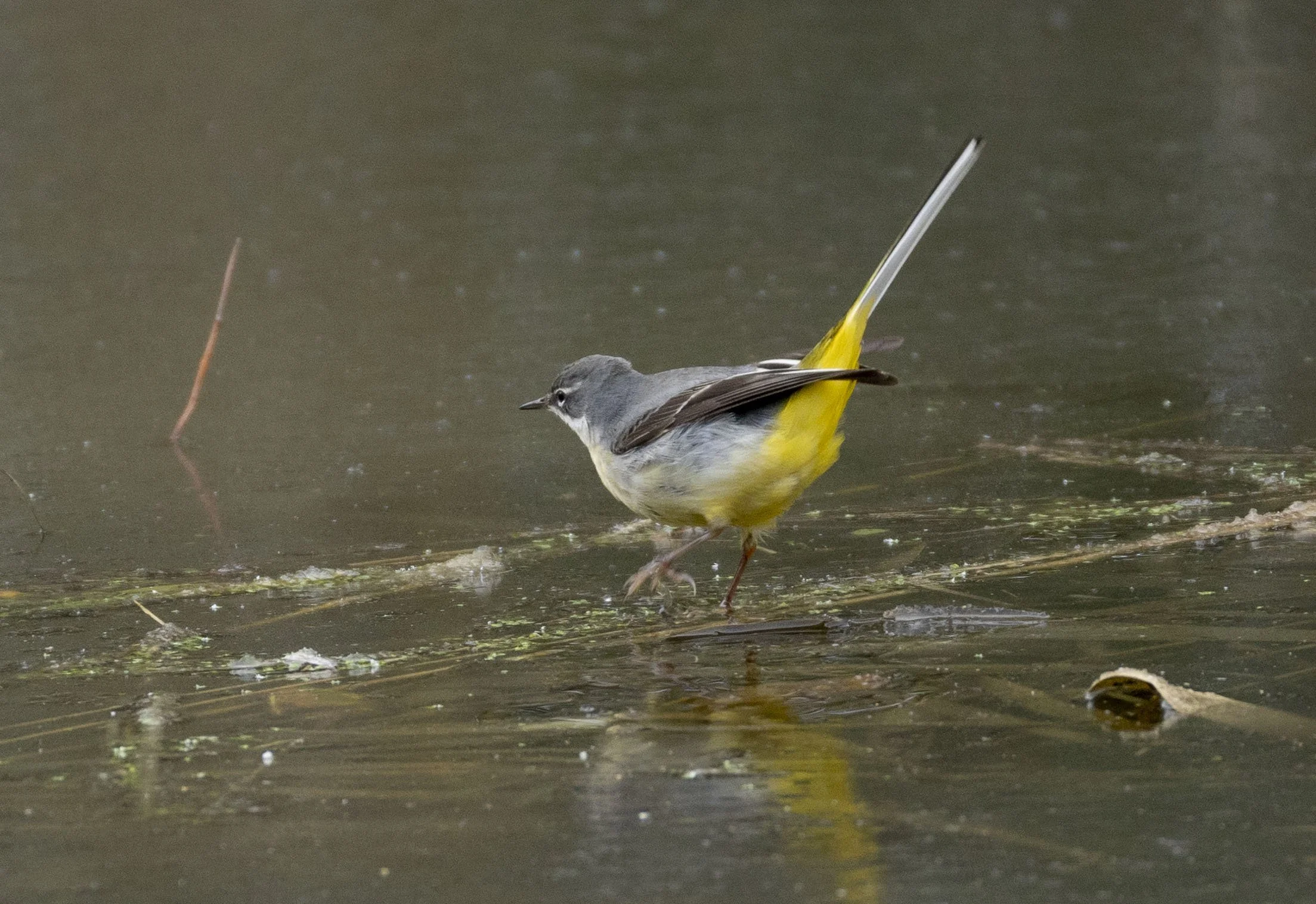
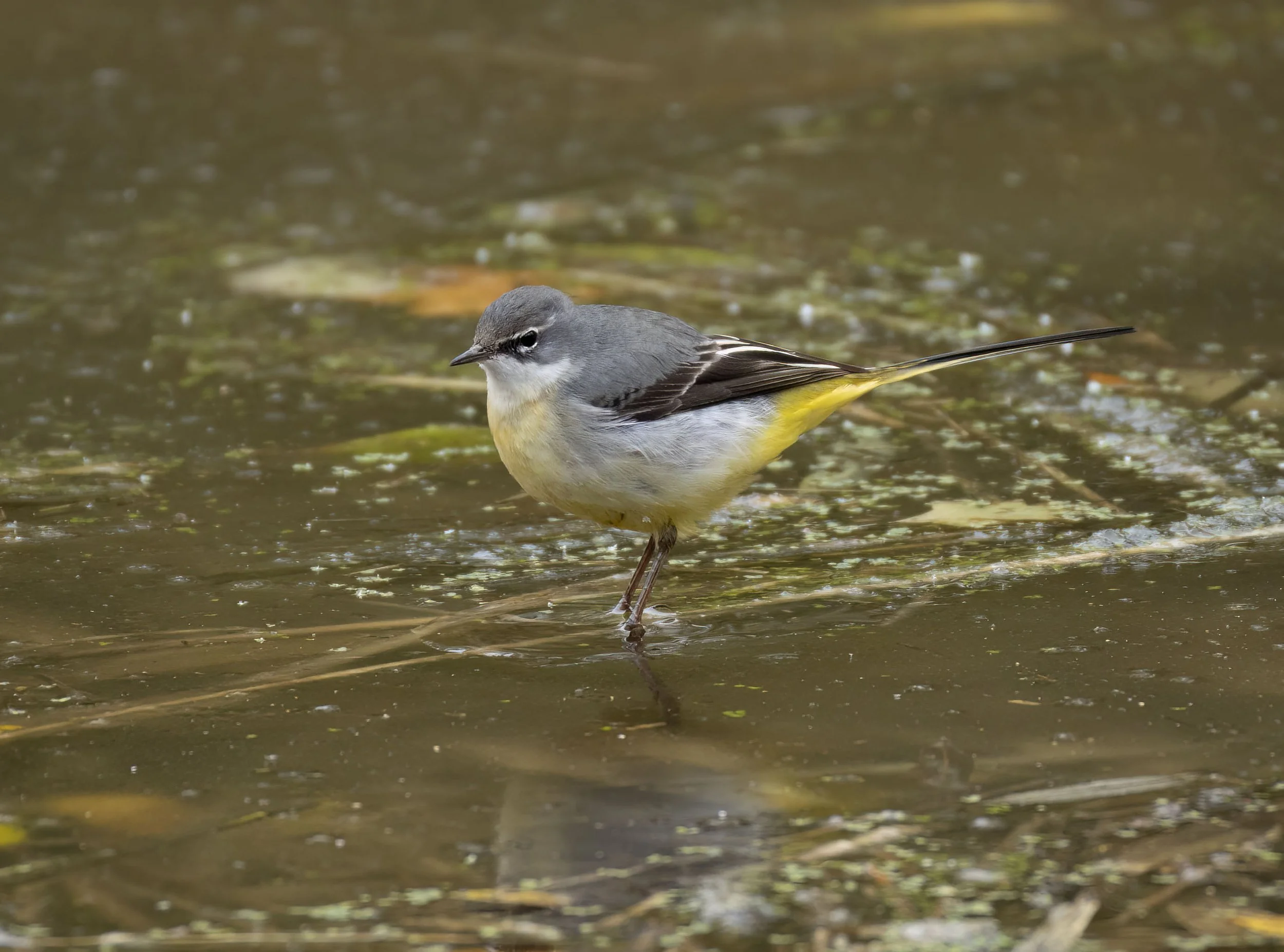
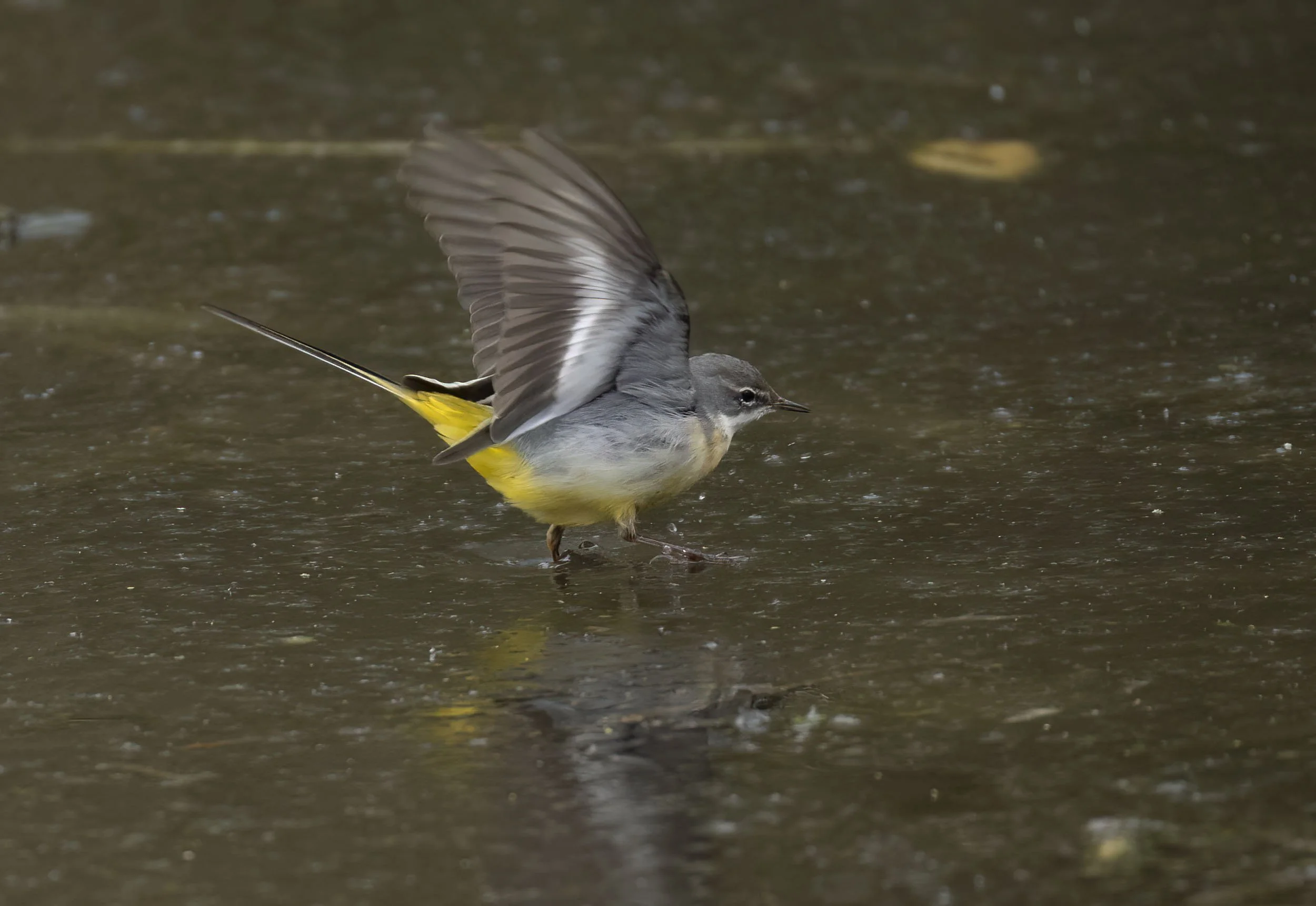
Grey Wagtail in a leaf filled ditch that has been much favoured by a variety of passerines this last two weeks
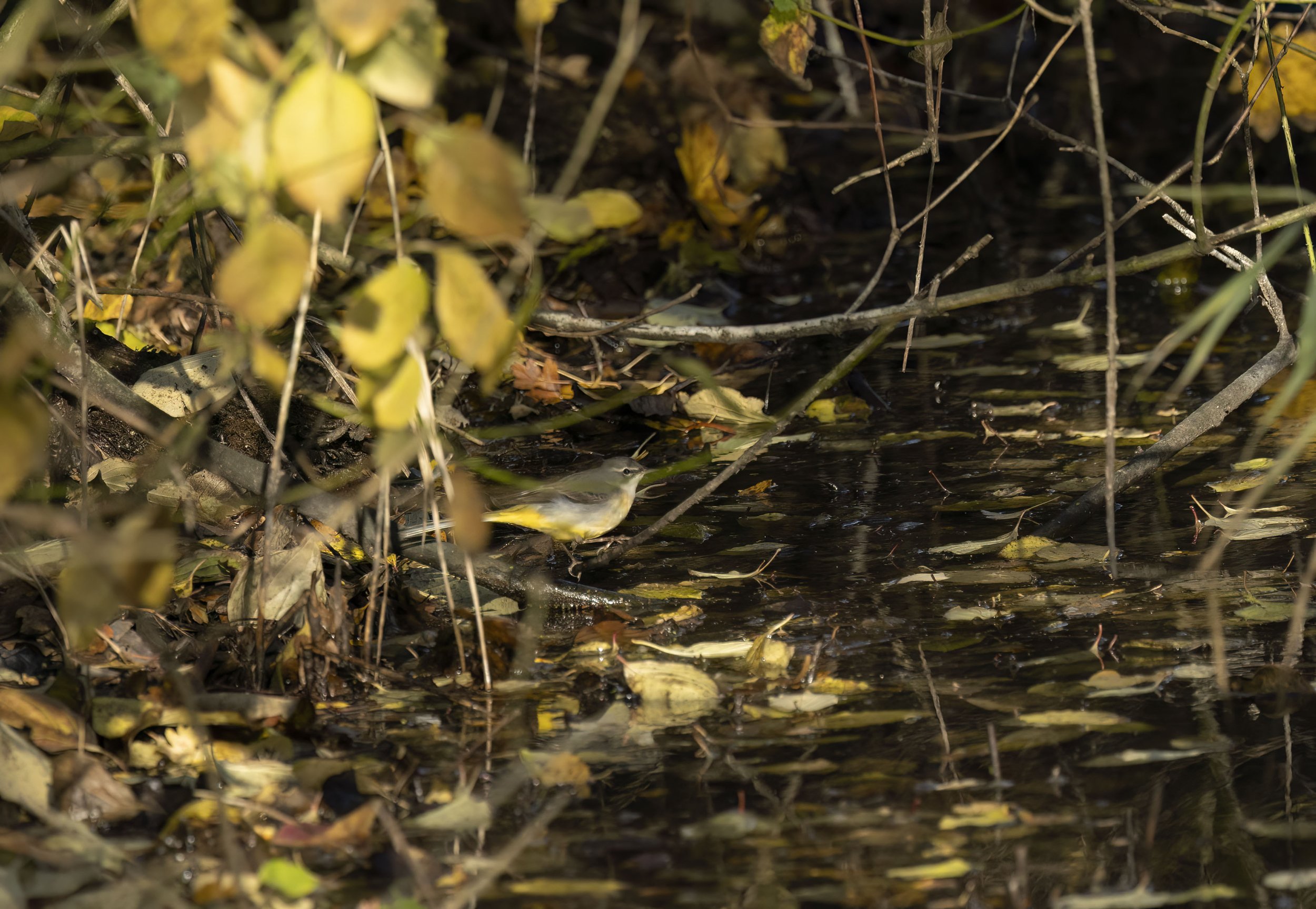
merging of colours bird and habitat
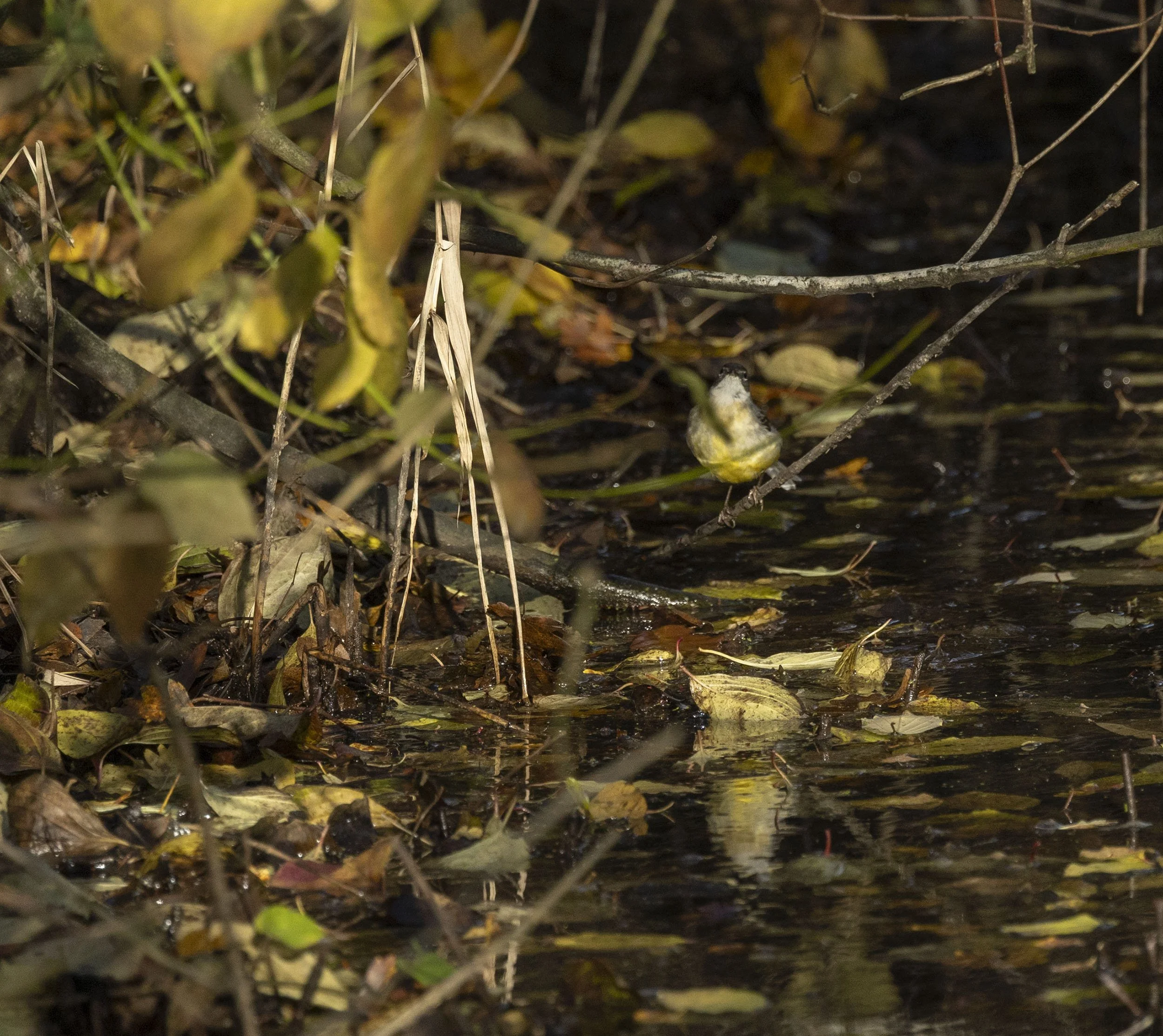
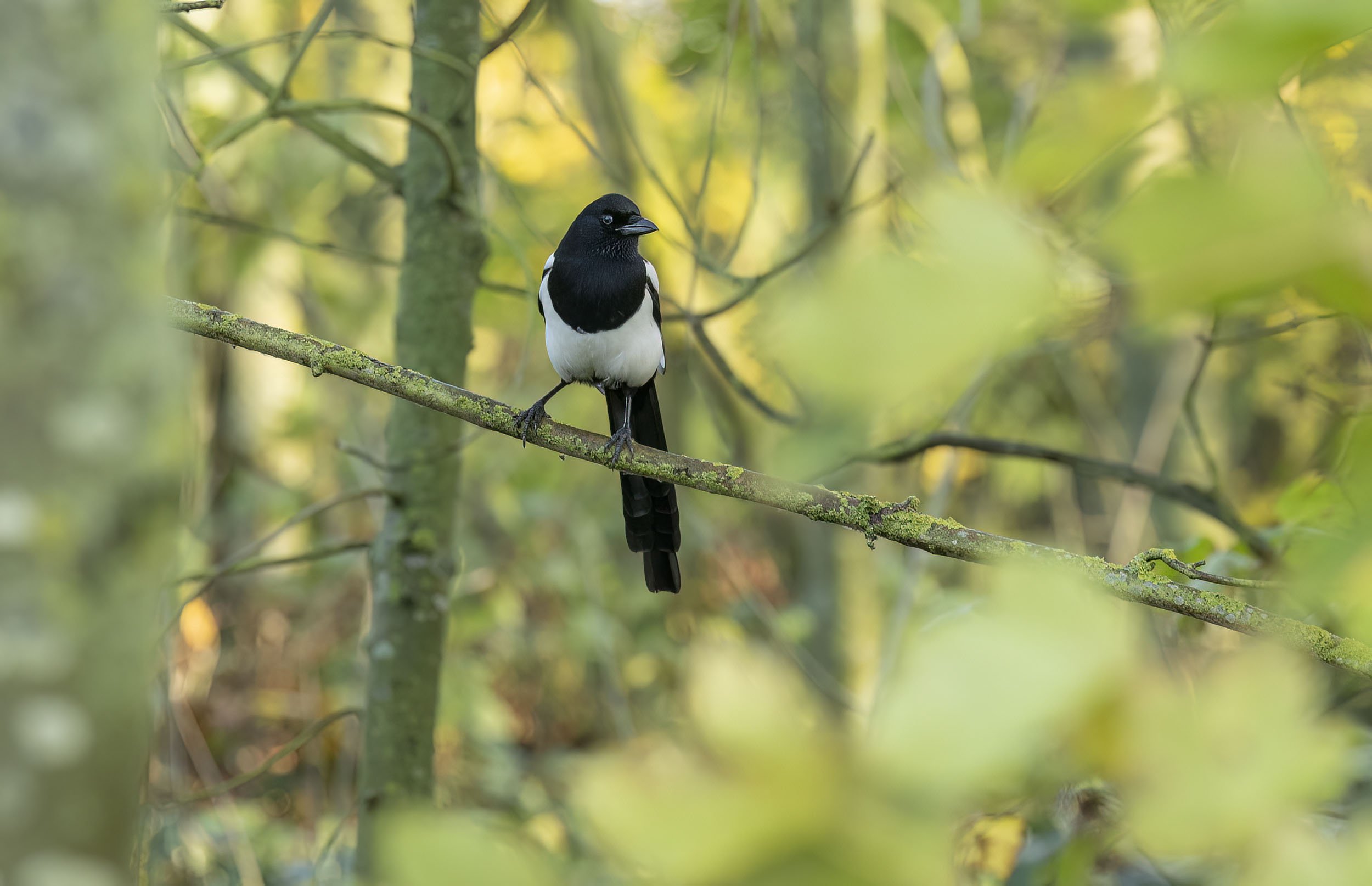
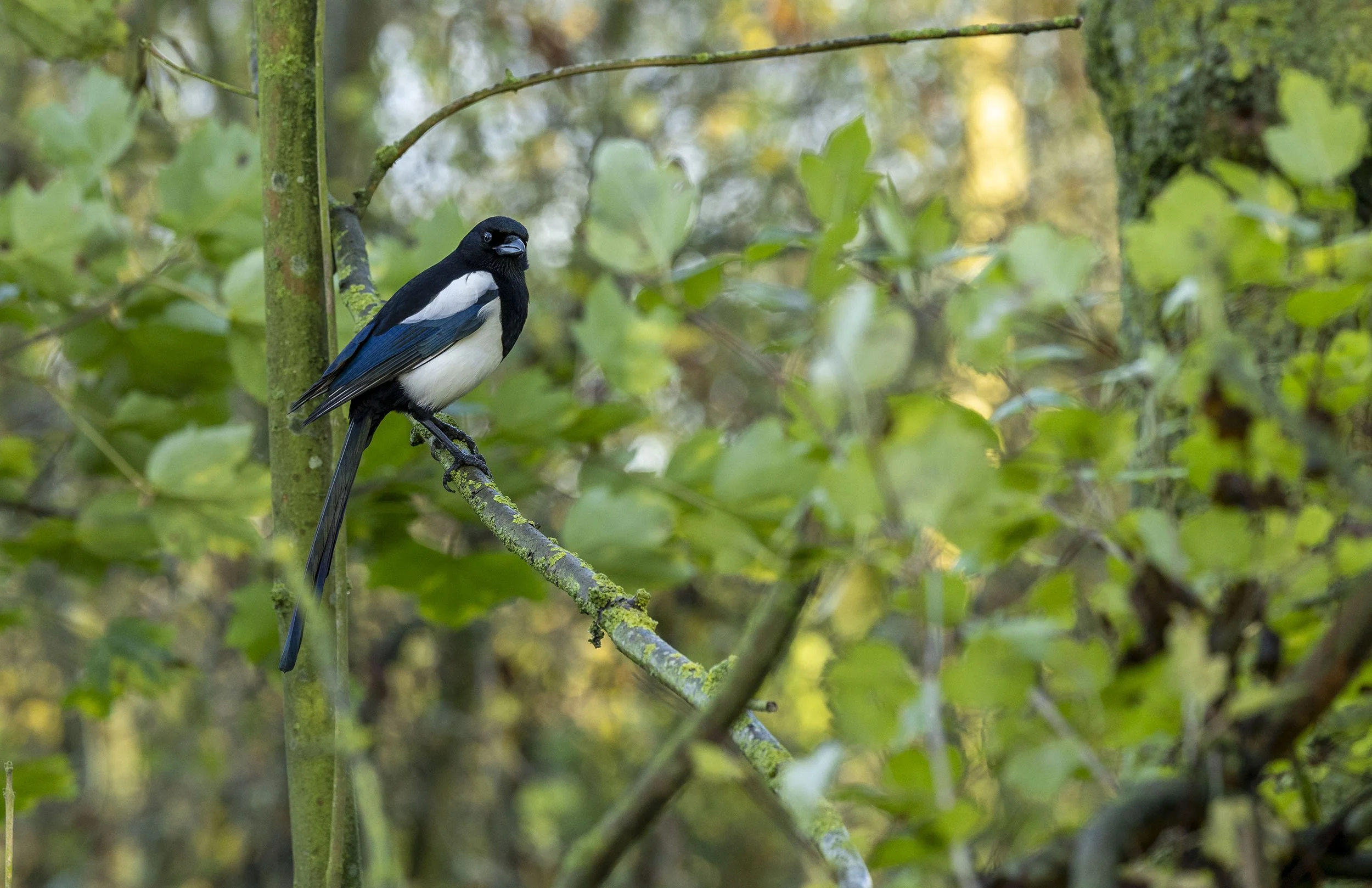
You have to revel in the colours of autumn soon it will be monochrome December
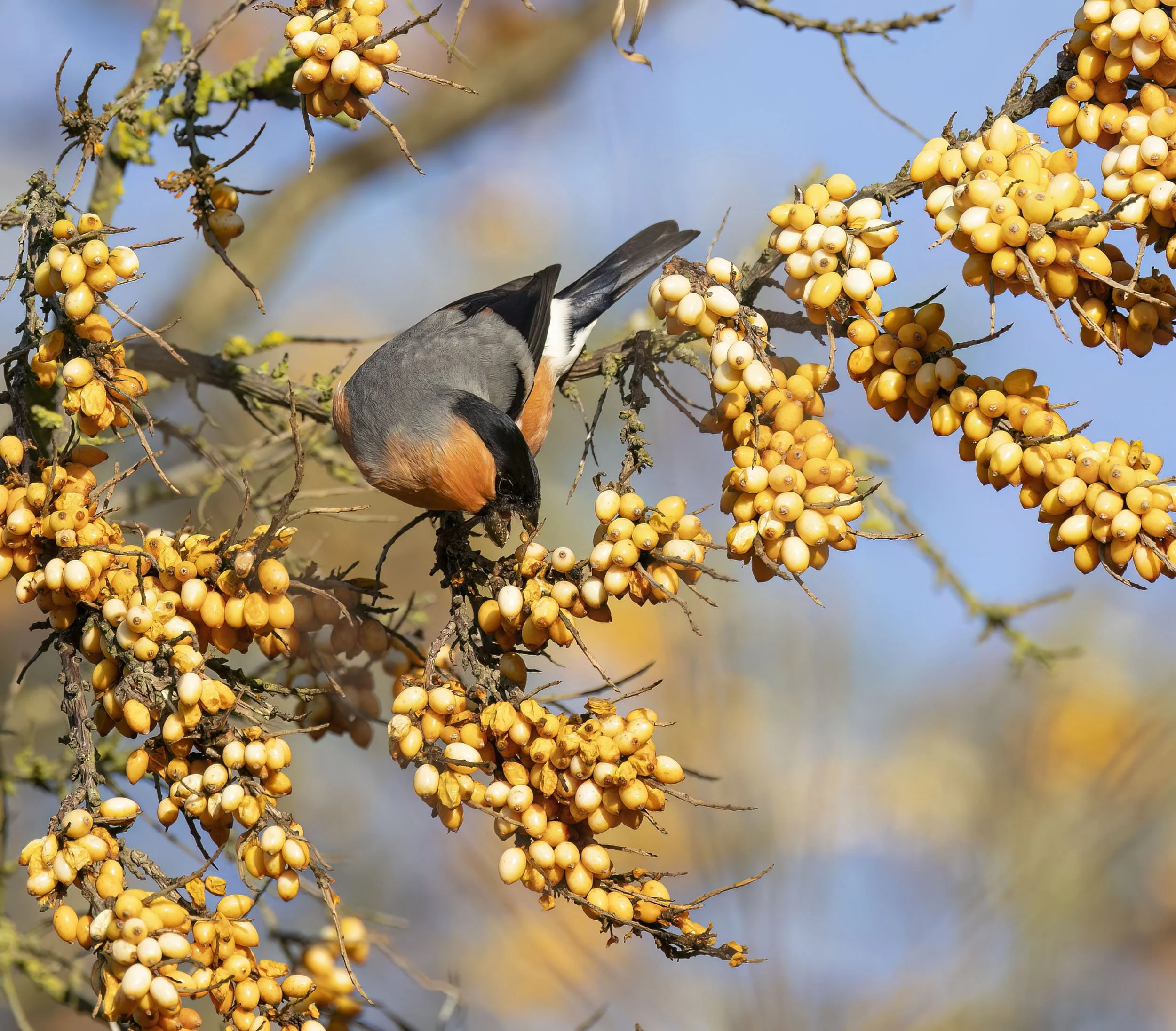
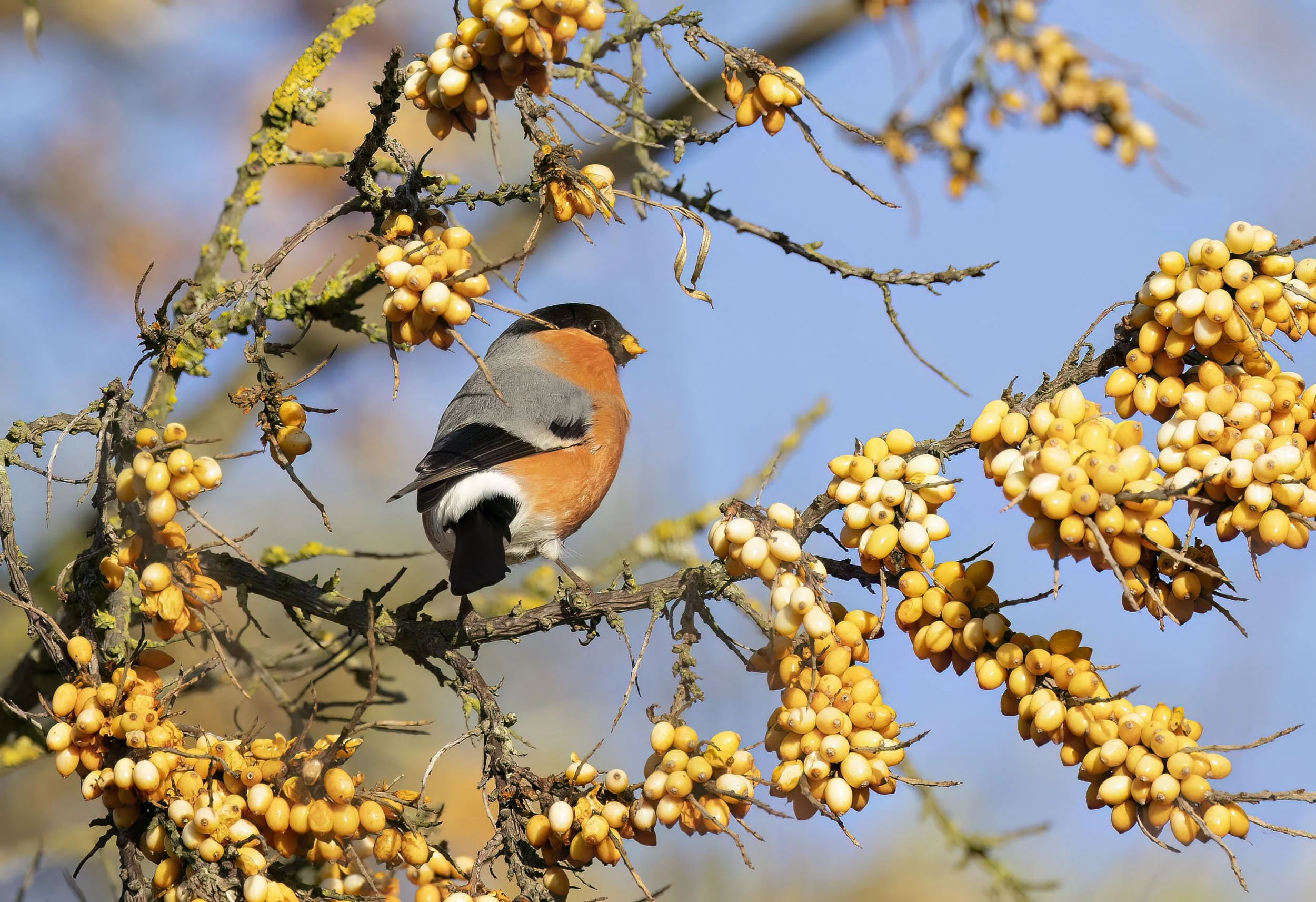
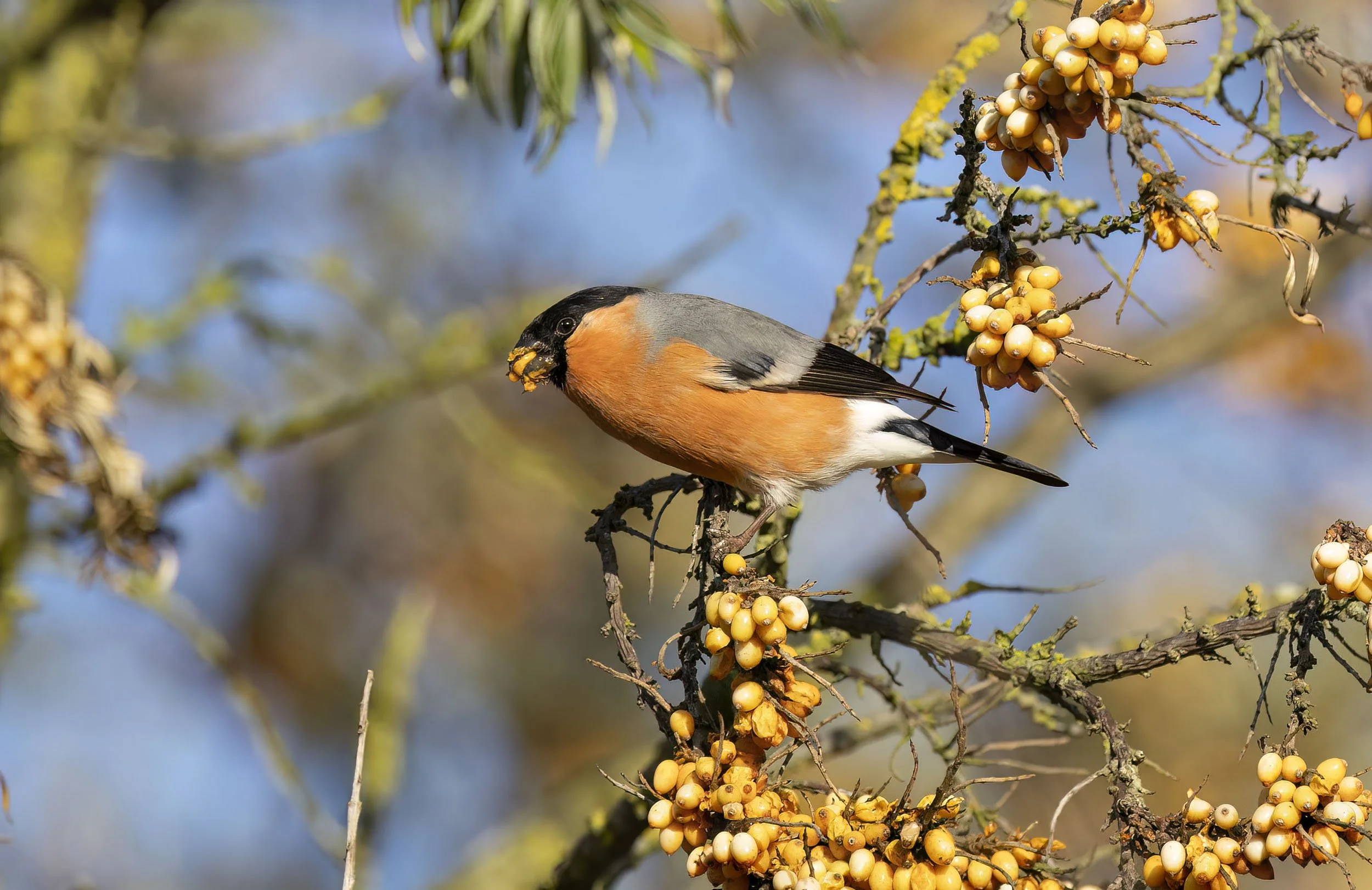
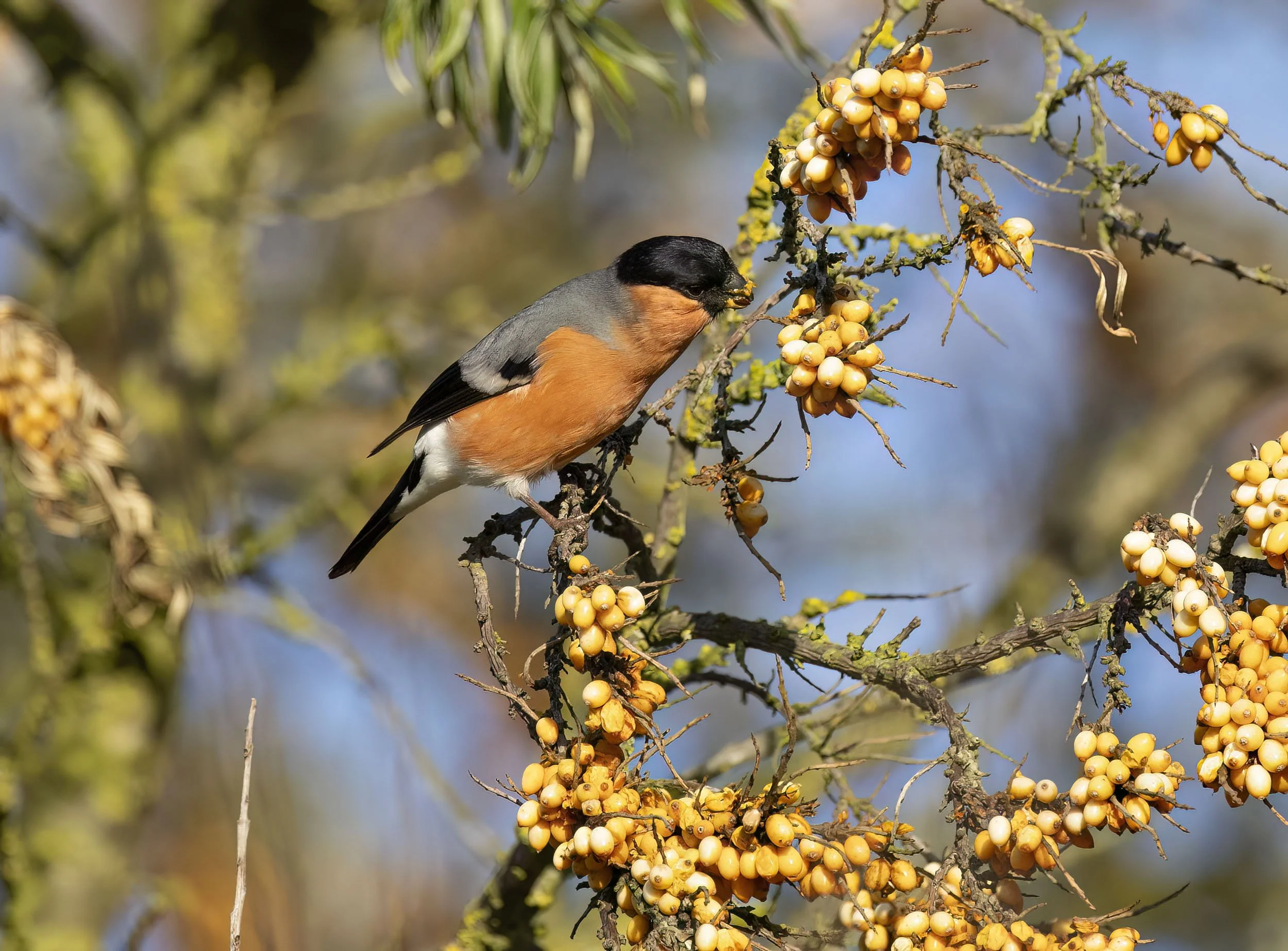
And the early sun made for many more Bully images - I think they are coming to accept me as one of the family now
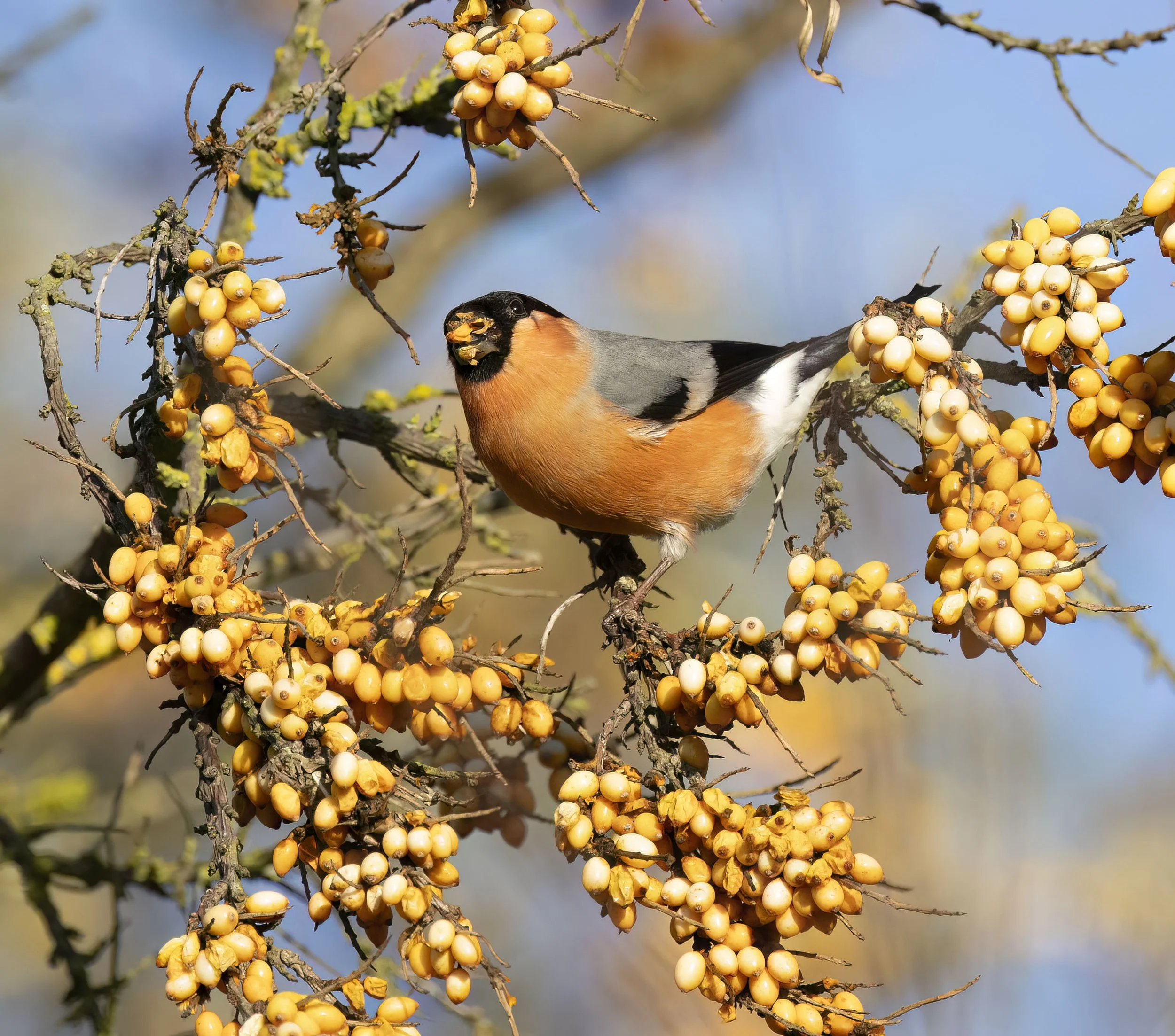
All with the Canon 100 - 500 and R6II
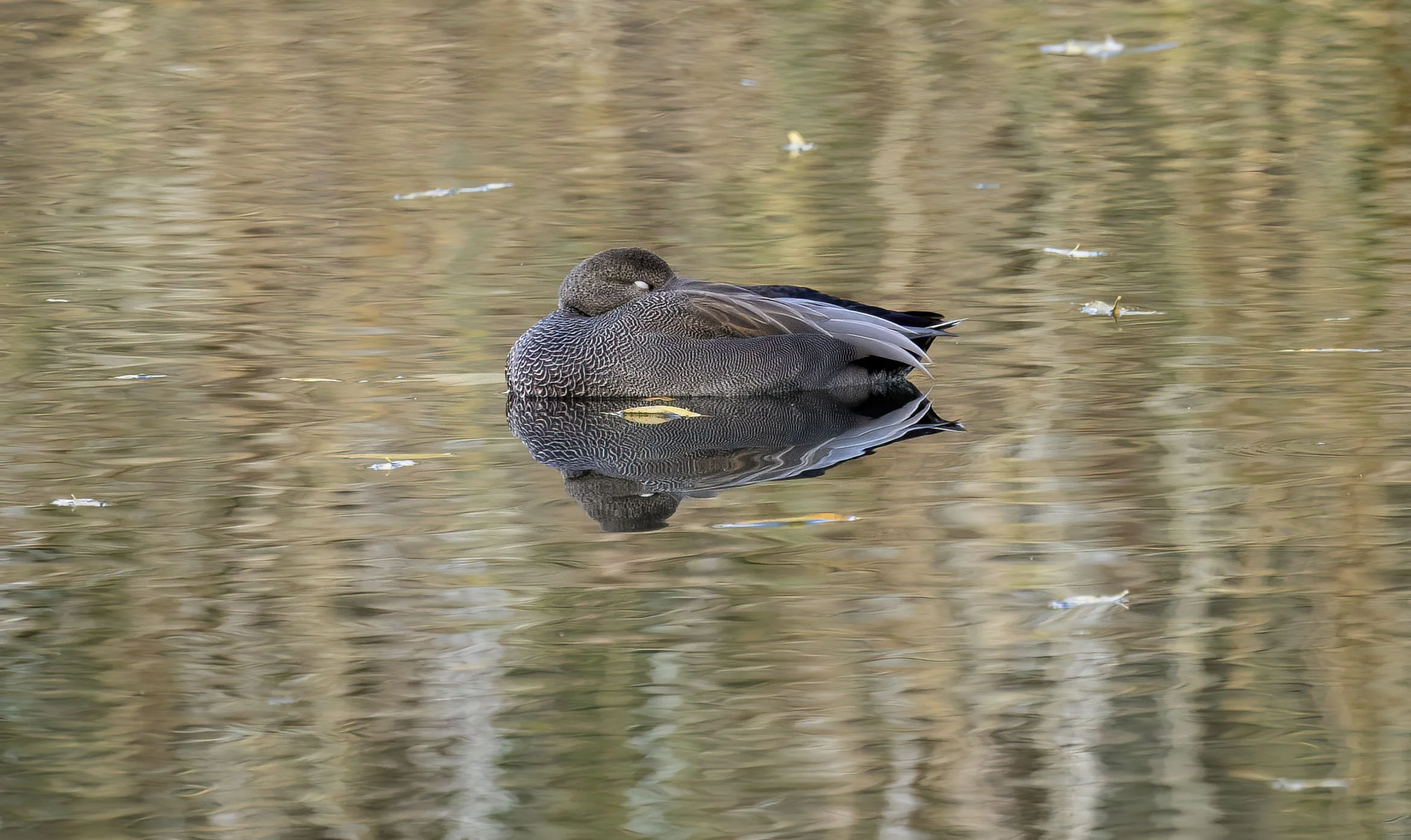
drake Gadwall a simple sleeping portrait with reflection
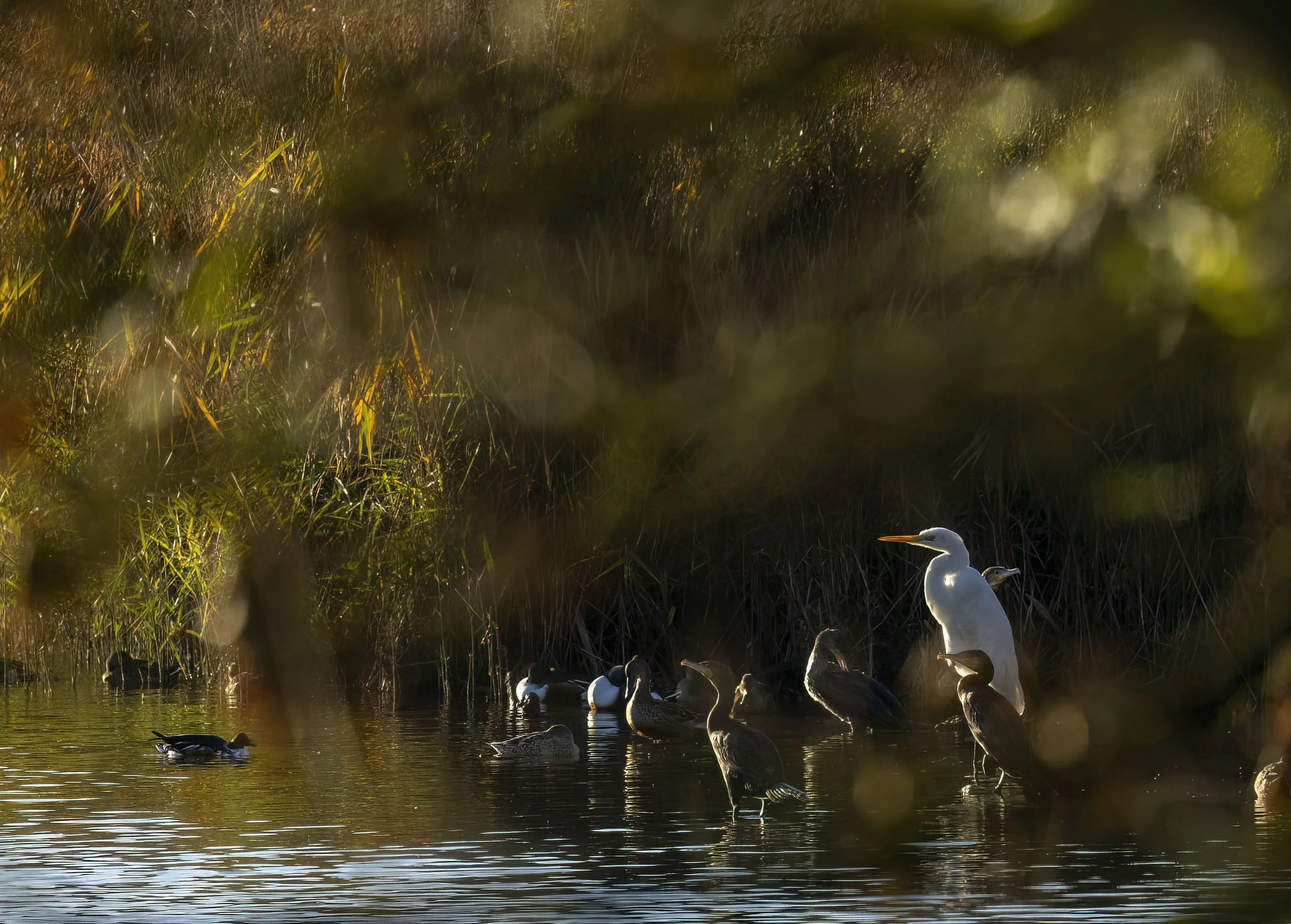
Great White Egret, Cormorants and Shoveler - always trying for new perspectives and light on an overdone subject
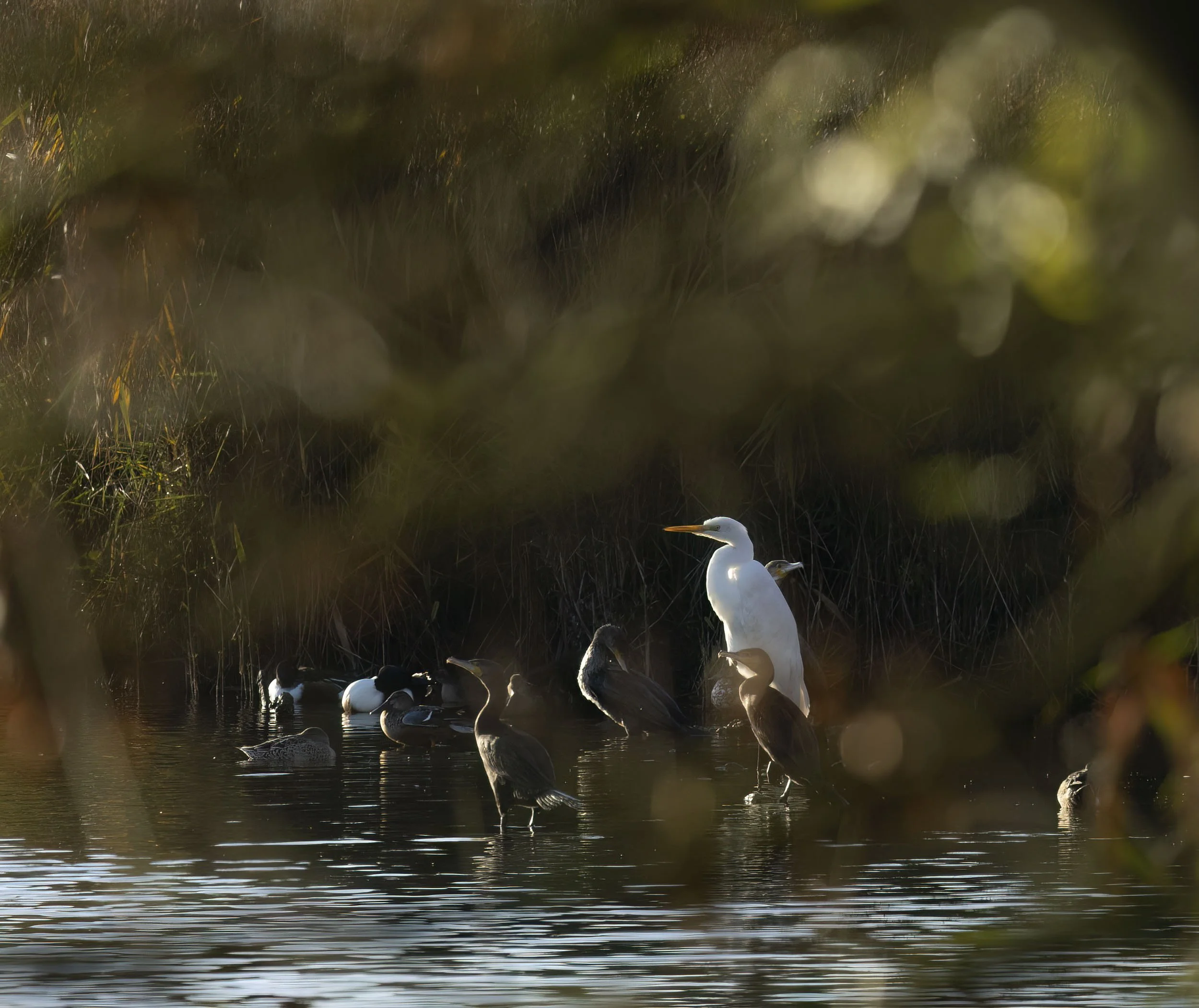
A different crop giving the bird more prominence
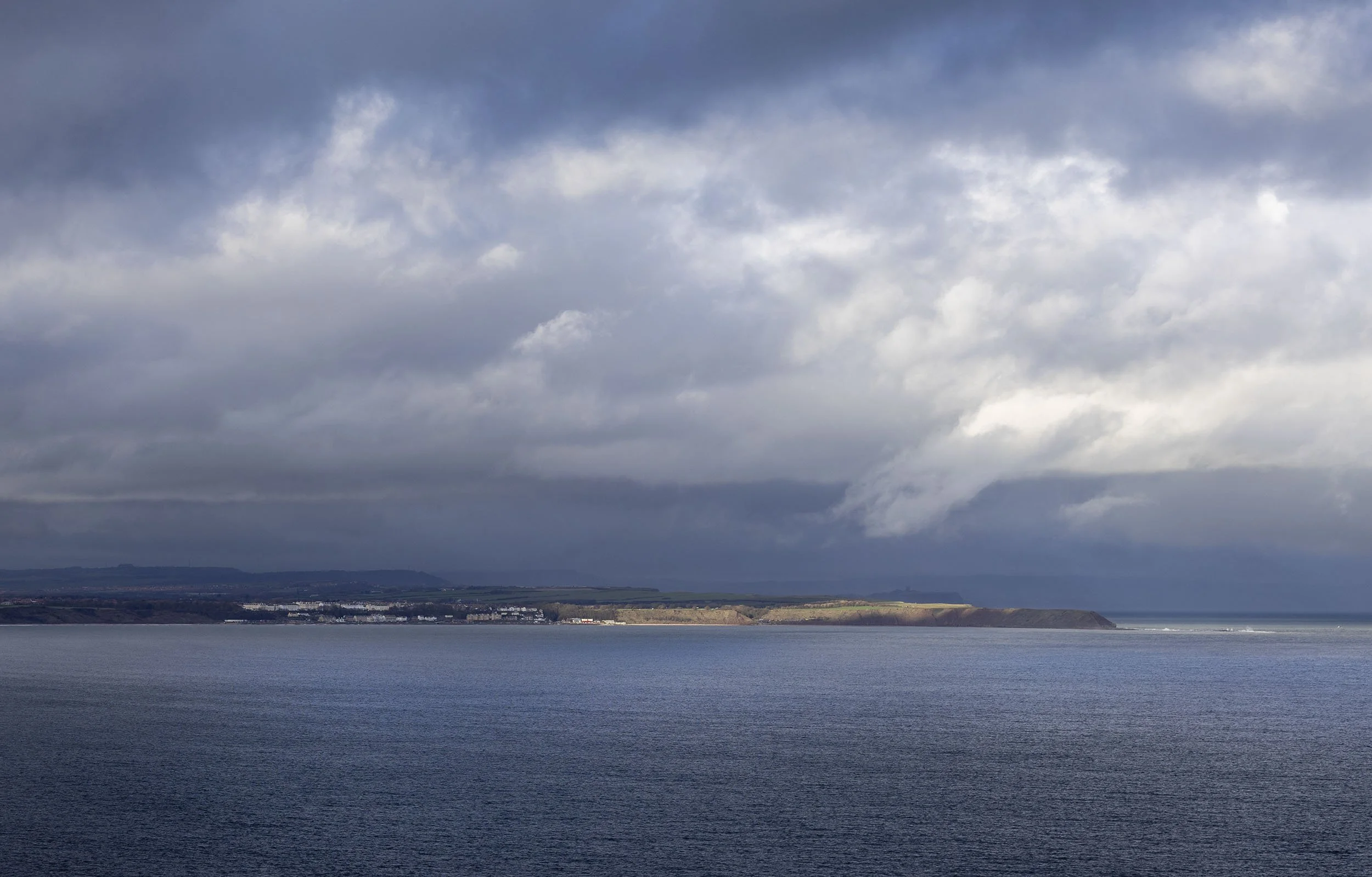
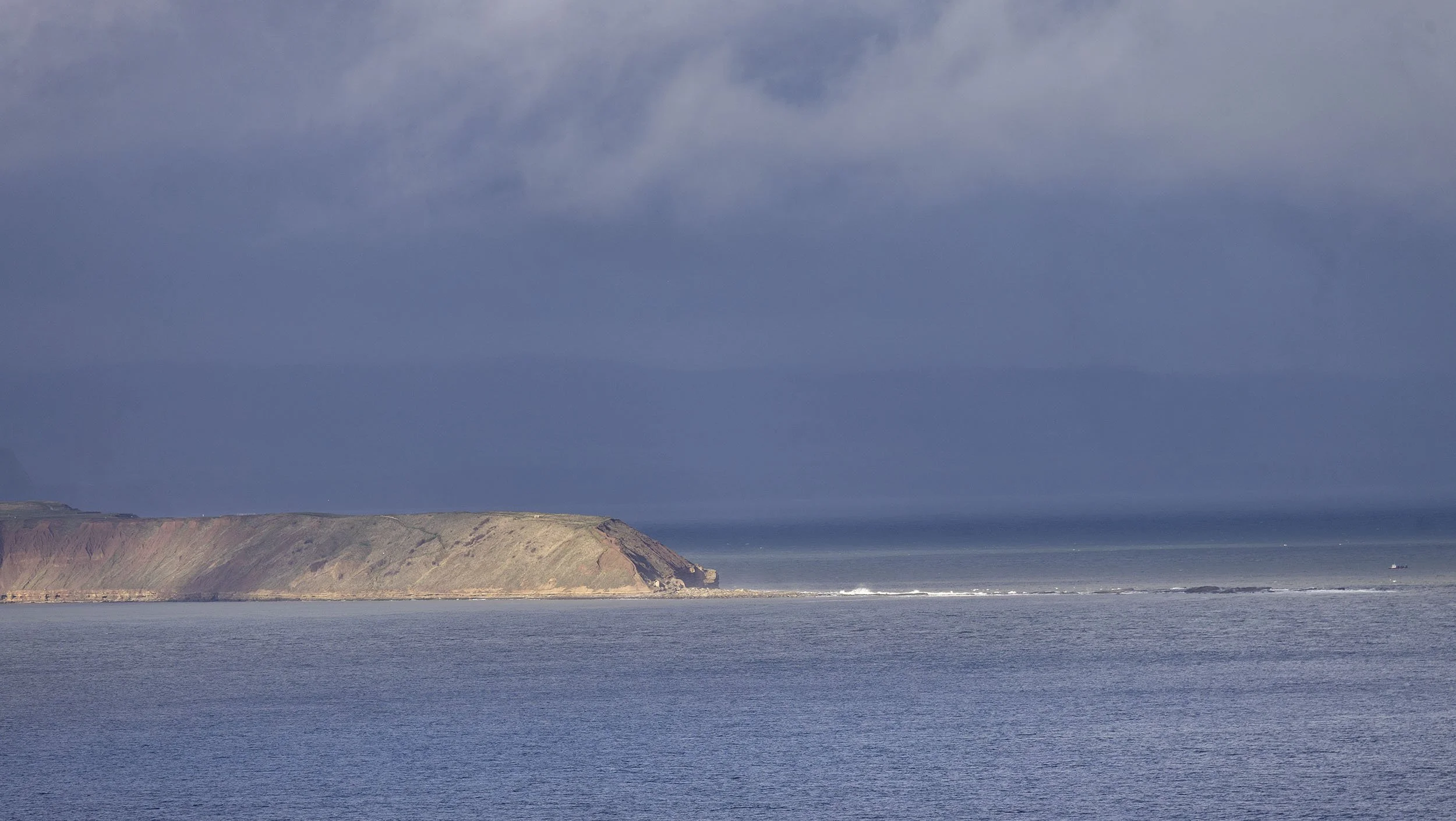
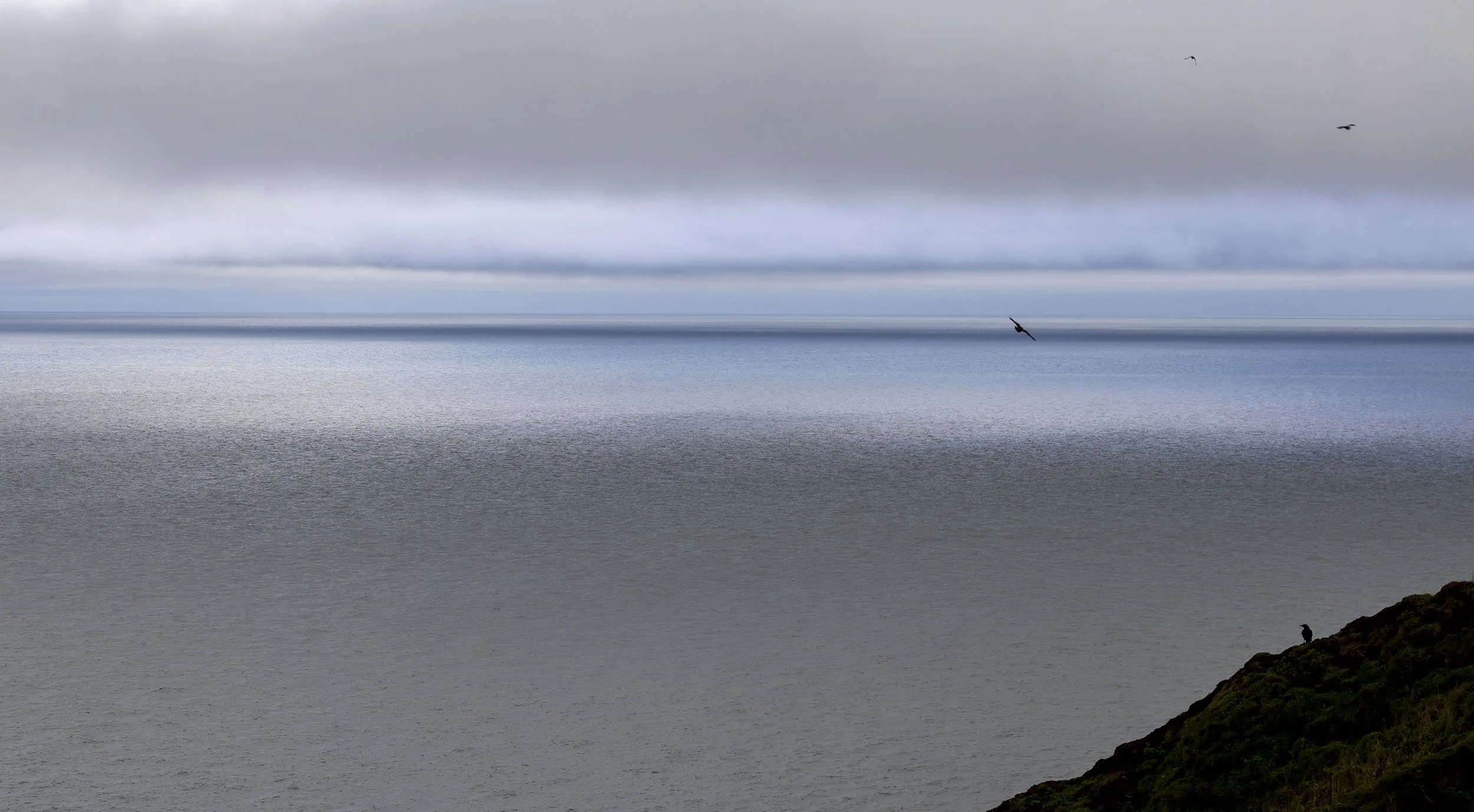
Filey Brigg with some approaching weather November 13th - a wander around Bempton was not very productive and Flamborough was decidedly frustrating
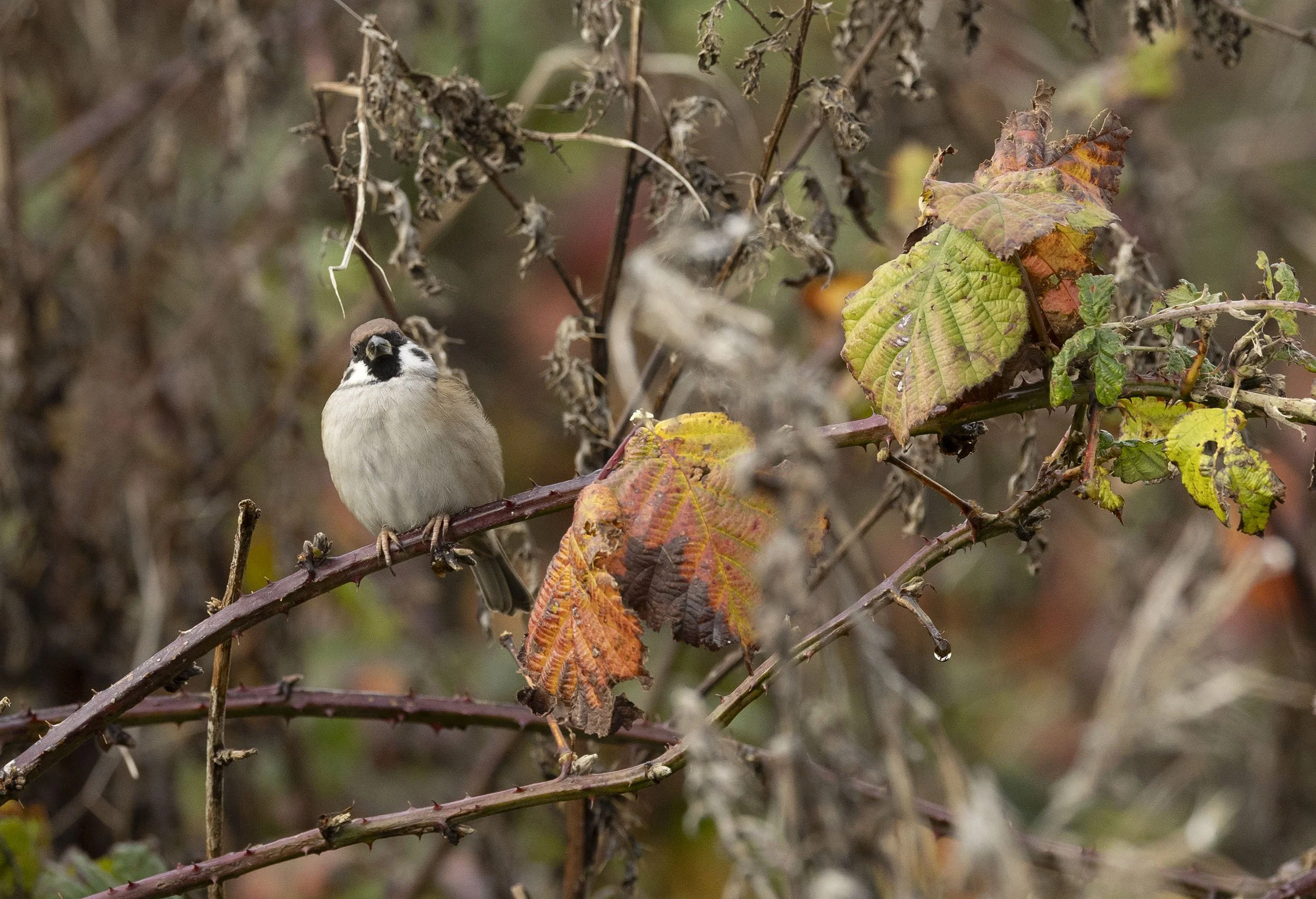
a Tree Sparrow in autumn leaves at Bempton - we have lost the species from my local patch this year - there were still three small colonies last year - I am also hearing of sudden disappearances at other sites in the last year
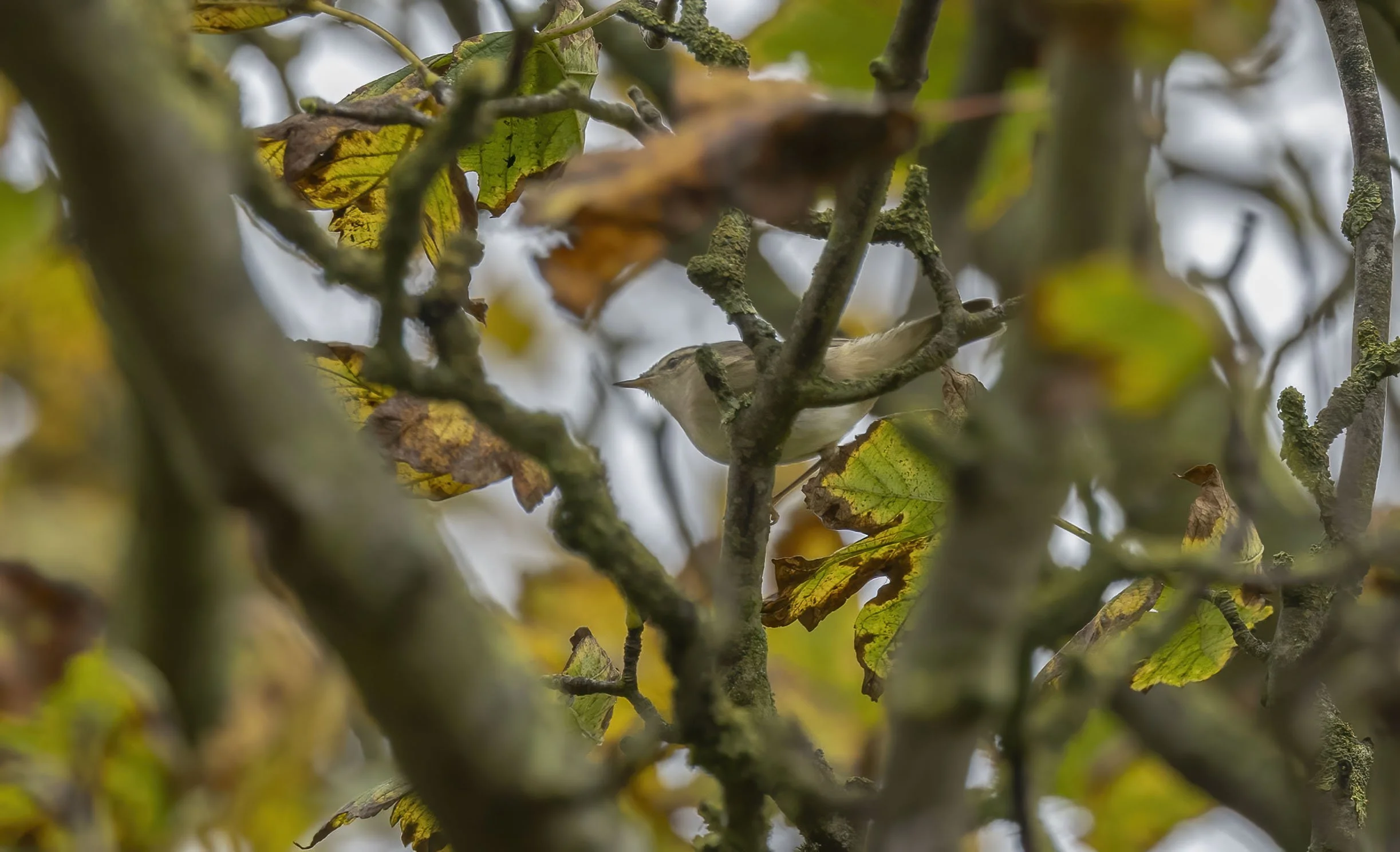
The Dusky Warbler was in rather uncharacteristic manner feeding in the tops of a sycamore and some Holm Oaks where it was generally invisible or against an appalling white sky
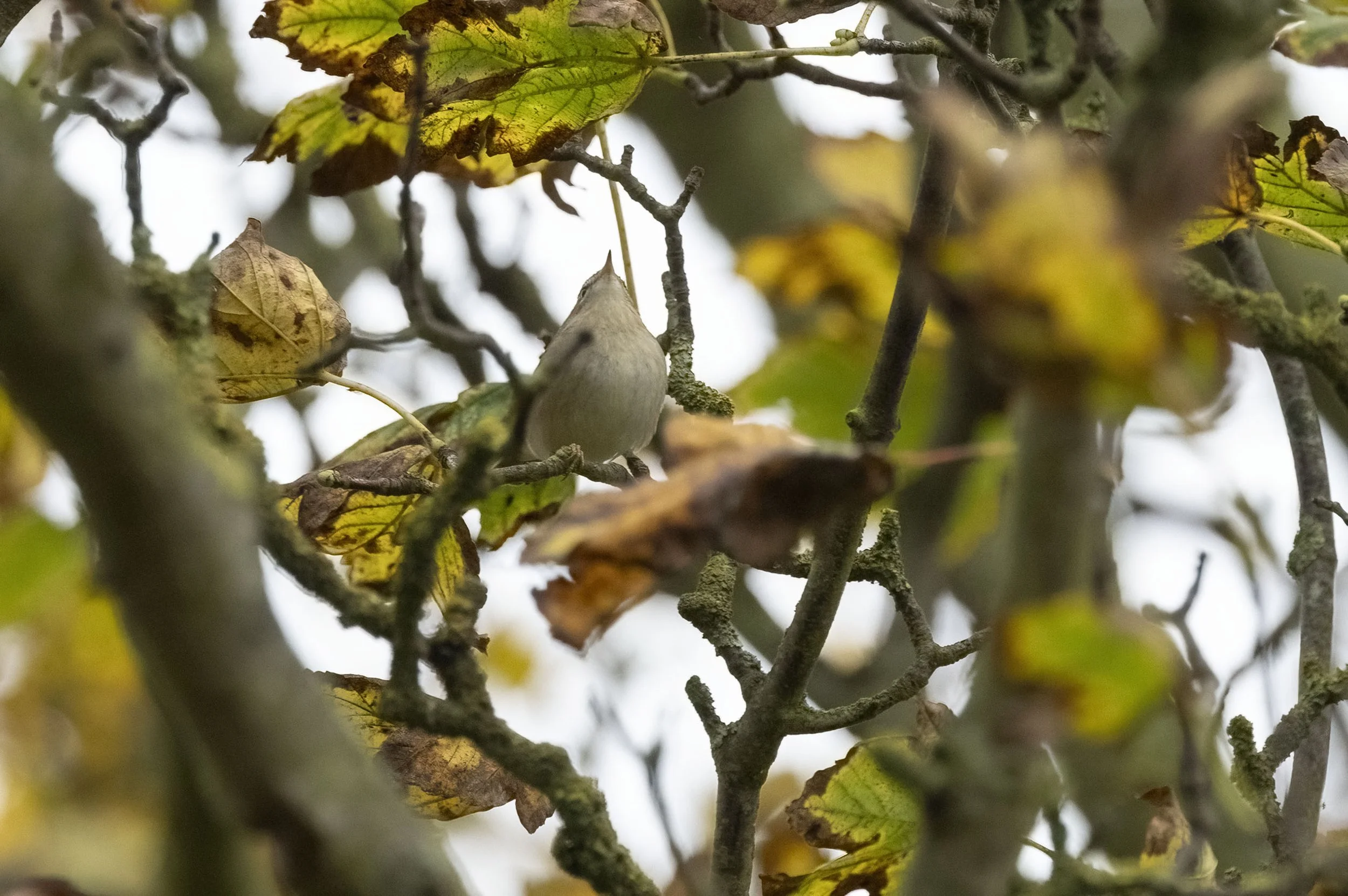
Dusky Warbler looking up
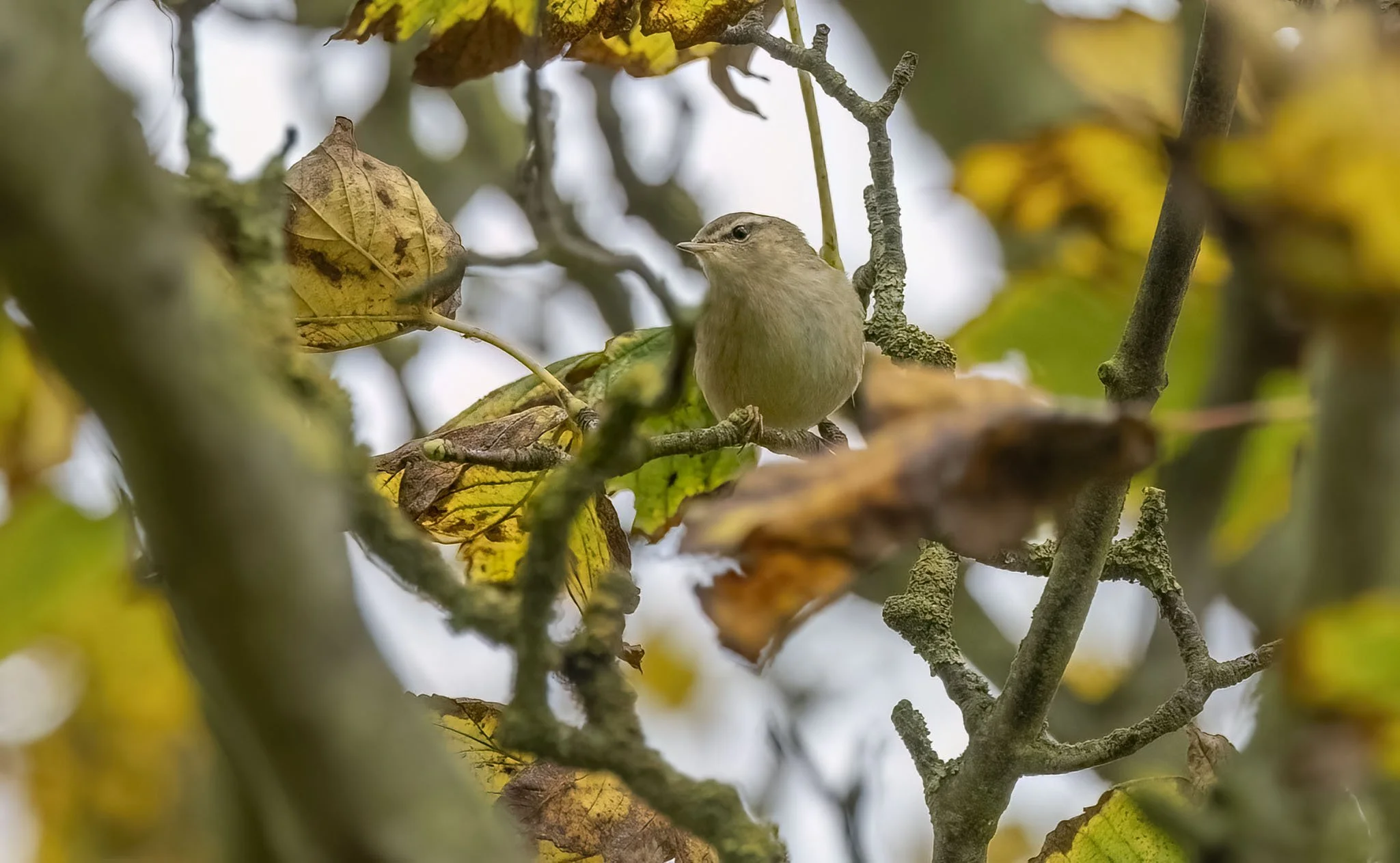
Recognisable as a Dusky Warbler it becomes 189 on the photo challenge for 2025
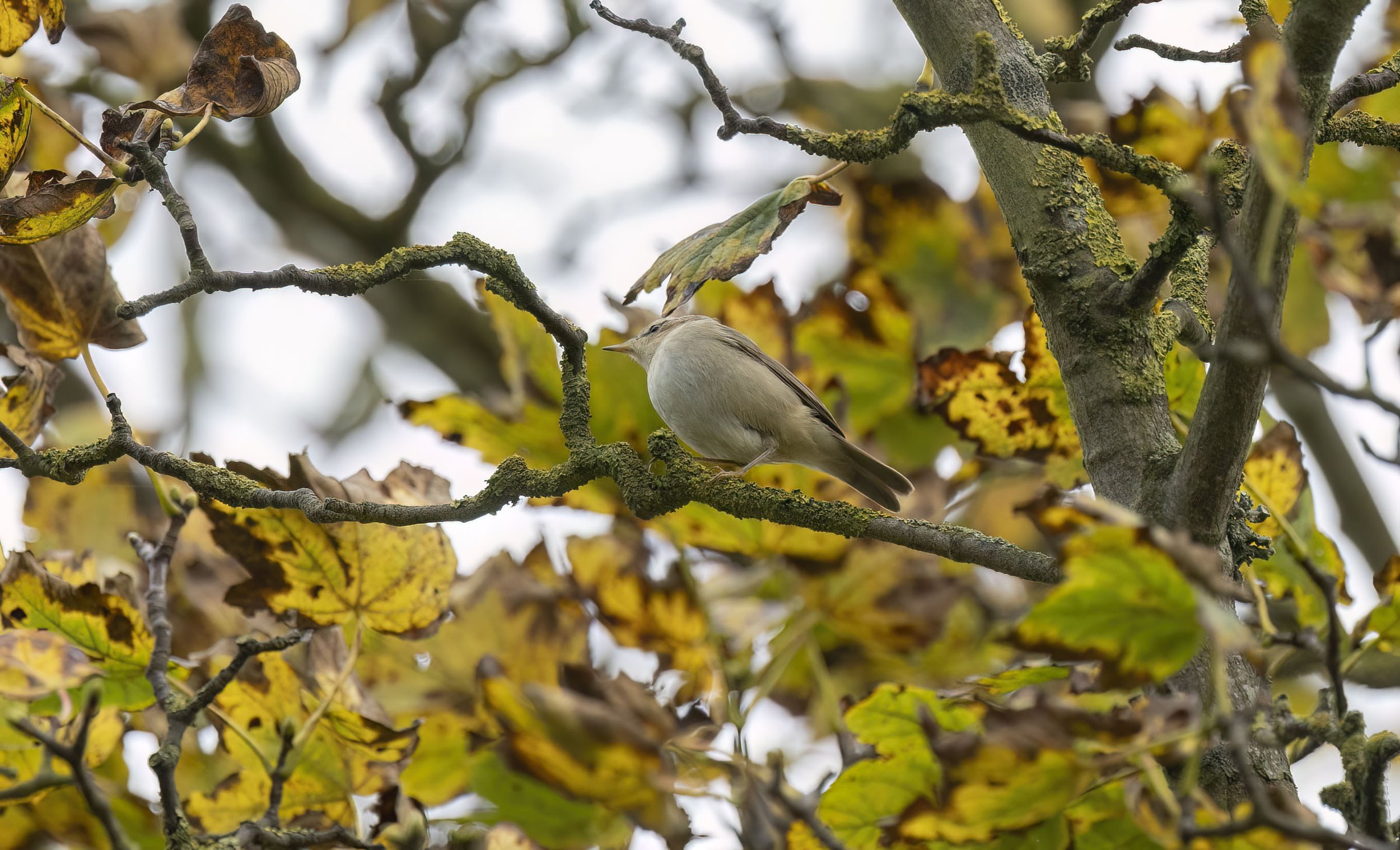
Although it called a bit its long silences meant it was hard to keep track of - like the gingery undertail coverts a feature shared with Radde’s
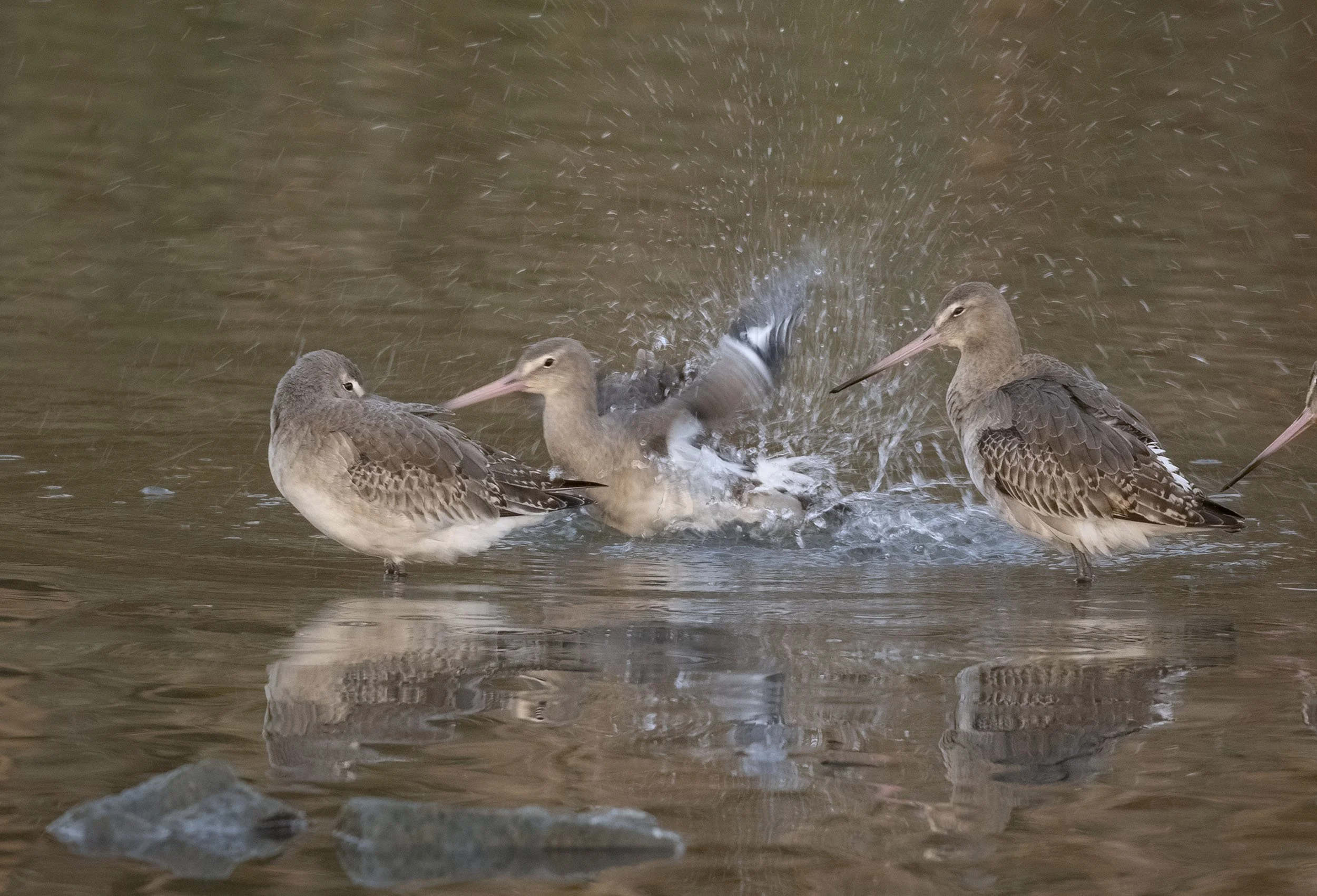
Black-tailed Godwit showering friends
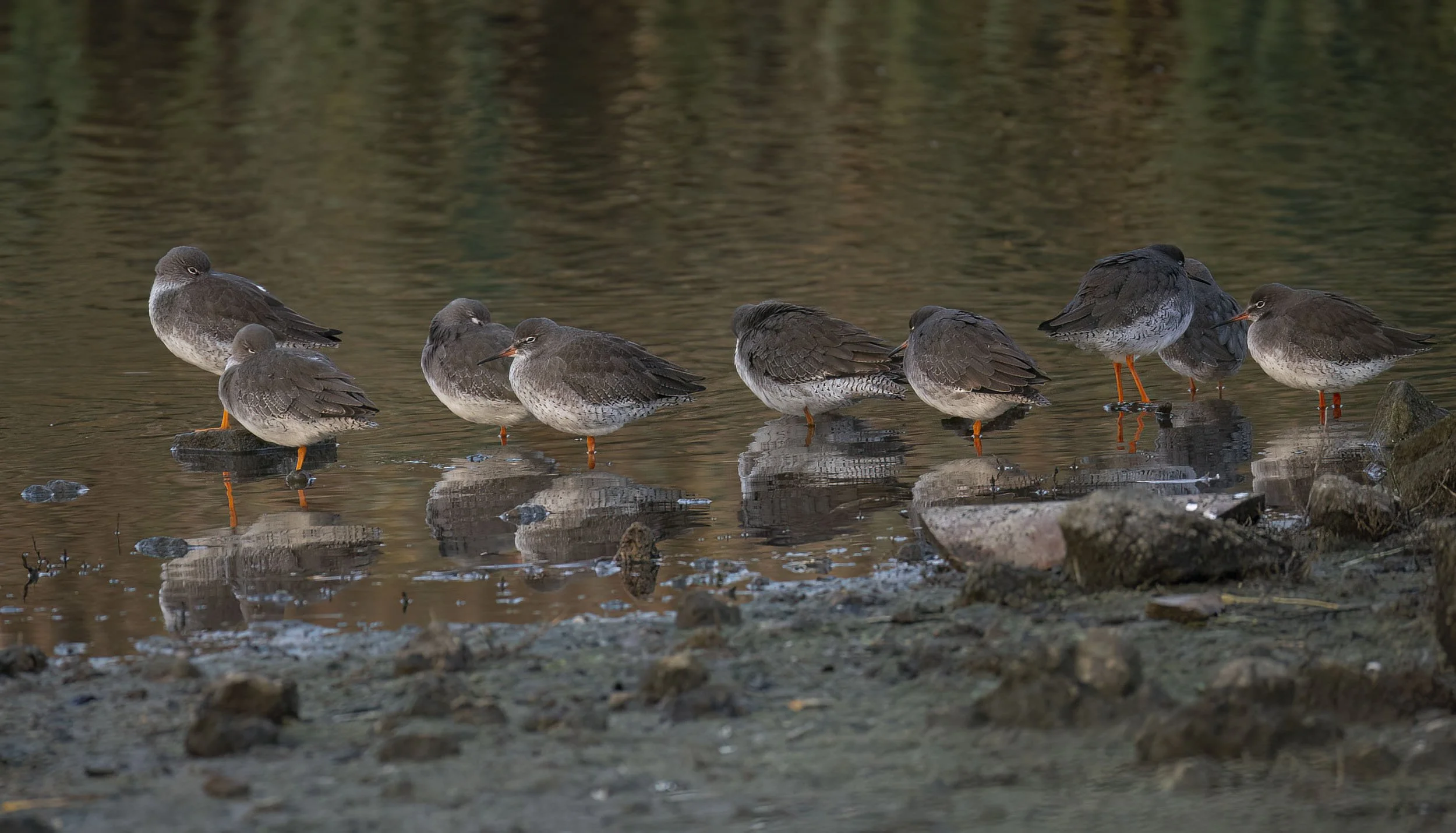
Roosting Redshanks - 1/200th second hand held with the Canon R6II and Rf 200-800 lens at ISO 1600 -
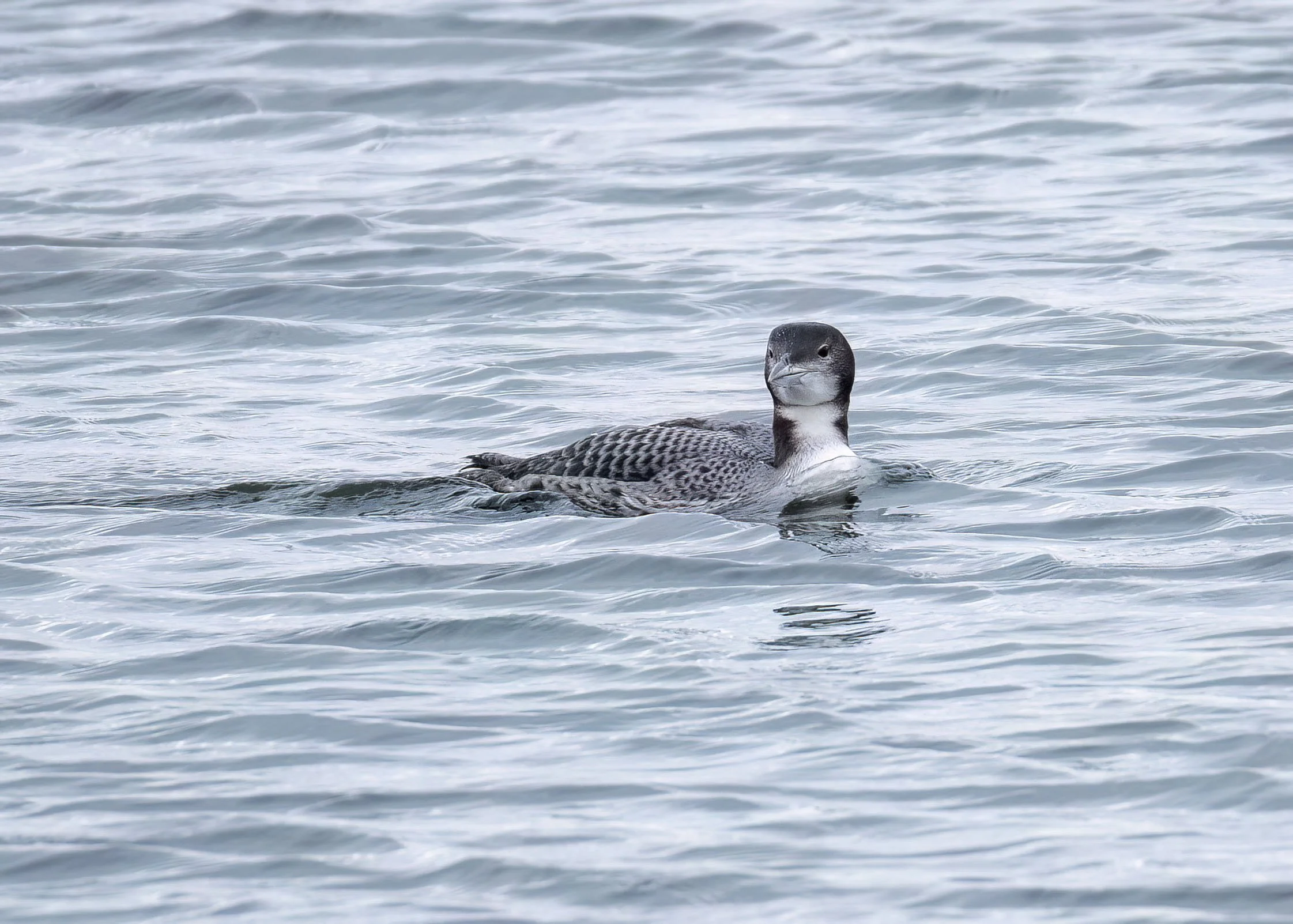
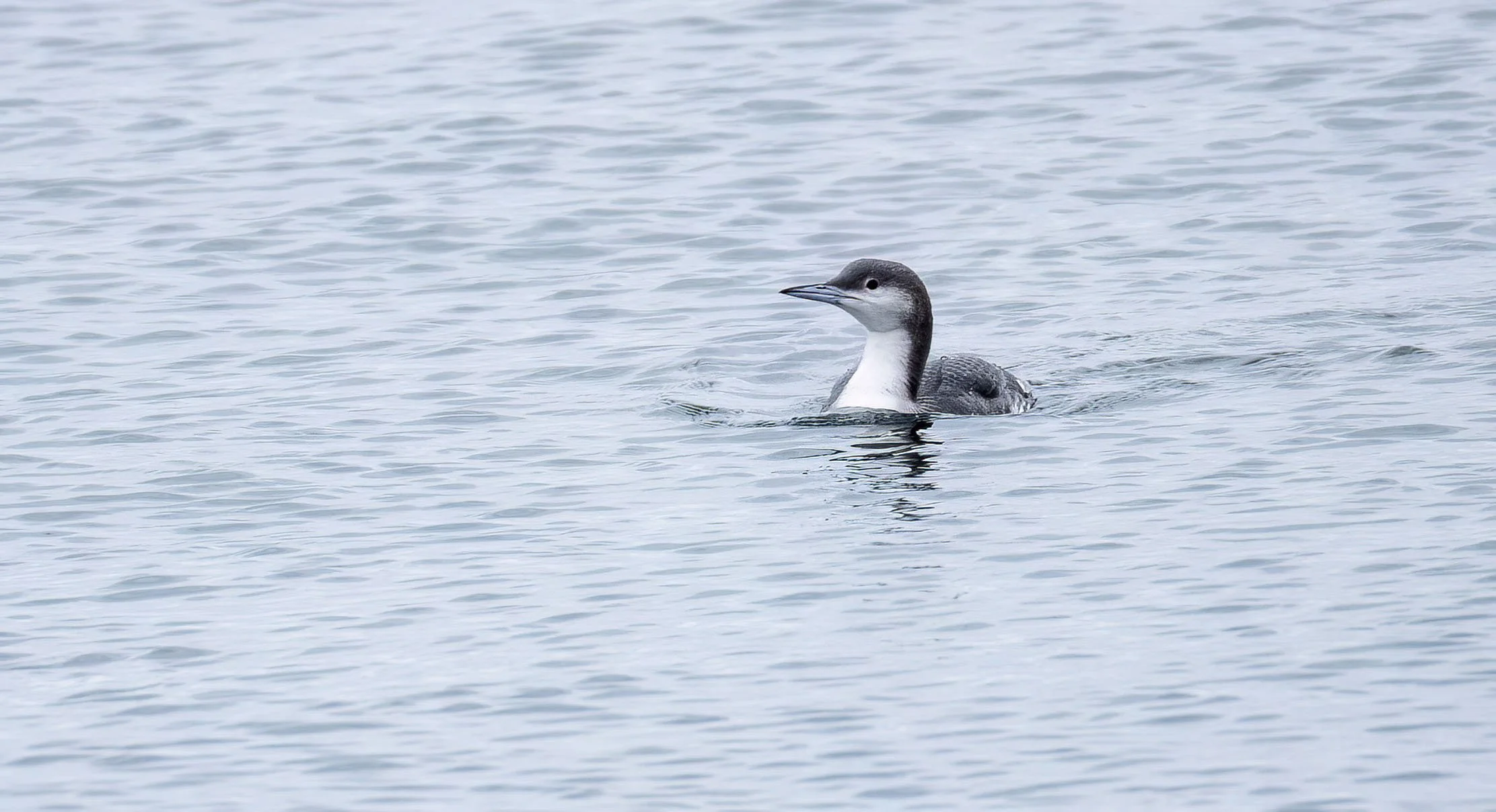
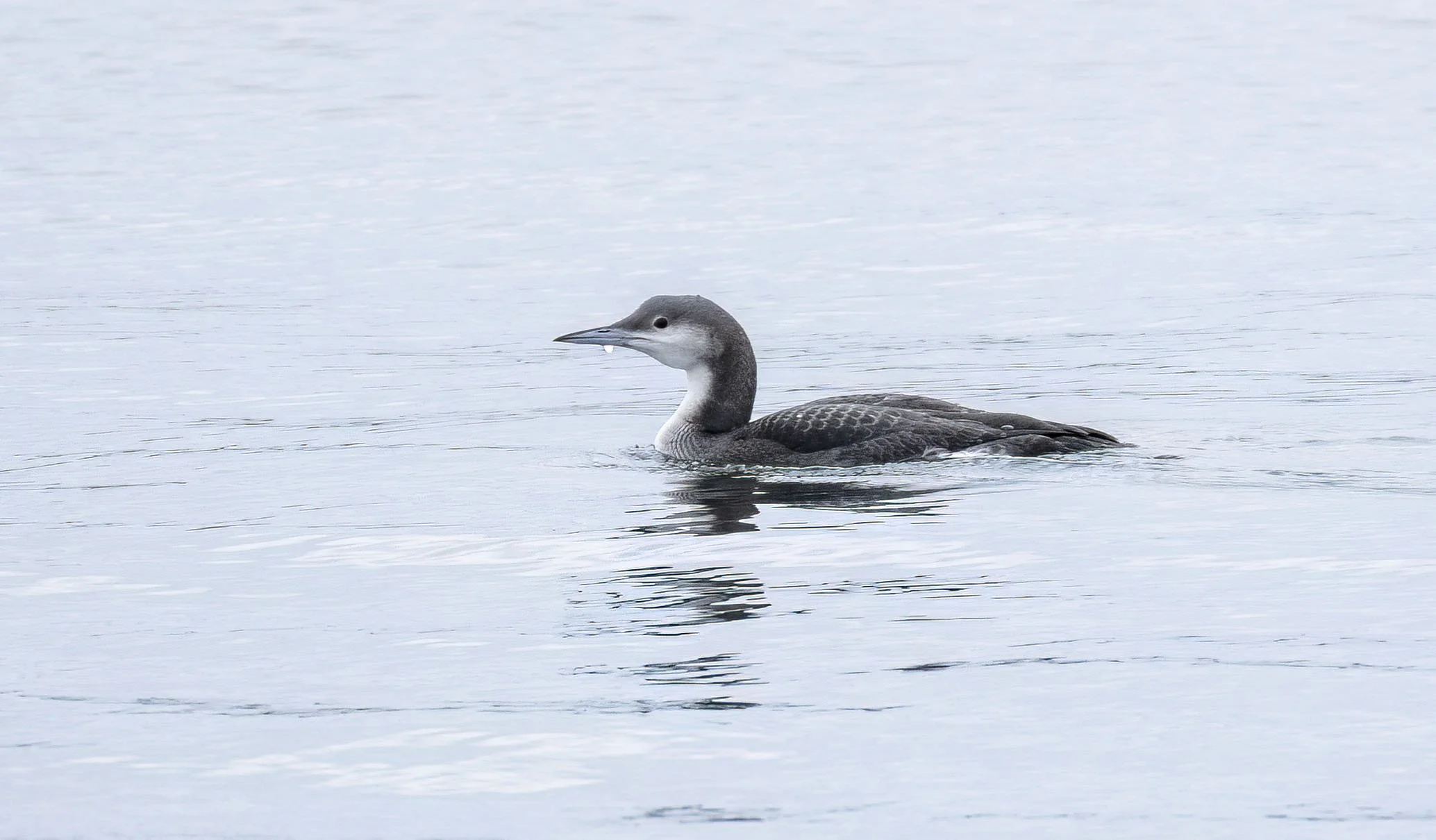
With all three regular diver species present at Covenham Reservoir I popped over not having seen a Black-throated well for many years - the Great Northern was already on the photo challenge list after the one at Barton In January but this was close albeit in the usual dreary dull British light
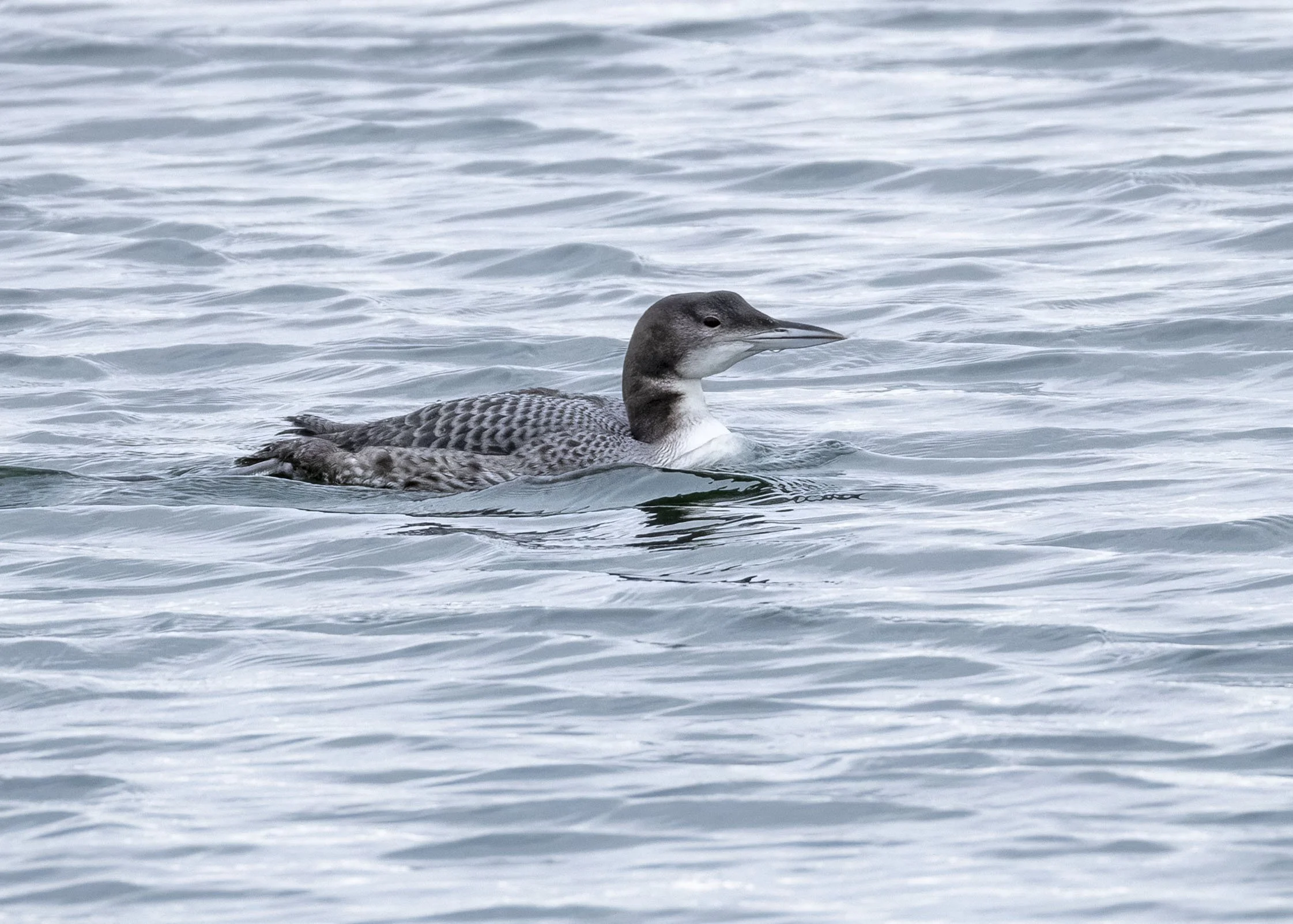
Water levels were very low at Covenham making the looking down on you angle even worse than normal
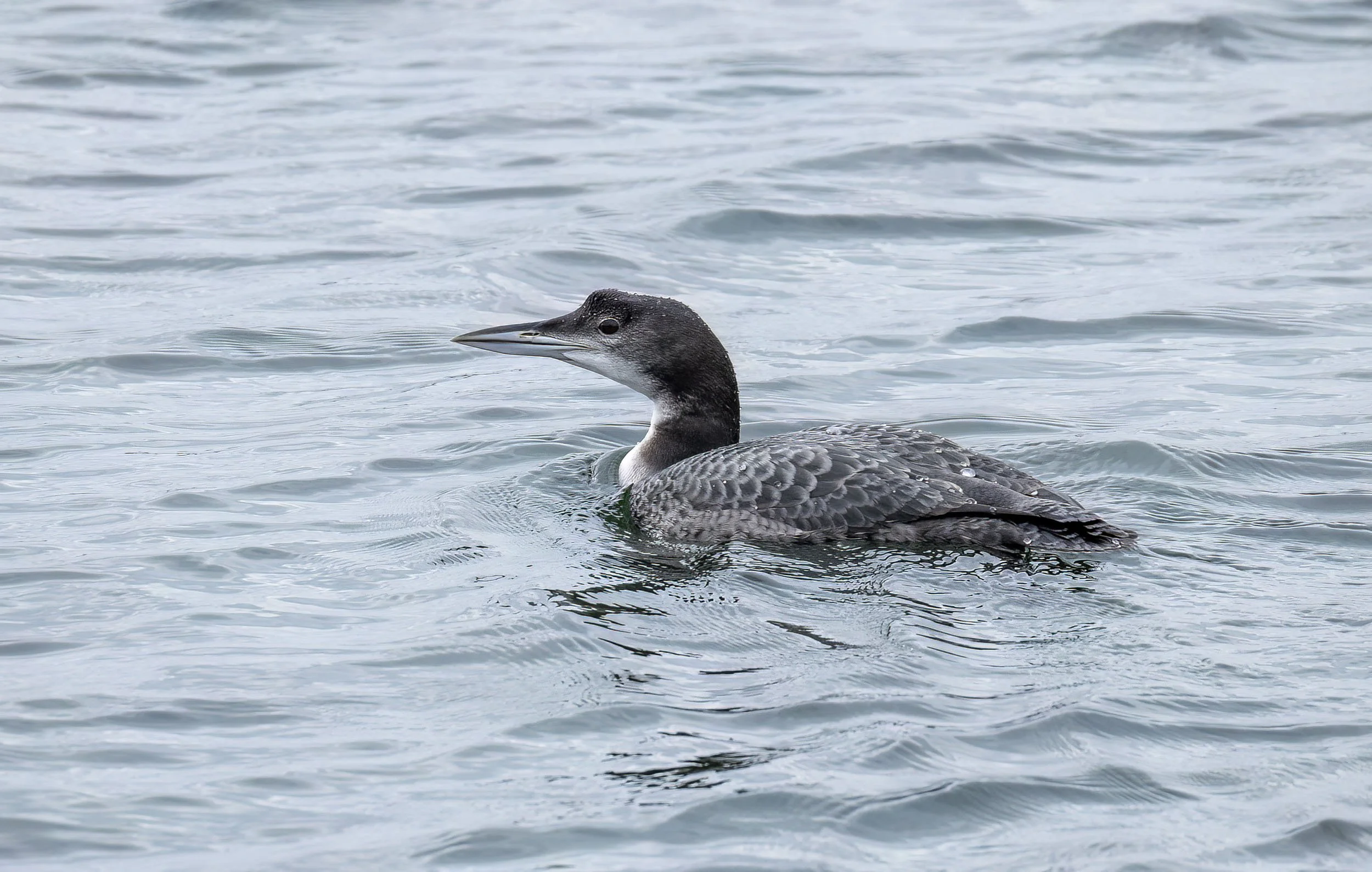
A typical first-winter
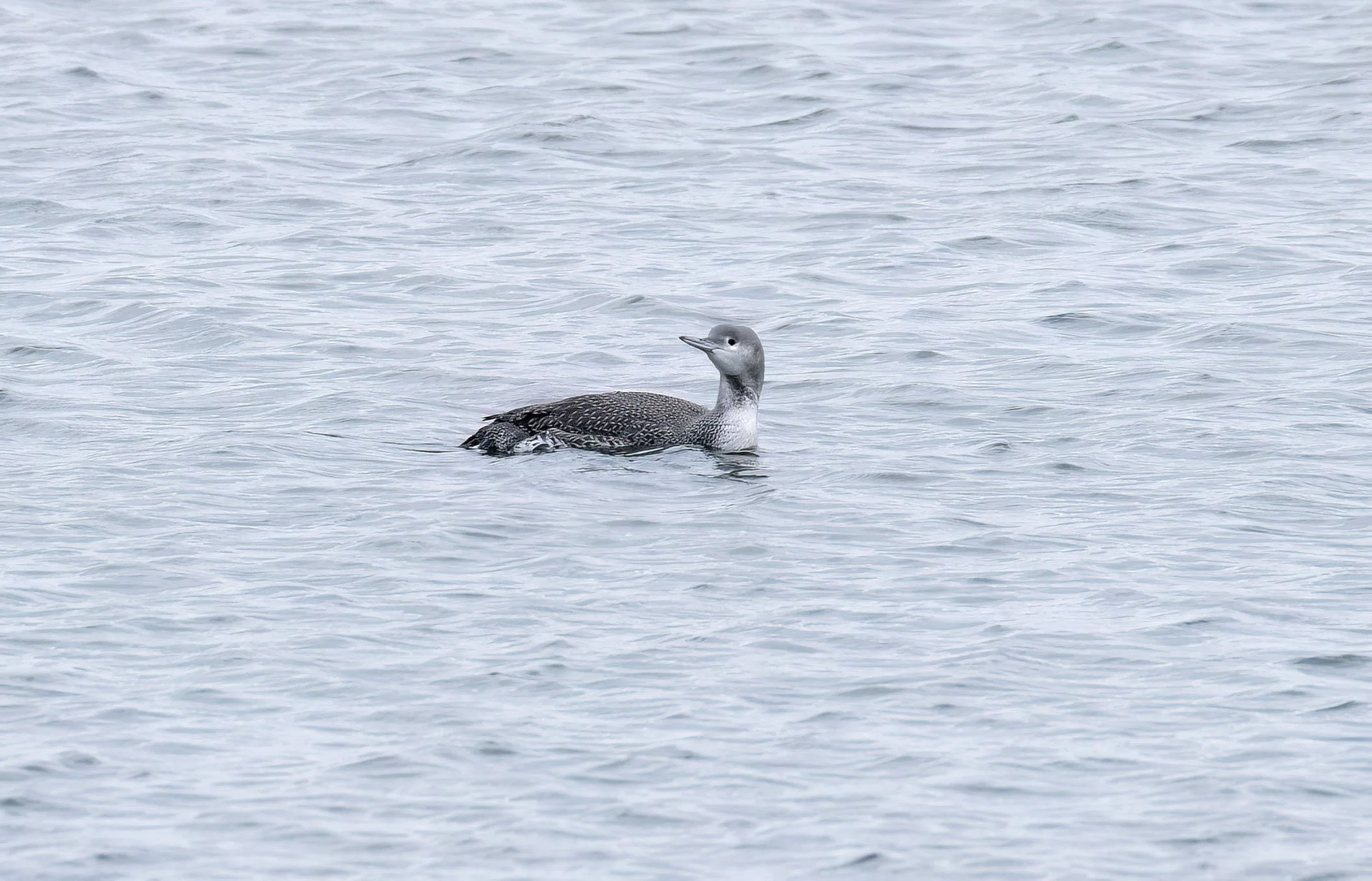
Two first winter Red-throated Divers were there but neither came very close while I was there but its 190 on the challenge tally
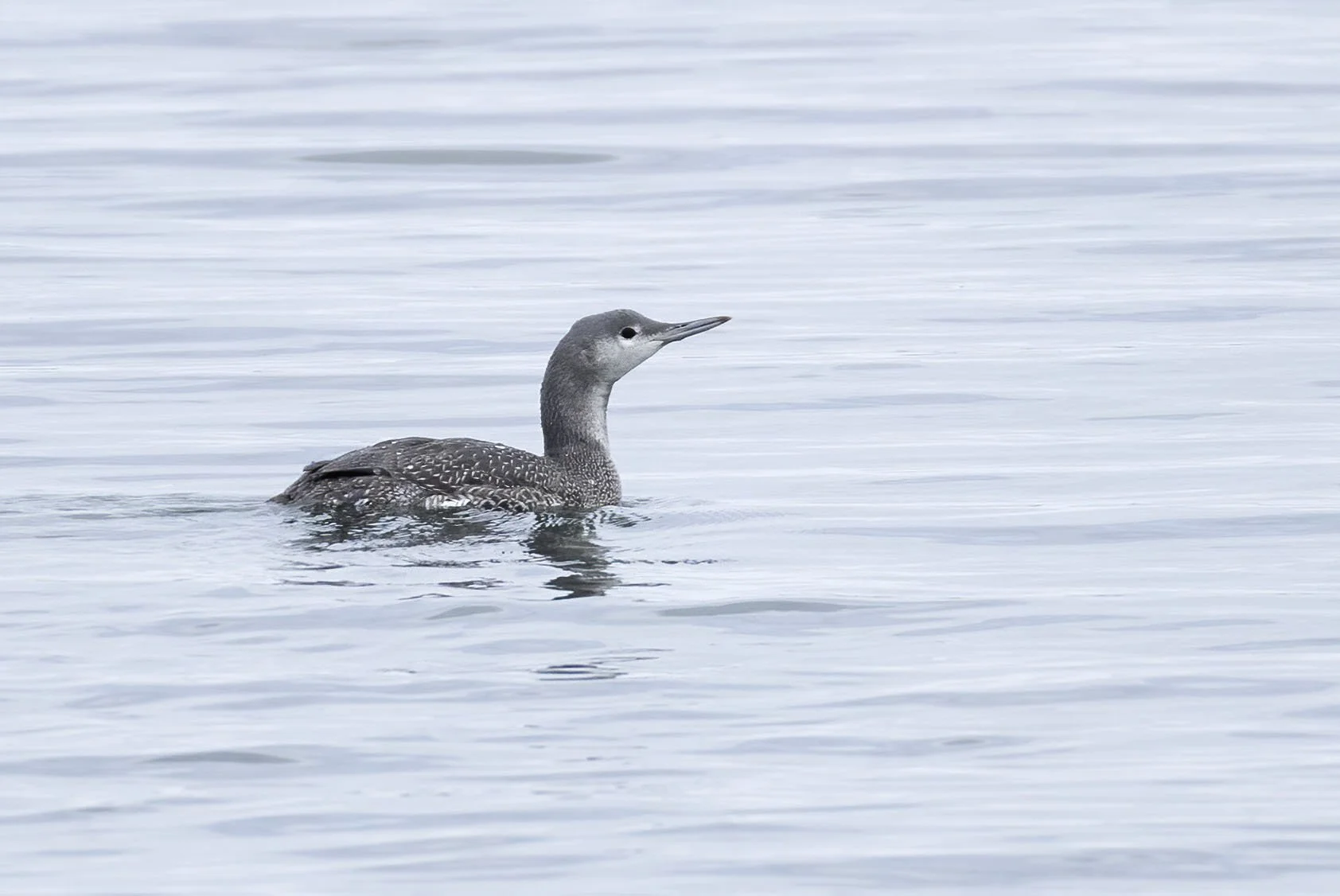
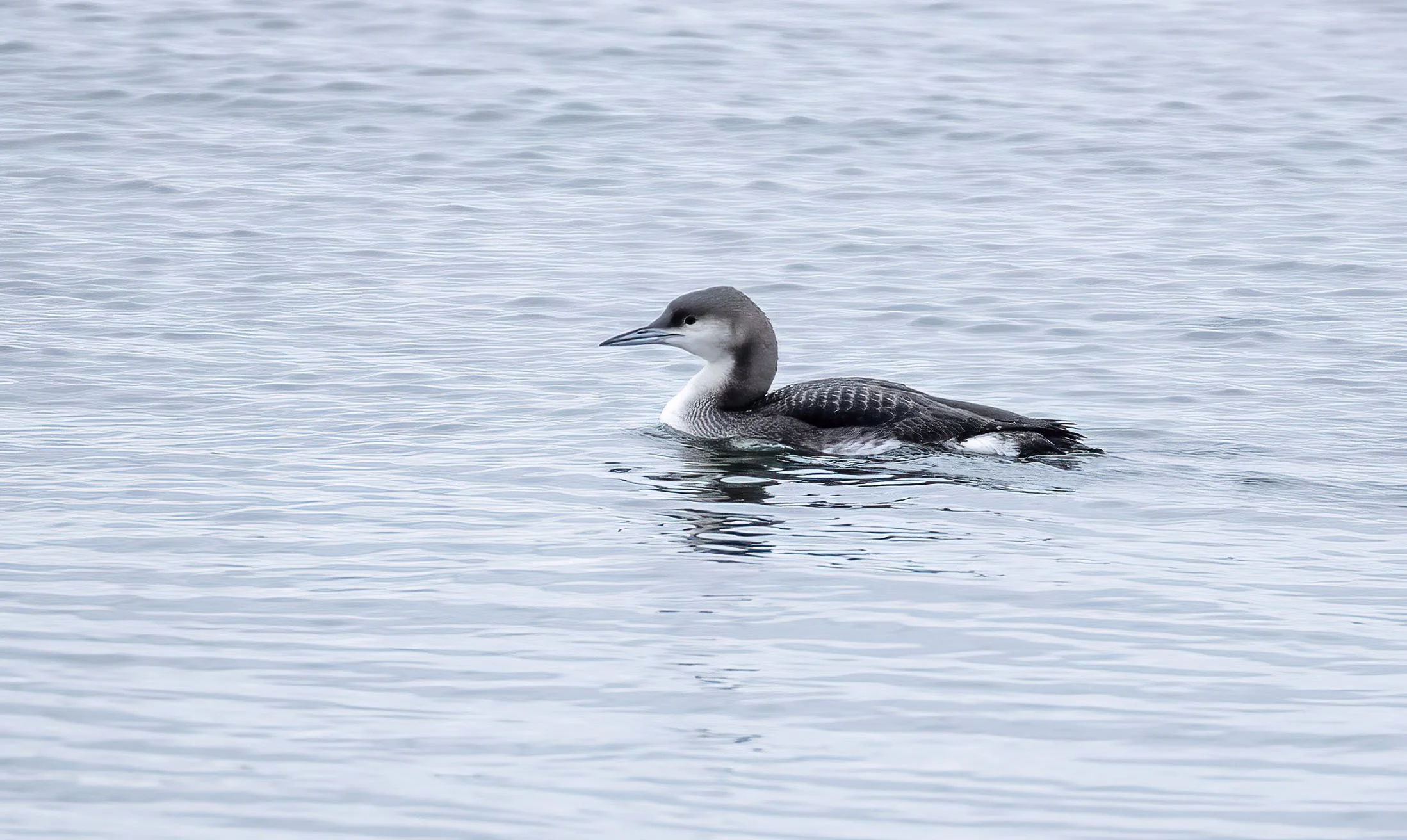
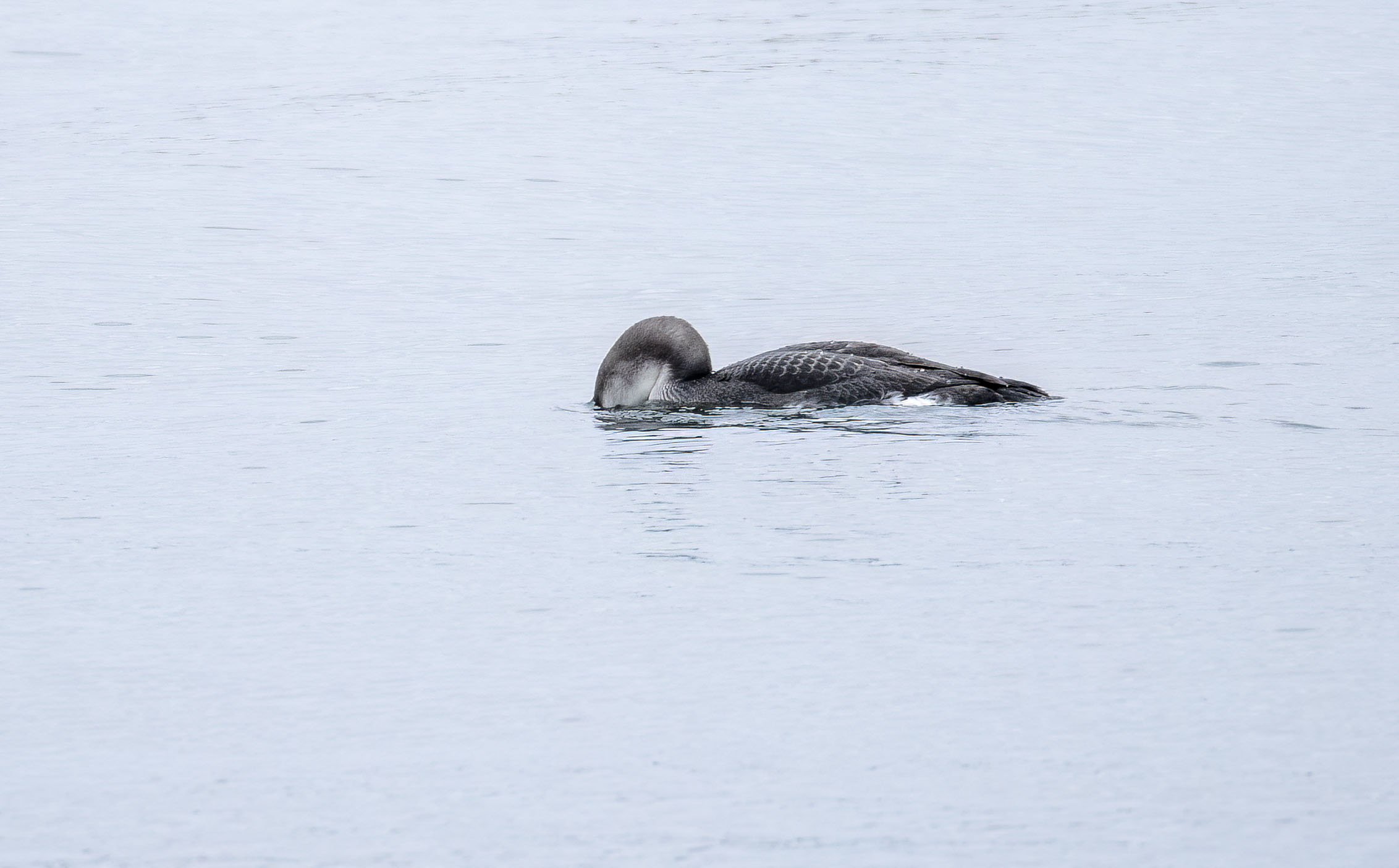
First-winter Black-throated Diver 191 on the challenge list
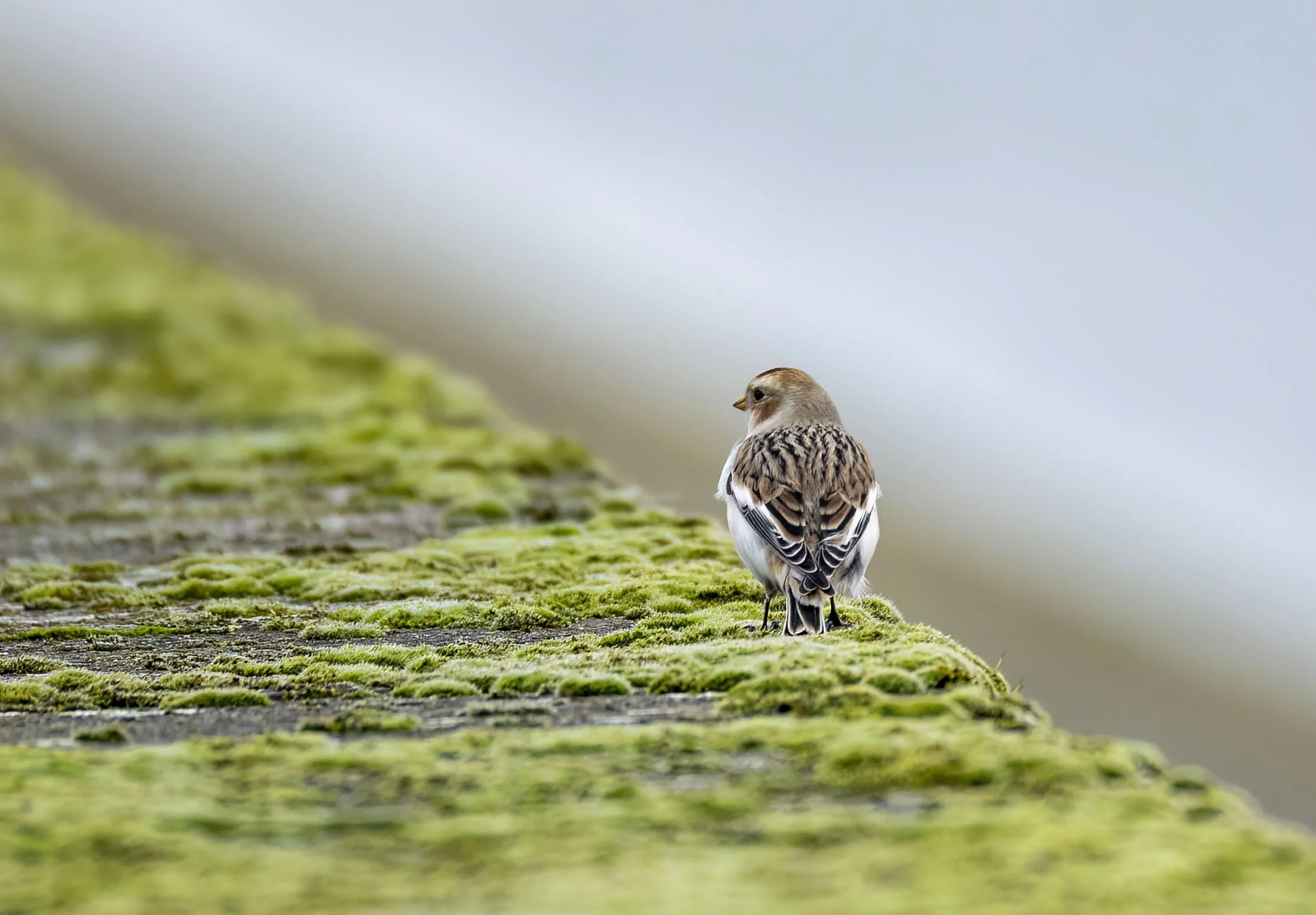
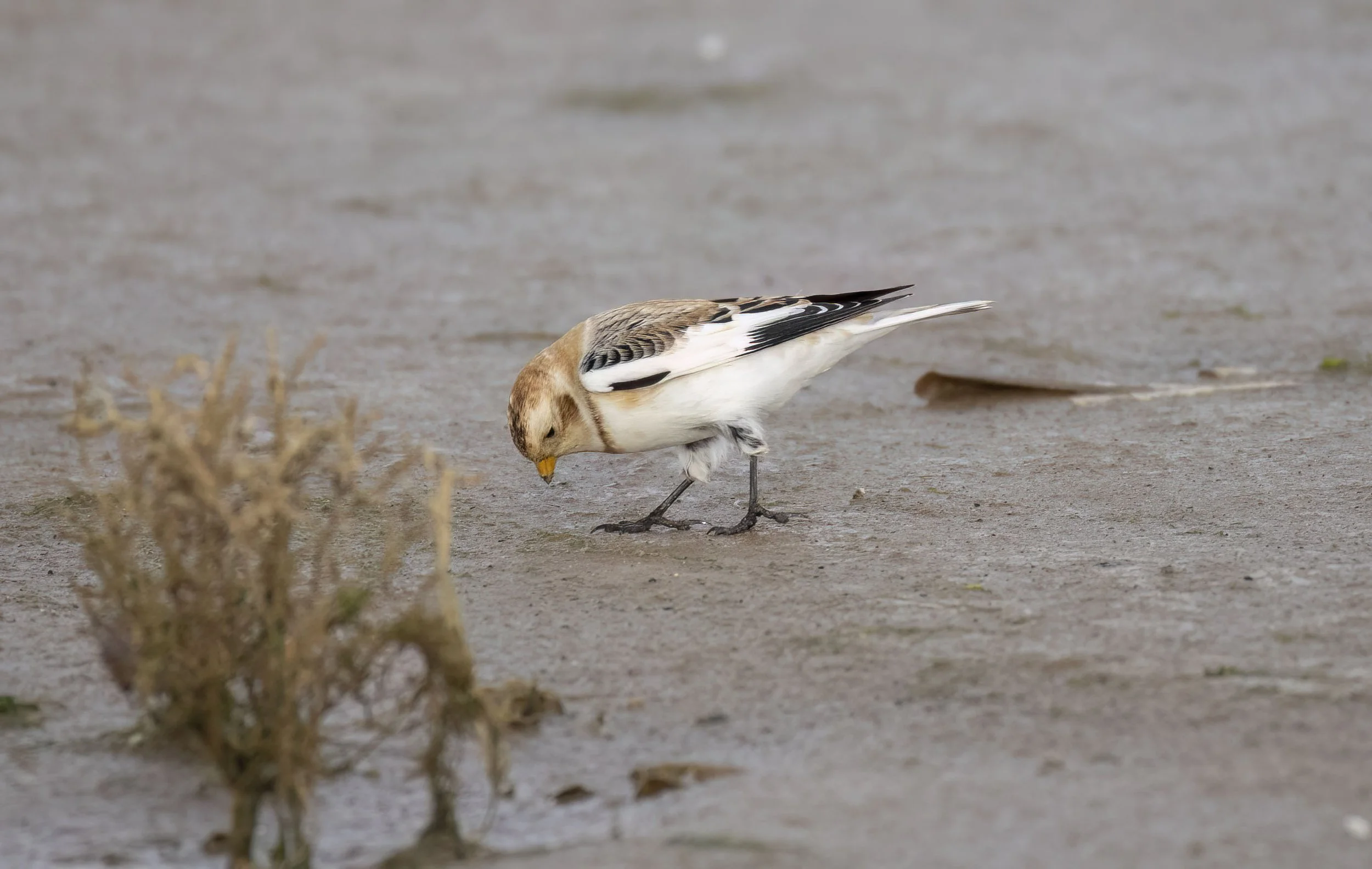
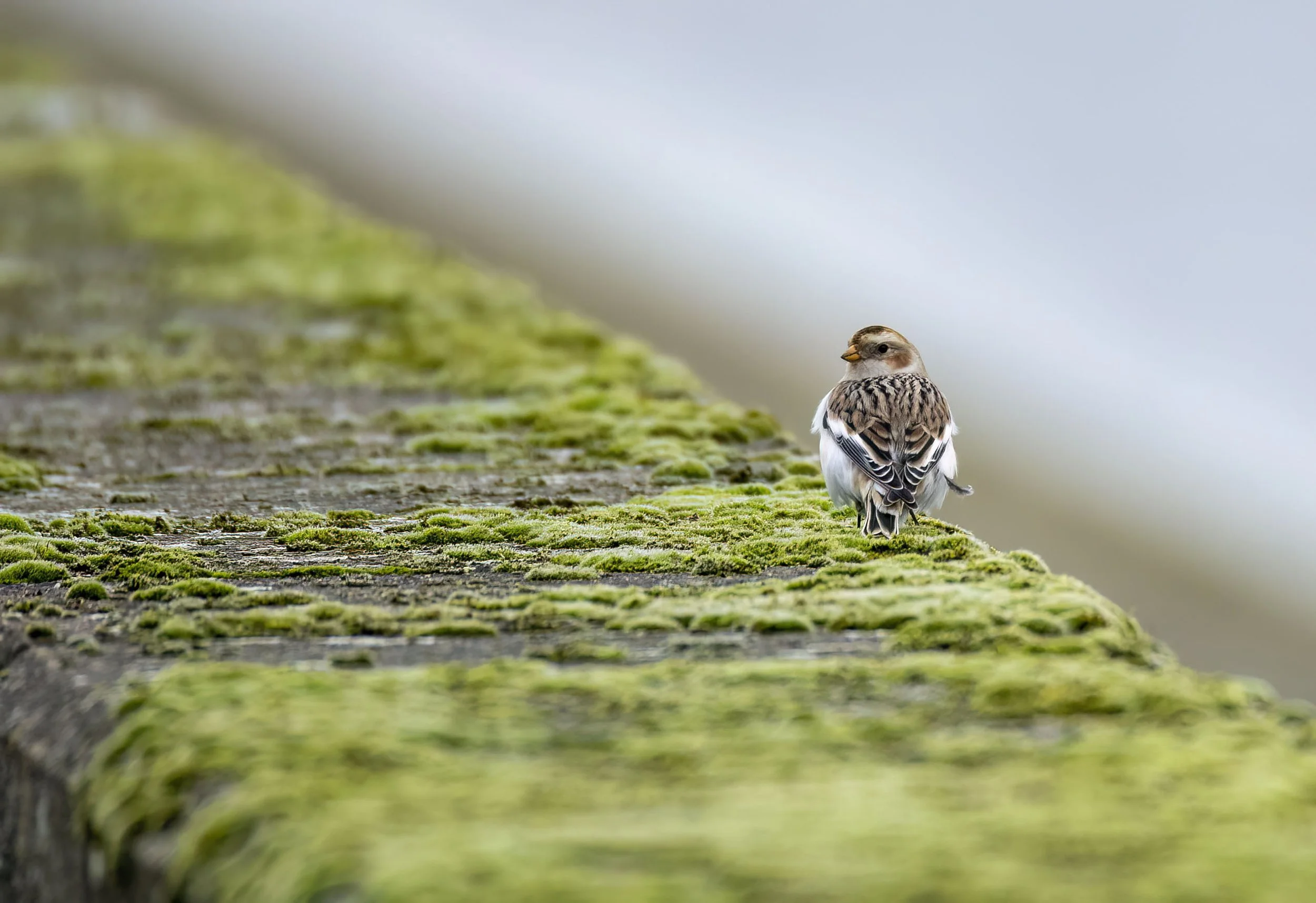
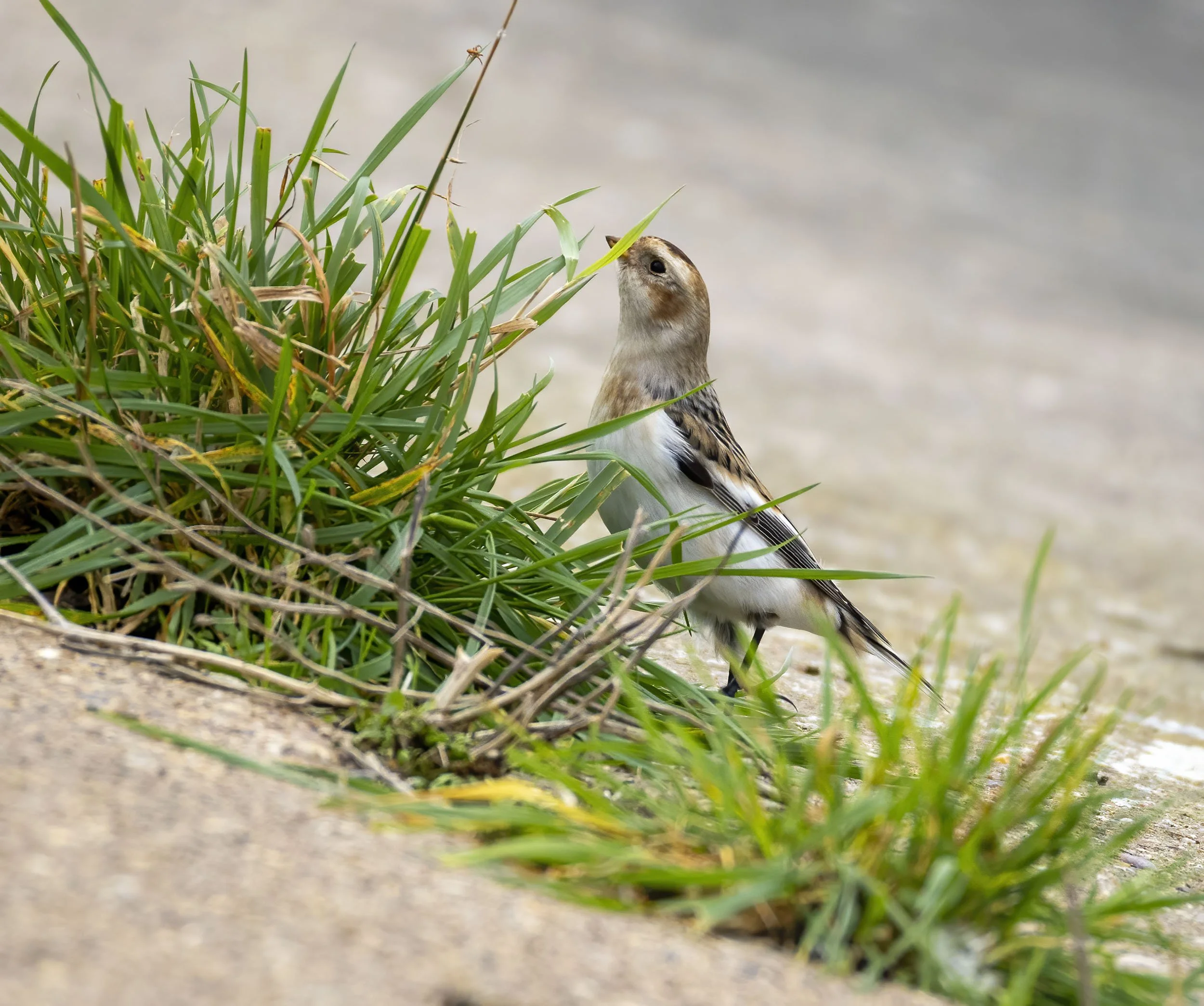
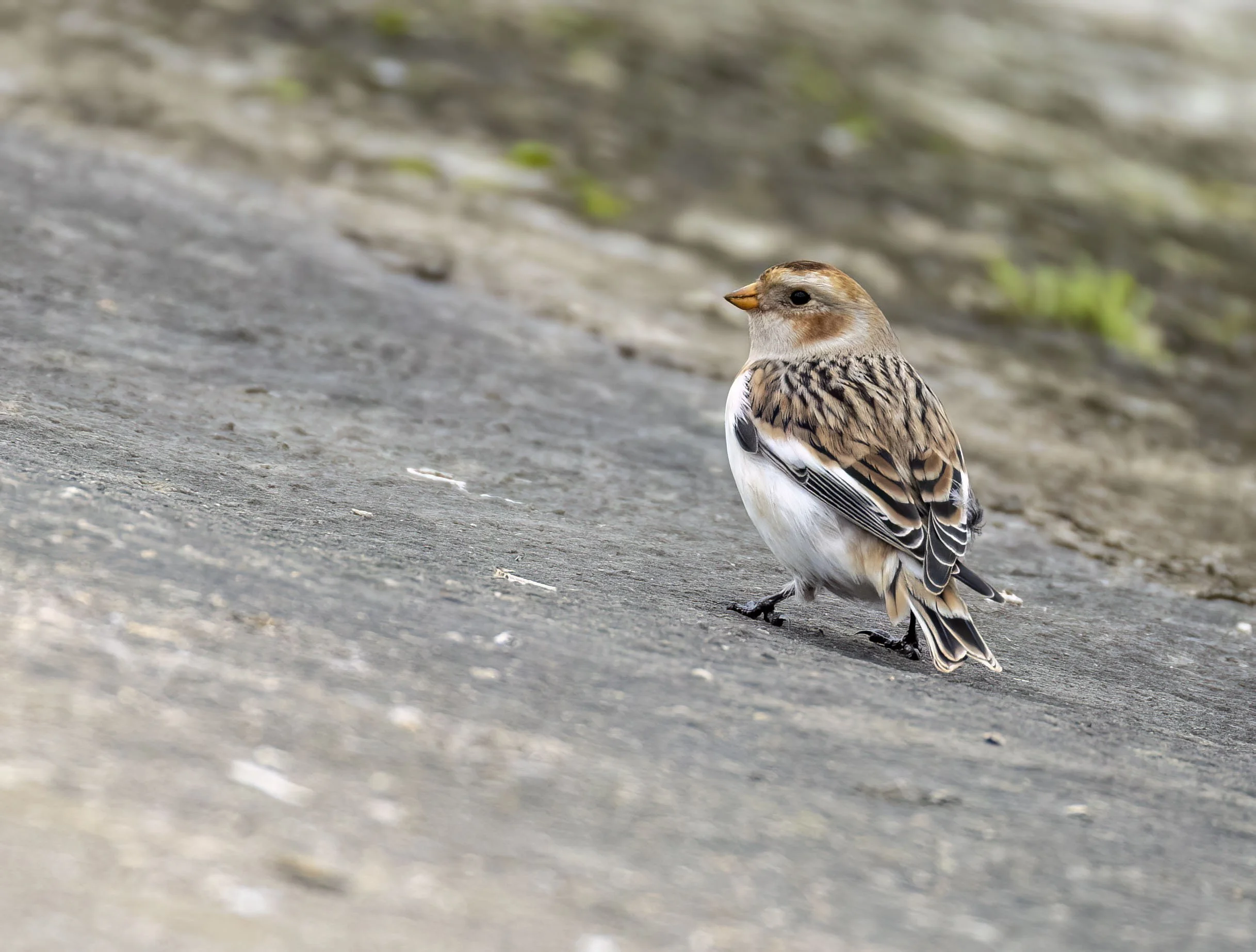
This Snow Bunting on the reservoir wall was the first I had seen this year such is the declining status of this species on the Lincs coast — 192 on the challenge list
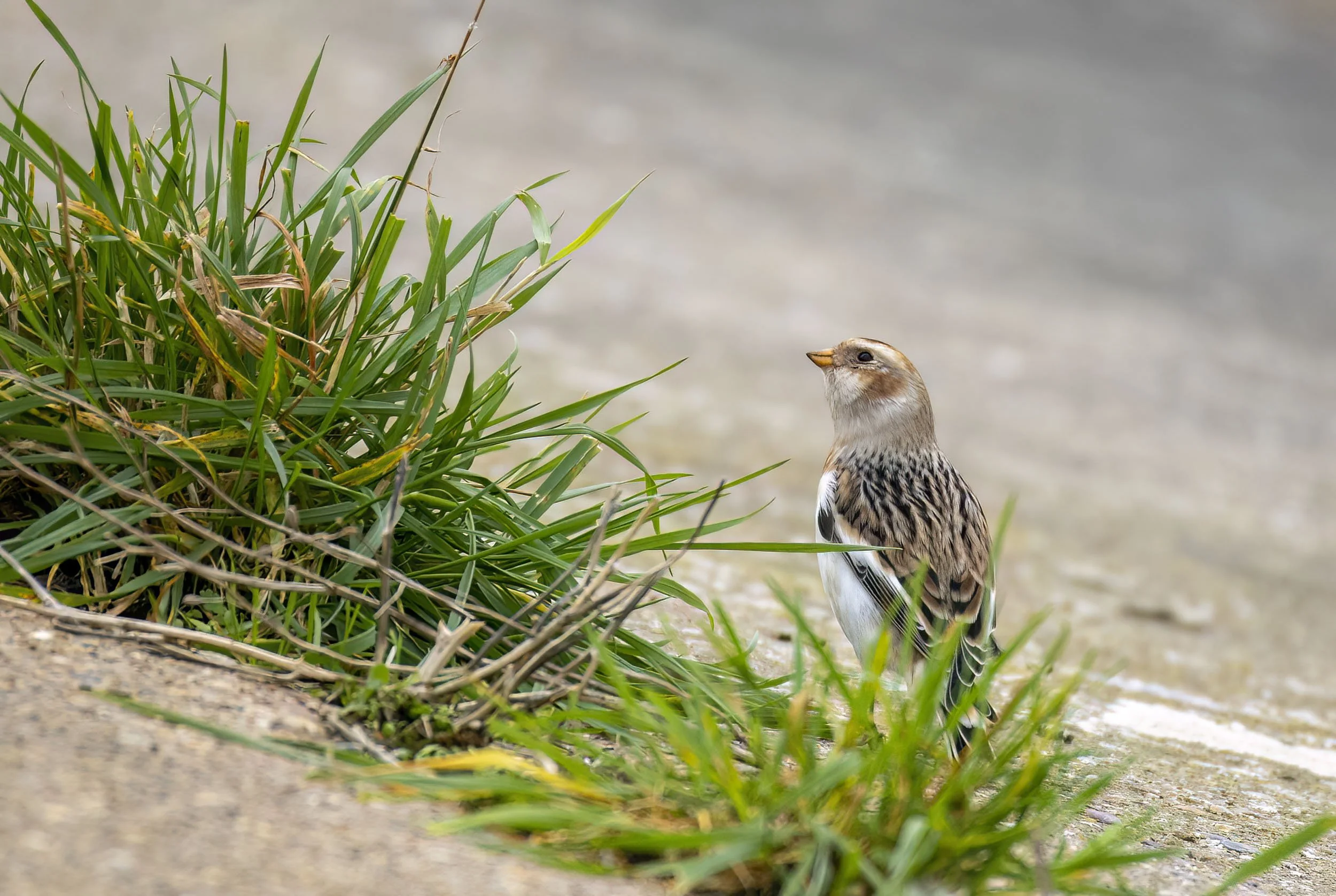
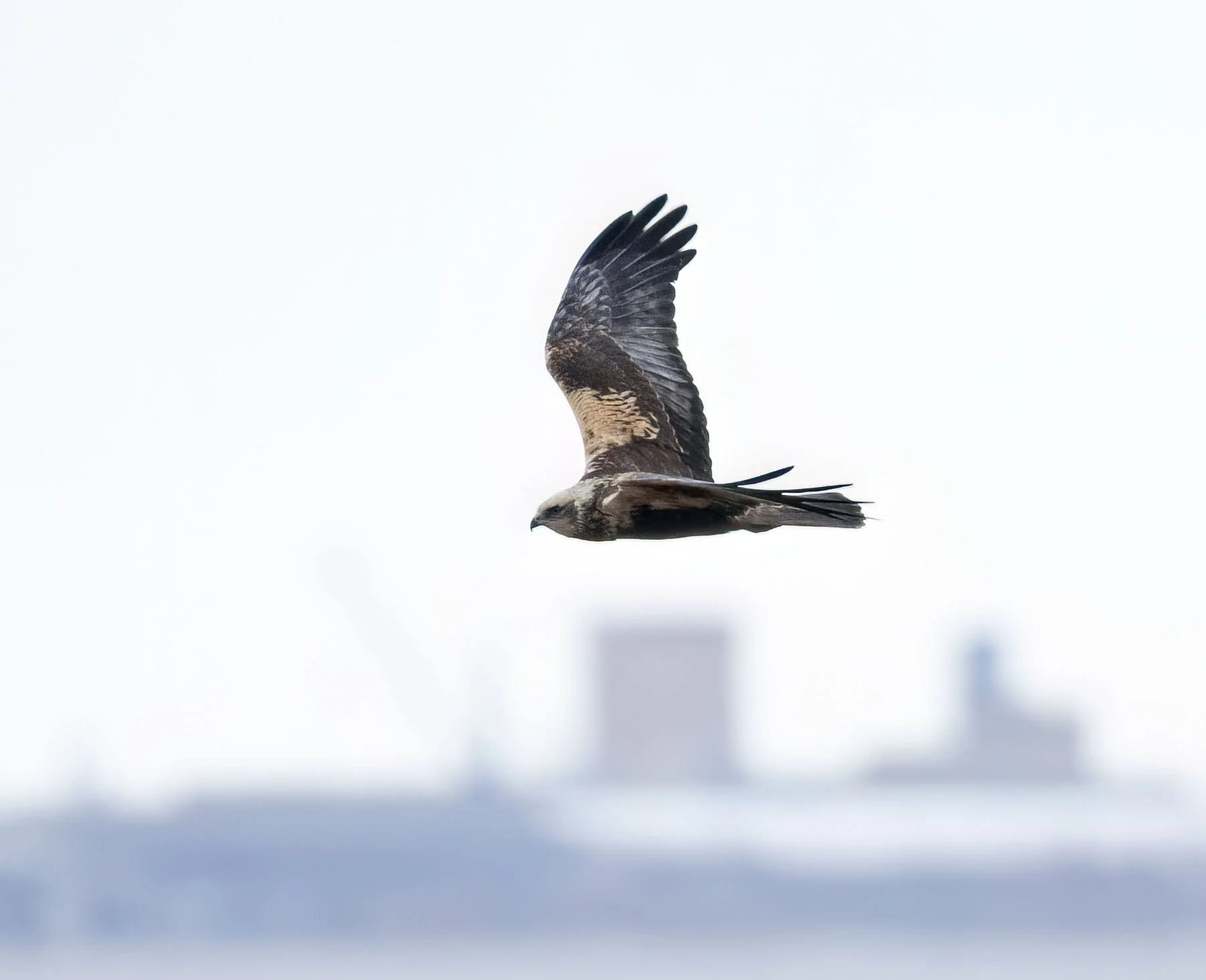
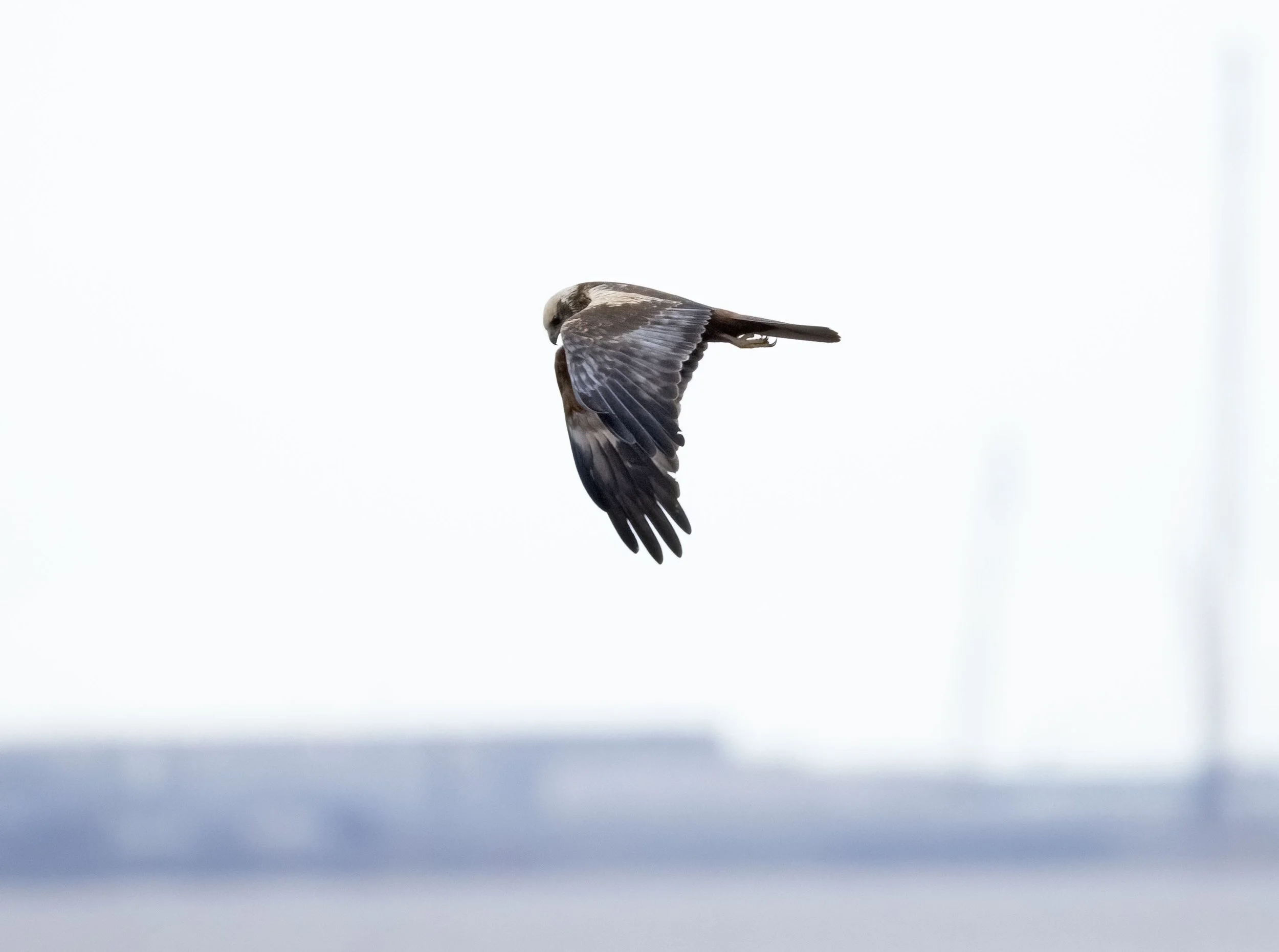
Back at Barton the young adult male Marsh Harrier was a bit closer but what a terrible sky and little light -
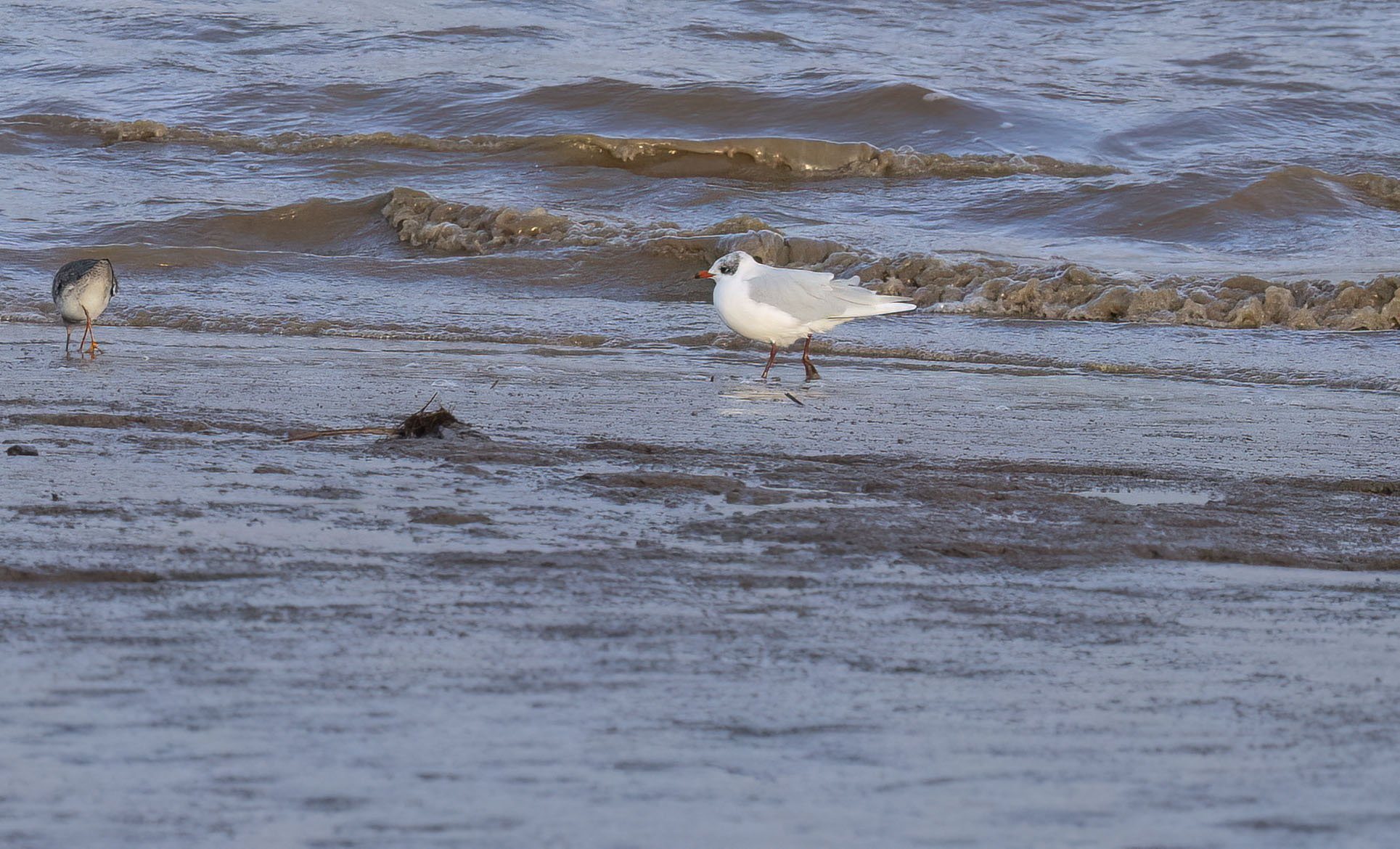
193 Mediterranean Gull on the very windswept and chilly patch this morning before I walked too far and got too wet — amazingly this was only my second record of this species on my patch this year - oddly as they get more numerous elsewhere they seem to have declined on the inner Humber
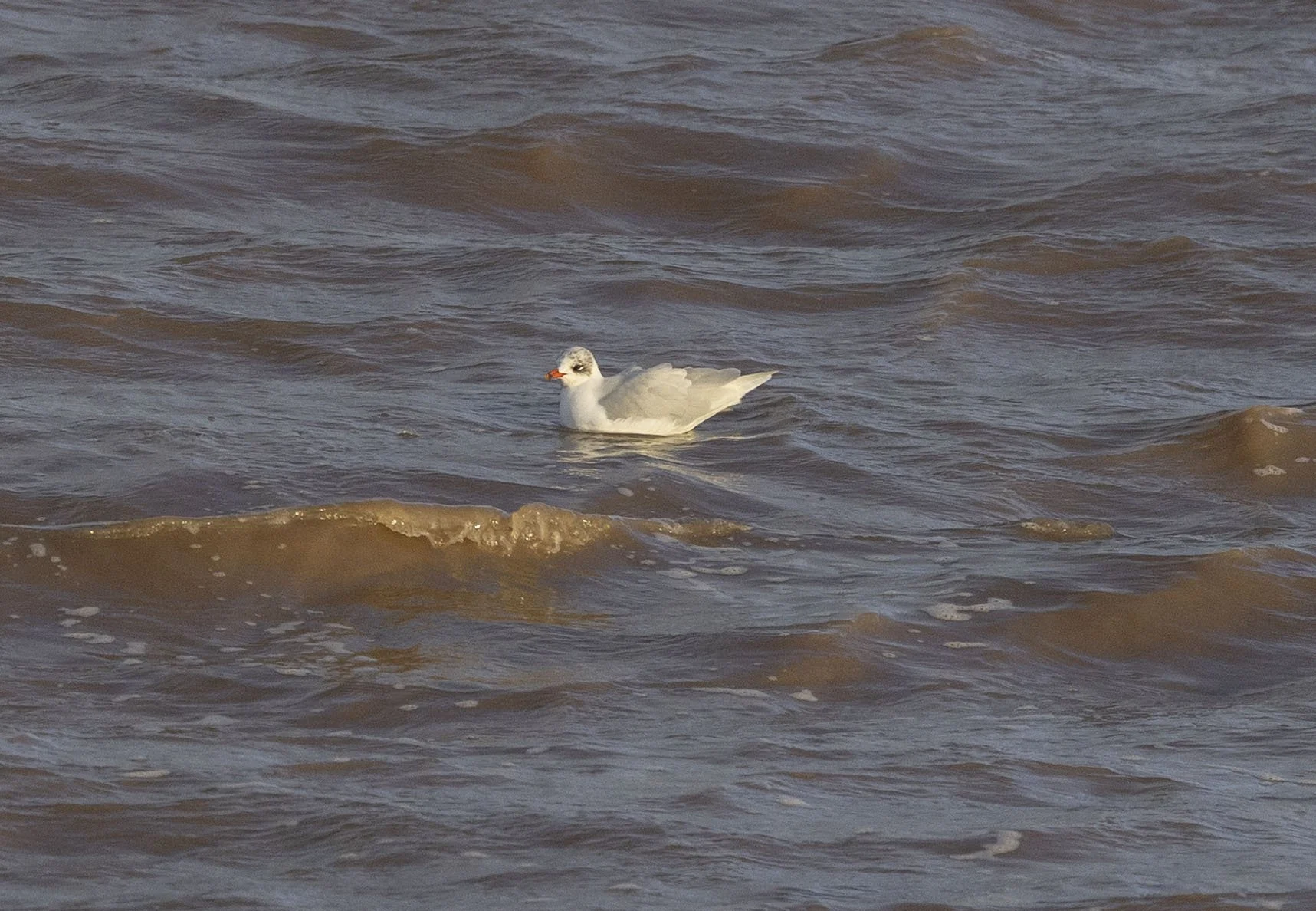
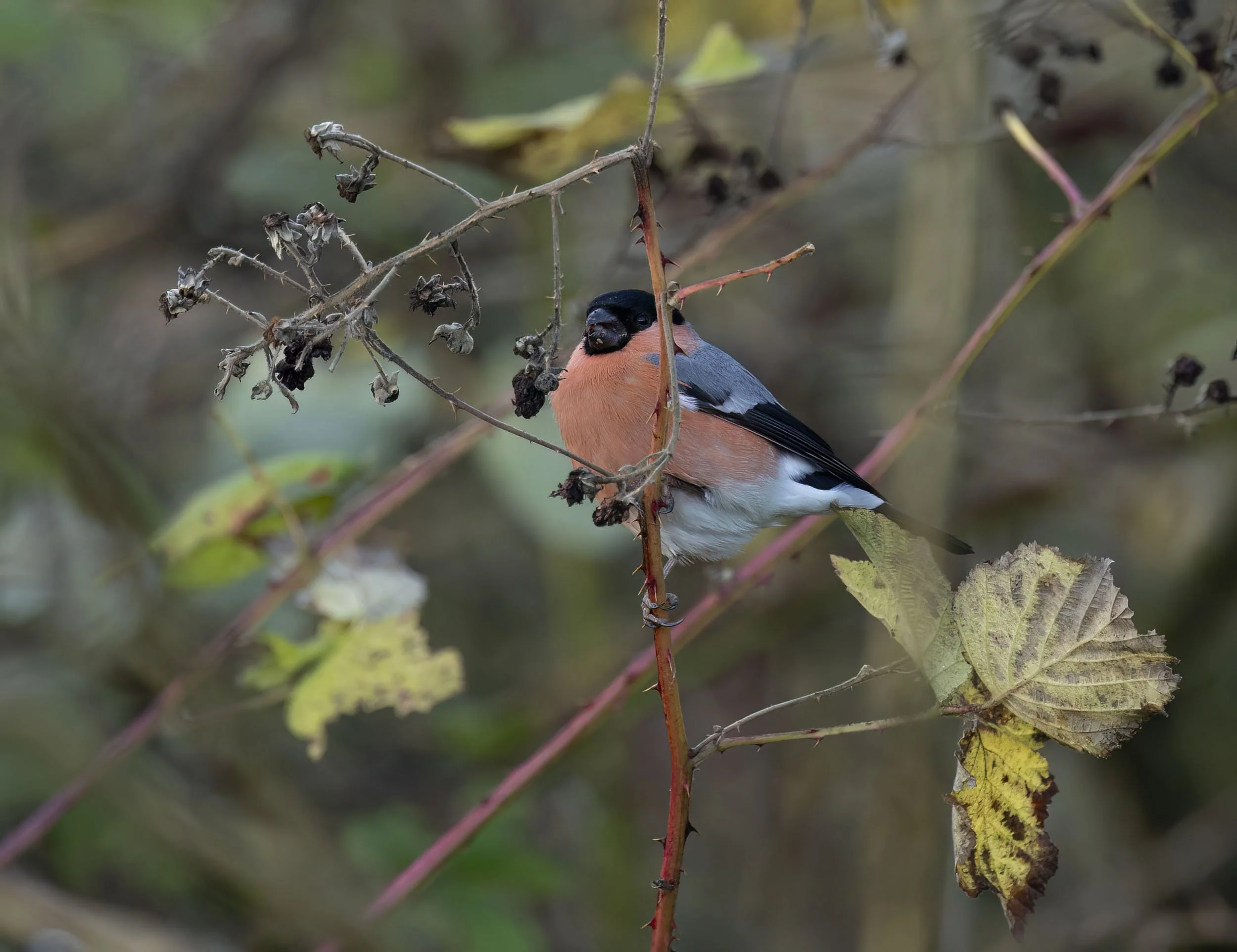
More Bullfinch action feeding on bramble seeds last week
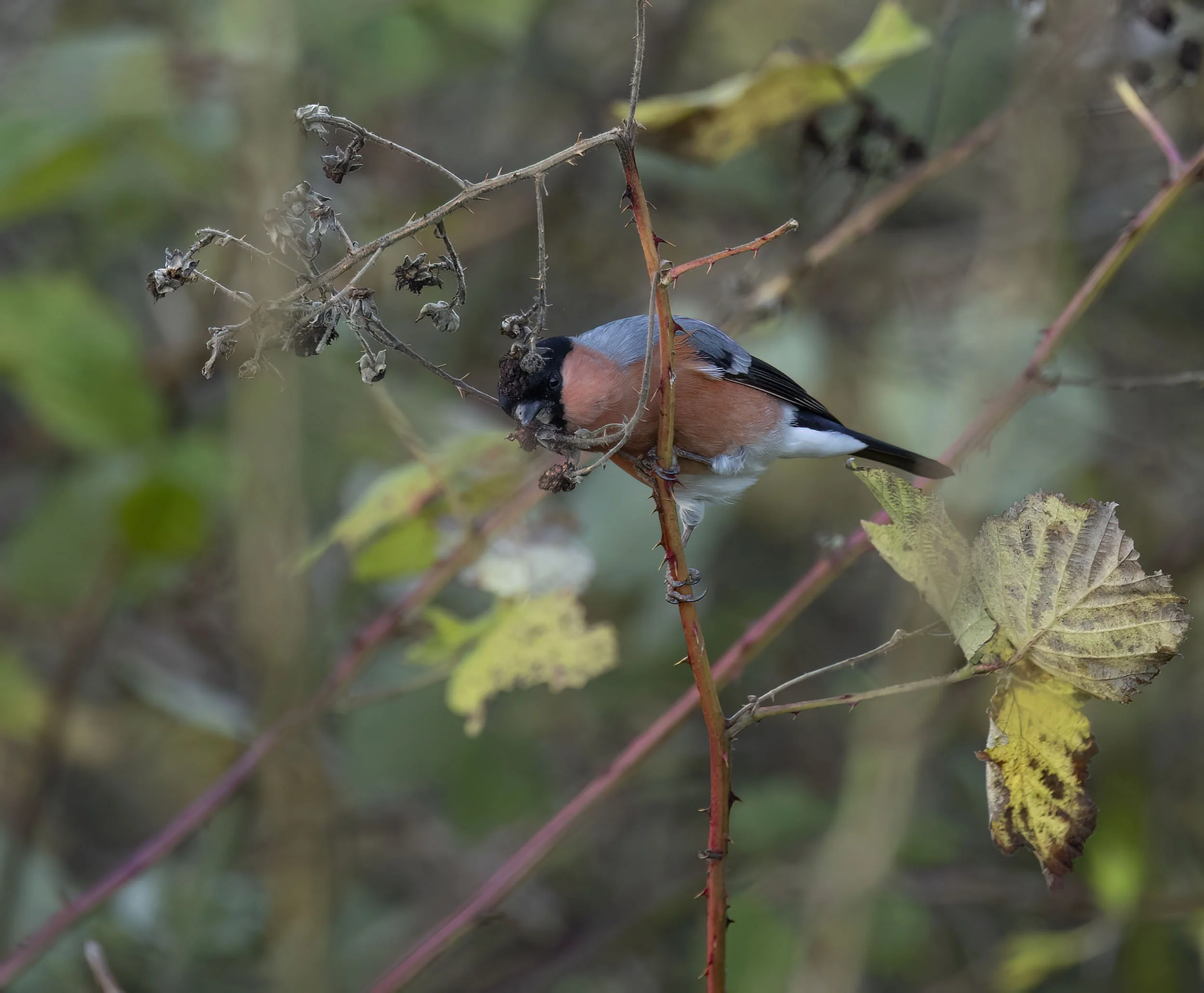
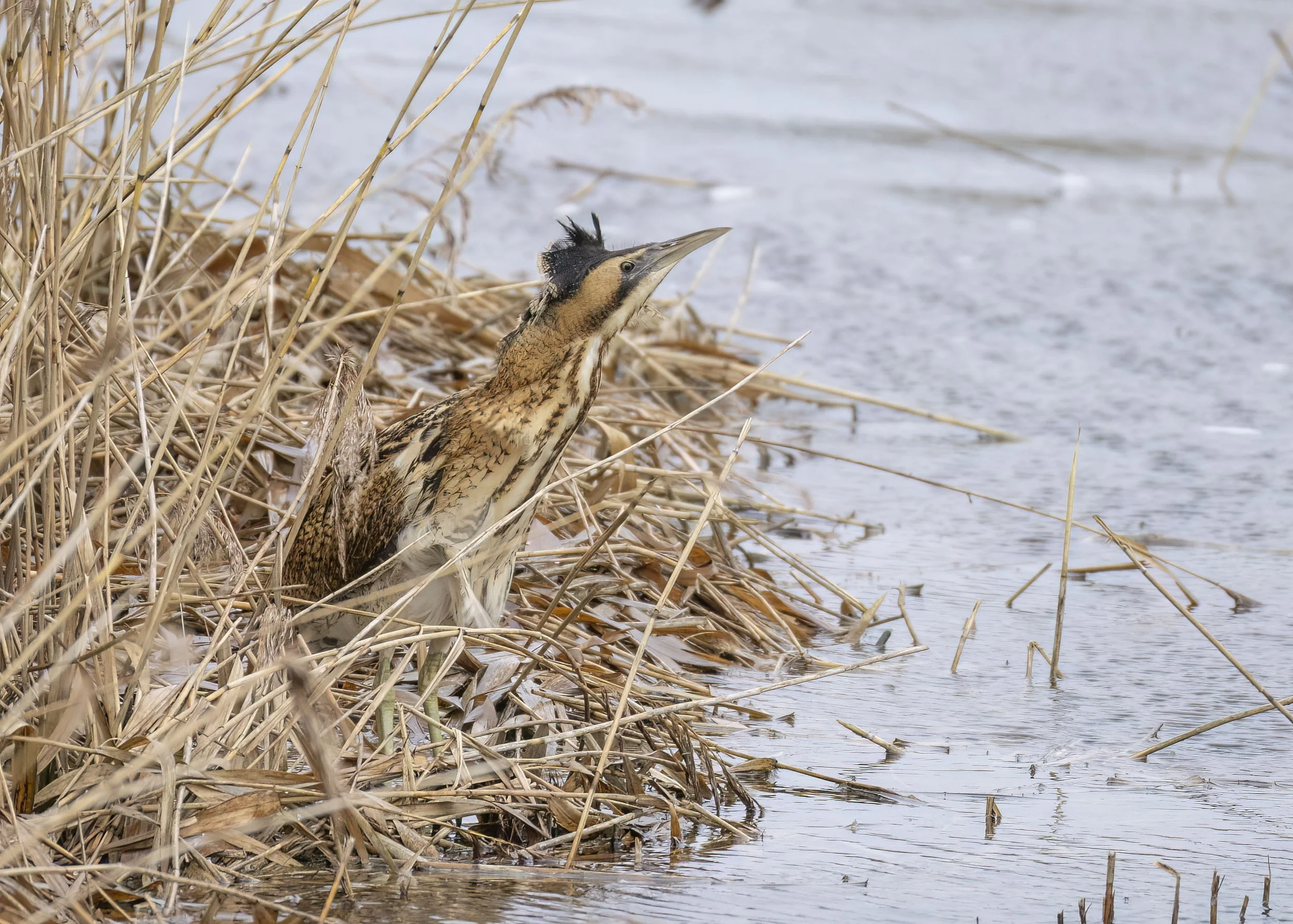
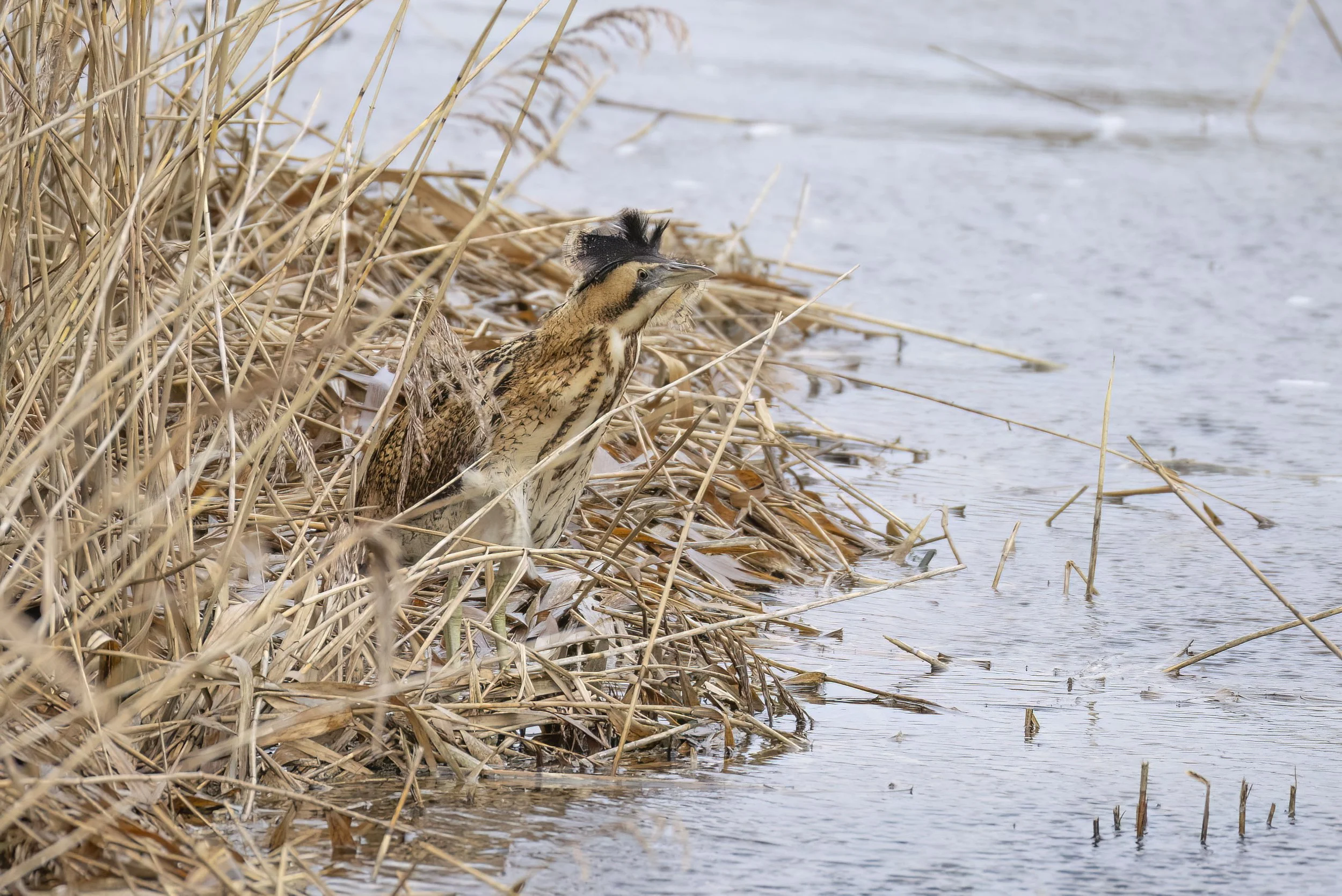
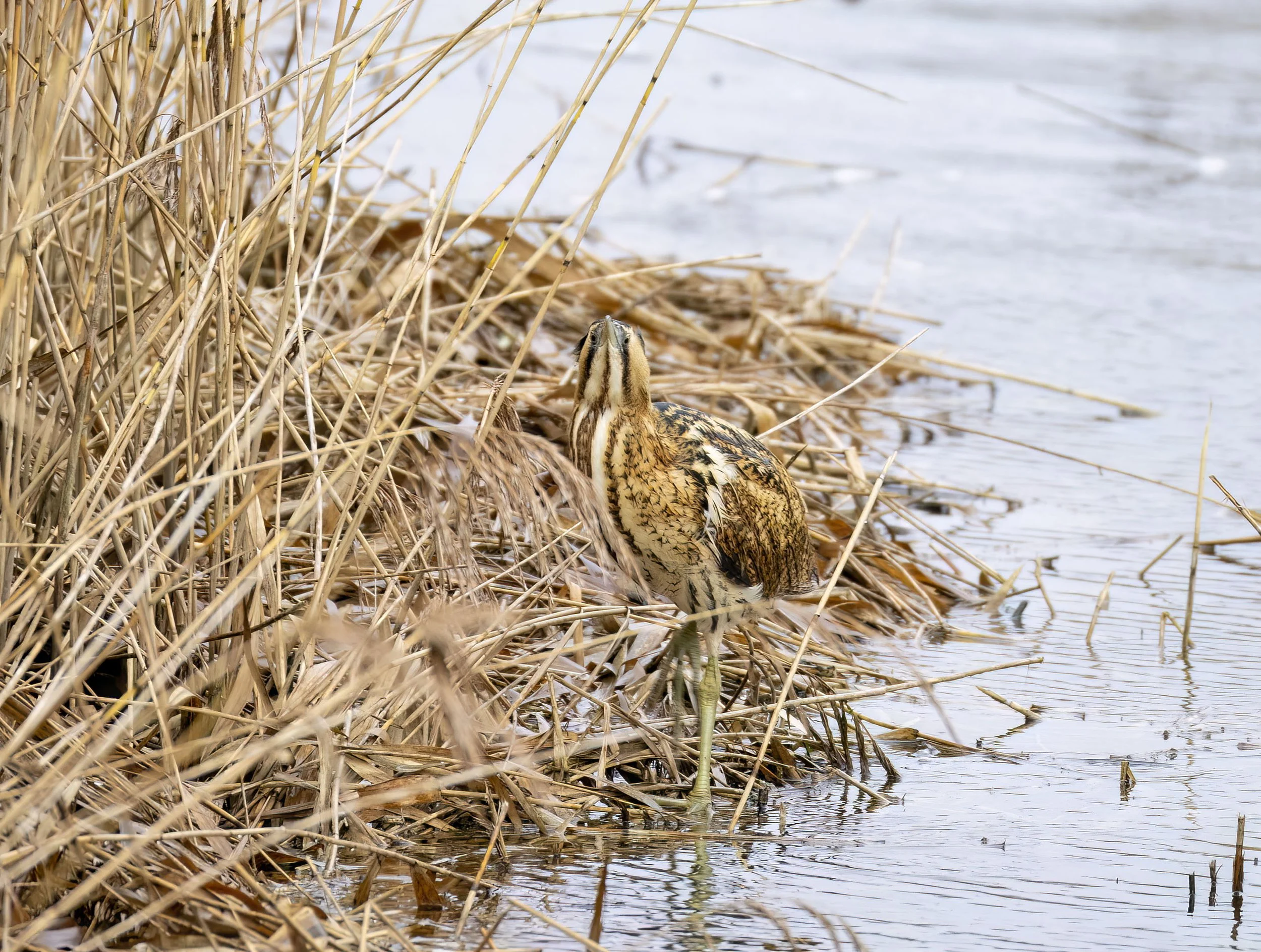
Bit of a punky looking Bittern from a cold wet morning
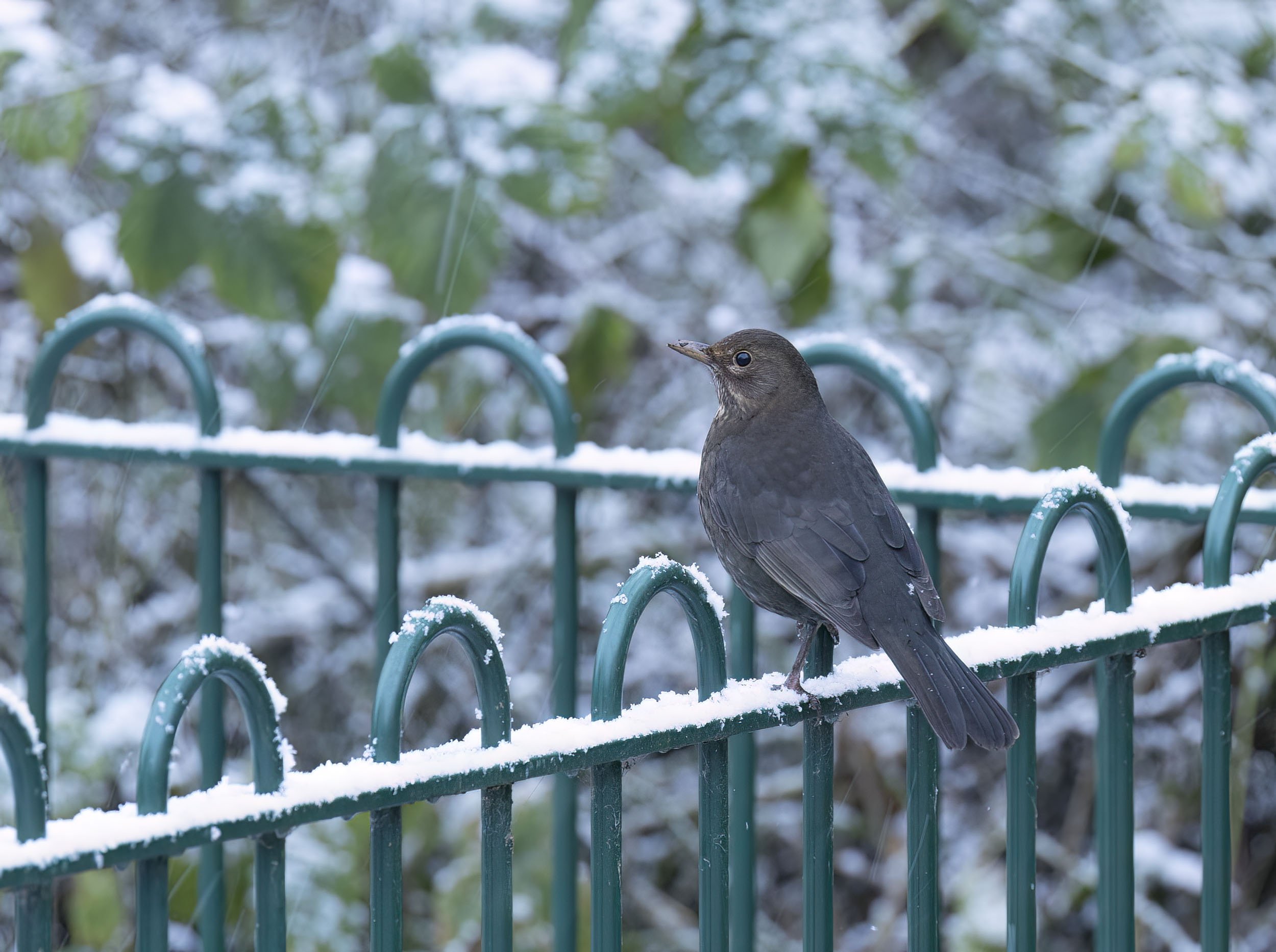
Went out early to try and capture some birds in the snow before it melted - virds were hard to find though and it was very dull with super low shutter speeds = female Blackbird
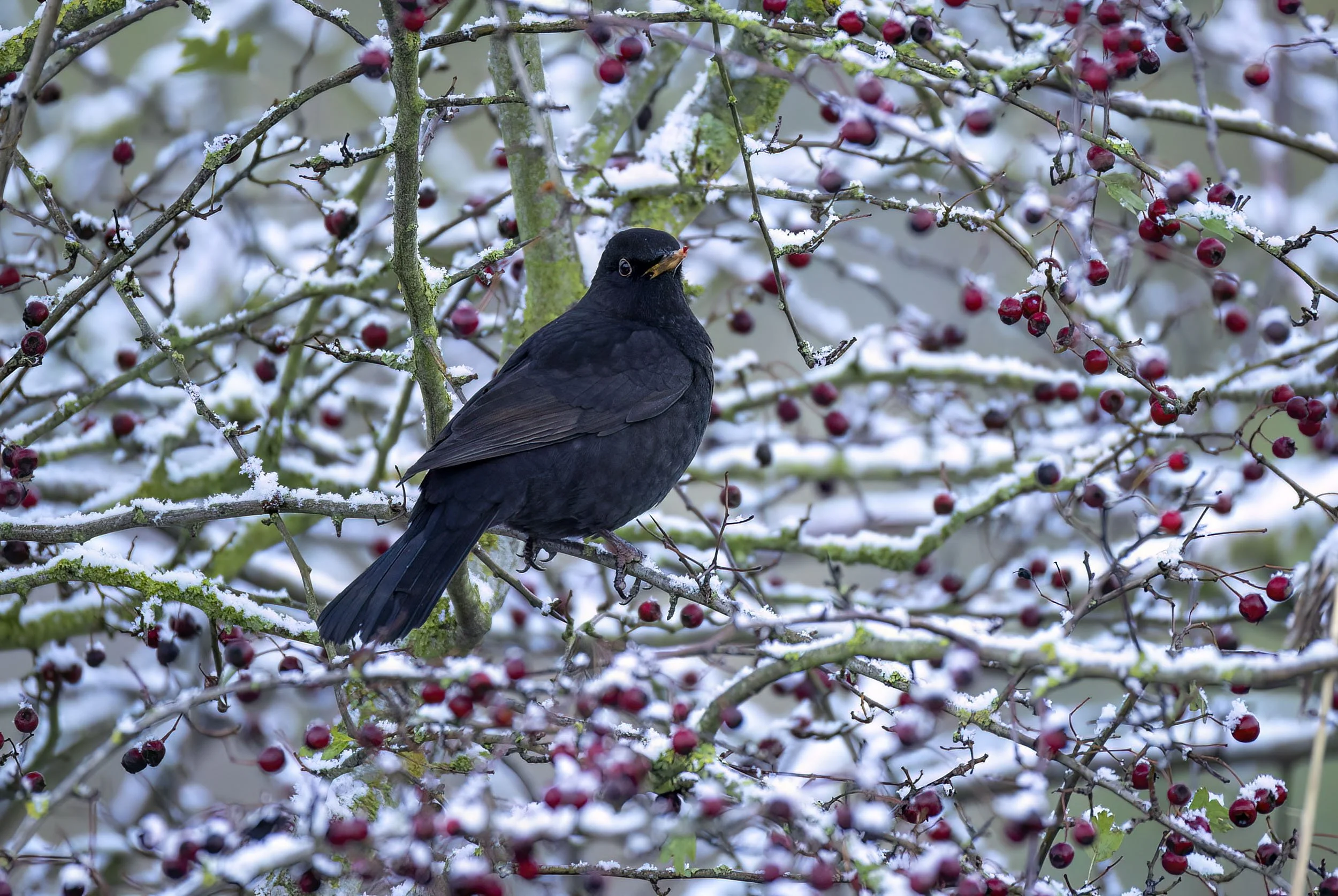
male in haws - would be really interesting to know if these are indeed local birds or winter immigrants
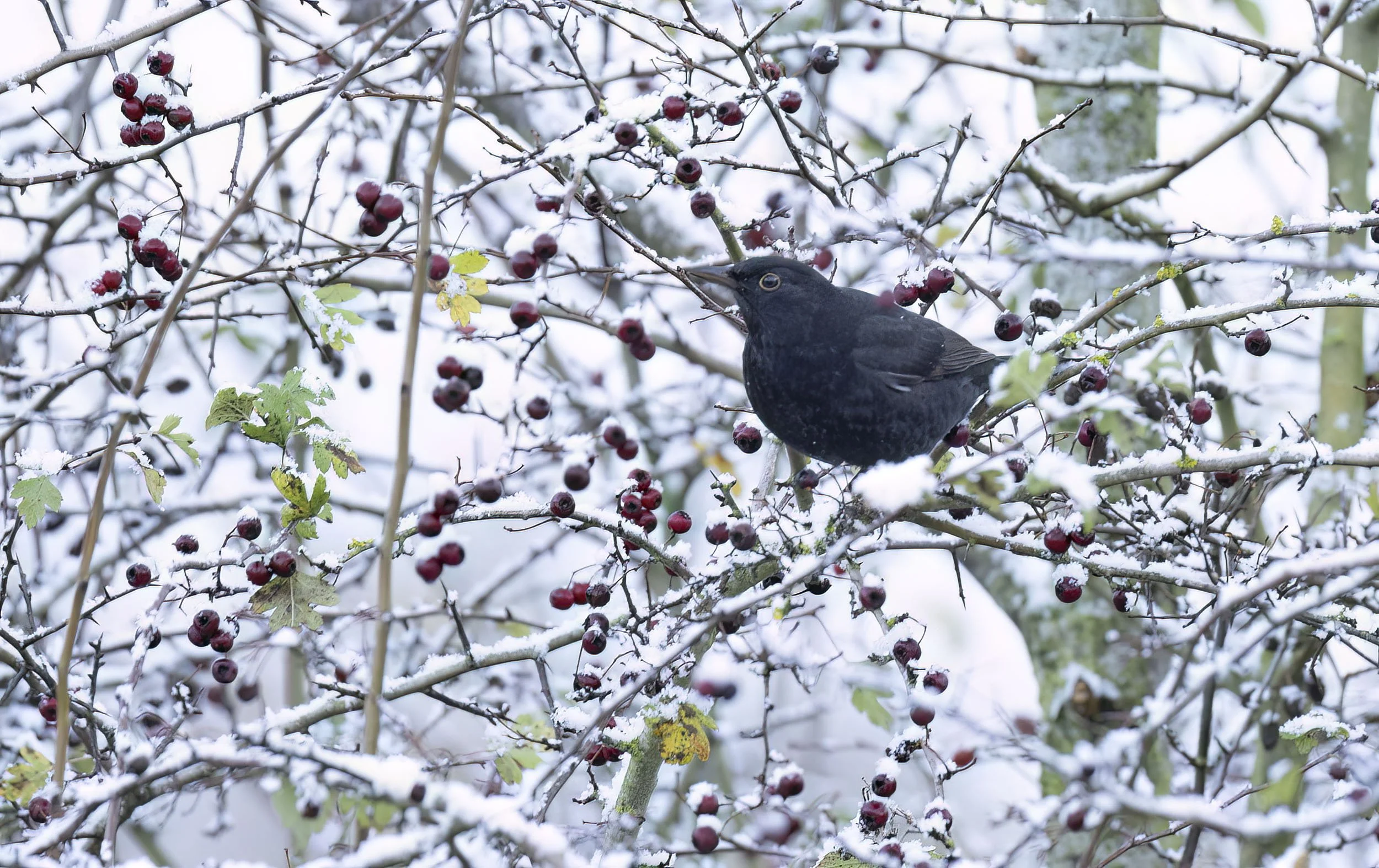
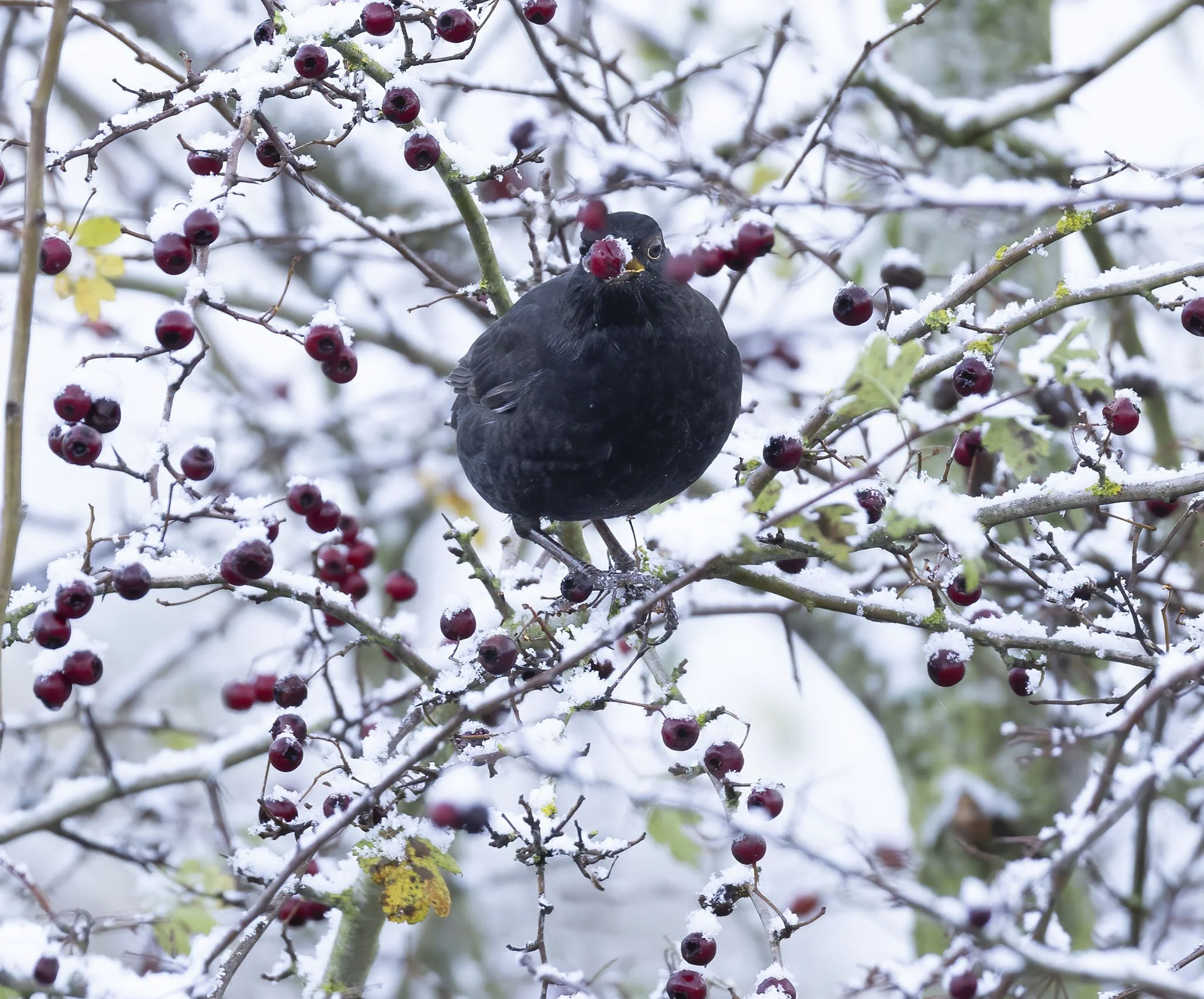
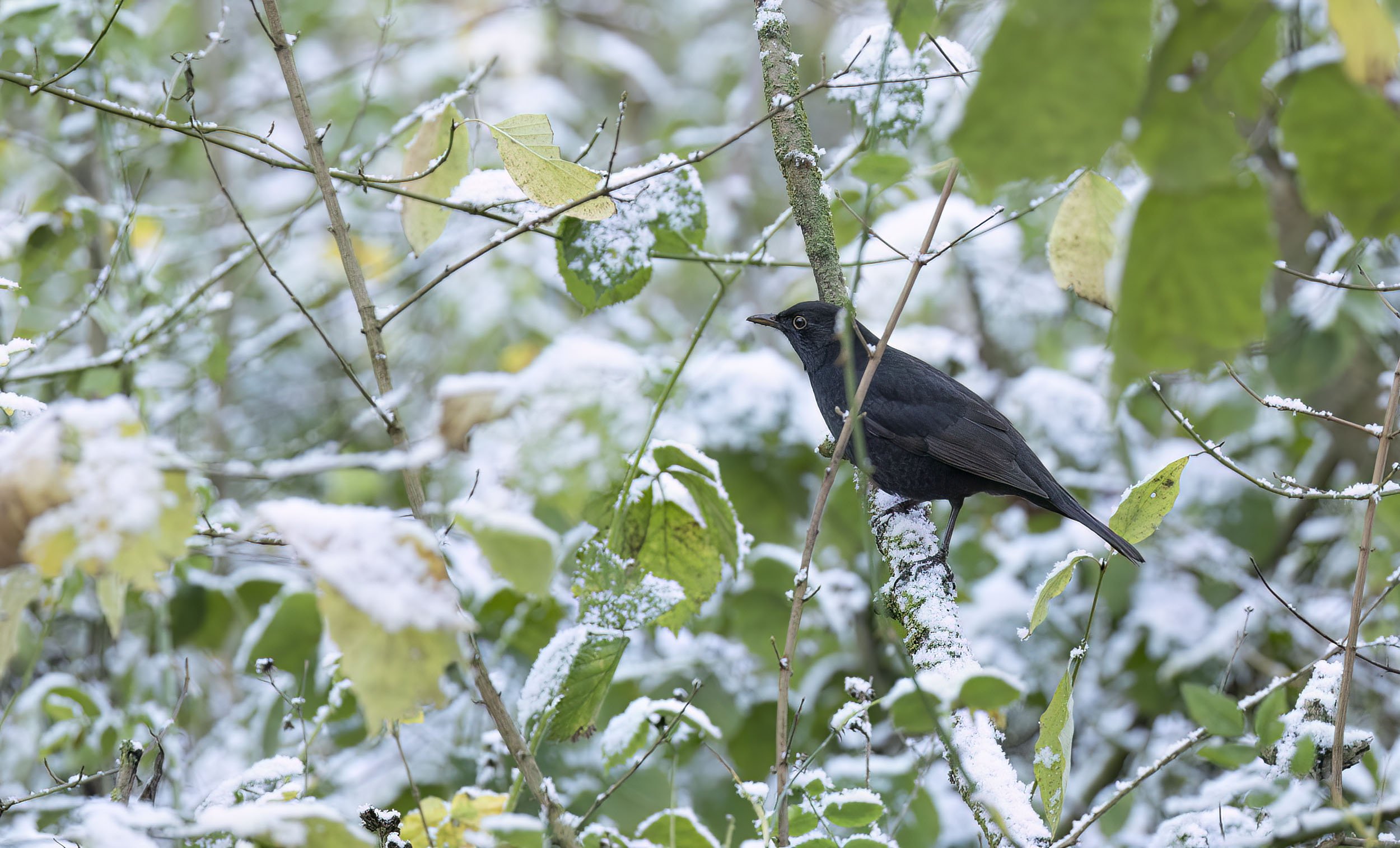
These were hand held with the Canon R6II and RF 200-800 at 1/100th second at ISO 1600 - its a bit heavy for long spell hand holding but still a sharp lens and versatile
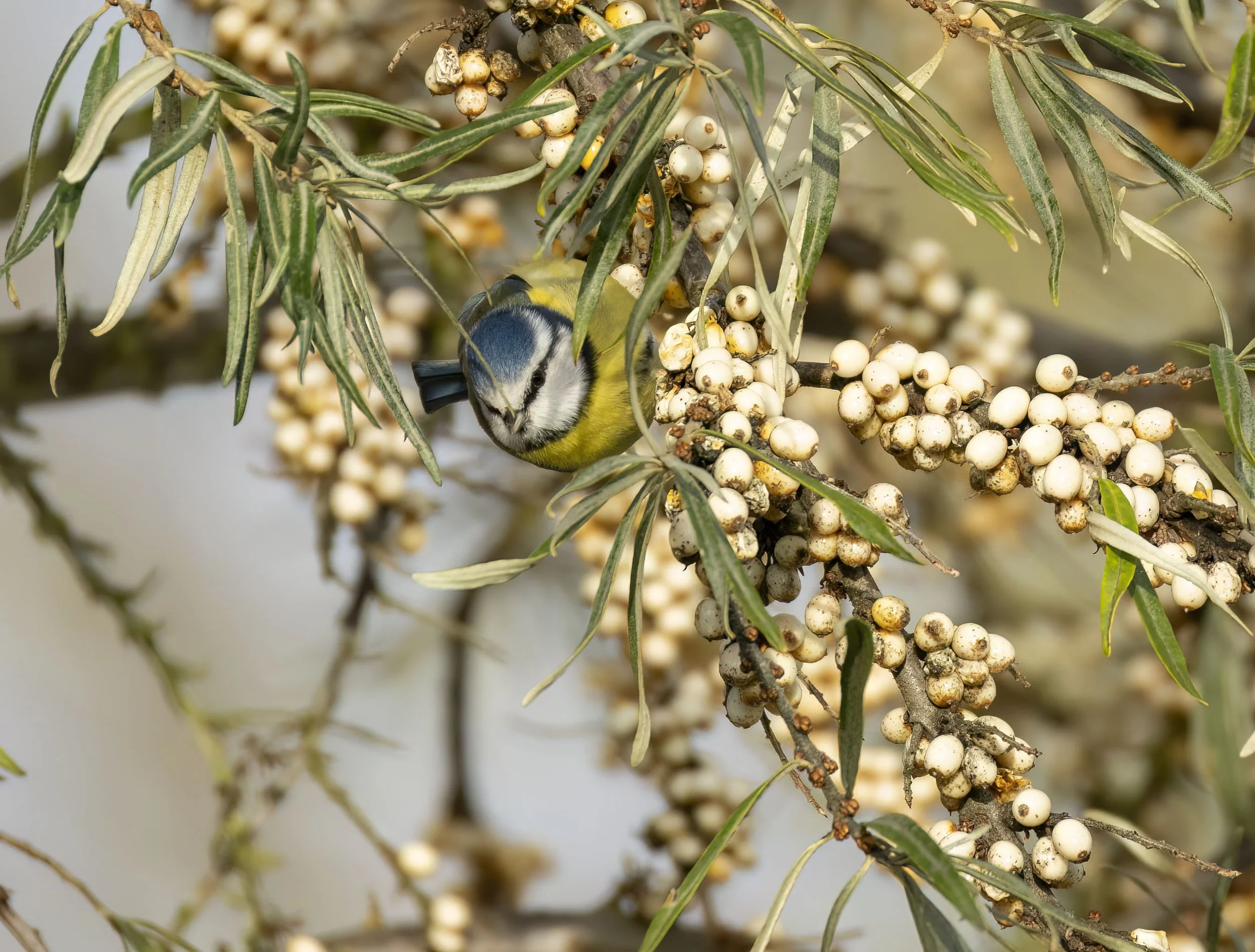
Blue Tit on Sea Buckthorn berries after the snow had rapidly melted
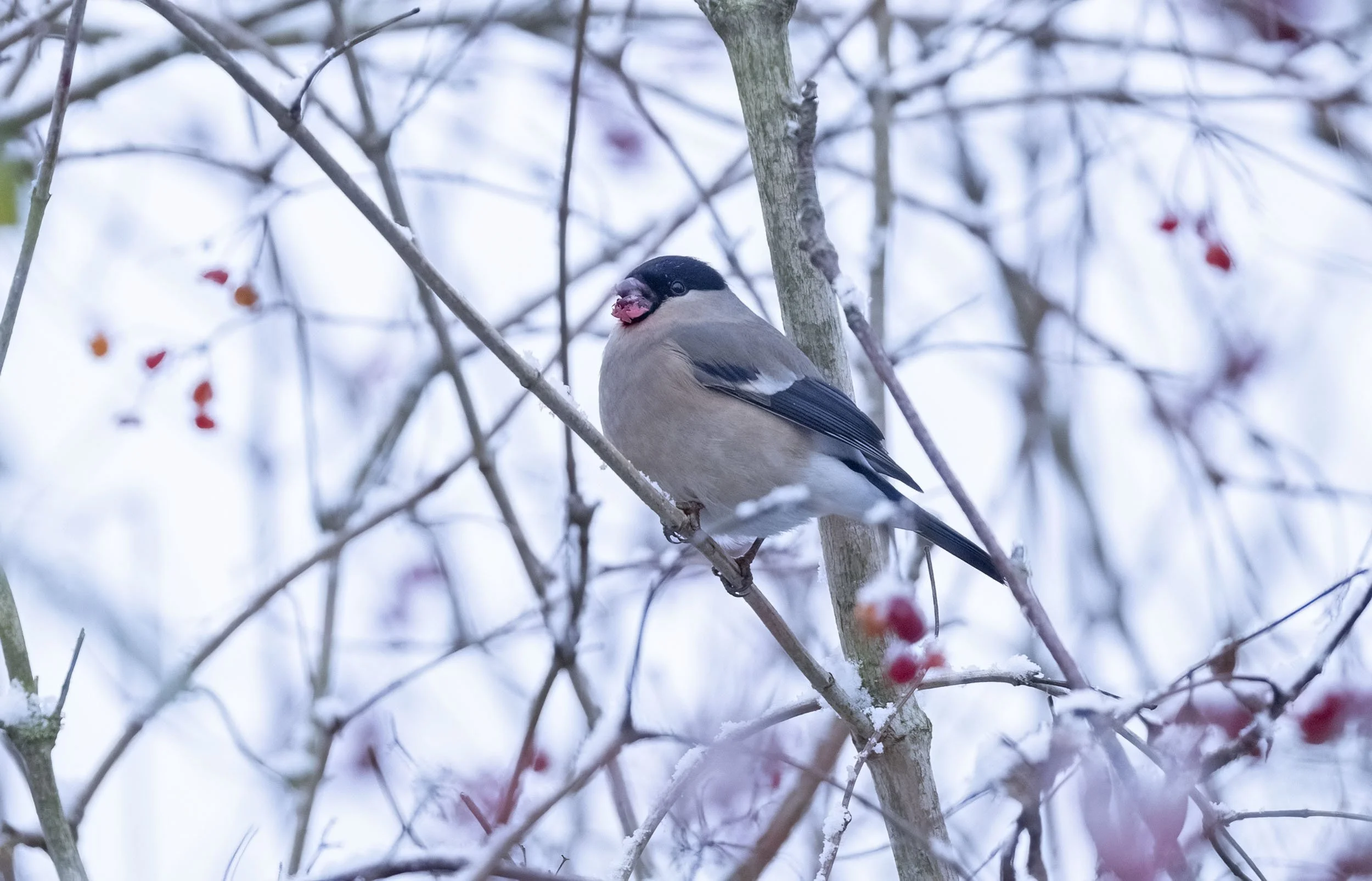
The Bullfinches were munching bramble seeds but then moved on t the Guelder Rose berrie4s one of their favourites on Wedge
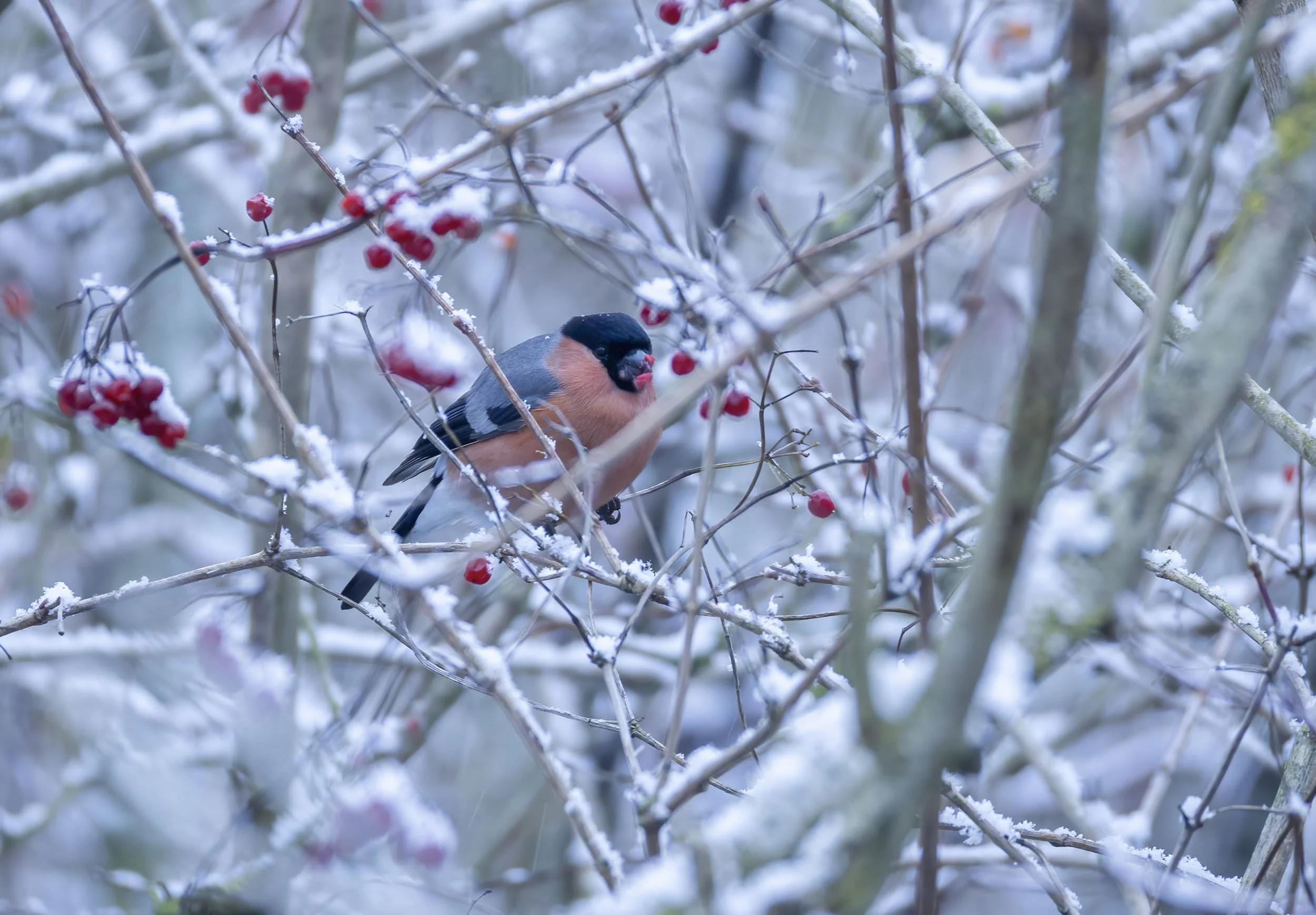
Light was non existent which was shame given the background
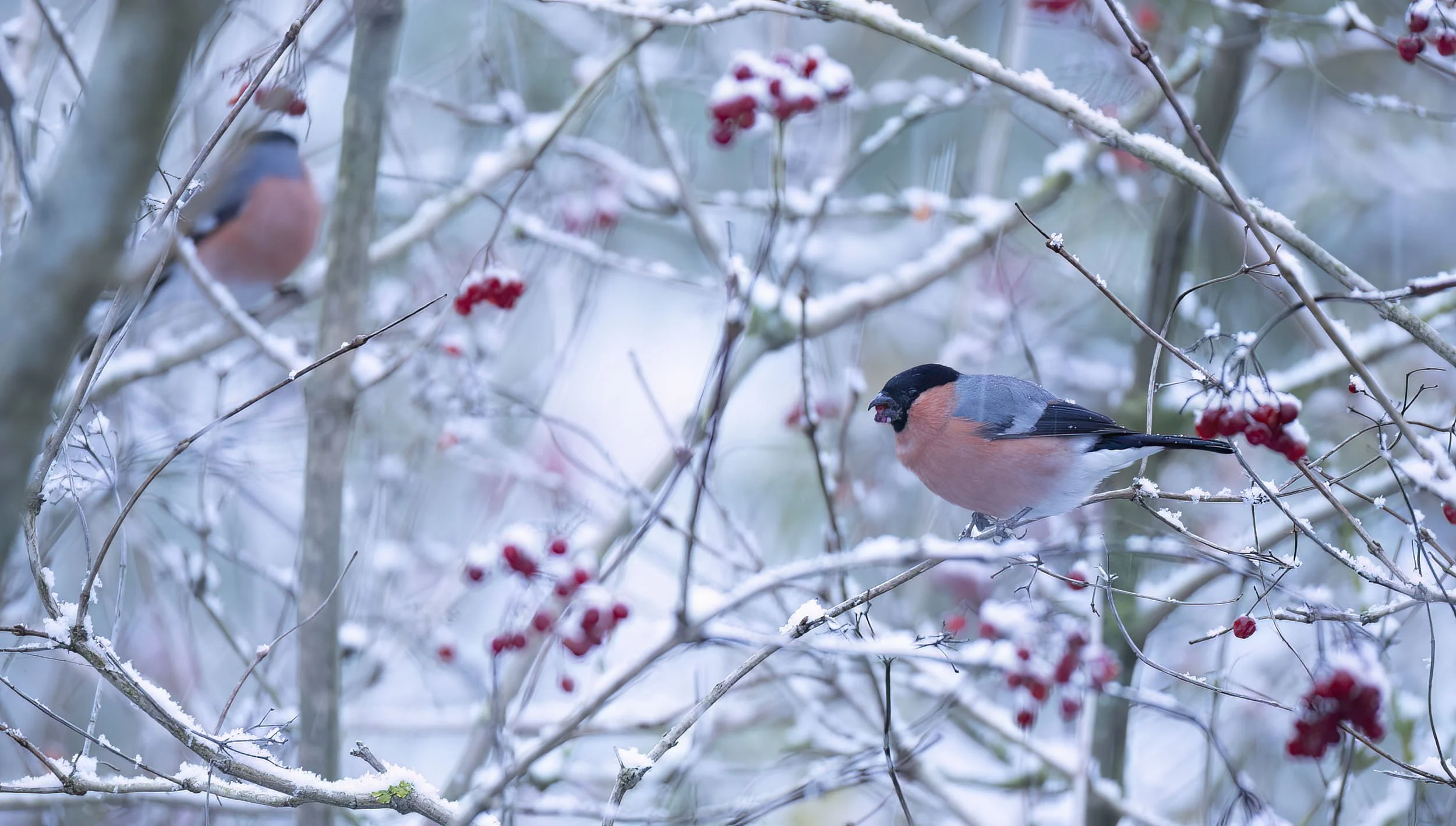
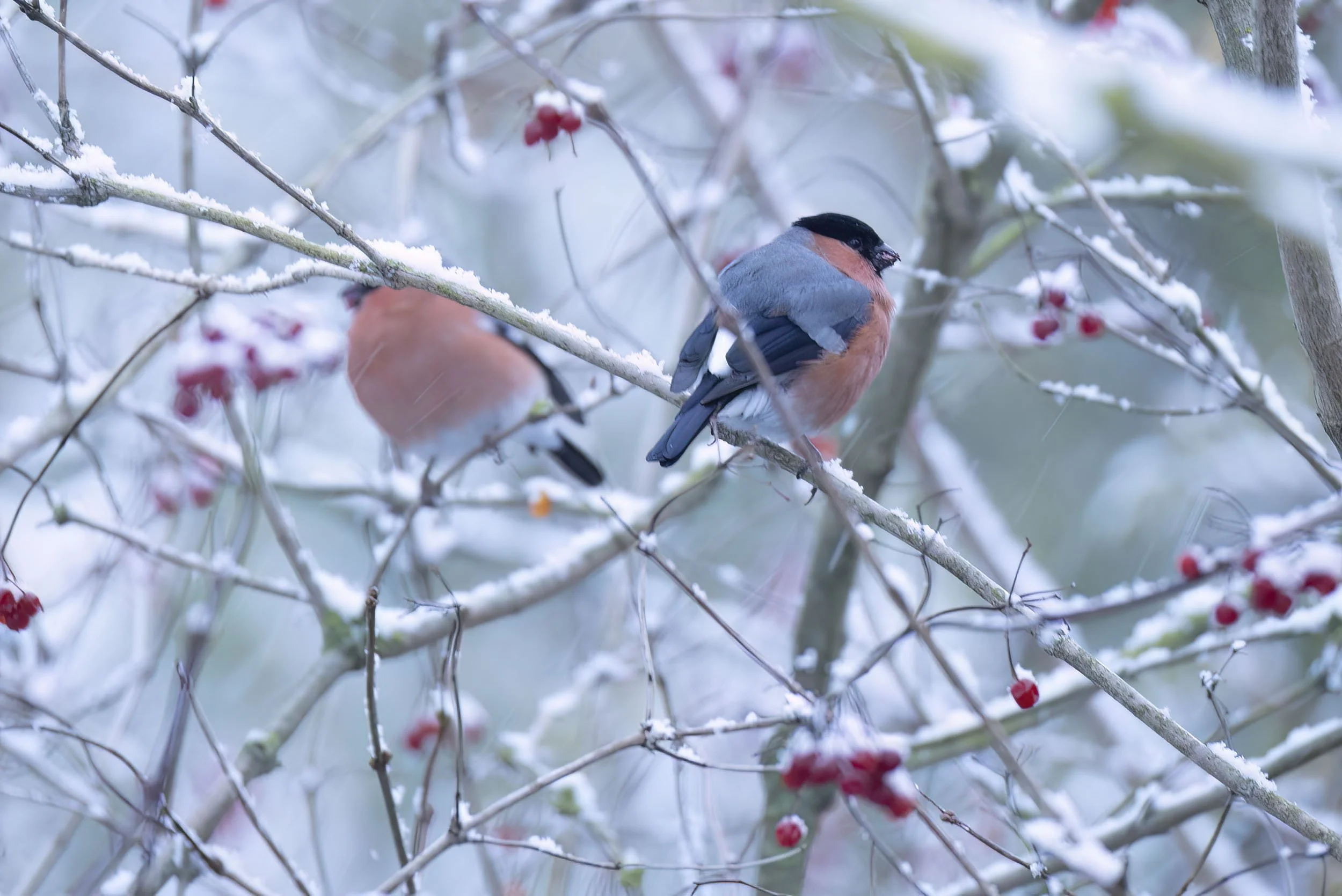
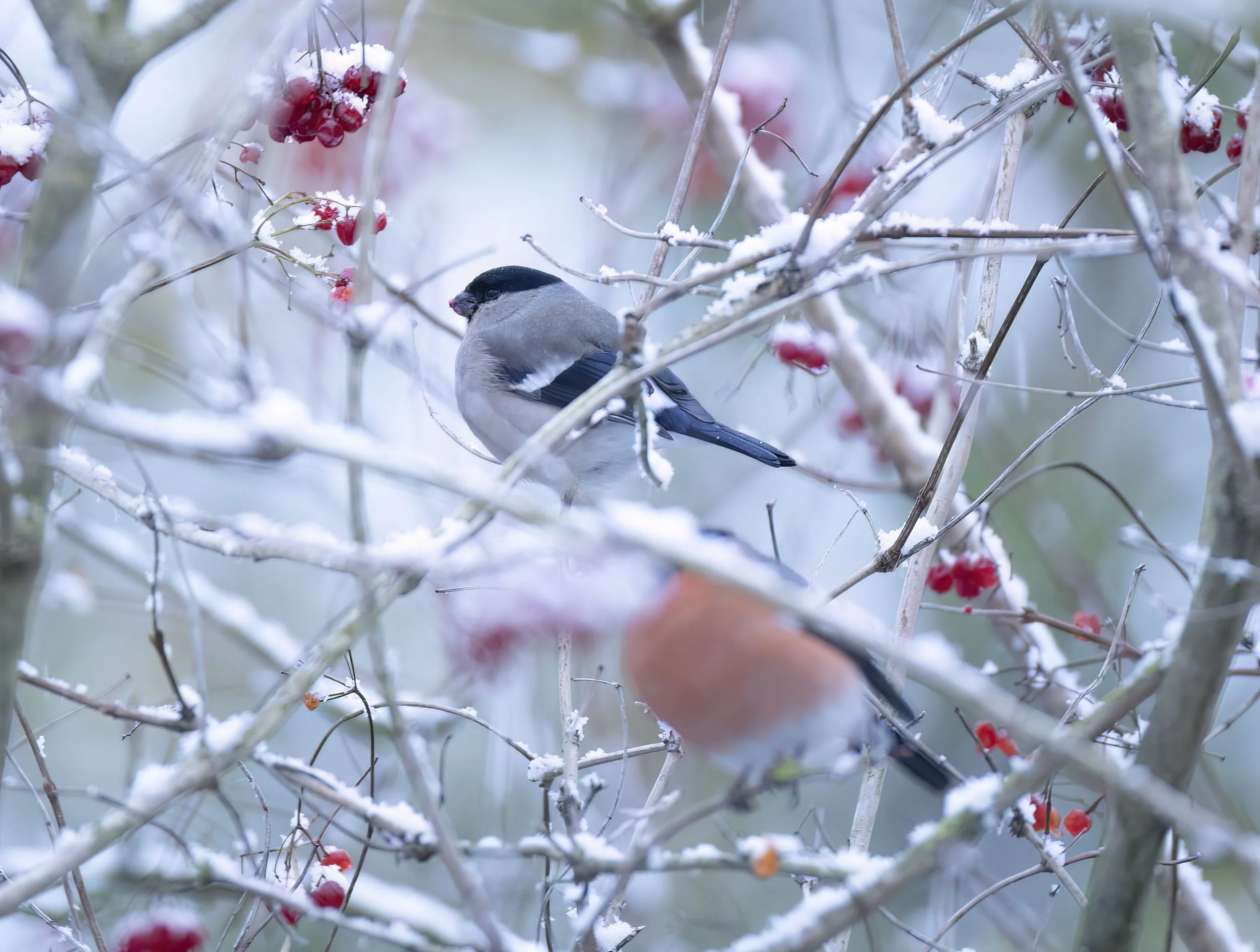
Ar 1/40th of a second at 700mm - are they pink toned or orange toned - I ma having difficulties with Northern Bully ID away from coastal nettles!
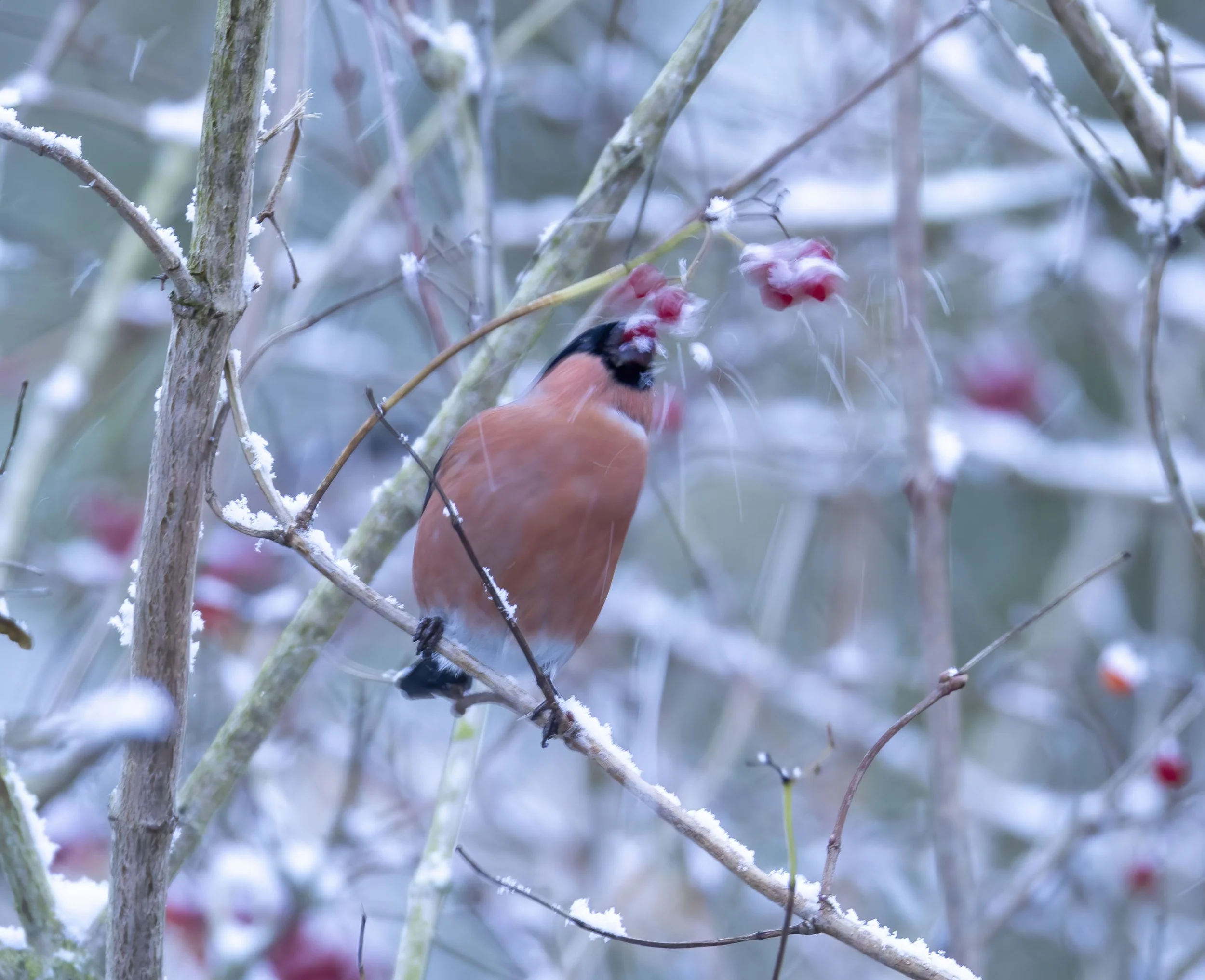
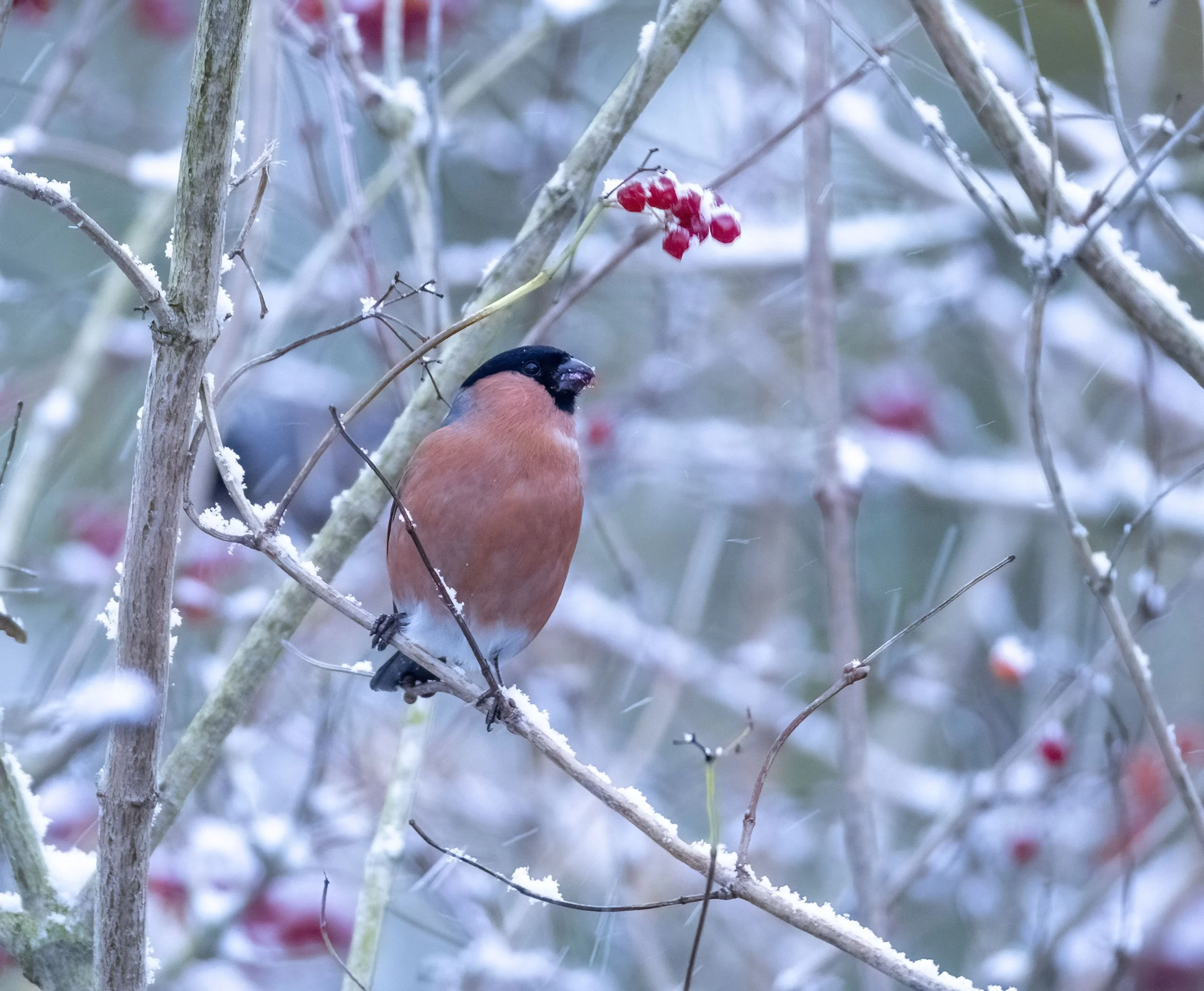
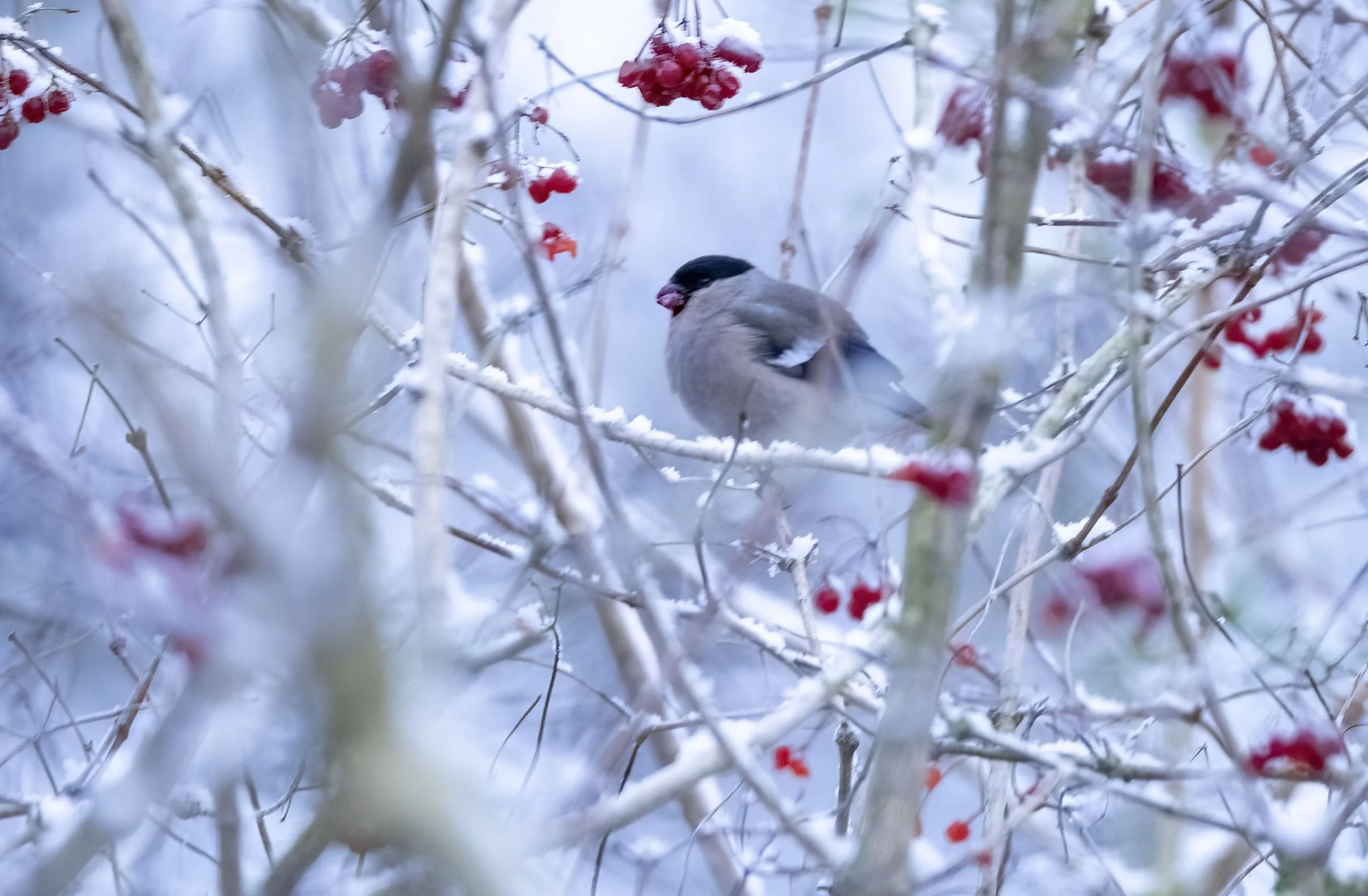
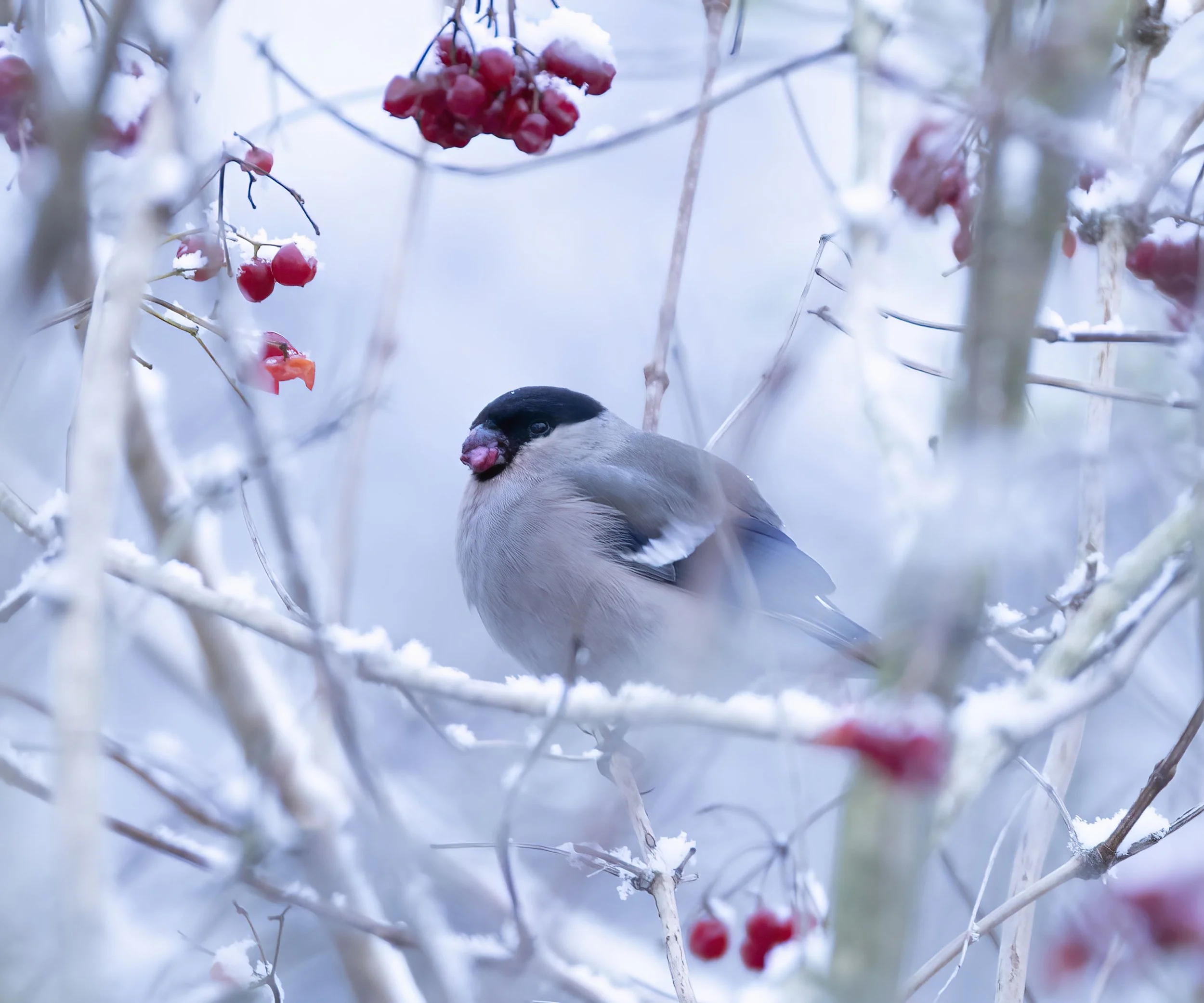
This female is clearly British pileata so we must assume the accompanying males are too?
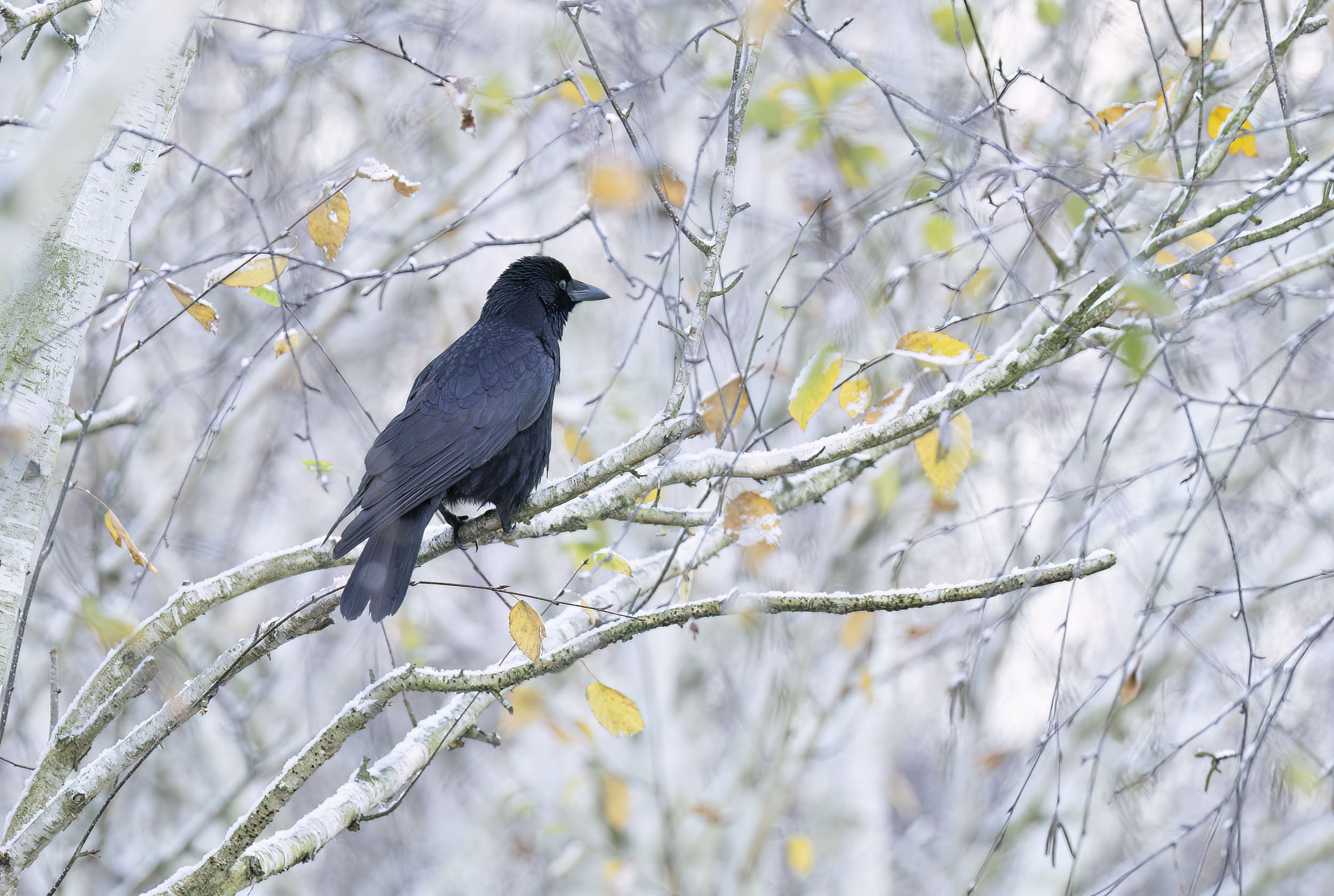
Carrion Crow in the snow frosted birches - even the mundane can make a nice photo
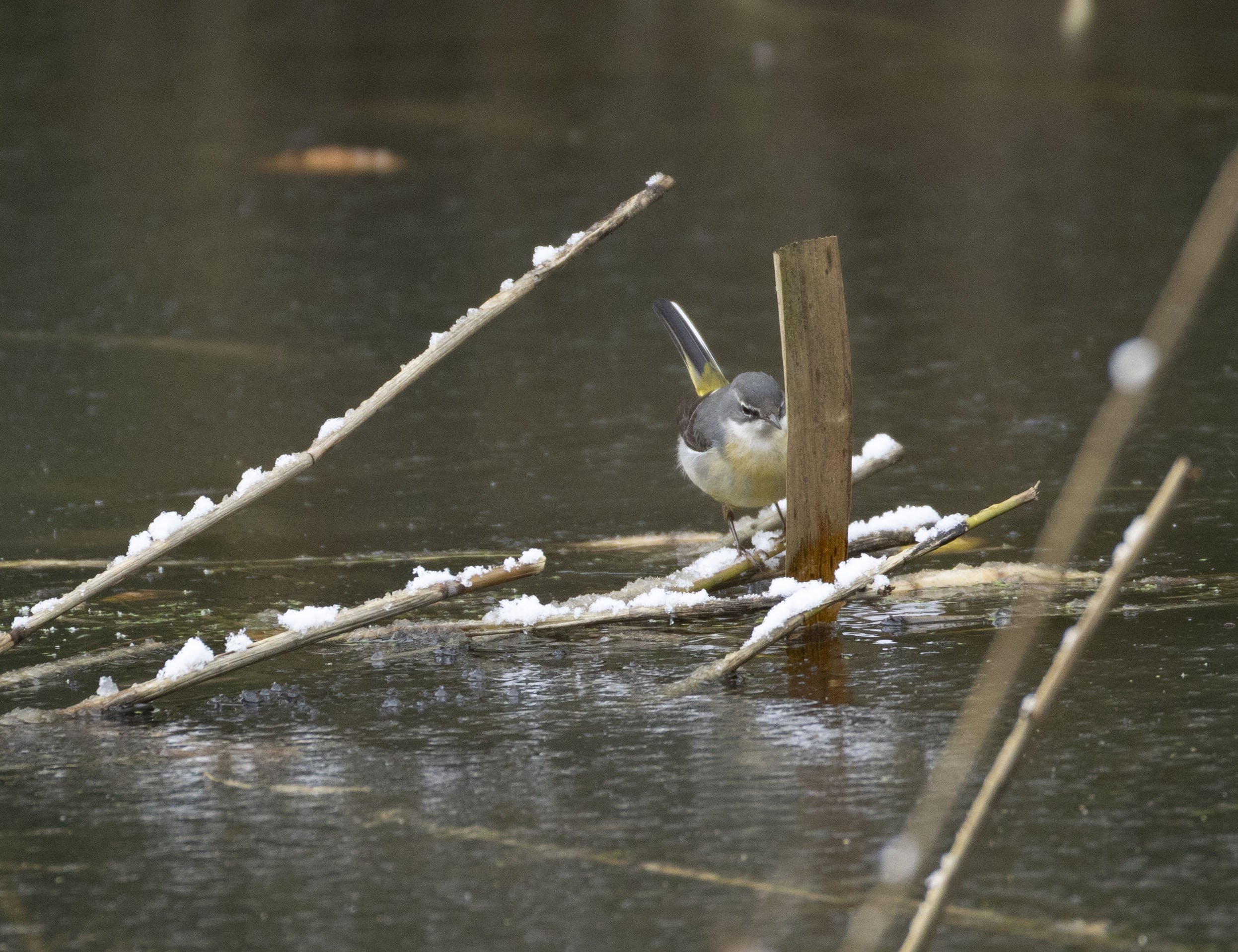
This first-winter Grey Wagtail was feeding on a small ice covered pond
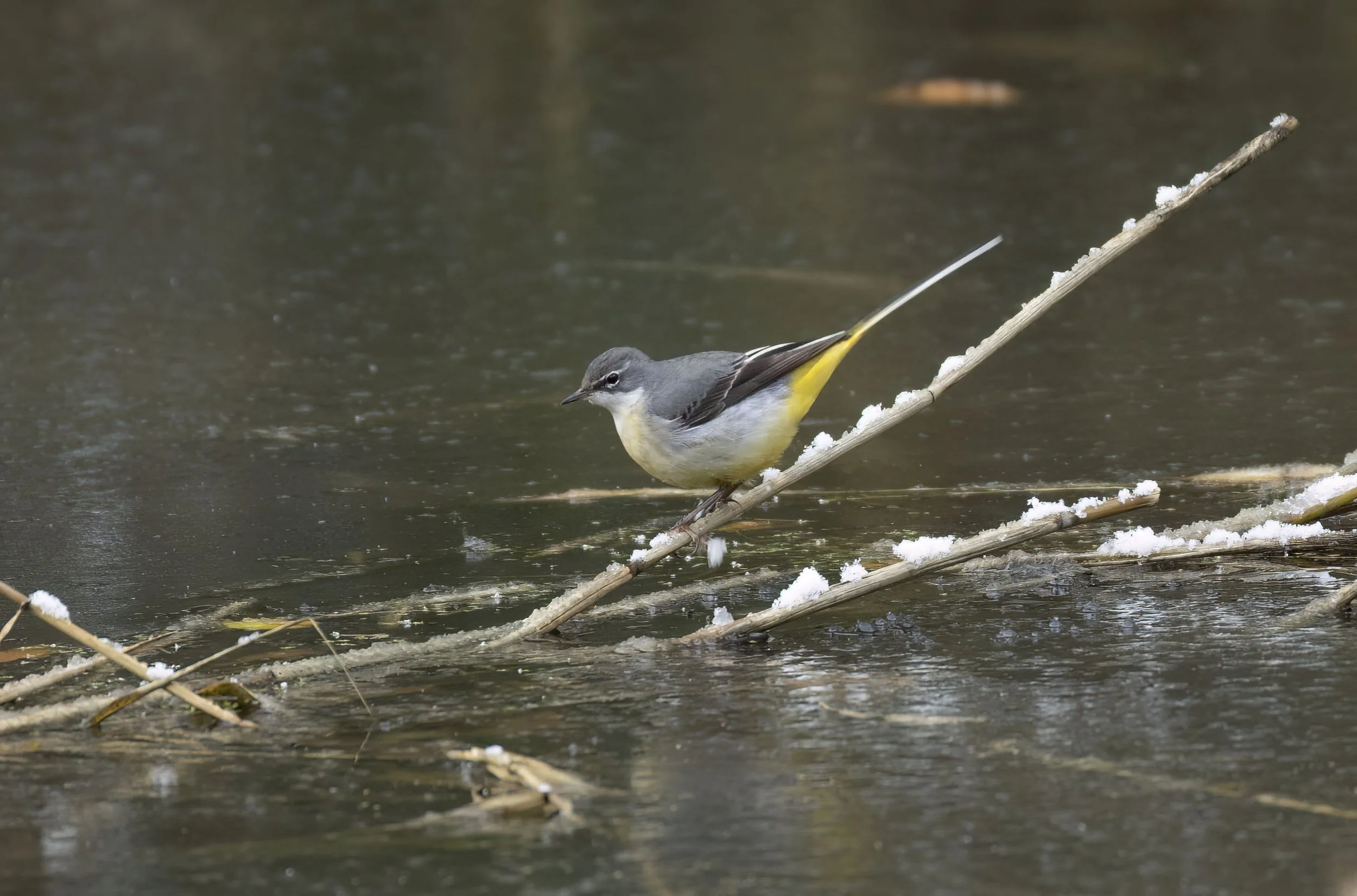

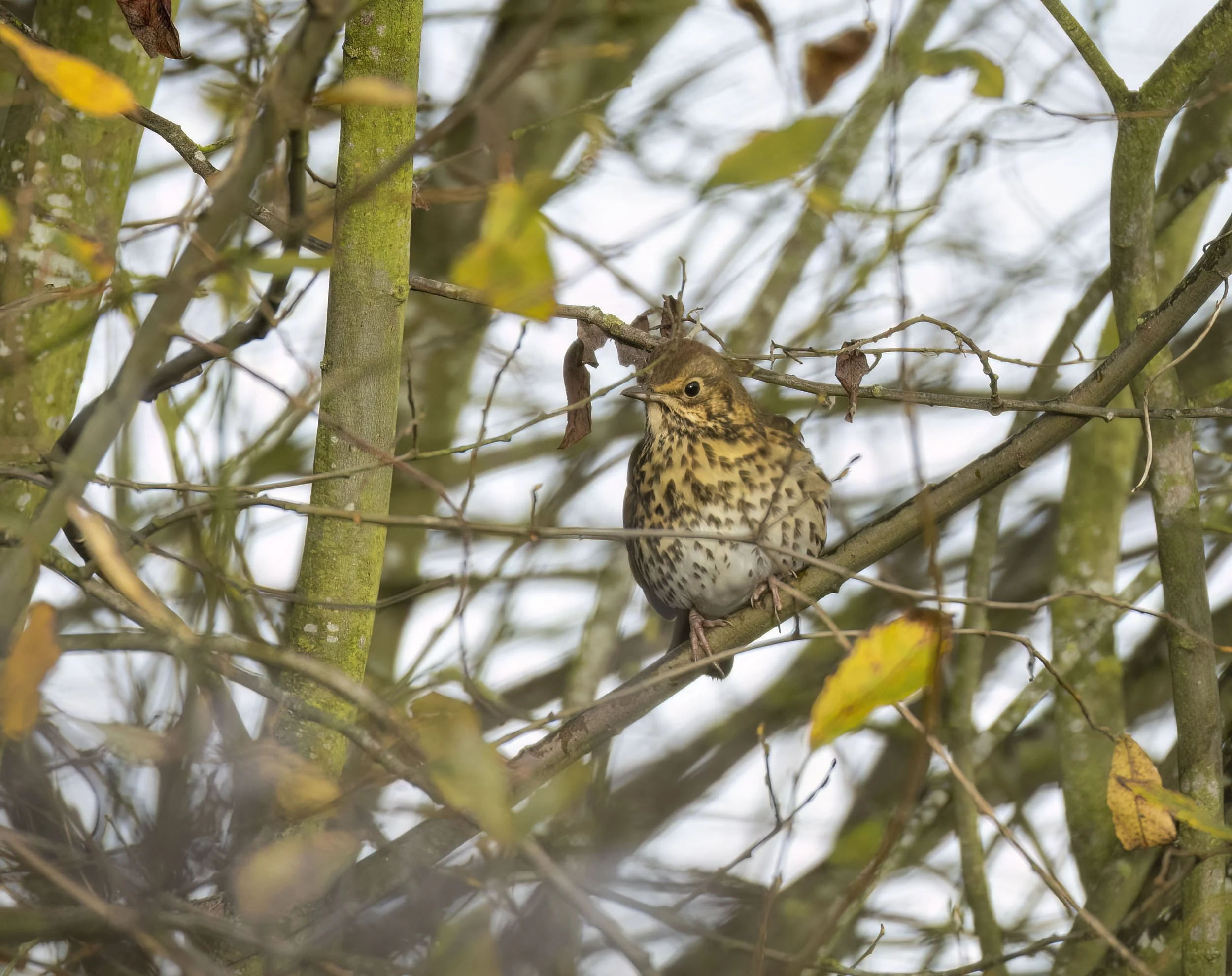
Song Thrush no snow it melted quickly
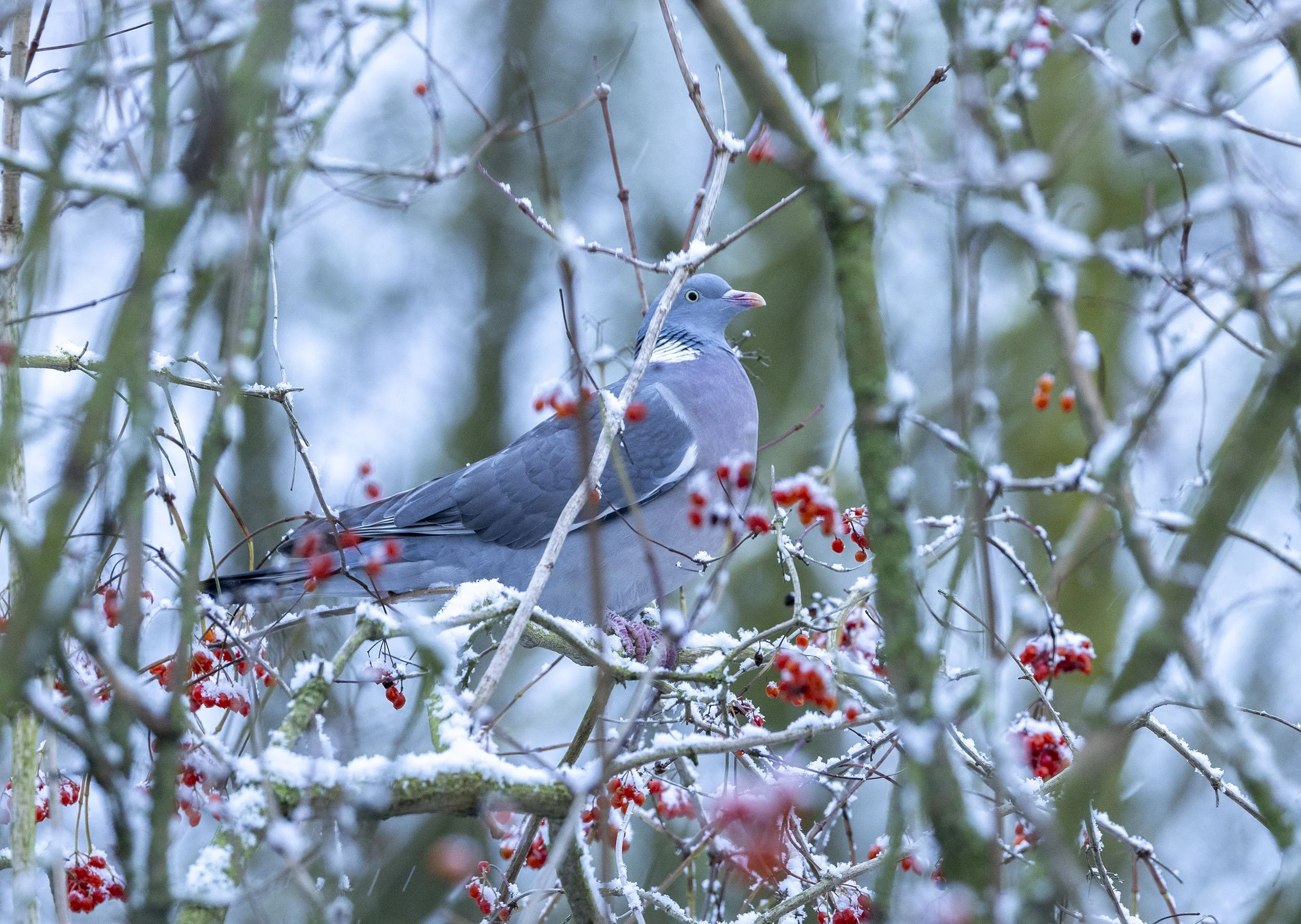
Woodpigeon feeding on Guelder Rose berries
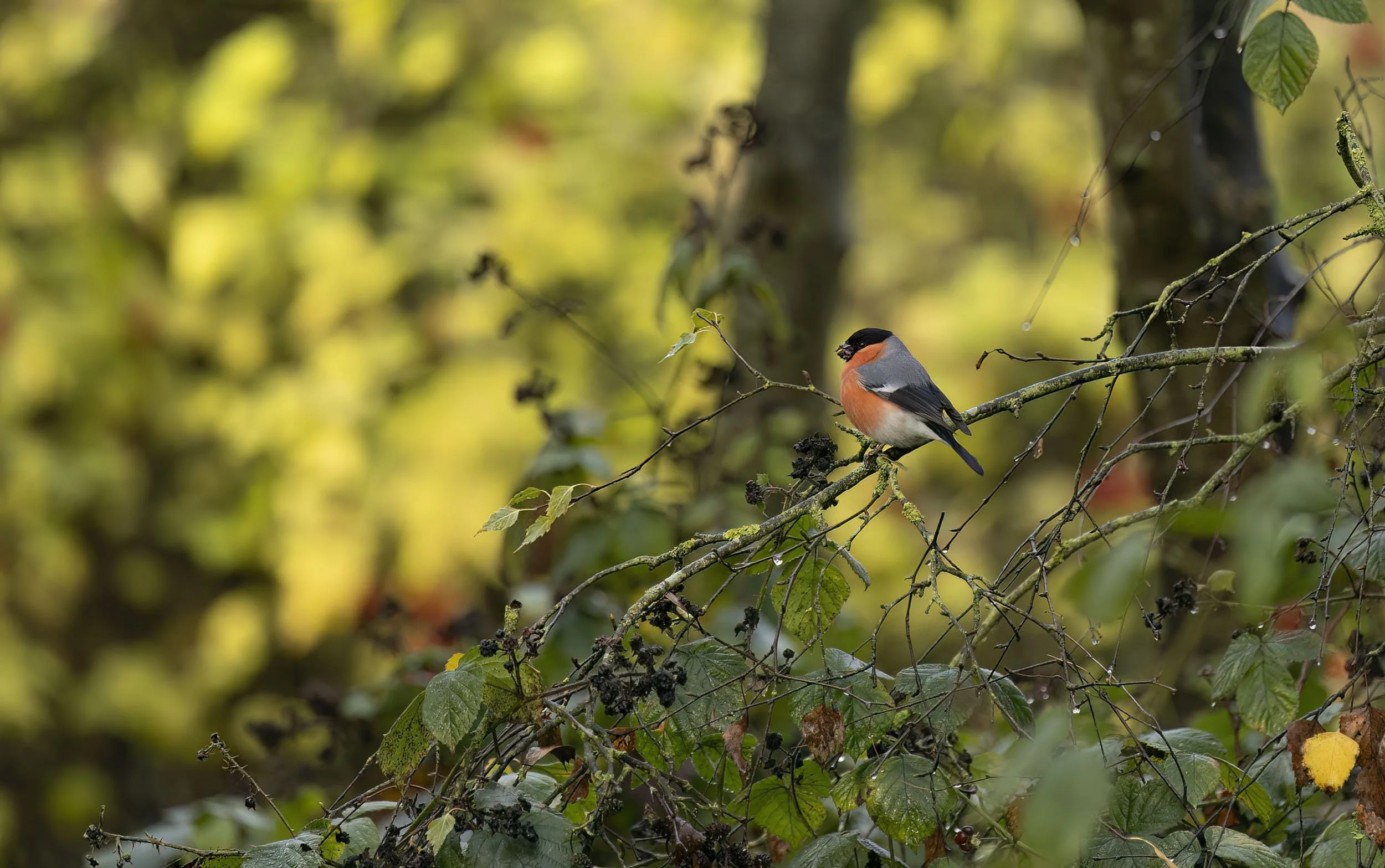
My favourite Bullfinch shot of the month
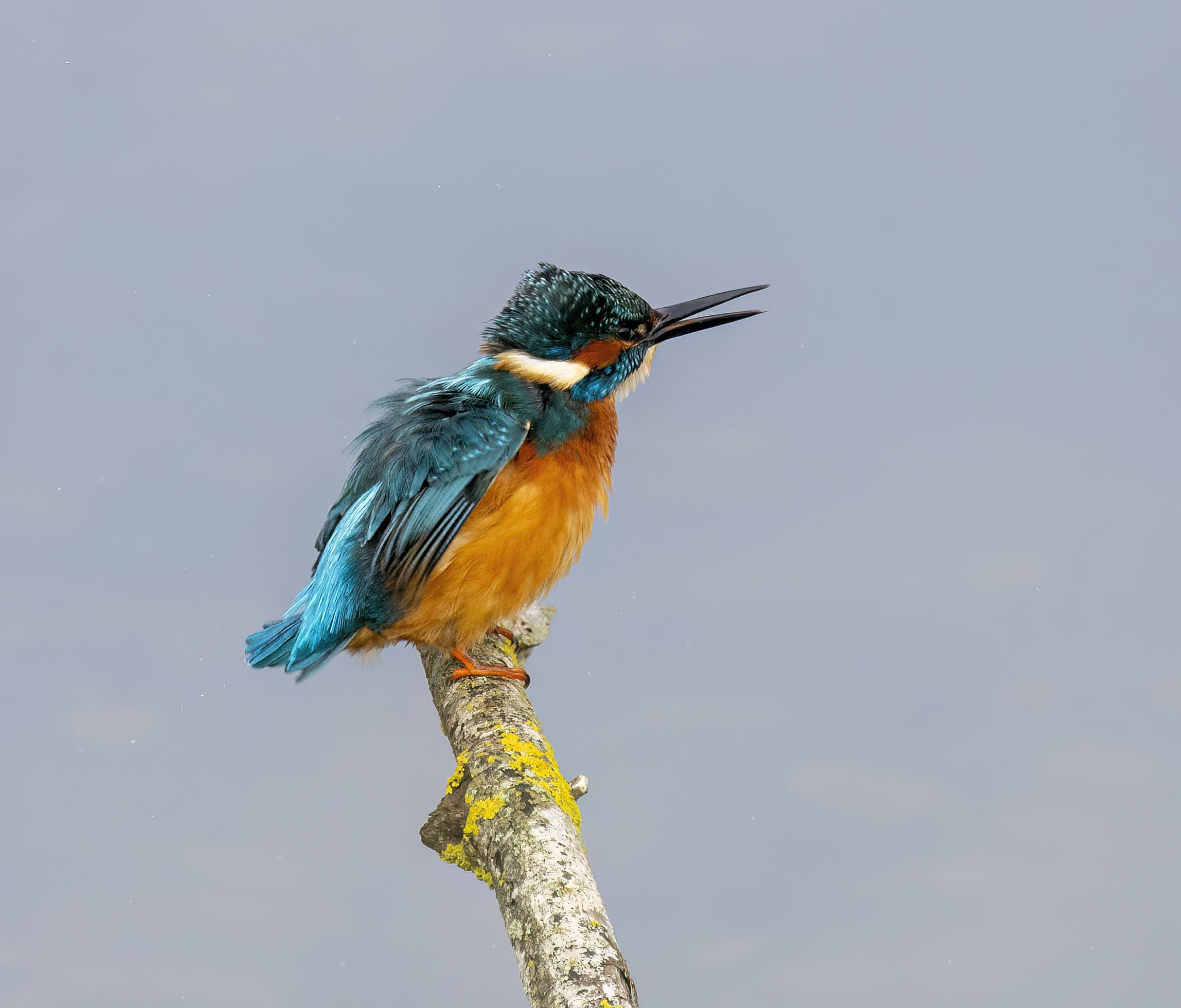
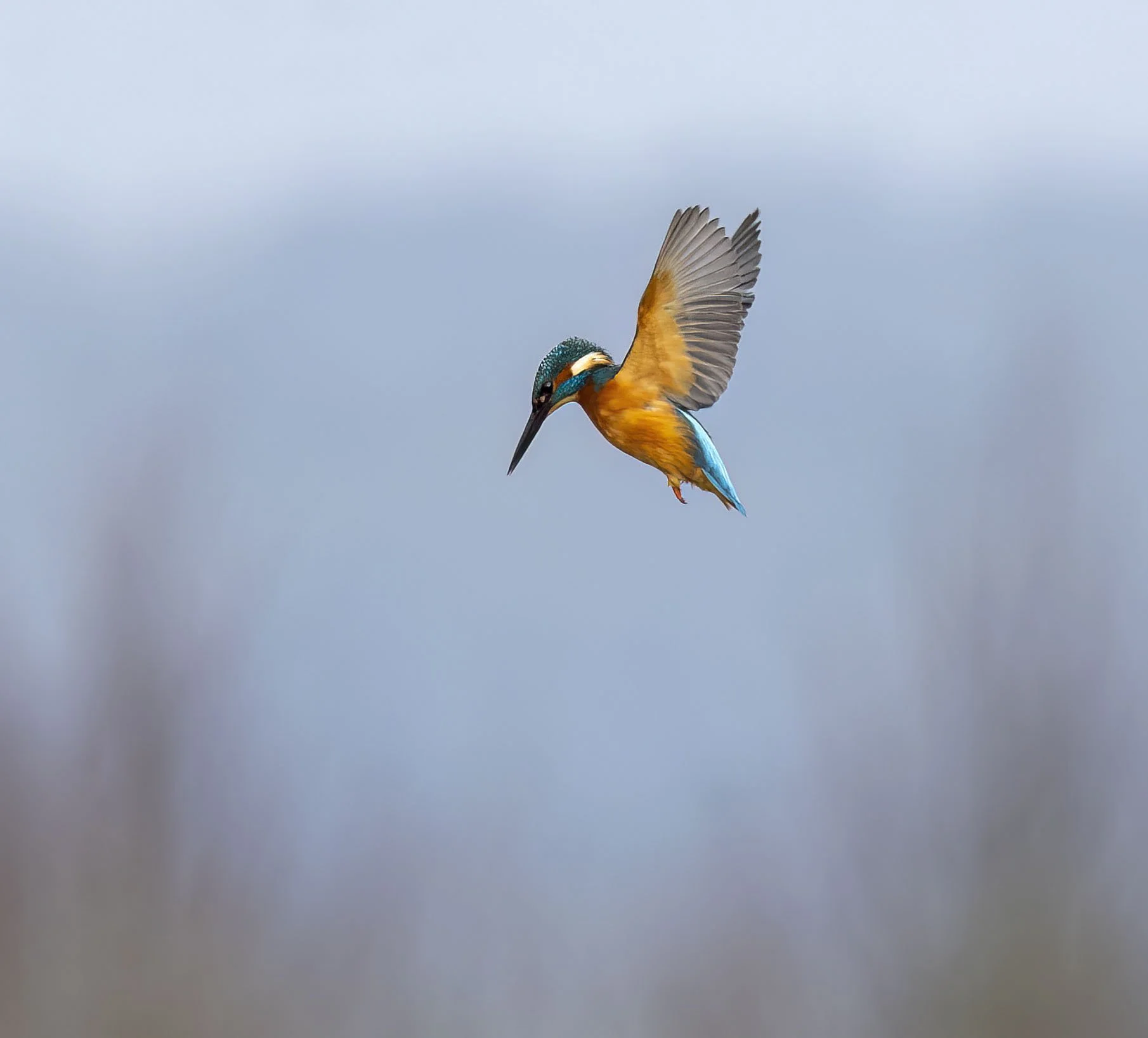
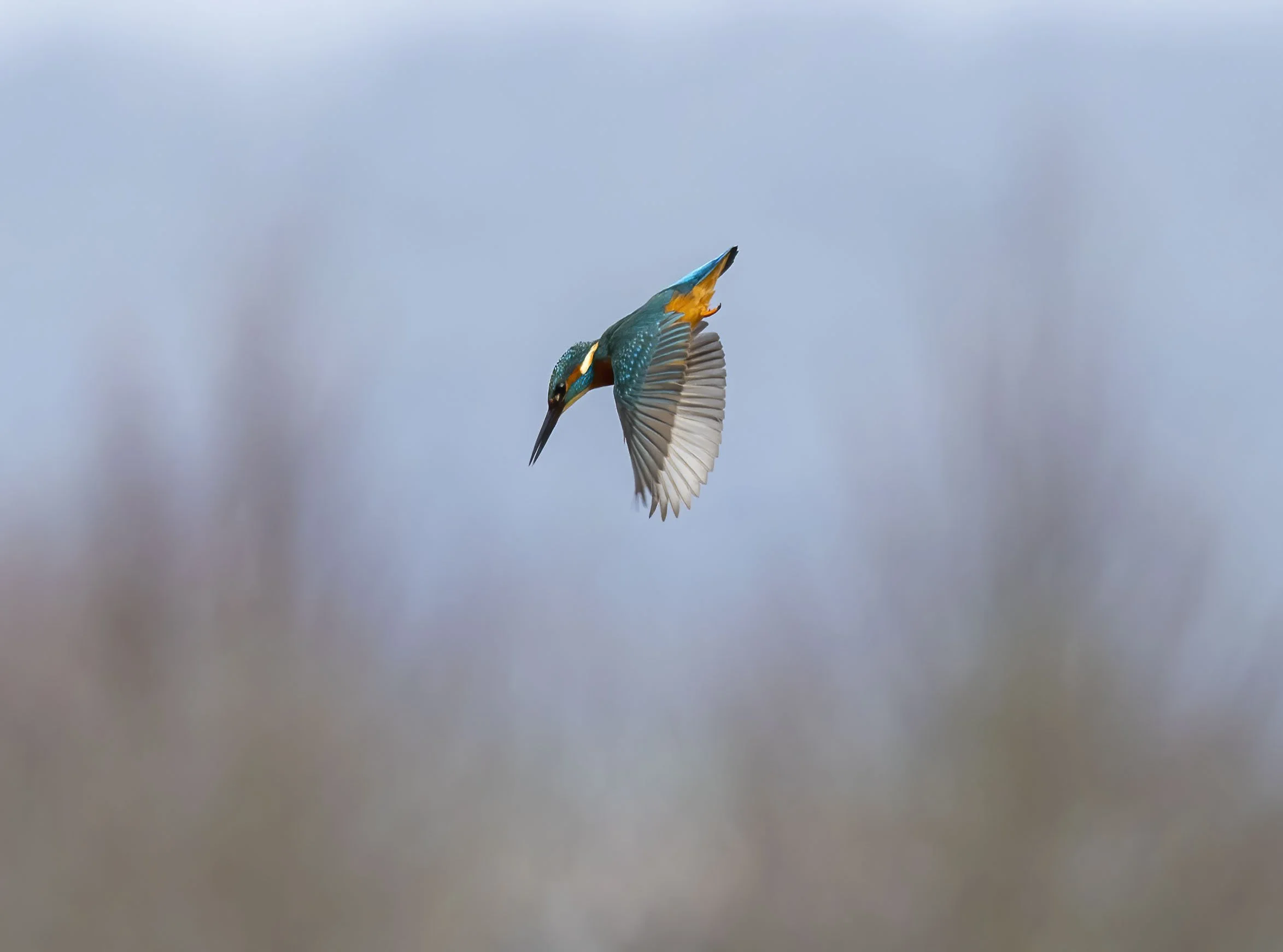
Amazed that it has taken 11 months to get a Kingfisher image but its 194 for the year
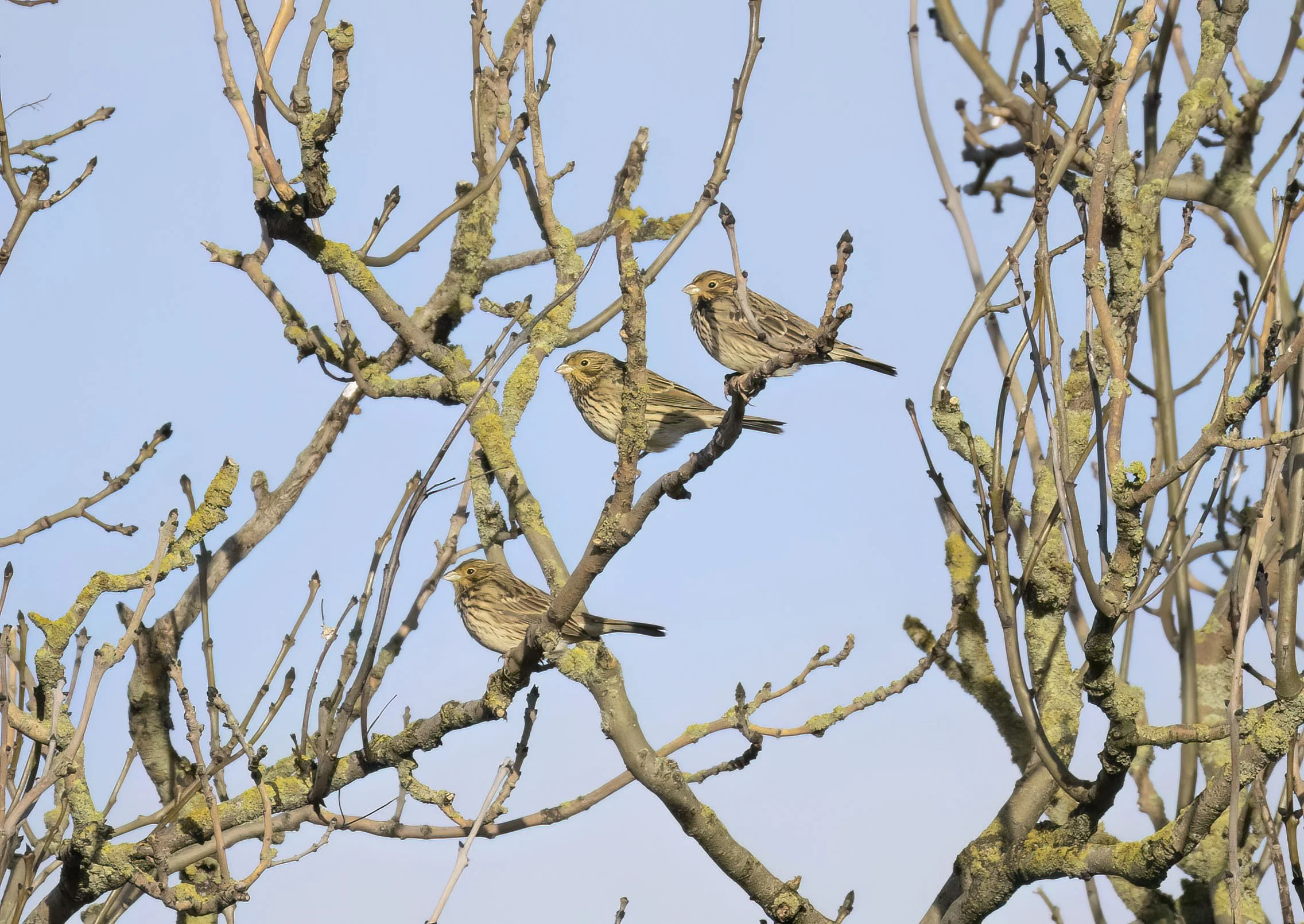
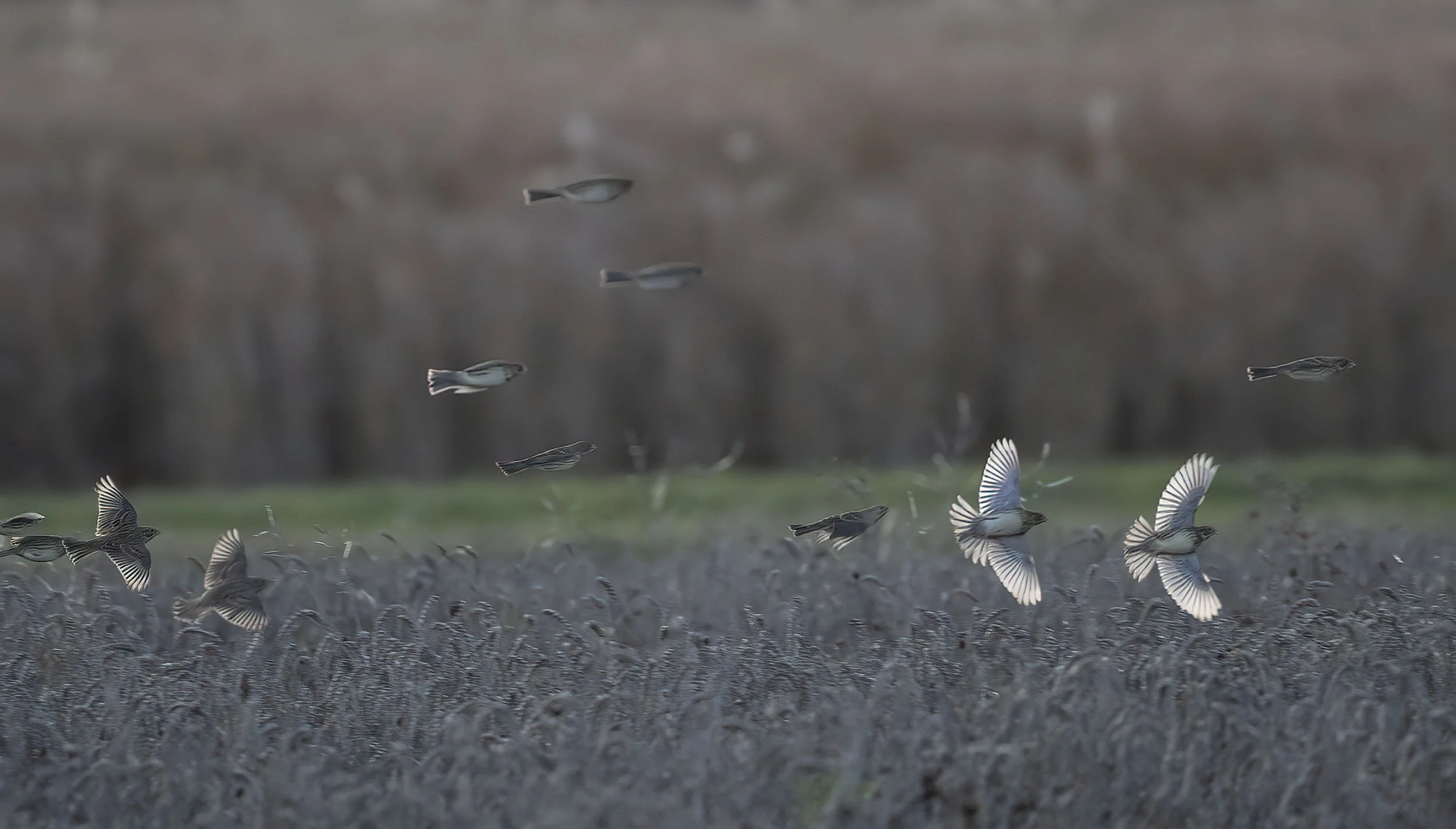
195 Corn Bunting - another species slipping to extinction locally after holding out for many years as other populations vanished - none on my patch this year for the first time ever echoing the loss of Tree Sparrow - came across a flock of c70 today so hopefully a few pairs will survive to next spring
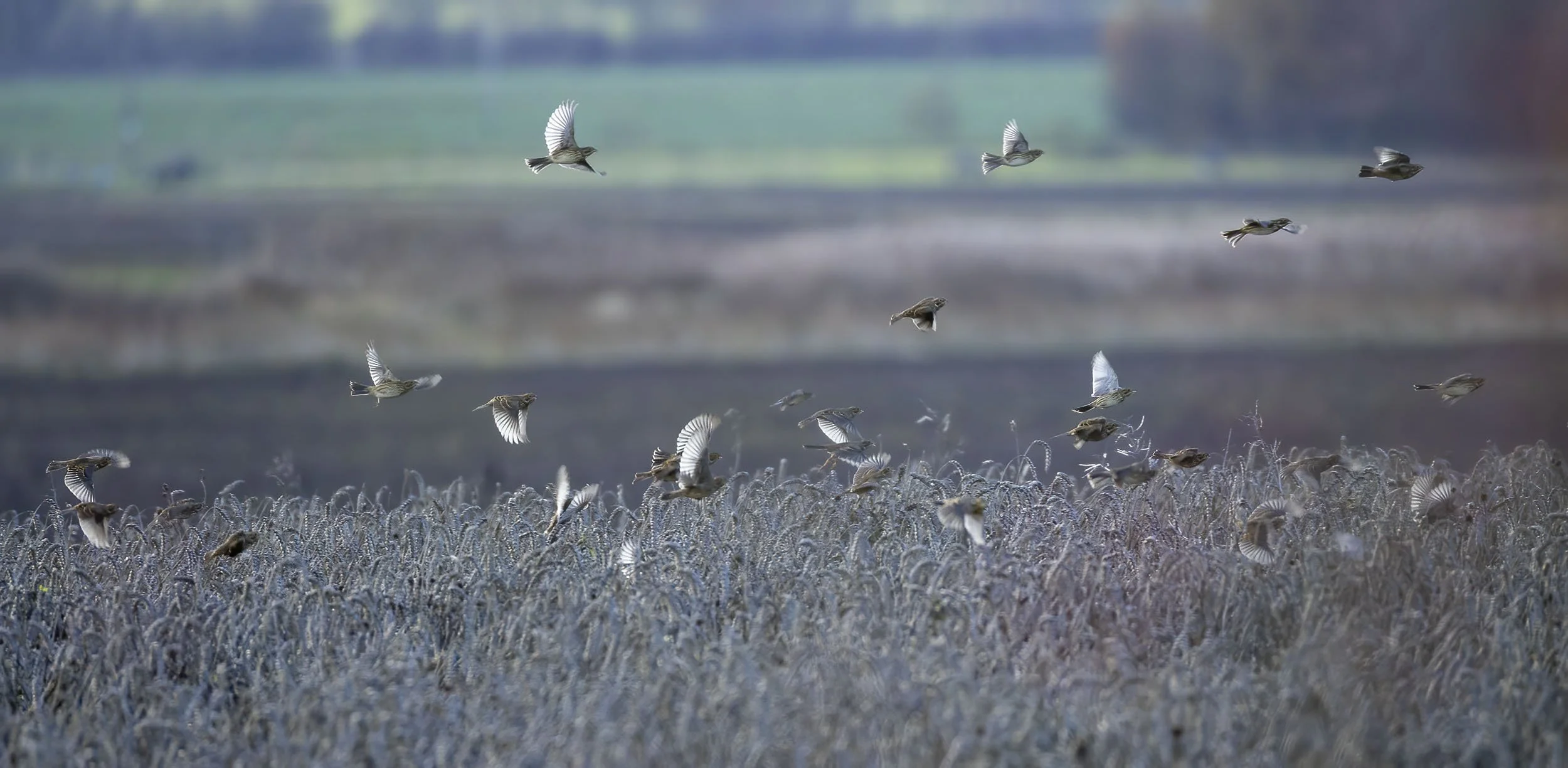
Corn Buntings over some corn
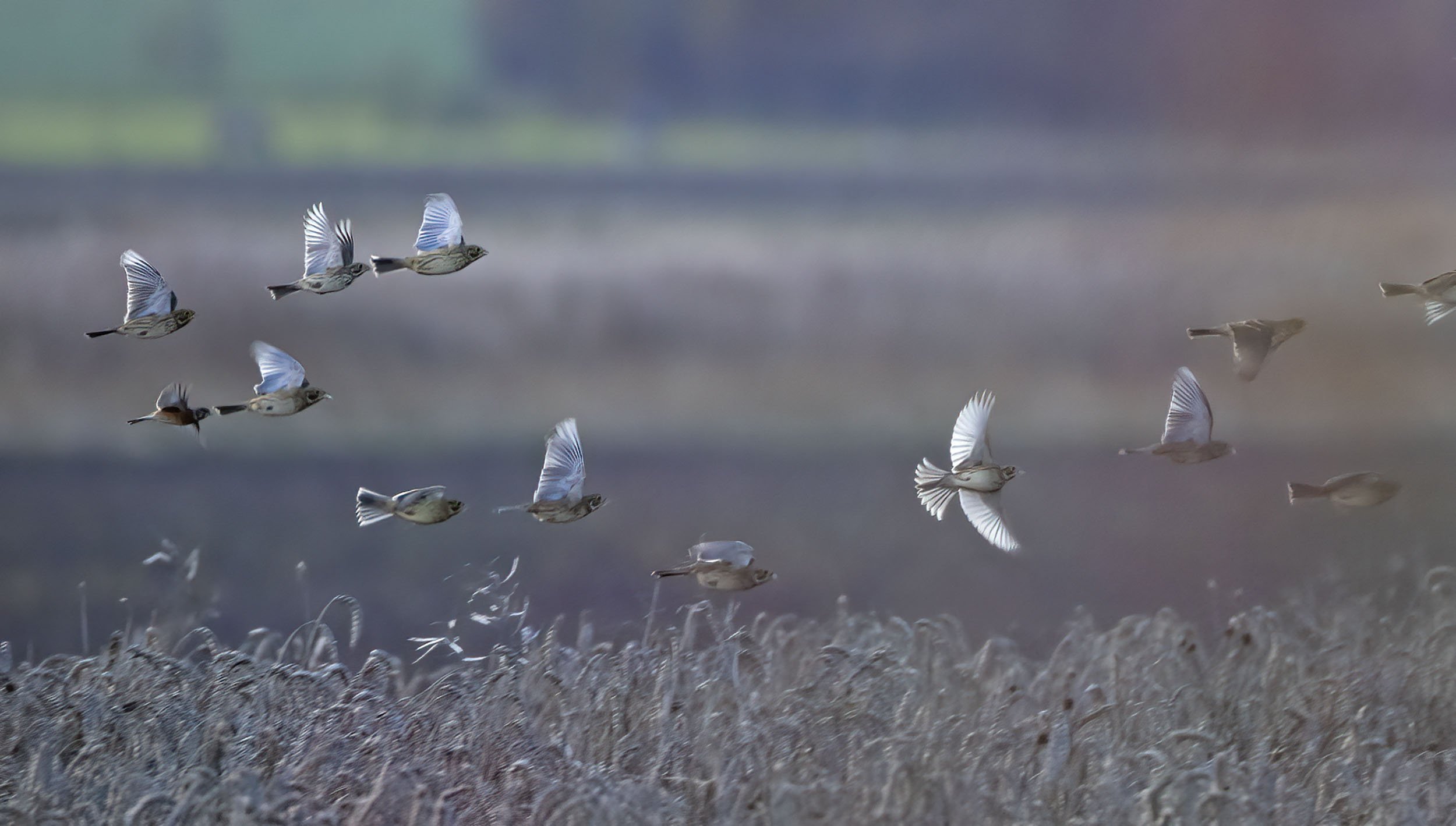
amazing how fast Corn Buntings fly in dull light
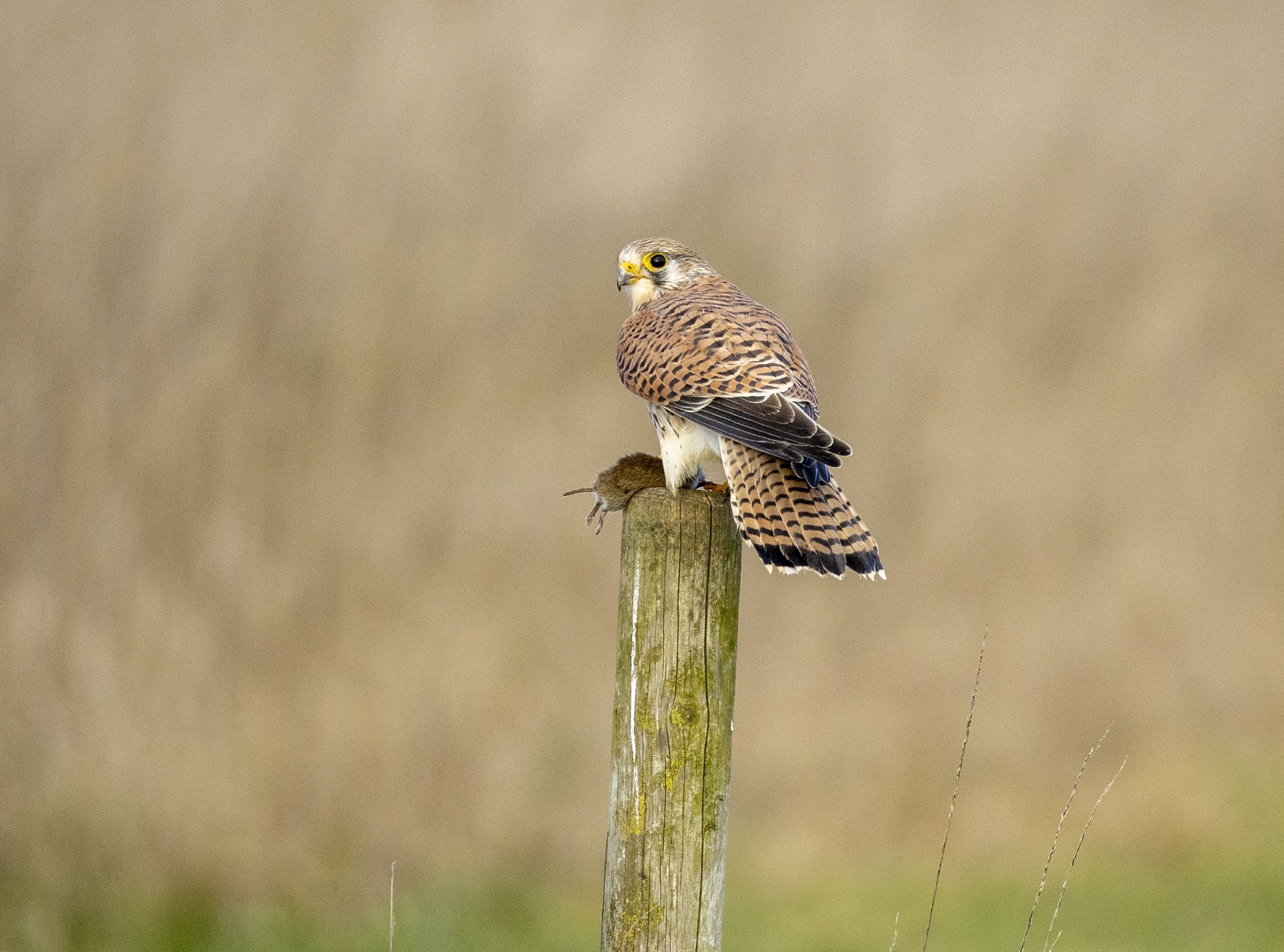
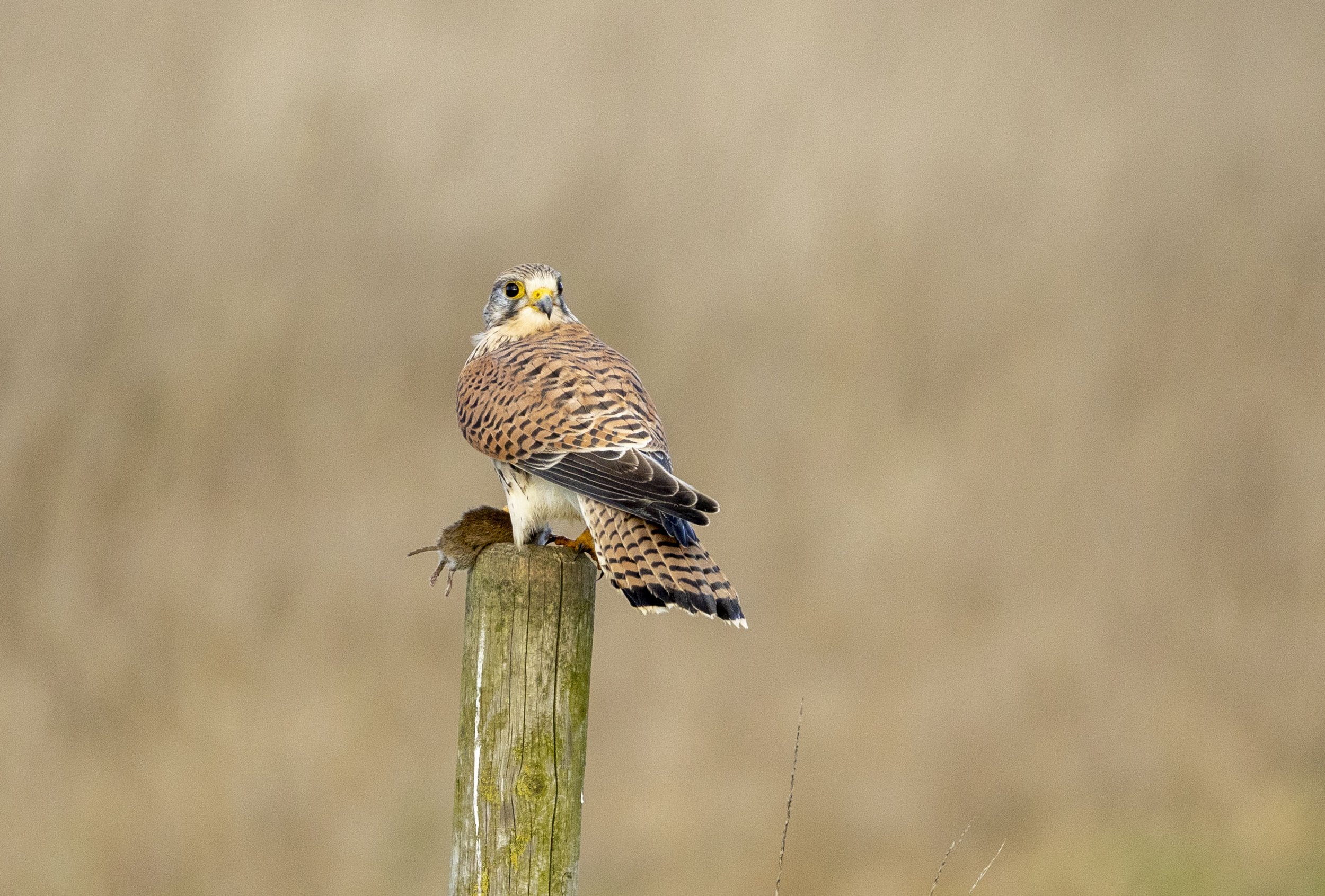
This 1cy Kestrel caught a short-tailed vole next to me and then landed on this post for a few seconds
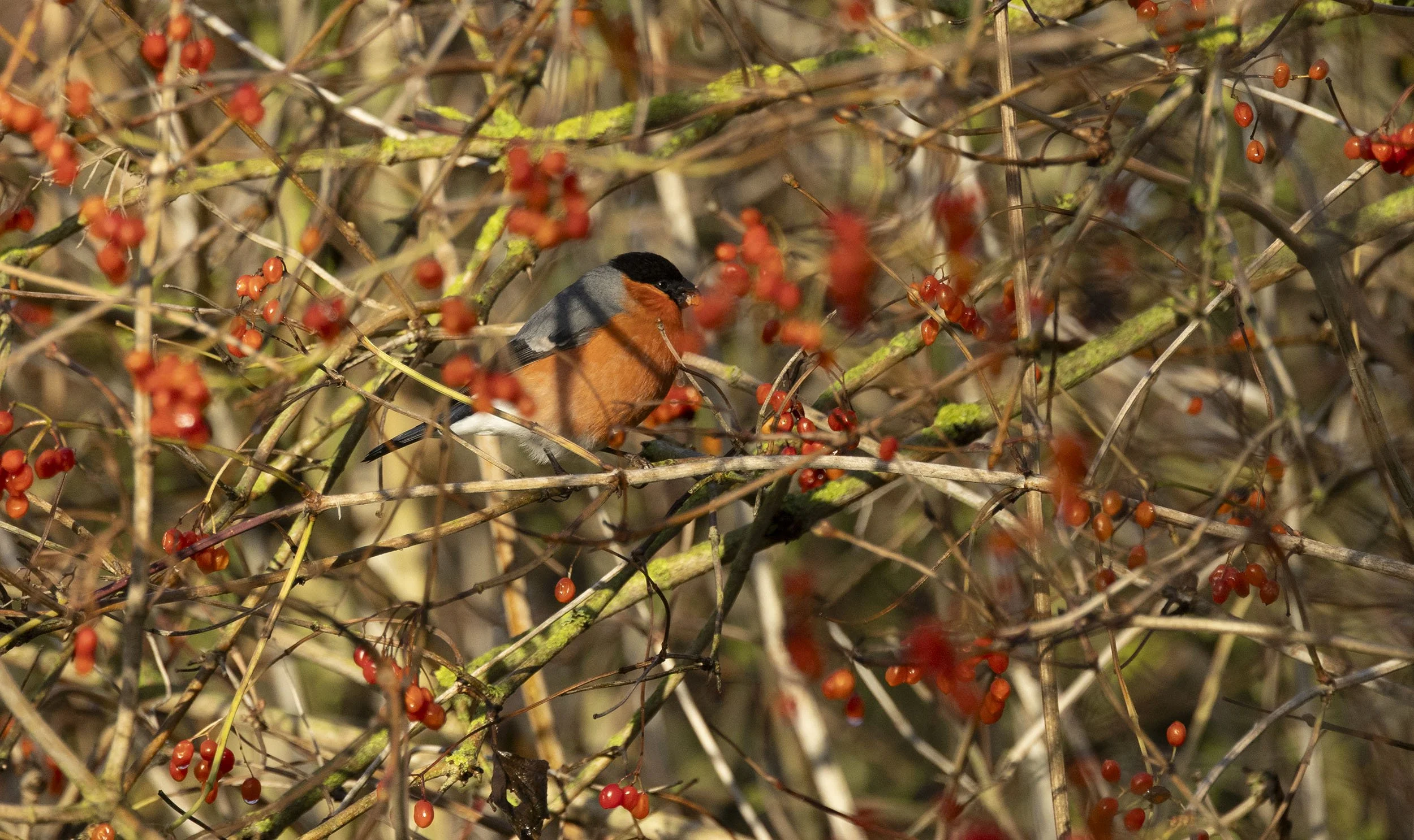
Always room for one more Bullfinch particularly when its as well camouflaged as this one
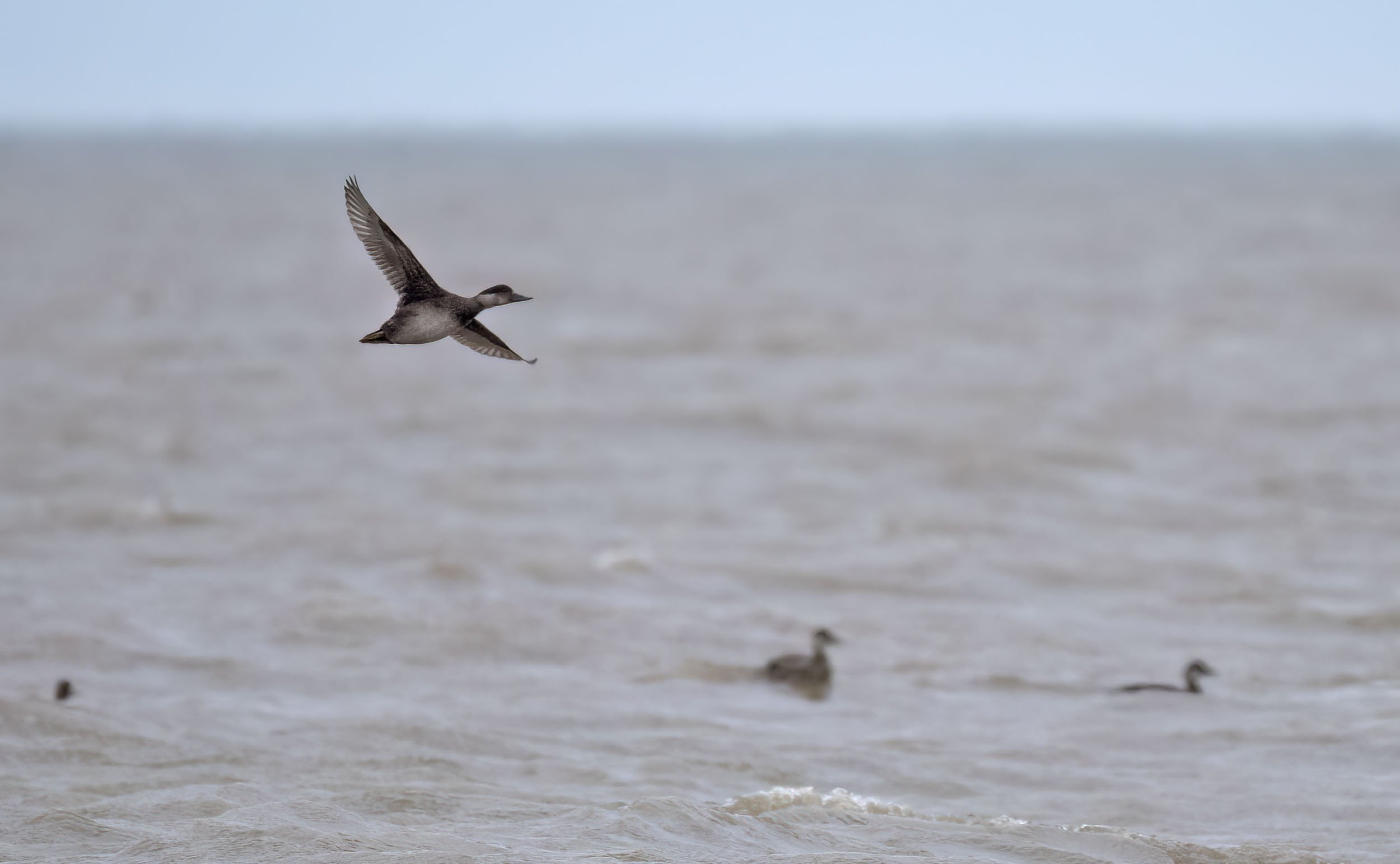
Common Scoter 196 on the list - small flock on the coast today with five tailed Ducks

Always well put and on a very choppy sea
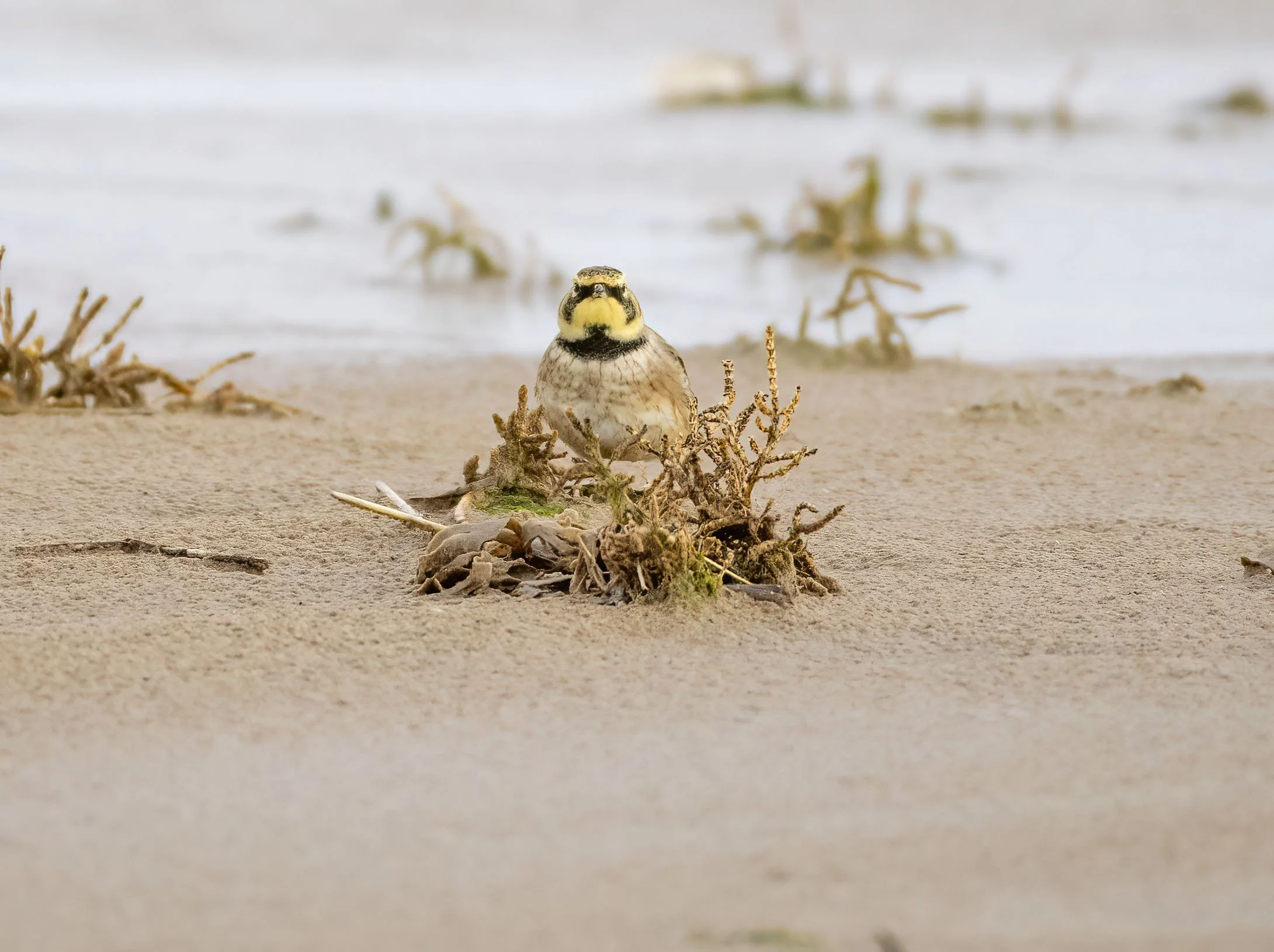
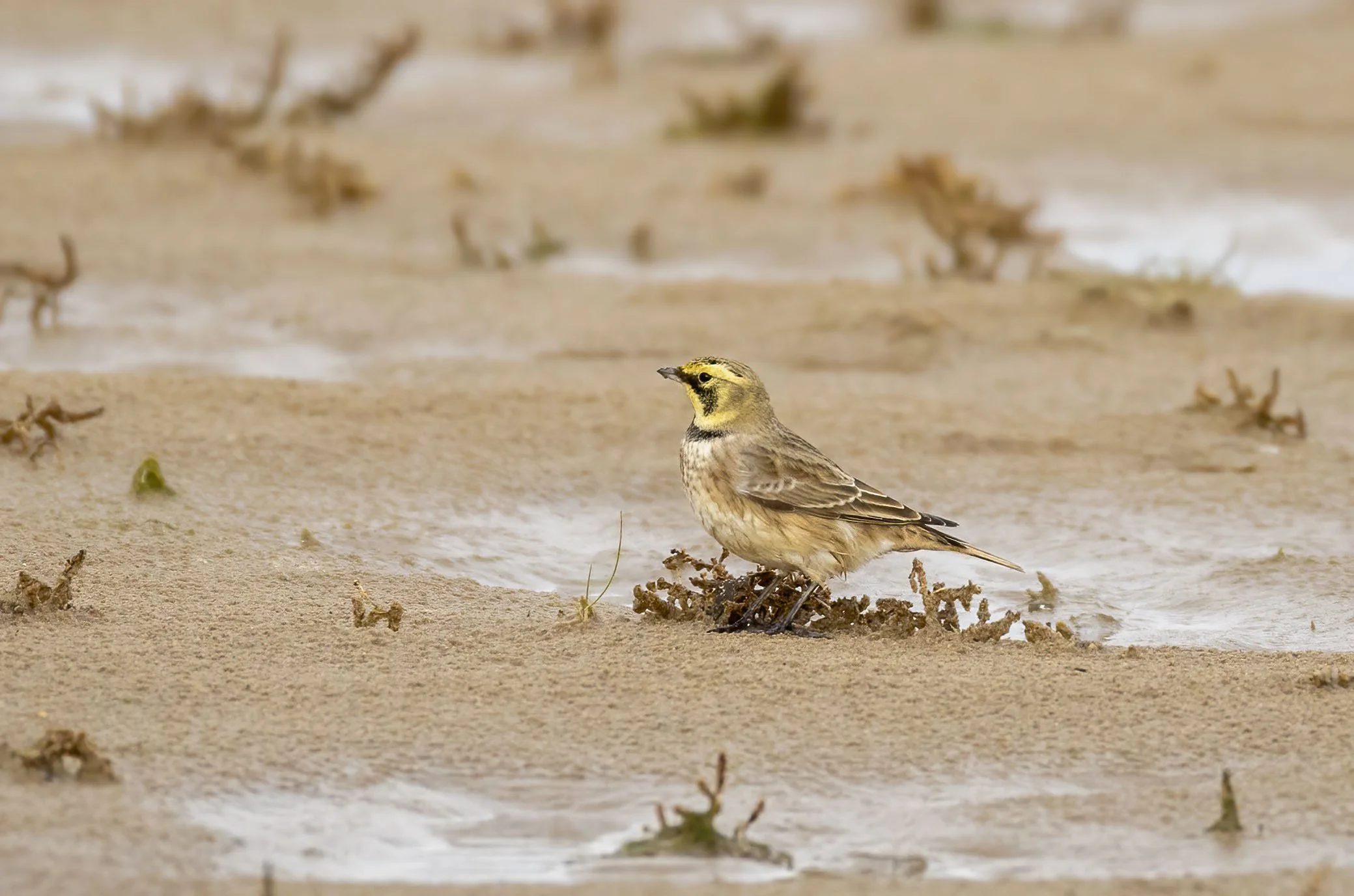
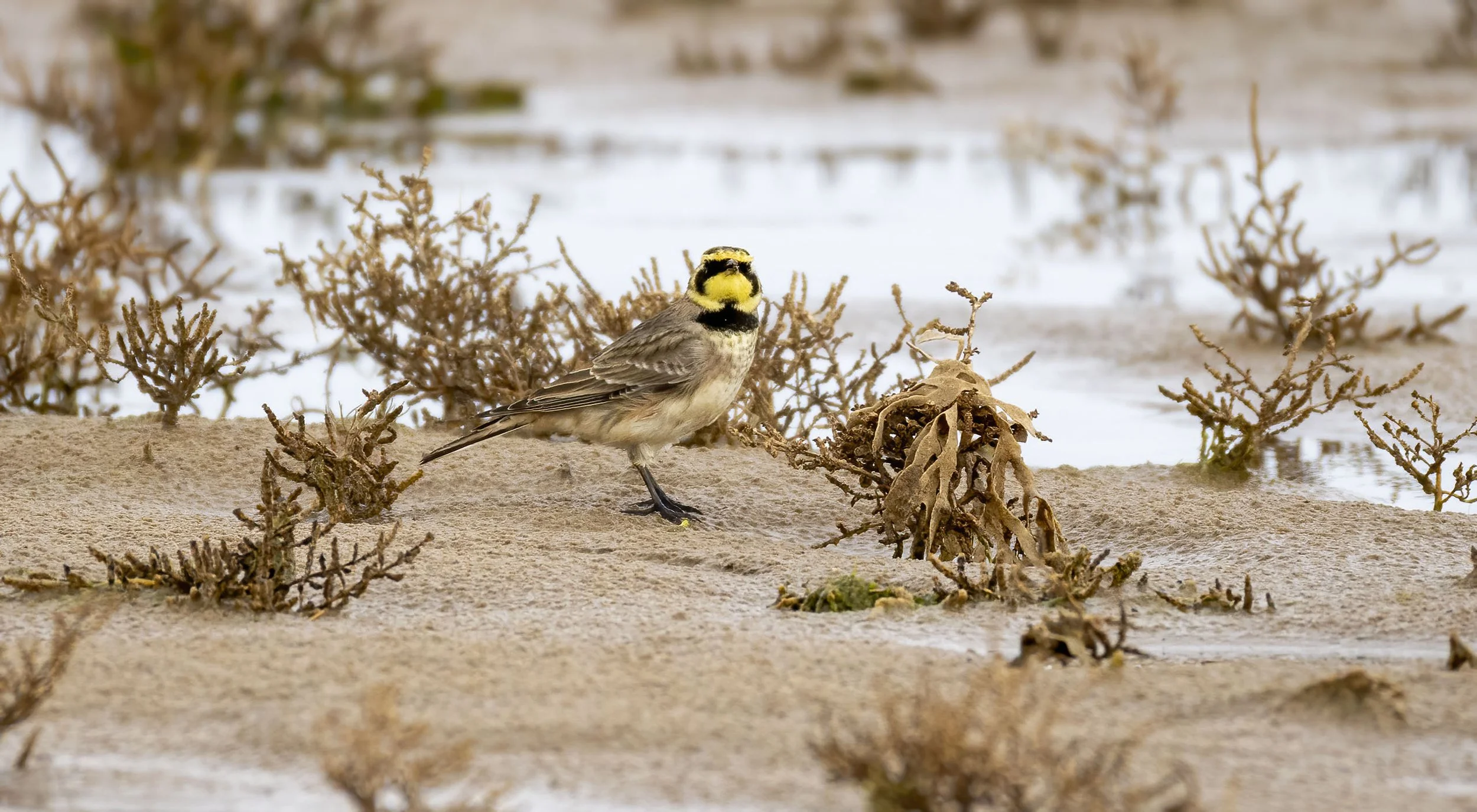
And 197 Shorelark - one of the three on the Lincs coast - in the late 70’s there were often between 100 and 200!!
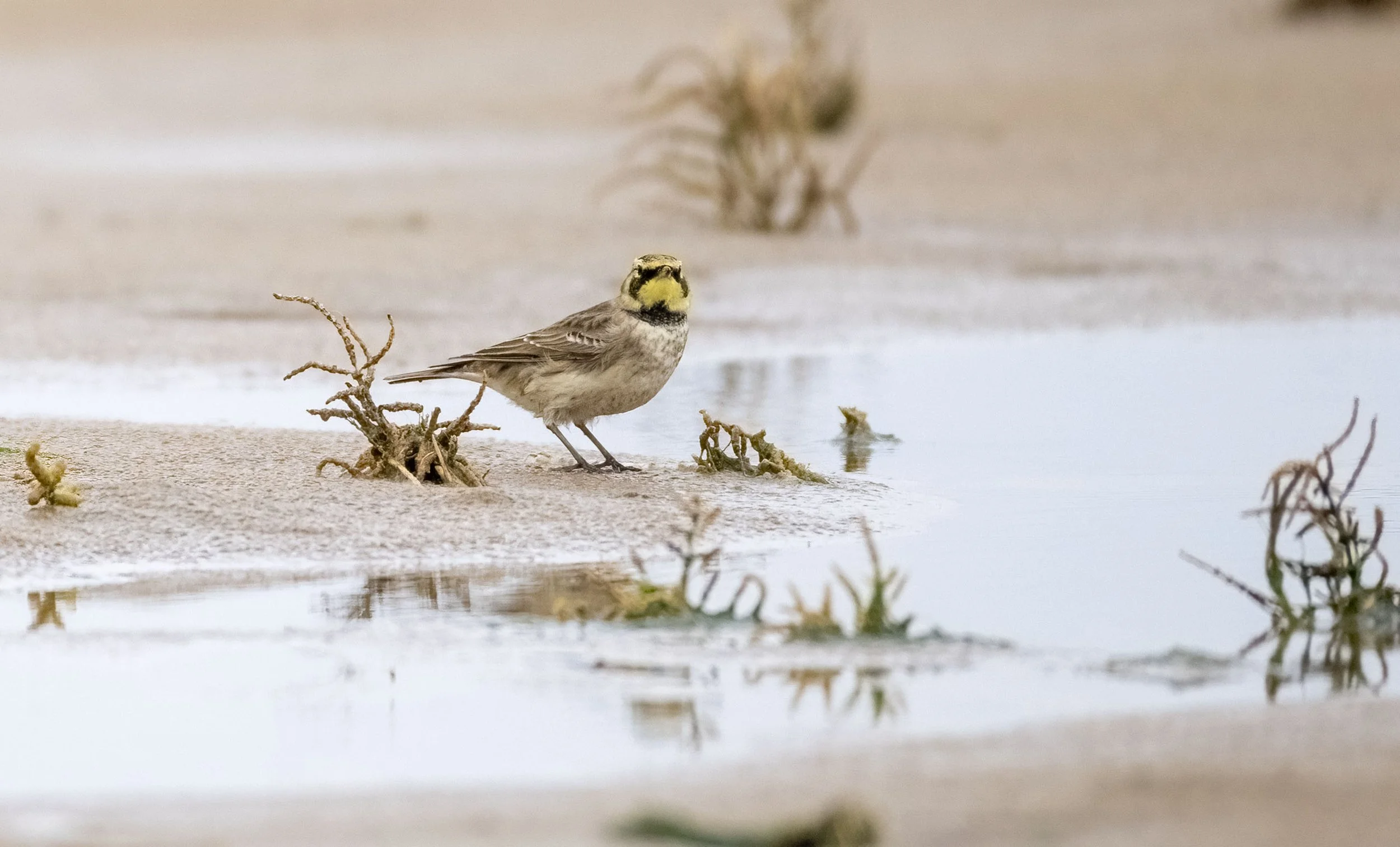
Two pretty scruffy looking for Shorelarks so presumably first-winters
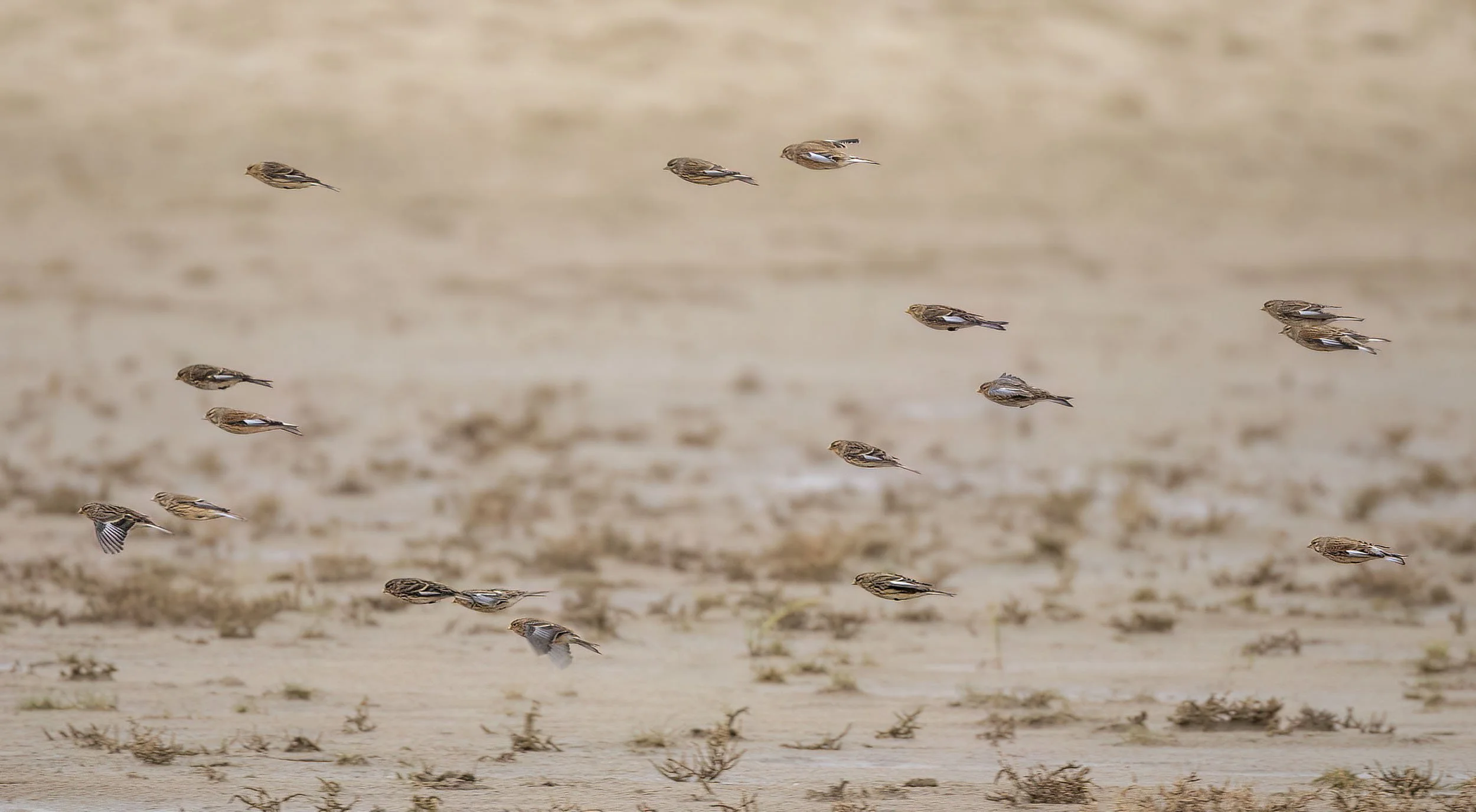
198 Twite - assessing how many Twite and Linnets are in a coastal flock is easier with a staic photo - 12 in this shot but 17 in some others
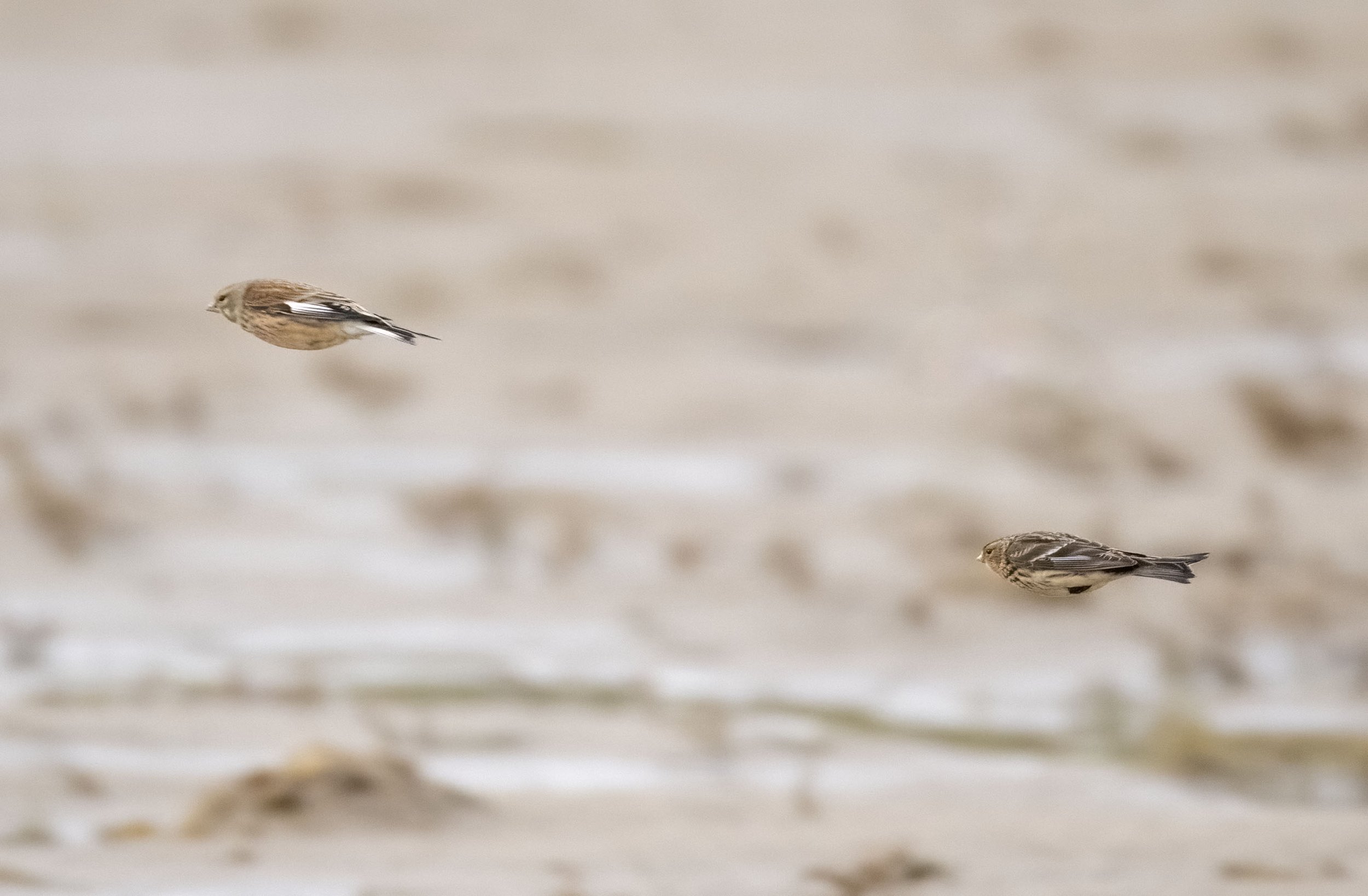
Male Linnets stand out better of course
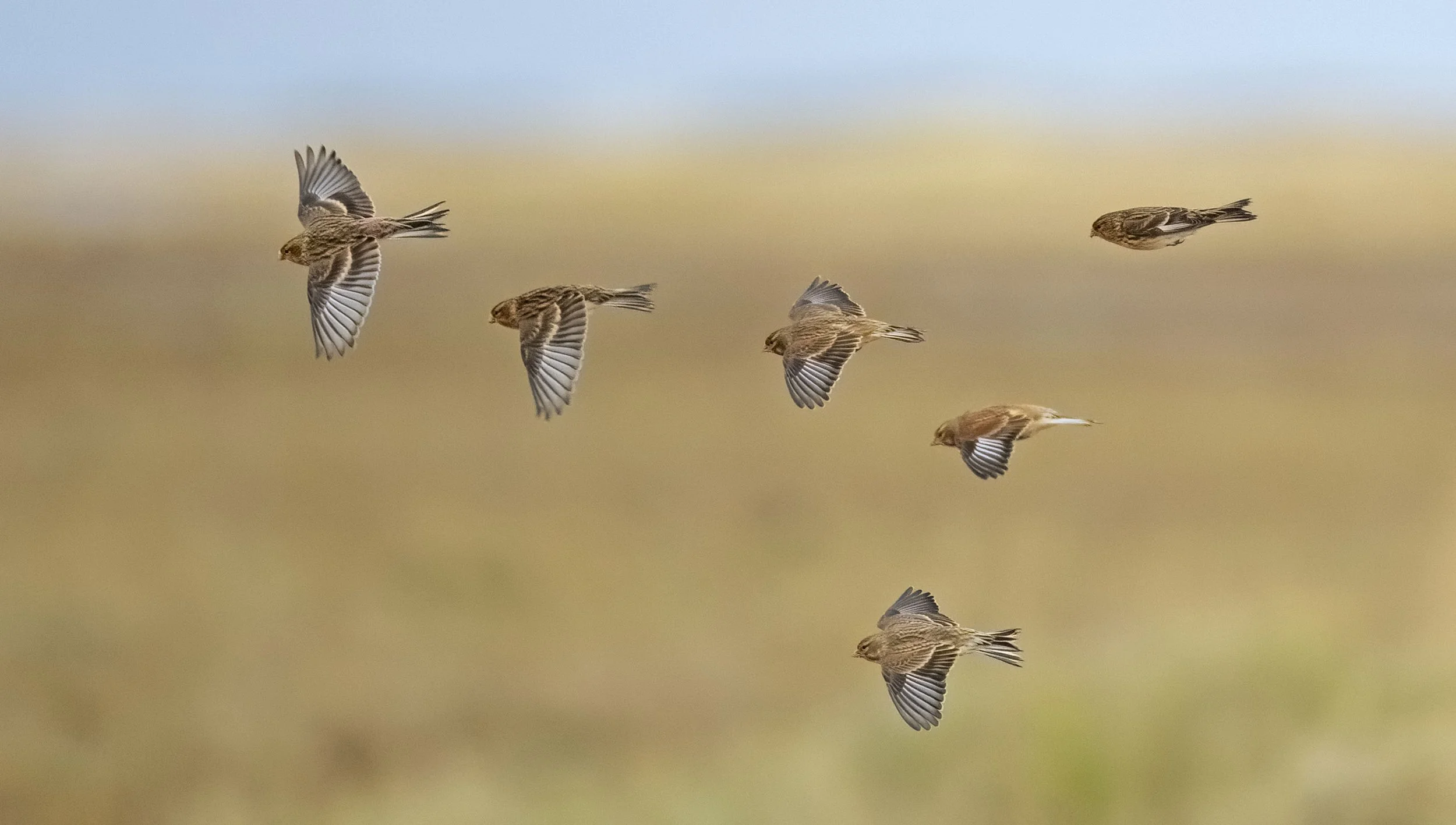
More margin for error here
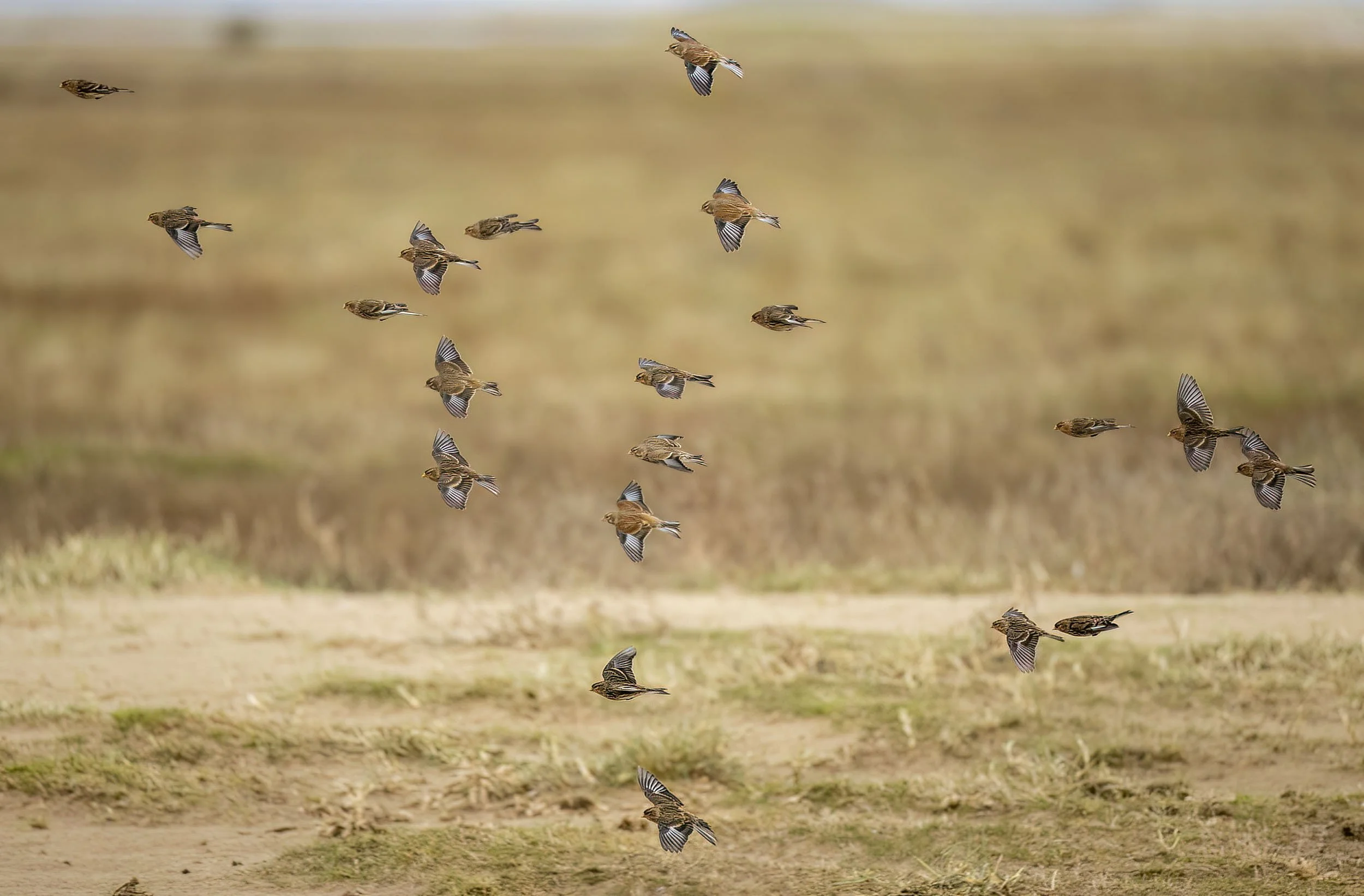
15 Twite in this one
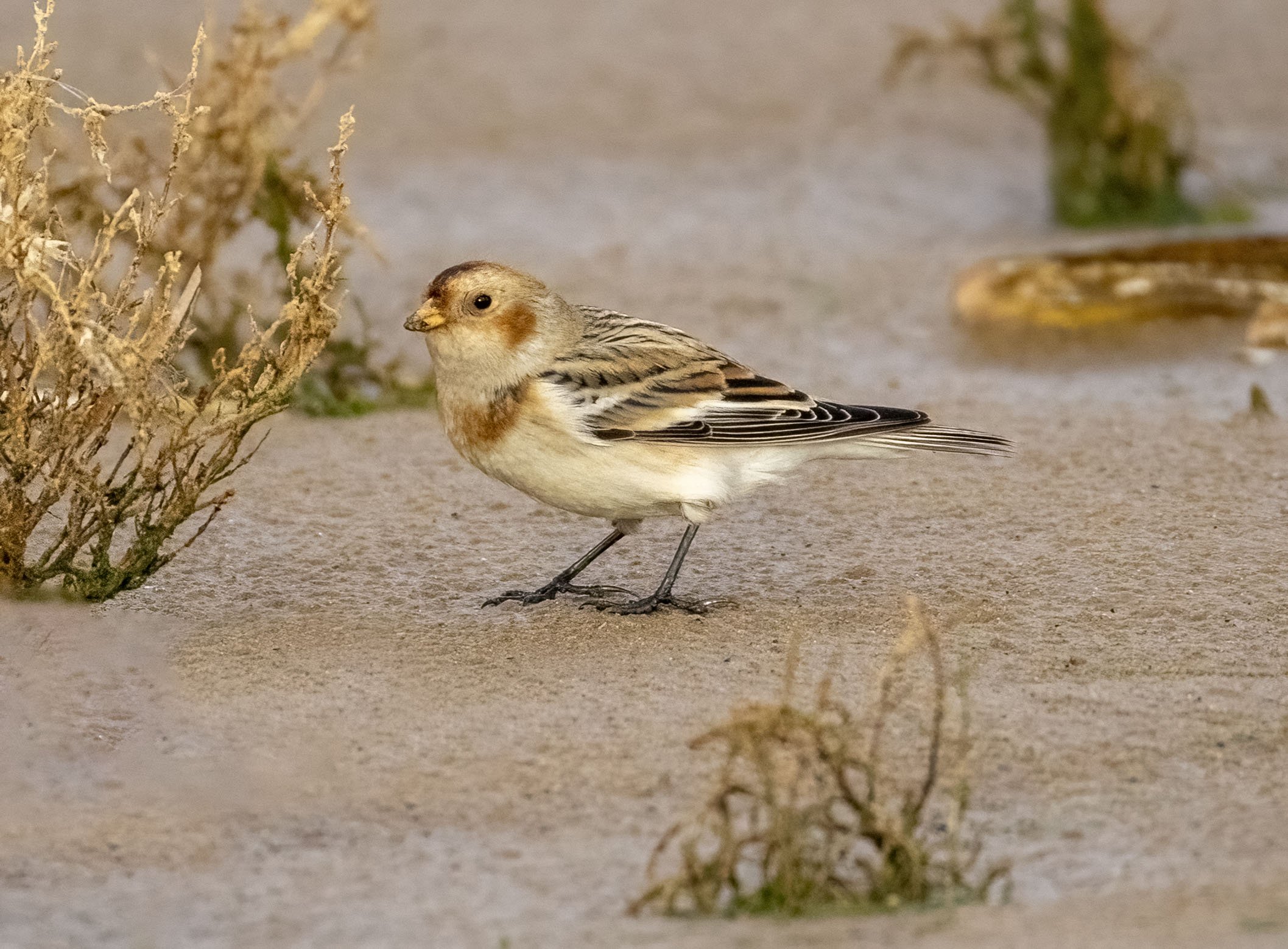
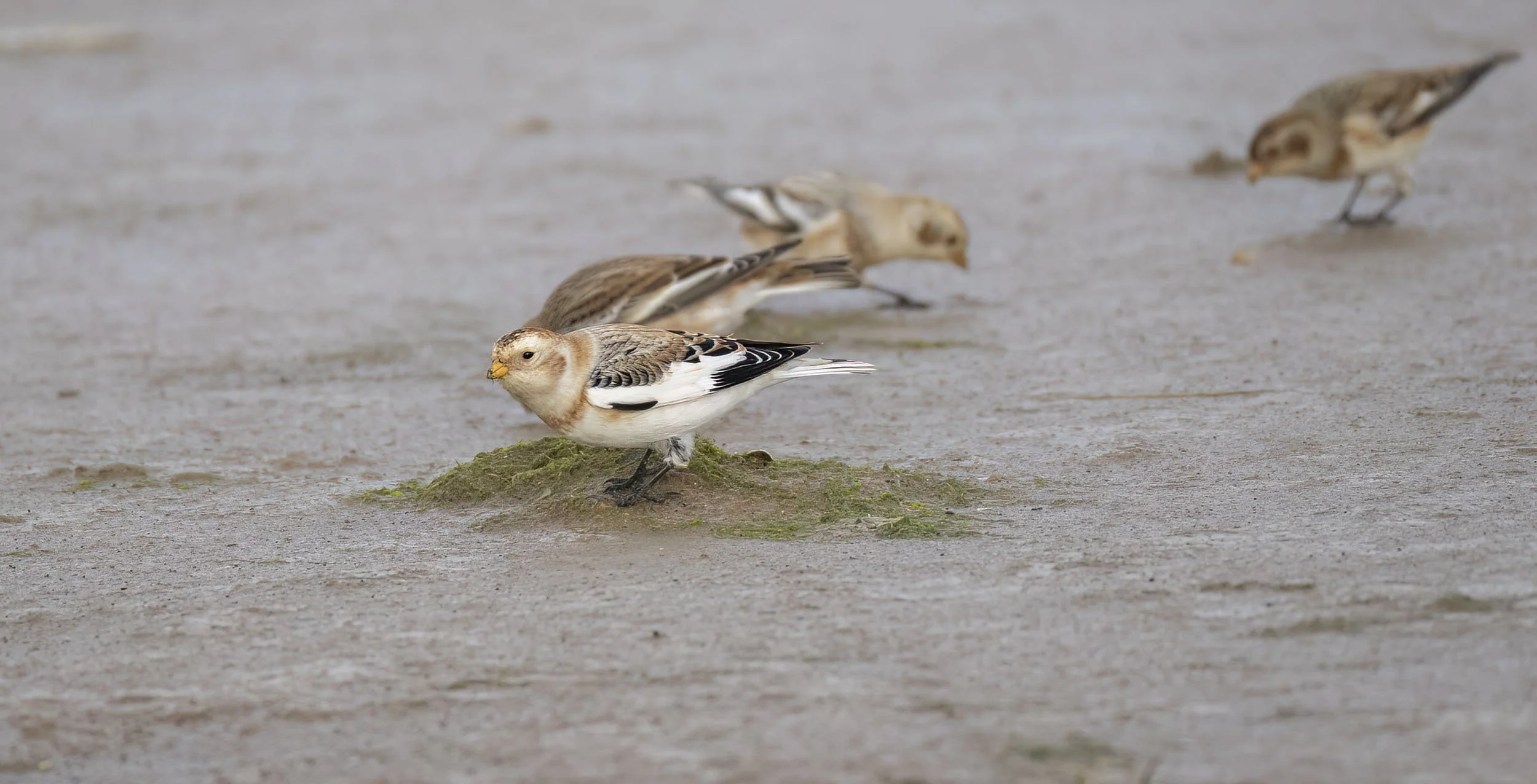
Located a flock of 28 Snow Buntings yesterday which is a major flock in recent terms gone are the days of flocks of 100+

a small number of adult males in the flock